All posts by Estwing

Rising Damp is a Real Problem

I hang my head in shame. For the last three months I have felt like a negligent parent, having subjected my family to unhealthy conditions.

At the end of July we shifted from a warm, dry home to a cold, damp home. The new house has a large wood burner and a mammoth woodpile that was included in the chattels. During the first weekend in August I topped up the grossly inadequate ceiling insulation with R 3.6 blanket batts and figured that – along with burning heaps of dry firewood – would get us through until summer.

Unfortunately there were two factors I did not fully appreciate: 1) the winter weather would stretch into November; 2) the profound impact of rising damp.
Screen shot 2014-11-21 at 6.56.40 PM

 With the extra insulation and a fantastic heat transfer system we have been able to heat our home to healthy temperatures – 18-22 in living spaces and 16-18 in bedrooms – but high humidity inside our home has had a greater impact than I ever would have guessed.

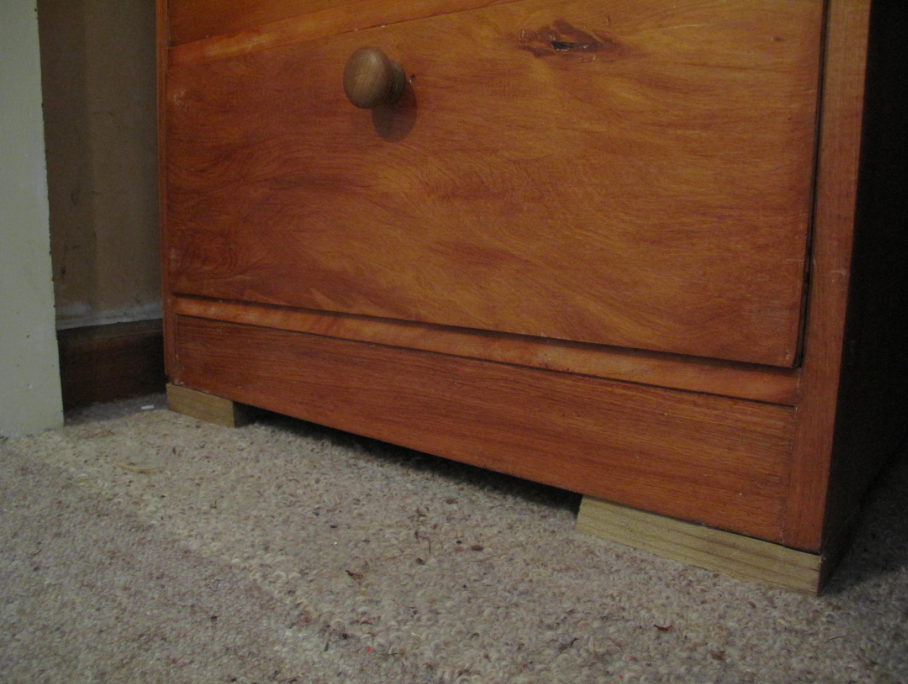
Having never lived in a damp home, the conditions were a shock for us. My wife and daughter had persistent coughs that came and went for many weeks. I managed to escape illness, but one morning recently I pulled open the bottom drawer of a low boy to find a pair of board shorts covered in grey mould. That was the last straw! Screen shot 2014-11-21 at 6.53.20 PM
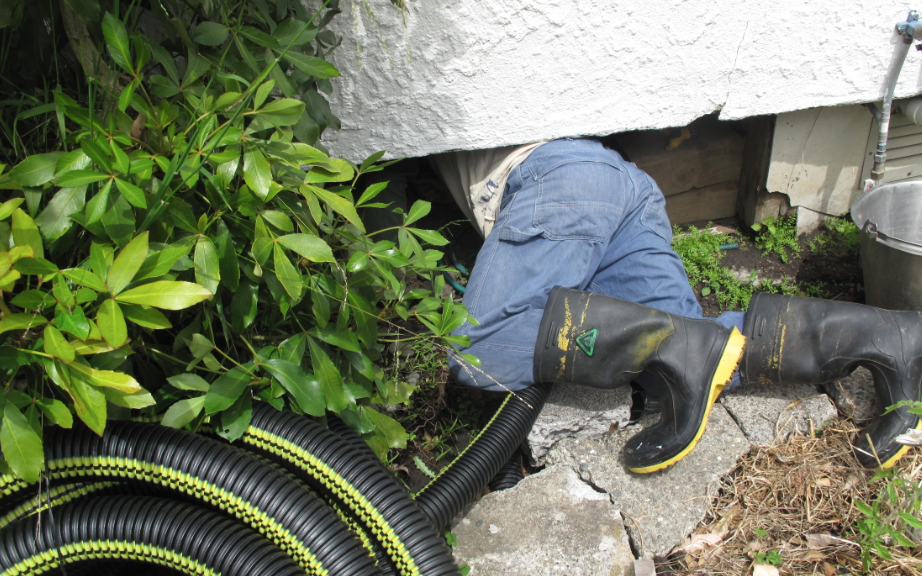
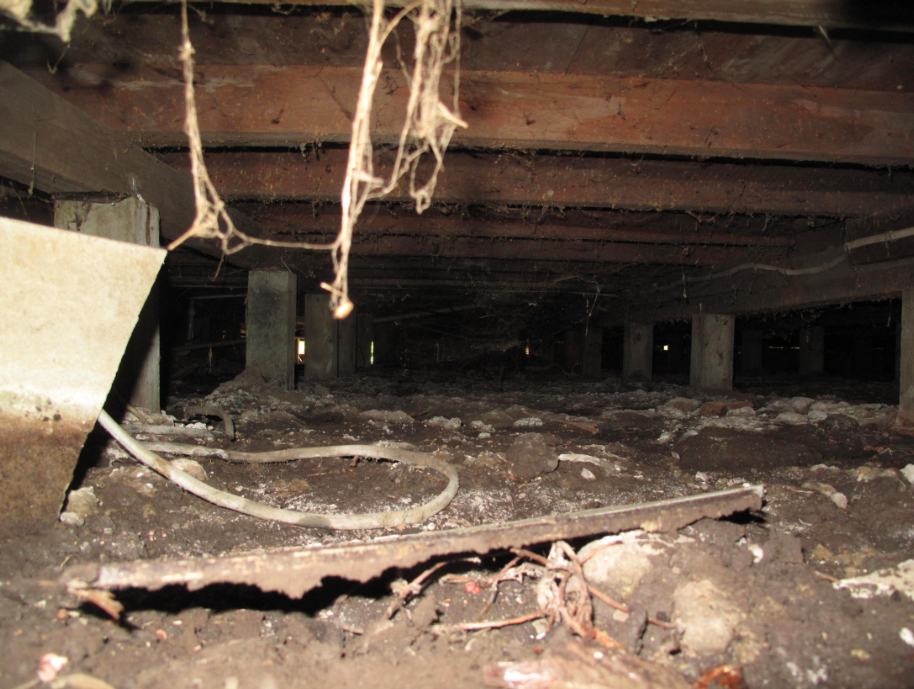
In actual fact, I knew all along that rising damp would be a problem in this home, and I bought 200 square metres of heavy-duty polythene back in August. But controlling the ground moisture was not as simple of laying the polythene under the structure – there were other issues that also needed to be addressed.

A lack of proper drainage around the perimeter of the home meant that excessive water was flowing underneath the structure. This lead to a handful of the treated piles rotting far short of their intended lifespan.
Screen shot 2014-11-21 at 6.52.34 PM

So the larger picture included drainage work, selective re-piling and laying polythene. Of these three jobs, the logical one to start with is drainage. In first aid treatment we follow the mantra: “First stop the bleeding, then treat other injuries.” The same applies to water damage and a home: “First stop the source of water, then make repairs.” Screen shot 2014-11-21 at 6.52.48 PM
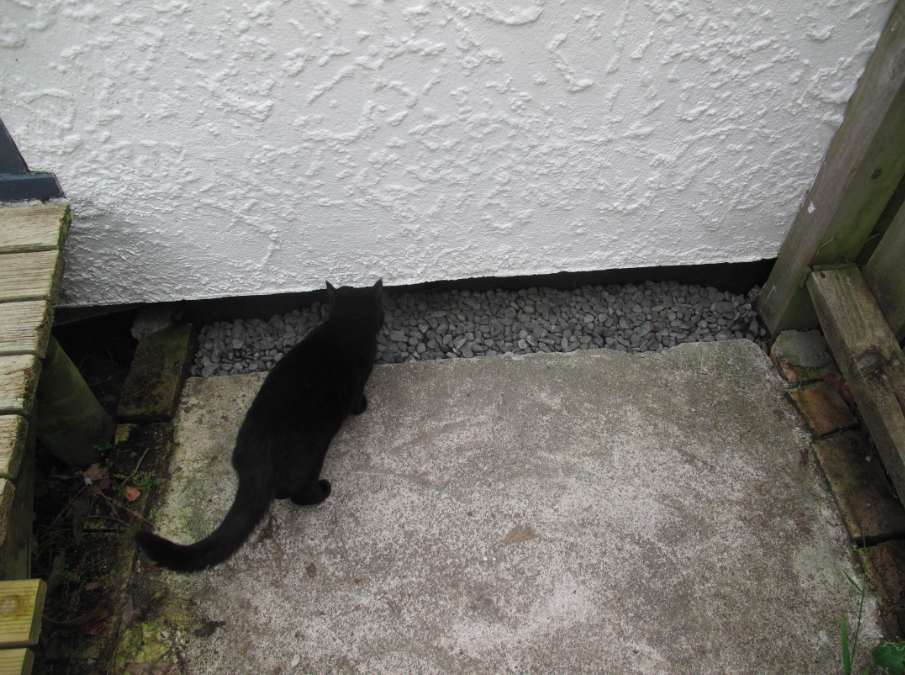
While I have been slowly remediating the drainage problems, we have embraced a number of techniques for limiting the unhealthy effects of raising damp in our home. These are simple techniques that almost anyone in Whanganui can afford to do whether they are homeowners or renters.

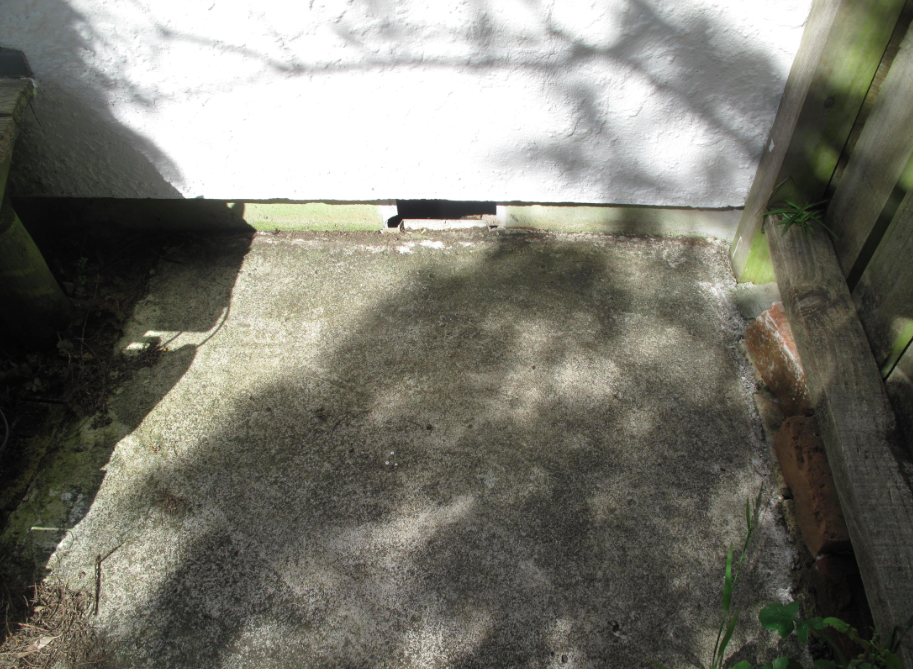
The first crucial step was to improve sub-floor ventilation. I did so in a rather crude manner by breaking out a few pieces of Hardie Board with the intent of repairing it later. Air moving under the home picks up moisture from the ground and carries it away. Many NZ homes have inadequate sub-floor ventilation.

Another technique that is used by many people to dry their homes is to air them manually by opening windows and doors. But like many things, there are more and less effective ways to do this. The most effective way to air your home is to open it up for 10 to 20 minutes at the warmest time of the day. This is much better than leaving windows slightly open 24/7.

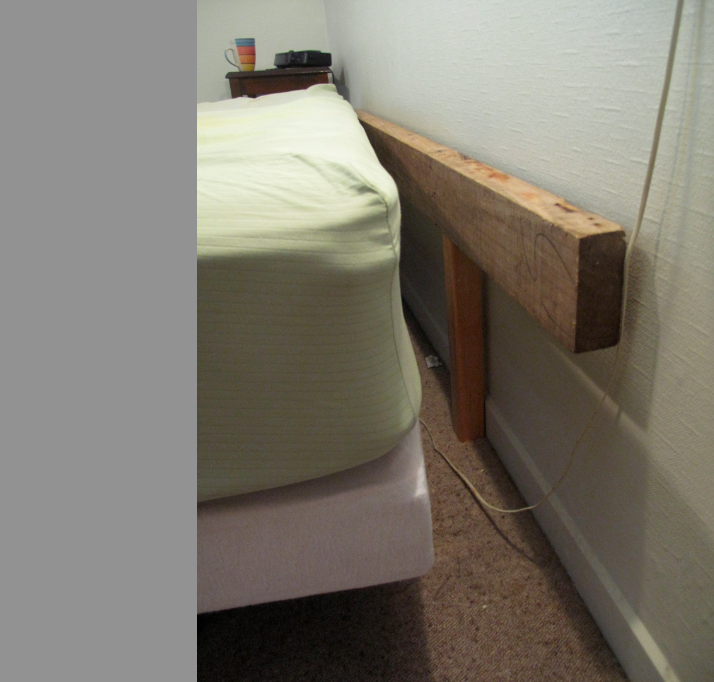
Finally, in order to avoid mould and mildew growth in our home we have taken a few simple steps with our furniture. I raised the low boy mentioned above with wood blocks to encourage airflow under it. Similarly I created a simple timber ‘spacer’ to move our bed away from a cold, south-facing wall. This allows airflow while keeping our pillows from falling through the gap. Win-Win.
Screen shot 2014-11-21 at 6.53.26 PM


Peace, Estwing

Relevance and the 3 R’s

I’m a slow learner: it took me four years and 100,000 words to discover that relevance is a major factor for high school students learning science. Of course I knew this already from 14 years of teaching. It is just that academia required a little more evidence before it put a D and an R before my name.

For the sake of saving another four years I will go out on a limb and say that relevance is also a major factor for adult learners. In other words, “grown ups” do their best learning when they can recognise how that learning will impact their professional or personal lives.

In my experience as a sustainability educator working with adults I see this all the time. Over the last four years I have organised over 60 free or by-donation presentations and workshops in Wanganui on topics ranging from eco-renovation to growing food to permaculture to solar energy to programming a heat pump.

Why would 35 people recently crowd into the Wanganui Garden Centre on a Sunday afternoon to learn how to grow ripe tomatoes before Christmas without a glasshouse? Because they see its relevance.

An influential thinker on my doctoral research was Stephen Sterling from the University of Bath. He suggests that for sustainability learning to be sustained, it must be owned by the learner. In other words, the learner must want to learn.

Sterling also identifies different levels of change regarding an individual’s thinking about sustainability. First order change is doing more of the same but doing it better. Recycling is an example of this because it allows us to carry on our regular habits but just put the ‘waste’ into a different bin afterward.

He describes second order change as doing better things, such as reusing bags for shopping. The big step, however, is third order change: seeing things differently. An example of this from the 3 R’s would be reducing our consumer habits altogether.

Some of this may be relevant to those Chronicle readers who recently commented on Wanganui District Council’s decision on curbside (kerbside?!?) recycling. From what I read, many of the respondents appeared to see the relevance of curbside recycling to their lives and to our community.

Paul Brooks of the Midweek certainly recognizes the relevance of Referendum 06 and what he called “a clear mandate to go ahead with kerbside recycling” (Time to Recycle Result?, Midweek, 15-10-14). Brooks identified that “Councillors have said they want to save Wanganui ratepayers the extra cost of recycleables’ collection.”

Fair enough, but if the ratepayers voted for this service in 2006, would not that be an indication of the willingness to pay? On the other hand, I’m curious where the desire to save ratepayers money was when council decided to spend over $700,000 on a useless odour fence around the treatment plant.

As a researcher I look for patterns in ‘data’, and a consistent body of evidence suggests that WDC distances itself from exhibiting commitment to weighty sustainability initiatives. For example, in all of the articles about the new recycling centre council spokespersons consistently emphasized that no rates were spent to build it. Likewise, when insulation was put in some council housing the same emphasis was made – no rates were used.

It got me thinking: Is supporting recycling in our community a bad thing? Is helping low-income seniors live in warmer healthier homes a waste of money?

On no other types of projects have I observed such a consistent emphasis by council to distance itself from the appearance of financial commitment. For example, the arts are supported whole-heartedly with significant council funding with no apologies made. Of course I am not against the arts, I am just presenting patterns easily observable in our community.

Top eco-designers will tell you that money is rarely a barrier in projects, and more often the limiting factor is human will. I tend to agree with them. Here are a few examples.

The Second Annual Whanganui Permaculture Weekend held two months ago involved hundreds of people and dozens of workshops and presentations. It had no budget.

Zero Waste Events, recently administered through Sustainability Whanganui, had its origins four years ago at the YMCA’s Connecting Families Day. It had no budget and saved the Y money.

In both cases human will carried more currency than cash.

Peace, Estwing

Keep Calm and Think Different, Part 6 – “Thinking Like a Swale”

Screen shot 2014-11-07 at 6.53.45 AM

Last month I was invited to give a lecture on eco-design at a tertiary institution. As part of the lecture I provided background on why we should even bother to put the eco into design. Among the reasons was to build resilience to the predicted and observed effects of climate change: including increasingly severe weather events.

During the question and answer time a young woman tried to start a debate on climate change rather than ask questions about eco-design. Even before she said that her parents were farmers I could tell because she was parroting the same statements I’ve heard from farmers many times.

I steered the conversation back to eco-design and how a growing number of farmers are using it to their advantage to build resilience to drought and protect themselves financially. There are two primary examples of how this is done: 1) protecting waterways with fencing and plantings of trees and/or shrubs; 2) constructing swales.

 Screen shot 2014-11-07 at 7.15.56 AM

Bill Mollison’s quintessential swale. 

The young woman challenged these suggestions: “My parents can’t afford to do that.”

“Your parents can’t afford not to,” I replied.

Ask a farmer in California how expensive the current drought is for them.

Predicted and observed impacts of climate change include more frequent and severe droughts as well as more frequent and severe floods. On my farm I am preparing for both and would suspect any prudent, conservative farmer (like me) would do the same.

Screen shot 2014-11-07 at 6.53.21 AM

Small-scale swale. 

A recent announcement by the UN climate science panel revealed that there are three areas where extreme weather will have the greatest effects, two of which are particularly pertinent to NZ: farming regions and coastal areas.

Here is a good time to pause and remind readers that I do not beat the drum for carbon reductions or engage in campaigns against cow farts. I am happy for others to do those things. In life we choose our battles and my battle is to try to convince as many people as possible that eco-design is smart design and anything else is wasteful and ignorant.

In recognition of River Week I’d like to focus the rest of this column on ecological water management and specifically what I call “Thinking like a swale.” A swale is an earthen berm that runs perpendicular to slope. It is perfectly level and therefore does not drain like a ditch.

Screen shot 2014-11-07 at 6.53.30 AM

Garden built as a series of swales. 

A swale catches water in times of abundance and stores it in the earth. Instead of running off a property during heavy rains and adding to flooding, the water is held on the property in a giant underground ‘water tank.’ This stored water can be called upon in times of drought either from springs that form lower on the property or by the deep roots of certain trees whose foliage can be fed to stock.

In these ways a swale works like a bank account. Deposits are made in times of abundance and withdrawals are made in times of scarcity.

But “thinking like a swale” is not limited to water management. This type thinking relates directly to passive solar design: excess sunlight energy is collected and stored during the day in thermal mass and released at night as the indoor temperature drops.

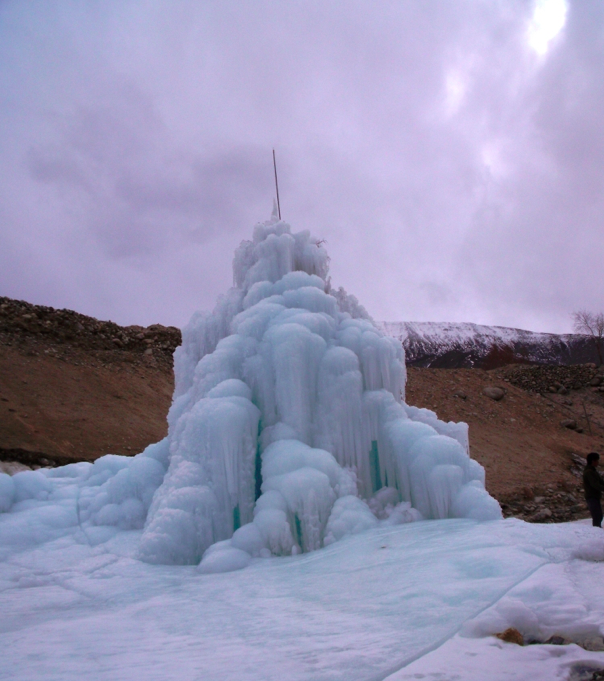
What is easily the coolest example of thinking like a swale that I have come across recently is a project undertaken by my friend Sonam Wangchuk, an eco-design engineer and education reformer in Ladakh, India. As a way to develop resilience to the effects of climate change and protect the people of Ladakh, Wangchuk has used eco-design thinking and natural energy flows to develop a working model of a seasonal artificial glacier.

Screen shot 2014-11-07 at 7.03.30 AM

Prototype Ice Stupa

The ingenious artificial glacier, nicknamed the “Ice Stupa,” takes excess winter stream water and freezes it into a giant mound using gravity and the natural sub-zero temperatures of the Trans-Himalaya. In springtime when water is most needed by farmers to germinate their seed in the fields the Ice Stupa provides early meltwater before the higher glaciers begin thawing in early summer.

Wangchuk is among the top eco-designers in the world, and this project is one of his best. To learn more about this amazing example of eco-design and support Wangchuk’s work, see the sidebar.

Screen shot 2014-11-07 at 7.01.06 AM

Traditional stupas in Ladakh

To learn more about Wangchuk’s project, follow this link:  https://www.indiegogo.com/projects/ice-stupa-artificial-glaciers-of-ladakh


Peace, Estwing
No Return on Investment: Selling a Home at a Loss

Bang! Bang! Is it duck season or messenger season? From my observations over the last few months it is clearly the latter in Wanganui.

The overwhelming overreaction to the independent expert analysis from economist Shamubeel Eaqub appears to be indicative of why Whanganui is still spinning its wheels and failing to progress after decades of whinging: decision-makers in our city appear to refuse to accept all forms of constructive feedback and suggestions to adopt new ways of thinking.

When dialogue is shut off before it begins we are ensured that no change will occur. This is a consistent pattern I have observed while living here. Correct me if I am wrong, but isn’t this what puts the P in Provincialism? Forget adding an H to Wanganui, let’s just go ahead and rename the city “De-Nile.” Egypt won’t mind.

I will admit that thinking different is not easy, but failing to do so can be expensive. Let’s take housing and renovation as an example. Conventional wisdom is that investing in property will always give a positive return because house prices always rise. Everyone in Wanganui knows this.

More convention urges us to put in new kitchens and new bathrooms as these add value to our homes and we will easily recoup the investment when it comes time to sell. Everyone in Whanganui knows this too. Screen shot 2014-11-01 at 8.07.10 AM

New Kitchen: No Return

Nek minnit, QV.

About a year ago I was taking photographs of the absurd process of bulldozing sand from Castlecliff Beach into the Tasman Sea when the driver walked over for a chat. We had a great conversation about sand, wind, waves, Council, America, and Detroit (my “home town”). But what really concerned him was the recent valuation of his home. After spending heaps of money renovating the valuation did not come close to reflecting his investment. Screen shot 2014-11-01 at 8.07.52 AM

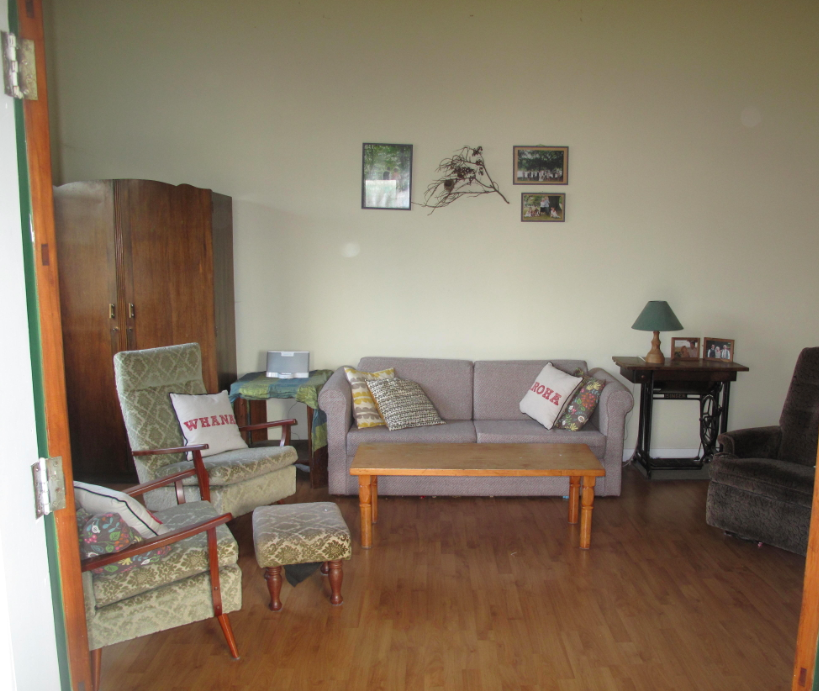
Refurbished Lounge

Real estate agents tell me that many clients struggle to “claw back” any and every dollar they have spent doing up their homes. With rare exception, I suspect that most homes purchased and renovated within the last eight years are being sold at a loss. My family is looking at this very proposition ourselves, which is especially disconcerting because we invested heavily in energy efficiency in addition to the new kitchen and bathroom.

 Screen shot 2014-11-01 at 8.07.26 AM

Beachy Bedroom

When it comes to the energy performance of a home, QV does not recognize a price premium. In other words, if you spend $30,000 on solar energy, super-insulation, double-glazing, etc. don’t expect to recoup that investment when you go to sell. Even if that investment will save the next occupants $30,000 in power over ten years it is not recognized as a valued asset of the home.

Justifying this position, the friendly QV man who came to our home after we challenged its mind-bogglingly low valuation told me, “The market does not show that it values energy efficiency.”

Screen shot 2014-11-01 at 8.08.31 AM

Floor to Ceiling Native Rimu

But to what extent is this a chicken-and-egg scenario? If QV does not value eco-renovation then potential buyers will look at the valuation and be less willing to pay for what it cost to do the work in the first place. On the other hand, how many enlightened buyers will it take to prove to QV that the market does value energy performance?

To review, evidence suggests:

  • doing up a kitchen and bathroom do not increase the value of a home in Wanganui;
  • improving the energy performance of a home in Whanganui does not increase its value.
  • doing both…R.U. Nutz?

Screen shot 2014-11-01 at 8.07.39 AM

Repurposed Doors and Coal Range

So the moral of the story is that unless you plan to remain in your home for a very long time it is highly unlikely that you will break even on the costs of renovation. Of course this will not come as welcome news to many people in our community.

Go ahead and shoot me. It is a good day to die.

Peace, Estwing

Sidebar

Workshop: Low-Input / High-Productivity Gardening

Thoughtful design and management of a vege garden can increase productivity and decrease the hours of labour. Invest two hours in this workshop and save dozens of hours weeding your garden.

Sunday 9th November, 3-5 PM. Registration and deposit required.

06 344 5013, theecoschool@gmail.com

Propagation by Cuttings: A non-expert experience

I have been mentioning in a few posts about the plant propagation course I took over the last 10 months. Here is a little more explanation of propagation by cuttings, but I am certain you can find better advice elsewhere on the internet.

Screen shot 2014-10-27 at 11.39.14 AM

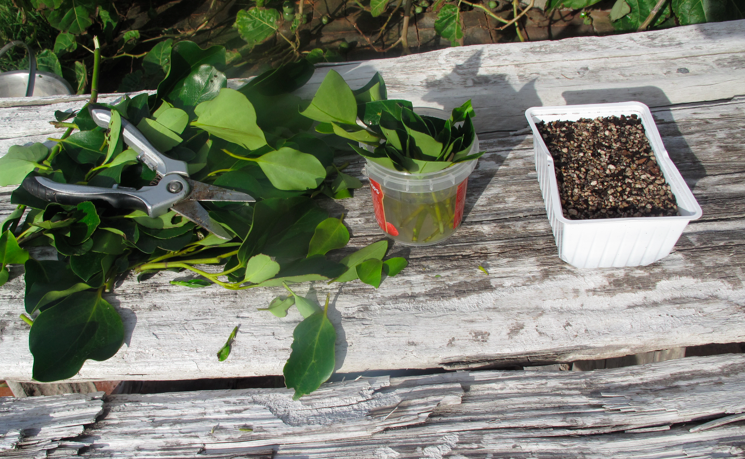
From what I recall, this is how it works. You’ll need a rooting hormone, which you can purchase in powder form, but in this case I used chopped up willow leaves that I soaked overnight.

Screen shot 2014-10-27 at 11.46.36 AM

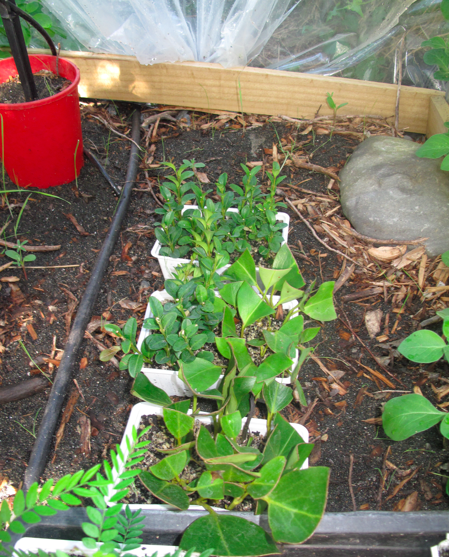
Cut the stem to three nodes and cut half off of the top leaves. This is griselinia, a NZ native tree aka kapuka in te reo. Scrape one side of the bottom of the cutting to expose the cambium.

Screen shot 2014-10-27 at 11.46.54 AM

I soaked these semi-hardwood cuttings in the willow water for half an hour before putting them into the propagation mix.

Screen shot 2014-10-27 at 11.47.08 AM

Then they go into the propagation unit, which holds in warmth and humidity. Behind the griselinia is buxus.

Screen shot 2014-10-27 at 11.38.41 AM

The unit has two misting units set on a timer.

Screen shot 2014-10-27 at 11.39.34 AM

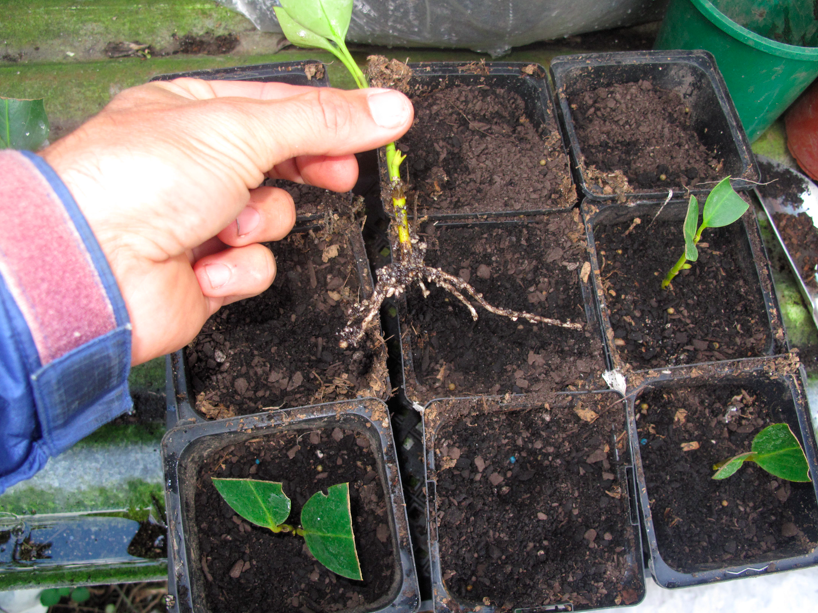
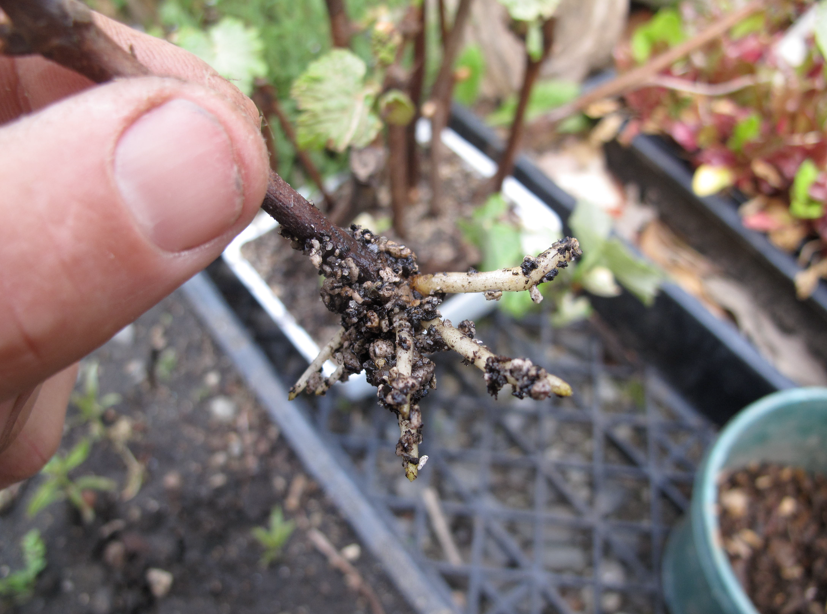
After a few months the cuttings have put out roots.

Screen shot 2014-10-27 at 11.41.07 AM

I used my very fancy potting bench/duck house to prick them out and pot them up.

Screen shot 2014-10-27 at 11.41.25 AM

Then back in the unit for some more time to grow in a sheltered environment.

Screen shot 2014-10-27 at 11.40.26 AM

And finally outdoors.    Screen shot 2014-10-27 at 11.44.27 AM

Peace, Estwing
Keep Calm and Think Different: It Takes Money to Save Money, Part 4

   Screen shot 2014-10-24 at 2.44.18 PM

We all know that growing fresh fruit and vege at home can save money while providing one’s family with healthy kai.

Screen shot 2014-10-24 at 2.43.15 PM

But like many DIY endeavours, there are more effective ways of going about it and less effective ways of going about it. Sadly, I have seen dozens of examples of failed home and community gardens that suffered from poor design and poor management.

For example, many fruit trees have died at an unsuccessful community garden at the top of Carson Street in Castlecliff due to poor design and installation. Hundreds of dollars worth of fruit trees have been “blown away” because the trees were not given protection from the coastal winds and “leached away” because they were planted in sand without sufficient soil amendments.

Unfortunately, when it comes to fruit trees and vege gardens, being cheap can be expensive. In community gardens this represents a waste of money and sends the wrong message to the local community. In a home garden, it may be that a failed attempt discourages a family from trying it again.

The good news is that this can be avoided with appropriate design and installation. I am fond of the phrase: “Do it once. Do it right.”

Screen shot 2014-10-24 at 2.43.47 PM

This is not to discount the value of making mistakes and learning from them, but it is always better to learn from someone else’s mistakes and subsequent learning. With this in mind, here are a few things I have learned.

There are four main factors in food production: sun, wind, water and soil. Unless you are Maui, the only one that cannot be actively managed is the sun. Screen shot 2014-10-24 at 2.43.35 PM

The easiest of the rest to manage may be water. Living within city limits all you need to do is turn on your tap for unlimited free H2O for your lawn and garden. However, this can be wasteful if you live on sandy soils because most of the water leaches away carrying some of the nutrients you may have put on in the form of compost or chemical fertilizer. Additionally, it is highly likely that at some point in the future Wangaui will have metered water and we will pay for what we use.

At our Castlecliff property we have invested about $400 in topsoil that greatly enhances the productivity of our fruit trees and vege gardens by slowing the leaching of compost away from the plants’ roots. The return on this investment is far in excess of $400 in abundant organic fruit and vege. (It takes money to save money.) Screen shot 2014-10-24 at 2.43.24 PM

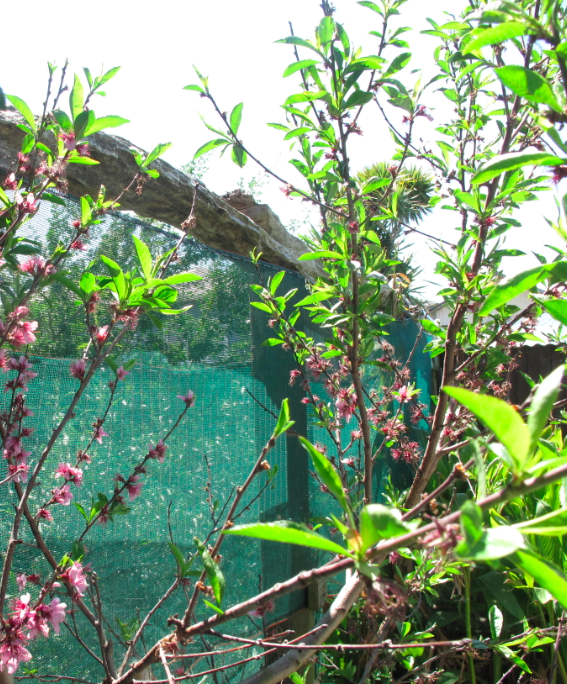
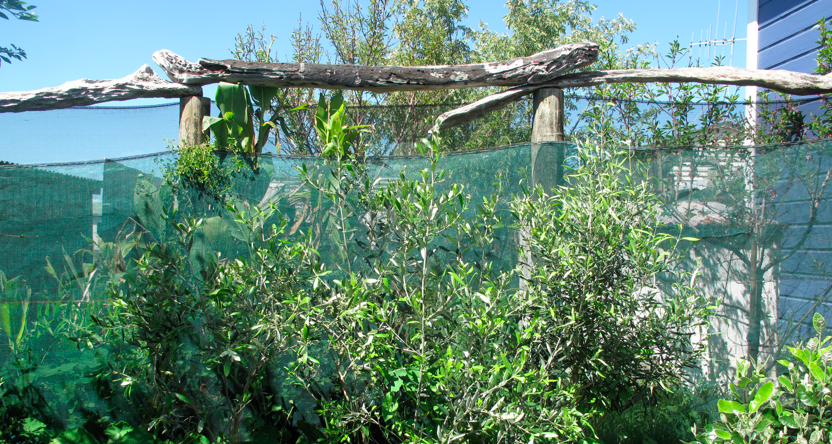
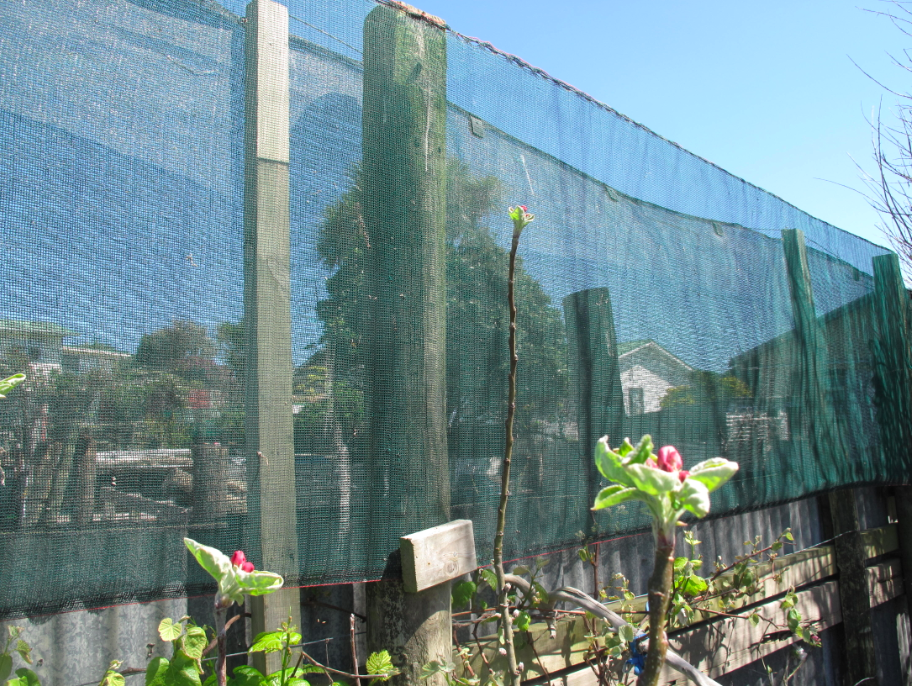
We also invested about $600 in substantial wind protection. It makes no sense to plant a fruit tree in Castlecliff if you do not protect it from the coastal winds. (It takes money to save a tree.) Adequate wind protection reduces stress on trees and results in higher fruit yields. For example, one Black Boy Peach tucked away in an especially sheltered corner of our property is perhaps the healthiest and most productive organic tree of its kind in the city. Screen shot 2014-10-24 at 2.44.06 PM

Other fruit varieties on our property include: plums, apricots, prunes, guavas, grapes, figs, bananas, oranges, loquats, feijoas, apples, olives, raspberries, and more peaches.

Alongside good property design and proper installation of garden infrastructure comes good management. Together, they can account for many thousands of dollars in fresh fruit and vege for your family with little effort. The savings on your food bill can be significant but it’s critical to invest first for success later. Screen shot 2014-10-24 at 2.43.58 PM

If you are interested in learning more about the best practices in organic garden design and management, check out the sidebar.

Peace, Estwing

 

Sidebar:

Workshop: Low-Input / High-Productivity Gardening

Thoughtful design and management of a vege garden can increase productivity and decrease the hours of labour. Invest two hours in this workshop and save dozens of hours weeding your garden.

Sunday 9th November, 3-5 PM. Registration and deposit required.

06 344 5013, theecoschool@gmail.com


Seeding an Herbal Ley Around Fruit Trees

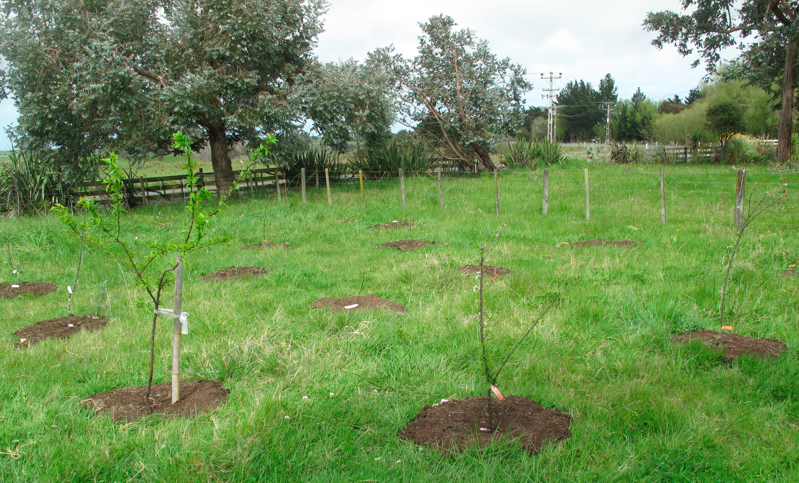
I have been rushing to get our fruit trees planted before the cool, rainy weather gives way to long, hot, dry days. With 74 trees planted so far I am nearing the end of the job.

Screen shot 2014-10-21 at 10.04.27 AM

But essential to the process is getting an herbal ley seeded around each tree while the rain will still provide the irrigation. This is important because most fruit trees are shallow-rooted and they compete directly with grasses for nutrients and water. An herbal ley is a diverse mix of plants that are meant to provide a range of services in an orchard that grass does not.

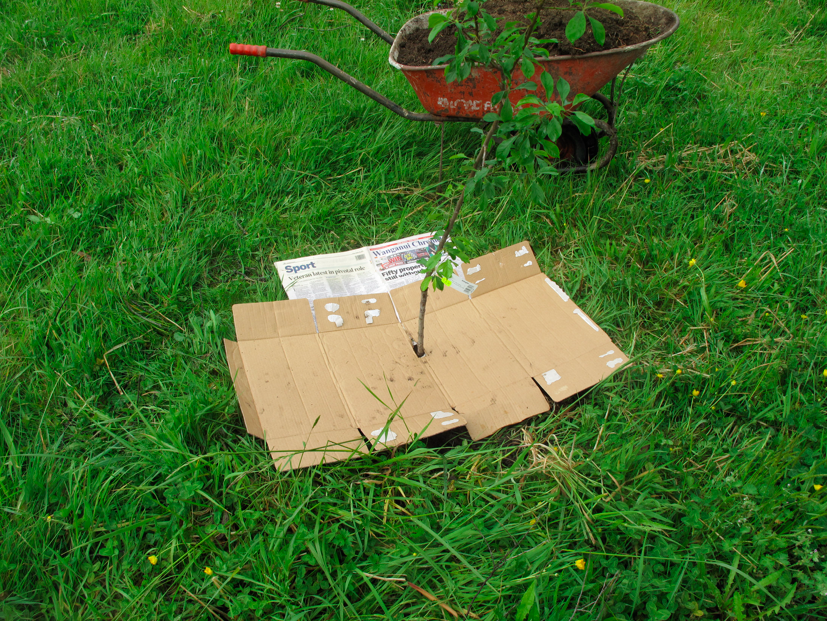
Obviously the first step is to kill off the grass. The easy organic way to do this is to smother it with cardboard and/or newspaper.

Screen shot 2014-10-21 at 8.33.02 AM

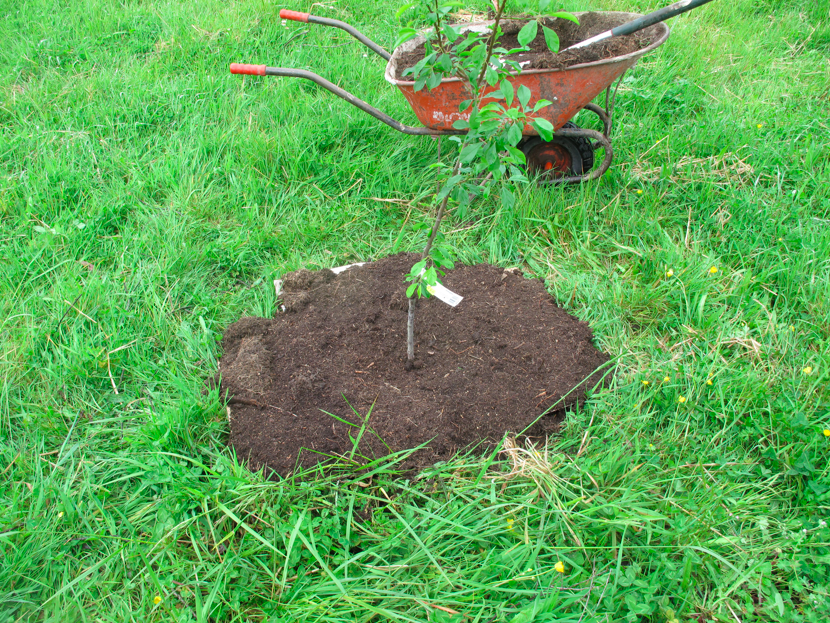
I then mulched this with copious amounts of rotted horse manure while being careful not to mulch against the trunk.

Screen shot 2014-10-21 at 8.33.12 AM

The seed mix I got from friends of ours so I cannot tell you exactly what it contains. You can easily Google recipes for different regions and different climates.

Screen shot 2014-10-21 at 8.33.24 AM

Sprinkle lightly over the top of the rotted manure.

Screen shot 2014-10-21 at 8.33.47 AM

Then lightly cover with more mulch and pat it down.

Screen shot 2014-10-21 at 8.34.08 AM

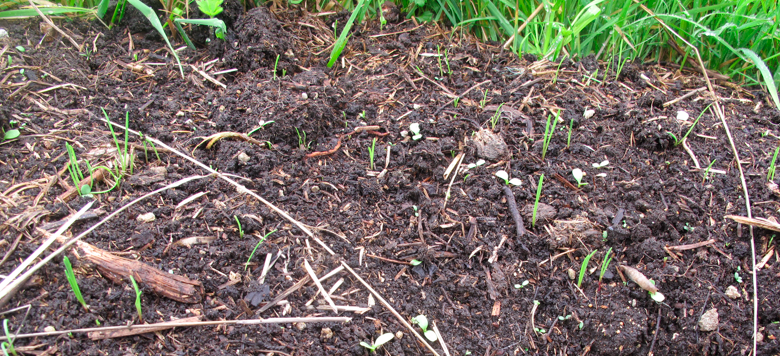
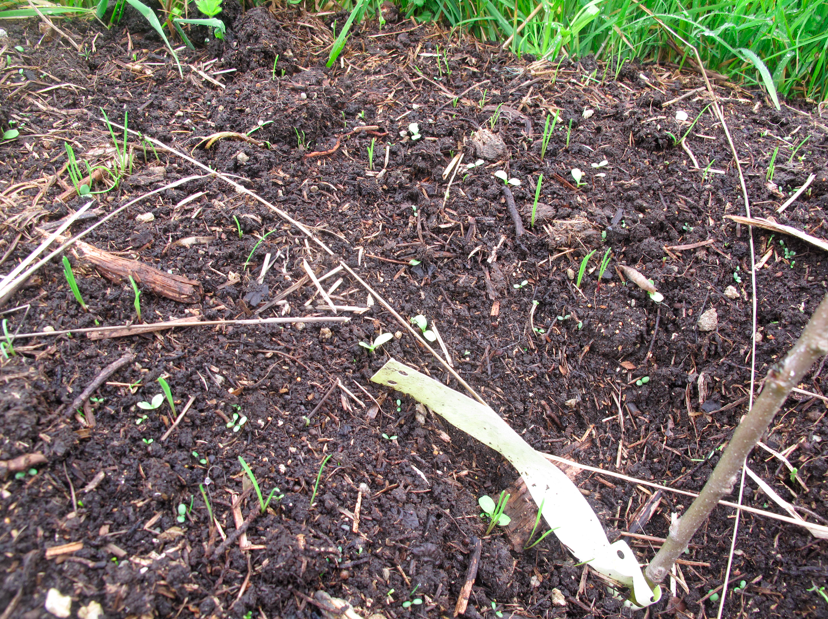
With a bit of rain it will start to germinate.

Screen shot 2014-10-21 at 8.34.27 AM

As the grass dies beneath the mulch it turns into food for the fruit trees and the herbal ley.

Screen shot 2014-10-21 at 8.34.39 AM

Easy-peasy. Now repeat 73 more times.


Peace, Estwing
Keep Calm and Think Different: It takes money to save money, part 3

Screen shot 2014-10-17 at 7.54.18 PM

This is the third in a series focusing on the value of investing in long-term savings. The most obvious example of this way of thinking is represented by energy savings and payback period. But let’s not get hung up only on the financial benefits – which can be substantial – while ignoring others such as health, happiness and harmony.

The following testimonials come from residents who have participated in building and renovation projects through Beacon Pathway, “an Incorporated Society dedicated to transforming New Zealand’s homes and neighbourhoods”:

“We know what a warm house is now.”

“We are doing our job as parents keeping the house healthy for the kids.”

“We are happy here, which flows through everything else. Everything has been better since being here.”

“Being warmer made us happier. We were on edge before, and cold. It was a nightmare. This has taken a weight off us.”

These words from four different families speak volumes about the non-financial benefits of living in warm dry healthy homes. I would classify the sentiment of these statements – especially the last two – as one of emotional resilience. In other words, knowing that their homes would be warmer and drier at lower running cost has taken stress and emotional pressure off these families and resulted in a flow-on effect of higher quality of life in many ways.

This is a dramatic contrast to a poem I ran across recently:

Sisyphus in Aotearoa

By Leonel Alvarado


All winter long

I push my oil heater

From room to room


Resilience – emotional and otherwise – will become increasingly important to individuals, families, neighbourhoods, cities and nations as ever more volatile weather patterns result in increasing physical and economic damage. Innovative communities worldwide are planning for resilience. Others choose not to.

Resilience can take many forms on many levels. One important form of resilience on a residential level is durability. Alongside energy efficiency, another way the long-term running costs are kept low at our Catlecliff villa has been by investing in durability. The first and most prominent example of this is the new Coloursteel Maxx roof installed in November 2011. This high quality roofing iron was more expensive than inferior versions, but will last longer in the sea spray zone. A more durable roof is cheaper in the long run because it delays the replacement by many years or potentially decades.

Another example of durability is doing painting right. What this means is: 1) good and proper surface preparation; 2) quality primer applied liberally; 3) quality paint applied in coats.

 Screen shot 2014-10-17 at 7.53.14 PM

For exterior timber cladding and timber trim this also means priming and painting the end grain as well as the backside. Yes, this takes longer but results in lower maintenance and longer life.

Along those same lines, we treated all of the floors against borer before covering them with other materials. Obviously, less “bora” activity will increase the longevity of the structure.

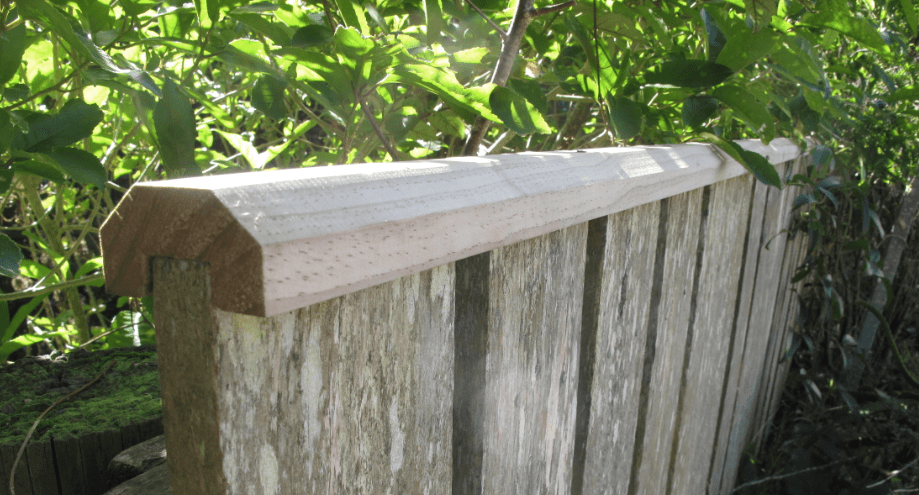
One final example for today’s column, but certainly not the last example of durability on the property, is protecting the end grain of timber fencing from water damage. Biological names for end grain are xylem and phloem. When alive, these “tubes” transport water and nutrients up and down a tree as essential functions. When dead, end grain allows water to penetrate deeper into the timber and accelerate deterioration. From this perspective, protecting the end grain from rainfall lengthens the life of a fence and postpones its replacement by many years of possibly decades.

Screen shot 2014-10-17 at 7.53.29 PM

As a humorous alternative to the investments we have made in durability and resilience at our Castlecliff property I’ve included a photo of a fence at Wanganui’s Davis Central Library where a water sprinkler unit has been fixed directly adjacent to exposed end grain. There is a term for this in America: “Good enough for government work.” Screen shot 2014-10-17 at 7.53.42 PM

Peace, Estwing
Roots and Shoots: Permaculture Update

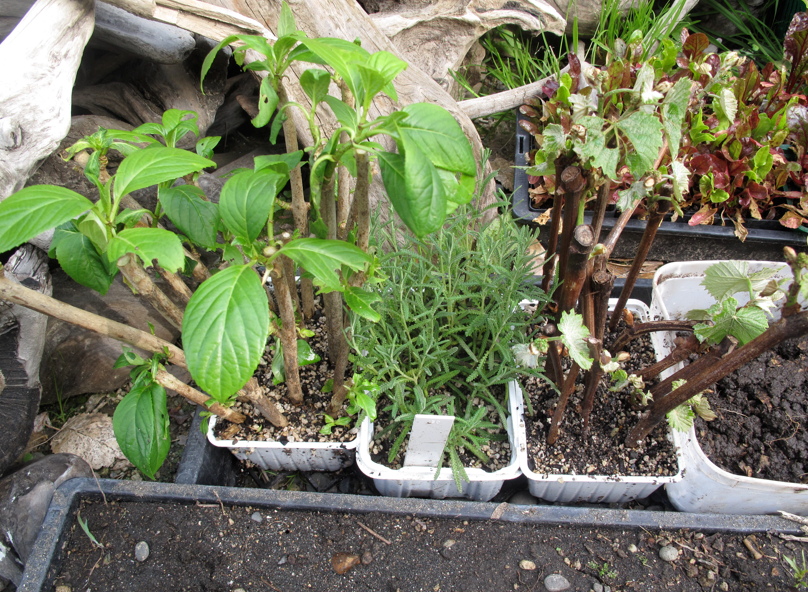
I just finished a plant propagation course after 9 months. I have enjoyed learning a wide range of propagation techniques, especially propagation from cuttings. We started with semi-hardwood cuttings from NZ native plants, and then proceeded to softwood cuttings from rosemary and lavender.

Screen shot 2014-10-13 at 6.31.17 AM

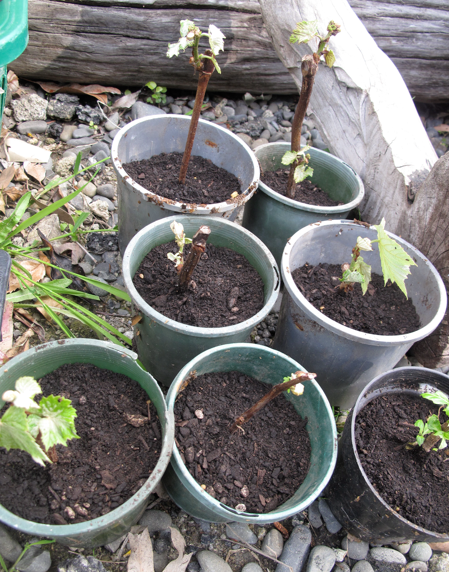
Finally we took hardwood cuttings from grapes and hydrangea. After months in the propagation mix it is so cool to see the roots have formed. Here is a grape.

Screen shot 2014-10-13 at 6.28.49 AM

Here is hydrangea.

Screen shot 2014-10-13 at 6.29.02 AM

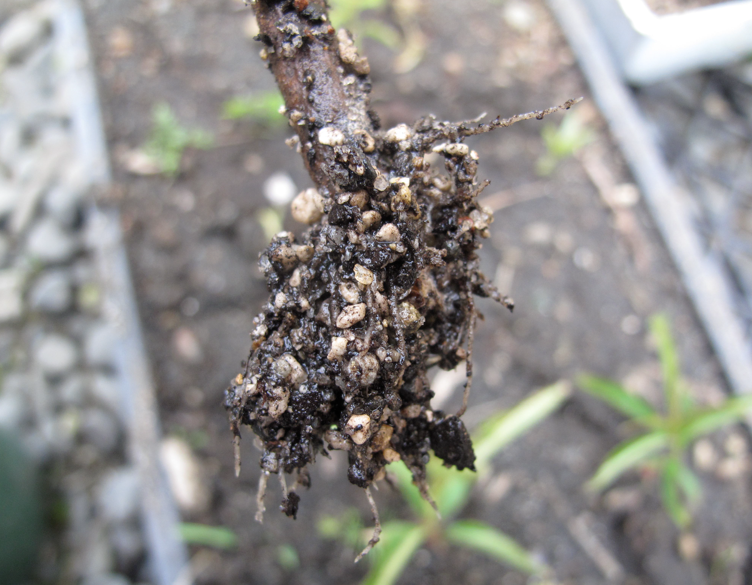
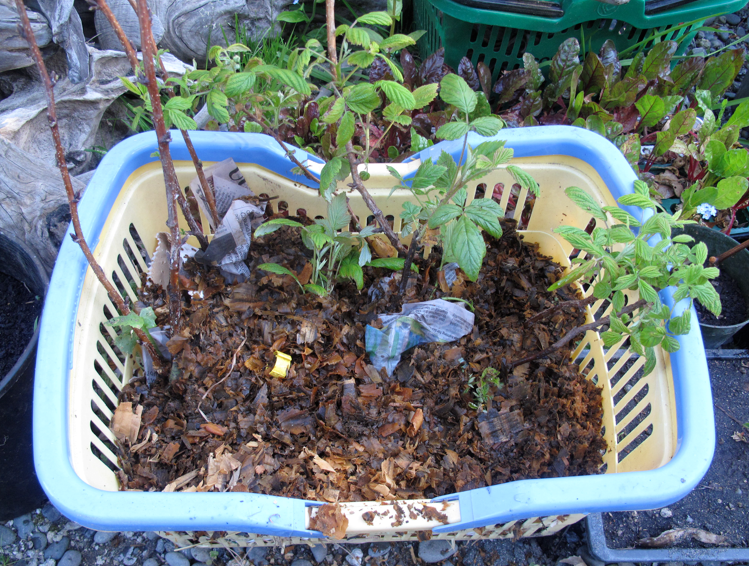
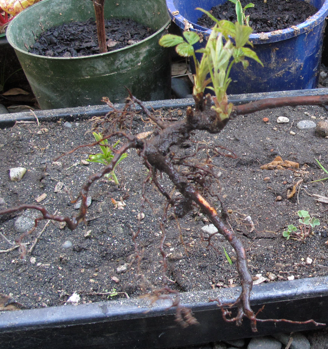
On another note, yesterday I divided a fabulous autumn raspberry to transplant to our new property.

Screen shot 2014-10-13 at 6.32.37 AM

Raspberry roots and shoots.

Screen shot 2014-10-13 at 6.30.05 AM

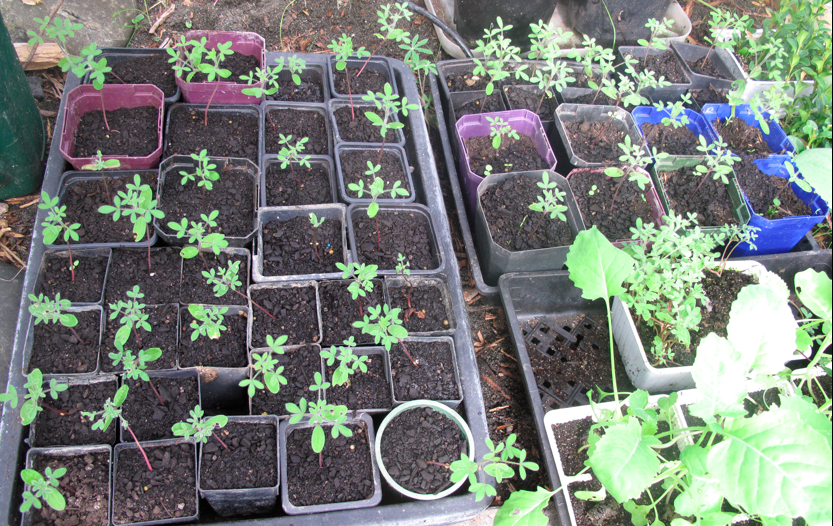
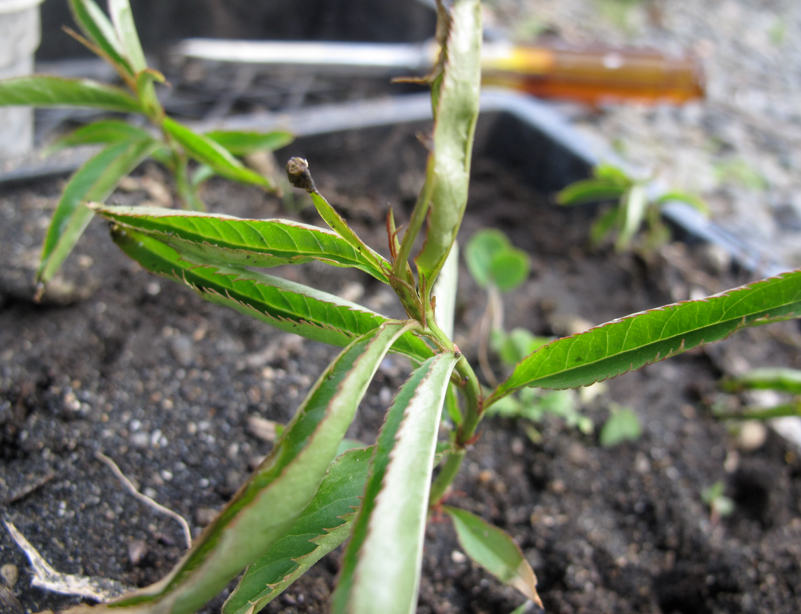
I’m also excited that the Black Boy peach stones have germinated after a winter in sand.

Screen shot 2014-10-13 at 6.31.04 AM

How cool!   Screen shot 2014-10-13 at 6.30.46 AM

I am now busy potting up the grapes and hydrangea.

 Screen shot 2014-10-13 at 6.31.43 AM

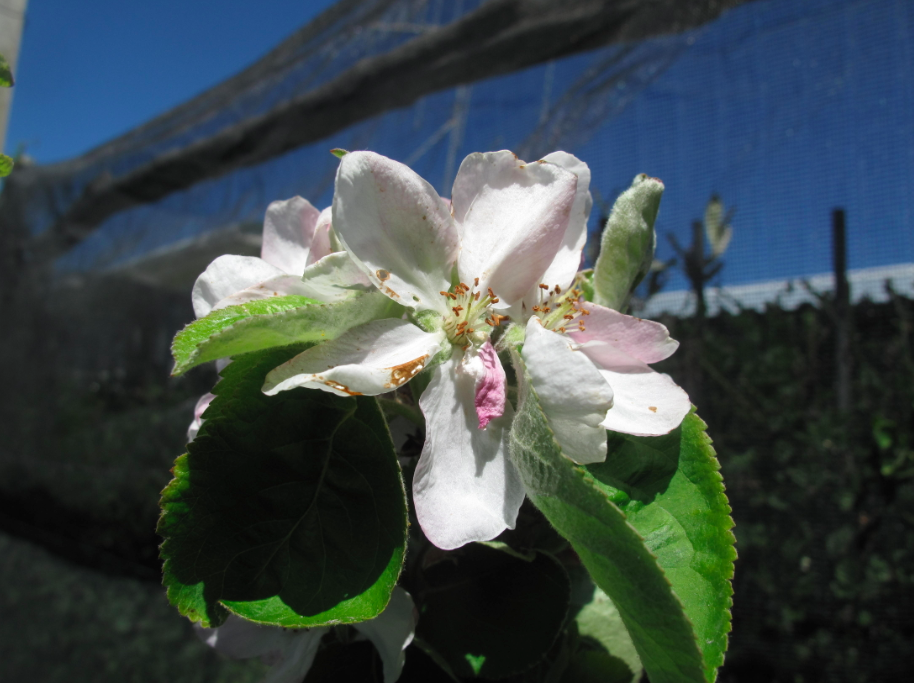
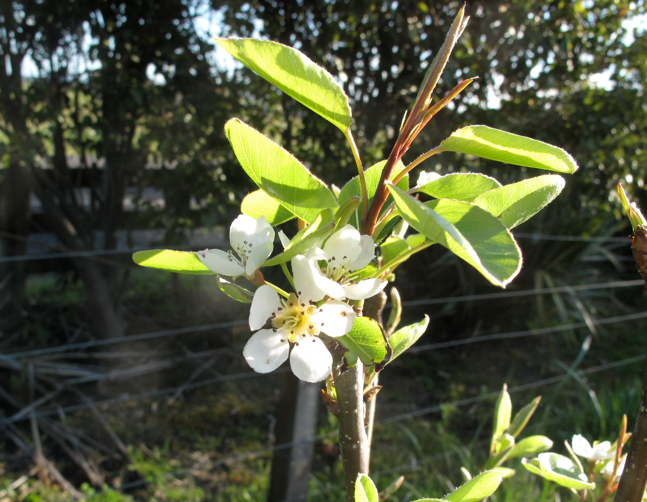
Meanwhile, out in the orchard we have pears blossoming.

Screen shot 2014-10-13 at 6.32.56 AM

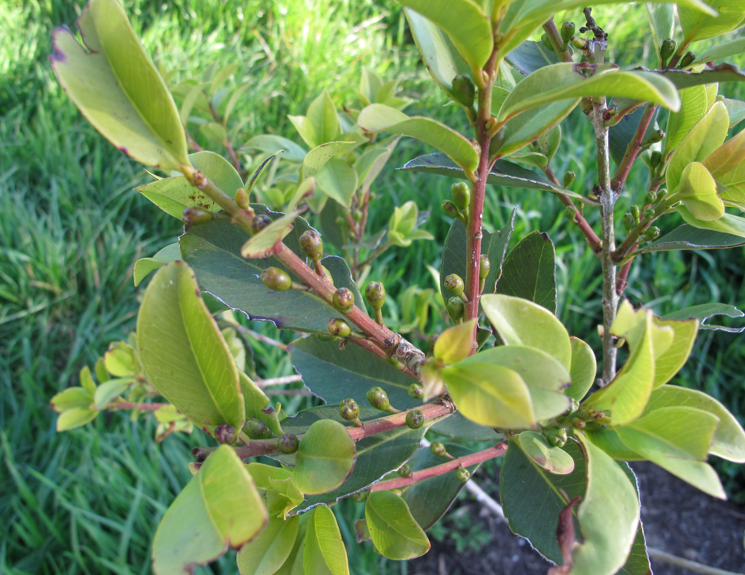
Guavas about to flower.

Screen shot 2014-10-13 at 6.33.13 AM

Feijoa flowers ready to burst. Screen shot 2014-10-13 at 6.33.23 AM

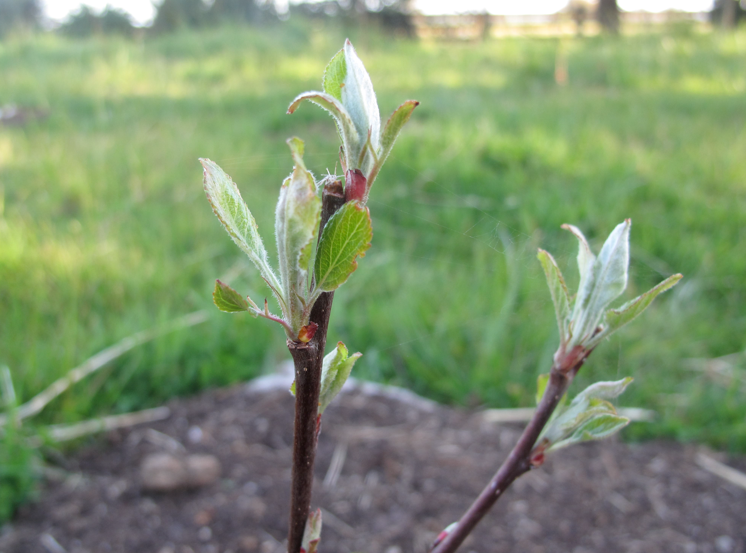
Apple saplings leafing out.

Screen shot 2014-10-13 at 6.33.35 AM

This apricot is being trained to grow out instead of up.

Screen shot 2014-10-13 at 6.33.49 AM

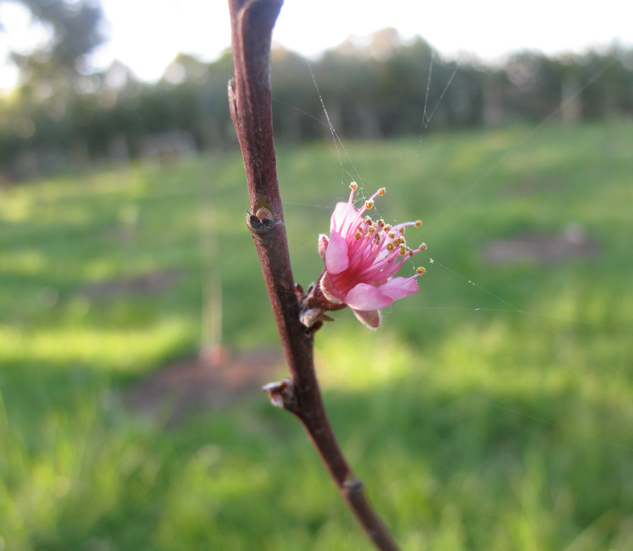
Peach blossom.

Screen shot 2014-10-13 at 6.33.58 AM

I also found blackberries growing in the bush.

Screen shot 2014-10-13 at 6.34.34 AM

And even a plum among the native trees.   Screen shot 2014-10-13 at 6.34.42 AM

Exciting times, these!


Peace, Estwing
Keep Calm and Think Different: It Takes Money to Save Money, Part 2

Screen shot 2014-10-10 at 8.10.02 PM

Last week I introduced a new variation on an old adage: it takes money to save money. Of course this idea is not new to most people, nor is it new to this column, which has focused on the concept of ‘payback period’ since it was first published two and a half years ago.

But this concept is long overdue for the New Zealand housing sector that is known for high running costs and low performance. According to Nick Collins, the CEO of the housing performance research organization Beacon Pathway, “Much of New Zealand’s existing housing is cold, damp and unhealthy which leads to poor social and health outcomes. Poor quality, poorly performing housing affects residents’ health, education and quality to life, the resources we use, and general community wellbeing.”

I would suggest Collins’ words describe the situation in Wanganui to a tee, yet this issue does not seem to get significant traction in our community. As a self-described “struggling provincial economy” it astonishes me that, ‘zombie-like’, we voluntarily send millions of dollars to power companies in Auckland, Wellington and Christchurch every year when we could easily retain them in our community.

Maybe it comes from growing up alongside the dying city of Detroit, or maybe it comes from being an under-sized gridiron (American football) player, but I have always made it a point to stand up for the ‘little guy.’ I hate waste and I like supporting local businesses.
The process of renovating our villa in Castlecliff ‘stimulated’ the local economy to the tune of $35,000. This total sum will be ‘paid back’ through energy savings and low maintenance costs over the course of about 12 years. The exceptional level of sustainability of this property can be explained through exemplary levels of energy efficiency, long-term durability of products, and the high productivity of fruits, veges and fowl. The entire property has been designed and managed to be low-input and high performance, ie, it takes money to save moneyScreen shot 2014-10-10 at 8.09.50 PM

As regular readers are aware, the villa was redesigned and renovated as a passive solar home. Between April and August, morning sunlight reaches deep into the structure, bringing warmth inside early in the day when the temperature is lowest. An abundance of glazing on the northeast and northwest sides ensure that free sunlight energy heats the northern parts of the home on most winter days to 20 – 25 degrees.

Throughout the day some of the sunlight energy is absorbed within thermal mass, ensuring that the interior does not overheat while storing the excess warmth overnight when it is released into the home. This extra thermal mass takes the form of a second layer of Gib on the walls, a cast iron claw foot bathtub, and a multi-fuel cooker with brick surround. When the sun is not shining, the multi-fuel stove easily heats the northern part of the home to 20 degrees or above on a few sticks of wood, with the added benefits of cooking and baking.

Two-thirds of the home is easily heated by this combination of sunshine and a small amount of firewood. (The southern bedrooms are kept cooler as is common in most Kiwi homes.) A super-insulated building envelope ensures that much of the heat remains in the structure overnight. Temperature in the lounge, kitchen and bathroom rarely drops below 14 degrees overnight with no heaters running. Some of this energy performance can be attributed to a combination of double-glazing, pelmets, and floor-length lined curtains, Roman blinds and window blankets. This combination of window treatments performs to a level of triple-glazing or better.

Screen shot 2014-10-10 at 8.09.39 PM

Other energy-efficiency measures we used in the home were Energy Star appliances, compact fluorescent light bulbs, and solar hot water. This combination meant that our power bills over the last year ranged from $17 to $35 per month. Contrary to what some of our critics claim, we do not sacrifice comfort or convenience. Solar hot water allows us to take long showers even in winter, while our appliances include the following: refrigerator, freezer, oven, toaster, electric kettle, cake mixer, wizzy stick, wifi, alarm system, clocks, radios, power tools, etc.

How’d we do it? By thinking different: it takes money to save money.

Peace, Estwing