All posts by Estwing

New Years Permaculture Update

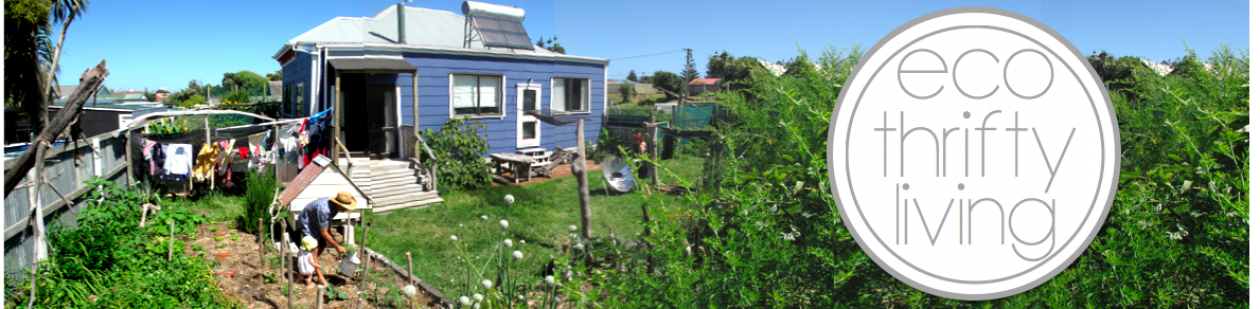
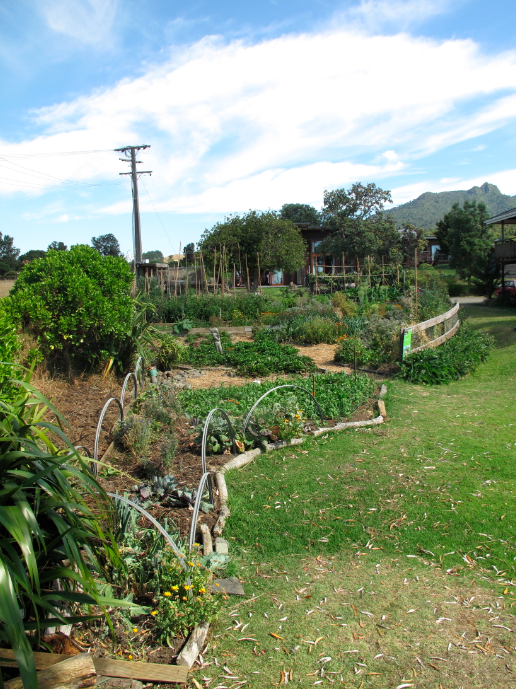
Here are some pictures of our pumping permaculture property.

Good eats
A lettuce crop where I harvested garlic just 2 weeks ago. 
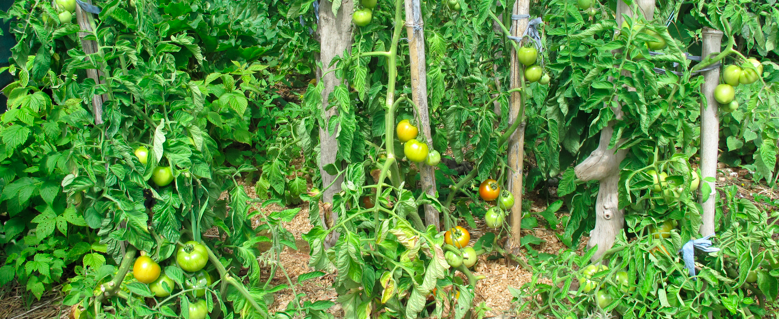
More on the vine
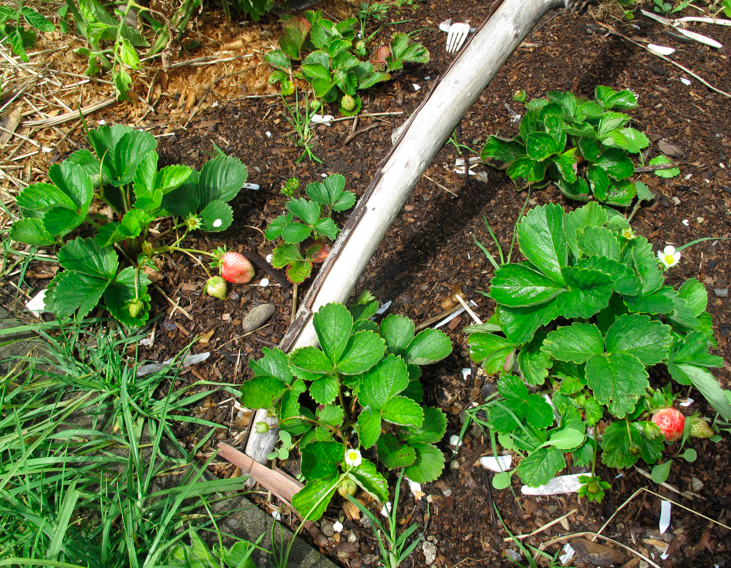
Bawberries, as Verti would say.
Looking forward to our first grapes this year.
Mo bawberries pwees.
Pumpkins forming.
Another cubic metre of compost.
Spuds in the ground.
“Wild” purslane.
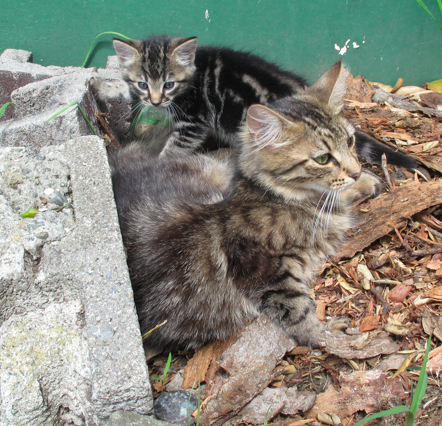
Kittens next door.
A little colour.
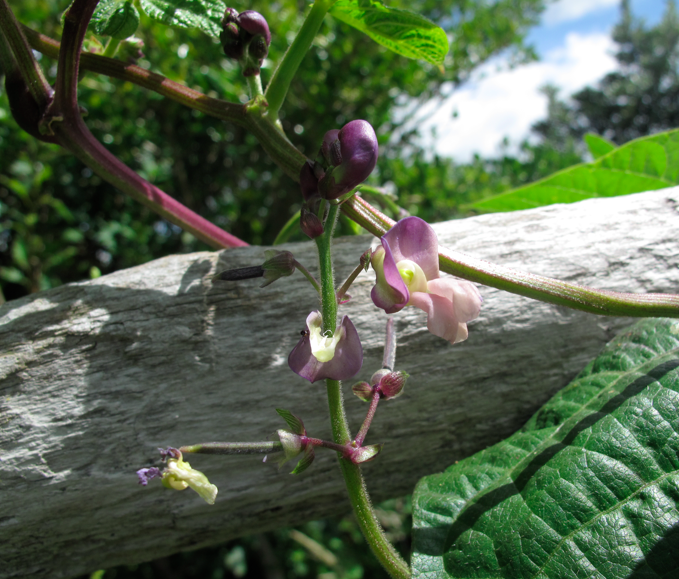
Bean blossoms.
Bean blossoms.
Bean blossoms… fooled you. Apples.
Plums.
Baspberries.
Melons in the ground. Hopefully it will be hot enough for fruits to form. 
Red hot chilly peppers – blossoming.
Our first oranges.
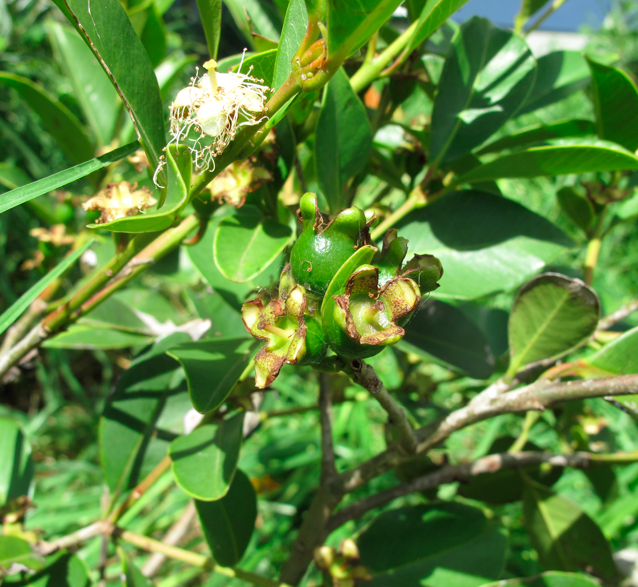
Guava fruits forming from fertilized flowers.
Dinner tonight.
Dinner tonight.

Peace, Estwing
Is there an H in Hypocrite? Climate Change Denial

Editor’s note: This ran as an opinion piece in the Wanganui Chronicle on Friday, 27th December.
Beware those bearing H’s.
No, this has nothing to do with the spelling of W(h)anganui, although I suspect there is ample crossover with those who have come to embrace the word hypocrite when attacking individuals who speak out on climate change. In other words, it’s likely that the same people who do not want an H in Whanganui are more than happy to draw the mighty H from their quiver and quill as a first-line offensive against climate change activists and ordinary citizens who have the courage to bring up the issue in the press.
In our feel-good, consumer, deflect-blame Western culture, I reckon the worst thing you can call someone is a hypocrite. We all know that we do not live 100% by our values 100% of the time, but the last thing we want to hear is someone else telling us. I suspect it is part of a psychological defense mechanism.
Knowing this human tendency, the worldwide, corporate-funded climate change denial network has come to advise its “trolls” to use the term at every possible opportunity. Calling someone a hypocrite has become a common technique of climate change deniers when asking climate scientists or activists how did they travel to a certain conference, protest, or other event. It is meant to shut down the conversation before it begins by calling their credibility into question because they may have traveled by automobile or airplane.
In Whanganui, our Chronicle Letters Page climate change denial trolls – two of whom do not live anywhere near the River City – have learned this technique, presumably from an on-line tutorial from the right-wing Heritage Foundation or other such corporate-funded denial organization.
About six weeks ago, a local writer to the Chronicle – who appears to lack enough courage to use their first name when signing her or his letters – suggested I was a hypocrite for expressing my opinion that a predicted increased incidence of severe weather events would likely make clearing sand from the Castlecliff Beach car park more costly in the future. A prudent approach, I suggested, that would both save money (rates) and reduce pollution (carbon dioxide) would be to downsize the massive, underused car park in a managed retreat.
Of course the obvious response to this reasoned, win-win, eco-design solution is to call the messenger a hypocrite. Duh.
I have been called many things in my long and lonely life, but never a hypocrite. My street ‘cred’ is ‘legit’, yo.
I suspect that anyone who knows me would agree I am many things good and bad, but not a hypocrite. Regardless of political affiliation, it would be difficult to find a former colleague of mine willing to say I am nothing if not genuine in my words and deeds. Although I would not hold a candle to Buddha or the Dalai Lama, a colleague did once call me Bodhisatva. Go ahead and laugh, but this may be closer to the truth than you think. After all, I did teach Walter Becker’s son when he was in year 9, but do not remember if he took me by the hand during our parent-teacher conference*.
Although I share a car with my wife, I ride a bicycle and take the bus the vast majority of the time. I have traveled between Whanganui and Hamilton over a dozen times on board Intercity. When purchased a week in advance, the return fare costs less than half the price of petrol alone. Public transport reduces carbon emissions, and I have time to read, write and sleep on the bus.
I suppose this means those who wish to call me a hypocrite will simply say I’m self-righteous. With some people you cannot win, but that does not stop them writing letters to the paper, nor should it. Keep ‘em coming peeps, but please follow these simple instructions: do your homework first; only use quotation marks for direct quotes; include sources and references for anything that is not considered common knowledge; have someone proofread your work; Use your full name; and, above all else, don’t write anything that will end up embarrassing you in front of the entire city.
It takes courage to write something for public consumption, and I admire courage.
* In case you missed it, Walter Becker is ½ of Steely Dan.
Peace, Estwing

Swales and Rain Gardens for Water Management

It is encouraging to see the number of people engaging in meaningful dialogue about important local issues through the Letters page of the Chronicle. Sadly, too often these letters include references to failed attempts to work with Wanganui District Council on strategies that work with nature instead of against it.
For some reason, our Council appears stuck in the past on many issues of infrastructure and economic development. From most accounts, the 1950s were a great time to be alive, but in many cases ‘50s thinking no longer applies.
All of this makes it particularly significant that WDC Chief Water Engineer, Kritzo Venter, has been active and vocal about promoting progressive water management strategies that ‘mimic’ those that nature itself has developed over millions of years. (That is some investment in R&D, ain’t it?!?)
Small swale and rain garden. 
One of those water management strategies – swales – has been in use for decades in some places around the world. A swale is a long, narrow earthwork that runs perpendicular to slope. They slow the flow of surface runoff and facilitate infiltration into the ground. They are perfectly level, unlike ditches, which are sloped to drain water away like a river. Water in a swale soaks into the ground instead of running over it. A carefully constructed swale includes a level-sill spillway that gently allows it to be overtopped in a controlled manner in the event of extreme rain.
The use of swales is the type of win-win-win situation I write about in this column because it: 1) reduces stream and river levels during flood events; 2) increases groundwater reserves that can be called upon during periods of drought; and, 3) significantly reduces the overall cost of infrastructure. Eco-thrifty at its best.
For example, two years ago I was asked to consult on a proposed residential development in Kaiwhaiki that had significant drainage problems. I was told the 10-year-old quote to ‘solve’ the problem the ‘old way’ using pipes and culverts was for half a million dollars. After picking my jaw up off the floor, I told them that good eco-design, which would include cluster housing and the use of swales, would significantly slash that price. WDC Chief Planner, Jonathan Barrett, appeared supportive of those ideas during one meeting held at Council.
The other strategy promoted by Kritzo – and praised by Chronicle assistant editor, Anna Wallis – is the use of rain gardens. A common use of rain gardens is to absorb and filter runoff from new parking lots or other such impermeable surfaces. In this way, rain gardens function like wetlands: sponging up excess water and cleaning it through natural processes.
A series of mini-swales and vege gardens make up this garden.
I first learned about rain gardens in 2005 while taking a certificate programme in the States on Organic Land Care. Shortly thereafter I advised a school to install rain gardens in a number of locations where they had persistent drainage problems. This was particularly meaningful in the context of the school because it became a relevant learning experience for students.
In 2009, while living in Raglan, I built a small management system to control an excess of runoff coming from the roof of a newly built outdoor kitchen at a campground. The system consisted of a swale, a level-sill spillway, and a rain garden. We planted the swale with feijoa trees and the rain garden with plants that tolerate periods of wet and dry.
Swales and vege gardens soak up water and keep it from flooding this lawn.
While in Raglan, I also used swales as a metaphor for eco-design during a Pecha Kucha night, where artists and designers share their work through 20 slides with narration of 20 seconds per slide. That presentation, “Thinking Like a Swale,” became the inspiration for a programme I offered at the Josephite Retreat Centre earlier this year to acknowledge the UN year of water. Hopefully, when River Week 2014 comes around next year, I’ll get a chance to present it again to compliment and support the education efforts Kritzo has already made in the community.
Us ‘swale-thinkers’ gotta stick together. It’s a watershed out there.

TPPA Bad for Health of New Zealand

Editor’s note: This piece ran in the Wanganui Chronicle as an opinion piece last week.
As a general rule, I’m not fond of the word expert. I feel it’s used too often, especially among self-proclaimed experts. At very least the designation should only be bestowed by a third party. In modern, Western culture, universities have taken on that role: A Masters Degree implies one has achieved a certain level of “mastery” of a subject, while a PhD implies the highest level of mastery, ie expertise.
When I was in the initial stages of my doctoral research, my supervisor said something to the extent: “When you’re finished you will be the world expert on your topic.” At the time I was more intimidated than inspired. Now I’m more-or-less indifferent. What good is being an expert in a field in which few people appear interested?
Recently I have ventured from my field of study and into a realm in which I am most assuredly not an expert. That realm is democracy, and if you have read previous opinion pieces, you’ll know I have tried to carefully construct logical, sequential arguments based on observable phenomenon, simple data, and the work of real experts on any given topic. That I am allowed back on the Opinion page appears to indicate that at least a few readers appreciate this approach to promoting democracy in Whanganui.
This time, however, we leave the River City to discuss topics more central to discussions happening in Wellington, Washington D.C., and the netherworld of corporate secret negotiations. The topic of this column is the ethereal Trans-Pacific Partnership Agreement (TPPA), but first a word on the timely topic of asset sales. (Remember to vote!)
While not an expert on asset sales, I do rank myself highly on the common sense scale. Considering this, I subscribe to the following simple argument I have heard in a number of places: If an asset performs well (returning an acceptable or better rate), it would appear too valuable to sell. On the other hand, if an asset is underperforming, the selling price would be so low that the state would hardly make anything from the sale.
Put another way, if private money considers public assets so potentially profitable as to purchase them, wouldn’t that expert financial insight be a signal to government that any given asset is too valuable to sell? Right-leaning politicians are always on about “trusting the wisdom of markets.” So why not trust that wisdom and hold on to those profitable assets for the people?
Globally, asset sales have been used as a technique to transfer public wealth into private hands. From what little the public has been able to glimpse of the TPPA, it appears to do the same but in different ways.
From what I have been able to gather, the TPPA is a trade agreement between nations in the general vicinity of the Pacific Ocean that is being negotiated in secret. As such, who could possibly be an expert on the topic except those insiders already sworn to secrecy?
Fortunately for democracy, some material from the TPPA has been leaked, including a 95-page excerpt published by WikiLeaks in Mid-November. Following that leak, the Herald (14 November, NZ WikiLeaks Scoop) reported that information in the excerpt includes disputes between New Zealand and US negotiators on issues of internet freedom, industrial innovation, ownership of endemic plants and animals, and, near and dear to my heart, access to affordable medicines.
(Before I go on, I would love to see a Maori perspective on “ownership of plants and animals” as related to the TPPA on this Opinion page.)
From the Herald, “A large section reveals the battle between the US pharmaceutical lobby and countries such as New Zealand that want to continue to buy cheaper generic medicines.”
In order to dissect this sentence we need to know a couple of facts: 1) the utmost duty of a corporation is to return profits to its shareholders; 2) the US – where corporations have used lobbyists to sculpt health care policy – has the most expensive health care system in the world while ranking close to 40th in performance by the World Health Organization; 3) New Zealand health care remains reasonably priced in part due to the ability to bulk buy generic medicines.
Using the numbers above in a mathematical equation: 1 – 3 = 2. In other words, if pharmaceutical corporations have their way through the TPPA, NZ health care will more closely resemble that of the US.
What this means for Whanganui is that our already strapped health services would become even more so. For example, the funds now available to pay a doctor may have to be shuffled to cover the increased costs of medicines. Along with the dollars vacuumed away, we would lose a valuable human being who lives in our city, owns a home, pays rates, and buys local products. Every dollar associated with that doctor’s salary would be wisked away to New York, San Francisco, or Hartford. We lose, they win.
I reckon it is our democratic duty to do our best to resist corporate influence globally and locally, but we need to do so proactively. Once the deal has been done, it won’t easily be undone.
Nelson Lebo, is a consultant, educator, and advocate for affordable health care.

Successional Planting Maximizes Vegetable Production

When I was a young teacher looking for ways to engage my students in science learning, I came across a lesson called, “Nothing Succeeds Like Succession.” It covered the topic of ecological succession (ie, from pasture to gorse to regenerated native forest). To be honest I have absolutely no memory of the lesson itself, but for some reason my neurons have retained that catchy phrase for over two decades.
Near our home in Castlecliff, ecological succession is getting a leg up on the dunes from Coast Care, whose efforts essentially speed up the process by removing non-native species and planting native seedlings with water-retaining organic matter (rather than into pure sand). 
A similar process is occurring in our back garden, although we call it successional planting. Yes, we remove non-natives (aka weeds) and add copious amounts of compost to each seedling we plant, but we do it not to reach a climax forest ecosystem, but to maximize the amount of food growing in limited space.

Our first ripe tomato: 11th December

This style of vege garden management is sometimes called bio-intensive, and it fits well with our eco-thrifty philosophy. Growing more food in less space is thrifty because you don’t need to own lots of land. For us it’s also eco because our intensive plantings thrive due to the use of rich, healthy, organic compost rather than commercial chemical fertilizers.

Garlic Day 1

Garlic Day 150
Our vege gardens consist of 8 cm of topsoil on top of 8,000 cm of sand – not necessarily a formula for success. But the strategic and generous use of high quality compost has allowed us to grow onions over a kilogram, broccoli over three kilograms, and one cauliflower over four kilograms. And, for those who remember from last December, The World’s Best Garlic.

In a vege garden, successional planting can take many forms. It’s simplest application takes the form of planting a seedling for every mature plant harvested – a little like a radiata pine plantation. I use this technique sometimes, but I’m more likely to plant seedlings two to three weeks before harvesting mature plants. No, it’s not magic, but the results sure seem like it.
This form of successional planting may also be called inter-planting. It speeds up succession by giving the seedlings a two to three week head start while the maturing crop is still in the ground. For example, I have tomato seedlings between rows of onions that are about to come out. By getting the tomatoes into the ground early, they will be fruiting earlier, and when they are short there is no chance they will shade out the onions.
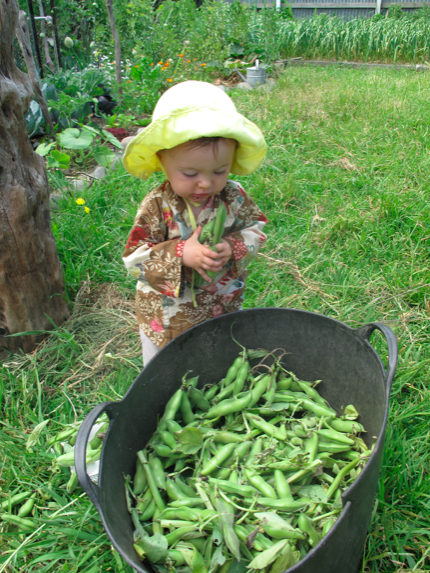
Another example of successional planting involves running veges such as pumpkins. I like to plant them in the corners of my gardens so that their vines can run along the garden edges, up fences, and in some cases onto the neighbour’s section. As I was harvesting broad beans recently, I started in one extreme corner of our vege gardens and immediately put in three pumpkins in a mound of compost. As I harvested the approximately 40 litres of broad beans over the following week, the pumpkins were establishing themselves and beginning to spread.

Broad beans coming out and pumpkins going in. 
Using techniques such as successional planting in our vege gardens and layering among our perennial fruiting trees, shrubs and vines, I reckon we will be supplying half of our food come January from about half of our 700 square metre section. As they say, “Nothing succeeds like succession.”
Peace, Estwing

Why is our Council so backward?

Over the last three years I have searched and searched for one single elected Councillor or Council employee who has an understanding of or commitment to sustainability. I have sought to engage those who on the surface would appear to be likely candidates (no pun intended). I have sent emails. I have left handwritten notes. I have attended meetings of up to 20 community members and asked the question: “Is there a single person associated with Wanganui District Council that I can meet with about sustainability issues?”

After all of this time I’ve never had a single name come my way, unless “Useless” is someone’s name and I didn’t catch on to it at the time. “Useless” came up often, but never a Tom, Dick, or Harriet.

This would appear to be the case because from what I have observed over 36 months is that more often than not our Council works against sustainability. Just when I thought the pinnacle of idiocy had been reached, it is surpassed again and again. How can they be so backward?

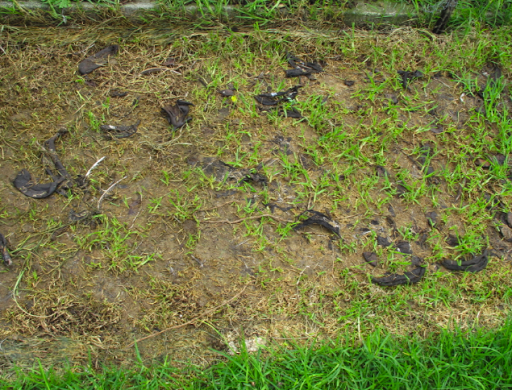
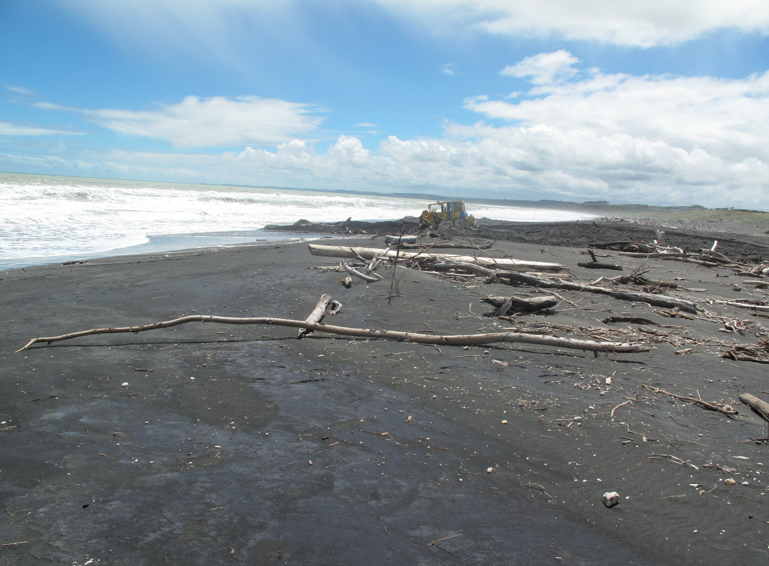
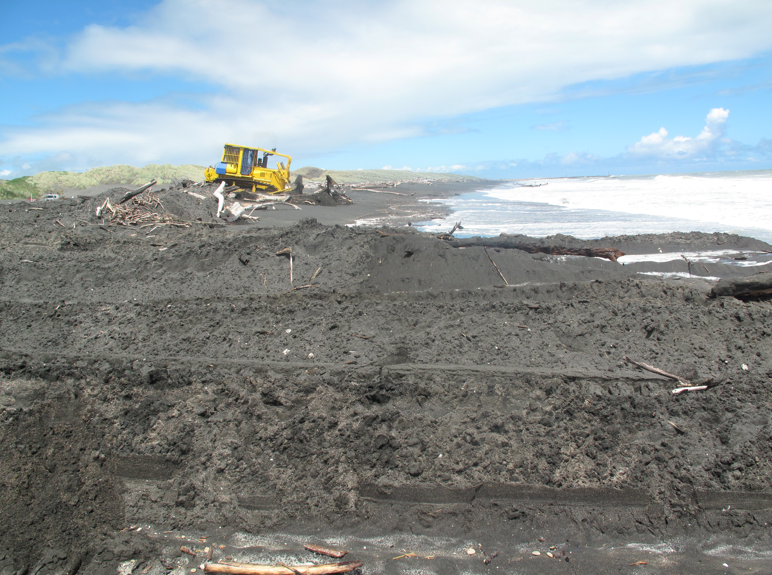
The latest example comes from yesterday when I walked out to collect driftwood on our oversized beach to find my rates paying to bulldoze sand into the Tasman Sea. During my photo shoot (see below) the dozer driver came over with an angry look on his face. I greeted him with a handshake and a smile. We were having a nice conversation when the excavator driver walked over to see what we were on about. He joined in our pleasant conversation. They were just nice guys being paid to do a stupid job.

I told them I’d get out of their way, and walked home to scribble out the following Letter to the Editor:

I don’t want to Scrooge anyone’s Christmas, so I’ll keep this as jolly as possible. How comical is it that our rates are being used to plow sand into the sea? Tragically comic I’ll admit, but comic nonetheless.
I already know the responses from climate change deniers and Council rationalists. Yes, this has been done for X years at a cost of Y dollars. But I’m afraid that is no longer justification for the unsustainable combustion of carbon-based fuels and the unsustainable rates rises we’re all forced to pay. Can we please get an inkling of progressive thinking for a change?
The cost of living is forcing families to downsize. The cost of medical care has threatened to force our hospital to downsize. Changes in education funding have forced many Whanganui education providers to downsize. Why not downsize Castlecliff Beach? Let’s focus on quality rather than quantity. In the long run it would both save money and cut pollution.

Peace, Estwing

Cultivating Creativity in Children

After a 35 year hiatus, I am back to playing with children’s toys. Actually, not so much playing with them as tripping over them, putting them away, putting them away, putting them away, and, thinking about ways to engage my daughter, Verti, in creative play.
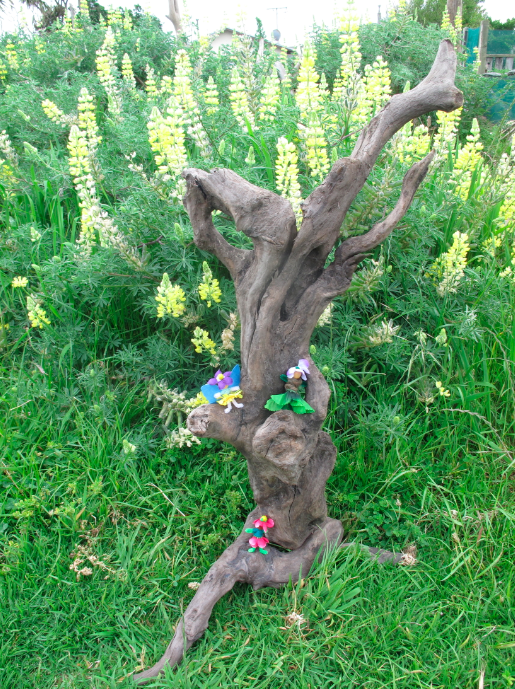
Fairies Treehouse

Around the time Verti was born, I heard an interview with Harvard Lecturer Tony Wagner about his new book, Creating Innovators: The making of Young People Who Will Change the World. Not only is the book’s title intriguing, but the interview was excellent, and I retained a few bits of wisdom in the back of my head otherwise full of the NZ Building Code and the Discussion chapter of my thesis.
Over a year later, I find myself less concerned about the next visit from our building inspector and the critical eyes of my thesis readers, and more concerned about cultivating the conditions for creating an innovator. Racking my brain for the title of the book from the interview, I typed as much as I could remember into Google: Harvard, innovation, creative play.

Homemade fairies
The search carried me instantaneously to Wagner’s website, where I found this inspiring passage: “Wagner identifies a pattern—a childhood of creative play leads to deep-seated interests, which in adolescence and adulthood blossom into a deeper purpose for career and life goals. Play, passion, and purpose: these are the forces that drive young innovators.” www.tonywagner.com
I’m sure that many parents can relate to this idealistic passage, but may feel challenged about aiding a child to such a destiny. We are all busy, and at times the easiest thing to do is to set children in front of a ‘busy screen’: TV, DVD player, computer, smart phone, video game, etc.
Verti eating strawberries in her waka
While this may be good for mum and dad in the moment, it runs contrary to Wagner’s – and many others’ – message. During ‘screen time’ most of the creativity comes from sources outside of the child’s brain. It’s more-or-less passive engagement rather than active engagement.
As a new parent, educator, designer, and one who is fully aware of the massive challenges facing humanity in the decades to come, I consider it my greatest obligation to try to create conditions that will encourage and assist the development of play, passion, and purpose in my daughter.
Driftwood seesaw.
But you know what they say about leading a horse to water. Personally, I am more about the if-you-build-it-they-will-come philosophy. Put another way, if I create the conditions for Verti to engage in creative play (‘nurture’), it will lead to the greatest probability that she’ll actually do it. That is the best and only thing I can do. The rest is up to her (‘nature’).
Story stones
Of course Wagner was not the first or even second person to come up with this idea. A little more Googling brought me to the Wikipedia page for an American company called Creative Playthings founded in 1949. According to the page: “Play has a basic role in the drama of a child’s development. It is a serious business for the child, his true means of learning and growing…Every child should have a wide variety of play materials to evoke in him a spirit of inquiry; to develop physical manipulation to the fullest; to stimulate creative expression.”
Story stones make me smile!
Aside from the dated male-based language, the philosophy is the same. Our eco-thrifty approach to ‘creative playthings’ includes: two driftwood play houses; a driftwood waka; a driftwood seesaw; two driftwood fairy houses; story stones; and, of course, all the pots and pans Verti can get her hands on!

Story stones are good for sharing.
Sidebar:
2014 Permaculture Principles Calendar with Moon Planting Guide. Available for each $20 donation to The ECO School. Available from these supporters:
• Community Education Service (CES), Taupo Quay
• Delicious Café and Wine Bar, 132 Victoria Avenue
• Riverside Osteopathy, 15 Pitt Street
• Whanganui Environment Base @ Whanganui Resource Recovery Centre, Maria Place

Early Summer Update

Here are some recent shots of our permaculture property. The main design strategies we’ve embraced are integrating fruiting perennials, native perennials, and annuals amongst one another – and using fowl to mow and fertilize what is left as grass.

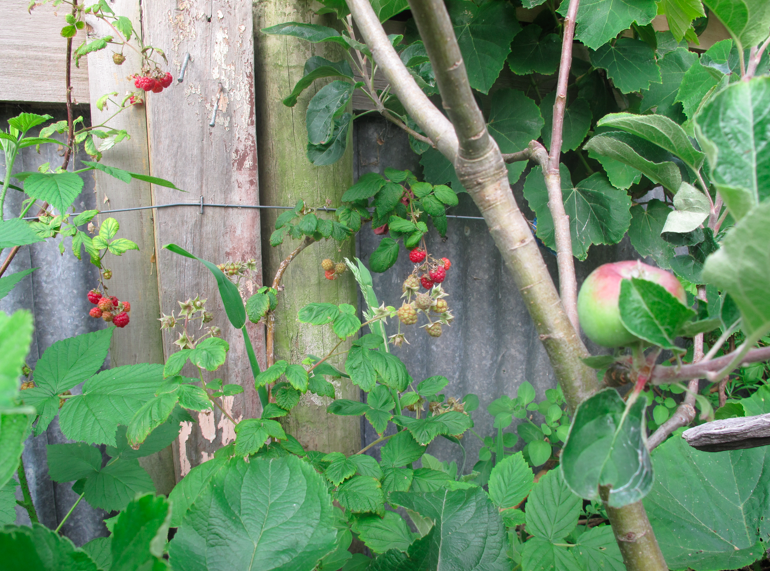
Raspberries, apples and grapes. 

Lawn mowers.

Muscovies.

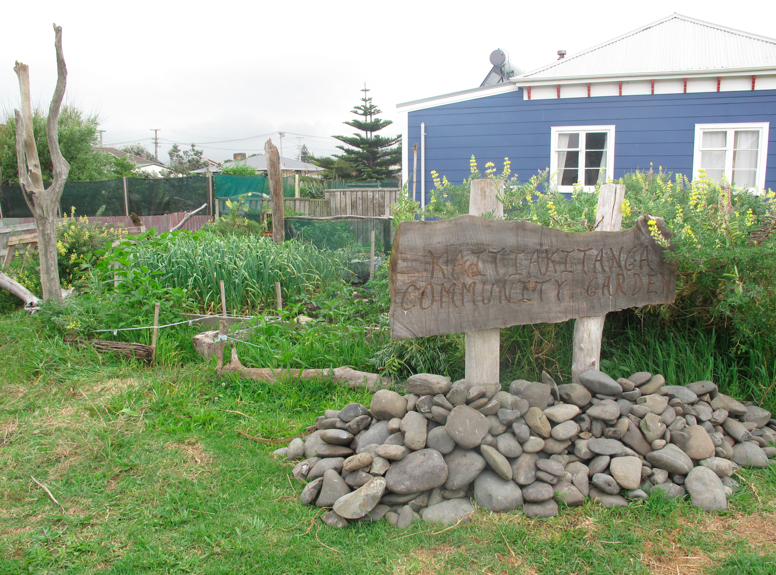
Community garden.

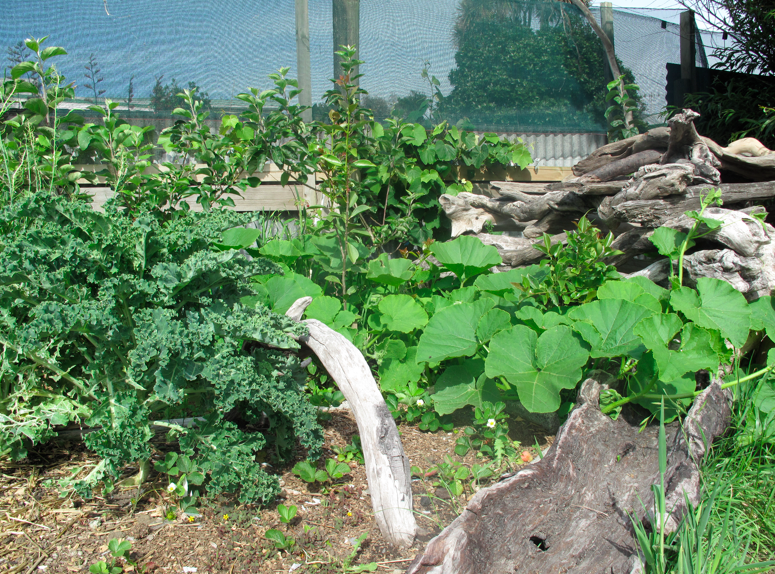
Kale, strawberries, pumpkin, guavas, apples, grapes and grapefruit.

Kale, strawberries, pumpkin, guavas, apples, grapes and grapefruit.

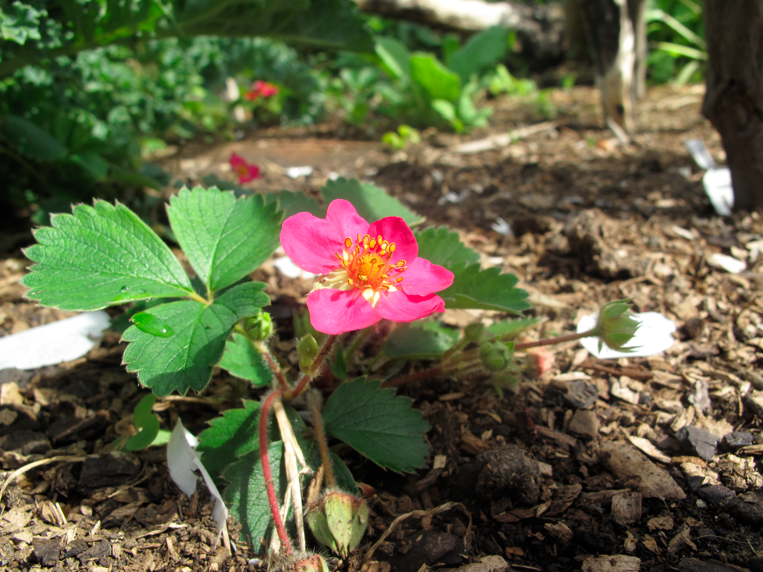
Pink strawberry blossom. 

Yum.

Transitioning from winter to summer gardens.

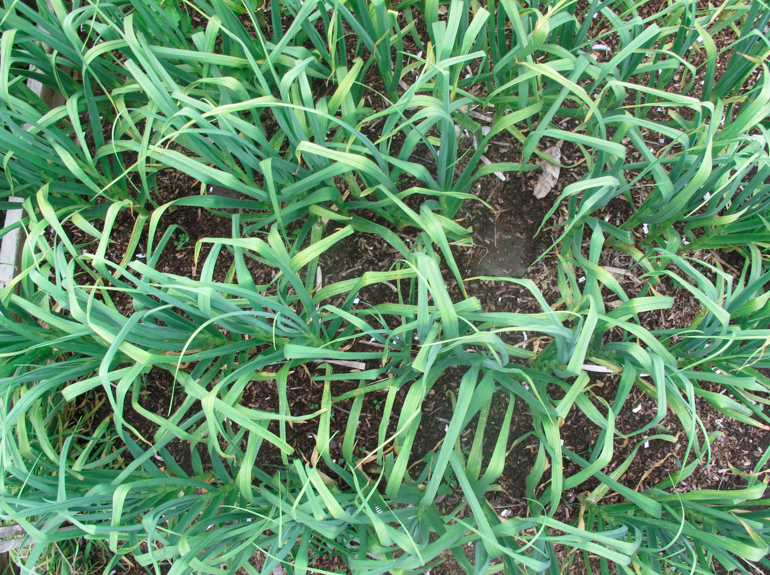
Garlic nearly ready to harvest. 

Peace, Estwing

Thanking our Partners for Three Great Years

With American Thanksgiving this week, it seems appropriate for a couple of ex-pats to give thanks to all of our partners and supporters in Whanganui. We came here three years ago with next to nothing to a villa with no power, no water, no hot water cylinder, hardly any wiring, a handful of broken windows, and thousands a tiny holes in the roof. Oh, one other thing, we were newly-weds, and there literally was no threshold at the front door.
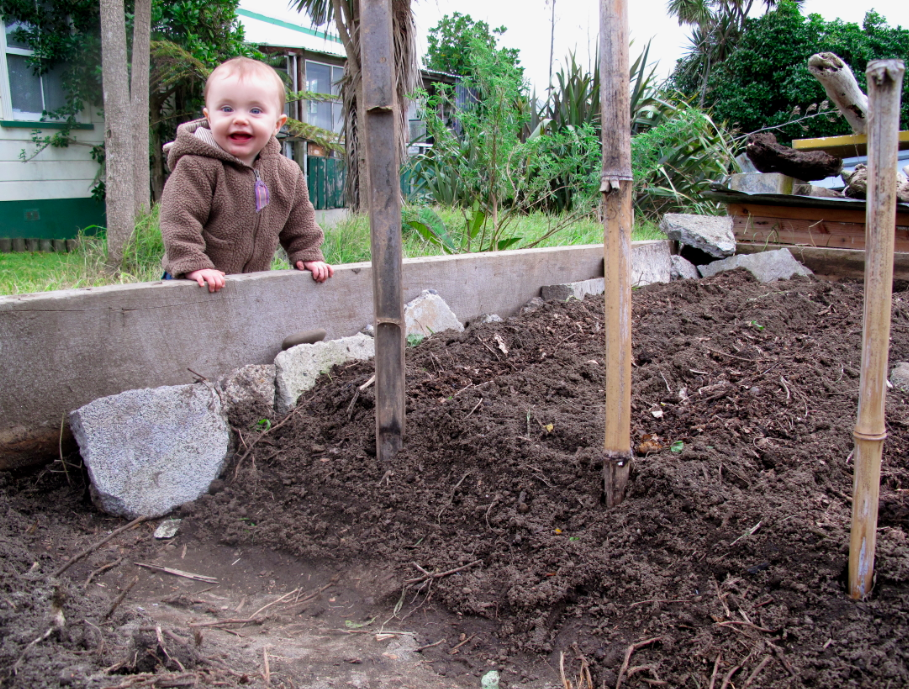
No threshold at our front door.
Note to readers: Think twice before undertaking a major renovation two months into marriage.
But that was then and this is now. Now we have, in no particular order: one of the most sustainable suburban properties in the country; a section full of healthy, organic kai; a power bill that averages under $30 per month; an active, healthy toddler; and one of the best grass roots, community-based, sustainability education programmes in the ‘Western World’ (ie, OECD nations).
While the first four items on the list we did more-or-less ourselves (using qualified trades people where required), the last was only accomplished through partnering with dozens of individuals, community groups, and businesses across this awesome city. Aside from the core work on our villa, nearly every other project we have successfully engaged with in Whanganui has been the result of partnership. We appreciate all of our partners, and hope to continue our work together. There are too many to mention without forgetting a few, so best just to say, “Thanks to all. Chur! Chur!”
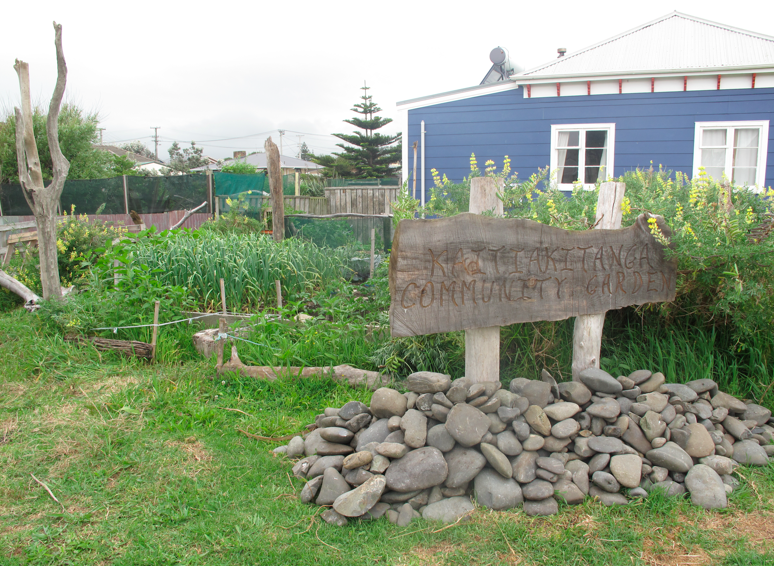
Community Garden @ Day One
Together we have: attracted respected international thinkers and writers to Whanganui; offered over 50 free and donation sustainability programmes; run 20 below-cost workshops offering expert advice on eco-thrifty renovation and organic food production; visited 10 local and rural schools; delivered close to 80 free home energy audits; answered dozens of telephone inquiries on energy efficiency; and, developed a community garden on our ‘front lawn.’
Solar Sausage Sizzle
Some say, “success breeds success,” and we have certainly witnessed that, going from strength to strength as more River City residents see the logic of eco-thrifty design thinking. Granted, it’s hard to argue against creating win-win-win situations that save money, help people, and protect the environment, but it is shocking how many people and organizations try! What is that about old dogs?
Note to readers: If you are a climate change denier, please don’t ring me to argue your point. I am far too polite to hang up on you, and far too busy to listen to your conspiracy theories.
Interestingly, a completely unexpected form of thanks that has come my way lately appears to be associated with some opinion pieces I wrote for the Chronicle: one connecting the WDC rates structure, widening wealth inequality; and social problems; one on the futility to shifting sand around Castlecliff Beach when it all blew back into place in a fortnight; and, one on the comic tragedy of wasting approximately $200 of ratepayers’ money per year running outdoor lighting during daylight hours in front of Central Library.
Since the first piece ran in October, I’ve been asked by complete strangers to: a) run for mayor; b) run for Parliament. (Previously, I had only been asked to stand for Council.) I reckon that is about as fine a “thank you” one can get from a stranger.
But with no elections on the near horizon, what’s a poor boy to do? I reckon I’ll continue to build local partnerships, help those in need save power and money, tend the community garden in front of our home, change nappies, walk on the beach with bubba, surf as much as practicable, and grow the world’s best garlic.
Community Garden @ Day 500
And what can you do? Come visit us at the River Traders Market on 7th December for free advice on healthy homes and healthy food.
Also make a $20 donation to The ECO School and receive a free 2014 Permaculture Principles Calendar. Available at these locations:
• Whanganui Environment Base @ Whanganui Resource Recovery Centre, Maria Place
• Community Education Service (CES), Taupo Quay
• Delicious Café and Wine Bar, 132 Victoria Avenue
Riverside Osteopathy, 15 Pitt Street
 
Happy Mo-vember, Estwing