Team ECO School!
Tom joined us during a significant time of our project and our lives. After a year we are nearly finished with the renovation, but other opportunities and projects have arisen to take its place.

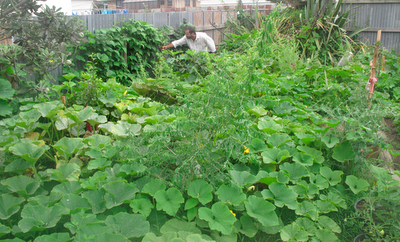
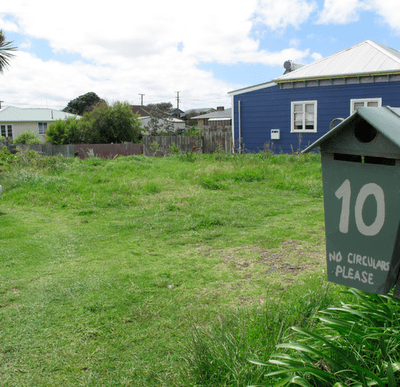
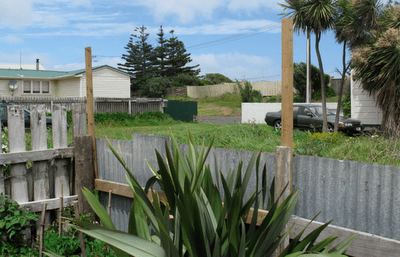
And as the days grow longer, our gardens – patches of earth covered with weeds and rubbish 13 months ago – are flourishing.

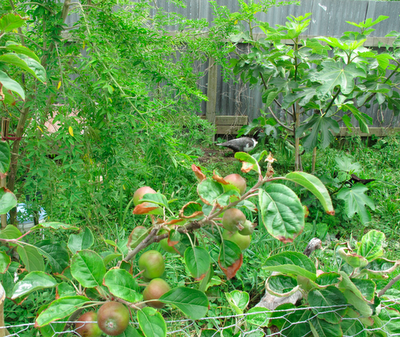
We have 32 fruit trees in the ground, 6 chooks, 3 muscovies, but no pear trees and no partridges. We do, however, have an awesome outdoor pizza oven shown below.
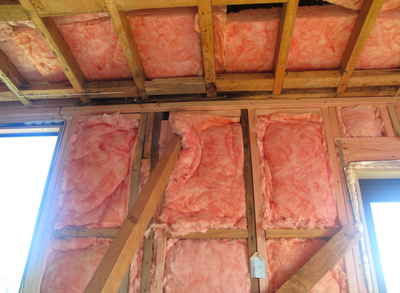
The most significant successes we’ve had have involved the passive solar redesign of the villa.
The term “left for dead” has never been more appropriate when applied to a house.
But we had vision and after a year, that vision has turned into hindsight.
I wrote this for the local paper on a last minute plea from a friend who is coordinating a weekly column on conservation issues. It is an unedited first draft, but I think it makes the point.
Twenty-Twenty Hindsight: A Year of Living Lightly on the Planet
We are now over the 12-month mark of renovating an abandoned villa in Castlecliff into a warm, dry energy-efficient home. When we set out on this low budget / high performance retrofit we had no specific numbers in mind for energy savings and waste reduction. We simply wanted to push the envelope and do the best we could. As it turns out, our power bill has averaged $20 per month (this includes the daily line charge) and we have spent a total of $20 in rubbish fees for the entire year. I’ve come to call this our “20-20 hindsight” but there is no reason it could not also be a 20-20 vision for others to work toward by the year 2020. Of course electric rates will increase by then, but that is all the more reason to invest in efficiency now. (At current rates of annual change, electric rates will double in under ten years.)
The first Conservation Comment I wrote in July explained the design principles we employed for our passive solar renovation that have helped us achieve low energy bills. There is nothing new or unusual about those principles: solar gain, thermal mass, insulation and draft proofing. Similarly, there is nothing new or unusual about the design principles for our approach to resource conservation: reduce, reuse and recycle. The 3 R’s have helped us reduce the cost and impact of the renovation project as well as the cost and impact of our day-to-day lives. Here are a few examples.
While we have followed the New Zealand Building Code and used treated pine, Braceline Gib, building paper, and heaps of insulation, there are also areas where we were able to reduce costs and impacts by reusing materials. Prime examples include the bathtub, vanity, washtub and toilet in the bathroom, and the bench, sink, mixer, drawers, and shelves in the kitchen. Perhaps the most visible example is the vintage Shacklock 501 multi-fuel range that I bought my wife two years ago as a wedding present and we worked with Building Control to find a way to install safely. But my personal favorites are the pelmets that I made from old weatherboards that we removed while re-cladding sections of the exterior. And, like any builder would, we saved off-cuts to use as dwangs or for other small jobs.
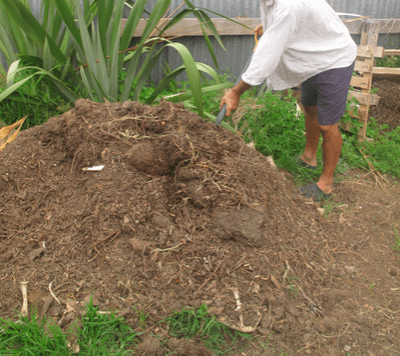
Regarding our household waste stream, we compost all of the food scraps and even our fish and chips papers. We save paper to burn in our Shacklock or our outdoor pizza oven (made from an old wood burner) or to mulch our gardens and fruit trees. We reuse plastic bread bags and other small non-recyclable plastic containers. Again, there is nothing special about any of this, other than the fact that we take it seriously and put out one bag of rubbish for every two months. Perhaps the most unusual thing we do at all is emphasize the costs savings rather than simply the environmental benefits. At the end of the day, eco-thrifty living makes dollars and sense.

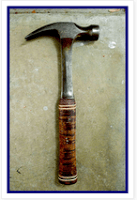
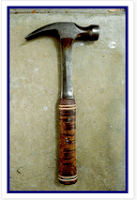
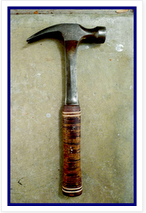
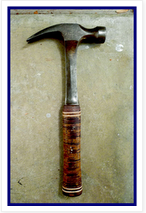
Peace, Estwing
When its time to leave people are always a bit sad, but I have been leaving from so many places recently that I understand these leaving events as both leaving and going. Perhaps, somewhere new even if you are going back to a place you know. You will be returning with new impressions, perspective and ideas. These months abroad since my June 3rd departure from the States have been packed in full of views and visions of the places I’ve been, people I’ve met and places I’ll be going. However the stars have begun to align and ideas have synchronized. Well, not completely, I am not claiming or suggesting enlightenment, but whats going on with the “Pale Blue Dot” is making much more sense then ever before. Amidst all the synthesis and understand have been some very eventful final days in Wanganui.
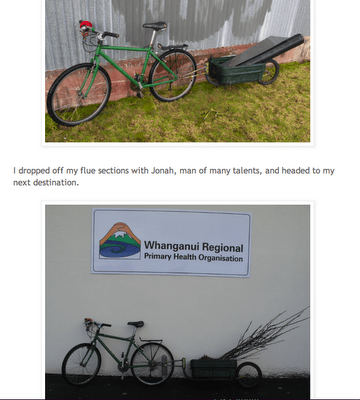
I associate the word final with finals, which generally means a huge test on a heap of information you hope has turned itself into knowledge and understanding. But this final week has just been full of projects and events with friends as well as the community. The pizza oven was fired at the make your own pizza party. Sausages were sizzled with the local school, and rural schools came down for a field trip visit to the little house that could. It reminded me of the days teaching skiing to little kids as the yard was buzzing with energy and questions about anything and everything they laid their eyes upon. That day ended with a bike ride round Wanganui to visit some friends at the Quaker Village and harvest bamboo for garden stakes. I also got to look down on Wanganui from the hills and really see the place I have been living in.
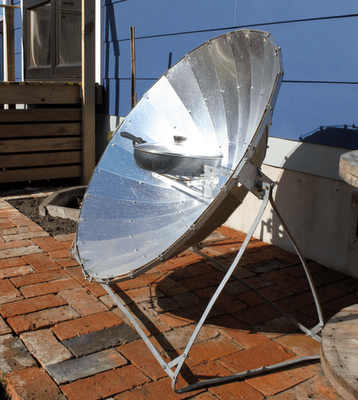
It has been a very welcoming to say the least. Playing softball on saturdays with the local club has been an absolute hoot, and a great reminder that its all about fun and sharing that fun. So we went down to Castcliff Intermediate to share some of the fun we have when we cook on our solar cooker. The children were super keen on our solar powered radio devices. If their shadow went across the panel the music stopped. Magically however, the sun powered our tunes. The shiny satellite looking thing we call a solar cooker was also an area of attention as it turned out sizzling sausages. One student seemed to connect the dots while they were cranking the radio. They figured out with some help that they got their energy from food, which did in fact not come from a box, but was grown by the sun. So, we are powered by the sun; a novel idea and a new and very important revelation for a 10 year old. How about that tree? The sun! Yes, the sun powers the tree and when we use the tree we are using sun power. Nelson mentioned our wood fired pizza oven. Is that solar powered too? Well, yes, it is, indirectly it is solar powered.
So we had a little party. More like a big pizza eating event. Almost completely solar powered, well probably completely solar powered. Woodfired, with all organic ingredients, veggies from the garden, and cheeses(solar powered), dough(from grain(solar powered). You see the point perhaps that the sun does some great things, all of which are free. We just need to spend a little time thinking about how to take advantage of all the sun’s magical powers. Most of which is “understood.” But I can tell you a fresh pizza is delicious and thats enough for my hungry belly. All the tasty ingredients were connected to the sun. Our lovely wood fire and setting sun provided some beautiful solar powered atmosphere. All the while some guests were asking me if I was excited to return home to the states. I answered a little uneasy, but very psyched about sharing everything I’ve come to understand about our solar powered Pale Blue Dot.
This past morning some rural students came for an end of school year field trip to wrap up some of their studies on energy. The quiet sunny day was suddenly buzzing with young students and inquisitive minds. We got to share our solar cooking devices, the gardens, the chickens and the house. It blew me away how in tune some of the students were. I asked the what the chickens like to eat. The answer I got was grass and green things, but then they poop and fertilize the grass. All I added was that I get to then eat the eggs from the chickens. They seemed to get a little chuckle out of that. After we had shared about the little blue house and their solar cooked lunches were consumed some students shared with me their science projects. Not your regular science projects. They had studied up on alternative forms of energy and had heaps to share. This became I a moment full of good energy. Young kids very psyched on how their maths and sciences connect to their solar cooked lunches!
Tomorrow I will be on my way, wrapping up my time here in Wanganui and at 10 Arawa Pl. I am sad to leave this little place, an amazing case study on suburban sustainability, but I am happy to be able to share it will people, especially kids. After many hours of travel I will find myself amongst the cold NewEngland winter. People here in warm sunny New Zealand appear confused about my level of excitement for the snow winter. It’s no bother to me, I’ll have heaps of time to share pictures and new perspectives from the places I’ve been. I will be leaving here and returning home with hopes and ambitions to bring a little of my travels home.
Thanks for reading,
the 20 Something
“Hugelkultur is an ancient form of sheet composting developed in Eastern Europe. It uses woody wastes such as fallen logs and pruned branches in order to build soil fertility and improve drainage and moisture retention.”


Greetings once again from the 20 something,
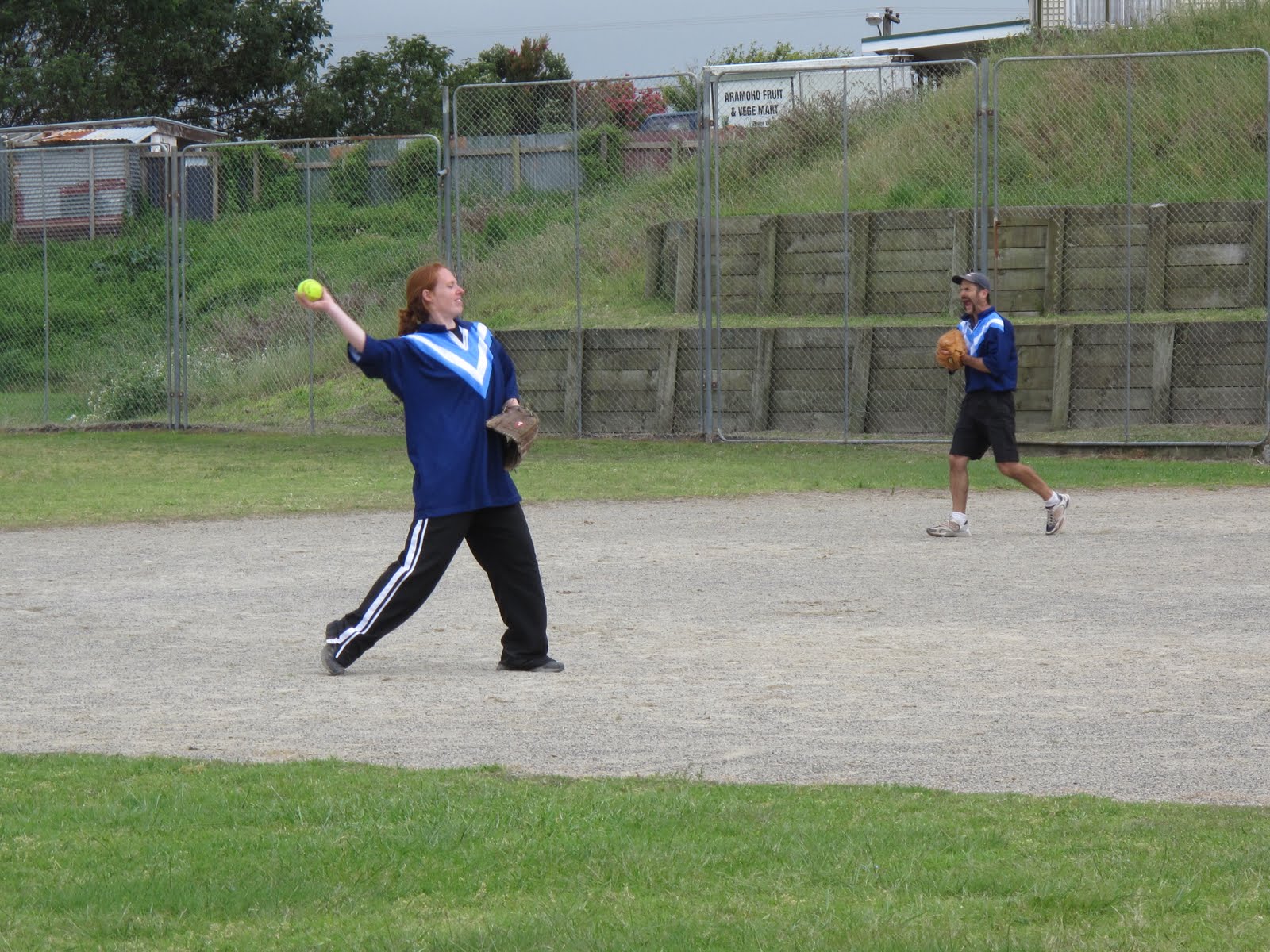
I believe that this entry will be of but a slightly different flavor. School has been in session for a little while now and the little house that could has come great distances since the beginning of my stay. And when I mention the house I might also be meaning the inhabitants of the little house that could; for it is inhabitants are as dynamic as the property. I myself have long been removed from the scene of home renovations. The last time I took part in home renovation was over a decade ago and I had little knowledge of what was going on. I was happy swinging hammers and pulling nails. Here, some ten years later, swinging and digging, I have continued to piece together this puzzling world we live in. Living here in Wanganui so far has been awesome. After a long break from team sports I was again reunited with one of my favorite games, well sort of. Saturday softball league is not quite the same as highly competitive division three baseball, but it functions in the same way. A bunch of people get together and face-off for an afternoon of hooting, sliding, diving and the occasional muffed error. I felt a little lost on the tiny field facing pitches that rose rather than came down from the pitcher and at the same time felt once again home on the diamond. The more we build, paint and shift things round the yard of 10 Arawa Pl. the more it is beginning to feel like home. 

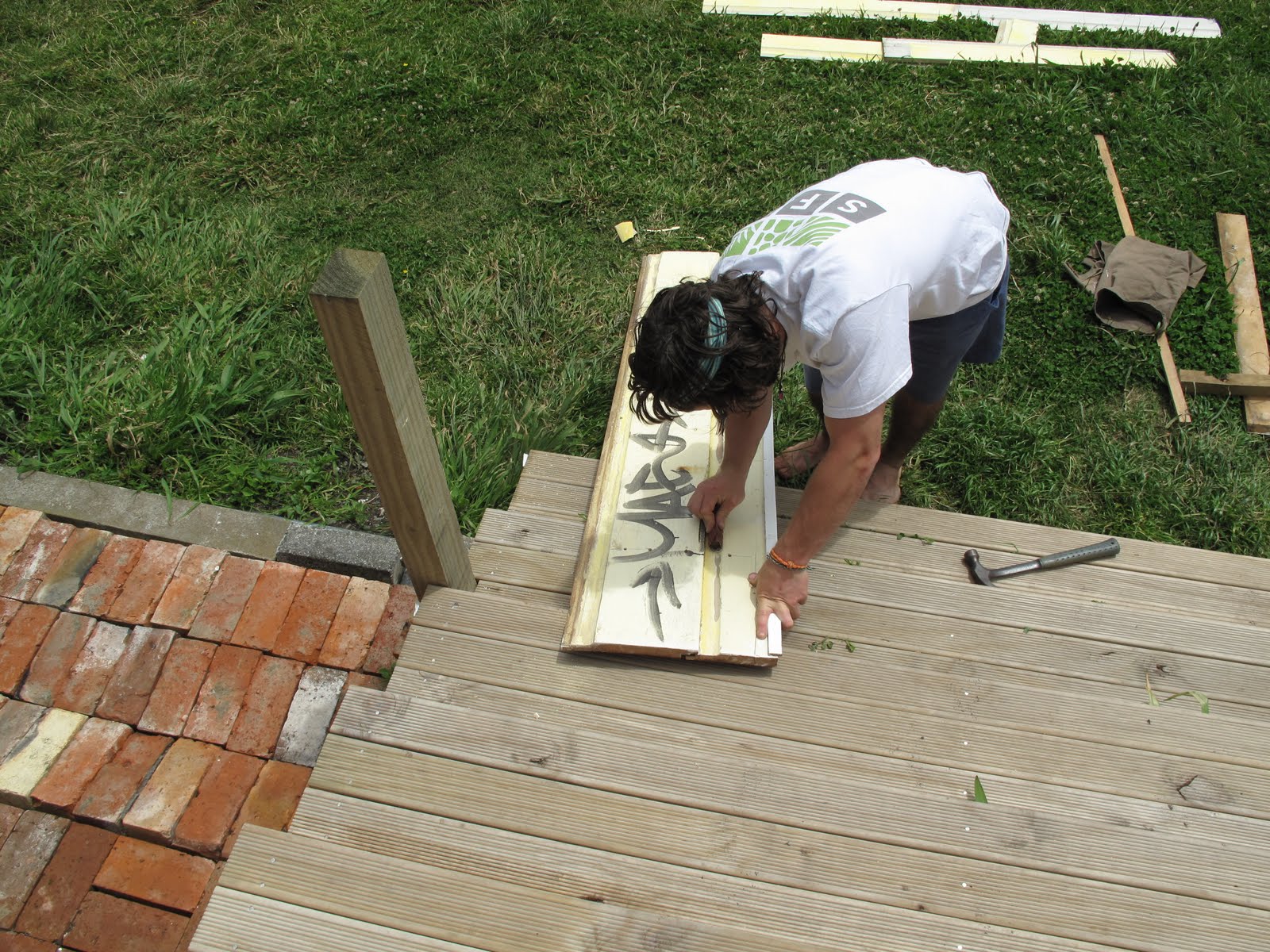
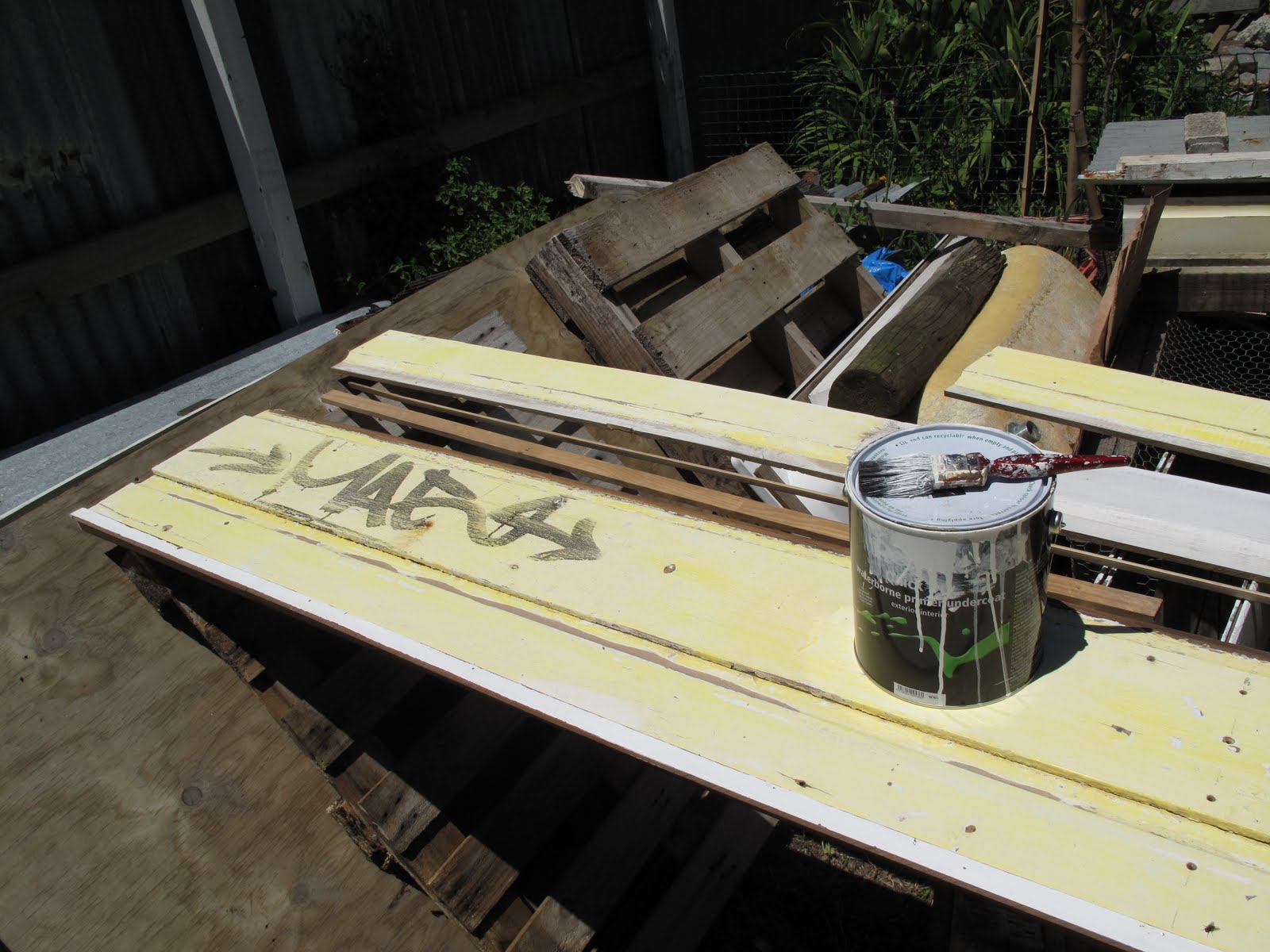
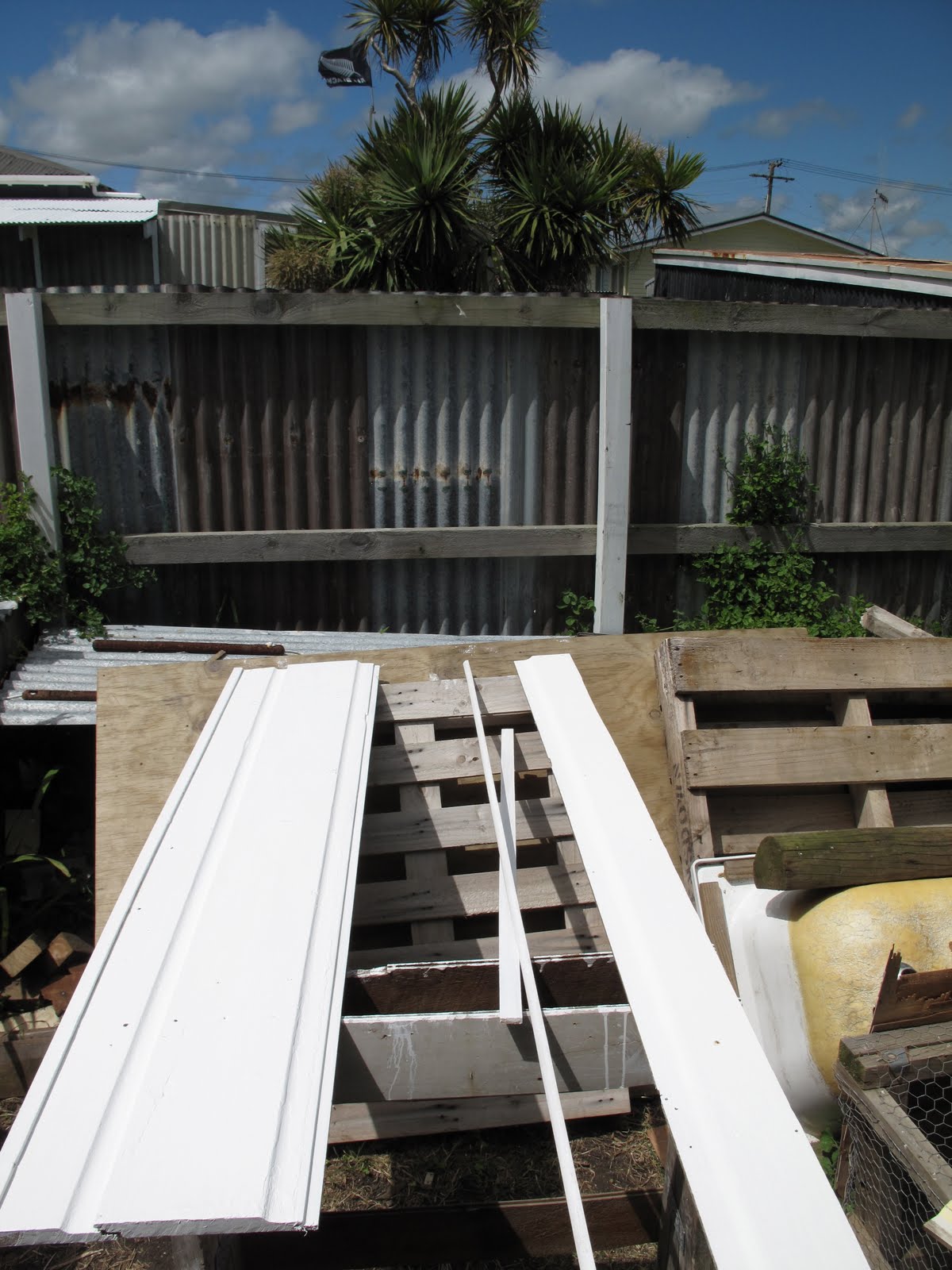
Inside we have been slowly working on sanding, priming, painting and installing finish wood work. The rather mundane task is far more exciting than normal. Most of the trim pieces are recovered and pre-used. Sanding away the graffiti and rough edges reveals the often beautiful wood which would have otherwise found its way into a landfill. Saving these distressed looking boards and fitting them into their new homes has become very satisfying on many levels. The house becomes more ‘finished,’ it is cleared of stock piled timber and we are saving timber from trips to the landfill.

Recycling is a nice word, but transforming is a better fit for what we have been doing. Whether is it is once tagged up trim becoming finish trim work, or a garden bed being harvested and top dressed to receive seedlings, life here is often about helping along transformations that will sometime later help out the inhabitants of the little house that could.
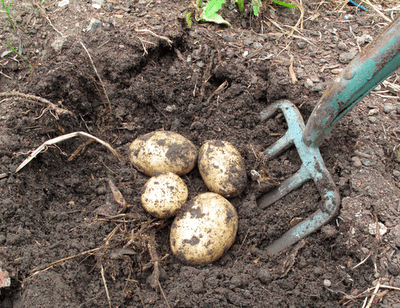
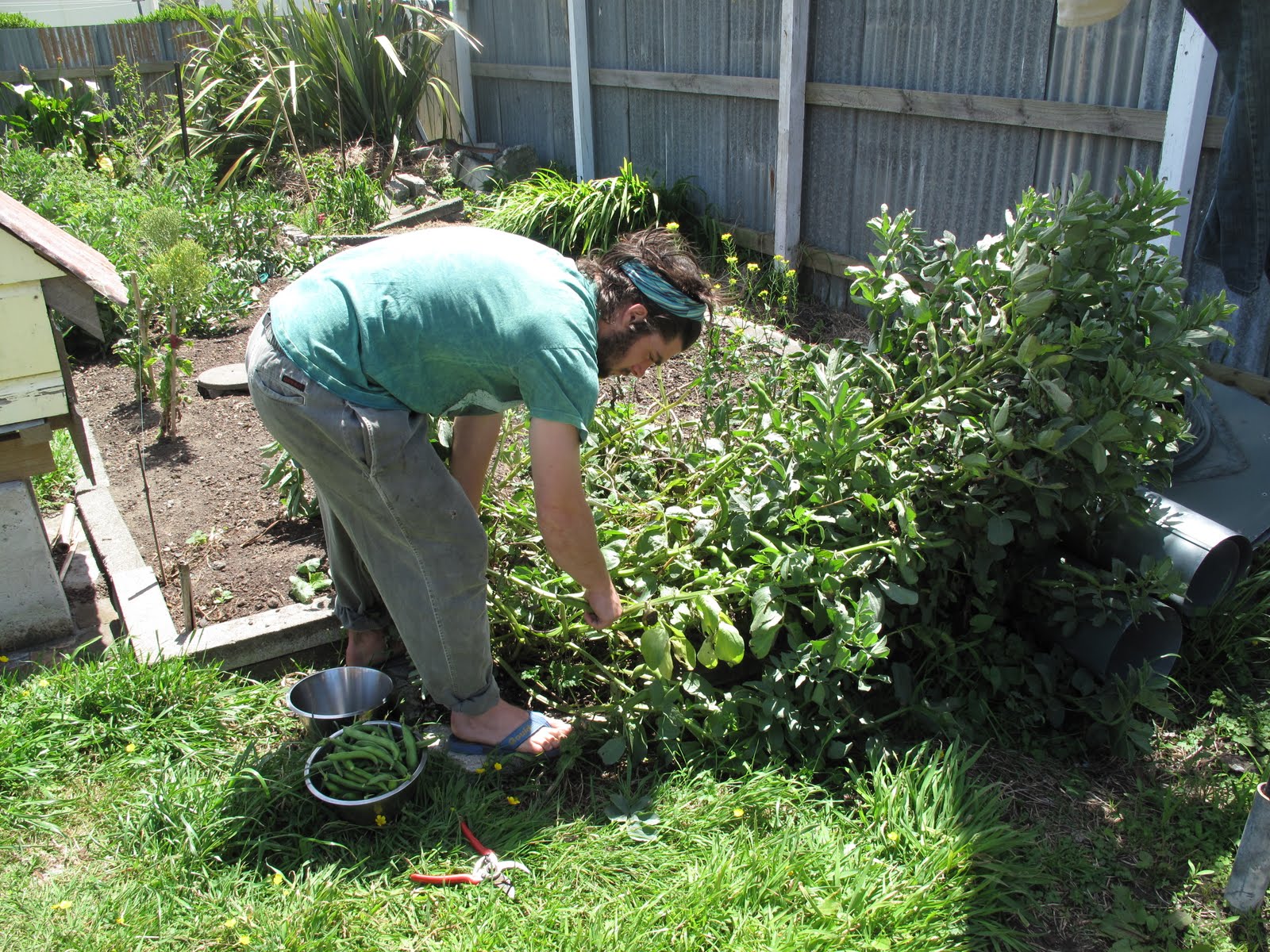
We recently took on the task of harvesting broad beans. In this process we were clearing garden space for seedlings which were ready to be planted. Dhal was being slow cooked on the solar cooker, but our Bhutanese meal would not be complete without a healthy portion of cheesy potatoes. Luckily some new season potatoes were ready to be harvested. Taking out potatoes freed up top soil which would go into the bean beds becoming seedling beds and the potato plant was becoming green mulch for other vegetable beds. Many activities that alone seemed very simple and each for its own cause, together became integral for the transformation of multiple spaces in the yard.
Just a few days later I found myself in another yard thats always changing; the softball diamond. It has been more than a year since I have even thought about tossing a ball around the yard let alone getting out in the field to shag fly balls and have crack at the bat. I had a tough time at bat getting hit a couple of times and walked another few times, but I had an amazing day getting sunburnt and hanging out with my new extended northland family. Not much had changed about the game going from baseball to softball, but the way I played the game had changed. I used to be uber competitive out on the diamond and it sort of was not much fun anymore. Saturday out in the field it was all about fun, I could not even tell you the score of any of the three games I took part in. A case study in the transformation of attitude when all that matters are the smiles and the laughs. I continue to look at sports in this new way. People need to lighten up and have a little more fun with their life. No need getting all upset about a few hours of a game. Next week will bring another game and a fresh beginning with more smiles to be shared.
And as we returned home from the play day it was very cool to see the transformations going on at Arawa Pl. The wind netting stretches the whole west side of fence. We fenced in the fruit forest which now houses the ducks who seem very happy with their new habitat. Garden beds have been cleaned of crops and replaced with seedlings . It’s the season of change as we move into the summer. However, back home in the states we are changing out of fall and thanksgiving to the snow winter.
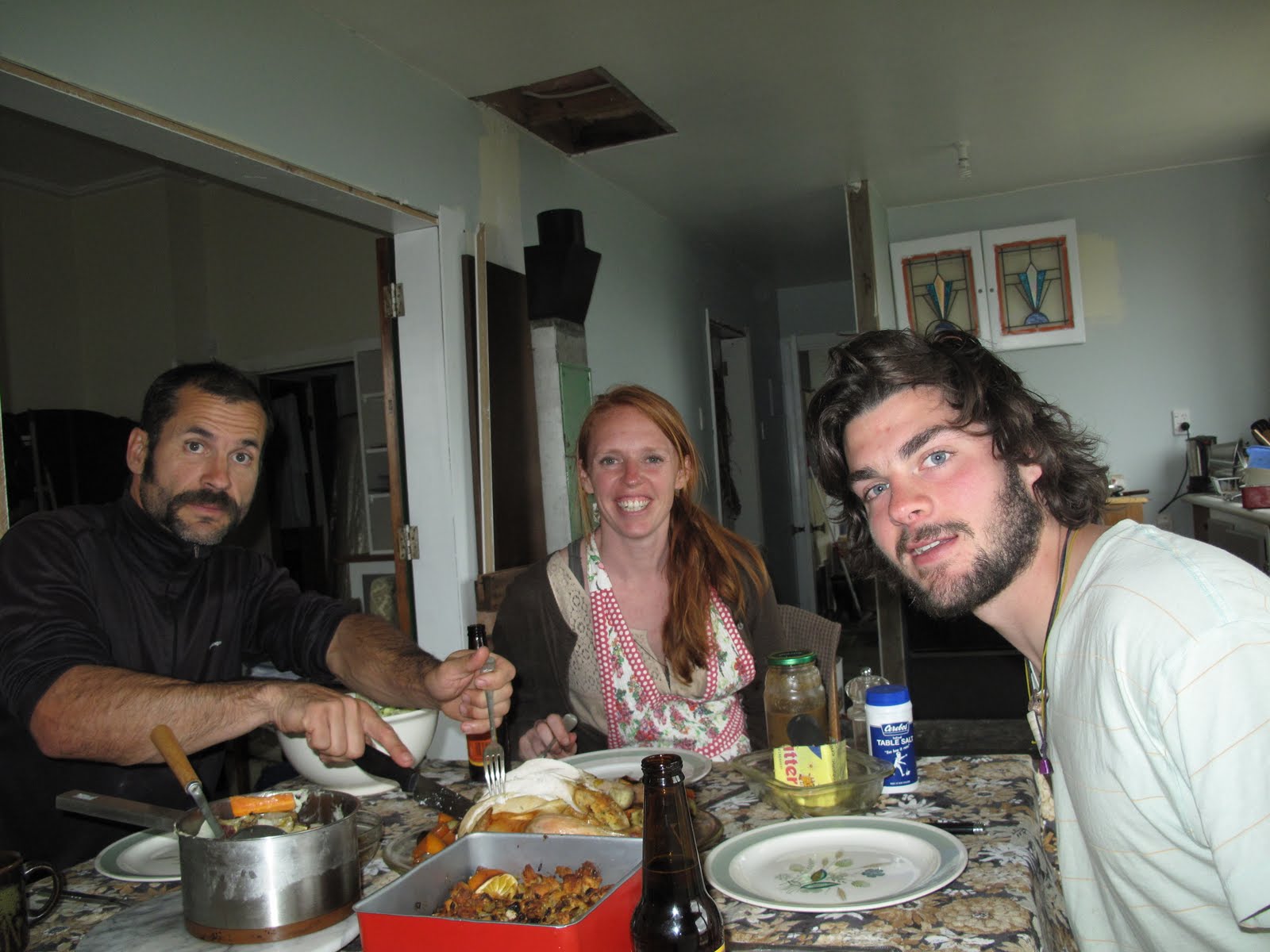
We sat down for a little kiwi thanksgiving and talked about all the changes Dani and Nelson had seen take place during the past 12 months. I just thought a bit about their perspective. They had seen the little house that could in the beginning, I have seen the pictures, and it has come very far in 12 months. I have seen the little house that could transform in just a few short busy weeks. At dinner I said I was thankful for how such a dynamic time in my life; full of traveling and unknown destinations could be such tranquil times full of learning and new understandings. School will be in session here in Wanganui for a few more weeks, but for me school will be in session as long as I am amongst people and places like the little house that could, where time facilitates transformations and days are dynamic. 
Kadinshe! The Twenty Something


NEW DELHI |
(Reuters) – Global climate talks need to focus on the growing threat from extreme weather and shift away from political squabbles that hobble progress toward a tougher pact to rein in greenhouse gas emissions, the head of the U.N. climate panel said.


The Little House That Could (TLHTC) is a model for whole community sustainability education based on eco-renovation and permaculture food production. It engages school children from the earliest grades all the way through senior citizens with local, tangible, affordable and realistic approaches to ecological, economic and social sustainability. The programme emphasizes ecological literacy, thermodynamic literacy and financial literacy.
At the primary school level, teachers are trained in high quality cross-curricular approaches to topics such as solar energy, growing food, recycling and composting. At the intermediate and high school levels, teachers are encouraged to get students to “think globally and act locally” through systems thinking exercises and carefully planned field trips to TLHTC site. Adult education includes hands-on workshops on passive solar design, energy efficiency, solar cooking, permaculture design and low-input/high-productivity gardening. And TLHTC reaches older residents with less mobility through PowerPoint presentations at seniors clubs and rest homes. On a global scale, TLHTC maintains an educational blog, a Facebook page and Twitter account.
Every community on Earth has a run down house with a yard full of weeds. Therefore, every community could be a TLHTC community. Through online networking and sharing, we just might achieve a Little Planet That Could. This programme holds great promise due to it’s low costs and high quality and effectiveness.

Anniversary Workshop: Eco-Thrifty Permaculture on 700 Square Metres
In the last 12 months we have turned an abandoned house into an energy-efficient home, and a section full of weeds and rubbish into an abundant foodscape. This workshop provides vivid examples of applied permaculture design on a human scale with lots of practical advice. Topics include sector analysis and zoning, wind protection, sun traps, annual vegetable production, composting, food forests, incorporating poultry, passive solar design, creative reuse of materials and alternative cooking methods.
Tutor: Nelson Lebo has been an environmental educator for over 20 years. Between 2000 and 2008 he developed one of the most sustainable properties in North America. From 2008 he has conducted PhD research in permaculture education at the University of Waikato.
04-12-11
2 pm to 5 pm
10 Arawa Place, Castlecliff, Wanganui
$30. (Discount for Castlecliff residents.) We accept REBS.
Preregistration required before 01-12-11
Minimum 4 and maximum of 10.