Category Archives: compost

Early Autumn Permaculture Update

We have had a magnificent “Indian Summer” here in Whanganui. Our strawberries and tomatoes are still producing after nearly four months. Along with those, we are getting autumn crops like apples and pears.

But first, our new post box built of driftwood, three nails, and two screws.

Screen shot 2014-03-24 at 9.25.31 AM

We have been racing the birds to harvest a bumper crop of figs.

Screen shot 2014-03-24 at 9.28.58 AM

Screen shot 2014-03-24 at 9.28.37 AM

We ate the last of our peaches with fresh local raw milk.

Screen shot 2014-03-24 at 9.32.14 AM

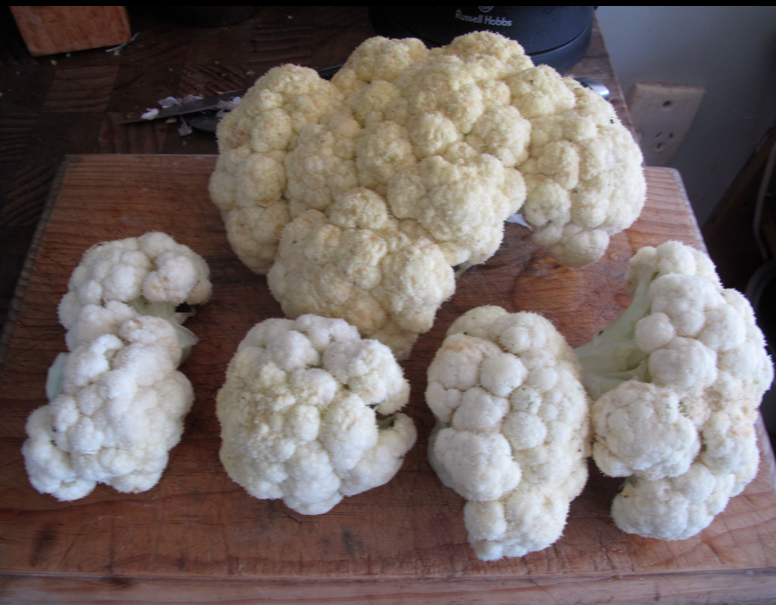
We’ve had some nice broccoli and cauliflower.

Screen shot 2014-03-24 at 9.31.16 AM

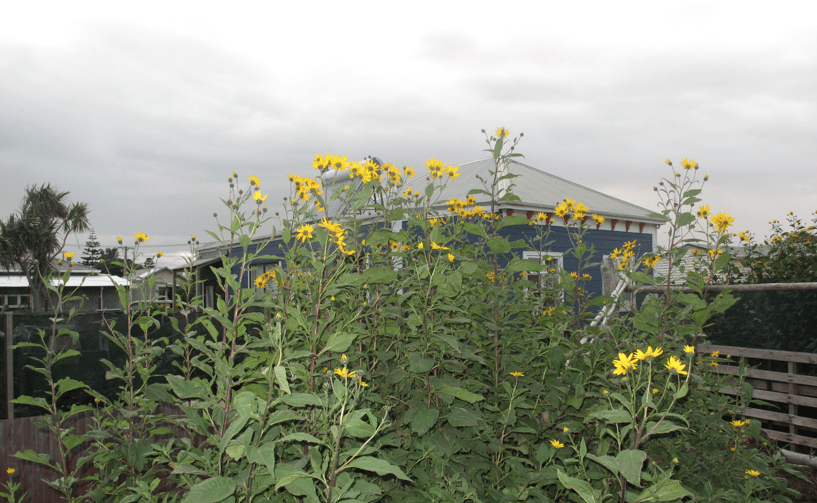
Jerusalem artichoke is going for it everywhere.

Screen shot 2014-03-24 at 9.29.44 AM

Screen shot 2014-03-24 at 9.26.45 AM

I have been taking a plant propagation course. Here are some of my “assignments.”

Screen shot 2014-03-24 at 9.27.36 AM

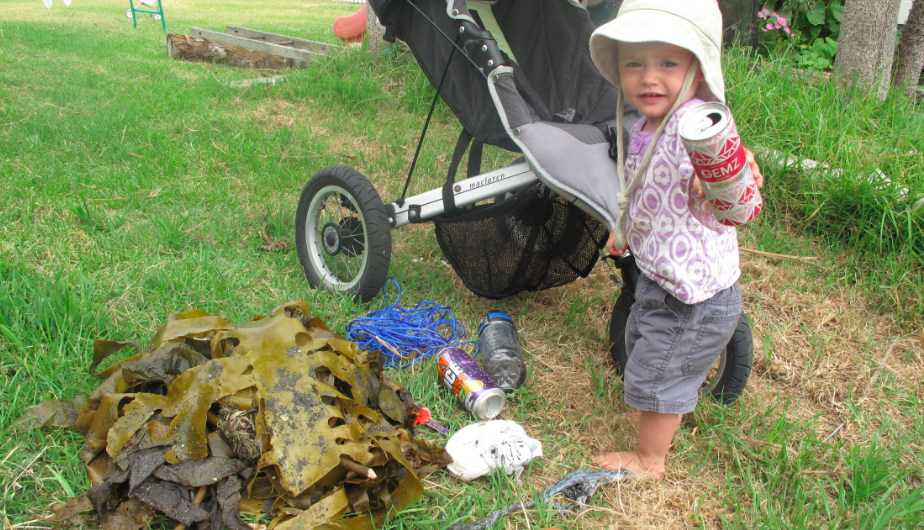
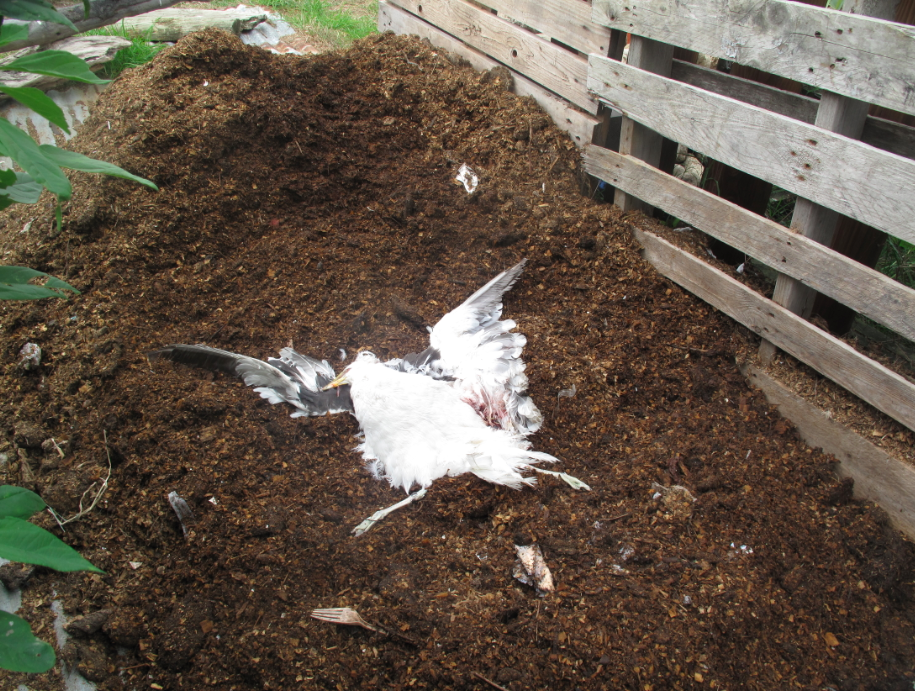
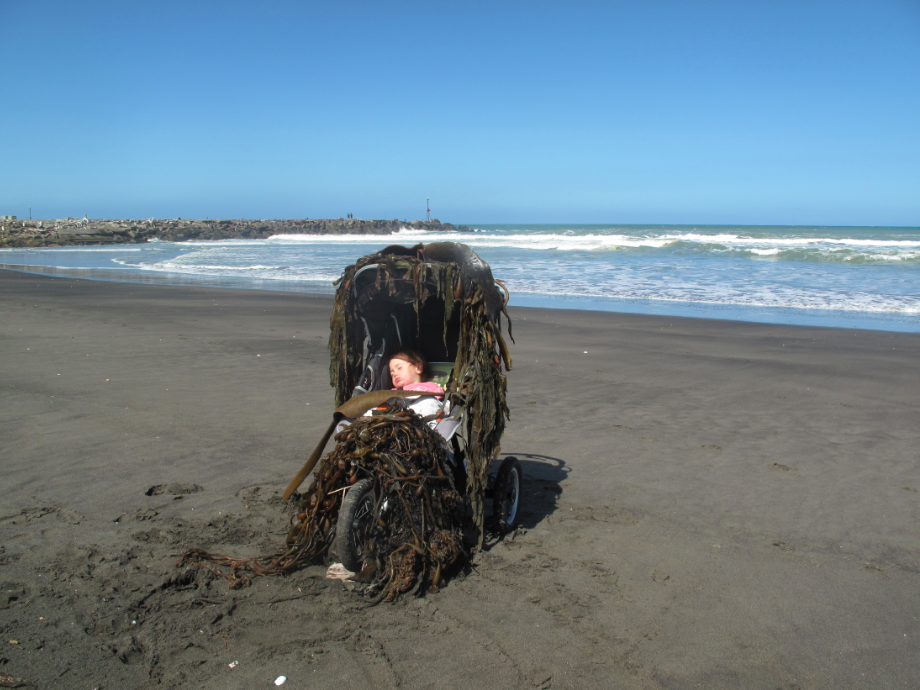
We have been also doing lots of composting, with gifts from the sea…

Screen shot 2014-03-24 at 9.30.30 AM

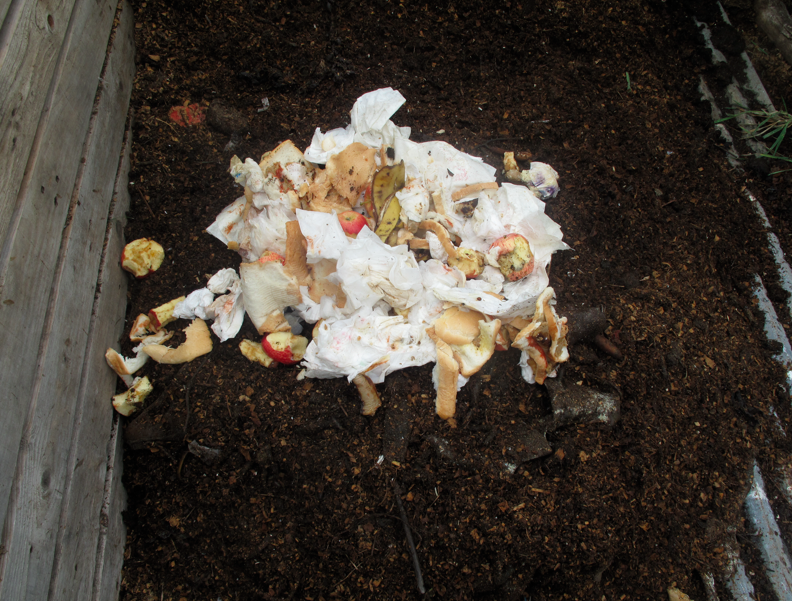
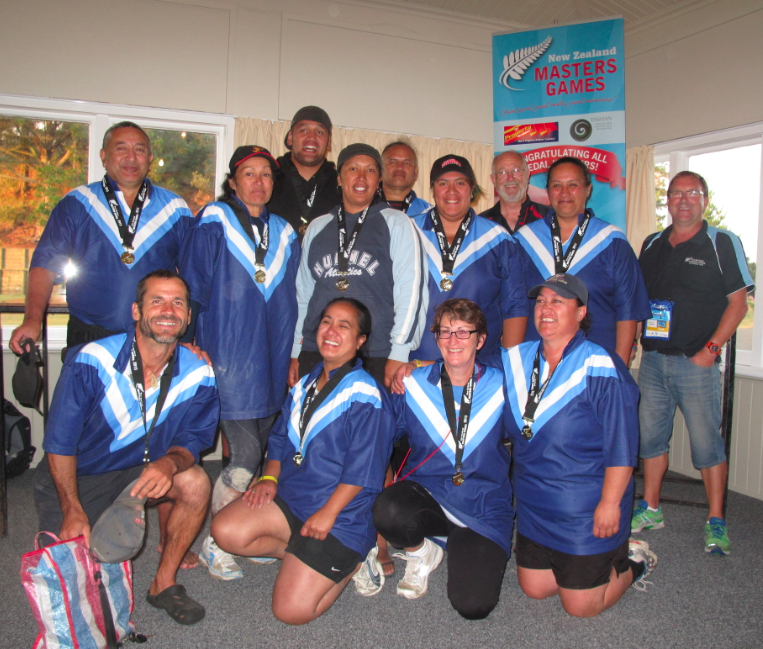
…and gifts from community events.

Screen shot 2014-03-24 at 9.32.47 AM

And a few amazing gifts from the western horizon.

Screen shot 2014-03-24 at 9.33.24 AM

Peace, Estwing

Engaging Children in Recycling & Composting

Last week I had every intention of writing about Sea Week, Castlecliff Children’s Day, recycling and composting. I even had the photos picked out.

Screen shot 2014-03-21 at 10.29.00 AM

But then I saw a cryptic invitation in the Chronicle about writing poems for St. Patrick’s Day. Then I saw a letter from Bob Walker on the costly and impotent “odour fence” and an article that included a remarkably uninspired statement by a councilor about “growth” and “lifestyle.”

What started as an innocent limerick in the spirit of St. Patrick’s Day rolled into 650 words of critique on what appears to be a pattern of reductionist, ineffective and costly decisions by council.

While I stand by every word, I did not mean offend anyone with undeserved insult – especially not the Chronicle editors. I think they, along with the entire Chronicle team, have guided our paper to a secure place of relevance at a time when many newspapers around the world are reducing circulation, down-sizing, digitizing, and disappearing entirely. Over the last two years, the Chronicle team has built what must be best network of local columnists of any paper in the country.

Long live the Chron

May all celebrate her in song…

Never mind, on to the rubbish…I mean waste management.

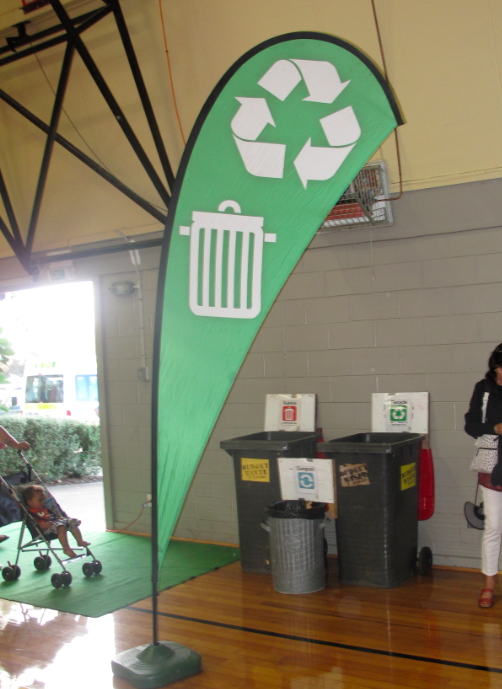
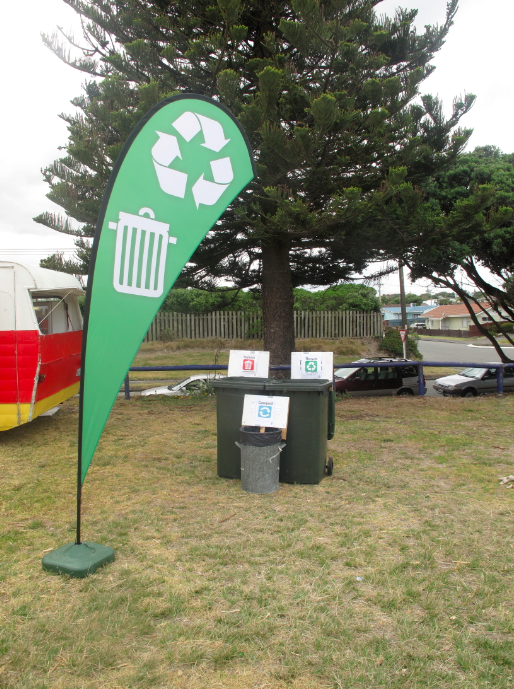
Good on Des Warahi for committing Castlecliff Children’s Day to waste minimization. Like SKIP’s Children’s Day a week earlier, we were able to work together to divert a large amount of materials from landfill by making recycling and composting easy for attendees.

 Screen shot 2014-03-21 at 10.29.10 AM

Castlecliff’s Children’s Day wrapped up Sea Week, which saw many school children helping clean up our coastline. While it is important to engage children in this type of overt action to help the environment, it’s even more important to make sure that they do not perceive it as a one-off. In other words, tokenism has the potential to do more harm than good if children see “the environment” as something “out there” that they engage with only on certain occasions.

The Enviroschools programme has done a good job throughout New Zealand of making sustainable practices such as recycling, composting and worm farming regular parts of operations for the schools that join. Equally important is that children experience those practices at home. Screen shot 2014-03-21 at 10.28.53 AM

Waste minimization is a great example of eoc-thifty thinking because it so obviously saves resources and money. For example, it takes our family about two months to fill one bag of rubbish. It may not be that we have any less total ‘waste’ than other families, but that we divert most of it from landfill by recycling and composting.

Screen shot 2014-03-21 at 10.28.28 AM

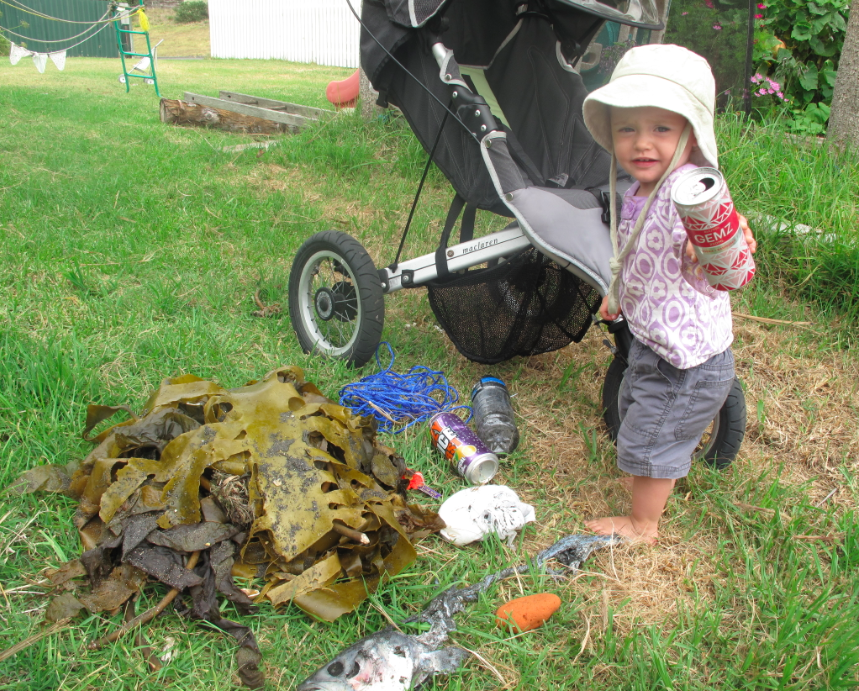
Much of the ‘waste’ that makes its way onto our property comes home with Verti and me from our walks along the beach. If there is anything I’ve learned as a new parent it is that my 18 month old daughter loves imitating and helping. From this perspective, I can’t think of many things more valuable than walking with her along the seashore collecting discarded cans and bottles, bits of plastic, and organic matter for our compost.

Plus, I get to check out the waves so I can plan for a surf after mum gets home.

  Screen shot 2014-03-21 at 10.28.43 AM

Sidebar: TPPA Alert!

We face many challenges ahead, but perhaps the most immediate one is the Trans Pacific Partnership Agreement (TPPA) being negotiated in secret at the behest of transnational corporations whose one and only mandate is to return maximum profits to share holders. The likelihood of the TPPA being good for people or the planet is about that of the All Blacks falling to Japan in a test match. Please attend the rally against New Zealand signing onto the TPPA Saturday 29th March at 1 pm. Meet at the Silver Ball sculpture at the River Market and walk to Majestic Square.

Composting Case Study: Holistic Waste Management

I’m not sure whether it is a quaint notion, or a condescending one, but there appears to be a sense among some people that sustainability is easy to ‘do’. I admit they are right in that it is easy to do poorly. To do it well takes a number of attributes: knowledge/understanding; commitment; experience; and, a holistic approach. It is not child’s play.

     Screen shot 2014-02-01 at 7.27.10 AM

I would argue that the last two are the most critical to achieving excellence, and that they go hand-in-glove. There is nothing wrong with commitment and knowledge – indeed, they are the essential starting points – but everyone should be prepared to make mistakes on the way.

Along the rocky road of mistakes and embarrassment is where one meets experience and holistic thinking. They do not come by Waiting for Godot, but by seeking the Good Life.

Of course making mistakes in the privacy of our own homes and sections is better than making them in public. But if one wants to reach out to their community, she or he must be prepared for public scrutiny, particularly from those who will take every opportunity to criticize the conservation movement.

This is the reality of the world we share, and unfortunately, this is where sustainability can get a bad reputation: when well-intentioned but inexperienced people take on public projects for which they are not qualified. There have been a number of such failed projects in Whanganui, and I wonder if those failures have diminished the potential for subsequent projects.

In almost every case, I put down failure to reductionist approaches to what are inherently holistic challenges. Put another way, applying simple solutions to complex problems. Nowhere is this more evident, in my experience, than with waste minimization efforts.

In schools and organizations, and at large events, I have observed the failure of recycling efforts as a failure of the planners – as well-intentioned as they may be – to design and manage the systems holistically.

In a strange and unpredicted series of events, I found myself facing exactly such a situation recently. I was volunteered by my wife to help a local organization minimize waste at a large community event. It was last minute, but I agreed to advise them, help them set up, and remove compostable material afterward.

Everything looked good until a series of reductionist interpretations of sustainability complicated what otherwise would have been a smooth, easy, excellent example of waste minimization.

First of all, a Council employee informed us there would be a charge for wheelie bins that had been purchased using ‘waste minimization fund’ dollars specifically for event use. Put simply, charging for bins is a barrier to waste minimization, and would appear to go against the spirit of money specifically earmarked for waste minimization. Pretty straightforward, eh?

Next, and much more complex, is the use of so-called bio-cups. When my wife told me that the caterers had agreed to purchase biodegradable products, my first reaction was not elation. Here is why.

 Screen shot 2014-02-01 at 7.27.00 AM

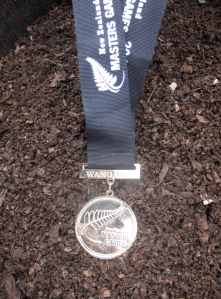
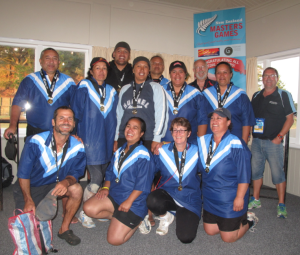
Following what was likely a best ever in NZ waste minimization programme at the Masters’ Games last February, I found my 30-day compost contaminated with 548-day ‘bio-cups’. In other words, the hot compost regimen I embrace produces an excellent, finished product in one month, but upon contacting the distributor of the cups, I was informed to expect 18 months.

I see bio-cups as a reductionist approach to a holistic challenge because somewhere in the world, a perhaps well-intentioned group of people invented a product to replace plastic cups. How honourable!

 Screen shot 2014-02-01 at 7.27.18 AM

But from a holistic perspective, bio-cups actually get in the way of waste minimization because they make the entire composting process much harder. On the one hand, I don’t know of many home composters who would tolerate a year and a half of plastic-looking cups lingering long after everything else had rotted down. On the other hand, I know of no commercial composting operations that would accept this product because time is money, and bio-cups would be seen as a contaminant that could result in them rejecting an entire load of green waste and redirecting it to landfill. Waste not minimized.
 Screen shot 2014-02-01 at 7.27.27 AM

So here we sit, Verti and I, sieving thousands of bio-cups out of our Master’s Games Gold Medal Compost. Despite how Verti makes it look, this is not child’s play.
 Screen shot 2014-02-01 at 7.27.36 AM

Compost Post

Following up on the post of 12th June (Perfection), here are more details on our methods of composting organic matter. You may recall that we diverted over 95% of materials from landfill at the Connecting Families Day run by YMCA Wanganui. Alongside paper recycling and drink bottles recycling, the bulk of material came in the form of compostable organic matter: napkins, sausages, bread, apple cores and paper cups.


In anticipation of this organic matter coming onto our land, I “feather a nest” by forming a large rectangular bowl with grass cut on a neighbor’s property and “donated” to us by the landscaper. Into this bowl I easily dumped the organic matter collected at the YMCA event.


Then I added half a coal bag of sheep manure we bartered for with a surfing friend. The nitrogen in the manure will balance the high carbon content of the paper cups and napkins.


Then I covered the lot by raking grass over it to prevent wind from blowing the cups around and to allow the compost to “cook.” By turning the pile once every 48 to 72 hours, it will hold temperatures between 50 to 60 degrees Celsius (122 – 140 F) and be completely decomposed in about a month.


Then we’ll have roughly a cubic meter of beautiful, healthy compost ready for our spring planting.

Peace, Estwing

Perfection

I appears that many global forces of unsustainability have been swirling of late. The synergy with which these forces interact, and the non-linear effects make predictions near impossible. Most economists and politicians appear to be in utter denial of anything other than a return to “growth” and “business as usual.” (I’d say that is the one place we are not headed.) But one economist in particular seems to be able to recognize potential problems better than others.
You may recall that Roubini was the one who accurately predicted the financial crisis of 2008. Are you going to believe him, or someone like Greenspan or Bernanke or Geitner who had no clue?
While the right mixture of forces can, indeed, make storms perfect, the right combination of design, communication and education can make solutions perfect. For example, this weekend the ECO School helped the YMCA manage the waste stream for the Connecting Families Day.
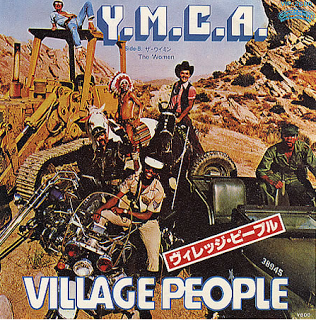
No, not that YMCA, this YMCA.
With over 20 years of experience in award-winning resource recovery programs, we felt confident about working with the Y with the goal of a zero waste event. I’ll write more about the mechanical details in another post, but the guiding principles for success when managing events such as this are:
1) Plan ahead. Sometimes called “pre-cycling,” this means thinking about the entire waste stream of the event and planning accordingly. For example, we ordered compostable cups for both hot and cold drinks. Zero waste.
2) Design. (“Failure to design is to design to fail.”) The physical lay out of collection containers is important. They must be clustered together. For example, we had bins for compost, paper recycling, drinks bottles recycling, and miscelaneous rubbish all together at one station.
3) Communication. This comes in a couple of forms. A) Signage must be brief, clear, colorful and at eye-level for both children and adults. B) Announcements can be used to remind attendees that this is a zero waste event and their efforts are crucial for success.
4) Education. Including the why and how of resource recovery is important to give people reason to act. Our education effort took two forms this weekend. A) I manned the resource recovery station to interact with people and monitor quality control. B) Our friend, Hadi, provided home composting advice at the Sustainable Whanganui table.

5) Quality control. Essential, essential, essential. No one wants to pick through dirty bins afterwards. Make sure everything goes in its proper place during the event. As mentioned above, quality control can and should go hand-in-hand with education.
By employing the above strategy, we were able to divert over 95% of the waste stream from landfill while role modeling positive behaviours to families. Those are world-class results. Not bad for weekend work.
More details on our composting process in a later post.
Peace, Estwing