Category Archives: food forest

The Americas in New Zealand

Yesterday afternoon felt very American to me. I went over to visit with our friend Mark Christensen and collect bean seeds (most from  Turtle Island) and some suckers off an American paw paw.

Screen shot 2014-09-29 at 6.59.30 AM

Mark works with others to propagate and disseminate heritage beans, tomatoes and apples, among some others.

Screen shot 2014-09-29 at 6.59.55 AM

The paw paw was a tree in Mark’s heritage orchard. When I was visiting him about 6 months ago he mentioned it was sending out suckers. I made a note to come back and dig some out. Yesterday I finally did.

Screen shot 2014-09-29 at 7.00.21 AM

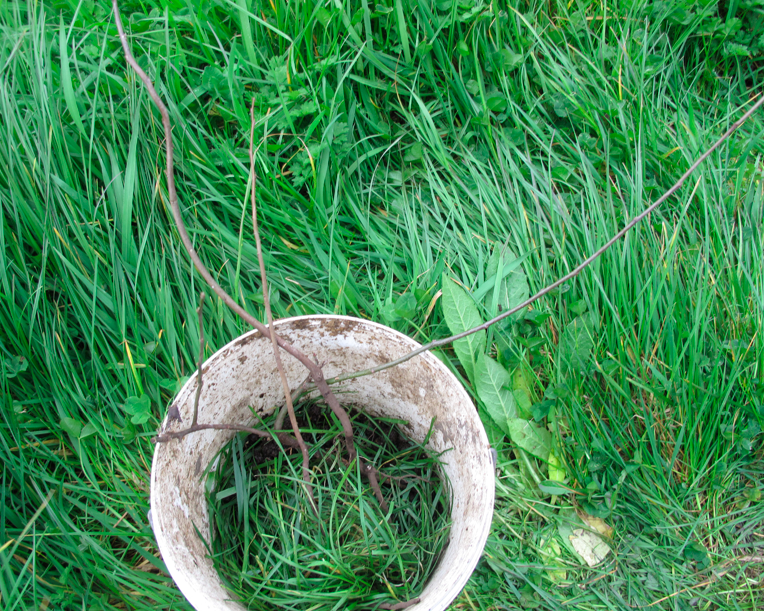
The suckers were so small they were hard to pick out in the tall grass. According to wiipedia, here is some information about the paw paw:

Asimina, the pawpaw genus, a genus of trees and shrubs native to eastern North America

  • Common pawpaw (Asimina triloba), a temperate fruit tree, native to eastern North America


Screen shot 2014-09-29 at 7.19.11 AM Screen shot 2014-09-29 at 7.20.00 AM

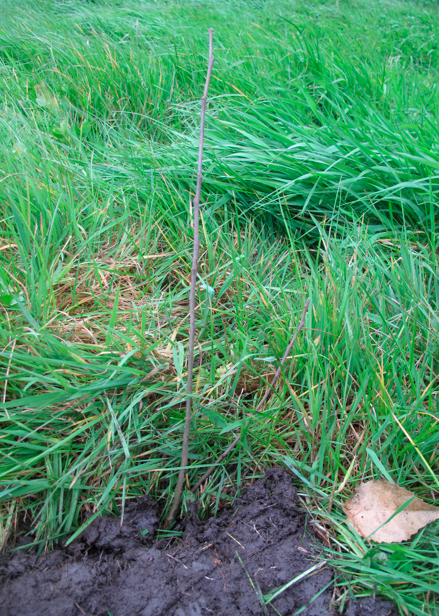
Here is what the suckers looked like planted at our place.

Screen shot 2014-09-29 at 7.00.36 AM

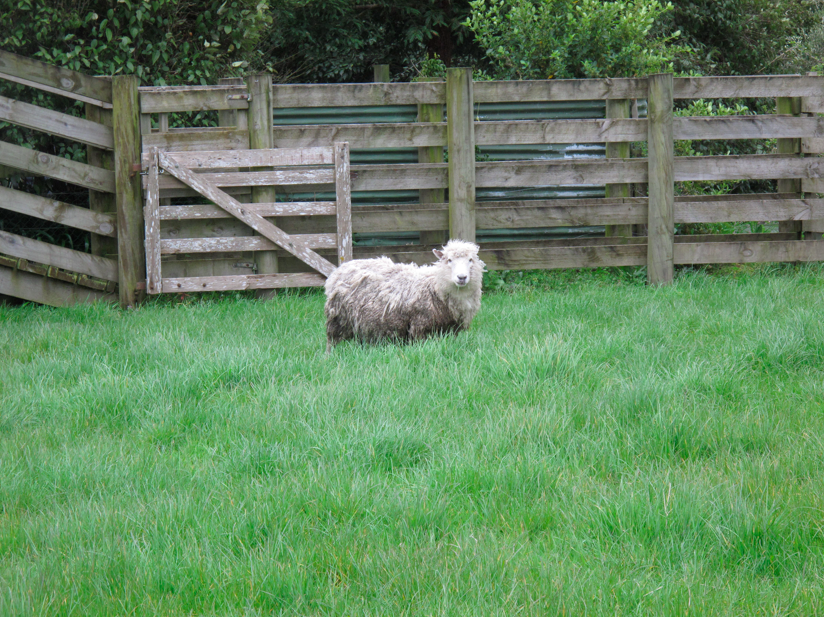
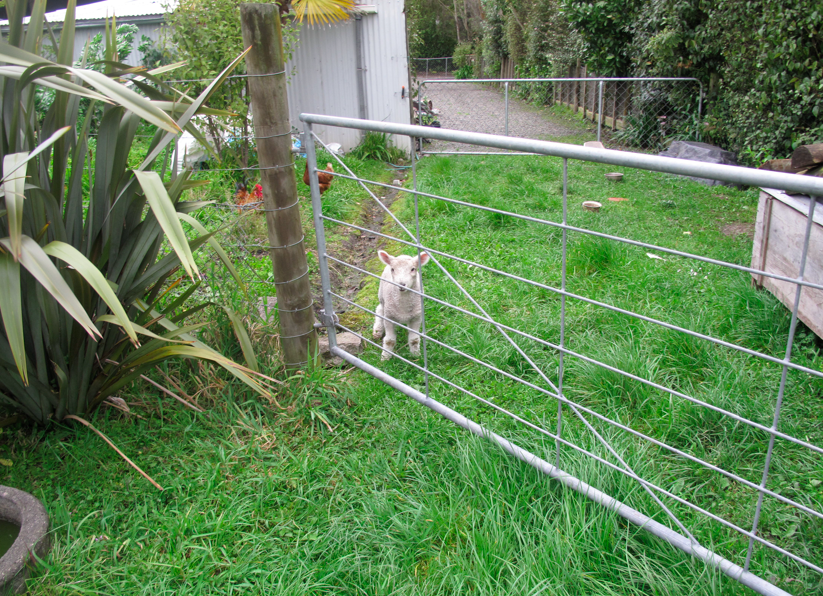
As we try to manage the property to be productive, we have brought some animals onto the land to graze the grass while it is still young and tender. Our friend SImon brought by this ewe…

Screen shot 2014-09-29 at 7.00.53 AM

…and this lamb.

Screen shot 2014-09-29 at 7.01.06 AM

We also have a temporary border called Shady.

Screen shot 2014-09-29 at 7.00.07 AM


Peace, Estwing

Permaculture: Turning Liabilities into Assets

With an abundance of bad design around the world and across New Zealand, the opportunities for good design and re-design are almost endless. Simply addressing the built environment would provide thousands of jobs over many decades, to say nothing of the “natural environment.”

But this week’s column will, however, address the natural environment, which is, across most of this country, far from natural. In many cases non-native animals graze non-native plants on steep slopes that results in increased river levels and erosion during heavy rains and decreased river levels during drought. Put simply, poor design and out-dated land management techniques contribute to both flooding and drought: a lose-lose situation.

Good eco-design and contemporary land management can hold water on the land during heavy rains and provide water to plants and rivers during extended periods without rain: a win-win situation. This is called eco-design because in many cases it is the way “nature” manages water movement across the land with trees and wetlands.
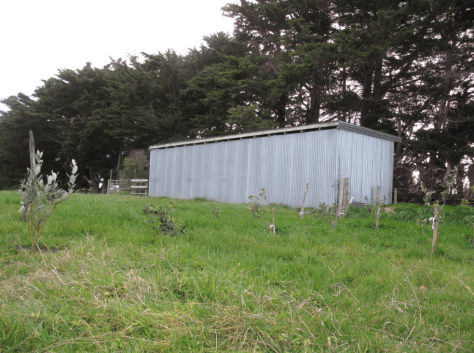
Screen shot 2014-09-05 at 2.27.59 PM

This new orchard will be designed to use excess water off the roof as needed. 

Redesigning marginalized landscapes for water storage is at the heart of permaculture – an Australian eco-design philosophy first developed in the 1970s. Permaculture is now practiced by tens of thousands of eco-designers in probably every nation on Earth. In arid places such as Jordan or Arizona, deserts have been re-vegetated using permaculture design.

In New Zealand, permaculture design has been used to restore the health of degraded land and to increase its productivity. A large part of this design philosophy is turning a liability into an asset. (Sadly, this is exactly opposite to what appears to be the management philosophy of Whanganui’s wastewater treatment plant.) For example, water poses a threat to a house made from timber, but is required for a vege garden to thrive.

Screen shot 2014-09-05 at 2.27.50 PM

This area is being transformed into a vege garden alongside water management improvements. 

Good eco-design would transfer water from where it is not wanted to where it is, but without the need for costly drains or pumping. With regards to water management, good eco-design uses gravity to move it for free.

Another example of turning a liability into an asset is composting. Whether it is unwanted food scraps or an excess of manure or yard waste, composting the material and returning it to the land saves it from going to landfill where it converts into methane gas, or from running off and polluting streams and rivers. Win-Win.
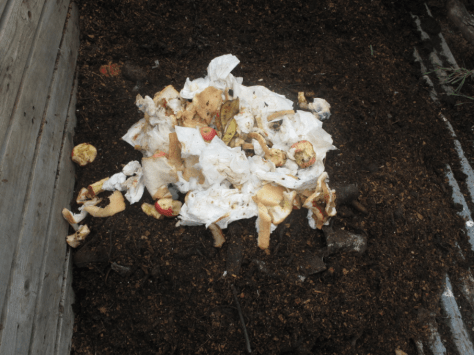
Screen shot 2014-09-05 at 2.27.34 PM

Before.

Screen shot 2014-09-05 at 2.27.42 PM

After. 

If you have a small section or a large section or a lifestyle block, you may be interested in learning how permaculture design is used to manage water and soil fertility. On Sunday the 7th of September I will offer a sampler of what good permaculture design would look like on both small and larger properties (see sidebar). These events kick off Adult Eco-Literacy Week (7th-14th) and the Whanganui Permaculture Weekend (13th-14th).

Aside from being the gold standard in eco-design, permaculture is also unique in that it is an ethically-guided belief system. Central to permaculture are three ethics: Care for people; Care for the Earth; Share surplus resources.

Whanganui is unique in New Zealand in that we have a small but dedicated core of permaculturists who hold tightly to these ethics. For the second year in a row we are offering a weekend of outstanding events hosted by a range of experts in their respective fields. In other places across NZ and around the world you could expect to pay hundreds of dollars to register for such a series of events, but we are offering it to our community absolutely free.

It would be difficult to describe how unique this is, and it is one of the things I cherish about living here. Thanks to this handful of people who care deeply about our community and truly practice what they preach. And a huge thanks to Rachel Rose for helping organize the weekend.

Peace, Estwing

Sidebar:

Adult Eco-Literacy Week 2014, 7th – 14th September

7th September, 1-2 PM Eco-Design for large properties. 223 No. 2 Line

7th September, 2-3 PM Eco-Design for small properties. 223 No. 2 Line

9th September, 6:00-7:00 PM. Solar Energy. Josephite Retreat Centre, Hillside Terrrace.

10th September, 5-6 PM. Growing vege on sandy soils, Castlecliff

11th September, 12-1:15 PM. Raw Milk and Yoghurt Making, Women’s Network, 75 St. Hill St.

12th September, 5:30-6:30 PM. Best ways to use your heat pump, Josephite Retreat Centre, Hillside

14th September, 4-5 PM. Tomatoes Before Christmas, Wanganui Garden Centre. Gonville Ave.

Whanganui Permaculture Weekend, 13th – 14th September

List of events can be found here: http://whanganuipermaculture.org/
Harvest Season Permaculture Update

We have been blessed with a week of light winds and pure sunshine that has topped off our blackboy peaches, put our tomatoes into overdrive, and all of the other good things of early autumn.

Screen shot 2014-02-25 at 5.20.34 PM

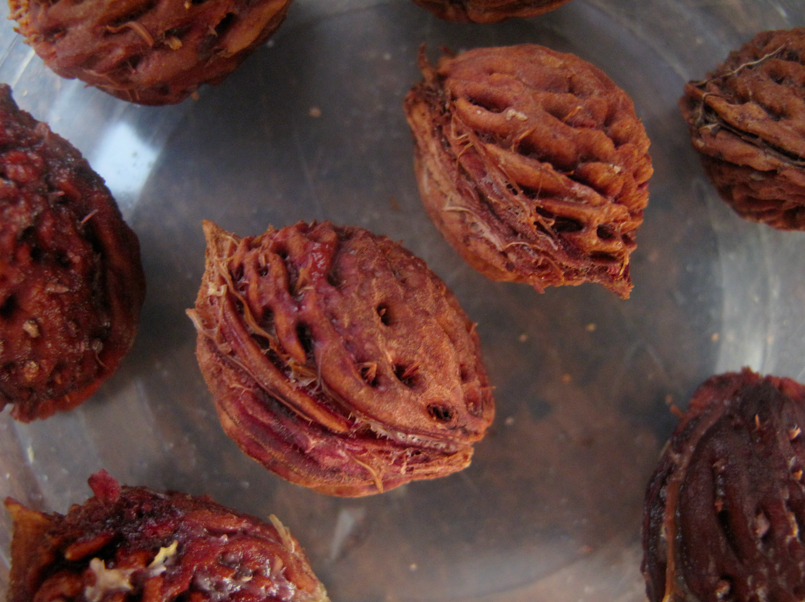
We are actively saving the stones to plant more of these amazing peaches.

Screen shot 2014-02-25 at 5.21.34 PM

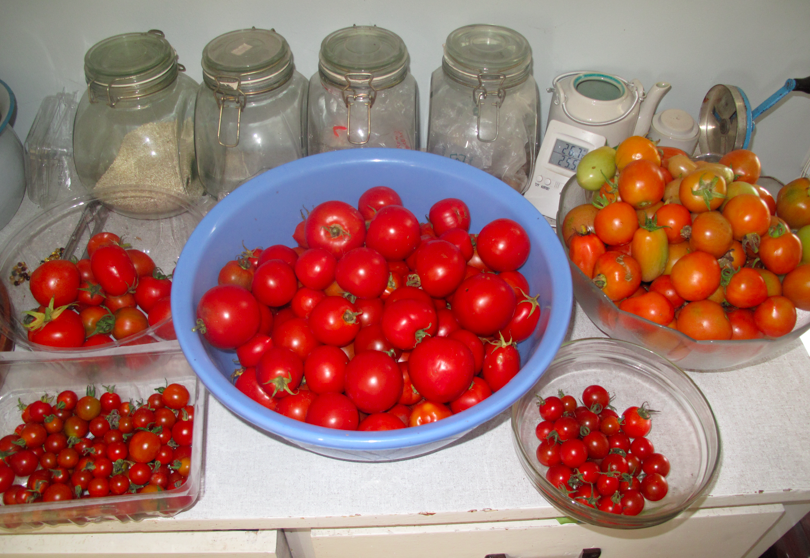
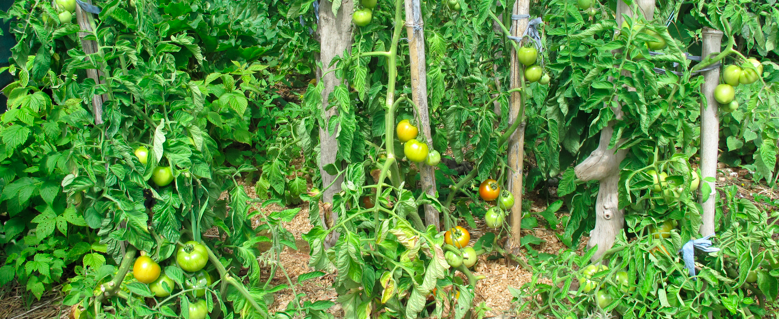
Hard to keep up with the tomatoes at this point, and giving away the excess.

Screen shot 2014-02-25 at 5.23.49 PM

But eagerly awaiting our first capsicum.

Screen shot 2014-02-25 at 5.24.47 PM

The tamarillos got pounded by wind three weeks ago, but are recovering now.

Screen shot 2014-02-25 at 5.25.32 PM

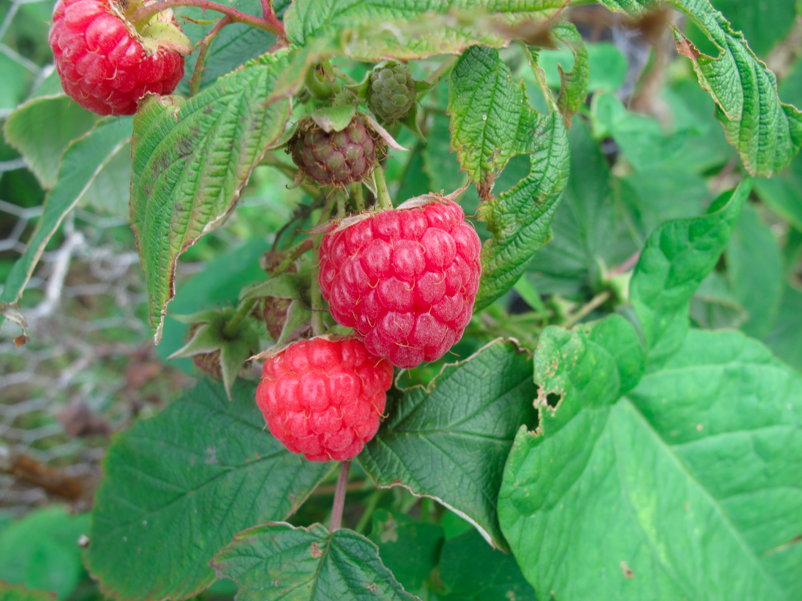
These autumn raspberries are fabulous.

Screen shot 2014-02-25 at 5.24.19 PM

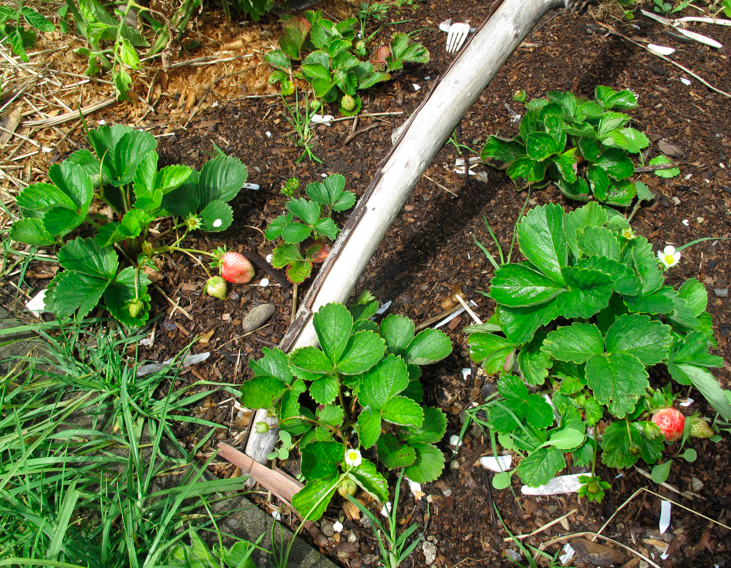
While strawberries still going after 3+ months.

Screen shot 2014-02-25 at 5.25.42 PM

First rock melon on the way.

Screen shot 2014-02-25 at 5.24.37 PM

Pumpkins curing before storage.

Screen shot 2014-02-25 at 5.25.21 PM

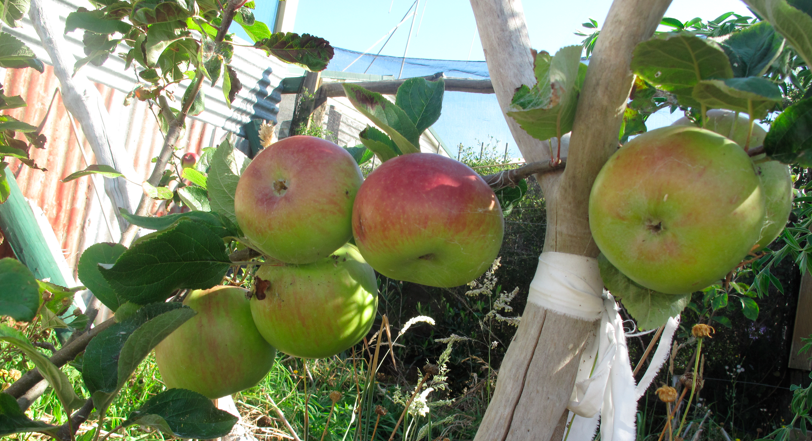
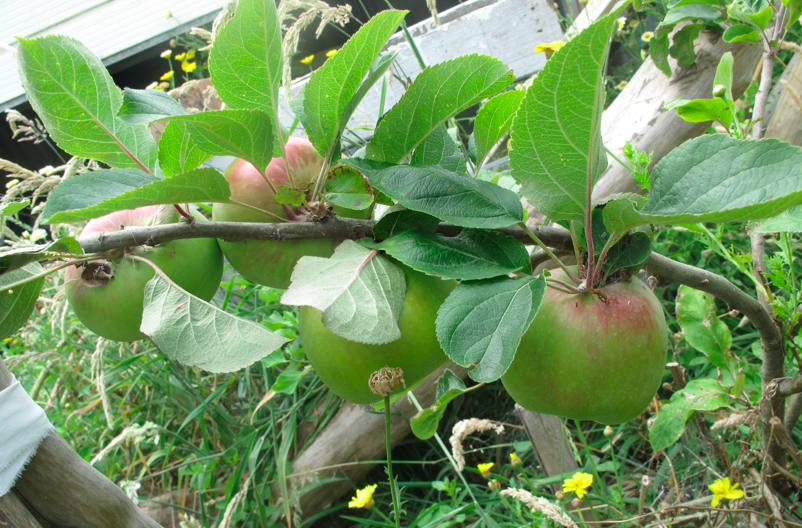
Monty’s Surprise apples will be ready in another month.

Screen shot 2014-02-25 at 5.25.54 PM

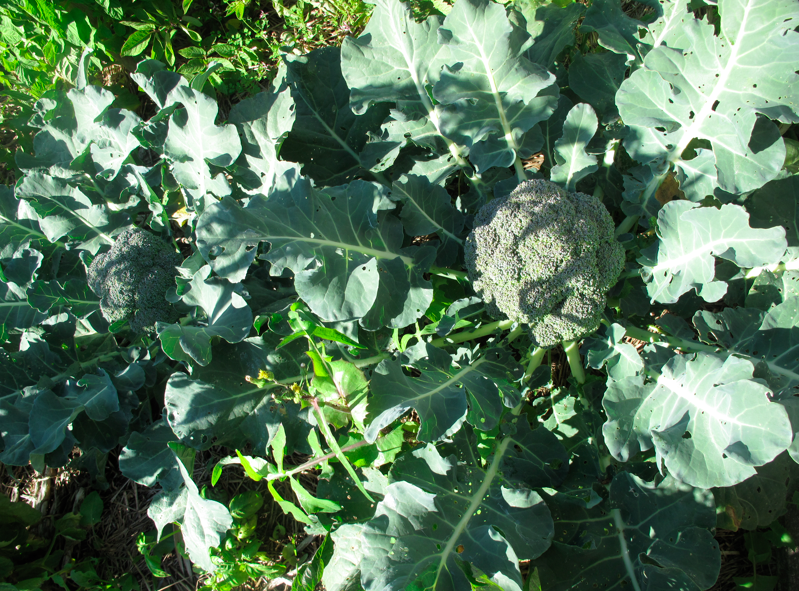
Big, beautiful broccoli flourishing despite white butterflies.

Screen shot 2014-02-25 at 5.26.19 PM

Even a rare chance to harvest seaweed on our coast. It usually does not wash up here.

Screen shot 2014-02-25 at 5.22.18 PM

We were invited to have dinner with an interesting European couple who spend six months each year on their farm nearby. They gave us these gorgeous pears.

Screen shot 2014-02-25 at 5.20.59 PM

And our dear friend Murray brought us these early Tropicana apples for us to enjoy.

Screen shot 2014-02-25 at 5.21.15 PM

Peace, Estwing

Mid-Summer Permaculture Update

Here are some images of our productive permaculture property during the first and second weeks of January. Highlights include our first apricots, first olives, and first kumara plants.

Beans, tomatoes, plums and apricots.
Our first pumpkins are ready.
Kumara: a new experiment.
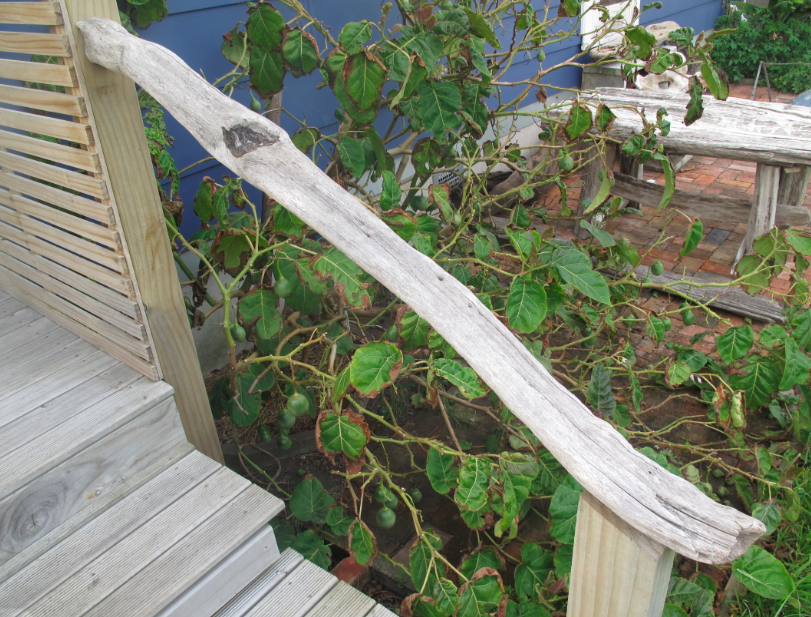
Hiding this iron fence with driftwood.
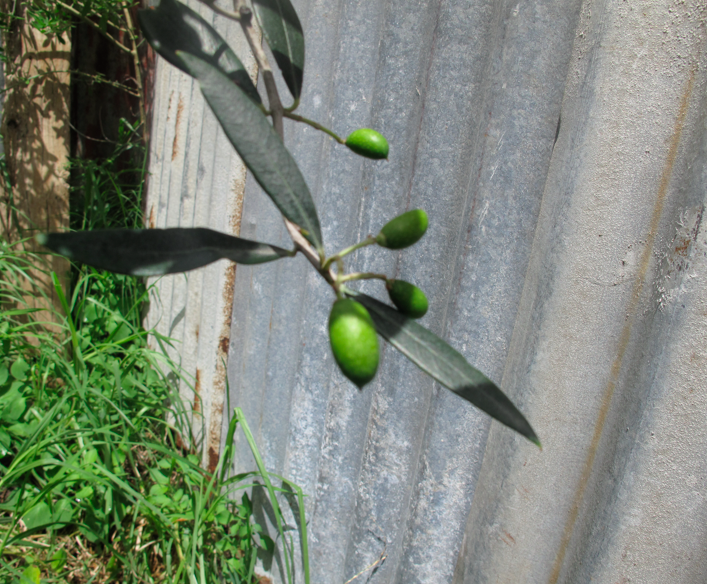
Our first olives forming.
Agapanthus flowering everywhere.
Pears coming along. 
Monty’s Surprise apples. 
Blueberries.
Black Boy peaches. So excited. 
Yum.
A very attractive lettuce. 
Pretty cool mottling. 

Peace, Estwing

New Years Permaculture Update

Here are some pictures of our pumping permaculture property.

Good eats
A lettuce crop where I harvested garlic just 2 weeks ago. 
More on the vine
Bawberries, as Verti would say.
Looking forward to our first grapes this year.
Mo bawberries pwees.
Pumpkins forming.
Another cubic metre of compost.
Spuds in the ground.
“Wild” purslane.
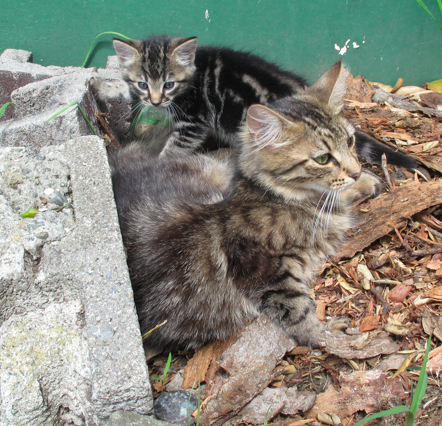
Kittens next door.
A little colour.
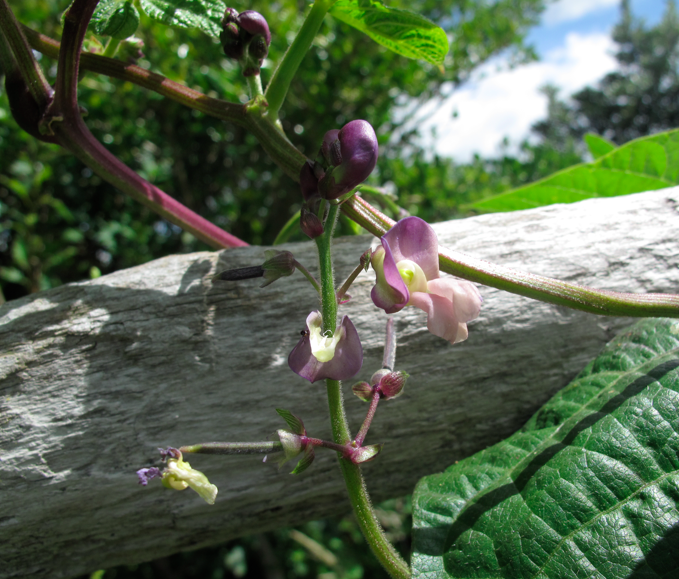
Bean blossoms.
Bean blossoms.
Bean blossoms… fooled you. Apples.
Plums.
Baspberries.
Melons in the ground. Hopefully it will be hot enough for fruits to form. 
Red hot chilly peppers – blossoming.
Our first oranges.
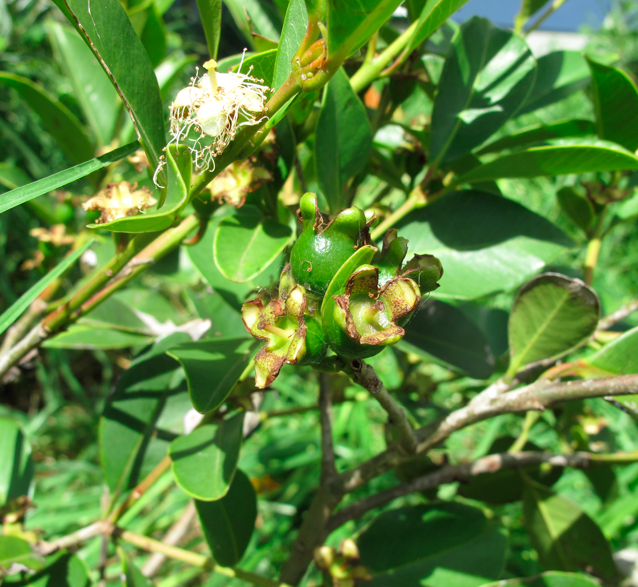
Guava fruits forming from fertilized flowers.
Dinner tonight.
Dinner tonight.

Peace, Estwing

Fossil Fuel Free

As the sound of lawn mowers ringing out across neighborhoods wanes in the southern hemisphere and waxes in the northern, I cannot help but to ask…why?


Why burn limited fossil fuels manicuring a show piece?

Why buy and maintain an expensive, loud, polluting machine?

Why pay $2.10 per litre ($3.60 per gallon in the US) to run that machine?

Why contribute further carbon dioxide to an already overwhelmed atmosphere?

Why spend hours on land care that yields no food?

Problems: Global food prices are at a record high and rising. Oil has been above $100 per barrel for weeks and rose $3 today on increased concerns on the Middle East and North Africa.

Solution: Being “eco-thrifty” means going green and saving money. We use no oil to maintain our 700 square meter section using the following low-maintenance/high productivity techniques.

Growing Food

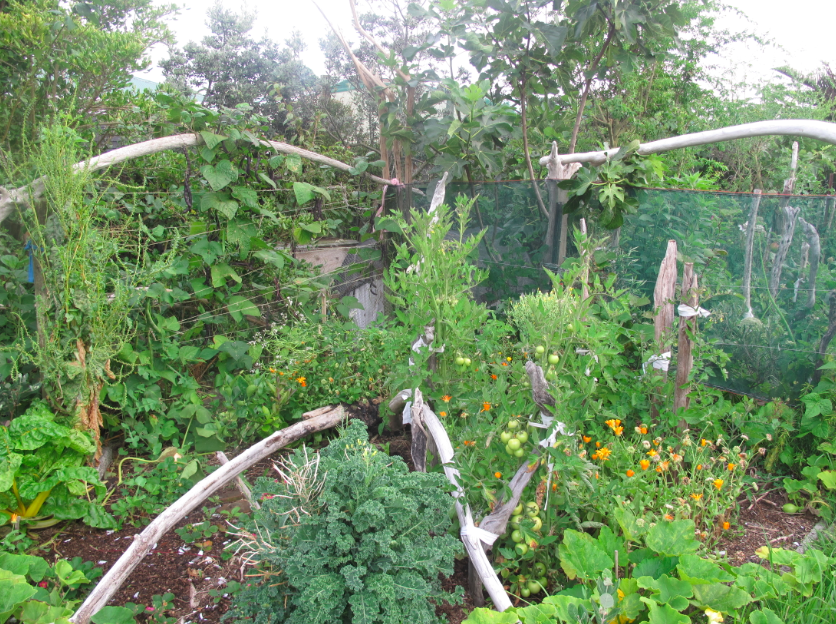
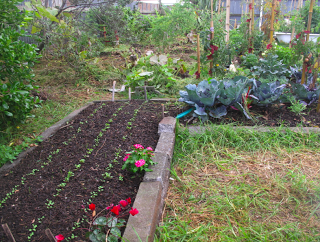
Once a weedy lawn, now a productive garden and burgeoning food forest.

Tractoring Ducks

Ducks eat grass and turn it into eggs, flesh and fertilizer.

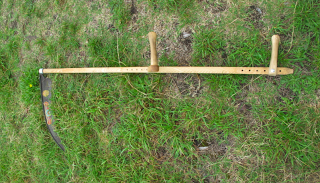
Scything

Interns Amy and John learning how to harvest carbon-neutral mulch.

Please people. Stop the mowing madness! For the good of your wallet and the planet.

Peace, Estwing