Category Archives: growing food

A Permaculture Day at the Beach

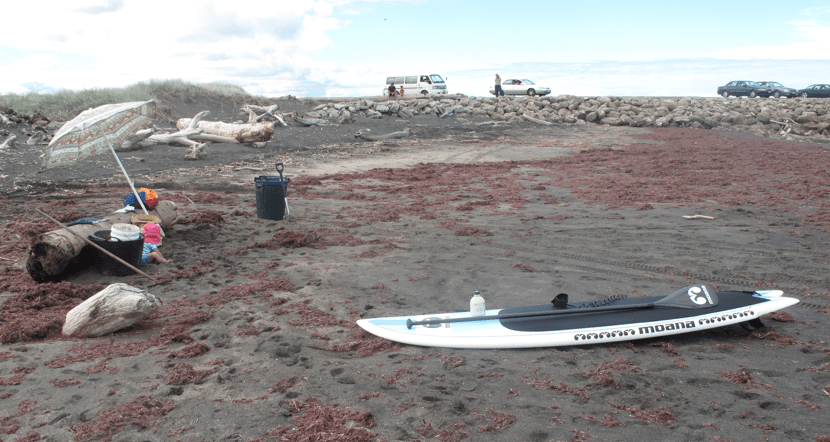
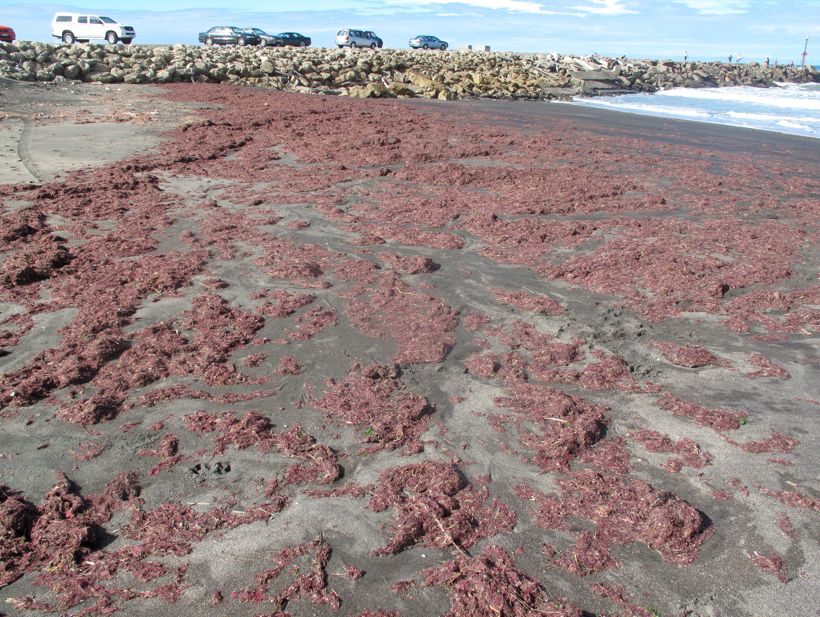
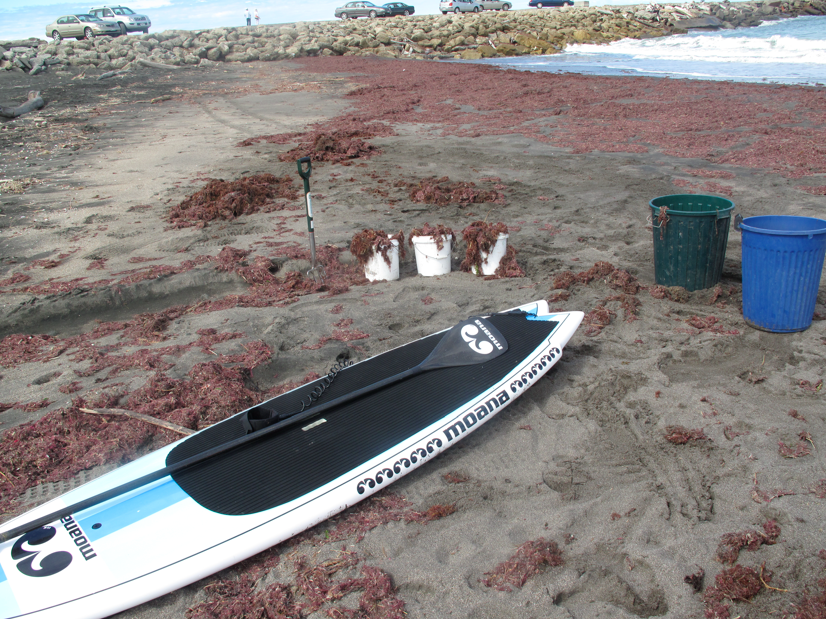
On Friday a mate called me to say there was heaps of seaweed washed up at Castlecliff Beach. This is quite rare.         Screen shot 2015-02-23 at 7.07.57 AM

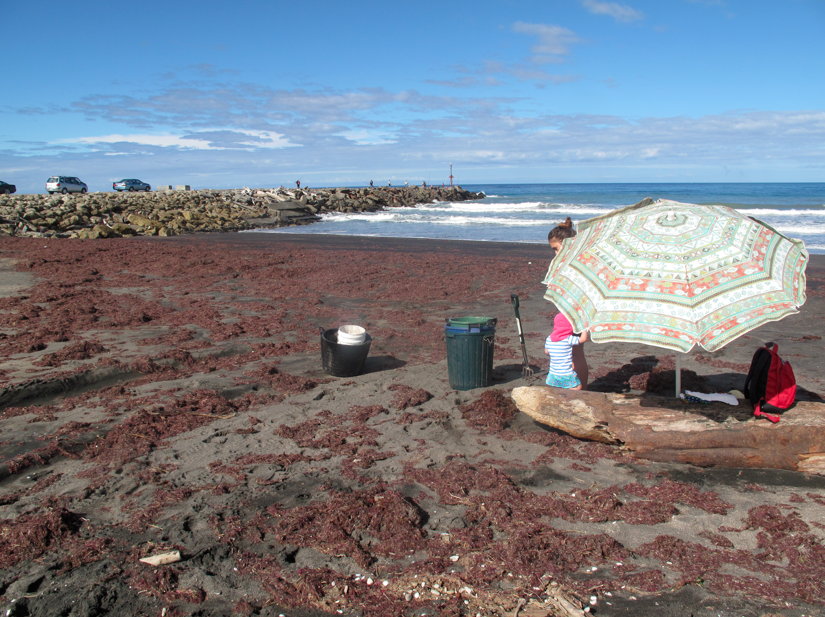
It wasn’t until Sunday that I got a chance to get there, so we made a morning of it. Verti and Luna and I went to the beach and mama stayed home.

Screen shot 2015-02-23 at 7.05.48 AM

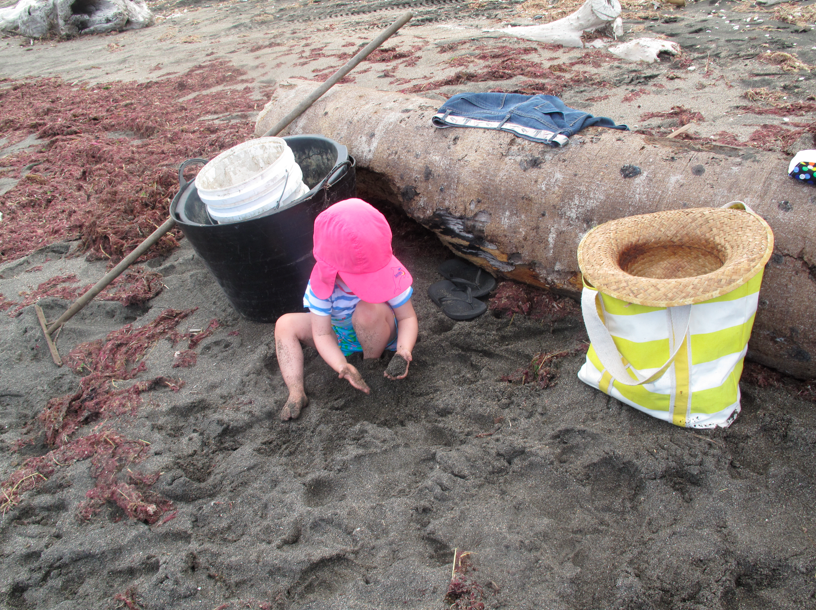
Verti had so much fun playing in the sand.

Screen shot 2015-02-23 at 7.05.59 AM

I had a good surf on my SUP, and then we started collecting seaweed.

Screen shot 2015-02-23 at 7.06.36 AM

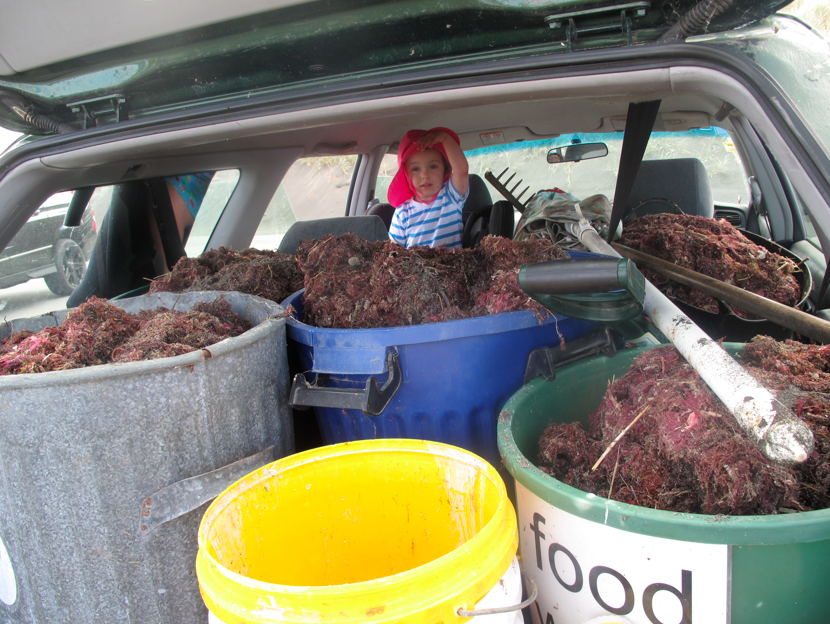
We loaded the car.

Screen shot 2015-02-23 at 7.06.44 AM

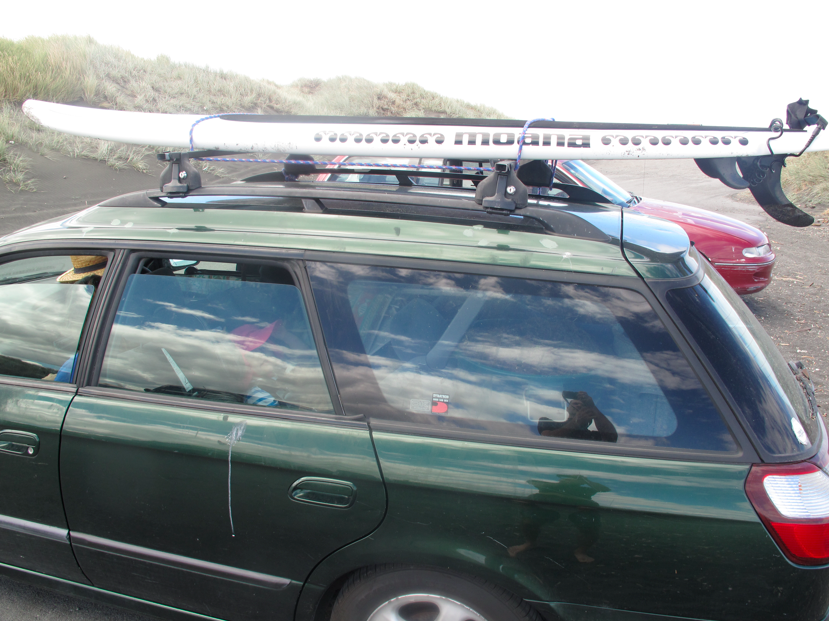
Tied everything securely.

Screen shot 2015-02-23 at 7.06.55 AM

Buckled everyone in.

Screen shot 2015-02-23 at 7.07.09 AM

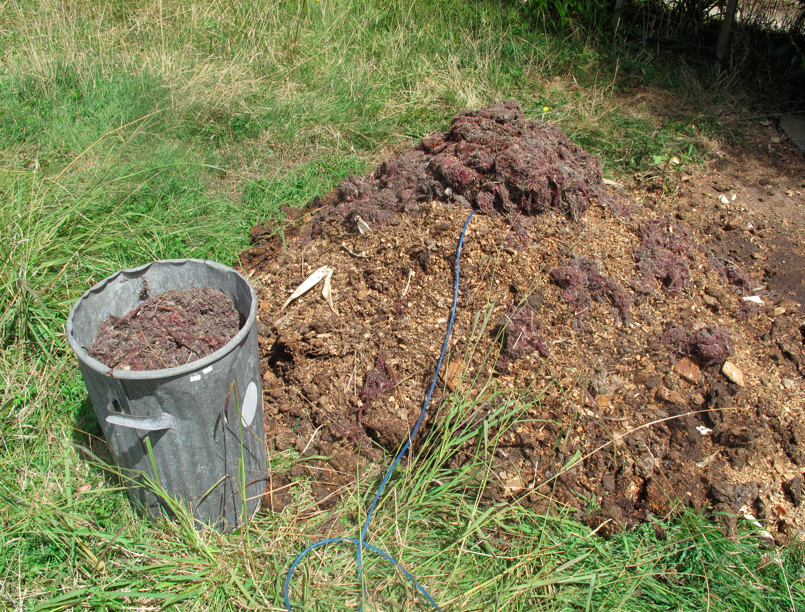
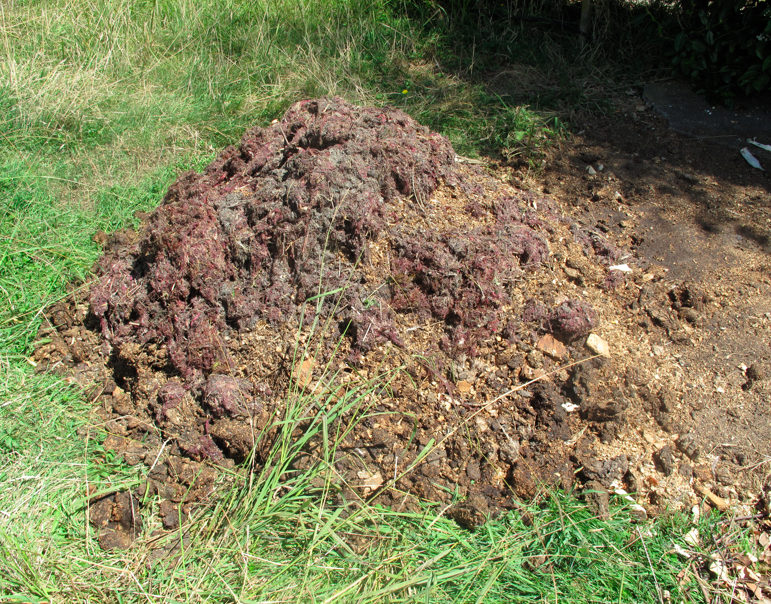
When we got home we added the seaweed to our compost piles straight away. We have two piles at the moment that are larger then 1 cubic metre.

Screen shot 2015-02-23 at 7.07.27 AM

The blue hose in the picture above is putting water into the pile as we have had lots of dry weather lately.

Screen shot 2015-02-23 at 7.07.35 AM

It was a perfect permaculture half-day getting “multiple functions” out of our trip to the beach.

Peace, Estwing

Best Tool in the Shed

I am impressed by the number of families in our region that are embracing permaculture landscape design and management. I have been out and about across the city and around the region advising couples who live on small sections, large sections and lifestyle blocks.

If busy is the new black, then call me midnight. But I’m not complaining. What a pleasure it is to share my experience and enthusiasm for eco-design with a wide range of people who see the clear benefits of low-input / high performance systems.

During a consultation the first things I ask are: What is your vision? What are your motivations?

Last weekend I was working with a lovely couple on their lifestyle block and they said one of their motivations was to “work smarter, not harder.” As a former market gardener, that phrase runs through my head like mantra. When I am working my land it is an automatic way of operating. How else can I get 12 hours of chores done in 8 hours?

Screen shot 2015-02-13 at 10.25.07 AM

In my opinion, the key to working smarter is good design, and the best designs are holistic and four-dimensional. (Time is the fourth dimension.) For a market gardener, four-dimensional design conjures up another mantra: tools, timing, technique. In other words, using the right tool at the right time in the right way.

For example, I would never use a pitchfork to turn a large compost heap – way too much work!

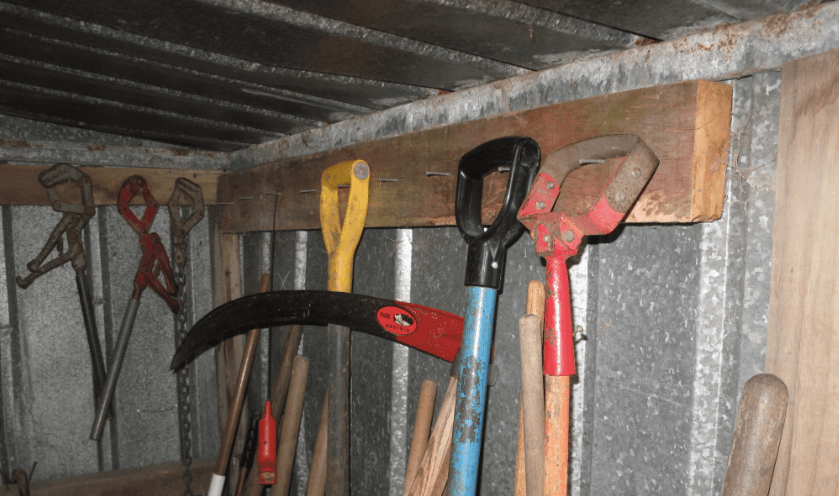
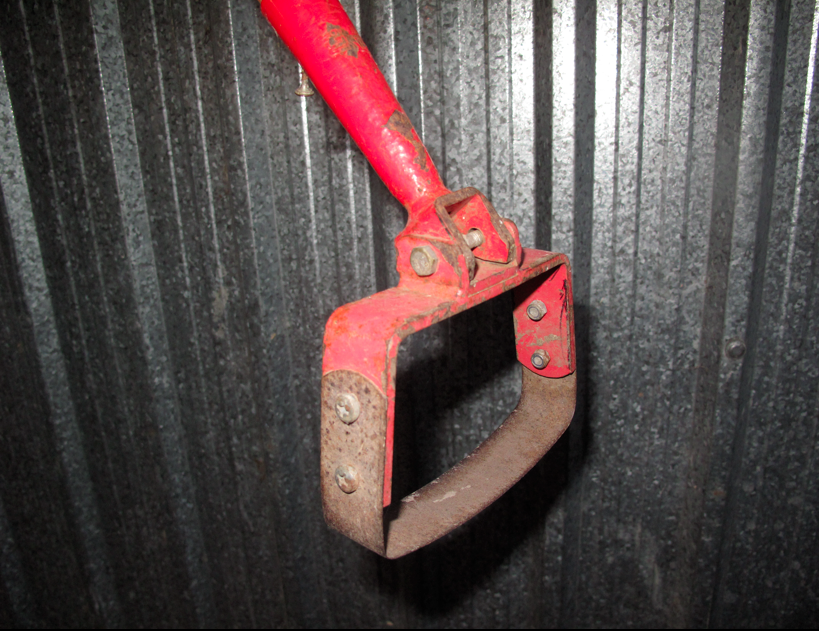
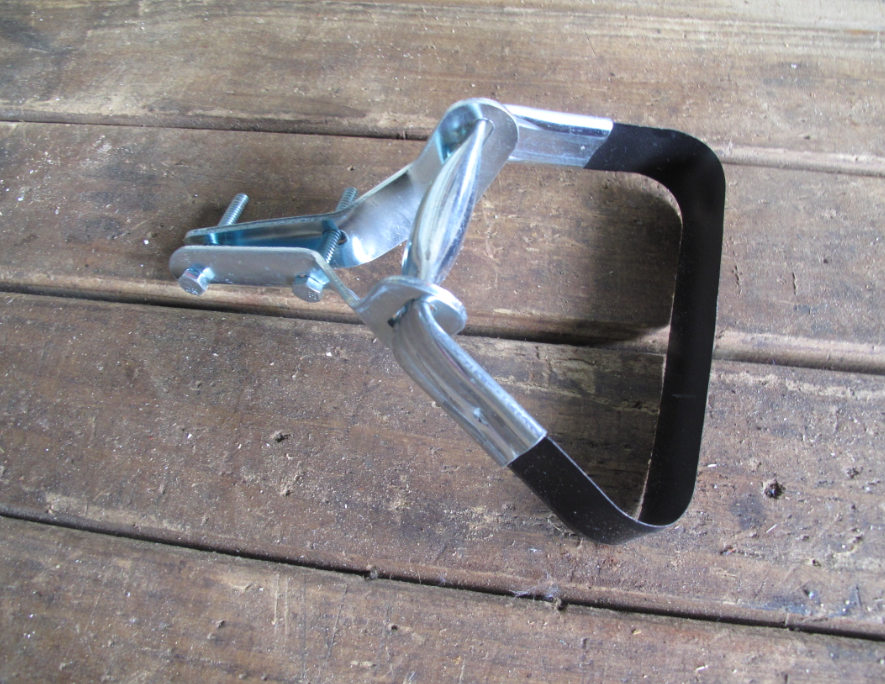
Ironically, the best tool for low-effort / high production vege gardening is essentially unknown in New Zealand. It is the best tool you have never heard of: the stirrup hoe. Screen shot 2015-02-13 at 10.22.48 AM

I have been using stirrup hoes for over a decade. When it comes to managing my annual vege gardens I use the stirrup hoe for roughly 80 percent of my entire tool use. In other words, when I pick up a tool, four times out of five it is a stirrup hoe, and the other time it is any other tool in the shed. This dominance is akin to the All Blacks who have held the world number one ranking for over 80% of the time and all other nations combined have held it for less than 20%. Screen shot 2015-02-13 at 10.24.21 AM

So why haven’t you heard of the stirrup hoe? Probably spending too much time weeding your garden!

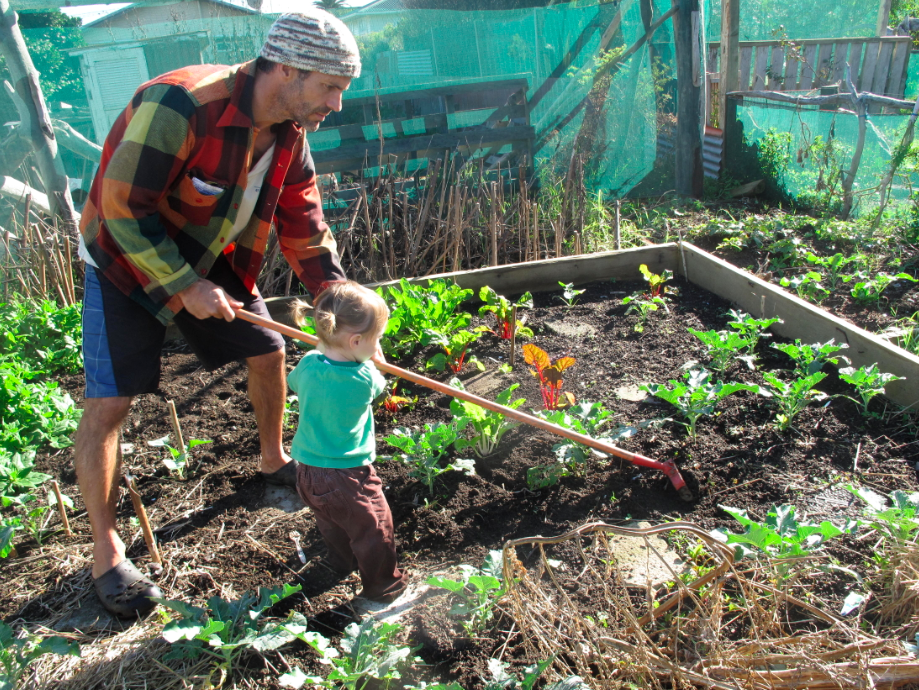
Like a torpedo hoe or Dutch hoe, it is a surface weeder with the advantage that the leading edge always digs into the soil because it pivots between pushing and pulling. This back-and-forth motion accounts for its other name: the oscillating hoe.

That’s the tool, now what about the timing? Sorry, another mantra: “Once a week, every week, on a sunny, windy day.” Screen shot 2015-02-13 at 10.24.27 AM

Gently working the soil surface back and forth uproots tiny weeds as soon as they germinate. The sun and wind desiccate them within hours and they simply remain on the surface until they decompose back into the earth. Ninety-nine percent of my weeding is done without ever bending over.

As you can imply from the description above, the technique involved is gently working the soil surface – 10 to 15 mm deep only. The tool is held with the lightest of touch between your hands. It reminds me of my childhood when I spent spring afternoons raking the long jump sand pit for my father who was a track coach.

After about six weeks the soil surface is essentially devoid of weed seeds. That’s when another tool comes in handy: a bottle opener. Sit back, relax and enjoy a cool drink as you admire the immaculate vege garden. That’s working smarter!


Drought-Proofing is a Matter of Eco-Design

Editor’s Note: One of our District Councillors recently made statements to our newspaper about his concern for the volume of water our city was using while we have had essentially no rain for a month. By why did he have to say to the reporter, “I don’t want to sound like a greenie…” This is my response in the same newspaper.


“I don’t want to sound like a greenie…”

Why is it that many people in our community – especially elected officials – feel it is necessary to preface common sense statements with this phrase? Is there such antipathy toward the so-called “greenies” among us to warrant this fear of association with them? It is such a constant theme in our local politics that I often wonder how and why it came to be.

Lets take a common sense, conservative concept: wasting a resource is bad. Does anyone disagree with this left, right or centre? But as long as we associate common sense, conservative issues with the left-wing, the farther Whanganui will fall behind progressive councils around the country that are ahead of us already and stretching their leads. If we were truly a “Smart!” city we would embrace eco-design thinking fully and unapologetically to improve the lives of our residents, save money and conserve valuable resources such as water.

Water conservation in the home comes in two forms: efficiency and behaviours. Efficiency can take the form of low-flow showers and taps, dual flush toilets, and appliances that are Water Rated. Behaviours include closing the tap while brushing teeth or shaving, taking short showers, or washing dishes like an Aussie.

But at this time of year, in many cases more water is used outside of the home than inside. I don’t want to sound like a greenie, but there are many ways in which eco-design can be used to develop and manage a drought-resistant property of any size from residential section to lifestyle block. Screen shot 2015-01-31 at 6.43.41 AM
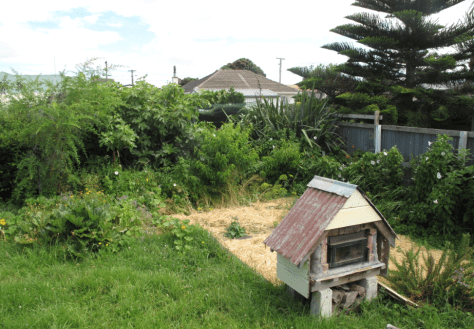
A drought-resistant section in the middle of a drought.

Eco-design as applied to lawns and gardens is about mimicking nature. In other words, we observe how nature is so successful at providing the conditions for life to thrive, and then we copy it.

Any good farmer will tell you that growing plants is all about the soil, so that’s where we’ll begin. Undisturbed, natural soils consist of 50% particles (sand, silt, clay, and humus), 25% air, and 25% water. Put another way, it is half particles and half empty space.

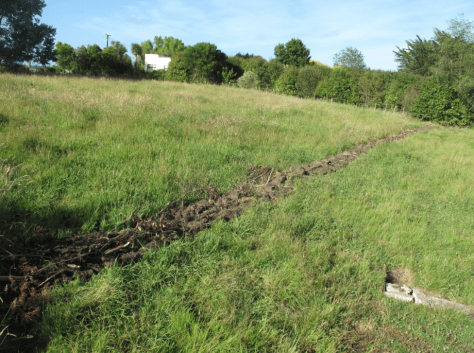
By contrast, most paddocks, lawns and gardens are more like 80% particles and 20% pore space because they have been compacted over many years. Compacted soils do not readily absorb water during rains and result in excessive runoff into streams and rivers, which adds to flooding danger. On the other hand, because the water has flowed across the earth’s surface instead of soaking in, there is less groundwater available during drier months. Groundwater works like a bank account with deposits and withdrawals.
Screen shot 2015-01-31 at 6.44.04 AM

A swale can help drought-proof a lifestyle block. 

Additionally, compacted soils are largely devoid of life due to the lack of air and water. Where soil life is marginal, many types of plants struggle to survive and require additional inputs of fertilizer, “weed killer”, and irrigation.

From an eco-design perspective, drought-proofing a paddock, lawn or garden is about bringing the soil back to life. Living soils have both good drainage and good water retention. In the long term, healthy soils maintain themselves. Yes, nature will do it on its own but we can jump start the process by breathing life into soils in three simple ways.

First, compacted soils need to be mechanically aerated. A farmer might use a chisel plough where a homeowner would choose a broad fork or sturdy garden fork. Next, the application of lime – one handful per square metre – will raise the pH of soils, which increases microbial activity. Finally, top-dressing with organic matter in the form of composted manure for a paddock or finely sieved compost for a lawn will feed soil organisms.

The same three principles – aerate, raise the pH, add organic matter – can be repeated for vege gardens and perennial beds. Additionally, with regards to water conservation, these can be heavily mulched to reduce soil evaporation.

Both vege gardens and perennial beds can easily be managed as no-dig/no-till areas with healthy soils that maintain themselves, but lawns and paddocks will inevitably receive a certain level of foot and hoof traffic. For these areas a more regular programme of maintenance is required to promote healthy soils, but it all can be done within the realm of eco-design.


Workshops:

Drought-Proof Your Residential Section

Wednesday, 4th February, 5:30-6:30 pm.

Drought-Proof Your Lifestyle Block

Sunday, 8th February, 9:00-11:00 am.

Limited spaces. Registration and deposit essential.

theecoschool – at – gmail.com
Permaculture Internship

We are offering an internship for the next two months for a very motivated individual interested in learning aspects of permaculture design and land management, organic horticulture and agriculture, animal husbandry, and eco-renovation. The internship is free with accommodation and meals included, but we expect a lot of work in return: some stimulating and some mundane. All serious inquiries should be directed to me. Feel free to pass this along to interested parties. 

Over the last four years we have developed a premier example of a suburban permaculture property. We are now in the process of doing the same on a 5 hectare farm. Below are some examples of projects we have going.

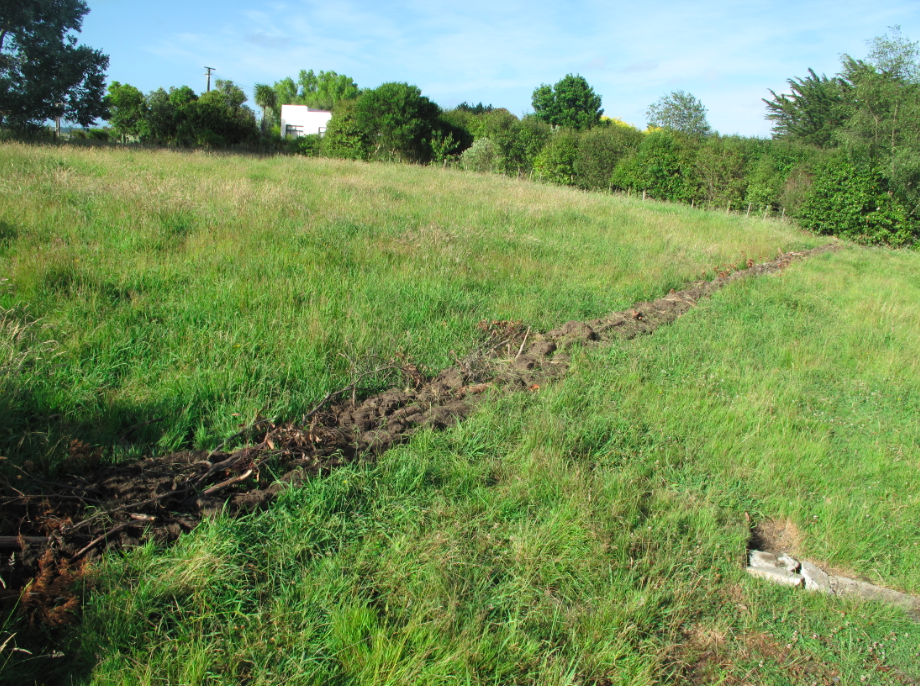
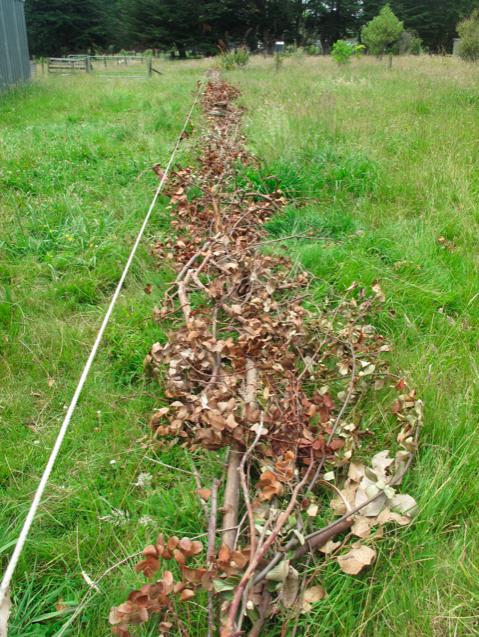
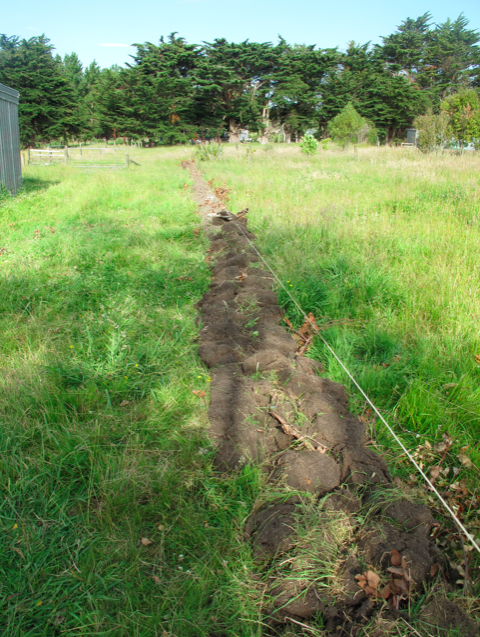
Here is a hugelkultur swale we have been building.

Screen shot 2015-01-14 at 7.19.14 AM Screen shot 2015-01-14 at 7.19.37 AM

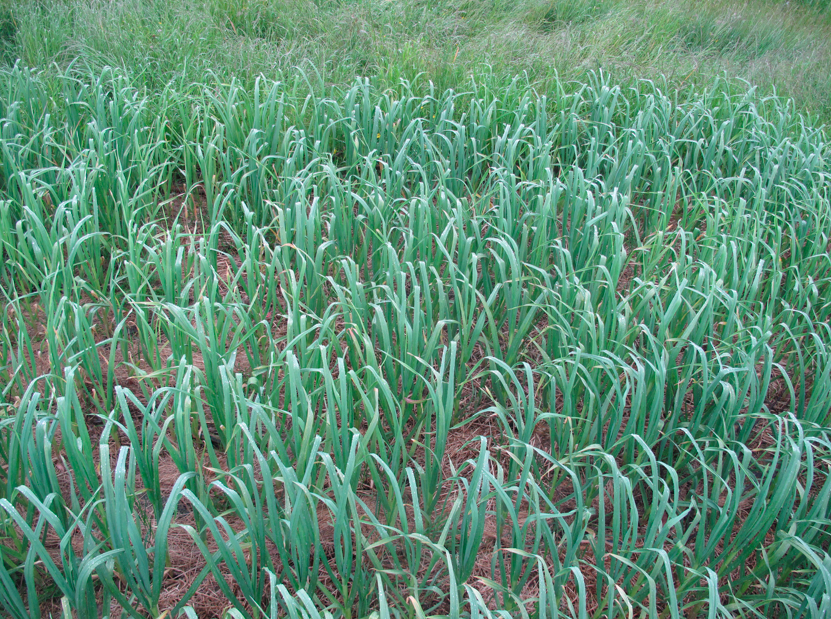
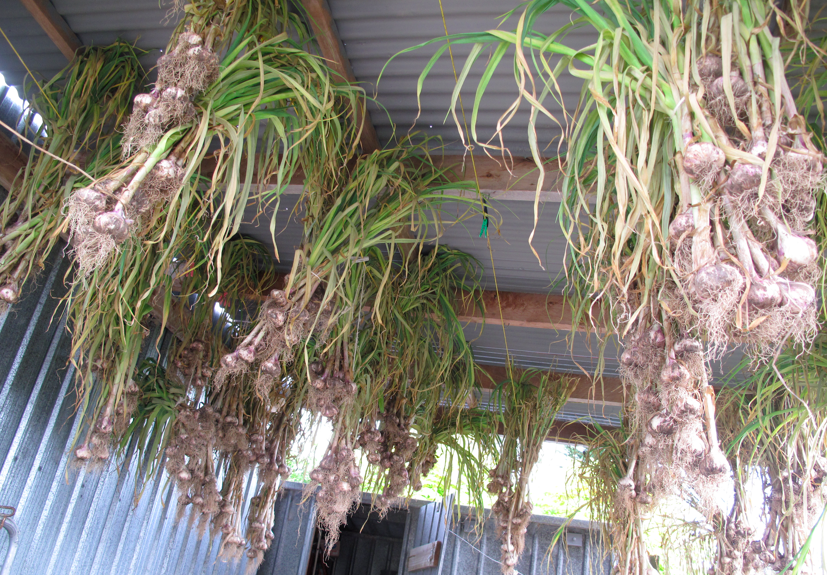
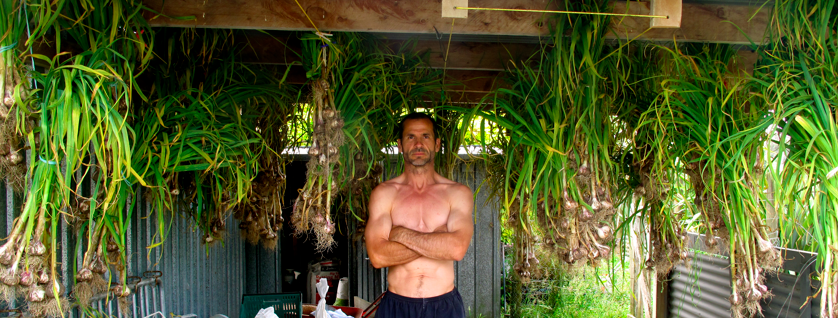
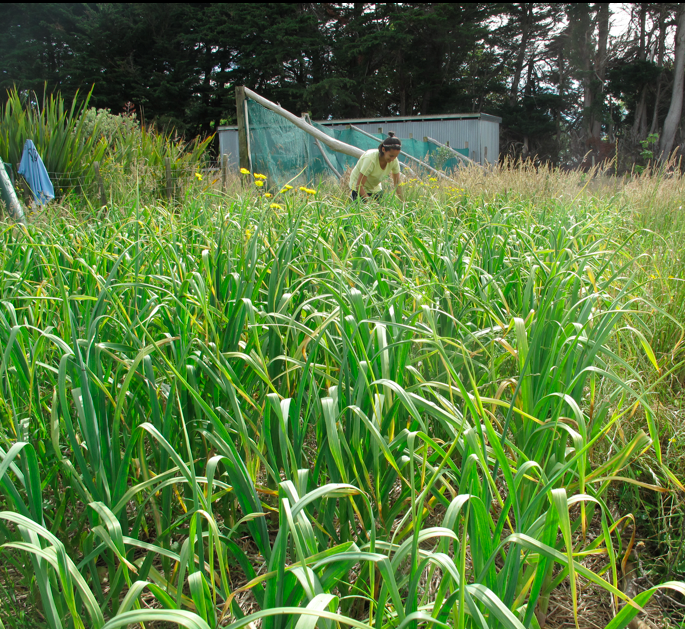
Here is a small commercial garlic crop.

Screen shot 2015-01-14 at 7.20.44 AM

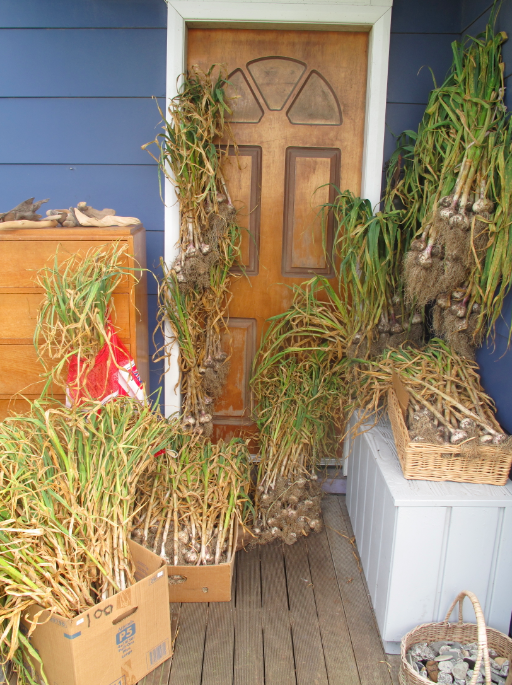
Hanging to dry. Screen shot 2015-01-14 at 7.22.27 AM

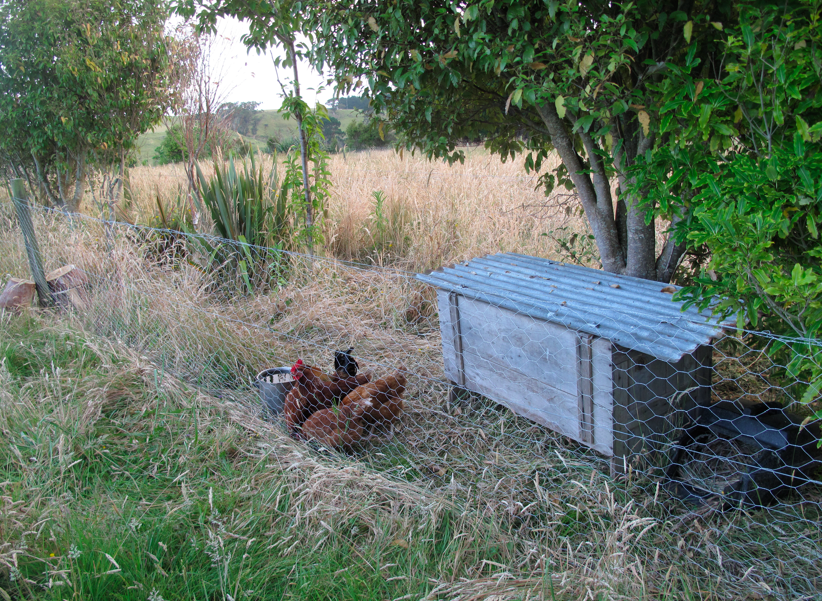
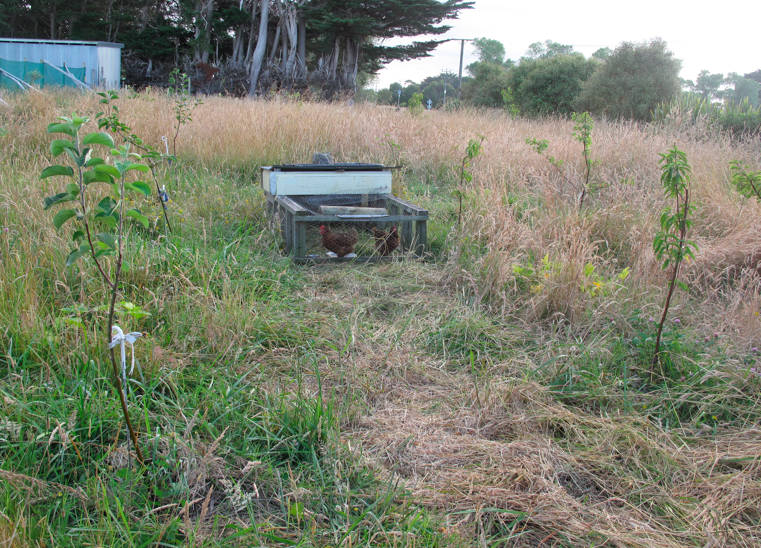
 This is an example of alley cropping with chooks. Screen shot 2015-01-14 at 7.23.20 AM

Here we are tractoring chooks through a young food forest.

Screen shot 2015-01-14 at 7.23.39 AM

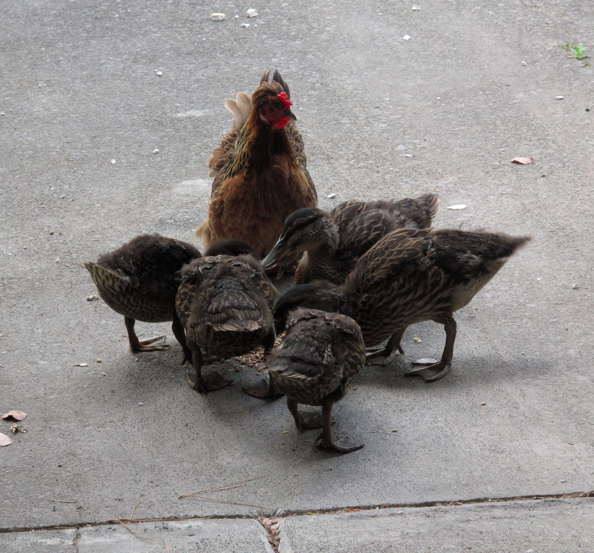
This little chook is raising these 5 orphaned ducklings.

Screen shot 2015-01-14 at 7.24.29 AM

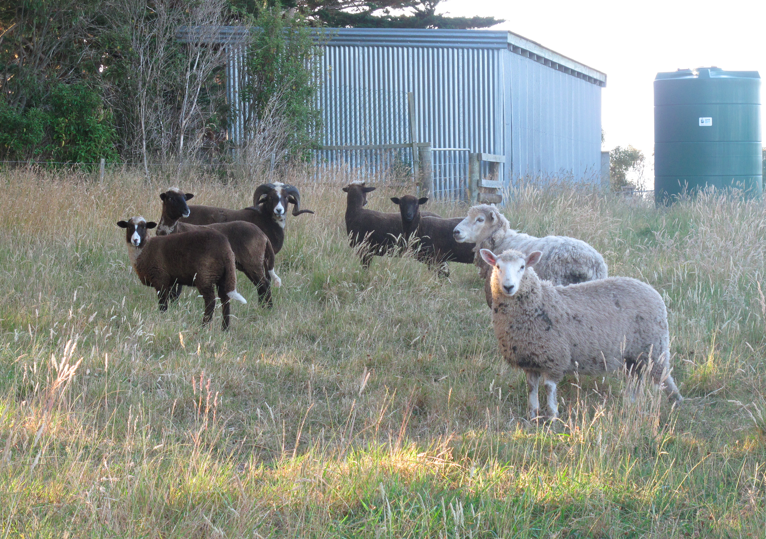
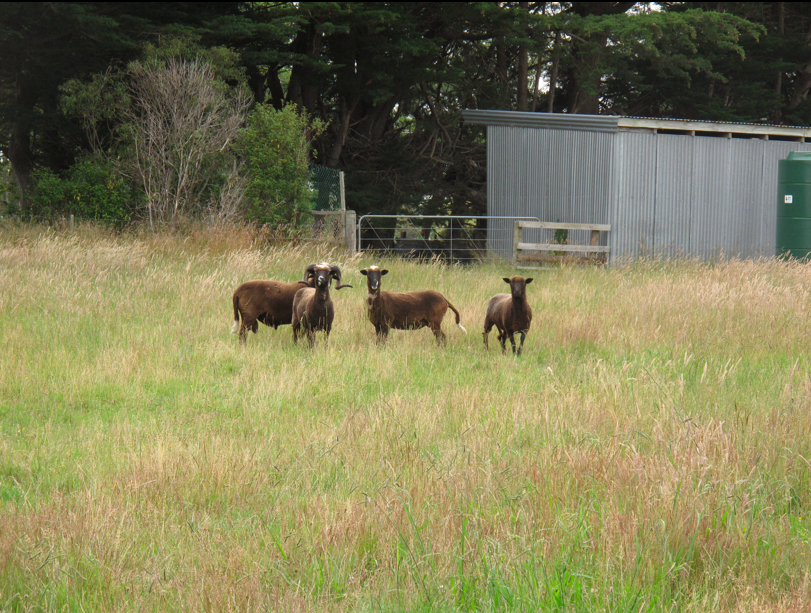
Minor breed sheep and water harvesting.

Screen shot 2015-01-14 at 7.24.17 AM

Screen shot 2015-01-14 at 7.23.07 AM

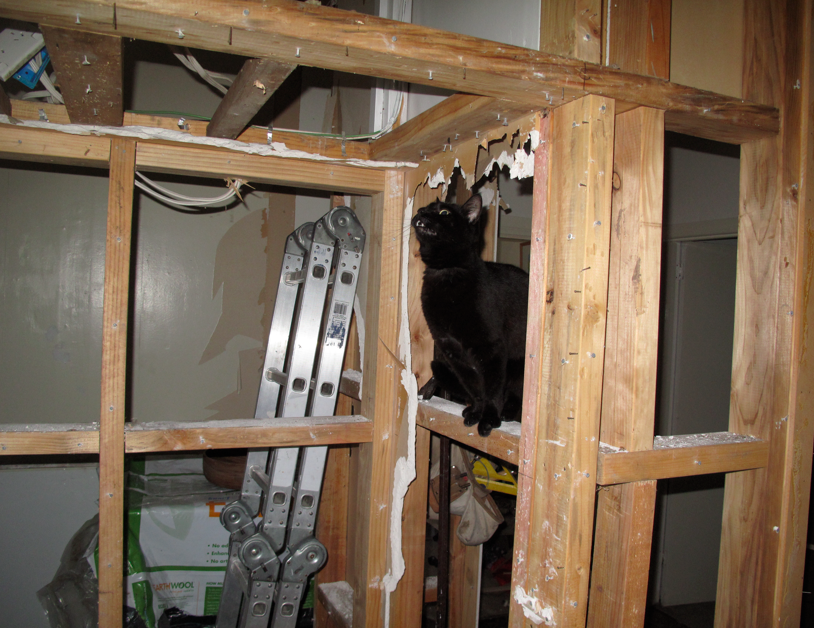
We are renovating the kitchen.

Screen shot 2015-01-14 at 7.22.10 AM

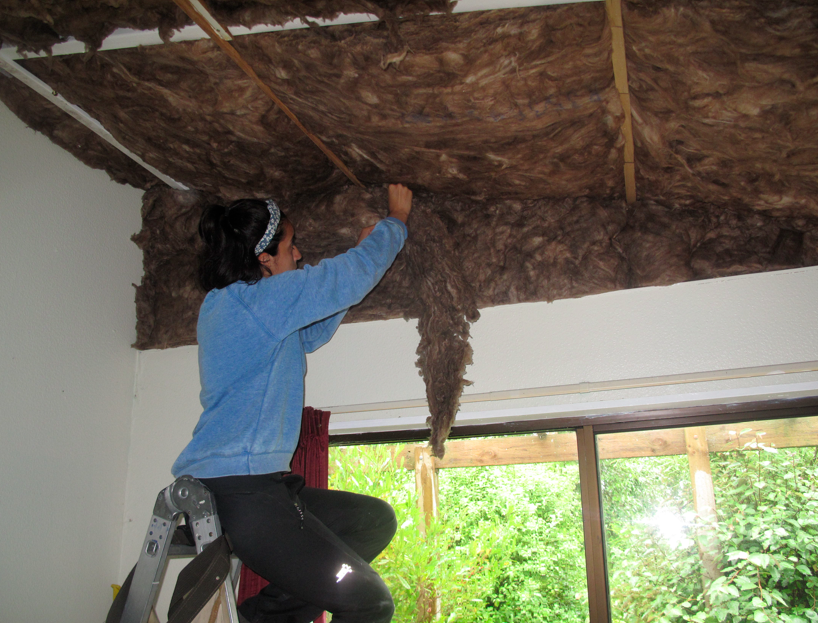
And always adding insulation.

Screen shot 2015-01-14 at 7.20.19 AM

Peace, Estwing

World’s Best Garlic

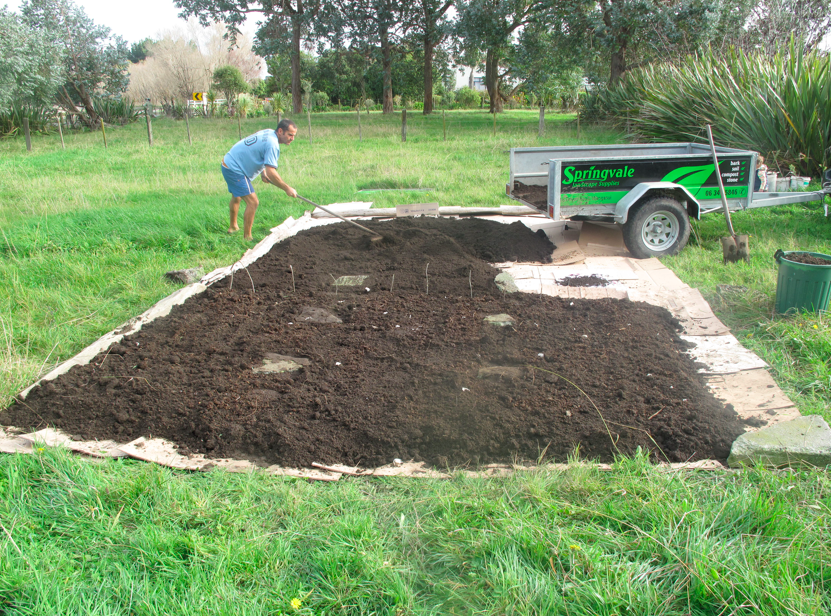
It has been a long and cloudy spring but summer is finally here. We have staggered our garlic harvest over three weeks due to three different plantings in June and July. On the new property it was a rush to even get the garlic in the ground before August.

Screen shot 2014-12-30 at 7.38.56 AM

But with some help we managed to get about 800 in (on?!?) the ground.

Screen shot 2014-12-30 at 7.39.23 AM

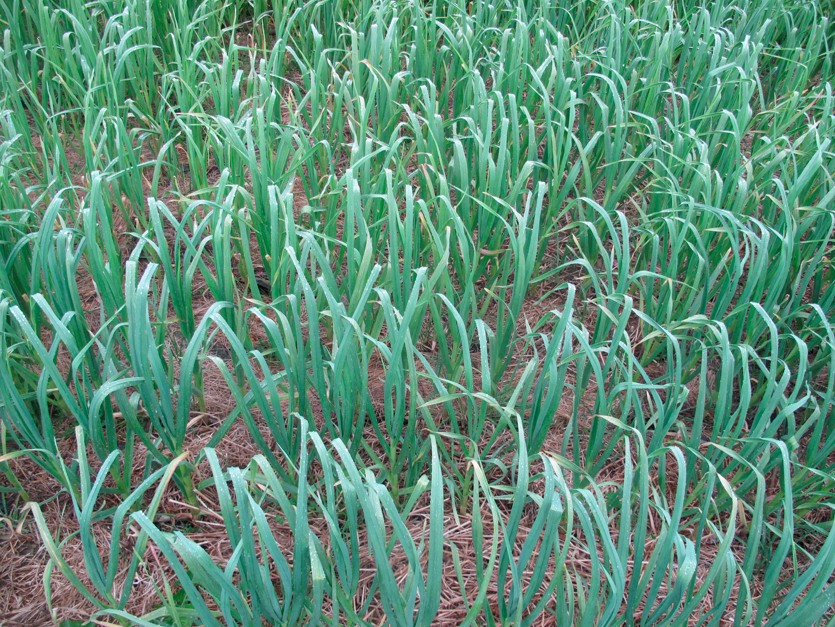
It was a dry winter so we had to water a little, but the heavy mulch did a great job of suppressing weed competition and ground evaporation.

Screen shot 2014-12-30 at 7.37.57 AM

Although we got this garlic in 3 weeks later in July, we harvested only one week late because of the greater hours of sunlight in December. The first thing to do is pull a few bulbs and check to see if the cloves are separating or the skin is starting to split.

Screen shot 2014-12-30 at 7.37.25 AM

Then go hard and get it out of the ground.

Screen shot 2014-12-30 at 7.36.57 AM

Yow! This couch grass grew right through this bulb.

Screen shot 2014-12-30 at 7.33.18 AM

I hang our garlic for three weeks to cure and then cut off the stalk. The bulbs can keep for up to 12 months, but many will only last 10. We sell much of our garlic at the local market on Saturday mornings in the city.  People who love to cook appreciate great garlic. It is a niche crop that serves the small holder fairly well.  Screen shot 2014-12-30 at 7.40.27 AM

Peace, Estwing

Early Summer Permaculture Update

This is the difference between climate and weather: while 2014 is on track to be the warmest year on record globally, we have had a long, cool, windy winter/spring here in the lower north island. The winds have been nearly relentless for the last 3 months, but the hours of daylight have increased on schedule. I’m getting up 5:00 or 5:30 am everyday now.

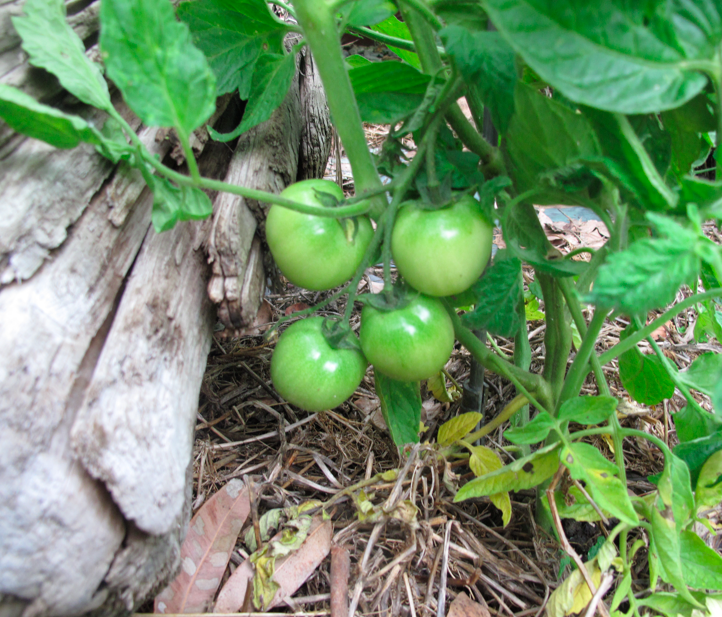
The biggest indicator of the cool weather is that our tomatoes are behind schedule.  Screen shot 2014-12-17 at 7.35.26 AM

Last year we had ripe tomatoes on the 13th of December. Two years ago it was the 20th. This year we might get them by Christmas. But it looks like we will definitely have courgettes by the weekend.

Screen shot 2014-12-17 at 7.35.15 AM

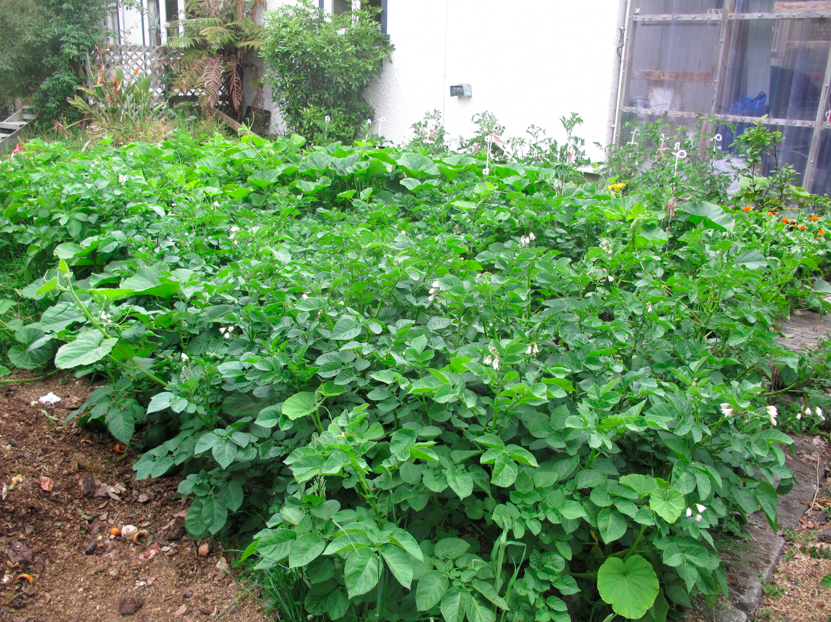
We will certainly have potatoes for Christmas.

Screen shot 2014-12-17 at 7.37.07 AM

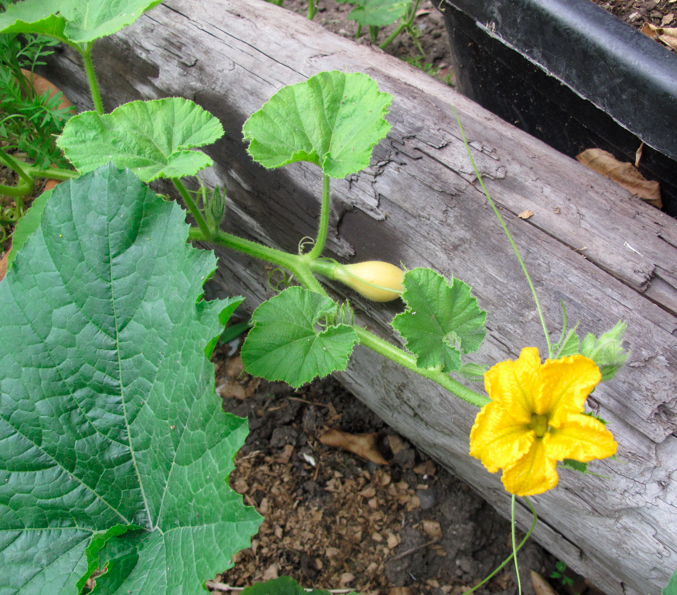
Long term, we have pumpkins forming on the vine.

Screen shot 2014-12-17 at 7.35.34 AM

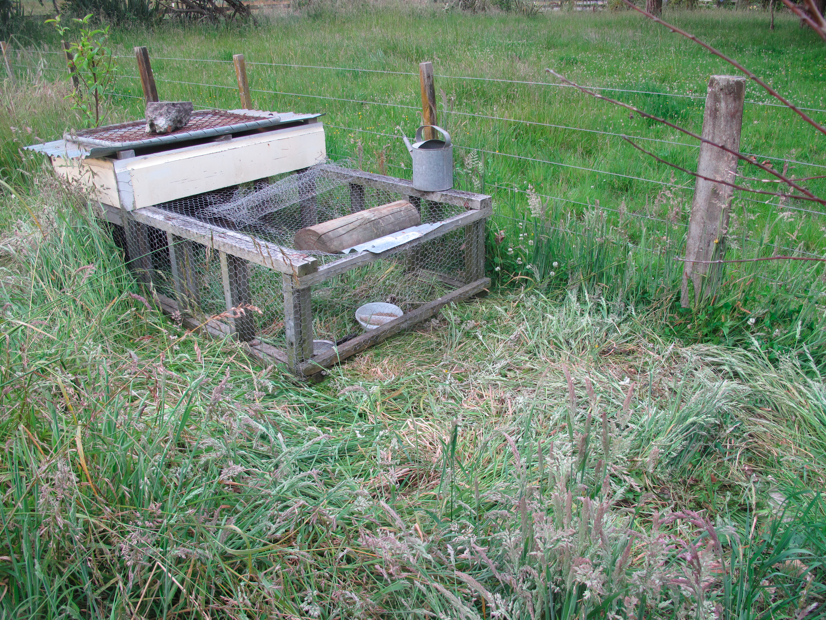
We finally got the chook tractor into the fledgling food forest.

Screen shot 2014-12-17 at 7.36.52 AM

Those birds have a big job to do.

Screen shot 2014-12-17 at 7.36.08 AM

This apple has been transplanted from our last property.

Screen shot 2014-12-17 at 7.36.39 AM

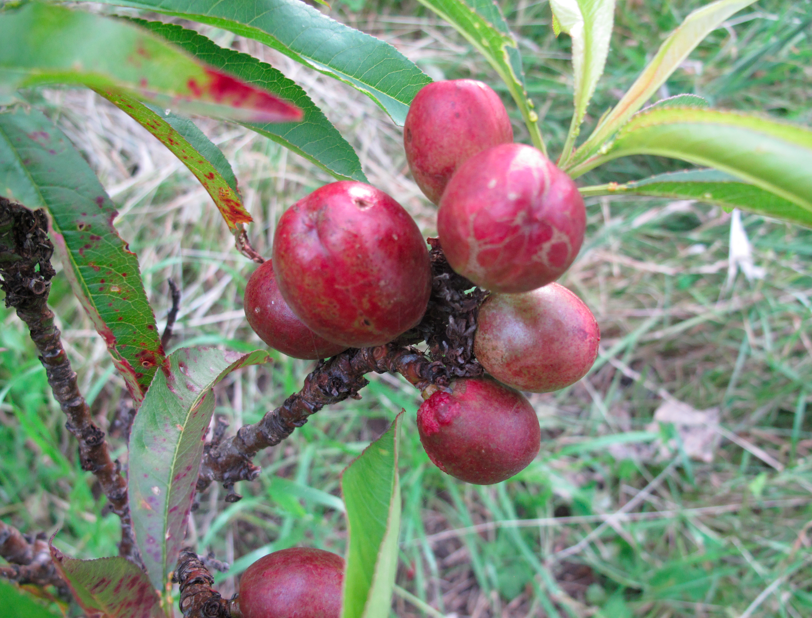
We also transplanted this dwarf nectarine. I thinned the fruit so we’re hoping to get a few good sized ones in the new year.

Screen shot 2014-12-17 at 7.36.27 AM

Peace, Estwing

Call Me “Miyagi.”

We have had a half dozen interns over the last four years. They have all been excellent. We are grateful for the time they have spent with us.

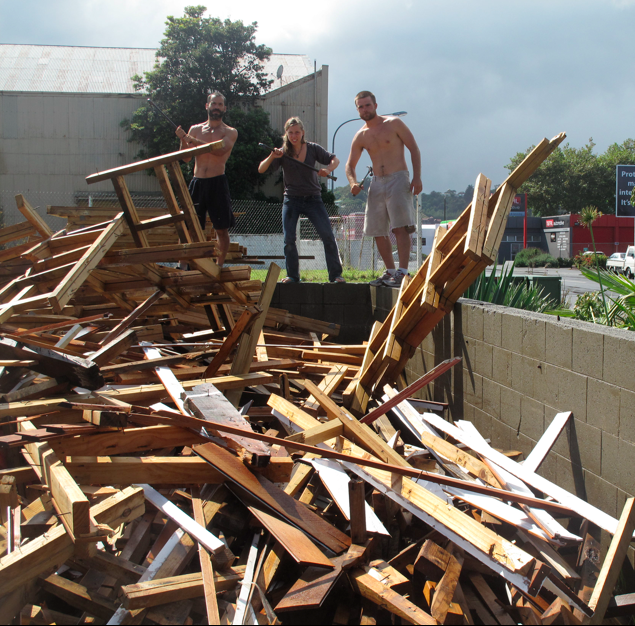
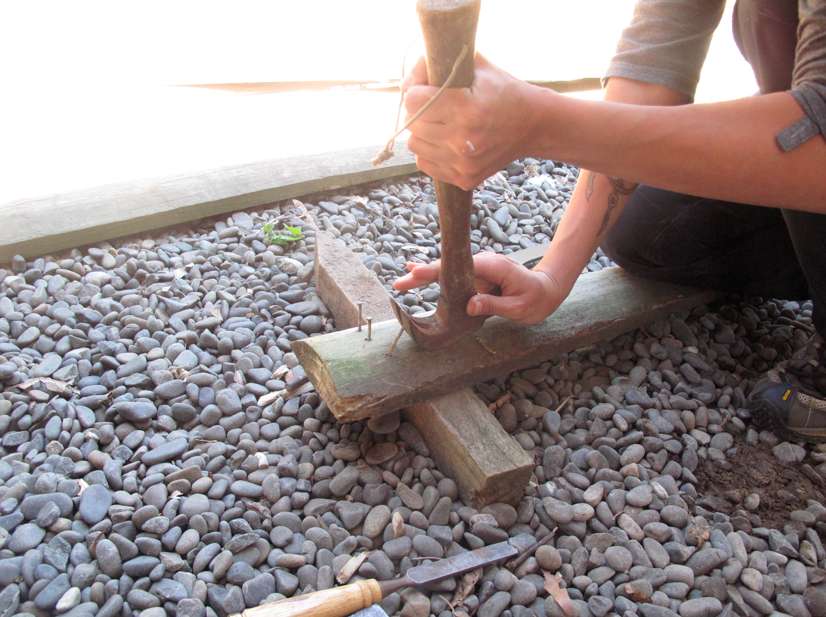
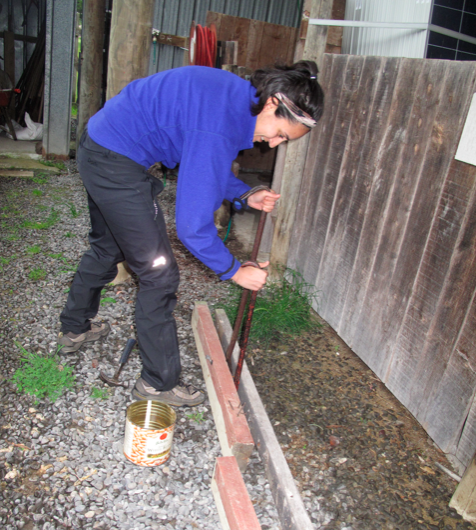
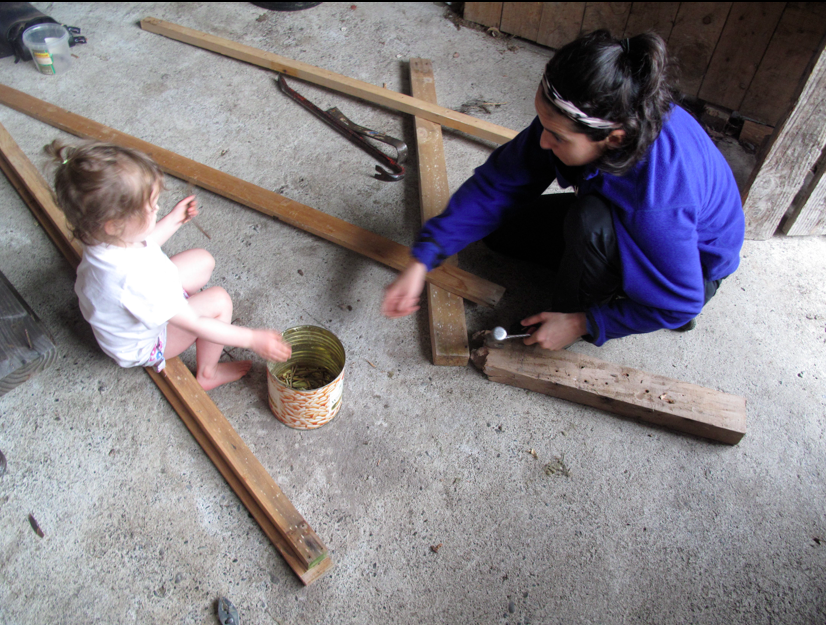
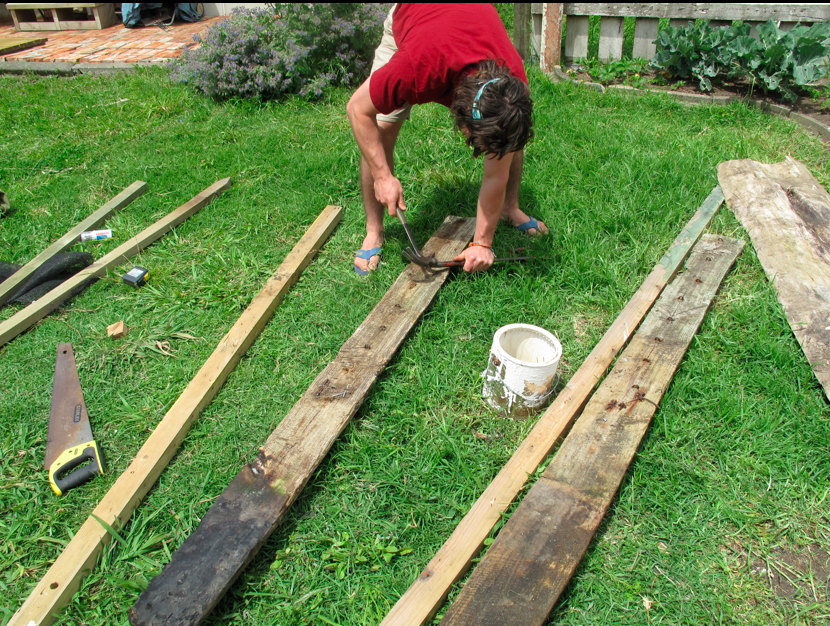
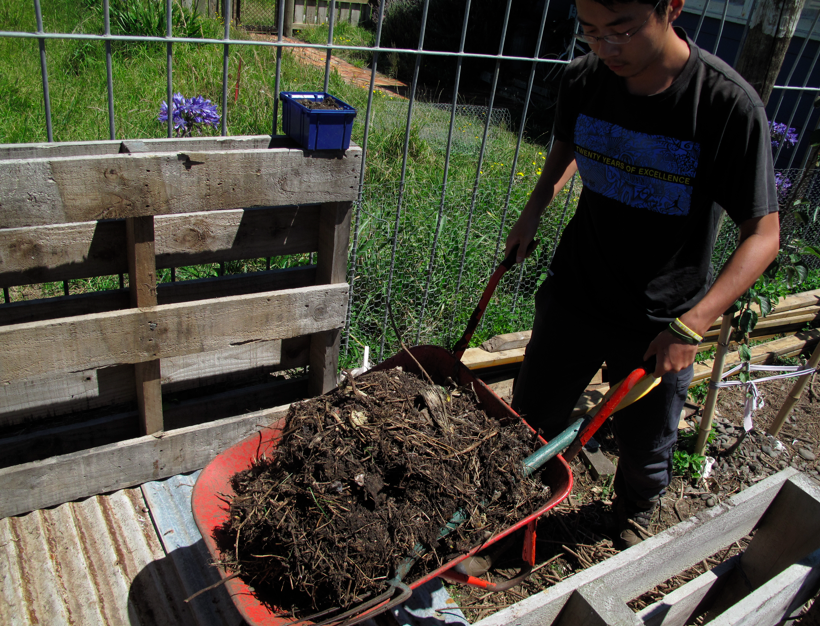
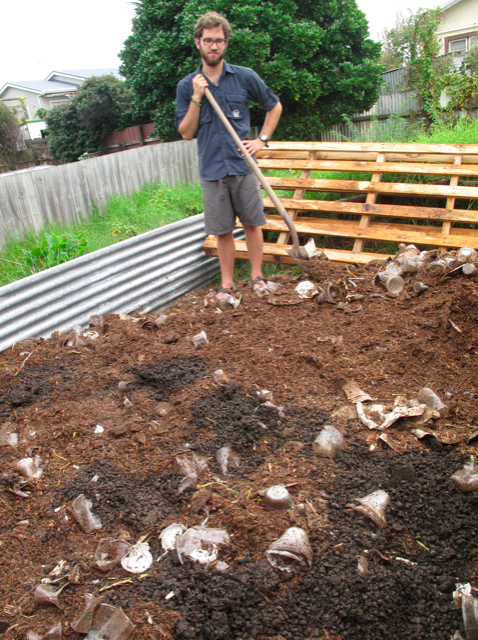
In the first week we teach them a couple of core skills, which include turning a hot compost pile and pulling nails. These skills represent the two “metabolisms” that William McDonough has identified: biological and technical.

Screen shot 2014-12-08 at 6.14.31 AM

In my opinion, these also teach respect for materials and humility. This week our new intern, Camila, said, “You are like Mr. Miyagi and I am like Daniel-san.”

Screen shot 2014-12-08 at 6.23.59 AM

Here is Camila practicing her technique.

Screen shot 2014-12-08 at 6.06.02 AM

“Wax on.”

Screen shot 2014-12-08 at 6.05.11 AM

“Wax off.” 

Screen shot 2014-12-08 at 6.04.57 AM

“Like this, Grasshopper.”

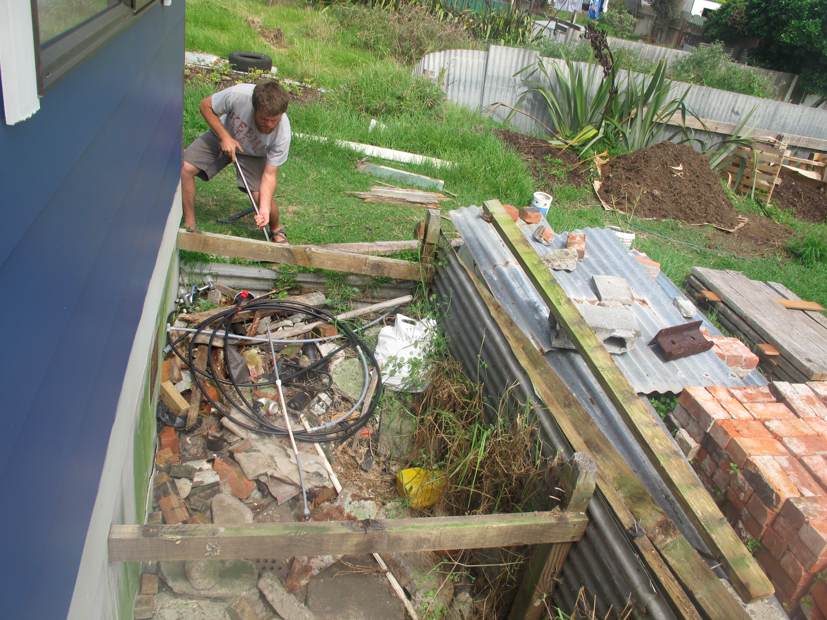
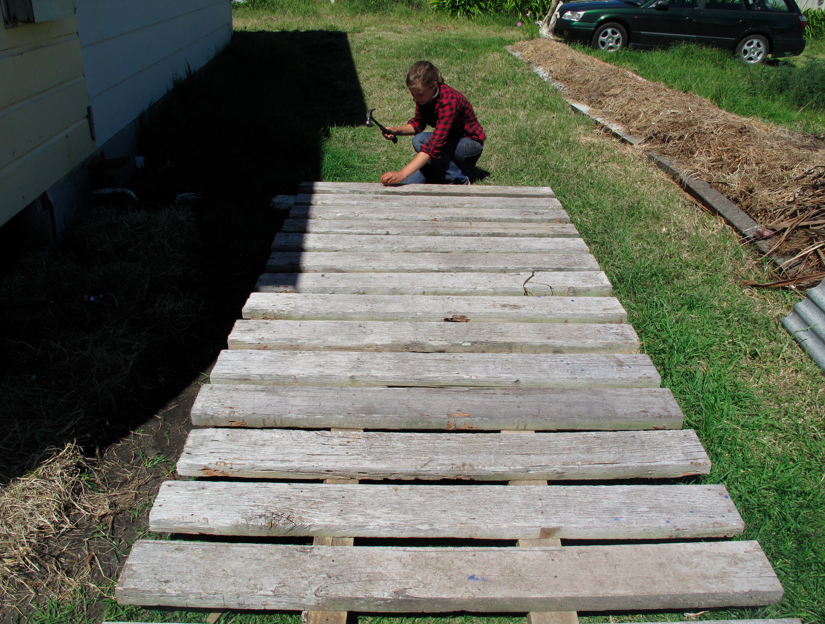
Here are our other interns hard at work.

Screen shot 2014-12-08 at 6.02.37 AM

John, 2011.

Screen shot 2014-12-08 at 6.03.13 AM

Amy, 2011

Screen shot 2014-12-08 at 6.00.43 AM

Tommy, 2011

Screen shot 2014-12-08 at 5.58.32 AM

Jiquao, 2012

Screen shot 2014-12-08 at 5.57.27 AM

Xander, 2013

I believe it is a great privilege and responsibility to work with interns. For the process to be successful, all involved must see the benefits. In nature we call this “mutualism,” a mutually-beneficial relationship between two organisms where both are better off.

Peace, Estwing

Four-Dimensional Eco-Design

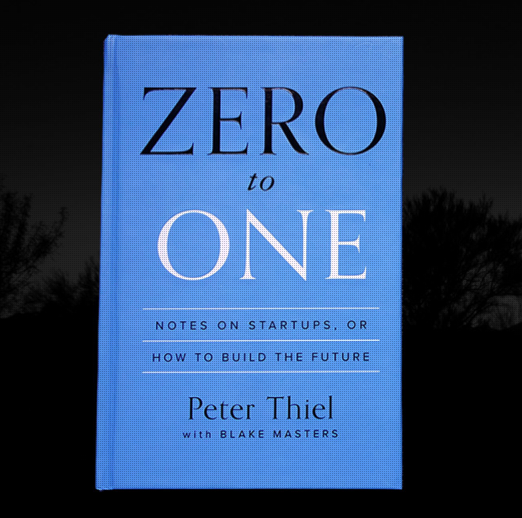
“If you want to build a better future, you must believe in secrets.”

This is the provocative sentence that greeted me when I clicked on the Amazon.com page for Peter Thiel’s book, Zero to One: Notes on Startups or How to Build the Future. Written with Blake Masters, it has been favourably reviewed by a number of sources and made its way to The New York Times Best Sellers List.

Screen shot 2014-12-06 at 7.09.10 AM

I first became aware of the book a couple of months ago while listening to a radio interview. The phrase that caught my attention at the time was, “How do you develop the developed world?” In my opinion, eco-design is key to answering this question.

Eco-design has secrets that must be believed. It is inherently holistic, dynamic and future-focused. One of the things I love about eco-design is that it evolves alongside changing conditions rather than remaining static. I refer to this as four-dimensional design as mentioned in last week’s column about food forests.

Time – the fourth dimension – is an integral part of eco-design in two primary ways: 1) repeating cycles such as day and night, or the changing of seasons; 2) progressive change over time such as ecological succession.

In either case, eco-design is dynamic enough to adapt to the conditions whatever they may be. From this perspective I would suggest that eco-design inspires a level of confidence in that it involves feedback loops and is always open to adjustments. This quote from Martin Luther King Jr. sums it up:

“Faith is taking the first step even though you don’t see the whole staircase.”

I have faith in eco-design.


OK, enough with the flowery language. Let’s get to some examples.

Screen shot 2014-12-06 at 6.47.00 AM

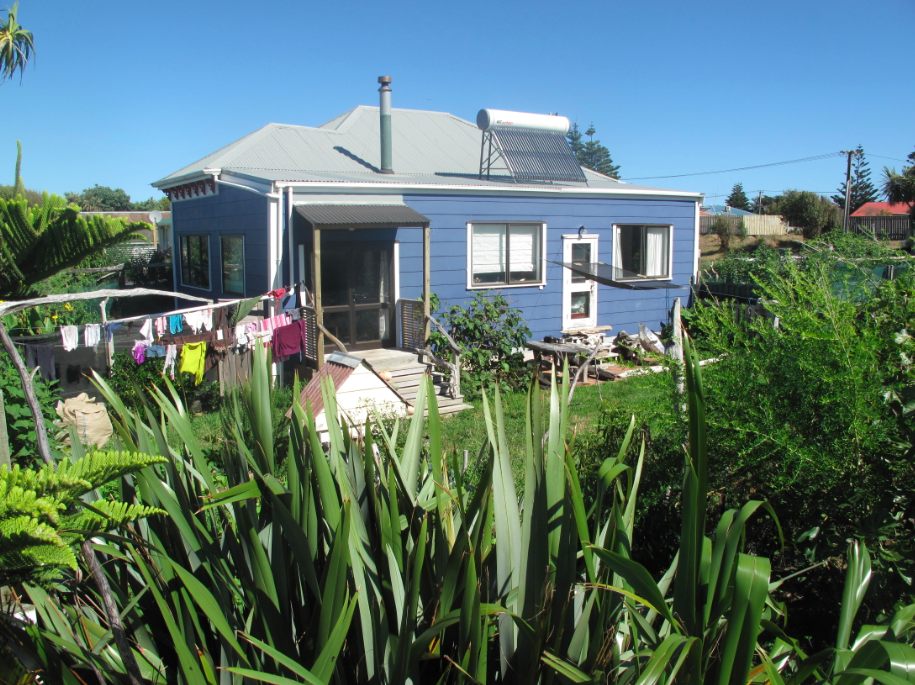
Passive solar design makes homes warmer in winter and cooler in summer while cutting operating costs. The main factor in this win-win-win system is seasonal sun angles. A passive solar home is designed to welcome low angle winter sun while excluding high angle summer sun – all with no moving parts. The structure itself is built for seasonal change and day-night cycles.

Another example of four-dimensional design is the lazy conversion of lawn into vege garden.

Screen shot 2014-12-06 at 7.03.37 AM

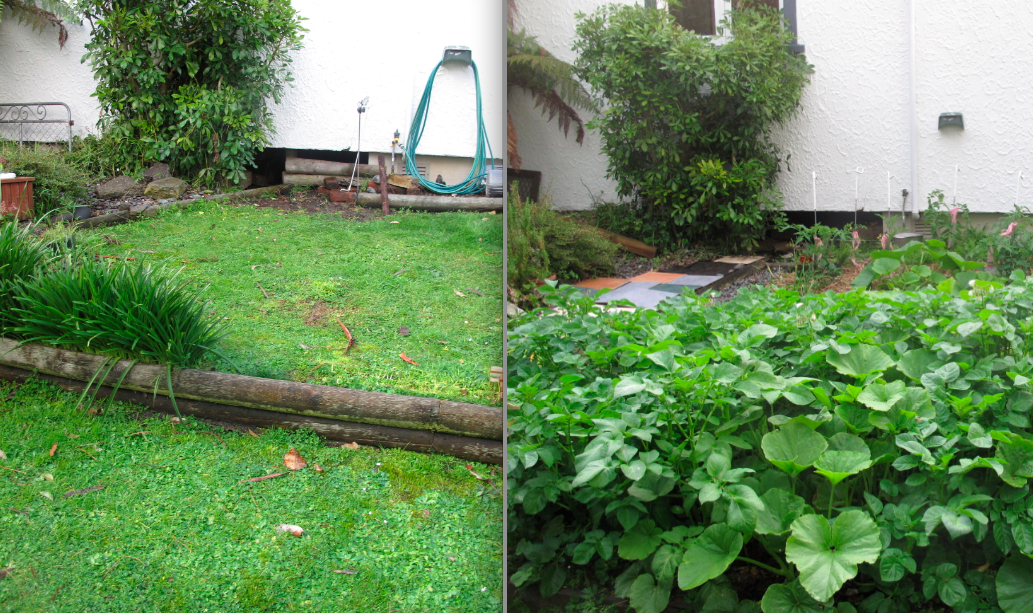
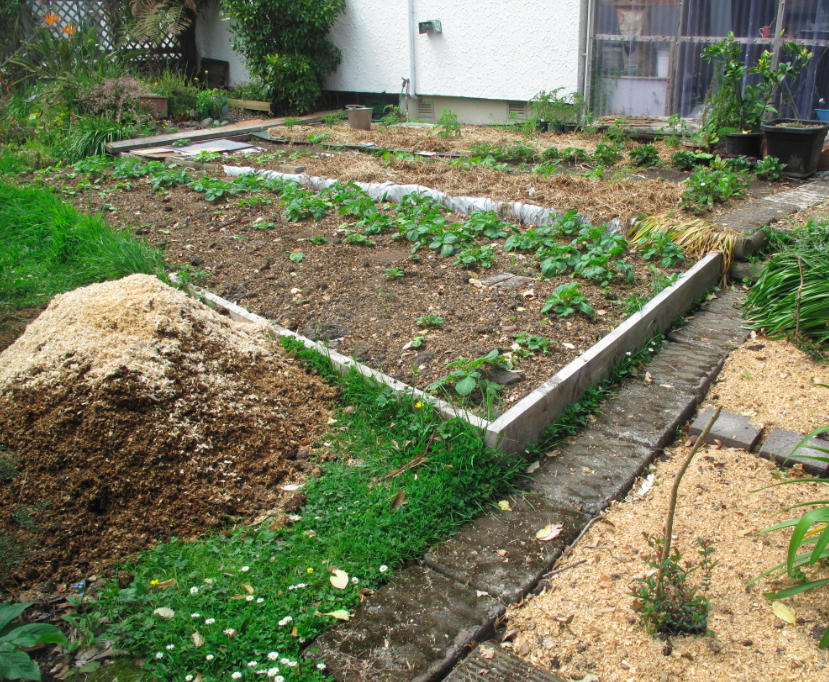
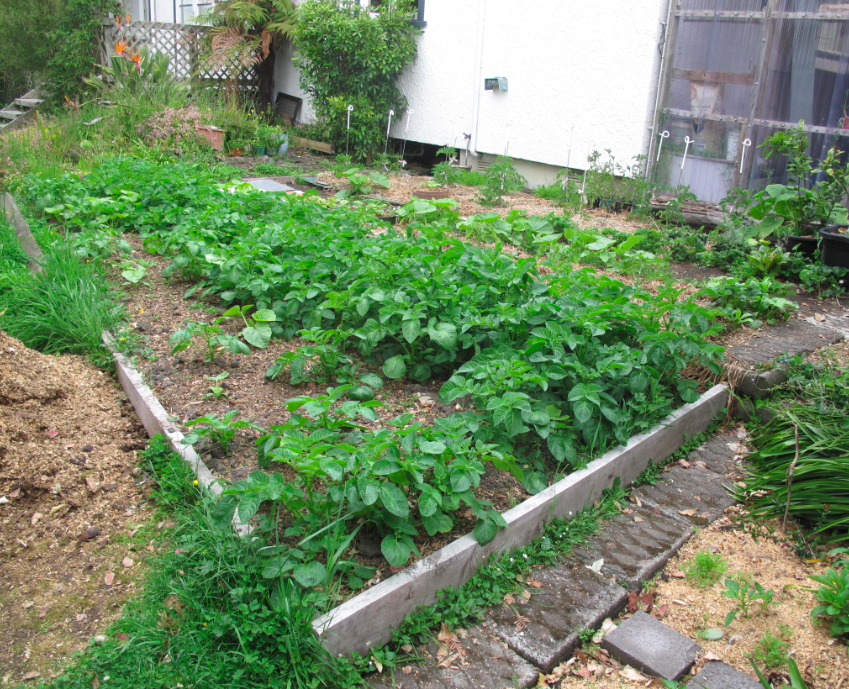
By taking it step-wise over time, the total amount of physical labour is minimized by letting nature do most of the “heavy lifting” although in this case it’s digging/tilling.

With heavy, compacted soils like we have on our property, a good way to decompress the earth is to plant potatoes. At the same time, adding organic matter helps to lighten clay soils by increasing biological activity. As the potatoes grow taller, we mulch them with more organic matter, which gives us a larger harvest of spuds while contributing even more organic matter to the new garden bed.

Screen shot 2014-12-06 at 6.51.14 AM

Preparing the beds.

Screen shot 2014-12-06 at 6.51.33 AM

Sprouting spuds.

Screen shot 2014-12-06 at 6.51.43 AM

Garden taking shape.

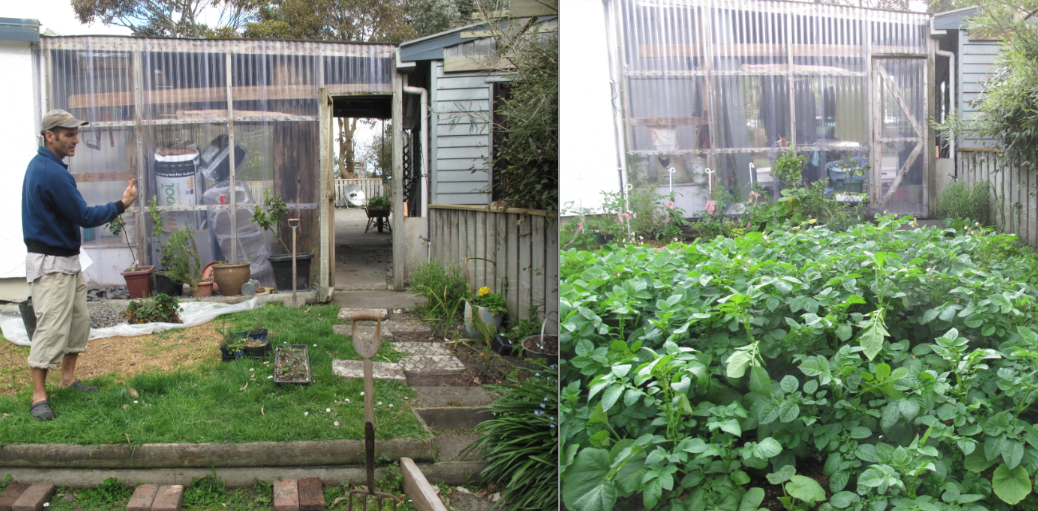
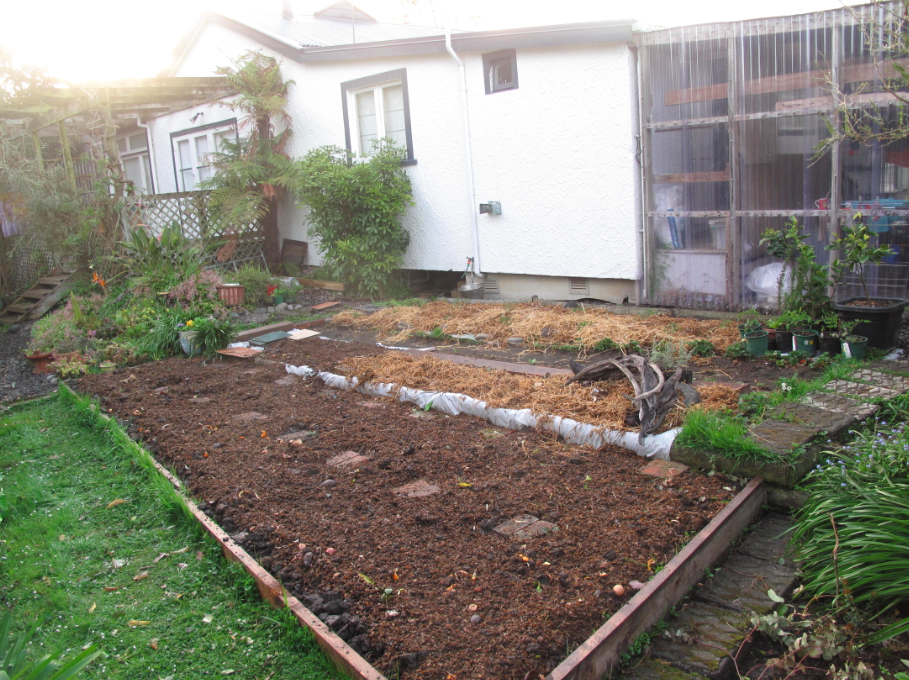
Another aspect of holistic eco-design comes into play when assessing a potential garden area for low-maintenance and high-productivity. The design of our new kitchen garden concentrates fertility where we want food to grow (the beds) while removing it from where we do not want weeds to grow (the paths).

Screen shot 2014-12-06 at 6.50.55 AM

One final note of four-dimensional design: Three weeks ago I mentioned a project being undertaken by my friend in Ladakh, India, called the Ice Stupa Project.

It was my intention to share this amazing project with the Whanganui community by giving a short presentation. That does not look like it is going to happen, but I urge you to check out the Ice Stupa Project on the internet and to watch the inspiring short film on Youtube, “The Monk, The Engineer, and the Artificial Glacier.” Screen shot 2014-12-06 at 7.14.28 AM

This project represents a gold standard of eco-design and could be the most inspiring thing you see all year. The crowd-funding page for this project on Indiegogo.com is called, “Ice Stupa Artificial Glaciers of Ladakh.”
 

Peace, Estwing


A Permaculture Food Forest in Three Years

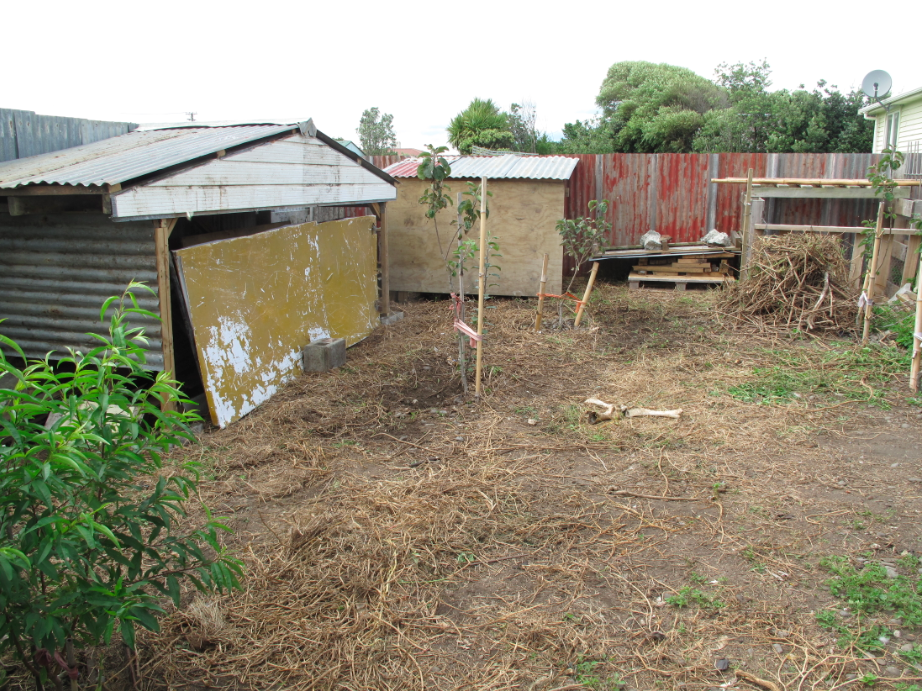
While much of our eco-thrifty renovation involved converting an old villa into an energy efficient eco-home, we also put considerable effort into turning a rubbish tip into a Garden of Eden. Much of the latter work was guided by permaculture design.

The most visible difference between permaculture and what otherwise might just be called organic gardening is the presence of a “food forest.” The word permaculture was formed in the 1970s from a contraction of the words permanent and agriculture. The choice of these words represents the emphasis on perennial crops over annuals – in other words fruit trees over vege plants.

Screen shot 2014-11-28 at 10.30.28 AM

  Before

Screen shot 2014-11-28 at 10.30.40 AM

After

This is not to say that permaculture excludes growing annual veges like tomatoes, potatoes and pumpkins, it just tips the scales toward apples, peaches and feijoas. Among the reasons for this emphasis is that perennial crops require less tilling than annuals. Tilling disrupts natural soil ecosystems, can cause erosion, and requires lots of energy.

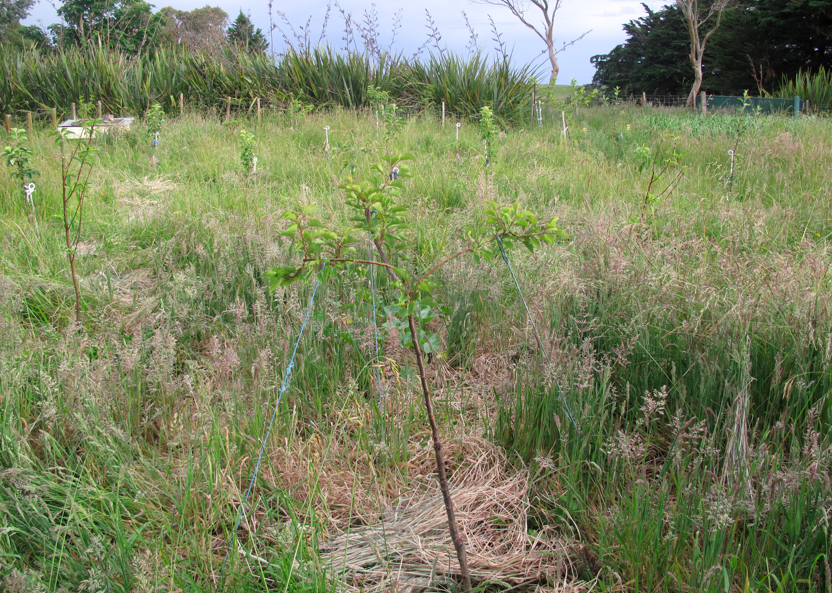
A food forest differs from an orchard in a couple of ways. First, it consists of a wide range of species and even a number of varieties within each species. For example, we have planted a food forest with apples, apricots, peaches, plums, feijoas, guavas, pears, figs, paw paws, olives, and nectarines. Among the apples, we have over a dozen varieties.

Second, permaculturists tend to choose cultivars that are resistant to diseases, making them easier to manage organically. For example, Black Boy peach trees tend to be more resistant to curly leaf than other varieties.

Alongside disease-resistance, another characteristic that might be selected for is storage life. I remember 15 years ago when I was buying my first apple trees I selected varieties that were both “good keepers” and blight resistant. With a cool cellar underneath my home (in the U.S.) the apples would remain fresh for many months with no specialized cooling equipment. Screen shot 2014-11-28 at 10.30.51 AM

Before

Screen shot 2014-11-28 at 10.31.02 AM

After

Another characteristic of food forests is the presence of “nurse trees.” A nurse tree is one that provides services that help the fruit trees establish themselves and thrive. As the fruit trees grow up the nurse trees are pruned away.

Tagasaste (tree lucerne) is a common nurse tree. On our Castlecliff property we have used it extensively to nurture the fruit trees. Tagasaste is a preferred nurse tree for many reasons: it is fast growing – reaching a height of 2.5 metres in 18 months; it fixes nitrogen in the soil; it is relatively wind-tolerant and drought-tolerant; it’s foliage is good stock fodder; it’s flowers attract beneficial insects; it is a great chop-and-drop mulch for fruit trees; when it is no longer needed it can be cut down and burned as firewood.

Tagasaste is also a good companion for native saplings. For example, I inter-planted it with hebes and was amazed at how well the two grew together. At Te Kura Kaupapa Maori O Tupoho I inter-planted tagaste with wind-hardy corokia and grisselinia around the outdoor play space for the kohanga. In the short term the tagasaste will protect the tamariki from wind and sun, but in the long term those roles will be filled by the slower growing natives.

Screen shot 2014-11-28 at 10.31.15 AM

Before

Screen shot 2014-11-28 at 10.31.32 AM

After

Along the same lines, in our food forest the fast-growing tagasaste provides much needed wind protection for the fruit trees until the natives take over that role. I often refer to this type of planning as four-dimensional design because it involves a distinct time element.

Another example of four-dimensional design in a food forest is integrating fowl such as chooks and ducks. We have successfully rotated our “ladies” through the whole of our Castlecliff property for pest control, ‘weed-eating’, and building soil fertility.

Next weekend we will be installing a food forest in Gonville, and thought it would be a great chance to offer a very hands-on workshop. See sidebar for details.

Peace, Estwing


Sidebar:

Food Forest Design and Installation

Sunday, 7th December, 3-5 pm.

Designing a food forest for wind, sun and water using fruit trees, natives and tagasaste.

Space is limited. Registration essential.

theecoschool@gmail.com, 06 344 5013


Keep Calm and Think Different: It Takes Money to Save Money, Part 4

   Screen shot 2014-10-24 at 2.44.18 PM

We all know that growing fresh fruit and vege at home can save money while providing one’s family with healthy kai.

Screen shot 2014-10-24 at 2.43.15 PM

But like many DIY endeavours, there are more effective ways of going about it and less effective ways of going about it. Sadly, I have seen dozens of examples of failed home and community gardens that suffered from poor design and poor management.

For example, many fruit trees have died at an unsuccessful community garden at the top of Carson Street in Castlecliff due to poor design and installation. Hundreds of dollars worth of fruit trees have been “blown away” because the trees were not given protection from the coastal winds and “leached away” because they were planted in sand without sufficient soil amendments.

Unfortunately, when it comes to fruit trees and vege gardens, being cheap can be expensive. In community gardens this represents a waste of money and sends the wrong message to the local community. In a home garden, it may be that a failed attempt discourages a family from trying it again.

The good news is that this can be avoided with appropriate design and installation. I am fond of the phrase: “Do it once. Do it right.”

Screen shot 2014-10-24 at 2.43.47 PM

This is not to discount the value of making mistakes and learning from them, but it is always better to learn from someone else’s mistakes and subsequent learning. With this in mind, here are a few things I have learned.

There are four main factors in food production: sun, wind, water and soil. Unless you are Maui, the only one that cannot be actively managed is the sun. Screen shot 2014-10-24 at 2.43.35 PM

The easiest of the rest to manage may be water. Living within city limits all you need to do is turn on your tap for unlimited free H2O for your lawn and garden. However, this can be wasteful if you live on sandy soils because most of the water leaches away carrying some of the nutrients you may have put on in the form of compost or chemical fertilizer. Additionally, it is highly likely that at some point in the future Wangaui will have metered water and we will pay for what we use.

At our Castlecliff property we have invested about $400 in topsoil that greatly enhances the productivity of our fruit trees and vege gardens by slowing the leaching of compost away from the plants’ roots. The return on this investment is far in excess of $400 in abundant organic fruit and vege. (It takes money to save money.) Screen shot 2014-10-24 at 2.43.24 PM

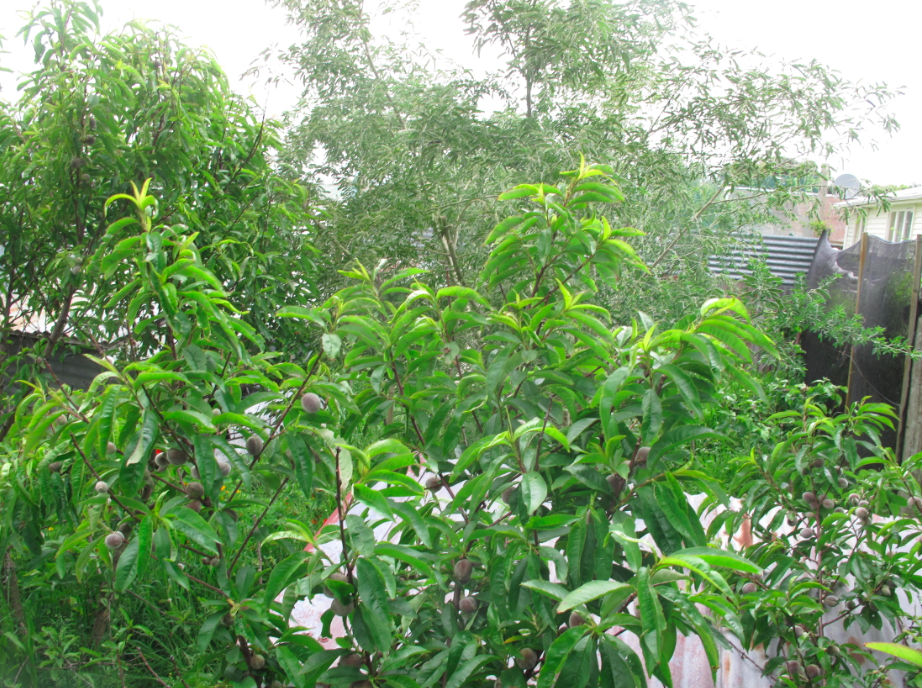
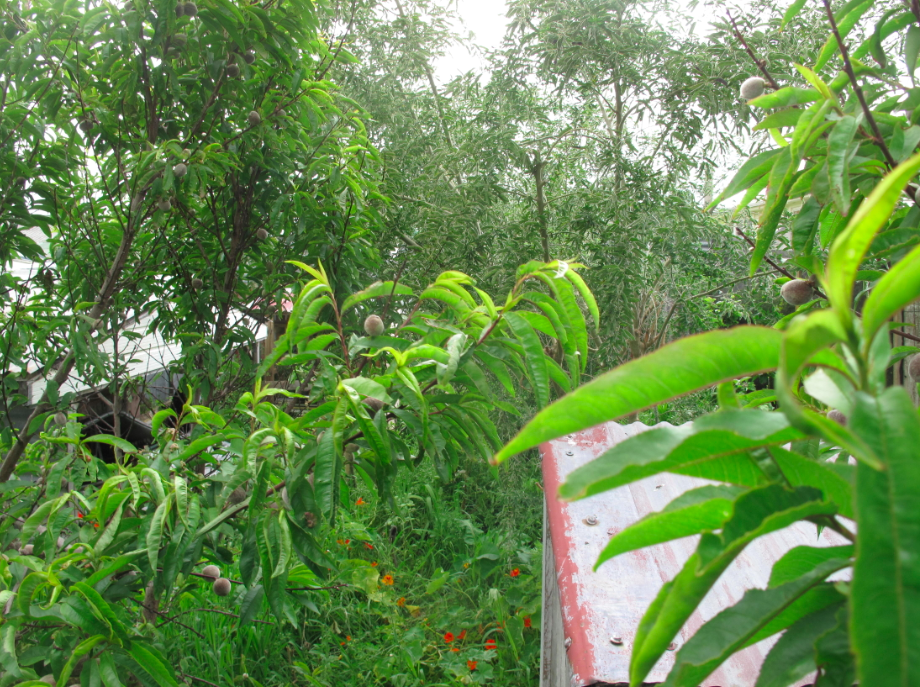
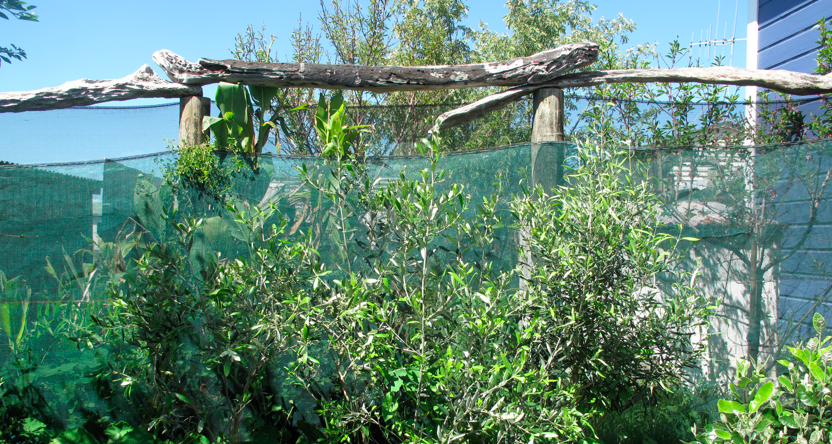
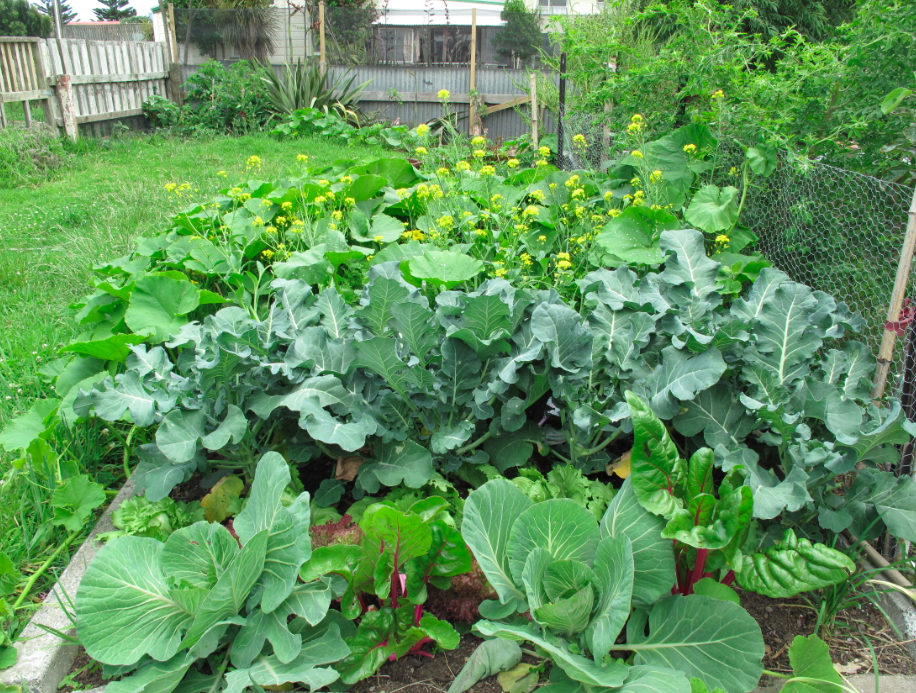
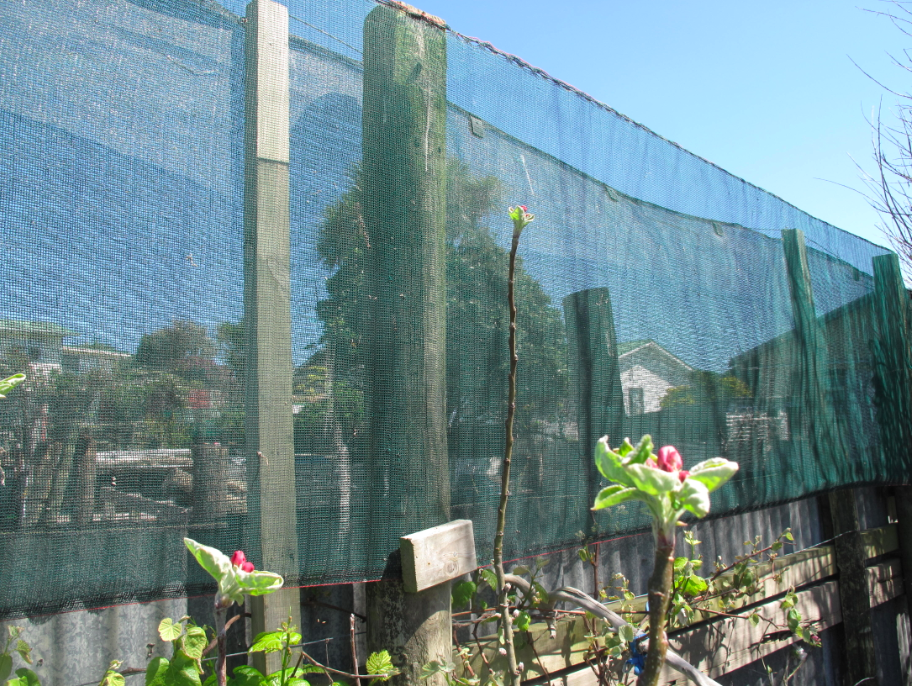
We also invested about $600 in substantial wind protection. It makes no sense to plant a fruit tree in Castlecliff if you do not protect it from the coastal winds. (It takes money to save a tree.) Adequate wind protection reduces stress on trees and results in higher fruit yields. For example, one Black Boy Peach tucked away in an especially sheltered corner of our property is perhaps the healthiest and most productive organic tree of its kind in the city. Screen shot 2014-10-24 at 2.44.06 PM

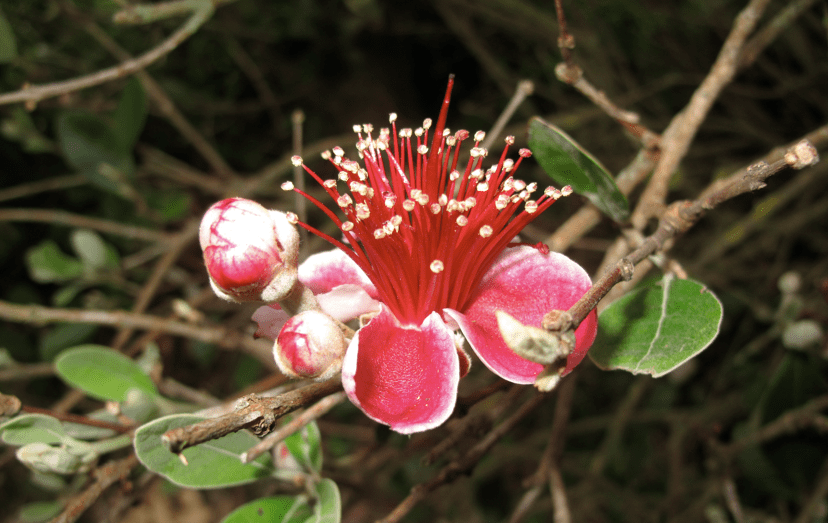
Other fruit varieties on our property include: plums, apricots, prunes, guavas, grapes, figs, bananas, oranges, loquats, feijoas, apples, olives, raspberries, and more peaches.

Alongside good property design and proper installation of garden infrastructure comes good management. Together, they can account for many thousands of dollars in fresh fruit and vege for your family with little effort. The savings on your food bill can be significant but it’s critical to invest first for success later. Screen shot 2014-10-24 at 2.43.58 PM

If you are interested in learning more about the best practices in organic garden design and management, check out the sidebar.

Peace, Estwing


Sidebar:

Workshop: Low-Input / High-Productivity Gardening

Thoughtful design and management of a vege garden can increase productivity and decrease the hours of labour. Invest two hours in this workshop and save dozens of hours weeding your garden.

Sunday 9th November, 3-5 PM. Registration and deposit required.

06 344 5013, theecoschool@gmail.com