Category Archives: wanganui

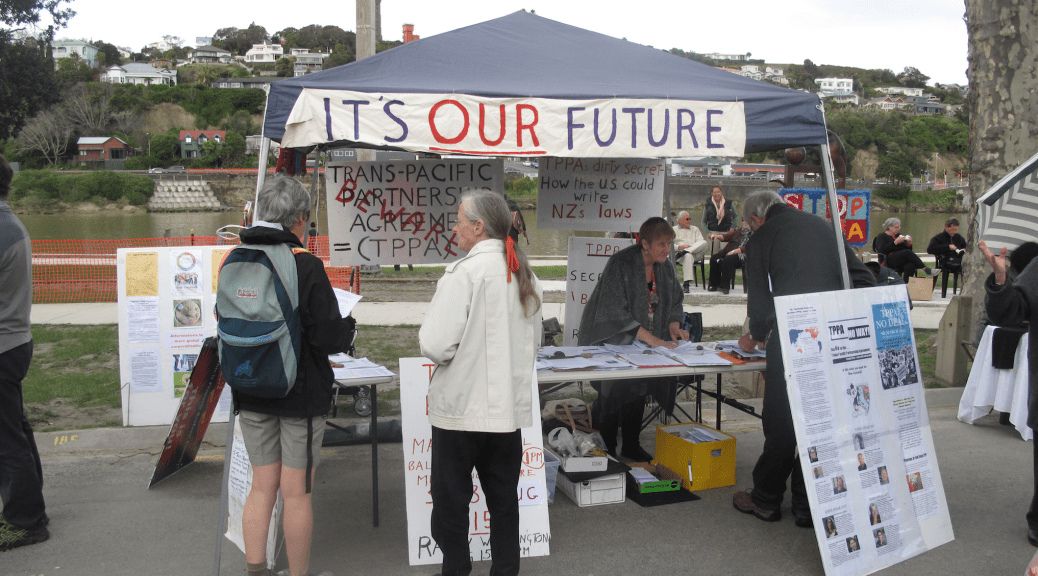
TPPA: How Predictable!

Editor’s note: This is another weekly column in the Wanganui Chronicle.


Thanks for the great feedback on last week’s column. Despite the vindictive image of Wanganui that was encapsulated in the initial response to Duncan Garner’s visit to our beautiful city, there are indeed many thoughtful, reflective and open-minded residents.

I admit that my conservative views do not suit all readers and I apologize for forcing them upon you week after week. I’m the guy who spent four months working on drainage around his house just before we were hit by a once-in-85-year rain event.

Above all else I believe an ounce of prevention is worth a pound of cure. If you have been brought up on the metric system instead of imperial measurements, here is a translation: 28.3 grams of prevention is worth 453.6 grams of cure. Doesn’t exactly have the same ring to it, eh?

‘Prevention’ has the same type of prefix as ‘proactive’. Even ‘prefix’ has that same…prefix. Any way you slice it, it’s about addressing an issue before it becomes a problem. One great example has been our community’s long and sustained effort to raise awareness about the likely problems that will result if the government signs onto the Trans Pacific Partnership Agreement (TPPA).

In late 2013 I contacted Chronicle editor, Mark Dawson about writing a piece on the TPPA. He gave the green light and as far as I know it was the first appearance of the secretly negotiated treaty in our local press. Here is what I wrote:


“Fortunately for democracy, some material from the TPPA has been leaked, including a 95-page excerpt published by WikiLeaks in Mid-November. Following that leak, the Herald (14 November, 2013, NZ WikiLeaks Scoop) reported that information in the excerpt includes disputes between New Zealand and US negotiators on issues of internet freedom, industrial innovation, ownership of endemic plants and animals, and, near and dear to my heart, access to affordable medicines.

“From the Herald, ‘A large section reveals the battle between the US pharmaceutical lobby and countries such as New Zealand that want to continue to buy cheaper generic medicines.’

“In order to dissect this sentence we need to know a couple of facts: 1) the utmost duty of a corporation is to return profits to its shareholders; 2) the US – where corporations have used lobbyists to sculpt health care policy – has the most expensive health care system in the world while ranking close to 40th in performance by the World Health Organization; 3) New Zealand health care remains reasonably priced in part due to the ability to bulk buy generic medicines.

“Using the numbers above in a mathematical equation: 1 – 3 = 2. In other words, if pharmaceutical corporations have their way through the TPPA, NZ health care will more closely resemble that of the US.

What this means for Whanganui is that our already strapped health services would become even more so. For example, the funds now available to pay a doctor may have to be shuffled to cover the increased costs of medicines. Along with the dollars vacuumed away, we would lose a valuable human being who lives in our city, owns a home, pays rates, and buys local products. Every dollar associated with that doctor’s salary would be wisked away to New York, San Francisco, or Hartford. We lose, they win.

I reckon it is our democratic duty to do our best to resist corporate influence globally and locally, but we need to do so proactively. Once the deal has been done, it won’t easily be undone.”


Last week the Prime Minister admitted that under the TPPA some medicines would cost the country more. If only he’d read my column two years ago he would have been way ahead of the game!

Without the assistance of a crystal ball I was able to ‘see the future’ because I am a strong believer in research, data, patterns, and evidence-based decision-making. Despite what radicals might think about secret trade deals, climate change, income inequality, and boosting regional economies, I’ll stick to my Ounce-of-Prevention ideology metric system be damned!


Sidebar: March and Rally Today!

1:00 PM. Gather at Silver Ball sculpture at the riverside.

1:15 PM. Rally at Majestic Square.

Groundhog Day in Wanganui…Again

It’s Groundhog Day all over again in Wanganui.

I love living here but it pains me to see repeating patterns that make situations worse because of council’s refusal to accept anything other than the chosen narrative regardless of facts to the contrary. Perception management appears to be at the top of the agenda, yet the refusal to accept factual information or expert opinions from anyone who does not parrot the current narrative actually reinforces the perception that Whanganui is parochial and full of, to quote Chester Borrows, “whingers and grizzlers.”

I do not believe this to be true, but that certainly was the message broadcast to the nation on Thursday, 23rd July.

When I picked up my paper that morning and read the headline, I cringed. I was afraid for what the afternoon would bring. It turned out to be worse than I feared.

The essence of Borrows’ terms were broadcast to the nation by Duncan Garner as he shared with his Radio Live Drive audience the Chronicle’s front page article and councilor Ray Stevens’ suggestion of retaliation.

I was cringing all over again as I listened, so my apologies for not getting the exact quotes. But in a nutshell this is what Duncan said:

“We have been all over the country on our tour of the regions documenting the decline of CBDs and Wanganui is the only place to complain about it. I think Wanganui needs to get over itself.”

As for Stevens and his idea of retaliation, he simply said, “You need to grow up, mate.”

Duncan reminded listeners that two days earlier he had reported a fact: that there were 35 empty shops in Victoria Avenue. He commented that he is a journalist and part of the job includes reporting facts. Any potential “negative” image of our city that this projected was made far worse by the reaction to it.

As Kate Stewart pointed out last Saturday, the response from council staff and some local residents runs the risk of “alienating ourselves from those whose help we need most.”

“Surely we can’t be that immature and naïve.”

I hope not, but history has a stubborn way of repeating itself as we’ve seen most memorably with economist Shamubeel Eaqub, whose expert advice appears to have been rejected by council, and whose name is uttered with scorn and disapproval. Duncan is the new Shamubeel. It’s Groundhog Day all over again.

We all love reading Kate Stewart because she calls it like she sees it: “Relocating from one local site to another is not growth, it’s just movement, despite the positive spin that many have deluded themselves into believing.”

When councilors demand retaliation, it makes it seem like we don’t have the ability to self-reflect. When councilors claim to be “working proactively to sort the situation,” it make it seem like we don’t have dictionaries. After 35 shops (more like 50 as we’ve been told) it’s not being proactive, it’s being reactive. Claiming it’s proactive is simply untrue, and easy for commentators like Duncan Garner or Kim Hill to pick apart in front of a national audience.

The best example of being proactive in Whanganui over the last two years has been the community’s resistance to the Trans Pacific Partnership Agreement (TPPA). Being proactive requires action before something happens, not afterward.

Among Kate Stewart’s observations last weekend were that outsiders tend to experience a backlash while locals who make the same observations are simply ignored. It would appear that snubbing is the preferred method of addressing community members who submit alternative narratives or innovative ideas. But just like overreaction to outsiders’ observations sets us back as a community, so does snubbing.

Although I find it humorous, I also find it incredibly sad. I can just imagine the lengths that council spin doctors (and our local MP) went to in order to paint Duncan Garner’s entire visit to our city with a negative brush, when in fact there was a very positive story about some joker’s warm, dry home in Castlecliff with a $27 power bill. Across the country, the segment was extremely well-received, and a short video posted on Duncan’s website and Facebook Page has the most “Likes” and “Shares” by a wide margin of any other post from his two-week tour of the regions.

Screen Shot 2015-07-28 at 11.39.41 am

If you are a regular listener to Radio Live Drive you will know that Duncan: 1) welcomes all points of view on his programme; 2) always gives people credit for fronting even if he disagrees with them; 3) has no tolerance for spin; 4) supports the regions; 5) always ends an interview with, “Thanks for your time. I appreciate you coming on the programme.”

For these things alone I reckon he deserves respect.

Peace, Estwing

Slips – Sliding Away

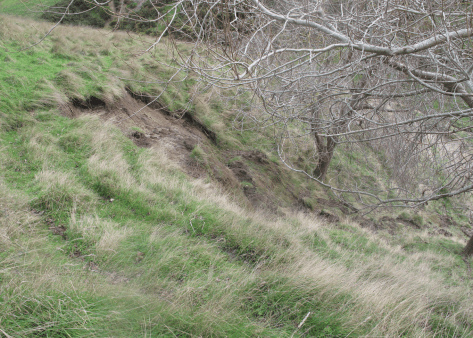
We have been on our land for 10 months – not enough time to stabilise the vulnerable hillsides. Last weekend we had 140 mm of rain fall in 36 hours. From one spot I can see 9 slips – mostly on the neighbours land, but overall a humbling experience.

This is across the valley on the edge of our land.

Screen Shot 2015-06-24 at 5.40.11 pm

This is the large slip on our land.

Screen Shot 2015-06-24 at 5.41.46 pm

This is across the creek in a patch of native bush.

Screen Shot 2015-06-24 at 5.41.15 pm

This minor slip was arrested by two large poplars.

Screen Shot 2015-06-24 at 5.41.07 pm

Up close.

Screen Shot 2015-06-24 at 5.40.40 pm

Humbling.   Screen Shot 2015-06-24 at 5.40.28 pm

Across the valley on the neighbours land.

Screen Shot 2015-06-24 at 5.40.20 pm

We have hundreds of trees ready to plant on the slopes to hold the soil. This is the right time of year to be planting.

Anyone is invited to our place on Sunday 5th July 1-5 PM to plant trees on the steep slopes. BBQ and Texas Chili Cookoff to follow.


Peace, Estwing

The Pope and the Flood: Whanganui, 2015

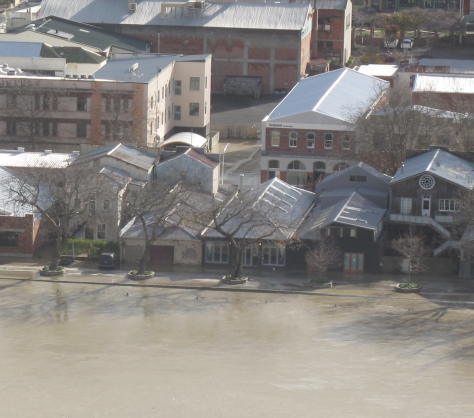
Pope’s Encyclical: “Laudato Si (Be Praised), On the Care of Our Common Home.”   With the publication of his encyclical last week, Francis’s status as rock star Pope has been elevated to rock icon Pope. The 183-page document, titled “Laudato Si (Be Praised), On the Care of Our Common Home,” will more than likely become remembered as the definitive writing of the 21st Century. I have praised Pope Francis in the pages of the Chronicle before and I will almost certainly praise him again. If there are two things I admire in this world they are courage and positive leadership. The courage and leadership Francis has demonstrated in the past turns out only to be a prelude to that which he demonstrates with this encyclical. Drawing on the best research in economics, science and sociology, Francis identifies the two most pressing issues facing humanity: climate change and income/wealth inequality. For anyone who has followed the research in these areas, the content of the encyclical is no surprise. Even avid Chronicle readers should be well aware that 98% of climate scientists worldwide agree that climate change is influence by human activity, and that wealth inequality exacerbates social problems and drags down economic growth. While these findings are based on the best data examined by the best researchers, they have proven to be politically unpalatable. The fact that Republican candidates for the American presidency are squirming in their seats in response to the encyclical is a sign of the times. Closer to home, we get the expected responses from National, Labour and the Greens, along with Paul Henry’s patented, “I don’t care.” Let’s pause for a quick reality check: Wellington, Dunedin and our own River City have experience historic flooding – ok, let’s call it Biblical flooding as long as this is a discussion about the Pope – in three separate rain events in the course of one month. Call me Noah ‘cause I’m building an ark.

Screen Shot 2015-06-22 at 3.45.32 pm

Was this flood event unexpected? No. Our community should be aware that Horizon’s Regional Council has halved the timeline for major flood events for the Whanganui River. In other words, what was the 100-year flood is now the 50-year flood, and what was the 200-year flood is now the 100-year flood. In light of this, ratepayers are right to wonder why our District Council has poured millions of dollars into developing the riverfront and moving an art gallery directly into harms way. Claiming it did not see this coming would beggar belief given what Horizon’s has advised along with over 10,000 peer-reviewed scientific articles on the topic of climate change. This would truly be the weakest possible response from our local government body to this crisis. If we wanted a non-response we could tune in to the Paul Henry Show. Floods happen, and data from around the world indicates they are happening more frequently and with more severity. Our ‘Katrina moment’ was never a question of if but of when. The Pope knows this. What amazed me was how gently and gradually it came upon us. There were no gales, thunderstorms or lightening. Quiz Night went on as usual Friday at Stellar and the River Traders Market took place Saturday morning across the street. The devastation came to us literally drop by drop, much in the same way wealth and income inequality has gradually widened over the last 30 years, hitting epic proportions – ok, let’s call them Biblical proportions – in the last seven years. The Pope knows this too.

Screen Shot 2015-06-22 at 3.44.45 pm

At the end of the day, what is significant about Francis’ encyclical is not its content. We already know that climate change and wealth inequality are bad for society and bad for the economy. What is significant is the person who has delivered that message with unprecedented courage and conviction. Would it be blasphemy to say this Pope has some serious huevos? For as long as I have lived in The River City, climate change and income inequality have been non-starter issues. Politically, they are perceived as no-go zones, yet we have seen their impacts on our community on more than a few occasions. Because of our unique location and economy, we suffer their effects to a greater extent than other communities. The longer our Council ignores them the greater our problems will become. The Pope even knows this. More than anything, Francis has issued a challenge of courage and leadership. Who in our community will answer the call of Care of Our Common Home’?

More on Housing and Garlic in NZ


Editor’s Note: This is my weekly column in the Wanganui Chronicle.


I narrowly missed my chance to be “World Famous in New Zealand” last week because I was busy planting garlic.

On Wednesday morning a producer for Duncan Garner’s Radio Live Drive programme invited me to speak with Duncan on the topic of warm, dry, healthy homes. I did not see the email until after Wednesday afternoon’s programme was done and dusted, and by Thursday the topic du jour had changed. So much for my 15 minutes of fame…

Anyone who has been following the news over the last fortnight would be well aware that a number of deaths linked to cold, damp houses has sparked a national discussion about the other housing crisis in New Zealand. I call it “the other housing crisis” because we hear much more about The Housing Crisis in Auckland and to a lesser extent in Christchurch.

As is the case with many important issues, a quantity story often outweighs a quality story. Quantity stories are easy to understand: just do the maths. But quality stories are nuanced and require more research, more careful consideration, and are best presented from a holistic perspective.

On Monday, Chronicle Editor Mark Dawson asked the question: “How many bad houses in our city?” Leave it to a seasoned journo to get both quantity and quality into one headline!

At the end of Dawson’s editorial he ruminates “about the condition of Wanganui’s states houses,” and “how many of them are substandard.”

The second of these is the easiest to answer: in all probability 100% of all state houses in our city are “substandard.” If the current New Zealand Building Code minimum is “the standard,” then by definition anything not built to that level is “substandard.”

The bad news is that the NZBC minimum would be considered by many nations as substandard in and of itself when it comes to warmth and energy performance. In other words the code sets a low bar for insulation, windows and design.

The other bad news is that Housing NZ homes are probably better than the majority of rental properties in Whanganui, and better than hundreds if not thousands of privately owned dwellings. Put another way, Housing NZ is one of the better landlords in our city. Depending on your perspective, this may be good news or bad news.

In the guts of his editorial, Dawson addresses the concept of a rental housing warrant of fitness. Last May, the Wellington based He Kainga Oranga released a report on a pilot WOF scheme that assessed 144 rental properties in Dunedin, Christchurch, Wellington, Tauranga and Auckland. Eight passed.

The takeaway: we have a large quantity of low quality homes in New Zealand.

As would be suspected, there is significant pushback from property investors and landlords against the WOF scheme. There is also the question of who would administer the scheme and who would pay. Central government would benefit from the scheme, which would lead to hundreds of millions of dollars in savings to the health system, but local governments would be the most likely bodies to shoulder the burden.

The takeaway: not likely to happen anytime soon.

In the meantime, the best thing for tenants to do is their homework. Seek out information from the EECA EnergyWise website and ecodesignadvisor.org.nz.

Don’t take landlords’ or agents’ word when they say a property is “fully insulated.” Look for yourself.

Ask the agent to bring a hygrometer to measure indoor humidity when you go to look at a potential rental.

Don’t rent a property without one of the following heaters: flued mains gas; heat pump; wood burner; pellet burner.

Don’t use unflued LPG heaters.

Make and install window blankets and/or secondary curtaining.

Draught-proof doors and windows.

The list goes on.

I’ve been thinking carefully about what renters can do to improve their living conditions for over four years – ever since veteran journo, Paul Brooks, challenged me on the issue. I gave him a handful of suggestions at the time, and now have a bucketful. That’s one reason Garner’s people contacted me.

I may have missed my chance to be World Famous last week, but at least I’ve got an early crop of the World’s Best Garlic in the ground.


Peace, Estwing

Local Innovation

Editor’s note: This is my regular weekly column in the Wanganui Chronicle.


Periodically we hear talk of “innovation” in and around our River City. The term is spouted, touted and the “innovators” are outed. But from what I can tell, innovation must be a lot like beauty: it is in the eye of the beholder. In other words, many of the so-called innovations are simply not very original and/or useful to society.

Meanwhile, what I consider one of the most innovative local businesses has gone unrecognized for its success and even moderate growth despite considerable headwinds. Who is that business? You’re holding it. Screen shot 2015-04-17 at 6.11.25 AM

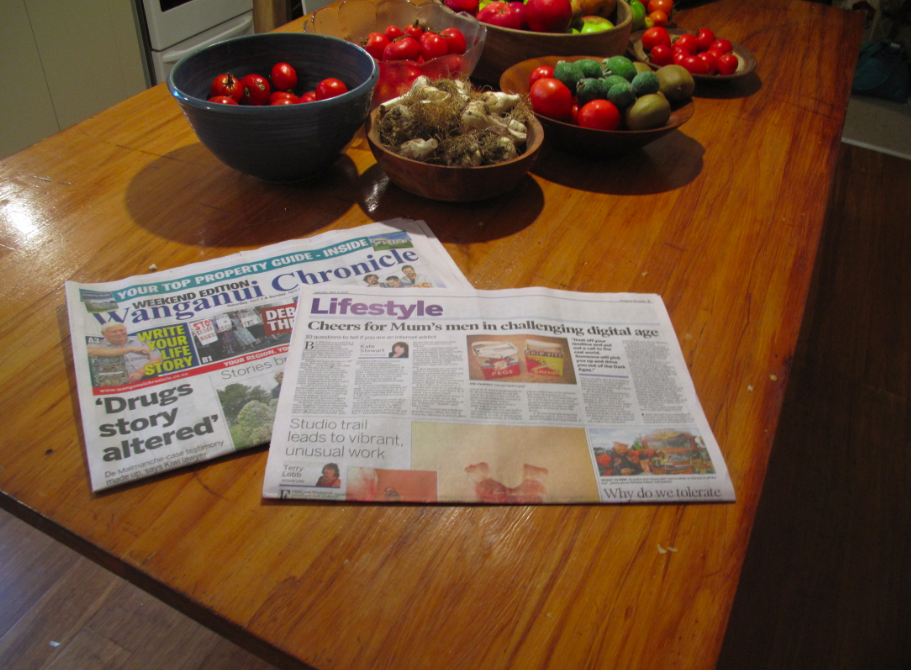
The Wanganui Chronicle is a thriving regional newspaper in an age of global print media decline. For example, the New Orleans Times Picayune reduced its print run to a Wednesday/Friday/Sunday schedule in 2012. The New Orleans metropolitan area has a population of around 1.2 million. Compare that to the Whanganui region.

I’ll admit that New Orleans had been through hard times, so I’ll give another example. In 2009, the new owners of the Boston Globe – one of the finest newspapers is America – aggressively pursued $20 million (US) in cost savings due to decreasing revenues.

As with any business, there’s income and expenses. As income is squeezed and expenses rise or remain static, innovation is essential. Although there are probably many innovations of which I am unaware, I’ll mention a few here.

Three years ago this week the Chronicle launched its tabloid-style Monday-Friday paper and its new-look weekend broadsheet edition. These changes were accompanied by the beginning of a trend in regular local columnists of which we three on page B5 were the first. (Happy Anniversary Terry and Kate!) With over a dozen local writers now contributing regular weekly columns, the Chronicle is supplied with abundant, relevant, and shall we say “cost effective” content to fill the pages with issues that matter to our community.

Let’s classify the above changes to the Chronicle as right-sizing and using local resources. From one perspective, these can be considered eco-thrifty strategies. Add to these the fact that APN shares printing presses with rival publisher Fairfax, and you have a series of innovative, cost-effective measures that ensure our local paper continues to publish six days a week.

Screen shot 2015-04-17 at 6.10.45 AM

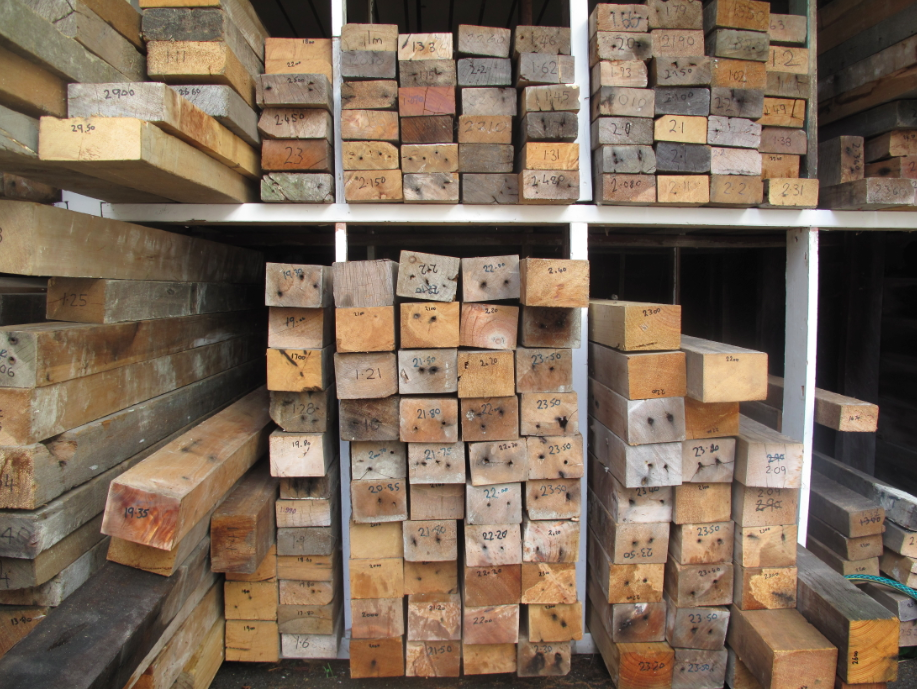
Another innovative organisation I discovered recently in Palmerston North is Reclaimed Timber Traders. To put it bluntly, I am amazed by this organization. From their website:

“In an effort to contribute to a more sustainable environment and conserve native forests, we are recycling treated and non-treated timber that would otherwise go to landfill here in The Manawatu, extending to other regions in the near future.

Whilst providing employment, training and social opportunities for disadvantaged and unemployed in our community.”

The environmental benefits of RTT are clear and admirable, but the social benefits are truly impressive. Also from their webiste:

“Some of us at RTT have faced barriers to working, and as a Social Enterprise we actively try to help others find employment by offering work experience and volunteering opportunities. Many of our volunteers have found employment.

We provide a supportive family / whanau environment to encourage life and social skills in order to raise self worth, and work readiness to reduce unemployment and associated negative outcomes. E.g. imprisonment and suicide.”

If that was not enough to earn this tiny organisation huge praise, they also provide shipping containers full of reclaimed building materials to international disaster areas. This function is facilitated by their charitable arm, Human Aid Focus.

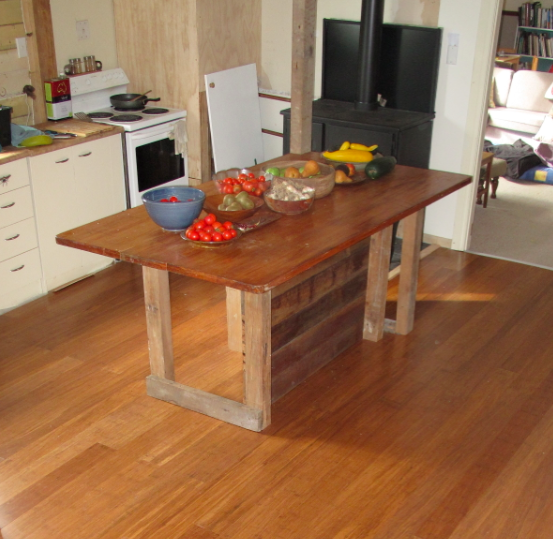
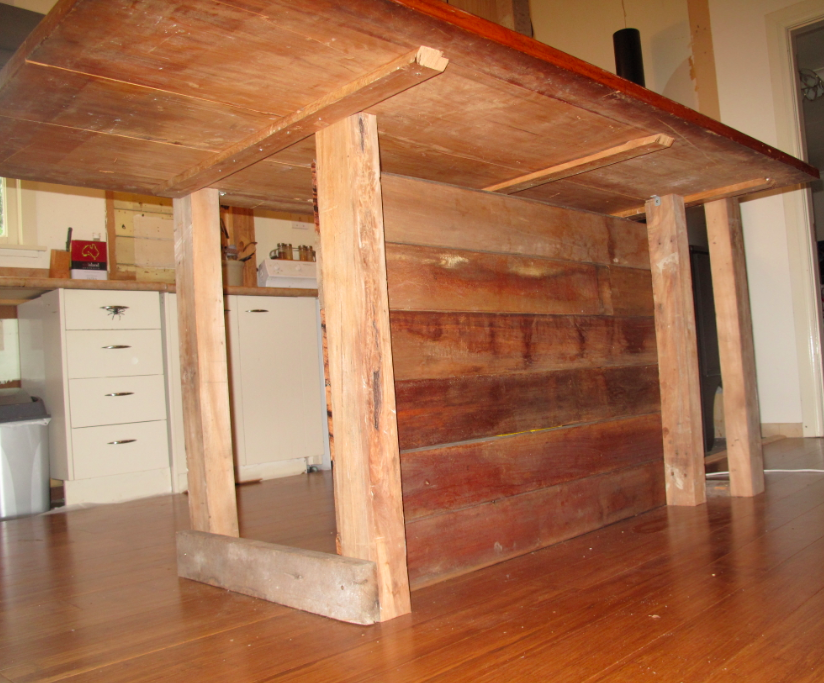
I recently purchased a selection of native timbers to frame a kitchen island. While the top is a reclaimed rimu bar I bought on Trade Me last winter, the matai legs come from RTT, and the tounge and groove is the former lean-to ceiling of our Castlecliff villa. Total cost: $107. Screen shot 2015-04-17 at 6.11.00 AM

Screen shot 2015-04-17 at 6.11.14 AM

If you would like more information about Reclaimed Timber Traders or Human Aid Focus, their website is: www.reclaimedtimbertraders.co.nz


Peace, Estwing

Patterns in Maths, Music, Nature and Art

It is Artists’ Open Studio Weekend in Whanganui. Here is my regular column in the Wanganui Chronicle.     Screen shot 2015-03-27 at 9.21.00 AM

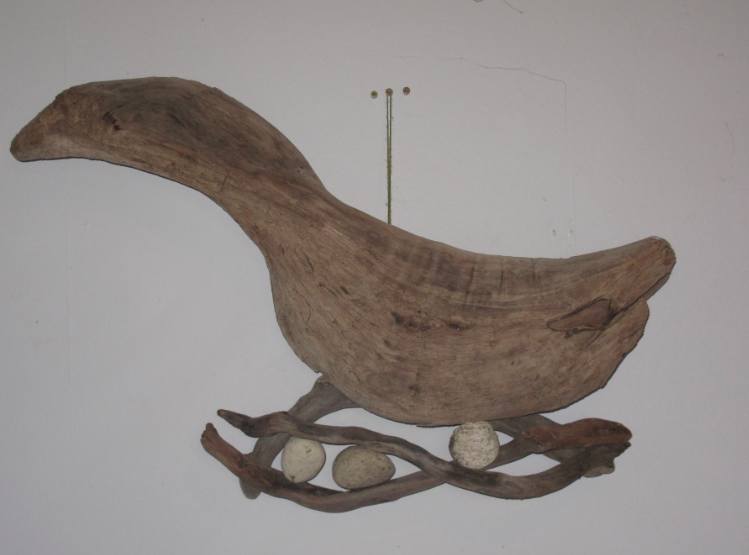
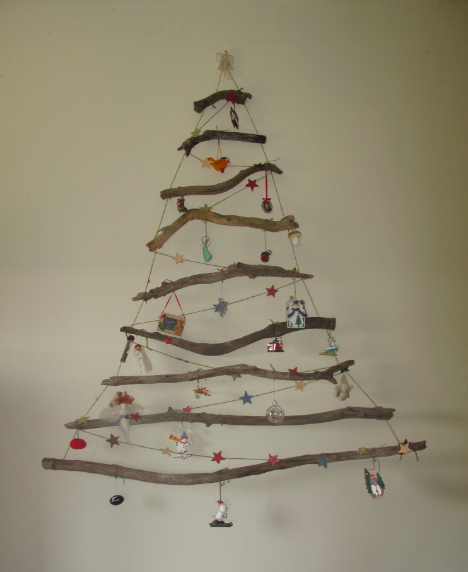
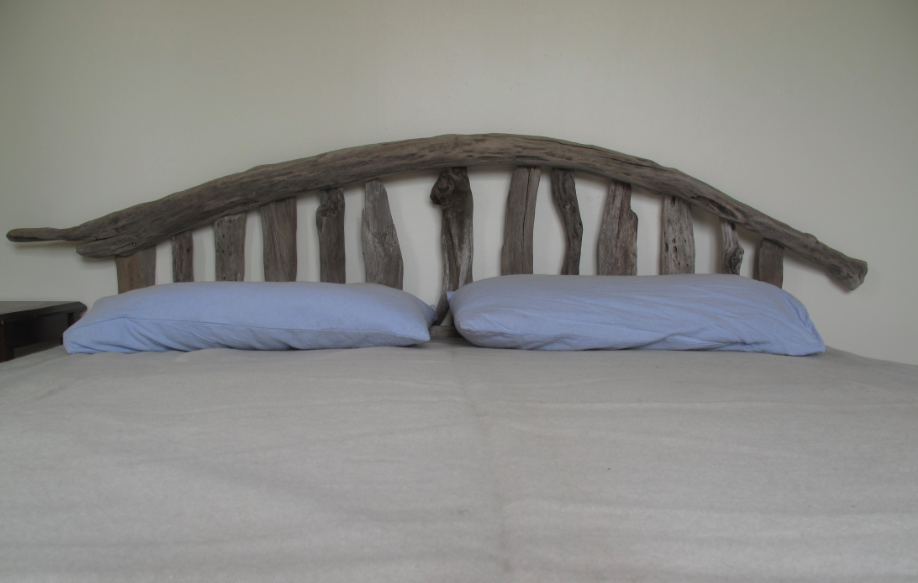
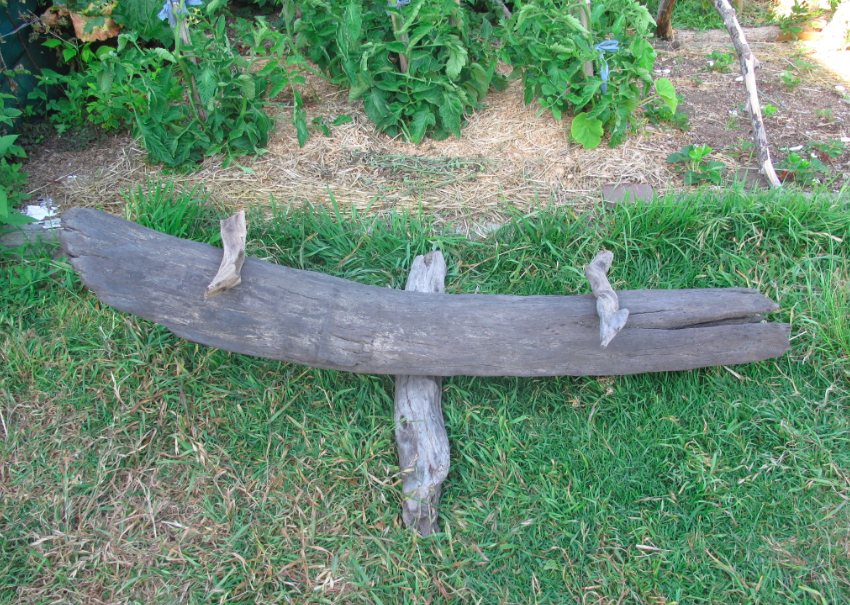
We love the arts in our household: during daylight hours the radio is playing music; we have impromptu dance parties in the lounge; and a collection of visual art is slowly establishing itself. Our daughter, Verti, regularly engages in artistic activities: painting, singing, playing “moozik.” Coming from a family of mathematicians, I am aware of the connection between music and maths. My calculating mum brought a second-hand piano into our home hoping that my brother and I would play. Research has shown that those who learn to play a musical instrument in their early teenage years also develop their mathematical abilities. But he and I were both far too involved in sport to give the piano a chance. None the less, my brother went on to study maths in university and became a maths teacher (and coach of football aka ‘gridirion’ and track & field aka ‘athletics’). I struggled through with calculus and then threw in the towel. But as I have grown older I have gravitated back to maths through my work as an eco-designer. Screen shot 2015-03-27 at 9.21.29 AM Eco-design is about recognizing and designing for patterns. My growing affinity for maths made sense when I heard this quote from Professor of Mathematics at Oxford University, Marcus du Sautoy. In a BBC interview about the connection between music and maths he said that, for him, maths has less to do with algebraic equations and that, “A mathematician is a pattern searcher.” His words resonated with me on many levels: As an education researcher I search for patterns in data. As an organic gardener I seek patterns that evidence early signs of insect or disease damage. As an avid beachcomber I search for patterns in driftwood that indicate native hardwoods instead of soft pines, poplar or willow. Much of the artwork in and around our Castlecliff home came directly from Castlecliff Beach. These include decorations for our daughter’s nursery…

Screen shot 2015-03-27 at 9.20.21 AM

Screen shot 2015-03-27 at 9.20.33 AM

a Christmas tree we have used for three consecutive years…

Screen shot 2015-03-27 at 9.20.49 AM

numerous surfboard racks, a headboard for our bed,…

Screen shot 2015-03-27 at 9.21.10 AM

and a seesaw.

Screen shot 2015-03-27 at 9.20.41 AM

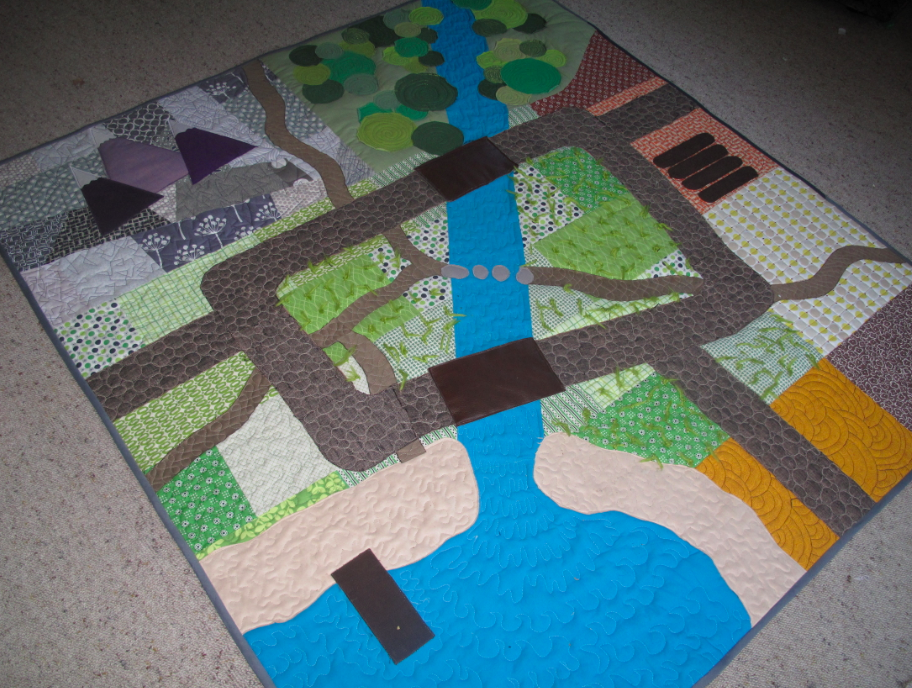
In each case the natural form of the driftwood determined its manifestation into a work of art. In our new home, which is sadly 10 kilometers from the beach, artwork is taking a very different form. Verti’s talented aunty quilted an amazing playmat for her that is a stylised map of the region including the city, Mount Ruapehu, Whanganui National Park, te awa, agricultural land, and even the North Mole. What is especially amazing is that aunty used different stitching patterns for the fabrics representing the different parts of the region: mountains; cobbles, sand dunes; flowing water; and even waves.

Screen shot 2015-03-27 at 9.22.08 AM

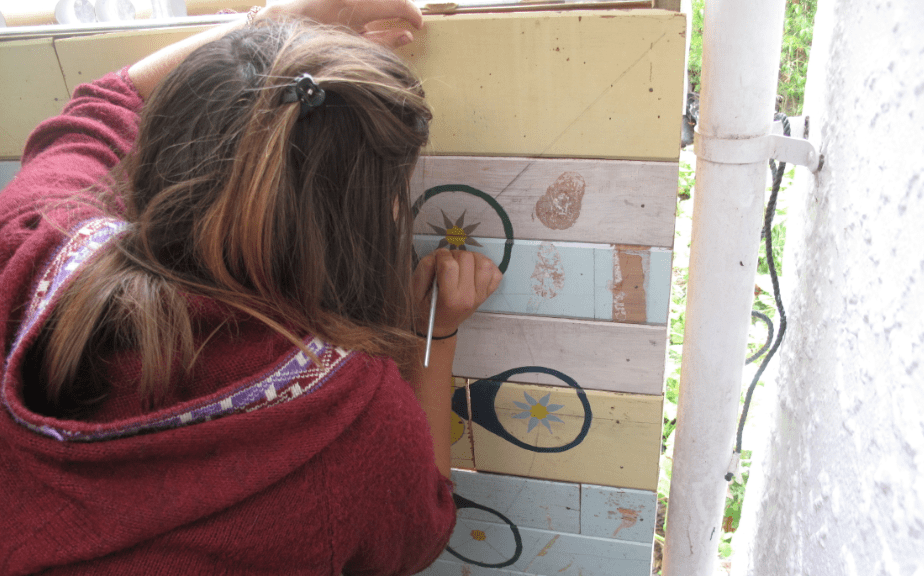
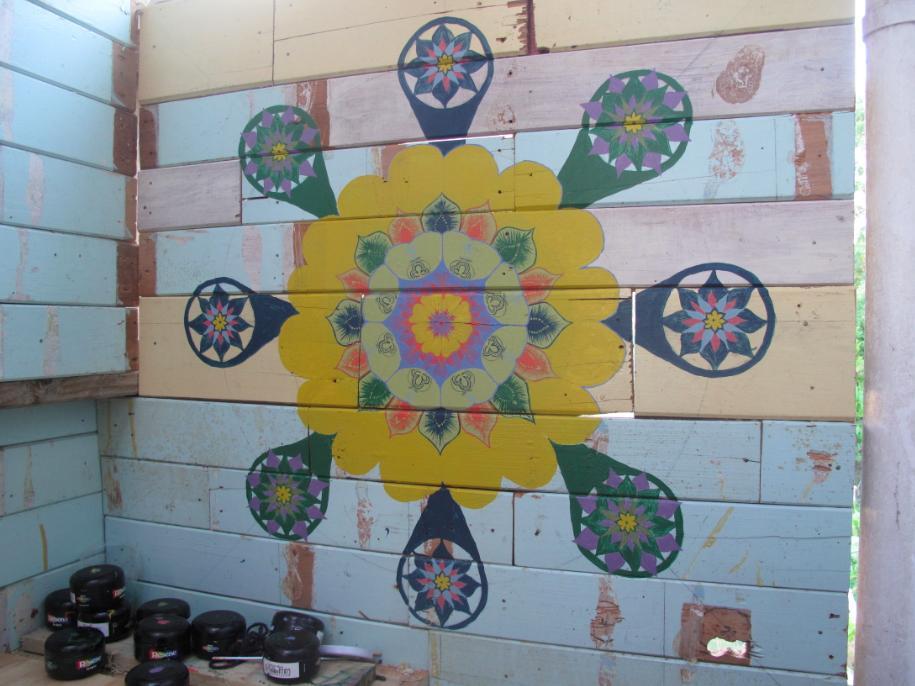
Another amazing work of art that is taking form in our new home is a mandala being painted by our intern, Luna. She is painting it as a feature wall on some old tongue and groove rimu that we decided to re-purpose as a canvas. Pattern is the basis for a mandala, and it is easy to see that Luna’s many hours of meticulous brushwork has gifted us with an amazing piece.

Screen shot 2015-03-27 at 9.22.18 AM

Peace, Estwing

Reality, No TV: Our First Home

Our First Home is the name of a new programme on TV One. I have not seen it, but I have a pretty good idea of what to expect. I’ve seen plenty of programmes along the same lines and ‘been there / done that’ myself. Screen shot 2015-02-20 at 10.19.36 AM

It’s all about the drama. Renovating an old home is stressful. Living in it while renovating is especially stressful. Apparently it makes for great TV.

Our first home was in Castlecliff. The condition we found it was far worse than any house on Our First Home or The Block NZ. There were no TV cameras to document the drama, although a Chronicle reporter and photographer turned up in December, 2010 to see what we were up to.

Screen shot 2015-02-20 at 10.07.54 AM

We started our blog – www.ecothriftydoup.blogspot.com – in October, 2010 and have posted at least once every week since then. Last year we upgraded and expanded the blog: www.ecothriftylife.wordpress.com. The central premise behind our work is living within limits both financial and ecological.

Programmes like The Block NZ and Our First Home are based on the premise of “the property ladder,” which we don’t really have in our River City. From my observations we have more of a property step stool at best, and in some cases a hole in the floor. At the moment it is an unrealistic expectation to borrow money to do up a kitchen and bathroom, and expect to recoup the costs upon resale. This sets us dramatically apart from those doer uppers in Auckland, although there is still some common ground. Screen shot 2015-02-20 at 10.08.03 AM

According to the ourfirsthome website, the “Expert Tips” for Week One include:

  • Try to face living areas north with indoor/outdoor flow to add value.
  • Indoor/outdoor flow is a key…point.
  • Heating is important.
  • Privacy and seclusion add value.

If my editors would allow me use all caps for an entire sentence it would be this:

I would never consider buying a home with living spaces to the south and bedrooms to the north. Screen shot 2015-02-20 at 10.08.12 AM

Wait, I take that back. If I were to return to the Northern hemisphere I certainly would! But with a climate like the Whaganui region has, a home with the living spaces to the south is bass ackwards. Even the TV One “Experts” say that “Heating is important,” and free heating from the sun is the most important of all.

Free heating from the sun – aka passive solar design – goes alongside the indoor/outdoor flow that should accompany the northerly living spaces. Our first home in Castlecliff has the additional advantages of a private and secluded section at the end of a cul-de-sac. The flow is from kitchen to kitchen garden, through French doors, across a deck and past the outdoor pizza oven.

We planted the backyard with native trees for wind protection and fruit trees for healthy food production. The combination adds privacy and seclusion to that quintessential indoor/outdoor flow of contemporary Kiwi lifestyles whether in overpriced Auckland or affordable Wanganui.

But please don’t be tempted by what you see on TV to overextend your finances with the false expectation that “property prices only go up.” All bubbles burst. The Aucklanders will learn this too, and some will wish they bought here instead.


Peace, Estwing

Waste Management: Biological and Technical Nutrients

William McDonough is a designer, architect and author. I reckon he is one of the greatest thinkers of our age. If you are a person who gets inspired by TED Talks or the RSA Animate website, you will be over the moon with McDonough. Google his name and you’ll see what I mean.

Central to McDonough’s philosophy is a simple maxim: waste equals food. The first time one hears this statement may be a little jarring. But take a moment and think of compost in a garden or leaf litter on the forest floor. What McDonough means is that the ‘leftovers’ of one process serve as fuel for another process. In nature there is no end-of-the-line, no landfill.

Using nature as his design inspiration, McDonough advocates for two ways by which materials should flow through industrial society. He identifies all stuff as either ‘biological nutrients’ or ‘technical nutrients.’ Biological nutrients are those that come from nature and can be returned via composting or similar biological processes over and over again.  Screen shot 2015-01-03 at 6.53.05 AM

Biological nutrients ready to return to the earth.

 Technical nutrients include things like metals, minerals and plastics. McDonough argues that all inorganic (non-living) and synthetic materials should be designed for infinite and easy recycling indefinitely.

Screen shot 2015-01-03 at 6.52.54 AM

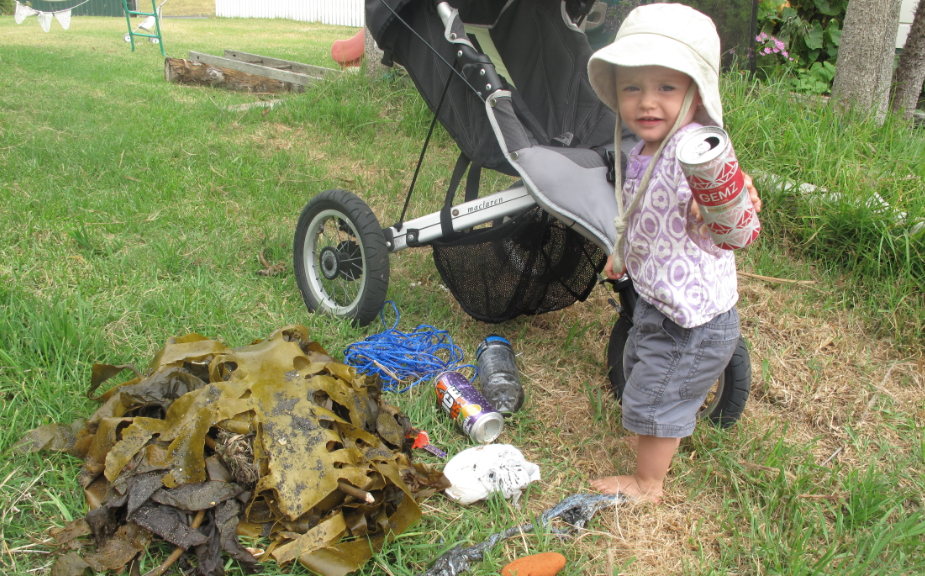
Some technical nutrients we found at the beach. 

The problem arises when biological and technical nutrients are mixed into what McDonough calls “monstrous hybrids,” which are very difficult to recycle or compost because of the mixture of materials with totally different properties. An example of this is a Tetra Brik ‘juice box’ with layers of aluminium foil, cardboard and plastic.

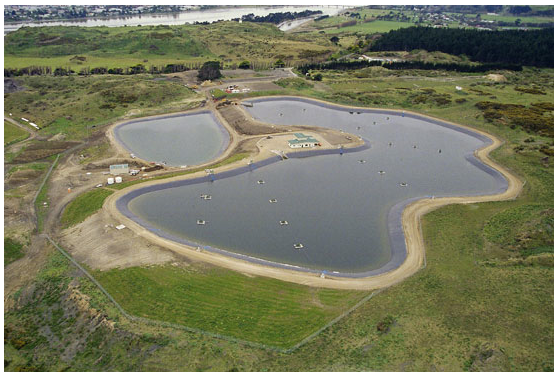
McDonough is the kind of person who would design a wastewater treatment plant for our city where so-called “sludge” is a valuable resource instead of an expensive liability. He would scoff at spending close to a million dollars on a silly, useless “odour fence.” (Where was he when we needed him!)

Using the same types of design thinking as McDonough, a very small team has helped develop an exceptionally successful waste management programme for public events in our community. You may have noticed our Big Green Flags at Connecting Families Day, Children’s Day, and Castlecliff Children’s Day. Screen shot 2015-01-03 at 6.53.23 AM

Children’s Day at Springvale Stadium.

I hope it goes without saying that we should be exhibiting positive behaviours in front of children at all of these events. One of the first things that my daughter taught me is that children are great imitators. If we engage in ‘dumpster mentality’ as a community then we are setting up our children for the same.

But littlies are not the only ones who can learn. Even the ‘old dogs’ that make the biannual pilgrimage to Springvale Park for the NZ Masters Games can learn new tricks. In 2013, a small, organised team was able to divert over 95% of the Games waste from landfill. To put this in perspective, the total volume of material that would have filled 20 jumbo dumpsters in 2011 was reduced to one in 2013.

Put another way, the equivalent of 19 jumbo dumpsters of glass, plastic, paper, cardboard and food scraps that were trucked to Bonny Glen and buried ‘forever’ in the ground in 2011 were recycled and composted in 2013.

Screen shot 2015-01-03 at 6.53.34 AM

Castlecliff Children’s Day. 

How was it done? Simple, really. Technical nutrients (mostly glass and plastic bottles) were recycled while biological nutrients (food scraps, serviettes, paper plates, bowls and cups, beer boxes, etc) were composted. The success of this effort brought widespread attention to our city and what this extraordinary programme had accomplished. Just last week I was contacted by two people from other centres who wanted to learn more.

If you would like to be a part of the waste minimisation effort at the 2015 Games, please contact the NZMG office at the Wanganui Events Trust office at Springvale Park. 06 349 1815 or email at info@nzmg.com. Please specify that you want to volunteer for the Zero Waste programme.


Peace, Estwing


Sidebar:

World’s Best Garlic

2015 Permaculture Principles Calendar

Available today at the REBS (River Exchange and Barter System) stall at the River Traders Market.

2014: Signs of Progress

At this time last year I reflected on what appeared to have been the Year of Eco-Thrifty. The Auckland teenager who goes by ‘Lorde’ rocketed to international fame with her song Royals, which rejects the excesses promoted by many others in popular music. Similarly an American rapper who also goes by one name, Macklemore, got considerable radio airtime with his quirky-but-catchy song, Thrift Shop. Finally, Pope Francis spent much of 2013 promoting messages of conservation and thrift, and even took on the beast of wealth inequality.

That was then, this is now. What about 2014? From my observations, Francis has been quieter this year, but certainly not inactive. The recent news that the US would be “normalizing” relations with Cuba came as a surprise to many. Likewise, that Francis had been working behind the scenes to facilitate communication between the two countries also came as a surprise.

Screen shot 2014-12-27 at 5.33.18 AM

But the more we get to know him the less of a surprise these types of things become. In a word, Pope Francis is progressive. From my perspective, that is about as much as we can ask of anybody these days.

In this world, you are either going forward, going backward, or standing still. If you are a keen observer of current events, you may recognize that standing still is not an option any more.

Take climate change as an example. Doing nothing is not an option for those who believe in peer reviewed science and are concerned about the world their grandchildren will inhabit. The recent agreement between China and the USA on carbon emissions can be seen as progress. Baby steps are important. Screen shot 2014-12-27 at 5.37.19 AM

On the home front, it has been refreshing to hear a couple of District Councillors speaking in progressive terms and even using the word “progressive” in public. It is especially encouraging that some Councillors can reflect on their decisions and change their minds. This is a sign of great progress for our community. The journey of a thousand miles starts with one step…

In the year to come let’s hope our community can make progress on a number of important issues such as resilience, inequality, health and the wastewater treatment plant. I suspect it will be difficult for us to progress as a community until there is some accountability for the monumental failure of the treatment plant and the ridiculous decision to spend close to a million ratepayers’ dollars squirting perfume into the air next to a windy coastline. Wouldn’t it be amazing for someone to put up his or her hand and say, “I’m sorry, and that type of bad decision will never happen again”? That would be real progress. Screen shot 2014-12-27 at 5.42.03 AM

Finally, I understand our city is looking for a new slogan and that some moderate progress has been made. To help the process along, here are a few suggestions:

Welcome to Wanganui: H me, Bro!

Welcome to Whanganui: No Longer ‘Family Friendly’

Welcome to Whanganui: Slogans Welcome

Welcome to Whanganui: Lawless

Lastly,

Welcome to Whanganui: The Bhutan of New Zealand*

* The mountain kingdom of Bhutan has become known for its measure of Gross National Happiness as opposed to the reductionist measure of Gross National Product used by most nations. Thanks to Cr. Martin Visser and his progressive ideas about quality of life in our awesome River City and the work he has done with the Social Progress Index.

This outside-of-the-square thinking is refreshing after the uninspired drone of “growth, growth, growth” we have been hearing for years. Here’s hoping 2015 brings more progress on this and other fronts for this beautiful place we all call home.

Peace, Estwing


Sidebar:

World’s Best Garlic!

2015 Permaculture Principles Calendar

Available today at the REBS stall at the River Market