Category Archives: permaculture

Permaculture Update: Sharing with Interns

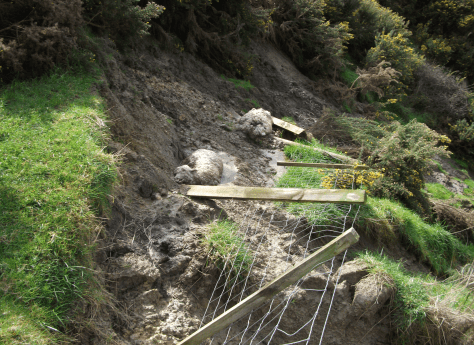
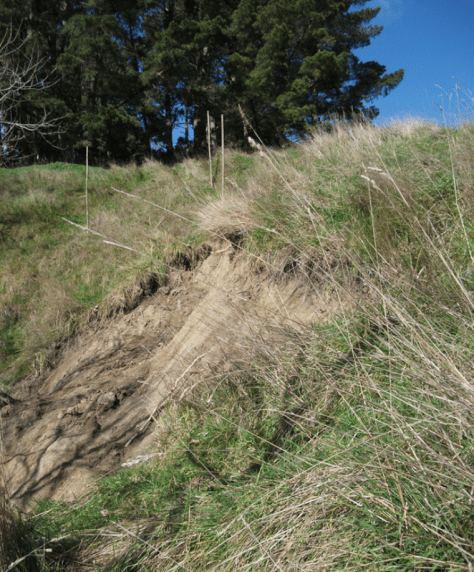
We have been very busy lately on the farm and have three interns helping us recover from the June floods and preparing for a resilient future. Here is a picture of the largest slips on our property.

Screen Shot 2015-08-30 at 7.48.36 am

I have counted 13 dead sheep on the neighbouring farm, including these two.

Screen Shot 2015-08-30 at 7.48.17 am

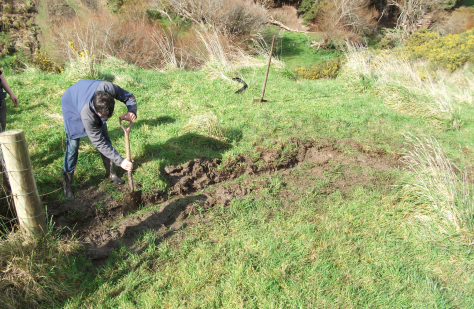
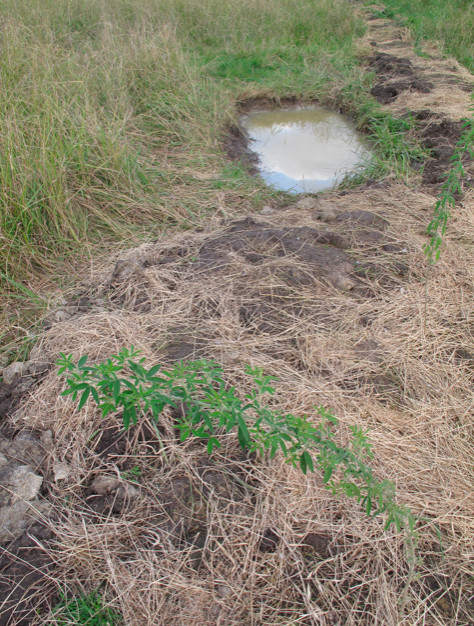
The above slip was caused in part by water pooling up behind it. With a simple, shallow drain we are able to divert most of that water away from this vulnerable hillside.

Screen Shot 2015-08-30 at 7.49.13 am

The drain is less than 10 metres long and only about 10 cm deep.

Screen Shot 2015-08-30 at 7.49.34 am

The drain is just below this odd piece of geography on our farm. The fence goes up the hillside and then right back down.

Screen Shot 2015-08-30 at 7.47.41 am

We will fence off this hillside and plant it to manuka.

Screen Shot 2015-08-30 at 7.56.01 am

Elsewhere on the farm, we can see the second stage of ecological succession as ponga are growing underneath gorse, which stabilises the slopes and adds nitrogen to the soil. It will be taken over by native bush over time.

Screen Shot 2015-08-30 at 7.50.01 am

Here is a view down the valley.

Screen Shot 2015-08-30 at 7.55.35 am

Up the hill in zones 1-2-3, we have been busy propagating black currants…

Screen Shot 2015-08-30 at 7.54.24 am

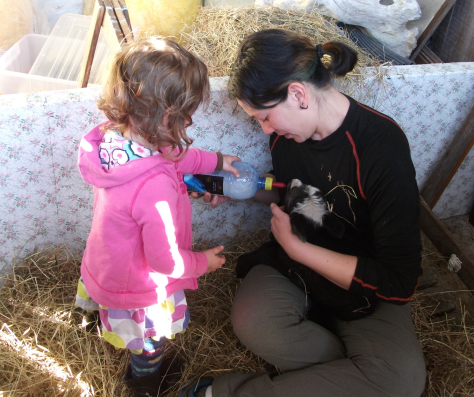
… feeding lambs…

Screen Shot 2015-08-30 at 7.53.00 am

… brewing beer…

Screen Shot 2015-08-30 at 7.54.00 am

…sniffing plum blossoms.

Screen Shot 2015-08-30 at 7.46.35 am

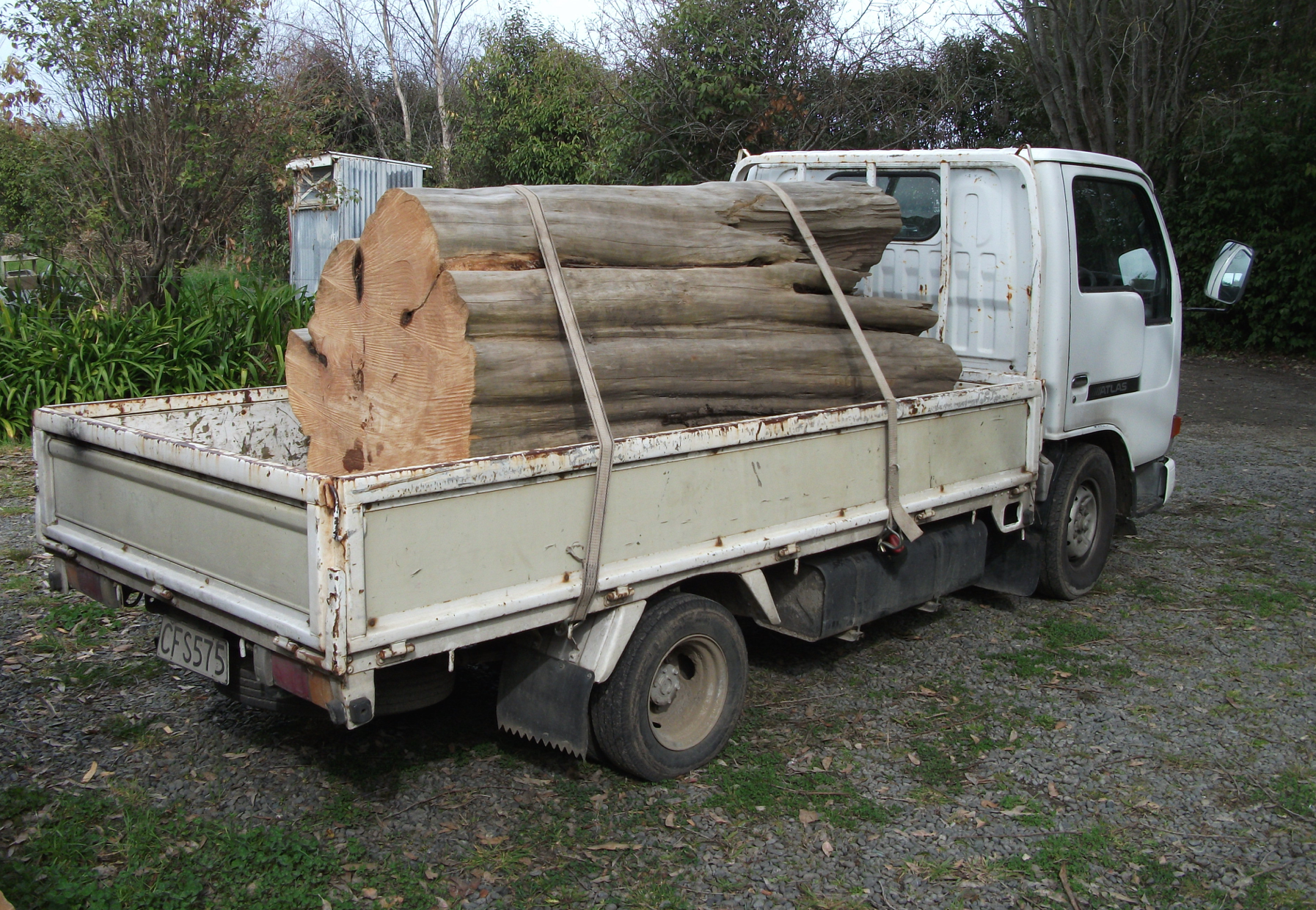
Our mate, Simon, has brought this macrocarpa log over to mill into slabs.   Screen Shot 2015-08-30 at 7.54.44 am

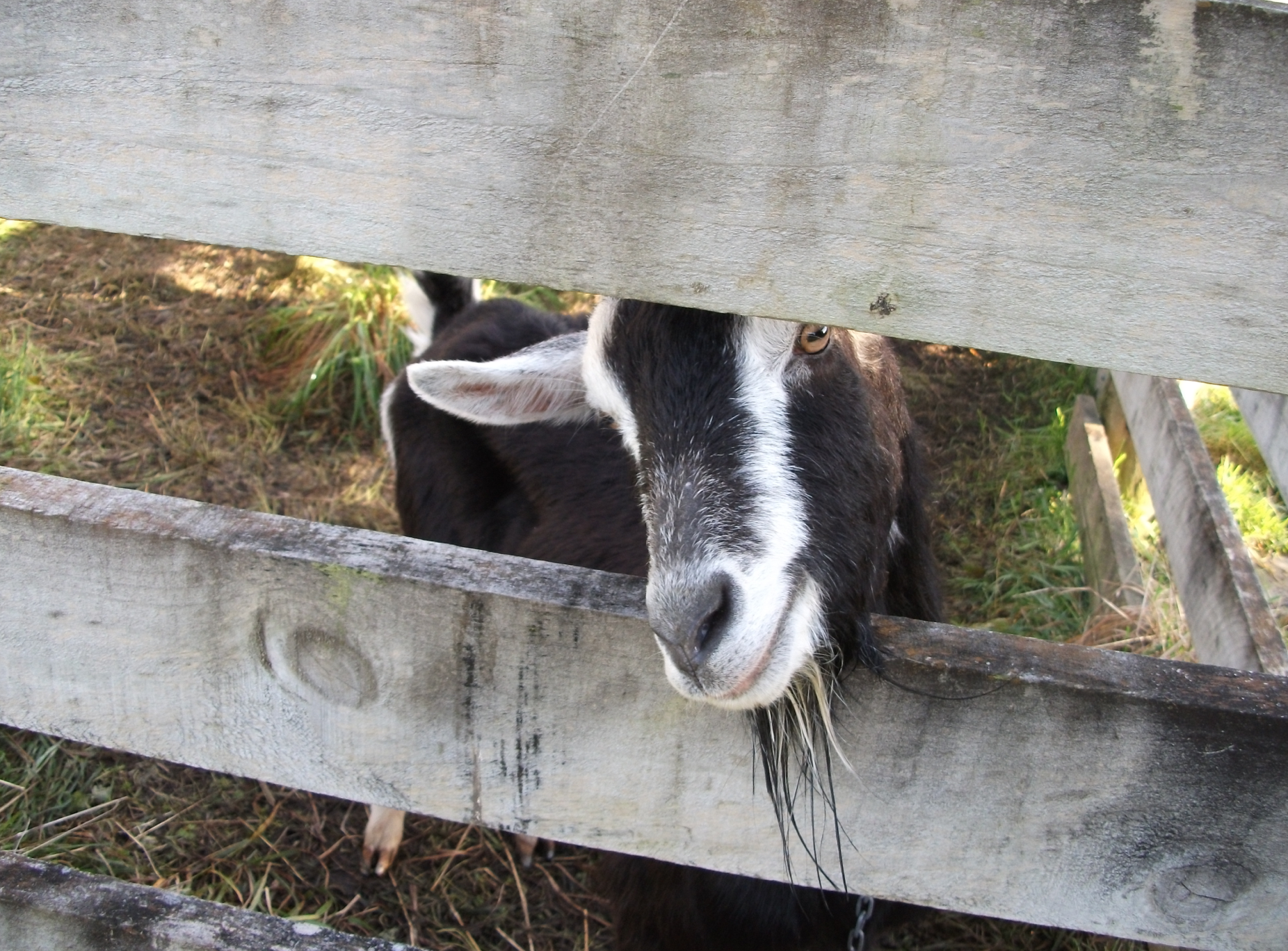
We were given this goat, Buster, on Friday.

Screen Shot 2015-08-30 at 7.53.37 am

Kelly the intern has drawn a zone 1-2-3 map.

Screen Shot 2015-08-30 at 7.52.30 am

Kaitiaki Farm.

Screen Shot 2015-08-30 at 7.51.54 am


Peace, Estwing

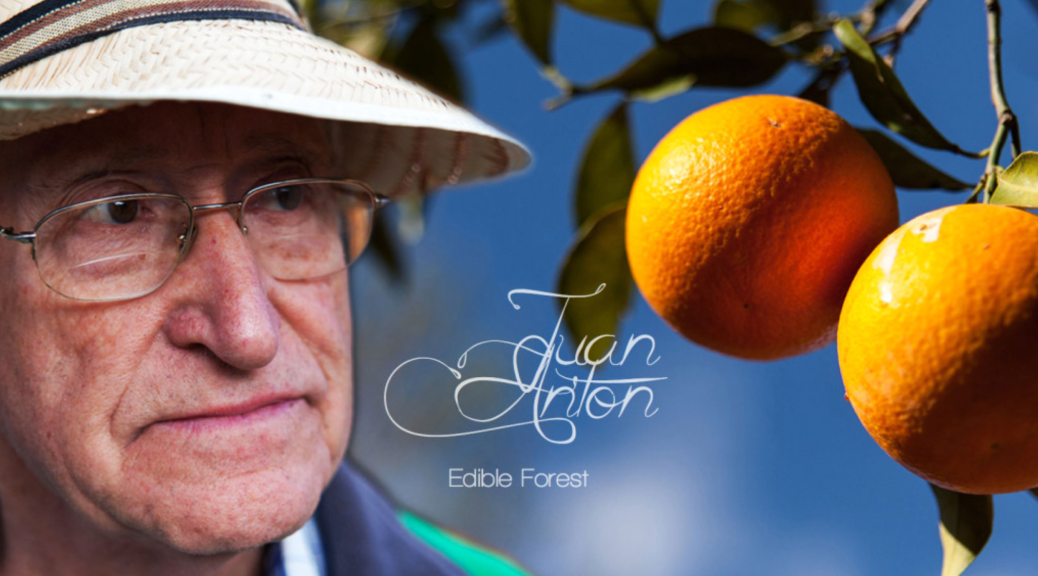
Juan Anton: Permaculturist Supremo!

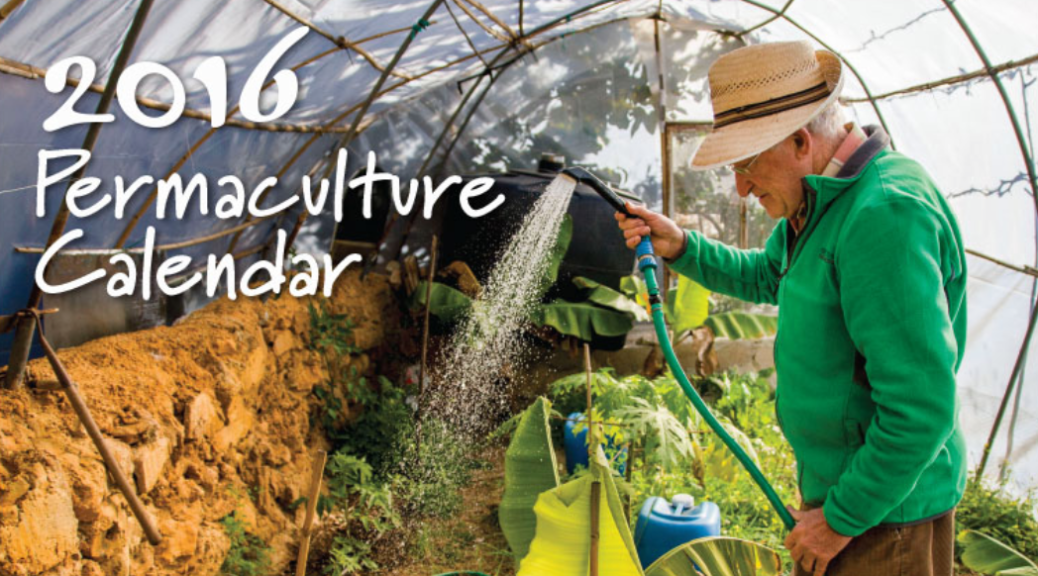
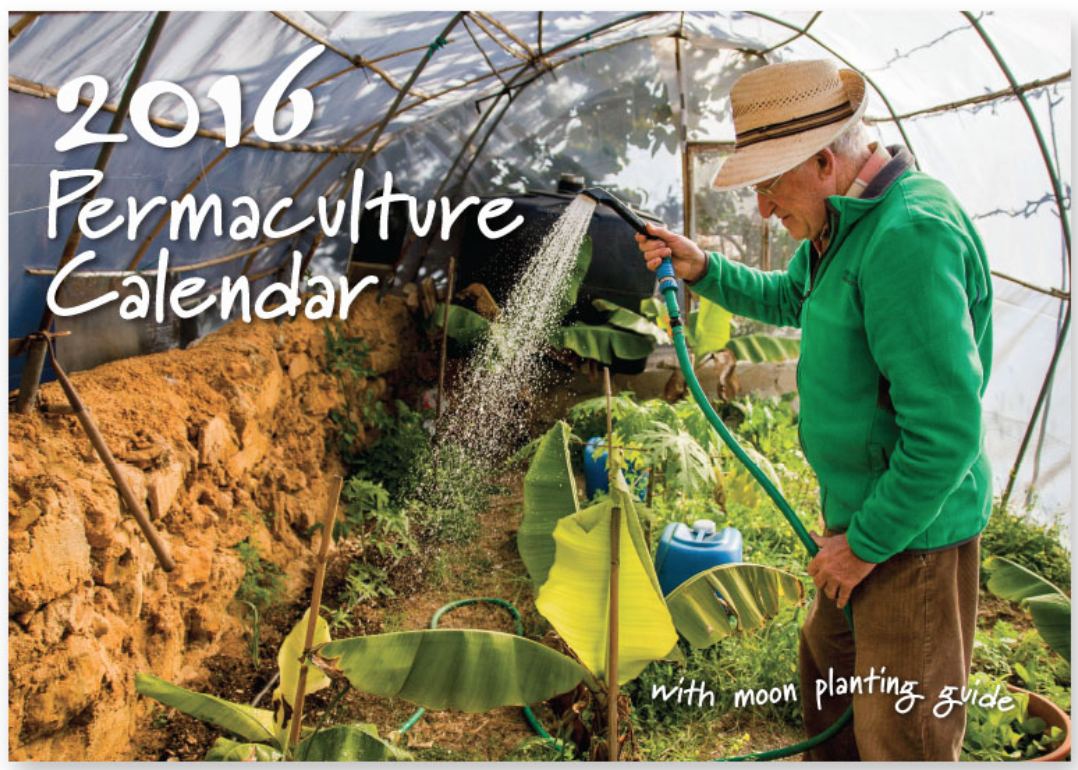
The 2016 Permaculture Principles Calendar features Juan Anton on the cover. Here is a little more about him.


78 year old Juan Anton Mora runs 40 minutes several times a week. What is his secret? A healthy lifestyle and a wish to change the world must have played their part. Because the purpose of each of his actions is to “change the world”, or to be more precise, to fight hunger in the world. No less.

Continued: http://permacultureprinciples.com/post/juan-anton-edible-forest/


In New Zealand, calendars are available from The ECO School. Email  theecoschool at gmail dot com

Guest Post: Kelly on Planting Trees to Stabilise Slopes

Greetings everyone, this is our first blog post as interns at the Eco School. We hail from Portland, Oregon USA and just started our 1 year New Zealand working/learning/traveling experience. The main goal of our trip is to learn more about permaculture, sustainable living and to learn about, and give back to the local communities we visit.

Before arriving in Wanganui we heard there had recently been some flooding. We had no idea of the severity of this flood. When we arrived, about 6 weeks after the major flood, it looked like the river was still way above normal level. There were still traces of silt on the streets and in the grass of the parks. We walked into the i-Site, or tourist info center, and saw a red line on the pillar above our waist height marking that this was the highest flood level ever recorded in Wanganui history. As we drove up the hill to our new home for the next six weeks, it looked like a hungry giant had taken multiple bites out of them. There were slips and erosion occurring everywhere we looked.  Screen Shot 2015-08-20 at 6.12.07 am

Slips far and wide. 

There is no doubt that climate change and many other factors have led to this disaster. The hills are wasting away and sometimes taking a couple of sheep with them. Some homes that were built too close to the edge looked like the Titanic going down. You can see the vast difference in the soil quality before and after the slip. Needless to say, there’s lots of work to do!

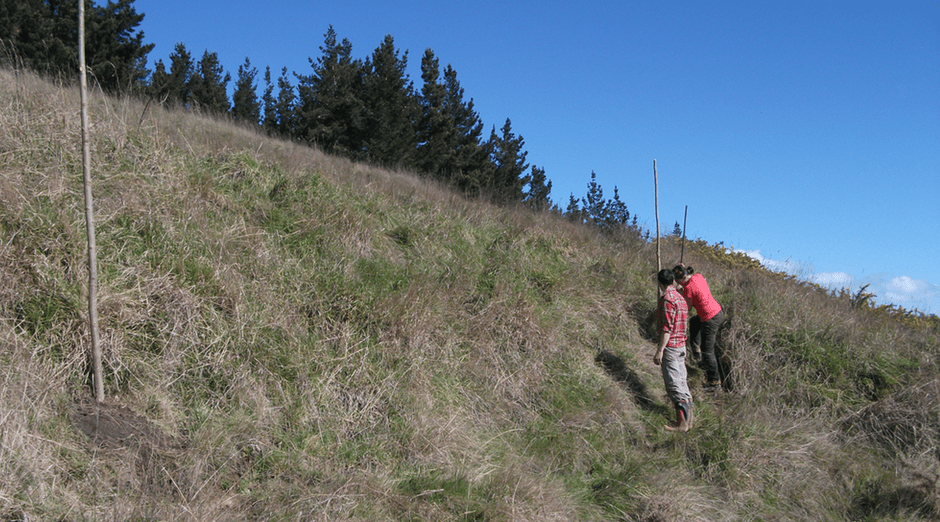
One of our tasks has been planting poplar trees. We planted 20 trees in various spots along the hillside near slip areas to help with erosion control. They also serve as wind breaks, moisture and flood control, and they can be used for animal fodder in drought season. Permaculture design rule: everything must serve at least three purposes, check.

Screen Shot 2015-08-20 at 6.11.33 am

Poles above a slip. 

They were a cheap, easy to plant, low maintenance variety that was recommended by the council. At only $7 each, you get a 3 meter high tree. To plant them we dug out as small of a hole as possible that was about 60 cm deep. This sounds easier than it was, with the clay and moisture in the soil, we had to get down on hands and knees and stick our arms in up to our elbows to pull out the dirt. It would stick to the shovel so you’d have to kick it off with your boot. By the time we were done our boots were 5 kilos heavier! We stuck the tree in on one side of the rectangular hole so that the soil only had to be tamped on one side.

Screen Shot 2015-08-20 at 6.12.20 am

Patrick tamping away. 

We then used top soil that was collected from the some of the slips to fill the holes. Most of the soil we dug out was clay, so the top soil will give the tree more organic material and a better chance at taking root. Then we tamped, stamped, tamped and packed some more. Got to make sure these guys don’t move until they’re roots are established.

Screen Shot 2015-08-20 at 6.11.08 am

Poles in the ground.

One and a half days later, they’re in and ready to start growing, soaking up the extra moisture, rooting down the hillsides and protecting the beautiful land and animals at the farm. It feels good to be putting something back into nature.

Until next time, thanks for reading.

-Kelly

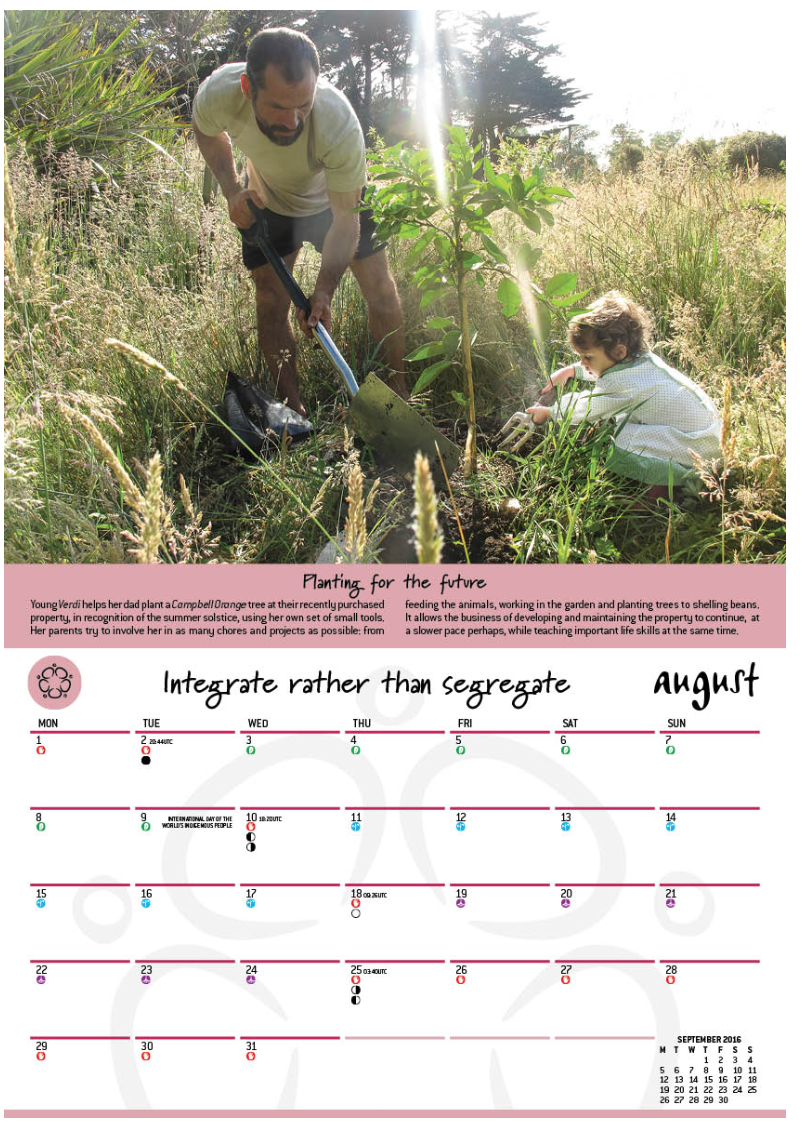
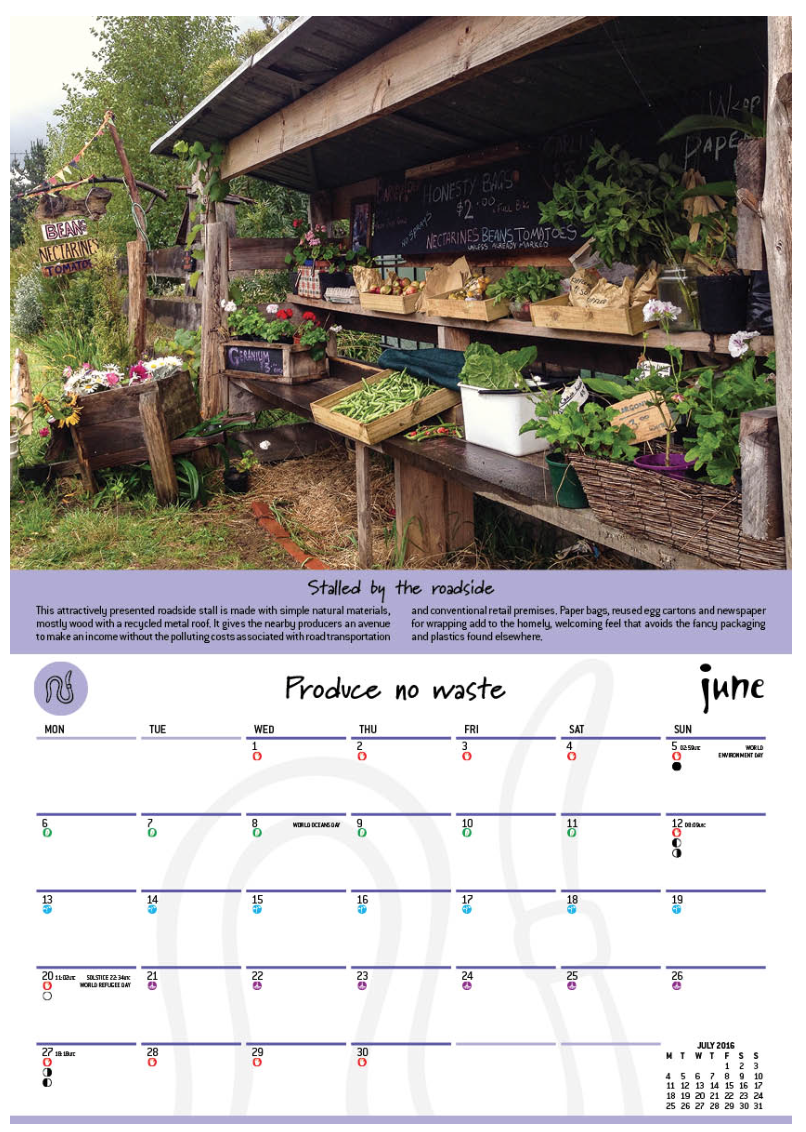
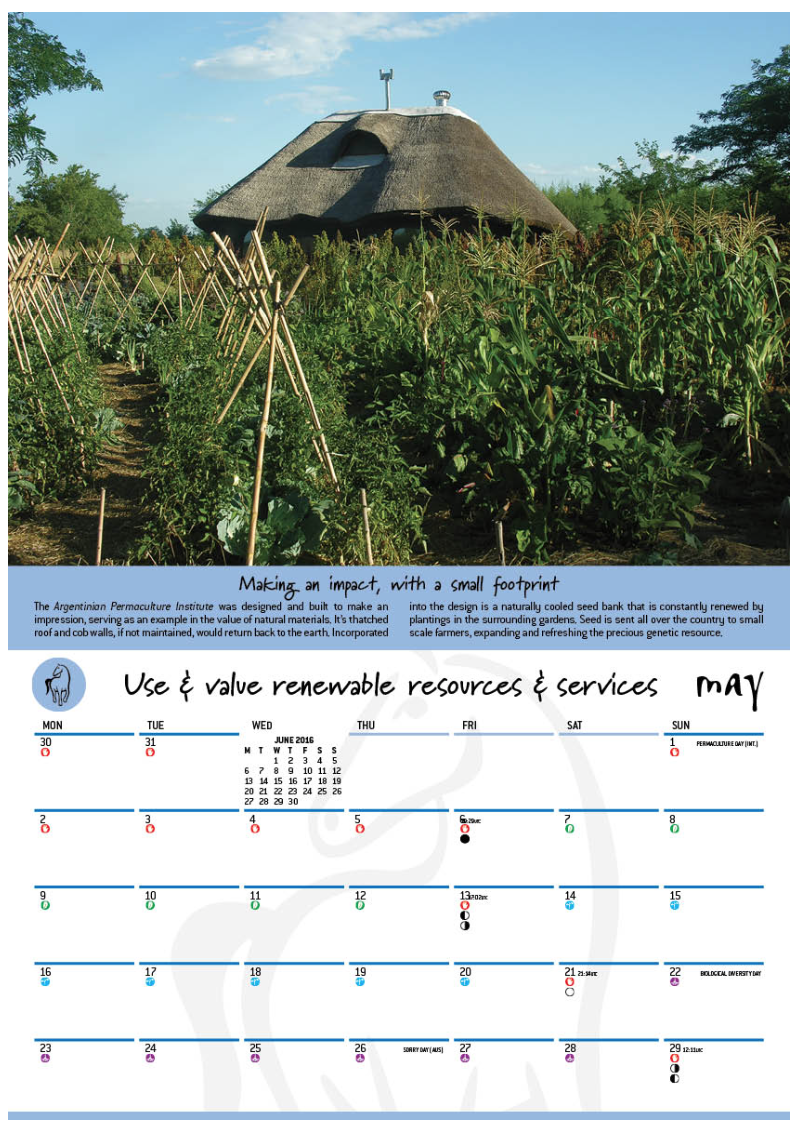
2016 Permaculture Principles Calendar and Moon Planting Guide

“Internationally relevant and filled with inspirational and thought provoking images that support and reinforce your values every day of the year. Learn each of the 12 design principles over the course of a month and be reminded of suitable garden activities with daily icons and phase times according to our moon planting guide. Now with a rainfall / temperature chart.”

Screen Shot 2015-08-16 at 7.45.34 am

Available in New Zealand only from The ECO School.

RRP: $18 post paid anywhere in NZ. Two for $32 post paid.

Bulk Discounts Available.

Available in Whanganui and Palmerston North at discounted rates for pick-up orders. Enquire.

To order, contact theecoschool at gmail.com

Screen Shot 2015-08-16 at 7.46.13 am Screen Shot 2015-08-16 at 7.46.00 am Screen Shot 2015-08-16 at 7.45.46 am

“Organise your garden, your life and share your schedule with this deceptively simple but thought-provoking permaculture calendar – for your home or workplace. Illustrating one of the twelve permaculture design principles for each month, gives you the time to absorb them. Each example includes and image and story of locally appropriate sustainable living and design.

Including a planting guide that can help yield more productive crops and healthier plants by planning your garden activities according to the moon phases. Exact phase time changes along with daily icons enhance the traditional gardening rhythms that have been handed down over the centuries.”

Screen Shot 2015-08-16 at 7.46.28 am

“The permaculture calendar is made from 100% post consumer recycled pulp on certified carbon neutral paper that is manufactured and printed in Australia using 100% renewable energy.

The calendar’s size and weight take advantage of standardised postage and reduced freight costs. Printing plates and paper waste are all recycled. Inks are vegetable based so don’t release unnecessary VOC’s into the atmosphere or require harmful solvents for clean up. Once the calendar has reached the end of its life you can recycle or compost it, hang the pictures, or keep it intact as a reminder of the principles and important events over the year.

While the production effort does a lot in limiting its impact on the earth and the people in the process, we’re also demonstrating the ethic of Fair Share by donating 10% of the net return from sales of the calendar to Permafund, supporting permaculture projects internationally.”

Peace, Estwing

Late Winter Permaculture Update

Although we have had a few more frosts this week, there are also signs of spring. There are buds on the plum trees.

Screen Shot 2015-08-12 at 8.47.39 am

The garlic is taking off.

Screen Shot 2015-08-12 at 8.49.19 am

New growth has appeared on the Chilean guava.

Screen Shot 2015-08-12 at 8.46.15 am

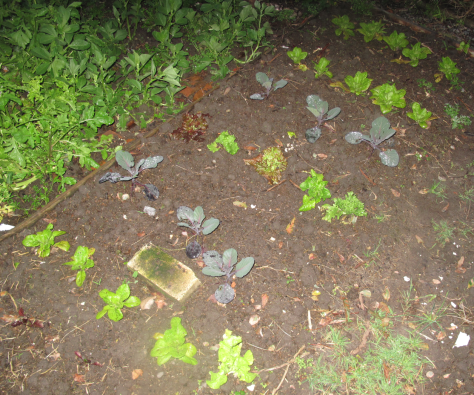
The winter veggie garden is picking up speed.

Screen Shot 2015-08-12 at 8.47.24 am

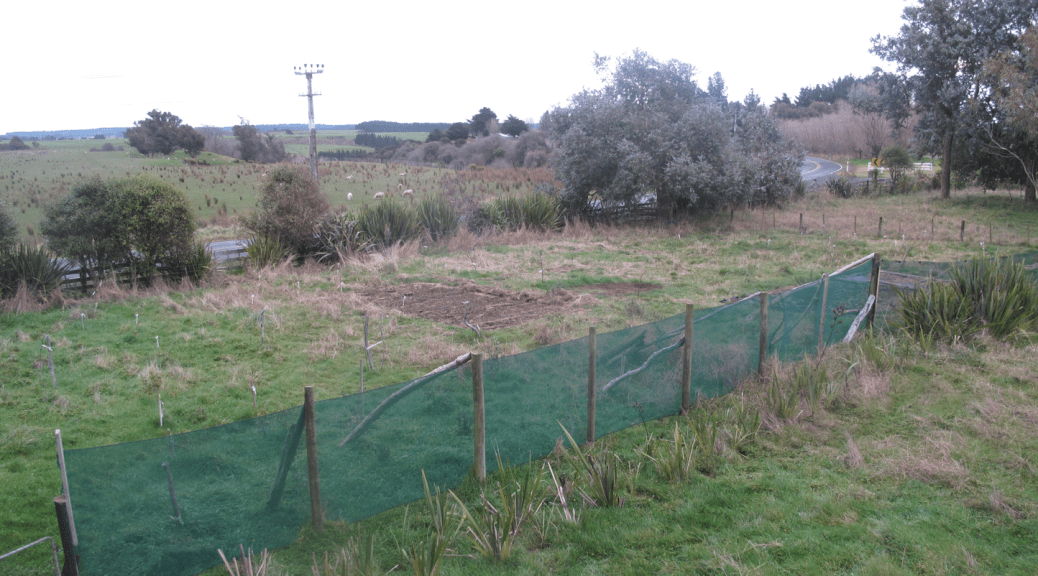
We have been busy planting vulnerable hillsides with trees.

Screen Shot 2015-08-12 at 8.45.46 am

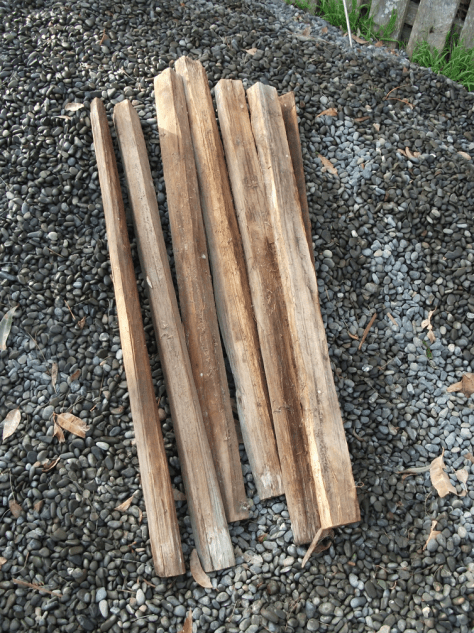
In order to keep the sheep out of the trees we have had to add battens to the eight wire fences. I found totara battens to use instead of treated pine.

Screen Shot 2015-08-12 at 8.49.09 am

We have also begun digging a new pond.

Screen Shot 2015-08-12 at 8.45.28 am

We’ve also had some cool things arrive in the post that we will be selling locally at discounted prices. This rocket stove crossed with a thermette is pretty cool.

Screen Shot 2015-08-12 at 8.48.47 am

Iconic permaculture book for sale below retail price.

Screen Shot 2015-08-12 at 8.48.14 am

Get ready for summer with a solar cooker.

Screen Shot 2015-08-12 at 8.47.50 am

It’s here! The 2016 Permaculture Principles Calendar.

Screen Shot 2015-08-12 at 9.11.05 am

For the third year in a row, Verti has made the calendar.

Screen Shot 2015-08-12 at 8.45.07 am

If you are interested in any of these products, please contact us.

Peace, Estwing

Holistic Land Management: Permaculture Design in Motion

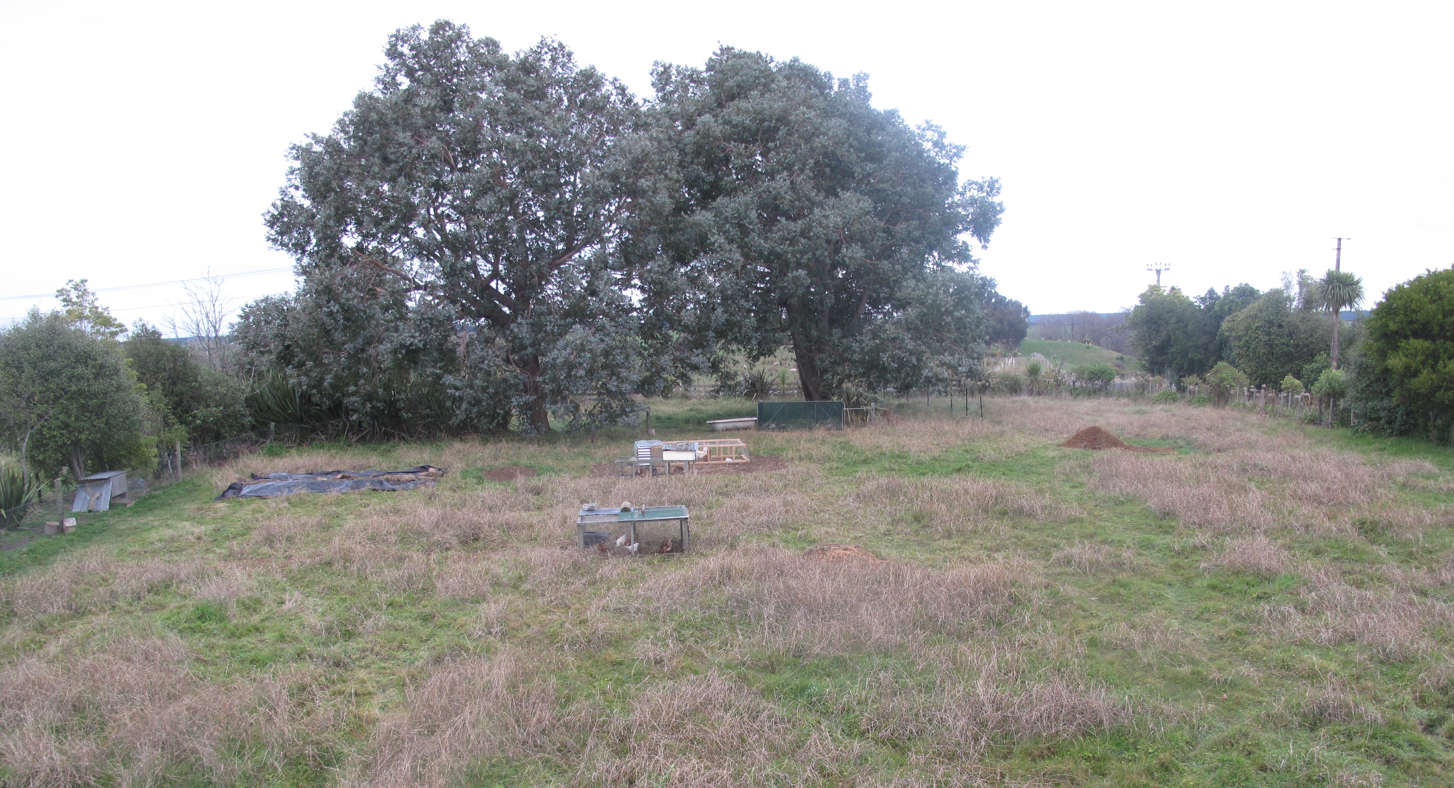
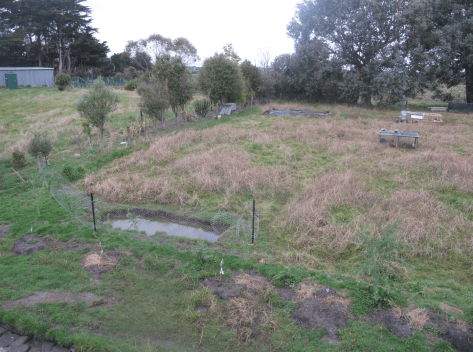
One year after arriving on this piece of land we are well on our way to developing a premier permaculture property. Like our model suburban permaculture project – the Eco-Thrifty Renovation – we intend to use this as a model for resilience education in our community and worldwide.

Screen Shot 2015-08-02 at 9.00.42 am

We call this property Kaitiaki Farm. In Te Reo Maori, kaitiaki means guardian. It is the weightiest word I have ever come across in my life, and I do not take using it to name the farm lightly. If our first child had been a boy, Kaitiaki would have been his middle name.

Screen Shot 2015-08-02 at 8.59.23 am

This extraordinary piece of land has all the makings of a textbook permaculture property and an excellent way to teach best practice in low-input / high productivity land management. It is also a great opportunity for those who want to learn by seeing a ‘work in progress’, I reckon there may be no better place in the world.

Screen Shot 2015-08-02 at 8.59.05 am

From big concept ideas to specific details, Kaitiaki Farm is a living, breathing permaculture textbook. Most of us learn by doing, so why not consider coming along to the Whanganui Permaculture Weekend 12th-13th September (more details to follow) or coming to a full-day workshop on Sunday, 27th September.

Screen Shot 2015-08-02 at 8.58.53 am

We believe in offering the highest quality resilience education and that money should not be a barrier to attendance. The Permaculture Weekend is free to attend, and all of our workshops run at half what others charge. When it comes to excellence in community resilience education, there should be no compromise.

Screen Shot 2015-08-02 at 8.58.12 am

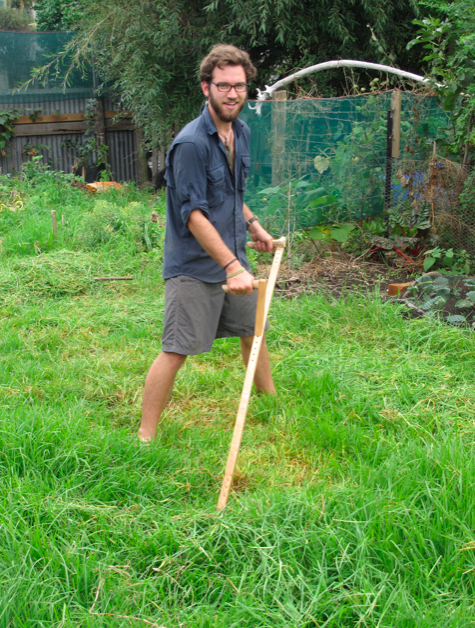
The workshop will cover many aspects of permaculture, including: designing for wind and water; tractoring birds; improving soil structure; composting; swales and drains; nurse trees; slope stabilisation; trees as fodder; pollarding firewood; alley cropping; drought-proofing; market gardening; developing and managing a food forest; scything; and more.

Screen Shot 2015-08-02 at 8.58.34 am

Peace, Estwing

Mid-Winter Permaculture Update

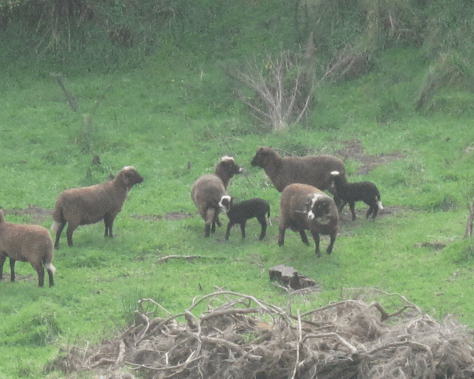
We’ve been through a slow patch with cold temperatures and short hours of daylight, but now we are on the back side of winter. We have two lambs so far.

Screen Shot 2015-07-29 at 5.50.14 pm

And some very pregnant ewes.

Screen Shot 2015-07-29 at 5.50.01 pm

Kitchen garden ticking over.

Screen Shot 2015-07-29 at 5.49.28 pm

A bit late when I took these photos.

Screen Shot 2015-07-29 at 5.49.17 pm

Beautiful moonrise, though.

Screen Shot 2015-07-29 at 5.48.53 pm

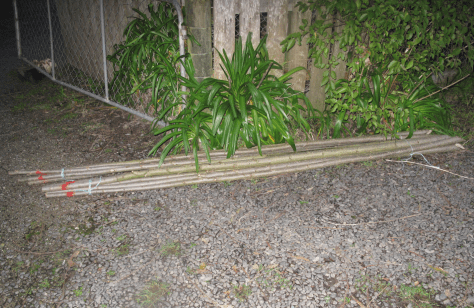
Poplar poles were delivered today to plant on the slopes.

Screen Shot 2015-07-29 at 5.48.35 pm

Heaps of flax still to plant.

Screen Shot 2015-07-29 at 5.48.26 pm

Garlic is pumping.

Screen Shot 2015-07-29 at 5.46.51 pm

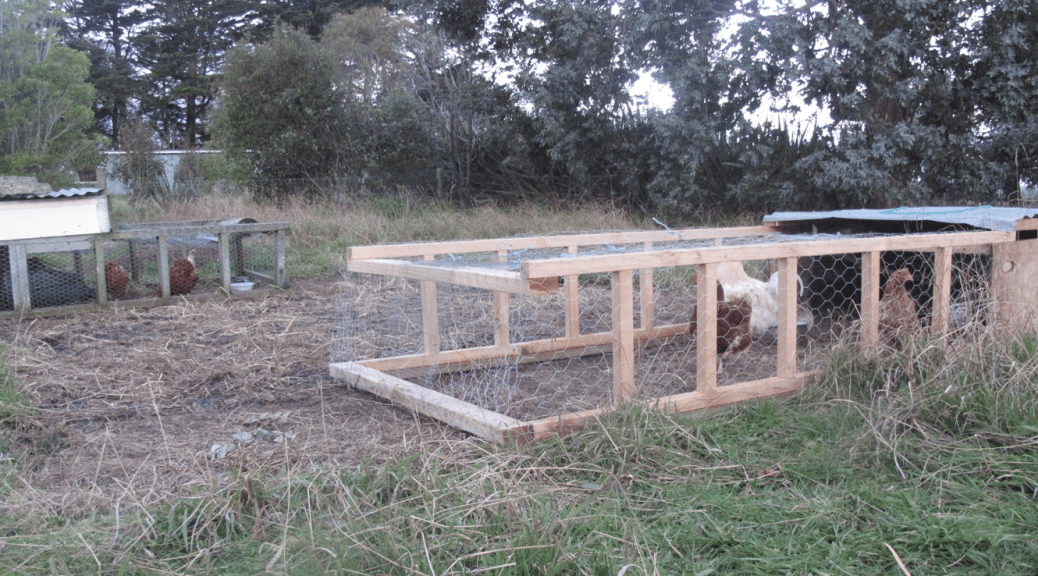
I built a new chicken tractor on Sunday.

Screen Shot 2015-07-29 at 5.46.22 pm

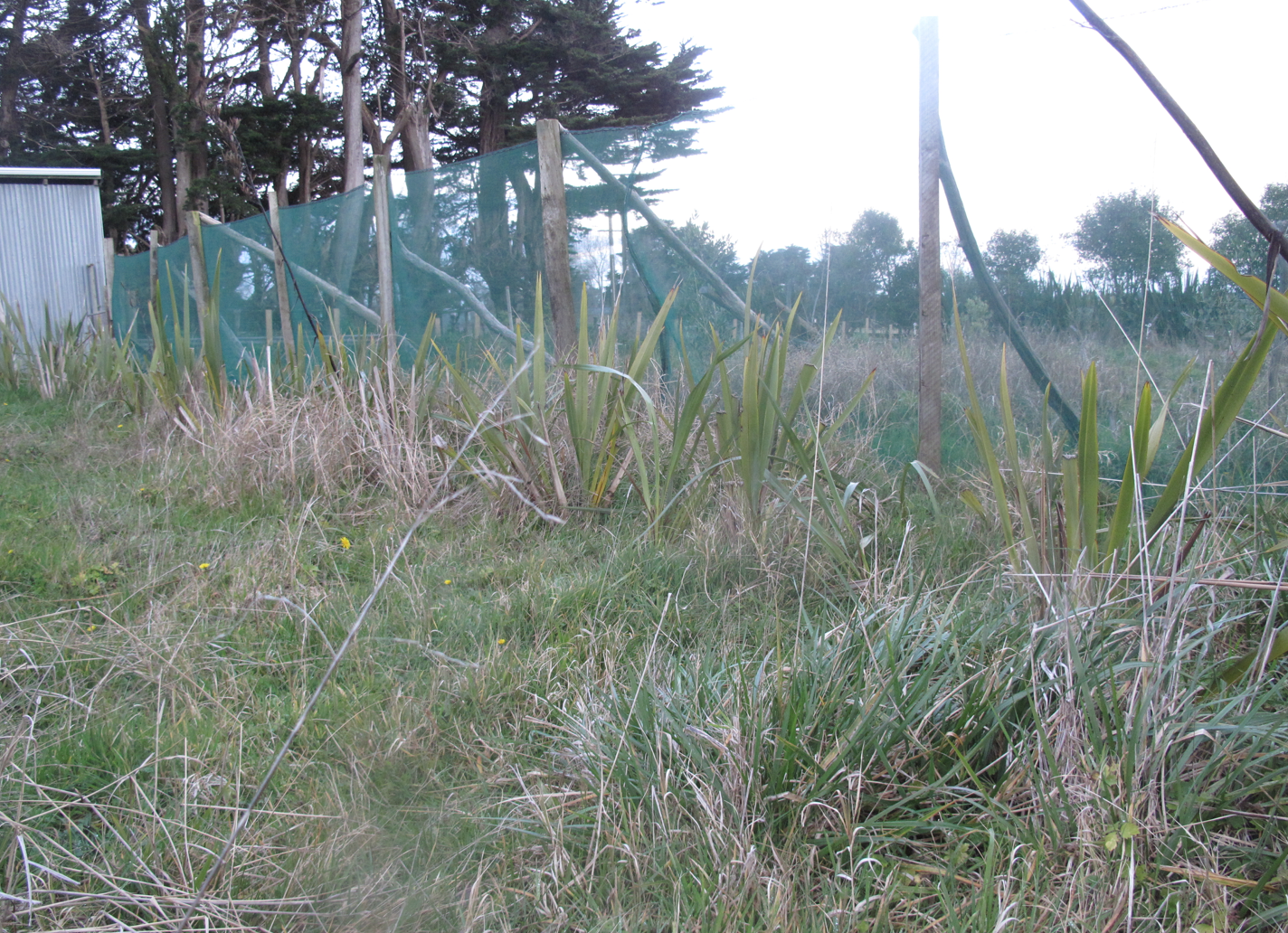
 Flax windbreak growing steadily. Screen Shot 2015-07-29 at 5.46.12 pm

Anyone want to buy a duck?

Screen Shot 2015-07-29 at 5.35.49 pm

Or a car?  Screen Shot 2015-07-29 at 11.28.08 am

Peace, Estwing

Presilient Farming: Eco Design on the Land

Eco design is a large field, and I spend almost as much time advising on land management as I do on healthy homes. In a nutshell, eco design is about working with nature instead of against it.

Eco design is the beautiful marriage of art and science. In the housing sector, the science is mostly physics, but when is comes to land management the science is mostly biology and hydrology, along with a healthy dose of chemistry. Whether it’s a residential section or an entire farm, ecological land management focuses on two goals: diversity and moderation.

Biodiversity simply means providing a wide range of living organisms. Moderation means buffering against climatic extremes such as drought and flood. Both of these improve the resilience of any piece of land, and for farms would more than likely ensure long term profitability and protect against short term volatility.

It was with this perspective that I registered for a presentation called, “Doug Avery’s Resilient Farmer: Innovate or Stagnate.” The large venue was packed wall to wall with stoic looking farmers. Being unfamiliar with Doug and his work I was not prepared for what first came out of his mouth.

For nearly an hour, Avery spoke almost exclusively about depression and suicide among farmers. From his website:

“In New Zealand, we are twice as likely to die from our own hand as in a motor accident. Men are three times more likely to die than women, and rural men are twice as likely again. Below the tragedy of suicide is a huge pyramid of depression. This is something we all have to work together to address.”

This message was echoed in a front page story on Monday in the Chronicle: “Don’t accept tough farmer myth.” Sam Kilmister’s article quoted Lyn Neeson of the Rural Support Trust:

“If we do perpetuate the idea that farmers are stoic and tough and can get through anything, when something like this does happen and they can’t cope they feel like something is wrong with them, which makes them very vulnerable.”

Within a week of attending Avery’s talk, I heard Tim Groser, National Party MP and Minister of Trade, on the radio warning that the nation’s farmers needed to develop better resilience to the expected impacts of climate change. I’ve been developing resilient properties for over a decade and a half, so I agree with Groser that a prudent and conservative approach to land management is best.

This makes a line in Kilmister’s article especially concerning: “The trust is an important part of shooting down the perception that resilience is the backbone of the farming community.”

The takeaway from all of this appears to be that the resilience within the farming community is low but it needs to be high. We have our work cut out for us, and just as eco design is the future of housing in New Zealand it is also the future of farming. Screen Shot 2015-07-16 at 9.36.18 am
Three concerns are identified by Neeson of the Rural Support Trust as especially worrisome to farmers: market prices, weather, and off-farm income. Eco design specifically addresses two of these factors, which are too often considered out of a farmer’s control.

Diversifying farm income is a critical step to developing resilience to price volatility. In nature, monocultures are vulnerable to insects and diseases, often with disastrous results. The same is true of farming.

Buffering against the extremes of flood and drought, while not changing the weather, can moderate the effects of extreme weather events on a farm and its income. The best time to prepare for the next extreme weather event is yesterday. The next best time is today.

We have been on our farm for less than a year, and I have already spent thousands of hours and thousands of dollars on drought-proofing, flood mitigation, and diversification. I have come to call this approach ‘presilience’. Some of the best eco designers around the world call it ‘regenerative design’ or ‘regenerative agriculture’. In a nutshell, it’s innovate or stagnate. I know which side I’m on.

Screen Shot 2015-07-16 at 9.37.01 am

Sidebar: 2021 Whanganui Flood Prelief Fund – Prevention is better than cure.

We have voluntarily reduced stocking rates on our farm and taken steep hillsides out of grazing to help protect the city from the next flood. This approach can be cheaper and more effective than building higher stopbanks.

You can help make our community more ‘presilient’. We are accepting donations of trees and of cash to go to the purchase of trees to plant on vulnerable slopes. Electronic donations can be made to this account: 38 9014 0367090 00
Permaculture Internship: July-September, 2015

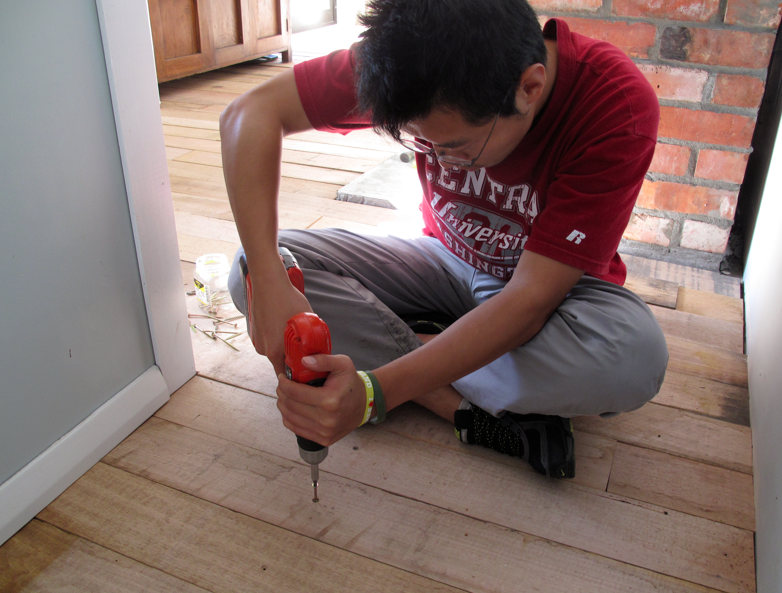
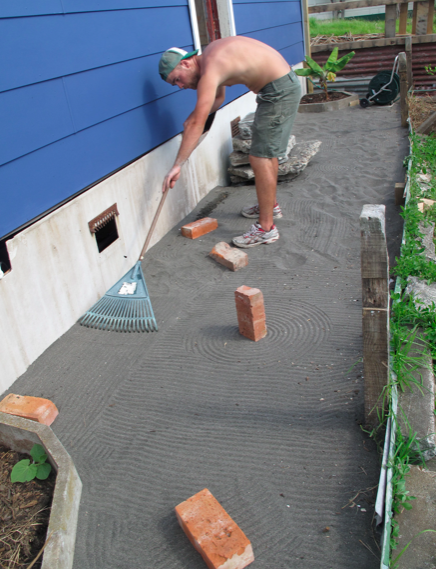
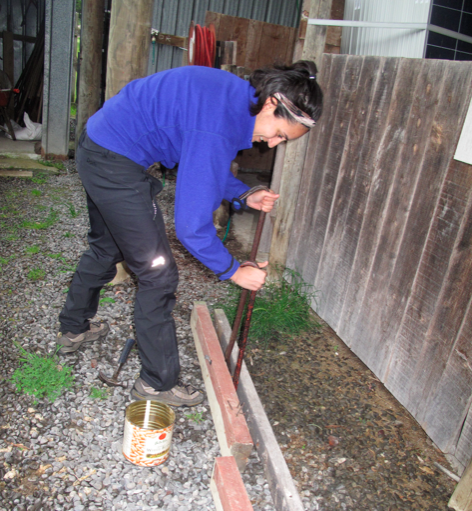
We have been blessed with amazing interns over the last five years, and now we are looking for another. Dates are roughly the end of July through September.

Screen shot 2015-07-08 at 10.34.40 AM

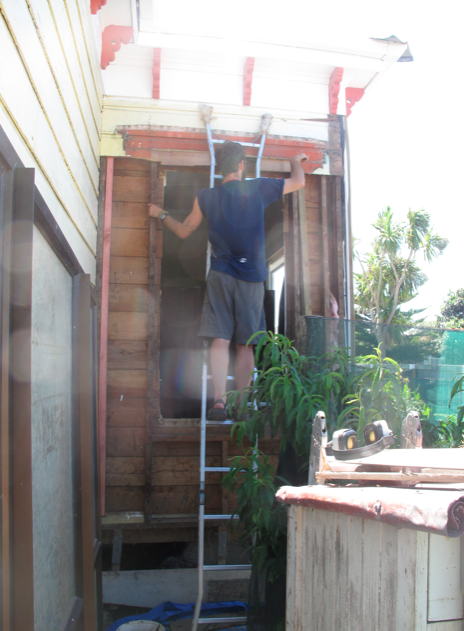
We are midway through developing a large (5 hectare) permaculture property and renovating an 80 year-old home.

Screen shot 2015-07-08 at 10.31.28 AM

Our interns have cherished their time with us and still keep in touch.

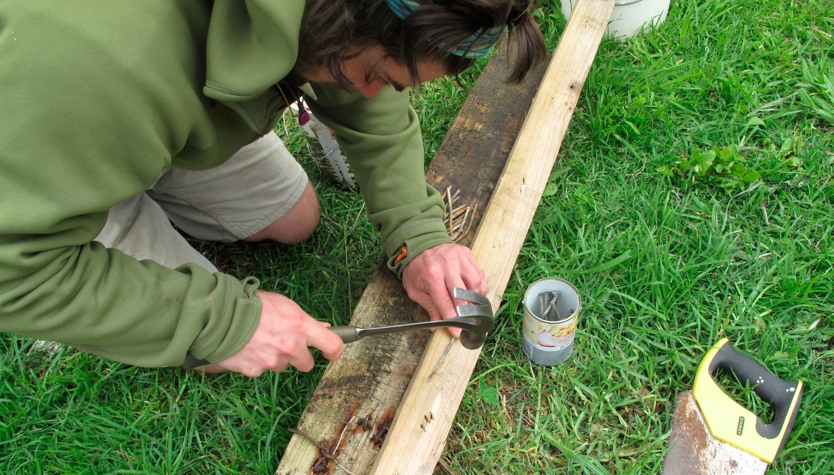
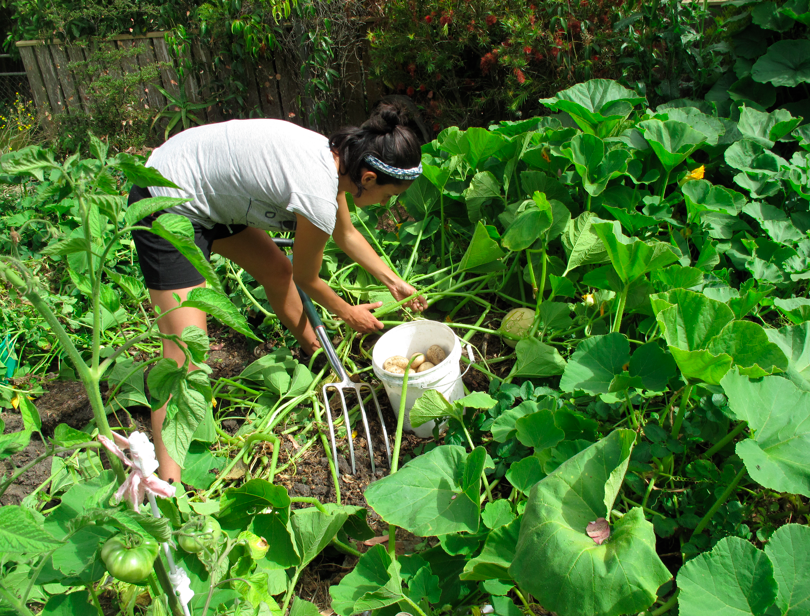
Screen shot 2015-07-08 at 10.28.11 AMWe believe in hard work…

Screen shot 2015-07-08 at 10.30.13 AM

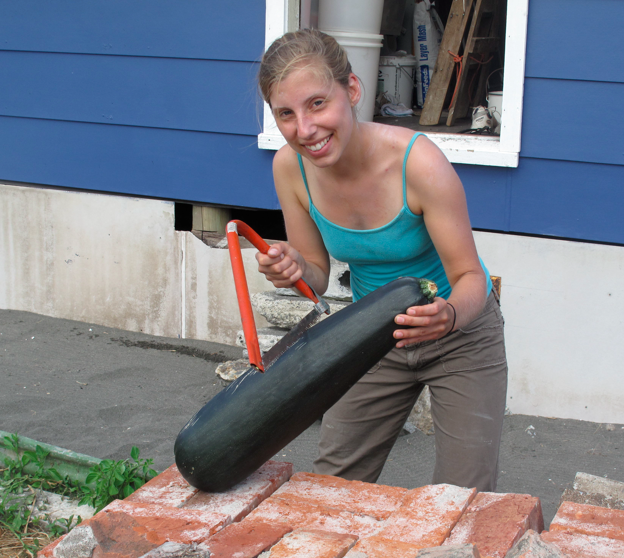
…and fun.

Screen shot 2015-07-08 at 10.28.20 AM

Our work has been featured in national and international magazines and websites.

Screen shot 2015-07-08 at 10.33.32 AM

  We seek a highly-motivated individual who is keen to learn eco-design, holistic land management, organic agriculture and horticulture, green building, community organising, farm skills, and more.

Screen shot 2015-07-08 at 10.32.36 AM  Contact us on theecoschool  –  at — gmail  dot   com

Screen shot 2015-07-08 at 10.35.55 AM

Dr. Nelson Lebo is a professional eco-design eductor. He holds a diploma in permaculture and is a recognized permaculture design educator.

Screen shot 2015-03-31 at 10.23.51 AM

Mid-Autumn Permaculture Update

Here is another update on the development of our new property. The rains have brought some beautiful mushrooms up in our new vege garden, but we don’t know what type they are. We are playing it safe.

Screen shot 2015-04-27 at 8.38.36 AM

This should give you an idea of how much rain we have had in the last month. This tub was empty on April 7th.

Screen shot 2015-04-27 at 8.39.20 AM

The pond I have been digging is filling quickly.

Screen shot 2015-05-02 at 6.08.46 PM

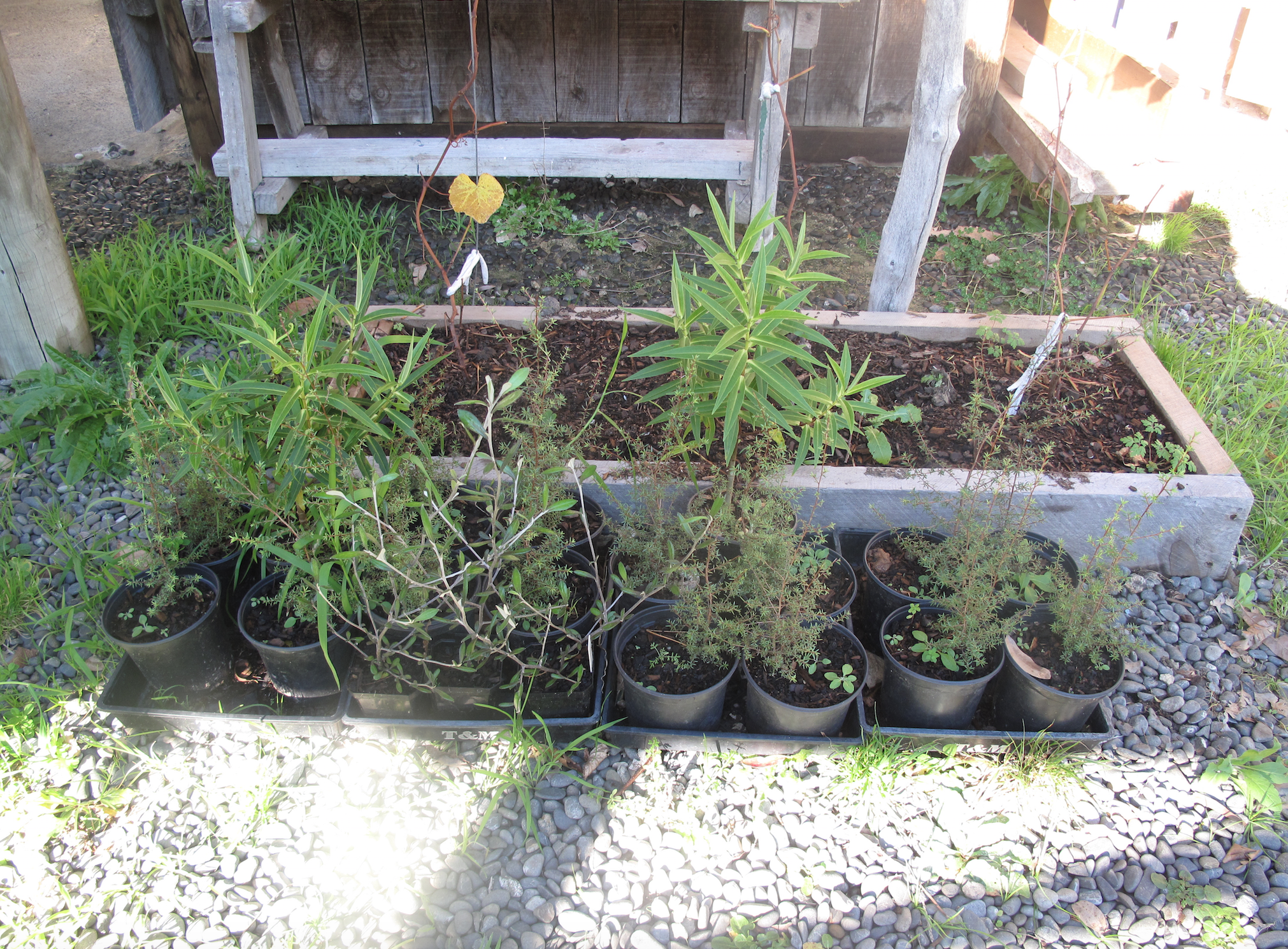
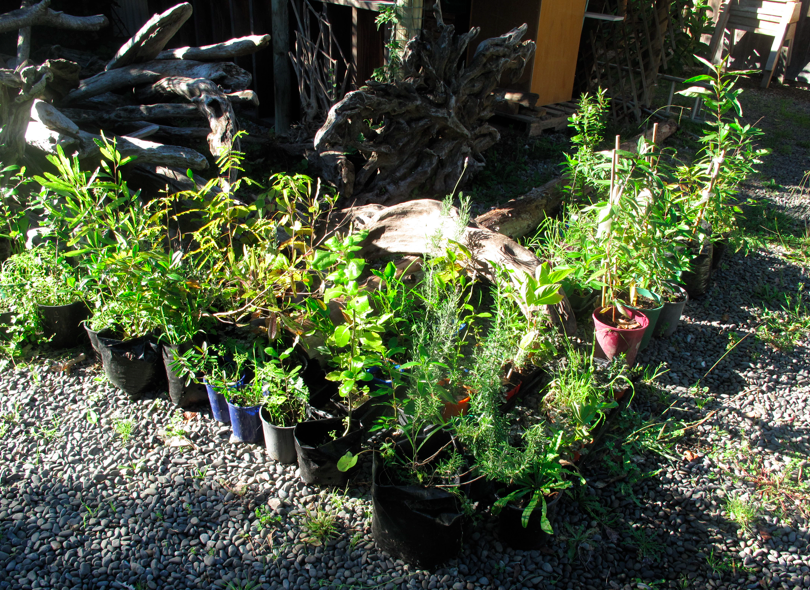
We have lots of trees ready to plant out.  This is about half of the trees we will plant this winter.

Screen shot 2015-04-27 at 8.38.46 AM

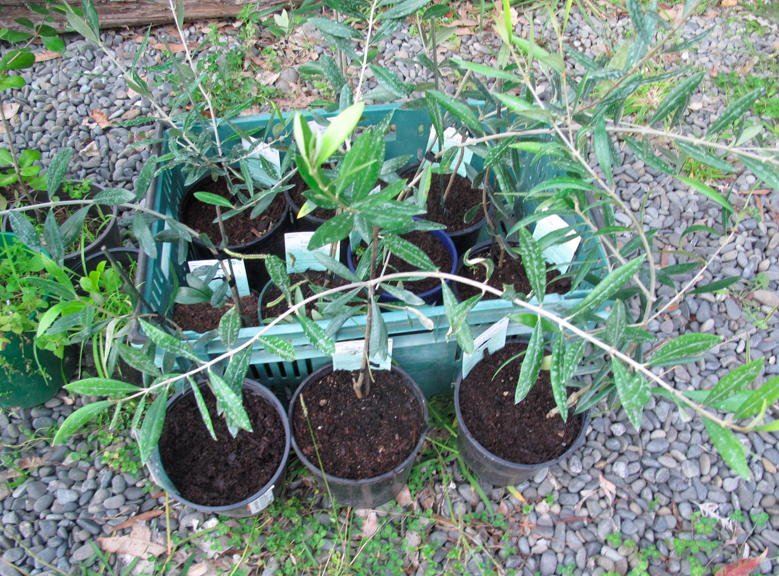
I bought 10 olive trees for $4 each. I have transplanted them into larger pots and will let them grow for another year before planting them out.

Screen shot 2015-05-02 at 6.08.10 PM

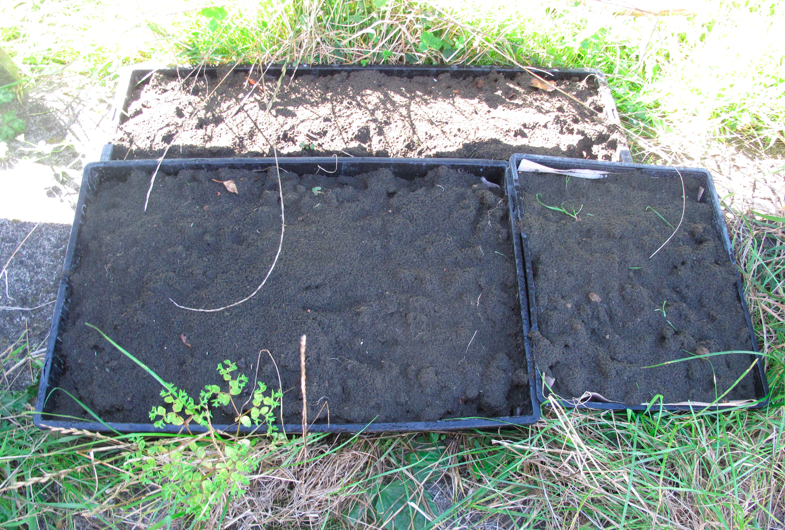
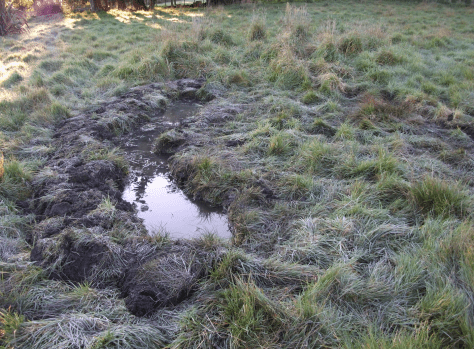
I have planted about 100 Black Boy peach stones in these sand beds. They will germinate next spring after spending the winter outdoors. Then I will prick them out and pot them up.
Screen shot 2015-04-27 at 8.38.54 AM

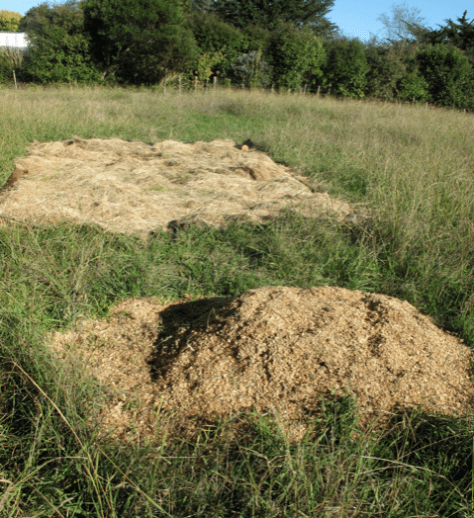
We are preparing to plant a couple thousand garlic in late June. Here is a bed being prepared by killing the grass and managing a compost pile next to it for easy access.

Screen shot 2015-04-27 at 8.39.09 AM

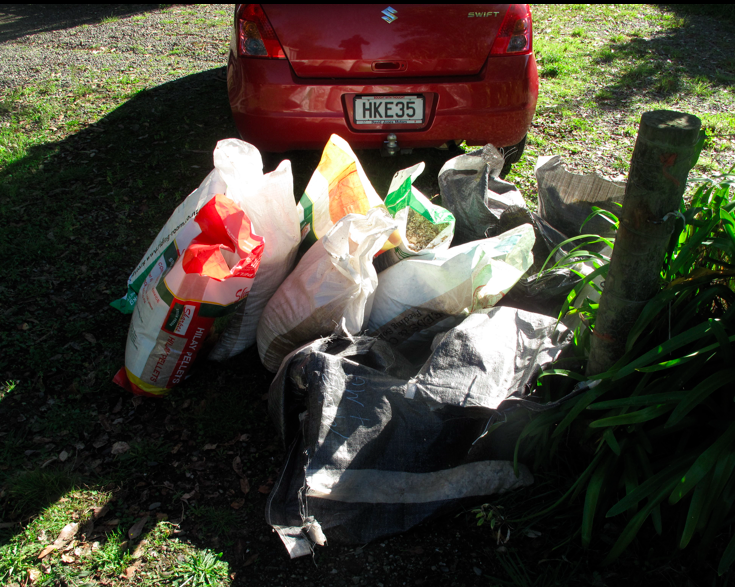
We have a great source of wood shavings from our midwife who keeps fancy chickens. I can fit about his much in the back of my Swift on the way home from work each fortnight.

Screen shot 2015-04-27 at 8.39.51 AM

Speaking of chickens, our little chicks are getting their adult plumage just in time for the cold weather.     Screen shot 2015-04-27 at 8.39.34 AM

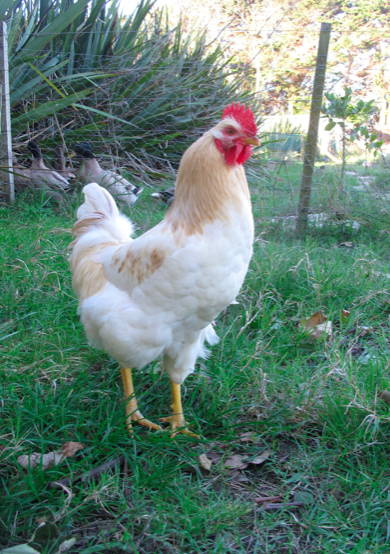
Some friends dropped this Orpington rooster by yesterday. They live in town and only discovered last week that he is a and not a she. The neighbours were not impressed.

 Screen shot 2015-05-02 at 6.07.42 PM

And speaking of midwives, we planted baby Manu’s placenta with this apple tree, which is one of the original root stocks of the Monty’s Surprise.

Screen shot 2015-04-27 at 8.39.45 AM

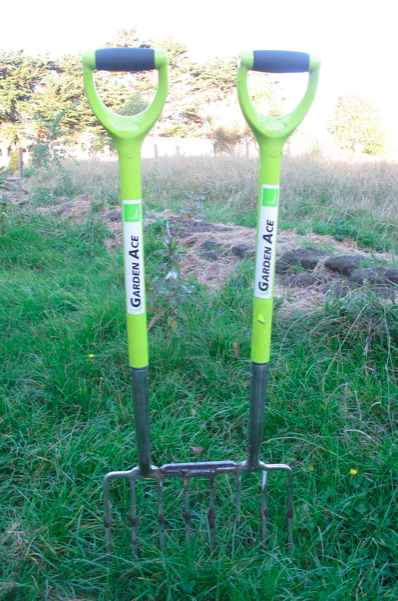
Yesterday I also got delivery of a broadfork that a friend welded for me. A broadfork is used to decompress soils. I’ll write an entire post on broadforks in the future.

Screen shot 2015-05-02 at 6.07.58 PM

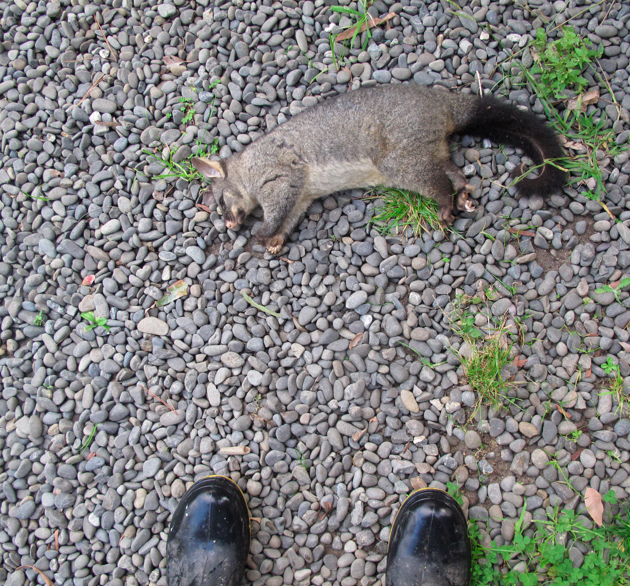
Also yesterday I found this waiting for me next to the barn first thing in the morning.

Screen shot 2015-05-02 at 6.08.24 PM

Never a dull moment on a permaculture farm.  Screen shot 2015-05-02 at 6.10.13 PM

  Peace, Estwing