Category Archives: permaculture

Permaculture Update: Part Two

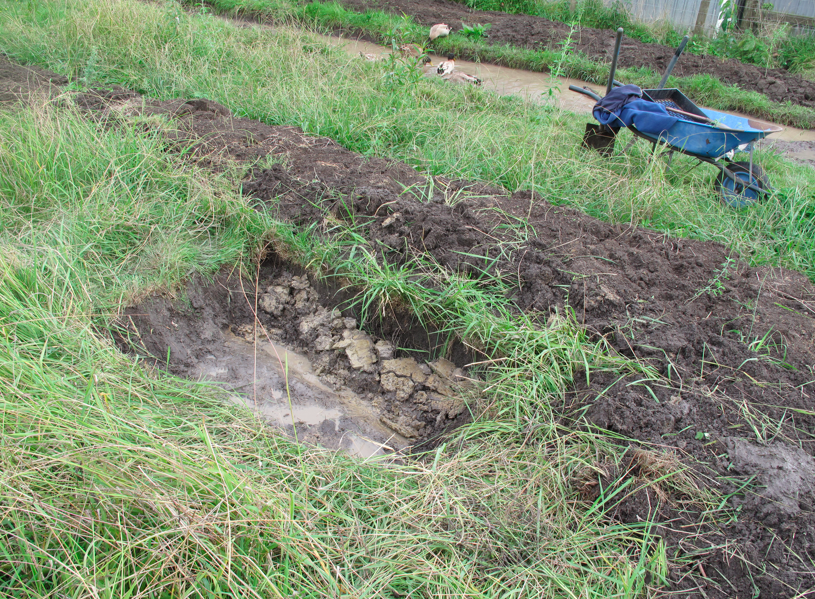
Well, it did not take long for our new “pond” to fill.

Screen shot 2015-04-13 at 11.25.57 AM

Overnight it filled with another 20-30 mm of rainfall. Now in the last 6 days we are approaching 150 mm (6 inches) of rain. Now I am thinking less about swales and more about drains. This building is at the foot of a slope and has received a lot of water in the past.

Screen shot 2015-04-13 at 11.26.07 AM

The rubble road we are building also acts as a drain for this building made of steel and wood – neither of which like water.

Screen shot 2015-04-13 at 11.26.16 AM

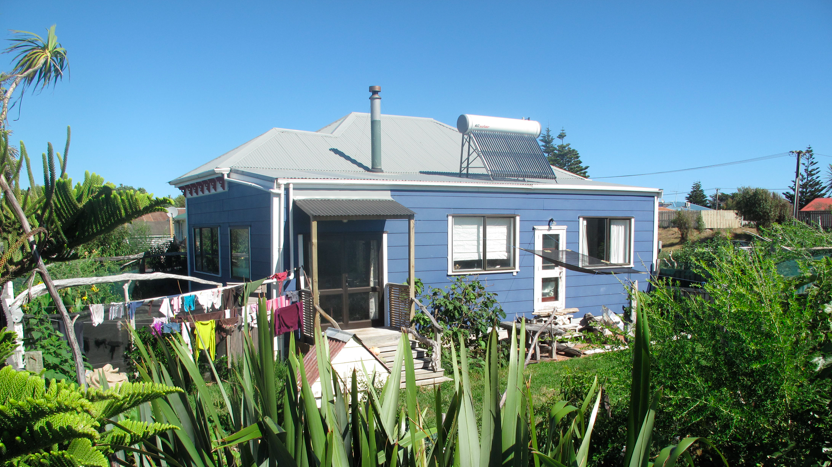
The water flows away from the shed and also away from the house, which suffers from serious drainage issues at the moment.

Screen shot 2015-04-13 at 11.26.27 AM

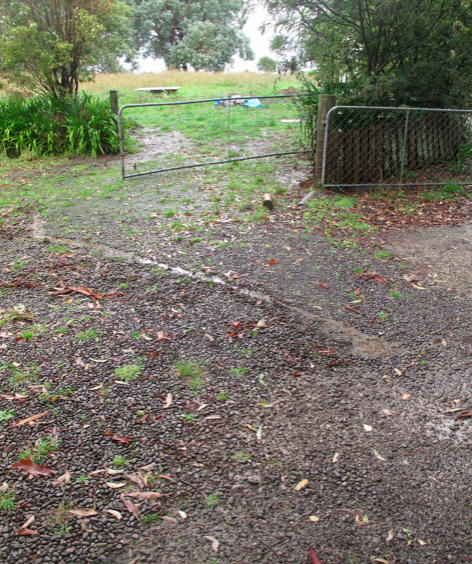
The swale has actually decreased the amount of water flowing through this gate and down the drive toward the house. That alone is a huge benefit of the swale.

Screen shot 2015-04-13 at 11.26.39 AM

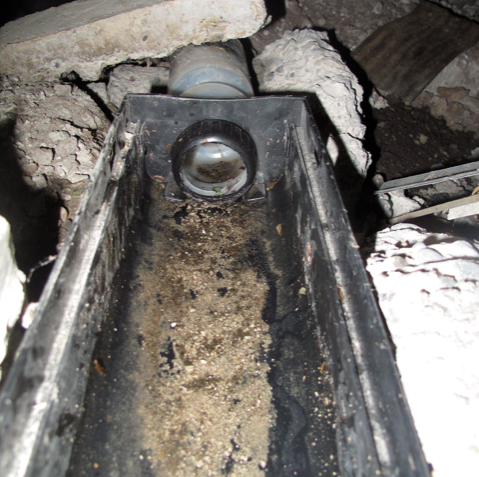
Closer to home, the drain I finished last weekend is working well. It takes the water coming down the concrete pad next to the house…

Screen shot 2015-04-13 at 11.26.48 AM

…and directs it under the house…

Screen shot 2015-04-13 at 11.26.57 AM

…through a bicycle water bottle adapter (no joke) and into novoflow flexible piping under the house and out the other side.        Screen shot 2015-04-13 at 11.27.05 AM

With water it always seems like too much or too little, and the climate scientists warn us that we’ll be getting more of both in the future. Buckle up for a bumpy ride.


Peace, Estwing

Early Autumn Permaculture Update

After an amazingly long summer it feels that autumn is finally here. I wore my winter wetsuit surfing yesterday for the first time since October. I’ve put new fire bricks in the wood burner and it looks like this will be the week to light it.

After a significant dry spell, we have had 100+ mm of rain in the last 4 days. As a result of that we have an unexpected pond on our property.

Screen shot 2015-04-12 at 10.47.16 AM

Truth be told, it is not unexpected, just not in the space planned for it.

Screen shot 2015-04-12 at 10.47.43 AM

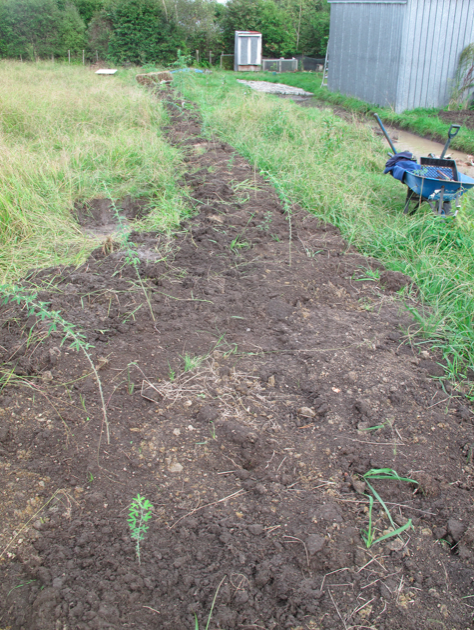
We have been building a swale in combination with a rubble road and a raised area to plant avocado trees.

Screen shot 2015-04-12 at 10.47.51 AM

But at the moment the pond is in the excavated area for the rubble road and not behind the swale.

Screen shot 2015-04-12 at 10.48.02 AM

Just for fun I started digging the pond today. Under about 250 mm of topsoil is a clay pan.

Screen shot 2015-04-12 at 10.48.11 AM

Ultimately we can line the walls of the pond with the clay so it holds water longer.

Screen shot 2015-04-12 at 10.48.20 AM

 But it’s all good. The ducks love the temporary pond, and why spoil their fun.

Screen shot 2015-04-12 at 10.48.29 AM

Peace, Estwing

Eco-Thrifty Renovation by the Numbers

     Screen shot 2015-03-31 at 10.14.34 AM

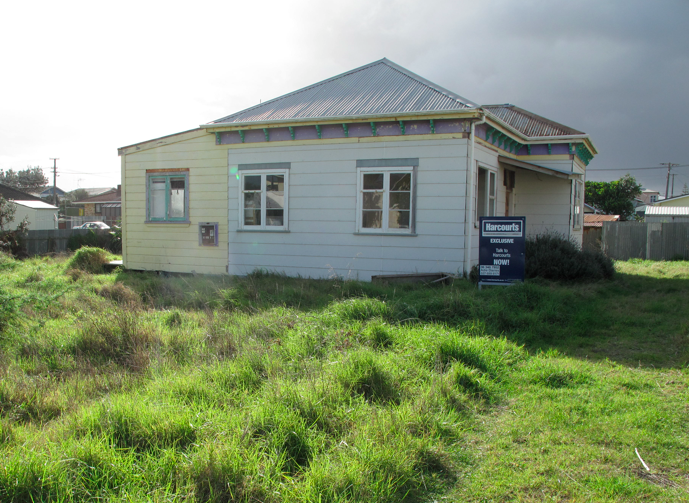
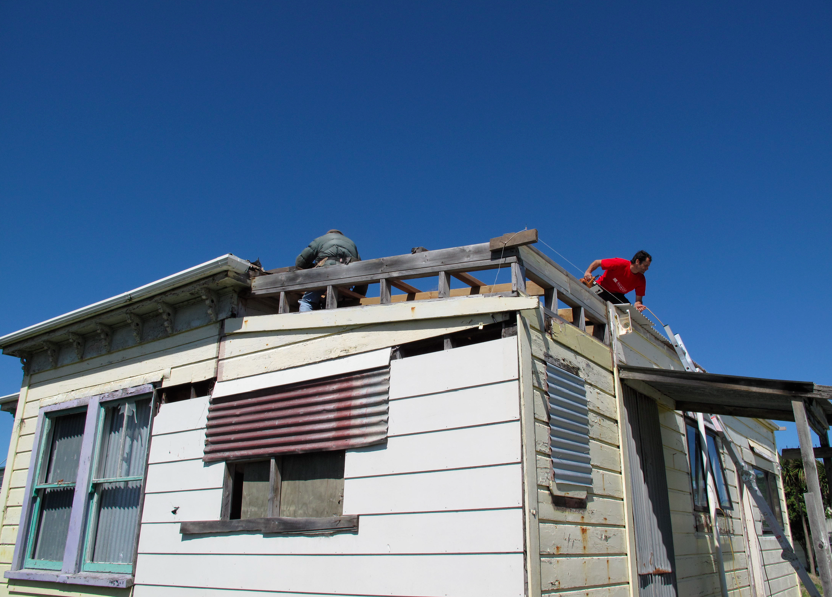
Abandoned villas: 1

Screen shot 2015-03-31 at 10.15.00 AM

Smashed windows: 13

Screen shot 2015-03-31 at 10.15.14 AM

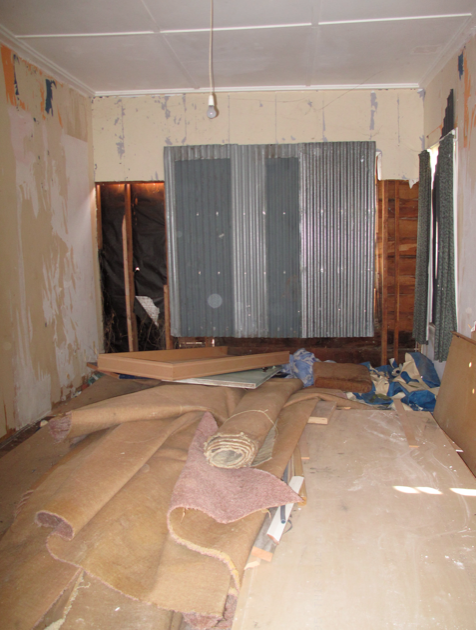
Functioning power points: 1

Functioning toilets: 0

Screen shot 2015-03-31 at 10.15.58 AM

Holes in the roof: 1001

Villa size: 110 M2

Property size: 700 M2

Proximity to surf beach: 300 meters

Purchase price: $65,000

Renovation costs: $65,000

Total investment: $130,000

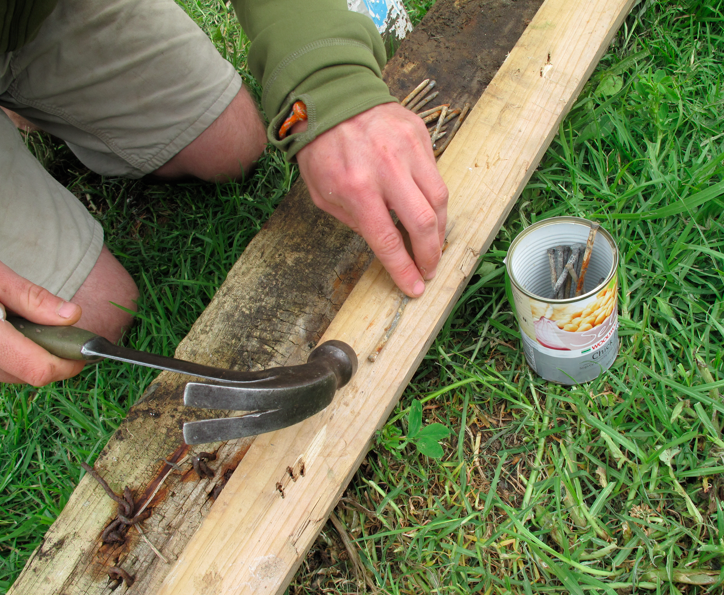
Straightened nails: Countless

Screen shot 2015-03-31 at 10.19.53 AM

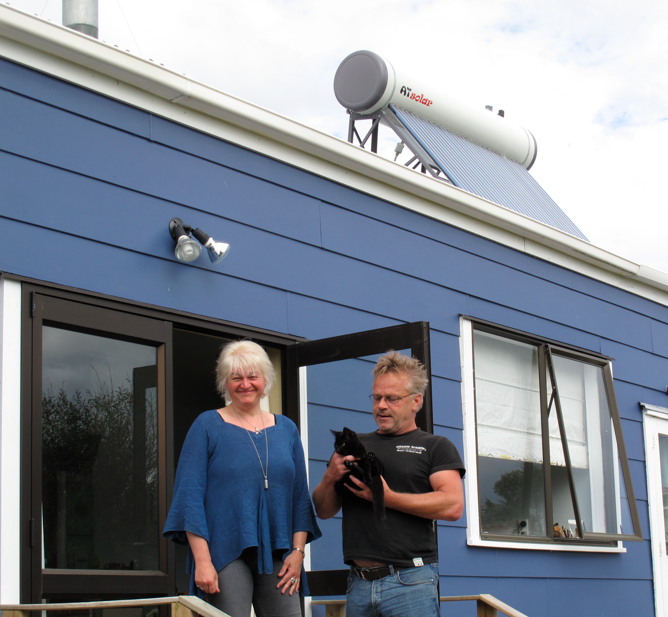
Celebrity guests: 2

Screen shot 2015-03-31 at 10.24.27 AM

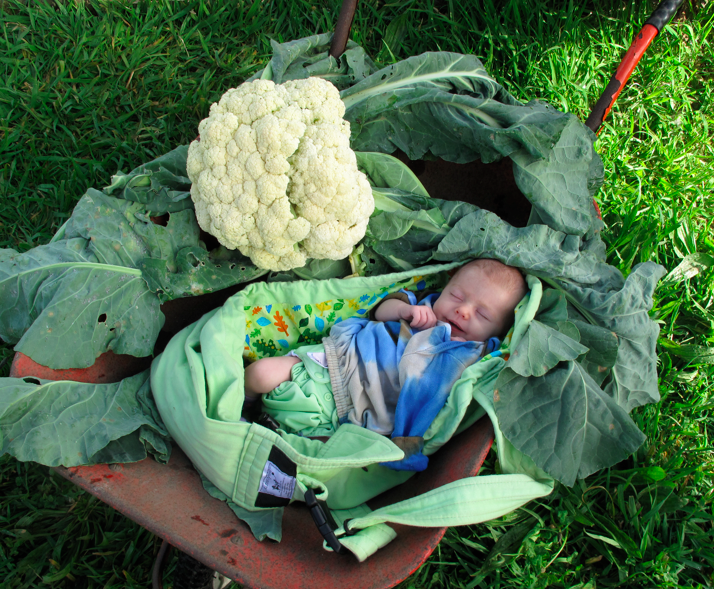
Homebirths: 1

Screen shot 2015-03-31 at 10.30.14 AM

Earth Care

Monthly power usage: 60 kWh

Average NZ home power usage: 660 kWh

Savings per month: 600 kWh

Savings over 4 years: 28,800 kWh

Ceiling insulation: R 5.0  (NZBC minimum: R 2.9)

Cubic meters of compost: 14

Screen shot 2015-03-31 at 10.17.48 AM

Fruit trees: 46

Screen shot 2015-03-31 at 10.33.14 AM

Vege gardens: 50 M2

Screen shot 2015-03-31 at 10.21.45 AM

Chooks: 4

Ducks: 3

Lawn mowers: 0

 Screen shot 2015-03-31 at 10.23.05 AM

People Care

Interns: 6

Screen shot 2015-03-31 at 10.17.01 AM

Free & gold coin community events: 73

Open homes: 4

Property tours: 7

Screen shot 2015-03-31 at 10.15.42 AM

Presentations: 38

Workshops: 16

School groups: 9

Screen shot 2015-03-31 at 10.26.55 AM

Spin-off projects: 6

Project HEAT

Screen shot 2015-03-31 at 11.20.39 AM

The Little House that Could

Screen shot 2015-03-31 at 11.21.13 AM

Kaitiakitanga Community Garden

Screen shot 2015-03-31 at 10.32.00 AM

Eco-Thrifty Renovation, Wanganui Chronicle

Adult Eco-Literacy Week

Whanganui Permaculture Weekend


Fair Share

 Blog posts: 668

Newspaper columns: 176

Screen shot 2015-03-31 at 10.32.30 AM

Free healthy home consultations: 103

Partnerships with other groups: 20+

Volunteer hours: 1,000+

Pirated photos (from us): Countless

Screen shot 2015-03-31 at 10.37.28 AM

Screen shot 2015-03-31 at 10.34.43 AM

 Screen shot 2015-03-31 at 10.38.59 AM

Permaculture Internship

We are offering an internship for the next two months for a very motivated individual interested in learning aspects of permaculture design and land management, organic horticulture and agriculture, animal husbandry, and eco-renovation. The internship is free with accommodation and meals included, but we expect a lot of work in return: some stimulating and some mundane. All serious inquiries should be directed to me. Feel free to pass this along to interested parties. 

Over the last four years we have developed a premier example of a suburban permaculture property. We are now in the process of doing the same on a 5 hectare farm. Below are some examples of projects we have going.

Here is a hugelkultur swale we have been building.

Screen shot 2015-01-14 at 7.19.14 AM Screen shot 2015-01-14 at 7.19.37 AM

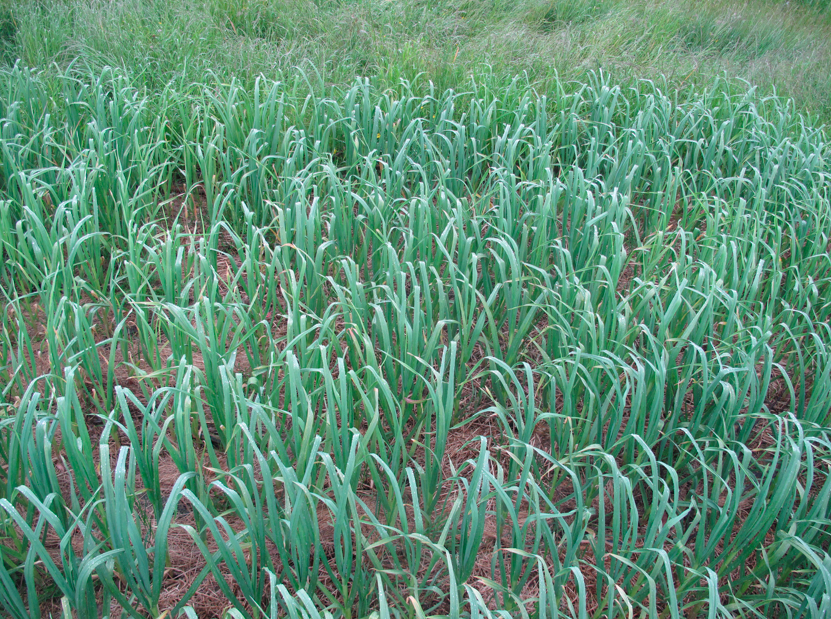
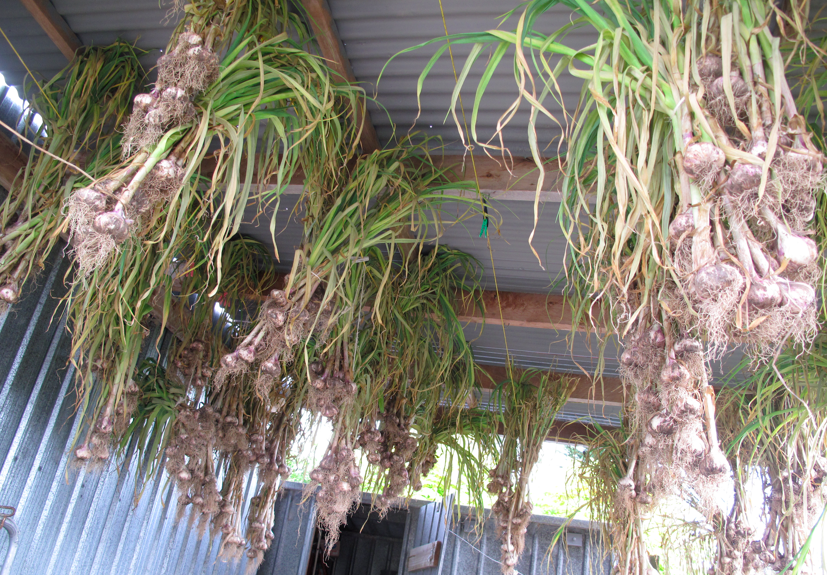
Here is a small commercial garlic crop.

Screen shot 2015-01-14 at 7.20.44 AM

Hanging to dry. Screen shot 2015-01-14 at 7.22.27 AM

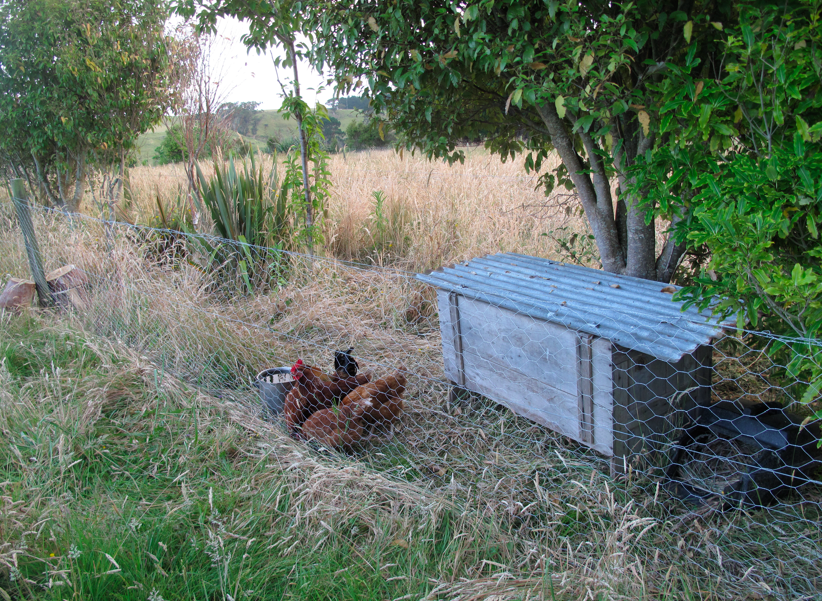
 This is an example of alley cropping with chooks. Screen shot 2015-01-14 at 7.23.20 AM

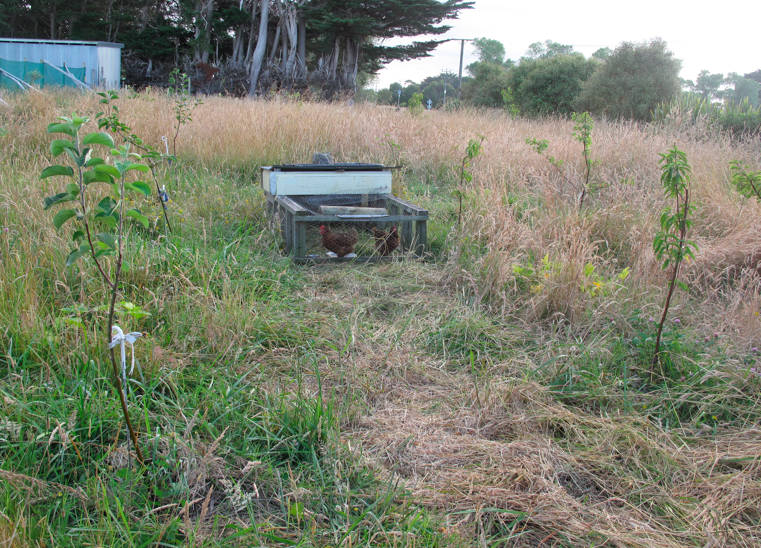
Here we are tractoring chooks through a young food forest.

Screen shot 2015-01-14 at 7.23.39 AM

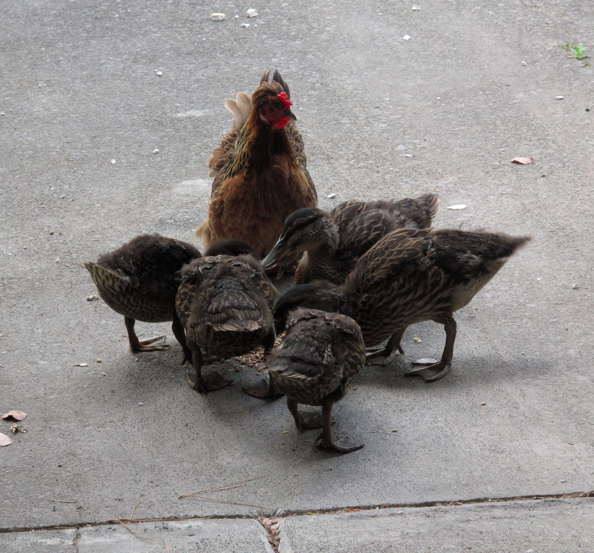
This little chook is raising these 5 orphaned ducklings.

Screen shot 2015-01-14 at 7.24.29 AM

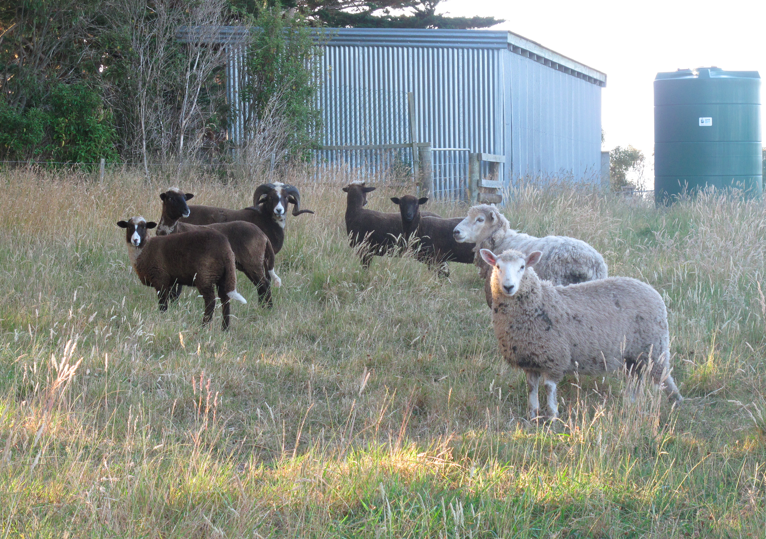
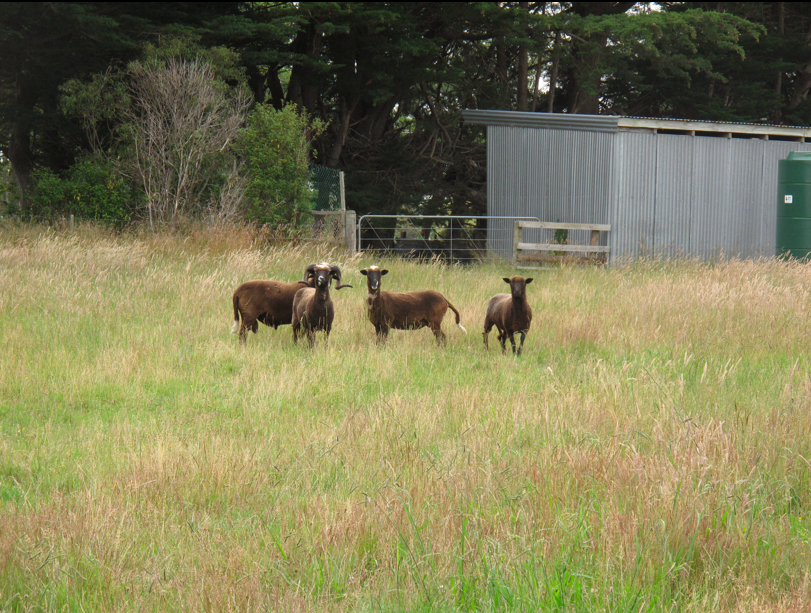
Minor breed sheep and water harvesting.

Screen shot 2015-01-14 at 7.24.17 AM

Screen shot 2015-01-14 at 7.23.07 AM

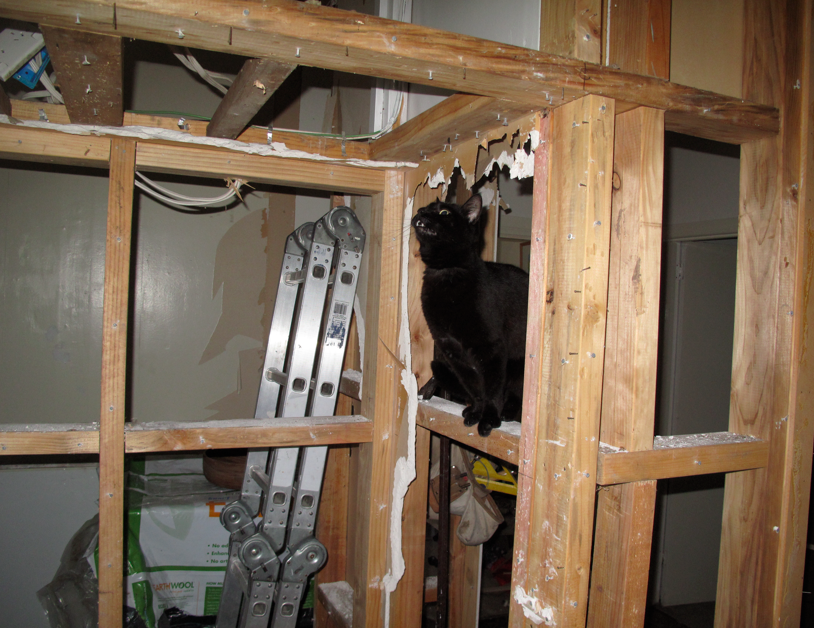
We are renovating the kitchen.

Screen shot 2015-01-14 at 7.22.10 AM

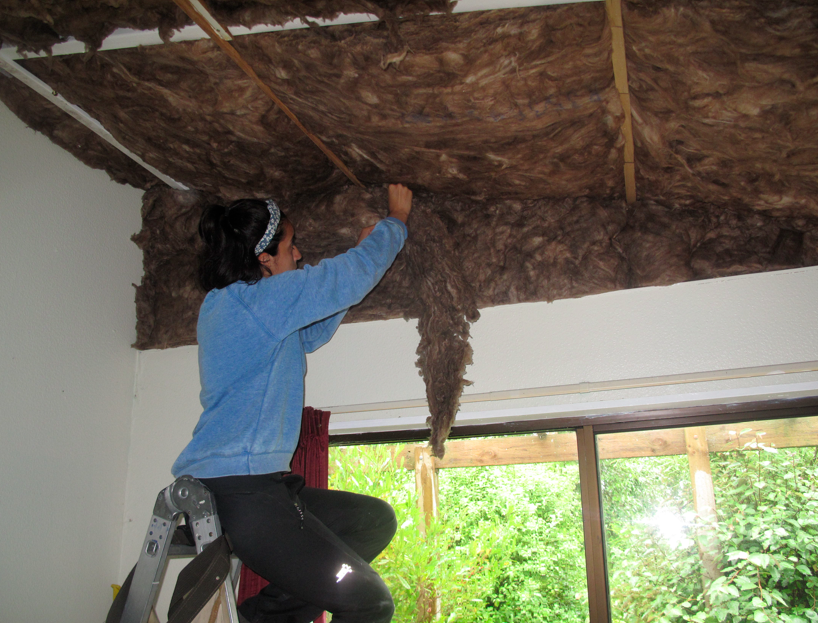
And always adding insulation.

Screen shot 2015-01-14 at 7.20.19 AM

Peace, Estwing

Early Summer Permaculture Update

This is the difference between climate and weather: while 2014 is on track to be the warmest year on record globally, we have had a long, cool, windy winter/spring here in the lower north island. The winds have been nearly relentless for the last 3 months, but the hours of daylight have increased on schedule. I’m getting up 5:00 or 5:30 am everyday now.

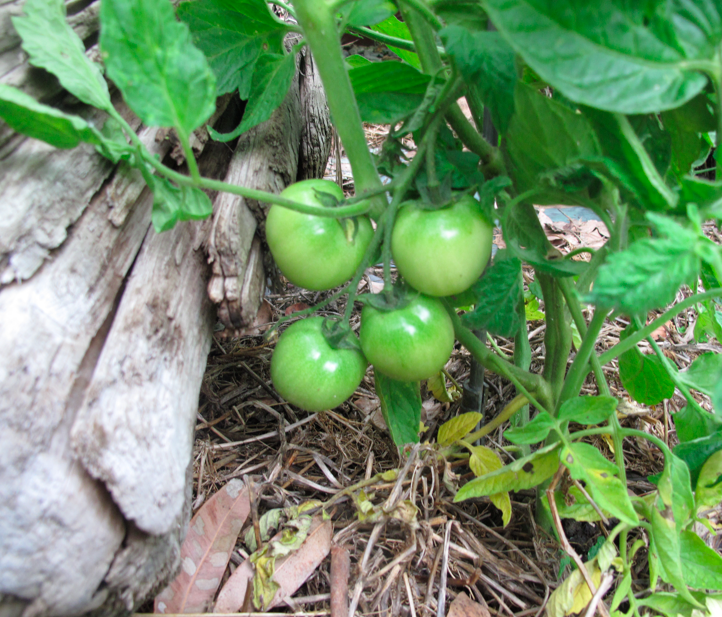
The biggest indicator of the cool weather is that our tomatoes are behind schedule.  Screen shot 2014-12-17 at 7.35.26 AM

Last year we had ripe tomatoes on the 13th of December. Two years ago it was the 20th. This year we might get them by Christmas. But it looks like we will definitely have courgettes by the weekend.

Screen shot 2014-12-17 at 7.35.15 AM

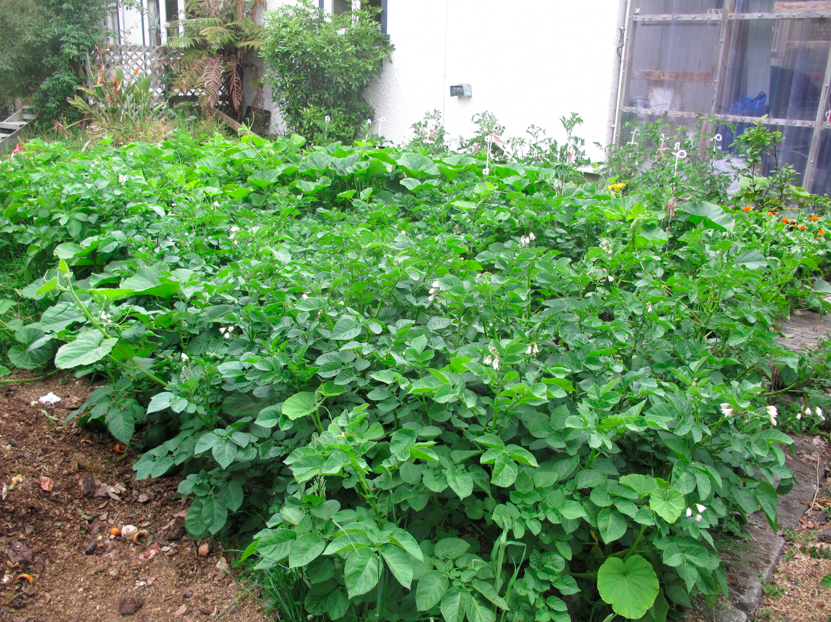
We will certainly have potatoes for Christmas.

Screen shot 2014-12-17 at 7.37.07 AM

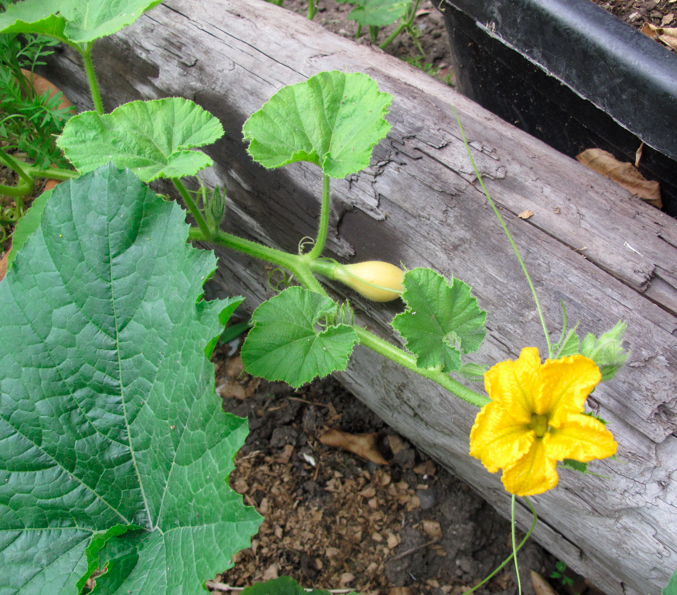
Long term, we have pumpkins forming on the vine.

Screen shot 2014-12-17 at 7.35.34 AM

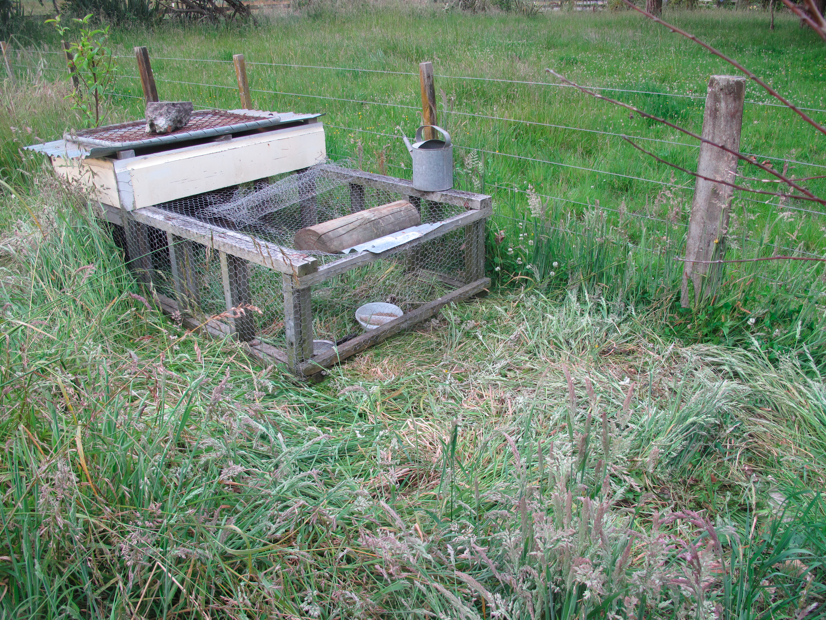
We finally got the chook tractor into the fledgling food forest.

Screen shot 2014-12-17 at 7.36.52 AM

Those birds have a big job to do.

Screen shot 2014-12-17 at 7.36.08 AM

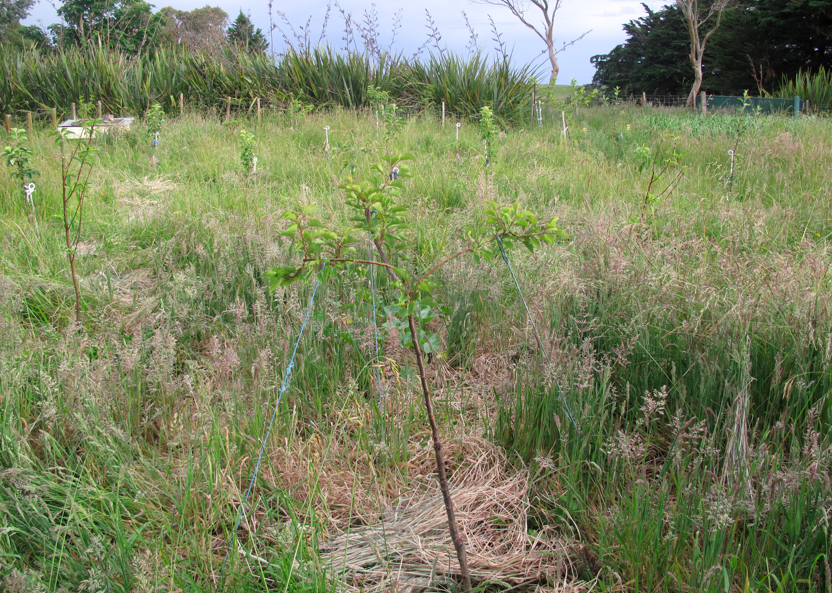
This apple has been transplanted from our last property.

Screen shot 2014-12-17 at 7.36.39 AM

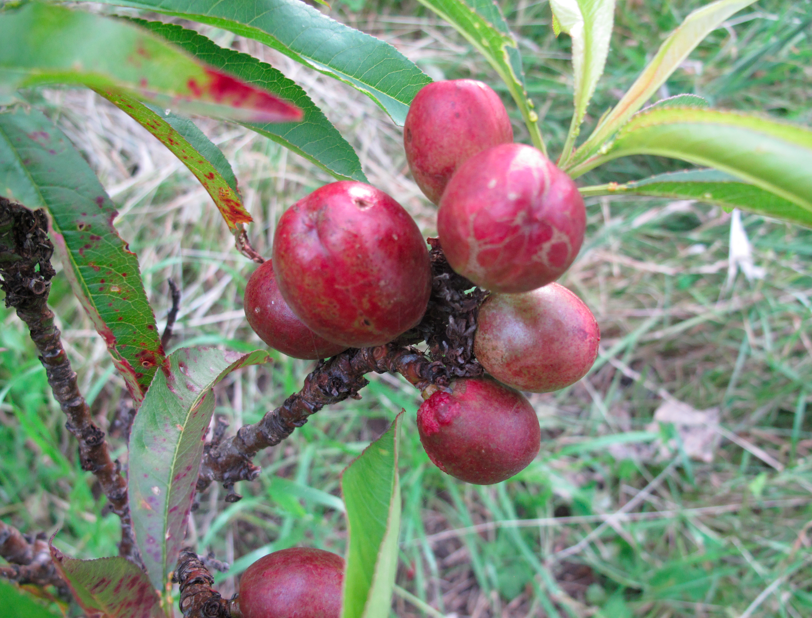
We also transplanted this dwarf nectarine. I thinned the fruit so we’re hoping to get a few good sized ones in the new year.

Screen shot 2014-12-17 at 7.36.27 AM

Peace, Estwing

Four-Dimensional Eco-Design

“If you want to build a better future, you must believe in secrets.”

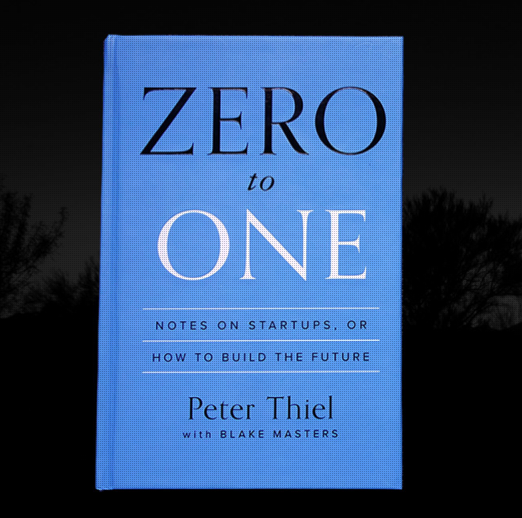
This is the provocative sentence that greeted me when I clicked on the Amazon.com page for Peter Thiel’s book, Zero to One: Notes on Startups or How to Build the Future. Written with Blake Masters, it has been favourably reviewed by a number of sources and made its way to The New York Times Best Sellers List.

Screen shot 2014-12-06 at 7.09.10 AM

I first became aware of the book a couple of months ago while listening to a radio interview. The phrase that caught my attention at the time was, “How do you develop the developed world?” In my opinion, eco-design is key to answering this question.

Eco-design has secrets that must be believed. It is inherently holistic, dynamic and future-focused. One of the things I love about eco-design is that it evolves alongside changing conditions rather than remaining static. I refer to this as four-dimensional design as mentioned in last week’s column about food forests.

Time – the fourth dimension – is an integral part of eco-design in two primary ways: 1) repeating cycles such as day and night, or the changing of seasons; 2) progressive change over time such as ecological succession.

In either case, eco-design is dynamic enough to adapt to the conditions whatever they may be. From this perspective I would suggest that eco-design inspires a level of confidence in that it involves feedback loops and is always open to adjustments. This quote from Martin Luther King Jr. sums it up:

“Faith is taking the first step even though you don’t see the whole staircase.”

I have faith in eco-design.


OK, enough with the flowery language. Let’s get to some examples.

Screen shot 2014-12-06 at 6.47.00 AM

Passive solar design makes homes warmer in winter and cooler in summer while cutting operating costs. The main factor in this win-win-win system is seasonal sun angles. A passive solar home is designed to welcome low angle winter sun while excluding high angle summer sun – all with no moving parts. The structure itself is built for seasonal change and day-night cycles.

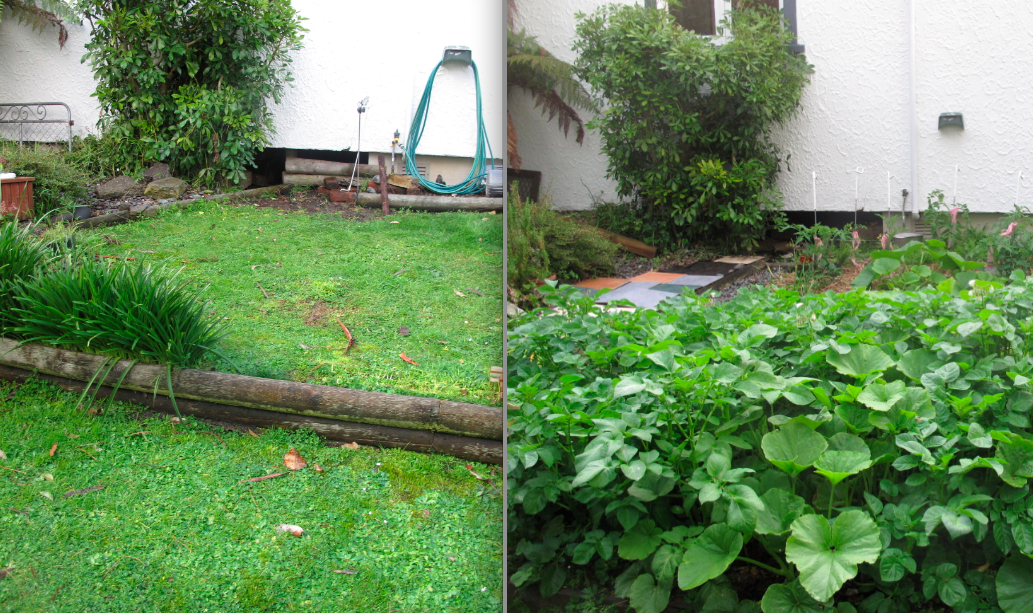
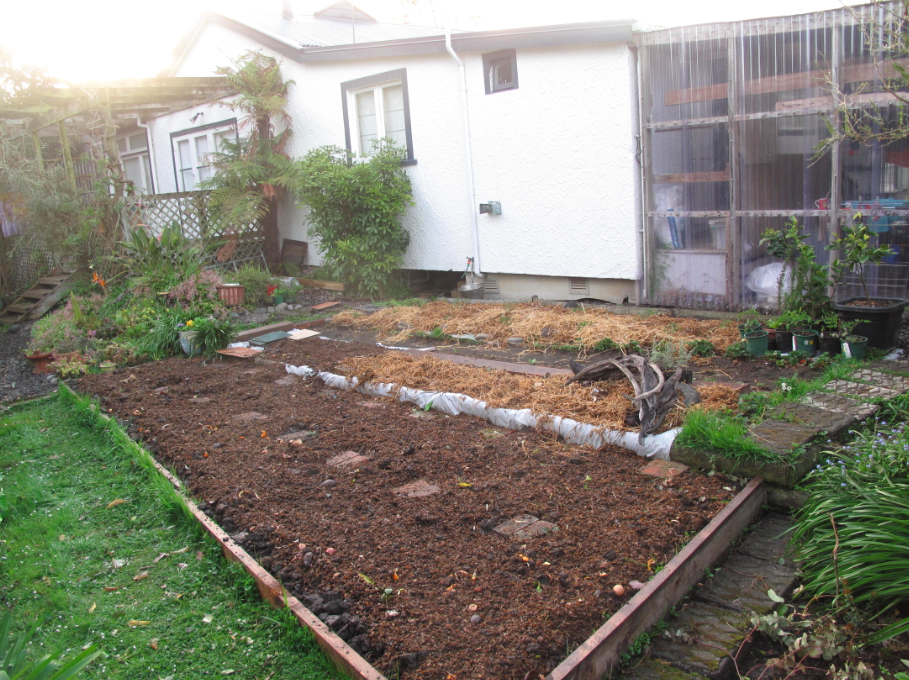
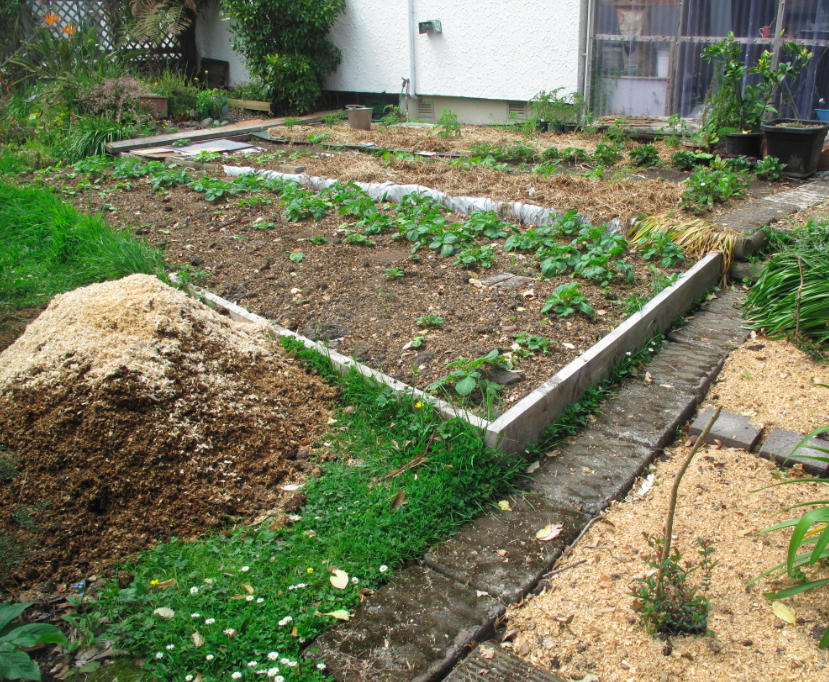
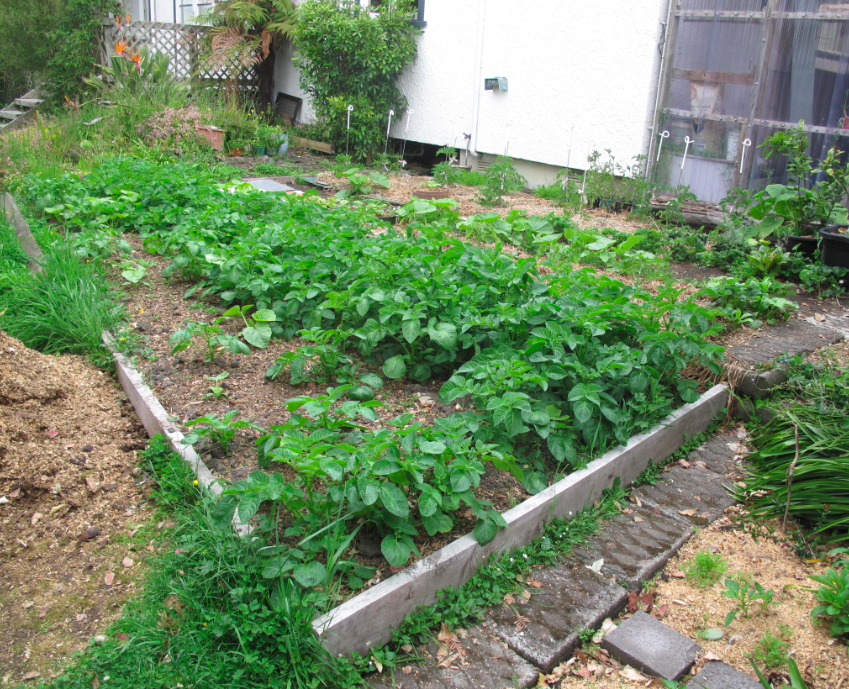
Another example of four-dimensional design is the lazy conversion of lawn into vege garden.

Screen shot 2014-12-06 at 7.03.37 AM

By taking it step-wise over time, the total amount of physical labour is minimized by letting nature do most of the “heavy lifting” although in this case it’s digging/tilling.

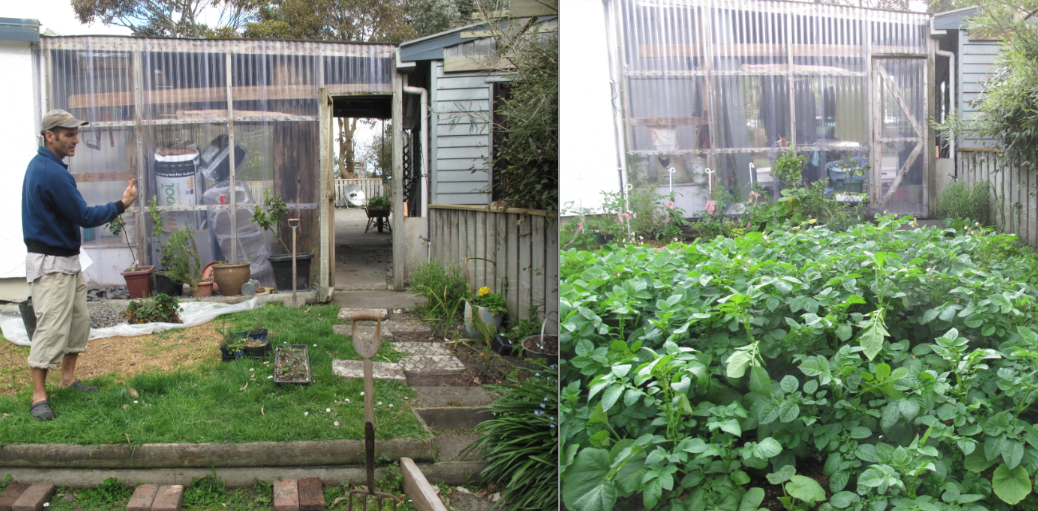
With heavy, compacted soils like we have on our property, a good way to decompress the earth is to plant potatoes. At the same time, adding organic matter helps to lighten clay soils by increasing biological activity. As the potatoes grow taller, we mulch them with more organic matter, which gives us a larger harvest of spuds while contributing even more organic matter to the new garden bed.

Screen shot 2014-12-06 at 6.51.14 AM

Preparing the beds.

Screen shot 2014-12-06 at 6.51.33 AM

Sprouting spuds.

Screen shot 2014-12-06 at 6.51.43 AM

Garden taking shape.

Another aspect of holistic eco-design comes into play when assessing a potential garden area for low-maintenance and high-productivity. The design of our new kitchen garden concentrates fertility where we want food to grow (the beds) while removing it from where we do not want weeds to grow (the paths).

Screen shot 2014-12-06 at 6.50.55 AM

One final note of four-dimensional design: Three weeks ago I mentioned a project being undertaken by my friend in Ladakh, India, called the Ice Stupa Project.

It was my intention to share this amazing project with the Whanganui community by giving a short presentation. That does not look like it is going to happen, but I urge you to check out the Ice Stupa Project on the internet and to watch the inspiring short film on Youtube, “The Monk, The Engineer, and the Artificial Glacier.” Screen shot 2014-12-06 at 7.14.28 AM

This project represents a gold standard of eco-design and could be the most inspiring thing you see all year. The crowd-funding page for this project on Indiegogo.com is called, “Ice Stupa Artificial Glaciers of Ladakh.”


Peace, Estwing


A Permaculture Food Forest in Three Years

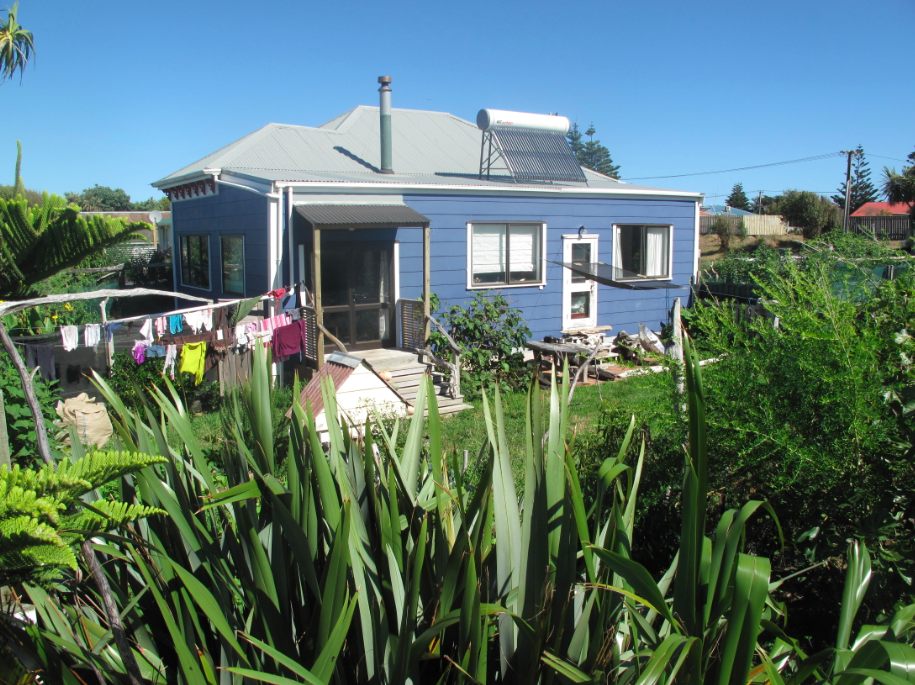
While much of our eco-thrifty renovation involved converting an old villa into an energy efficient eco-home, we also put considerable effort into turning a rubbish tip into a Garden of Eden. Much of the latter work was guided by permaculture design.

The most visible difference between permaculture and what otherwise might just be called organic gardening is the presence of a “food forest.” The word permaculture was formed in the 1970s from a contraction of the words permanent and agriculture. The choice of these words represents the emphasis on perennial crops over annuals – in other words fruit trees over vege plants.

Screen shot 2014-11-28 at 10.30.28 AM

  Before

Screen shot 2014-11-28 at 10.30.40 AM

After

This is not to say that permaculture excludes growing annual veges like tomatoes, potatoes and pumpkins, it just tips the scales toward apples, peaches and feijoas. Among the reasons for this emphasis is that perennial crops require less tilling than annuals. Tilling disrupts natural soil ecosystems, can cause erosion, and requires lots of energy.

A food forest differs from an orchard in a couple of ways. First, it consists of a wide range of species and even a number of varieties within each species. For example, we have planted a food forest with apples, apricots, peaches, plums, feijoas, guavas, pears, figs, paw paws, olives, and nectarines. Among the apples, we have over a dozen varieties.

Second, permaculturists tend to choose cultivars that are resistant to diseases, making them easier to manage organically. For example, Black Boy peach trees tend to be more resistant to curly leaf than other varieties.

Alongside disease-resistance, another characteristic that might be selected for is storage life. I remember 15 years ago when I was buying my first apple trees I selected varieties that were both “good keepers” and blight resistant. With a cool cellar underneath my home (in the U.S.) the apples would remain fresh for many months with no specialized cooling equipment. Screen shot 2014-11-28 at 10.30.51 AM
Before

Screen shot 2014-11-28 at 10.31.02 AM

After

Another characteristic of food forests is the presence of “nurse trees.” A nurse tree is one that provides services that help the fruit trees establish themselves and thrive. As the fruit trees grow up the nurse trees are pruned away.

Tagasaste (tree lucerne) is a common nurse tree. On our Castlecliff property we have used it extensively to nurture the fruit trees. Tagasaste is a preferred nurse tree for many reasons: it is fast growing – reaching a height of 2.5 metres in 18 months; it fixes nitrogen in the soil; it is relatively wind-tolerant and drought-tolerant; it’s foliage is good stock fodder; it’s flowers attract beneficial insects; it is a great chop-and-drop mulch for fruit trees; when it is no longer needed it can be cut down and burned as firewood.

Tagasaste is also a good companion for native saplings. For example, I inter-planted it with hebes and was amazed at how well the two grew together. At Te Kura Kaupapa Maori O Tupoho I inter-planted tagaste with wind-hardy corokia and grisselinia around the outdoor play space for the kohanga. In the short term the tagasaste will protect the tamariki from wind and sun, but in the long term those roles will be filled by the slower growing natives.

Screen shot 2014-11-28 at 10.31.15 AM

Before

Screen shot 2014-11-28 at 10.31.32 AM

After

Along the same lines, in our food forest the fast-growing tagasaste provides much needed wind protection for the fruit trees until the natives take over that role. I often refer to this type of planning as four-dimensional design because it involves a distinct time element.

Another example of four-dimensional design in a food forest is integrating fowl such as chooks and ducks. We have successfully rotated our “ladies” through the whole of our Castlecliff property for pest control, ‘weed-eating’, and building soil fertility.

Next weekend we will be installing a food forest in Gonville, and thought it would be a great chance to offer a very hands-on workshop. See sidebar for details.

Peace, Estwing


Sidebar:

Food Forest Design and Installation

Sunday, 7th December, 3-5 pm.

Designing a food forest for wind, sun and water using fruit trees, natives and tagasaste.

Space is limited. Registration essential.

theecoschool@gmail.com, 06 344 5013
 

Keep Calm and Think Different, Part 6 – “Thinking Like a Swale”

Screen shot 2014-11-07 at 6.53.45 AM

Last month I was invited to give a lecture on eco-design at a tertiary institution. As part of the lecture I provided background on why we should even bother to put the eco into design. Among the reasons was to build resilience to the predicted and observed effects of climate change: including increasingly severe weather events.

During the question and answer time a young woman tried to start a debate on climate change rather than ask questions about eco-design. Even before she said that her parents were farmers I could tell because she was parroting the same statements I’ve heard from farmers many times.

I steered the conversation back to eco-design and how a growing number of farmers are using it to their advantage to build resilience to drought and protect themselves financially. There are two primary examples of how this is done: 1) protecting waterways with fencing and plantings of trees and/or shrubs; 2) constructing swales.

 Screen shot 2014-11-07 at 7.15.56 AM

Bill Mollison’s quintessential swale. 

The young woman challenged these suggestions: “My parents can’t afford to do that.”

“Your parents can’t afford not to,” I replied.

Ask a farmer in California how expensive the current drought is for them.

Predicted and observed impacts of climate change include more frequent and severe droughts as well as more frequent and severe floods. On my farm I am preparing for both and would suspect any prudent, conservative farmer (like me) would do the same.

Screen shot 2014-11-07 at 6.53.21 AM

Small-scale swale. 

A recent announcement by the UN climate science panel revealed that there are three areas where extreme weather will have the greatest effects, two of which are particularly pertinent to NZ: farming regions and coastal areas.

Here is a good time to pause and remind readers that I do not beat the drum for carbon reductions or engage in campaigns against cow farts. I am happy for others to do those things. In life we choose our battles and my battle is to try to convince as many people as possible that eco-design is smart design and anything else is wasteful and ignorant.

In recognition of River Week I’d like to focus the rest of this column on ecological water management and specifically what I call “Thinking like a swale.” A swale is an earthen berm that runs perpendicular to slope. It is perfectly level and therefore does not drain like a ditch.

Screen shot 2014-11-07 at 6.53.30 AM

Garden built as a series of swales. 

A swale catches water in times of abundance and stores it in the earth. Instead of running off a property during heavy rains and adding to flooding, the water is held on the property in a giant underground ‘water tank.’ This stored water can be called upon in times of drought either from springs that form lower on the property or by the deep roots of certain trees whose foliage can be fed to stock.

In these ways a swale works like a bank account. Deposits are made in times of abundance and withdrawals are made in times of scarcity.

But “thinking like a swale” is not limited to water management. This type thinking relates directly to passive solar design: excess sunlight energy is collected and stored during the day in thermal mass and released at night as the indoor temperature drops.

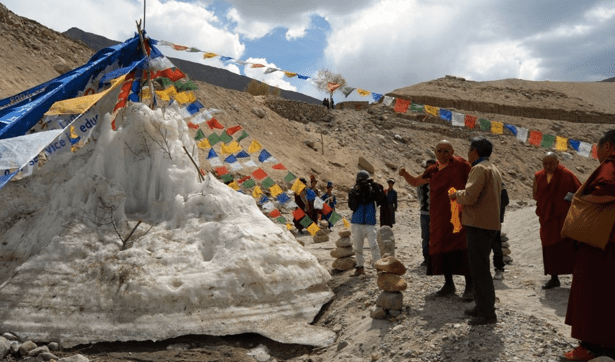
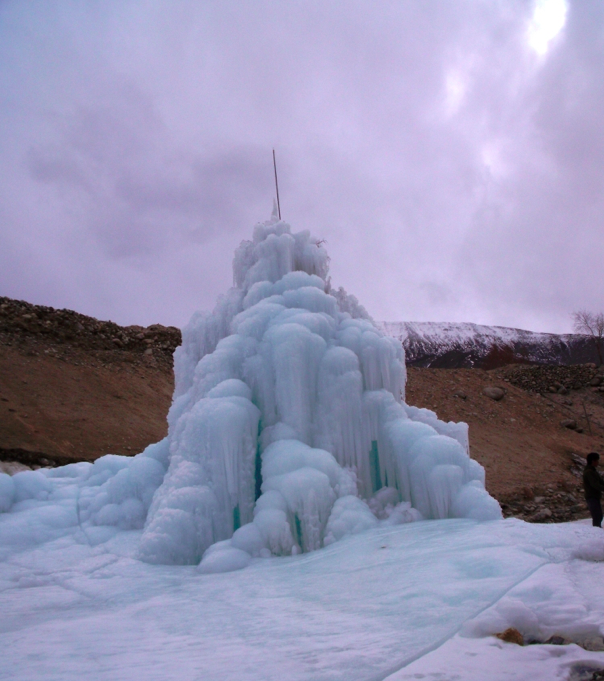
What is easily the coolest example of thinking like a swale that I have come across recently is a project undertaken by my friend Sonam Wangchuk, an eco-design engineer and education reformer in Ladakh, India. As a way to develop resilience to the effects of climate change and protect the people of Ladakh, Wangchuk has used eco-design thinking and natural energy flows to develop a working model of a seasonal artificial glacier.

Screen shot 2014-11-07 at 7.03.30 AM

Prototype Ice Stupa

The ingenious artificial glacier, nicknamed the “Ice Stupa,” takes excess winter stream water and freezes it into a giant mound using gravity and the natural sub-zero temperatures of the Trans-Himalaya. In springtime when water is most needed by farmers to germinate their seed in the fields the Ice Stupa provides early meltwater before the higher glaciers begin thawing in early summer.

Wangchuk is among the top eco-designers in the world, and this project is one of his best. To learn more about this amazing example of eco-design and support Wangchuk’s work, see the sidebar.

Screen shot 2014-11-07 at 7.01.06 AM

Traditional stupas in Ladakh

To learn more about Wangchuk’s project, follow this link:  https://www.indiegogo.com/projects/ice-stupa-artificial-glaciers-of-ladakh


Peace, Estwing

Roots and Shoots: Permaculture Update

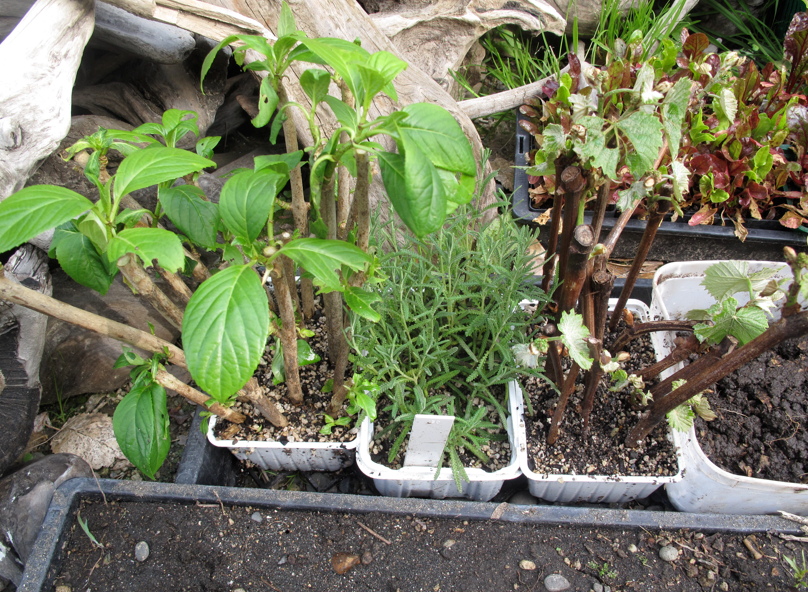
I just finished a plant propagation course after 9 months. I have enjoyed learning a wide range of propagation techniques, especially propagation from cuttings. We started with semi-hardwood cuttings from NZ native plants, and then proceeded to softwood cuttings from rosemary and lavender.

Screen shot 2014-10-13 at 6.31.17 AM
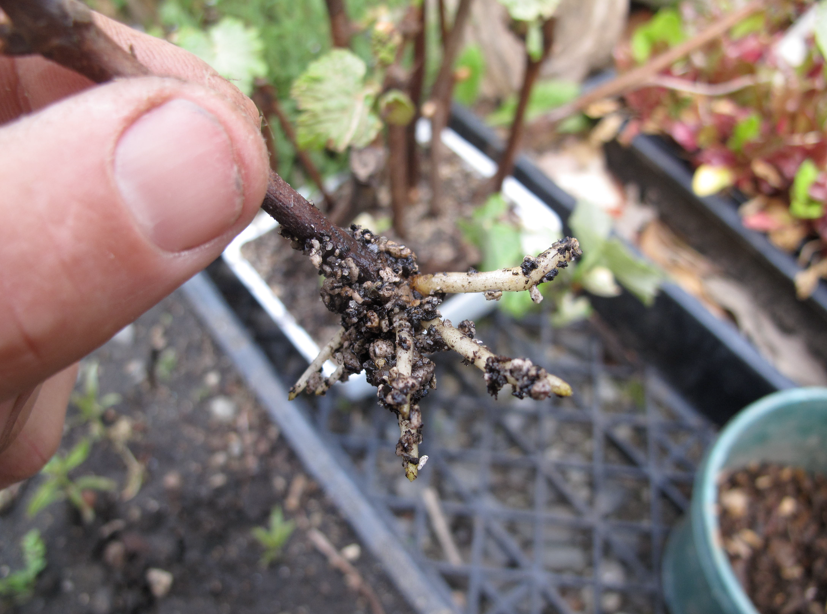
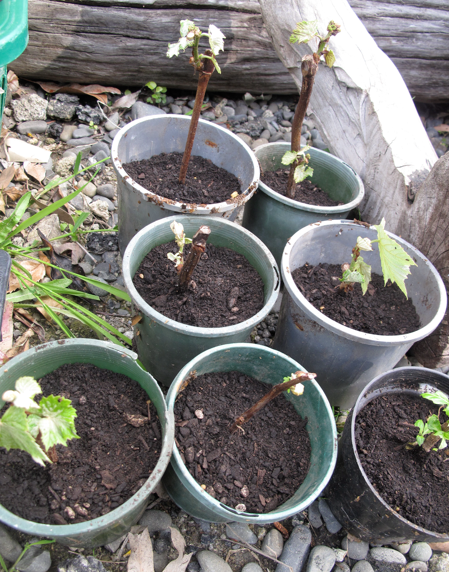
Finally we took hardwood cuttings from grapes and hydrangea. After months in the propagation mix it is so cool to see the roots have formed. Here is a grape.

Screen shot 2014-10-13 at 6.28.49 AM
Here is hydrangea.

Screen shot 2014-10-13 at 6.29.02 AM

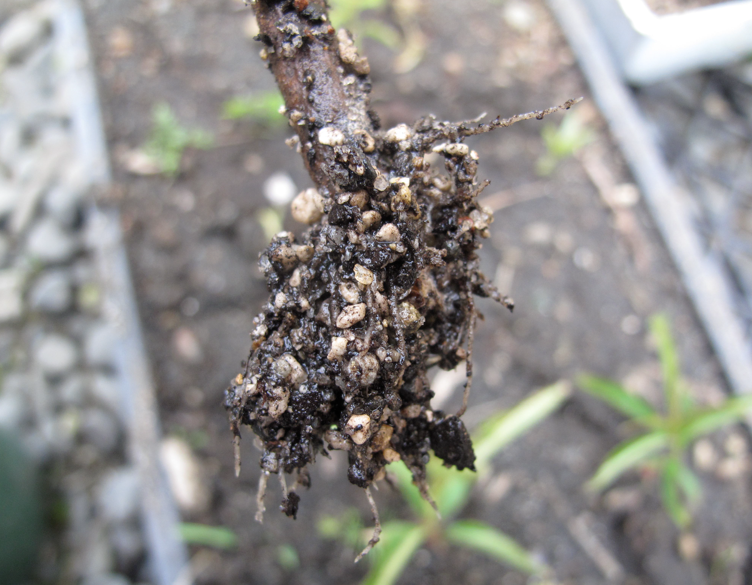
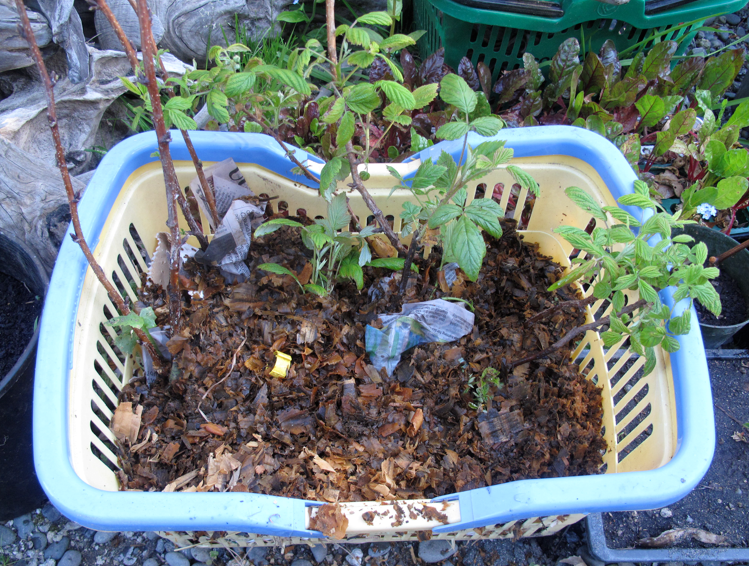
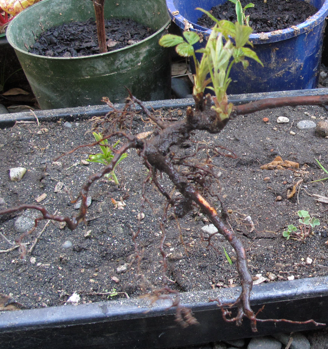
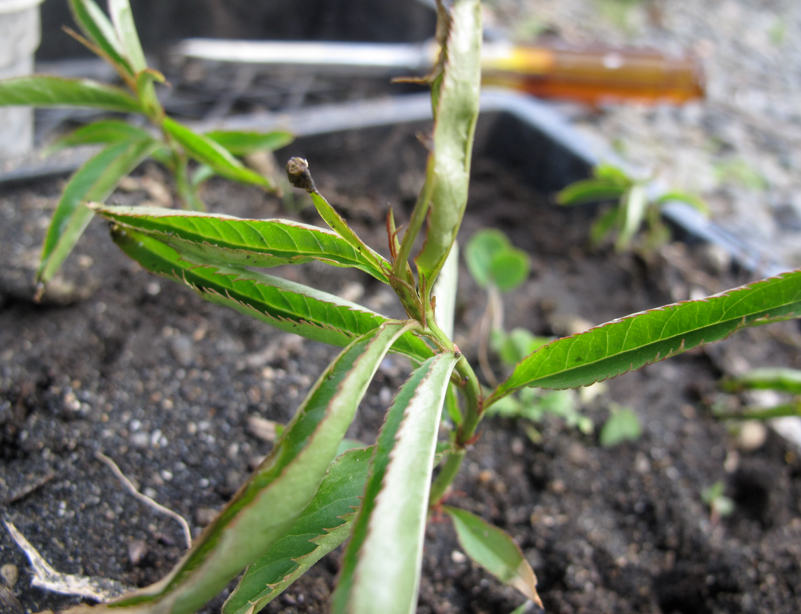
On another note, yesterday I divided a fabulous autumn raspberry to transplant to our new property.

Screen shot 2014-10-13 at 6.32.37 AM
Raspberry roots and shoots.

Screen shot 2014-10-13 at 6.30.05 AM

I’m also excited that the Black Boy peach stones have germinated after a winter in sand.

Screen shot 2014-10-13 at 6.31.04 AM

How cool!   Screen shot 2014-10-13 at 6.30.46 AM

I am now busy potting up the grapes and hydrangea.

 Screen shot 2014-10-13 at 6.31.43 AM

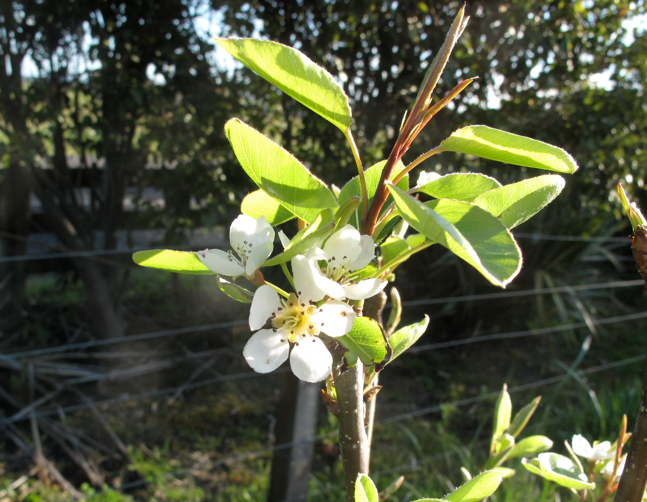
Meanwhile, out in the orchard we have pears blossoming.

Screen shot 2014-10-13 at 6.32.56 AM

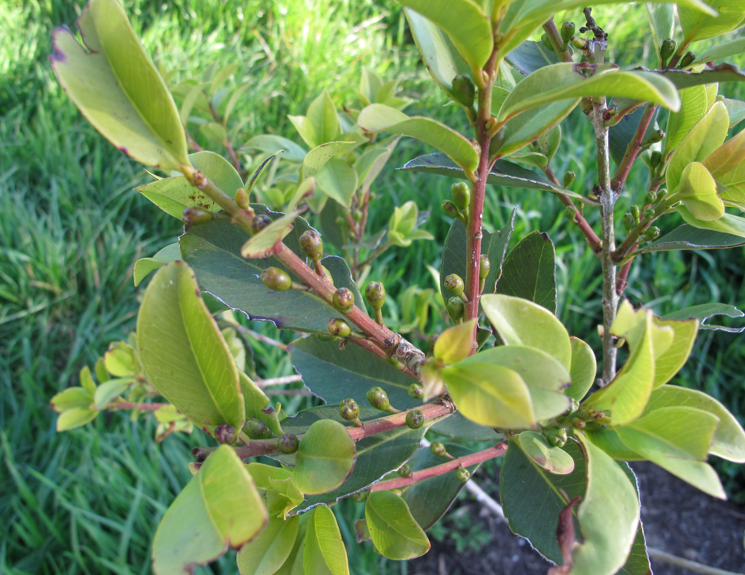
Guavas about to flower.

Screen shot 2014-10-13 at 6.33.13 AM

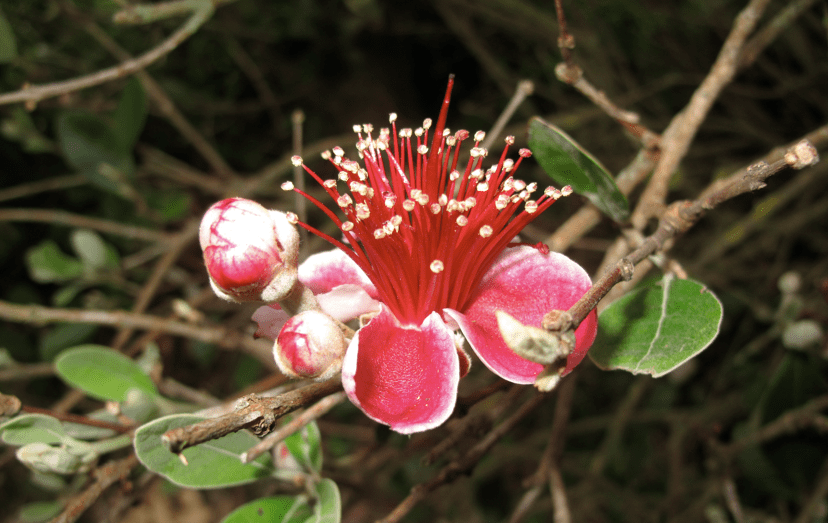
Feijoa flowers ready to burst. Screen shot 2014-10-13 at 6.33.23 AM

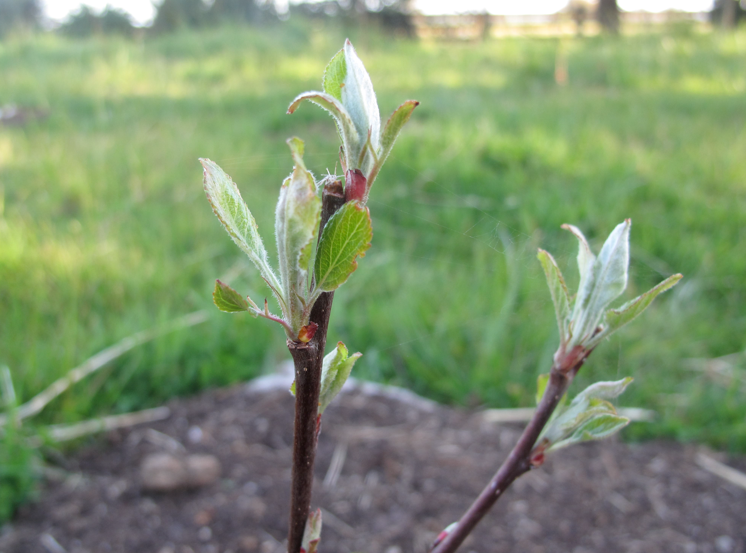
Apple saplings leafing out.

Screen shot 2014-10-13 at 6.33.35 AM

This apricot is being trained to grow out instead of up.

Screen shot 2014-10-13 at 6.33.49 AM

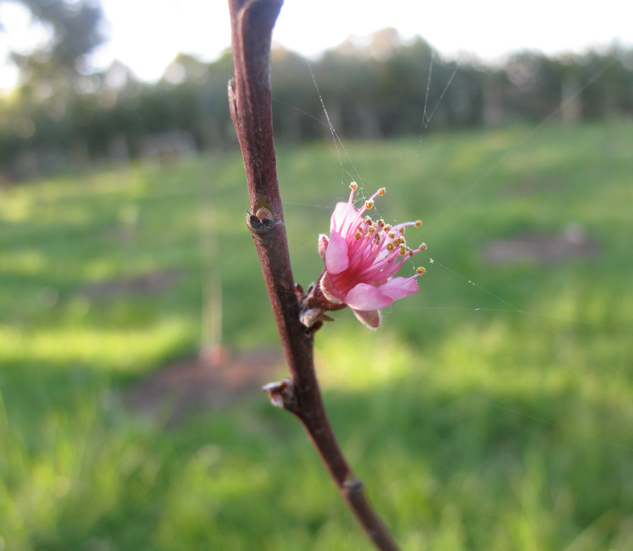
Peach blossom.

Screen shot 2014-10-13 at 6.33.58 AM

I also found blackberries growing in the bush.

Screen shot 2014-10-13 at 6.34.34 AM

And even a plum among the native trees.   Screen shot 2014-10-13 at 6.34.42 AM

Exciting times, these!


Peace, Estwing

Permaculture Ethics in Action

Last week I wrote about permaculture as one type of eco-design that is unique because it is built around three central ethics: Care for People; Care for the Earth; Share Surplus Resources. The first time I learned about permaculture I was told “it is a system of science and ethics.” That resonated with me.

While there may be ample debate around personal ethics, there is somewhat less disagreement about science with the possible exception of the Chronicle’s Letters Page.

From personal experience, basing my design decisions on physics, chemistry, biology, geology and hydrology has proven to be very successful. Additionally, centering eco-design projects around helping people and the planet in a mutually beneficial win-win strategy has resulted in benefits far beyond expectations.

Sharing surplus resources can take on surprising forms and flow in strangely cyclical patterns. Here are some examples that we have experienced in the last few years among the small but dedicated permaculture community in Whanganui.

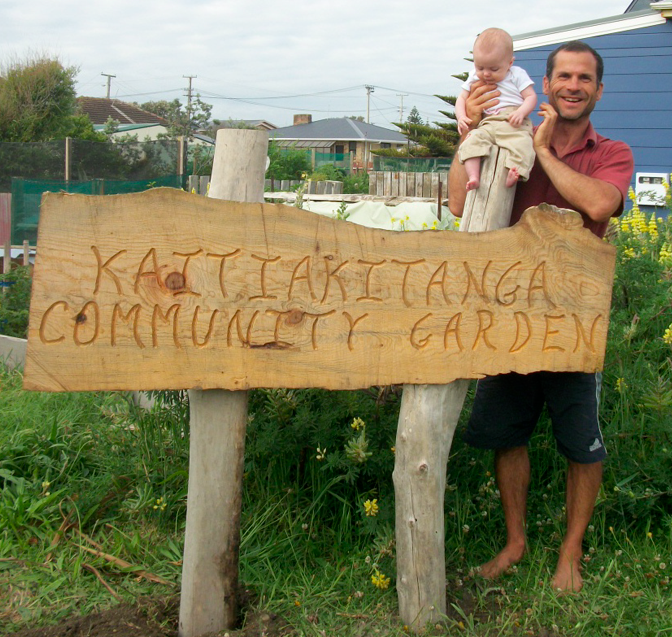
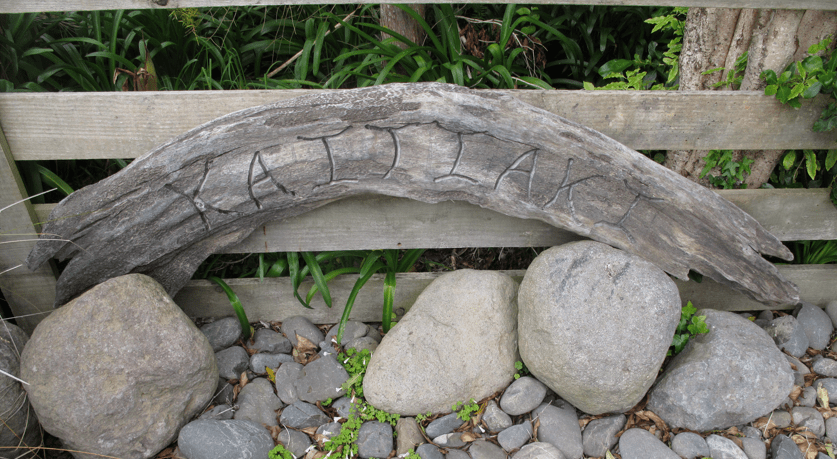
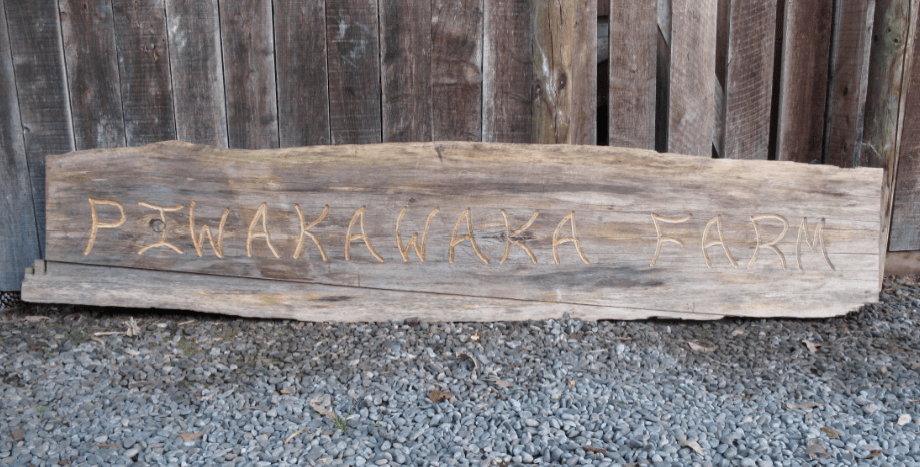
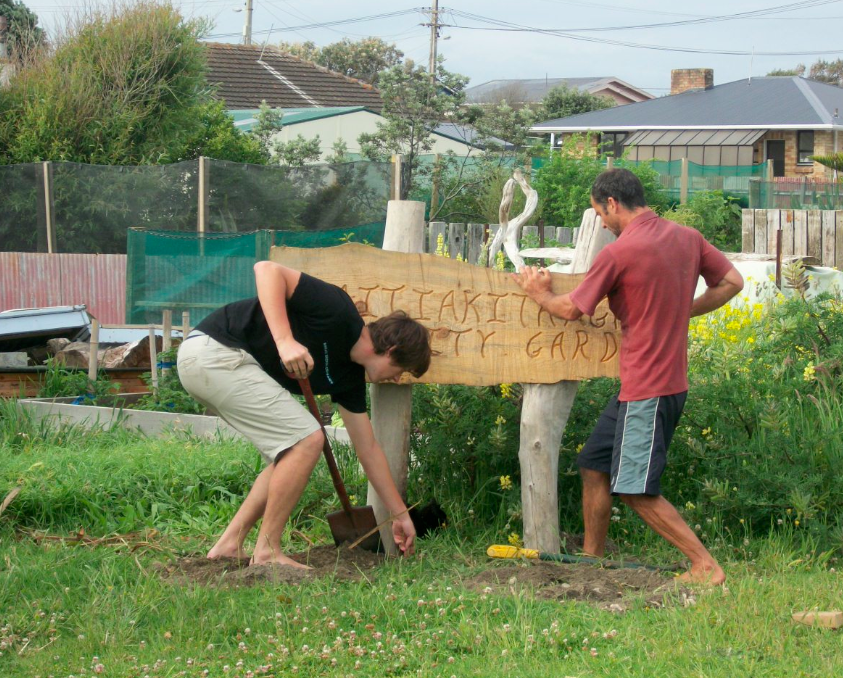
Two years ago we started a community garden in front of our Castlecliff home. One friend gave us a piece of slab wood and another one leant his router. With a few pieces of native hardwood washed up on the beach I was able to make a welcoming sign. Screen shot 2014-09-12 at 6.56.36 PM

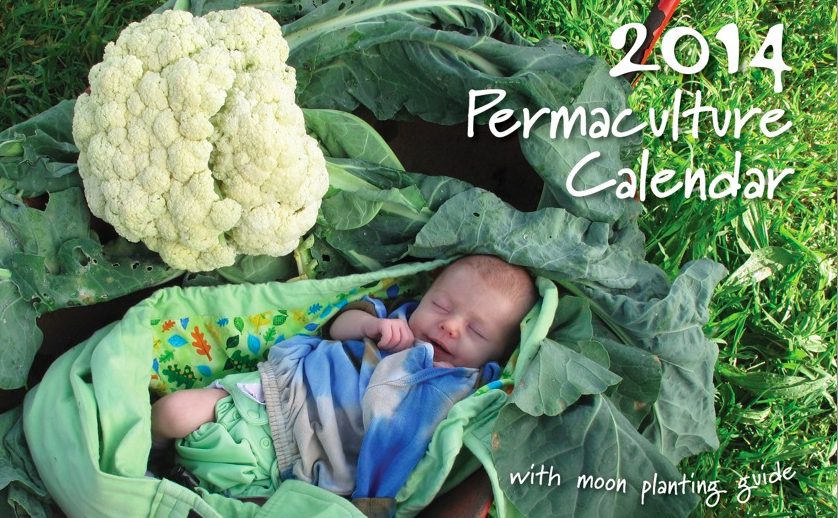
Some other friends donated fruit trees and seeds. We, in turn, were able to share surplus building materials, some calendars we ‘won’ in a photo competition, and looking after a friend’s daughter while he was working on his house.

Screen shot 2014-09-12 at 6.56.46 PM

Many months later I was able to use a second piece of slab wood to make another sign for those friends who had shared their surplus fruit trees with us. I had to borrow the router again, but that was ok because we had just hosted that friend’s children for a morning of puzzles and baking in our home while he was otherwise engaged. Screen shot 2014-09-12 at 6.58.48 PM

Meanwhile, another friend offered to help me organize the second annual Whanganui Permaculture Weekend. She had a surplus of her time to share and has willingly given it to our community to help make us more resilient. One day when she came to our home to meet with me about the schedule for the weekend she complained that all of the firewood she had recently purchased was still green and not heating her home efficiently. I immediately told her we had a shed full of seasoned wood and that she should help herself.

One might call this a positive version of “what goes around comes around.” I could fill weeks of columns with similar examples. Please be aware, however, that these are not straight barter arrangements, but simply generous people “spreading the wealth.” It just happens.

Screen shot 2014-09-12 at 6.58.41 PM

From a permaculture perspective, “spreading the wealth” can take many forms as described above, or something as simple as an individual sharing his or her experience, expertise or enthusiasm for a certain topic. That’s what this weekend – the Whanganui Permaculture Weekend – is all about.

Today and tomorrow are filled with events that are free and open to the public. Printed schedules can be found at many locations around the city, including the libraries, I-Site, River Market, and some local businesses.

Events schedule can be viewed online at: http://whanganuipermaculture.org/


Peace, Estwing