Category Archives: Eco Thrifty Renovation

Please Help Us Choose Photos

Kia ora koutou,

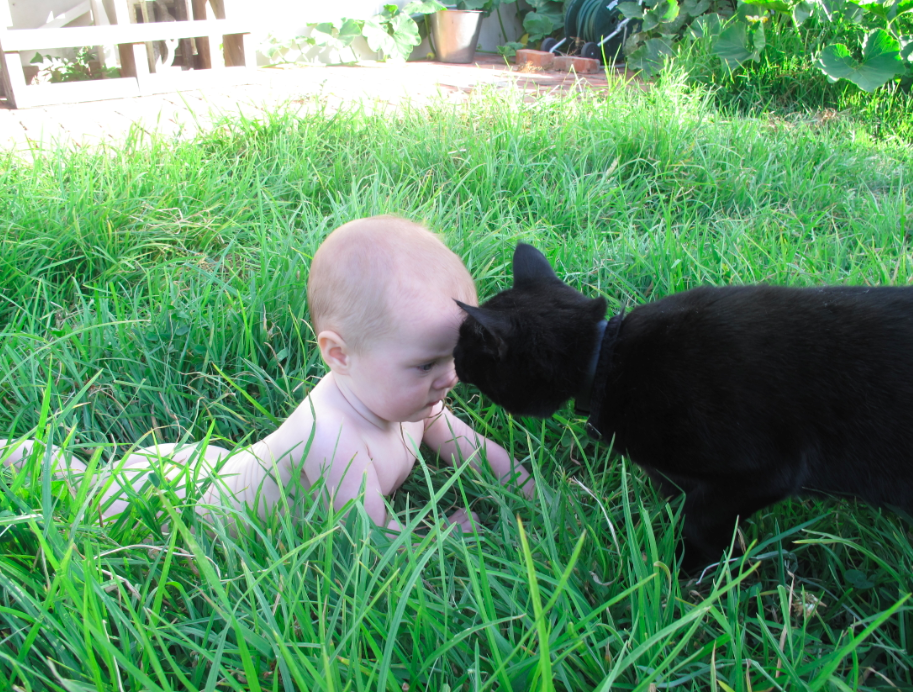
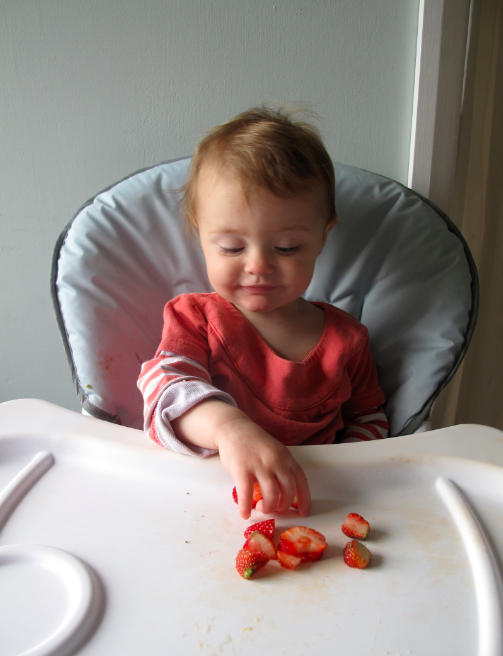
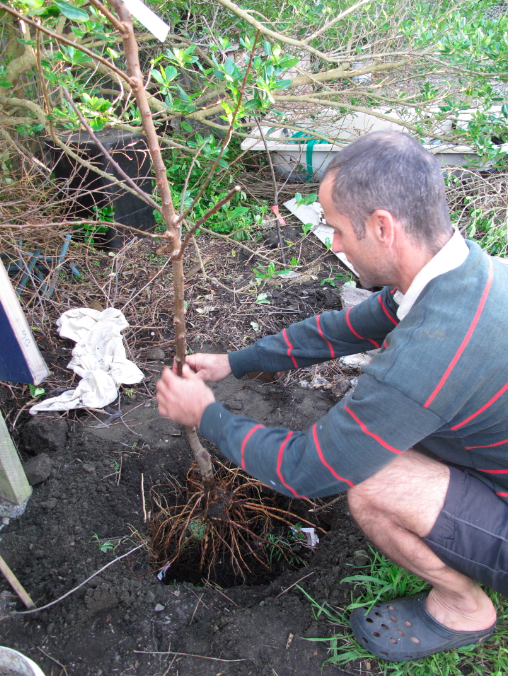
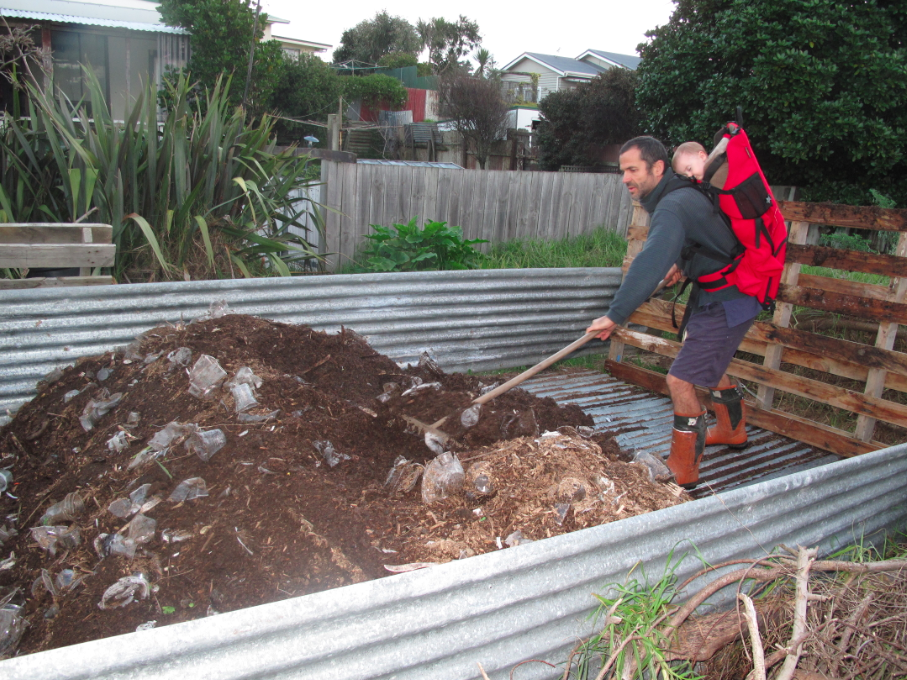
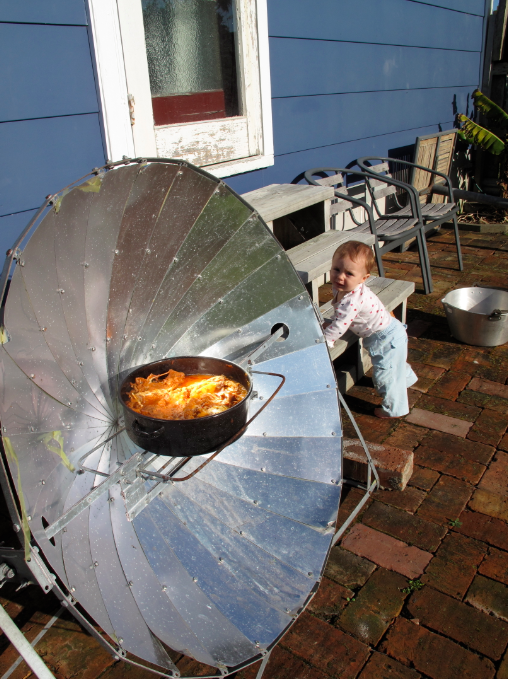
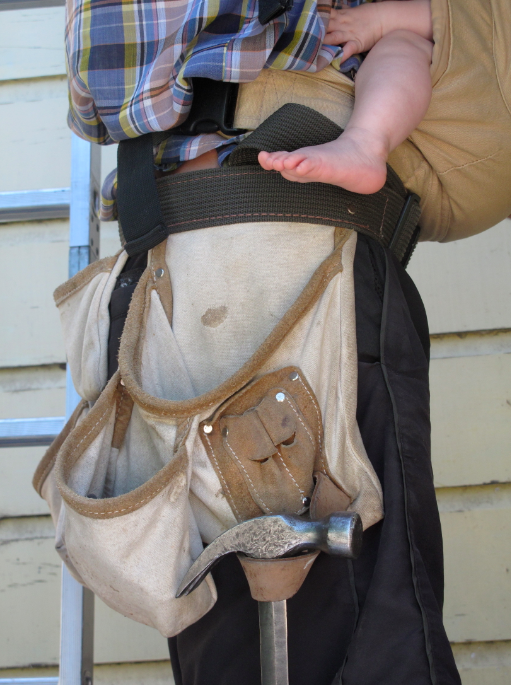
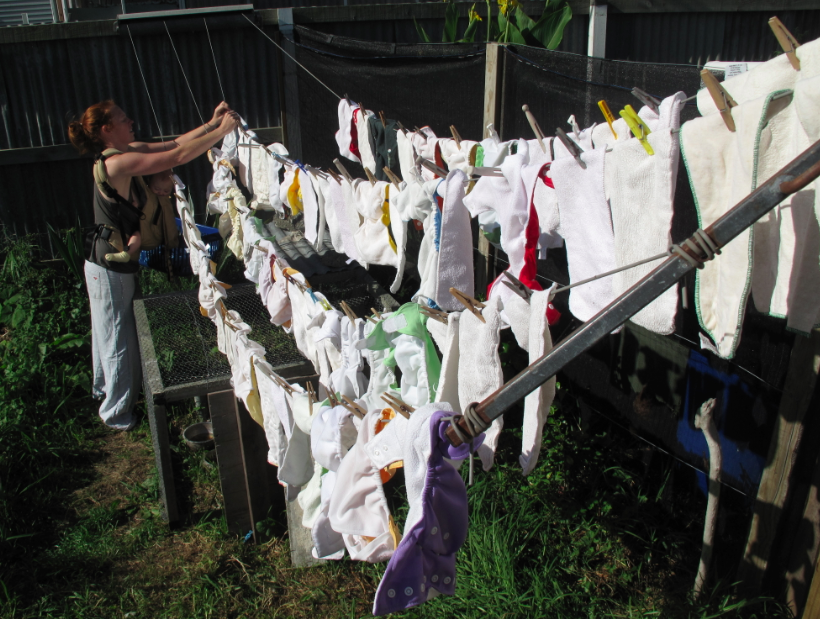
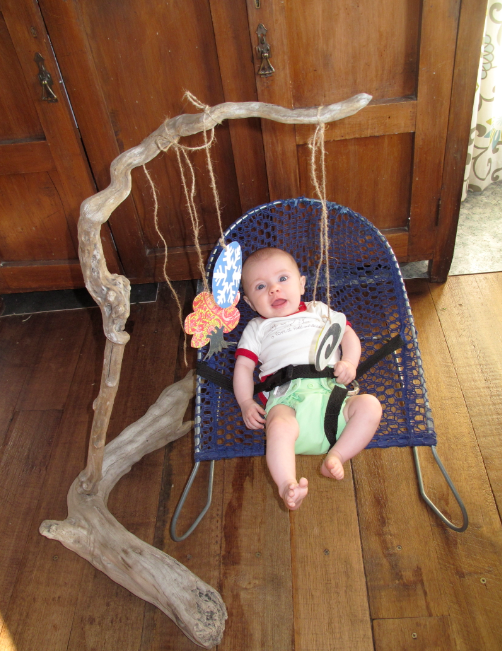
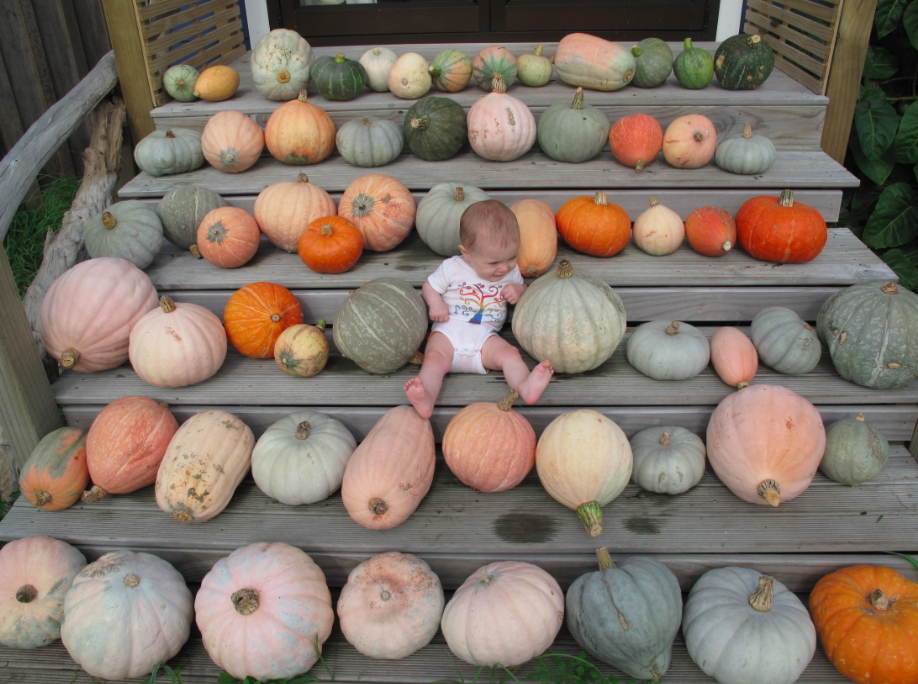
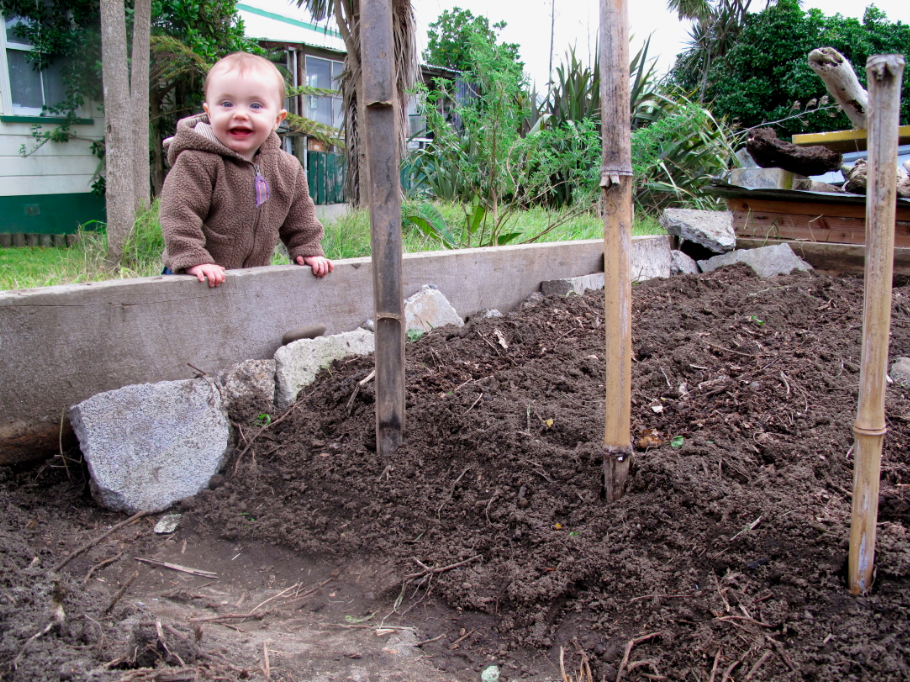
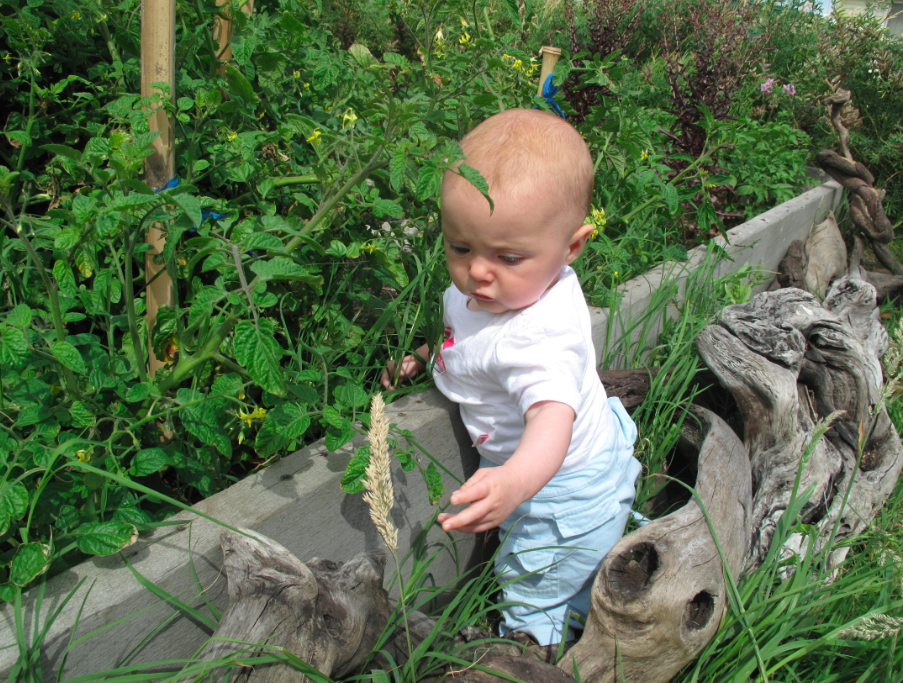
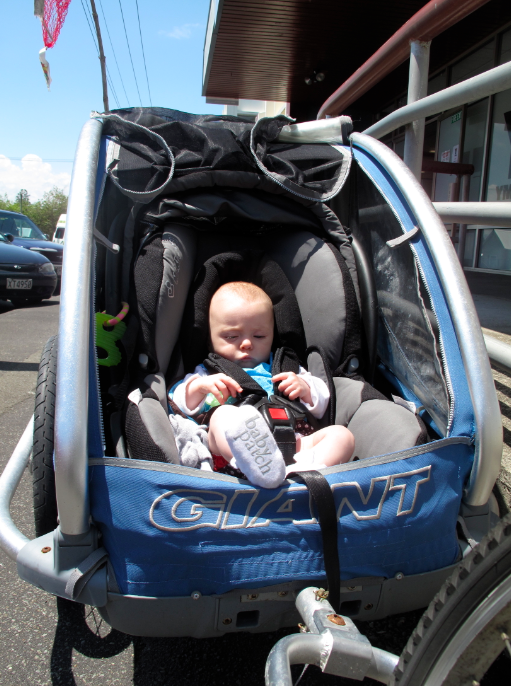
We are writing an article for Permaculture magazine on integrating bubba into our lifestyle and ethics. Please help us choose which photos to include with the article. Your input is greatly appreciated.

Also feel free to order a calendar or two to support our community sustainability education efforts.

Peace, Estwing

I’m Bringing Driftwood Back

Good design, some say, draws inspiration from the natural environment. The preponderance of pohutukawa blossom prints on tea towels, throw pillows, duvet covers, change purses, shower curtains, fill-in-the-blank, in New Zealand appears to confirm this. However, one thing about design is that once its overdone, it loses some appeal.
As humans, we seem to continually seek the new. But there are only so many new news, so we witness the recycling of design. That is, we see styles come back. For example, when I was in high school in the 1980s, my brother and I raided our father’s closet for his skinny ties from the ‘50s and ‘60s that suited our preferred British ska ‘rude boy’ sense of fashion. Additionally, I found a sweater that had belonged to my grandfather, which became my most treasured item of clothing as a teen.
Along those lines, about a year ago the American rapper, Macklemore, released a song called “Thrift Shop” that briefly experienced deep rotation on some Whanganui radio stations. The song not only praises thrift, but also exalts “grandpa-style.”
I wear your granddad’s clothes
I look incredible
I got this big-as coat
From that thrift shop down the road
Restoring an old villa certainly qualifies as grandpa style, or even great grandpa style, but the villa is not the subject of this week’s column. Rather, I’d like to write about how the natural environment has inspired aspects of my landscape design and some pieces of artwork inside our home.
We moved to Castlecliff to be near the coast, but in a cruel twist of fate, during the first year we lived here I was kept so busy renovating and writing my dissertation that I only got out surfing three times. In the words of singer/songwriter, Alanis Morissette, “Isn’t it ironic.”
But now I have more free time, and I spend a lot of it walking on the beach. If you have ever been to Castlecliff Beach you’ll know that a dominant feature is driftwood. For me, the driftwood represents a connection between almost everything I know about the natural environment of the land of the long white cloud. A beautifully sculpted piece of twisted and polished branch pays homage to the forest on the mountainside from which it came; to the river that carried it; to the sea that tossed it; and to the sand that smoothed its rough edges.
Some of the most striking pieces are among the finest works of art I’ve ever seen. While Aotearoa is the artist, I am hardly the first to discover her talent. When visiting local artist Sue Cooke last week, she told me that there was once a time when all artists who moved to Whanganui went through a “driftwood stage.”
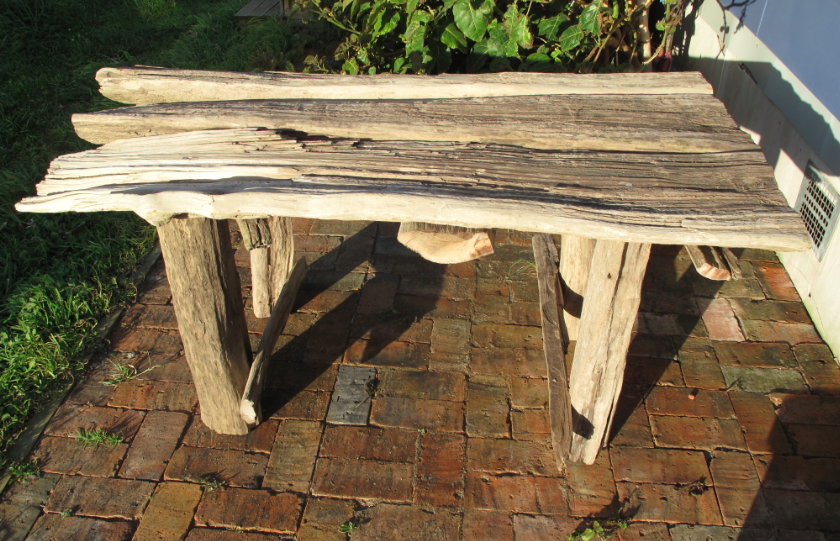
My use of driftwood outdoors serves multiple purposes: practicality and beauty. For example, I’ve used it for a bean trellis; a tomato trellis; arcs to support netting over strawberries; a funky fence to direct foot traffic; edging around our car park; posts to support wind netting; a climbing tower for our daughter; two play houses (whare iti and whare nui); and, most recently, a picnic table. 


Future plans include a swing set, a teeter-totter, and benches for our table. Indoors, we’ve used it in Verti’s nursery as eco-thrifty artwork.

From my perspective, the use of driftwood on our property represents the ultimate in eco-thrifty design. It is local, natural, organically-grown, non-toxic, and (nearly) free. The native timbers I select for ground contact are so dense (tight-grained) that they will last decades in our well-drained sand.
Keen to try it yourself? Check out the upcoming workshops.
1st December, 1-4 pm. Permaculture Design for a Suburban Section. How to design and install a low-maintenance/high-productivity food system by working with nature, not against it. Sliding scale, $25 – $45.
8th December, 1-4 pm. Driftwood Structures for Gardens and Landscaping. View a wide variety of ways we’ve used driftwood as a beautiful, durable, free building element. Learn how to make some of these items. Tools and galvanized nails provided. Sliding scale, $25 – $45.

(Mis)understanding Sustainability

Last month in my weekly column I questioned if ‘environment’ and ‘sustainability’ are dirty words in Whanganui as they were hardly mentioned in the candidates’ statements for the local body elections. One eager candidate contacted me, and suggested that they were not dirty words, but just that different language was being used. The candidate suggested terms like ‘sustainable growth’ and ‘sustainable job creation.’
How sustainable is running outdoor lighting during the daytime?

The response leads me to believe that ‘sustainability’ may not so much be a dirty word in Whanganui as a misunderstood one. This is not so much of a surprise as, by and large, our schools have not done a good job educating for sustainability, or even for an understanding of what sustainability is. That’s a shame because there is a mountain of research showing that engaging children in sustainability learning can enhance their learning of maths, science, social science and languages. But that’s not what I’m here to write about today. (I’ve already written a 400-page thesis on the topic.)
The term ‘sustainable growth’, when examined through the lens of sustainability, is an oxymoron. From a sustainability perspective, growth for growths sake is unsustainable. It is a bit like cancer: it can grow and grow but ultimately stops growing when it kills the host. Any broadly accepted definition of sustainability emphasizes balancing economic growth with environmental protection and social wellbeing.
It appears to me that the candidate must have confused ‘sustainable growth’ with ‘sustaining growth.’ Sustaining growth is business-as-usual for industrial Western society. It simply means, how do we keep growth growing? In the words of the Onceler from The Lorax, “biggering and biggering and biggering and biggering.”
But in the well-known Dr. Seuss story, the Onceler ultimately runs up against limits to growth. In some ways, sustainability is about proactively ‘living within limits’ so that we don’t bump up against harsh realities down the track. These could be ‘Inconvenient Truths’ or debt defaults.
However, there is a perception that selling ‘living within limits’ to the population of a consumer society is a bit like selling Wallaby jerseys at Eden Park. It brings to mind the words of Winston Churchill, “I have nothing to offer but blood, toil, tears and sweat.”
It’s not really that bad, but there is a common misunderstanding that sustainability is all about sacrifice and deprivation. In my experience, this could not be further from the truth. The type of sustainability that I embrace – based on good eco-design – cultivates win-win-win situations between the environment, economics, and human needs.
An obvious example of this is energy efficiency. Saving power saves money while providing the same or better services for people. Meanwhile, people can use the savings to enhance their lives in other ways: eating healthy, local food; buying beautiful, local art; hiring a baby-sitter so mum and dad can go out to a local restaurant.
Do you see a trend developing here? Every dollar we do not send to power companies in Auckland, Christchurch and Wellington is a dollar potentially spent right here at home. All of this money already exists in Whanganui. We do not need to ‘attract’ these dollars here to boost our economy.
From this perspective, I think it is downright silly for us to voluntarily send millions – yes millions – of dollars away from our city every year for no reasons that I can discern other than apathy or indifference. Any concerted effort to save power in Whanganui would simultaneously: help low-income families and pensioners; support local businesses; lower health-associated expenses; help the environment; and, create local jobs. How many wins is that?
Other cities have embraced this logic to great effect. Yet Whanganui has not, and I’m at a loss as to understand why not. Is it that we are so wealthy we do not feel we need to worry about saving power and money? Hardly. Yet, every time I go to the Central Library I am reminded of what appears to be the apathy or indifference of our Council regarding sustainability.
Lightbulbs burning under a skylight at mid-day.
It has now been over three years since I first mentioned to library staff that the outside lights were running during the daytime. As of last week, they were still shining brightly on a sunny day. A conservative estimate puts the cost to ratepayers at $600 since I first brought the issue up in October, 2010. How long do participants in a democracy put up with such an unsustainable waste of their money? With so much chatter about our city’s debt, and debate over rates, it is unfathomable to me that we cannot simply turn off a light.
Nelson Lebo

ECO-Certification for Whanganui Businesses

I have spent most of my adult life in front of a blackboard or behind a garden hoe. I was lucky enough to have worked for 14 years at one of the best schools in America for students with learning differences, and to have worked my own 38 acres of forest and (poor) farmland for eight years. Each of these endeavours – most teachers and farmers will tell you – can be a fairly isolating.
Farmers, obviously, spend most of their time surrounded by (pick any that apply): grass – stock – grains – veges – broken machinery – manure – debt. Teachers, on the other hand, are almost always surrounded with human beings. Paradoxically, many teachers often feel isolated because they spend very little time working with other teachers to improve their teaching practice as they are so busy preparing lessons, delivering lessons, and marking papers.
For me, add the experiences of writing a doctoral dissertation over the last four years and you might call me a regular hermit. But our Eco-Thrifty Renovation project has gotten me active in a community for the first time. During the three years of our renovation and education outreach I’ve met hundreds of Whanganui residents I would not otherwise have met, and partnered with dozens of local organizations, businesses, schools, individuals, whanau, and even artists.
The operational model for The ECO School takes its inspiration from nature. Specifically, this means our work is holistic, cooperative and adaptive. So you will imagine my pleasant surprise when I met another organization in Whangnaui with a similar philosophy: Central2Health. What follows is one of those stories that makes Whanganui…well, Whanganui.
Last May, Carla Langmead contacted me for a home energy audit through Project HEAT. During my visit, we got to chatting – as you do – and she told me I should meet Terry Cunniffe, and look into joining Central2Health, which, by the way, had a meeting that week.
I contacted Terry, who invited me to the meeting. I told him that I was on bubs duty at that time. He said bring her along. This positive sign was reinforced by another when I walked into the meeting with 10-month old Verti under my arm, and Patricia Osborn – a stranger at the time but now a friend – swooped bubba up for a cuddle.
I could tell these were my kind of people not only because they love babies, but also because they believe in holistic approaches to health. Having worked with Sharon Duff of the organization-formerly-known-as WRPHO, I’ve learned that more people are drawn to issues of ‘health’ than issues of sustainability. From a holistic perspective, of course, they go hand-in-hand. What makes a healthy environment also makes healthy human beings.
For example, our warm, dry, low-energy home is a healthy home. As such, it aids the health of its inhabitants, the health of the planet, and the health of our family budget. This type of win-win-win situation is made possible by eco-design, and eco-design can be applied to all aspects of human culture. For example, a business can save resources, save money, and promote its public image simultaneously. Some might call this the definition of a healthy business.


In an attempt to support small business in Whanganui, I am developing a sustainability certification – a ‘Green Tick’ – that will ensure customers that certified businesses have addressed issues such as waste minimization and energy efficiency. The scheme will be unveiled at the upcoming Central2Health event held at Meteor Design & OPD in Ridgway Street, Tuesday 12 November. The event runs from 2 until past 6, with the Green Tick explained at 5:30.
Central2Health consists of ergonomics consultants (Terry, as well as Clive Williams), a wellness coach (Carla), a clinical therapist (Patricia), a physiotherapist (Julia Craig), and me, sustainability consultant. 

Eco-Thrifty Renovation Reaches 3 Years

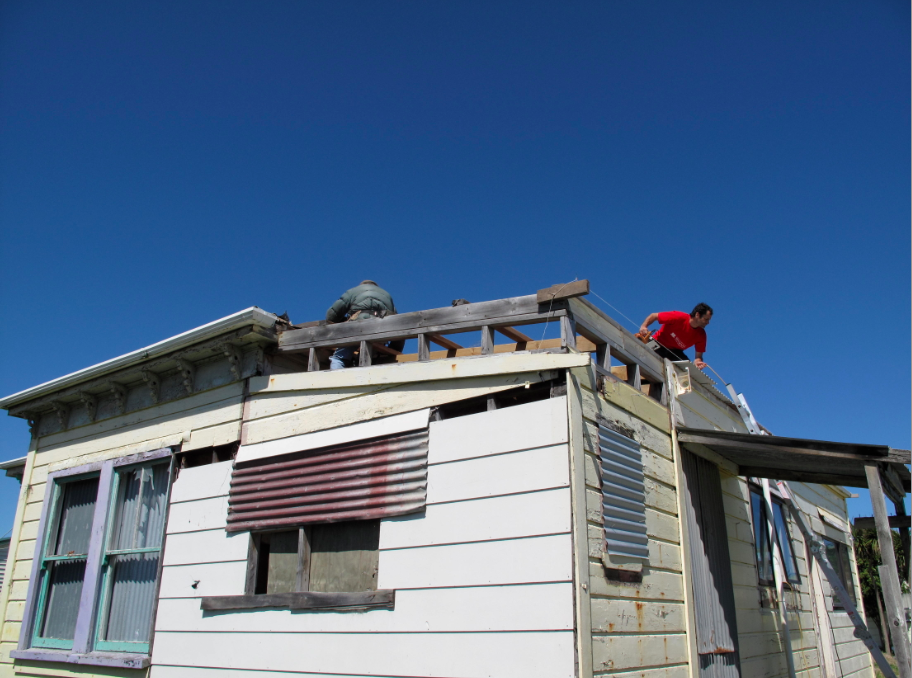
As an eco-thrifty renovator, watching The Block NZ is an eye-opening experience. On the one hand, our villa was in as bad or worse shape than some of the houses on the programme. But on the other hand, the couples’ renovation budgets far exceed what we have spent in total: purchase of the villa and section, all consents, new roof, new wiring, new plumbing, solar hot water, super-insulation, and fully landscaped. Put another way, the budget on The Block for each room makeover is more than what we spent on the entire interior of our home including new floors, a new kitchen and new bathroom!
Granted, they are in Auckland. Granted, they are selling the houses for many hundreds of thousands of dollars. Granted, they are working on a tight timetable.
By contrast, we are not planning on reselling our home in Castlecliff in the immediate future, and are just finishing the last of the landscaping after three years. As a matter of a fact, this weekend marks the third anniversary of our blog – www.ecothriftydoup.blogspot.com– that we started at the beginning of the renovation: November, 2010. The blog has had over 70,000 page views.
Before: Day 1
Unlike The Block, our renovation has been a part time endeavor. I spent the first two years writing my doctoral dissertation, and Dani worked more-or-less full time at the YMCA. And in the middle of it, we had a baby in the middle of our lounge. Wouldn’t that make exciting television?!? Take that Loz and Tom!
Like most of the couples on The Block, we have blended the new with the old, blending fresh paint colours and accents into what is patently a vintage dwelling. Style and craftsmanship are important because who wants to live in a drab, poorly built home?
Finally, like the couples on The Block, our home is somewhat of a public spectacle. That is to say we have shared the experience with anyone interested enough to pay attention. Unfortunately, however, we have no TV sponsorship, Kiwibank pre-loaded debit cards, or stacks of vouchers.

After: Day 1,000
We engaged in the educational component of our renovation as a voluntary community service, with the hope that momentum and interest would build enough over time to provide at least one part-time job. In the last three years we have written over 300 blog posts, and 80 columns for the Chronicle. Additionally, we have organized and hosted over 40 free/gold coin community sustainability events in Whanganui, and I’ve answered dozens of home energy questions over the telephone. Finally, Project HEAT provided close to 80 free home energy audits this winter.
Unfortunately, no jobs have emerged other than the partest of part-time. That didn’t seem like such a problem while I was writing my dissertation and before the bubs came along, but now that I’m Dr. Dad, unemployment is not so appealing. With no apparent prospects in Whanganui in the field of sustainability, we’ve decided to seek support from the community at large for the time being.
For the next six weeks, we – The ECO School – are engaging in our first fund-raising drive. We will be selling copies of the 2014 Permaculture Principles Calendar as well as hosting a series of events as shown in the sidebar. Your support will help us continue to support our community.
Sidebar: All events to be held at 10 Arawa Place
3rd November, 3-4 pm: Garden Tour. Donation.
10th November, 3-4 pm: Composting. Donation
17th November, 3-4 pm: Garden Tour. Donation.
24th November, 3-4 pm: Food Forests. Donation.
1st December, 1-4 pm. Permaculture Design for a Suburban Section. Sliding scale, $25 – $45.
8th December, 1-4 pm. Driftwood Structures for Gardens and Landscaping. Tools and galvanized nails provided. Sliding scale, $25 – $45.

Death, Taxes and Climate Change

Nothing is certain, we often hear, except death and taxes. But a third certainty appears to be joining them: climate change. Last month the International Panel on Climate Change (IPCC) released its latest report, concluding with 95% confidence that humans are the primary cause of climate change. That percentage of certainty lies between the percentage of wins of the All Blacks over Argentina (94.44%)* and over Ireland (96.30%)*.
From this perspective, it appears that the experts – scientists who have studied the climate for decades and whose reports are subject to strict peer review – believe that it is more likely that humanity has changed the world’s climate than that New Zealand will defeat Argentina in a rugby test. But you don’t need to be an expert to know the A.B.s will beat the Pumas, the average punter can tell you that.
I reckon the average punter can also tell you that ‘the weather’ has changed over their lifetime. Talk to anyone in Whanganui and they are likely to say, “The winters/summers used to be colder/warmer, wetter/drier when they were a kid.”
It’s important here to clarify the difference between weather and climate. Weather is what we experience day-to-day, and climate represents overall long term trends. But starting about two years ago, a trickle of long-term research studies emerged indicating an increasing incidence of extreme weather events. Now that trickle has turned into a flood, as more and more data confirms the findings of the earlier reports.
What all of this means is that the frequency and intensity of extreme weather events – floods, drought, storms – has increased over the last half century and the trend is likely to continue. New Zealand is no stranger to floods, drought and storms. The good news is that we’re used to extreme weather. But the bad news is that our primary industries rely on weather, and that many of our cities are located along rivers or along the coast.
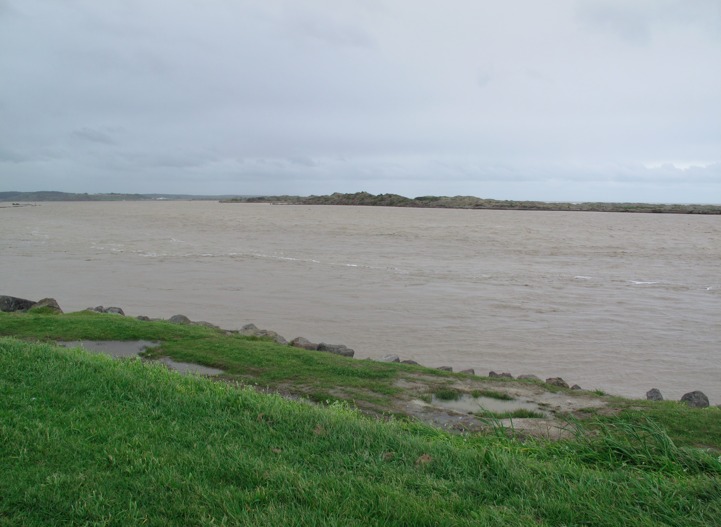
Whanganui has the distinction of including both a river and a coastline. Many in our community consider these to be our greatest assets. I agree. But, if you believe the climate experts, they are also our greatest liabilities. This was made patently obvious recently when the river reminded us of its power to overwhelm.
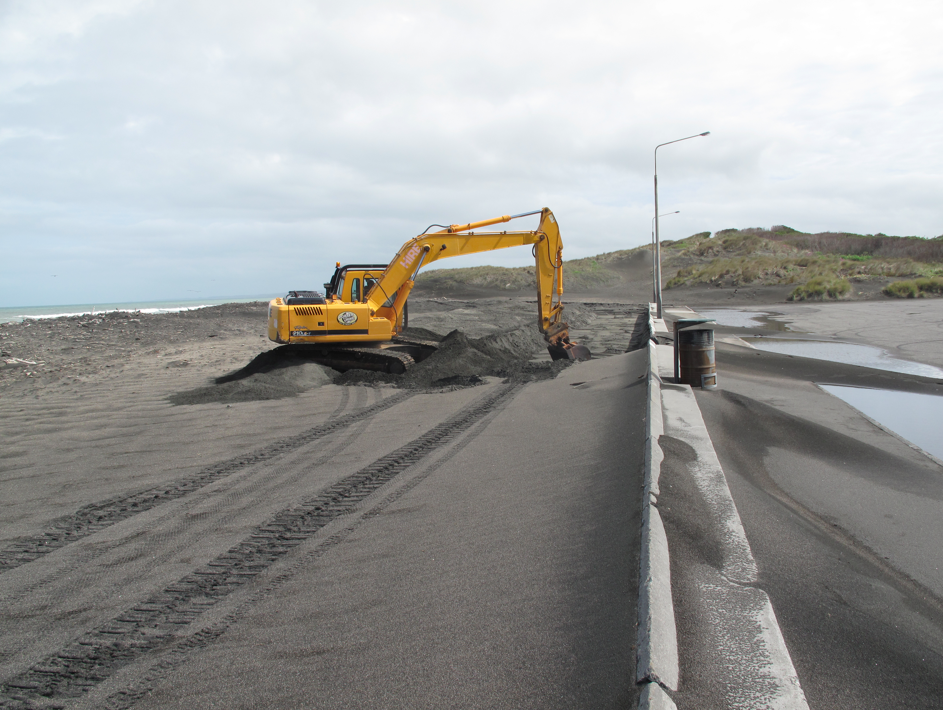
Less obvious to most members of our community were the high winds and powerful waves along our coast. In my regular weekly column for the Chronicle, I recently pointed out the paradox of moving wind-blown sand at Castlecliff Beach with a diesel-fueled excavator earlier this spring. In other words, the ‘solution’ makes the ‘problem’ worse, and after two weeks of wind the sand was all back in the same place. This week the excavator was back, but stopped after doing only half the job. Does the image of Don Quixote come to mind?


In addition to the paradox mentioned above is our municipal debt, which, like the problem of climate change, is large and growing. As we have seen in Greece, Portugal, Ireland, and Detroit, the higher debt becomes, the more taxes/rates go to debt repayment instead of services for citizens. In fact, we see this in Wanganui as well, but you only need to have followed the recent mayoral race to know there are vastly different opinions on this issue.
The bottom line, in my opinion, is that we are facing two inevitabilities regarding Castlecliff Beach: 1) increasingly strong winds moving sand from the beach to the car park; and, 2) our decreasing ability to pay for the removal of the sand.
I would say with 95% certainty that one day in the future the practice of hiring heavy equipment to shuffle sand around Castlecliff Beach will cease. It may happen sooner or it may happen later. If it happens later, we will have spent a lot of money ‘running in place’. Striving to maintain the status quo in a changing world is expensive.
The situation is made worse by simple bad design that ignores the laws of nature. The lower car park, Surf Lifesaving Club building, and Duncan Pavilion were built where nature wants a sand dune. Come hell or high water (we’re likely to see at least one of those) nature will not stop until she has a sand dune where she wants a sand dune.
Good design is eco-design. Eco-design always works with nature, not against it. Good eco-design would never have allowed this to happen in the first place. But that was long ago when diesel was cheap, ‘global warming’ was a developing theory, and Wanganui may have been flush with funds.
The only constant, we often hear, is change. And things have changed. If we do not change with them we’re likely to go the way of the dinosaurs – fossils if not fossil fuels!
So the question is obvious: how do we deal with the bad design left by our forbearers? For me the only reasonable answer is the eco-thrifty one. In other words, one that would both respect nature and save money. I know this is not a popular way of thinking among some circles in our community, but then again there are also climate change deniers among us.
This is a first draft idea, so please bear with me. I suggest abandoning the bottom tier of the car park as the first stage of a ‘managed retreat’ (sound familiar?). There are a massive number of parking spaces at the beach and playground, and I reckon less than half are occupied 99.999% of the time. Why fight nature and waste rates trying to keep them all open nearly all the time?
As a general rule, people who go to Castlecliff Beach are fit enough to walk 40 – 60 metres – depending on the tide – to get to the water. Abandoning the lower car park would only add 20 metres to the walk. The money saved by no longer ‘working against nature’ could be used to manage an intelligent, staged retreat.
As part of the managed retreat, I think it would be worth taking efforts to protect Duncan Pavilion. The building is elevated and would not be overwhelmed by drifting sand, most of which would accumulate behind it. Additionally, Project Castlecliff has made a great effort lately of renovating the ‘Pav’, and holding community events there. Good on them!
But the Surf Lifesaving Club building appears abandoned and neglected. Guttering has been sagging for years, and water damage is obvious. There is no indication that funds have been allocated for the proper care of this building. As such, tough questions may need to be asked about its future.
As an eco-design consultant, this is the type of advice I would normally offer a client at my standard hourly rate. But in this case I’m offering it for free. As such, it will surely be ignored.
More on Protecting Wood from Water

It seems every week we hear of another extreme weather event somewhere in the world: a cyclone in India; a heat wave in Europe; a 1,000-year flood in Colorado. Imagine what a 1,000-year flood would do to Whanganui!
Whanganui River at 30-year flood stage. 
Closer to home, New Zealand has experienced gale southerlies and gale northerlies in the course of about a week. Canterbury was hammered and the Wellington airport closed. In Castlecliff, sand has overtopped the barriers just weeks after Council hired a giant digger to clear them.
Earlier this month I watched the digger off and on over a couple of days moving sand scoop by scoop as far as its arm could reach from the barrier toward the sea. The repetitive process, powered by diesel, went on hour after hour: scoop and dump, scoop and dump, scoop and dump.
It was all undone by two storms over a fortnight – all that diesel and all those rates gone. Up in smoke. Blown away. There is no indication the work was ever done.
The obvious paradox here is that we use diesel fuel for a job that is made more difficult to do because we’ve burned diesel fuel. In other words, climate scientists tell us that extreme weather events are occurring more often because we’ve burned such a large quantity of fossil fuels already. And then to clean up after the extreme weather events we burn more fossil fuels. Some people would describe this as a vicious cycle or a downward spiral.
It’s interesting that the global dialogue around climate change have shifted from prevention to adaptation. Put another way, “We can’t agree to efforts to stop it, so we better brace ourselves.” This is sad in a way because it appears to indicate an inability of nations to work together toward a common goal. Instead, it’s everyone for themselves.
From this perspective, it’s important that home-owners do their best to prevent damage from wind and rain on their properties. Last week I wrote about protecting wooden structures from water damage, and particularly wind-blown rain that can find its way into walls due to inadequate flashing and detailing. I’ve spent many hours making scribers for our home, as shown in last week’s pictures. You may or may not recall that I also emphasized priming the backside of each scriber as well as the end grain top and bottom.
End grain exposed to rain. 
The end grain of timber is vulnerable to penetration by water because that it is what it is meant to do. Xylem and phloem – remember biology class? – facilitate the movement of water and nutrients up and down through a living tree. When that tree is felled and turned into lumber, the xylem and phloem make it vulnerable to water damage. This is particularly evident with timber fences where the end grain is exposed directly to falling rain.
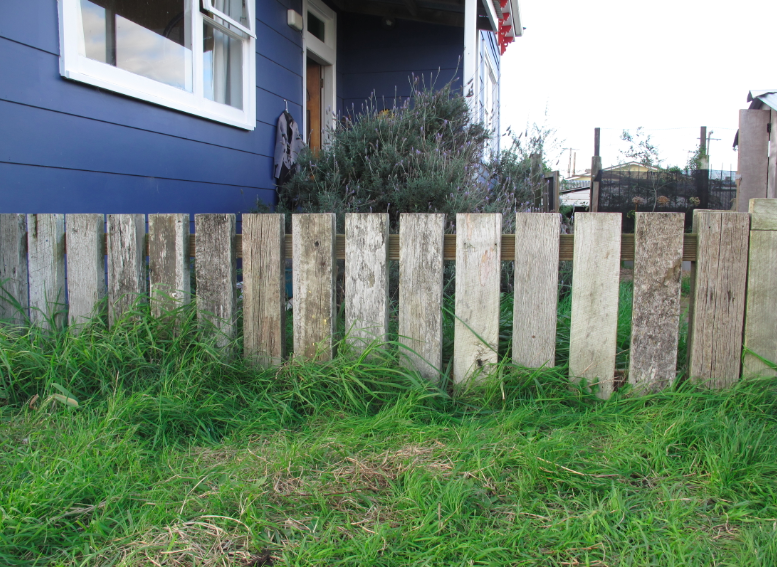
Fence without capping. 
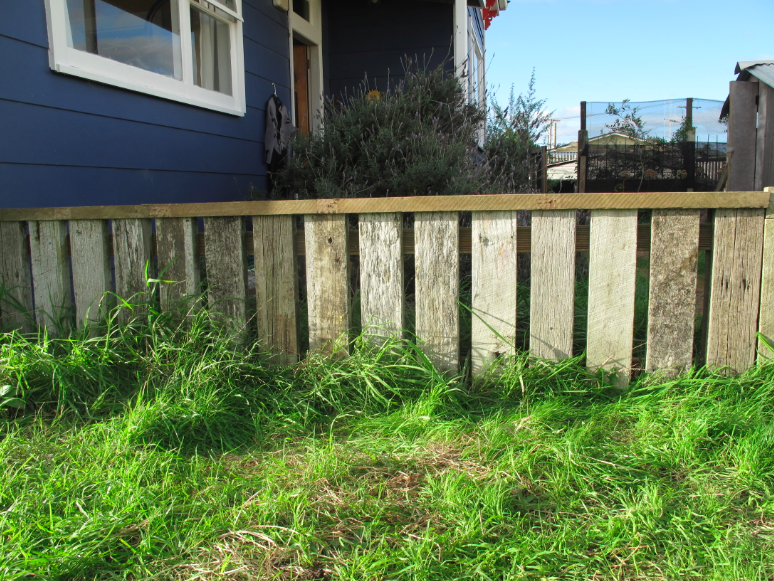
Capping is used to cover the end grain and to extend the life of timber fences. It is reasonably priced and highly recommended. 
Fence with capping.
Because I made fences from a former deck, I was not able to buy capping. I had to make my own.
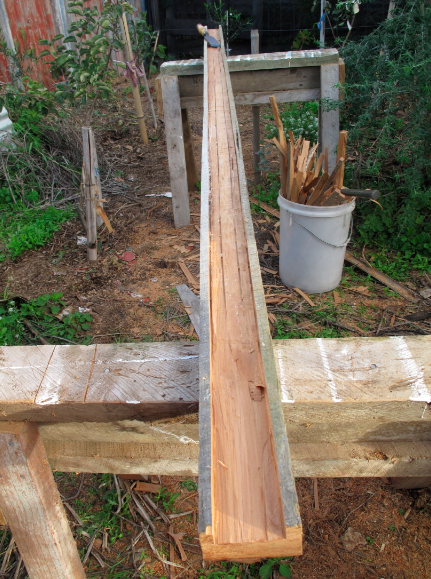
Using vintage 4-by-2s, I ripped five grooves down the middle of each one. Watch out for nails! I wrecked one saw blade in the process. Then I used a two-inch chisel to clear out the channel. 
The job took longer than I expected, but the result looks tidy and will extend the life of our fences for many years to come…so long as they don’t get toppled in the next big blow!
Peace, Estwing

Another Late Spring Update

Last week I posted a spring update on our permaculture installation. I was in a hurry, and neglected to include some other worthy botanical happenings on our section.

Tamarillo ready to blossom despite all the resent wind. 

Grapes very active after a long winter’s nap. 

First strawberries.

This is a white strawberry we got from a friend in Hamilton.

Raspberries forming.

Happy cat.

Early apples have formed. These will need to be thinned from 5 to 2.

Figs don’t mind the winds.

Early tomatoes in a sheltered spot. We had ripe fruit last year before Christmas.

Tomatoes are blossoming. 

We got these strawberry plants from local friends. Very cool pink blossoms.

Peace, Estwing

Keeping Timber Homes Dry Means Attention to Detail

Few things discourage me more than an All Blacks loss or a poorly designed wastewater treatment plant than seeing preventable water damage to a timber framed home. As a lover of old homes, I know that water is the ultimate enemy of wood, and all efforts should be taken to exclude water from direct contact with timber. These efforts include both proper flashing and sealing of the exterior skin of a structure, and adequate splash backs and sealing around interior plumbing. In both cases, hundreds spent on prevention will save thousands in repair bills.
Repair to rotted corner boards.  

In my opinion, this is one of the major strengths of the New Zealand Building Code, brought on with all likelihood in response to the legacy of Leaky Homes. During our renovation, the building inspector was very strict about ensuring a completely waterproof shell, and rightly so. I’ve written before that the most sustainable home is the one that does not fall down in an earthquake, burn down in a fire, or rot from water damage. These are three of the major emphases of the Building Code, and I think building inspectors provide a valuable service in making sure these high standards are adhered to.
As a DIYer, I also benefited from some of the ‘tricks-of-the-trade’ advice offered by our building inspector on some of his visits. I know for a fact that our home is more durable because our inspector did his job properly. Mind you, building consents are by no means cheap, but I believe they will pay for themselves eventually either in terms of the long-term durability of the structure or in the resale value, as a complete inspection comes with a Code Certificate of Compliance.
Flashing a sill.  
All of that said, there appears to be an abundance of homes slowly rotting away across Castlecliff and Gonville. I’m not saying that these are the only suburbs with disintegrating housing, but these are the neighbourhoods I frequent. Often times while riding my bicycle from my home near the river mouth to centre city, I toodle along looking at houses. I am particularly drawn to very good design and detailing and very bad design and detailing. I am, however, aware that toodling along on a bicycle staring at houses can be mis-interpreted as “casing the joint.” I swear I am not a burglar, just obsessed with water damage.
I’ll say this again because it is so important: spending hundreds on preventing water damage will save thousands in repair bills. It is exactly like changing engine oil regularly – paying a little saves a lot. Same goes for insulation!
So, if you are the owner of an old, timber home, and particularly if you are a landlord who owns many old, timber homes, please have a look at your properties and check the flashing around doors and windows, as well as the external corners. You’ll see in the photos an example of the many scribers I made to seal our home against wind-blown rain. 
Making and painting scribers.
The scribers pictured are made from treated pine that was cut with a jig saw, primed on both sides and the ends, and then painted twice before nailing in place.

Scribers in place.  
Also pictured are some details of a repair job done to my parents’ home (built in 1828) near Boston. You can see that the four lowest weatherboards (we call them clapboards in New England) have been replaced on the left, along with the bottom portion of both corner boards. 
Rotten wood has been replaced, and flashing added. 
Additionally, a new flashing was added at the bottom to protect the sill. Although this repair job cost thousands of U.S. dollars, the builder did a good job to prevent this type of water damage happening again. 
Peace, Estwing

Spring Permaculture Update

Nearly three years into our project, we have reached a point where the permaculture installation is more mature than immature. In other words, all the trees are planted and most of them are fruiting this year. Additionally, the annual beds are pumping out the last bits of winter crop and transitioning to summer crops.

Thousands of plums

Apple blossoms

Apricots

Strawberries

New guava growth

Orange blossoms

Nectarines

Olives

Black boy peaches. Yum!

Broc

Garlic. Yum!

Rhubbarb

Spinach

Courgettes in the ground.
Plenty of tomatoes in the ground too. 

Peace, Estwing