Category Archives: Eco Thrifty Renovation

Reduce, REUSE, Recycle

Congratulations to Sustainable Whanganui Trust on their new office and “Reuse Academy” located at the Resource Recovery Centre. The Trust has stepped up their visibility from the previous location in Wicksteed Street, and also expanded their opening hours to welcome any drop-in visitors as members of our community make their way to the new recycling facility.

Reuse! Yah! 
Additionally, Sustainable Whanganui has begun its events programme with a pair of fun school holiday “Blo-Cart” workshops. I was lucky enough to have been invited to join in the fun, along with my solar cooker and a pan full of sausages. There was fierce building, racing, refining designs, more racing, and, finally, a good feed. Smiles and laughter filled the Reuse Academy, along with learning about materials strength, centre of gravity, friction, and the 3 R’s: Reduce, Reuse, Recycle.
Once upon a time, a wise person thoughtfully placed the R’s in this order, which represents their importance regarding overall impact on the environment. Think of them as gold, silver and bronze. But as elusive as a gold medal at the Olympics, convincing human beings to reduce their consumption is no easy task. The citizens of many wealthy nations such as New Zealand are called “Consumers”, and billions of dollars are spent annually to keep us buying, even to the point of falling deeply into debt.
When considering the major cultural emphasis on consumerism, addressing the second two R’s is much easier at present. Regarding recycling, this is all I’ll say: If you are not recycling, you are throwing money away.
But for those who already recycle, but are not ready to make the step to reduction, reusemay be a natural step toward an eco-thrifty lifestyle. As Greenie Goldilocks might say, “Recycling is too easy and reducing is too hard, but reusing in just right.”
For me, reusing is the most engaging of mind, body and spirit. In other words, creative reuse requires thinking alongside physical work, and when I have finished a great reuse project I feel good about what I’ve done while maintaining a small ecological footprint.
Additionally, my wife and I are frenquenters of Whanganui’s Church of Reuse, aka Hayward’s Auctions. Father Brian preaches the good word of reuse every Thursday evening to a congregation that consists of the long-time faithful as well as recent converts. Hands are raised in jubilant affirmation of the good word: reuse!
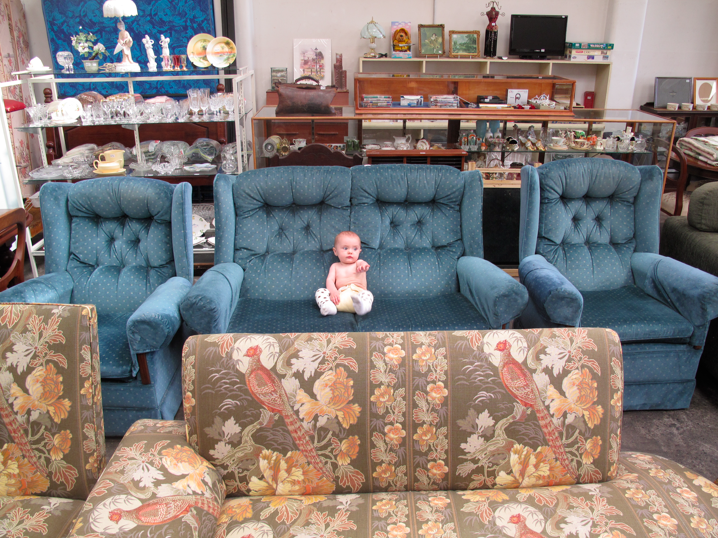
While I won’t divulge all my auction strategies – because all y’all represent potential opponents – I will share two pieces of advice. First, never underestimate the power of a coat of paint. 
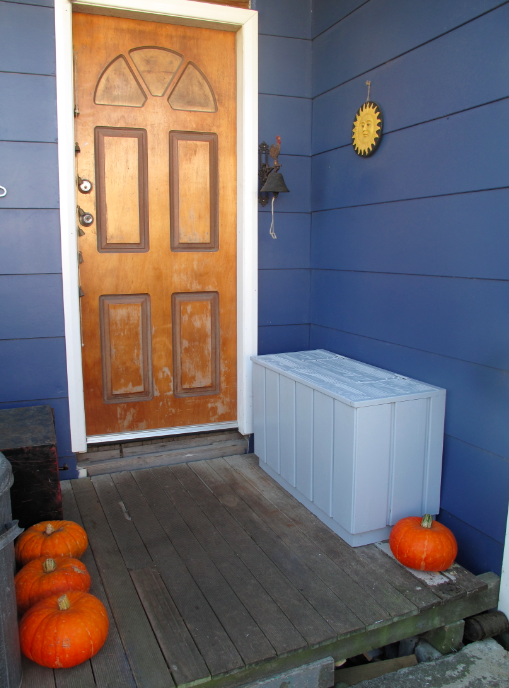
Pictured is a solid wood chest we got from Hayward’s for under $20. The night it caught my eye, it was poorly stained a brownish color and was full of spider webs. With a little vision and some paint left over from another project, the chest is now a highly functional element of our front porch. I use it to store empty egg cartons, jam and honey jars to return to the Saturday market, and to sit on and enjoy a beer after a long day of creative reusing.

My other auction advice is be prepared to pay good money for a keystone design element. For example, some long-time readers will recall when Terry Lobb and I swapped columns and she wrote about our kitchen renovation, highlighting the leadlight cabinet doors we got from Hayward’s. Another example is the rooster doorbell pictured. It tells visitors something about us before we’ve even opened the door – at heart we are country folk even though we live in a “Suburb with a holiday lifestyle.”

Reviving Old Windows…following an observation about our Council

Before I get started this week, I am wondering: Are the environment and sustainability dirty words in Whanganui?
Exercising my duty as a member of a democracy, I carefully read the Candidate Information booklet I received in the post. Among the candidates for mayor and councillor, there was nary a mention of any type of commitment to sustainability, save for one candidate’s mention of “a reduce, reuse, recycle and reinvigourate mantra.” I like it, Mr. Keating, but what about the others?
Additionally, every mention I have seen of the new Resource Recovery Centre has emphasized the point that it was built at no expense to ratepayers. I may be different, but I consider waste minimization and recycling one of the highest and best uses of my rates – much preferable to some of the ill-conceived ways my rates have been spent. Is there such fear of eco-backlash in our community that it forces Council to go to lengths to distance itself from any apparent commitment to strong sustainability? Personally, I have received nothing but positive feedback on my column from a wide cross-section of our community. Additionally, good data exists indicating that Whanganui could save itself millions per year in energy savings while creating jobs. So, I’m left to ask: What gives?
Last week I asked readers to share their original ideas and/or success stories of implementing ideas from this column or from Project HEAT (Home Energy Awareness Training) for making homes warmer, dryer and healthier. If you have been meaning to do so but have not done so, please do so!
I appreciate readers’ patience over the last three weeks, as this column has been more about eco-design thinking than the nuts and bolts of DIY. I try to strike a balance between the two. This week we are back to the practical, hands-on nature of eco-thrifty home renovation.

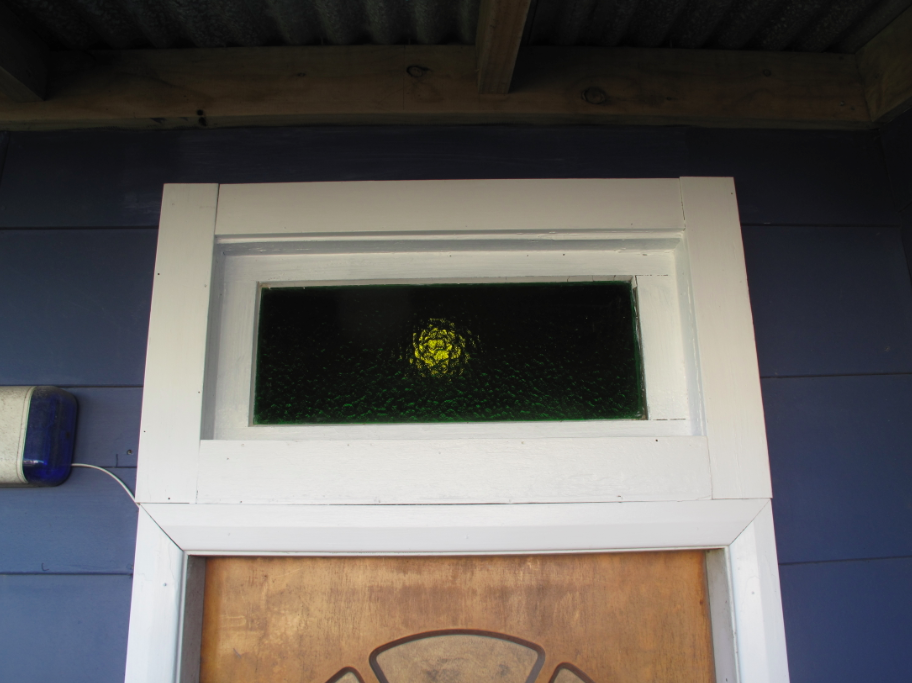
The day we bought the villa in 2010, there were few windows unbroken. Of those, we found an interesting scalloped green glass window in its original frame sitting in what was the kitchen. From all appearances, the villa was in the midst of multiple initiated and abandoned reno projects. Apparently, someone had removed this window from the wall where it had been and placed it in the kitchen – for safe keeping?
We thought the window was original to the villa because it had the distinctive purple and yellow colour scheme found throughout. (Eat your heart out, Terry Lobb!) As such, we wanted to integrate the window into our renovation, but where? Truth be told, my wife was against the idea, so I waited until she went to the states for a wedding and did the project in her absence.
When dealing with second-hand building materials, it is best to take caution when dealing to paint (potentially lead-based) and when cutting wood that may harbor hidden nails. In this case, I used a second XV saw blade and kept a vacuum at the ready for Hoovering up paint chips. Oh, and eye, ear, nose protection.
The window frame would have originally fit into a wall framed with 100 mm studs but the wall into which I was inserting it had been rebuilt by a mysterious previous owner using 90 mm studs. Using my back-up saw and a grunty blade, I ripped 10 mm off the frame – finding a few nails in the process.
Next, I scraped and sanded the loose and flaking paint, and vacuumed up the dust immediately. While the frame was on the ground, I primed it thoroughly before adding two coats of paint. Finally, I set the window in place, trimmed it out, and flashed it. And guess what…the wife liked it.
Before
After
Peace, Estwing

How do you DO, do-it-yourself?

After what meteorologists have described as a mild winter, September’s southerlies have recently visited us on more than one occasion. I have counted two frosts in Castlecliff this month, although the frigid mornings have given way to bright, windless, sunny days: perfect conditions for surfing and for our passive solar renovation.
One particularly stunning day early this month I was able to enjoy riding some of the best waves I’ve ever seen at the North Mole, and then return home to a solar-cooked meal and a solar-heated shower in a solar-warmed home. It would have been the perfect day but for an unfortunate moment in the Tasman that left me with two halves of a formerly whole surfboard. Worse yet, it was my wife’s board! I suppose sacrifices must be made.
Thanks to free sunlight energy, afternoon and evening indoor temperatures in our villa have been consistently 20 – 23 degrees this month, and I’ve only run the wood burner two mornings. This is the type of performance we hoped for when we started the renovation nearly three years ago, and as regular readers of this column will know, it is the cumulative result of many small efforts and attention to detail.
I’ve written about most of them over the course of the last 16 months, and will continue to do so as long as community interest, my mental faculties, and the Chronicle persist. But for the time being, I want to turn it over to you.

Write Now: Please send your ideas. 
Yes, that’s right, you in the gum boots and Swandri; you in the stubbies and rugby jersey; you in the jandals and board shorts; and especially you sitting in your lounge under a blanket with a woolen beanie on your head. I’d like to hear what good old Kiwi ingenuity has to say about making cold, draughty houses warm, dry and healthy on a budget.
I’m sure there are heaps of grand ideas out there worth sharing. I reckon we are our own best resource, and by sharing our experiences and ideas we will all be better off.
Additionally, I’d like to hear from:
• anyone who has taken advice from this column and implemented it into their own home.
• anyone who attended a Project HEAT (Home Energy Awareness Training) presentation this winter.
• anyone who had a free home energy audit provided by Project HEAT this winter.
Please send a short description of your efforts at creating a healthy home to: theecoschool at 
gmail.comor post to 10 Arawa Place, Castlecliff, 4501.
Please include high quality photos of your handiwork, as I’d like to share this wealth of information and experience in a future column.
Need I remind you the best time to do something like this is now? Get on that keyboard. Get out that pen. And write!
 Peace, Estwing

A Designing Mind: Turning ‘Disability’ into Asset

My year-two teacher is remembered in my family for telling mum and dad I would never read.
Despite this definitive diagnosis nearly four decades ago, this year I earned a PhD in education. But I did not pursue this degree because I loved school. I did it because I hated school.
Primary schooling was completely and utterly miserable for me. Nearly every teacher singled me out for scorn not because I was naughty, but because I could not learn from the ways they were teaching. I was sent to the reading tutor. I was sent to the speech therapist. I was sent to the child psychologist. If not for sport and art, I would surely have been sent to the principal’s office.
As a rubbish learner, I took refuge in those things I could do well. My artwork was included in shows, it won awards, and I sold limited edition prints at the age of 17. Sport treated me even better. I captained the football (gridiron), wrestling, and Lacrosse teams in high school, and played all three on the NCAA level in university.
At about 15 years of age I figured out that ‘success’ in academics was not about learning, but about getting good marks. Getting good marks in class was like scoring goals in sport. I developed the attitude that school was a game, and slowly but surely I learned how to play it. While I always played by the rules during physical competitions, I’m afraid I cannot say the same about academics.
A combination of creative problem solving (aka cheating), art, and sport eventually earned me a place at one of the most prestigious universities in America. It was not until my first year at uni that I willingly and eagerly engaged in learning. I remember the first day of class, sitting in a lecture hall with 200 other students. I took out my notebook and wrote on the cover:
Enviormental Studies 101
I girl sitting behind me tapped my shoulder and said, “It’s spelled e-n-v-i-r-o-n-m-e-n-t-a-l.”
Despite my embarrassment that day, the environment and its protection has guided my life ever since. I chalk this up to a number of reasons: 1) as a child, I took refuge from school in nature (along with art and sport) and developed deep bonds with the streams, lakes, and forests of my home range; 2) I was deeply moved by what I learned in ES 101 and subsequent courses on an emotional level; and, 3) for the first time in my life I was able to engage a subject of study that functions like my brain. In other words, ‘the environment’ and my brain thrive on interconnectedness.
Up to that point, all of my schooling was about reducing information into small bits to be memorized and presented back to the teacher in pre-determined ways. As Laughton King – who presented three fabulous programmes in Whanganui in early September – would say, I was a diesel brain in a petrol school. And we all know what happens when you put petrol in a diesel engine.
Laughton brought his fresh perspective to our city and helped me re-appreciate that my biggest liability as a child has become my biggest asset as an adult. That is, my brain’s natural tendencies to seek out interconnectedness, recognize feedback loops, and visualize slow change over time.
What was once labeled a learning disability now provides me with the ability to engage with the eco-design process as if it were completely natural, which, after all, it is! Ecology is, by definition, the study of the living and non-living components of a system and the interactions between them. While the discovery of ecology did not save my life, it has provided direction, meaning, and a career, because lord knows I was never big enough to play professional gridiron! 

Widening Gap Damages Social Sustainability

Editor’s note: This is an editorial I wrote for The Wanganui Chronicle. Feedback so far has been very positive. I reckon it will also draw criticism in the Letters section next week. – Estwing
Social Sustainability under Threat in the River City
Today is the vernal equinox. Following a long winter, it is the day when hours of daylight equal hours of starlight. It is a day to ponder balance, Yin and Yang, equality.
I’ve lived in New Zealand for five years, and the more I’ve learned about the nation, the more concerned I become about its future. Please understand, however, that I specifically chose to come here to earn a Doctorate in education at the University of Waikato, and my wife and I have chosen to remain here after the completion of my degree. We very much enjoy living here, so much so that we chose to have our first child in our home in Castlecliff, Whanganui with the assistance of two amazing midwives. We are proud that she is a New Zealand citizen.
Obviously our daughter is precious to us, and we breath a sigh of relief every time we hear news of another school shooting in our native America, knowing this little girl will never face such horrific circumstances. But while New Zealand and the States differ dramatically with regards to firearms, they are not so different in terms of prison population per capita, drug abuse, and other social problems.
I recently flew back from Boston, after having celebrated with my parents their 50 years of wedlock. As my flight approached the North Island, I was handed a small slip of paper that asked, among other things, what was my primary occupation. After some consideration, I chose to write researcher, because that’s what I’ve spent the last four years doing – albeit unpaid.
The point is I feellike a researcher. In other words, thanks to excellent supervision at Waikato, and four years of writing and re-writing and re-writing and re-writing, my brain works differently than it did when I stepped off a plane in Auckland in June 2008. As a researcher, I seek out the best available information on a topic, and then attempt to build an argument in a clear and unbiased manner. What follows is just that.
A large and growing body of evidence suggests that greater income inequality leads to greater social problems such as crime, drug abuse, domestic violence, and teen pregnancy. Based on research by British social scientists Richard Wilkinson and Kate Pickett, New Zealand is among the top nations in both income inequality and social problems (see The Spirit Level: Why More Equal Societies Almost Always Do Better). Wilkinson appeared briefly in the TV3 documentary programme, Inside New Zealand: Mind the Gap, on Thursday, 29thAugust in an interview with documentarian Bryan Bruce. During his brief appearance, Wilkinson made the disturbing observation that the income gap in New Zealand had grown even wider since he and his wife published their findings in 2009.
Alongside Wilkinson, Bruce’s doco included interviews with a wide range of economists and researchers from around the world, whose words reinforced those of the Brit, and stirred within me anxiety about my daughter’s future in an increasingly inequitable nation. Some say all politics is local, so I’ll limit the rest of my commentary to the Wanganui District Council, and present an argument that the current rates structure exacerbates income inequality in our city, which will likely result in more anti-social behaviour.
Before I build that case, it should be noted that no one, rich or poor, wants to see more crime, neglect and abuse in the River City, but that is the likely outcome if the WDC continues its trend of taxing the poor significantly more than the rich.
Using data provided by WDC in the Draft Annual Plan 2013-2014 Summary, I took out a calculator and set to work. Using capital and land values provided in Table 3 on page 3, I was able to determine that for the bottom five properties (lowest combined values) rates average 1.1%, and that for the top five properties (highest combined values) rates average 0.55%.
Put simply, those living in cheaper houses pay twice as much as a percentage of combined land and capital value as those living in expensive houses.
In addition, the movement in rates in Table 3 indicates that the bottom five properties could expect a rates rise of 5.9% while the top five properties could expect a rise of 5.4%. Put simply, the gap in rates will continue to widen, with those living in modest homes paying more year after year.
Combined with trends of increasing costs for food, power and petrol – which disproportionately impact low-income families – it would be unlikely to find anyone, even from the far right, who would admit the trend in our rates structure is sustainable. Yet here we find ourselves.
In many ways Whanganui is a great city, but we also face many financial, economic and social challenges. My fear is that our political leadership will not have the vision and courage to address its role in the widening gap identified by Bruce and others. Social problems associated with income inequality affect all of us, and in the end we all pay for them one way or another.
I grew up on the outskirts of Detroit, and I know full well what weak leadership can do to a great city. Motown’s recent financial bankruptcy, in my opinion, was made worse by a moral bankruptcy that has existed in the mayor’s office for decades. In many ways it’s too late for Motor City, but it’s not for the River City. Can our political leaders evaluate the best available social science research and make the hard decisions that are in the best interest of all residents? Will they choose to reverse the trend in rates that disproportionately impact the poor?
And finally, will Whanganui be the type of place our daughter will want to live when she helps us celebrate our 50thwedding anniversary? 

Whanganui Permaculture Weekend

My best description of eco-design is this: it works with nature, not against it; it is holistic, not reductionist; it takes advantage of free and abundant energy flows; and, it is good for people and the environment. My wife, Dani, and I have demonstrated the power of eco-design through our renovation and edible landscaping efforts in Castlecliff. The Wanganui District Council has demonstrated what happens when you ignore eco-design through the ongoing wastewater treatment plant fiasco, which has turned out to be costly, polluting, and unhealthy.
While there are many forms of eco-design, one that appears to have established itself in New Zealand and Whanganui is permaculture. Like all eco-design systems, permaculture is science-based, but since its founding in the 1970s permaculture has also been grounded in ethics. The permaculture ethics are: care for the earth; care for people; and, share surplus resources.

Those people who identify themselves as permaculturists are ethically-bound to care and share – not so different to the teachings of Jesus, Mohamed, Buddha, and the prophets of other religions. In the case of practicing permaculturists, sharing surplus resources can take many forms. For example, surpluses may be fruits and veges, nuts, seeds, seedlings, saplings, or even funding for a community project. Many readers will be familiar with the generosity of local permaculturists Mark Christensen, Melinda Hatherly, Murray Jones, and Nolene Landrigan.
For my part, surpluses do not include seedlings, saplings, or funding, but rather enthusiasm, experience, and knowledge. For example, I am happy to share the story of our eco-thrifty renovation with readers of the Chronicle on a weekly basis because it is a way for me to care for people and the earth. In other words, when readers adopt ideas from this column, they can save resources and money, live healthier lives, and have less impact on the environment.
Additionally, Dani and I operate The ECO School, which is dedicated to providing high quality sustainability education to anyone who wants to learn, not just those who can afford to learn. E.C.O. is a Spanish acronym formed from the school’s name, La Escuela (the school) Ecologica, Cooperativa, y Obrera – Ecological, Cooperative and Working.

Along with the individuals mentioned above, and other local permaculturists, we believe that community sustainability and resilience is best achieved through holistic, cooperative efforts that are open to all those who want to be involved. Over the last two years The ECO School has partnered with dozens of community organizations, religious groups, local businesses, schools, adult learning centres, and individuals on a wide range of projects.
Like those successful programmes, our next project is a cooperative effort involving local permaculturists eager to share examples of how they care for the earth and for people. This Caring and Sharing Permaculture Weekend takes place the 20th-22nd of September.

It kicks off with a shared meal at the Quaker Settlement on Friday the 20th at 6 pm followed by a speaker at 7:30 pm. Saturday and Sunday will offer field trips, workshops and presentations. All events are open to the public and any type of koha will be accepted.
Whanganui Permaculture Weekend
Earth Care ~ People Care  ~ Fair Share
20th-22ndSeptember, 2013
Please consider koha for each event, kia ora.
Friday 20thSeptember
6:00 Shared Meal at Quaker Settlement. 76 Virginia Rd. Wanganui
7:30 Presentation on Permaculture Projects on the Settlement
Saturday 21stSeptember
9:00 – 1:00 River Traders Market, Taupo Quay, Whanganui
Programme below takes place at the Whanganui Resource Recovery Centre Education Room, 83 Maria Place, Wanganui
10:15 – 10:45. Tour of the new Whanganui Resource Recovery Centre (SWT) and Sustainable Whanganui Trust, Whanganui Environment Base (WhEB).
11:00 – 11:45. Discussion on ‘Designing for Generosity’. Vanessa Witt.
12:00 – 12:45. “Roots and Shoots: Growing Community Organisations in the Spirit of Permaculture” Sharon Stevens, RECAP fdr. Chairperson.
1:00 – 3:30. “Community Finance and Savings Pools: The Game!” Phil Stevens, Living Economies Educational Trust, Chairperson.
4:00 – 5:30. Live Food Workshop – Rachel Rose
6:00 – Shared Meal and Sharing Stories – WhEB rooms
Sunday 22ndSeptember
Rural and Semi-rural Property Tours
Please register for addresses and pooled transport meeting time & place. Melinda Hatherly – treelife@xtra.co.nz or phone 342 5904.
9:30 – Dave Aislabie’s Organic Gardens and Orchards; Kai Iwi
11:30 – Mark Christensen’s Garden & Orchards; Springvale
1:30 – Richard Thompson & Laurel Stowell’s property; Papaiti (Aramoho)
3:30 – Pete Hewson’s property ‘The Hill’ Durie Hill.
Urban Property Tours – Castlecliff Gardens
Meet 11:00 am at 10 Arawa Place  for map and schedule.
Please join the Permaculture Wanganui Facebook page!

Adult Learner’s Eco-Literacy Week a Success

We’ve just completed seven days of presentations, workshops, demonstrations and celebrations marking Adult Learners’ Week/He Tangata Mātauranga, 2nd – 8th September. 

The programme included: 

• Warm, Dry, Healthy Homes
• Understanding Your Power Bill
• Organic Vege Gardening
• Solar Energy
• Composting
• Fruit Tree Care (Pictured)
• Eco-Literacy Celebration 

The ECO School partnered with Adult and Community Education Aotearoato, Community Education Service Wanganui, and TreeLife NZ, Ltd.


A big thanks to all our partners, and to Mark Christensen, who likes to help but does not like taking the credit. Chur to you too, Mark.

Peace, Estwing

Extreme Door Makeover

I’ve often written that one concept central to eco-thrifty design thinking is that of ‘multiple functions.’ You can save resources (eco) and money (thrifty) when one element in your design can do a number of different things. A recent example I used in this column was our Shacklock 501, which can heat our home and cook our dinner using wood as a fuel, but also ‘stores’ solar energy in the form of heat on sunny winter days.

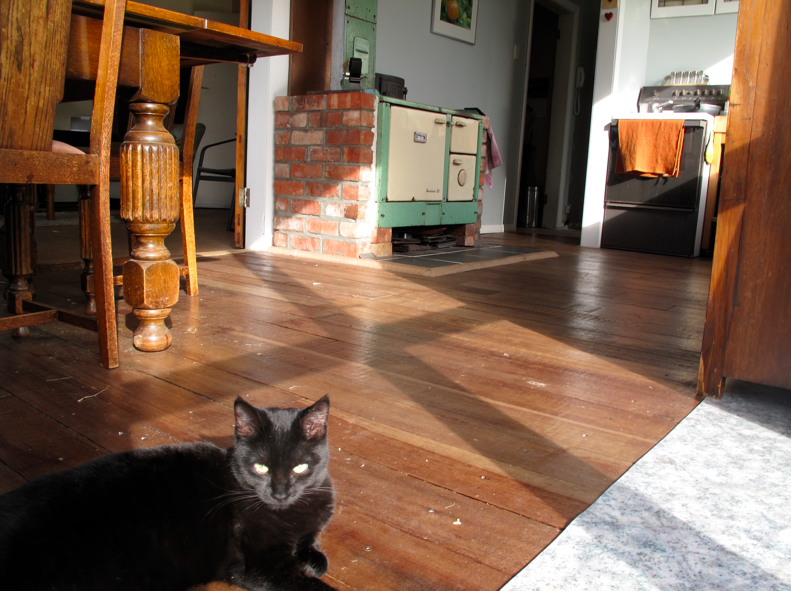
Passive solar Shacklock 501 and passive solar cat.

The specific placement of the 700-kilogram Shacklock within our home was an important design decision for optimal passive solar performance. Unfortunately, when I am asked to audit other people’s homes I see many cases of what appear to be thoughtlessdesign decisions. One common example is the placement of glazing (windows and doors) without any regard to the sun, which can lead to unnecessary heat gain and/or unnecessary heat loss.
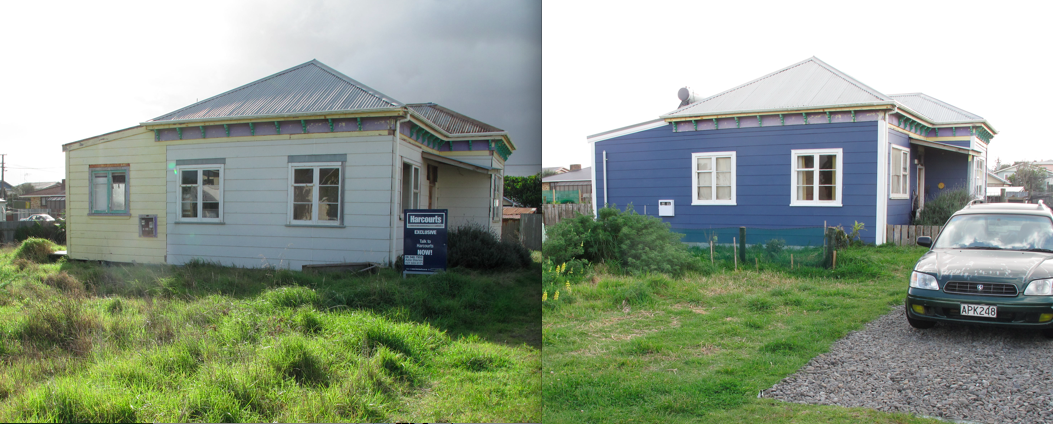
In Whanganui, a southwest facing, single-glazed window is likely to be a net energy loser in winter and a net energy gainer in summer. In my opinion, this is exactly opposite to the way glazing should serve a home and its occupants. During our renovation, we removed one southwest-facing window that made our home hot in summer and cold in winter, and replaced it with an insulated wall that keeps us cool in summer and warm in winter.
Before and after, southwest window (in yellow area) removed. 
If you have one or more such troublesome windows but are not in a position to remove them, there are a couple of easy things you can do to remedy the situation. The obvious one is to draw your curtains during summer afternoons to exclude the sun, and to keep them drawn as much as desirable in winter to reduce heat loss. A less well-known design strategy is to plant one or more deciduous trees on the southwest side of your home to shade it from the summer afternoon sun. An even better idea is to plant deciduous fruit trees such as apples, peaches, pears or apricots to provide shade and snacks.
An even less well-known strategy is one I came up with while working with a homeowner in St. John’s Hill. This approach is most definitely a niche strategy involving south facing glass doors. In my opinion, any southerly-oriented glass door is likely to be more liability than asset.
One of two south-facing glass doors. 
The aforementioned home in St’ John’s Hill provides two perfect examples to illustrate my point. One old four-panel rimu glass door with dimpled glass leads directly into the garage on the south side of the home, and another identical door leads to a small, covered south-facing landing at the back door.
Neither door receives any direct sunlight during the coldest months of the year, making both net energy losers. Furthermore, the homeowner saw no benefit of a glass door leading to the dark, cold garage or to the seldom used back door, which was located in the kitchen that had plenty of large, north-facing windows.
Our solution: Extreme Door Makeover – Eco-Thrifty Edition!
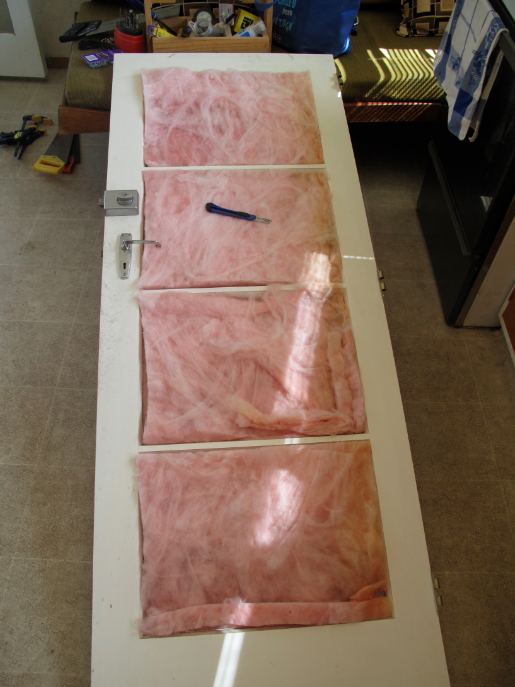
Pink Batts fitted into glass panes. 
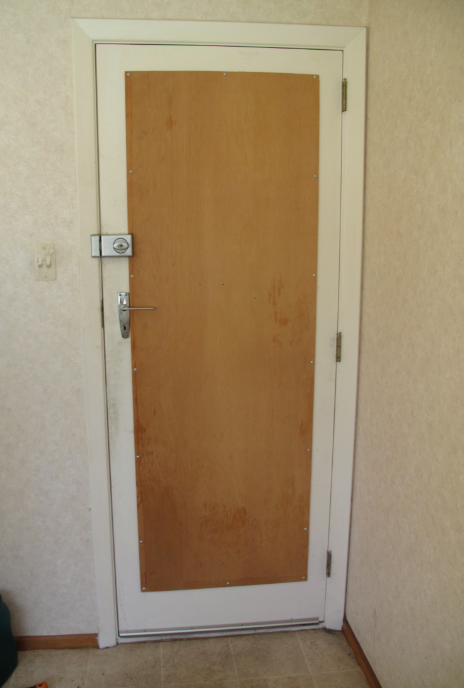
As you can see from the photographs, I took each door off its hinges, cut and placed fiberglass insulation over each pane of glass (both sides), and then screwed into place precisely cut sheets of thin plywood (both sides). The homeowner later primed and painted the ply to match.
Door after, waiting to be primed. 
From my perspective, this strategy transformed both doors from extremely low thermal performance to very good thermal performance, all at a fraction of the cost of replacing them with new, well-insulated doors. Once again, eco-thrifty design thinking rides to the rescue with a win-win-win solution. Yahoo!
Peace, Estwing

Late Winter Permaculture Update

I’ve just returned to my patch after a month away. The best thing is discovering all the changes that have taken while I was away.

Reports are that we have had the mildest winter in decades. We had two frosts back in late May, and one very mild frost this morning. Orchardists say we are weeks ahead on the season and spring has already sprung.

Here are a few highlights of our property today.

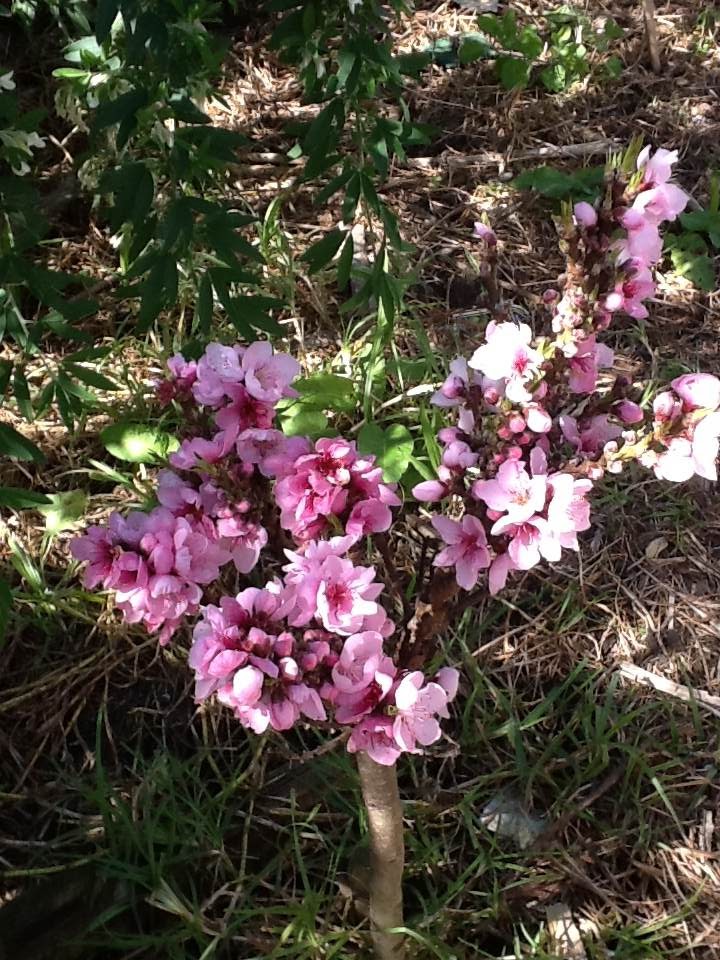
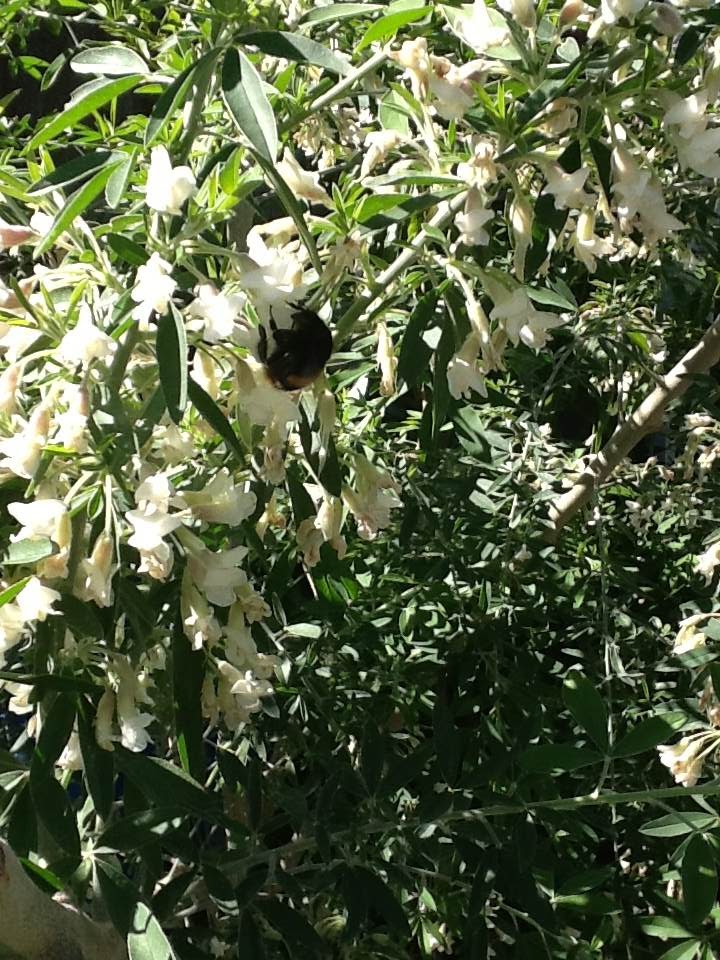
Nectarine blossoms 

Biggest bumble bee I’ve ever seen!

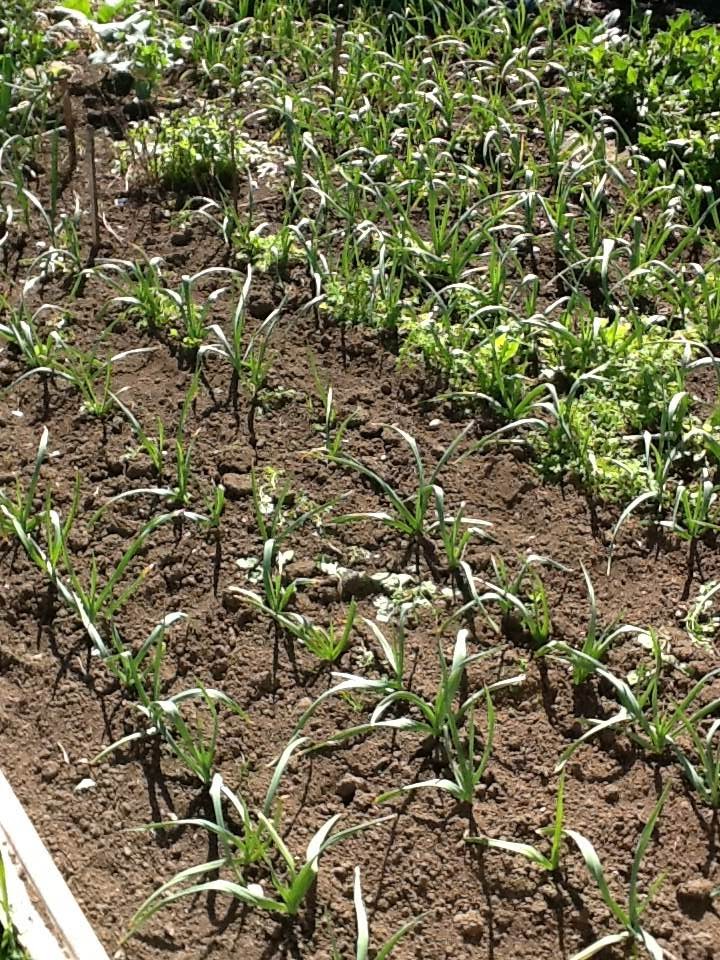
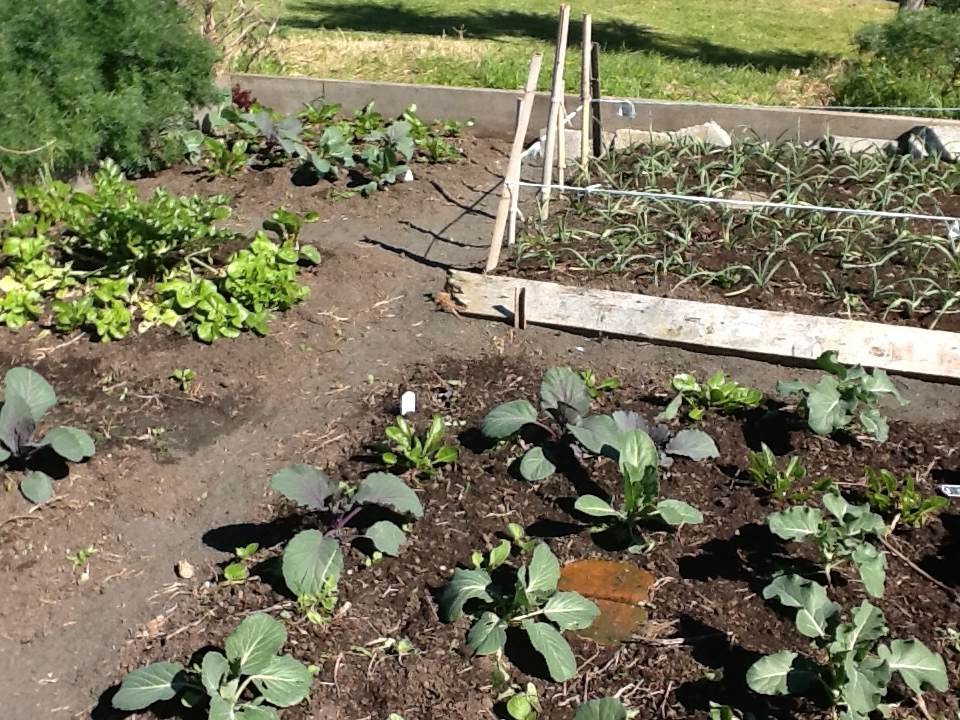
Rows of garlic up and away

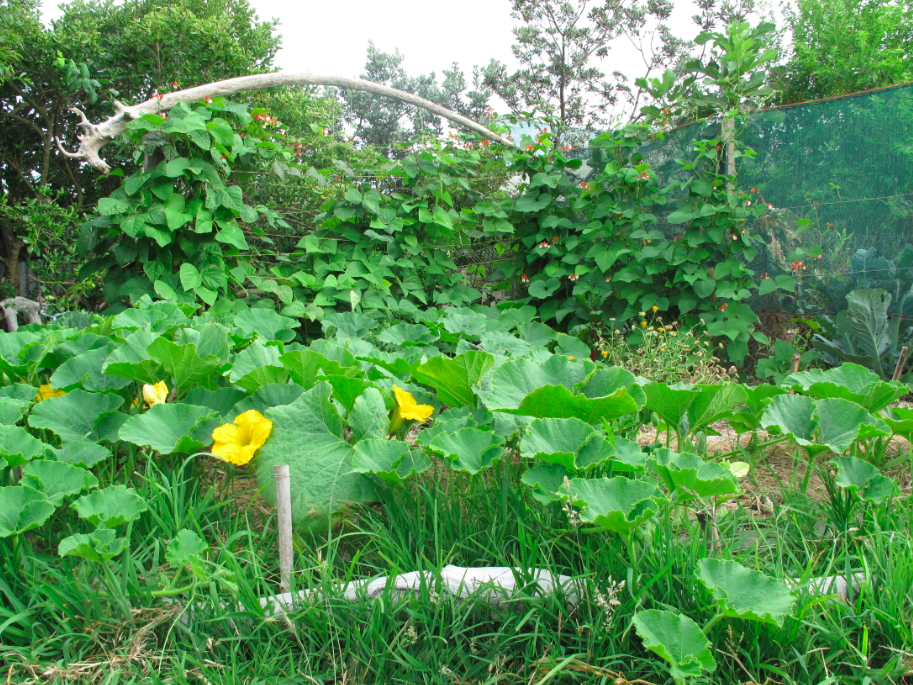
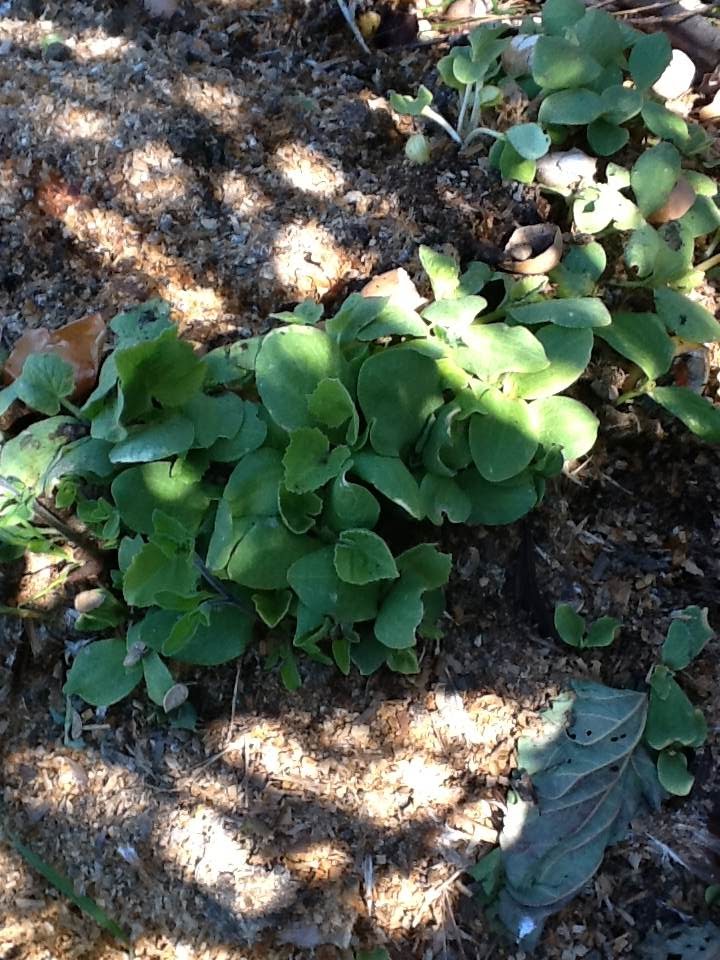
Volunteer pumpkins already germinating from the compost pile. 

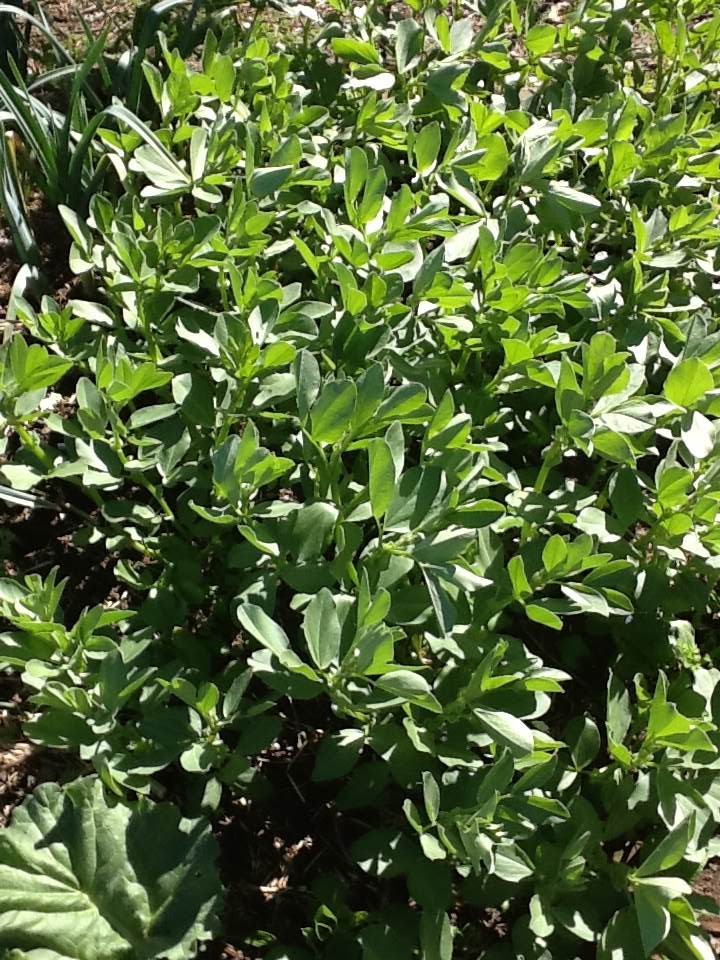
Broad beans

Banana plant survived the mild winter without need of cover

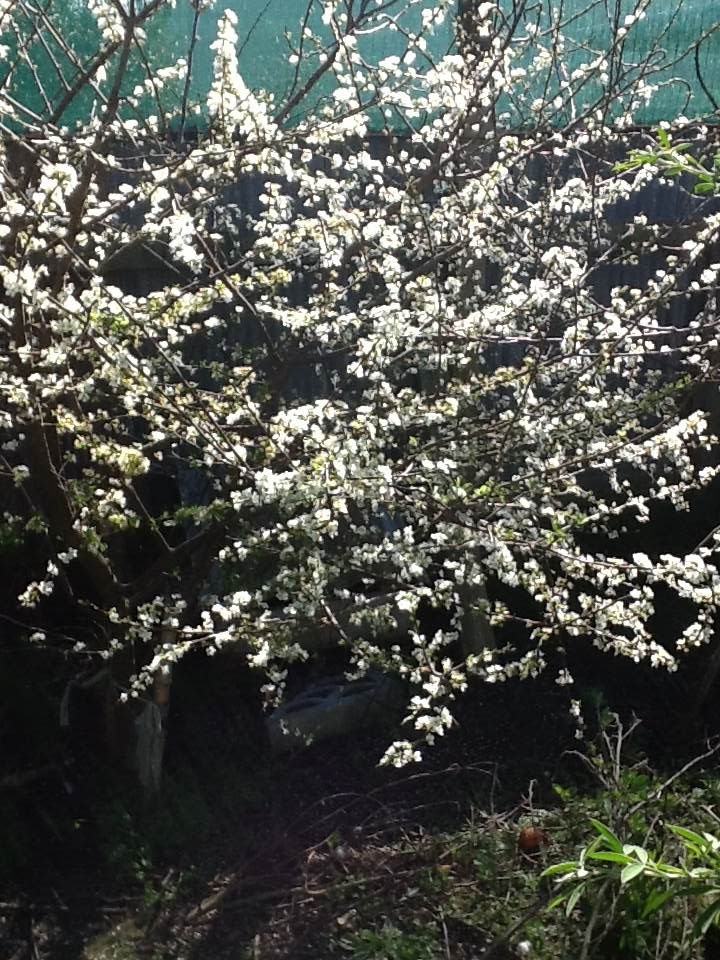
Plum blossoms

Community garden in our front yard

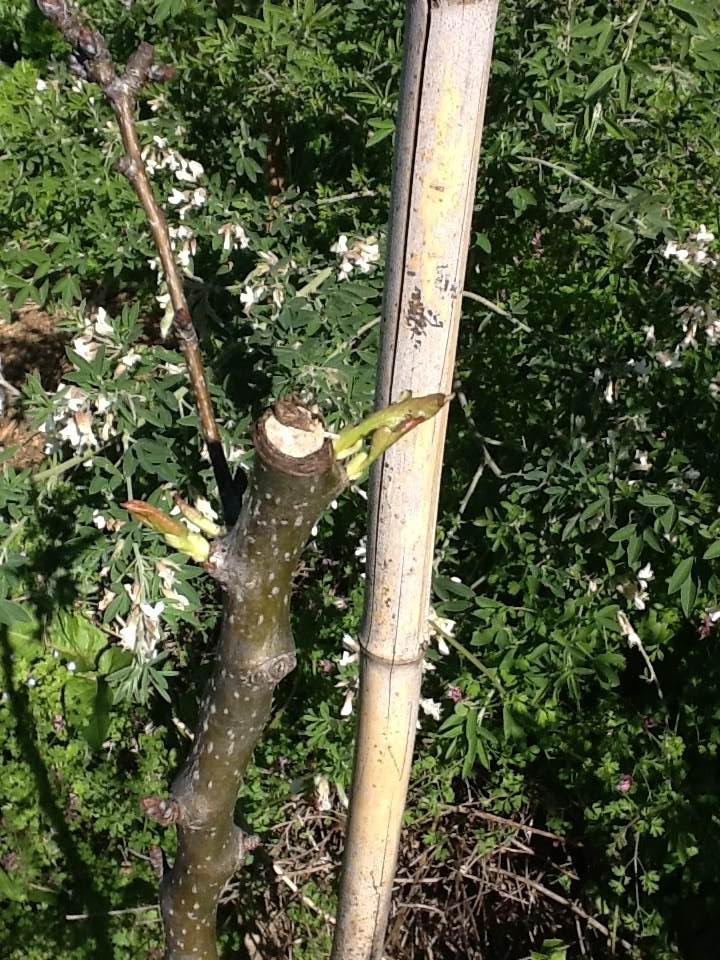
Pears just leafing out

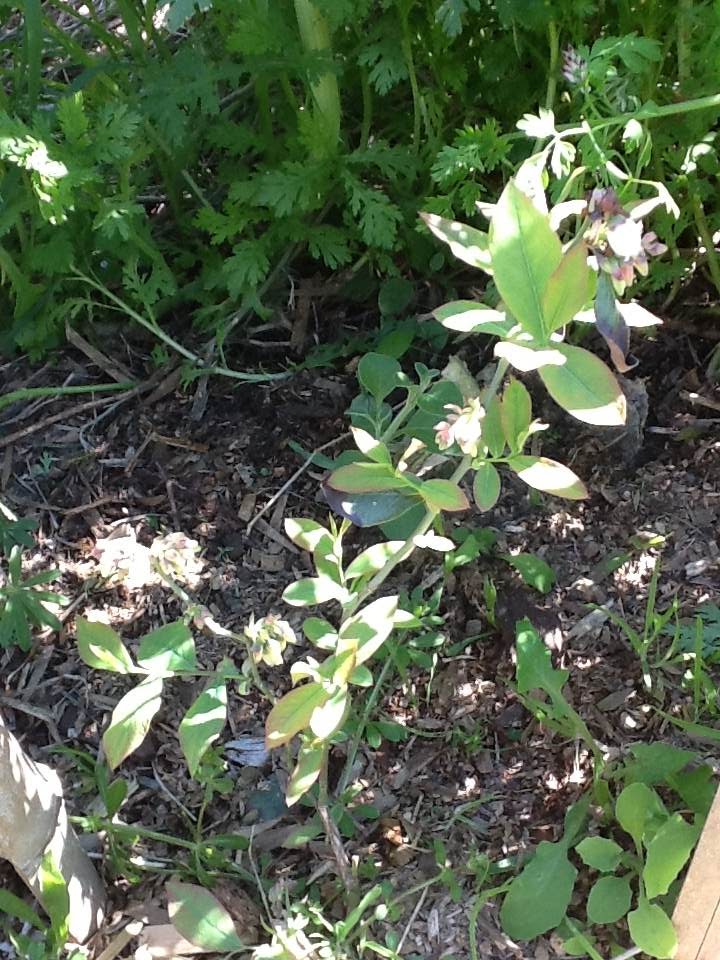
Blueberries in blossom

Black boy peach. Yum!

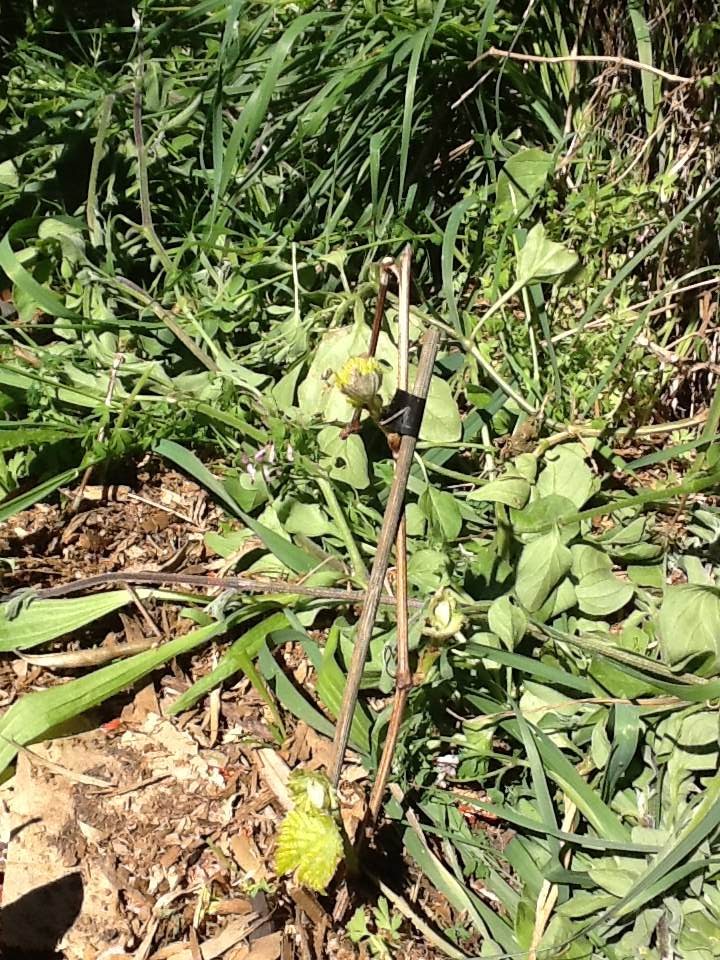
A tiny grape vine I bought 2 months ago reduced to $1 for clearance.

Our Steiner Play Group daffodil

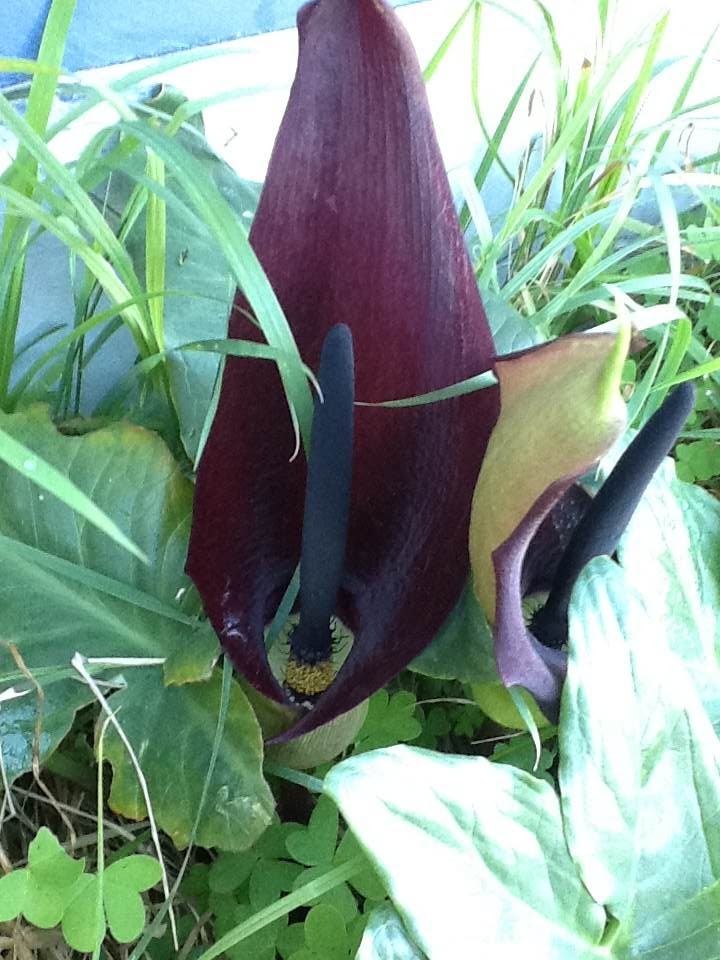
Awesome! Any guesses? 

Ubiquitous, but Mrs. Estwing loves them

Verti Birdies’ birth tree: Apricot blossoms

Red raspberries

Happy to be home but miss my girls, Estwing

Ask a Solar Question

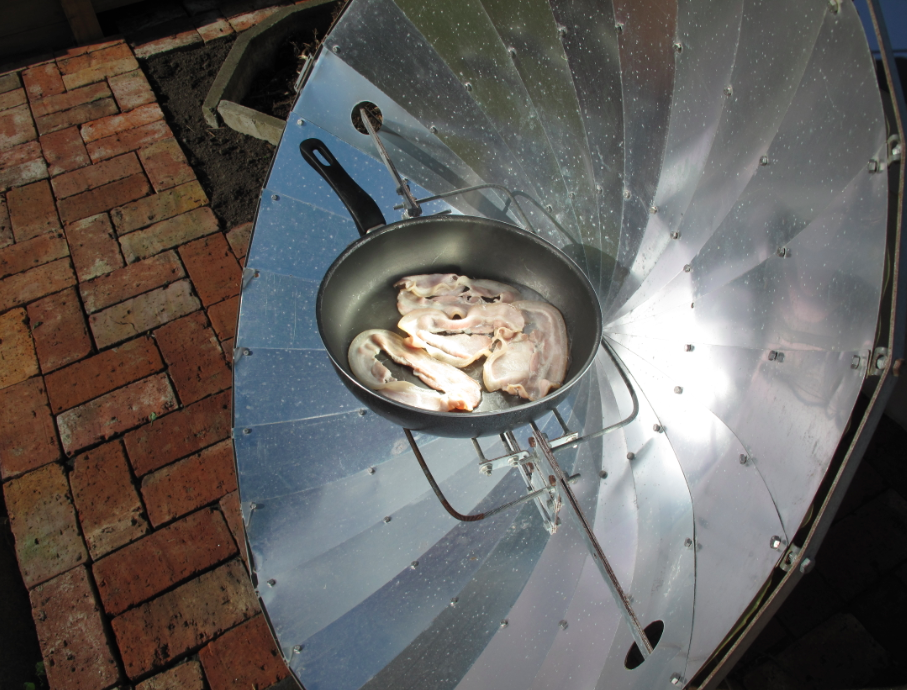
Ahh, solar bacon. 
Almost everything we think of as ‘energy’ on our planet can trace its power to the sun. These include petrol, diesel, coal, methane, propane, LPG, as well as wood, wind, and hydroelectric. The first six on this list are sometimes called ‘ancient sunlight’, because, as fossil fuels, they are the result of organisms (mostly plants) that lived and died millions of years ago. As we learned in school, the amazing process called photosynthesis converted that ancient sunlight into living matter (biomass).
The last three on the list are sometimes called ‘current sunlight’ because they are powered by solar energy that reaches the earth on more of a human time scale – from days in terms of wind to decades in terms of wood. While wood is considered a form of biomass, wind energy and hydroelectricity are not the result of photosynthesis, but rather the result of the sun heating the earth’s continents and oceans. High and low pressure systems cause winds, and water falling back to earth in the mountains can drive hydro dams as it travels down rivers back to the sea.
All of this demonstrates how important the sun is to life as we know it, but does not include a number of ways in which the sun is used directly by humans as an energy source. These different forms of ‘solar power’ can be roughly classified into two categories: heat and electricity.
Forms of solar heating include passive solar building design, solar hot water, and solar cooking. We use all of these at our home in Castlecliff. Together, these have helped us live comfortably with a power bill that ranges between $20 and $30 per month.
 Later afternoon winter sun.
Forms of solar electricity include photovoltaic (pv) panels and solar thermal power. Most of us are familiar with pv panels because we have seen them on houses or calculators. There is some very cool science that goes on in these ‘solar cells’ where sunlight forces electrons across a boundary, which then causes a flow of electrons (electricity) through a wire. We do not have pv panels on our home, but we do have an emergency solar radio and flashlight tucked away somewhere.
Solar thermal electricity may be the least familiar to New Zealanders because it is a younger technology than pv and no such power plants have been built here. It is, however, catching on in a big way elsewhere. California, for example, has just built the world’s largest solar thermal plant in the Mojave Desert, which consists of 170,000 mirrors and three 130-metre concrete towers. The mirrors track the sun throughout the day and reflect light onto the towers. This intense heat boils water over 500 degrees Celsius, which creates steam that turns a turbine connected to an electric generator. It is estimated that the plant will power 140,000 homes at a construction cost of $2.2 billion (US).
Don’t have that kind of cash on hand but still want to learn more about using solar energy in your home?
Ask a Solar Question.
Thursday, 5th September, 7-9 pm.
256 Wicksteed St. Wanganui
$20. Registration essential. Ring CES – 345 4717
This workshop presents the basics on three common forms of harnessing the sun’s energy: solar electricity, solar hot water, and passive solar design. Bring your questions and get unbiased advice.