Partnering for the Planet

The ECO is all about cultivating and nurturing beneficial relationships: in nature and in human society. We are pleased to announce that we have partnered with Sustainable Whanganui to design and deliver professional development training in Education for Sustainability for teachers in Wanganui and the surrounding areas. We are excited about this opportunity to deliver these highly innovative programs right in our own community. If you are interested in us bringing programs to your community, please contact us at theecoschool@gmail.com.

Professional Development – Primary Teachers

This innovative offering provides primary teachers with the skills and confidence to embrace education for sustainability in their classrooms. It takes a multi-disciplinary approach across the learning areas and addresses many of the values, key competencies and principles of the New Zealand Curriculum. And best of all, it is designed to be responsive to teachers’ needs. The program includes two professional development sessions and one classroom session specifically designed for each participant.

Professional Development – Intermediate and Secondary Science Teachers

This innovative offering has two tracks: biology and physics. Each one focuses on the science of sustainability by linking science topics to a local sustainability initiative of The ECO School: The Eco-Thrifty Do-Up. The physics track focuses on the physics of passive solar design and energy efficiency in the home. The biology track focuses on ecological landscape design and the biology behind organic gardening strategies. The program includes one professional development session for each track and a field trip for each participating teacher’s classes to the project site or a PowerPoint slideshow if transportation cannot be arranged.


Peace, Estwing

It’s all Academic

I just pretend to be a builder/farmer/educator. My real identity is as mild-mannered graduate student. My research seeks to explore ways in which permaculture can be integrated into secondary science classes as a way to enhance students’ scientific literacy, ecological literacy, systems-thinking skills and attitudes towards learning science in school. I am lucky enough to be researching through the Centre for Science and Technology Education Research (CSTER) at the University of Waikato.

Not only are my research supervisors fantastic, but my chief supervisor, Dr. Chris Eames, thought it may be a good idea to plant a community garden for the CSTER in the middle of a campus otherwise consisting of concrete towers and asphalt parking lots. We first planted the garden on September 21st, 2009.

Almost a year and a half later, we have expanded the garden and harvested tomatoes, beans, corn, basil, corgette, aubergine, chilis, lettuce, silverbeet, and…

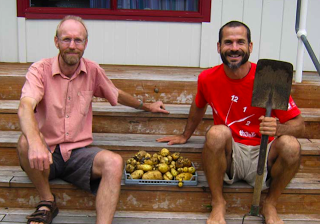
…SPUDS!

Here’s to the best PhD supervisor ever. Thanks Chris!

Peace, Estwing

Exterior Paint Choice

Two weeks ago there was a major storm forecasted, prompting us to think about the weather-tightness of our house. Buckets were placed in the attic under suspicious looking spots, and moved later when leakier spots appeared. But the roof wasn’t the only spot that needed a little TLC.

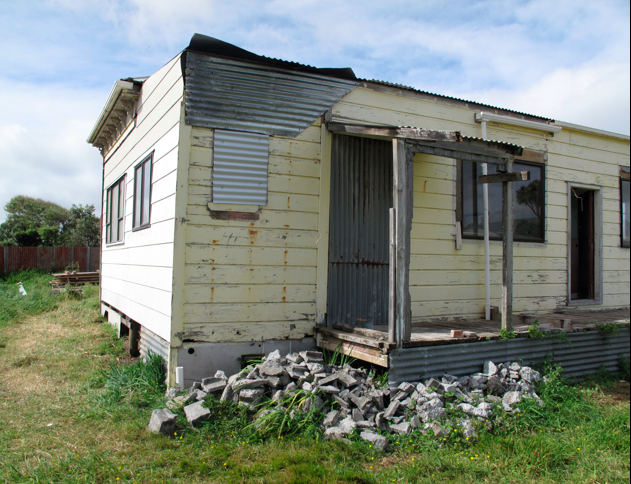
When we first bought our house, the view from the back looked something like this:

We then upgraded the doors and windows and the view became a bit more presentable:

But, the hardieplank remained bare and the sills and facings stayed off the windows as more pressing projects grabbed hold of our attention. Suddenly with a storm approaching, the window facings jumped to the top of the priority list. But, before we could put the facings up, we wanted to paint the hardeiplank underneath and around them. This way we wouldn’t have to go back when the facings were up and try to make a nice neat edge. So what did all this mean? It meant that it was time to buy exterior paint. Wahoooo!!!

We had been thinking about this day for a long time. Debating over the subtle differences between Oneroa, Selwyn, and Blue Knob (I kid you not, that’s a paint color, and we almost bought it). The Placemakers giftcards we received from my Aunt Katy for our wedding, had been set aside for this very purpose, and they were burning a hole in our wallet.

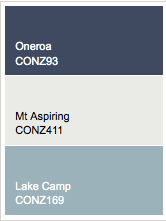
So off we went, and paint was bought. What color scheme did we decide on? Here’s a little mock up, Oneroa for the house, Lake Camp for the gingerbread, and our trim will be pure white:
After we purchased our paint I came home and crunched a few numbers in terms of the environmental and financial impact of our choice, Taubmans Sun Proof Max Latex Exterior Paint. I know, I know, I probably should have looked at these things before we purchased almost $200 in paint, but I got excited, and we had gift vouchers.

So it turns out that we didn’t do too bad on either front.

As always, it is good to shop from local companies who support ethical trading principals and service. A major factor contributing to the sustainability of the paint itself is how long it lasts, so it is important to choose a paint with good weather proofing capabilities. Also, Latex paints, like the one we bought are much better for the environment in manufacturing, cleanup, and off-gassing than oil paints.

The off-gassing of volatile organic compounds, or VOC’s, has been a major conversation for the past few years amongst the paint industry and environmentalists. This is because VOC’s can contaminate soil and groundwater, the vapors of VOC’s react with nitrous oxides to form ozone in the lower atmosphere whihc is harmful to both animals and plants, and VOC’s also prolong the life of methane in the atmosphere – a greenhouse gas contributing to global warming. Oil paints can have up to 400-500g of VOC’s per liter, and traditional latex paints can have 200-300. Paints labeled “Low VOC” must have less than 100g/l and there are even “No VOC” paints available.

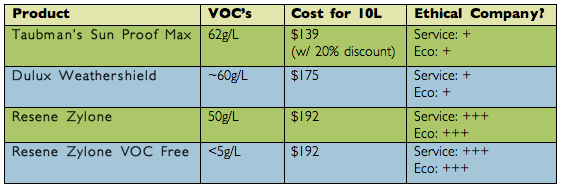
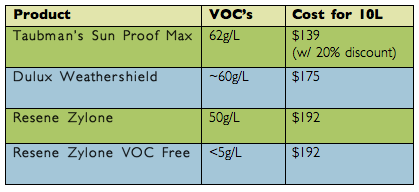
After purchasing our paint I did a comparison of other comparable paints, all latex weather proofing paints of a similar gloss. And here’s how it came out:
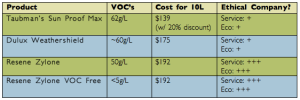
So basically, for $53 more, we could have gotten a No VOC paint, that is comparable to the one we chose, from a company with much better eco and social practices. Given that we will need about 3 buckets of paint, this translates into over $150. Is this a thrifty trade-off we should have made for the sake of the environment? I’m not sure. That $150 is a significant amount that could be put towards upgrading to an Energy Star appliance, or another project on our never ending list. And 62g/L is still very low. The jury is out.

But anyway, here I am applying the first brush stroke of paint. It is really starting to feel like we might have a beautiful house when all this is over. Don’t be distracted by my massive shoulders muscles, you’re looking at the paint here people.
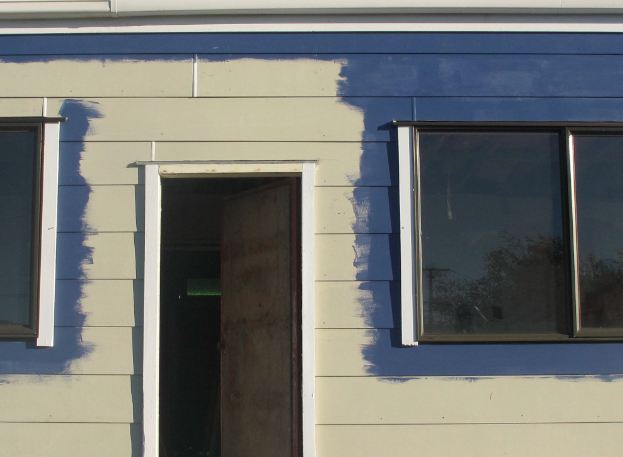
After a few hours we had covered the places where the facings will overlap with two coats. And were left with a patchwork-looking house ready for facings. Just in time too, because we were greeted with three straight days of rain just as John the Intern arrived.
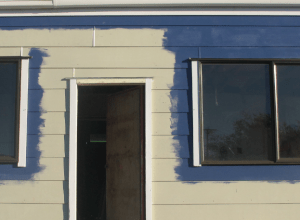
And here is how the patchwork painted house looks now. And what’s John doing up there on the roof? Looks like the subject of an upcoming blog post.

-June Cleverer
Constructing a Solar Oven, v 1.0

Hello! I’m Amy, the new ECOSchool intern, and just arrived on Thursday. After a series of travel fiascos, including missed flights, missed buses, and missed phone calls, I was finally rescued by Dani and John in the McDonald’s parking lot in Bulls. Since, then, I have been adjusting quite nicely and am enjoying New Zealand immensely.

On Friday morning, at the start of my first full Kiwi day, we dove right into my first EcoThrifty project: constructing a solar cooker. Let me start off by saying that it was always a distant dream of mine to own one of these ingenious devices myself. Little did I know that achieving this involved little more than a good-ol’ Google search, some household materials, and a couple hours of intern time.

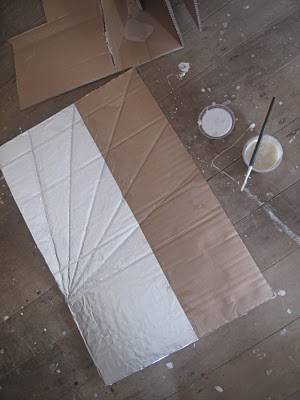
The patterns John found included measurements for the sides and angles for folding the parabolic shape. First, he drew up the pattern in full scale on a sheet of salvaged cardboard (from a box that formerly held a passive solar hot water heater, no less). As we didn’t have a compass, we made our own by folding up the corner of a sheet of scrap paper into 15° angles, and marked these into the cardboard. Next, we creased all our folds with a metal ruler, and got an idea of the general shape of the cooker.

In order to transform these materials from cardboard scraps into a mean, green cooking machine, we needed to cover them with a reflective surface, which turned out to be aluminum foil. We were really taking the whole do-it-yourself thing quite seriously, so we decided to make our own glue. As we were fresh out of animal hooves, we discovered the next best thing: flour and water! Affectionately known as “Marxist Glue,” its manufacturing process involved boiling water in our electric fry pan, and adding in a flour-water mixture while stirring it over the heat to thicken the mixture into a nice gloppy glue.


Sounds easy enough, but when you’re going into this blind and don’t know what the consistency of the flour-water mixture should be before it’s added to the hot water, slight disaster may ensue. Well, not disaster, but huge, useless lumps of clammy dumpling-like dough. The second try was much more successful, and we were able to lay down a pretty smooth coating over which we applied the aluminum. (After all was said and done, we realized we put the wrong side of the foil up, but it doesn’t seem to be too detrimental.)


Finally, we taped the two foil-covered components together, and, “Voila!” we had a cooker. We put it to the test at dinnertime, using the somewhat weak rays of late afternoon sun to successfully warm up some leftovers. For anyone interested in embarking on a similar project, go for it. It was quick, cheap, and easy, and while we have yet to try it in full sun, it did work. Now we are dreaming of our next creation, a solar hot dog roaster! As soon as we find some suitable cans, we’ll get to work. Look for us hawking sausages on a Wanganui street corner in the near future.

– A. Lamb Down Under

Tubbin’ Tomatoes

Splish splash we threw out the bath, and filled it with dirt. By reusing the old bathtub as a huge planter we were able to create the perfect weed-free medium for growing some basil and tomatoes. Until it started to rain, and the bottom drain sank into the ground preventing the tub from draining. Now we are dealing with some rot stricken roots. Hopefully, we caught it in time and were able to raise the tub to drain off the water. Tune in later for more tomato news.
-John the Intern

Peas and Carrots: Pre-Marital Prep

Pre-cana? Nah. FOCCUS test? Nah. Any sort of marriage preparation reading material? Nah. Although, now being almost six months into marriage, I can see that any of those would be very, very, helpful.

This is marriage prep Veggie-style.
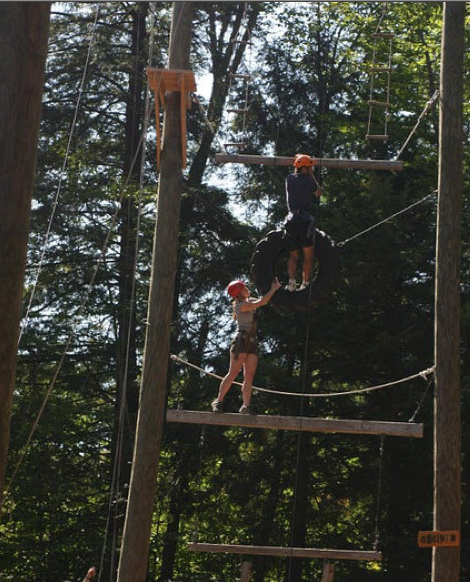
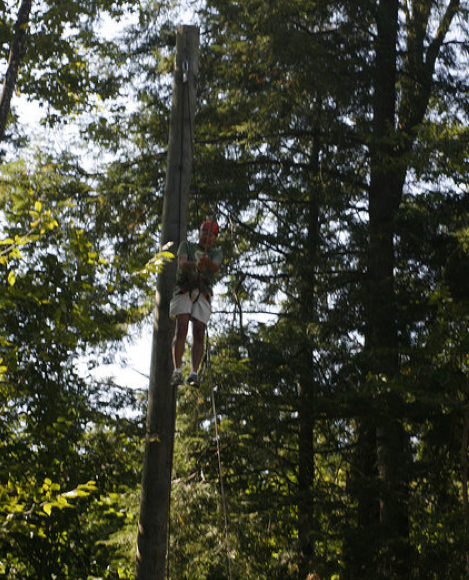
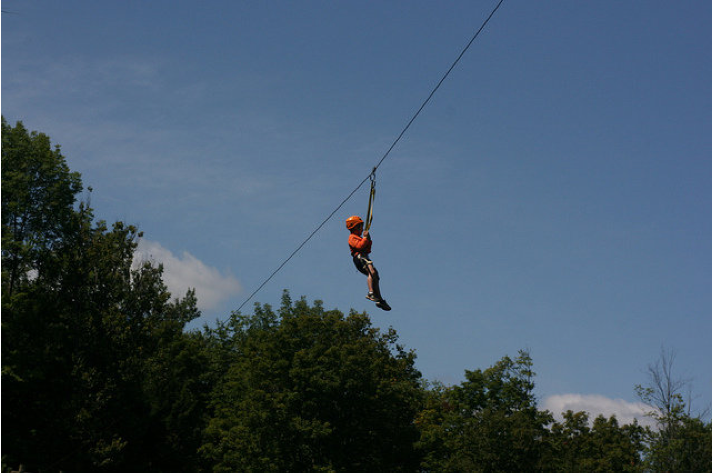
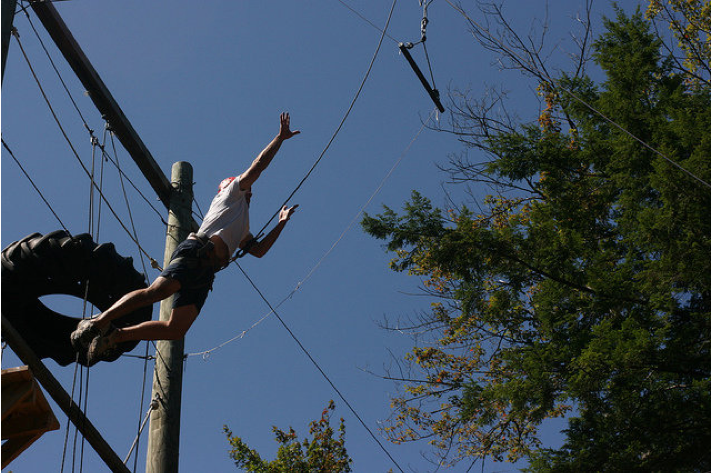
On Friday, amid decorating, welcoming guests, eating some scrumptious food, swimming, and boating, we took some time out for playing on the ropes course. Everyone got pretty into it.

Most surprising entries?
72 year old FFIL Veggie. Re-discovering youthful zest on the zip line and flying squirrel.

6 year old Veggie Sprout Ringbearer. Not scared at all of the 40+ foot multi-stage zip line.

Not to be outdone, Momma Veggie and the Veggie siblings got in on the act.


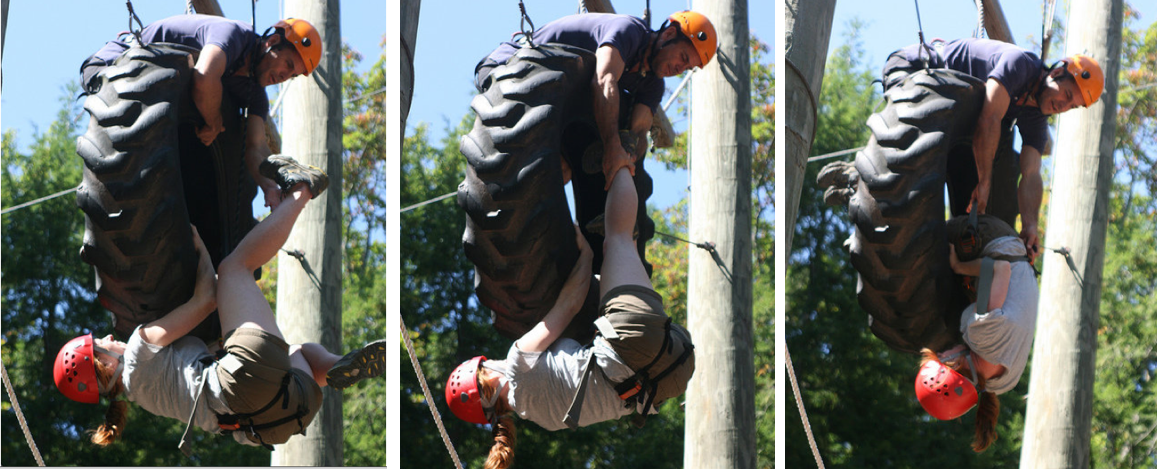
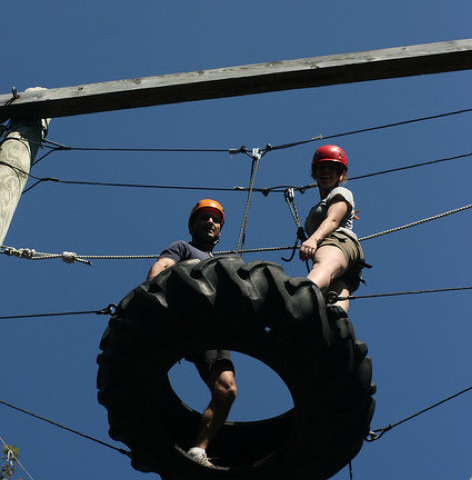
And this is definitely one of my favorite series of photos from the entire weekend.

Now that’s teamwork. What’s your favorite dish? (Any Tenacious D fans out there? Anyone?)

Your family might not be as crazy as ours, but I seriously recommend finding some way of having a relaxing fun time with both sides all together at some point before the wedding. Because we live so far away, and our families live far from each other, it isn’t often that we are all in the same place. Doing the ropes course all together is one of the first memories we created with our new family…all 20+ siblings, parents, and nieces and nephews. Here’s hoping there will be many many more.

Beach Logging

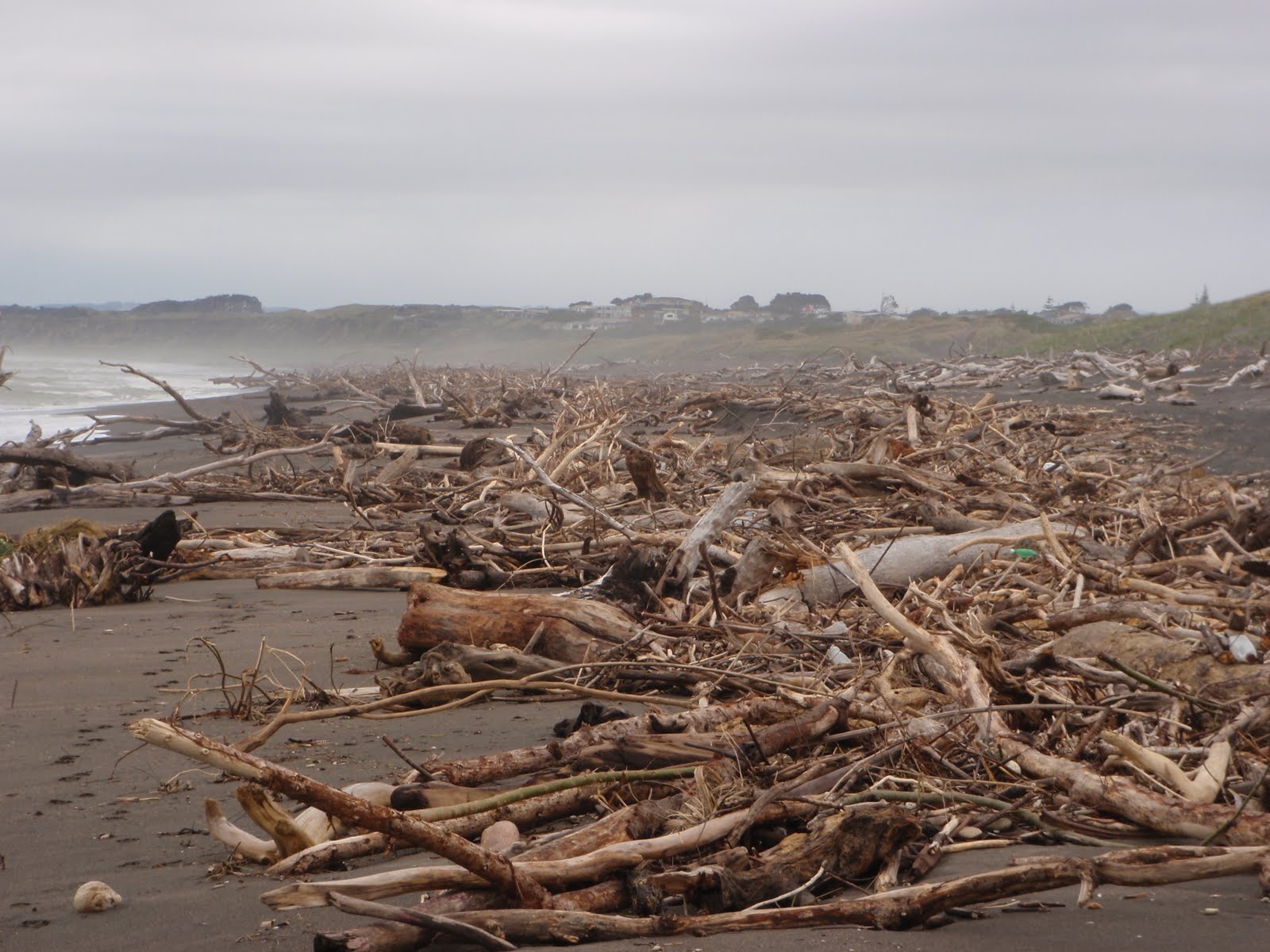
I have been splitting quite a bit of wood for our two wood stoves over the past year and figured that leaving the rural lifestyle behind me and stepping into the suburbs for a few months might offer a change of pace. This dream came to an abrupt end with the three day rainstorm we had last weekend. The Whaganui river swelled into a churning brown monster laden with debris that were belched into the ocean. I thought twice before I took a swim in New Zealand’s agricultural run-off, but figured it was all part of the experience and plunged in. Over the next twenty-four hours the beach was transformed from a smooth black sand ribbon, laced with footprints and ATV tracks, to the remnants of a clear cut gone wrong.

Whole trees were washed up and stacked randomly amongst one another, leaving little room for my daily swim routine. So began my new career as a beach logger.


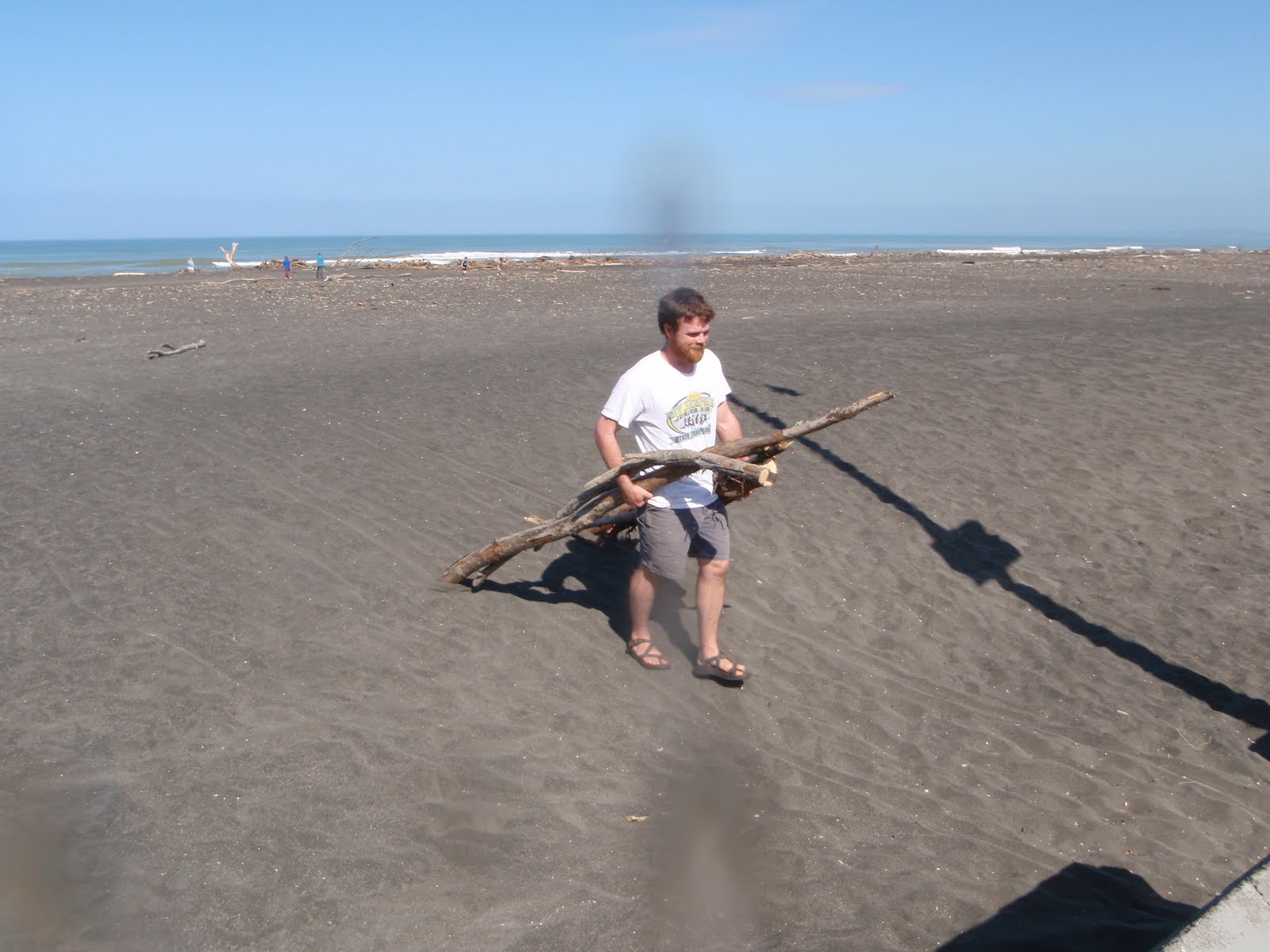
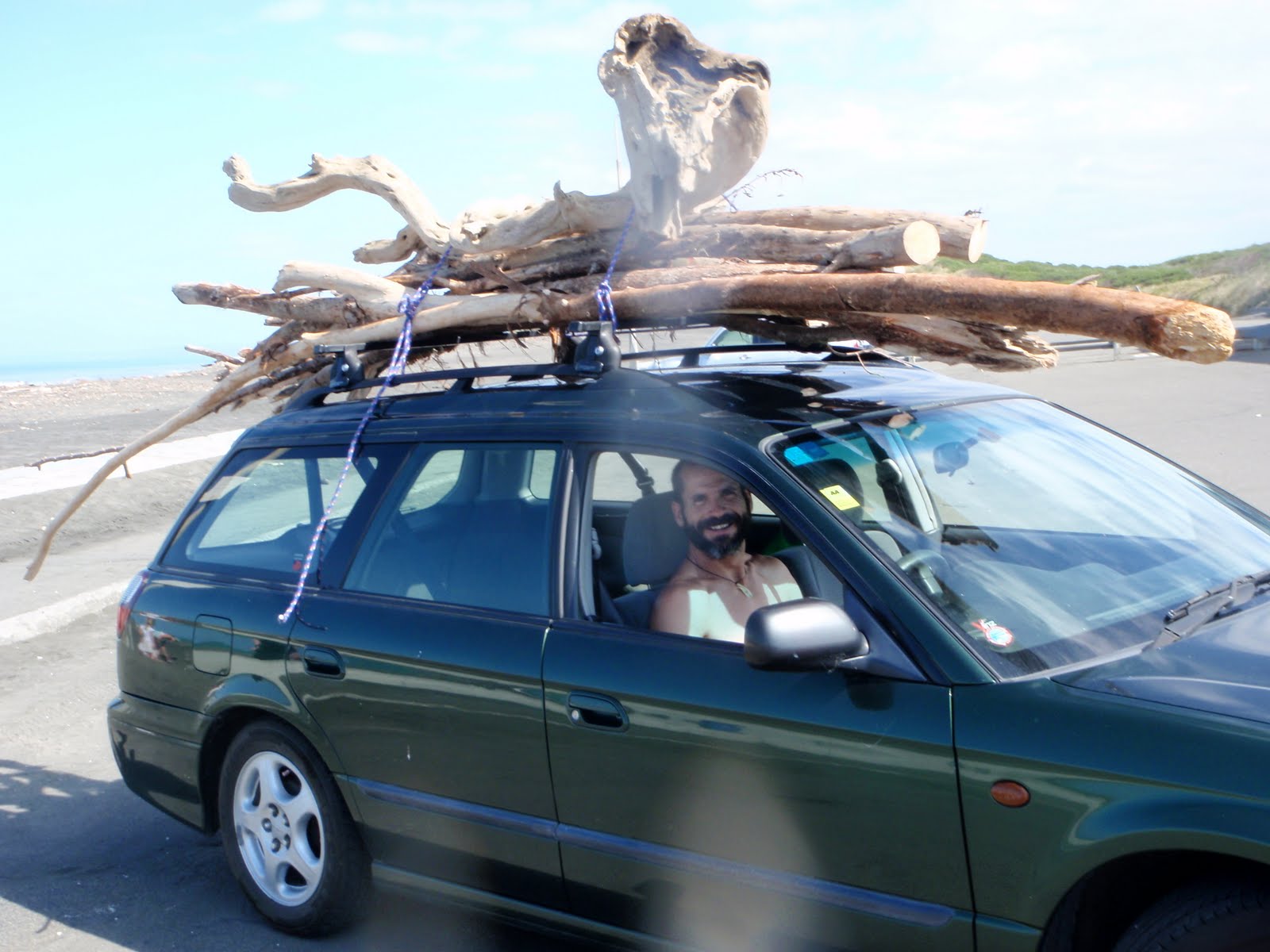
Nelson and I fire up our skidder and rumble down to the parking lot. Selecting only the finest wood for burning, we proceed to load the roof rack with logs of various sizes and up to eight meters long. Roping it all down, we headed for home.


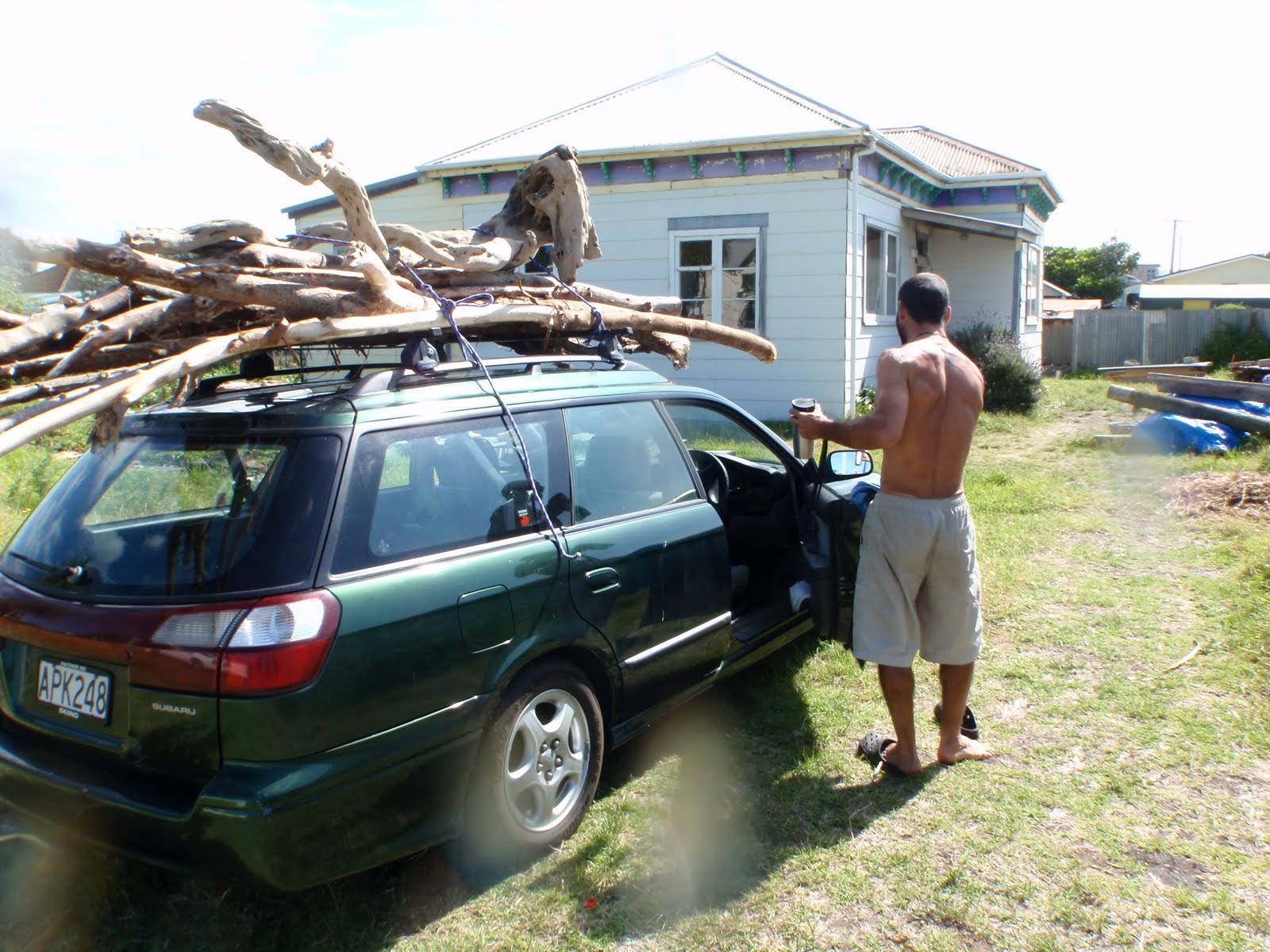
The poor Subaru was riding low as we lumbered down the street, branches trailing close to the pavement. The four police cars we passed along the way seemed more concerned with catching hard criminals and drunks than busting us for doing a little beach clearing. Safely home, we unloaded without a scratch to the paint job. The wood now sits in a pile in the yard, awaiting the arrival of the multi-fuel stove and outdoor pizza oven.


-John the Intern

Editor’s Note: John the Intern arrived to us, straight off a lobster boat in Maine, last Friday. He has been disappointed in the rainy New Zealand summer he’s experienced thus far. But it beats the wintery thundersnows back home. He’ll be in New Zealand until May, working with us and traveling to other sites. We’ve coerced him into writing some blog posts as part of his interning duties, so you can look forward to hearing more from him in the future.

Tears and Revolution

You are probably as aware as I am that global food prices reached a record high recently, surpassing even the spike in June 2008 which caused riots in more than a few countries and led to at least one government being overthrown. This time around there also appears to be civil unrest associated this higher food prices.

I’m fascinated that a number of powerful forces are using the high food prices to try to push genetically-modified seed into markets previously resisting GM food for any number of reasons. GM (also known as GE – genetically engineered) seed, they argue, is essential for feeding an ever-growing human population and prevent starvation and malnutrition. This, of course, would lead to more concentration of power and wealth while leaving the dispossessed even more dispossessed.

It is simultaneously maddening and tragic. I don’t know whether to cry or revolt. In the end I do a little of each.

These are my tears…

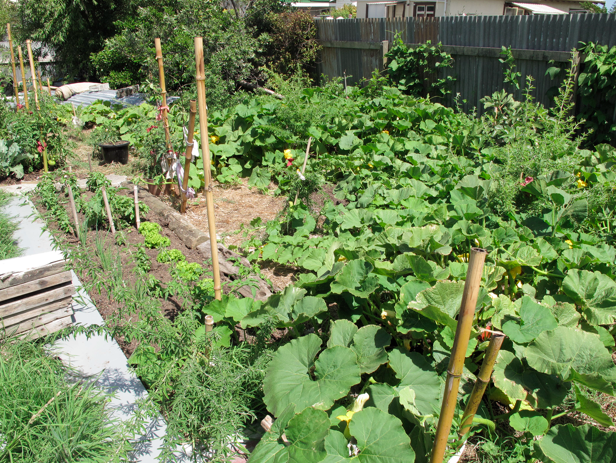
and this is my revolution.

Keep growing, Estwing.