All posts by Estwing

Early Winter Permaculture Update

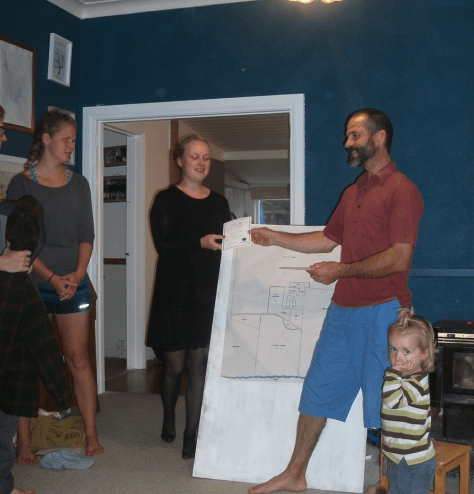
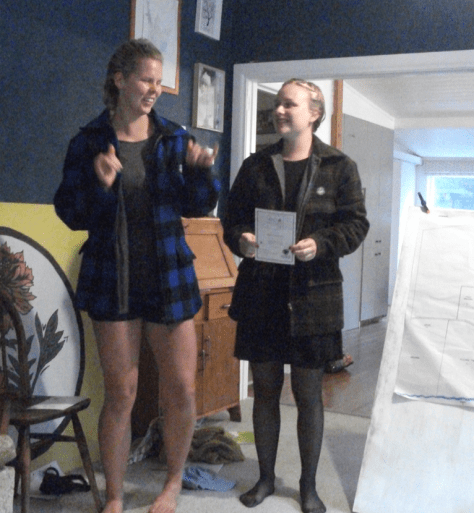
We have had a busy autumn here on the farm with our three amazing interns. They left us last weekend after presenting their fabulous design projects.

Screen Shot 2017-06-18 at 6.32.52 am

After 10 weeks on the farm they have learned a ton about permaculture design.

Screen Shot 2017-06-18 at 6.32.09 am

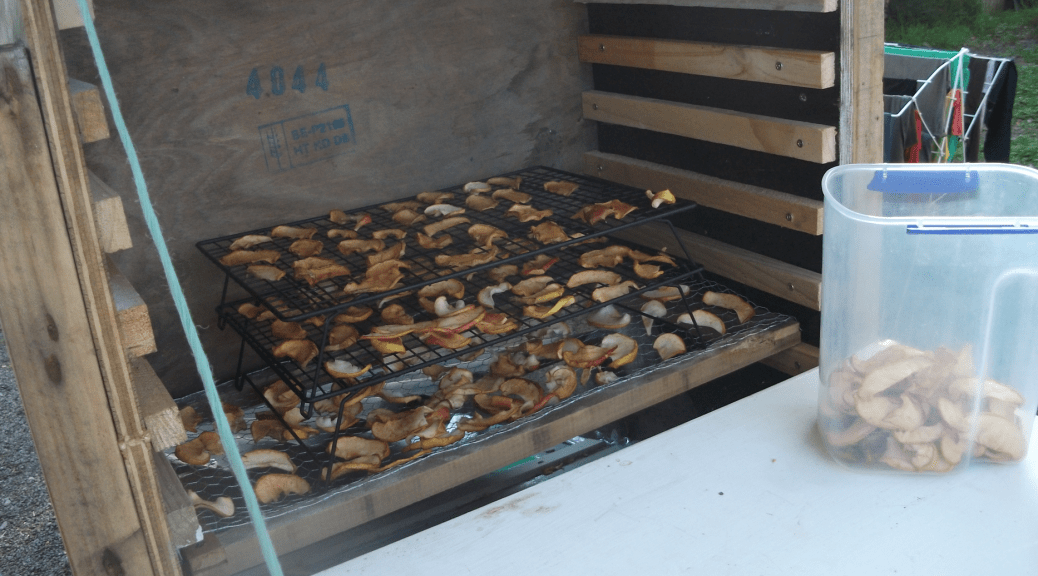
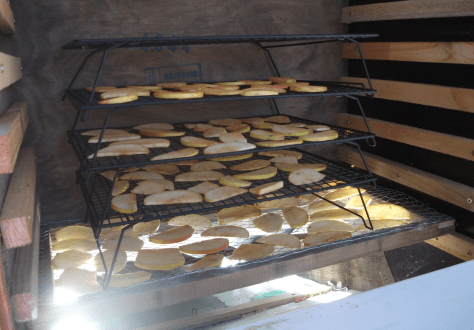
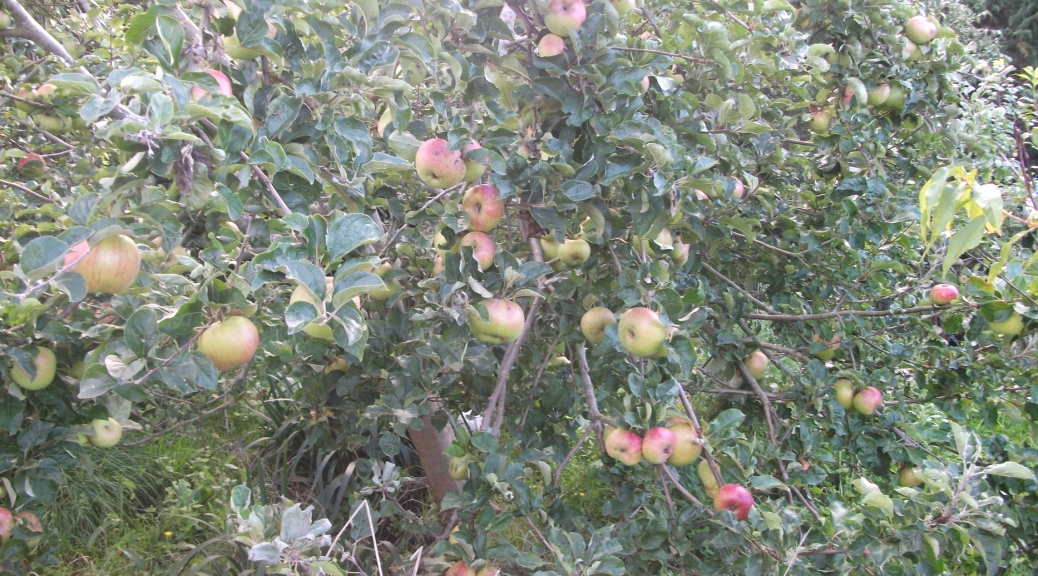
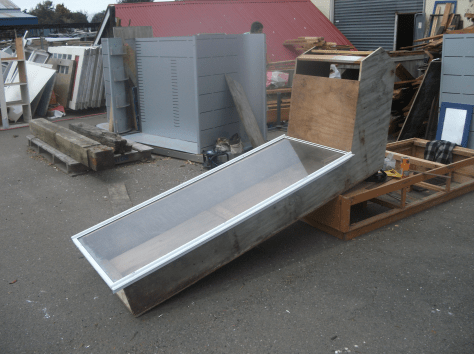
Now, for the first time in eight months we do not have interns on the farm. It is a welcome break from continuously having to manage a group of eager helpers. We’ve shifted gears to a slower life with easy chores like drying apples. We had a very large harvest of Monty’s Surprise apples this year and are processing many of them through the solar dehydrator.

Screen Shot 2017-06-18 at 6.26.52 am

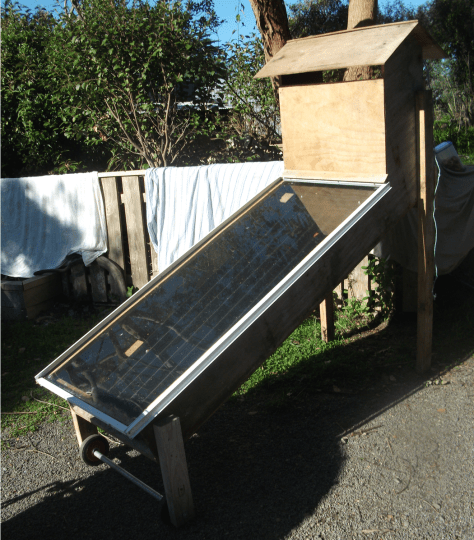
I made this a few months ago out of salvaged timber and an old shower door.

Screen Shot 2017-06-18 at 6.25.53 am

Before the interns left we made a good push to plant out our strawberries…

Screen Shot 2017-06-18 at 6.26.36 am

… but we had so many that I’ve had to pot a few dozen up this weekend. Too many strawberries? That’s my kind of problem!

Screen Shot 2017-06-18 at 6.26.20 am

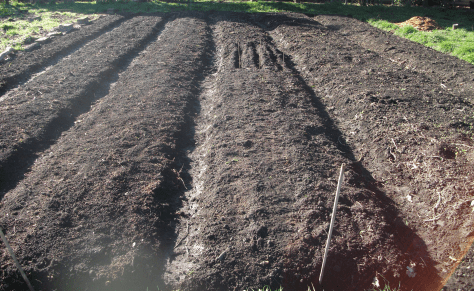
We also made a good effort of planting garlic, but the process is not quite halfway done so far. I enjoy planting garlic and can take the next fortnight to chip away are the remainder of the 4,000 + cloves that we’re planting.

Screen Shot 2017-06-18 at 6.28.05 am

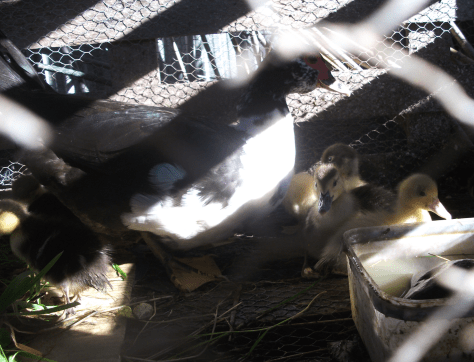
Other early winter things happening on the farm: ducklings?!?

Screen Shot 2017-06-18 at 6.27.41 am

We have cockerels to process once there is enough space in the freezer.

Screen Shot 2017-06-18 at 6.29.01 am

And the first lot of poplar poles was delivered by the regional council. But those can wait until the August internship begins.

Screen Shot 2017-06-18 at 6.26.12 am

Peace, Estwing


Permaculture Internship: A Day in the Life

Here is a glimpse of what a permaculture internship on Kaitiaki Farm looks like. It includes regular chores like animal care, solar cooking and cutting firewood in the winter, but it can also include unique projects.

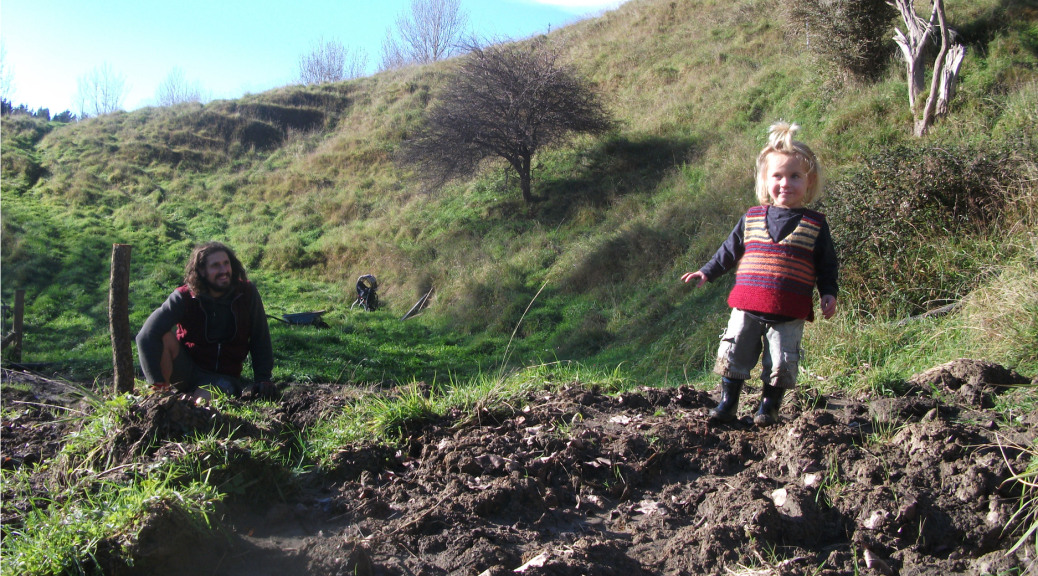
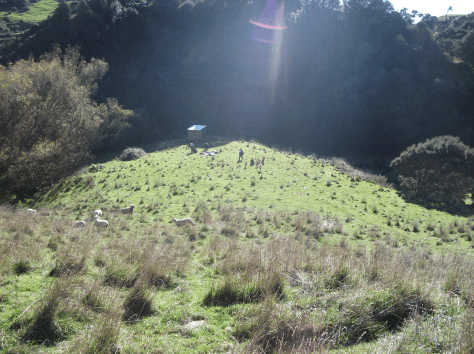
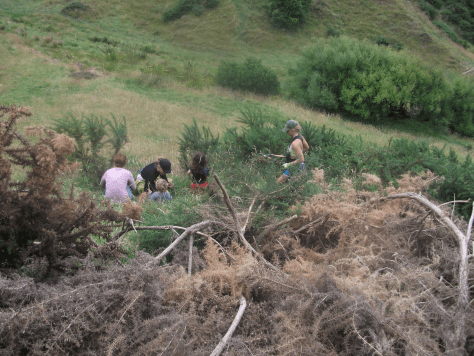
One morning this week our interns had the opportunity to meet with land care specialists from our Regional Council who came to the farm to advise us on a planting plan for our stream and hillsides. While we were in the valley we planted some willow poles at the bottom of a recent slip. (We cut and prepared the poles the previous day.)

Later that day they helped out at a pop-up Curtain Bank we started to hand out free curtains to families in need in our community. Once we got home there was still a little sunlight left so we planted another few rows of garlic.

The permaculture ethics can be summarised as: Earth Care; People Care; Fair Share. Our interns immerse themselves in these ethics along with the four-dimensional design strategies we employ on the farm. After two months they leave us with a Permaculture Design Certificate, a large array of practical skills, and a new perspective on the world and how to re-design it to better serve people and the planet. Our current group of three interns graduate tomorrow. We wish them luck!

For more information on the Kaitiaki PDC internship programme:

http://www.theecoschool.net/workstudy-permaculture-design-certificate.html


Peace, Estwing

Spend the Winter on a World-Class Permaculture Property

We have a cosy studio with amazing views available for the winter. Experience holistic land management, animal husbandry and ecological restoration on one of the country’s best permaculture properties.

For less than the cost of a PDC you can spend three months experiencing permaculture first-hand. Includes free wifi, private bathroom, washing machine, etc. Close to town.

For more details contact: theecoschool at gmail dot com.

Peace, Estwing

Guest Post: Hugelkultur, four-dimensional design and goats!

Kostas, an intern at Kaitiaki Farm, shares some of what he has learned about our systems-based farm management strategy.

Screen Shot 2017-05-14 at 6.58.29 am

I will share with you, my experience with contributing into a hugelkultur project in Katiaki farm . Hugelkultur is a german word that describes a type of raised bed that is created using mainly branches of wood and soil.

After consulting with Nelson about the project, and introduced myself, Esther and Nicki into the four- dimensional design, which is the idea of taking action with an immediate and later in time outcome, we started our project.

The very last outcome of our work would be to create a raised bed area where an orchard would be established as fruit trees enjoy free draining soil. It all started when Nelson saw the need to hold water in of the highest, compared to lower level, parts of the property, and slowly release it to the lowest part of the property as a way to protect it from slips and overload of the creek running through.
Screen Shot 2017-05-18 at 6.16.32 am

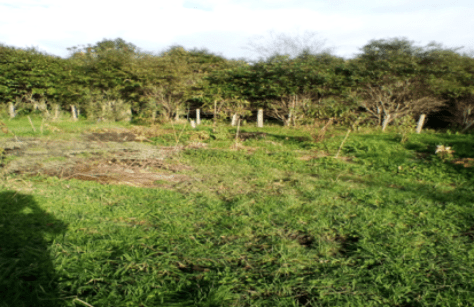
The area where it will be fully converted to a huge raised bed, some branches have already been placed there.


So, the Katiaki farm team prior to our arrival, dug swales to retain water for days after a storm and slowly release it to the ground adjacent to it. By digging though, there was an excess of topsoil that needed to be placed elsewhere.

Screen Shot 2017-05-18 at 6.16.51 am

This picture shows one of the swales and on the right, the area where the soil was placed over tree branches.               


In the meantime, all the dead branches on that part of the property were collected and after cut in smaller fragments placed on the area by one of the swales would be.

As soon as the first soil was taken from the ground as part of the swale digging process, it was placed on the branches that were laid on the grass, and technically soil covering tree branches is a hugelkultur bed, where the branches break down slowly releasing nutrients to the bed.

Screen Shot 2017-05-18 at 6.17.05 am

New branches put next to the existing hugelkultur beds…


Screen Shot 2017-05-18 at 6.17.13 am

And soil covering them…


Screen Shot 2017-05-18 at 6.17.24 am

Another swale on the right, driftwood that marks the end of the orchard and hugelkultur raised bed next to them.


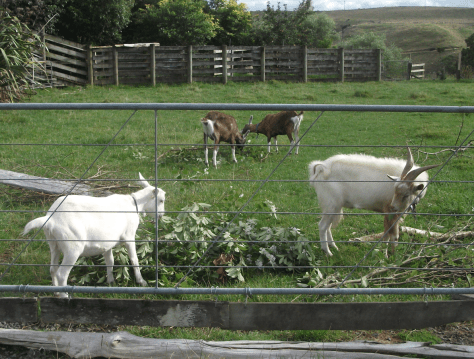
After planning to build a small dependent dwelling on the property, the need to create a road to it surfaced. But first a small tree had to be removed as it was in the way. The best way in a four-dimensional-design-sense  in Katiaki farm was to daily cut 4 branches of the tree to feed the four goats, Rosie, Sussie, John Snow and Francis, and use the parts of the branches that the goats did not eat, as a base for the expansion of the hugelkultur orchard beds.

Screen Shot 2017-05-18 at 6.17.37 am

The tree that has been feeding the goats and the branches of which contributed to the creation of the raised beds.


Then, as we were in autumn and winter was near, and already Whanganui was hit by a few days of heavy rainfall, the swales needed to be dug bigger, to retain more water and so more soil was put on top of the next layers of laid branches to further extend the space of the future orchard.

We still have not finished the project, but the valuable lesson of the story is that by thinking ahead and visualizing the outcome, it is possible to work in a very efficient and economic way that benefits many aspects of the property and life in general. For Katiaki Farm, by planning all the steps, with the least spent energy, the tree has been cut slowly, so that the road to the new house will be paved, the goats have been kept happy, fed and healthy, the swales have been retaining more water and will be trickle feeding the orchard, the excess wood in the property has been used and carbon has been stored in the ground instead of being burned and releasing Co2 and in the future fruits will be produced feeding everyone that visit the farm.

So, before starting a project, maybe it is wise to think about the possible positive outcomes of a four dimensional design that might save you time, effort and possibly money. Think ahead, be smart.
Screen Shot 2017-05-18 at 6.17.57 am

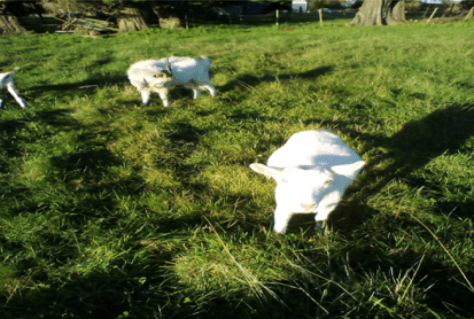
Beautiful, cheeky, snow love goats!


–  Kostas
RetroSuburbia: What it Looks Like

Permaculture co-founder David Holmgren’s upcoming book, RetroSuburbia, “highlights the ongoing and incremental changes we can make to our built, biological and behavioural landscapes. Focused on his home territory; Melbourne, Victorian regional towns and more generally southern Australia, the suburban retrofit concepts have national and global application. Due for publication in late 2017.”

Screen Shot 2017-04-30 at 6.58.06 am

More from the website:

“RetroSuburbia explains and illustrates patterns, designs and behavioural strategies applied by those already on the downshifting path to a resilient future, using permaculture ethics and principles. It is organised as a pattern language of interlocking and complementary design solutions to perennial problems faced by those applying a more systematic, whole-of-household approach to retrofitting their houses, gardens and living arrangements. It includes some proven design specifications and pointers, references technical sources and case studies, but is more of a strategic guide than a technical manual.

Rather than reviewing the latest technology for thermally efficient heating, the book has an overview of wood energy options that increase resilience and productivity of the household, some of which can be manufactured in a home workshop. Rather than details on how to grow vegetables or raise chooks, it describes the different systems for doing so, and their pros and cons in various situations. A lot of the technical detail is conveyed with graphics. This book will help you get your hands dirty tackling tricky issues with creative solutions, including those that might be seen as socially or even legally questionable. Harness the tradition of Aussie DIY to reclaim common sense self reliance while ignoring the overregulation, risk management myopic and dependence on centralised authority that afflicts affluent Australia. In the process, help create a broader, more holistic culture of DIO (doing it ourselves) which rebuilds the non-monetary economies of the household and community.”

Our home in Castlecliff, Whanganui, is used as a case study. Independent of Holmgren, we came to many of the same conclusions and design strategies. The success of our suburban retrofit speaks for itself: a warm, cosy, low-energy home and abundant food production on a small section. Regarding the issues brought up by Holmgren, there would be few properties in New Zealand that match this one in terms of the key characteristics of resilience.

In November, 2010 we started renovating the old villa…

IMG_6873

…which is now a high performance passive solar home.

DSCF5638

We started with a section full of weeds and rubbish six years ago.

IMG_7347

It is now full of fruit trees, natives, annual gardens and a pizza oven.

DSCF5036

Side yard before.

IMG_1830

Side yard after.

DSCF5653

Learn more about retrofitting suburbia.

Thursday, 11th May, 6:30-7:30 PM

Central Library, Palmerston North, New Zealand.

Dr. Nelson Lebo, Eco Design Advisor, Palmerston North City Council.


Peace, Estwing

A new chapter, Esther the cowgirl…

Growing up in a suburban town and living in Northern Irelands’ capital city of Belfast most of my adult life working mainly as a performer and artist I have been far removed from where my food comes from. Feeling separated from the food chain and unaware of how my everyday actions directly affect the environment (like the majority of city dwellers are). I set out to change this just 9 months ago when I left Ireland. I have learned more living on Kaitiaki farm in 3 weeks than I have in the previous 8 months! My teachers and hosts Dani and Nelson emphasize the importance of the three T’s, Tools, Timing and Technique before we start any project and encourage a broader type of thinking necessary on a permaculture property. Looking at the farm as one living breathing organism, a spiderweb of interconnected life we must see the everyday tasks in the bigger picture, carefully observing any minor or major changes and what knock on effects they may have.

We do a bit of everything on this farm from growing and harvesting a bounty of fresh fruit and vegetables, planting and maintaining young native trees, raising birds for daily eggs, design projects and so much more. I surprised myself by joining in with the processing of some cockerels. I plucked and gutted a whole bird for the first time, (having been vegetarian for 5 years of my life this was a big step for me). But I have to say my favorite job of all has to be the most difficult one of catching the escapees. This job requires quick thinking, team work, ninja reflexes and determination. We have to catch the odd duck pretty regularly but it gets a little more tricky when it comes to Susan who is the most nervous and athletically advanced goat of all time. It took 3 interns, two chains, a rope, tasty branches and at least 4 different strategies to catch her, get her over several fences and bring her back into the paddock. The sense of achievement after this is indescribable as I was living out a childhood dream, becoming Esther the cowgirl, wrangler of goats.

Since arriving here I have witnessed two freak rain events, having once in a hundred year storms only two years apart. People on lower ground were evacuated from their homes, land slips all around in the naked overgrazed hills, the rivers bursting and casualties on the farm all reinforcing the reality that climate change is happening and we need to be proactive and progressive to provide a future for our children. I feel that learning and practicing permaculture to improve the environment around us and creating good deigns in our homes and in our fields to protect us is the way to do this. This eco thrifty lifestyle and approach to sustainable farming with such a loving family here on kaitiaki farm is the most rewarding course I have ever taken. I am more in touch with nature, my environment and myself. Witnessing life and death as a daily occurrence on the farm definitely makes you appreciate and understand a little more as each day goes by.

– Esther

Sector Analysis: You Don’t Need a Weatherman to Know Which Way the Wind Blows

After the permaculture ethics, one of the first things we cover with new interns is sector analysis.

Screen Shot 2017-04-06 at 6.04.38 am

Sector analysis is a great way to start talking about sun angles and seasonal patterns. Many people are totally unaware of the differences between summer and winter sunrise and sunset angles.

Screen Shot 2017-04-04 at 12.15.36 pm

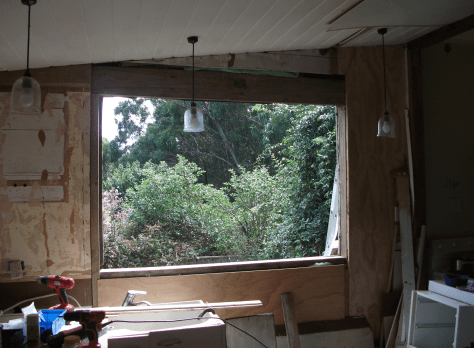
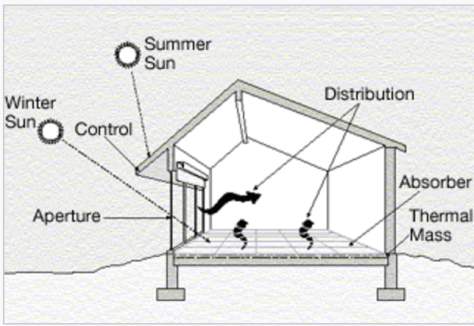
It is especially important to understand winter midday sun angles if you want to embrace passive solar design. For example, we increased the size of our kitchen window in order to get more winter sunlight into the previously dark and cold room.

Screen Shot 2017-04-04 at 12.18.59 pm

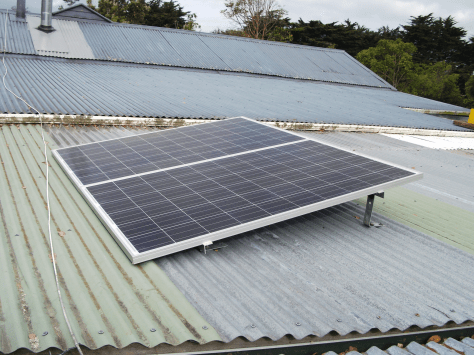
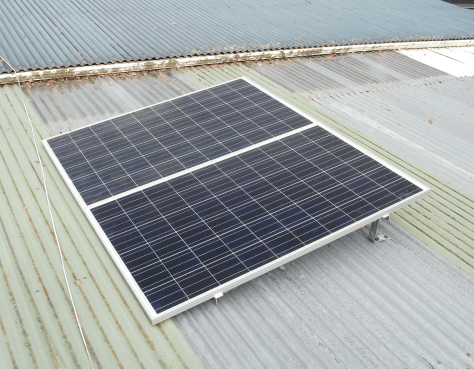
It’s also important to know summer midday sun angles in order to exclude the sun from overheating your home or for solar water heating for a swimming pool. We placed these PV panels to maximise summer sun energy as a dedicated summer domestic water heater. (We use a wood stove “wetback” to heat our water in winter.)

Screen Shot 2017-04-04 at 12.10.24 pm

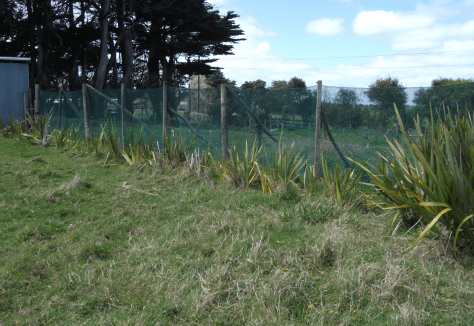
Another major natural factor we deal with here is wind. One of the first things we did when we arrived 2 and 1/2 years ago was put up wind protection before we planted an orchard.

Screen Shot 2017-04-04 at 12.14.25 pm

The netting is a short-term solution while the harekeke (flax) is the long-term solution to protect the trees from the prevailing northwest winds. It is hard to over-emphasise the importance of wind protection for fruit trees.

Screen Shot 2017-04-04 at 12.20.00 pm

Sector analysis helps our interns to understand the big picture of our farm and the holistic design and management plans we have developed along the lines of regenerative agriculture.

Peace, Estwing

The Free PDC: Permaculture Design Certificate

Is it possible that the best permaculture learning experience is also the most affordable? Absolutely.

Screen Shot 2017-03-27 at 8.35.45 pm

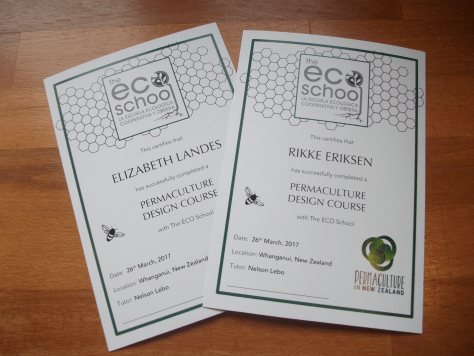
We awarded our first ever PDC qualifications yesterday afternoon after Rikke and Liz presented their amazing projects.

Screen Shot 2017-03-27 at 8.35.59 pm

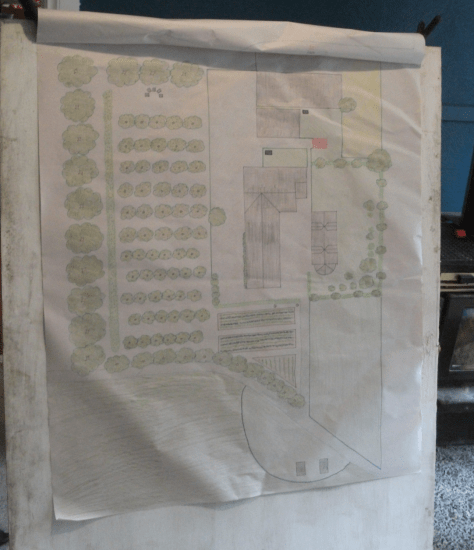
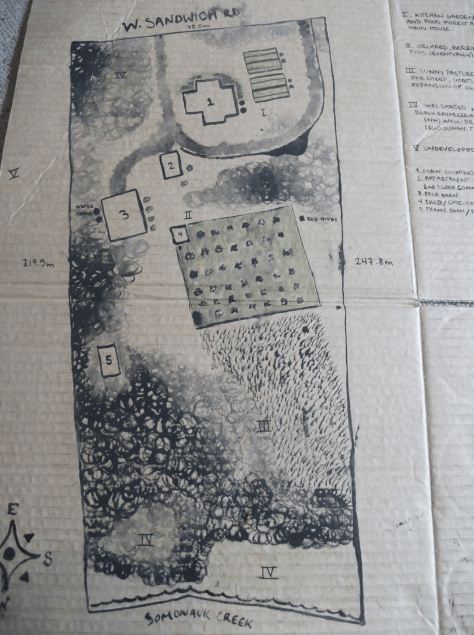
Here is a look at the designs each of them did for their respective parents’ properties in Denmark and rural Illinois (USA).

Screen Shot 2017-03-27 at 8.36.37 pm

Rikke’s family farm in Denmark

Screen Shot 2017-03-27 at 8.36.21 pm

Liz’s parents’ ‘retirement’ property in Illinois

Both young women have been living and working with us for the summer growing season as part of our internship programme on Kaitiaki Farm. We have hosted 16 interns over the last two and a half years as we transform the worn out horse property into an exemplar permaculture farm. Interns have stayed for eight to 16 weeks.

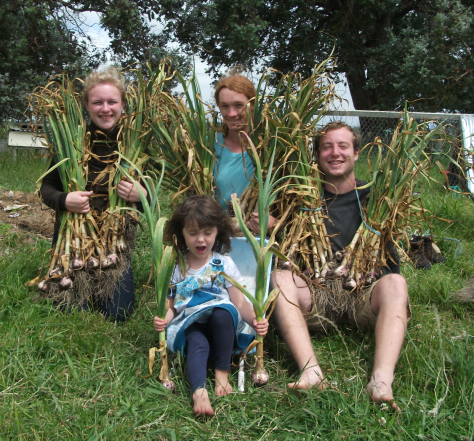
Rikke arrived just in time for the garlic harvest in December when Oliver and James were still here.

Screen Shot 2017-03-27 at 7.20.21 am

Liz arrived in early January. Here is a look at their classroom.

Screen Shot 2017-03-27 at 7.18.47 am

Yesterday was a landmark day for us as we took another step in realising our vision of providing outstanding educational experiences affordably. Liz and Rikke paid nothing for their PDC – a course that usually costs $2,000 to $2,400 in New Zealand. Granted, they ‘paid’ for the course with their efforts on the farm, but that is also the best kind of learning – and endless series of ‘teachable moments’ and design discussions in a real-world context.

We are proud of their accomplishments this summer.

Screen Shot 2017-03-27 at 8.35.22 pm

While we cannot continue to offer a free PDC, now that the pilot work-study PDC is complete we are ready for the next intake of interns starting…tonight. We will continue to offer affordable top-notch education, just not for naught.

But for now, these two young women can boast of something extraordinary.

Peace, Estwing

Late Summer Permaculture Update

Sorry we have not posted a ‘permaculture update’ in ages. We’ve been busy with our great interns plus this is the busiest time of year for fruit and vegetable production.

Screen Shot 2017-03-16 at 7.12.44 am

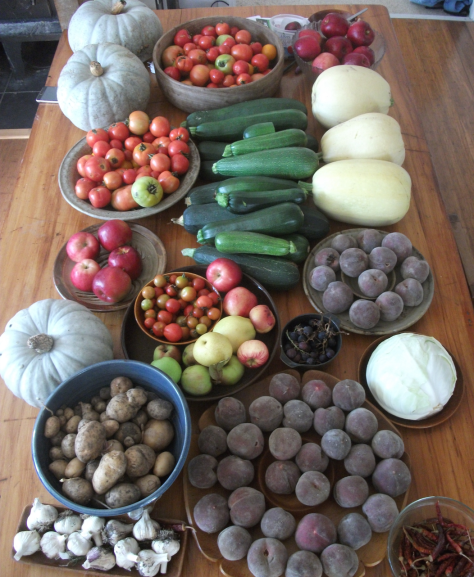
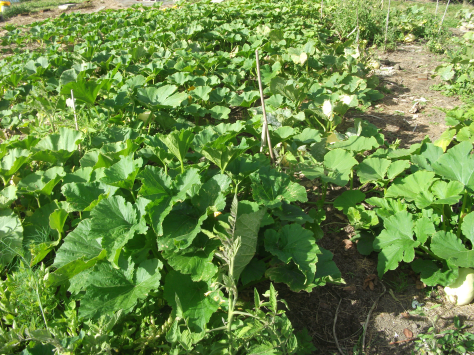
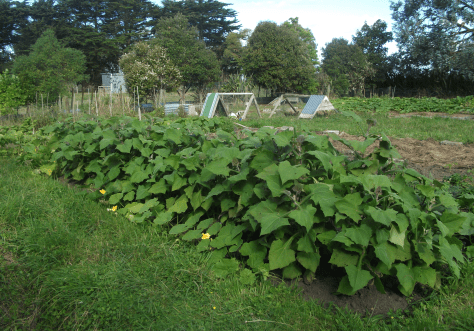
As always, our summer crops focus on tomatoes and squash/pumpkin.

Screen Shot 2017-03-16 at 7.13.14 am

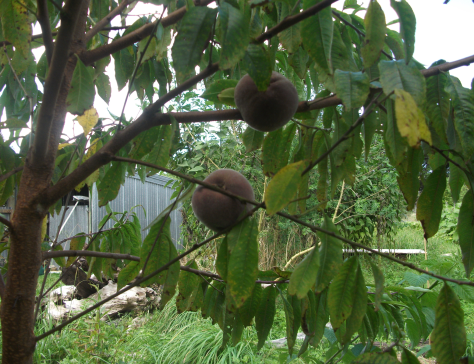
Lots of Black Boy peaches and Monty’s Surprise apples.

Screen Shot 2017-03-16 at 7.14.27 am

The yakon we planted is going well.

Screen Shot 2017-03-16 at 7.13.39 am

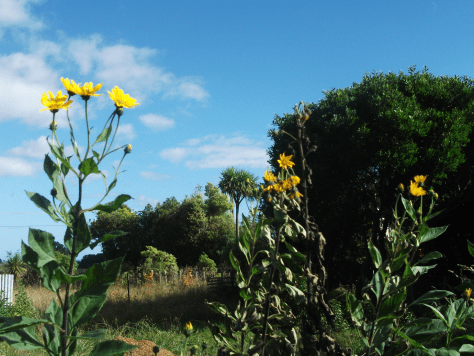
The first Jerusalem Artichoke are flowering.

Screen Shot 2017-03-16 at 7.25.08 am

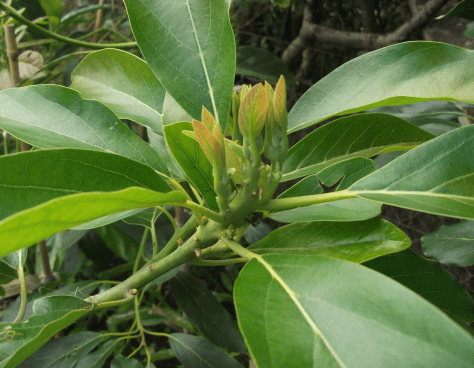
After pruning, the avocados are showing new growth.

Screen Shot 2017-03-16 at 7.14.45 am

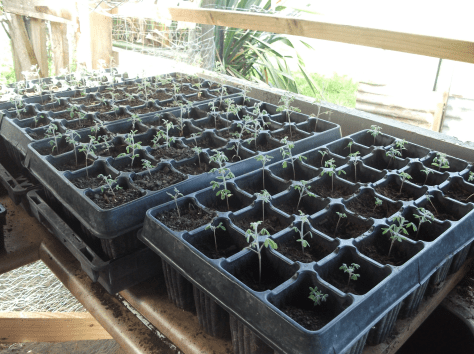
We’ve got trays and trays of tagasaste going.

Screen Shot 2017-03-16 at 7.15.15 am

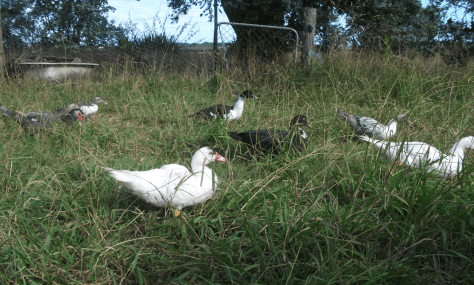
On the animal front, the flock of muscovies has grown dramatically with over one hundred ducklings hatched.

Screen Shot 2017-03-16 at 7.24.52 am

We have a Billy now so we hope to have kids in five to six months time.

Screen Shot 2017-03-16 at 7.25.32 am

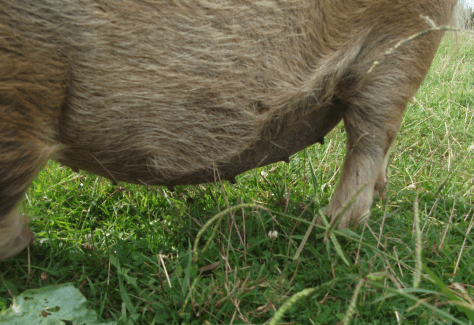
And appears we may have piglets any day.

Screen Shot 2017-03-16 at 7.25.57 am

Peace, Estwing

Solar Power: When, How and Where is it Right for You?

Passive solar home design is always a good idea, but if you’re not building or renovating what are the best choices for using solar energy at home?

Screen Shot 2017-03-08 at 6.14.25 am

We are offering a pair of workshops on solar power both low-tech and high-tech.

Sunday, 26th March 2017

Whanganui, New Zealand

Workshop 1) Solar and Alternative Cooking for Fun or Emergency.

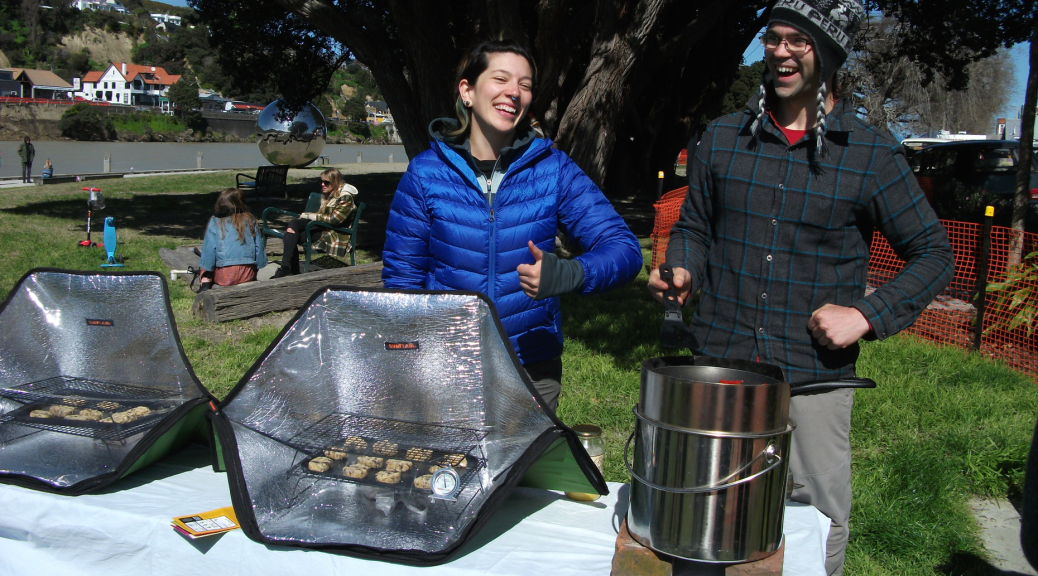
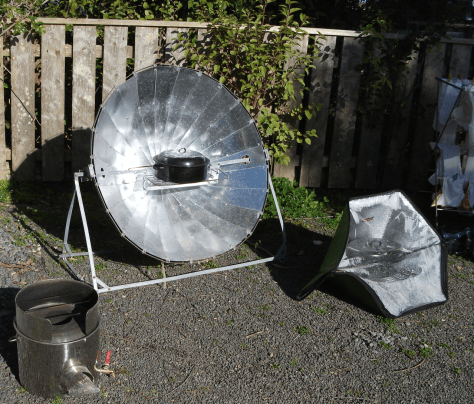
Emergency preparedness is just as important as day-to-day sustainable living in a volatile world where power outages are possible without warning. We will cover a variety of solar cookers, rocket stoves, and ‘the best solar dehydrator’ design. 4-5 pm. $10

Screen Shot 2017-03-06 at 7.19.52 amScreen Shot 2017-02-27 at 6.50.28 am

Workshop 2) Solar Electricity and Solar Hot Water: Making informed investment decisions.

There is a lot of hype and misinformation when it comes to domestic solar energy. The bottom line is that it may not be a sound economic investment for most NZ households. Find out if and how it may be right for you? 5-6 pm. $20

Screen Shot 2017-03-07 at 2.38.18 pm

Space is limited. Preregistration essential. theecoschool at gmail dot com.

Peace Estwing