All posts by Estwing

When Water Flows Uphill

June brought an historic flood to our city. December was the driest on record.

Climate scientists have warned us to prepare for these types of extremes. They have certainly arrived around the world, and according to predictions will only increase in frequency and severity. No matter what happens post-Paris in terms of carbon emissions, the planet is already locked into decades of volatile weather.

What is your community doing about it? What are you doing about it?

On our farm we have designed to address both drought and flood simultaneously. Here is one small example of how I am directing water to flow ‘uphill’ and over a swale to where it will be most useful to the black boy peach trees and blueberry bushes planted along the swale. The higher and longer we can hold water on the property the better. But at the same time we direct water away from buildings made of wood and steel.

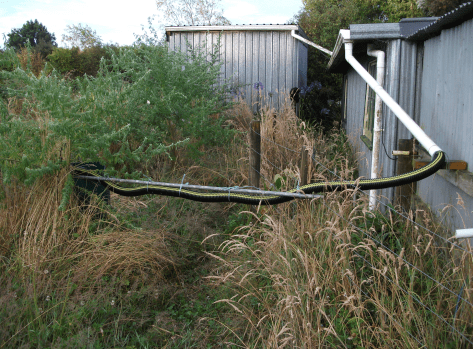
This little water diversion project starts on the huge roof of our multi-shed complex. I’ve changed the spouting and run it into a section of Novaflo. In winter the same piece of Novaflo carries the water away from and to the side of the buildings. But for the dry summer I have decided to run the water uphill.

Screen Shot 2016-01-18 at 11.08.55 am

The weight of the water is so great that I’ve had to build a ‘splint’ to support the flexible pipe from the fence to the barrel.
Screen Shot 2016-01-18 at 11.09.17 am

Can never have too much baling twine!

Screen Shot 2016-01-18 at 11.09.26 am


As the barrel fills, the pressure forces water through the hose fitted to the bottom of the side. The hose will eventually be covered by stone as it crosses the road.

Screen Shot 2016-01-18 at 11.09.38 am

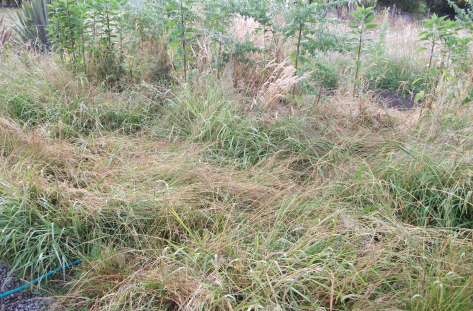
Then it climbs over the swale to the small pond dug behind it.
Screen Shot 2016-01-18 at 11.09.48 am

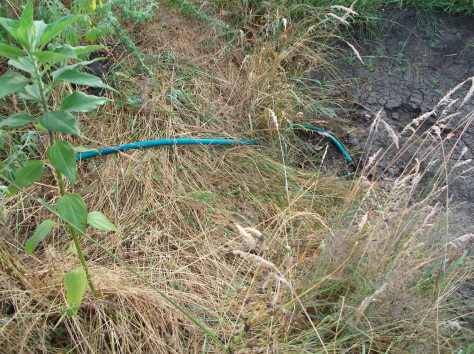
I checked it this morning after a small 5 mm shower last night. The bottom of the pond was very damp and the end of the hose was full of water.
Screen Shot 2016-01-18 at 11.10.01 am

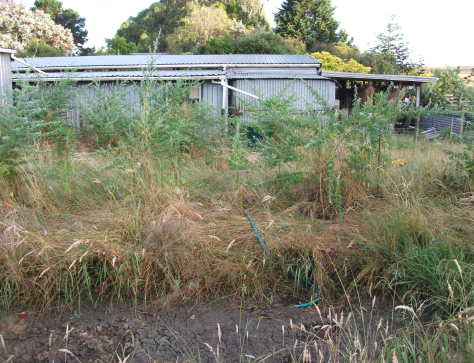
Here is a reverse angle showing the water’s pathway up and over the swale. In winter the swale keeps water flowing down the hillside away from the buildings. But by the end of this dry December the ponds were dry and the small fruit trees were drying out. I was spending a lot of time watering them with a hose and decided that this project was to jump to the head of the line.

This hugelkultur swale was built one year ago and is already thriving compared with the worn out paddock around it.
Screen Shot 2016-01-18 at 11.10.15 am

My belief is that it’s fine and good and important to talk about cutting emissions and embracing non-carbon based energy sources. But it is equally important to prepare ourselves and our communities for the extremes of both wet and dry. Good design moderates them both for the better. To me it’s all about designing and building resilient systems. This is just one small example on one small farm in the corner of the world. It was made in a morning by materials laying around the place at no cost.

What do you think you can achieve at your place?


Peace, Estwing
Currant Affairs

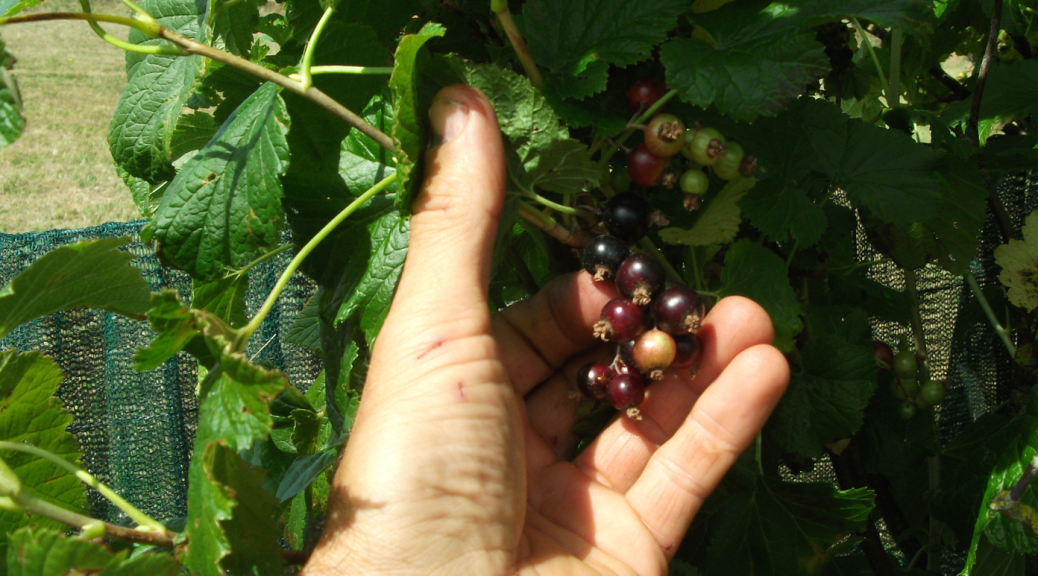
Our midwife recently invited us out to her place to pick currants.After about 40 minutes we had 2.8 kilograms. We brought them home and processed the lot into eight jars of black currant jam.

We swapped the currants for a couple of black boy peach saplings.

Last winter I pruned the currants for her and brought home the cuttings, which we propagated in the garden. About 80%-90% of them have taken, and so this winter we will plant them out – somewhere around 100 in total.

Small-Scale Agriculture: Be First or Be Best

Making it in farming is hard at every level, but especially for smaller producers. My philosophy involves minimising inputs and maximising outputs using good design and management techniques.

But at the end of a growing season there is always the challenge of selling the crop. Here my philosophy is two-fold: be first or be the best. In other words, if you can be early to market before anyone else you can charge a premium. For example, I saw sweet corn selling 3 for $5 this week!

If you can’t be first then be the best. We grow absolutely phenomenal organic garlic. For anyone who likes to eat or cook, little can compare with starting a meal with olive oil and garlic in a pan.

It is nice to see that there is a surge of interest in quality food and local food. It’s especially nice to see that many “millennials” spend their money on good food (and good beer) rather than bog standard consumerism.

I’ve been growing garlic for over a decade and this year’s crop is truly superior. With proper curing and storage we have eight months to sell it – not a problem when you’ve got the best.

Peace, Estwing
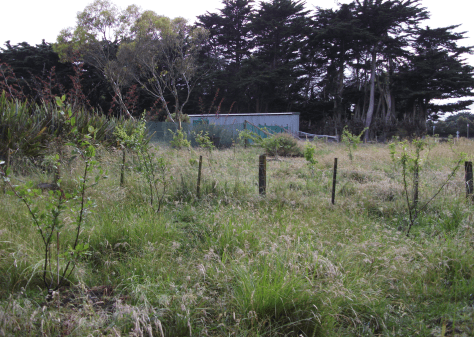
New Year Permaculture Update

Happy New Year. We are looking forward to a great 2016. There is so much going gone here at Kaitiaki. The plants and animals are hard at work rehabilitating this old horse property.

Screen Shot 2016-01-03 at 5.19.54 pm

The plums are days away…

Screen Shot 2016-01-03 at 5.18.55 pm

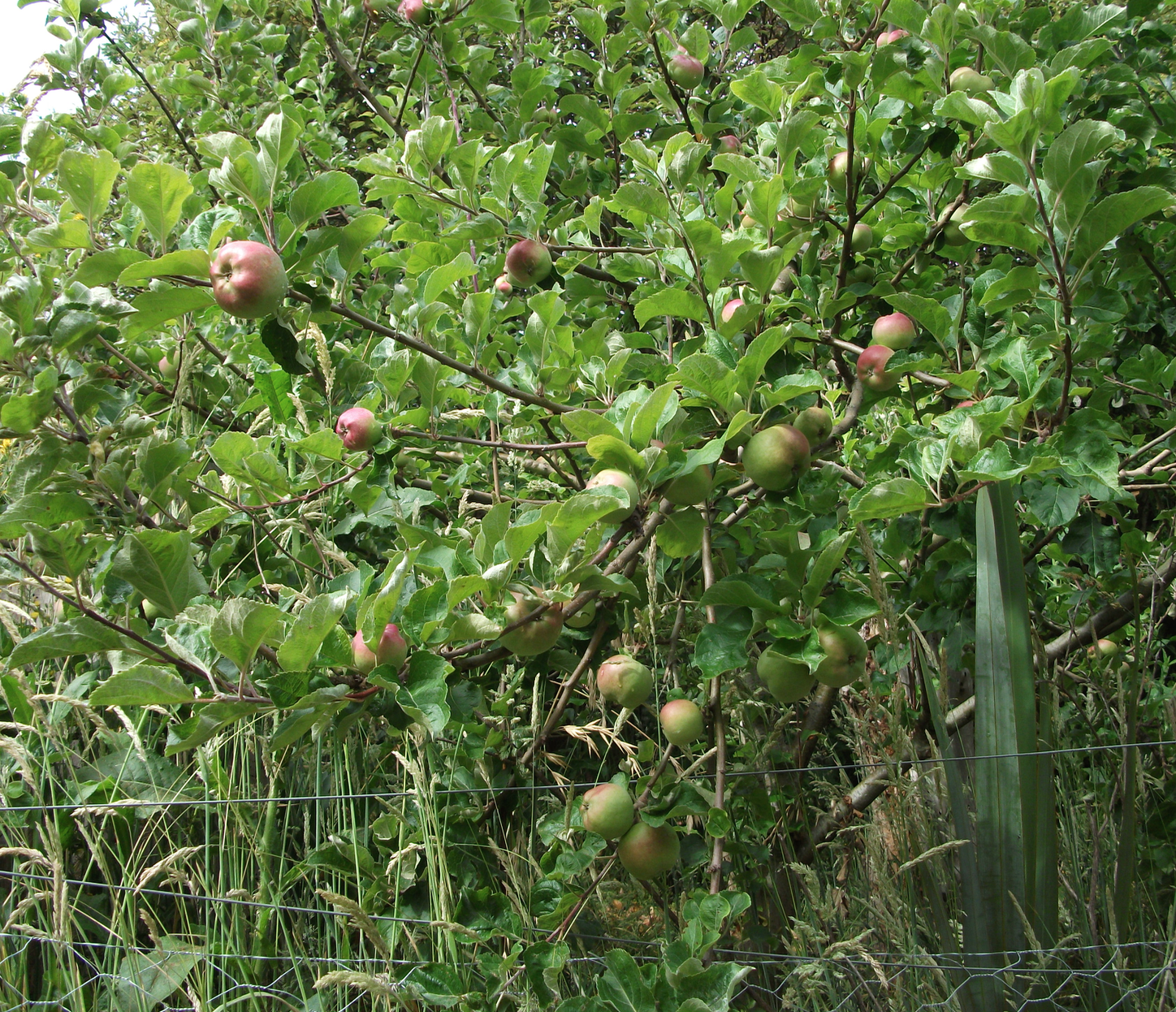
but the apples are still months away.

Screen Shot 2016-01-03 at 5.19.05 pm

These Monty’s Surprise apples won’t be ready until April.

Screen Shot 2016-01-03 at 5.19.19 pm

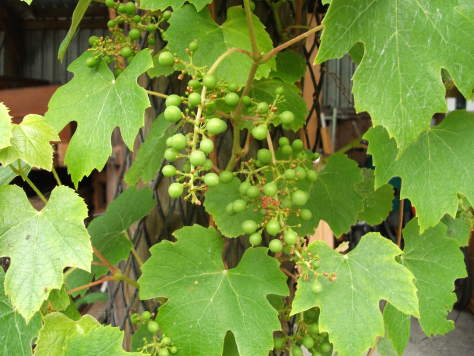
Our first crop of grapes is taking form.

Screen Shot 2016-01-03 at 3.32.17 pm

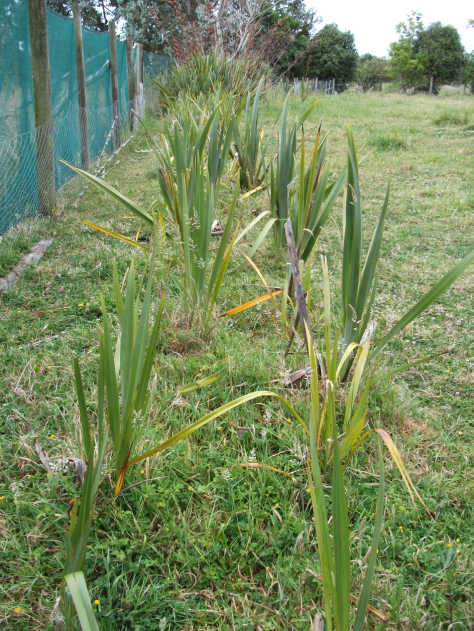
For me, one of the greatest feelings is being able to look at something I started nearly a year and a half ago, and is really taking shape now. I divided these harakeke flax during winter 2014 and planted them into a windbreak. Here they are today.

Screen Shot 2016-01-03 at 3.32.48 pm

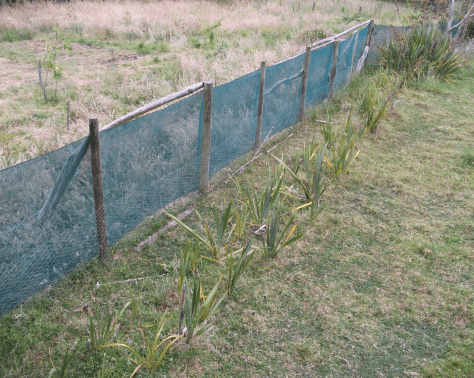
Ultimately the netting will be taken down and replaced by the living wind break.

Screen Shot 2016-01-03 at 3.33.07 pm

I just finished a protected chick rearing area.

Screen Shot 2016-01-03 at 3.33.31 pm

Here is a mixed flock of chicks and ducklings.

Screen Shot 2016-01-03 at 3.34.35 pm

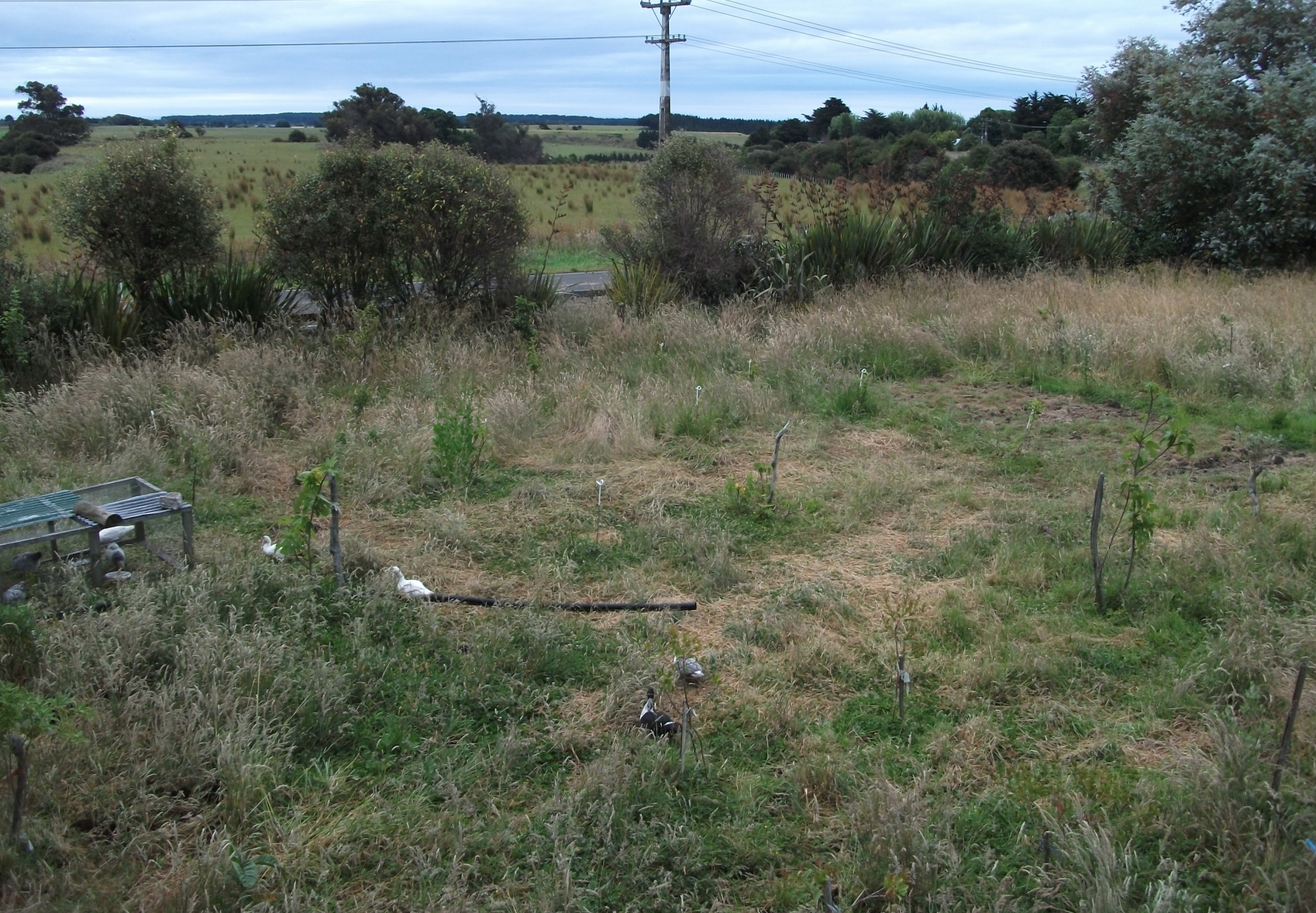
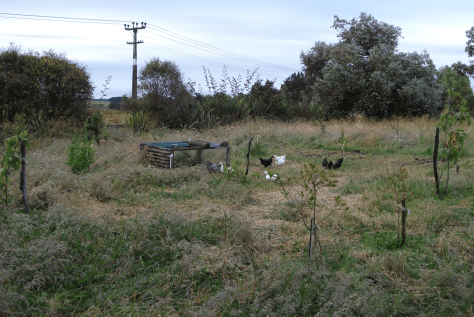
The food forest has gone from flood this winter to drought, but luckily we did get rain today.

Screen Shot 2016-01-03 at 3.33.53 pm

This is a reverse angle of the previous photo.

Screen Shot 2016-01-03 at 3.34.25 pm

A mixed flock of chooks and ducks manage the orchard.

Screen Shot 2016-01-03 at 3.34.47 pm

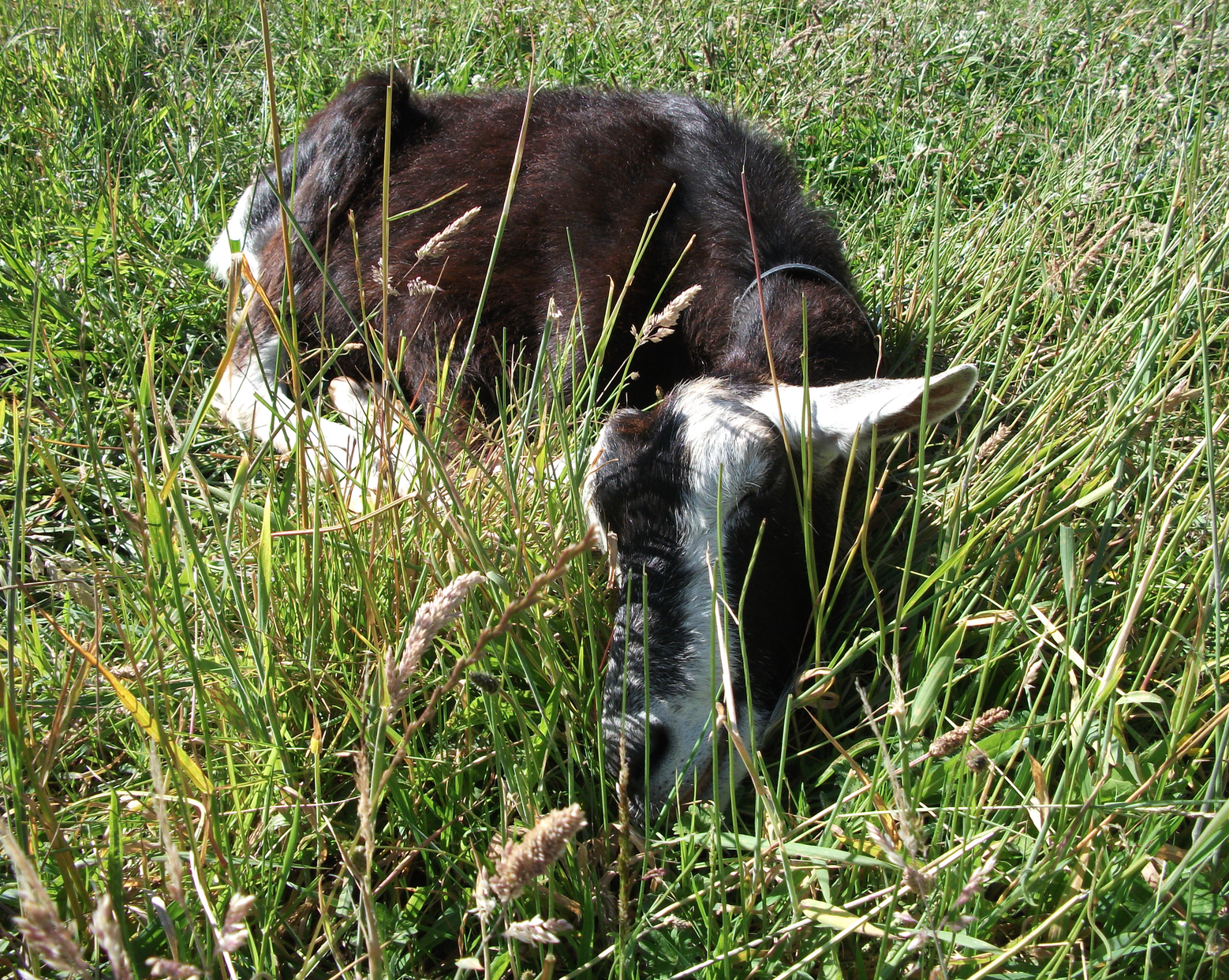
Sleeping on the job.  Screen Shot 2016-01-03 at 3.39.34 pm

But at least someone is hard at it.

Screen Shot 2016-01-03 at 3.41.00 pm


Peace, Estwing
Donald Trump: Person of the Year

Editor’s Note: This is my last column in the Wanganui Chronicle.


Donald Trump is my Person of the Year. Who else has made a bigger splash in 2015?

Pundits say he plays on anxieties that exist among a certain voter demographic. He appears fearless in his attacks on political correctness. Bombastic is a term we hear to describe him.

But I say his most significant accomplishment has been in mastering a communication technique and ideology that has grown to achieve a critical mass of cultural significance: the double down. This is not to be confused with KFC’s Double Down – a beef burger between two pieces of fried chicken breast with cheese and bacon.

Doubling down takes many forms. It can mean making a false statement, and instead of admitting the mistake, vehemently insisting on the ‘truthiness’ of the statement in the first place. Alternatively, it might mean coming up with bad policy and then working tirelessly to try to justify it. It may be throwing good money after bad. In Trump’s case, it also means making outrageous or controversial statements and refusing to backtrack.

Doubling down means never having to say you’re sorry.

Trump is my Person of the Year not because he invented the double down or that he is the only person that does it, but because he has given it a living, breathing form. He is a meme with a comb-over and a personal jet.

Trump’s political success relies on the fact that many people only accept information that fits their existing worldview. Facts don’t matter. Research doesn’t matter. Trained experts don’t matter. As Ray Davies sang in 1981, “Give the people what they want.”

With the Balkanization of political parties worldwide and the rise of the highly effective climate change denier movement over the last decade, I’ve noticed an increasing trend in doubling down. Everyone does it, it’s just that Trump is the best, or at least most visible. The Trumpification of Western society has reached its watershed moment. It marks the end of apology.

Climate change deniers double down on the same pre-formulated arguments they find on the Internet. Trickle-down economists double down on this never proven economic theory. Even the Chronicle doubled down on misreporting the origin of events waste management in Whanganui.

I’ve noticed a subtle but consistent form of the double down that may best be described as unprofessionalism. In it’s simplest form it means not answering emails or returning phone calls, and then as a response, not responding to not responding. This is practiced across our community and it especially favoured by local government agencies and health system officials.

I’ve also noticed that double downs work both ways. Think of Shamubeel Eaqub or Duncan Garner. The fact that both men had facts on their side doesn’t matter.

If Garner became public enemy number one for counting the empty shops in Victoria Avenue, yours truly was a close second for working with him to highlight a good news story in our community during his visit. You might think having the top journalist in New Zealand highlight a Whanganui success story to a national audience would have been celebrated. Instead I was criticized in the pages of the Chronicle.

I, myself, may be accused by readers of doubling down, but from my perspective there is a big difference between doubling down on facts or the best available research and doubling down on general opinions. But if in the court of public opinion – or the Letters Page – the two hold equal weight, there is no way to advance a robust argument. It’s a no win situation, and one I’m no longer interested in.

The issues that concern me – healthy housing, community resilience and wealth inequality – get little to no traction in our community. There is no organisation, group, business or government department that takes a serious holistic approach to any of these. I’ve reached out to almost all of them over the last five years and the most common response is – you guessed it – no response.

Sadly, although our local government is in a position to address these issues it chooses not to. I have heard wide-ranging concern from informed members of our community about the so-called “Leading Edge” document, especially the Environment section. I share their concern. As a professional in the environmental field for nearly 30 years I have read thousands of books, papers and documents on the topic. Compared to everything I have read, it is among the worst – much closer to tail end than leading edge.

But I should not complain. After all, we live in a democracy and no candidate running for council at the last election chose to use the words “environment” or “sustainability.” “Give the people what they want.”

Although exceptionally weak on the environment, the Leading Edge is extremely useful for allowing council committees and officers to double down on rejecting holistic solution-oriented projects that promote community health and resilience as they have in the past with five simple words, “It’s not in the plan.” Trumped again!

After 192 consecutive weeks, this is my last column. So long, and thanks for all the fish.


Unique Permaculture Internship

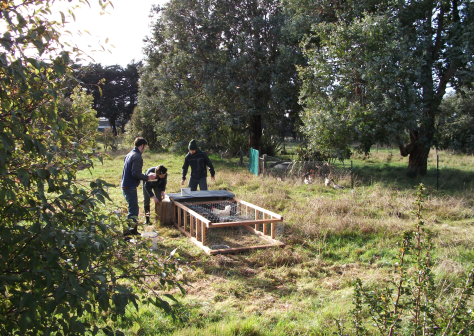
We are looking for a highly motivated individual or couple interested in learning-by-doing on a holistically managed permaculture property. Ongoing projects include using fowl to manage pasture…

Screen Shot 2015-12-30 at 9.15.19 am

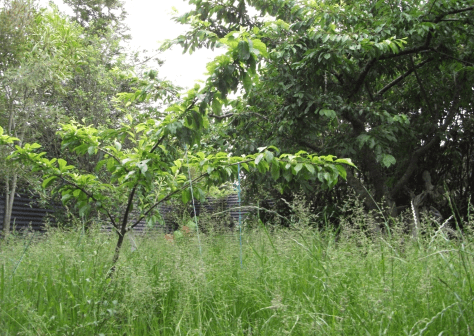
organic veggies…

Screen Shot 2015-12-30 at 9.15.48 am

protecting vulnerable slopes…

Screen Shot 2015-12-30 at 9.16.34 am

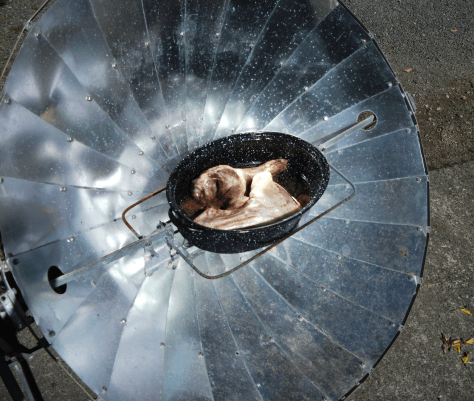
solar cooking…

Screen Shot 2015-12-30 at 9.16.53 am

eco building…

Screen Shot 2015-12-30 at 9.20.07 am

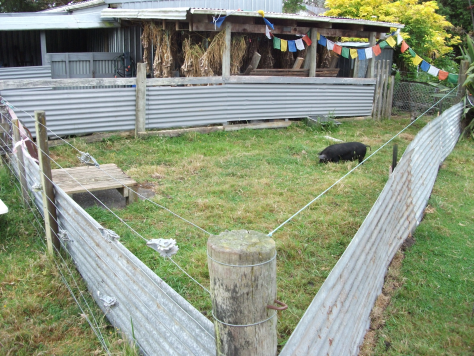
also hot composting, fruit tree care, managing pigs and goats, drought-proofing and water management.

This is a minimum 6 week commitment starting in January. Location is just outside Whanganui.

Contact theecoschool at  gmail dot com

Peace, Estwing
Solstice Permaculture Update

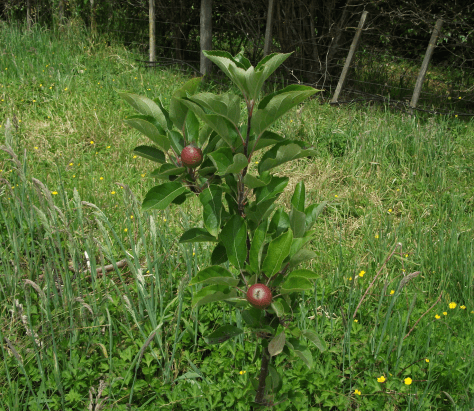
OK, the Solstice was last week, but we’ve been busy keeping up with all the growth on the farm. We see some nice apples forming on young trees.

Screen Shot 2015-12-16 at 6.51.25 am

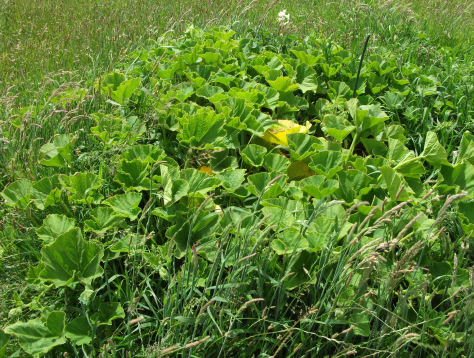
Pumpkins growing out of one of the many compost heaps.

Screen Shot 2015-12-16 at 6.51.36 am

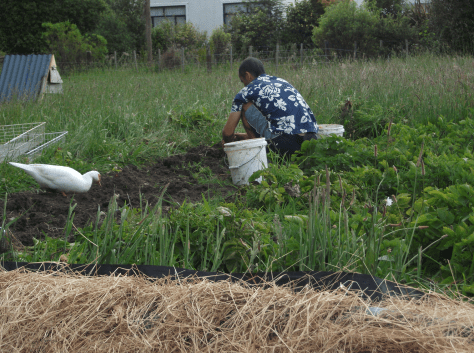
Digging spuds with a hungry duck finding worms along the way.

Screen Shot 2015-12-16 at 6.53.20 am

About to take the trainers off the young plum trees.

Screen Shot 2015-12-16 at 6.54.36 am

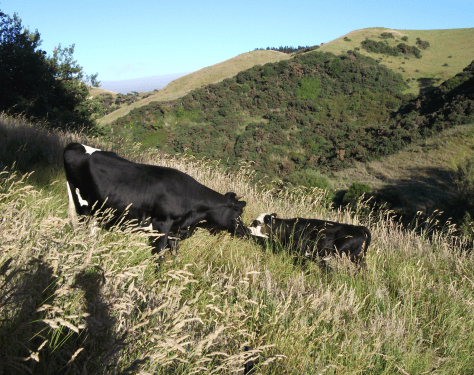
The new cow and calf have been great company for our crazy yearling heifer.

Screen Shot 2015-12-21 at 10.27.44 am

Here she is ‘kissing’ her ‘niece’.

Screen Shot 2015-12-28 at 6.01.40 am

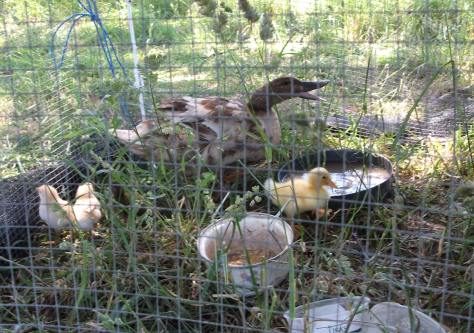
Speaking of harmony, this mixed hatch of chicks and ducklings are going well.

Screen Shot 2015-12-24 at 5.50.01 am

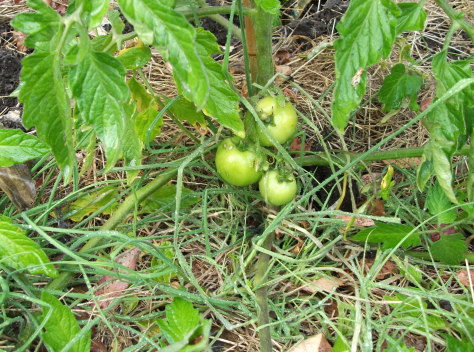
Tomatoes looking good.

Screen Shot 2015-12-28 at 6.05.46 am

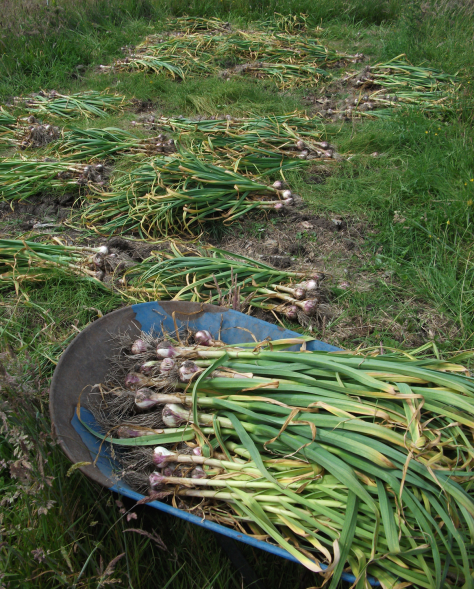
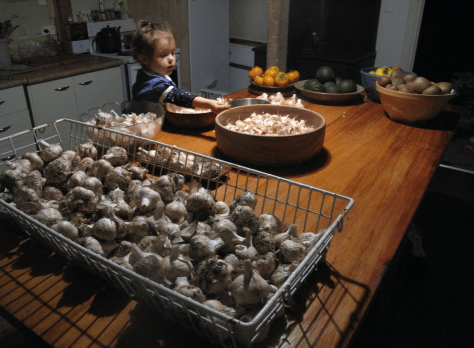
Amazing garlic harvest last weekend.

Screen Shot 2015-12-24 at 5.49.11 am

The size and flavour are amazing.

Screen Shot 2015-12-24 at 5.49.35 am

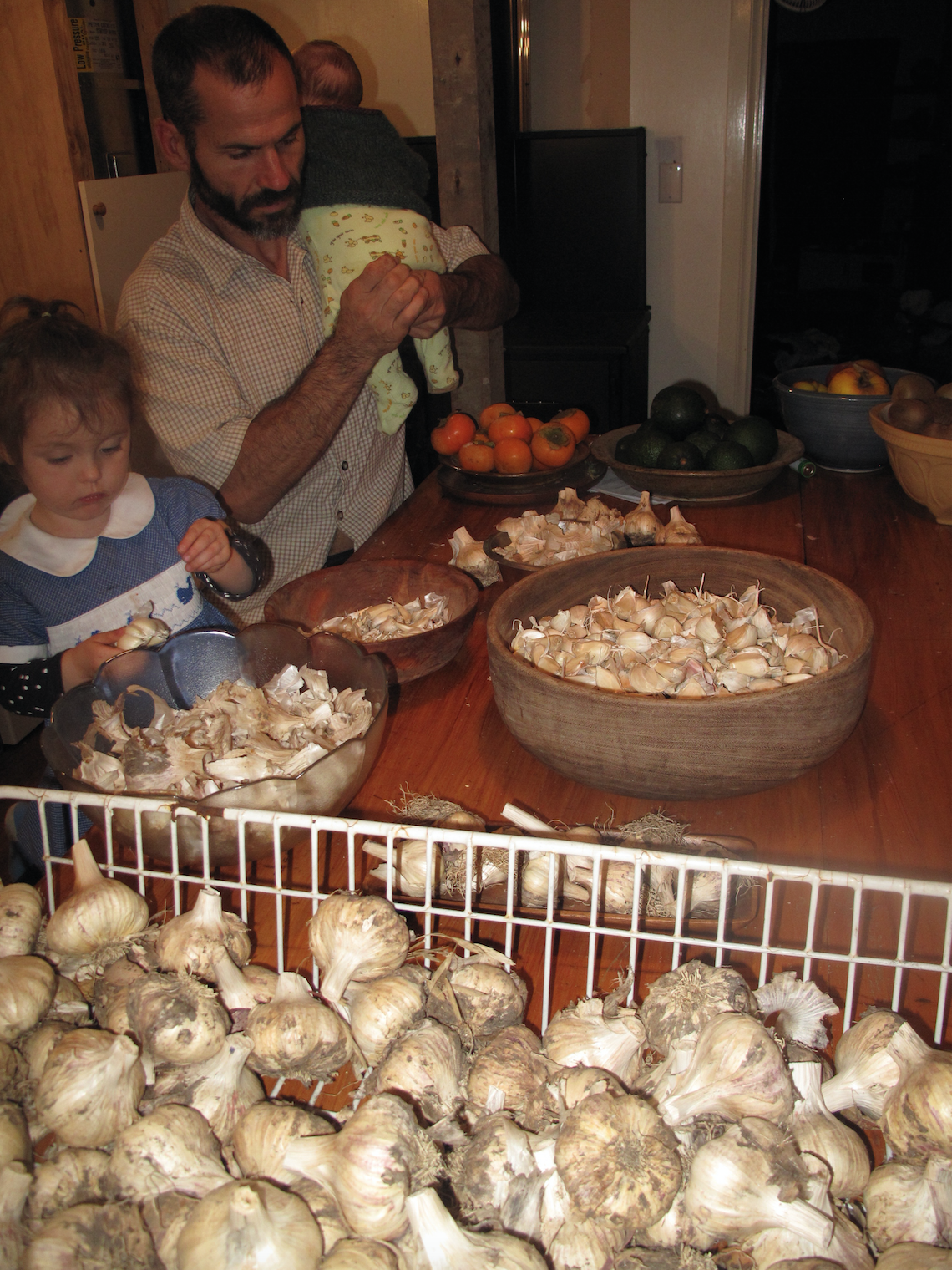
Of course I could not do it without my helper.

Screen Shot 2015-12-24 at 5.50.29 am

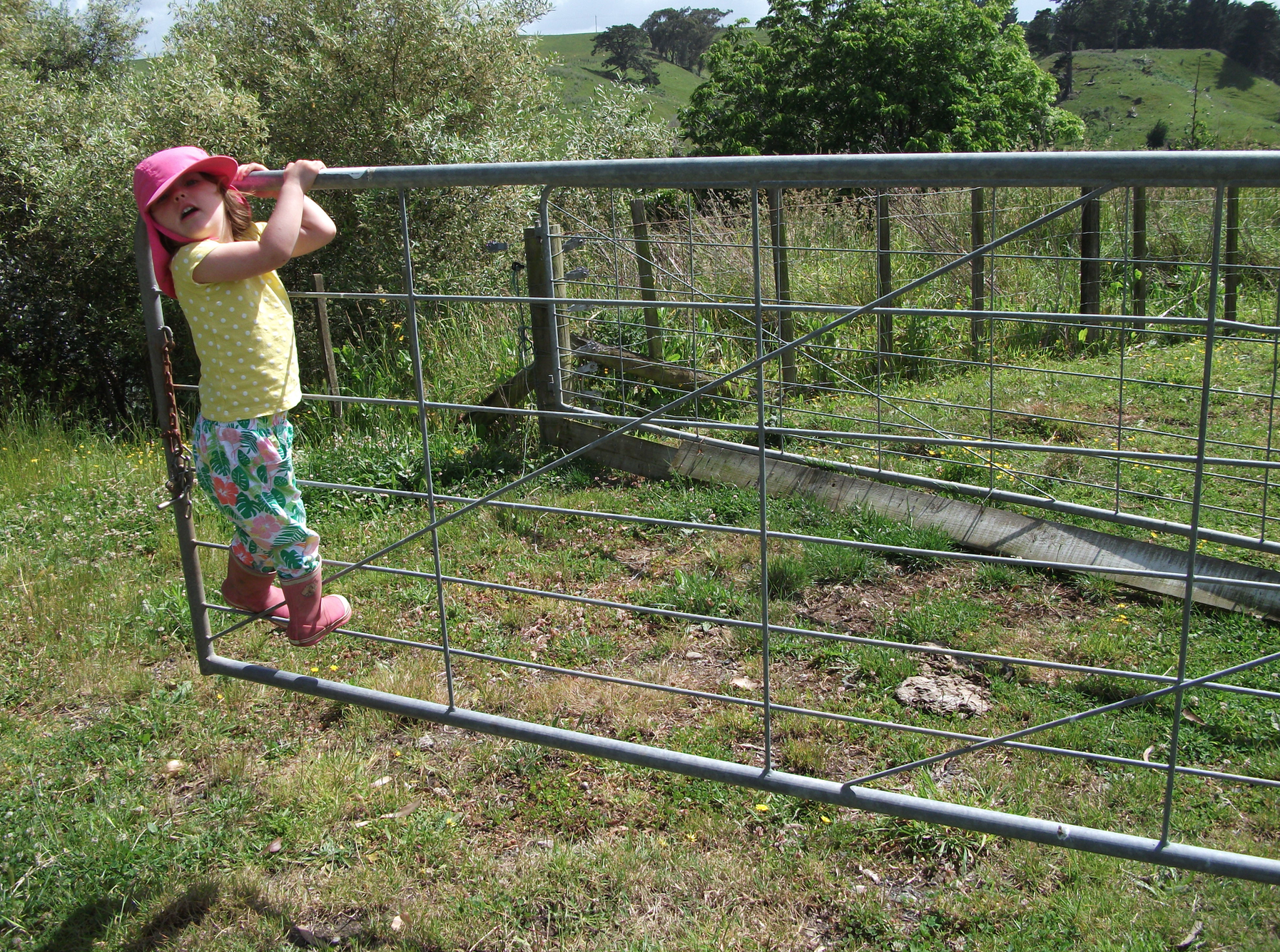
But there is always time for a fence ride. Screen Shot 2015-12-16 at 6.52.05 am

After just 16 months we are well on our way to a premier permaculture demonstration property.

    Peace, Estwing
A Letter to My Children


Editor’s Note:This is another weekly column in the Wanganui Chronicle. Screen Shot 2015-12-26 at 8.22.36 pm

Dear Verti and Manu,

Unlike Facebook CEO Mark Zuckerberg, I do not have 45 billions dollars to give away, but your mum and I agree with Mark and Priscilla that “we want you to grow up in a world better than ours today.”

“We will do our part to make this happen, not only because we love you, but also because we have a moral responsibility to all children in the next generation.”

I’d like to give the two of you my perspective on what the Zuckerbergs have set as their two priorities to improve the prospects for your generation: advancing human potential and promoting equality.

Advancing human potential probably has a million different interpretations, and I’m sure the Zuckerbergs have different ideas than your mum and me. From what I have learned, the most important things we can do to promote human potential are these:

  • talk to and read to our children as much as possible;
  • limit all screen time as much as possible (down to zero is ideal) before age three;
  • create opportunities for creative, independent play for children;
  • get kids outdoors as much as possible, as long as they wear hats and sunscreen;
  • cultivate attitudes of helping, sharing; and gratitude in children.

I know that the two of you are decades away from becoming parents yourselves, but I need to get this stuff down while it’s fresh in my mind.

What the world needs most is creative problem-solvers. If we wire that in from an early age it contributes to maximizing human potential in individuals and societies. That is the best win-win we can plan for.

From what I understand, people are made of equal measures nature and nurture. It’s the same with garlic. Growing great garlic starts with superior genetics, but that’s only half the game. An exceptional crop requires ample high quality compost, heavy mulch, good soil, regular watering, and pulling at just the right time.
It is the same with growing great children, only with more compost and less mulch.
Screen Shot 2015-12-26 at 8.23.32 pm

Promoting equality is one of the major challenges of our time. Pope Francis himself has put it alongside climate change as the most pressing issue facing humanity. Sadly, both of these issues appear to suffer from an over abundance of personal opinion and an under abundance of research when politicians get involved. Our own community is exceptionally vulnerable to both, yet many of the decisions made by the local government make both issues worse. As economic inequality widens, we all suffer the consequences of increased social problems, crime, and violence alongside the negative effects of a depressed local economy. It’s literally a lose-lose for rich and poor alike, yet the trend locally is making things worse.
It’s sad but true, but what can we do to fight the tide and promote equality? The first and most important thing is to get those people who do not vote to VOTE in every election, especially local elections. Politicians on every level do not speak to ‘the people’, they speak to ‘the voters’. There is a big difference when you look at economic inequality.

Promoting equality also involves advocating for a capital gains tax and removing GST on fresh fruit and vege on the national level. Locally, it means lobbying councilors to reverse the regressive rates system that makes wealth inequality worse in our community while depressing local economic activity. Wouldn’t you think the Chamber of Commerce would be the first group beating this drum to the door of the council chambers?

Yeah, me to, but this is where personal opinion gets in the way of robust research. Most people believe only what they want to believe and what fits their pre-existing perspective on the world. (Research, by the way, shows this quite clearly.) I reckon all we ‘little people’ can do is form robust arguments based on the best available data and findings, and set out to influence hearts and minds.

Everyone is capable of change, and it is possible to change the grossly unequal world we occupy. But it will only happen one person, one voter, and one politician at a time.

If you choose – Verti and Manu – to fight the tide of inequality yourselves, remember to take time out to enjoy the sunrises and sunsets, to smell the flowers, to catch a wave, to dance to Neil Diamond, and to get plenty of sleep. You’ll be in it for the long haul.

Much love from Papa

Creating Magical Moments for Children without Creating Rubbish

Editor’s Note: This is another weekly column in the Wanganui Chronicle.

 Screen Shot 2015-12-18 at 9.16.50 am

Whether one attends church every week, once a year or not at all, Christmas is to a large extent a children’s holiday. It’s all about Christmas morning and “the look on a child’s face” when unwrapping gifts wrapped in ribbons and bows. Many of us have memories of this from both the sides – as youngsters and parents. It’s wonderful.

But the moment is fleeting, and many of the toys end up discarded or broken within a matter of weeks if not days. Ironically, a small plastic toy that brings a brief moment of joy could subsequently spend the rest of eternity in a landfill. Talk about heaven and hell!

In this season of pausing to reflect, lets pause and reflect on this extraordinary moment in history we occupy. Something that we buy on a whim at the dollar shop can persist within a buried pile of rubbish for hundreds of generations to come. Compare this to the first Maori and European residents of these islands. Few artifacts persist from each group compared to what landfill archeologists will be finding from us for centuries to come.

Of course there is nothing wrong with the desire to make a child happy, but I would argue that Christmas – or any holiday involving gift giving – is less about the ‘things’ and more about the ‘moments.’ The shiny plastic things that go “beep, bop, bang” are just one pathway to the moments we treasure. There are other pathways.

If the end goal is magical moments, then the design challenge is this: How do we create magical moments for our children without also creating a pile of rubbish?

Screen Shot 2015-12-18 at 9.17.20 am

Like any good design, this one should be holistic, adaptive and cooperative. It should also dare to think outside of the square. For example, when thinking of ‘things’ to give a child, one consideration is not a ‘thing’ at all, but rather the gift of time. Does that sound cliché?

Whether it’s cliché or not, mountains of research show that what most children want is more time with their parents. Along the same lines, there are two mountains of research showing that reading to children under the age of three is about the best thing parents can ever do. On top of that, it’s free. How’s that for eco-thrifty?

Other gifts-of-time we can give children include a special day at the beach, a trip to the movies, a boat ride, a treasure hunt, a mystery adventure, or a Neil Diamond greatest hits dance party.

Fair enough, but at the end of the day most parents still want to give their kids ‘stuff.’ But even from this perspective we can design much more sustainable solutions than the current one-way trip to landfill.

In the field of materials cycling, the global leaders are chemist Michael Braungart and architect William McDonough. The pair has been working on what they call cradle-to-cradle design for two decades. Put simply, cradle-to-cradle sets the stage for infinite materials recycling with no such thing as landfill. In fact, the motto of this design methodology is “waste equals food” – in other words, the remnants or leftovers of one process are used to feed another process. This is accomplished by creating two materials metabolisms: biological and industrial.

The biological metabolism can be explained in three words: let it rot. Nature has been doing it for millions of years. Any materials that come from living organisms can be returned to the soil to promote the growth of more living organisms.

An industrial metabolism involves all materials that do not come directly from plants and animals, which include metals, minerals, plastics and other synthetic materials. The challenge is to make the recovery and remanufacture processes easy and efficient to ensure 100% recycling so that a broken plastic toy would readily be turned into a new plastic toy – over and over. From this perspective, gift giving could be guilt-free forevermore.

But until that day, another strategy for low-impact holiday giving is to choose durable gifts that will last. Our household does lots of wooden toys, and my parents still have 40+ year-old wooden toys that they get out when the grandchildren visit. Screen Shot 2015-12-18 at 9.16.59 am

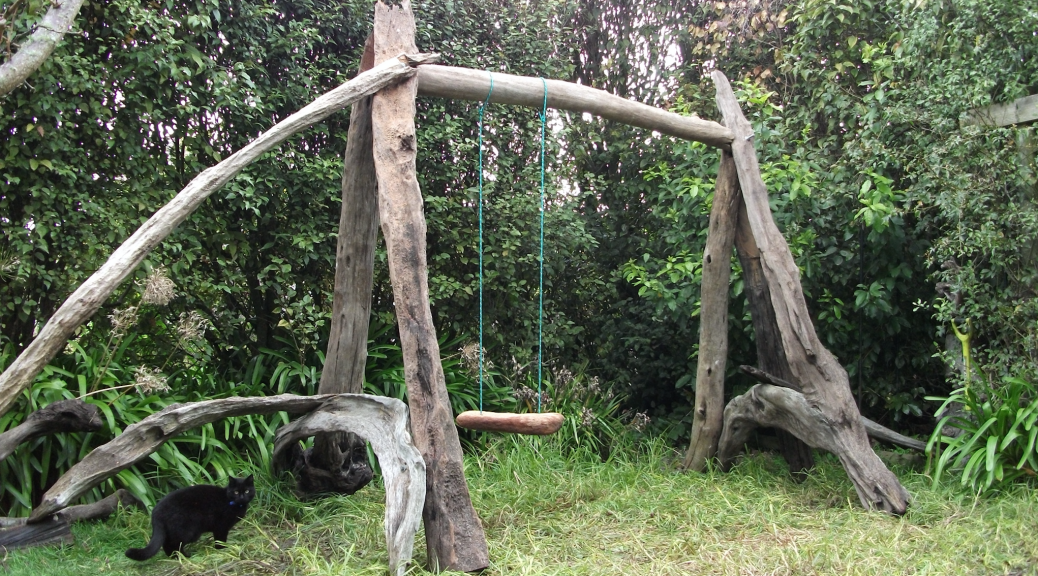
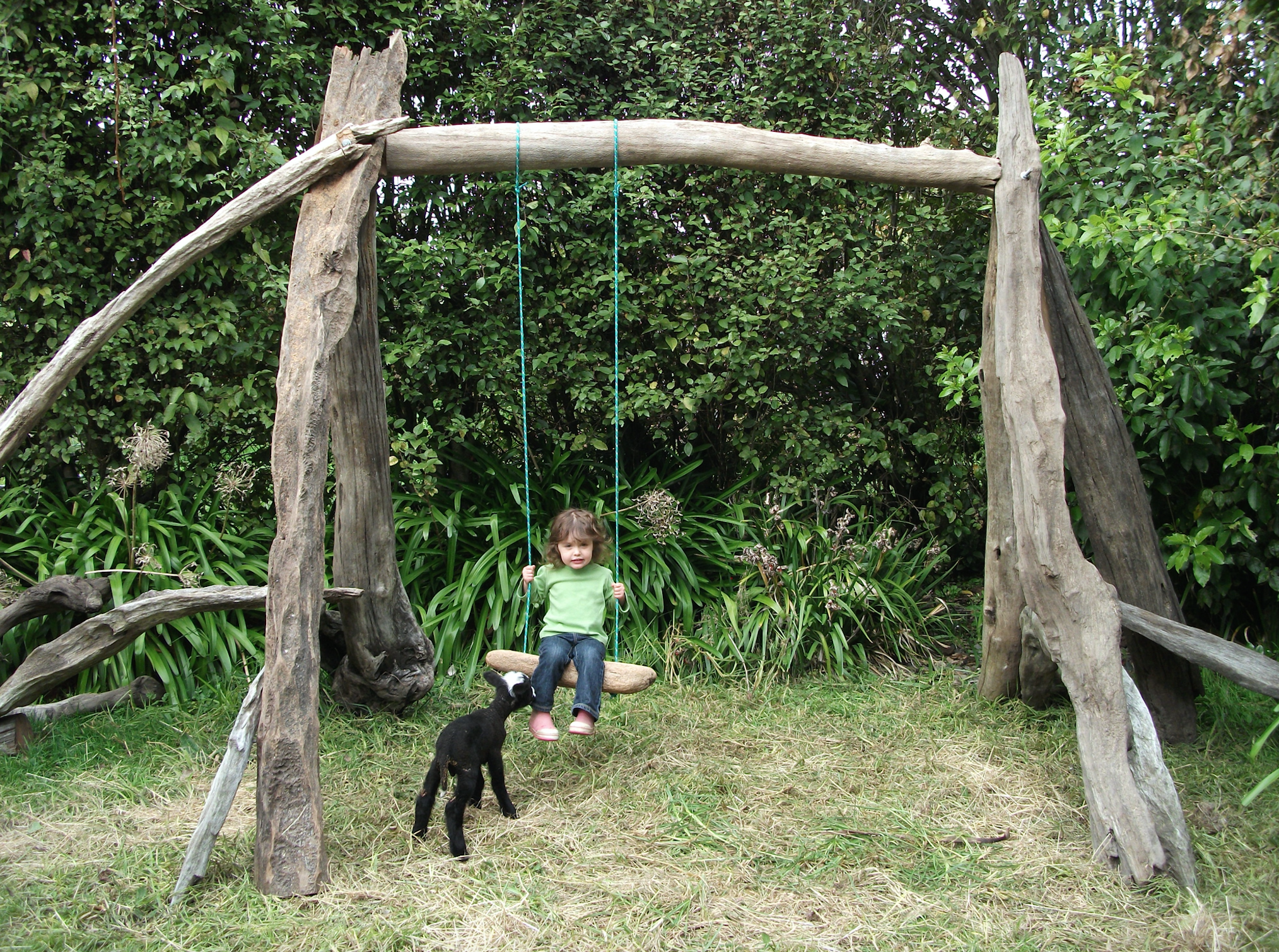
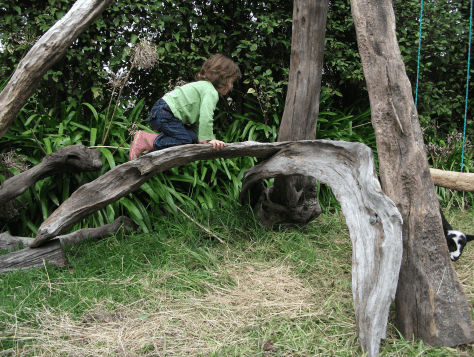
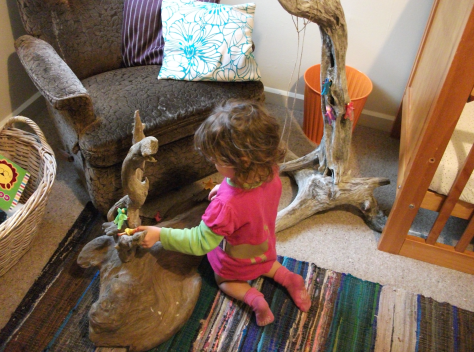
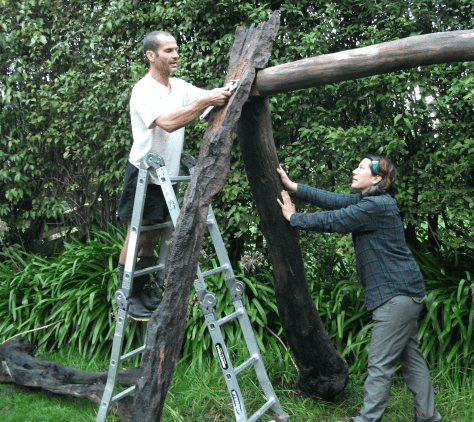
For Verti’s birthday in August I used driftwood to build a fairy village for indoor play and a swing set outside. The totara, matai and rimu timbers are incredibly durable and will last for decades. If I’m still alive when it falls apart, I will remove the treaded rod for reuse or recycling (industrial metabolism) and let the ancient timbers decompose naturally (biological metabolism).

Screen Shot 2015-12-18 at 9.17.36 am

Spoiler alert: Verti’s holiday gift from me this year is a strawberry patch outside our front door. Although I bought plastic planters, they will be protected from direct sunlight by a wooden surround made from weathered native timbers. The completed project will be attractive, durable, productive, and provide magical – and tasty – moments for years to come.


Peace, Estwing