All posts by Estwing

Reality, No TV: Our First Home

Our First Home is the name of a new programme on TV One. I have not seen it, but I have a pretty good idea of what to expect. I’ve seen plenty of programmes along the same lines and ‘been there / done that’ myself. Screen shot 2015-02-20 at 10.19.36 AM

It’s all about the drama. Renovating an old home is stressful. Living in it while renovating is especially stressful. Apparently it makes for great TV.

Our first home was in Castlecliff. The condition we found it was far worse than any house on Our First Home or The Block NZ. There were no TV cameras to document the drama, although a Chronicle reporter and photographer turned up in December, 2010 to see what we were up to.

Screen shot 2015-02-20 at 10.07.54 AM

We started our blog – www.ecothriftydoup.blogspot.com – in October, 2010 and have posted at least once every week since then. Last year we upgraded and expanded the blog: www.ecothriftylife.wordpress.com. The central premise behind our work is living within limits both financial and ecological.

Programmes like The Block NZ and Our First Home are based on the premise of “the property ladder,” which we don’t really have in our River City. From my observations we have more of a property step stool at best, and in some cases a hole in the floor. At the moment it is an unrealistic expectation to borrow money to do up a kitchen and bathroom, and expect to recoup the costs upon resale. This sets us dramatically apart from those doer uppers in Auckland, although there is still some common ground. Screen shot 2015-02-20 at 10.08.03 AM
According to the ourfirsthome website, the “Expert Tips” for Week One include:

  • Try to face living areas north with indoor/outdoor flow to add value.
  • Indoor/outdoor flow is a key…point.
  • Heating is important.
  • Privacy and seclusion add value.

If my editors would allow me use all caps for an entire sentence it would be this:

I would never consider buying a home with living spaces to the south and bedrooms to the north. Screen shot 2015-02-20 at 10.08.12 AM

Wait, I take that back. If I were to return to the Northern hemisphere I certainly would! But with a climate like the Whaganui region has, a home with the living spaces to the south is bass ackwards. Even the TV One “Experts” say that “Heating is important,” and free heating from the sun is the most important of all.

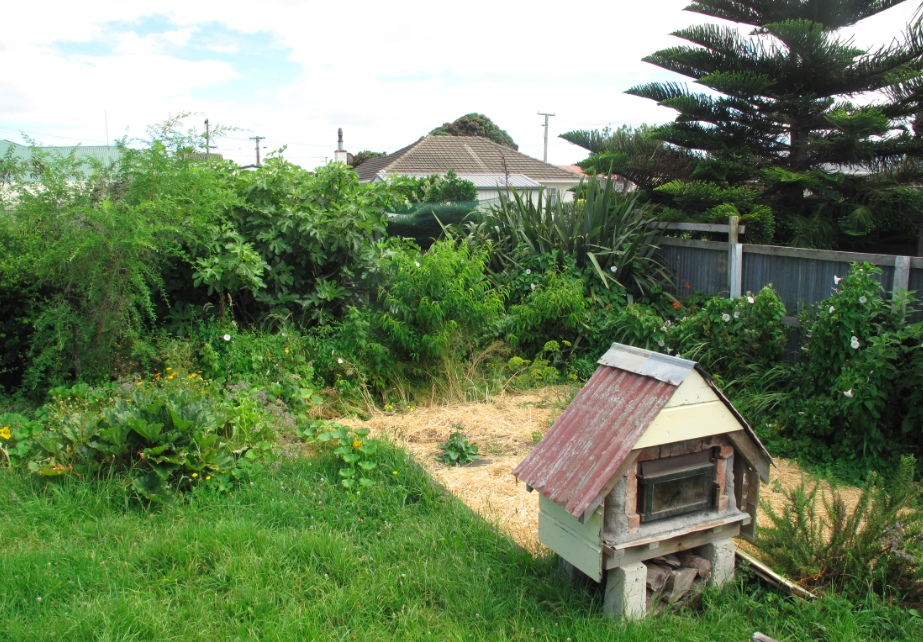
Free heating from the sun – aka passive solar design – goes alongside the indoor/outdoor flow that should accompany the northerly living spaces. Our first home in Castlecliff has the additional advantages of a private and secluded section at the end of a cul-de-sac. The flow is from kitchen to kitchen garden, through French doors, across a deck and past the outdoor pizza oven.

We planted the backyard with native trees for wind protection and fruit trees for healthy food production. The combination adds privacy and seclusion to that quintessential indoor/outdoor flow of contemporary Kiwi lifestyles whether in overpriced Auckland or affordable Wanganui.

But please don’t be tempted by what you see on TV to overextend your finances with the false expectation that “property prices only go up.” All bubbles burst. The Aucklanders will learn this too, and some will wish they bought here instead.


Peace, Estwing

Just Another Sunday on the Farm

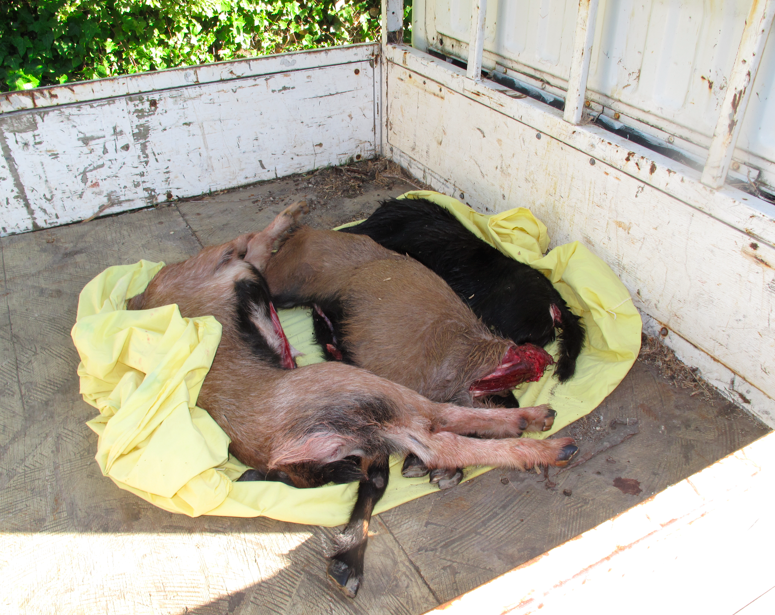
I got a call this morning at 7:30 from my mate. He said, “I knew you’d be up because you have a 2-year old. I’ve got some goats I shot yesterday. Can I bring them over?”

Screen shot 2015-02-15 at 12.50.34 PM

And just like that, my plans for Sunday morning took a dramatic turn.

Screen shot 2015-02-15 at 12.50.54 PM

Goats are considered a pest in New Zealand and hunting is seen to be good for the native ecology. Eating the meat is a good use of the carcass.

Screen shot 2015-02-15 at 12.51.15 PM

Although the carcass is actually very lean on a ‘wild’ animal.

Screen shot 2015-02-15 at 12.51.29 PM

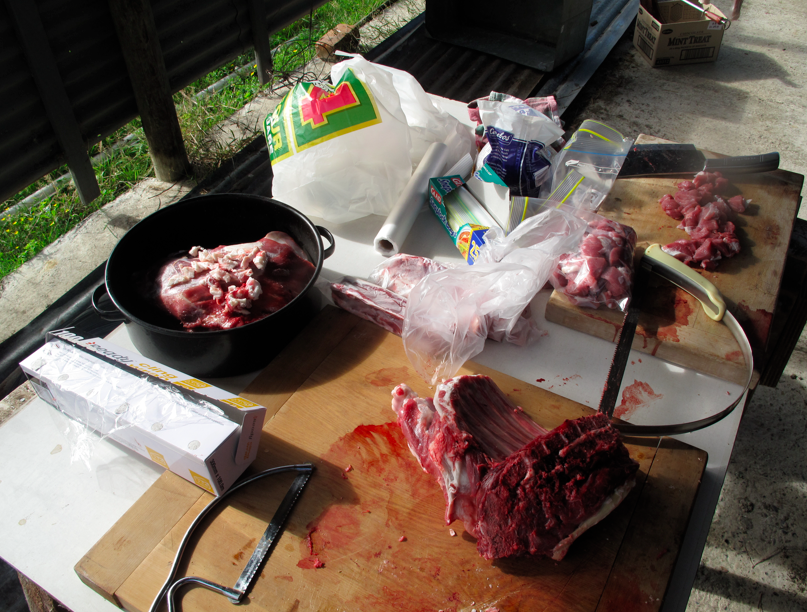
This meat saw I got at the auction came in very handy.

Screen shot 2015-02-15 at 12.51.43 PM

Simon was a master at butchering the meat.

Screen shot 2015-02-15 at 12.51.51 PM

We got a roast on the solar cooker straight away.

Screen shot 2015-02-15 at 12.52.02 PM

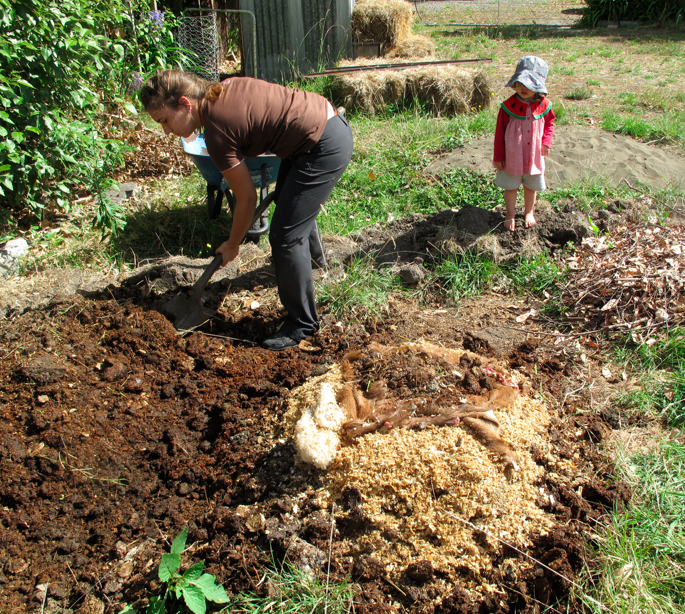
Simon had no use for the hides so we decided to return them to the earth via our compost pile.

Screen shot 2015-02-15 at 12.52.27 PM

We layered up plenty of wood shavings and sheep manure to ensure a very hot compost – over 60 degrees Celcius.

Screen shot 2015-02-15 at 12.52.46 PM

The pile is well over one cubic metre and should make a beautiful compost in about three weeks time.

Screen shot 2015-02-15 at 12.53.11 PM

Peace Estwing

Best Tool in the Shed

I am impressed by the number of families in our region that are embracing permaculture landscape design and management. I have been out and about across the city and around the region advising couples who live on small sections, large sections and lifestyle blocks.

If busy is the new black, then call me midnight. But I’m not complaining. What a pleasure it is to share my experience and enthusiasm for eco-design with a wide range of people who see the clear benefits of low-input / high performance systems.

During a consultation the first things I ask are: What is your vision? What are your motivations?

Last weekend I was working with a lovely couple on their lifestyle block and they said one of their motivations was to “work smarter, not harder.” As a former market gardener, that phrase runs through my head like mantra. When I am working my land it is an automatic way of operating. How else can I get 12 hours of chores done in 8 hours?

Screen shot 2015-02-13 at 10.25.07 AM

In my opinion, the key to working smarter is good design, and the best designs are holistic and four-dimensional. (Time is the fourth dimension.) For a market gardener, four-dimensional design conjures up another mantra: tools, timing, technique. In other words, using the right tool at the right time in the right way.

For example, I would never use a pitchfork to turn a large compost heap – way too much work!

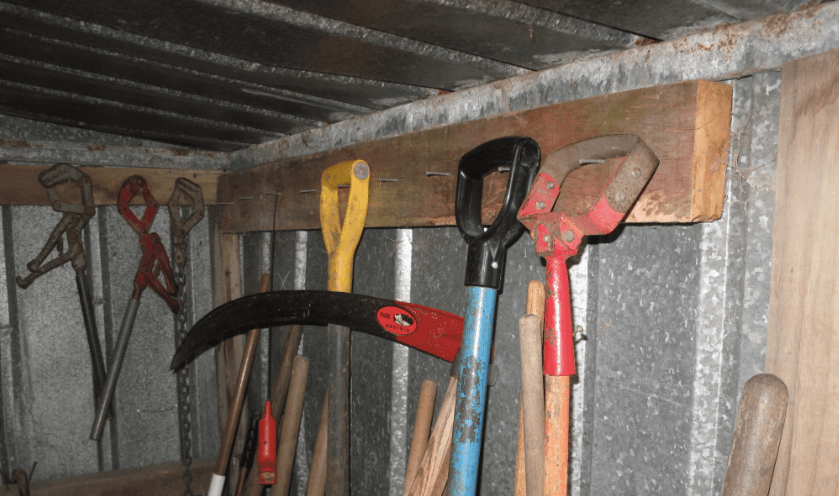
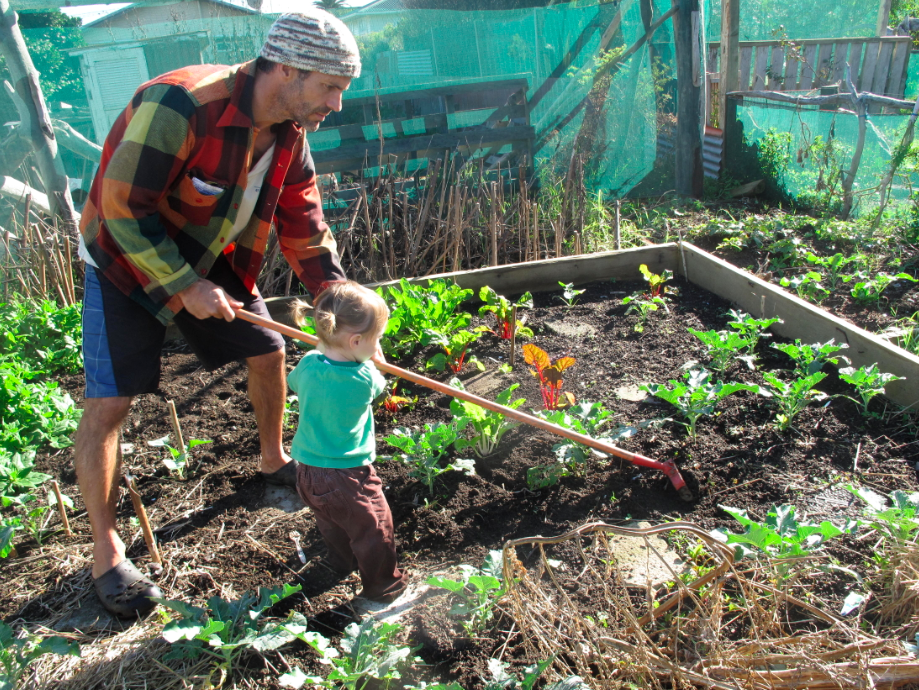
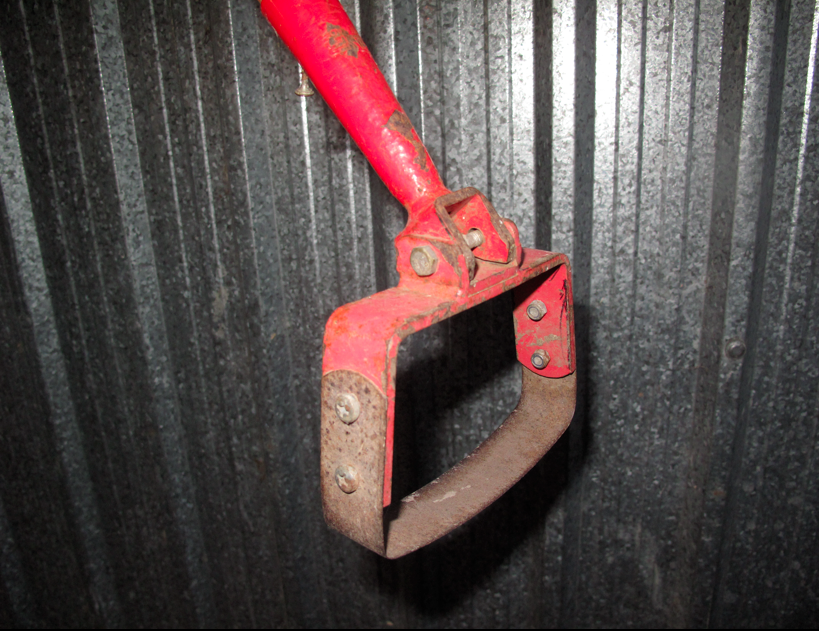
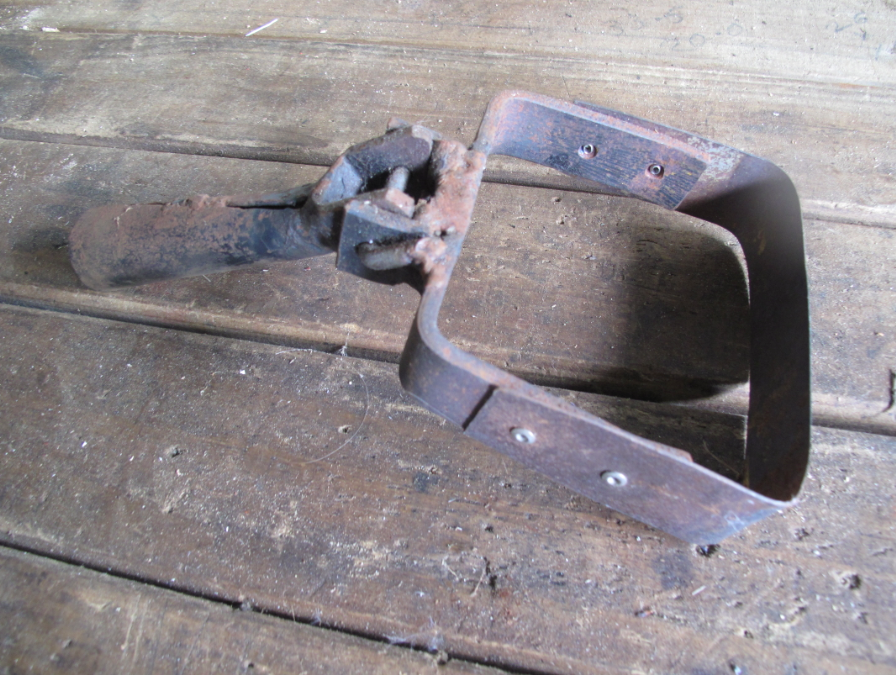
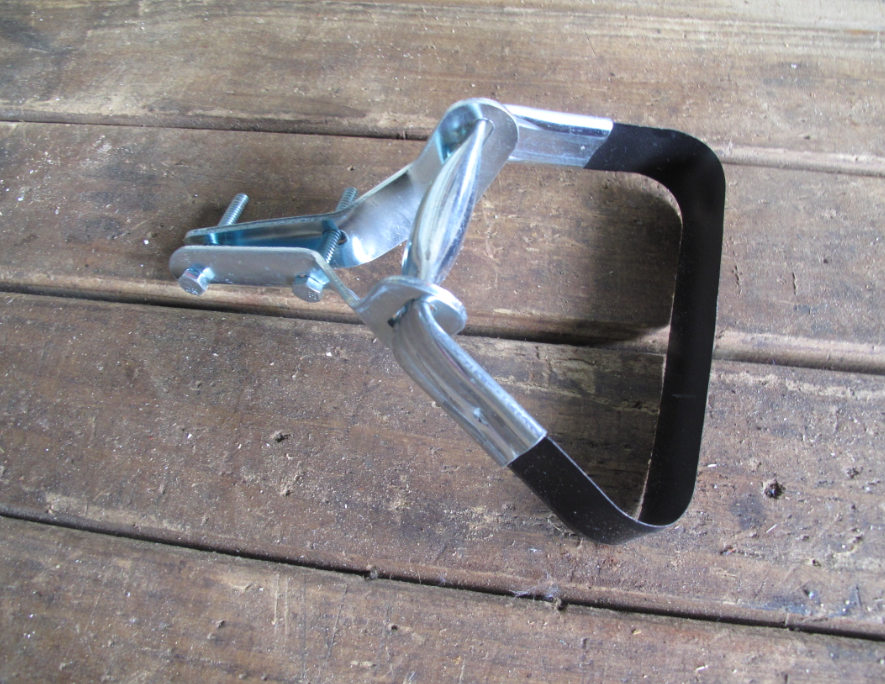
Ironically, the best tool for low-effort / high production vege gardening is essentially unknown in New Zealand. It is the best tool you have never heard of: the stirrup hoe. Screen shot 2015-02-13 at 10.22.48 AM

I have been using stirrup hoes for over a decade. When it comes to managing my annual vege gardens I use the stirrup hoe for roughly 80 percent of my entire tool use. In other words, when I pick up a tool, four times out of five it is a stirrup hoe, and the other time it is any other tool in the shed. This dominance is akin to the All Blacks who have held the world number one ranking for over 80% of the time and all other nations combined have held it for less than 20%. Screen shot 2015-02-13 at 10.24.21 AM

So why haven’t you heard of the stirrup hoe? Probably spending too much time weeding your garden!

Like a torpedo hoe or Dutch hoe, it is a surface weeder with the advantage that the leading edge always digs into the soil because it pivots between pushing and pulling. This back-and-forth motion accounts for its other name: the oscillating hoe.

That’s the tool, now what about the timing? Sorry, another mantra: “Once a week, every week, on a sunny, windy day.” Screen shot 2015-02-13 at 10.24.27 AM

Gently working the soil surface back and forth uproots tiny weeds as soon as they germinate. The sun and wind desiccate them within hours and they simply remain on the surface until they decompose back into the earth. Ninety-nine percent of my weeding is done without ever bending over.

As you can imply from the description above, the technique involved is gently working the soil surface – 10 to 15 mm deep only. The tool is held with the lightest of touch between your hands. It reminds me of my childhood when I spent spring afternoons raking the long jump sand pit for my father who was a track coach.

After about six weeks the soil surface is essentially devoid of weed seeds. That’s when another tool comes in handy: a bottle opener. Sit back, relax and enjoy a cool drink as you admire the immaculate vege garden. That’s working smarter!


Sustaining Sustainability: No Easy Task

In my experience, the sustainability movement suffers in two primary ways: misinterpretation and low stamina.

On the first point, we hear local officials yammering on about “sustainable growth” when in fact there is no such thing. What they mean is sustaining growth, which is the dominant message we get from the WDC despite advice to the contrary from economics experts. Of course Council has every right to put forth any message it wants, but it would be most helpful not to confuse things by placing the words sustainable and growth next to one another.

On the second point – low stamina – we see many sustainability initiatives ultimately fail in the long run. They may start with a bang but often end with a fizzle. In other words, it is very hard to sustain sustainability.

With the rise of digital cameras, smart phones, and social media such a Facebook, we have seen a proliferation of cool photos of tidy gardens and interesting things made out of shipping palettes taken on the day they were built – looking all shiny and new. These often go viral with likes and re-likes and shares and re-shares.

I am always left wondering, “What will they look like after two years?” Screen shot 2015-02-06 at 11.19.05 AM

Doing a one-off project is easy. Maintaining it for the long term is hard. By definition, sustainability relates to the latter, and this is where I have seen it fall down time after time due to lack of stamina.

For a few years I have been watching fruit trees die at a poorly designed community garden at the top of Carson Street. Knowing their ultimate fate, I asked if I could distribute the suffering trees to homes around the Castlecliff community. I was told no. Finally, after all but three of the fruit trees had died I was given permission to rescue the survivors. I dug the trees from the abandoned garden and relocated them. Screen shot 2015-02-06 at 11.14.48 AM

Experiences like this have provided me with a realistic caution when approached by groups or individuals to get involved with this or that project. I always say yes, but I am no longer as free and generous with my time as I once was.

On the other side of the coin, however, I have developed an increased level of respect for projects that have stood the test of time, especially those that are sustained by voluntary efforts. Some examples in our fair city include the River Exchange and Barter System (REBS), the Sustainable Whanganui Trust, Mark Christensen’s weekly working bees, and our annual Permaculture Weekend.

Aside from extraordinary volunteer efforts, the other way to sustain sustainability is to make it institutional. In other words make it part of the kaupapa of an organization. In order for this to happen there needs to be strong leadership, a member of the organisation who will take it on, and good design.

A local example of this is the New Zealand Masters Games. During the 2013 edition of the Games in Whanganui a successful recycling effort diverted over 19 jumbo bins of rubbish from landfill. We hope to replicate this 95% recovery rate of materials this year, but it would be impossible without strong leadership and support from within the organisation. Screen shot 2015-02-06 at 11.14.20 AM

With another world-class waste management result this year, the deeper the kaupapa of waste minimisation permeates the event, just as it has done with SKIP Wanganui’s annual Children’s Day. At some point the discussion changes from, “Should we do recycling and composting again this year?” to “This is what we do.” That is the point at which sustainability is sustained.

Peace, Estwing

How I Spent My Sunday: Part II

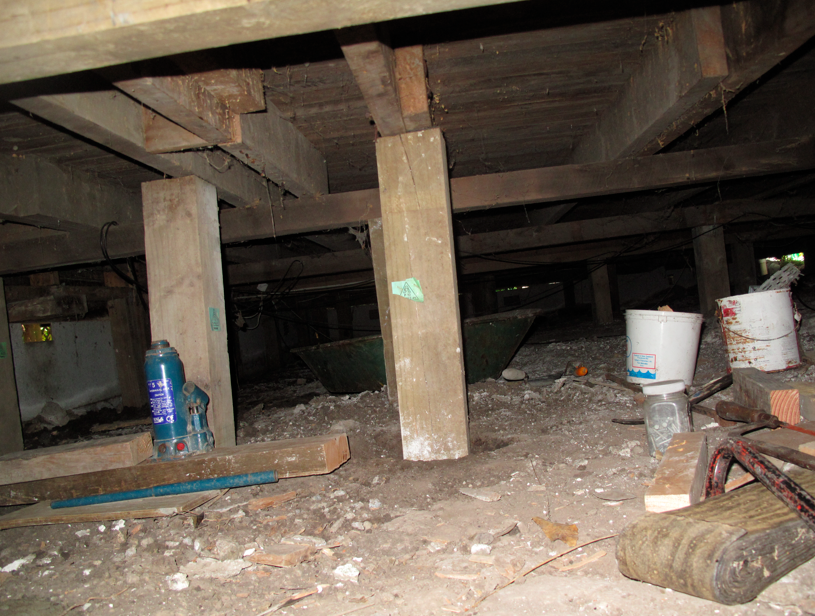
Last week I wrote about spending my Sunday putting 5 extra piles under the floor to take the weight of our new wood burning cook stove and the new hot water cylinder.

Screen shot 2015-02-01 at 3.42.13 PM

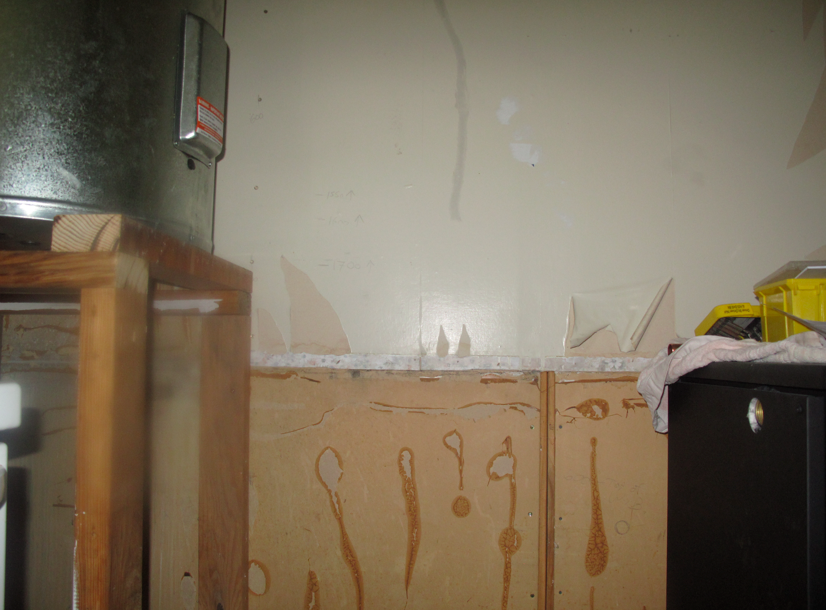
This Sunday I started framing a platform for the hot water cylinder where an old laundry tub had leaked and rotted the floor.

Screen shot 2015-02-01 at 3.33.28 PM

I pulled out the rotted bits and decided I should insulate the wall.

Screen shot 2015-02-01 at 3.33.51 PM

I lined the wall inside what will be the hot water cupboard with 800 mm of plywood to serve as bracing for extra earthquake protection.  Screen shot 2015-02-01 at 3.34.07 PM

I had to cover the hole in the floor, so I used a sheet of sub-flooring I got from a building supplies recycler for $5, and then started building the stand for the cylinder.

Screen shot 2015-02-01 at 3.34.16 PM

The cylinder weighs about 35 kg, so getting it on the one-metre high stand took a little grunt.  Screen shot 2015-02-01 at 3.34.26 PM

The cylinder has to be higher than the “wetback” water heater.  Specifically, it needs to have a rise over run of 1 to 7. Screen shot 2015-02-01 at 3.35.34 PM

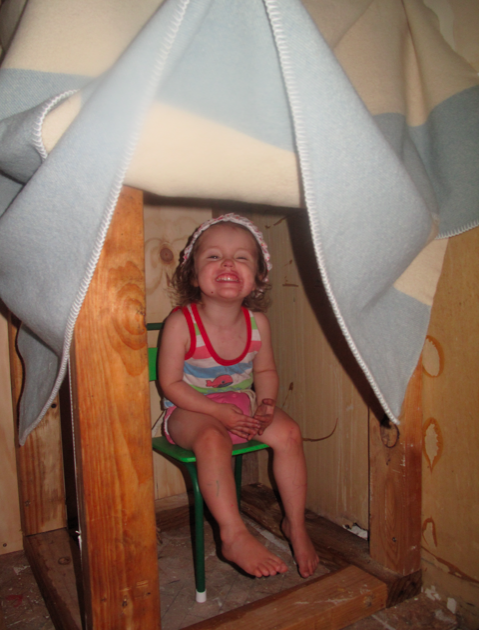
The platform also has another purpose.

Screen shot 2015-02-01 at 3.35.45 PM

It is a great playhouse for a 2 & 1/2 year-old.

Screen shot 2015-02-01 at 3.35.56 PM

Fun was had by all.


Peace, Estwing
Drought-Proofing is a Matter of Eco-Design

Editor’s Note: One of our District Councillors recently made statements to our newspaper about his concern for the volume of water our city was using while we have had essentially no rain for a month. By why did he have to say to the reporter, “I don’t want to sound like a greenie…” This is my response in the same newspaper.


“I don’t want to sound like a greenie…”

Why is it that many people in our community – especially elected officials – feel it is necessary to preface common sense statements with this phrase? Is there such antipathy toward the so-called “greenies” among us to warrant this fear of association with them? It is such a constant theme in our local politics that I often wonder how and why it came to be.

Lets take a common sense, conservative concept: wasting a resource is bad. Does anyone disagree with this left, right or centre? But as long as we associate common sense, conservative issues with the left-wing, the farther Whanganui will fall behind progressive councils around the country that are ahead of us already and stretching their leads. If we were truly a “Smart!” city we would embrace eco-design thinking fully and unapologetically to improve the lives of our residents, save money and conserve valuable resources such as water.

Water conservation in the home comes in two forms: efficiency and behaviours. Efficiency can take the form of low-flow showers and taps, dual flush toilets, and appliances that are Water Rated. Behaviours include closing the tap while brushing teeth or shaving, taking short showers, or washing dishes like an Aussie.

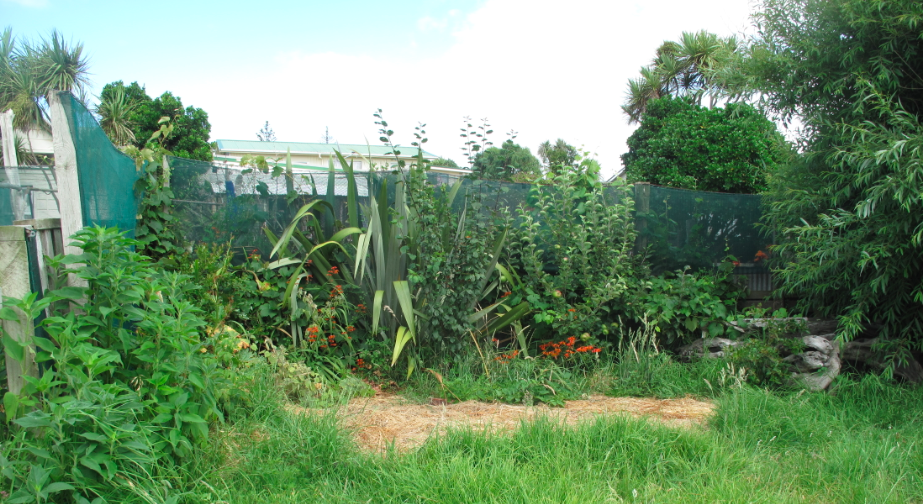
But at this time of year, in many cases more water is used outside of the home than inside. I don’t want to sound like a greenie, but there are many ways in which eco-design can be used to develop and manage a drought-resistant property of any size from residential section to lifestyle block. Screen shot 2015-01-31 at 6.43.41 AM

A drought-resistant section in the middle of a drought.

Eco-design as applied to lawns and gardens is about mimicking nature. In other words, we observe how nature is so successful at providing the conditions for life to thrive, and then we copy it.

Any good farmer will tell you that growing plants is all about the soil, so that’s where we’ll begin. Undisturbed, natural soils consist of 50% particles (sand, silt, clay, and humus), 25% air, and 25% water. Put another way, it is half particles and half empty space.

By contrast, most paddocks, lawns and gardens are more like 80% particles and 20% pore space because they have been compacted over many years. Compacted soils do not readily absorb water during rains and result in excessive runoff into streams and rivers, which adds to flooding danger. On the other hand, because the water has flowed across the earth’s surface instead of soaking in, there is less groundwater available during drier months. Groundwater works like a bank account with deposits and withdrawals.

Screen shot 2015-01-31 at 6.44.04 AM

A swale can help drought-proof a lifestyle block. 

Additionally, compacted soils are largely devoid of life due to the lack of air and water. Where soil life is marginal, many types of plants struggle to survive and require additional inputs of fertilizer, “weed killer”, and irrigation.

From an eco-design perspective, drought-proofing a paddock, lawn or garden is about bringing the soil back to life. Living soils have both good drainage and good water retention. In the long term, healthy soils maintain themselves. Yes, nature will do it on its own but we can jump start the process by breathing life into soils in three simple ways.

First, compacted soils need to be mechanically aerated. A farmer might use a chisel plough where a homeowner would choose a broad fork or sturdy garden fork. Next, the application of lime – one handful per square metre – will raise the pH of soils, which increases microbial activity. Finally, top-dressing with organic matter in the form of composted manure for a paddock or finely sieved compost for a lawn will feed soil organisms.

The same three principles – aerate, raise the pH, add organic matter – can be repeated for vege gardens and perennial beds. Additionally, with regards to water conservation, these can be heavily mulched to reduce soil evaporation.

Both vege gardens and perennial beds can easily be managed as no-dig/no-till areas with healthy soils that maintain themselves, but lawns and paddocks will inevitably receive a certain level of foot and hoof traffic. For these areas a more regular programme of maintenance is required to promote healthy soils, but it all can be done within the realm of eco-design.


Workshops:

Drought-Proof Your Residential Section

Wednesday, 4th February, 5:30-6:30 pm.

Drought-Proof Your Lifestyle Block

Sunday, 8th February, 9:00-11:00 am.

Limited spaces. Registration and deposit essential.

theecoschool – at – gmail.com

Piles of Fun

Someone once told me you can tell a lot about a person by how they spend their Sundays.

Screen shot 2015-01-25 at 2.38.31 PM

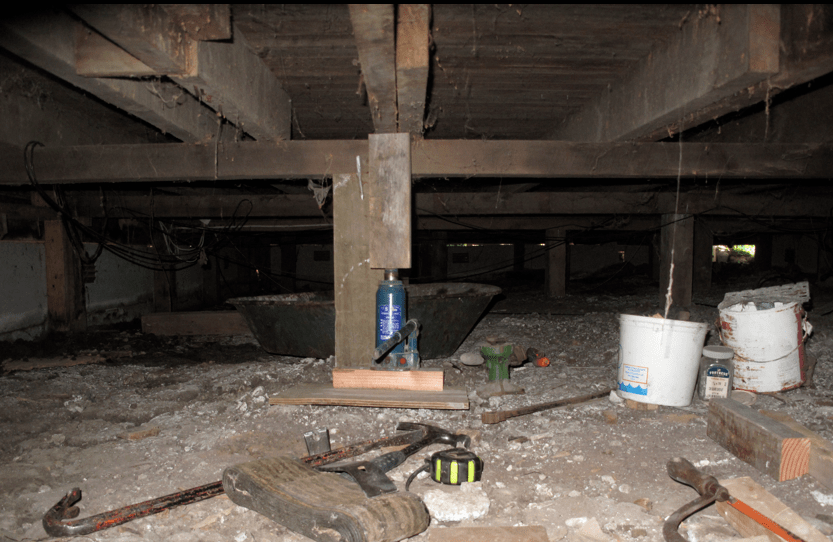
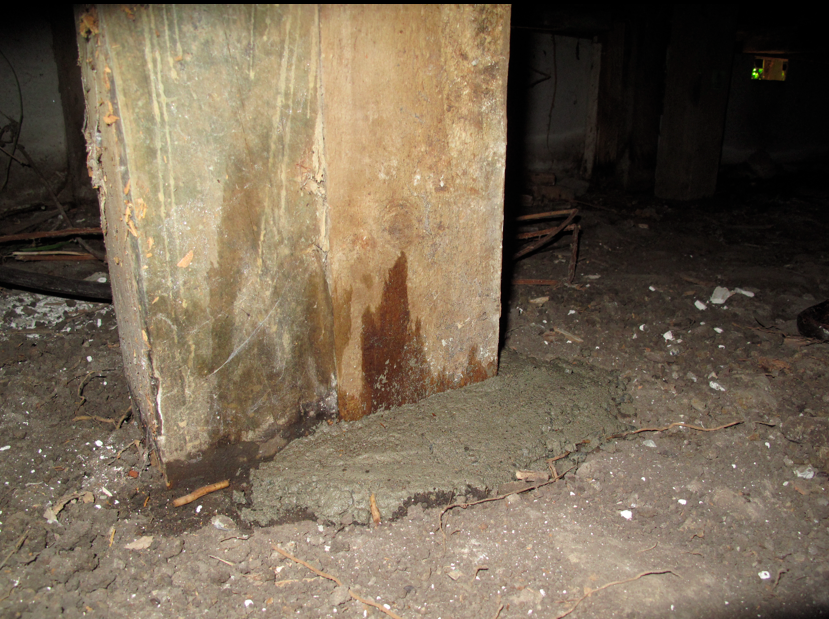
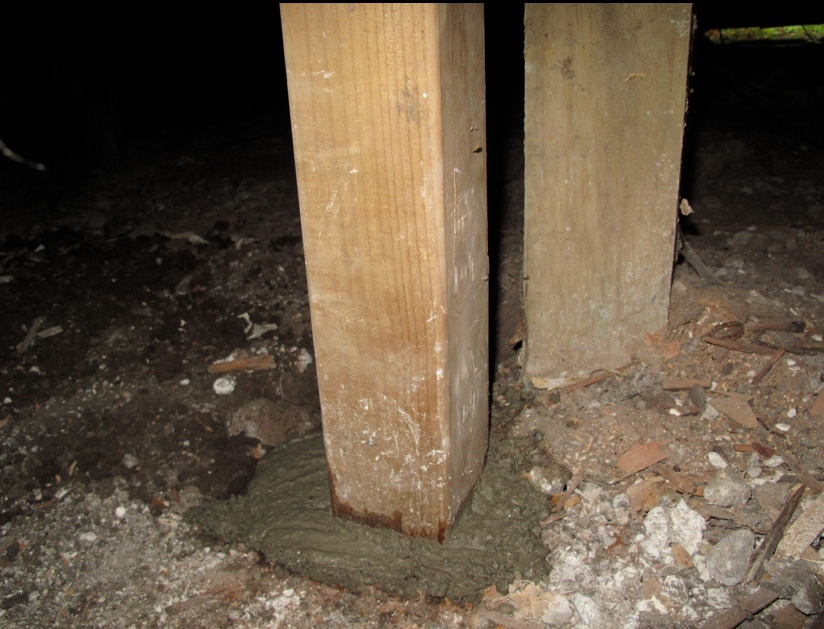
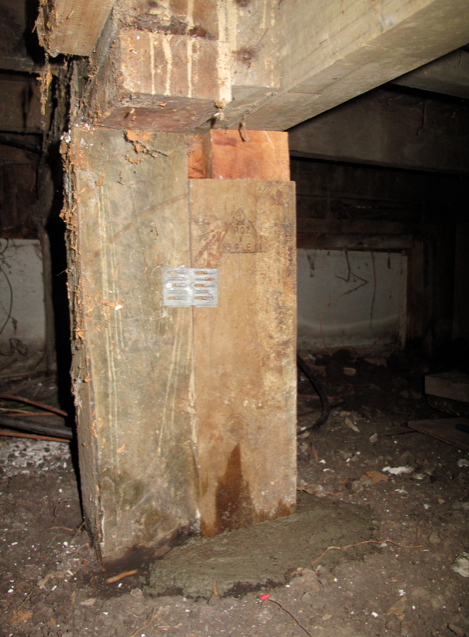
I spent today crawling under my house sistering up piles, adding bearers, and piling under joists where our new wood burner will go.

Screen shot 2015-01-25 at 2.39.06 PM

Between the spider webs, dead possums, and cat poo, it’s not a fun job.

Screen shot 2015-01-25 at 2.39.30 PM

But once finished, it is very satisfying knowing that the floor is basically bomb-proof.

Screen shot 2015-01-25 at 2.39.44 PM

 The Wagener Fairburn weighs 300 kgs, so I put two extra piles directly beneath it. Screen shot 2015-01-25 at 2.39.19 PM

Here is the Fairburn.

Screen shot 2015-01-25 at 2.39.59 PM

Additionally, a 225 litre hot water cylinder is going in the corner between the two stoves. That is another 250 kgs once full on H2O. I added another pile under there.

Screen shot 2015-01-25 at 2.40.13 PM

Aside from being intensely satisfying, the other redeeming value of re-piling in the middle of summer is that it is the coolest spot on the property.


Peace, Estwing

Mixing Old and New to Create a Character Bathroom

For regular readers of this column it is obvious that energy efficiency is a major part of eco-thrifty renovation. From an energy perspective, the ‘eco’ need only stand for economic because the financial benefits are so easy to document.

One need not have any green intentions to fully embrace energy efficiency on a purely fiscal basis. The Scrougiest Scrouge and the Grinchiest Grinch should be all over LED light bulbs, insulation, and Energy Star appliances.

The financial payback of many energy efficiency measures gives a better return than the best term deposit available. Additionally, there are the intangible benefits of comfort, health and family well-being.

But there is another aspect of eco-thrifty renovation that does not offer such clear financial payback, and may in some cases cost more than bog standard conventional building practices. This involves reusing materials, which in most cases is labour intensive.

Screen shot 2015-01-24 at 6.54.05 AM

 If you pay a builder to do it the cost comes in wages. If you do it yourself the cost comes in time. In either case, the costs can often be justified by a unique and beautiful product. Character and craftsmanship are worth paying for in the same way that good artwork is worth paying for.

Personally, I pay in blisters, abrasions, sawdust up my nose, small cuts on my hands, and a sweaty brow. Reusing materials is a labour of love.

Reusing materials forces one to work slowly; to be mindful; to focus on beauty rather than speed. It is a welcome break in a busy world.

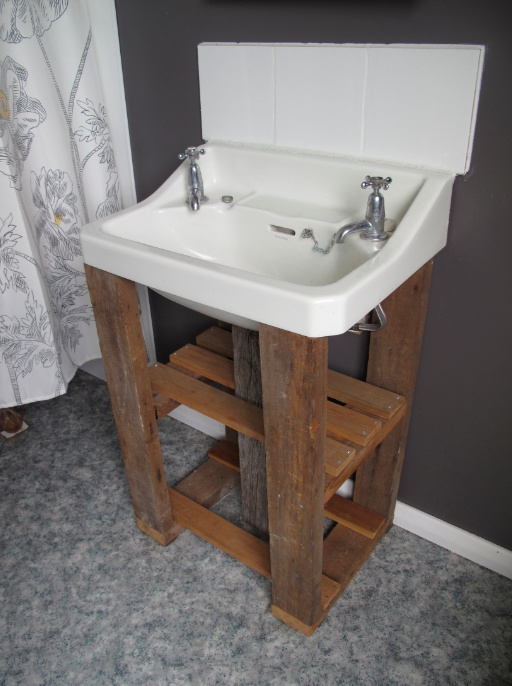
One interesting feature in our bathroom came as a result of a clumsy plumber. While placing the basin on top of the porcelin pedestal four years ago, the plumber cracked the top of the pedestal. He slapped a few pieces of black electrical tape on it and left. And so it remained for two years while I completed 267 other projects.

Then one day after my dissertation had been accepted, my family was away, and there were no waves at the North Mole, I crawled under the house and retrieved the rimu studs I had stored there in 2010. On a scale of craftsmanship, this project ranks fairly low, but one great thing about repurposing timber is that imperfections are just part of the character. Beware, however, there is a fine line between character and a dodgy job.

Screen shot 2015-01-24 at 6.54.17 AM

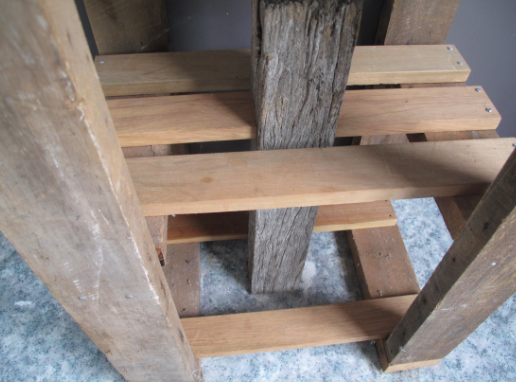
For this project I framed a shelf under the basin with the rough sawn rimu studs I had pulled out of our walls while reframing and adding insulation. The shelves themselves are dressed rimu from the old hospital in Aramoho that was pulled down last year. I bought it for $1 per metre.

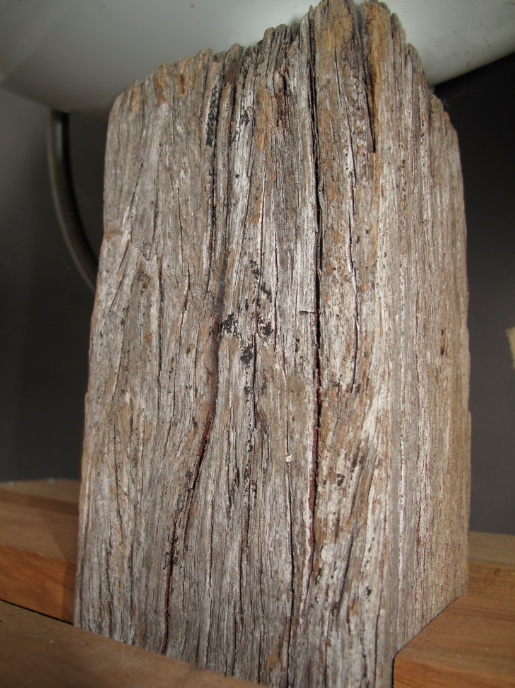
But for me, the coolest feature is the weathered post that conceals the drain – a job previously done by the cracked pedestal.

Screen shot 2015-01-24 at 6.54.28 AM

I got the post from next door while rebuilding a fence for our neighbour. The totara ‘4-ba-4’ has beautiful raised grain and was weathered to a gorgeous colour by thirty years of coastal winds. I ripped a channel the length of the post and chiseled out the wood to create a cavity just wider than the drainpipe.

In total, the project presents the vintage wood in a contemporary way. Mixing old and new is a style choice that can work well or can totally bomb.

Screen shot 2015-01-24 at 6.54.38 AM

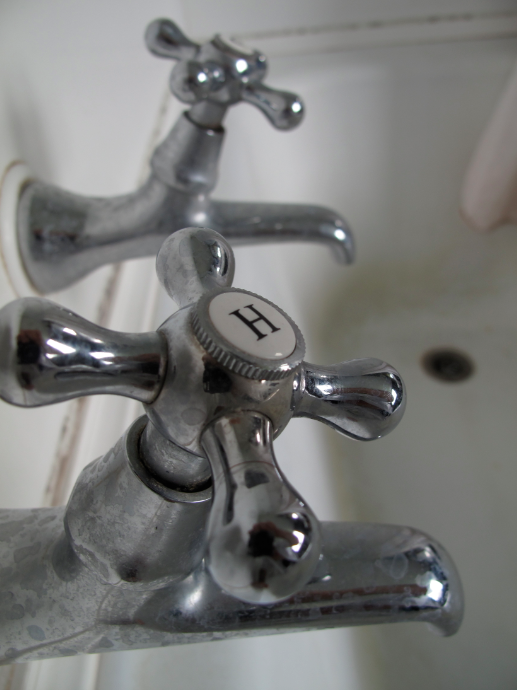
The age of the timbers are mirrored by the century-old Methven taps in the basin above them. We carried this theme throughout the bathroom with a vintage cast iron claw foot bathtub and reproduction retro taps to echo the Methvens. Screen shot 2015-01-24 at 6.54.47 AM

The vintage basin and tub stand out in the bathroom in part because of their character and in part because of the dark paint on the walls. The high gloss paint is easy to clean and reflects natural sunlight around the room from the giant north-facing windows. The space feels light and roomy, and is always warm even throughout winter. It is a welcoming space in all respects.


Peace, Estwing

Low-Input / High-Performance is a Matter of Design

Last week I described how architect and eco-designer William McDonough worked with the Ford Motor Company starting in 1999 to redevelop the historic River Rouge manufacturing plant in Detroit. While the energy performance of the renovated million square metre facility is impressive in and of itself, what is truly remarkable is that McDonough somehow got William Clay Ford Jr. – great grandson of Henry Ford – to embrace eco-design thinking.

Of course when the win-win-win outcomes of eco-design are so easy to document it should not be difficult to convince reasonable people of its value. Here is how Ford’s charitable trust describes the company’s new outlook:

“Ford’s approach, often referred to as sustainable design, might also be described as high-performance design. A high performance building will:

– Lower annual energy costs

– Lower long-term maintenance costs

– Use non-toxic, easily recycled materials

– Create healthier work environments

– Improve employee productivity

– Improve market image

– Help protect the environment

(Source: TheHenryFord.org)

With a few tweaks to the language used in the list above, our renovated villa in Castlecliff ticks all these boxes. It provides a healthy living environment at low annual energy costs while reducing ecological impacts.

Screen shot 2015-01-16 at 5.48.02 PM

Lounge Before

As you may recall, I often refer to this as “low-input/high-performance design,” and I apply it to both housing and food production. When people ask me what I do for a living I say, “I design low-input and high-performance systems.” Imagine the looks I get!

Maintaining warm, dry living spaces throughout winter improves the quality of life and financial security for occupants of high-performance homes, which also reduces personal stress and family tension. Research performed in New Zealand by Beacon Pathway found that families who shifted from cold, damp homes to warm, dry, low-energy homes feel better physically and emotionally. Three families interviewed had the following to say:

“Being warmer has made us happier: we were on edge before, and cold. It was a nightmare. This has taken a weight off us.”

“We are happy here, which flows through everything else. Everything has been better since being here.”

“No one has been sick since arriving in the house and we no longer needed our asthma inhalers.”

Those are powerful testimonials, and ironically the opposite of what my family experienced this winter shifting from our warm, dry, low-energy villa to a cold, damp, draughty bungalow. While a change in my employment status (removing the ‘un’) prompted the move, the July timing could not have been worse. Fortunately we had plenty of firewood to get us through until I am able to make the types of improvements that made our villa so cosy.

Drawing on research from Beacon Pathway, BRANZ, EECA, and other housing research organisations, Auckland Council developed a ‘Theory of Change’ document for its Retrofit Your Home programme. The expected outcomes of the programme include:

– Financial savings from decreased electricity consumption

– Improved quality of life and life expectancy

– Increased feeling of satisfaction with living situation

– Improved relationships within the family

– Increased educational achievement

These win-win-win outcomes are clear enough to the largest council in the nation to drive its support for improving the quality of housing for residents. But for some unknown reason, the push for warm, dry, healthy homes struggles to get traction in New Zealand as a whole. I speak with native Kiwis and immigrants all the time about this issue, and to me it is all just a broken record playing over and over again: “there needs to be a major shift in attitudes about housing in this country.”

Screen shot 2015-01-16 at 5.48.12 PM

Lounge After

For me, the bottom line is quality of life. Our cosy Castlecliff villa provided us with an amazing quality of life for three and a half years and once our new home is improved it will do the same. I feel sorry for the millions of Kiwis living in sub-standard housing and suffering from poor health and emotional strain. But at the end of the day it is up to each one of us to stand up and say, “I am going to improve the living conditions of my family.”


Peace, Estwing

Permaculture Internship

We are offering an internship for the next two months for a very motivated individual interested in learning aspects of permaculture design and land management, organic horticulture and agriculture, animal husbandry, and eco-renovation. The internship is free with accommodation and meals included, but we expect a lot of work in return: some stimulating and some mundane. All serious inquiries should be directed to me. Feel free to pass this along to interested parties. 
Over the last four years we have developed a premier example of a suburban permaculture property. We are now in the process of doing the same on a 5 hectare farm. Below are some examples of projects we have going.

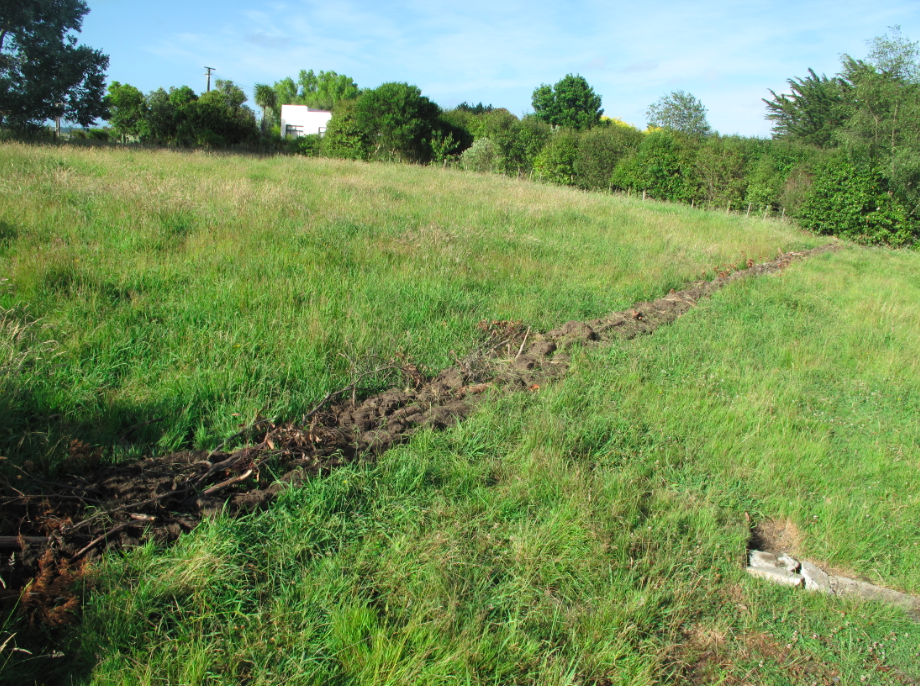
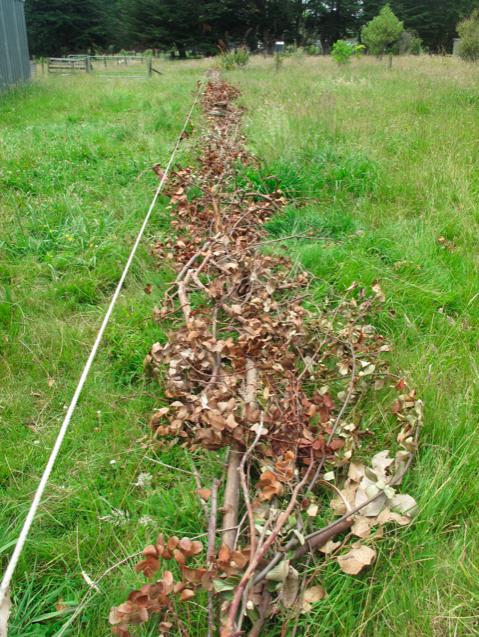
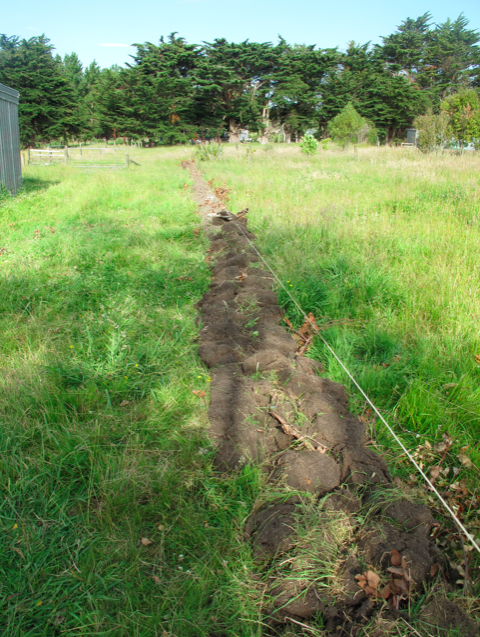
Here is a hugelkultur swale we have been building.

Screen shot 2015-01-14 at 7.19.14 AM Screen shot 2015-01-14 at 7.19.37 AM

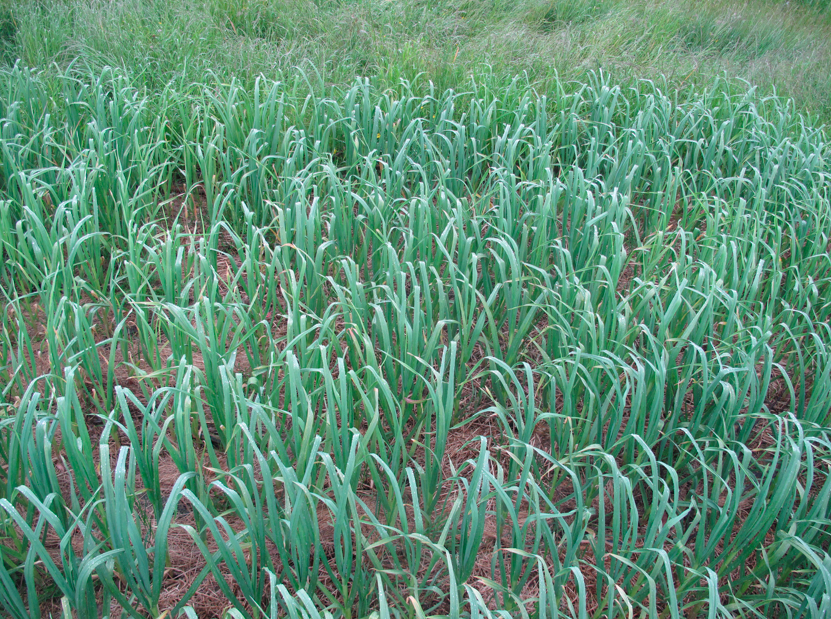
Here is a small commercial garlic crop.

Screen shot 2015-01-14 at 7.20.44 AM

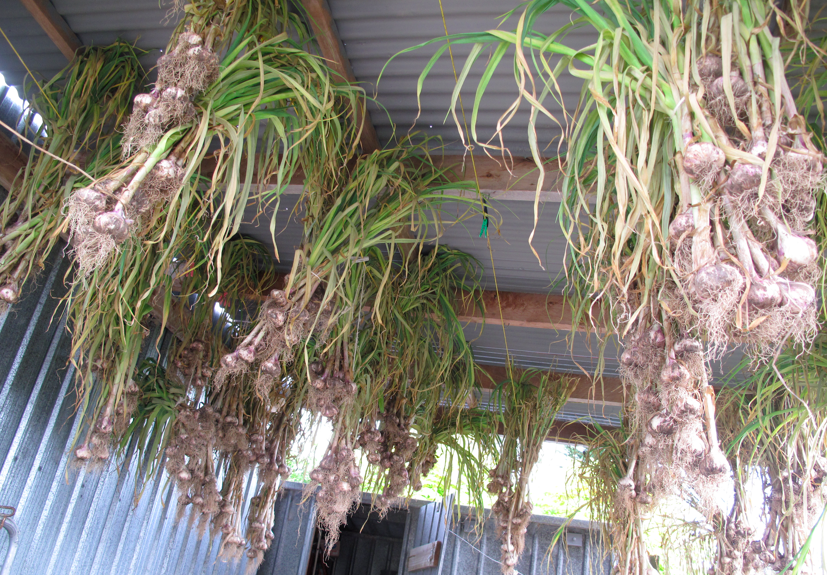
Hanging to dry. Screen shot 2015-01-14 at 7.22.27 AM

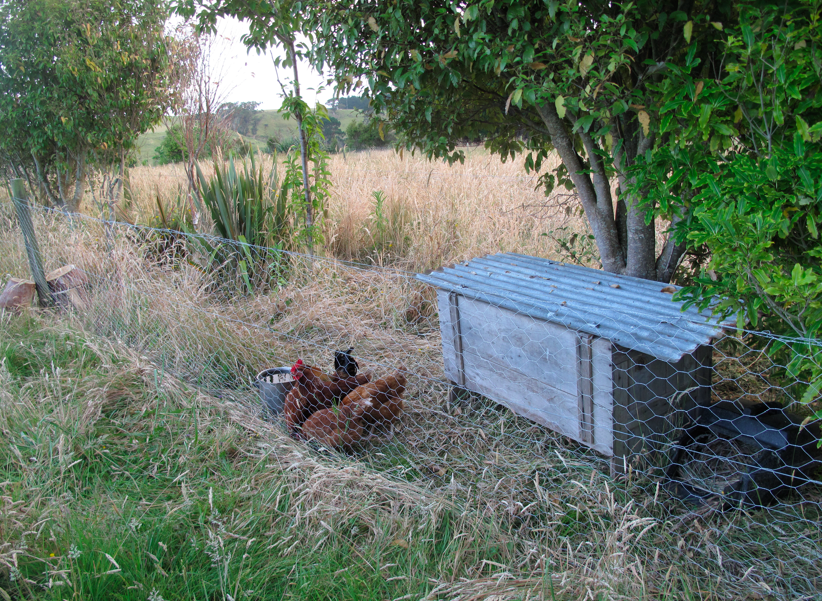
 This is an example of alley cropping with chooks. Screen shot 2015-01-14 at 7.23.20 AM

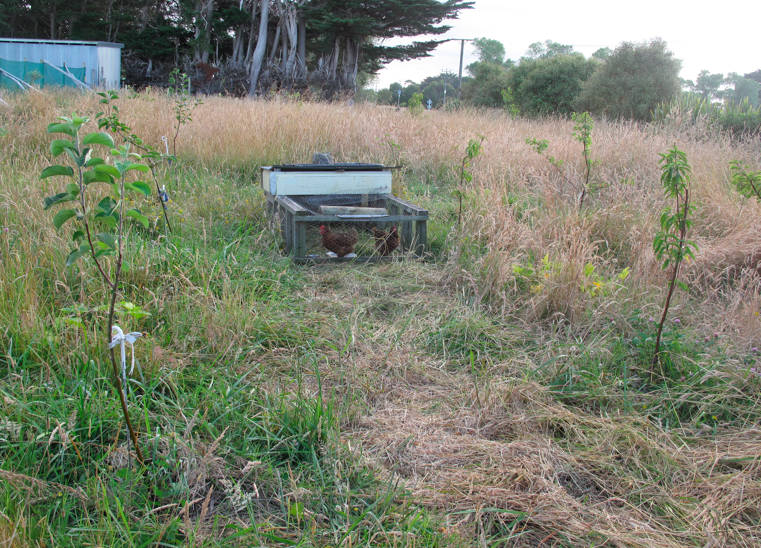
Here we are tractoring chooks through a young food forest.

Screen shot 2015-01-14 at 7.23.39 AM

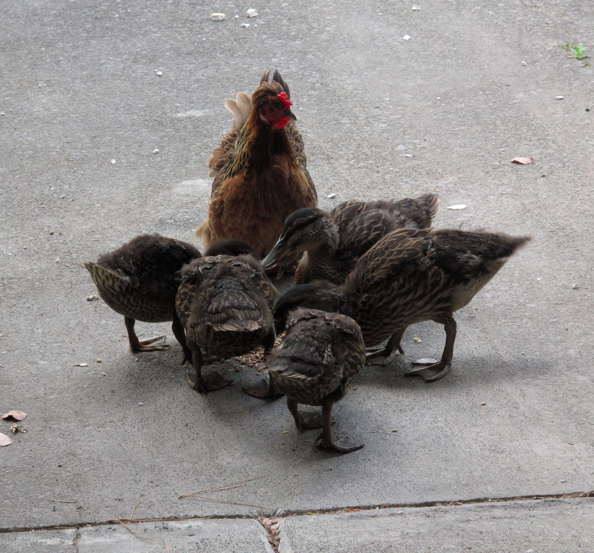
This little chook is raising these 5 orphaned ducklings.

Screen shot 2015-01-14 at 7.24.29 AM

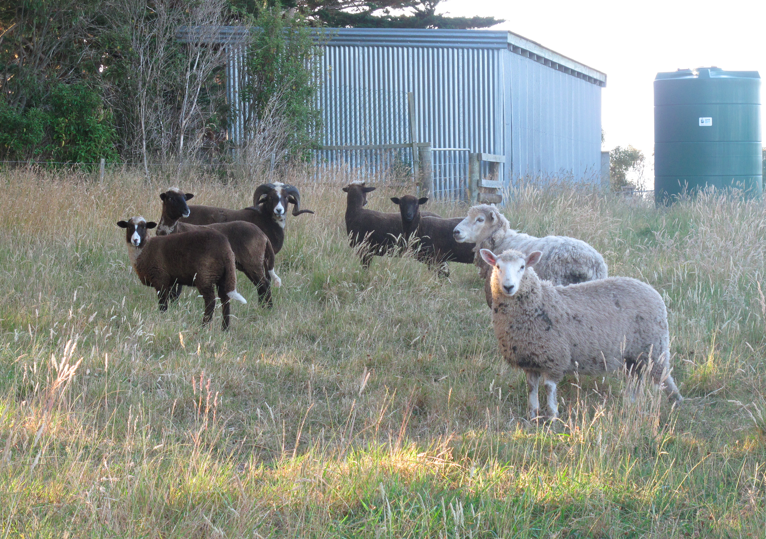
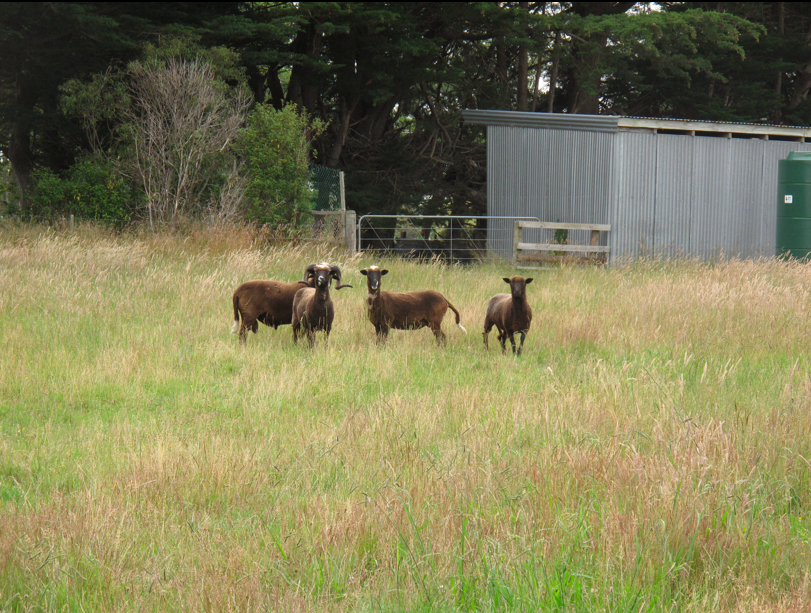
Minor breed sheep and water harvesting.

Screen shot 2015-01-14 at 7.24.17 AM

Screen shot 2015-01-14 at 7.23.07 AM

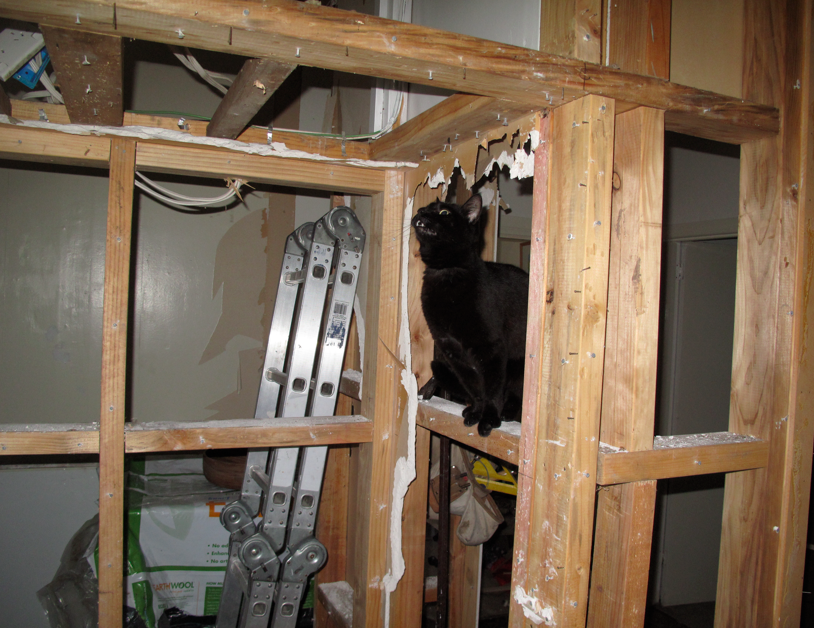
We are renovating the kitchen.

Screen shot 2015-01-14 at 7.22.10 AM

And always adding insulation.

Screen shot 2015-01-14 at 7.20.19 AM

Peace, Estwing