All posts by Estwing

The Best Innovations Are Free

Innovation, someone once wrote, is in the eye of the beholder. Oh wait, that was me last week. How innovative!

See what I mean?

Someone else – I’m serious this time – once told me that perspective prejudices perception. In other words, the angle at which we look at something heavily influences the way in which we internalize it. This person was Eliot Coleman, a famous American market gardener and author.

I met Coleman about ten years ago, and found him very much of the eco-thrifty persuasion. We got on famously.

It will come as no surprise that the eco-thrifty perspective on innovation is very different from the infinite-growth-without-consequences perspective. The latter, what Australian author Clive Hamilton calls “Growth Fetish,” appears to be the dominant perspective of Wanganui District Council, made evident by the stacks of cash it throws at chasing this outdated paradigm.

Innovative councils across the country and around the world see beyond a reductionist vision of growth, and have reaped huge rewards. Name any vibrant, dynamic city on the planet with high quality of life for residents and you’ll find innovative planning, programmes, and services provided by local government. Last week I briefly described the Eco Design Advisor service offered by seven councils in New Zealand.

The service helps local residents make their homes warmer, dryer and healthier while saving on their power bills and supporting local businesses and trades persons. It is a win-win-win proposition that is about doing more with less, while simultaneously protecting the community from future price rises in energy and health care.

Doing more with less is a philosophy that we have engaged for the last three and a half years while converting a draughty villa into a cosy, healthy, low-energy home. This process involved lots of innovation…depending on your point of view.

One successful way we do more with less is by using window blankets in our home. These consist of bits of scrap wood and old wool blankets, but can perform as well as double-glazing. I’ve written about window blankets before, and there is a free DIY workshop coming up tomorrow (see side bar). If you plan to attend the workshop, please measure the width of one window in your home (inside the window frame), bring a piece of wood of corresponding length, and a wool blanket or polar fleece fabric. Wood dimensions should be in the range of 12 mm by 70 mm or 45 mm by 45 mm.

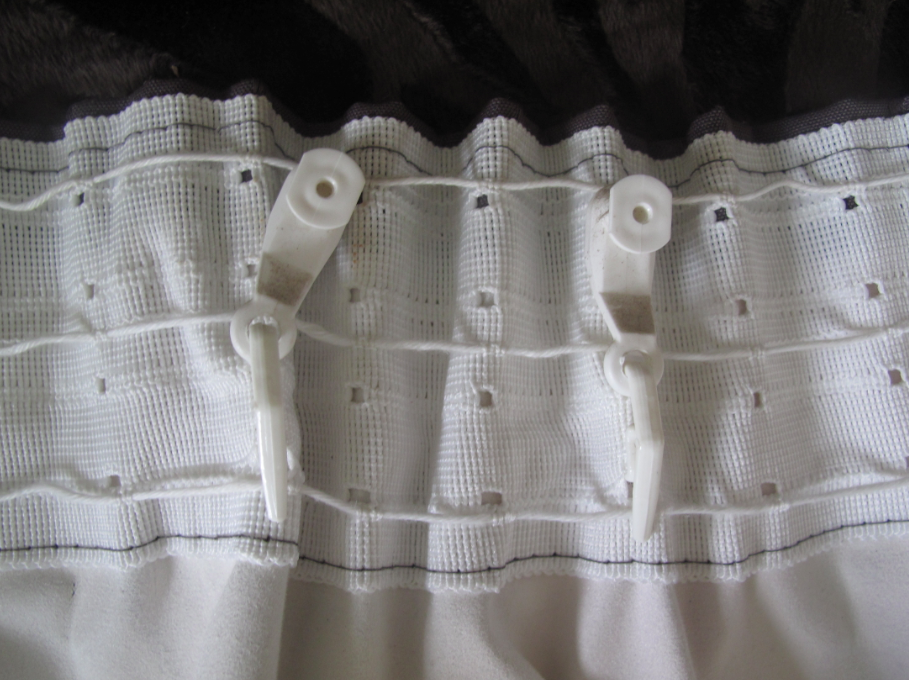
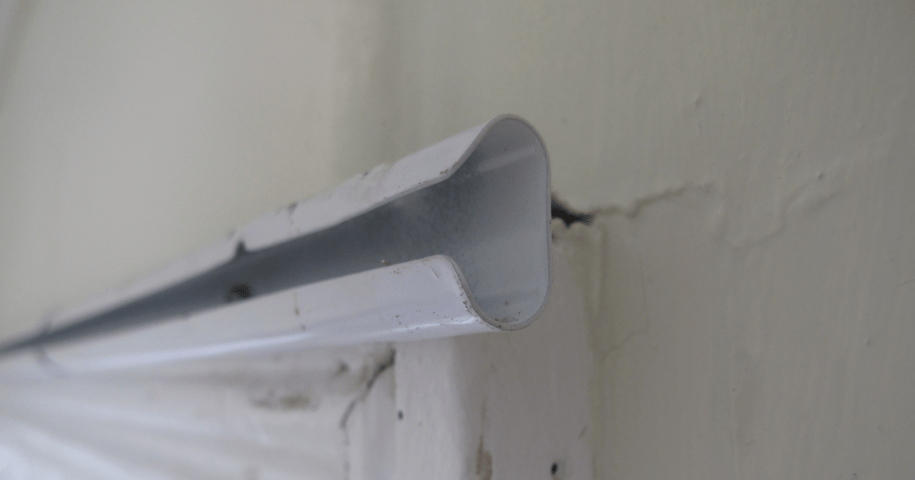
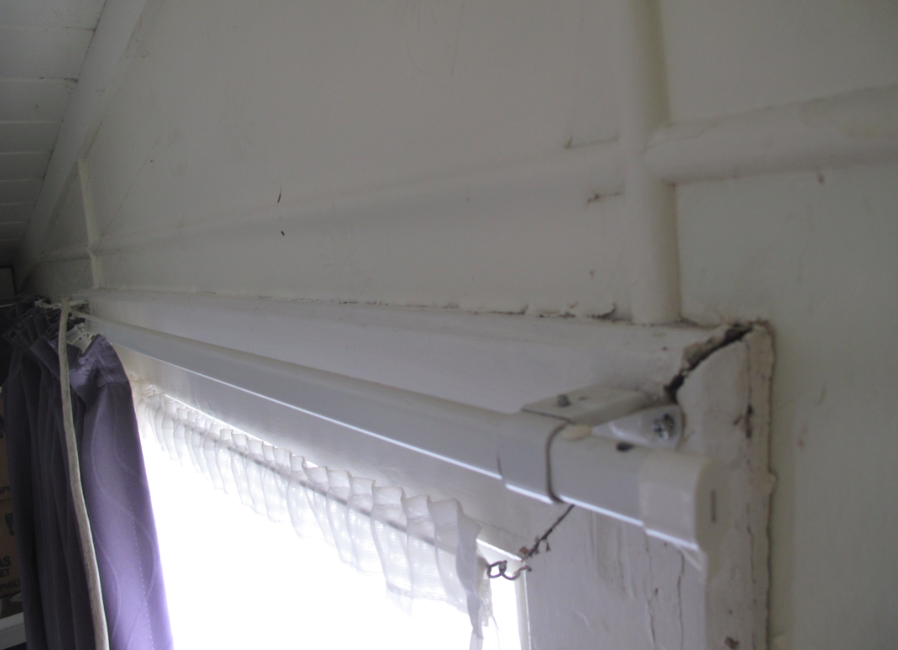
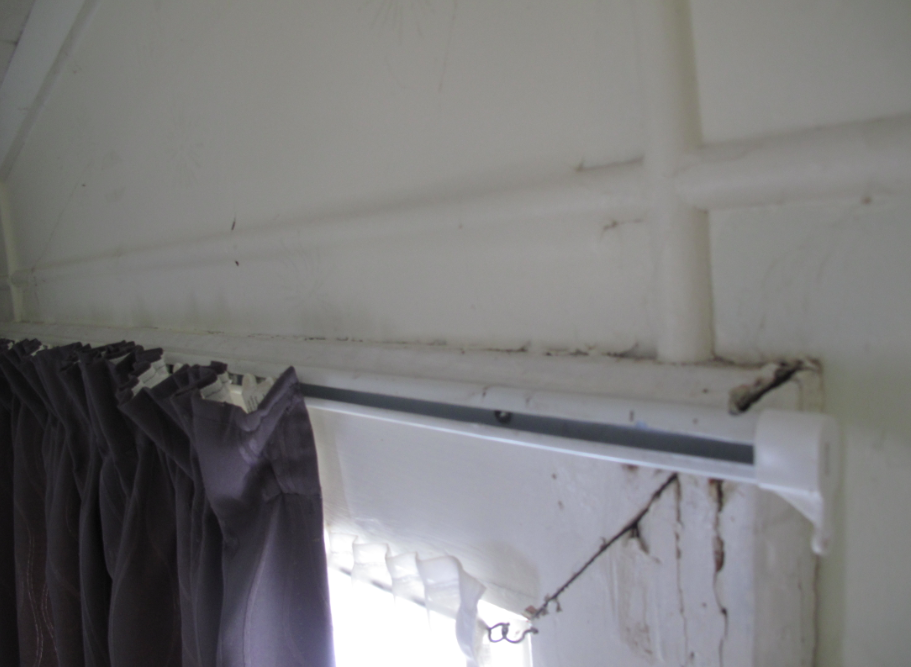
Another innovation that has helped us do more with less involves turning an open top curtain rail into a closed top curtain rail. The reason for doing this is that in most cases an open top curtain rail allows warm air to drop behind the curtain and cool off once it finds itself against a cold window. This air cools and sinks, pulling more warm air from the ceiling and the cycle continues all night long.

Put simply, you could have the best, most expensive, custom-made curtains in the world but if they are not installed properly they are not effective at holding in heat. I would estimate that 70% to 80% of all the curtains I see in NZ homes are not hung to maximize warmth retention. What an unnecessary waste!

The photos I’ve included show the before and after, but the process is quite simple. 1) take down the curtain rail and brackets;
Screen shot 2014-07-11 at 6.59.56 PM

2) pre-drill holes in the rail and bin the brackets; 3) reuse the screws from the brackets to screw the rail directly to the window frame or wall;
Screen shot 2014-07-11 at 7.00.05 PM

4) turn the curtain hooks around and re-hang the curtain;
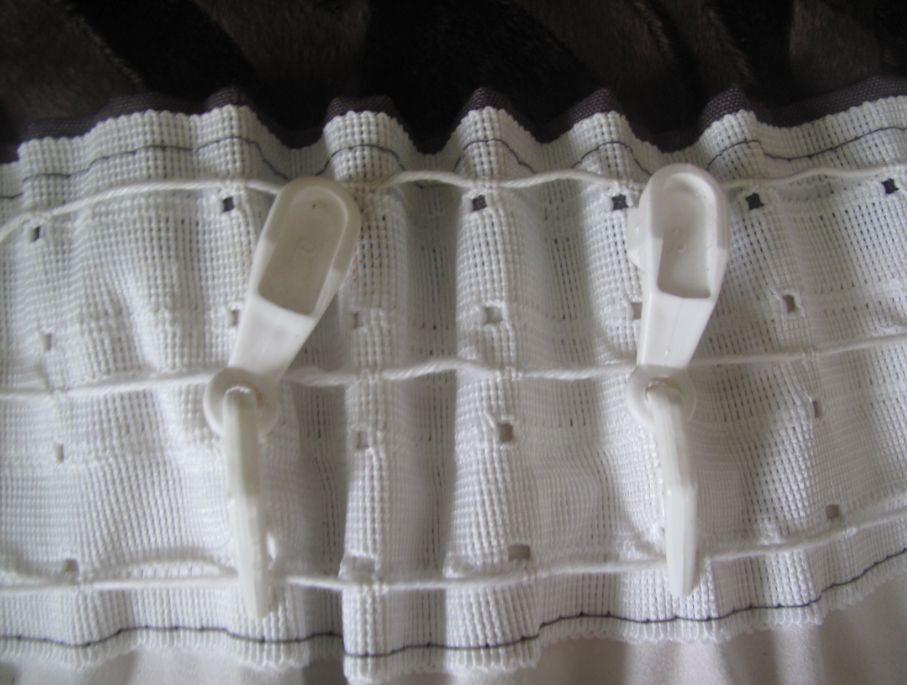
Screen shot 2014-07-11 at 7.00.13 PM

Before.

Screen shot 2014-07-11 at 7.00.21 PM

After.

5) be warmer and enjoy lower power bills; 6) praise eco-thrifty design thinking.

If you have questions, come along to one of the events listed in the sidebar.

Peace, Estwing


Project HEAT (Home Energy Awareness Training)

Free Events

13th – Window Blanket DIY Workshop. 2:00 – 4:00, Duncan Pavilion. For materials info, see above.

16th – Drop-In Healthy Advice. 4:30-5:30, Central Library.

Innovation Comes in All Sizes

In Wednesday’s Chronicle, we saw some local examples of innovation. But innovation, like many things, is in the eye of the beholder.

When we think of the term innovation, we might think of things that are “new and improved,” or represent “a breakthrough” in technology or thinking. It all sounds like a bad advertisement on talk radio: “New and improved! A breakthrough in technology! Call in the next 30 seconds and we’ll add a second for half price!”

In many cases the breakthrough turns out to be a minor tweak of an existing product, and the innovation is actually in the OTT marketing of it. (OTT is, in and of itself, an innovation in communication technology!) From this perspective, innovation appears to be more about getting people to buy things they may or may not need than improving lives or advancing humanity toward a more positive future.

Fortunately, there are other perspectives on innovation, one of which is about doing something better. For example, coming up with a medical diagnosis technique that is less invasive for patients by using medical imaging rather than exploratory surgery. While the imaging technology would have a high up front cost, a hospital would save money over time by scheduling fewer and fewer costly surgeries. Win-Win.
Ironically, many innovations that improve some people’s lives result in a net loss of jobs by replacing other human beings with machines. While the example of replacing surgeons with MRIs and CT scans is a poor one, I recall another innovation from my childhood on the outskirts of Detroit when robotic arms began replacing auto workers and causing high unemployment in the Motor City. The next innovation by General Motors was to close plants in Detroit, Pontiac and Flint, Michigan and open plants in Mexico.
This type of innovation often enriches the innovators but impoverishes many others, and adds to the large and widening wealth gap by increasing income inequality. False narratives from self-proclaimed “Job Creators” have been proven wrong by objective analysis, but the narratives remain among the hard right just as Trickle Down Economics is still embraced despite no robust research ever confirming this weak economic theory actually works.

This all begs the question: What type of innovation actually creates jobs and keeps dollars circulating in the local economy?

I’m sure that Chronicle readers may come up with a few, but of those, which would actually lead to net job creation rather than simply employing six people in a new way only to un-employ eight people in an old way? Don’t get me wrong, I am all for creating jobs in Whanganui even if it means jobs lost in other centres. It’s just that we need to look at innovation from a holistic perspective if we want to be honest about it.

From a holistic perspective, I cannot think of a better innovation than the Eco Design Advisor Service offered by the councils of Auckland, Hamilton, Kapiti Coast, the Hutt Valley, Nelson, Invercargill and Palmerston North.

The service helps owners and renters make their homes warmer, dryer and more energy efficient. The service offers independent, expert one-on-one advice free of charge to all residents. It was created by the Building Research Association of New Zealand (BRANZ) to inform and empower anyone who lives inside of a dwelling to make the best decisions regarding energy performance, comfort, water conservation and materials. It is not hard to see how this service would help create jobs in these communities and keep dollars circulating locally.

Innovative, eh? Seems others agree. The Eco Design Advisor Service was recognised in April with the Carter Holt Harvey Innovator of the Year Award from the Building Officials Institute of New Zealand (BOINZ). Two more councils are looking at adding the programme as it goes from strength to strength.

New! Improved! A breakthrough! Act now!

Peace, Estwing

Planting Garlic Between a House and Farm Place

Due to changes in our work lives and a desire to steward a larger piece of land, we will be shifting at the end of this month. However, garlic is meant to be planted around the end of last month. What to do?

Garlic is the only crop that we sell regularly, and when you grow the World’s Best Garlic, it is worth the time and effort. Over the weekend we hurriedly got somewhere over 400 garlic in the ground at the new property. This is how we did it.

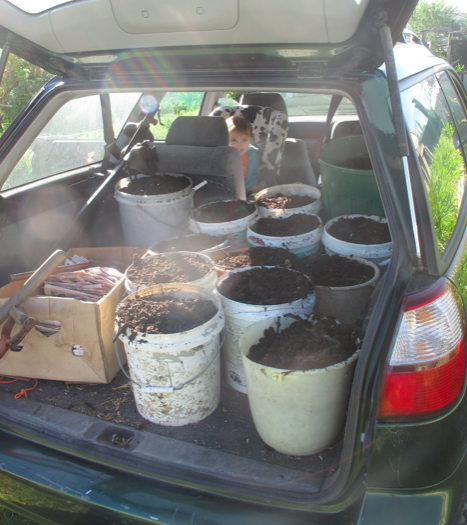
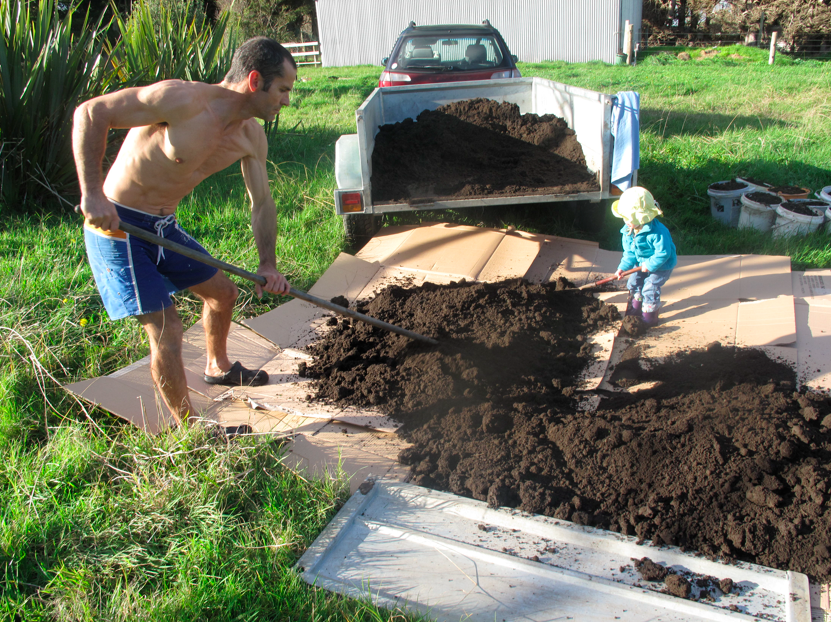
We had to transport some of our 3 cubic metres of compost

Screen shot 2014-07-02 at 8.16.33 AM Screen shot 2014-07-02 at 8.16.50 AM

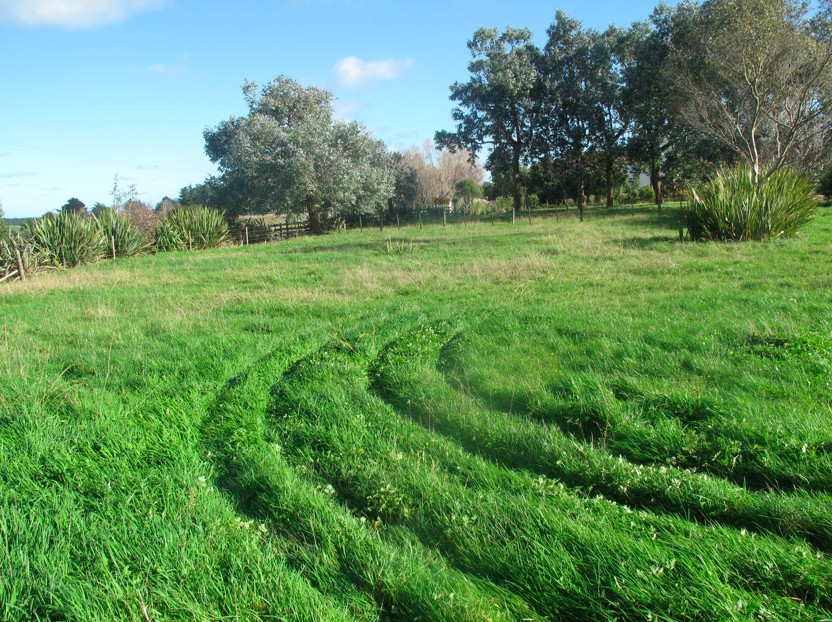
We selected a bit of flat land for our market garden.

Screen shot 2014-07-02 at 8.17.09 AM

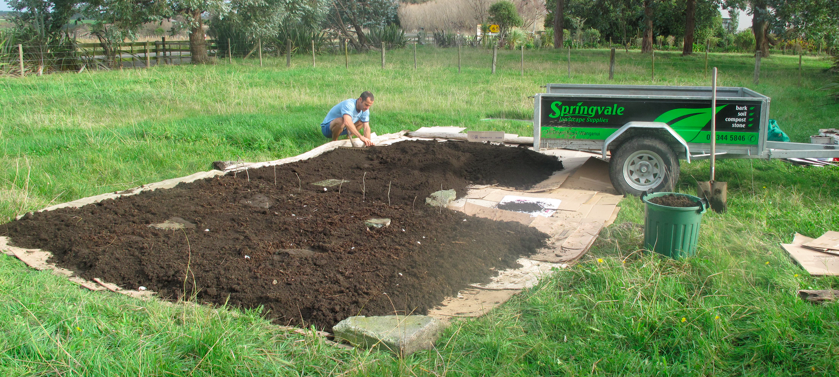
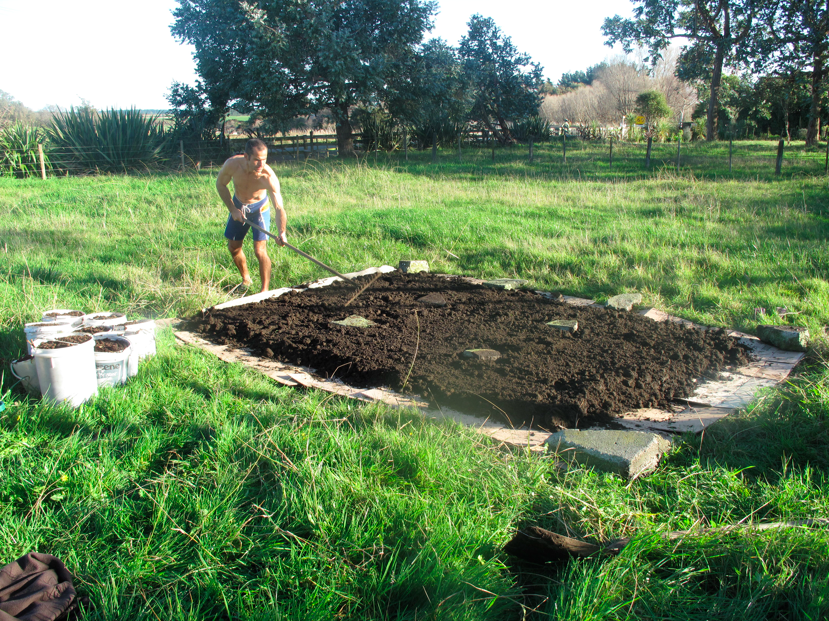
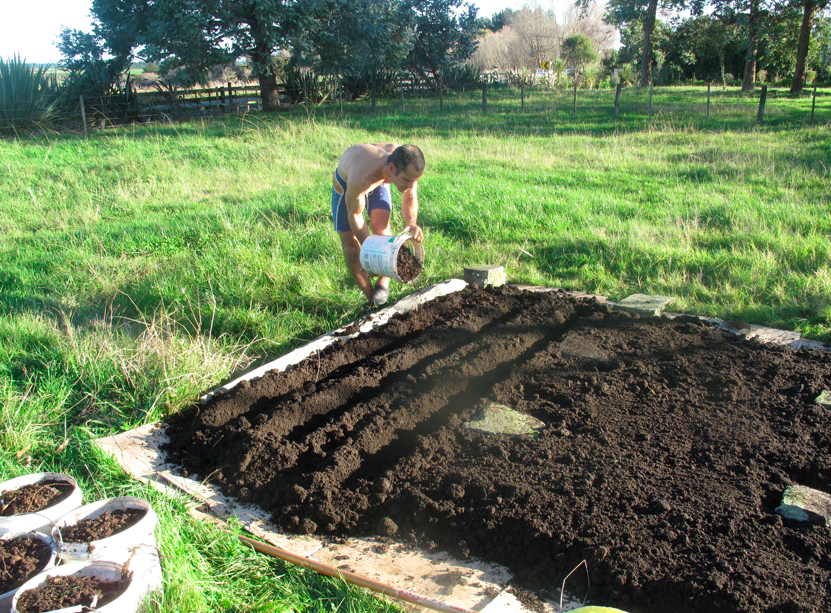
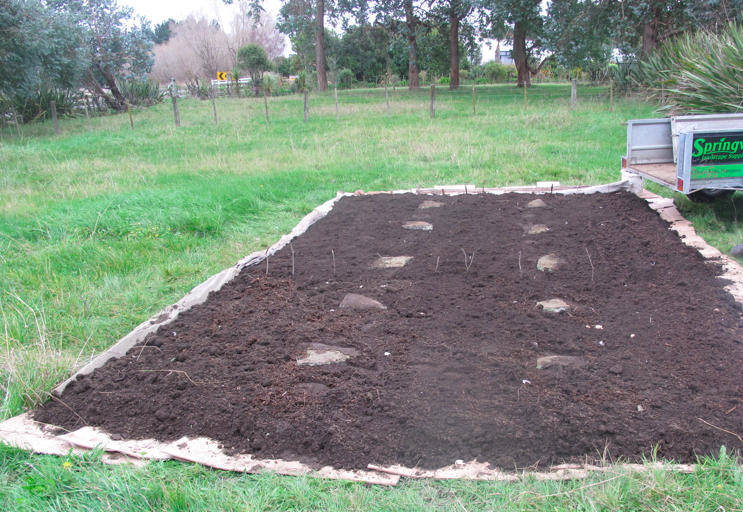
We did not have time to convert the paddock into a garden, so we brought in cardboard to kill the grass and topsoil to quickly build a raised bed.

Screen shot 2014-07-02 at 8.17.55 AM

We have had great success growing garlic on top of sand by using 80 mm of topsoil.

Screen shot 2014-07-02 at 8.18.31 AM

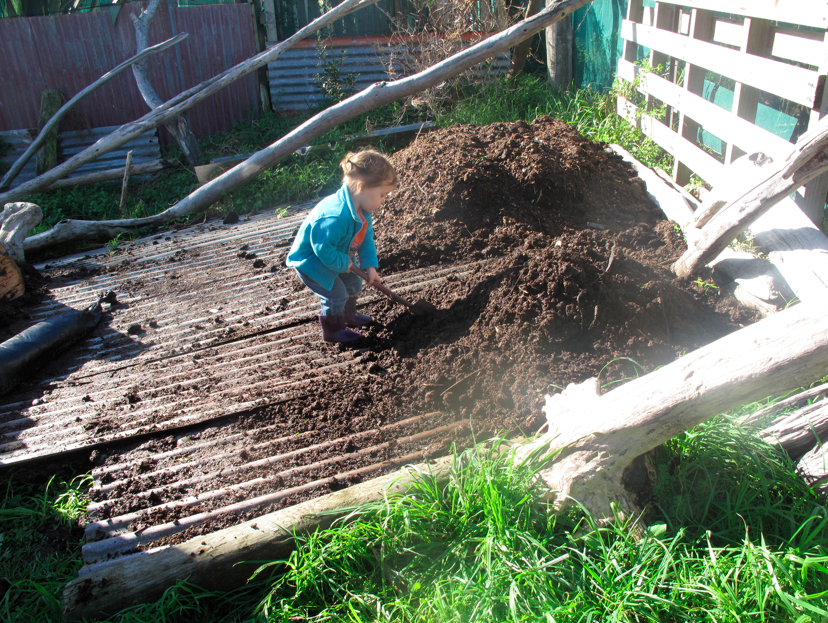
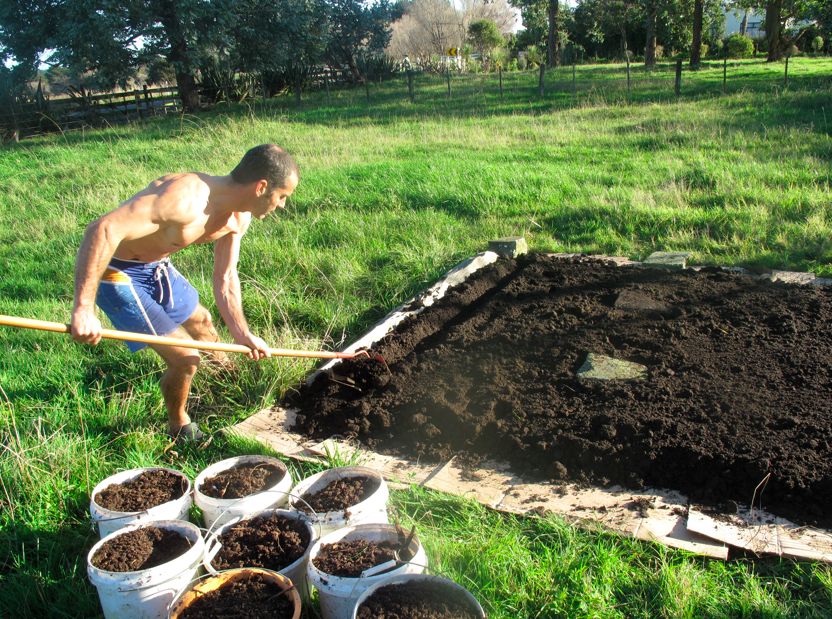
One key to growing great garlic is to use plenty of great compost. I pull a deep furrow with a hoe and then fill it with compost.

Screen shot 2014-07-02 at 8.18.49 AM

Screen shot 2014-07-02 at 8.19.04 AM

Meanwhile…

Screen shot 2014-07-02 at 8.17.33 AM

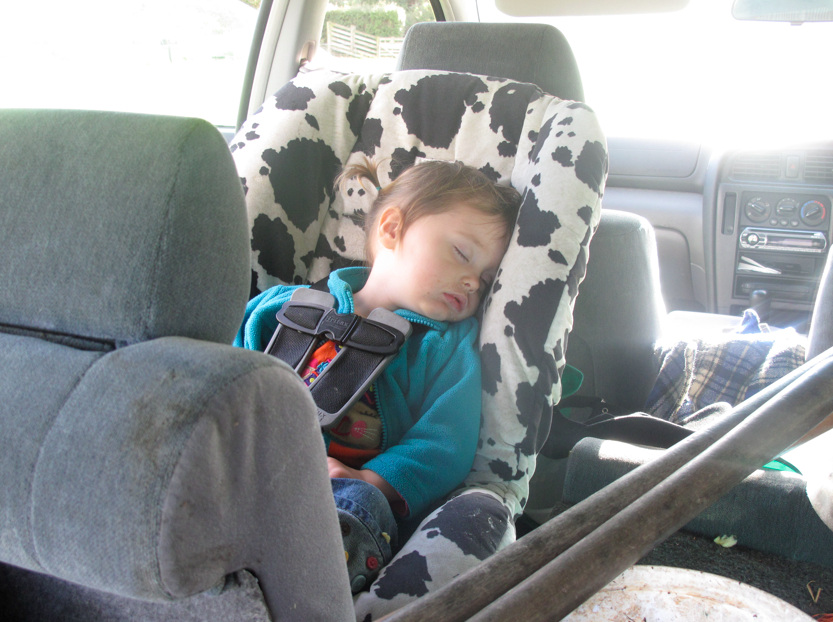
Nek minit.

Screen shot 2014-07-02 at 8.17.21 AM

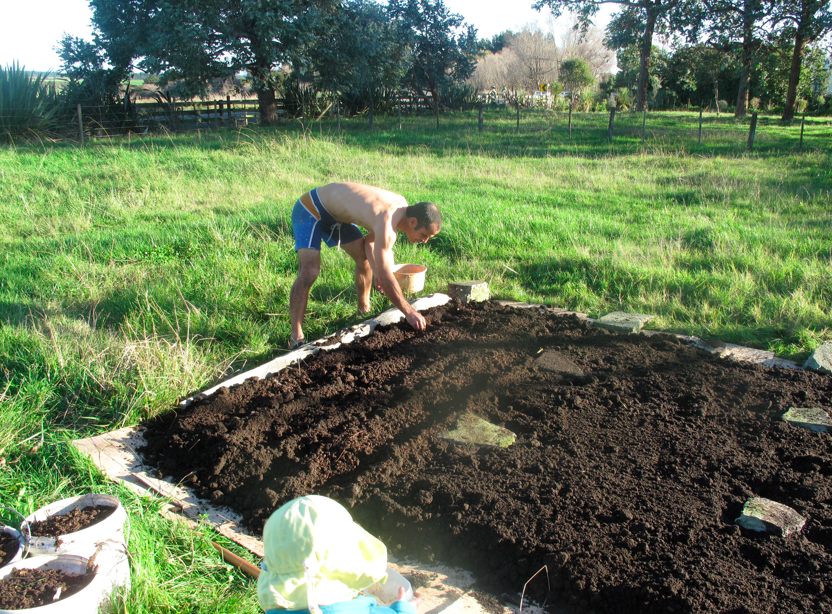
We plant the garlic at 100 mm centres.

Screen shot 2014-07-02 at 8.19.19 AM

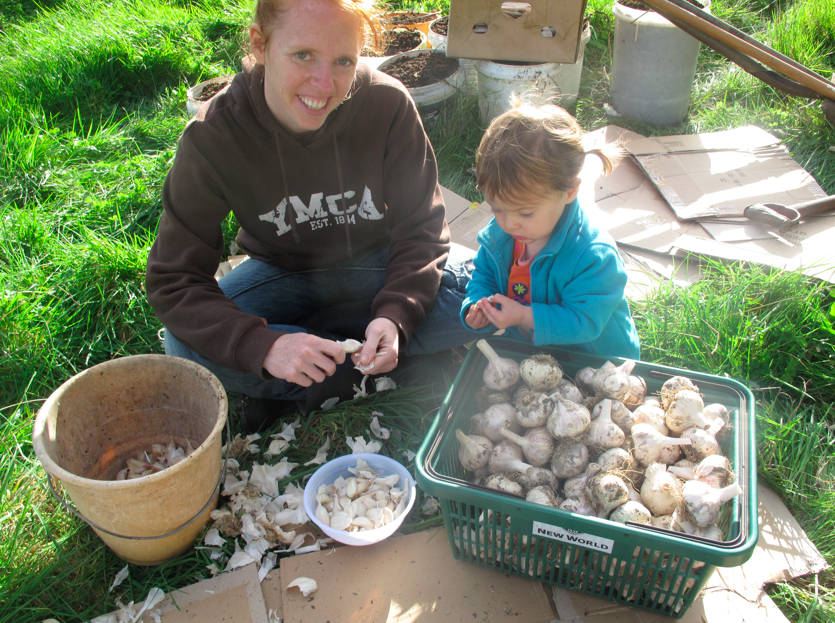
Everyone gets involved.

Screen shot 2014-07-02 at 8.22.55 AM

After two afternoons of work.

Screen shot 2014-07-02 at 8.23.16 AM


Peace, Estwing

Reducing Moisture in a Home

Water, water everywhere, but not a drop to drink.

No, it’s not the Tasman Sea but something even closer to home.

Many Whanganui residents wake up each morning between May and September surrounded by water as condensation covers every window of their homes. More than just a nuisance, weeping windows can indicate conditions within a dwelling that are, to put it bluntly, unhealthy.

In some homes, high humidity can be as much as a concern as low temperatures in terms of comfort and health. We all know that cool, damp homes are common across New Zealand.

Research by Beacon Pathway found the following:

• New Zealand homes are on average 6 degrees Celsius below World Health Organization recommended minimum temperatures in winter.

• 45 percent of all New Zealand homes are mouldy.

• New Zealand has the second highest rate of asthma in the world, and an excess winter mortality of 1600, a much higher rate than other OECD countries.

• 300,000 New Zealand homes have an unflued gas heater.

• The air inside New Zealand homes can be more polluted than outdoor air.

• Cold, damp homes pose serious health risks, particularly for the most vulnerable groups in the community who spend the most time at home.

Like many problems in our lives, it is more important and effective to treat the cause than the symptoms. In other words, addressing the causes of moisture inside a home is better and cheaper than investing in expensive ventilation systems, which in most cases make homes colder and drier.

The main sources of moisture within a home are as follows: cooking, showering, rising damp, unflued gas heaters, house plants, and airing laundry indoors.

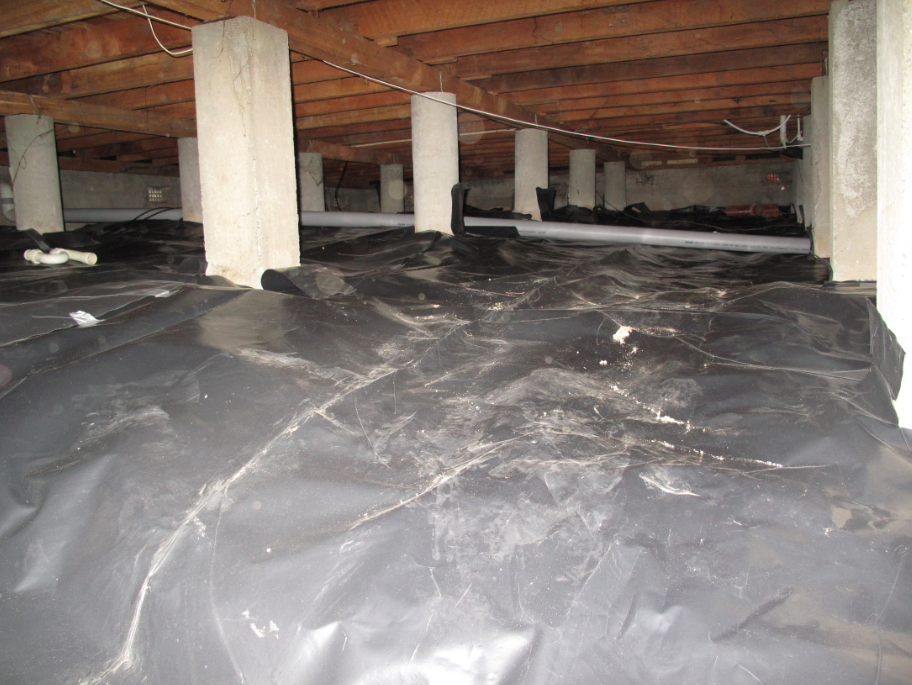
Addressing each source can be done differently. For example, polythene can be fitted under a home – directly on the ground – to effectively reduce rising damp in the same way wearing gumboots keep your feet dry in a muddy paddock.

 Screen shot 2014-06-27 at 7.33.21 PM

However, polythene will do nothing for the damp clothes airing in your lounge. The strategy to address this problem is simple: Don’t do it.

Water vapour released by cooking and showering can be addressed in two ways: cap it or vent it. In other words, cooking with pot lids or installing a shower dome hold steam in, while extractor fans vent steam outside.

That said, we also use certain cooking techniques that reduce steam (and energy use) by over 90%. This win-win combination, however, does require some thinking outside of the box – specifically by cooking inside of a ‘straw box’.

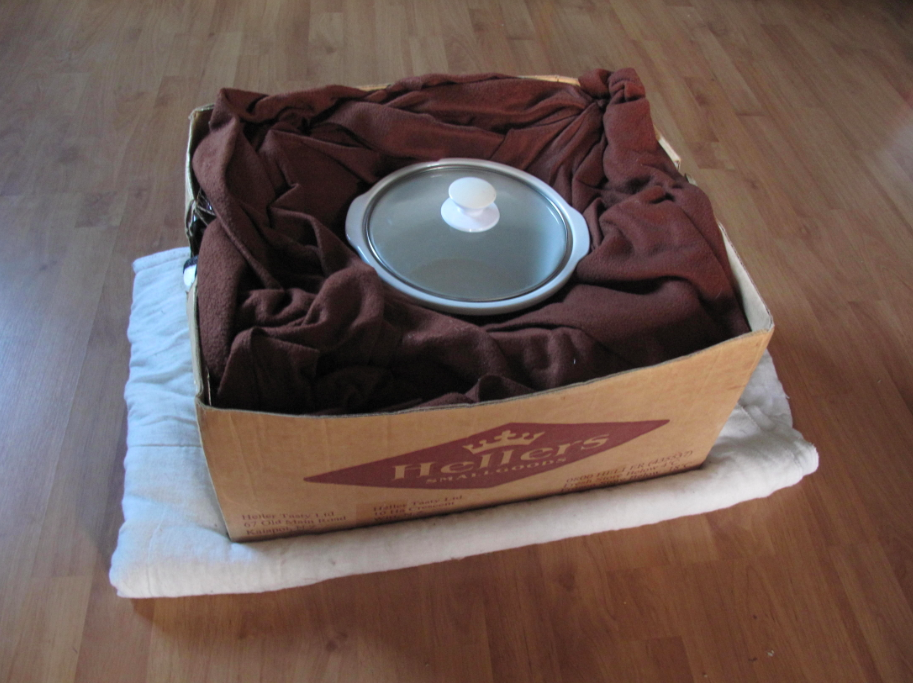
In a strange twist of fate, our straw box contains no straw, but instead is stuffed with Op Shop blankets and tea towels. Either way, the function is the same: insulation. Here is how it works. Screen shot 2014-06-27 at 7.33.12 PM

One of our favourite recipes is 10-Watt Pasta. We take 500 grams of pasta and put it into the ceramic vessel of a slow cooker. Then we boil about 1.75 litres of water in the electric kettle and pour it over the pasta. Last we place the pot, pasta and water into the straw box for 22 minutes, which happens to be the exact amount of time it takes to make an excellent sauce with fresh veges from the garden.

Compare this method of cooking pasta to the traditional way, and you’ll see where that 90% reduction of power and moisture comes from. I suspect it will be highly unlikely for anyone else in Whanganui to adopt this cooking method, but for those with damp, cold homes, it’s worth considering.

Peace, Estwing

Momentum: Both Debt and Climate

Today is the winter solstice – “the shortest day of the year.” This weekend marks the time of year when hours of daylight are shortest and hours of darkness are longest.

For a home like ours that is powered mostly by sunlight energy, this is not good news. But every cloud has a silver lining. Here’s what I mean. Screen shot 2014-06-20 at 6.04.34 PM

Although the end of June marks the time when hours of daylight are shortest, it is not necessarily the coldest time of year – that comes later. In other words, as June turns to July and temperatures drop on average, the days actually get longer.

This may sound counterintuitive: more sun but colder. What’s up with that?

It all has to do with lag time, or what may also be called thermal momentum or seasonal inertia. Put simply, there is a delay in the system between energy input (amount of sunlight) and how we experience that energy (air temperature).

Most of the seasonal delay is influenced by large bodies of water: oceans, seas, very big lakes. These large bodies of water are the thermal mass of the planet – they absorb heat slowly and release it slowly. Sunlight energy is loaded into the world’s waters only for it to be released at a later date.

On a very large scale, most climate scientists say that much of the excess heat energy that the Earth is currently absorbing is going into the world’s oceans. They refer to oceans as “heat sinks.” The major concern with this situation is that the ‘sinks’ will become ‘sources’ in the future. In other words, the chickens (massive amounts of heat energy) will come home to roost (wreak havoc on us with extreme weather events).

While this energy is being stored in the oceans everything appears to us to be OK. It is a lot like running up a large debt. I suspect there were few complaints in Wanganui while council was running up our current debt while holding rates artificially low. Only now do we hear complaints.

This is the same strategy that U.S. President Bush (the second) used with the Iraq War. He did not tax Americans to pay for the war, but put it on the national credit card. There were few complaints at the time, but now after a trillion dollars we hear complaints about the “unsustainable levels of federal debt” in America.

Similarly, climate scientists continue to warn of “unsustainable levels of carbon debt,” but I suspect more and more people will echo them in the future, especially because another and perhaps more ominous delay is also built into the climate system.

Once fossil fuels are burned the carbon dioxide remains in the atmosphere for decades causing more and more warming. Many scientists say that even if we stopped burning all coal, oil and gas today that we would continue to experience the effects for the better part of most Chronicle readers lifetimes.

In the same way, even if WDC balanced the city’s budget next year we will all still be paying for debts racked up in the past and the accrued interest for years to come.

OK, now for the silver lining…for our house anyway. Heading into July and through August, as temperatures remain low, the increasing minutes of sunlight every day make our solar home that much warmer. Additionally, we use a ‘delay system’ inside our home to capture the daytime warmth and release it at night.

This delay is, of course, thermal mass and it acts just like the Tasman Sea outside our front door: absorbing heat slowly when it is in abundance and releasing it slowly when it is in deficit.

Understanding complex systems and their associated delays, oscillations, changes and feedback loops helps us to ‘see’ into the future and plan accordingly. This way of seeing the world is called “systems thinking,” and is at the heart of eco-design. It has helped us design and renovate an inefficient old villa into a low-energy eco-home, and it has the potential for humanity to come to grips with global climate change and unsustainable debt.

Human beings are notoriously bad at looking toward the future and planning ahead. Systems thinking is a tool to help us all look toward an increasingly volatile and indebted future, ask if it is the future we want for our children, and then decide whether we have the courage to do anything about it today.


Growing Great Garlic: A Matter of Design

Eco Design is a large and growing field. Facing a future of rising energy prices and increasingly volatile weather patterns, it is the inevitable future of design thinking as well as the future of business modeling, education, and governance. Those individuals and organizations that embrace eco design as early adopters will be at an advantage and those that put it off will have squandered time and money unnecessarily.

In my experience, eco-design thinking is applied in two distinct ways. The first and most intuitive way involves biological systems. In other words, using lessons learned from observing natural ecosystems to design and build managed ecosystems that serve human needs. The most obvious example of this is an organic garden.

Screen shot 2014-06-14 at 7.31.09 AM

 The other way eco-design is used is in non-biological systems, which can include buildings, vehicles, energy production, industrial processes, management, and even governance. Our renovation is a perfect example of eco-design thinking applied to a draughty old New Zealand villa. This column and Project HEAT (Home Energy Awareness Training) are attempts to promote eco-design thinking throughout our city.

Today I’ll stick to biological systems with a focus of food production.

Organic agriculture goes all the way back to the dawn of agriculture because there were no synthetic fertilizers, herbicides, pesticides and fungicides back then. Imagine a time before Monsanto!

Organic growers use eco-design thinking to produce as much food as possible while working with nature, not against it. Their ‘toolbox’ consists of a range of techniques, equipment, compost and on occasion naturally-derived pesticides. The vege plots at our home and the organic techniques we use were recently featured in a film profiling super abundant home gardens throughout New Zealand.

Eco design thinking along with a decade and a half of experience have allowed me to produce abundant healthy kai for our family at very little expense of time, effort and money. This is the type of win-win-win outcome that is almost always provided by eco-design.

Although there is no substitute for experience, one good way to leap frog your own experience is by engaging in well planned experiential learning. While I was developing my organic growing skills I took advantage of local farm tours, I enrolled in workshops, and I practiced…a lot – sometimes 14 hours a day while I was market gardening.

Those days are behind me, but I draw on that experience to manage our low-input/high-productivity gardens, or what I also sometimes call “Lazy gardening.” From my experience, one of the best crops for lazy gardening is garlic. Over the years I have grown and sold many thousands of beautiful and delicious garlic. Growing great garlic is all about working smarter instead of working harder. (See sidebar to learn more.)

Screen shot 2014-06-14 at 7.30.57 AM

Another example of low-input/high productivity food production on our property is the way we grow tomatoes: lots and lots of tomatoes. This year we have enjoyed five months of continuous garden ripened tomatoes from the middle of December through the end of May without a glass house. This abundance was made possible by designing for sun, concentrating fertility, and successive planting. But we’re still three months away from putting tomatoes in the ground so we’ll save that story for another day. Screen shot 2014-06-14 at 7.31.32 AM

Sidebar:

Growing Great Garlic Workshops

Learn how to grow the best garlic in the world. Workshops include the world’s best organic seed garlic for you to take home and two litres top quality organic compost. $15.

21st June, 9–10 am

22nd June, 9–10 am

22nd June, 3-4 pm

Registration and deposit essential. theecoschool@gmail.com, 022 635 0868, 344 5013

Child’s Play

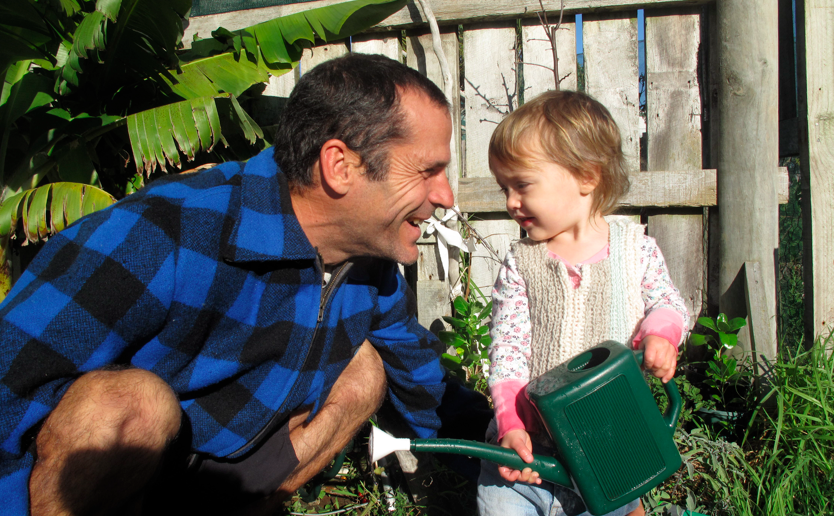
As our daughter gets more and more active, she engages in more of our daily and weekly work patterns. One thing we have observed is that she loves water. As such, we try to engage her in chores that involve water.

Screen shot 2014-06-11 at 7.57.40 AM

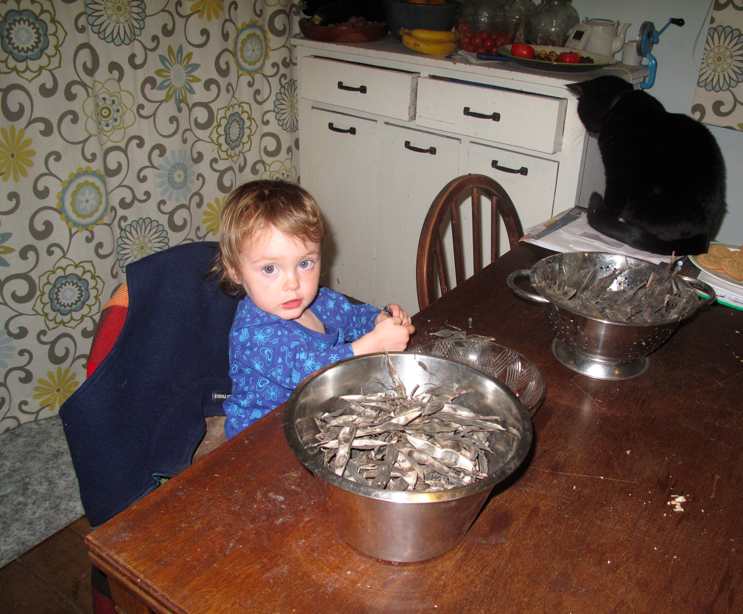
She also appears to love sorting objects into containers. We harnessed this energy when we had lots of beans to shell.

Screen shot 2014-06-11 at 8.00.03 AM

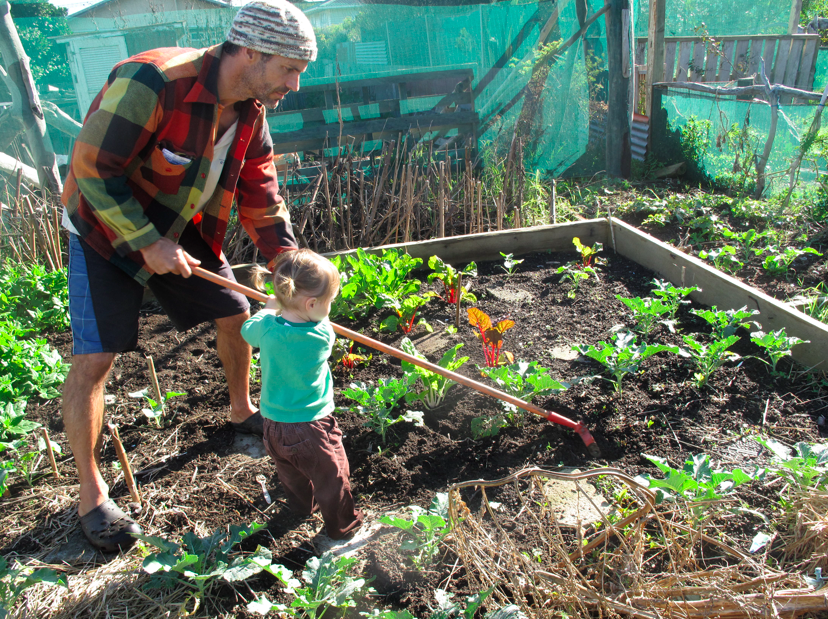
She is also quite insistent in helping with larger chores and larger tools.

Screen shot 2014-06-11 at 8.01.13 AM

But sometimes she also likes to just sit and watch.

Screen shot 2014-06-11 at 8.05.31 AM

She was a little skeptical of our meager kumura harvest.

Screen shot 2014-06-11 at 7.57.10 AM

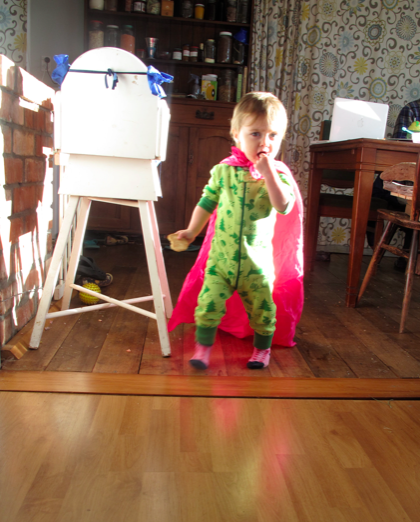
And sometimes she just likes to be a super hero.

Screen shot 2014-06-11 at 8.06.25 AM

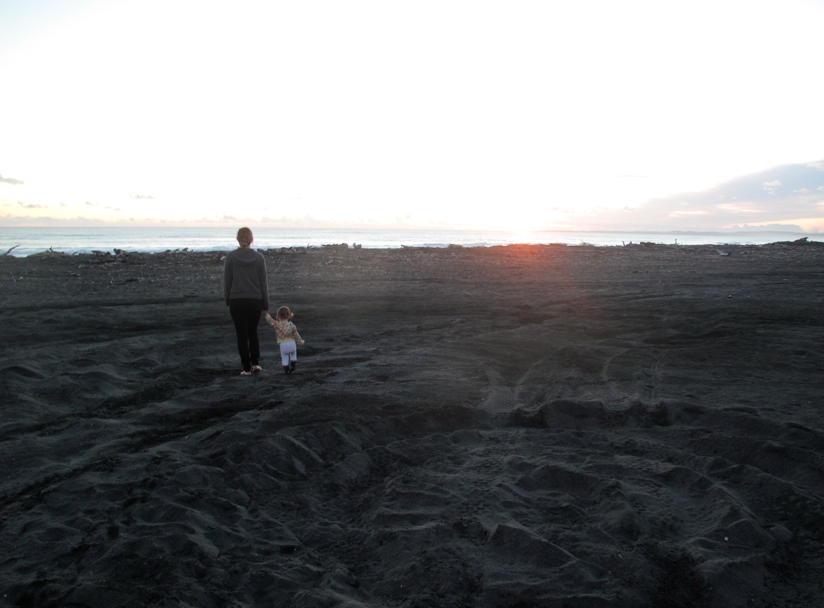
But at the end of the day, we have had lots of fun and gotten some work done.      Screen shot 2014-06-11 at 8.20.46 AM


Peace, Estwing

Draughts or Drafts? Either Way, Reduce Them.

Windows and doors can account for up to 40% of the heat lost from a home. In many instances, more heat passes through windows and doors than through ceilings, which themselves can account for up to 35% of heat loss.

Of course all homes are different, and there can be ranges based on the number and quality to doors and windows, and the thickness of ceiling insulation. For example, there are differences between timber windows, aluminium windows, single-glazing, double-glazing, and the R-Value of insulation.

Additionally, it matters whether windows and glass doors face north or south on how much heat they lose during winter. For example, south-facing windows emit heat from a home to the outdoors nearly every minute from May through August. On the other hand, north-facing windows can gain heat during sunny winter days and only release heat at night.    Screen shot 2014-06-07 at 8.39.25 AM

The bottom line is that in many cases glazing accounts for more heat loss than ceilings. This is significant for a number of reasons:

1) The government subsidizes ceiling and floor insulation but appears stop there.

2) Even with government funds, insulation often costs thousands of dollars.

3) Many landlords have no intention of insulating their properties.

4) Dealing to doors and windows can be done at a fraction of the cost of insulating ceilings and floors.

When it comes to doors and windows, heat is lost from a home in two ways: free exchange of air (aka draughts) and heat radiating through glazing. I have written about insulating windows with window blankets and I will write in the future about options for DIY double-glazing. Today is all about draughts, and more specifically it is about plugging them.

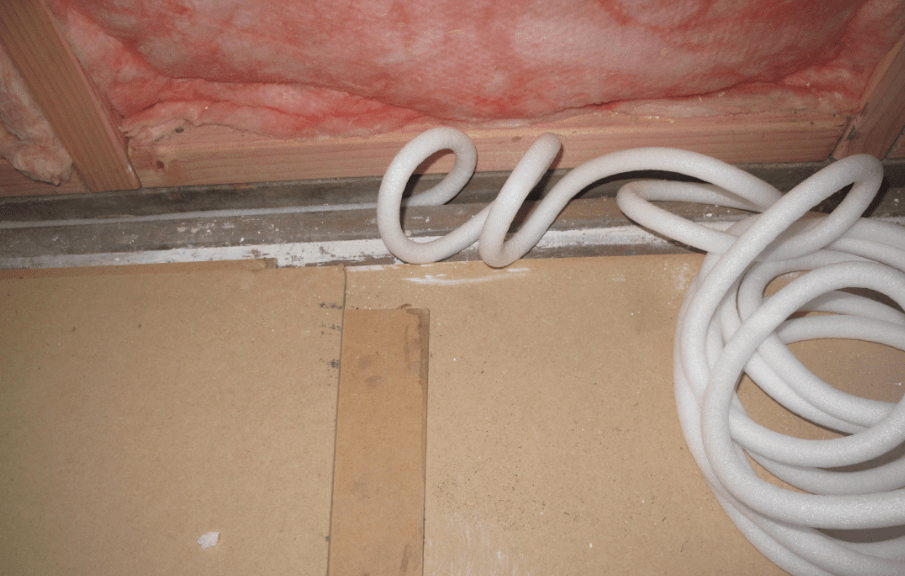
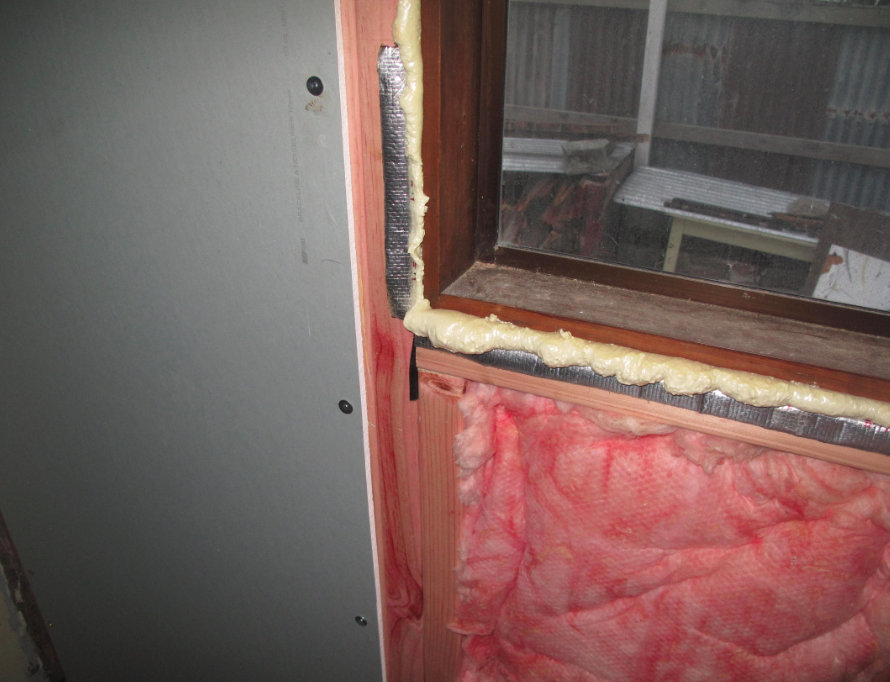
During our renovation, we engaged in lots of high-end draught-proofing around new windows and doors as required by the New Zealand Building Code. This involved foam and spray foam and a bit of a mess. But it works very well. Screen shot 2014-06-07 at 8.33.49 AM

Additionally, we engaged in many low-end draught-proofing strategies on existing doors and windows that anyone can use, whether they are a renter, owner, Chiefs supporter or die-hard Hurricanes fan. Some of these strategies have essentially no associated costs while others may have price tags ranging from $4 to $20.

Approaches to draught-proofing take two basic forms. The first is using adhesive foam strips to seal narrow gaps around timber doors and windows. This product is usually cheaper than a flat white in a café, and comes in a number of colours to blend in with your paint choices.

The other strategy involves blocking the passage of air underneath doors. In my free-home-energy-audit travels with Project HEAT (Home Energy Awareness Training) I have seen gaps as large as 2 centimeters beneath front and back doors. On a breezy Whanganui winter day, that can mean a lot of air transfer!

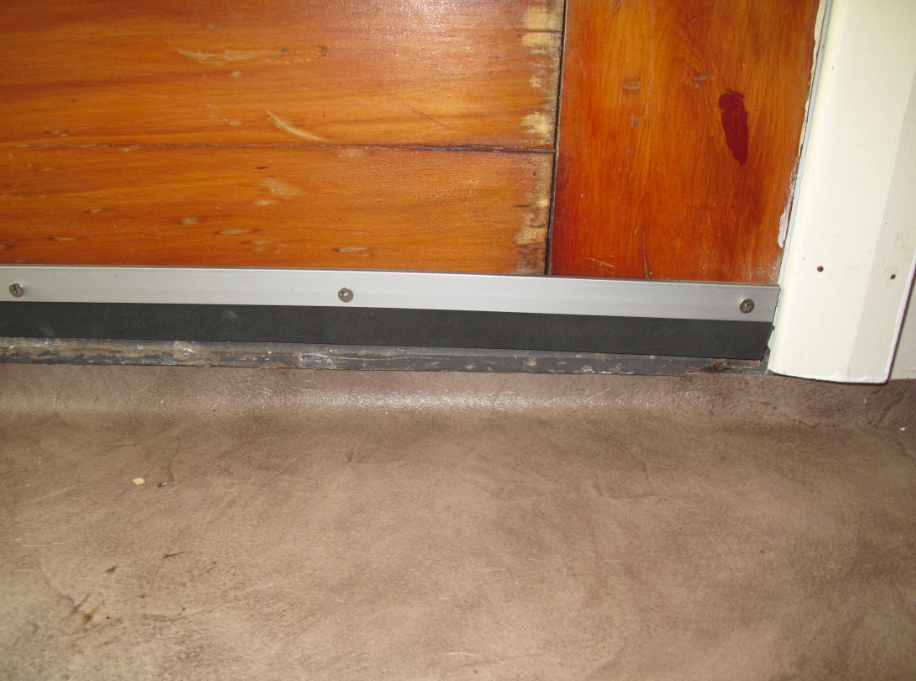
Blocking such draughts are about as easy as ‘home improvement’ gets. A low-cost option is to buy a draught excluder and fix it to the bottom of the door. I recommend against buying the cheapest plastic models as I do not believe they are durable. The one pictured has an aluminium strip holding a thin foam barrier.

Screen shot 2014-06-07 at 8.33.32 AM

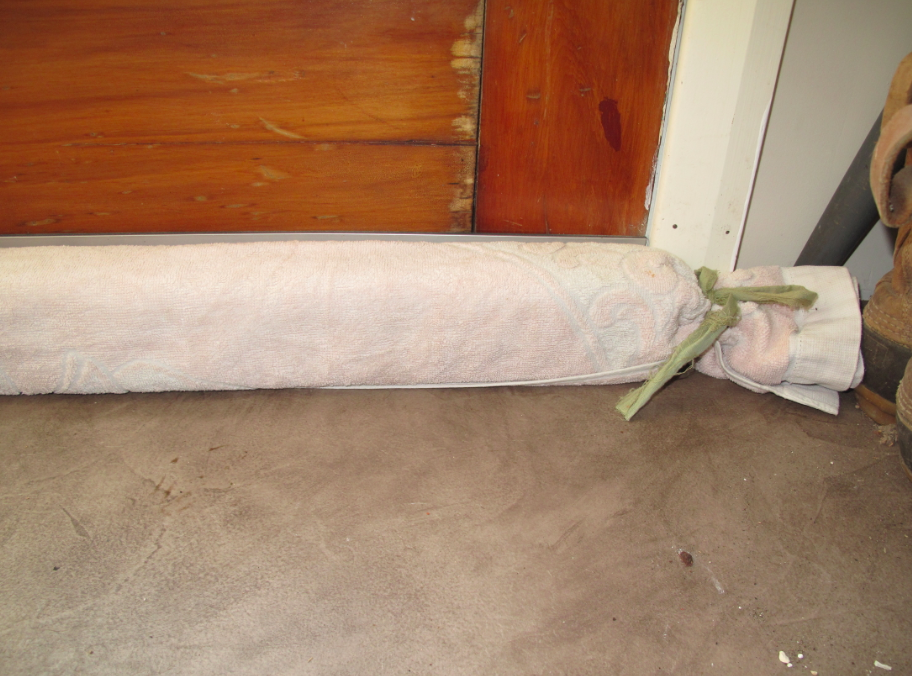
A free option is to find a piece of off-cut ‘two-by-two’ (4.5cm x 4.5 cm) and cut it to length as wide as your door. Wrap it in a towel and tie the ends like a Christmas crack. At the end of winter throw the towel in the wash and store the wood for next year. Screen shot 2014-06-07 at 8.33.41 AM

One final note: I have noticed on occasion cold air blowing in through power sockets on exterior walls. My suggestion in this case is to keep electric plugs in them at all times or use a baby safety plug.


Peace, Estwing

Insulation: Not Romantic, but Essential

Over the last month I have tried to enliven the discussion of passive solar design with certain musical references: Aretha Franklin, The 5th Dimension, and the incomparable Neil Diamond.

But this week I got nothing.

As important and ubiquitous as insulation is, no one appears ever to have written a love song about it. For any aspiring singer/songwriters out there, this may be your niche.   Screen shot 2014-05-30 at 5.39.16 PM

Insulation, in a nutshell, is about slowing the rate of heat transfer. Sometimes this is called ‘thermal resistance’ and is measured by R-value. Anyone who has purchased insulation for their home will be familiar with R-value, but may not understand it completely. I often describe it this way:

Think of R-value as ‘Resistance to heat flow’ – anything that slows heat energy from flowing through it: a sleeping bag, an eider down, a Swandri, fiberglass batts, double-glazed windows, a wool blanket. Screen shot 2014-05-30 at 5.39.09 PM

Another way I describe insulation is ‘trapped air.’ This description suits those materials listed above as well as something I wrote last week:

Water and anything that sinks in water has good thermal mass, but anything that floats in water acts more as insulation. The faster something sinks in water the more thermal mass it has, and the higher something floats in water the more insulation it probably provides. Think polystyrene.

Picture, if you can, the inside of a sleeping bag or eider down: natural or artificial fibers that ‘fluff up’ and create lots of tiny air pockets.

Now picture a double-glazed window, or look at the picture I’ve included with this column. The advantage with this example is that you can easily see the trapped air because it is between two panes of glass. With double-glazing, it is not the extra piece of glass that provides significant insulation: it is the air trapped between the two panes. Screen shot 2014-05-30 at 5.39.34 PM

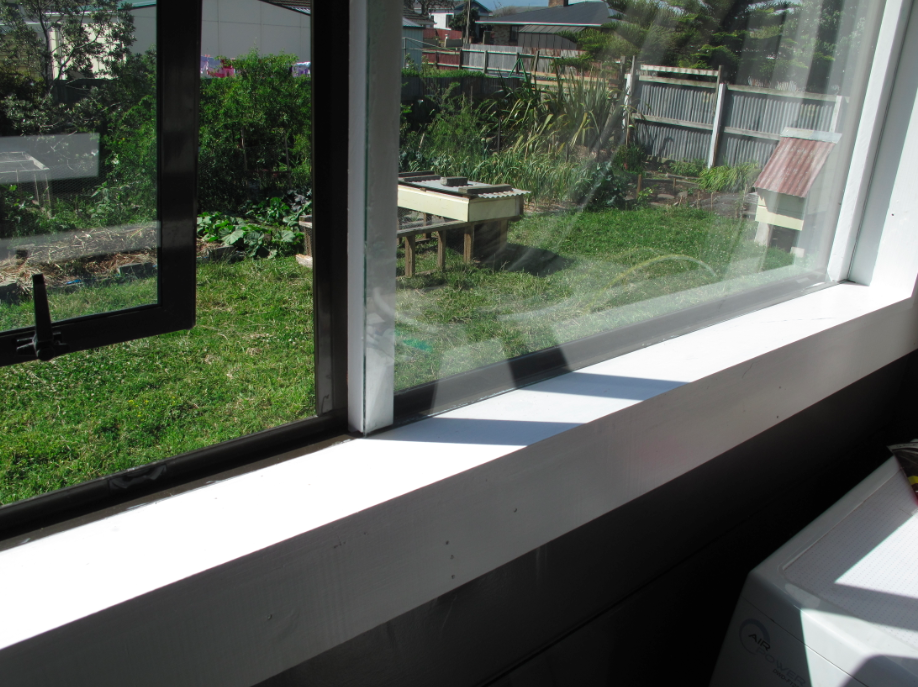
From this perspective, plastic DIY double-glazing is just as effective as professionally manufactured glass double-glazing. The picture I’ve included is actually an example of glass DIY double-glazing in our bathroom, which consists of a large, second-hand aluminium window, wooden battens serving as spacers, and safety glass as required by the building code. This is certainly an unusual approach to double-glazing, but it has performed well for us at a fraction of the cost of buying a new window of comparable size.

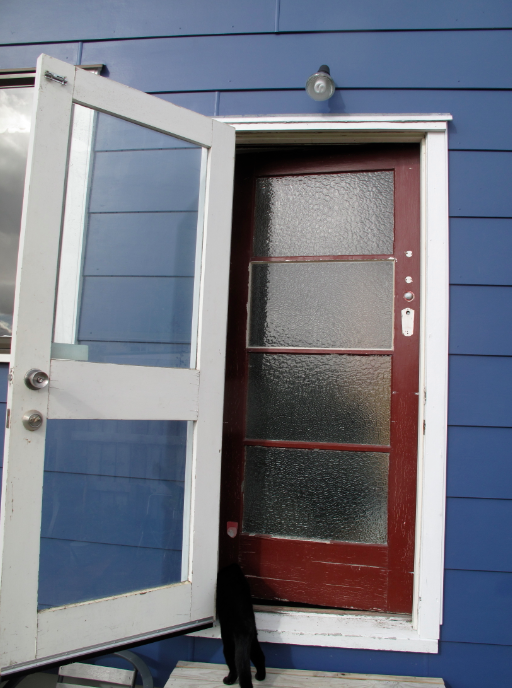
Another unusual but cost effective approach to ‘trapping air’ that we used in our renovation was hanging a TradeMe version of what would be called a “storm door” in North America. The picture I’ve included should be easy to interpret: one glass door open inward and one glass door opens outward. The space between doors (when closed) is the ‘trapped air’ that insulates our home while still letting free sunlight energy through. This is where “Yankee thrift” meets “Kiwi ingenuity.”

Screen shot 2014-05-30 at 5.39.42 PM

Project HEAT (Home Energy Awareness Training) Events.

DIY Double-Glazing

8th June, 4-5 pm. Registration Essential.

Seven easy steps to a low-energy healthy home.

10th June, 7-8 pm.


It is Heavy, It’s Thermal Mass

A decade and a half before Paul Simon’s innovative album Graceland (1986) exposed Western listeners to unique and original African sounds and rhythms, the incomparable Neil Diamond did the same with the lesser known album, Tap Root Manuscript (1970). Side two of the album is called “The African Trilogy (A Folk Ballet),” and includes two of my all-time favourite Neil Diamond songs: I Am the Lion, and Soolaimon.

Screen shot 2014-05-23 at 6.37.14 PM

 Side one, however, is more likely to be memorable for most people due to a series of Top 40 (US) hits: Cracklin’ Rosie; Free Life; He Ain’t Heavy, He’s My Brother. The last of these hits – He Ain’t Heavy, He’s My Brother – was ‘recycled’ from The Hollies, whose version reached No. 1 in the UK Singles chart in 1969.

Like this well-known song, our Shacklock 501 is: a favourite feature of our home; it is ‘recycled’ from another dwelling; but critically, it is very heavy. And that is the point.

 Screen shot 2014-05-23 at 6.32.13 PM

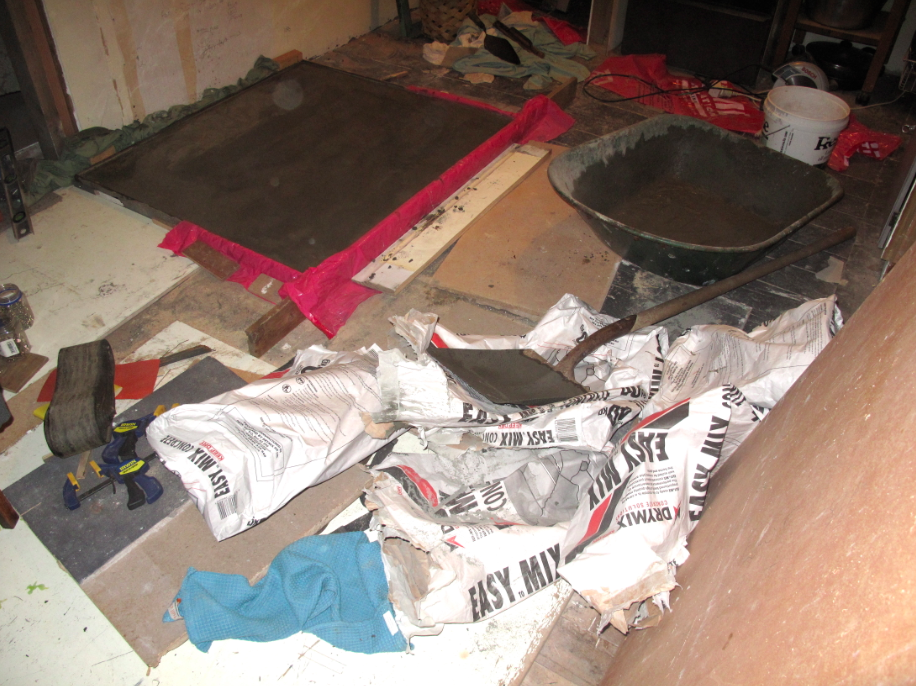
Along with acting as a heating source for our home on cloudy, cold winter days, the 700-kilogram coal range/brick surround/concrete and tile hearth acts as a ‘heat sink’ on sunny winter days. In this respect, the combined heavy stuff that makes up the building code approved unit functions as ‘thermal mass.’

Screen shot 2014-05-23 at 6.32.04 PM

From a purely physics perspective, everything that has mass can absorb heat. In the extreme, air has mass so it can absorb heat. But ‘light’ things like air gain heat quickly and lose it quickly. ‘Heavy’ things, on the other hand, absorb heat slowly and release it slowly.

Water is a good example of a substance that has significant thermal mass. One of the main reasons that Whanganui has such a wonderfully temperate climate is because the Tasman Sea is a giant heat sink. While Palmerston North experiences higher highs and lower lows than our fair city, we remain comfortably in between. That is one reason we all love living here.

When I teach eco-design, I make these general statements for people to wrap their heads around:

Water and anything that sinks in water has good thermal mass, but anything that floats in water acts more as insulation. The faster something sinks in water the more thermal mass it has, and the higher something floats in water the more insulation it probably provides. Think polystyrene. 

At its heart, a good song serves multiple functions: it moves people with its beat; it engages people with its lyrics; it rewards its writer with financial success.

Designing for multiple functions is at the heart of good eco-design. A clear example of this is the placement of the Shacklock 501 at the heart of our home.

 Screen shot 2014-05-23 at 6.32.46 PM

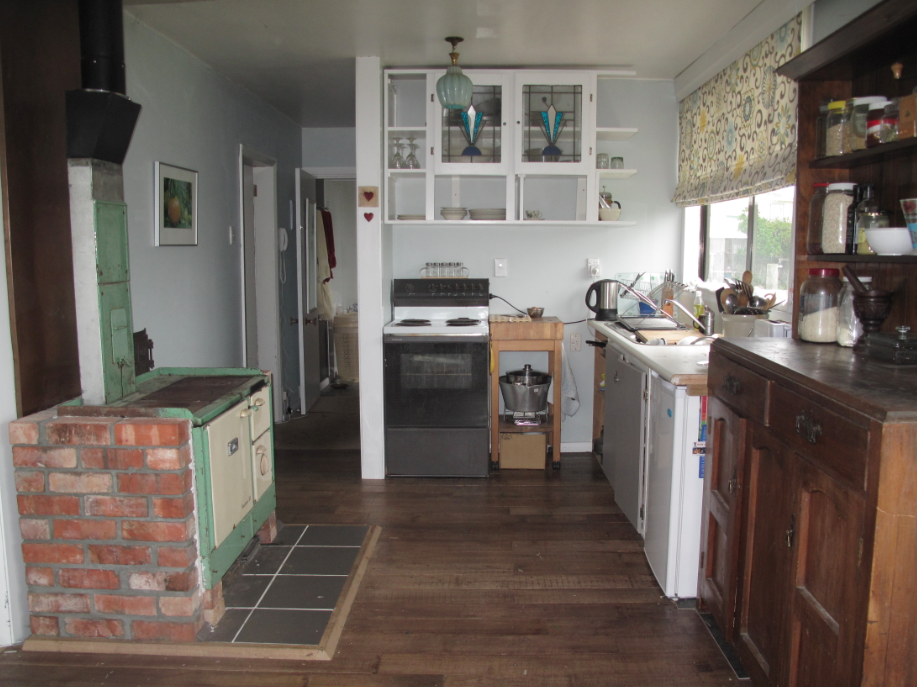
The 700 kilogram heating unit is situated approximately at the centre of our living spaces – lounge, kitchen, dining – so that the heat can radiate in all directions. While this may seem like common sense, a quick trip down Polson Street in Castlecliff may surprise you: at least four out of five chimneys are built on an exterior wall. Screen shot 2014-05-23 at 6.32.35 PM

As you can see from the photos, our Shacklock is built along an interior wall next to French doors that lead from our kitchen/dining to the lounge. Additionally, this location allows the sun to strike it three times during each winter day: morning, mid-day and afternoon.

Screen shot 2014-05-23 at 6.32.23 PM

Like the Tasman Sea, the Shacklock’s thermal mass is a temperature moderator powered by sunlight energy. But, in the event of a day or two without sunshine, we can always load it with wood, which is really just sunlight one step removed.

Peace, Estwing