All posts by Estwing

Supporting Each Other’s Work: It’s Automatic

The internet has been a great way for us to share our experiences with readers across the world and to maintain friendships over oceans and continents. I have been reading The Automatic Earth for years, and almost exactly two years ago Nicole Foss and Raul Ilagi Meijer gave a presentation here in Whanganui and stayed with us in our home.
Screen shot 2014-04-15 at 7.03.08 AM

Raul has been writing up a storm lately – a series called Debt Rattle. Two weeks ago I sent him a short article on my personal take on debt just for a laugh, because he and Nicole usually write about Very Big Picture issues. But alas, everything is connected, and Raul managed to include a part of my article as a bit of an answer to his own question: “What do we want to grow into?”

Debt Rattle Apr 14 2014: The Parable Of The Blind Man And The Steep Cliff


http://www.theautomaticearth.com/debt-rattle-apr-14-2014-the-parabel-of-the-blind-man-and-the-steep-cliff/

But not all is black out there. 10 days ago, our Kiwi friend Nelson Lebo (Nicole and I stayed with him and his wonderful little family for a few days 2 years ago) sent me this article he wrote for the Wanganui Chronicle. Some people answer the question “What Do We Want To Grow Into?” simply by being it in their daily lives. They live the answer.

Financial Independence Through Bicycling

My position is that more people are receptive to messages of saving money than “saving the planet”, and that in many cases both are possible by designing win-win situations. For example, I graduated from University in 1990 with student loans and without a car. Some unexplained thrifty gene in my DNA told me to forgo buying a car until I had paid off my loans. In other words, don’t take on more debt until you’ve paid off the existing debt.

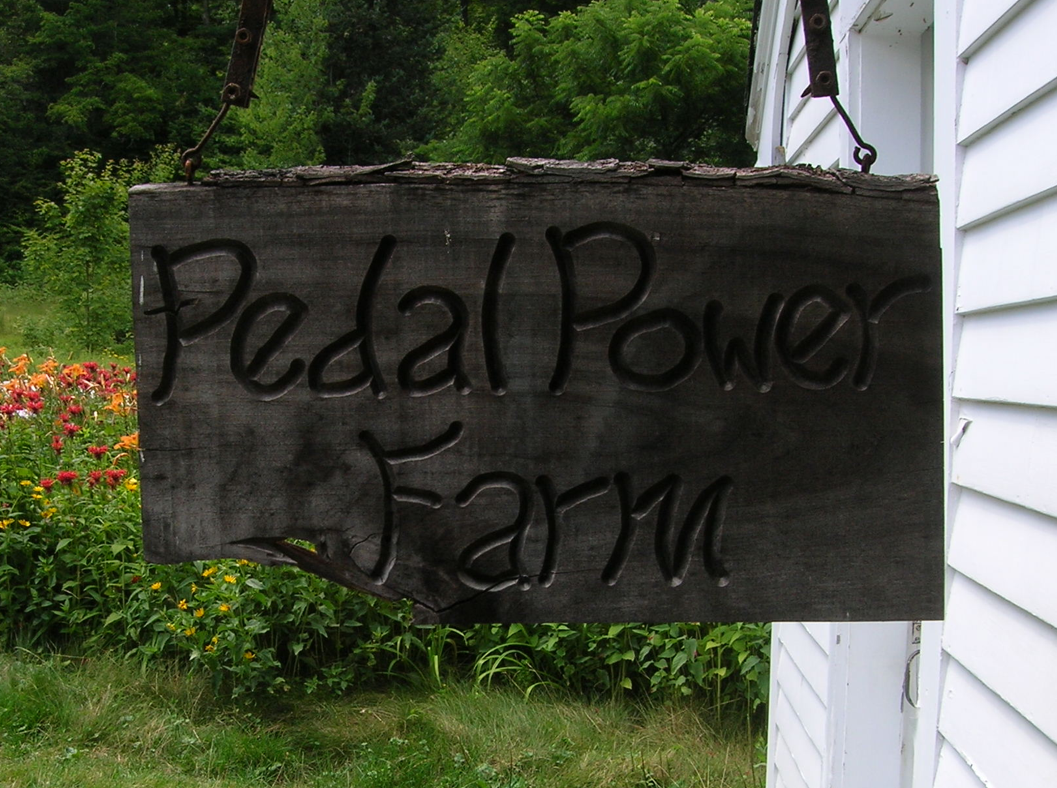
That experience was faster and less painful than I expected, so I carried on living car-free for seven more years before buying my brother’s old ute for $500. I continued bicycling and taking public transit for most of my transport needs but drove about twice each month until early 2000. At that point, after living nearly car-free for over a decade I had saved enough money to buy a small farm…on a teacher’s salary. To clarify, this was by no means a flash farm, and I did work every school holiday for most of those years to earn and save more money. On 1st June 2000 I took title of 38 acres and a 214 year-old farmhouse. I called it Pedal Power Farm.

Over the next eight years I used eco-thrifty thinking and lots of blood, sweat and tears to renovate the farmhouse, build a post and beam barn by hand, and improve soil fertility. In 2008 – at the start of the housing crisis in America – I sold the farm for nearly twice what I paid. Proceeds of the sale paid for four years of doctoral research at Waikato, a second-hand Subaru wagon, and a fully renovated but once run-down villa in Castlecliff.

While car-free living cannot be attributed for all of this, it provided a platform to get out of debt and to get onto the ‘property ladder’ debt-free. Other contributing factors were fiscal conservatism and working my bum off for 18 years. At 45 I am semi-retired with plenty of time to spend with my toddler daughter and to volunteer in the community. If you think about it carefully enough, I suppose you are reading these words in today’s paper because I made a choice 24 years ago to ride a bike.

Screen shot 2014-04-15 at 7.19.39 AM

Screen shot 2014-04-15 at 7.23.35 AM

Screen shot 2014-04-15 at 7.12.24 AM


Project HEAT Offers Free Eco-Design Advice

As much as I love living in Whanganui, I must admit that Palmerston North has impressed me. From the Palmerston North City Council website:

“Palmerston North has a strong focus on becoming a sustainable city. Reducing the city’s energy consumption is critical to this goal. Ensuring that homes in Palmerston North are warm and healthy will also build towards a sustainable community.”

From a job vacancy posted by PNCC:

“The overall purpose of council’s strategy is to facilitate a decrease in the amount of non-renewable energy used by households. This role plays a key part in achieving this through the provision of advice and information within the community on sustainable building, energy efficient retrofit and design on a one-to-one basis to residents.”  Screen shot 2014-04-12 at 7.17.53 AM

By contrast, two efforts to establish a similar programme with Wanganui District Council have been less inspiring. The first came in the form of a comprehensive Community Contract application with letters of support from six well-respected community groups. It was declined due to its lack of relevance to the WDC 10-year plan. (Never mind that power prices have doubled in the last ten years.)

The second effort came in the form of a visit from Richard Morrison, who serves the role described above for Kapiti Coast District Council. He presented to WDC and then to a small group of interested local professionals including myself. I may never forget the words of the council staff member representing WDC administration following Richard’s presentation.

“There is concern that the job title sounds too green.”

And with that definitive statement, effort number two bit the dust.

Job title: Eco Design Advisor.

The following councils have full-time permanent eco design advisors: Auckland, Hamilton, Palmerston North, Kaptit Coast, Hutt Valley, Nelson, and Invercargill.

Screen shot 2014-04-12 at 7.17.44 AM

In the wake of these two failed efforts to work with WDC to help Whanganui residents improve the health and energy efficiency of their homes, Project HEAT came into existence through a casual conversation followed by an anonymous donation.

Project HEAT (Home Energy Awareness Training) provides free, independent advice to Whanganui residents on how to save energy and money while making their homes healthier. Last year, over 400 Whanganui residents benefited from free presentations on eco-thrifty ideas for the home, free home energy audits based on the eco design advisor model, and low-cost DIY workshops.

Screen shot 2014-04-12 at 7.18.24 AM

Feedback was overwhelmingly positive. Of those who completed the survey following a home energy audit, all said they would recommend the service to a friend. Comments included:

Practical, objective, low cost suggestions from someone who isn’t trying to sell you any particular product. You feel like you are getting genuine well-researched advice that you can trust.

It made me think about how to keep the heat in versus keep heating a cold home.

Lots of different tips to save energy. It’s great to have a selection of improvement ideas. I’ll use different solutions in different areas. Awesome!

Practical, functional advice.

Practical solutions with a real space to visualize solutions.

Excellent explanations re: heat loss and cheap, effective solutions. How to fit a window blanket.

Thanks to additional anonymous donors along with other partners who have been recognized elsewhere in the local press recently, Project HEAT is back for 2014. Expanded programme offerings will include the above along with free drop-in advice at certain community events as well as the Saturday River Market – starting today!

Watch the sidebar to this column over the next four months for upcoming events.

 Screen shot 2014-04-12 at 7.18.11 AM

Sidebar:

Free Eco-Design Advice:

Warm, Dry, Healthy Homes. 12th April, 10 am – 1 pm. River Traders Market, River Exchange and Barter System (REBS) stall, Taupo Quay.

Permaculture: Working with Nature: 13th April, 2 pm. River Room Community Arts Centre, Taupo Quay.

Warm, Dry, Healthy Homes. 19th April, 10 am – 1 pm. River Traders Market, River Exchange and Barter System (REBS) stall, Taupo Quay.

Celebrating Our Local Heroes!

Inaugural Unsung Hero Award to Green Bikes Whanganui  Screen shot 2014-04-10 at 9.22.22 AM

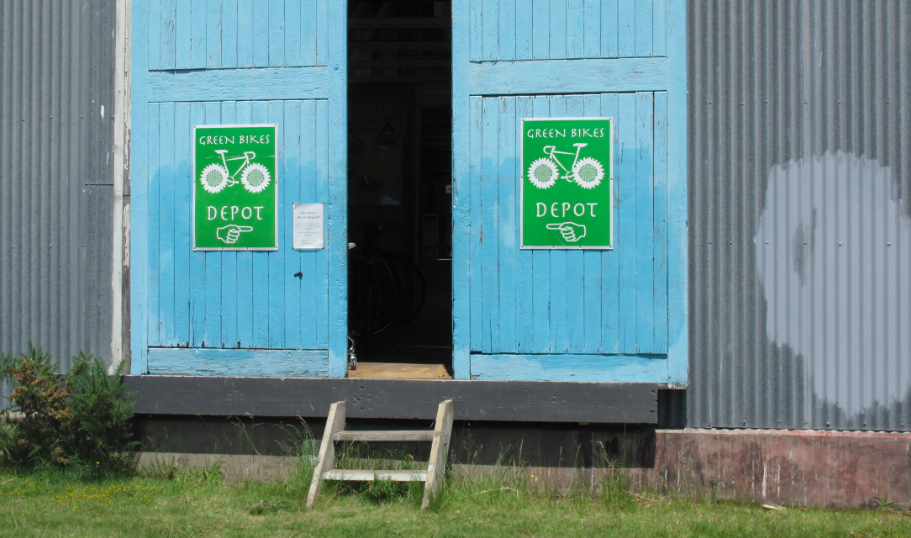
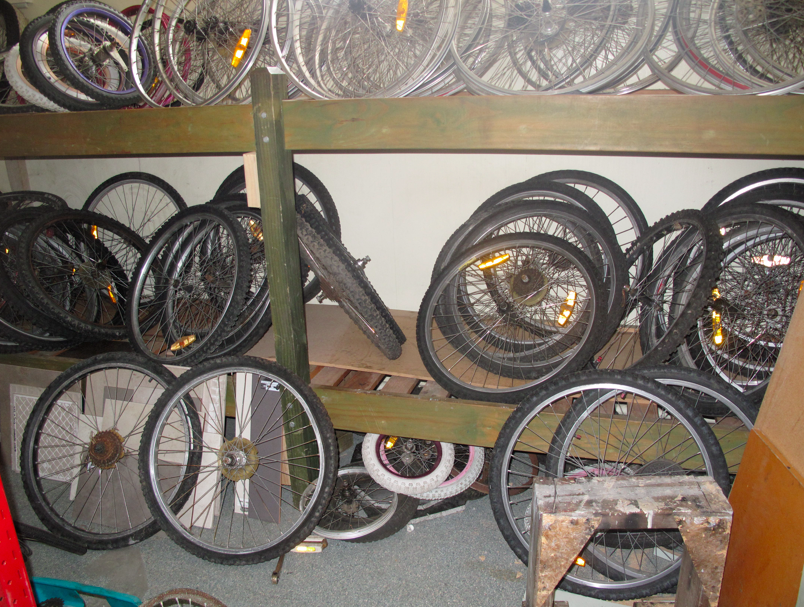
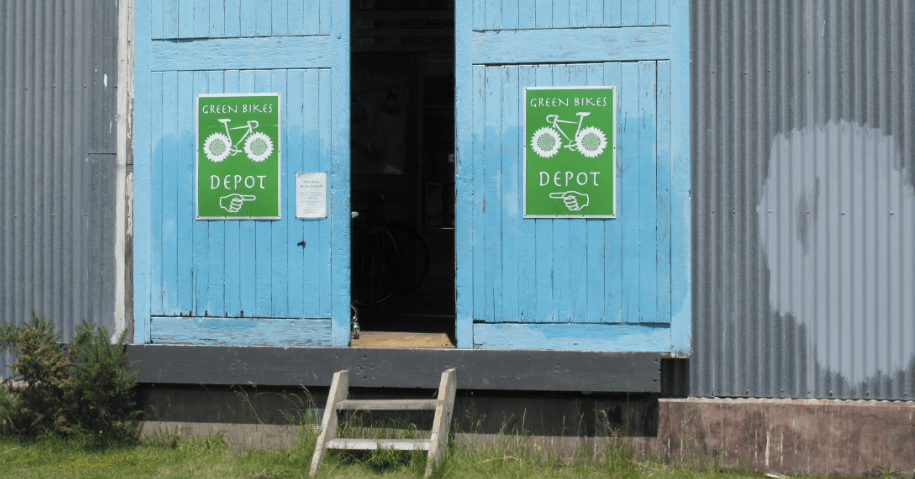
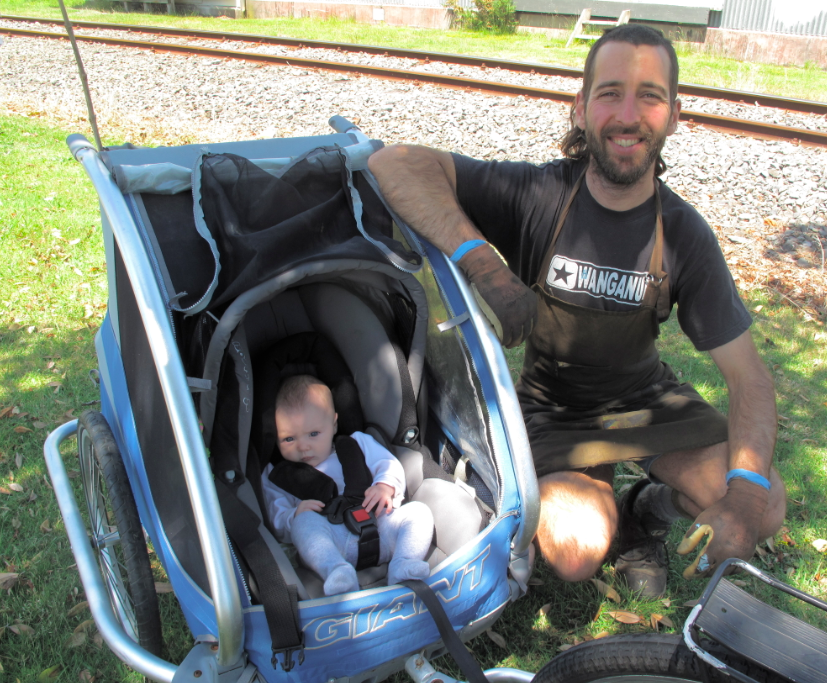
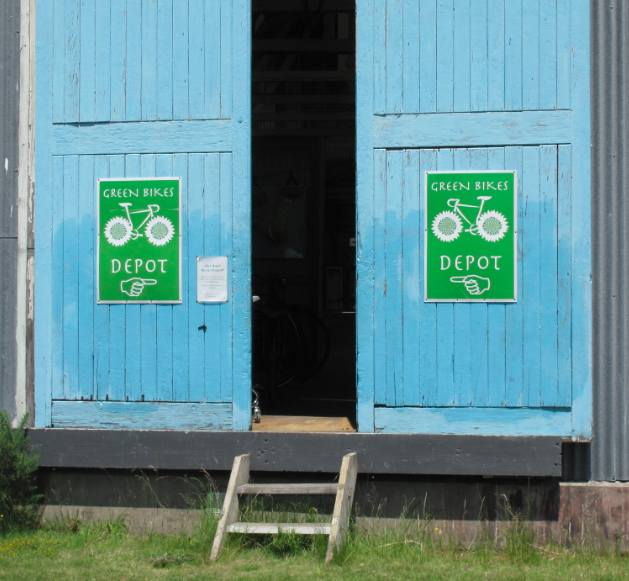
Green Bikes Whanganui has been a quiet, consistent contributor to the sustainability movement in our city for nearly six years. From beginnings in Taupo Quay, then shifting to Heads Road, and now at the Resource Recovery Centre in Maria Place, Green Bikes has provided hundreds of low-cost bicycles to our community, as well as cycle repairs, and education.

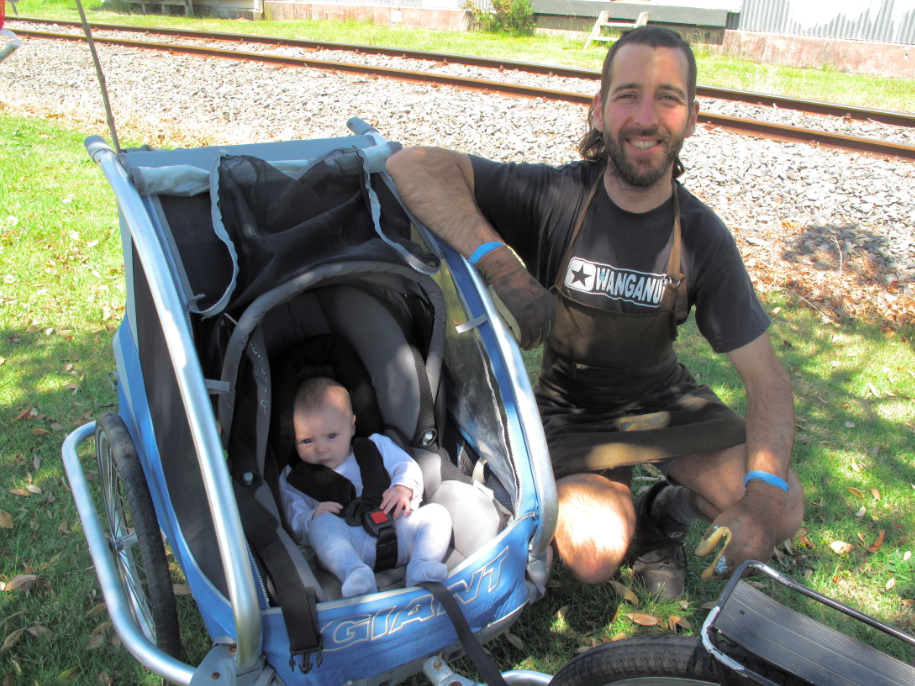
The vast majority of this effort has been done by Jonah Marinovich, in a humble manner, although with a rich, rye sense of humour.

Screen shot 2014-04-10 at 9.22.34 AM

Although Jonah has handed Green Bikes over to the capable hands of Alan and Peter – both too shy to pose for a photo or even have their last names published – I think it is quite appropriate for us as a city to recognize the dedication that Jonah has shown over the last half decade.

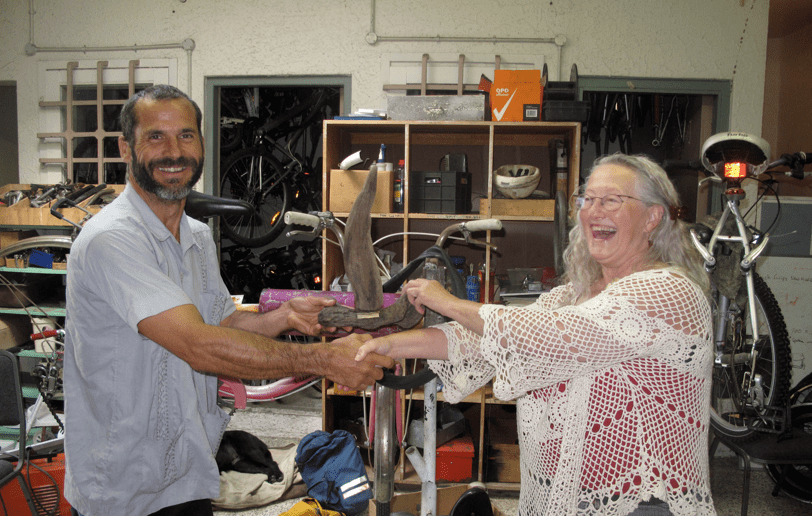
The ECO School is proud to present the inaugural Unsung Hero Award to Green Bikes as Jonah has requested.

 Screen shot 2014-04-10 at 9.20.56 AM

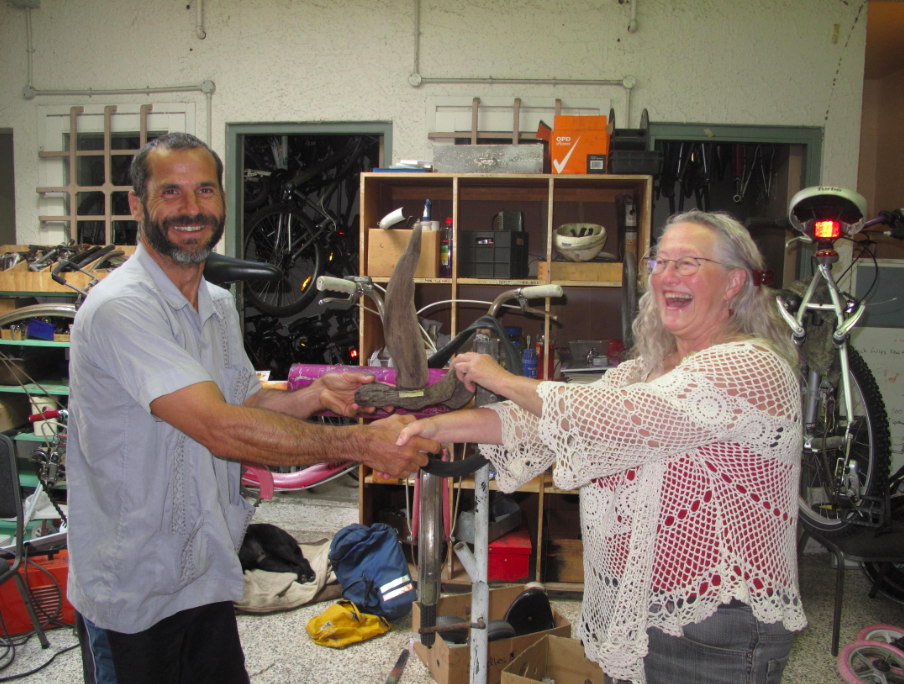
Photo: Robin Williamson of the Sustainable Whanganui Trust is shown accepting the award from Nelson Lebo while Alan and Peter are behind the scenes cracking us up.

Screen shot 2014-04-10 at 9.23.37 AM


Successive Planting: Summer/Autumn Transition

One way we are able to produce large amounts of healthy food on a small amount of land is our approach to bio-intensive annual gardening. A combination of 80 mm (2.5 inches) of topsoil and copious amounts of high quality compost have allowed us to grow large, healthy and abundant vegetables.

Screen shot 2014-04-08 at 5.44.39 AM

Screen shot 2014-04-08 at 6.03.05 AM

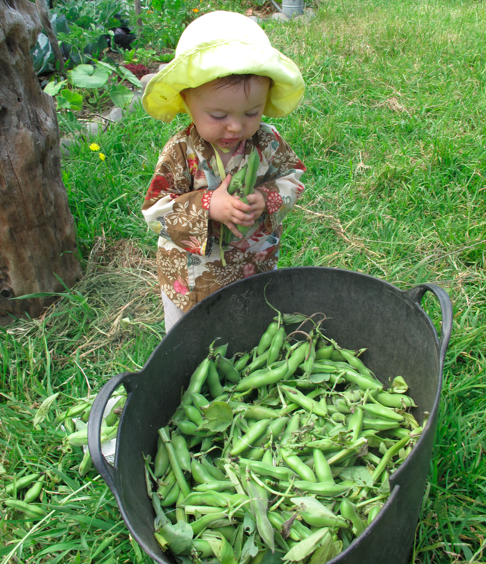
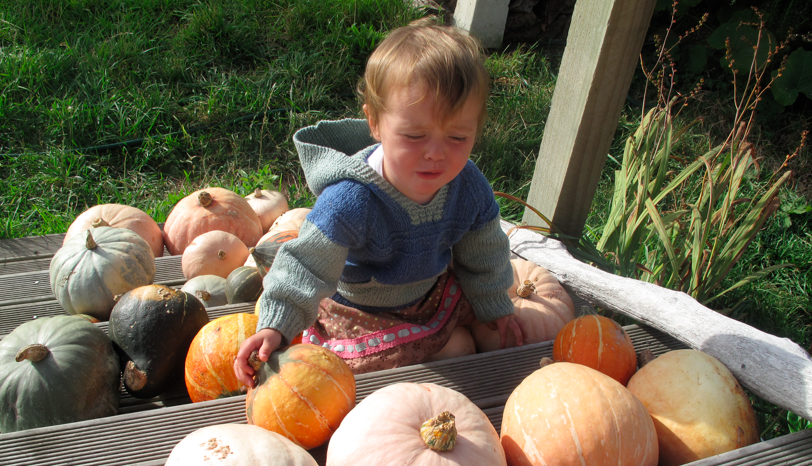
Another way that we achieve high yields is by successive planting. In other words, as soon as one crop comes out another goes in. For example, after harvesting broad beans last spring I immediately planted pumpkins in mounds of compost.

Screen shot 2014-04-08 at 5.48.45 AM

Both of these strategies rely on abundant, high quality compost in order to replenish soil fertility to make up for the food removed. We use a hot composting system called the Berkeley Method that ‘disappears’ meat and roadkill in a matter of weeks.

Screen shot 2014-04-08 at 5.31.07 AM

 Sometimes we use our lawn clippings in our compost, and sometimes we use them for mulch.

Screen shot 2014-04-08 at 5.20.30 AM

This week I have taken out some tomato plants that were in the ground since the 21st of September – 6 and 1/2 months – and replaced them with broccoli.

Screen shot 2014-04-08 at 5.19.05 AM

 You will notice there are still some capsicum (bell peppers) in the ground, and I even left two of the eight tomato plants rooted as they were still producing. I simply laid them on the ground on top of dried grass mulch.

Screen shot 2014-04-08 at 5.19.19 AM

 Each broccoli seedling is planted with a large dollop of compost.

Screen shot 2014-04-08 at 5.19.35 AM

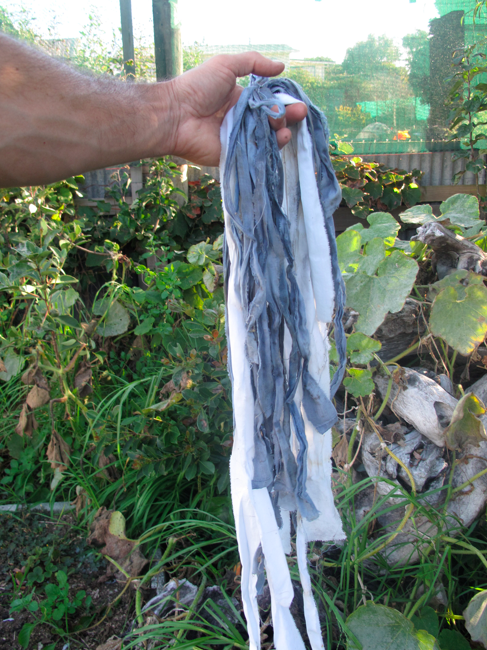
 The tomato ties – old bed sheets torn into strips – are collected and stored for next year.

Screen shot 2014-04-08 at 5.19.50 AM

And my helper and I carry on with the next chore.

 Screen shot 2014-04-08 at 5.14.40 AM

Peace, Estwing

Financial Independence through Bicycling


Screen shot 2014-04-05 at 7.26.35 AM

Fifteen years ago a book was published that gave consumers in Western countries all the information they needed to make effective environmental choices. In fact, that was the name of the book: The Consumer’s Guide to Effective Environmental Choices. Written by a pair of researchers with initials after their names (PhD), the book was meant to be the definitive authority on paper vs. plastic at the checkout counter.

The success of the book was that the researchers used data to crunch the numbers on a wide array of consumer behaviours, and to identify those that had the lowest overall impacts on natural ecosystems.

The failure of the book was that the two top recommendations were exactly what consumers in Western countries did not want to hear: 1) drive less, and 2) eat less meat. What the researchers found was that compared to all other regular consumer habits, driving a personal vehicle and eating meat had by far the greatest impacts on the planet.

For people agonizing over paper or plastic, these findings basically said don’t sweat the small stuff if you’re not going to address the big stuff. Blunt, maybe, but quantitative research calls it like it is.

Over the last 15 years I have witnessed the underwhelming reception of these findings by the general public. Much of my current eco-thrifty advocacy results from observations that eco-arguments alone do not convince people to make “effective environmental choices.” Screen shot 2014-04-05 at 7.26.45 AM

My position is that more people are receptive to messages of saving money than “saving the planet”, and that in many cases both are possible by designing win-win situations.

For example, I graduated from University in 1990 with student loans and without a car. Some unexplained thrifty gene in my DNA told me to forgo buying a car until I had paid off my loans. In other words, don’t take on more debt until you’ve paid off the existing debt.

That experience was faster and less painful than I expected, so I carried on living car-free for seven more years before buying my brother’s old ute for $500. I continued bicycling and taking public transit for most of my transport needs but drove about twice each month until early 2000. At that point, after living nearly car-free for over a decade I had saved enough money to buy a small farm…on a teacher’s salary.

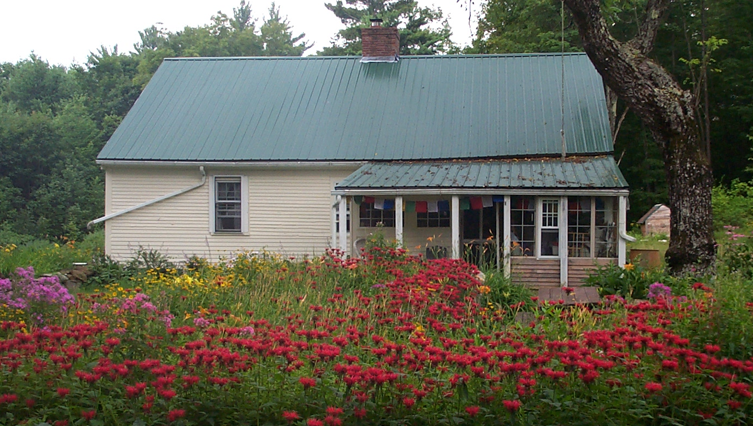
To clarify, this was by no means a flash farm, and I did work every school holiday for most of those years to earn and save more money. On 1st June 2000 I took title of 38 acres and a 214 year-old farmhouse. I called it Pedal Power Farm.

Screen shot 2014-04-05 at 7.26.59 AM

Over the next eight years I used eco-thrifty thinking and lots of blood, sweat and tears to renovate the farmhouse, build a post and beam barn by hand, and improve soil fertility. In 2008 – at the start of the housing crisis in America – I sold the farm for nearly twice what I paid. Proceeds of the sale paid for four years of doctoral research at Waikato, a second-hand Subaru wagon, and a fully renovated but once run-down villa in Castlecliff.

While car-free living cannot be attributed for all of this, it provided a platform to get out of debt and to get onto the ‘property ladder’ debt-free. Other contributing factors were fiscal conservatism and working my bum off for 18 years.

At 45 I am semi-retired with plenty of time to spend with my toddler daughter and to volunteer in the community. If you think about it carefully enough, I suppose you are reading these words in today’s paper because I made a choice 24 years ago to ride a bike.  Screen shot 2014-04-05 at 7.27.30 AM
Sidebar: The ECO School’s inaugural Unsung Hero Award will be presented today to Whanganui Green Bikes at the Cycling Advocates Network annual conference.

Screen shot 2014-04-05 at 7.27.16 AM


Low-Car Lifestyle

Here in New Zealand there is a 12 Week “Challenge” hosted by Green Urban Living.

Screen shot 2014-04-01 at 8.56.33 AM

I posted two weeks ago about the local food week challenge. Last week was a Car-less challenge. While we did not go the week without using our car, I thought it was a good time to reflect on many of the choices we have made to maintain minimum dependence on our car.

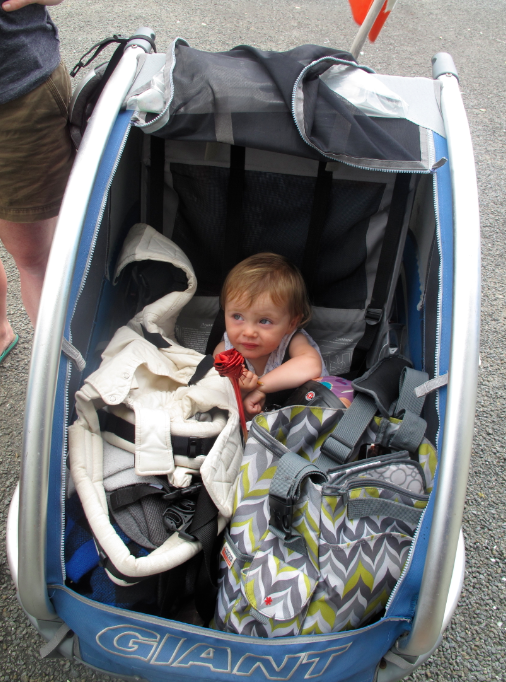
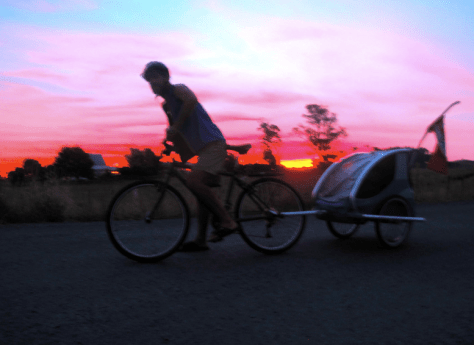
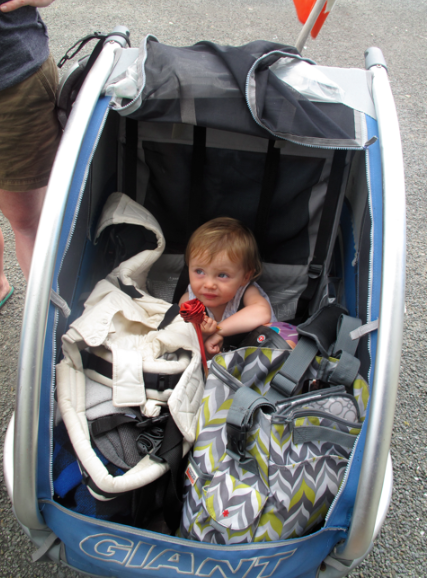
Coming home from a party two weeks ago.

Screen shot 2014-04-01 at 8.50.26 AM

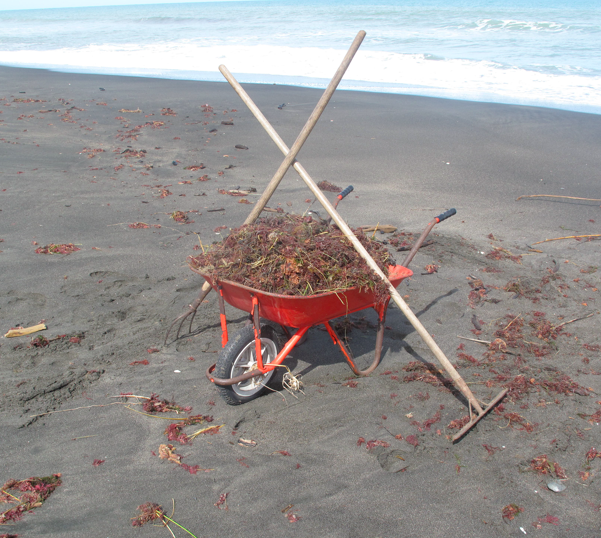
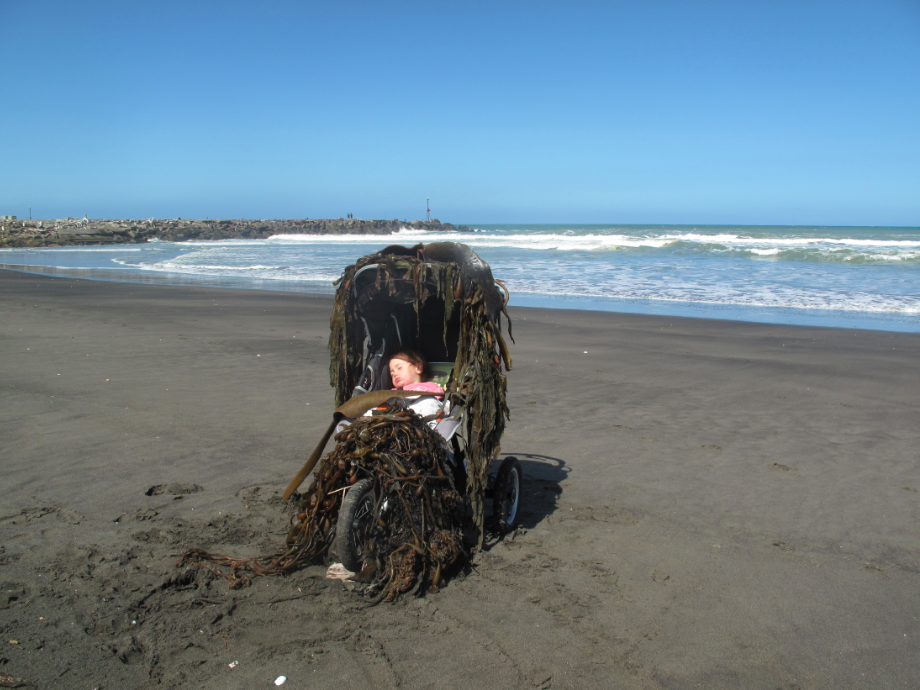
Collecting seaweed on the beach.

Screen shot 2014-04-01 at 8.50.35 AM

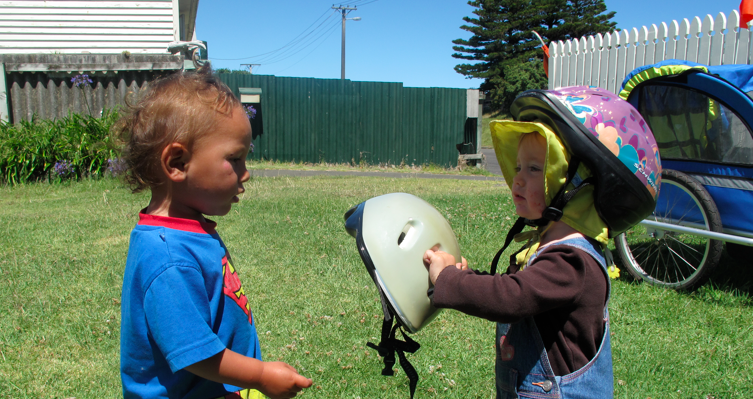
Going to Steiner playgroup.

Screen shot 2014-04-01 at 8.50.43 AM

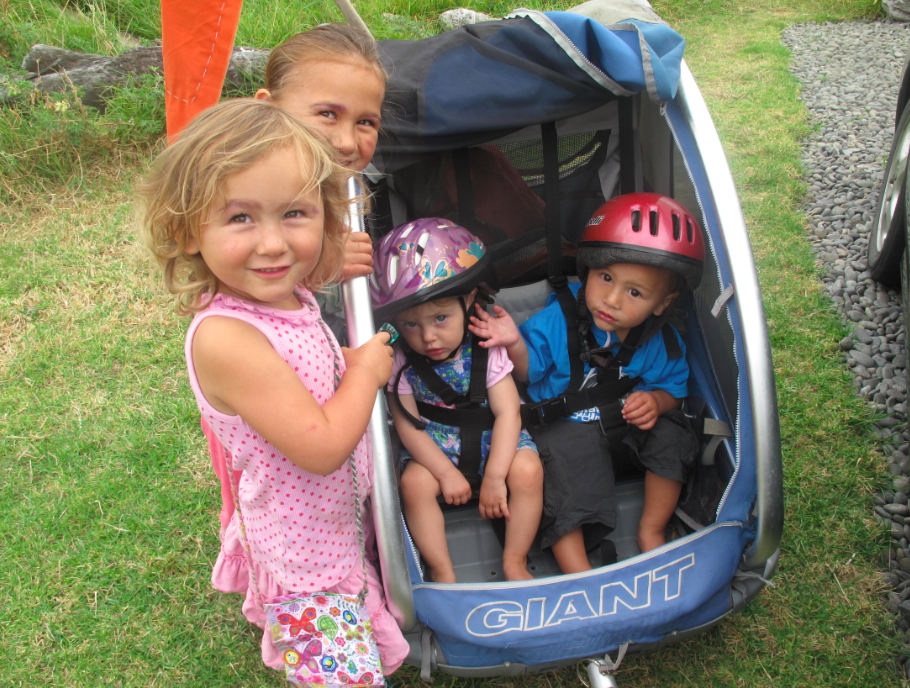
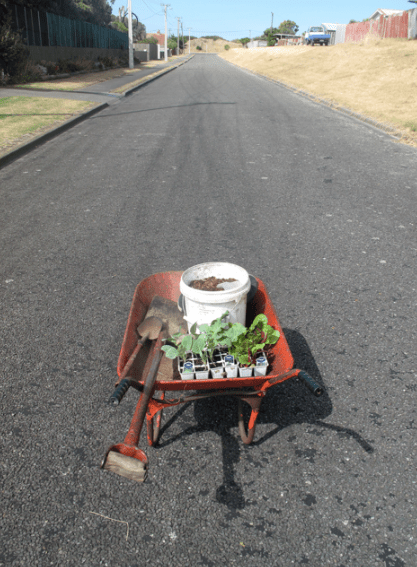
Going to a local primary school to plant a garden with the children.

Screen shot 2014-04-01 at 8.50.51 AM

Walking to the local surf break.

Screen shot 2014-04-01 at 8.50.58 AM

Buckle up, bro.

Screen shot 2014-04-01 at 8.51.05 AM

Coming home from the farmers market.

  Screen shot 2014-04-01 at 8.51.13 AM

Peace, Estwing

Eco-Design, Payback Period and Savings

Editor’s Note: This is more or less the 100th weekly column I have written for our city’s newspaper, the Wanganui Chronicle.  Screen shot 2014-03-29 at 6.58.46 AM

Nearly two years have passed since I was invited to write this column, which brings us to what is approximately the 100th edition of Eco-Thrifty Renovation.

Since starting the weekly column  23 months ago, we have received our certificate of compliance for the renovation, I have been capped a Doctor of Philosophy by Waikato University, we witnessed the birth of our first child, and saved approximately $5,000 on electricity when compared to the average NZ household.

Yes, $5,000, not a misprint.

Savings earned from investment in energy efficiency is known as ‘payback’, and the time that it takes to recoup the investment is known as ‘payback period’.

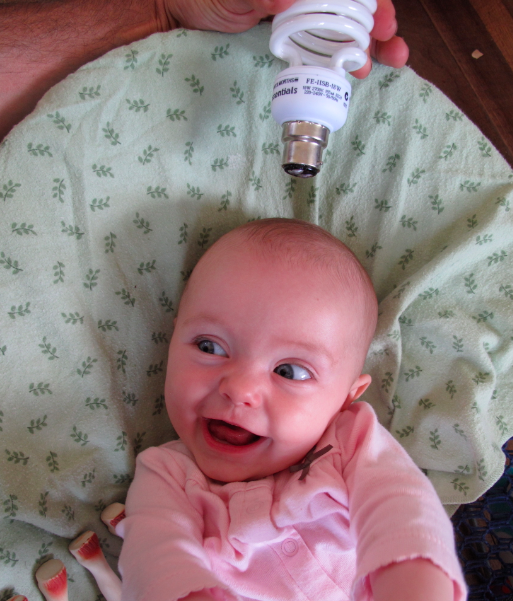
For example, a compact fluorescent light bulb that costs $5 will usually “pay for itself” in energy savings over the course of about 12 months depending on use. This means the payback period is 1 year, representing a 100% return on investment. During the second year that $5 is in your pocket.

We’re not specific about exactly how much we save from each of our many energy efficient investments. We simply look to our monthly power bill – ranging from $17 to $31 – to gauge our performance against average domestic users.

While I have been writing this column for 23 months, we have lived in our Castlecliff home for 40 months, meaning our total energy savings thus far is approximately $9,000: roughly 1/3 of our investment in passive solar redesign, solar hot water, and energy efficient appliances.

This puts us on track for a payback period of under 10 years. In other words, we will essentially “double our money” by saving the same amount we initially invested. After the payback period, every dollar saved is a dollar in our pocket: hundreds each and every month.

In the meantime, the faster power prices rise, the shorter our payback period becomes: 9 years, 8 years. Some people might say we have “future-proofed” ourselves against rising prices. We have achieved all this by using eco-design to work with natural energy flows.

Investing is good design saves energy and money, but sustaining bad design costs energy and money.

Screen shot 2014-03-29 at 6.58.16 AM

For example, a recent article in the Chronicle indicated that Wanganui District Council decided to bulldoze the beach as its management strategy 12 years ago. At a reported cost of $25,000 per year, simple maths tells us ratepayers have contributed $300,000 during that time and we still have the same poorly designed beach, with a high probability of higher ‘grooming’ expenses in the future.

This is like having a big, draughty villa full of energy-gobbling appliances and light bulbs, and paying hundreds of dollars month after month for power, and after 12 years being in the same situation. Alternatively, after 12 years we will have saved over $30,000 on power, paid back all of our investment, pocketed the savings, and have a warm, dry, low-energy home.

Using an imaginary time machine, let’s travel back and consider that council made the decision 12 years ago to invest in a beach redesign that worked with natural energy flows instead of against them. As long as we’re pretending, let’s say we take the $300,000 with us.

Back in 2002, say we invested $100,000 in a beach eco-redesign that resulted in $7,000 annual maintenance instead of $25,000. This resulted in yearly savings of $18,000 and a payback period of five and a half years. From the sixth through 12th years we saved $18,000 per year for a total savings of over $108,000. (Please note, these estimates are used for explanation only.)

By 2014, we could look forward to saving $18,000 or more per year moving forward. Additionally, we would have “future-proofed” ourselves against rising diesel prices and what the vast majority of climate scientists have predicted will be increased extreme wind events, as we’ve already seen this spring and summer.

While hindsight is 20/20, eco-design thinking and payback period allow us to ‘travel’ into the future and look back at what decisions will be most cost effective. It’s worked brilliantly for us.


Peace, Estwing


A Parent’s Perspective on the TPPA

When I look in the mirror I see three things: a researcher, an educator and a parent.

As a researcher I am data driven. My mind seeks out robust arguments supported by evidence, and discounts arguments that lack evidence.

As an educator I try to keep my message simple and relevant. There is a vast amount of information in the world, but people relate best to that which relates most closely to them.

As a parent I am focused on safety. Many times each day my toddler daughter strives to engage in behaviours that could negatively affect her health and wellbeing.

From these three perspectives, I’ll keep my comments on the Trans Pacific Partnership Agreement (TPPA) as evidence-based, simple and prudent as possible.

The purpose of a corporation is to return maximum profits to investors. Anything that impinges on profits – Pharmac, the Resource Management Act, the Treaty of Waitangi – can be seen as a “barrier to trade.” The TPPA seeks to remove barriers to trade, and will allow corporations to sue sovereign governments.

At the same time, it appears that the purpose of my 18 month-old daughter is to put herself in peril by climbing on anything available, playing with electrical cords, and eating as many sweets as possible. As a parent, it is my responsibility to keep her impulses in check.

The same can be said of governments in relationship to corporations. In other words, we have laws that keep corporations in check because their ‘natural urges’ have been shown to cause harm to significant numbers of people worldwide and degrade environmental quality, not to mention crash the global economy.

In other words, the government is the parent and the corporation is the child. But the TPPA seeks to reverse this, letting corporations set the rules and punish governments for laws they do not like.
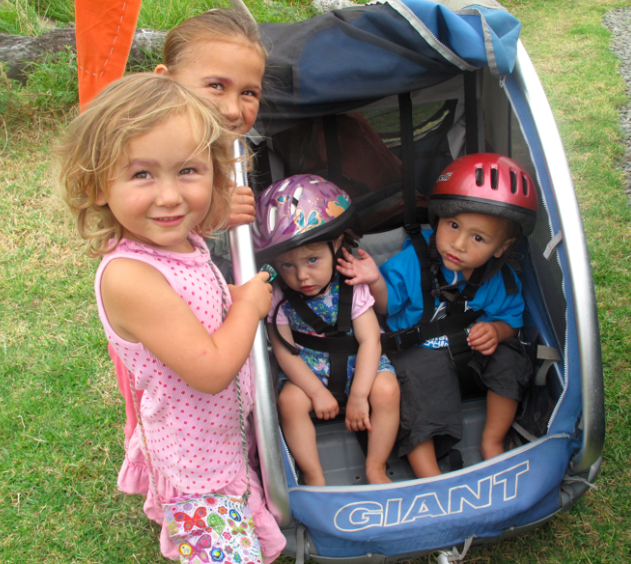
This would be like my daughter telling me she is going to spend the afternoon in a candy store full of ladders and electric leads. Oh, and by the way, if I disagree with her she will take me to a secret court made up of three of her friends.

Are there any parents that think this will turn out well?


Peace, Estwing

Early Autumn Permaculture Update

We have had a magnificent “Indian Summer” here in Whanganui. Our strawberries and tomatoes are still producing after nearly four months. Along with those, we are getting autumn crops like apples and pears.

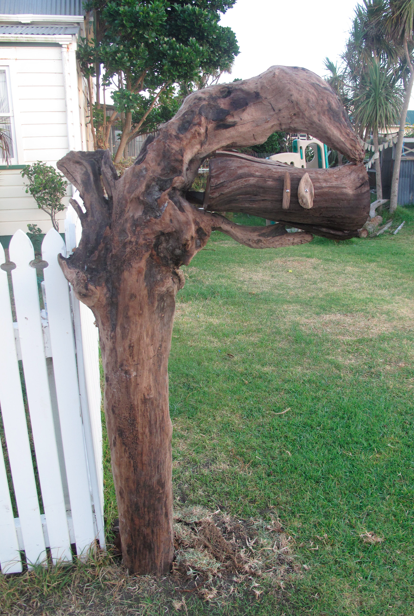
But first, our new post box built of driftwood, three nails, and two screws.

Screen shot 2014-03-24 at 9.25.31 AM

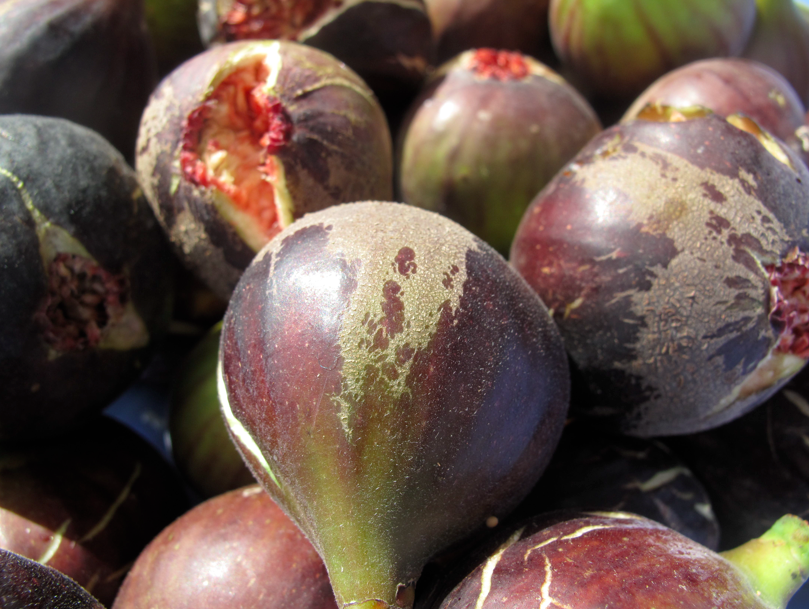
We have been racing the birds to harvest a bumper crop of figs.

Screen shot 2014-03-24 at 9.28.58 AM

Screen shot 2014-03-24 at 9.28.37 AM

We ate the last of our peaches with fresh local raw milk.

Screen shot 2014-03-24 at 9.32.14 AM

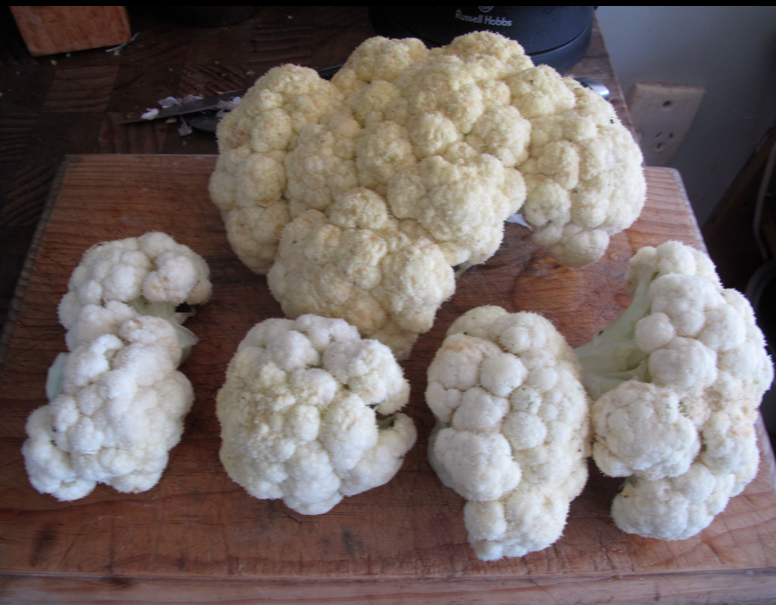
We’ve had some nice broccoli and cauliflower.

Screen shot 2014-03-24 at 9.31.16 AM

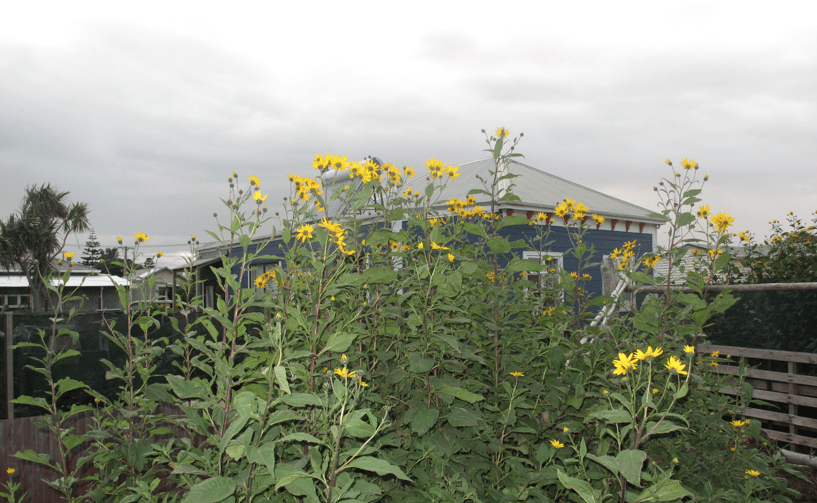
Jerusalem artichoke is going for it everywhere.
Screen shot 2014-03-24 at 9.29.44 AM

Screen shot 2014-03-24 at 9.26.45 AM

I have been taking a plant propagation course. Here are some of my “assignments.”
Screen shot 2014-03-24 at 9.27.36 AM

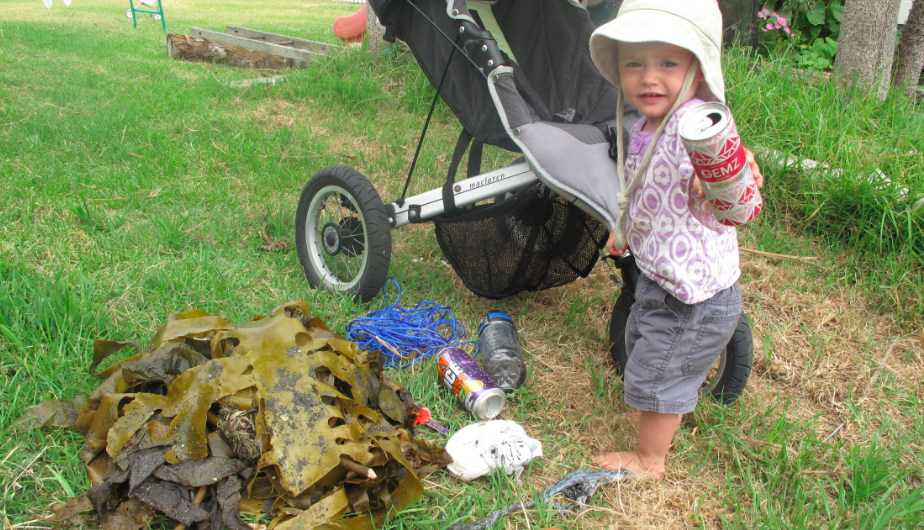
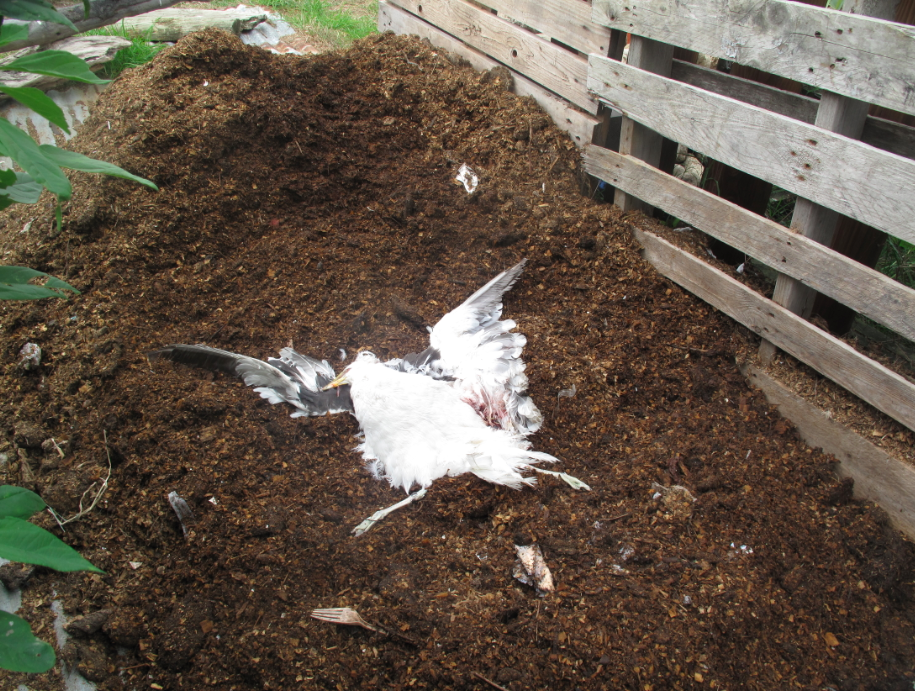
We have been also doing lots of composting, with gifts from the sea…

Screen shot 2014-03-24 at 9.30.30 AM

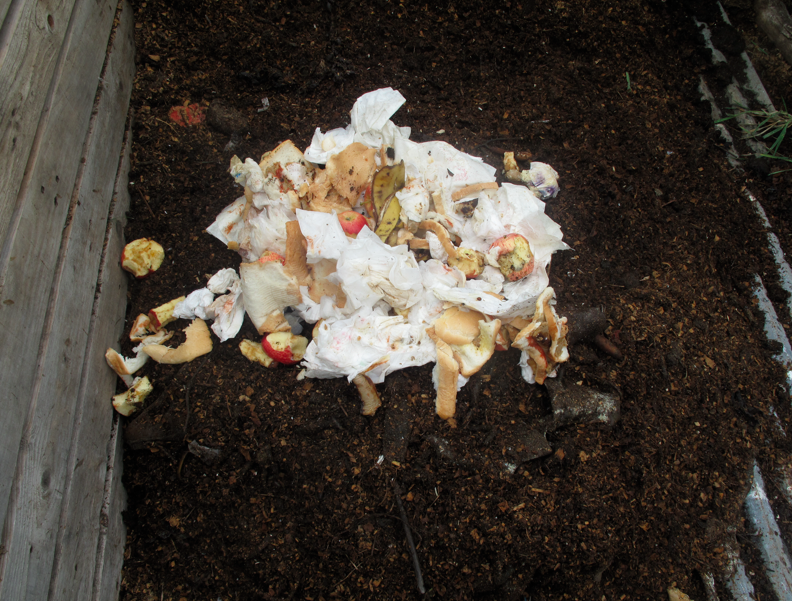
…and gifts from community events.

Screen shot 2014-03-24 at 9.32.47 AM

And a few amazing gifts from the western horizon.

Screen shot 2014-03-24 at 9.33.24 AM

Peace, Estwing

Engaging Children in Recycling & Composting

Last week I had every intention of writing about Sea Week, Castlecliff Children’s Day, recycling and composting. I even had the photos picked out.

Screen shot 2014-03-21 at 10.29.00 AM

But then I saw a cryptic invitation in the Chronicle about writing poems for St. Patrick’s Day. Then I saw a letter from Bob Walker on the costly and impotent “odour fence” and an article that included a remarkably uninspired statement by a councilor about “growth” and “lifestyle.”

What started as an innocent limerick in the spirit of St. Patrick’s Day rolled into 650 words of critique on what appears to be a pattern of reductionist, ineffective and costly decisions by council.

While I stand by every word, I did not mean offend anyone with undeserved insult – especially not the Chronicle editors. I think they, along with the entire Chronicle team, have guided our paper to a secure place of relevance at a time when many newspapers around the world are reducing circulation, down-sizing, digitizing, and disappearing entirely. Over the last two years, the Chronicle team has built what must be best network of local columnists of any paper in the country.

Long live the Chron

May all celebrate her in song…

Never mind, on to the rubbish…I mean waste management.

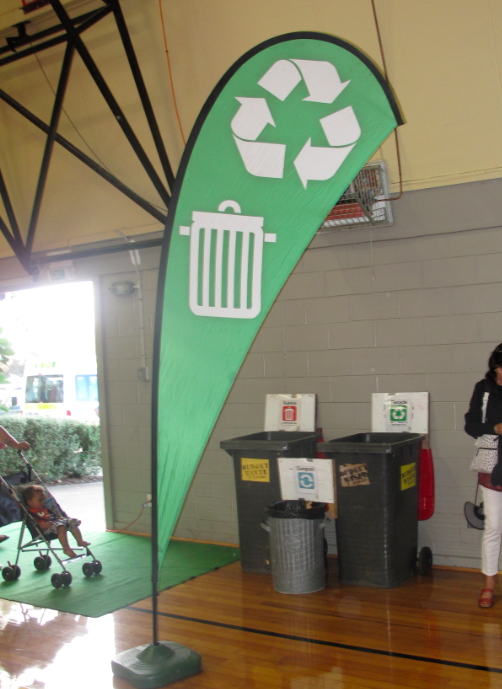
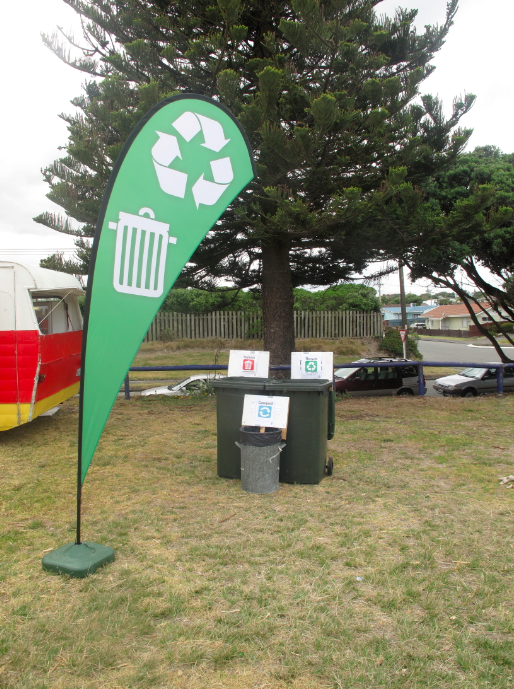
Good on Des Warahi for committing Castlecliff Children’s Day to waste minimization. Like SKIP’s Children’s Day a week earlier, we were able to work together to divert a large amount of materials from landfill by making recycling and composting easy for attendees.

 Screen shot 2014-03-21 at 10.29.10 AM

Castlecliff’s Children’s Day wrapped up Sea Week, which saw many school children helping clean up our coastline. While it is important to engage children in this type of overt action to help the environment, it’s even more important to make sure that they do not perceive it as a one-off. In other words, tokenism has the potential to do more harm than good if children see “the environment” as something “out there” that they engage with only on certain occasions.

The Enviroschools programme has done a good job throughout New Zealand of making sustainable practices such as recycling, composting and worm farming regular parts of operations for the schools that join. Equally important is that children experience those practices at home. Screen shot 2014-03-21 at 10.28.53 AM

Waste minimization is a great example of eoc-thifty thinking because it so obviously saves resources and money. For example, it takes our family about two months to fill one bag of rubbish. It may not be that we have any less total ‘waste’ than other families, but that we divert most of it from landfill by recycling and composting.

Screen shot 2014-03-21 at 10.28.28 AM

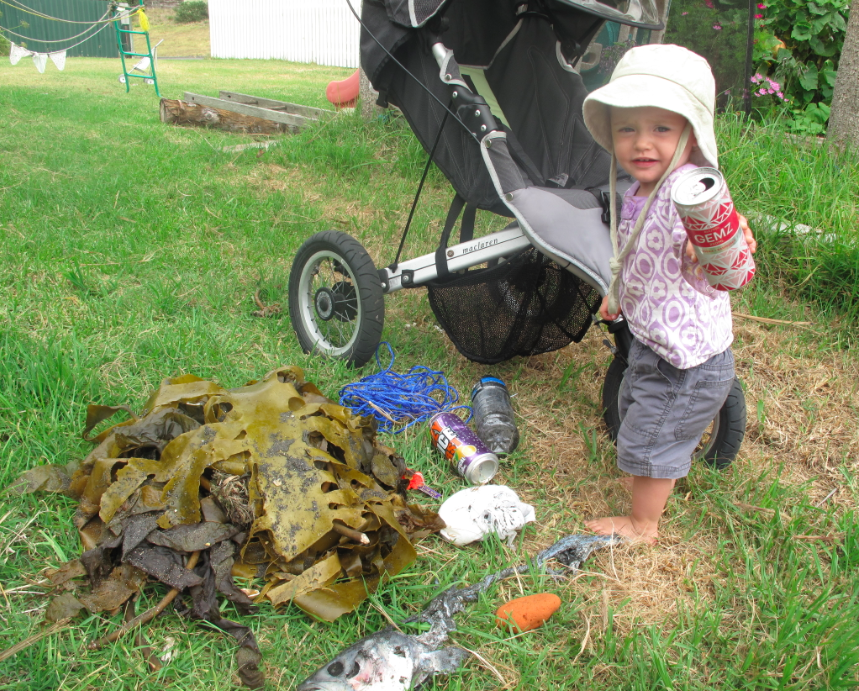
Much of the ‘waste’ that makes its way onto our property comes home with Verti and me from our walks along the beach. If there is anything I’ve learned as a new parent it is that my 18 month old daughter loves imitating and helping. From this perspective, I can’t think of many things more valuable than walking with her along the seashore collecting discarded cans and bottles, bits of plastic, and organic matter for our compost.

Plus, I get to check out the waves so I can plan for a surf after mum gets home.

  Screen shot 2014-03-21 at 10.28.43 AM

Sidebar: TPPA Alert!

We face many challenges ahead, but perhaps the most immediate one is the Trans Pacific Partnership Agreement (TPPA) being negotiated in secret at the behest of transnational corporations whose one and only mandate is to return maximum profits to share holders. The likelihood of the TPPA being good for people or the planet is about that of the All Blacks falling to Japan in a test match. Please attend the rally against New Zealand signing onto the TPPA Saturday 29th March at 1 pm. Meet at the Silver Ball sculpture at the River Market and walk to Majestic Square.