Category Archives: organic

World’s Best Garlic

It has been a long and cloudy spring but summer is finally here. We have staggered our garlic harvest over three weeks due to three different plantings in June and July. On the new property it was a rush to even get the garlic in the ground before August.

Screen shot 2014-12-30 at 7.38.56 AM

But with some help we managed to get about 800 in (on?!?) the ground.

Screen shot 2014-12-30 at 7.39.23 AM

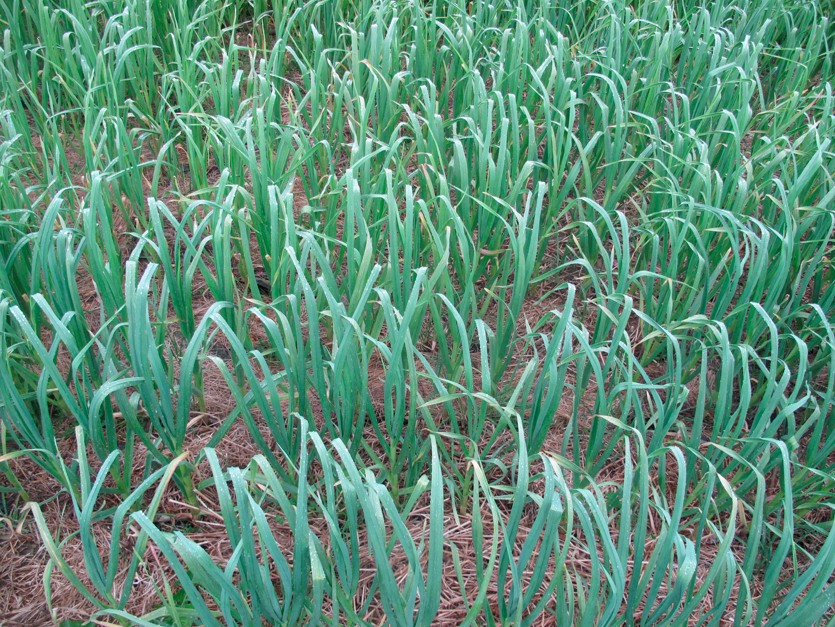
It was a dry winter so we had to water a little, but the heavy mulch did a great job of suppressing weed competition and ground evaporation.

Screen shot 2014-12-30 at 7.37.57 AM

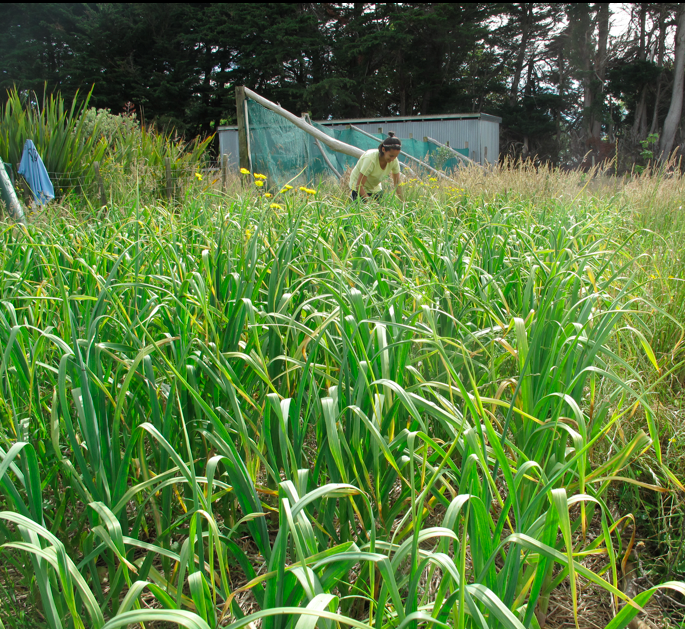
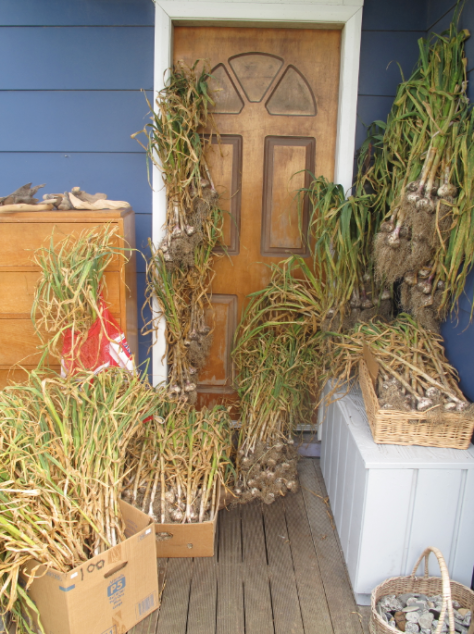
Although we got this garlic in 3 weeks later in July, we harvested only one week late because of the greater hours of sunlight in December. The first thing to do is pull a few bulbs and check to see if the cloves are separating or the skin is starting to split.

Screen shot 2014-12-30 at 7.37.25 AM

Then go hard and get it out of the ground.

Screen shot 2014-12-30 at 7.36.57 AM

Yow! This couch grass grew right through this bulb.

Screen shot 2014-12-30 at 7.33.18 AM

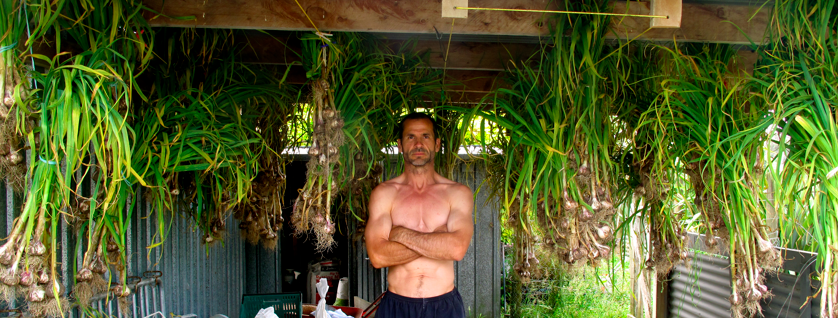
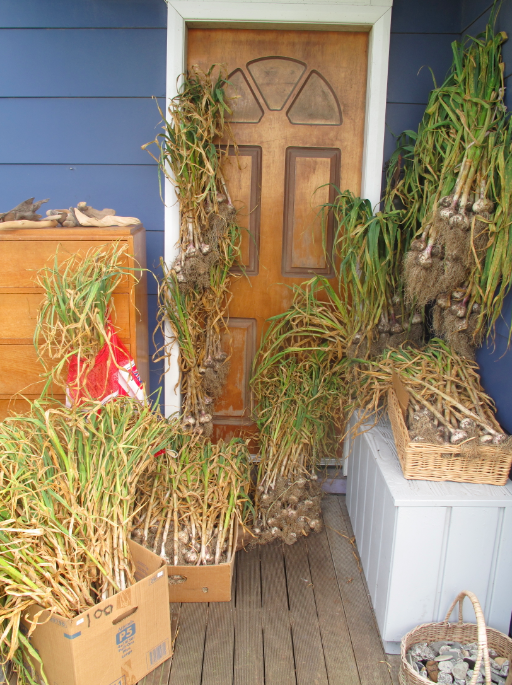
I hang our garlic for three weeks to cure and then cut off the stalk. The bulbs can keep for up to 12 months, but many will only last 10. We sell much of our garlic at the local market on Saturday mornings in the city.  People who love to cook appreciate great garlic. It is a niche crop that serves the small holder fairly well.  Screen shot 2014-12-30 at 7.40.27 AM

Peace, Estwing

Early Summer Permaculture Update

This is the difference between climate and weather: while 2014 is on track to be the warmest year on record globally, we have had a long, cool, windy winter/spring here in the lower north island. The winds have been nearly relentless for the last 3 months, but the hours of daylight have increased on schedule. I’m getting up 5:00 or 5:30 am everyday now.

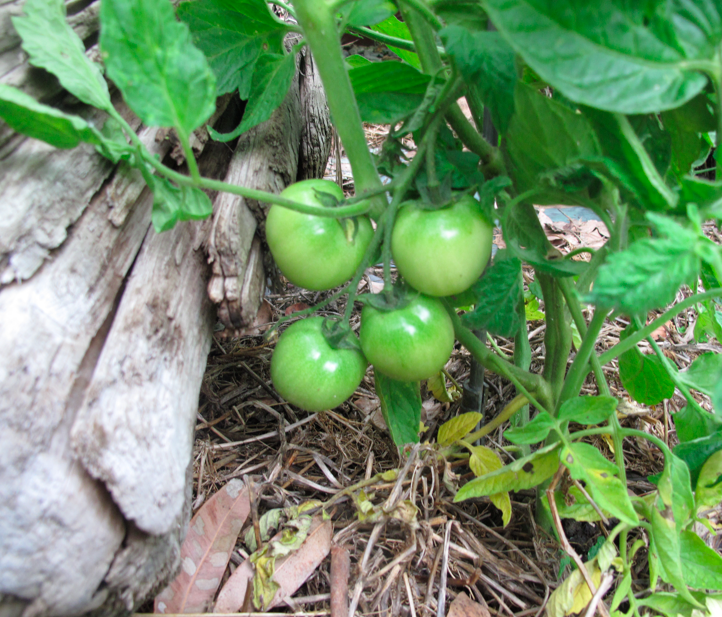
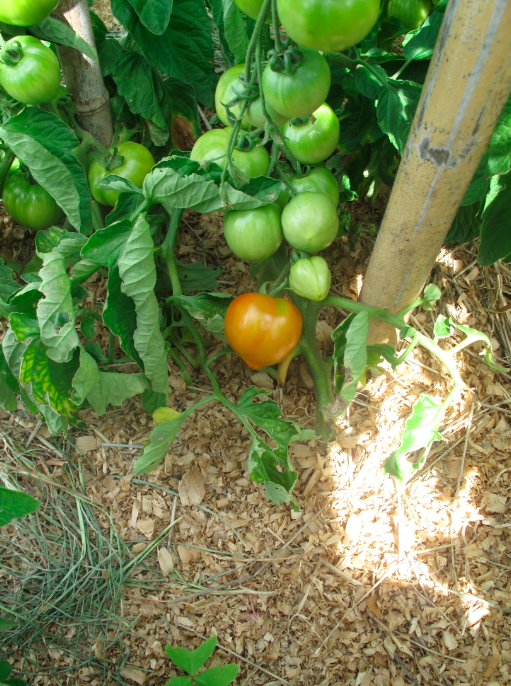
The biggest indicator of the cool weather is that our tomatoes are behind schedule.  Screen shot 2014-12-17 at 7.35.26 AM

Last year we had ripe tomatoes on the 13th of December. Two years ago it was the 20th. This year we might get them by Christmas. But it looks like we will definitely have courgettes by the weekend.

Screen shot 2014-12-17 at 7.35.15 AM

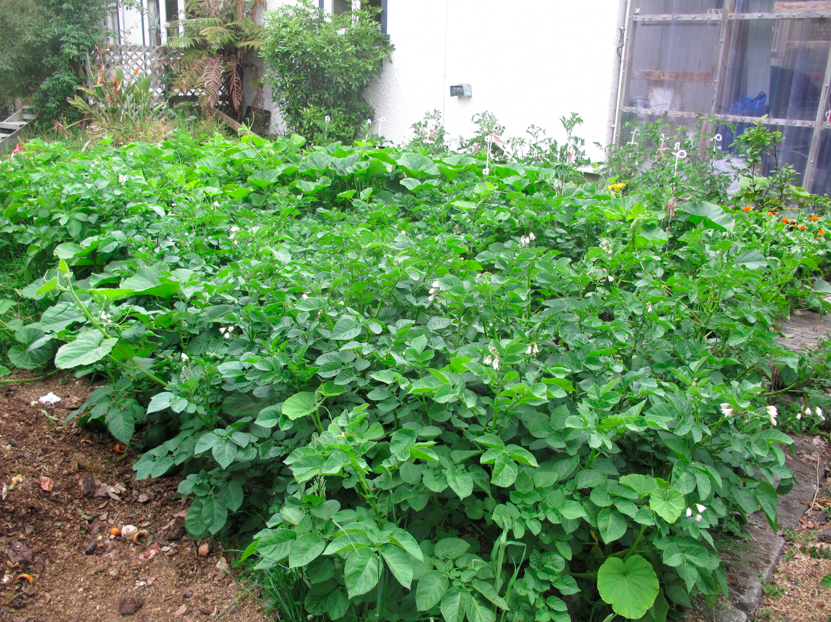
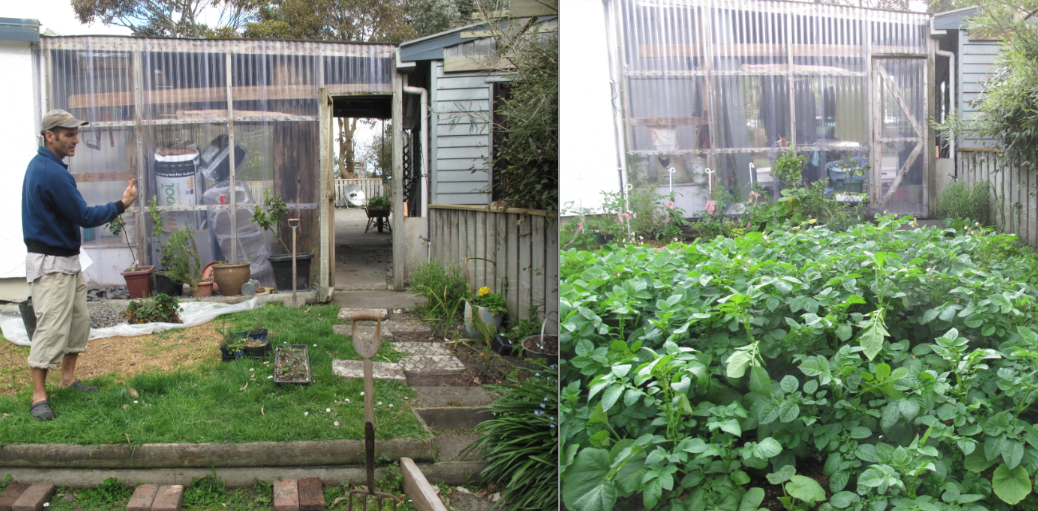
We will certainly have potatoes for Christmas.

Screen shot 2014-12-17 at 7.37.07 AM

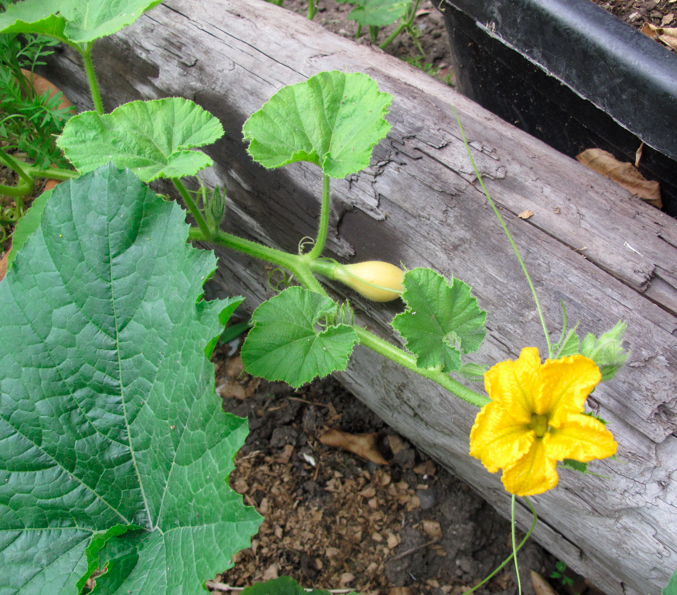
Long term, we have pumpkins forming on the vine.

Screen shot 2014-12-17 at 7.35.34 AM

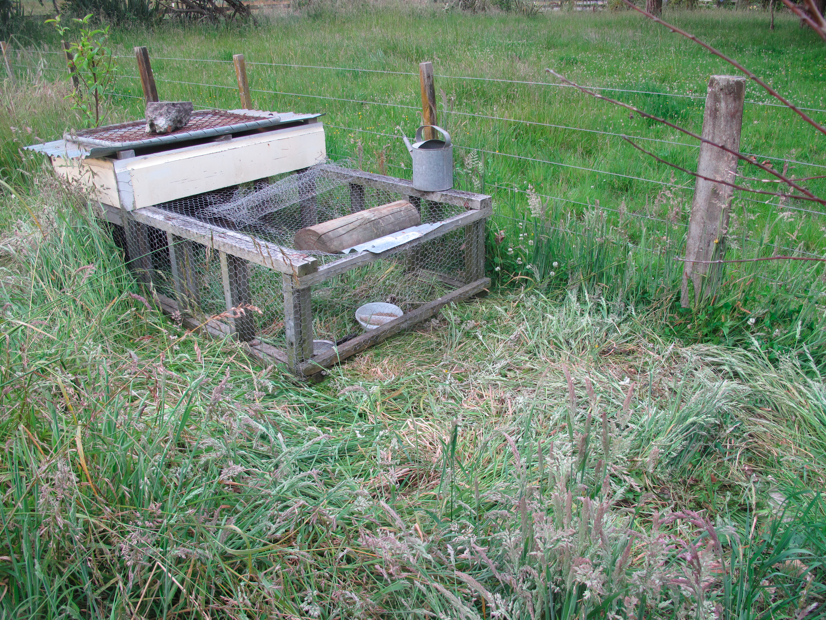
We finally got the chook tractor into the fledgling food forest.

Screen shot 2014-12-17 at 7.36.52 AM

Those birds have a big job to do.

Screen shot 2014-12-17 at 7.36.08 AM

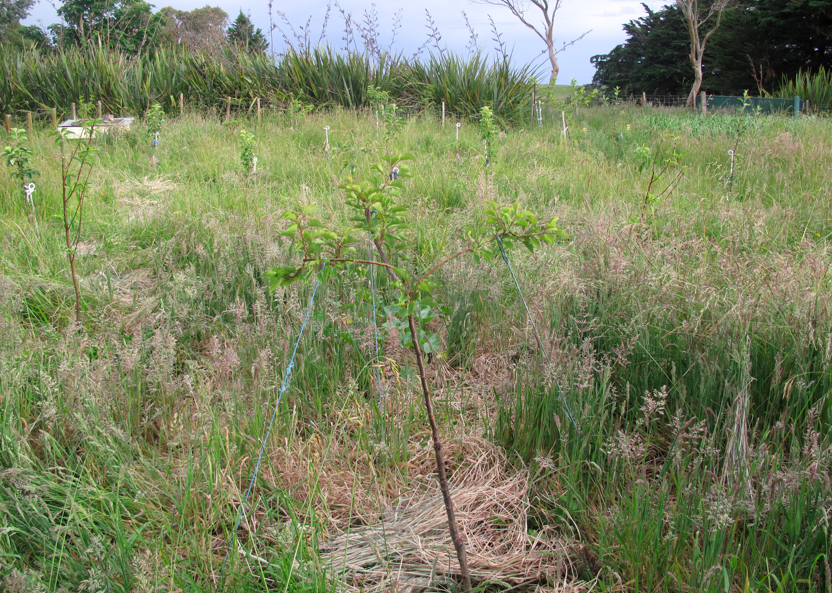
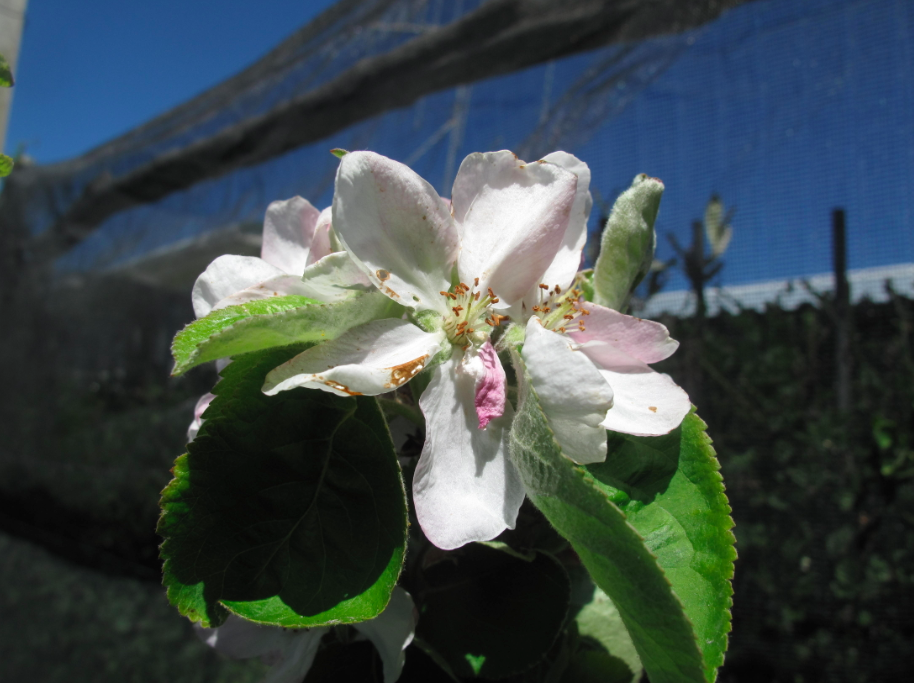
This apple has been transplanted from our last property.

Screen shot 2014-12-17 at 7.36.39 AM

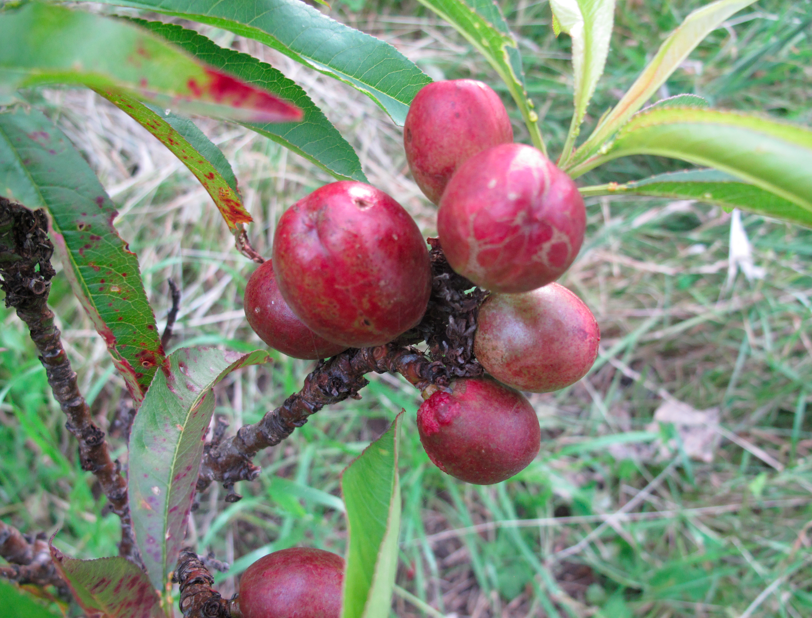
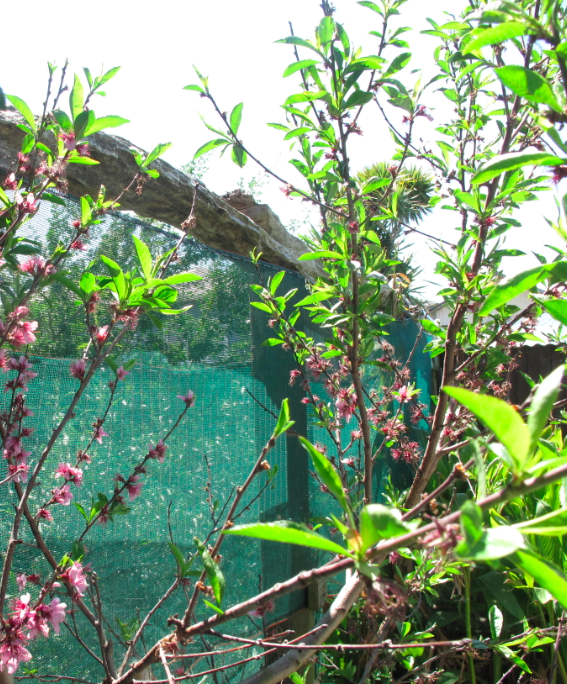
We also transplanted this dwarf nectarine. I thinned the fruit so we’re hoping to get a few good sized ones in the new year.

Screen shot 2014-12-17 at 7.36.27 AM

Peace, Estwing

Four-Dimensional Eco-Design

“If you want to build a better future, you must believe in secrets.”

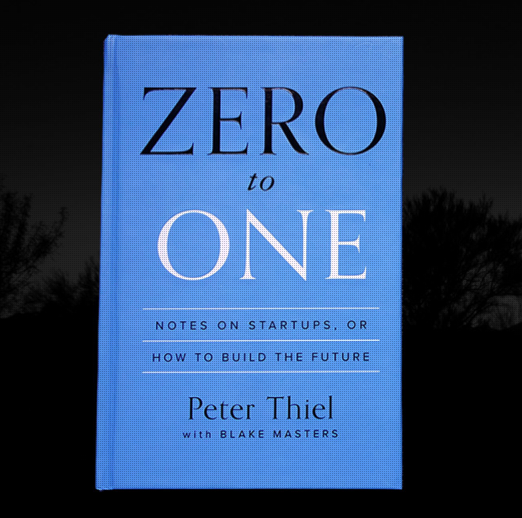
This is the provocative sentence that greeted me when I clicked on the Amazon.com page for Peter Thiel’s book, Zero to One: Notes on Startups or How to Build the Future. Written with Blake Masters, it has been favourably reviewed by a number of sources and made its way to The New York Times Best Sellers List.

Screen shot 2014-12-06 at 7.09.10 AM

I first became aware of the book a couple of months ago while listening to a radio interview. The phrase that caught my attention at the time was, “How do you develop the developed world?” In my opinion, eco-design is key to answering this question.

Eco-design has secrets that must be believed. It is inherently holistic, dynamic and future-focused. One of the things I love about eco-design is that it evolves alongside changing conditions rather than remaining static. I refer to this as four-dimensional design as mentioned in last week’s column about food forests.

Time – the fourth dimension – is an integral part of eco-design in two primary ways: 1) repeating cycles such as day and night, or the changing of seasons; 2) progressive change over time such as ecological succession.

In either case, eco-design is dynamic enough to adapt to the conditions whatever they may be. From this perspective I would suggest that eco-design inspires a level of confidence in that it involves feedback loops and is always open to adjustments. This quote from Martin Luther King Jr. sums it up:

“Faith is taking the first step even though you don’t see the whole staircase.”

I have faith in eco-design.


OK, enough with the flowery language. Let’s get to some examples.

Screen shot 2014-12-06 at 6.47.00 AM

Passive solar design makes homes warmer in winter and cooler in summer while cutting operating costs. The main factor in this win-win-win system is seasonal sun angles. A passive solar home is designed to welcome low angle winter sun while excluding high angle summer sun – all with no moving parts. The structure itself is built for seasonal change and day-night cycles.

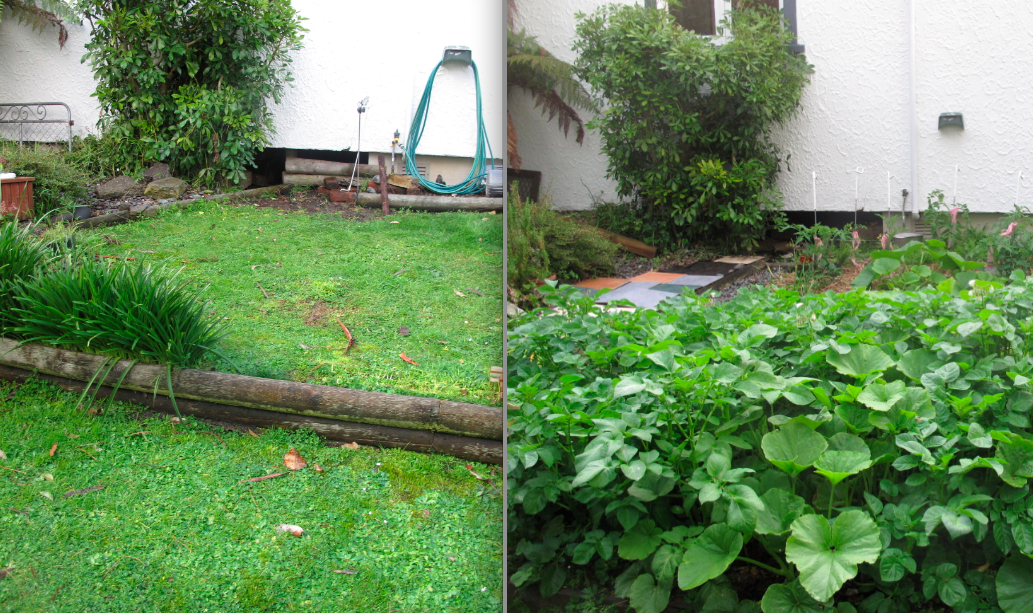
Another example of four-dimensional design is the lazy conversion of lawn into vege garden.

Screen shot 2014-12-06 at 7.03.37 AM

By taking it step-wise over time, the total amount of physical labour is minimized by letting nature do most of the “heavy lifting” although in this case it’s digging/tilling.

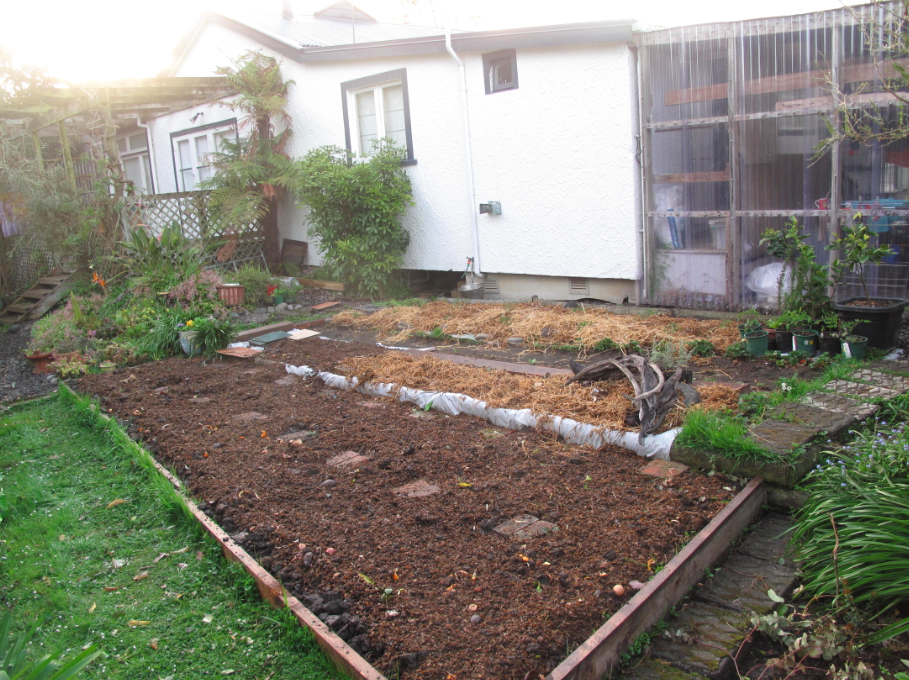
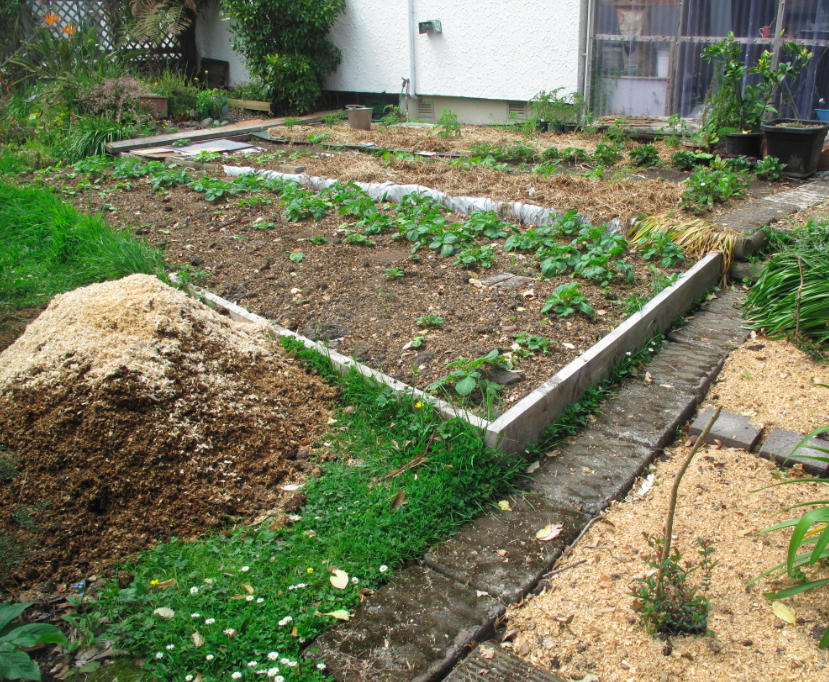
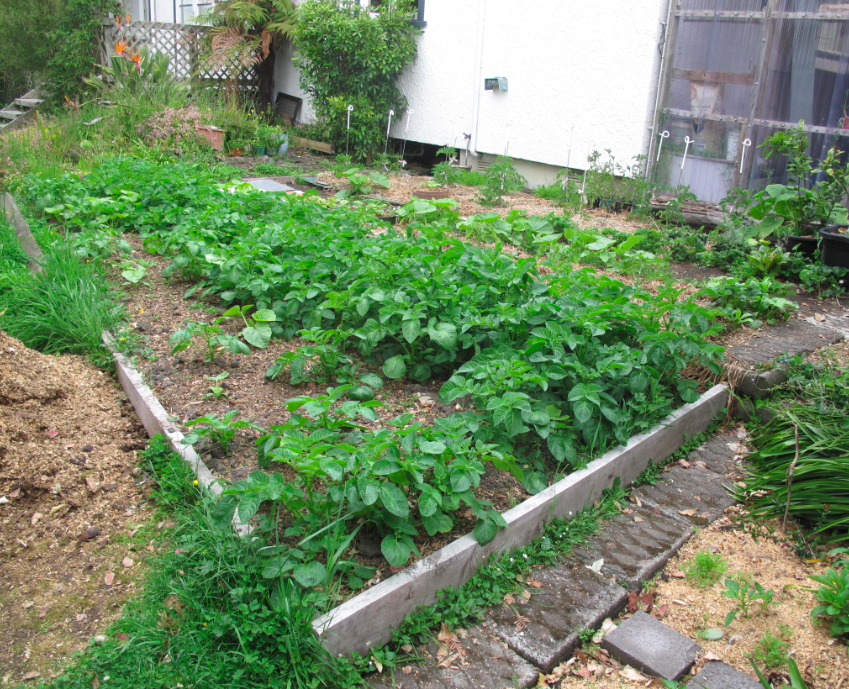
With heavy, compacted soils like we have on our property, a good way to decompress the earth is to plant potatoes. At the same time, adding organic matter helps to lighten clay soils by increasing biological activity. As the potatoes grow taller, we mulch them with more organic matter, which gives us a larger harvest of spuds while contributing even more organic matter to the new garden bed.

Screen shot 2014-12-06 at 6.51.14 AM

Preparing the beds.

Screen shot 2014-12-06 at 6.51.33 AM

Sprouting spuds.

Screen shot 2014-12-06 at 6.51.43 AM

Garden taking shape.

Another aspect of holistic eco-design comes into play when assessing a potential garden area for low-maintenance and high-productivity. The design of our new kitchen garden concentrates fertility where we want food to grow (the beds) while removing it from where we do not want weeds to grow (the paths).

Screen shot 2014-12-06 at 6.50.55 AM

One final note of four-dimensional design: Three weeks ago I mentioned a project being undertaken by my friend in Ladakh, India, called the Ice Stupa Project.

It was my intention to share this amazing project with the Whanganui community by giving a short presentation. That does not look like it is going to happen, but I urge you to check out the Ice Stupa Project on the internet and to watch the inspiring short film on Youtube, “The Monk, The Engineer, and the Artificial Glacier.” Screen shot 2014-12-06 at 7.14.28 AM

This project represents a gold standard of eco-design and could be the most inspiring thing you see all year. The crowd-funding page for this project on Indiegogo.com is called, “Ice Stupa Artificial Glaciers of Ladakh.”


Peace, Estwing


Keep Calm and Think Different: It Takes Money to Save Money, Part 4

   Screen shot 2014-10-24 at 2.44.18 PM

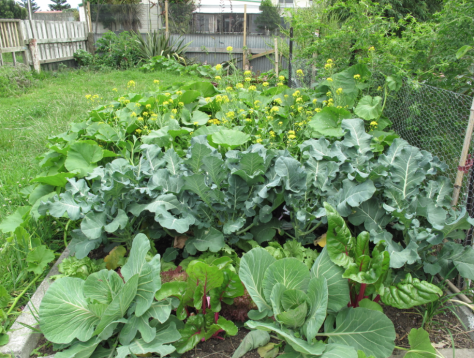
We all know that growing fresh fruit and vege at home can save money while providing one’s family with healthy kai.
Screen shot 2014-10-24 at 2.43.15 PM

But like many DIY endeavours, there are more effective ways of going about it and less effective ways of going about it. Sadly, I have seen dozens of examples of failed home and community gardens that suffered from poor design and poor management.

For example, many fruit trees have died at an unsuccessful community garden at the top of Carson Street in Castlecliff due to poor design and installation. Hundreds of dollars worth of fruit trees have been “blown away” because the trees were not given protection from the coastal winds and “leached away” because they were planted in sand without sufficient soil amendments.

Unfortunately, when it comes to fruit trees and vege gardens, being cheap can be expensive. In community gardens this represents a waste of money and sends the wrong message to the local community. In a home garden, it may be that a failed attempt discourages a family from trying it again.

The good news is that this can be avoided with appropriate design and installation. I am fond of the phrase: “Do it once. Do it right.”

Screen shot 2014-10-24 at 2.43.47 PM

This is not to discount the value of making mistakes and learning from them, but it is always better to learn from someone else’s mistakes and subsequent learning. With this in mind, here are a few things I have learned.

There are four main factors in food production: sun, wind, water and soil. Unless you are Maui, the only one that cannot be actively managed is the sun. Screen shot 2014-10-24 at 2.43.35 PM
The easiest of the rest to manage may be water. Living within city limits all you need to do is turn on your tap for unlimited free H2O for your lawn and garden. However, this can be wasteful if you live on sandy soils because most of the water leaches away carrying some of the nutrients you may have put on in the form of compost or chemical fertilizer. Additionally, it is highly likely that at some point in the future Wangaui will have metered water and we will pay for what we use.

At our Castlecliff property we have invested about $400 in topsoil that greatly enhances the productivity of our fruit trees and vege gardens by slowing the leaching of compost away from the plants’ roots. The return on this investment is far in excess of $400 in abundant organic fruit and vege. (It takes money to save money.) Screen shot 2014-10-24 at 2.43.24 PM

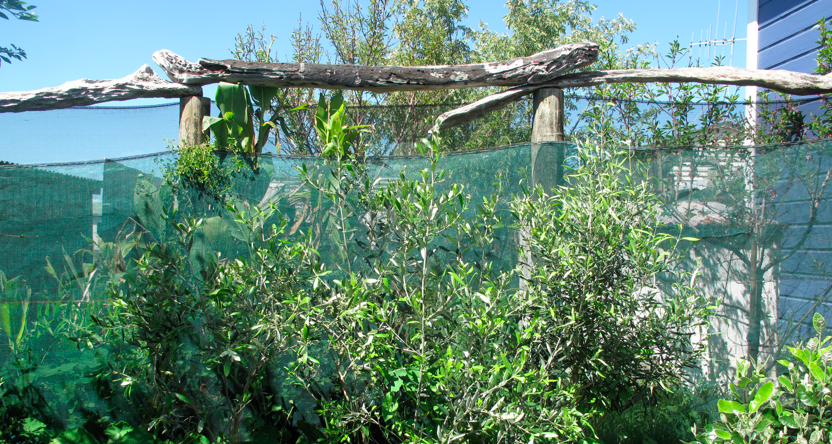
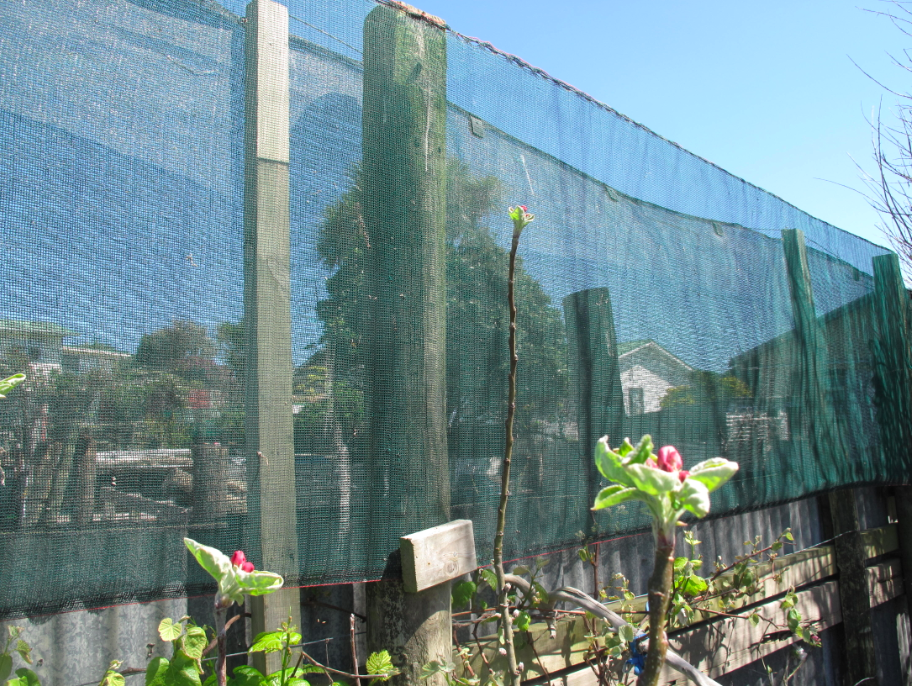
We also invested about $600 in substantial wind protection. It makes no sense to plant a fruit tree in Castlecliff if you do not protect it from the coastal winds. (It takes money to save a tree.) Adequate wind protection reduces stress on trees and results in higher fruit yields. For example, one Black Boy Peach tucked away in an especially sheltered corner of our property is perhaps the healthiest and most productive organic tree of its kind in the city. Screen shot 2014-10-24 at 2.44.06 PM

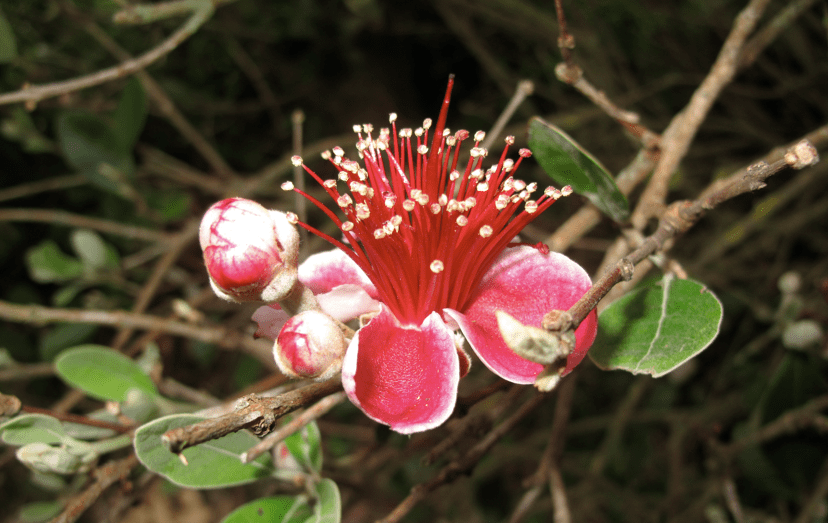
Other fruit varieties on our property include: plums, apricots, prunes, guavas, grapes, figs, bananas, oranges, loquats, feijoas, apples, olives, raspberries, and more peaches.

Alongside good property design and proper installation of garden infrastructure comes good management. Together, they can account for many thousands of dollars in fresh fruit and vege for your family with little effort. The savings on your food bill can be significant but it’s critical to invest first for success later. Screen shot 2014-10-24 at 2.43.58 PM

If you are interested in learning more about the best practices in organic garden design and management, check out the sidebar.

Peace, Estwing


Sidebar:

Workshop: Low-Input / High-Productivity Gardening

Thoughtful design and management of a vege garden can increase productivity and decrease the hours of labour. Invest two hours in this workshop and save dozens of hours weeding your garden.

Sunday 9th November, 3-5 PM. Registration and deposit required.

06 344 5013, theecoschool@gmail.com
 

Seeding an Herbal Ley Around Fruit Trees

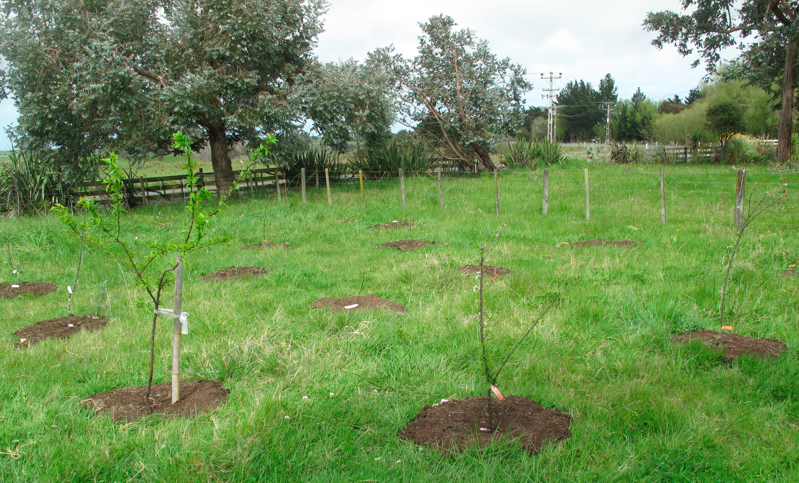
I have been rushing to get our fruit trees planted before the cool, rainy weather gives way to long, hot, dry days. With 74 trees planted so far I am nearing the end of the job.

Screen shot 2014-10-21 at 10.04.27 AM

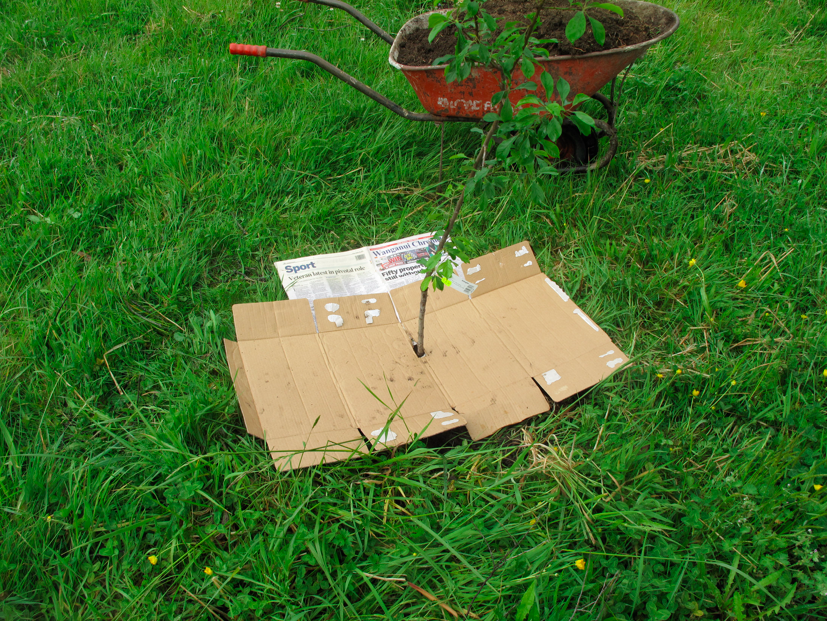
But essential to the process is getting an herbal ley seeded around each tree while the rain will still provide the irrigation. This is important because most fruit trees are shallow-rooted and they compete directly with grasses for nutrients and water. An herbal ley is a diverse mix of plants that are meant to provide a range of services in an orchard that grass does not.

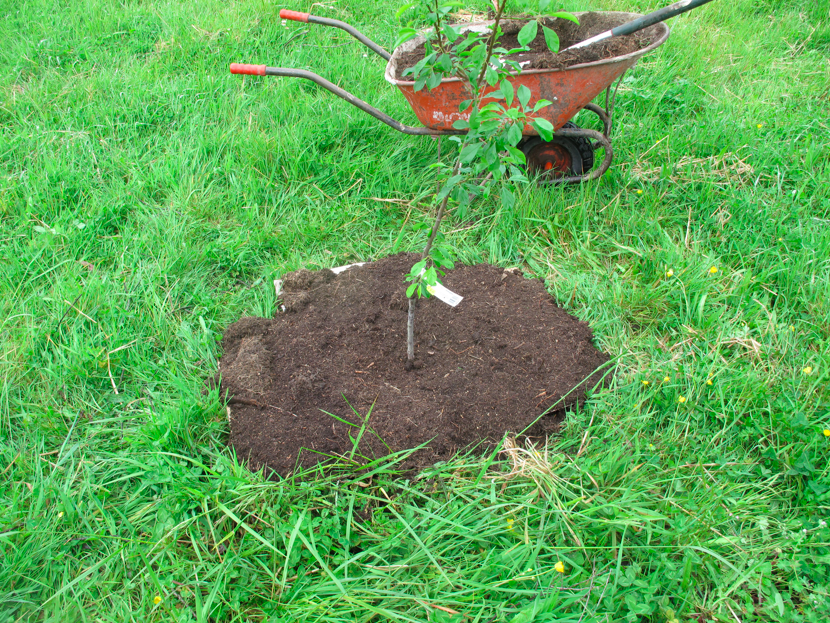
Obviously the first step is to kill off the grass. The easy organic way to do this is to smother it with cardboard and/or newspaper.

Screen shot 2014-10-21 at 8.33.02 AM

I then mulched this with copious amounts of rotted horse manure while being careful not to mulch against the trunk.

Screen shot 2014-10-21 at 8.33.12 AM

The seed mix I got from friends of ours so I cannot tell you exactly what it contains. You can easily Google recipes for different regions and different climates.
Screen shot 2014-10-21 at 8.33.24 AM

Sprinkle lightly over the top of the rotted manure.

Screen shot 2014-10-21 at 8.33.47 AM

Then lightly cover with more mulch and pat it down.

Screen shot 2014-10-21 at 8.34.08 AM

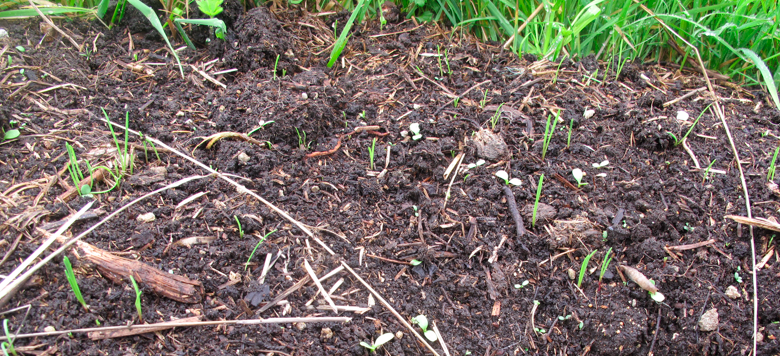
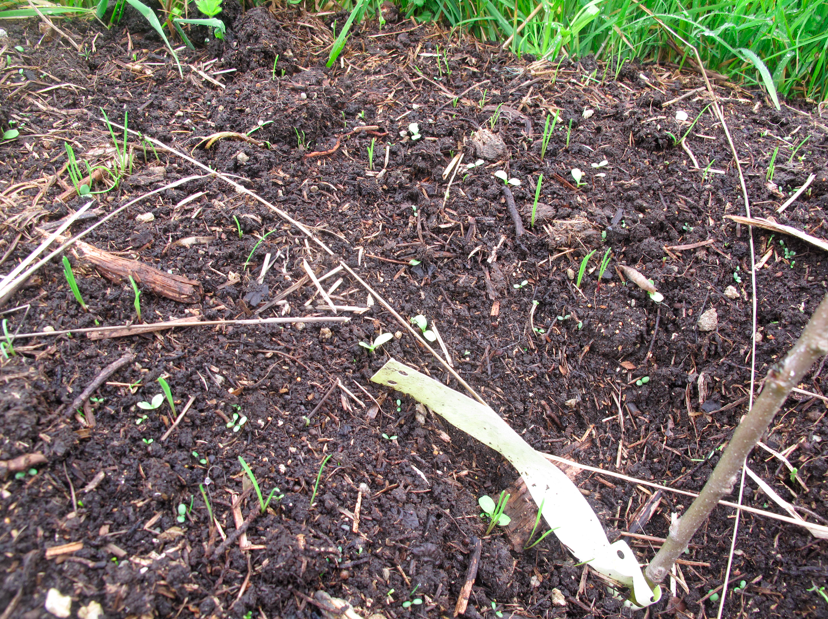
With a bit of rain it will start to germinate.

Screen shot 2014-10-21 at 8.34.27 AM

As the grass dies beneath the mulch it turns into food for the fruit trees and the herbal ley.

Screen shot 2014-10-21 at 8.34.39 AM

Easy-peasy. Now repeat 73 more times.


Peace, Estwing

Planting Garlic Between a House and Farm Place

Due to changes in our work lives and a desire to steward a larger piece of land, we will be shifting at the end of this month. However, garlic is meant to be planted around the end of last month. What to do?

Garlic is the only crop that we sell regularly, and when you grow the World’s Best Garlic, it is worth the time and effort. Over the weekend we hurriedly got somewhere over 400 garlic in the ground at the new property. This is how we did it.

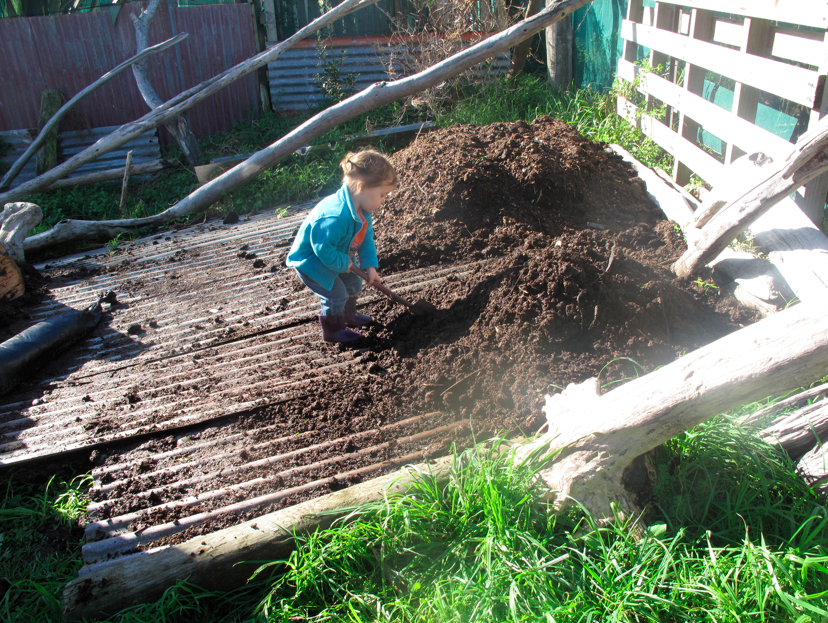
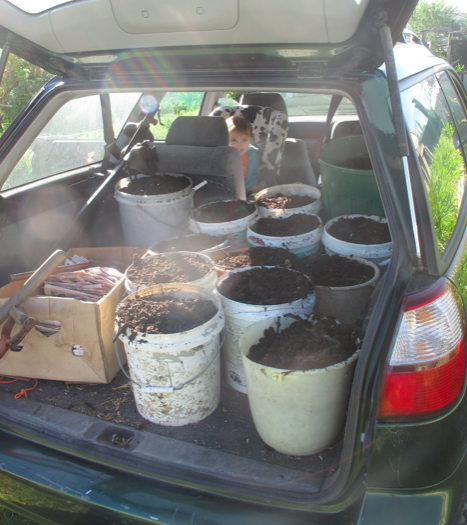
We had to transport some of our 3 cubic metres of compost

Screen shot 2014-07-02 at 8.16.33 AM Screen shot 2014-07-02 at 8.16.50 AM

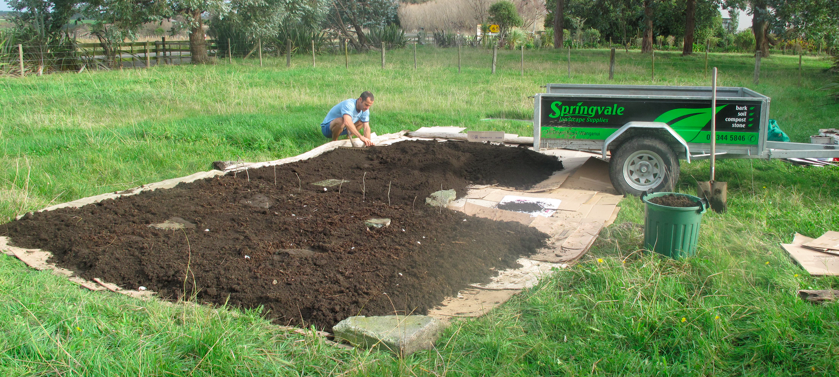
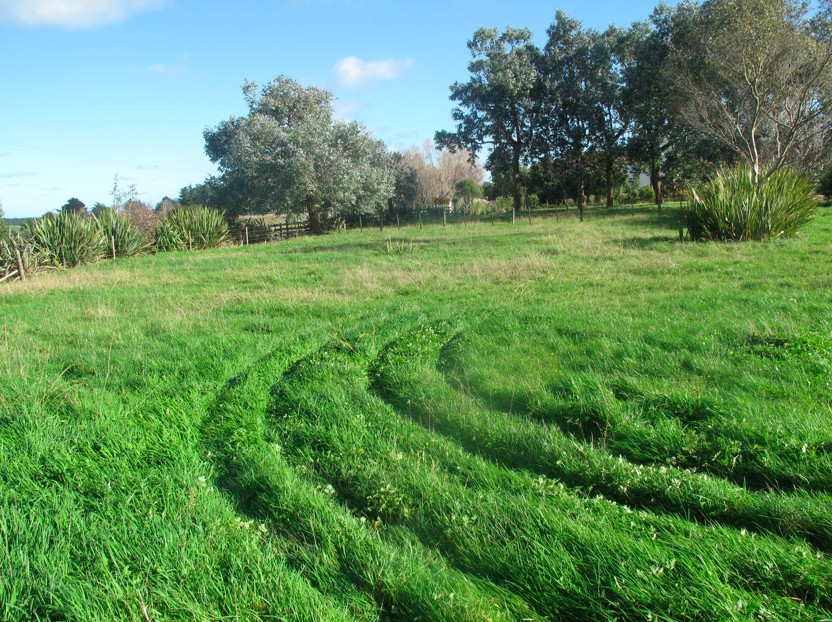
We selected a bit of flat land for our market garden.

Screen shot 2014-07-02 at 8.17.09 AM

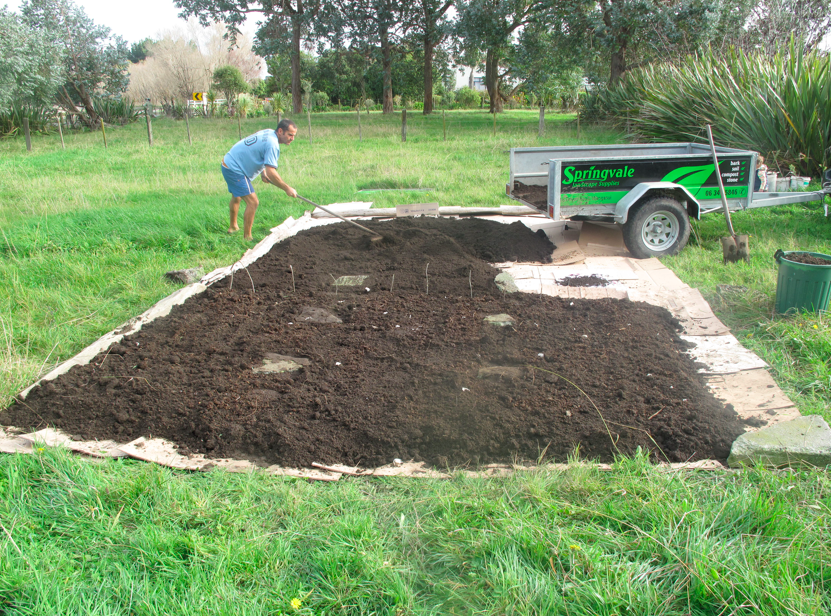
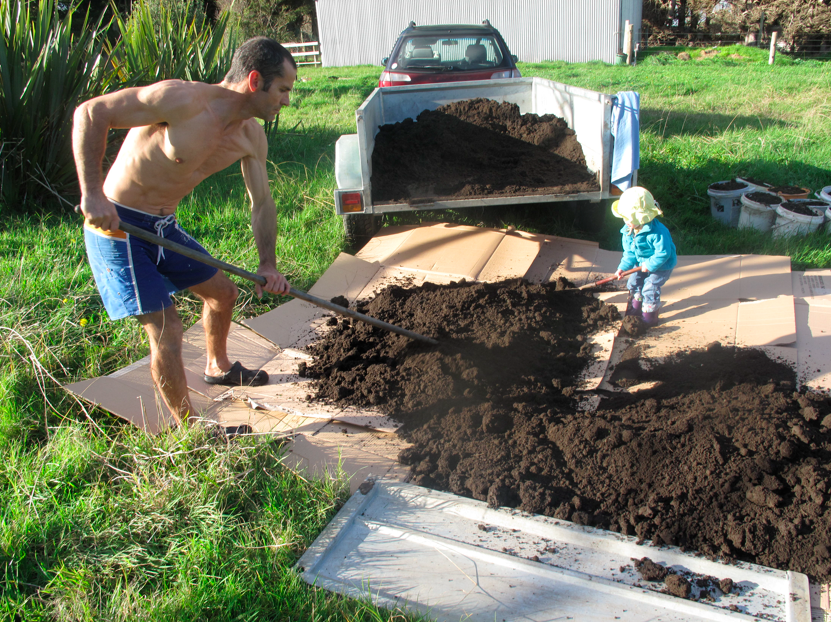
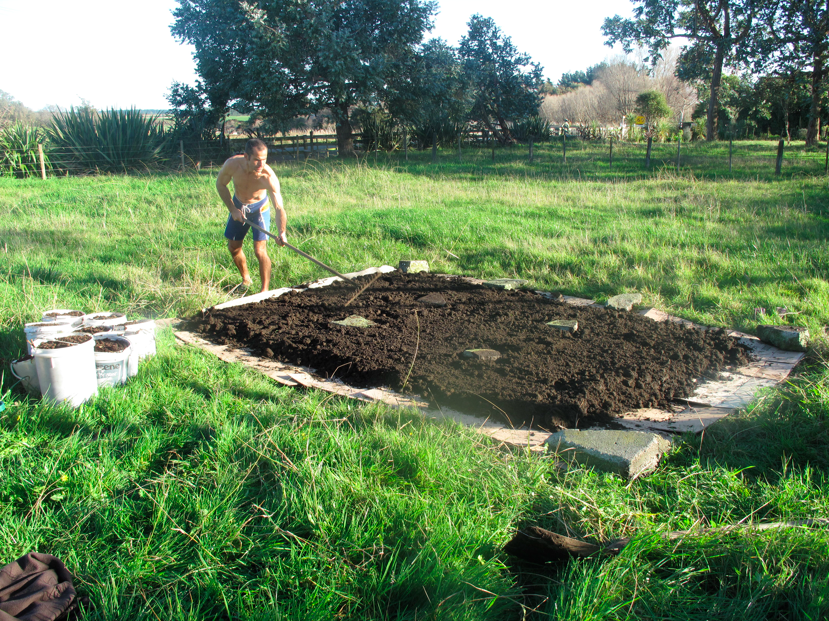
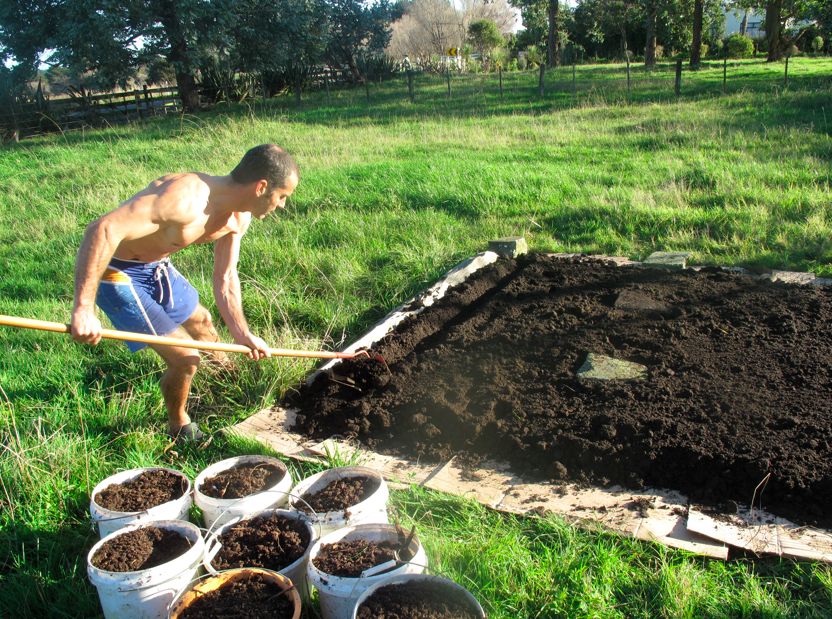
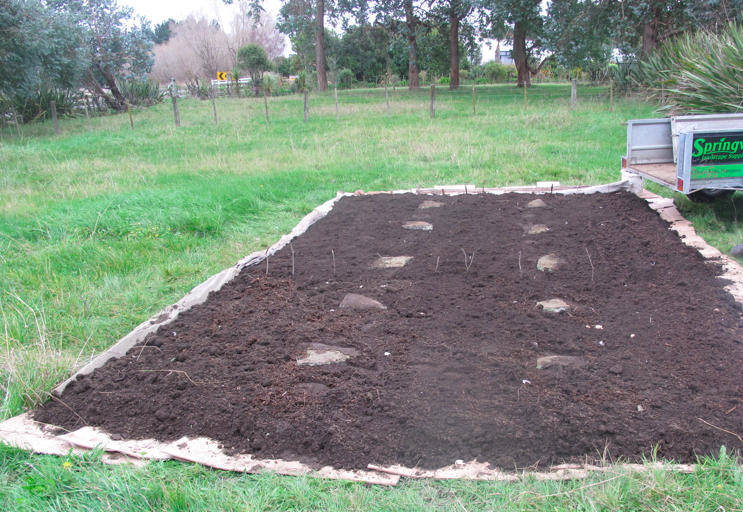
We did not have time to convert the paddock into a garden, so we brought in cardboard to kill the grass and topsoil to quickly build a raised bed.

Screen shot 2014-07-02 at 8.17.55 AM

We have had great success growing garlic on top of sand by using 80 mm of topsoil.

Screen shot 2014-07-02 at 8.18.31 AM

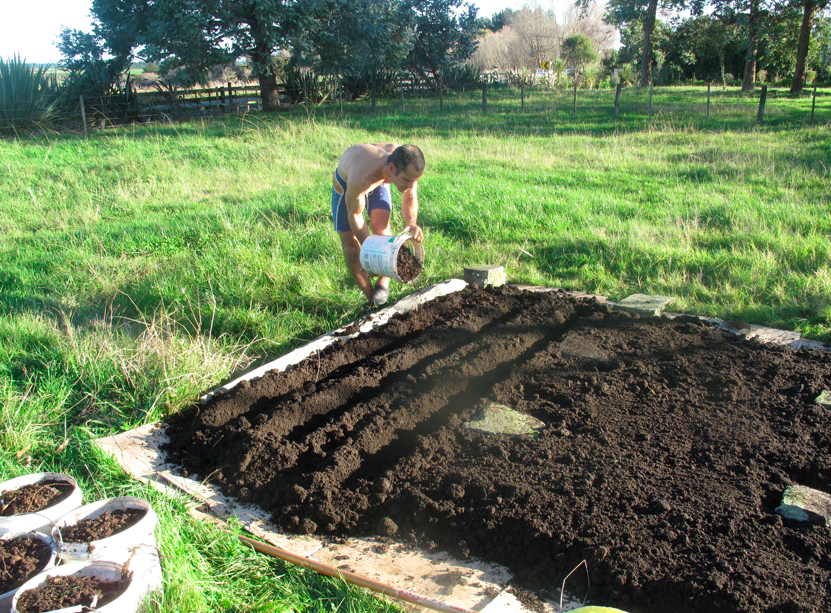
One key to growing great garlic is to use plenty of great compost. I pull a deep furrow with a hoe and then fill it with compost.

Screen shot 2014-07-02 at 8.18.49 AM

Screen shot 2014-07-02 at 8.19.04 AM

Meanwhile…

Screen shot 2014-07-02 at 8.17.33 AM

Nek minit.

Screen shot 2014-07-02 at 8.17.21 AM

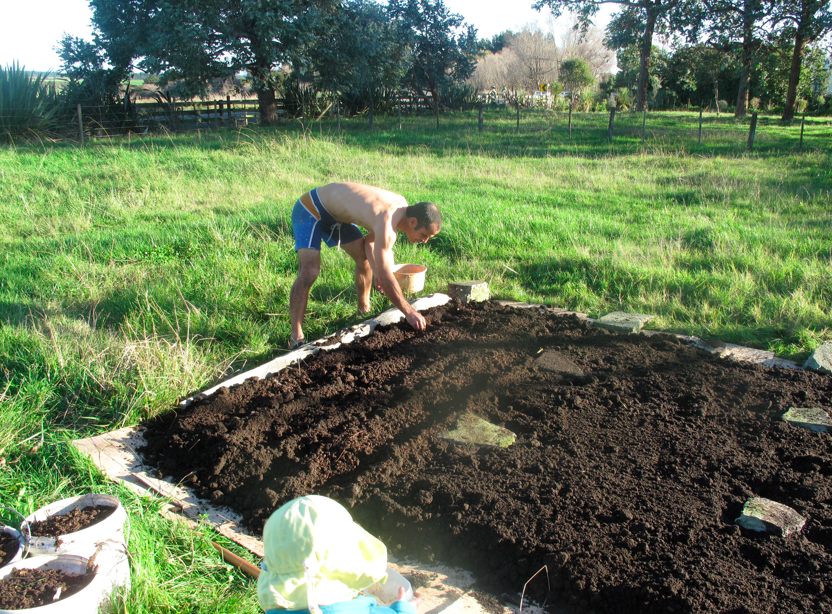
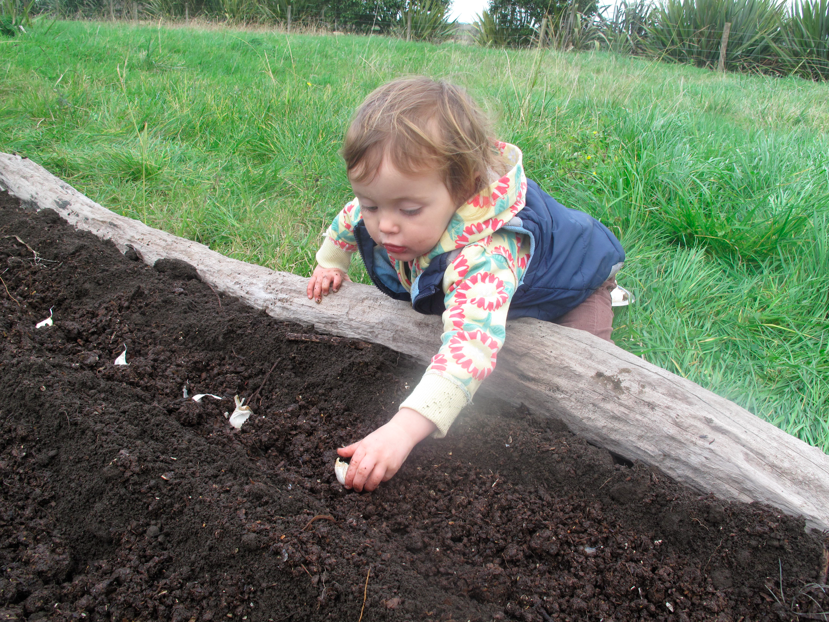
We plant the garlic at 100 mm centres.

Screen shot 2014-07-02 at 8.19.19 AM

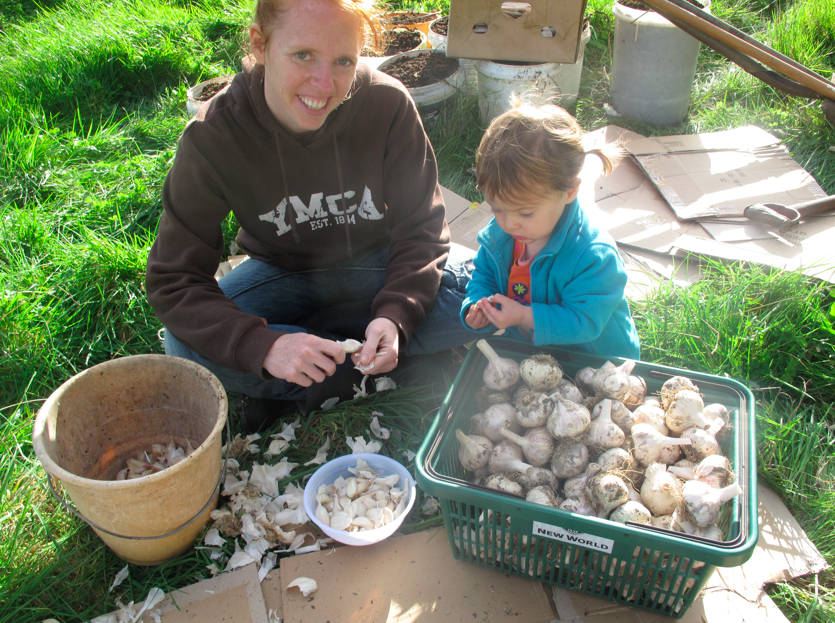
Everyone gets involved.

Screen shot 2014-07-02 at 8.22.55 AM

After two afternoons of work.

Screen shot 2014-07-02 at 8.23.16 AM


Peace, Estwing

Growing Great Garlic: A Matter of Design

Eco Design is a large and growing field. Facing a future of rising energy prices and increasingly volatile weather patterns, it is the inevitable future of design thinking as well as the future of business modeling, education, and governance. Those individuals and organizations that embrace eco design as early adopters will be at an advantage and those that put it off will have squandered time and money unnecessarily.

In my experience, eco-design thinking is applied in two distinct ways. The first and most intuitive way involves biological systems. In other words, using lessons learned from observing natural ecosystems to design and build managed ecosystems that serve human needs. The most obvious example of this is an organic garden.

Screen shot 2014-06-14 at 7.31.09 AM

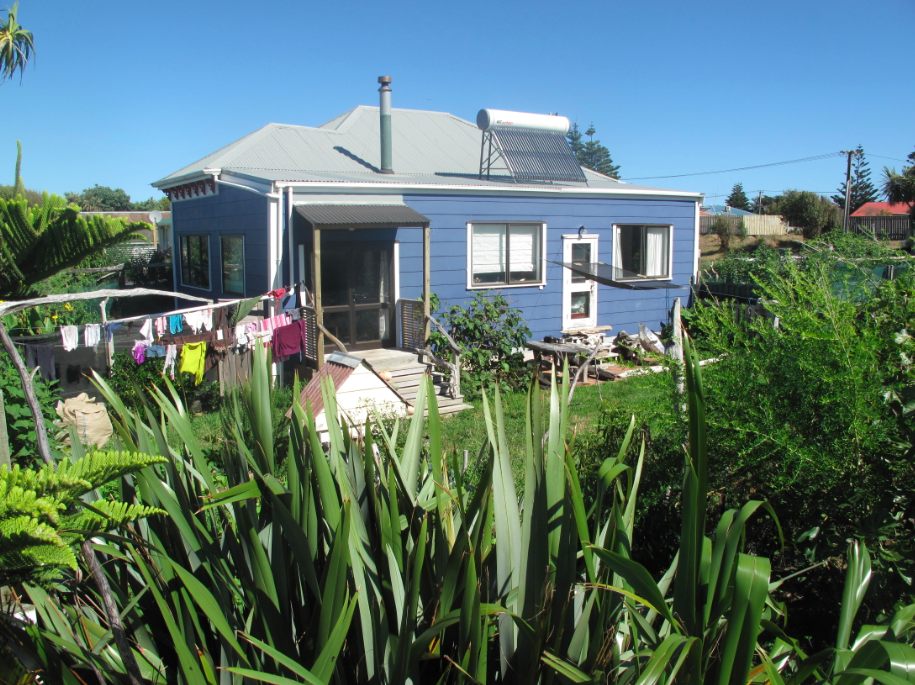
 The other way eco-design is used is in non-biological systems, which can include buildings, vehicles, energy production, industrial processes, management, and even governance. Our renovation is a perfect example of eco-design thinking applied to a draughty old New Zealand villa. This column and Project HEAT (Home Energy Awareness Training) are attempts to promote eco-design thinking throughout our city.

Today I’ll stick to biological systems with a focus of food production.

Organic agriculture goes all the way back to the dawn of agriculture because there were no synthetic fertilizers, herbicides, pesticides and fungicides back then. Imagine a time before Monsanto!

Organic growers use eco-design thinking to produce as much food as possible while working with nature, not against it. Their ‘toolbox’ consists of a range of techniques, equipment, compost and on occasion naturally-derived pesticides. The vege plots at our home and the organic techniques we use were recently featured in a film profiling super abundant home gardens throughout New Zealand.

Eco design thinking along with a decade and a half of experience have allowed me to produce abundant healthy kai for our family at very little expense of time, effort and money. This is the type of win-win-win outcome that is almost always provided by eco-design.

Although there is no substitute for experience, one good way to leap frog your own experience is by engaging in well planned experiential learning. While I was developing my organic growing skills I took advantage of local farm tours, I enrolled in workshops, and I practiced…a lot – sometimes 14 hours a day while I was market gardening.

Those days are behind me, but I draw on that experience to manage our low-input/high-productivity gardens, or what I also sometimes call “Lazy gardening.” From my experience, one of the best crops for lazy gardening is garlic. Over the years I have grown and sold many thousands of beautiful and delicious garlic. Growing great garlic is all about working smarter instead of working harder. (See sidebar to learn more.)

Screen shot 2014-06-14 at 7.30.57 AM

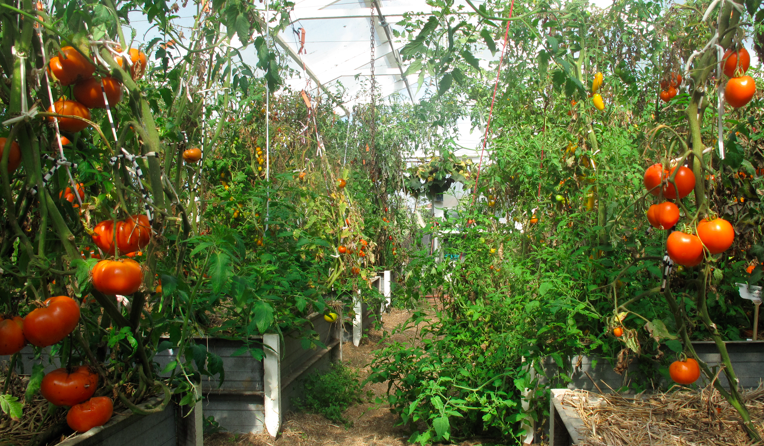
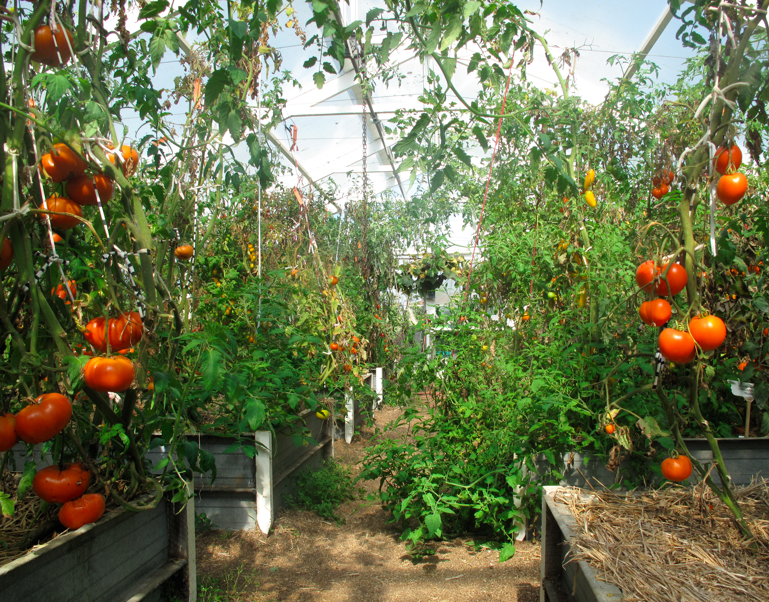
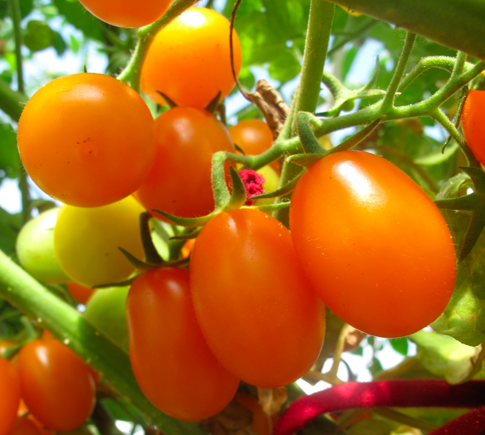
Another example of low-input/high productivity food production on our property is the way we grow tomatoes: lots and lots of tomatoes. This year we have enjoyed five months of continuous garden ripened tomatoes from the middle of December through the end of May without a glass house. This abundance was made possible by designing for sun, concentrating fertility, and successive planting. But we’re still three months away from putting tomatoes in the ground so we’ll save that story for another day. Screen shot 2014-06-14 at 7.31.32 AM

Sidebar:

Growing Great Garlic Workshops

Learn how to grow the best garlic in the world. Workshops include the world’s best organic seed garlic for you to take home and two litres top quality organic compost. $15.

21st June, 9–10 am

22nd June, 9–10 am

22nd June, 3-4 pm

Registration and deposit essential. theecoschool@gmail.com, 022 635 0868, 344 5013

5 Months of Home-Grown Tomatoes

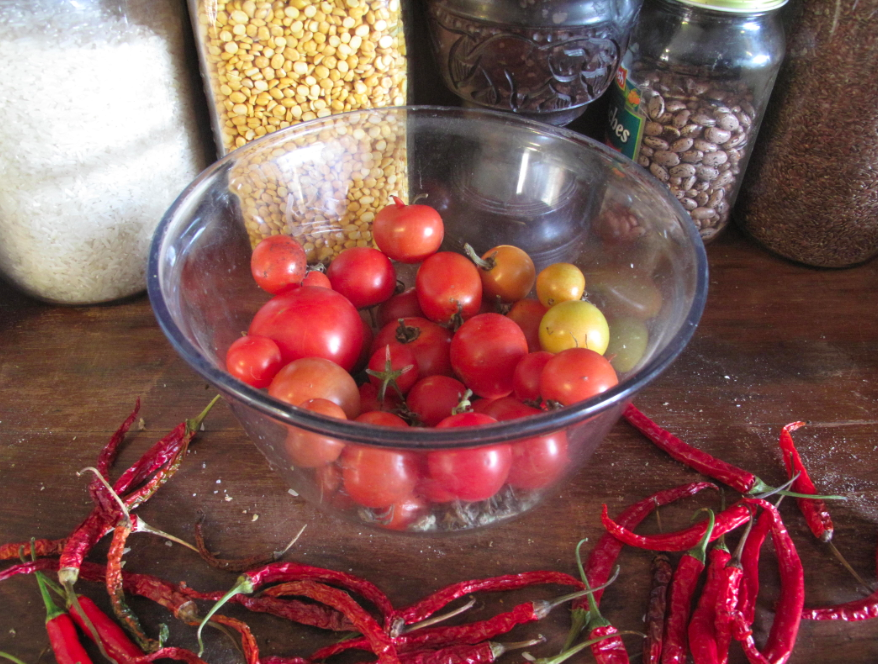
We have just reached a milestone of five continuous months of fresh, organic, home-grown tomatoes without a glasshouse. Our first ripe tomato appeared on 13th December.

Screen shot 2014-05-14 at 8.35.27 AM

As of now, we have a small bowl of tomatoes on our counter and a few more outside on some very tired looking but still living plants.

Screen shot 2014-05-14 at 8.35.37 AM

We use a combination of sun traps, timing, compost, mulching and successive planting to maximize our production while minimizing inputs. I’ll include more details in another post.

Successive Planting: Summer/Autumn Transition

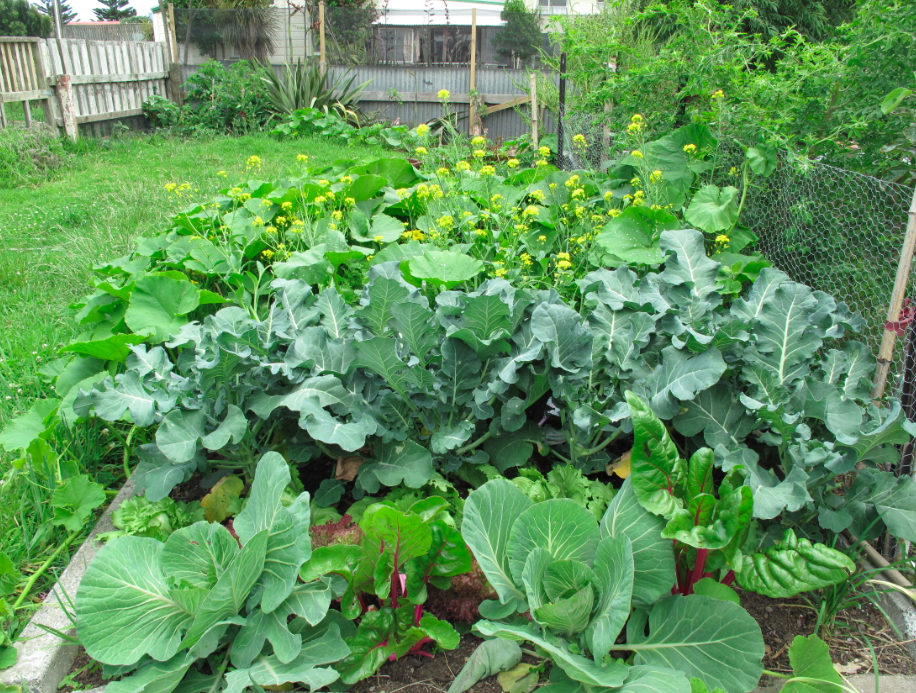
One way we are able to produce large amounts of healthy food on a small amount of land is our approach to bio-intensive annual gardening. A combination of 80 mm (2.5 inches) of topsoil and copious amounts of high quality compost have allowed us to grow large, healthy and abundant vegetables.

Screen shot 2014-04-08 at 5.44.39 AM

Screen shot 2014-04-08 at 6.03.05 AM

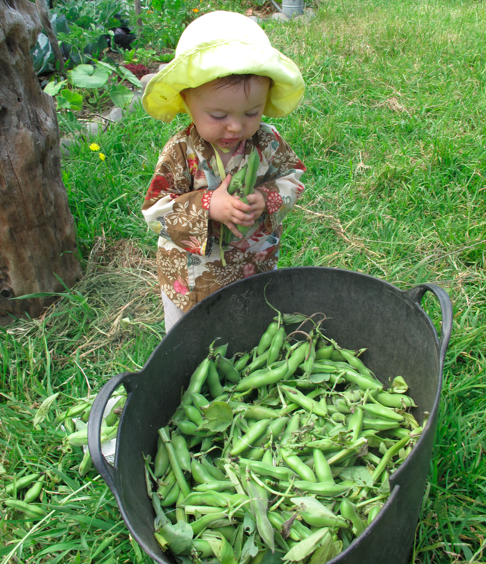
Another way that we achieve high yields is by successive planting. In other words, as soon as one crop comes out another goes in. For example, after harvesting broad beans last spring I immediately planted pumpkins in mounds of compost.

Screen shot 2014-04-08 at 5.48.45 AM

Both of these strategies rely on abundant, high quality compost in order to replenish soil fertility to make up for the food removed. We use a hot composting system called the Berkeley Method that ‘disappears’ meat and roadkill in a matter of weeks.

Screen shot 2014-04-08 at 5.31.07 AM

 Sometimes we use our lawn clippings in our compost, and sometimes we use them for mulch.

Screen shot 2014-04-08 at 5.20.30 AM

This week I have taken out some tomato plants that were in the ground since the 21st of September – 6 and 1/2 months – and replaced them with broccoli.

Screen shot 2014-04-08 at 5.19.05 AM

 You will notice there are still some capsicum (bell peppers) in the ground, and I even left two of the eight tomato plants rooted as they were still producing. I simply laid them on the ground on top of dried grass mulch.

Screen shot 2014-04-08 at 5.19.19 AM

 Each broccoli seedling is planted with a large dollop of compost.

Screen shot 2014-04-08 at 5.19.35 AM

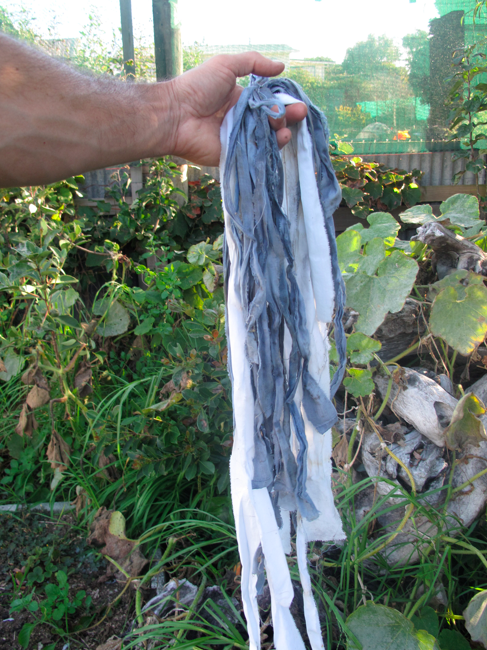
 The tomato ties – old bed sheets torn into strips – are collected and stored for next year.

Screen shot 2014-04-08 at 5.19.50 AM

And my helper and I carry on with the next chore.

 Screen shot 2014-04-08 at 5.14.40 AM

Peace, Estwing

Health Benefits of Heirloom Tomatoes

A friend of ours who lives in Whanganui is active in researching the health benefits of tomatoes and apples. I’ll write about apples in a few weeks, but here is a blurb about their tomato research:

Screen shot 2014-03-18 at 8.04.15 AM

This research is looking to find the best open-pollinated tomato varieties in the world for human health, particularly those highest in lycopene for cancer prevention.
The research is also seeking to determine whether hybrid tomato varieties (and vegetables in general) are nutritionally deficient in comparison with traditional open-pollinated varieties.

Screen shot 2014-03-18 at 8.04.26 AM

Here is a bit about their findings:

Discovery of the Real Tomato (12 April 2013)

We are delighted to announce a break-through in our understanding about the superior health benefits of specific tomato varieties.

Two types of lycopene can be found in tomato. All-trans-lycopene is commonly found in red (and other colour) tomatoes; and tetra-cis-lycopene (also known as prolycopene) is found in some orange heirloom tomatoes.

Read more here.

Screen shot 2014-03-18 at 8.04.34 AM

I stopped by to visit him last week, and took pictures around his glasshouse. There are some really amazing varieties.

Screen shot 2014-03-18 at 8.03.43 AM Screen shot 2014-03-18 at 8.03.52 AM Screen shot 2014-03-18 at 8.04.01 AM    Screen shot 2014-03-18 at 8.04.47 AM Screen shot 2014-03-18 at 8.04.56 AM Screen shot 2014-03-18 at 8.05.10 AM Screen shot 2014-03-18 at 8.05.41 AM Screen shot 2014-03-18 at 8.06.03 AM Screen shot 2014-03-18 at 8.09.13 AM


Peace, Estwing