Category Archives: wanganui

Keep Calm and Think Different: It Takes Money to Save Money, Part 1

 Screen shot 2014-10-04 at 7.12.41 AM

“It takes money to make money” – a phrase so common it’s cliché. It is an ideology that drove growth during the 20th Century and resulted in multiple boom and bust cycles. It is a philosophy fueled by cheap energy and cheap money (ie, low interest rates).

Taken to the extreme it nearly crashed the global economy six years ago and has resulted in an extended economic slowdown. New Zealand’s self-proclaimed “Rock Star Economy” during this time is a result of central government running up massive debt and the temporary effect of the Christchurch rebuild.

Data suggests that nearly all of the growth experienced in the country during the last half decade has been in Christchurch and Auckland. The provinces – and particularly Wanganui – have not been part of “the band” but surprisingly remain avid growth “groupies” by clinging to inappropriate economic models.

Judging from the constant whinging we hear about the lack of “growth” in our city and how unfair it is that central government is abandoning the regions, one might think we are a town of pessimists. This glass-half-empty thinking does not serve our community and actually holds back economic development and innovation.

However, my observation is that this argument breaks down along the same lines as the climate change “debate.” In other words, those people who have chosen to ignore the overwhelming agreement by atmospheric scientists that humanity is altering the planet’s climate are the same ones who deny that Wanganui needs to consider different ways of thinking about our local economy. From this perspective, whatever I write in this column won’t make a bloody bit of difference. But since when has that stopped me?

As a researcher, I believe that robust arguments are supported with data and facts. From this perspective, let’s look at some examples of different economic strategies locally and nationally.

The Chronicle recently reported that the uptake of ultrafast internet services in Whanganui has been slower than “forecast” despite what I have observed as a massive, prolonged and shadowy PR campaign. For many months I chuckled while reading un-authored articles in the free weekly papers making all sorts of dubious claims about ultrafast internet services. I would suggest that the less-than-stellar result despite substantial Council support at rate payers’ expense is because the entire enterprise was undertaken under an inappropriate economic model. (Whingers let out a grown now.)

Alternatively, Air New Zealand gives us an example of innovative glass-half-full thinking that I would describe as “It takes money to save money.” Earlier this year the airline invested massively in new, fuel efficient Boeing 787-9 Dreamliner aircraft. Instead of chasing elusive growth and profits, Air NZ has identified money that already exists within its budget (fuel costs) and invested in reaping savings through investment.

Screen shot 2014-10-04 at 7.14.43 AM

Along the same lines, Wanganui collectively sends tens of millions of dollars annually to energy companies in Auckland and Christchurch. As such, we are voluntarily impoverishing ourselves and enriching these already wealthy centres. Why?

Over the last three years I have developed a working model of an affordable energy-efficient home that uses less than a quarter of the power of the average New Zealand home. I have calculated that the renovated villa in Castlecliff will save roughly $30,000 in electricity over ten years compared with the house next door. Those savings exceed that portion of the renovation budget spent on efficiency and solar energy, and represent a rate of return far in excess of the best term deposit in the country.

 Screen shot 2014-10-04 at 7.12.07 AM

In addition, our renovation pumped approximately $35,000 into the Whanganui economy by supporting local businesses and tradespersons. Employees of those businesses and the tradies presumably spent some of those dollars within the local economy, and so on and so on.

This is what I mean by different thinking, by glass-half-full, and by spending money to save money. But just like the climate change “debate,” one can choose to believe the data or choose to believe the rhetoric.

Peace, Estwing

Everyone loves cheese, especially governments. In a democracy like New Zealand, “block-of-cheese-tax-cuts” have become a popular pre-election promise. Even in dictatorships like North Korea, cheese appears to be essential to the political elite. Recent news reports indicate that Kim Jong Un is addicted to Swiss Emmental cheese – eating large amounts of it to gain weight so as to resemble his grandfather, North Korea founder Kim Il-sung.

  Screen shot 2014-09-26 at 8.36.53 PM

Of course cheese must be elemental to the French government, but my own experience has been with an enigmatic orange mass called American Processed Cheese Food Product. “Government cheese” as it was affectionately called, was part of the vocabulary and diet for millions of Americans from the 1960s through the early 1990s. “Government cheese is a processed cheese that was provided to welfare, food stamp recipients and the elderly receiving Social Security.” (Wikipedia)

According to the “Urban Dictionary” (.com), it was “A block of orange-yellow processed “USDA Cheese Food” issued by “Da Gubment” to aid needy families by supplementing their food resources. Used for making grilled cheese sandwiches and macaroni & cheese but also causes severe, bowel obstructing constipation, silent but deadly stinky gas, and/or “the runs” diarrhea in those who are lactose intolerant.”

 Screen shot 2014-09-26 at 8.35.55 PM

In the states, the term “government cheese” has come to refer to any type of government handout. The Rainmakers described the situation in song in 1986:

“They’re turning us all into beggars ‘cause they’re easier to please. They’re feeding our people that Government Cheese.”

“I don’t believe in anything, nothing is free. They’re feeding our people that Government Cheese.”

As suggested above, “government cheese” in a contemporary New Zealand context appears to have come to refer to the offer of inconsequential tax cuts at election time while avoiding meaningful changes like removing GST from fresh fruit and vege and/or taxing capital gains. Even in America these things have been in place for decades, and capital gains are listed as “unearned income” on tax returns.

As a child growing up outside of Detroit in the 1970s I was aware that certain items at the grocery store had tax on them while others did not. It was all very confusing at the time, but now I just go to the Internet to find it clearly explained:

“Retail sales of food and food ingredients for human consumption normally considered as grocery items for home consumption are tax exempt. This would include…cheese products, meat, nuts, popcorn, etc. The exemption does not include prepared food intended for immediate consumption.” (Source: fundraisetaxlaw.org)

Somehow, many decades ago and before “smart phones” existed, the state of Michigan figured out a way to differentiate between prepared foods and raw ingredients. Yet if you listen to Talk Radio in New Zealand in 2014 you hear arguments about how onerous and complicated it would be to replicate that process. Really? With barcodes and computer networks? I would suggest a pair of teenagers, an Iphone, and a long weekend would be all that is required to come up with a free app to do just that.

What’s the point? Holistic-thinking economists identify GST on food as a regressive tax on low-income families that serves to widen income inequality, exacerbate social problems and slow economic activity. A regressive tax “imposes a greater burden (relative to resources) on the poor than on the rich” (Wikipedia).

Food, energy and rates make up a larger proportion of the household budget for low-income families than high-income families. As such, the government plays a role in widening income and wealth inequality. To repeat, both central and local governments play roles in increasing wealth and income inequality.

Research worldwide has shown a direct relationship between wealth and income inequality and social problems such as crime, drug abuse, domestic violence, and teen pregnancy (Wilkinson & Pickett, The Spirit Level, 2009).

Additionally, certain economists-who-must-not-be-named might suggest that regressive taxes act as a drag on the economy. In other words, when people have fewer dollars in their pockets they spend fewer dollars in local shops. (I admit it is a radical concept.)

For a struggling provincial economy such as Whanganui, I would suggest some of the “new ways of thinking” that local business and government engage in would include moving away from regressive taxes and an inequitable rates structure that stifle economic activity and stimulate anti-social behaviour.

To quote the Big Cheese, Winston Peters, “It’s just common sense.”

 Screen shot 2014-09-26 at 8.38.28 PM

Pouring a New Cup of Tea for Whanganui

There once was a family who put salt in their tea thinking it was sugar. Their tea did not get sweet so they added more salt. But it still did not get sweet. They complained bitterly, and kept adding more salt.

Finally, someone convinced them that they should contact the Old Woman from Philadelphia. Reluctantly they did. And what did the Old Woman from Philadelphia tell them? “You need to pour a new cup of tea.”

From all appearances Shamubeel Eaqub is not old, is not a woman, and in all likelihood not from Philadelphia. But his message regarding regional economies is essentially the same. “We keep on trying to use the same broken models in terms of regional development,” he told the Chronicle during his visit to Whanganui three weeks ago. Screen shot 2014-09-19 at 6.52.14 PM

He spoke about short-sighted policy that inevitably failed, and added, “We shouldn’t get hung up on growth for the sake of growth.” Does that sound like what a middle-aged man from Detroit has been suggesting through a certain weekly column on page B5 in the Chronicle?

Eaqub went on in his interview to advocate the asking of hard questions and that “We’ve got to shock people into talking about these issues because it’s uncomfortable. We need to create the urgency for action.”

Anyone familiar with the low quality of housing stock in New Zealand and its negative effects on health would echo his words. For example, Philippa Howden-Chapman from the Otago School of Medicine recently shared the following:

  • “New Zealand is famous in international public health circles for the dreadful state of our housing.”
  • 1/3 of New Zealanders shiver in their homes
  • 180 different types of mould have been found in NZ homes
  • some cot deaths are related to cold homes because parents bring babies into their own beds as the rest of the house is frigid

These sentiments are shared by Mike Underhill, the Chief Executive of EECA, the Energy Efficiency and Conservation Authority.

  • Over a million homes built before 1978 do not come close to meeting the current standards for energy efficiency
  • “Most older homes in New Zealand are in poor condition.”
  • at temperatures below 12 degrees inside a home there is an increased rate of cardiac arrest, and NZ experiences 1600 more deaths each winter compared to summers

Wait, it gets worse. New Zealanders spend up to 75% of their lives in their homes, and unhealthy homes have been linked to learning and behaviour problems in children at school. Unhealthy homes cost our medical system tens of millions of dollars annually due to increased hospital visits. The list continues.

But other studies have shown that every dollar spent on insulation saves five dollars in medical expenses. A recent study on Auckland’s Retrofit Your Home programme showed a Social Return on Investment (SROI) ratio of 3.1:1, with “positive social and economic outcomes.”

 Screen shot 2014-09-19 at 6.59.49 PM Screen shot 2014-09-19 at 7.00.30 PM

Mike Underhill from EECA also recognizes the co-benefits of energy efficiency, and recognizes benefits to the nation valued at over a billion dollars. Philippa Howden-Chapman believes “Housing can lead the way in the green economy,” and cited research showing that children living in well-insulated homes miss two less days of school during the winter and have reduced asthma symptoms. The list of benefits from healthy homes is a long as the list of problems with unhealthy homes.

In the pages of the Chronicle I have read: principals complaining about absenteeism and poor student outcomes; social service people complaining about landlords not providing insulation for tenants; and, most recently, Children’s Commissioner Dr. Russell Wills suggest that our Council’s role is “vital in fighting child poverty.”

Ironically, it was this Council that summarily rejected a robust proposal to improve the quality of housing in Wanganui with all of the associated benefits for health, learning, social welfare, and increased activity in the local economy. The proposal was rejected because it was not relevant to the policies within the 10-year plan.

Despite the mountain of evidence showing the problems and opportunities in the housing sector, WDC has so far declined to be any part of a positive solution. To quote Tim Williams from the Committee for Sydney, “It’s not evidence based policy making but policy based evidence making.”

As yet, the leadership from local government, business and community leaders that Eaqub identifies as essential has not emerged. But I remain optimistic that some progressive minds will have the courage to engage in meaningful change for our community rather than clinging to the old “broken models.”


Peace, Estwing

Permaculture Ethics in Action

Last week I wrote about permaculture as one type of eco-design that is unique because it is built around three central ethics: Care for People; Care for the Earth; Share Surplus Resources. The first time I learned about permaculture I was told “it is a system of science and ethics.” That resonated with me.

While there may be ample debate around personal ethics, there is somewhat less disagreement about science with the possible exception of the Chronicle’s Letters Page.

From personal experience, basing my design decisions on physics, chemistry, biology, geology and hydrology has proven to be very successful. Additionally, centering eco-design projects around helping people and the planet in a mutually beneficial win-win strategy has resulted in benefits far beyond expectations.

Sharing surplus resources can take on surprising forms and flow in strangely cyclical patterns. Here are some examples that we have experienced in the last few years among the small but dedicated permaculture community in Whanganui.

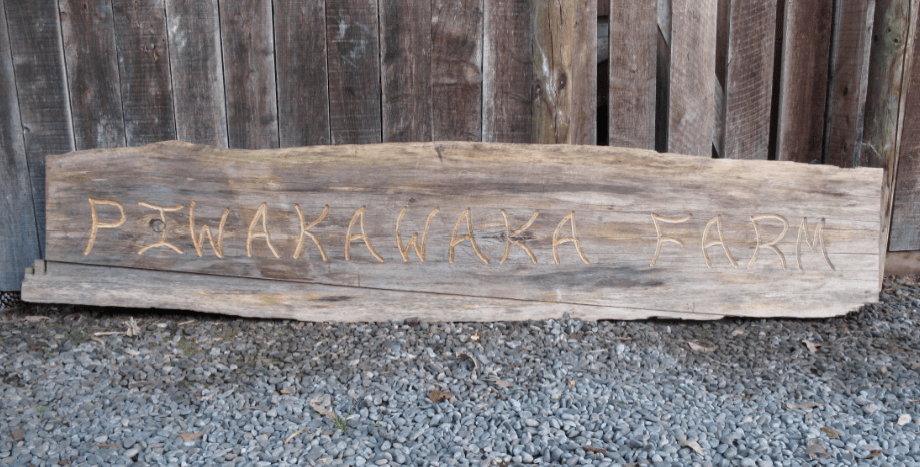
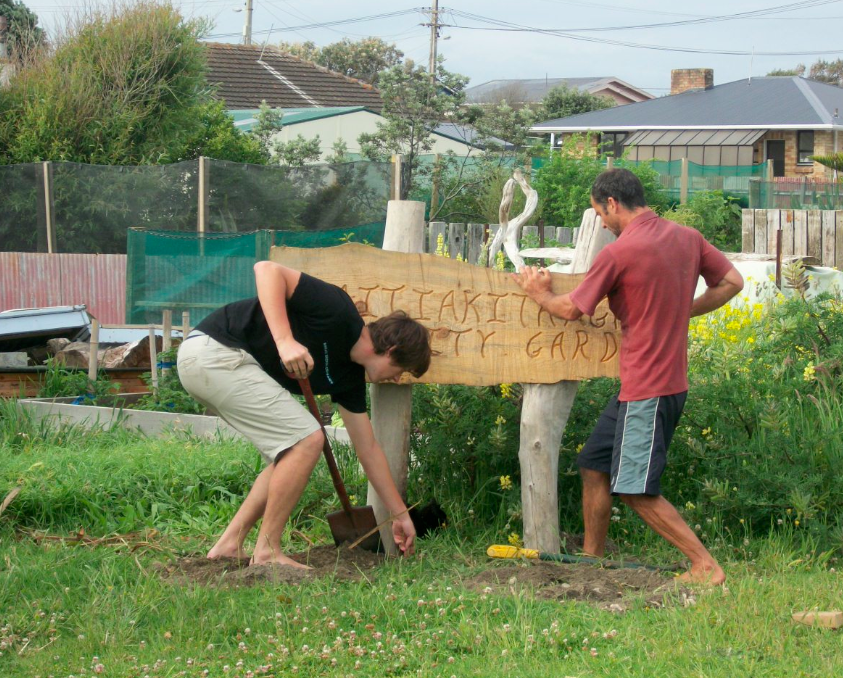
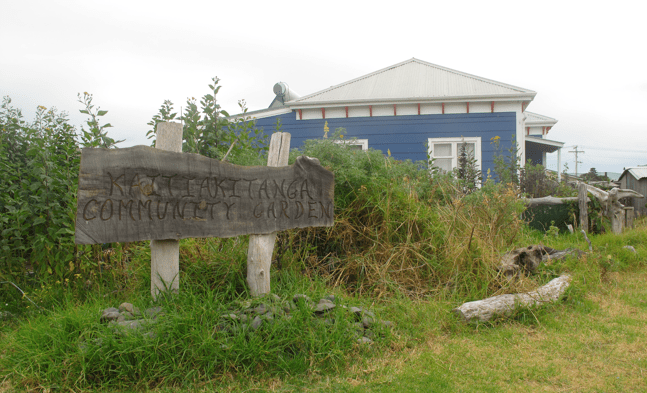
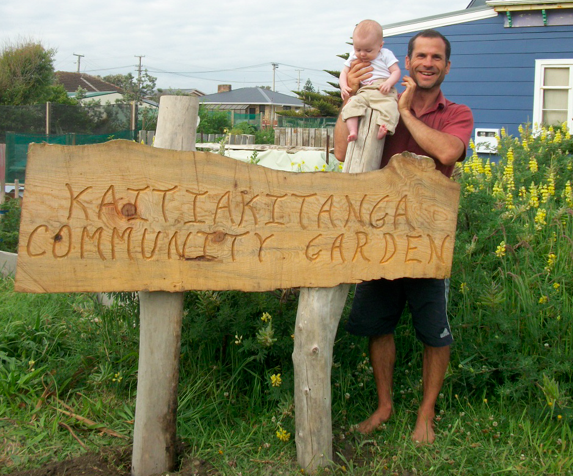
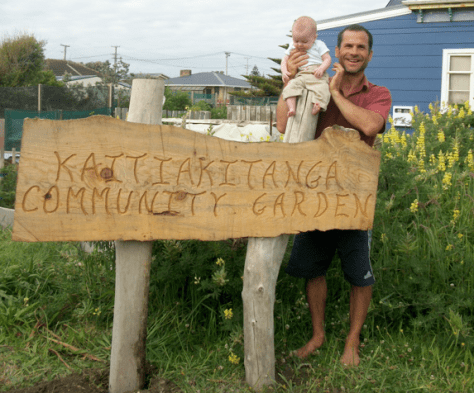
Two years ago we started a community garden in front of our Castlecliff home. One friend gave us a piece of slab wood and another one leant his router. With a few pieces of native hardwood washed up on the beach I was able to make a welcoming sign. Screen shot 2014-09-12 at 6.56.36 PM

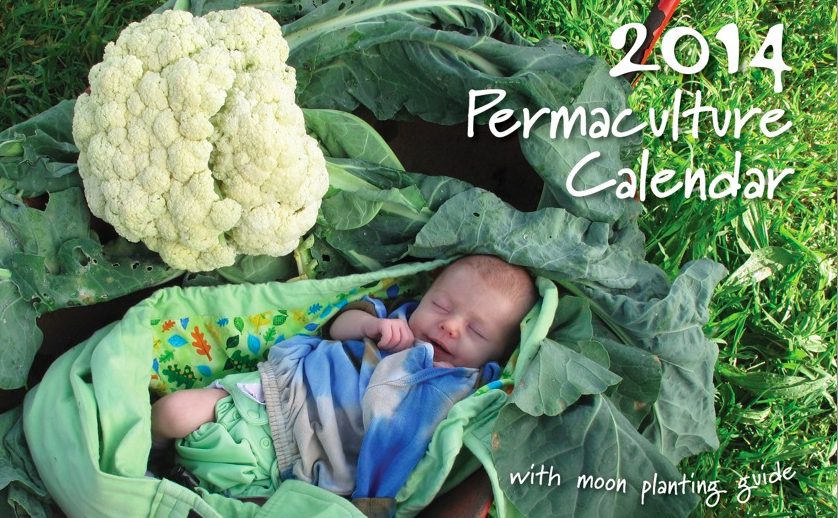
Some other friends donated fruit trees and seeds. We, in turn, were able to share surplus building materials, some calendars we ‘won’ in a photo competition, and looking after a friend’s daughter while he was working on his house.

Screen shot 2014-09-12 at 6.56.46 PM

Many months later I was able to use a second piece of slab wood to make another sign for those friends who had shared their surplus fruit trees with us. I had to borrow the router again, but that was ok because we had just hosted that friend’s children for a morning of puzzles and baking in our home while he was otherwise engaged. Screen shot 2014-09-12 at 6.58.48 PM

Meanwhile, another friend offered to help me organize the second annual Whanganui Permaculture Weekend. She had a surplus of her time to share and has willingly given it to our community to help make us more resilient. One day when she came to our home to meet with me about the schedule for the weekend she complained that all of the firewood she had recently purchased was still green and not heating her home efficiently. I immediately told her we had a shed full of seasoned wood and that she should help herself.

One might call this a positive version of “what goes around comes around.” I could fill weeks of columns with similar examples. Please be aware, however, that these are not straight barter arrangements, but simply generous people “spreading the wealth.” It just happens.

Screen shot 2014-09-12 at 6.58.41 PM

From a permaculture perspective, “spreading the wealth” can take many forms as described above, or something as simple as an individual sharing his or her experience, expertise or enthusiasm for a certain topic. That’s what this weekend – the Whanganui Permaculture Weekend – is all about.

Today and tomorrow are filled with events that are free and open to the public. Printed schedules can be found at many locations around the city, including the libraries, I-Site, River Market, and some local businesses.

Events schedule can be viewed online at: http://whanganuipermaculture.org/


Peace, Estwing

Permaculture: Turning Liabilities into Assets

With an abundance of bad design around the world and across New Zealand, the opportunities for good design and re-design are almost endless. Simply addressing the built environment would provide thousands of jobs over many decades, to say nothing of the “natural environment.”

But this week’s column will, however, address the natural environment, which is, across most of this country, far from natural. In many cases non-native animals graze non-native plants on steep slopes that results in increased river levels and erosion during heavy rains and decreased river levels during drought. Put simply, poor design and out-dated land management techniques contribute to both flooding and drought: a lose-lose situation.

Good eco-design and contemporary land management can hold water on the land during heavy rains and provide water to plants and rivers during extended periods without rain: a win-win situation. This is called eco-design because in many cases it is the way “nature” manages water movement across the land with trees and wetlands.

Screen shot 2014-09-05 at 2.27.59 PM

This new orchard will be designed to use excess water off the roof as needed. 

Redesigning marginalized landscapes for water storage is at the heart of permaculture – an Australian eco-design philosophy first developed in the 1970s. Permaculture is now practiced by tens of thousands of eco-designers in probably every nation on Earth. In arid places such as Jordan or Arizona, deserts have been re-vegetated using permaculture design.

In New Zealand, permaculture design has been used to restore the health of degraded land and to increase its productivity. A large part of this design philosophy is turning a liability into an asset. (Sadly, this is exactly opposite to what appears to be the management philosophy of Whanganui’s wastewater treatment plant.) For example, water poses a threat to a house made from timber, but is required for a vege garden to thrive.

Screen shot 2014-09-05 at 2.27.50 PM

This area is being transformed into a vege garden alongside water management improvements. 

Good eco-design would transfer water from where it is not wanted to where it is, but without the need for costly drains or pumping. With regards to water management, good eco-design uses gravity to move it for free.

Another example of turning a liability into an asset is composting. Whether it is unwanted food scraps or an excess of manure or yard waste, composting the material and returning it to the land saves it from going to landfill where it converts into methane gas, or from running off and polluting streams and rivers. Win-Win.

Screen shot 2014-09-05 at 2.27.34 PM

Before.

Screen shot 2014-09-05 at 2.27.42 PM

After. 

If you have a small section or a large section or a lifestyle block, you may be interested in learning how permaculture design is used to manage water and soil fertility. On Sunday the 7th of September I will offer a sampler of what good permaculture design would look like on both small and larger properties (see sidebar). These events kick off Adult Eco-Literacy Week (7th-14th) and the Whanganui Permaculture Weekend (13th-14th).

Aside from being the gold standard in eco-design, permaculture is also unique in that it is an ethically-guided belief system. Central to permaculture are three ethics: Care for people; Care for the Earth; Share surplus resources.

Whanganui is unique in New Zealand in that we have a small but dedicated core of permaculturists who hold tightly to these ethics. For the second year in a row we are offering a weekend of outstanding events hosted by a range of experts in their respective fields. In other places across NZ and around the world you could expect to pay hundreds of dollars to register for such a series of events, but we are offering it to our community absolutely free.

It would be difficult to describe how unique this is, and it is one of the things I cherish about living here. Thanks to this handful of people who care deeply about our community and truly practice what they preach. And a huge thanks to Rachel Rose for helping organize the weekend.

Peace, Estwing

Sidebar:

Adult Eco-Literacy Week 2014, 7th – 14th September

7th September, 1-2 PM Eco-Design for large properties. 223 No. 2 Line

7th September, 2-3 PM Eco-Design for small properties. 223 No. 2 Line

9th September, 6:00-7:00 PM. Solar Energy. Josephite Retreat Centre, Hillside Terrrace.

10th September, 5-6 PM. Growing vege on sandy soils, Castlecliff

11th September, 12-1:15 PM. Raw Milk and Yoghurt Making, Women’s Network, 75 St. Hill St.

12th September, 5:30-6:30 PM. Best ways to use your heat pump, Josephite Retreat Centre, Hillside

14th September, 4-5 PM. Tomatoes Before Christmas, Wanganui Garden Centre. Gonville Ave.

Whanganui Permaculture Weekend, 13th – 14th September

List of events can be found here: http://whanganuipermaculture.org/

Climate Change Resilience: Local Council’s Responsibility

That WDC has not shown an understanding of sustainability is less surprising than what appears to be a lack of understanding of it’s role or even procedural rules by which to operate. I have watched with usual amusement the various dramas around the TPPA submission saga involving local citizens and their elected officials. Of the issues brought up during the debate, I’ll address only two.

First of all, to state the obvious, the “walk-out” did more to raise awareness in our community about the TPPA than any other effort over the last nine months. Congratulations to those ambulatory councillors for getting the TPPA onto the front page TWICE for everyone to see, and ensuring protracted coverage by our local news media. Good on you.

Second, and if I am wrong please correct me (especially those councilors who have made the claim), climate change IS, in large part, the responsibility of local government. My understanding is that central government has placed the responsibility of climate change adaptation (head for the hills!) and resilience (brace yourselves!) with local government.

For all intents and purposes, adaptation and resilience are the only responses that any government of any size anywhere in the world can make to address climate change.

The clear message sent to all those paying attention to the Copenhagen Climate Change Conference in December 2009, is that there is not sufficient political will internationally to do anything significant to address the causes of climate change. Since then, the dialogue around the topic has changed from one of avoidance and mitigation to one of adaptation and resilience.

To use a medical analogy, the discussion has shifted from treatment to hospice.

It is now acknowledged that there will be rising levels of human pain and suffering across the globe due to increasing incidences of extreme weather events. It is already happening. It has been happening for decades. The data has been collected and analyzed. The results are in, and they confirm what we all have been observing from personal experience over the last 30+ years.

Northland recently experienced historic flooding. Not long ago it experienced extreme drought.

So when WDC councilors suggest that climate change is not the responsibility of local government it makes me highly concerned for the health and safety of myself, my family, my property, my neighbours, and the future prospects of a city with a major river and a coast.

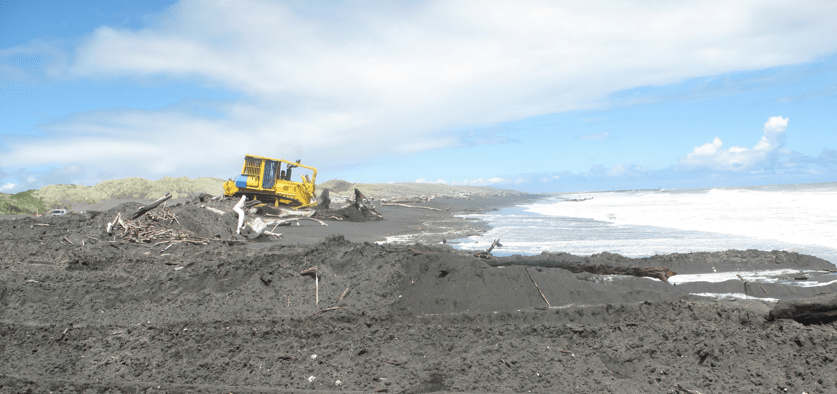
Highly concerned, yes, but sadly not at all surprised. After all, this is a body that believes the best way to manage a beach ravaged by increasingly strong onshore winds is to use heavy equipment and diesel fuel to push sand back into the Tasman Sea.

Nearly all of the efforts we have made since arriving in Whanganui almost four years ago have been aimed at improving the resilience of our community. As regular readers of this column will be aware, our work focuses mainly on building resilience to rising energy prices, although we also dabble in low-input/high-productivity food production.

As time passes and the radical views of some councilors become more apparent, I find myself becoming increasing concerned about WDC’s ability-or even willingness-to protect our community. I, for one, am not holding my breath for leadership to emerge on this issue. Instead I am taking my family and heading for the hills.


Peace, Estwing

World Famous in Whanganui

After nearly four years of determination, coordination, and cooperation, it appears I have become “World Famous in Whanganui.”

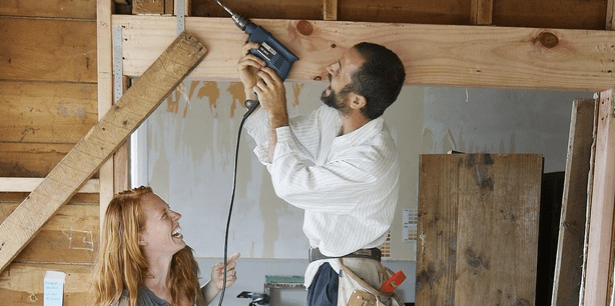
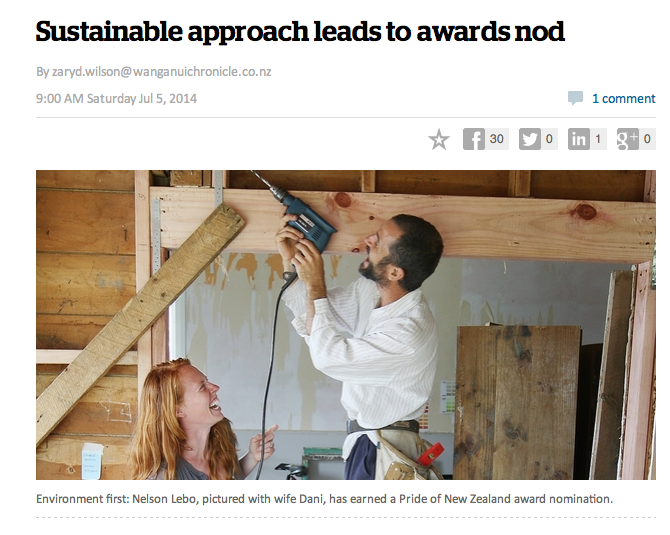
First of all, thanks to the thoughtful local resident who nominated me for the Pride of NZ Award. Does this make me a real Kiwi now? It is nice to be recognized for consistent and determined work to make our community healthier and more resilient to economic and environmental volatility. Screen shot 2014-07-25 at 6.59.51 AM

Second, thanks to all of the organizations, businesses and individuals with whom we have partnered over the years. Nearly every community project that my wife Dani and I have embarked upon in Whanganui has been a joint effort with others.

For example, our latest partnership was with the Whanganui Learning Centre and Castlecliff School. The project was an innovative whanau-focused learning initiative all about growing healthy veges in the challenging conditions of a seaside suburb (“with a holiday lifestyle” as the sign says). The project will be featured in a documentary film about school gardens in New Zealand.

Materials for the school gardens were kindly donated by Wanganui Garden Centre and Loaders Landscape Supplies. Both of these local businesses have also supported previous initiatives, such as the community garden on our front lawn. Thank you.

Probably our most successful partnership to date is Project HEAT (Home Energy Awareness Training). Project HEAT was initiated in 2013, and is roughly modeled on the Eco Design Advisor programme offered by seven councils around the country. After failing to gain support from the Wanganui District Council, we turned to the community itself.

 Screen shot 2014-07-25 at 7.05.43 AM

Lots of time and effort went into building a base of nearly 20 local entities that shared our kaupapa: everyone deserves to live in a warm, dry, healthy home.

In a cooperative manner, each entity gave what it could give. In some cases that meant donating the use of a venue for a presentation and in others it meant photocopying information sheets or loaning a data projector. In a few cases it meant donating funds to cover the costs associated with running a community outreach education programme. Overall, Project HEAT operated on less than a shoestring. Well over half of the time that I spent on the programme was in volunteer hours.

Just as important as the material contributions made by our partners was the moral support they provided. In other words, one does not feel like a “voice in the wilderness” when surrounded by others who believe in and support you.

In the sustainability and resilience movements it is our obligation to support all those around us. Together is how we move our waka toward a common goal. After council chose not to support Project HEAT, it would have died a quiet death were it not for a casual conversation with a friend and his show of support.

This year Project HEAT has been back on a lesser scale due to a number of factors. However, our partners deserve recognition for their help and support now that we are easing into the backside of winter.

Yes, there are lots of awesome organizations and businesses in Whanganui contributing to sustainability, and they receive plenty of exposure through our excellent positive-news-based local print media. But today I get to thank our 2014 Project Heat partners because without them there would have been no free series of presentations, workshops, drop-in information sessions, and home energy audits.

Big thanks to Tree Life NZ, Sustainable Engineering, Black Pine Architects, Richard Collins, Progress Castlecliff, the Josephite Retreat Centre, and other anonymous donors.

Also to be recognized are the Chronicle, Midweek and River City Press for helping publicize the 2014 programme.

In the weeks and months to come, our family will be going through some changes that will affect our ability to engage with the Whanganui community as much as we have in the past. Hopefully I will be able to keep up with this column.


Peace Estwing

Diploma Work in Permaculture (New Zealand)

Editor’s note: This document was written over a year ago and submitted to Permaculture in New Zealand (PINZ) to document a two year diploma project in applied permaculture. PINZ has asked me to post it in the public domain. Please note that the links below will take you to our old blog. However, all of those posts have also been re-posted on this blog.

The Eco-Thrifty Renovation

A project completed in fulfillment of a diploma in permaculture.

Nelson Lebo

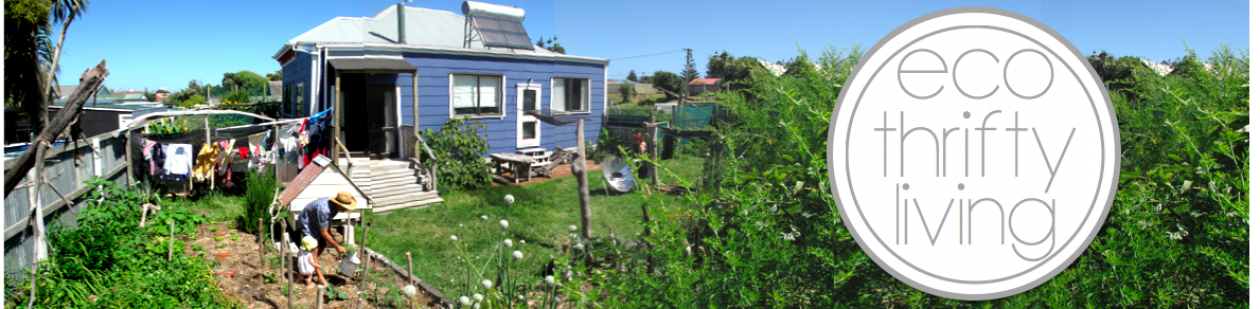
Abstract: The Eco-Thrifty Renovation (ETR) was initiated in November, 2010 and continues to be ongoing. The project aims to demonstrate that an eco-home and organic food need not be prohibitively expensive. Over the course of two years, I transformed a derelict villa into a warm, dry, low-energy home, and a section full of weeds and rubbish into a thriving foodscape. At the same time, the project has been used as an educational outreach programme for our local Whanganui community and the world through the internet. The entire project was carried out in alignment with permaculture ethics and principles.

*Note: I use the term ‘we’ often in this document to honor Dani’s contribution to this project, which was less about time and effort, and more about support. Some of the things I write about below using the term ‘we’ she may know little or nothing about (because I usually have about 8 projects going at once and she has been working 40 hours per week for the last year). Still, I feel the ETR and the ECO School are a team effort.
 Screen shot 2014-04-24 at 8.51.36 AM

Permaculture Ethics

The permaculture ethics have guided the project at all levels as described below.

Care for Earth: Low-energy homes and home-grown food can address many of the environmental problems facing the planet and humanity. First and foremost, are the issues surrounding energy, its extraction, production, transport and use. On all levels, this project has demonstrated a commitment to a low-energy ‘footprint.’ Additionally, organic growing practices cut down on artificial chemicals in the environment, and composting and recycling return resources to productive systems rather than relegating them to landfill. Finally, it is hoped that our educational outreach programmes inspire and teach others how to ‘care for the Earth’.

Care for People: The main focus of this project is to provide a working model suitable for low- and moderate-income families. There appears to be a broadly accepted misconception that sustainable lifestyles are prohibitively expensive. We have demonstrated that nothing is further from the truth when thoughtful design in included.

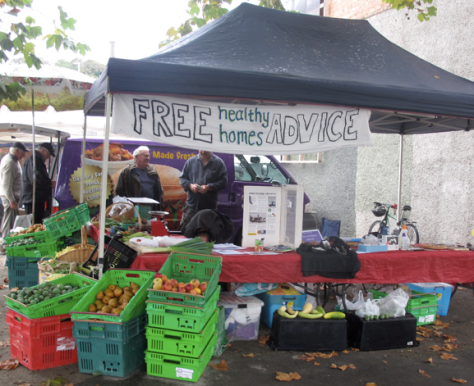
Many of our educational efforts are provided free of charge and some ask simply for a donation. Other programmes offer a sliding scale, with additional discounts for walking, riding a bicycle, or taking the bus. Recent funding allowed us to provide 80 free home energy audits for low-income families and pensioners in Wanganui. Additionally, a community garden in our front yard feeds families in our low-decile neighbourhood.

Share Surpluses: Up until now, the only surpluses have been those of ideas and enthusiasm, which were shared freely through the blog and a weekly newspaper column. Additionally, all of the fee-based education programmes we offer run at about half the price of comparable programmes elsewhere in the country, making them affordable for a wider range of people to participate. And we are finally producing surpluses of food from the community garden in front of our house, which we share with neighbours and friends.
 Screen shot 2014-04-24 at 9.54.40 AM

Permaculture Principles

Although Holmgren’s (2002) permaculture principles were not intentionally or deliberately used during this project, it is easy to recognize their application across many of its aspects. Instead, I describe what are permaculture ‘habits of mind’ that are engaged automatically when working from a holistic, systems perspective. What follows is a discussion of David Bane’s (2012) recent interpretation of Holmgren’s 12 permaculture principles as they relate to the eco-renovation, the foodscaping efforts, and the educational initiatives.

1) Observe and Interact: Even before the ETR project began, observation and interaction were being employed in the design process. Dani and I looked at 30 homes in Whanganui in 2 days, ruling out 25 of them simply because they had very little potential for passive solar redevelopment. Of the five that had significant potential for solar gain, one also had advantages regarding section size, home placement on the section, and proximity to a bus stop and the beach. It also happened to be the cheapest house in Whanganui in the lowest-income neighbourhood. This set us up nicely to interact with a low-decile community with which to work directly.

The first step in the passive solar design process is to observe where the sun is at different times of the year and to plan for winter heating and summer cooling. Our villa offered a special challenge in that it was not broad-side to the northern sun, but pointing north with one corner, like a compass. Although not ideal, I was able to come up with low-budget / high-performance design and lifestyle strategies to maximize winter morning insolation – when it is needed most.

Those strategies are explained in the following blog posts:

http://www.ecothriftydoup.blogspot.co.nz/2011/10/sunrise-sunset.html

http://www.ecothriftydoup.blogspot.co.nz/2012/10/retrospective-22-let-sun-shine-in.html

http://www.ecothriftydoup.blogspot.co.nz/2012/10/retrospective-23-drawing-in-light.html


2) Catch and Store Energy: In permaculture, the classic example of catching and storing energy is a swale. The potential energy of water is stored high on a property and distributed ‘for free’ using gravity. But our property is dead flat, and our soil is sand. So instead, I have adopted thinking like a swale. What this means is mimicking the function of a swale by catching energy when it is in abundance and storing it for times of need, and slowing the flow of energy and materials on our property. One example of this is the use of thermal mass in our renovation. Thermal mass stores excess insolation during the day and releases it at night. We used a number of innovative techniques for adding thermal mass to an old villa on piles, as explained in the following blog posts:

http://www.ecothriftydoup.blogspot.co.nz/2010/11/thermal-mass-is-unsung-hero-of-passive.html

http://www.ecothriftydoup.blogspot.co.nz/2010/11/mass-ticate-on-this.html

http://www.ecothriftydoup.blogspot.co.nz/2011/10/keep-it-comfortable.html

http://www.ecothriftydoup.blogspot.co.nz/2012/05/retrospective-3-thermal-mass.html


Insulation is also an example of slowing the flow of energy through a property. Thinking like a swale, insulation functions as the permeability of soil, slowing the flow of heat rather than slowing the flow of water. We have employed a wide-range of innovative low-cost and high-performance insulation strategies, as explained in the following blog posts:

http://www.ecothriftydoup.blogspot.co.nz/2010/12/design-principle-3-insulation.html

http://www.ecothriftydoup.blogspot.co.nz/2011/11/warm-and-fuzzy.html

http://www.ecothriftydoup.blogspot.co.nz/2012/05/retrospective-4-insulation.html

http://www.ecothriftydoup.blogspot.co.nz/2012/05/retrospective-6-window-battens.html

http://www.ecothriftydoup.blogspot.co.nz/2012/06/retrospective-7-window-film-insulation.html


Other ways to slow and hold resources on the property are practiced in the gardens – adding a small amount of topsoil and heaps of compost to slow the drainage of water away from vegetable plants. This post summarizes some of our efforts, and highlights the impressive results:

http://www.ecothriftydoup.blogspot.co.nz/2013/01/eco-thrifty-gardening.html


3) Get a Yield: Obtaining a yield is a natural human expectation for putting forth effort toward a goal. In the gardens, a yield can take the form of abundant, healthy food, as seen in the above post, reposted here along with others. By using a strategic combination of tools, timing and technique, we have been able to produce abundant kai for very few hours of work.

http://www.ecothriftydoup.blogspot.co.nz/2013/01/eco-thrifty-gardening.html

http://www.ecothriftydoup.blogspot.co.nz/2012/08/late-winter-garden-tour.html

http://www.ecothriftydoup.blogspot.co.nz/2012/01/abundance.html

http://www.ecothriftydoup.blogspot.co.nz/2011/09/low-maintenancehigh-productivity.html

http://www.ecothriftydoup.blogspot.co.nz/2011/12/perspectives-on-permaculture-abundance.html


Obtaining a yield in an energy-efficient renovation takes the form of a warm, dry home, and cost savings on a power bill. These can be seen as a return on an investment of time and money.

http://www.ecothriftydoup.blogspot.co.nz/2011/05/coldest-house-in-new-zealand.html

http://www.ecothriftydoup.blogspot.co.nz/2011/05/power-of-one.html

http://www.ecothriftydoup.blogspot.co.nz/2011/06/still-one.html

http://www.ecothriftydoup.blogspot.co.nz/2011/12/2020-hindsight.html


Specifically, getting a yield can be understood through the concept of payback period – the amount to time is takes for savings to pay back an investment. I have chosen to emphasize the concept of payback period in an attempt to appeal to a broad swath of the general public who may not necessarily be concerned about the environment, but are interested in lower power bills.

http://www.ecothriftydoup.blogspot.co.nz/2012/04/retrospective-1-as-published-in.html

http://www.ecothriftydoup.blogspot.co.nz/2012/12/eco-thrifty-thinking.html

http://www.ecothriftydoup.blogspot.co.nz/2012/12/eco-is-almost-always-thrifty-but.html

http://www.ecothriftydoup.blogspot.co.nz/2013/01/bright-ideas.html


4) Self-Regulate & Accept Feedback: Most learning processes involve both positive and negative feedback loops. During this project, I have experienced many feedback loops, primarily involving growing food in a coastal zone and involving the educational projects we have launched from the platform of the ETR.

Regarding growing food in a coastal zone, the challenges are sand and wind – two circumstances I have never faced as a grower. I made some good mistakes on my way to learning more about this ecosystem and microclimate, as shown in the following posts:

http://www.ecothriftydoup.blogspot.co.nz/2012/02/gimme-shelter.html

http://www.ecothriftydoup.blogspot.co.nz/2013/01/eco-thrifty-gardening.html


Regarding the learning involved in our community education projects, woah! Previously I have been a classroom teacher that dabbled in garden workshops for adults. But I have never done anything like a whole community approach to sustainability education. An overview of this approach is described in these posts, while some more details are included below.

http://www.ecothriftydoup.blogspot.co.nz/2012/01/model-for-whole-community.html

http://www.ecothriftydoup.blogspot.co.nz/2012/09/learning-what-works-in-community.html


We have experienced varying levels of success with our different educational initiatives. Because we’ve taken an ecological model to education, we can accept high failure rates without being fussed about it. Nothing ventured, nothing gained. Most people will say they learn more from failures than successes, so why not embrace failure instead of avoiding it? Perhaps 80% of my ideas go nowhere because I cannot find community partners. That just means that a particular idea is not appropriate for this place at this time. OK, shift gears and carry on.

Most importantly, I am learning what really works, what does not, and why that might be. The keys, I have found, are to be responsive to needs and not prescriptive, and to build partnerships in all endeavors.

http://www.ecothriftydoup.blogspot.co.nz/2011/02/partnering-for-planet.html

http://www.ecothriftydoup.blogspot.co.nz/2011/05/takin-it-to-streetser-schools.html


Sadly, I have learned that part of the failure of environmental education appears to come from the environmental movement itself, as described here:

http://www.ecothriftydoup.blogspot.co.nz/2011/08/failure-of-environmental-education.html


5) Use and Value Nature’s Gifts: Nature’s gifts come in the forms of matter and energy. We accept all nature’s gifts, and try to hold them (slow their flow) on our property with a previously porous home and previously porous soils. These are explained in the principle Catch and Store Energy, above. The best way to value a gift is to steward it mindfully. Some ways we do that are described below.

For a passive solar renovation, nature’s best gift is free sunshine! The redesign of our villa is based on winter sun angles, as described above, and reposted here:

http://www.ecothriftydoup.blogspot.co.nz/2011/10/sunrise-sunset.html

http://www.ecothriftydoup.blogspot.co.nz/2012/10/retrospective-22-let-sun-shine-in.html

http://www.ecothriftydoup.blogspot.co.nz/2012/10/retrospective-23-drawing-in-light.html


With this addition on free, solar energy:

http://www.ecothriftydoup.blogspot.co.nz/2011/08/power-of-sun.html


But beyond, free and abundant sunshine, nature served as the inspiration and model for the entire renovation, as seen in our design principles, as seen here:

http://www.ecothriftydoup.blogspot.co.nz/2010/11/nature-as-model.html


Another way we use and value nature’s gifts is by composting. As Geoff Lawton says, “If it lived, it can live again.”

http://www.ecothriftydoup.blogspot.co.nz/search/label/compost

http://www.ecothriftydoup.blogspot.co.nz/2012/01/get-your-together.html


Especially awesome has been a resent partnership with the New Zealand Masters Games: an 11 day event with over 6,000 participants. Working together we were able to reduce the landfill waste from the games village 95% versus the last Games in Whanganui in 2011 when their rubbish tally was: 228 wheelie bins and 4 jumbo dumpsters. This year there was a total of 14 wheelie bins and less than 1 jumbo dumpster. See more details here:

http://www.ecothriftydoup.blogspot.co.nz/2013/02/from-power-of-one-to-power-of-community.html


Finally, sometimes, nature delivers free gifts nearly to our doorstep, such as firewood flowing down the Whanganui River and washing up on the shore in front of our home.

http://www.ecothriftydoup.blogspot.co.nz/2011/01/beach-logging.html


6) Waste Not: Composting has been covered in the previous principle, so I will focus on the three R’s here. Reducing, reusing and recycling come as second nature to permaculturists. Some of the ways we put these into use can be seen in the following posts:

http://www.ecothriftydoup.blogspot.co.nz/2010/12/3-rs.html

http://www.ecothriftydoup.blogspot.co.nz/2010/12/it-does-not-take-much-to-become-world.html

http://www.ecothriftydoup.blogspot.co.nz/2010/12/r2-no-d2.html

http://www.ecothriftydoup.blogspot.co.nz/2011/01/r2-e2-ie-2nd-edition.html

http://www.ecothriftydoup.blogspot.co.nz/2011/02/r-e-c-y-c-l-e-find-out-what-it-means-to.html

http://www.ecothriftydoup.blogspot.co.nz/2011/08/recirculating-materials-and-wealth-in.html


Additionally, I have collaborated on waste education initiatives in our community, as described here. These provide some background for the amazing result from the NZ Master’s Games described above.

http://www.ecothriftydoup.blogspot.co.nz/2011/06/perfection.html

http://www.ecothriftydoup.blogspot.co.nz/2011/11/education-is-no-waste_16.html


Finally, I also found a way to make use of the untreated timber that we had to remove from the villa during the renovation, and a crappy old skil saw from the local auction house

http://www.ecothriftydoup.blogspot.co.nz/2012/06/urban-chainsaw.html

7) Design from Pattern to Details: The patterns of the Earth include day and night, the seasons, climatic patterns (although changing), as well as hydrological, geological, chemical and biological patterns. In a passive solar redesign, we begin with the natural, repeating patterns of the sun and finish with things like: adding glazing to the north and removing it from the south (as described above); and the strategic placement of thermal mass (also described above).

On the land, I have mostly designed around wind patterns, making some mistakes and then having to redesign based on the wind-hardiness of different plants. For example, even though all of the literature says that olives and feijoas will stand up to coastal winds, I found that they do need some level of protection. I moved 8 olives and built wind protection for 6 feijoas.

I also learned that summer raspberries and persimmon will not tolerate any salt winds. I transplanted the raspberries to a more sheltered position, but the persimmon died due to three weeks of onshore winds right when it was leafing out.

There are lots of good insights into our landscape design strategies including wind protection and sun traps in these two posts:

http://www.ecothriftydoup.blogspot.co.nz/2012/09/retrospective-21-eco-thrifty-yard-and.html

http://www.ecothriftydoup.blogspot.co.nz/2012/09/addition-to-retro-21-more-yard-and.html


8) Integrate: I see this as an umbrella term over the entire design process, which includes 4-dimensional design, and re-design. In my opinion, this principle represents the concept of systems thinking, or ‘ecological thinking.’ This is reflected in the famous Native American saying, “Everything is connected in a web of life.” It is embodied in the Lakota (“Sioux”) phrase, mitakuye oyasin: all my relations. This represents a worldview that recognizes a relationship to all living and non-living matter in the universe during all of time.

I believe this is a permaculture ‘habit of mind’ that can be developed through practice until it is done unconsciously all the time. Because of my learning disabilities, my brain naturally recognizes the space in between objects easier than the individual objects themselves. While the American school system tried to beat this out of me, I was able to retain enough into adulthood to re-awaken this way of seeing, and to cultivate it into a more developed form. In my twenties, I practiced systems thinking exercises (not knowing it was such at the time) that have re-trained my brain to ‘see interconnectedness’ including the 4th dimension.

Long before I ever heard of permaculture, I was thinking in ‘permaculture ways.’ Maybe that is why, when I unexpectedly met Bill Mollison at Schumacher College (Totnes, England), permaculture made so much sense to me. It may also explain why I have defined permaculture in this way:

Permaculture is an eco-design system that seeks to recognize and maximize beneficial relationships while minimizing or eliminating harmful relationships.

On our section, and beyond our section, we seek to integrate systems of energy and matter, as well as human systems. Socially, we have done well at integrating with some non-greenie groups, such as the softball club, mental health organizations, the regional PHO, and the YMCA, as well as some local Maori groups. Regarding my PhD thesis, I have spent four and a half years studying the integration of a permaculture approach to science teaching and learning in New Zealand secondary schools.


9) Choose small and slow: I could write on many different topics, but this is the one I think deserves the most attention. Here is where I can raise an observation I’ve made over my last four and a half years interacting with the permaculture community in New Zealand. Hardly any permies I’ve met (quite a few for a small country) ride bicycles or take public buses instead of driving. I know that everyone has an excuse for this, but I’m not really interested in hearing excuses. I have heard lots over the years.

In my opinion, riding a bicycle instead of driving is the single best example of choosing a small and slow solution, especially as it directly addresses the two biggest identified challenges addressed by permaculture: climate change and peak oil (Holmgren, 2009). My history with bicycle commuting (over 100 kms at times) goes back over 20 years, and I named my farm – developed over 8 years into one of the most sustainable properties in North America – Pedal Power Farm.

We chose the location of our current home for three main reasons: walking distance to the beach; walking distance to a bus stop; and, flat, short bicycle ride into the central city. These are all small and slow approaches to eco-thrifty living. Dani wrote this post ages ago:

http://www.ecothriftydoup.blogspot.co.nz/2010/11/answer-bike-on-bike.html


Here are some I wrote:

http://www.ecothriftydoup.blogspot.co.nz/2011/09/hauling-brass.html

http://www.ecothriftydoup.blogspot.co.nz/2012/12/eco-thrifty-thinking.html


10) Work Diversity: In this project, we have worked diversity in two primary ways: ecological food production; and, a holistic approach to whole community sustainability education.

The former has been described above in some of our approaches to designing from patterns to details. We currently have planted 118 edible perennial plant species of many different varieties and cultivars. We always plant multiple varieties of tomatoes, and always have our first ripe ones well before Christmas. Talking to others around Whanganui, including professional market gardeners, this ‘beat the local market’ by many weeks. We managed this not with a glass house, but by using microclimates and selecting the best varieties to plant at the best time (observe and interact; self-regulate and accept feedback; get a yield).

Regarding an ecological model for whole community education (see above in #4), we have partnered with a diversity of community groups and businesses on many projects. Most of these entities have no overt green mission, but we were able to find common ground (kaupapa), on issues of wellness, poverty, mental health, spirituality, etc. Two of our most amazing partnerships have been with the New Zealand Masters Games and the Sisters of Saint Joseph. Meanwhile, some attempts at partnering with many green groups and all attempts to partner with the Wanganui District Council have failed. Who woulda guessed? There is no way to know unless you try. That’s why I am happy with an 80% failure rate, because I know those efforts that do work are the most robust, and, above all else, I am learning the truth about sustainability projects in a community, not some theory written by someone else or a belief I might have held because ‘it seemed logical.’

In nature, diversity often leads to stability. I believe our efforts described above will provide a high level of stability (resilience) in our lives. We are likely to have food in the event of a disruption to the food supply, and we are likely to have support from a wide swath of the community if our family falls on hard times or suffers a tragedy. In three years we have been lucky to be adopted by a large and divers whanau in Whanganui.


11)Push the Edge: How about taking a crappy, old villa and turning it into a warm, dry, low-energy home? How about power bills averaging $22/month, including a line charge of $13? How about 118 edible perennials on 900 square metres? But these things are secondary to what is really significant about this project.

In terms of making a unique contribution to the global body of permaculture knowledge, the education efforts in our community are by far the most significant. We are pushing the edge by developing a new model for community sustainability education as described multiple times above. Nowhere in the world that I am aware of is anyone taking this type of approach, especially with no initial funding source and only modest ongoing donations from local individuals and organizations.

The only way to push the edge is to take risks and accept failure. I’ve done both many times over the last three years, but the learning is worth it. Be warned, however, that when you push the edge publicly as we have, you’ll get blowback from the left and the right. That’s no problem, as we’ve received amazing feedback from the middle, where the vast majority of people reside, and where I think permaculture has largely failed to make inroads. Ha, it just occurred to me that we are pushing the edge by going to the centre. Beautiful!


12) Respond to Change: This principle gets to the heart of dynamic design and what I call ‘four dimensional design.’ We employ this principle in a number of ways, including: window treatments; annual vege production; and, refining our approach to community education.

As described above, we use a combination of pelmets, thermal curtains, and window blankets as part of our holistic strategy for reducing heat loss through windows in winter. But we also use them to prevent heat gain in summer. In both cases, change is represented by day/night cycles of sunshine and temperature fluctuation.

On a winter’s morning, all curtains are drawn and window blankets are in place. With the sunrise, I open the curtain and remove the window blanket on one double-glazed window (northeast-facing) beside the breakfast table. Later, when the sun has risen more and the outdoor temperature probe that receives direct sunlight reads higher than the indoor probe in the lounge, I open the lounge curtains (also northeast-facing). At around 11 am, I then open the northwest-facing curtains. At about 2 pm, I close the northeast-facing curtains. At sunset I close all curtains and replace the window blankets.

In the summer we can reverse the pattern, as well as open windows to encourage cross-ventilation.

Regarding low-input / high-productivity methods for annual vegetable production, it is all about tools, timing and technique. These would be familiar to any small-scale market gardener worth his or her stirrup hoe. I have developed a decade of experience and learning into a design/management system that I use and have presented as a workshop in New Zealand and Australia.

The system relies on designing and managing for weed control, and getting multiple other benefits along the way. In my travels around the world as well as my reading, learning, attending workshops, etc., I have never come across a better system for low input (time, effort and money) and high productivity. If I had, I would be using it.

Finally, as described above, our ecological model for whole community sustainability education is holistic, cooperative, and adaptive. Regarding its adaptability, it is open to self-regulation and feedback to improve and expand.

For example, I approached the local primary school (low decile) to offer my services to help integrate sustainability across the curriculum. I met with the teachers at a staff meeting where they all showed great enthusiasm and said all the right things. I went home excited but then waited a month to hear that the teachers had decided that they needed to focus more on behaviour education and would not have time for sustainability education. My heart sank. Then I changed my approach.

With funding through the Sustainable Whanganui Trust I was able to offer the school a solar sausage sizzle for each classroom. The principal said yes on the spot, and two weeks later every student in the school had learned about some of the applications of solar energy to power an ipod and to cook kai. Fun and learning were had by all. See some cool pics and more info here:

http://www.ecothriftydoup.blogspot.co.nz/2011/12/solar-sausage-sizzlers.html

http://www.ecothriftydoup.blogspot.co.nz/2012/10/retrospective-24-win-solar-sausage.html


Conclusion

While the permaculture ethics and principles were not overtly used during the ETR, I hope that I have made it clear that those permaculture ‘habits of mind’ embodied in the principles and ethics were used at every step. Thank you for reading, and I hope you have found it helpful.


References

Bane, P. (2012). The permaculture handbook. Gabriola Island, BC, Canada: New Society.

Holmgren, D. (2002). Permaculture: Principles and pathways beyond sustainability. Hepburn, Victoria, Australia: Holmgren Design Services.

Holmgren, D. (2009). Future scenarios: How communities can adapt to peak oil and climate change. White River Junction, VT., USA: Chelsea Green.
Celebrating Our Local Heroes!

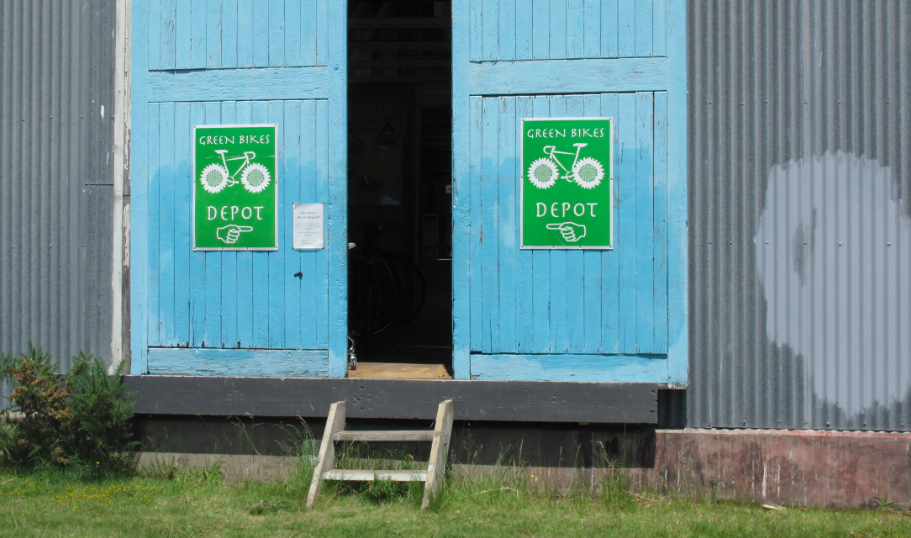
Inaugural Unsung Hero Award to Green Bikes Whanganui  Screen shot 2014-04-10 at 9.22.22 AM

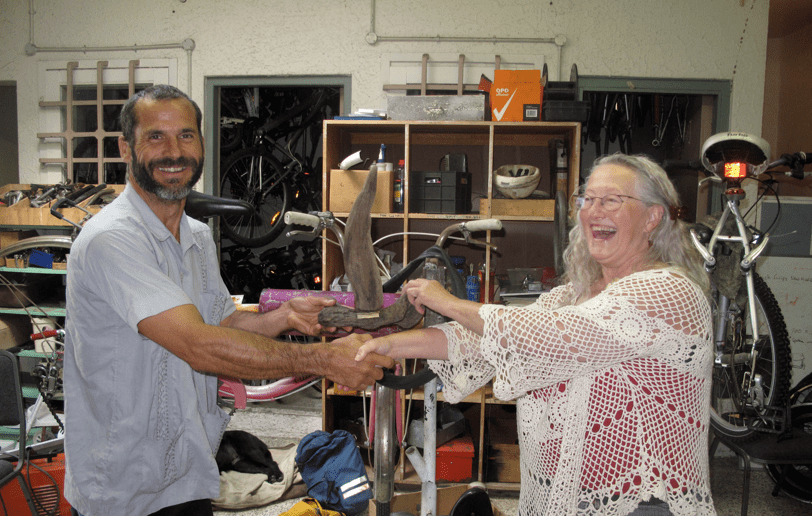
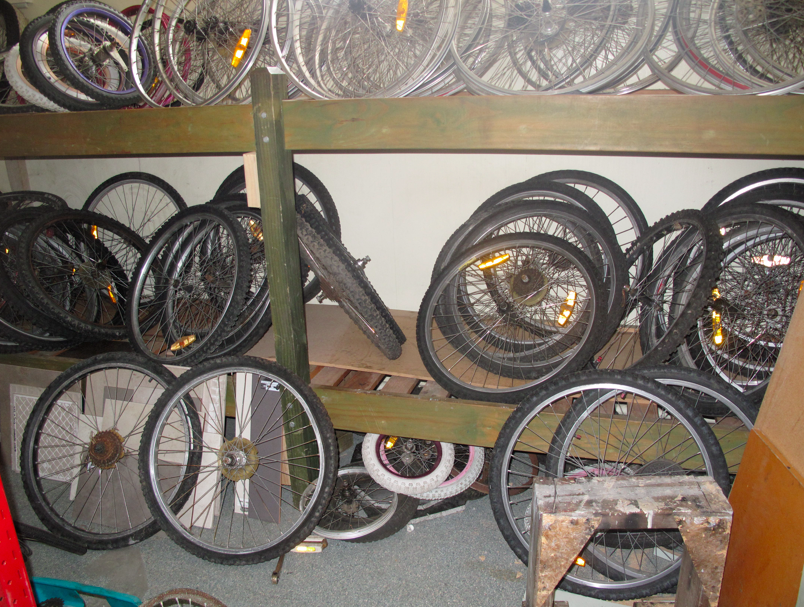
Green Bikes Whanganui has been a quiet, consistent contributor to the sustainability movement in our city for nearly six years. From beginnings in Taupo Quay, then shifting to Heads Road, and now at the Resource Recovery Centre in Maria Place, Green Bikes has provided hundreds of low-cost bicycles to our community, as well as cycle repairs, and education.
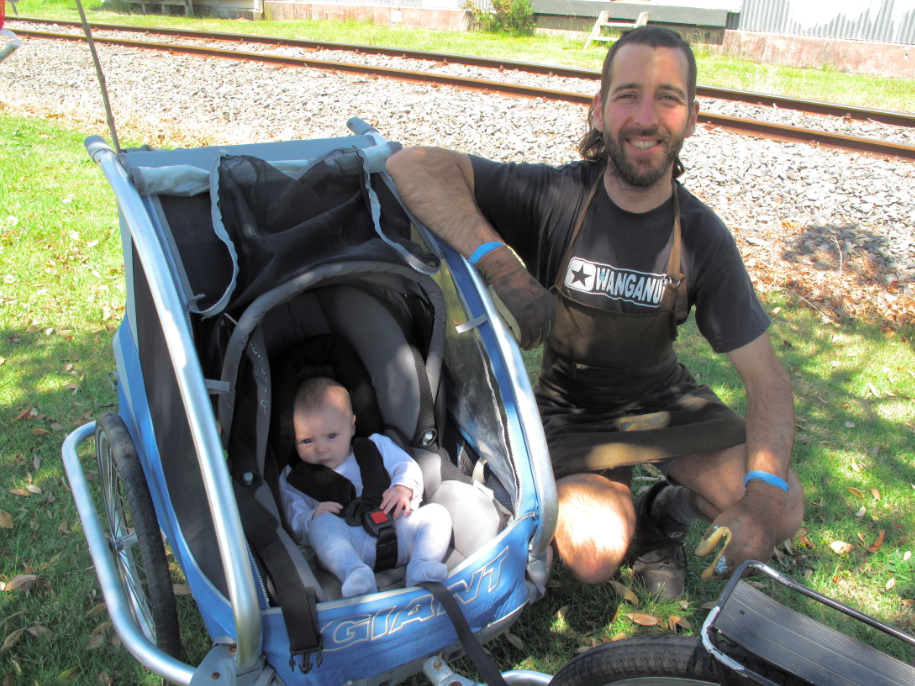
The vast majority of this effort has been done by Jonah Marinovich, in a humble manner, although with a rich, rye sense of humour.
Screen shot 2014-04-10 at 9.22.34 AM

Although Jonah has handed Green Bikes over to the capable hands of Alan and Peter – both too shy to pose for a photo or even have their last names published – I think it is quite appropriate for us as a city to recognize the dedication that Jonah has shown over the last half decade.

The ECO School is proud to present the inaugural Unsung Hero Award to Green Bikes as Jonah has requested.

 Screen shot 2014-04-10 at 9.20.56 AM

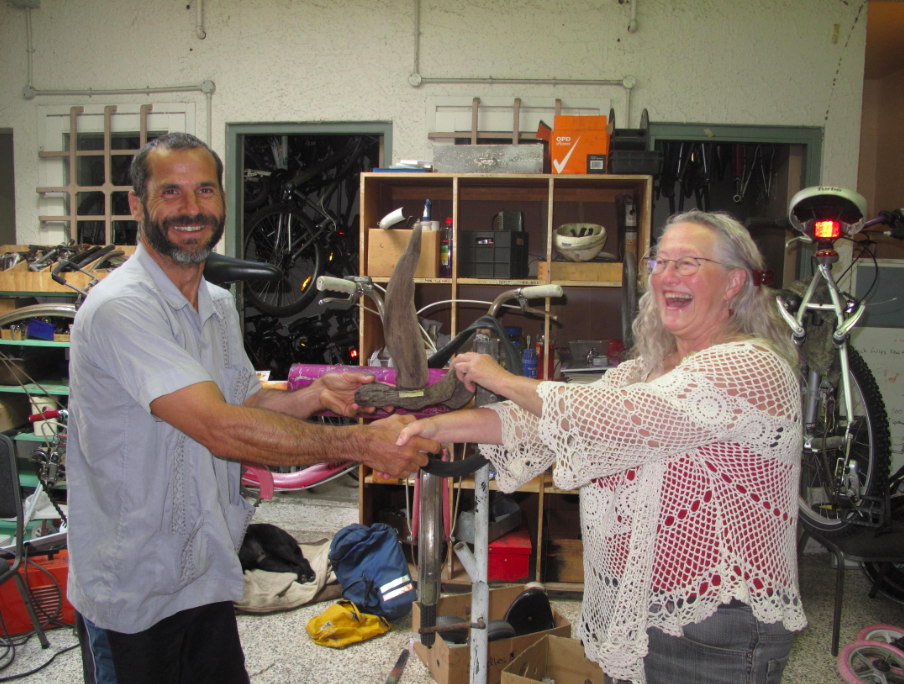
Photo: Robin Williamson of the Sustainable Whanganui Trust is shown accepting the award from Nelson Lebo while Alan and Peter are behind the scenes cracking us up.

Screen shot 2014-04-10 at 9.23.37 AM


Engaging Children in Recycling & Composting

Last week I had every intention of writing about Sea Week, Castlecliff Children’s Day, recycling and composting. I even had the photos picked out.

Screen shot 2014-03-21 at 10.29.00 AM

But then I saw a cryptic invitation in the Chronicle about writing poems for St. Patrick’s Day. Then I saw a letter from Bob Walker on the costly and impotent “odour fence” and an article that included a remarkably uninspired statement by a councilor about “growth” and “lifestyle.”

What started as an innocent limerick in the spirit of St. Patrick’s Day rolled into 650 words of critique on what appears to be a pattern of reductionist, ineffective and costly decisions by council.

While I stand by every word, I did not mean offend anyone with undeserved insult – especially not the Chronicle editors. I think they, along with the entire Chronicle team, have guided our paper to a secure place of relevance at a time when many newspapers around the world are reducing circulation, down-sizing, digitizing, and disappearing entirely. Over the last two years, the Chronicle team has built what must be best network of local columnists of any paper in the country.

Long live the Chron

May all celebrate her in song…

Never mind, on to the rubbish…I mean waste management.

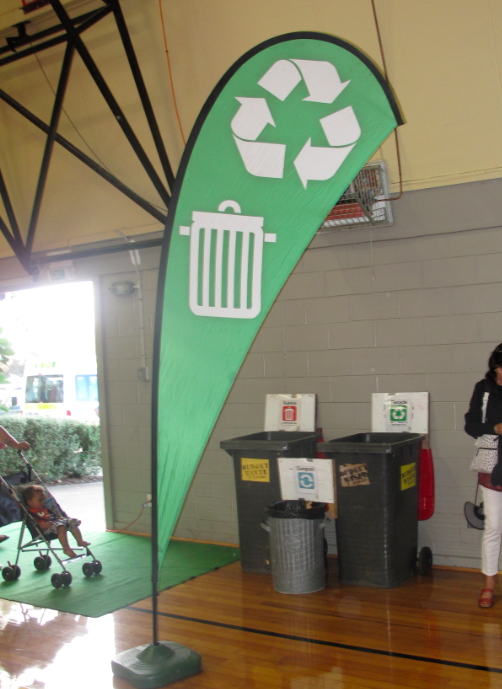
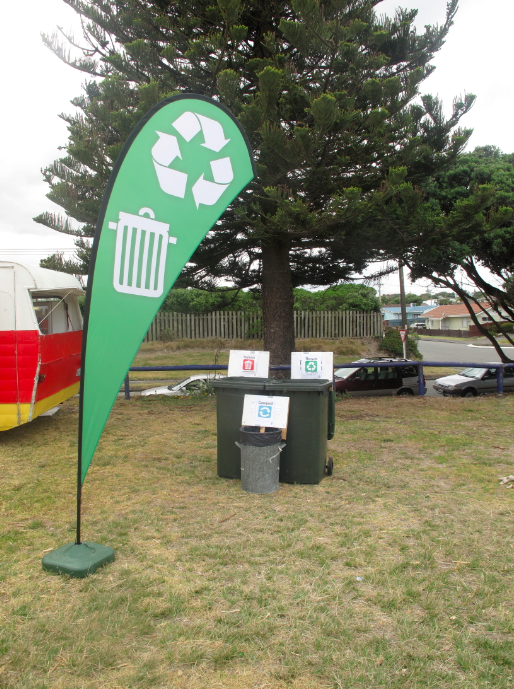
Good on Des Warahi for committing Castlecliff Children’s Day to waste minimization. Like SKIP’s Children’s Day a week earlier, we were able to work together to divert a large amount of materials from landfill by making recycling and composting easy for attendees.

 Screen shot 2014-03-21 at 10.29.10 AM

Castlecliff’s Children’s Day wrapped up Sea Week, which saw many school children helping clean up our coastline. While it is important to engage children in this type of overt action to help the environment, it’s even more important to make sure that they do not perceive it as a one-off. In other words, tokenism has the potential to do more harm than good if children see “the environment” as something “out there” that they engage with only on certain occasions.

The Enviroschools programme has done a good job throughout New Zealand of making sustainable practices such as recycling, composting and worm farming regular parts of operations for the schools that join. Equally important is that children experience those practices at home. Screen shot 2014-03-21 at 10.28.53 AM

Waste minimization is a great example of eoc-thifty thinking because it so obviously saves resources and money. For example, it takes our family about two months to fill one bag of rubbish. It may not be that we have any less total ‘waste’ than other families, but that we divert most of it from landfill by recycling and composting.

Screen shot 2014-03-21 at 10.28.28 AM

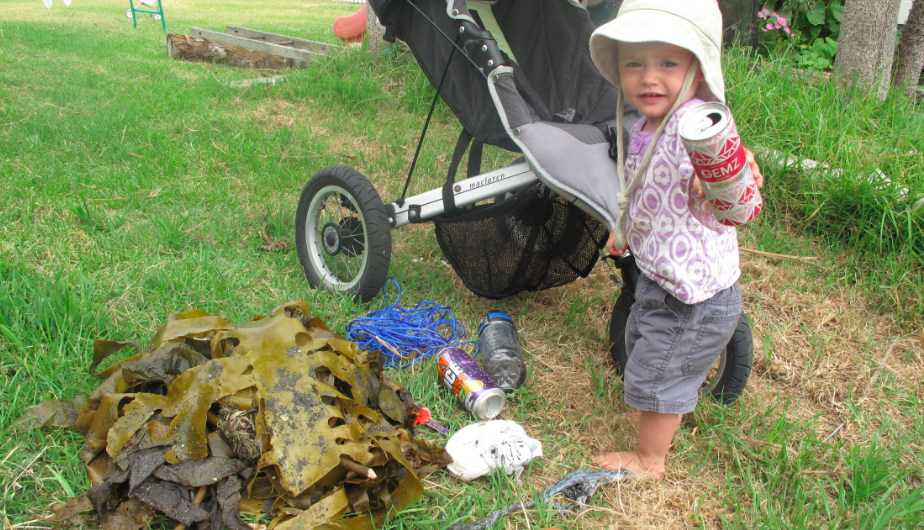
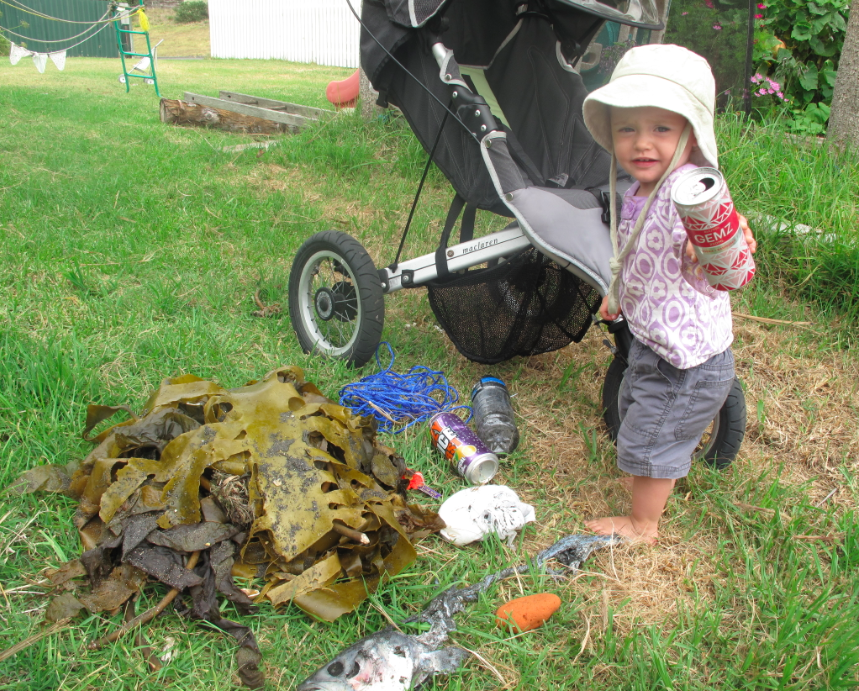
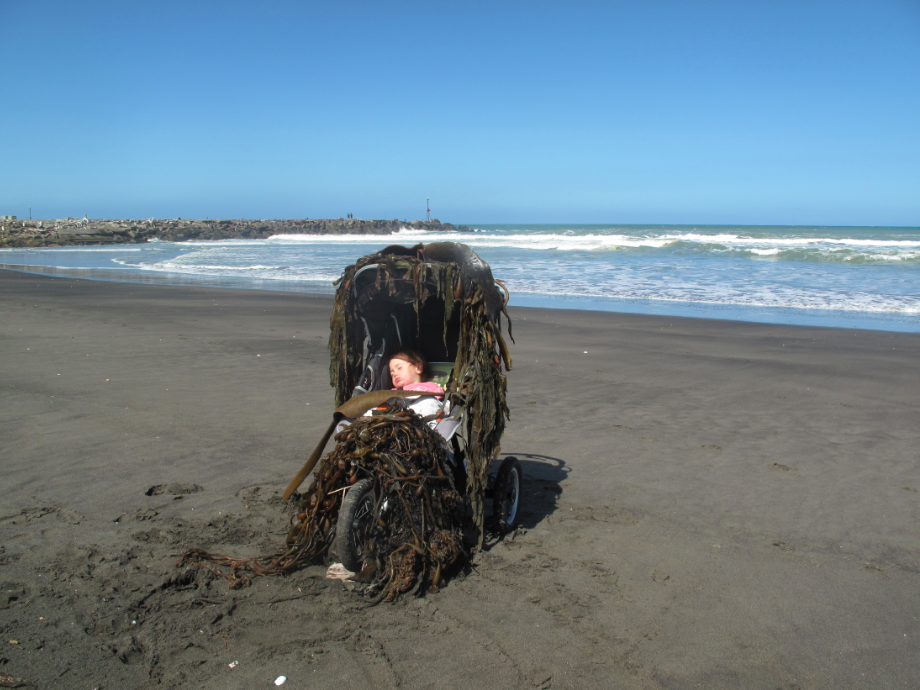
Much of the ‘waste’ that makes its way onto our property comes home with Verti and me from our walks along the beach. If there is anything I’ve learned as a new parent it is that my 18 month old daughter loves imitating and helping. From this perspective, I can’t think of many things more valuable than walking with her along the seashore collecting discarded cans and bottles, bits of plastic, and organic matter for our compost.

Plus, I get to check out the waves so I can plan for a surf after mum gets home.

  Screen shot 2014-03-21 at 10.28.43 AM

Sidebar: TPPA Alert!

We face many challenges ahead, but perhaps the most immediate one is the Trans Pacific Partnership Agreement (TPPA) being negotiated in secret at the behest of transnational corporations whose one and only mandate is to return maximum profits to share holders. The likelihood of the TPPA being good for people or the planet is about that of the All Blacks falling to Japan in a test match. Please attend the rally against New Zealand signing onto the TPPA Saturday 29th March at 1 pm. Meet at the Silver Ball sculpture at the River Market and walk to Majestic Square.