Category Archives: Eco Thrifty Life

Groundhog Day in Wanganui…Again

It’s Groundhog Day all over again in Wanganui.

I love living here but it pains me to see repeating patterns that make situations worse because of council’s refusal to accept anything other than the chosen narrative regardless of facts to the contrary. Perception management appears to be at the top of the agenda, yet the refusal to accept factual information or expert opinions from anyone who does not parrot the current narrative actually reinforces the perception that Whanganui is parochial and full of, to quote Chester Borrows, “whingers and grizzlers.”

I do not believe this to be true, but that certainly was the message broadcast to the nation on Thursday, 23rd July.

When I picked up my paper that morning and read the headline, I cringed. I was afraid for what the afternoon would bring. It turned out to be worse than I feared.

The essence of Borrows’ terms were broadcast to the nation by Duncan Garner as he shared with his Radio Live Drive audience the Chronicle’s front page article and councilor Ray Stevens’ suggestion of retaliation.

I was cringing all over again as I listened, so my apologies for not getting the exact quotes. But in a nutshell this is what Duncan said:

“We have been all over the country on our tour of the regions documenting the decline of CBDs and Wanganui is the only place to complain about it. I think Wanganui needs to get over itself.”

As for Stevens and his idea of retaliation, he simply said, “You need to grow up, mate.”

Duncan reminded listeners that two days earlier he had reported a fact: that there were 35 empty shops in Victoria Avenue. He commented that he is a journalist and part of the job includes reporting facts. Any potential “negative” image of our city that this projected was made far worse by the reaction to it.

As Kate Stewart pointed out last Saturday, the response from council staff and some local residents runs the risk of “alienating ourselves from those whose help we need most.”

“Surely we can’t be that immature and naïve.”

I hope not, but history has a stubborn way of repeating itself as we’ve seen most memorably with economist Shamubeel Eaqub, whose expert advice appears to have been rejected by council, and whose name is uttered with scorn and disapproval. Duncan is the new Shamubeel. It’s Groundhog Day all over again.

We all love reading Kate Stewart because she calls it like she sees it: “Relocating from one local site to another is not growth, it’s just movement, despite the positive spin that many have deluded themselves into believing.”

When councilors demand retaliation, it makes it seem like we don’t have the ability to self-reflect. When councilors claim to be “working proactively to sort the situation,” it make it seem like we don’t have dictionaries. After 35 shops (more like 50 as we’ve been told) it’s not being proactive, it’s being reactive. Claiming it’s proactive is simply untrue, and easy for commentators like Duncan Garner or Kim Hill to pick apart in front of a national audience.

The best example of being proactive in Whanganui over the last two years has been the community’s resistance to the Trans Pacific Partnership Agreement (TPPA). Being proactive requires action before something happens, not afterward.

Among Kate Stewart’s observations last weekend were that outsiders tend to experience a backlash while locals who make the same observations are simply ignored. It would appear that snubbing is the preferred method of addressing community members who submit alternative narratives or innovative ideas. But just like overreaction to outsiders’ observations sets us back as a community, so does snubbing.

Although I find it humorous, I also find it incredibly sad. I can just imagine the lengths that council spin doctors (and our local MP) went to in order to paint Duncan Garner’s entire visit to our city with a negative brush, when in fact there was a very positive story about some joker’s warm, dry home in Castlecliff with a $27 power bill. Across the country, the segment was extremely well-received, and a short video posted on Duncan’s website and Facebook Page has the most “Likes” and “Shares” by a wide margin of any other post from his two-week tour of the regions.

Screen Shot 2015-07-28 at 11.39.41 am

If you are a regular listener to Radio Live Drive you will know that Duncan: 1) welcomes all points of view on his programme; 2) always gives people credit for fronting even if he disagrees with them; 3) has no tolerance for spin; 4) supports the regions; 5) always ends an interview with, “Thanks for your time. I appreciate you coming on the programme.”

For these things alone I reckon he deserves respect.

Peace, Estwing
Mid-Winter Permaculture Update

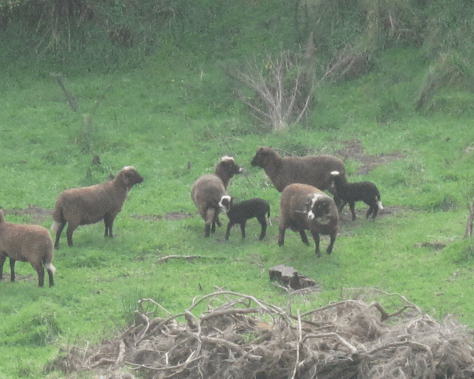
We’ve been through a slow patch with cold temperatures and short hours of daylight, but now we are on the back side of winter. We have two lambs so far.

Screen Shot 2015-07-29 at 5.50.14 pm

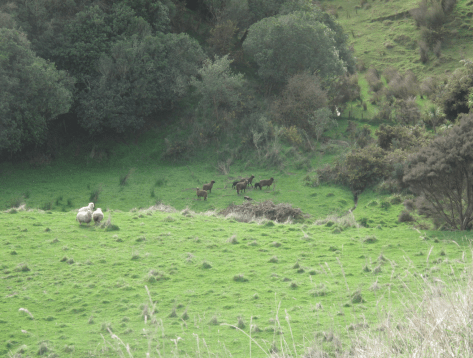
And some very pregnant ewes.

Screen Shot 2015-07-29 at 5.50.01 pm

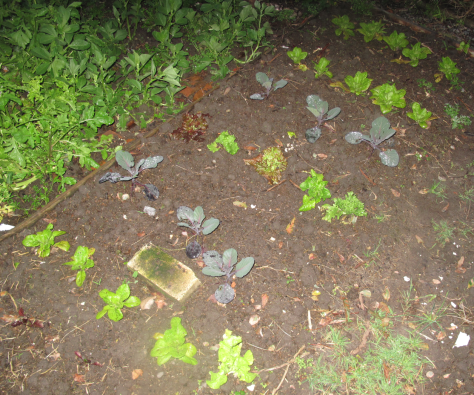
Kitchen garden ticking over.

Screen Shot 2015-07-29 at 5.49.28 pm

A bit late when I took these photos.

Screen Shot 2015-07-29 at 5.49.17 pm

Beautiful moonrise, though.

Screen Shot 2015-07-29 at 5.48.53 pm

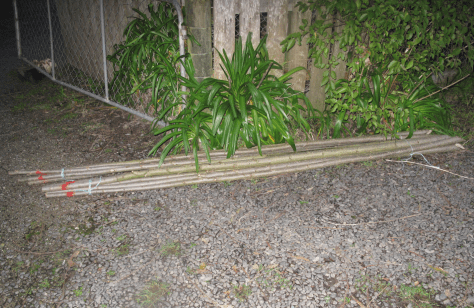
Poplar poles were delivered today to plant on the slopes.

Screen Shot 2015-07-29 at 5.48.35 pm

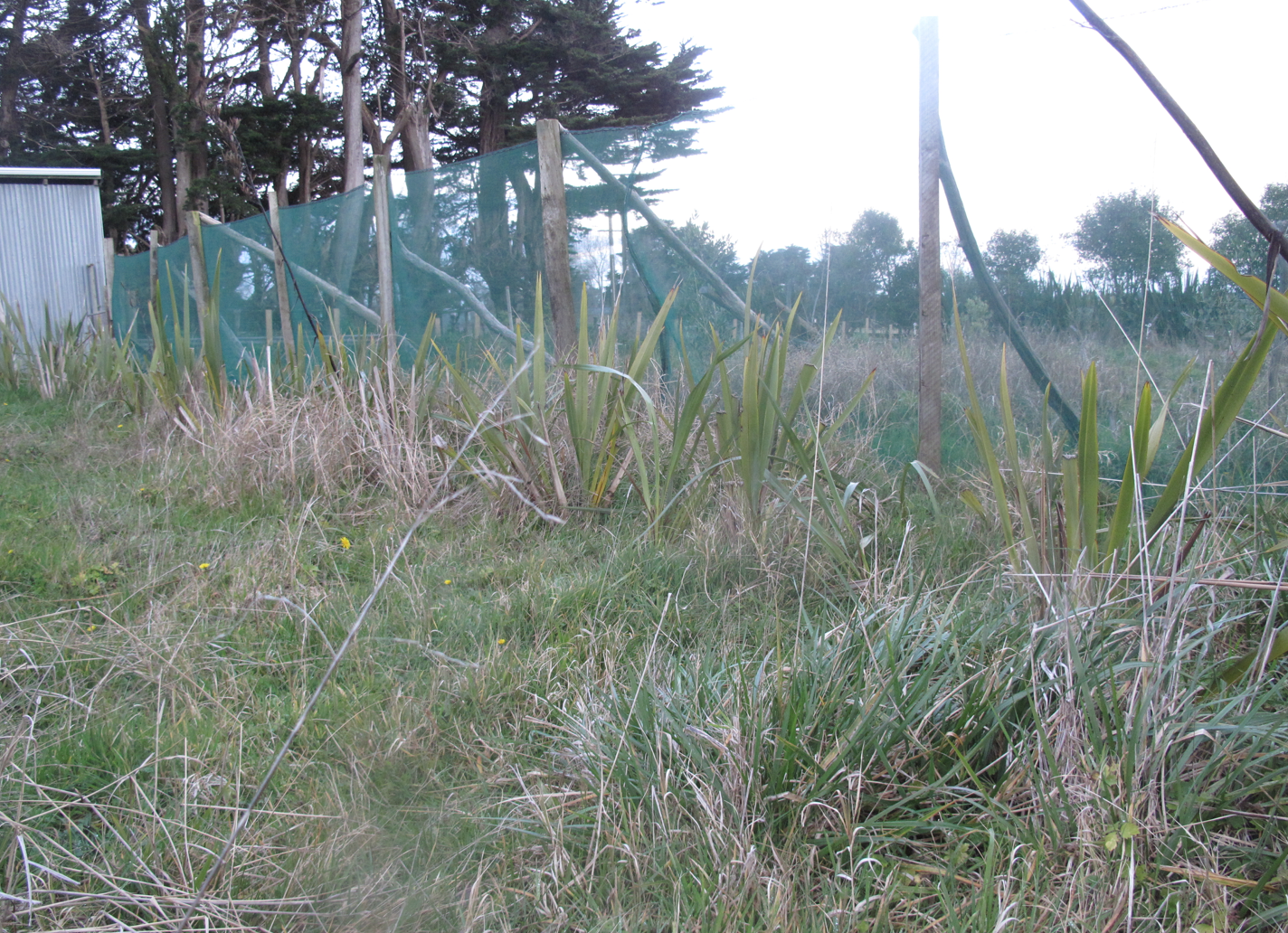
Heaps of flax still to plant.

Screen Shot 2015-07-29 at 5.48.26 pm

Garlic is pumping.

Screen Shot 2015-07-29 at 5.46.51 pm

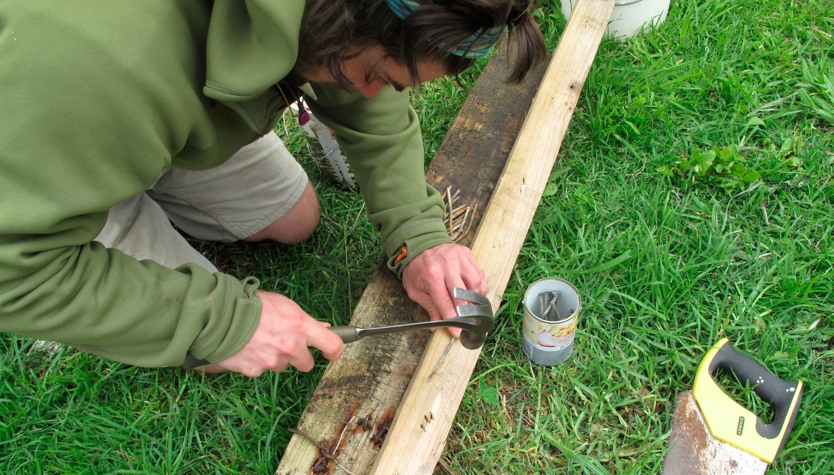
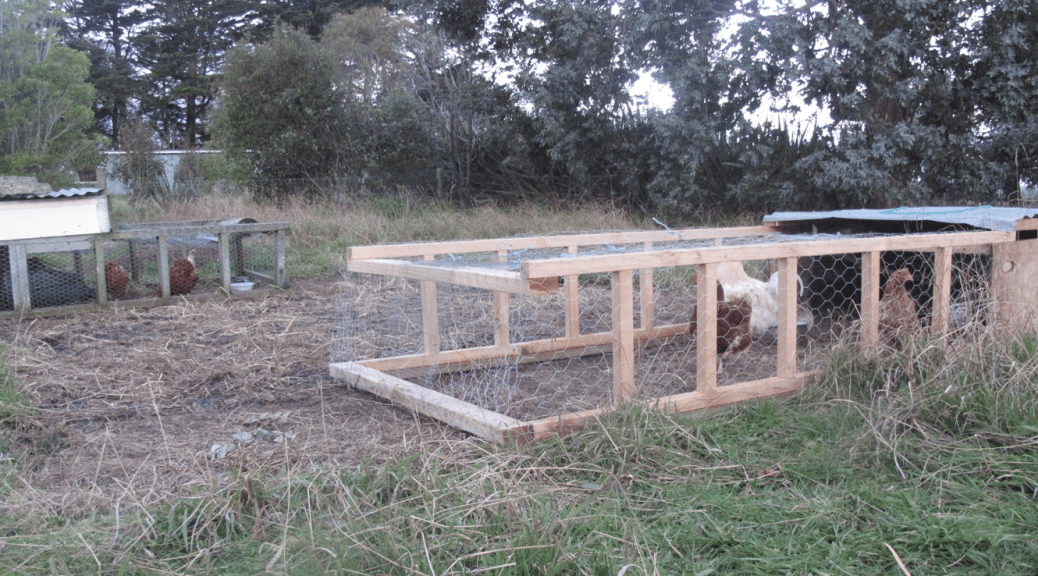
I built a new chicken tractor on Sunday.

Screen Shot 2015-07-29 at 5.46.22 pm

 Flax windbreak growing steadily. Screen Shot 2015-07-29 at 5.46.12 pm

Anyone want to buy a duck?

Screen Shot 2015-07-29 at 5.35.49 pm

Or a car?  Screen Shot 2015-07-29 at 11.28.08 am

Peace, Estwing

Presilient Farming: Eco Design on the Land

Eco design is a large field, and I spend almost as much time advising on land management as I do on healthy homes. In a nutshell, eco design is about working with nature instead of against it.

Eco design is the beautiful marriage of art and science. In the housing sector, the science is mostly physics, but when is comes to land management the science is mostly biology and hydrology, along with a healthy dose of chemistry. Whether it’s a residential section or an entire farm, ecological land management focuses on two goals: diversity and moderation.

Biodiversity simply means providing a wide range of living organisms. Moderation means buffering against climatic extremes such as drought and flood. Both of these improve the resilience of any piece of land, and for farms would more than likely ensure long term profitability and protect against short term volatility.

It was with this perspective that I registered for a presentation called, “Doug Avery’s Resilient Farmer: Innovate or Stagnate.” The large venue was packed wall to wall with stoic looking farmers. Being unfamiliar with Doug and his work I was not prepared for what first came out of his mouth.

For nearly an hour, Avery spoke almost exclusively about depression and suicide among farmers. From his website:

“In New Zealand, we are twice as likely to die from our own hand as in a motor accident. Men are three times more likely to die than women, and rural men are twice as likely again. Below the tragedy of suicide is a huge pyramid of depression. This is something we all have to work together to address.”

This message was echoed in a front page story on Monday in the Chronicle: “Don’t accept tough farmer myth.” Sam Kilmister’s article quoted Lyn Neeson of the Rural Support Trust:

“If we do perpetuate the idea that farmers are stoic and tough and can get through anything, when something like this does happen and they can’t cope they feel like something is wrong with them, which makes them very vulnerable.”

Within a week of attending Avery’s talk, I heard Tim Groser, National Party MP and Minister of Trade, on the radio warning that the nation’s farmers needed to develop better resilience to the expected impacts of climate change. I’ve been developing resilient properties for over a decade and a half, so I agree with Groser that a prudent and conservative approach to land management is best.

This makes a line in Kilmister’s article especially concerning: “The trust is an important part of shooting down the perception that resilience is the backbone of the farming community.”

The takeaway from all of this appears to be that the resilience within the farming community is low but it needs to be high. We have our work cut out for us, and just as eco design is the future of housing in New Zealand it is also the future of farming. Screen Shot 2015-07-16 at 9.36.18 am

Three concerns are identified by Neeson of the Rural Support Trust as especially worrisome to farmers: market prices, weather, and off-farm income. Eco design specifically addresses two of these factors, which are too often considered out of a farmer’s control.

Diversifying farm income is a critical step to developing resilience to price volatility. In nature, monocultures are vulnerable to insects and diseases, often with disastrous results. The same is true of farming.

Buffering against the extremes of flood and drought, while not changing the weather, can moderate the effects of extreme weather events on a farm and its income. The best time to prepare for the next extreme weather event is yesterday. The next best time is today.

We have been on our farm for less than a year, and I have already spent thousands of hours and thousands of dollars on drought-proofing, flood mitigation, and diversification. I have come to call this approach ‘presilience’. Some of the best eco designers around the world call it ‘regenerative design’ or ‘regenerative agriculture’. In a nutshell, it’s innovate or stagnate. I know which side I’m on.

Screen Shot 2015-07-16 at 9.37.01 am

Sidebar: 2021 Whanganui Flood Prelief Fund – Prevention is better than cure.

We have voluntarily reduced stocking rates on our farm and taken steep hillsides out of grazing to help protect the city from the next flood. This approach can be cheaper and more effective than building higher stopbanks.

You can help make our community more ‘presilient’. We are accepting donations of trees and of cash to go to the purchase of trees to plant on vulnerable slopes. Electronic donations can be made to this account: 38 9014 0367090 00

Permaculture Internship: July-September, 2015

We have been blessed with amazing interns over the last five years, and now we are looking for another. Dates are roughly the end of July through September.

Screen shot 2015-07-08 at 10.34.40 AM

We are midway through developing a large (5 hectare) permaculture property and renovating an 80 year-old home.

Screen shot 2015-07-08 at 10.31.28 AM

Our interns have cherished their time with us and still keep in touch.

Screen shot 2015-07-08 at 10.28.11 AMWe believe in hard work…

Screen shot 2015-07-08 at 10.30.13 AM

…and fun.

Screen shot 2015-07-08 at 10.28.20 AM

Our work has been featured in national and international magazines and websites.

Screen shot 2015-07-08 at 10.33.32 AM

  We seek a highly-motivated individual who is keen to learn eco-design, holistic land management, organic agriculture and horticulture, green building, community organising, farm skills, and more.

Screen shot 2015-07-08 at 10.32.36 AM  Contact us on theecoschool  –  at — gmail  dot   com

Screen shot 2015-07-08 at 10.35.55 AM

Dr. Nelson Lebo is a professional eco-design eductor. He holds a diploma in permaculture and is a recognized permaculture design educator.

Screen shot 2015-03-31 at 10.23.51 AM

Slips – Sliding Away

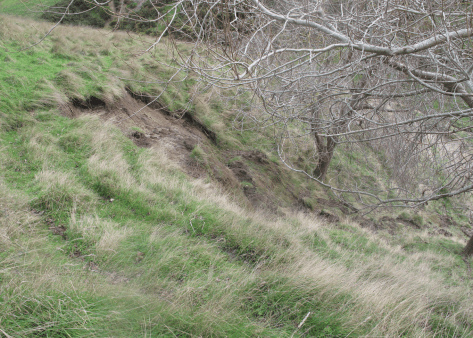
We have been on our land for 10 months – not enough time to stabilise the vulnerable hillsides. Last weekend we had 140 mm of rain fall in 36 hours. From one spot I can see 9 slips – mostly on the neighbours land, but overall a humbling experience.

This is across the valley on the edge of our land.

Screen Shot 2015-06-24 at 5.40.11 pm

This is the large slip on our land.

Screen Shot 2015-06-24 at 5.41.46 pm

This is across the creek in a patch of native bush.

Screen Shot 2015-06-24 at 5.41.15 pm

This minor slip was arrested by two large poplars.

Screen Shot 2015-06-24 at 5.41.07 pm

Up close.

Screen Shot 2015-06-24 at 5.40.40 pm

Humbling.   Screen Shot 2015-06-24 at 5.40.28 pm

Across the valley on the neighbours land.

Screen Shot 2015-06-24 at 5.40.20 pm

We have hundreds of trees ready to plant on the slopes to hold the soil. This is the right time of year to be planting.

Anyone is invited to our place on Sunday 5th July 1-5 PM to plant trees on the steep slopes. BBQ and Texas Chili Cookoff to follow.


Peace, Estwing
The Pope and the Flood: Whanganui, 2015

Pope’s Encyclical: “Laudato Si (Be Praised), On the Care of Our Common Home.”   With the publication of his encyclical last week, Francis’s status as rock star Pope has been elevated to rock icon Pope. The 183-page document, titled “Laudato Si (Be Praised), On the Care of Our Common Home,” will more than likely become remembered as the definitive writing of the 21st Century. I have praised Pope Francis in the pages of the Chronicle before and I will almost certainly praise him again. If there are two things I admire in this world they are courage and positive leadership. The courage and leadership Francis has demonstrated in the past turns out only to be a prelude to that which he demonstrates with this encyclical. Drawing on the best research in economics, science and sociology, Francis identifies the two most pressing issues facing humanity: climate change and income/wealth inequality. For anyone who has followed the research in these areas, the content of the encyclical is no surprise. Even avid Chronicle readers should be well aware that 98% of climate scientists worldwide agree that climate change is influence by human activity, and that wealth inequality exacerbates social problems and drags down economic growth. While these findings are based on the best data examined by the best researchers, they have proven to be politically unpalatable. The fact that Republican candidates for the American presidency are squirming in their seats in response to the encyclical is a sign of the times. Closer to home, we get the expected responses from National, Labour and the Greens, along with Paul Henry’s patented, “I don’t care.” Let’s pause for a quick reality check: Wellington, Dunedin and our own River City have experience historic flooding – ok, let’s call it Biblical flooding as long as this is a discussion about the Pope – in three separate rain events in the course of one month. Call me Noah ‘cause I’m building an ark.

Screen Shot 2015-06-22 at 3.45.32 pm

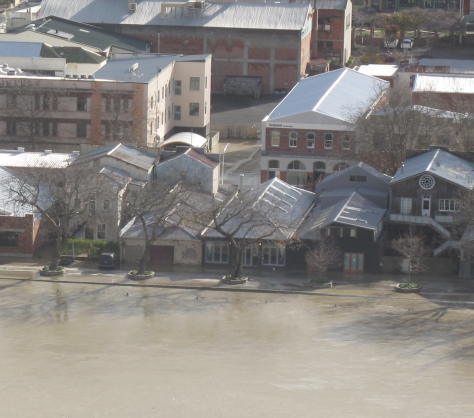
Was this flood event unexpected? No. Our community should be aware that Horizon’s Regional Council has halved the timeline for major flood events for the Whanganui River. In other words, what was the 100-year flood is now the 50-year flood, and what was the 200-year flood is now the 100-year flood. In light of this, ratepayers are right to wonder why our District Council has poured millions of dollars into developing the riverfront and moving an art gallery directly into harms way. Claiming it did not see this coming would beggar belief given what Horizon’s has advised along with over 10,000 peer-reviewed scientific articles on the topic of climate change. This would truly be the weakest possible response from our local government body to this crisis. If we wanted a non-response we could tune in to the Paul Henry Show. Floods happen, and data from around the world indicates they are happening more frequently and with more severity. Our ‘Katrina moment’ was never a question of if but of when. The Pope knows this. What amazed me was how gently and gradually it came upon us. There were no gales, thunderstorms or lightening. Quiz Night went on as usual Friday at Stellar and the River Traders Market took place Saturday morning across the street. The devastation came to us literally drop by drop, much in the same way wealth and income inequality has gradually widened over the last 30 years, hitting epic proportions – ok, let’s call them Biblical proportions – in the last seven years. The Pope knows this too.

Screen Shot 2015-06-22 at 3.44.45 pm

At the end of the day, what is significant about Francis’ encyclical is not its content. We already know that climate change and wealth inequality are bad for society and bad for the economy. What is significant is the person who has delivered that message with unprecedented courage and conviction. Would it be blasphemy to say this Pope has some serious huevos? For as long as I have lived in The River City, climate change and income inequality have been non-starter issues. Politically, they are perceived as no-go zones, yet we have seen their impacts on our community on more than a few occasions. Because of our unique location and economy, we suffer their effects to a greater extent than other communities. The longer our Council ignores them the greater our problems will become. The Pope even knows this. More than anything, Francis has issued a challenge of courage and leadership. Who in our community will answer the call of Care of Our Common Home’?

More on Housing and Garlic in NZ


Editor’s Note: This is my weekly column in the Wanganui Chronicle.


I narrowly missed my chance to be “World Famous in New Zealand” last week because I was busy planting garlic.

On Wednesday morning a producer for Duncan Garner’s Radio Live Drive programme invited me to speak with Duncan on the topic of warm, dry, healthy homes. I did not see the email until after Wednesday afternoon’s programme was done and dusted, and by Thursday the topic du jour had changed. So much for my 15 minutes of fame…

Anyone who has been following the news over the last fortnight would be well aware that a number of deaths linked to cold, damp houses has sparked a national discussion about the other housing crisis in New Zealand. I call it “the other housing crisis” because we hear much more about The Housing Crisis in Auckland and to a lesser extent in Christchurch.

As is the case with many important issues, a quantity story often outweighs a quality story. Quantity stories are easy to understand: just do the maths. But quality stories are nuanced and require more research, more careful consideration, and are best presented from a holistic perspective.

On Monday, Chronicle Editor Mark Dawson asked the question: “How many bad houses in our city?” Leave it to a seasoned journo to get both quantity and quality into one headline!

At the end of Dawson’s editorial he ruminates “about the condition of Wanganui’s states houses,” and “how many of them are substandard.”

The second of these is the easiest to answer: in all probability 100% of all state houses in our city are “substandard.” If the current New Zealand Building Code minimum is “the standard,” then by definition anything not built to that level is “substandard.”

The bad news is that the NZBC minimum would be considered by many nations as substandard in and of itself when it comes to warmth and energy performance. In other words the code sets a low bar for insulation, windows and design.

The other bad news is that Housing NZ homes are probably better than the majority of rental properties in Whanganui, and better than hundreds if not thousands of privately owned dwellings. Put another way, Housing NZ is one of the better landlords in our city. Depending on your perspective, this may be good news or bad news.

In the guts of his editorial, Dawson addresses the concept of a rental housing warrant of fitness. Last May, the Wellington based He Kainga Oranga released a report on a pilot WOF scheme that assessed 144 rental properties in Dunedin, Christchurch, Wellington, Tauranga and Auckland. Eight passed.

The takeaway: we have a large quantity of low quality homes in New Zealand.

As would be suspected, there is significant pushback from property investors and landlords against the WOF scheme. There is also the question of who would administer the scheme and who would pay. Central government would benefit from the scheme, which would lead to hundreds of millions of dollars in savings to the health system, but local governments would be the most likely bodies to shoulder the burden.

The takeaway: not likely to happen anytime soon.

In the meantime, the best thing for tenants to do is their homework. Seek out information from the EECA EnergyWise website and ecodesignadvisor.org.nz.

Don’t take landlords’ or agents’ word when they say a property is “fully insulated.” Look for yourself.

Ask the agent to bring a hygrometer to measure indoor humidity when you go to look at a potential rental.

Don’t rent a property without one of the following heaters: flued mains gas; heat pump; wood burner; pellet burner.

Don’t use unflued LPG heaters.

Make and install window blankets and/or secondary curtaining.

Draught-proof doors and windows.

The list goes on.

I’ve been thinking carefully about what renters can do to improve their living conditions for over four years – ever since veteran journo, Paul Brooks, challenged me on the issue. I gave him a handful of suggestions at the time, and now have a bucketful. That’s one reason Garner’s people contacted me.

I may have missed my chance to be World Famous last week, but at least I’ve got an early crop of the World’s Best Garlic in the ground.


Peace, Estwing
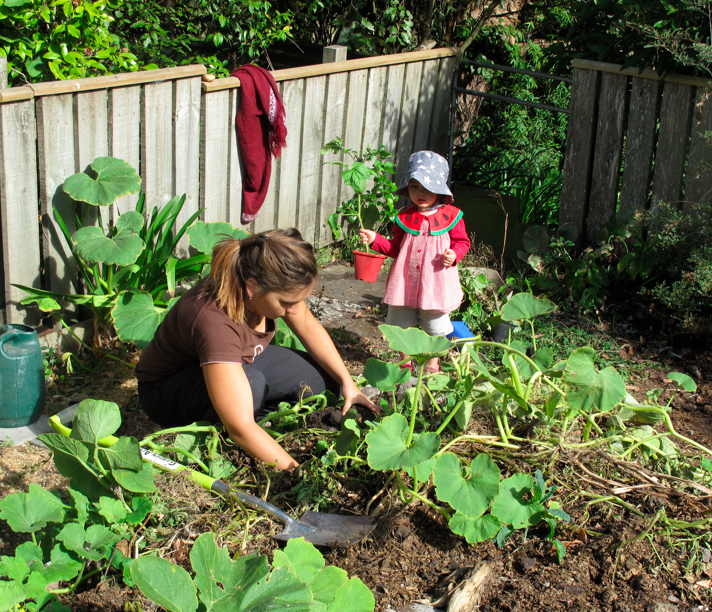
Good Design & Great Garlic

When it comes to housing and garlic, good design is more important than hard work. In both cases, the core decisions that ensure quality can be counted on one hand. Everything else are details.

In the case of housing, we can look around the world and observe examples of low energy and high performance homes. For the most part, the design principles are universal with the exception of the tropics where important tweeks must be made compared to other regions.

For example, the main goal of good tropical house design is passive cooling that relies on cross ventilation. From this perspective, homes should be rectangular with the long axis running north-south to catch breezes. For almost all other locations around the planet a home should be rectangular with the long axis running east-west to catch the winter sun and exclude the summer sun. In all cases the basic design objective is a passive structure that heats and cools itself as much as possible using natural energy flows.   Screen Shot 2015-06-12 at 8.12.51 pm

Beyond passive design, another wise choice to make with housing is to place fixed heaters on internal walls rather than external walls. Placing a heater close to the centre of a home and surrounding it by living spaces would appear to be common sense until you take a trip around Whanganui and see the preponderance of chimneys built on one extreme end of long rectangular and L-shaped homes. It appears there was an era in our city where both common sense and good design were sorely lacking when it came to home building. Some would argue it continues.

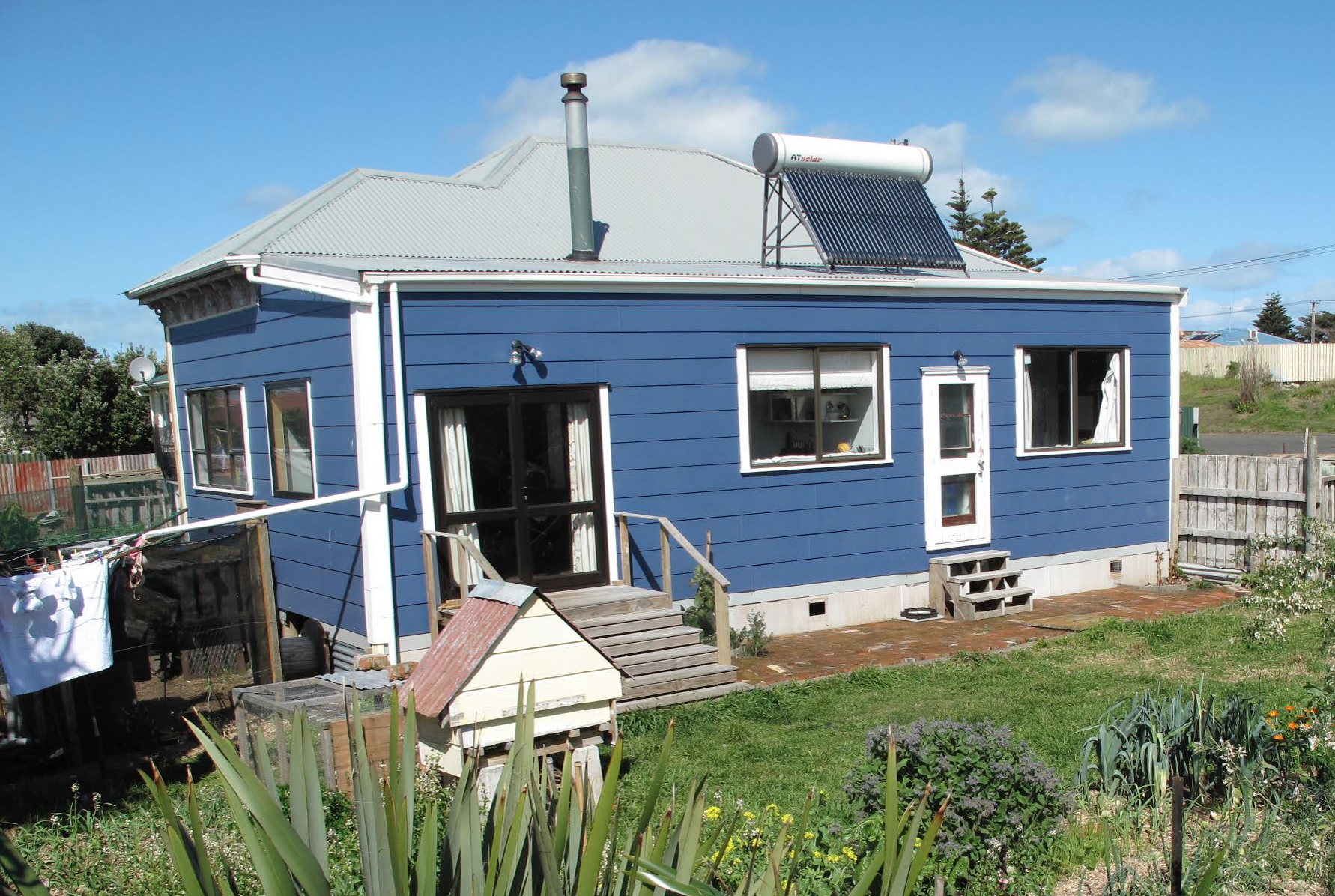
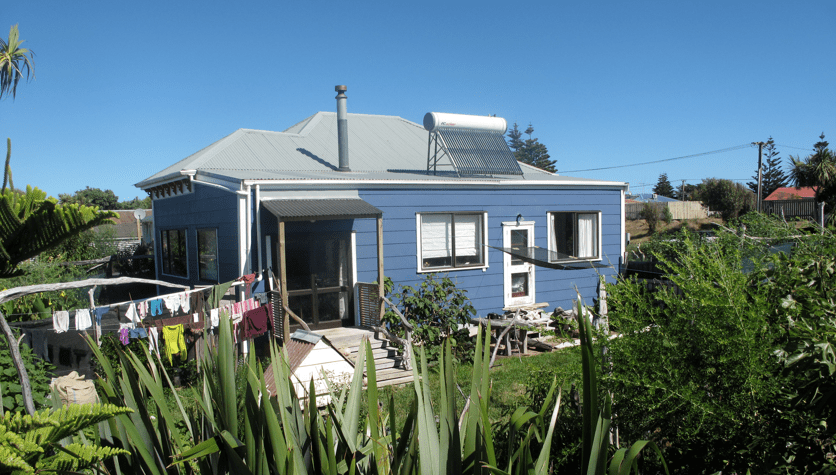
Fixing bad design is more expensive than engaging good design from the start, but the good news is that in Whanganui it is far more affordable to buy an existing home and do it up rather than build a new home. For example, our renovated villa ticks the boxes for good design for less than half the cost of building new.

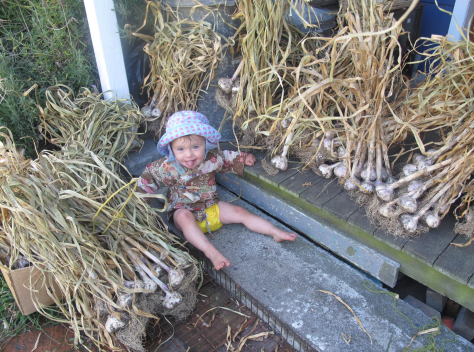
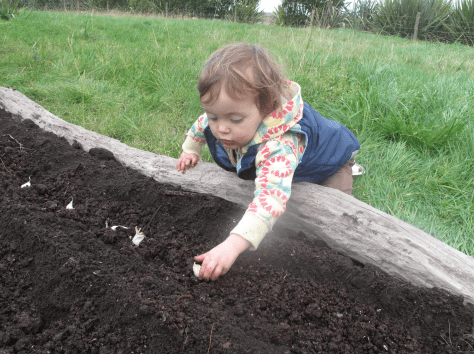
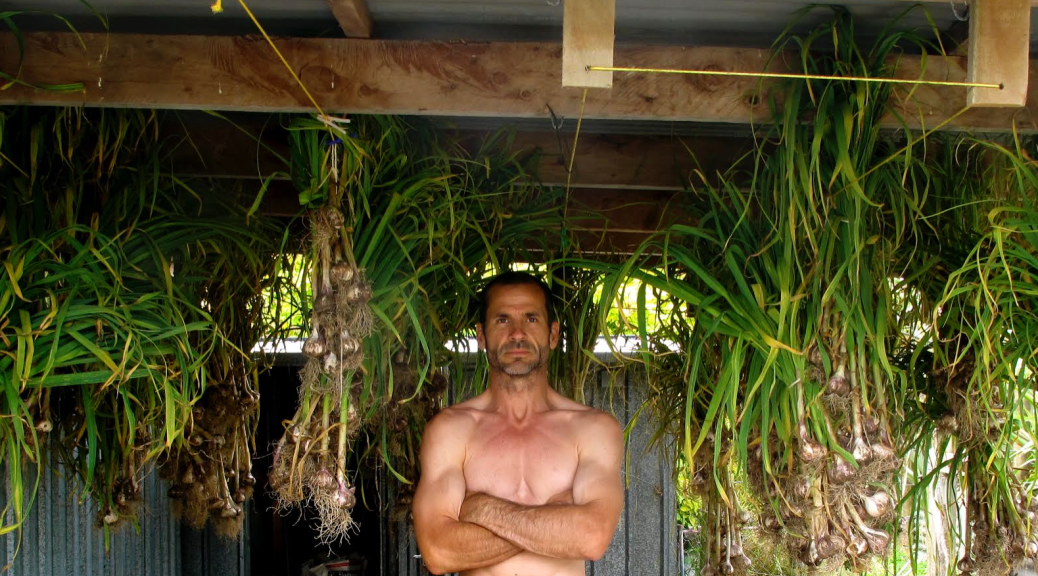
Similarly, growing great garlic can be more a matter of good design than hard work. Again, the principles can be listed on one hand: good seed; great compost; plenty of moisture; minimal weed competition. Screen Shot 2015-06-12 at 8.12.59 pm

Like racehorses and livestock, genetics matter with garlic. Buying high quality seed garlic is the best place to start. I was in a big box discount store recently and noticed the so-called “Garlic Seed” they were selling and had to stifle laughter at both its size and price. The best seed garlic is local and organic.
Compost provides multiple benefits to garlic while it is growing, including feeding, moisture retention, and microbial activity. High quality living compost is always better than a sealed 40-litre bag that probably lacks helpful aerobic soil organisms.
Screen Shot 2015-06-12 at 8.13.20 pm

Garlic, like all alliums, grows better with more moisture. A combination of generous compost and heavy mulch can ensure soil moisture remains high even trough extended period without rain. Mulch also doubles as a weed suppressant and encourages worms to be active closer to the soil surface.

For more information on Growing Great Garlic, come along to a workshop on the 21st of June at 3 PM. Registration essential. 06 344 5013; 022 635 0868; theecoschool – at – gmail.com

Resilience is the New Black

Sustainability is so 2007. Those were the heady days before the Global Financial Crisis, before $2-plus/litre petrol here in New Zealand, before the failed Copenhagen Climate Summit, before the Christchurch earthquakes, before the Trans Pacific Partnership Agreement (TPPA)…the list continues.

Since 2008, informed conversations on the economy, the environment, and energy have shifted from ‘sustainability’ to ‘resilience’. There are undoubtedly many reasons for this shift, but I’ll focus on just two: undeniable trends and a loss of faith. Let me explain.

Since 2008, most of the pre-existing trends in income inequality, extreme weather events and energy price volatility have ramped up. Sustainability is about halting and reversing these trends, but there is essentially no evidence of that type of progress, and in fact the data shows the opposite.

Plenty of quantitative data exists for the last seven years to document these accelerated trends, the most obvious is the continually widening gap between rich and poor everyone else. The second wave of commentary on the Baltimore riots (after the superficiality of the mainstream media) has been about the lack of economic activity and opportunity in many of the largely African-American neighbourhoods. Tensions have been simmering for years (decades) and overzealous police activity appears to have been just been the spark. This should come as no surprise to anyone who has read The Spirit Level, or any similar research on the correlation between wealth inequality and social problems.

You can only push people so far before they crack. For residents of Baltimore’s disadvantaged neighbourhoods the inequities are obvious. People are not dumb. We can see the writing on the wall, and know for the most part that government on every level has not taken significant steps to embrace sustainability be it economic, environmental or social . To me it seems we are running on the fumes of debt on all three: over-extended financially on nearly all levels; over-extended on carbon emissions (and post oil peak); and a powder keg of social unrest waiting for a tipping point.

Which brings me to my second point: a loss of faith.

For most of my adult life I have banged the drum for sustainability. I don’t anymore. Sustainability is about voluntarily balancing three factors: human needs, environmental health, and economic viability. My observation is that it has been a failed movement and that the conversation has naturally shifted to resilience.

These observations do not come casually. I have worked full-time in the environmental/sustainability/resilience field for twenty-five years and I have a PhD in science and sustainability education.

Dennis Meadows, a well-known scientist who has been documenting unsustainable trends for over 40 years puts it this way:

The problem that faces our societies is that we have developed industries and policies that were appropriate at a certain moment, but now start to reduce human welfare, like for example the oil and car industry. Their political and financial power is so great and they can prevent change. It is my expectation that they will succeed. This means that we are going to evolve through crisis, not through proactive change.

This is the same quote that Illargi recently highlighted here at The Automatic Earth. Clearly it resonated with me.

This is not to say we cannot and should not be proactive. It is more about where we direct our ‘proactions.’ Being proactive about resilience means protecting one’s self, one’s family, and one’s community from the trends that make us vulnerable economically, socially and environmentally, as well as to sudden shocks to the system.

The recent earthquake in Nepal is another reminder of the critical importance of resilience. Before that it was Christchurch and Fukushima. In the wake of earthquakes we often hear about a lack of food and water in the effected area, along with disruptions to energy supplies in the wider region. In Nepal these have lead to significant social unrest.

Whether it is Kathmandu over the last month or New Orleans after Katrina, we know that we cannot count on “the government” for significant assistance in the immediate aftermath of natural disasters. Along the same lines, we cannot count on governments to protect us from unnatural disasters such as the TPPA and TTIP.

Whether it is a potential earthquake or the next mega-storm and flood, the more prepared (ie, resilient) we are the better we will get through. Even rising energy prices and the probable effects of the TPPA will siphon off money from our city and exacerbate social problems in our communities.

In most cases, the same strategies that contribute to resilience also contribute to a more ‘sustainable’ lifestyle. But where for most people sustainability is largely abstract and cerebral, resilience is more tangible. Perhaps that’s why more and more people are gravitating toward it.

Resilience is the new black.

A resilient home is one that protects its occupants’ health and wealth. From this perspective, the home would have adequate insulation, proper curtaining, Energy Star appliances, energy-efficient light bulbs, and an efficient heater. By investing in these things we protect our family’s health as well as future-proofing our power bills. Come what may, we are likely to weather the storm.

Beyond the above steps, a resilient household also collects rainwater, grows some of its own food, and has back-up systems for cooking and heating. When we did up an abandoned villa in Castlecliff, Whanganui, we included a 1,000 litre rain water tank, three independent heat sources, seven different ways to cook (ok, I got a little carried away), and a property brimming with fresh fruit and vege. These came on top of a warm, dry, home and a power bill of $27 per month. (We did it all for about half the cost of an average home in the city.)

A loss of power and water for two or three days would hardly be noticeable. A doubling of electricity or fresh vege prices would be a blip on the radar. During the record cold week in 2011 our home was heated for free by sunshine.

Sustainability may be warm and fuzzy, but resilience gets down to the brass tacks.

Above all else, I am deeply practical and conservative. The questions I ask are: does it work?; is it affordable?; can I fix it myself?; and, importantly, is it replicable? Over the last decade I have developed highly resilient properties in North America and New Zealand. All of these properties have been shared as examples of holistic, regenerative permaculture design and management. We have shared our experience locally using open-homes, workshops and property tours, as well as globally through the internet.

When the proverbial hits the fan, which all the trends tell us will happen, I know that I have done my best to help my family and community weather any storm be it a typhoon, an earthquake, rising energy prices, or the TPPA.

Mid-Autumn Permaculture Update

Here is another update on the development of our new property. The rains have brought some beautiful mushrooms up in our new vege garden, but we don’t know what type they are. We are playing it safe.

Screen shot 2015-04-27 at 8.38.36 AM

This should give you an idea of how much rain we have had in the last month. This tub was empty on April 7th.

Screen shot 2015-04-27 at 8.39.20 AM

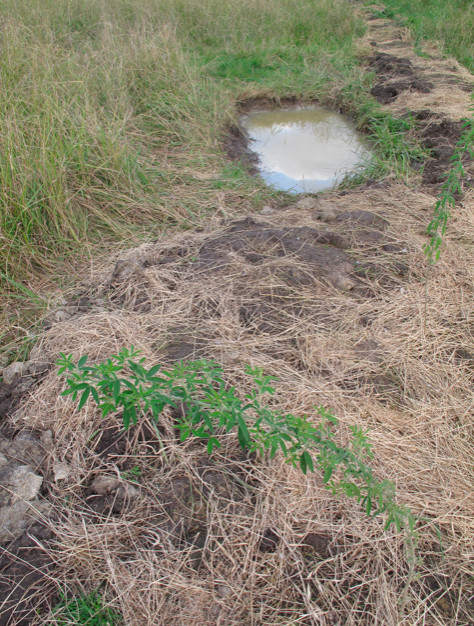
The pond I have been digging is filling quickly.

Screen shot 2015-05-02 at 6.08.46 PM

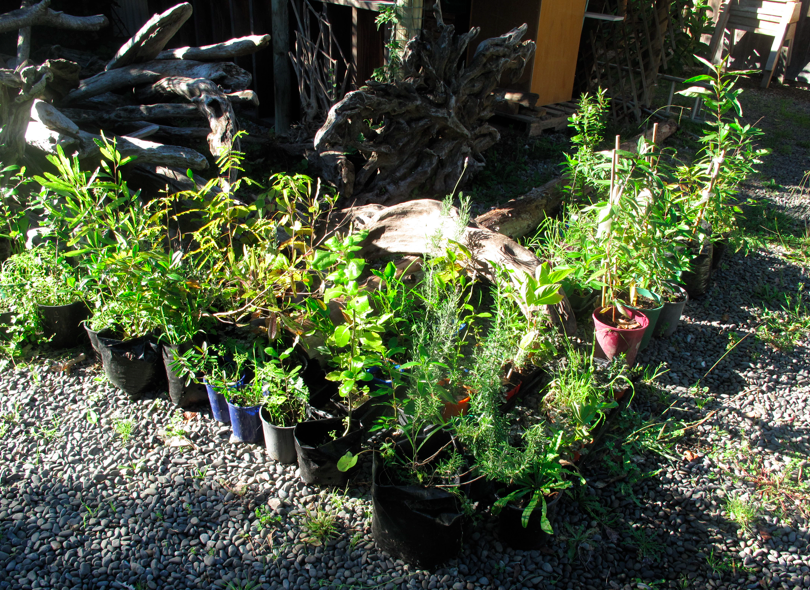
We have lots of trees ready to plant out.  This is about half of the trees we will plant this winter.

Screen shot 2015-04-27 at 8.38.46 AM

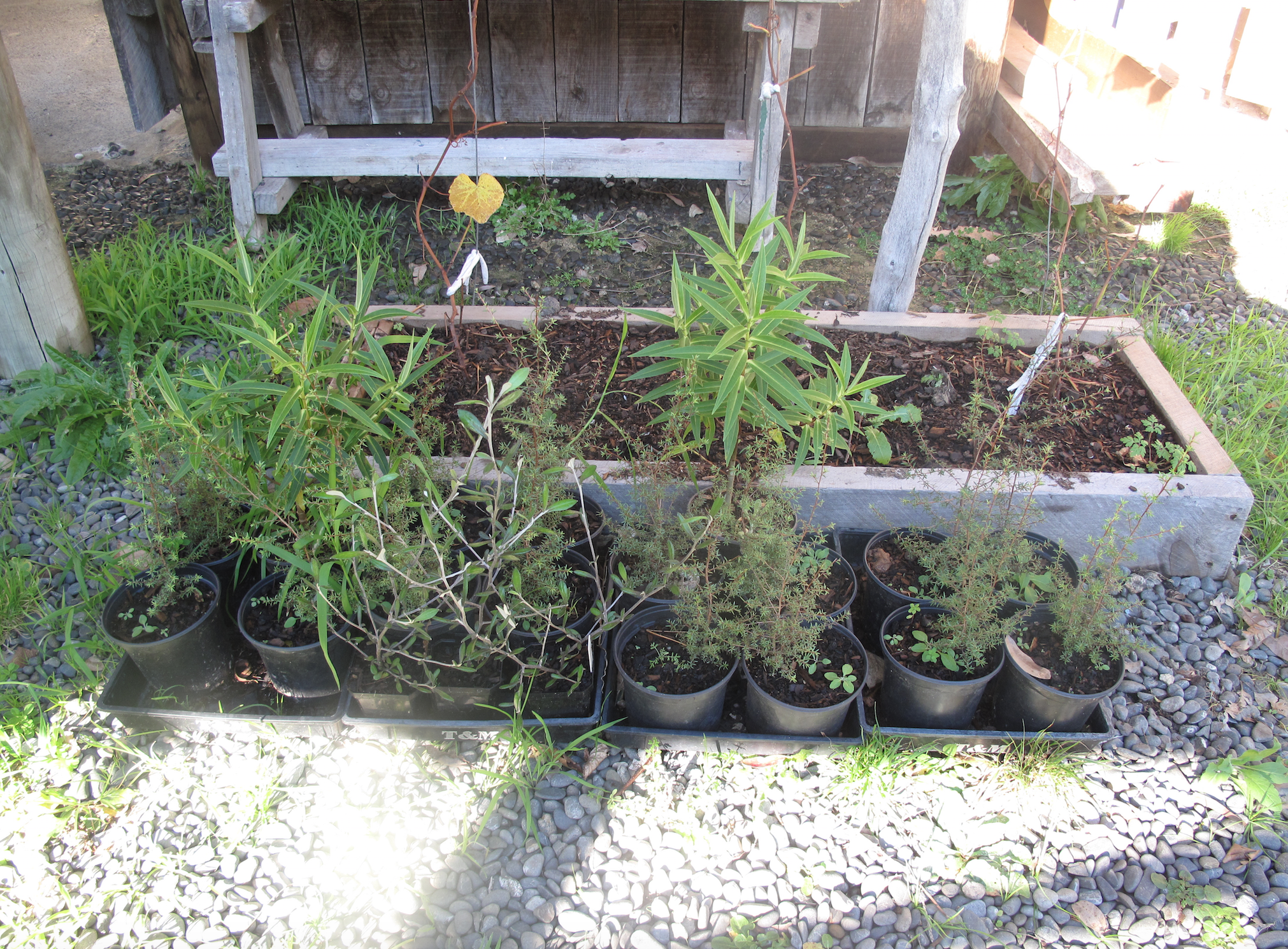
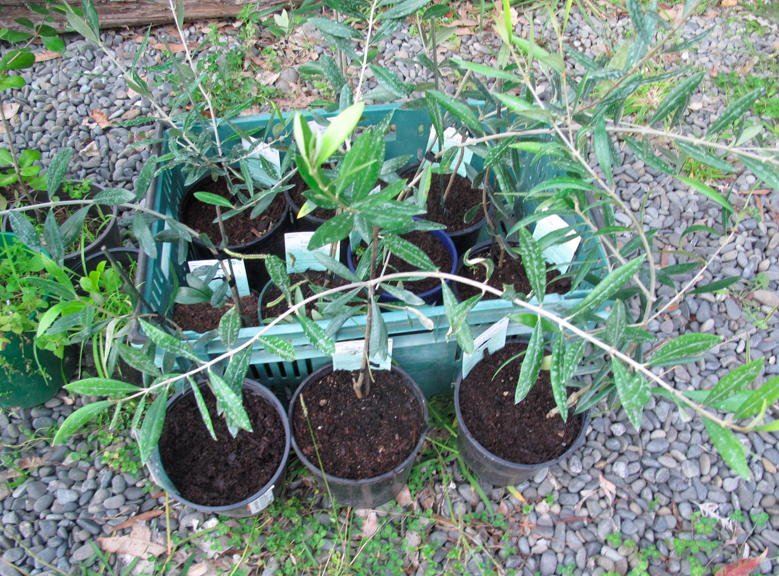
I bought 10 olive trees for $4 each. I have transplanted them into larger pots and will let them grow for another year before planting them out.

Screen shot 2015-05-02 at 6.08.10 PM

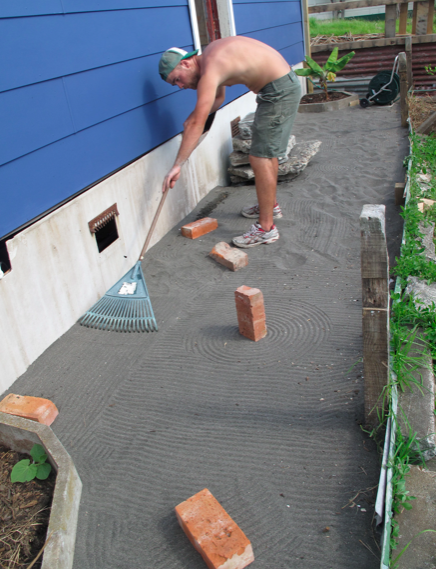
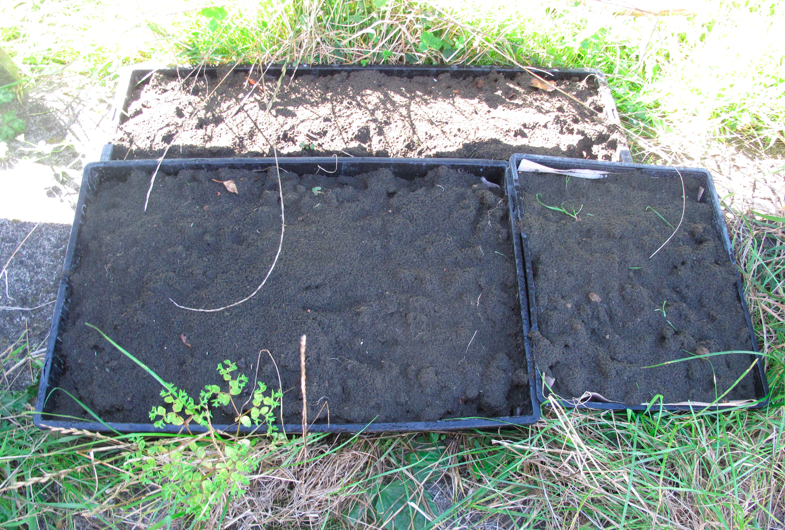
I have planted about 100 Black Boy peach stones in these sand beds. They will germinate next spring after spending the winter outdoors. Then I will prick them out and pot them up.

Screen shot 2015-04-27 at 8.38.54 AM

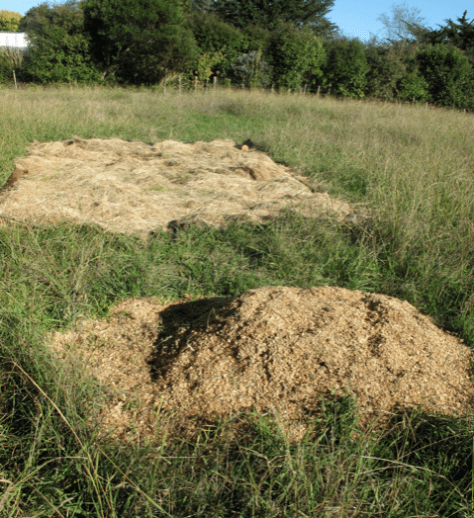
We are preparing to plant a couple thousand garlic in late June. Here is a bed being prepared by killing the grass and managing a compost pile next to it for easy access.

Screen shot 2015-04-27 at 8.39.09 AM

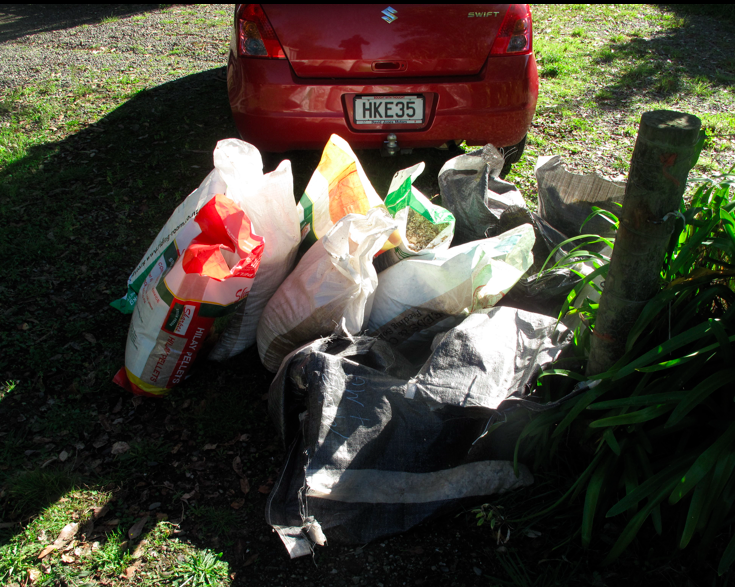
We have a great source of wood shavings from our midwife who keeps fancy chickens. I can fit about his much in the back of my Swift on the way home from work each fortnight.

Screen shot 2015-04-27 at 8.39.51 AM

Speaking of chickens, our little chicks are getting their adult plumage just in time for the cold weather.     Screen shot 2015-04-27 at 8.39.34 AM

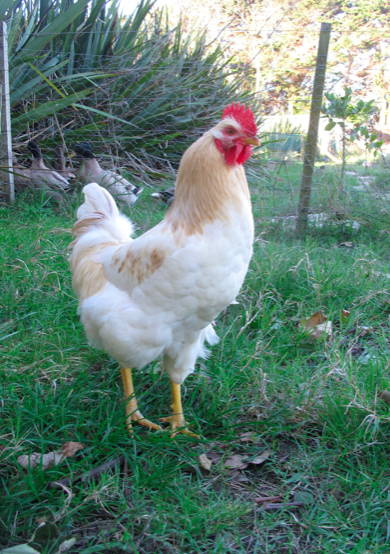
Some friends dropped this Orpington rooster by yesterday. They live in town and only discovered last week that he is a and not a she. The neighbours were not impressed.

 Screen shot 2015-05-02 at 6.07.42 PM

And speaking of midwives, we planted baby Manu’s placenta with this apple tree, which is one of the original root stocks of the Monty’s Surprise.

Screen shot 2015-04-27 at 8.39.45 AM

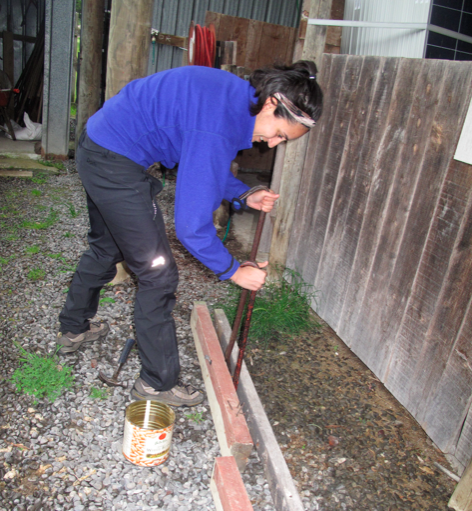
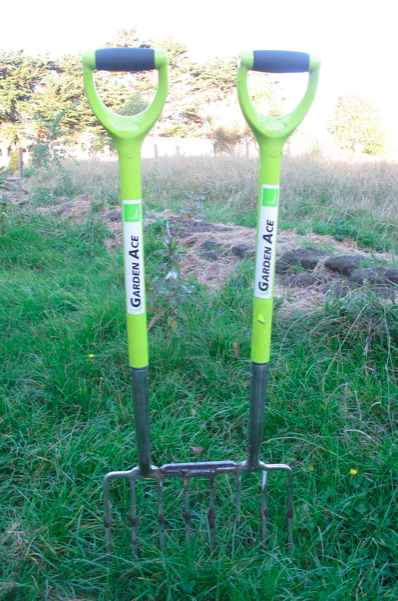
Yesterday I also got delivery of a broadfork that a friend welded for me. A broadfork is used to decompress soils. I’ll write an entire post on broadforks in the future.

Screen shot 2015-05-02 at 6.07.58 PM

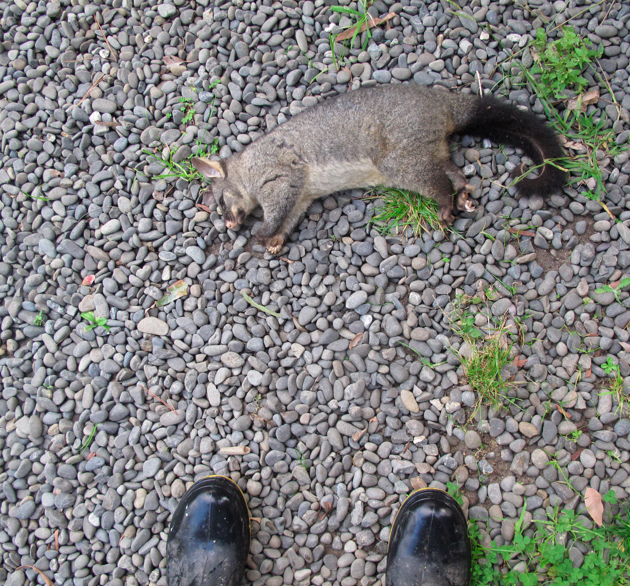
Also yesterday I found this waiting for me next to the barn first thing in the morning.

Screen shot 2015-05-02 at 6.08.24 PM

Never a dull moment on a permaculture farm.  Screen shot 2015-05-02 at 6.10.13 PM

  Peace, Estwing