Category Archives: Eco Thrifty Life

Transformations

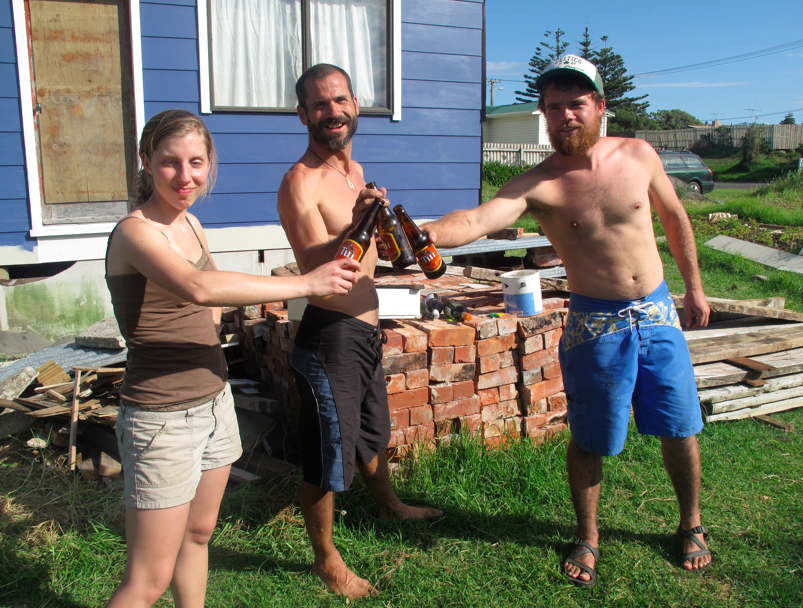
We’ve just passed the third anniversary of the arrival of our first two interns. John Wright was a former student of mine from my high school teaching days, and Amy Lamb came to us through her uncle, a good friend and groomsman at our wedding. They were both in their early twenties when they arrived in Whanganui in late summer, 2011.
Screen shot 2014-02-14 at 6.54.19 AM

 We were in the heart and guts of our renovation: ripping open walls, adding insulation, hanging Gib and weatherboards, installing solar hot water. Much of what we were doing at that time required close supervision, as it would be scrutinized by our building inspector. I’ll admit I was a bit of a taskmaster, which went over better with John than with Amy.

John had come to us straight after 4 months on a lobster boat off the coast of Maine through a Northern winter. Amy was fresh out of uni, and looking for a gap year type of experience.

By the time they left us, both had experienced transformative learning experiences on different levels. John returned to the states and immediately took up a lease on a two-acre organic vegetable farm. Amy took a job with a conservation organization, enrolled in a permaculture design course, and now works with a sustainable forestry consultant.

Transformative learning theory stipulates that in order for one to transform their perspective they must first recognize that something is wrong with their current perspective, then look for alternatives, and eventually adopt a new worldview. For those like John and Amy, the Western consumer lifestyle messages bombarding them on a daily basis did not satisfy their need for meaning.

They came to us and experienced some alternative worldviews such as sustainability, permaculture, and what we call eco-thrifty living. For the first month they spent with us, most of their ‘transformative learning’ took place outside of our nine to five workday dictated by the NZ Building Code. It took place over the dinner table, in the garden, and even during our weekly trips to Hayward’s Auctions.

But as the pressure of pre-line and post-line inspections waned, I allowed John and Amy to select from a long list of non-consent jobs to engage with while I got back to writing my PhD thesis.
 Screen shot 2014-02-14 at 6.49.36 AM

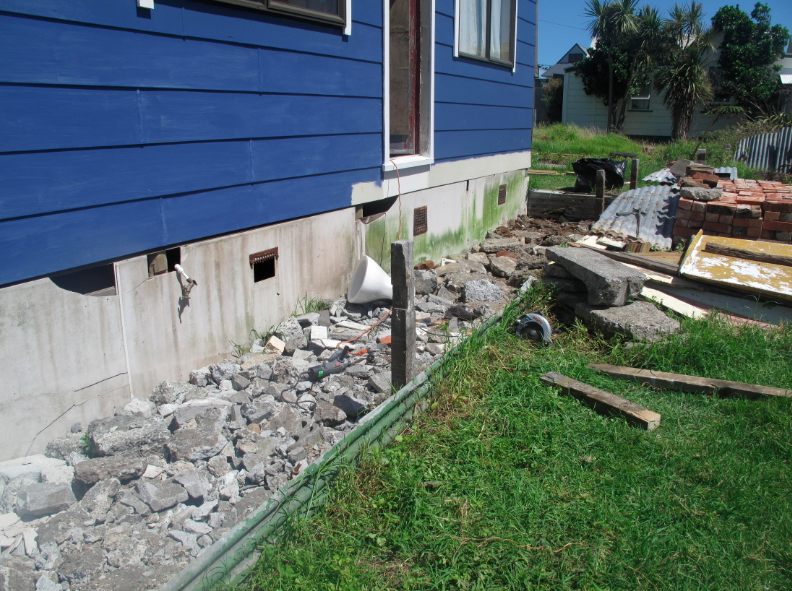
After building our outdoor pizza oven together, John embarked on laying second-hand brick for our patio and Amy set herself to constructing a fence. I’ll share John’s experience this week and Amy’s next week.

In my 14-year teaching career, John was one of my top 10 favourite students. Although not a strong academic, he always worked hard, had fun, and was open to new ideas. He was just an awesome kid.
 Screen shot 2014-02-14 at 6.49.24 AM

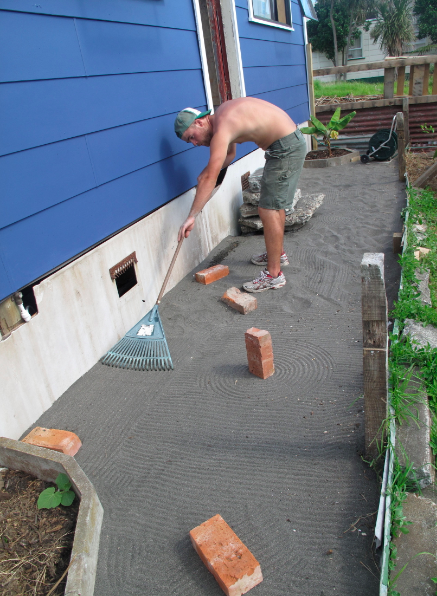
I had no problem telling him to build me a patio and trusting he would do a good job. The bulk of the work involved carting many wheelbarrows of sand to fill and level out the trench beneath the former deck that was full of rubble and rubbish. John was the perfect candidate for this job because he was strong as a horse, but also carefully used a leveling line to place each brick. John took ownership for the job and followed through with an amazing result more or less on his own.
 Screen shot 2014-02-14 at 6.49.58 AM

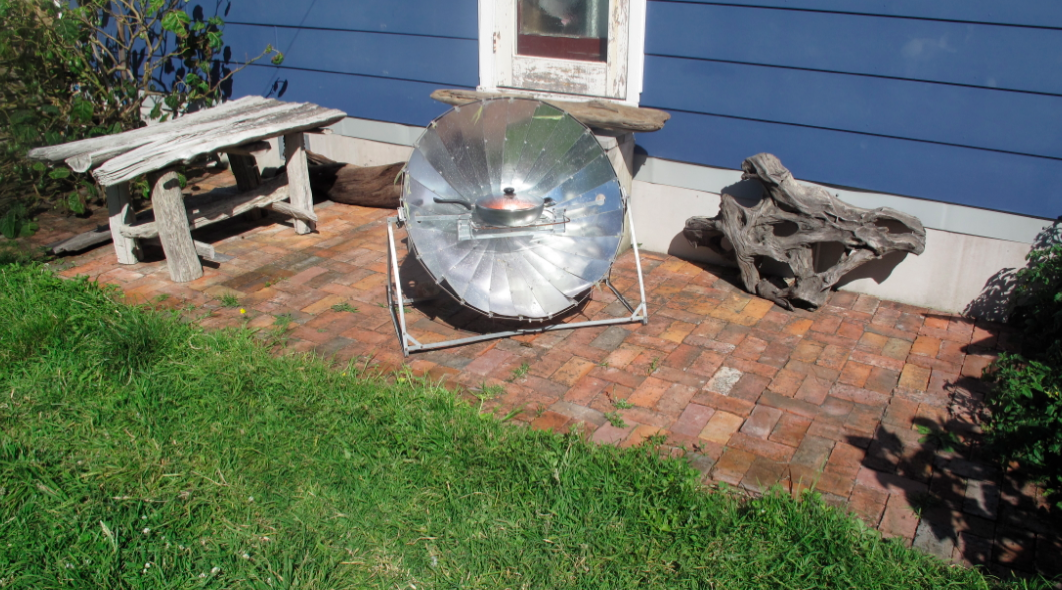
The project is a good example of eco-thrifty renovation because it involved second-hand materials, local materials, and free materials. With a little vision, hard work and patience, the bricks that made up a chimney in a Gonville home are now our patio in Castlecliff. What a transformation.
What’s For Dinner: Tomato-Zuchinni-Chicken Bake

One of the most popular questions we get from people who read the blog or articles is – what do you eat?

They are usually surprised to learn that we don’t have a very strict dietary regimin. We certainly like our cheese too much to be vegan, and after a brief wwoofing experiment with raw food, we decided that wasn’t for us. Our eating principles are as follows, in order of importance:

1. Avoid GMOS

2. Eat Local

3. Eat Organic

We also tend to loosely agree with the Nourishing Traditions folks in the fact that we drink whole fat milk, use butter instead of marg, use real sugar and salt, and eat meat – all in appropriate quantities of course (or maybe silghtly more than appropriate) – and all following the above rules as closely as possible.

Given that information are you still curious about what we are eating for dinner tonight? Well alrighty then, I’ll tell you. But bear with me, because this is my first ever attempt at writing a recipe and my food porn is likely not up to scratch.

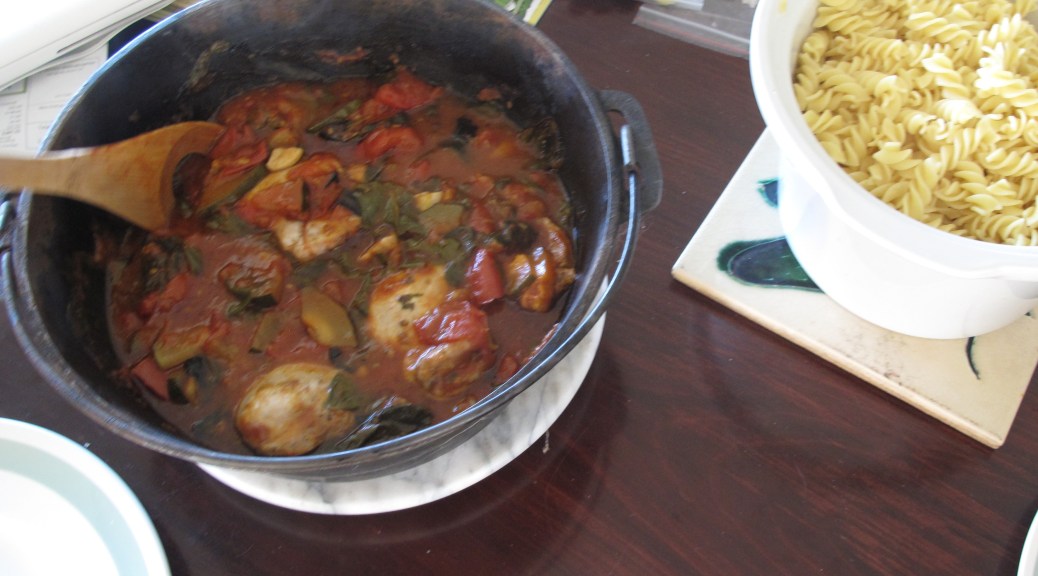
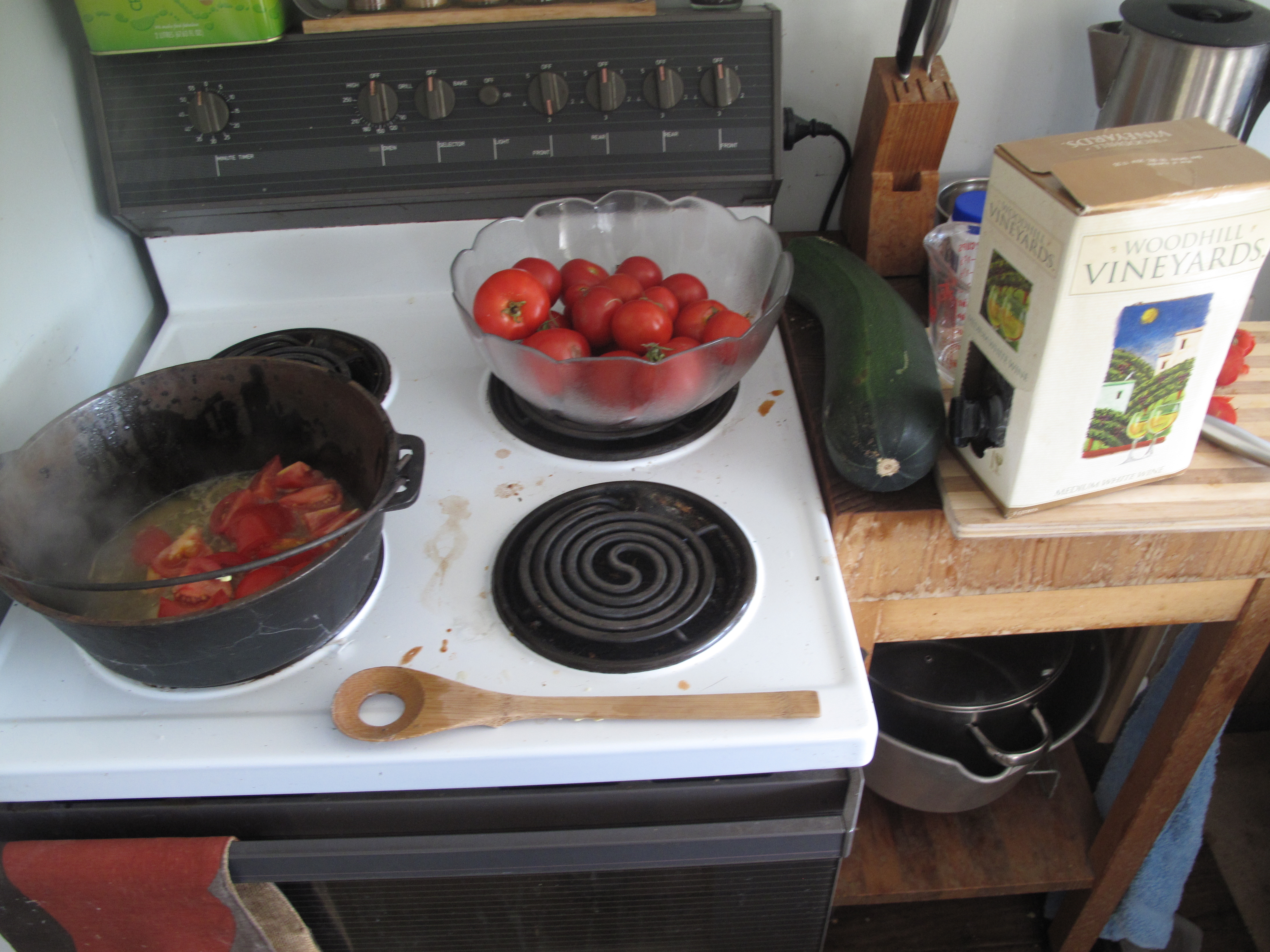
After taking a quick look through the fridge and garden and seeing what we have in abundance- it was decided by the head chef that tonight’s dinner would be some kind of Tomato-Zuchinni-Chicken thing.

I headed over to my favorite source of inspiration (for cooking, life, and bad-assery) and found this recipe. That Pioneer Woman, is she real or legend? I think legend. Who has the time to run a farm, take such great photos, and be so damn witty?

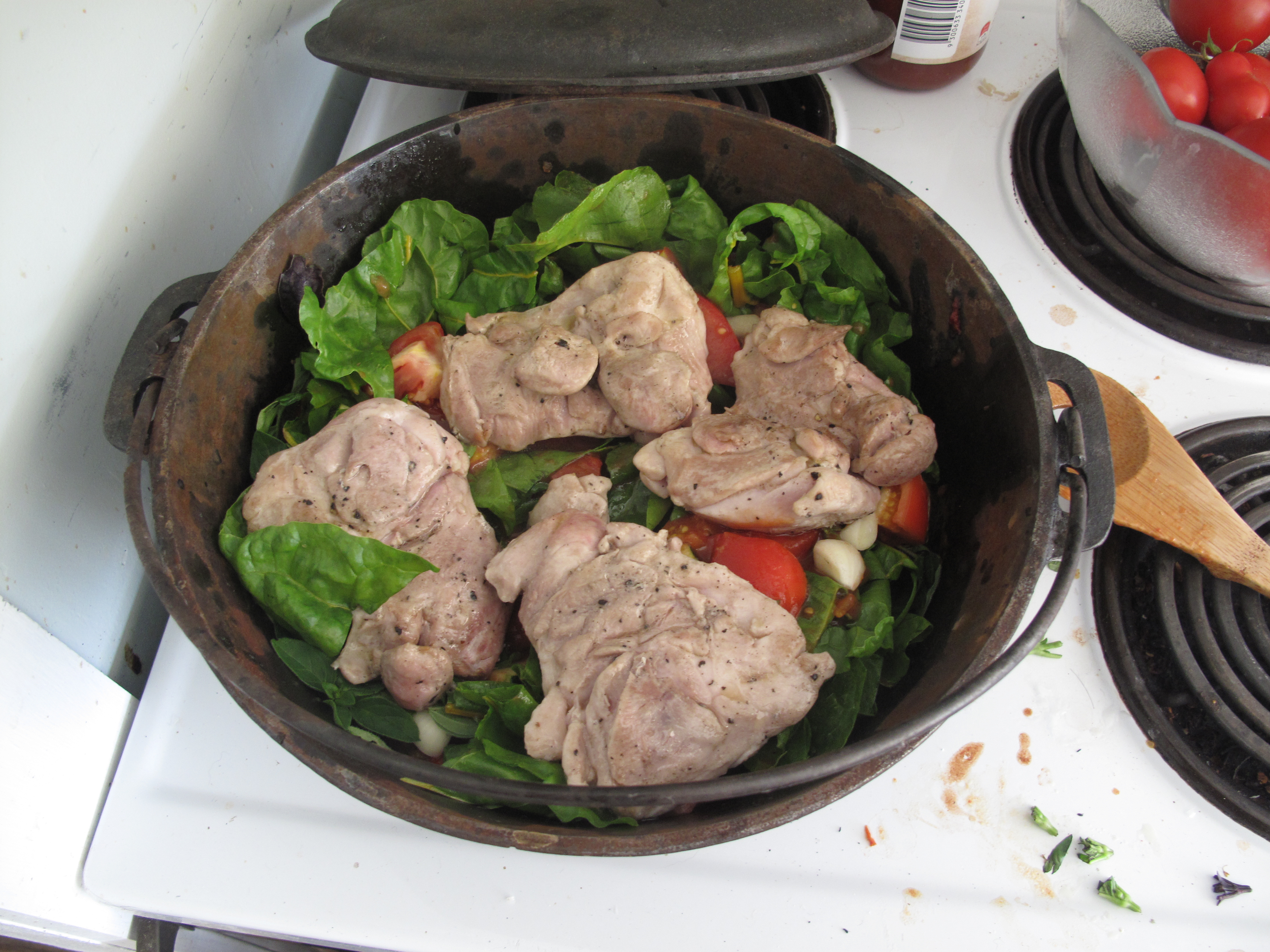
I dutifully followed her directions, using our homegrown vine ripened tomatoes, free range organic chicken, and top of the line boxed wine. I added some of that giant zucchini. Because it’s summer, and ever dish gets zuchinni in the summer.

Image

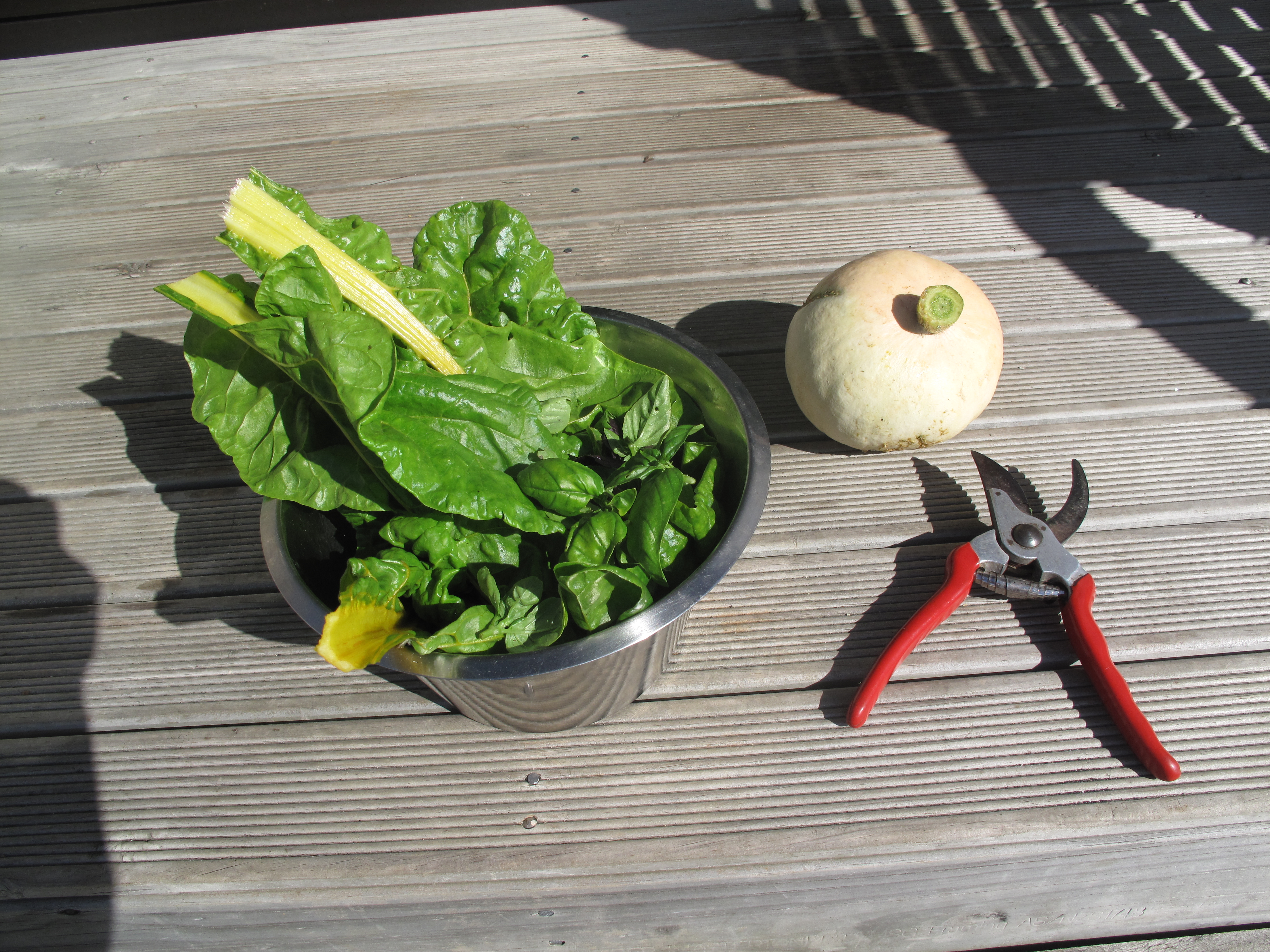
But it wasn’t quite veggie enough for us yet, so I popped out to the garden to grab some green. Fresh herbs, swiss chard (silverbeet), and oh hey, a cute little ripe pumpkin! (We’ll just save that for another day).

Image

Chopped all of that roughly and added some of our world’s best garlic and she was good to go. Image

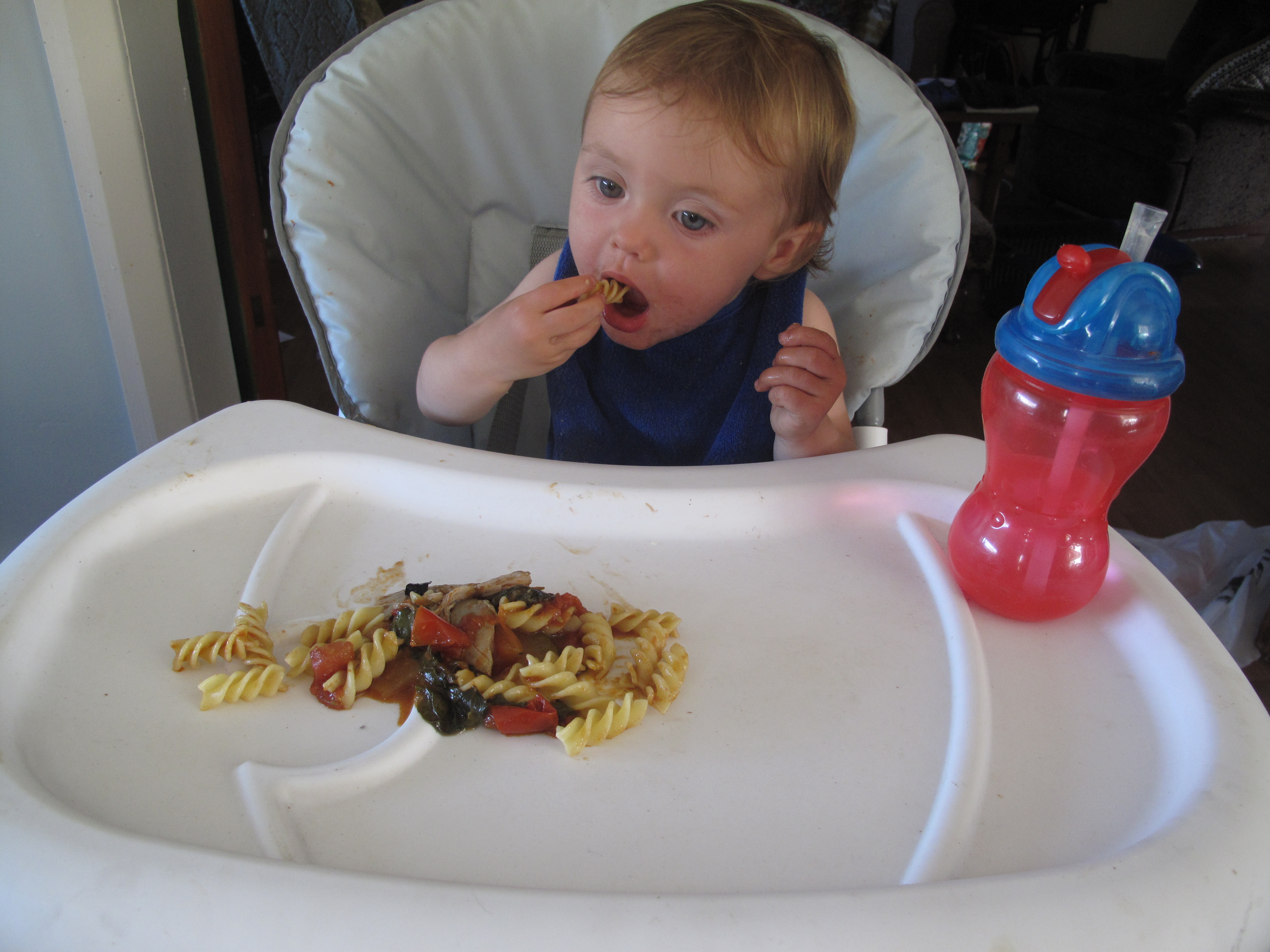
An hour later our house smelled amazing and Eco Thrifty Baby was anxiously awaiting her dinner. Sorry kid, probably should have started dinner just a bit earlier, but time management is not one of mama’s strongest attributes.

IMG_4119

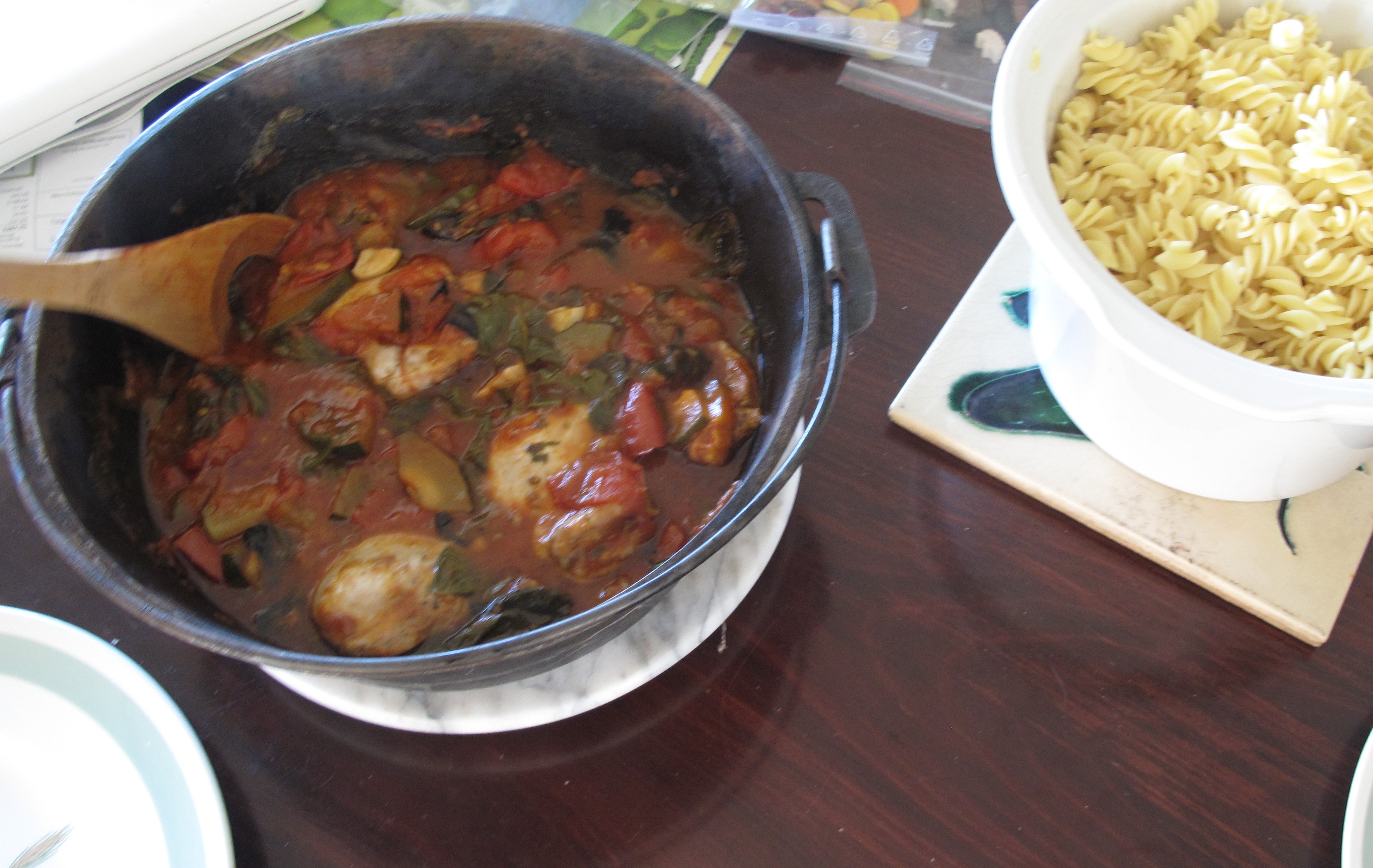
And done. An easy healthy meal plus the chance to use my dutch oven. Sweet.

IMG_4120

Composting Case Study: Holistic Waste Management

I’m not sure whether it is a quaint notion, or a condescending one, but there appears to be a sense among some people that sustainability is easy to ‘do’. I admit they are right in that it is easy to do poorly. To do it well takes a number of attributes: knowledge/understanding; commitment; experience; and, a holistic approach. It is not child’s play.

     Screen shot 2014-02-01 at 7.27.10 AM

I would argue that the last two are the most critical to achieving excellence, and that they go hand-in-glove. There is nothing wrong with commitment and knowledge – indeed, they are the essential starting points – but everyone should be prepared to make mistakes on the way.

Along the rocky road of mistakes and embarrassment is where one meets experience and holistic thinking. They do not come by Waiting for Godot, but by seeking the Good Life.

Of course making mistakes in the privacy of our own homes and sections is better than making them in public. But if one wants to reach out to their community, she or he must be prepared for public scrutiny, particularly from those who will take every opportunity to criticize the conservation movement.

This is the reality of the world we share, and unfortunately, this is where sustainability can get a bad reputation: when well-intentioned but inexperienced people take on public projects for which they are not qualified. There have been a number of such failed projects in Whanganui, and I wonder if those failures have diminished the potential for subsequent projects.

In almost every case, I put down failure to reductionist approaches to what are inherently holistic challenges. Put another way, applying simple solutions to complex problems. Nowhere is this more evident, in my experience, than with waste minimization efforts.

In schools and organizations, and at large events, I have observed the failure of recycling efforts as a failure of the planners – as well-intentioned as they may be – to design and manage the systems holistically.

In a strange and unpredicted series of events, I found myself facing exactly such a situation recently. I was volunteered by my wife to help a local organization minimize waste at a large community event. It was last minute, but I agreed to advise them, help them set up, and remove compostable material afterward.

Everything looked good until a series of reductionist interpretations of sustainability complicated what otherwise would have been a smooth, easy, excellent example of waste minimization.

First of all, a Council employee informed us there would be a charge for wheelie bins that had been purchased using ‘waste minimization fund’ dollars specifically for event use. Put simply, charging for bins is a barrier to waste minimization, and would appear to go against the spirit of money specifically earmarked for waste minimization. Pretty straightforward, eh?

Next, and much more complex, is the use of so-called bio-cups. When my wife told me that the caterers had agreed to purchase biodegradable products, my first reaction was not elation. Here is why.

 Screen shot 2014-02-01 at 7.27.00 AM

Following what was likely a best ever in NZ waste minimization programme at the Masters’ Games last February, I found my 30-day compost contaminated with 548-day ‘bio-cups’. In other words, the hot compost regimen I embrace produces an excellent, finished product in one month, but upon contacting the distributor of the cups, I was informed to expect 18 months.

I see bio-cups as a reductionist approach to a holistic challenge because somewhere in the world, a perhaps well-intentioned group of people invented a product to replace plastic cups. How honourable!

 Screen shot 2014-02-01 at 7.27.18 AM

But from a holistic perspective, bio-cups actually get in the way of waste minimization because they make the entire composting process much harder. On the one hand, I don’t know of many home composters who would tolerate a year and a half of plastic-looking cups lingering long after everything else had rotted down. On the other hand, I know of no commercial composting operations that would accept this product because time is money, and bio-cups would be seen as a contaminant that could result in them rejecting an entire load of green waste and redirecting it to landfill. Waste not minimized.

 Screen shot 2014-02-01 at 7.27.27 AM

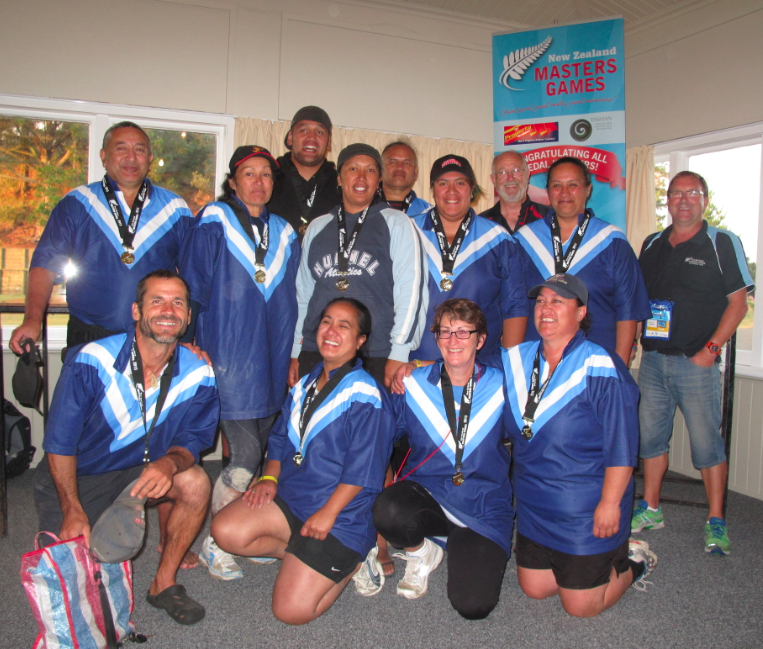
So here we sit, Verti and I, sieving thousands of bio-cups out of our Master’s Games Gold Medal Compost. Despite how Verti makes it look, this is not child’s play.

 Screen shot 2014-02-01 at 7.27.36 AM

MLK and LBJ and me and you

Editors note: This is an opinion piece I wrote for our newspaper, The Wanganui Chronicle, on Monday. Part of an eco-thrifty life is working with our community to move toward fairness and resilience. I have found the newspaper is an excellent forum to address important community issues.

Screen shot 2014-01-23 at 7.46.10 AM

Martin Luther King, Jr. was shot and killed less than three weeks before my birth in April, 1968. Within two months, Robert “Bobby” Kennedy had also died from an assassin’s bullet.

But to say I was born into an age of turmoil is nothing compared to that of my best childhood friend. He was born in Detroit to mixed-race parents seven months after the riots of ’67 that resulted in 43 dead, over 1,000 injured, over 7,000 arrests, and 2,000 buildings destroyed. His mother was two months pregnant at the time.

 Screen shot 2014-01-23 at 7.48.59 AM

He was given up for adoption, and spent most of his childhood living next to my family in one of Detroit’s suburbs. Today he is a successful professional with a fabulous wife and two adopted mixed-race children.

There is no way of knowing he would have ended up differently if he had not been given up for adoption, but statistically his chances would not have been good.

 Screen shot 2014-01-23 at 7.49.14 AM

Growing up 16 miles outside of downtown, we were in a different world. Throughout the 70’s and 80’s, we watched from a safe distance as jobs, people, and wealth exited the Motor City, leaving behind debt and poverty. Last year, 50 years after King’s famous “I have a dream” speech, Detroit faced the nightmare of bankruptcy.

Research shows that very few people who grow up in poverty ever escape it. Those who go on to achieve great success are rare, and often adopt one of two diametrically-opposed viewpoints: one of empathy for those still in poverty or one of callous disregard for them.

Of the latter, recent research shows that many so-called “self-made” people are not generous with their riches toward those in need, and often adopt right-wing capitalist ideologies. Their thinking may go something like this: “I lifted myself out of that situation, why don’t they.” When interviewed, these people tend to discount luck and timing as factors in their success.

One notable exception to this was Lyndon B. Johnson, who took over as President after the assassination of John F. Kennedy. Fifty years ago this month, his State of the Union address included the declaration of a War on Poverty in America.

 Screen shot 2014-01-23 at 7.46.34 AM

Johnson, who spent much of his childhood living in poverty, said in his speech that the causes of poverty may lie “in a lack of education and training, in a lack of medical care and housing, in a lack of decent communities in which to live.”

He went on to state that too many people were “living on the outskirts of hope”:

“Some because of their poverty, and some because of their color, and all too many because of both. Our task is to help replace their despair with opportunity. This administration today, here and now, declares unconditional war on poverty in America.”

 Screen shot 2014-01-23 at 7.47.05 AM

Although my best friend still experienced racism in our suburban community, he had a warm and dry home, good medical care, and an excellent education. Taking poverty out of the equation, the color of his skin has not in itself held him back from achieving many successes in his life.

I am sure that New Zealand is full of similar stories, but unfortunately we also hear too many tales of poverty in this nation and in this city. I believe there is ample evidence that the Wanganui District Council rates structure exacerbates poverty in our community, and that it is one of the few things that our councilors can address to actually improve the quality of life for many residents.

While not declaring war on an unjust and unsustainable rates structure, I would not hesitate to call it a skirmish. I am eager to hear from all those who wish to join me, especially sitting councilors who made statements about rates during their recent campaigns and/or any councilors who see themselves as left-of-centre.

Nature Directs Us for Best Design

Screen shot 2014-01-18 at 7.18.46 AM

Holy Wellington, Bat Man, the winds have wreaked havoc on Whanganui holiday-makers and on our recently groomed local beach. On the heals of what has been called the windiest October in decades we’ve been hit by another blast in late December/early January.

This tumultuousness appears to exhibit what has been observed by climate researchers, such as Jennifer Francis of Rutgers University (USA): The hotter the world’s climate gets, the more energetic its weather tends to become.

The good news is that eco-design can address this to a certain degree. The bad news is that non-eco-design is likely to fail with greater frequency over time.

One essential part of the eco-design process is looking for patterns in nature. This can be as simple and predictable as morning and evening sun angles during winter and summer.

For a passive solar building, the aim is to allow winter sunlight to penetrate deep inside the structure while preventing direct summer sunlight from entering. Along with the strategic placement of windows, something as simple as eaves can achieve these aims.

Other patterns in nature are slightly more difficult to observe, but still obvious to those who engage eco-design habits of mind. For example, part of the permaculture design process is called a sector analysis, which includes identifying the directions of both the prevailing winds and strong seasonal winds.

There are lots of ways to find out this information: live in a place for a year; do some research on the internet; ask trustworthy locals; look for sub-patterns in nature that reflect wind direction.

Screen shot 2014-01-18 at 7.19.03 AM

In Castlecliff it is fairly easy to ascertain the direction of prevailing winds. One way is to look at the pattern of trees listing to leeward. On our section we have a large willow that grows 30-degrees from vertical, leaning away from the northwest as shown in the photo. To quote Paul McCartney (and Wings), “The willow turns its back on inclement weather; if he can do it, we can do it.”

Another way is to go to the beach and look at patterns in the sand. The photo shows small ridges that form perpendicular to the wind as well as scour marks that run parallel to the wind and appear to converge at a “vanishing point” in front of Duncan Pavilion.

Screen shot 2014-01-18 at 7.18.55 AM

While part of eco-design is recognizing patterns in nature, and part of it is working with nature, another part is protecting human constructions from its destructive power. An easy example of this is the New Zealand Building Code’s strict rules on weather-tightness, and earthquake and wind resistance.

Another example is protecting fruit trees and vegetable gardens from coastal winds. We have spent many hundreds of dollars on wind protection on our section. Almost all fruit trees – even those that are marketed as tolerant of sea winds – need a certain level of wind protection to thrive or even survive.

Screen shot 2014-01-18 at 7.19.22 AM

This is clearly evident at one poorly designed community garden in Castlecliff that lacks wind protection, and where roughly half of the fruit trees have died. Planting a tree without adequate site preparation is neither eco nor thrifty.

Screen shot 2014-01-18 at 7.19.11 AM

It is hoped that the advice in this column will inspire others to engage in eco-design habits of mind that will result in a healthier, happier, more resilient community for us to share. Again, quoting McCartney and Wings, “With a little luck we can make this whole damn thing work out.”

Peace, Estwing

Mid-Summer Permaculture Update

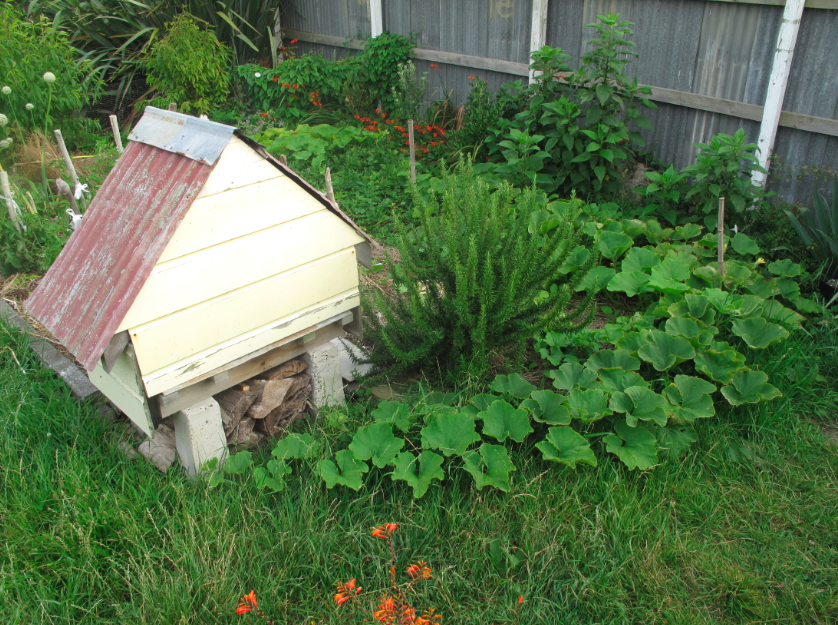
Here are some images of our productive permaculture property during the first and second weeks of January. Highlights include our first apricots, first olives, and first kumara plants.

Beans, tomatoes, plums and apricots.
Our first pumpkins are ready.
Kumara: a new experiment.
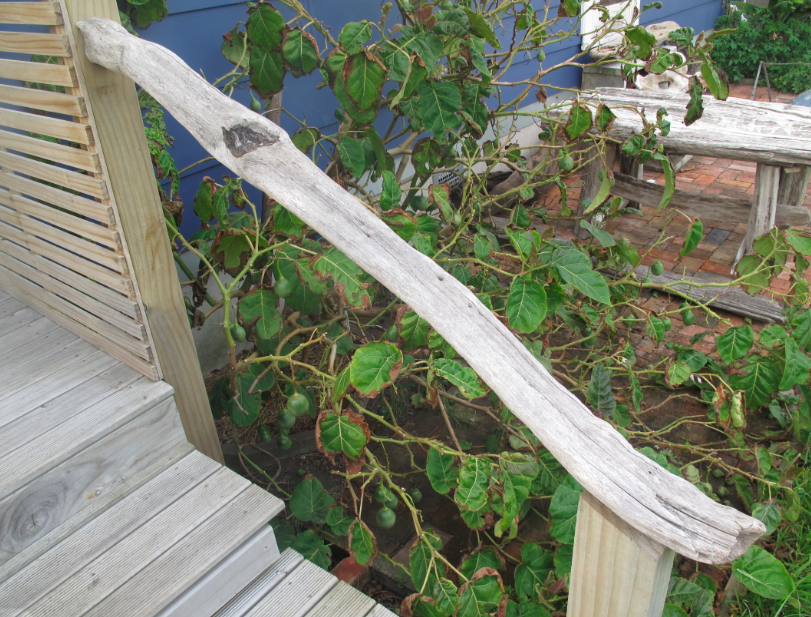
Hiding this iron fence with driftwood.
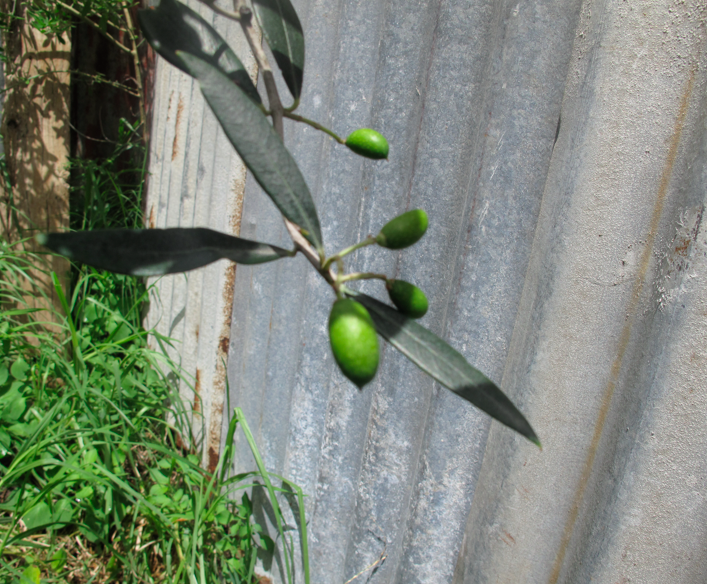
Our first olives forming.
Agapanthus flowering everywhere.
Pears coming along. 
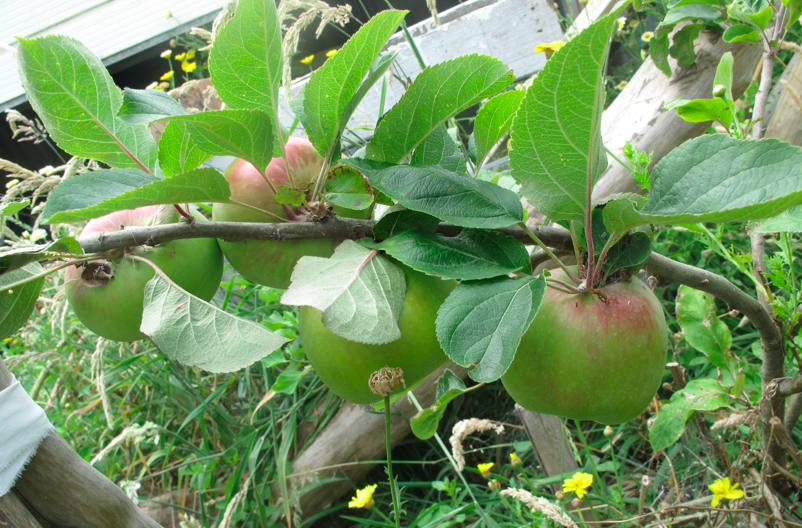
Monty’s Surprise apples. 
Blueberries.
Black Boy peaches. So excited. 
Yum.
A very attractive lettuce. 
Pretty cool mottling. 

Peace, Estwing

A Coastal Design Influence

I love our Whanganui coast. I take the short walk from our home to the Tasman Sea nearly every day, sometimes two, three and four times. It has gotten to the point where my wife has accused me of bringing half the coast home with me in the form of sand in my jandals and driftwood over my shoulder.
Driftwood board rack.
When I walk on the beach with my daughter, Verti, we make a special effort to pick up all of the litter we can find. By 14 months, she could spot a Cody’s can from 20 metres.
Way back before she was born, before I started writing this column, and even before our first visit from the building inspector, Dani and I embarked on our first and perhaps best beach clean-up effort. It was Christmas 2010, and a dead goat had washed up on Castlecliff Beach, where it lay sunbathing for two days at the high tide line and three metres outside of the swimming area flags.
After the first day I thought to myself, “That smells.”
After two days I thought to myself, “I can’t believe someone hasn’t removed it.”
On the third morning, I thought out loud to my wife, “Get the wheelbarrow and follow me.”
To make a long story short, we headed to the beach with the wheelbarrow, a tarp, two shovels, and a video camera. We collected the carcass and brought it home to our active compost heap. Within a week it was down to bones, but the video has yet to make it to Youtube. The “goat story”, as it has come to be known, is oft repeated when I am introduced by certain of our friends to certain of their friends.
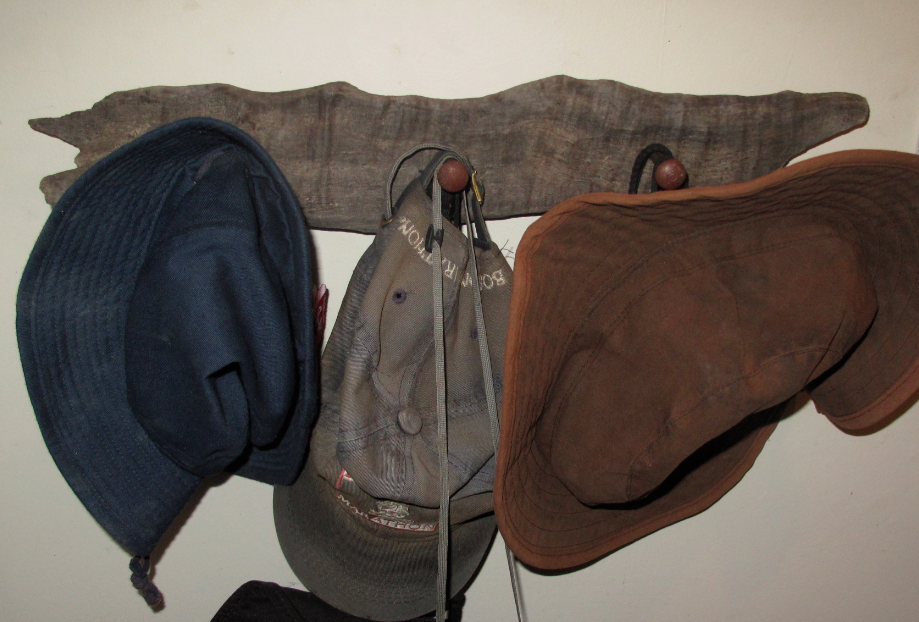
Driftwood hat rack.
That day over three years ago was the start of my ongoing relationship with our beautiful coastal zone. Since then, the relationship has developed with every walk along the sand, every wave surfed at the North Mole, and every armful of driftwood.
In the latter stages of our renovation, driftwood has become more of a design element in our attempt to meld a classic villa with a beach bach in a way that honours both while spoiling neither. Sounds like a job for Terry Lobb, but in my unprofessional hands I think things have turned out fine.
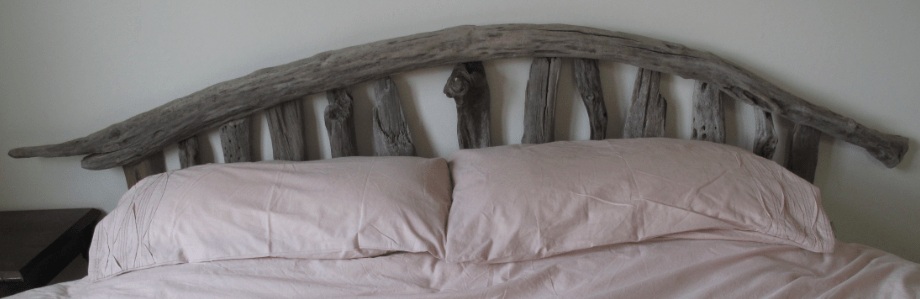
Driftwood headboard.
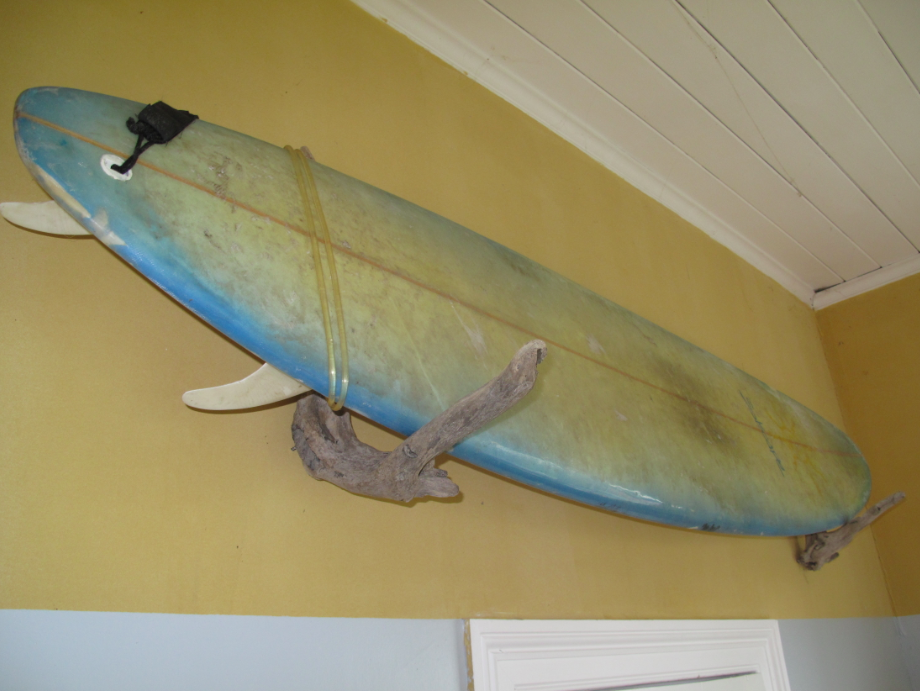
Despite what my wife says, there are still some rooms in our home without driftwood, although that may not be the case much longer after my recent venture into headboard making. Previous to the headboard, my indoor driftwood projects had been limited to surfboard racks, coat/hat/key racks, children’s toys, artwork, and our Christmas tree.
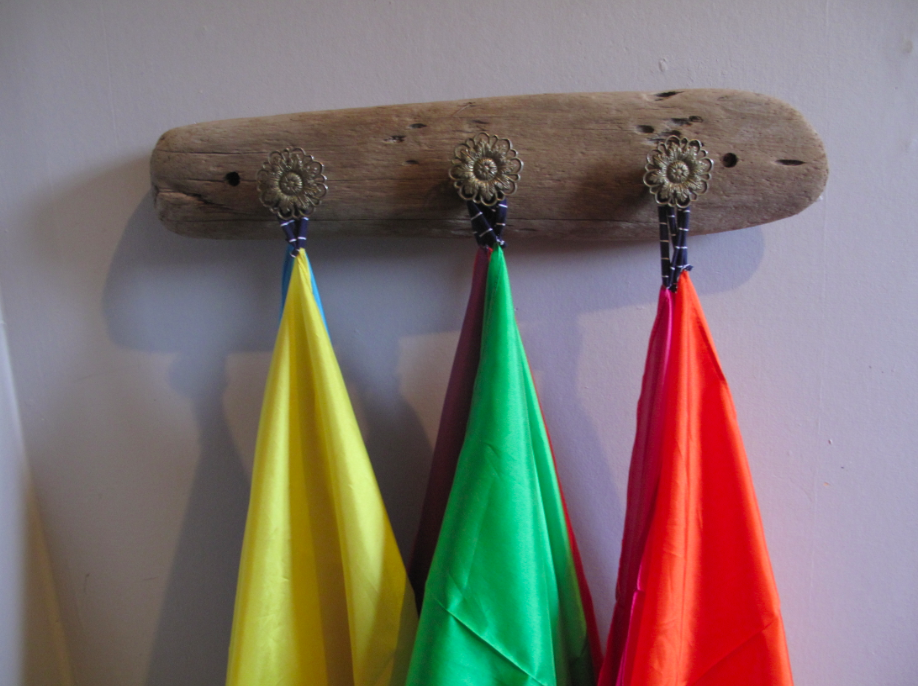
Verti’s play scarves hanging in her room.
Outdoor projects are another thing entirely. I’ll get to those another day.
 Peace, Estwing

2013: Year of Eco-Thrifty

It was a close competition, and the results have been delayed, but it is finally confirmed that 2013 was the Year of Eco-Thrifty.
Runners-up include: The Year of Pete & Andy; The Year of Obama’s embarrassments; The Year of Sonny Bill; and, The Year without defeat (All Blacks).
Eco-Thrifty narrowly beat out Pete & Andy due a strong cast that included Lorde, Macklemore, and Francis (aka, ‘da pope’).
Lorde (Auckland’s Ella Maria Lani Yelich-O’Connor) became the first New Zealander to reach number one on the Billboard Hot 100 with her single, “Royals.” According to various sources (including Wikipedia), she wrote the song in response to the opulence celebrated in much of hip-hop and rap music, including big, expensive cars, expensive alcohol, and the obligatory “bling.”
If the lyrics in “Royals” slipped your attention, then the lyrics and beat of Macklemore’s “Thrift Shop Song” surely didn’t. Although the song experienced heavy rotation on Whanganui radio for only a month or two before falling off the radar, its rotation was very heavy.
Macklemore, too, takes the piss out of consumer culture (and R. Kelly) by ridiculing those who would purchase a t-shirt for $50 (US), when one could outfit oneself from head to toe at an op shop for $20 and “look incredible.”
They be like, “Oh, that Gucci – that’s hella tight.”
I’m like, “Yo – that’s fifty dollars for a T-shirt.”
Limited edition, let’s do some simple addition
Fifty dollars for a T-shirt – that’s just some ignorant @#$%
This is, in my opinion, hands-down the best profanity-filled song of the millennium.
Coppin’ it, washin’ it, ’bout to go and get some compliments
Passin’ up on those moccasins someone else’s been walkin’ in
Bummy and grungy, @#$% it, man
I am stuntin’ and flossin’ and
Savin’ my money and I’m hella happy that’s a bargain, @#$%
As would be suspected from a pope, Francis sends his eco-thrifty message with less profanity, but his words have been called profane by those who wish to maintain the status quo in the Catholic Church. Gone is the opulence of previous popes, and in steps a man of humility unafraid to challenge the devastating effects of wealth inequality around the world.
Conspicuous displays of wealth are in almost every case the antithesis of eco-thrifty. Instead of the win-win-win situations I write about that save money while being good for people and the planet, I would describe them as lose-lose-lose. Specifically, opulent lifestyles often waste money while having large environmental impacts. Additionally, research shows a strong correlation between wealth inequality and social problems (The Spirit Level, Wilkinson & Pickett, 2009).
While Francis’ courage undoubtedly upsets the wealthiest 1%, it has surely boosted the morale of the poorest 50% of global citizens be they Catholic or not. It appears he has taken seriously the teachings of an earlier proponent of eco-thrifty lifestyle, Jesus, instead of embracing the power and prestige of The Church. Good on you, Frank.
And finally, the Light Bulb Moment Award for 2013 goes to the Wanganui District Council for finally recognizing that running eight light bulbs outdoors on sunny days was neither eco nor thrifty. WDC is also the recipient of the Kicking-and-Screaming Award for the same action (turning off outdoor lighting during the day) because it took over three years and four columns in the Chronicle to get Council to take action.
But as a wise person once said, “Better late than never.” Let’s hope that 2014 finds WDC coming to the table on time.
 Peace, Estwing

New Years Permaculture Update

Here are some pictures of our pumping permaculture property.

Good eats
A lettuce crop where I harvested garlic just 2 weeks ago. 
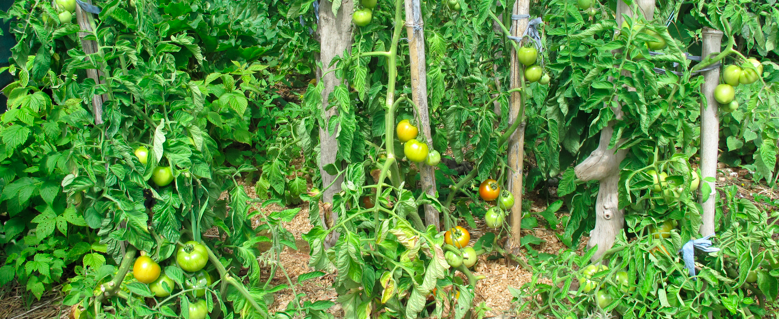
More on the vine
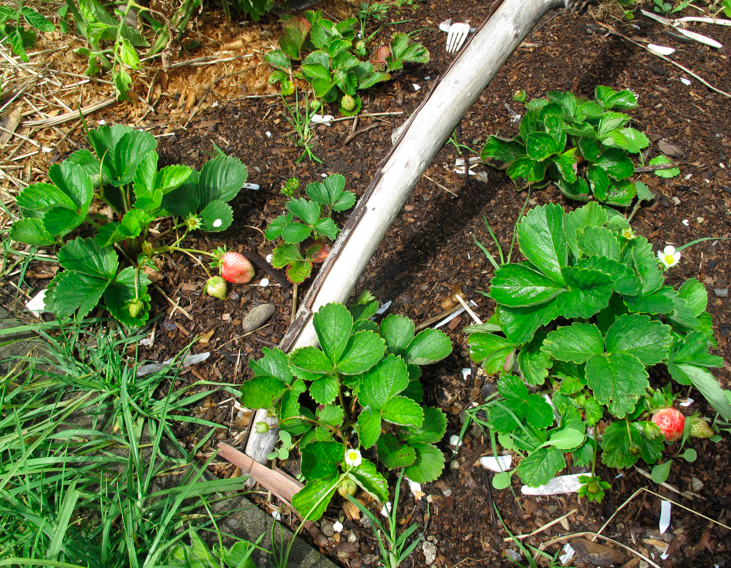
Bawberries, as Verti would say.
Looking forward to our first grapes this year.
Mo bawberries pwees.
Pumpkins forming.
Another cubic metre of compost.
Spuds in the ground.
“Wild” purslane.
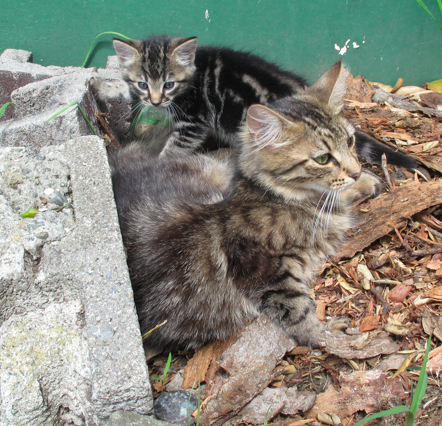
Kittens next door.
A little colour.
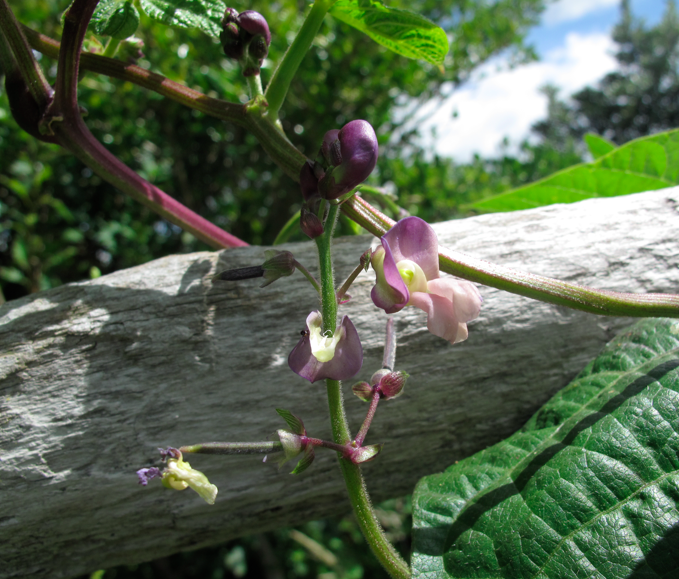
Bean blossoms.
Bean blossoms.
Bean blossoms… fooled you. Apples.
Plums.
Baspberries.
Melons in the ground. Hopefully it will be hot enough for fruits to form. 
Red hot chilly peppers – blossoming.
Our first oranges.
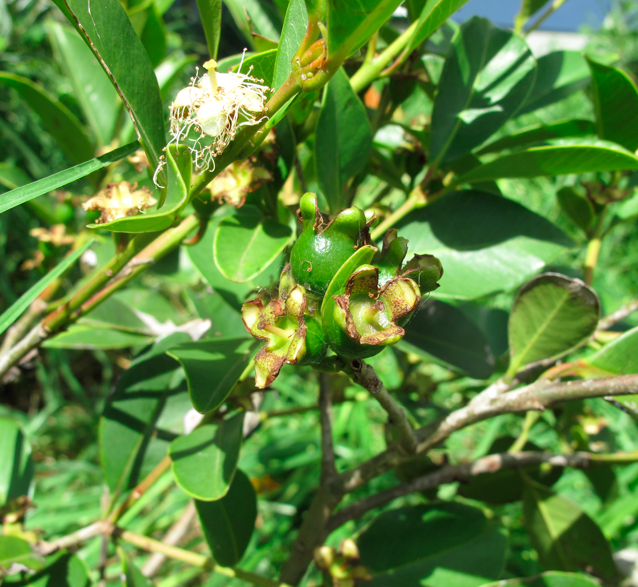
Guava fruits forming from fertilized flowers.
Dinner tonight.
Dinner tonight.

Peace, Estwing