Category Archives: Eco Thrifty Renovation

How I Spent My Sunday: Part II

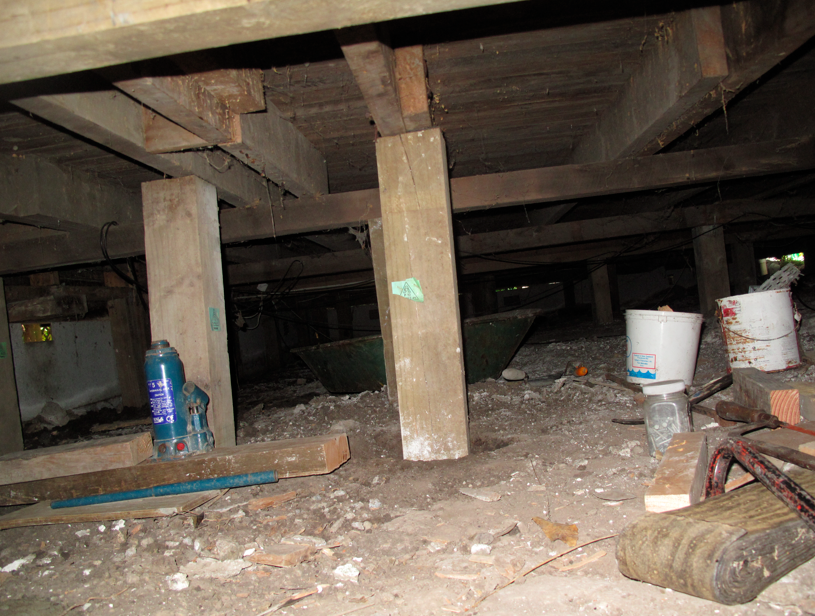
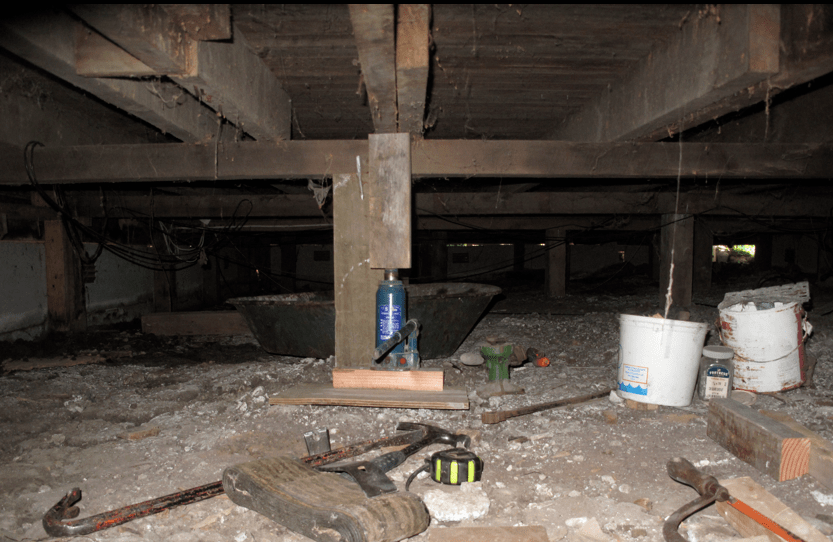
Last week I wrote about spending my Sunday putting 5 extra piles under the floor to take the weight of our new wood burning cook stove and the new hot water cylinder.

Screen shot 2015-02-01 at 3.42.13 PM

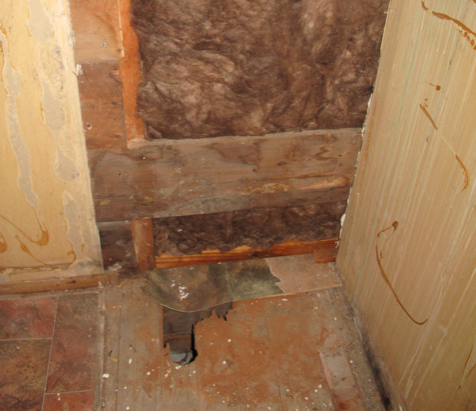
This Sunday I started framing a platform for the hot water cylinder where an old laundry tub had leaked and rotted the floor.

Screen shot 2015-02-01 at 3.33.28 PM

I pulled out the rotted bits and decided I should insulate the wall.

Screen shot 2015-02-01 at 3.33.51 PM

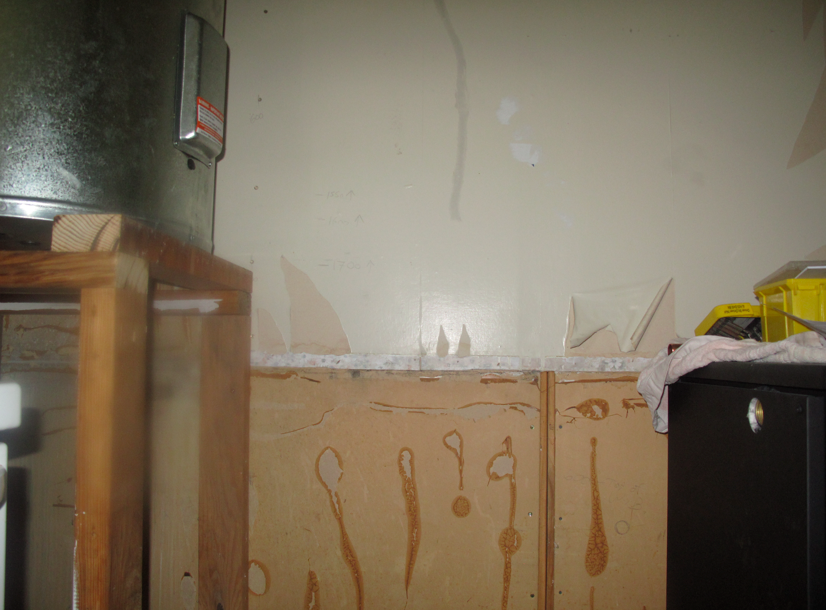
I lined the wall inside what will be the hot water cupboard with 800 mm of plywood to serve as bracing for extra earthquake protection.  Screen shot 2015-02-01 at 3.34.07 PM

I had to cover the hole in the floor, so I used a sheet of sub-flooring I got from a building supplies recycler for $5, and then started building the stand for the cylinder.

Screen shot 2015-02-01 at 3.34.16 PM

The cylinder weighs about 35 kg, so getting it on the one-metre high stand took a little grunt.  Screen shot 2015-02-01 at 3.34.26 PM

The cylinder has to be higher than the “wetback” water heater.  Specifically, it needs to have a rise over run of 1 to 7. Screen shot 2015-02-01 at 3.35.34 PM

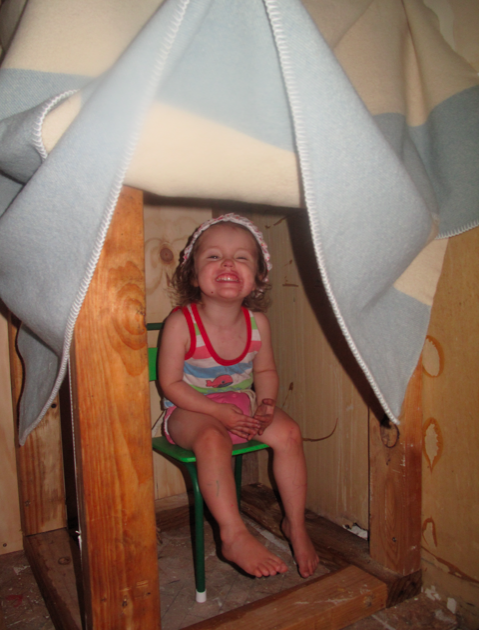
The platform also has another purpose.

Screen shot 2015-02-01 at 3.35.45 PM

It is a great playhouse for a 2 & 1/2 year-old.

Screen shot 2015-02-01 at 3.35.56 PM

Fun was had by all.


Peace, Estwing

Piles of Fun

Someone once told me you can tell a lot about a person by how they spend their Sundays.

Screen shot 2015-01-25 at 2.38.31 PM

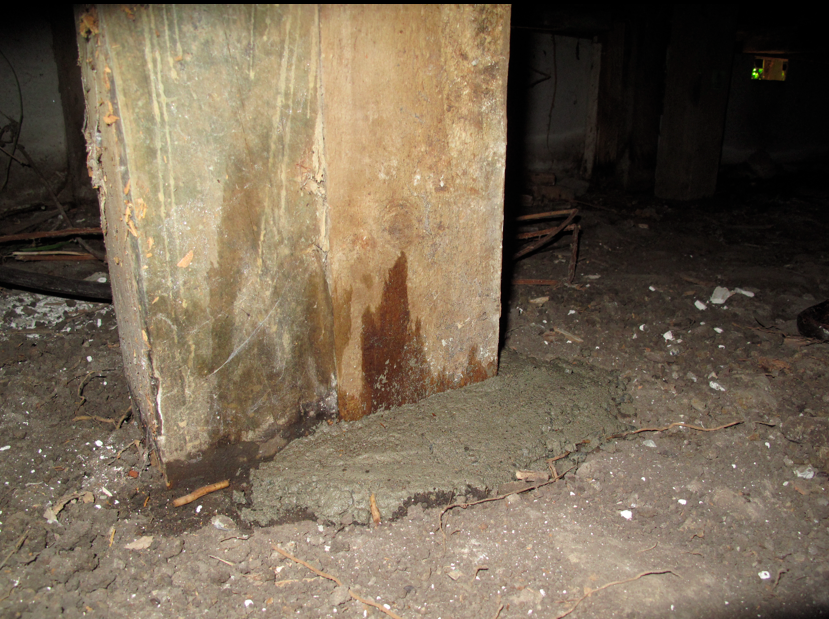
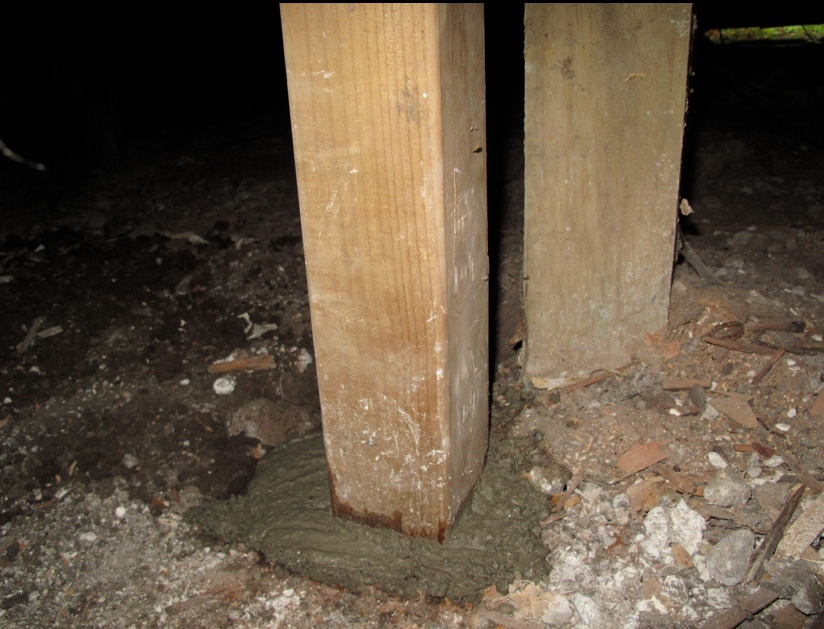
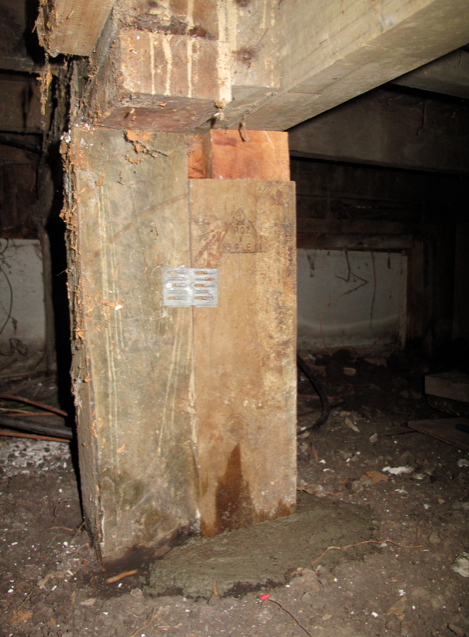
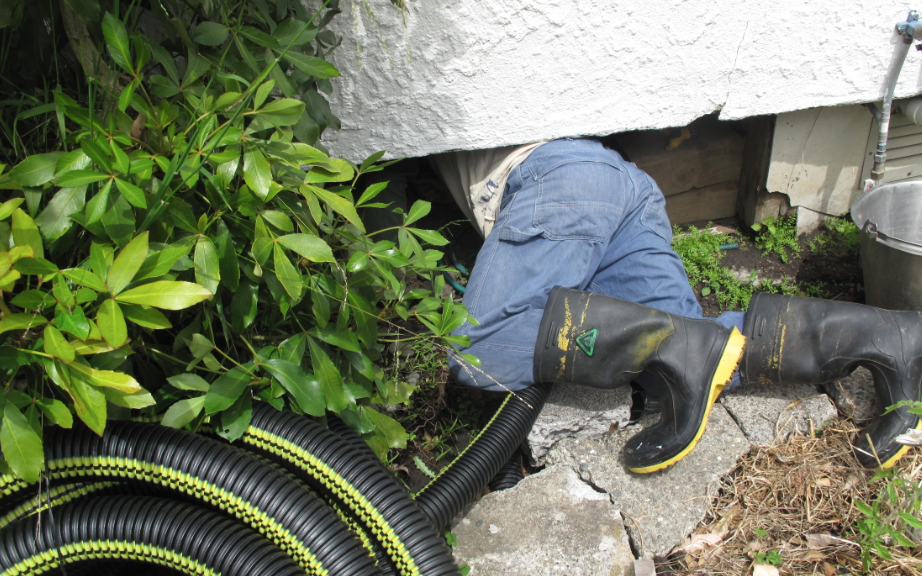
I spent today crawling under my house sistering up piles, adding bearers, and piling under joists where our new wood burner will go.

Screen shot 2015-01-25 at 2.39.06 PM

Between the spider webs, dead possums, and cat poo, it’s not a fun job.

Screen shot 2015-01-25 at 2.39.30 PM

But once finished, it is very satisfying knowing that the floor is basically bomb-proof.

Screen shot 2015-01-25 at 2.39.44 PM

 The Wagener Fairburn weighs 300 kgs, so I put two extra piles directly beneath it. Screen shot 2015-01-25 at 2.39.19 PM

Here is the Fairburn.

Screen shot 2015-01-25 at 2.39.59 PM

Additionally, a 225 litre hot water cylinder is going in the corner between the two stoves. That is another 250 kgs once full on H2O. I added another pile under there.

Screen shot 2015-01-25 at 2.40.13 PM

Aside from being intensely satisfying, the other redeeming value of re-piling in the middle of summer is that it is the coolest spot on the property.


Peace, Estwing

Mixing Old and New to Create a Character Bathroom

For regular readers of this column it is obvious that energy efficiency is a major part of eco-thrifty renovation. From an energy perspective, the ‘eco’ need only stand for economic because the financial benefits are so easy to document.

One need not have any green intentions to fully embrace energy efficiency on a purely fiscal basis. The Scrougiest Scrouge and the Grinchiest Grinch should be all over LED light bulbs, insulation, and Energy Star appliances.

The financial payback of many energy efficiency measures gives a better return than the best term deposit available. Additionally, there are the intangible benefits of comfort, health and family well-being.

But there is another aspect of eco-thrifty renovation that does not offer such clear financial payback, and may in some cases cost more than bog standard conventional building practices. This involves reusing materials, which in most cases is labour intensive.

Screen shot 2015-01-24 at 6.54.05 AM

 If you pay a builder to do it the cost comes in wages. If you do it yourself the cost comes in time. In either case, the costs can often be justified by a unique and beautiful product. Character and craftsmanship are worth paying for in the same way that good artwork is worth paying for.

Personally, I pay in blisters, abrasions, sawdust up my nose, small cuts on my hands, and a sweaty brow. Reusing materials is a labour of love.

Reusing materials forces one to work slowly; to be mindful; to focus on beauty rather than speed. It is a welcome break in a busy world.

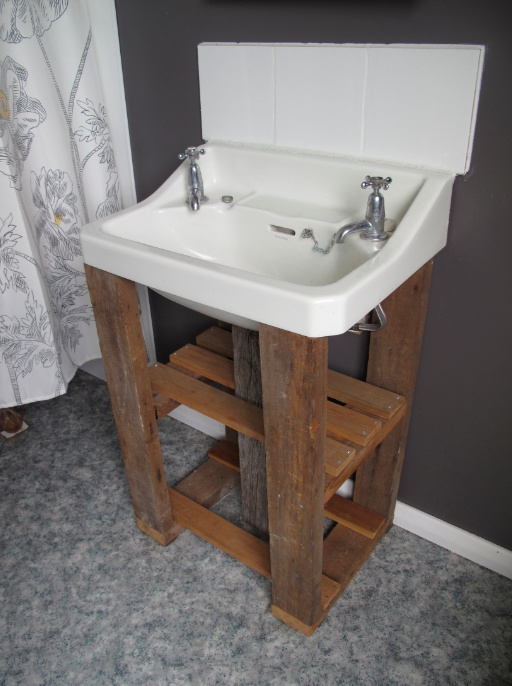
One interesting feature in our bathroom came as a result of a clumsy plumber. While placing the basin on top of the porcelin pedestal four years ago, the plumber cracked the top of the pedestal. He slapped a few pieces of black electrical tape on it and left. And so it remained for two years while I completed 267 other projects.

Then one day after my dissertation had been accepted, my family was away, and there were no waves at the North Mole, I crawled under the house and retrieved the rimu studs I had stored there in 2010. On a scale of craftsmanship, this project ranks fairly low, but one great thing about repurposing timber is that imperfections are just part of the character. Beware, however, there is a fine line between character and a dodgy job.

Screen shot 2015-01-24 at 6.54.17 AM

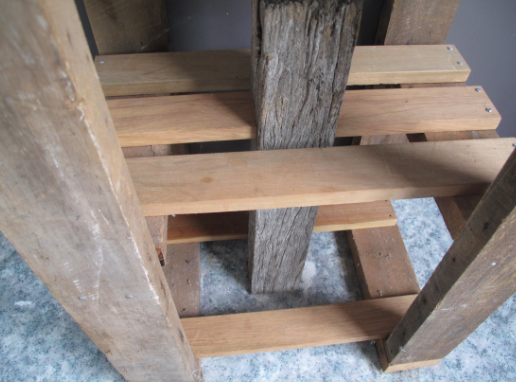
For this project I framed a shelf under the basin with the rough sawn rimu studs I had pulled out of our walls while reframing and adding insulation. The shelves themselves are dressed rimu from the old hospital in Aramoho that was pulled down last year. I bought it for $1 per metre.

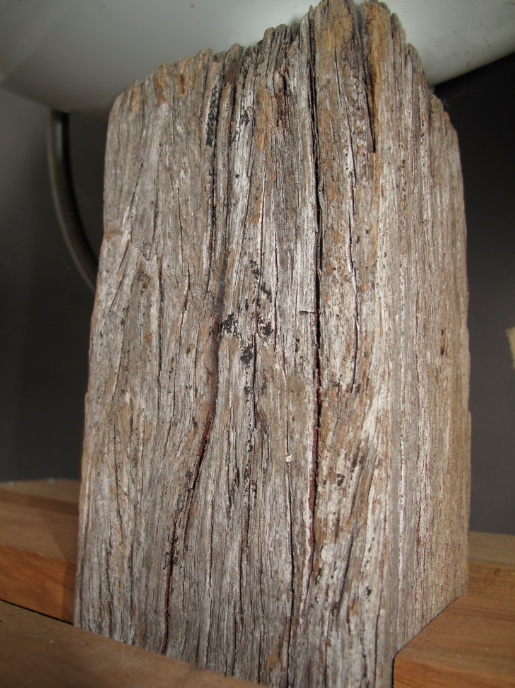
But for me, the coolest feature is the weathered post that conceals the drain – a job previously done by the cracked pedestal.

Screen shot 2015-01-24 at 6.54.28 AM

I got the post from next door while rebuilding a fence for our neighbour. The totara ‘4-ba-4’ has beautiful raised grain and was weathered to a gorgeous colour by thirty years of coastal winds. I ripped a channel the length of the post and chiseled out the wood to create a cavity just wider than the drainpipe.

In total, the project presents the vintage wood in a contemporary way. Mixing old and new is a style choice that can work well or can totally bomb.

Screen shot 2015-01-24 at 6.54.38 AM

The age of the timbers are mirrored by the century-old Methven taps in the basin above them. We carried this theme throughout the bathroom with a vintage cast iron claw foot bathtub and reproduction retro taps to echo the Methvens. Screen shot 2015-01-24 at 6.54.47 AM

The vintage basin and tub stand out in the bathroom in part because of their character and in part because of the dark paint on the walls. The high gloss paint is easy to clean and reflects natural sunlight around the room from the giant north-facing windows. The space feels light and roomy, and is always warm even throughout winter. It is a welcoming space in all respects.


Peace, Estwing

Low-Input / High-Performance is a Matter of Design

Last week I described how architect and eco-designer William McDonough worked with the Ford Motor Company starting in 1999 to redevelop the historic River Rouge manufacturing plant in Detroit. While the energy performance of the renovated million square metre facility is impressive in and of itself, what is truly remarkable is that McDonough somehow got William Clay Ford Jr. – great grandson of Henry Ford – to embrace eco-design thinking.

Of course when the win-win-win outcomes of eco-design are so easy to document it should not be difficult to convince reasonable people of its value. Here is how Ford’s charitable trust describes the company’s new outlook:

“Ford’s approach, often referred to as sustainable design, might also be described as high-performance design. A high performance building will:

– Lower annual energy costs

– Lower long-term maintenance costs

– Use non-toxic, easily recycled materials

– Create healthier work environments

– Improve employee productivity

– Improve market image

– Help protect the environment

(Source: TheHenryFord.org)

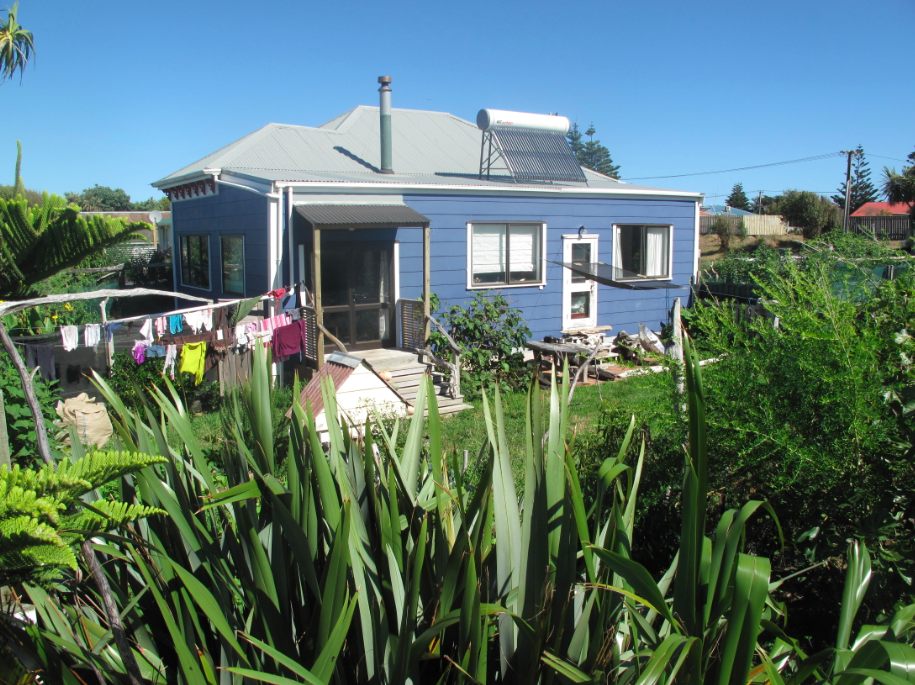
With a few tweaks to the language used in the list above, our renovated villa in Castlecliff ticks all these boxes. It provides a healthy living environment at low annual energy costs while reducing ecological impacts.

Screen shot 2015-01-16 at 5.48.02 PM

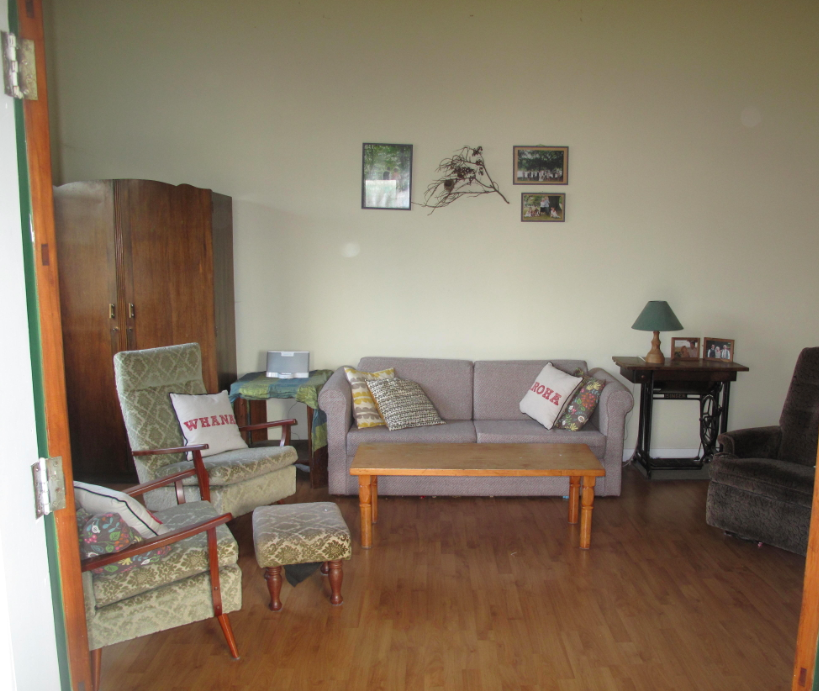
Lounge Before

As you may recall, I often refer to this as “low-input/high-performance design,” and I apply it to both housing and food production. When people ask me what I do for a living I say, “I design low-input and high-performance systems.” Imagine the looks I get!

Maintaining warm, dry living spaces throughout winter improves the quality of life and financial security for occupants of high-performance homes, which also reduces personal stress and family tension. Research performed in New Zealand by Beacon Pathway found that families who shifted from cold, damp homes to warm, dry, low-energy homes feel better physically and emotionally. Three families interviewed had the following to say:

“Being warmer has made us happier: we were on edge before, and cold. It was a nightmare. This has taken a weight off us.”

“We are happy here, which flows through everything else. Everything has been better since being here.”

“No one has been sick since arriving in the house and we no longer needed our asthma inhalers.”

Those are powerful testimonials, and ironically the opposite of what my family experienced this winter shifting from our warm, dry, low-energy villa to a cold, damp, draughty bungalow. While a change in my employment status (removing the ‘un’) prompted the move, the July timing could not have been worse. Fortunately we had plenty of firewood to get us through until I am able to make the types of improvements that made our villa so cosy.

Drawing on research from Beacon Pathway, BRANZ, EECA, and other housing research organisations, Auckland Council developed a ‘Theory of Change’ document for its Retrofit Your Home programme. The expected outcomes of the programme include:

– Financial savings from decreased electricity consumption

– Improved quality of life and life expectancy

– Increased feeling of satisfaction with living situation

– Improved relationships within the family

– Increased educational achievement

These win-win-win outcomes are clear enough to the largest council in the nation to drive its support for improving the quality of housing for residents. But for some unknown reason, the push for warm, dry, healthy homes struggles to get traction in New Zealand as a whole. I speak with native Kiwis and immigrants all the time about this issue, and to me it is all just a broken record playing over and over again: “there needs to be a major shift in attitudes about housing in this country.”

Screen shot 2015-01-16 at 5.48.12 PM

Lounge After

For me, the bottom line is quality of life. Our cosy Castlecliff villa provided us with an amazing quality of life for three and a half years and once our new home is improved it will do the same. I feel sorry for the millions of Kiwis living in sub-standard housing and suffering from poor health and emotional strain. But at the end of the day it is up to each one of us to stand up and say, “I am going to improve the living conditions of my family.”


Peace, Estwing
Eco-Design Saved “The Rouge”

Editor’s Note: This is a regular column that appears in our city’s newspaper, The Wanganui Chronicle.


I always get a kick out of walking down Victoria Avenue or riding my bike on Puriri Street and seeing someone wearing a basketball jersey of the Boston Celtics or Los Angeles Lakers. I picture in my mind the reverse: youths in Boston and Los Angeles sporting their Warriors or Crusaders kit. It is good for a chuckle.

I am especially impressed on the rare occasion of passing someone on the streets of our River City supporting my hometown Detroit Pistons. So you will understand my pleasure upon opening last Saturday’s Chronicle to find a full-page story on the Motor City.

Appropriately placed at the top of the page was a photograph of a group of students sitting in front of a massive Diego Rivera mural at the Detroit Institute of Arts. I remember all those decades ago taking a school trip to the DIA and being completely overwhelmed by the Rivera murals that depict the Ford Motor Company’s River Rouge manufacturing plant at the time of their painting in the early 1930s. Screen shot 2015-01-09 at 11.14.57 AM

 On the 2,000 acre site, 93 buildings covered 1.5 million square metres and had 150 kilometres of conveyors. Iron ore went in one end and finished cars came out the other. 100,000 men worked at the plant while Rivera painted his murals. “The Rouge” had a fully staffed hospital, a fire department and a police force. It was the largest single industrial complex in the world.

Screen shot 2015-01-09 at 11.16.40 AM

By the time I visited the DIA in the late 1970s the Rouge itself was on hard times. The work force had plummeted to under 10,000 and drug use was rampant among them. The quality of Ford vehicles had declines and Japanese imports were in the ascendant. My family was unlucky enough to have purchased a Ford Pinto that was plagued with mechanical problems.

By the early 1990s the plant was on the brink of closure. And then something amazing happened: Eco-design saved the Rouge.

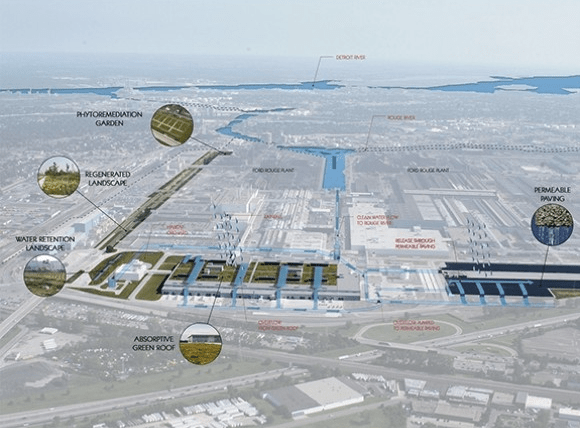
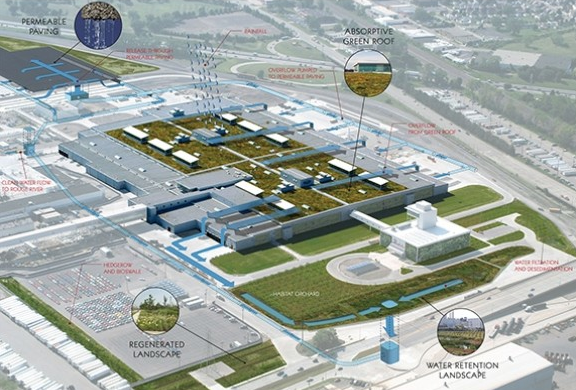
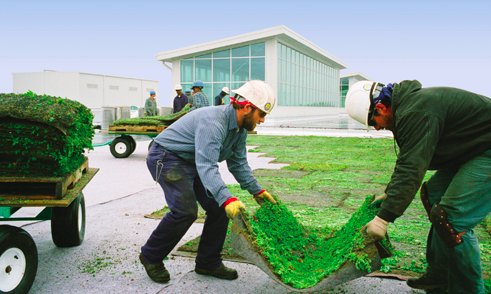
In 1999, Architect William McDonough (the subject of last week’s column) entered into an agreement with Ford Motor Company for a major eco-thrifty renovation of the aged facility. The cornerstone of the renovation was a 10-acre (four hectare) living roof planted mostly to low-growing sedum, which retains and cleans rainwater while buffering the temperature inside the plant in both winter and summer. Screen shot 2015-01-09 at 11.19.22 AM

While the living roof saves Ford on both heating and cooling costs, the major savings were realized by the role it plays as part of an $18 million storm water system designed to handle 76 million cubic metres of water annually. This innovative system also includes a series of swales, reconstructed wetlands, the world’s largest porous parking lot, and hundreds of newly planted trees.

From day one, this eco-design option for treating rainwater saved Ford $32 million because the mainstream option of mechanical treatment would have cost $50 million.

Another role that re-vegetation efforts play on the site is through phytoremediation – a process by which plants and soil microbes break down contaminants and render them harmless. This approach is much cheaper than the other option Ford was facing of trucking contaminated soils off to landfill. Screen shot 2015-01-09 at 11.22.07 AM

Finally, McDonough has worked with Ford to improve the natural day lighting, ventilation, and energy efficiency of the plant while saving them even more money. This from TheHenryFord.org:

“Ford’s approach, often referred to as sustainable design, might also be described as high-performance design. A high performance building will:

– Lower annual energy costs

– Lower long-term maintenance costs

– Use non-toxic, easily recycled materials

– Create healthier work environments

– Improve employee productivity

– Attract talented recruits

– Improve market image

– Help protect the environment

“The Rouge is not only being rebuilt, it’s being re-imagined as a model of sustainable manufacturing – a workplace that helps protect the environment for future generations while it inspires a new paradigm.”

Screen shot 2015-01-09 at 11.29.16 AM

To me this is inspiring stuff, and I can see its application throughout our city. As yet we have not been able to get into gear, but here’s hoping one day these types of ideas will get traction and with the engagement of a broad cross-section of our community we can get the pistons humming.


Peace, Estwing

Call Me “Miyagi.”

We have had a half dozen interns over the last four years. They have all been excellent. We are grateful for the time they have spent with us.

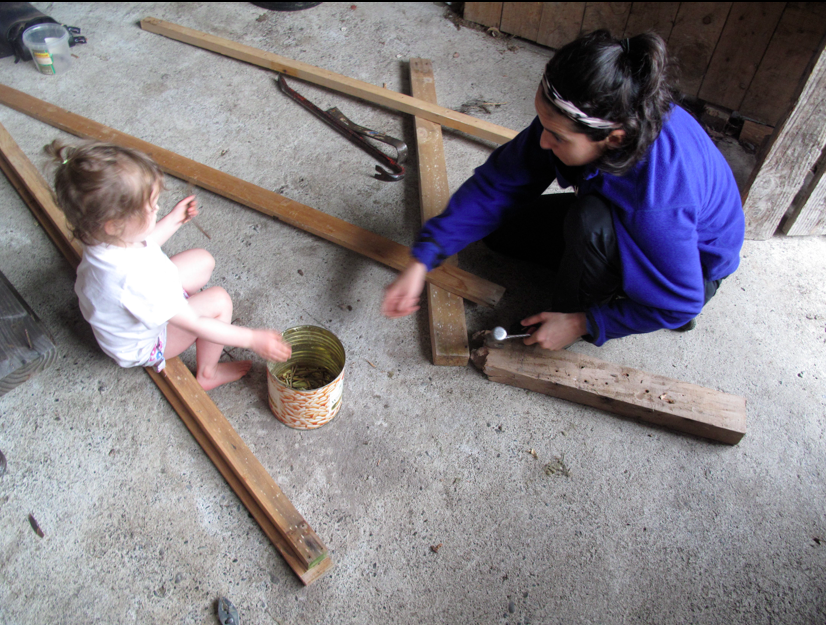
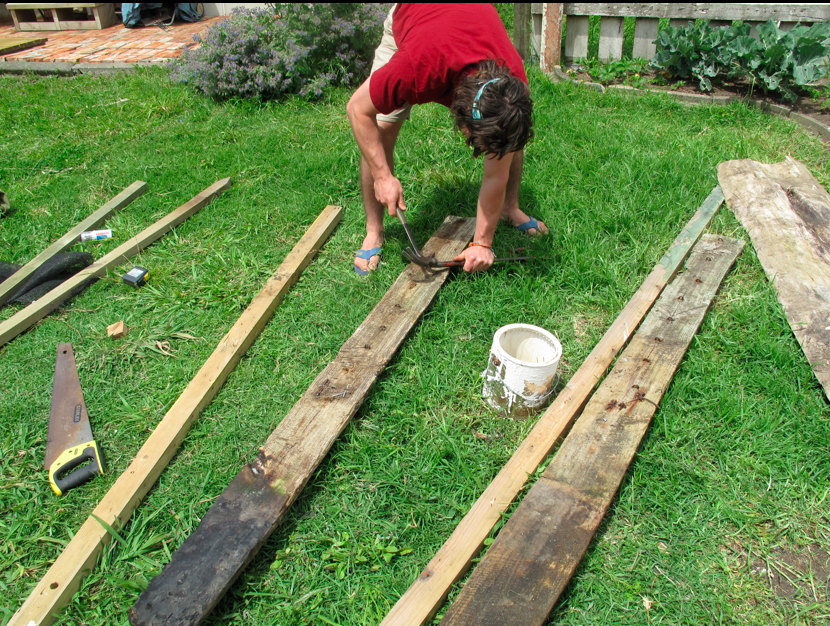
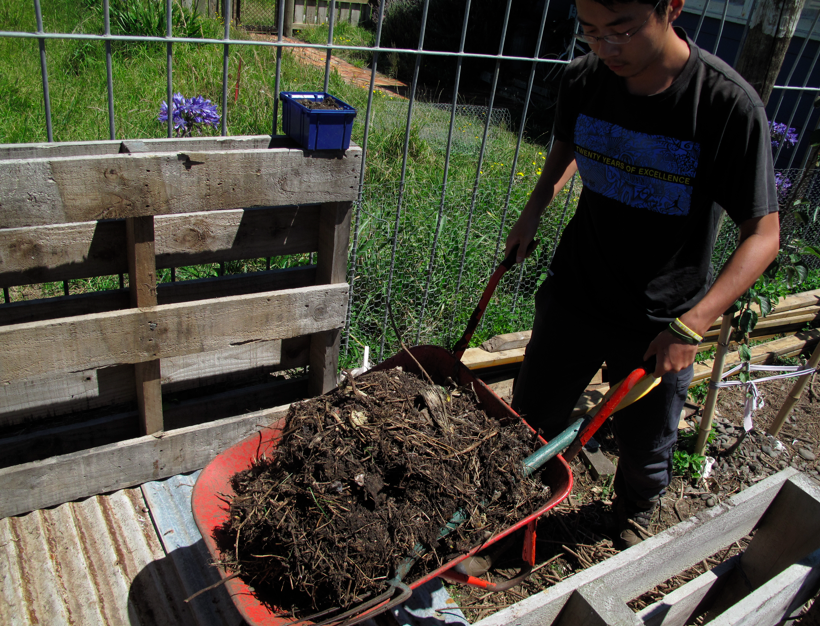
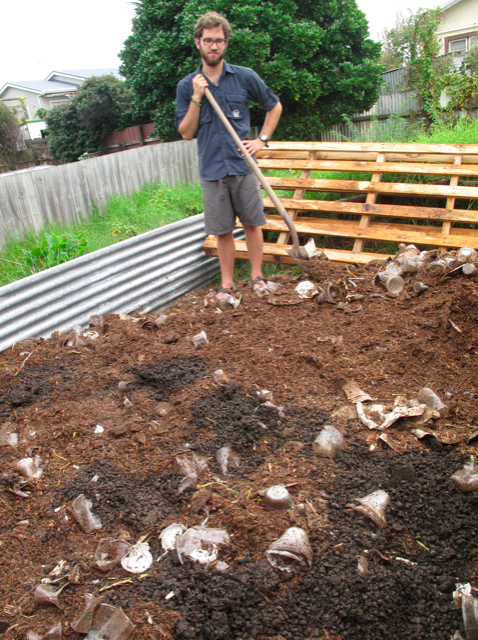
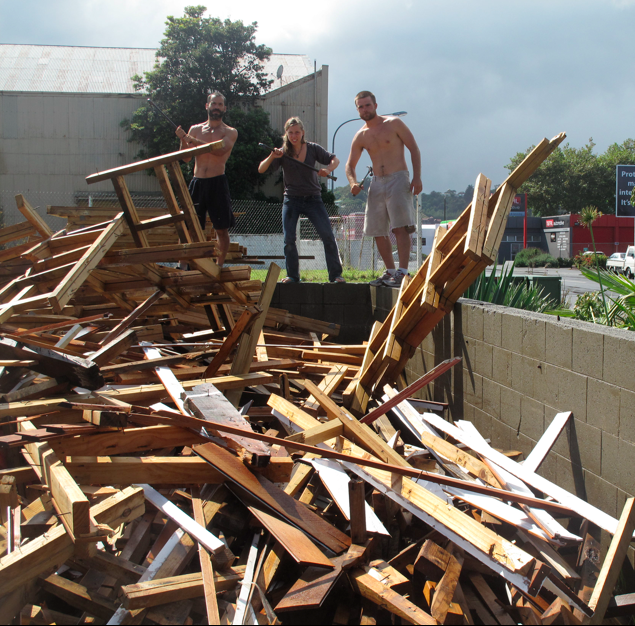
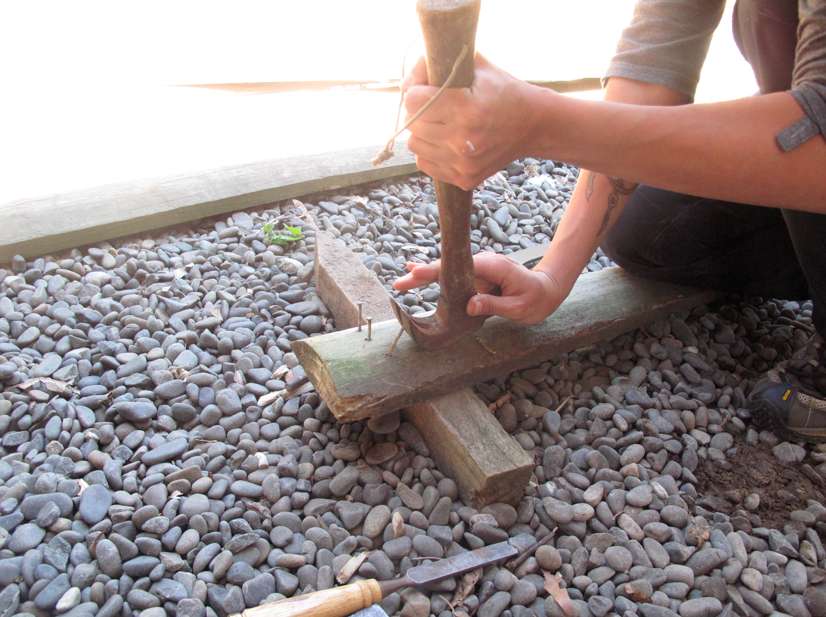
In the first week we teach them a couple of core skills, which include turning a hot compost pile and pulling nails. These skills represent the two “metabolisms” that William McDonough has identified: biological and technical.

Screen shot 2014-12-08 at 6.14.31 AM

In my opinion, these also teach respect for materials and humility. This week our new intern, Camila, said, “You are like Mr. Miyagi and I am like Daniel-san.”

Screen shot 2014-12-08 at 6.23.59 AM

Here is Camila practicing her technique.

Screen shot 2014-12-08 at 6.06.02 AM

“Wax on.”

Screen shot 2014-12-08 at 6.05.11 AM

“Wax off.” 

Screen shot 2014-12-08 at 6.04.57 AM

“Like this, Grasshopper.”

Here are our other interns hard at work.

Screen shot 2014-12-08 at 6.02.37 AM

John, 2011.

Screen shot 2014-12-08 at 6.03.13 AM

Amy, 2011

Screen shot 2014-12-08 at 6.00.43 AM

Tommy, 2011

Screen shot 2014-12-08 at 5.58.32 AM

Jiquao, 2012

Screen shot 2014-12-08 at 5.57.27 AM

Xander, 2013

I believe it is a great privilege and responsibility to work with interns. For the process to be successful, all involved must see the benefits. In nature we call this “mutualism,” a mutually-beneficial relationship between two organisms where both are better off.

Peace, Estwing

Four-Dimensional Eco-Design

“If you want to build a better future, you must believe in secrets.”

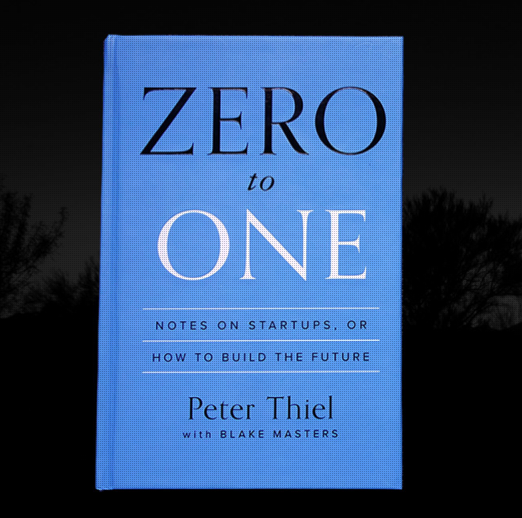
This is the provocative sentence that greeted me when I clicked on the Amazon.com page for Peter Thiel’s book, Zero to One: Notes on Startups or How to Build the Future. Written with Blake Masters, it has been favourably reviewed by a number of sources and made its way to The New York Times Best Sellers List.

Screen shot 2014-12-06 at 7.09.10 AM

I first became aware of the book a couple of months ago while listening to a radio interview. The phrase that caught my attention at the time was, “How do you develop the developed world?” In my opinion, eco-design is key to answering this question.

Eco-design has secrets that must be believed. It is inherently holistic, dynamic and future-focused. One of the things I love about eco-design is that it evolves alongside changing conditions rather than remaining static. I refer to this as four-dimensional design as mentioned in last week’s column about food forests.

Time – the fourth dimension – is an integral part of eco-design in two primary ways: 1) repeating cycles such as day and night, or the changing of seasons; 2) progressive change over time such as ecological succession.

In either case, eco-design is dynamic enough to adapt to the conditions whatever they may be. From this perspective I would suggest that eco-design inspires a level of confidence in that it involves feedback loops and is always open to adjustments. This quote from Martin Luther King Jr. sums it up:

“Faith is taking the first step even though you don’t see the whole staircase.”

I have faith in eco-design.


OK, enough with the flowery language. Let’s get to some examples.

Screen shot 2014-12-06 at 6.47.00 AM

Passive solar design makes homes warmer in winter and cooler in summer while cutting operating costs. The main factor in this win-win-win system is seasonal sun angles. A passive solar home is designed to welcome low angle winter sun while excluding high angle summer sun – all with no moving parts. The structure itself is built for seasonal change and day-night cycles.

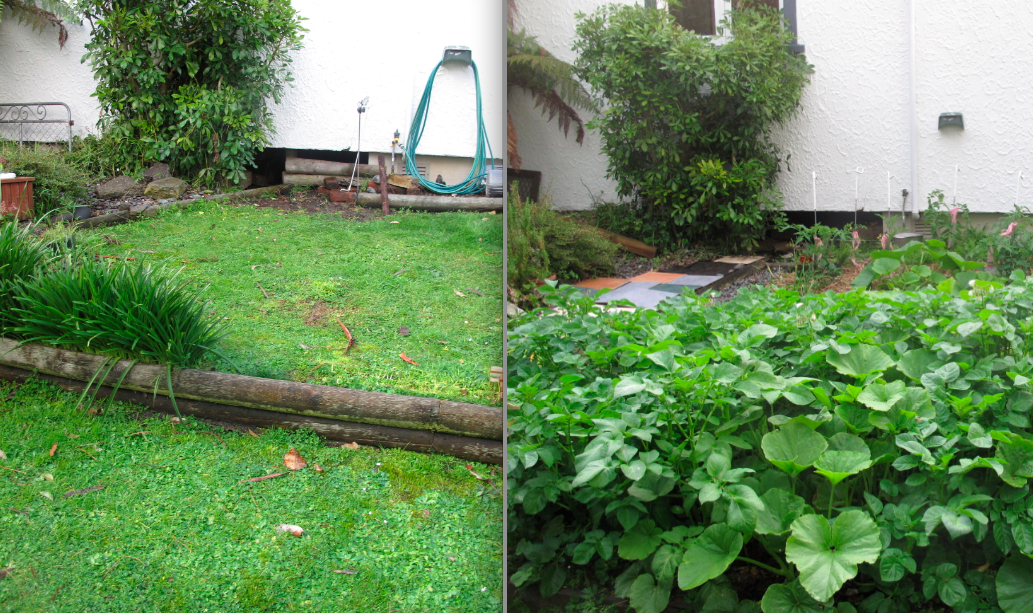
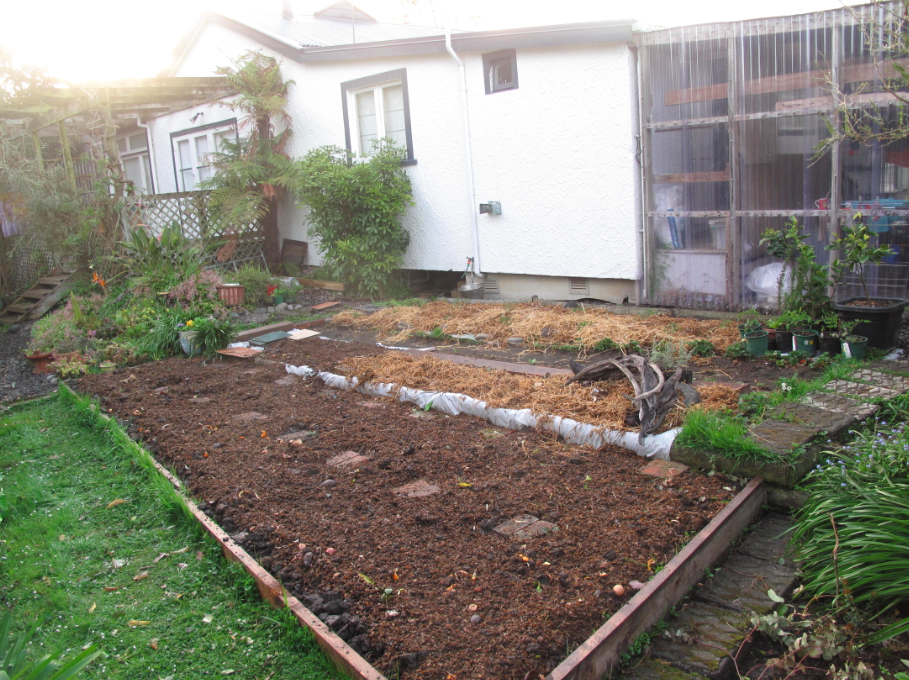
Another example of four-dimensional design is the lazy conversion of lawn into vege garden.

Screen shot 2014-12-06 at 7.03.37 AM

By taking it step-wise over time, the total amount of physical labour is minimized by letting nature do most of the “heavy lifting” although in this case it’s digging/tilling.

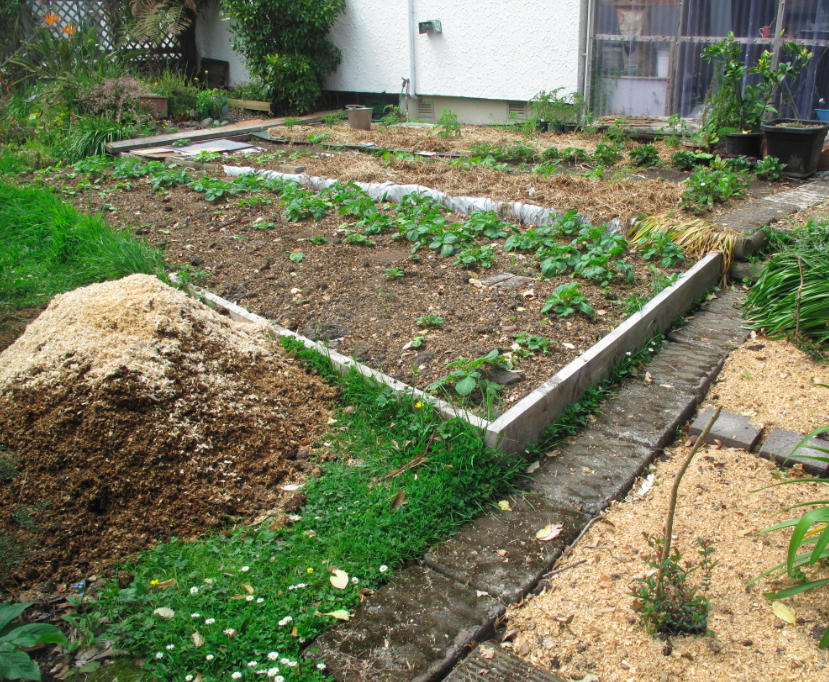
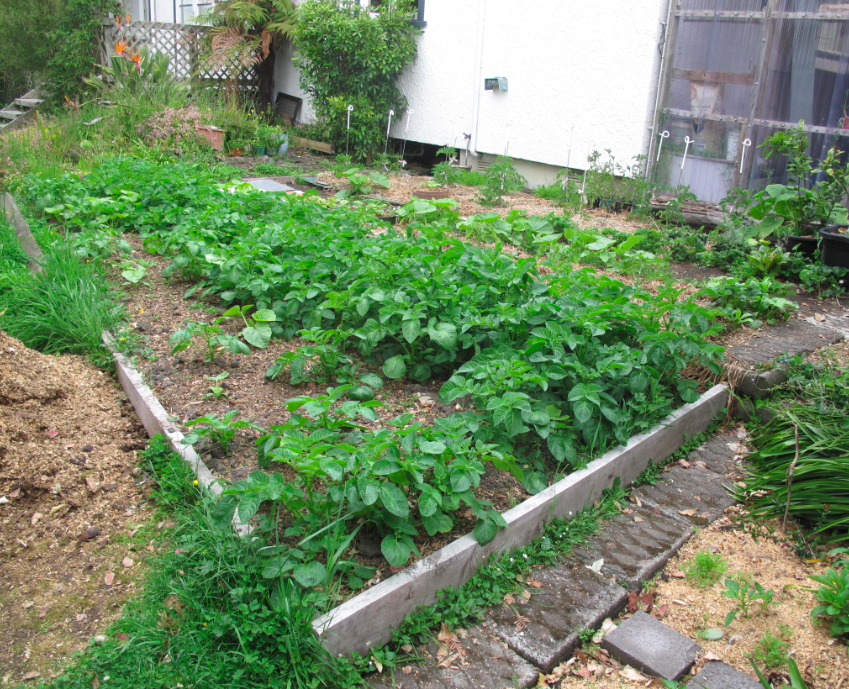
With heavy, compacted soils like we have on our property, a good way to decompress the earth is to plant potatoes. At the same time, adding organic matter helps to lighten clay soils by increasing biological activity. As the potatoes grow taller, we mulch them with more organic matter, which gives us a larger harvest of spuds while contributing even more organic matter to the new garden bed.

Screen shot 2014-12-06 at 6.51.14 AM

Preparing the beds.

Screen shot 2014-12-06 at 6.51.33 AM

Sprouting spuds.

Screen shot 2014-12-06 at 6.51.43 AM

Garden taking shape.

Another aspect of holistic eco-design comes into play when assessing a potential garden area for low-maintenance and high-productivity. The design of our new kitchen garden concentrates fertility where we want food to grow (the beds) while removing it from where we do not want weeds to grow (the paths).

Screen shot 2014-12-06 at 6.50.55 AM

One final note of four-dimensional design: Three weeks ago I mentioned a project being undertaken by my friend in Ladakh, India, called the Ice Stupa Project.

It was my intention to share this amazing project with the Whanganui community by giving a short presentation. That does not look like it is going to happen, but I urge you to check out the Ice Stupa Project on the internet and to watch the inspiring short film on Youtube, “The Monk, The Engineer, and the Artificial Glacier.” Screen shot 2014-12-06 at 7.14.28 AM

This project represents a gold standard of eco-design and could be the most inspiring thing you see all year. The crowd-funding page for this project on Indiegogo.com is called, “Ice Stupa Artificial Glaciers of Ladakh.”


Peace, Estwing
 

Rising Damp is a Real Problem

I hang my head in shame. For the last three months I have felt like a negligent parent, having subjected my family to unhealthy conditions.

At the end of July we shifted from a warm, dry home to a cold, damp home. The new house has a large wood burner and a mammoth woodpile that was included in the chattels. During the first weekend in August I topped up the grossly inadequate ceiling insulation with R 3.6 blanket batts and figured that – along with burning heaps of dry firewood – would get us through until summer.

Unfortunately there were two factors I did not fully appreciate: 1) the winter weather would stretch into November; 2) the profound impact of rising damp.

Screen shot 2014-11-21 at 6.56.40 PM

 With the extra insulation and a fantastic heat transfer system we have been able to heat our home to healthy temperatures – 18-22 in living spaces and 16-18 in bedrooms – but high humidity inside our home has had a greater impact than I ever would have guessed.

Having never lived in a damp home, the conditions were a shock for us. My wife and daughter had persistent coughs that came and went for many weeks. I managed to escape illness, but one morning recently I pulled open the bottom drawer of a low boy to find a pair of board shorts covered in grey mould. That was the last straw! Screen shot 2014-11-21 at 6.53.20 PM

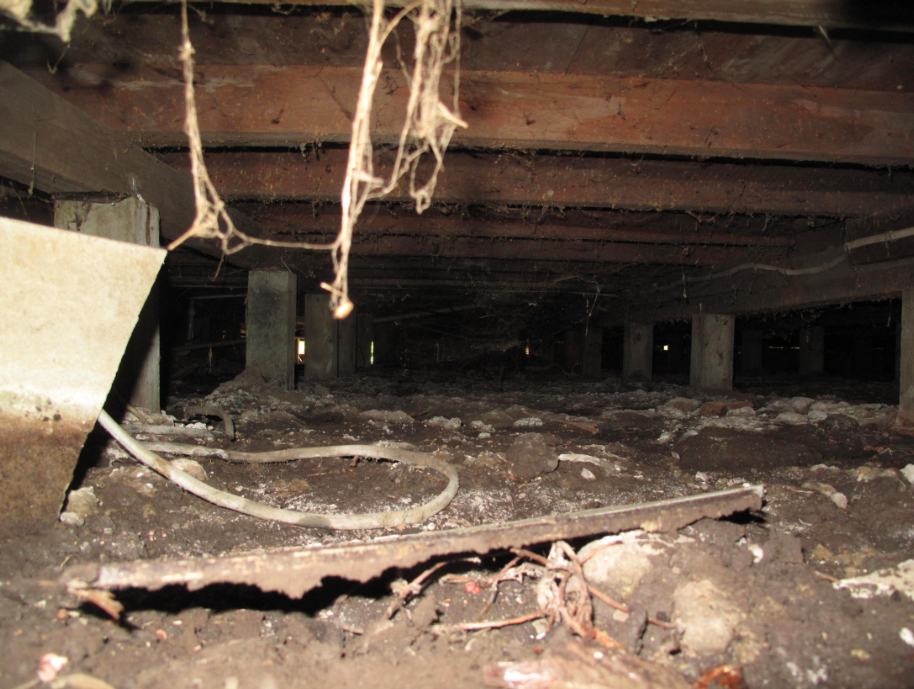
In actual fact, I knew all along that rising damp would be a problem in this home, and I bought 200 square metres of heavy-duty polythene back in August. But controlling the ground moisture was not as simple of laying the polythene under the structure – there were other issues that also needed to be addressed.

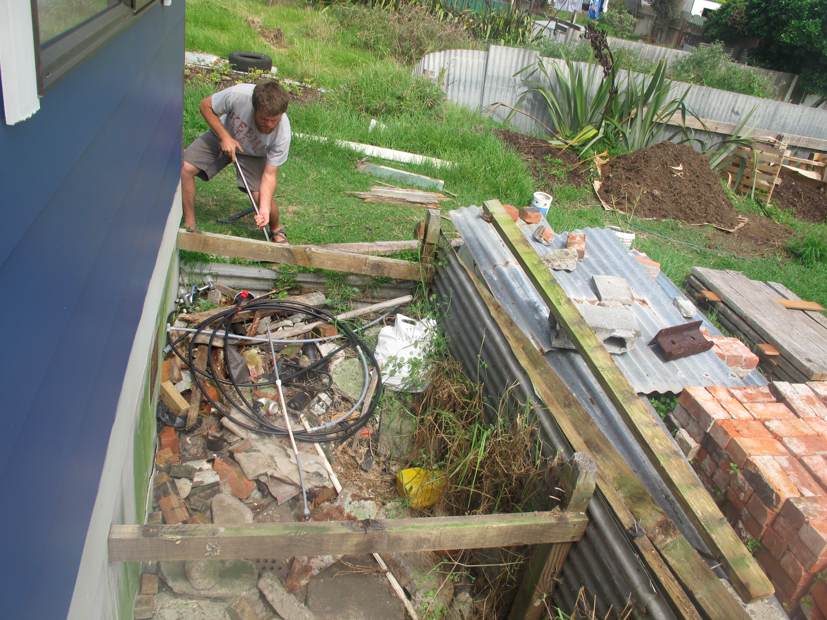
A lack of proper drainage around the perimeter of the home meant that excessive water was flowing underneath the structure. This lead to a handful of the treated piles rotting far short of their intended lifespan.

Screen shot 2014-11-21 at 6.52.34 PM

So the larger picture included drainage work, selective re-piling and laying polythene. Of these three jobs, the logical one to start with is drainage. In first aid treatment we follow the mantra: “First stop the bleeding, then treat other injuries.” The same applies to water damage and a home: “First stop the source of water, then make repairs.” Screen shot 2014-11-21 at 6.52.48 PM

While I have been slowly remediating the drainage problems, we have embraced a number of techniques for limiting the unhealthy effects of raising damp in our home. These are simple techniques that almost anyone in Whanganui can afford to do whether they are homeowners or renters.

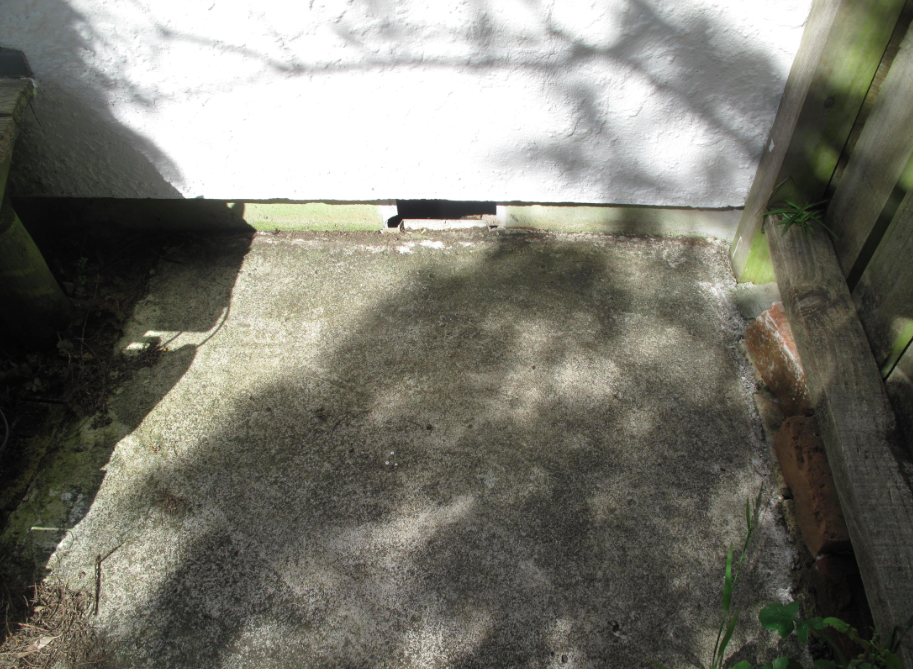
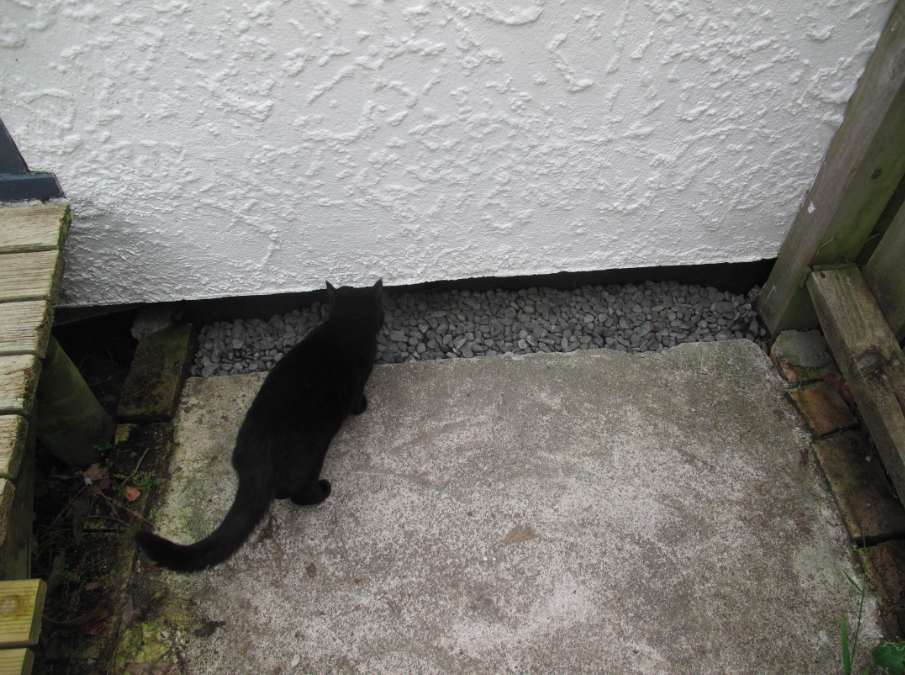
The first crucial step was to improve sub-floor ventilation. I did so in a rather crude manner by breaking out a few pieces of Hardie Board with the intent of repairing it later. Air moving under the home picks up moisture from the ground and carries it away. Many NZ homes have inadequate sub-floor ventilation.

Another technique that is used by many people to dry their homes is to air them manually by opening windows and doors. But like many things, there are more and less effective ways to do this. The most effective way to air your home is to open it up for 10 to 20 minutes at the warmest time of the day. This is much better than leaving windows slightly open 24/7.

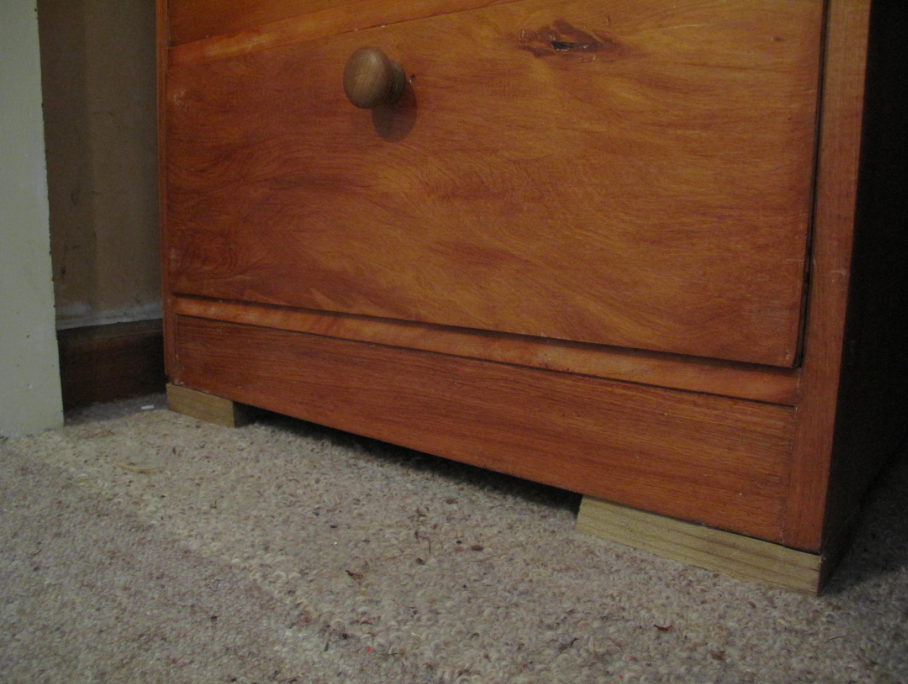
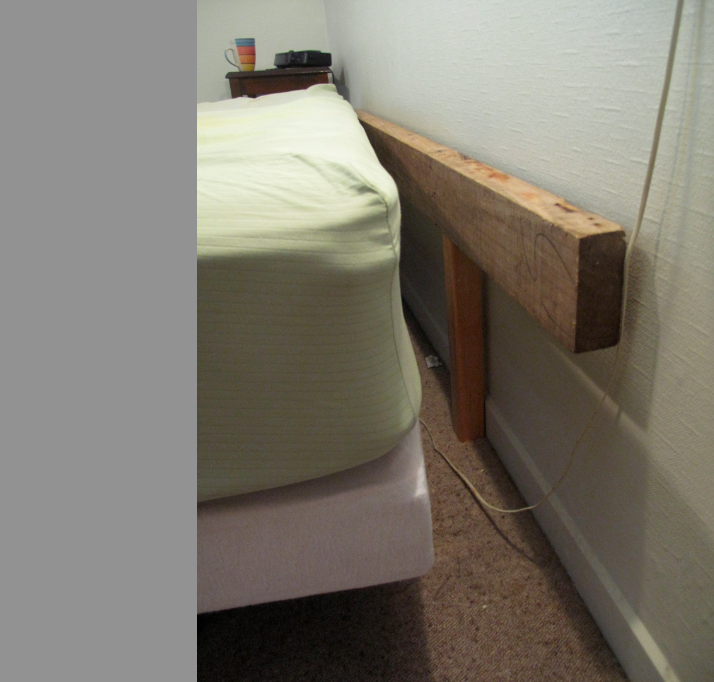
Finally, in order to avoid mould and mildew growth in our home we have taken a few simple steps with our furniture. I raised the low boy mentioned above with wood blocks to encourage airflow under it. Similarly I created a simple timber ‘spacer’ to move our bed away from a cold, south-facing wall. This allows airflow while keeping our pillows from falling through the gap. Win-Win.

Screen shot 2014-11-21 at 6.53.26 PM


Peace, Estwing

No Return on Investment: Selling a Home at a Loss

Bang! Bang! Is it duck season or messenger season? From my observations over the last few months it is clearly the latter in Wanganui.

The overwhelming overreaction to the independent expert analysis from economist Shamubeel Eaqub appears to be indicative of why Whanganui is still spinning its wheels and failing to progress after decades of whinging: decision-makers in our city appear to refuse to accept all forms of constructive feedback and suggestions to adopt new ways of thinking.

When dialogue is shut off before it begins we are ensured that no change will occur. This is a consistent pattern I have observed while living here. Correct me if I am wrong, but isn’t this what puts the P in Provincialism? Forget adding an H to Wanganui, let’s just go ahead and rename the city “De-Nile.” Egypt won’t mind.

I will admit that thinking different is not easy, but failing to do so can be expensive. Let’s take housing and renovation as an example. Conventional wisdom is that investing in property will always give a positive return because house prices always rise. Everyone in Wanganui knows this.

More convention urges us to put in new kitchens and new bathrooms as these add value to our homes and we will easily recoup the investment when it comes time to sell. Everyone in Whanganui knows this too. Screen shot 2014-11-01 at 8.07.10 AM

New Kitchen: No Return

Nek minnit, QV.

About a year ago I was taking photographs of the absurd process of bulldozing sand from Castlecliff Beach into the Tasman Sea when the driver walked over for a chat. We had a great conversation about sand, wind, waves, Council, America, and Detroit (my “home town”). But what really concerned him was the recent valuation of his home. After spending heaps of money renovating the valuation did not come close to reflecting his investment. Screen shot 2014-11-01 at 8.07.52 AM

Refurbished Lounge

Real estate agents tell me that many clients struggle to “claw back” any and every dollar they have spent doing up their homes. With rare exception, I suspect that most homes purchased and renovated within the last eight years are being sold at a loss. My family is looking at this very proposition ourselves, which is especially disconcerting because we invested heavily in energy efficiency in addition to the new kitchen and bathroom.

 Screen shot 2014-11-01 at 8.07.26 AM

Beachy Bedroom

When it comes to the energy performance of a home, QV does not recognize a price premium. In other words, if you spend $30,000 on solar energy, super-insulation, double-glazing, etc. don’t expect to recoup that investment when you go to sell. Even if that investment will save the next occupants $30,000 in power over ten years it is not recognized as a valued asset of the home.

Justifying this position, the friendly QV man who came to our home after we challenged its mind-bogglingly low valuation told me, “The market does not show that it values energy efficiency.”

Screen shot 2014-11-01 at 8.08.31 AM

Floor to Ceiling Native Rimu

But to what extent is this a chicken-and-egg scenario? If QV does not value eco-renovation then potential buyers will look at the valuation and be less willing to pay for what it cost to do the work in the first place. On the other hand, how many enlightened buyers will it take to prove to QV that the market does value energy performance?

To review, evidence suggests:

  • doing up a kitchen and bathroom do not increase the value of a home in Wanganui;
  • improving the energy performance of a home in Whanganui does not increase its value.
  • doing both…R.U. Nutz?

Screen shot 2014-11-01 at 8.07.39 AM

Repurposed Doors and Coal Range

So the moral of the story is that unless you plan to remain in your home for a very long time it is highly unlikely that you will break even on the costs of renovation. Of course this will not come as welcome news to many people in our community.

Go ahead and shoot me. It is a good day to die.

Peace, Estwing
Sidebar

Workshop: Low-Input / High-Productivity Gardening

Thoughtful design and management of a vege garden can increase productivity and decrease the hours of labour. Invest two hours in this workshop and save dozens of hours weeding your garden.

Sunday 9th November, 3-5 PM. Registration and deposit required.

06 344 5013, theecoschool@gmail.com

Keep Calm and Think Different: It takes money to save money, part 3

Screen shot 2014-10-17 at 7.54.18 PM

This is the third in a series focusing on the value of investing in long-term savings. The most obvious example of this way of thinking is represented by energy savings and payback period. But let’s not get hung up only on the financial benefits – which can be substantial – while ignoring others such as health, happiness and harmony.

The following testimonials come from residents who have participated in building and renovation projects through Beacon Pathway, “an Incorporated Society dedicated to transforming New Zealand’s homes and neighbourhoods”:

“We know what a warm house is now.”

“We are doing our job as parents keeping the house healthy for the kids.”
“We are happy here, which flows through everything else. Everything has been better since being here.”

“Being warmer made us happier. We were on edge before, and cold. It was a nightmare. This has taken a weight off us.”

These words from four different families speak volumes about the non-financial benefits of living in warm dry healthy homes. I would classify the sentiment of these statements – especially the last two – as one of emotional resilience. In other words, knowing that their homes would be warmer and drier at lower running cost has taken stress and emotional pressure off these families and resulted in a flow-on effect of higher quality of life in many ways.

This is a dramatic contrast to a poem I ran across recently:

Sisyphus in Aotearoa

By Leonel Alvarado


All winter long

I push my oil heater

From room to room


Resilience – emotional and otherwise – will become increasingly important to individuals, families, neighbourhoods, cities and nations as ever more volatile weather patterns result in increasing physical and economic damage. Innovative communities worldwide are planning for resilience. Others choose not to.

Resilience can take many forms on many levels. One important form of resilience on a residential level is durability. Alongside energy efficiency, another way the long-term running costs are kept low at our Catlecliff villa has been by investing in durability. The first and most prominent example of this is the new Coloursteel Maxx roof installed in November 2011. This high quality roofing iron was more expensive than inferior versions, but will last longer in the sea spray zone. A more durable roof is cheaper in the long run because it delays the replacement by many years or potentially decades.

Another example of durability is doing painting right. What this means is: 1) good and proper surface preparation; 2) quality primer applied liberally; 3) quality paint applied in coats.

 Screen shot 2014-10-17 at 7.53.14 PM

For exterior timber cladding and timber trim this also means priming and painting the end grain as well as the backside. Yes, this takes longer but results in lower maintenance and longer life.

Along those same lines, we treated all of the floors against borer before covering them with other materials. Obviously, less “bora” activity will increase the longevity of the structure.

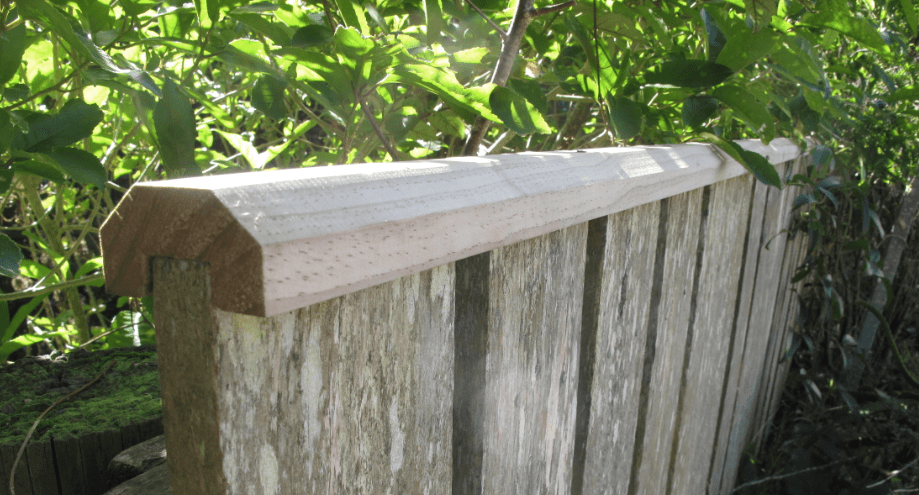
One final example for today’s column, but certainly not the last example of durability on the property, is protecting the end grain of timber fencing from water damage. Biological names for end grain are xylem and phloem. When alive, these “tubes” transport water and nutrients up and down a tree as essential functions. When dead, end grain allows water to penetrate deeper into the timber and accelerate deterioration. From this perspective, protecting the end grain from rainfall lengthens the life of a fence and postpones its replacement by many years of possibly decades.

Screen shot 2014-10-17 at 7.53.29 PM

As a humorous alternative to the investments we have made in durability and resilience at our Castlecliff property I’ve included a photo of a fence at Wanganui’s Davis Central Library where a water sprinkler unit has been fixed directly adjacent to exposed end grain. There is a term for this in America: “Good enough for government work.” Screen shot 2014-10-17 at 7.53.42 PM

Peace, Estwing