All posts by Estwing

TPPA: How Predictable!

Editor’s note: This is another weekly column in the Wanganui Chronicle.


Thanks for the great feedback on last week’s column. Despite the vindictive image of Wanganui that was encapsulated in the initial response to Duncan Garner’s visit to our beautiful city, there are indeed many thoughtful, reflective and open-minded residents.

I admit that my conservative views do not suit all readers and I apologize for forcing them upon you week after week. I’m the guy who spent four months working on drainage around his house just before we were hit by a once-in-85-year rain event.

Above all else I believe an ounce of prevention is worth a pound of cure. If you have been brought up on the metric system instead of imperial measurements, here is a translation: 28.3 grams of prevention is worth 453.6 grams of cure. Doesn’t exactly have the same ring to it, eh?

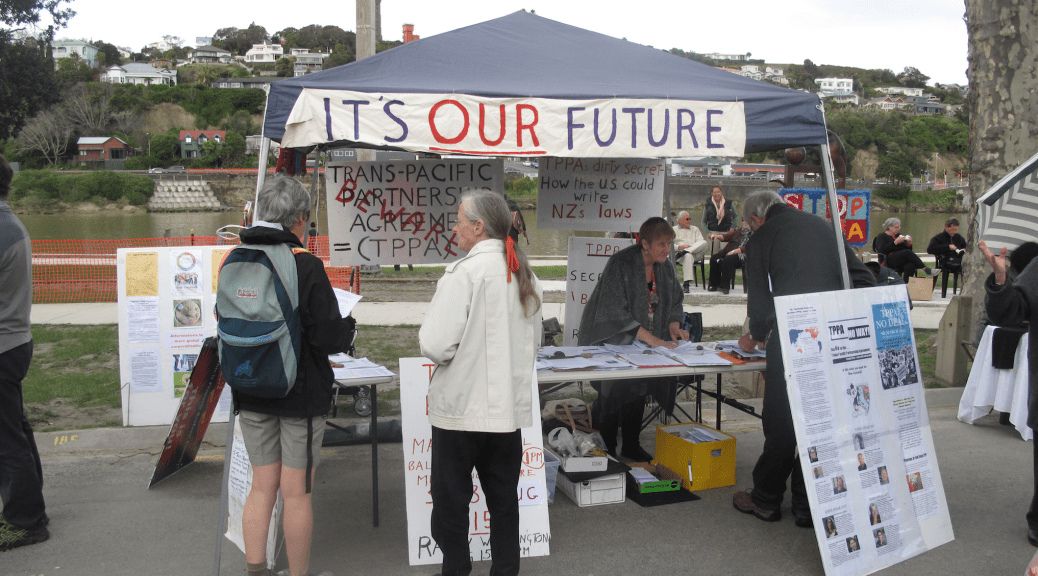
‘Prevention’ has the same type of prefix as ‘proactive’. Even ‘prefix’ has that same…prefix. Any way you slice it, it’s about addressing an issue before it becomes a problem. One great example has been our community’s long and sustained effort to raise awareness about the likely problems that will result if the government signs onto the Trans Pacific Partnership Agreement (TPPA).

In late 2013 I contacted Chronicle editor, Mark Dawson about writing a piece on the TPPA. He gave the green light and as far as I know it was the first appearance of the secretly negotiated treaty in our local press. Here is what I wrote:


“Fortunately for democracy, some material from the TPPA has been leaked, including a 95-page excerpt published by WikiLeaks in Mid-November. Following that leak, the Herald (14 November, 2013, NZ WikiLeaks Scoop) reported that information in the excerpt includes disputes between New Zealand and US negotiators on issues of internet freedom, industrial innovation, ownership of endemic plants and animals, and, near and dear to my heart, access to affordable medicines.

“From the Herald, ‘A large section reveals the battle between the US pharmaceutical lobby and countries such as New Zealand that want to continue to buy cheaper generic medicines.’

“In order to dissect this sentence we need to know a couple of facts: 1) the utmost duty of a corporation is to return profits to its shareholders; 2) the US – where corporations have used lobbyists to sculpt health care policy – has the most expensive health care system in the world while ranking close to 40th in performance by the World Health Organization; 3) New Zealand health care remains reasonably priced in part due to the ability to bulk buy generic medicines.

“Using the numbers above in a mathematical equation: 1 – 3 = 2. In other words, if pharmaceutical corporations have their way through the TPPA, NZ health care will more closely resemble that of the US.

What this means for Whanganui is that our already strapped health services would become even more so. For example, the funds now available to pay a doctor may have to be shuffled to cover the increased costs of medicines. Along with the dollars vacuumed away, we would lose a valuable human being who lives in our city, owns a home, pays rates, and buys local products. Every dollar associated with that doctor’s salary would be wisked away to New York, San Francisco, or Hartford. We lose, they win.

I reckon it is our democratic duty to do our best to resist corporate influence globally and locally, but we need to do so proactively. Once the deal has been done, it won’t easily be undone.”


Last week the Prime Minister admitted that under the TPPA some medicines would cost the country more. If only he’d read my column two years ago he would have been way ahead of the game!

Without the assistance of a crystal ball I was able to ‘see the future’ because I am a strong believer in research, data, patterns, and evidence-based decision-making. Despite what radicals might think about secret trade deals, climate change, income inequality, and boosting regional economies, I’ll stick to my Ounce-of-Prevention ideology metric system be damned!


Sidebar: March and Rally Today!

1:00 PM. Gather at Silver Ball sculpture at the riverside.

1:15 PM. Rally at Majestic Square.
Holistic Land Management: Permaculture Design in Motion

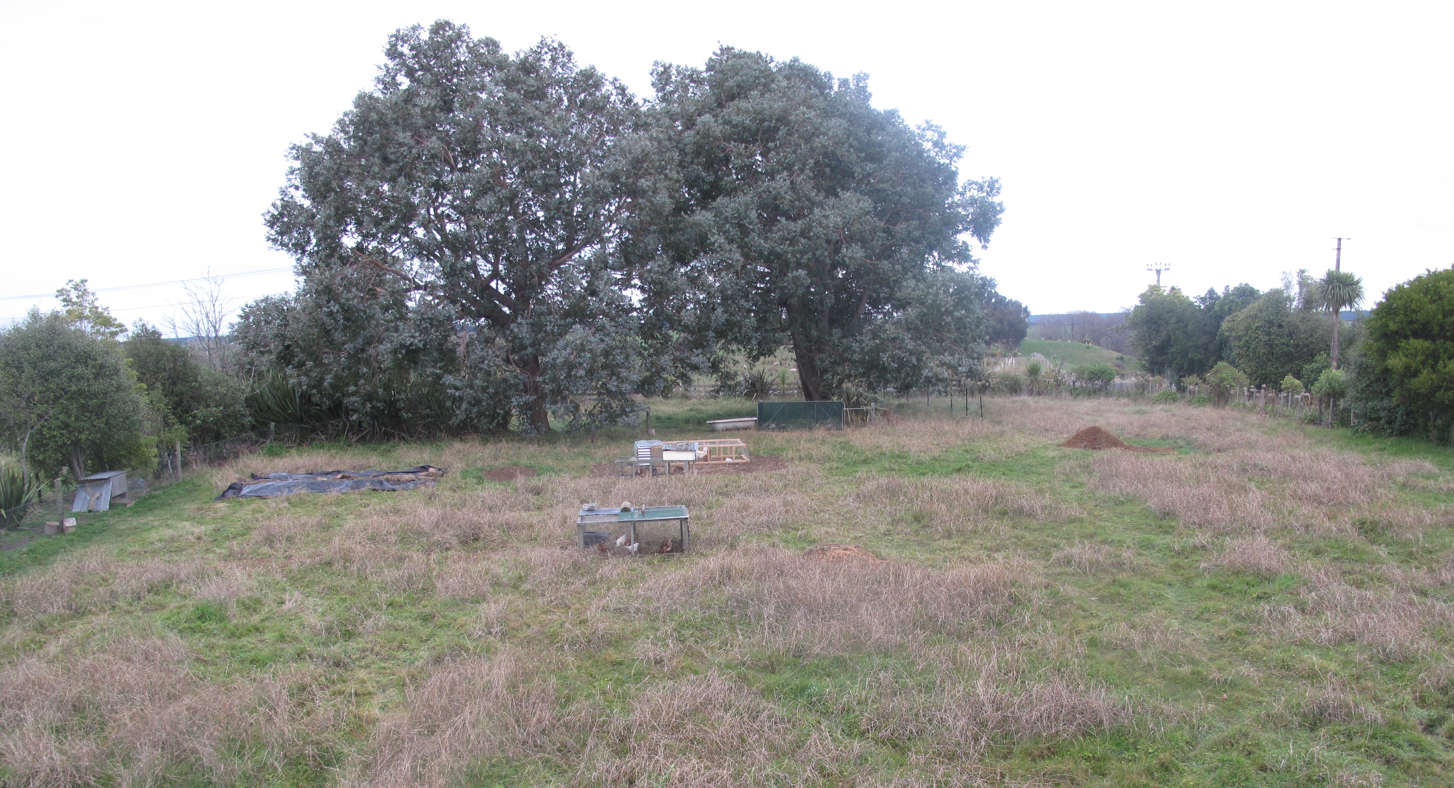
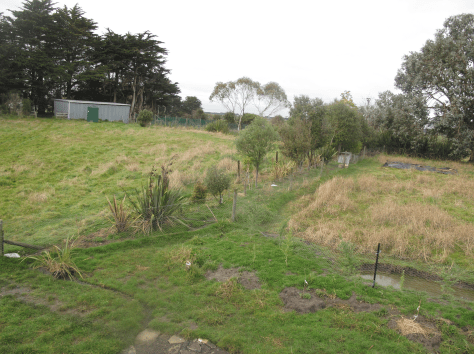
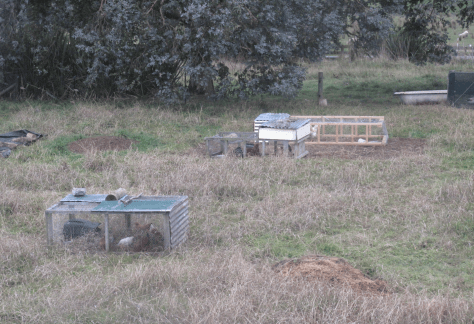
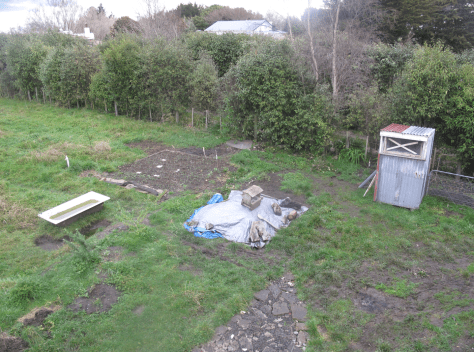
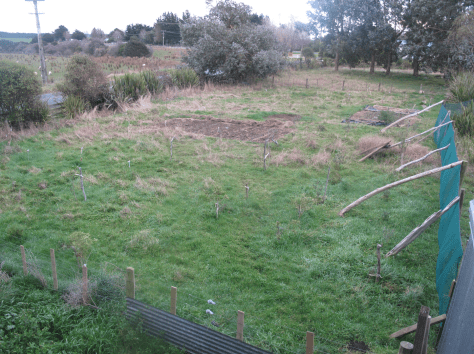
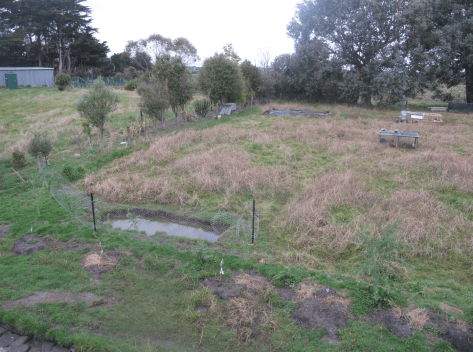
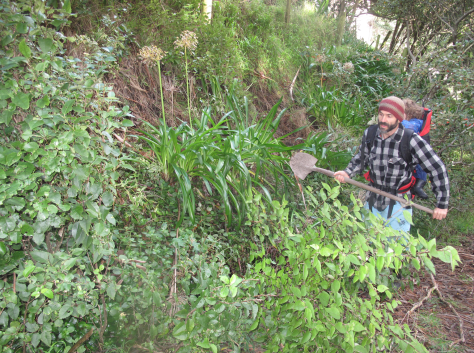
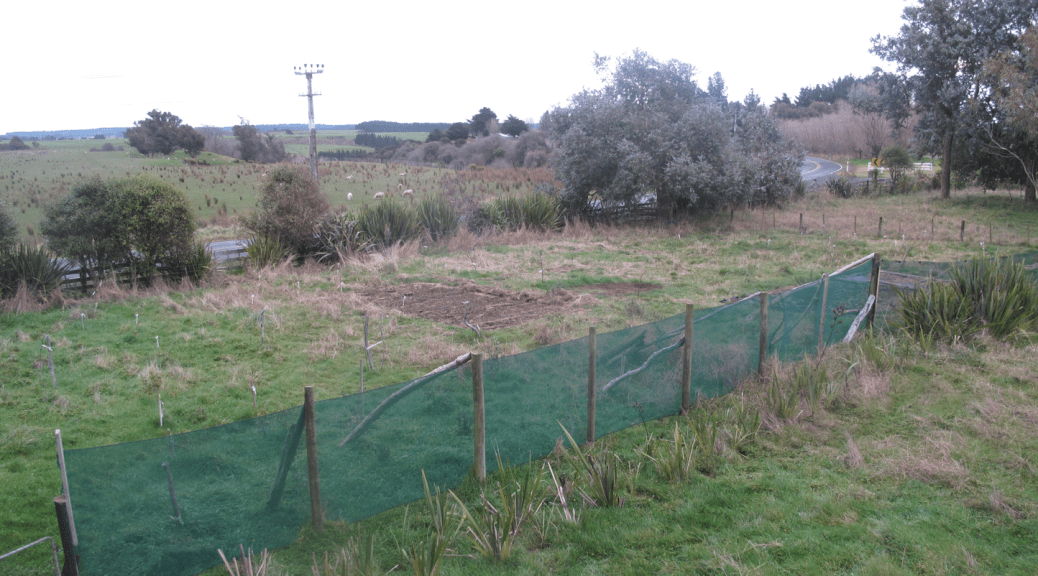
One year after arriving on this piece of land we are well on our way to developing a premier permaculture property. Like our model suburban permaculture project – the Eco-Thrifty Renovation – we intend to use this as a model for resilience education in our community and worldwide.

Screen Shot 2015-08-02 at 9.00.42 am

We call this property Kaitiaki Farm. In Te Reo Maori, kaitiaki means guardian. It is the weightiest word I have ever come across in my life, and I do not take using it to name the farm lightly. If our first child had been a boy, Kaitiaki would have been his middle name.

Screen Shot 2015-08-02 at 8.59.23 am

This extraordinary piece of land has all the makings of a textbook permaculture property and an excellent way to teach best practice in low-input / high productivity land management. It is also a great opportunity for those who want to learn by seeing a ‘work in progress’, I reckon there may be no better place in the world.

Screen Shot 2015-08-02 at 8.59.05 am

From big concept ideas to specific details, Kaitiaki Farm is a living, breathing permaculture textbook. Most of us learn by doing, so why not consider coming along to the Whanganui Permaculture Weekend 12th-13th September (more details to follow) or coming to a full-day workshop on Sunday, 27th September.

Screen Shot 2015-08-02 at 8.58.53 am

We believe in offering the highest quality resilience education and that money should not be a barrier to attendance. The Permaculture Weekend is free to attend, and all of our workshops run at half what others charge. When it comes to excellence in community resilience education, there should be no compromise.

Screen Shot 2015-08-02 at 8.58.12 am

The workshop will cover many aspects of permaculture, including: designing for wind and water; tractoring birds; improving soil structure; composting; swales and drains; nurse trees; slope stabilisation; trees as fodder; pollarding firewood; alley cropping; drought-proofing; market gardening; developing and managing a food forest; scything; and more.

Screen Shot 2015-08-02 at 8.58.34 am

Peace, Estwing

Groundhog Day in Wanganui…Again

It’s Groundhog Day all over again in Wanganui.

I love living here but it pains me to see repeating patterns that make situations worse because of council’s refusal to accept anything other than the chosen narrative regardless of facts to the contrary. Perception management appears to be at the top of the agenda, yet the refusal to accept factual information or expert opinions from anyone who does not parrot the current narrative actually reinforces the perception that Whanganui is parochial and full of, to quote Chester Borrows, “whingers and grizzlers.”

I do not believe this to be true, but that certainly was the message broadcast to the nation on Thursday, 23rd July.

When I picked up my paper that morning and read the headline, I cringed. I was afraid for what the afternoon would bring. It turned out to be worse than I feared.

The essence of Borrows’ terms were broadcast to the nation by Duncan Garner as he shared with his Radio Live Drive audience the Chronicle’s front page article and councilor Ray Stevens’ suggestion of retaliation.

I was cringing all over again as I listened, so my apologies for not getting the exact quotes. But in a nutshell this is what Duncan said:

“We have been all over the country on our tour of the regions documenting the decline of CBDs and Wanganui is the only place to complain about it. I think Wanganui needs to get over itself.”

As for Stevens and his idea of retaliation, he simply said, “You need to grow up, mate.”

Duncan reminded listeners that two days earlier he had reported a fact: that there were 35 empty shops in Victoria Avenue. He commented that he is a journalist and part of the job includes reporting facts. Any potential “negative” image of our city that this projected was made far worse by the reaction to it.

As Kate Stewart pointed out last Saturday, the response from council staff and some local residents runs the risk of “alienating ourselves from those whose help we need most.”

“Surely we can’t be that immature and naïve.”

I hope not, but history has a stubborn way of repeating itself as we’ve seen most memorably with economist Shamubeel Eaqub, whose expert advice appears to have been rejected by council, and whose name is uttered with scorn and disapproval. Duncan is the new Shamubeel. It’s Groundhog Day all over again.

We all love reading Kate Stewart because she calls it like she sees it: “Relocating from one local site to another is not growth, it’s just movement, despite the positive spin that many have deluded themselves into believing.”

When councilors demand retaliation, it makes it seem like we don’t have the ability to self-reflect. When councilors claim to be “working proactively to sort the situation,” it make it seem like we don’t have dictionaries. After 35 shops (more like 50 as we’ve been told) it’s not being proactive, it’s being reactive. Claiming it’s proactive is simply untrue, and easy for commentators like Duncan Garner or Kim Hill to pick apart in front of a national audience.

The best example of being proactive in Whanganui over the last two years has been the community’s resistance to the Trans Pacific Partnership Agreement (TPPA). Being proactive requires action before something happens, not afterward.

Among Kate Stewart’s observations last weekend were that outsiders tend to experience a backlash while locals who make the same observations are simply ignored. It would appear that snubbing is the preferred method of addressing community members who submit alternative narratives or innovative ideas. But just like overreaction to outsiders’ observations sets us back as a community, so does snubbing.

Although I find it humorous, I also find it incredibly sad. I can just imagine the lengths that council spin doctors (and our local MP) went to in order to paint Duncan Garner’s entire visit to our city with a negative brush, when in fact there was a very positive story about some joker’s warm, dry home in Castlecliff with a $27 power bill. Across the country, the segment was extremely well-received, and a short video posted on Duncan’s website and Facebook Page has the most “Likes” and “Shares” by a wide margin of any other post from his two-week tour of the regions.

Screen Shot 2015-07-28 at 11.39.41 am

If you are a regular listener to Radio Live Drive you will know that Duncan: 1) welcomes all points of view on his programme; 2) always gives people credit for fronting even if he disagrees with them; 3) has no tolerance for spin; 4) supports the regions; 5) always ends an interview with, “Thanks for your time. I appreciate you coming on the programme.”

For these things alone I reckon he deserves respect.

Peace, Estwing

Mid-Winter Permaculture Update

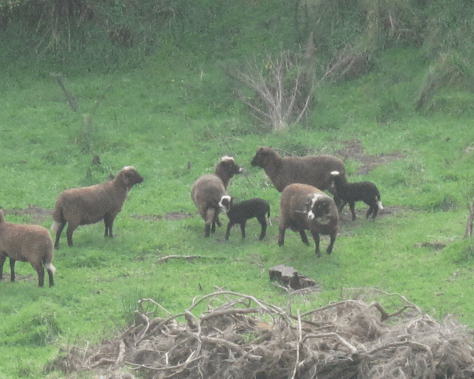
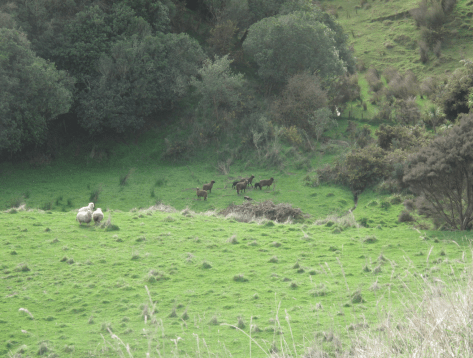
We’ve been through a slow patch with cold temperatures and short hours of daylight, but now we are on the back side of winter. We have two lambs so far.

Screen Shot 2015-07-29 at 5.50.14 pm

And some very pregnant ewes.

Screen Shot 2015-07-29 at 5.50.01 pm

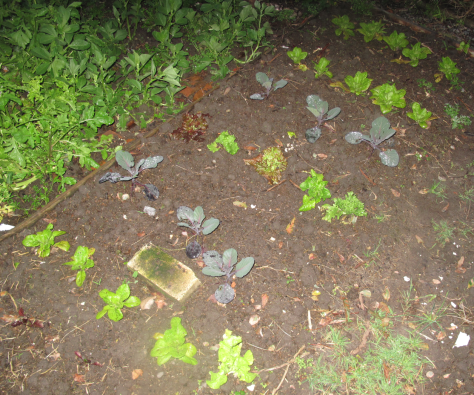
Kitchen garden ticking over.

Screen Shot 2015-07-29 at 5.49.28 pm

A bit late when I took these photos.

Screen Shot 2015-07-29 at 5.49.17 pm

Beautiful moonrise, though.

Screen Shot 2015-07-29 at 5.48.53 pm

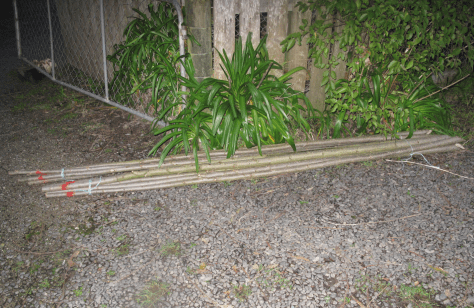
Poplar poles were delivered today to plant on the slopes.

Screen Shot 2015-07-29 at 5.48.35 pm

Heaps of flax still to plant.

Screen Shot 2015-07-29 at 5.48.26 pm

Garlic is pumping.

Screen Shot 2015-07-29 at 5.46.51 pm

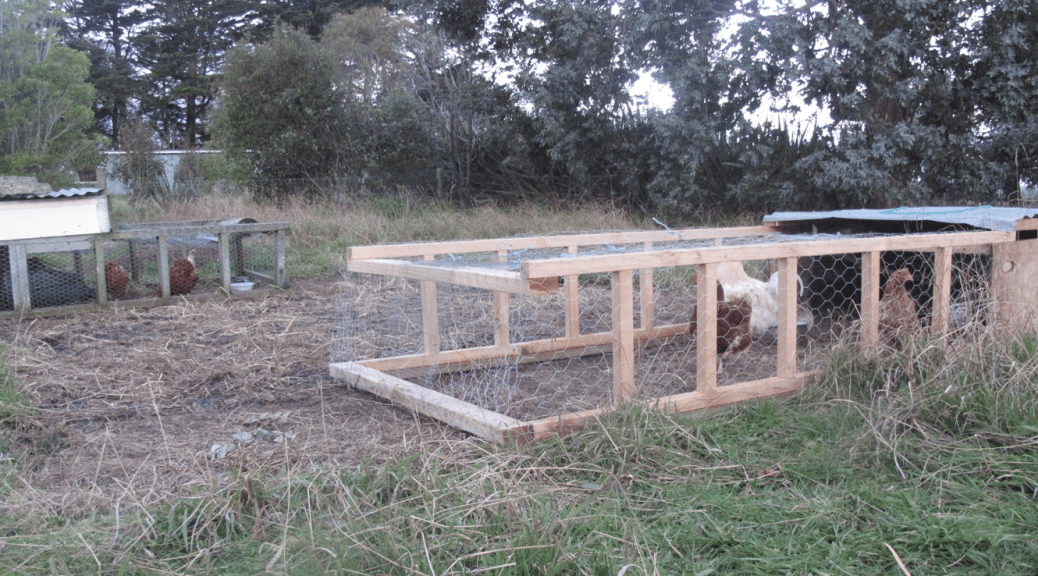
I built a new chicken tractor on Sunday.

Screen Shot 2015-07-29 at 5.46.22 pm

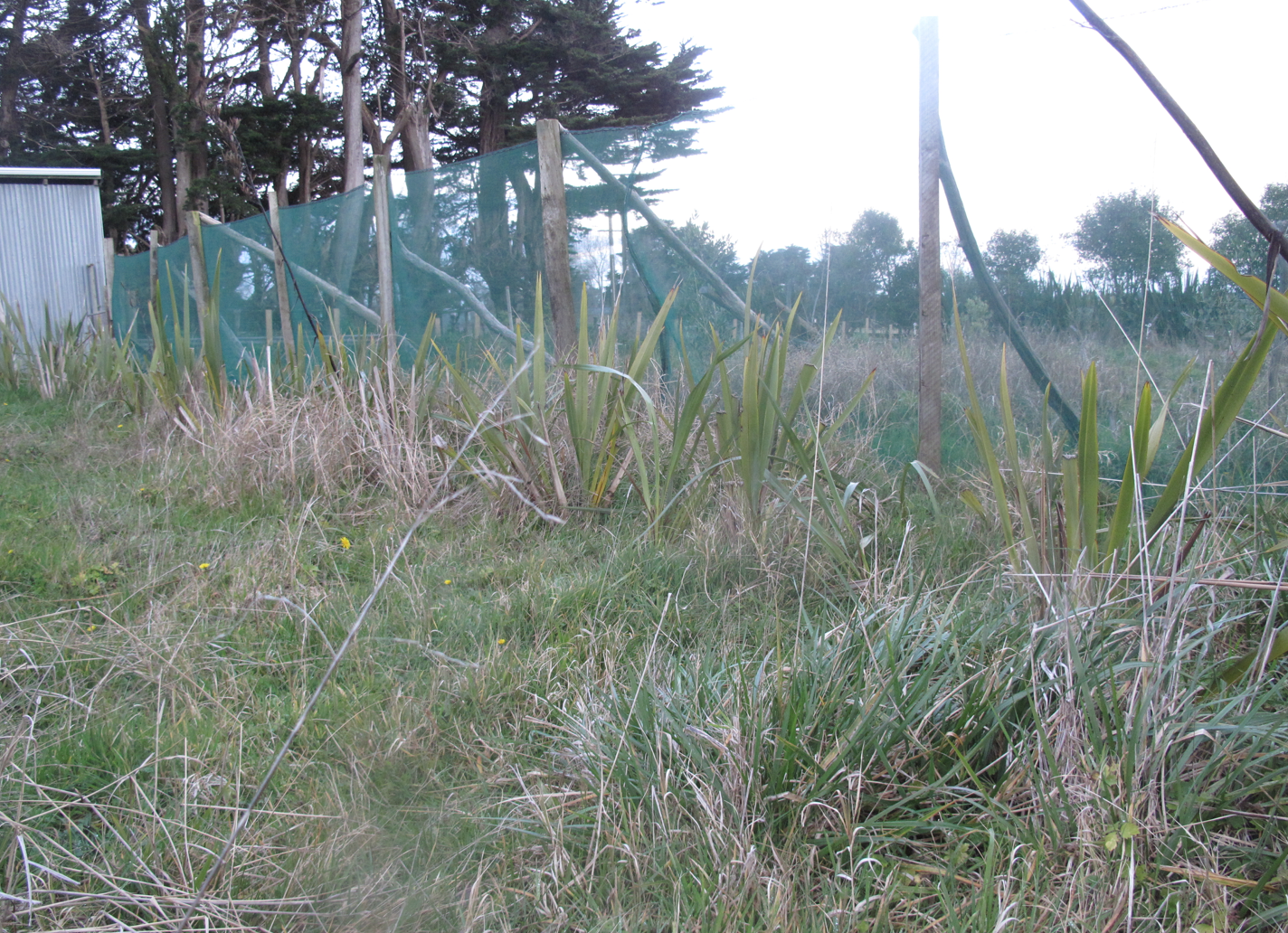
 Flax windbreak growing steadily. Screen Shot 2015-07-29 at 5.46.12 pm

Anyone want to buy a duck?

Screen Shot 2015-07-29 at 5.35.49 pm

Or a car?  Screen Shot 2015-07-29 at 11.28.08 am

Peace, Estwing

Around the World in Eight Designs: Part 9

For the last four weeks I have focused on good home design for winter warmth. From an eco design perspective, good design is passive. Put another way, eco design enables systems to operate as much as possible on natural energy flows rather than on supplemental power such as electricity or gas, and supplemental equipment such as motors, fans or heaters.

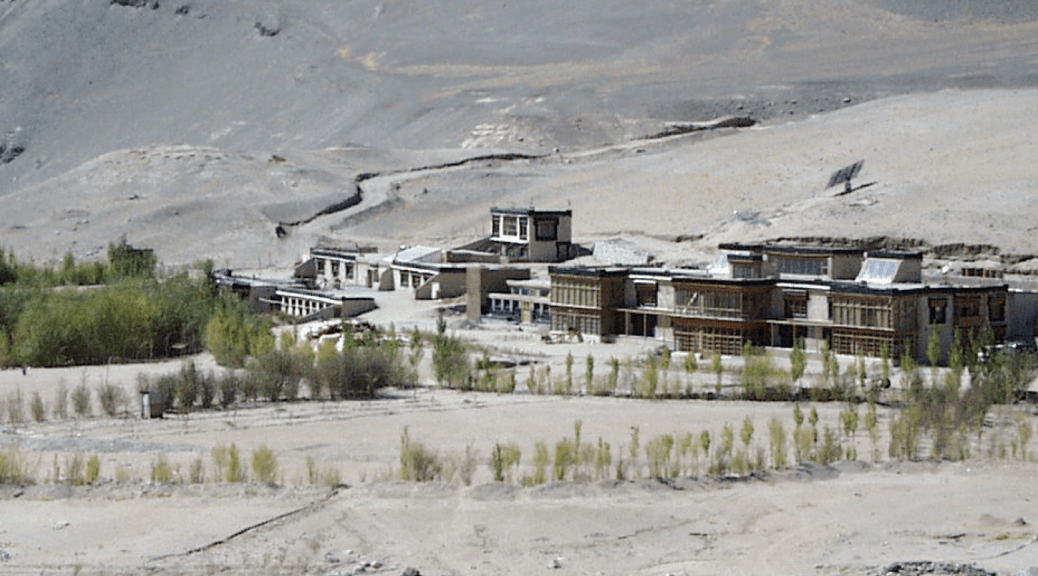
Last week I described a great example of passive solar design in Ladakh, India, where homes, offices and schools are being built to be heated entirely by the sun at elevations of 3,000 to 4,000 metres in the trans-Himalaya mountain ranges. If you did not see that article last week, go back and have a look. Or do a Google search for “SECMOL Ladakh” to learn more about the amazing organisation I worked with in 2006.

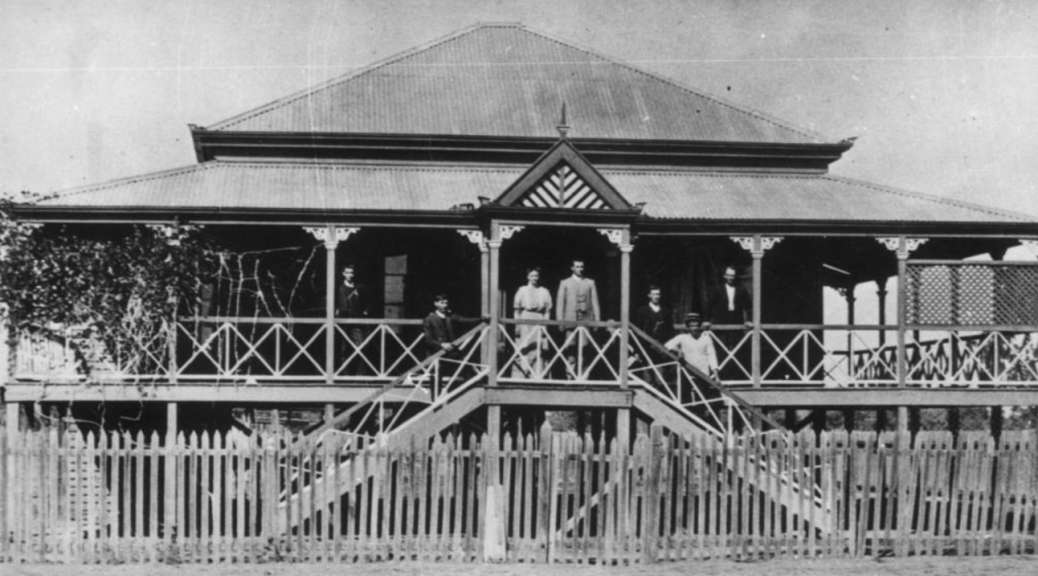
At the opposite end of the spectrum, eco design thinking can be used for passive cooling in warm climates or during hot summers. A good example of this is the Queenslander home design in Australia. The basic elements of a Queenslander are these: it is built on tall piles so it can catch cross breezes; it has wide covered porches to exclude the summer sun; it has vents in the gable ends to allow cross ventilation through the roof cavity.

I’ve been told that the long piles holding up a Queenslander also come in handy during the periodic severe flooding in the region. Along the same lines, a couple of years ago I saw entire neighbourhoods in Myrtle Beach, South Carolina, USA that had been rebuilt after a hurricane with three metre piles. It looked like all the homes in the entire coastal zone were on stilts. This suggestion has been made for the homes in Wanganui that were flooded last month. But I digress.

Passive cooling through cross ventilation can be used effectively in Palmerston North when summer temperatures get uncomfortably warm. But another strategy to keep cool in summer is to top up your ceiling insulation. In the same way that insulation slows the flow of warmth upward when you are heating your home, it slows the flow of warmth downward from an overheated roof cavity during hot weather. The effect is the same as the vents at the gable ends of the Queenslander but the strategy applied is completely different. Both cases are examples of passive design, and ideally the best home design would plan for a super insulated ceiling and adequate roof ventilation.

Warm in winter, cool in summer, like all homes should be.

Damn Liars and Architectural Awards

There are liars. There are damn liars. And then there are architectural awards.

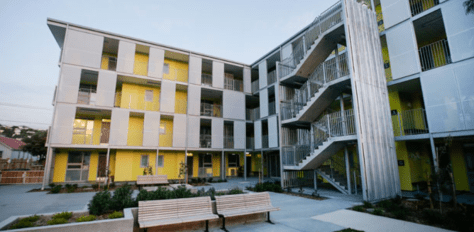
Last week the Dominion Post reported on the award-winning council apartments in Miramar, Wellington: “Elderly residents freezing in draughty Wellington council flats.”

Congratulations to the Wellington Architecture Awards for administering such a high standard in the competition. Perhaps the trophy was a statuette of a little old lady shivering while she uses duct tape and cardboard to keep out draughts.

From the article: “The 75-year-old has black tape plastered around the windows to keep the draught out, and a broken-down cardboard box stuck to her range-hood was the only thing keeping an ice-cold breeze from blowing in to her Wellington City Council flat.”

The block of flats was completed in January. Yes, you read that correctly. An award-winning residential building finished in 2015 is cold and draughty. The sad thing is that I’m not necessarily surprised. I see weak home design all the time. What does surprise me is that Kiwis as a whole have not risen up to demand a higher standard. We don’t need to tolerate intolerable or barely tolerable living conditions.

Up until recently I thought the poor performance of New Zealand homes was just a matter of bad design, but then I attended a seminar hosted by the Building Research Association of New Zealand (BRANZ) called “Key to Quality.” The seminar was an eye-opener to say the least. Here are some findings from BRANZ research on houses completed in 2014 compared to their earlier surveys:

Widening gap between performance and client expectations.

Decrease in the proportion of clients that would recommend their builder.

Increase in the proportion that would speak critically.

New owners expect better follow-up.

Call-back rates increased.

Final cost disputes up by 2.2 percentage points (to 17.3%).

This trend in negative feedback is what prompted BRANZ to develop the “Key to Quality” seminar in the first place. A growing sense of “buyer’s remorse” is tainting the building industry and so BRANZ has an obvious interest in addressing the issue with its stakeholders.

While the BRANZ research shows increased dissatisfaction with builders, I think the root cause still goes back to the architects and designers, who appear more interested in making pretty buildings rather than water-tight, energy efficient buildings. Too often, pretty buildings leak water and/or leak heat, and while the immediate finger may be pointed at builders, the truth is that at times they are being asked to do things beyond their skills or that they have worked with insufficient construction details.

At the end of the day, buyer’s remorse is buyer’s remorse, but what of renter’s remorse? What of the pensioners freezing in Wellington’s award-winning council flats?

Residents have petitioned Wellington City Council – wait for it – to put up curtains. The article quotes 75 year-old Jean Gray:

“I wanted to get curtains up to keep the heat in, but they said they don’t want screws in the walls.”

“All our complaints have been falling on deaf ears. They think we’re idiots,” she said.

Petition signatories wanted better insulation and permission to install curtains, another resident who didn’t want to be named for fear of being kicked-out said.

“When I pull the blind down you can see it moving. There’s a draught under the door in the door-jamb, too,” she said.

“One lady, she’s 85 and on a walker, and she sits and freezes.”

That a professional architect and Wellington City Council do not understand curtains are essential beggars belief. Are they too busy admiring their awards? Does “fit for purpose” mean anything when building accommodation for – wait for it – old people?

We know that seniors spend more time at home and suffer disproportionately from the cold. Were these considered in ‘the brief’.

Aluminium double-glazing is a low-performance window product, not so much greater than single-glazed timber windows. Leaving them uncurtained is like going for a walk on a winter day in shirtsleeves. It’s doable but certainly not comfortable for most people.

For a thorough description of curtain performance, see: http://www.fix.com/blog/more-efficient-curtains/

Screen Shot 2015-07-24 at 6.21.08 pm

Around the World in Eight Designs: Part 8

Last week I wrote about a centuries-old style of home that ticks most of the boxes for good house design. The New England Saltbox can be said to be an early example of passive solar design, which takes advantage free heating by sunlight during winter months.

The obvious first requirement of passive solar design is to have more windows facing the equator than facing the poles (depending on which hemisphere the structure happens to be located in). Windows are both an asset and a liability to a warm home. When winter sun shines directly through glazing a house is warmed, but when it does not, windows release warmth to the outdoors.

In our region, south-facing windows lose heat more or less all the time between May and October. Even north-facing windows lose heat during winter nights, which happen to last 14 to 16 hours. From this perspective, window placement is key to passive solar design.

Taken to the extreme, a passive dwelling could have glazing on the entire north side and none to the south. This is exactly the type of structure I encountered a decade ago in Ladakh, India, although the orientation was reversed for the northern hemisphere.

The region of Ladakh lays mostly between the Himalaya and Karakoram Mountain ranges. The Ladakhi people live between 3,000 and 4,000 metres elevation. I spent five months working with a remarkable organisation called the Students Educational and Cultural Movement of Ladakh (SECMOL). Among the excellent work done by SECMOL is passive solar design/build using rammed earth.

Ladakh is a desert in the sky. Its primary resources are earth and sun. Trees are scarce. Wood is costly. Homes have been made using rammed earth for centuries, but better design has improved their performance during the last two decades. It is now possible to build homes, schools, and offices that are completely heated by sunshine. I spent a winter there in a room that was much warmer than most homes in the Manawatu.

Passive solar design is not only about sunshine. It also relies on thermal mass and insulation in proper proportions. Getting the balance right can result in warm, comfortable homes with very low running costs. And here is the best part: building a high performance passive solar home is cost comparable with building a typical New Zealand home.

Maybe rammed earth or a Saltbox is not your cup of tea. No worries. These are just examples of good passive solar design. There can be variations on the theme, but the theme does not change:

A-B-C, easy as 1-2-3, simple as solar gain, thermal mass and insulation. That’s how easy a cosy home can be.

Screen Shot 2015-07-24 at 10.27.29 am

Presilient Farming: Eco Design on the Land

Eco design is a large field, and I spend almost as much time advising on land management as I do on healthy homes. In a nutshell, eco design is about working with nature instead of against it.

Eco design is the beautiful marriage of art and science. In the housing sector, the science is mostly physics, but when is comes to land management the science is mostly biology and hydrology, along with a healthy dose of chemistry. Whether it’s a residential section or an entire farm, ecological land management focuses on two goals: diversity and moderation.

Biodiversity simply means providing a wide range of living organisms. Moderation means buffering against climatic extremes such as drought and flood. Both of these improve the resilience of any piece of land, and for farms would more than likely ensure long term profitability and protect against short term volatility.

It was with this perspective that I registered for a presentation called, “Doug Avery’s Resilient Farmer: Innovate or Stagnate.” The large venue was packed wall to wall with stoic looking farmers. Being unfamiliar with Doug and his work I was not prepared for what first came out of his mouth.

For nearly an hour, Avery spoke almost exclusively about depression and suicide among farmers. From his website:

“In New Zealand, we are twice as likely to die from our own hand as in a motor accident. Men are three times more likely to die than women, and rural men are twice as likely again. Below the tragedy of suicide is a huge pyramid of depression. This is something we all have to work together to address.”

This message was echoed in a front page story on Monday in the Chronicle: “Don’t accept tough farmer myth.” Sam Kilmister’s article quoted Lyn Neeson of the Rural Support Trust:

“If we do perpetuate the idea that farmers are stoic and tough and can get through anything, when something like this does happen and they can’t cope they feel like something is wrong with them, which makes them very vulnerable.”

Within a week of attending Avery’s talk, I heard Tim Groser, National Party MP and Minister of Trade, on the radio warning that the nation’s farmers needed to develop better resilience to the expected impacts of climate change. I’ve been developing resilient properties for over a decade and a half, so I agree with Groser that a prudent and conservative approach to land management is best.

This makes a line in Kilmister’s article especially concerning: “The trust is an important part of shooting down the perception that resilience is the backbone of the farming community.”

The takeaway from all of this appears to be that the resilience within the farming community is low but it needs to be high. We have our work cut out for us, and just as eco design is the future of housing in New Zealand it is also the future of farming. Screen Shot 2015-07-16 at 9.36.18 am

Three concerns are identified by Neeson of the Rural Support Trust as especially worrisome to farmers: market prices, weather, and off-farm income. Eco design specifically addresses two of these factors, which are too often considered out of a farmer’s control.

Diversifying farm income is a critical step to developing resilience to price volatility. In nature, monocultures are vulnerable to insects and diseases, often with disastrous results. The same is true of farming.

Buffering against the extremes of flood and drought, while not changing the weather, can moderate the effects of extreme weather events on a farm and its income. The best time to prepare for the next extreme weather event is yesterday. The next best time is today.

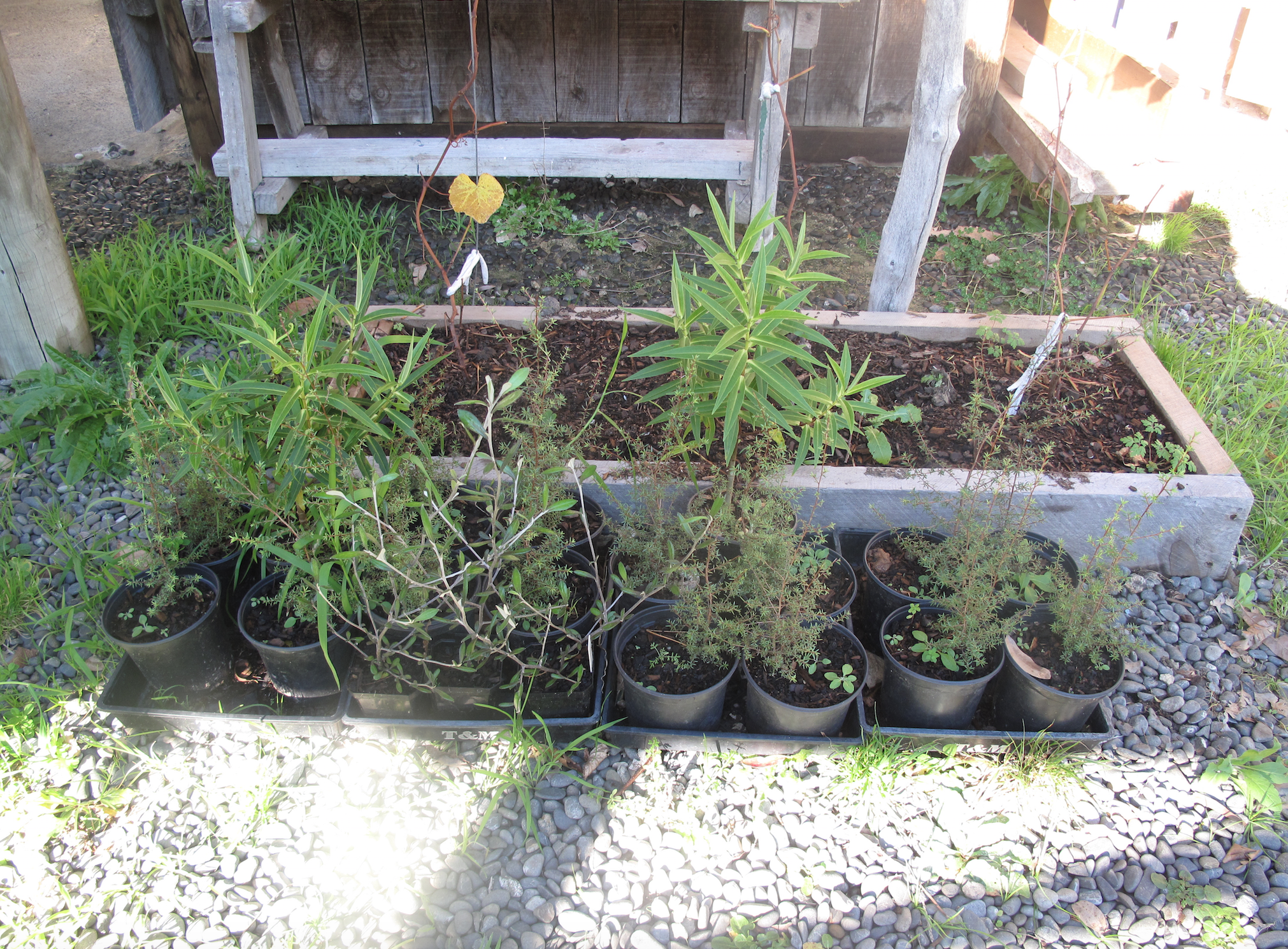
We have been on our farm for less than a year, and I have already spent thousands of hours and thousands of dollars on drought-proofing, flood mitigation, and diversification. I have come to call this approach ‘presilience’. Some of the best eco designers around the world call it ‘regenerative design’ or ‘regenerative agriculture’. In a nutshell, it’s innovate or stagnate. I know which side I’m on.

Screen Shot 2015-07-16 at 9.37.01 am

Sidebar: 2021 Whanganui Flood Prelief Fund – Prevention is better than cure.

We have voluntarily reduced stocking rates on our farm and taken steep hillsides out of grazing to help protect the city from the next flood. This approach can be cheaper and more effective than building higher stopbanks.

You can help make our community more ‘presilient’. We are accepting donations of trees and of cash to go to the purchase of trees to plant on vulnerable slopes. Electronic donations can be made to this account: 38 9014 0367090 00

Around the World in Eight Designs: Part 7

Over the last month and a half I have introduced some of the basic principles in good home design. I started with examples of passive solar heating and cooling in Colorado and New Mexico, USA. Next I made the point of passive cross-ventilation by recalling time spent in Granada, Nicaragua. For the last two weeks I’ve written about my former home – a 230 year-old farmhouse in New Hampshire, USA.

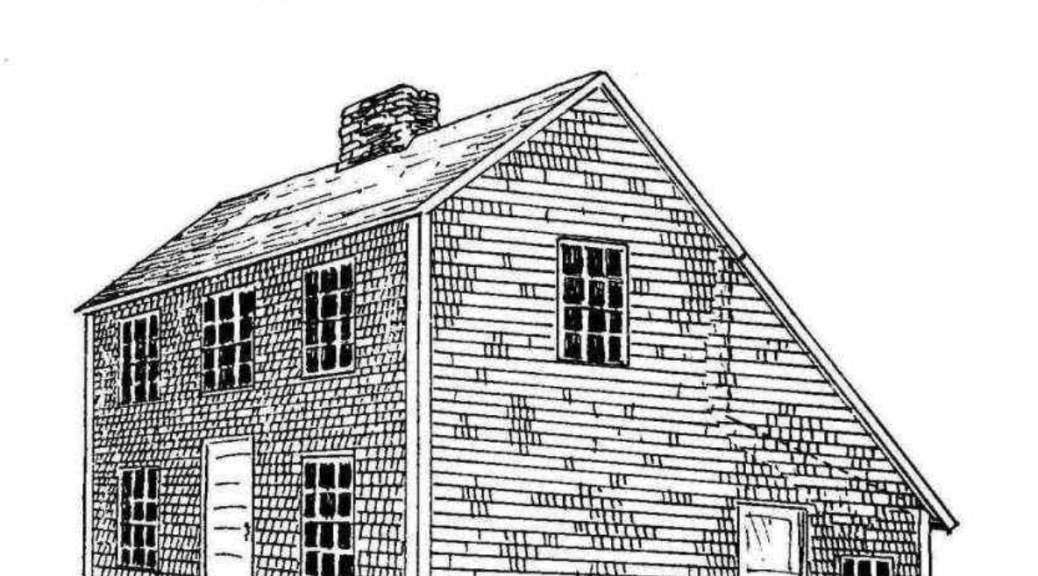
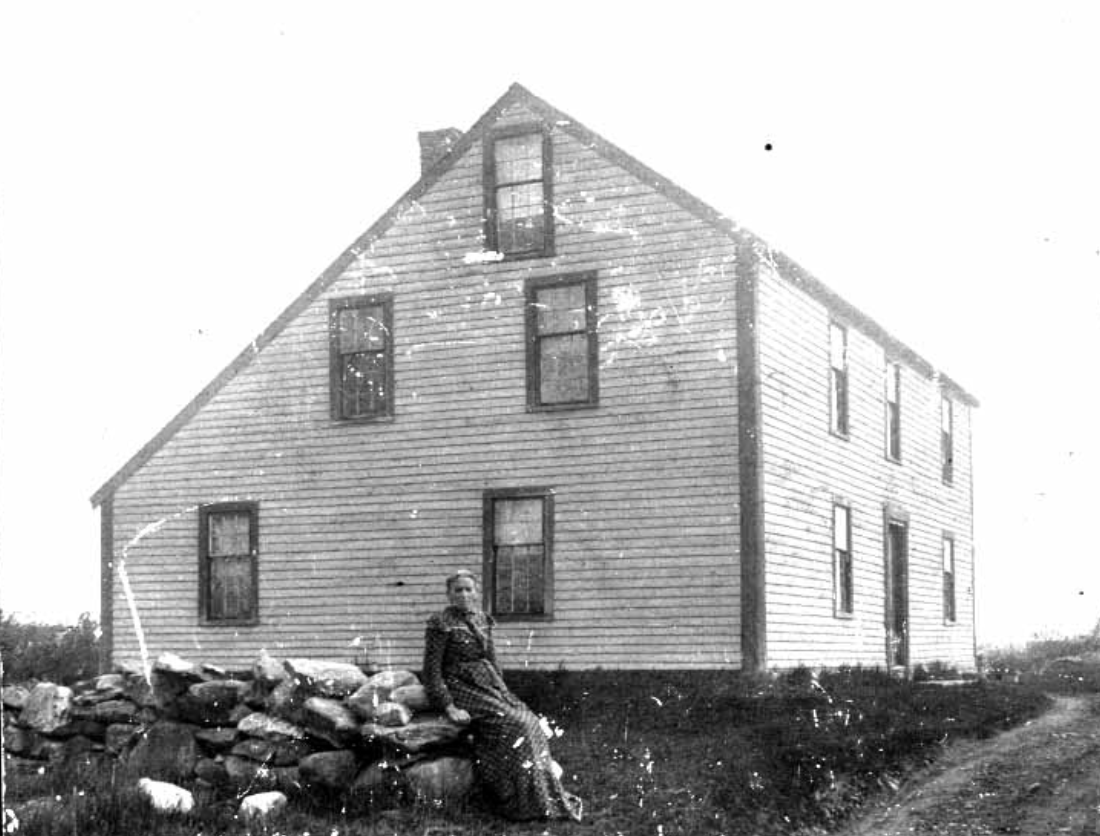
This week’s example of good home design combines all of the principles already discussed, but in an 18th Century context. For it’s time, the New England Saltbox was innovative, and can serve as a rough model for what would be an ideal dwelling for the Manawatu.

 Screen Shot 2015-07-12 at 10.33.43 am

In its most basic sense, a passive solar home has more windows facing the equator than facing the poles. The New England Saltbox home solved this problem by having two floors facing south and only one facing north. This was accomplished by an extended roof pitch to the north, which made the home resemble the form of a box in which salt was kept at the time. Thus, the name.

 Screen shot 2015-05-19 at 7.54.52 AM

From the side, a Saltbox is asymmetrical, but that is exactly the point. With the majority of windows facing the winter sun, the dwelling can be passively warmed. Meanwhile, the long pole-ward roof directs icy winds up and over the structure.

Another element of the Saltbox is a central chimney, much like the Cape Cod house design I have been writing about for the last fortnight. A centrally located heat source will almost always perform better than a heater located on an external wall.

Finally, even in New England where snow cover can persist for four months a year, summer temperatures can reach nearly 40 degrees. To deal with these conditions, a Saltbox is perfectly suited for passive cross ventilation: warm air flows out of the upstairs windows while cool air enters downstairs widows from the shady side of the home.

This is not to say that we must be building Saltboxes across our region. It is to say, however, that we should follow the basic design principles that make the Saltbox so successful in terms of energy performance, health and comfort. Additionally, as I mentioned last week, there is a lot to be said for simple rooflines and fewer external corners than we see on most new homes being built in New Zealand.

Think about it, every time we see a picture of an award-winning eco-home it has four corners and a simple roof. Back to basics is best practice for good home design.


Peace, Estwing

Detroit, Greece, Whanganui…

Two of the great thrills of growing up on the outskirts of Detroit were going to see a baseball game at Tiger Stadium and going out for dinner in Greektown. Balls, strikes, homeruns, souvlaki and baklava are etched in my memory.

I recall riding bicycles with my friends to a Greek restaurant for lunch when we were 12 or 13 years old. The owner, Olga, came out to talk to us, and I mentioned that “Olga’s” was my favourite eatery. She immediately gave us a meal ‘on the house’. Who says there’s no such thing as a free lunch?

Times change. Now when I think of Detroit and Greece I think of bankruptcy. In both cases, running up public debt over decades was perceived as a ‘free lunch’. However, it does not appear that all the blame can be laid on Greeks and Detroiters for “living beyond their means” and that lenders should be held accountable for making bad loans. That said, it also appears that successive governments in both locations made bad decisions on how to spend taxes and to run up debts backed by taxpayers.

Screen Shot 2015-07-10 at 5.48.46 pm

As we have seen at the local level in Wanganui, many decisions made by government are not based on sound research, robust data, or even expert advice. We hear debates about “core business” and “nice-to-haves” and subsidies for certain sectors, programmes, events and businesses.

Everyone likes to be on the receiving end of a subsidy but almost no one enjoys being on the giving end. There are many preconceived notions of how much we should pay in tax and where the monies should go. These notions are often aligned with political ideology.

We often encounter highly-opinionated but under-researched points of view in the Letters page of the Chronicle. A recent letter accused me of asking that my “business” of “adding insulation” be subsidized by our local council. Let’s start with the easy stuff: 1) I don’t have a business; 2) recommending adequate insulation is a small part of what I do; 3) the article referred to in the letter never mentions Wanganui District Council. But to be fair, the letter writer is not known for accuracy.

The responsibility of promoting strong and resilient communities, healthy citizens, public wellbeing, and local financial security does not solely fall to local government. For example, in Wellington the Sustainability Trust administers an excellent programme for healthy home assessments. In Palmerston North, the Red Cross runs a curtain bank. In the Hawkes Bay an incredible consortium of community groups has rallied around the concept of healthy homes. Likewise, in Christchurch, various organisations fulfill various roles along these lines.

But government on many levels can and does get involved. Almost everyone knows that central government has subsidized insulation through EECA for many years. It should be noted that government also subsidizes things like doctor’s visits, dental treatment, research and development, and yacht racing. Our own Horizon’s Regional Council subsidizes public transport as well as the education of farmers on better land care.

In Wellington, the City Council worked cooperatively with Victoria University and the Sustainability Trust to provide 67 free whole-house assessments to “help improve living standards for students.” Of the trial project, Mayor Celia Wade Brown said, “Energy savings, lower carbon emissions and students who are warmer and healthier through the winter months are all positive outcomes from this project.” In a nutshell, Wellington Council chooses to subsidize the health, wellbeing and financial security of community members because it recognizes the wide-ranging benefits.

In our River City subsidies take a different form, focusing on a glass-half-empty vision despite advice from one of New Zealand’s top economists. The current debate around subsidies includes the contentious issues of stop banks, uninsured homes, and art galleries. It’s not worth including the wastewater plant here, but I hope we can agree a million dollar odour fence was an unwise use of rates.

The bottom line is that a vibrant community is only realized through the efforts of the entire community. ‘It takes a village.’ We invite all to come and lend a hand. Those that turn up are those that turn up, but if recent history is any indicator, we are not likely to get a ‘free lunch’ from central government as it appears to have turned its back on the regions.

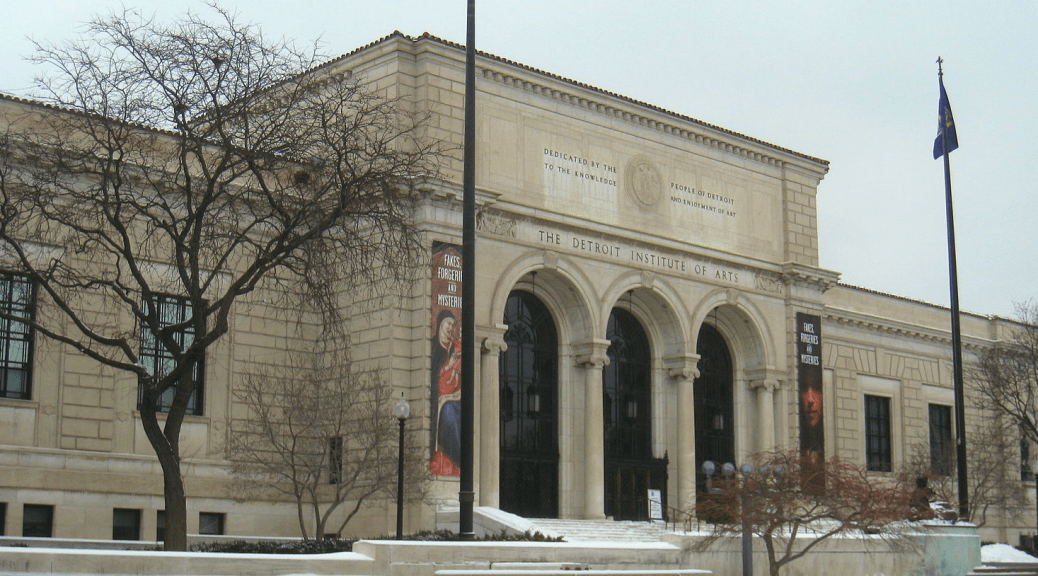
Additionally, it’s worth noting that Detroit has one of the finest art museums in the world. I’ve heard Athens has some good art too.


Sidebar:

Damp homes are set to have a major impact on our community for at least the next three months. Pick up free copies of the following information sheets at the Chronicle offices in Guyton Street.

Managing Moisture and Condensation

Ground Vapour Barrier Installation Guide