Category Archives: garden

Prepping for Tomatoes Before Christmas

I have had great success pushing the season outdoors by planting tomatoes on the vernal equinox and reaping ripe fruit before Christmas Day. This year is no different although it has been a struggle to do so.

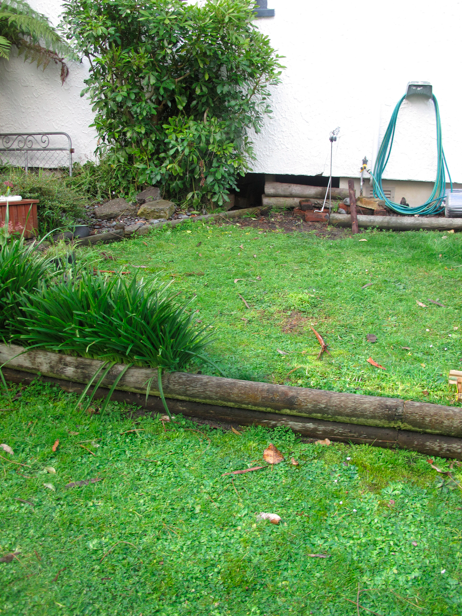
This is what we started with: a sodden, compacted, clay lawn with poor drainage around the house foundation.

Screen shot 2014-09-23 at 5.24.22 PM

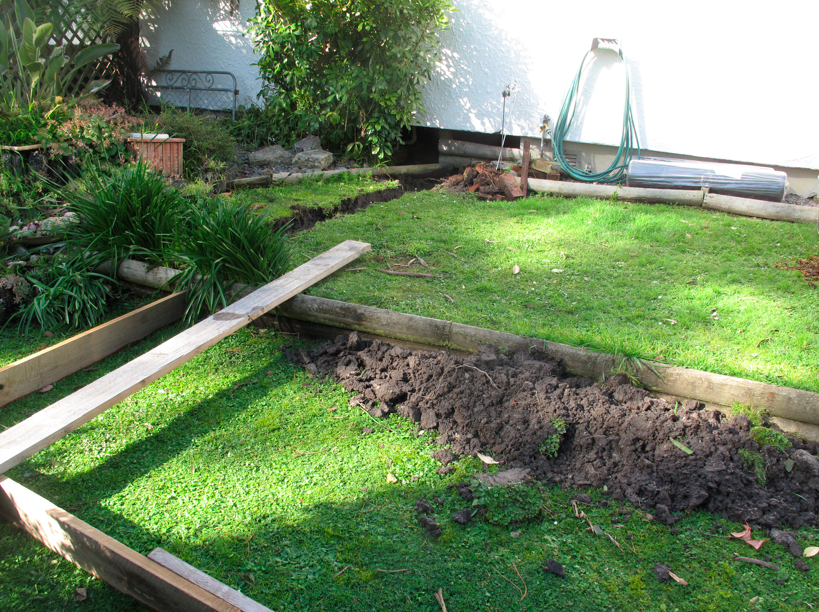
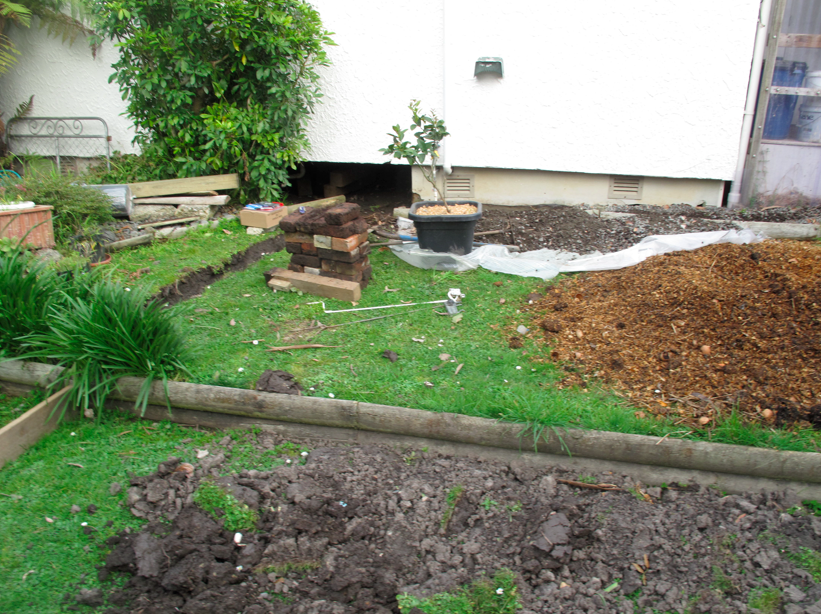
I started by preparing to improved the drainage while also building more garden beds.

Screen shot 2014-09-23 at 5.24.50 PM

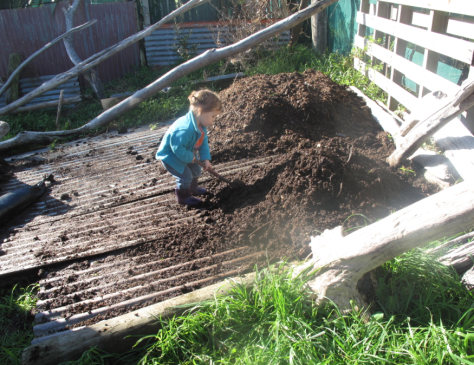
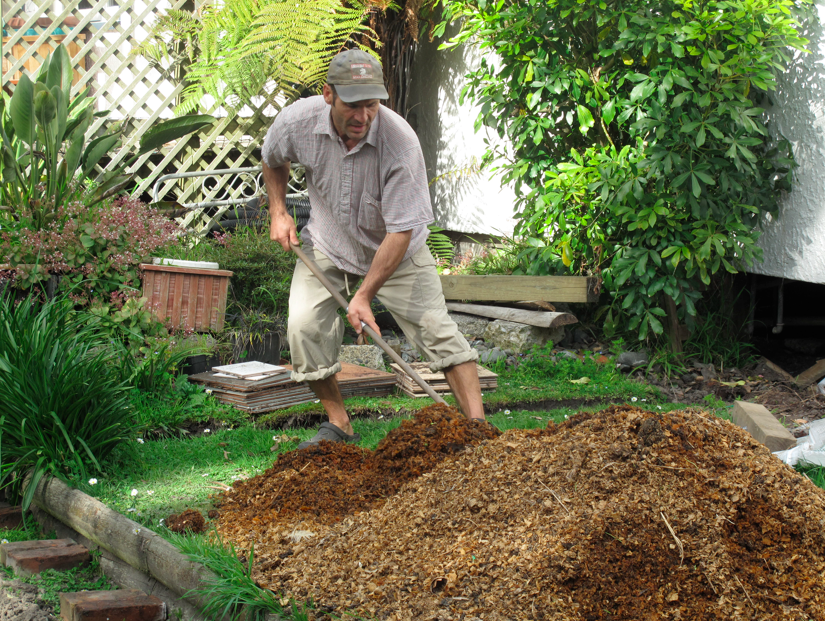
This process took a while as there was lots of soil to move. Simultaneously I was making a cubic metre of compost where one of the garden beds would go.  Screen shot 2014-09-23 at 5.25.12 PM

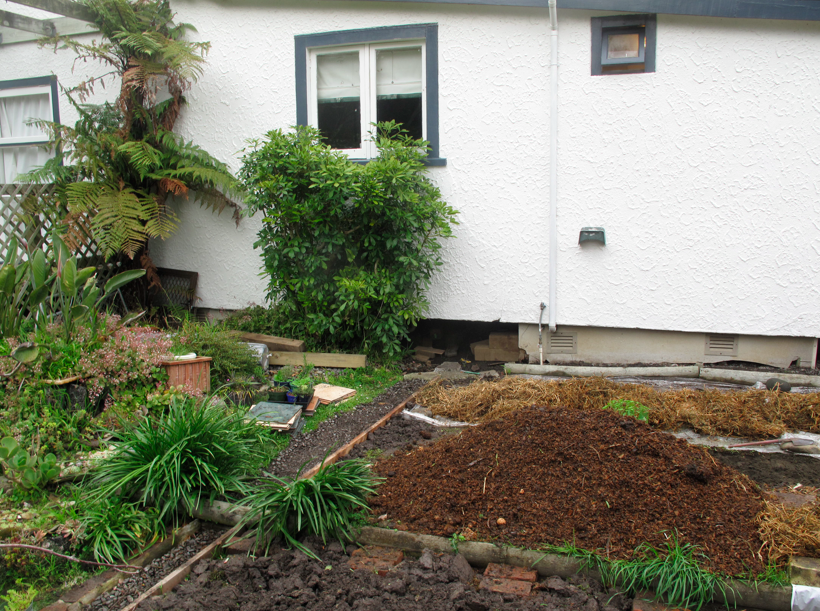
The hot compost we make takes about 30 days to mature.

Screen shot 2014-09-23 at 5.25.48 PM

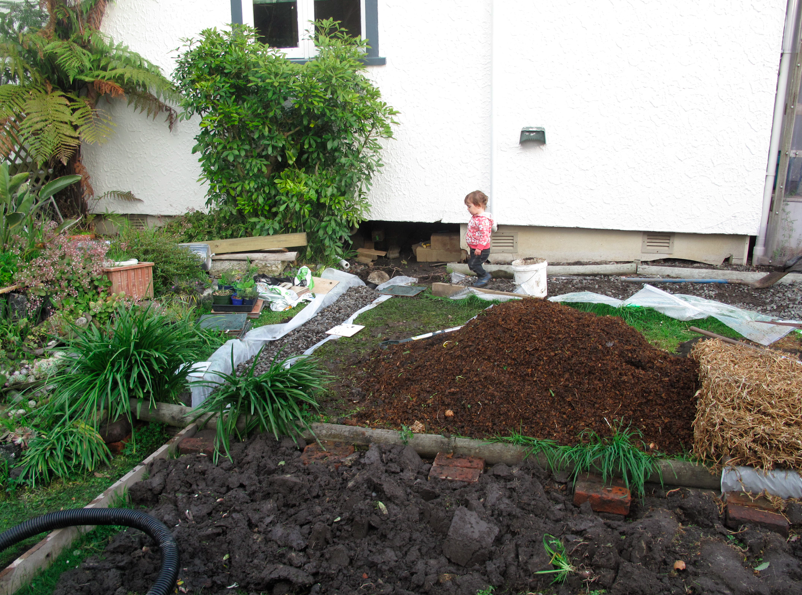
I had a helper for part of the job.

Screen shot 2014-09-23 at 5.26.13 PM

Finally ready by September 21st, the vernal equinox, to put in the tomatoes.  Screen shot 2014-09-23 at 5.26.34 PM

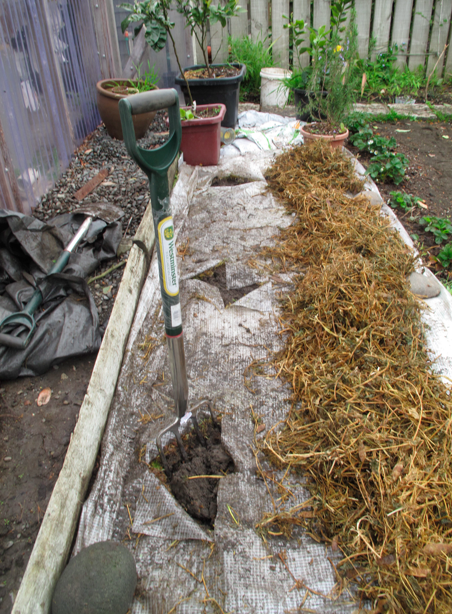
I had some plastic sheets that our new ceiling insulation came wrapped in. I used it to suppress some of the grass before cutting it to an X and then skimming the turf.

Screen shot 2014-09-23 at 5.26.41 PM

As the soil was severely compacted, I forked it to help with aeration. These will be no dig garden beds once established.

Screen shot 2014-09-23 at 5.26.59 PM

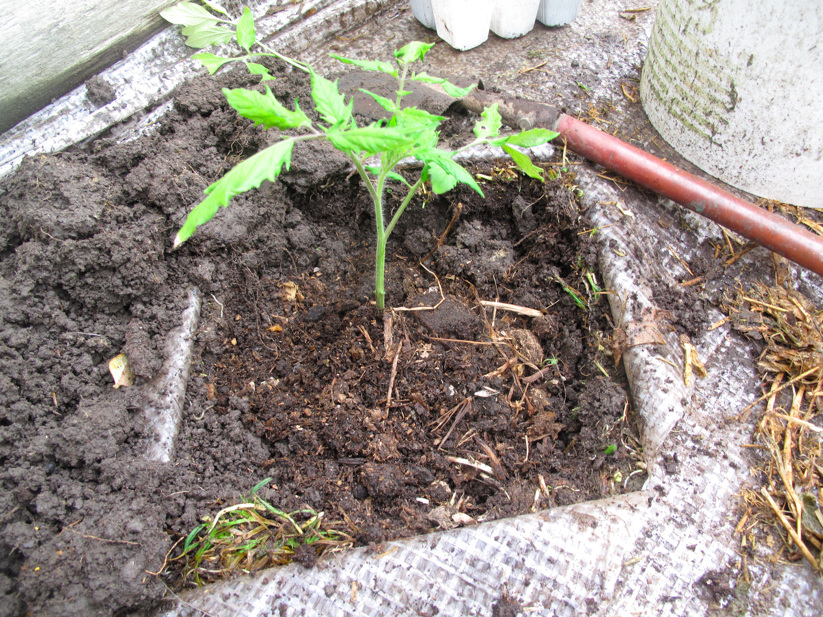
I always plant my seedlings with a litre or more of compost. Screen shot 2014-09-23 at 5.27.12 PM

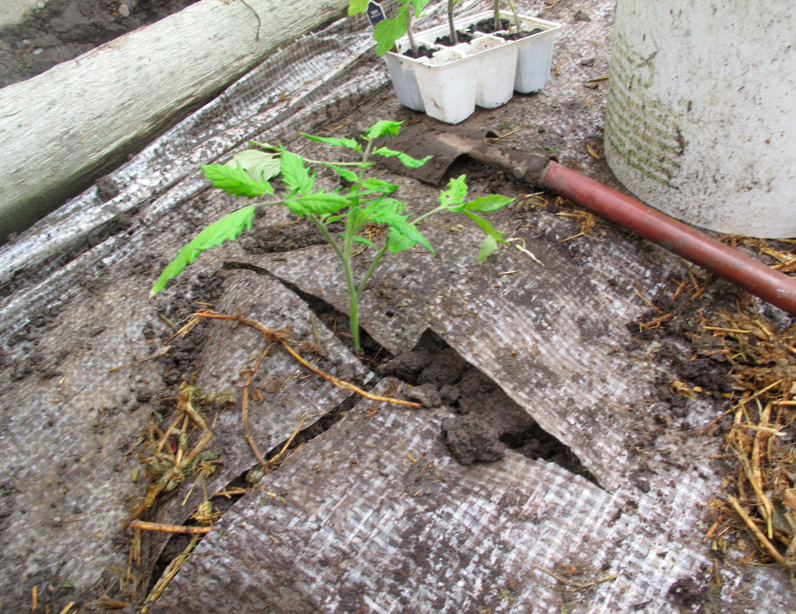
Fold back the plastic…

Screen shot 2014-09-23 at 5.27.20 PM

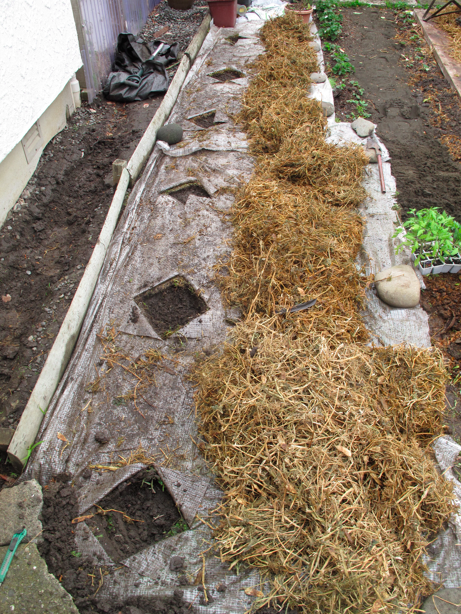
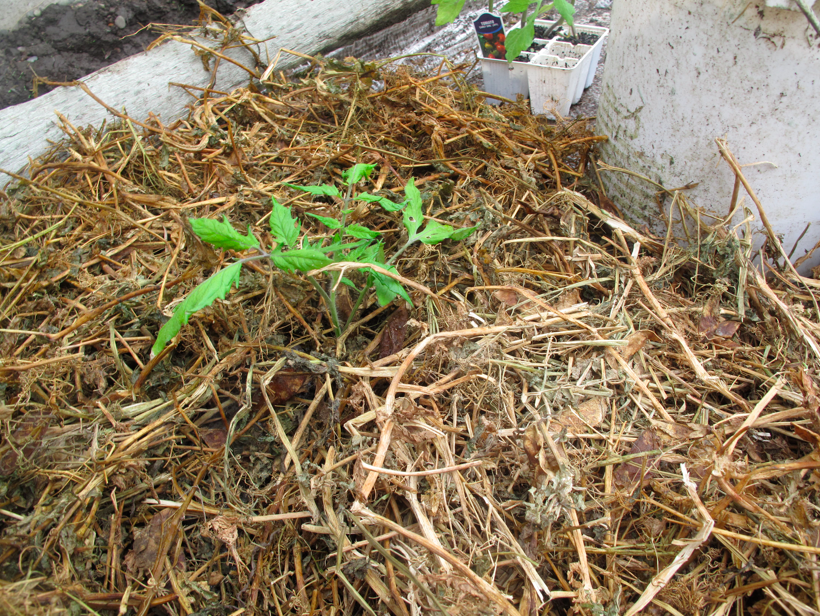
…and cover with mulch. Mind you, the plastic will only be in place for this one growing season. After the sod is killed and the tomatoes have done their dash, I will remove the plastic, fork the bed again, add compost, and then just treat it as a no dig garden bed.

Screen shot 2014-09-23 at 5.27.27 PM

These first six plants are Early Girl. They will bear ripe fruit around the 10th – 15th of December.

Screen shot 2014-09-23 at 5.27.35 PM

The next six plants are Money Maker. I have good luck with them as a consistent, heavy cropper and relatively good a resisting plant diseases.

 Screen shot 2014-09-23 at 5.27.48 PM

Peace, Estwing

Permaculture: Turning Liabilities into Assets

With an abundance of bad design around the world and across New Zealand, the opportunities for good design and re-design are almost endless. Simply addressing the built environment would provide thousands of jobs over many decades, to say nothing of the “natural environment.”

But this week’s column will, however, address the natural environment, which is, across most of this country, far from natural. In many cases non-native animals graze non-native plants on steep slopes that results in increased river levels and erosion during heavy rains and decreased river levels during drought. Put simply, poor design and out-dated land management techniques contribute to both flooding and drought: a lose-lose situation.

Good eco-design and contemporary land management can hold water on the land during heavy rains and provide water to plants and rivers during extended periods without rain: a win-win situation. This is called eco-design because in many cases it is the way “nature” manages water movement across the land with trees and wetlands.
Screen shot 2014-09-05 at 2.27.59 PM

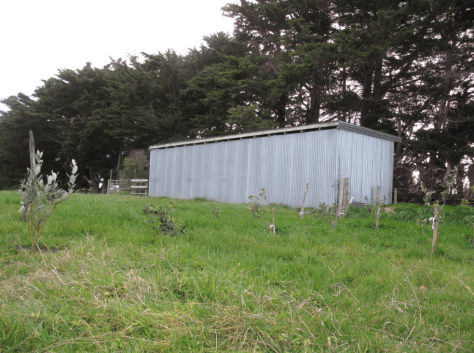
This new orchard will be designed to use excess water off the roof as needed. 

Redesigning marginalized landscapes for water storage is at the heart of permaculture – an Australian eco-design philosophy first developed in the 1970s. Permaculture is now practiced by tens of thousands of eco-designers in probably every nation on Earth. In arid places such as Jordan or Arizona, deserts have been re-vegetated using permaculture design.

In New Zealand, permaculture design has been used to restore the health of degraded land and to increase its productivity. A large part of this design philosophy is turning a liability into an asset. (Sadly, this is exactly opposite to what appears to be the management philosophy of Whanganui’s wastewater treatment plant.) For example, water poses a threat to a house made from timber, but is required for a vege garden to thrive.

Screen shot 2014-09-05 at 2.27.50 PM

This area is being transformed into a vege garden alongside water management improvements. 

Good eco-design would transfer water from where it is not wanted to where it is, but without the need for costly drains or pumping. With regards to water management, good eco-design uses gravity to move it for free.

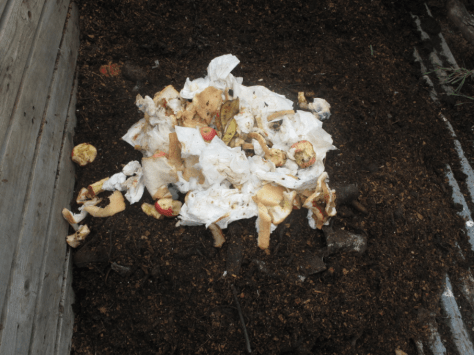
Another example of turning a liability into an asset is composting. Whether it is unwanted food scraps or an excess of manure or yard waste, composting the material and returning it to the land saves it from going to landfill where it converts into methane gas, or from running off and polluting streams and rivers. Win-Win.
Screen shot 2014-09-05 at 2.27.34 PM

Before.

Screen shot 2014-09-05 at 2.27.42 PM

After. 

If you have a small section or a large section or a lifestyle block, you may be interested in learning how permaculture design is used to manage water and soil fertility. On Sunday the 7th of September I will offer a sampler of what good permaculture design would look like on both small and larger properties (see sidebar). These events kick off Adult Eco-Literacy Week (7th-14th) and the Whanganui Permaculture Weekend (13th-14th).

Aside from being the gold standard in eco-design, permaculture is also unique in that it is an ethically-guided belief system. Central to permaculture are three ethics: Care for people; Care for the Earth; Share surplus resources.

Whanganui is unique in New Zealand in that we have a small but dedicated core of permaculturists who hold tightly to these ethics. For the second year in a row we are offering a weekend of outstanding events hosted by a range of experts in their respective fields. In other places across NZ and around the world you could expect to pay hundreds of dollars to register for such a series of events, but we are offering it to our community absolutely free.

It would be difficult to describe how unique this is, and it is one of the things I cherish about living here. Thanks to this handful of people who care deeply about our community and truly practice what they preach. And a huge thanks to Rachel Rose for helping organize the weekend.

Peace, Estwing

Sidebar:

Adult Eco-Literacy Week 2014, 7th – 14th September

7th September, 1-2 PM Eco-Design for large properties. 223 No. 2 Line

7th September, 2-3 PM Eco-Design for small properties. 223 No. 2 Line

9th September, 6:00-7:00 PM. Solar Energy. Josephite Retreat Centre, Hillside Terrrace.

10th September, 5-6 PM. Growing vege on sandy soils, Castlecliff

11th September, 12-1:15 PM. Raw Milk and Yoghurt Making, Women’s Network, 75 St. Hill St.

12th September, 5:30-6:30 PM. Best ways to use your heat pump, Josephite Retreat Centre, Hillside

14th September, 4-5 PM. Tomatoes Before Christmas, Wanganui Garden Centre. Gonville Ave.

Whanganui Permaculture Weekend, 13th – 14th September

List of events can be found here: http://whanganuipermaculture.org/
Seven Months of Fresh Tomatoes: Mid-WInter Update

At first I was pleased with five months of garden-ripened tomatoes… and then I was thrilled with six months of garden-fresh tomatoes. But as of today, we actually have seven months of ripe home-grown tomatoes without a glass house. I’m speachless.

Screen shot 2014-07-13 at 8.08.49 AM

It may not look like much, but they are still producing… and they still taste good.

Screen shot 2014-07-13 at 8.11.19 AM

And the plants are still flowering.

Screen shot 2014-07-13 at 8.08.57 AM

Apart from that, we have the usual winter veges growing.

Screen shot 2014-07-13 at 8.09.12 AM

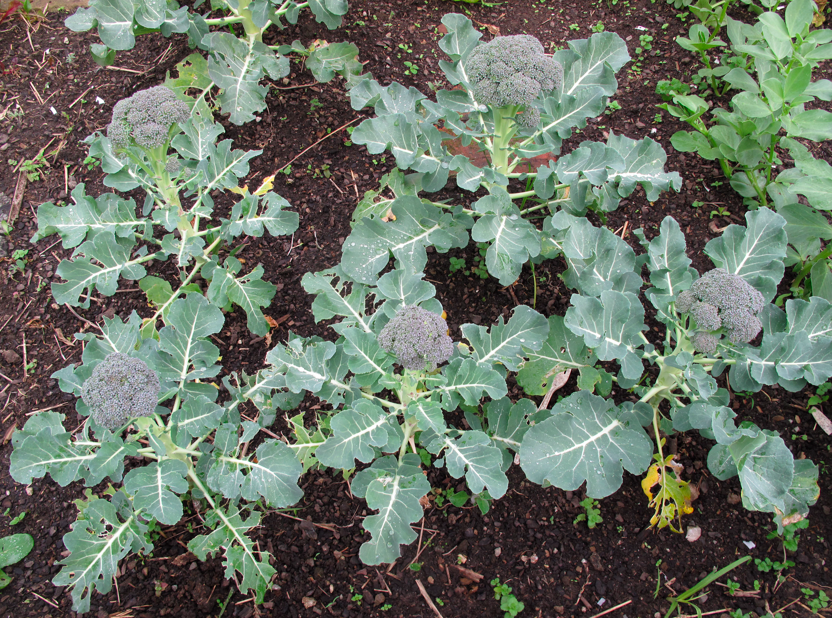
Especially lots of broccoli.

Screen shot 2014-07-13 at 8.09.04 AM

Additionally, the rhubarb seems to be pumping.

Screen shot 2014-07-13 at 8.09.57 AM

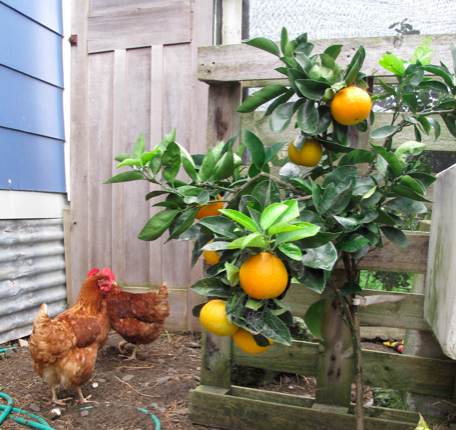
And we are getting our first real orange crop.

Screen shot 2014-07-13 at 8.10.14 AM

Many of our native trees are putting on new growth.

Screen shot 2014-07-13 at 8.09.42 AM

And others are flowering.

Screen shot 2014-07-13 at 8.11.01 AM

I really love these purple hebes.


Peace, Estwing

Planting Garlic Between a House and Farm Place

Due to changes in our work lives and a desire to steward a larger piece of land, we will be shifting at the end of this month. However, garlic is meant to be planted around the end of last month. What to do?

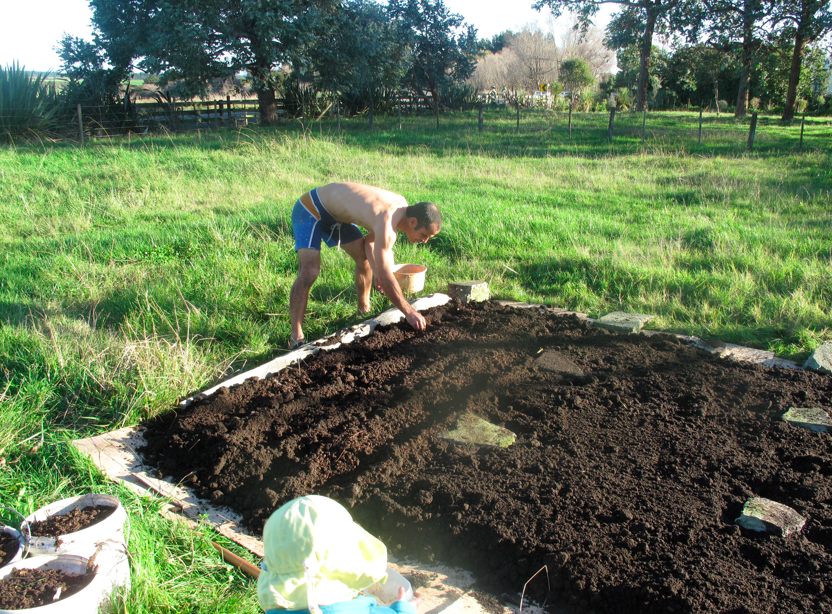
Garlic is the only crop that we sell regularly, and when you grow the World’s Best Garlic, it is worth the time and effort. Over the weekend we hurriedly got somewhere over 400 garlic in the ground at the new property. This is how we did it.

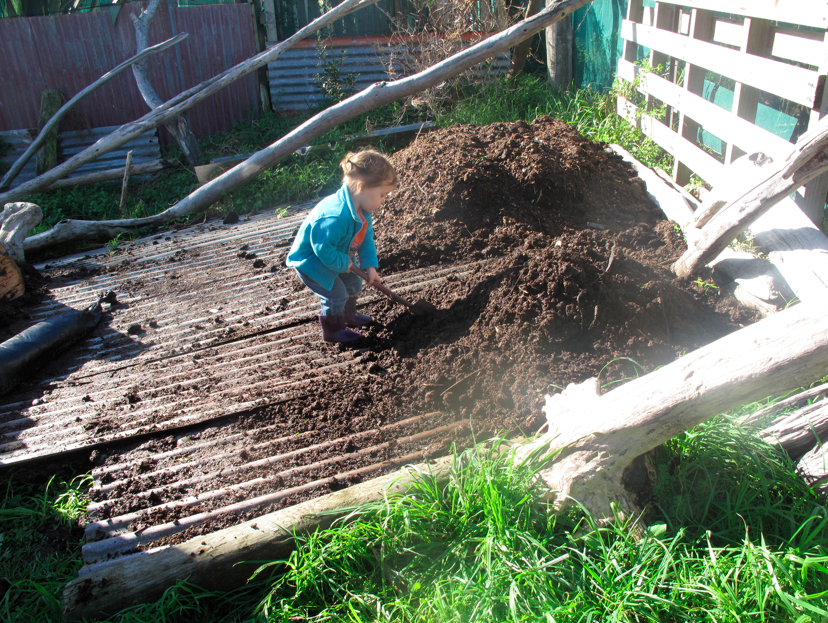
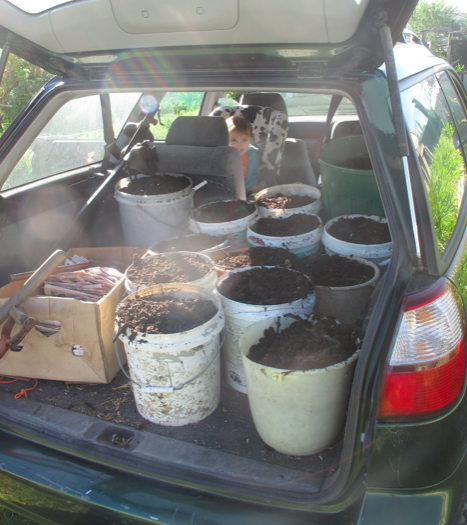
We had to transport some of our 3 cubic metres of compost

Screen shot 2014-07-02 at 8.16.33 AM Screen shot 2014-07-02 at 8.16.50 AM

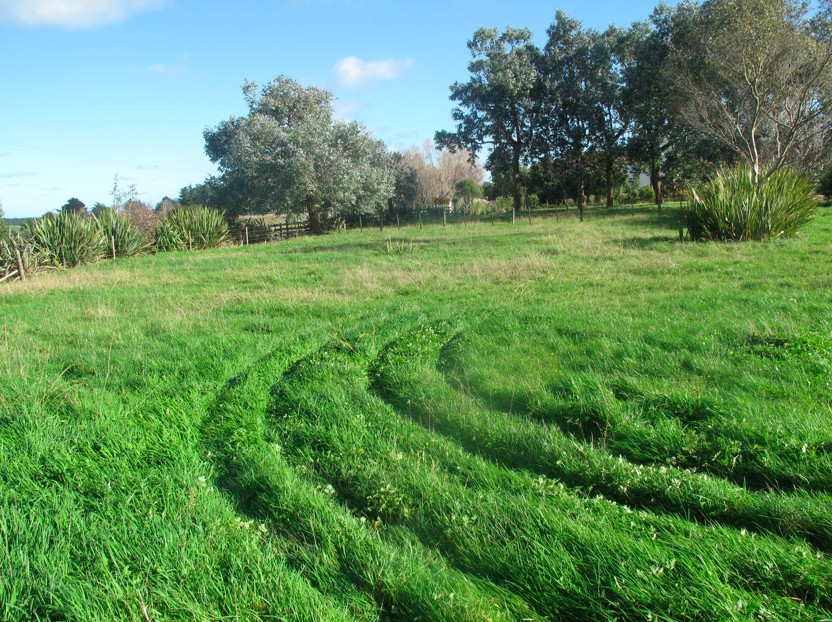
We selected a bit of flat land for our market garden.

Screen shot 2014-07-02 at 8.17.09 AM

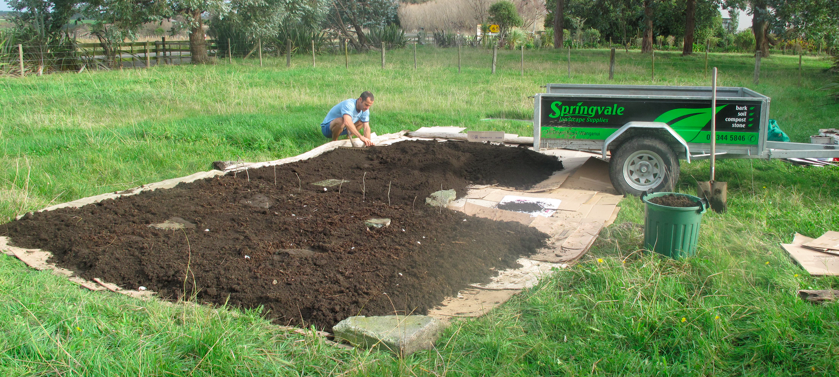
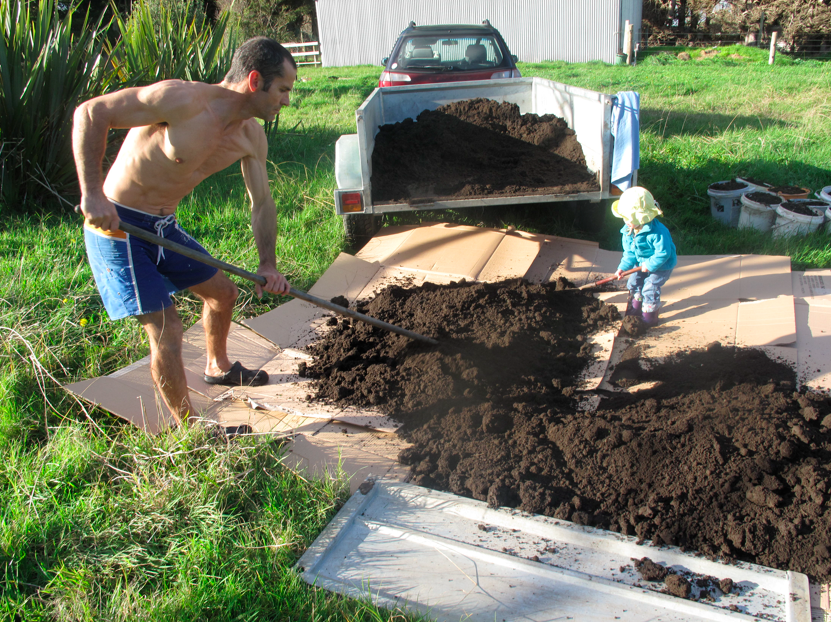
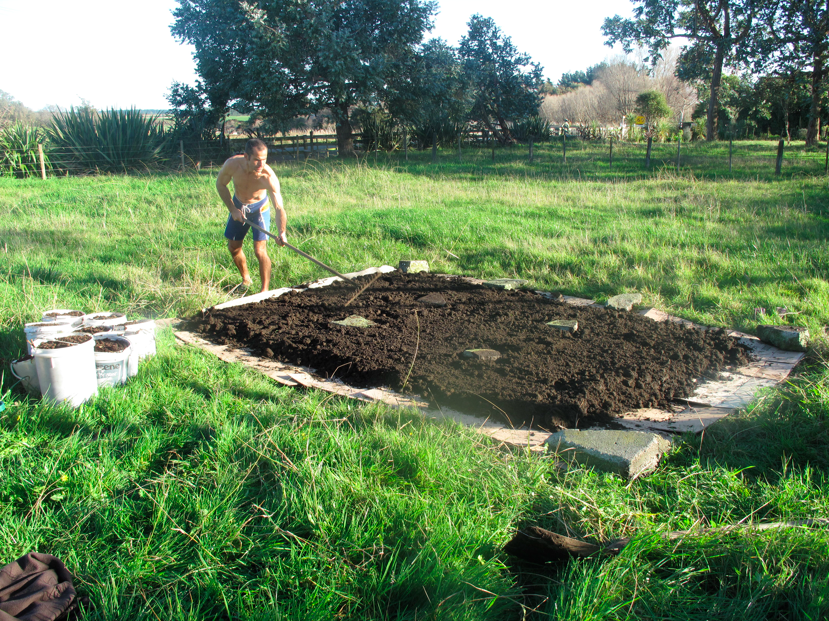
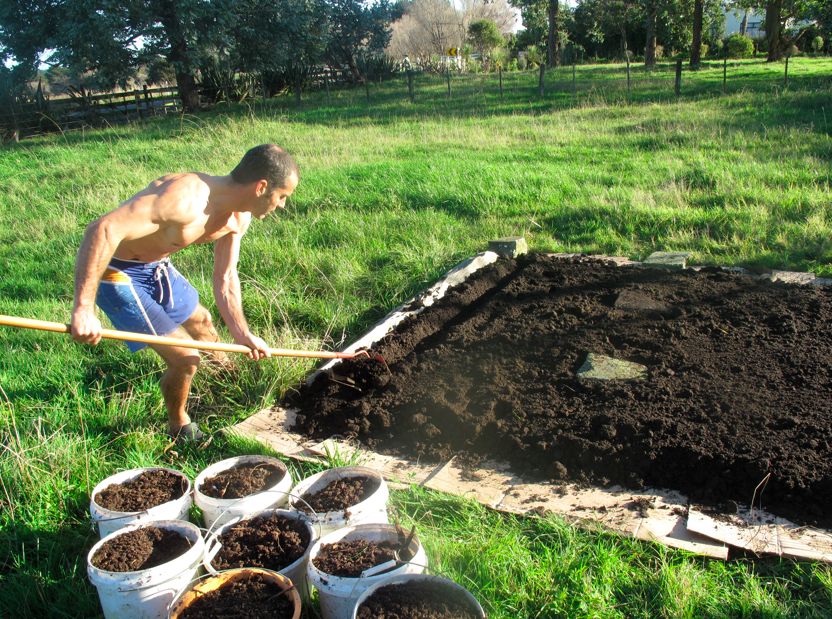
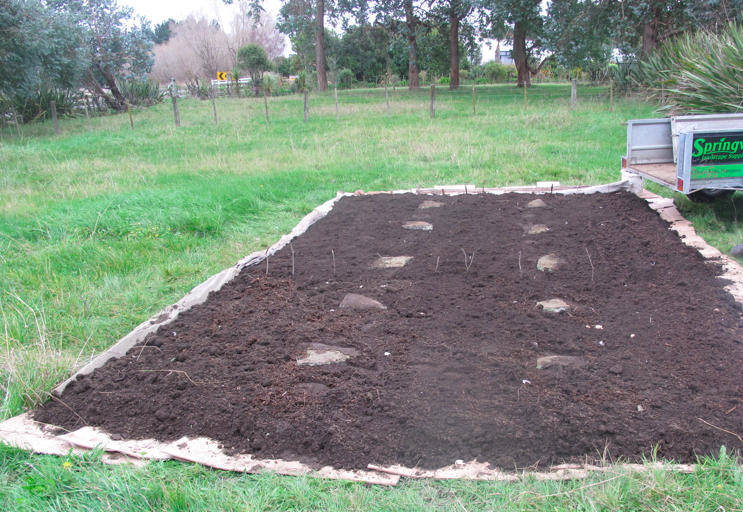
We did not have time to convert the paddock into a garden, so we brought in cardboard to kill the grass and topsoil to quickly build a raised bed.

Screen shot 2014-07-02 at 8.17.55 AM

We have had great success growing garlic on top of sand by using 80 mm of topsoil.

Screen shot 2014-07-02 at 8.18.31 AM

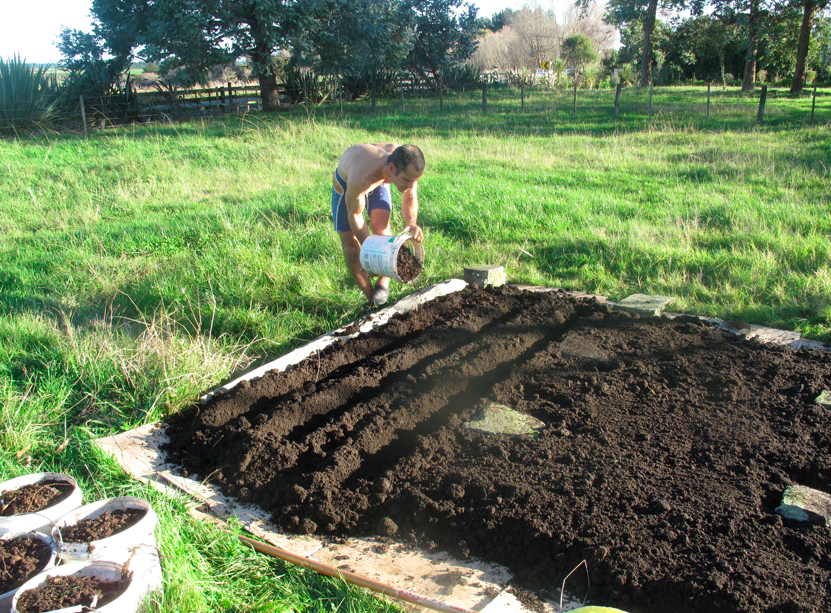
One key to growing great garlic is to use plenty of great compost. I pull a deep furrow with a hoe and then fill it with compost.

Screen shot 2014-07-02 at 8.18.49 AM

Screen shot 2014-07-02 at 8.19.04 AM

Meanwhile…

Screen shot 2014-07-02 at 8.17.33 AM

Nek minit.

Screen shot 2014-07-02 at 8.17.21 AM

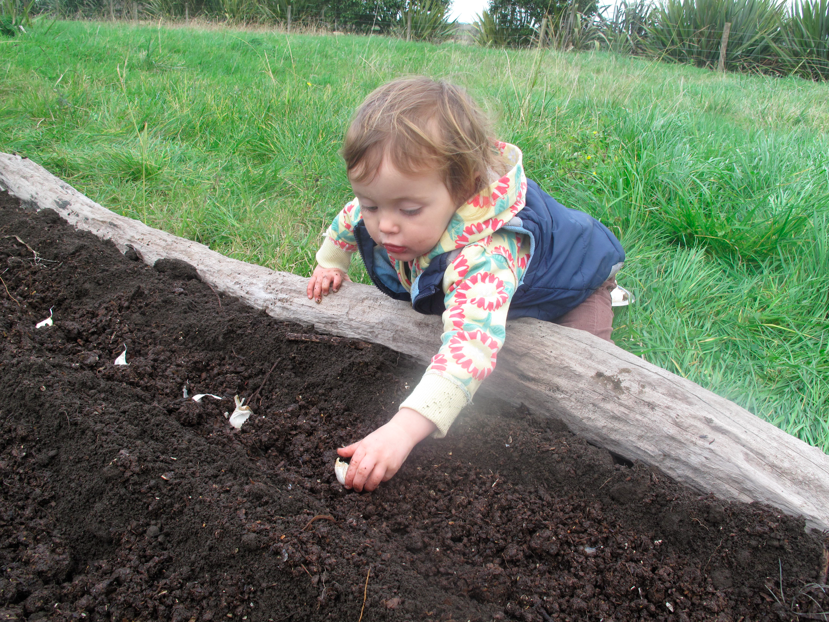
We plant the garlic at 100 mm centres.

Screen shot 2014-07-02 at 8.19.19 AM

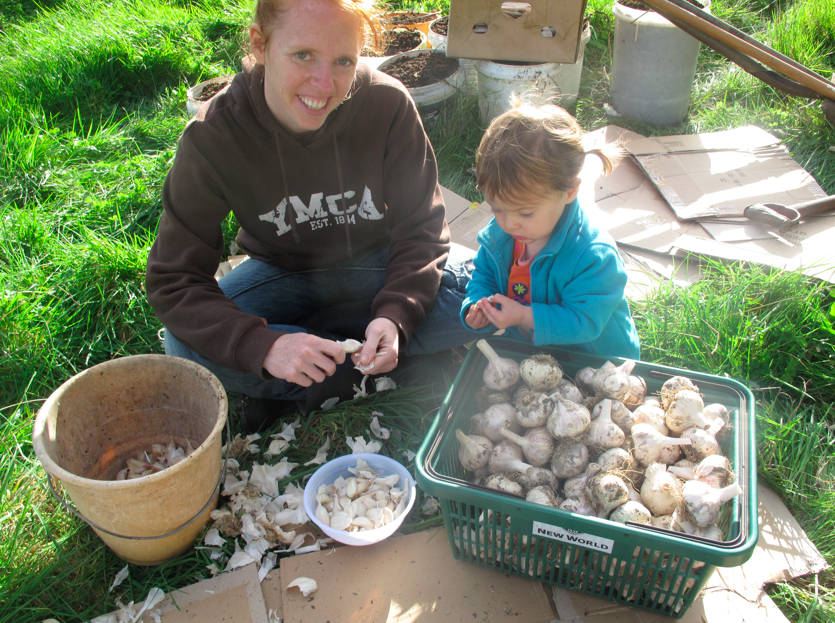
Everyone gets involved.

Screen shot 2014-07-02 at 8.22.55 AM

After two afternoons of work.

Screen shot 2014-07-02 at 8.23.16 AM


Peace, Estwing

Growing Great Garlic: A Matter of Design

Eco Design is a large and growing field. Facing a future of rising energy prices and increasingly volatile weather patterns, it is the inevitable future of design thinking as well as the future of business modeling, education, and governance. Those individuals and organizations that embrace eco design as early adopters will be at an advantage and those that put it off will have squandered time and money unnecessarily.

In my experience, eco-design thinking is applied in two distinct ways. The first and most intuitive way involves biological systems. In other words, using lessons learned from observing natural ecosystems to design and build managed ecosystems that serve human needs. The most obvious example of this is an organic garden.

Screen shot 2014-06-14 at 7.31.09 AM

 The other way eco-design is used is in non-biological systems, which can include buildings, vehicles, energy production, industrial processes, management, and even governance. Our renovation is a perfect example of eco-design thinking applied to a draughty old New Zealand villa. This column and Project HEAT (Home Energy Awareness Training) are attempts to promote eco-design thinking throughout our city.

Today I’ll stick to biological systems with a focus of food production.

Organic agriculture goes all the way back to the dawn of agriculture because there were no synthetic fertilizers, herbicides, pesticides and fungicides back then. Imagine a time before Monsanto!

Organic growers use eco-design thinking to produce as much food as possible while working with nature, not against it. Their ‘toolbox’ consists of a range of techniques, equipment, compost and on occasion naturally-derived pesticides. The vege plots at our home and the organic techniques we use were recently featured in a film profiling super abundant home gardens throughout New Zealand.

Eco design thinking along with a decade and a half of experience have allowed me to produce abundant healthy kai for our family at very little expense of time, effort and money. This is the type of win-win-win outcome that is almost always provided by eco-design.

Although there is no substitute for experience, one good way to leap frog your own experience is by engaging in well planned experiential learning. While I was developing my organic growing skills I took advantage of local farm tours, I enrolled in workshops, and I practiced…a lot – sometimes 14 hours a day while I was market gardening.

Those days are behind me, but I draw on that experience to manage our low-input/high-productivity gardens, or what I also sometimes call “Lazy gardening.” From my experience, one of the best crops for lazy gardening is garlic. Over the years I have grown and sold many thousands of beautiful and delicious garlic. Growing great garlic is all about working smarter instead of working harder. (See sidebar to learn more.)

Screen shot 2014-06-14 at 7.30.57 AM

Another example of low-input/high productivity food production on our property is the way we grow tomatoes: lots and lots of tomatoes. This year we have enjoyed five months of continuous garden ripened tomatoes from the middle of December through the end of May without a glass house. This abundance was made possible by designing for sun, concentrating fertility, and successive planting. But we’re still three months away from putting tomatoes in the ground so we’ll save that story for another day. Screen shot 2014-06-14 at 7.31.32 AM

Sidebar:

Growing Great Garlic Workshops

Learn how to grow the best garlic in the world. Workshops include the world’s best organic seed garlic for you to take home and two litres top quality organic compost. $15.

21st June, 9–10 am

22nd June, 9–10 am

22nd June, 3-4 pm

Registration and deposit essential. theecoschool@gmail.com, 022 635 0868, 344 5013

5 Months of Home-Grown Tomatoes

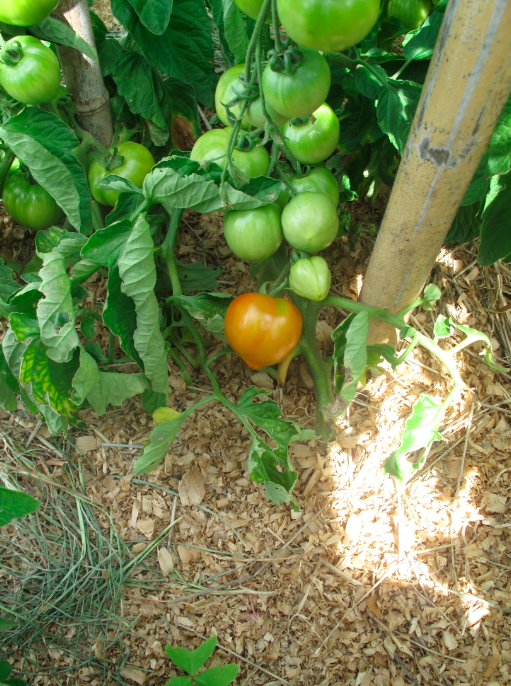
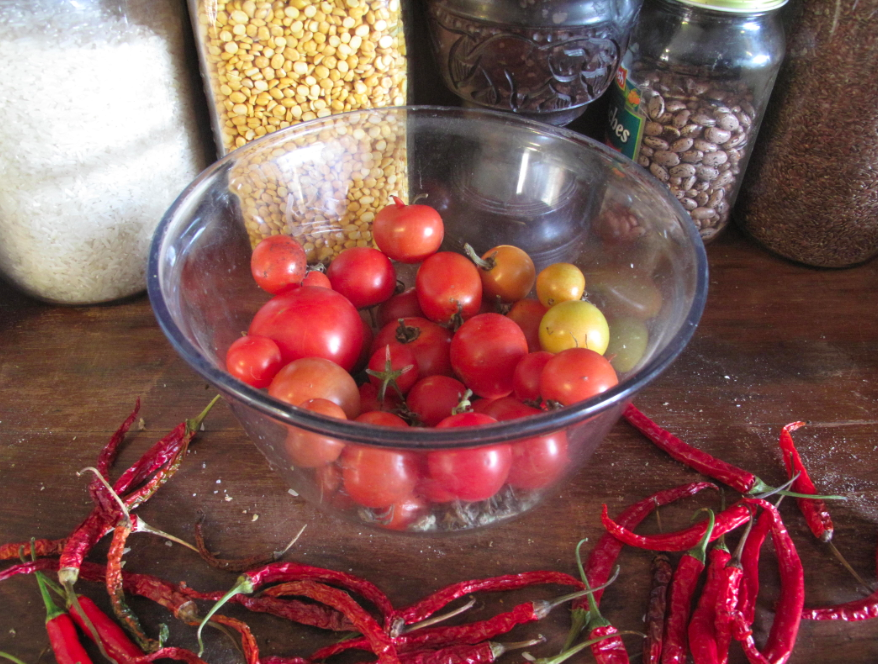
We have just reached a milestone of five continuous months of fresh, organic, home-grown tomatoes without a glasshouse. Our first ripe tomato appeared on 13th December.

Screen shot 2014-05-14 at 8.35.27 AM

As of now, we have a small bowl of tomatoes on our counter and a few more outside on some very tired looking but still living plants.

Screen shot 2014-05-14 at 8.35.37 AM

We use a combination of sun traps, timing, compost, mulching and successive planting to maximize our production while minimizing inputs. I’ll include more details in another post.

Successive Planting: Summer/Autumn Transition

One way we are able to produce large amounts of healthy food on a small amount of land is our approach to bio-intensive annual gardening. A combination of 80 mm (2.5 inches) of topsoil and copious amounts of high quality compost have allowed us to grow large, healthy and abundant vegetables.

Screen shot 2014-04-08 at 5.44.39 AM

Screen shot 2014-04-08 at 6.03.05 AM

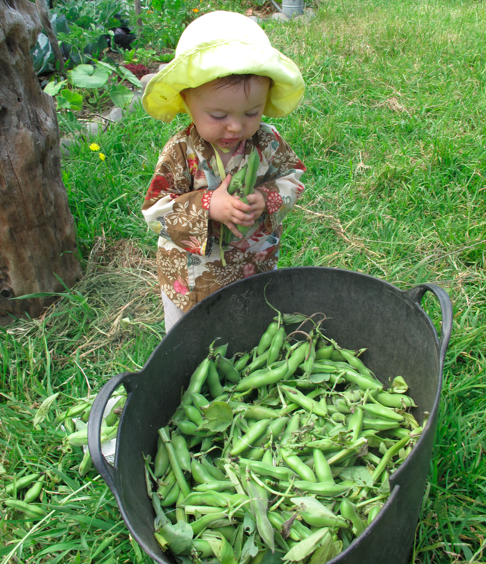
Another way that we achieve high yields is by successive planting. In other words, as soon as one crop comes out another goes in. For example, after harvesting broad beans last spring I immediately planted pumpkins in mounds of compost.

Screen shot 2014-04-08 at 5.48.45 AM

Both of these strategies rely on abundant, high quality compost in order to replenish soil fertility to make up for the food removed. We use a hot composting system called the Berkeley Method that ‘disappears’ meat and roadkill in a matter of weeks.

Screen shot 2014-04-08 at 5.31.07 AM

 Sometimes we use our lawn clippings in our compost, and sometimes we use them for mulch.

Screen shot 2014-04-08 at 5.20.30 AM

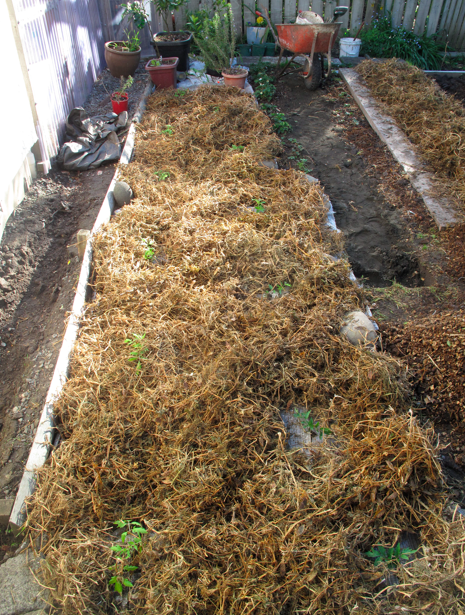
This week I have taken out some tomato plants that were in the ground since the 21st of September – 6 and 1/2 months – and replaced them with broccoli.

Screen shot 2014-04-08 at 5.19.05 AM

 You will notice there are still some capsicum (bell peppers) in the ground, and I even left two of the eight tomato plants rooted as they were still producing. I simply laid them on the ground on top of dried grass mulch.

Screen shot 2014-04-08 at 5.19.19 AM

 Each broccoli seedling is planted with a large dollop of compost.

Screen shot 2014-04-08 at 5.19.35 AM

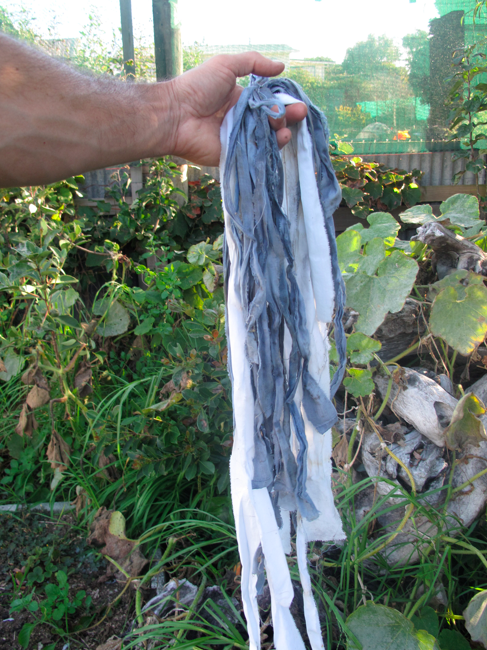
 The tomato ties – old bed sheets torn into strips – are collected and stored for next year.

Screen shot 2014-04-08 at 5.19.50 AM

And my helper and I carry on with the next chore.

 Screen shot 2014-04-08 at 5.14.40 AM

Peace, Estwing

Harvest Season Permaculture Update

We have been blessed with a week of light winds and pure sunshine that has topped off our blackboy peaches, put our tomatoes into overdrive, and all of the other good things of early autumn.

Screen shot 2014-02-25 at 5.20.34 PM

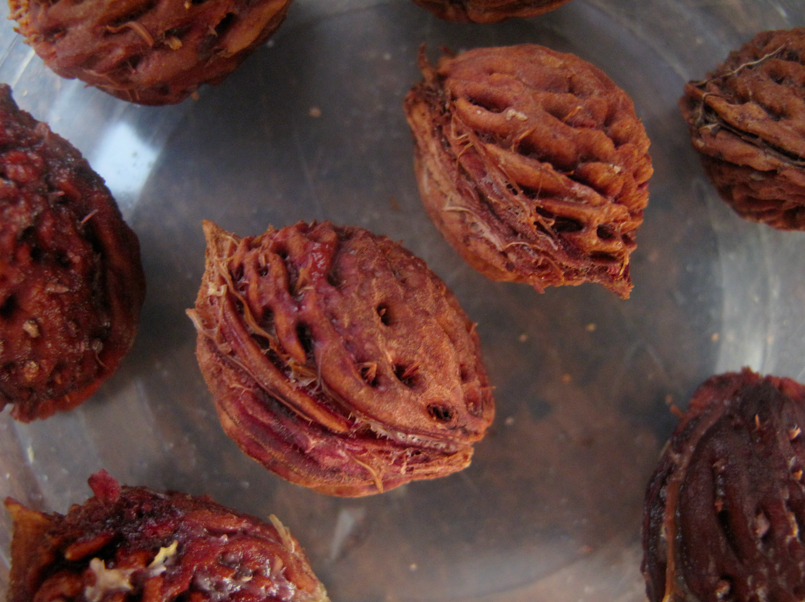
We are actively saving the stones to plant more of these amazing peaches.

Screen shot 2014-02-25 at 5.21.34 PM

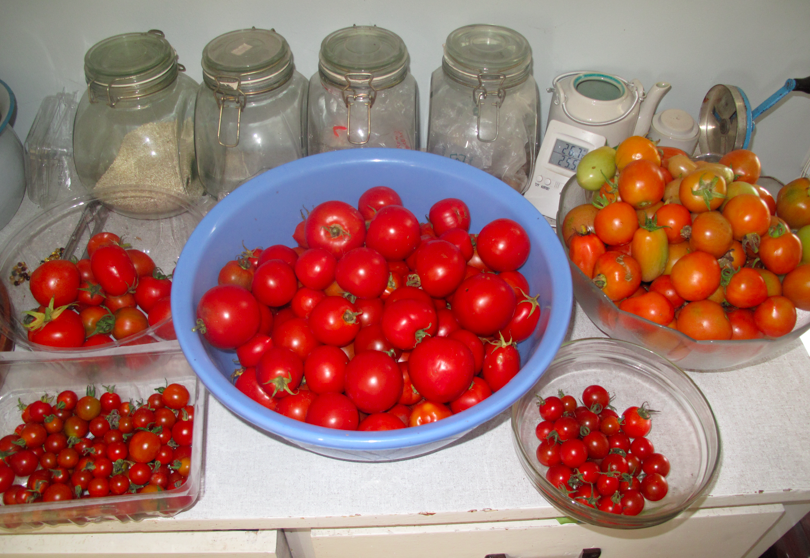
Hard to keep up with the tomatoes at this point, and giving away the excess.

Screen shot 2014-02-25 at 5.23.49 PM

But eagerly awaiting our first capsicum.

Screen shot 2014-02-25 at 5.24.47 PM

The tamarillos got pounded by wind three weeks ago, but are recovering now.

Screen shot 2014-02-25 at 5.25.32 PM

These autumn raspberries are fabulous.

Screen shot 2014-02-25 at 5.24.19 PM

While strawberries still going after 3+ months.

Screen shot 2014-02-25 at 5.25.42 PM

First rock melon on the way.

Screen shot 2014-02-25 at 5.24.37 PM

Pumpkins curing before storage.

Screen shot 2014-02-25 at 5.25.21 PM

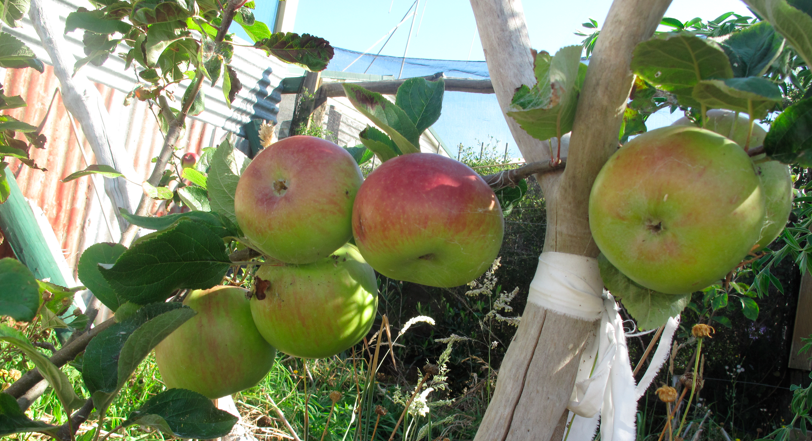
Monty’s Surprise apples will be ready in another month.

Screen shot 2014-02-25 at 5.25.54 PM

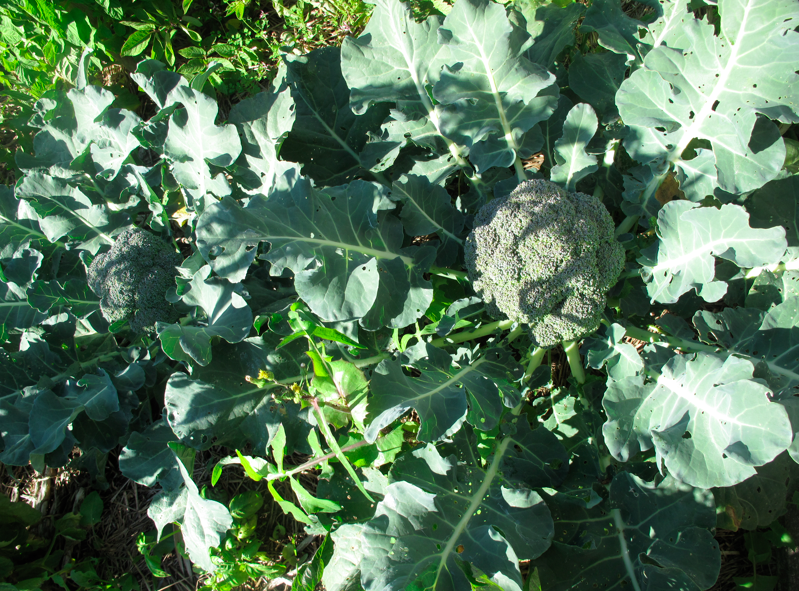
Big, beautiful broccoli flourishing despite white butterflies.

Screen shot 2014-02-25 at 5.26.19 PM

Even a rare chance to harvest seaweed on our coast. It usually does not wash up here.

Screen shot 2014-02-25 at 5.22.18 PM

We were invited to have dinner with an interesting European couple who spend six months each year on their farm nearby. They gave us these gorgeous pears.

Screen shot 2014-02-25 at 5.20.59 PM

And our dear friend Murray brought us these early Tropicana apples for us to enjoy.

Screen shot 2014-02-25 at 5.21.15 PM

Peace, Estwing

Mid-Summer Permaculture Update

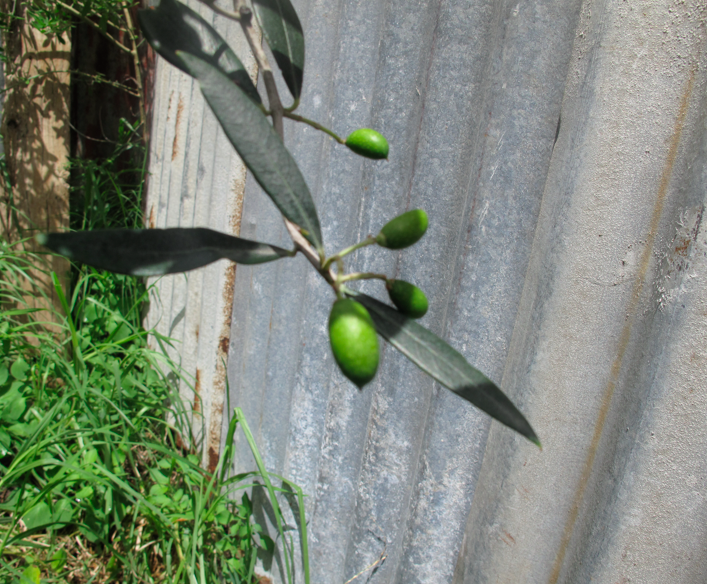
Here are some images of our productive permaculture property during the first and second weeks of January. Highlights include our first apricots, first olives, and first kumara plants.

Beans, tomatoes, plums and apricots.
Our first pumpkins are ready.
Kumara: a new experiment.
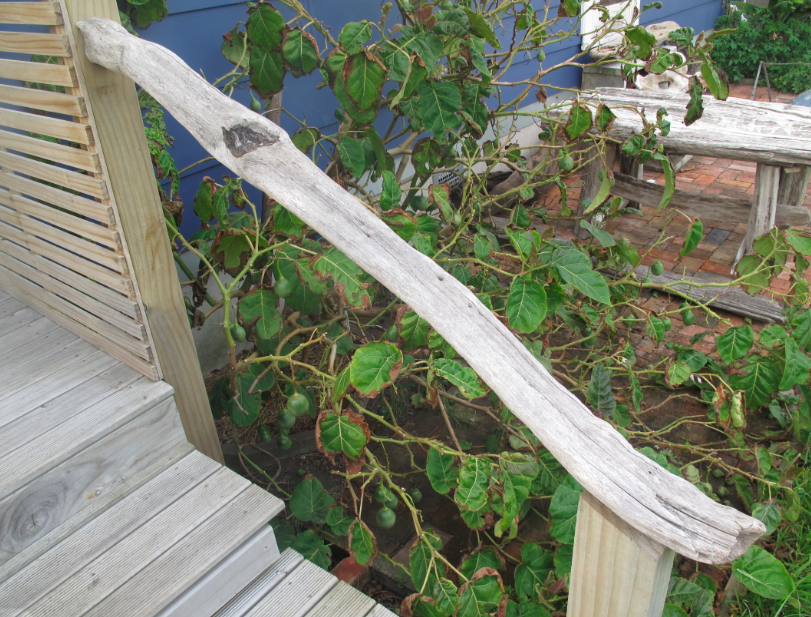
Hiding this iron fence with driftwood.
Our first olives forming.
Agapanthus flowering everywhere.
Pears coming along. 
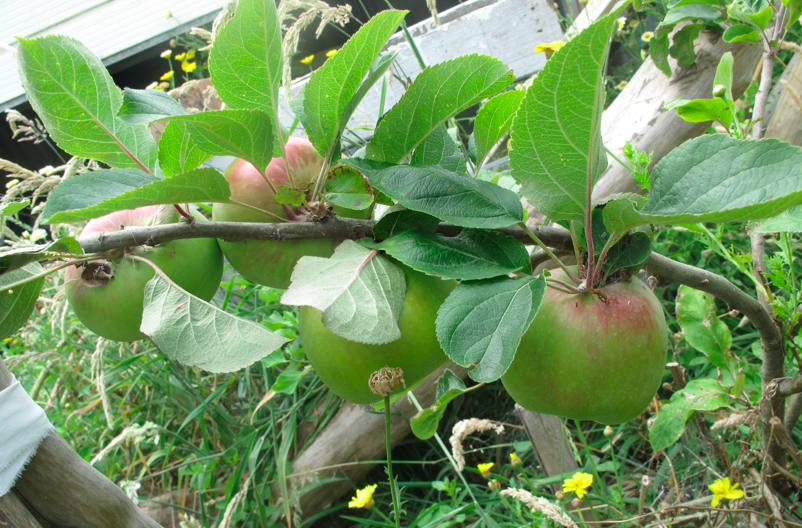
Monty’s Surprise apples. 
Blueberries.
Black Boy peaches. So excited. 
Yum.
A very attractive lettuce. 
Pretty cool mottling. 

Peace, Estwing