Category Archives: growing food

International Permaculture Day

Kia ora koutou. This may be the first blog post on the planet celebrating International Permaculture Day. (Please note it is Sunday the 4th in New Zealand.) There are good waves this morning, so I’ll make it short and sweet.

Screen shot 2014-05-04 at 7.52.10 AM

In my practice of permaculture, the principles take a back seat. In other words, I never consciously think about the permaculture principles (Mollison’s or Holmgren’s) when designing and building systems. Instead, I engage what I call permaculture habits of mind, which can also be described as systems thinking.

All that said, one of Mollison’s principles is almost always on my mind: multiple functions. In brief, elements of a system should serve as many functions as possible. Mollison uses chickens as his example. I’ll use ducks, and specifically our duck tractor.

Screen shot 2014-05-03 at 10.49.07 AM

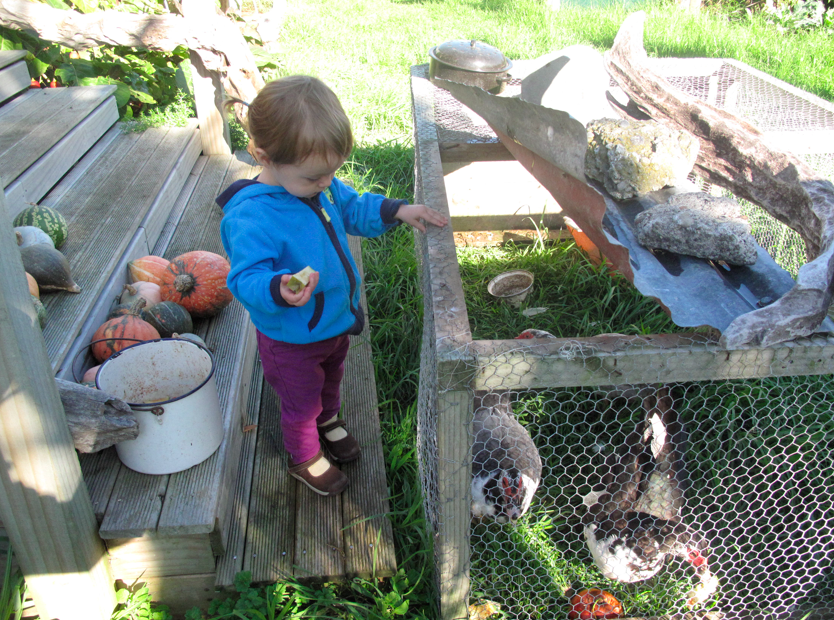
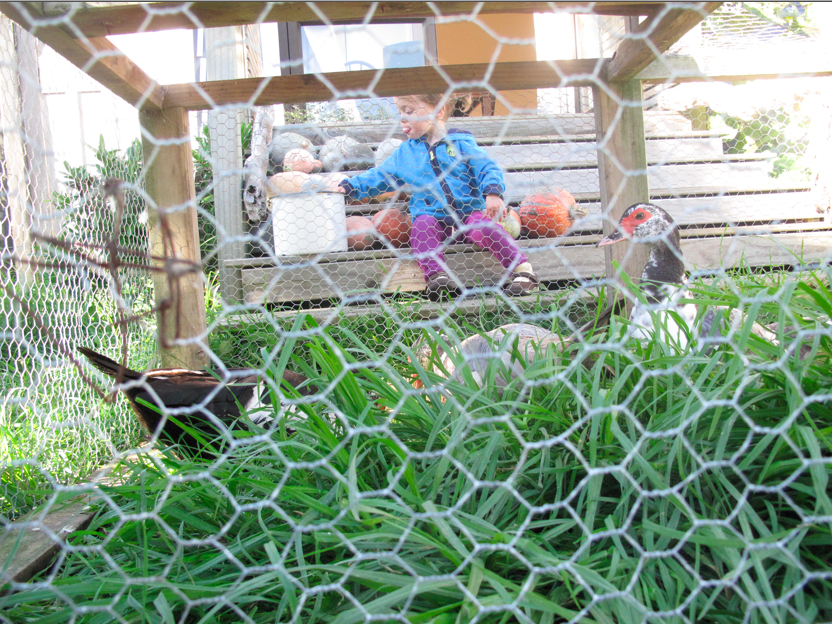
For six months – from autumn equinox to spring equinox – we tractor our ducks in our ‘back yard. They mow and fertilize the lawn for us.

Screen shot 2014-05-04 at 7.50.37 AM

I move them everyday. It takes 22 days to bring them back to square one. This is a small-scale of what may be called “rotational grazing” or “holistic land management.” Running the ducks on the lawn has improved the mix of grasses and decreased the unpalatable ‘weeds’.  In other words, the ducks have improved the health of the lawn, and in return the lawn is producing healthier grasses for the ducks to eat.

Screen shot 2014-05-04 at 7.51.39 AM

During the six months from spring to autumn equinox, I scythe the grass and use it to mulch the garden. In this way, the ducks are indirectly feeding the garden. Over time, vegetable scraps from the garden feed the ducks.

Screen shot 2014-05-04 at 8.19.39 AM

Additionally, one day when I was in a hurry to hang the nappies, I found that the duck tractor came in very handy as an airing rack.

Screen shot 2014-05-04 at 7.54.20 AM

Our first intern, John, built this tractor over three years ago from scrap wood. That’s when our ducks we still fuzzy.

Screen shot 2014-05-04 at 7.55.16 AM

Keeping ‘multiple functions’ on your mind as much as possible is a great way to practice systems thinking and to develop good permaculture habits of mind. Give it a go.

Peace, Estwing

Mid-Autumn Permaculture Update

After a long, cool and windy summer, we have had an amazing autumn. Overall, I would say we have had a good growing season.

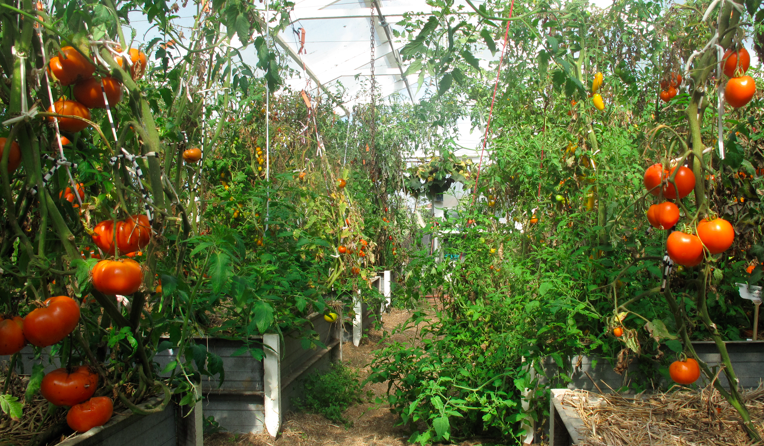
For example, we have had ripe tomatoes continuously since 13th December – over 4 months and still going.

Screen shot 2014-04-22 at 7.59.25 AM

Our chillies are ripening.

Screen shot 2014-04-22 at 7.56.27 AM

These are yellow capsicum (peppers), but they may not ripen this late in the season.

Screen shot 2014-04-22 at 7.52.12 AM

But the guavas have had no trouble ripening. For the red guava we have noticed that it fruits in April and then again in July. In this photo you can see ripe fruit next to blossoms.

Screen shot 2014-04-22 at 7.52.27 AM

Oddly, one of our plum trees is blossoming – not a good sign.

Screen shot 2014-04-22 at 7.53.17 AM

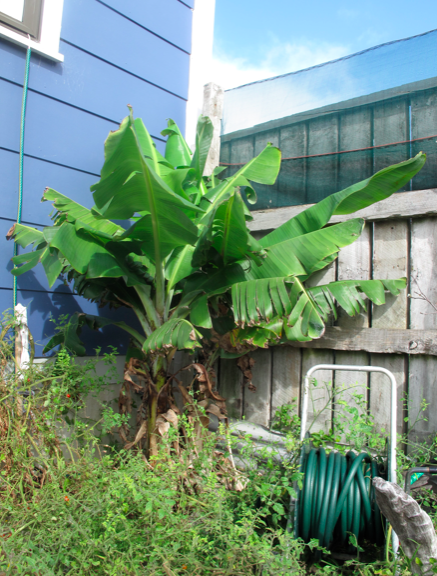
The banana has had its best year, but still no fruit yet.

Screen shot 2014-04-22 at 7.51.55 AM

Strawberries are making an autumn push. We have had fresh strawberries since October – over 6 months.

Screen shot 2014-04-22 at 7.52.04 AM

This corgette (zuchini) has been producing for about 3 months and still going strong.

Screen shot 2014-04-22 at 7.52.43 AM

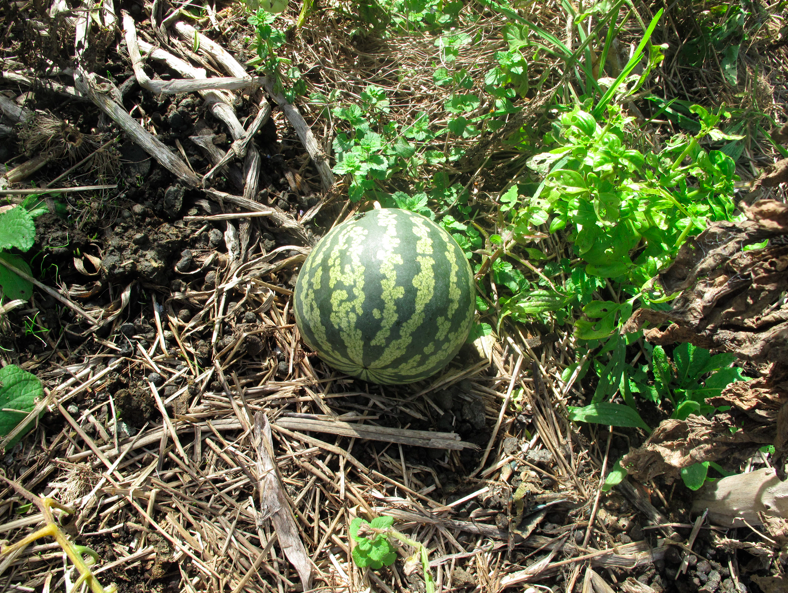
We’re giving the melons as long as possible to ripen.

Screen shot 2014-04-22 at 7.52.51 AM

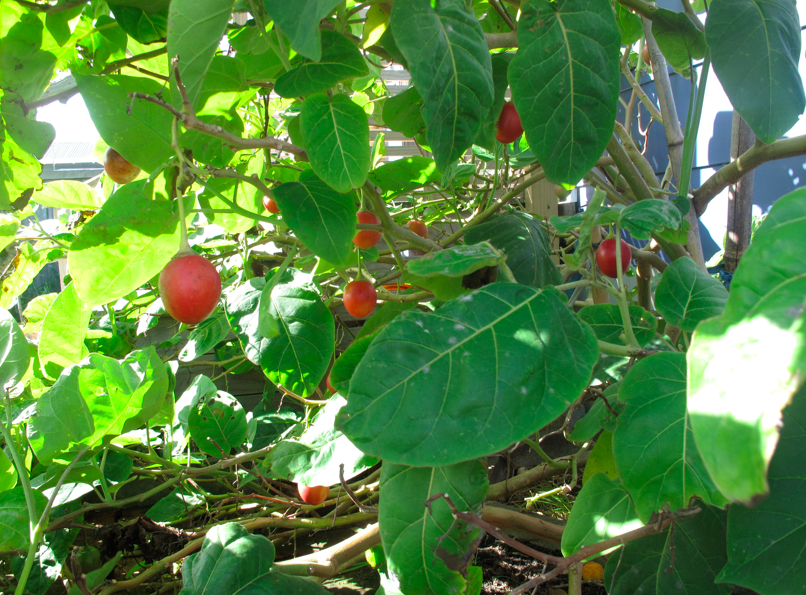
Despite a wind storm in January that caused this tamarillo tree to drop half its fruit, it is still laden.

Screen shot 2014-04-22 at 7.52.59 AM

And finally, even in autumn, love is in the air.      Screen shot 2014-04-22 at 7.52.35 AM

Peace, Estwing

Successive Planting: Summer/Autumn Transition

One way we are able to produce large amounts of healthy food on a small amount of land is our approach to bio-intensive annual gardening. A combination of 80 mm (2.5 inches) of topsoil and copious amounts of high quality compost have allowed us to grow large, healthy and abundant vegetables.

Screen shot 2014-04-08 at 5.44.39 AM

Screen shot 2014-04-08 at 6.03.05 AM

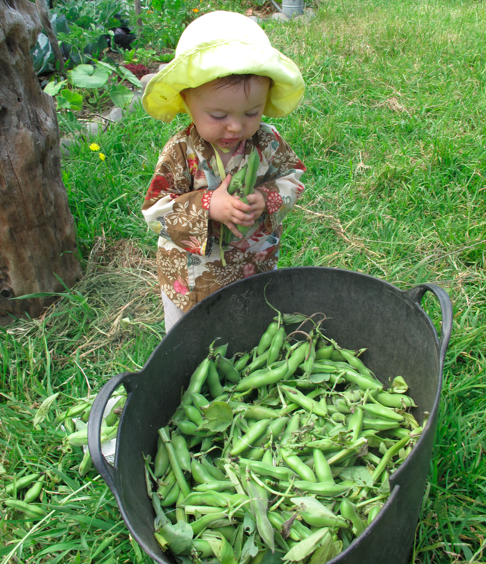
Another way that we achieve high yields is by successive planting. In other words, as soon as one crop comes out another goes in. For example, after harvesting broad beans last spring I immediately planted pumpkins in mounds of compost.

Screen shot 2014-04-08 at 5.48.45 AM

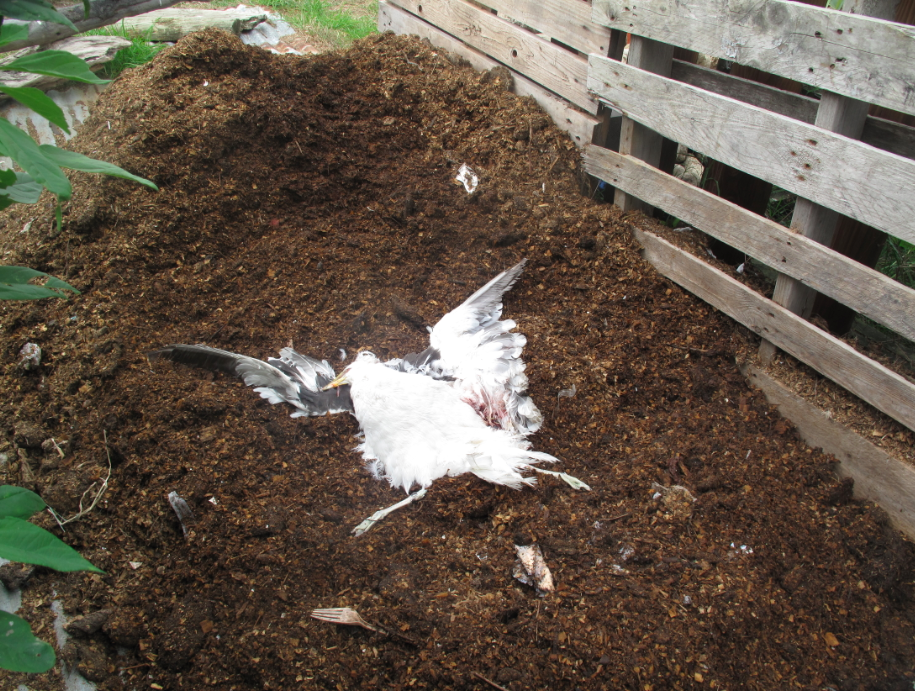
Both of these strategies rely on abundant, high quality compost in order to replenish soil fertility to make up for the food removed. We use a hot composting system called the Berkeley Method that ‘disappears’ meat and roadkill in a matter of weeks.

Screen shot 2014-04-08 at 5.31.07 AM

 Sometimes we use our lawn clippings in our compost, and sometimes we use them for mulch.

Screen shot 2014-04-08 at 5.20.30 AM

This week I have taken out some tomato plants that were in the ground since the 21st of September – 6 and 1/2 months – and replaced them with broccoli.

Screen shot 2014-04-08 at 5.19.05 AM

 You will notice there are still some capsicum (bell peppers) in the ground, and I even left two of the eight tomato plants rooted as they were still producing. I simply laid them on the ground on top of dried grass mulch.

Screen shot 2014-04-08 at 5.19.19 AM

 Each broccoli seedling is planted with a large dollop of compost.

Screen shot 2014-04-08 at 5.19.35 AM

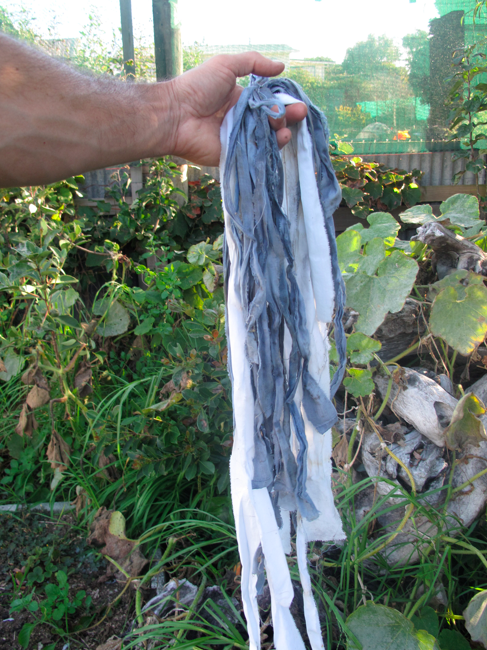
 The tomato ties – old bed sheets torn into strips – are collected and stored for next year.

Screen shot 2014-04-08 at 5.19.50 AM

And my helper and I carry on with the next chore.

 Screen shot 2014-04-08 at 5.14.40 AM

Peace, Estwing

Early Autumn Permaculture Update

We have had a magnificent “Indian Summer” here in Whanganui. Our strawberries and tomatoes are still producing after nearly four months. Along with those, we are getting autumn crops like apples and pears.

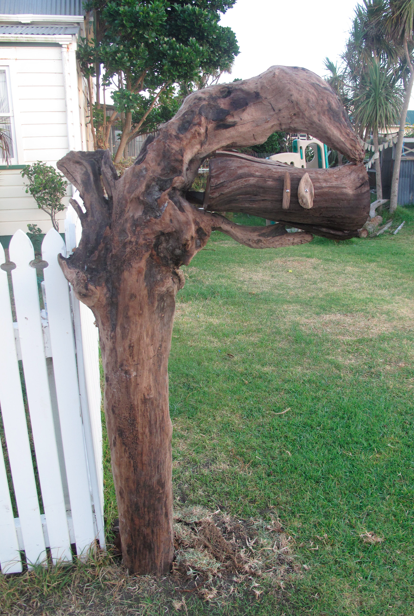
But first, our new post box built of driftwood, three nails, and two screws.

Screen shot 2014-03-24 at 9.25.31 AM

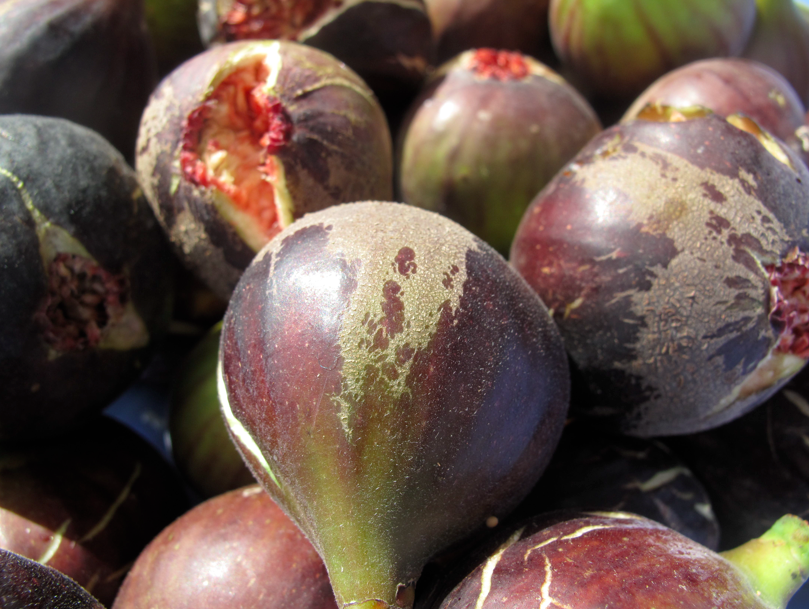
We have been racing the birds to harvest a bumper crop of figs.

Screen shot 2014-03-24 at 9.28.58 AM

Screen shot 2014-03-24 at 9.28.37 AM

We ate the last of our peaches with fresh local raw milk.

Screen shot 2014-03-24 at 9.32.14 AM

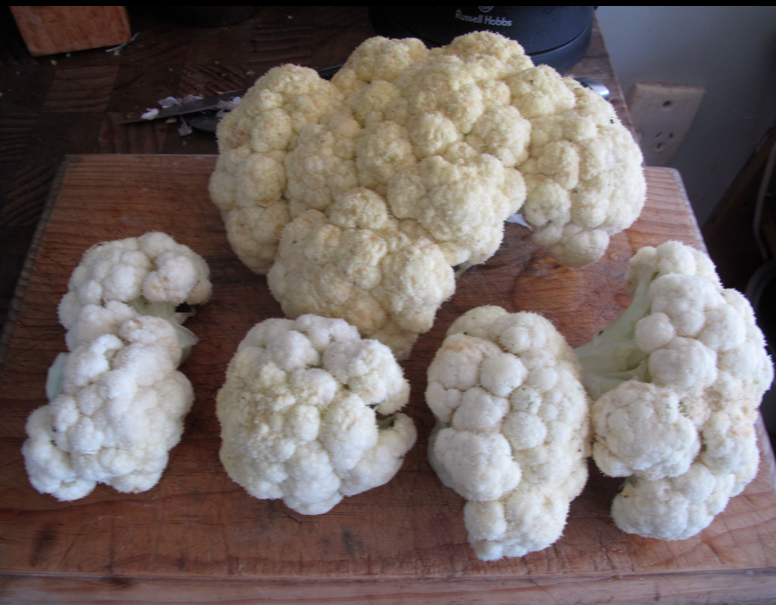
We’ve had some nice broccoli and cauliflower.

Screen shot 2014-03-24 at 9.31.16 AM

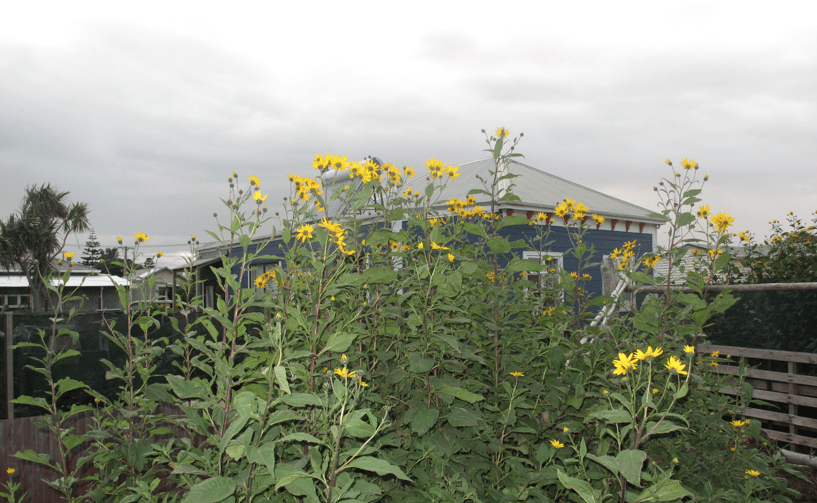
Jerusalem artichoke is going for it everywhere.

Screen shot 2014-03-24 at 9.29.44 AM

Screen shot 2014-03-24 at 9.26.45 AM

I have been taking a plant propagation course. Here are some of my “assignments.”

Screen shot 2014-03-24 at 9.27.36 AM

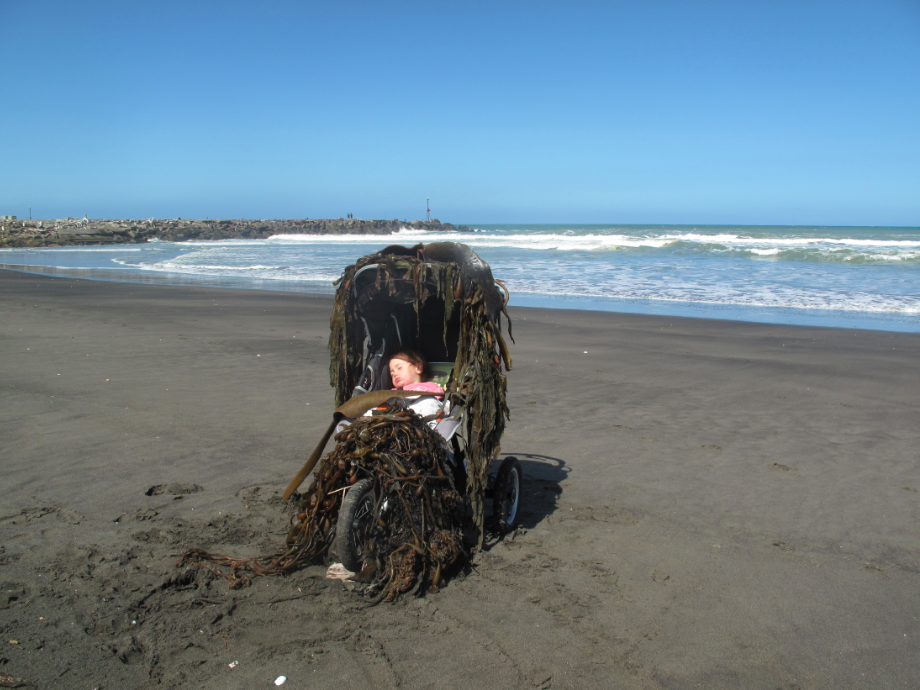
We have been also doing lots of composting, with gifts from the sea…

Screen shot 2014-03-24 at 9.30.30 AM

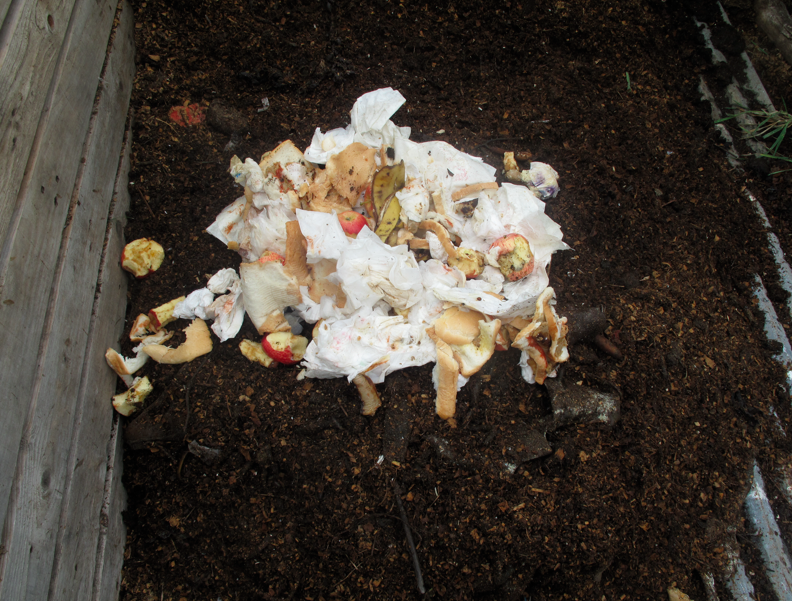
…and gifts from community events.

Screen shot 2014-03-24 at 9.32.47 AM

And a few amazing gifts from the western horizon.

Screen shot 2014-03-24 at 9.33.24 AM

Peace, Estwing

Engaging Children in Recycling & Composting

Last week I had every intention of writing about Sea Week, Castlecliff Children’s Day, recycling and composting. I even had the photos picked out.

Screen shot 2014-03-21 at 10.29.00 AM

But then I saw a cryptic invitation in the Chronicle about writing poems for St. Patrick’s Day. Then I saw a letter from Bob Walker on the costly and impotent “odour fence” and an article that included a remarkably uninspired statement by a councilor about “growth” and “lifestyle.”

What started as an innocent limerick in the spirit of St. Patrick’s Day rolled into 650 words of critique on what appears to be a pattern of reductionist, ineffective and costly decisions by council.

While I stand by every word, I did not mean offend anyone with undeserved insult – especially not the Chronicle editors. I think they, along with the entire Chronicle team, have guided our paper to a secure place of relevance at a time when many newspapers around the world are reducing circulation, down-sizing, digitizing, and disappearing entirely. Over the last two years, the Chronicle team has built what must be best network of local columnists of any paper in the country.

Long live the Chron

May all celebrate her in song…

Never mind, on to the rubbish…I mean waste management.

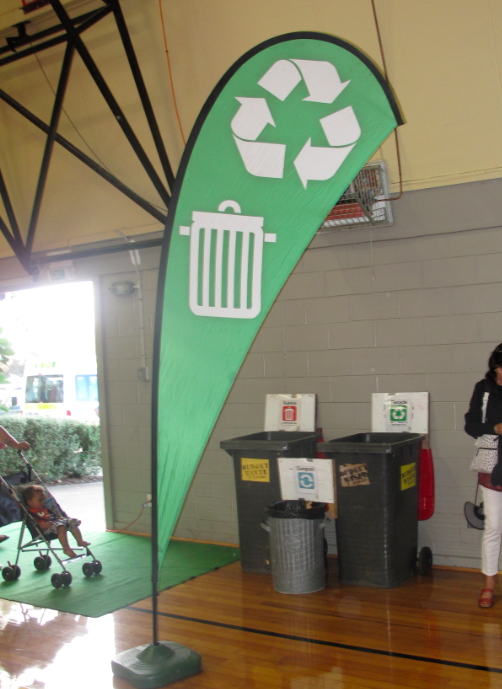
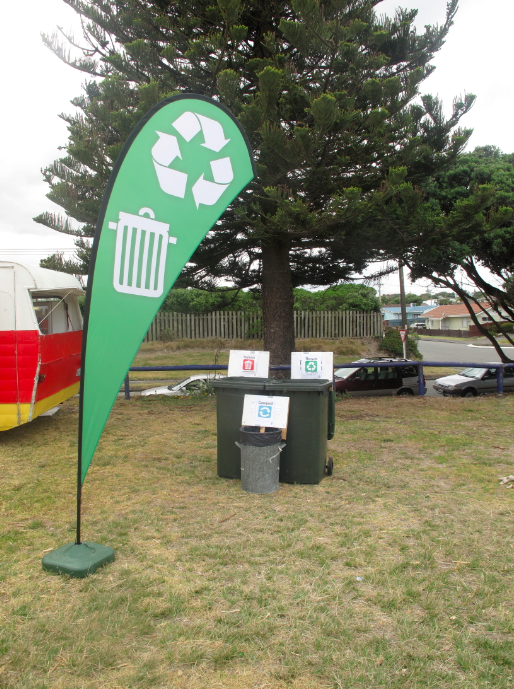
Good on Des Warahi for committing Castlecliff Children’s Day to waste minimization. Like SKIP’s Children’s Day a week earlier, we were able to work together to divert a large amount of materials from landfill by making recycling and composting easy for attendees.

 Screen shot 2014-03-21 at 10.29.10 AM

Castlecliff’s Children’s Day wrapped up Sea Week, which saw many school children helping clean up our coastline. While it is important to engage children in this type of overt action to help the environment, it’s even more important to make sure that they do not perceive it as a one-off. In other words, tokenism has the potential to do more harm than good if children see “the environment” as something “out there” that they engage with only on certain occasions.

The Enviroschools programme has done a good job throughout New Zealand of making sustainable practices such as recycling, composting and worm farming regular parts of operations for the schools that join. Equally important is that children experience those practices at home. Screen shot 2014-03-21 at 10.28.53 AM

Waste minimization is a great example of eoc-thifty thinking because it so obviously saves resources and money. For example, it takes our family about two months to fill one bag of rubbish. It may not be that we have any less total ‘waste’ than other families, but that we divert most of it from landfill by recycling and composting.

Screen shot 2014-03-21 at 10.28.28 AM

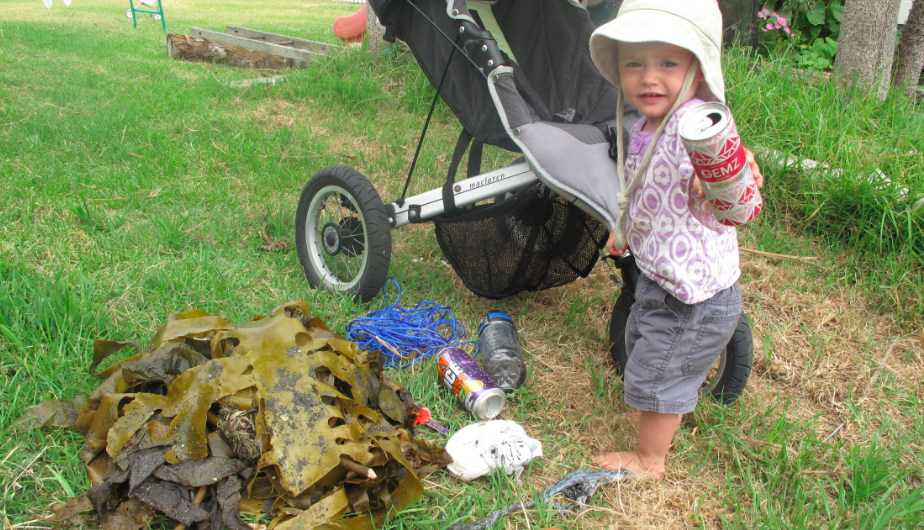
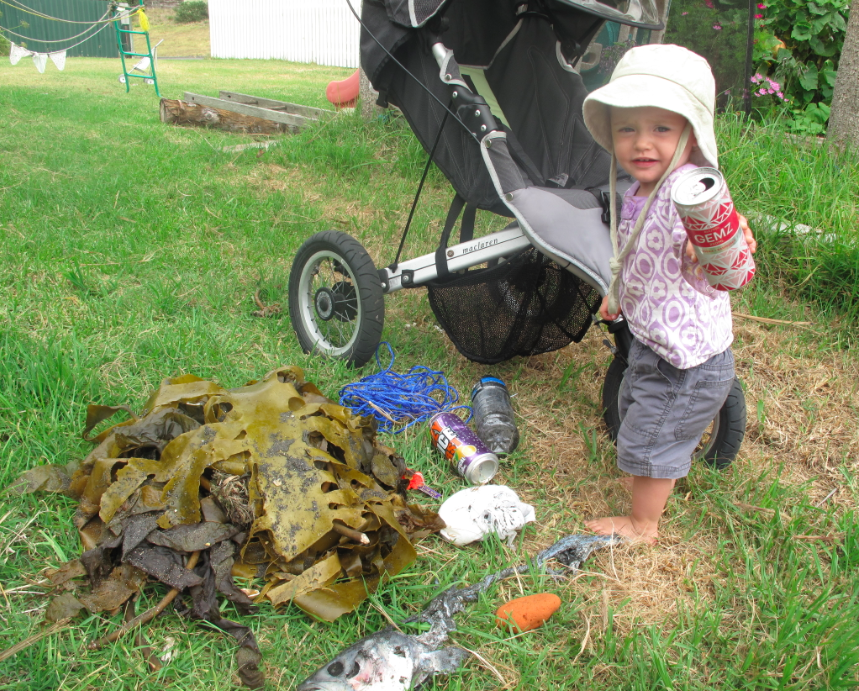
Much of the ‘waste’ that makes its way onto our property comes home with Verti and me from our walks along the beach. If there is anything I’ve learned as a new parent it is that my 18 month old daughter loves imitating and helping. From this perspective, I can’t think of many things more valuable than walking with her along the seashore collecting discarded cans and bottles, bits of plastic, and organic matter for our compost.

Plus, I get to check out the waves so I can plan for a surf after mum gets home.

  Screen shot 2014-03-21 at 10.28.43 AM

Sidebar: TPPA Alert!

We face many challenges ahead, but perhaps the most immediate one is the Trans Pacific Partnership Agreement (TPPA) being negotiated in secret at the behest of transnational corporations whose one and only mandate is to return maximum profits to share holders. The likelihood of the TPPA being good for people or the planet is about that of the All Blacks falling to Japan in a test match. Please attend the rally against New Zealand signing onto the TPPA Saturday 29th March at 1 pm. Meet at the Silver Ball sculpture at the River Market and walk to Majestic Square.

Health Benefits of Heirloom Tomatoes

A friend of ours who lives in Whanganui is active in researching the health benefits of tomatoes and apples. I’ll write about apples in a few weeks, but here is a blurb about their tomato research:

Screen shot 2014-03-18 at 8.04.15 AM

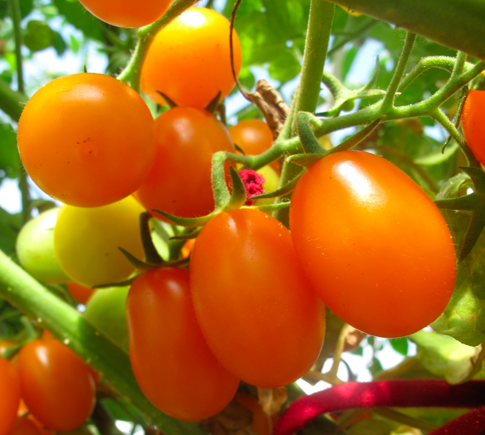
This research is looking to find the best open-pollinated tomato varieties in the world for human health, particularly those highest in lycopene for cancer prevention.
The research is also seeking to determine whether hybrid tomato varieties (and vegetables in general) are nutritionally deficient in comparison with traditional open-pollinated varieties.

Screen shot 2014-03-18 at 8.04.26 AM

Here is a bit about their findings:

Discovery of the Real Tomato (12 April 2013)

We are delighted to announce a break-through in our understanding about the superior health benefits of specific tomato varieties.

Two types of lycopene can be found in tomato. All-trans-lycopene is commonly found in red (and other colour) tomatoes; and tetra-cis-lycopene (also known as prolycopene) is found in some orange heirloom tomatoes.

Read more here.

Screen shot 2014-03-18 at 8.04.34 AM

I stopped by to visit him last week, and took pictures around his glasshouse. There are some really amazing varieties.

Screen shot 2014-03-18 at 8.03.43 AM Screen shot 2014-03-18 at 8.03.52 AM Screen shot 2014-03-18 at 8.04.01 AM    Screen shot 2014-03-18 at 8.04.47 AM Screen shot 2014-03-18 at 8.04.56 AM Screen shot 2014-03-18 at 8.05.10 AM Screen shot 2014-03-18 at 8.05.41 AM Screen shot 2014-03-18 at 8.06.03 AM Screen shot 2014-03-18 at 8.09.13 AM


Peace, Estwing

Fresh, Local, Organic

Here are a pair of meals I submitted to the Green Urban Living Autumn Challenge. A description of each recipe can be found there. Below are pictures in a more-or-less step-by-step ‘visual recipe’ for each. Enjoy.

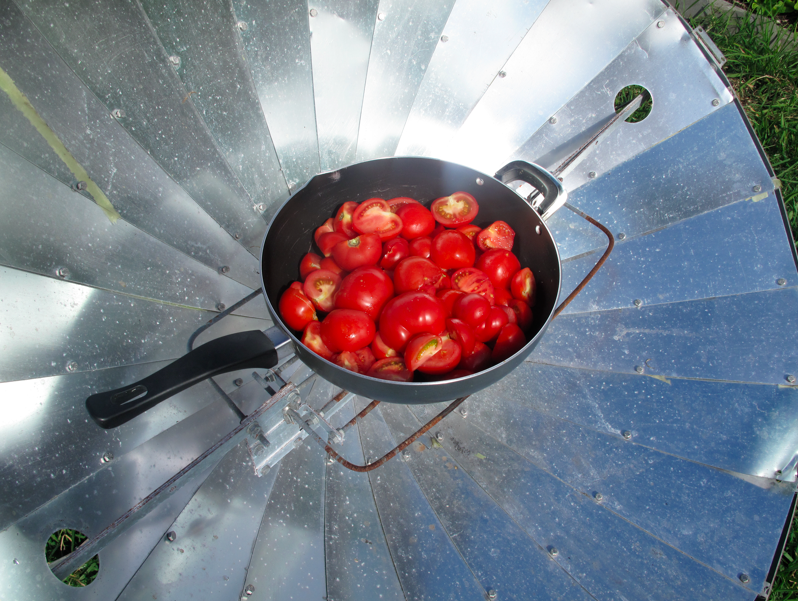
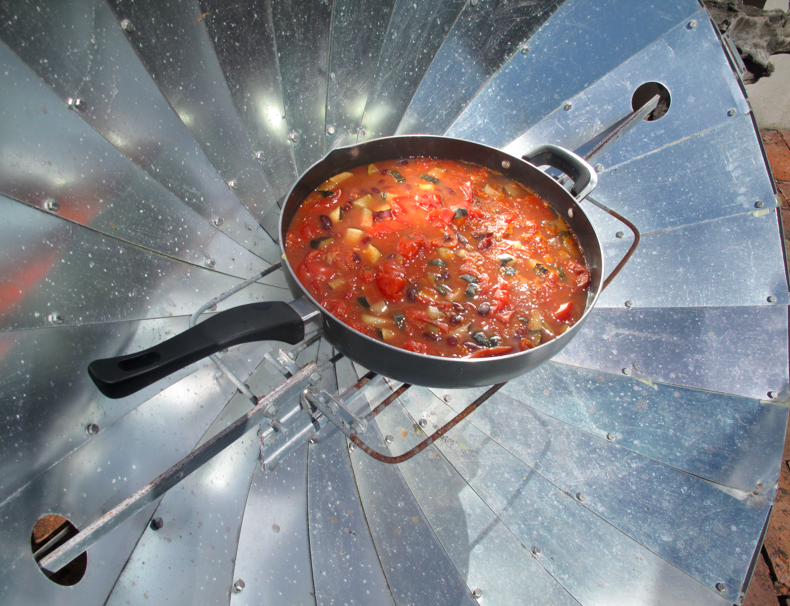
The first meal comes almost entirely from our property. (All except the fresh, local cream.) Vegetarian Chili, Fresh raspberries and peaches in cream.

Screen shot 2014-03-10 at 8.02.44 AM

Screen shot 2014-03-10 at 7.45.21 AM Screen shot 2014-03-10 at 7.45.28 AM Screen shot 2014-03-10 at 7.45.41 AM Screen shot 2014-03-10 at 7.45.50 AM Screen shot 2014-03-10 at 7.50.13 AM Screen shot 2014-03-10 at 8.00.49 AM


The second meal is more local and less directly from our land. Snapper and spuds in cream sauce, sauteed broccoli and corgette, and stewed peaches in raw milk.

Screen shot 2014-03-10 at 7.46.53 AM Screen shot 2014-03-10 at 7.47.47 AM  Screen shot 2014-03-10 at 7.51.27 AM

Screen shot 2014-03-10 at 7.48.23 AM

Peace, Estwing

Harvest Season Permaculture Update

We have been blessed with a week of light winds and pure sunshine that has topped off our blackboy peaches, put our tomatoes into overdrive, and all of the other good things of early autumn.

Screen shot 2014-02-25 at 5.20.34 PM

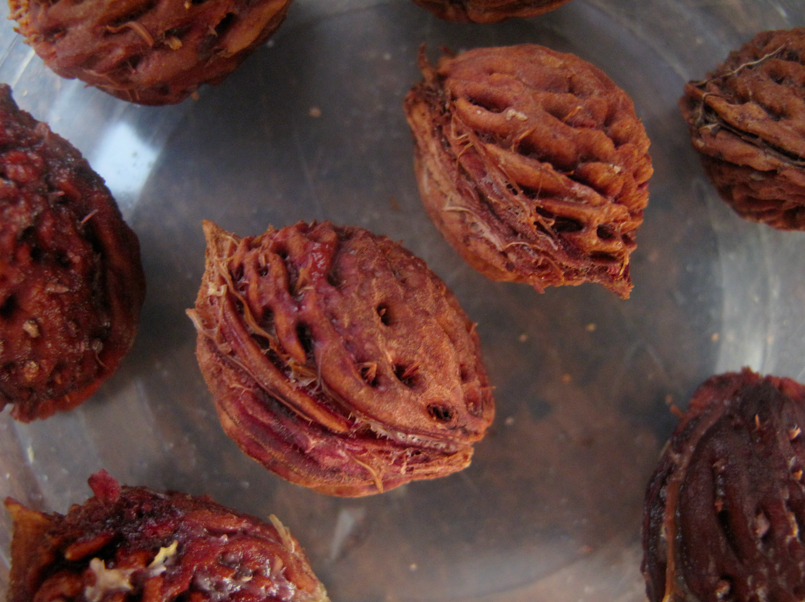
We are actively saving the stones to plant more of these amazing peaches.

Screen shot 2014-02-25 at 5.21.34 PM

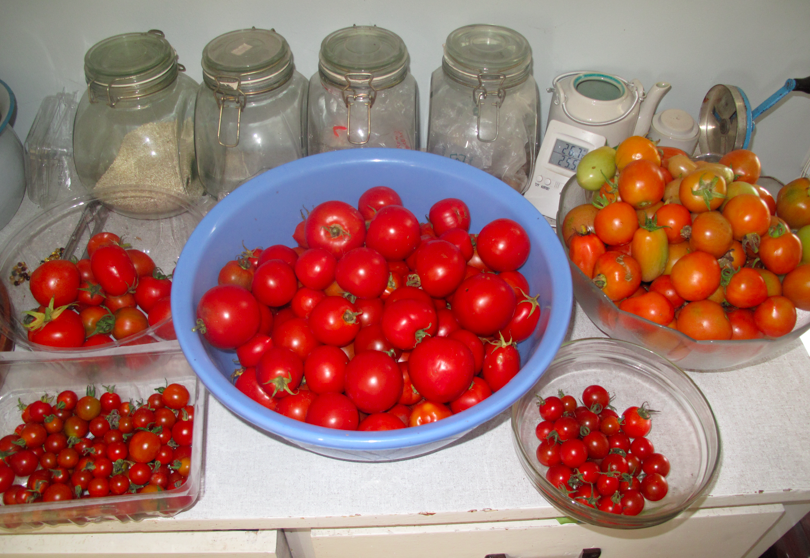
Hard to keep up with the tomatoes at this point, and giving away the excess.

Screen shot 2014-02-25 at 5.23.49 PM

But eagerly awaiting our first capsicum.

Screen shot 2014-02-25 at 5.24.47 PM

The tamarillos got pounded by wind three weeks ago, but are recovering now.

Screen shot 2014-02-25 at 5.25.32 PM

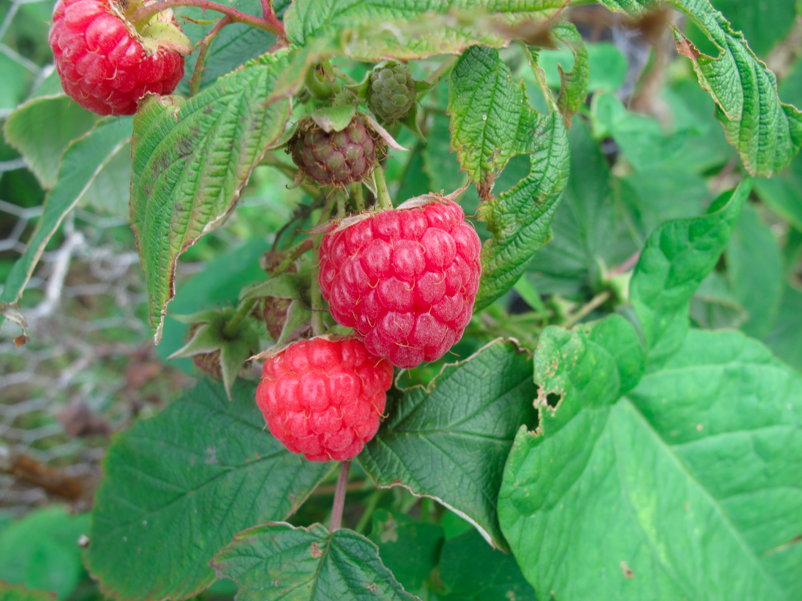
These autumn raspberries are fabulous.

Screen shot 2014-02-25 at 5.24.19 PM

While strawberries still going after 3+ months.

Screen shot 2014-02-25 at 5.25.42 PM

First rock melon on the way.

Screen shot 2014-02-25 at 5.24.37 PM

Pumpkins curing before storage.

Screen shot 2014-02-25 at 5.25.21 PM

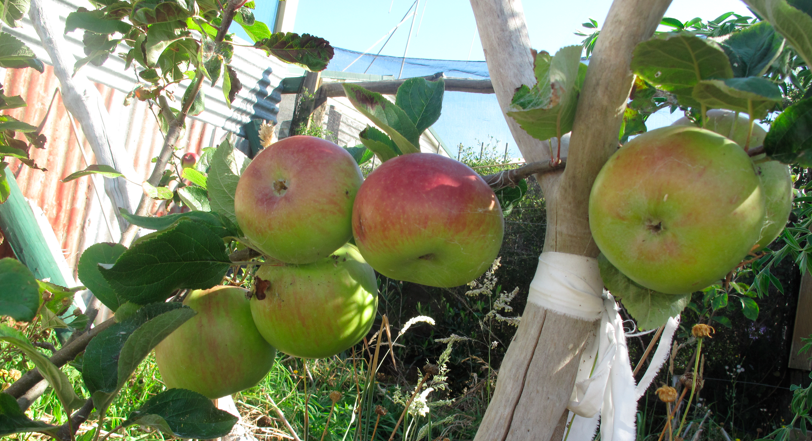
Monty’s Surprise apples will be ready in another month.

Screen shot 2014-02-25 at 5.25.54 PM

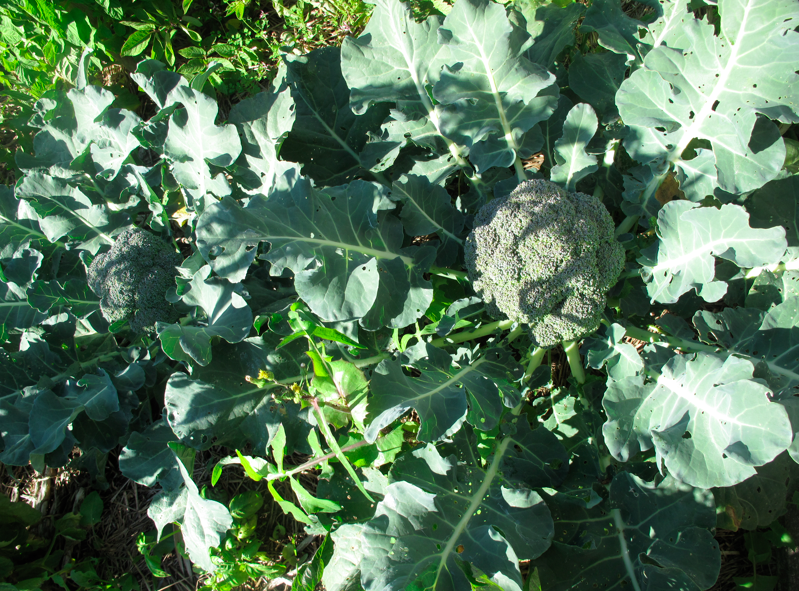
Big, beautiful broccoli flourishing despite white butterflies.

Screen shot 2014-02-25 at 5.26.19 PM

Even a rare chance to harvest seaweed on our coast. It usually does not wash up here.

Screen shot 2014-02-25 at 5.22.18 PM

We were invited to have dinner with an interesting European couple who spend six months each year on their farm nearby. They gave us these gorgeous pears.

Screen shot 2014-02-25 at 5.20.59 PM

And our dear friend Murray brought us these early Tropicana apples for us to enjoy.

Screen shot 2014-02-25 at 5.21.15 PM

Peace, Estwing

What’s For Dinner: Tomato-Zuchinni-Chicken Bake

One of the most popular questions we get from people who read the blog or articles is – what do you eat?

They are usually surprised to learn that we don’t have a very strict dietary regimin. We certainly like our cheese too much to be vegan, and after a brief wwoofing experiment with raw food, we decided that wasn’t for us. Our eating principles are as follows, in order of importance:

1. Avoid GMOS

2. Eat Local

3. Eat Organic

We also tend to loosely agree with the Nourishing Traditions folks in the fact that we drink whole fat milk, use butter instead of marg, use real sugar and salt, and eat meat – all in appropriate quantities of course (or maybe silghtly more than appropriate) – and all following the above rules as closely as possible.

Given that information are you still curious about what we are eating for dinner tonight? Well alrighty then, I’ll tell you. But bear with me, because this is my first ever attempt at writing a recipe and my food porn is likely not up to scratch.

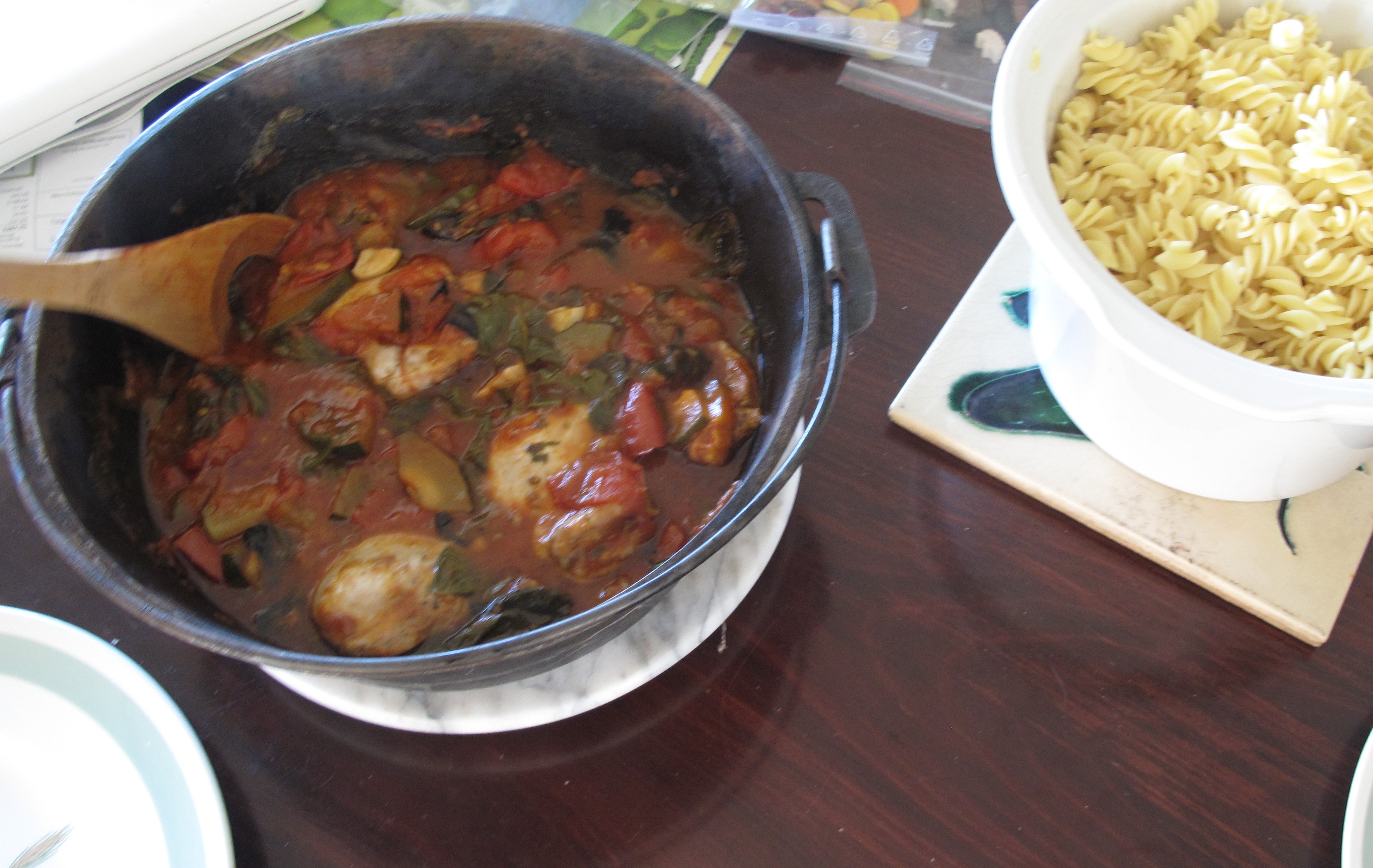
After taking a quick look through the fridge and garden and seeing what we have in abundance- it was decided by the head chef that tonight’s dinner would be some kind of Tomato-Zuchinni-Chicken thing.

I headed over to my favorite source of inspiration (for cooking, life, and bad-assery) and found this recipe. That Pioneer Woman, is she real or legend? I think legend. Who has the time to run a farm, take such great photos, and be so damn witty?

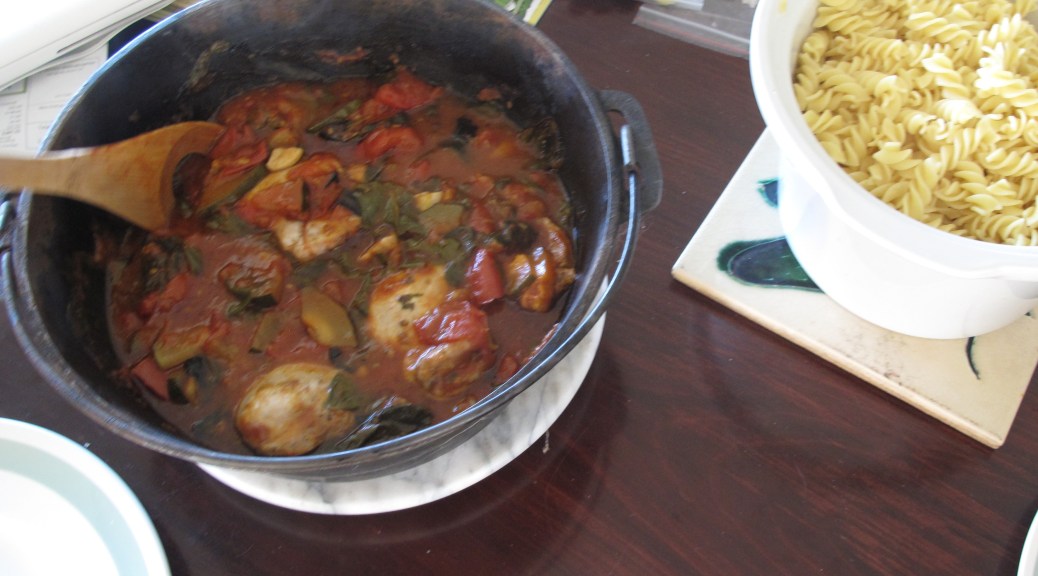
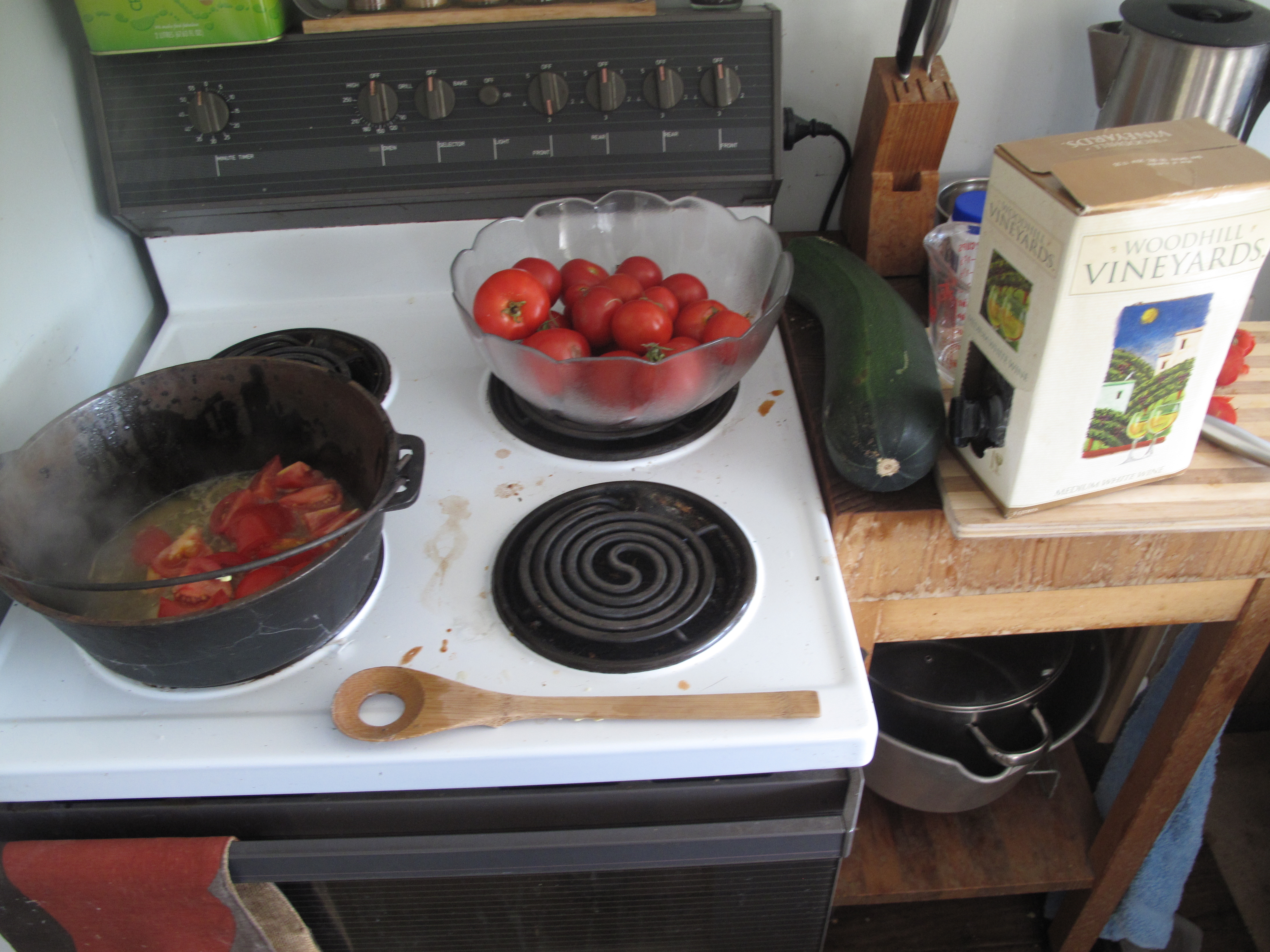
I dutifully followed her directions, using our homegrown vine ripened tomatoes, free range organic chicken, and top of the line boxed wine. I added some of that giant zucchini. Because it’s summer, and ever dish gets zuchinni in the summer.

Image

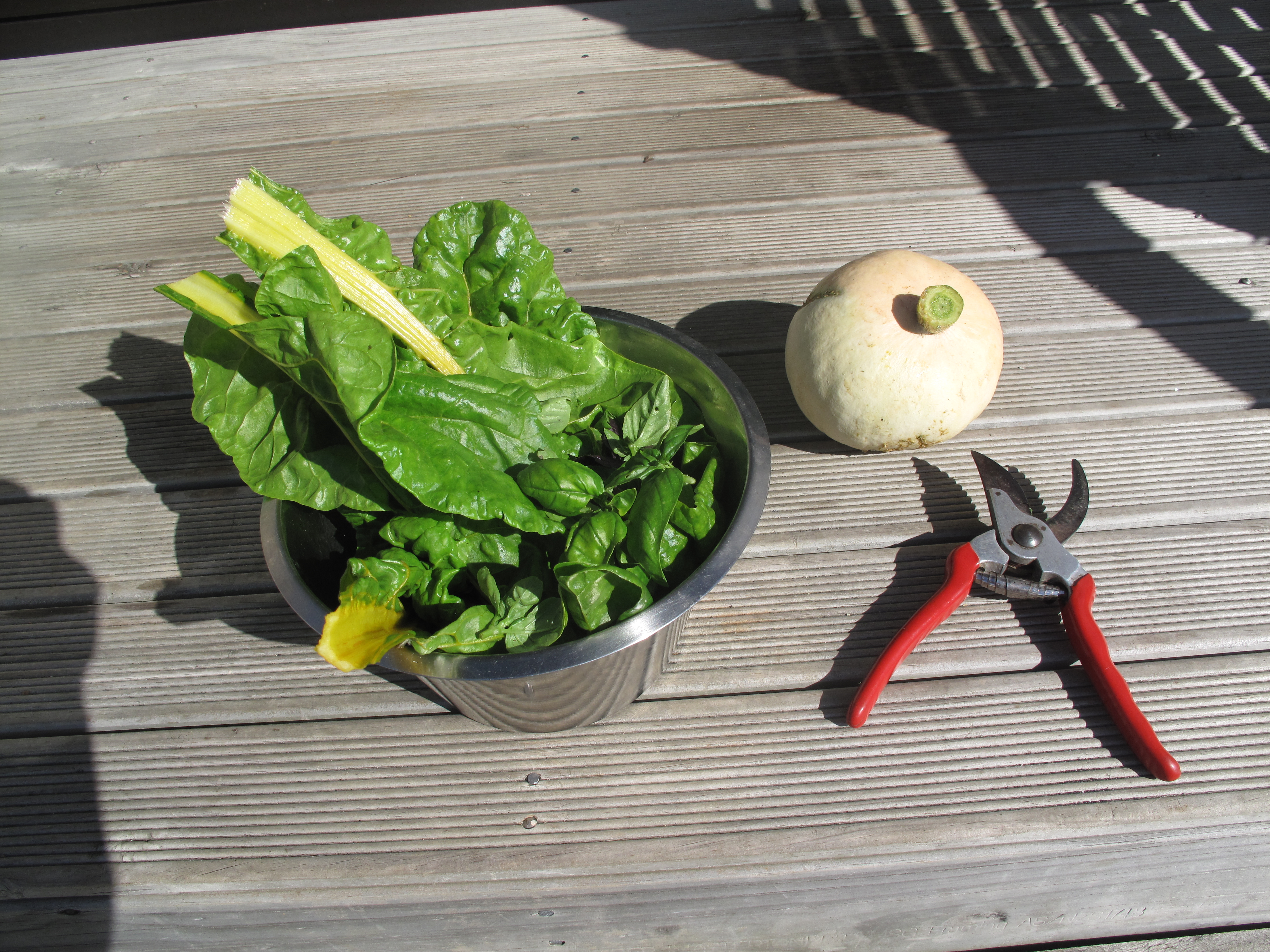
But it wasn’t quite veggie enough for us yet, so I popped out to the garden to grab some green. Fresh herbs, swiss chard (silverbeet), and oh hey, a cute little ripe pumpkin! (We’ll just save that for another day).

Image

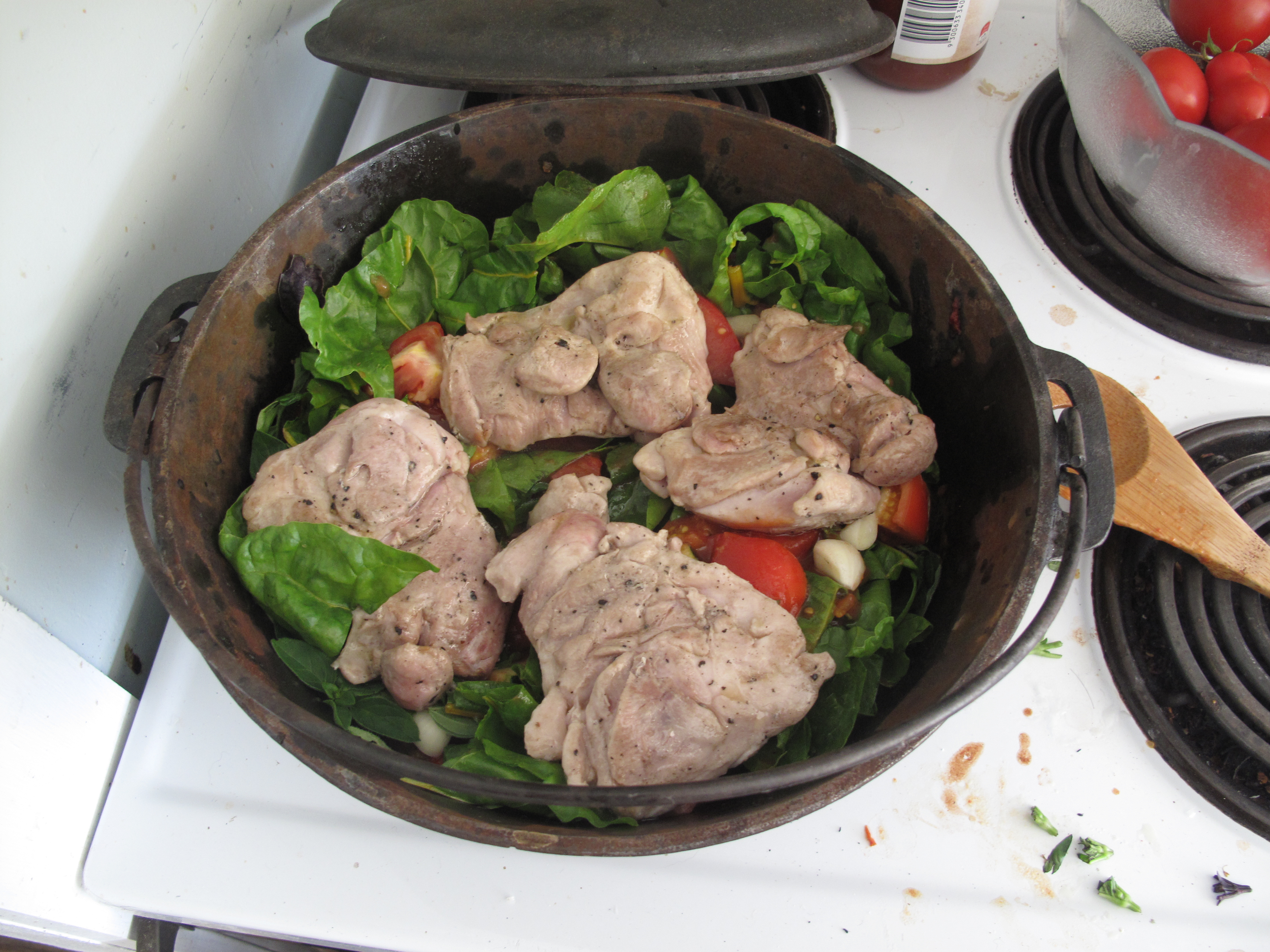
Chopped all of that roughly and added some of our world’s best garlic and she was good to go. Image

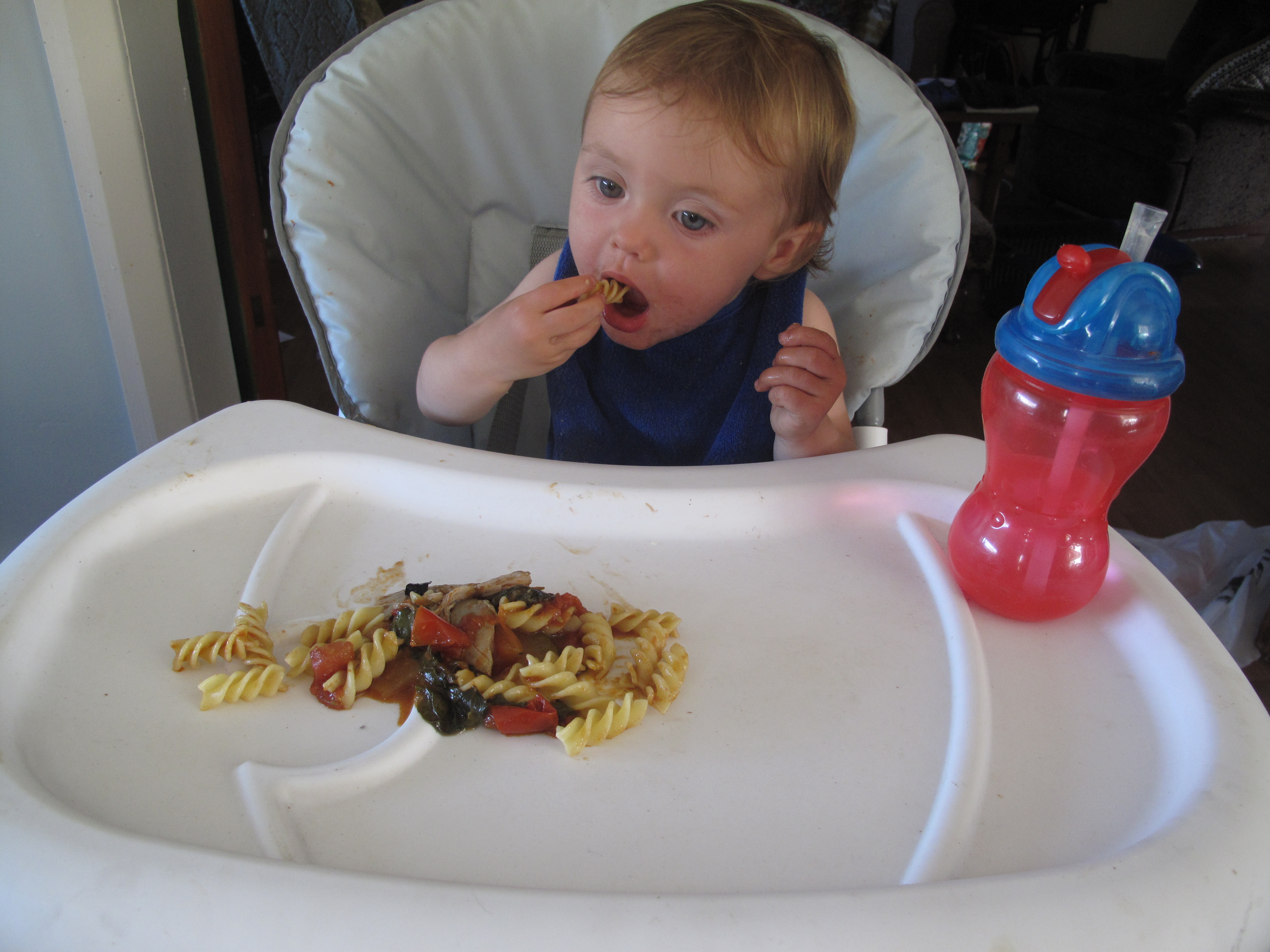
An hour later our house smelled amazing and Eco Thrifty Baby was anxiously awaiting her dinner. Sorry kid, probably should have started dinner just a bit earlier, but time management is not one of mama’s strongest attributes.

IMG_4119

And done. An easy healthy meal plus the chance to use my dutch oven. Sweet.

IMG_4120

Composting Case Study: Holistic Waste Management

I’m not sure whether it is a quaint notion, or a condescending one, but there appears to be a sense among some people that sustainability is easy to ‘do’. I admit they are right in that it is easy to do poorly. To do it well takes a number of attributes: knowledge/understanding; commitment; experience; and, a holistic approach. It is not child’s play.

     Screen shot 2014-02-01 at 7.27.10 AM

I would argue that the last two are the most critical to achieving excellence, and that they go hand-in-glove. There is nothing wrong with commitment and knowledge – indeed, they are the essential starting points – but everyone should be prepared to make mistakes on the way.

Along the rocky road of mistakes and embarrassment is where one meets experience and holistic thinking. They do not come by Waiting for Godot, but by seeking the Good Life.

Of course making mistakes in the privacy of our own homes and sections is better than making them in public. But if one wants to reach out to their community, she or he must be prepared for public scrutiny, particularly from those who will take every opportunity to criticize the conservation movement.

This is the reality of the world we share, and unfortunately, this is where sustainability can get a bad reputation: when well-intentioned but inexperienced people take on public projects for which they are not qualified. There have been a number of such failed projects in Whanganui, and I wonder if those failures have diminished the potential for subsequent projects.

In almost every case, I put down failure to reductionist approaches to what are inherently holistic challenges. Put another way, applying simple solutions to complex problems. Nowhere is this more evident, in my experience, than with waste minimization efforts.

In schools and organizations, and at large events, I have observed the failure of recycling efforts as a failure of the planners – as well-intentioned as they may be – to design and manage the systems holistically.

In a strange and unpredicted series of events, I found myself facing exactly such a situation recently. I was volunteered by my wife to help a local organization minimize waste at a large community event. It was last minute, but I agreed to advise them, help them set up, and remove compostable material afterward.

Everything looked good until a series of reductionist interpretations of sustainability complicated what otherwise would have been a smooth, easy, excellent example of waste minimization.

First of all, a Council employee informed us there would be a charge for wheelie bins that had been purchased using ‘waste minimization fund’ dollars specifically for event use. Put simply, charging for bins is a barrier to waste minimization, and would appear to go against the spirit of money specifically earmarked for waste minimization. Pretty straightforward, eh?

Next, and much more complex, is the use of so-called bio-cups. When my wife told me that the caterers had agreed to purchase biodegradable products, my first reaction was not elation. Here is why.

 Screen shot 2014-02-01 at 7.27.00 AM

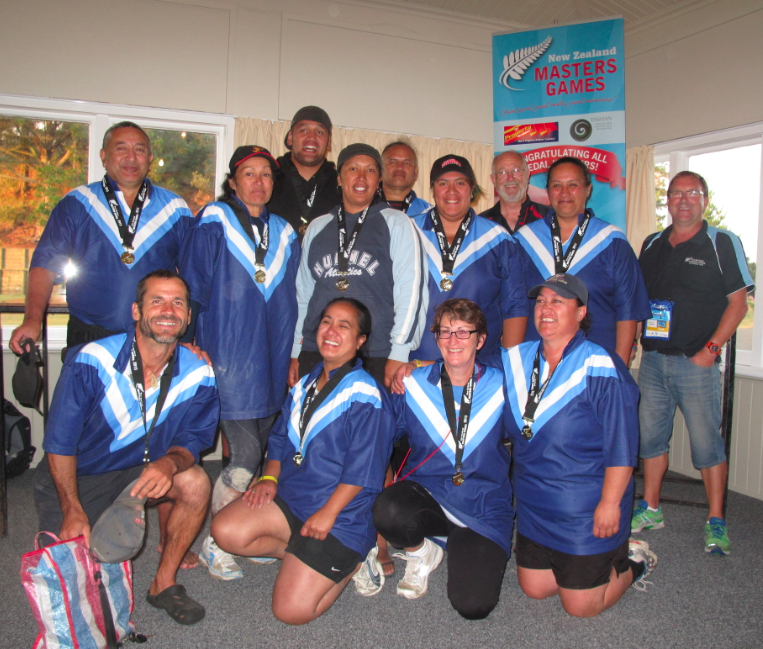
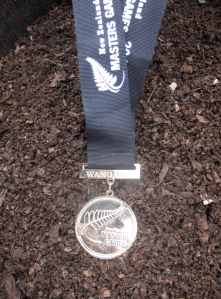
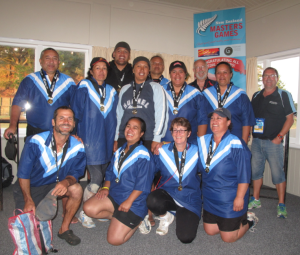
Following what was likely a best ever in NZ waste minimization programme at the Masters’ Games last February, I found my 30-day compost contaminated with 548-day ‘bio-cups’. In other words, the hot compost regimen I embrace produces an excellent, finished product in one month, but upon contacting the distributor of the cups, I was informed to expect 18 months.

I see bio-cups as a reductionist approach to a holistic challenge because somewhere in the world, a perhaps well-intentioned group of people invented a product to replace plastic cups. How honourable!

 Screen shot 2014-02-01 at 7.27.18 AM

But from a holistic perspective, bio-cups actually get in the way of waste minimization because they make the entire composting process much harder. On the one hand, I don’t know of many home composters who would tolerate a year and a half of plastic-looking cups lingering long after everything else had rotted down. On the other hand, I know of no commercial composting operations that would accept this product because time is money, and bio-cups would be seen as a contaminant that could result in them rejecting an entire load of green waste and redirecting it to landfill. Waste not minimized.
 Screen shot 2014-02-01 at 7.27.27 AM

So here we sit, Verti and I, sieving thousands of bio-cups out of our Master’s Games Gold Medal Compost. Despite how Verti makes it look, this is not child’s play.
 Screen shot 2014-02-01 at 7.27.36 AM