Category Archives: permaculture

Water Flowing Uphill, Part II
We finally had a good rain shower last week after a long dry spell. It is a welcome break from the hot dry weather of the last 6 weeks. Although the total was only about 20 mm (less than an inch), it was enough to fill up one of our ponds thanks to the large runoff area of our sheds and stables.
If you multiply the rainfall by the roof area it is easy to calculate the total volume of water. The trick is then delivering that water to a place high on the property away from buildings where it can be stored for as long as possible. We’ve run this water uphill.
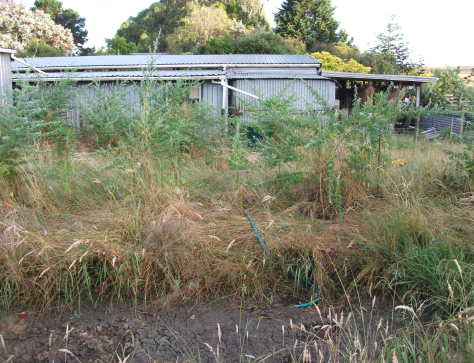
In this image you can see the roofs and the spouting and the pond above the swale. The green hose delivers water to the pond.
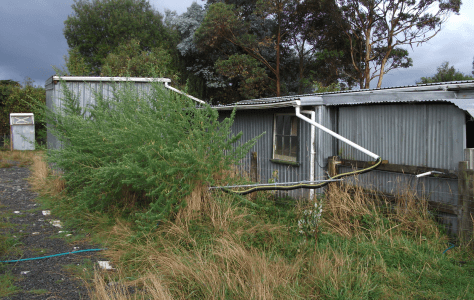
This image from the side shows how the water travels from the roofs across the road and up over the swale. The green hose runs just behind the chicken tractor.

Now that we know the system works, we can cover the hose with stone to keep it out of site and protect it from UV damage.
The pond will trickle-feed the swale where 10 peach trees are planted along with blueberry bushes and black currants. The tagasaste are being used as nurse trees.
All of the earth works and trees in the images above are a year old.
Peace, Estwing

Swale at 1 Year
Our hugelkultur swale is now a year old. It is a thriving micro-ecosystem in what was formerly a worn out horse paddock. I’ll write more about it another time, but I wanted to post some images to mark its birthday.
The primary plantings are tagasaste, broad beans, lupine, and Jerusalem artichoke. Fruits include black boy peach trees, blueberry bushes, black currants, and kei apples. Other beneficial plants that have inhabited the swale include white clover, giant red clover, and plantain.


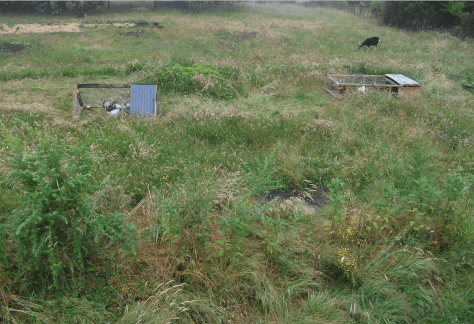
Kevin the rooster keeps an eye out from atop a chook tractor along the bottom edge of the swale.
Peace, Estwing

Harvesting
Love this time of year as we glide through mid-summer. This marks the start of an age of abundance that will last through April and into May. Tomatoes and courgettes are the current staples, but also an abundance of plums and a regular stream of strawberries. At the same time we look forward to the coming pumpkin and peach harvest, and after that the apples and pears, feijoas, guavas, figs and then citrus.
By then it will be time to plant garlic again.


We’ve also had a large and continual supply to potatoes, enough to sell surplus at the local market and barter with friends. Organic, local spuds appear to be another one of those niche products that can be sold in our local market. The colourful Maori potatoes can fetch $5 per kilogram. We have had no trouble with pests of diseases while growing spuds here for the last 18 months. Touch wood.
Peace, Estwing

When Water Flows Uphill
June brought an historic flood to our city. December was the driest on record.
Climate scientists have warned us to prepare for these types of extremes. They have certainly arrived around the world, and according to predictions will only increase in frequency and severity. No matter what happens post-Paris in terms of carbon emissions, the planet is already locked into decades of volatile weather.
What is your community doing about it? What are you doing about it?
On our farm we have designed to address both drought and flood simultaneously. Here is one small example of how I am directing water to flow ‘uphill’ and over a swale to where it will be most useful to the black boy peach trees and blueberry bushes planted along the swale. The higher and longer we can hold water on the property the better. But at the same time we direct water away from buildings made of wood and steel.
This little water diversion project starts on the huge roof of our multi-shed complex. I’ve changed the spouting and run it into a section of Novaflo. In winter the same piece of Novaflo carries the water away from and to the side of the buildings. But for the dry summer I have decided to run the water uphill.

The weight of the water is so great that I’ve had to build a ‘splint’ to support the flexible pipe from the fence to the barrel.
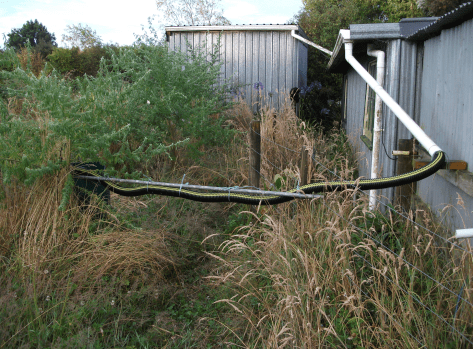
Can never have too much baling twine!

As the barrel fills, the pressure forces water through the hose fitted to the bottom of the side. The hose will eventually be covered by stone as it crosses the road.

Then it climbs over the swale to the small pond dug behind it.
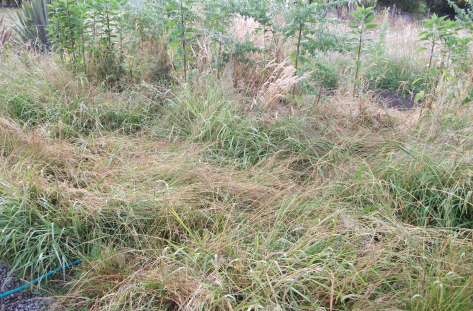
I checked it this morning after a small 5 mm shower last night. The bottom of the pond was very damp and the end of the hose was full of water.
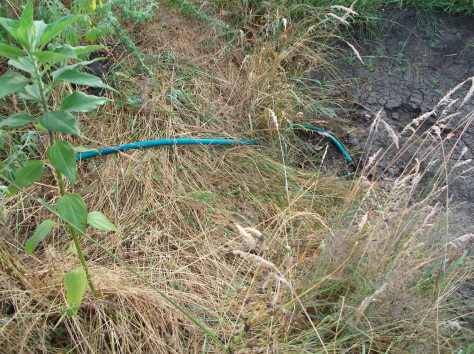
Here is a reverse angle showing the water’s pathway up and over the swale. In winter the swale keeps water flowing down the hillside away from the buildings. But by the end of this dry December the ponds were dry and the small fruit trees were drying out. I was spending a lot of time watering them with a hose and decided that this project was to jump to the head of the line.
This hugelkultur swale was built one year ago and is already thriving compared with the worn out paddock around it.
My belief is that it’s fine and good and important to talk about cutting emissions and embracing non-carbon based energy sources. But it is equally important to prepare ourselves and our communities for the extremes of both wet and dry. Good design moderates them both for the better. To me it’s all about designing and building resilient systems. This is just one small example on one small farm in the corner of the world. It was made in a morning by materials laying around the place at no cost.
What do you think you can achieve at your place?
Peace, Estwing
New Year Permaculture Update
Happy New Year. We are looking forward to a great 2016. There is so much going gone here at Kaitiaki. The plants and animals are hard at work rehabilitating this old horse property.
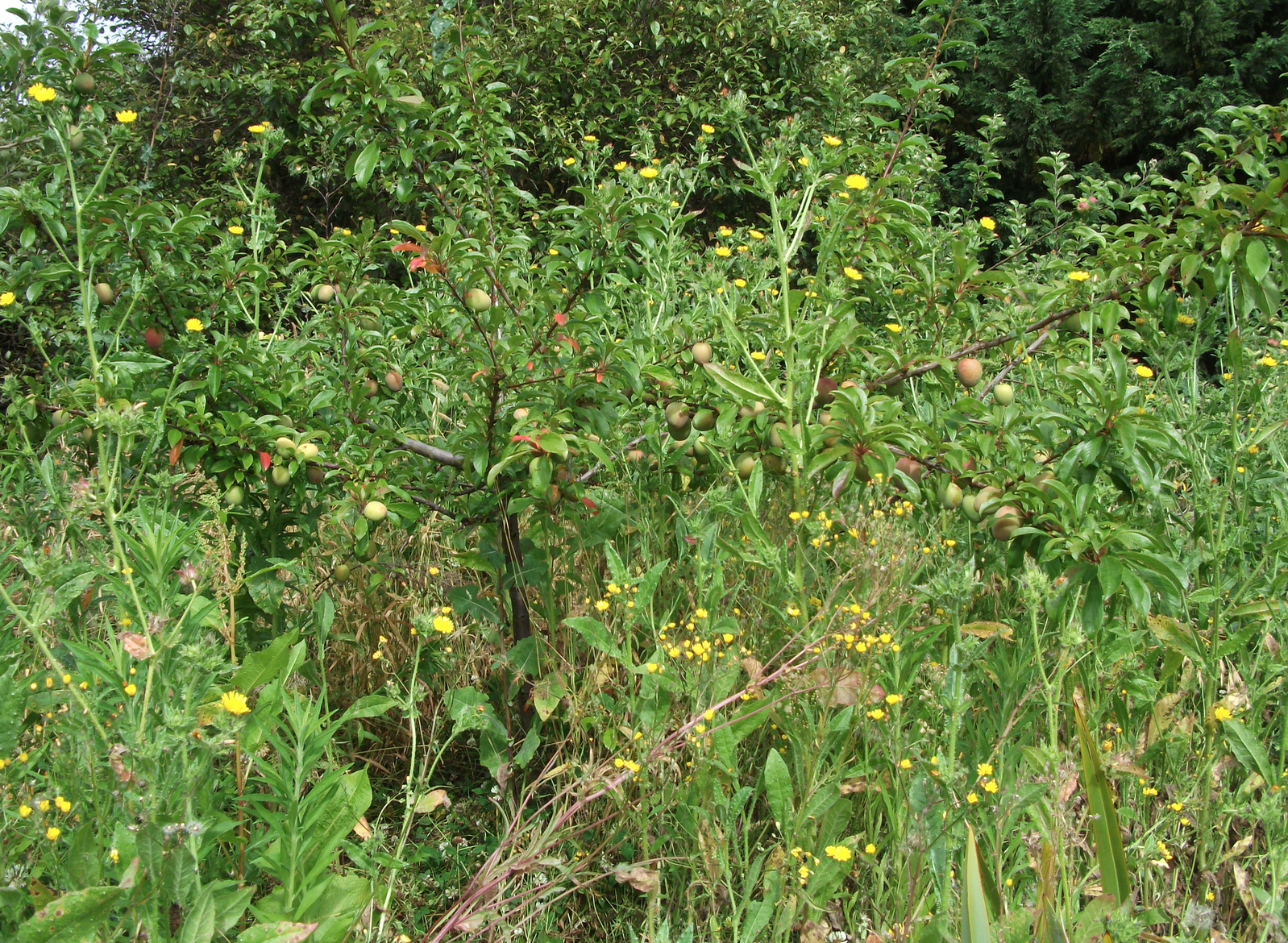
The plums are days away…
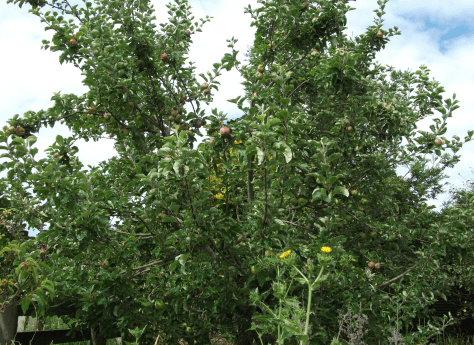
but the apples are still months away.
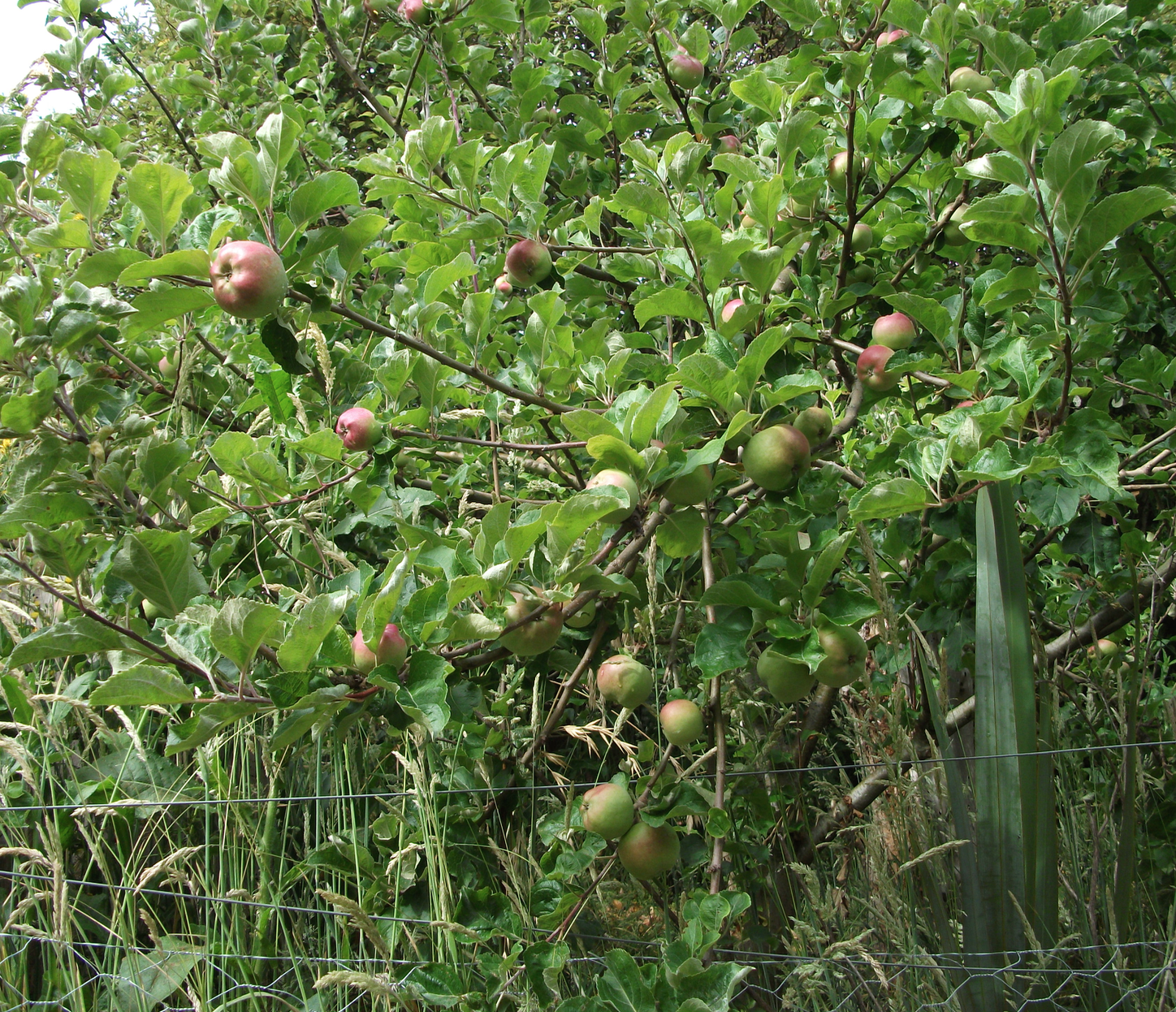
These Monty’s Surprise apples won’t be ready until April.
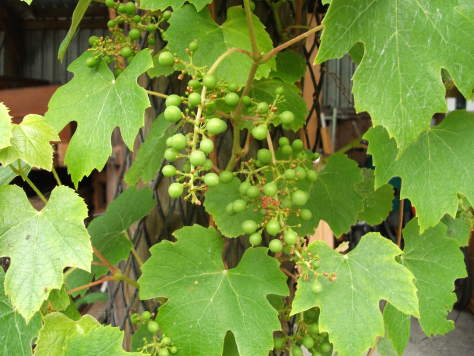
Our first crop of grapes is taking form.
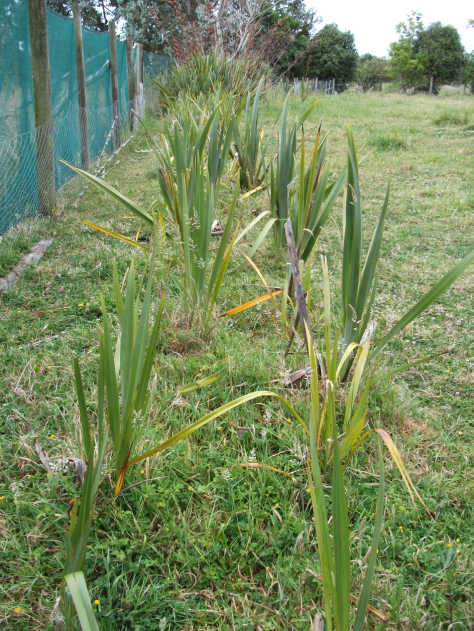
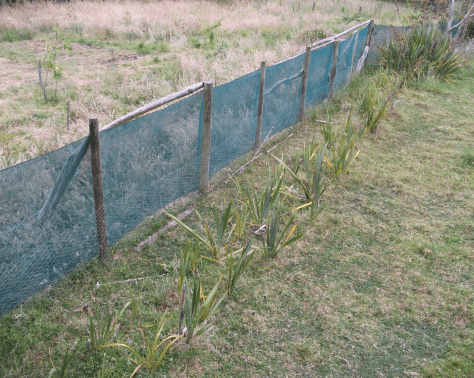
For me, one of the greatest feelings is being able to look at something I started nearly a year and a half ago, and is really taking shape now. I divided these harakeke flax during winter 2014 and planted them into a windbreak. Here they are today.
Ultimately the netting will be taken down and replaced by the living wind break.
I just finished a protected chick rearing area.

Here is a mixed flock of chicks and ducklings.

The food forest has gone from flood this winter to drought, but luckily we did get rain today.
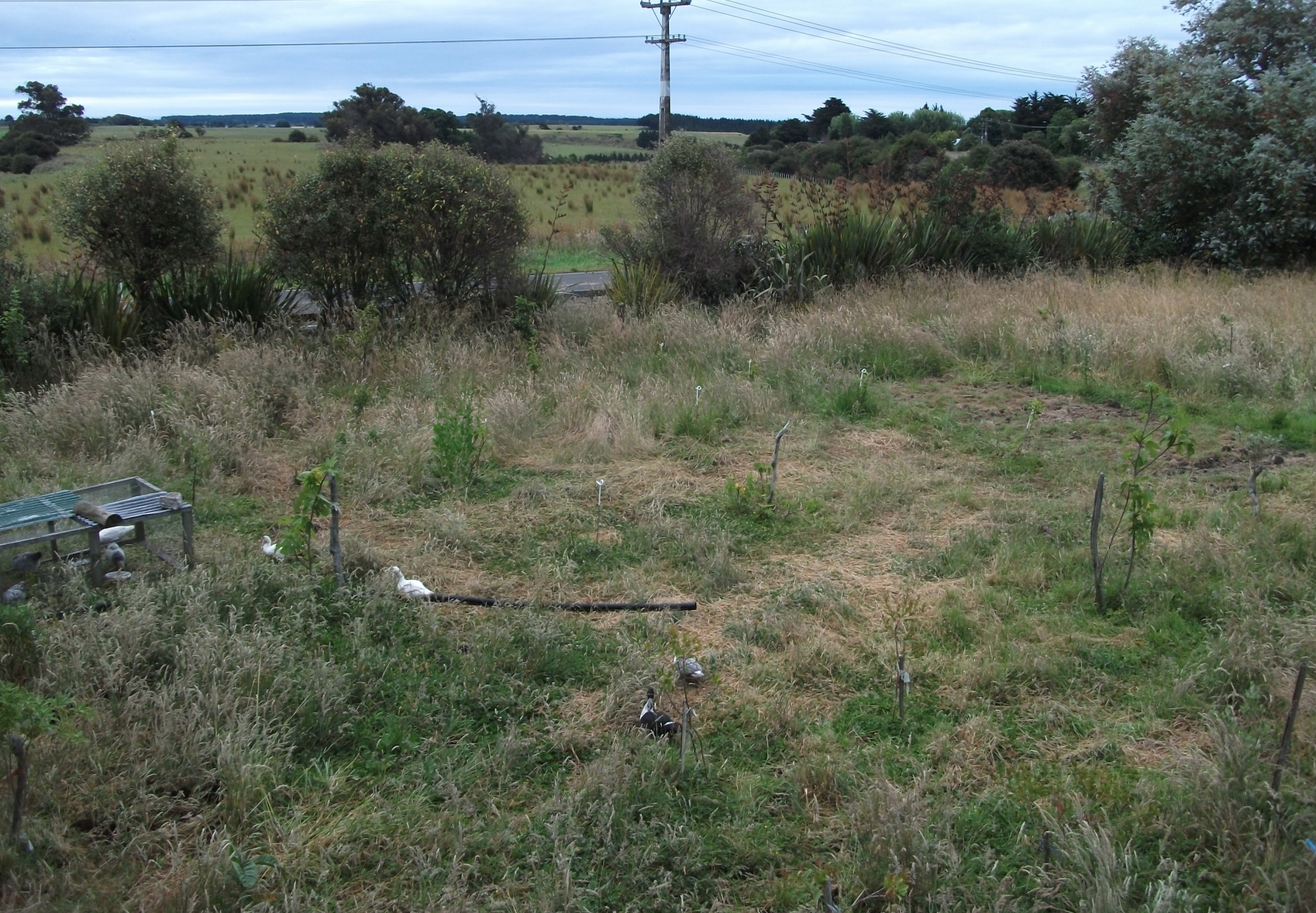
This is a reverse angle of the previous photo.
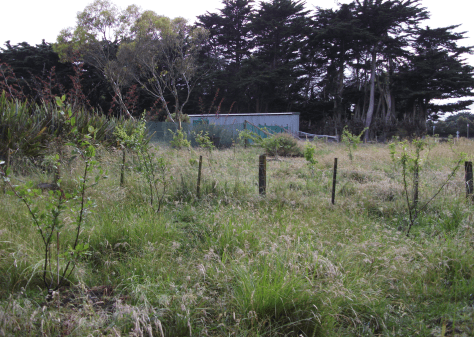
A mixed flock of chooks and ducks manage the orchard.
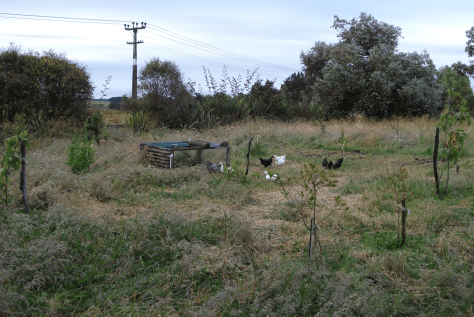
Sleeping on the job. 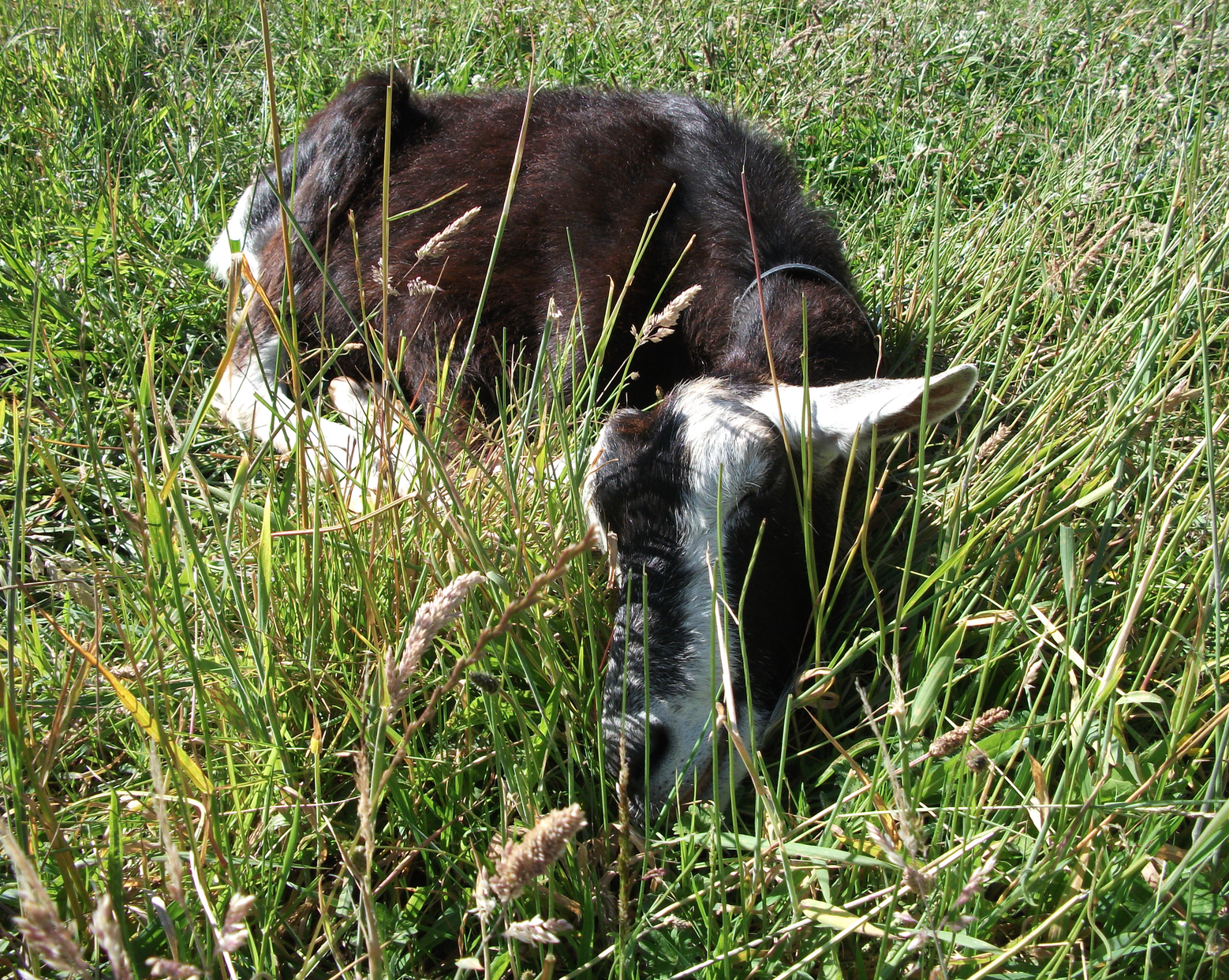
But at least someone is hard at it.
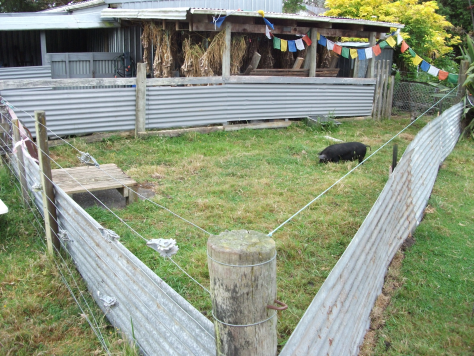
Peace, Estwing

Unique Permaculture Internship
We are looking for a highly motivated individual or couple interested in learning-by-doing on a holistically managed permaculture property. Ongoing projects include using fowl to manage pasture…
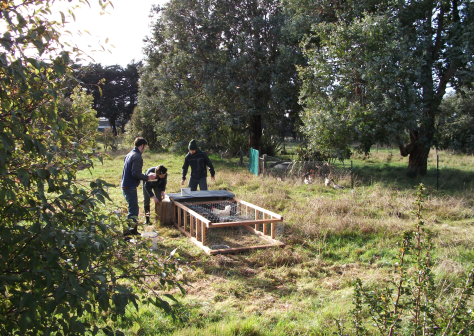
organic veggies…

protecting vulnerable slopes…

solar cooking…
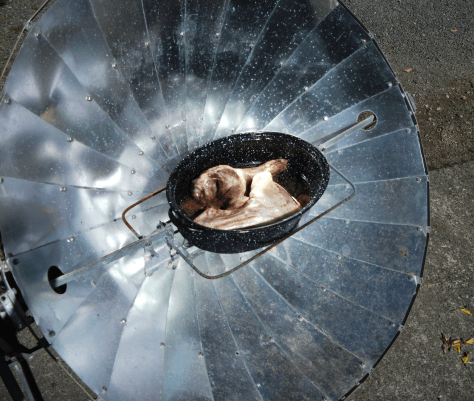
eco building…

also hot composting, fruit tree care, managing pigs and goats, drought-proofing and water management.
This is a minimum 6 week commitment starting in January. Location is just outside Whanganui.
Contact theecoschool at gmail dot com
Peace, Estwing

Solstice Permaculture Update
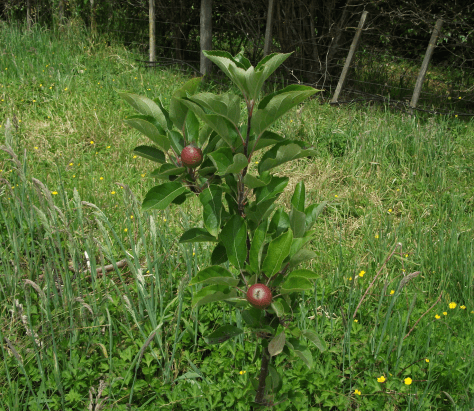
OK, the Solstice was last week, but we’ve been busy keeping up with all the growth on the farm. We see some nice apples forming on young trees.
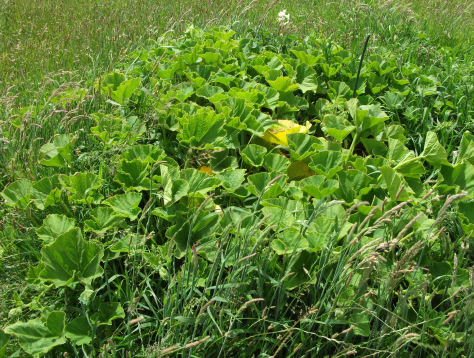
Pumpkins growing out of one of the many compost heaps.
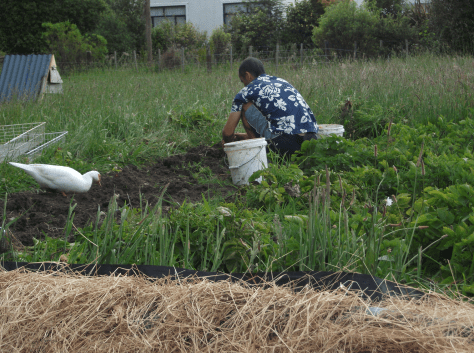
Digging spuds with a hungry duck finding worms along the way.
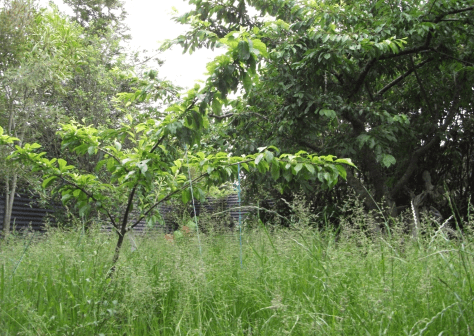
About to take the trainers off the young plum trees.
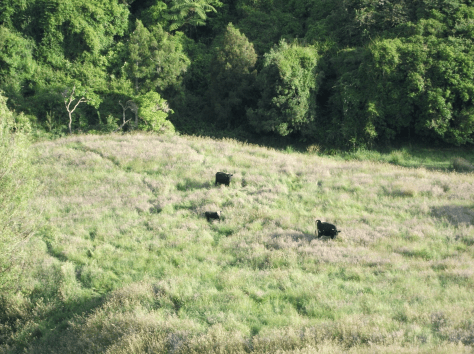
The new cow and calf have been great company for our crazy yearling heifer.
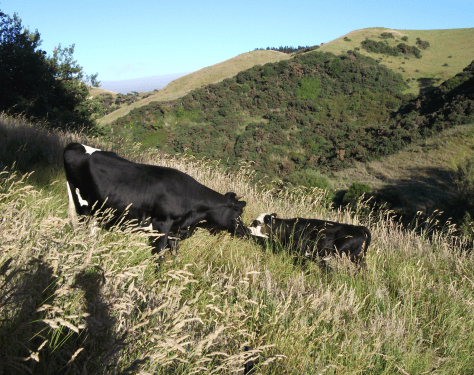
Here she is ‘kissing’ her ‘niece’.
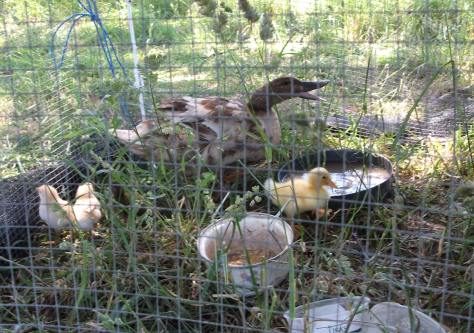
Speaking of harmony, this mixed hatch of chicks and ducklings are going well.
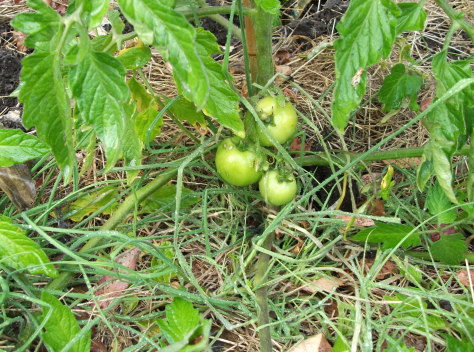
Tomatoes looking good.
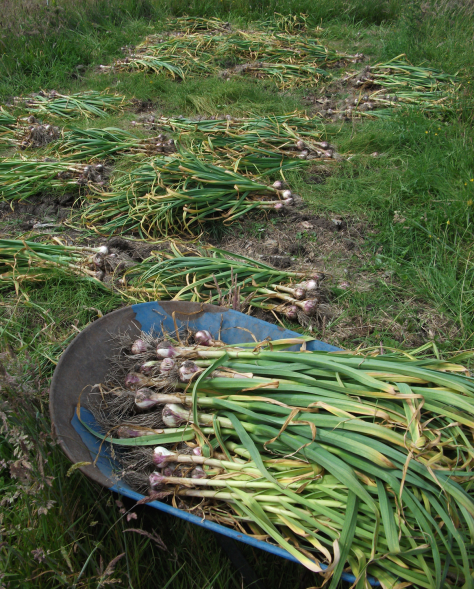
Amazing garlic harvest last weekend.

The size and flavour are amazing.
Of course I could not do it without my helper.

But there is always time for a fence ride. 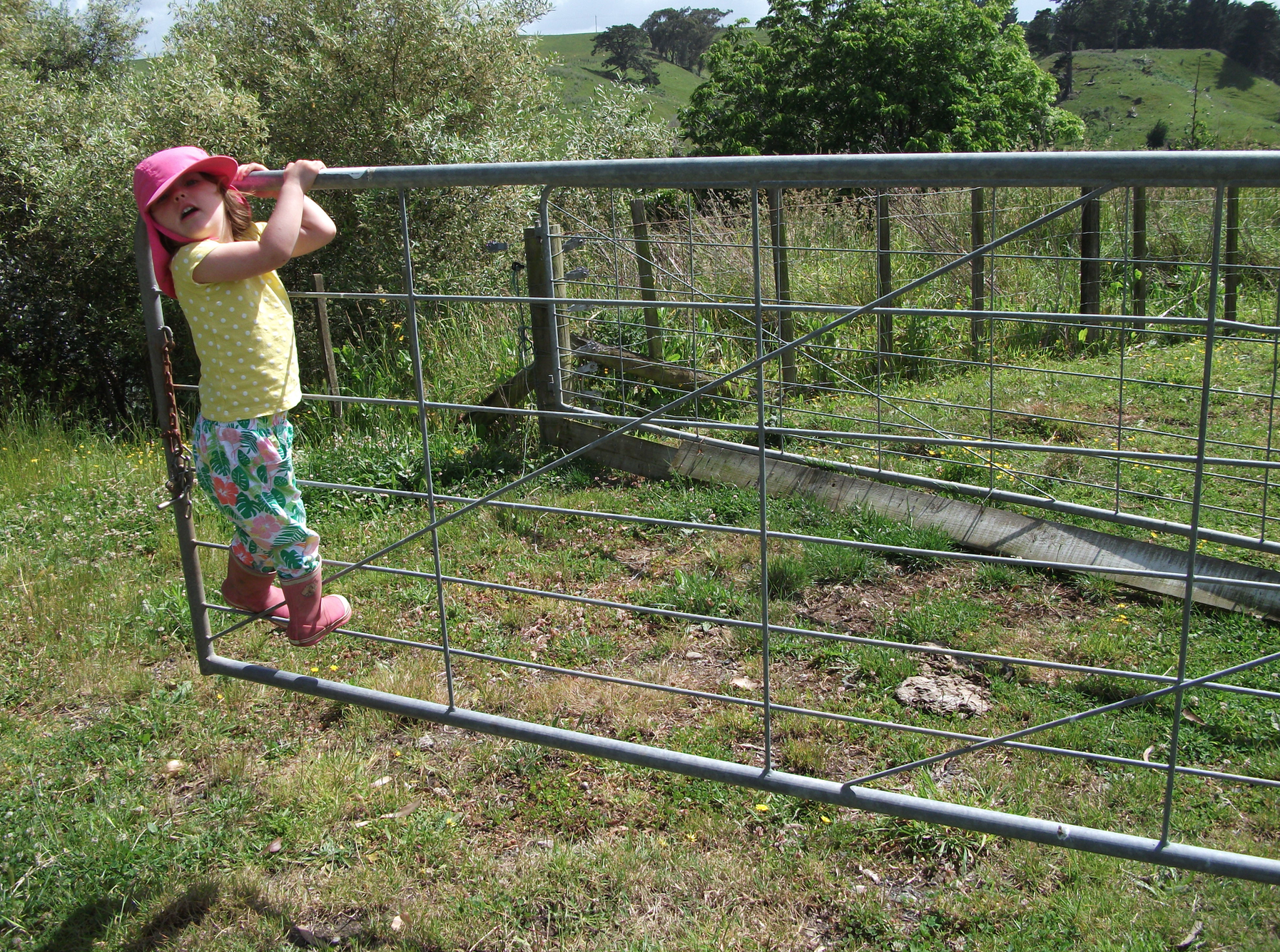
After just 16 months we are well on our way to a premier permaculture demonstration property.
Peace, Estwing
Early Summer Permaculture Update
It has been a while since I posted an update. Lots has happened on the farm since then. Of course, the garlic is nearly ready – just one more week before the first 500 come out.

Here is my “Good morning” everyday.

Oh, I thought some people might be interested in our set up for processing chooks and ducks.

Last week the farmer across the road was spraying. I have checked and found no evidence of drift.

The grapes I planted last year are nearly up to the horizontal wires – a milestone.

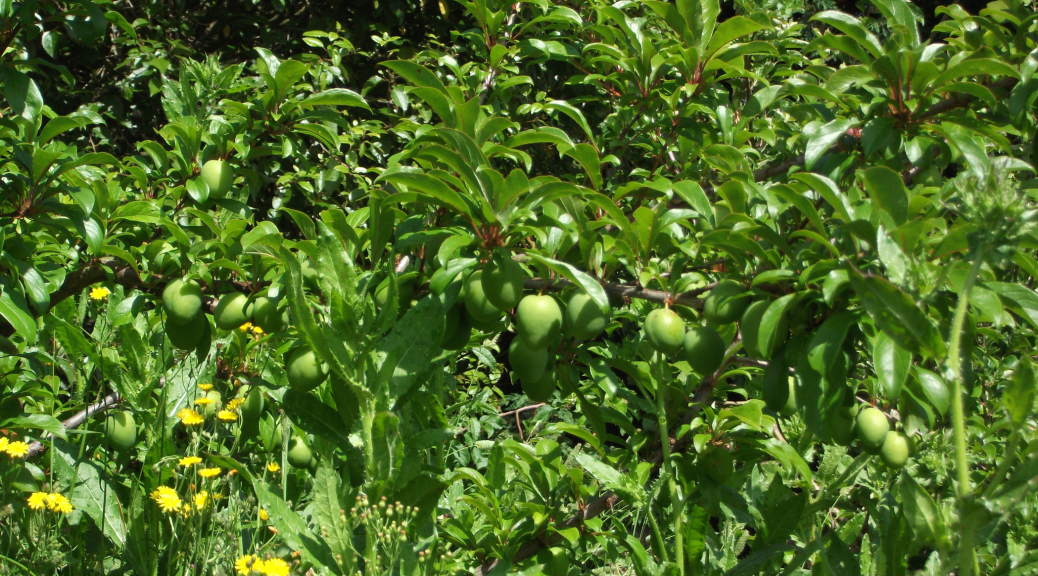
Heaps of plums on the trees as long as we can keep the possums at bay.

Here is our happy family of a turkey poult, a duckling and a chick being looked over by a rooster.

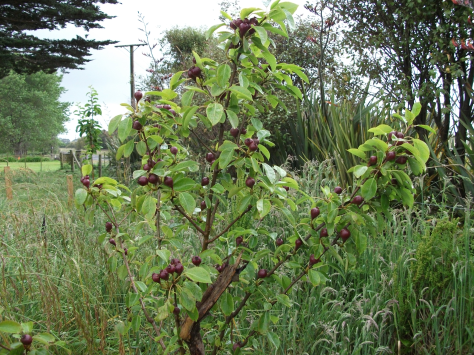
This pear tree is astonishing. Can’t wait.
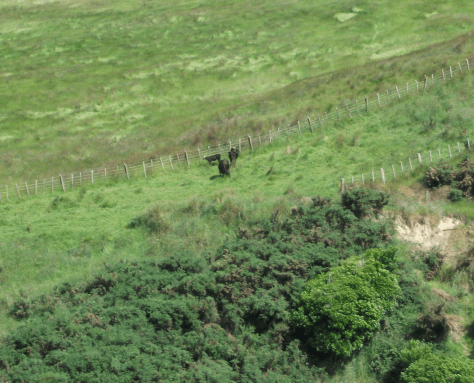
We bought a dexter cow called Toot Toot with a calf at foot. They are pictured here with our Fresian heifer called Heidi.
I also just picked up a kune kune pig called Turiel.

Did you notice all of the mammals are black? Can you tell we support NZ rugby?
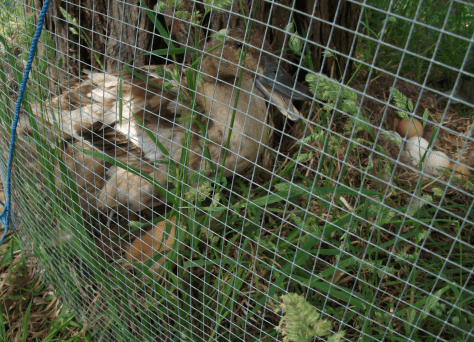
This Khaki Campbell is sitting on a mixed nest of chook and duck eggs. The first chick has hatched. We have four other broody ducks sitting on eggs as well.
We dug about 20 kg of potatoes yesterday. This is part of our process of converting paddock to market gardens. There is a crop of cauliflower in the wheel barrow that will go straight into the ground. The spuds in the foreground are Maori potatoes. They will be harvest in another fortnight.
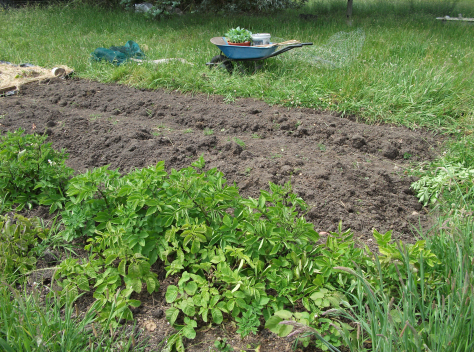
New potatoes are fabulous. Yum. 
Peace, Estwing
Let it Rot: Anything and Everything
Building soil structure and fertility is fundamental to most permaculture projects. Our farm is no different. At any given time we have three to five compost piles – each one cubic metre – going somewhere on the property.

I believe in free range compost, and building piles near where the final product will be used.
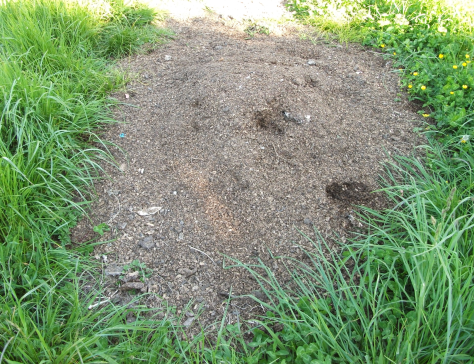
This pile had a bunch of pumpkin volunteers sprouting so I decided to let them grow. We will get up to 50 kilograms of pumpkins from these plants for very little effort.

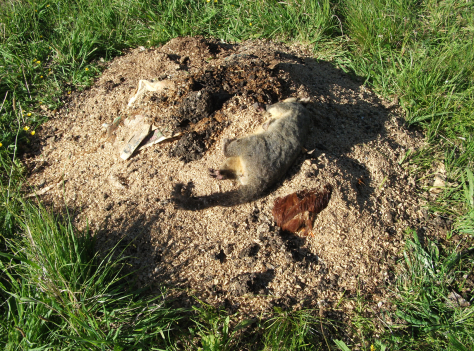
With a hot composting system, we run all organic matter through it, including possums, dead chooks, goats, and a few lambs that sadly died this spring.
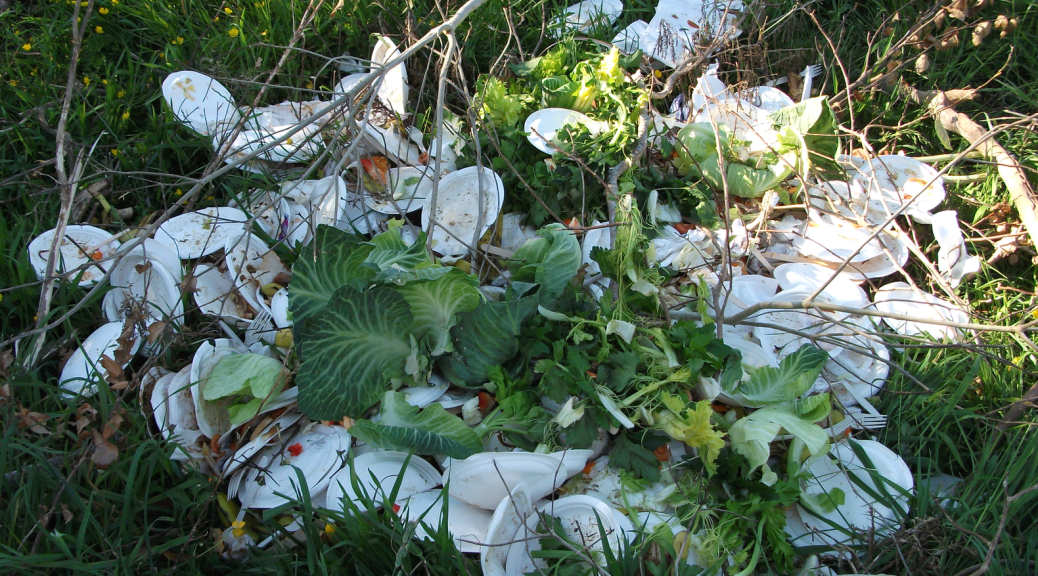
We have also been building hugelkutltur swales and hugelkultur mounds. Yesterday I was managing the waste stream at a large community event and brought 3 barrels of paper plates, serviettes, and food scraps home. I tipped the barrels among the branches that I have been collecting for this hugelmound. The free-range ducks helped themselves to bits of bread and sausages among the plates.
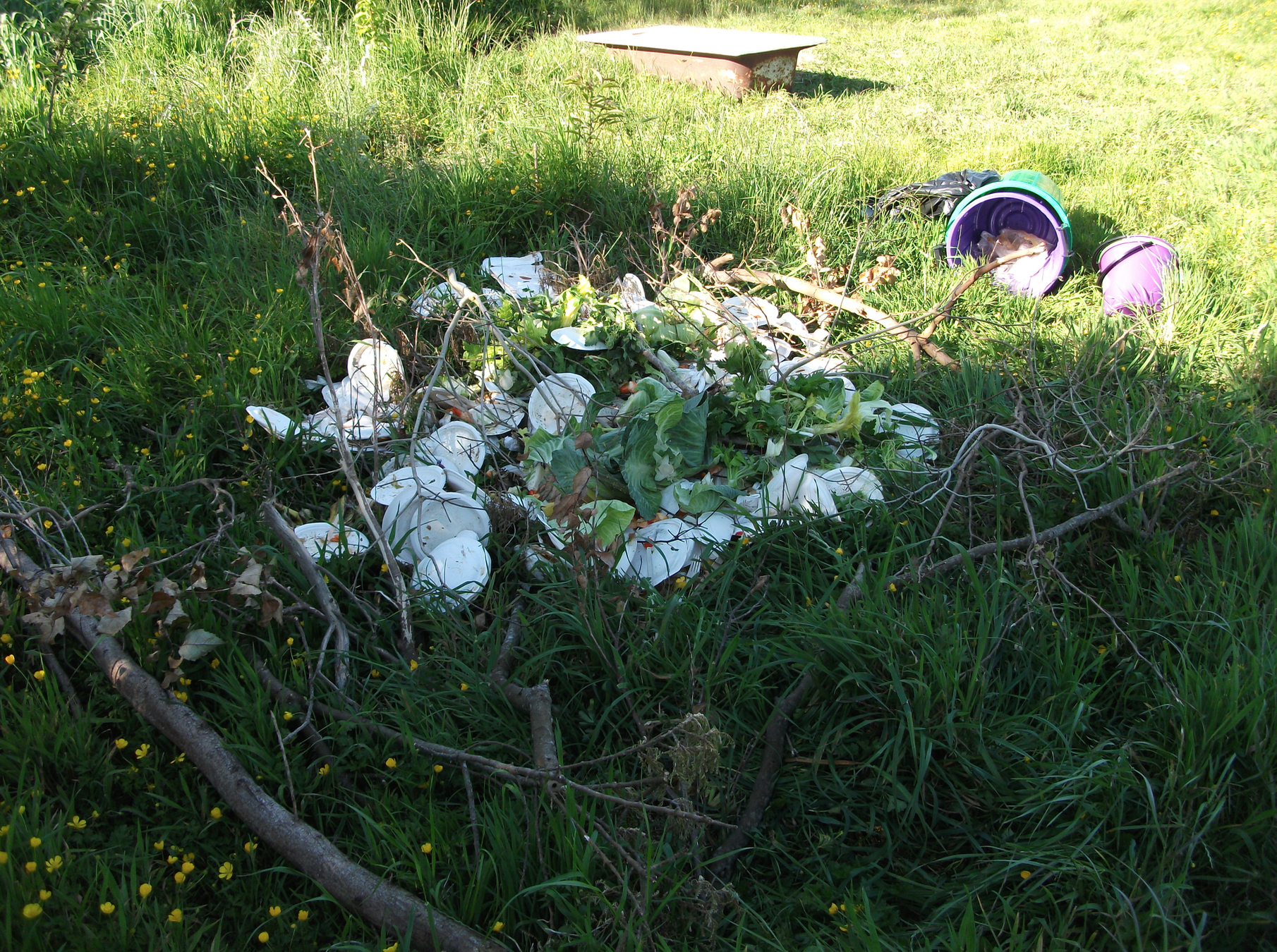
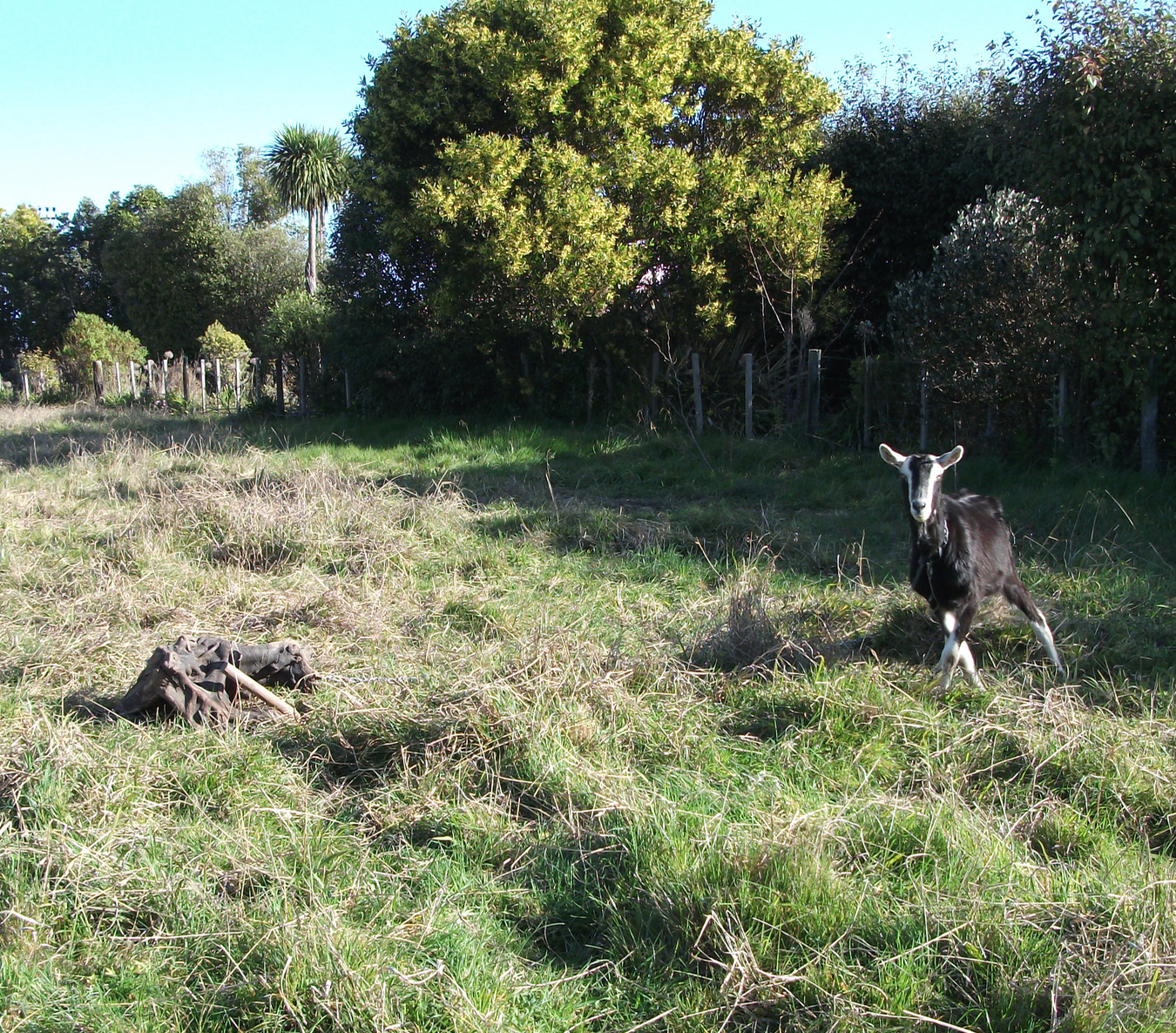
The branches will keep the plates from blowing around in the wind until I cover the lot with soil. I have been cutting branches along the drive and around the house and feeding them to Goat Buster. He happily eats the leaves and some of the bark. Then I put the stripped branches onto the mound. GB poops out the leaves he ate and helps improve the soil of the paddock.
Here is a hugelkultur swale we built less than a year ago. It is thriving with a diversity of plants, shrubs and trees, while moderating water flows on the farm.
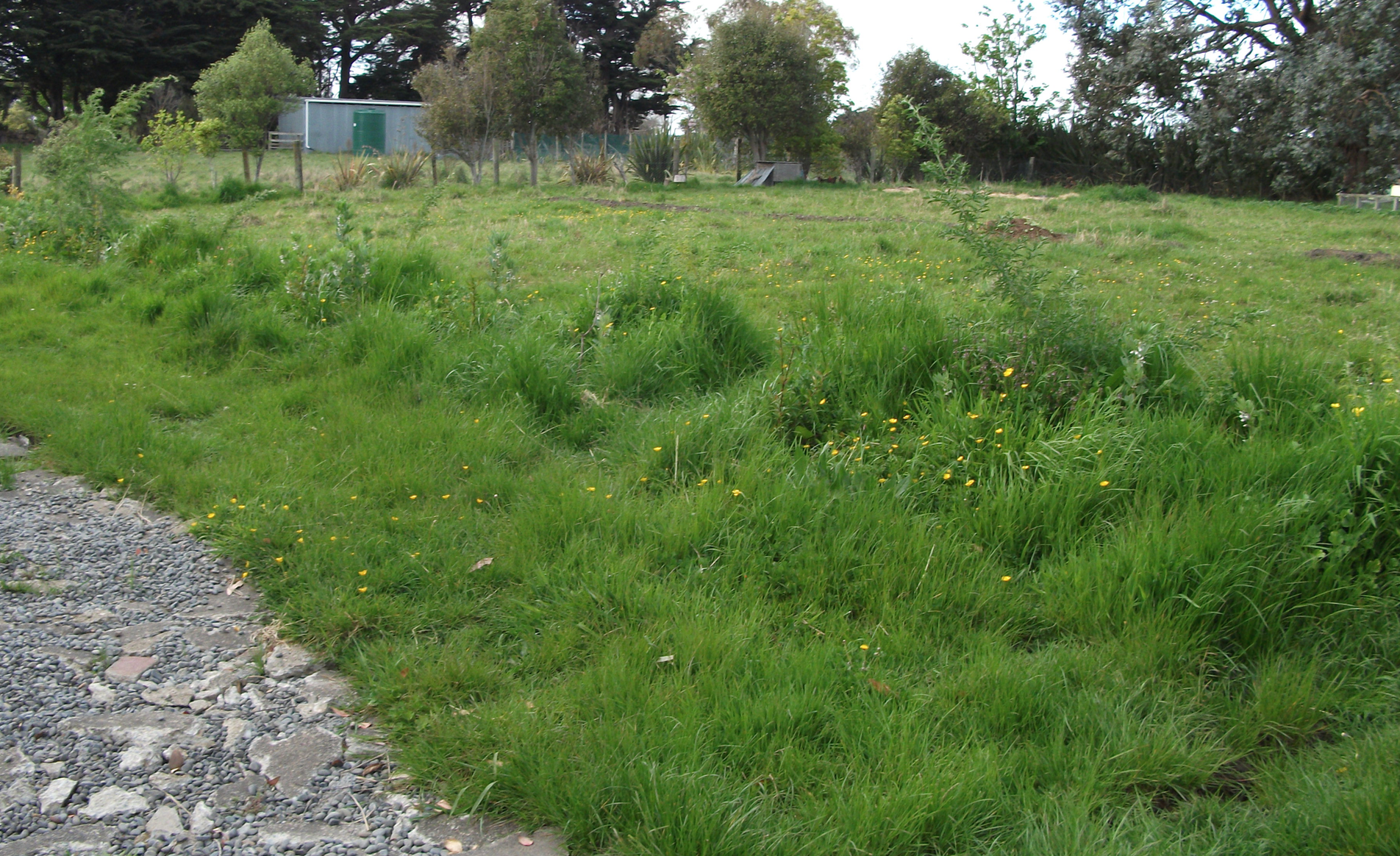
Using these holistic management techniques are already showing significant results although we have been on the property only 15 months.
Peace, Estwing
 Eco Thrifty Living