Category Archives: permaculture

Permaculture Dream-Job*

* OK, not exactly a job, but ‘dream internship’ does not have the same ring to it, eh?

We have been left short-handed this winter and find ourselves looking for an extra pair of hands for six to eight weeks. The right candidate will love animals and children.

Screen Shot 2016-07-17 at 6.29.32 am

We are looking for someone for ‘light duty’ permaculture duties who also likes reading children’s books.

Screen Shot 2016-07-17 at 6.31.15 am

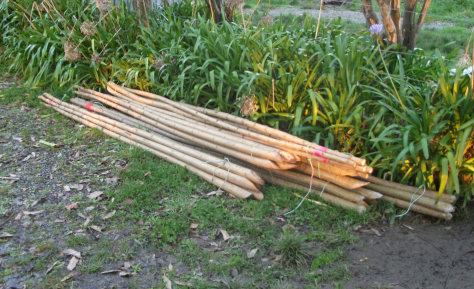
We run a premier permaculture demonstration farm with a wide range of projects going on at all times. This winter is mostly dedicated to planting trees, such as these poplar poles.

Screen Shot 2016-07-17 at 6.39.51 am

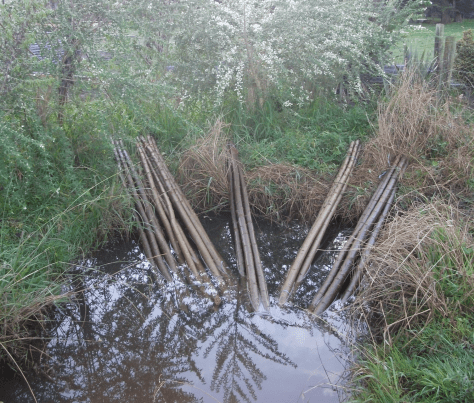
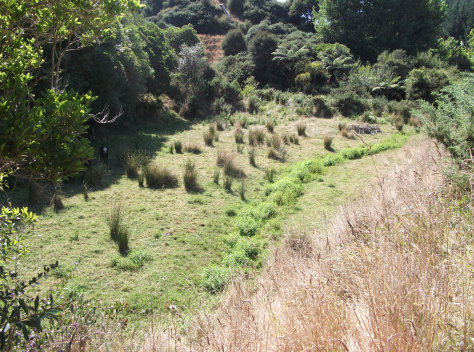
We are also planning a large wetland restoration project.

Screen Shot 2016-07-17 at 6.36.50 am

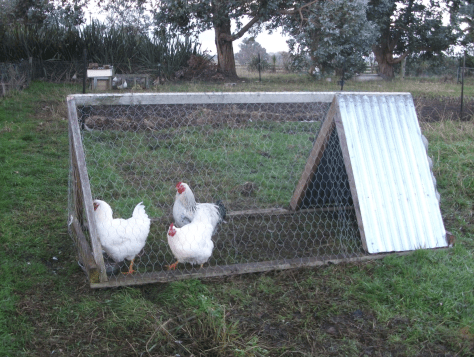
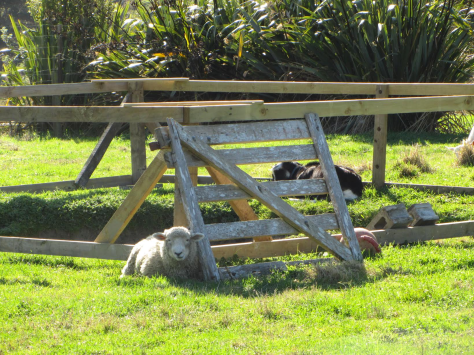
We use tractors to manage birds and pasture.

Screen Shot 2016-07-17 at 6.39.29 am

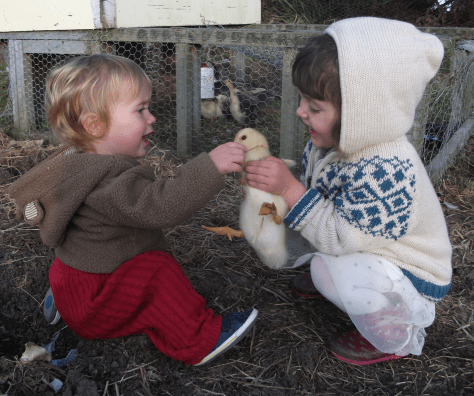
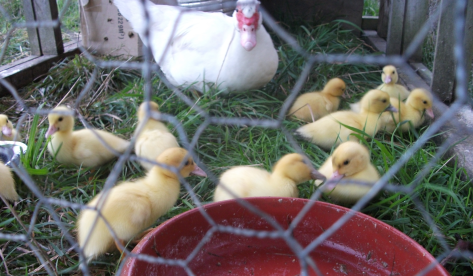
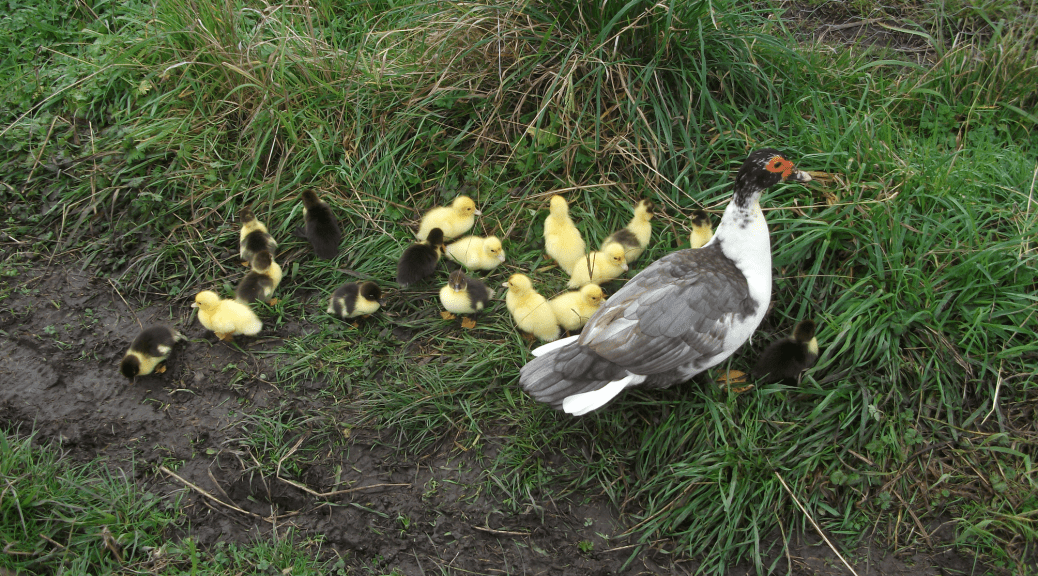
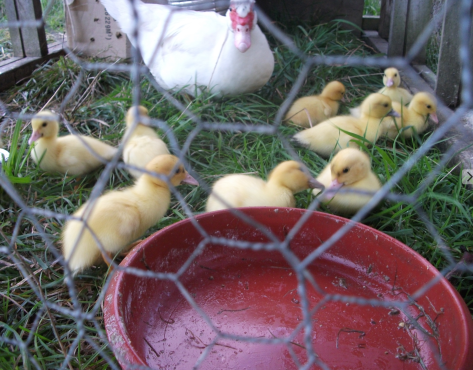
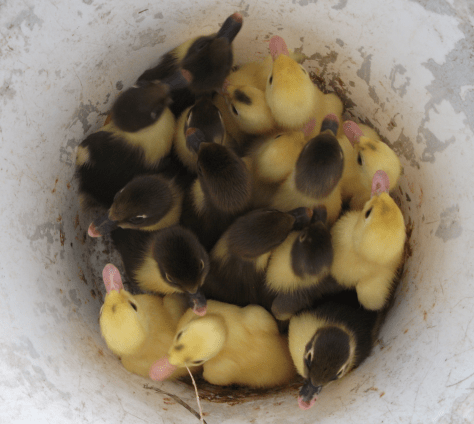
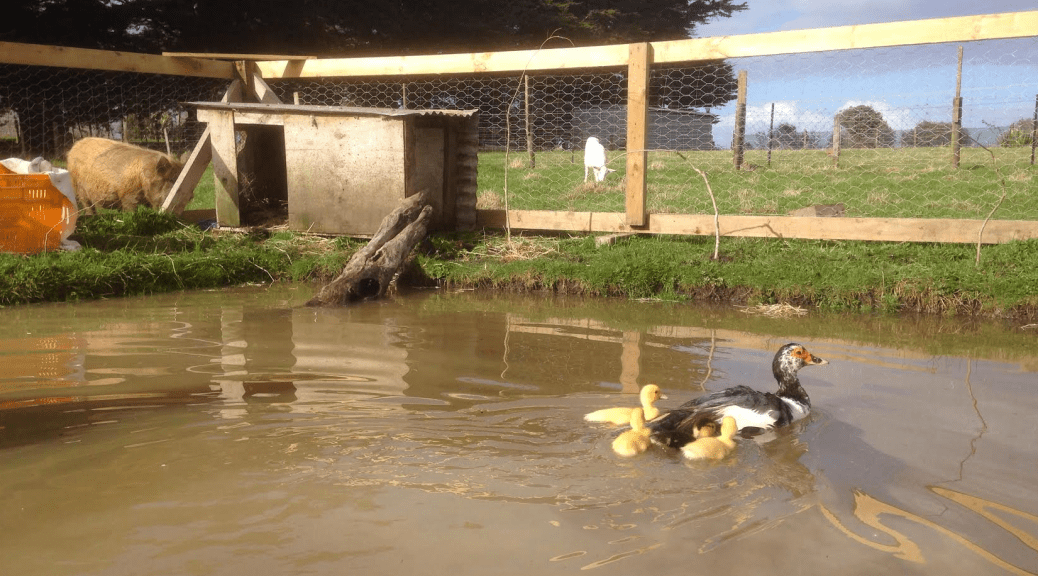
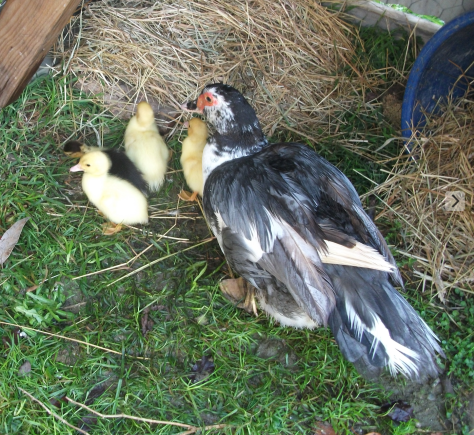
And we have ducklings!

Screen Shot 2016-07-17 at 6.31.53 am

Our library of books on permaculture and organic agriculture is extensive…as well as children’s stories.

Screen Shot 2016-07-17 at 6.38.16 am

If you want to spend the winter reading stories by the fire, caring for cute animals and planting trees please contact us on theecoschool  at gmail dot com.

Peace, Estwing

Mid-Winter Permaculture Update

We are well past the solstice and into the heart of winter but it does not feel like it. This has been the warmest first half-year ever recorded in Aotearoa New Zealand. Our Muscovy ducks are very confused by the weather and hatching lots of ducklings. After an April frost, they thing it’s been spring for the last 2 months.

Screen Shot 2016-07-05 at 12.26.30 pm

We have 29 from two clutches and another that will hatch out any day.

Screen Shot 2016-07-07 at 6.37.19 pm

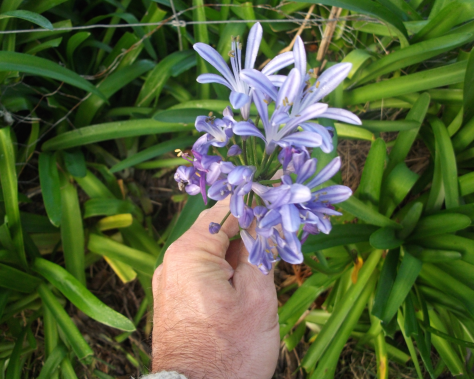
The agapanthus is also confused. It is normally a summer flowering plant but this one bloomed this week.

Screen Shot 2016-07-09 at 6.07.45 am

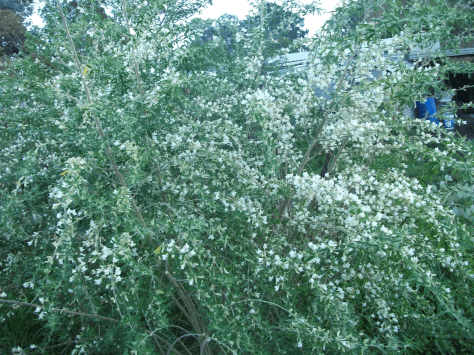
At least the tagasaste knows what time of year it is. It makes great mid-winter bee fodder as well as fulfilling other important roles.

Screen Shot 2016-07-05 at 12.25.55 pm

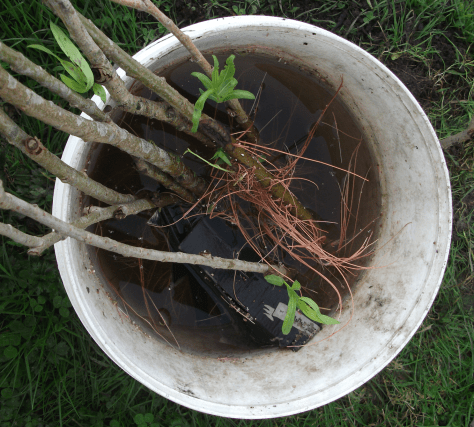
Speaking of important roles, these poplar poles will help stabilise the steep slopes on our farm. They are provided by Horizons Regional Council, which does a fantastic job of supporting rural land owners who want to follow best practice for land management.

Screen Shot 2016-07-05 at 12.24.13 pm

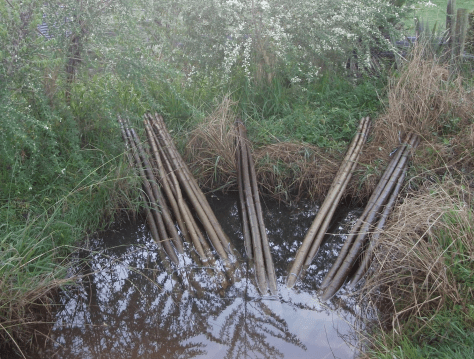
The poles are soaked for a week before planting. This is one small pond we dug last year behind a swale.

Screen Shot 2016-07-05 at 12.25.37 pm

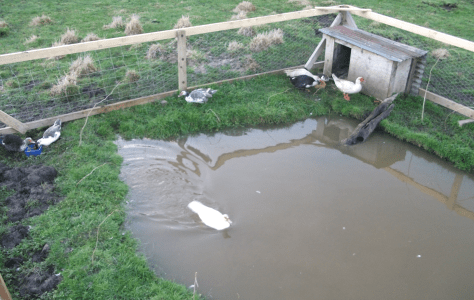
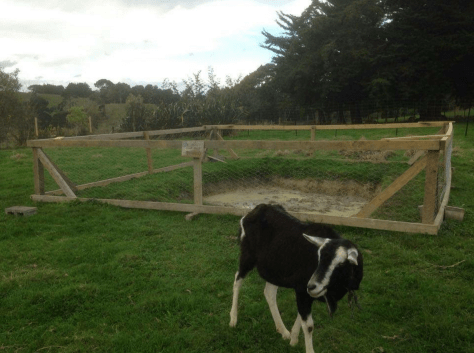
Here is another pond recently completed. It is fenced to keep out children and goats.

Screen Shot 2016-07-05 at 12.24.42 pm

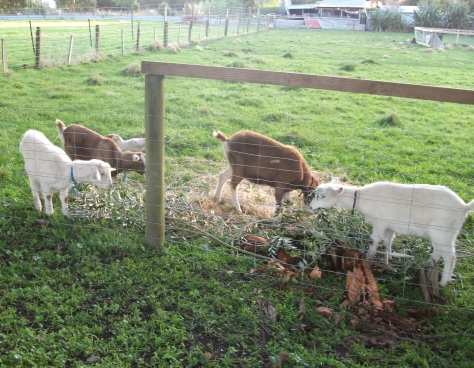
For the most part the goats prefer dry areas to wet areas anyway. These are eating prunings from olive trees – their Mediterranean diet.

Screen Shot 2016-07-05 at 12.28.04 pm

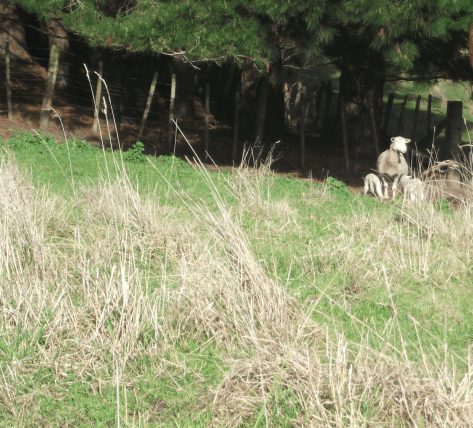
Lambing is also underway.

Screen Shot 2016-07-05 at 12.25.06 pm

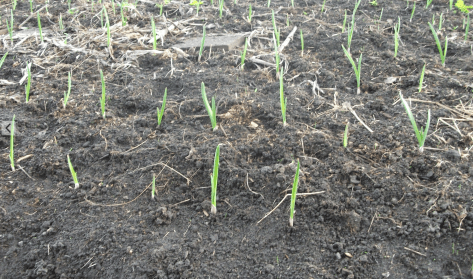
And, of course, the World’s Best Garlic.

Screen Shot 2016-07-05 at 12.26.47 pm


Never a dull moment – even in the heart of winter.


Peace, Estwing

Damned if we do -damned if we don’t: The case for resilience


Editor’s note: This has been published simultaneously on The Automatic Earth

https://www.theautomaticearth.com/2016/07/climate-energy-economy-pick-two/


Carbon double-bind

There appears to be increasing levels of anxiety among environmental activists around the world and in my own community. After all, temperature records are being set at a pace equaled only to that of Stephen Curry and LeBron James in the NBA Finals. A recent Google news headline said it all: “May is the 8th consecutive month to break global temperature records.”

In other words, October of last year set a record for the highest recorded global monthly temperature, and then it was bettered by November, which was bettered by December, January, and on through May. The hot streak is like that of Lance Armstrong’s Tour De France dominance, but we all know how that turned out in the end.

Making history – like the Irish rugby side in South Africa just over two weeks ago – is usually a time to celebrate. Setting a world record would normally mean jubilation – not so when it comes to climate.

Responses to temperature records range from sorrow, despair, anger, and even fury. Anyone with children or grandchildren (and even the childless) who believes in peer review and an overwhelming scientific consensus has every right to feel these emotions. So why do I feel only resignation?

We are so far down the track at this point that we are dammed if we do and dammed if we don’t. Remember the warnings 30 years ago that we needed 30 years to make the transition to a low carbon economy or else there would be dire consequences? Well, in case you weren’t paying attention, it didn’t happen.

While these warnings were being issued by scientists much of the world doubled down – Trump-like – on Ford Rangers, Toyota Tacomas, and other sport utility vehicles. The same appears to be happening now, with the added element that we are experiencing the dire consequences as scientists issue even more warnings and drivers buy even more ‘light trucks’. Forget Paris, the writing was on the wall at Copenhagen.

The bottom line is that most people will (and currently do) experience climate change as a quality of life issue, and quality of life is related to a certain extent on disposable income. Acting or not acting proactively or reactively on climate change is expensive and gets more expensive everyday.

If the international community ever takes collective action on climate change it will make individuals poorer because the cost of energy will rise significantly. If the international community fails to act, individuals will be made poorer because of the devastating effects of extreme weather events – like last year’s historic floods where I live as well as northern England, etc – shown to be on the increase over the last 40 years in hundreds of peer-reviewed papers with verifiable data.

And here is the worst part: most economies around the world rely on some combination of moderate climate and cheap fossil fuels. For example, our local economy is heavily dependent on agriculture and tourism, making it exceptionally vulnerable to both acting and not acting on climate change.

Drought hurts rural economies and extreme winds and rainfall can cost millions in crop damage as well as repairs to fencing, tracks and roads. As a result, both farmers and ratepayers have fewer dollars in their pockets to spend on new shoes, a night out, or a family trip. This is alongside living in a degraded environment post-disaster. The net result is a negative impact on quality of life: damned if we don’t.

On the other hand, tourism relies on inexpensive jet fuel and petrol to get the sightseers and thrill seekers to and around the world with enough dollars left over to slosh around local economies. Think about all of the service sector jobs that rely on tourism that in turn depend entirely on a continuous supply of cheap fuel. (This is not to mention peak oil and the lack of finance available to fund any long and expensive transition to an alternative energy world.) I’m told 70% of US jobs are in the service sector, most of which rely on inexpensive commuting and/or a highly mobile customer base.

Any significant approach to curbing carbon emissions in the short term will result in drastic increases to energy prices. The higher the cost of a trip from A to Z the less likely it is to be made. As a result, business owners and ratepayers at Z will have fewer dollars in their pockets to spend on new shoes, a night out, or a family vacation of their own. The net result is a negative impact on their quality of life: damned if we do.

I suppose it deserves repeating: most OECD economies and the quality of life they bring rely on both moderate climate and cheap fossil fuels, but these are mutually exclusive. Furthermore, regardless of emissions decisions made by the international community, we are already on track for decades of temperature records and extreme weather events that will cost billions if not trillions of dollars.

The response in many parts of the world has been to protest. That’s cool, but you cant’ protest a drought – the drought does not care. You can’t protest a flood – the flood does not care. And even if the protests are successful at influencing government policies – which I hope long-term they are – we are still on track for decades to climatic volatility and the massive price tags for clean up and repair.


Resilience is where it’s at

Go ahead and protest, people, but you better get your house in order at the same time, and that means build resilience in every way, shape and form.

Resilience is the name of the game, and I was impressed with Kyrie Irving’s post NBA game seven remarks that the Cleveland Cavaliers demonstrated great resilience as a team.

As I wrote for The Automatic Earth over a year ago, resilience is the new black. If you don’t get it you’re not paying attention.   http://www.theautomaticearth.com/2015/05/resilience-is-the-new-black/

This article received a wide range of responses from those with incomplete understandings of the situation as well as those in denial – both positions dangerous for their owners as well as friends and neighbours.

The double bind we find ourselves in by failing to address the issue three decades ago is a challenge to put it mildly. Smart communities recognize challenges and respond accordingly. The best response is to develop resilience in the following areas: ecological, equity, energy and economic.

The first two of these I call the “Pope Index” because Francis has identified climate change and wealth inequality as the greatest challenges facing humanity. Applying the Pope Index to decision-making is easy – simply ask yourself if decisions made in your community aggravate climates change and wealth inequality or alleviates them.

For the next two – energy and economic – I take more of a Last hours of ancient sunlight (credit, Thom Hartmann) perspective that I think is embraced by many practicing permaculturists. Ancient sunlight (fossil fuels) is on its way out and if we do not use some to build resilient infrastructure on our properties and in our communities it will all be burned by NASCAR, which in my opinion would be a shame.

As time passes, everything that is not resilient to high energy prices and extreme weather events will become economically unviable and approach worthlessness. On the other hand, investments of time, energy, and money in resilience will become more economically valuable as the years pass. Additionally, the knowledge, skills and experience gained while developing resilience are the ultimate in ‘job security’ for an increasingly volatile future.

If you know it and can do it and can teach it you’ll be sweet. If not, get onto it before it’s too late.


Peace, Estwing
 

Early Winter Permaculture Update

We have just passed the solstice, but winter is only beginning. After a long Indian Summer we have had a few frosts but today – the shortest day of the year – it was 18 degrees. I had an awesome surf and planted garlic. As you do.

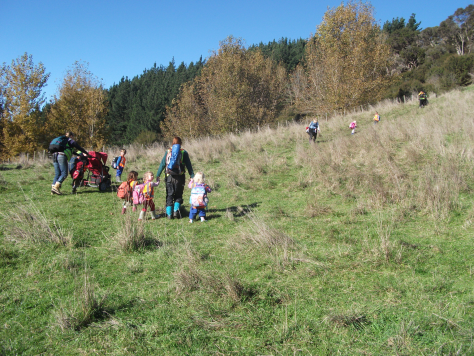
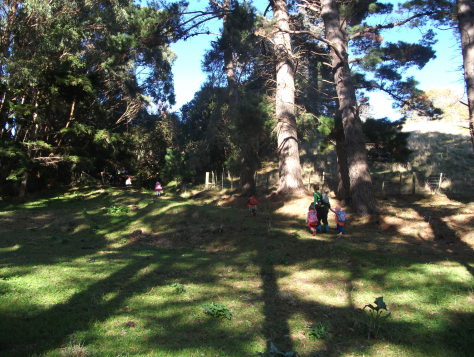
Other projects we have going on involve planting trees and engaging children in nature. A Denmark-inspired “forest kindergarten” type programme is running two days each week on the farm. The children spend the entire day outdoors.

Screen Shot 2016-06-22 at 7.39.55 am

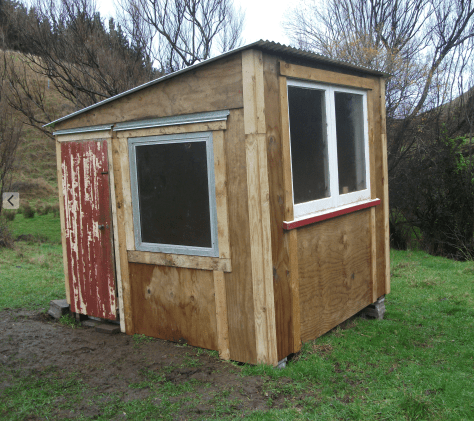
I finally finished their ‘storm shelter’ in case the weather turns while they are down in the valley. It can double as accommodation for our interns or guests in the future.

Screen Shot 2016-06-20 at 3.19.33 pm

But for now it’s all for the kids.

Screen Shot 2016-06-22 at 7.40.48 am

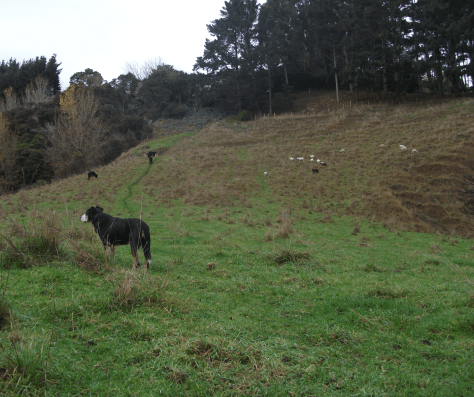
On another note, we have adopted a 9 year-old ‘retired’ farm dog who is loving his semi-retirement.

Screen Shot 2016-06-20 at 3.22.16 pm

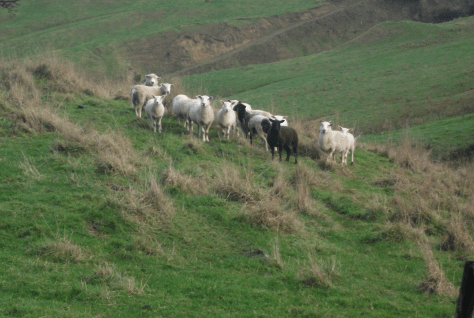
He has a fairly small flock to mind at the moment.

Screen Shot 2016-06-20 at 7.17.25 pm

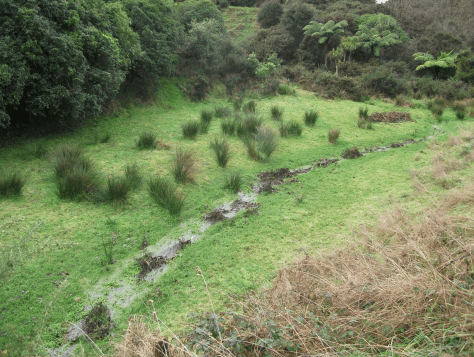
As far as winter plantings, we are planning to re-establish this wetland by planting about 1,000 native plants.

Screen Shot 2016-06-20 at 3.21.49 pm

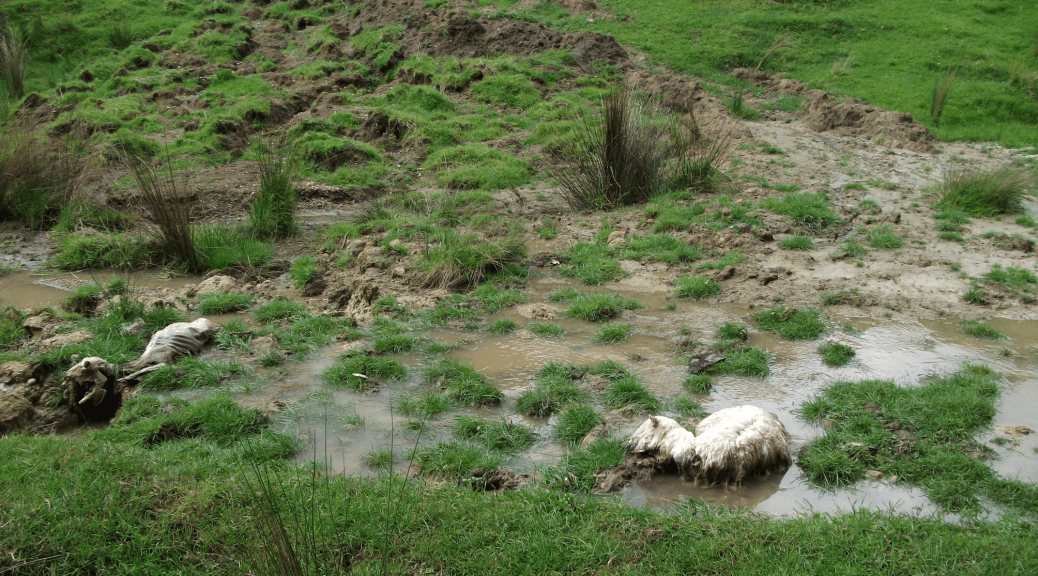
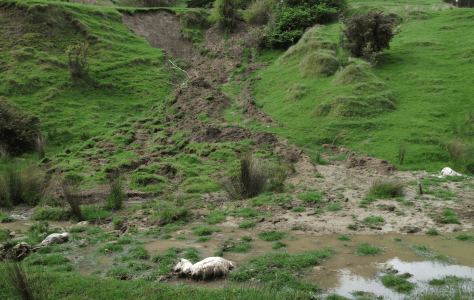
We are also protecting against future slips such as this one on the neighbours farm one year ago.

Screen Shot 2016-06-20 at 7.56.22 am

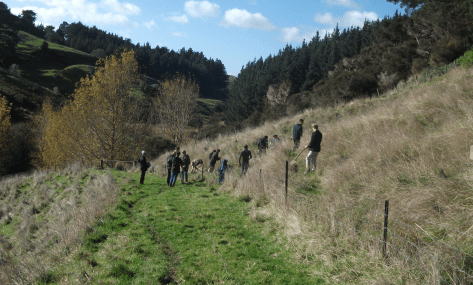
A group of students from Wanganui Collegiate School came last week for a farm tour and a little hands-on work. This north-facing slope is being planted to manuka for bee fodder.

Screen Shot 2016-06-18 at 6.23.43 am

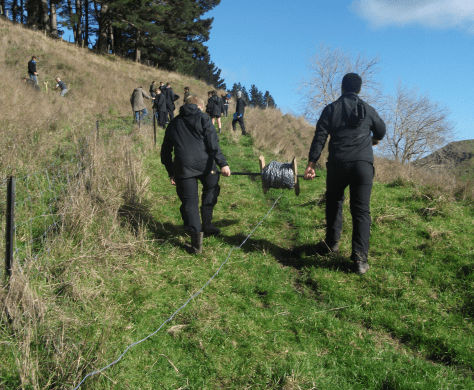
We’ve had a little trouble keeping the cows out so we’re resorting to barded wire.

Screen Shot 2016-06-18 at 6.23.31 am

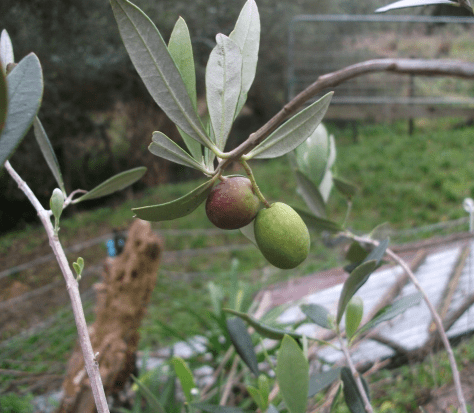
And on a final note, we have our first olives.

Screen Shot 2016-06-18 at 6.24.32 am

Peace, Estwing

Permaculture Kids: Integrate – Don’t Segregate

There is always a lot to do when practicing regenerative agriculture on a worn out horse property. But instead of the children getting in the way of getting work done, we try as much as possible to integrate them into the day-to-day workings on the farm, as well as with special events.

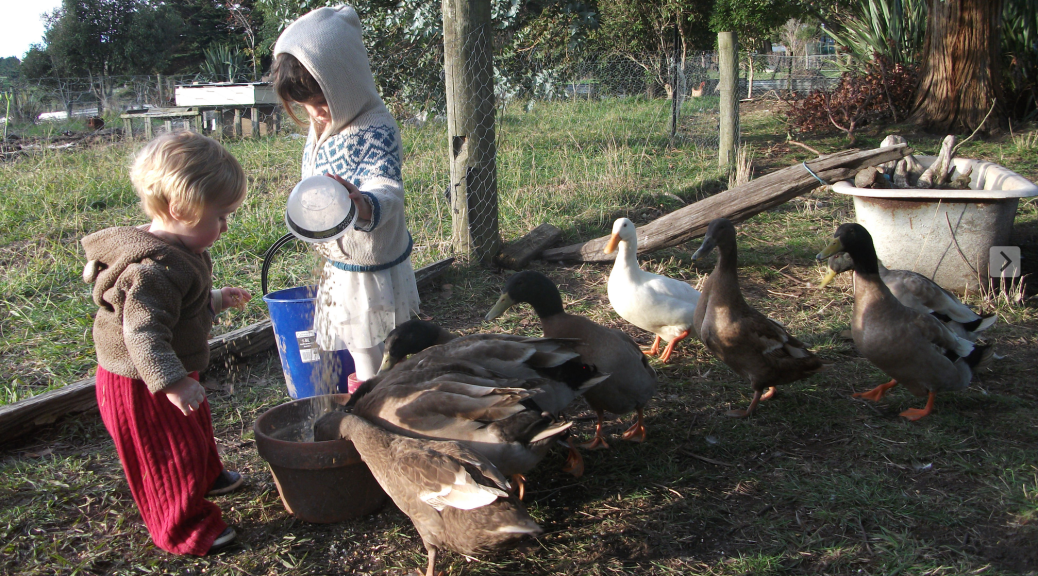
Verti, who is nearly 4, helps feed the birds every afternoon. She also loves digging drains, planting in the garden and picking fruit. Manu is still too young to help, but I can put him in a backpack and get a good three hours worth of work done. (I do occasionally forget he’s on my back and accidentally bump his head into a branch or low doorway.)

Another one of Verti’s jobs is to welcome visitors onto the farm and give a little tour. Here she is with 17 teenage boys from Wanganui Collegiate School this week.

We believe integrating the children with our work on the farm is all a part of instilling in them what is normal for a family: composting, cutting firewood, growing veges, raising hens, eating cockerels, and soon milking goats.

When we look towards an uncertain future of environmental decline and when many current occupations will not even exist, it’s really time to think, “What are the characteristics and skills we need to develop in our young people and how do we help nurture their development?”

The short answer is getting them outdoors as much as possible and away from screens of all types. That’s a start anyway.


Peace, Estwing
Preparing Annual Beds: No Motors Required

Converting pasture or lawn to annual beds is never easy. The most critical element is to eliminate perennial weeds. The importance of this cannot be overstated, and is lost on ‘Facebook permaculturists’. But any market gardener knows this.

We do our conversions without the use of a rotary hoe/rototiller. It takes time but the end result is far superior.

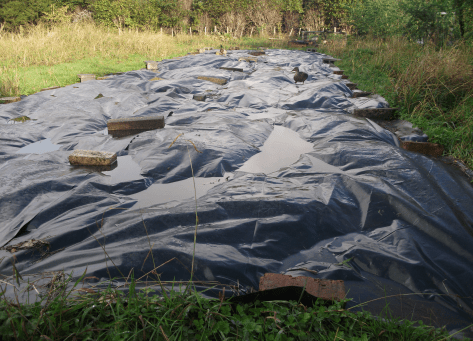
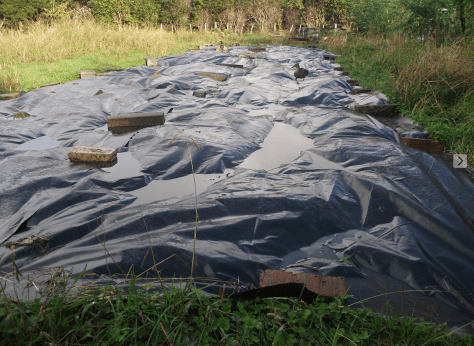
First step, kill off most existing plant life. We use plastic for four months.

Screen Shot 2016-06-09 at 6.22.23 am

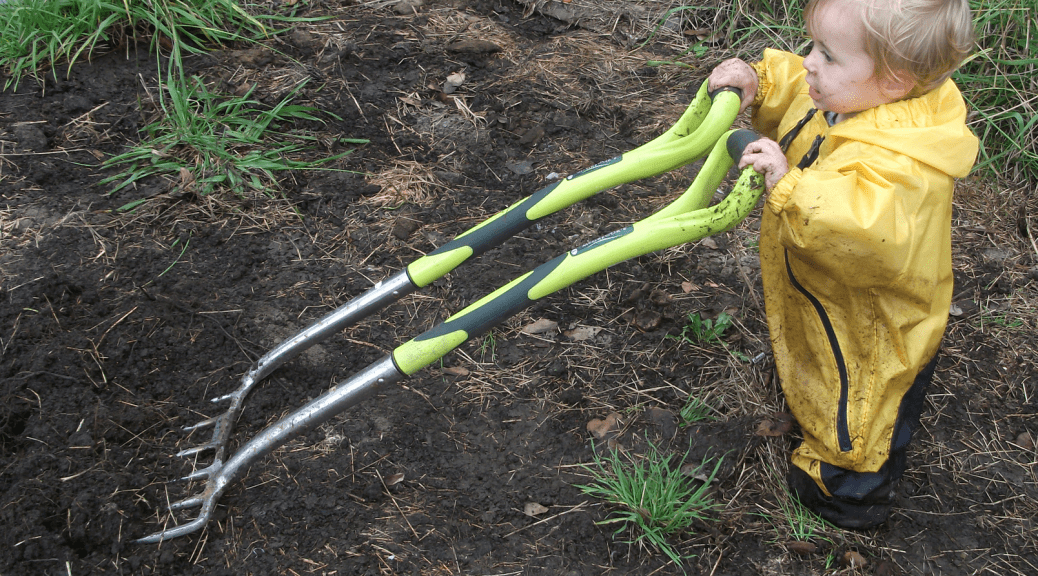
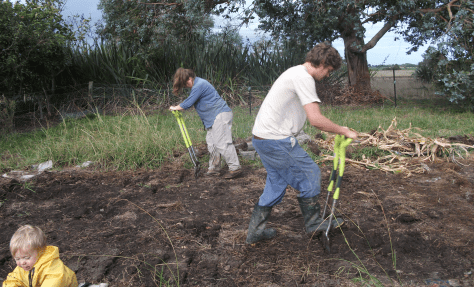
Next involves forking…

Screen Shot 2016-06-09 at 6.20.21 am

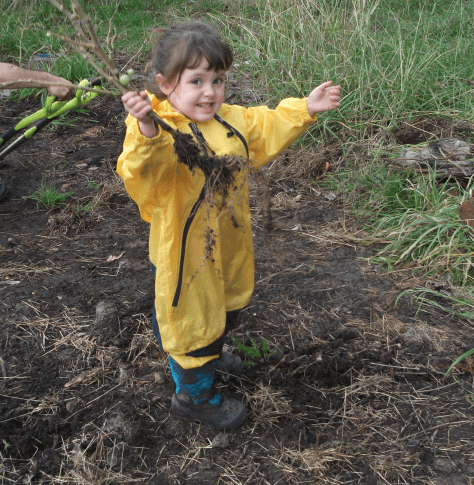
…and removing any leftover plants.

Screen Shot 2016-06-09 at 6.23.38 am

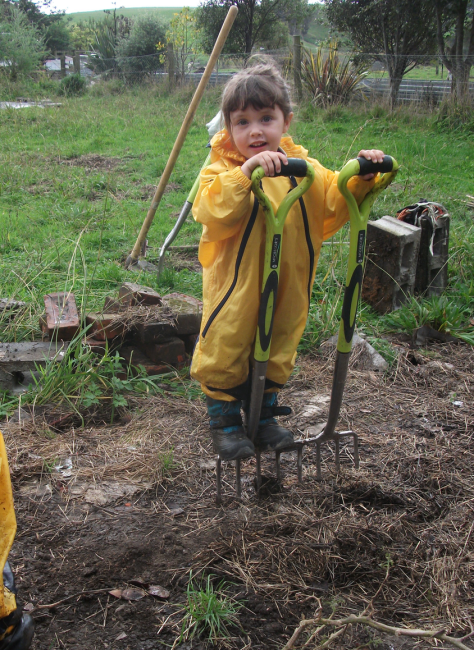
Forking is very important because it decompresses and aerates the compacted soil. Again, it’s difficult to understate the importance of this process.

Screen Shot 2016-06-09 at 6.20.54 am

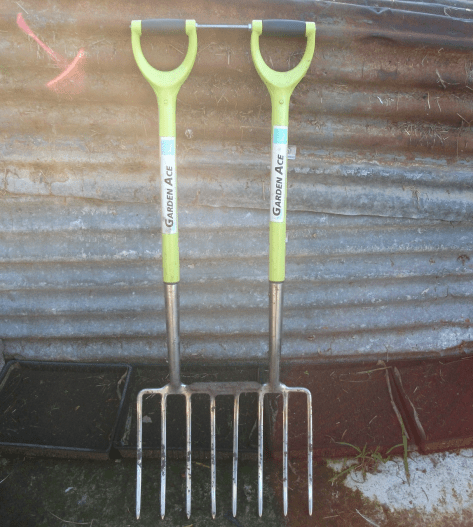
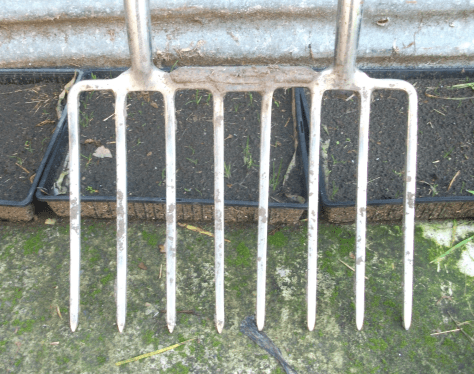
A broad fork can be purchased in New Zealand for around $300. We made our stainless steel broad forks for $100 each.

Screen Shot 2016-06-12 at 8.28.44 am

Fairly straightforward process involving some welding…

Screen Shot 2016-06-12 at 8.28.55 am

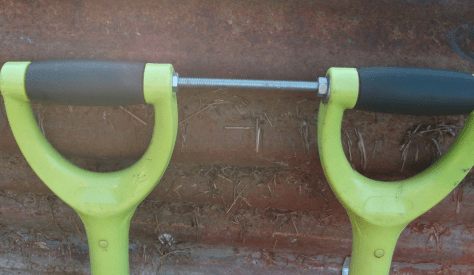
…and some threaded rod.

Screen Shot 2016-06-12 at 8.29.03 am

All ready to plant 2,000+ garlic over the next three weeks.


Peace, Estwing
Sophie and Mike Finish a Big Project


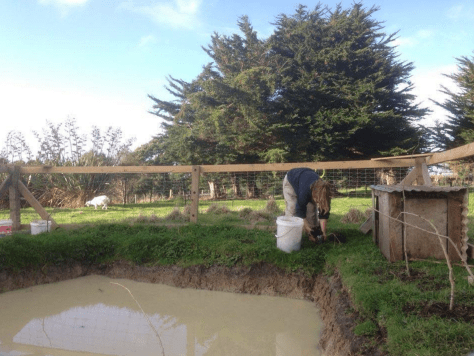
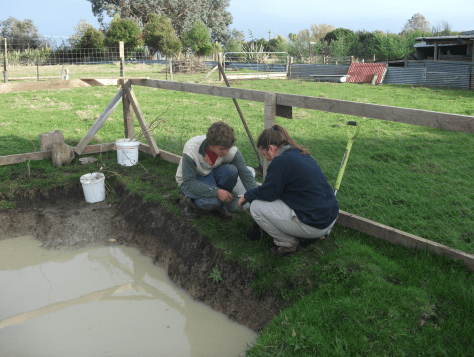
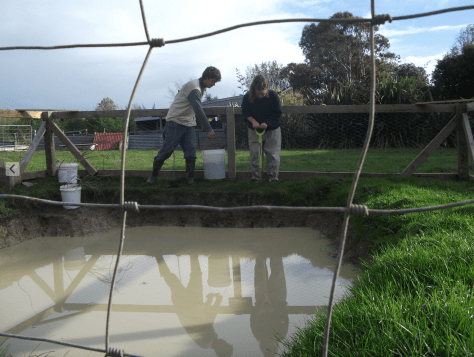
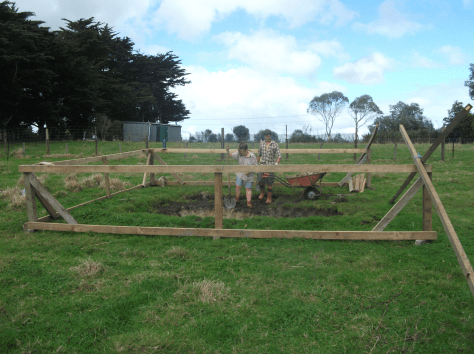
This week we finally finished a big project: the water storage area/duck pond we mentioned in our first post. The pond area is a great example of permaculture practices as it benefits many different elements of the farm and each aspect of its design works to produce various desired effects.

Screen Shot 2016-05-31 at 10.38.35 am

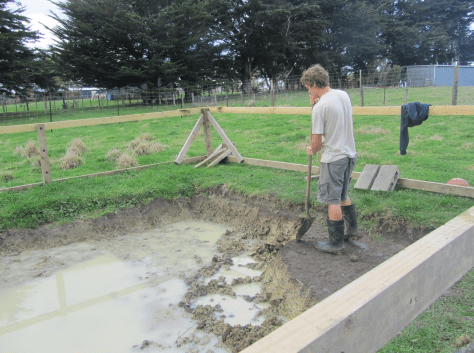
To start with, it would be unfair of us to explain the construction of the pond without first giving credit to Marina and Heloisa, the interns at the Eco School before us. The hole in the ground that forms the centre of the area was already roughly halfway dug before we even started, making the initial process of digging somewhat easier; a huge benefit to us as the digging was of course the bulk of the work. It took perseverance to complete, but gave us lots of clay and topsoil to use in other areas of the property (the topsoil was added to an area where avocados will be planted later in the year and the clay to stabilise a bank below the garden). We were pretty excited when it was finished and left a little ramp of clay in one corner just to make sure that even the least athletic ducks could make use of the facilities.

Screen Shot 2016-05-31 at 10.38.42 am

The main aim of the pond is of course water storage and the necessity of this has become evident very recently. Winter in Wanganui is wet and the pond has filled up at an alarming rate over the last few weeks. There is a lot of surface water on the farm making the ground very boggy and as this area is prone to landslides storing the water in a safe area where it can be accessed, such as the pond is all the more important. The water has been converted from a potentially dangerous liability to an asset with multiple uses. It also looks rather nice and provided a temporary mud pit for the kids to play in during its construction.

Before we arrived at the farm Nelson propagated some willow trees with a view to planting them in several locations around the property to use as a windbreak. We decided to plant some of them around the pond so as to stabilise the bank, take up more excess groundwater and provide a sheltered area for the ducks to live in. However, due to the location of the project (in the middle of the goats’ paddock), we had to find some way of protecting the young willows from Goatbusters’ tenacious efforts to devour any branches that come his way.

Screen Shot 2016-05-31 at 10.38.17 am

A square fence was the perfect solution, and under Nelson’s guidance we were able to knock together a reasonably stable fence out of a few bits of timber, some nails and several lengths of chicken wire. Despite looking like a bit of very rough carpentry, the fence is actually designed for its adaptability and longevity. Firstly, it is raised several inches from the earth on concrete blocks in order to prevent groundwater from wicking up into the frame, increasing its lifespan. Secondly, the wire encircling it has holes large enough for a duck to pass through but too small for a goat to push its head through. Overall, this creates a great duck habitat whilst giving the willow trees some much needed protection. We also installed a duck house just inside of the frame so as to make it even more tempting for them to move in…

Screen Shot 2016-05-31 at 10.38.26 am

All in all, the pond is a great example of permaculture in practice as it incorporates many key principles – converting liabilities to assets, intelligent water storage and ensuring that any modifications that you make to your property are holistically designed in order to have multiple functions and be as effective as possible.

Sophie & Mike

Late Autumn Permaculture Update

I can’t really call this early winter because cold weather has only just set in. The Indian summer and long mild autumn has caused the muscovy ducks to think it’s spring. These were born last week.

Screen Shot 2016-05-26 at 5.34.11 pm

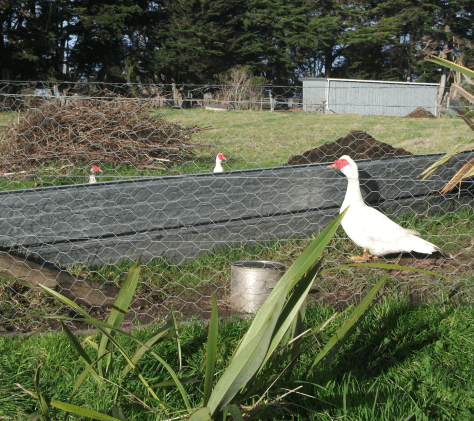
These males think that it is mating season.

Screen Shot 2016-05-26 at 5.38.53 pm

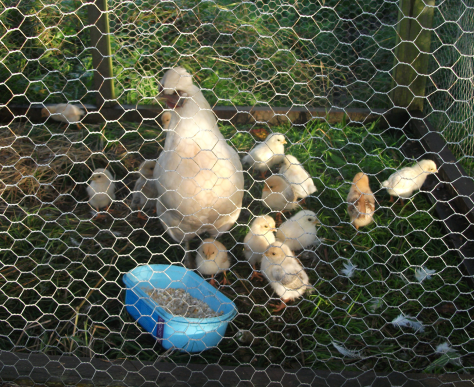
These bantams were born two weeks ago.

Screen Shot 2016-05-26 at 5.34.22 pm

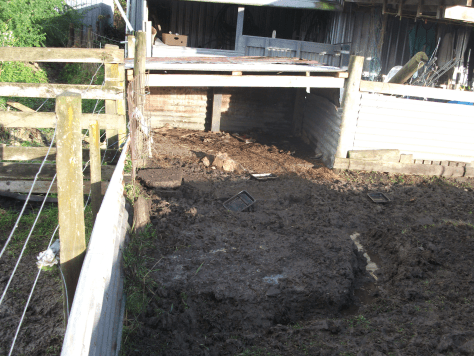
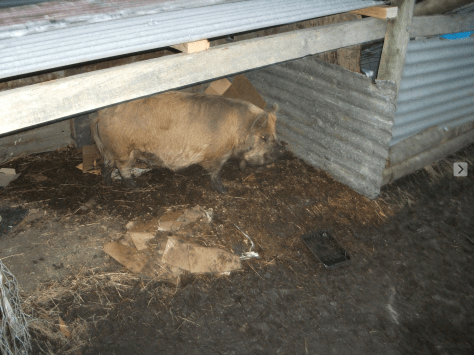
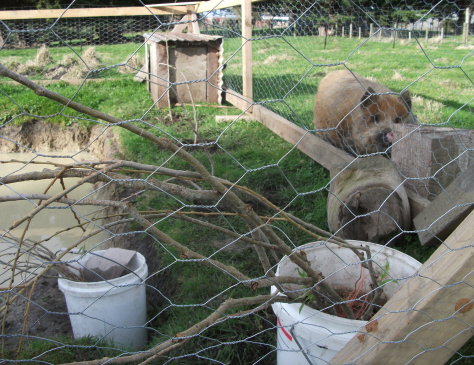
But now the rains have come and we need to keep all of the animals dry and out of the wind. We built this shelter for the kune kune pigs last weekend.

Screen Shot 2016-05-26 at 5.35.13 pm

Hilda is testing out her new bedroom.

Screen Shot 2016-05-26 at 5.33.56 pm

Our previous interns, Heloisa and Marina, started these willow cuttings about 8 weeks ago.

Screen Shot 2016-05-26 at 5.37.34 pm

Our current interns, Mike and Sophie, planted the willows this week.

Screen Shot 2016-05-26 at 5.37.21 pm

Hilda supervises the planting.

Screen Shot 2016-05-26 at 5.37.48 pm

The willows will surround a pond that we have been digging by hand for the last six months. The pond will collect water in winter and store it high on the property.

Screen Shot 2016-05-26 at 5.36.57 pm

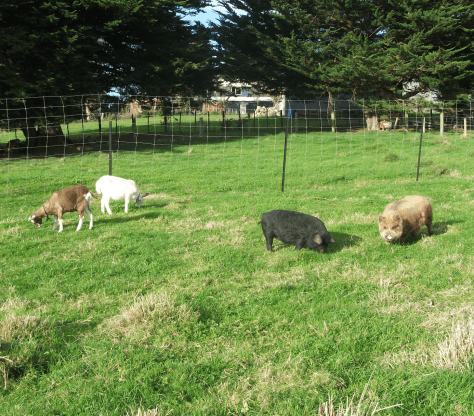
The pond is in the middle of a paddock where the goats live and the pigs spend the day.

Screen Shot 2016-05-26 at 5.37.09 pm

Next to the paddock we are planting a windbreak of willow and poplars.

Screen Shot 2016-05-26 at 5.33.45 pm

Speaking of windbreaks, these harekeke flax have taken hold well. They were transplanted 20 months ago.

Screen Shot 2016-05-26 at 5.34.36 pm

We have started our Black Boy peach stones.

Screen Shot 2016-05-26 at 5.38.00 pm

And we are preparing this bed to be planted as a market garden next spring.

Screen Shot 2016-05-26 at 5.34.51 pm

Peace, Estwing
Our First Month on the Farm: An Interns Perspective

So there we were, two out of shape Brits chugging along in an ageing Subaru down the SH3 to Wanganui, wondering what to expect from the coming 2 months. What would the Eco school be like, we wondered, as we drove the through the pun-strewn town of Bulls. Coming from Bristol in the UK – a very left-leaning and progressive city, by British standards – we have learnt to be sceptical of the capitalist machine, suspicious of large businesses and selective in the things that we buy. Naturally this has made us think twice about where our food comes from, as well as sparking a keenness to learn more about self-sufficiency and organic farming. On the other hand, thinking this way also tends to make us feel a distinct pang of guilt every time we stop for a roadside McDonald’s, or fall for a particularly attractive supermarket bargain.

After a long month adventuring the South Island we were excited to be based somewhere permanent again for a while and it’s amazing how quickly you settle back into a routine even after some extended time out. Dani and Nelson soon set us up with some frequent tasks most of which we perform daily…

We begin our mornings by feeding the chickens and ducks, an enjoyable task but one that needs to be done with speed, particularly in open areas when about ten hungry ducks are on your tail or standing helpfully in the food bowl. This generally takes around 15 minutes and is a good chance to collect eggs, assess the weather and generally find out how all the inhabitants are doing that morning.

Screen Shot 2016-04-30 at 5.36.44 am

After this task we turn compost three times a week. How to make compost was one of our first lessons and a very important one. According to Nelson for successful compost you need to ensure you give it plenty of food, air and water and the biggest mistake you can make is buying a plastic compost bin- thus eliminating water entering the compost naturally and making it difficult for yourself to add air and food. A plastic bin is also, ironically, not particularly eco friendly when you think about it! To create our new heap we took bags of sawdust and sheep manure and stacked these ingredients up in 5 layers rather like a lasagne (a culinary regular of ours thanks to the abundance of courgettes and tomatoes here on the farm). We then started adding food scraps from the kitchen and anything else compostable such as coffee grounds, egg shells and all of the biodegradable waste from an event that Nelson put on at work. We take the top third off with a rake, add the ‘food’ and then rake the rest over the top three times a week.

Screen Shot 2016-01-27 at 5.28.10 pm

After these tasks we usually start a longer project. We’ve recently been creating a new water storage area in the middle of the goat paddock. The location of the pond was chosen because it is an excellent place for water to collect on the property as it should drain into the pond after heavy rain and throughout wetter periods of the year and will enable it to be stored somewhere useful where it can be accessed if needed, nurture young trees that we intend to plant around it and potentially provide a duck habitat. We dug out the top soil and transported it to a bank which will eventually be an avocado habitat and then dug out the clay underneath and used it to build up an unsteady bank lower down on the property. An important part of permaculture is identifying what resources are assets and which are liabilities and being able to transform liabilities into assets. The pond is an excellent example of this. By creating a place for water to collect where we want it, excess groundwater is transformed into an asset as it is now in a place where it will not cause damage to the property and can be used in times of drought. It is also popular with the goats, pigs and small children!

Screen Shot 2016-04-30 at 5.48.20 am

Verti tends to come and help with the obligatory evening bird feeding session and then our day ends with a lovely home cooked meal. Twice a week this is our undertaking and including multiple lasagnes we have attempted to adapt our standard Bristol-based repertoire to involve some of the wonderful organically grown vegetables produced here on the farm. Surprisingly perhaps, in spite of all the wholesome fruit and veg that surrounds us the ultimate aim remains to produce a proper British bangers & mash… Only time will tell whether this will become a reality…

  • Sophie and Mike

Screen Shot 2016-04-30 at 5.37.08 am

Flood and Drought: The New Normal

Over the last 10 months we have had weather records broken for wet and for dry. The heavy, compacted soils we inherited on this property don’t help either one.

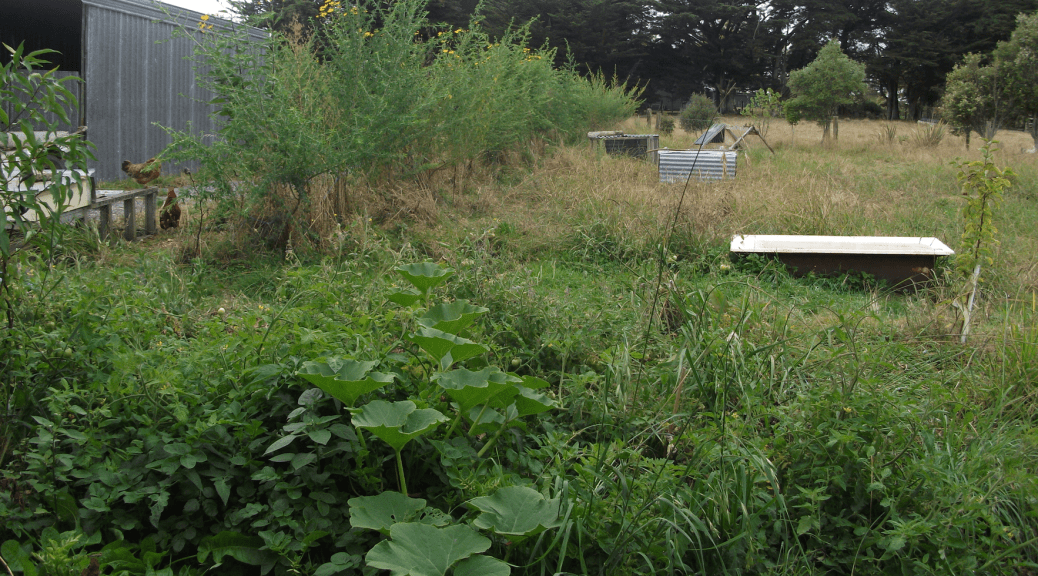
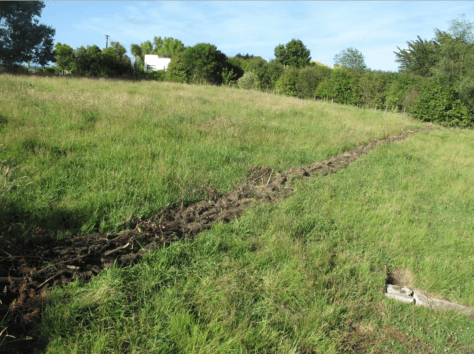
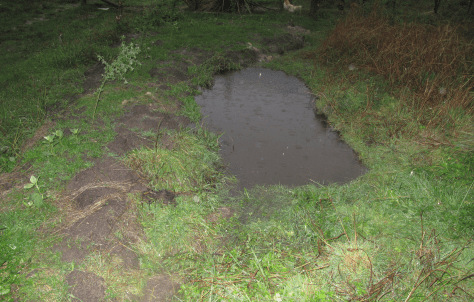
Our main goals for the property are to improve soil and soil structure, and to moderate hydrological extremes. One strategy we have employed is building a hugelkultur swale along with a series of small ponds. This is what it looked like under construction on day one.

Screen Shot 2016-03-20 at 6.38.40 am

This is what it looked like a year later.

Screen Shot 2016-03-20 at 6.47.43 am

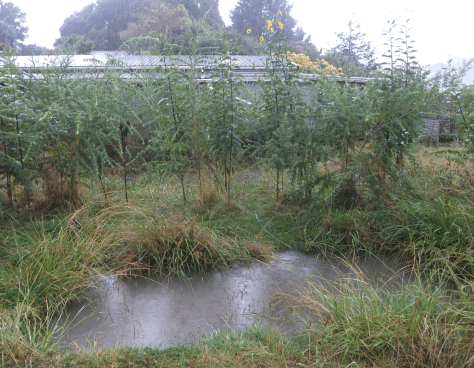
This is the day of our record floods last winter. Note the small tagasaste trees and broad beans.

Screen Shot 2016-04-24 at 6.56.22 am

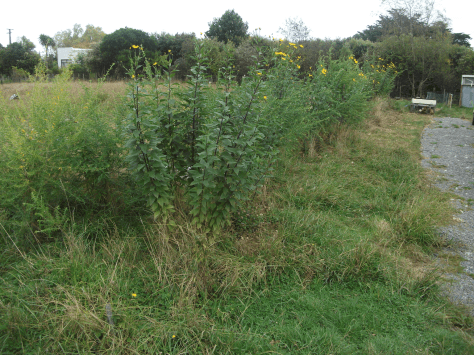
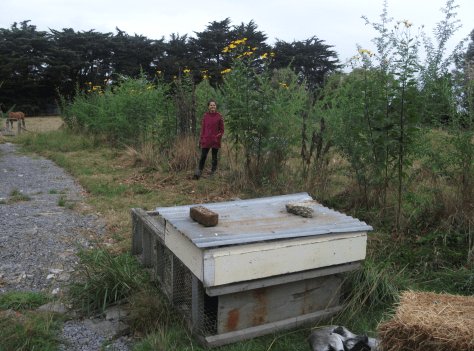
Ten months later the pond harvests water off the farm roofs. The tagasaste have grown alongside Jerusalem artichoke.

Screen Shot 2016-04-24 at 6.58.37 am

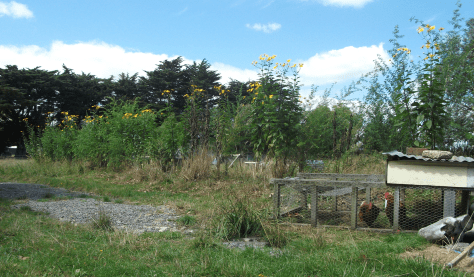
One year of growth on the swale despite a very dry summer.

Screen Shot 2016-03-20 at 6.48.34 am

Slowly but surely we are using nature and muscle to build a more resilient farm for our children and for everyone downstream.

Screen Shot 2016-03-20 at 6.46.26 am


Peace, Estwing