Category Archives: Uncategorized

Farm Weekend 2018: 3rd-4th March

Kaitiaki Farm Weekend 2018

3rd-4th March

Whanganui, New Zealand

Screen Shot 2018-01-22 at 2.15.01 pm

Saturday 3rd March

11:00-12:30. Organic Gardening Master Class: Work Smarter, Not Harder. Being efficient and effective is all about tools, timing and technique. By taking on a market-gardener’s perspective on organic production all gardeners can punch above their weight.

1:30-3:00. Backyard Chickens. Experienced chicken breeder Cyd Welch joins us for this workshop covering the basics of chook care and management.

3:30-5:00. Innovative Cookers and Dehydrators. This hands-on workshop covers the use and construction of solar cookers, solar dehydrators and rocket stoves, some of which we’ve used for over a decade.

$20 each or $50 for all three.

Meals and accommodation available. Please inquire on options and prices.

Screen Shot 2018-01-22 at 1.58.05 pm


Sunday 4th March

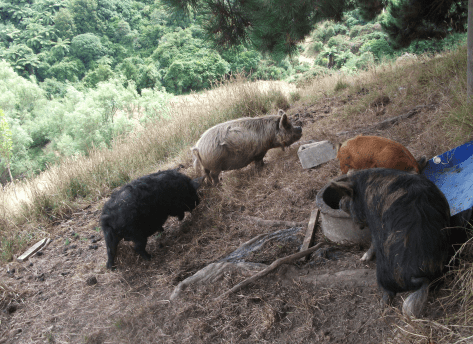
9:00-3:00. Farm Tour: Best Practice Holistic Management. We run a fully-integrated diverse operation on 5.1 hectares integrating plants and animals in distinct relationships based on potential synergies. Includes Lunch.
Screen Shot 2018-01-22 at 2.01.42 pm

The morning session covers what would be considered permaculture zones 0 – 3 focusing on eco-building and alternative energy, market gardening, hot composting, tractoring fowl, building fertility, water management, wind breaks, and orchard planning.

The afternoon session covers what would be considered permaculture zones 3 – 5 focusing on water management, erosion control, slope and stream bank stabilization, stock rotation and wetland restoration.

Screen Shot 2018-01-22 at 2.02.01 pm

$75 Individuals, $120 Couples

Primary Tutor: Dr. Nelson Lebo has been farming for nearly two decades and teaching for nearly three. He is best known for innovative and holistic design solutions.

Register: theecoschool at gmail.com

Screen Shot 2018-01-22 at 1.59.44 pm

Permaculture Internship: A Day in the Life

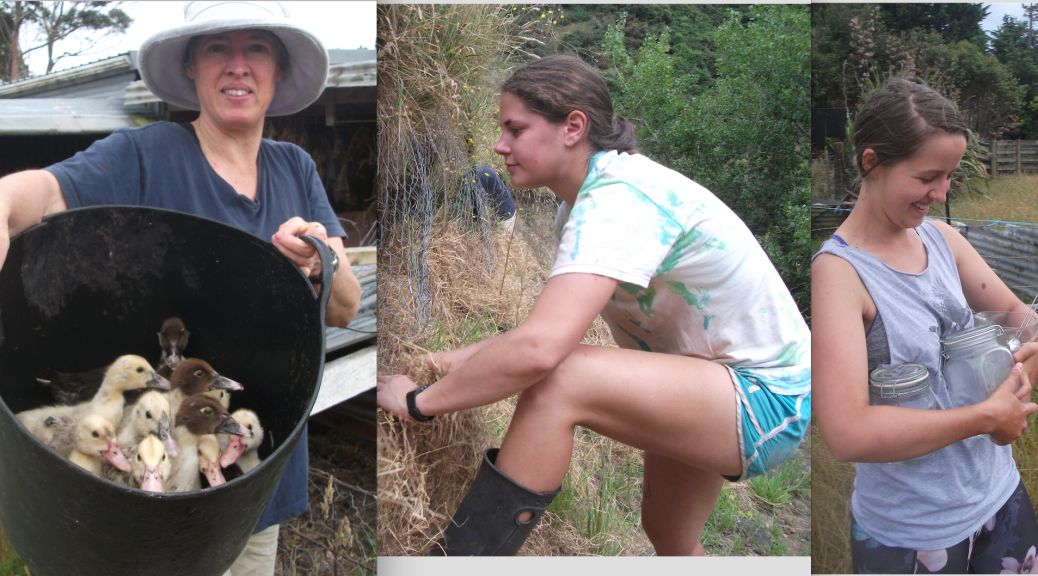
Our first-of-its-kind Permaculture Design Internship attracts the highest quality candidates from around the world to Kaitiaki farm in Okoia, Whanganui. We are blessed to have three incredible interns at the moment: Karen, Avery and Sarah.

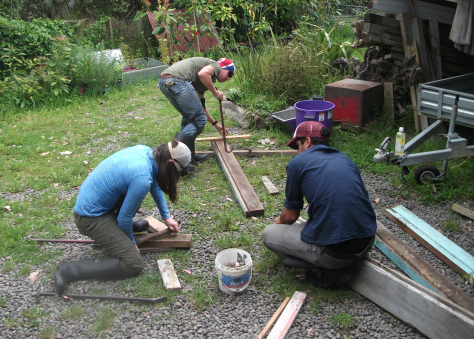
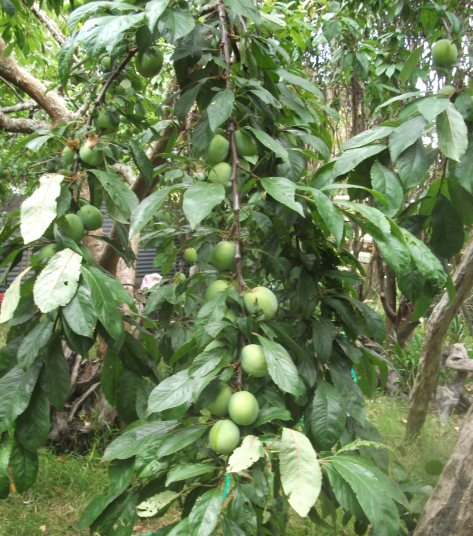
On a recent Wednesday their experiences included milking goats, care-taking ducklings, checking stoat traps, picking strawberries, mulching tomatoes, discovering two naughty children had eaten half of each strawberry, an impromptu lesson in wire straining, feeding and watering pigs, remediating a slip on the hillside, solar cooking, a formal lesson on plant propagation, and eating lots and lots of fresh plums.

The eight-week internship programme immerses learners in farm living and eco-design thinking. Here is what a recent intern had to say after his experience:

Forever thanks! This is exactly the kind of experience that makes me feel that quiting my job to travel and learn new things, was absolutely worth it. I will always be thankful for making me feel at home so far away from mine. You are definitely one of the most amazing and authentic families that i have ever met!

I am taking with me the best memories and also the inspiration i needed to keep on following my goals! And be sure that i will never forget of how i started this voyage on Permaculture at Kaitiaki Farm with my kiwi-american family =)

 Much love and my best wishes to all, Manu, Verti, Dani and Nelson.

Always count on me on anything! – Mario.

Details of the programme can be found here: http://www.theecoschool.net/workstudy-permaculture-design-certificate.html

2017 in Review: Success Breeds Success

2017 was a year of extremes worldwide in terms of weather and politics. It has been tough on farmers in our region. But is has also been an incredibly successful year for The ECO School and Kaitiaki Farm.

Some highlights include:

Our PDC internship programme is the first of its kind and we are receiving amazing interns from around the world.

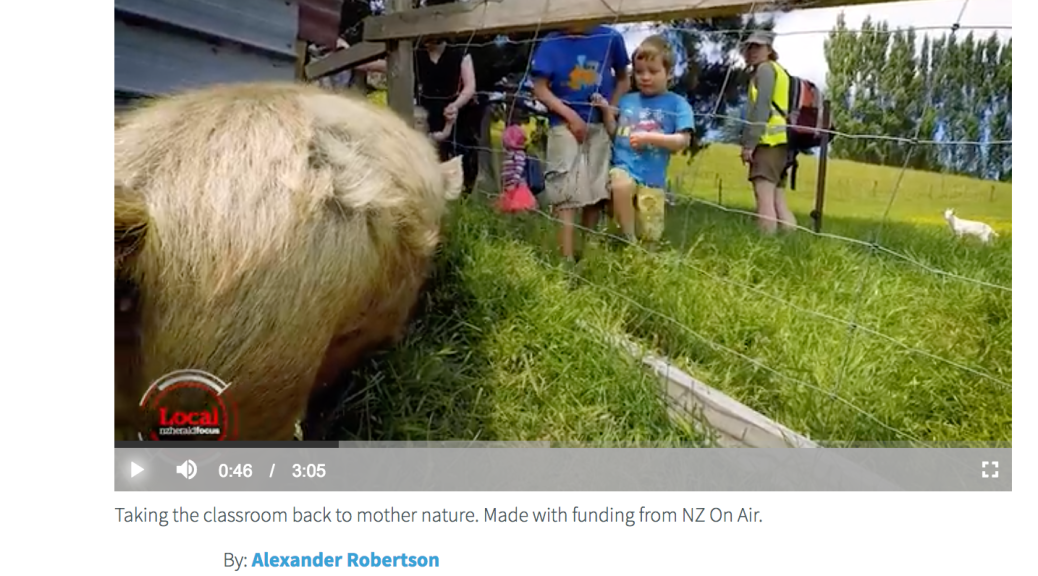
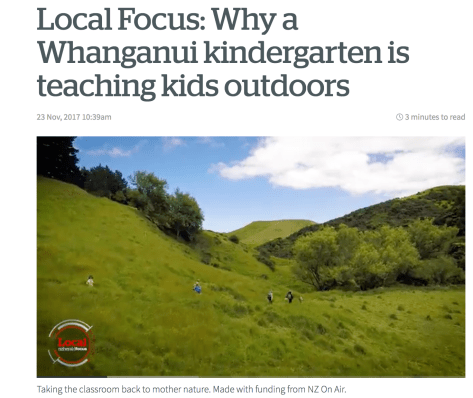
Our pre-school outdoor programme was a finalist in the WWF (NZ) Conservation Awards.

Our Eco-Thrifty Renovation project has been included in permaculture co-founder David Holmgren’s new book.

We surpassed 2,000 trees planted on the farm.

We ran a hugely successful Curtain Bank in Whanganui providing free curtains to nearly 100 families in two weeks.

For the fourth year we provided free workshops during Adult Learners Week.

We hosted the 5th Annual Whanganui Permaculture Weekend – attracting people from around the lower North Island.

And we are still growing the World’s Best Garlic.

A huge thanks goes out to the interns who have helped us achieve the vision of a resilient and productive farm. We couldn’t do it without you!

Peace, Estwing

First World Problem (Appropriate Technology)

This is a guest post written by Mario, an intern from Chile, who has just completed his Permaculture Design Course here at The ECO School.

IMG_2692Usually, travellers from rich occidental countries who visit places like India, end up being more thankful for their lifestyles after seeing how people live with so little.

“I really wish that they could access to the same opportunities as me” was one of the quotes that I will never forget, said by an American girl while traveling around the Rajastan state, considering how radically different her life is compared with most of the people in that region.

And don’t get me wrong, I know that she said it with the best intentions (and I even agreed with her back then), but years later and after researching about our current environmental crisis, I have realized that if the people of India lived like most of us, the world would be in an even bigger crisis than the one we are facing right now. So maybe our planet would actually wish for us to live a little bit more like the people from India instead. Funny ah?

Here is one example: In the United States there are 965 motorized vehicles for every 10.000 persons, while in India there are only 12. Can you imagine how much extra pollution there would be if a country with 1.324.171.354 habitants would increase their amount of cars from 12 to 965 for every 10.000 of them?

For some people, cooking with gas, owning a car, and changing their smartphones every year, is being part of “The bright side of the World”. But the truth is that the abuse of these technologies is absolutely part of a non-smart and non-sustainable lifestyle, because most of them use non-renewable energy that is destroying our planet.

An Appropriate Technology is any device that takes advantage of renewable energy in order to work and also have a long useful life. Here at Kaitiaki Farm you can see many examples such as solar cookers, manual power tools for gardening and rain water collectors, among others.

screen-shot-2017-11-06-at-5-04-58-amMy personal favorite example of an appropriate technology is a bicycle. I think it has so many benefits against a motorized vehicle. It takes you from one place to another using human energy which allows you to exercise. If you use it in the city it helps you to avoid car traffic, saves you lots of money in gas, produces no air pollution, reduces your footprint and is part of a non-stressful lifestyle.

Appropriate Technology allows us to live ethically, be resilient, save money and be prepared for catastrophes.

And no, I am not saying that India is even close to be a perfect example of a society, but maybe this controversial article can make us consider changing our perception of what a first world country should be like, basing it on societies with smart and ethical consumption of our natural resources, instead of the ones with more people accessing motorized vehicles, new phones every year and all other kind of garbage products that increases our footprint damaging our planet.

Solstice Permaculture Update

We’ve had challenging weather the last nine months: a record wet winter and now eight weeks with essentially no rain. This is exactly what climate change looks like and it’s extremely stressful for those in agriculture. Nonetheless, we’ve managed to get an annual garden in and we’re minding our 200 fruit trees carefully.

Tomatoes are ripening.

Screen Shot 2017-12-23 at 8.16.07 pm

Heaps of zucchinis.

Screen Shot 2017-12-23 at 8.16.51 pm

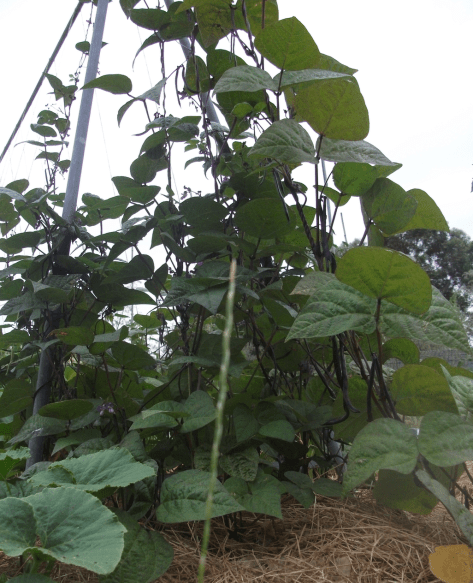
And beans.

Screen Shot 2017-12-23 at 8.16.32 pm

The corn is thriving in this hot, dry weather.

Screen Shot 2017-12-23 at 8.17.16 pm

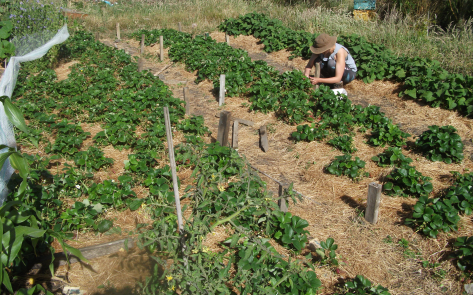
We can’t pick and eat the strawberries fast enough.

Screen Shot 2017-12-23 at 8.20.51 pm

The same will soon be true of plums.

Screen Shot 2017-12-23 at 8.17.48 pm

Trees are laden even after significant thinning.

Screen Shot 2017-12-23 at 8.18.08 pm

Not so many peaches this year, but we look forward to a better peach season next year.

Screen Shot 2017-12-23 at 8.17.27 pm

We’re approaching 100 ducklings on the farm with more on the way.

Screen Shot 2017-12-23 at 8.20.31 pm

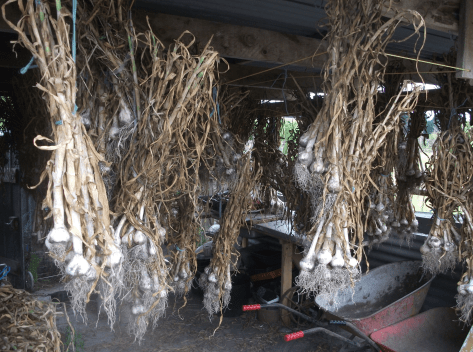
Sadly, it’s been our worst growing season for garlic. It was on track to be the best but rust set in during the last five weeks and stunted growth right when it is most important. It’s hugely discouraging to put in so much effort and not achieve the yield I was expecting.

Screen Shot 2017-12-23 at 8.18.52 pm

But in a world of climate change, this is ‘the new normal.’


Peace, Estwing

Kaitiaki Permaculture: 2018 Programme

Tours – Workshops – Events

Autumn 2018 Programme


28th January – PDC presentations & Shared Meal


3rd – 4th March: Farm Weekend. Accommodation & meals also available.

3rd – Workshop Blitz: Backyard Chickens; Organic Gardening Master Class; Innovative cookers and dehydrators. 90 minutes each. $20 each or $50 for all.

4th – Farm Tour: Best Practice Holistic Management. Kaitiaki Farm is an exemplar permaculture farm just outside Whanganui. The tour will cover: market gardening; hot composting; the best tools for farm and garden management; tractoring fowl; water management; building soil fertility; wind breaks; orchard planning; erosion control; slope stabilisation; stock rotation; wetland restoration; alternative energy; and, eco-building. 9 am – 3 pm. Includes lunch. $75 individuals, $120 couples.


25th March – PDC presentations & Shared Meal


* Easter Weekend – How to Build an Affordable Eco Home…Legally. 2 days to be confirmed. $170 individuals; $250 couples. Includes lunches.


22nd April – Chicken Tractors; Growing Great Garlic. 1 hour each. $10 each.


20th May – PDC presentations & Shared Meal


9th June – Garlic Workshop. 1 hour. $10

10th June – Garlic Workshop. 1 hour. $10


Registration: theecoschool at gmail.com

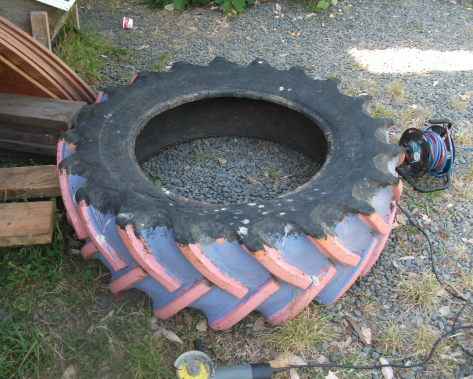
Making a Tractor Tyre Farrowing Crate

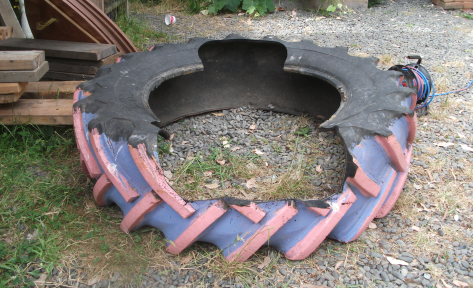
I have been meaning to build a farrowing crate for about six months now, but it turns out my boar has been sterile. We got a new boar so the clock is ticking. I built this farrowing crate in about an hour.

Screen Shot 2017-12-10 at 1.28.13 pm

I got the idea from a colleague at work and then did an online search, which brought up this article.

Screen Shot 2017-11-16 at 6.33.36 am

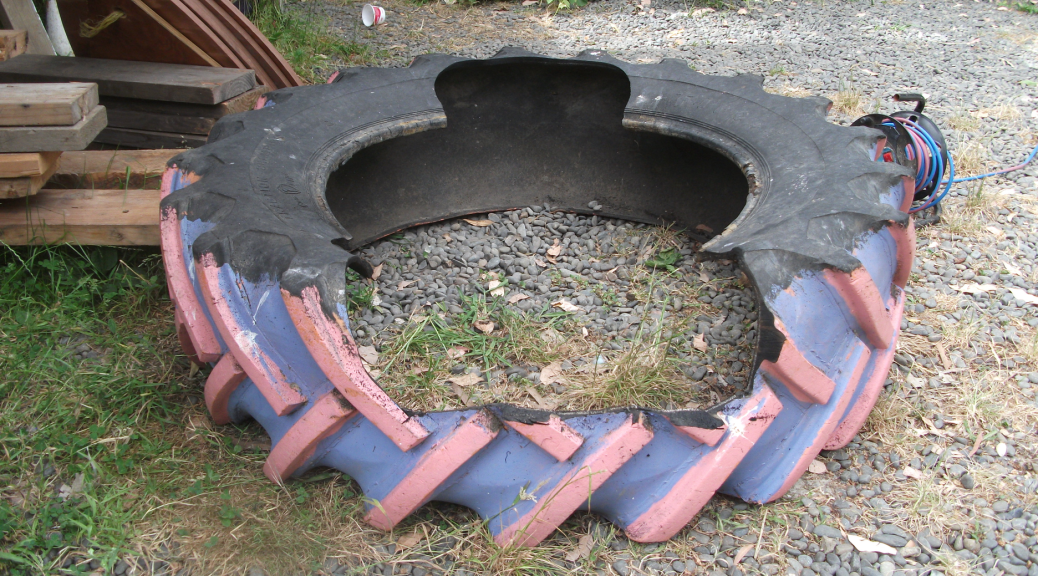
The tyre came from a Kindy – that’s why it’s painted pink and purple.

Screen Shot 2017-12-10 at 1.26.30 pm

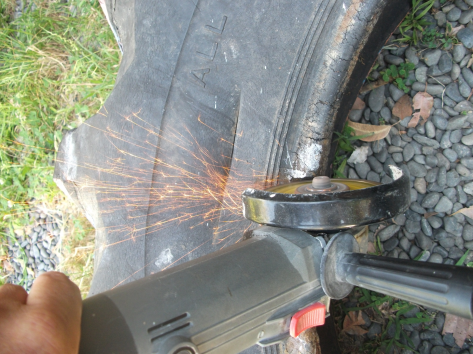
I followed the advice in the article from the Farm Show magazine.

Screen Shot 2017-12-10 at 1.26.51 pm

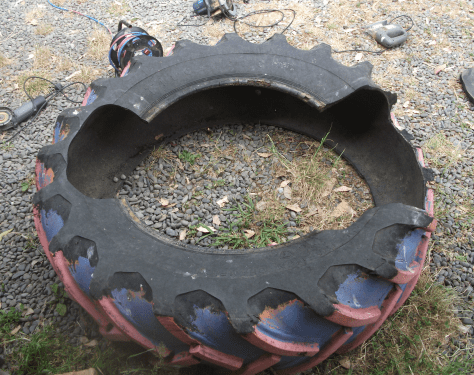
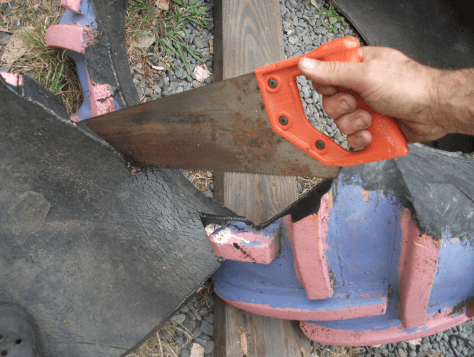
Pretty easy to cut the sidewalls.

Screen Shot 2017-12-10 at 1.27.20 pm

Not so easy to cut through the treads.

Screen Shot 2017-12-10 at 1.27.42 pm

All set for a mum and her bubs

Screen Shot 2017-12-10 at 1.28.27 pm

Peace, Estwing

Big Picture Permaculture: A Watershed Perspective.

The world faces crises of both water quality and quantity. While water quality is almost continually in decline, water quantity both rises and falls – meaning an increase in both severe droughts and major rain events. Extreme rain events are increasing worldwide and we’ve had two here in the last three years, causing flooding and land slips – both of which are made worse by common land use practices in this region.

Screen Shot 2017-10-26 at 5.46.25 am

This older slip is on a neighbouring farm, leaving this fence suspended in mid-air. 

The big picture approach to permaculture on our farm is to drought-proof and flood-proof the land simultaneously, while also improving water quality for everyone downstream of us. High on the property we’ve done heaps of water management, including building swales and ponds, and on the steep slopes planted over 100 poplar poles.

Screen Shot 2017-10-26 at 5.46.00 am

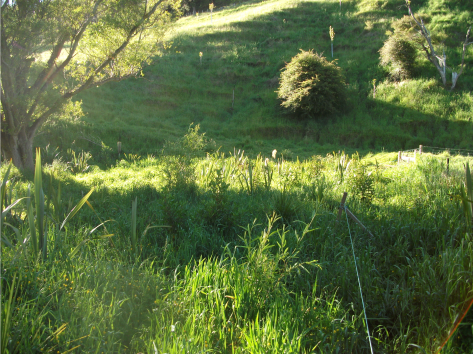
On the valley floor we have fenced the stream to exclude stock and planted the riparian corridor with over 1,700 native plants.

Screen Shot 2017-10-27 at 9.20.45 am

Setting fence posts, August 2016.

Screen Shot 2017-10-26 at 6.44.18 am

Planting Coprosma robusta, 2017.

The photos below are before/after shots showing change over the last 16 months.

Screen Shot 2017-10-27 at 9.21.20 am

August, 2016

Screen Shot 2017-11-21 at 6.39.50 am

November, 2017

Screen Shot 2017-10-27 at 9.17.55 am

July, 2016

Screen Shot 2017-11-21 at 6.38.51 am

November, 2017

Screen Shot 2017-10-27 at 9.17.39 am

July, 2016

Screen Shot 2017-11-21 at 6.38.17 am

November, 2017

But despite all of this work, our creek flooded six times this winter compared with once most winters. From what I can tell, this is down to two factors: the first is an extraordinarily wet winter and the second is recent logging of the slopes immediately upstream. Where pines once absorbed rains and held the slopes now water runs off quickly and fills the creek bed. It almost feels like all the work we have done has been undone by someone else 400 metres up the stream.

What this also means is that in dry spells the stream will be even lower because the water from winter rains has not been stored in the earth to be released slowly in the spring and summer. Clear-felling slopes is a lose-lose situation for everyone downstream.

Screen Shot 2017-10-26 at 5.45.07 am

Permaculture is about big picture thinking, holistic problem-solving, connecting the dots and four-dimensional design. When designing, we need to look beyond our own properties for factors that may have significant impacts. As the saying goes, “We all live downstream.”


Peace, Estwing

Inch by Inch, Row by Row: Building Annual Beds

A common misperception of permaculture is that “it is a messy form of gardening” – or that it is a form of gardening at all. Permaculture is a system of design. Growing annual vegetables can be a small part of a much larger farm system. For small-scale organic growers, annual veggies are an important source of income especially during the first years on a property.

Screen Shot 2017-11-12 at 6.49.54 am

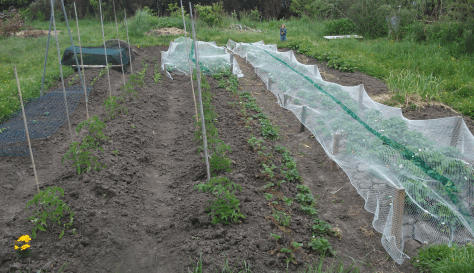
We took a totally different approach. Annual beds have mostly (except for our commercial garlic crops) been on the back burner for the last three and a half years while we’ve focused on water management and drainage, planted over 2,000 trees, fenced 400 metres of stream, renovated the house, and improved soil quality in the paddocks. With off-farm income and a fully-booked internship programme we were able to take it slow, which also happens to be the best way to convert paddocks to no-dig beds.

We lay polythene down for six months…

Screen Shot 2017-11-12 at 6.53.17 am

…and then broad fork the beds.

Screen Shot 2017-11-12 at 6.54.42 am

Everyone helps.

Screen Shot 2017-11-12 at 6.54.12 am

We shift the plastic to a new area every six months and cover it with grass or branches to reduce UV damage from the sun. After forking we form raised rows and plant out the annuals from our nursery.

Screen Shot 2017-11-12 at 6.51.33 am

Garlic takes up bed space for six months each year, which has meant we’ve not been able to grow much else until now.

Screen Shot 2017-11-12 at 6.51.17 am

Three more large annual beds will go in over the next 18 months and then we’ll have the market gardens fully up and running – after five years.

Screen Shot 2017-11-12 at 6.50.43 am

Slow and steady wins the race.


Peace, Estwing