Category Archives: Uncategorized

Spend the Winter on a World-Class Permaculture Property

We have a cosy studio with amazing views available for the winter. Experience holistic land management, animal husbandry and ecological restoration on one of the country’s best permaculture properties.

For less than the cost of a PDC you can spend three months experiencing permaculture first-hand. Includes free wifi, private bathroom, washing machine, etc. Close to town.

For more details contact: theecoschool at gmail dot com.

Peace, Estwing

Guest Post: Hugelkultur, four-dimensional design and goats!

Kostas, an intern at Kaitiaki Farm, shares some of what he has learned about our systems-based farm management strategy.

Screen Shot 2017-05-14 at 6.58.29 am

I will share with you, my experience with contributing into a hugelkultur project in Katiaki farm . Hugelkultur is a german word that describes a type of raised bed that is created using mainly branches of wood and soil.

After consulting with Nelson about the project, and introduced myself, Esther and Nicki into the four- dimensional design, which is the idea of taking action with an immediate and later in time outcome, we started our project.

The very last outcome of our work would be to create a raised bed area where an orchard would be established as fruit trees enjoy free draining soil. It all started when Nelson saw the need to hold water in of the highest, compared to lower level, parts of the property, and slowly release it to the lowest part of the property as a way to protect it from slips and overload of the creek running through.
Screen Shot 2017-05-18 at 6.16.32 am

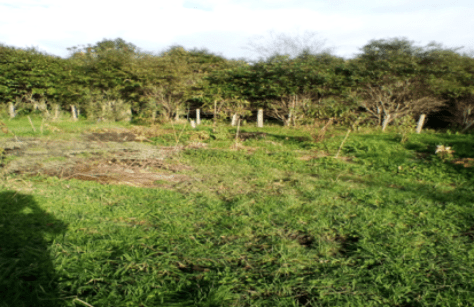
The area where it will be fully converted to a huge raised bed, some branches have already been placed there.


So, the Katiaki farm team prior to our arrival, dug swales to retain water for days after a storm and slowly release it to the ground adjacent to it. By digging though, there was an excess of topsoil that needed to be placed elsewhere.

Screen Shot 2017-05-18 at 6.16.51 am

This picture shows one of the swales and on the right, the area where the soil was placed over tree branches.               


In the meantime, all the dead branches on that part of the property were collected and after cut in smaller fragments placed on the area by one of the swales would be.

As soon as the first soil was taken from the ground as part of the swale digging process, it was placed on the branches that were laid on the grass, and technically soil covering tree branches is a hugelkultur bed, where the branches break down slowly releasing nutrients to the bed.

Screen Shot 2017-05-18 at 6.17.05 am

New branches put next to the existing hugelkultur beds…


Screen Shot 2017-05-18 at 6.17.13 am

And soil covering them…


Screen Shot 2017-05-18 at 6.17.24 am

Another swale on the right, driftwood that marks the end of the orchard and hugelkultur raised bed next to them.


After planning to build a small dependent dwelling on the property, the need to create a road to it surfaced. But first a small tree had to be removed as it was in the way. The best way in a four-dimensional-design-sense  in Katiaki farm was to daily cut 4 branches of the tree to feed the four goats, Rosie, Sussie, John Snow and Francis, and use the parts of the branches that the goats did not eat, as a base for the expansion of the hugelkultur orchard beds.

Screen Shot 2017-05-18 at 6.17.37 am

The tree that has been feeding the goats and the branches of which contributed to the creation of the raised beds.


Then, as we were in autumn and winter was near, and already Whanganui was hit by a few days of heavy rainfall, the swales needed to be dug bigger, to retain more water and so more soil was put on top of the next layers of laid branches to further extend the space of the future orchard.

We still have not finished the project, but the valuable lesson of the story is that by thinking ahead and visualizing the outcome, it is possible to work in a very efficient and economic way that benefits many aspects of the property and life in general. For Katiaki Farm, by planning all the steps, with the least spent energy, the tree has been cut slowly, so that the road to the new house will be paved, the goats have been kept happy, fed and healthy, the swales have been retaining more water and will be trickle feeding the orchard, the excess wood in the property has been used and carbon has been stored in the ground instead of being burned and releasing Co2 and in the future fruits will be produced feeding everyone that visit the farm.

So, before starting a project, maybe it is wise to think about the possible positive outcomes of a four dimensional design that might save you time, effort and possibly money. Think ahead, be smart.
Screen Shot 2017-05-18 at 6.17.57 am

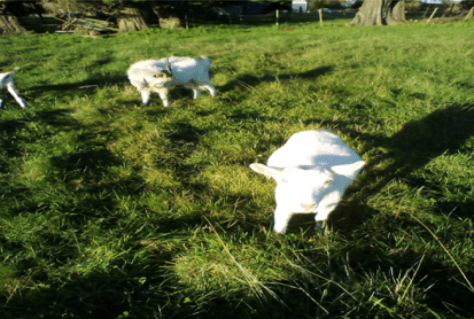
Beautiful, cheeky, snow love goats!


–  Kostas
RetroSuburbia: What it Looks Like

Permaculture co-founder David Holmgren’s upcoming book, RetroSuburbia, “highlights the ongoing and incremental changes we can make to our built, biological and behavioural landscapes. Focused on his home territory; Melbourne, Victorian regional towns and more generally southern Australia, the suburban retrofit concepts have national and global application. Due for publication in late 2017.”

Screen Shot 2017-04-30 at 6.58.06 am

More from the website:

“RetroSuburbia explains and illustrates patterns, designs and behavioural strategies applied by those already on the downshifting path to a resilient future, using permaculture ethics and principles. It is organised as a pattern language of interlocking and complementary design solutions to perennial problems faced by those applying a more systematic, whole-of-household approach to retrofitting their houses, gardens and living arrangements. It includes some proven design specifications and pointers, references technical sources and case studies, but is more of a strategic guide than a technical manual.
Rather than reviewing the latest technology for thermally efficient heating, the book has an overview of wood energy options that increase resilience and productivity of the household, some of which can be manufactured in a home workshop. Rather than details on how to grow vegetables or raise chooks, it describes the different systems for doing so, and their pros and cons in various situations. A lot of the technical detail is conveyed with graphics. This book will help you get your hands dirty tackling tricky issues with creative solutions, including those that might be seen as socially or even legally questionable. Harness the tradition of Aussie DIY to reclaim common sense self reliance while ignoring the overregulation, risk management myopic and dependence on centralised authority that afflicts affluent Australia. In the process, help create a broader, more holistic culture of DIO (doing it ourselves) which rebuilds the non-monetary economies of the household and community.”

Our home in Castlecliff, Whanganui, is used as a case study. Independent of Holmgren, we came to many of the same conclusions and design strategies. The success of our suburban retrofit speaks for itself: a warm, cosy, low-energy home and abundant food production on a small section. Regarding the issues brought up by Holmgren, there would be few properties in New Zealand that match this one in terms of the key characteristics of resilience.

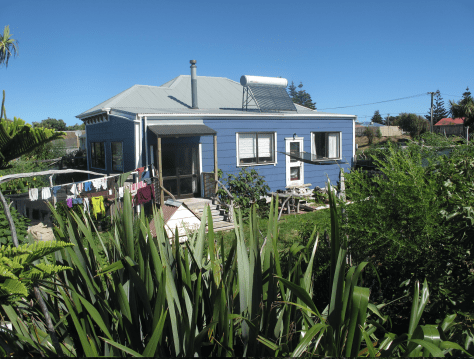
In November, 2010 we started renovating the old villa…

IMG_6873

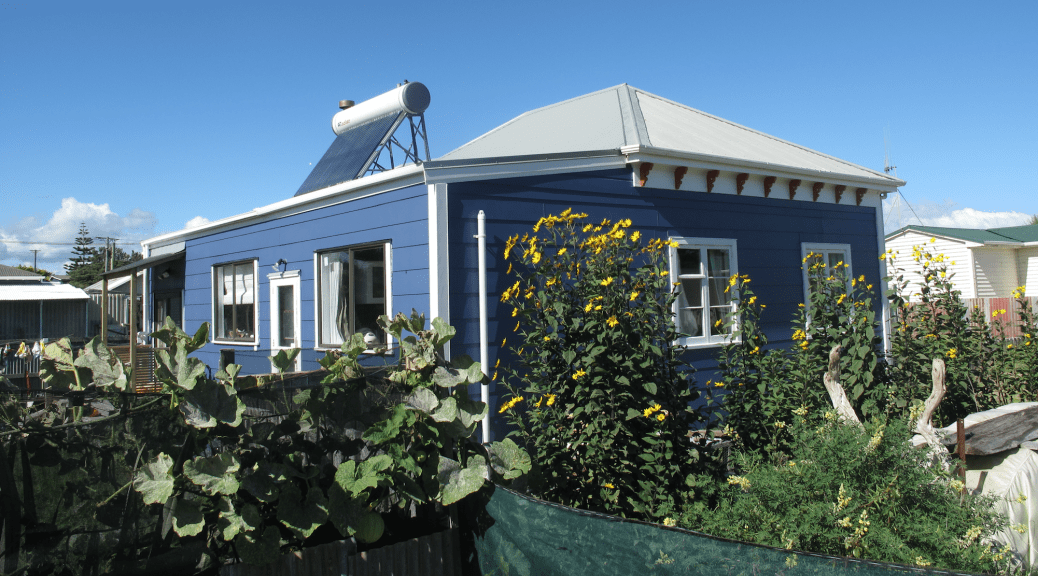
…which is now a high performance passive solar home.

DSCF5638

We started with a section full of weeds and rubbish six years ago.

IMG_7347

It is now full of fruit trees, natives, annual gardens and a pizza oven.

DSCF5036

Side yard before.

IMG_1830

Side yard after.

DSCF5653

Learn more about retrofitting suburbia.

Thursday, 11th May, 6:30-7:30 PM

Central Library, Palmerston North, New Zealand.

Dr. Nelson Lebo, Eco Design Advisor, Palmerston North City Council.


Peace, Estwing

Sector Analysis: You Don’t Need a Weatherman to Know Which Way the Wind Blows

After the permaculture ethics, one of the first things we cover with new interns is sector analysis.

Screen Shot 2017-04-06 at 6.04.38 am

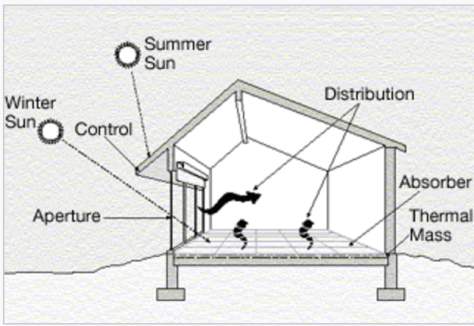
Sector analysis is a great way to start talking about sun angles and seasonal patterns. Many people are totally unaware of the differences between summer and winter sunrise and sunset angles.

Screen Shot 2017-04-04 at 12.15.36 pm

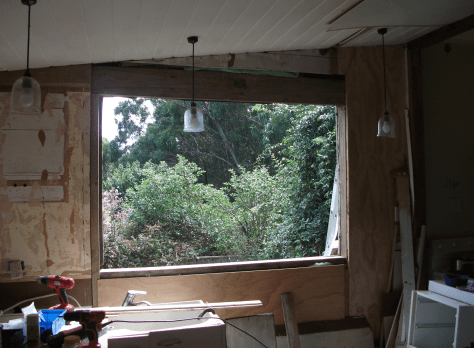
It is especially important to understand winter midday sun angles if you want to embrace passive solar design. For example, we increased the size of our kitchen window in order to get more winter sunlight into the previously dark and cold room.

Screen Shot 2017-04-04 at 12.18.59 pm

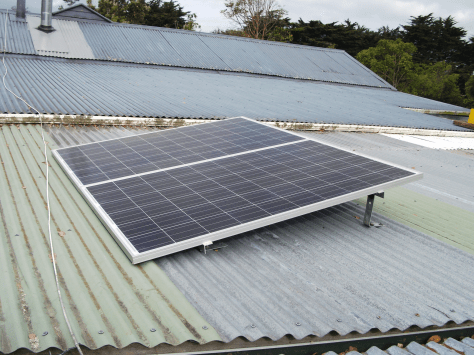
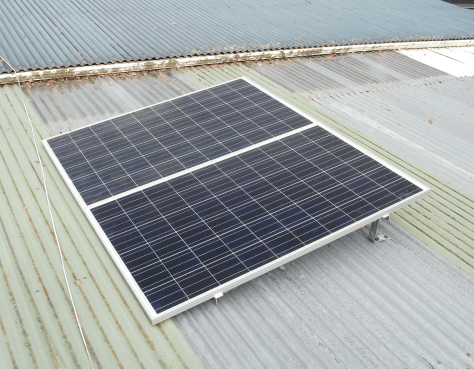
It’s also important to know summer midday sun angles in order to exclude the sun from overheating your home or for solar water heating for a swimming pool. We placed these PV panels to maximise summer sun energy as a dedicated summer domestic water heater. (We use a wood stove “wetback” to heat our water in winter.)

Screen Shot 2017-04-04 at 12.10.24 pm

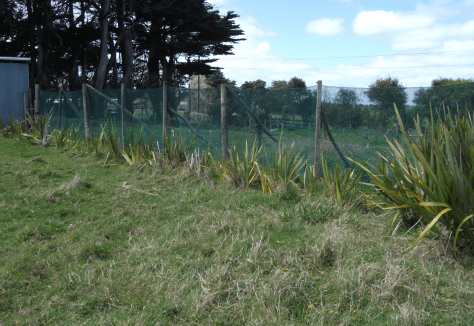
Another major natural factor we deal with here is wind. One of the first things we did when we arrived 2 and 1/2 years ago was put up wind protection before we planted an orchard.

Screen Shot 2017-04-04 at 12.14.25 pm

The netting is a short-term solution while the harekeke (flax) is the long-term solution to protect the trees from the prevailing northwest winds. It is hard to over-emphasise the importance of wind protection for fruit trees.

Screen Shot 2017-04-04 at 12.20.00 pm

Sector analysis helps our interns to understand the big picture of our farm and the holistic design and management plans we have developed along the lines of regenerative agriculture.

Peace, Estwing

The Free PDC: Permaculture Design Certificate

Is it possible that the best permaculture learning experience is also the most affordable? Absolutely.

Screen Shot 2017-03-27 at 8.35.45 pm

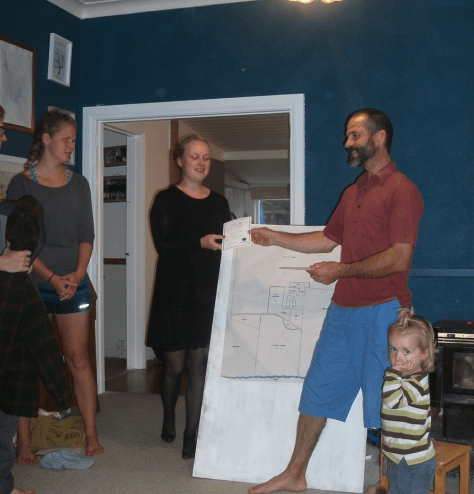
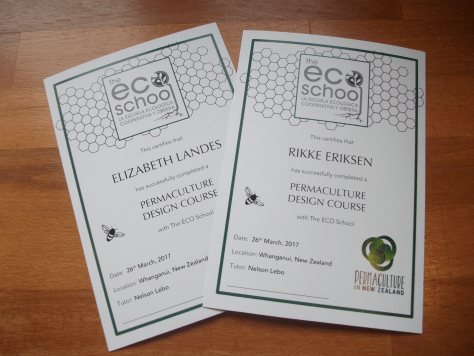
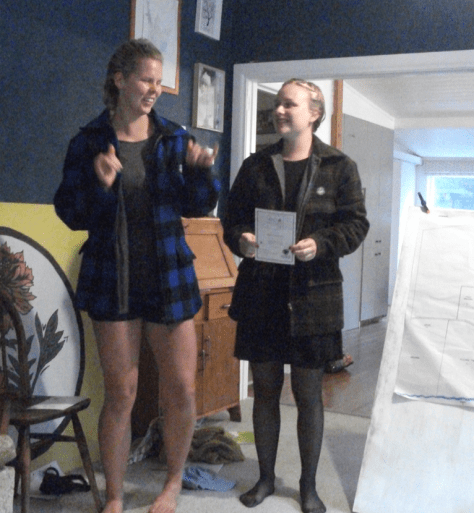
We awarded our first ever PDC qualifications yesterday afternoon after Rikke and Liz presented their amazing projects.

Screen Shot 2017-03-27 at 8.35.59 pm

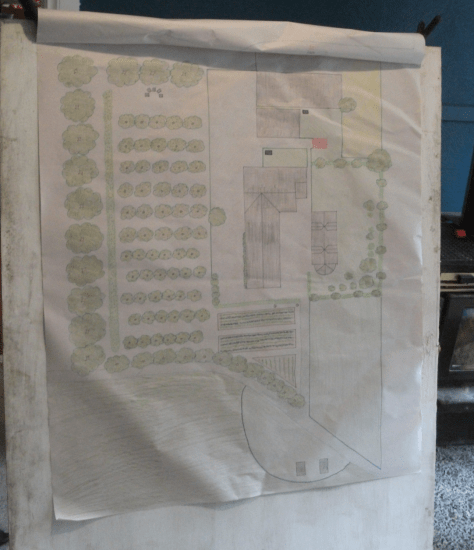
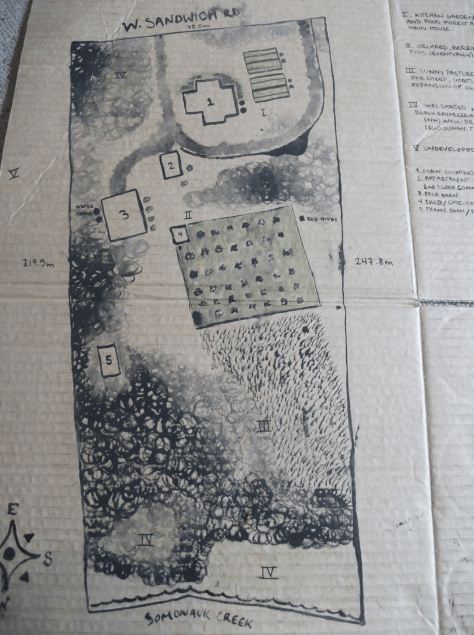
Here is a look at the designs each of them did for their respective parents’ properties in Denmark and rural Illinois (USA).

Screen Shot 2017-03-27 at 8.36.37 pm

Rikke’s family farm in Denmark

Screen Shot 2017-03-27 at 8.36.21 pm

Liz’s parents’ ‘retirement’ property in Illinois

Both young women have been living and working with us for the summer growing season as part of our internship programme on Kaitiaki Farm. We have hosted 16 interns over the last two and a half years as we transform the worn out horse property into an exemplar permaculture farm. Interns have stayed for eight to 16 weeks.

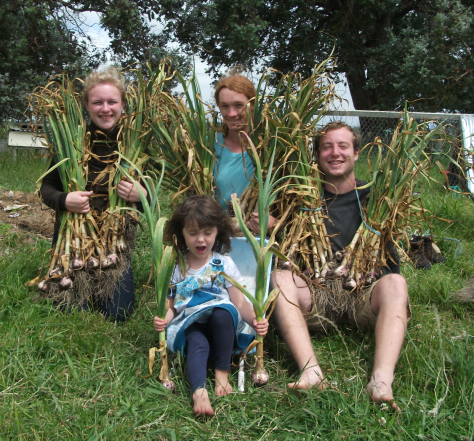
Rikke arrived just in time for the garlic harvest in December when Oliver and James were still here.

Screen Shot 2017-03-27 at 7.20.21 am

Liz arrived in early January. Here is a look at their classroom.

Screen Shot 2017-03-27 at 7.18.47 am

Yesterday was a landmark day for us as we took another step in realising our vision of providing outstanding educational experiences affordably. Liz and Rikke paid nothing for their PDC – a course that usually costs $2,000 to $2,400 in New Zealand. Granted, they ‘paid’ for the course with their efforts on the farm, but that is also the best kind of learning – and endless series of ‘teachable moments’ and design discussions in a real-world context.

We are proud of their accomplishments this summer.

Screen Shot 2017-03-27 at 8.35.22 pm

While we cannot continue to offer a free PDC, now that the pilot work-study PDC is complete we are ready for the next intake of interns starting…tonight. We will continue to offer affordable top-notch education, just not for naught.

But for now, these two young women can boast of something extraordinary.

Peace, Estwing

Late Summer Permaculture Update

Sorry we have not posted a ‘permaculture update’ in ages. We’ve been busy with our great interns plus this is the busiest time of year for fruit and vegetable production.

Screen Shot 2017-03-16 at 7.12.44 am

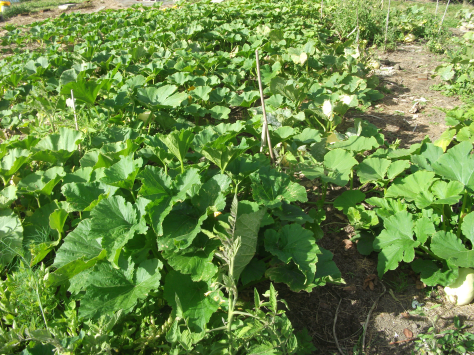
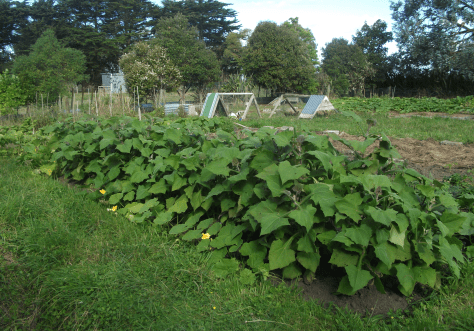
As always, our summer crops focus on tomatoes and squash/pumpkin.

Screen Shot 2017-03-16 at 7.13.14 am

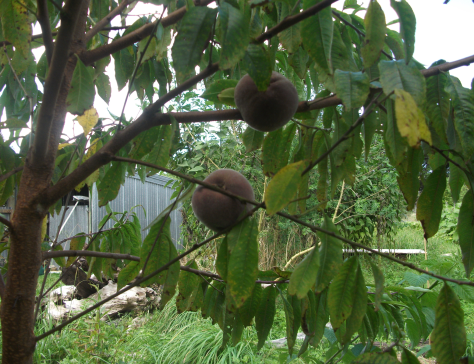
Lots of Black Boy peaches and Monty’s Surprise apples.

Screen Shot 2017-03-16 at 7.14.27 am

The yakon we planted is going well.

Screen Shot 2017-03-16 at 7.13.39 am

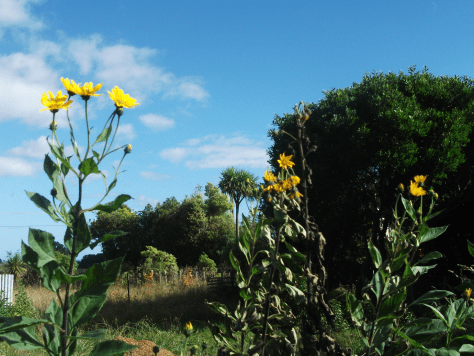
The first Jerusalem Artichoke are flowering.

Screen Shot 2017-03-16 at 7.25.08 am

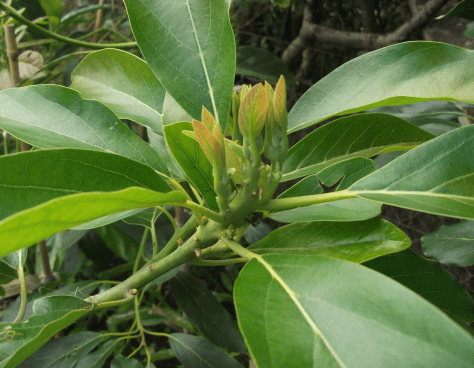
After pruning, the avocados are showing new growth.

Screen Shot 2017-03-16 at 7.14.45 am

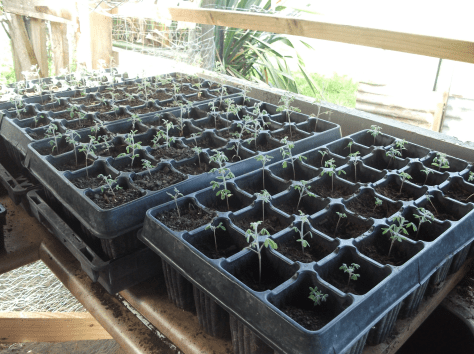
We’ve got trays and trays of tagasaste going.

Screen Shot 2017-03-16 at 7.15.15 am

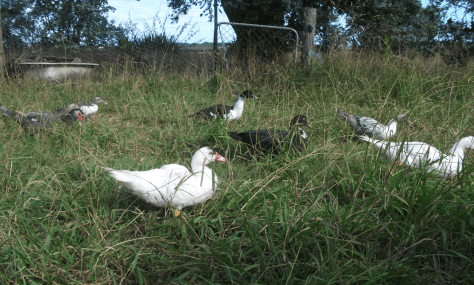
On the animal front, the flock of muscovies has grown dramatically with over one hundred ducklings hatched.

Screen Shot 2017-03-16 at 7.24.52 am

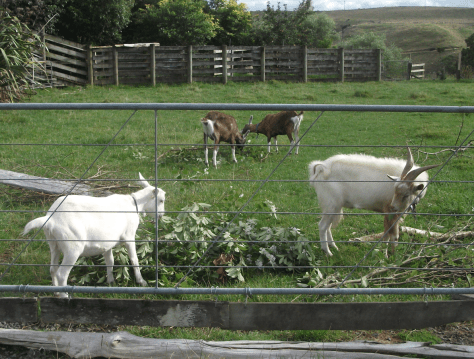
We have a Billy now so we hope to have kids in five to six months time.

Screen Shot 2017-03-16 at 7.25.32 am

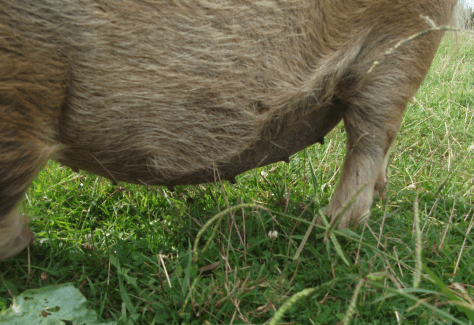
And appears we may have piglets any day.

Screen Shot 2017-03-16 at 7.25.57 am

Peace, Estwing

Solar Power: When, How and Where is it Right for You?

Passive solar home design is always a good idea, but if you’re not building or renovating what are the best choices for using solar energy at home?

Screen Shot 2017-03-08 at 6.14.25 am

We are offering a pair of workshops on solar power both low-tech and high-tech.

Sunday, 26th March 2017

Whanganui, New Zealand

Workshop 1) Solar and Alternative Cooking for Fun or Emergency.

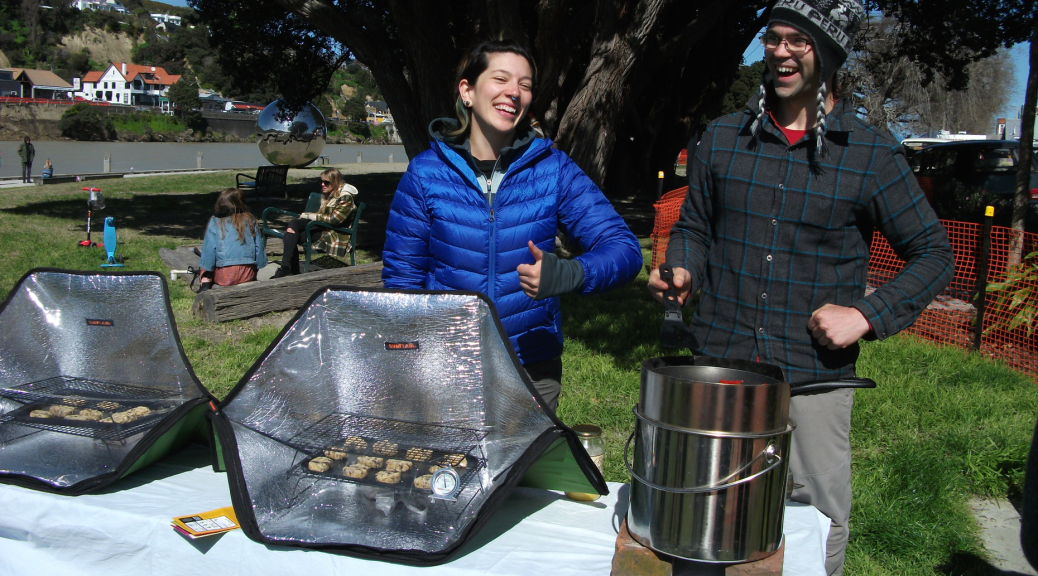
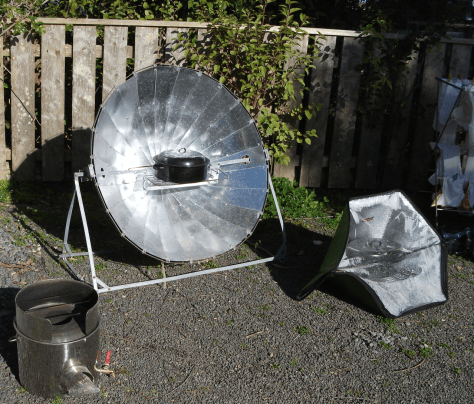
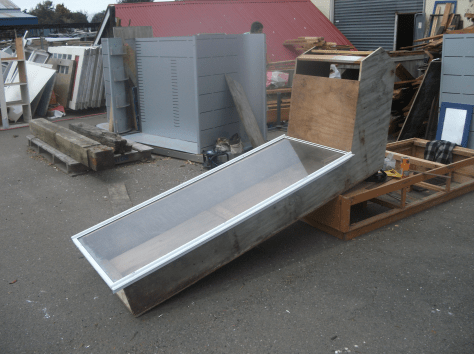
Emergency preparedness is just as important as day-to-day sustainable living in a volatile world where power outages are possible without warning. We will cover a variety of solar cookers, rocket stoves, and ‘the best solar dehydrator’ design. 4-5 pm. $10

Screen Shot 2017-03-06 at 7.19.52 amScreen Shot 2017-02-27 at 6.50.28 am

Workshop 2) Solar Electricity and Solar Hot Water: Making informed investment decisions.

There is a lot of hype and misinformation when it comes to domestic solar energy. The bottom line is that it may not be a sound economic investment for most NZ households. Find out if and how it may be right for you? 5-6 pm. $20

Screen Shot 2017-03-07 at 2.38.18 pm

Space is limited. Preregistration essential. theecoschool at gmail dot com.

Peace Estwing

Selling a Dream: Outstanding Permaculture Property

Could this be the best value permaculture property in New Zealand?

Lovingly renovated seaside villa combines old and new to achieve a sunny, warm, dry and comfortable home while retaining distinctive retro character.

screen-shot-2017-02-28-at-8-32-08-am

Over the three years we lived here our power bills averaged $26 per month while running a refrigerator, freezer, washer, hob, jug, wifi, etc, and enjoying abundant hot water.

screen-shot-2017-02-28-at-8-13-44-am

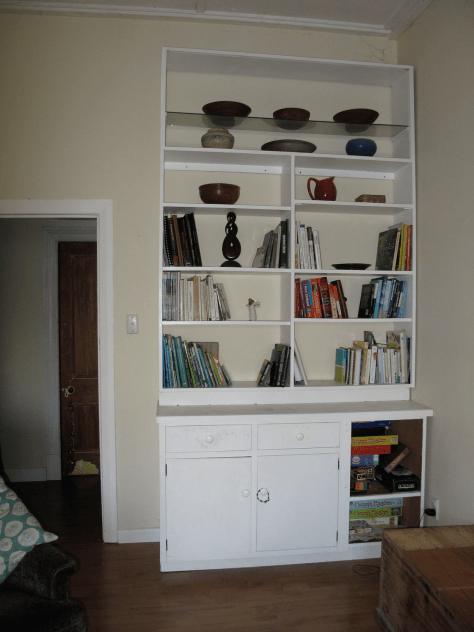
Much of the interior features native hardwood built-ins such as this three and a half metre rimu shelf unit.

screen-shot-2017-02-28-at-8-14-41-am

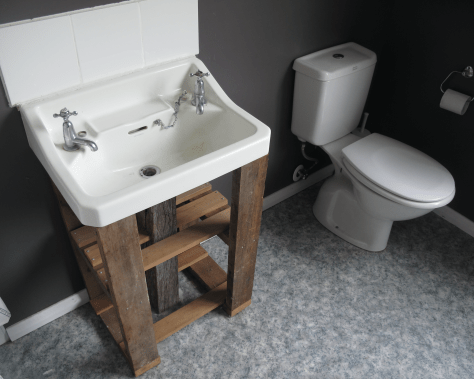
And this bespoke totara and rimu vanity.

screen-shot-2017-02-28-at-8-18-32-am

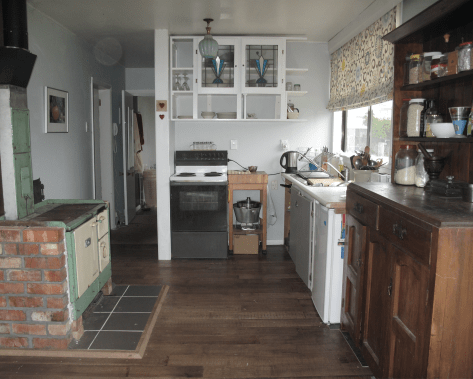
The kitchen features hardwood shelving with antique lead light doors and vintage light shades, along with a new Tasmanian oak floor and cosy old school Shacklock cooker.

screen-shot-2017-01-11-at-6-50-37-am

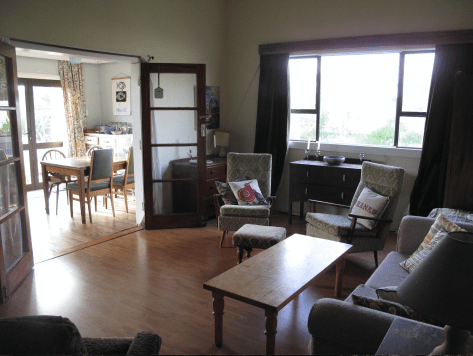
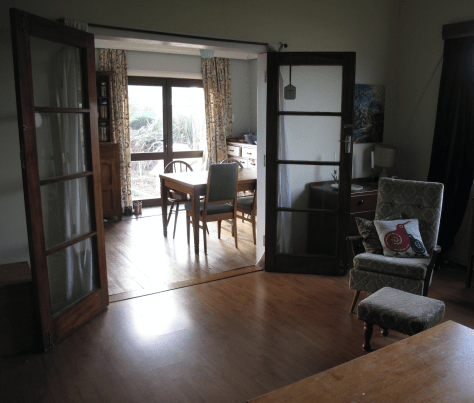
With great indoor/outdoor flow, the living spaces are bright and airy throughout the day.

screen-shot-2017-01-11-at-6-51-23-am

A pizza oven and vege gardens are just outside the French doors.

screen-shot-2017-02-28-at-8-16-19-am

The private back yard is lined with fruit trees and natives while retaining enough lawn for a play.

screen-shot-2017-02-28-at-8-28-33-am

Over 30 productive fruit trees fill the 700 square metre section.

screen-shot-2017-02-28-at-8-27-49-am

Grapes and Jerusalem artichoke fill the spaces in between.

screen-shot-2017-02-28-at-8-27-32-am

New roof, new cladding, insulation and solar hot water are among the features of this highly resilient home.

screen-shot-2017-01-11-at-6-48-32-am

This property has been featured by the national and international media and represents a gold standard in suburban permaculture. The renovation is the only case study outside of Australia to be included in David Holmgren’s current project: RetroSuburbia.

All of this can be yours for 85% less than the average bog standard Auckland home.

Enquiries through the blog’s home page. Or comment.

Peace, Estwing

A Living Willow Bridge

“If you’re not having fun, there’s something wrong with the design.”

I can’t remember where or when I heard that, but I’ve always recognised it as true when applied to developing permaculture properties both large and small. Regenerative land management is hard work and burn out is a real possibility. Pacing oneself, enjoying the work, laughing and playing are hugely important. We embrace all of it at Kaitiaki Farm.

screen-shot-2017-02-26-at-6-20-28-am

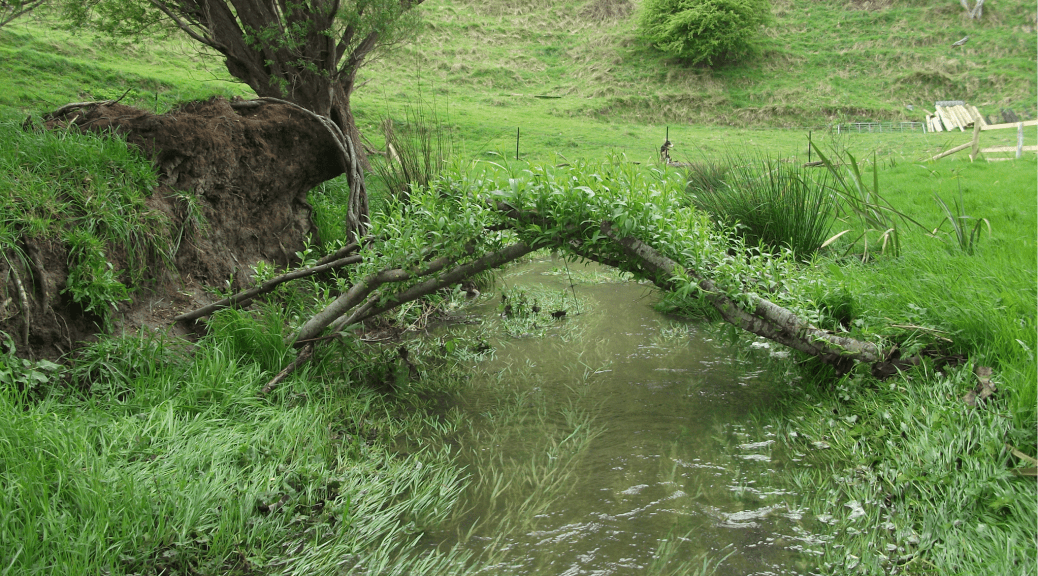
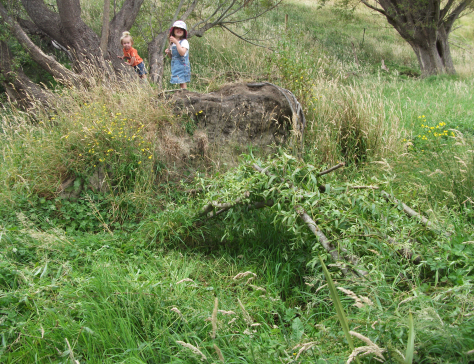
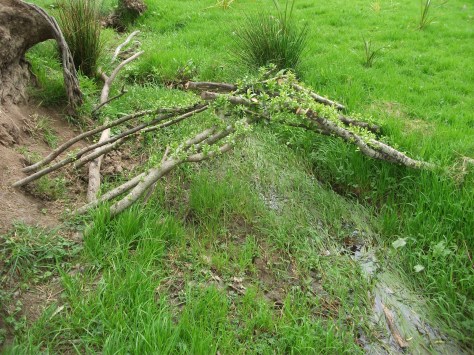
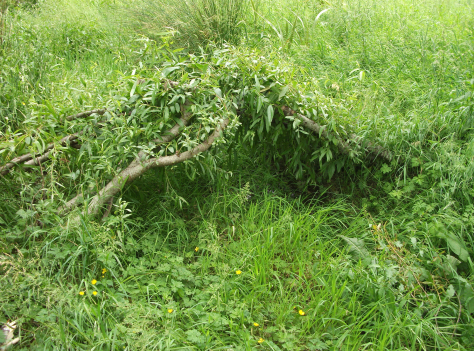
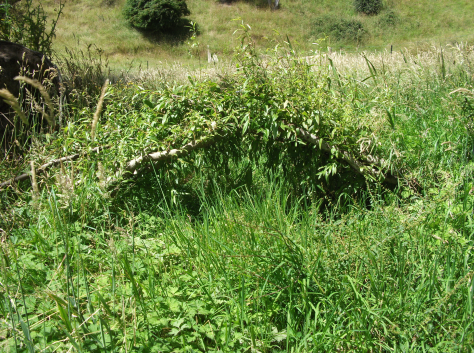
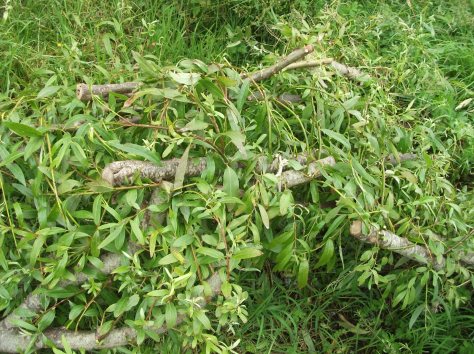
Back in September when we were planting hundreds of native trees along our stream we had to cut back some willows. We could have discarded them but that would have been no fun. We planted them instead to form a bridge for the children involved in the Kaitiaki Forest Preschool Programme.

dscf3718

Not much later they came to life.

dscf3719

Not much later branches were growing.

dscf3803

And growing.

dscf3880

And growing.

screen-shot-2016-12-14-at-6-21-31-am

And growing.

screen-shot-2017-01-17-at-8-02-25-am

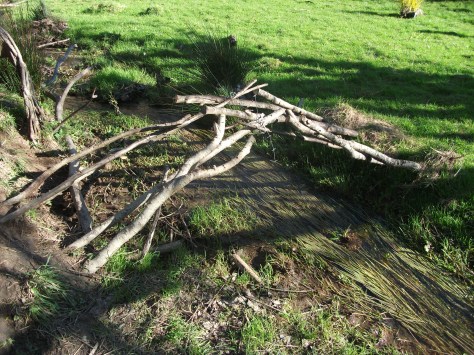
Once the branches were long enough, I pruned out most of them and wove the rest together.

screen-shot-2017-02-26-at-6-20-11-am

The chief engineer turned up to do some strength testing.

screen-shot-2017-01-19-at-6-17-09-am

When work is play it’s effortless.

Peace, Estwing

Permaculture Case Study: A Spring-Fed Water Trough

One challenge we have faced while fencing off our stream from stock has been supplying them with drinking water on the far side. (This is part of our wetland restoration and stream protection project: https://ecothriftylife.com/2017/02/01/world-wetlands-day/  )

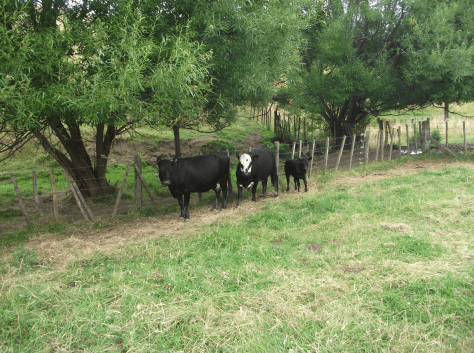
Here are three ladies shading themselves near the stream on the valley floor.

screen-shot-2017-01-19-at-6-31-09-am

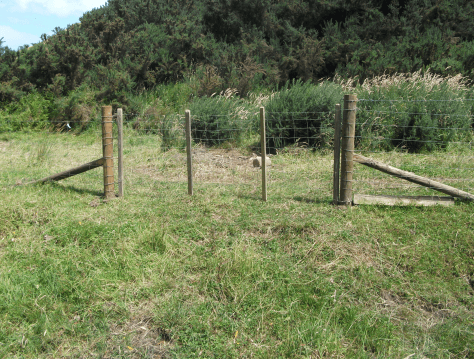
After fencing the entire stream we put in a Taranaki Gate to get stock across a few times each year. Obviously they are not drinking from the stream anymore, so we needed to figure out a way to keep them watered. One option was running the farm’s bore water to them, but that would have taken a bit of time and money.

screen-shot-2017-01-12-at-2-17-37-pm

The far side of Purua Stream has a large number of springs, so I decided to do a little experiment.

screen-shot-2017-01-09-at-6-40-34-am

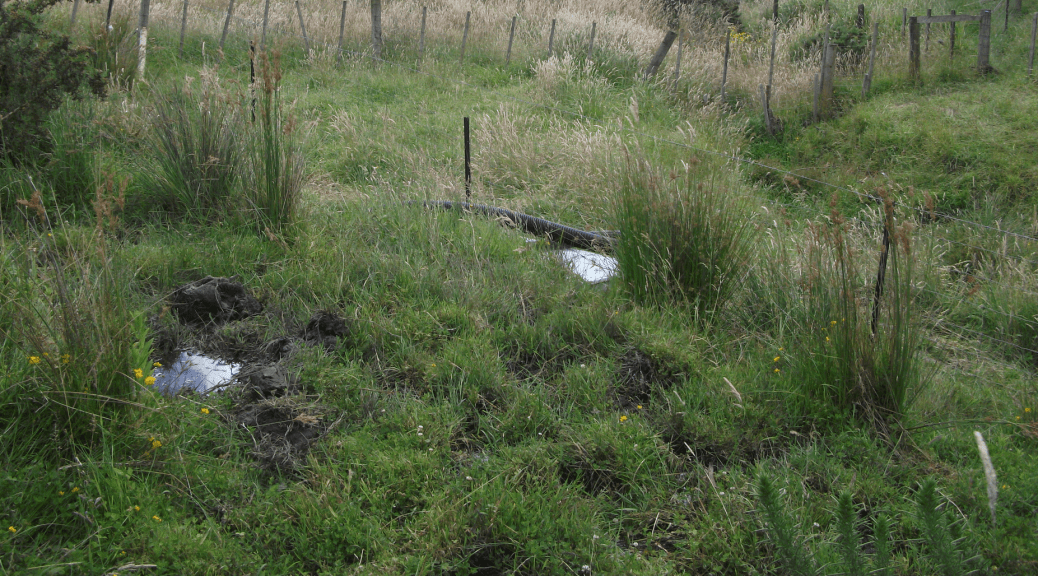
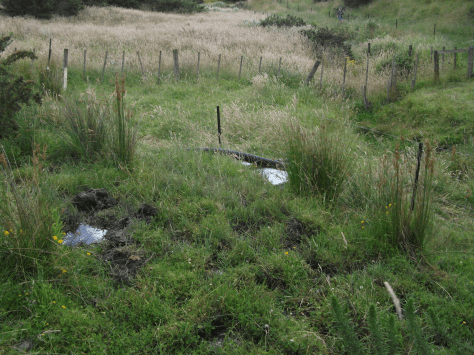
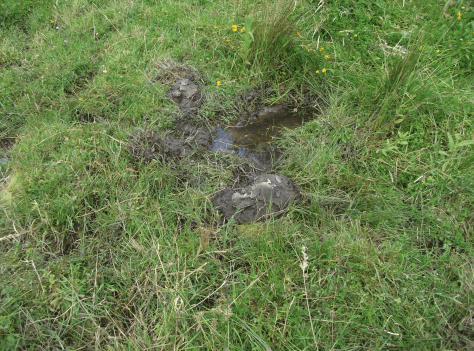
I located a spot just below the spring source and dug a small hole.

screen-shot-2017-01-09-at-6-37-08-am

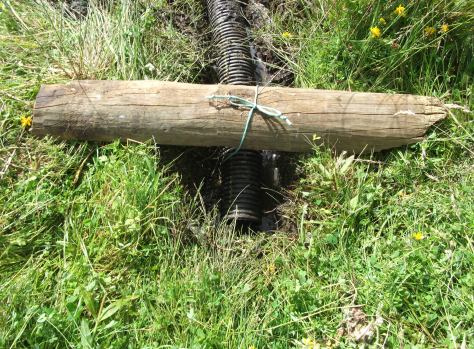
I cut a six metre section of plastic pipe and placed one end in the hole. I drilled holes on the sides and top of the pipe and raised it off the bottom with twine and a broken fence post. These steps will help prevent soil getting in the pipe and clogging it.

screen-shot-2017-01-09-at-6-49-49-am

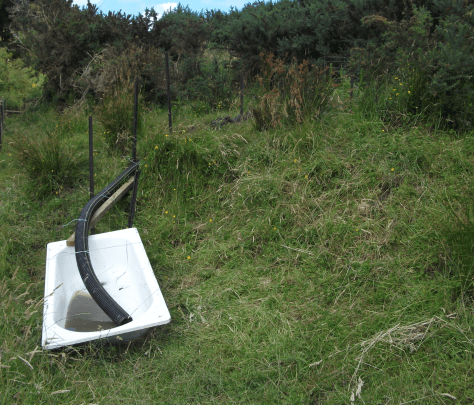
The pipe runs downhill to a second hand bath.

screen-shot-2017-01-09-at-6-50-10-am

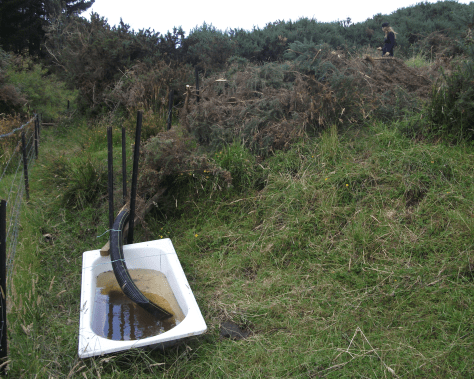
Knowing how mischievous cows are, I used warratahs to hold the pipe in place and then the interns covered it with gorse branches that they were cutting nearby. The tub filled overnight and has worked brilliantly since.

screen-shot-2017-01-12-at-2-11-57-pm

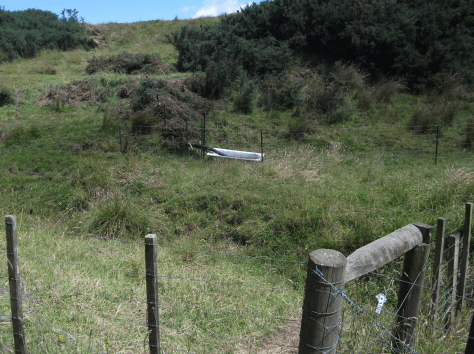
This is what the spring-fed trough looks like from across the stream with the pipe covered with thorny gorse branches.

screen-shot-2017-01-19-at-1-40-16-pm

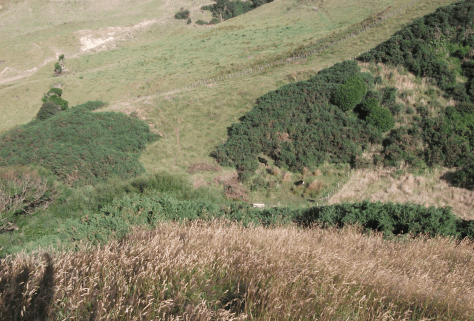
This is what it looks like from higher up the valley. This photo shows the cows near the trough.

screen-shot-2017-01-17-at-8-00-02-am

This simple and elegant system is a great example of what permaculture design thinking is all about.

Peace, Estwing