Tag Archives: permaculture internship

Permaculture Farm PDC Internship Intensive

Our interns booked in for the August/September internship programme have had last minute conflicts arise. We are in the position to offer a six week intensive (normally eight weeks) programme for the right person(s).

We believe in learning by doing. 

We believe in making education affordable.

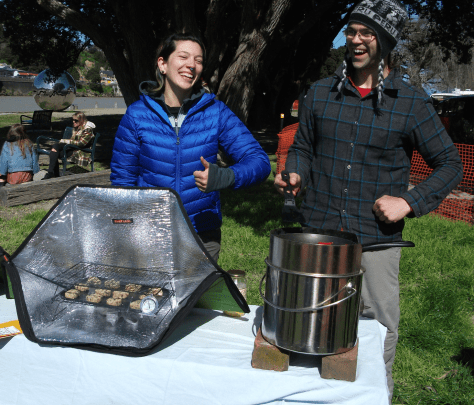
Interns earn a Permaculture Design Certificate (PDC) through an experience of living permaculture on the land. During the August/September programme we will focus on animal care, planting trees, solar cooking, rocket stoves, eco-renovation, orchard management and market gardening.

There is a special emphasis on community education during this particular programme, which culminates with Adult Learners Eco-Literacy Week and the Whanganui Permaculture Weekend.

Dates: 30th July – 10th September.

Cost: $350

More details: http://www.theecoschool.net/workstudy-permaculture-design-certificate.html

Contact: theecoschool at gmail dot com


Peace, Estwing

Early Winter Permaculture Update

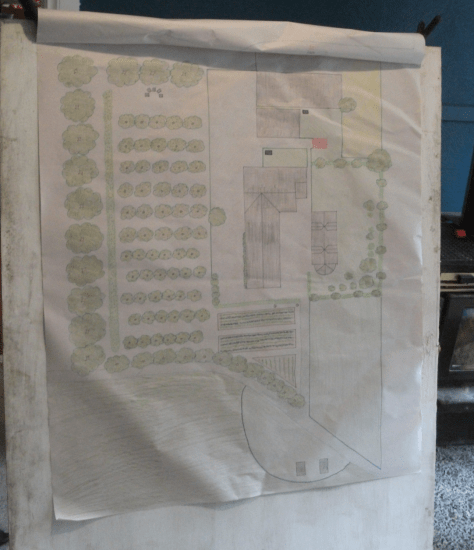
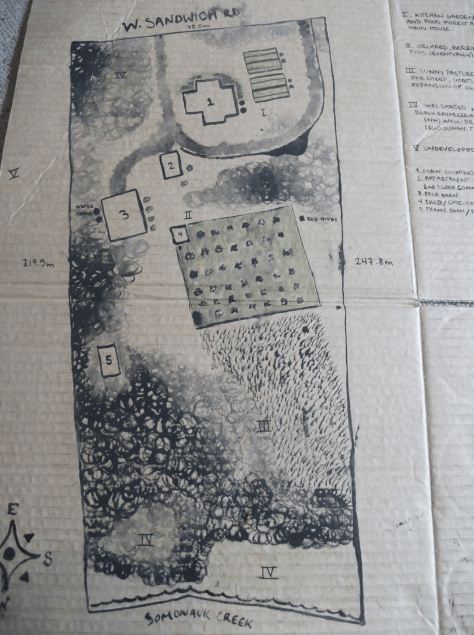
We have had a busy autumn here on the farm with our three amazing interns. They left us last weekend after presenting their fabulous design projects.

Screen Shot 2017-06-18 at 6.32.52 am

After 10 weeks on the farm they have learned a ton about permaculture design.

Screen Shot 2017-06-18 at 6.32.09 am

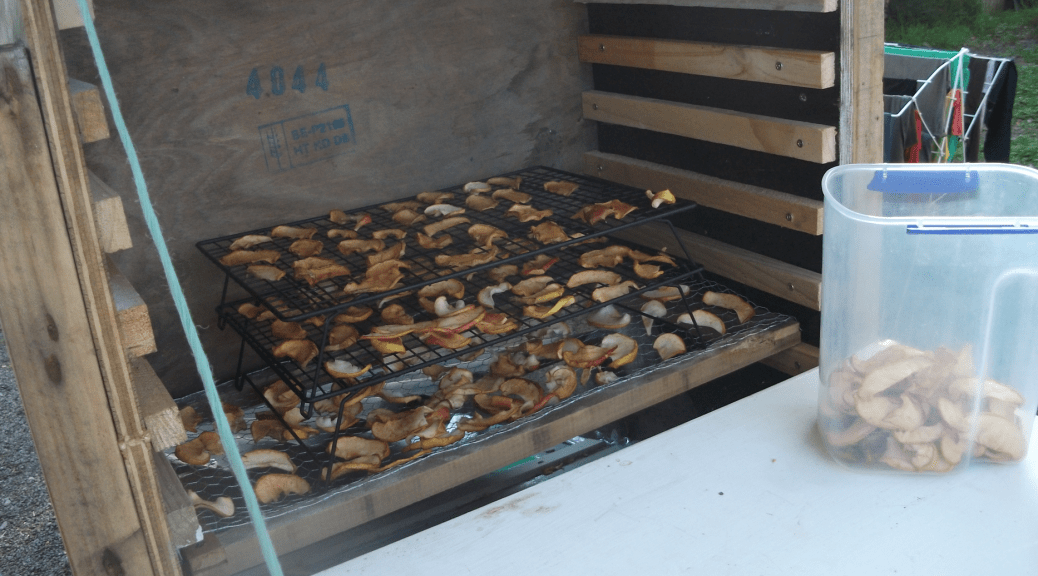
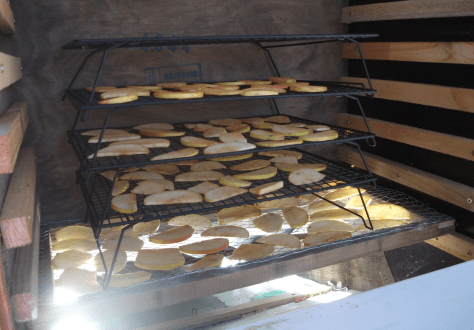
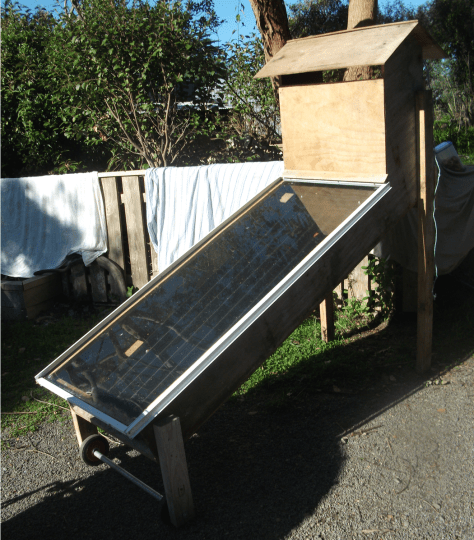
Now, for the first time in eight months we do not have interns on the farm. It is a welcome break from continuously having to manage a group of eager helpers. We’ve shifted gears to a slower life with easy chores like drying apples. We had a very large harvest of Monty’s Surprise apples this year and are processing many of them through the solar dehydrator.

Screen Shot 2017-06-18 at 6.26.52 am

I made this a few months ago out of salvaged timber and an old shower door.

Screen Shot 2017-06-18 at 6.25.53 am

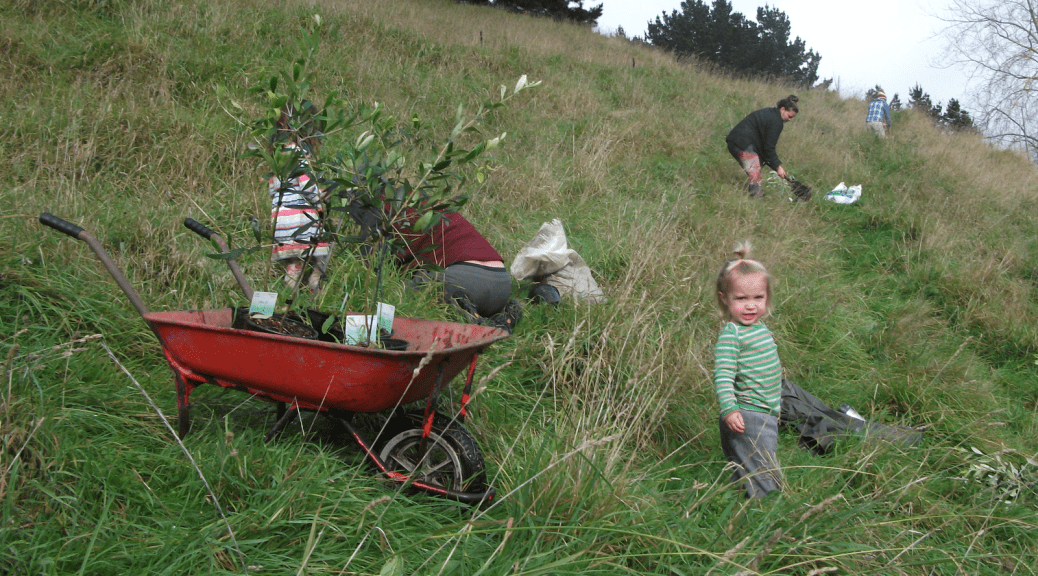
Before the interns left we made a good push to plant out our strawberries…

Screen Shot 2017-06-18 at 6.26.36 am

… but we had so many that I’ve had to pot a few dozen up this weekend. Too many strawberries? That’s my kind of problem!

Screen Shot 2017-06-18 at 6.26.20 am

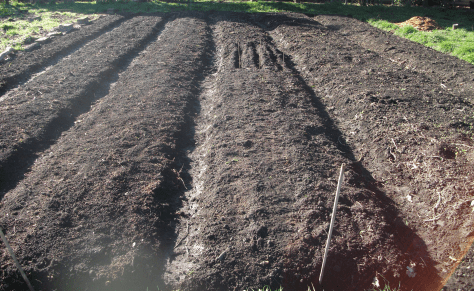
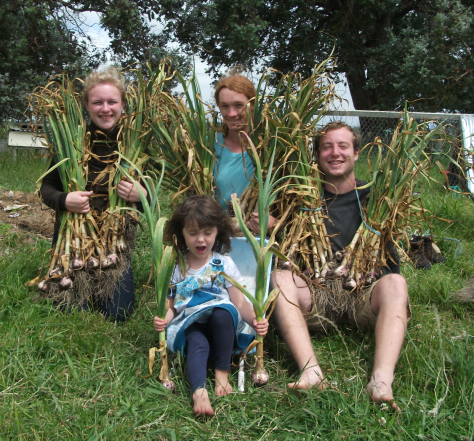
We also made a good effort of planting garlic, but the process is not quite halfway done so far. I enjoy planting garlic and can take the next fortnight to chip away are the remainder of the 4,000 + cloves that we’re planting.

Screen Shot 2017-06-18 at 6.28.05 am

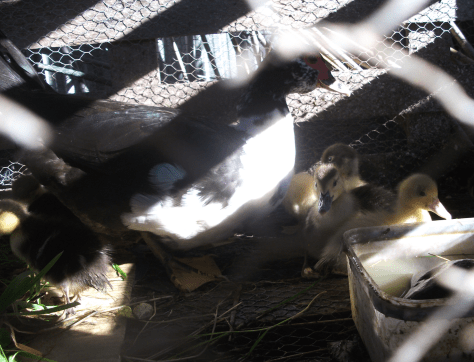
Other early winter things happening on the farm: ducklings?!?

Screen Shot 2017-06-18 at 6.27.41 am

We have cockerels to process once there is enough space in the freezer.

Screen Shot 2017-06-18 at 6.29.01 am

And the first lot of poplar poles was delivered by the regional council. But those can wait until the August internship begins.

Screen Shot 2017-06-18 at 6.26.12 am

Peace, Estwing


Permaculture Internship: A Day in the Life

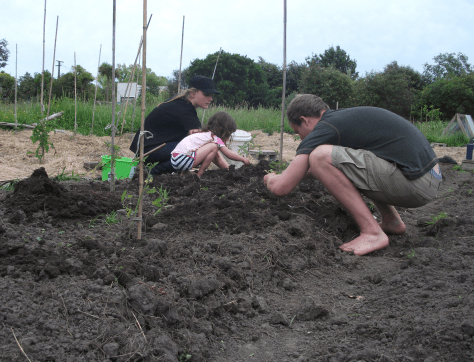
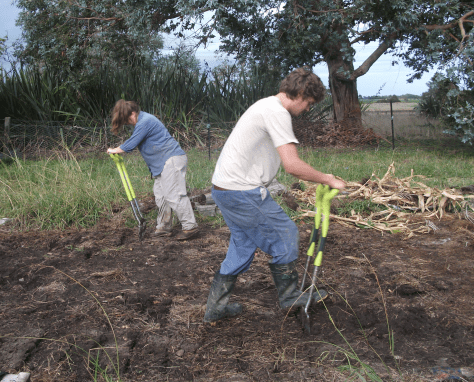
Here is a glimpse of what a permaculture internship on Kaitiaki Farm looks like. It includes regular chores like animal care, solar cooking and cutting firewood in the winter, but it can also include unique projects.

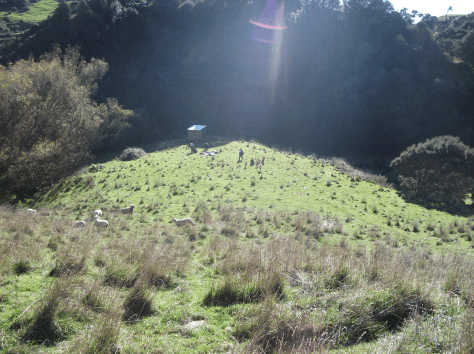
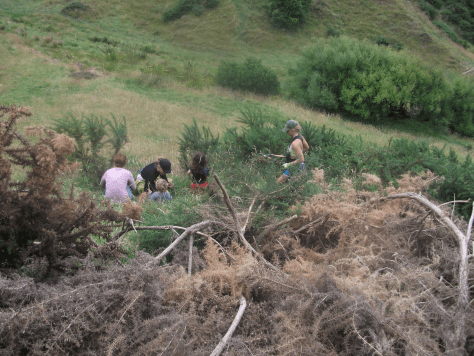
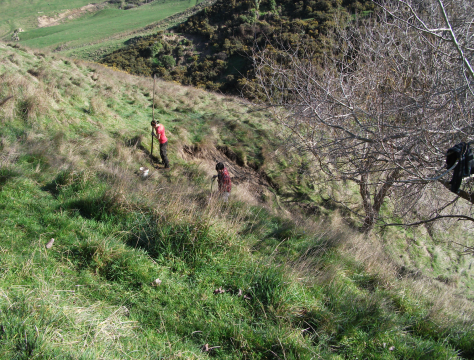
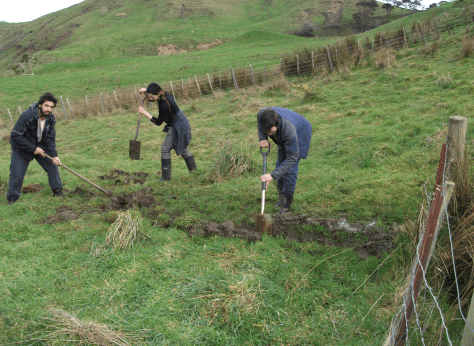
One morning this week our interns had the opportunity to meet with land care specialists from our Regional Council who came to the farm to advise us on a planting plan for our stream and hillsides. While we were in the valley we planted some willow poles at the bottom of a recent slip. (We cut and prepared the poles the previous day.)

Later that day they helped out at a pop-up Curtain Bank we started to hand out free curtains to families in need in our community. Once we got home there was still a little sunlight left so we planted another few rows of garlic.

The permaculture ethics can be summarised as: Earth Care; People Care; Fair Share. Our interns immerse themselves in these ethics along with the four-dimensional design strategies we employ on the farm. After two months they leave us with a Permaculture Design Certificate, a large array of practical skills, and a new perspective on the world and how to re-design it to better serve people and the planet. Our current group of three interns graduate tomorrow. We wish them luck!

For more information on the Kaitiaki PDC internship programme:

http://www.theecoschool.net/workstudy-permaculture-design-certificate.html


Peace, Estwing

Guest Post: Hugelkultur, four-dimensional design and goats!

Kostas, an intern at Kaitiaki Farm, shares some of what he has learned about our systems-based farm management strategy.

Screen Shot 2017-05-14 at 6.58.29 am

I will share with you, my experience with contributing into a hugelkultur project in Katiaki farm . Hugelkultur is a german word that describes a type of raised bed that is created using mainly branches of wood and soil.

After consulting with Nelson about the project, and introduced myself, Esther and Nicki into the four- dimensional design, which is the idea of taking action with an immediate and later in time outcome, we started our project.

The very last outcome of our work would be to create a raised bed area where an orchard would be established as fruit trees enjoy free draining soil. It all started when Nelson saw the need to hold water in of the highest, compared to lower level, parts of the property, and slowly release it to the lowest part of the property as a way to protect it from slips and overload of the creek running through.
Screen Shot 2017-05-18 at 6.16.32 am

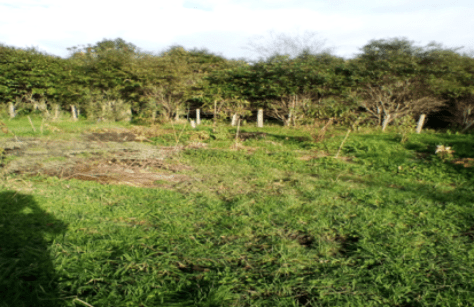
The area where it will be fully converted to a huge raised bed, some branches have already been placed there.


So, the Katiaki farm team prior to our arrival, dug swales to retain water for days after a storm and slowly release it to the ground adjacent to it. By digging though, there was an excess of topsoil that needed to be placed elsewhere.

Screen Shot 2017-05-18 at 6.16.51 am

This picture shows one of the swales and on the right, the area where the soil was placed over tree branches.               


In the meantime, all the dead branches on that part of the property were collected and after cut in smaller fragments placed on the area by one of the swales would be.

As soon as the first soil was taken from the ground as part of the swale digging process, it was placed on the branches that were laid on the grass, and technically soil covering tree branches is a hugelkultur bed, where the branches break down slowly releasing nutrients to the bed.

Screen Shot 2017-05-18 at 6.17.05 am

New branches put next to the existing hugelkultur beds…


Screen Shot 2017-05-18 at 6.17.13 am

And soil covering them…


Screen Shot 2017-05-18 at 6.17.24 am

Another swale on the right, driftwood that marks the end of the orchard and hugelkultur raised bed next to them.


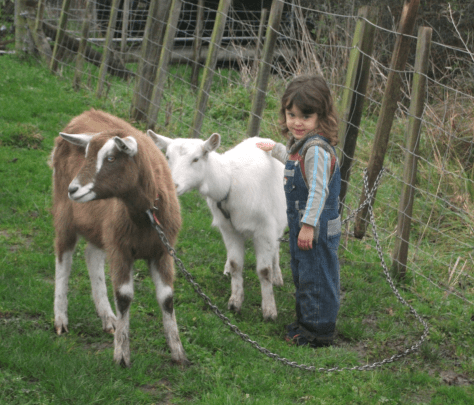
After planning to build a small dependent dwelling on the property, the need to create a road to it surfaced. But first a small tree had to be removed as it was in the way. The best way in a four-dimensional-design-sense  in Katiaki farm was to daily cut 4 branches of the tree to feed the four goats, Rosie, Sussie, John Snow and Francis, and use the parts of the branches that the goats did not eat, as a base for the expansion of the hugelkultur orchard beds.

Screen Shot 2017-05-18 at 6.17.37 am

The tree that has been feeding the goats and the branches of which contributed to the creation of the raised beds.


Then, as we were in autumn and winter was near, and already Whanganui was hit by a few days of heavy rainfall, the swales needed to be dug bigger, to retain more water and so more soil was put on top of the next layers of laid branches to further extend the space of the future orchard.

We still have not finished the project, but the valuable lesson of the story is that by thinking ahead and visualizing the outcome, it is possible to work in a very efficient and economic way that benefits many aspects of the property and life in general. For Katiaki Farm, by planning all the steps, with the least spent energy, the tree has been cut slowly, so that the road to the new house will be paved, the goats have been kept happy, fed and healthy, the swales have been retaining more water and will be trickle feeding the orchard, the excess wood in the property has been used and carbon has been stored in the ground instead of being burned and releasing Co2 and in the future fruits will be produced feeding everyone that visit the farm.

So, before starting a project, maybe it is wise to think about the possible positive outcomes of a four dimensional design that might save you time, effort and possibly money. Think ahead, be smart.
Screen Shot 2017-05-18 at 6.17.57 am

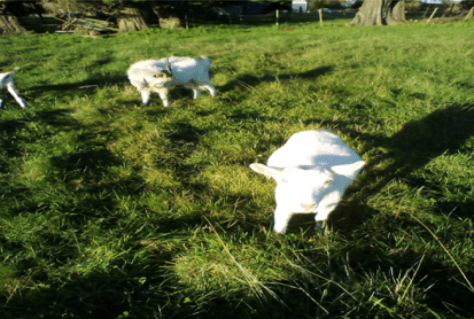
Beautiful, cheeky, snow love goats!


–  Kostas
A new chapter, Esther the cowgirl…

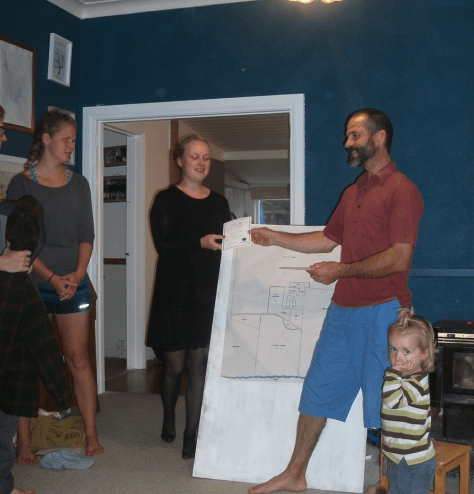
Growing up in a suburban town and living in Northern Irelands’ capital city of Belfast most of my adult life working mainly as a performer and artist I have been far removed from where my food comes from. Feeling separated from the food chain and unaware of how my everyday actions directly affect the environment (like the majority of city dwellers are). I set out to change this just 9 months ago when I left Ireland. I have learned more living on Kaitiaki farm in 3 weeks than I have in the previous 8 months! My teachers and hosts Dani and Nelson emphasize the importance of the three T’s, Tools, Timing and Technique before we start any project and encourage a broader type of thinking necessary on a permaculture property. Looking at the farm as one living breathing organism, a spiderweb of interconnected life we must see the everyday tasks in the bigger picture, carefully observing any minor or major changes and what knock on effects they may have.
We do a bit of everything on this farm from growing and harvesting a bounty of fresh fruit and vegetables, planting and maintaining young native trees, raising birds for daily eggs, design projects and so much more. I surprised myself by joining in with the processing of some cockerels. I plucked and gutted a whole bird for the first time, (having been vegetarian for 5 years of my life this was a big step for me). But I have to say my favorite job of all has to be the most difficult one of catching the escapees. This job requires quick thinking, team work, ninja reflexes and determination. We have to catch the odd duck pretty regularly but it gets a little more tricky when it comes to Susan who is the most nervous and athletically advanced goat of all time. It took 3 interns, two chains, a rope, tasty branches and at least 4 different strategies to catch her, get her over several fences and bring her back into the paddock. The sense of achievement after this is indescribable as I was living out a childhood dream, becoming Esther the cowgirl, wrangler of goats.

Since arriving here I have witnessed two freak rain events, having once in a hundred year storms only two years apart. People on lower ground were evacuated from their homes, land slips all around in the naked overgrazed hills, the rivers bursting and casualties on the farm all reinforcing the reality that climate change is happening and we need to be proactive and progressive to provide a future for our children. I feel that learning and practicing permaculture to improve the environment around us and creating good deigns in our homes and in our fields to protect us is the way to do this. This eco thrifty lifestyle and approach to sustainable farming with such a loving family here on kaitiaki farm is the most rewarding course I have ever taken. I am more in touch with nature, my environment and myself. Witnessing life and death as a daily occurrence on the farm definitely makes you appreciate and understand a little more as each day goes by.

– Esther

Sector Analysis: You Don’t Need a Weatherman to Know Which Way the Wind Blows

After the permaculture ethics, one of the first things we cover with new interns is sector analysis.

Screen Shot 2017-04-06 at 6.04.38 am

Sector analysis is a great way to start talking about sun angles and seasonal patterns. Many people are totally unaware of the differences between summer and winter sunrise and sunset angles.

Screen Shot 2017-04-04 at 12.15.36 pm

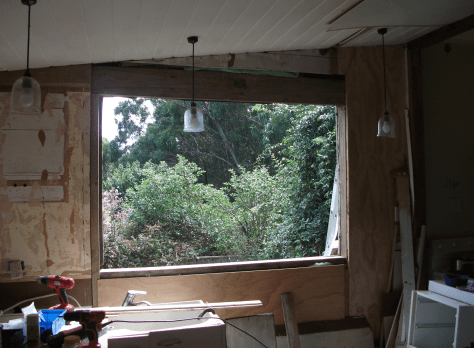
It is especially important to understand winter midday sun angles if you want to embrace passive solar design. For example, we increased the size of our kitchen window in order to get more winter sunlight into the previously dark and cold room.

Screen Shot 2017-04-04 at 12.18.59 pm

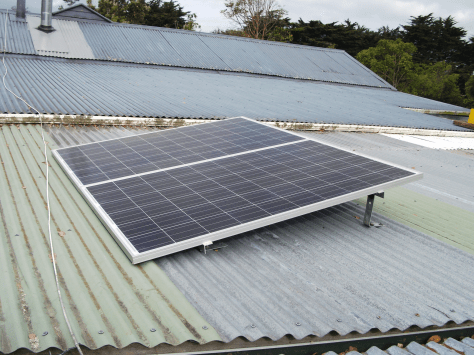
It’s also important to know summer midday sun angles in order to exclude the sun from overheating your home or for solar water heating for a swimming pool. We placed these PV panels to maximise summer sun energy as a dedicated summer domestic water heater. (We use a wood stove “wetback” to heat our water in winter.)

Screen Shot 2017-04-04 at 12.10.24 pm

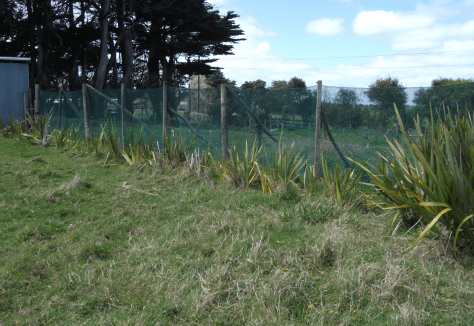
Another major natural factor we deal with here is wind. One of the first things we did when we arrived 2 and 1/2 years ago was put up wind protection before we planted an orchard.

Screen Shot 2017-04-04 at 12.14.25 pm

The netting is a short-term solution while the harekeke (flax) is the long-term solution to protect the trees from the prevailing northwest winds. It is hard to over-emphasise the importance of wind protection for fruit trees.

Screen Shot 2017-04-04 at 12.20.00 pm

Sector analysis helps our interns to understand the big picture of our farm and the holistic design and management plans we have developed along the lines of regenerative agriculture.

Peace, Estwing

The Free PDC: Permaculture Design Certificate

Is it possible that the best permaculture learning experience is also the most affordable? Absolutely.

Screen Shot 2017-03-27 at 8.35.45 pm

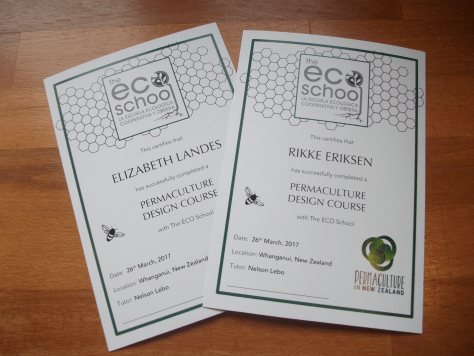
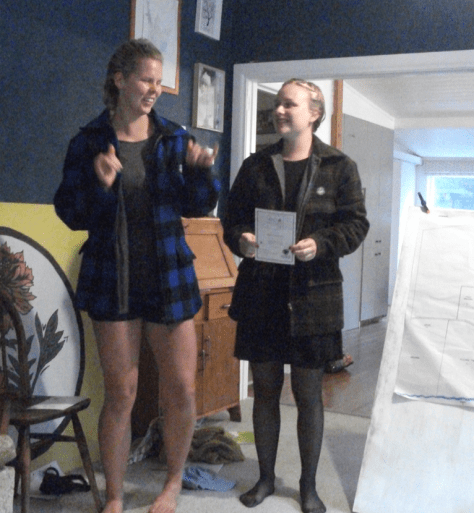
We awarded our first ever PDC qualifications yesterday afternoon after Rikke and Liz presented their amazing projects.

Screen Shot 2017-03-27 at 8.35.59 pm

Here is a look at the designs each of them did for their respective parents’ properties in Denmark and rural Illinois (USA).

Screen Shot 2017-03-27 at 8.36.37 pm

Rikke’s family farm in Denmark

Screen Shot 2017-03-27 at 8.36.21 pm

Liz’s parents’ ‘retirement’ property in Illinois

Both young women have been living and working with us for the summer growing season as part of our internship programme on Kaitiaki Farm. We have hosted 16 interns over the last two and a half years as we transform the worn out horse property into an exemplar permaculture farm. Interns have stayed for eight to 16 weeks.

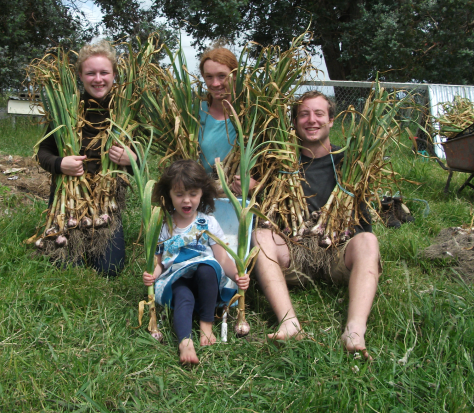
Rikke arrived just in time for the garlic harvest in December when Oliver and James were still here.

Screen Shot 2017-03-27 at 7.20.21 am

Liz arrived in early January. Here is a look at their classroom.

Screen Shot 2017-03-27 at 7.18.47 am

Yesterday was a landmark day for us as we took another step in realising our vision of providing outstanding educational experiences affordably. Liz and Rikke paid nothing for their PDC – a course that usually costs $2,000 to $2,400 in New Zealand. Granted, they ‘paid’ for the course with their efforts on the farm, but that is also the best kind of learning – and endless series of ‘teachable moments’ and design discussions in a real-world context.

We are proud of their accomplishments this summer.

Screen Shot 2017-03-27 at 8.35.22 pm

While we cannot continue to offer a free PDC, now that the pilot work-study PDC is complete we are ready for the next intake of interns starting…tonight. We will continue to offer affordable top-notch education, just not for naught.

But for now, these two young women can boast of something extraordinary.

Peace, Estwing

Kaitiaki Farm Work Study PDC Internship


Earn your Permaculture Design Certificate while working on a premier permaculture demonstration farm in New Zealand.

screen-shot-2017-01-17-at-1-41-24-pm

Our work study internship programme is unique in the world of permaculture education in that it combines best practice teaching and learning with best practice regenerative land management.

screen-shot-2017-01-17-at-1-57-35-pm

The programme balances content, process and reflection, while nurturing systems thinking skills. It’s about developing a way of thinking that recognizes the connections between diverse elements on the farm and how they interact in four dimensions (over time), along with the hands-on skills required to work effectively with cultivated ecologies.

screen-shot-2017-01-17-at-1-40-47-pm

Kaitiaki Farm is an exemplar permaculture property that is blessed with a diverse array of microclimates and growing conditions. The 5.1 hectare (13 acre) property is located 4 km outside of Whanganui with a population of 43,000.

Along with holistic land management we also embrace appropriate technology, renewable energy and human-scale solutions.

screen-shot-2017-01-17-at-1-35-47-pm

Many of our interns come with low or no rural skills. Motivation, a love of learning, and a strong work ethic are the most important elements for success at Kaitiaki.

screen-shot-2017-01-17-at-1-39-40-pm

We spend a lot of time teaching and talking. This slows down our work but makes the internship what it is – an endless series of ‘teachable moments’. It is also the best way to earn a PDC. This type of learning experience is extremely rare anywhere in the world and would not come from a book or standard PDC course. That said, we have a huge library of great books and lots of connections locally and nationwide of practicing permaculturists.

Interns work three-ish full-ish days and two half days per week, with two days off.

screen-shot-2017-01-17-at-1-34-21-pm

More details here: http://www.theecoschool.net/workstudy-permaculture-design-certificate.html

The ECO School

Whanganui, New Zealand


Inquiries: theecoschool at gmail dot com

screen-shot-2017-01-17-at-1-34-54-pm

Permaculture Dream-Job*

* OK, not exactly a job, but ‘dream internship’ does not have the same ring to it, eh?

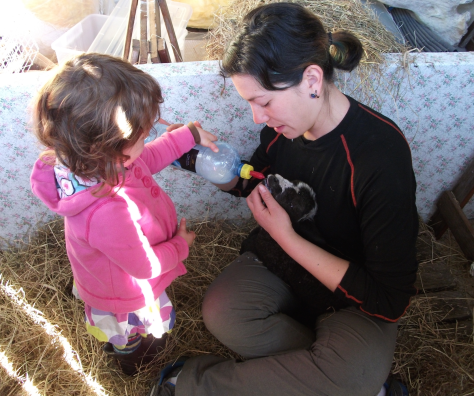
We have been left short-handed this winter and find ourselves looking for an extra pair of hands for six to eight weeks. The right candidate will love animals and children.

Screen Shot 2016-07-17 at 6.29.32 am

We are looking for someone for ‘light duty’ permaculture duties who also likes reading children’s books.

Screen Shot 2016-07-17 at 6.31.15 am

We run a premier permaculture demonstration farm with a wide range of projects going on at all times. This winter is mostly dedicated to planting trees, such as these poplar poles.

Screen Shot 2016-07-17 at 6.39.51 am

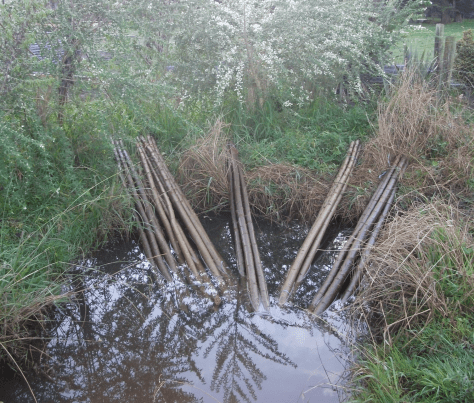
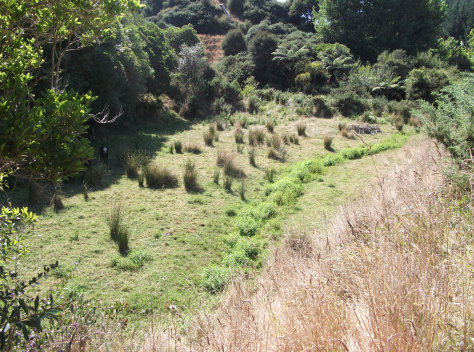
We are also planning a large wetland restoration project.

Screen Shot 2016-07-17 at 6.36.50 am

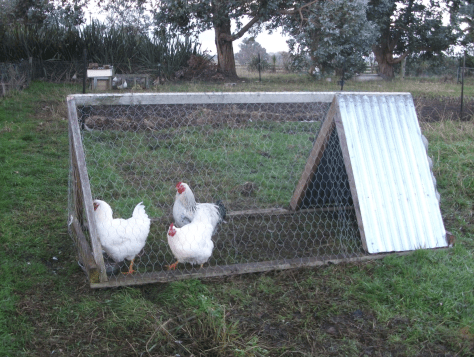
We use tractors to manage birds and pasture.

Screen Shot 2016-07-17 at 6.39.29 am

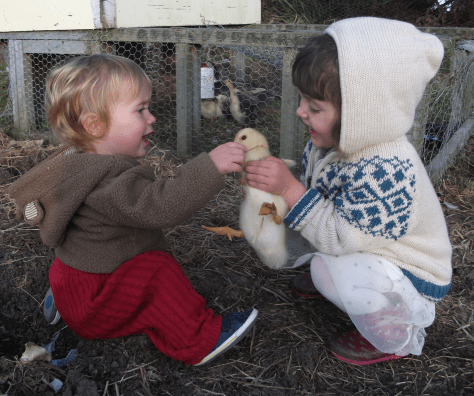
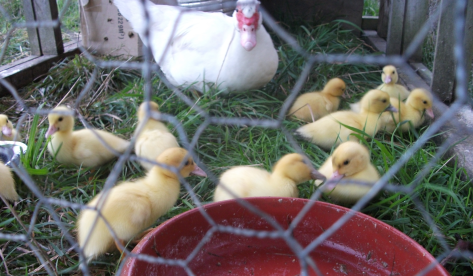
And we have ducklings!

Screen Shot 2016-07-17 at 6.31.53 am

Our library of books on permaculture and organic agriculture is extensive…as well as children’s stories.

Screen Shot 2016-07-17 at 6.38.16 am

If you want to spend the winter reading stories by the fire, caring for cute animals and planting trees please contact us on theecoschool  at gmail dot com.

Peace, Estwing

Our First Month on the Farm: An Interns Perspective

So there we were, two out of shape Brits chugging along in an ageing Subaru down the SH3 to Wanganui, wondering what to expect from the coming 2 months. What would the Eco school be like, we wondered, as we drove the through the pun-strewn town of Bulls. Coming from Bristol in the UK – a very left-leaning and progressive city, by British standards – we have learnt to be sceptical of the capitalist machine, suspicious of large businesses and selective in the things that we buy. Naturally this has made us think twice about where our food comes from, as well as sparking a keenness to learn more about self-sufficiency and organic farming. On the other hand, thinking this way also tends to make us feel a distinct pang of guilt every time we stop for a roadside McDonald’s, or fall for a particularly attractive supermarket bargain.

After a long month adventuring the South Island we were excited to be based somewhere permanent again for a while and it’s amazing how quickly you settle back into a routine even after some extended time out. Dani and Nelson soon set us up with some frequent tasks most of which we perform daily…

We begin our mornings by feeding the chickens and ducks, an enjoyable task but one that needs to be done with speed, particularly in open areas when about ten hungry ducks are on your tail or standing helpfully in the food bowl. This generally takes around 15 minutes and is a good chance to collect eggs, assess the weather and generally find out how all the inhabitants are doing that morning.

Screen Shot 2016-04-30 at 5.36.44 am

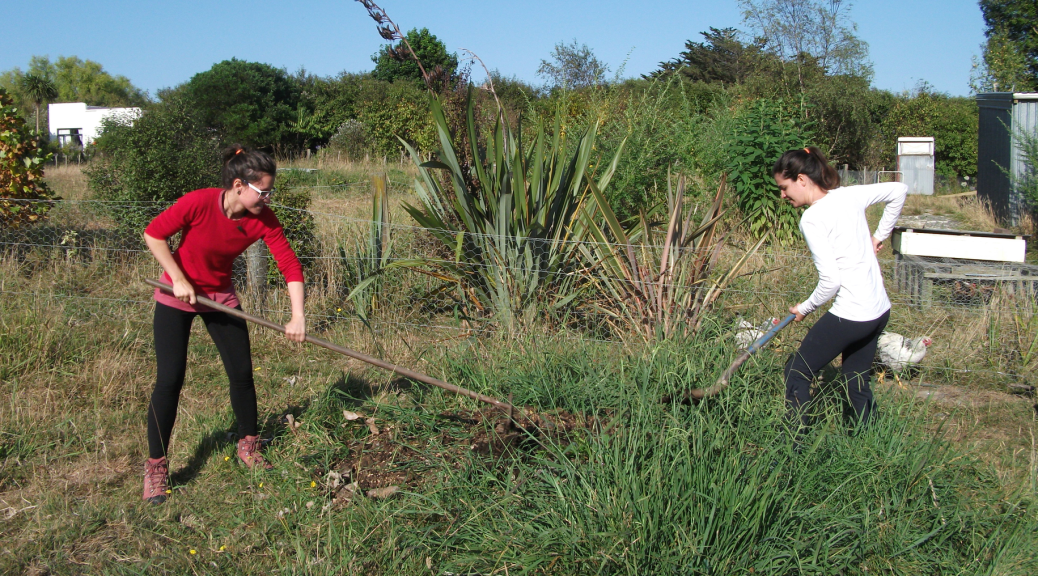
After this task we turn compost three times a week. How to make compost was one of our first lessons and a very important one. According to Nelson for successful compost you need to ensure you give it plenty of food, air and water and the biggest mistake you can make is buying a plastic compost bin- thus eliminating water entering the compost naturally and making it difficult for yourself to add air and food. A plastic bin is also, ironically, not particularly eco friendly when you think about it! To create our new heap we took bags of sawdust and sheep manure and stacked these ingredients up in 5 layers rather like a lasagne (a culinary regular of ours thanks to the abundance of courgettes and tomatoes here on the farm). We then started adding food scraps from the kitchen and anything else compostable such as coffee grounds, egg shells and all of the biodegradable waste from an event that Nelson put on at work. We take the top third off with a rake, add the ‘food’ and then rake the rest over the top three times a week.

Screen Shot 2016-01-27 at 5.28.10 pm

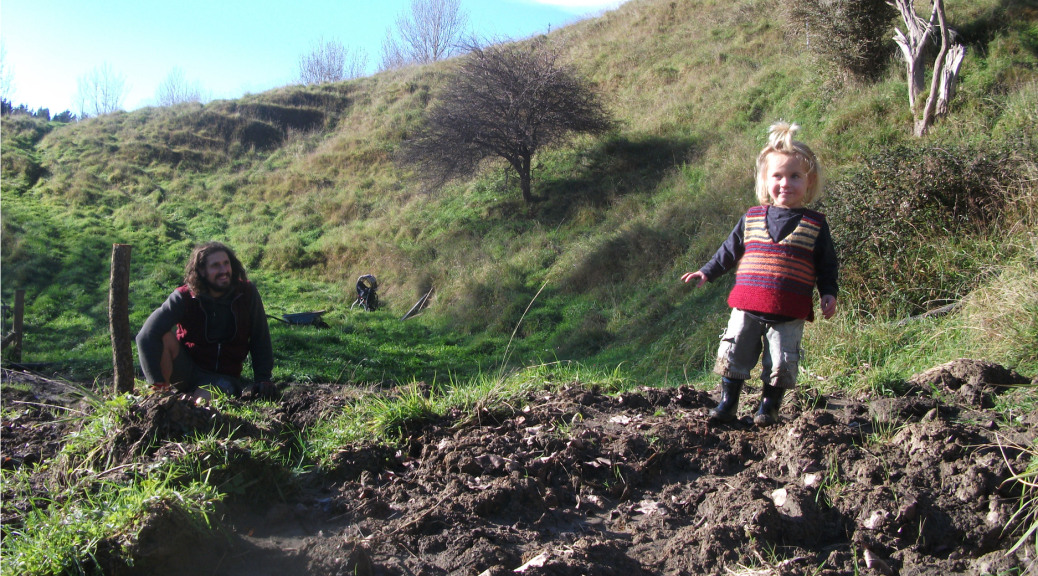
After these tasks we usually start a longer project. We’ve recently been creating a new water storage area in the middle of the goat paddock. The location of the pond was chosen because it is an excellent place for water to collect on the property as it should drain into the pond after heavy rain and throughout wetter periods of the year and will enable it to be stored somewhere useful where it can be accessed if needed, nurture young trees that we intend to plant around it and potentially provide a duck habitat. We dug out the top soil and transported it to a bank which will eventually be an avocado habitat and then dug out the clay underneath and used it to build up an unsteady bank lower down on the property. An important part of permaculture is identifying what resources are assets and which are liabilities and being able to transform liabilities into assets. The pond is an excellent example of this. By creating a place for water to collect where we want it, excess groundwater is transformed into an asset as it is now in a place where it will not cause damage to the property and can be used in times of drought. It is also popular with the goats, pigs and small children!

Screen Shot 2016-04-30 at 5.48.20 am

Verti tends to come and help with the obligatory evening bird feeding session and then our day ends with a lovely home cooked meal. Twice a week this is our undertaking and including multiple lasagnes we have attempted to adapt our standard Bristol-based repertoire to involve some of the wonderful organically grown vegetables produced here on the farm. Surprisingly perhaps, in spite of all the wholesome fruit and veg that surrounds us the ultimate aim remains to produce a proper British bangers & mash… Only time will tell whether this will become a reality…

  • Sophie and Mike

Screen Shot 2016-04-30 at 5.37.08 am