All posts by Estwing

Permaculture Best Practice Tour: Town and Country

screen-shot-2017-01-02-at-5-50-07-am

The most important skills in permaculture and transitioning to a sustainable lifestyle are: knowing what to do and knowing how to do it properly. In other words, prioritising and quality control.

Not knowing and the fear of failure are what hold most people back. Thousands of dollars and hundreds of hours can be misspent on the wrong projects based on misconception and bad advice.

This tour/workshop demonstrates a wide range of best practice decision-making for rural and suburban properties as well as providing a basket of the most practical skills to make it all happen on your patch. Two exemplar properties in the Whanganui District are included.

Tour guide and instructor, Nelson Lebo is recognised as an innovator in the permaculture and eco design movements. He is contacted regularly by the New Zealand media on all aspects of energy efficiency and healthy homes.
screen-shot-2017-01-02-at-6-28-39-am

Over the last two decades Nelson has developed three outstanding permaculture properties ranging in size from 700 square metres to 38 acres. His Eco Thrifty Renovation project is the only case study outside of Australia to be included in permaculture co-founder, David Holmgren’s current project: Retrosuburbia.

https://retrosuburbia.com/case-studies/eco-thrifty-retrofit/

 screen-shot-2017-01-01-at-5-05-21-pm

Kaitiaki Farm is a model permaculture demonstration property that provides a wide range of best practice land use strategies for lifestyle blocks and small farms. Innovative approaches to land management, market gardening, fruit production, home renovation, alternative energy and education are embraced at Kaitiaki.

Topics include: holistic planning; four dimensional design; building soil fertility; composting; wind shelter; water management; growing in sand; growing in clay; preventing erosion; planting and caring for fruit trees; no dig/no till gardening; the best tools and how to use them; growing in small spaces; growing in big spaces; tractoring birds; basic eco-home renovation. screen-shot-2017-01-02-at-5-48-52-am
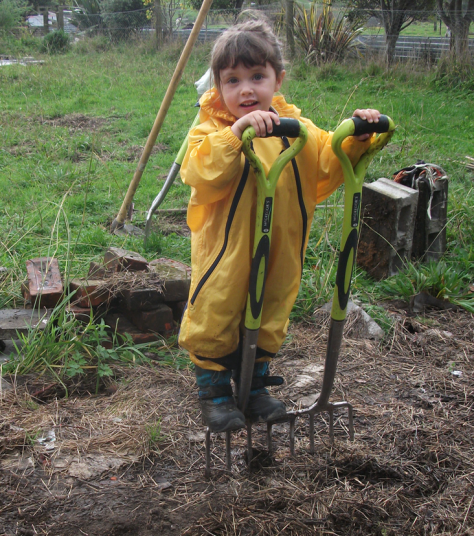
No better opportunity to get an insider’s glimpse into applied permaculture design in two very different settings.

Past clients and participants say:

“Nelson got us thinking about things differently.”

“I took a workshop with you four years ago and then again for this one. I forgot what a great teacher you are.”

“Nelson explains things in layman’s terms that are easy to understand.”

screen-shot-2017-01-01-at-5-13-09-pm

Register for a full day or half-day. Please specify. Space is strictly limited.

Date & Time: Sunday, 12th February 2017, 9:00 – 4:00. (9 -12, Kaitiaki Farm. 12-1 Travel & Lunch. 1 – 4, Eco Thrifty Renovation.)

Location: Whanganui District

Cost: Full-Day: $125; Half-Day: $75.

Non-refundable deposit required.

Register: theecoschool@gmail.com

Guest Post: Not Homesick

This is the second and final post by our intern, James.

This is the first Christmas I have spent without my immediate family in 25 years of life.  Snow covered mountains, fireside hot cocoa, and village carolers have always been some of the pavlovian cues to get me salivating about the holiday season.  Strangely, without all these things, I have not felt the pangs of homesickness.  Perhaps it is the sunny and lengthening days, or the warm and temperate weather. Maybe it is the bi-weekly beach trips and ocean view, or the constant distraction of farm work.  No, I think it is much more than just a radical change of scenery that has relieved symptoms of nostalgia.

screen-shot-2016-12-22-at-5-28-38-pm

I have never been particularly drawn to children, nor they to me.  I certainly do not dislike them, but am more or less indifferent to unknown children the same way one is indifferent to unknown adults—I try to be kind, but I have never been a socialite.  Within a day of arriving at the farm, little Verti, a four-year-old girl, was pulling my hands out of my pockets just so she could hold them as I was being shown around the grounds. To feel the affection of a small child is heart-melting enough, but one that I had known for less than 24 hours?  Despite her age, the immediate warmth from a total stranger took me aback.   I spent the last 6 months in frequent contact with several similarly-aged children, but none seemed as readily-loving as Verti.

screen-shot-2016-12-22-at-5-31-24-pm
Manu, the family toddler, often tries to attract some of my attention with one of the few words he knows while hitting my thighs, or whatever other body part happens to be available to his height.  Like his older sister, he too is readily physical and affectionate—my meditations and stretching are often interrupted by a slap on my belly coupled with his boisterous giggle.  I open my eyes to his toothy and charismatic smile, begging for play.

screen-shot-2016-12-22-at-5-29-08-pm

On my first arrival I greeted Dani, mother of Manu and Verti, with a handshake.  It was refused as I was told, “we are huggers.”

With my impending departure from the farm, Nelson, the father, has helped me acquire and modify items necessary to my next several months of living out of a mini-van.

I have known the fellow interns here for less than 2 months, and yet I can recall few occasions where I have laughed as often and as loudly.  Sometimes the laughter is debilitating, temporarily rendering me useless for physical work.   I am not complaining.

screen-shot-2016-12-22-at-5-27-14-pm

Conversation among interns, Nelson, or Dani is comfortable, can consist of nearly anything, and flows freely.  Talks are inspired and of substance, rarely superficial in scope.  As our backgrounds differ drastically, disagreements are common but not heated.  I think this openness to one another and new ideas has opened each other’s perspectives to new ways of thinking and being in the world.

This is how I account for an absence of homesickness.  The change of circumstances and lack of usual Christmas cues helps, I am sure.  More potent though, is the camaraderie among interns and enveloping familial atmosphere that the farm exudes.  Maybe it will be different when the actual date rolls around.  I hope I am not misunderstood, as I deeply love my family.  But for now, I could not feel more at home.

screen-shot-2016-12-22-at-5-27-51-pm

-James

Growing Great Garlic

The keys to growing great garlic are these: start with high quality seed garlic; plant with ample balanced compost; mulch thoroughly; water as needed.

screen-shot-2016-12-17-at-7-01-54-am

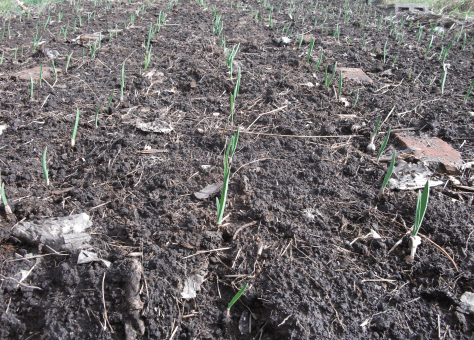
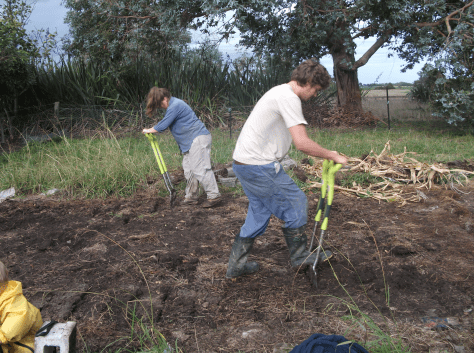
Bed preparation is similar to any annual vegetable crop: remove perennial weeds; aerate the soil; adjust pH as needed.

screen-shot-2016-12-17-at-7-01-07-am

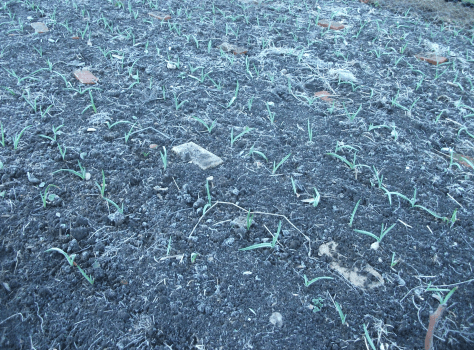
Planting is anytime between the beginning of June and end of July. The go-to date is 21st June. Here are some sprouts under a hard frost.

screen-shot-2016-12-17-at-7-02-18-am

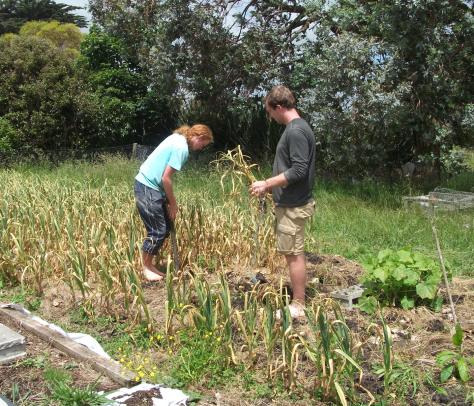
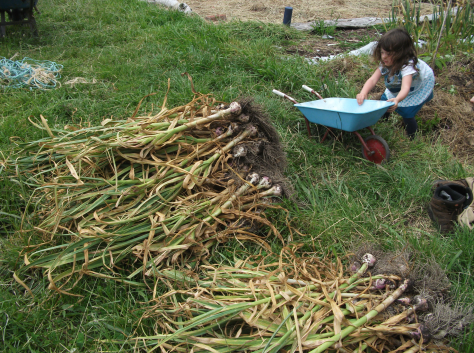
Harvest is between mid-December and mid-January. The go-to date is 21st December.

screen-shot-2016-12-17-at-6-57-36-am

We grade it into three sizes: seed, sell and eat.

screen-shot-2016-12-17-at-6-57-46-am

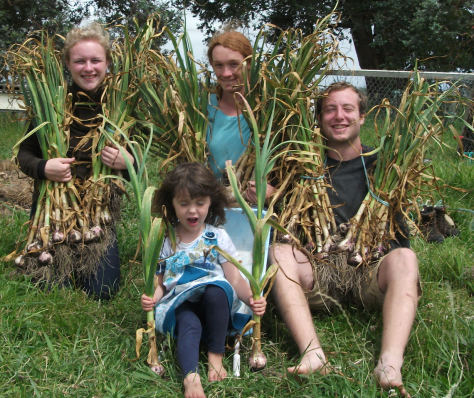
We tie it into twin bundles of ten for easy counting and easy hanging.

screen-shot-2016-12-17-at-6-58-35-am

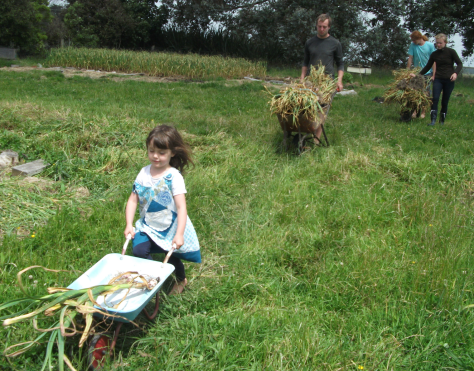
The Great Garlic Parade!

screen-shot-2016-12-17-at-6-58-46-am

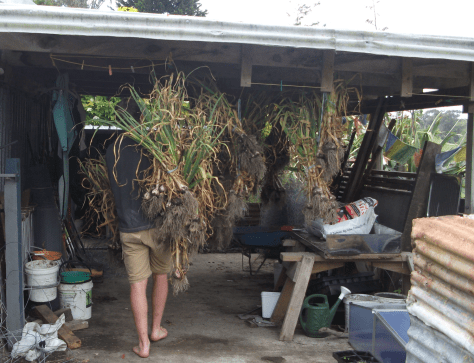
We hang it for three to four weeks and then cut off the tops and tails. It stores for up to 10 months.

screen-shot-2016-12-17-at-6-59-07-am

Wait six months and repeat the process.

Peace, Estwing

High Quality – Low Cost

I’m not fond of plastic toys that are bound for landfill after a day or even after a decade. Neither is OK in my mind.

When it came to providing a slide for the kids play fort I was faced with a dilemma. Plastic slides cost up to $200 for a…plastic slide. I think they are ugly and ultimately break down from UV damage. So I came up with an alternative.

screen-shot-2016-12-04-at-7-14-12-am

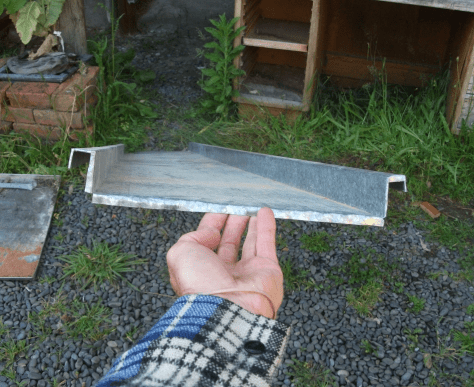
I had an off-cut galvanised sheet from the flashing for the flue from our new wood stove. I took it to the local steel formers and had them bend it for me in exchange for a box of beer.

screen-shot-2016-12-04-at-6-16-51-am

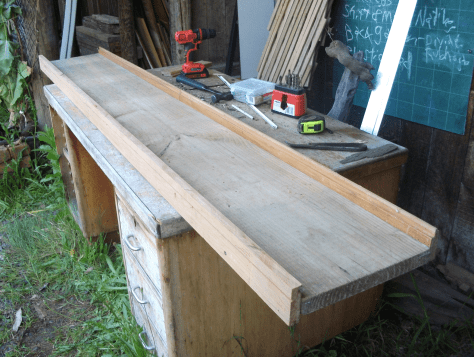
Then I got some salvaged timber from the shed to make a rigid form.

screen-shot-2016-12-04-at-6-17-09-am

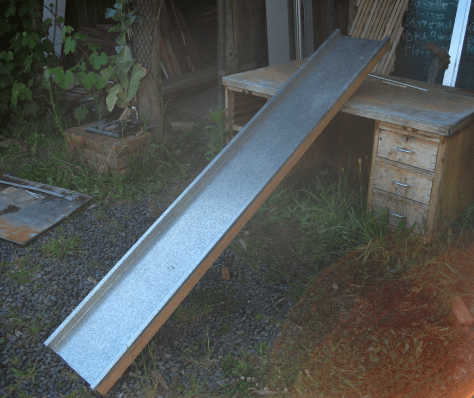
Here’s what it looks like.

screen-shot-2016-12-04-at-7-13-36-am

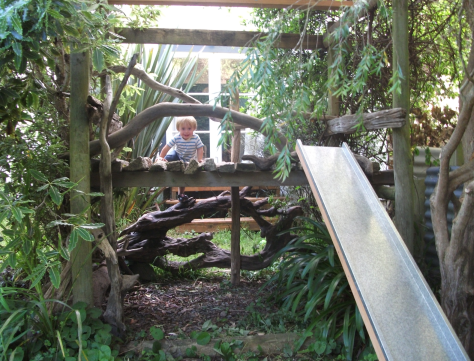
Here is the response.

screen-shot-2016-12-04-at-7-14-23-am

Total cost: $40

Peace, Estwing

Guest Post: Permaculture and Kaitiakitanga

Oliver is an 18 year-old intern on our farm. He plans to stay “indefinitely.”

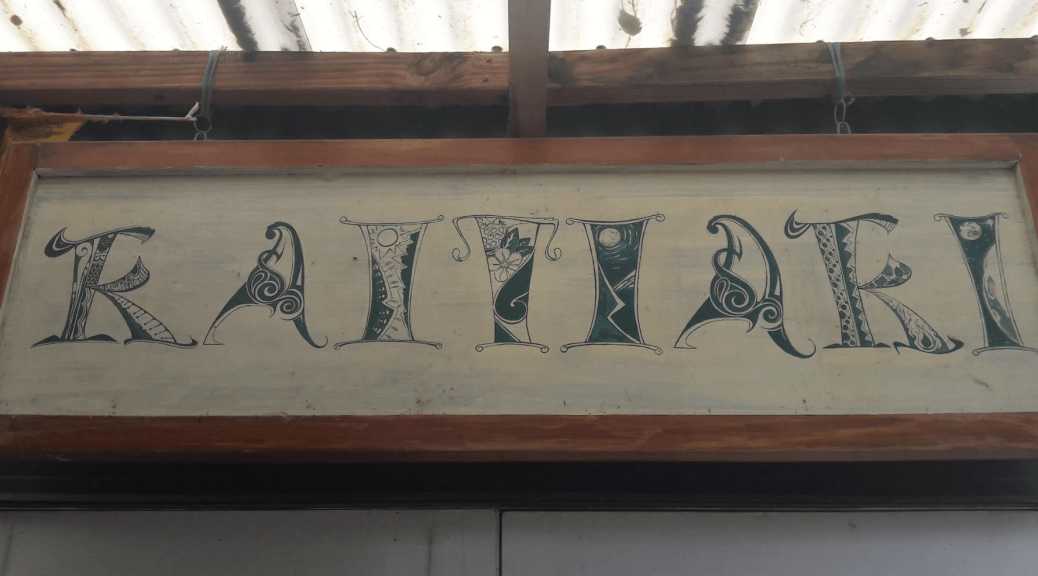
Since arriving at the Lebo’s farm two months ago, the theme of kaitiakitanga has perpetuated through every aspect of our work on the farm. For the people who have visited the eco school and seen the “Kaitiaki” signs at the door and driveway you might wonder what the title of the farm means, and why Kaitiaki is such an important aspect of life here that it gains the honour of the farm’s namesake.

screen-shot-2016-12-07-at-6-10-42-am

In its simplest translation, kaitiakitanga means guardianship and protection of the environment through sustainable practice, a Kaitiaki is someone who practices the philosophy of kaitiakitanga.

For just about every piece of work we do on the farm you could ask “how does this demonstrate kaitiakitanga”. Whether it is something small like composting our waste, or not using chemical fertilizers and pesticides. Or something big like giving up land that could be used to produce food, and restoring it into wetlands, which help protect the land from flooding, erosion, and droughts.

screen-shot-2016-12-07-at-6-11-23-am

Often with kaitiakitanga a task is done in a seemingly normal or obvious way in terms of the short term goal, the long term goal is where the distinction is made between common practice and kaitiakitanga.

If you take feeding and moving the chickens everyday as an example for kaitiakitanga you would ask:

“Why do you feed and move the chickens?”

“So they don’t die” Would be the general answer to that question, but to discern a Kaitiaki you would question further:

“Why don’t you want them to die?”

Here most farmers would say they want the chickens because they give them meat and eggs, a Kaitiaki would say that they keep chickens alive to fertilize, control weeds, and pests, so that the use of chemicals which harm the soil aren’t necessary.

screen-shot-2016-12-07-at-6-11-33-am

Over time the tractoring of chickens on a piece of land improves the overall health of the soil by increasing the amount of macro and micro-organisms it can support. To a Kaitiaki the production of meat and eggs is a bi product of using animals to heal and regenerate land.

screen-shot-2016-12-07-at-6-11-44-am

To me, the biggest difference between a farmer and a Kaitiaki isn’t what is being done but how it is being done. A farmer uses the land to produce food and money, a Kaitiaki stewards and protects the land through much the same crops and practices but with slight differences intended to ultimately give back to the land as much as is taken.

screen-shot-2016-12-07-at-6-11-10-am

Oliver

The Trump-Resistant Farm

In the process of developing one of the most resilient farms on the planet there was one factor we did not take into account: the Trump Factor.

So now, alongside resilience to climate change, resilience to energy price volatility, resilience to GMOs, resilience to earthquakes, and resilience to another potential global financial crisis, we need to design in resilience to Trump. Actually, all that means is that we need to double down on all of the above. Well, maybe not earthquakes.

Additionally, we should say that we love diversity within and among our interns. We would love interns of multiple faiths, genders and sexual orientations. Some of our very best interns so far have been gay, and we would have them come back again in a heartbeat.

Other than that, it’s business as usual at Kaitiaki Farm. Here is a late spring update.

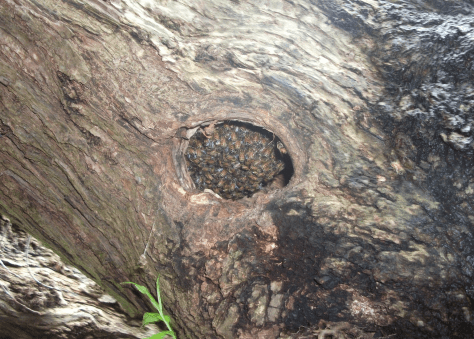
We’ve had two swarms lately. This one took up residence in a willow tree.

screen-shot-2016-11-14-at-7-02-23-am

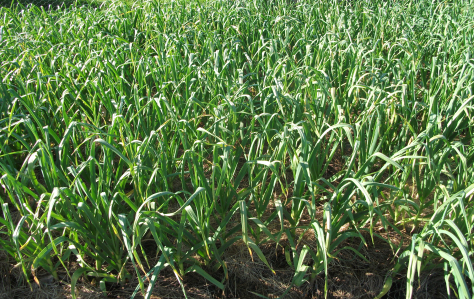
The World’s Best Garlic looks to be even better than last year’s record crop.

screen-shot-2016-11-15-at-6-40-09-am

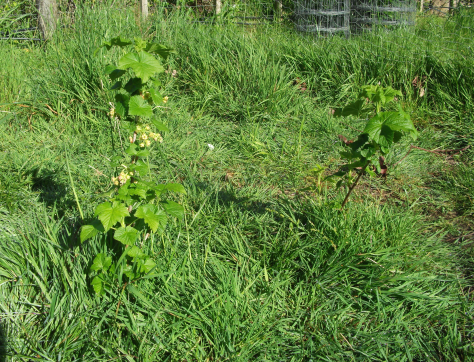
The new black currant plantings are already producing.

screen-shot-2016-11-15-at-6-40-24-am

Although some maintenance is required.

screen-shot-2016-11-15-at-6-40-57-am

We’ve got lots of new arrivals.

screen-shot-2016-11-15-at-6-43-25-am

And soon-to-be arrivals

screen-shot-2016-11-15-at-6-43-09-am

Hopefully our new boar will figure out the other two pigs are lovely ladies.

screen-shot-2016-11-15-at-6-42-33-am

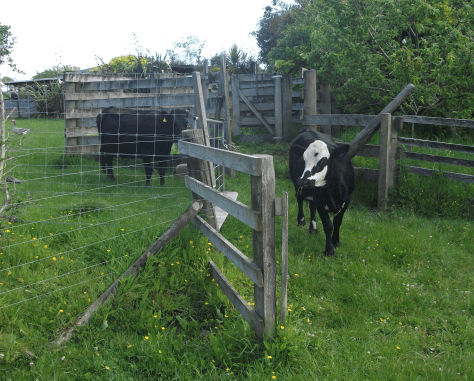
Our Dexter is due to calf in three weeks, and her yearling calf can smell the milk coming in. Gotta keep ’em separated.

screen-shot-2016-11-15-at-6-43-00-am

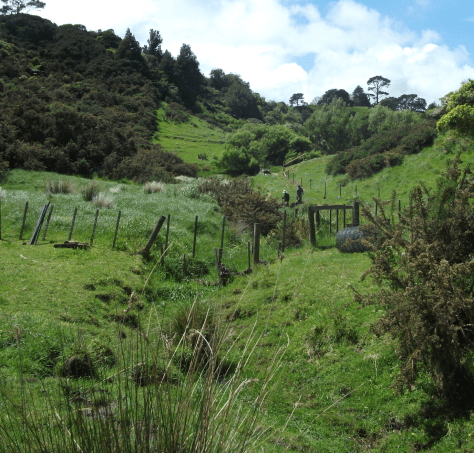
Our current interns, James and Oliver, have been hard at work helping to protect and restore our stream.

screen-shot-2016-11-15-at-6-46-32-am

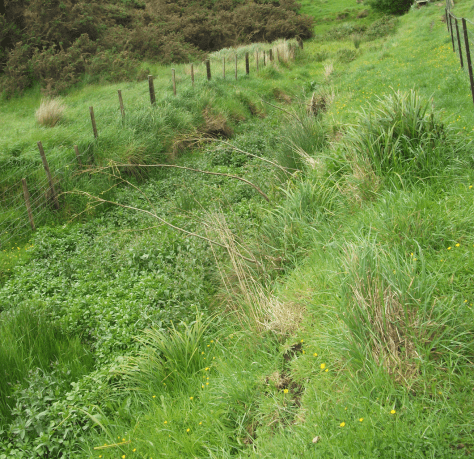
We put in some willow poles in the hope they will take even this late in the season and help stabilise this vulnerable bank.

screen-shot-2016-11-15-at-6-42-12-am

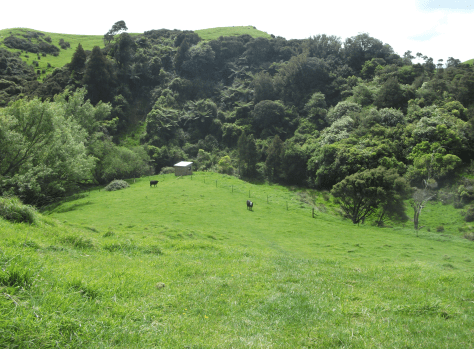
And there is even a new sleepout / getaway for those so inclined.

screen-shot-2016-11-15-at-6-39-50-am

Peace, Estwing

Doing Chores in my PJs

I’m told children benefit from routine in their lives. A farm provides that in spades. Patterns of each day and each season repeat with a regular rhythm.

Manu is such a keen helper he does not bother getting dressed before morning chores. He is the official taster for the chook food.

screen-shot-2016-11-06-at-6-24-06-am

He also enjoys tasting hammers.

screen-shot-2016-11-06-at-6-25-02-am

But seriously, he loves helping in anyway possible, even if it is just carrying something.

screen-shot-2016-11-06-at-6-24-52-am

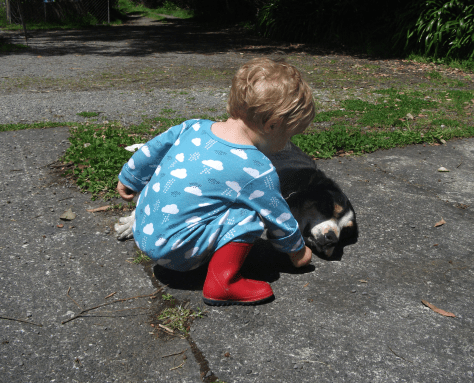
Or feeding the dog…apple slices. (Dog not enthused.)

screen-shot-2016-11-06-at-6-25-35-am

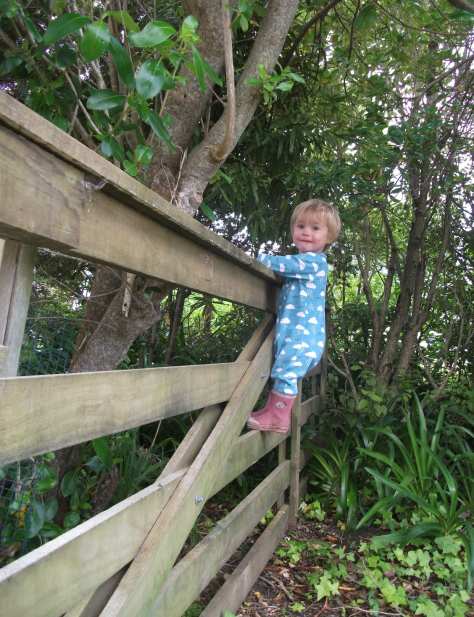
Children learn through play, and Manu treats work on the farm as play. For example, hanging a gate is just a different way of saying, “Let’s climb!”

screen-shot-2016-11-06-at-6-24-42-am

If he only had more horsepower in that thing we could get some serious work done.

screen-shot-2016-11-06-at-6-25-20-am


Peace, Estwing

Inch by Inch, Row by Row

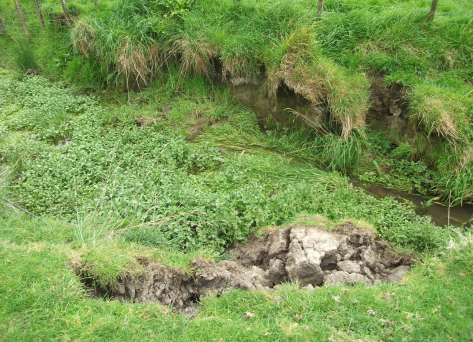
Following the flooding of last year most of our time, energy and money has gone into protecting our stream sides from further erosion, which appears to have accelerated since the flood. The process involves fencing off the streams from stock and planting lots and lots of trees, shrubs, flax and native grasses.

screen-shot-2016-10-27-at-12-23-22-pm

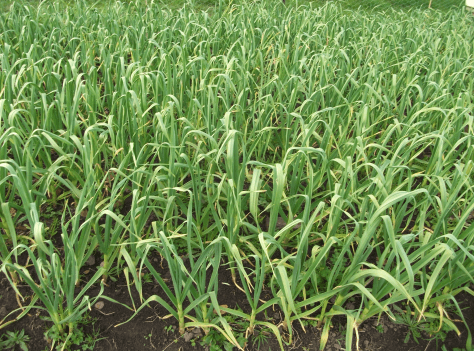
All of that work means I have spent hardly anytime in the annual gardens, except getting all of the garlic in before the end of July. We sold out last year and have about 2,000 in the ground this year. We are establishing new beds on an ongoing basis – converting an old horse property to annuals production is not easy.

screen-shot-2016-10-27-at-12-20-50-pm

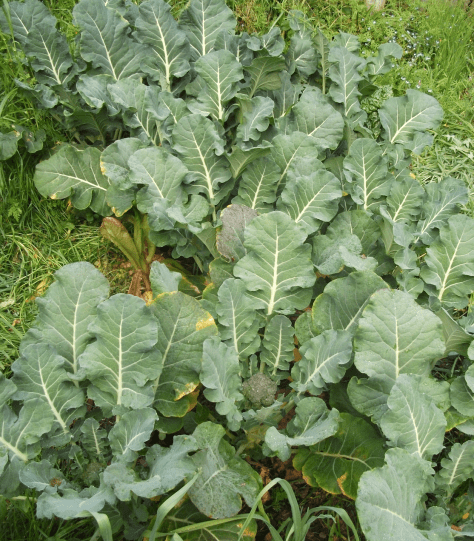
Somehow a few months ago I quickly put some broccoli and cauliflower in the ground. It has thrived in the cool weather with heaps of great compost. Now we are reaping the benefits. This is my favourite variety – Marathon.

screen-shot-2016-10-27-at-12-21-59-pm

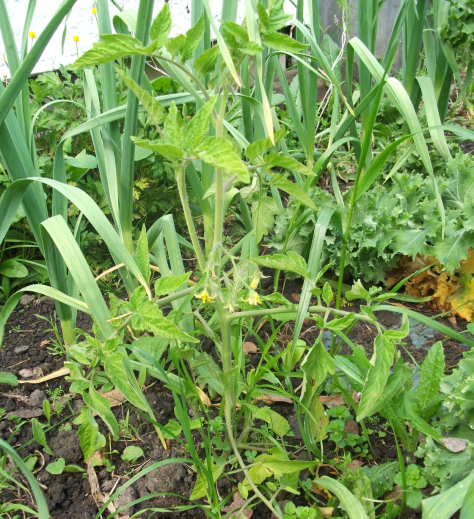
As per my tradition, I also planted Early Girl tomatoes on the 21 of September to ensure ripe tomatoes before Christmas. Can’t wait. These have been interplanted with garlic as a space-saving staggered planting technique.

screen-shot-2016-10-27-at-12-22-22-pm

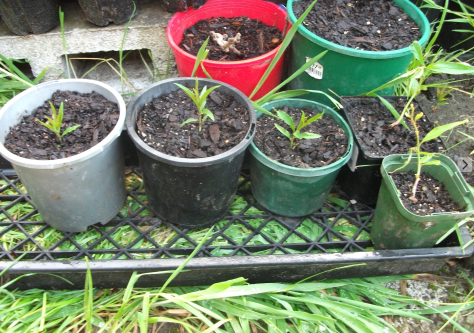
Just this week the peach stones have started germinating. They have been in damp sand for about 4 months. We expect around 100 to germinate.

screen-shot-2016-10-27-at-12-21-34-pm

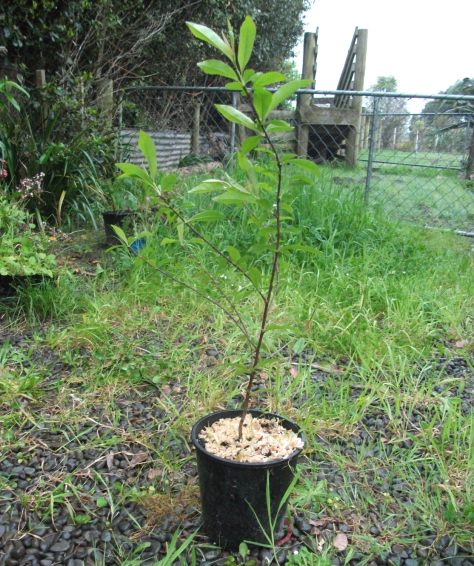
Here is an example of a yearling Black Boy peach trees, which are selling nicely at the moment. We sold out last year and expect to sell out again this year.

screen-shot-2016-10-27-at-12-20-24-pm

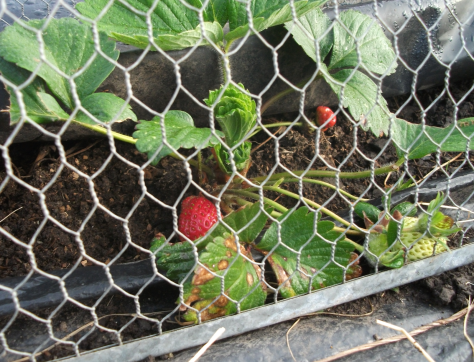
These were a great surprise this morning. In the years to come we hope to branch out into organic strawberries.

screen-shot-2016-10-27-at-12-21-25-pm

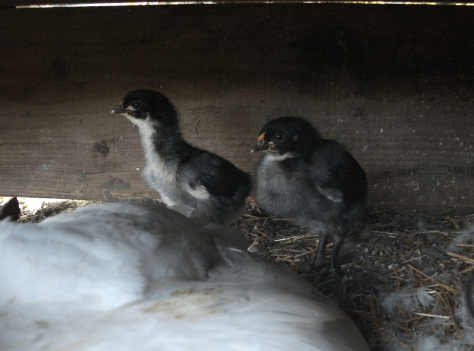
And these two arrived last week.

screen-shot-2016-10-27-at-12-20-35-pm

Never a dull moment and never a lack of jobs to do.

Peace, Estwing

Mid-Spring Permaculture Update: Part II

Last week I posted some images of what is going on here at Kaitiaki Farm. Since then I have taken another walk around the farm with my camera to catch some more of the happenings. These include:

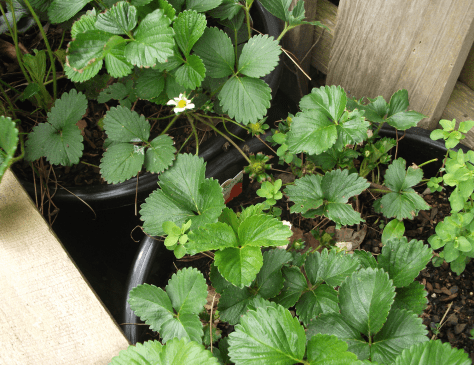
Strawberries forming. We should have ripe ones within a week.

screen-shot-2016-10-14-at-2-37-27-pm

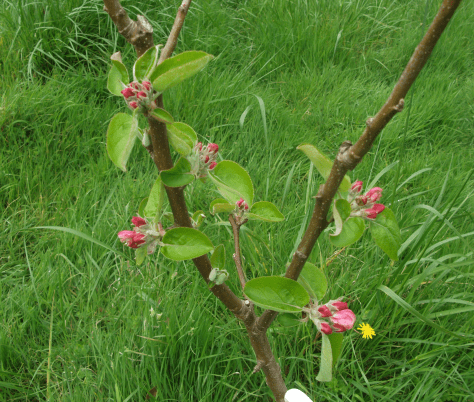
Apple blossoms.

screen-shot-2016-10-14-at-2-37-18-pm

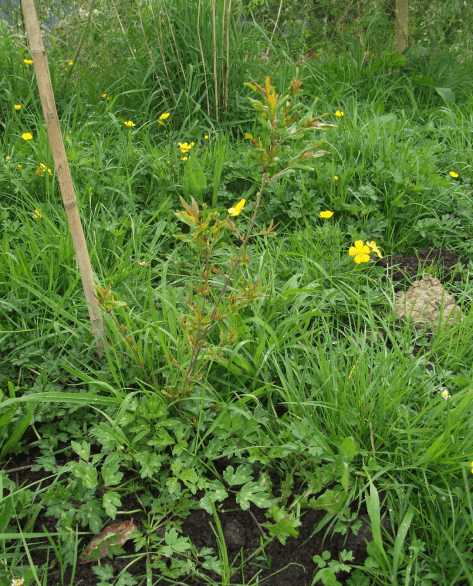
These pomegranate are leafing out.

screen-shot-2016-10-14-at-2-37-07-pm

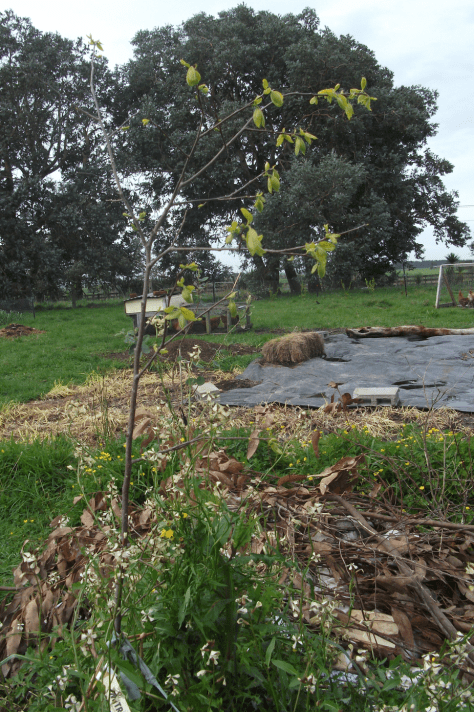
As is this persimmon.

screen-shot-2016-10-14-at-2-36-59-pm

And the hazelnuts.

screen-shot-2016-10-14-at-2-36-52-pm

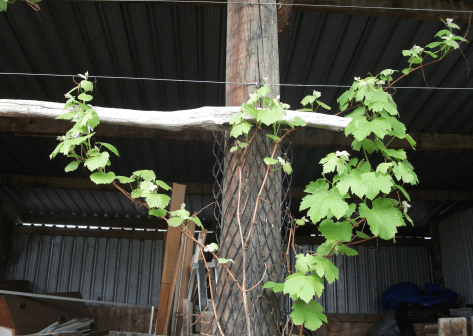
And grapes.

screen-shot-2016-10-14-at-2-36-13-pm

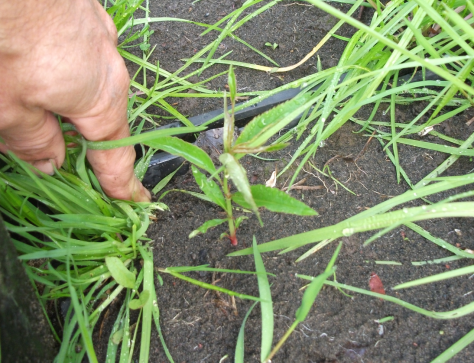
The black boy peach stones are germinating.

screen-shot-2016-10-14-at-2-36-06-pm

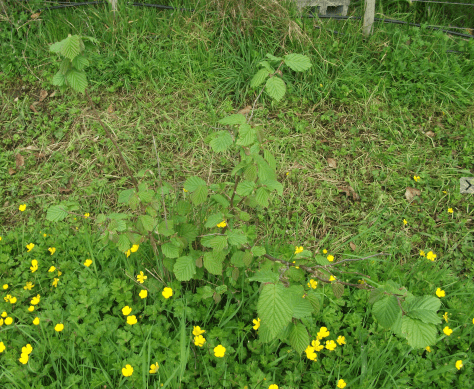
These blackberries are coming to life after being divided.

screen-shot-2016-10-14-at-2-35-55-pm

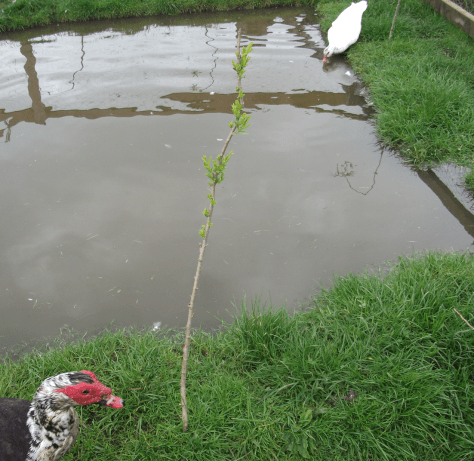
And the willow wands are happy in their pond side location.

screen-shot-2016-10-14-at-2-35-45-pm

Love the spring. So much happening.

Peace, Estwing