All posts by Estwing

Simplest Crop Rotation on Earth

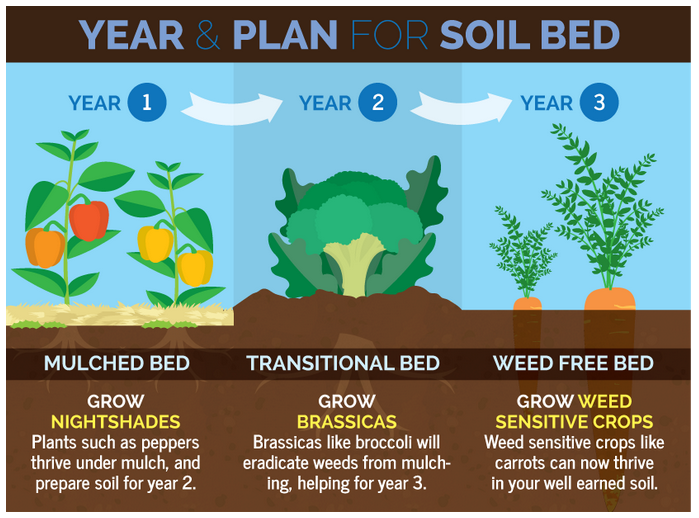
Fix.com contracted me to write an article on crop rotation. I suggested a four-year rotation, but they thought three years would be easier for beginner gardeners to understand.

Screen shot 2015-03-31 at 9.30.20 AM

With the word limit I was working to, this is the best I could do, although the editors added sections on nutrient cycling and carbon cycling.

Screen shot 2015-03-31 at 9.32.02 AM

FYI, here is what a stirrup hoe looks like.

Screen shot 2015-03-31 at 9.33.51 AM

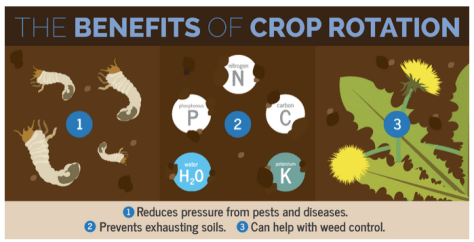
Here is the link to the article: http://www.fix.com/blog/three-year-garden-crop-rotation-plan/ Here is the cool infographic they made. <a href=”http://www.fix.com/blog/three-year-garden-crop-rotation-plan/”><img src=”http://www.fix.com/assets/content/15554/easy-crop-rotation-embed-large.png&#8221; border=”0″ /></a><br />Source: <a href=”http://www.fix.com”>Fix.com</a&gt;     Peace, Estwing

Patterns in Maths, Music, Nature and Art

It is Artists’ Open Studio Weekend in Whanganui. Here is my regular column in the Wanganui Chronicle.     Screen shot 2015-03-27 at 9.21.00 AM

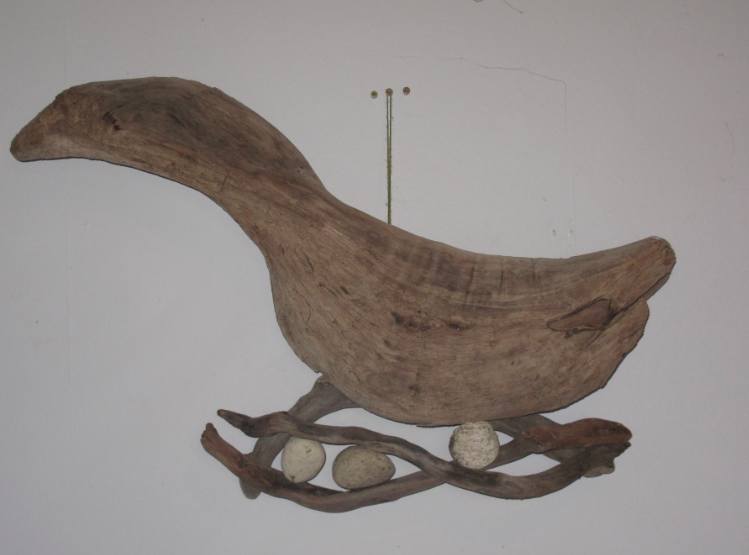
We love the arts in our household: during daylight hours the radio is playing music; we have impromptu dance parties in the lounge; and a collection of visual art is slowly establishing itself. Our daughter, Verti, regularly engages in artistic activities: painting, singing, playing “moozik.” Coming from a family of mathematicians, I am aware of the connection between music and maths. My calculating mum brought a second-hand piano into our home hoping that my brother and I would play. Research has shown that those who learn to play a musical instrument in their early teenage years also develop their mathematical abilities. But he and I were both far too involved in sport to give the piano a chance. None the less, my brother went on to study maths in university and became a maths teacher (and coach of football aka ‘gridirion’ and track & field aka ‘athletics’). I struggled through with calculus and then threw in the towel. But as I have grown older I have gravitated back to maths through my work as an eco-designer. Screen shot 2015-03-27 at 9.21.29 AM Eco-design is about recognizing and designing for patterns. My growing affinity for maths made sense when I heard this quote from Professor of Mathematics at Oxford University, Marcus du Sautoy. In a BBC interview about the connection between music and maths he said that, for him, maths has less to do with algebraic equations and that, “A mathematician is a pattern searcher.” His words resonated with me on many levels: As an education researcher I search for patterns in data. As an organic gardener I seek patterns that evidence early signs of insect or disease damage. As an avid beachcomber I search for patterns in driftwood that indicate native hardwoods instead of soft pines, poplar or willow. Much of the artwork in and around our Castlecliff home came directly from Castlecliff Beach. These include decorations for our daughter’s nursery…

Screen shot 2015-03-27 at 9.20.21 AM

Screen shot 2015-03-27 at 9.20.33 AM

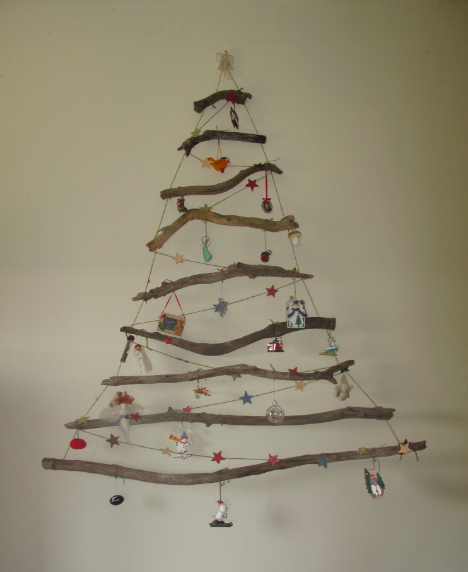
a Christmas tree we have used for three consecutive years…

Screen shot 2015-03-27 at 9.20.49 AM

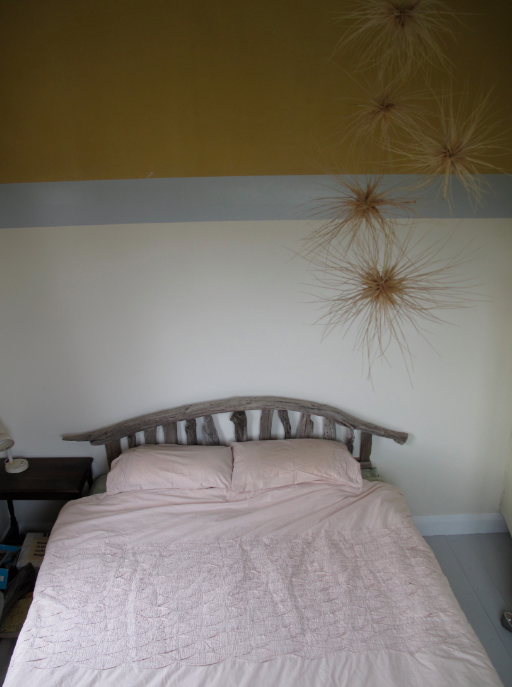
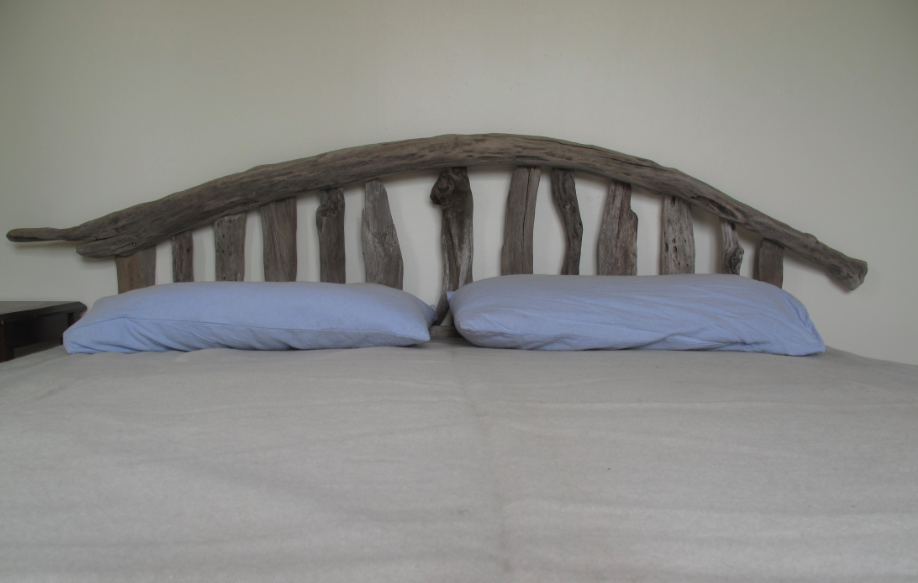
numerous surfboard racks, a headboard for our bed,…

Screen shot 2015-03-27 at 9.21.10 AM

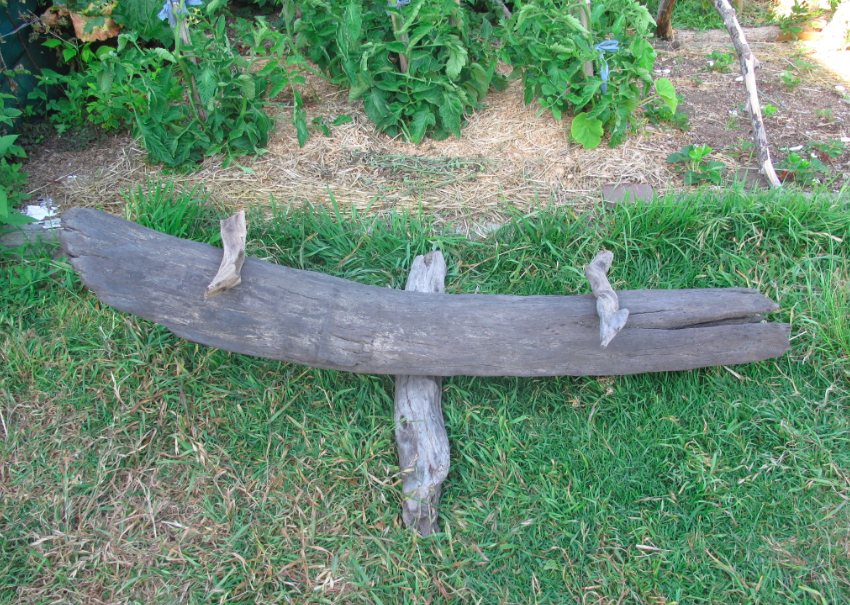
and a seesaw.

Screen shot 2015-03-27 at 9.20.41 AM

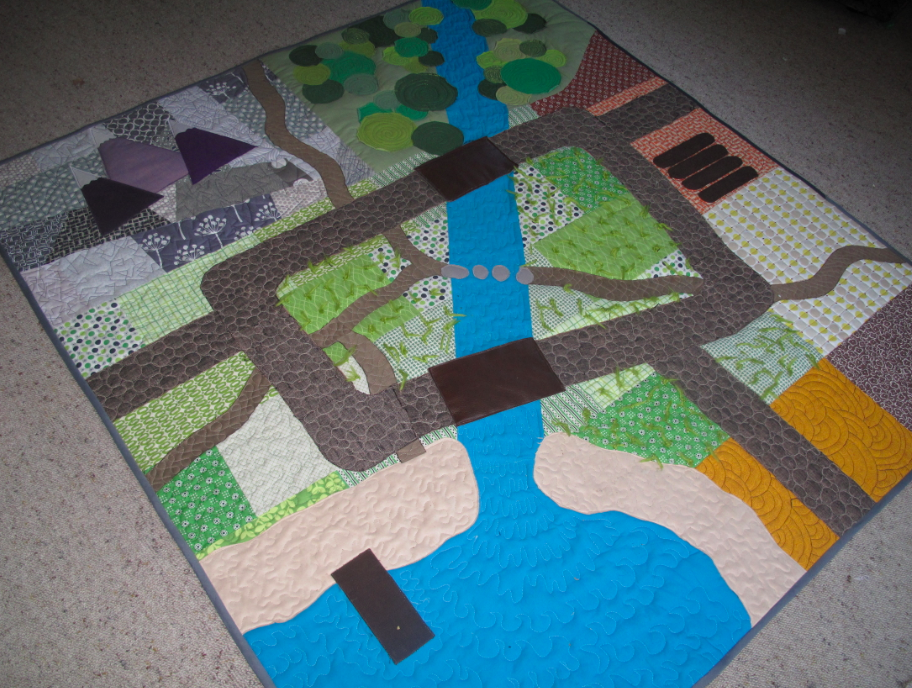
In each case the natural form of the driftwood determined its manifestation into a work of art. In our new home, which is sadly 10 kilometers from the beach, artwork is taking a very different form. Verti’s talented aunty quilted an amazing playmat for her that is a stylised map of the region including the city, Mount Ruapehu, Whanganui National Park, te awa, agricultural land, and even the North Mole. What is especially amazing is that aunty used different stitching patterns for the fabrics representing the different parts of the region: mountains; cobbles, sand dunes; flowing water; and even waves.

Screen shot 2015-03-27 at 9.22.08 AM

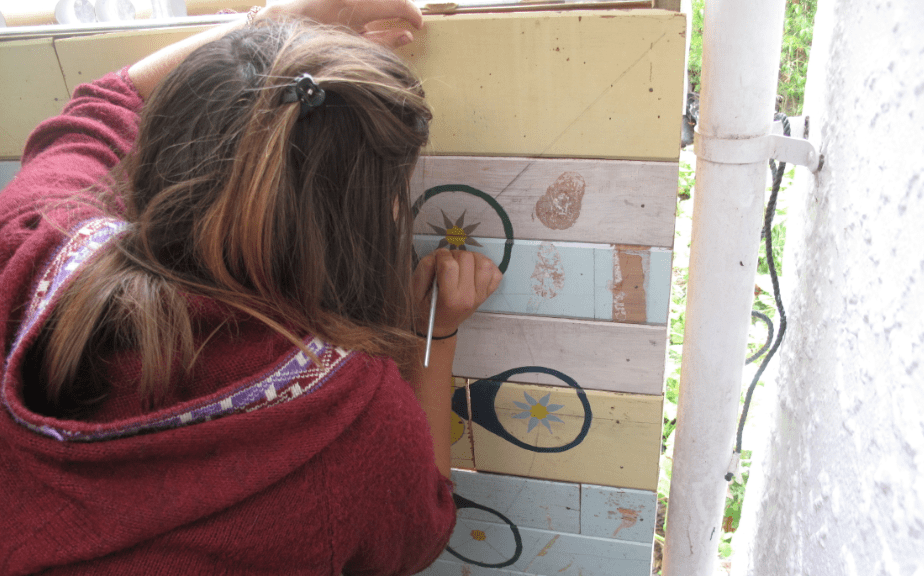
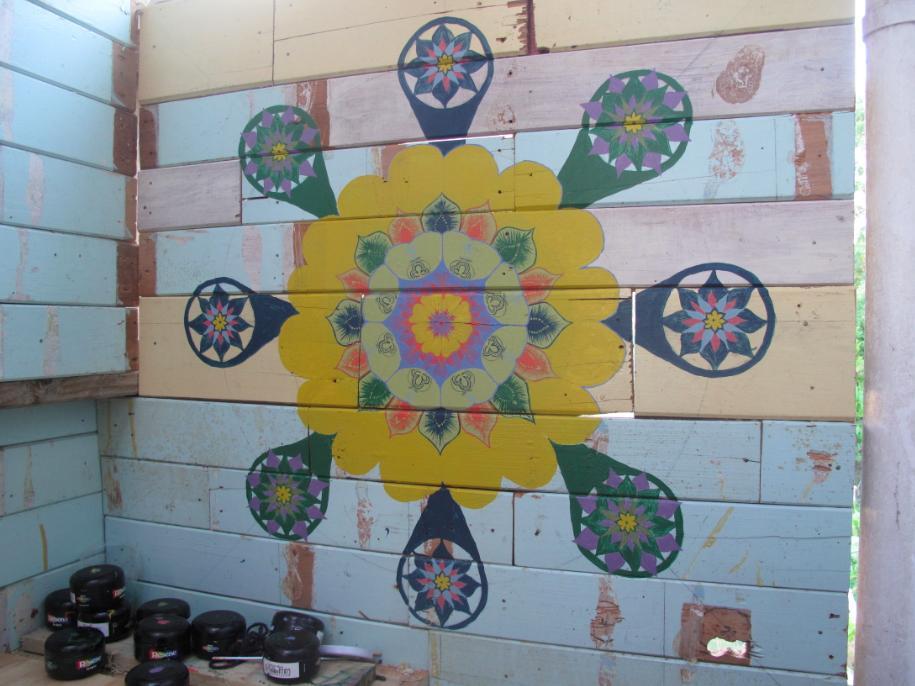
Another amazing work of art that is taking form in our new home is a mandala being painted by our intern, Luna. She is painting it as a feature wall on some old tongue and groove rimu that we decided to re-purpose as a canvas. Pattern is the basis for a mandala, and it is easy to see that Luna’s many hours of meticulous brushwork has gifted us with an amazing piece.

Screen shot 2015-03-27 at 9.22.18 AM

Peace, Estwing

Equinox: Honoring the Sun

Screen shot 2015-03-21 at 7.02.24 AM

We’ve reached the autumnal equinox and there is probably not a person in the city that would not say what a glorious summer we have had. Plenty of sunshine, light winds, and, after an initial dry spell, enough rain to green up the pastures and the garden.

But, like it or not, summer will come to an end, and the equinox is a reminder that we are tipping toward winter with the hours of daylight becoming shorter than hours of darkness for the next six months. It is also a timely reminder of how valuable the sun is to life on earth, and what a difference its absence can make.

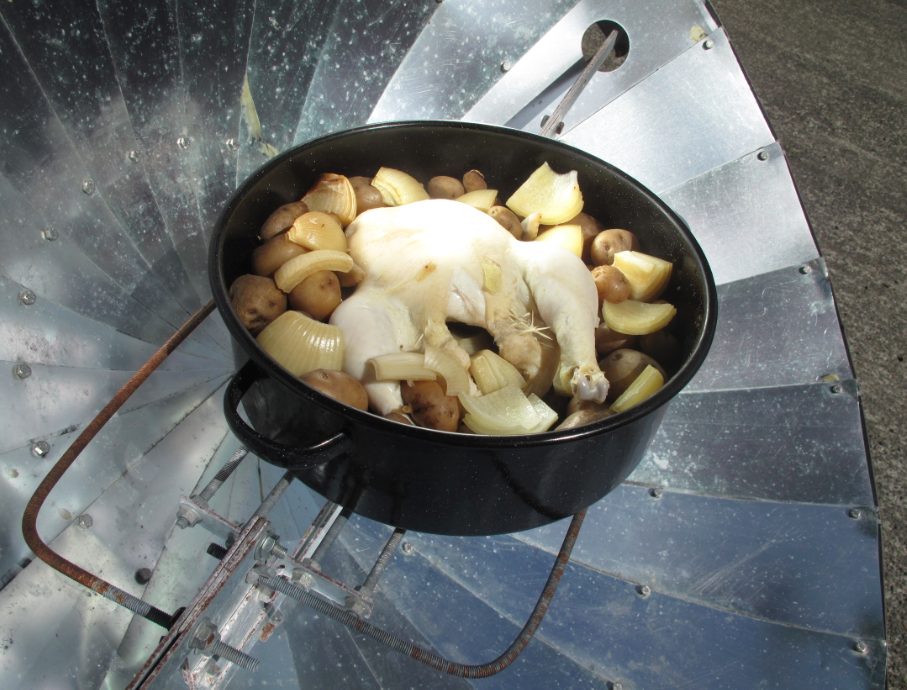
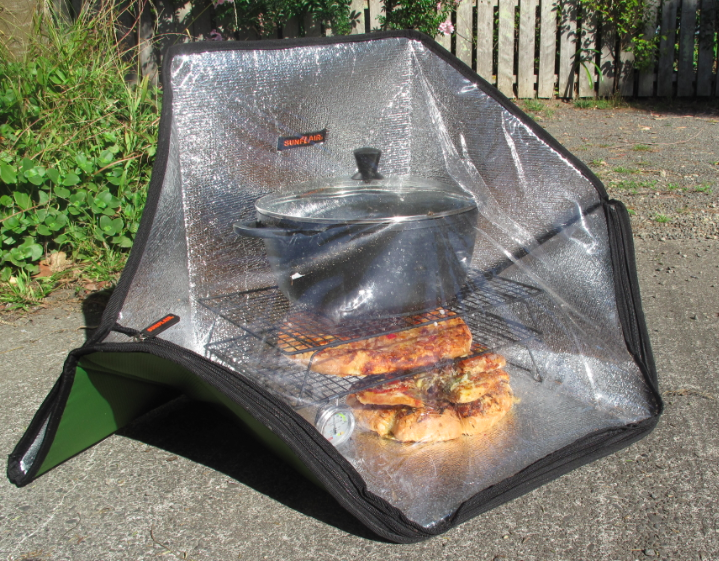
But like every great Achilles, Solar energy has its heal: it only works when the sun is shining on our side of the planet. I often use a solar cooker as a way to engage people in conversation about the potential for sunlight energy. Inevitably someone will ask, “What happens when the sun isn’t out.” Screen shot 2015-03-21 at 7.02.14 AM

Sadly, no one has yet to invent a lunar cooker, but there are many ways to store solar energy overnight and even for a number of cloudy days in a row. With solar cooking, the best place to store it is in your belly, but other solar storage systems include batteries, water and concrete.

Batteries are often used to store electricity generated by photovoltaic (PV) panels in places not served by mains power. Whether it is a yacht at sea or a bach in the wop wops, these situations are often called, “off-grid.” The “grid” refers to the network of power lines that serve the vast majority of us.

Obviously, off-grid housing is not vulnerable to mains power interruption, and is therefore valuable for emergency preparedness. Even though our rural home is served by mains power, I am designing a hybrid PV system that will heat our water most of the time but also have a small battery bank for emergency lighting, water pumping, radio and mobile phone charging.

Without meaning to offend anyone’s intelligence, a traditional solar hot water system stores sunlight energy in the form of heated water. The energy itself (heat) is stored inside of an insulated cylinder overnight. Depending on the amount of insulation around the cylinder and a household’s hot water use, the supply can last for three or four cloudy days. Solar hot water would also be a treat in the case of a prolonged mains power outage. Screen shot 2015-03-21 at 7.02.38 AM

Sunlight energy stored in an insulated concrete slab is called “thermal mass.” Like solar hot water, the heat is stored overnight and potentially for a number of cloudy days in a row. For any new home being built in New Zealand, passive solar design is an affordable approach to a high performance dwelling. Additionally – you guessed it – a passive solar home would serve its occupants very well during a mid-winter power failure if their only heating sources relied on electricity such as a heat pump or plug in heater.

Finally, don’t make the mistake of thinking that solar cooking is only a summertime endeavour. We have cooked through the last six New Zealand winters with great success. Memorably, during the week-long cold snap in August 2011 when we had snow flurries in Majestic Square, I managed to burn a pot of rice and a curry on the very same day. That is solar power. Screen shot 2015-03-21 at 7.02.46 AM

Peace, Estwing

The 3 R’s Plus Some More

Editor’s Note: This is my regular column in the Wanganui Chronicle.


In the last two weeks we have seen a number of pieces in the Chronicle on waste management, kerbside recycling, composting and the 3 R’s: Reduce-Reuse-Recycle. In eco-thrifty renovation we engage in a lot of reuse – often referred to as repurposing – as well as retrofitting and redesign.

One major aim of eco-thrifty renovation is to reduce power bills, indoor moisture, draughts, and respiratory illness caused by living in cold, damp homes. To be honest, eco-renovation hardly involves recycling, and since I have been actively recycling my entire life thanks to positive role modeling by my parents, I don’t ever really think about it. It’s just automatic.

On the occasion that I do think about recycling I am actually thinking about designing programmes that promote and enhance it. One example of this is the events recycling model that I developed in 2011 that later came to be known as Zero Waste Events. This service – with success levels that would make a German blush – was built on over 20 years of experience designing and managing award-winning school and municipal waste management programmes in the US.

Our school’s programme was so well recognized that I received a regular stream of phone calls from other schools wanting advice, and even the University of New Hampshire and ‘Ivy League’ Dartmouth College sought advice to improve their programmes. So you can imagine my surprise when I came to live here over four years ago and tried for the first time to engage positively with council only to experience another R: Rejection.

Here is some background. My wife and I had such a positive experience working with the excellent WDC building officers during our renovation, and the young man working reception at front-of-house was so friendly that I assumed all of my dealings with council would be along the same lines. The eager receptionist engaged me in conversation during my many visits sifting my way through the NZ Building Code with assistance from helpful on-call building officers.

During a number of our chats the receptionist suggested I contact certain council officers involved in areas where I had experience. I left a number of hand-written notes saying basically, “Hi, I’m new in town and have experience in XYZ and would like to contribute to the city.” This is where the rejection came in, although a fairer description may be declined-to-reply. I’d understand if it were a one-off, but it was the first of many occasions.

The purpose of this story is not to rehash my introduction to WDC’s communication style, but to provide context for an ‘outsider’s critique’ of the Chronicle article on low uptake by residents of fee-based kerbside recycling. At risk of becoming the Shamubeel Eauqub of waste management, here goes.

With all due respect to those quoted in John Maslin’s well-written article, I found many statements confusing and contradictory of statements previously published. To begin with, the low uptake of fee-based kerbside recyling should have surprised no one. Did the headline “Locals reluctant to recycle at a cost” come as a revelation to any readers? I’d love to see the projected participation rate and on what research and data it was determined.

Twenty years ago I attended a recycling conference and learned a few fundamental things about the role of government and basic human behaviour: Recycling is seen as good for society and the environment, and therefore government’s role is to remove barriers to citizen participation. Cost is a primary barrier. Surprised?

We hear WDC is reluctant to subsidize recycling because of the money, but council regularly chooses to subsidize many economic, social and artistic programmes instead. Previous articles on the Resource Recovery Centre included the emphatic statement: No rates were used to develop the facility. Yet Councillor Rob Vinsen reports in Maslin’s article that council’s contribution had been $150,000. This contradicts earlier statements made by officers and elected officials. Why the discrepancy and what’s the truth?

The truth is we live in a participatory democracy and it is our right (some would say duty) to engage with the government and to question poor design. Take a look around our diverse city and think about what is local government’s “core business” and what are the “nice-to-haves.”

Ring, text, email, write or talk to your elected representatives. Write a letter to our vibrant local newspaper. Go ahead and have a good winge if you feel something about our community is not good enough. Let councilors know you are paying attention and remind them that they are halfway to re-election.


Peace, Estwing
Ethical Eating, Kiwi Style with No Pretention

A huge thanks to Nicola Young for putting us onto The Katering Show in her last column. The episode titled “Ethical Eating” is great on many levels. The commentary on pretentious shoppers at a Farmers Market is priceless. For anyone who thinks about the social and environmental impacts of the food they eat, “The Kates” offer a warning not to take ourselves too seriously.

Along the same lines, the phrase “ethical eating” is pretty loaded. I would never use the term as it appears to imply that all other eating is unethical. Yow! Does that include the ‘Reduced for Quick Sale’ apple crumb cakes I buy en masse from Countdown?

In my experience with Farmers Markets and pretentious shoppers, I have always taken a proactive approach but admittedly with mixed results. About ten years ago I brought my produce to a brand new market in a wealthy village a few miles from the not-so-wealthy hamlet where I had my farm. This was during the era when “Artisinal Bread” was coming on the market and gaining a 30% mark-up because of the use of the word artisinal. I was like, “Yo! Sign me up.”

Turns out the extraordinarily pretentious lady who organised the market did not appreciate my “Artisinal Salad Greens” or my “Zesty Zero-Emissions Mesclun Mix.” Rather unceremoniously my stall space was given to a lady who knitted tea cozies, and the so-called “Farmers Market” lost one of its two actual farmers. (Everyone else was a “crafter.”) Screen shot 2015-03-06 at 7.00.38 AM

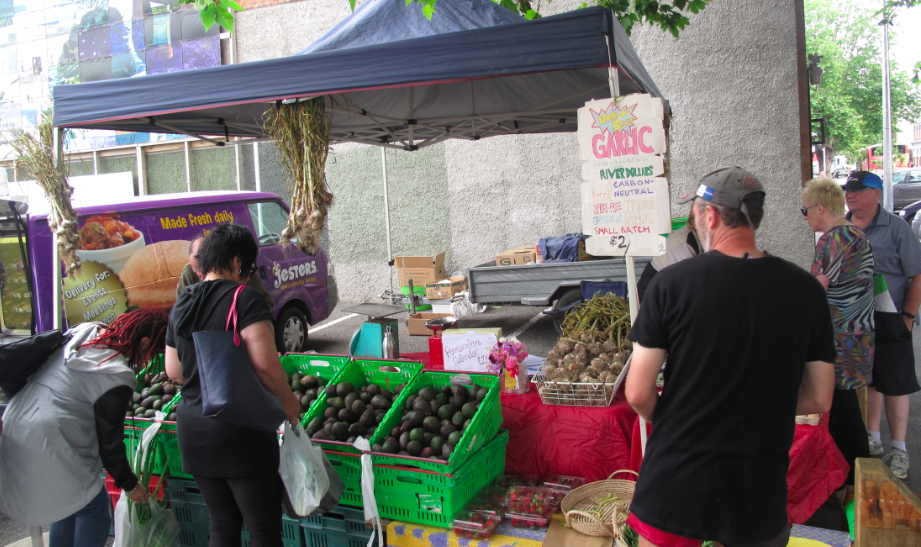
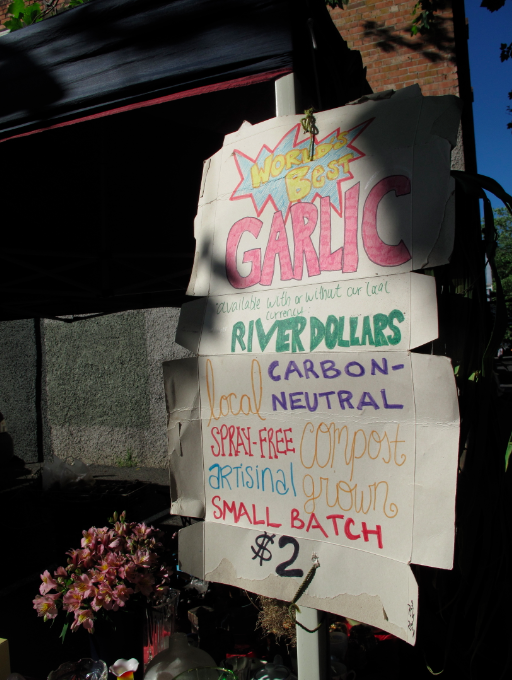
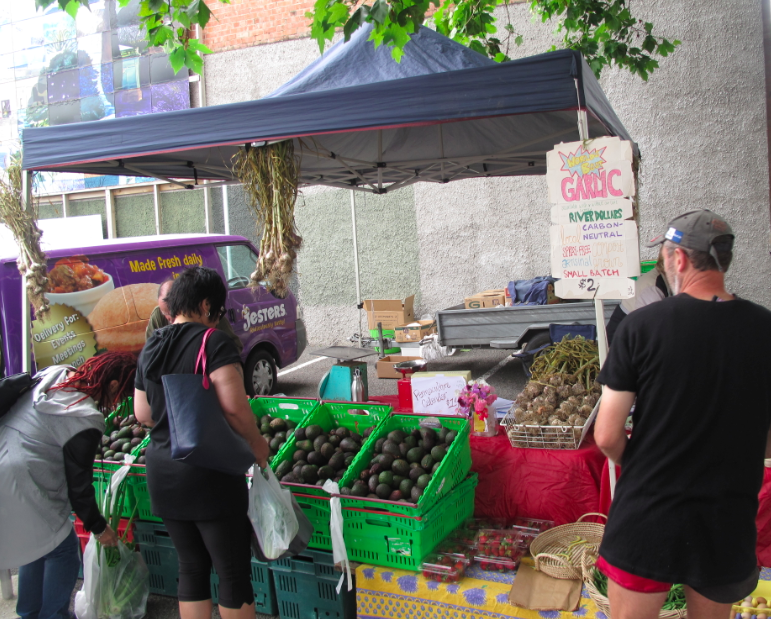
Fortunately I have encountered no such snobbery at our own River Traders Market…well not much anyway. In all good humour, we market our World’s Best Garlic as, “local, carbon-neutral, spray-free, compost grown, small batch, and artisinal.” It is available with or without the use of Whanganui’s local currency, “REBS.” We were warned not to label it “organic” because we have not paid to join that club, and the labeling Nazis may persecute us.

When it comes to unpretentious shopping for local and/or organically-grown fruit, vege and eggs there is no better place than the REBS stall on Saturday morning. My colleagues do an amazing job of keeping this community-based, cooperative stall stocked with fresh, in-season produce every weekend of the year. From my understanding, the REBS stall is one of maybe only two that have never missed a market day in over six years.

Screen shot 2015-03-06 at 7.00.53 AM

It seems every discussion of local, organically-grow food always comes around to price. Here I would like to steer the discussion away from  clever marketing and affordability to quality. There is no better tasting garlic available than that which I grow. I will admit to first equal – that’s awesome, mate – but none greater.

In olive oil there is extra virgin first cold press. In coffee there is 100% Arabica beans. In garlic there is fresh, local and grown using exceptionally high quality compost. (I’m not a wine snob so I wouldn’t know the next permeatation.) High quality food costs more than low quality food. Same with cars, houses, mobile phones, computers, beer and “escort services.” You get wacha pay for. Screen shot 2015-03-06 at 7.00.24 AM

It seems every discussion of ‘ethical eating’ also comes around to meat. There is no debate that the vast majority of methods for raising meat animals have large environmental impacts. It is also no secret that cutting back on one’s carnivourous behaiviour or choosing to be vegetarian tick the most ‘ethical’ boxes on the list.

Screen shot 2015-03-06 at 7.01.07 AM

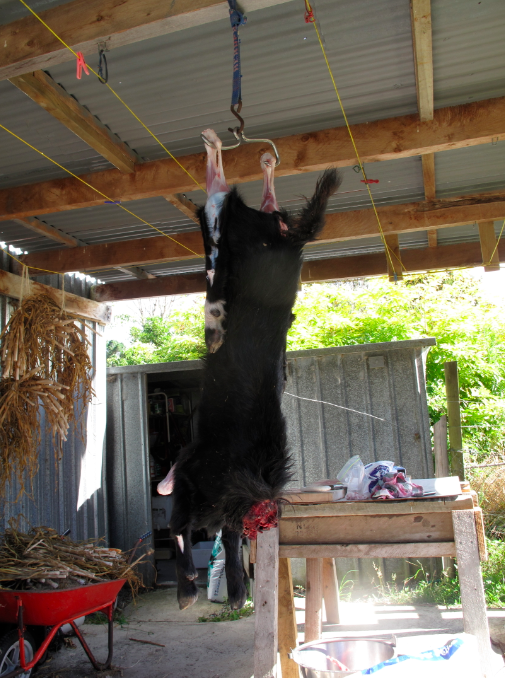
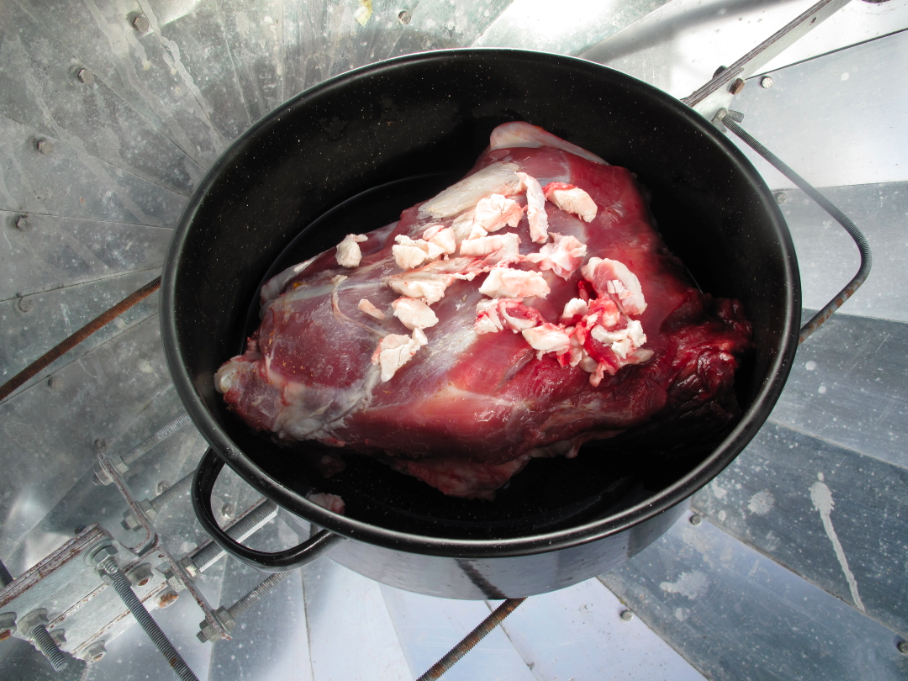
However, in New Zealand we have the unique opportunity where eating more meat is best for the environment! Too good to be true? Not at all. Step right up for a generous helping of local, organic, free-range, natural, small batch, goat humanely “demised” and lovingly processed by a skilled craftsman-of-a-Kiwi-bloke and slow-cooked to perfection over an entire day by the gentle caressing rays of the Earth’s local star. Screen shot 2015-03-06 at 7.01.17 AM

But how am I going to fit that on a sign?


Peace, Estwing

Capitalism and Surfing: Each in Moderation

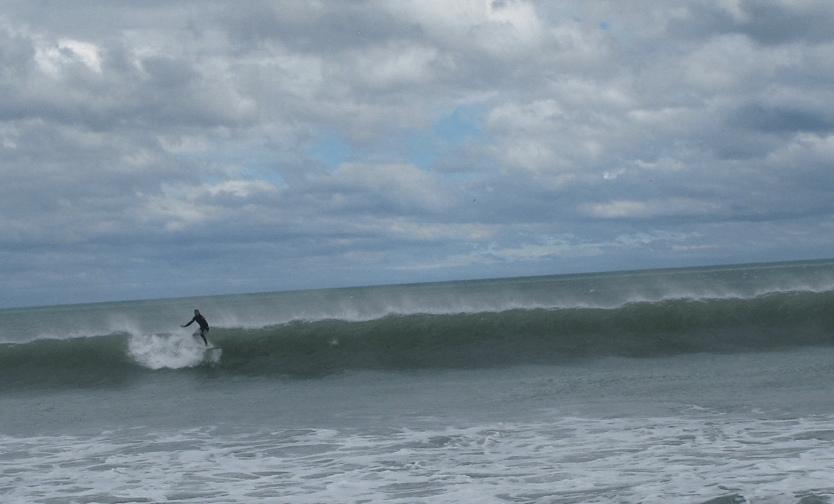
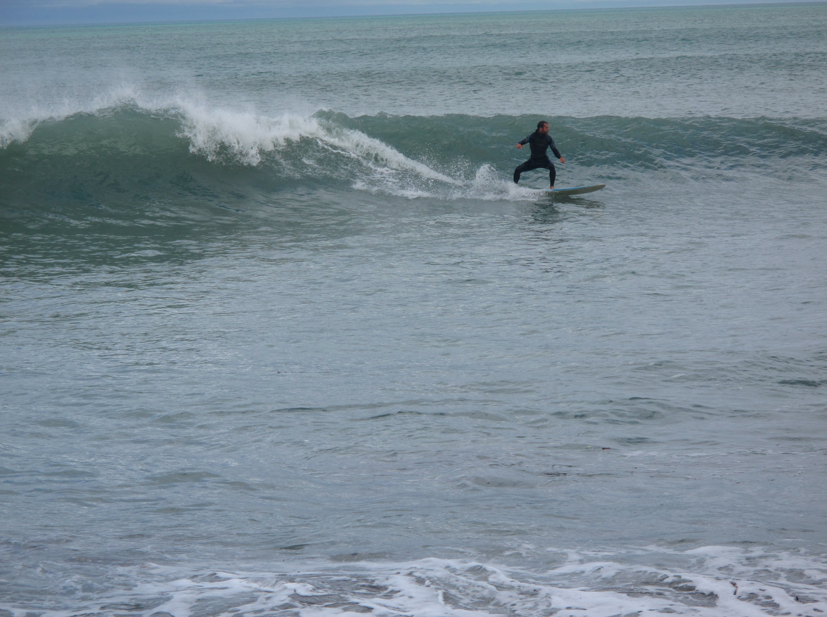
There are two activities in which I have increased my involvement since moving to NZ seven years ago: surfing and democracy.

When I came here I had no interest in surfing and little interest in democracy. I always voted, but that was about it. But my interest and involvement in both increased in 2008 when I moved to Raglan and started PhD research at the University of Waikato.

Although I was researching science education, the concept of democracy came up again and again in the literature. Science education for all pupils – not just those who plan to pursue a career in science – is critical to democratic nations that face increasingly complex choices involving ecological problems, choices of ‘appropriate technology’ and genetic engineering. Surfing, I discovered, is critical to remaining sane while writing a 300-page thesis. Screen shot 2015-03-06 at 11.24.42 AM

As we look around the world, modern democracies rely on capitalism in the same way that surfing relies on waves. So-called ‘free markets’ go hand-in-hand with democracy as both ‘consumers’ and voters choose their brands of breakfast cereal and their governments. When ‘the economy’ is booming, the governing party tends to retain power at the next election, and when recession hits the government is often voted out. Similarly, when the surf’s up you go surfing. When it’s not you stay home and winge about it.

“A rising tide,” we have been told, “lifts all boats.” But trickle-down economics has never been shown to work for those struggling economically with their heads under water.

The link between ‘economic growth’ and retaining political power has resulted in the growing influence of corporations over governments to withdraw legislation that previously reigned in dodgy corporate behaviours that in the past led to the exploitation of workers, environmental degradation, and even the Great Depression.

Over the last thirty years – since Thatcher and Reagan – the world has witnessed the steady deregulation of laws that were put in place to safeguard people and the planet. This trend in deregulation directly caused the Global Financial Crisis in 2008. In surfing terms, this is called “going over the falls”: taking off late on a big wave, getting stuck on the lip (tip-top of breaking wave), falling vertically in front of the wave, and then often getting sucked back up the face and dumped again. Screen shot 2015-03-06 at 11.23.35 AM

Here we are in 2015 and the whitewash from the 2008 GFC has not cleared. The wealth gap between rich and poor is wider than ever, and the biggest corporations are even bigger than they were before the crisis.

As with most things in life, surfing and capitalism require moderation and knowing one’s limits. In both, getting in over one’s head can be deadly.

What we face in the Trans Pacific Partnership Agreement (TPPA) is a potential tsunami of capitalism that drowns democracy in New Zealand. I have surfed some big waves over the last seven years and had many spectacular wipeouts, but I always came up to breath. If this government signs up to the TPPA, there is no way out – no escape clause – no coming up for air. Once signed, we will be bound to the agreement in perpetuity.

When it comes to surfing and democracy, I tend to be conservative. Going after huge waves and giving more power to huge corporations is just plain dangerous. In both cases, I think about my daughter, her future, and my duty as a responsible parent.


Peace, Estwing
Peachy Keen

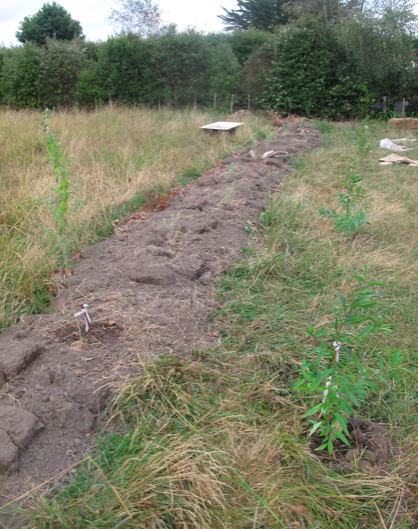
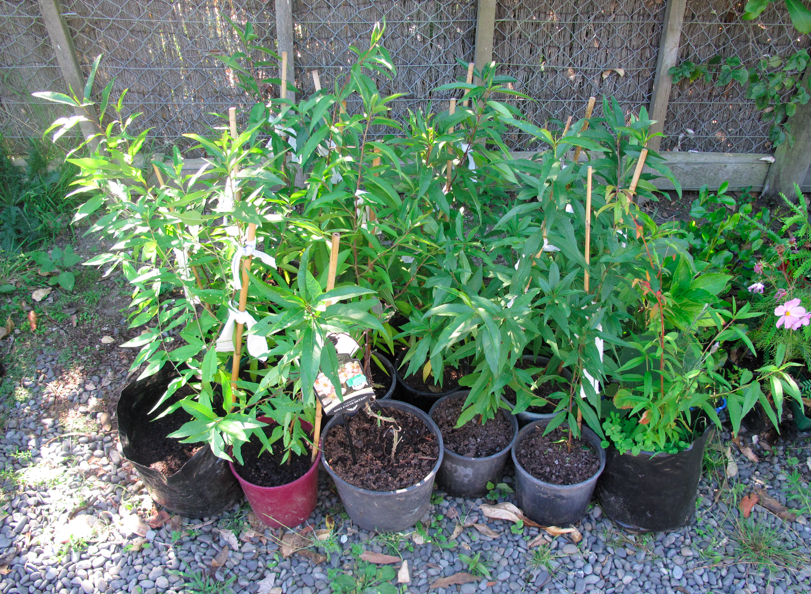
We have had a great peachy weekend. On Saturday we planted 10 of our peach trees that I raised from stones starting early last winter. Here they are next to a swale topped with tagasaste.

Screen shot 2015-03-01 at 6.11.46 PM

We still have a dozen trees that we will give away and sell.  Screen shot 2015-03-01 at 6.10.45 PM

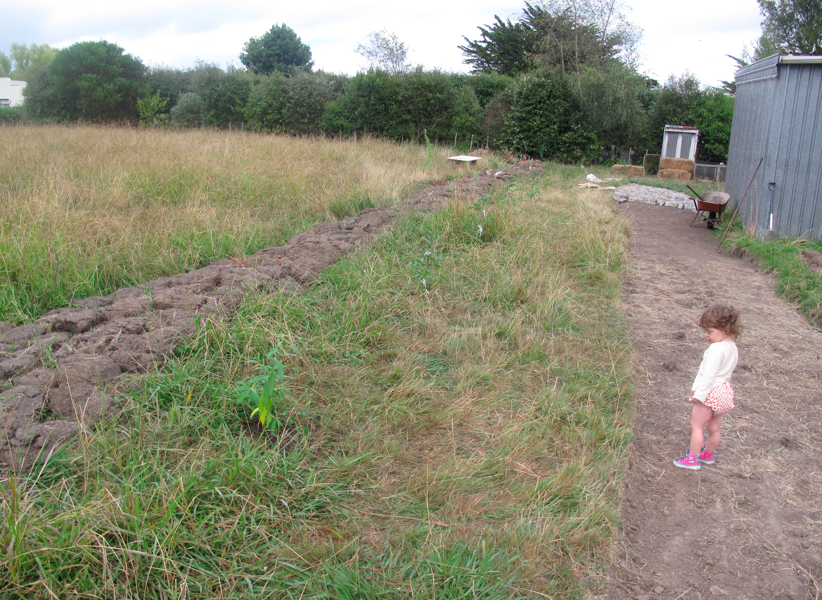
Here is Verti checking out the recent work.

Screen shot 2015-03-01 at 6.11.35 PM

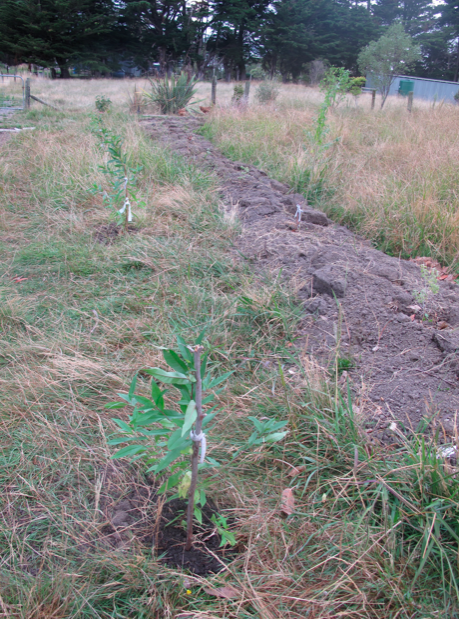
This is the reverse angle of the peaches and tagasaste.

 Screen shot 2015-03-01 at 6.12.03 PM

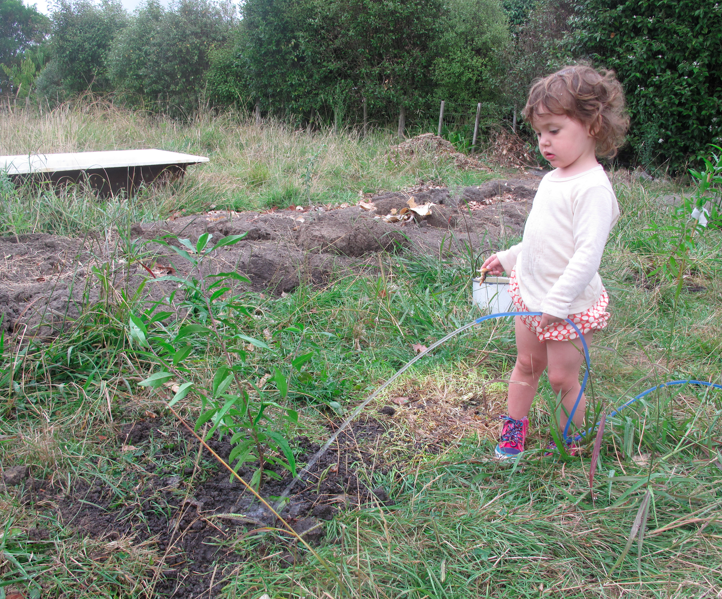
Verti watered the peach trees thoroughly.  Screen shot 2015-03-01 at 6.12.32 PM

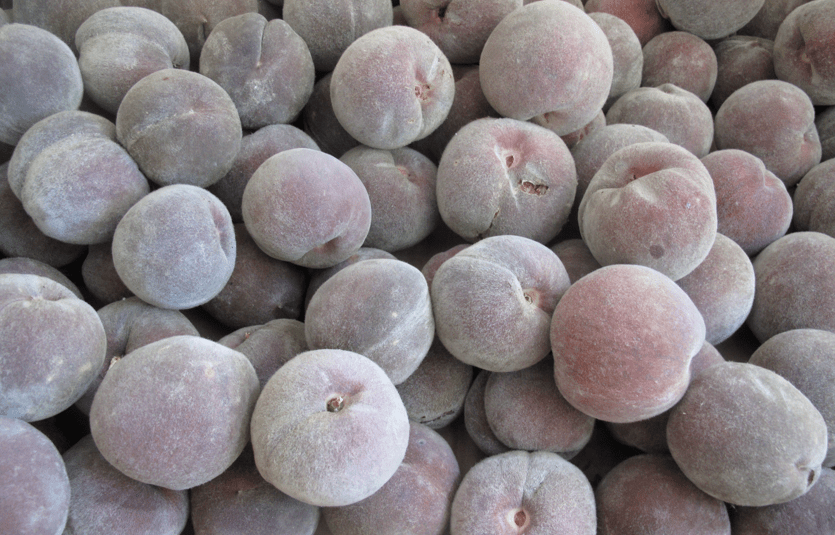
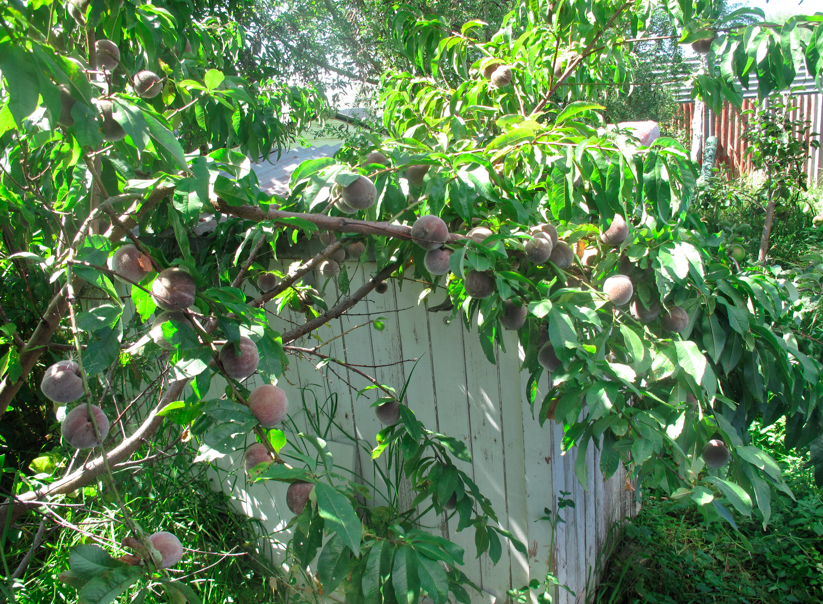
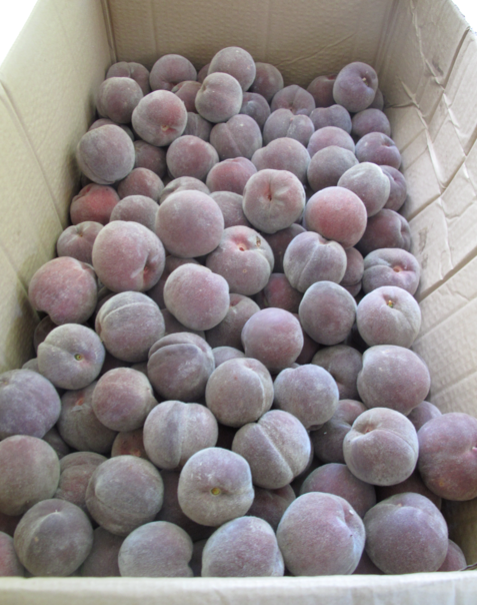
On Sunday we went to our old house to pick some of the abundant Black Boy peaches.

Screen shot 2015-03-01 at 6.11.16 PM

We picked this box and it hardly made a dent in the fruit still on the trees.

Screen shot 2015-03-01 at 6.10.34 PM

Yum is all I can say.


Peace, Estwing
Understanding Nature: Toddlers, Trees, TPPA

Eco Design is about working with nature instead of against it. Nature, in this case however, can mean many different things. For example, it may refer to natural ecosystems and how they maintain a dynamic balance. But it can also refer to sun angles and hours of daylight that fluctuate seasonally. This can be referred to as a natural energy flow.

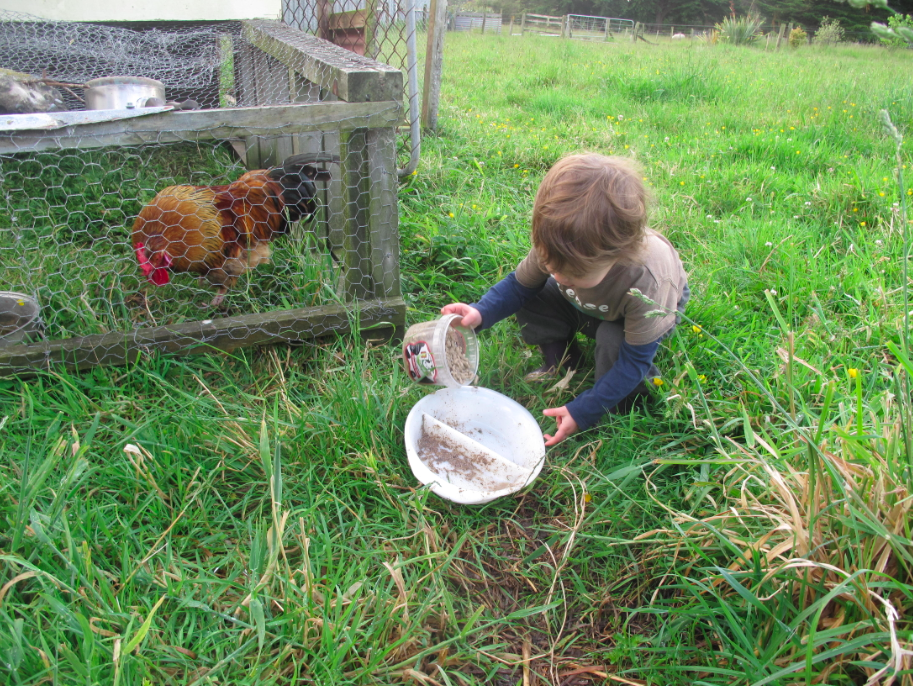
Nature, from an eco design perspective, can also refer to the behaiviour of animals such as chickens. In this case, we often speak in terms of “a chicken’s nature” to scratch up the mulch in a vege garden.

Believe it or not, even my two and a half year old daughter has a nature, and for the most part it is a nature to imitate and to help. As parents we can choose to work with her nature or work against it at our peril. As a father and designer, I constantly design experiences that channel my daughter’s nature for good instead of evil.

Screen shot 2015-02-28 at 8.02.41 AM

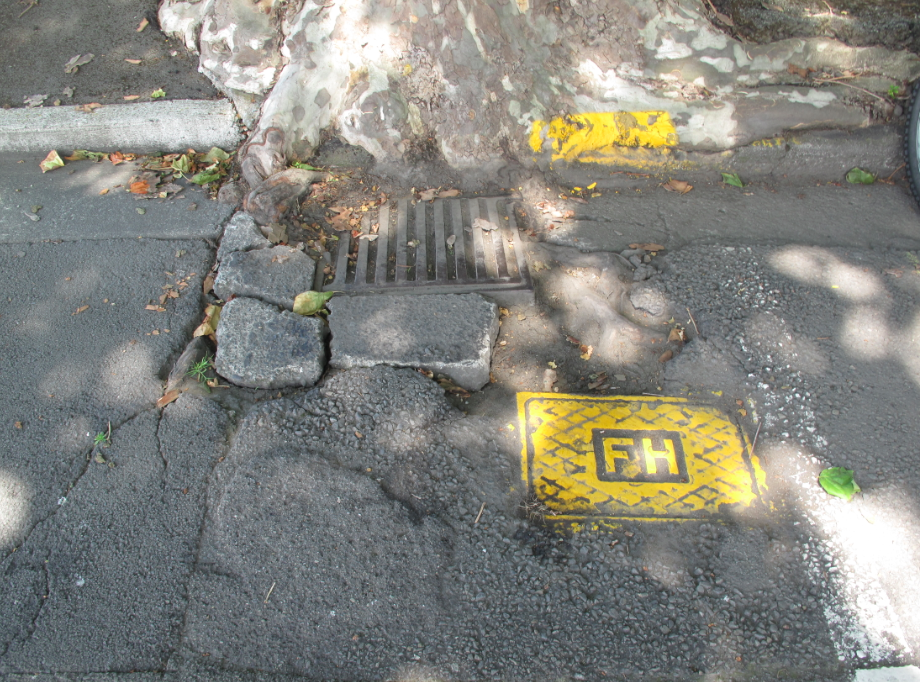
Trees have a nature, and different trees have different natures. For example, it is in the nature of plane trees to block drains and crack pavement. To quote Wilson Street business owner Tony Swain from Monday’s Chronicle, “The council has just planted the wrong type of trees.”

Step one of eco design (also step one of common sense) is to plant the right tree in the right place. What a crack up it was to read the explanation from Wanganui District councillor Ray Stevens in Monday’s Chronicle that the trees were planted back when Wilson Street was residential. Is this to imply that the trees would not grow into the sewerage pipes of private residences or block storm drains in a residential street? This excuse for council’s mistake makes no sense, and appears to support the Wilson Street business owners’ feelings that “council was not listening.”

Screen shot 2015-02-28 at 8.02.50 AM

Although trees have their nature, this is not to say that a tree’s nature cannot be channeled just like a toddler’s. For example, we have heard from a number of sources that the plane trees around the city used to pollarded regularly to control their growth.

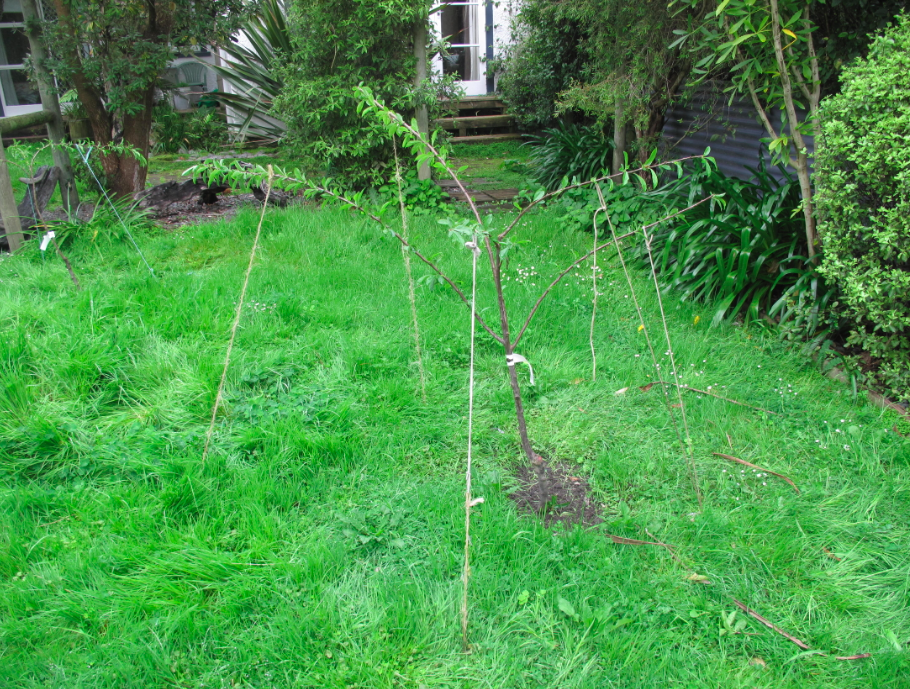
Another example involves the training and pruning of fruit trees. The nature of most trees is to grow to the sky, which is a problem for the safe and easy harvesting of fruit. ‘Channeling’ branches to grow sideways instead of upward involves two steps. First we train the branches with twine and stakes (see photo), and then we prune to an outward-facing bud. The tree is still a tree, but by working within the confines of its nature we make it more ‘user-friendly.’

Screen shot 2015-02-28 at 8.02.30 AM

Finally, it is in the nature of corporations to maximize profits. In fact, it is their one and only mandate. There is not social mandate. There is no environmental mandate. There is no cultural mandate. There is only the profit mandate.

Understanding this nature of corporations, does it make any sense to readers that we allow them to negotiate a major trade agreement in secret? As a democracy, does it make sense for citizens and voters to stand by and allow the current government to sign onto this secret trade deal – the Trans-Pacific Partnership Agreement (TPPA) – without expressing our justifiable caution?

Mr. Key has stated that the October election was a mandate from the voters for the beliefs and policies of the National Party. Is it in the nature of New Zealanders to accept this and wait another three years? Or is it in our collective nature to voice concerns through all the channels of democracy?


Peace, Estwing
A Permaculture Day at the Beach

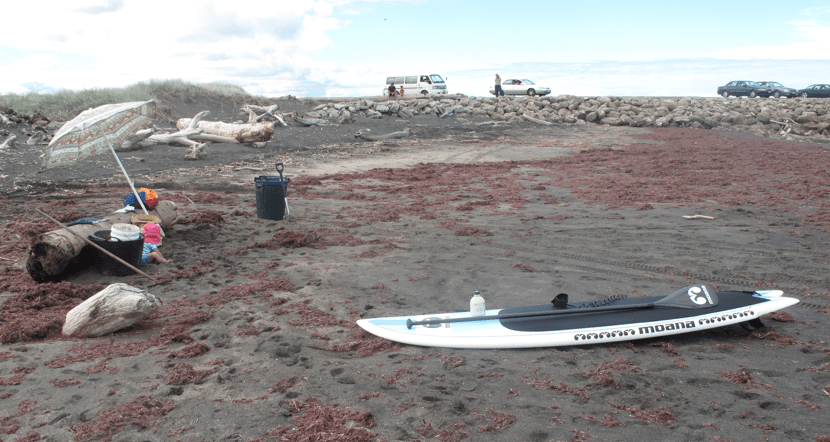
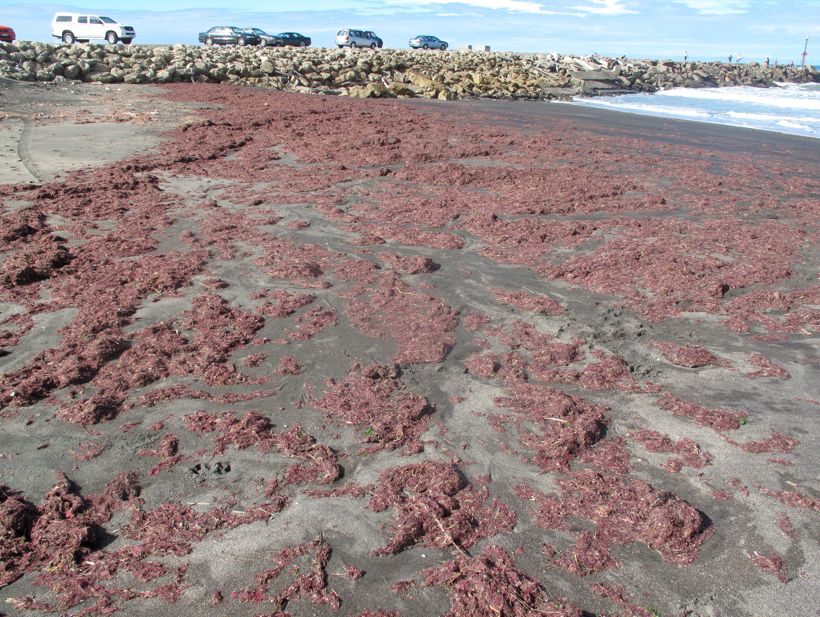
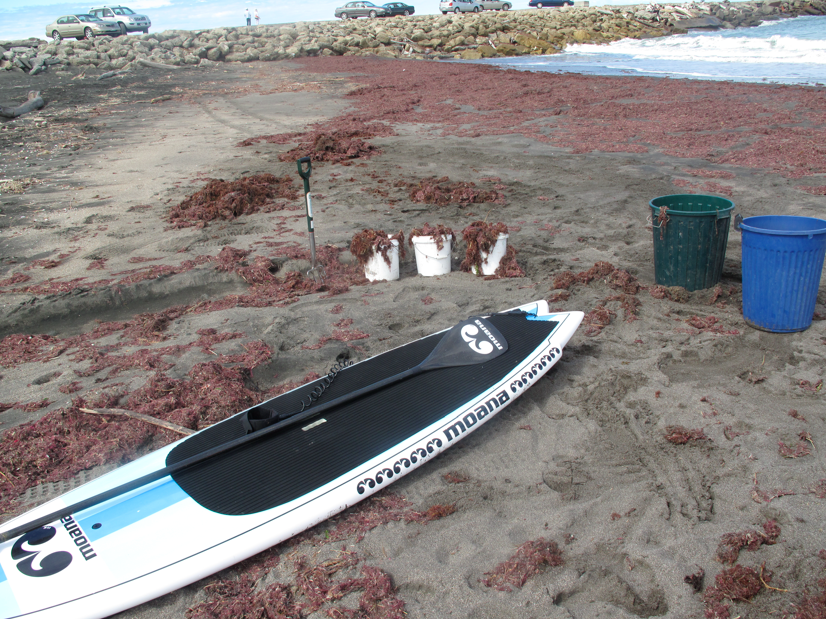
On Friday a mate called me to say there was heaps of seaweed washed up at Castlecliff Beach. This is quite rare.         Screen shot 2015-02-23 at 7.07.57 AM

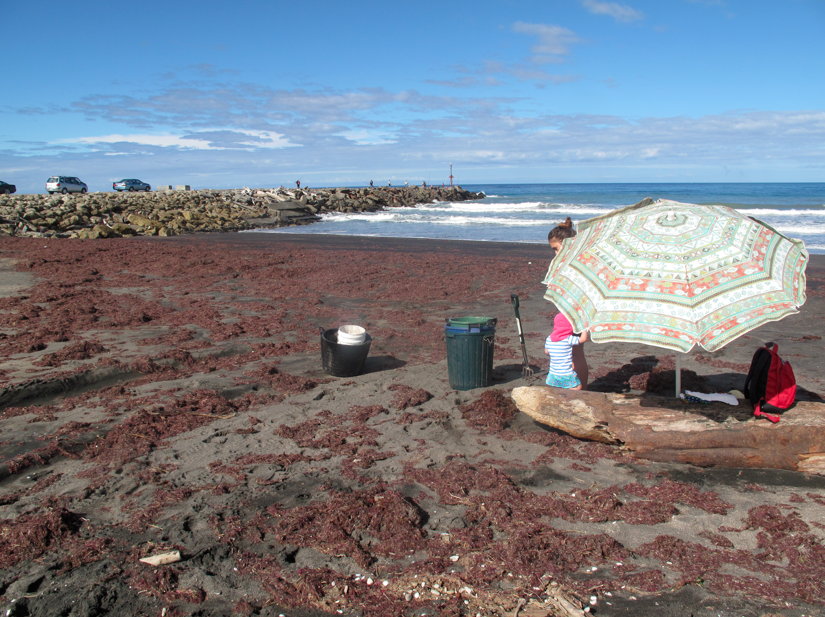
It wasn’t until Sunday that I got a chance to get there, so we made a morning of it. Verti and Luna and I went to the beach and mama stayed home.

Screen shot 2015-02-23 at 7.05.48 AM

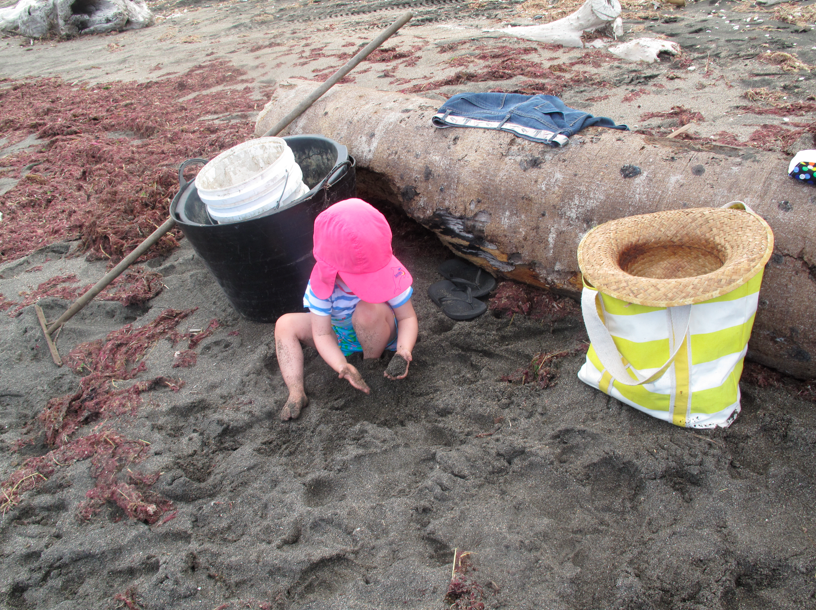
Verti had so much fun playing in the sand.

Screen shot 2015-02-23 at 7.05.59 AM

I had a good surf on my SUP, and then we started collecting seaweed.

Screen shot 2015-02-23 at 7.06.36 AM

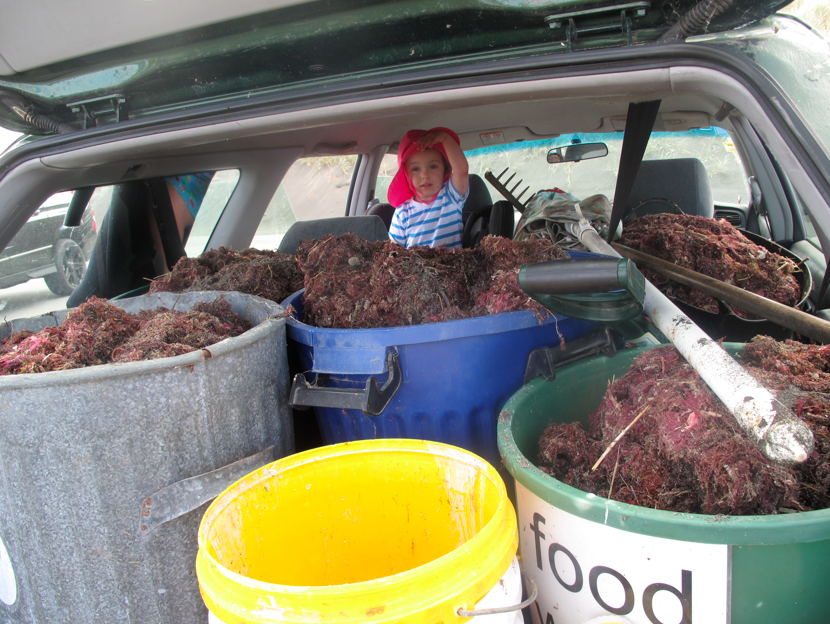
We loaded the car.

Screen shot 2015-02-23 at 7.06.44 AM

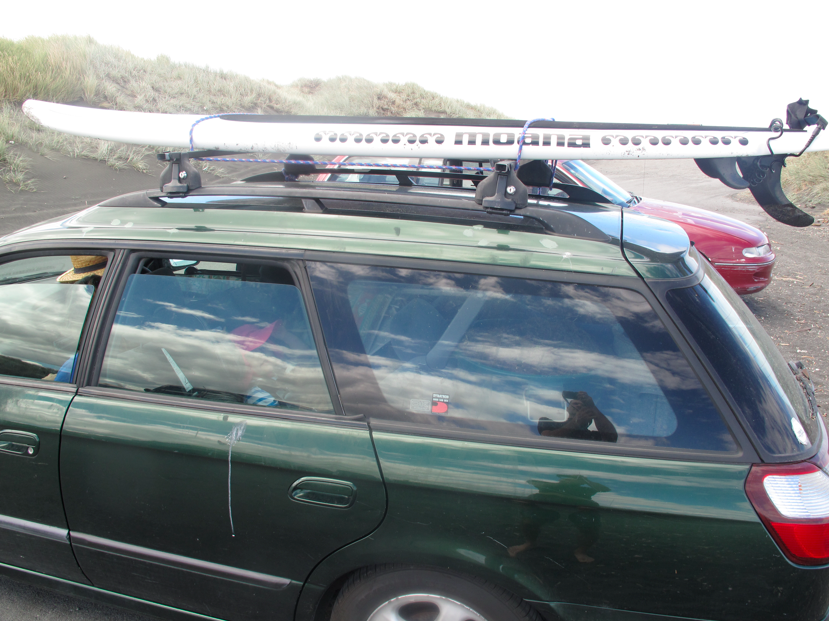
Tied everything securely.

Screen shot 2015-02-23 at 7.06.55 AM

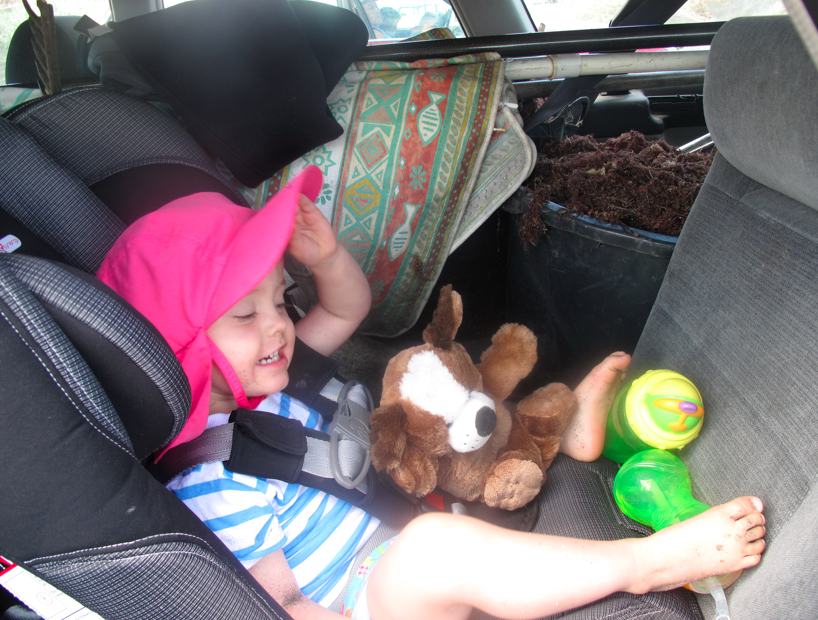
Buckled everyone in.

Screen shot 2015-02-23 at 7.07.09 AM

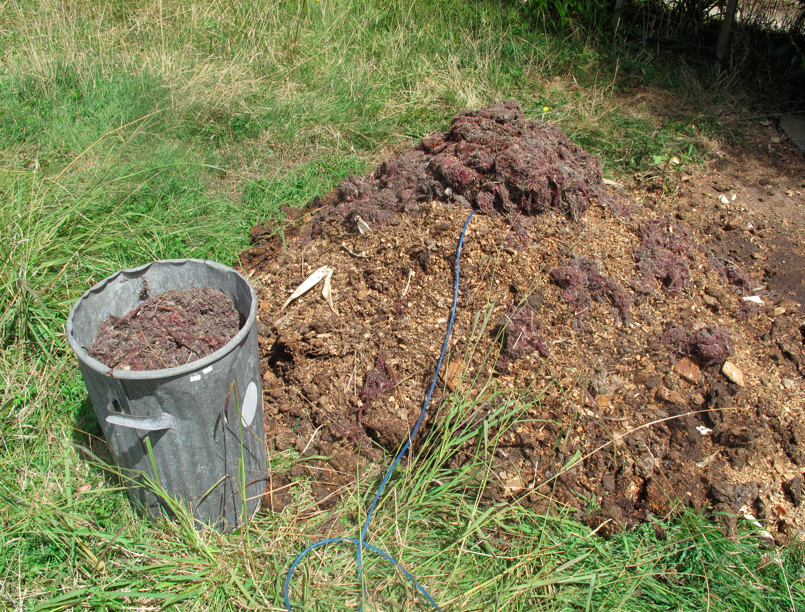
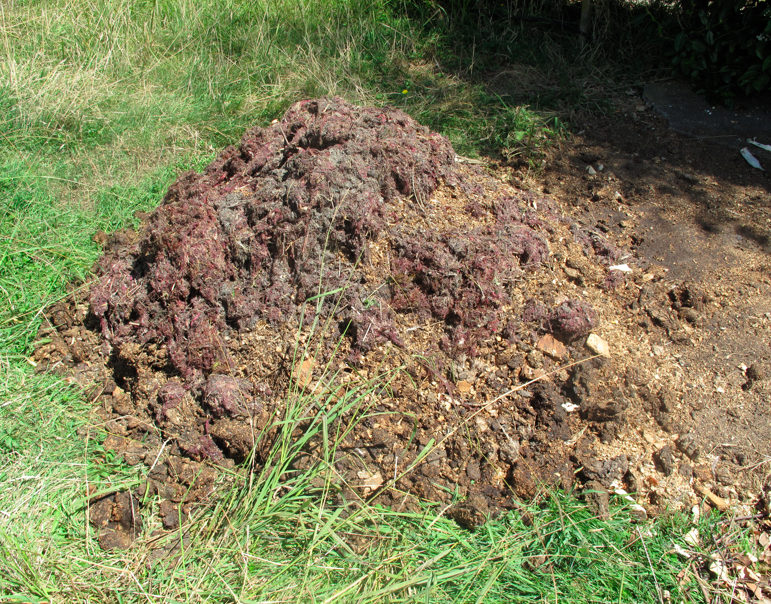
When we got home we added the seaweed to our compost piles straight away. We have two piles at the moment that are larger then 1 cubic metre.

Screen shot 2015-02-23 at 7.07.27 AM

The blue hose in the picture above is putting water into the pile as we have had lots of dry weather lately.

Screen shot 2015-02-23 at 7.07.35 AM

It was a perfect permaculture half-day getting “multiple functions” out of our trip to the beach.

Peace, Estwing
Reality, No TV: Our First Home

Our First Home is the name of a new programme on TV One. I have not seen it, but I have a pretty good idea of what to expect. I’ve seen plenty of programmes along the same lines and ‘been there / done that’ myself. Screen shot 2015-02-20 at 10.19.36 AM

It’s all about the drama. Renovating an old home is stressful. Living in it while renovating is especially stressful. Apparently it makes for great TV.
Our first home was in Castlecliff. The condition we found it was far worse than any house on Our First Home or The Block NZ. There were no TV cameras to document the drama, although a Chronicle reporter and photographer turned up in December, 2010 to see what we were up to.

Screen shot 2015-02-20 at 10.07.54 AM

We started our blog – www.ecothriftydoup.blogspot.com – in October, 2010 and have posted at least once every week since then. Last year we upgraded and expanded the blog: www.ecothriftylife.wordpress.com. The central premise behind our work is living within limits both financial and ecological.

Programmes like The Block NZ and Our First Home are based on the premise of “the property ladder,” which we don’t really have in our River City. From my observations we have more of a property step stool at best, and in some cases a hole in the floor. At the moment it is an unrealistic expectation to borrow money to do up a kitchen and bathroom, and expect to recoup the costs upon resale. This sets us dramatically apart from those doer uppers in Auckland, although there is still some common ground. Screen shot 2015-02-20 at 10.08.03 AM

According to the ourfirsthome website, the “Expert Tips” for Week One include:

  • Try to face living areas north with indoor/outdoor flow to add value.
  • Indoor/outdoor flow is a key…point.
  • Heating is important.
  • Privacy and seclusion add value.

If my editors would allow me use all caps for an entire sentence it would be this:

I would never consider buying a home with living spaces to the south and bedrooms to the north. Screen shot 2015-02-20 at 10.08.12 AM

Wait, I take that back. If I were to return to the Northern hemisphere I certainly would! But with a climate like the Whaganui region has, a home with the living spaces to the south is bass ackwards. Even the TV One “Experts” say that “Heating is important,” and free heating from the sun is the most important of all.

Free heating from the sun – aka passive solar design – goes alongside the indoor/outdoor flow that should accompany the northerly living spaces. Our first home in Castlecliff has the additional advantages of a private and secluded section at the end of a cul-de-sac. The flow is from kitchen to kitchen garden, through French doors, across a deck and past the outdoor pizza oven.

We planted the backyard with native trees for wind protection and fruit trees for healthy food production. The combination adds privacy and seclusion to that quintessential indoor/outdoor flow of contemporary Kiwi lifestyles whether in overpriced Auckland or affordable Wanganui.

But please don’t be tempted by what you see on TV to overextend your finances with the false expectation that “property prices only go up.” All bubbles burst. The Aucklanders will learn this too, and some will wish they bought here instead.


Peace, Estwing