All posts by Estwing

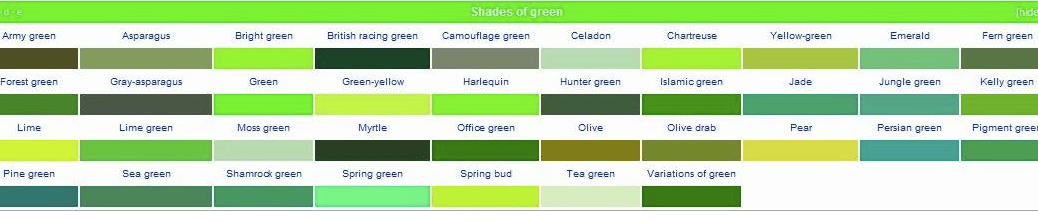
Shades of Green

As heated and “dirty” as this year’s election lead-up has become, I feel a duty to contribute my own “skullduggery” to the fray. Never mind that I do not know what skullduggery means. After all, where does understanding of language, facts, figures, data or research come into play in a political forum?

For example, after 28 months or describing in excruciating detail the win-win-win benefits of eco-thrifty design, I am left flabbergasted at our local government’s staunch rejection of the obvious benefits to our city, its people and its economy. Poor eco-design has already cost ratepayers tens of millions of dollars and will continue to cost us unnecessarily into the future. Put simply, I just don’t get it.

My observations over the last four and a half decades of walking the Earth and listening to people’s jibber jabber is that the further one is to the right of the political spectrum the less likely they are to be open to new ideas, to think holistically, to respect peer-reviewed research, to make decisions based on data rather than emotion, and most ironically, to embrace the precautionary principle.

The precautionary principle stipulates that when considering a risky new technology or when facing issues of immense global importance such as climate change, one should be as conservative as possible regarding policies and practices. Ironically, in most of these cases the political right is liberal and the political left is conservative.

Speaking of irony, I love this concept of the National Party’s “Blue-Greens.” When I was in school studying biology, I learned that blue-green was a primitive form of algae known as cyanobacteria. I suppose in that respect, there may not be much difference between the two regarding sound policy on sustainable development. I jest.

Screen shot 2014-08-29 at 5.46.13 PM

Equally as amusing would be the concept of the “Red-Greens” given my observations of the impotent Labour Party over the last six years. Some readers may be familiar with the popular Canadian DIY comedy “The Red Green Show” that aired from 1991 to 2006. The title character, Red Green (played by Steve Smith), was a bumbling handyman who ended up fixing everything with duct tape. In this respect, I also see some striking similarities to Labour. Of course this discussion would not be complete without a reference to red-green colour blindness.

 Screen shot 2014-08-29 at 5.46.48 PM

But among all the shades of green within the colour palette, my experience is that the most dangerous of all are the Neon-Greens, individuals who tout their eco-credentials but whose behaviours and lifestyles tell a different story. For this group, “Actions speak louder than words” does not hold much meaning. Ironically, they tend to have outsized egos when compared to what they actually have accomplished. On the other hand, I suppose the reason that Jeanette Fitzsimons, formerly of the Green Party, was recognized as New Zealand’s most trusted politician over and over again was that everyone knew that she “walked the talk.”
Screen shot 2014-08-29 at 5.48.06 PM

On a final note, regarding jobs, sustainability and NZ housing. It is recognized by the experts in building technology and home performance that the quality of NZ homes is so low that the “job” of improving them to anywhere near an OECD standard will take decades and employ thousands. Only an extreme reductionist perspective would see the government insulation scheme and say that, “a big proportion of New Zealand’s older homes must be sorted.” The statement would only come from someone completely unfamiliar with the housing sector.

In my day job I spend hour after hour visiting cold, damp homes that have insulation in the ceiling and under the floor. I also get phone calls from occupants of new homes asking why they are so cold and damp. Finally, I meet with people in the early design stages of their dream homes, and council them toward shifting some of their dollars toward making the future structures warmer and dryer while keeping power bills low.

I reckon 99% of all NZ homes – even those built this year – do not achieve the energy performance they could or should. And homes are still being built this way everyday. From this perspective, I will never run out of work. I’ve got the most sustainable job in the world.

Peace, Estwing


Eco-Thrifty Birthday Present

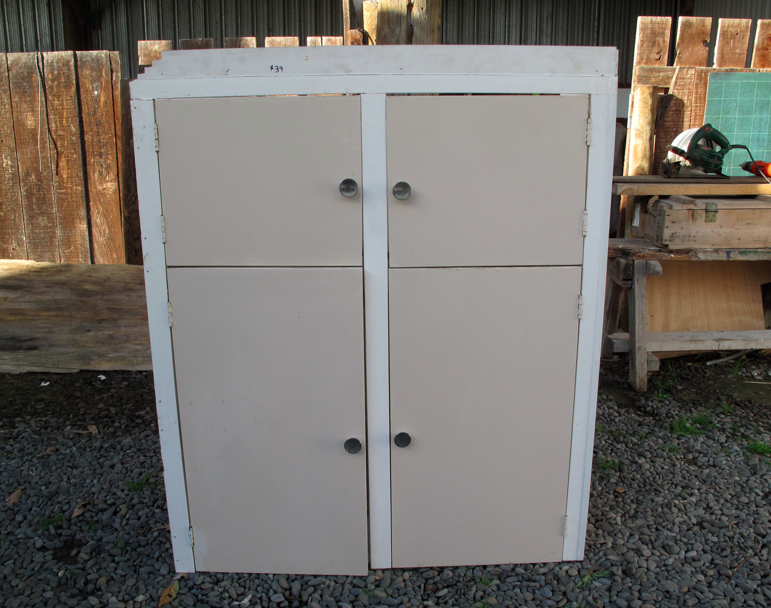
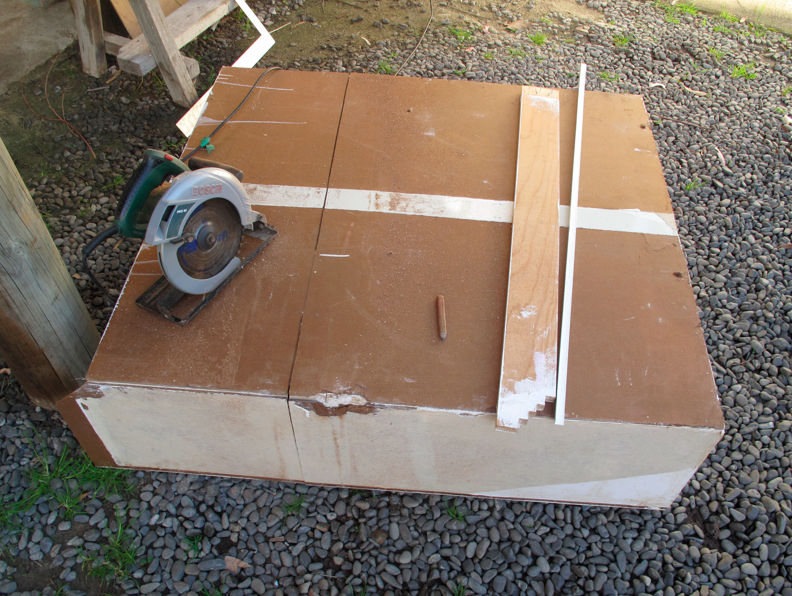
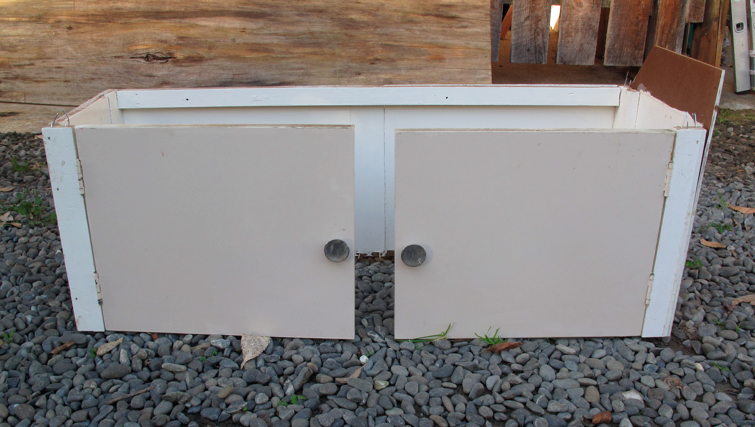
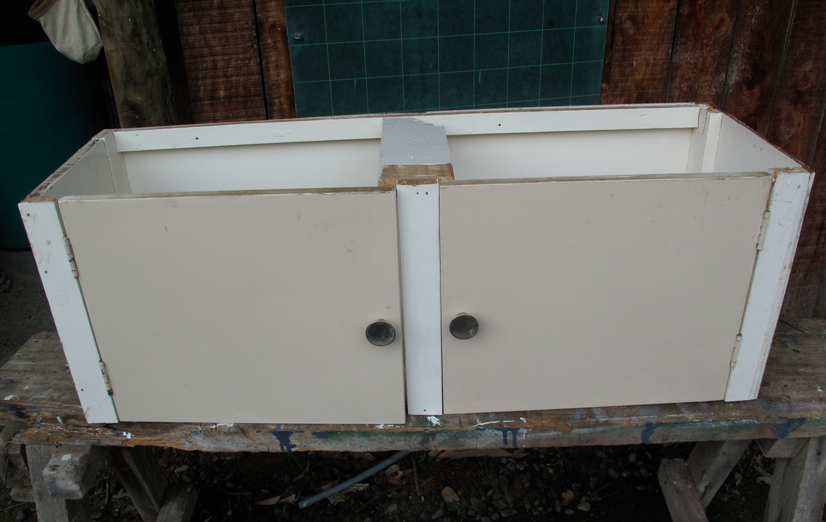
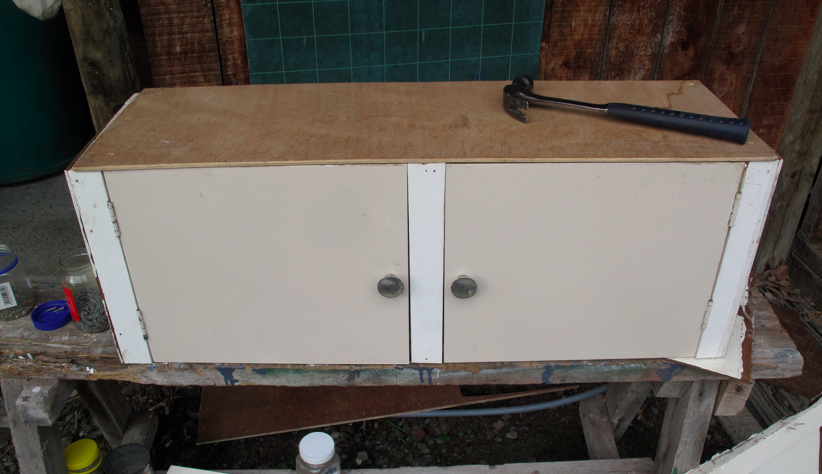
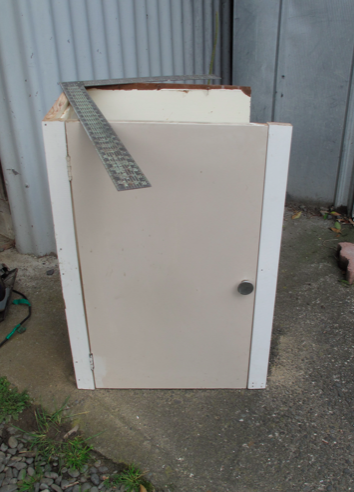
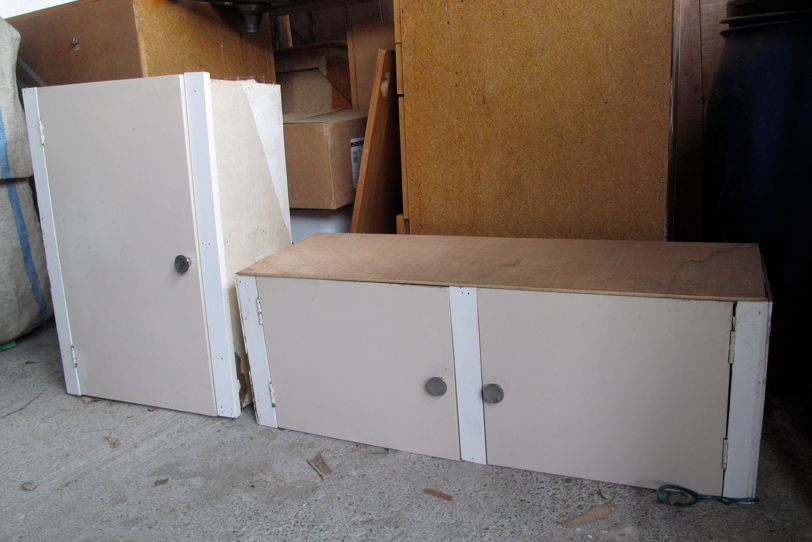
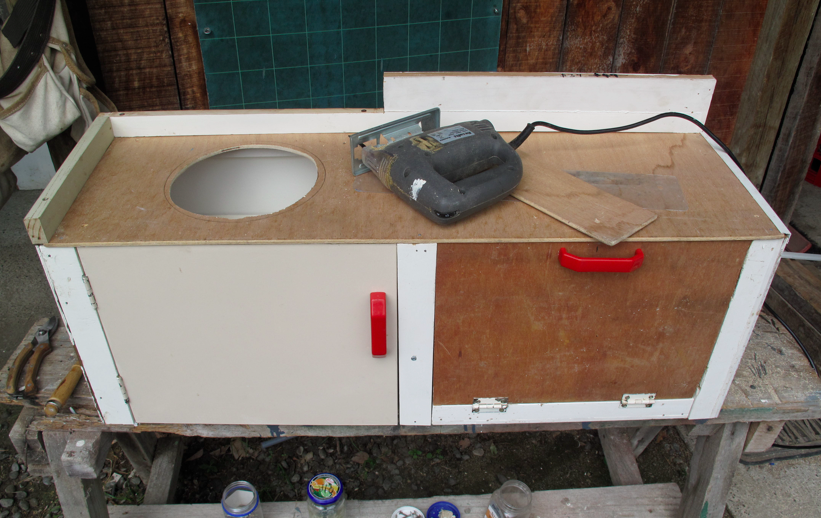
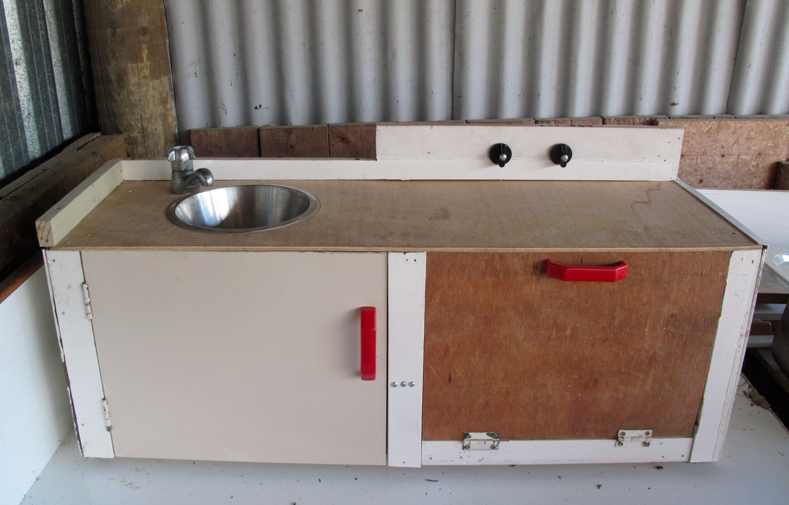
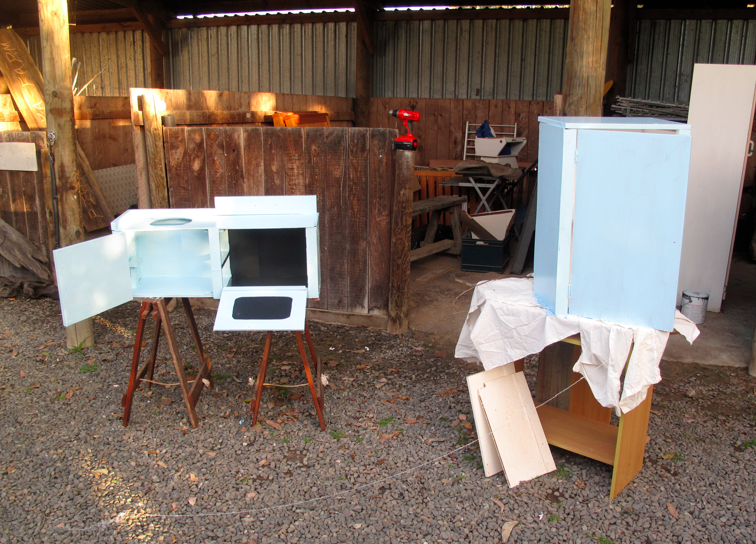
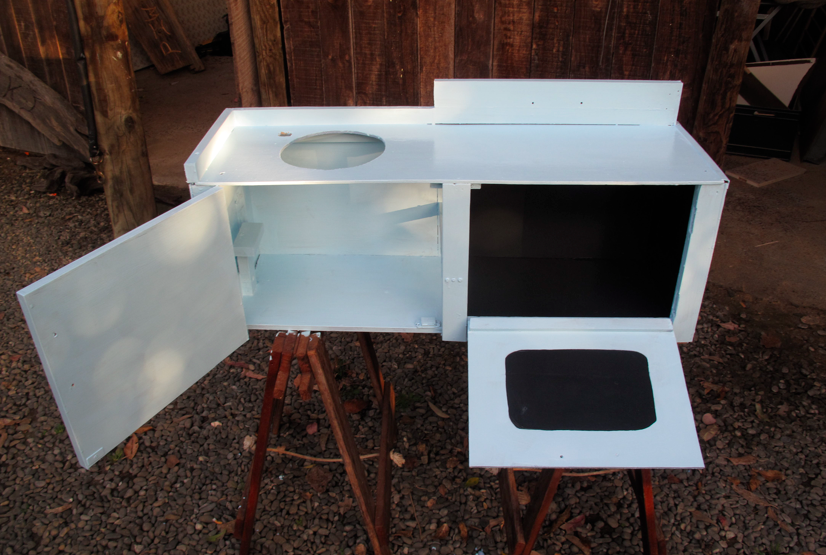
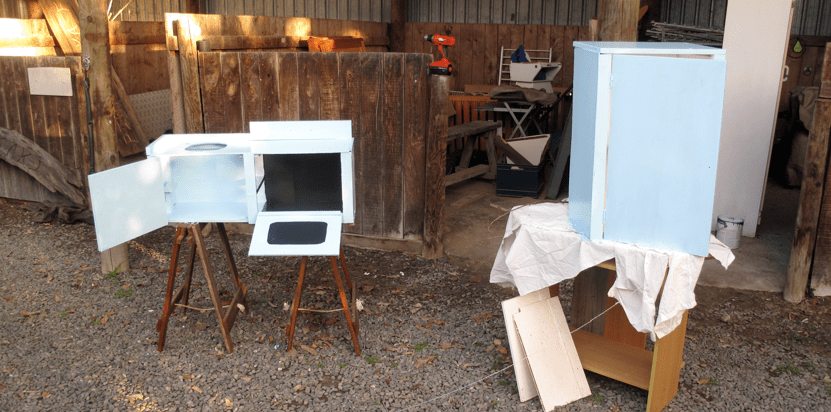
What seemed like “a good idea at the time” has turned into a larger-than-expected project making a play kitchen for our two year-old daughter. I am posting a visual step-by-step now, but will write a full post sometime in the future.

Cabinet from a second hand shop.

Screen shot 2014-08-24 at 5.55.48 PM

Cutting it into pieces.

Screen shot 2014-08-24 at 5.56.01 PM

One piece.

Screen shot 2014-08-24 at 5.56.09 PM

 Piece, pieced back together.

Screen shot 2014-08-24 at 5.56.26 PM

And with a lid.

Screen shot 2014-08-24 at 5.56.37 PM

Other piece.

Screen shot 2014-08-24 at 5.56.57 PM

End of day one.

Screen shot 2014-08-24 at 5.57.20 PM

Start of day two.

Screen shot 2014-08-24 at 5.57.48 PM

End of day two.

Screen shot 2014-08-24 at 5.58.10 PM

Day three.

Screen shot 2014-08-24 at 5.58.40 PM

End of day three.        Screen shot 2014-08-24 at 5.58.56 PM


Peace, Estwing

First Things First: Health & Comfort

In any home, there are two major factors for winter comfort and health: temperature and humidity. A warm, dry home makes the human body feel good, and keeps the immune system strong. Conversely, cold, damp homes do just the opposite. Unfortunately, New Zealand housing is known more for the latter than the former.

It has been easy to forget about the sad state of NZ housing while living in our passive solar, super-insulated villa in Castlecliff. The temperature never dropped below 14 degrees even when a frost carpeted the ground outside, and the relative humidity never rose above 50%. It was easy to maintain a healthy home for our young daughter while paying power bills in the low double digits.

Now that we have shifted, we are confronted with the challenges of living in a cold, damp, draughty home. While the new house and property have huge potential, the living conditions during our first weeks of residence have been a shock to the system. We have had a few mornings of 10 degrees in the lounge, and a relative humidity consistently around 70%. It has been difficult to keep our daughter’s bedroom above 16 degrees overnight, and I suspect the high humidity contributed to her recent illness. I anticipate that our first power bill will be well over a hundred dollars – more than three times dearer than our previous high.

Taking possession in the middle of winter has added an element of urgency to improving the health and comfort of the home. With limited time and budget, I had to prioritize the first best steps to take. Using eco-thrifty thinking and an understanding of how energy and moisture flow through a structure, I focused on a number of low-budget / high-performance strategies.

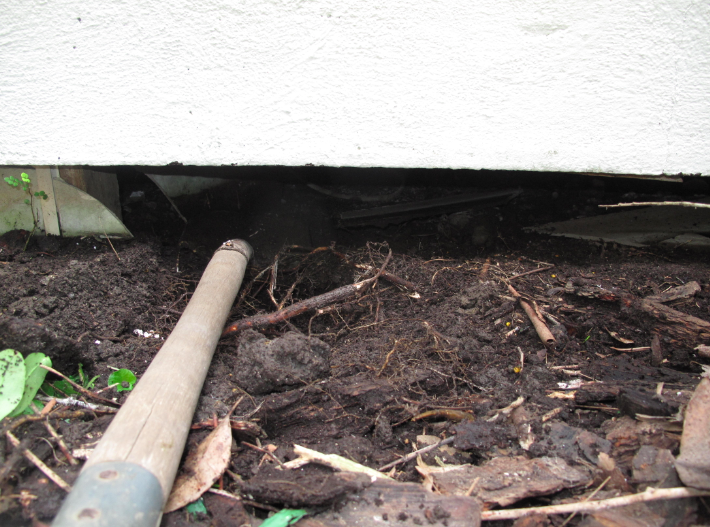
Shifting from a villa on free-draining sand to a bungalow on clay has meant that rising damp has gone from a non-issue to a huge concern. Up to 40 litres of water vapor enters the average Kiwi home every day from the ground beneath it. A lack of adequate ventilation under our bungalow may mean that we receive even more than that daily dose of damp. While the long-term option for dealing with this is to install polythene sheets as a vapor barrier, a short-term solution to get us through this winter was to break out a piece of Hardie board opposite the access way to allow the wind to cross ventilate.  Screen shot 2014-08-22 at 6.08.30 PM

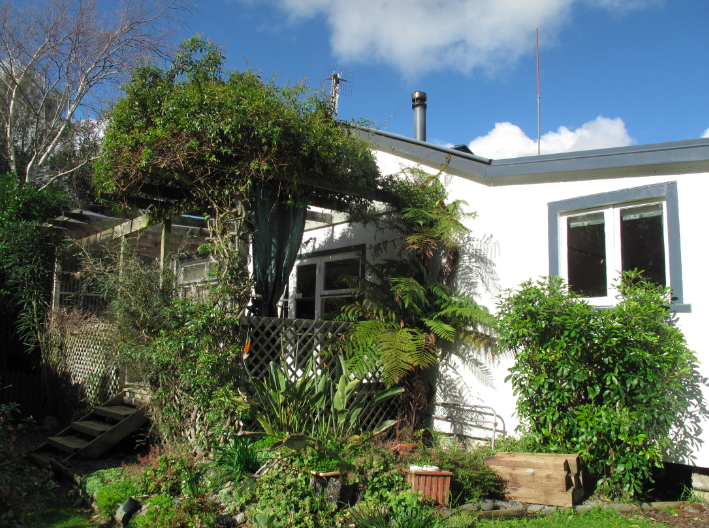
The next low-budget and high-performance weekend chore I undertook was simply trimming back a vine that was blocking midday sun from entering the lounge. The winter sun is a free heater and the vine was acting like a wall plug switched off. Ultimately, a number of trees to the north will also need to be felled to improve passive solar gain. Screen shot 2014-08-22 at 6.08.40 PM

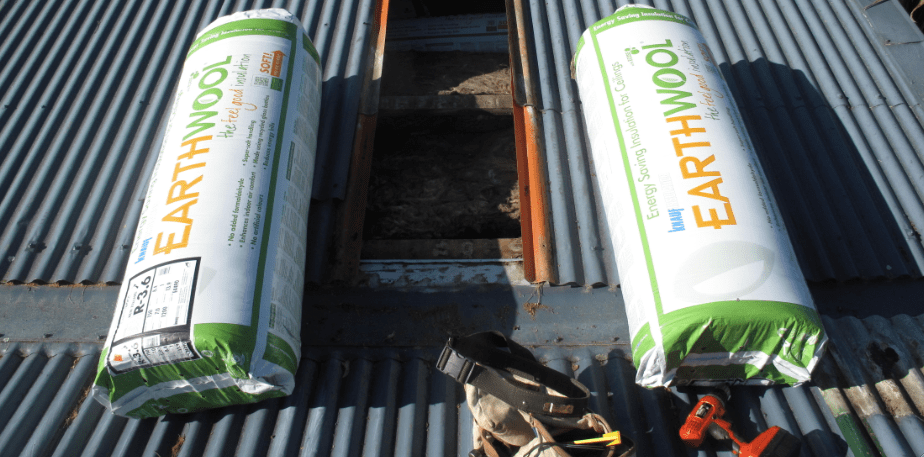
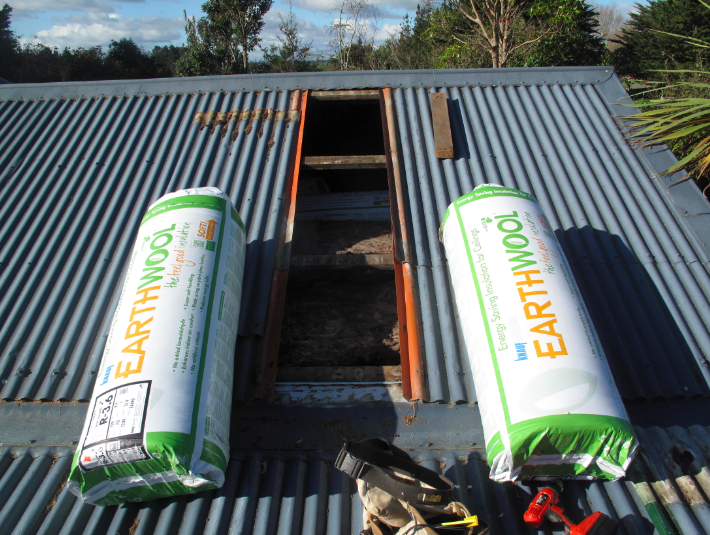
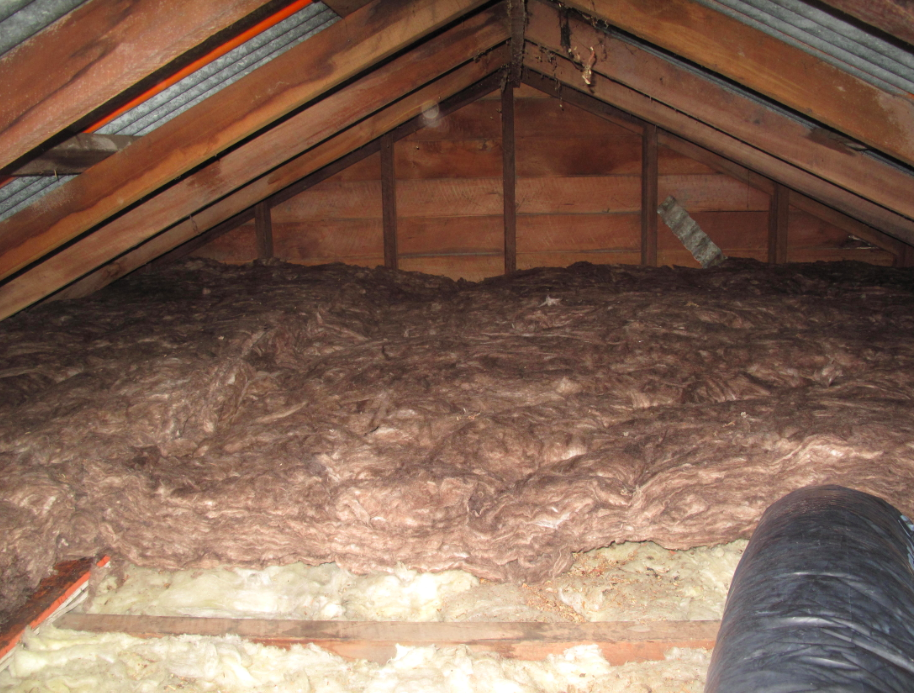
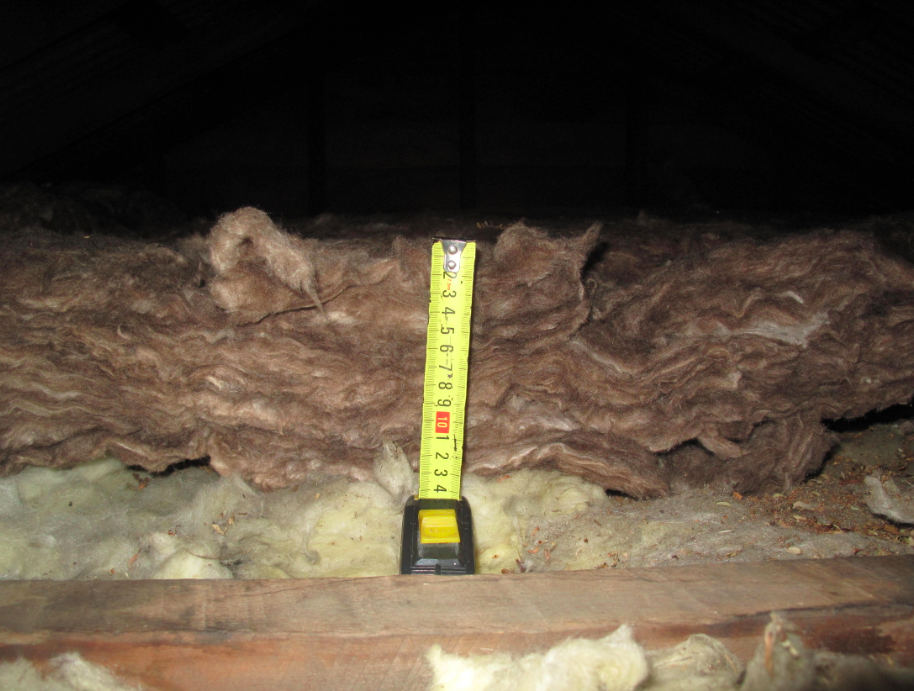
With more free heat entering our home, the next important thing to do is to hold onto it as long as possible. As described in last week’s column, that meant topping up our ceiling insulation with wool/fiberglass blankets to an R-value of over 5.0 – nearly twice the requirement of the NZ building code. Screen shot 2014-08-22 at 6.08.49 PM

But as that extra warmth is held in by our ceiling, it “stacks” downward only to radiate quickly through the single-glazed windows (R-0.15). Windows and glass doors are the weak link in most Kiwi homes, and until we can all afford double-glazing, we endeavor to use curtains to their greatest potential. Just as we layer up with clothing on a cold day, we should cover our windows with a minimum of two layers of fabric and strive for three.

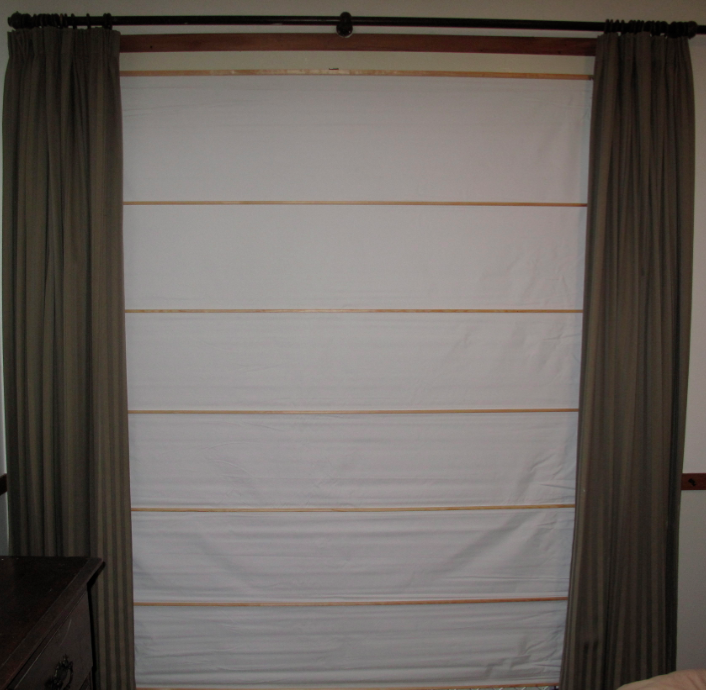
By luck I found some ready-made Roman blinds deeply discounted and bought the lot. It took about 20 minutes to install each blind behind the existing curtains.

Screen shot 2014-08-22 at 6.08.19 PM

One weekend’s work and less than $1,000 has improved the health and comfort of our new home by leaps and bounds. And this is just the beginning.

Screen shot 2014-08-22 at 6.08.57 PM


Peace, Estwing

Sidebar:

Coming 7th – 14th September: Adult & Community Eco-Literacy Week.

Free Events.

7th September, 1-2 PM Eco-Design for large properties. 223 No. 2 Line

7th September, 2-3 PM Eco-Design for small properties. 223 No. 2 Line

9th September, 6:00-7:00 PM. Solar Energy. Josephite Retreat Centre, Hillside Terrrace.

10th September, 5-6 PM. Growing vege on sandy soils, TBD

12th September, 5:30-6:30 PM. Best ways to use your heat pump, TBD


Topping up Ceiling Insulation

No matter which side you supported in the FIFA World Cup, the Super Rugby final, or the current Rugby Championships, one thing on which almost all of us can agree is that heat rises. While this is not to omit the possibility of a strongly opinionated letter on the contrary to the Chronicle by an avid physics denier (you know they’re out there), it is less likely to stir anyone’s ire when compared against evolution, climate change, a flat Earth, the ability of the Green Party to “create jobs” or the spelling of our city’s name.

Some days when I read the Letters page and an article about any given council meeting I think it would be most appropriate to change the name of our River City to De-Nile.

At any rate…back to the topic at hand. When thinking about how to improve the warmth and comfort of a home, insulation decisions are best made from top to bottom. In other words, spend your insulation dollars first to top up your ceiling insulation to an R-value of over 4.0. Please note that the building code calls for ceiling insulation to be a minimum of R 2.9, but why settle for this minimum, which is low by world standards?  Screen shot 2014-08-15 at 8.06.05 PM

We know that power prices have doubled in the last 10 years and that a mathematician would strongly suggest this trend will continue. A decade from now do you want to be stuck with a marginally mediocre minimum of insulation over your head? Not me!

After pumping tens of thousands of dollars into the Whanganui economy over the last four years by converting an abandoned villa into a high-efficiency healthy home, I am doing it all over again. Yes, I am so committed to supporting our local businesses and tradespersons that I have continued my campaign to retain dollars in our local economy rather than sending them to power companies in Auckland, Wellington and Christchurch.

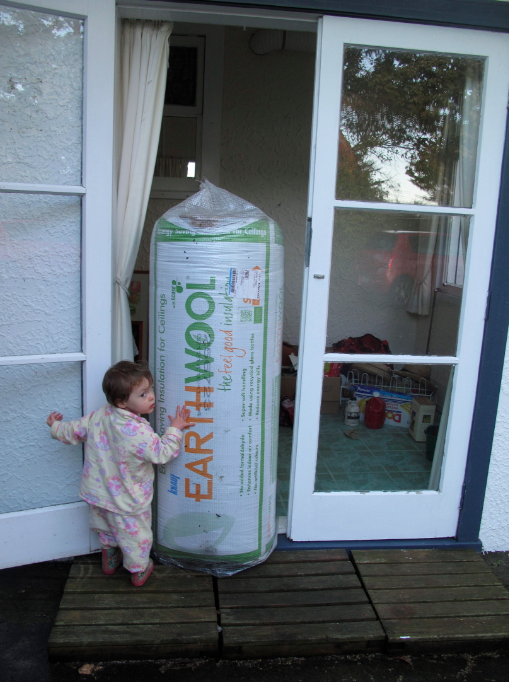
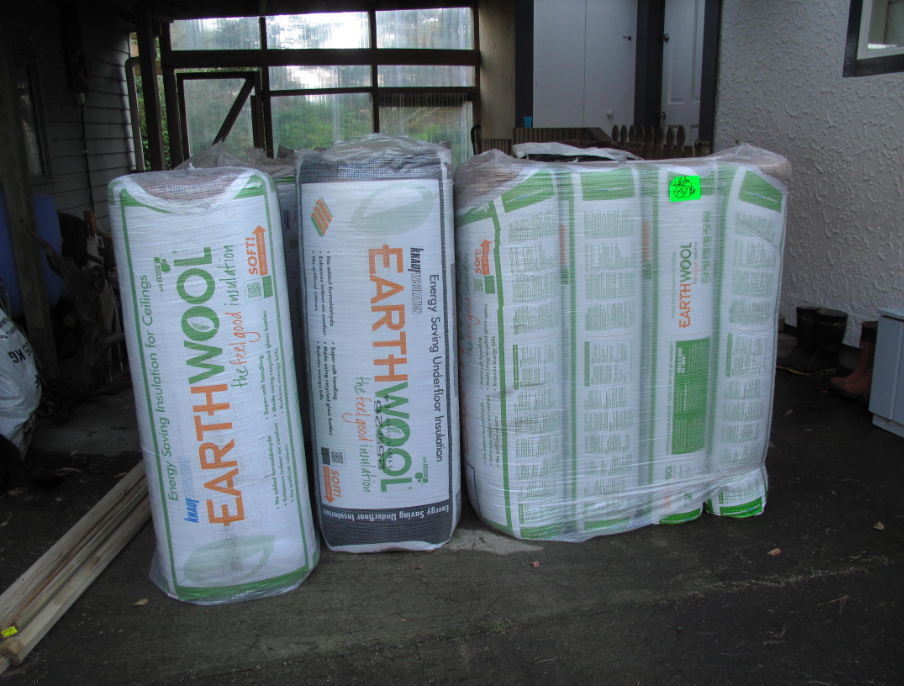
When I got home Friday from back-to-back 10-hour days of work, my weekend was sitting in the carport waiting for me. Not a new ATV. Not a Jet Ski. Not even a mountain bike. Instead I was faced with $2,000 worth of insulation and polythene.

Screen shot 2014-08-15 at 8.05.55 PM

I’ve written about polythene recently, so I’ll stick to insulation today. Pay attention – this is important.

In case you missed it above, the minimum requirement for insulation in NZ homes is pathetically low and power prices are on track to double in ten years. With both of these factors in mind, an eco design perspective calls for a total R-value (existing insulation plus top up) of 4.0-plus in Whanganui, and 5.0-plus in Ohakune, Taihape, and anywhere in the upper Parapara.

An eco-thrifty design perspective suggests the best strategy for topping up ceiling insulation is low-cost and high-performance. Too good to be true? Oh, ye of little eco-thrifty faith. Screen shot 2014-08-15 at 8.06.39 PM

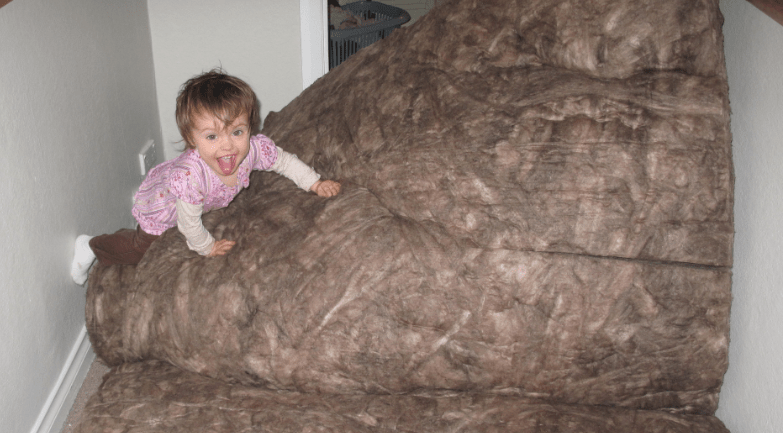
An excellent new-ish product on the market is known roughly as blanket insulation. It is exactly what it sounds like. Instead of individual batts that are laboriously placed between the ceiling joists, blanket insulation simply rolls out over the top of the joists and any existing insulation. As such, it is quicker and easier to install, and mildly less expensive to purchase. Additionally, it is a higher performing product because there are fewer gaps between pieces than would be the case of ‘blanketing’ with batts (as we did in our villa four years ago), and it blocks the thermal bridging of heat through the ceiling joists. With a top-up of R 3.6 blankets in addition to the existing batts, we will have a total R-value of over R 5.0 over our heads. This is roughly the same as our villa, but with the added bonus that our new ceiling is 600 mm lower! Screen shot 2014-08-15 at 8.06.31 PM

There you have it: Win-Win-Win as usual using eco-thrifty design thinking. The only Win missing is that of Argentina in the FIFA World Cup. But I have them down to be the surprise champions of this year’s Rugby Championship by upsetting the Springboks, the Wallabies, and yes, the mighty ABS. Don’t cry for me Argentina!

Peace, Estwing

Coming Soon, 7th – 14th September

Adult & Community Eco-Literacy Week and Whanganui Permaculture Weekend.

A series of high-quality educational events free and open to the public. More details to follow.


Changes: Light Bulbs and Other

The day I bought my small farm in New Hampshire, USA, I worked all afternoon digging out some shaggy looking yew bushes from in front of the 210 year-old farmhouse. The bushes had been broused by hungry deer all winter when the snow depth reached about a metre.

Not far from the farmhouse was a thick stand of hemlock trees growing in a boggy area. Once the ground was frozen and the snow depth started to increase, the deer “yarded” under the hemlocks for shelter at night.

During the day, the deer spread out looking for food. From this perspective, my yew bushes were like the fish n’ chips shop down the street, only without the tomato sauce.

But possession day, 1st June, 2000, was sunny and warm. An afternoon of digging and rooting with a pick axe earned me a tidy front garden, a sore back that lasted three days, and a sunburn that lasted a week.

The first day at my second property in Castlecliff also left me with a sore back and a sunburn, but for completely different reasons. Yes, a squatter had been “yarding” in our lounge over the southern winter, but my lumbar pain had nothing to do with fixing damage he/she had done.

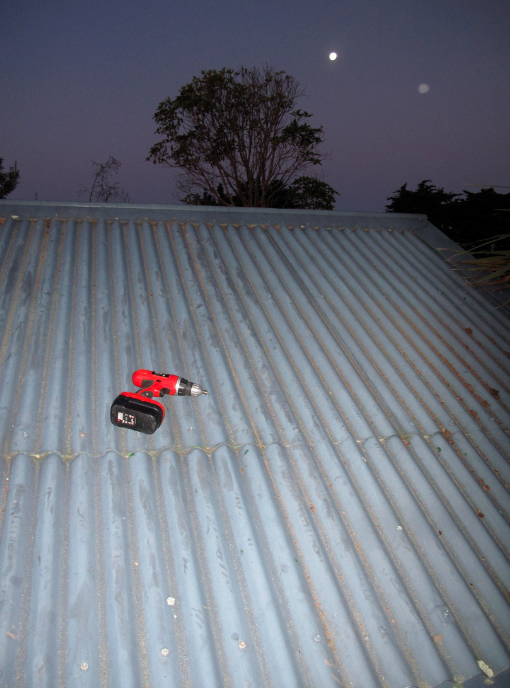
The salt air had perforated the iron roof of the villa with a thousand and one holes, many in the form of little halos around the lead head nails. The first order of business of our eco-thrifty renovation was to put on a new top-of-the-line roof, which meant tearing off the old iron sheet by rusty sheet. Twelve hours later and I was ready for fish n’ chips, aloe vera soothing cream, and a good night’s sleep.

Partly as a result of our eco-thrifty renovation project in Castlecliff, our blog with 400 posts documenting the process from soup to nuts, this weekly column in the Chronicle, and the education work we have done in the community, I have taken a position in another provincial city. It is an amazing job for which I am well suited, but the travel takes a toll on me, my family, and the planet. In order to shorten the distance traveled we have shifted to a new home.

The bad news is that we have to leave our beloved home in Castlecliff after three and a half years of blood, sweat, tears, blisters, sunburn, laughter, dancing, singing, home-birthing and love. The good news is that our new home – a 1930s bungalow – is also in need to eco-thrifty renovation that may fill this column for many months to come.

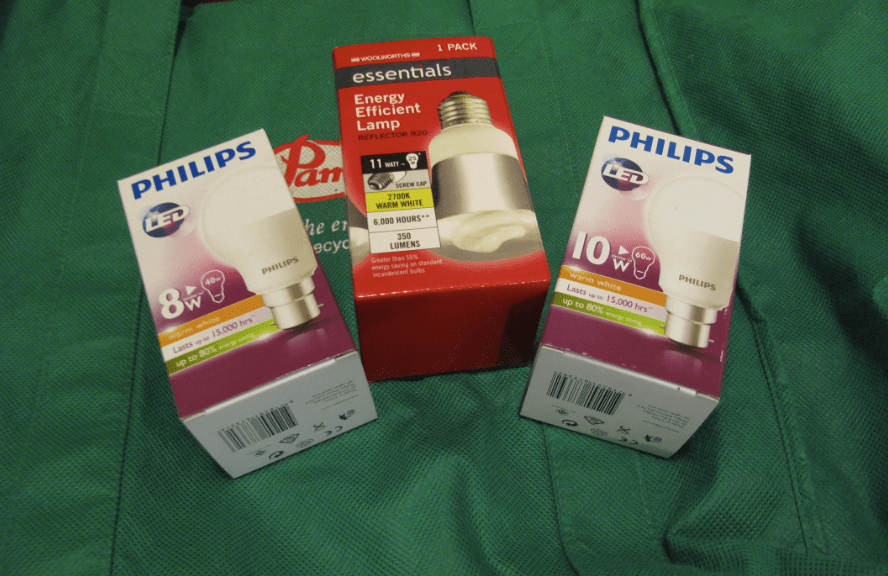
The other good news is that on my third property I have finally wised up enough to avoid sunburn and a sore back. After shifting furniture and sundries with the help of many friends, I set myself to the real work of the day: changing the light bulbs.

Screen shot 2014-08-08 at 9.58.19 PM

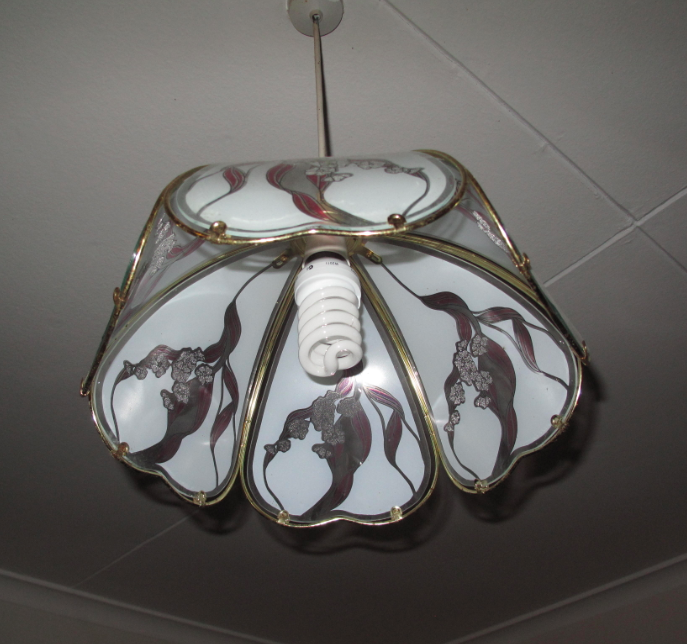
Don’t laugh, there were a lot of energy-guzzling incandescent bulbs that had to be swapped out, and the bayonet type socket can be tricky to insert into a hanging ceiling lamp. After about a dozen bulb swaps, my back was a fresh as ever, although my wrist may have been temporarily fatigued. With age and a herniated disc in my back I have wised up and taken on new ways.

And speaking of new, I am happy to report that I have made my first purchase of LED (light-emitting diode) bulbs. But at around $15 each, I want to be assured they will last a decade and save me over $100 each in power. What if they burn out early? What if they are of low quality?

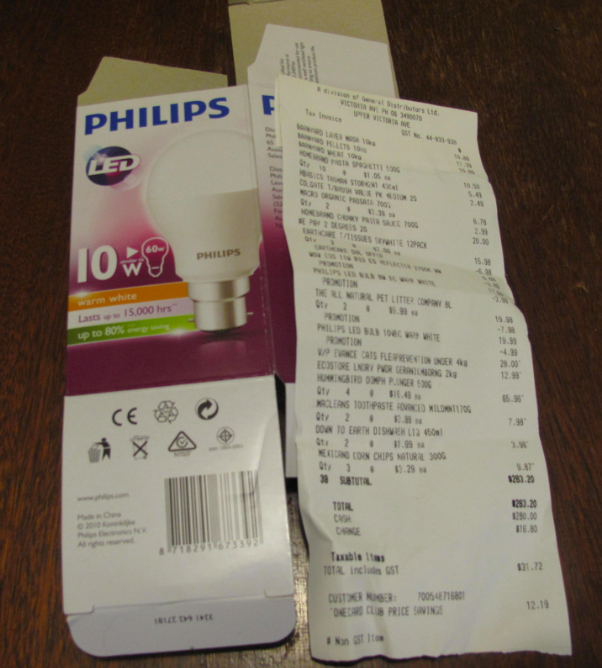
Here is a little trick I have done with my CFL lightbulbs in the past and will continue to do with the LEDs. Take the cash register receipt and staple it to the folded up box with the bar code. Stash this away in that drawer where you keep warranty forms, insurance policies, instruction manuals, etc. If at any time you feel the bulbs have not lived up to their potential, dig out the receipt and head back to where you bought them. Screen shot 2014-08-08 at 9.58.06 PM

Stuck in TIme: What Month Is It?

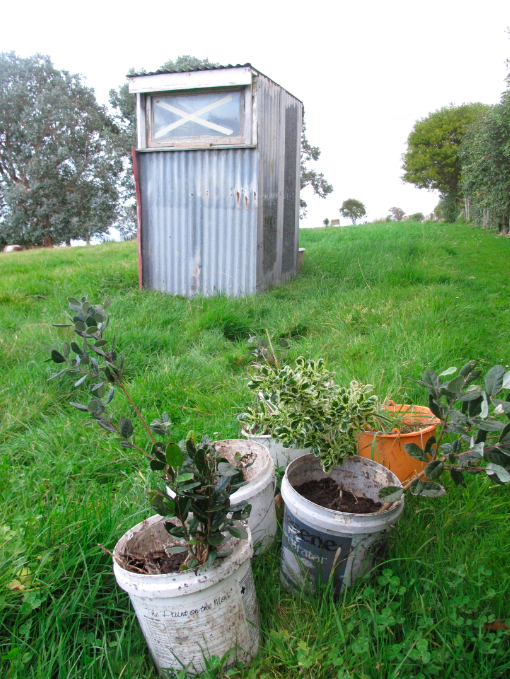
I glanced at the calendar yesterday and it was on June. Woah! Did we miss an entire month? We have been very busy with new jobs, childcare and shifting house.

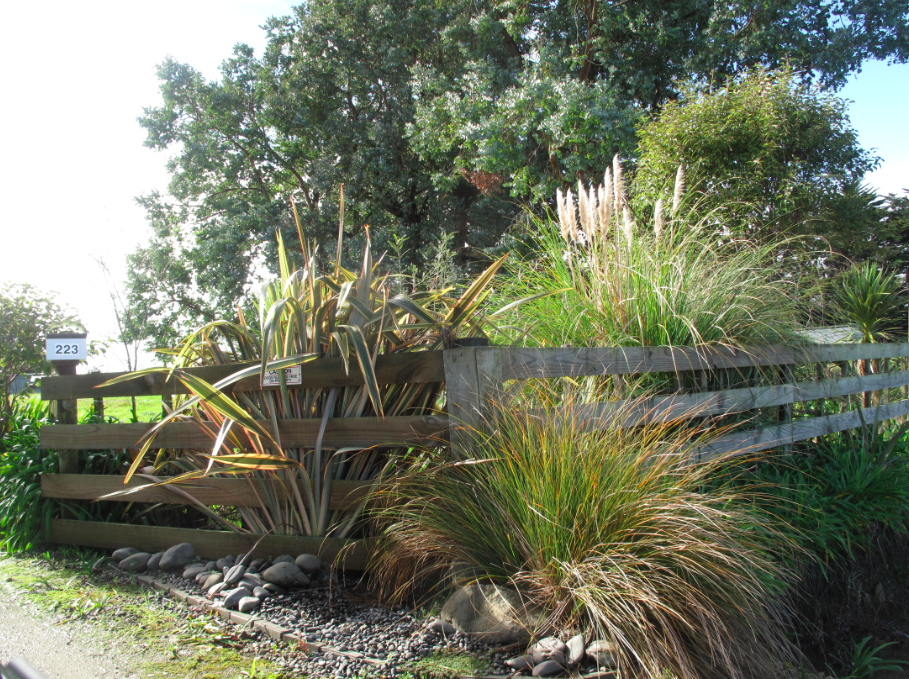
By the way, what do you think of the entry piece at our new property?

Screen shot 2014-08-04 at 7.30.01 PM

Seriously. But here is the other side of the drive.

Screen shot 2014-08-04 at 7.30.10 PM

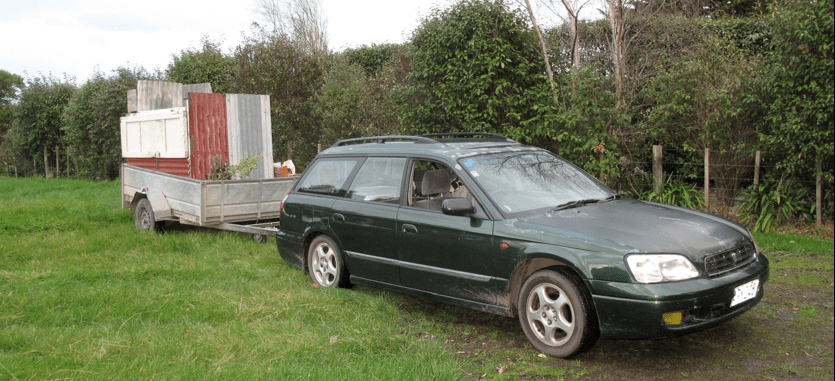
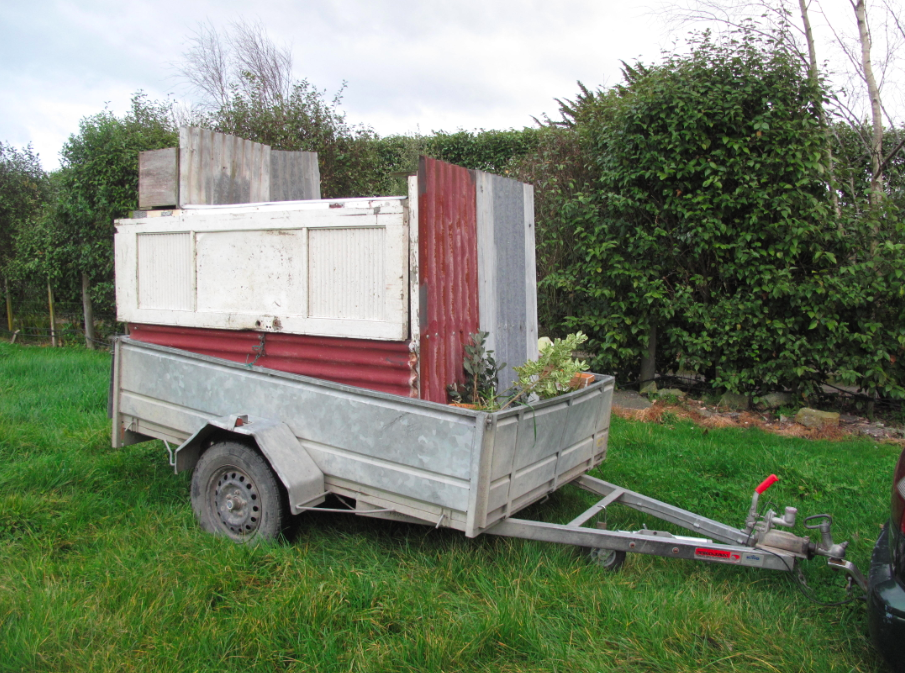
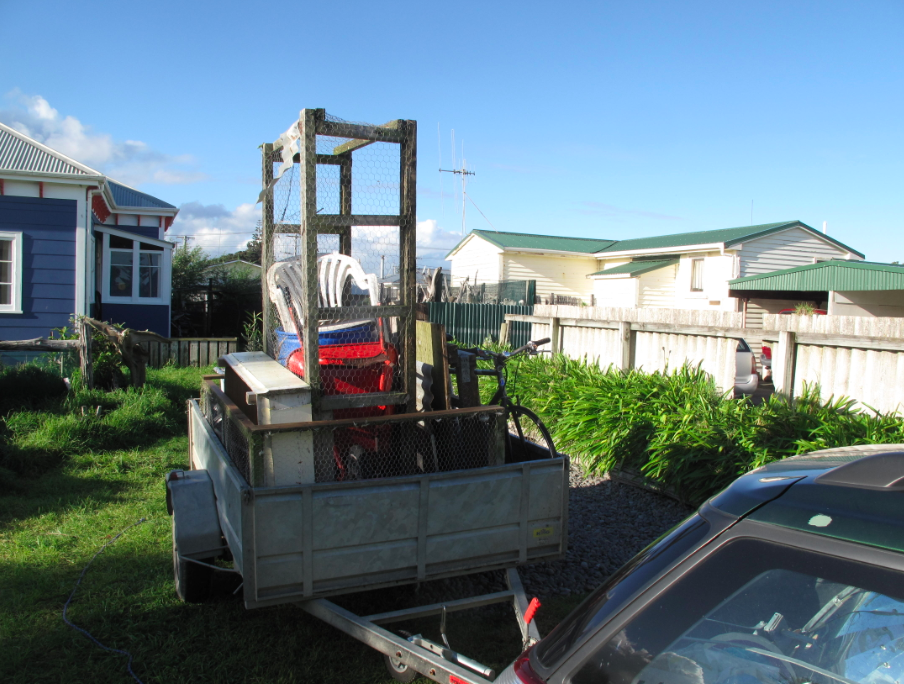
We spent the weekend doing Beverly Hillbillies from Castlecliff to Okoia.

Screen shot 2014-08-04 at 7.29.27 PM

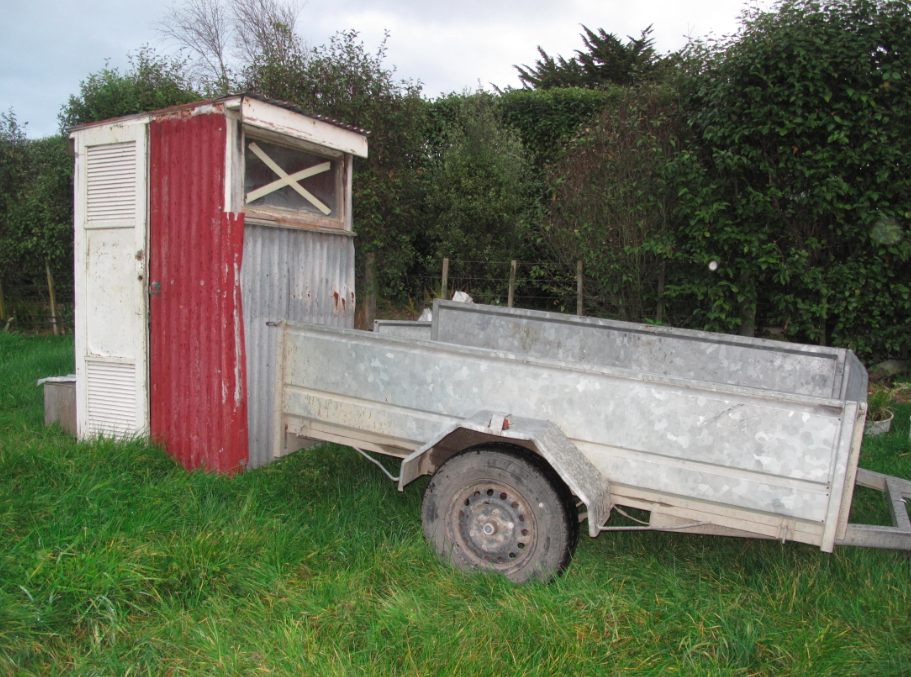
This is a chook house that just fits on the trailer with room for some trees to transplant.

Screen shot 2014-08-04 at 7.29.35 PM

Off the trailer and ready for another load.  Screen shot 2014-08-04 at 7.29.46 PM

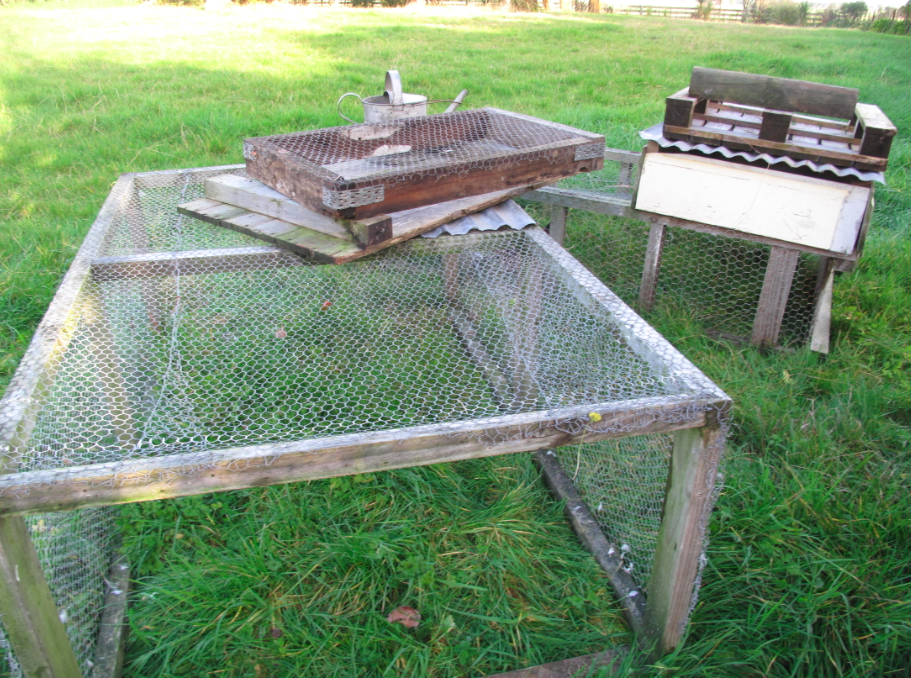
This is two chook tractors along with lots of other stuff.

Screen shot 2014-08-04 at 7.30.28 PM Screen shot 2014-08-04 at 7.30.38 PM

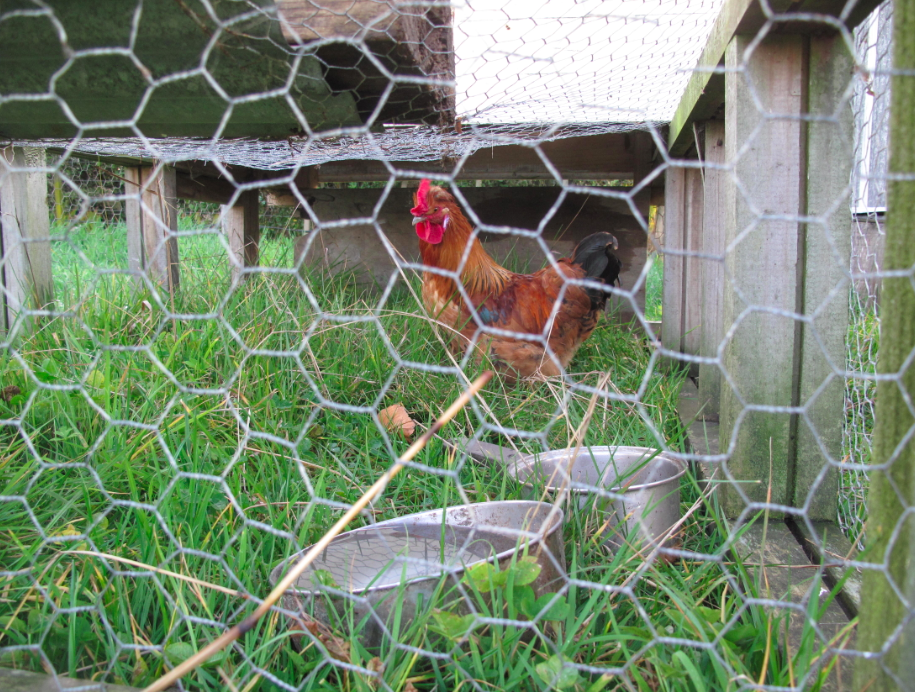
And we even got a rooster from our neighbour.

Screen shot 2014-08-04 at 7.30.47 PM

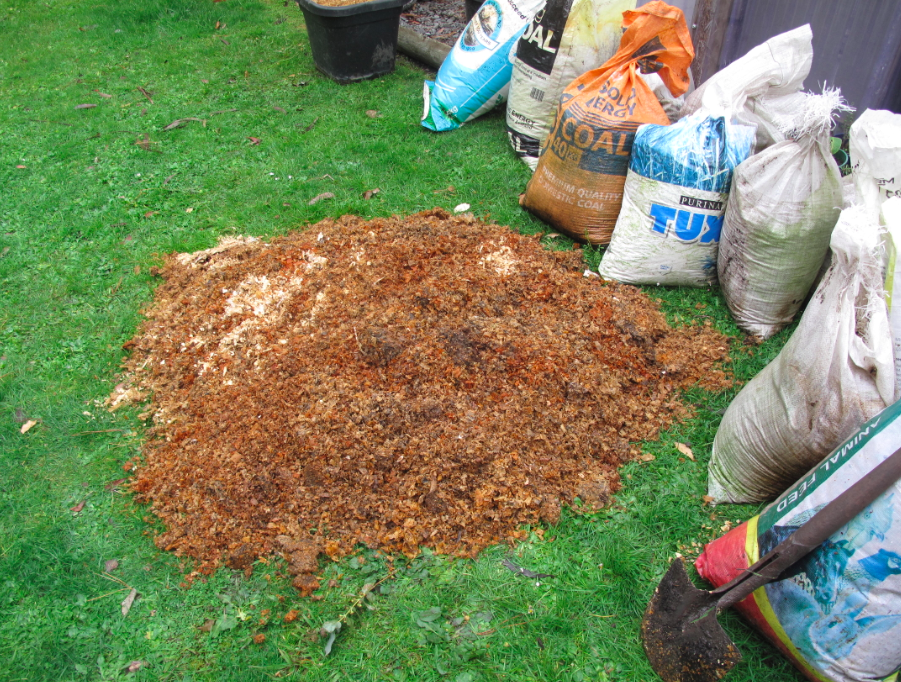
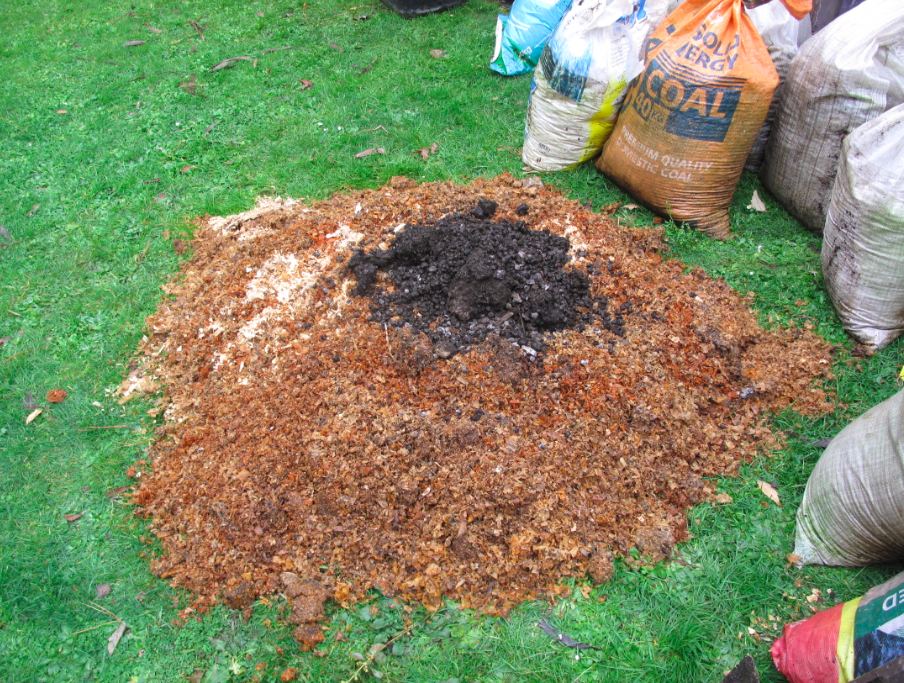
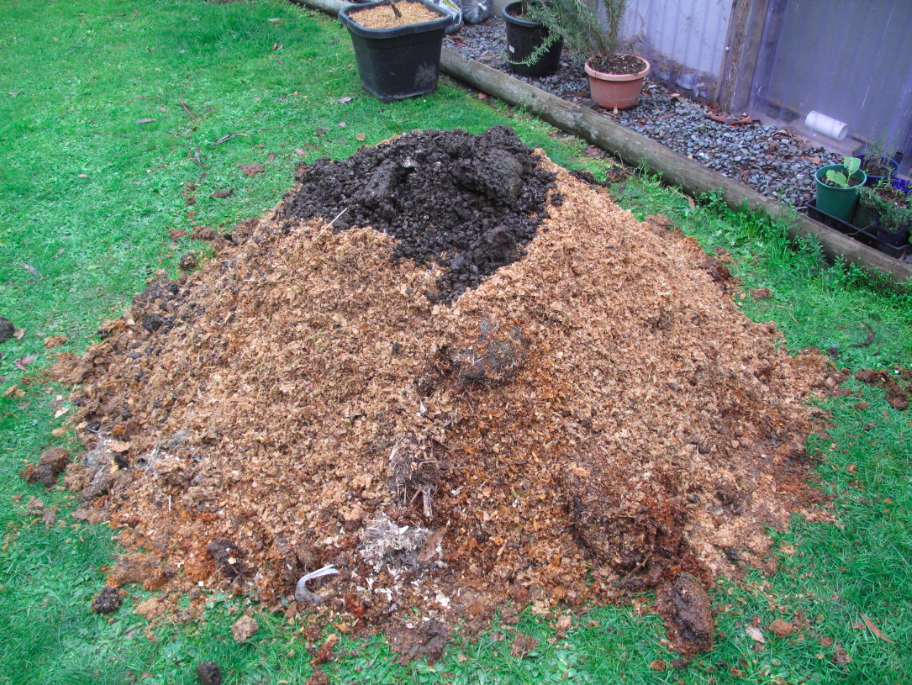
But I did have time to build a quick compost pile by layering wood shavings from our midwife’s chooks…

Screen shot 2014-08-04 at 7.32.19 PM

and sheep manure from a local sheering shed.

Screen shot 2014-08-04 at 7.32.26 PM

I continued layering bags of shavings and poo until I had about a cubic meter.

Screen shot 2014-08-04 at 7.32.32 PM

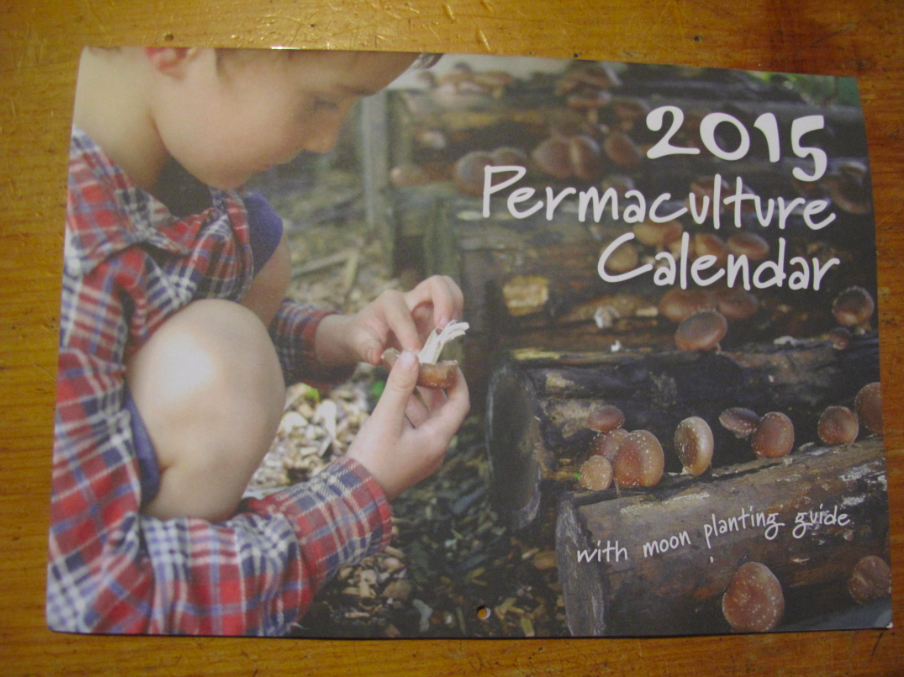
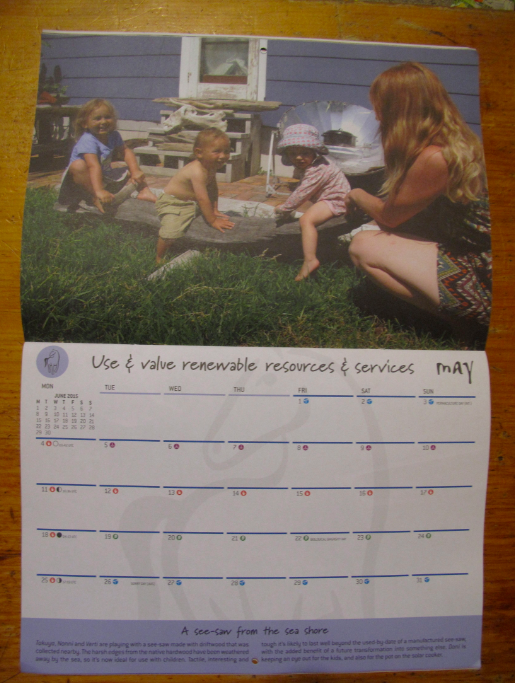
And amidst all of the frantic moves, the 2015 Permaculture Principles Calendar arrived on our doorsteps. We are taking orders for New Zealand at theecoschool at gmail.com Screen shot 2014-08-04 at 7.30.55 PM

Order yours today.

Screen shot 2014-08-04 at 7.32.09 PM

Peace, Estwing

Climate Change Resilience: Local Council’s Responsibility

That WDC has not shown an understanding of sustainability is less surprising than what appears to be a lack of understanding of it’s role or even procedural rules by which to operate. I have watched with usual amusement the various dramas around the TPPA submission saga involving local citizens and their elected officials. Of the issues brought up during the debate, I’ll address only two.

First of all, to state the obvious, the “walk-out” did more to raise awareness in our community about the TPPA than any other effort over the last nine months. Congratulations to those ambulatory councillors for getting the TPPA onto the front page TWICE for everyone to see, and ensuring protracted coverage by our local news media. Good on you.

Second, and if I am wrong please correct me (especially those councilors who have made the claim), climate change IS, in large part, the responsibility of local government. My understanding is that central government has placed the responsibility of climate change adaptation (head for the hills!) and resilience (brace yourselves!) with local government.

For all intents and purposes, adaptation and resilience are the only responses that any government of any size anywhere in the world can make to address climate change.

The clear message sent to all those paying attention to the Copenhagen Climate Change Conference in December 2009, is that there is not sufficient political will internationally to do anything significant to address the causes of climate change. Since then, the dialogue around the topic has changed from one of avoidance and mitigation to one of adaptation and resilience.

To use a medical analogy, the discussion has shifted from treatment to hospice.

It is now acknowledged that there will be rising levels of human pain and suffering across the globe due to increasing incidences of extreme weather events. It is already happening. It has been happening for decades. The data has been collected and analyzed. The results are in, and they confirm what we all have been observing from personal experience over the last 30+ years.

Northland recently experienced historic flooding. Not long ago it experienced extreme drought.

So when WDC councilors suggest that climate change is not the responsibility of local government it makes me highly concerned for the health and safety of myself, my family, my property, my neighbours, and the future prospects of a city with a major river and a coast.

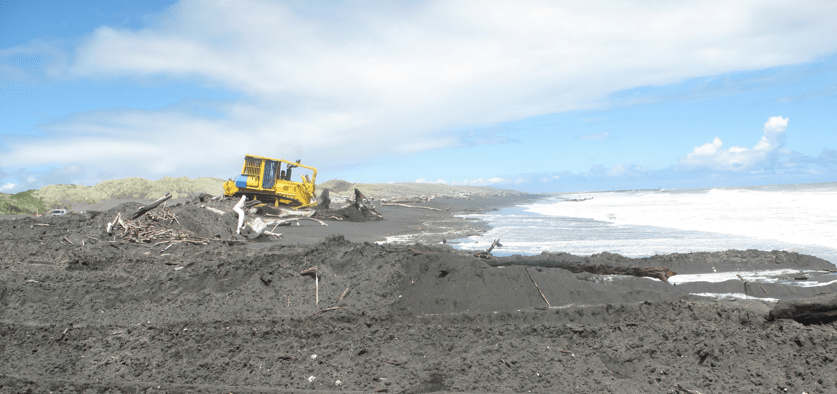
Highly concerned, yes, but sadly not at all surprised. After all, this is a body that believes the best way to manage a beach ravaged by increasingly strong onshore winds is to use heavy equipment and diesel fuel to push sand back into the Tasman Sea.

Nearly all of the efforts we have made since arriving in Whanganui almost four years ago have been aimed at improving the resilience of our community. As regular readers of this column will be aware, our work focuses mainly on building resilience to rising energy prices, although we also dabble in low-input/high-productivity food production.

As time passes and the radical views of some councilors become more apparent, I find myself becoming increasing concerned about WDC’s ability-or even willingness-to protect our community. I, for one, am not holding my breath for leadership to emerge on this issue. Instead I am taking my family and heading for the hills.


Peace, Estwing
World Famous in Whanganui

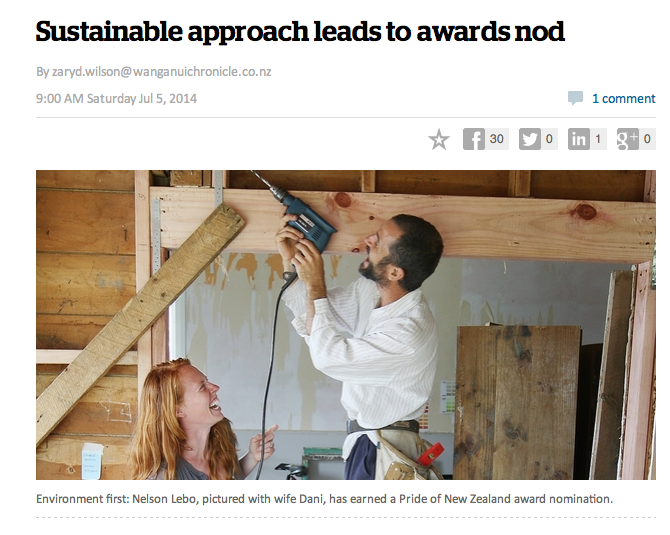
After nearly four years of determination, coordination, and cooperation, it appears I have become “World Famous in Whanganui.”

First of all, thanks to the thoughtful local resident who nominated me for the Pride of NZ Award. Does this make me a real Kiwi now? It is nice to be recognized for consistent and determined work to make our community healthier and more resilient to economic and environmental volatility. Screen shot 2014-07-25 at 6.59.51 AM

Second, thanks to all of the organizations, businesses and individuals with whom we have partnered over the years. Nearly every community project that my wife Dani and I have embarked upon in Whanganui has been a joint effort with others.

For example, our latest partnership was with the Whanganui Learning Centre and Castlecliff School. The project was an innovative whanau-focused learning initiative all about growing healthy veges in the challenging conditions of a seaside suburb (“with a holiday lifestyle” as the sign says). The project will be featured in a documentary film about school gardens in New Zealand.

Materials for the school gardens were kindly donated by Wanganui Garden Centre and Loaders Landscape Supplies. Both of these local businesses have also supported previous initiatives, such as the community garden on our front lawn. Thank you.

Probably our most successful partnership to date is Project HEAT (Home Energy Awareness Training). Project HEAT was initiated in 2013, and is roughly modeled on the Eco Design Advisor programme offered by seven councils around the country. After failing to gain support from the Wanganui District Council, we turned to the community itself.

 Screen shot 2014-07-25 at 7.05.43 AM

Lots of time and effort went into building a base of nearly 20 local entities that shared our kaupapa: everyone deserves to live in a warm, dry, healthy home.

In a cooperative manner, each entity gave what it could give. In some cases that meant donating the use of a venue for a presentation and in others it meant photocopying information sheets or loaning a data projector. In a few cases it meant donating funds to cover the costs associated with running a community outreach education programme. Overall, Project HEAT operated on less than a shoestring. Well over half of the time that I spent on the programme was in volunteer hours.

Just as important as the material contributions made by our partners was the moral support they provided. In other words, one does not feel like a “voice in the wilderness” when surrounded by others who believe in and support you.

In the sustainability and resilience movements it is our obligation to support all those around us. Together is how we move our waka toward a common goal. After council chose not to support Project HEAT, it would have died a quiet death were it not for a casual conversation with a friend and his show of support.

This year Project HEAT has been back on a lesser scale due to a number of factors. However, our partners deserve recognition for their help and support now that we are easing into the backside of winter.

Yes, there are lots of awesome organizations and businesses in Whanganui contributing to sustainability, and they receive plenty of exposure through our excellent positive-news-based local print media. But today I get to thank our 2014 Project Heat partners because without them there would have been no free series of presentations, workshops, drop-in information sessions, and home energy audits.

Big thanks to Tree Life NZ, Sustainable Engineering, Black Pine Architects, Richard Collins, Progress Castlecliff, the Josephite Retreat Centre, and other anonymous donors.

Also to be recognized are the Chronicle, Midweek and River City Press for helping publicize the 2014 programme.

In the weeks and months to come, our family will be going through some changes that will affect our ability to engage with the Whanganui community as much as we have in the past. Hopefully I will be able to keep up with this column.


Peace Estwing

Complimentary Design

Here we are in the middle of winter and it’s music trivia time again. If you are under 30, you may want to skip the next paragraph.

Released in 1972, this song was the first and only number one on both the soul singles and Billboard Hot 100 charts for singer songwriter Bill Withers. In 1987, Club Nouveau covered the song and took it back to number one for two weeks on the Billboard charts. That version reached number one in New Zealand in 1987, and earned Withers a belated Grammy award, as a writer, for Best R&B Song. It is ranked number 205 on the Rolling Stone list of 500 Greatest Songs of All Time.

This music trivia question was brought to you by Wikipedia. Any guesses?

The song: Lean on Me.

The moral: We all have our good days and bad days.

 Screen shot 2014-07-18 at 7.54.12 PM

The same goes for passive solar homes, especially on cloudy winter days. But there is a silver lining when eco-design is involved. Here is what I mean.

Central to eco-design is working with nature instead of against it. Aside from those people and organizations who prefer wasting money and increasing pollution, we all understand this.

Part of working with nature is understanding the patterns in nature. With regards to a passive solar home, this means sun angles: morning, noon and night; summer, autumn, winter, spring.

It also includes an understanding of winter weather patterns. For example, most sunny winter days are followed by clear, cold nights. On the other hand, most cloudy winter days are followed by warmer nights because the cloud cover holds the warmer daytime air against the earth.

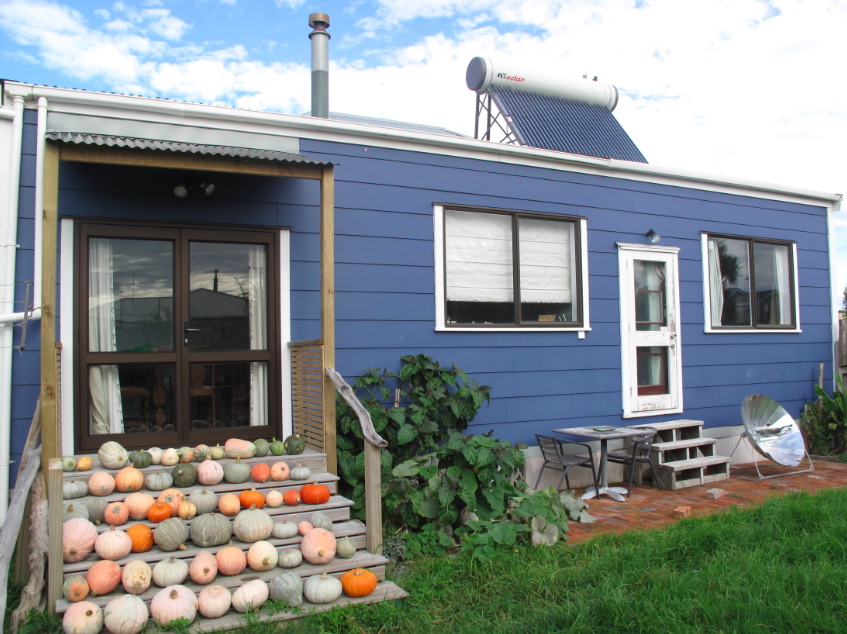
The passive solar design of our home takes into account both of these two conditions in order to keep our power bill as low as possible. On fine winter days the sun warms our home to a comfortable 24 degrees, it heats our water, and cooks our dinner on the solar cooker outside on the patio.

Screen shot 2014-07-18 at 7.54.19 PM

On overcast winter days we can light a fire in the cookstove if needed, which then heats our home and cooks our meals. Wood, after all, is just sunshine one step removed.

In both cases, the result is a warm home and a hot meal without the need to use any electrical power. This can be considered a complimentary design strategy: when one element of the system is lacking another element in the system steps in to help out.

Lean on me when you’re not strong

I’ll be your friend, I’ll help you carry on

For it won’t be long

‘Till I’m gonna need somebody to lean on

It will not come as a surprise that most great teams like the All Blacks design their game plans to take into account the complimentary skills of each player, and to adjust the game plan to take advantage of those players who are performing at their best during any particular contest while others may turn in sub-par performances.

But then again, every Achilles has his heel. In our present home there are days – one or two each month during May, June and July, that we run our of solar hot water and have to turn on the electric element for 20 or 30 minutes in order to take showers. This boosts our monthly power bill from its usual $22 all the way up to $25.

This minor expense of about $10 per year does not justify the cost of connecting a wetback to our wood burner, which would run into the thousands of dollars. In other words, the payback period for a wetback would be many decades while the payback for our solar hot water will be somewhere around 6 years.

However, when we shift homes next week we will be facing a different set of circumstances where the installation of a wetback may be justified. Time, and eco-design, will tell.

Peace, Estwing
 

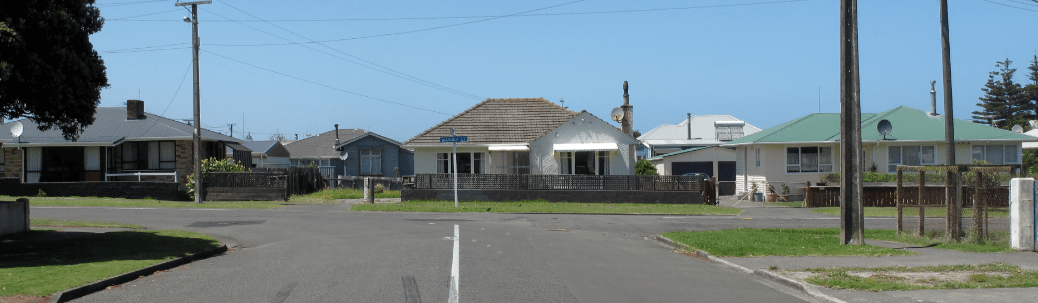
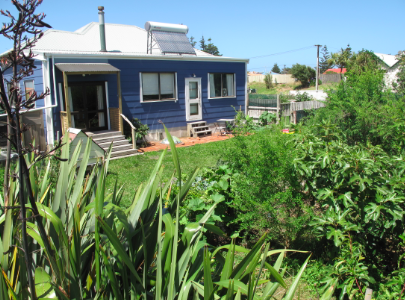
p.s. How many TV satellite dishes do you see in the title image and how many solar water heaters?

Seven Months of Fresh Tomatoes: Mid-WInter Update

At first I was pleased with five months of garden-ripened tomatoes… and then I was thrilled with six months of garden-fresh tomatoes. But as of today, we actually have seven months of ripe home-grown tomatoes without a glass house. I’m speachless.

Screen shot 2014-07-13 at 8.08.49 AM

It may not look like much, but they are still producing… and they still taste good.

Screen shot 2014-07-13 at 8.11.19 AM

And the plants are still flowering.

Screen shot 2014-07-13 at 8.08.57 AM

Apart from that, we have the usual winter veges growing.

Screen shot 2014-07-13 at 8.09.12 AM

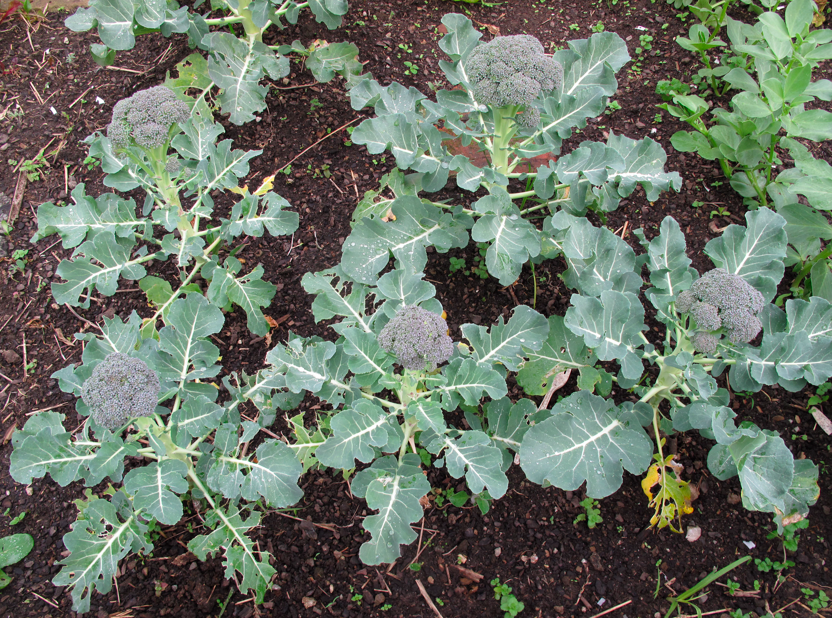
Especially lots of broccoli.

Screen shot 2014-07-13 at 8.09.04 AM

Additionally, the rhubarb seems to be pumping.

Screen shot 2014-07-13 at 8.09.57 AM

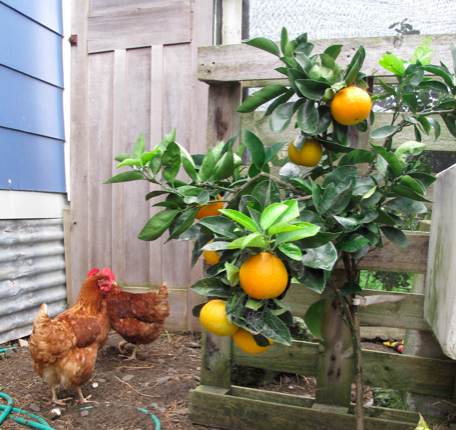
And we are getting our first real orange crop.
Screen shot 2014-07-13 at 8.10.14 AM

Many of our native trees are putting on new growth.
Screen shot 2014-07-13 at 8.09.42 AM

And others are flowering.

Screen shot 2014-07-13 at 8.11.01 AM

I really love these purple hebes.


Peace, Estwing