Category Archives: Eco Thrifty Life

A new chapter, Esther the cowgirl…

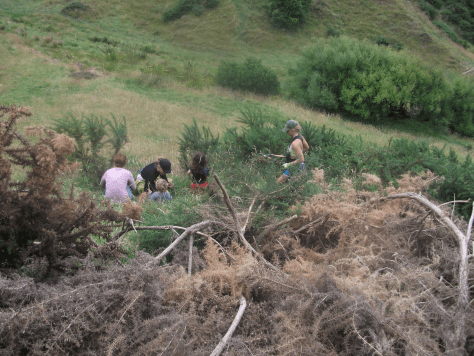
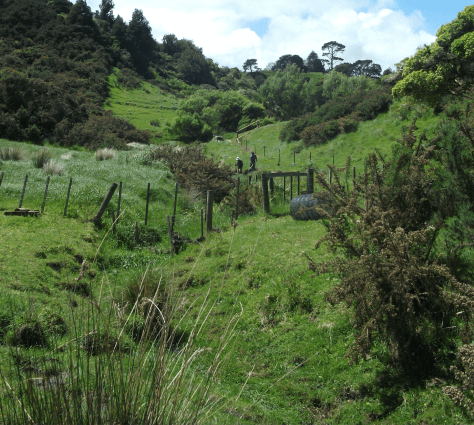
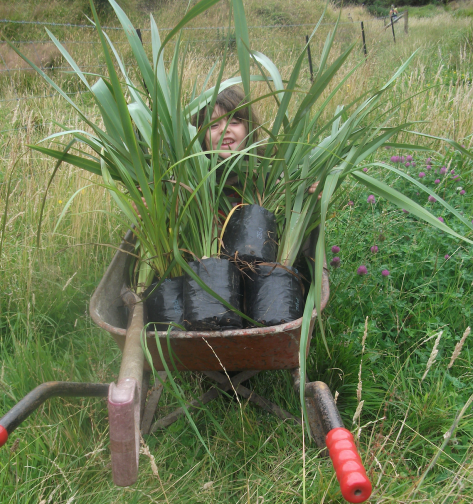
Growing up in a suburban town and living in Northern Irelands’ capital city of Belfast most of my adult life working mainly as a performer and artist I have been far removed from where my food comes from. Feeling separated from the food chain and unaware of how my everyday actions directly affect the environment (like the majority of city dwellers are). I set out to change this just 9 months ago when I left Ireland. I have learned more living on Kaitiaki farm in 3 weeks than I have in the previous 8 months! My teachers and hosts Dani and Nelson emphasize the importance of the three T’s, Tools, Timing and Technique before we start any project and encourage a broader type of thinking necessary on a permaculture property. Looking at the farm as one living breathing organism, a spiderweb of interconnected life we must see the everyday tasks in the bigger picture, carefully observing any minor or major changes and what knock on effects they may have.
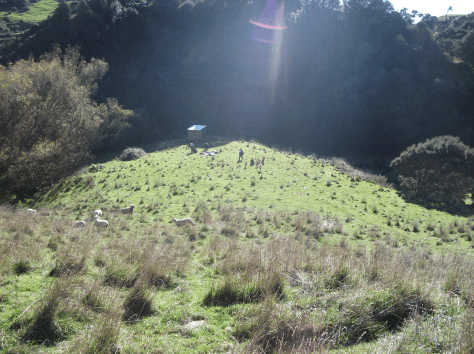
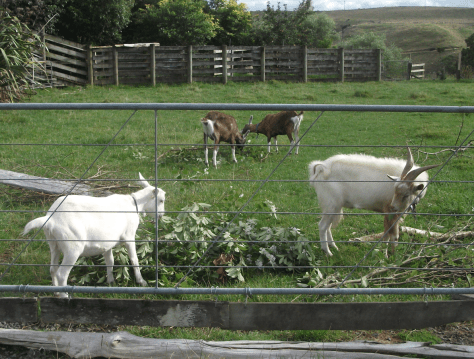
We do a bit of everything on this farm from growing and harvesting a bounty of fresh fruit and vegetables, planting and maintaining young native trees, raising birds for daily eggs, design projects and so much more. I surprised myself by joining in with the processing of some cockerels. I plucked and gutted a whole bird for the first time, (having been vegetarian for 5 years of my life this was a big step for me). But I have to say my favorite job of all has to be the most difficult one of catching the escapees. This job requires quick thinking, team work, ninja reflexes and determination. We have to catch the odd duck pretty regularly but it gets a little more tricky when it comes to Susan who is the most nervous and athletically advanced goat of all time. It took 3 interns, two chains, a rope, tasty branches and at least 4 different strategies to catch her, get her over several fences and bring her back into the paddock. The sense of achievement after this is indescribable as I was living out a childhood dream, becoming Esther the cowgirl, wrangler of goats.

Since arriving here I have witnessed two freak rain events, having once in a hundred year storms only two years apart. People on lower ground were evacuated from their homes, land slips all around in the naked overgrazed hills, the rivers bursting and casualties on the farm all reinforcing the reality that climate change is happening and we need to be proactive and progressive to provide a future for our children. I feel that learning and practicing permaculture to improve the environment around us and creating good deigns in our homes and in our fields to protect us is the way to do this. This eco thrifty lifestyle and approach to sustainable farming with such a loving family here on kaitiaki farm is the most rewarding course I have ever taken. I am more in touch with nature, my environment and myself. Witnessing life and death as a daily occurrence on the farm definitely makes you appreciate and understand a little more as each day goes by.

– Esther

Sector Analysis: You Don’t Need a Weatherman to Know Which Way the Wind Blows

After the permaculture ethics, one of the first things we cover with new interns is sector analysis.

Screen Shot 2017-04-06 at 6.04.38 am

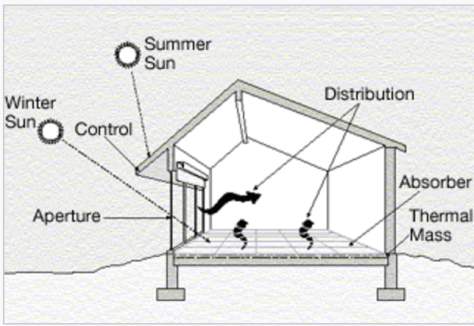
Sector analysis is a great way to start talking about sun angles and seasonal patterns. Many people are totally unaware of the differences between summer and winter sunrise and sunset angles.

Screen Shot 2017-04-04 at 12.15.36 pm

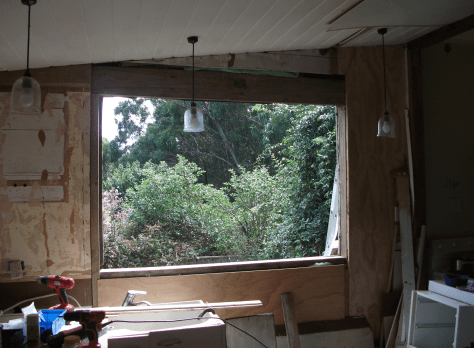
It is especially important to understand winter midday sun angles if you want to embrace passive solar design. For example, we increased the size of our kitchen window in order to get more winter sunlight into the previously dark and cold room.

Screen Shot 2017-04-04 at 12.18.59 pm

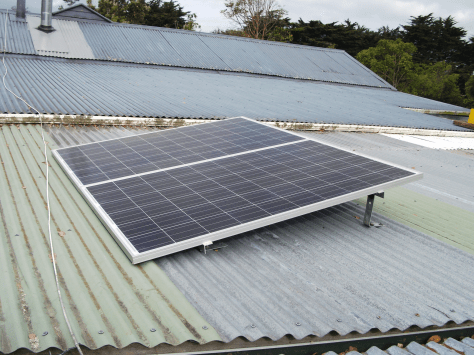
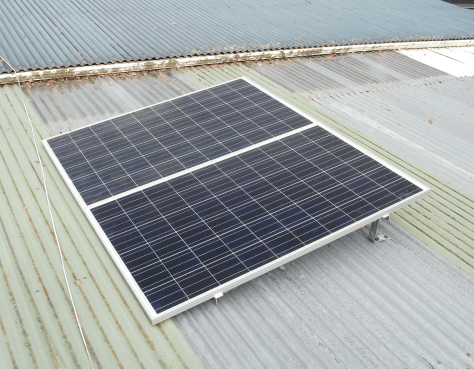
It’s also important to know summer midday sun angles in order to exclude the sun from overheating your home or for solar water heating for a swimming pool. We placed these PV panels to maximise summer sun energy as a dedicated summer domestic water heater. (We use a wood stove “wetback” to heat our water in winter.)

Screen Shot 2017-04-04 at 12.10.24 pm

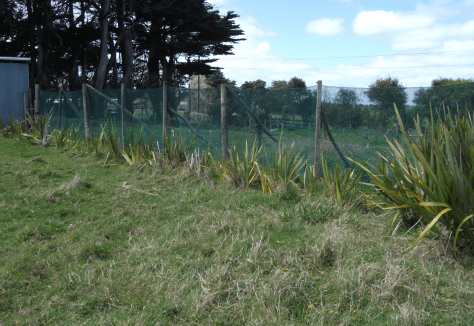
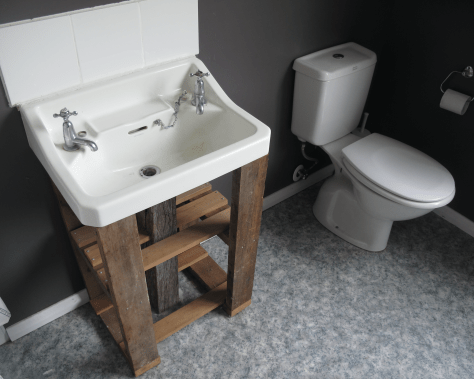
Another major natural factor we deal with here is wind. One of the first things we did when we arrived 2 and 1/2 years ago was put up wind protection before we planted an orchard.
Screen Shot 2017-04-04 at 12.14.25 pm

The netting is a short-term solution while the harekeke (flax) is the long-term solution to protect the trees from the prevailing northwest winds. It is hard to over-emphasise the importance of wind protection for fruit trees.

Screen Shot 2017-04-04 at 12.20.00 pm

Sector analysis helps our interns to understand the big picture of our farm and the holistic design and management plans we have developed along the lines of regenerative agriculture.

Peace, Estwing

The Free PDC: Permaculture Design Certificate

Is it possible that the best permaculture learning experience is also the most affordable? Absolutely.

Screen Shot 2017-03-27 at 8.35.45 pm

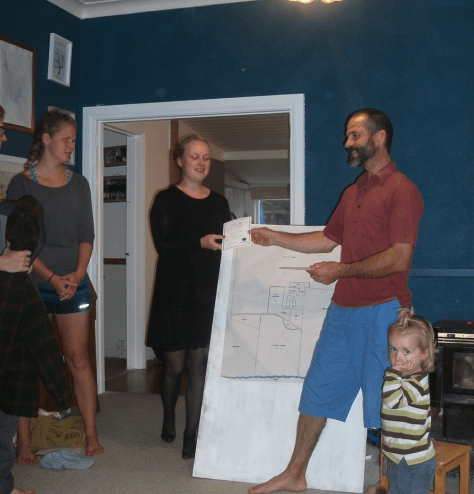
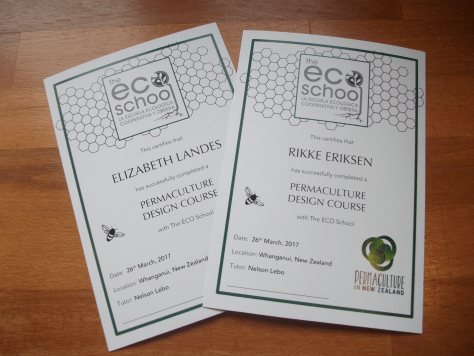
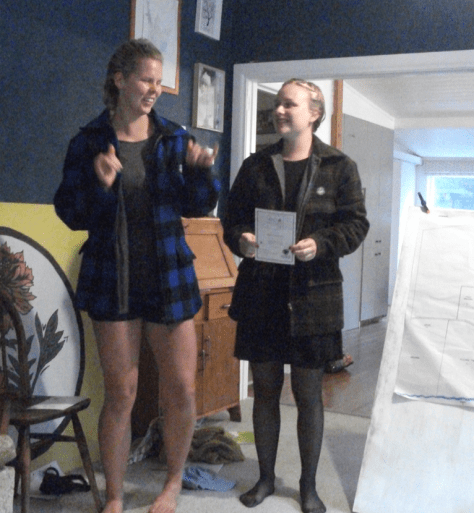
We awarded our first ever PDC qualifications yesterday afternoon after Rikke and Liz presented their amazing projects.

Screen Shot 2017-03-27 at 8.35.59 pm

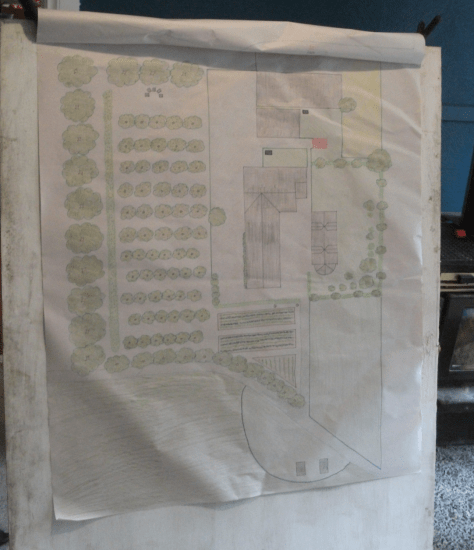
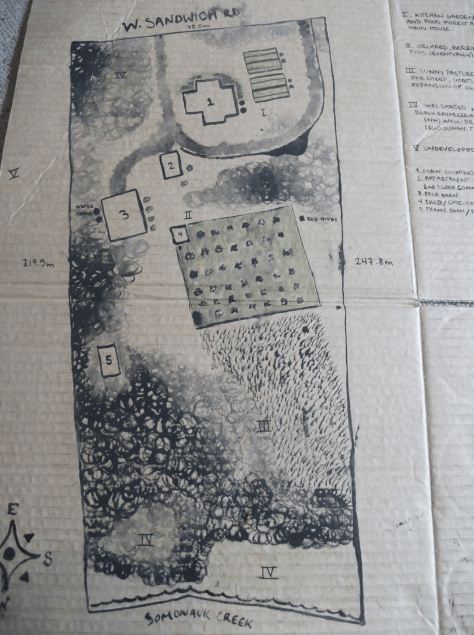
Here is a look at the designs each of them did for their respective parents’ properties in Denmark and rural Illinois (USA).

Screen Shot 2017-03-27 at 8.36.37 pm

Rikke’s family farm in Denmark

Screen Shot 2017-03-27 at 8.36.21 pm

Liz’s parents’ ‘retirement’ property in Illinois

Both young women have been living and working with us for the summer growing season as part of our internship programme on Kaitiaki Farm. We have hosted 16 interns over the last two and a half years as we transform the worn out horse property into an exemplar permaculture farm. Interns have stayed for eight to 16 weeks.

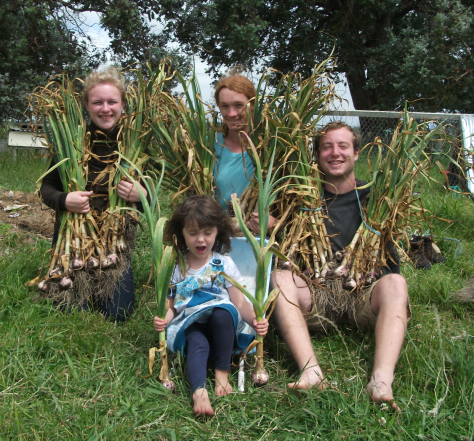
Rikke arrived just in time for the garlic harvest in December when Oliver and James were still here.

Screen Shot 2017-03-27 at 7.20.21 am

Liz arrived in early January. Here is a look at their classroom.

Screen Shot 2017-03-27 at 7.18.47 am

Yesterday was a landmark day for us as we took another step in realising our vision of providing outstanding educational experiences affordably. Liz and Rikke paid nothing for their PDC – a course that usually costs $2,000 to $2,400 in New Zealand. Granted, they ‘paid’ for the course with their efforts on the farm, but that is also the best kind of learning – and endless series of ‘teachable moments’ and design discussions in a real-world context.
We are proud of their accomplishments this summer.

Screen Shot 2017-03-27 at 8.35.22 pm

While we cannot continue to offer a free PDC, now that the pilot work-study PDC is complete we are ready for the next intake of interns starting…tonight. We will continue to offer affordable top-notch education, just not for naught.
But for now, these two young women can boast of something extraordinary.

Peace, Estwing

Late Summer Permaculture Update

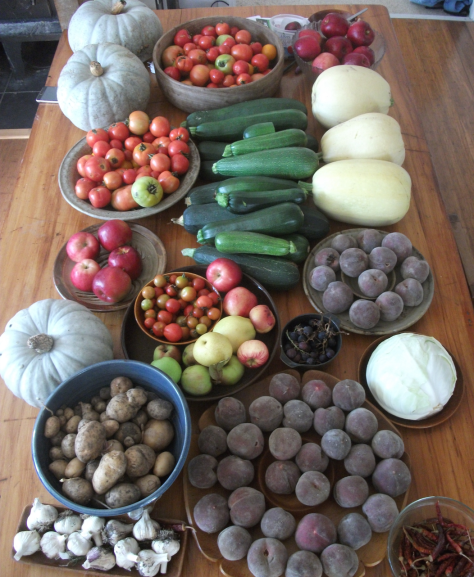
Sorry we have not posted a ‘permaculture update’ in ages. We’ve been busy with our great interns plus this is the busiest time of year for fruit and vegetable production.

Screen Shot 2017-03-16 at 7.12.44 am

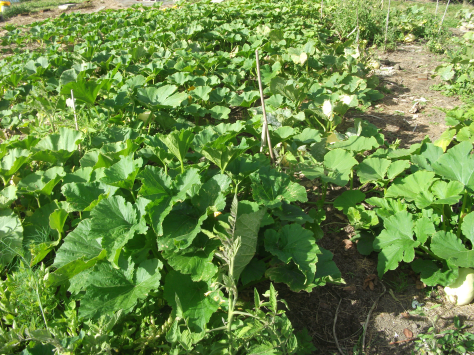
As always, our summer crops focus on tomatoes and squash/pumpkin.

Screen Shot 2017-03-16 at 7.13.14 am

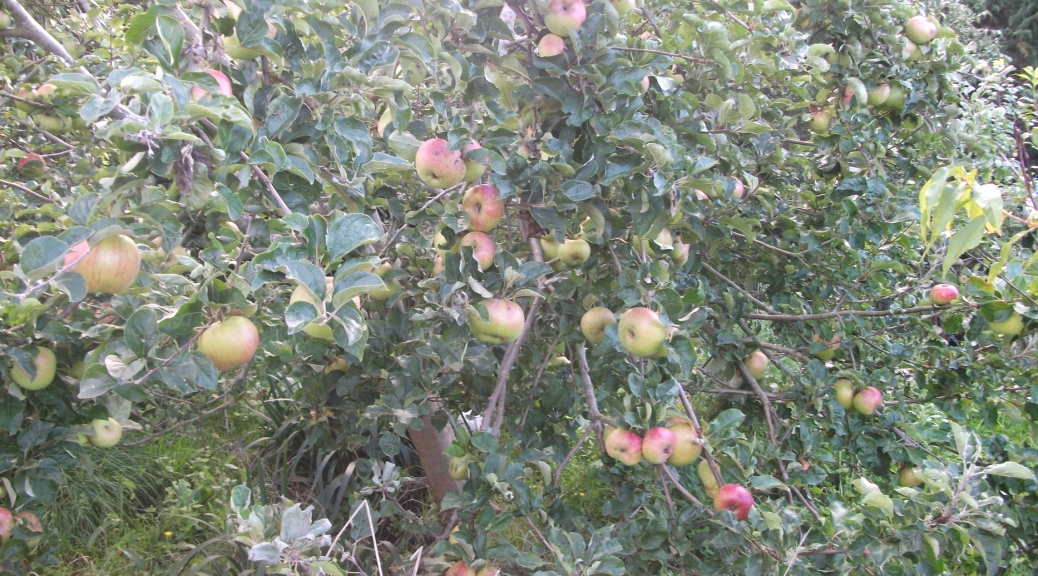
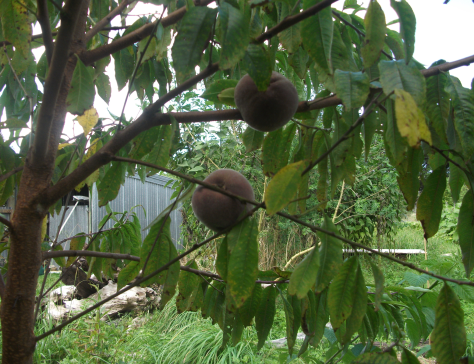
Lots of Black Boy peaches and Monty’s Surprise apples.

Screen Shot 2017-03-16 at 7.14.27 am

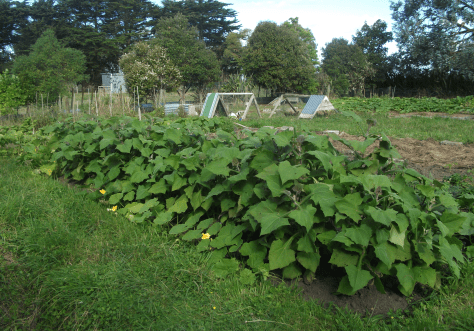
The yakon we planted is going well.

Screen Shot 2017-03-16 at 7.13.39 am

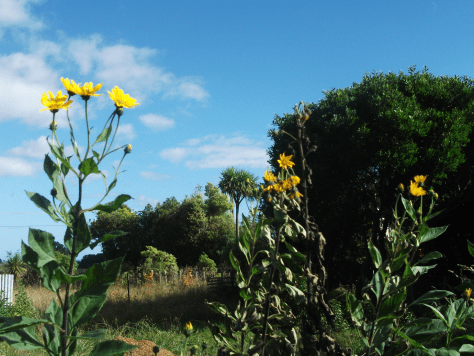
The first Jerusalem Artichoke are flowering.

Screen Shot 2017-03-16 at 7.25.08 am

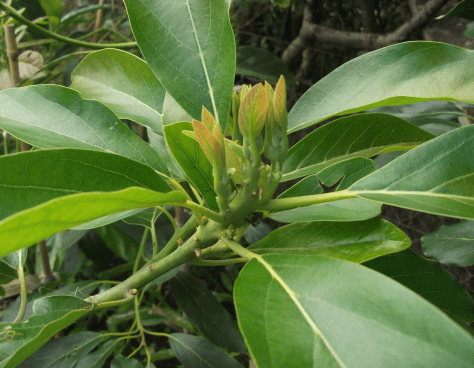
After pruning, the avocados are showing new growth.

Screen Shot 2017-03-16 at 7.14.45 am

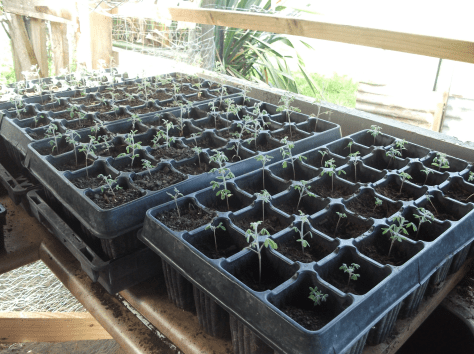
We’ve got trays and trays of tagasaste going.

Screen Shot 2017-03-16 at 7.15.15 am

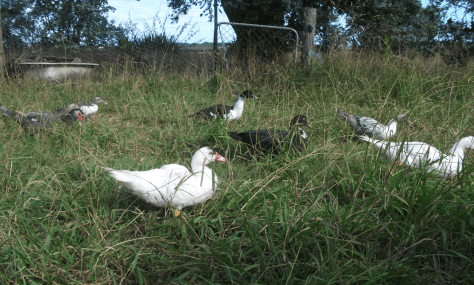
On the animal front, the flock of muscovies has grown dramatically with over one hundred ducklings hatched.

Screen Shot 2017-03-16 at 7.24.52 am

We have a Billy now so we hope to have kids in five to six months time.

Screen Shot 2017-03-16 at 7.25.32 am

And appears we may have piglets any day.

Screen Shot 2017-03-16 at 7.25.57 am

Peace, Estwing

Solar Power: When, How and Where is it Right for You?

Passive solar home design is always a good idea, but if you’re not building or renovating what are the best choices for using solar energy at home?

Screen Shot 2017-03-08 at 6.14.25 am

We are offering a pair of workshops on solar power both low-tech and high-tech.

Sunday, 26th March 2017

Whanganui, New Zealand

Workshop 1) Solar and Alternative Cooking for Fun or Emergency.

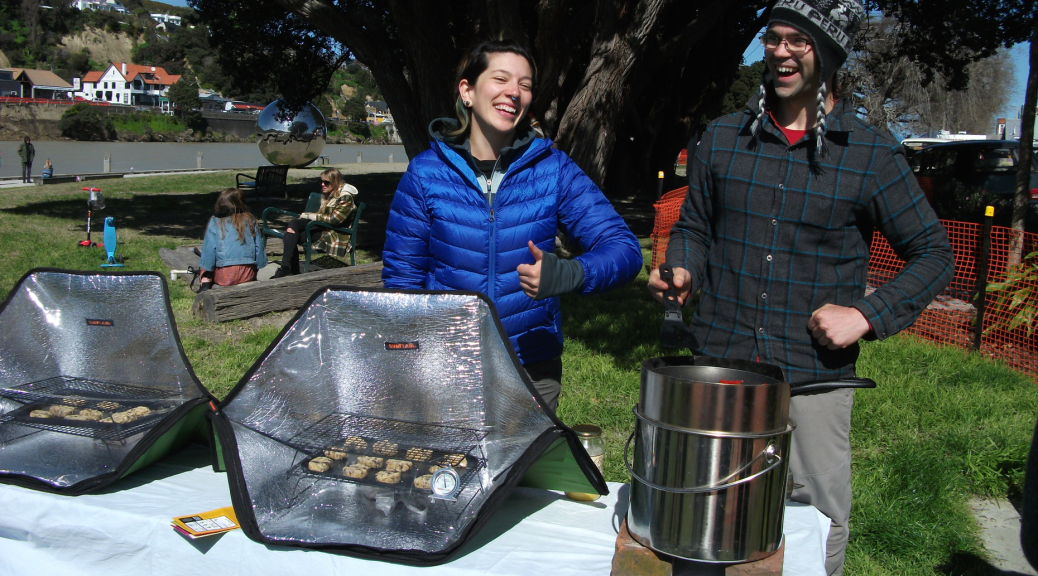
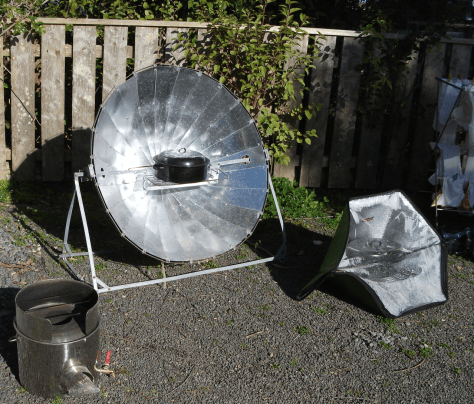
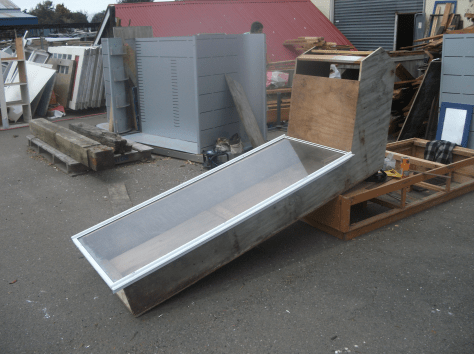
Emergency preparedness is just as important as day-to-day sustainable living in a volatile world where power outages are possible without warning. We will cover a variety of solar cookers, rocket stoves, and ‘the best solar dehydrator’ design. 4-5 pm. $10

Screen Shot 2017-03-06 at 7.19.52 amScreen Shot 2017-02-27 at 6.50.28 am

Workshop 2) Solar Electricity and Solar Hot Water: Making informed investment decisions.

There is a lot of hype and misinformation when it comes to domestic solar energy. The bottom line is that it may not be a sound economic investment for most NZ households. Find out if and how it may be right for you? 5-6 pm. $20

Screen Shot 2017-03-07 at 2.38.18 pm

Space is limited. Preregistration essential. theecoschool at gmail dot com.

Peace Estwing

Selling a Dream: Outstanding Permaculture Property

Could this be the best value permaculture property in New Zealand?

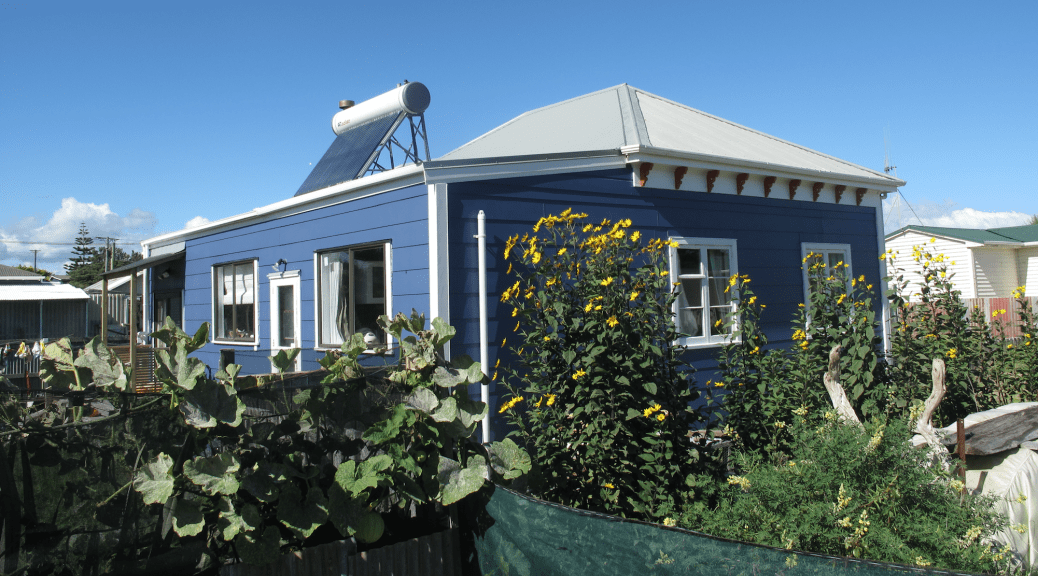
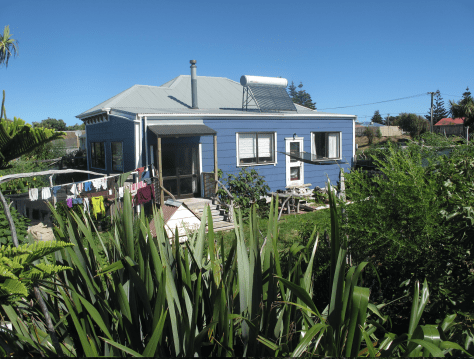
Lovingly renovated seaside villa combines old and new to achieve a sunny, warm, dry and comfortable home while retaining distinctive retro character.

screen-shot-2017-02-28-at-8-32-08-am

Over the three years we lived here our power bills averaged $26 per month while running a refrigerator, freezer, washer, hob, jug, wifi, etc, and enjoying abundant hot water.

screen-shot-2017-02-28-at-8-13-44-am

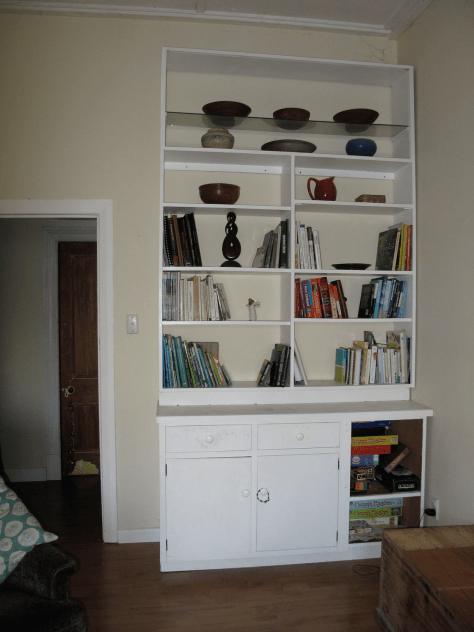
Much of the interior features native hardwood built-ins such as this three and a half metre rimu shelf unit.

screen-shot-2017-02-28-at-8-14-41-am

And this bespoke totara and rimu vanity.

screen-shot-2017-02-28-at-8-18-32-am

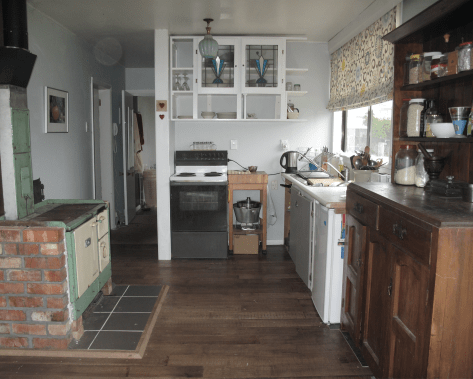
The kitchen features hardwood shelving with antique lead light doors and vintage light shades, along with a new Tasmanian oak floor and cosy old school Shacklock cooker.

screen-shot-2017-01-11-at-6-50-37-am

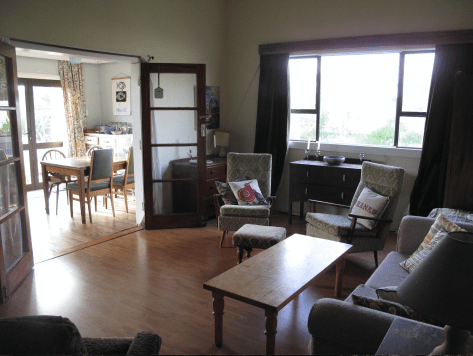
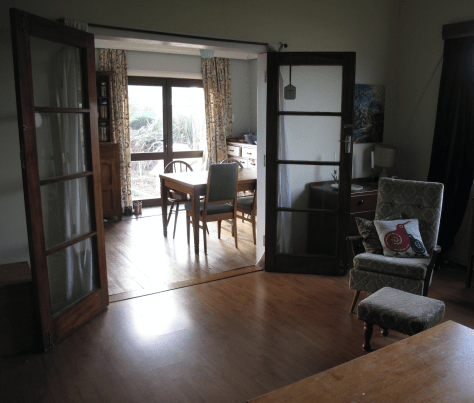
With great indoor/outdoor flow, the living spaces are bright and airy throughout the day.

screen-shot-2017-01-11-at-6-51-23-am

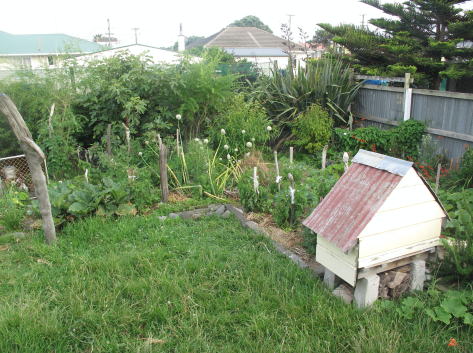
A pizza oven and vege gardens are just outside the French doors.

screen-shot-2017-02-28-at-8-16-19-am

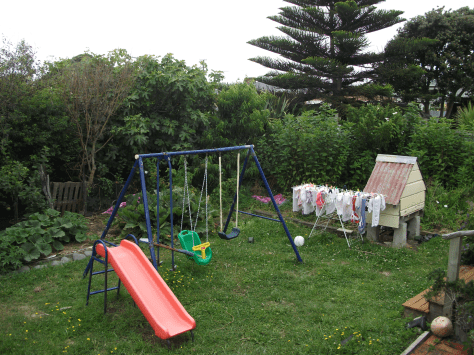
The private back yard is lined with fruit trees and natives while retaining enough lawn for a play.

screen-shot-2017-02-28-at-8-28-33-am

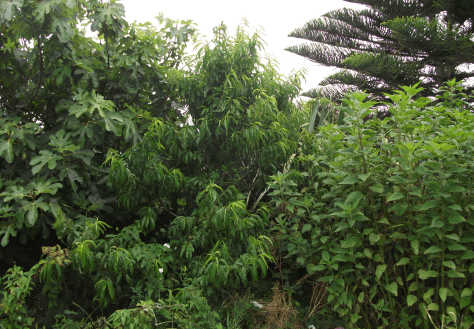
Over 30 productive fruit trees fill the 700 square metre section.

screen-shot-2017-02-28-at-8-27-49-am

Grapes and Jerusalem artichoke fill the spaces in between.

screen-shot-2017-02-28-at-8-27-32-am

New roof, new cladding, insulation and solar hot water are among the features of this highly resilient home.

screen-shot-2017-01-11-at-6-48-32-am

This property has been featured by the national and international media and represents a gold standard in suburban permaculture. The renovation is the only case study outside of Australia to be included in David Holmgren’s current project: RetroSuburbia.

All of this can be yours for 85% less than the average bog standard Auckland home.

Enquiries through the blog’s home page. Or comment.

Peace, Estwing

Permaculture Case Study: A Spring-Fed Water Trough

One challenge we have faced while fencing off our stream from stock has been supplying them with drinking water on the far side. (This is part of our wetland restoration and stream protection project: https://ecothriftylife.com/2017/02/01/world-wetlands-day/  )

Here are three ladies shading themselves near the stream on the valley floor.

screen-shot-2017-01-19-at-6-31-09-am

After fencing the entire stream we put in a Taranaki Gate to get stock across a few times each year. Obviously they are not drinking from the stream anymore, so we needed to figure out a way to keep them watered. One option was running the farm’s bore water to them, but that would have taken a bit of time and money.

screen-shot-2017-01-12-at-2-17-37-pm

The far side of Purua Stream has a large number of springs, so I decided to do a little experiment.

screen-shot-2017-01-09-at-6-40-34-am

I located a spot just below the spring source and dug a small hole.

screen-shot-2017-01-09-at-6-37-08-am

I cut a six metre section of plastic pipe and placed one end in the hole. I drilled holes on the sides and top of the pipe and raised it off the bottom with twine and a broken fence post. These steps will help prevent soil getting in the pipe and clogging it.

screen-shot-2017-01-09-at-6-49-49-am

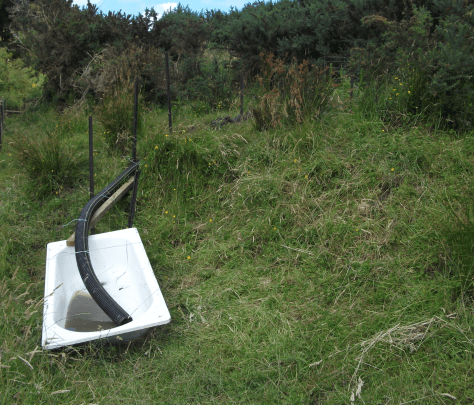
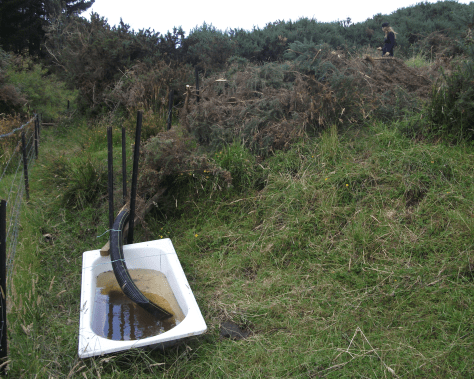
The pipe runs downhill to a second hand bath.

screen-shot-2017-01-09-at-6-50-10-am

Knowing how mischievous cows are, I used warratahs to hold the pipe in place and then the interns covered it with gorse branches that they were cutting nearby. The tub filled overnight and has worked brilliantly since.

screen-shot-2017-01-12-at-2-11-57-pm

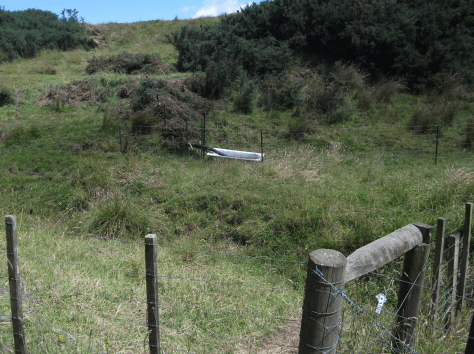
This is what the spring-fed trough looks like from across the stream with the pipe covered with thorny gorse branches.

screen-shot-2017-01-19-at-1-40-16-pm

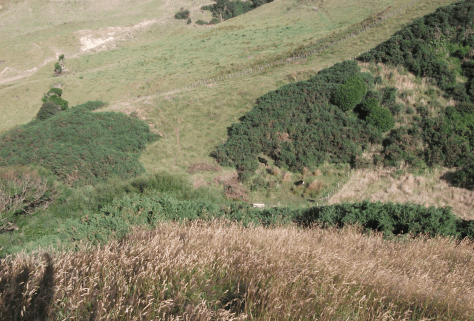
This is what it looks like from higher up the valley. This photo shows the cows near the trough.

screen-shot-2017-01-17-at-8-00-02-am

This simple and elegant system is a great example of what permaculture design thinking is all about.

Peace, Estwing

The Vegetarian Butcher

“Now that you’ve cleaned a chicken’s bum, I think it’s time to write your first blog post,” he says.

“Makes sense,” I say.

The Vegetarian Butcher

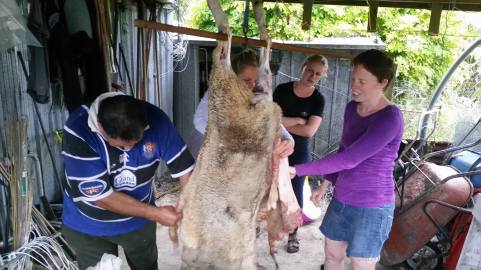
In the span of two days, I assisted in skinning a sheep; watched its butchering; plucked, gutted, and prepped a chicken. Farm life, am I right? That’s a lot of flesh and blood for a vegetarian celebrating five meat-free years and a year of being vegan-ish.

dsc_2630

I’d wanted to be a vegetarian since a very young age, in hopes of being more like 8-year-old environmental activist Lisa Simpson from The Simpsons. I didn’t take the plunge though, until I was 17 and decided I was done supporting factory farms. I did so somewhat begrudgingly because I had (have) a soft spot for meatloaf and chicken tenders and still claim that I’d cave for either, so long as it was smothered in ketchup. I’ve stayed strong, though, and even moved towards a vegan lifestyle last December, excited about the added challenge to cook without the use of animal products. My college running coach wasn’t so thrilled—through university, I was averaging 100km, three weightlifting sessions, and assorted cross training every week—but I felt incredible! I was eating cleanly, feeling fueled, and morally sound.

16244617_10158138229810230_1299421955_o

Here, as is typical of a farm, the animals are workers. Where Kaitiaki differs, however, is in the tasks expected of the animals. In permaculture, the long-term health of the land must be considered in every decision made. By housing the majority of our poultry in tractors that are shifted daily to new grass, the ducks and chickens are providing a service without degrading the land. In a stationary poultry run, the birds are compacting the soil, stripping away grass, digging ruts, and accumulating poo that’s fertilizing nothing. Eventually there’s no fresh grass or insects for the birds to eat and the land underneath is unsuitable for future cultivation.

dsc_2631There is the added task of moving the tractors each morning, but this tiny pec/delt/shoulder workout is hardly a nuisance when considering the range of good done by our feathered farmhands. While chickens and ducks are for meat and eggs on any other farm, those are merely added bonuses here—rather than demanding eggs from the birds, we graciously accept them as gifts.
So when misfortunes fall upon our animals (i.e. broken limbs or little dogs), it’s time to put my tofu-centric views aside and utilize Holmgren’s third, fifth, sixth, and twelfth permaculture design principle: obtain a yield; use and value renewable resources and services; produce no waste; creatively use and respond to change. In permaculture, we are quick to learn that looking at the big picture and the long term can surmount what seems desirable (or undesirable) in the moment. In this instance, an animal lost is a meal gained. I’ve always said that I’d rather eat meat than see it thrown in the trash; I might soon have to eat my words.

-Liz (Illinois, USA)

World Wetlands Day

It’s World Wetlands Day and we should remember these things about them. From the DOC website:

“Wetlands are areas where water is the primary factor controlling the environment and associated plant and animal life. They can be freshwater or estuarine (located at the coast with brackish water) or both!

Wetlands are where the water table is at or near the surface of the land, or where the land is permanently or temporarily (as with the tides) covered by water. Although once thought of as mosquito-filled swamps or bogs, wetlands actually perform many valuable functions.

Wetlands act like the kidneys of the earth, cleaning the water that flows into them. They trap sediment and soils, filter out nutrients and remove contaminants; can reduce flooding and protect coastal land from storm surge; are important for maintaining water tables; they also return nitrogen to the atmosphere.

In the past, those soggy areas of land were often drained and ‘put to better use’ but now we know they are essential and one of the world’s most productive environments. In New Zealand they support the greatest concentration of wildlife out of any other habitat.”

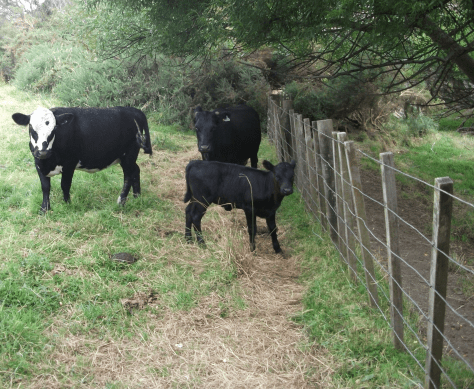
We have a remnant wetland on our property that has been overgrazed for many decades. It can be described as a compromised ecosystem. This is what it looked like last summer when we had been on the land just over a year. The image shows how our three cows have grazed the grass but not greatly impacted the central channel.

screen-shot-2017-02-01-at-6-33-43-am

But not far away – just over the fence to a neighbouring property – it is evident how cattle can do extreme damage to stream banks.

screen-shot-2017-02-01-at-6-35-49-am

So the first step in wetland restoration and stream bank stabilisation is to keep the stock out.  These are our three ladies just over the fence from the photo above: our side of the stream is fenced but the neighbour’s is not.

screen-shot-2017-02-01-at-6-35-59-am

Keeping stock out of streams means fencing.

screen-shot-2017-02-01-at-6-33-58-am

Lots and lots of fencing.

screen-shot-2017-02-01-at-6-34-30-am

And the hazards of fencing.

screen-shot-2017-02-01-at-6-35-19-am

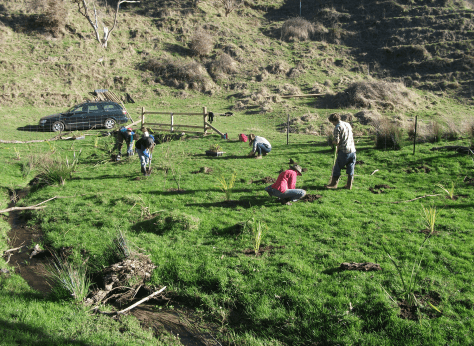
Next up is planting. Lots and lots of planting. We have had about 1,800 native plants donated to the restoration project, which covers about two acres of land along almost half a kilometre of stream.

screen-shot-2017-02-01-at-6-34-21-am

We have had a number of working bees: all spades on deck!

screen-shot-2017-02-01-at-6-34-39-am

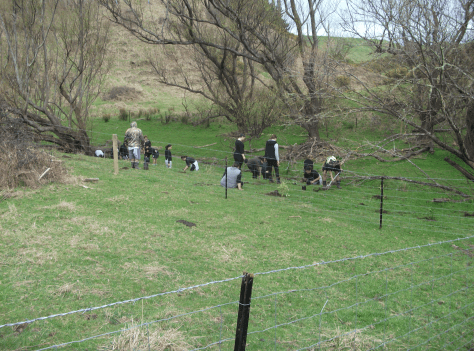
Two school groups have come for planting days this spring. Here is Tupoho on the 1st of September.

screen-shot-2017-02-01-at-6-34-51-am

Community members have come up for another planting day. Here is a group during Whanganui Permaculture Weekend in mid-September.

screen-shot-2017-02-01-at-6-35-00-am

Because we got our plantings in at the end of the winter planting season, our interns have been consistently tending the plants this summer – making sure they are watered and weeded.

screen-shot-2017-02-01-at-6-35-32-am

Thousands of dollars and hundreds of hours have been invested during the last six months. These efforts are about making a brighter future.

screen-shot-2017-02-01-at-6-36-12-am

Wetlands are critically important for water quality, wildlife habitat and reducing the impacts of flooding. Celebrate the value of wetlands today.

Peace, Estwing

Permaculture: Viewed from Above

After two and a half years on a worn out horse property, we are seeing progress. This paddock is slowly becoming a market garden above a swale with peaches, blueberries, key apple, feijoa, jerusalem artichoke, currants and pomegranate.

screen-shot-2017-01-29-at-11-38-39-am

In the extreme foreground in the photo below we have planted avocados among the tagasaste serving as nurse trees.

screen-shot-2017-01-29-at-11-36-48-am

The west side of this paddock has some heritage apple trees, persimmon, hazelnut trees, more peaches, raspberries, blackberries and boysenberries. At the top left of the frame beneath the power poles are black currants.

screen-shot-2017-01-29-at-11-34-51-am

The lower eastern paddock has a small hand-dug pond that holds 25,000 litres of water. The fence line to the upper eastern paddock has a new windbreak consisting of poplars and  harekeke (flax).

screen-shot-2017-01-29-at-11-34-05-am

Here is another photo that also shows the goats happily eating some prunings in the upper paddock. To the south of the goats (out of the photo) is the orchard with 80 mixed varieties of fruit trees.

screen-shot-2017-01-29-at-11-32-39-am

Our interns, Liz and Rikke, have been helping in the annual beds where we are growing tomatoes, corgette, pumpkins, potatoes and spaghetti squash. There are also some yakon in there. We recently harvested 1,500 garlic.

screen-shot-2017-01-29-at-11-30-45-am

Manu and Bee are supervising the interns. The dog named Boy is supervising ducklings in a tractor.

screen-shot-2017-01-29-at-11-28-28-am

With each passing week this place is looking less like a tired horse property and more like a permaculture farm.

Peace, Estwing