Category Archives: Eco Thrifty Life

Signs of Spring

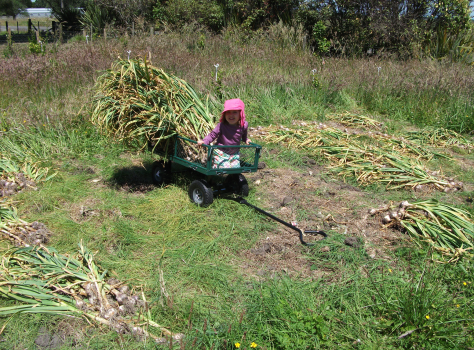
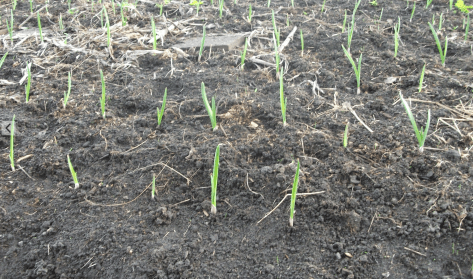
After weeks of rain and a very cold snap, it suddenly feels and looks a little like Spring: the plum trees are budding; the tagasaste are in full flower; bumble bees abound; the poplar poles have all been set on the slopes; there is new growth on the kei apples; the garlic is up and away; and, some strawberries have even started fruiting. Our resident kereru oversees it all.

Equally important, I spent half a day outside yesterday without my gum boots. Ah, signs of spring.


Peace, Estwing

Permaculture Ethics and Design

My observations are that the eco design methodology known as permaculture suffers in two fundamental ways: a confusing name and dogmatic application by inexperienced converts.

The name is the name – no changing it at this point – and there is no antidote for dogma. But for a general audience of readers I’d like to lay out the ethics and practice of permaculture using two concrete examples.

When engaging with permaculture as a design methodology, practicioners are bound to follow a basic set of ethics: care for the environment; care for people; share surplus resources. I appreciate this ethical code because it helps distinguish a permaculturist from anyone else who may be involved in the ‘sustainability movement’ such as an organic gardener, recycler, green builder, eco-activist.

This is not to say that a permaculturist cannot engage in all of these, but that anyone who practices one or more than these is not necessarily engaging with the permaculture ethics.

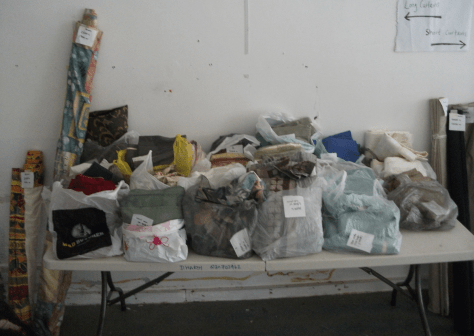
I also appreciate the ethics because they are an integral part of the design process. For example, the ‘pop-up curtain bank’ that recently opened in our community is a direct application of the permaculture ethics. Screen Shot 2016-08-10 at 7.38.32 am

Sharing surplus resources: Members of the community who have curtains they no longer require can drop them off and members of the community who need curtains can pick them up. Like any bank it accepts deposits and grants withdrawals.

Caring for people: It’s no secret that most of the housing in our city is substandard: cold and/or damp. These unhealthy homes are especially hard on children and seniors. Getting properly installed curtains, insulating blinds and window blankets into as many homes as possible helps make the occupants more comfortable and healthier.

Care for the earth: Improving the ‘thermal envelope’ of a home is the best way to save energy required for heating and cooling. Saving energy is generally considered good for the environment.

The other example I’ll share is a direct application of eco-design: imitating nature to develop or reestablish robust ecological systems. The latter of these is sometimes called ‘regenerative design’.

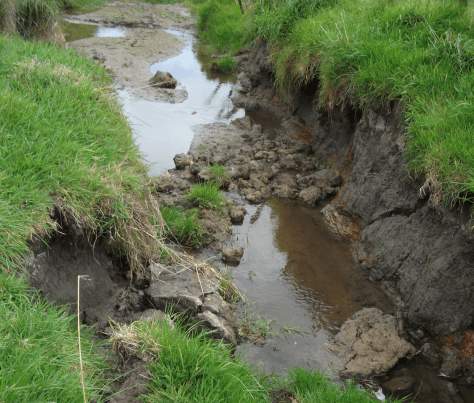
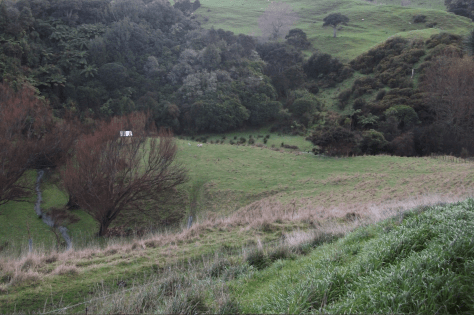
We are in the process of reestablishing a wetland on our farm and protecting streams from stock. Additionally, we are planting native trees and poplar poles on steep hillsides to prevent slips and erosion. Screen Shot 2016-08-06 at 7.54.04 am

All of this work is supported by Horizons Regional Council, which offers expert advice, low-cost poplar poles, and in some cases funding for fencing and plantings. I cannot speak highly enough of these programmes.

Forests and wetlands play important roles in moderating seasonal water flows across large land areas. In other words they store water high on the landscape during wet periods and release it slowly during dry periods. It works like a bank by accepting deposits and granting withdrawals.

Much of the farmland in our region suffers from extreme weather on both ends – wet and dry. Neither is good for stock, nor for farmers, nor for water quality, nor for anyone living downstream. The reasons are clear: not enough trees on hillsides and streamsides.

The solution is to build resilient waterways by imitating nature, or in other words engaging in eco design. Projects like ours are the most direct way that landowners and the wider community can address the extreme weather events associated with a volatile and changing climate.

The restoration work we are doing on our farm will help – to a tiny degree – everyone who lives and works downstream and downriver from us.

Screen Shot 2016-08-06 at 7.49.52 am

So, in a nutshell, what this is all about is developing alternative banking systems – stream banks and curtain banks – and getting the community involved. This is what resilience is all about, and it is the heart and soul of permaculture design thinking.

If you are the least bit concerned about healthier homes and climate change, you too can get involved.

Please donate clean curtains and Roman blinds to the Curtain Bank before 5th August: 91 Guyton St.

Please donate native trees to the Kaitiaki Wetland Restoration by popping into the Wanganui Garden Centre before 17th August: 95 Gonville Ave.


Peace, Estwing

Remaining Currant

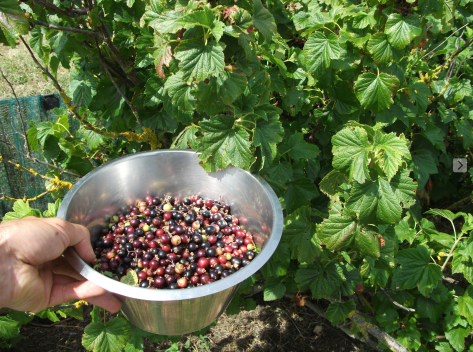
About a year ago I got a request from a friend to prune her black currant bushes. She has lots of them.

Screen Shot 2016-05-31 at 11.13.45 am

After I finished, I took the prunings home to distribute to other friends and to propagate for ourselves.

Screen Shot 2016-05-30 at 2.29.20 pm

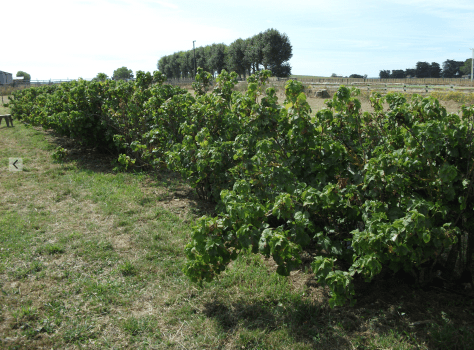
Now that they have been in the garden for a year establishing their root systems, we’ve transplanted them out into two rows, each about 20 metres long. They are just budding out now.

Screen Shot 2016-08-05 at 6.49.29 am

Looking forward to a big harvest, but will probably have to wait until December, 2017 to get anything like this.

Screen Shot 2016-05-31 at 11.13.54 am


Peace, Estwing

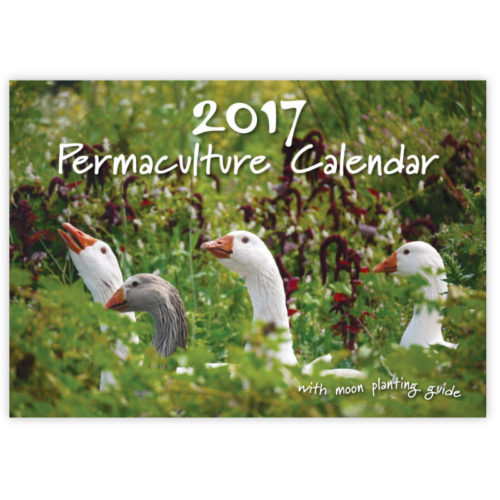
2017 Permaculture Principles Calendar

Another year – Another amazing calendar!

$16 postage paid/ $13 pick up

Twin Pack $21  postage paid

Proceeds from NZ sales go to support wetland restoration at Kaitiaki Farm.  

Order From:  TheECOSchool@gmail.com

The 2017 Permaculture Calendar, now in it’s 9th year, is ethically produced with the wholesome look and feel of post-consumer recycled paper printed with vegetable based inks. Internationally relevant and filled with inspirational and thought provoking images that support and reinforce your values every day of the year.

Learn each of the 12 design principles over the course of a month and be reminded of suitable garden activities with daily icons and phase times according to our moon planting guide. Includes a handy rainfall / temperature chart to keep track of the years events and moon icons for north and south hemispheres. 

Produced in Australia on 100% recycled paper using vegetable based inks. 10% of net return donated to Permafund. Size: A4 (210mm x 297mm) opening to A3.

Going to the Poles

Our Australian neighbours have recently gone to the polls, and the UK’s infamous Brexit referendum is still playing out post voting. And of course the American polls open on 8th November for a historic decision whichever way it goes.

At Kaitiaki Farm we have gone to the poles in a very different way: poplar poles.

Screen Shot 2016-07-24 at 7.50.50 am

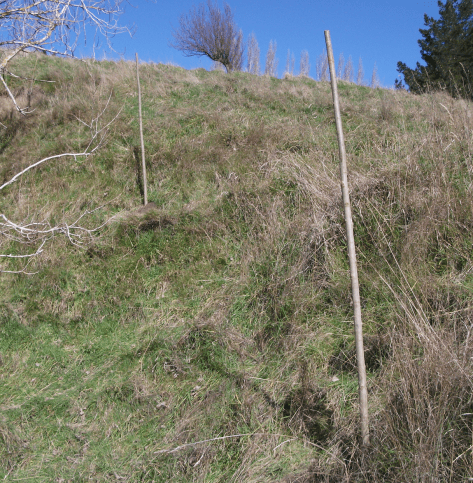
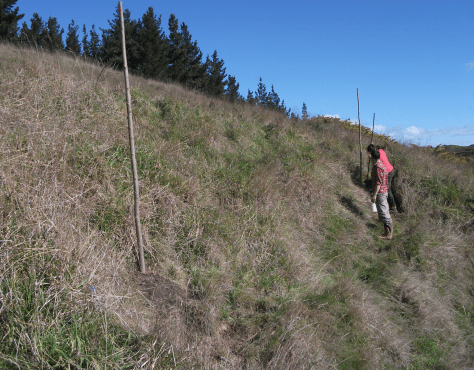
For the second year in a row we have planted poplar poles to hold vulnerable slopes and prevent slips. Here are our interns, Kelly and Patrick, ramming poles last year.

Screen Shot 2016-07-24 at 7.49.48 am

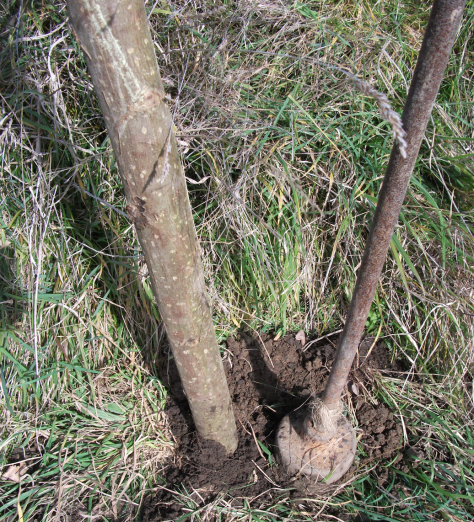
Poles are planted 600 mm to 700 mm deep and it is critical to pack the soil tightly around the base of each one.

Screen Shot 2016-07-24 at 7.49.16 am

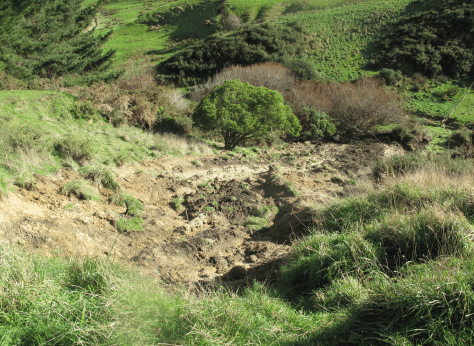
Here is a slip that occurred last winter during especially heavy rains. We had been on the land less than a year at that time. The slips were a wake up call. This slip now has 18 poplar poles in and around it.

Screen Shot 2016-07-24 at 7.45.21 am

At the time of the slips we had ordered poles from Horizons Regional Council but had not planted them yet as the storm occurred in early winter. Kelly and Patrick and I planted the first 20 poles in late August. They take about seven years to develop a sufficient root mass to hold slopes, so the sooner they are in the ground the better.

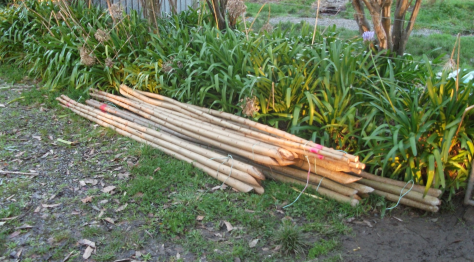
Below is this year’s order of 30 poles that were delivered by Horizons a month ago. The three metre poles cost $7 each.

Screen Shot 2016-07-24 at 7.42.33 am

They need to be soaked for a week first to ensure they take up plenty of water before planting.

Screen Shot 2016-07-24 at 7.42.10 am

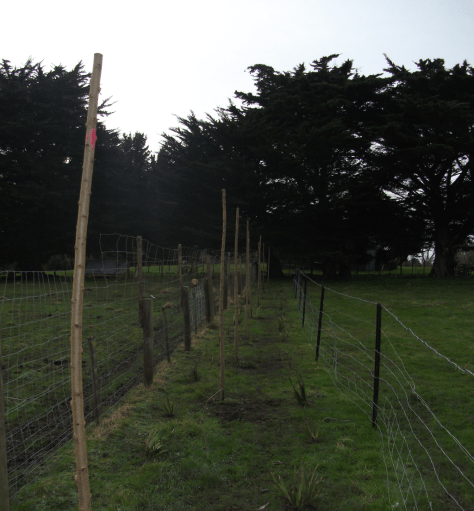
We planted nine poles as a wind break between two paddocks at the top of the property where it is relatively flat. Our intern, Weis, dug the holes by hand relatively easily. I put the poles in the ground last week.

Screen Shot 2016-07-24 at 7.41.34 am

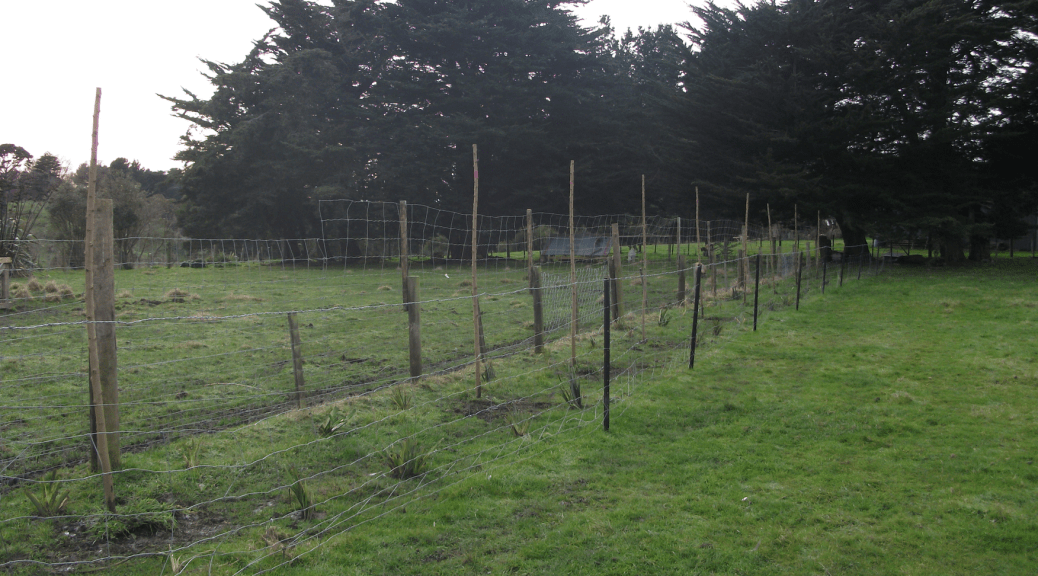
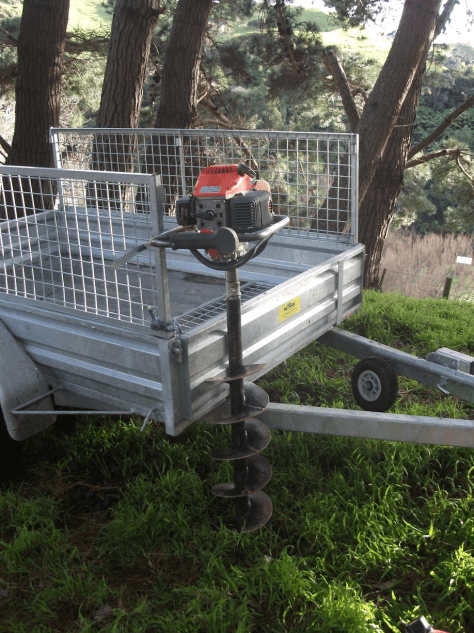
This weekend I hired a post hole borer to put in some new fences for our wetland restoration project, and took the opportunity to drill another 21 holes for the rest of the poplars.

Screen Shot 2016-07-24 at 7.33.29 am

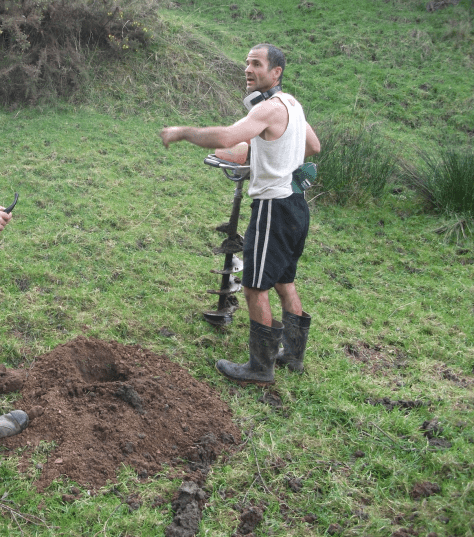
On Saturday I drilled 35 holes into heavy clay soil. I have not been so bone tired in a decade.

Screen Shot 2016-07-24 at 7.34.14 am

It is not an easy thing to carry up and down hill all afternoon, but the borer got the job done and was back at the hire shop fully cleaned before 5:00 pm.

Screen Shot 2016-07-25 at 5.45.11 am

Fifty poles and counting.

Peace, Estwing

Permaculture Dream-Job*

* OK, not exactly a job, but ‘dream internship’ does not have the same ring to it, eh?

We have been left short-handed this winter and find ourselves looking for an extra pair of hands for six to eight weeks. The right candidate will love animals and children.

Screen Shot 2016-07-17 at 6.29.32 am

We are looking for someone for ‘light duty’ permaculture duties who also likes reading children’s books.

Screen Shot 2016-07-17 at 6.31.15 am

We run a premier permaculture demonstration farm with a wide range of projects going on at all times. This winter is mostly dedicated to planting trees, such as these poplar poles.

Screen Shot 2016-07-17 at 6.39.51 am

We are also planning a large wetland restoration project.

Screen Shot 2016-07-17 at 6.36.50 am

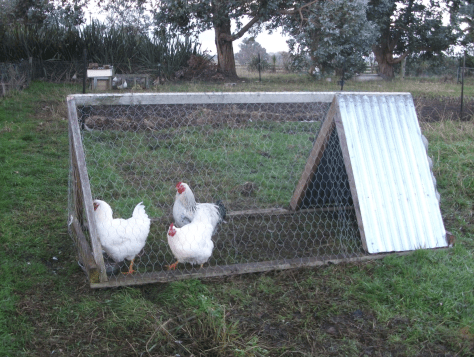
We use tractors to manage birds and pasture.

Screen Shot 2016-07-17 at 6.39.29 am

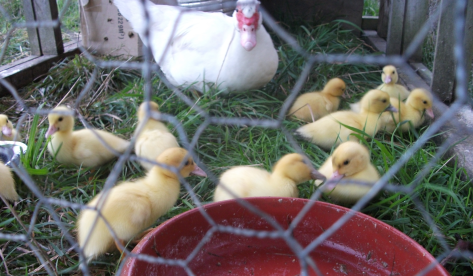
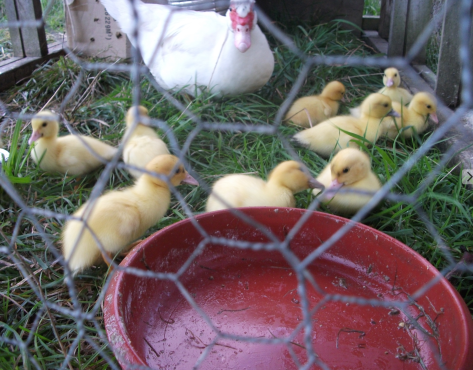
And we have ducklings!

Screen Shot 2016-07-17 at 6.31.53 am

Our library of books on permaculture and organic agriculture is extensive…as well as children’s stories.

Screen Shot 2016-07-17 at 6.38.16 am

If you want to spend the winter reading stories by the fire, caring for cute animals and planting trees please contact us on theecoschool  at gmail dot com.

Peace, Estwing

Growing Great Garlic

I’ve been growing garlic organically for well over a decade. The product is second to none. We have marketed it as “The World’s Best Garlic” for the last five years. Nobody has disputed the claim.

Screen Shot 2016-07-11 at 4.42.27 pm

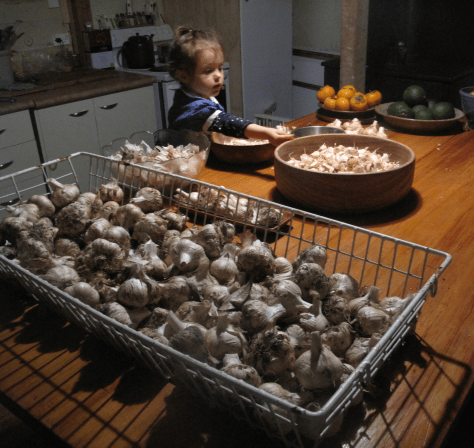
There are a few essentials of growing great garlic. First of all, you need the best genetics – ie, seed garlic. We save ours from season to season. After storing for six months, we divide it in the evenings inside where it is warm and dry.

Screen Shot 2016-07-11 at 4.39.57 pm

Another essential component is abundant high quality compost. We make ours by the cubic metre.

Screen Shot 2016-07-11 at 4.47.33 pm

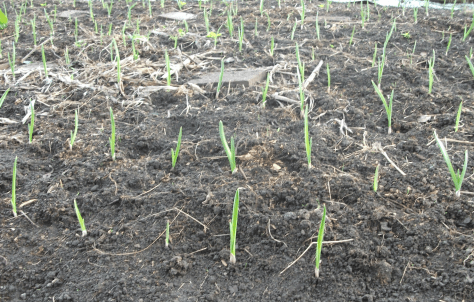
Planting involves generous amounts of compost. It serves to feed the garlic for the six months while it is in the ground as well as retaining soil moisture.

Screen Shot 2016-07-11 at 4.38.57 pm

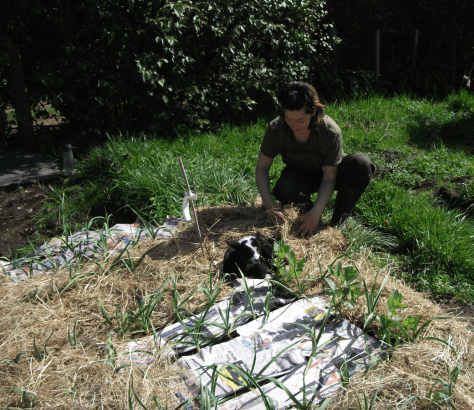
Once the garlic is up about 150 – 200 mm we mulch with newspaper and hay.

Screen Shot 2016-07-11 at 4.46.02 pm

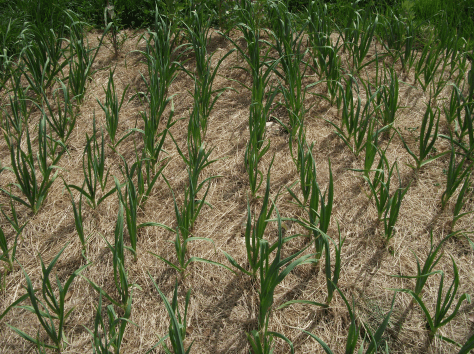
The mulch suppresses weeds and retains soil moisture.

Screen Shot 2016-07-11 at 4.46.27 pm

The planting design and management relies on these resources: stirrup hoes, newspapers, mulch and compost. See here for detailed description: https://www.fix.com/blog/how-to-grow-garlic/

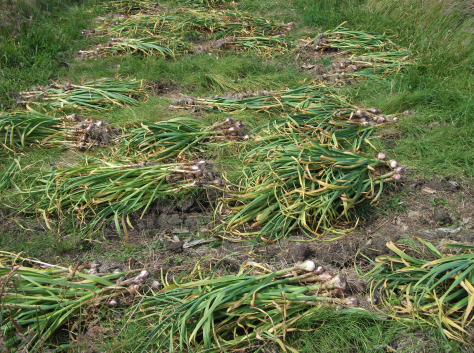
Harvest usually occurs in late December.

Screen Shot 2016-07-11 at 4.42.49 pm

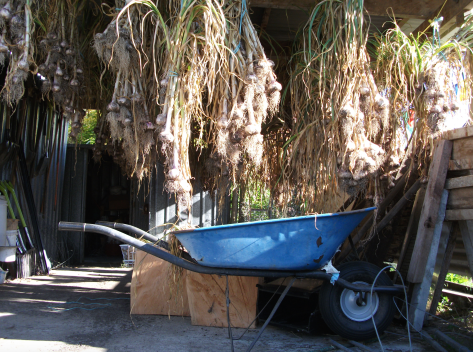
The garlic is cured and stored…and the cycle repeats.

Screen Shot 2016-07-11 at 4.42.00 pm

We have a very limited supply of seed garlic left for sale. It can be planted up to the end of July. Contact me if you’d like some.

Peace, Estwing

Mid-Winter Permaculture Update

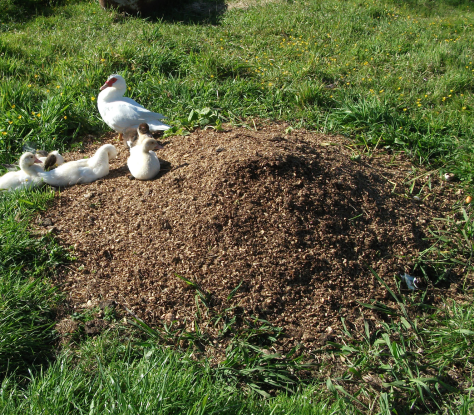
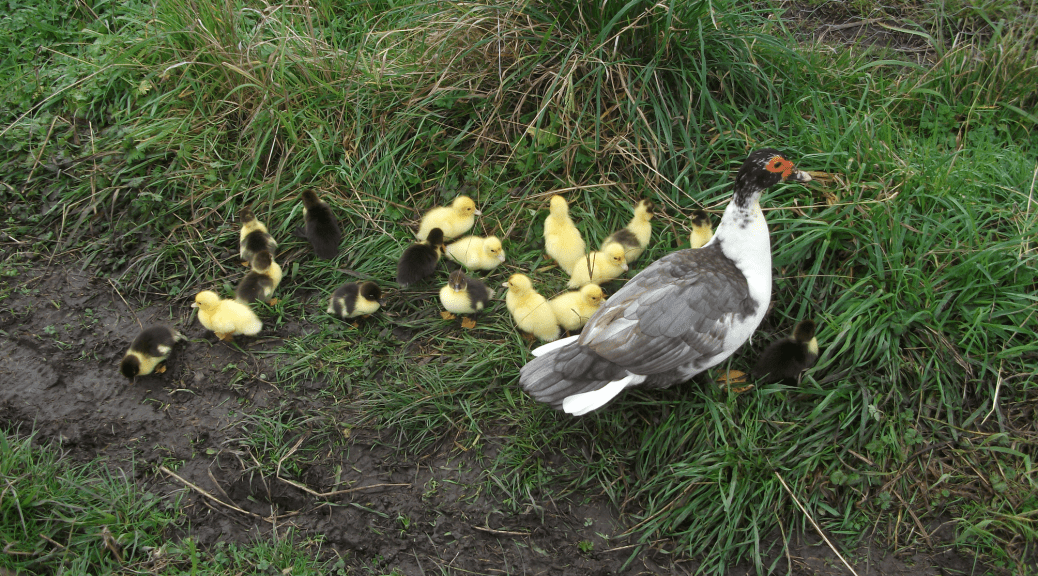
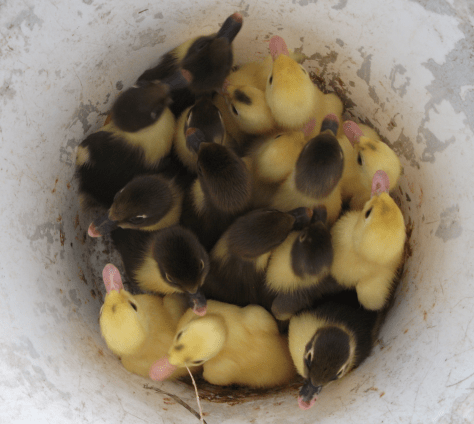
We are well past the solstice and into the heart of winter but it does not feel like it. This has been the warmest first half-year ever recorded in Aotearoa New Zealand. Our Muscovy ducks are very confused by the weather and hatching lots of ducklings. After an April frost, they thing it’s been spring for the last 2 months.

Screen Shot 2016-07-05 at 12.26.30 pm

We have 29 from two clutches and another that will hatch out any day.

Screen Shot 2016-07-07 at 6.37.19 pm

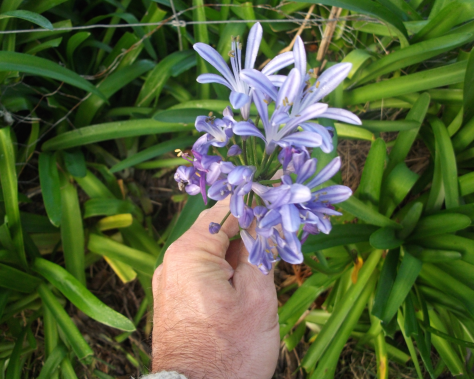
The agapanthus is also confused. It is normally a summer flowering plant but this one bloomed this week.

Screen Shot 2016-07-09 at 6.07.45 am

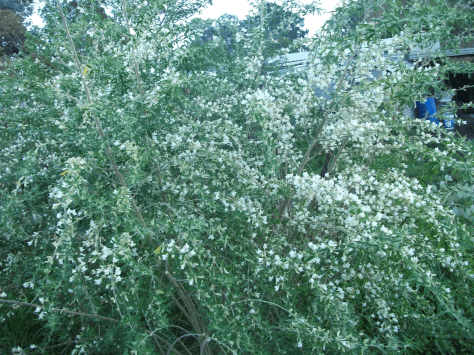
At least the tagasaste knows what time of year it is. It makes great mid-winter bee fodder as well as fulfilling other important roles.

Screen Shot 2016-07-05 at 12.25.55 pm

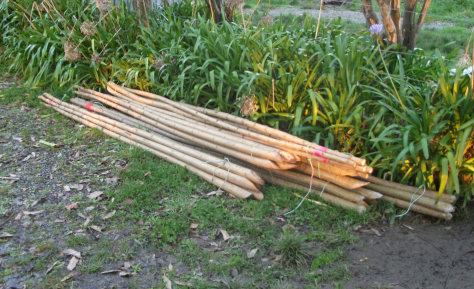
Speaking of important roles, these poplar poles will help stabilise the steep slopes on our farm. They are provided by Horizons Regional Council, which does a fantastic job of supporting rural land owners who want to follow best practice for land management.

Screen Shot 2016-07-05 at 12.24.13 pm

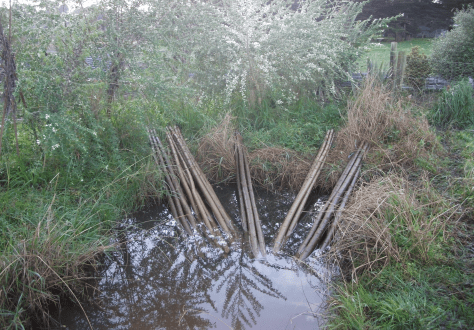
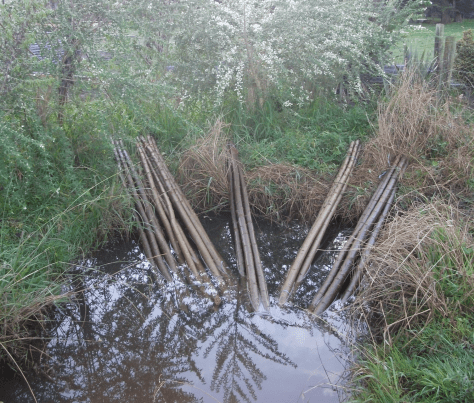
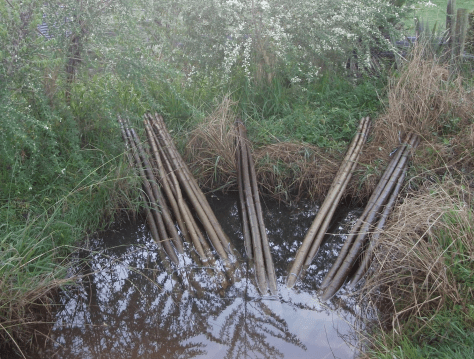
The poles are soaked for a week before planting. This is one small pond we dug last year behind a swale.

Screen Shot 2016-07-05 at 12.25.37 pm

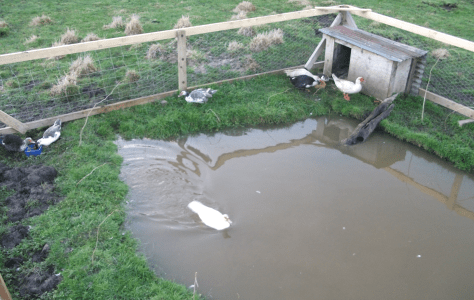
Here is another pond recently completed. It is fenced to keep out children and goats.

Screen Shot 2016-07-05 at 12.24.42 pm

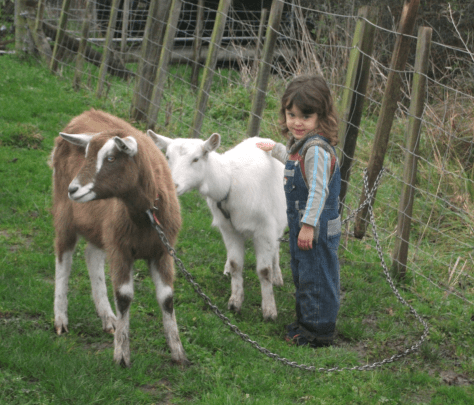
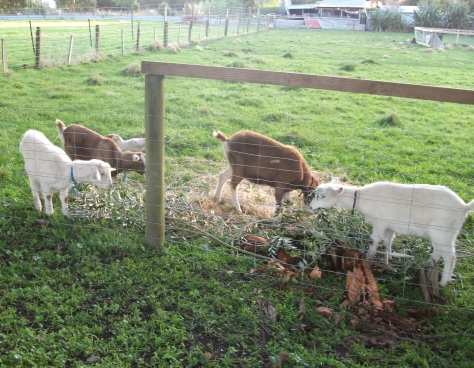
For the most part the goats prefer dry areas to wet areas anyway. These are eating prunings from olive trees – their Mediterranean diet.

Screen Shot 2016-07-05 at 12.28.04 pm

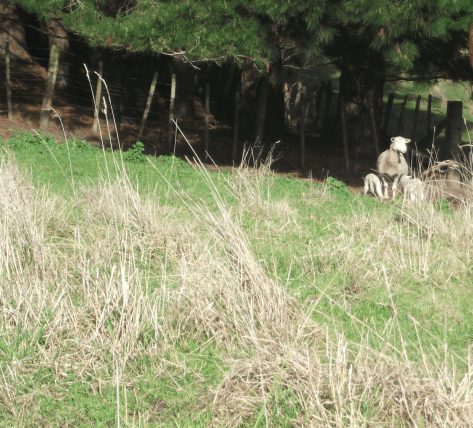
Lambing is also underway.

Screen Shot 2016-07-05 at 12.25.06 pm

And, of course, the World’s Best Garlic.

Screen Shot 2016-07-05 at 12.26.47 pm


Never a dull moment – even in the heart of winter.


Peace, Estwing

Damned if we do -damned if we don’t: The case for resilience


Editor’s note: This has been published simultaneously on The Automatic Earth

https://www.theautomaticearth.com/2016/07/climate-energy-economy-pick-two/


Carbon double-bind

There appears to be increasing levels of anxiety among environmental activists around the world and in my own community. After all, temperature records are being set at a pace equaled only to that of Stephen Curry and LeBron James in the NBA Finals. A recent Google news headline said it all: “May is the 8th consecutive month to break global temperature records.”

In other words, October of last year set a record for the highest recorded global monthly temperature, and then it was bettered by November, which was bettered by December, January, and on through May. The hot streak is like that of Lance Armstrong’s Tour De France dominance, but we all know how that turned out in the end.

Making history – like the Irish rugby side in South Africa just over two weeks ago – is usually a time to celebrate. Setting a world record would normally mean jubilation – not so when it comes to climate.

Responses to temperature records range from sorrow, despair, anger, and even fury. Anyone with children or grandchildren (and even the childless) who believes in peer review and an overwhelming scientific consensus has every right to feel these emotions. So why do I feel only resignation?

We are so far down the track at this point that we are dammed if we do and dammed if we don’t. Remember the warnings 30 years ago that we needed 30 years to make the transition to a low carbon economy or else there would be dire consequences? Well, in case you weren’t paying attention, it didn’t happen.

While these warnings were being issued by scientists much of the world doubled down – Trump-like – on Ford Rangers, Toyota Tacomas, and other sport utility vehicles. The same appears to be happening now, with the added element that we are experiencing the dire consequences as scientists issue even more warnings and drivers buy even more ‘light trucks’. Forget Paris, the writing was on the wall at Copenhagen.

The bottom line is that most people will (and currently do) experience climate change as a quality of life issue, and quality of life is related to a certain extent on disposable income. Acting or not acting proactively or reactively on climate change is expensive and gets more expensive everyday.

If the international community ever takes collective action on climate change it will make individuals poorer because the cost of energy will rise significantly. If the international community fails to act, individuals will be made poorer because of the devastating effects of extreme weather events – like last year’s historic floods where I live as well as northern England, etc – shown to be on the increase over the last 40 years in hundreds of peer-reviewed papers with verifiable data.

And here is the worst part: most economies around the world rely on some combination of moderate climate and cheap fossil fuels. For example, our local economy is heavily dependent on agriculture and tourism, making it exceptionally vulnerable to both acting and not acting on climate change.

Drought hurts rural economies and extreme winds and rainfall can cost millions in crop damage as well as repairs to fencing, tracks and roads. As a result, both farmers and ratepayers have fewer dollars in their pockets to spend on new shoes, a night out, or a family trip. This is alongside living in a degraded environment post-disaster. The net result is a negative impact on quality of life: damned if we don’t.

On the other hand, tourism relies on inexpensive jet fuel and petrol to get the sightseers and thrill seekers to and around the world with enough dollars left over to slosh around local economies. Think about all of the service sector jobs that rely on tourism that in turn depend entirely on a continuous supply of cheap fuel. (This is not to mention peak oil and the lack of finance available to fund any long and expensive transition to an alternative energy world.) I’m told 70% of US jobs are in the service sector, most of which rely on inexpensive commuting and/or a highly mobile customer base.

Any significant approach to curbing carbon emissions in the short term will result in drastic increases to energy prices. The higher the cost of a trip from A to Z the less likely it is to be made. As a result, business owners and ratepayers at Z will have fewer dollars in their pockets to spend on new shoes, a night out, or a family vacation of their own. The net result is a negative impact on their quality of life: damned if we do.

I suppose it deserves repeating: most OECD economies and the quality of life they bring rely on both moderate climate and cheap fossil fuels, but these are mutually exclusive. Furthermore, regardless of emissions decisions made by the international community, we are already on track for decades of temperature records and extreme weather events that will cost billions if not trillions of dollars.

The response in many parts of the world has been to protest. That’s cool, but you cant’ protest a drought – the drought does not care. You can’t protest a flood – the flood does not care. And even if the protests are successful at influencing government policies – which I hope long-term they are – we are still on track for decades to climatic volatility and the massive price tags for clean up and repair.


Resilience is where it’s at

Go ahead and protest, people, but you better get your house in order at the same time, and that means build resilience in every way, shape and form.

Resilience is the name of the game, and I was impressed with Kyrie Irving’s post NBA game seven remarks that the Cleveland Cavaliers demonstrated great resilience as a team.

As I wrote for The Automatic Earth over a year ago, resilience is the new black. If you don’t get it you’re not paying attention.   http://www.theautomaticearth.com/2015/05/resilience-is-the-new-black/

This article received a wide range of responses from those with incomplete understandings of the situation as well as those in denial – both positions dangerous for their owners as well as friends and neighbours.

The double bind we find ourselves in by failing to address the issue three decades ago is a challenge to put it mildly. Smart communities recognize challenges and respond accordingly. The best response is to develop resilience in the following areas: ecological, equity, energy and economic.

The first two of these I call the “Pope Index” because Francis has identified climate change and wealth inequality as the greatest challenges facing humanity. Applying the Pope Index to decision-making is easy – simply ask yourself if decisions made in your community aggravate climates change and wealth inequality or alleviates them.

For the next two – energy and economic – I take more of a Last hours of ancient sunlight (credit, Thom Hartmann) perspective that I think is embraced by many practicing permaculturists. Ancient sunlight (fossil fuels) is on its way out and if we do not use some to build resilient infrastructure on our properties and in our communities it will all be burned by NASCAR, which in my opinion would be a shame.

As time passes, everything that is not resilient to high energy prices and extreme weather events will become economically unviable and approach worthlessness. On the other hand, investments of time, energy, and money in resilience will become more economically valuable as the years pass. Additionally, the knowledge, skills and experience gained while developing resilience are the ultimate in ‘job security’ for an increasingly volatile future.

If you know it and can do it and can teach it you’ll be sweet. If not, get onto it before it’s too late.


Peace, Estwing
 

Early Winter Permaculture Update

We have just passed the solstice, but winter is only beginning. After a long Indian Summer we have had a few frosts but today – the shortest day of the year – it was 18 degrees. I had an awesome surf and planted garlic. As you do.

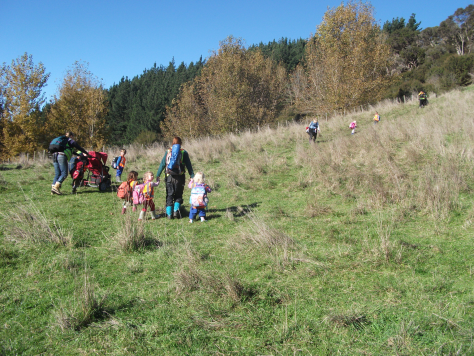
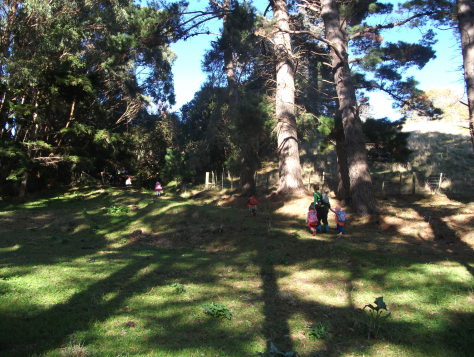
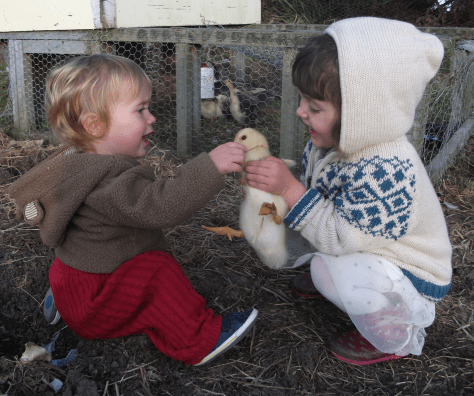
Other projects we have going on involve planting trees and engaging children in nature. A Denmark-inspired “forest kindergarten” type programme is running two days each week on the farm. The children spend the entire day outdoors.
Screen Shot 2016-06-22 at 7.39.55 am

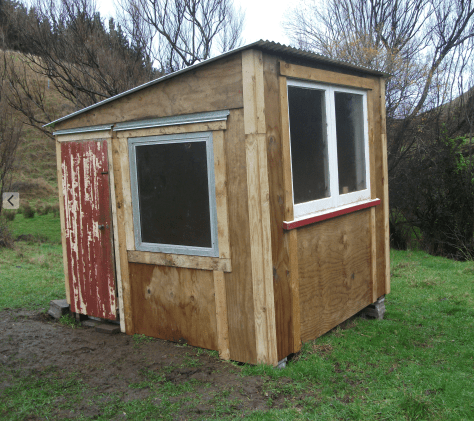
I finally finished their ‘storm shelter’ in case the weather turns while they are down in the valley. It can double as accommodation for our interns or guests in the future.

Screen Shot 2016-06-20 at 3.19.33 pm

But for now it’s all for the kids.

Screen Shot 2016-06-22 at 7.40.48 am

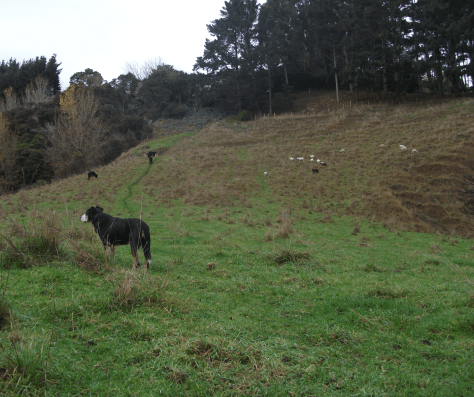
On another note, we have adopted a 9 year-old ‘retired’ farm dog who is loving his semi-retirement.

Screen Shot 2016-06-20 at 3.22.16 pm

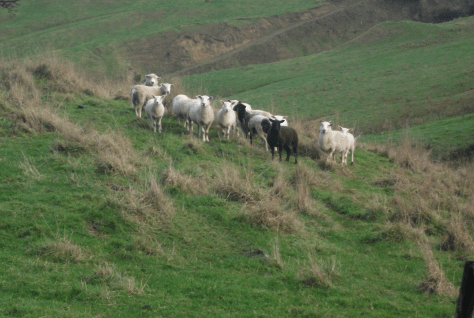
He has a fairly small flock to mind at the moment.

Screen Shot 2016-06-20 at 7.17.25 pm

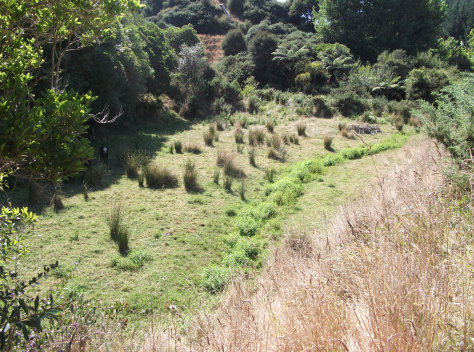
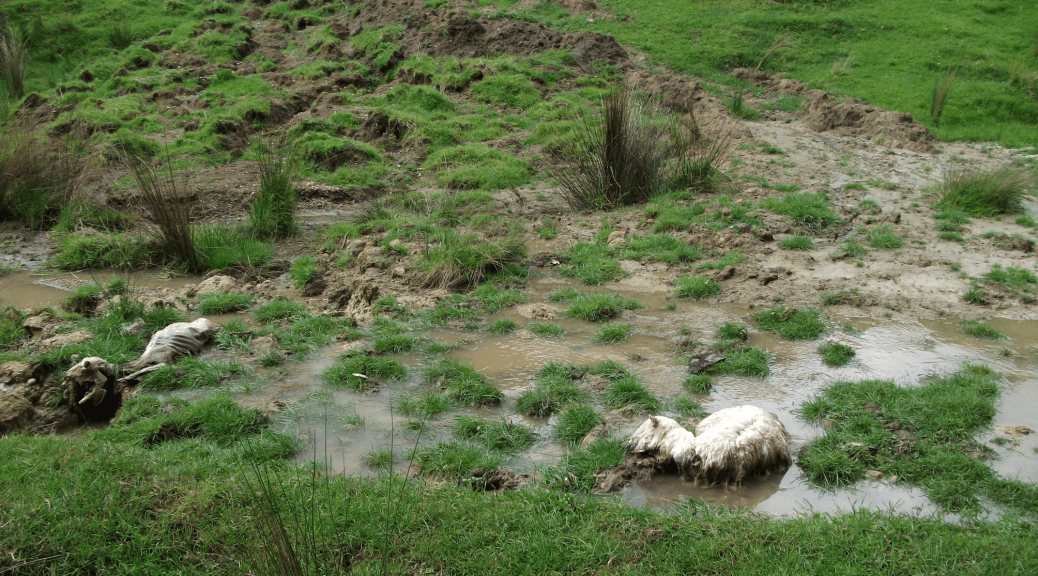
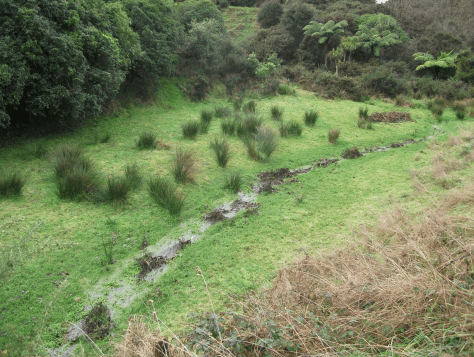
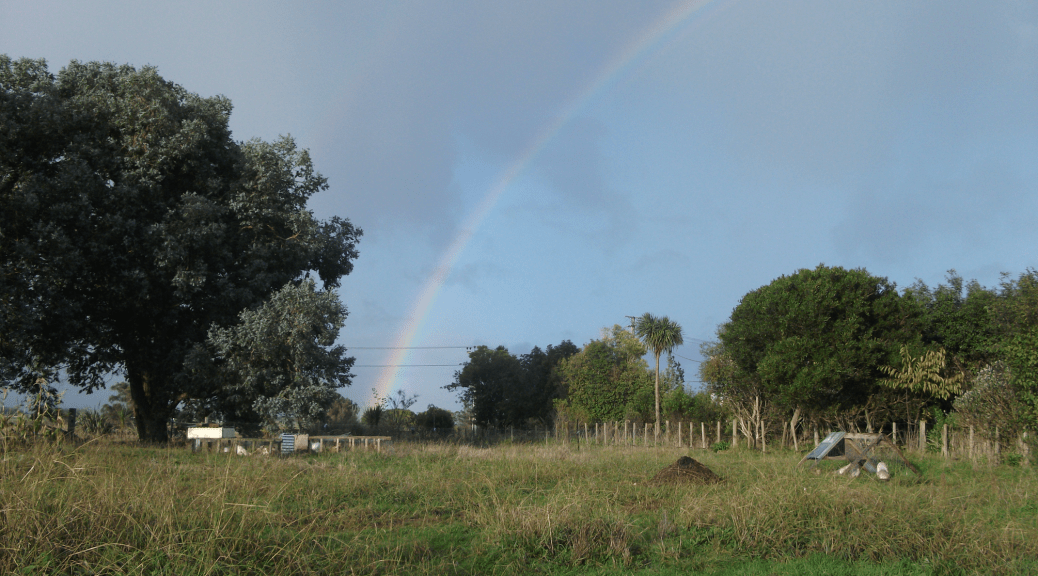
As far as winter plantings, we are planning to re-establish this wetland by planting about 1,000 native plants.

Screen Shot 2016-06-20 at 3.21.49 pm

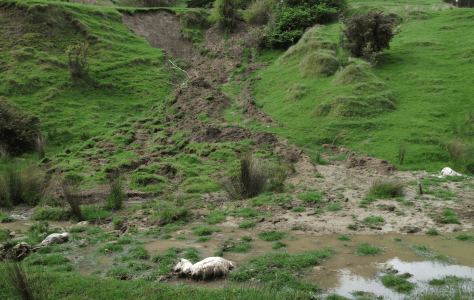
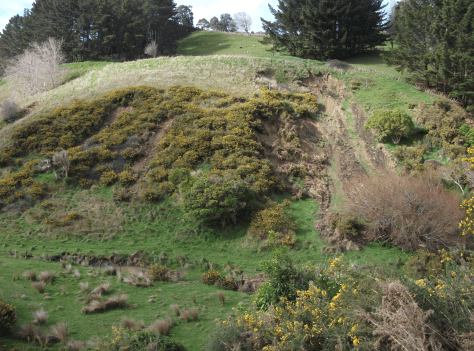
We are also protecting against future slips such as this one on the neighbours farm one year ago.

Screen Shot 2016-06-20 at 7.56.22 am

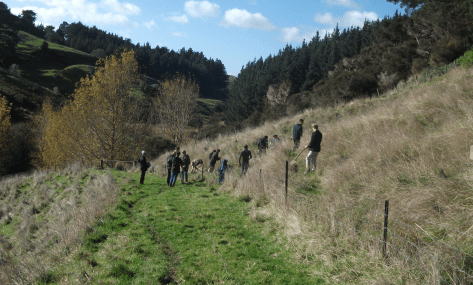
A group of students from Wanganui Collegiate School came last week for a farm tour and a little hands-on work. This north-facing slope is being planted to manuka for bee fodder.

Screen Shot 2016-06-18 at 6.23.43 am

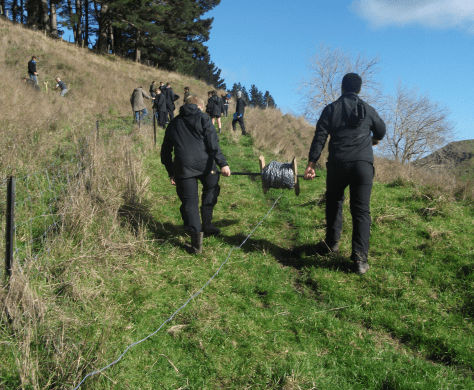
We’ve had a little trouble keeping the cows out so we’re resorting to barded wire.

Screen Shot 2016-06-18 at 6.23.31 am

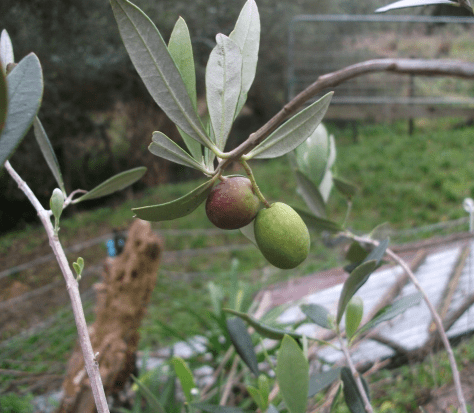
And on a final note, we have our first olives.

Screen Shot 2016-06-18 at 6.24.32 am

Peace, Estwing