Category Archives: Eco Thrifty Life

The Evolution of a Chicken Tractor

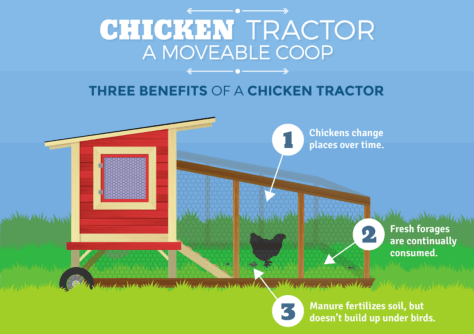
I am a huge advocate for tractoring fowl. I remember seeing my first turkey tractors in Amherst, Massachusetts nearly 20 years ago. I thought they were odd at the time. Now I am a 100% convert.

I have even written about tractoring chickens for Fix.com: https://www.fix.com/blog/raising-chickens-at-home/
Screen Shot 2016-03-13 at 8.13.35 am

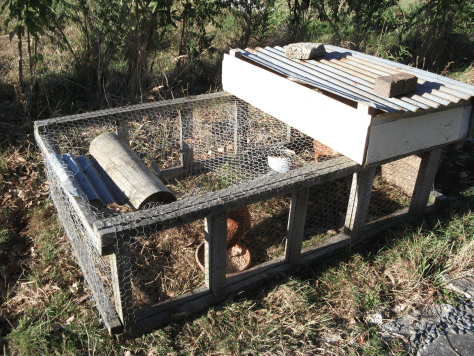
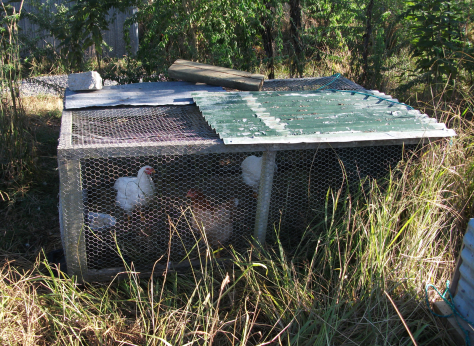
We have made all of our tractors out of scrap wood. The first one was heavy and clunky.
Screen Shot 2016-03-13 at 7.36.04 am

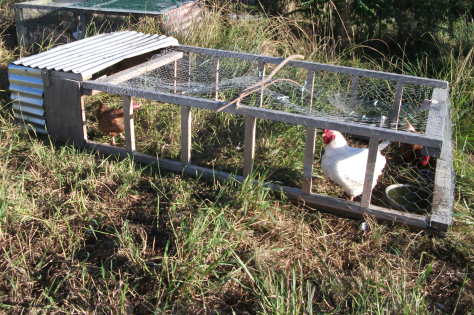
We have revised and streamlined the designs over the years. This one is lighter, but small and a little wobbly.
Screen Shot 2016-03-13 at 7.35.56 am

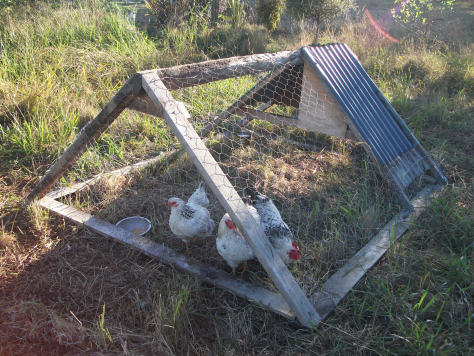
I really like this one because it is large and easy to move. But the both sides were already assembled from a previous life as a ladder-like object. This design was a one-off because of the nature of the materials.
Screen Shot 2016-03-13 at 7.35.47 am

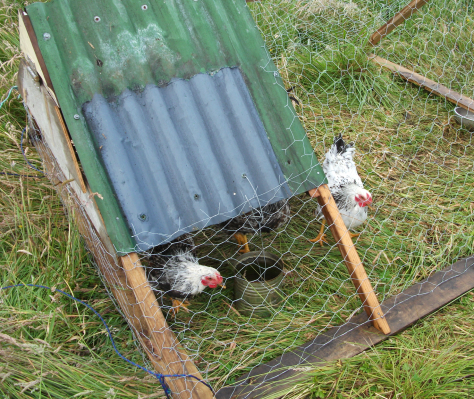
At this point I have pretty much settled on this design. I have been reluctant about triangular tractors up until now, but in terms of materials used, strength, weight and even a built-in rain water collection system, I am keen on this design.
Screen Shot 2016-03-13 at 7.20.21 am

Water falling on the roofing iron runs off into the suspended can. It won’t keep it topped up all the time, but it helps. Additionally, I like having the water can suspended as it moves with the tractor and does not spill. Sweet as.
Screen Shot 2016-03-13 at 9.13.41 am

If you live in the Manawatu, Whanganui, Rangiteki or Horowhenua regions, you will be interested in attending a DIY chicken tractor workshop in Palmerston North on Thursday of this week. See the Permaculture Manawatu FB page for details. https://www.facebook.com/PermacultureManawatu/


Peace, Estwing
Permaculture Internship @ Kaitiaki

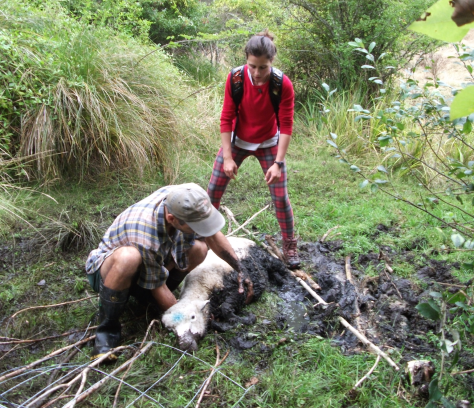
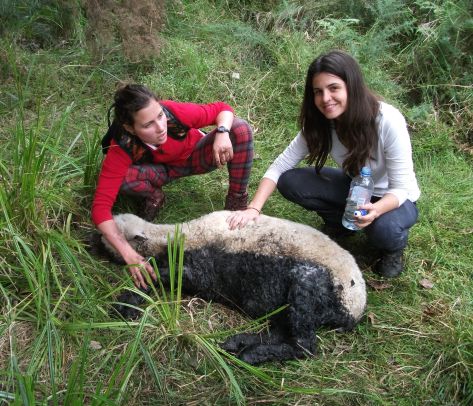
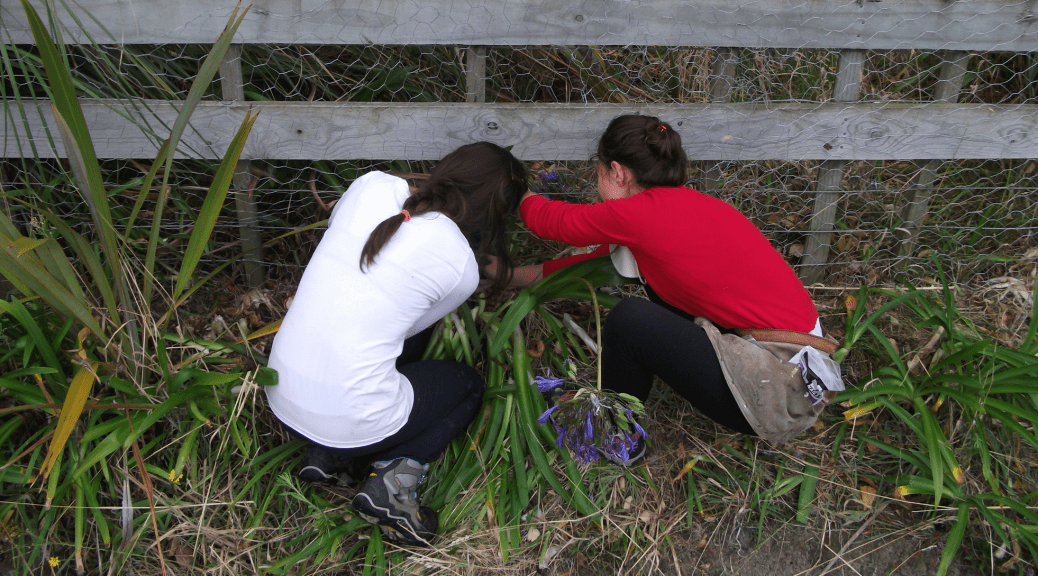
An internship at Kaitiaki Farm can be an adventure. This weekend we rescued a lamb from deep mud on the neighbour’s property.

Screen Shot 2016-03-09 at 6.28.44 am

Heloisa and Marina were happy to see the lamb freed. After a few hours her legs warmed up and she walked away. One life saved.

Screen Shot 2016-03-09 at 6.29.06 am

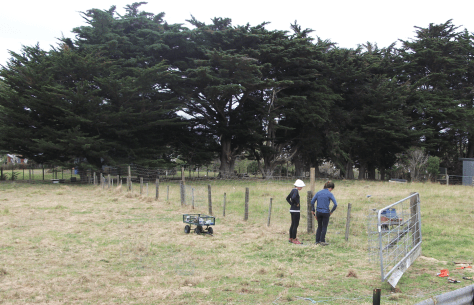
Later that day we found over 100 sheep from another farm had come through a hole in the fence. No sooner had we herded them back through then we found a bull from another property had come through a different fence and was after our cows.

Of course this all means lots of fence work.

Screen Shot 2016-02-27 at 7.39.35 am

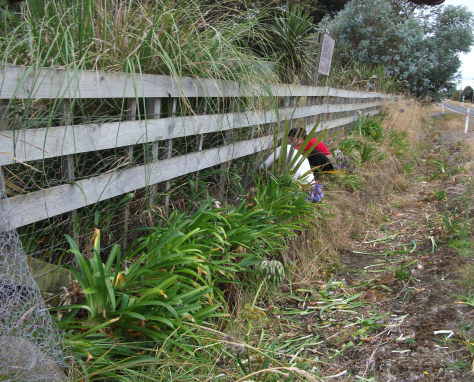
And more fence work.

Screen Shot 2016-02-27 at 7.39.02 am

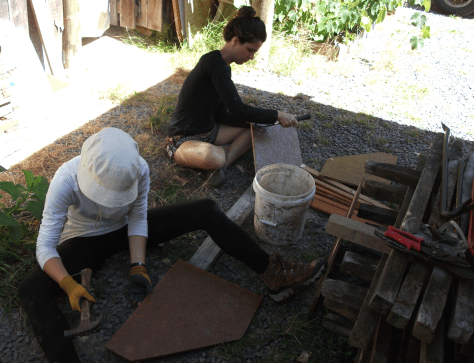
Two skills we always teach our interns are pulling nails…

Screen Shot 2016-03-09 at 6.10.35 pm

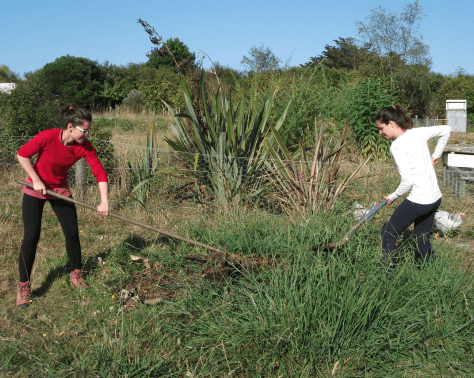
…and composting. Back to basics for skill-building and learning.

Screen Shot 2016-02-27 at 7.38.25 am

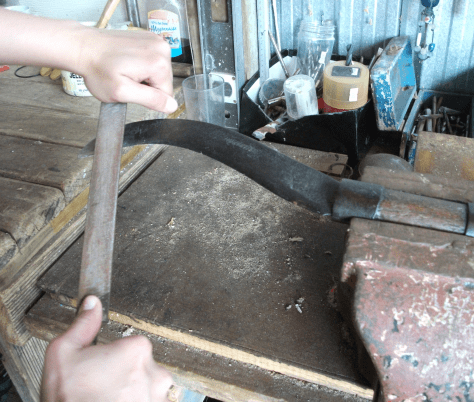
Along with the importance of keeping tools sharp.

Screen Shot 2016-02-27 at 7.38.43 am

Never a dull moment and always a teachable moment. That’s how it is at Kaitiaki.


Peace, Estwing

 

Water Flowing Uphill, Part II

We finally had a good rain shower last week after a long dry spell. It is a welcome break from the hot dry weather of the last 6 weeks. Although the total was only about 20 mm (less than an inch), it was enough to fill up one of our ponds thanks to the large runoff area of our sheds and stables.

If you multiply the rainfall by the roof area it is easy to calculate the total volume of water. The trick is then delivering that water to a place high on the property away from buildings where it can be stored for as long as possible. We’ve run this water uphill.

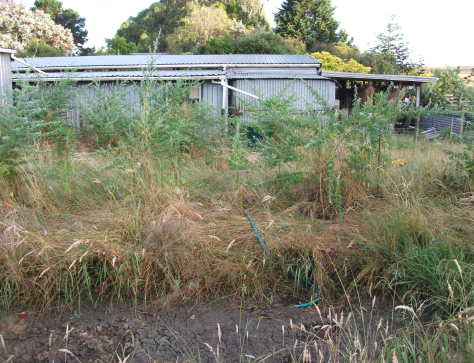
In this image you can see the roofs and the spouting and the pond above the swale. The green hose delivers water to the pond.

Screen Shot 2016-01-18 at 11.10.15 am

This image from the side shows how the water travels from the roofs across the road and up over the swale. The green hose runs just behind the chicken tractor.

DSCF2034

Now that we know the system works, we can cover the hose with stone to keep it out of site and protect it from UV damage.

Screen Shot 2016-02-20 at 7.02.00 am

The pond will trickle-feed the swale where 10 peach trees are planted along with blueberry bushes and black currants. The tagasaste are being used as nurse trees.

All of the earth works and trees in the images above are a year old.


Peace, Estwing
Swale at 1 Year

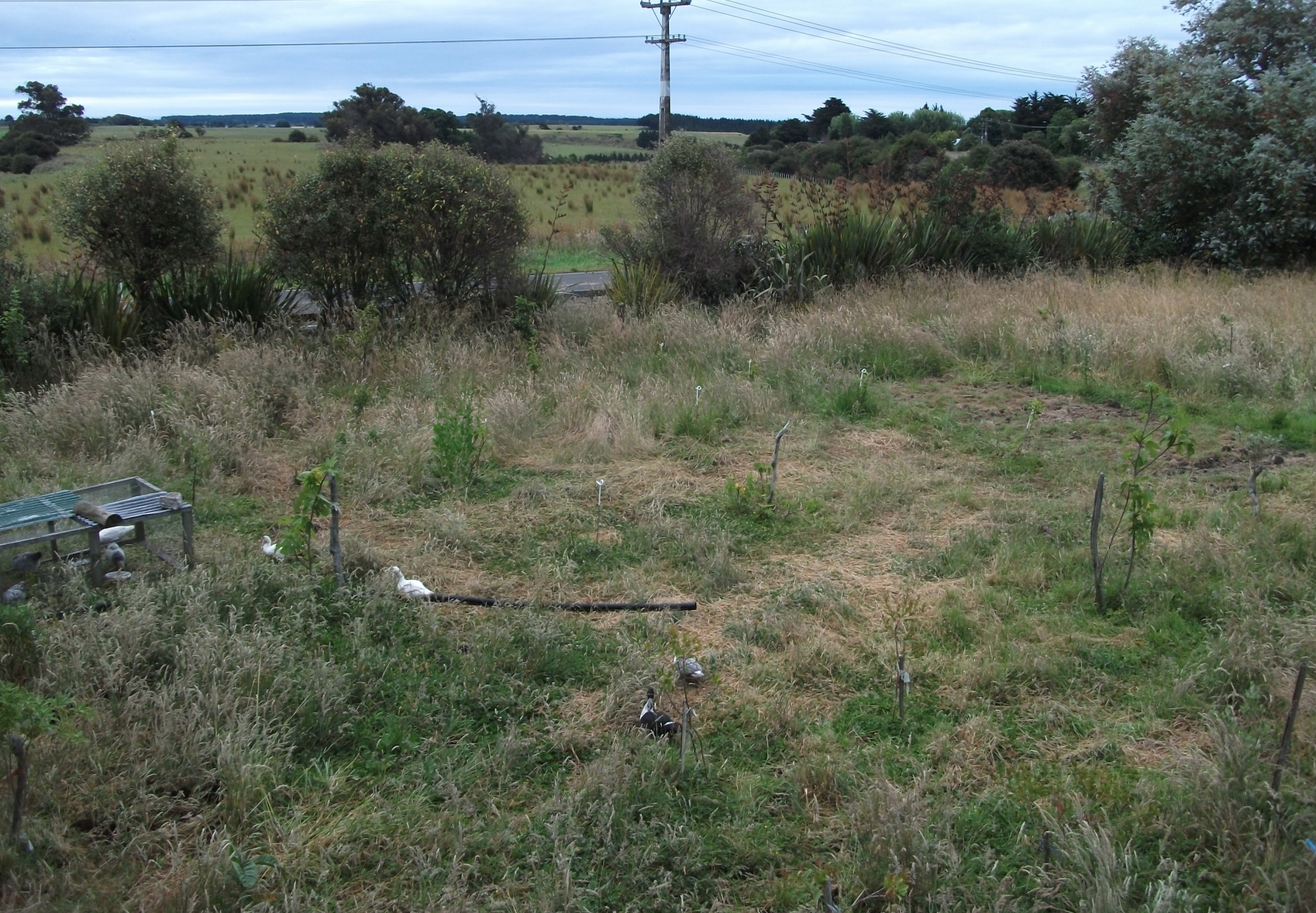
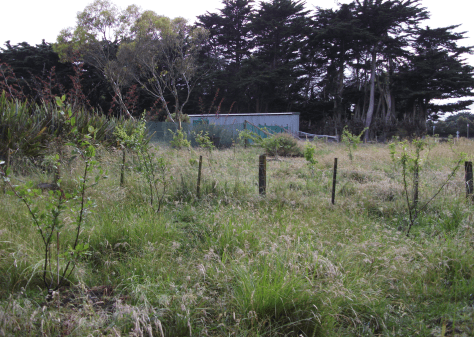
Our hugelkultur swale is now a year old. It is a thriving micro-ecosystem in what was formerly a worn out horse paddock. I’ll write more about it another time, but I wanted to post some images to mark its birthday.

The primary plantings are tagasaste, broad beans, lupine, and Jerusalem artichoke. Fruits include black boy peach trees, blueberry bushes, black currants, and kei apples. Other beneficial plants that have inhabited the swale include white clover, giant red clover, and plantain.

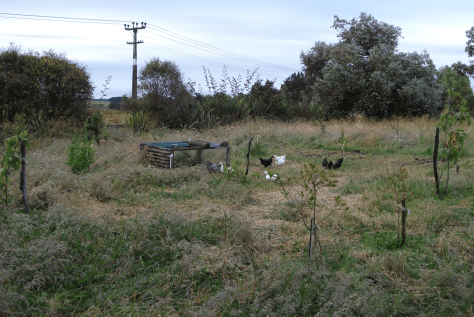
Kevin the rooster keeps an eye out from atop a chook tractor along the bottom edge of the swale.

Peace, Estwing
The Constant Composter

Composting is often an ongoing process on most permaculture properties. At any given time we will have 3 to 6 cubic metres of compost somewhere along the process.

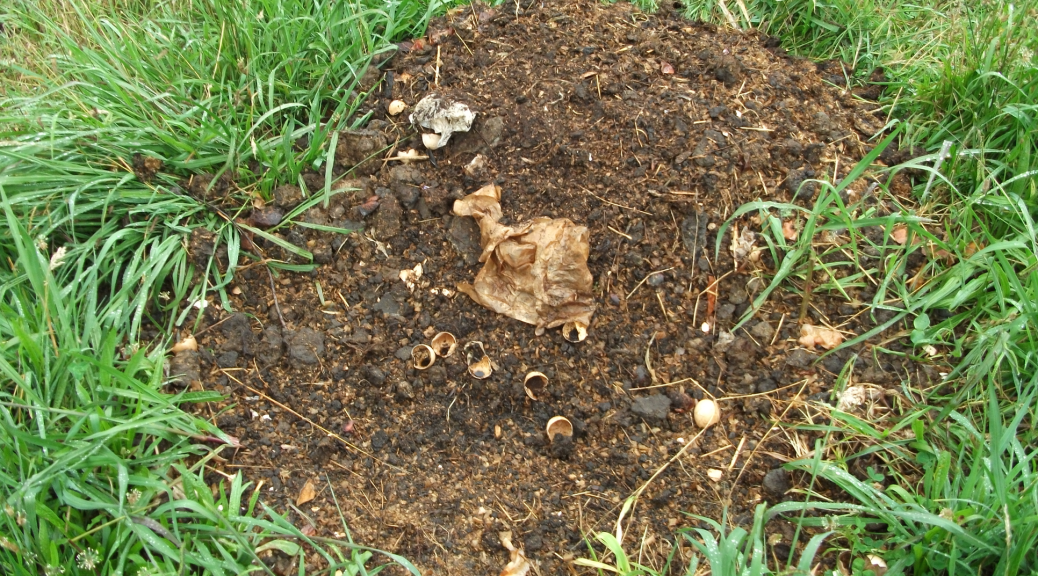
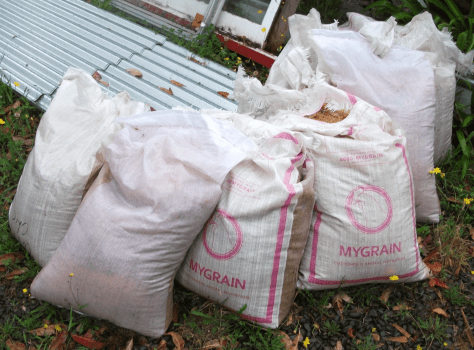
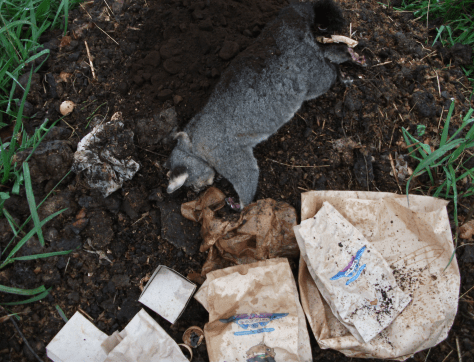
Also, we compost everything, including a lot of possums lately. But our basic ingredients are bedding (wood shavings) from our midwife’s chickens, sheep manure, kitchen scraps, and anything else that comes along. Well, almost anything (see below).

Here are the bags of shavings I just picked up.

Screen Shot 2016-01-27 at 5.27.18 pm

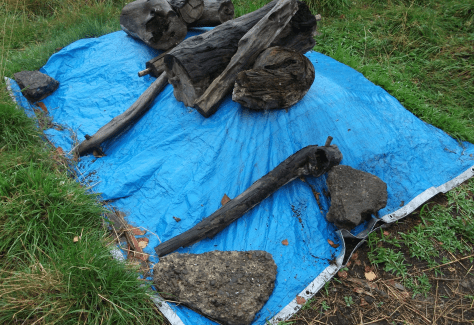
I keep the sheep poo under a tarp so it does not leach when it rains.

Screen Shot 2016-01-27 at 5.27.32 pm

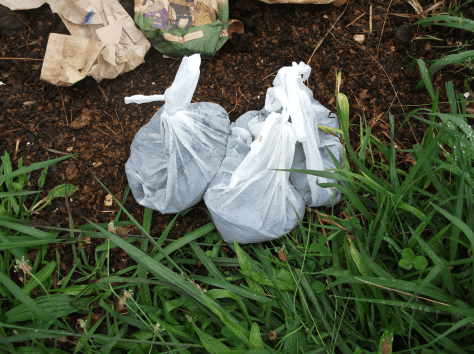
Here are the bags from our picnic earlier this week.

Screen Shot 2016-01-27 at 5.28.17 pm

Typical kitchen scraps that do not go to the pigs, ducks and chickens.

Screen Shot 2016-01-27 at 5.29.44 pm

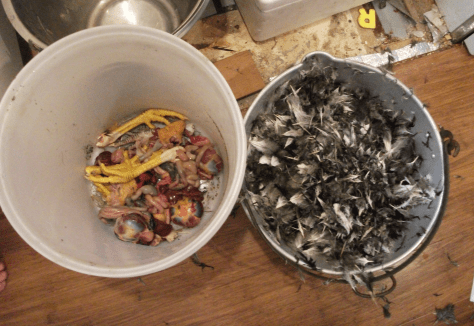
Chicken parts not fed to the pig, although she did eat all of the heads as soon as they hit the ground.

Screen Shot 2016-01-27 at 5.29.58 pm

We got these coffee grounds at the Zed petrol station on our way home. It is cool how all of their stations put the coffee grounds out front for people to collect.

Screen Shot 2016-01-27 at 5.29.10 pm

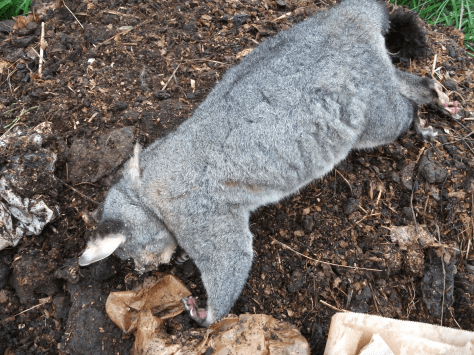
This is about the 10th possum we have trapped this summer.

Screen Shot 2016-01-27 at 5.28.25 pm

The lot is ready to be turned in.

Screen Shot 2016-01-27 at 5.29.21 pm

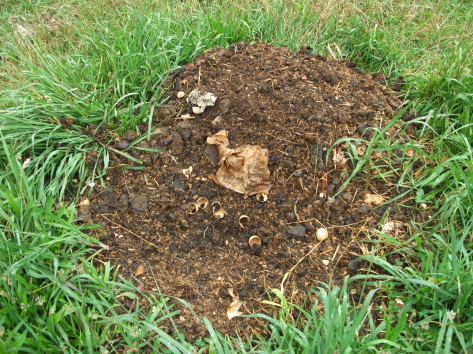
This pile has been built and is actively decomposing.

Screen Shot 2016-01-27 at 5.28.10 pm

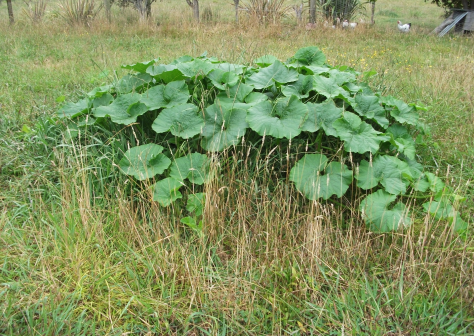
These two are done, but growing pumpkins at the moment.

Screen Shot 2016-01-27 at 5.27.55 pmScreen Shot 2016-01-27 at 5.28.02 pm

This one we are drawing off the finished compost as needed.

Screen Shot 2016-01-27 at 5.27.46 pm

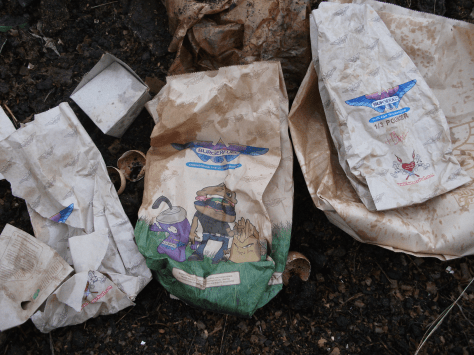
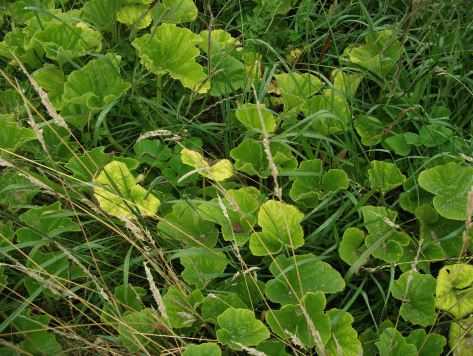
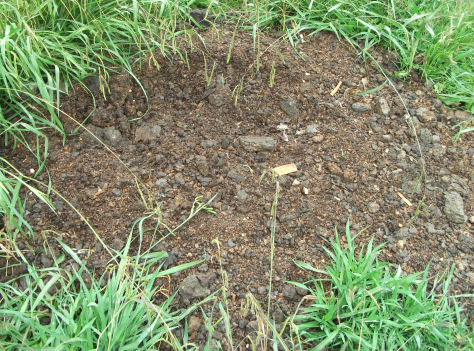
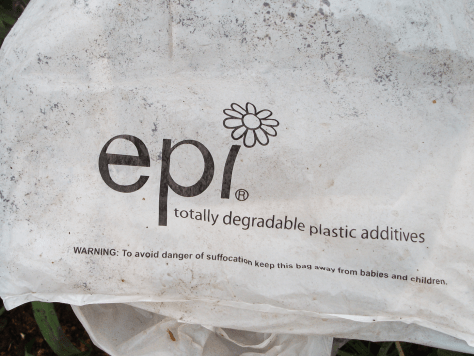
The only thing I won’t compost is that bloody bio-plastic. Worst product ever. Pure bullshit.

Screen Shot 2016-01-27 at 5.29.30 pm

Peace, Estwing
Harvesting

Love this time of year as we glide through mid-summer. This marks the start of an age of abundance that will last through April and into May. Tomatoes and courgettes are the current staples, but also an abundance of plums and a regular stream of strawberries. At the same time we look forward to the coming pumpkin and peach harvest, and after that the apples and pears, feijoas, guavas, figs and then citrus.

By then it will be time to plant garlic again.

We’ve also had a large and continual supply to potatoes, enough to sell surplus at the local market and barter with friends. Organic, local spuds appear to be another one of those niche products that can be sold in our local market. The colourful Maori potatoes can fetch $5 per kilogram. We have had no trouble with pests of diseases while growing spuds here for the last 18 months. Touch wood.


Peace, Estwing
When Water Flows Uphill

June brought an historic flood to our city. December was the driest on record.

Climate scientists have warned us to prepare for these types of extremes. They have certainly arrived around the world, and according to predictions will only increase in frequency and severity. No matter what happens post-Paris in terms of carbon emissions, the planet is already locked into decades of volatile weather.

What is your community doing about it? What are you doing about it?

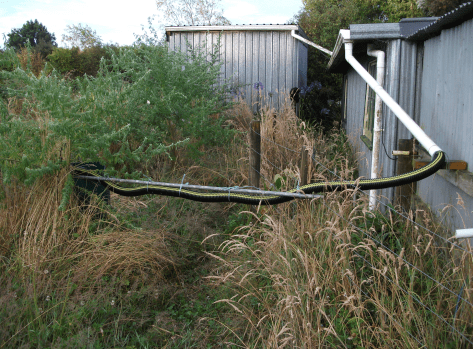
On our farm we have designed to address both drought and flood simultaneously. Here is one small example of how I am directing water to flow ‘uphill’ and over a swale to where it will be most useful to the black boy peach trees and blueberry bushes planted along the swale. The higher and longer we can hold water on the property the better. But at the same time we direct water away from buildings made of wood and steel.

This little water diversion project starts on the huge roof of our multi-shed complex. I’ve changed the spouting and run it into a section of Novaflo. In winter the same piece of Novaflo carries the water away from and to the side of the buildings. But for the dry summer I have decided to run the water uphill.

Screen Shot 2016-01-18 at 11.08.55 am

The weight of the water is so great that I’ve had to build a ‘splint’ to support the flexible pipe from the fence to the barrel.

Screen Shot 2016-01-18 at 11.09.17 am

Can never have too much baling twine!

Screen Shot 2016-01-18 at 11.09.26 am


As the barrel fills, the pressure forces water through the hose fitted to the bottom of the side. The hose will eventually be covered by stone as it crosses the road.

Screen Shot 2016-01-18 at 11.09.38 am

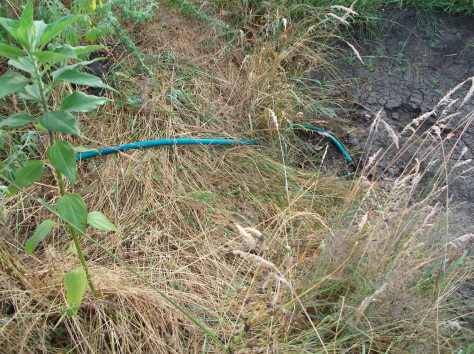
Then it climbs over the swale to the small pond dug behind it.

Screen Shot 2016-01-18 at 11.09.48 am

I checked it this morning after a small 5 mm shower last night. The bottom of the pond was very damp and the end of the hose was full of water.

Screen Shot 2016-01-18 at 11.10.01 am

Here is a reverse angle showing the water’s pathway up and over the swale. In winter the swale keeps water flowing down the hillside away from the buildings. But by the end of this dry December the ponds were dry and the small fruit trees were drying out. I was spending a lot of time watering them with a hose and decided that this project was to jump to the head of the line.

This hugelkultur swale was built one year ago and is already thriving compared with the worn out paddock around it.

Screen Shot 2016-01-18 at 11.10.15 am

My belief is that it’s fine and good and important to talk about cutting emissions and embracing non-carbon based energy sources. But it is equally important to prepare ourselves and our communities for the extremes of both wet and dry. Good design moderates them both for the better. To me it’s all about designing and building resilient systems. This is just one small example on one small farm in the corner of the world. It was made in a morning by materials laying around the place at no cost.

What do you think you can achieve at your place?


Peace, Estwing
Currant Affairs

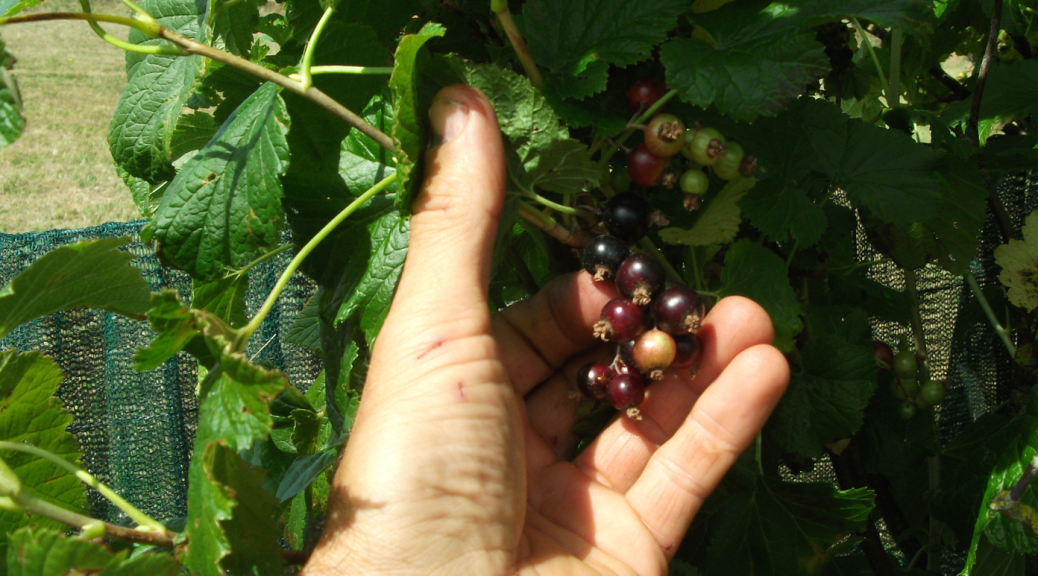
Our midwife recently invited us out to her place to pick currants.After about 40 minutes we had 2.8 kilograms. We brought them home and processed the lot into eight jars of black currant jam.

We swapped the currants for a couple of black boy peach saplings.

Last winter I pruned the currants for her and brought home the cuttings, which we propagated in the garden. About 80%-90% of them have taken, and so this winter we will plant them out – somewhere around 100 in total.

Small-Scale Agriculture: Be First or Be Best

Making it in farming is hard at every level, but especially for smaller producers. My philosophy involves minimising inputs and maximising outputs using good design and management techniques.

But at the end of a growing season there is always the challenge of selling the crop. Here my philosophy is two-fold: be first or be the best. In other words, if you can be early to market before anyone else you can charge a premium. For example, I saw sweet corn selling 3 for $5 this week!

If you can’t be first then be the best. We grow absolutely phenomenal organic garlic. For anyone who likes to eat or cook, little can compare with starting a meal with olive oil and garlic in a pan.

It is nice to see that there is a surge of interest in quality food and local food. It’s especially nice to see that many “millennials” spend their money on good food (and good beer) rather than bog standard consumerism.

I’ve been growing garlic for over a decade and this year’s crop is truly superior. With proper curing and storage we have eight months to sell it – not a problem when you’ve got the best.

Peace, Estwing
New Year Permaculture Update

Happy New Year. We are looking forward to a great 2016. There is so much going gone here at Kaitiaki. The plants and animals are hard at work rehabilitating this old horse property.

Screen Shot 2016-01-03 at 5.19.54 pm

The plums are days away…

Screen Shot 2016-01-03 at 5.18.55 pm

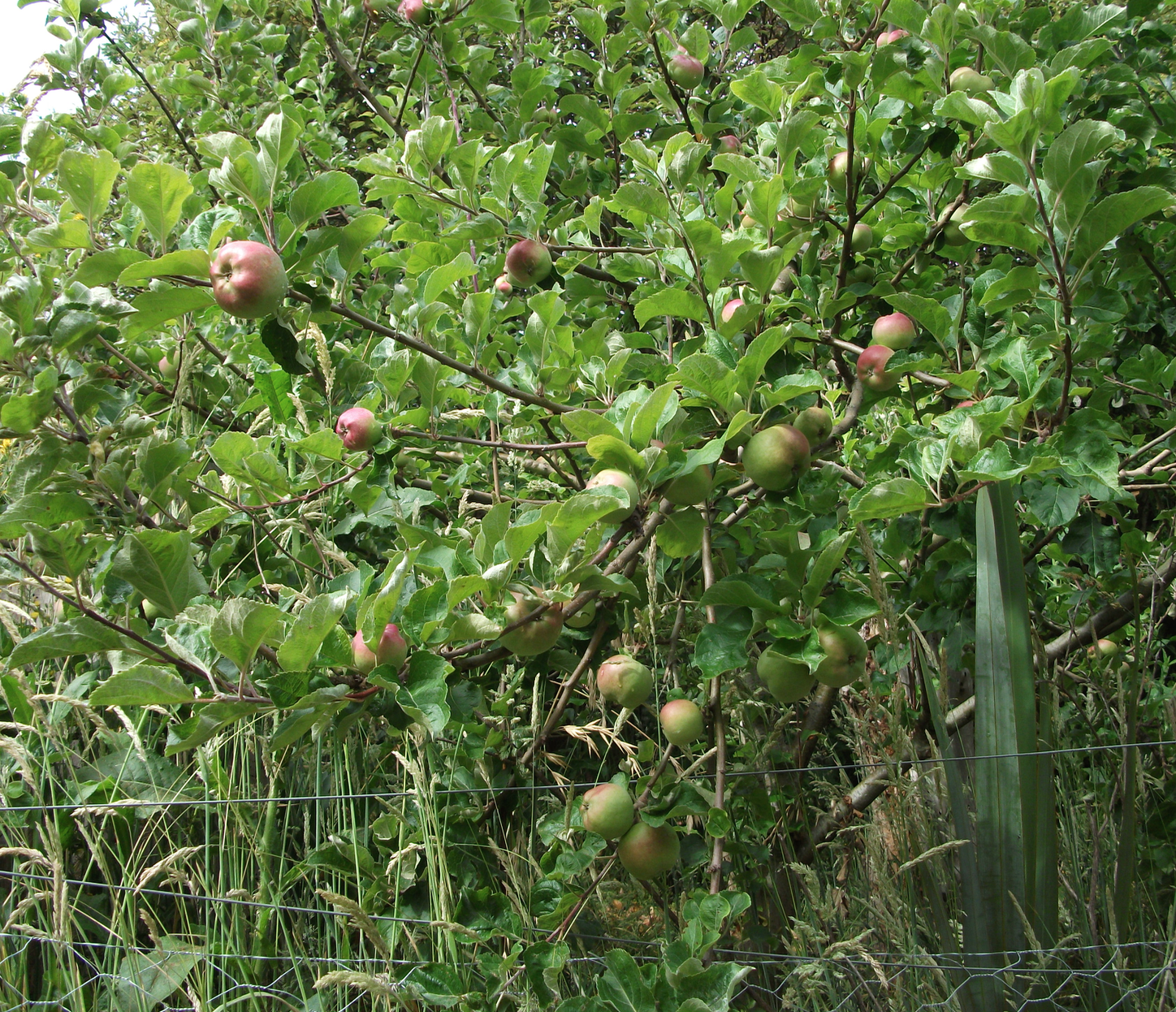
but the apples are still months away.

Screen Shot 2016-01-03 at 5.19.05 pm

These Monty’s Surprise apples won’t be ready until April.

Screen Shot 2016-01-03 at 5.19.19 pm

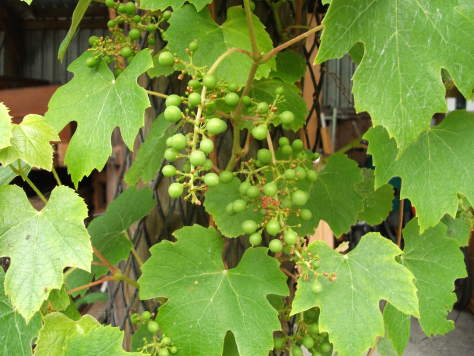
Our first crop of grapes is taking form.

Screen Shot 2016-01-03 at 3.32.17 pm

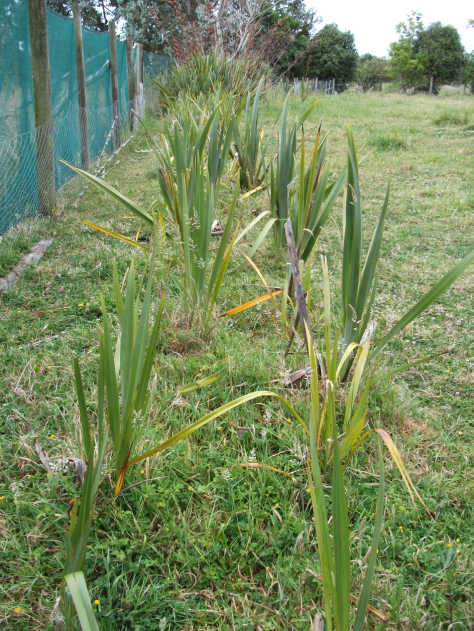
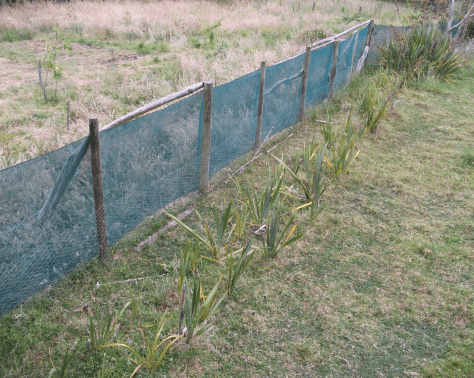
For me, one of the greatest feelings is being able to look at something I started nearly a year and a half ago, and is really taking shape now. I divided these harakeke flax during winter 2014 and planted them into a windbreak. Here they are today.

Screen Shot 2016-01-03 at 3.32.48 pm

Ultimately the netting will be taken down and replaced by the living wind break.

Screen Shot 2016-01-03 at 3.33.07 pm

I just finished a protected chick rearing area.

Screen Shot 2016-01-03 at 3.33.31 pm

Here is a mixed flock of chicks and ducklings.

Screen Shot 2016-01-03 at 3.34.35 pm

The food forest has gone from flood this winter to drought, but luckily we did get rain today.

Screen Shot 2016-01-03 at 3.33.53 pm

This is a reverse angle of the previous photo.

Screen Shot 2016-01-03 at 3.34.25 pm

A mixed flock of chooks and ducks manage the orchard.

Screen Shot 2016-01-03 at 3.34.47 pm

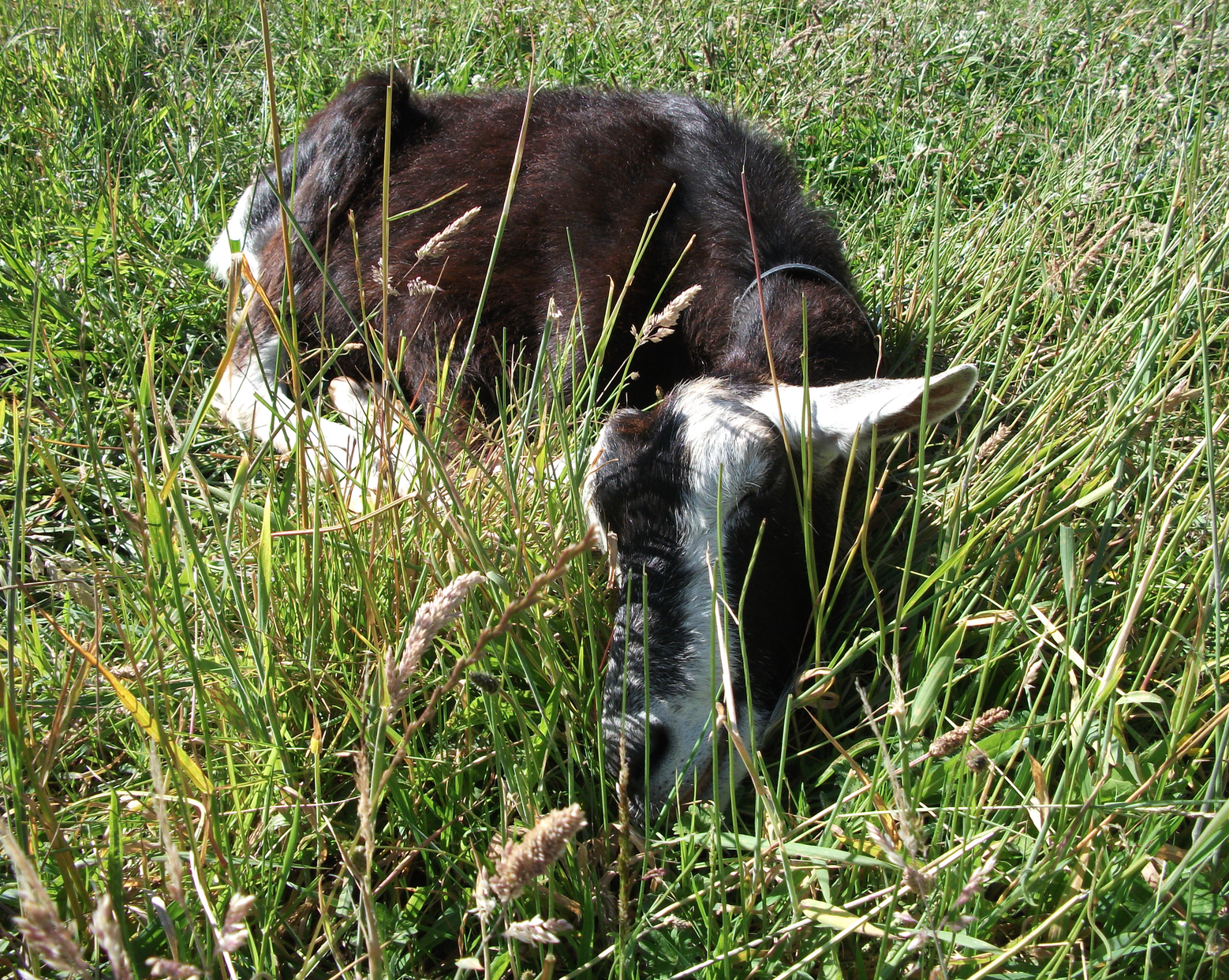
Sleeping on the job.  Screen Shot 2016-01-03 at 3.39.34 pm

But at least someone is hard at it.

Screen Shot 2016-01-03 at 3.41.00 pm


Peace, Estwing