Category Archives: Eco Thrifty Life

Raising Backyard Chickens

Below  is a link to another article I wrote for Fix.com:   http://www.fix.com/blog/raising-chickens-at-home/

Screen shot 2015-04-18 at 10.03.00 AM

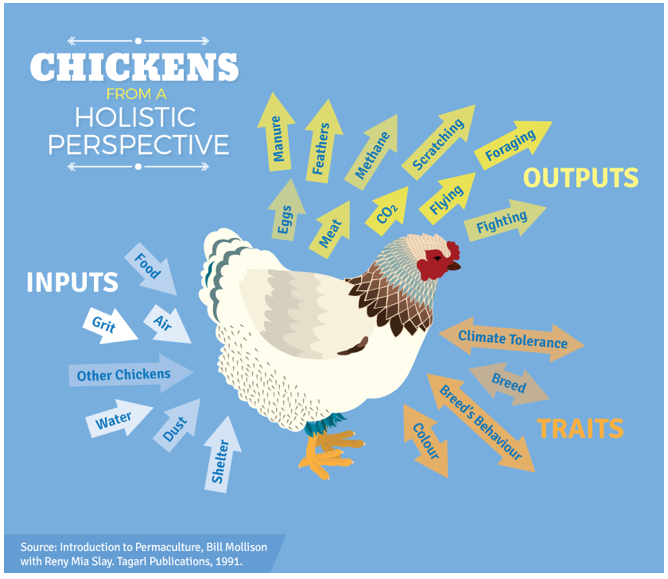
Their graphic artists have done a terrific job. Here is their version of the iconic permaculture diagram of a chicken.

Screen shot 2015-04-18 at 10.03.16 AM

They have done a great job of making our little chook shed look presentable.

Screen shot 2015-04-18 at 10.03.26 AM

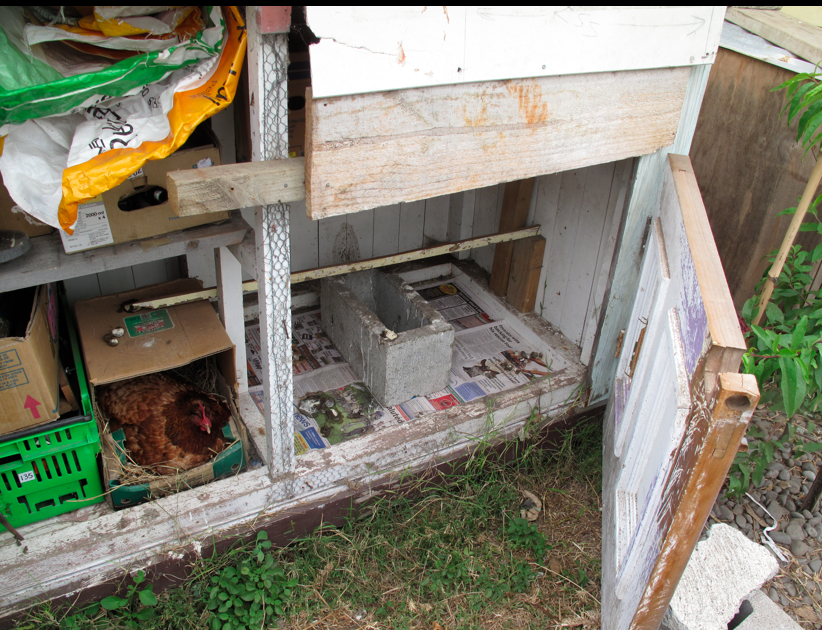
This is what it really looks like.

Screen shot 2015-04-18 at 10.12.04 AM

Same with the tractor.

Screen shot 2015-04-18 at 10.03.34 AM

Here is what ours looks like in our food forest.

Screen shot 2015-04-18 at 10.13.48 AM

And finally, a clear graphic for clipping wings.     Screen shot 2015-04-18 at 10.03.43 AM

Screen shot 2015-04-18 at 10.11.32 AM

 
Source: Fix.com

Peace, Estwing

Local Innovation

Editor’s note: This is my regular weekly column in the Wanganui Chronicle.


Periodically we hear talk of “innovation” in and around our River City. The term is spouted, touted and the “innovators” are outed. But from what I can tell, innovation must be a lot like beauty: it is in the eye of the beholder. In other words, many of the so-called innovations are simply not very original and/or useful to society.

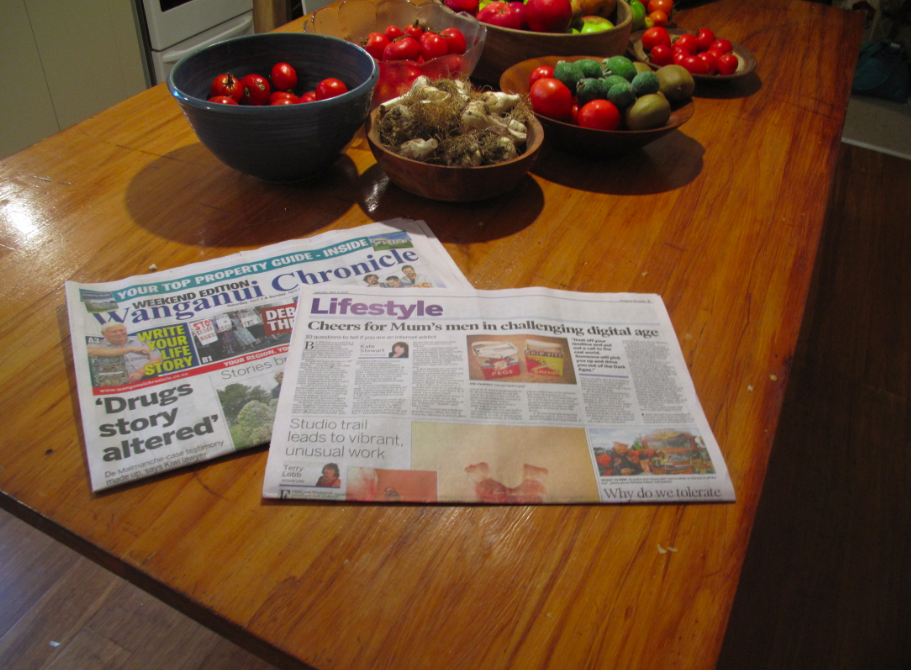
Meanwhile, what I consider one of the most innovative local businesses has gone unrecognized for its success and even moderate growth despite considerable headwinds. Who is that business? You’re holding it. Screen shot 2015-04-17 at 6.11.25 AM
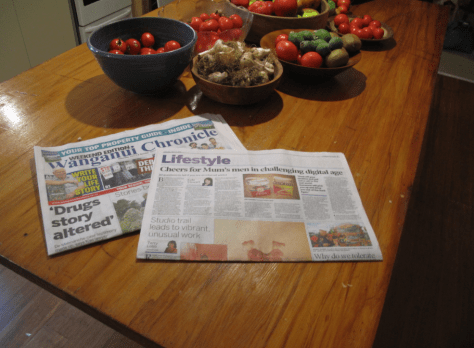
The Wanganui Chronicle is a thriving regional newspaper in an age of global print media decline. For example, the New Orleans Times Picayune reduced its print run to a Wednesday/Friday/Sunday schedule in 2012. The New Orleans metropolitan area has a population of around 1.2 million. Compare that to the Whanganui region.

I’ll admit that New Orleans had been through hard times, so I’ll give another example. In 2009, the new owners of the Boston Globe – one of the finest newspapers is America – aggressively pursued $20 million (US) in cost savings due to decreasing revenues.

As with any business, there’s income and expenses. As income is squeezed and expenses rise or remain static, innovation is essential. Although there are probably many innovations of which I am unaware, I’ll mention a few here.

Three years ago this week the Chronicle launched its tabloid-style Monday-Friday paper and its new-look weekend broadsheet edition. These changes were accompanied by the beginning of a trend in regular local columnists of which we three on page B5 were the first. (Happy Anniversary Terry and Kate!) With over a dozen local writers now contributing regular weekly columns, the Chronicle is supplied with abundant, relevant, and shall we say “cost effective” content to fill the pages with issues that matter to our community.

Let’s classify the above changes to the Chronicle as right-sizing and using local resources. From one perspective, these can be considered eco-thrifty strategies. Add to these the fact that APN shares printing presses with rival publisher Fairfax, and you have a series of innovative, cost-effective measures that ensure our local paper continues to publish six days a week.
Screen shot 2015-04-17 at 6.10.45 AM

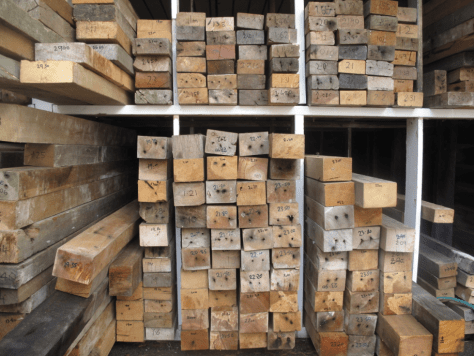
Another innovative organisation I discovered recently in Palmerston North is Reclaimed Timber Traders. To put it bluntly, I am amazed by this organization. From their website:

“In an effort to contribute to a more sustainable environment and conserve native forests, we are recycling treated and non-treated timber that would otherwise go to landfill here in The Manawatu, extending to other regions in the near future.

Whilst providing employment, training and social opportunities for disadvantaged and unemployed in our community.”

The environmental benefits of RTT are clear and admirable, but the social benefits are truly impressive. Also from their webiste:

“Some of us at RTT have faced barriers to working, and as a Social Enterprise we actively try to help others find employment by offering work experience and volunteering opportunities. Many of our volunteers have found employment.

We provide a supportive family / whanau environment to encourage life and social skills in order to raise self worth, and work readiness to reduce unemployment and associated negative outcomes. E.g. imprisonment and suicide.”

If that was not enough to earn this tiny organisation huge praise, they also provide shipping containers full of reclaimed building materials to international disaster areas. This function is facilitated by their charitable arm, Human Aid Focus.

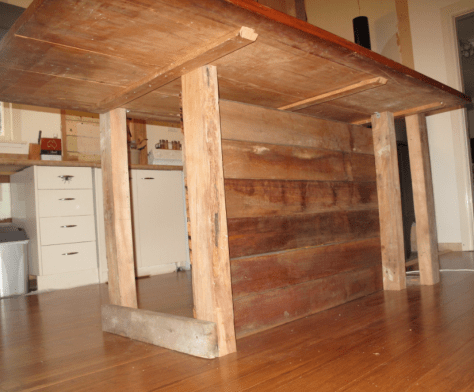
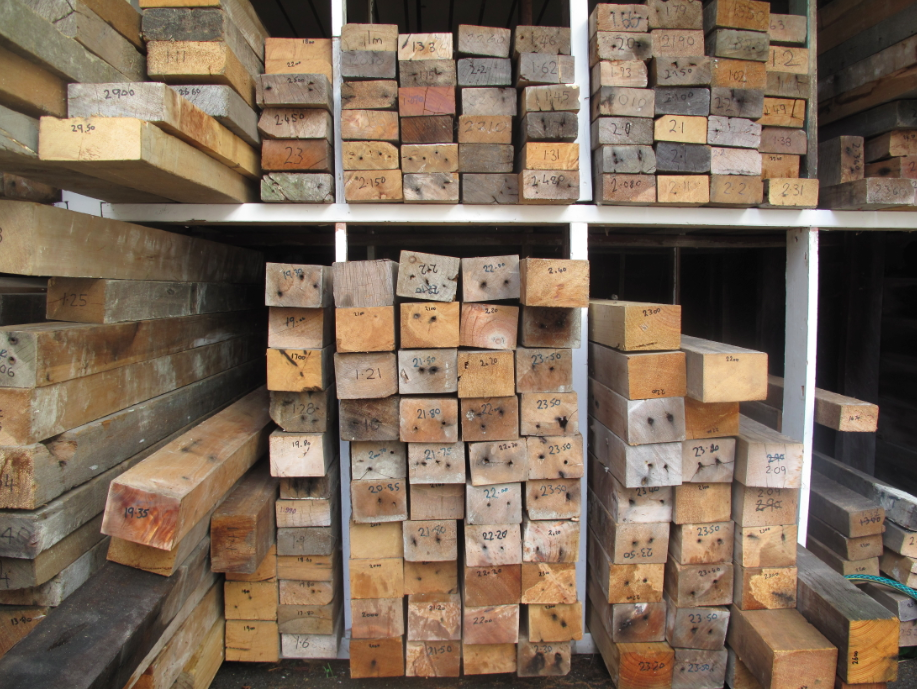
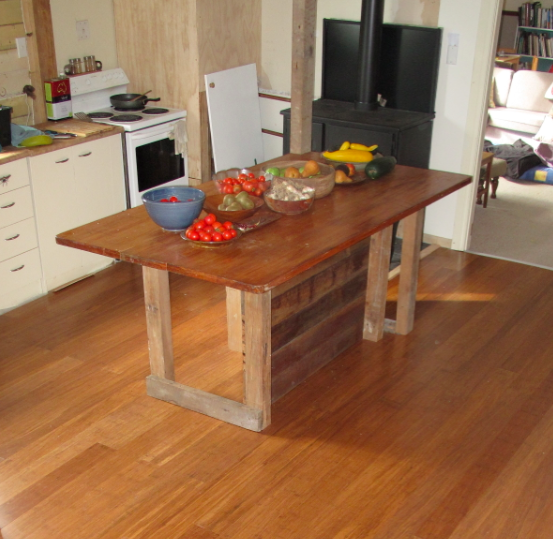
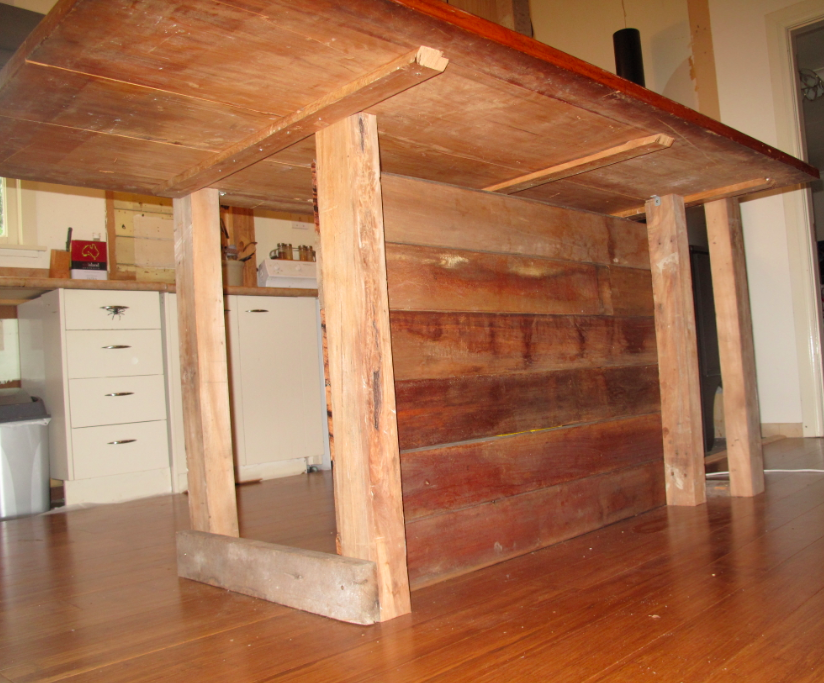
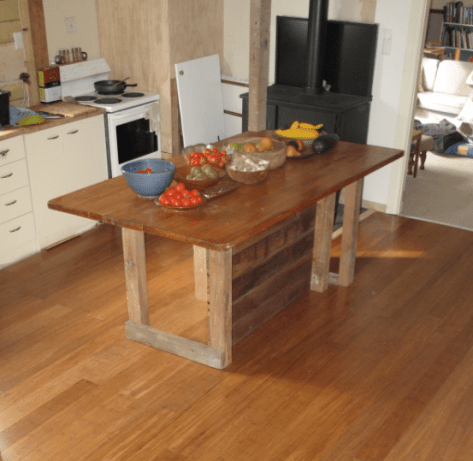
I recently purchased a selection of native timbers to frame a kitchen island. While the top is a reclaimed rimu bar I bought on Trade Me last winter, the matai legs come from RTT, and the tounge and groove is the former lean-to ceiling of our Castlecliff villa. Total cost: $107. Screen shot 2015-04-17 at 6.11.00 AM
Screen shot 2015-04-17 at 6.11.14 AM

If you would like more information about Reclaimed Timber Traders or Human Aid Focus, their website is: www.reclaimedtimbertraders.co.nz


Peace, Estwing
Permaculture Update: Part Two

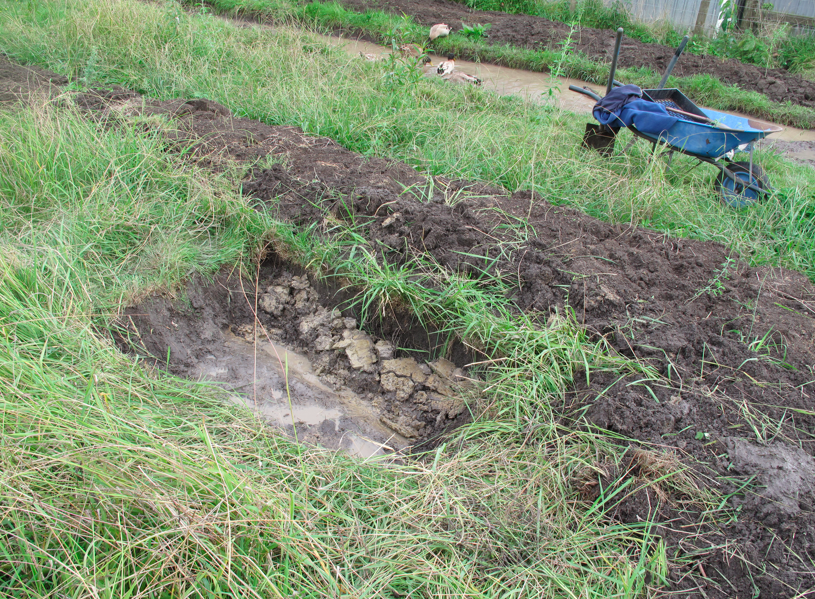
Well, it did not take long for our new “pond” to fill.

Screen shot 2015-04-13 at 11.25.57 AM

Overnight it filled with another 20-30 mm of rainfall. Now in the last 6 days we are approaching 150 mm (6 inches) of rain. Now I am thinking less about swales and more about drains. This building is at the foot of a slope and has received a lot of water in the past.

Screen shot 2015-04-13 at 11.26.07 AM

The rubble road we are building also acts as a drain for this building made of steel and wood – neither of which like water.

Screen shot 2015-04-13 at 11.26.16 AM

The water flows away from the shed and also away from the house, which suffers from serious drainage issues at the moment.

Screen shot 2015-04-13 at 11.26.27 AM

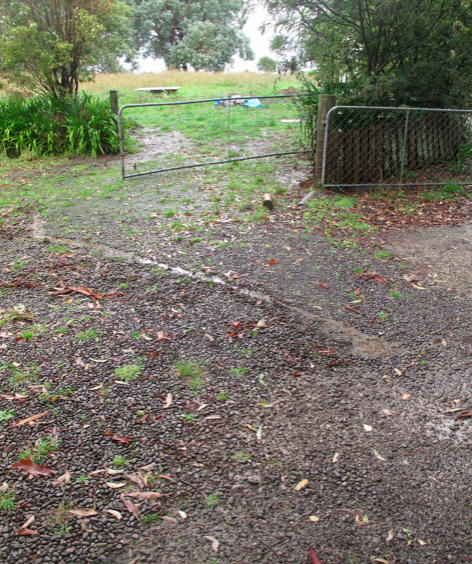
The swale has actually decreased the amount of water flowing through this gate and down the drive toward the house. That alone is a huge benefit of the swale.

Screen shot 2015-04-13 at 11.26.39 AM

Closer to home, the drain I finished last weekend is working well. It takes the water coming down the concrete pad next to the house…

Screen shot 2015-04-13 at 11.26.48 AM

…and directs it under the house…

Screen shot 2015-04-13 at 11.26.57 AM

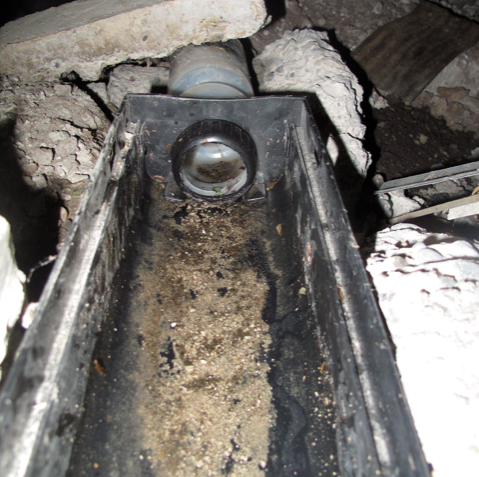
…through a bicycle water bottle adapter (no joke) and into novoflow flexible piping under the house and out the other side.        Screen shot 2015-04-13 at 11.27.05 AM

With water it always seems like too much or too little, and the climate scientists warn us that we’ll be getting more of both in the future. Buckle up for a bumpy ride.


Peace, Estwing
Early Autumn Permaculture Update

After an amazingly long summer it feels that autumn is finally here. I wore my winter wetsuit surfing yesterday for the first time since October. I’ve put new fire bricks in the wood burner and it looks like this will be the week to light it.

After a significant dry spell, we have had 100+ mm of rain in the last 4 days. As a result of that we have an unexpected pond on our property.

Screen shot 2015-04-12 at 10.47.16 AM

Truth be told, it is not unexpected, just not in the space planned for it.

Screen shot 2015-04-12 at 10.47.43 AM

We have been building a swale in combination with a rubble road and a raised area to plant avocado trees.

Screen shot 2015-04-12 at 10.47.51 AM

But at the moment the pond is in the excavated area for the rubble road and not behind the swale.

Screen shot 2015-04-12 at 10.48.02 AM

Just for fun I started digging the pond today. Under about 250 mm of topsoil is a clay pan.

Screen shot 2015-04-12 at 10.48.11 AM

Ultimately we can line the walls of the pond with the clay so it holds water longer.

Screen shot 2015-04-12 at 10.48.20 AM

 But it’s all good. The ducks love the temporary pond, and why spoil their fun.

Screen shot 2015-04-12 at 10.48.29 AM

Peace, Estwing

Eco-Thrifty Renovation by the Numbers

     Screen shot 2015-03-31 at 10.14.34 AM

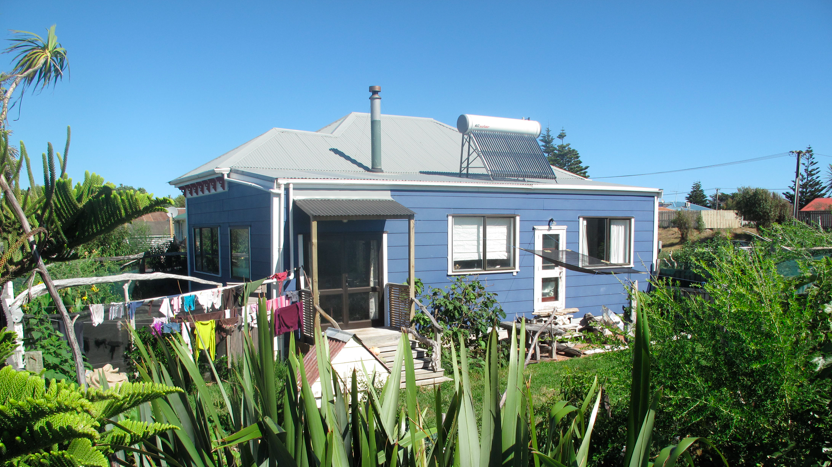
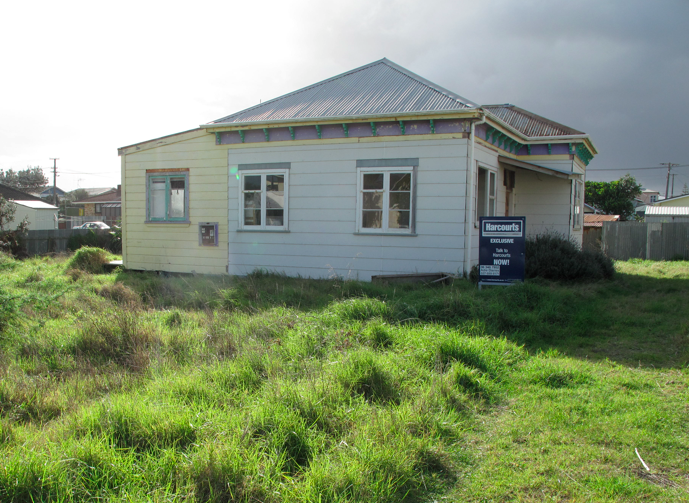
Abandoned villas: 1

Screen shot 2015-03-31 at 10.15.00 AM

Smashed windows: 13

Screen shot 2015-03-31 at 10.15.14 AM

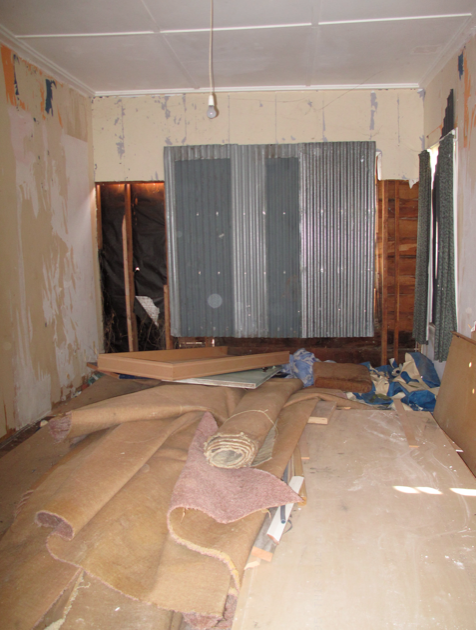
Functioning power points: 1

Functioning toilets: 0

Screen shot 2015-03-31 at 10.15.58 AM

Holes in the roof: 1001

Villa size: 110 M2

Property size: 700 M2

Proximity to surf beach: 300 meters

Purchase price: $65,000

Renovation costs: $65,000

Total investment: $130,000

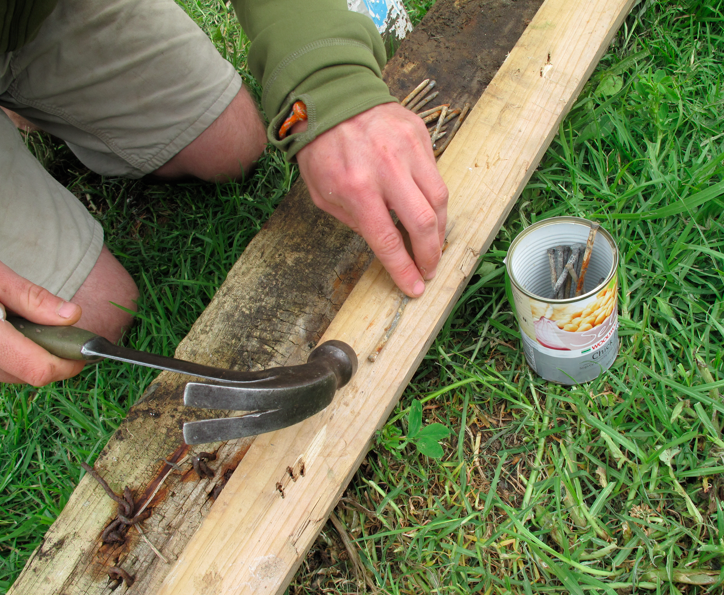
Straightened nails: Countless

Screen shot 2015-03-31 at 10.19.53 AM

Celebrity guests: 2

Screen shot 2015-03-31 at 10.24.27 AM

Homebirths: 1

Screen shot 2015-03-31 at 10.30.14 AM

Earth Care

Monthly power usage: 60 kWh

Average NZ home power usage: 660 kWh

Savings per month: 600 kWh

Savings over 4 years: 28,800 kWh

Ceiling insulation: R 5.0  (NZBC minimum: R 2.9)

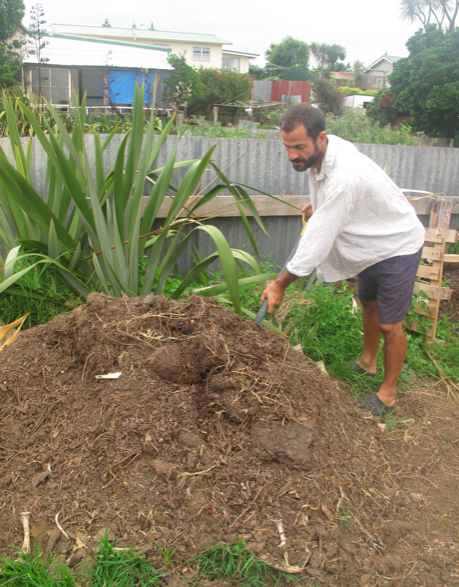
Cubic meters of compost: 14

Screen shot 2015-03-31 at 10.17.48 AM

Fruit trees: 46

Screen shot 2015-03-31 at 10.33.14 AM

Vege gardens: 50 M2

Screen shot 2015-03-31 at 10.21.45 AM

Chooks: 4

Ducks: 3

Lawn mowers: 0

 Screen shot 2015-03-31 at 10.23.05 AM

People Care

Interns: 6

Screen shot 2015-03-31 at 10.17.01 AM

Free & gold coin community events: 73

Open homes: 4

Property tours: 7

Screen shot 2015-03-31 at 10.15.42 AM

Presentations: 38

Workshops: 16

School groups: 9

Screen shot 2015-03-31 at 10.26.55 AM

Spin-off projects: 6

Project HEAT

Screen shot 2015-03-31 at 11.20.39 AM

The Little House that Could

Screen shot 2015-03-31 at 11.21.13 AM

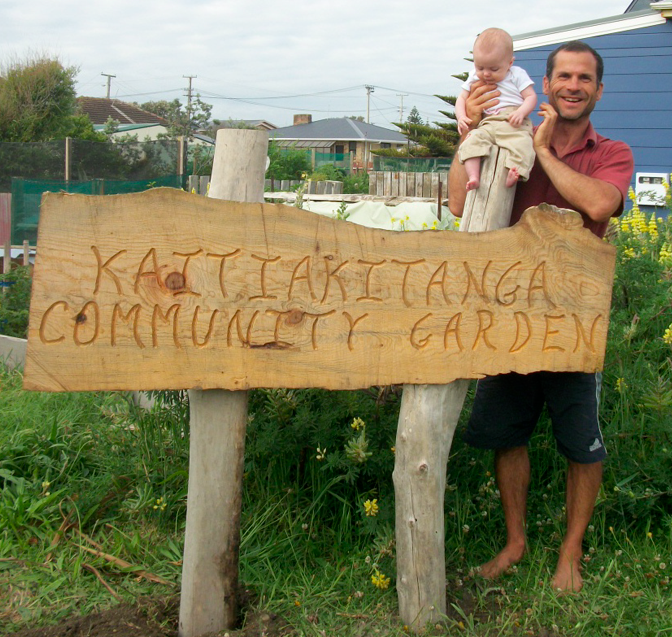
Kaitiakitanga Community Garden

Screen shot 2015-03-31 at 10.32.00 AM

Eco-Thrifty Renovation, Wanganui Chronicle

Adult Eco-Literacy Week

Whanganui Permaculture Weekend


Fair Share

 Blog posts: 668

Newspaper columns: 176

Screen shot 2015-03-31 at 10.32.30 AM

Free healthy home consultations: 103

Partnerships with other groups: 20+

Volunteer hours: 1,000+

Pirated photos (from us): Countless

Screen shot 2015-03-31 at 10.37.28 AM

Screen shot 2015-03-31 at 10.34.43 AM

 Screen shot 2015-03-31 at 10.38.59 AM

Simplest Crop Rotation on Earth

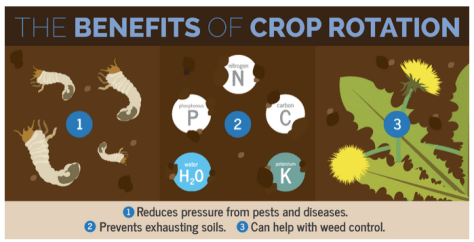
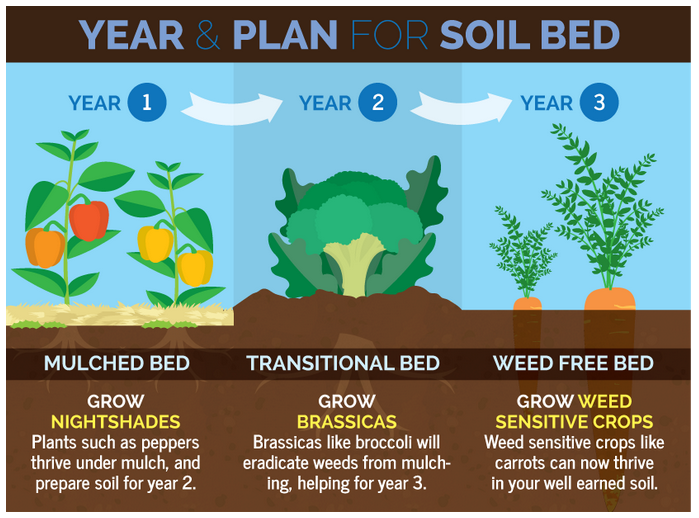
Fix.com contracted me to write an article on crop rotation. I suggested a four-year rotation, but they thought three years would be easier for beginner gardeners to understand.

Screen shot 2015-03-31 at 9.30.20 AM

With the word limit I was working to, this is the best I could do, although the editors added sections on nutrient cycling and carbon cycling.

Screen shot 2015-03-31 at 9.32.02 AM

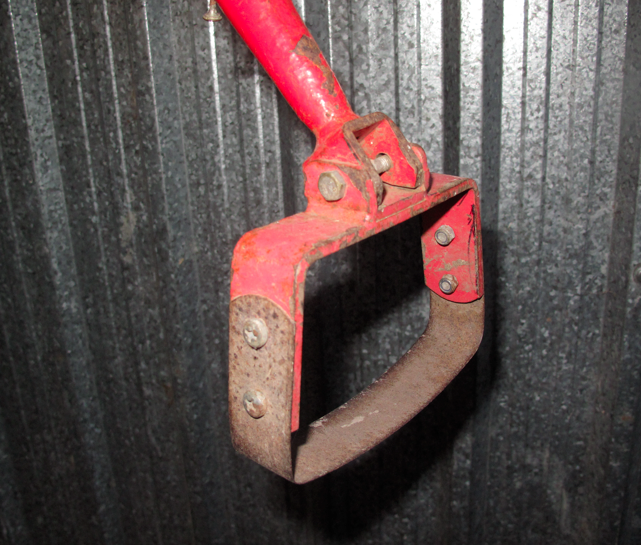
FYI, here is what a stirrup hoe looks like.

Screen shot 2015-03-31 at 9.33.51 AM

Here is the link to the article: http://www.fix.com/blog/three-year-garden-crop-rotation-plan/ Here is the cool infographic they made. <a href=”http://www.fix.com/blog/three-year-garden-crop-rotation-plan/”><img src=”http://www.fix.com/assets/content/15554/easy-crop-rotation-embed-large.png&#8221; border=”0″ /></a><br />Source: <a href=”http://www.fix.com”>Fix.com</a&gt;     Peace, Estwing

Patterns in Maths, Music, Nature and Art

It is Artists’ Open Studio Weekend in Whanganui. Here is my regular column in the Wanganui Chronicle.     Screen shot 2015-03-27 at 9.21.00 AM

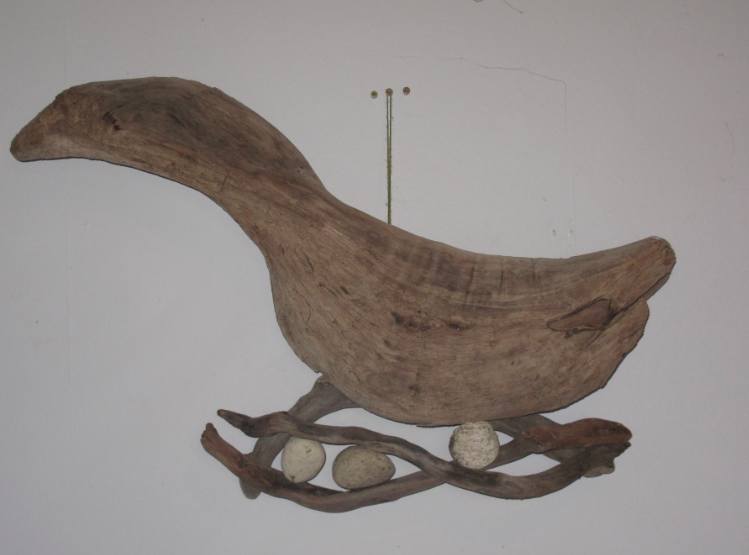
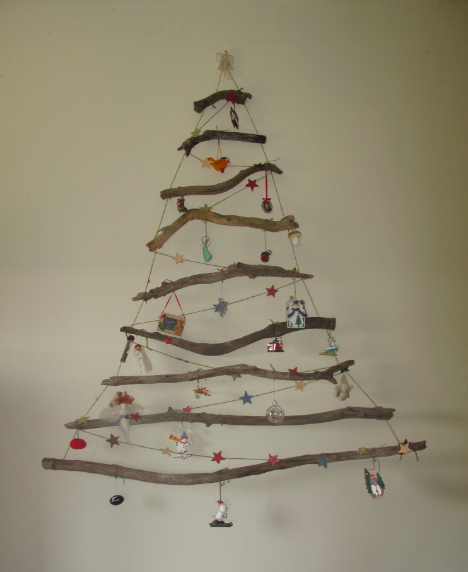
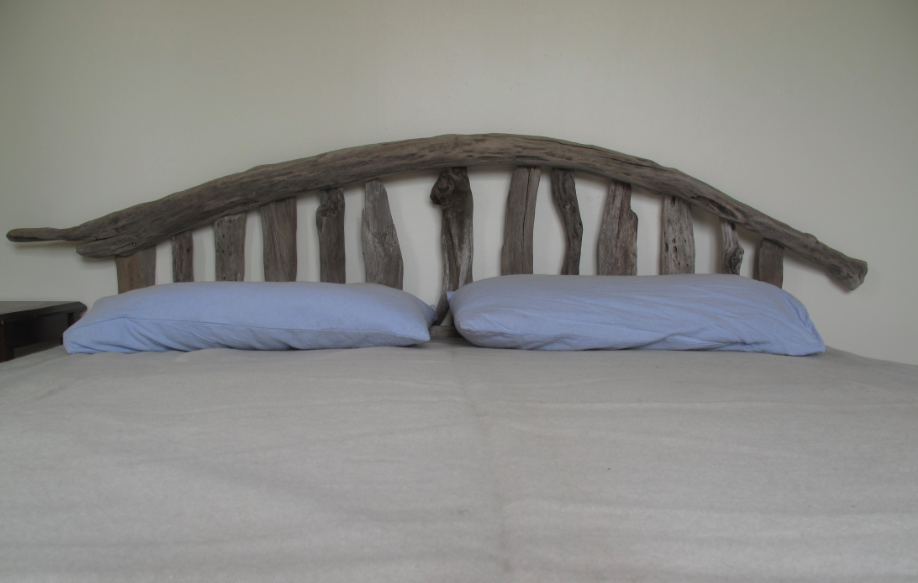
We love the arts in our household: during daylight hours the radio is playing music; we have impromptu dance parties in the lounge; and a collection of visual art is slowly establishing itself. Our daughter, Verti, regularly engages in artistic activities: painting, singing, playing “moozik.” Coming from a family of mathematicians, I am aware of the connection between music and maths. My calculating mum brought a second-hand piano into our home hoping that my brother and I would play. Research has shown that those who learn to play a musical instrument in their early teenage years also develop their mathematical abilities. But he and I were both far too involved in sport to give the piano a chance. None the less, my brother went on to study maths in university and became a maths teacher (and coach of football aka ‘gridirion’ and track & field aka ‘athletics’). I struggled through with calculus and then threw in the towel. But as I have grown older I have gravitated back to maths through my work as an eco-designer. Screen shot 2015-03-27 at 9.21.29 AM Eco-design is about recognizing and designing for patterns. My growing affinity for maths made sense when I heard this quote from Professor of Mathematics at Oxford University, Marcus du Sautoy. In a BBC interview about the connection between music and maths he said that, for him, maths has less to do with algebraic equations and that, “A mathematician is a pattern searcher.” His words resonated with me on many levels: As an education researcher I search for patterns in data. As an organic gardener I seek patterns that evidence early signs of insect or disease damage. As an avid beachcomber I search for patterns in driftwood that indicate native hardwoods instead of soft pines, poplar or willow. Much of the artwork in and around our Castlecliff home came directly from Castlecliff Beach. These include decorations for our daughter’s nursery…

Screen shot 2015-03-27 at 9.20.21 AM

Screen shot 2015-03-27 at 9.20.33 AM

a Christmas tree we have used for three consecutive years…

Screen shot 2015-03-27 at 9.20.49 AM

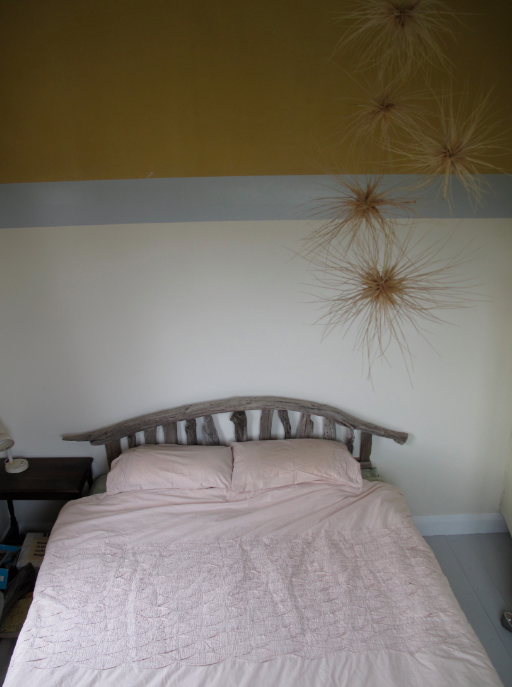
numerous surfboard racks, a headboard for our bed,…

Screen shot 2015-03-27 at 9.21.10 AM

and a seesaw.

Screen shot 2015-03-27 at 9.20.41 AM

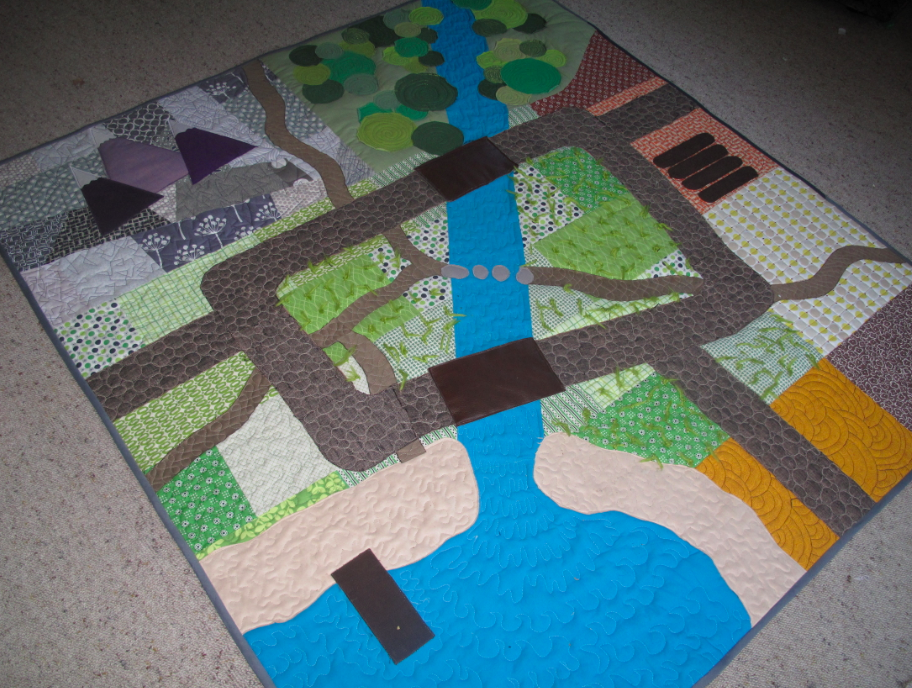
In each case the natural form of the driftwood determined its manifestation into a work of art. In our new home, which is sadly 10 kilometers from the beach, artwork is taking a very different form. Verti’s talented aunty quilted an amazing playmat for her that is a stylised map of the region including the city, Mount Ruapehu, Whanganui National Park, te awa, agricultural land, and even the North Mole. What is especially amazing is that aunty used different stitching patterns for the fabrics representing the different parts of the region: mountains; cobbles, sand dunes; flowing water; and even waves.

Screen shot 2015-03-27 at 9.22.08 AM

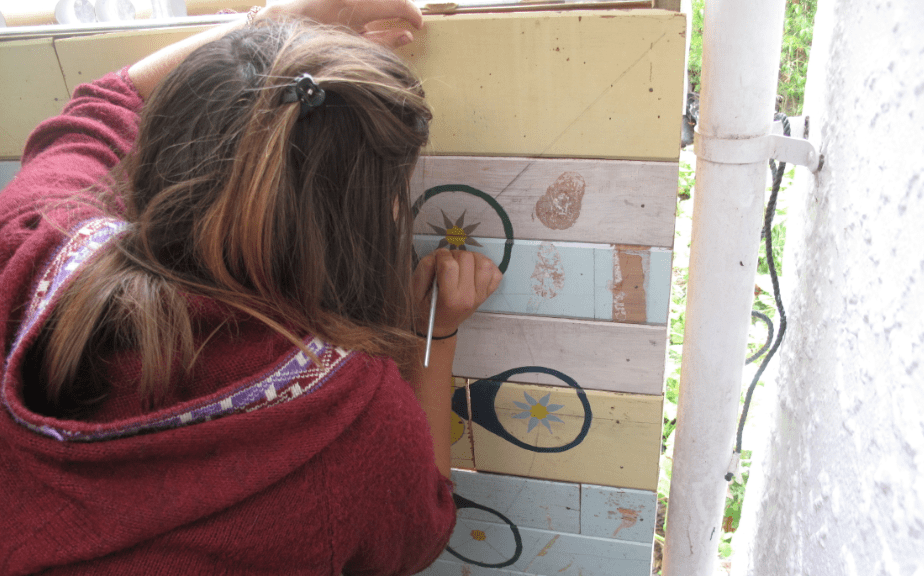
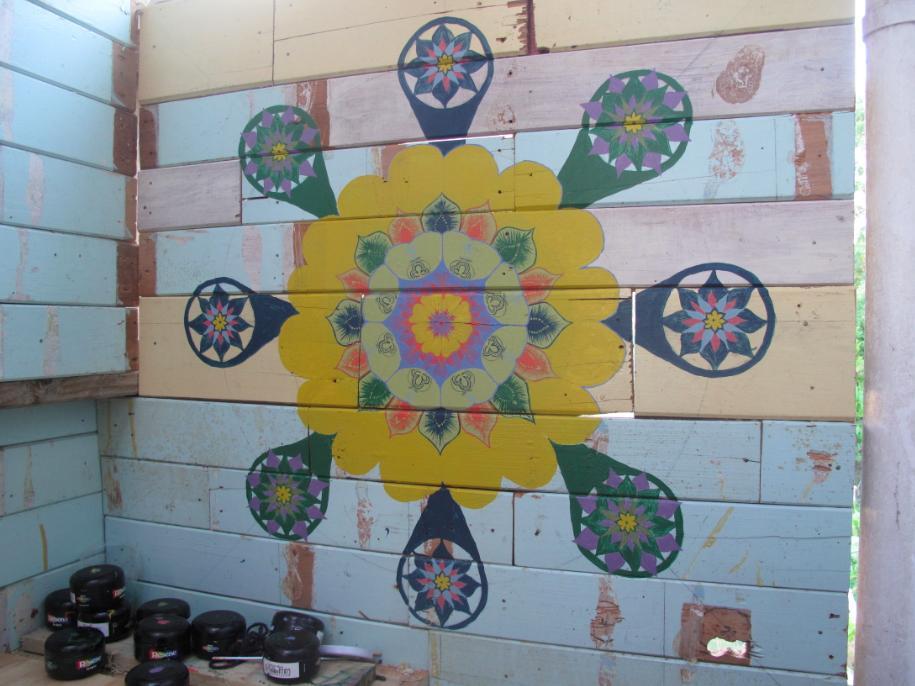
Another amazing work of art that is taking form in our new home is a mandala being painted by our intern, Luna. She is painting it as a feature wall on some old tongue and groove rimu that we decided to re-purpose as a canvas. Pattern is the basis for a mandala, and it is easy to see that Luna’s many hours of meticulous brushwork has gifted us with an amazing piece.

Screen shot 2015-03-27 at 9.22.18 AM

Peace, Estwing

Equinox: Honoring the Sun

Screen shot 2015-03-21 at 7.02.24 AM

We’ve reached the autumnal equinox and there is probably not a person in the city that would not say what a glorious summer we have had. Plenty of sunshine, light winds, and, after an initial dry spell, enough rain to green up the pastures and the garden.

But, like it or not, summer will come to an end, and the equinox is a reminder that we are tipping toward winter with the hours of daylight becoming shorter than hours of darkness for the next six months. It is also a timely reminder of how valuable the sun is to life on earth, and what a difference its absence can make.

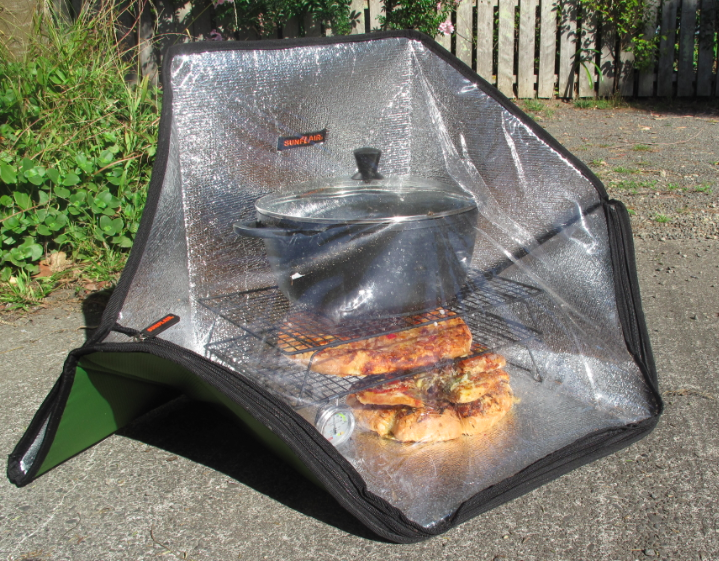
But like every great Achilles, Solar energy has its heal: it only works when the sun is shining on our side of the planet. I often use a solar cooker as a way to engage people in conversation about the potential for sunlight energy. Inevitably someone will ask, “What happens when the sun isn’t out.” Screen shot 2015-03-21 at 7.02.14 AM

Sadly, no one has yet to invent a lunar cooker, but there are many ways to store solar energy overnight and even for a number of cloudy days in a row. With solar cooking, the best place to store it is in your belly, but other solar storage systems include batteries, water and concrete.

Batteries are often used to store electricity generated by photovoltaic (PV) panels in places not served by mains power. Whether it is a yacht at sea or a bach in the wop wops, these situations are often called, “off-grid.” The “grid” refers to the network of power lines that serve the vast majority of us.

Obviously, off-grid housing is not vulnerable to mains power interruption, and is therefore valuable for emergency preparedness. Even though our rural home is served by mains power, I am designing a hybrid PV system that will heat our water most of the time but also have a small battery bank for emergency lighting, water pumping, radio and mobile phone charging.

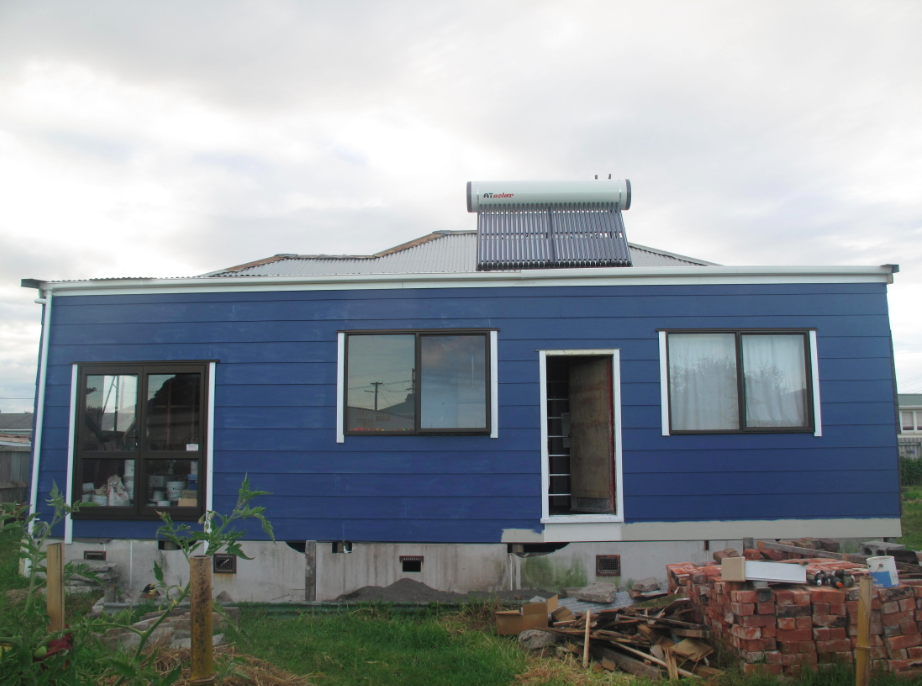
Without meaning to offend anyone’s intelligence, a traditional solar hot water system stores sunlight energy in the form of heated water. The energy itself (heat) is stored inside of an insulated cylinder overnight. Depending on the amount of insulation around the cylinder and a household’s hot water use, the supply can last for three or four cloudy days. Solar hot water would also be a treat in the case of a prolonged mains power outage. Screen shot 2015-03-21 at 7.02.38 AM

Sunlight energy stored in an insulated concrete slab is called “thermal mass.” Like solar hot water, the heat is stored overnight and potentially for a number of cloudy days in a row. For any new home being built in New Zealand, passive solar design is an affordable approach to a high performance dwelling. Additionally – you guessed it – a passive solar home would serve its occupants very well during a mid-winter power failure if their only heating sources relied on electricity such as a heat pump or plug in heater.

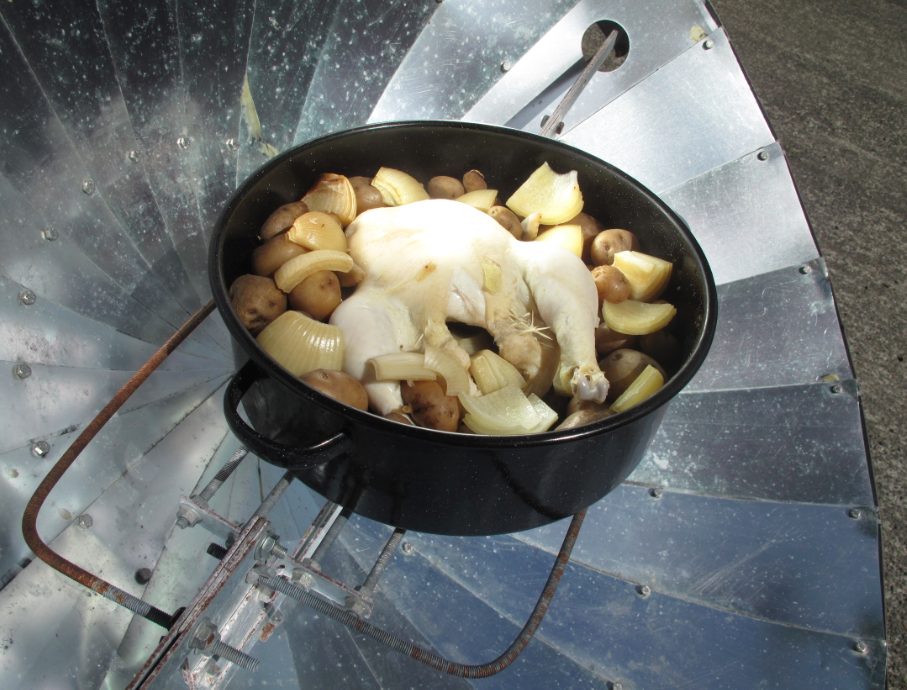
Finally, don’t make the mistake of thinking that solar cooking is only a summertime endeavour. We have cooked through the last six New Zealand winters with great success. Memorably, during the week-long cold snap in August 2011 when we had snow flurries in Majestic Square, I managed to burn a pot of rice and a curry on the very same day. That is solar power. Screen shot 2015-03-21 at 7.02.46 AM

Peace, Estwing

Ethical Eating, Kiwi Style with No Pretention

A huge thanks to Nicola Young for putting us onto The Katering Show in her last column. The episode titled “Ethical Eating” is great on many levels. The commentary on pretentious shoppers at a Farmers Market is priceless. For anyone who thinks about the social and environmental impacts of the food they eat, “The Kates” offer a warning not to take ourselves too seriously.

Along the same lines, the phrase “ethical eating” is pretty loaded. I would never use the term as it appears to imply that all other eating is unethical. Yow! Does that include the ‘Reduced for Quick Sale’ apple crumb cakes I buy en masse from Countdown?

In my experience with Farmers Markets and pretentious shoppers, I have always taken a proactive approach but admittedly with mixed results. About ten years ago I brought my produce to a brand new market in a wealthy village a few miles from the not-so-wealthy hamlet where I had my farm. This was during the era when “Artisinal Bread” was coming on the market and gaining a 30% mark-up because of the use of the word artisinal. I was like, “Yo! Sign me up.”

Turns out the extraordinarily pretentious lady who organised the market did not appreciate my “Artisinal Salad Greens” or my “Zesty Zero-Emissions Mesclun Mix.” Rather unceremoniously my stall space was given to a lady who knitted tea cozies, and the so-called “Farmers Market” lost one of its two actual farmers. (Everyone else was a “crafter.”) Screen shot 2015-03-06 at 7.00.38 AM

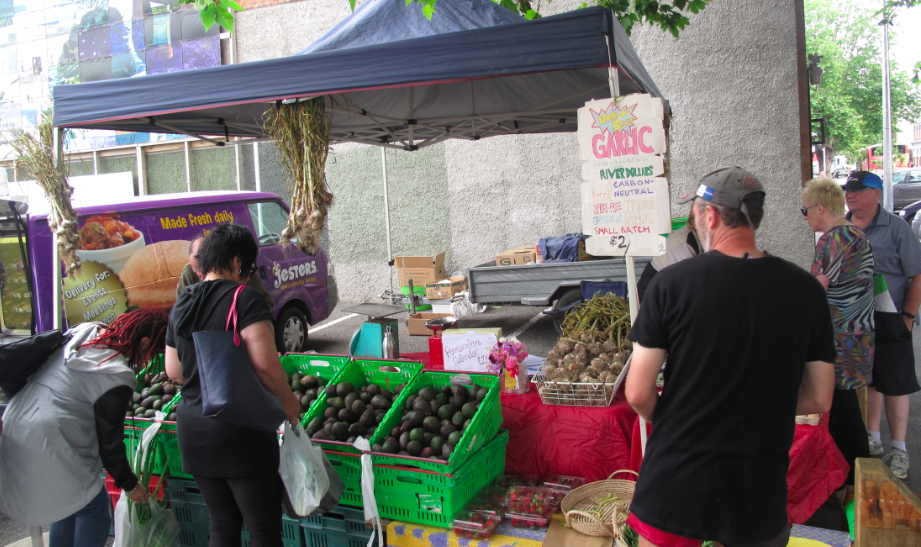
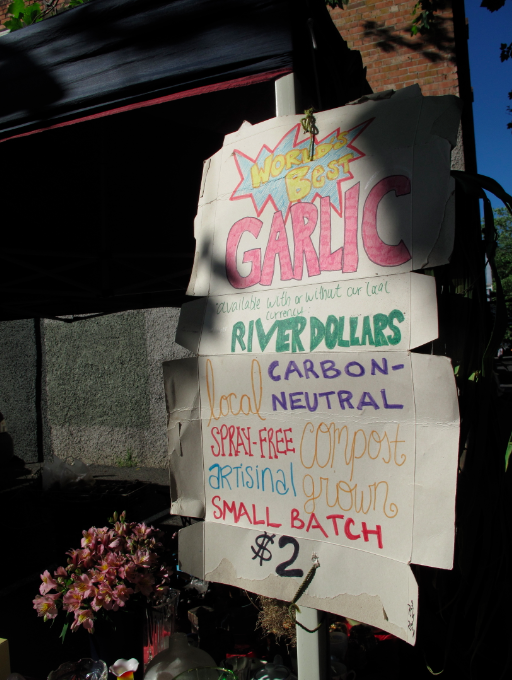
Fortunately I have encountered no such snobbery at our own River Traders Market…well not much anyway. In all good humour, we market our World’s Best Garlic as, “local, carbon-neutral, spray-free, compost grown, small batch, and artisinal.” It is available with or without the use of Whanganui’s local currency, “REBS.” We were warned not to label it “organic” because we have not paid to join that club, and the labeling Nazis may persecute us.

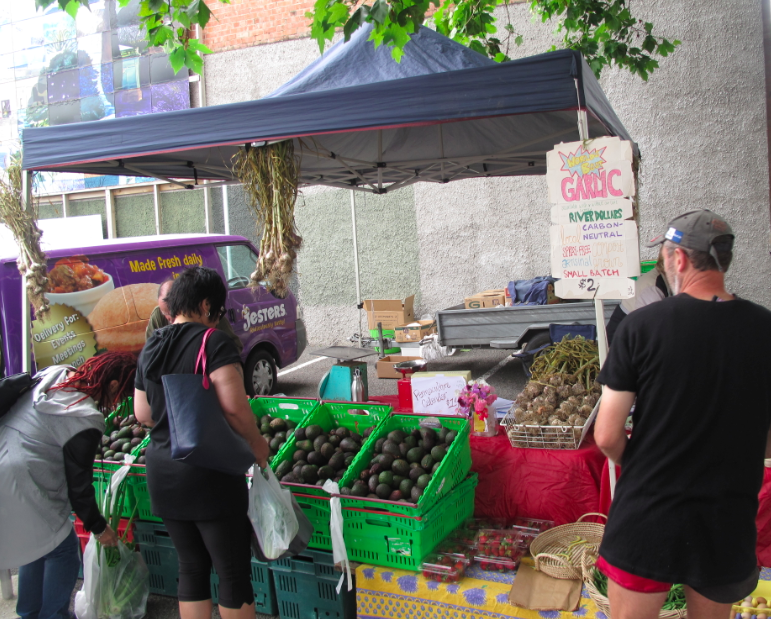
When it comes to unpretentious shopping for local and/or organically-grown fruit, vege and eggs there is no better place than the REBS stall on Saturday morning. My colleagues do an amazing job of keeping this community-based, cooperative stall stocked with fresh, in-season produce every weekend of the year. From my understanding, the REBS stall is one of maybe only two that have never missed a market day in over six years.

Screen shot 2015-03-06 at 7.00.53 AM

It seems every discussion of local, organically-grow food always comes around to price. Here I would like to steer the discussion away from  clever marketing and affordability to quality. There is no better tasting garlic available than that which I grow. I will admit to first equal – that’s awesome, mate – but none greater.

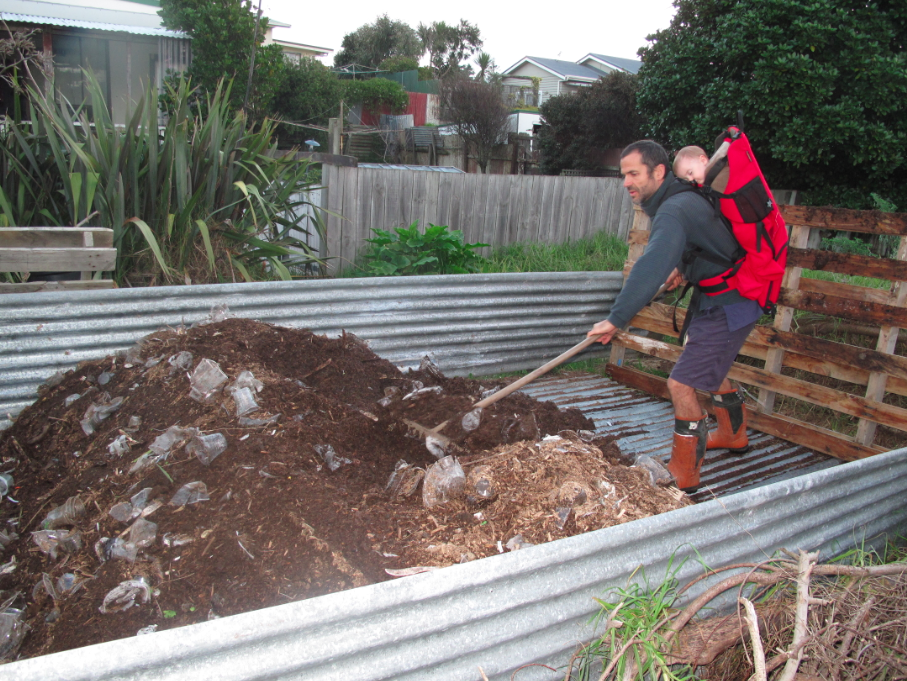
In olive oil there is extra virgin first cold press. In coffee there is 100% Arabica beans. In garlic there is fresh, local and grown using exceptionally high quality compost. (I’m not a wine snob so I wouldn’t know the next permeatation.) High quality food costs more than low quality food. Same with cars, houses, mobile phones, computers, beer and “escort services.” You get wacha pay for. Screen shot 2015-03-06 at 7.00.24 AM

It seems every discussion of ‘ethical eating’ also comes around to meat. There is no debate that the vast majority of methods for raising meat animals have large environmental impacts. It is also no secret that cutting back on one’s carnivourous behaiviour or choosing to be vegetarian tick the most ‘ethical’ boxes on the list.

Screen shot 2015-03-06 at 7.01.07 AM

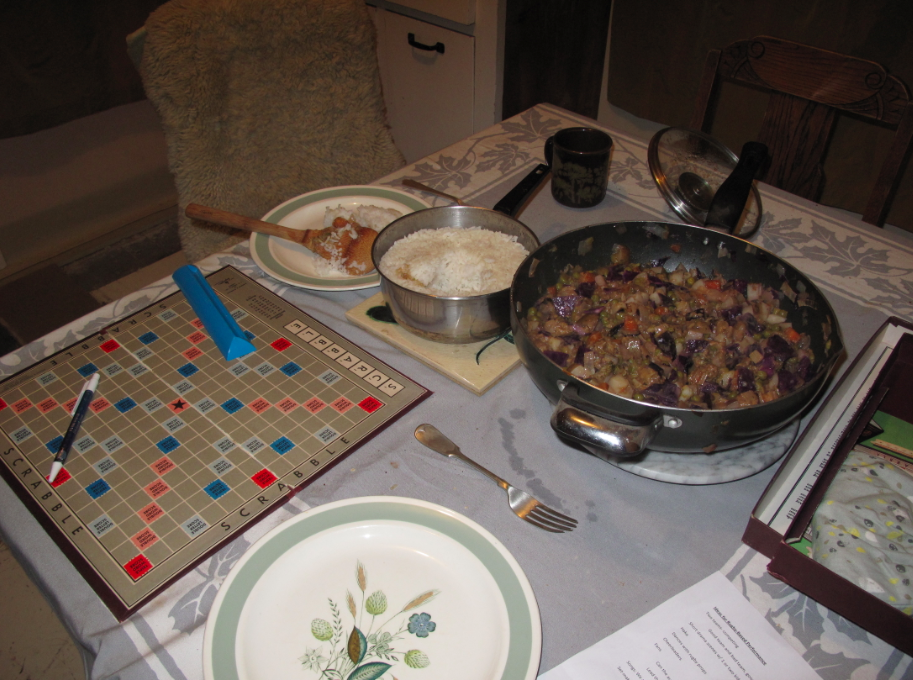
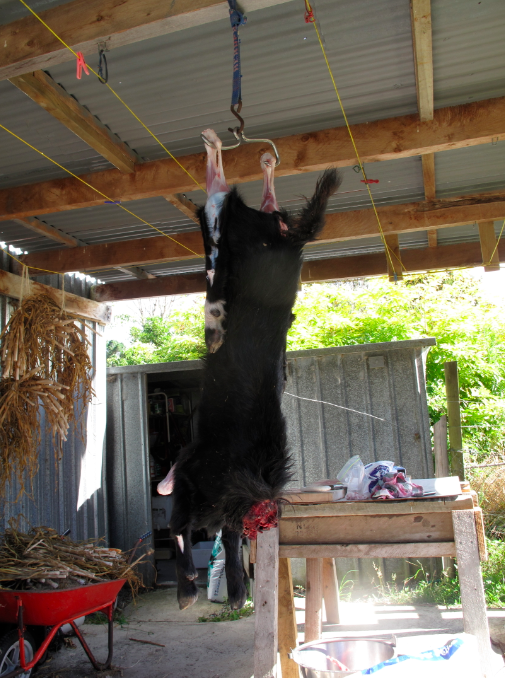
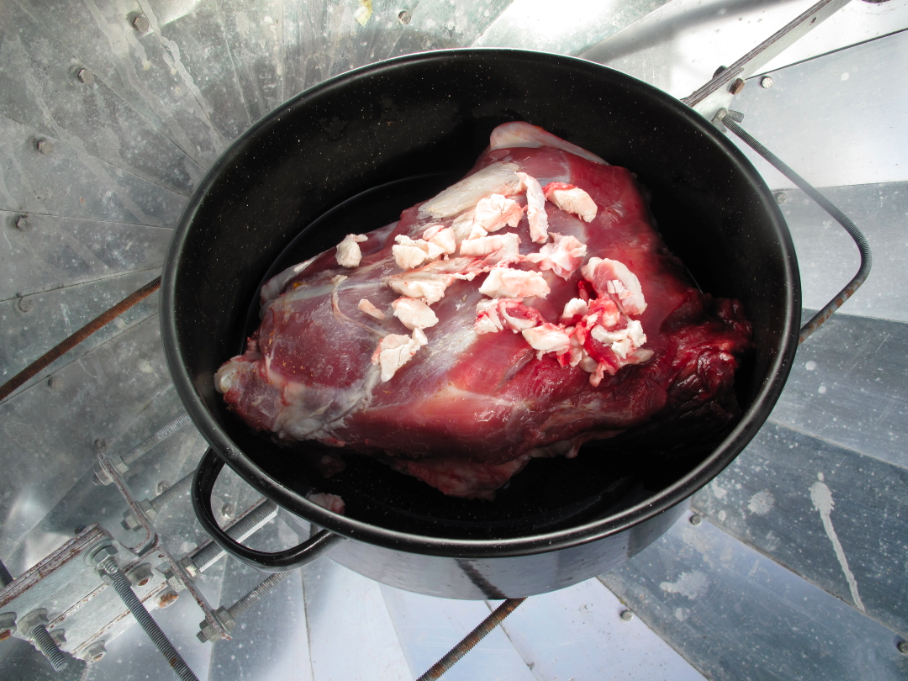
However, in New Zealand we have the unique opportunity where eating more meat is best for the environment! Too good to be true? Not at all. Step right up for a generous helping of local, organic, free-range, natural, small batch, goat humanely “demised” and lovingly processed by a skilled craftsman-of-a-Kiwi-bloke and slow-cooked to perfection over an entire day by the gentle caressing rays of the Earth’s local star. Screen shot 2015-03-06 at 7.01.17 AM

But how am I going to fit that on a sign?


Peace, Estwing
Peachy Keen

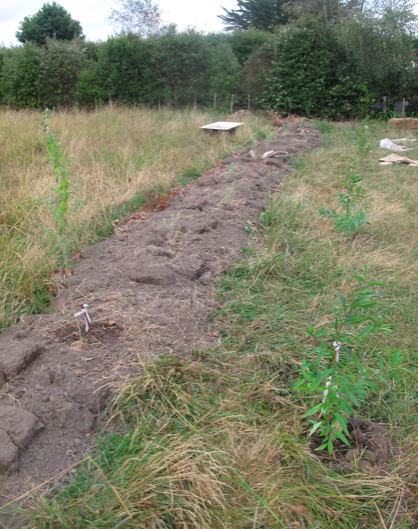
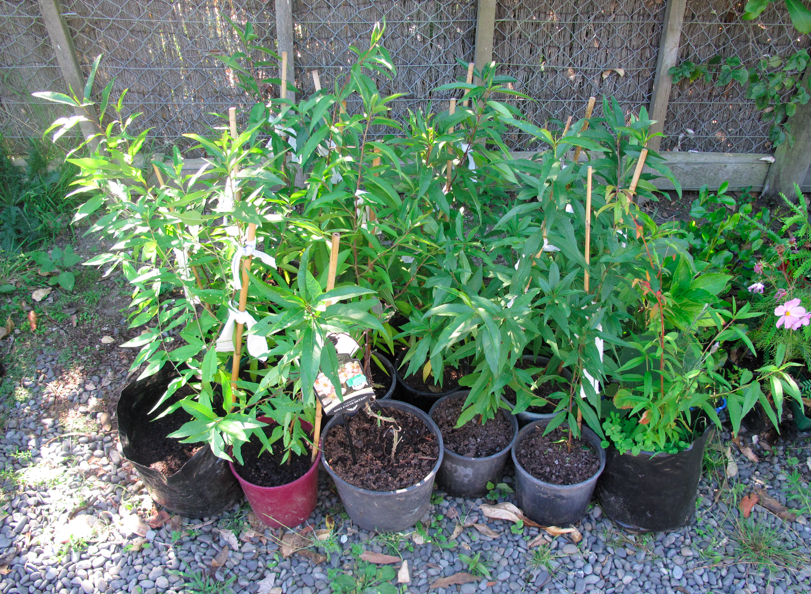
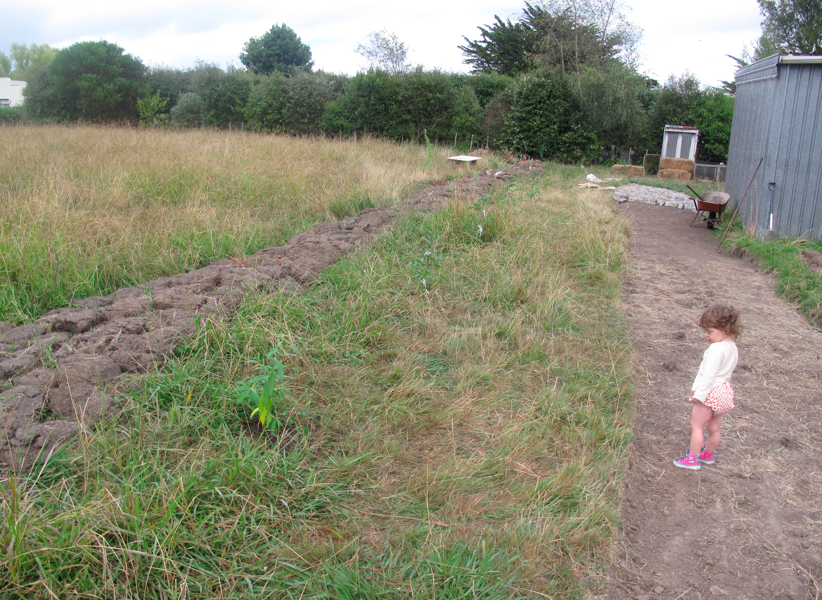
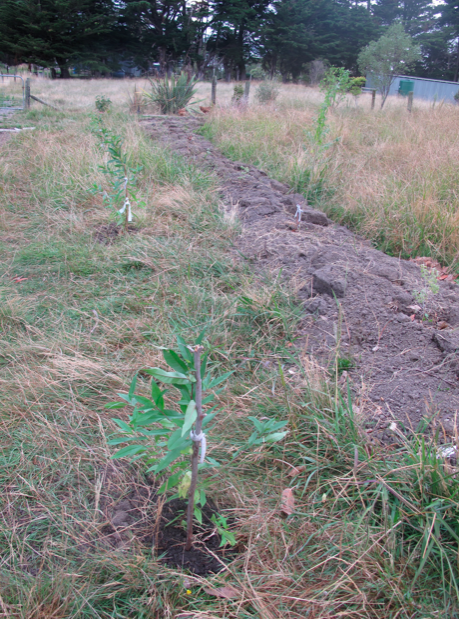
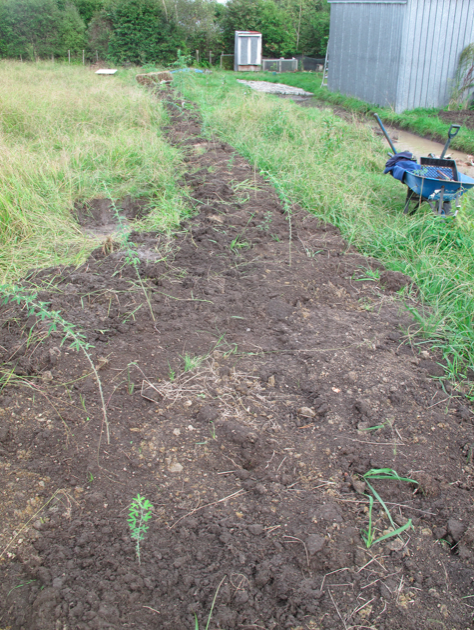
We have had a great peachy weekend. On Saturday we planted 10 of our peach trees that I raised from stones starting early last winter. Here they are next to a swale topped with tagasaste.
Screen shot 2015-03-01 at 6.11.46 PM

We still have a dozen trees that we will give away and sell.  Screen shot 2015-03-01 at 6.10.45 PM

Here is Verti checking out the recent work.

Screen shot 2015-03-01 at 6.11.35 PM

This is the reverse angle of the peaches and tagasaste.

 Screen shot 2015-03-01 at 6.12.03 PM

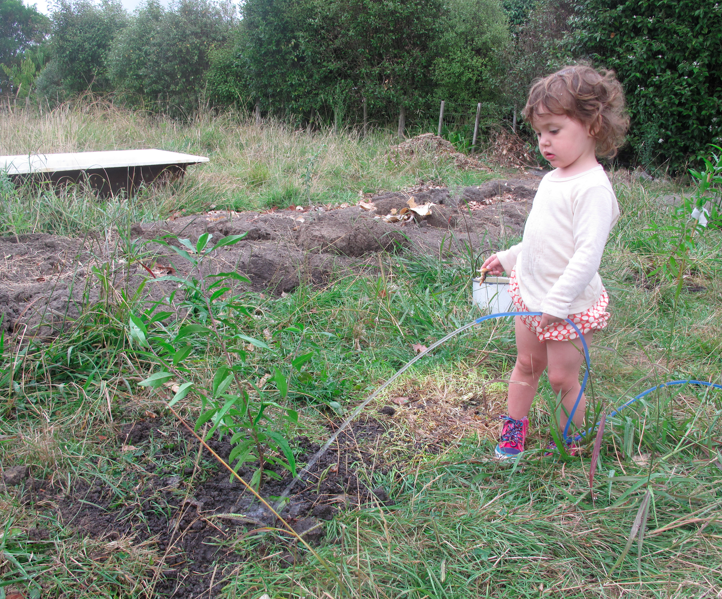
Verti watered the peach trees thoroughly.  Screen shot 2015-03-01 at 6.12.32 PM

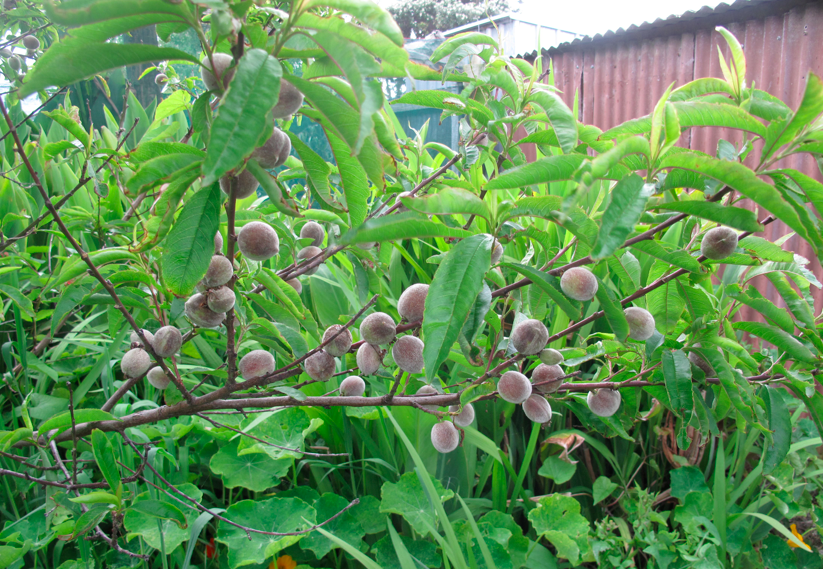
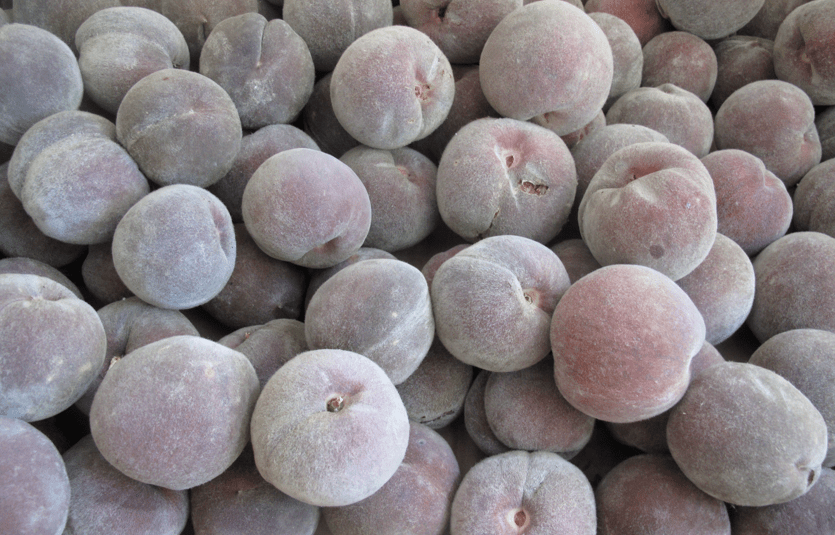
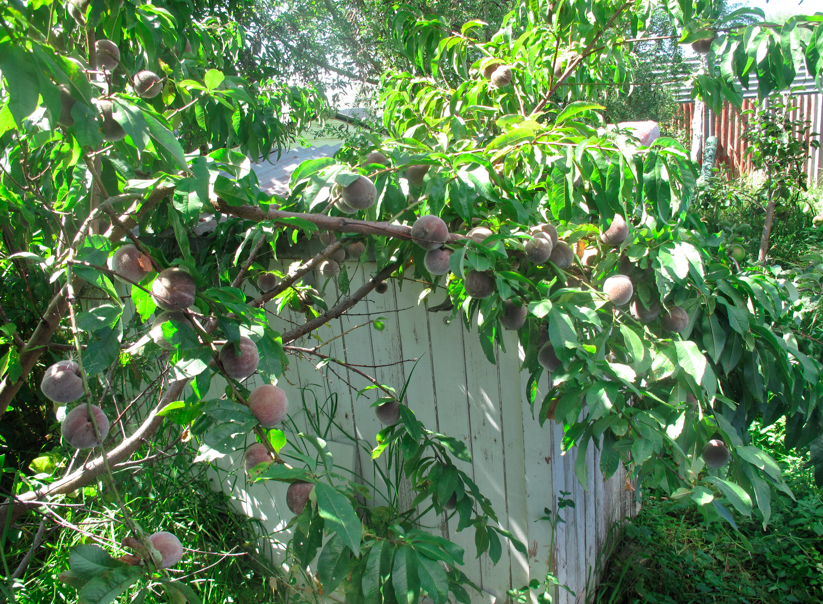
On Sunday we went to our old house to pick some of the abundant Black Boy peaches.

Screen shot 2015-03-01 at 6.11.16 PM

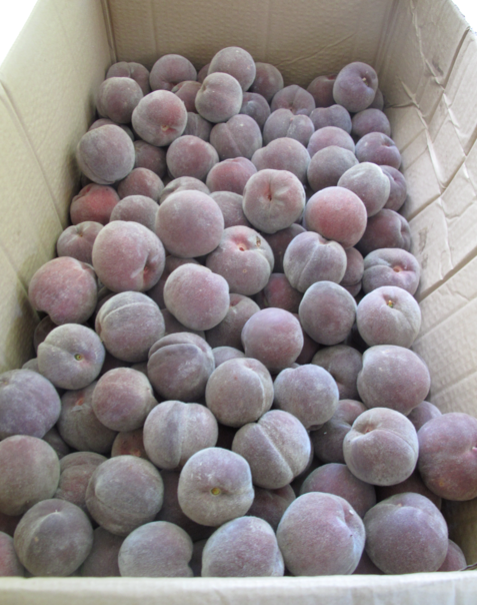
We picked this box and it hardly made a dent in the fruit still on the trees.

Screen shot 2015-03-01 at 6.10.34 PM

Yum is all I can say.


Peace, Estwing