Category Archives: Eco Thrifty Renovation

Keep Calm and Think Different: It Takes Money to Save Money, Part 2

Screen shot 2014-10-10 at 8.10.02 PM

Last week I introduced a new variation on an old adage: it takes money to save money. Of course this idea is not new to most people, nor is it new to this column, which has focused on the concept of ‘payback period’ since it was first published two and a half years ago.

But this concept is long overdue for the New Zealand housing sector that is known for high running costs and low performance. According to Nick Collins, the CEO of the housing performance research organization Beacon Pathway, “Much of New Zealand’s existing housing is cold, damp and unhealthy which leads to poor social and health outcomes. Poor quality, poorly performing housing affects residents’ health, education and quality to life, the resources we use, and general community wellbeing.”

I would suggest Collins’ words describe the situation in Wanganui to a tee, yet this issue does not seem to get significant traction in our community. As a self-described “struggling provincial economy” it astonishes me that, ‘zombie-like’, we voluntarily send millions of dollars to power companies in Auckland, Wellington and Christchurch every year when we could easily retain them in our community.

Maybe it comes from growing up alongside the dying city of Detroit, or maybe it comes from being an under-sized gridiron (American football) player, but I have always made it a point to stand up for the ‘little guy.’ I hate waste and I like supporting local businesses.

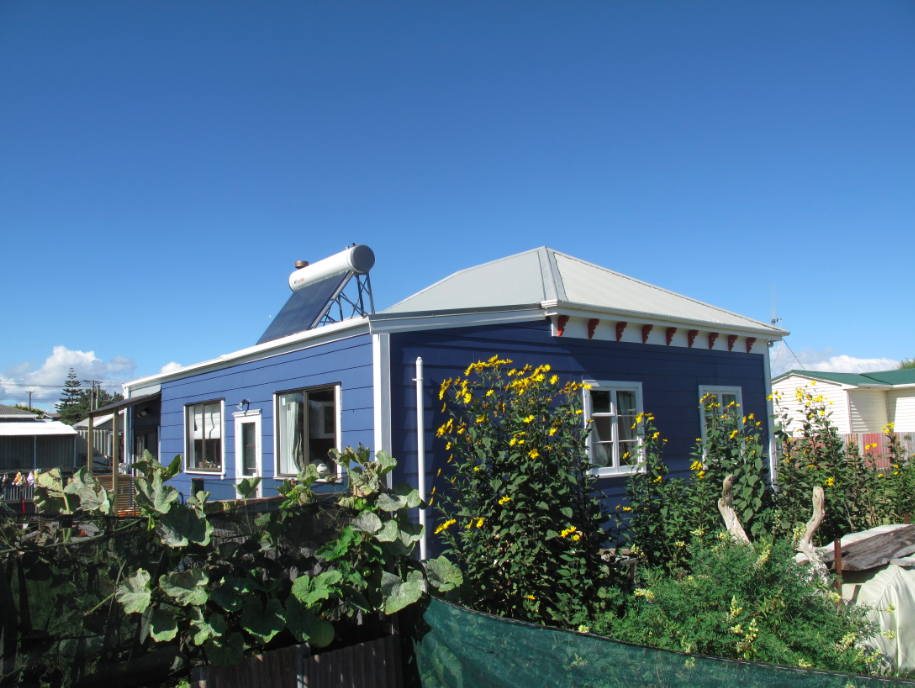
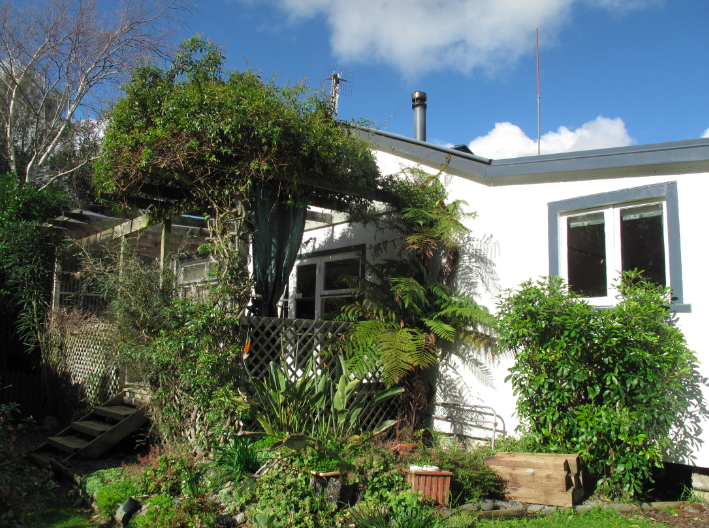
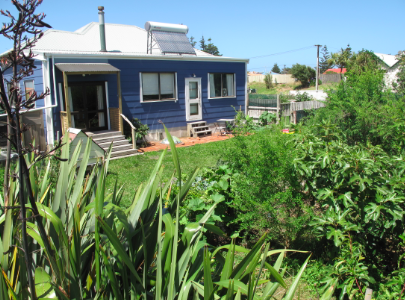
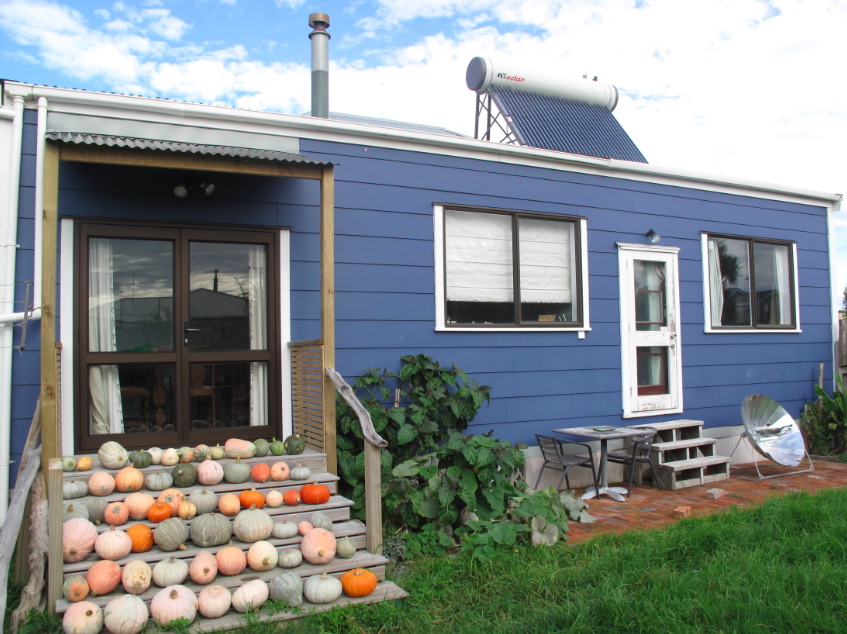
The process of renovating our villa in Castlecliff ‘stimulated’ the local economy to the tune of $35,000. This total sum will be ‘paid back’ through energy savings and low maintenance costs over the course of about 12 years. The exceptional level of sustainability of this property can be explained through exemplary levels of energy efficiency, long-term durability of products, and the high productivity of fruits, veges and fowl. The entire property has been designed and managed to be low-input and high performance, ie, it takes money to save moneyScreen shot 2014-10-10 at 8.09.50 PM

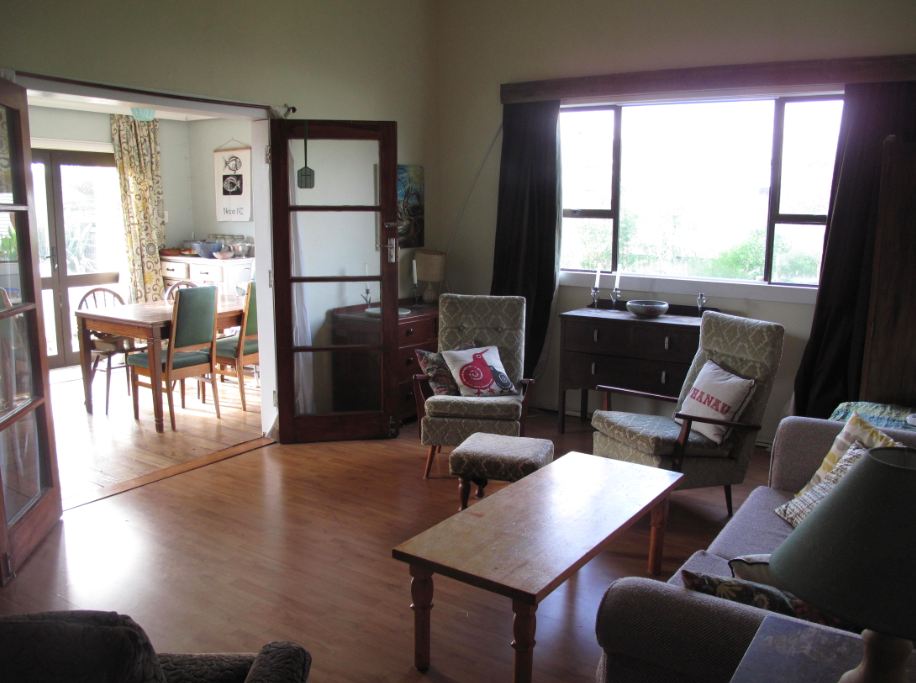
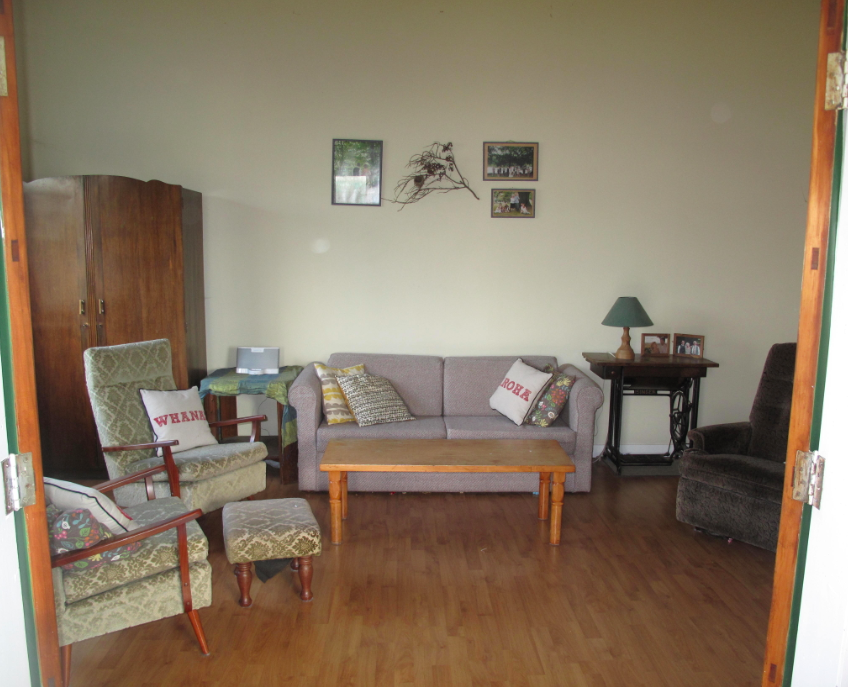
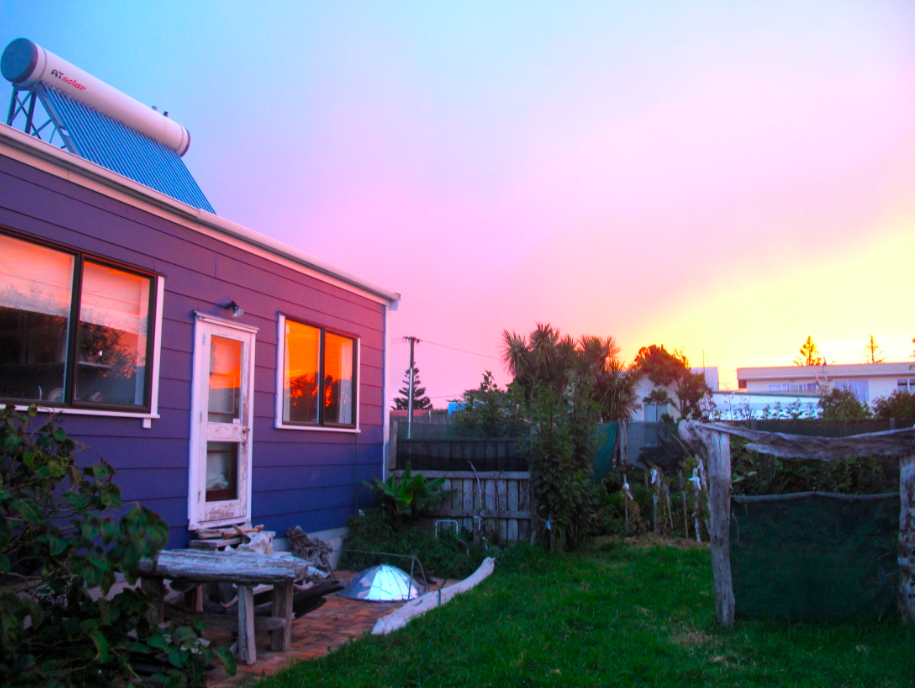
As regular readers are aware, the villa was redesigned and renovated as a passive solar home. Between April and August, morning sunlight reaches deep into the structure, bringing warmth inside early in the day when the temperature is lowest. An abundance of glazing on the northeast and northwest sides ensure that free sunlight energy heats the northern parts of the home on most winter days to 20 – 25 degrees.

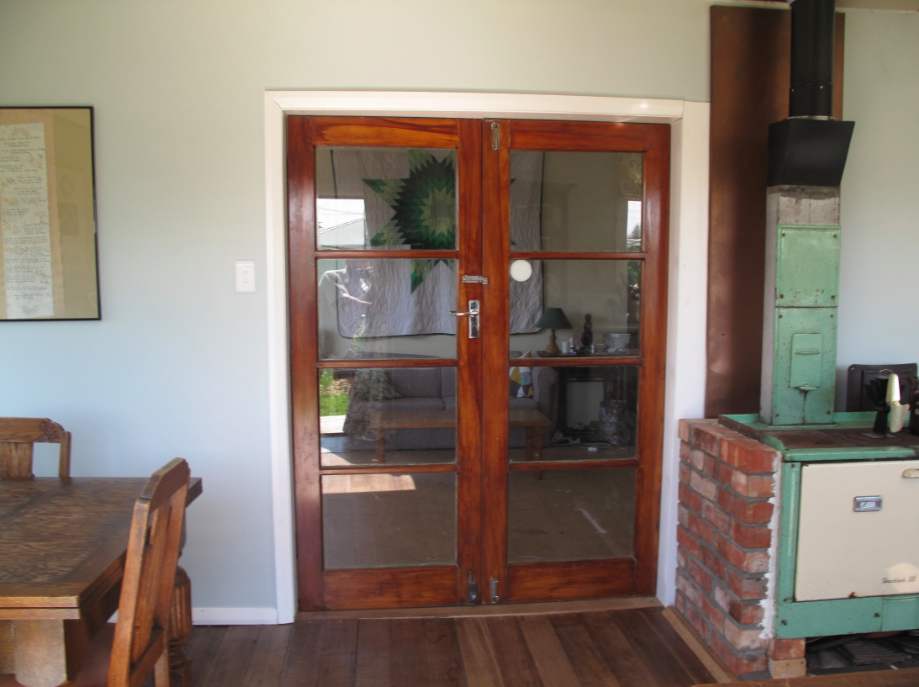
Throughout the day some of the sunlight energy is absorbed within thermal mass, ensuring that the interior does not overheat while storing the excess warmth overnight when it is released into the home. This extra thermal mass takes the form of a second layer of Gib on the walls, a cast iron claw foot bathtub, and a multi-fuel cooker with brick surround. When the sun is not shining, the multi-fuel stove easily heats the northern part of the home to 20 degrees or above on a few sticks of wood, with the added benefits of cooking and baking.

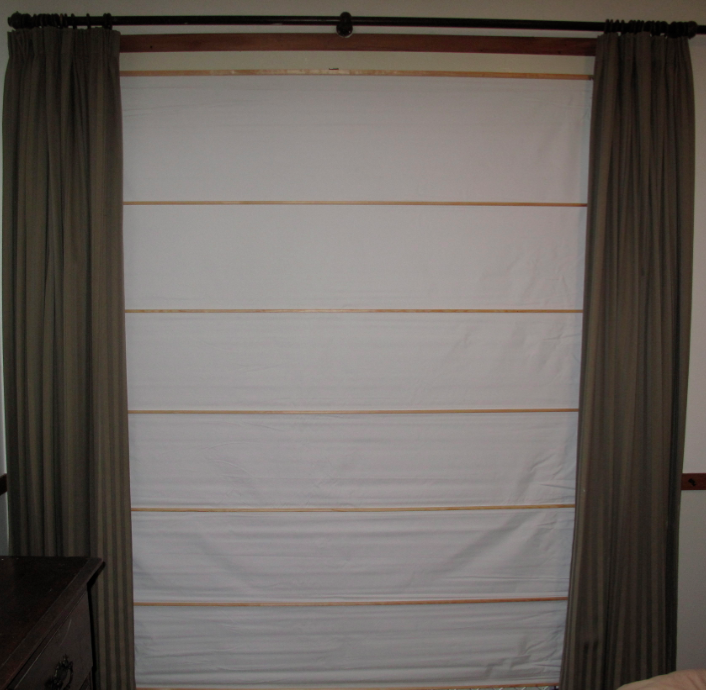
Two-thirds of the home is easily heated by this combination of sunshine and a small amount of firewood. (The southern bedrooms are kept cooler as is common in most Kiwi homes.) A super-insulated building envelope ensures that much of the heat remains in the structure overnight. Temperature in the lounge, kitchen and bathroom rarely drops below 14 degrees overnight with no heaters running. Some of this energy performance can be attributed to a combination of double-glazing, pelmets, and floor-length lined curtains, Roman blinds and window blankets. This combination of window treatments performs to a level of triple-glazing or better.

Screen shot 2014-10-10 at 8.09.39 PM

Other energy-efficiency measures we used in the home were Energy Star appliances, compact fluorescent light bulbs, and solar hot water. This combination meant that our power bills over the last year ranged from $17 to $35 per month. Contrary to what some of our critics claim, we do not sacrifice comfort or convenience. Solar hot water allows us to take long showers even in winter, while our appliances include the following: refrigerator, freezer, oven, toaster, electric kettle, cake mixer, wizzy stick, wifi, alarm system, clocks, radios, power tools, etc.

How’d we do it? By thinking different: it takes money to save money.

Peace, Estwing

Keep Calm and Think Different: It Takes Money to Save Money, Part 1

 Screen shot 2014-10-04 at 7.12.41 AM

“It takes money to make money” – a phrase so common it’s cliché. It is an ideology that drove growth during the 20th Century and resulted in multiple boom and bust cycles. It is a philosophy fueled by cheap energy and cheap money (ie, low interest rates).

Taken to the extreme it nearly crashed the global economy six years ago and has resulted in an extended economic slowdown. New Zealand’s self-proclaimed “Rock Star Economy” during this time is a result of central government running up massive debt and the temporary effect of the Christchurch rebuild.

Data suggests that nearly all of the growth experienced in the country during the last half decade has been in Christchurch and Auckland. The provinces – and particularly Wanganui – have not been part of “the band” but surprisingly remain avid growth “groupies” by clinging to inappropriate economic models.

Judging from the constant whinging we hear about the lack of “growth” in our city and how unfair it is that central government is abandoning the regions, one might think we are a town of pessimists. This glass-half-empty thinking does not serve our community and actually holds back economic development and innovation.

However, my observation is that this argument breaks down along the same lines as the climate change “debate.” In other words, those people who have chosen to ignore the overwhelming agreement by atmospheric scientists that humanity is altering the planet’s climate are the same ones who deny that Wanganui needs to consider different ways of thinking about our local economy. From this perspective, whatever I write in this column won’t make a bloody bit of difference. But since when has that stopped me?

As a researcher, I believe that robust arguments are supported with data and facts. From this perspective, let’s look at some examples of different economic strategies locally and nationally.

The Chronicle recently reported that the uptake of ultrafast internet services in Whanganui has been slower than “forecast” despite what I have observed as a massive, prolonged and shadowy PR campaign. For many months I chuckled while reading un-authored articles in the free weekly papers making all sorts of dubious claims about ultrafast internet services. I would suggest that the less-than-stellar result despite substantial Council support at rate payers’ expense is because the entire enterprise was undertaken under an inappropriate economic model. (Whingers let out a grown now.)

Alternatively, Air New Zealand gives us an example of innovative glass-half-full thinking that I would describe as “It takes money to save money.” Earlier this year the airline invested massively in new, fuel efficient Boeing 787-9 Dreamliner aircraft. Instead of chasing elusive growth and profits, Air NZ has identified money that already exists within its budget (fuel costs) and invested in reaping savings through investment.

Screen shot 2014-10-04 at 7.14.43 AM

Along the same lines, Wanganui collectively sends tens of millions of dollars annually to energy companies in Auckland and Christchurch. As such, we are voluntarily impoverishing ourselves and enriching these already wealthy centres. Why?

Over the last three years I have developed a working model of an affordable energy-efficient home that uses less than a quarter of the power of the average New Zealand home. I have calculated that the renovated villa in Castlecliff will save roughly $30,000 in electricity over ten years compared with the house next door. Those savings exceed that portion of the renovation budget spent on efficiency and solar energy, and represent a rate of return far in excess of the best term deposit in the country.

 Screen shot 2014-10-04 at 7.12.07 AM

In addition, our renovation pumped approximately $35,000 into the Whanganui economy by supporting local businesses and tradespersons. Employees of those businesses and the tradies presumably spent some of those dollars within the local economy, and so on and so on.

This is what I mean by different thinking, by glass-half-full, and by spending money to save money. But just like the climate change “debate,” one can choose to believe the data or choose to believe the rhetoric.

Peace, Estwing
Pouring a New Cup of Tea for Whanganui

There once was a family who put salt in their tea thinking it was sugar. Their tea did not get sweet so they added more salt. But it still did not get sweet. They complained bitterly, and kept adding more salt.

Finally, someone convinced them that they should contact the Old Woman from Philadelphia. Reluctantly they did. And what did the Old Woman from Philadelphia tell them? “You need to pour a new cup of tea.”

From all appearances Shamubeel Eaqub is not old, is not a woman, and in all likelihood not from Philadelphia. But his message regarding regional economies is essentially the same. “We keep on trying to use the same broken models in terms of regional development,” he told the Chronicle during his visit to Whanganui three weeks ago. Screen shot 2014-09-19 at 6.52.14 PM

He spoke about short-sighted policy that inevitably failed, and added, “We shouldn’t get hung up on growth for the sake of growth.” Does that sound like what a middle-aged man from Detroit has been suggesting through a certain weekly column on page B5 in the Chronicle?

Eaqub went on in his interview to advocate the asking of hard questions and that “We’ve got to shock people into talking about these issues because it’s uncomfortable. We need to create the urgency for action.”

Anyone familiar with the low quality of housing stock in New Zealand and its negative effects on health would echo his words. For example, Philippa Howden-Chapman from the Otago School of Medicine recently shared the following:

  • “New Zealand is famous in international public health circles for the dreadful state of our housing.”
  • 1/3 of New Zealanders shiver in their homes
  • 180 different types of mould have been found in NZ homes
  • some cot deaths are related to cold homes because parents bring babies into their own beds as the rest of the house is frigid

These sentiments are shared by Mike Underhill, the Chief Executive of EECA, the Energy Efficiency and Conservation Authority.

  • Over a million homes built before 1978 do not come close to meeting the current standards for energy efficiency
  • “Most older homes in New Zealand are in poor condition.”
  • at temperatures below 12 degrees inside a home there is an increased rate of cardiac arrest, and NZ experiences 1600 more deaths each winter compared to summers

Wait, it gets worse. New Zealanders spend up to 75% of their lives in their homes, and unhealthy homes have been linked to learning and behaviour problems in children at school. Unhealthy homes cost our medical system tens of millions of dollars annually due to increased hospital visits. The list continues.

But other studies have shown that every dollar spent on insulation saves five dollars in medical expenses. A recent study on Auckland’s Retrofit Your Home programme showed a Social Return on Investment (SROI) ratio of 3.1:1, with “positive social and economic outcomes.”

 Screen shot 2014-09-19 at 6.59.49 PM Screen shot 2014-09-19 at 7.00.30 PM

Mike Underhill from EECA also recognizes the co-benefits of energy efficiency, and recognizes benefits to the nation valued at over a billion dollars. Philippa Howden-Chapman believes “Housing can lead the way in the green economy,” and cited research showing that children living in well-insulated homes miss two less days of school during the winter and have reduced asthma symptoms. The list of benefits from healthy homes is a long as the list of problems with unhealthy homes.

In the pages of the Chronicle I have read: principals complaining about absenteeism and poor student outcomes; social service people complaining about landlords not providing insulation for tenants; and, most recently, Children’s Commissioner Dr. Russell Wills suggest that our Council’s role is “vital in fighting child poverty.”

Ironically, it was this Council that summarily rejected a robust proposal to improve the quality of housing in Wanganui with all of the associated benefits for health, learning, social welfare, and increased activity in the local economy. The proposal was rejected because it was not relevant to the policies within the 10-year plan.

Despite the mountain of evidence showing the problems and opportunities in the housing sector, WDC has so far declined to be any part of a positive solution. To quote Tim Williams from the Committee for Sydney, “It’s not evidence based policy making but policy based evidence making.”

As yet, the leadership from local government, business and community leaders that Eaqub identifies as essential has not emerged. But I remain optimistic that some progressive minds will have the courage to engage in meaningful change for our community rather than clinging to the old “broken models.”


Peace, Estwing
Would You Buy This House? Part 1: Energy

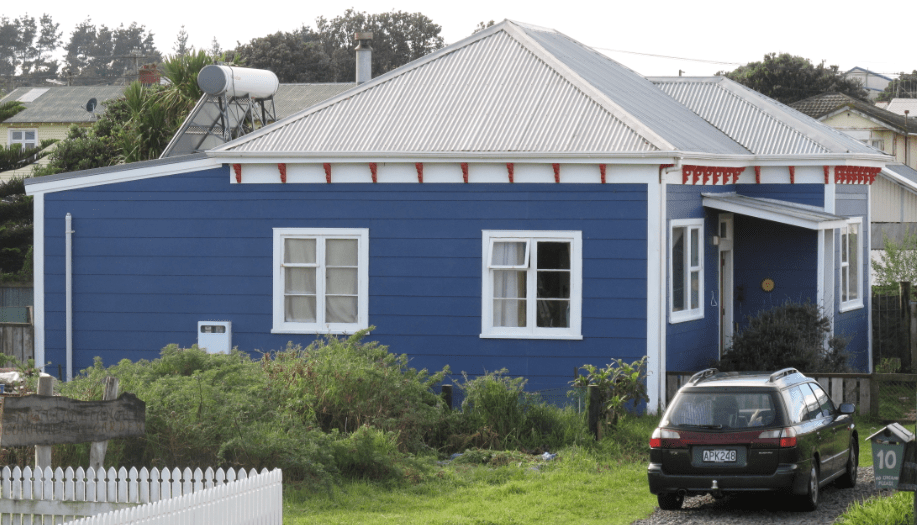
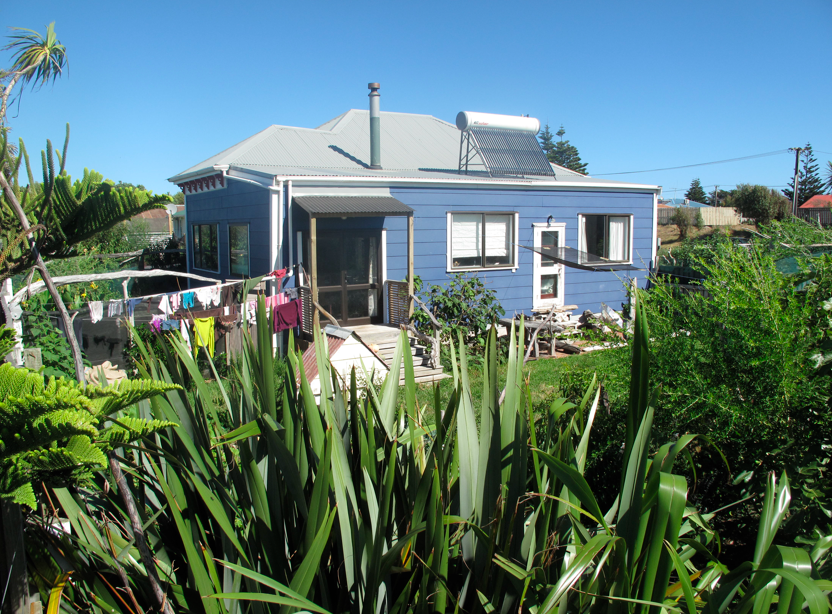
Sustainability at 10 Arawa Place

The exceptional level of sustainability of this property can be explained through exemplary levels of energy efficiency, long-term durability of products, and the high productivity of fruits, veges and fowl. The entire property has been designed and managed to be low-input and high performance.

Screen shot 2014-09-06 at 8.04.05 AM

Part 1: Energy Efficiency

10 Arawa Place has been redesigned and renovated as a passive solar home. Between April and August, morning sunlight reaches deep into the structure, bringing warmth inside early in the day when the temperature is lowest.

Screen shot 2014-09-06 at 7.59.58 AM

An abundance of glazing on the northeast and northwest sides ensure that free sunlight energy heats the northern parts of the home on most winter days to 20 – 25 degrees. Screen shot 2014-09-06 at 8.01.59 AM

Throughout the day some of the sunlight energy is absorbed within thermal mass, ensuring that the interior does not overheat while storing the excess warmth for overnight when it is released into the home. Beyond the mass already in the structure, we added approximately one thousand kilograms of thermal mass that receives direct winter sunlight from sunrise to sunset through three large windows and the French doors. Screen shot 2014-09-06 at 8.00.21 AM

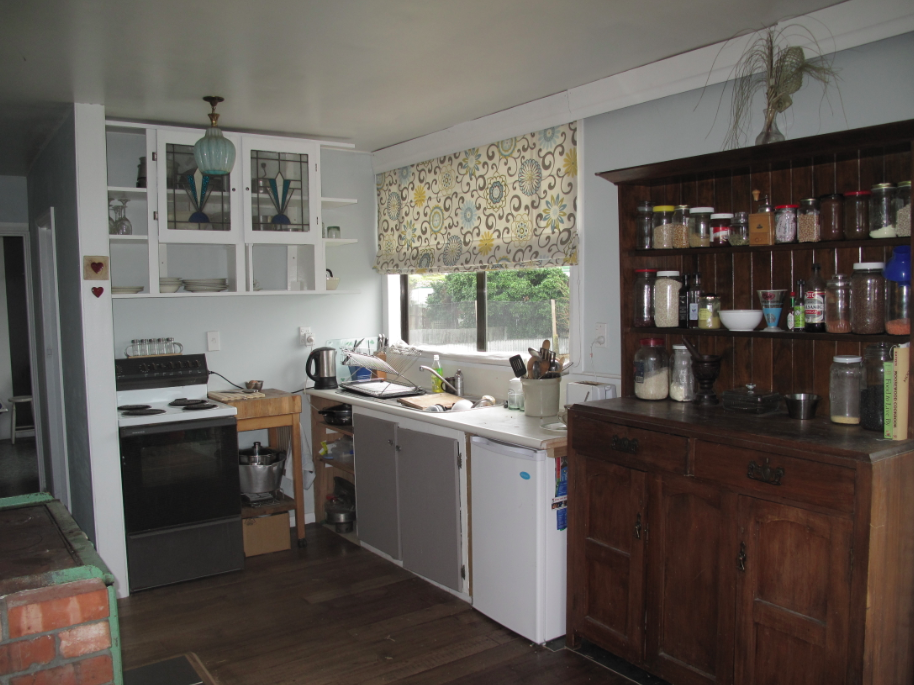
This extra thermal mass is essentially invisible because it takes the form of an extra layer of Gib on the walls, a cast iron claw foot bathtub, and a multi-fuel cooker with brick surround. When the sun is not shining, the multi-fuel stove easily heats the northern part of the home to 20 degrees or above on a few sticks of wood, with the added benefit of cooking and baking.

Screen shot 2014-09-06 at 8.00.30 AM

Two-thirds of the home is easily heated by this combination of sunshine and a small amount of firewood. (The southern bedrooms are kept cooler as is common in most Kiwi homes.) A super-insulated building envelope ensures that much of the heat remains in the structure overnight.

Screen shot 2014-09-06 at 8.01.46 AM

The walls in the northern parts of the villa are insulated to R-2.8 and the ceilings are insulated to R-3.6 above the kitchen and bathroom and to approximately R-5 above the lounge and all three bedrooms. These all far exceed the building code. (The underfloor insulation is incomplete at the moment.)

Screen shot 2014-09-06 at 8.00.10 AM

We spent two winters in the small bedroom and never used a heater. Our body warmth alone kept the room above 15 degrees all night long. Temperatures in the lounge, kitchen and bathroom could drop to 14 or maybe 13 on the rare morning with a frost. Some of this strong energy performance can be attributed to a combination of double-glazing, pelmets, and floor length lined curtains, Roman blinds and window blankets. This combination of window treatments performs to a level of triple-glazing or better. Screen shot 2014-09-06 at 8.02.07 AM

Other energy-efficiency measures we used in the home were Energy Star appliances, compact fluorescent light bulbs, and solar hot water. This combination meant that our power bills over the last three years ranged from $17 to $31 per month including the daily line charge. The appliances we operated were: refrigerator, freezer, oven, toaster, electric kettle, cake mixer, wizzy stick, wifi, alarm system, clocks, radios, power tools, etc. Screen shot 2014-09-06 at 8.02.16 AM

The solar hot water system is set to a winter sun angle to maximize performance when hours of sunlight are shortest. The 240-litre tank allows ample storage to bridge three winter days without sun. We placed the temperature monitor in the hall next to the bathroom so it can be easily referenced. Over three winters, we only turned on the electric boost for the hot water a handful of times for 20 to 30 minutes each.

Screen shot 2014-09-06 at 8.01.28 AM

To be continued…


Part 2: Durability

Coloursteel Maxx roof, November, 2011.

New, low-maintenance exterior cladding, 2012.

High quality exterior paint.

Walls braced against earthquake and wind.

Sistered bearers and joists fro added strength under floor

All floors treated for borer

All new wiring, November, 2011

Capping on fences to protect end grain from rain

Wind-hardy trees to protect netting from long-term UV damage

Earthen pizza oven protected from rain and wind

Brick patio instead of wooden deck

Driftwood – durable native hardwood timber for landscaping


Part 3: Productivity

Topsoil: 6 cubic metres for garden beds, trees and top-dressing lawns.

Wind protection: double-layer of wind cloth with new treated posts.

Rainwater collection

Compost: 8-10 cubic metres.

Native plantings for privacy and wind protection.

52+ Fruit trees: 7 feijoas; 11 olives; 13 apples; 5 peaches; 3 plums; 1 apricot; 2 guavas; 4 grapevines; 2 figs; 1 banana; 1 tamarillo; 1 orange; 1 loquat; plus rhubarb, cape gooseberry, strawberries, summer and autumn raspberries,

Vegetable gardens:

Rotational grazing of ducks and chooks:


Permaculture Stash

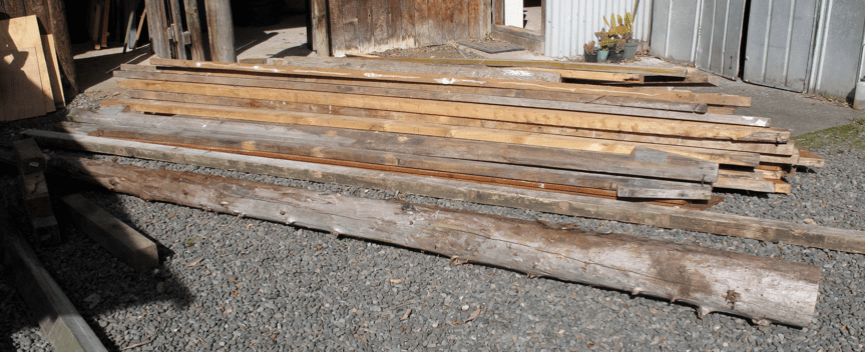
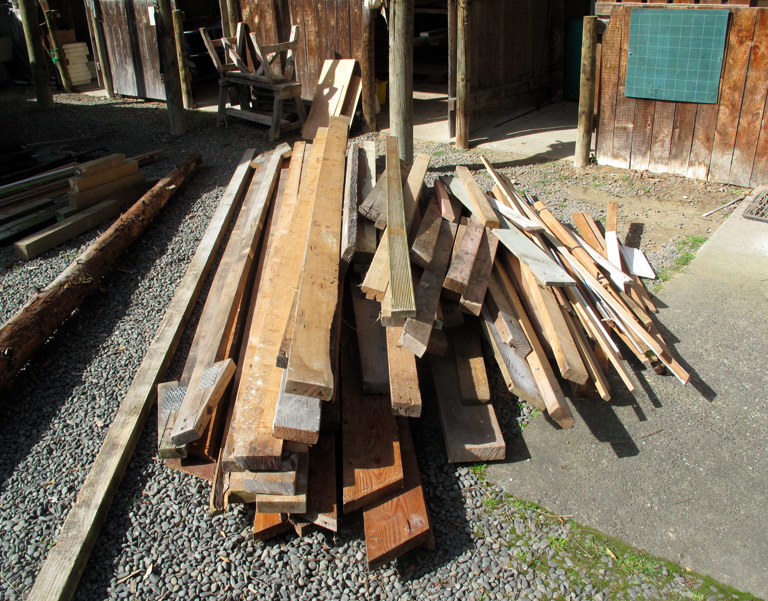
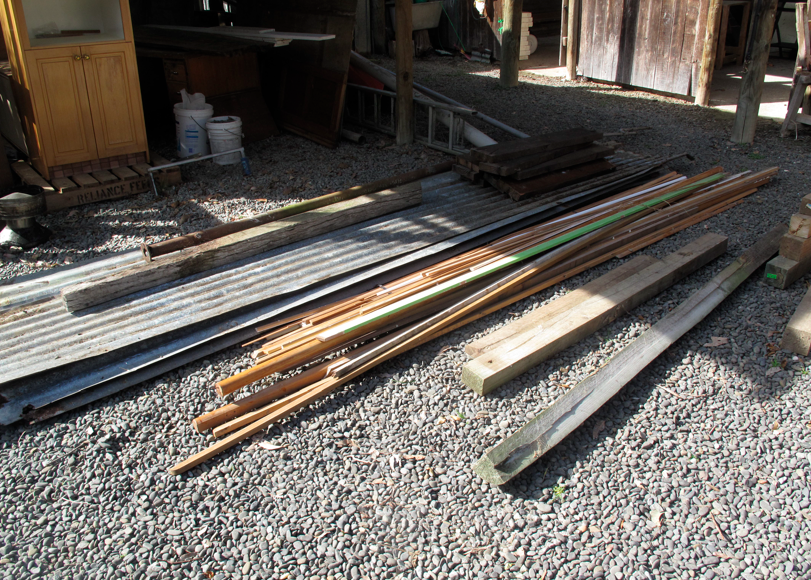
In my opinion, a large part of permaculture is having a stash of resources to draw on for building projects. The resources are usually acquired for free, or at very low cost. They can consist of wood, steel, glass, brick, concrete or organic matter. As long as you can store your resources out of the weather, you’re entitled to as many as you can collect.

In the process of shifting, I discovered how many resources I had stored under the house and under roofing iron in the yard. First off, there was a lot of lumber with nails removed, as well as roofing iron.

Screen shot 2014-09-01 at 5.56.07 PM

Screen shot 2014-09-01 at 5.56.16 PM

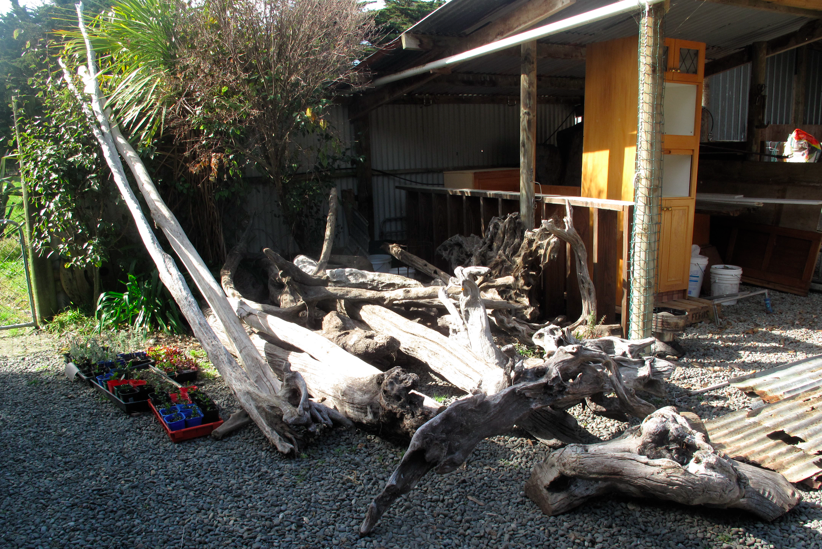
I moved my best pieces of driftwood for making cool stuff.

Screen shot 2014-09-01 at 5.56.28 PM

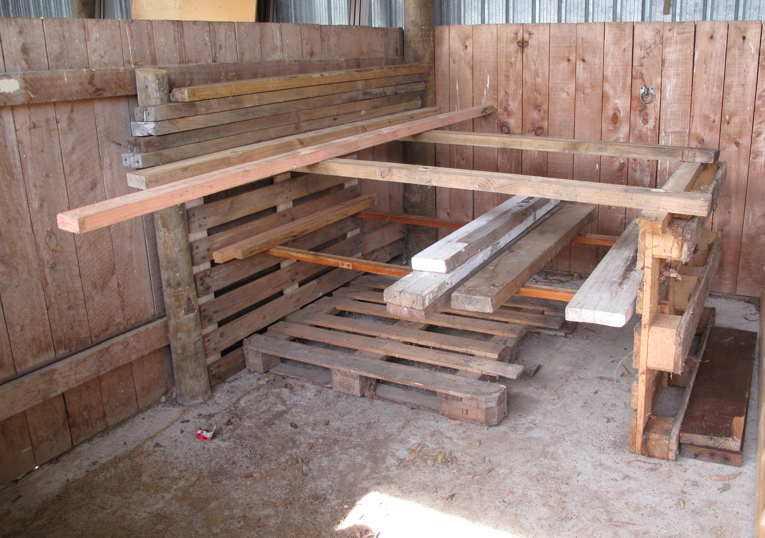
In the former horse stables, I am building a lumber rack.

Screen shot 2014-09-01 at 5.56.38 PM

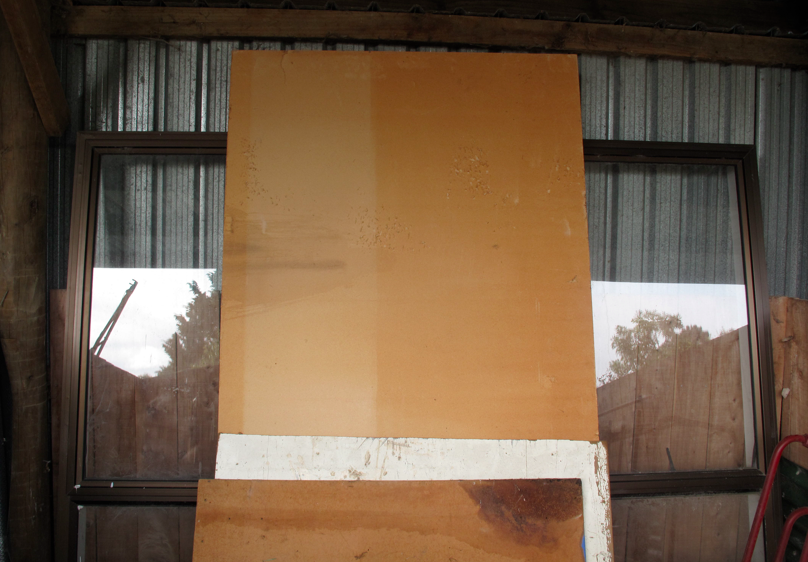
More wood and a giant window for reuse as a glasshouse.  Screen shot 2014-09-01 at 5.57.01 PM

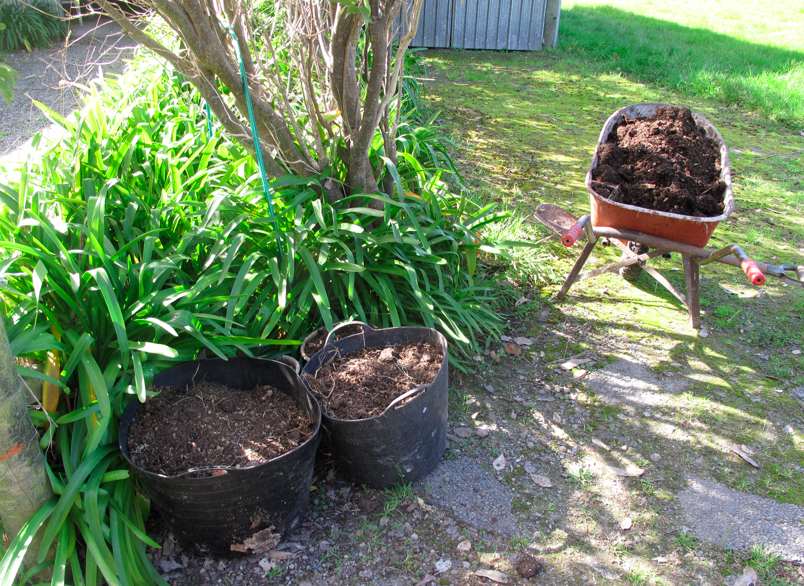
We ended up moving 2 cubic metres of compost.

Screen shot 2014-09-01 at 5.57.15 PM

This is Verti sorting her lumber.

 Screen shot 2014-09-01 at 6.09.04 PM

Well done, girl.

Screen shot 2014-09-01 at 6.09.24 PM

Peace, Estwing
First Things First: Health & Comfort

In any home, there are two major factors for winter comfort and health: temperature and humidity. A warm, dry home makes the human body feel good, and keeps the immune system strong. Conversely, cold, damp homes do just the opposite. Unfortunately, New Zealand housing is known more for the latter than the former.

It has been easy to forget about the sad state of NZ housing while living in our passive solar, super-insulated villa in Castlecliff. The temperature never dropped below 14 degrees even when a frost carpeted the ground outside, and the relative humidity never rose above 50%. It was easy to maintain a healthy home for our young daughter while paying power bills in the low double digits.

Now that we have shifted, we are confronted with the challenges of living in a cold, damp, draughty home. While the new house and property have huge potential, the living conditions during our first weeks of residence have been a shock to the system. We have had a few mornings of 10 degrees in the lounge, and a relative humidity consistently around 70%. It has been difficult to keep our daughter’s bedroom above 16 degrees overnight, and I suspect the high humidity contributed to her recent illness. I anticipate that our first power bill will be well over a hundred dollars – more than three times dearer than our previous high.

Taking possession in the middle of winter has added an element of urgency to improving the health and comfort of the home. With limited time and budget, I had to prioritize the first best steps to take. Using eco-thrifty thinking and an understanding of how energy and moisture flow through a structure, I focused on a number of low-budget / high-performance strategies.

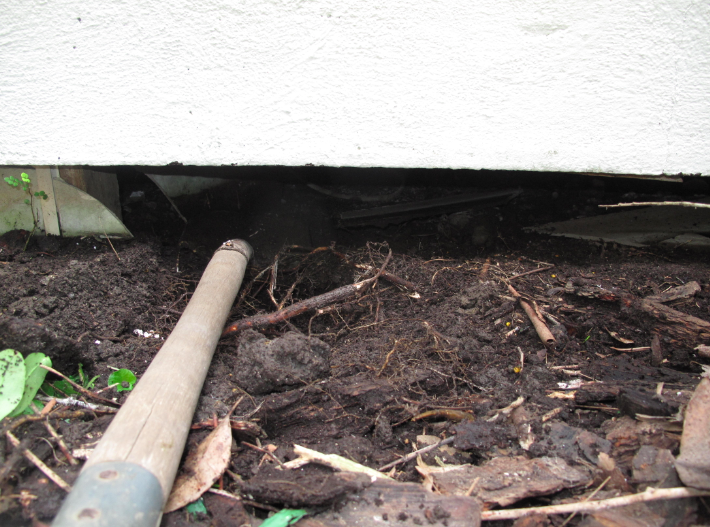
Shifting from a villa on free-draining sand to a bungalow on clay has meant that rising damp has gone from a non-issue to a huge concern. Up to 40 litres of water vapor enters the average Kiwi home every day from the ground beneath it. A lack of adequate ventilation under our bungalow may mean that we receive even more than that daily dose of damp. While the long-term option for dealing with this is to install polythene sheets as a vapor barrier, a short-term solution to get us through this winter was to break out a piece of Hardie board opposite the access way to allow the wind to cross ventilate.  Screen shot 2014-08-22 at 6.08.30 PM

The next low-budget and high-performance weekend chore I undertook was simply trimming back a vine that was blocking midday sun from entering the lounge. The winter sun is a free heater and the vine was acting like a wall plug switched off. Ultimately, a number of trees to the north will also need to be felled to improve passive solar gain. Screen shot 2014-08-22 at 6.08.40 PM

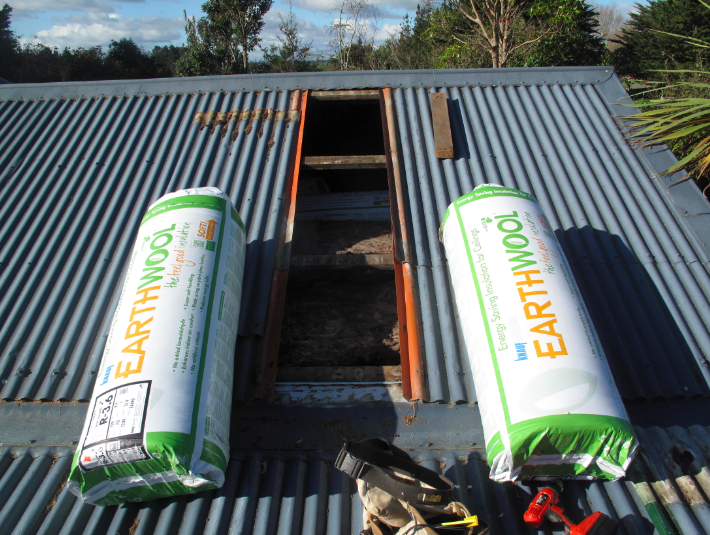
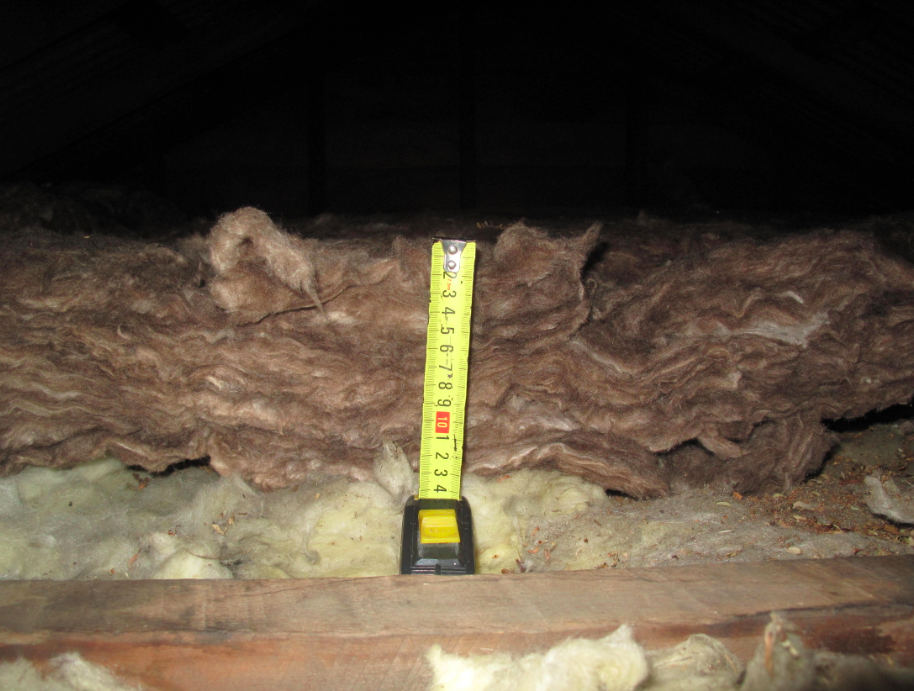
With more free heat entering our home, the next important thing to do is to hold onto it as long as possible. As described in last week’s column, that meant topping up our ceiling insulation with wool/fiberglass blankets to an R-value of over 5.0 – nearly twice the requirement of the NZ building code. Screen shot 2014-08-22 at 6.08.49 PM

But as that extra warmth is held in by our ceiling, it “stacks” downward only to radiate quickly through the single-glazed windows (R-0.15). Windows and glass doors are the weak link in most Kiwi homes, and until we can all afford double-glazing, we endeavor to use curtains to their greatest potential. Just as we layer up with clothing on a cold day, we should cover our windows with a minimum of two layers of fabric and strive for three.

By luck I found some ready-made Roman blinds deeply discounted and bought the lot. It took about 20 minutes to install each blind behind the existing curtains.

Screen shot 2014-08-22 at 6.08.19 PM

One weekend’s work and less than $1,000 has improved the health and comfort of our new home by leaps and bounds. And this is just the beginning.

Screen shot 2014-08-22 at 6.08.57 PM


Peace, Estwing
Sidebar:

Coming 7th – 14th September: Adult & Community Eco-Literacy Week.

Free Events.

7th September, 1-2 PM Eco-Design for large properties. 223 No. 2 Line

7th September, 2-3 PM Eco-Design for small properties. 223 No. 2 Line

9th September, 6:00-7:00 PM. Solar Energy. Josephite Retreat Centre, Hillside Terrrace.

10th September, 5-6 PM. Growing vege on sandy soils, TBD

12th September, 5:30-6:30 PM. Best ways to use your heat pump, TBD


Topping up Ceiling Insulation

No matter which side you supported in the FIFA World Cup, the Super Rugby final, or the current Rugby Championships, one thing on which almost all of us can agree is that heat rises. While this is not to omit the possibility of a strongly opinionated letter on the contrary to the Chronicle by an avid physics denier (you know they’re out there), it is less likely to stir anyone’s ire when compared against evolution, climate change, a flat Earth, the ability of the Green Party to “create jobs” or the spelling of our city’s name.

Some days when I read the Letters page and an article about any given council meeting I think it would be most appropriate to change the name of our River City to De-Nile.

At any rate…back to the topic at hand. When thinking about how to improve the warmth and comfort of a home, insulation decisions are best made from top to bottom. In other words, spend your insulation dollars first to top up your ceiling insulation to an R-value of over 4.0. Please note that the building code calls for ceiling insulation to be a minimum of R 2.9, but why settle for this minimum, which is low by world standards?  Screen shot 2014-08-15 at 8.06.05 PM

We know that power prices have doubled in the last 10 years and that a mathematician would strongly suggest this trend will continue. A decade from now do you want to be stuck with a marginally mediocre minimum of insulation over your head? Not me!

After pumping tens of thousands of dollars into the Whanganui economy over the last four years by converting an abandoned villa into a high-efficiency healthy home, I am doing it all over again. Yes, I am so committed to supporting our local businesses and tradespersons that I have continued my campaign to retain dollars in our local economy rather than sending them to power companies in Auckland, Wellington and Christchurch.

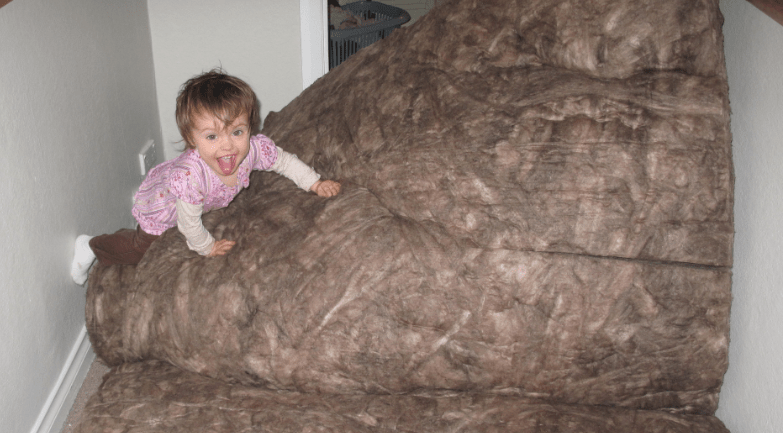
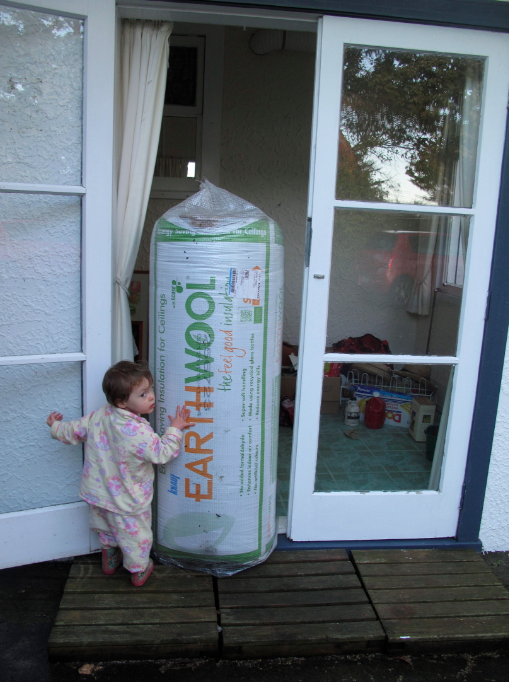
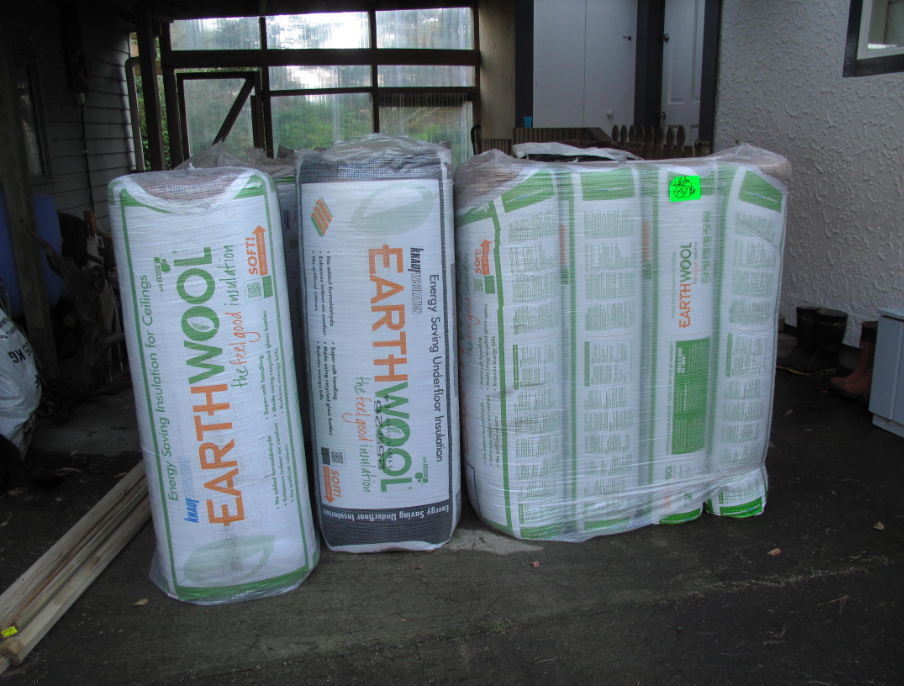
When I got home Friday from back-to-back 10-hour days of work, my weekend was sitting in the carport waiting for me. Not a new ATV. Not a Jet Ski. Not even a mountain bike. Instead I was faced with $2,000 worth of insulation and polythene.

Screen shot 2014-08-15 at 8.05.55 PM

I’ve written about polythene recently, so I’ll stick to insulation today. Pay attention – this is important.

In case you missed it above, the minimum requirement for insulation in NZ homes is pathetically low and power prices are on track to double in ten years. With both of these factors in mind, an eco design perspective calls for a total R-value (existing insulation plus top up) of 4.0-plus in Whanganui, and 5.0-plus in Ohakune, Taihape, and anywhere in the upper Parapara.

An eco-thrifty design perspective suggests the best strategy for topping up ceiling insulation is low-cost and high-performance. Too good to be true? Oh, ye of little eco-thrifty faith. Screen shot 2014-08-15 at 8.06.39 PM

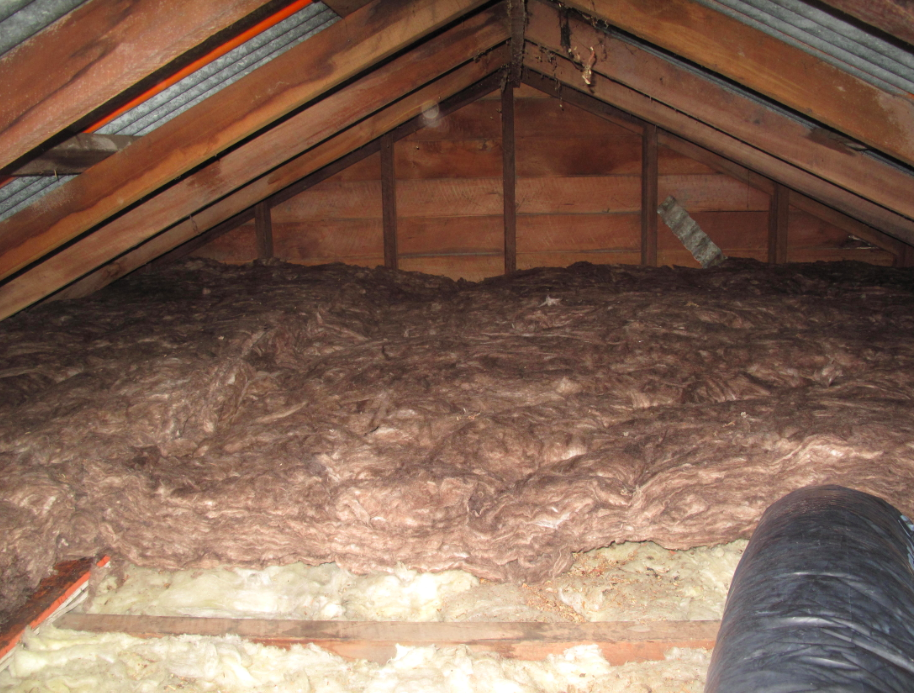
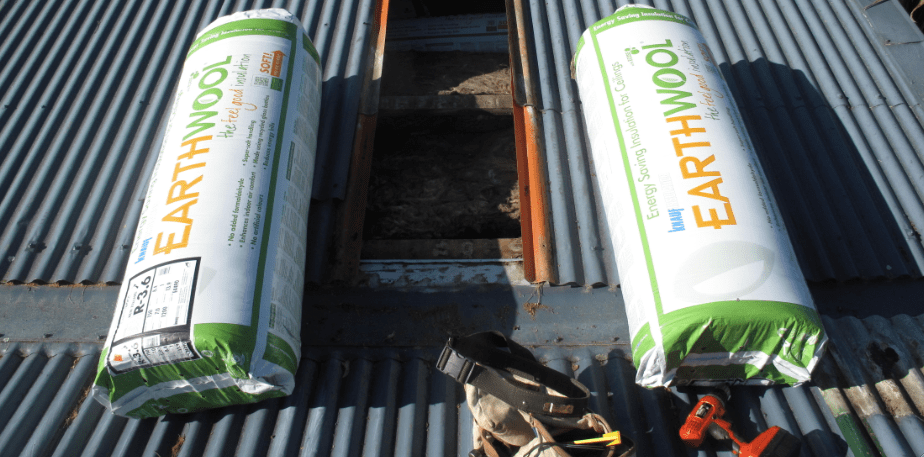
An excellent new-ish product on the market is known roughly as blanket insulation. It is exactly what it sounds like. Instead of individual batts that are laboriously placed between the ceiling joists, blanket insulation simply rolls out over the top of the joists and any existing insulation. As such, it is quicker and easier to install, and mildly less expensive to purchase. Additionally, it is a higher performing product because there are fewer gaps between pieces than would be the case of ‘blanketing’ with batts (as we did in our villa four years ago), and it blocks the thermal bridging of heat through the ceiling joists. With a top-up of R 3.6 blankets in addition to the existing batts, we will have a total R-value of over R 5.0 over our heads. This is roughly the same as our villa, but with the added bonus that our new ceiling is 600 mm lower! Screen shot 2014-08-15 at 8.06.31 PM

There you have it: Win-Win-Win as usual using eco-thrifty design thinking. The only Win missing is that of Argentina in the FIFA World Cup. But I have them down to be the surprise champions of this year’s Rugby Championship by upsetting the Springboks, the Wallabies, and yes, the mighty ABS. Don’t cry for me Argentina!

Peace, Estwing
Coming Soon, 7th – 14th September

Adult & Community Eco-Literacy Week and Whanganui Permaculture Weekend.

A series of high-quality educational events free and open to the public. More details to follow.


Changes: Light Bulbs and Other

The day I bought my small farm in New Hampshire, USA, I worked all afternoon digging out some shaggy looking yew bushes from in front of the 210 year-old farmhouse. The bushes had been broused by hungry deer all winter when the snow depth reached about a metre.

Not far from the farmhouse was a thick stand of hemlock trees growing in a boggy area. Once the ground was frozen and the snow depth started to increase, the deer “yarded” under the hemlocks for shelter at night.

During the day, the deer spread out looking for food. From this perspective, my yew bushes were like the fish n’ chips shop down the street, only without the tomato sauce.

But possession day, 1st June, 2000, was sunny and warm. An afternoon of digging and rooting with a pick axe earned me a tidy front garden, a sore back that lasted three days, and a sunburn that lasted a week.

The first day at my second property in Castlecliff also left me with a sore back and a sunburn, but for completely different reasons. Yes, a squatter had been “yarding” in our lounge over the southern winter, but my lumbar pain had nothing to do with fixing damage he/she had done.

The salt air had perforated the iron roof of the villa with a thousand and one holes, many in the form of little halos around the lead head nails. The first order of business of our eco-thrifty renovation was to put on a new top-of-the-line roof, which meant tearing off the old iron sheet by rusty sheet. Twelve hours later and I was ready for fish n’ chips, aloe vera soothing cream, and a good night’s sleep.

Partly as a result of our eco-thrifty renovation project in Castlecliff, our blog with 400 posts documenting the process from soup to nuts, this weekly column in the Chronicle, and the education work we have done in the community, I have taken a position in another provincial city. It is an amazing job for which I am well suited, but the travel takes a toll on me, my family, and the planet. In order to shorten the distance traveled we have shifted to a new home.

The bad news is that we have to leave our beloved home in Castlecliff after three and a half years of blood, sweat, tears, blisters, sunburn, laughter, dancing, singing, home-birthing and love. The good news is that our new home – a 1930s bungalow – is also in need to eco-thrifty renovation that may fill this column for many months to come.

The other good news is that on my third property I have finally wised up enough to avoid sunburn and a sore back. After shifting furniture and sundries with the help of many friends, I set myself to the real work of the day: changing the light bulbs.

Screen shot 2014-08-08 at 9.58.19 PM

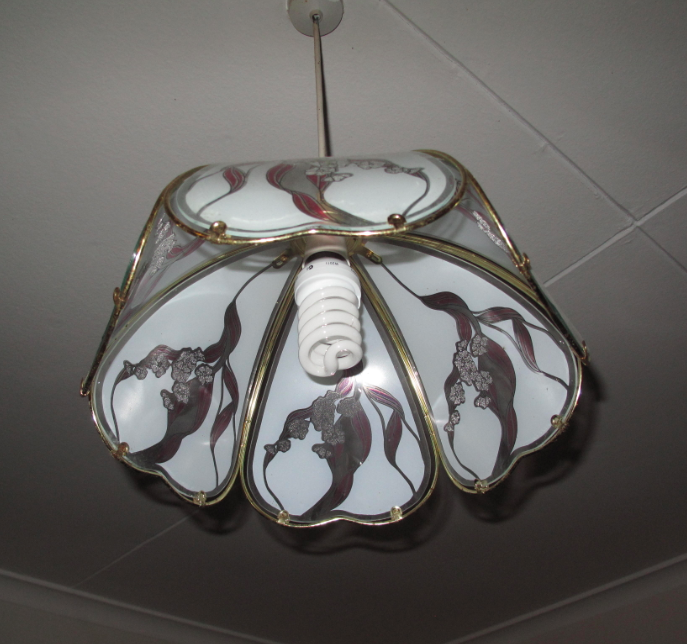
Don’t laugh, there were a lot of energy-guzzling incandescent bulbs that had to be swapped out, and the bayonet type socket can be tricky to insert into a hanging ceiling lamp. After about a dozen bulb swaps, my back was a fresh as ever, although my wrist may have been temporarily fatigued. With age and a herniated disc in my back I have wised up and taken on new ways.

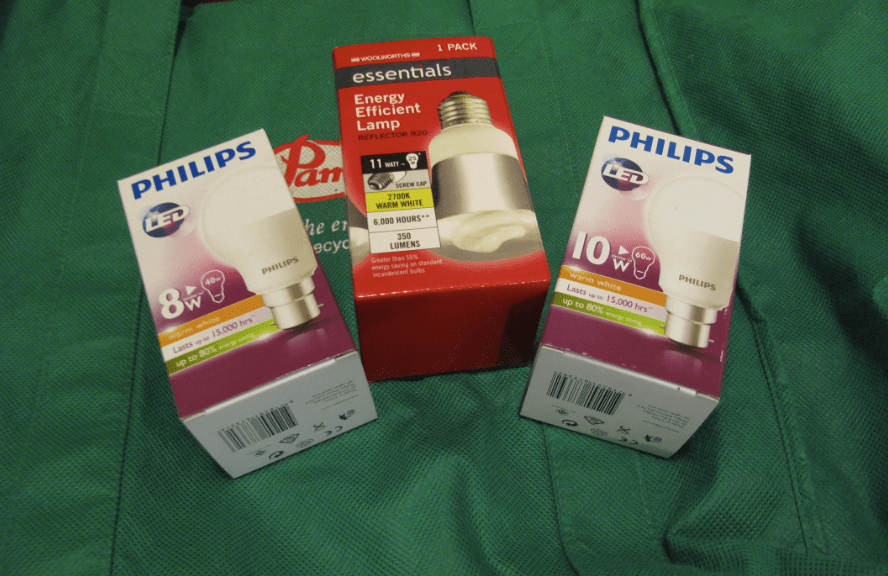
And speaking of new, I am happy to report that I have made my first purchase of LED (light-emitting diode) bulbs. But at around $15 each, I want to be assured they will last a decade and save me over $100 each in power. What if they burn out early? What if they are of low quality?

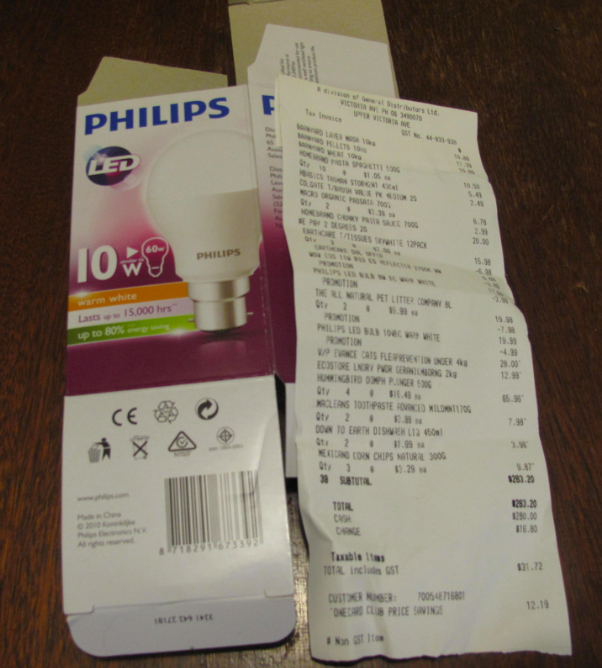
Here is a little trick I have done with my CFL lightbulbs in the past and will continue to do with the LEDs. Take the cash register receipt and staple it to the folded up box with the bar code. Stash this away in that drawer where you keep warranty forms, insurance policies, instruction manuals, etc. If at any time you feel the bulbs have not lived up to their potential, dig out the receipt and head back to where you bought them. Screen shot 2014-08-08 at 9.58.06 PM

Complimentary Design

Here we are in the middle of winter and it’s music trivia time again. If you are under 30, you may want to skip the next paragraph.

Released in 1972, this song was the first and only number one on both the soul singles and Billboard Hot 100 charts for singer songwriter Bill Withers. In 1987, Club Nouveau covered the song and took it back to number one for two weeks on the Billboard charts. That version reached number one in New Zealand in 1987, and earned Withers a belated Grammy award, as a writer, for Best R&B Song. It is ranked number 205 on the Rolling Stone list of 500 Greatest Songs of All Time.

This music trivia question was brought to you by Wikipedia. Any guesses?

The song: Lean on Me.

The moral: We all have our good days and bad days.

 Screen shot 2014-07-18 at 7.54.12 PM

The same goes for passive solar homes, especially on cloudy winter days. But there is a silver lining when eco-design is involved. Here is what I mean.

Central to eco-design is working with nature instead of against it. Aside from those people and organizations who prefer wasting money and increasing pollution, we all understand this.

Part of working with nature is understanding the patterns in nature. With regards to a passive solar home, this means sun angles: morning, noon and night; summer, autumn, winter, spring.

It also includes an understanding of winter weather patterns. For example, most sunny winter days are followed by clear, cold nights. On the other hand, most cloudy winter days are followed by warmer nights because the cloud cover holds the warmer daytime air against the earth.

The passive solar design of our home takes into account both of these two conditions in order to keep our power bill as low as possible. On fine winter days the sun warms our home to a comfortable 24 degrees, it heats our water, and cooks our dinner on the solar cooker outside on the patio.

Screen shot 2014-07-18 at 7.54.19 PM

On overcast winter days we can light a fire in the cookstove if needed, which then heats our home and cooks our meals. Wood, after all, is just sunshine one step removed.

In both cases, the result is a warm home and a hot meal without the need to use any electrical power. This can be considered a complimentary design strategy: when one element of the system is lacking another element in the system steps in to help out.

Lean on me when you’re not strong

I’ll be your friend, I’ll help you carry on

For it won’t be long

‘Till I’m gonna need somebody to lean on

It will not come as a surprise that most great teams like the All Blacks design their game plans to take into account the complimentary skills of each player, and to adjust the game plan to take advantage of those players who are performing at their best during any particular contest while others may turn in sub-par performances.

But then again, every Achilles has his heel. In our present home there are days – one or two each month during May, June and July, that we run our of solar hot water and have to turn on the electric element for 20 or 30 minutes in order to take showers. This boosts our monthly power bill from its usual $22 all the way up to $25.

This minor expense of about $10 per year does not justify the cost of connecting a wetback to our wood burner, which would run into the thousands of dollars. In other words, the payback period for a wetback would be many decades while the payback for our solar hot water will be somewhere around 6 years.

However, when we shift homes next week we will be facing a different set of circumstances where the installation of a wetback may be justified. Time, and eco-design, will tell.

Peace, Estwing
 

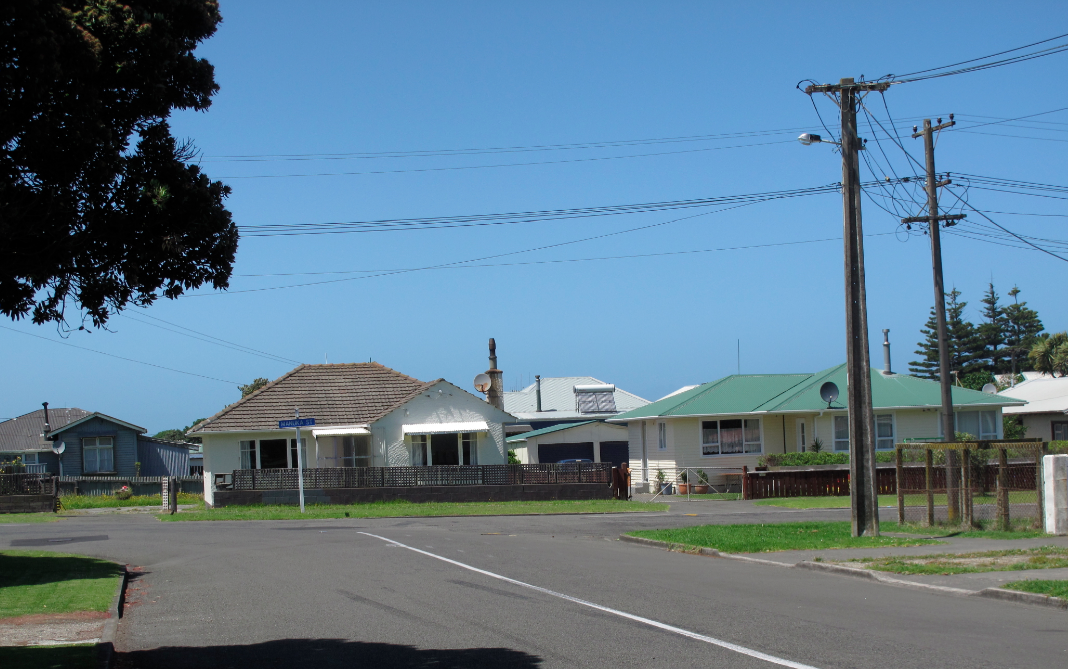
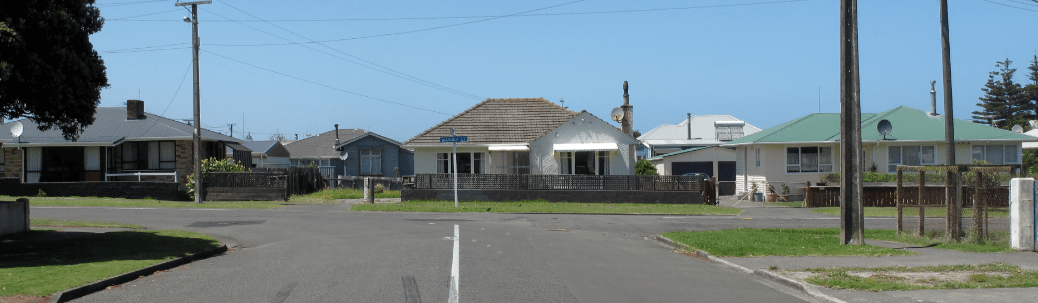
p.s. How many TV satellite dishes do you see in the title image and how many solar water heaters?

The Best Innovations Are Free

Innovation, someone once wrote, is in the eye of the beholder. Oh wait, that was me last week. How innovative!

See what I mean?

Someone else – I’m serious this time – once told me that perspective prejudices perception. In other words, the angle at which we look at something heavily influences the way in which we internalize it. This person was Eliot Coleman, a famous American market gardener and author.

I met Coleman about ten years ago, and found him very much of the eco-thrifty persuasion. We got on famously.

It will come as no surprise that the eco-thrifty perspective on innovation is very different from the infinite-growth-without-consequences perspective. The latter, what Australian author Clive Hamilton calls “Growth Fetish,” appears to be the dominant perspective of Wanganui District Council, made evident by the stacks of cash it throws at chasing this outdated paradigm.

Innovative councils across the country and around the world see beyond a reductionist vision of growth, and have reaped huge rewards. Name any vibrant, dynamic city on the planet with high quality of life for residents and you’ll find innovative planning, programmes, and services provided by local government. Last week I briefly described the Eco Design Advisor service offered by seven councils in New Zealand.

The service helps local residents make their homes warmer, dryer and healthier while saving on their power bills and supporting local businesses and trades persons. It is a win-win-win proposition that is about doing more with less, while simultaneously protecting the community from future price rises in energy and health care.

Doing more with less is a philosophy that we have engaged for the last three and a half years while converting a draughty villa into a cosy, healthy, low-energy home. This process involved lots of innovation…depending on your point of view.

One successful way we do more with less is by using window blankets in our home. These consist of bits of scrap wood and old wool blankets, but can perform as well as double-glazing. I’ve written about window blankets before, and there is a free DIY workshop coming up tomorrow (see side bar). If you plan to attend the workshop, please measure the width of one window in your home (inside the window frame), bring a piece of wood of corresponding length, and a wool blanket or polar fleece fabric. Wood dimensions should be in the range of 12 mm by 70 mm or 45 mm by 45 mm.

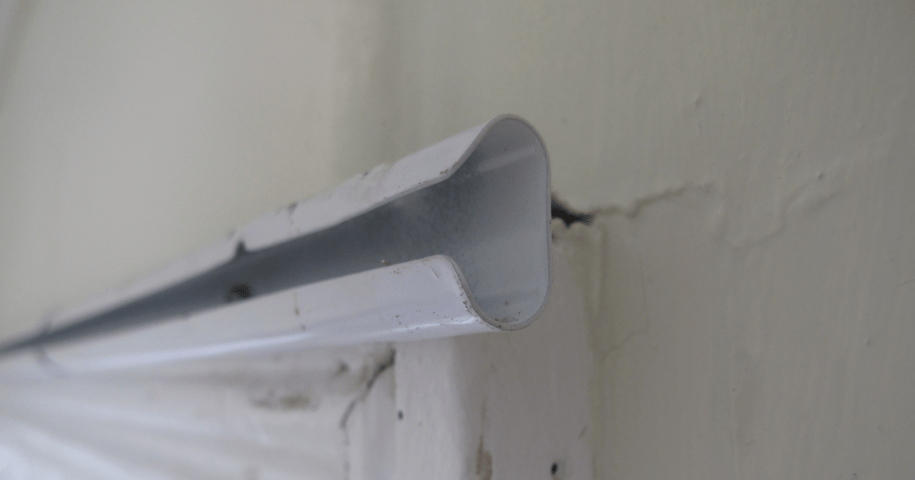
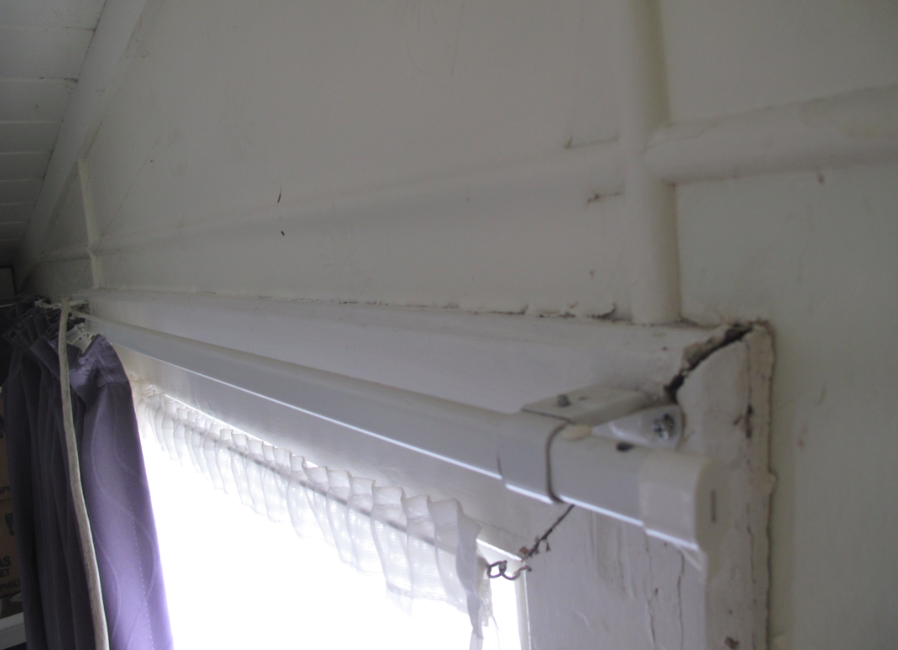
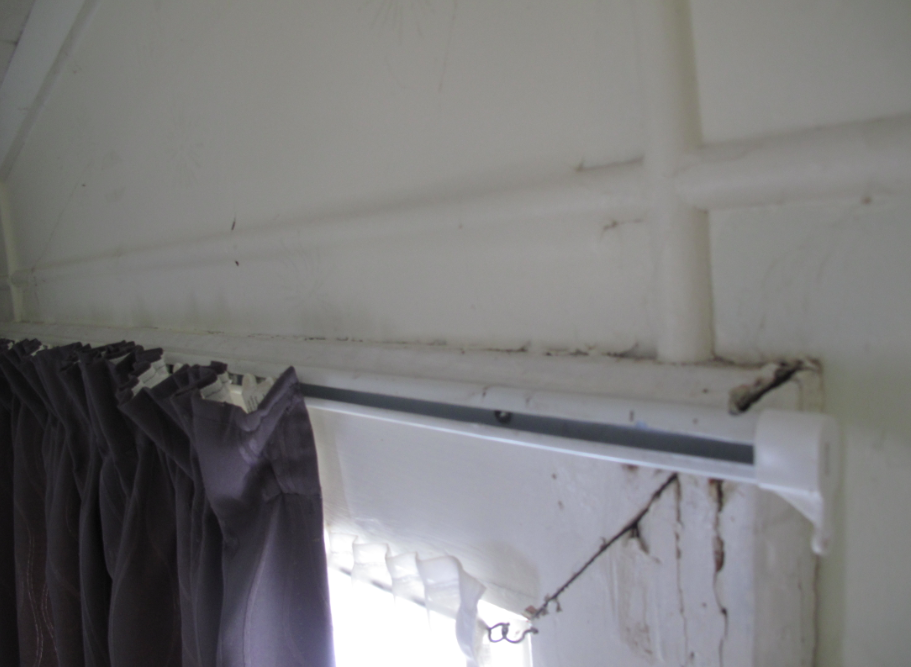
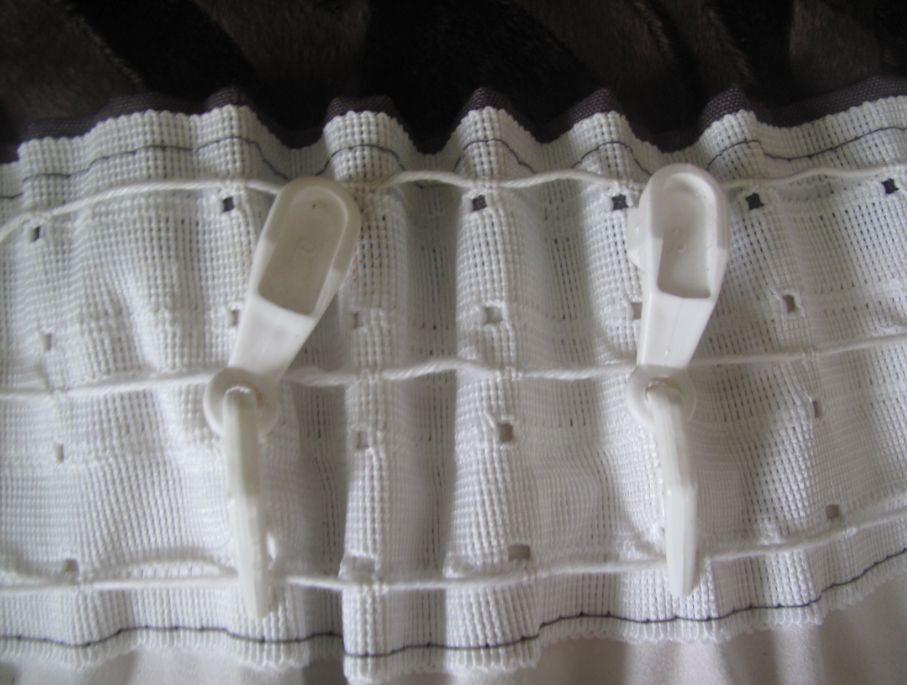
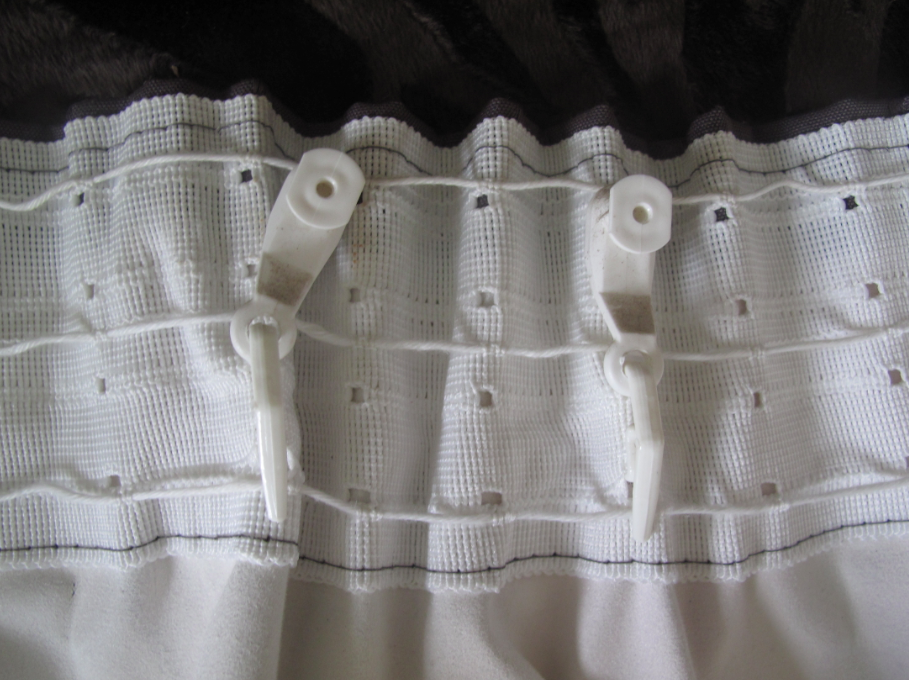
Another innovation that has helped us do more with less involves turning an open top curtain rail into a closed top curtain rail. The reason for doing this is that in most cases an open top curtain rail allows warm air to drop behind the curtain and cool off once it finds itself against a cold window. This air cools and sinks, pulling more warm air from the ceiling and the cycle continues all night long.

Put simply, you could have the best, most expensive, custom-made curtains in the world but if they are not installed properly they are not effective at holding in heat. I would estimate that 70% to 80% of all the curtains I see in NZ homes are not hung to maximize warmth retention. What an unnecessary waste!

The photos I’ve included show the before and after, but the process is quite simple. 1) take down the curtain rail and brackets;

Screen shot 2014-07-11 at 6.59.56 PM

2) pre-drill holes in the rail and bin the brackets; 3) reuse the screws from the brackets to screw the rail directly to the window frame or wall;

Screen shot 2014-07-11 at 7.00.05 PM

4) turn the curtain hooks around and re-hang the curtain;

Screen shot 2014-07-11 at 7.00.13 PM

Before.

Screen shot 2014-07-11 at 7.00.21 PM

After.

5) be warmer and enjoy lower power bills; 6) praise eco-thrifty design thinking.

If you have questions, come along to one of the events listed in the sidebar.

Peace, Estwing
 

Project HEAT (Home Energy Awareness Training)

Free Events

13th – Window Blanket DIY Workshop. 2:00 – 4:00, Duncan Pavilion. For materials info, see above.

16th – Drop-In Healthy Advice. 4:30-5:30, Central Library.