Category Archives: Uncategorized

Spring, Summer, Autumn Events

Household Resilience Workshop Series

The ECO School has partnered with the Whanganui Learning Centre and Horizons Regional Council to host a series of free workshops focusing on Household Resilience. Workshops cover growing healthy food and creating and maintaining a healthy home. 

The workshops will be held at the Whanganui Learning Centre, in Wicksteed Street and Kaitiaki Farm.

22nd October, 5:00-6:00.  Fruit Tree Care and Pruning. Whanganui Learning Centre

30th November, 10:30-12:00 Growing Great Garlic, Terrific Tomatoes and Perfect Pumpkins. Kaitiaki Farm

8th February, 10:30-12:00.  Building Beautiful Garden Beds. Kaitiaki Farm

26th March, 5:30-7:00. The Best Strategies for Eco-Renovation and Retrofit. Whanganui Learning Centre

26th April, 10:00-12:00. Permaculture in Small Spaces, Medium Spaces and Large Spaces. Kaitiaki Farm

Contact information: theecoschool@gmail.com, 027 468 7337

Early Spring on the Farm

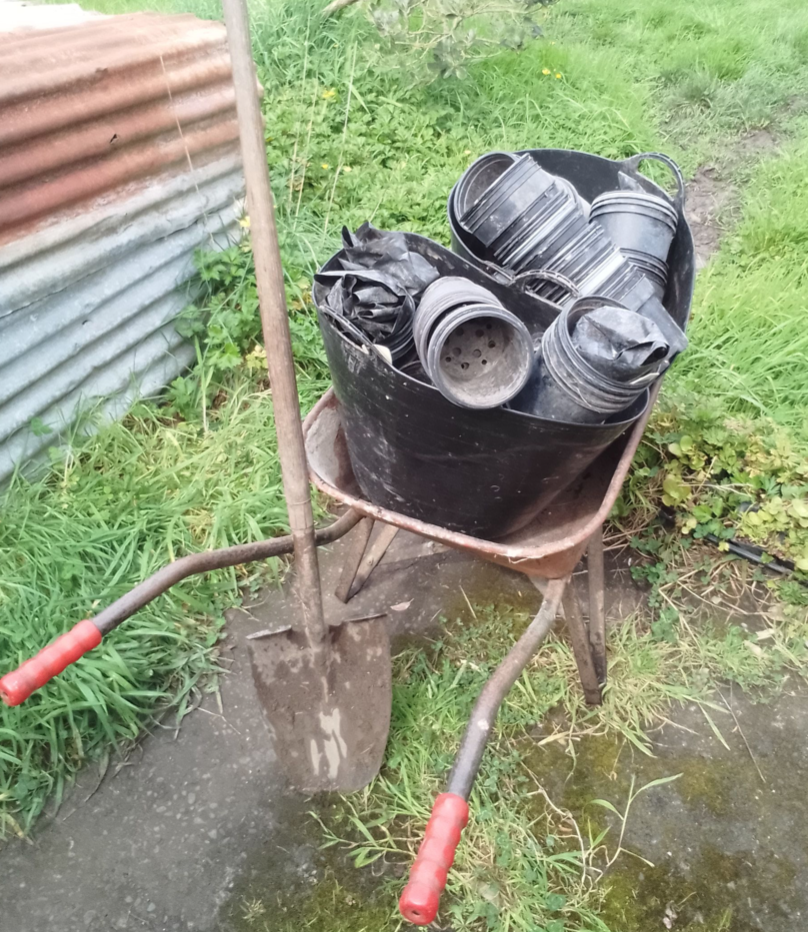
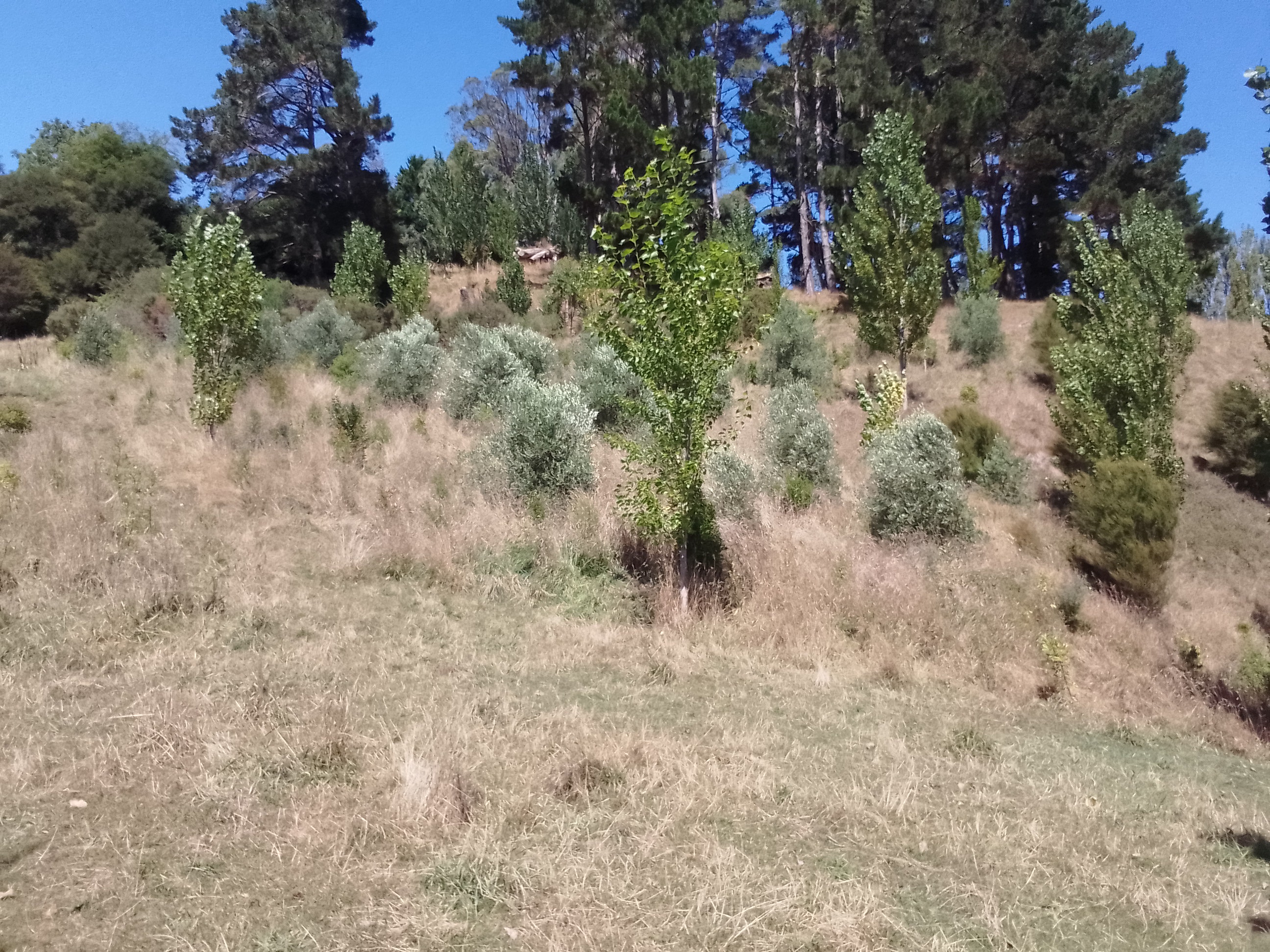
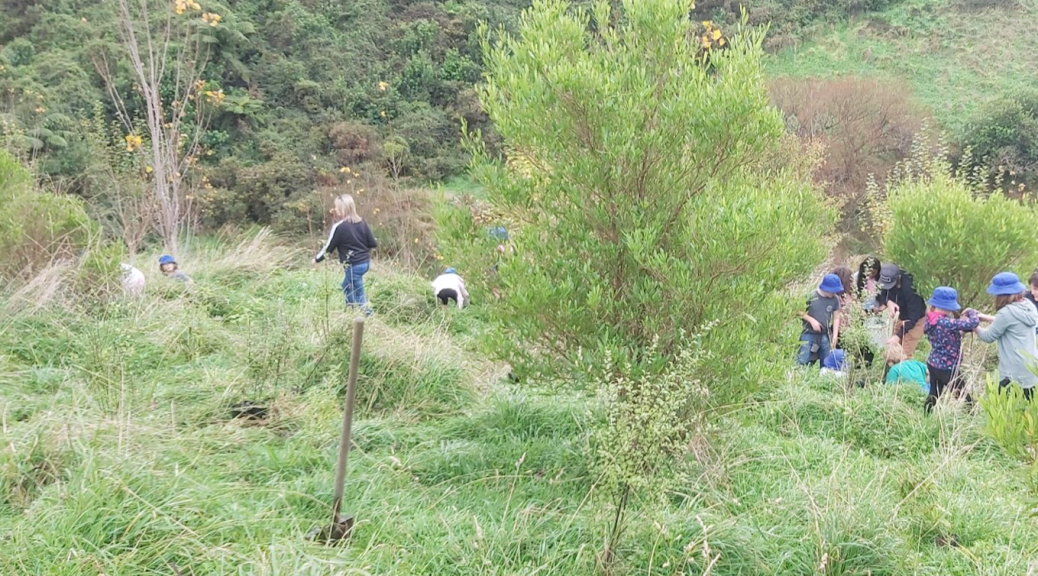
It has been an especially long and cold winter. We’ve kept warm with a well insulated home and ample supply of firewood. Out on the farm, much of the work has involved looking after the animals and planting native trees. Yesterday we planted the last of 600+ natives over steep and rugged terrain. We’ll take the pots and planter bags back to the nursery sometime soon.

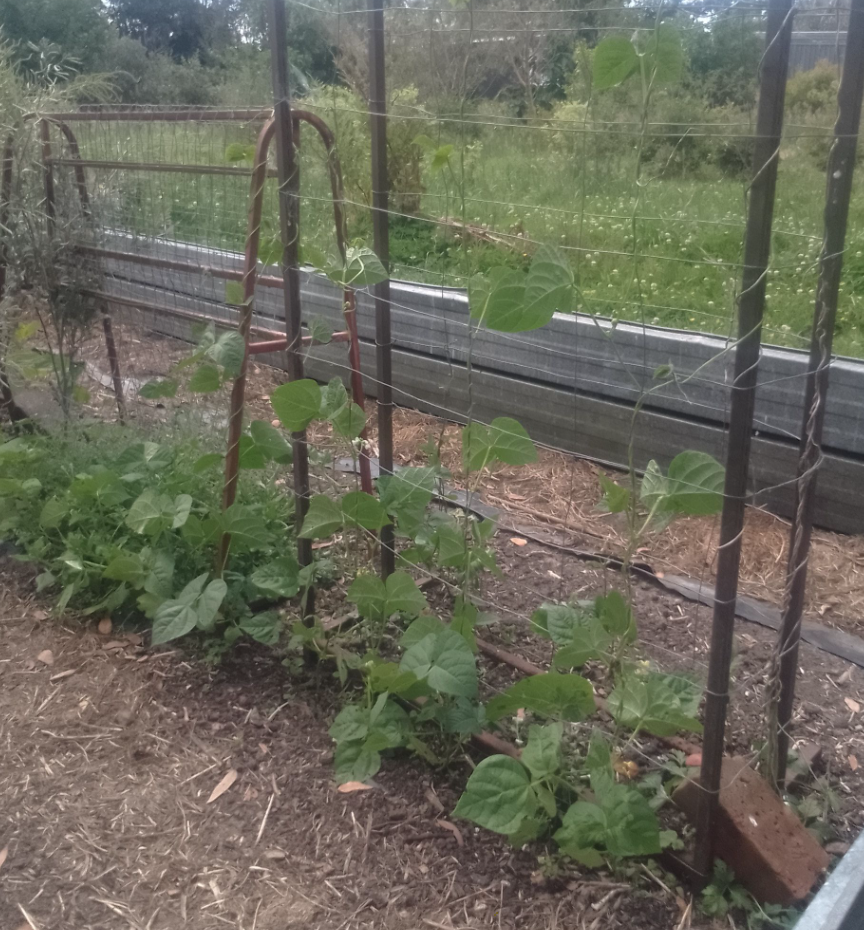
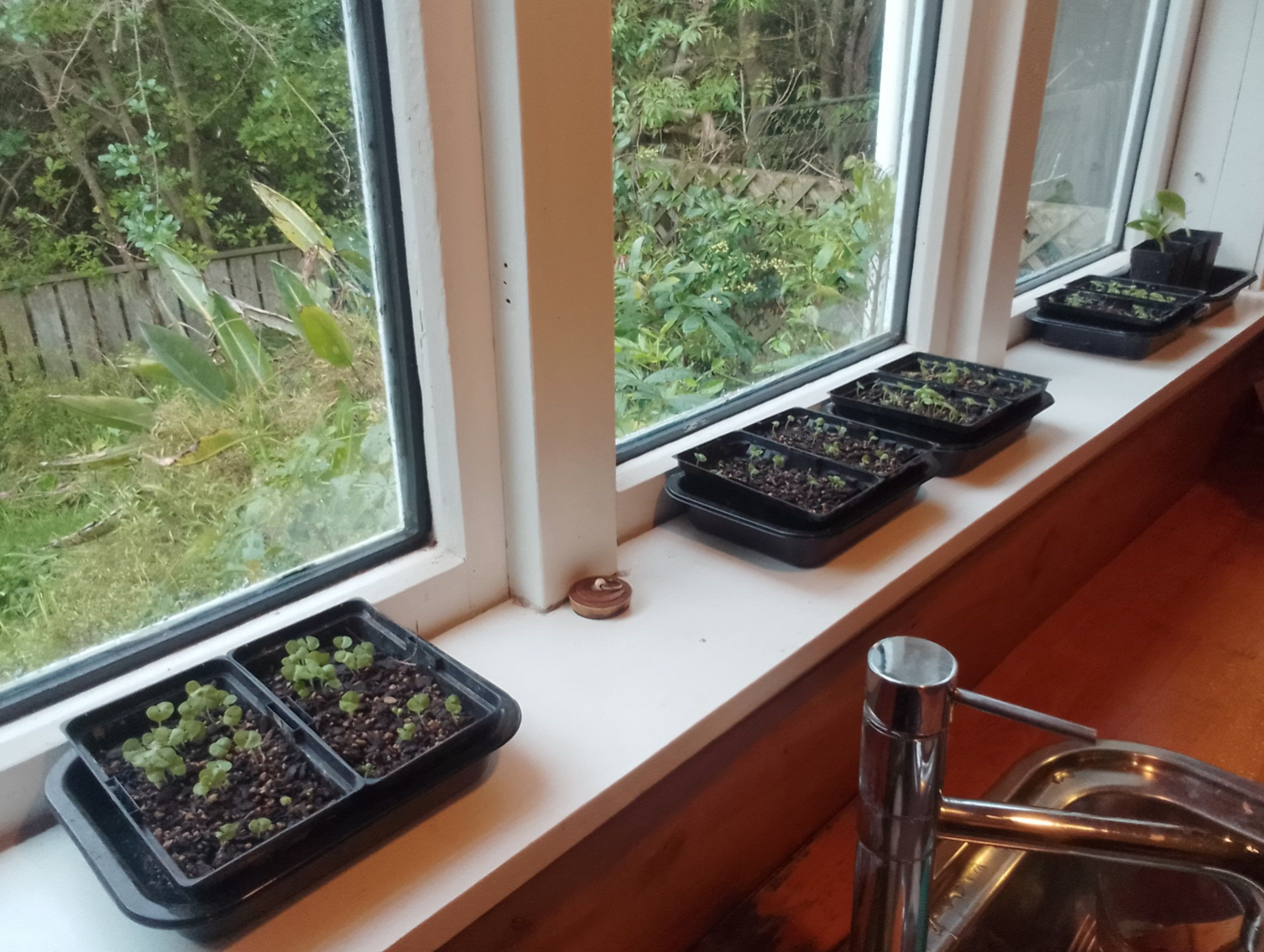
As the tree planting winds down, preparations for the summer garden ramp up. We’ve started basil and zucchini indoors with more to come soon.

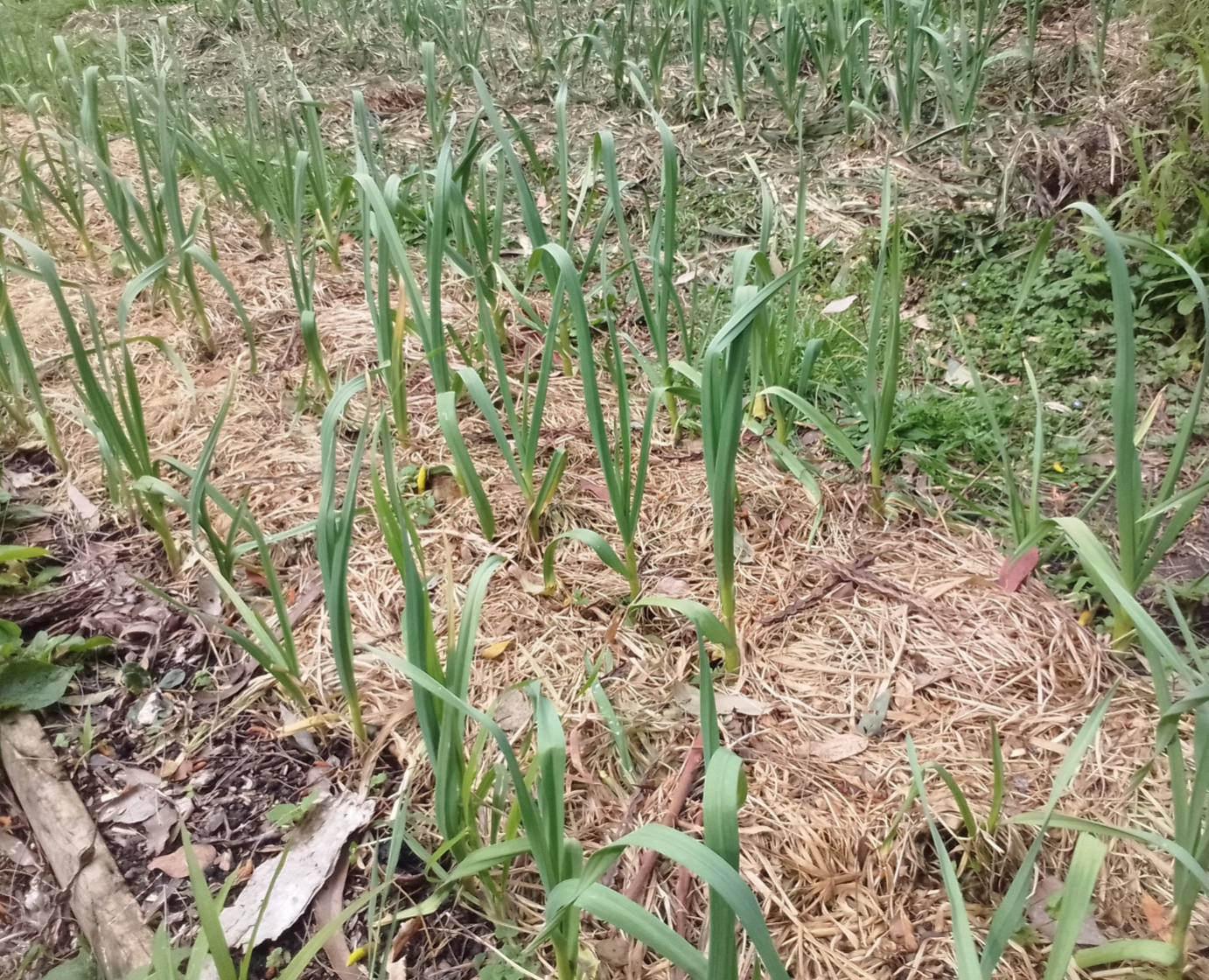
The garlic is finally tall enough that we can mulch it with newspaper and fresh cut grass.

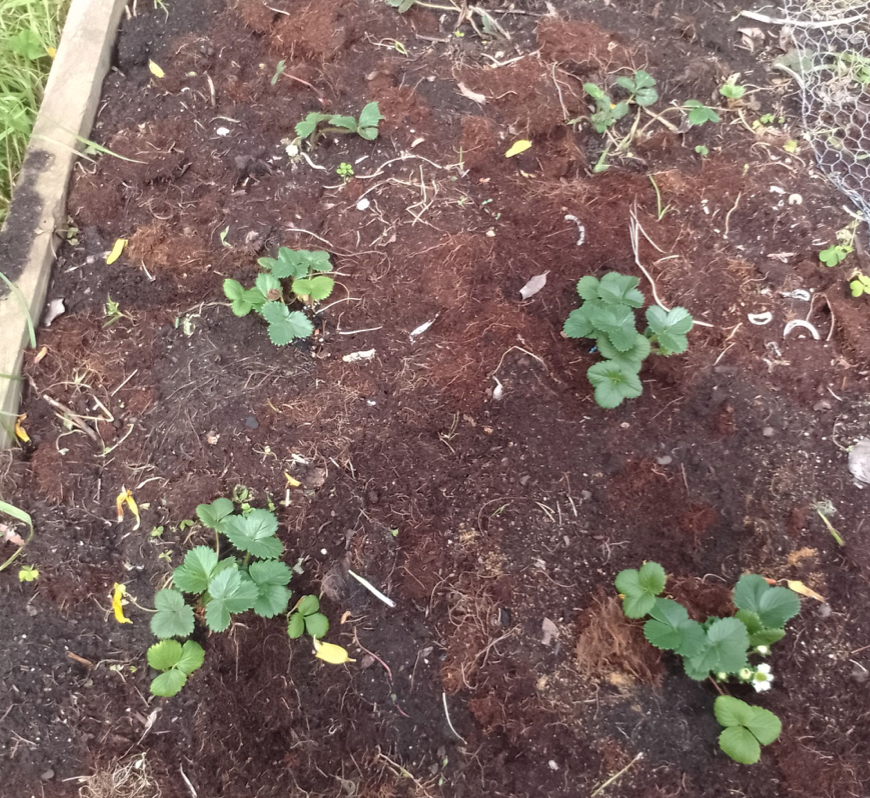
We’ve had a big tidy up of the overgrown strawberry bed and put in some new varieties of berries.

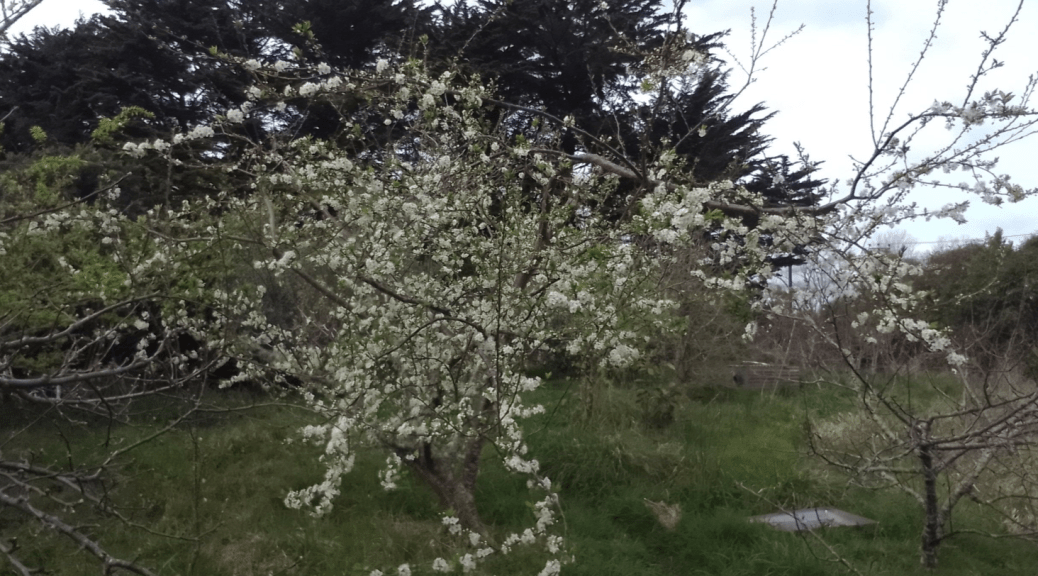
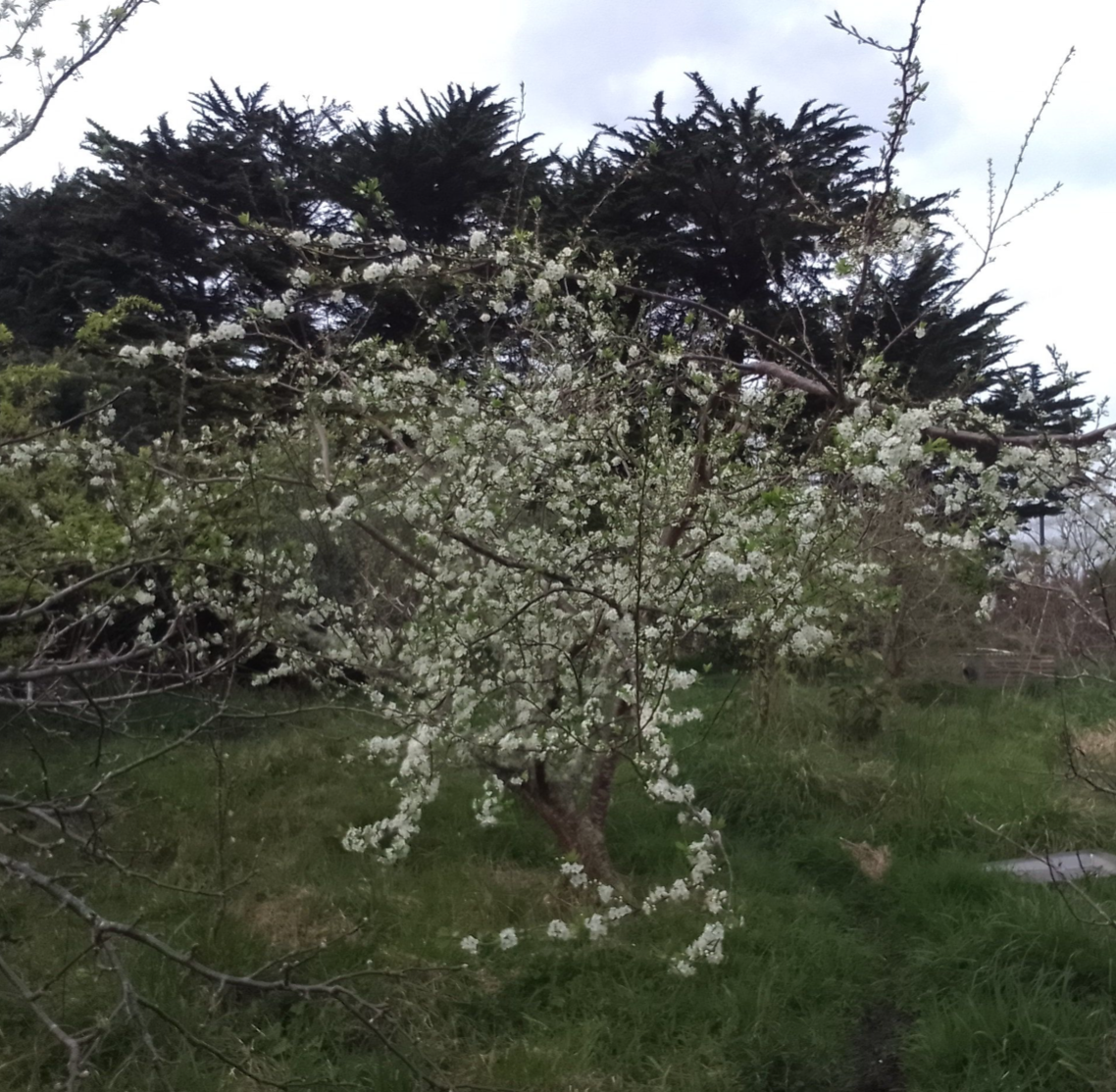
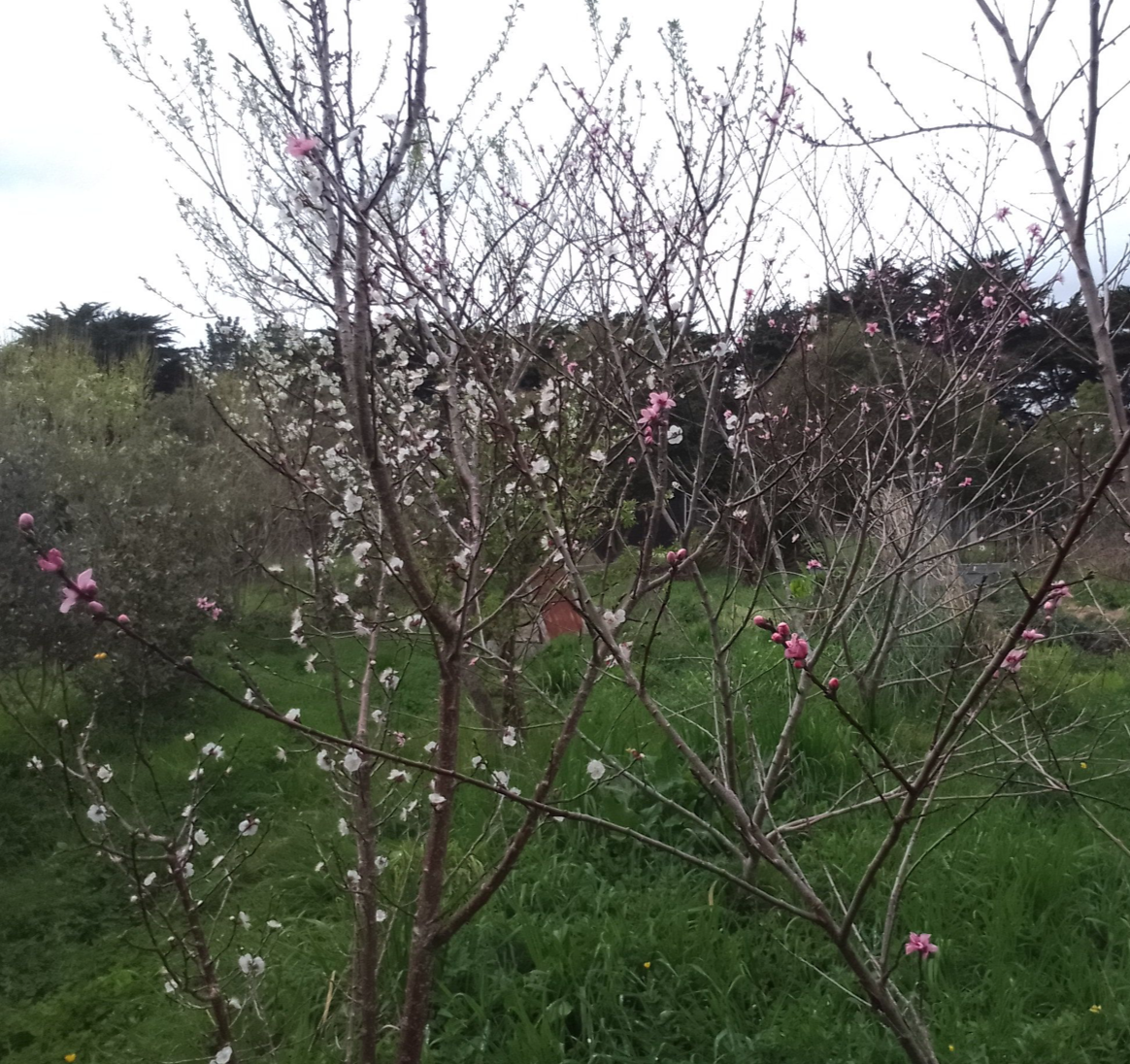
Meanwhile, the plums, peaches and apricots are blooming.

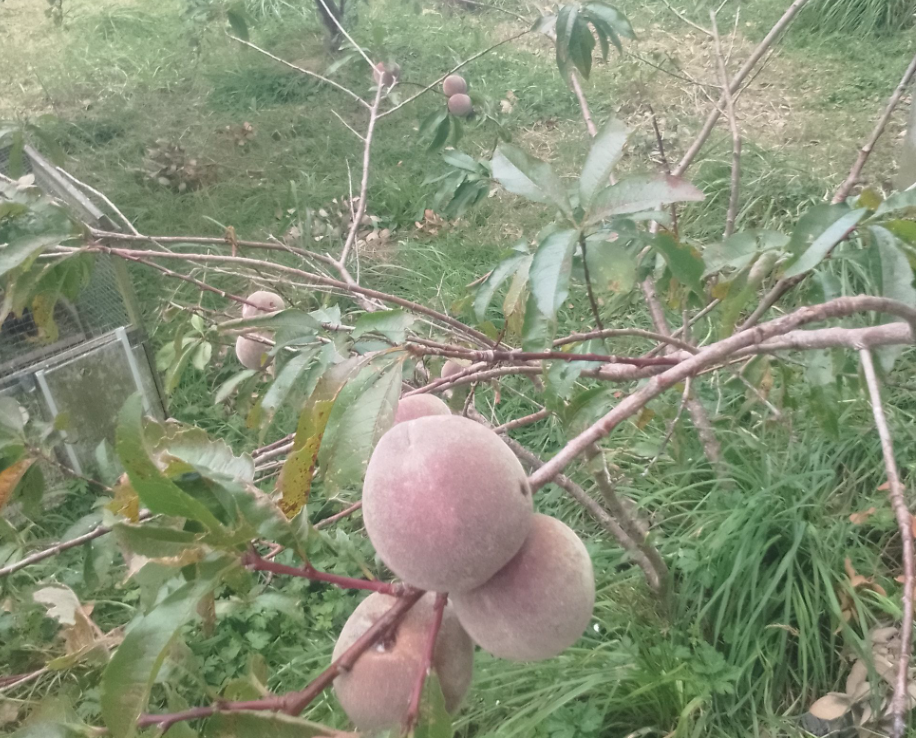
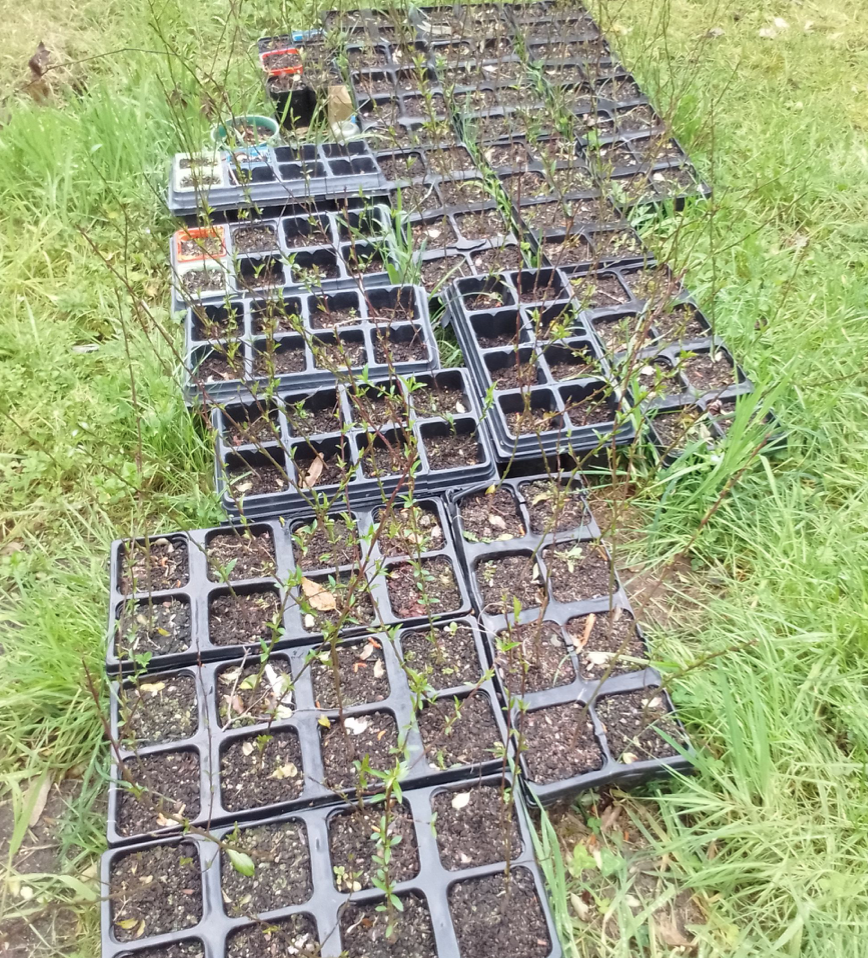
Last year’s black boy peach saplings have woken up in the nursery and this year’s are germinating in trays.

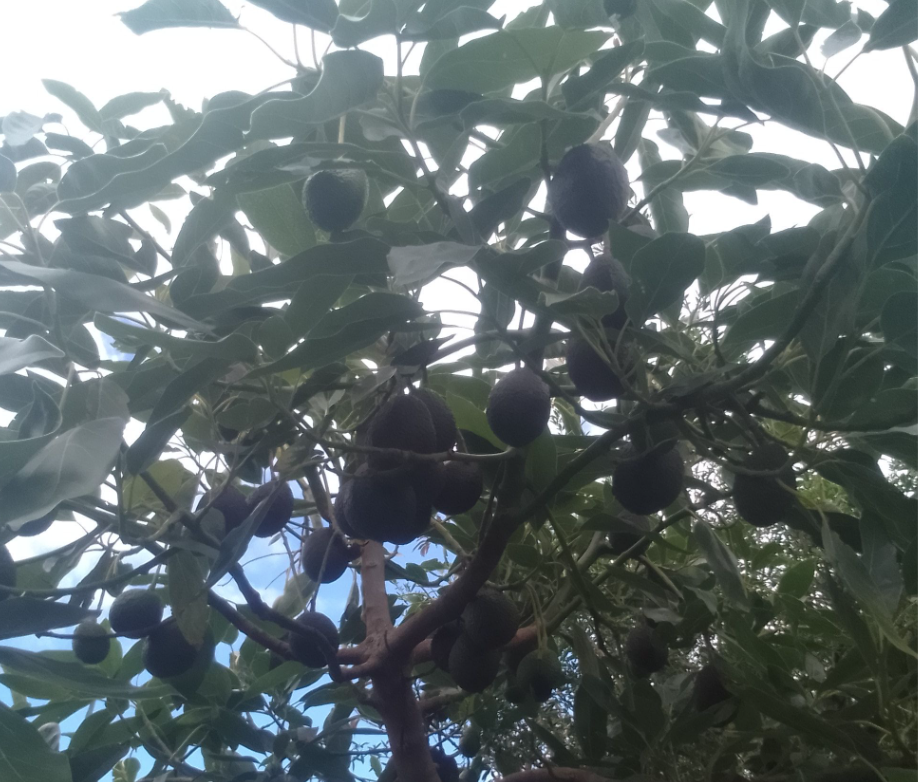
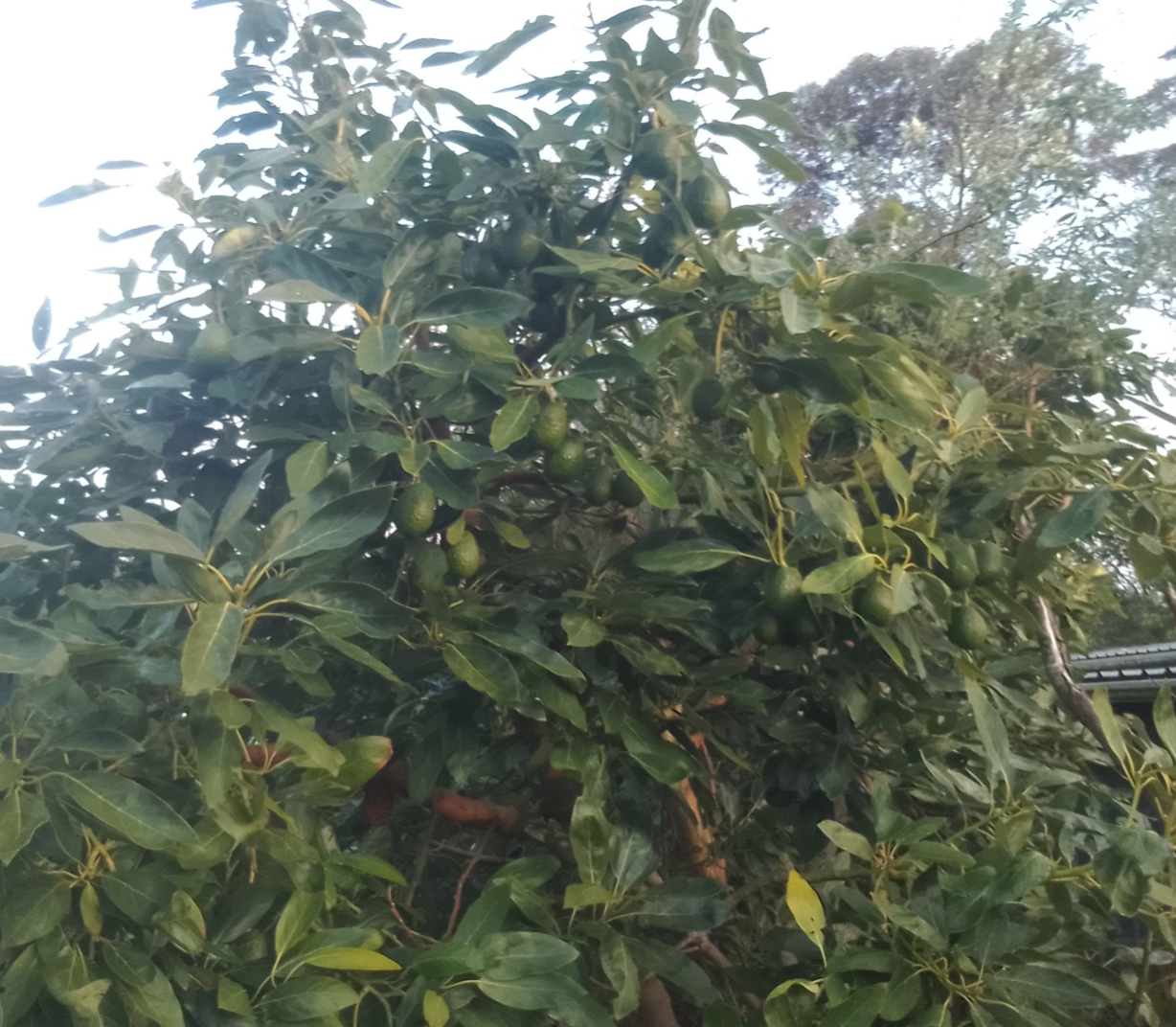
We’re blessed with great fruit set on the avocado trees this year and the high winds have not knocked off any fruit.

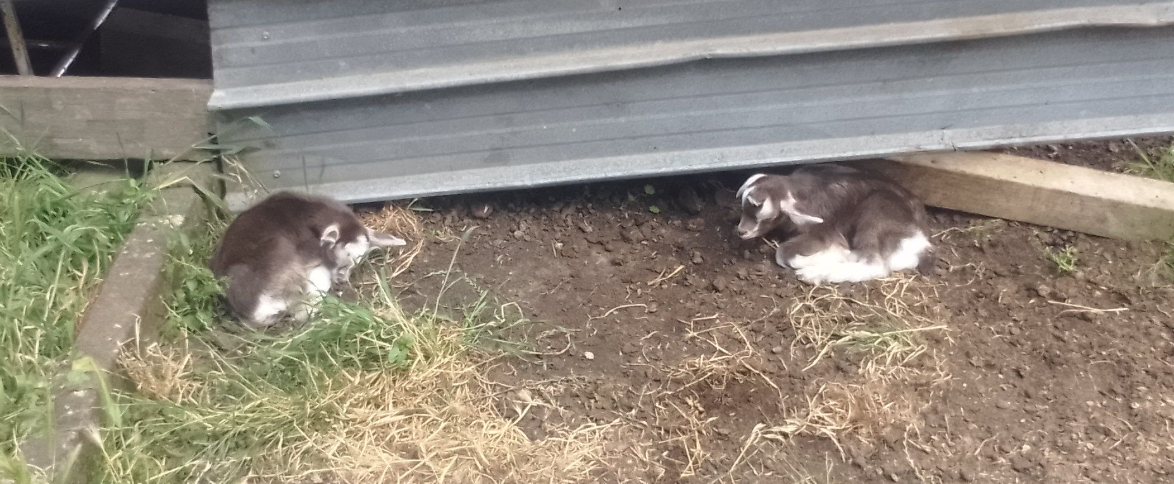
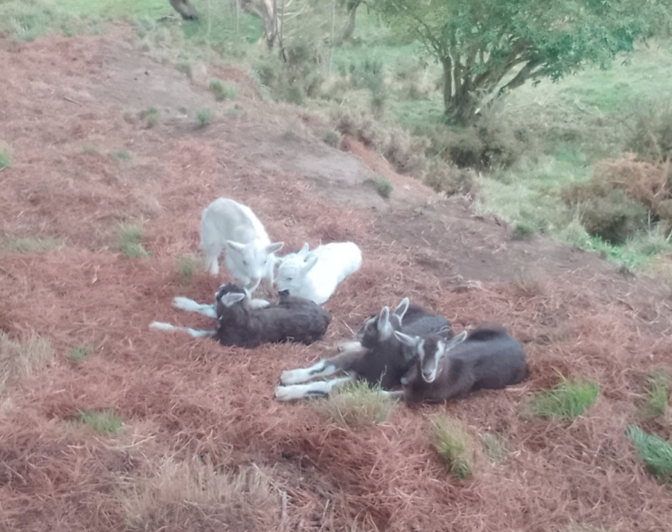
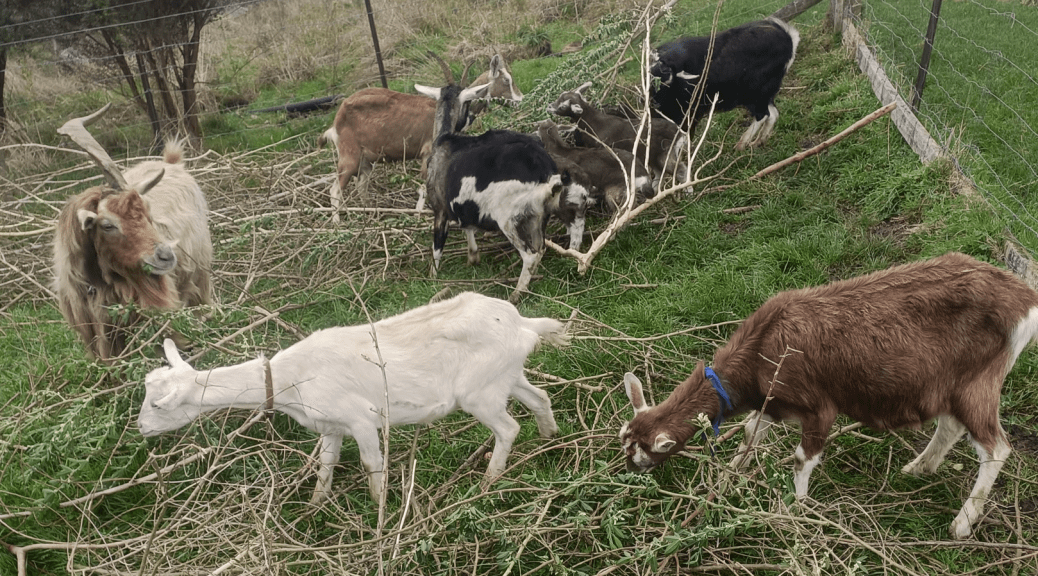
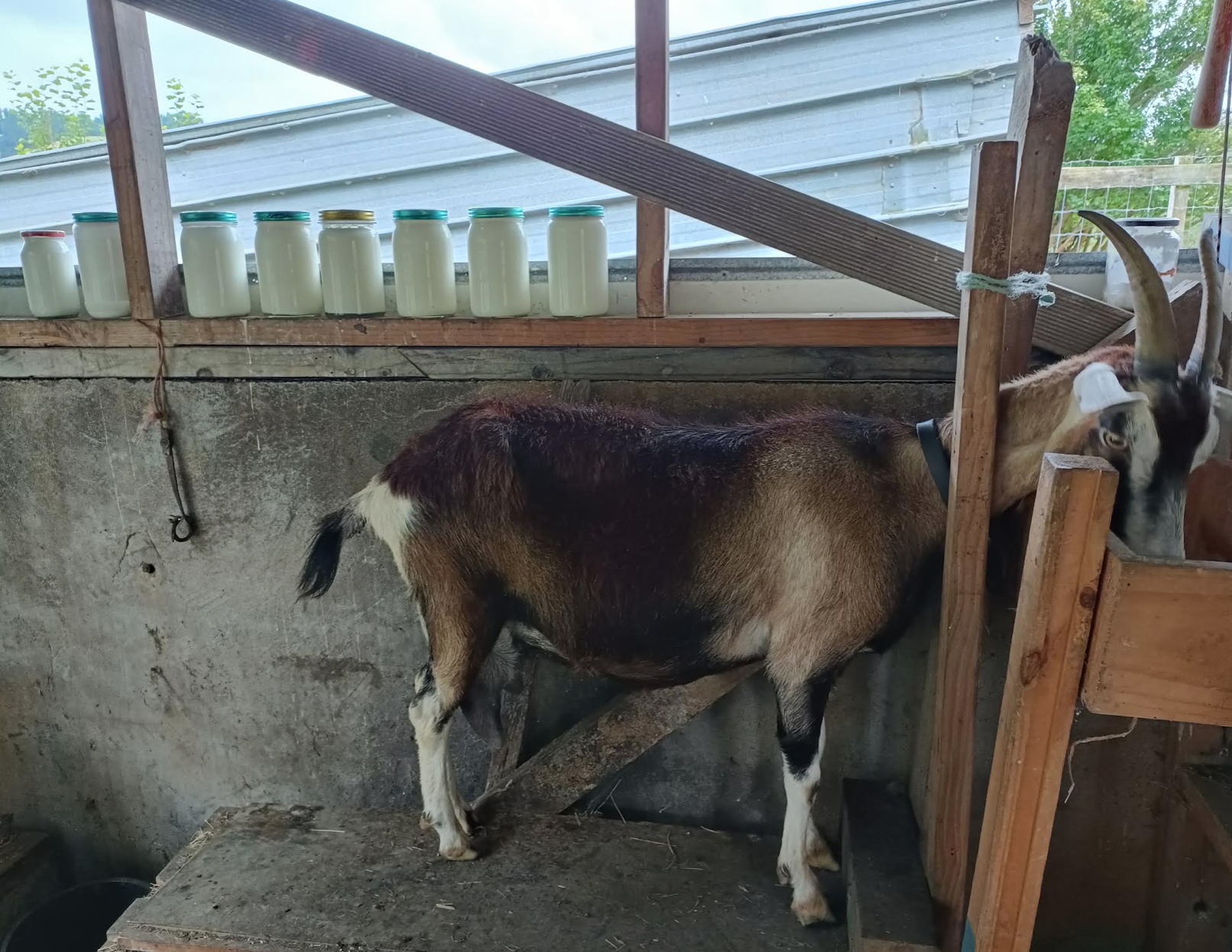
We’ve had a dozen kid goats born and most of them are weaned, so you know what that means!

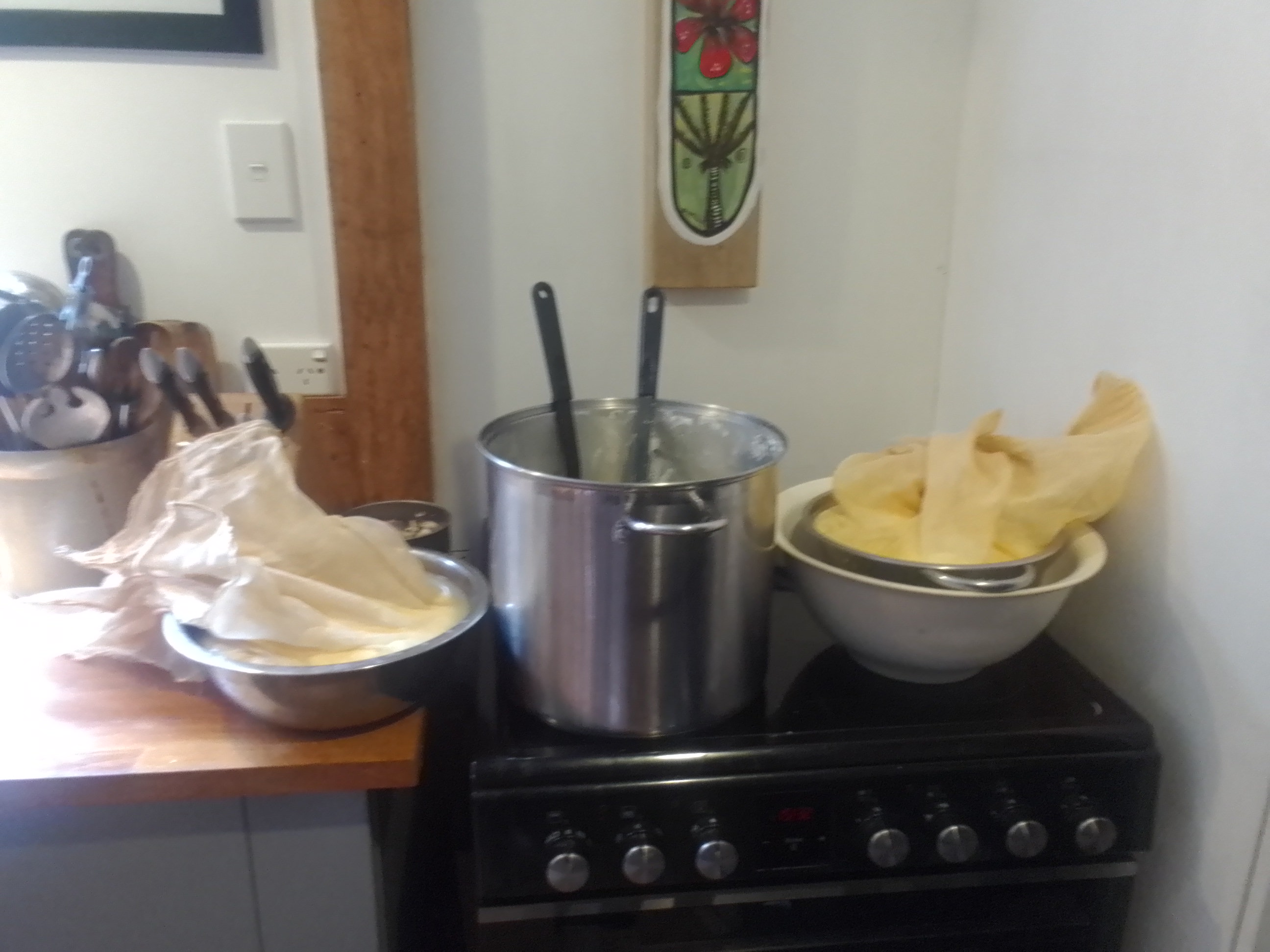
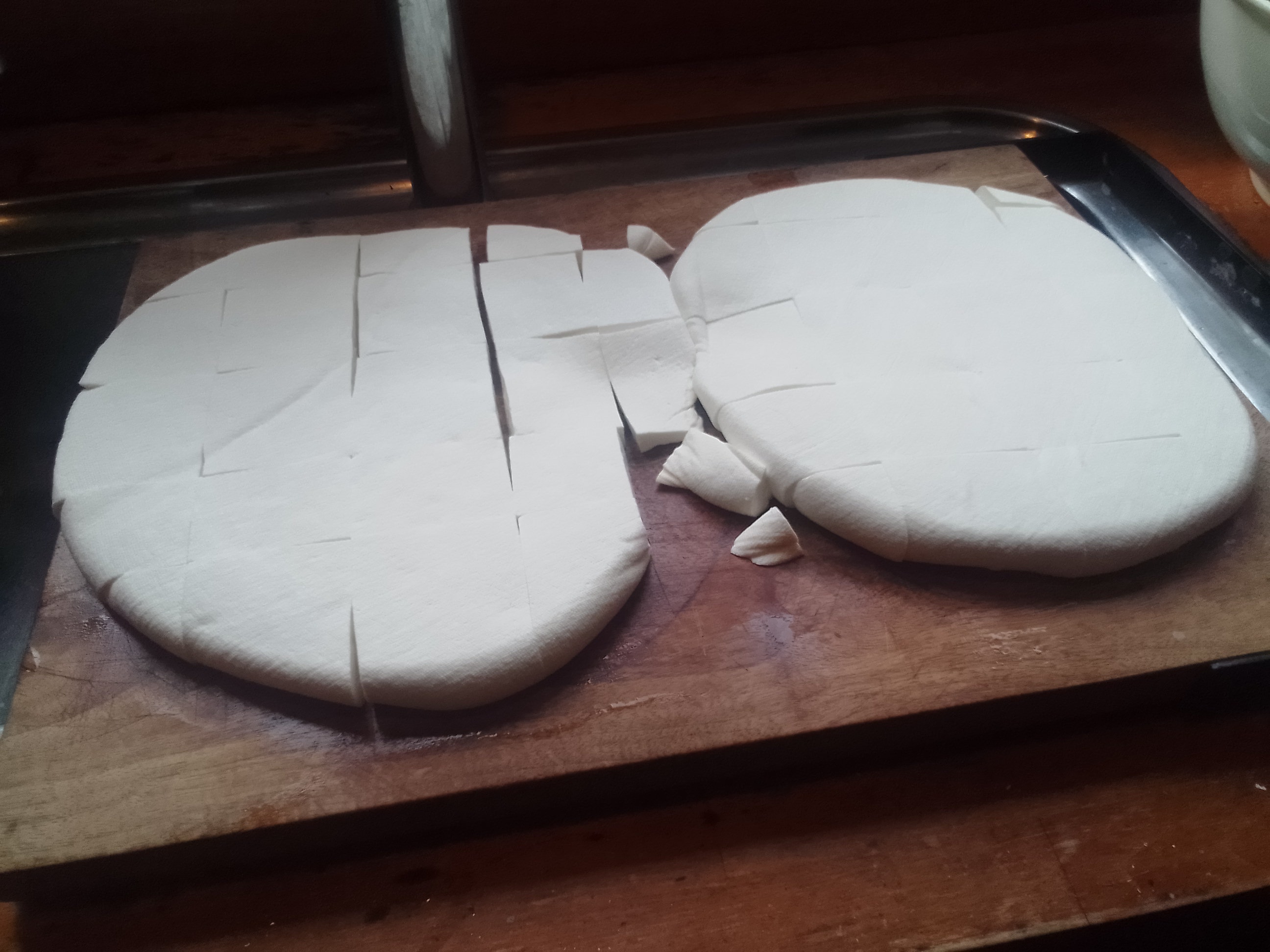
It’s halloumi season again!

Exif_JPEG_420

Kia Kaha!

Kaitiaki Farm in Winter

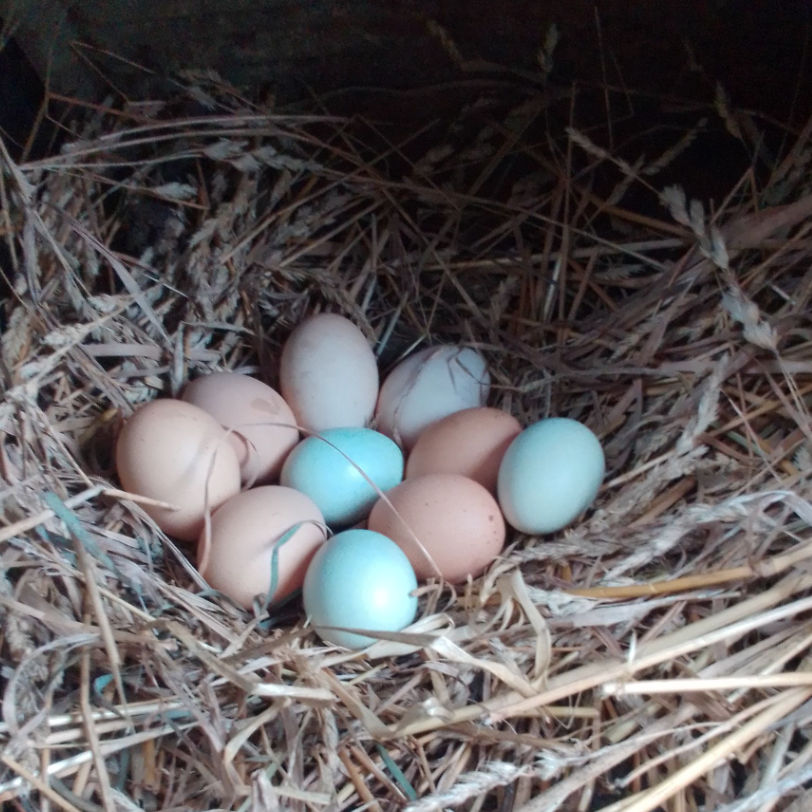
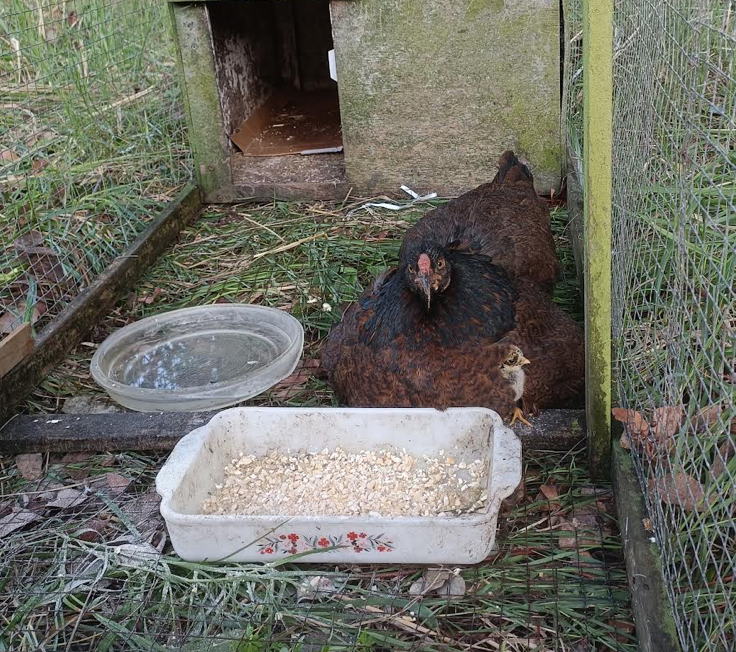
It seems I recall winter once being ‘down time’ on the farm, but these days we’re nearly as busy as other times of year. The goats kidded early this year and we’ve had surprise piglets and chicks as well. There are another dozen chicks tucked under this hen on a chilly morning.

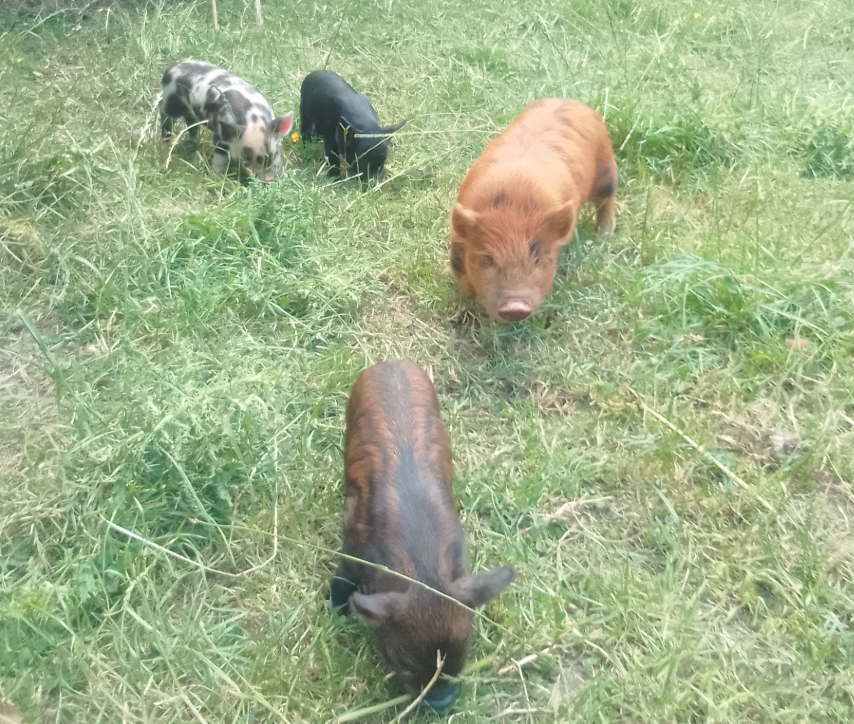
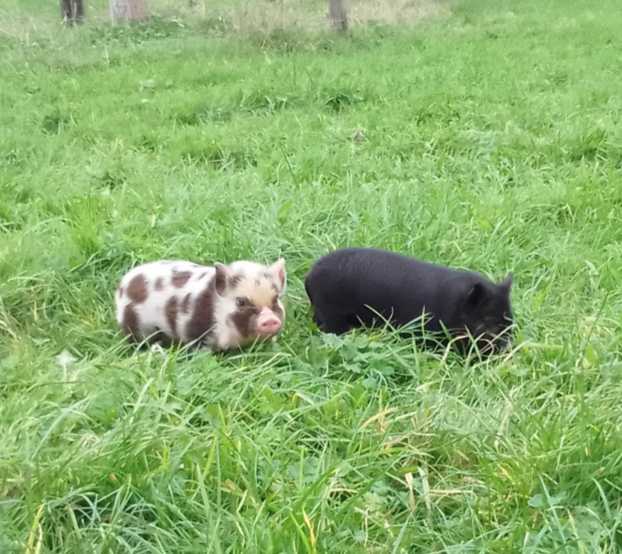
The piglets were born on a cold and rainy day. Unfortunately we lost three of the five, but these two are absolutely thriving.

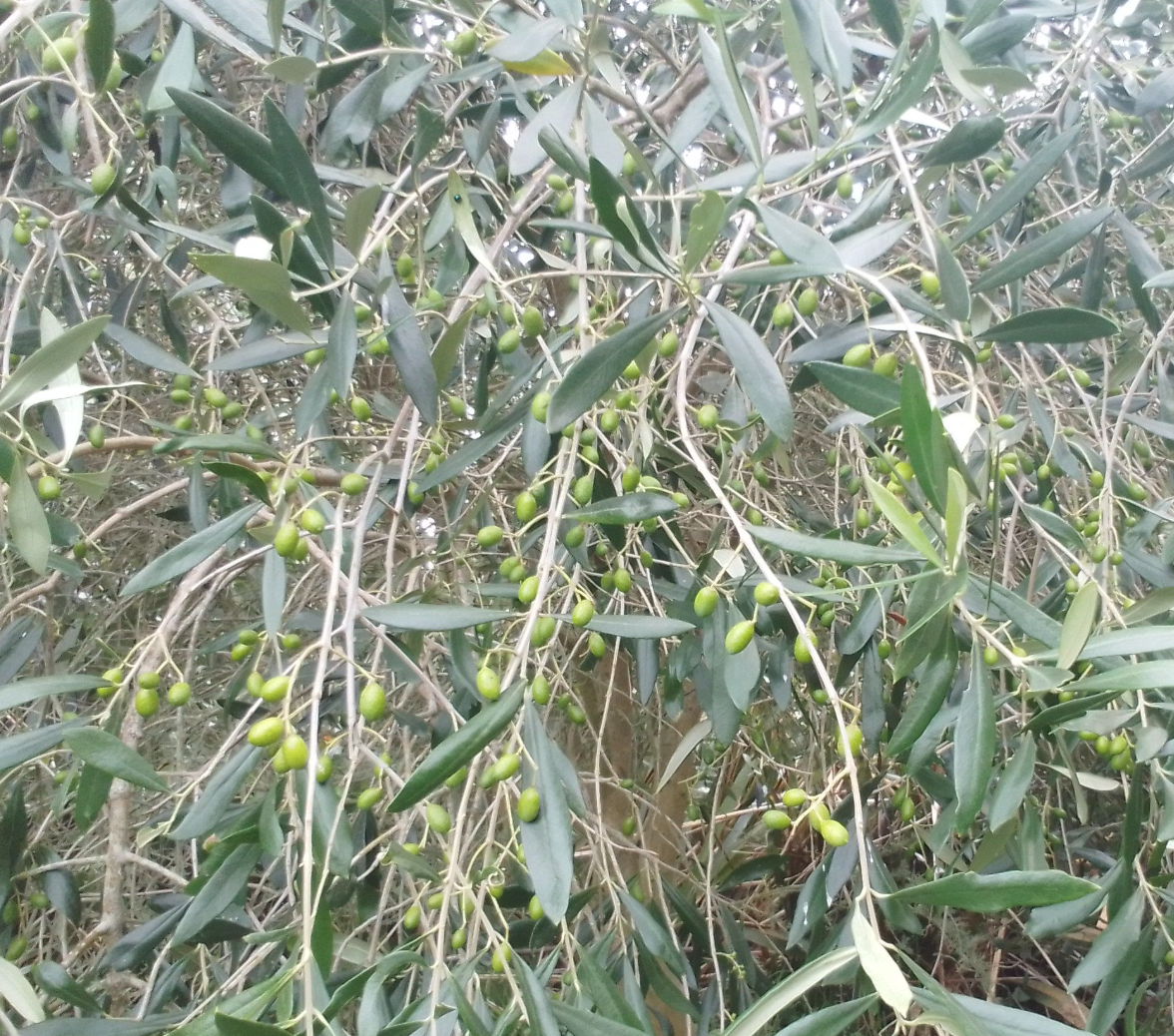
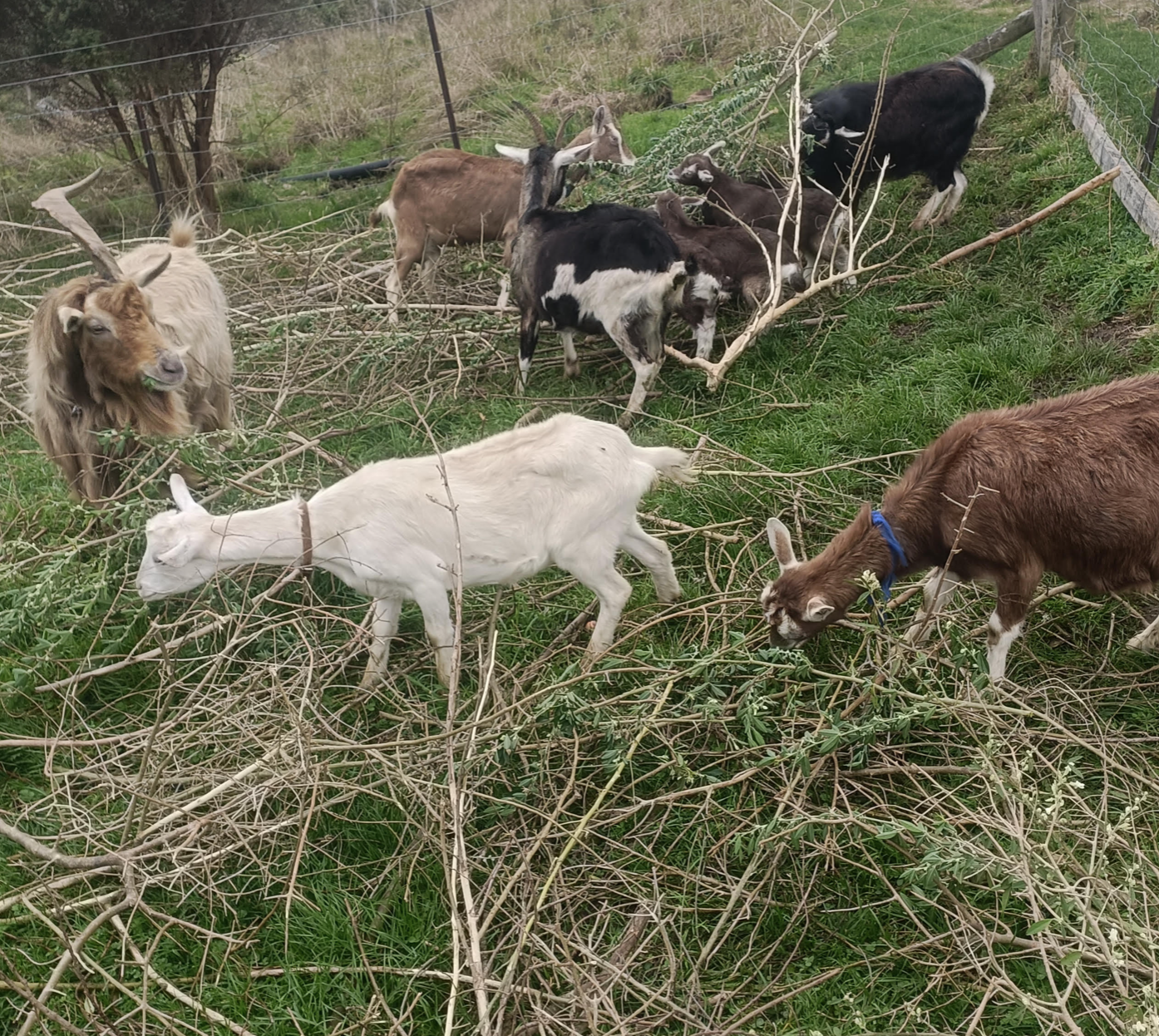
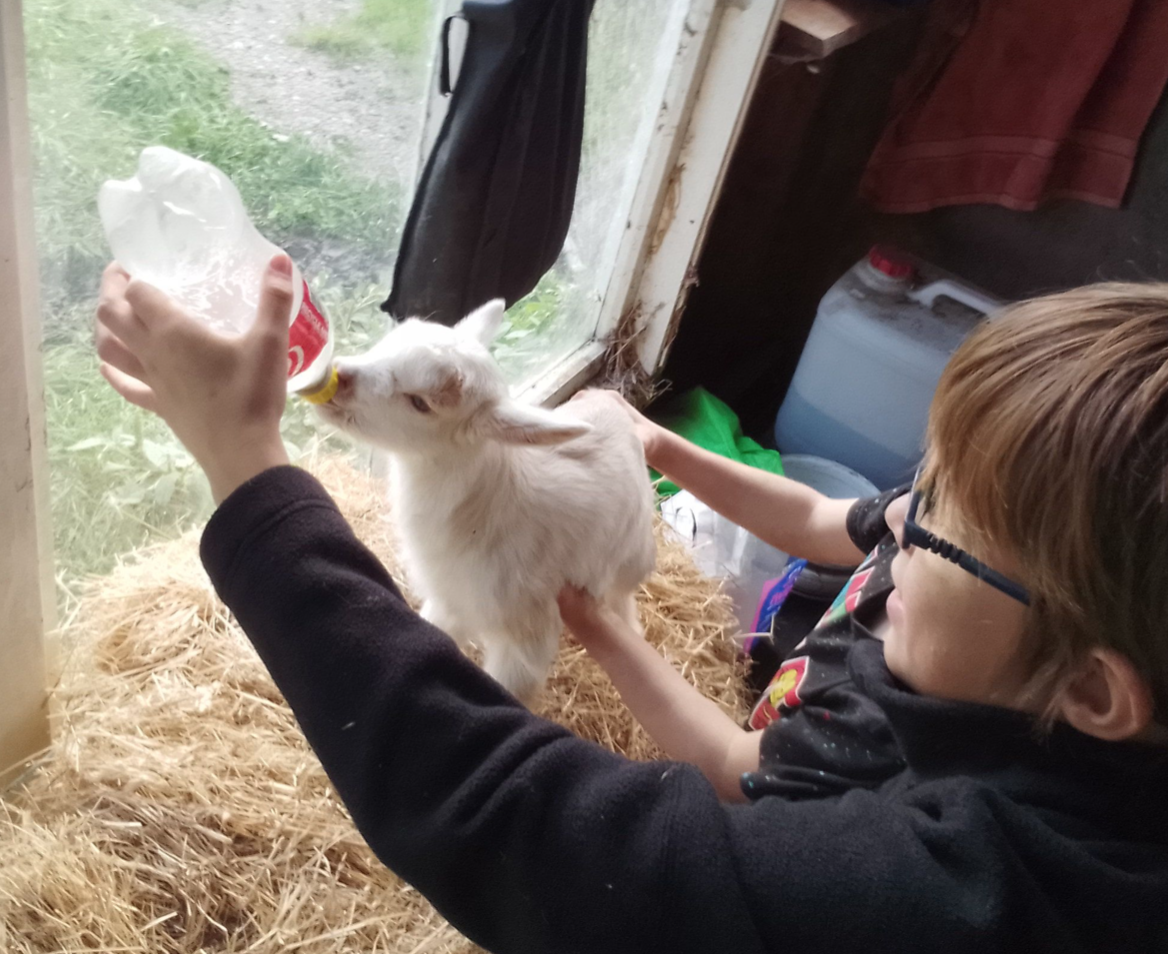
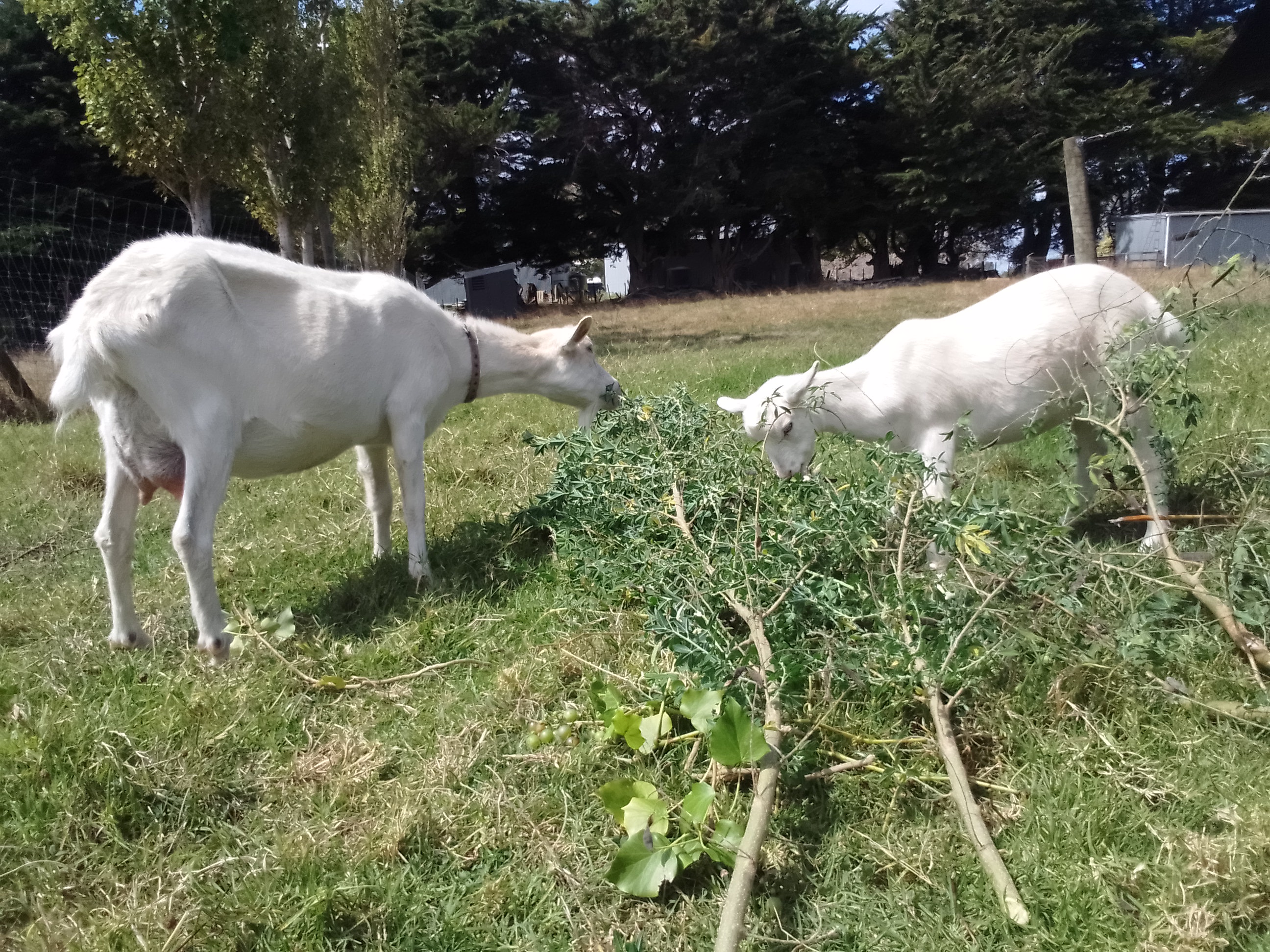
But by far the most time is spent on the goats. We bring them fresh browse everyday, and have had to bottle feed a few during their first days. We primarily feed out tagasaste (tree lucerne) this time of year, but also pruning from olives and various native trees from our bush restoration. They also will eat pine, redwood and macrocarpa.

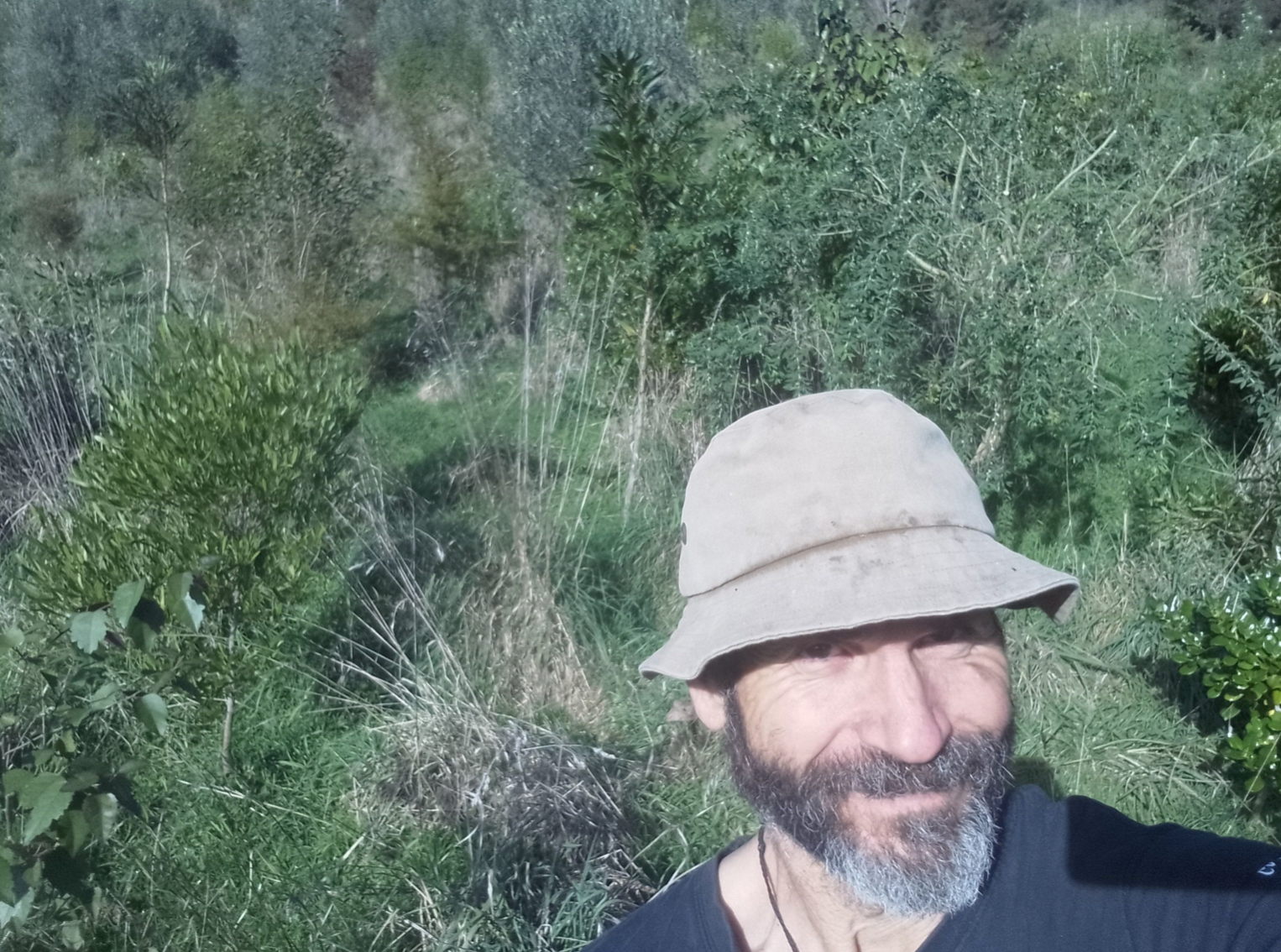
We’re also in the midst of planting 600+ native trees on some very steep terrain as part of our biodiversity project, bringing us close to 5,000 trees, shrubs and flakes planted in a decade. I’m not one for selfies, but I could not resist this week on a particularly beautiful day.

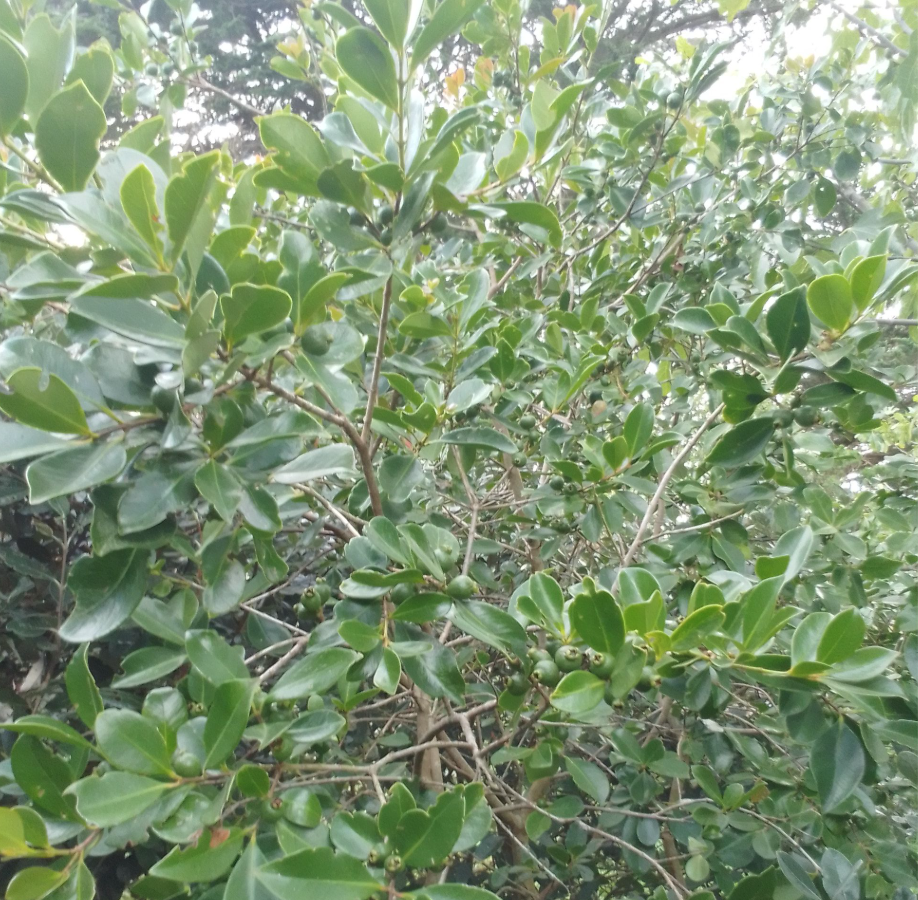
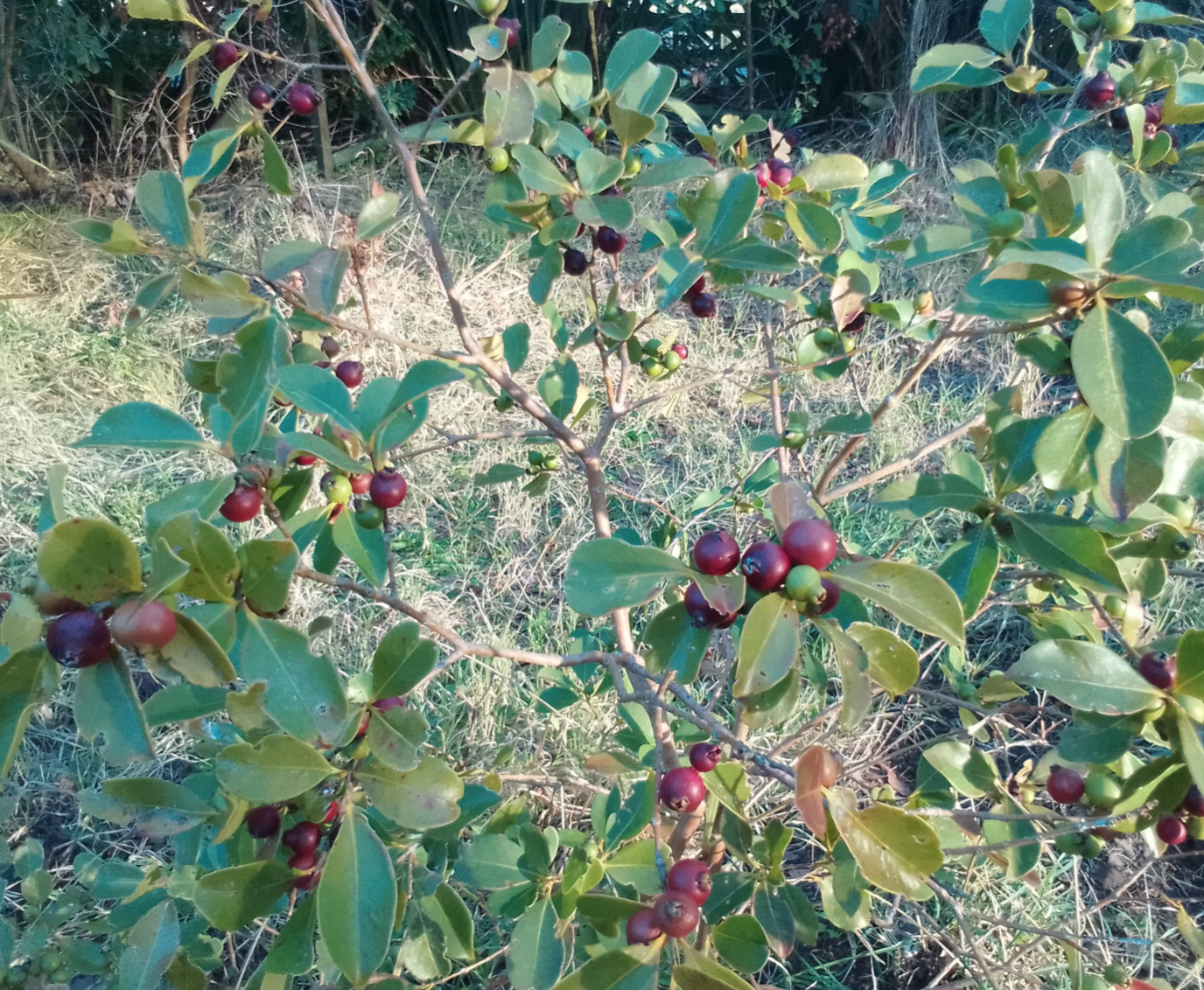
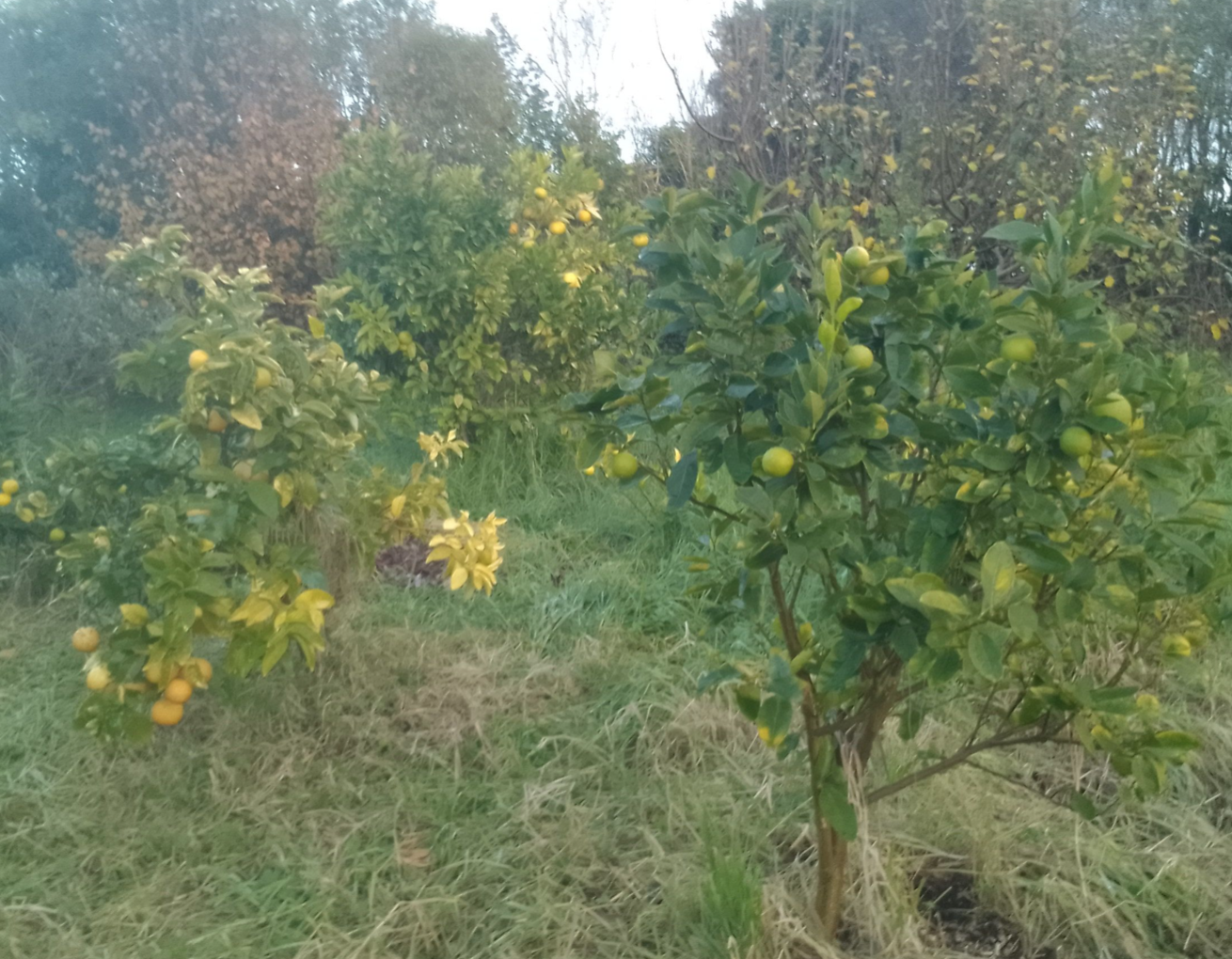
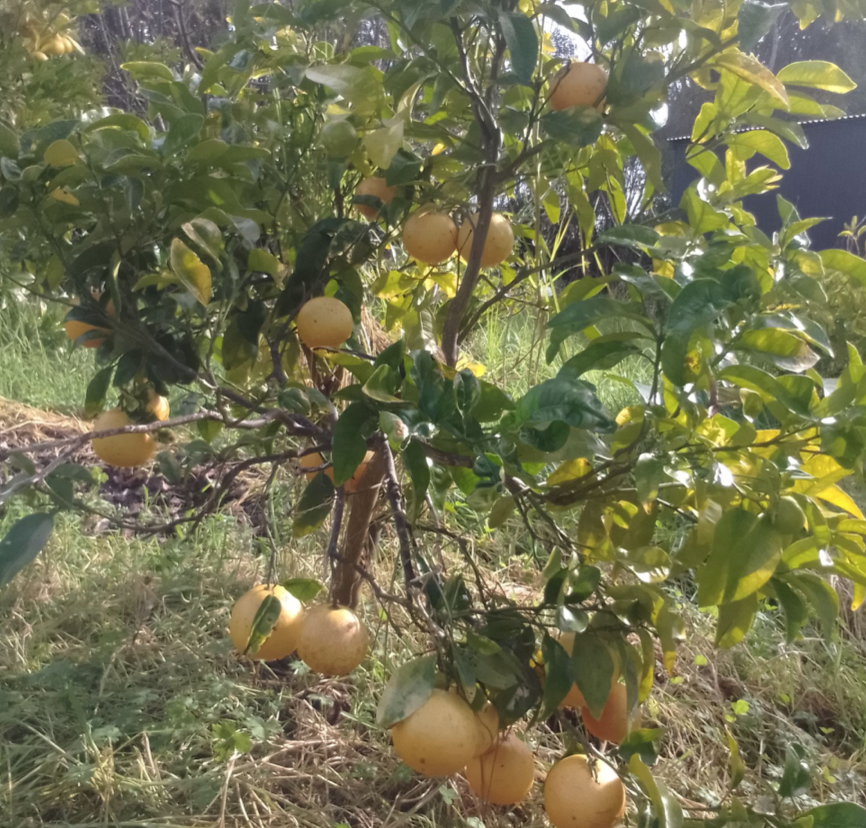
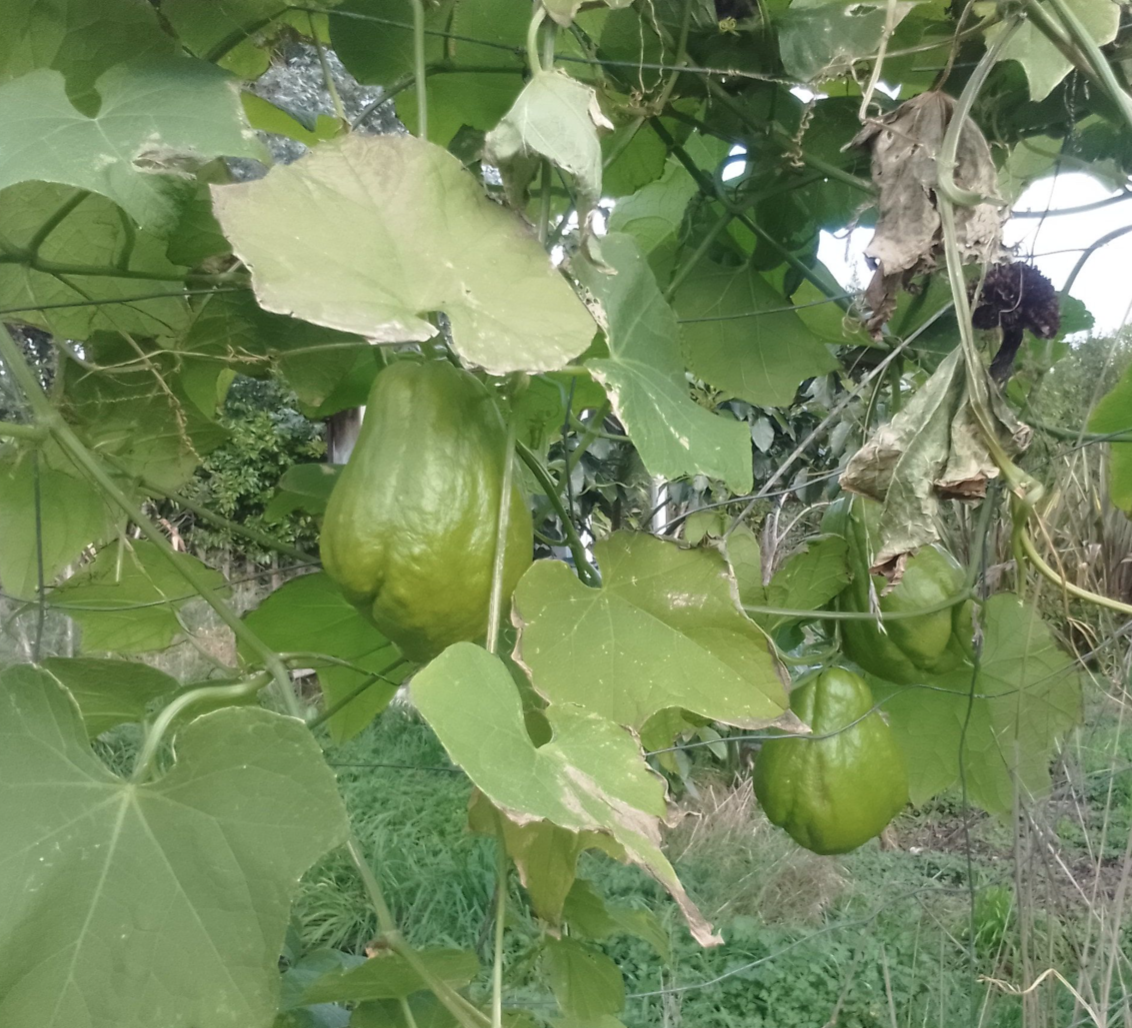
We’ve also got an abundance of fruits even though it’s the middle of winter. Guavas, oranges, grapefruit, mandarins, lemonades, avocados, chokos, etc.

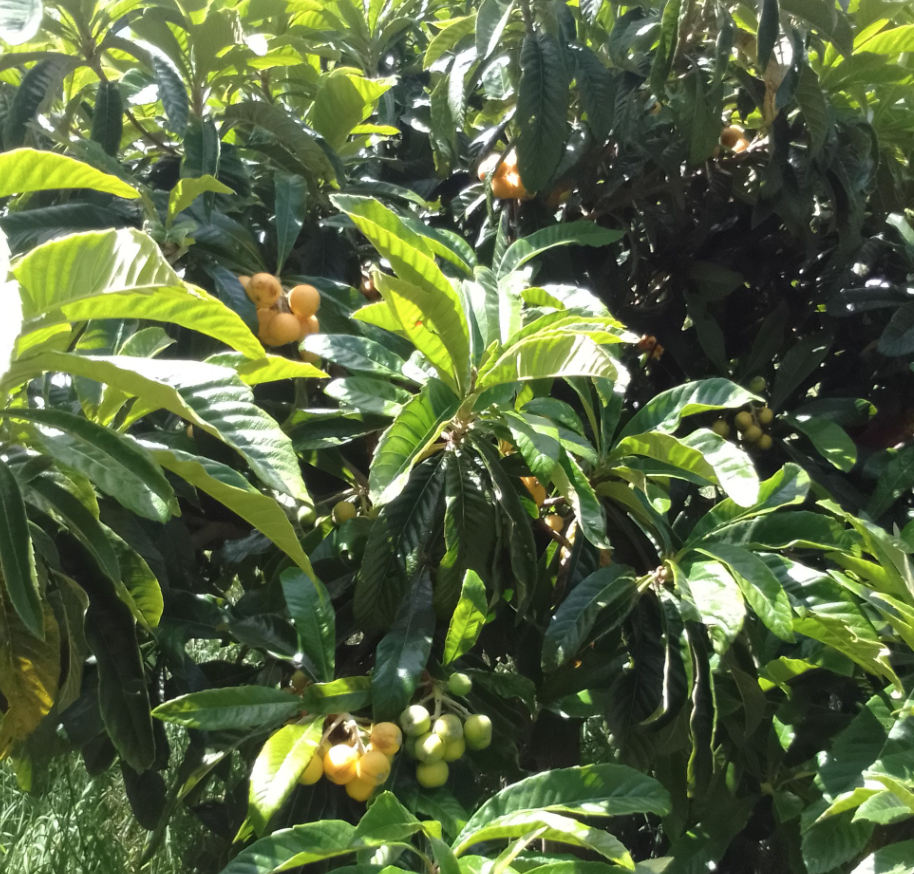
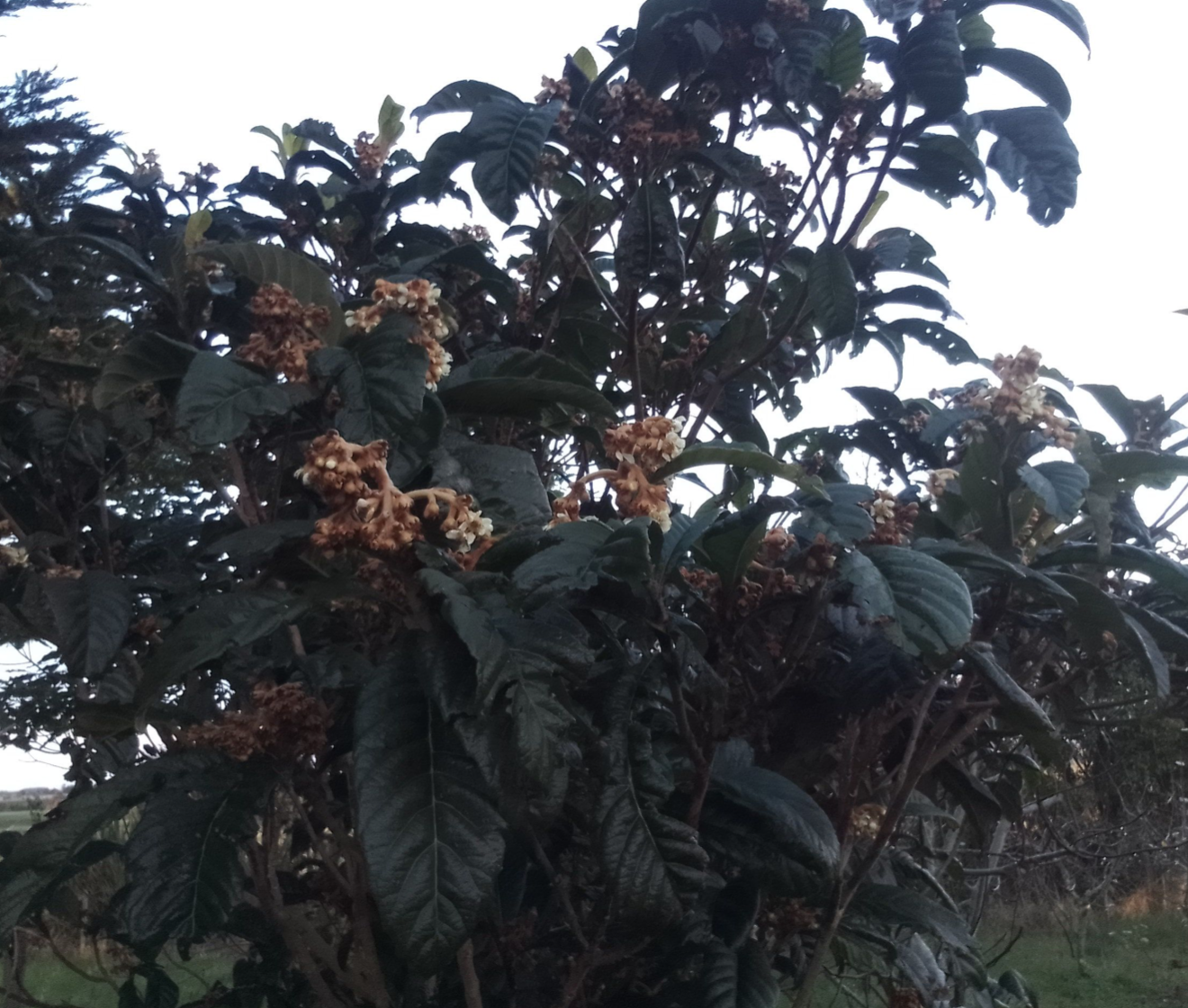
The loquats flowered in autumn with the fruits forming now.

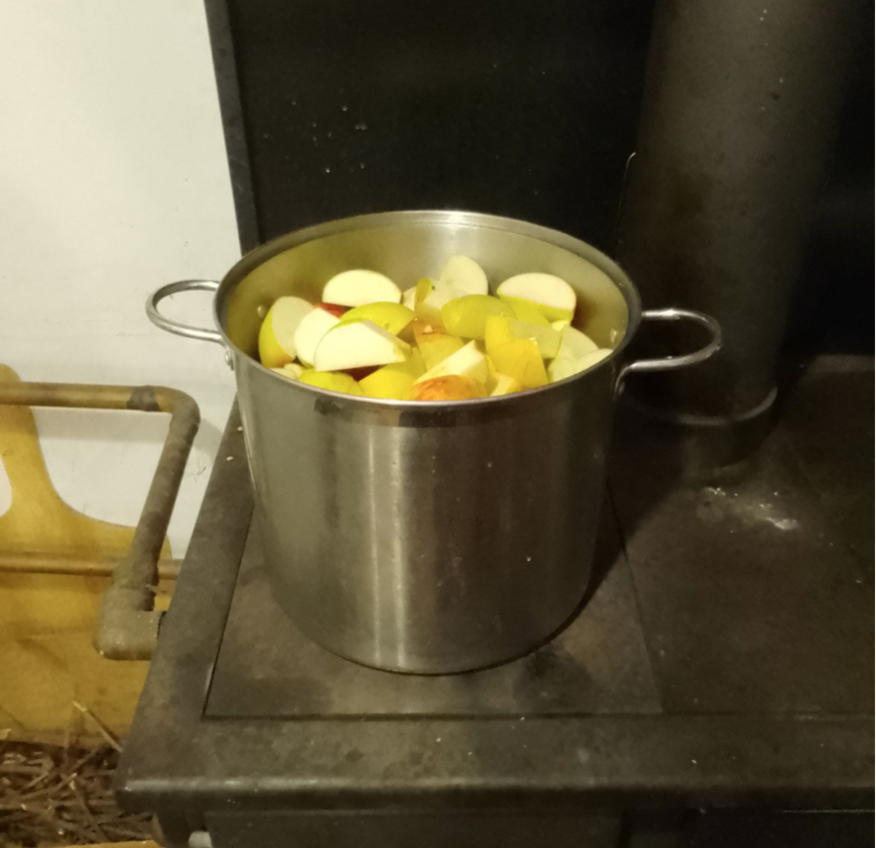
We’re slowly working our way through the mountain of apples – turning them into applesauce for the freezers…but the freezers are already full of plums, peaches, feijoas, halloumi, and pork!

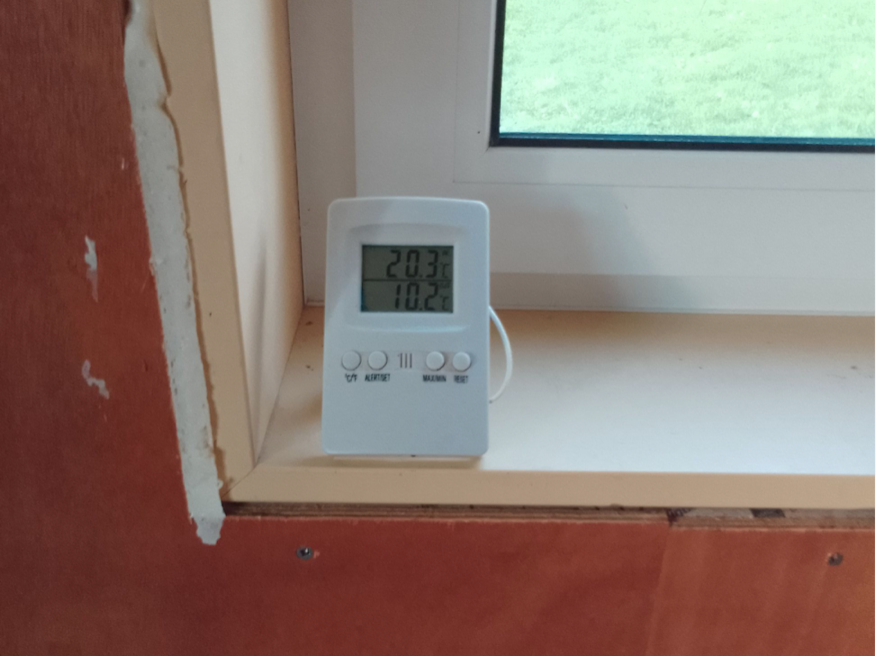
And when there is a spare moment or a rainy day, we’re putting the finishing touches on our new passive solar eco-classroom building. It is performing very well – heating itself with sunshine only on some very chilly days.

It’s constant work and sometime challenging, but wouldn’t trade it for anything!

Peace, Estwing

Open Farm 2025 – 21st & 25th April

Each April we host a series of tours and activities on the farm, which is looking fabulous at the moment despite a very dry summer. This year we’re hosting the tours on Easter Monday (21st) and a whanau day on ANZAC Day (25th). Please see details below.

The events are free but registration is essential. Come for one or as many as you choose: theecoschool@gmail.com

Monday 21st April (Easter Monday): Farm Tours

10:00 – 10:30 Permaculture in Small Spaces

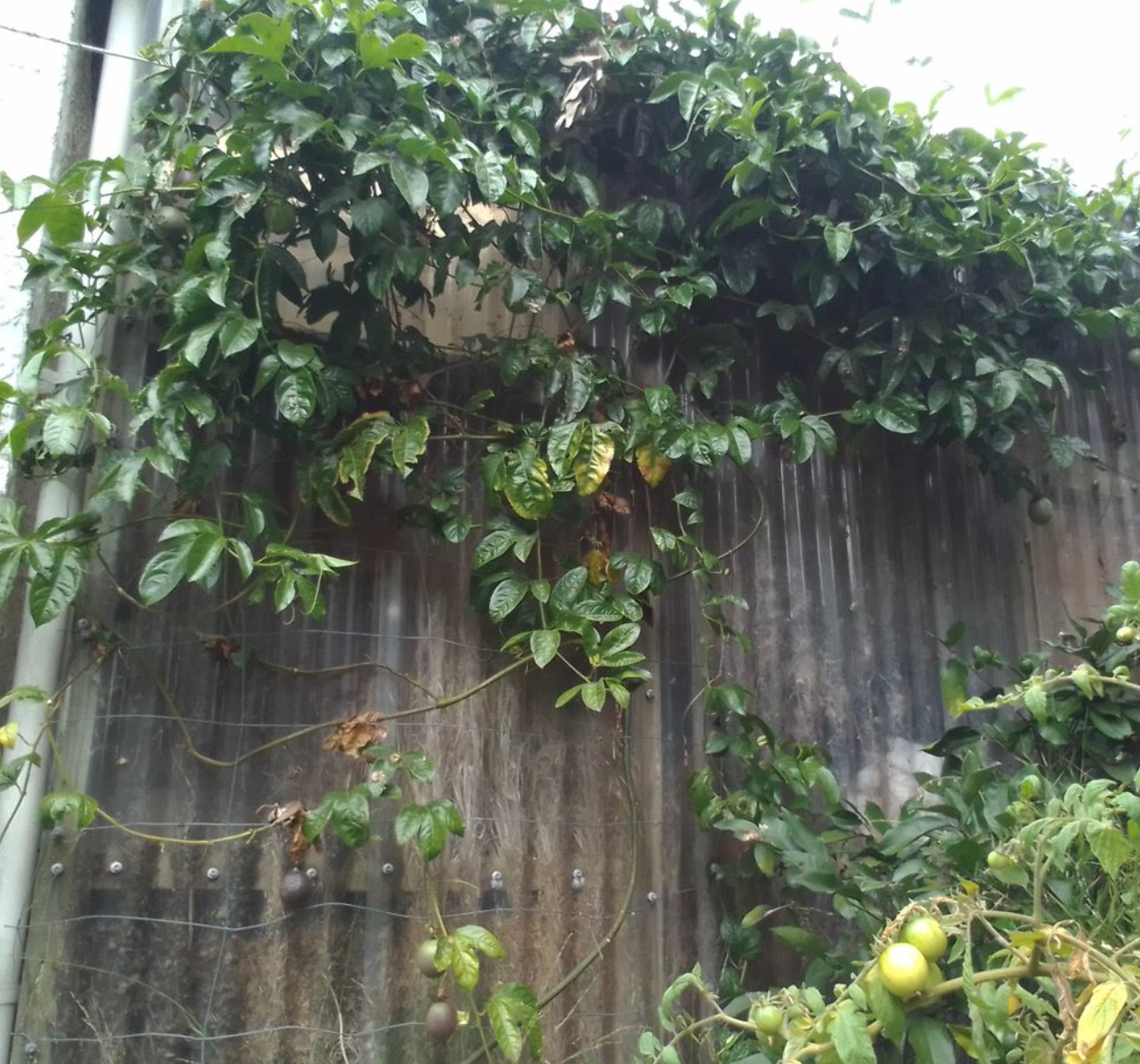
Have a look at some of the nooks and crannies into which we have squeezed food production including small vegetable gardens, climbing grapes and passion fruit, and bunched avocados.

10:30 – 11:00 Permaculture in Medium Spaces

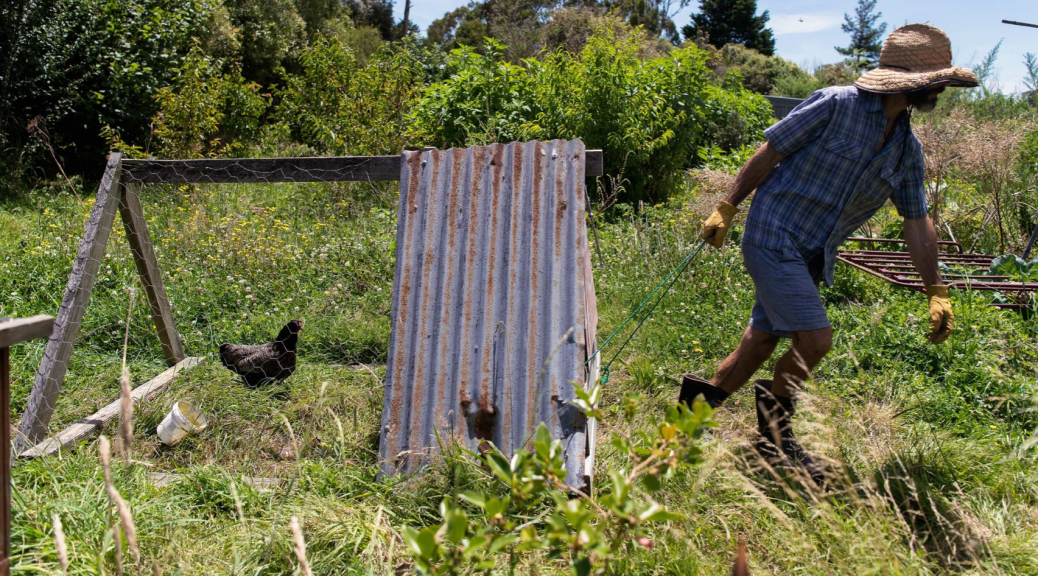
Join a stroll through our more extensive vegetable gardens and orchards, where we integrate chickens into fruit and vegetable production.

11:00 – 12:00 Permaculture in Large Spaces: Managing Land with Water in Mind

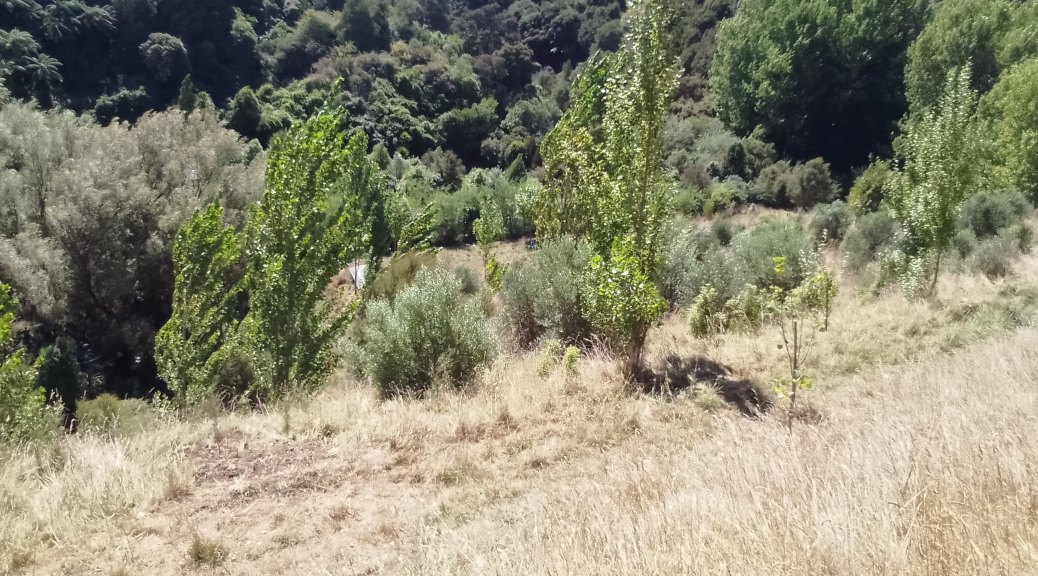
For over 10 years we have been planning and planting for water management on the farm. This includes fencing the stream and planting the hillsides in both native trees and poplar and willow, as well as restoring a wetland to health to improve water quality and biodiversity.

Bring a picnic lunch if you choose.

1:00 – 2:00 Eco Building and Renovation

We have excellent examples of low-cost and high-performance approaches to building and renovation to suit local conditions.

Friday 25th April: Whanau Love Our Awa Day

11:00 – 3:00 Nature Play and Native Tree Care

(Come for as long or short as you like. )

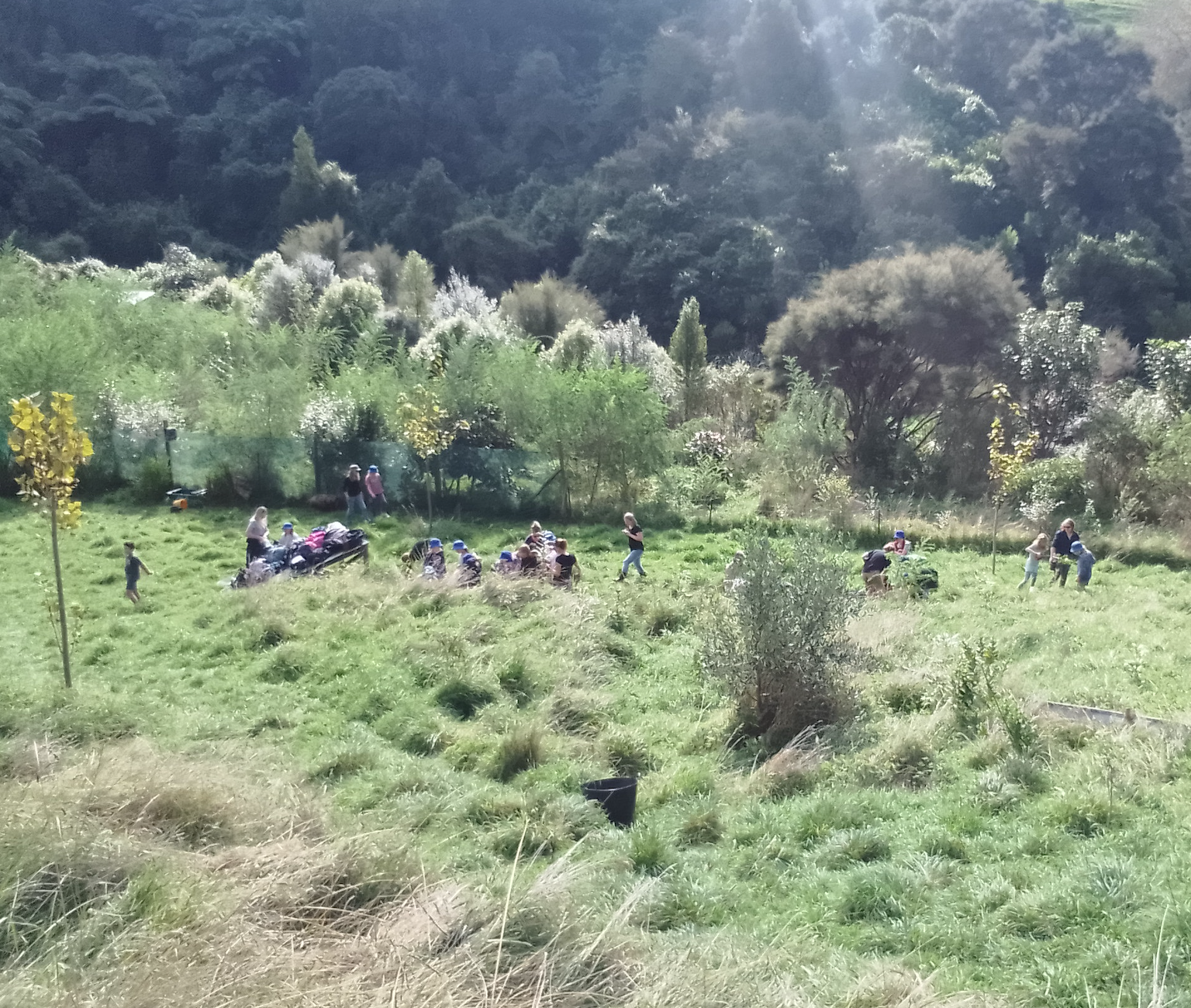
Bring a picnic lunch and join us for a relaxed day of play along Purua Stream, which flows to the Whanganui River. Over the last ten years we have fenced the stream to exclude stock, restored an historic wetland, and planted over 4,000 native trees to promote biodiversity and protect the awa.

We’ll do some light weeding of invasive plants (very light) and possibly plant some native trees if the soil moisture has risen enough by then.

Register: theecoschool@gmail.com

This programme supported by Horizons Regional Council and Whanganui District Council.

Peace, Estwing

Weathering the Drought

We’ve just had the driest summer anyone around here can remember. It’s been a challenge on the farm but our overall design and management strategy over the last ten years has been to manage for drought and flood. It’s paid off, but still requires a bit of work.

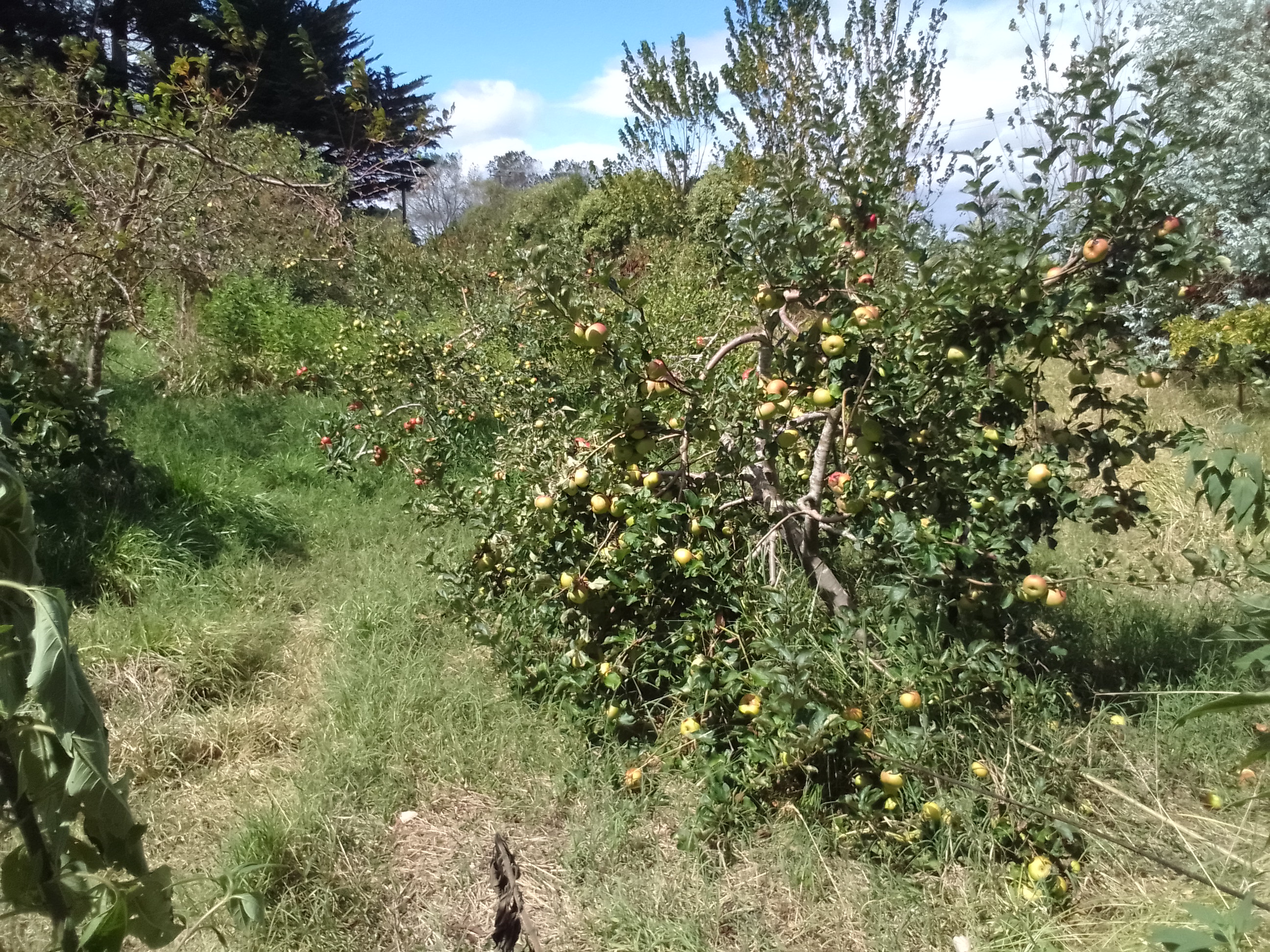
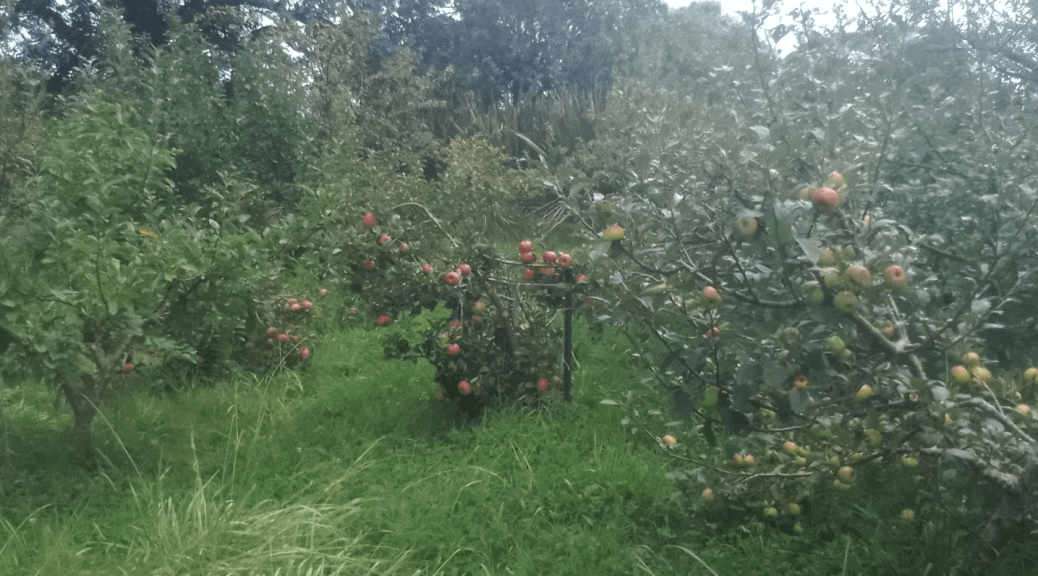
Our heavy soils turn into baked concrete in summer and this year was worse than any other. While most New Zealand native trees are used to these conditions, most fruit trees are not. We have irrigation in our two main orchards but had to run hoses to the two small orchards. The apple harvest is a good one but some apples got sunburned this year.

Exif_JPEG_420

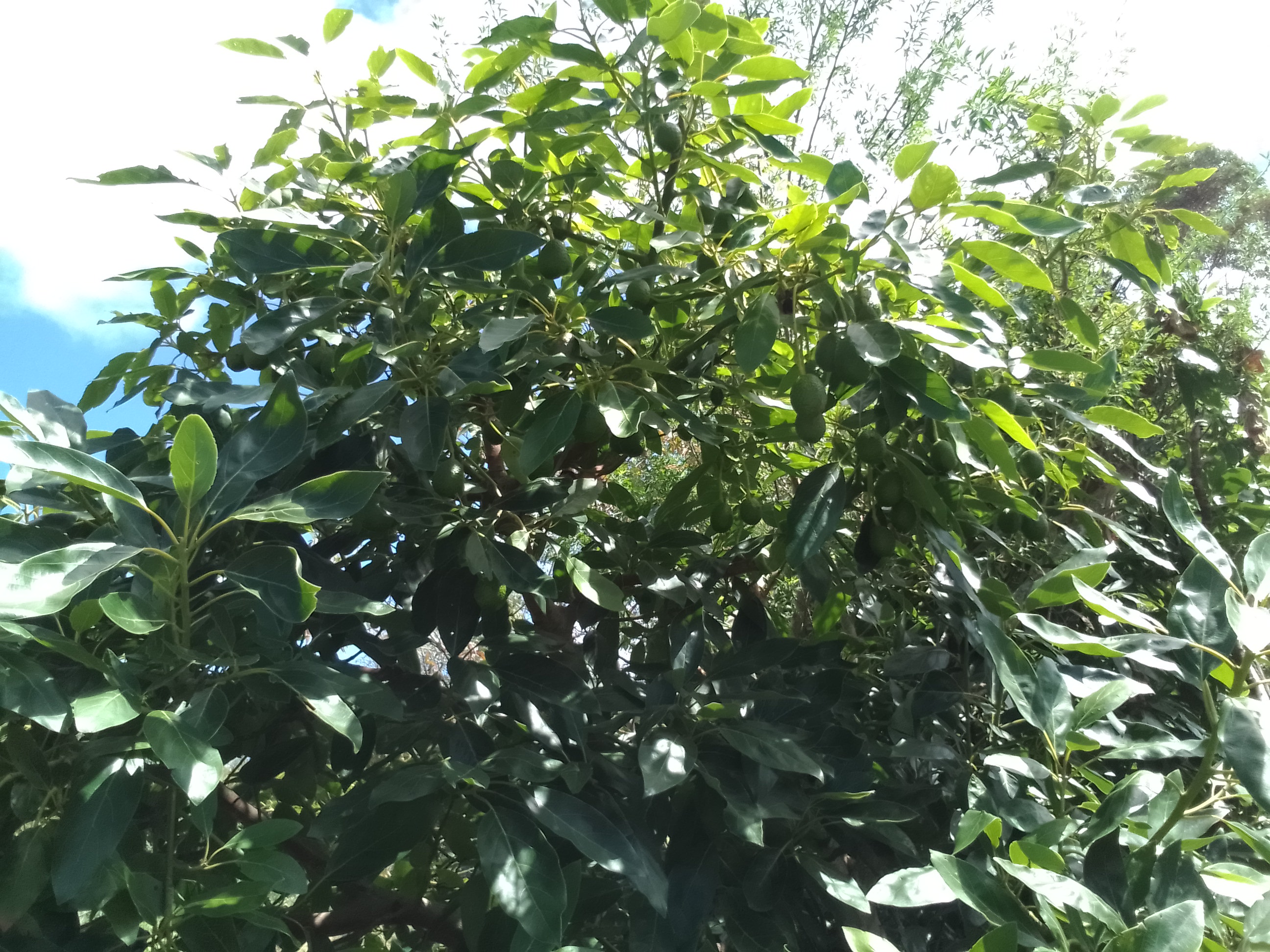
The avocados have drip irrigation and have loved the sunny weather.

Exif_JPEG_420

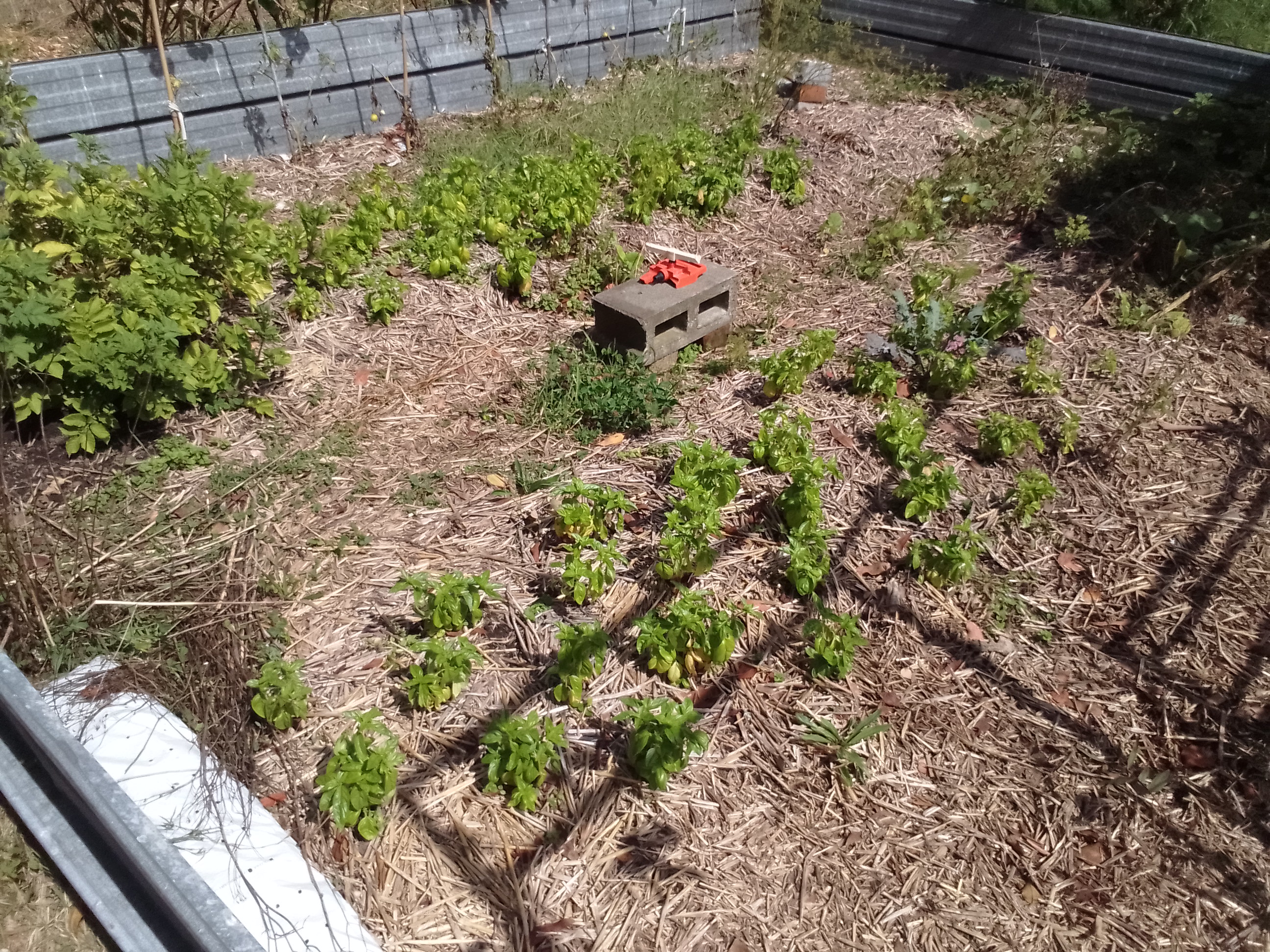
Other heat-loving crops like basil did well but still required lots of water.

Exif_JPEG_420

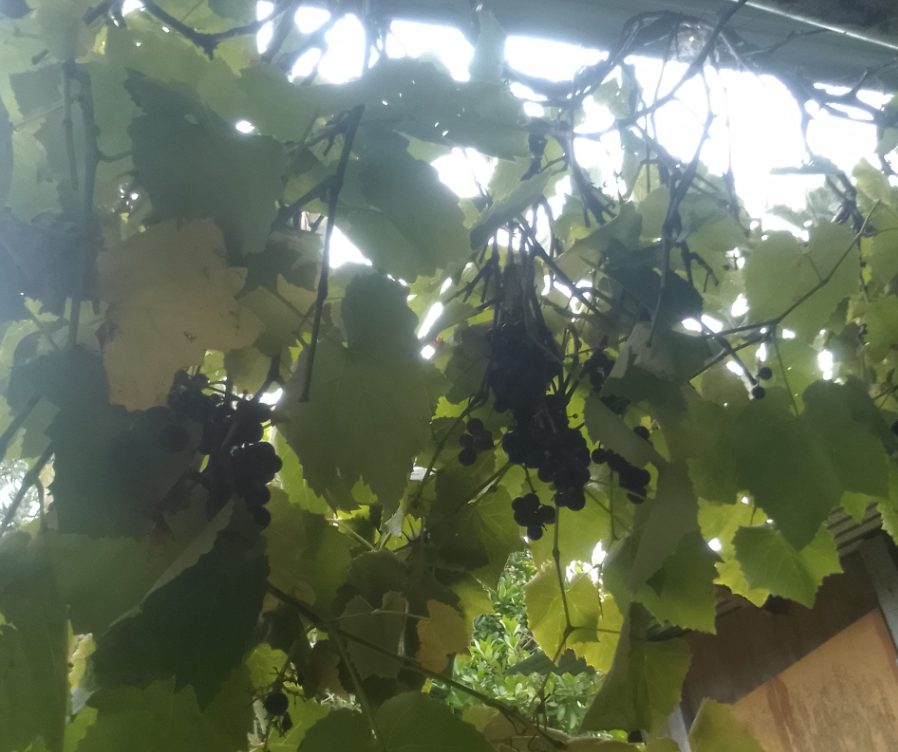
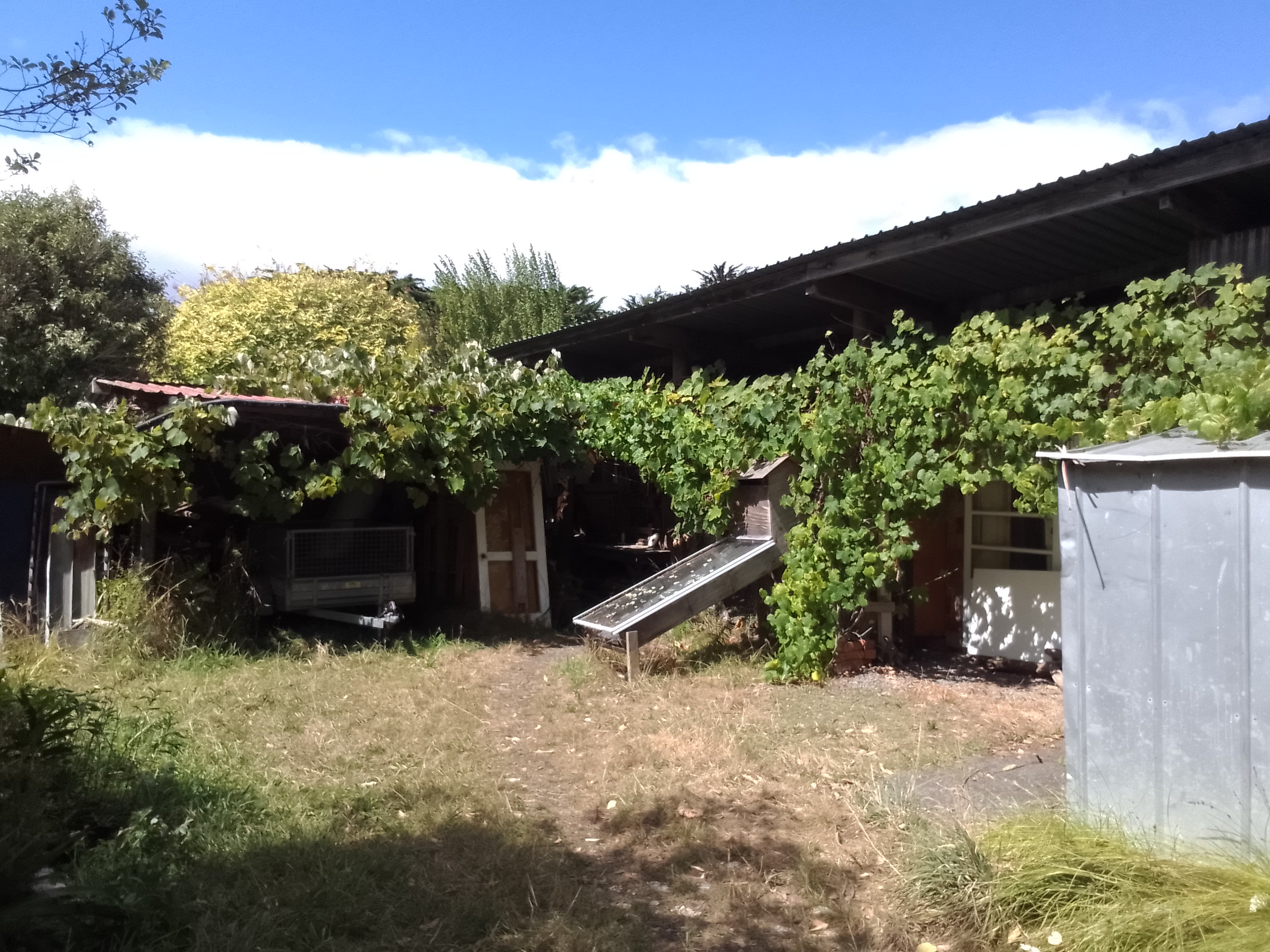
On the other hand, the grapes thrived with hardly any watering, although that watering was directly to the base of the vines.

Exif_JPEG_420

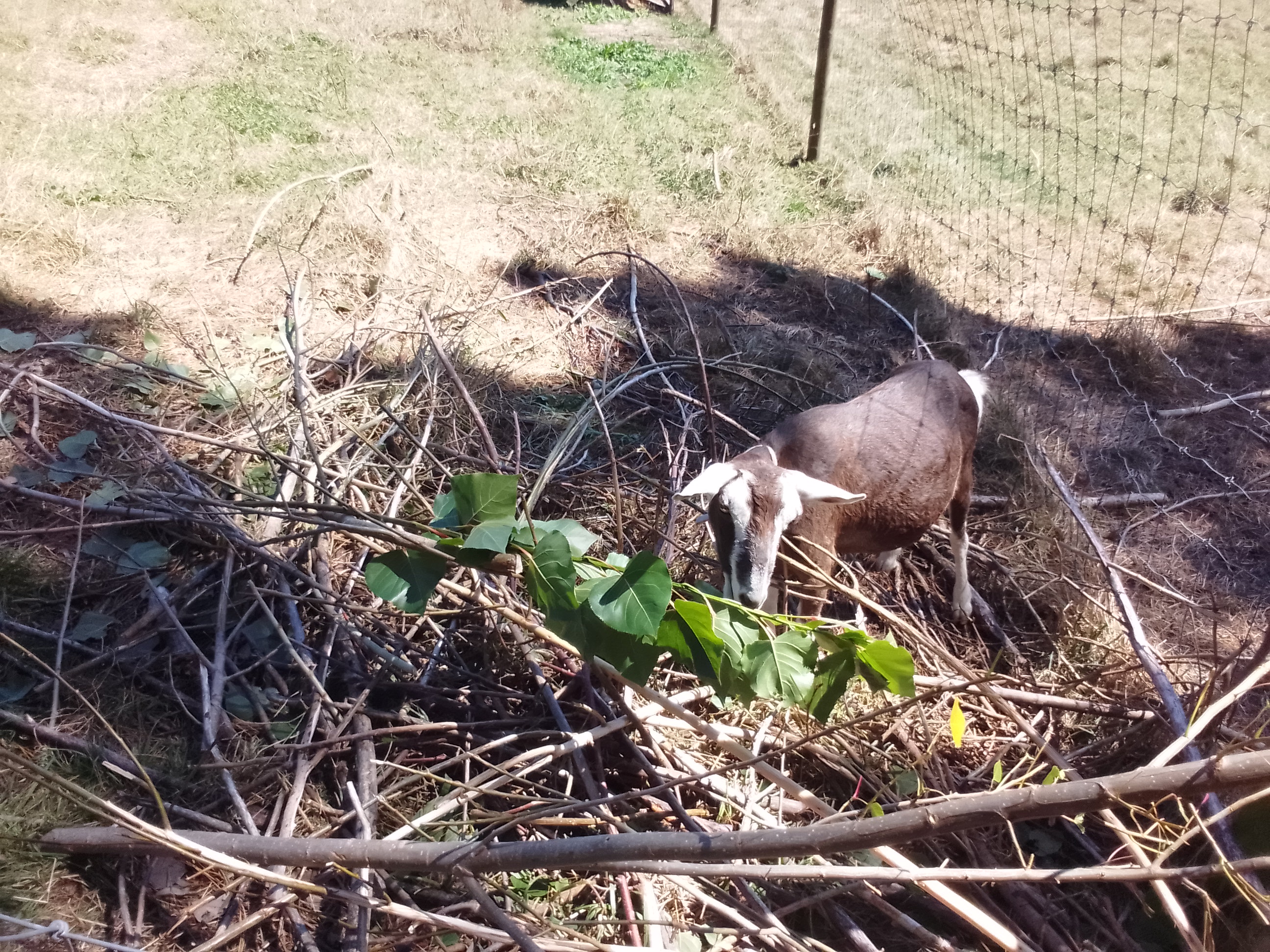
The lack of rain meant that the grass stopped growing, but we have plenty of trees to provide daily fodder for the goats. Their favourites are tagasaste…

Exif_JPEG_420

…and poplar.

Exif_JPEG_420

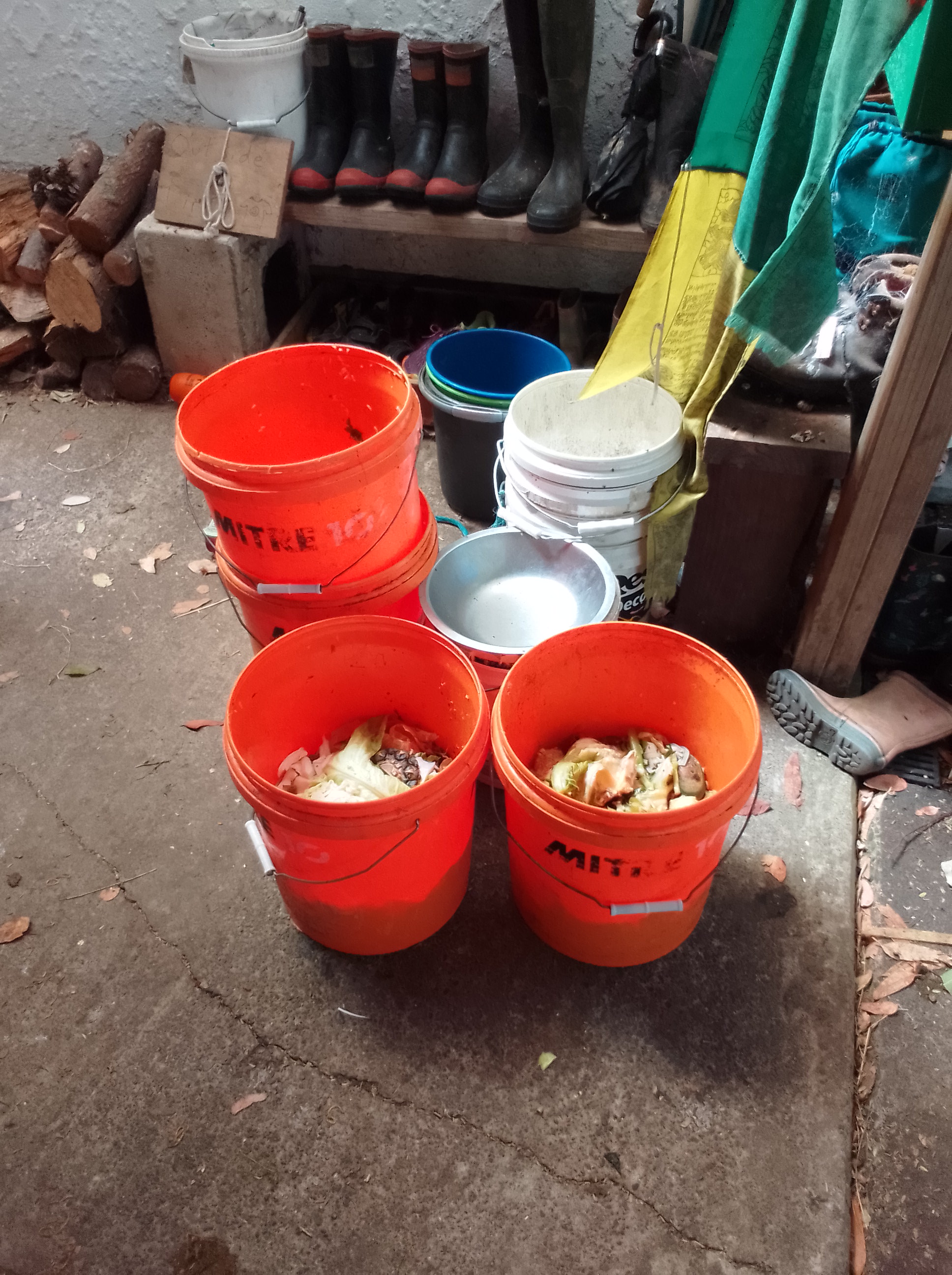
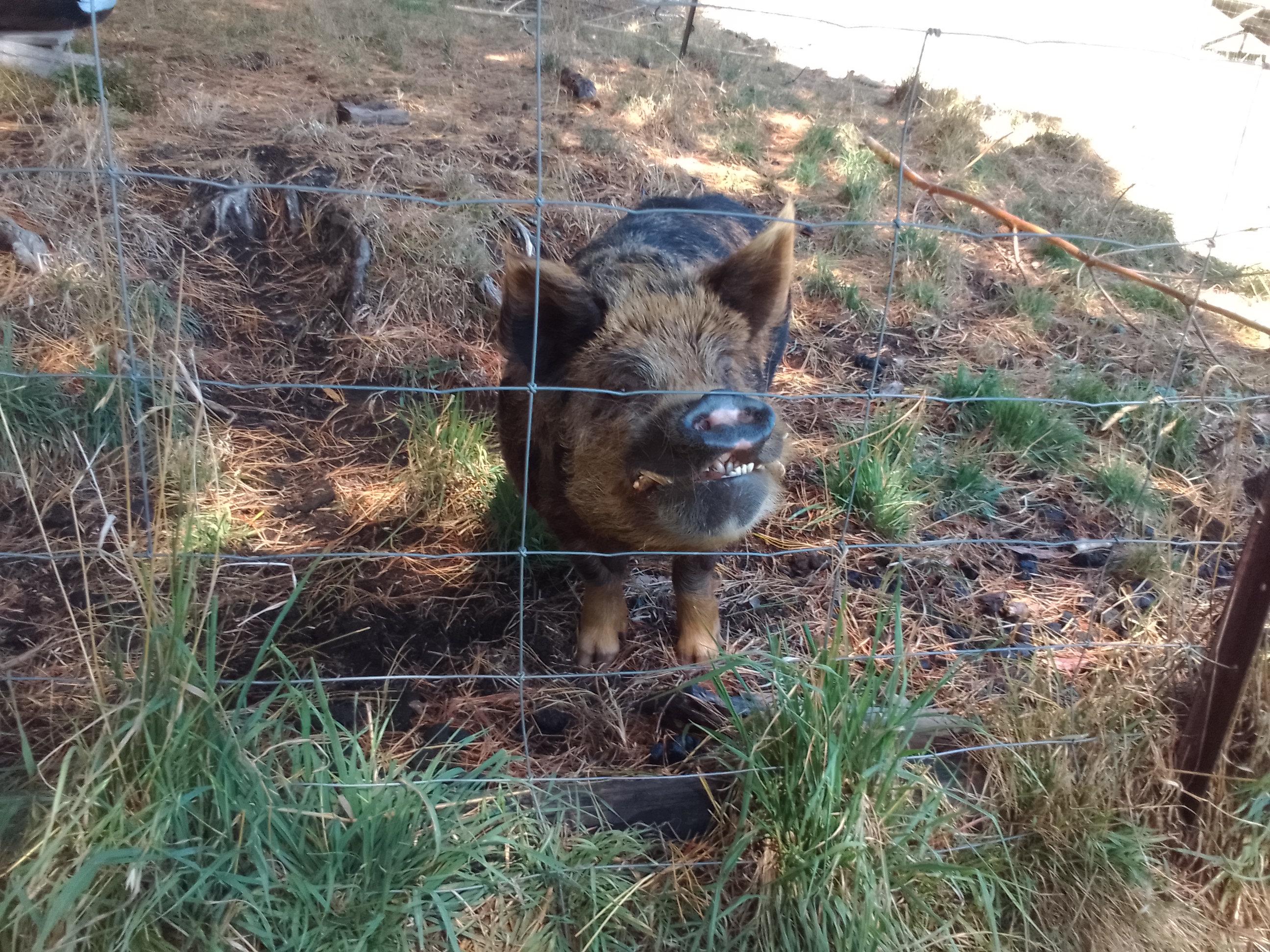
The kune kune pigs are good grazers, but did require a lot of supplemental feeding as well, mostly in the form of windfall fruit from the orchards and veggie scraps from local restaurants.

Exif_JPEG_420

This fat and happy boar is waiting for a treat.

Exif_JPEG_420

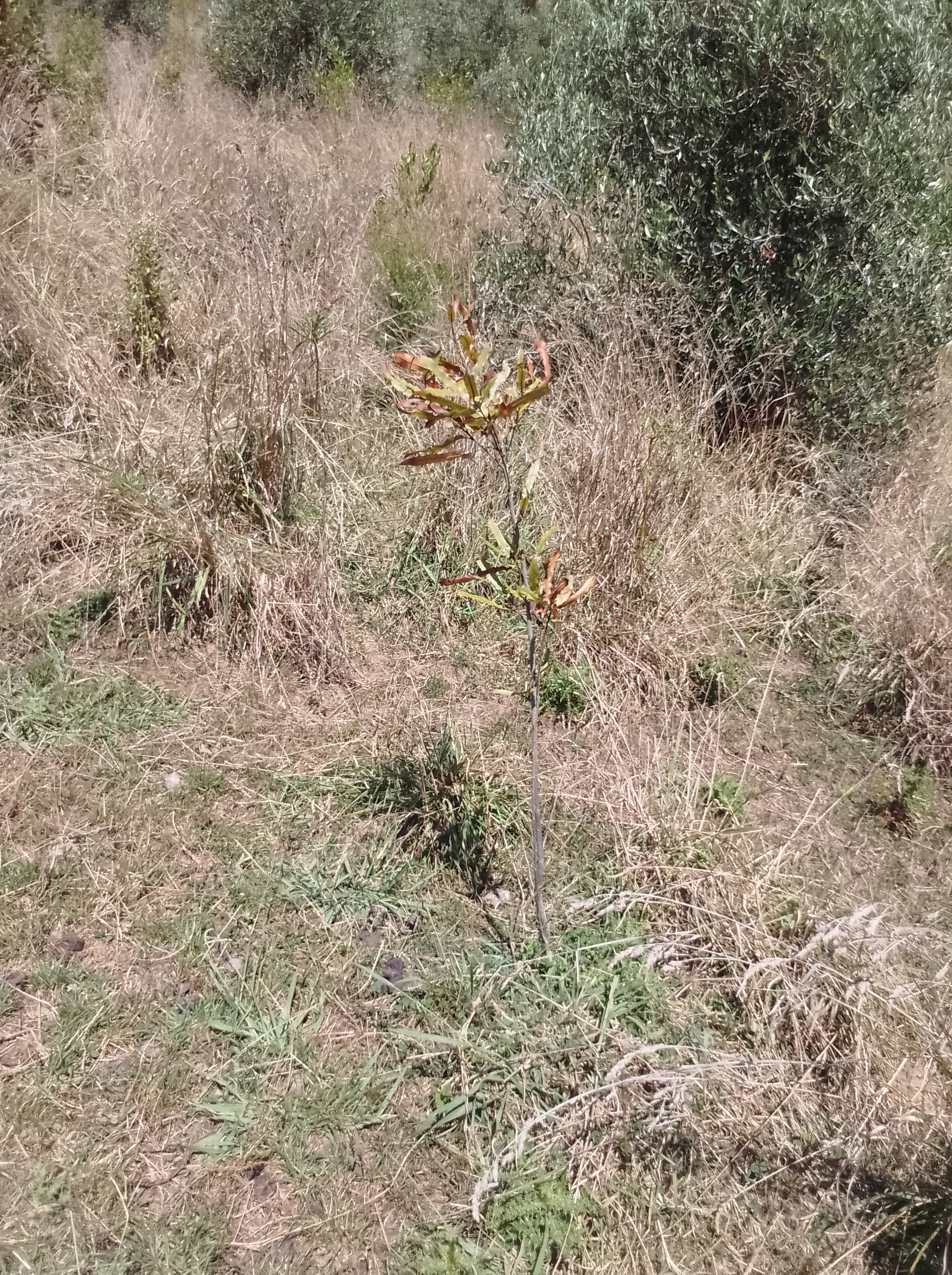
Probably the hardest aspect of the drought conditions has been looking after the 600+ native trees we planted last winter. Although they are hardy to New Zealand conditions, the first summer is critical to their survival. Last summer we had plenty of rain so no watering was required, and lost none of the 600 trees planted that year. This summer’s drought has had a handful of casualties but still only single digits.

Exif_JPEG_420

I was able to catch most trees before they died once they were showing signs of stress.

Exif_JPEG_420

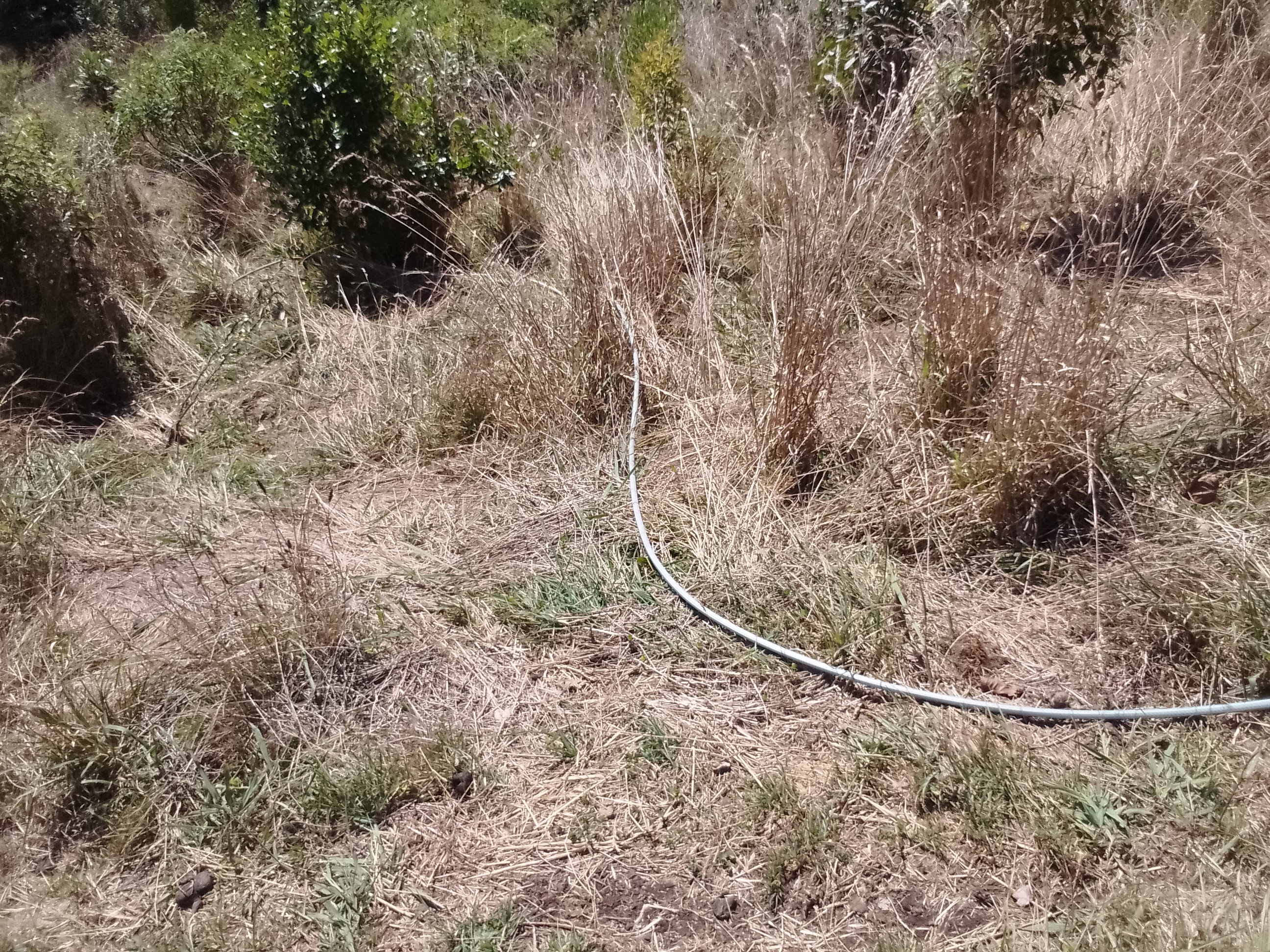
I ran hose lines to areas over the hillsides and then used buckets from there to water individual trees.

Exif_JPEG_420

We’re now up to 4,000 native trees planted over the last eight years and only have lost probably a dozen or two in all that time.

Exif_JPEG_420

We got just under 30 mm of rain earlier this week so that helped the situation while not breaking the drought. The rain brought lower temperatures with it and there is a crisp autumn nip in the air. We’re not home free yet but the real pressure is off for now.

Pretty soon I’ll be complaining about too much rain!

Kia Kaha!

Estwing
100 Batches of Halloumi

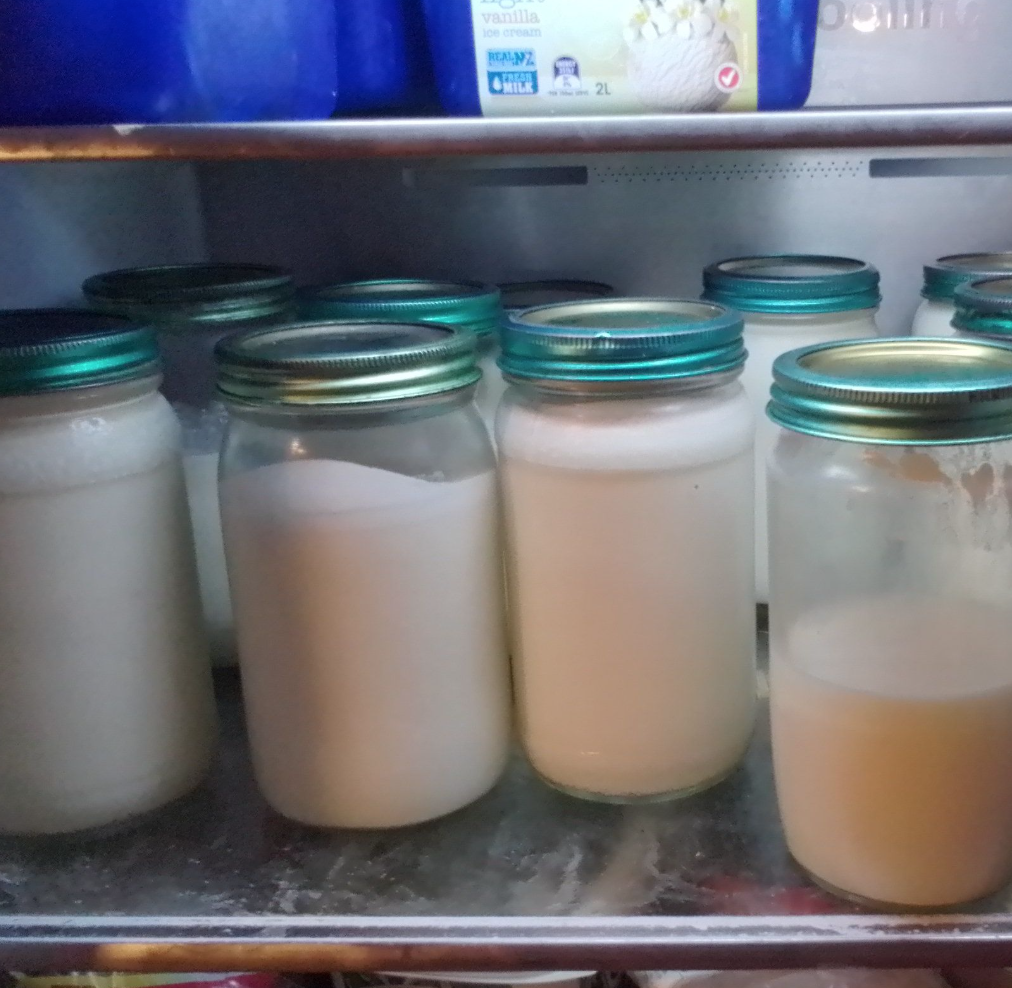
Fresh, home-made goats milk halloumi is a major part of our diet and lifestyle each year from spring on through autumn. During peak milk production I am making halloumi three or four days a week – producing about 1.5 kg each batch.

Exif_JPEG_420

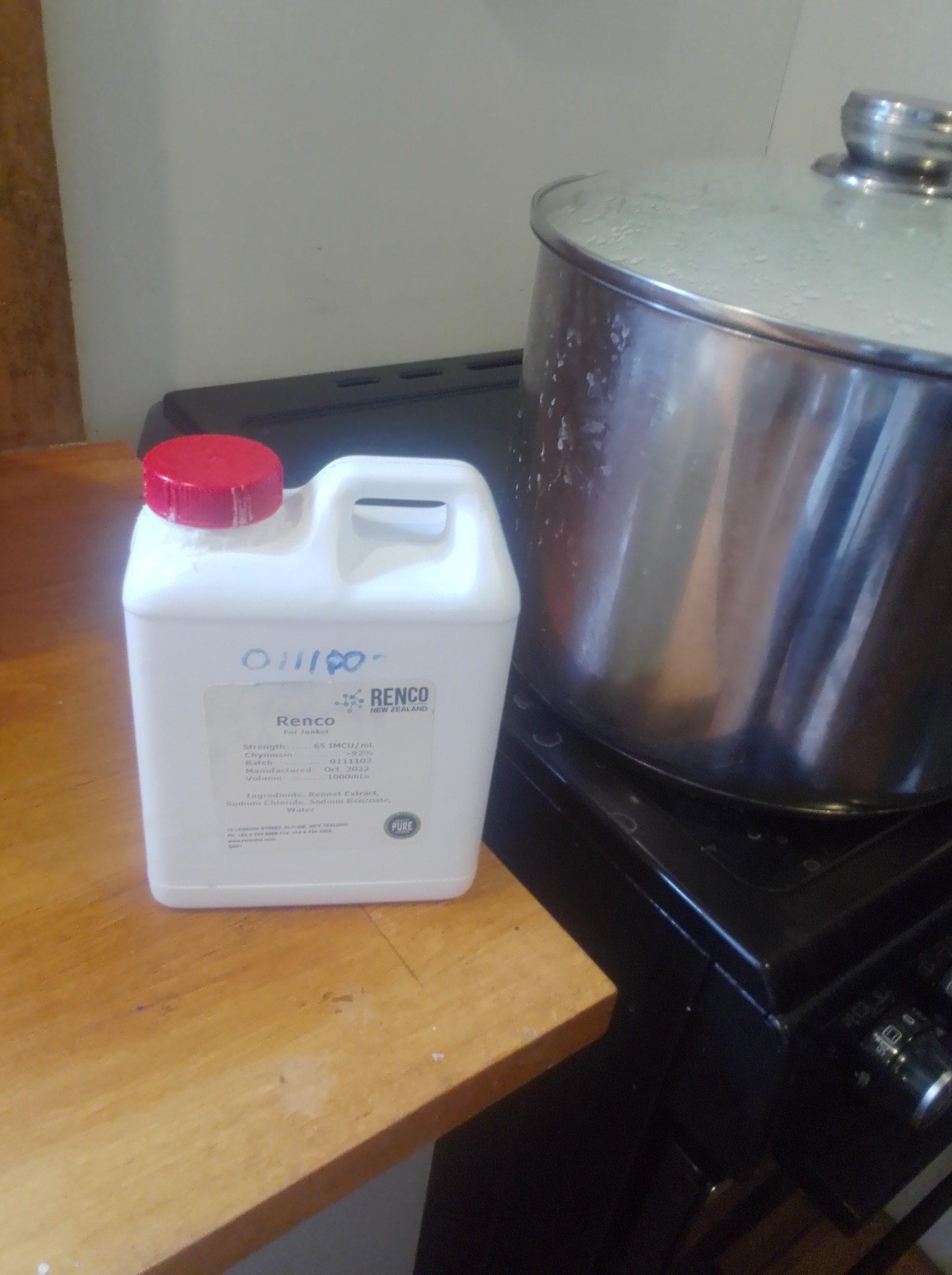
Making halloumi requires rennet, which is a complex set of enzymes produced within the stomach of ruminant animals. We buy our rennet from Renco, New Zealand one litre at a time. Only 7.5 ml of rennet is required per batch, so that first litre has lasted over two years, making well over 100 batches of delicious white gold!

Exif_JPEG_420

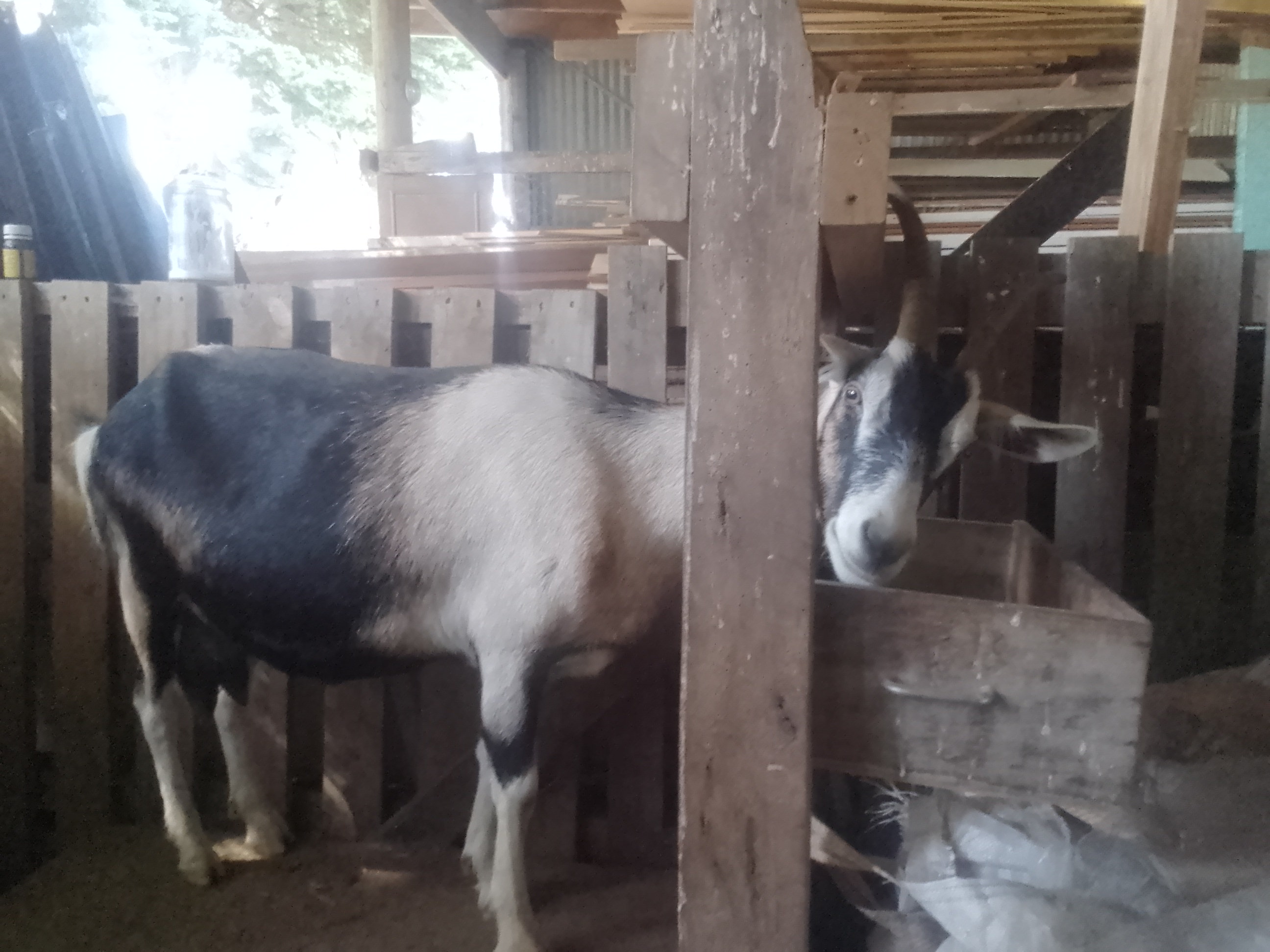
At any given time we are milking four to six goats with each giving between a litre and three litres a day. That is a lot of milk for our family of five! Here is Mindy gobbling up her tucker while being milked on the stand.

Exif_JPEG_420

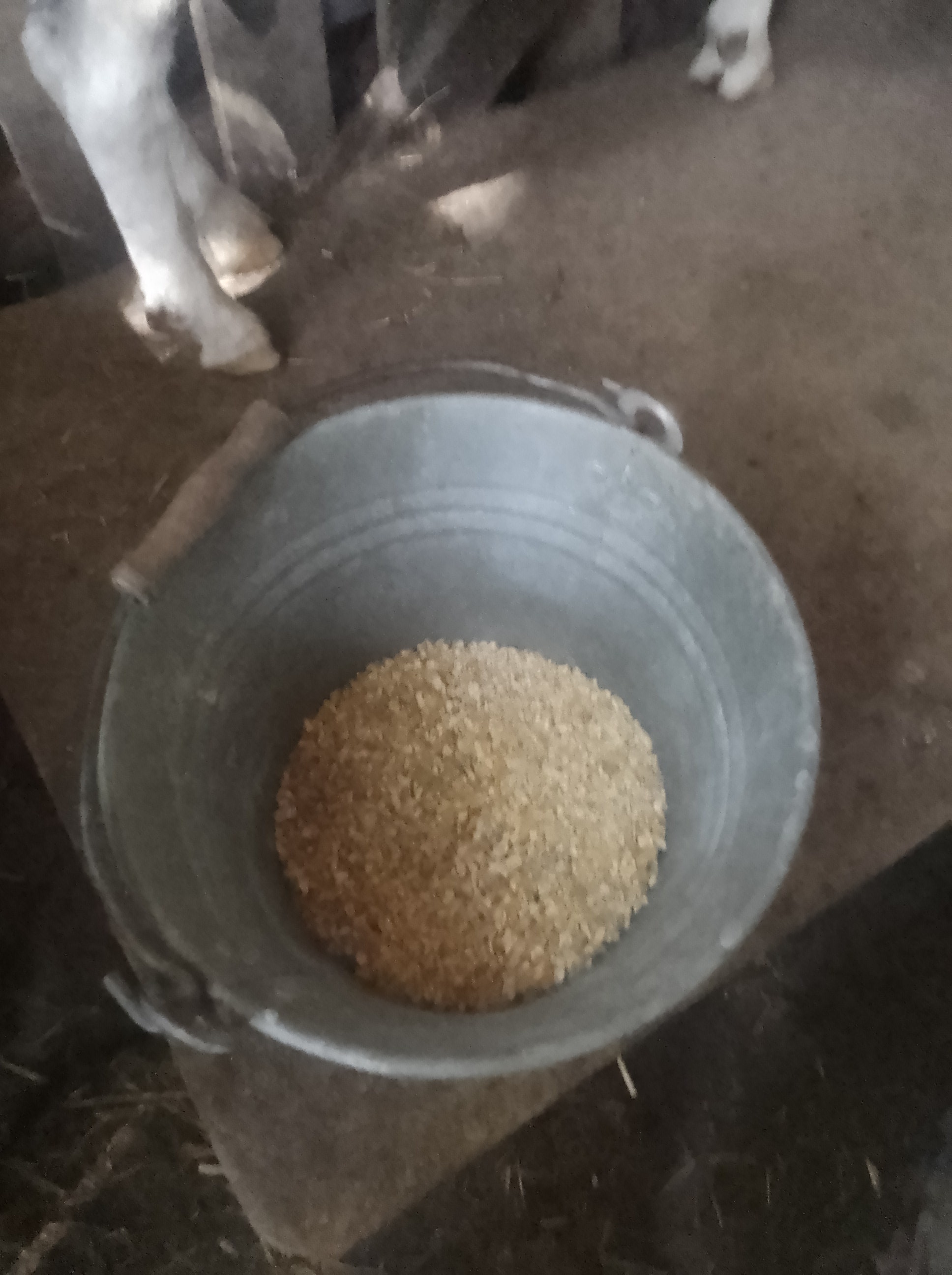
We make a home-made tucker of kibbled maize, rapeseed meal, molasses and a pinch of diatomaceous earth. They love it!

Exif_JPEG_420

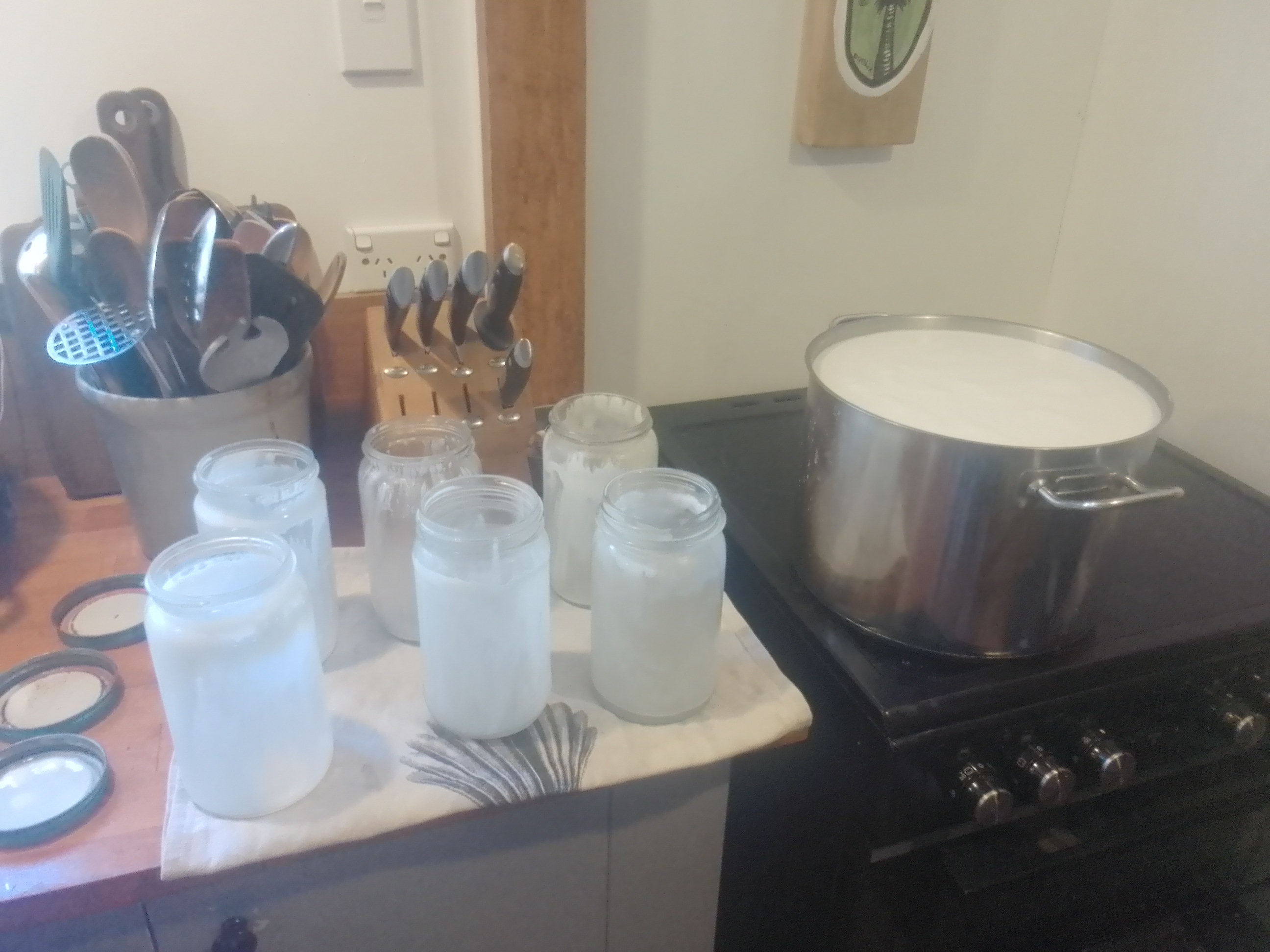
The first step for making halloumi is to fill a large pot with milk and bring it up to 35 degrees Celsius.

Exif_JPEG_420

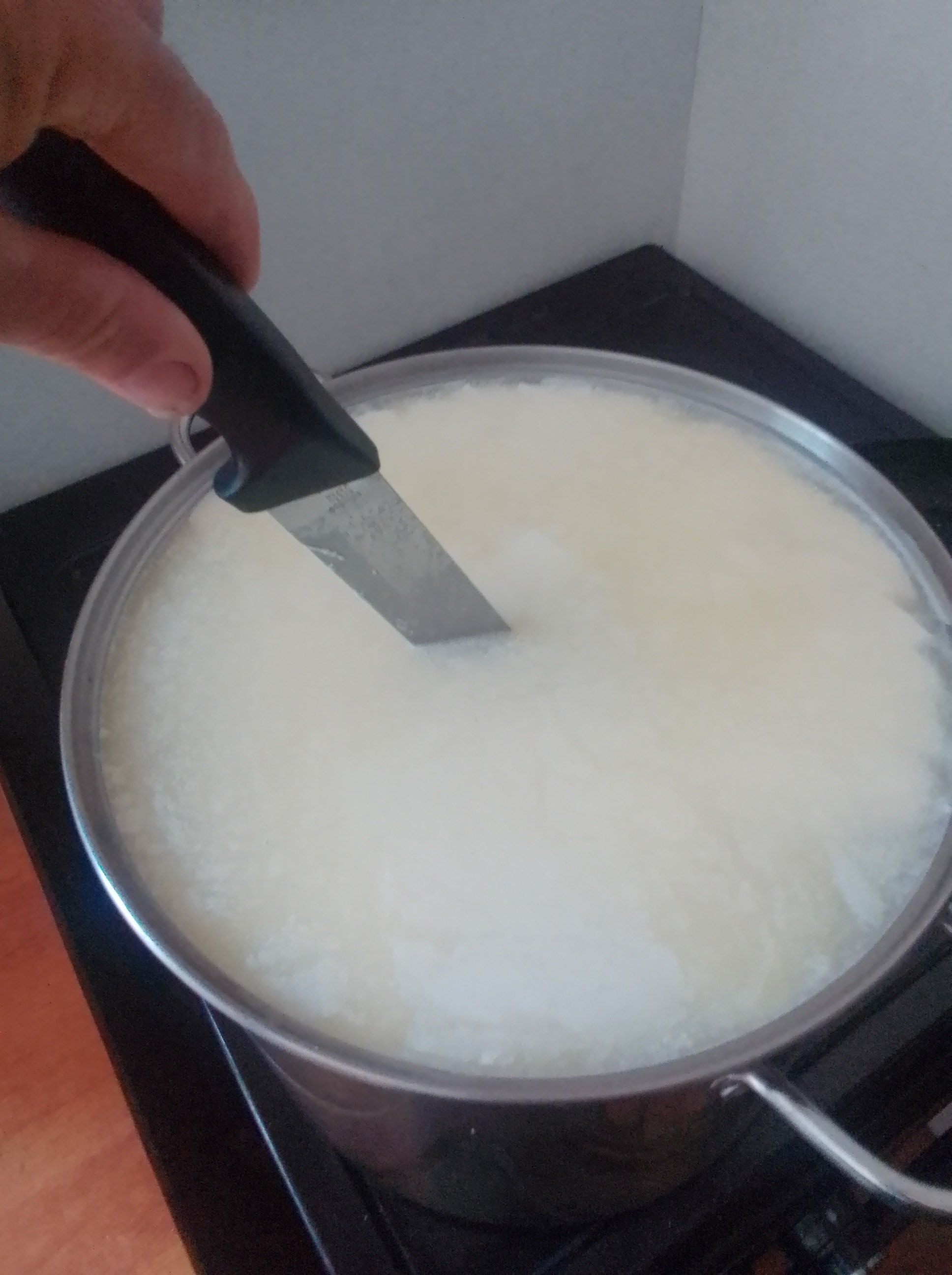
Add 7.5 ml of rennet and let stand for one hour, at which time the curds separate from the whey. Cut the curds across in both directions with a long knife.

Exif_JPEG_420

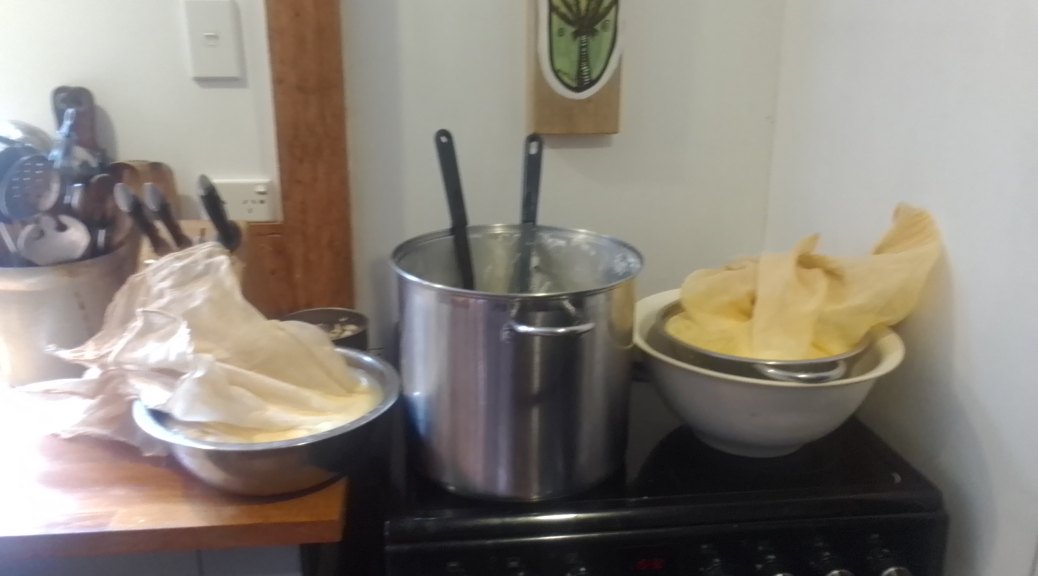
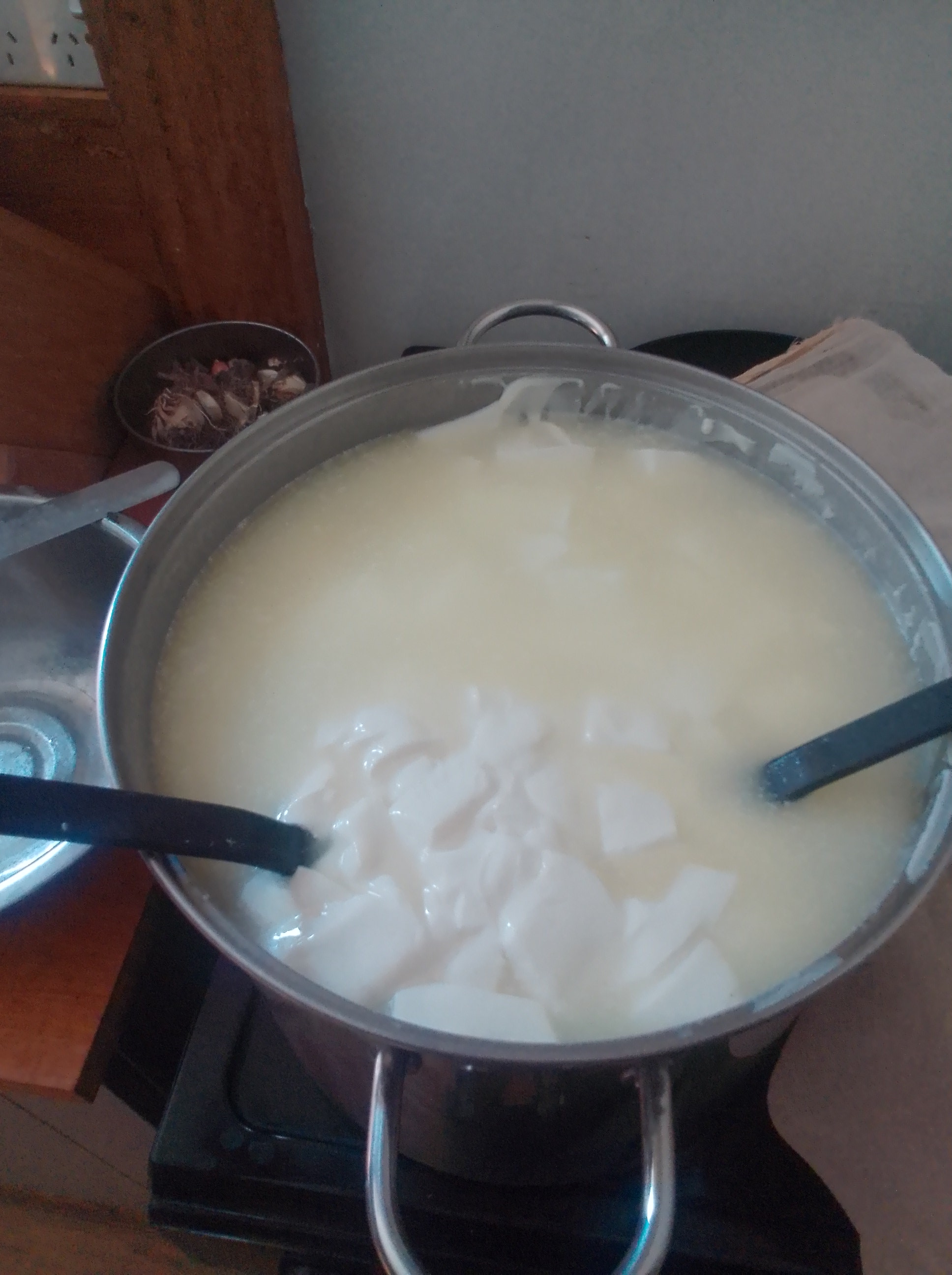
Let sit five minutes and scoop out the curds into cheese cloth. I use two large slotted spoons.

Exif_JPEG_420

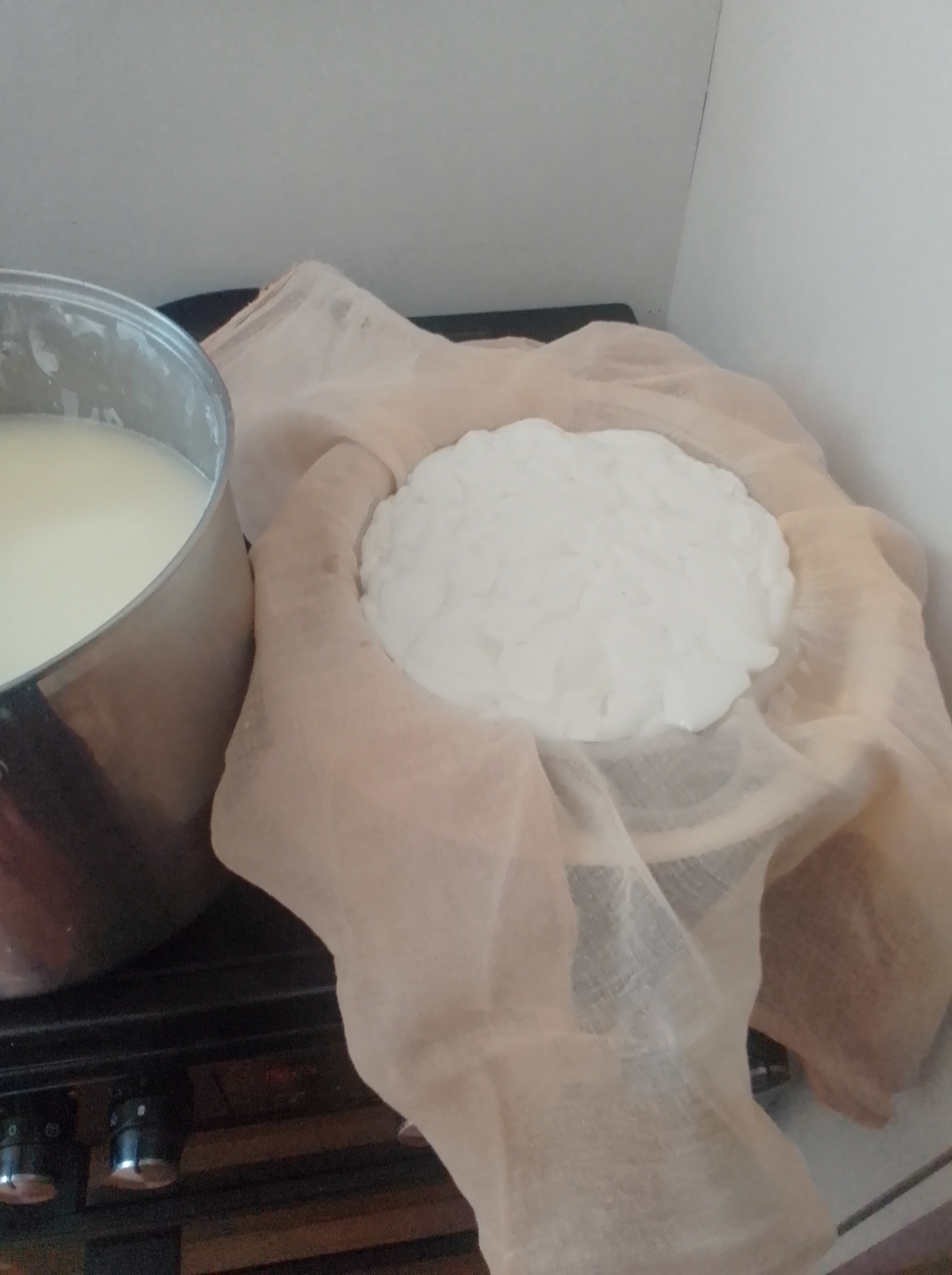
I put a colander inside a large bowl to let the whey drain out as much as possible.

Exif_JPEG_420

I have to fill two cheese cloths with the amount of curds that we get from each batch. Pour the whey back into the pot.

Exif_JPEG_420

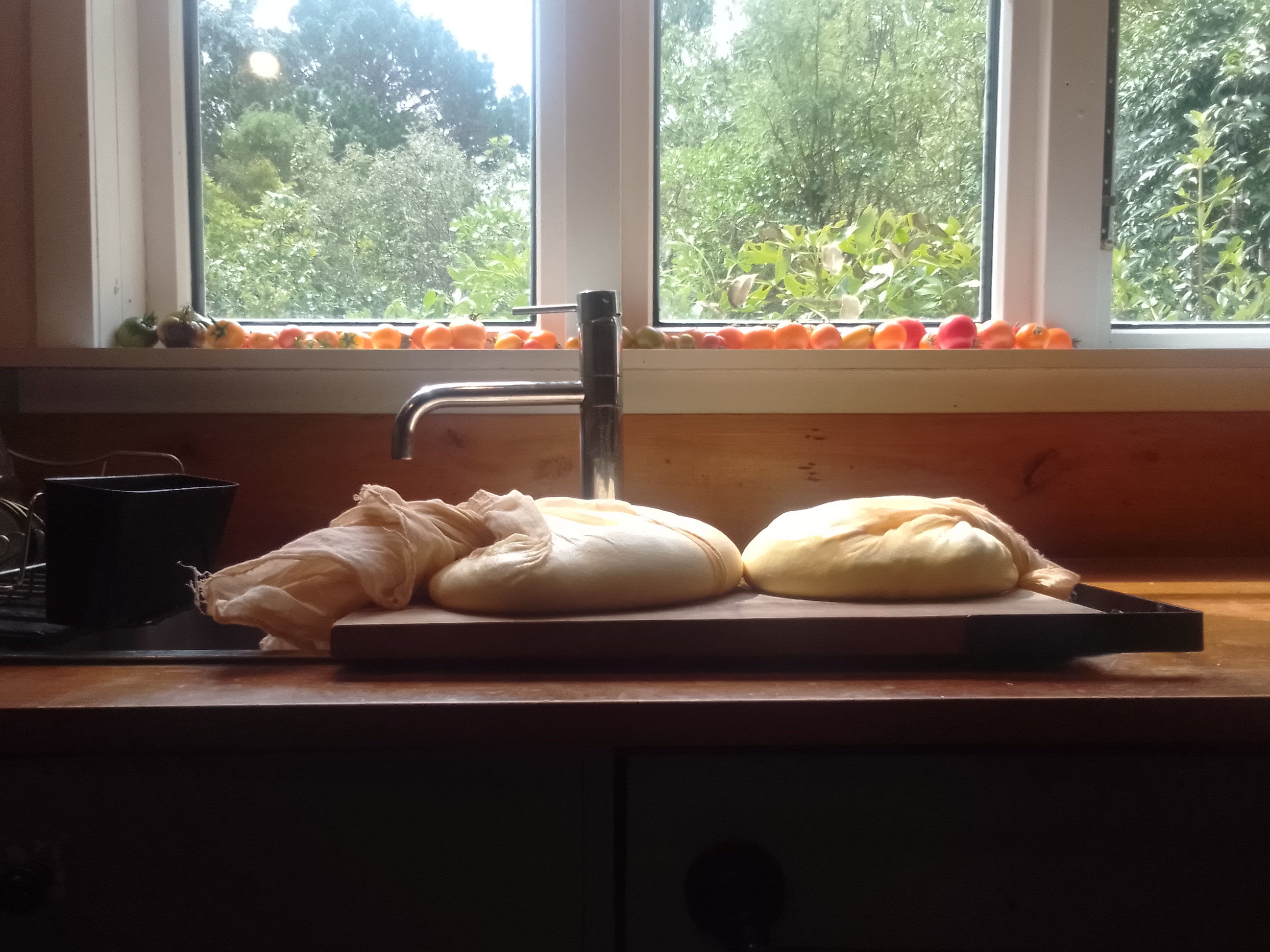
Next, put the curds wrapped in cheese cloth on a large cutting board above the sink so that the remaining whey will drip down the drain.

Exif_JPEG_420

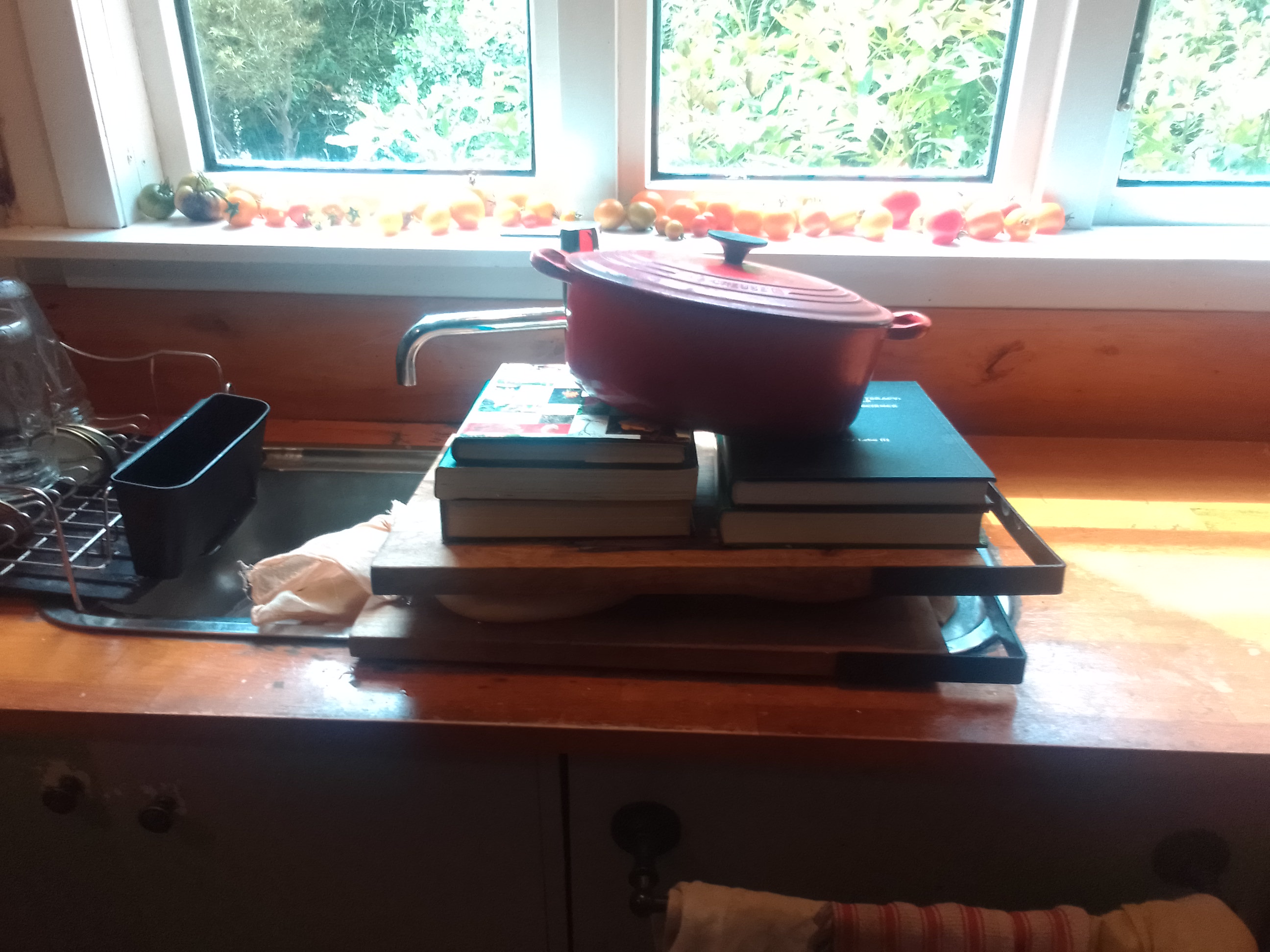
Place another large cutting board on top and add approximately 10 kilograms of weight. I use big books and a Le Creuset casserole.

Exif_JPEG_420

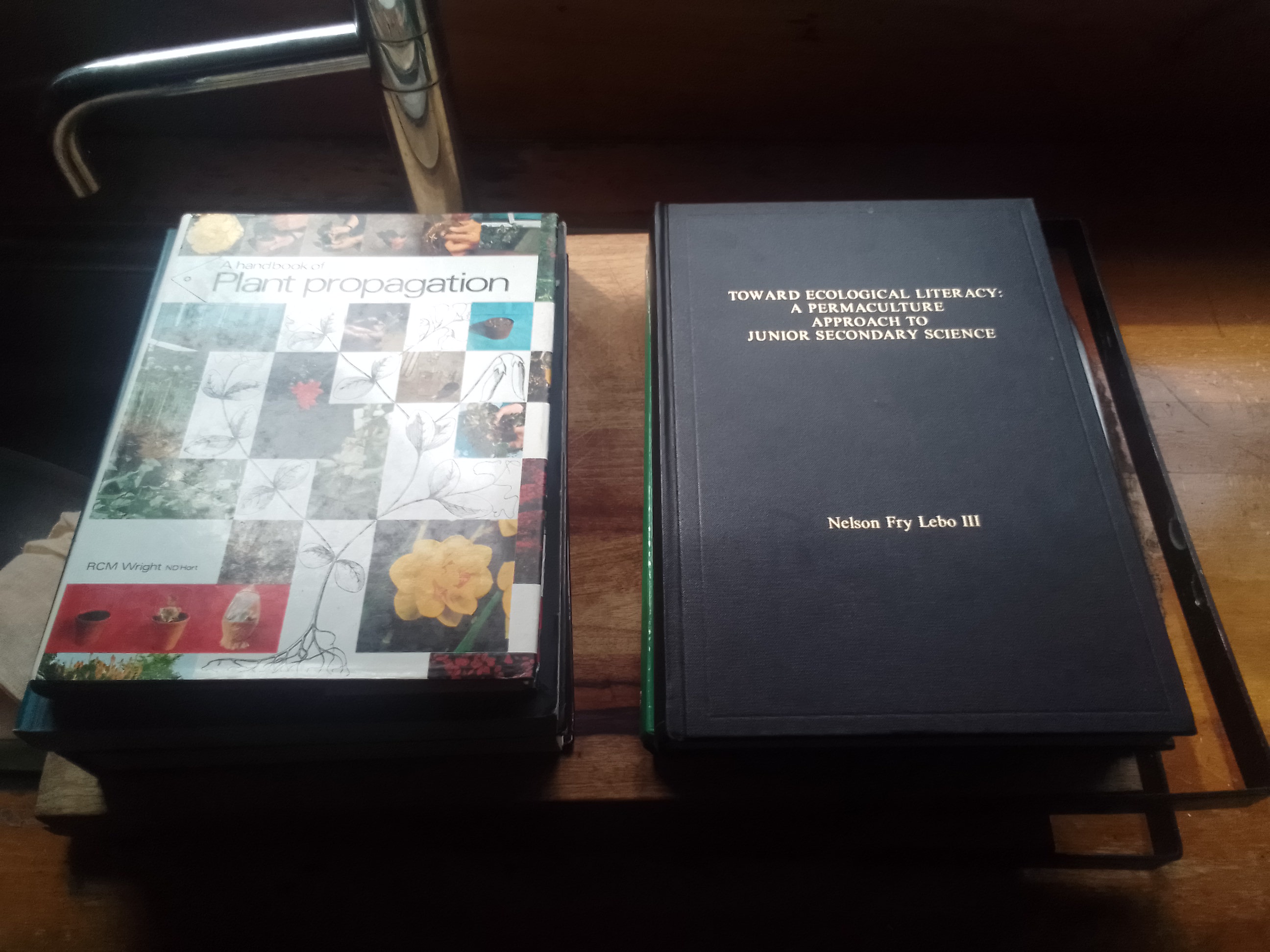
This is a particularly good use for my PhD thesis.

Exif_JPEG_420

Now it’s time to cut the cheese!

Exif_JPEG_420

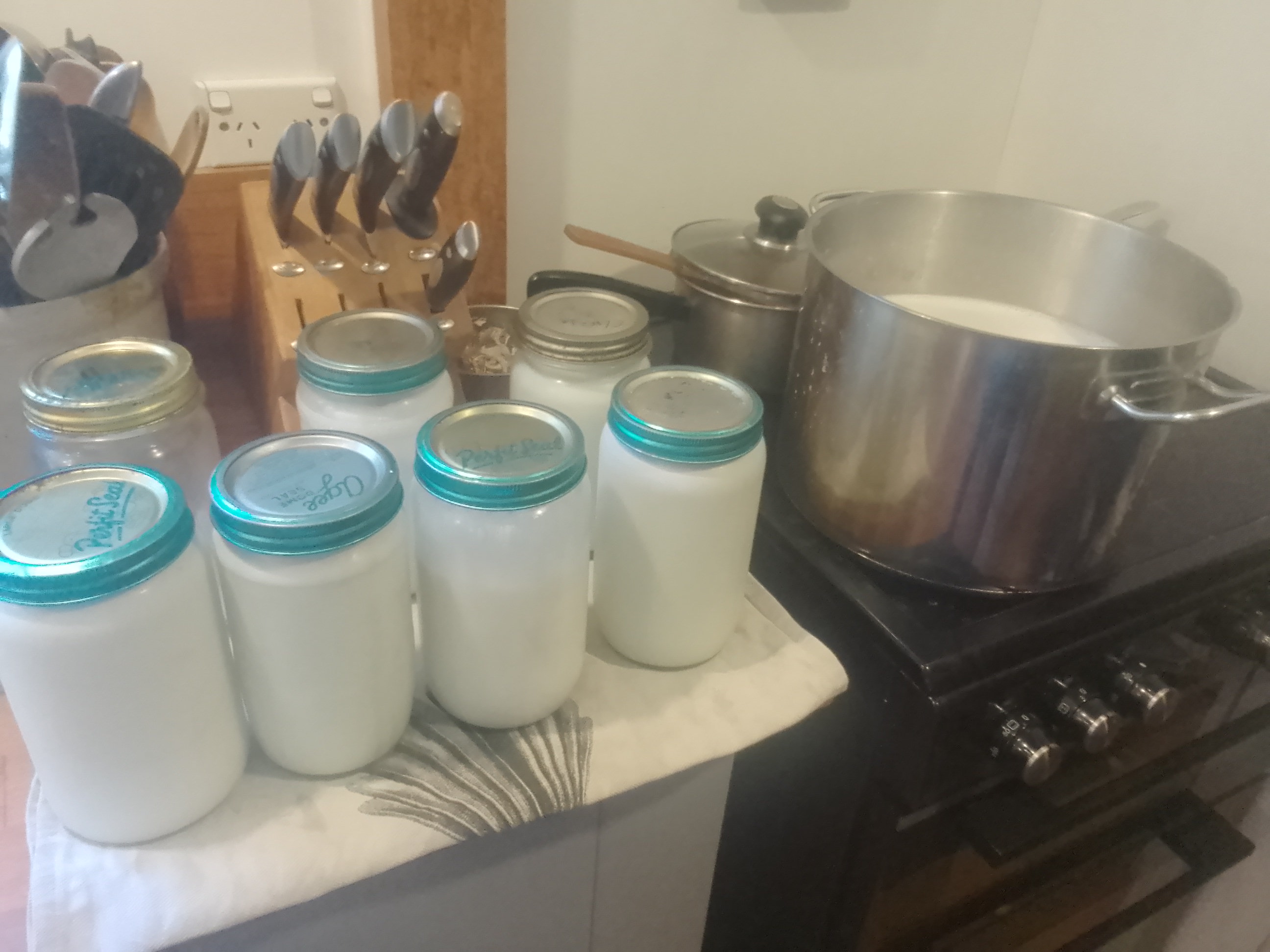
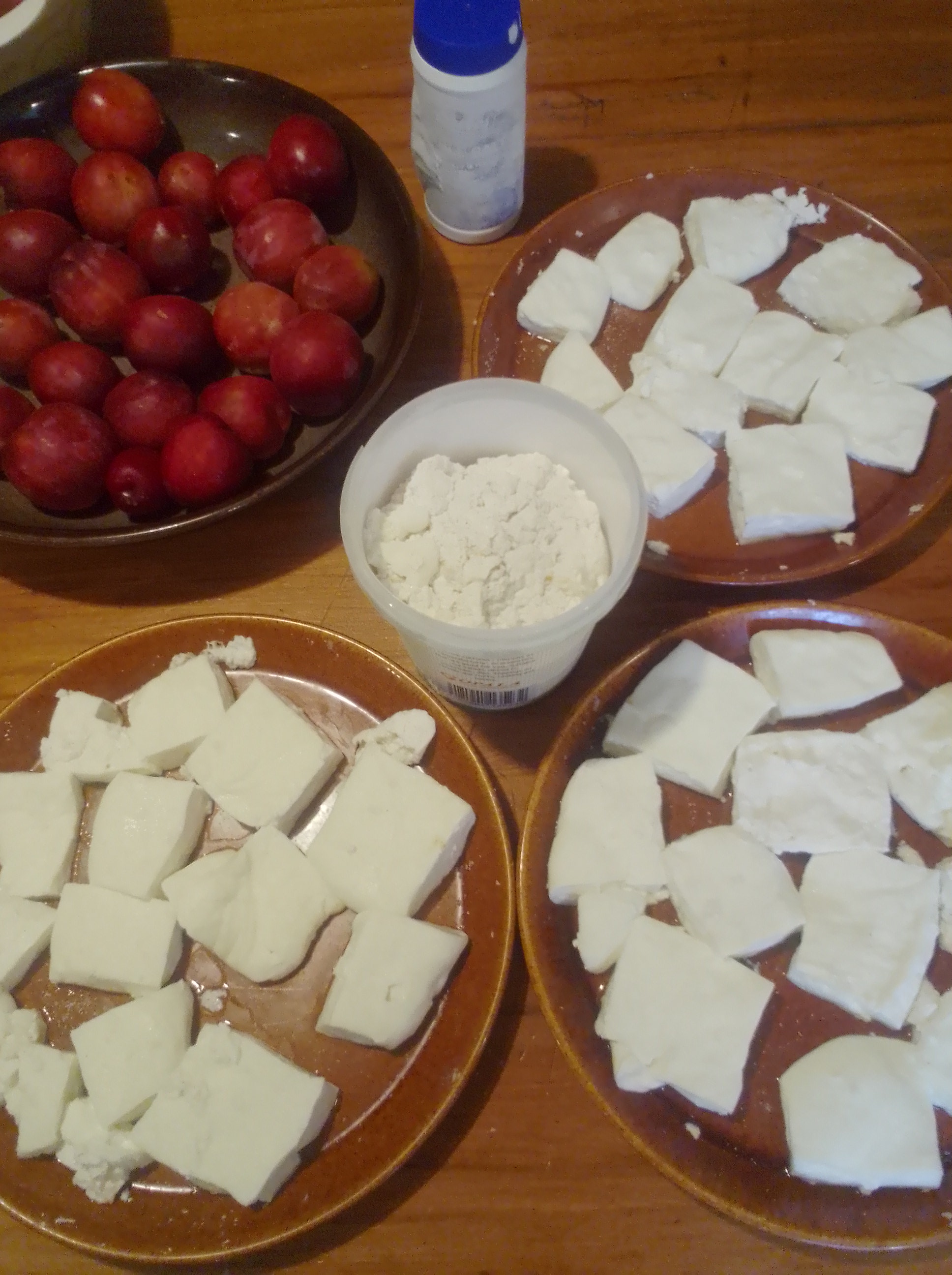
The next step requires heating the whey to somewhere below boiling point and putting the blocks back into it for 30 minutes. Fish them out and lay on plates to drain, and then salt liberally. The byproduct of this step is ricotta cheese. This can be collected separately and saved for lasagne, although our cats love eating it too.

Exif_JPEG_420

Refrigerate for a week or 10 days, but any longer and it should be frozen. We currently have about 20 kilograms in the freezer!

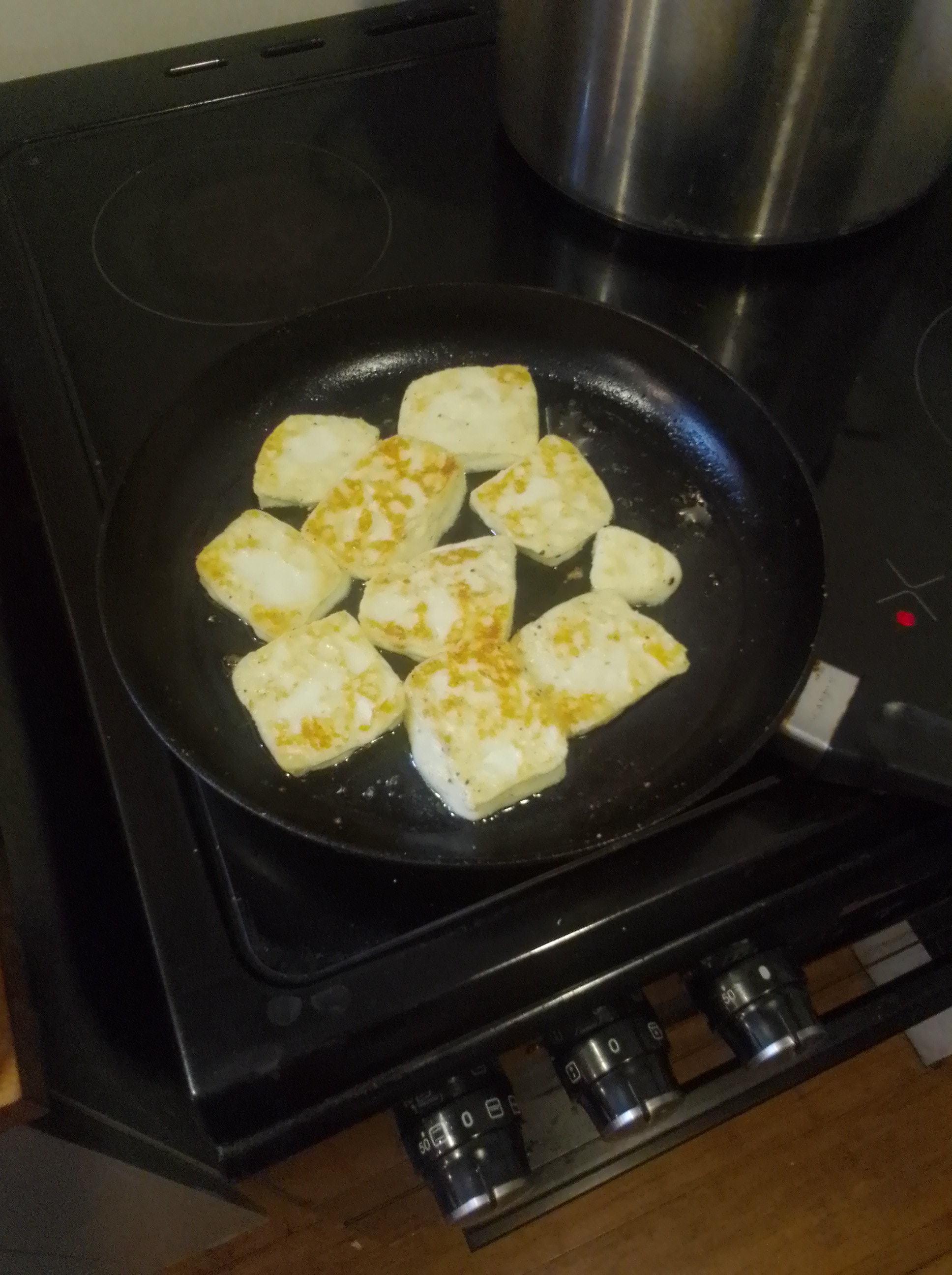
I usually prepare halloumi by frying lightly in oil until both sides are golden brown. Yum!

Exif_JPEG_420

Peace, Estwing

Permaculture Abundance

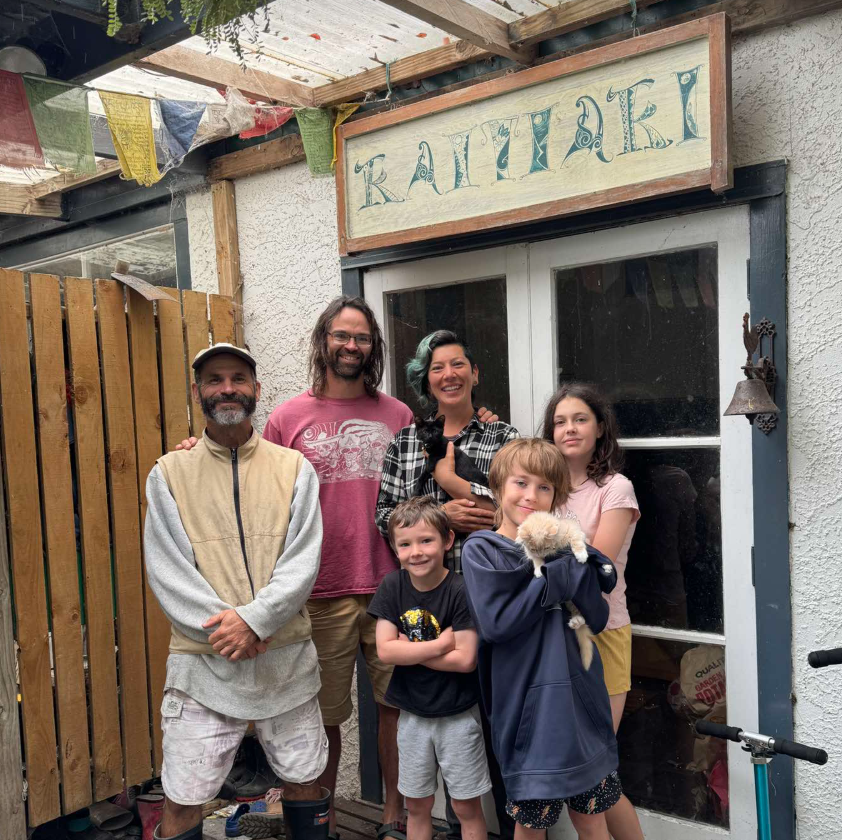
We’ve reached a decade on the farm and it is hard to recognise the place from when we started. Recently a couple of our first farm interns visited to check in on what progress we’ve made in 9 years. In fact, Patrick painted the amazing sign above our front door.

After leaving us, Patrick and Kelly went on to found Flat Tack Farm. They know much more than me about growing vegetables at this point!

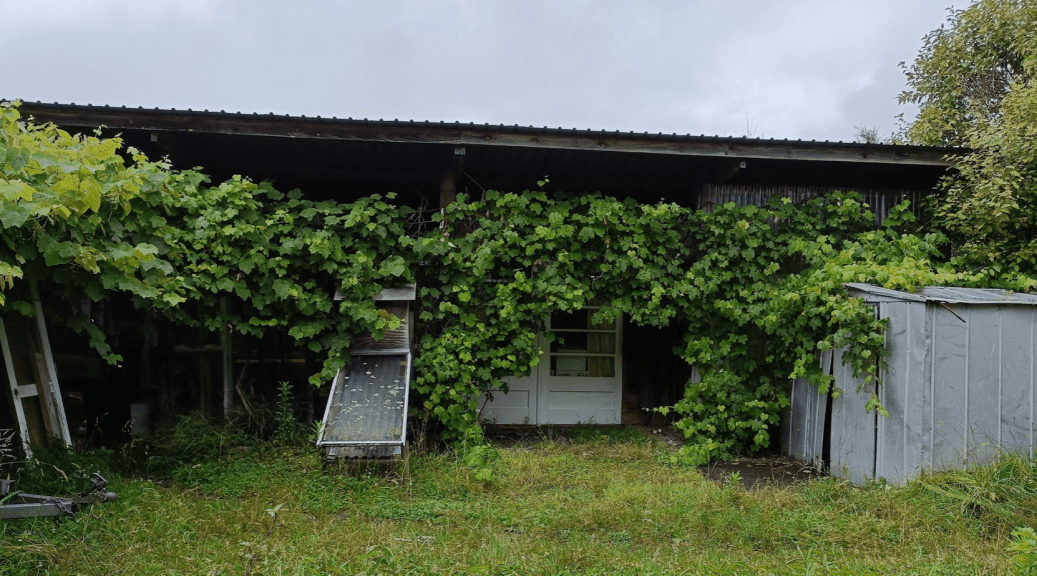
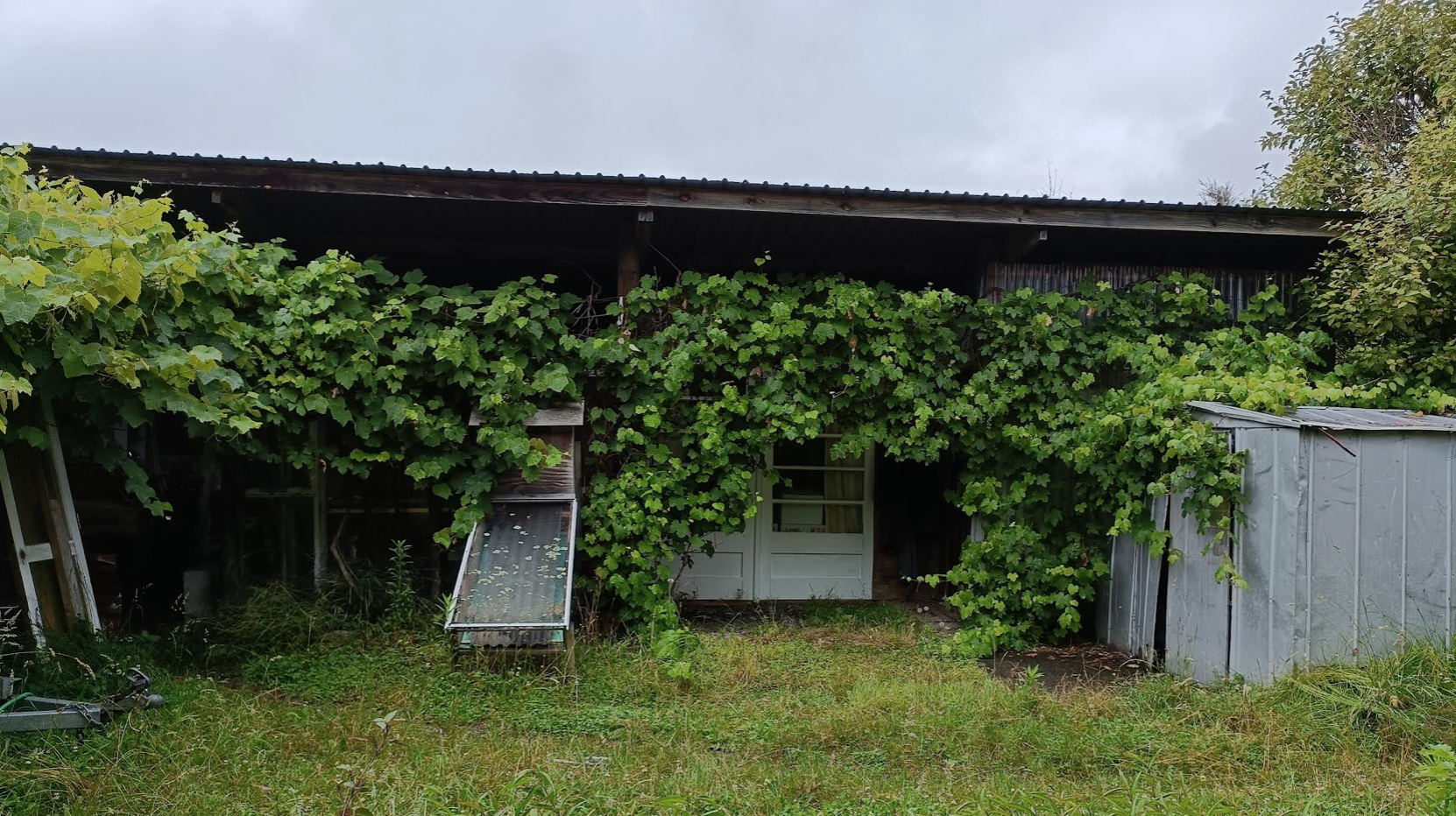
It was great to show them the abundance of our farm in early summer, anda good reminder for us of the progress we have made. One example of steady progress over the years is the advancement of the grape vines in front of the sheds. This photo does not even show half of their length growing out to the left and right.

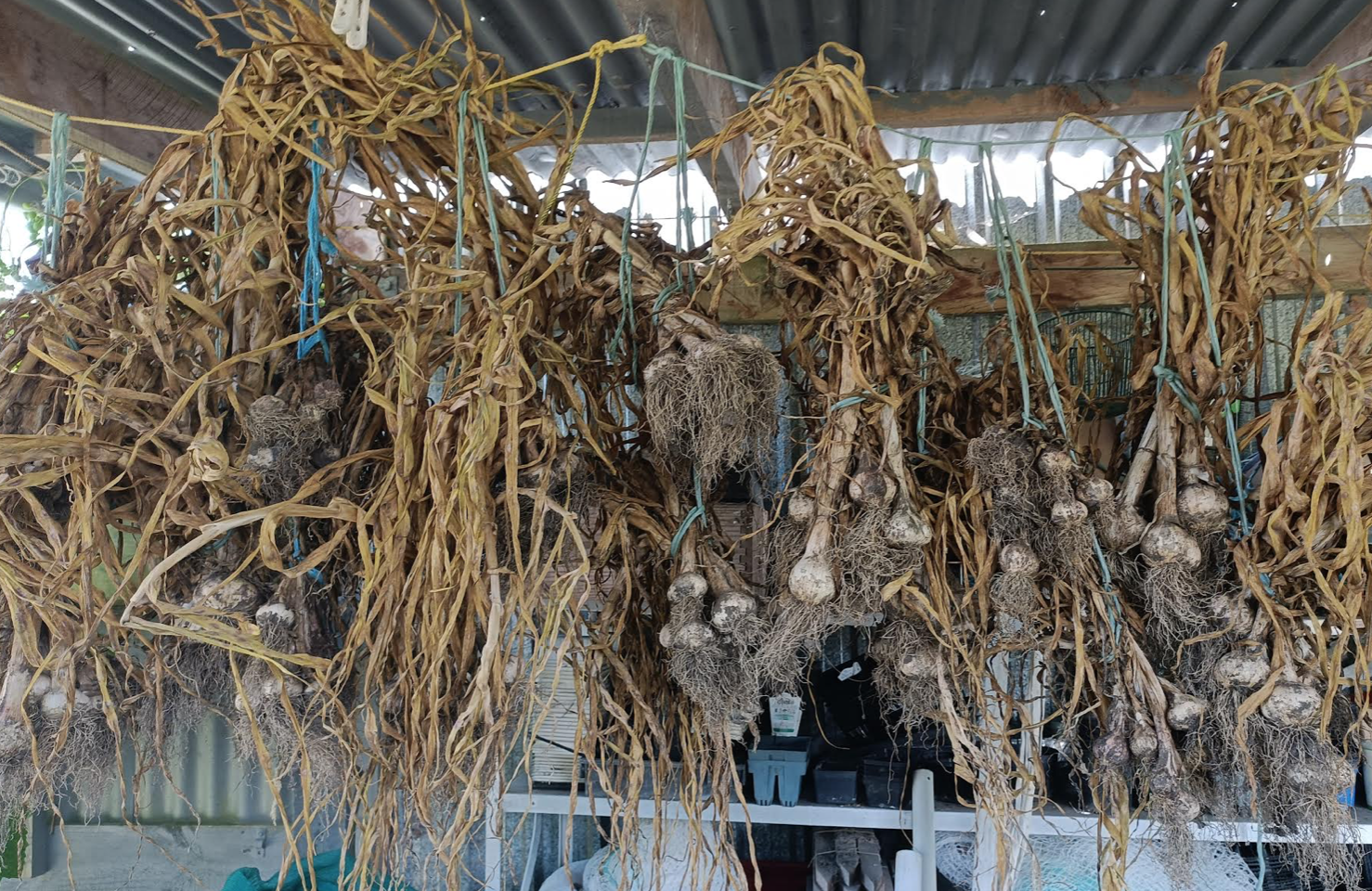
A steady crop on the farm every year has been garlic. This year we cut back on the quantity we grew but the size of most of the bulbs has been large enough to compensate.

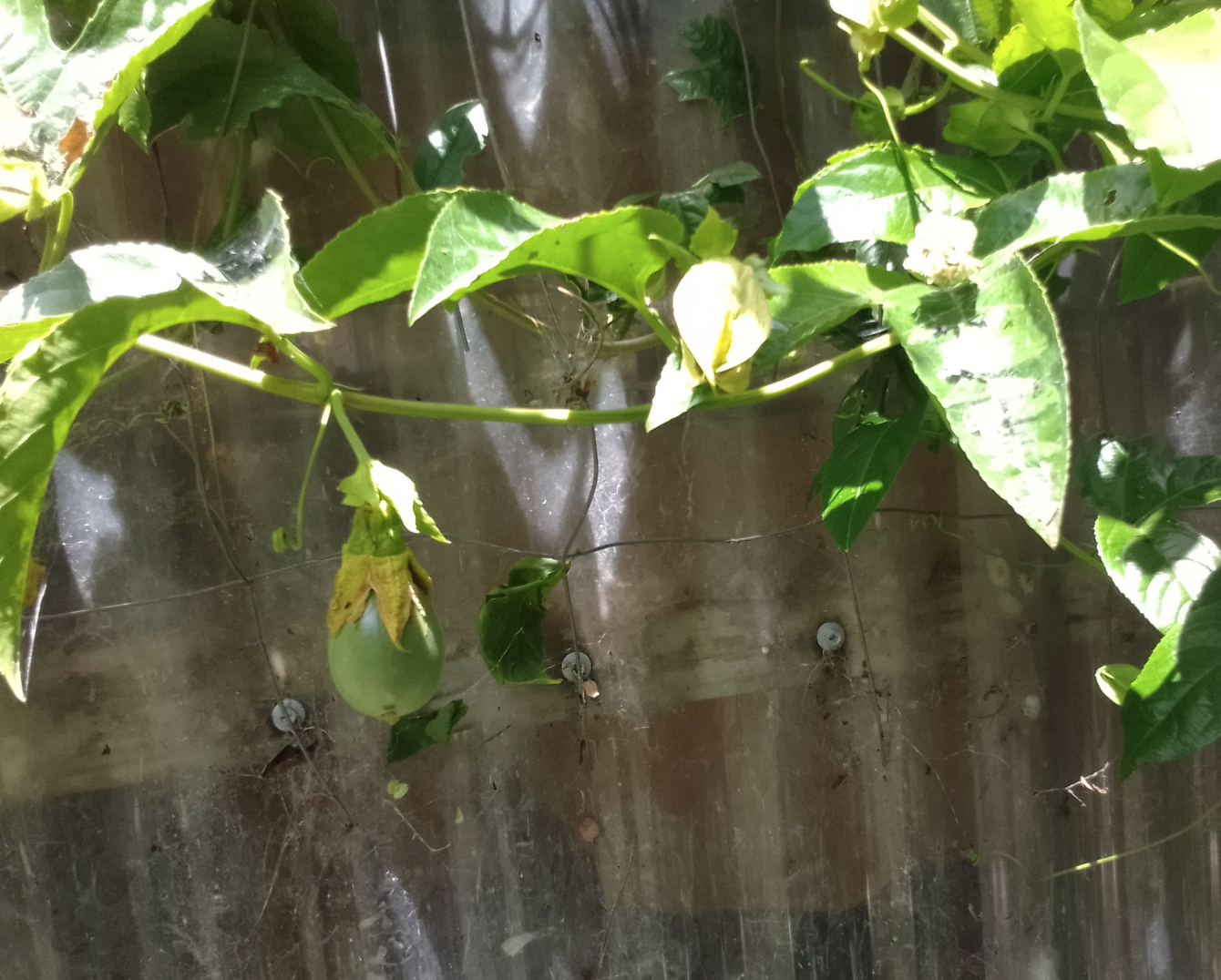
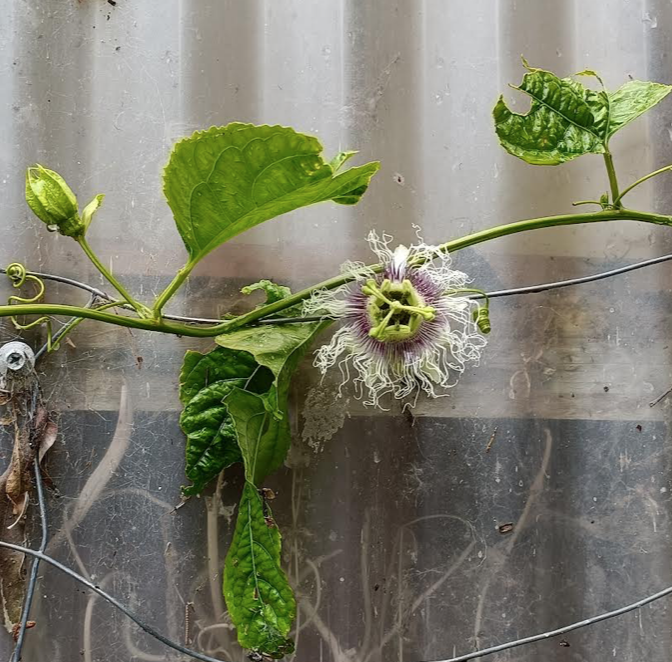
A newcomer is passionfruit. Here is the first blossom on the farm. Wow!

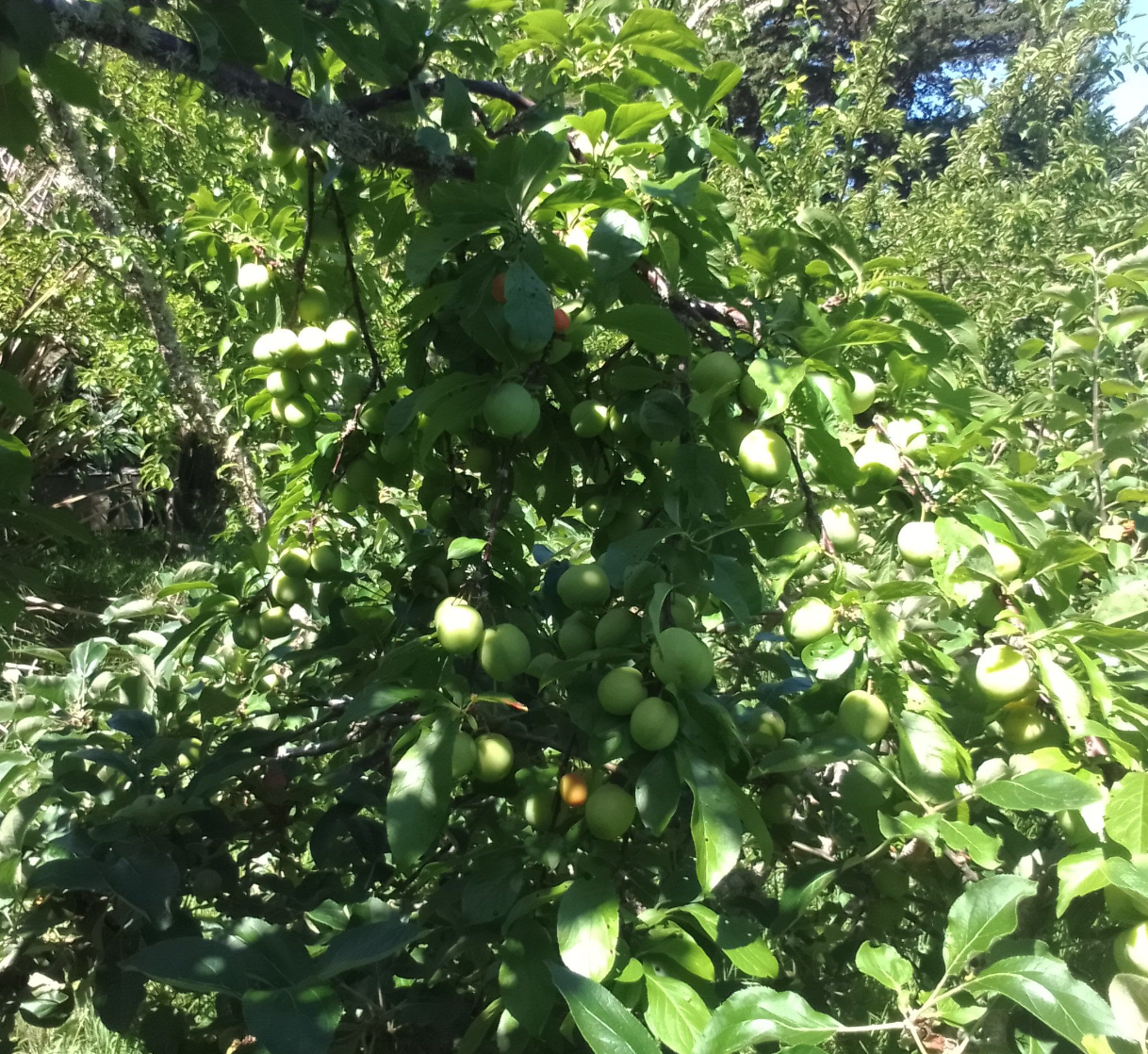
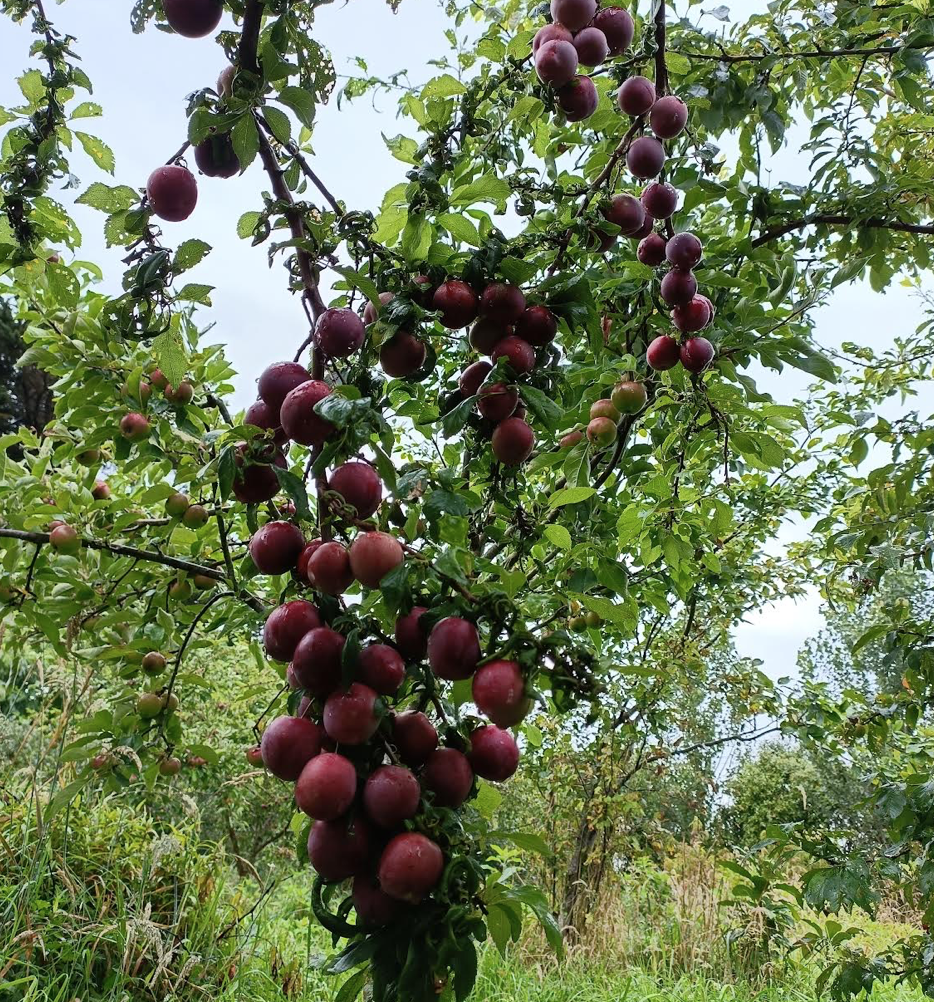
It is well and truly plum season! The challenge is to compete with the local birds!

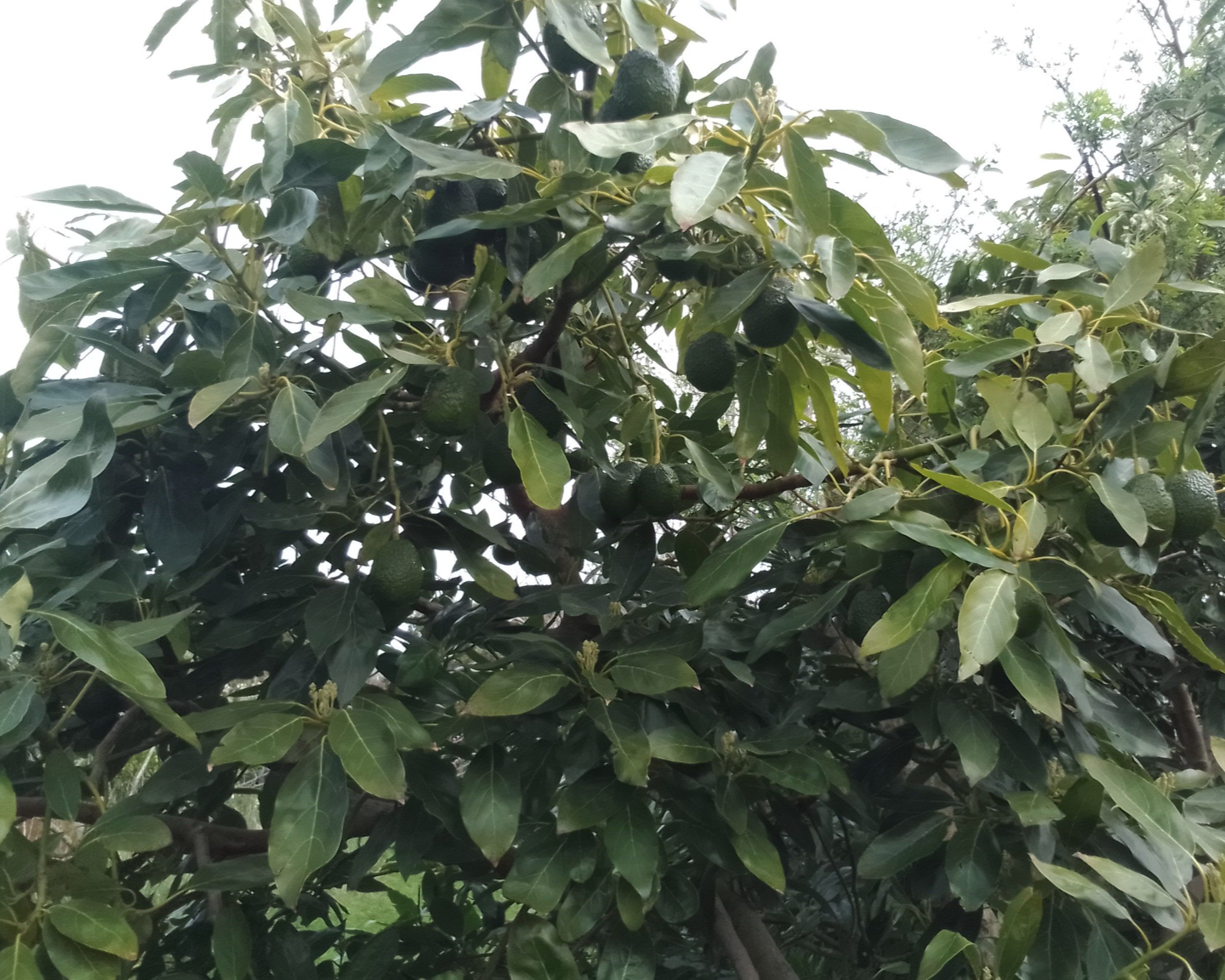
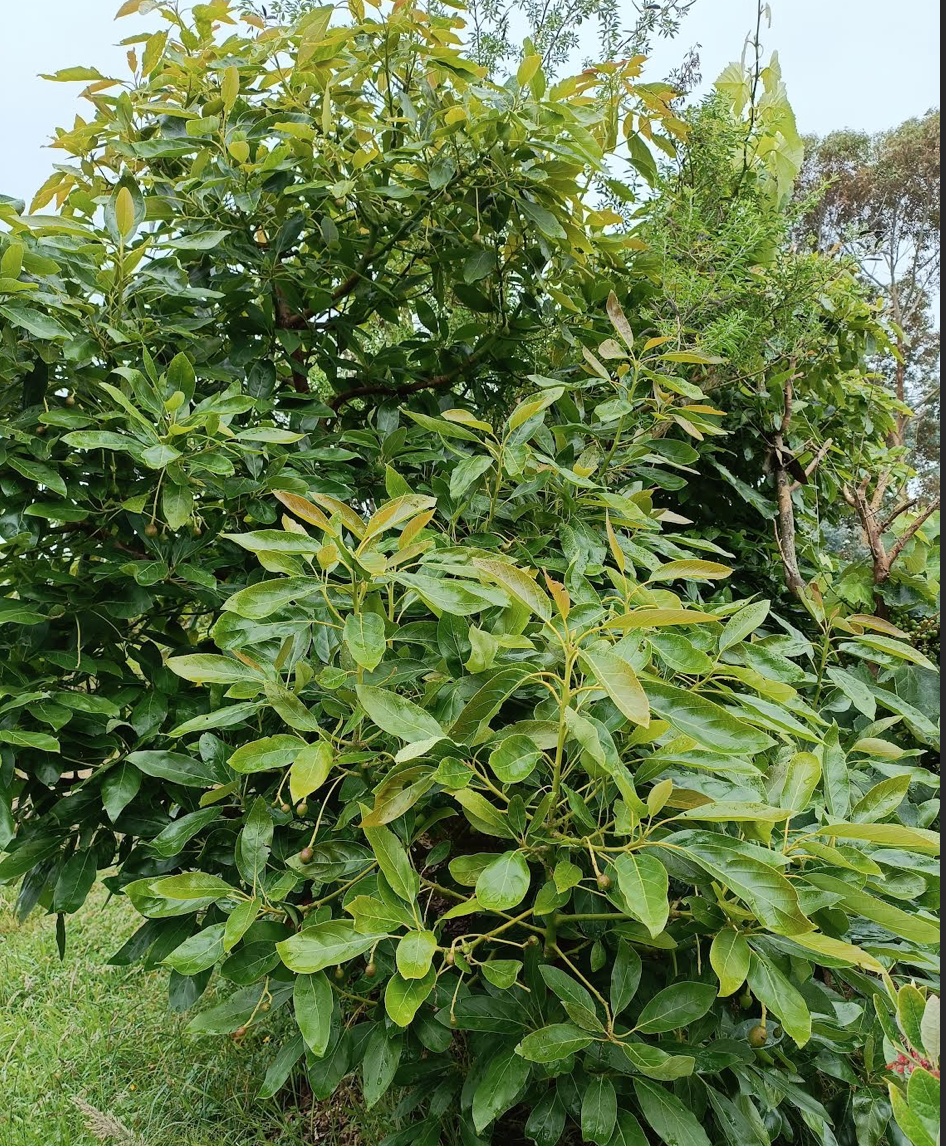
We’ve had an unusual occurrence this year that the avocado trees have set fruit twice about six months apart! Not complaining!

And goats milk! So much coming from these girls grazing very healthy pastures. We’ve been making halloumi cheese three days each week.

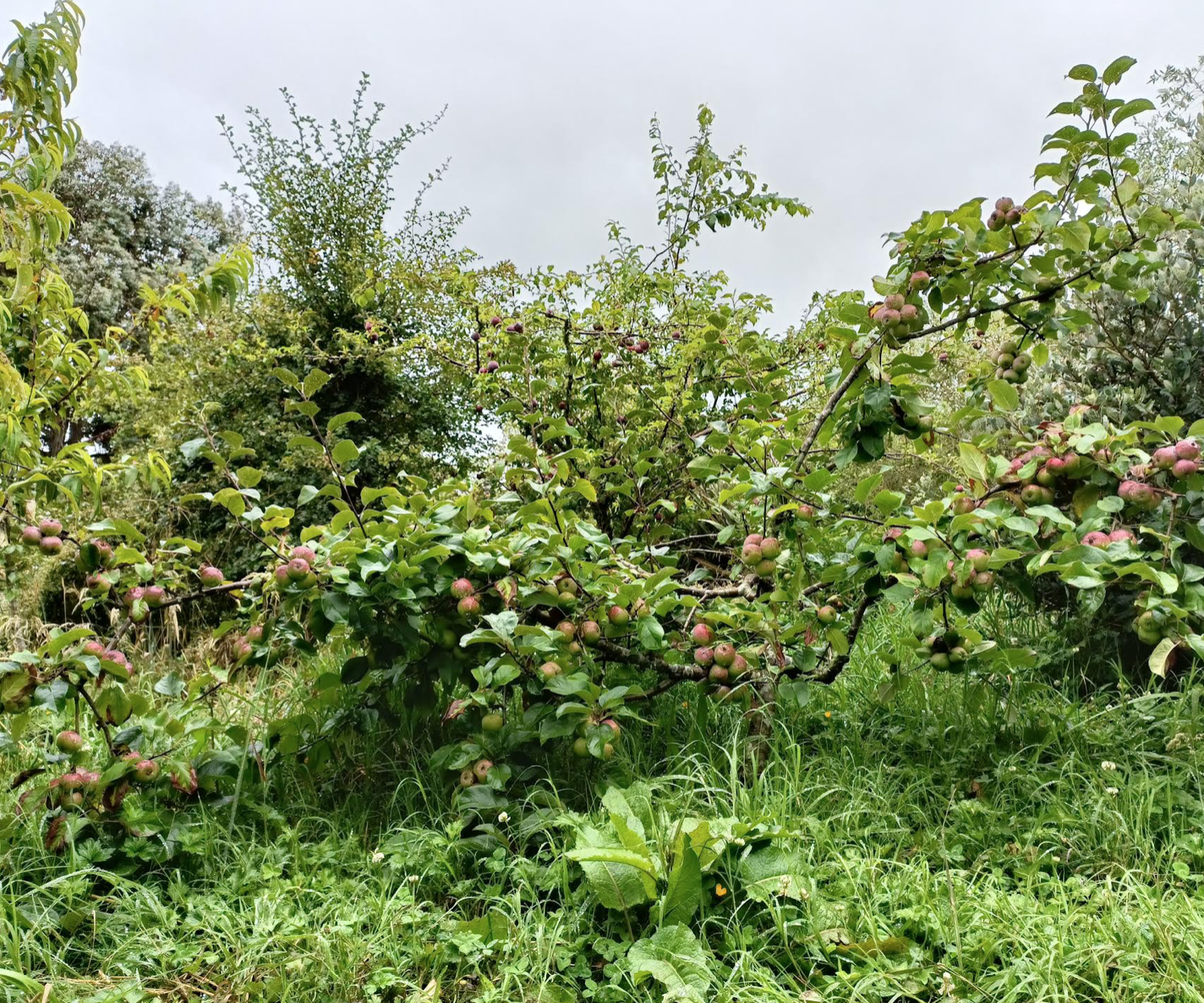
Looking forward to an abundant apple harvest in the autumn.

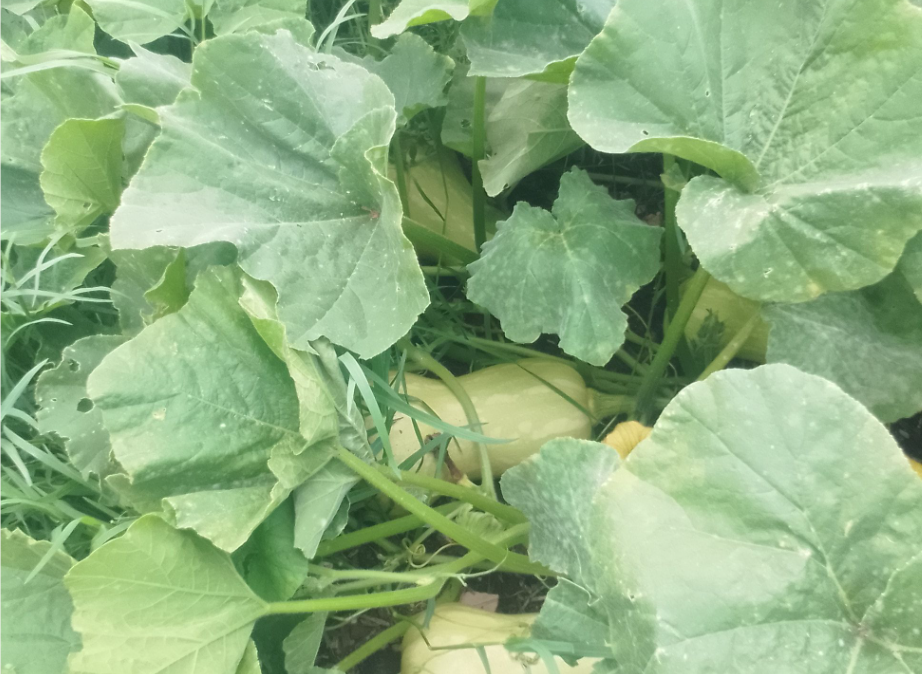
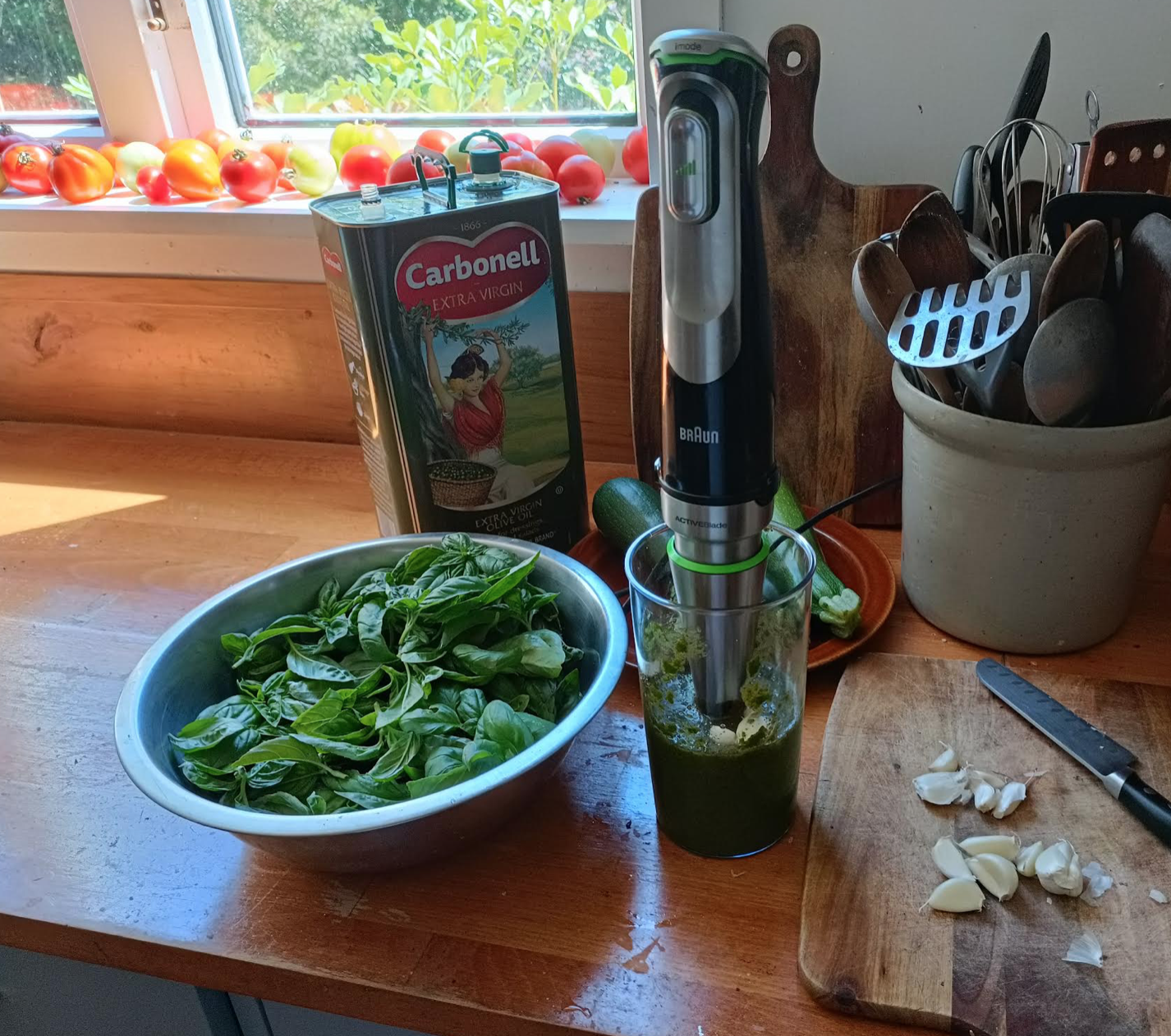
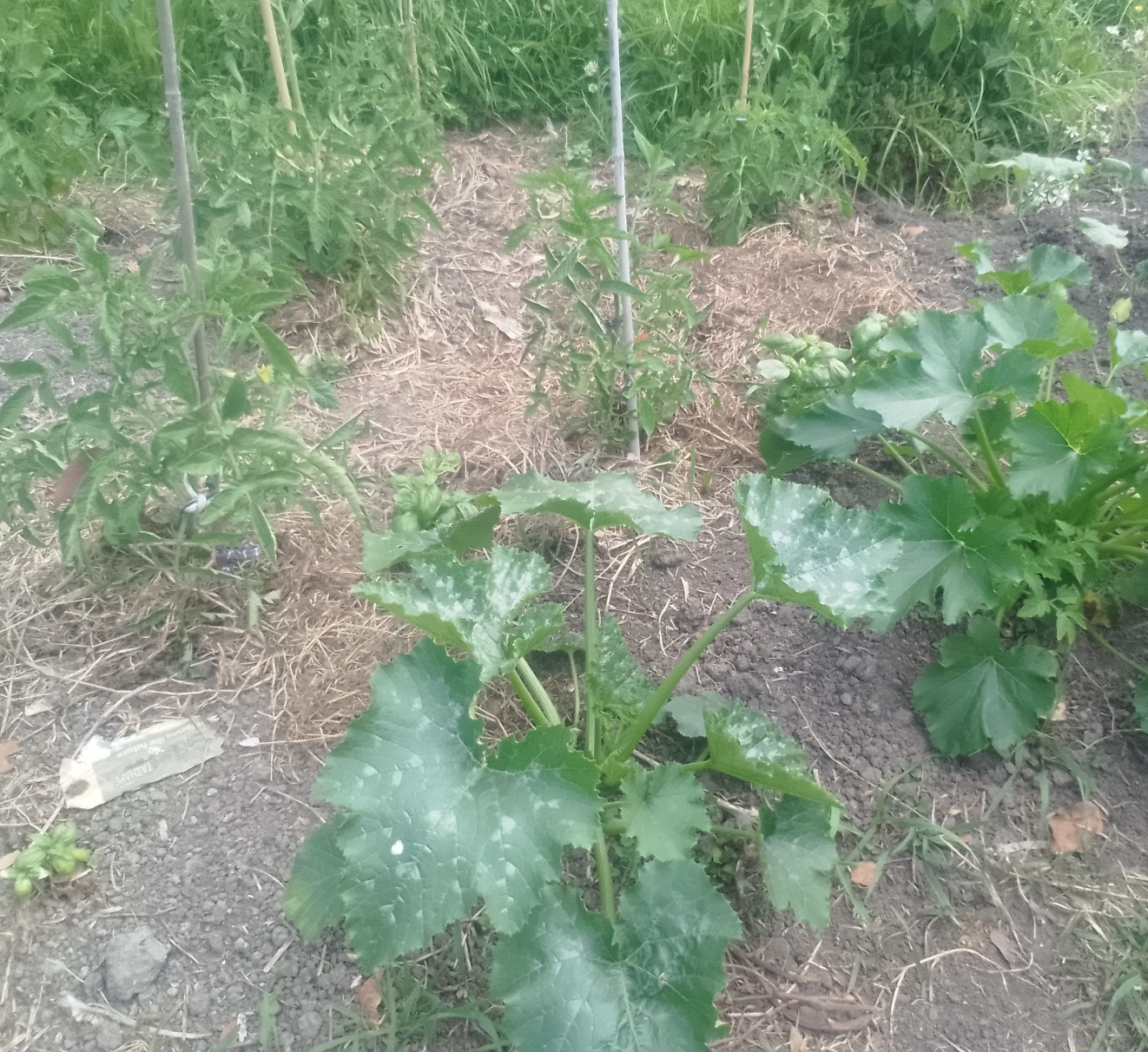
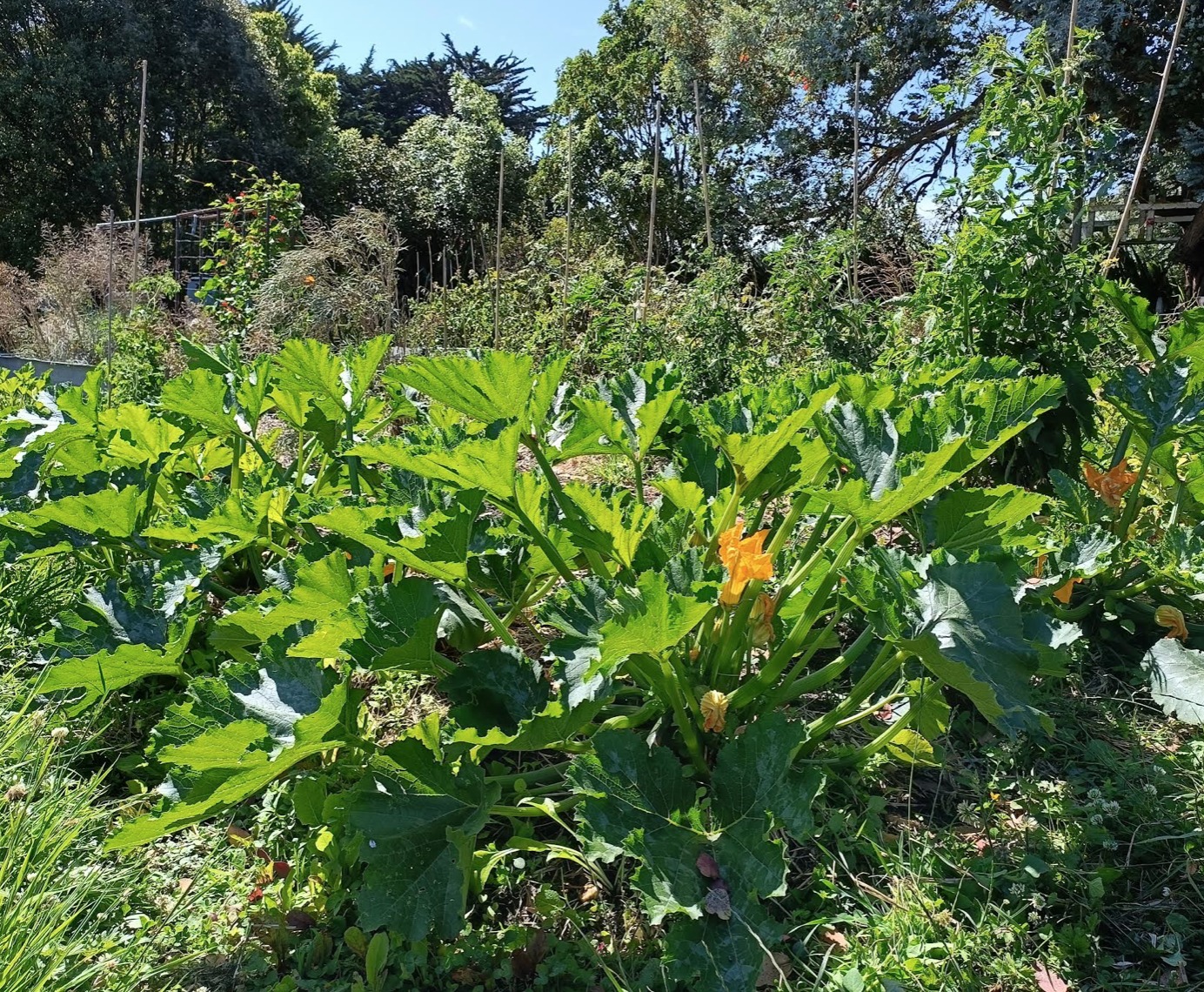
And last but not least, we enjoyed the first zucchini and tomatoes of the season with plenty of fresh basil and garlic. Delicious!

Kia kaha! Estwing

A Decade of Eco Thrifty Permaculture

We’ve just passed our 10-year anniversary on the farm and want to celebrate by sharing some of our successes.

Our kaupapa is ‘eco-thrifty’, which means we do everything to a high environmental standard but keep to a lean budget, saving money by sticking to the fundamentals of good ecological-design. We have applied this approach to renovating an 80 year-old home, building a high performance new building, managing our orchards, growing a productive garden, bush and wetland restoration, animal husbandry, and earning multiple incomes on the land.

Join us Labour Weekend to see what we’ve accomplished.

Come for one session or for the whole time.

Sunday 27th October

3:30 – 4:30 The high-performance and low-cost approach to building. Learn the basics of simple and effective design along with plenty of tips for building in New Zealand.

4:30 – 5:30 First and best investments for renovation. We have renovated our 1935 bungalow to improve its energy performance by about 400%. In other words we heat double the space using half the firewood. The home also never overheats in summer.

6:00 Shared Meal. Bring a plate to share along with stimulating conversation.

Overnight ‘B&B’ available: Camping or marae-style $20 p/p. Or find a place to stay in Whanganui just 4 km away.

Monday 28th October

This morning focuses on water management in both winter and summer.

9:00 – 10:00 Tour of gardens and orchards. Learn about our low-input and high-productivity systems for growing plentiful and healthy food.

10:00 – 11:00 Tour of bush regeneration, wetland restoration and stream corridor protection. This is a walking tour of our regeneration projects that include over 4,000 native trees and over 300 poplars and willows.

12:00 – 3:00 Nature Play Reunion! For children and whanau that have come to our Nature Play programmes over the years. Bring a picnic lunch and come on back for more great fun by the stream!

Kaitiaki Farm is located on the outskirts of Whanganui.

Free to attend. Registration essential. theecoschool@gmail.com.

Fruits of our Labours

It’s been a long time since we last posted, but it has been a great growing season for us on Kaitiaki Farm. We counted 12 varieties of plum this season and we have three new ones to plant this winter.

We had so many prune plums this year that we wanted to preserve them by making jam. Just add lots of sugar.

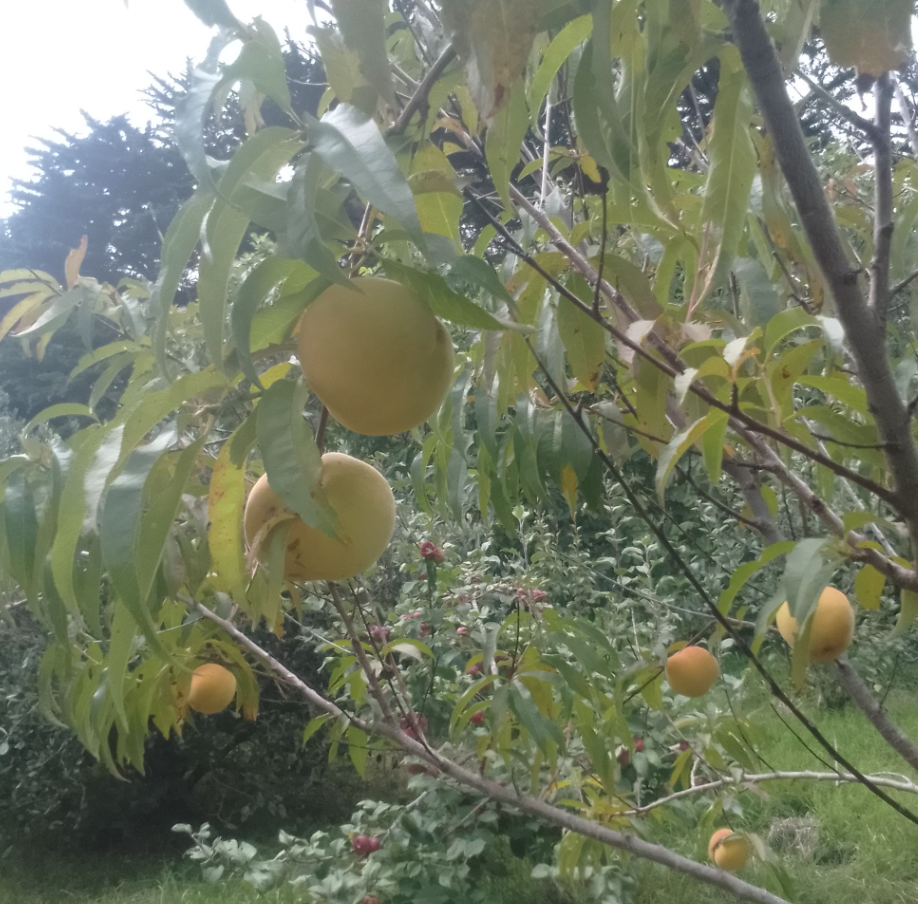
Just as the plums are winding up the peaches are cranking.

We’ve had some early apples so far but most of them are mid and late season varieties.

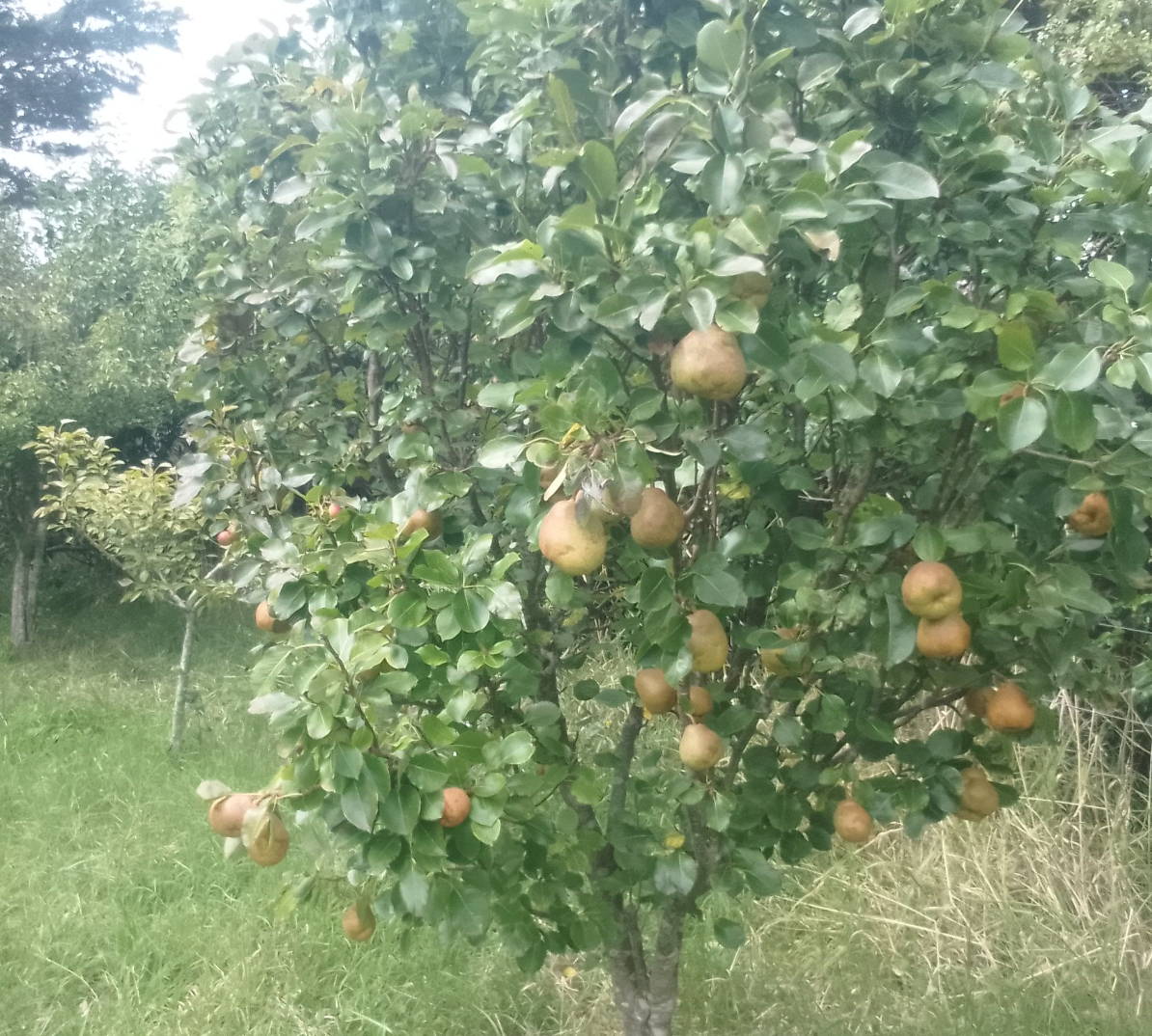
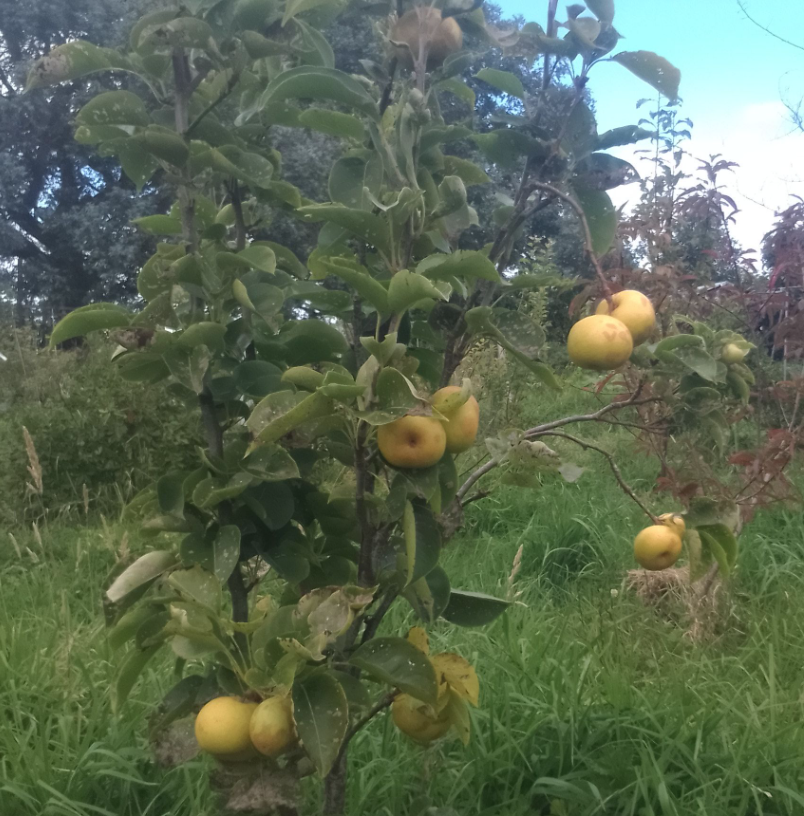
Pears, persimmons and feijoas are still a little ways away, but avocados are ever present.

The garden is winding down but still plenty of basil for pesto.

Also grapes, guavas, quince and plenty of citrus on the way!

Kia Kaha!

Estwing
Fruit Set 2023

Despite the consistent strong spring winds and apparent lack of bees we have had excellent fruit set on our stone and pip fruit. I addition to these it appears all the other fruits are also doing well. Below are peaches and plums.
Exif_JPEG_420
Exif_JPEG_420

Incredible fruit set on the apple trees.

Exif_JPEG_420

Pears and quince below.

Exif_JPEG_420
Exif_JPEG_420

Feijoas and avocados are just blossoming, and persimmons on the verge.

Exif_JPEG_420
Exif_JPEG_420
Exif_JPEG_420

Still plenty of fruits on the avocado trees and citrus.

Exif_JPEG_420
Exif_JPEG_420

Also we’ve got black currants, grapes, raspberries and boysenberries.

Exif_JPEG_420
Exif_JPEG_420
Exif_JPEG_420

I forgot to take images of the lemon tree and blueberries. Too much fruit to even remember!

Kia kaha! Estwing