Tag Archives: featured

Spring, Summer, Autumn Events

Household Resilience Workshop Series

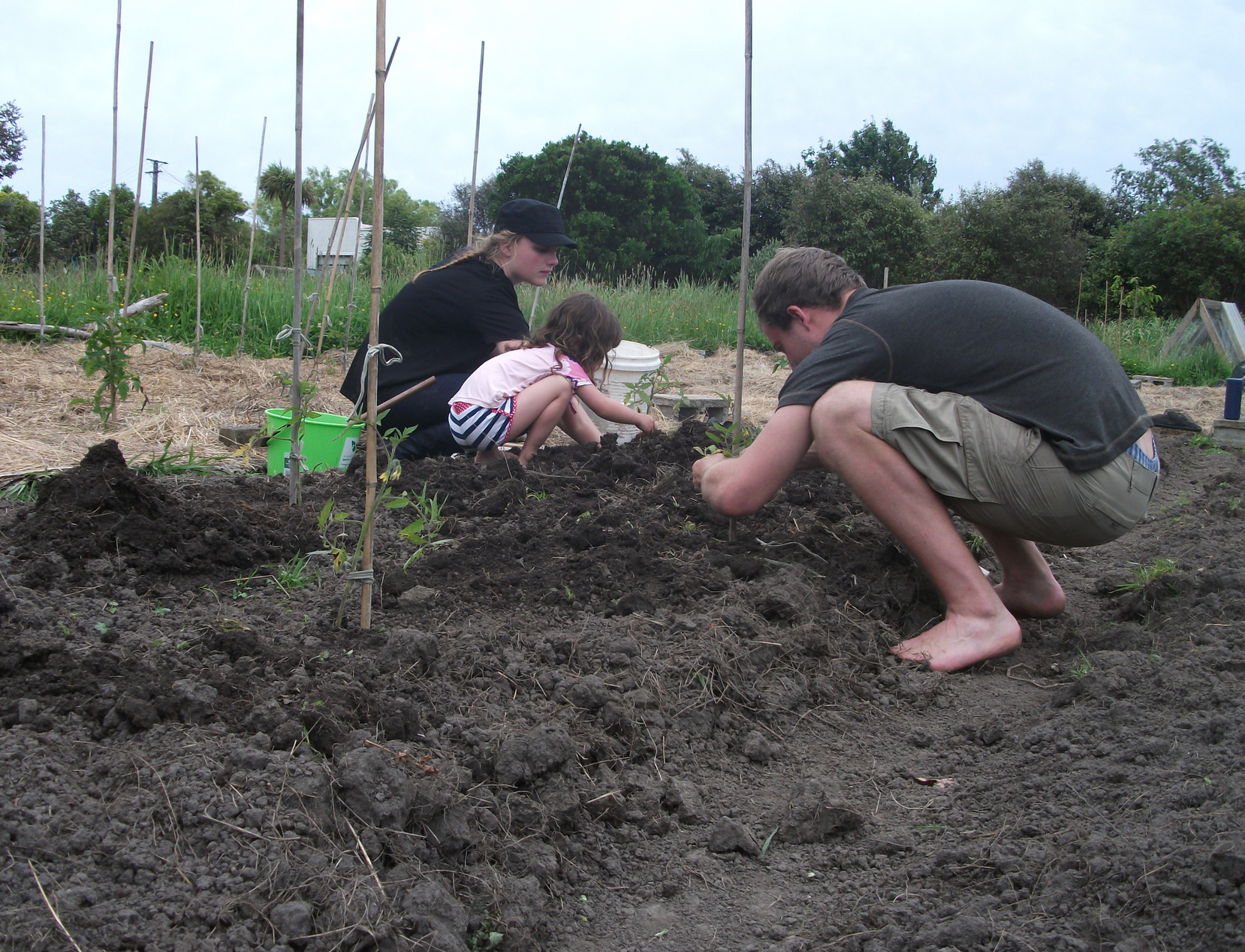
The ECO School has partnered with the Whanganui Learning Centre and Horizons Regional Council to host a series of free workshops focusing on Household Resilience. Workshops cover growing healthy food and creating and maintaining a healthy home. 

The workshops will be held at the Whanganui Learning Centre, in Wicksteed Street and Kaitiaki Farm.

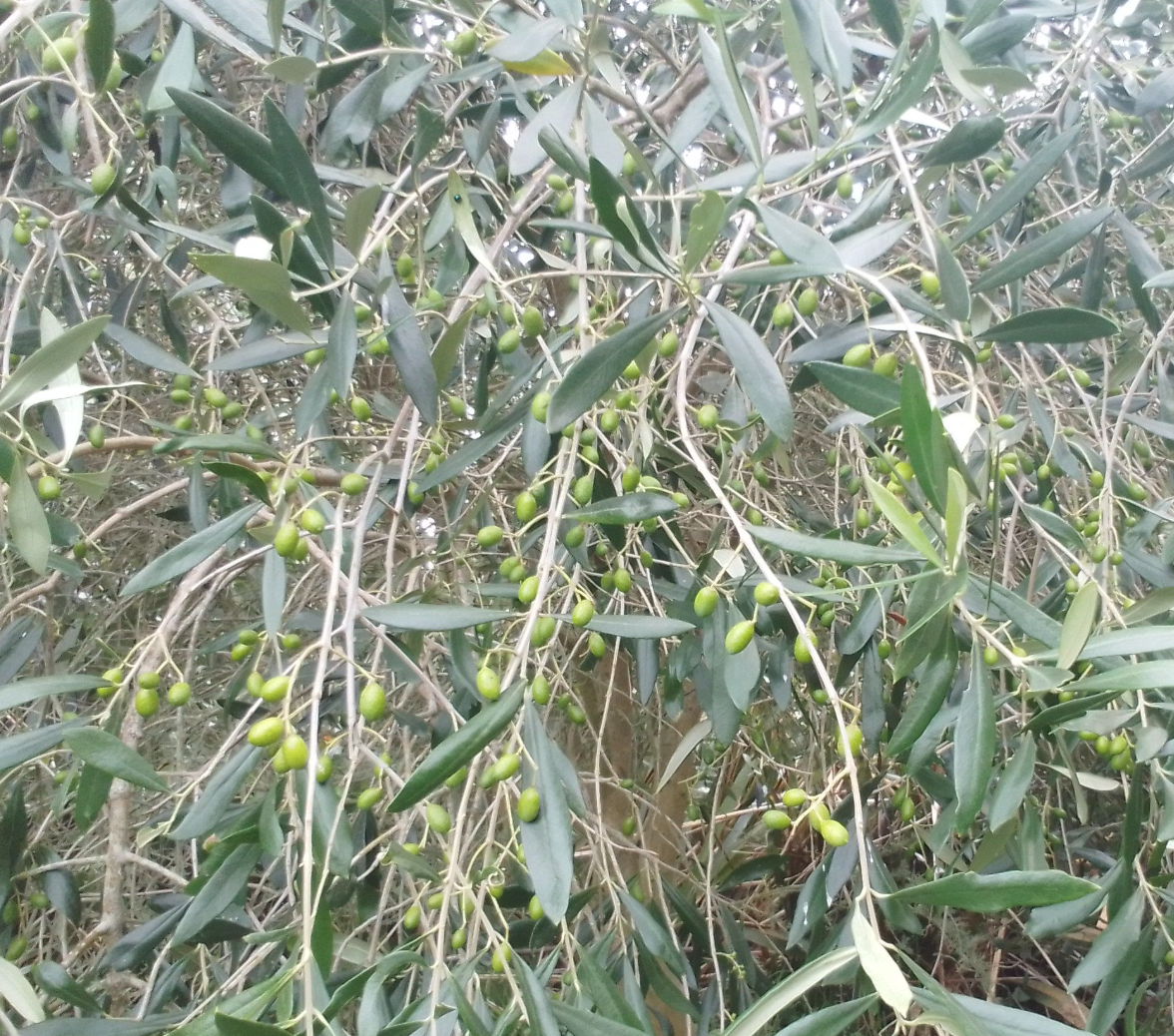
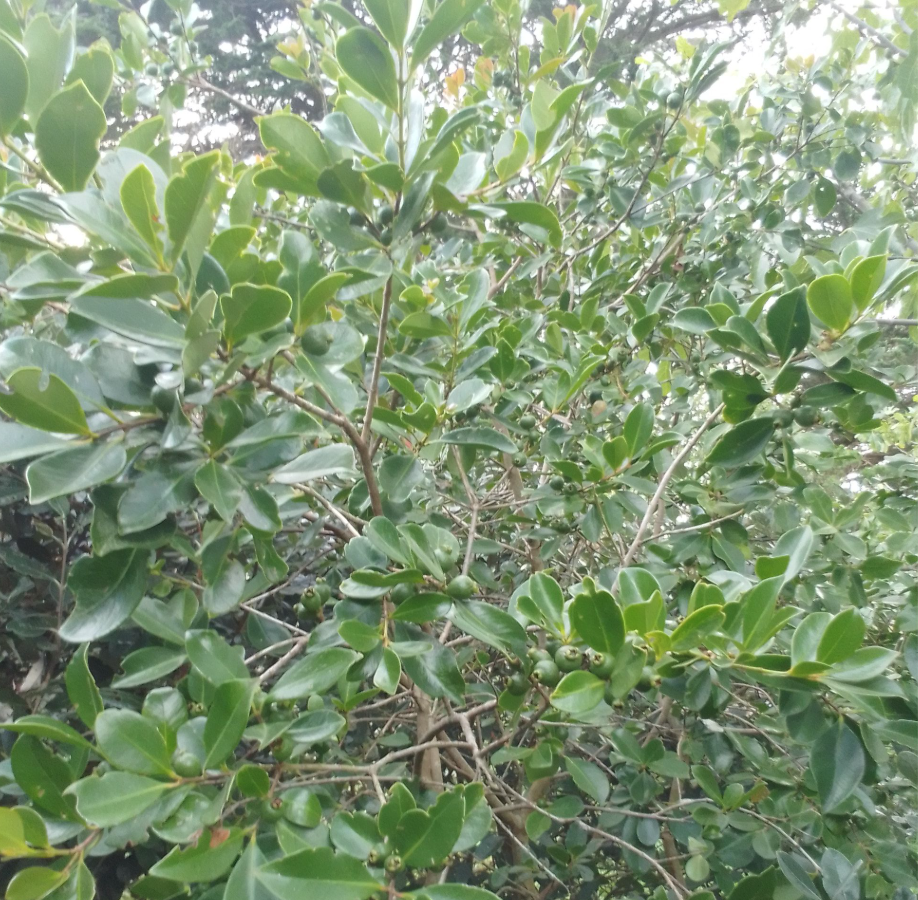
22nd October, 5:00-6:00.  Fruit Tree Care and Pruning. Whanganui Learning Centre

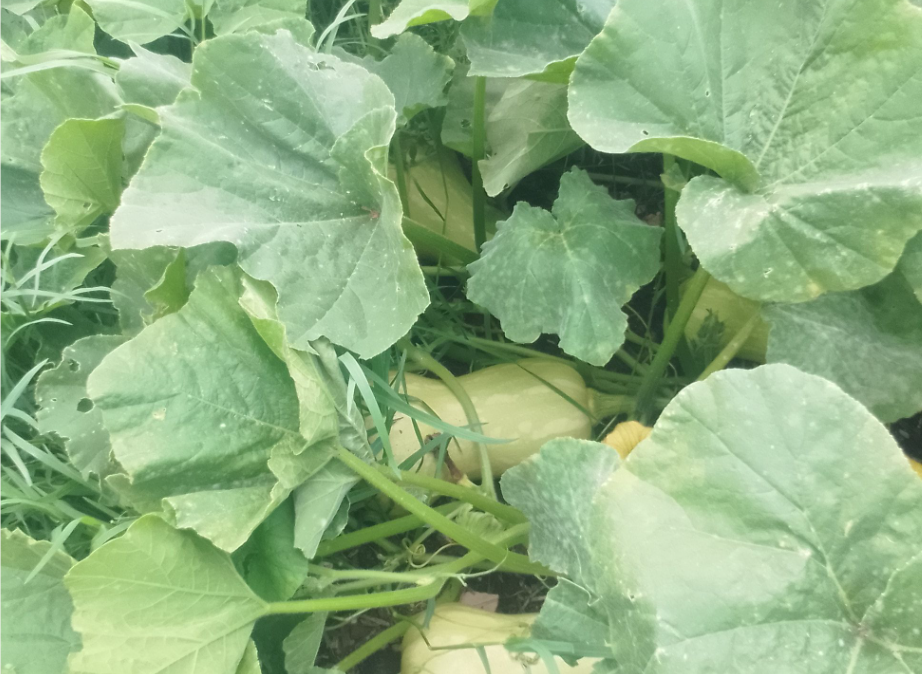
30th November, 10:30-12:00 Growing Great Garlic, Terrific Tomatoes and Perfect Pumpkins. Kaitiaki Farm

8th February, 10:30-12:00.  Building Beautiful Garden Beds. Kaitiaki Farm

26th March, 5:30-7:00. The Best Strategies for Eco-Renovation and Retrofit. Whanganui Learning Centre

26th April, 10:00-12:00. Permaculture in Small Spaces, Medium Spaces and Large Spaces. Kaitiaki Farm

Contact information: theecoschool@gmail.com, 027 468 7337

Early Spring on the Farm

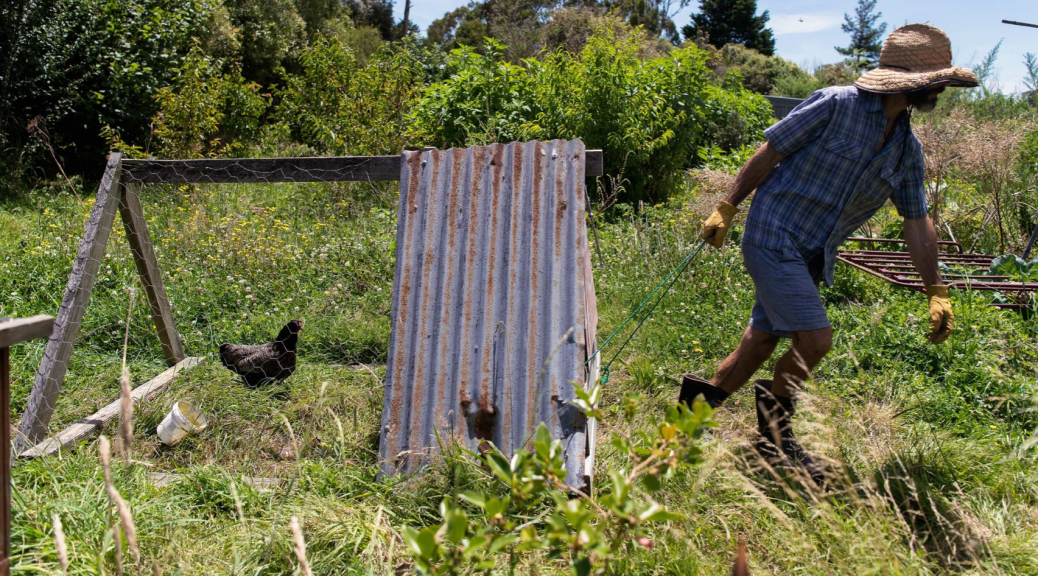
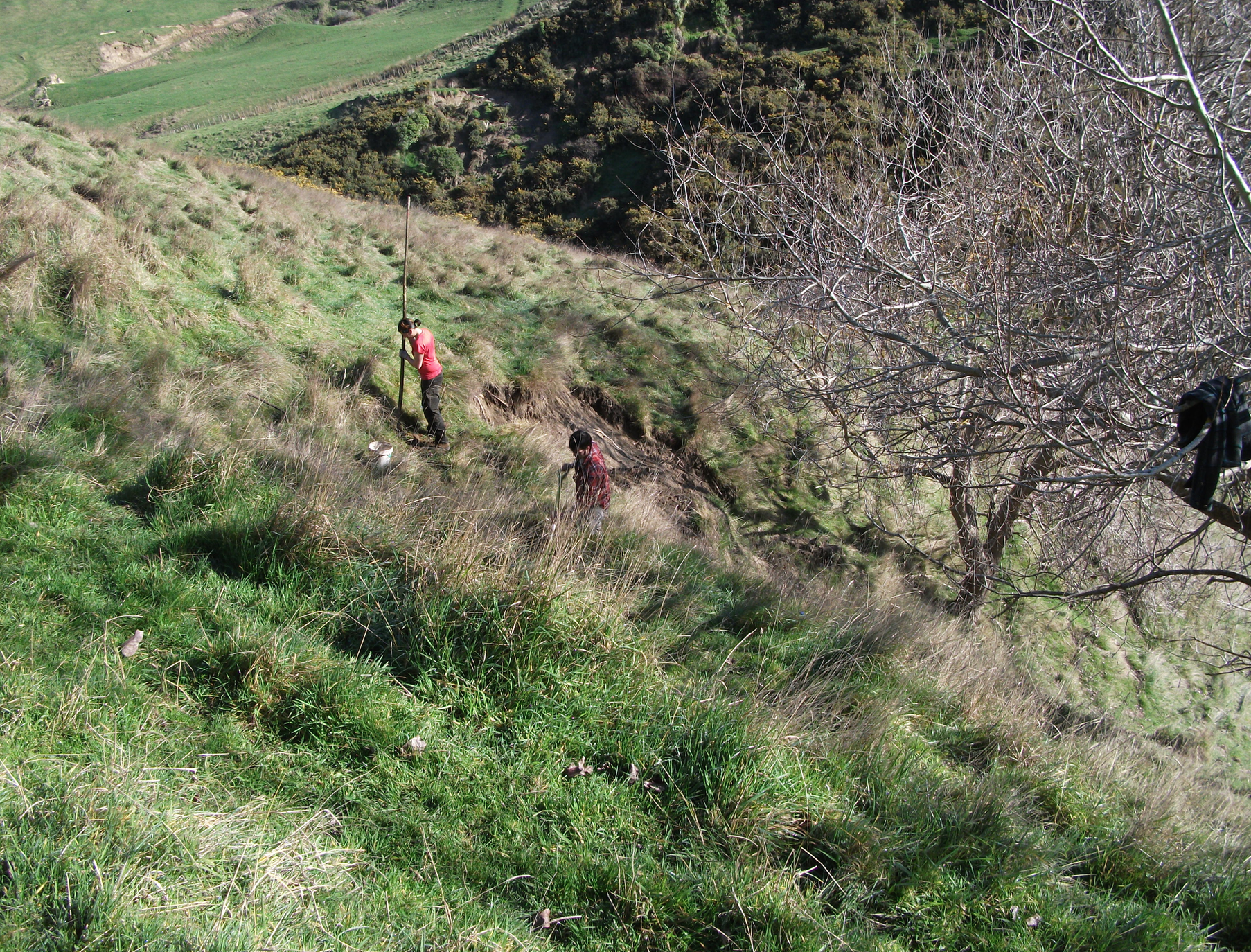
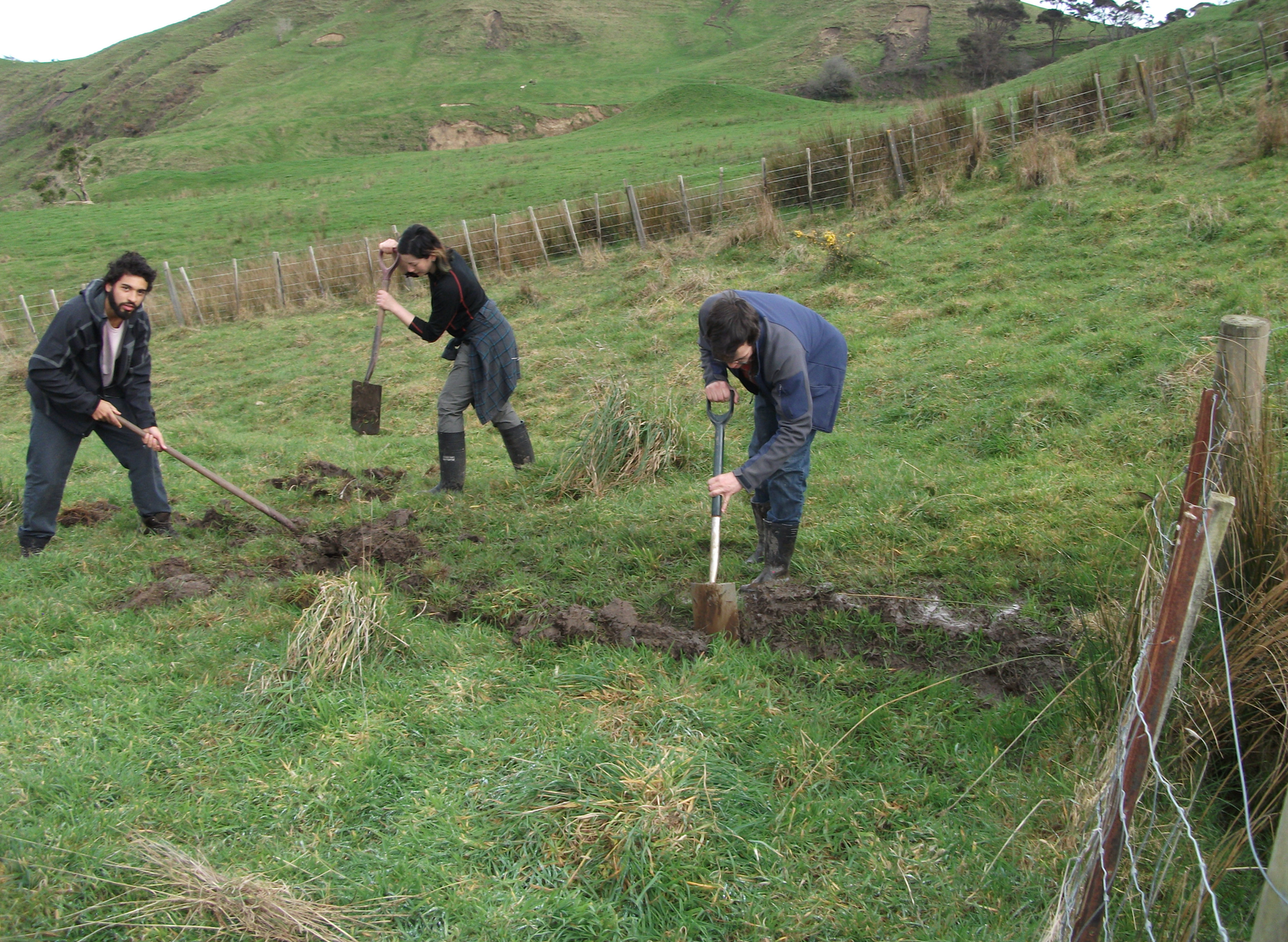
It has been an especially long and cold winter. We’ve kept warm with a well insulated home and ample supply of firewood. Out on the farm, much of the work has involved looking after the animals and planting native trees. Yesterday we planted the last of 600+ natives over steep and rugged terrain. We’ll take the pots and planter bags back to the nursery sometime soon.

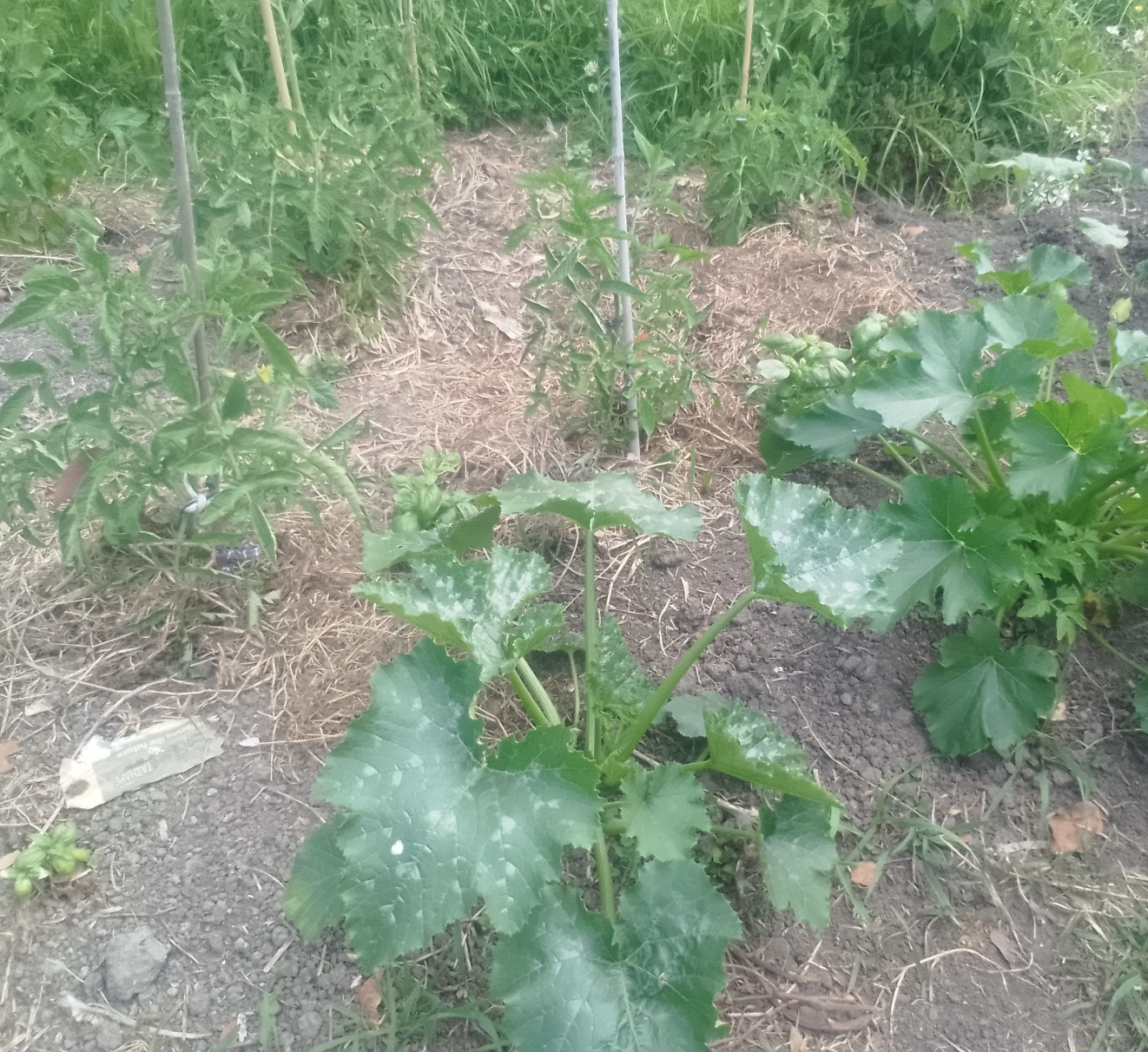
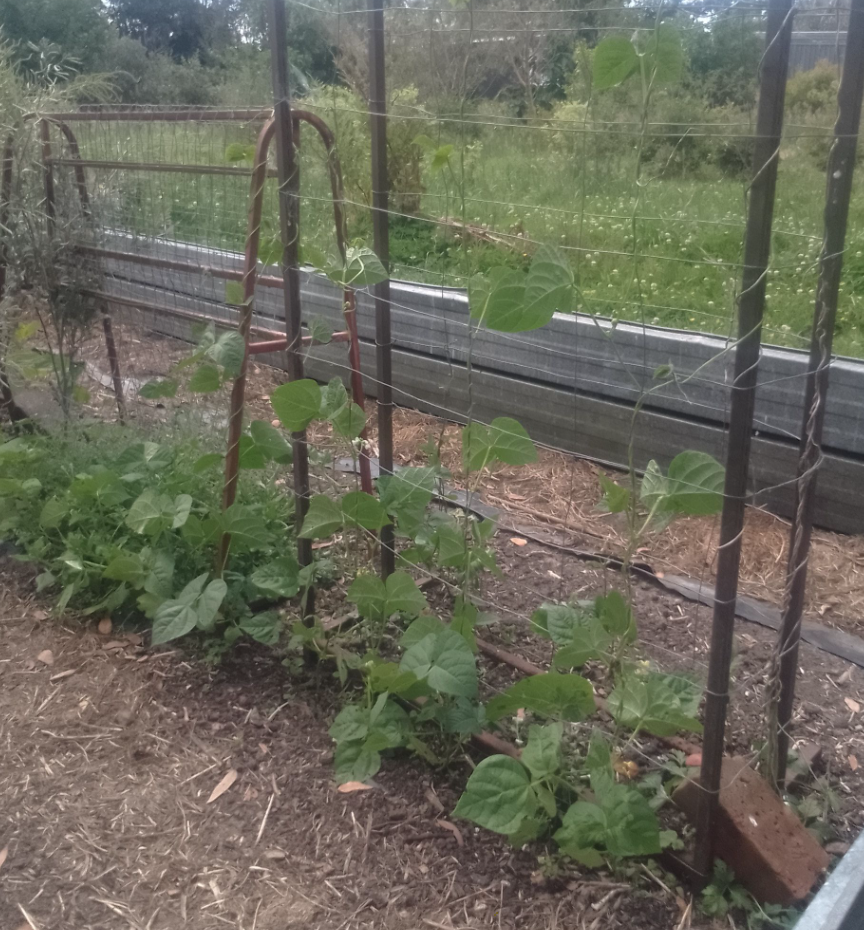
As the tree planting winds down, preparations for the summer garden ramp up. We’ve started basil and zucchini indoors with more to come soon.

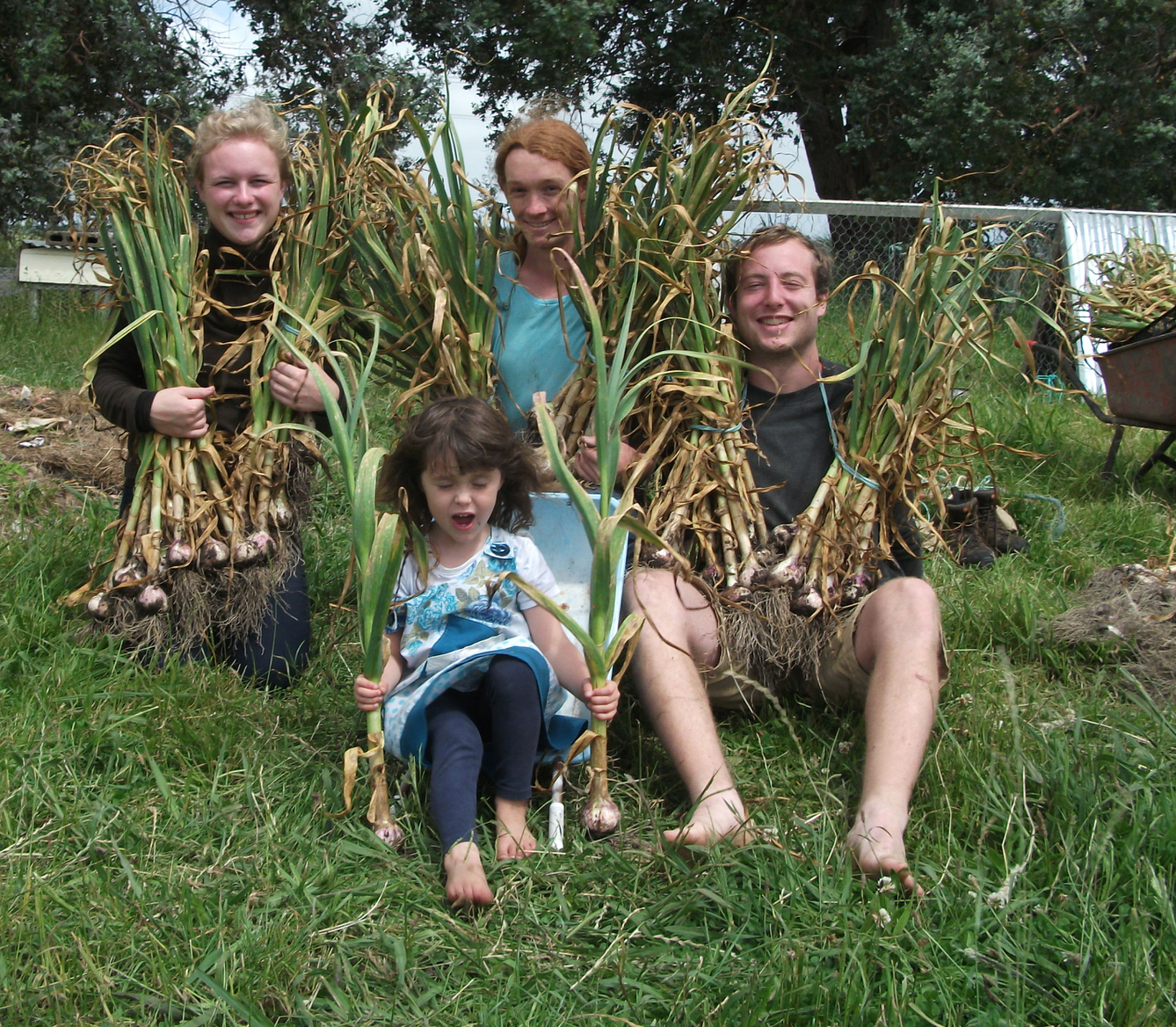
The garlic is finally tall enough that we can mulch it with newspaper and fresh cut grass.

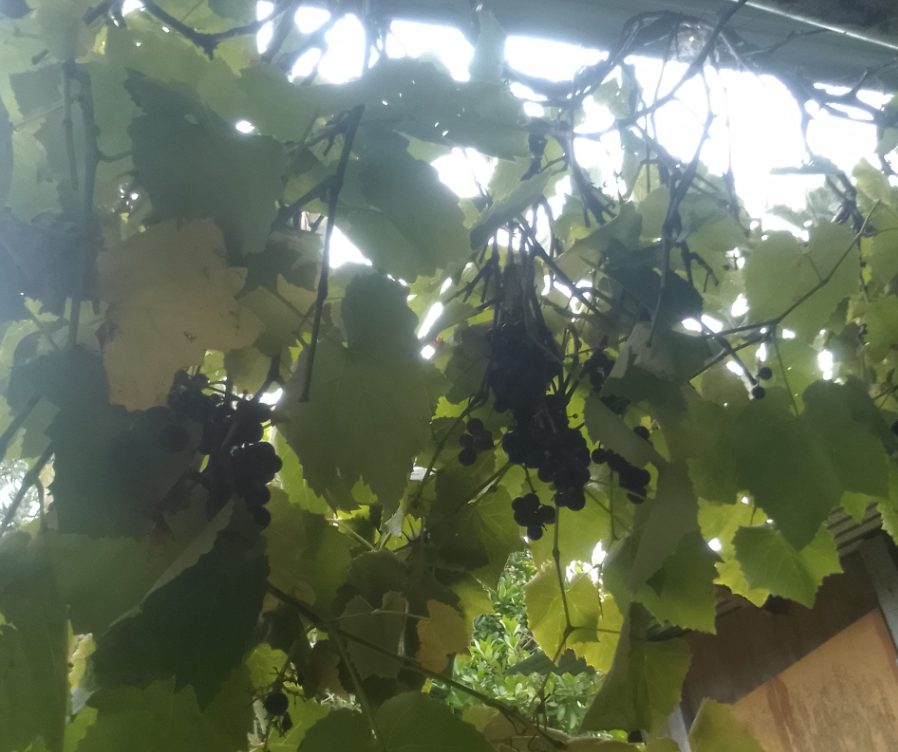
We’ve had a big tidy up of the overgrown strawberry bed and put in some new varieties of berries.

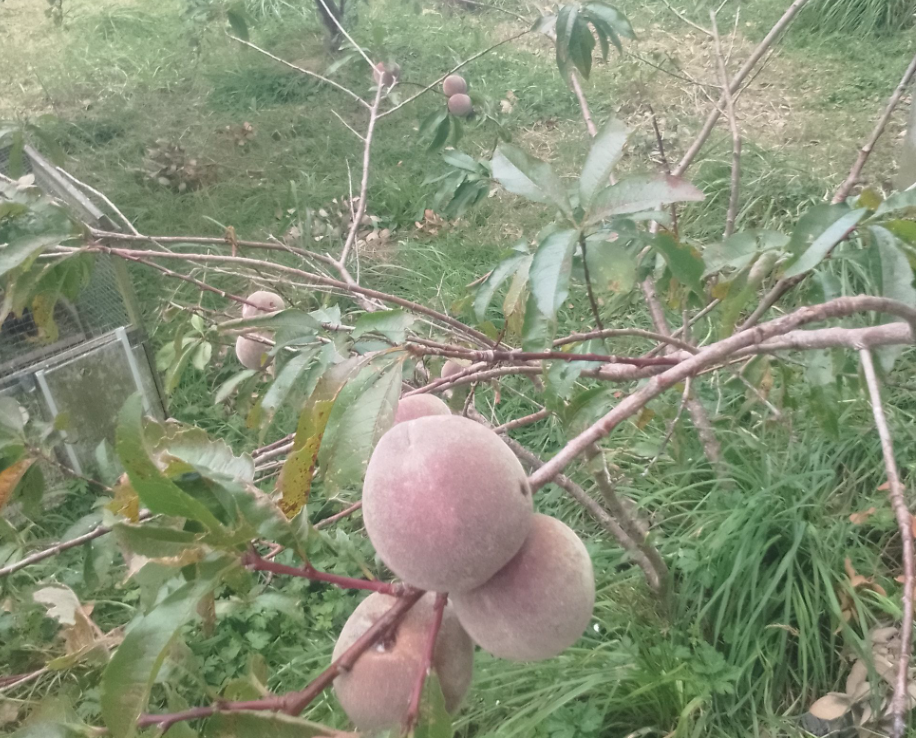
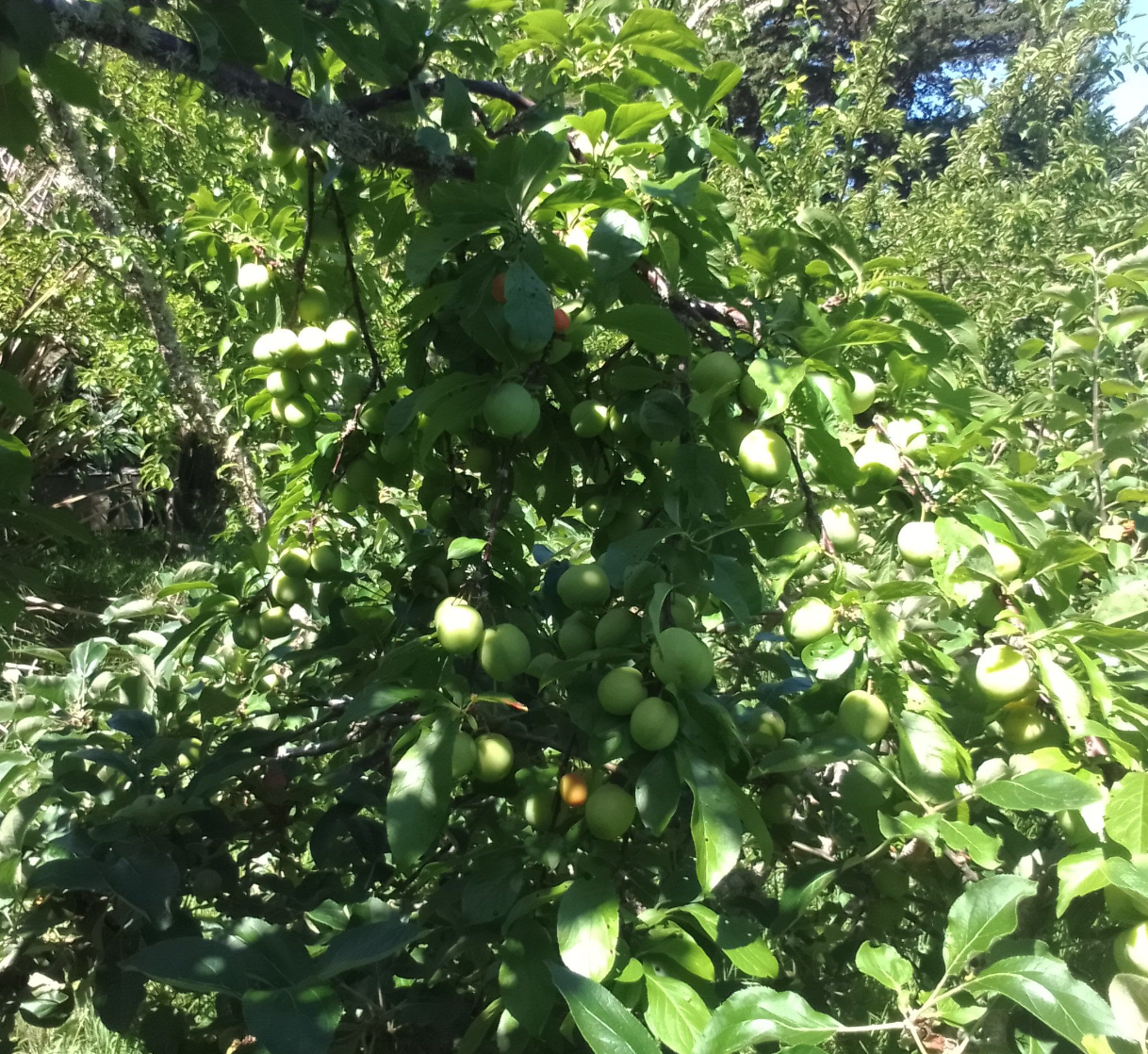
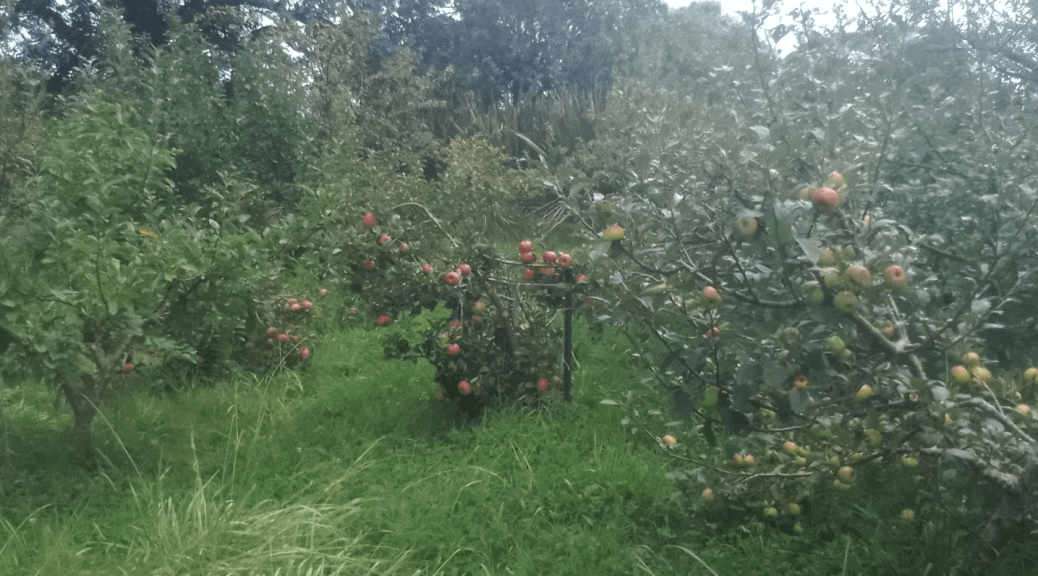
Meanwhile, the plums, peaches and apricots are blooming.

Last year’s black boy peach saplings have woken up in the nursery and this year’s are germinating in trays.

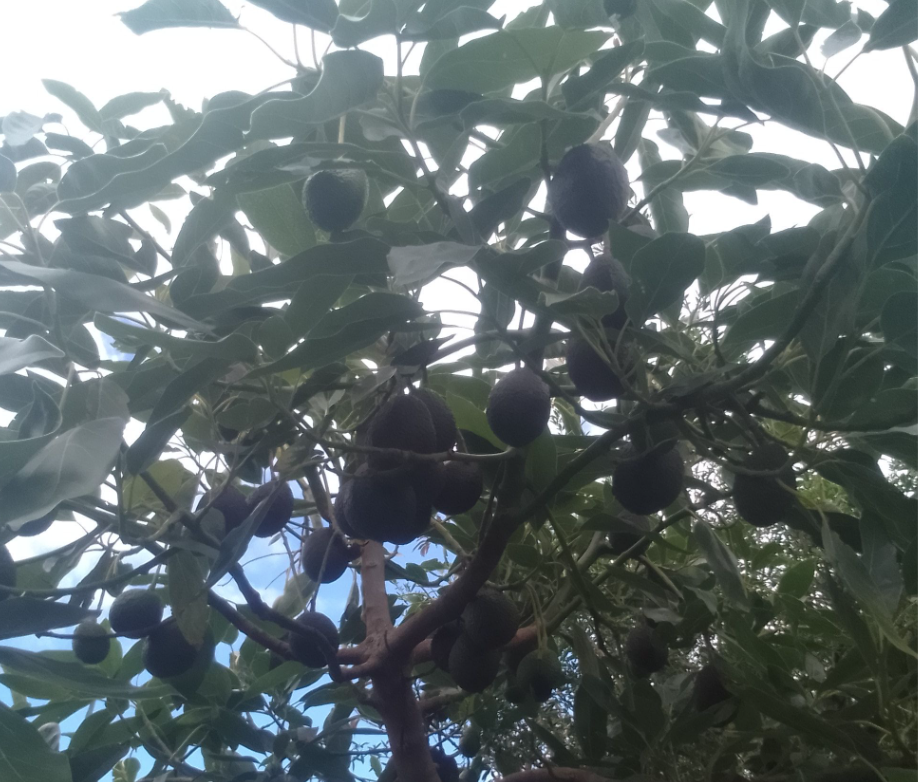
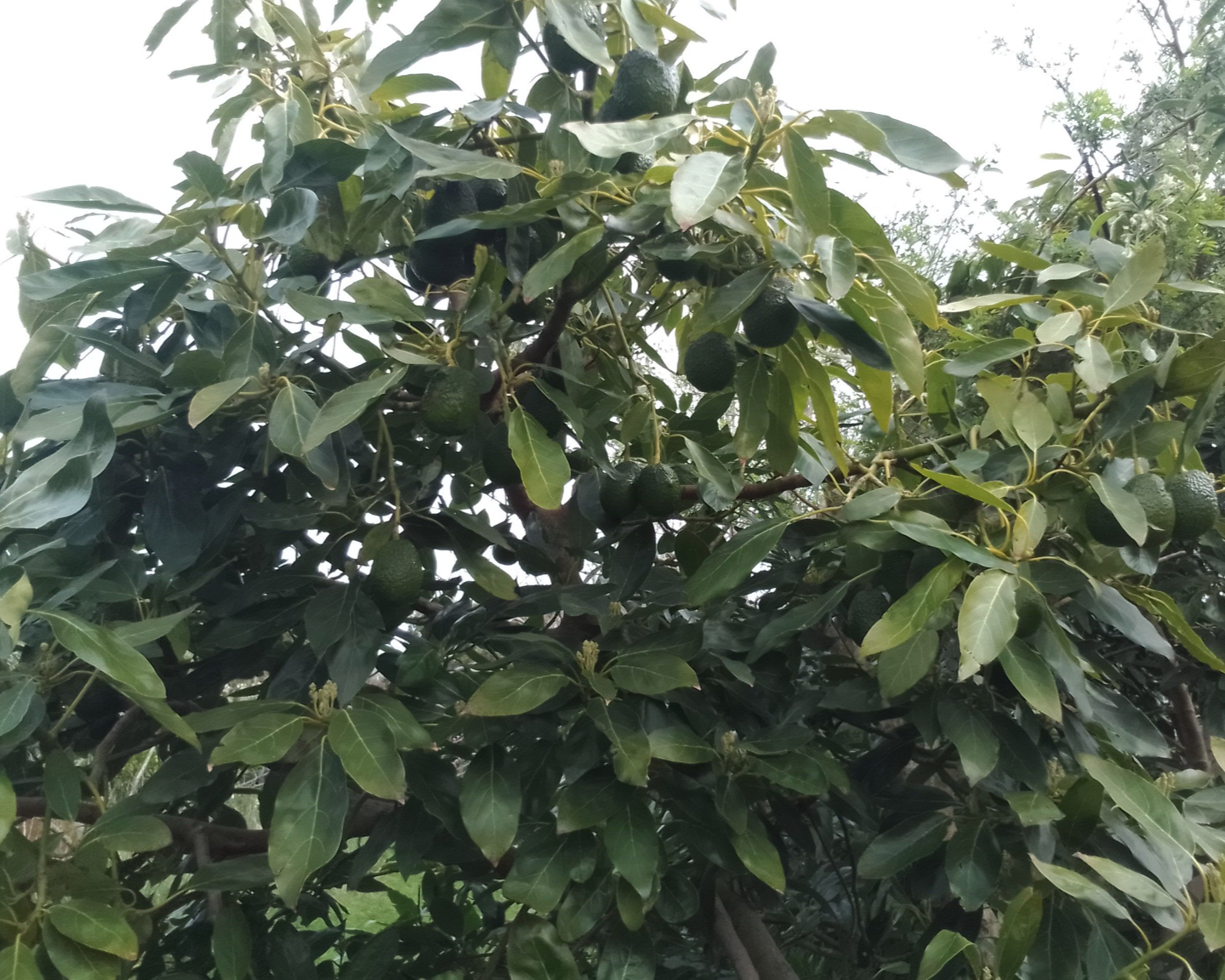
We’re blessed with great fruit set on the avocado trees this year and the high winds have not knocked off any fruit.

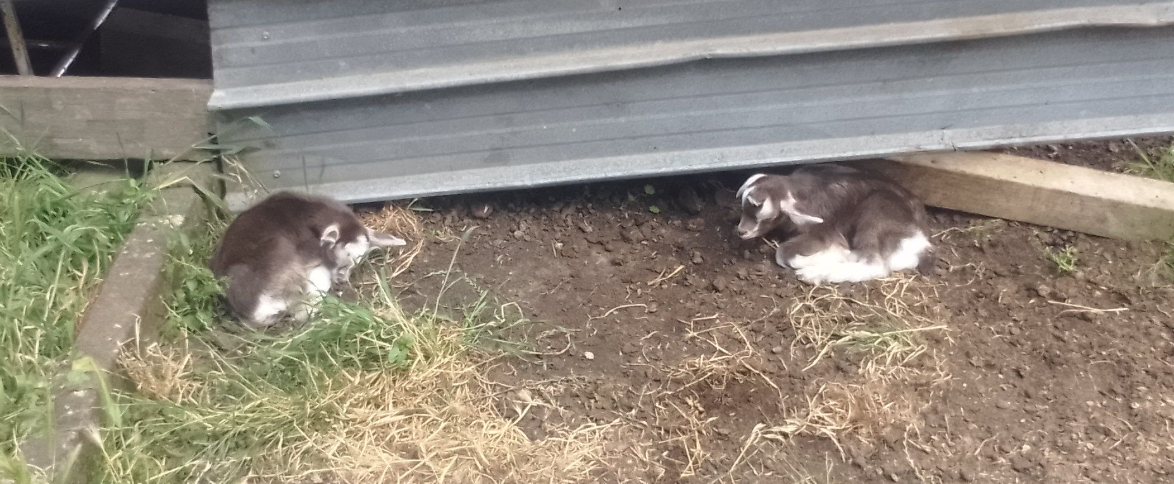
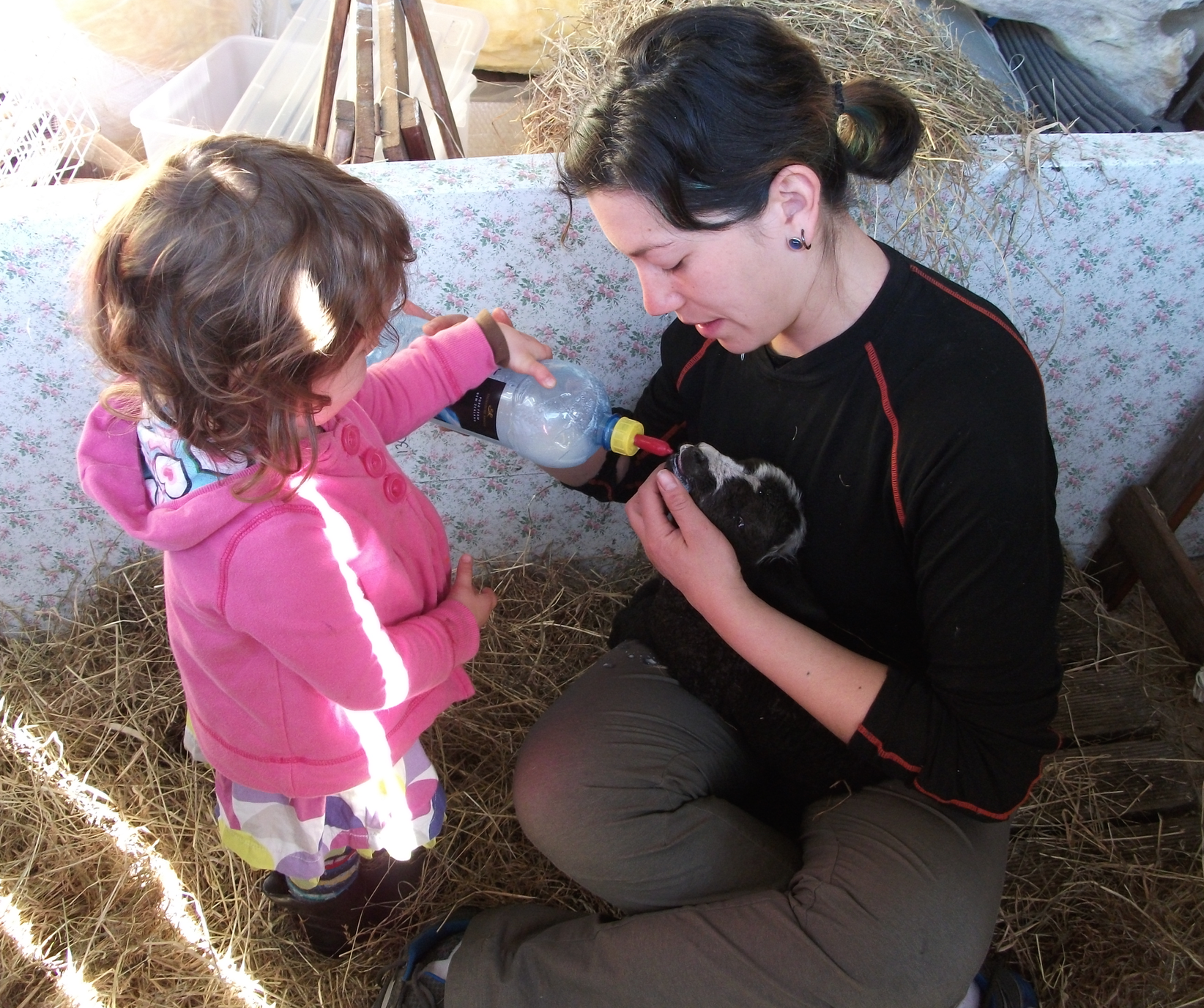
We’ve had a dozen kid goats born and most of them are weaned, so you know what that means!

It’s halloumi season again!

Exif_JPEG_420

Kia Kaha!

100 Batches of Halloumi

Fresh, home-made goats milk halloumi is a major part of our diet and lifestyle each year from spring on through autumn. During peak milk production I am making halloumi three or four days a week – producing about 1.5 kg each batch.

Exif_JPEG_420

Making halloumi requires rennet, which is a complex set of enzymes produced within the stomach of ruminant animals. We buy our rennet from Renco, New Zealand one litre at a time. Only 7.5 ml of rennet is required per batch, so that first litre has lasted over two years, making well over 100 batches of delicious white gold!

Exif_JPEG_420

At any given time we are milking four to six goats with each giving between a litre and three litres a day. That is a lot of milk for our family of five! Here is Mindy gobbling up her tucker while being milked on the stand.

Exif_JPEG_420

We make a home-made tucker of kibbled maize, rapeseed meal, molasses and a pinch of diatomaceous earth. They love it!

Exif_JPEG_420

The first step for making halloumi is to fill a large pot with milk and bring it up to 35 degrees Celsius.

Exif_JPEG_420

Add 7.5 ml of rennet and let stand for one hour, at which time the curds separate from the whey. Cut the curds across in both directions with a long knife.

Exif_JPEG_420

Let sit five minutes and scoop out the curds into cheese cloth. I use two large slotted spoons.

Exif_JPEG_420

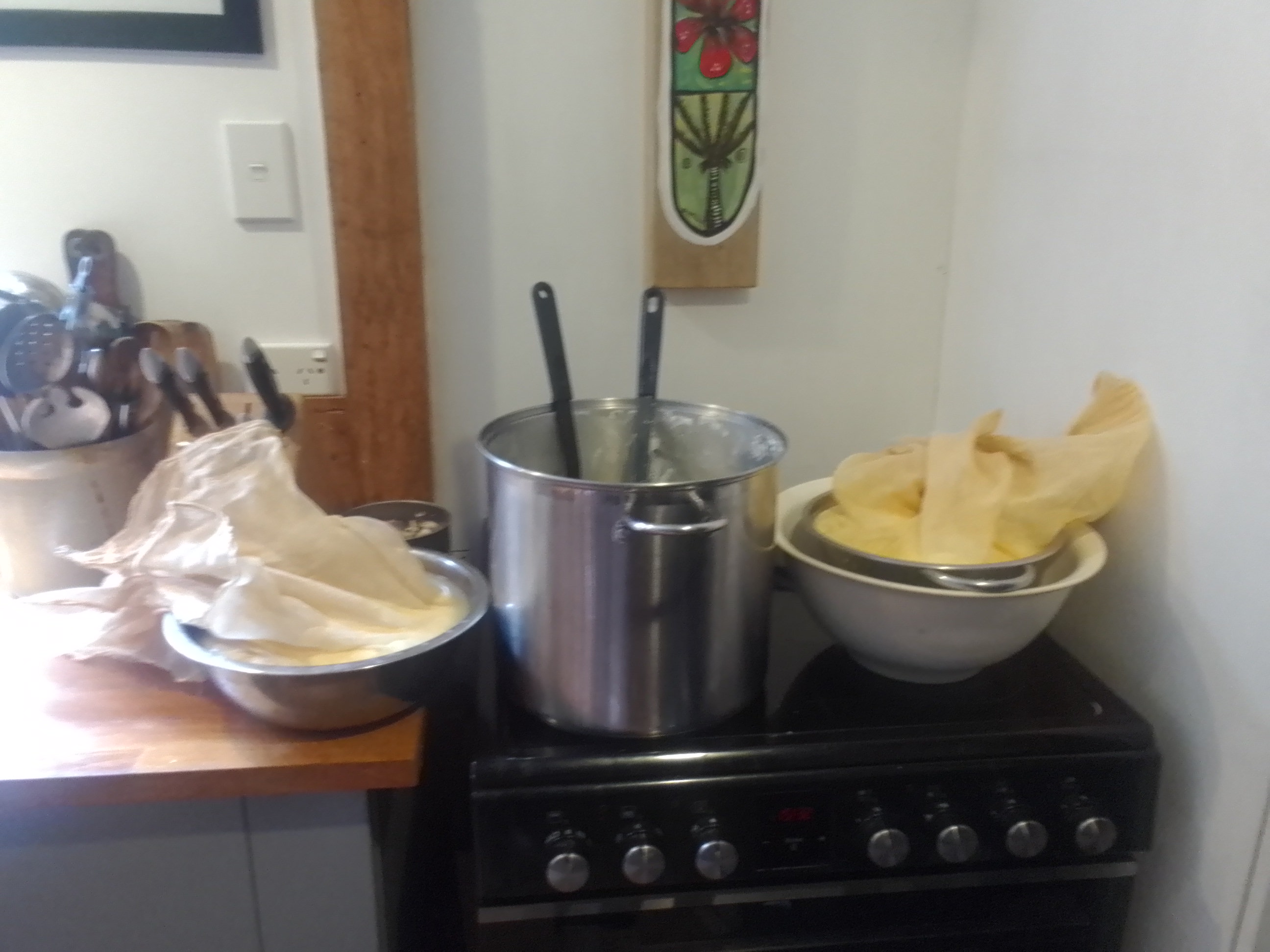
I put a colander inside a large bowl to let the whey drain out as much as possible.

Exif_JPEG_420

I have to fill two cheese cloths with the amount of curds that we get from each batch. Pour the whey back into the pot.

Exif_JPEG_420

Next, put the curds wrapped in cheese cloth on a large cutting board above the sink so that the remaining whey will drip down the drain.

Exif_JPEG_420

Place another large cutting board on top and add approximately 10 kilograms of weight. I use big books and a Le Creuset casserole.

Exif_JPEG_420

This is a particularly good use for my PhD thesis.

Exif_JPEG_420

Now it’s time to cut the cheese!

Exif_JPEG_420

The next step requires heating the whey to somewhere below boiling point and putting the blocks back into it for 30 minutes. Fish them out and lay on plates to drain, and then salt liberally. The byproduct of this step is ricotta cheese. This can be collected separately and saved for lasagne, although our cats love eating it too.

Exif_JPEG_420

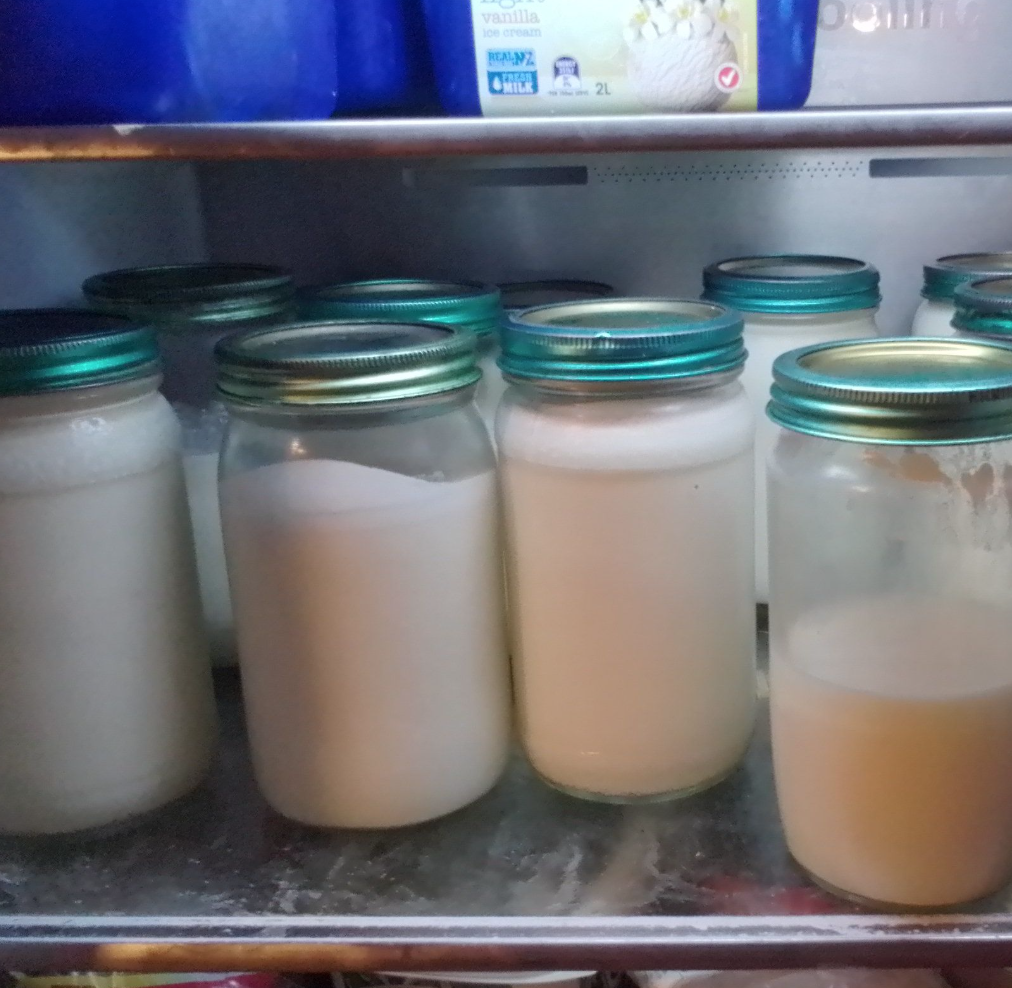
Refrigerate for a week or 10 days, but any longer and it should be frozen. We currently have about 20 kilograms in the freezer!

I usually prepare halloumi by frying lightly in oil until both sides are golden brown. Yum!

Exif_JPEG_420

Peace, Estwing

A Decade of Eco Thrifty Permaculture

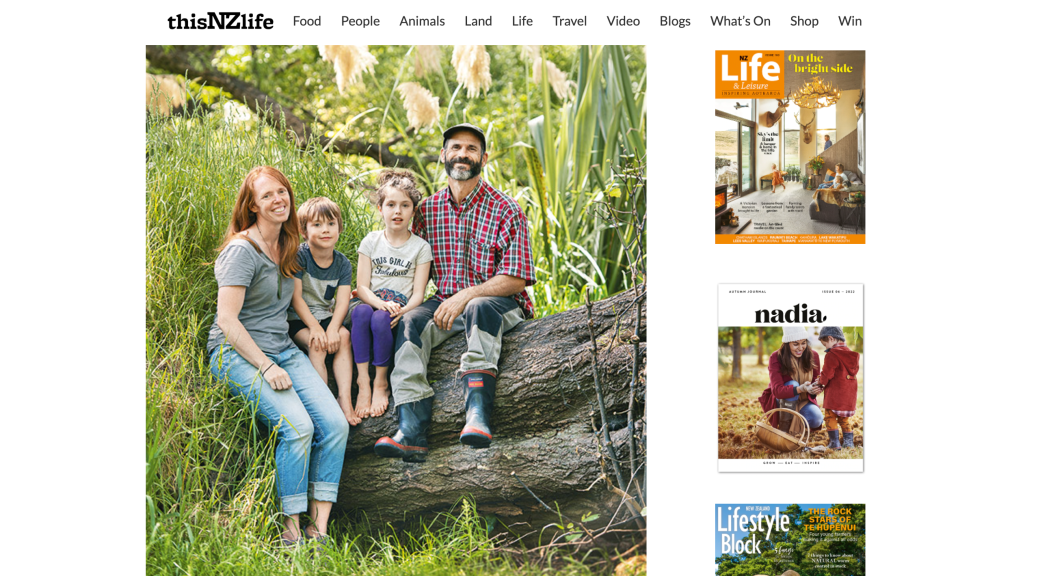
We’ve just passed our 10-year anniversary on the farm and want to celebrate by sharing some of our successes.

Our kaupapa is ‘eco-thrifty’, which means we do everything to a high environmental standard but keep to a lean budget, saving money by sticking to the fundamentals of good ecological-design. We have applied this approach to renovating an 80 year-old home, building a high performance new building, managing our orchards, growing a productive garden, bush and wetland restoration, animal husbandry, and earning multiple incomes on the land.

Join us Labour Weekend to see what we’ve accomplished.

Come for one session or for the whole time.

Sunday 27th October

3:30 – 4:30 The high-performance and low-cost approach to building. Learn the basics of simple and effective design along with plenty of tips for building in New Zealand.

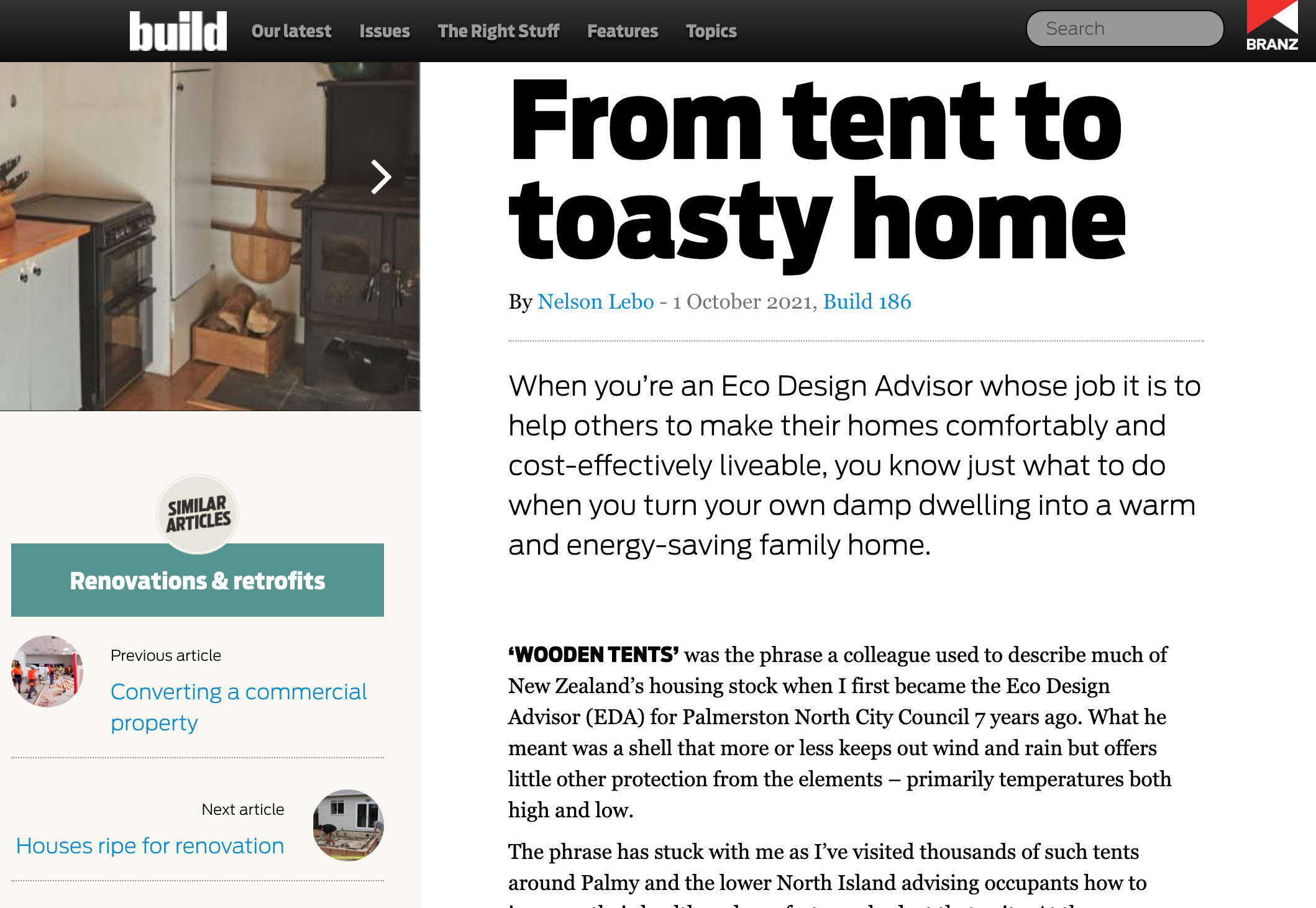
4:30 – 5:30 First and best investments for renovation. We have renovated our 1935 bungalow to improve its energy performance by about 400%. In other words we heat double the space using half the firewood. The home also never overheats in summer.

6:00 Shared Meal. Bring a plate to share along with stimulating conversation.

Overnight ‘B&B’ available: Camping or marae-style $20 p/p. Or find a place to stay in Whanganui just 4 km away.

Monday 28th October

This morning focuses on water management in both winter and summer.

9:00 – 10:00 Tour of gardens and orchards. Learn about our low-input and high-productivity systems for growing plentiful and healthy food.

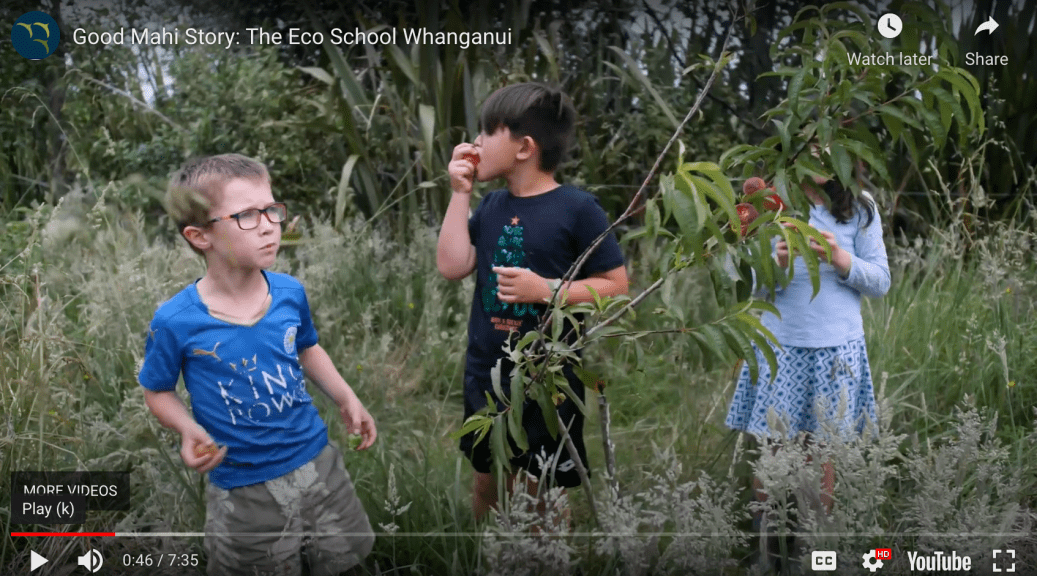
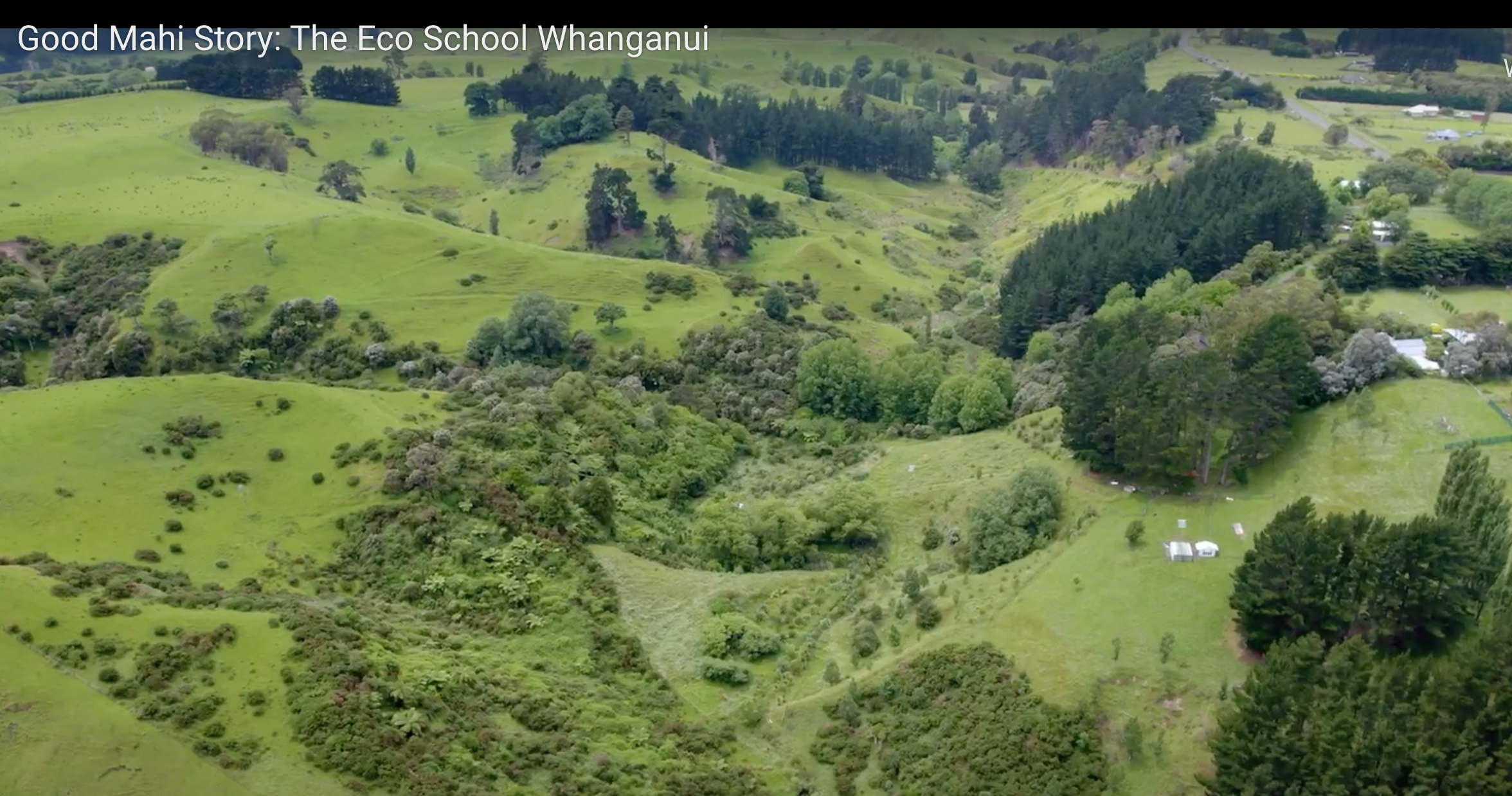
10:00 – 11:00 Tour of bush regeneration, wetland restoration and stream corridor protection. This is a walking tour of our regeneration projects that include over 4,000 native trees and over 300 poplars and willows.

12:00 – 3:00 Nature Play Reunion! For children and whanau that have come to our Nature Play programmes over the years. Bring a picnic lunch and come on back for more great fun by the stream!

Kaitiaki Farm is located on the outskirts of Whanganui.

Free to attend. Registration essential. theecoschool@gmail.com.

Read All About It

Over the last few years I’ve been blogging less and writing for publication more. Below are some of those articles about our holistic approach for farming and home renovation that are available online:

https://www.buildmagazine.org.nz/articles/show/from-tent-to-toasty-home

Peace, Estwing

Kaitiaki Farm Work Study PDC Internship


Earn your Permaculture Design Certificate while working on a premier permaculture demonstration farm in New Zealand.

screen-shot-2017-01-17-at-1-41-24-pm

Our work study internship programme is unique in the world of permaculture education in that it combines best practice teaching and learning with best practice regenerative land management.

screen-shot-2017-01-17-at-1-57-35-pm

The programme balances content, process and reflection, while nurturing systems thinking skills. It’s about developing a way of thinking that recognizes the connections between diverse elements on the farm and how they interact in four dimensions (over time), along with the hands-on skills required to work effectively with cultivated ecologies.

screen-shot-2017-01-17-at-1-40-47-pm

Kaitiaki Farm is an exemplar permaculture property that is blessed with a diverse array of microclimates and growing conditions. The 5.1 hectare (13 acre) property is located 4 km outside of Whanganui with a population of 43,000.

Along with holistic land management we also embrace appropriate technology, renewable energy and human-scale solutions.

screen-shot-2017-01-17-at-1-35-47-pm

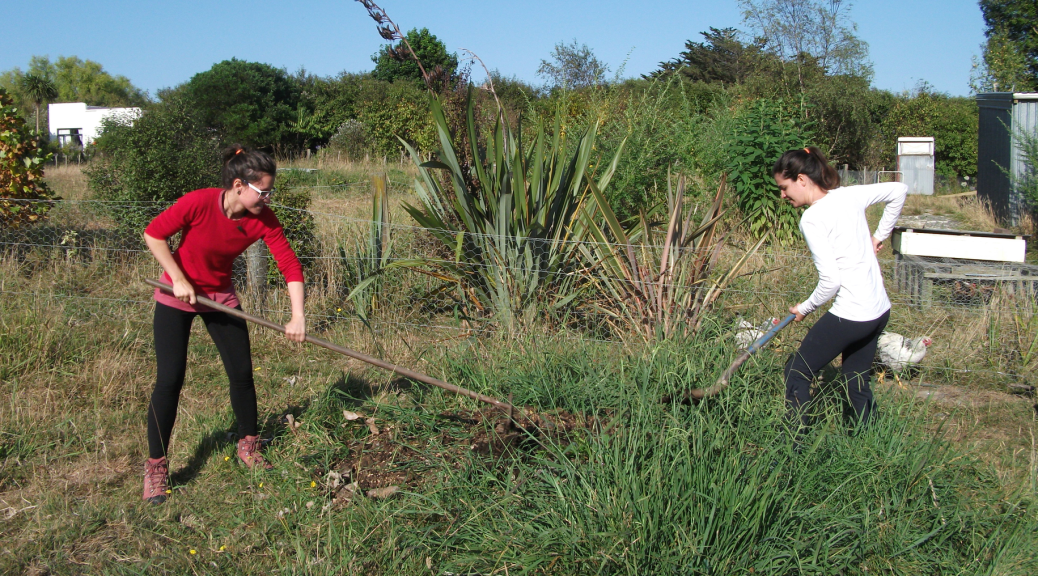
Many of our interns come with low or no rural skills. Motivation, a love of learning, and a strong work ethic are the most important elements for success at Kaitiaki.

screen-shot-2017-01-17-at-1-39-40-pm

We spend a lot of time teaching and talking. This slows down our work but makes the internship what it is – an endless series of ‘teachable moments’. It is also the best way to earn a PDC. This type of learning experience is extremely rare anywhere in the world and would not come from a book or standard PDC course. That said, we have a huge library of great books and lots of connections locally and nationwide of practicing permaculturists.

Interns work three-ish full-ish days and two half days per week, with two days off.

screen-shot-2017-01-17-at-1-34-21-pm

More details here: http://www.theecoschool.net/workstudy-permaculture-design-certificate.html

The ECO School

Whanganui, New Zealand


Inquiries: theecoschool at gmail dot com

screen-shot-2017-01-17-at-1-34-54-pm