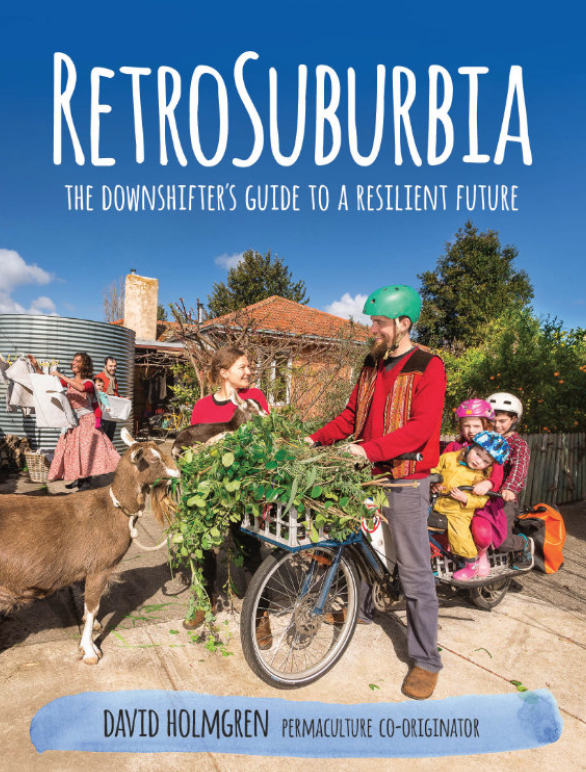
RetroSuburbia: the downshifter’s guide to a resilient future
This 592 page manual shows how Australians can downshift and retrofit their homes, gardens, communities and, above all, themselves to be more self-organised, sustainable and resilient into an uncertain future. It promises a challenging but exciting mix of satisfying work, a more meaningful way of living and hope for the next generation.
RetroSuburbia is divided into three main sections: the Built, the Biological and the Behavioural along with the introductory section ‘Setting the scene’.
NZ $89 + $9.60 parcel post tracked.
Orders: theecoschool@gmail.com
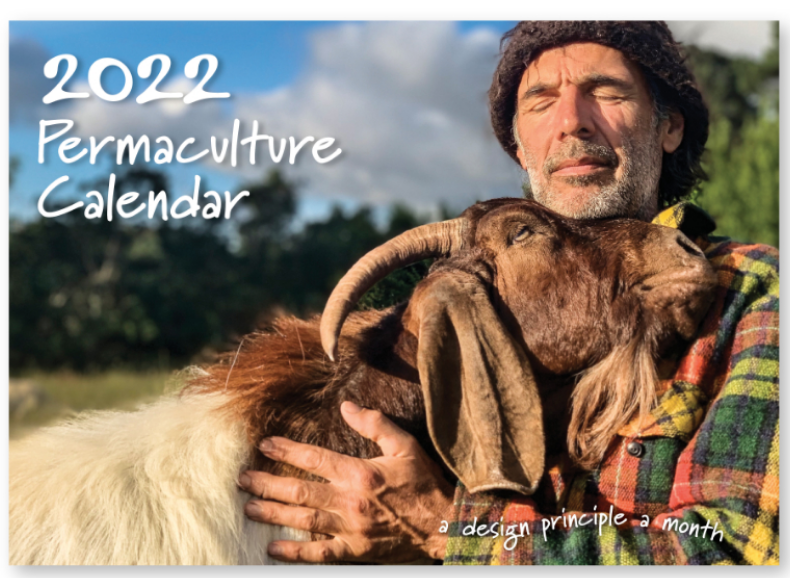
2022 Permaculture Calendars for sale
Calendars are $18 post paid and two for $30.Proceeds go to wetland restoration.Orders: theecoschool@gmail.com
We have reached another anniversary on this piece of land, which is always a good time to reflect on our progress. Samuel Goldwyn once said, “The harder I work, the luckier I get.” We have been very lucky on this patch, but at the same time unlucky – facing a flood, a fire, and land slips. Our primary goal on the farm has been climate resilience so I suppose there is nothing like being put to the test.
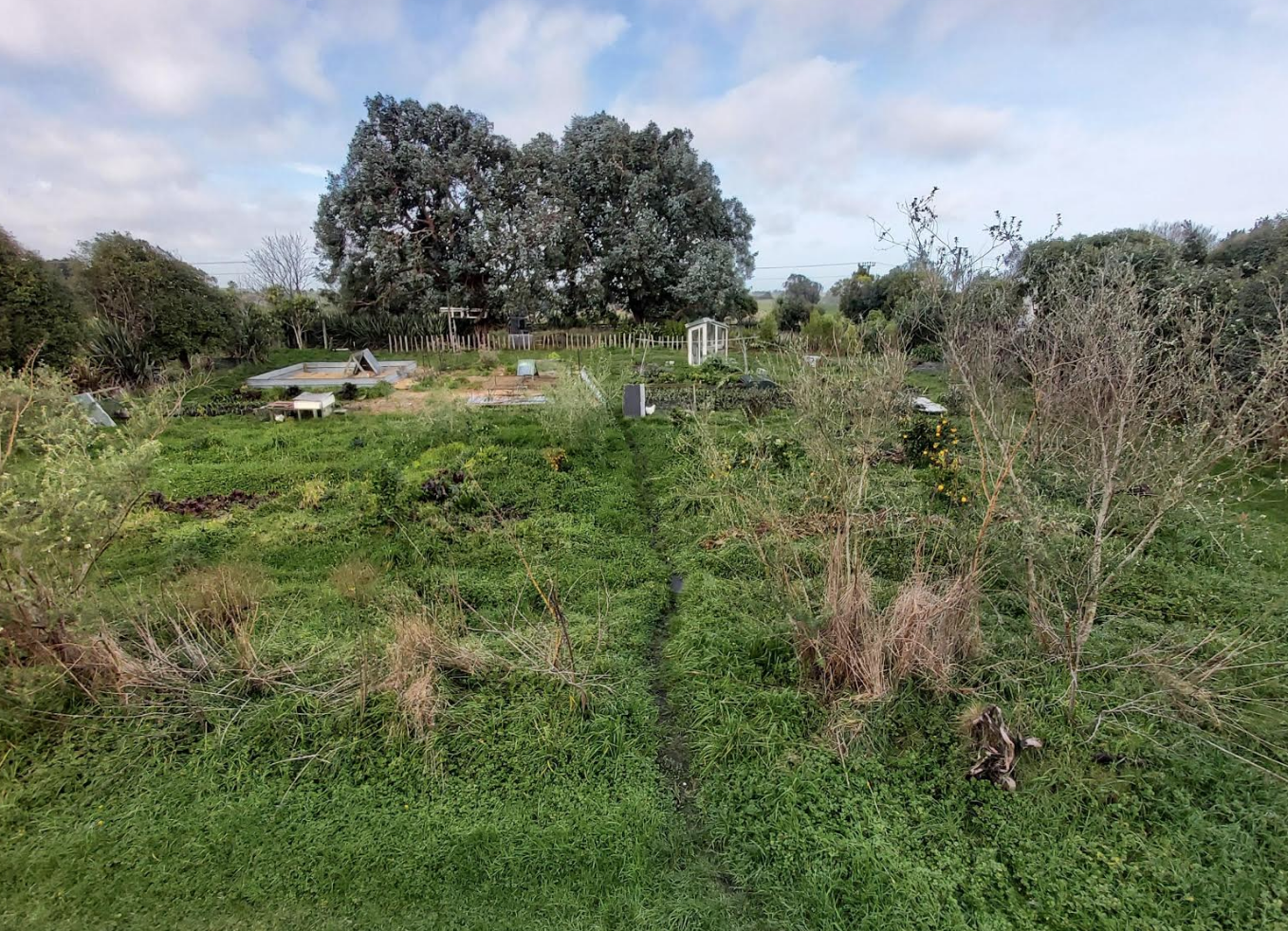
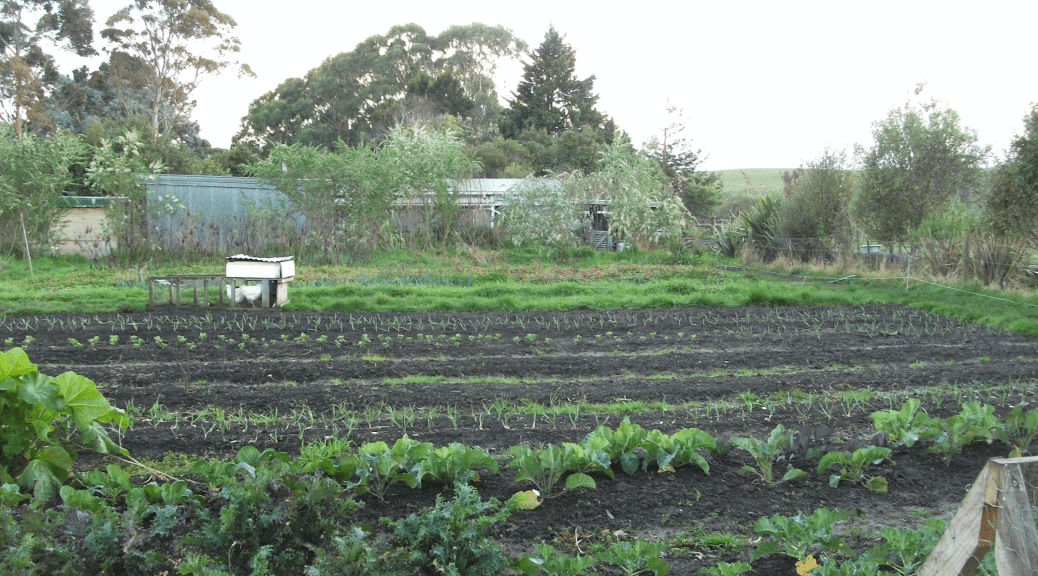
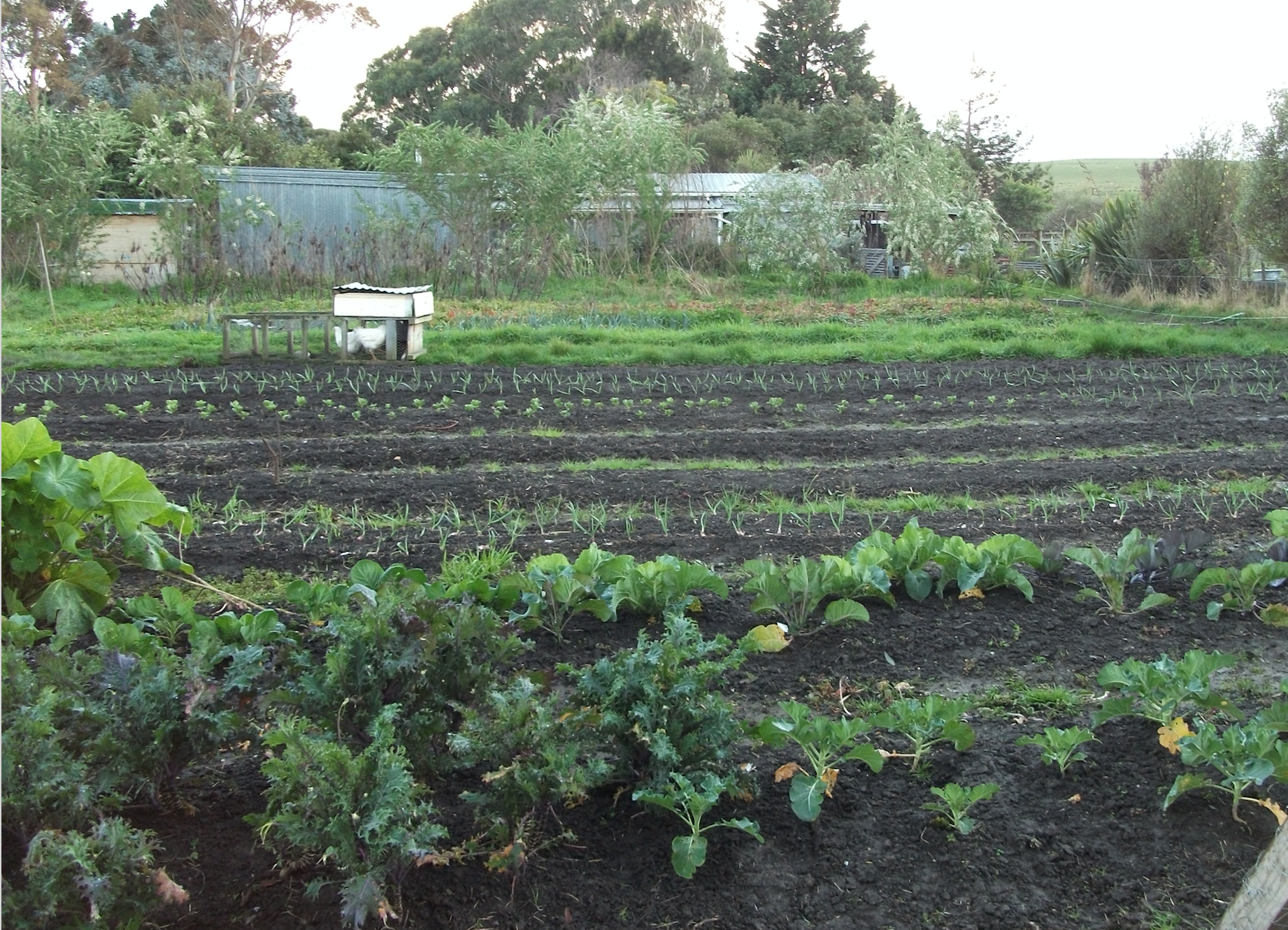
Despite the challenges the farm is thriving, although we’ve cut back on growing kai a bit lately due to other commitments. Here are the market gardens at about half of their usual capacity.
Market gardens in mid-winter.
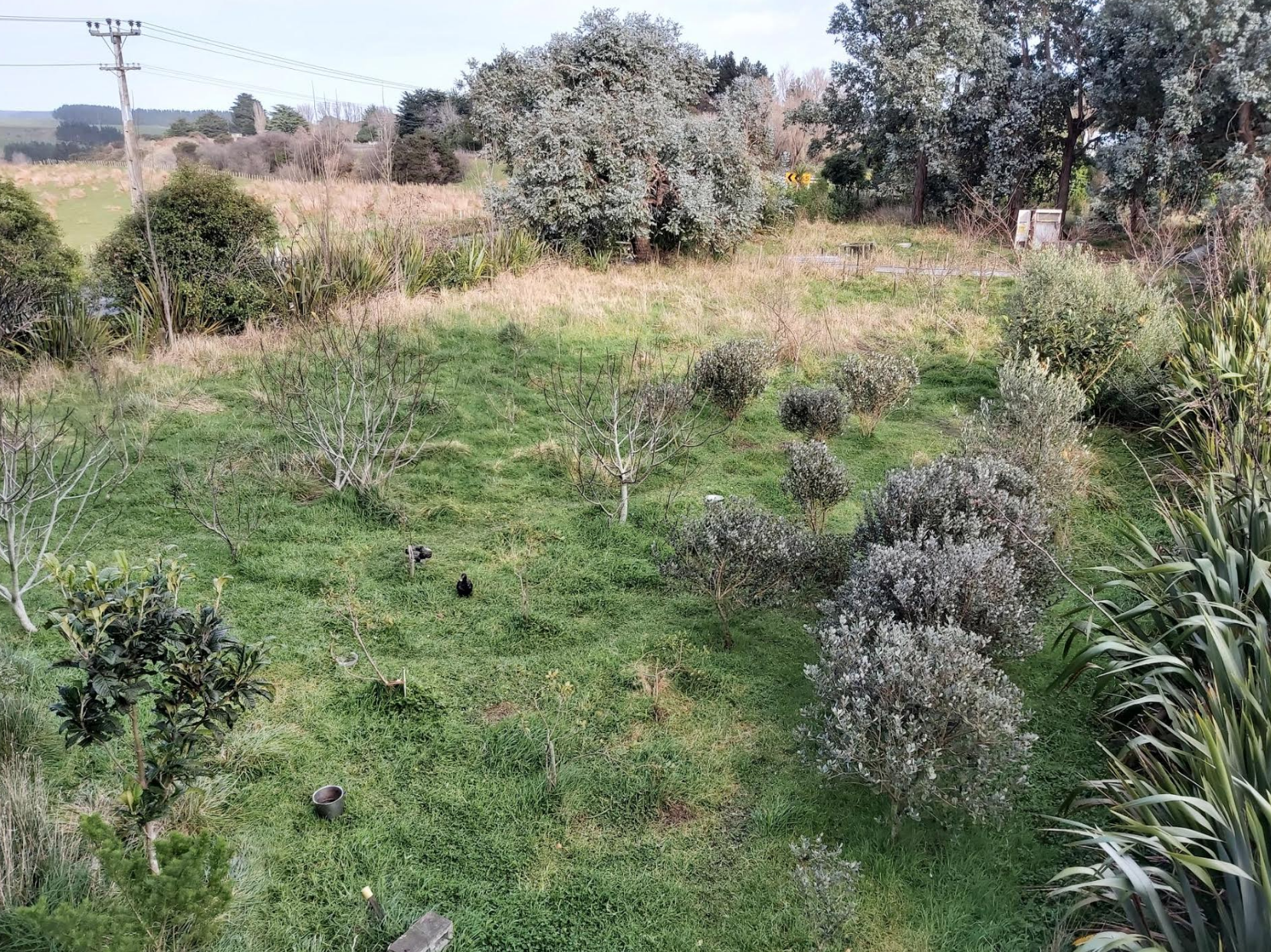
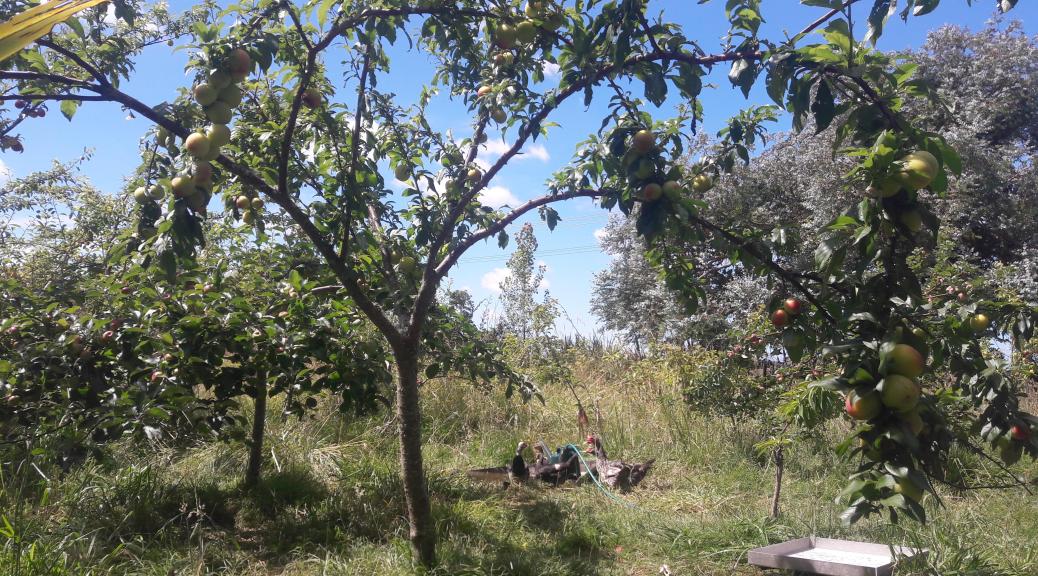
There are only ripe guavas and citrus this time of year, but we had a great plum, peach, feijoa and apple harvest earlier this year.
An orchard in mid-winter.
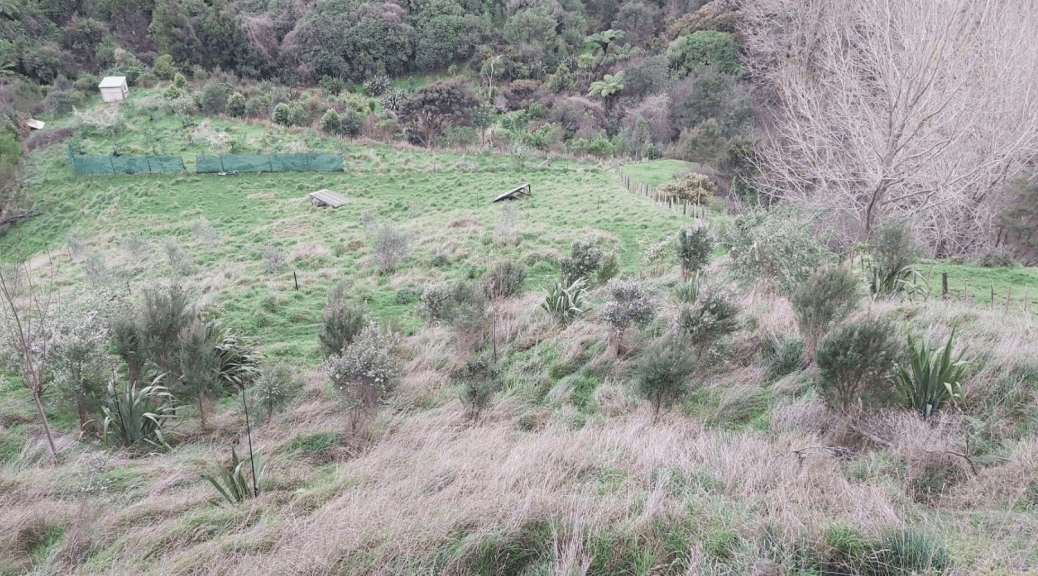
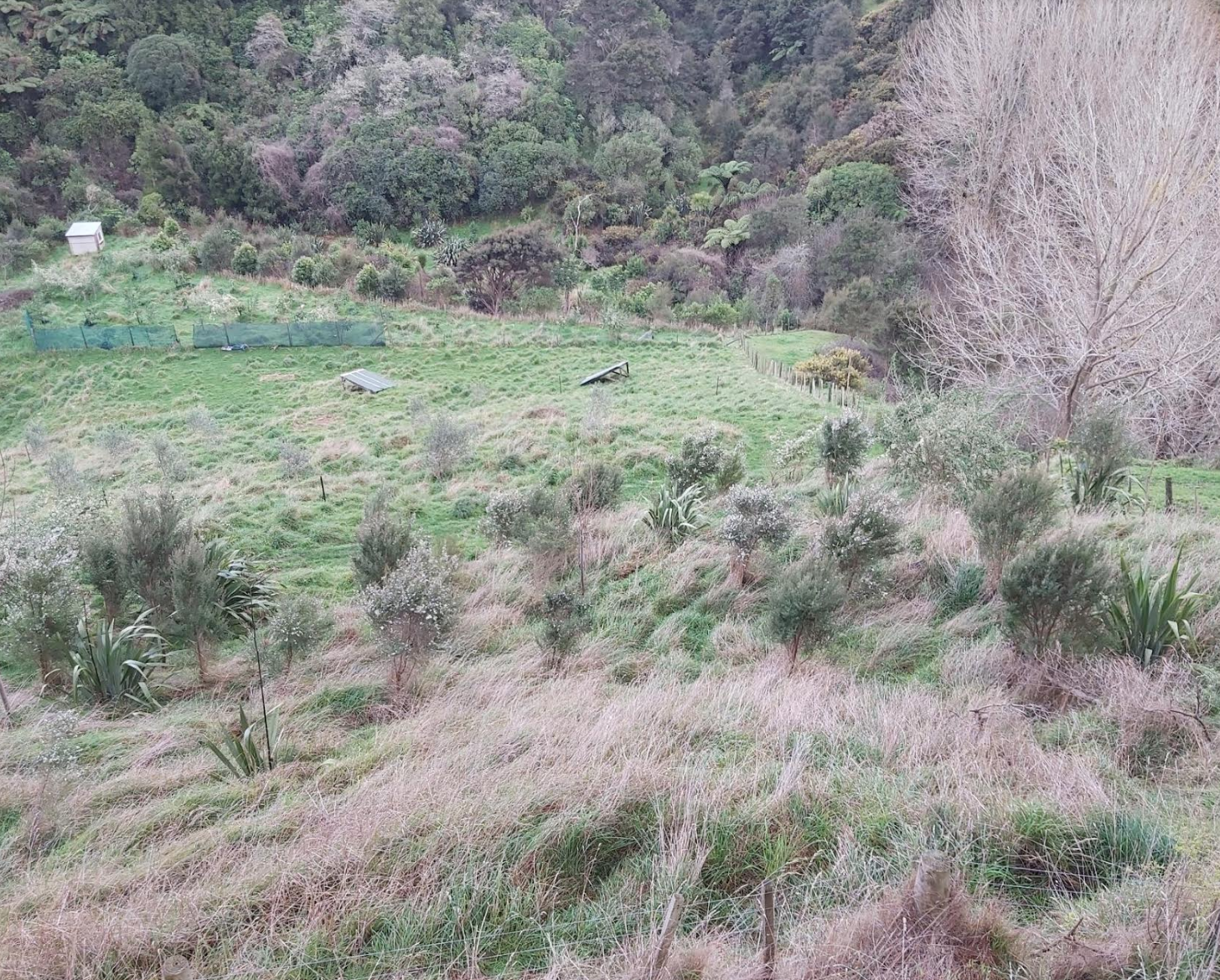
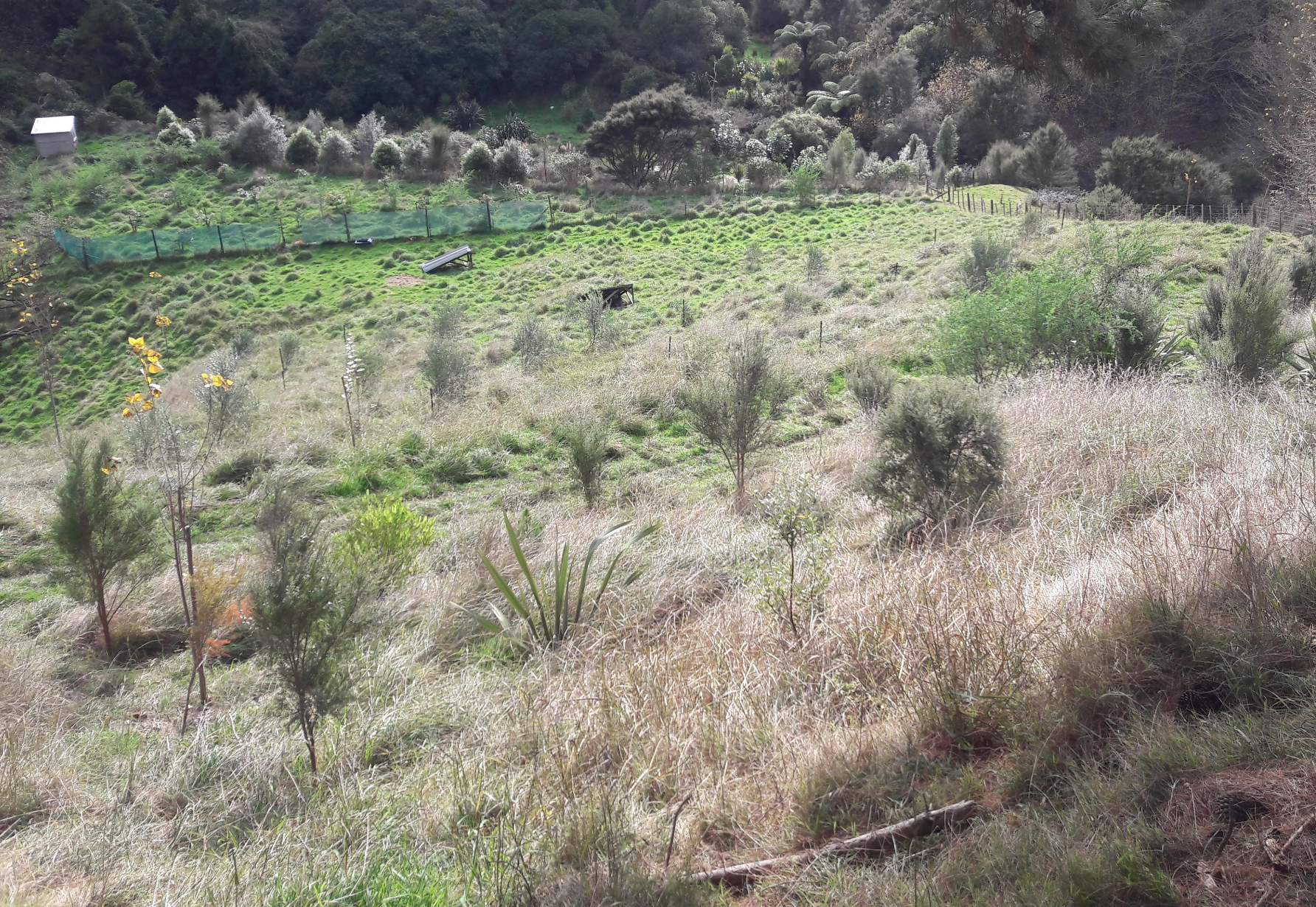
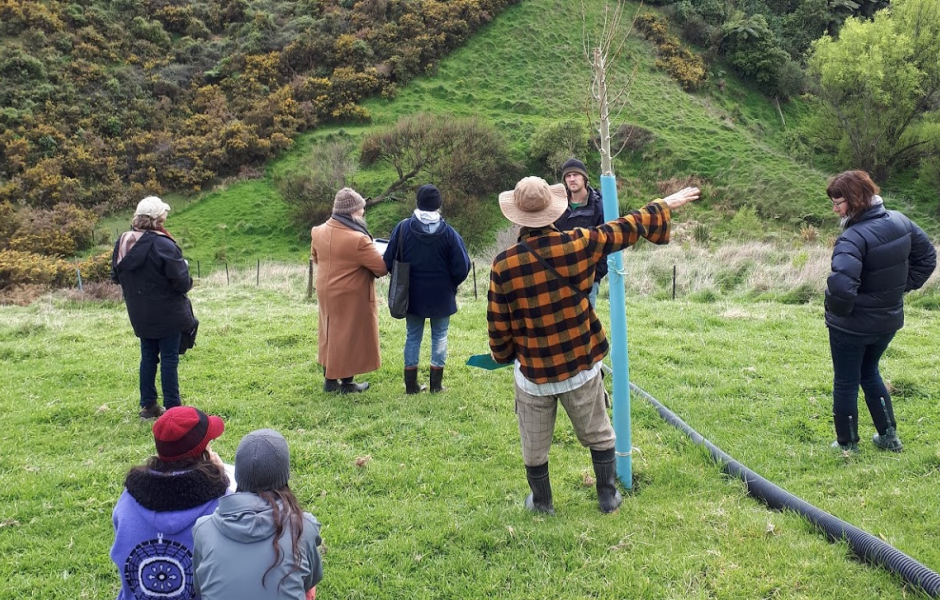
The valley is looking great, with about 2,000 trees planted on the slopes and along the stream, along with the avocado orchard.
Plantings in the valley.
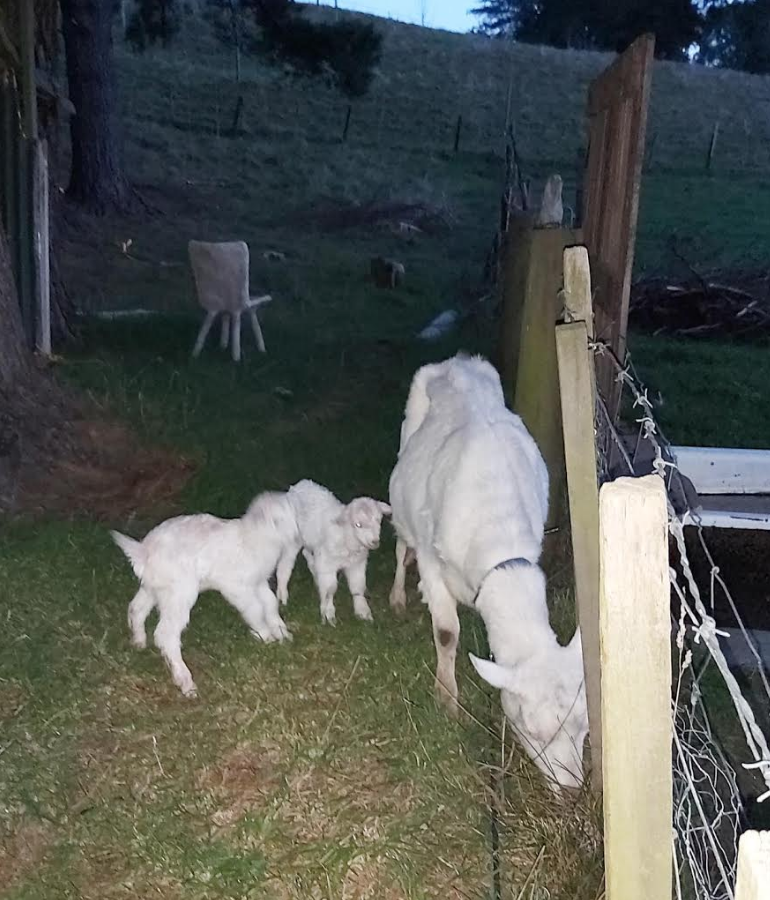
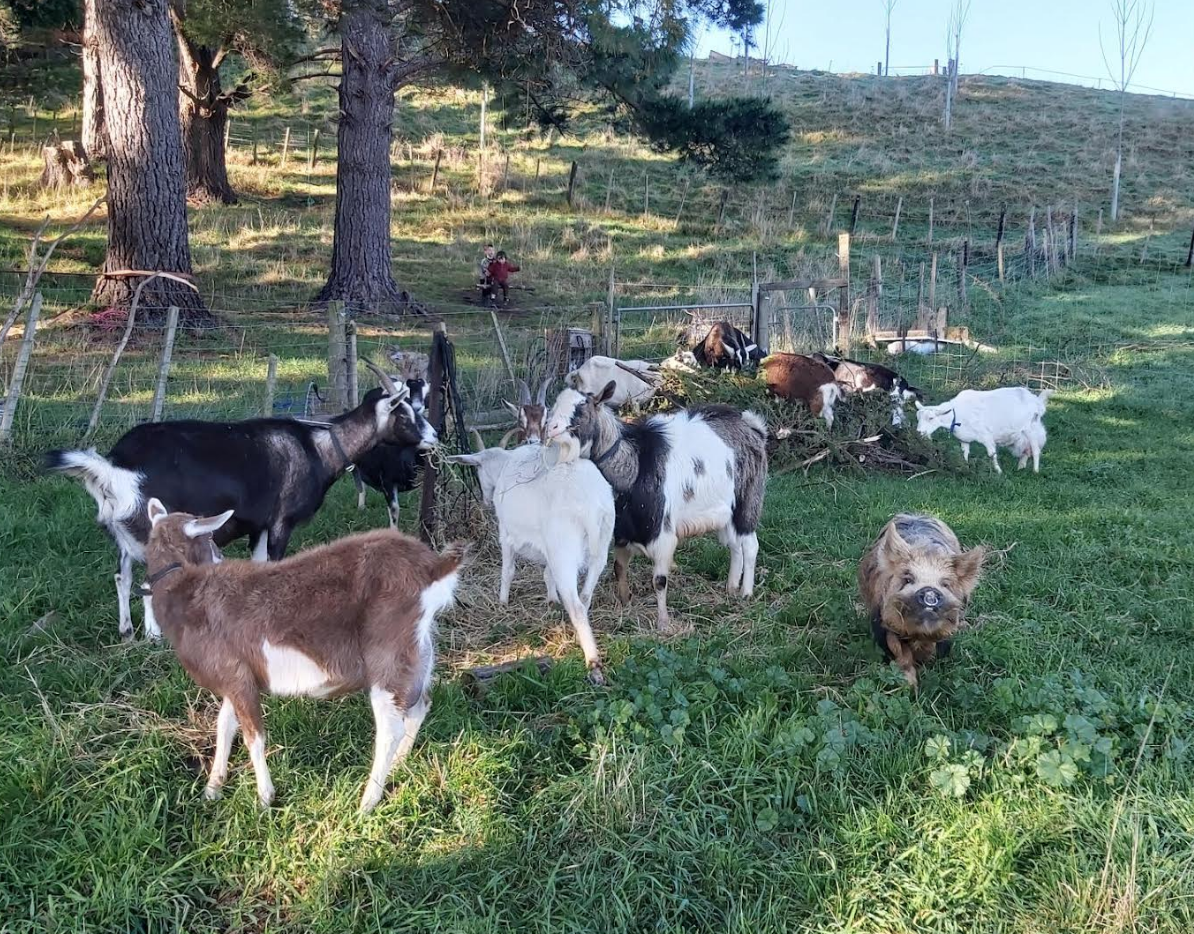
At the moment we’re busy with the goats kidding and starting the milking season.
For the seventh year the ECO School has partnered with Adult & Community Education Aotearoa to bring a series of free workshops to Whanganui.
POSTPONED – PLEASE WATCH FOR UPDATES
Monday, 6th September. Location: Springvale Bike Park
3:30 – 5:00. Hot Composting for Serious Gardeners
This workshop explains how to build and manage a hot compost pile. Other compost methods will also be addressed.
Bagged sheep manure available for sale. Bagged compost for sale.
Wednesday, 8th September. Location: Whanganui Learning Centre, 232 Wicksteed Street
12:30 – 1:30. Backyard Gardening
This workshop explains some tips for success for vegetable gardening.
1:30 – 2:30. Fruit Tree Care
This workshop covers the basics of fruit tree pruning.
Thursday, 9th September. Location: Whanganui Learning Centre, 232 Wicksteed Street
12 – 1. Healthy Homes Brown Bag Lunch Session.
This workshop addresses the most cost effective ways to improve the health and comfort of existing homes. It covers some Dos and some Don’ts of where to spend your money.
This is a unique opportunity to dive into the core aspects of a permaculture lifestyle: a roof over your head and kai in your belly!
While covering the usual PDC curriculum, this hands-on and farm-based PDC will focus on building a sleep out and managing an organic vegetable garden. These practical skills are invaluable for anyone considering a resilient and sustainable lifestyle; anyone thinking about a “Tiny Home”; anyone seeking experience in growing food and caring for animals.
Other topics include: composting toilets, grey water, retrofit double-glazing, etc.
A ‘secret admirer’ has commenced trolling us, our organisation and our farm. Like most Trolls, simple facts and accuracy don’t seem to matter. (For some people they never have and never will.) One favourite attack line they use over and over is the farm is a dump and unsafe for children.
On second thought, they might be right.
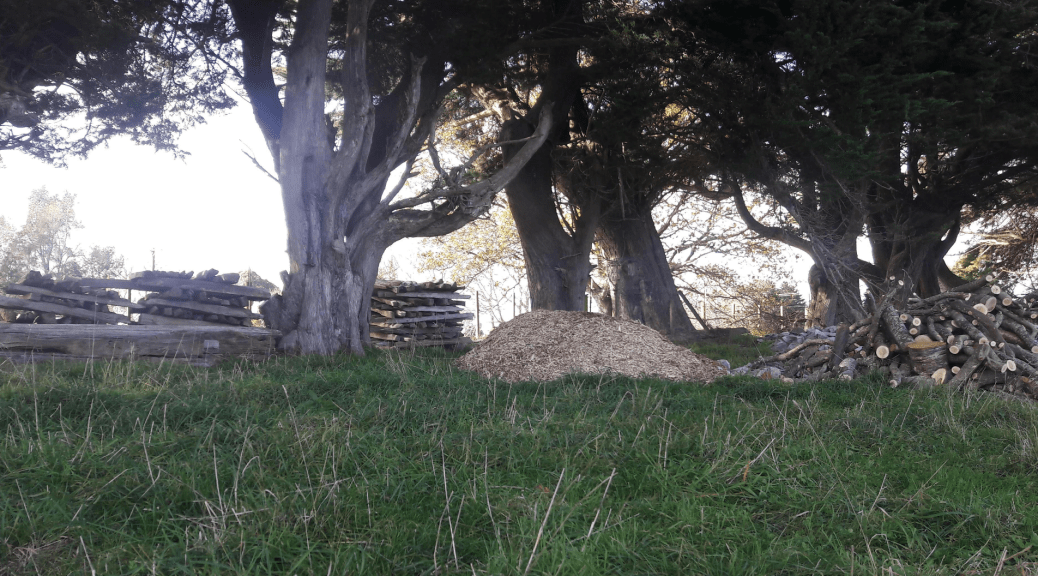
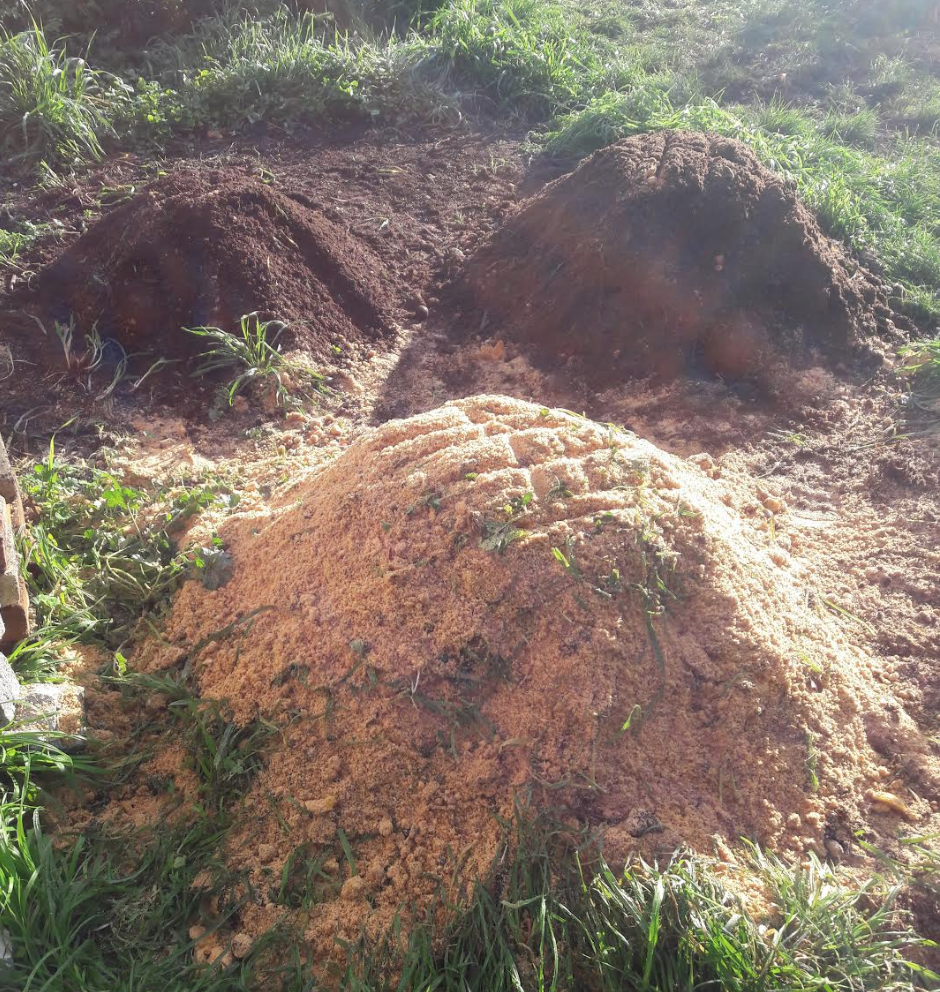
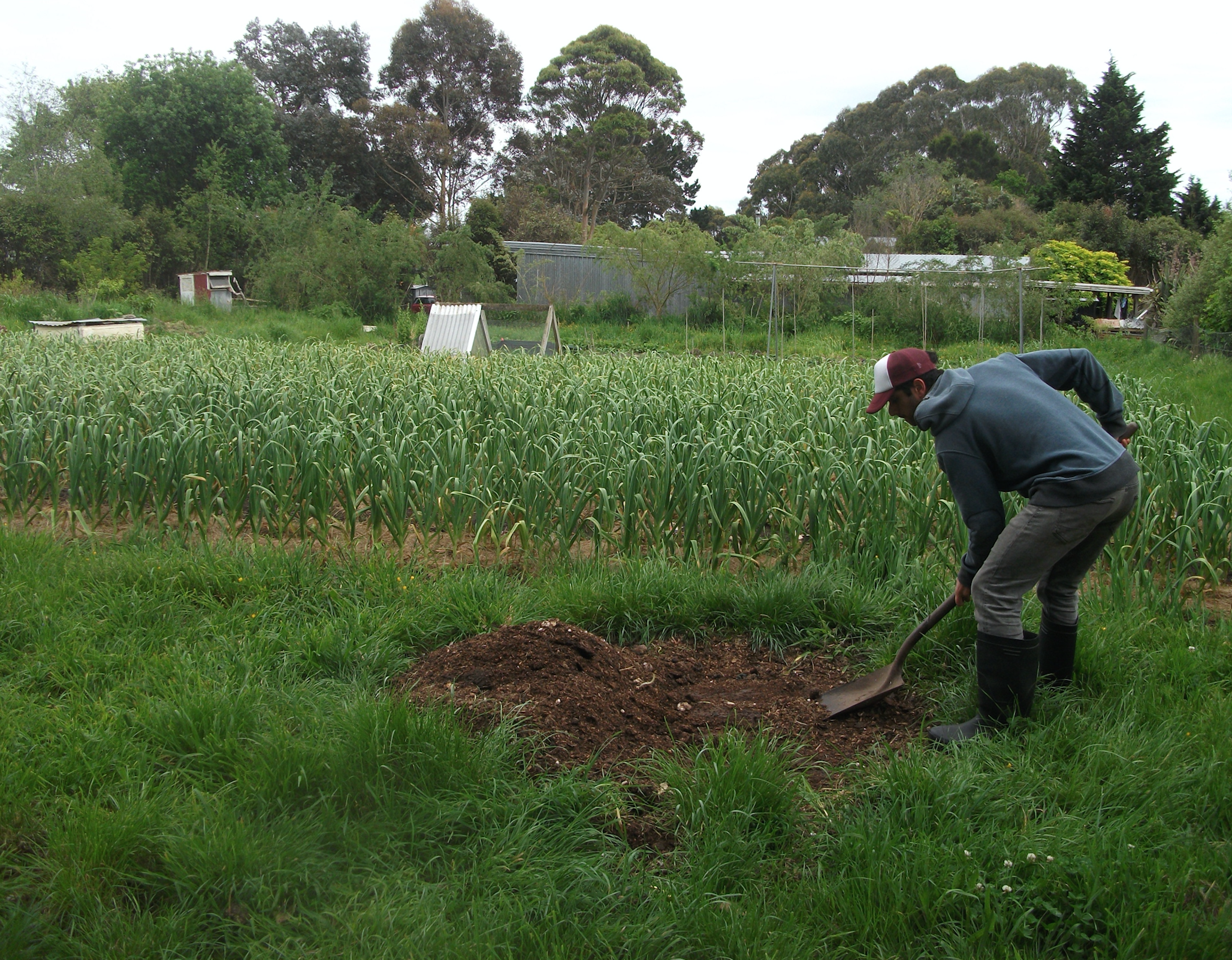
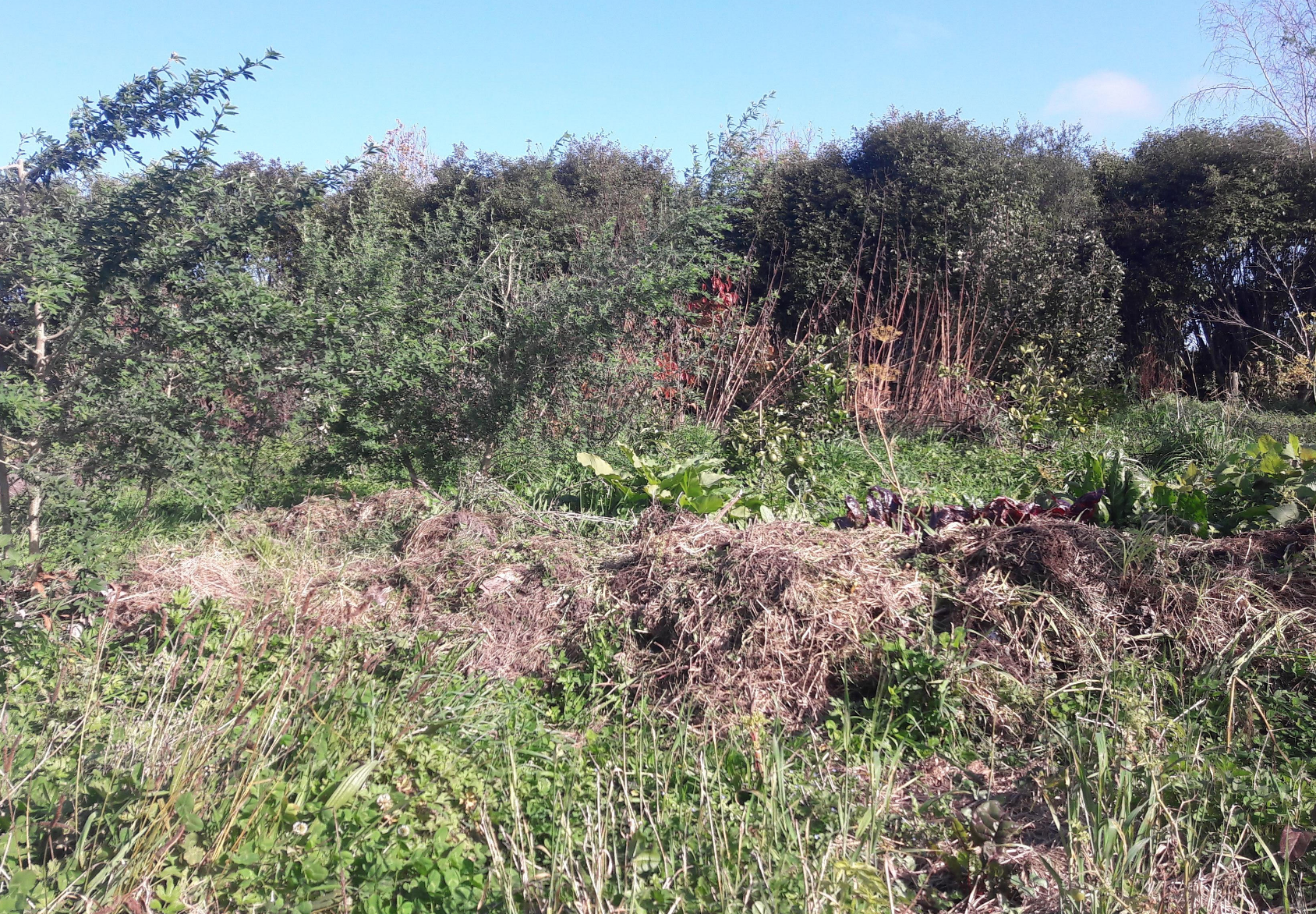
For example, here is where we dump lots and lots of food scraps, manure and saw dust.
We dump the resulting compost in garden beds to grow healthy kai, such as garlic, which is very dangerous to the local vampire population.
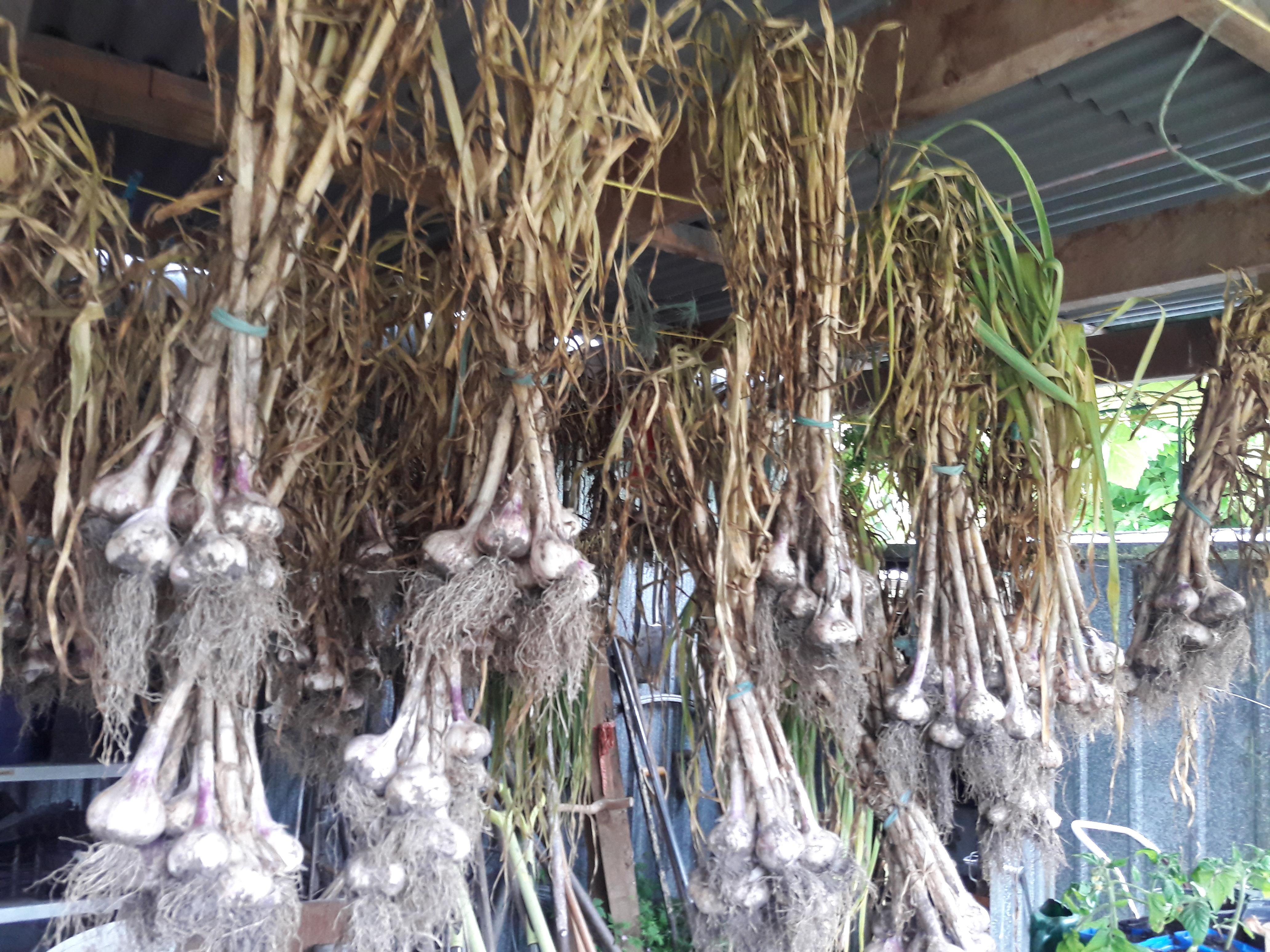
After harvesting the garlic we dump it in a shed to dry.
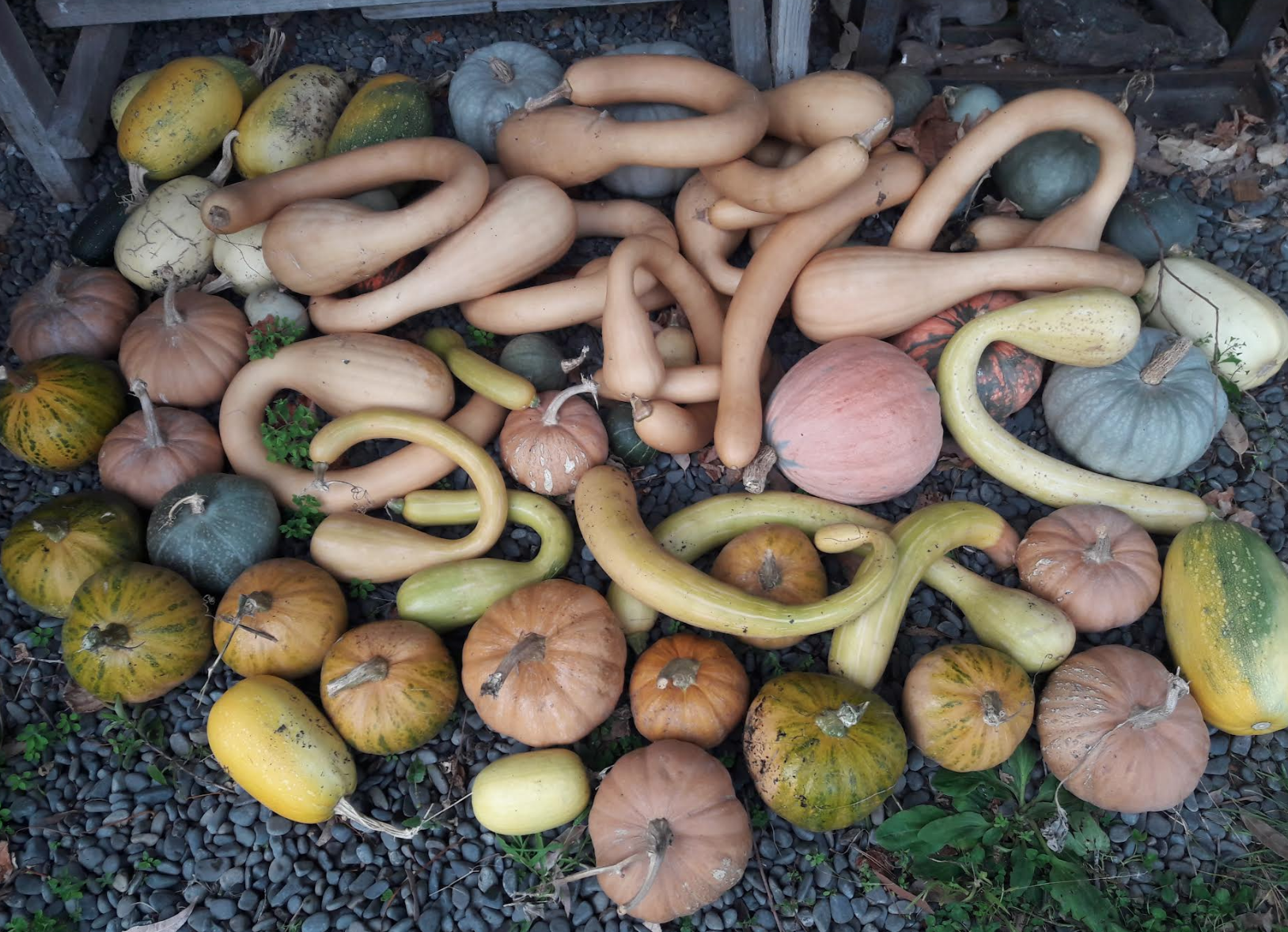
In fact there are dangerous piles of kai all over our farm.
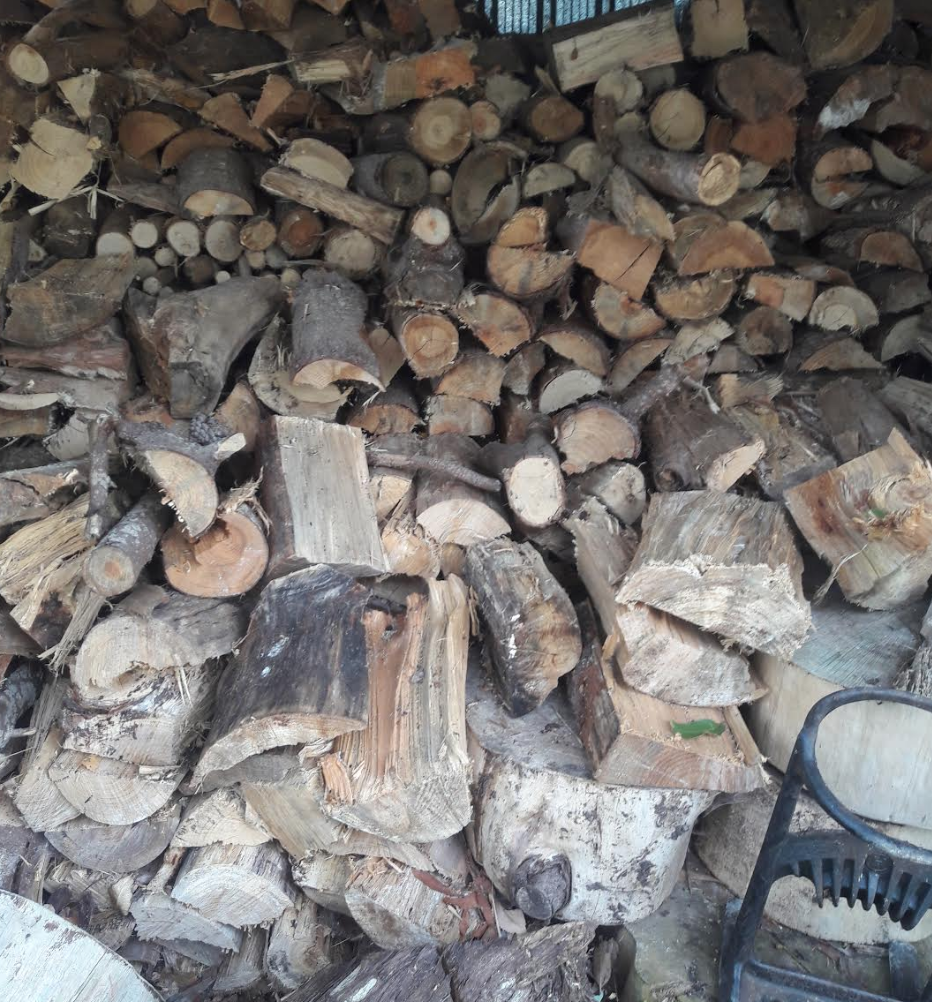
Here is where we dump our fire wood before dumping the dangerous CO2 emissions into the pristine atmosphere.
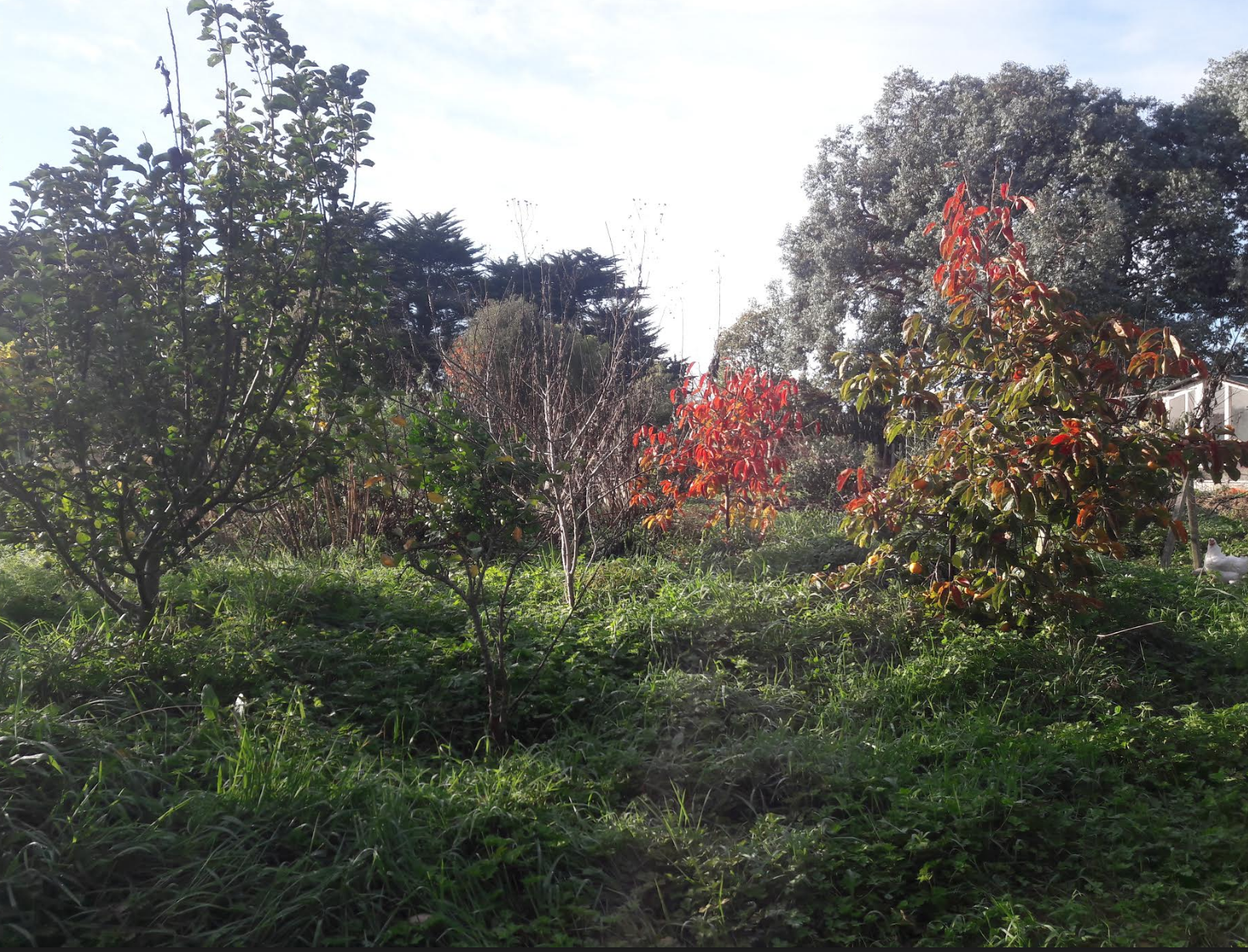
Branches and sticks too small for firewood get dumped in piles and covered with earth to build Hugel Mounds, on top of which we dump fruit trees such as peaches, apples, pomegranate, oranges, grape fruit, lemons tangelos, mandarines, feijoas and persimmons.
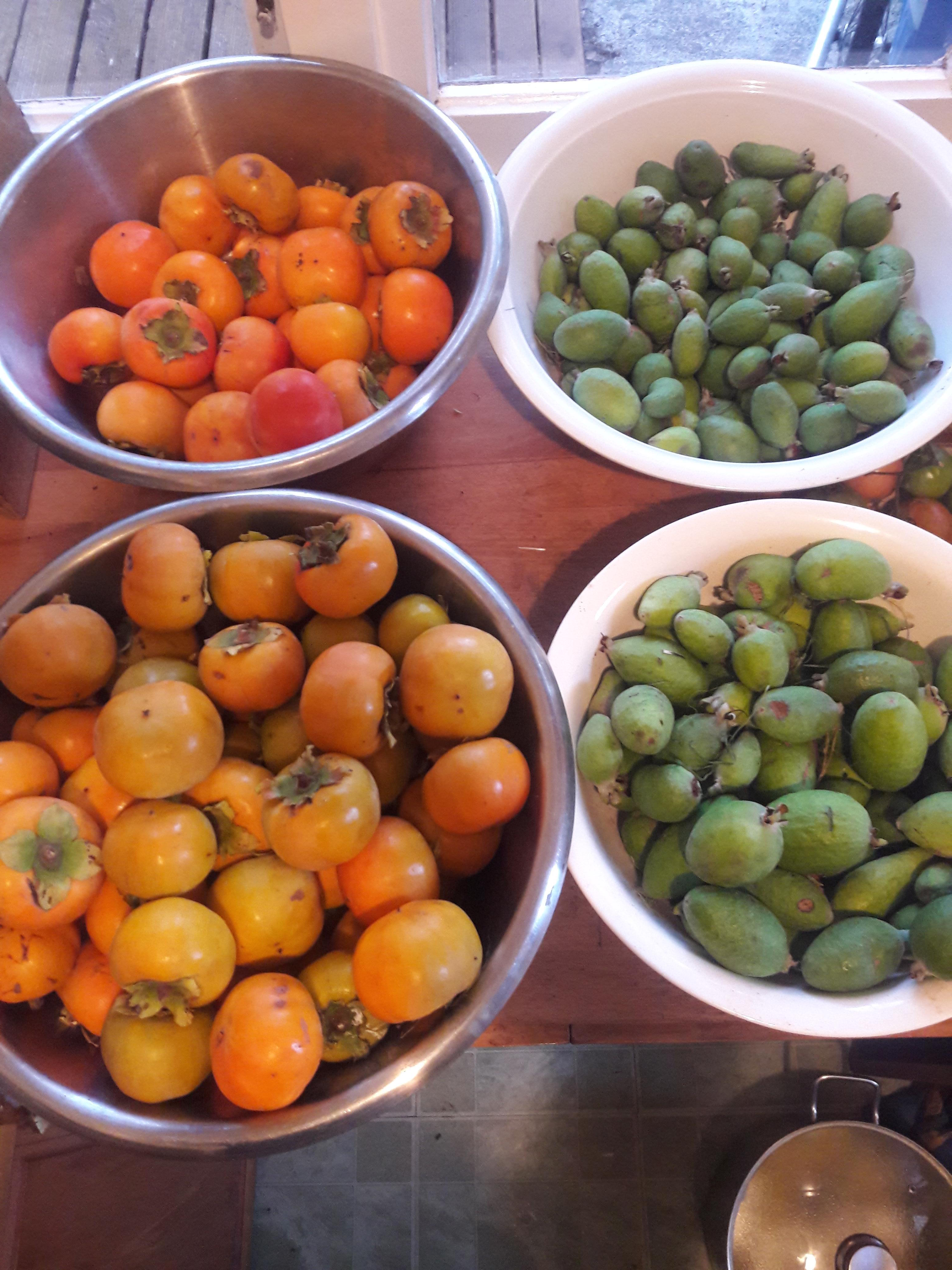
Note this fresh, organic, healthy kai is very dangerous to children.
More dangerous kai dumped on the farm.
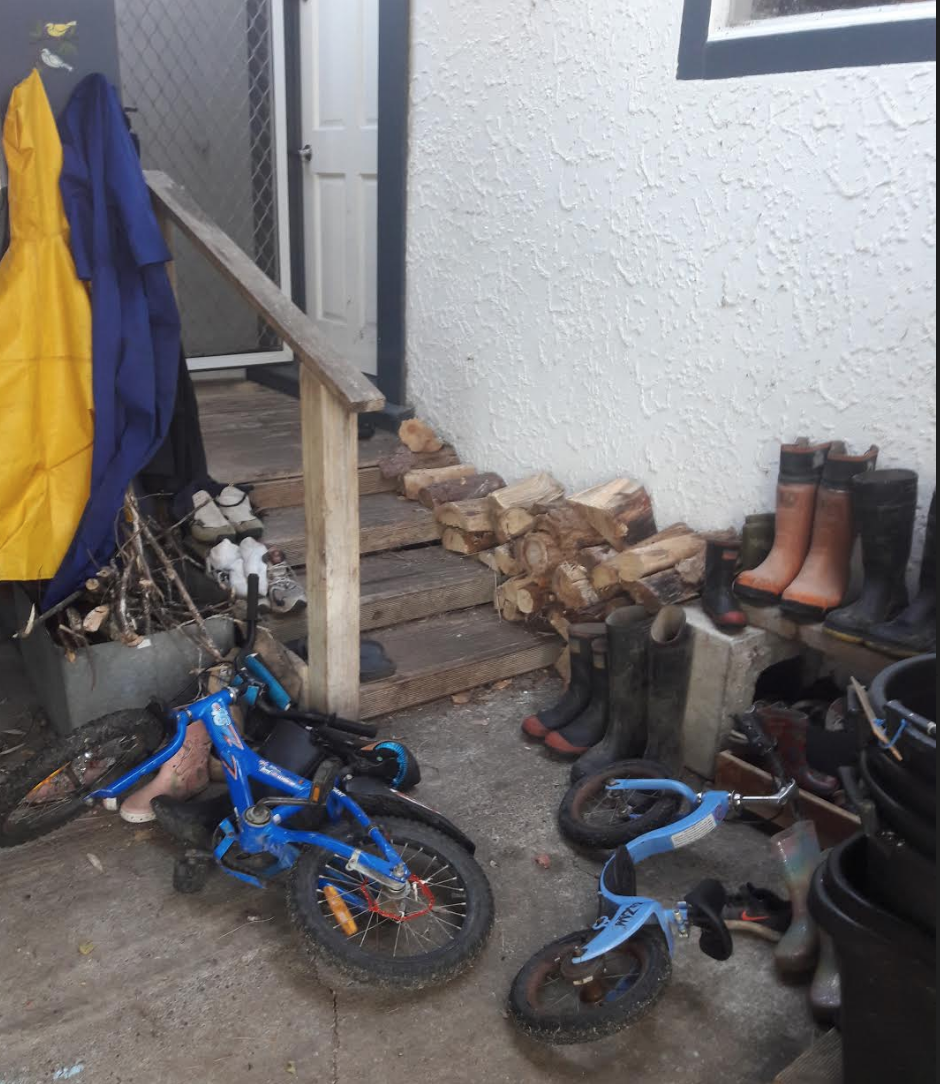
Here is where our rat bag children dump their bikes. Obvious tripping hazard!
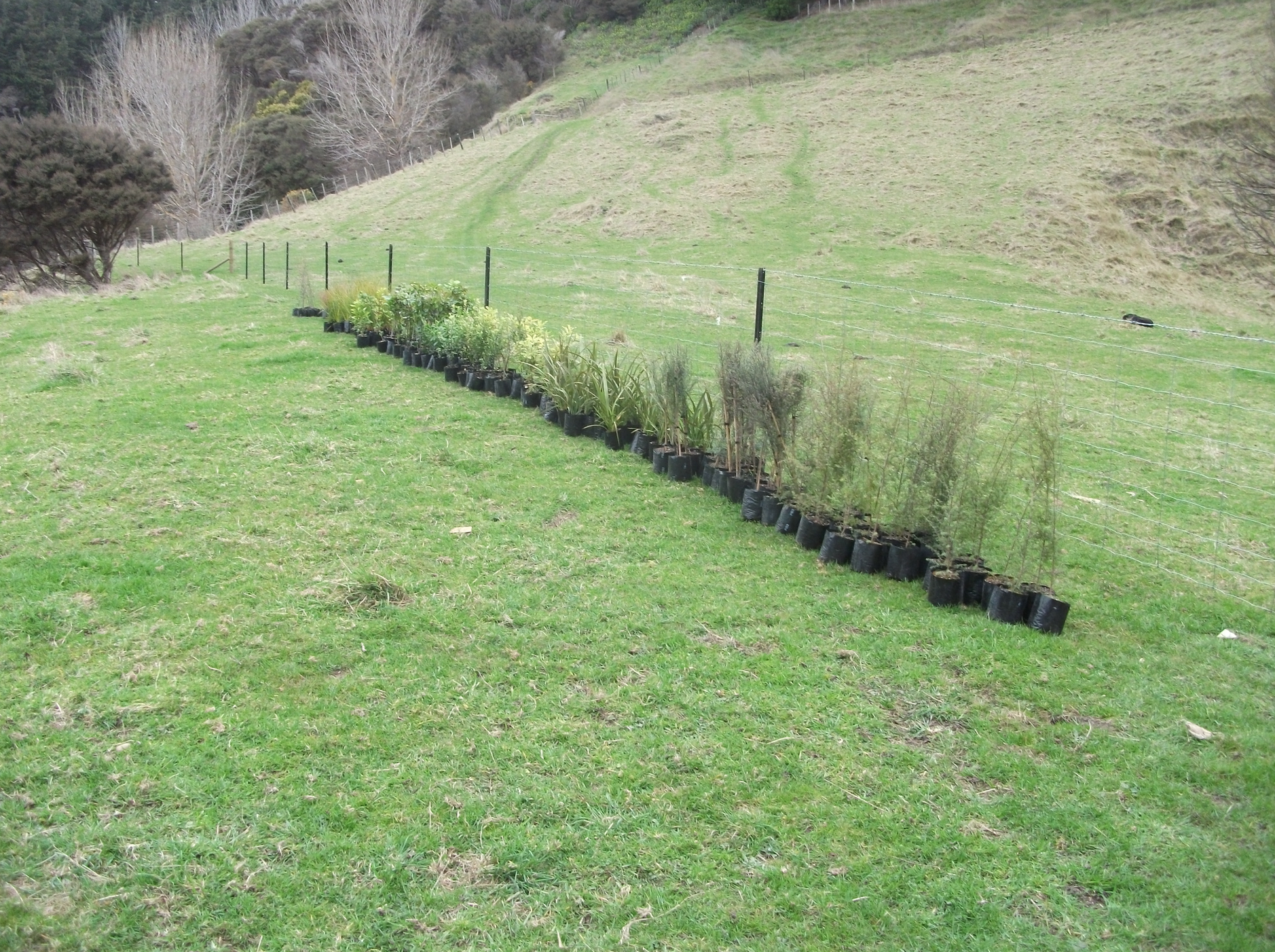
For the last six years we have dumped thousands of trees all over our farm.
We usually dump the trees on slip-prone hillsides and eroding stream banks.
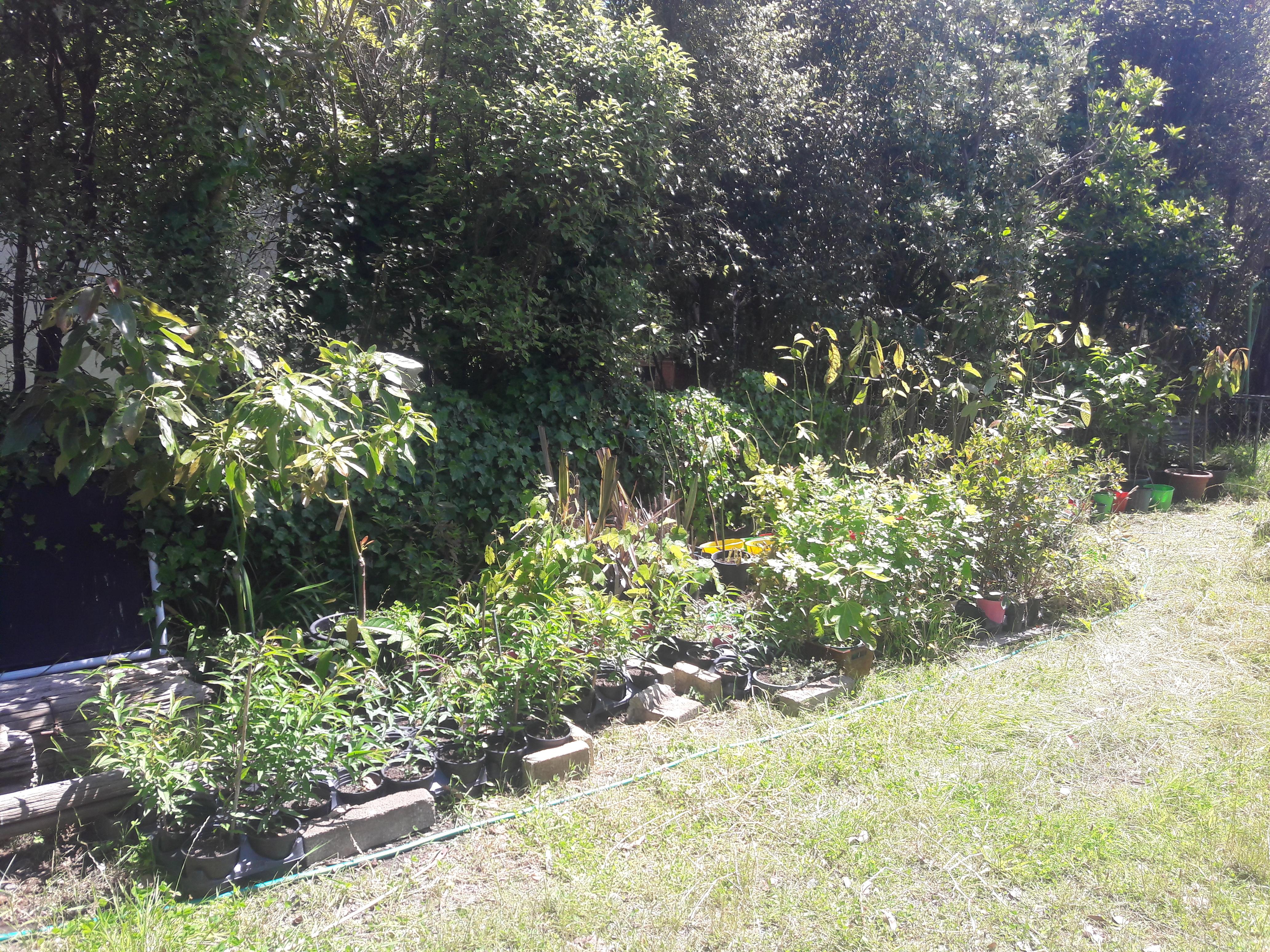
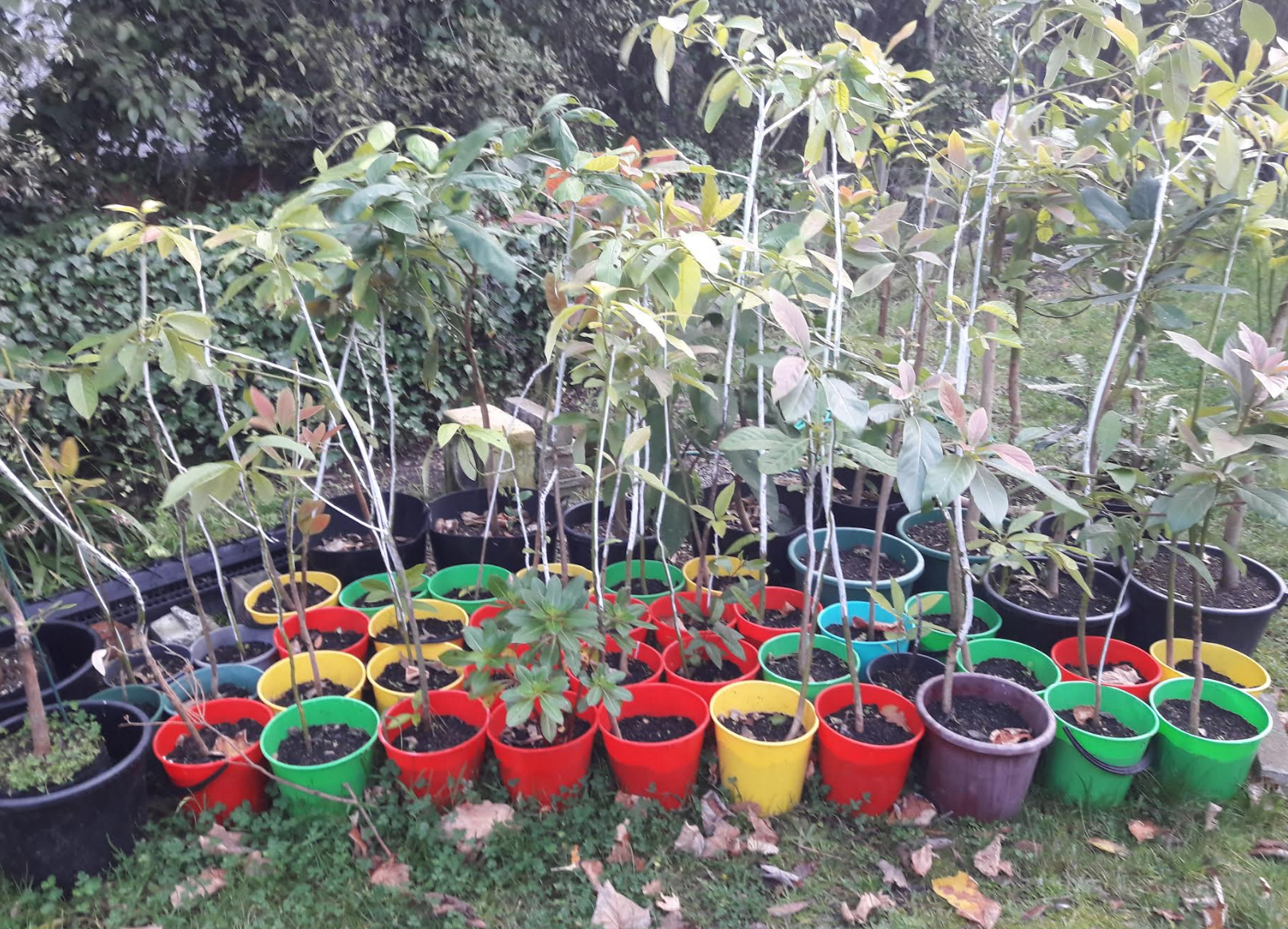
Here is another big dump of trees we tend to call our nursery.
Warning: Avocados!
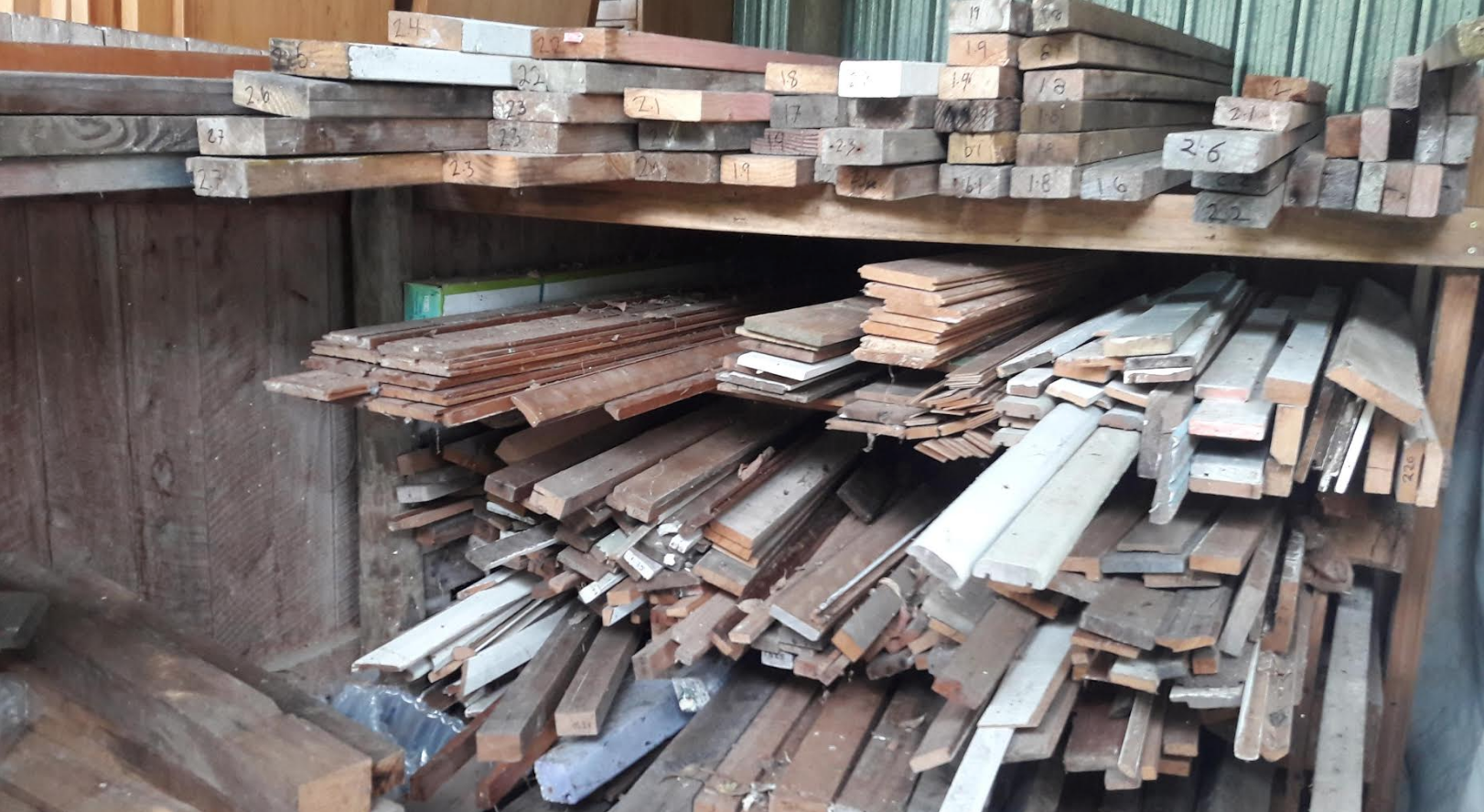
Oh, you should see our sheds! Talk about a dump!
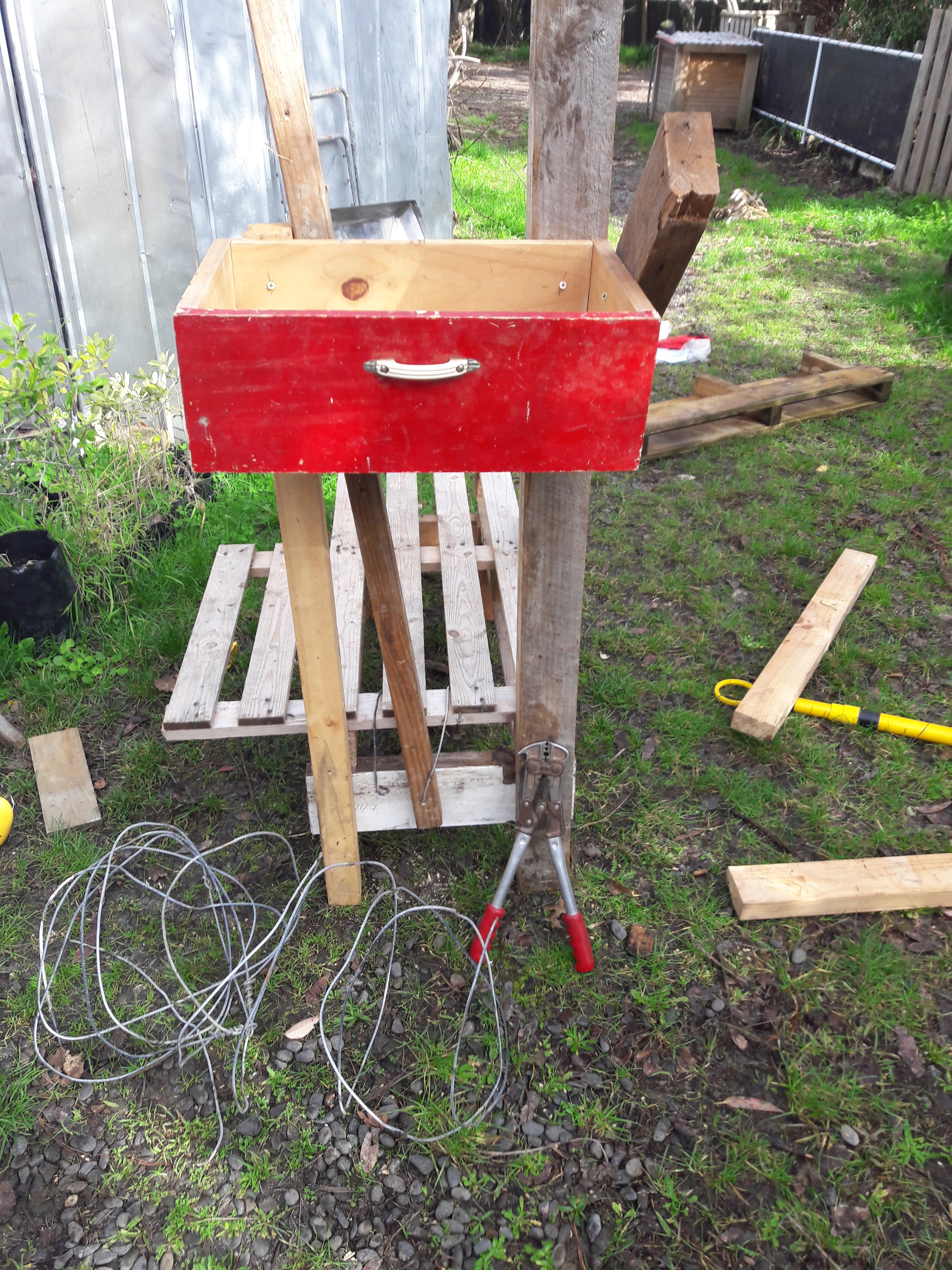
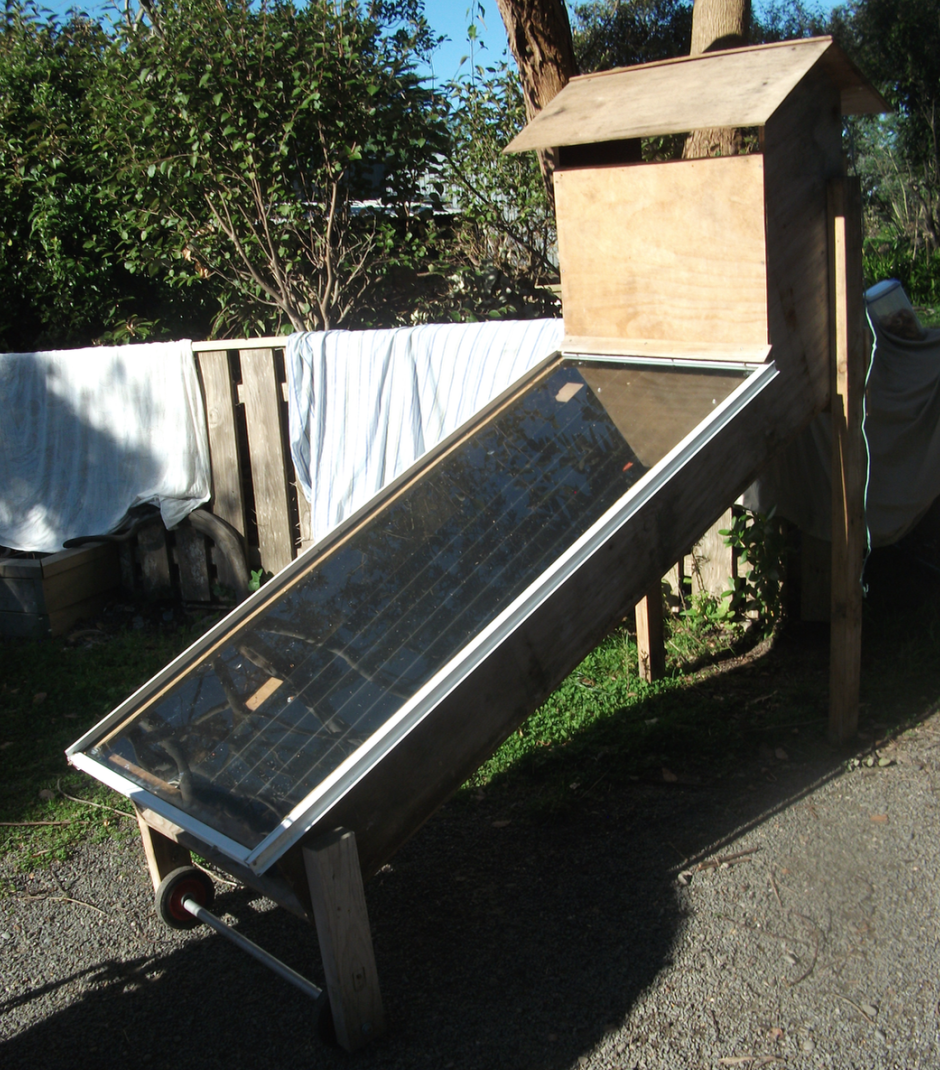
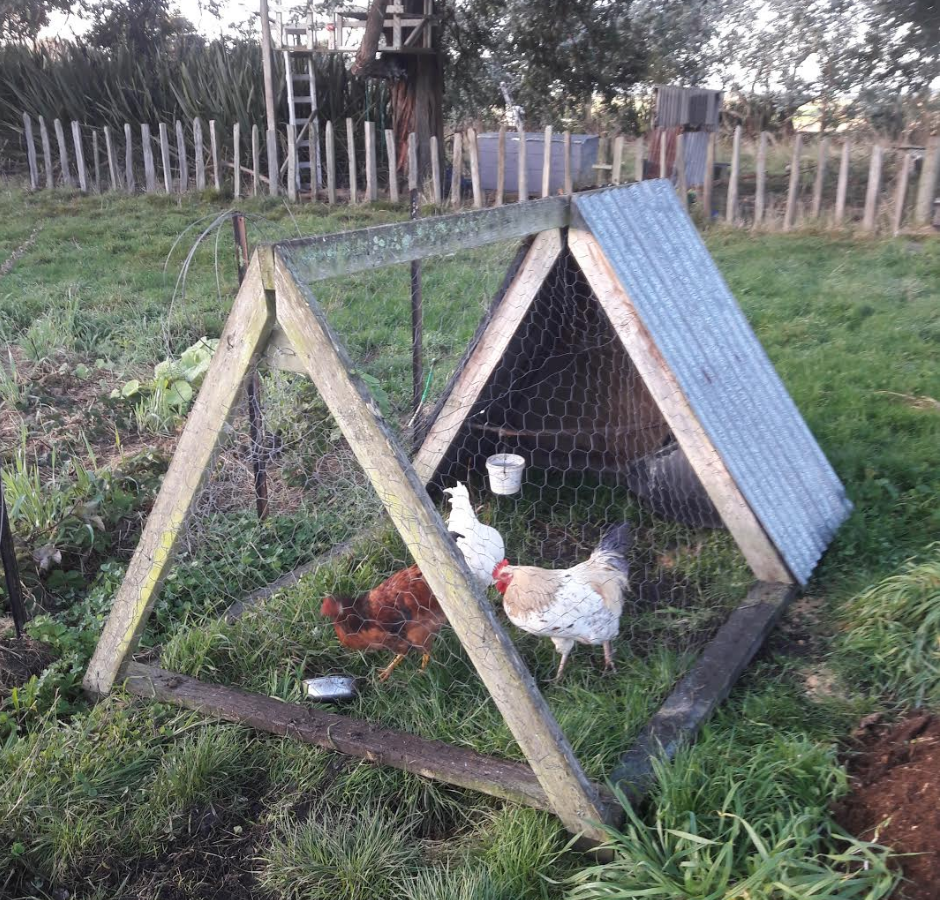
With most of the materials we divert from landfill we build useful items such as milking stands, solar dehydrators, chicken tractors and other animal shelters.
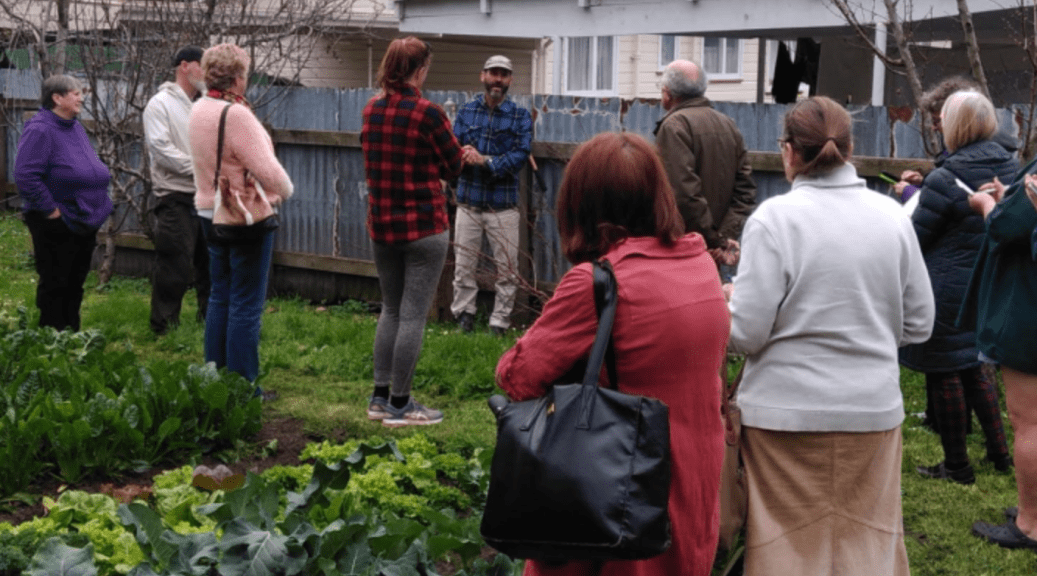
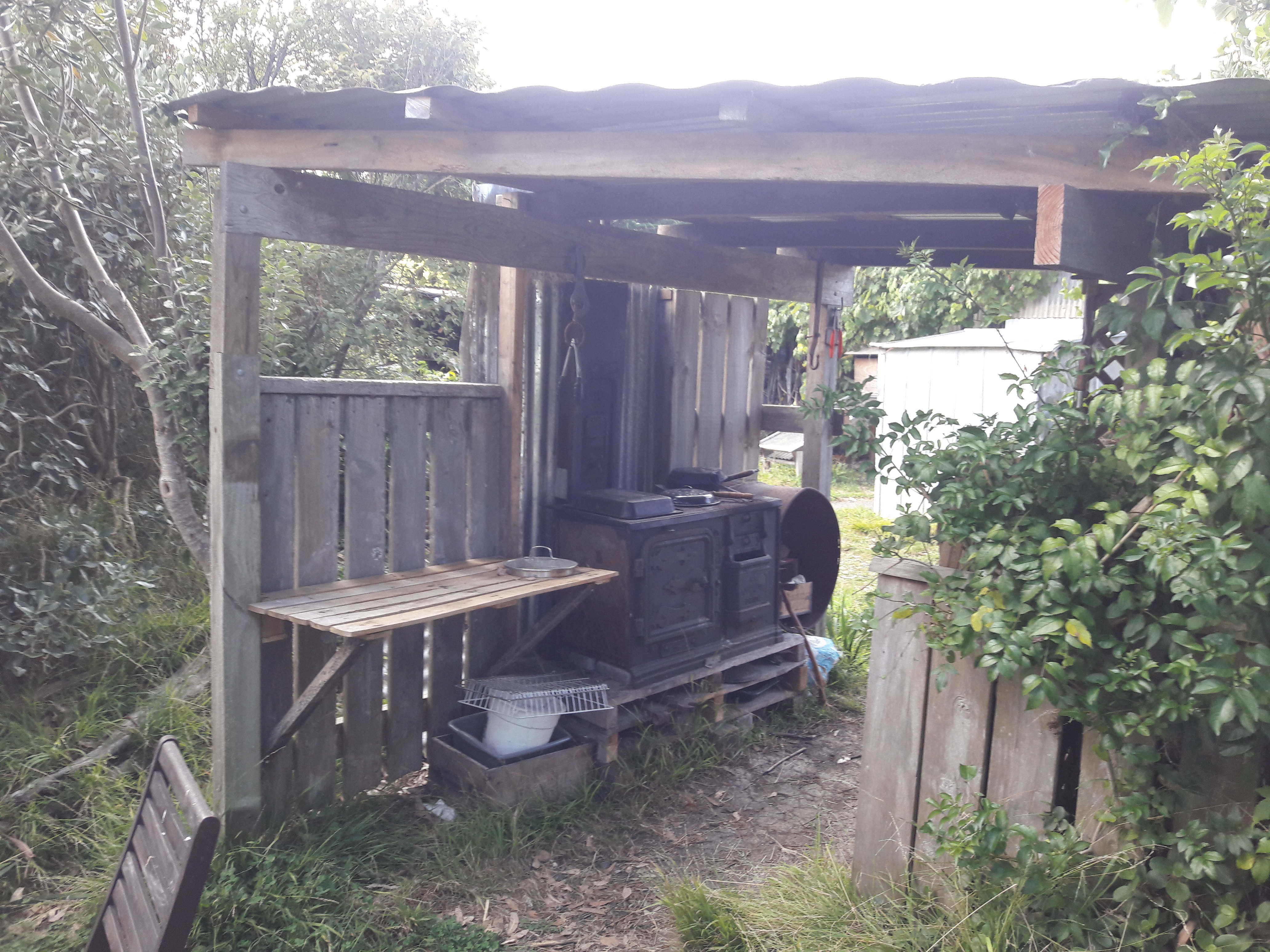
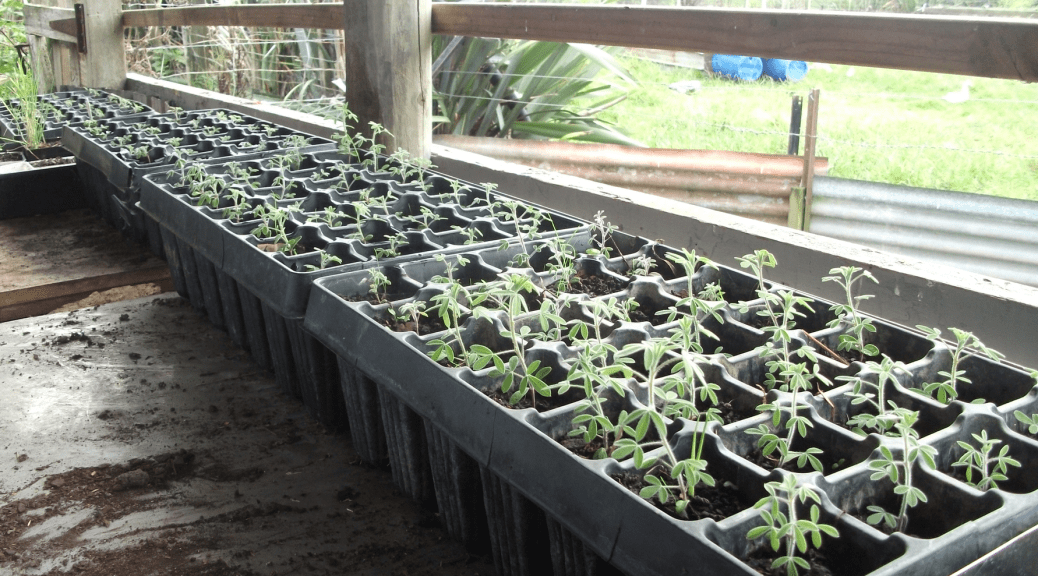
We’ve put together a list of some of the core components of a permaculture property and arranged a ‘Show & Tell’ walking tour. Topics include: no-dig gardening; potting bench and plant nursery; vertical growing & small spaces; preventing pests and diseases in fruit trees; best tools and how to use them; hot composting; tree lucerne (Tagasaste); chicken tractors; browsing goats; creative reuse in building; outdoor kitchen including solar cooking, rocket stoves, and solar dehydrator. There will also be a discussion of our diverse income streams.
$55 or couples for $90. Includes afternoon tea.
Minimum numbers required for workshops to run.
Registration and non-refundable deposit essential. theecoschool@gmail.com
Kia ora friends, this is an update primarily for our past interns to show some of the infrastructure improvements we’ve made recently.
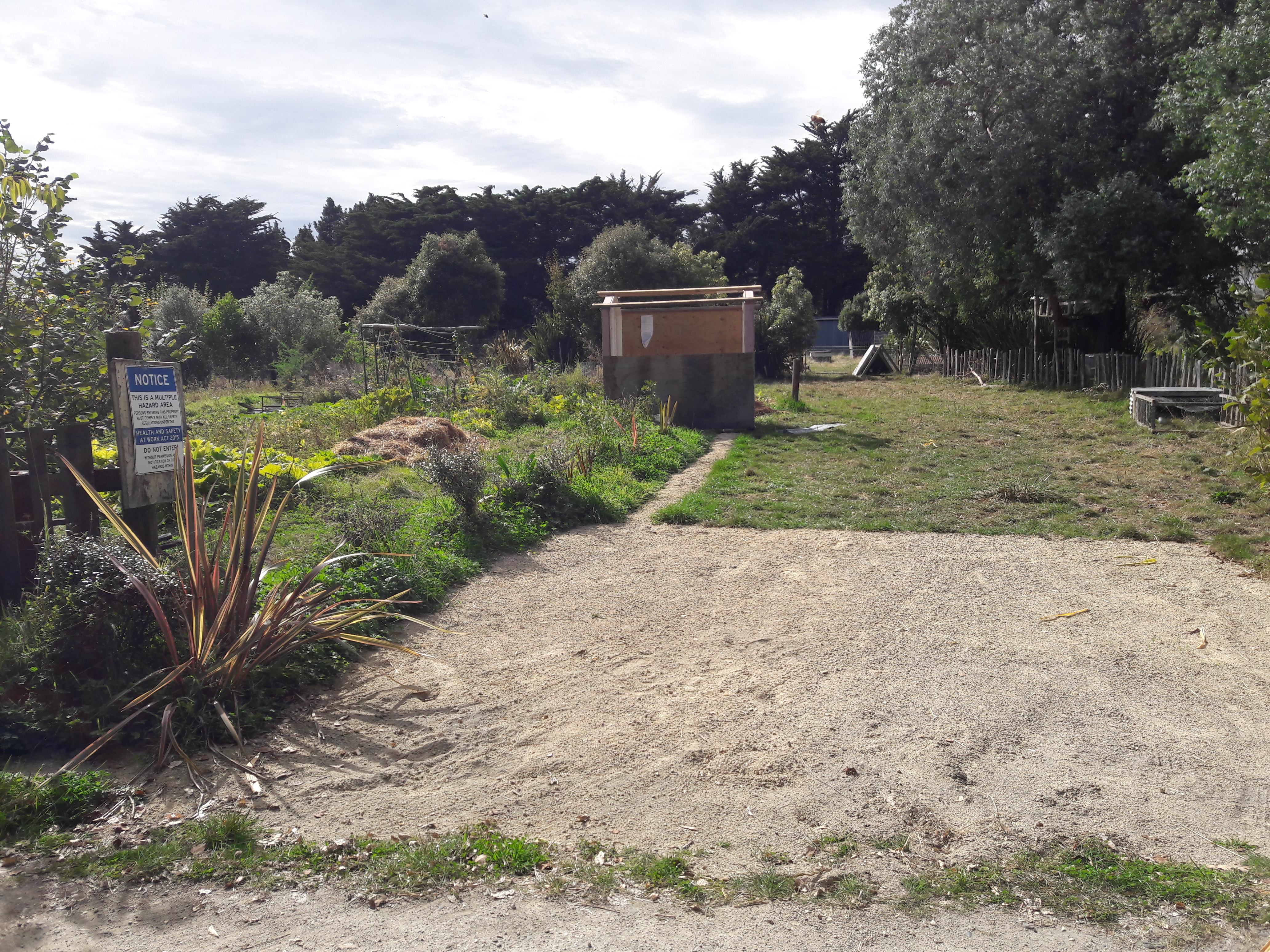
In order to comply with our resource consent we’ve added car parks at the top of the drive betwee n the market garden and the orchards. After doing that we decided to shift a shed up there to serve as a farm stand and tool storage closer to the market garden.
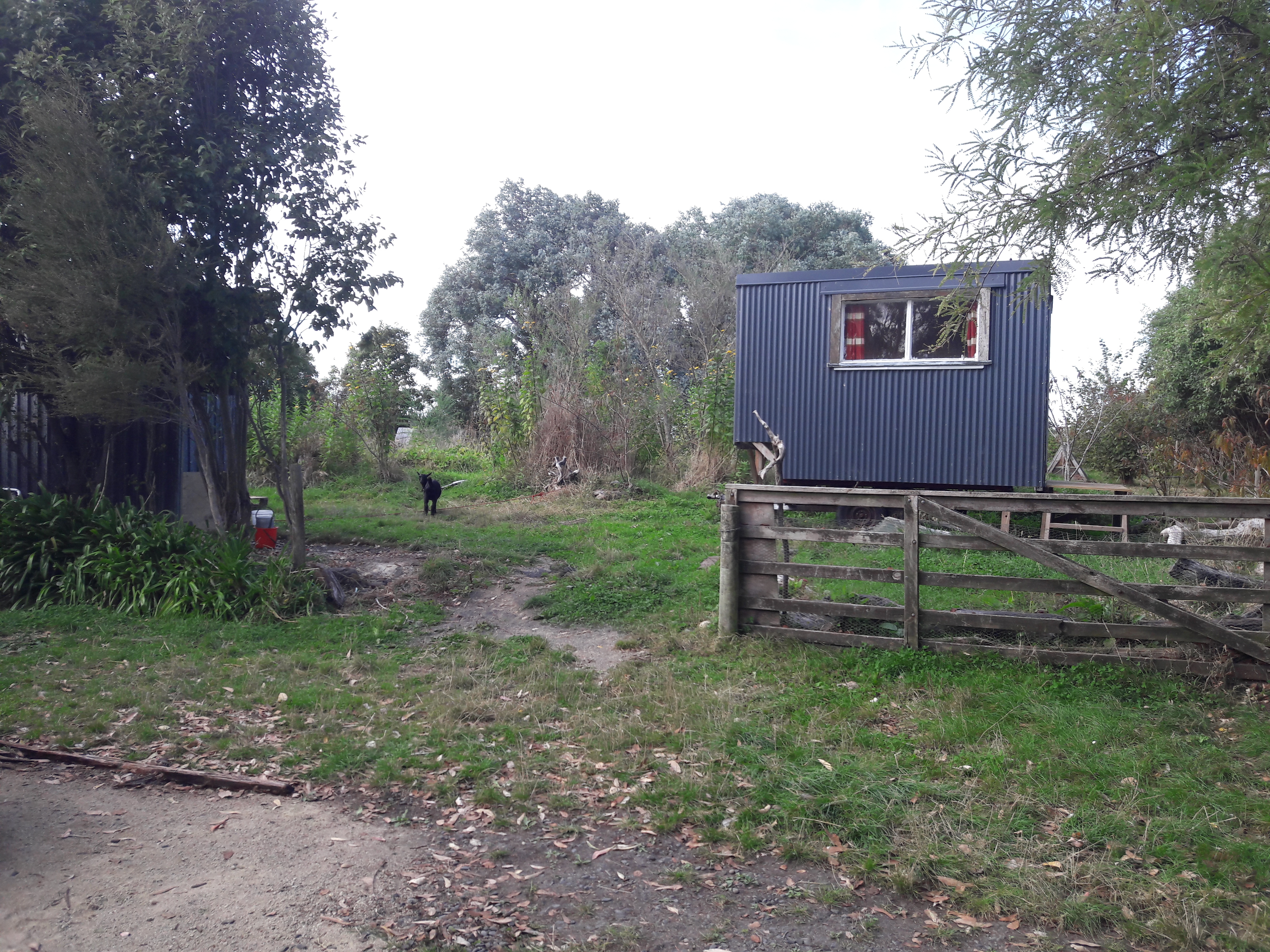
Coming down the drive at the bottom of the market garden is the homemade caravan that we built during Lock-Down last year.
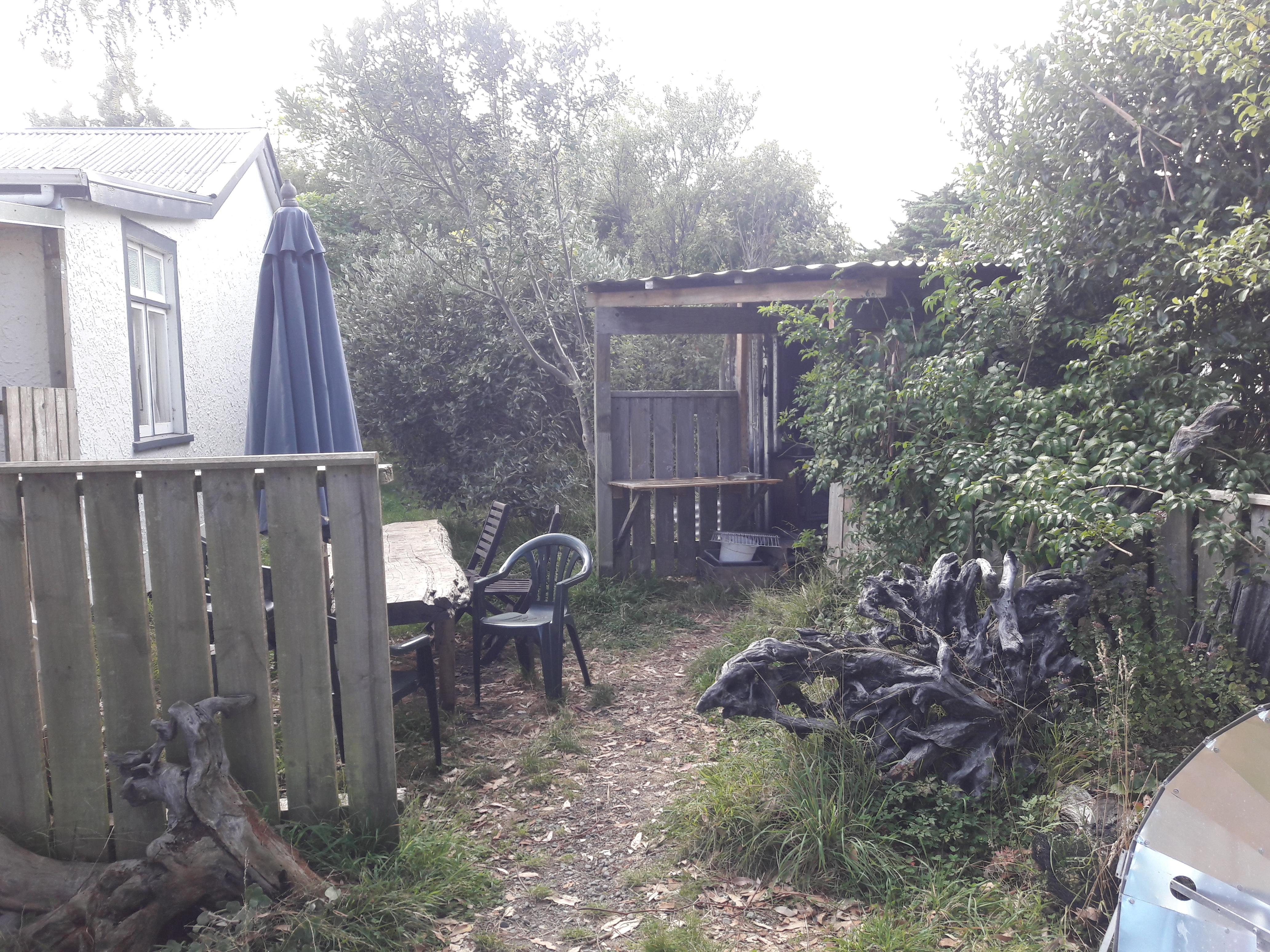
Next is my favourite – the ‘Redneck BBQ’ – also building during Lock-Down.
The BBQ is located next to the outdoor dining space beside the house.
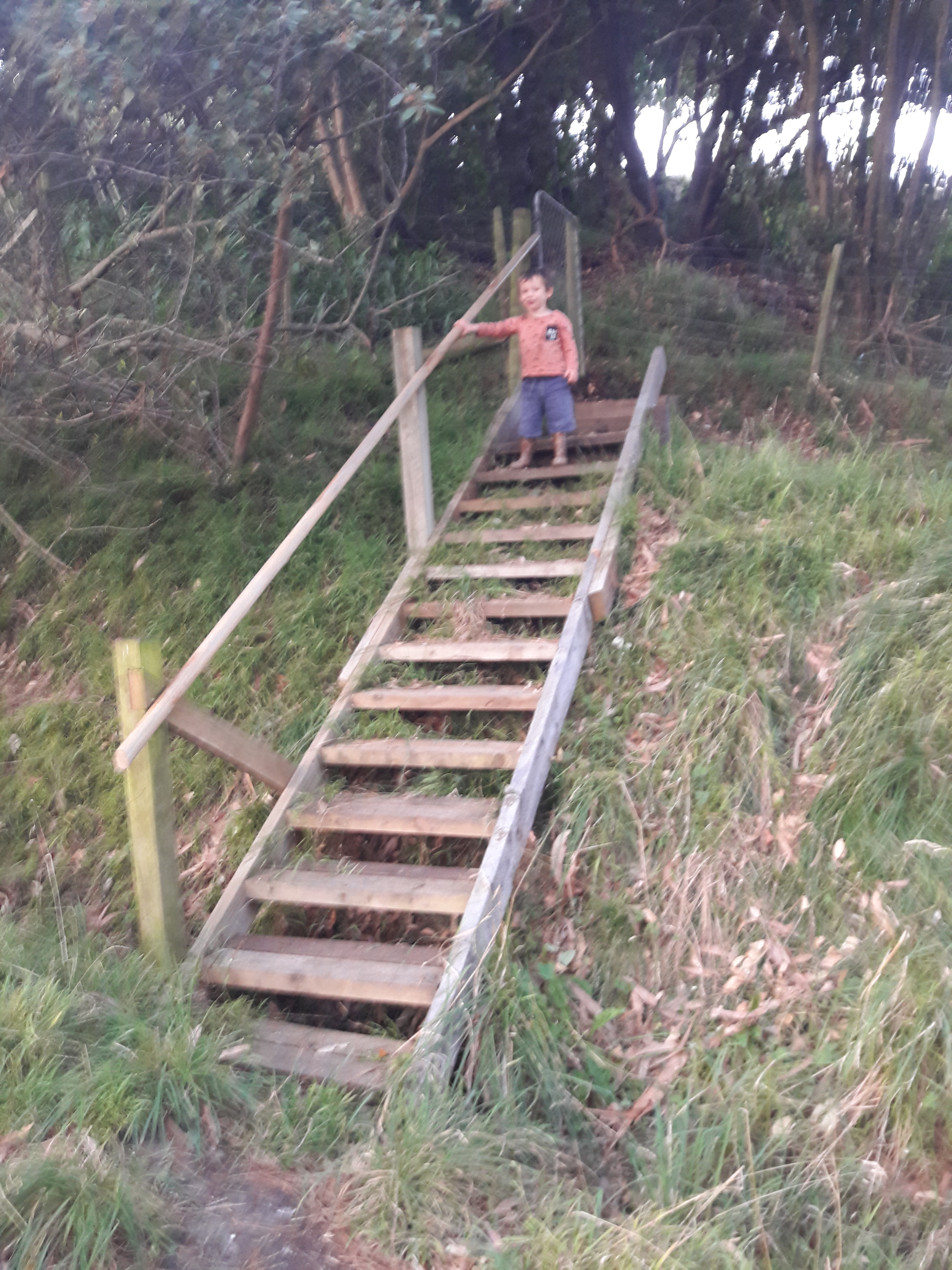
Topher is modeling the steps down to the pines that we also built during Lock-Down.
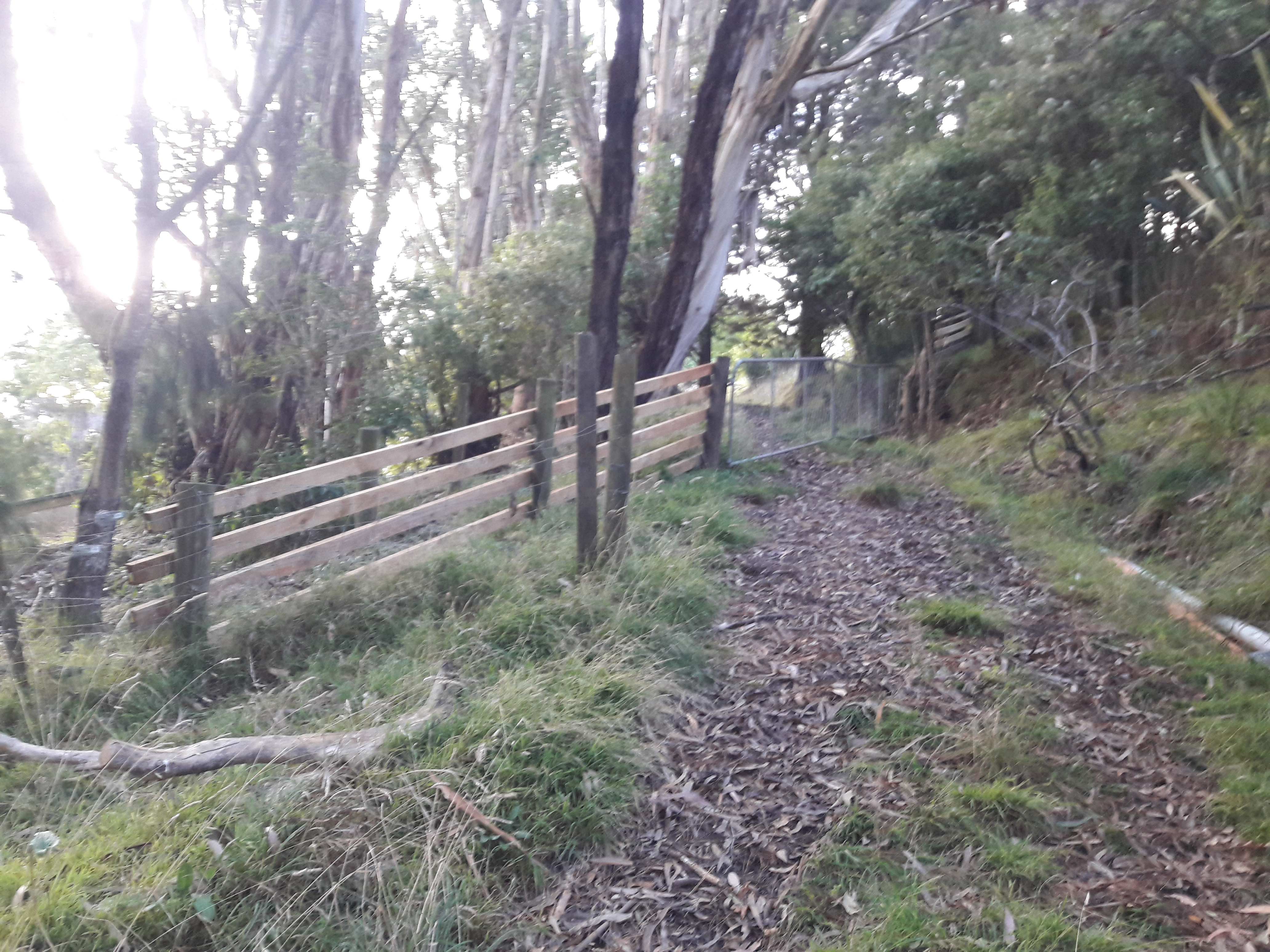
Recently we shifted the fence and gate along the upper farm track so that they are along the property boundary.
Just last week we put up deer netting next to the milking shed we built during Lock-Down so we can more easily manage the goats during milking or for other reasons.
We also shifted another fence line to allow easier access down the lower farm track.
Also last week we extended the wind netting for the avocado orchard in the valley.
Here are Topher and Baby and Luigi on the farm track below the manuka, flax, poplars and tree lucerne we planted five years ago.
Probably a few other things I’ve forgotten but that’ll do for an update. I’ll write a blog about the farm stand once it’s completed.
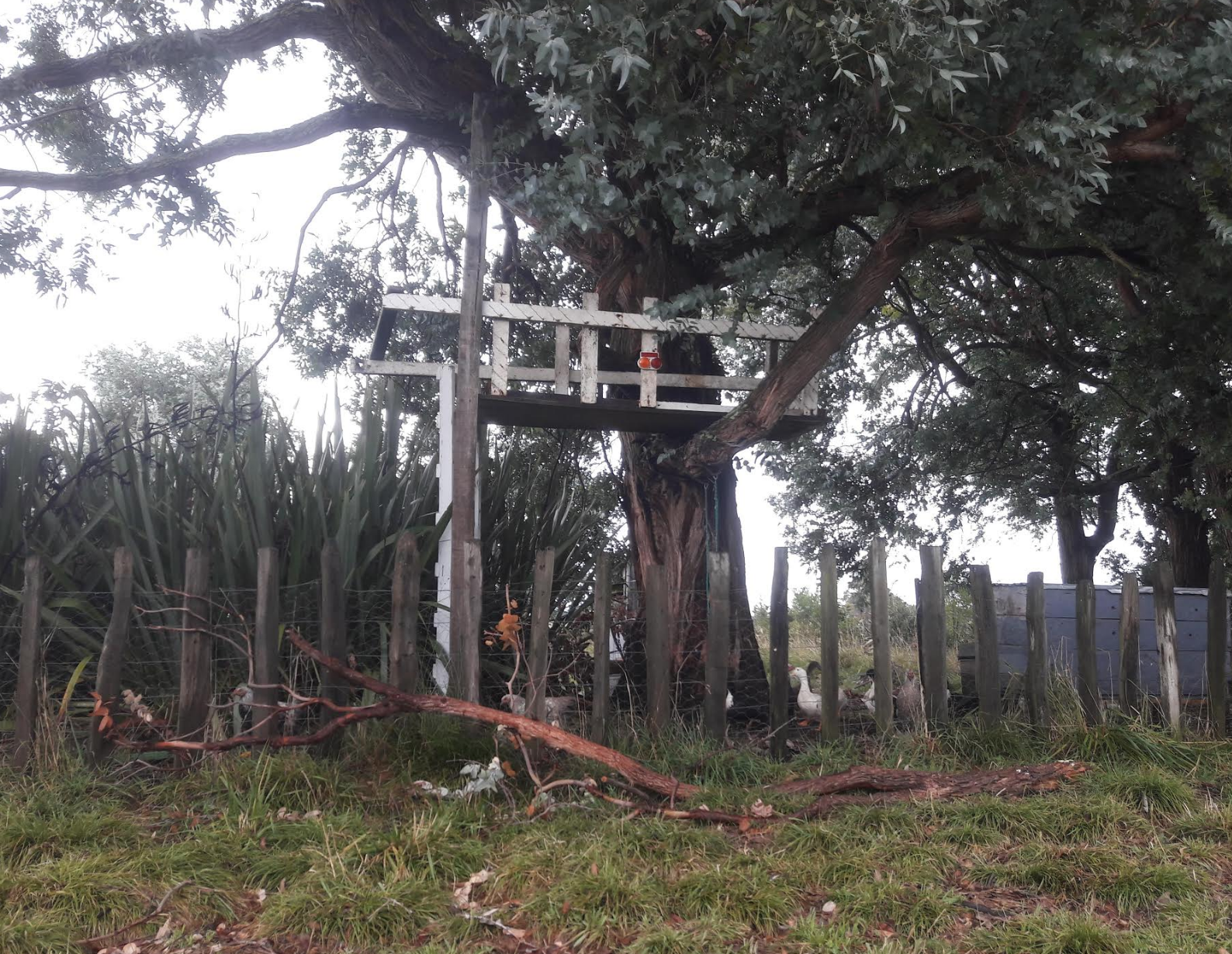
Addendum: I knew I would forget something(s). Below are the strawberry bed we built for Manu’s Lock-Down Birthday 5th April, 2020, as well as a tree fort I started during Lock-Down but finished last month with Manu’s help.
Once again we are running the Whanganui Permaculture Weekend alongside The Festival of Adult Learning Ahurei Ākonga in cooperation with Adult and Community Education Aotearoa. A draft schedule is below.
POSTPONED – PLEASE WATCH FOR UPDATES
Workshops & Farm Tours
Saturday, 11th. 3:00 – 5:30
Getting the most from your Renovation
This workshop covers all aspects of healthy home performance including windows, doors, ceiling, subfloor, bathrooms, ventilation, high performance curtains & blinds, heating & cooling, and hot water.
Growing Great Garlic, Terrific Tomatoes and Perfect Pumpkins
This workshop covers innovative ways to grow these staple crops with less effort and better results!
$30
Sunday, 12th. 1:00 – 5:00
Permaculture ‘Show & Tell’
We’ve put together a list of some of the core components of a permaculture property and arranged a ‘Show & Tell’ walking tour. Topics include: no-dig gardening; potting bench and plant nursery; vertical growing & small spaces; preventing pests and diseases in fruit trees; best tools and how to use them; hot composting; compost toilets; tree lucerne (Tagasaste); chicken tractors; browsing goats; creative reuse in building; outdoor kitchen including solar cooking, rocket stoves, and solar dehydrator. There will also be a discussion of our diverse income streams.
$55 or couples for $90. Includes afternoon tea.
Minimum numbers required for workshops to run.
Registration and non-refundable deposit essential. theecoschool@gmail.com
RetroSuburbia: A Whanganui Case Study
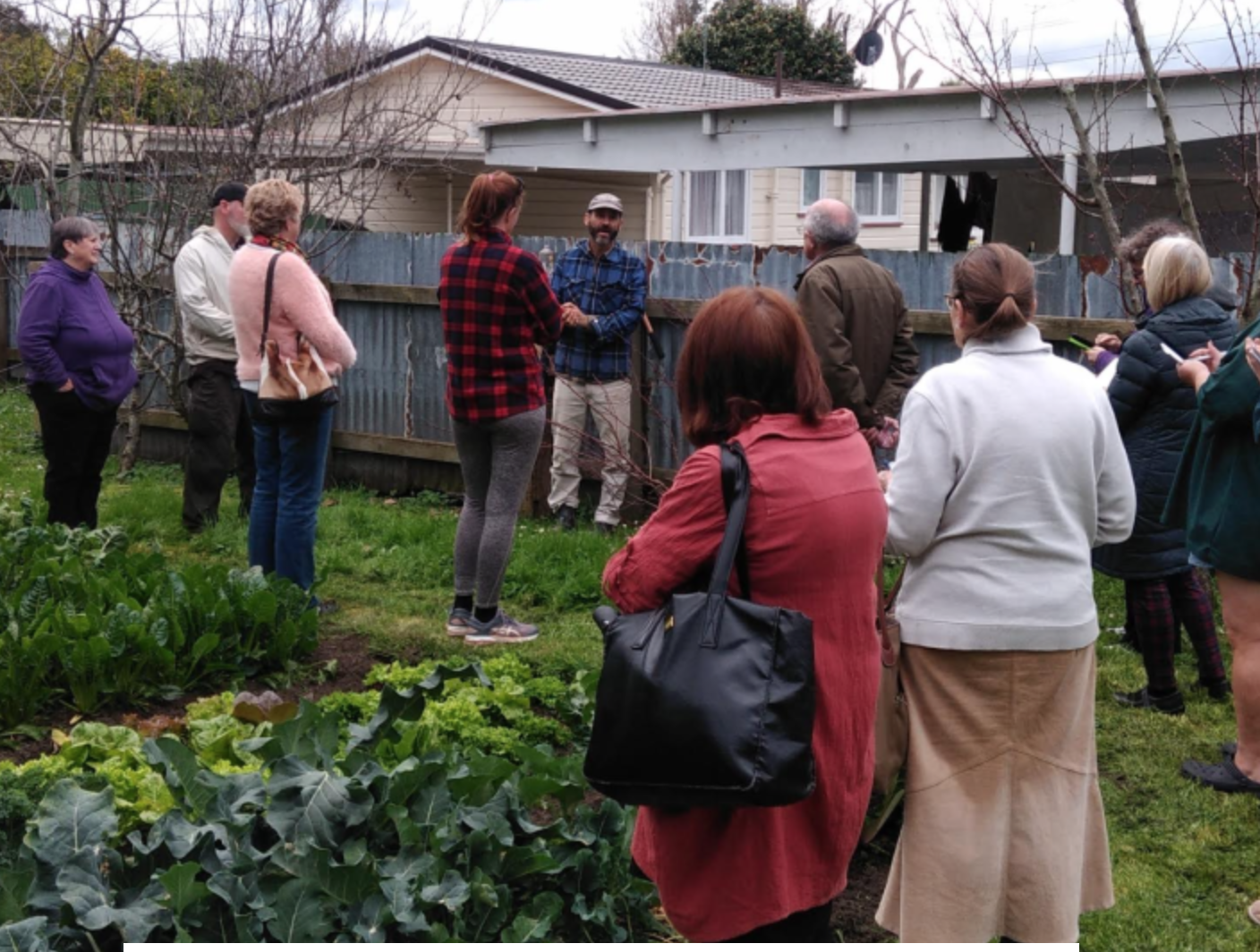
What are the best strategies to renovate an old home and an old section? This workshop covers the do’s and don’ts for home renovations as well as edible ‘foodscaping’ on suburban sections.
$40 or couples for $70
Minimum numbers required for workshops to run.
Registration and non-refundable deposit essential. theecoschool@gmail.com
On Kaitiaki Farm we’ve spent the last six years developing strategies to ‘climate proof’ our farm against the extremes of both drought and flood. These include: protecting slopes; planting the riparian corridor; wetland restoration; soil improvement; integrated plant/animal systems; multiple approaches to water management; diverse income streams; and more.
Because of a diversity of land forms, slope aspects and micro-climates Kaitiaki Farm is an ideal place to learn many different and holistic approaches to land management. It is a walk-through textbook in permaculture.
24th April, 1-5pm. $60 or couples for $100
Followed by a permaculture design presentation by our PDC Intern and a shared meal.
Registration essential: theecoschool@gmail.com
Tutor: Nelson Lebo has been practicing permaculture for over 20 years.
2021 is shaping up to be a good year for The ECO School and Kaitiaki Farm. We’ve always believed in sharing our work widely through hundreds of blog posts and making our programmes affordable.
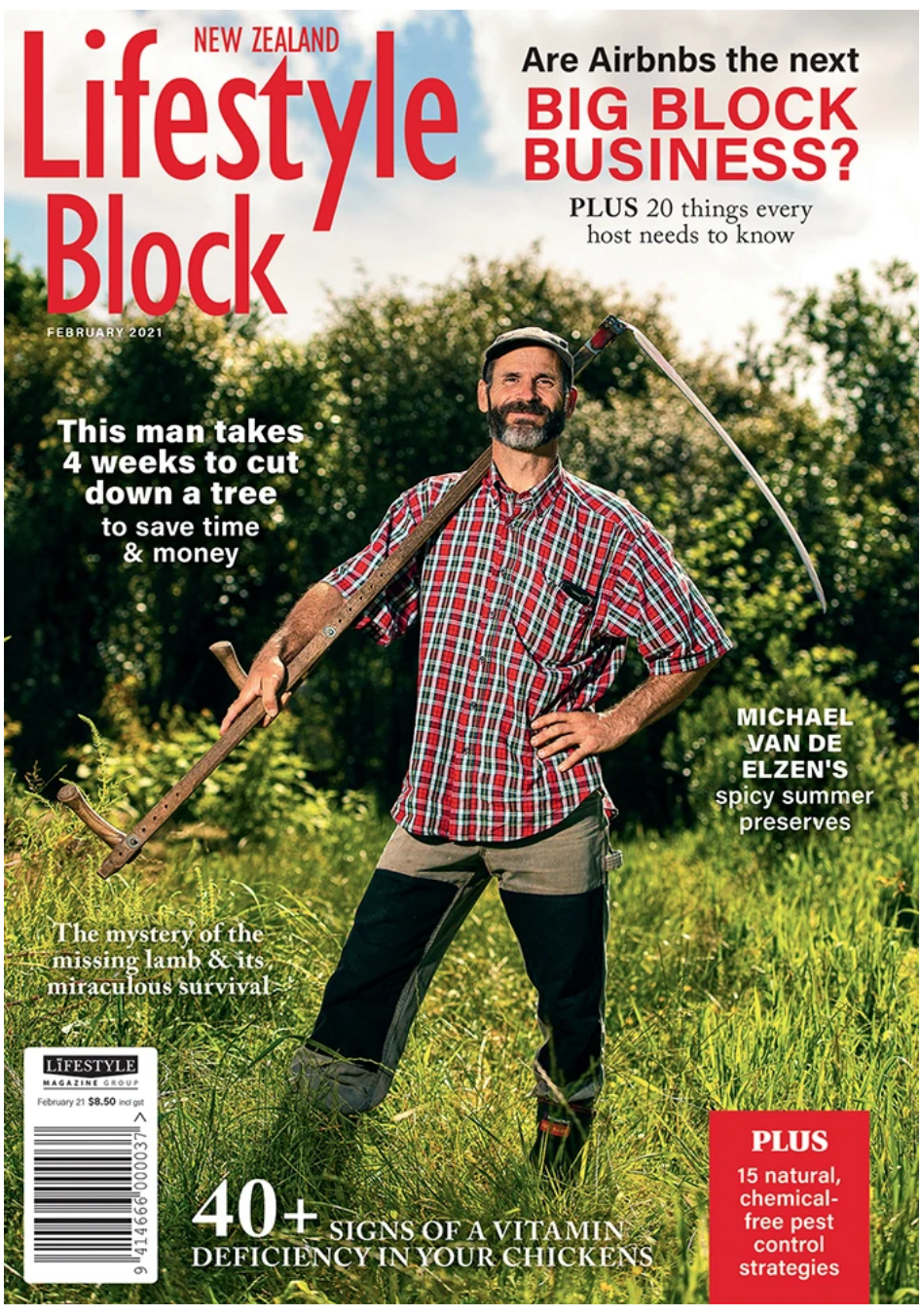
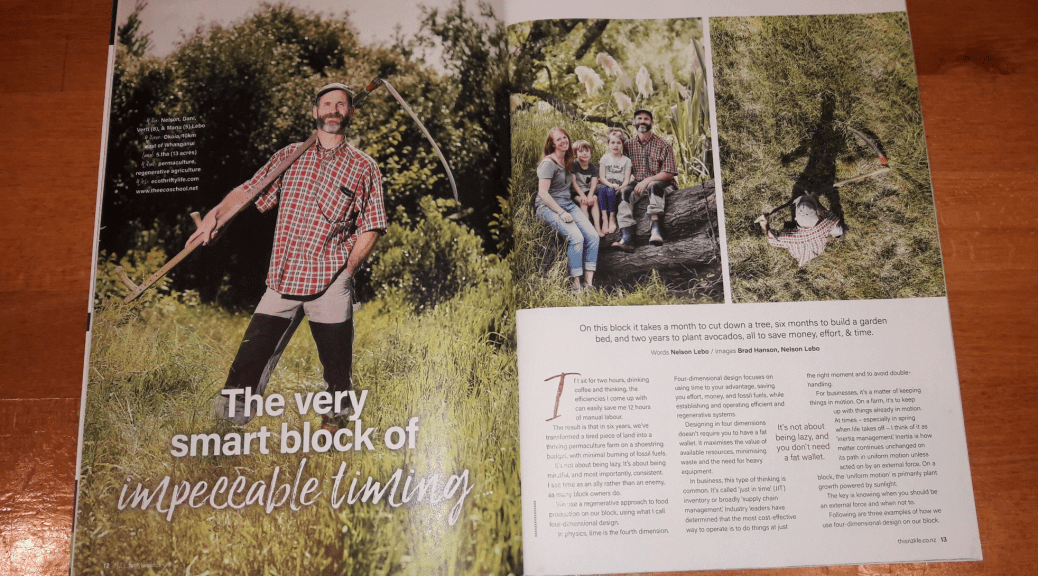
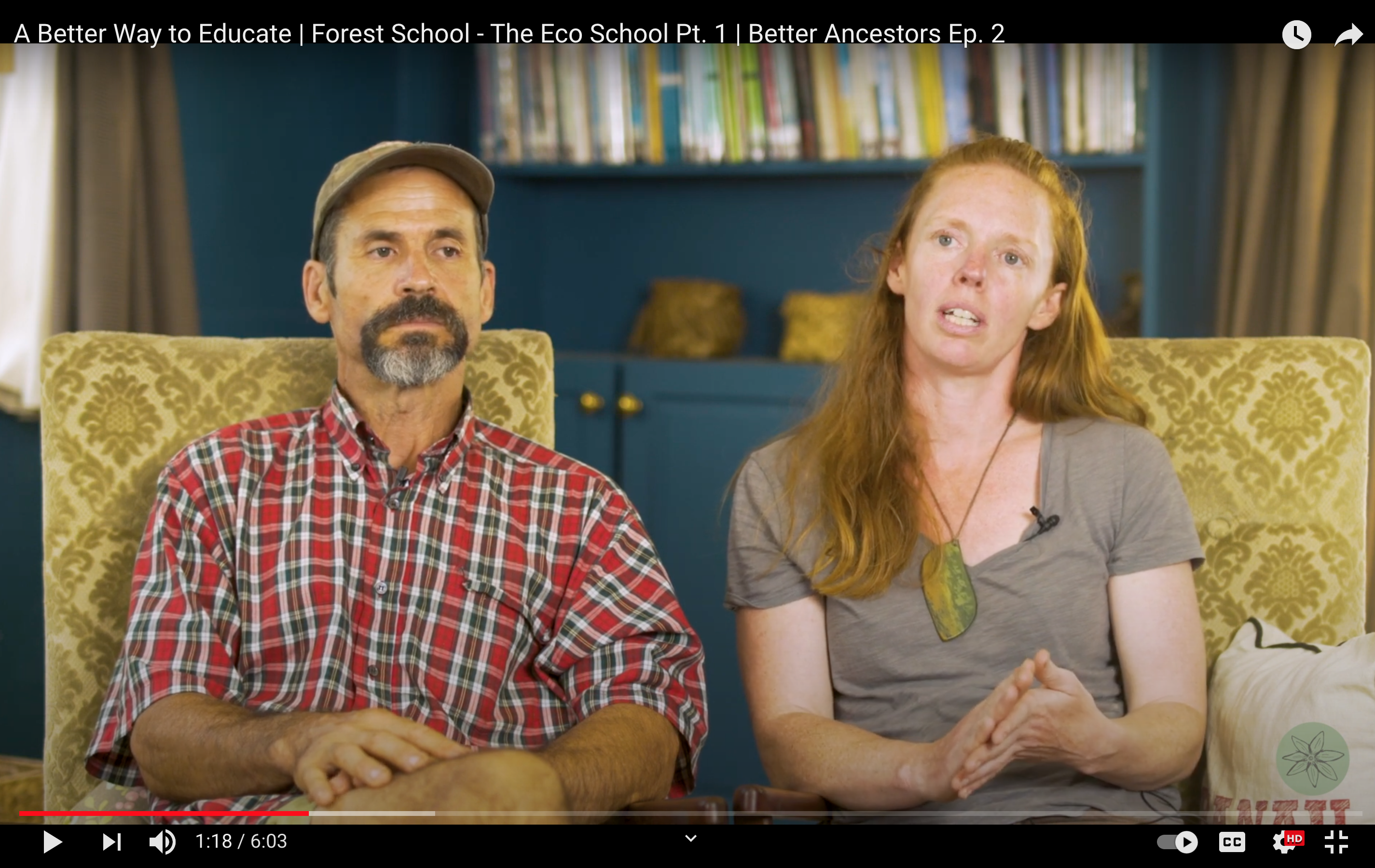
In addition, we’ve often received good media attention and early 2021 is no exception; including two mini-docs about some of our programmes (see links below) as well as a cover story in NZ Lifestyle Block.
Better Ancestors series Episode 2: A Better Way to Educate– The ECO School part 1
Better Ancestors series Episode 3: Can Permaculture Thinking Save Our Future – The ECO School part 2
 Eco Thrifty Living