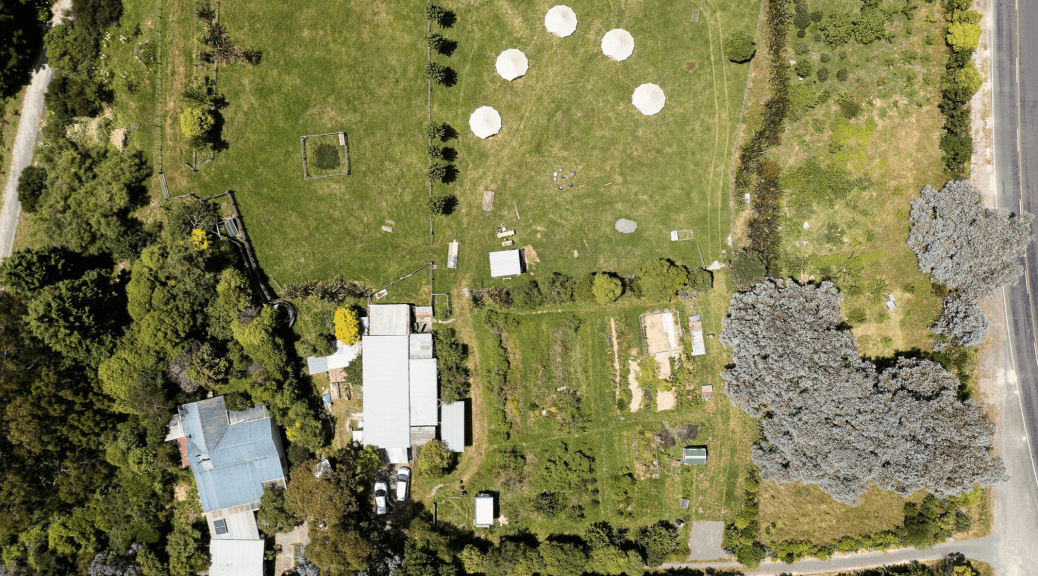
We’ve been practicing a form of permaculture we call “Eco-Thrifty” at our two homes in Whanganui for well over a decade. When we started our first blog in 2010 we thought the idea would catch on. It didn’t.
Twelve years later we are still at it and are reaping the harvests of avoiding the inevitable price rises in food and energy. Despite heading into winter and some seriously crazy weather, our farm is thriving and producing plenty of healthy kai while resisting the ravages of climate change.
Here is a visual update from yesterday.
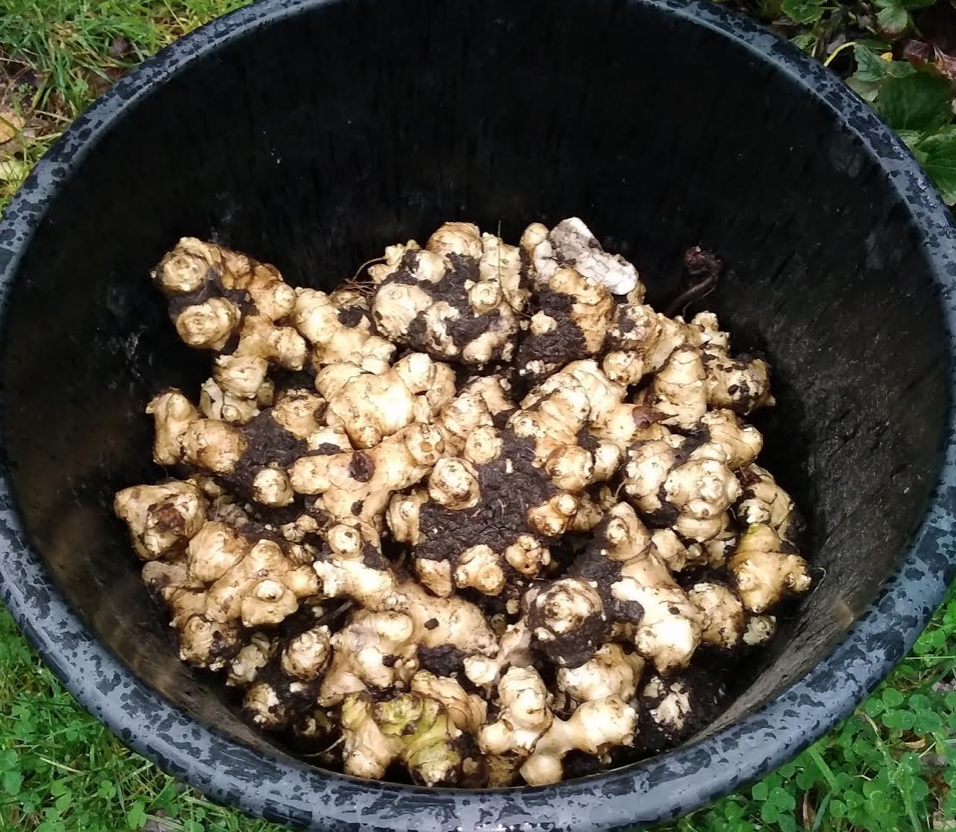
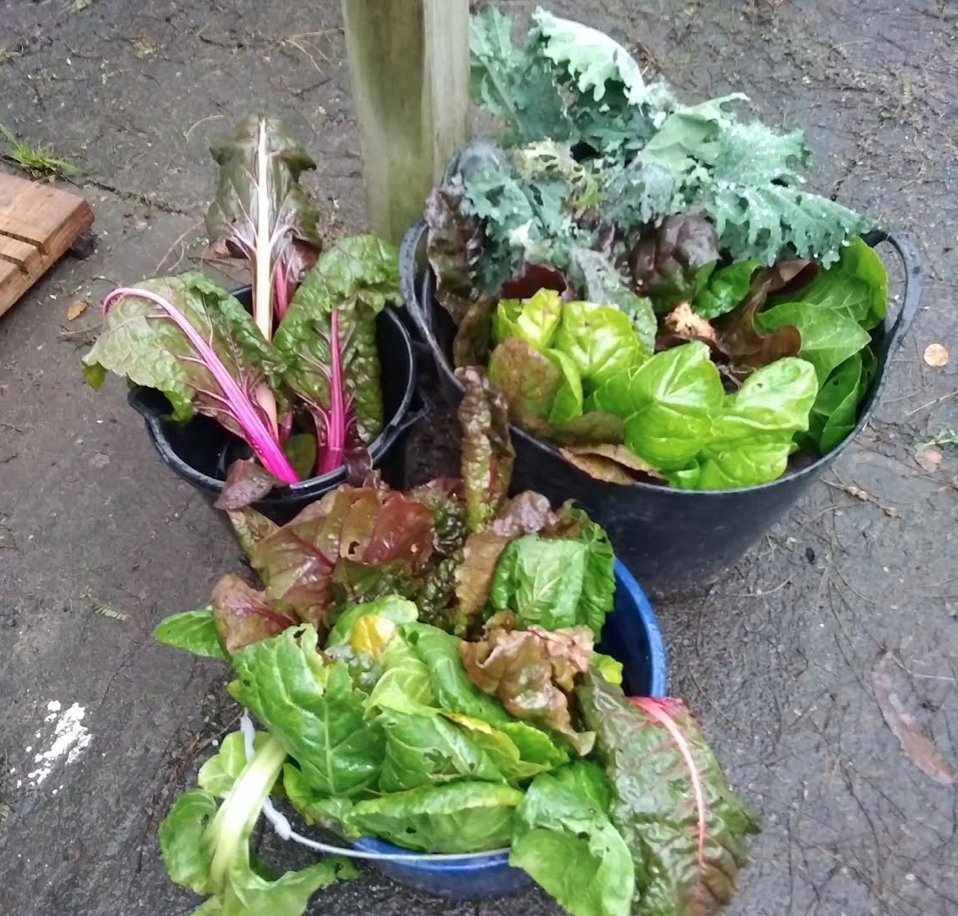
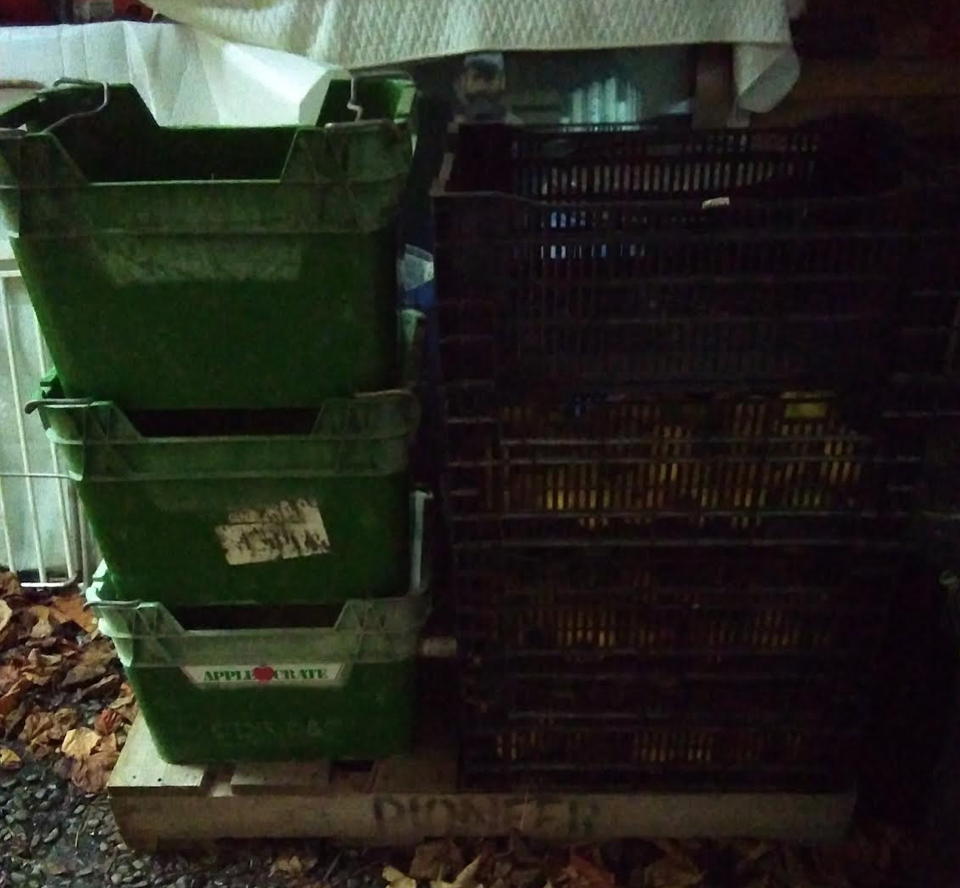
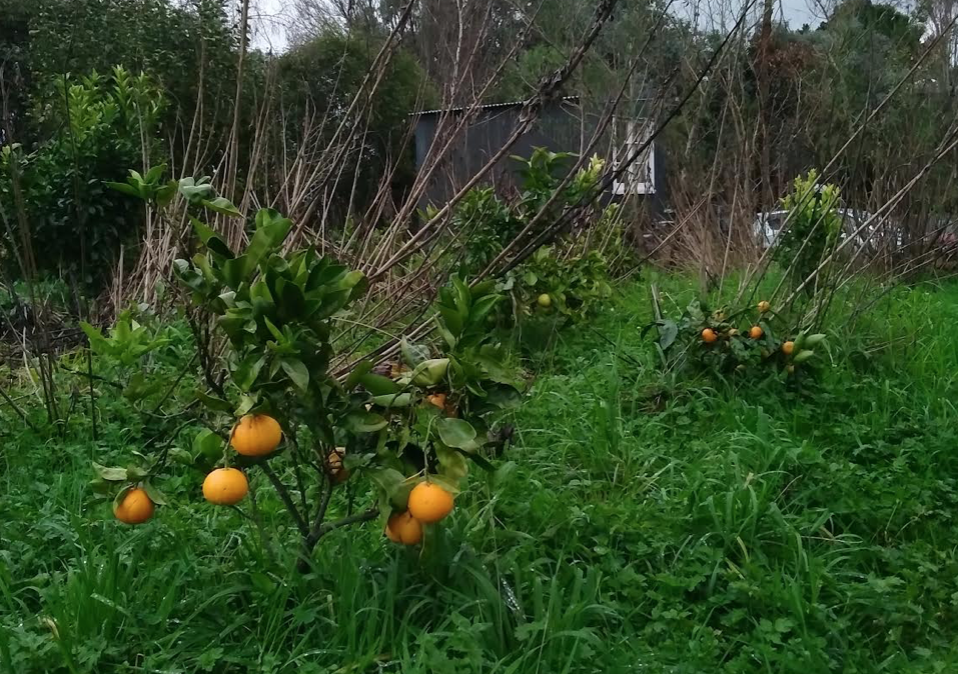
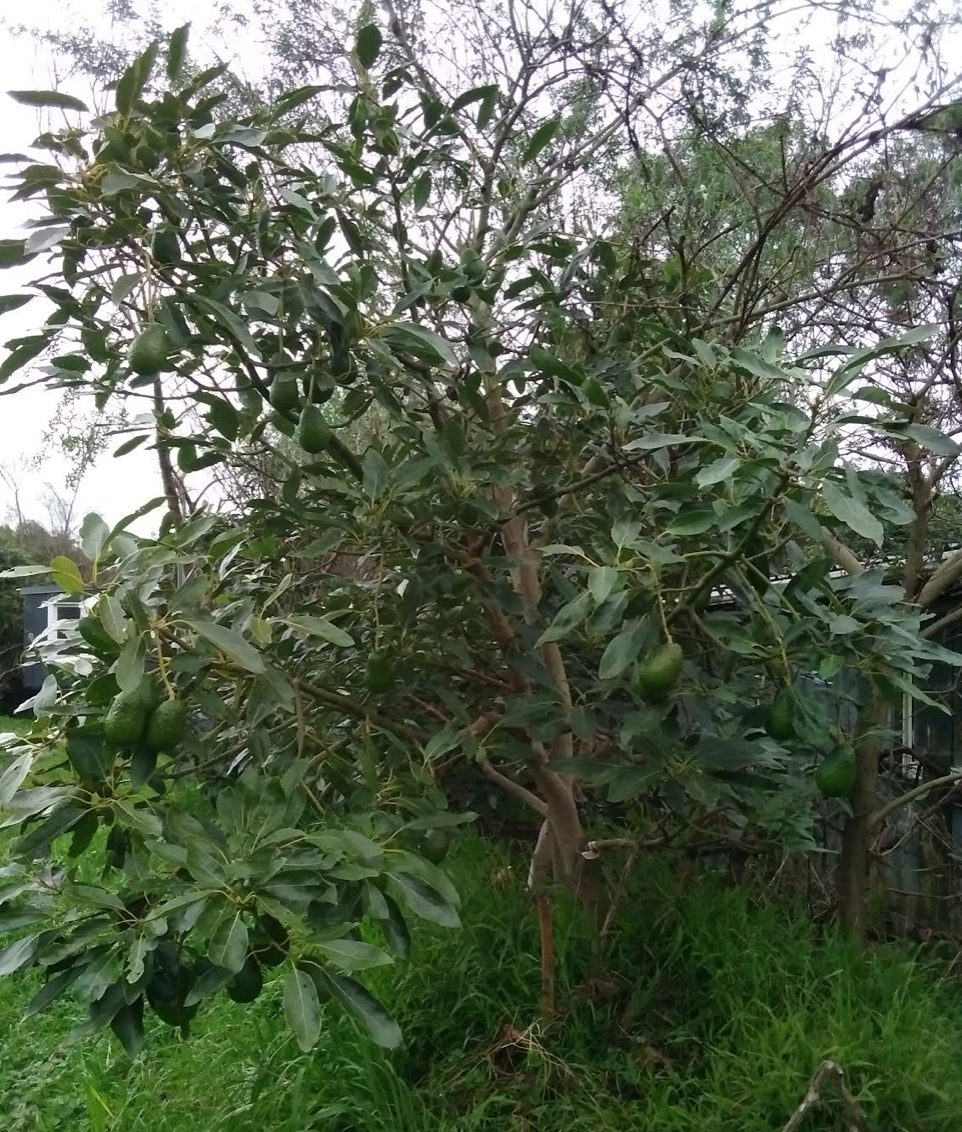
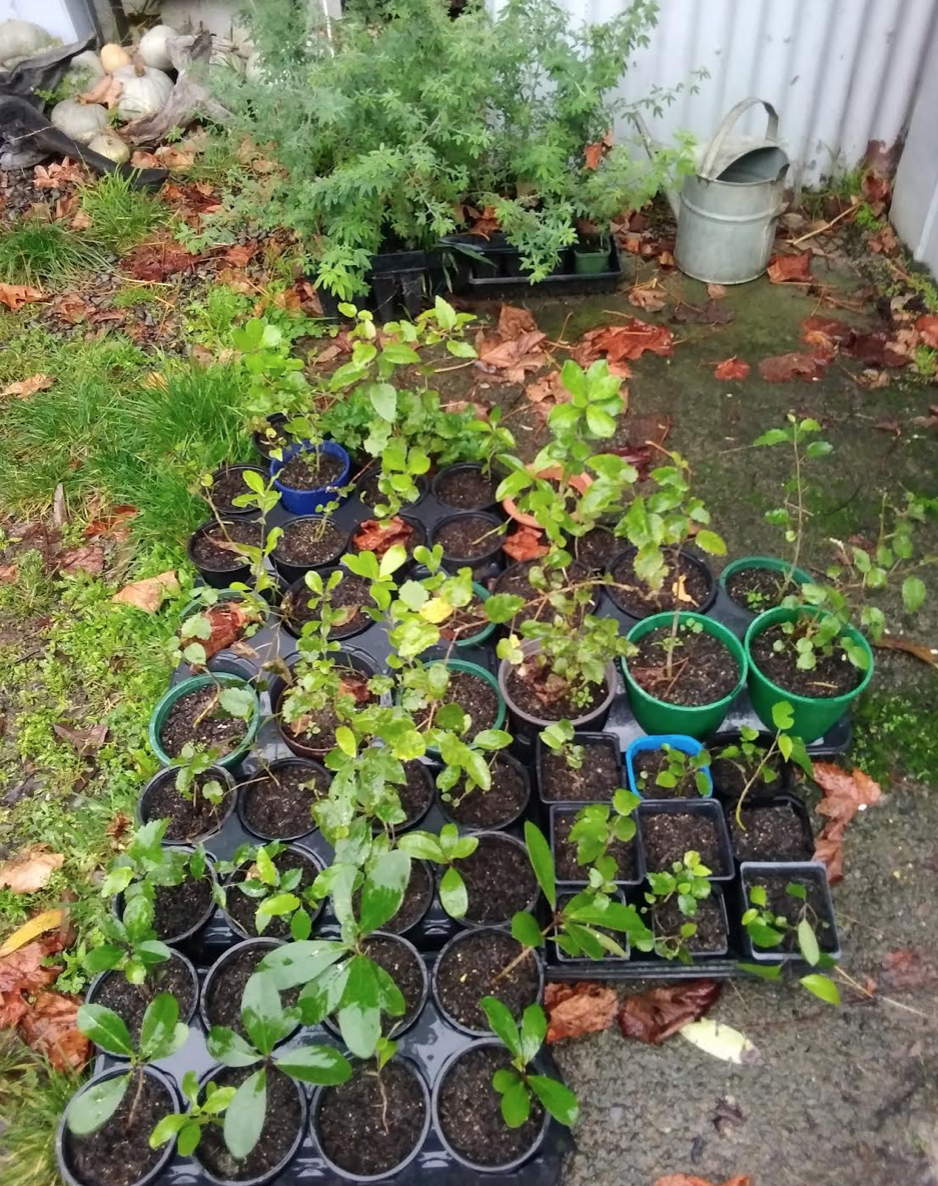
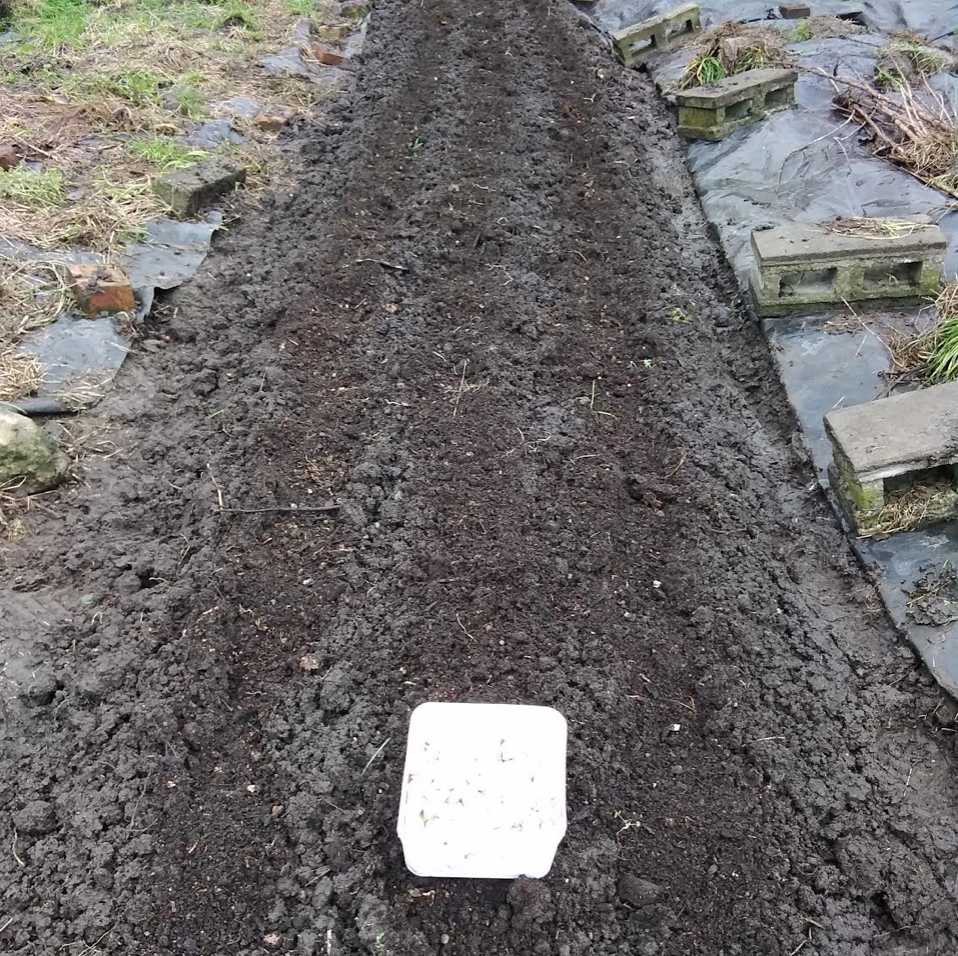
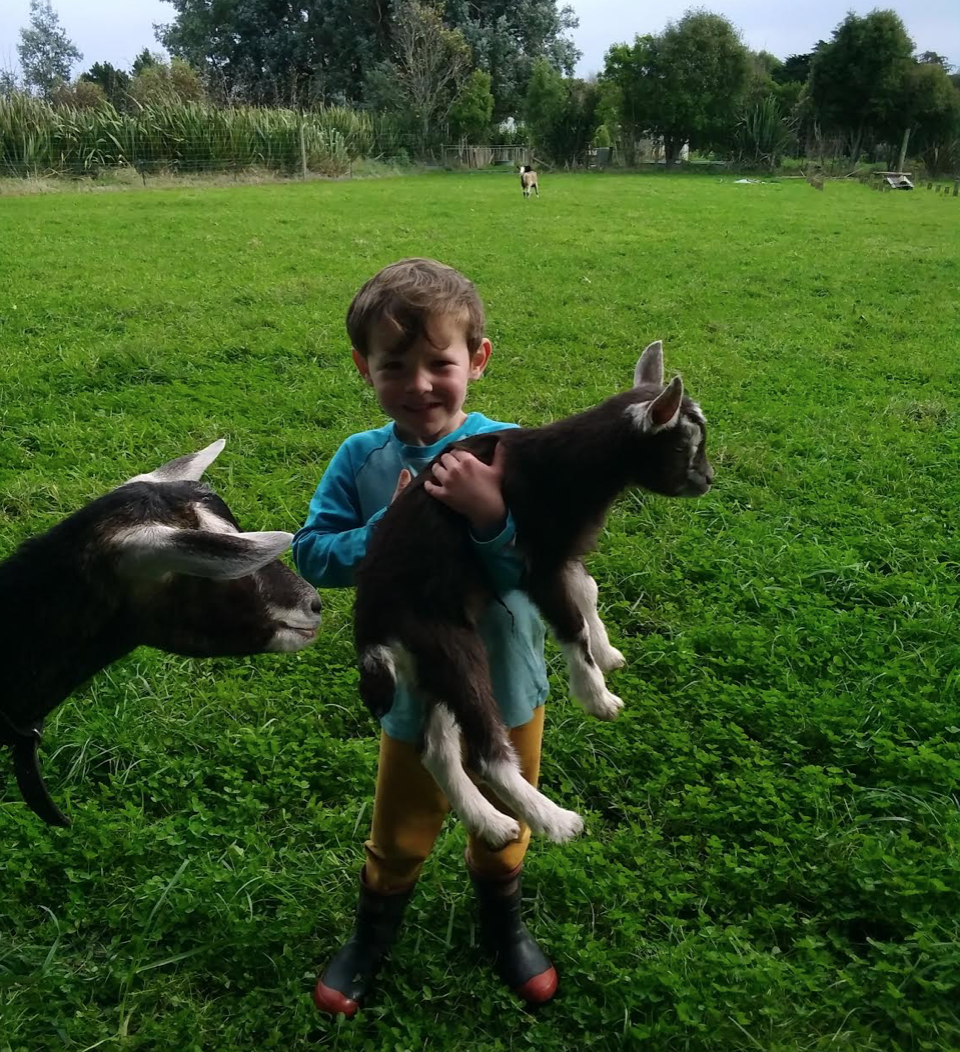
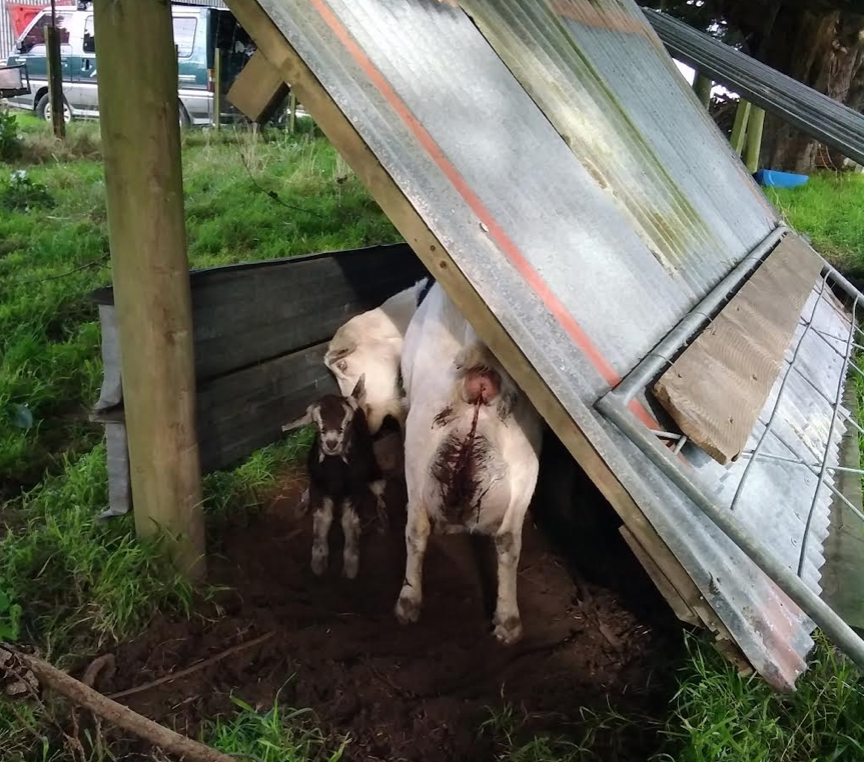
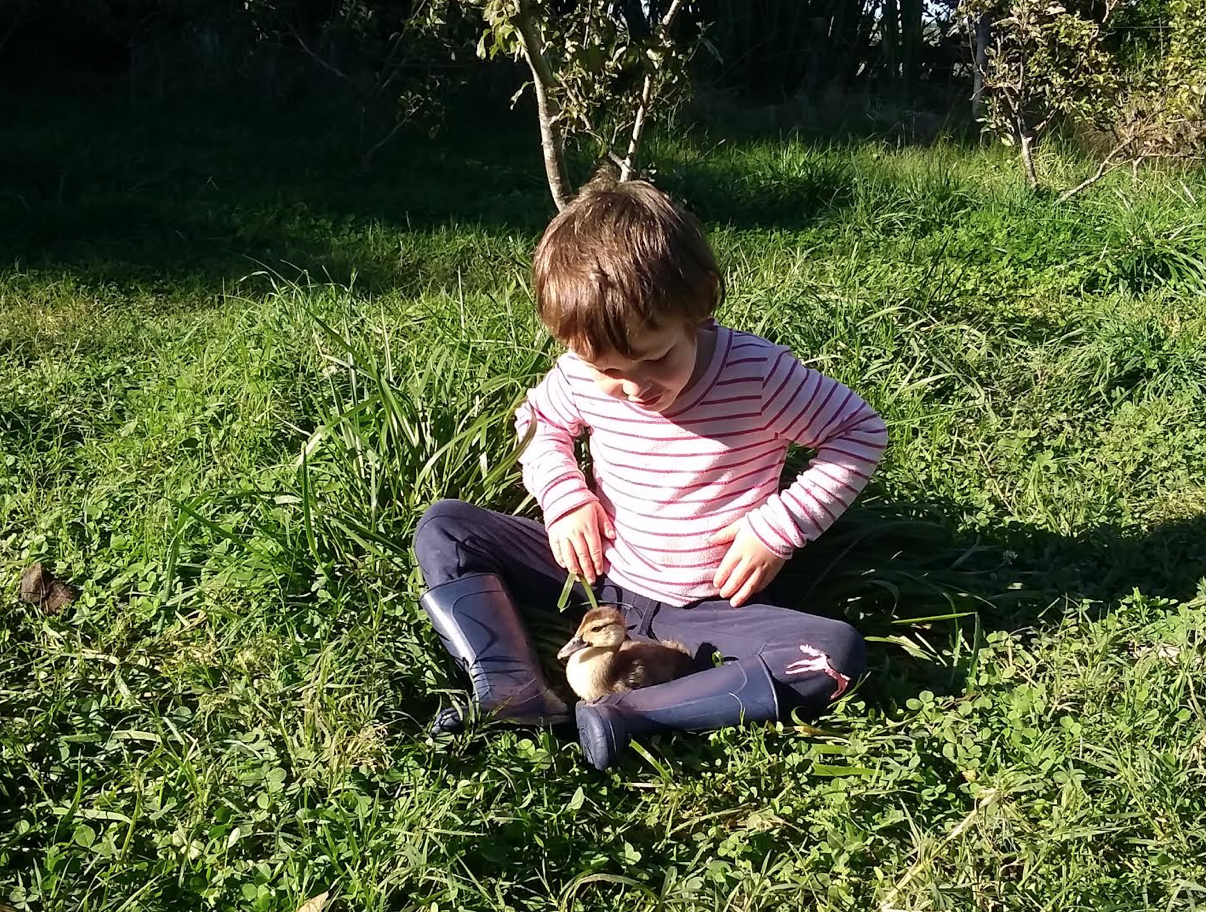
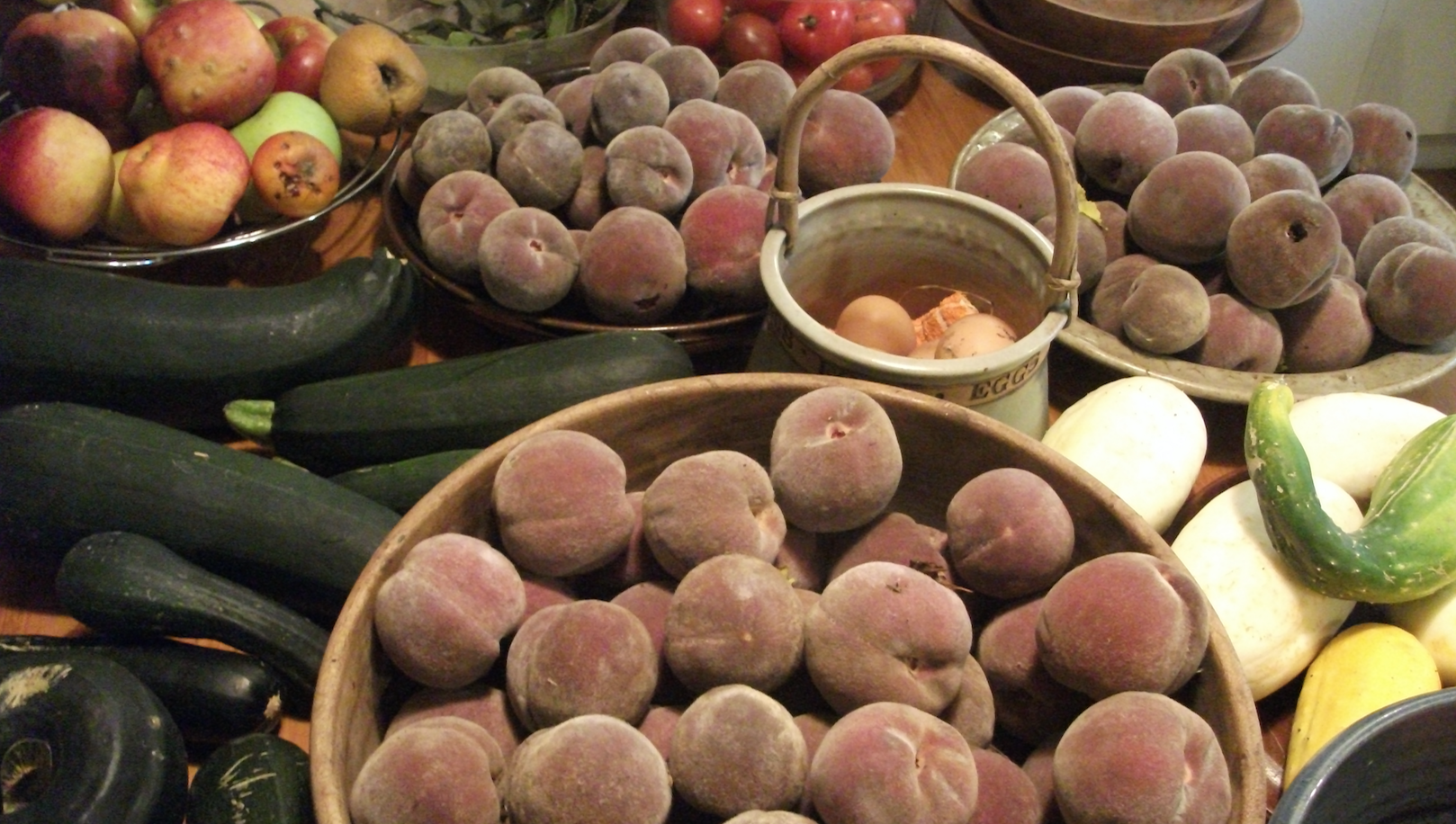
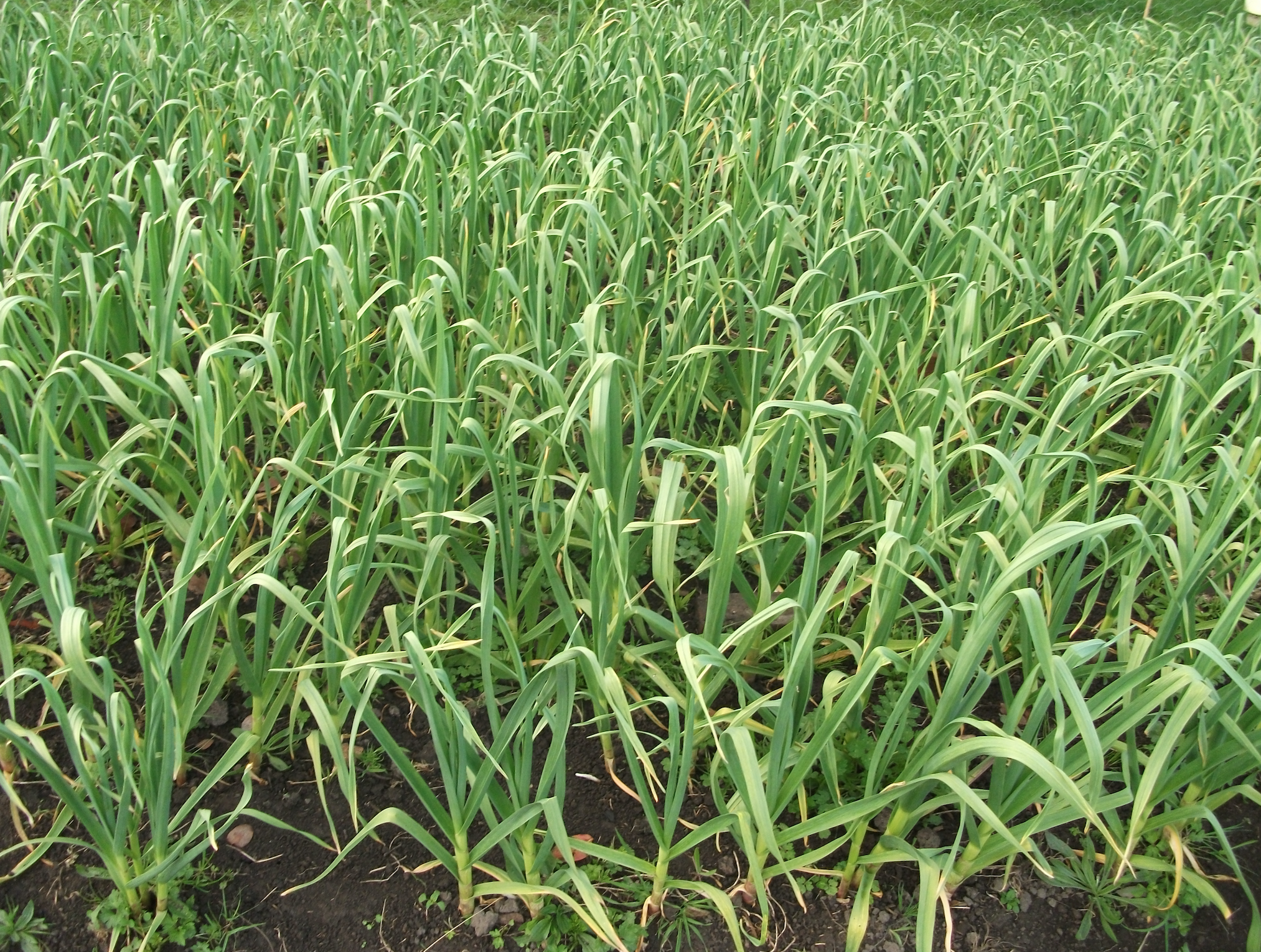
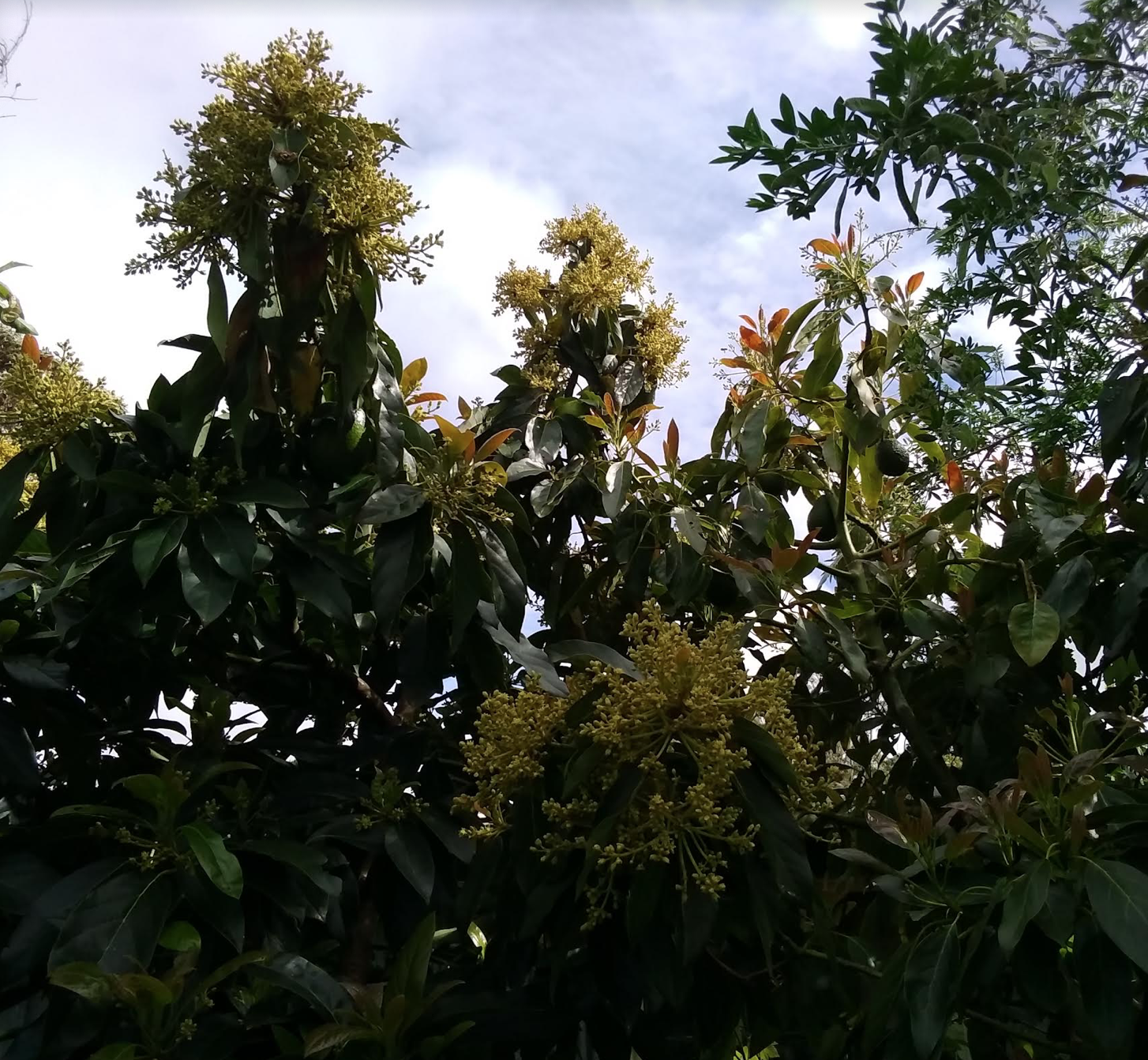
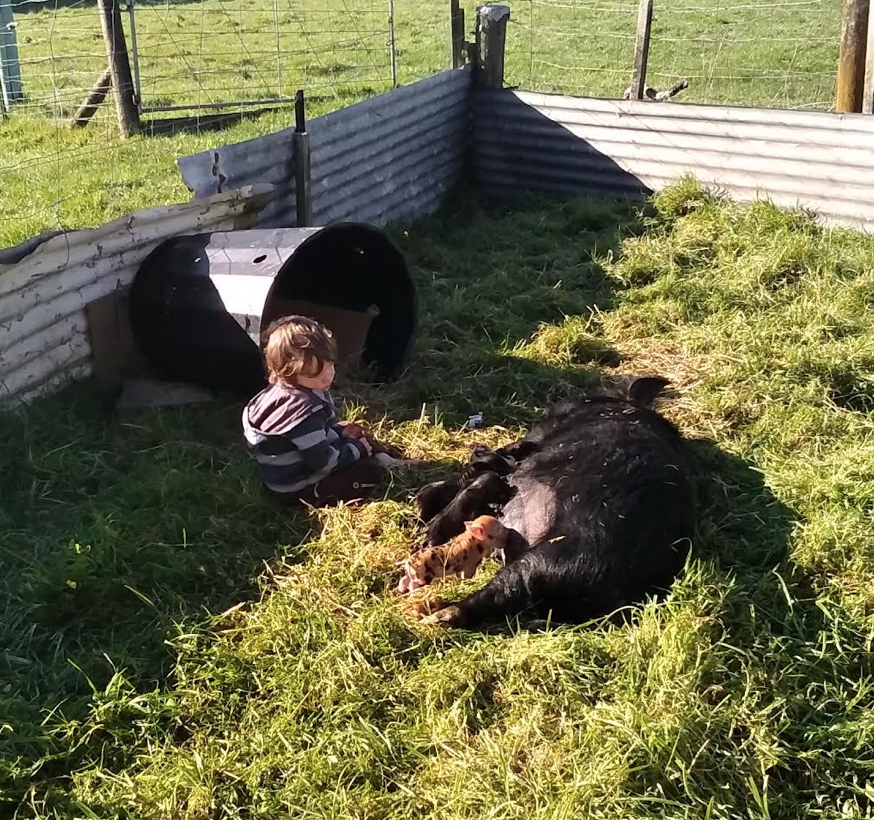
Jerusalem artichoke off just two plants among hundreds. Guavas tart and full of vitamin C to stay healthy. Persimmons – my favourite! Plenty of leafy greens. These are apples in storage. More vitamin-C-on-a-treePlenty of avocado trees laden with fruit. Speaking of trees, here are some natives along with tree lucerne in a corner of our nursery. Planted a few hundred garlic yesterday. Found this little girl first thing yesterday morning. Watched this kid being born yesterday afternoon. And still had time for yoga.
Over the last few years I’ve been blogging less and writing for publication more. Below are some of those articles about our holistic approach for farming and home renovation that are available online:
Saturday 2 – 5 pm: Farm Tour of Gardens, Intensive Orchards, & Farm Buildings (Permaculture Zones 1-2). Includes integrating farm foul into fruit & veg production and what are the best tools to use for low-input/high performance systems.
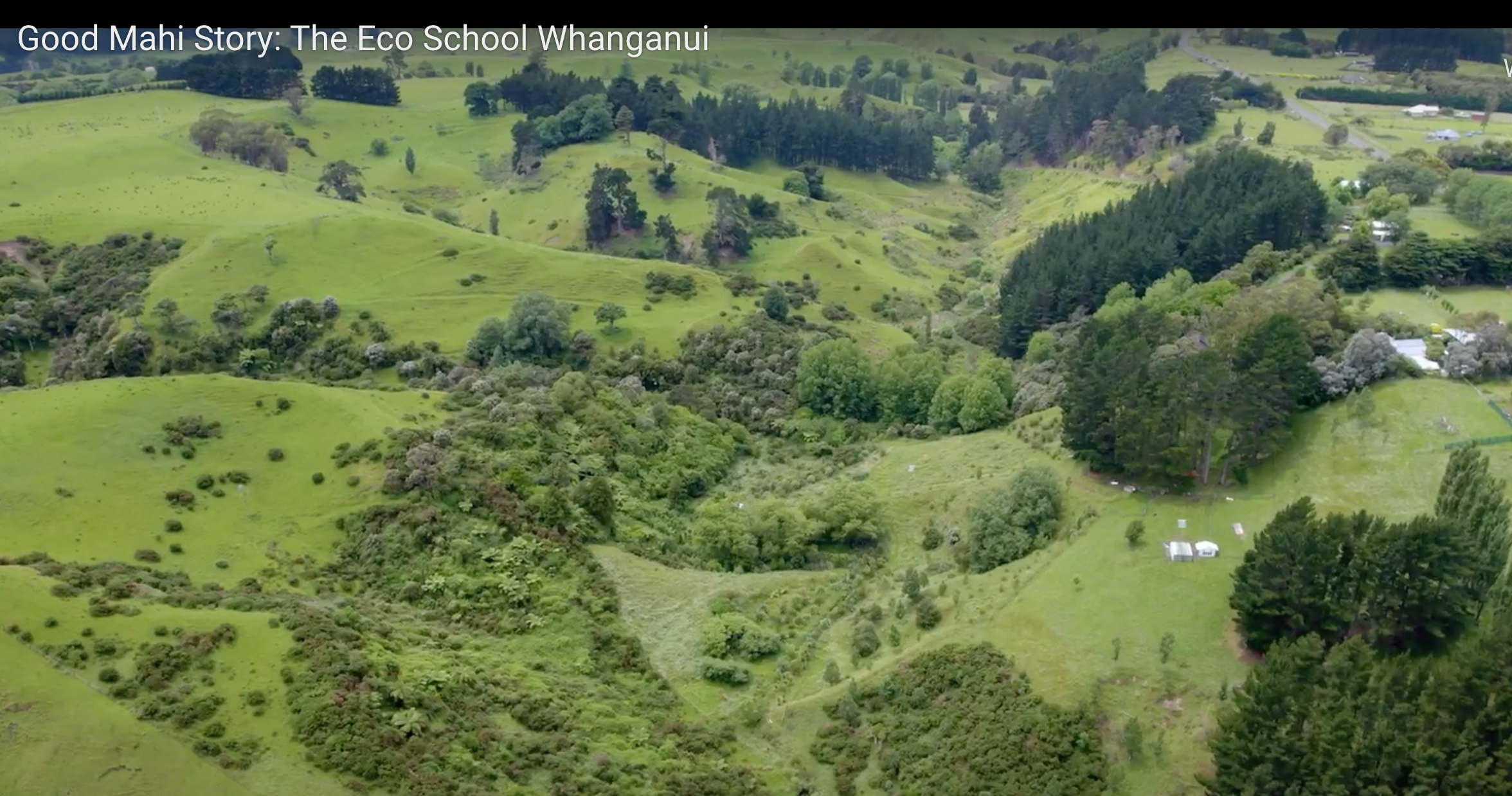
Sunday 9:30 – 12:30: Farm Tour of Paddocks and Hillsides, Non-Intensive Orchards, Stream Restoration, Bush Restoration, and Browse Block (Permaculture Zones 3-5). Includes water management, preventing slips, managing gorse, silvopasture, integrating poplar and willow, managing goats and kunekune pigs.
Sunday 1:30 – 4:30: Eco Design/Build for Sleep Outs, Tiny Homes, Minor Dwellings. Includes passive solar design, ‘super-wall’, retrofit double-glazing, building code changes, wastewater compliance, compost toilets.
Choose any combination: $50 each or $130 for all. (Couples $240)
Meals and accommodation also available – please enquire.
The farm is thriving with fruit and vegetables at the moment – we can’t even keep up with it all. The gardens have been going great all summer and now the autumn fruits are ripening in the orchards.
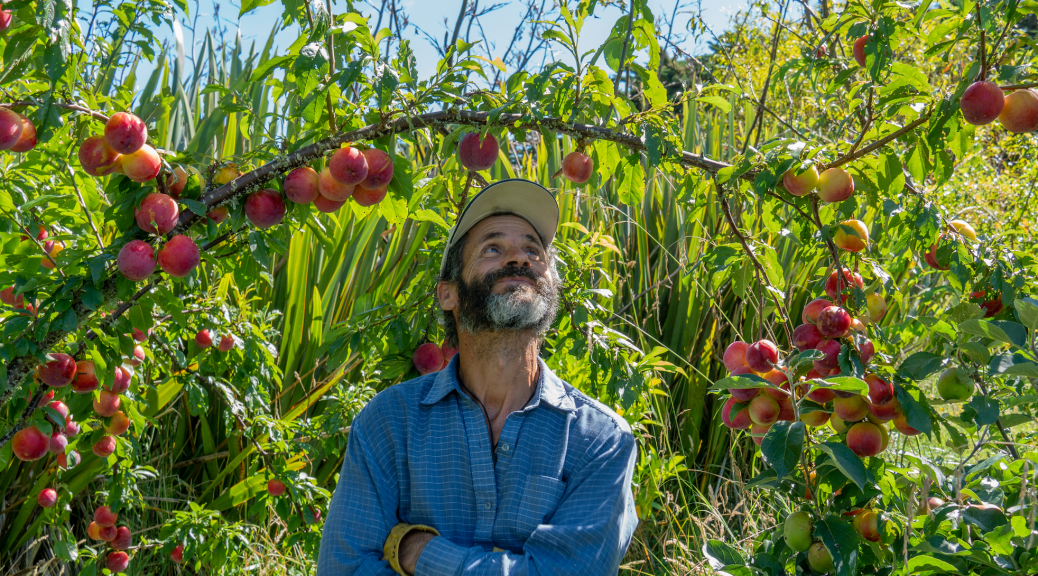
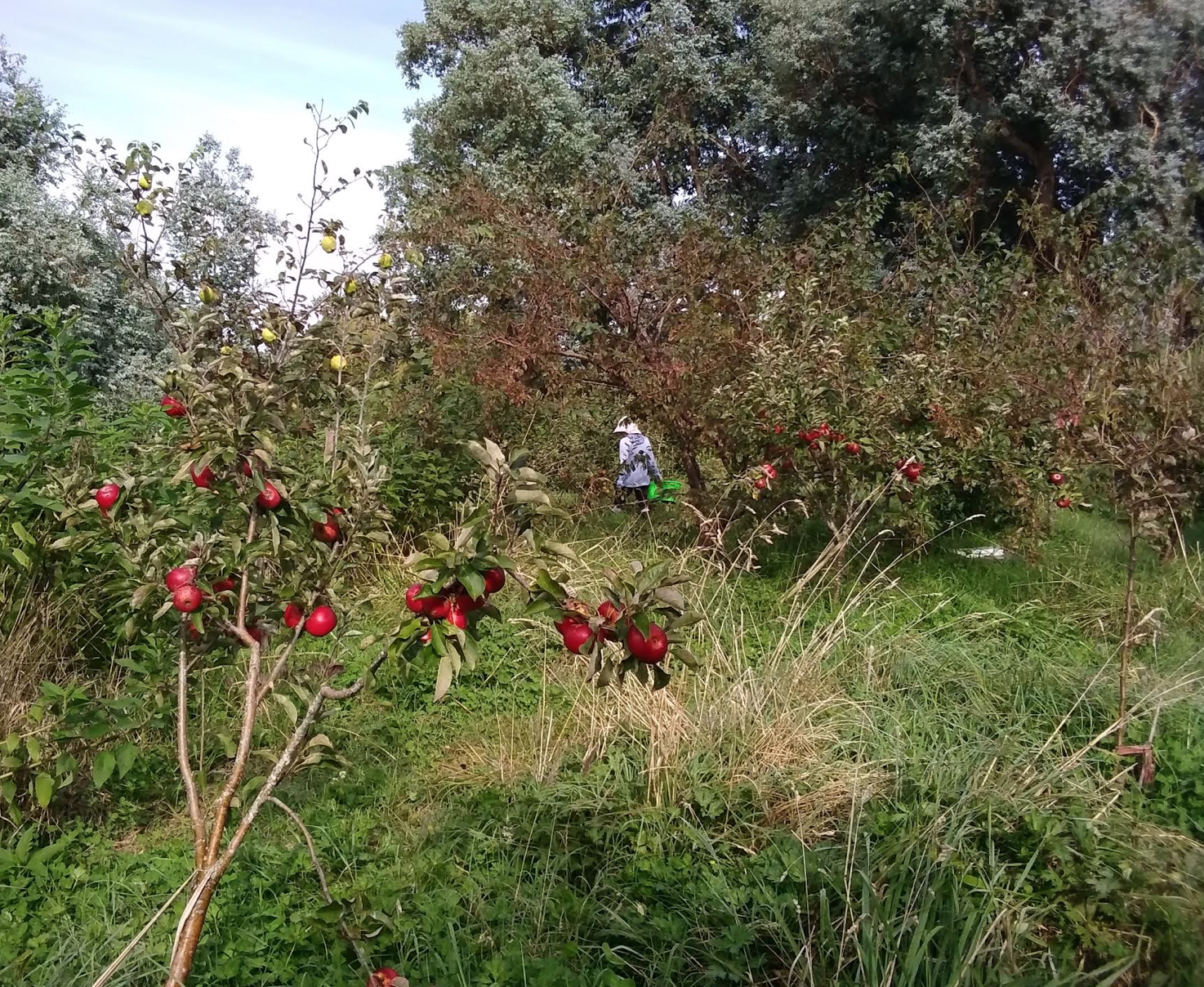
The plums and peaches are past us at this point. We’ve been picking lots of apples. These ones – called akane – are naturally disease resistant and have a great taste.
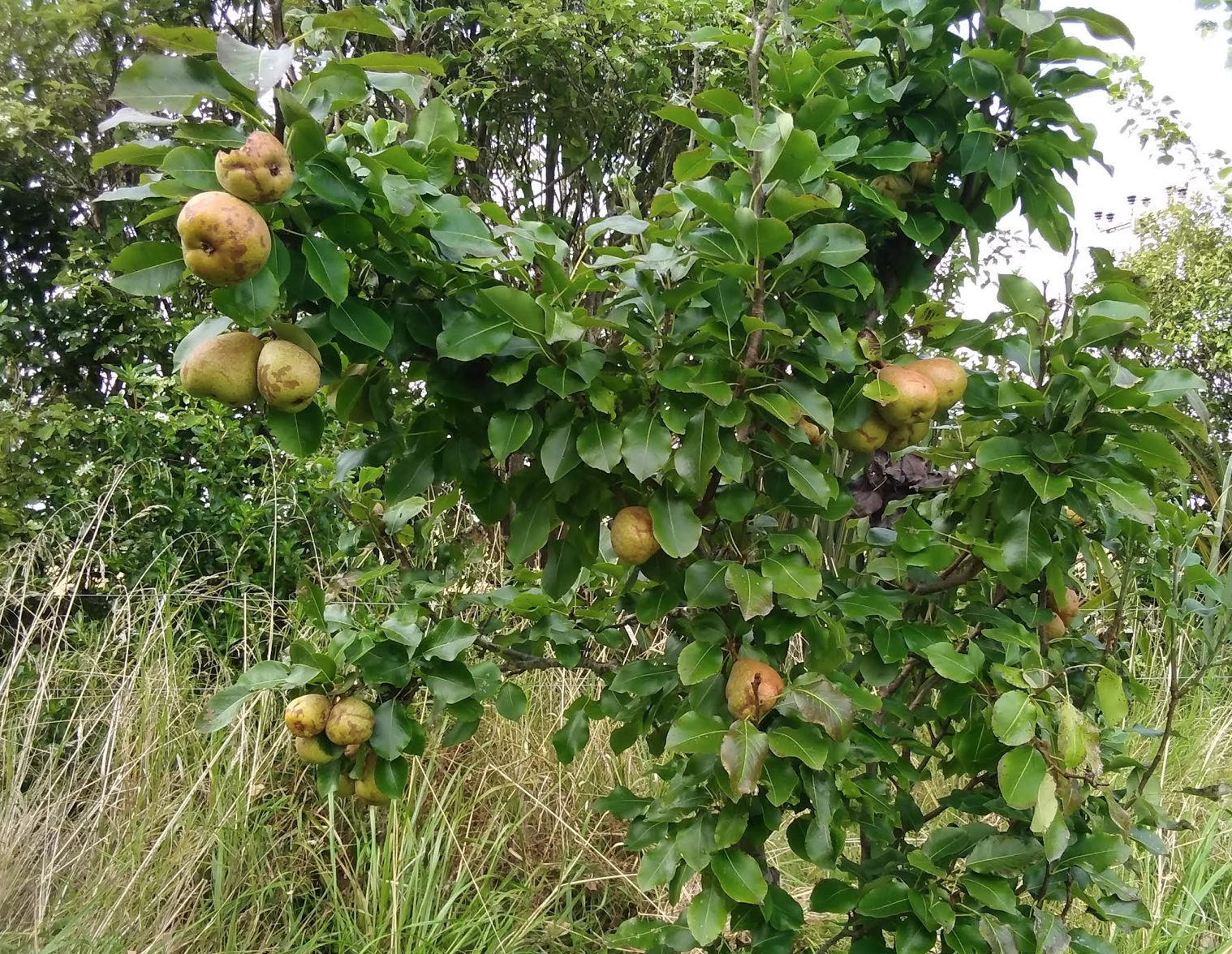
Pears have done well also.
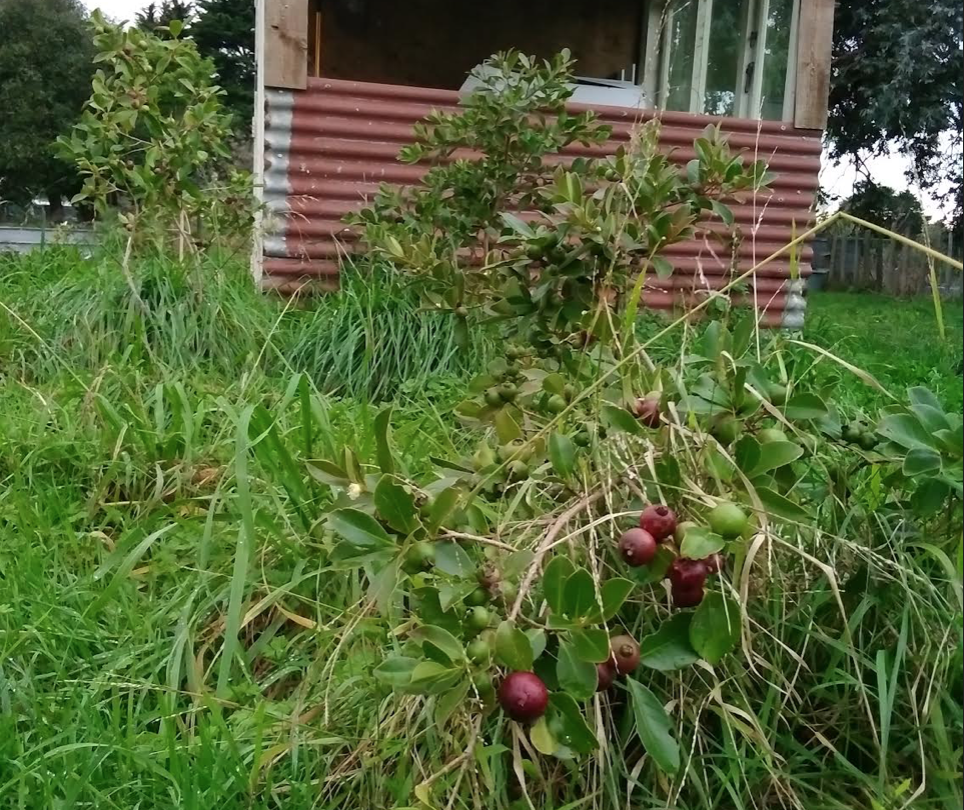
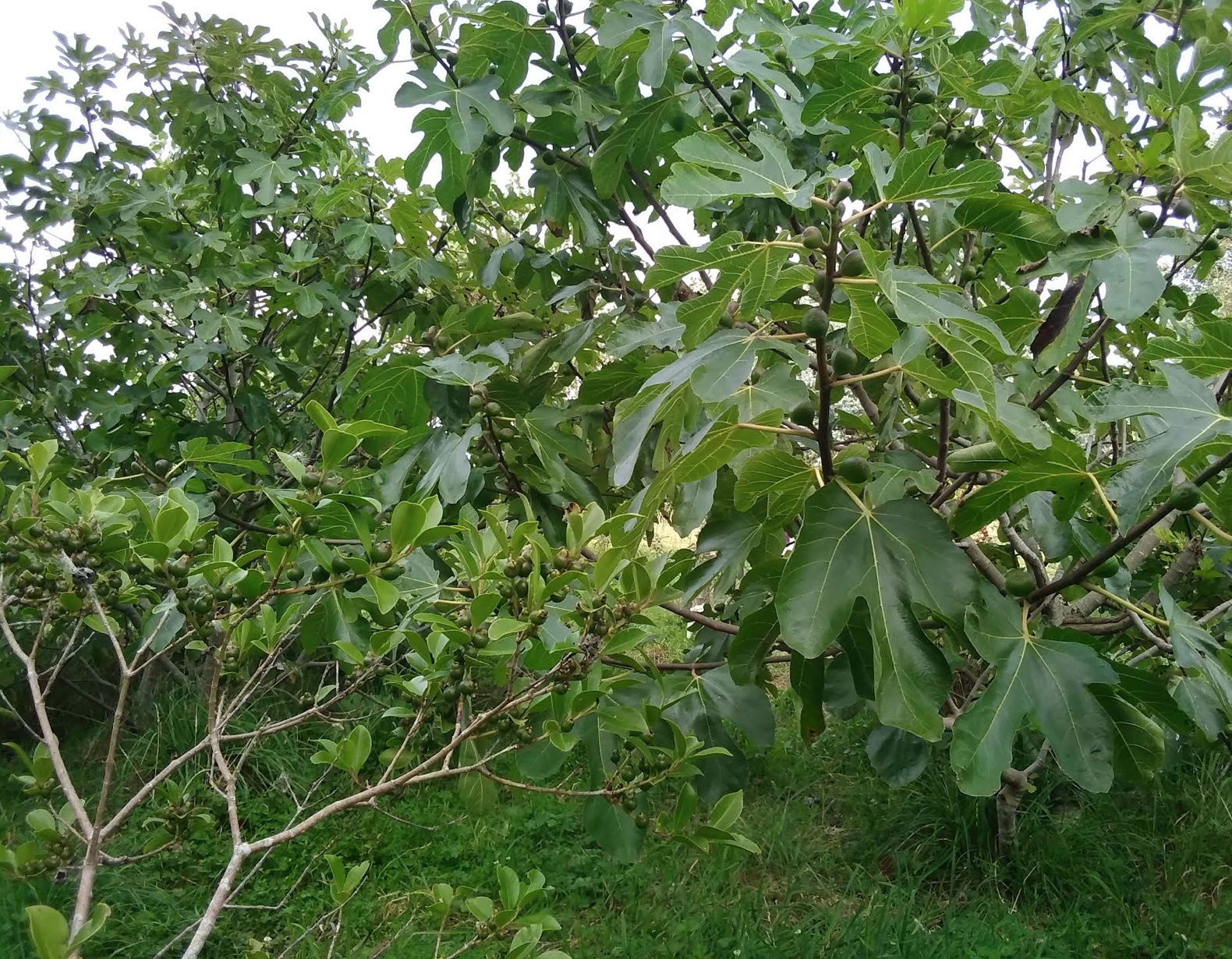
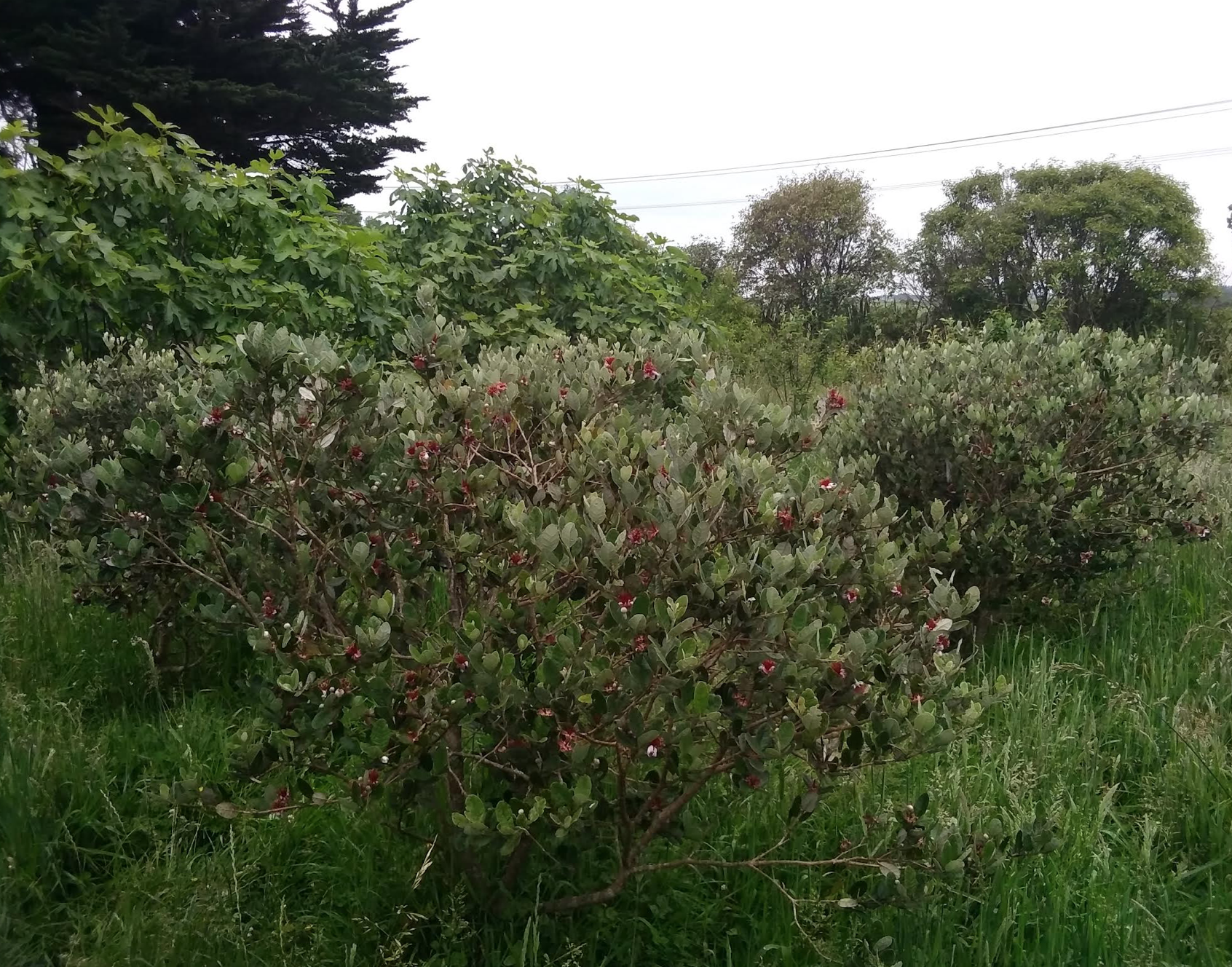
There are too many figs to pick let alone eat. In the foreground are guavas not yet ripe.
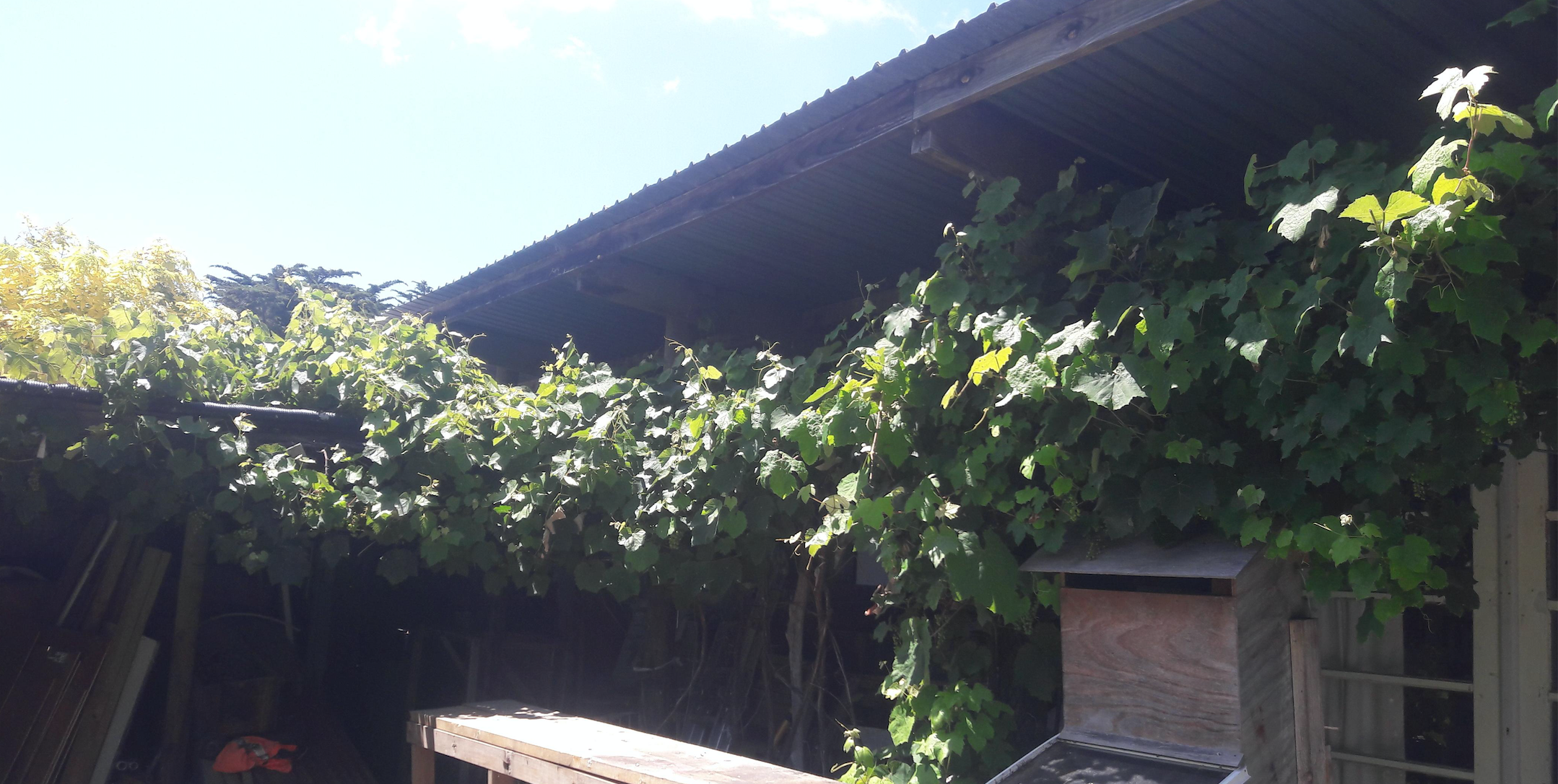
And grapes! So many grapes!
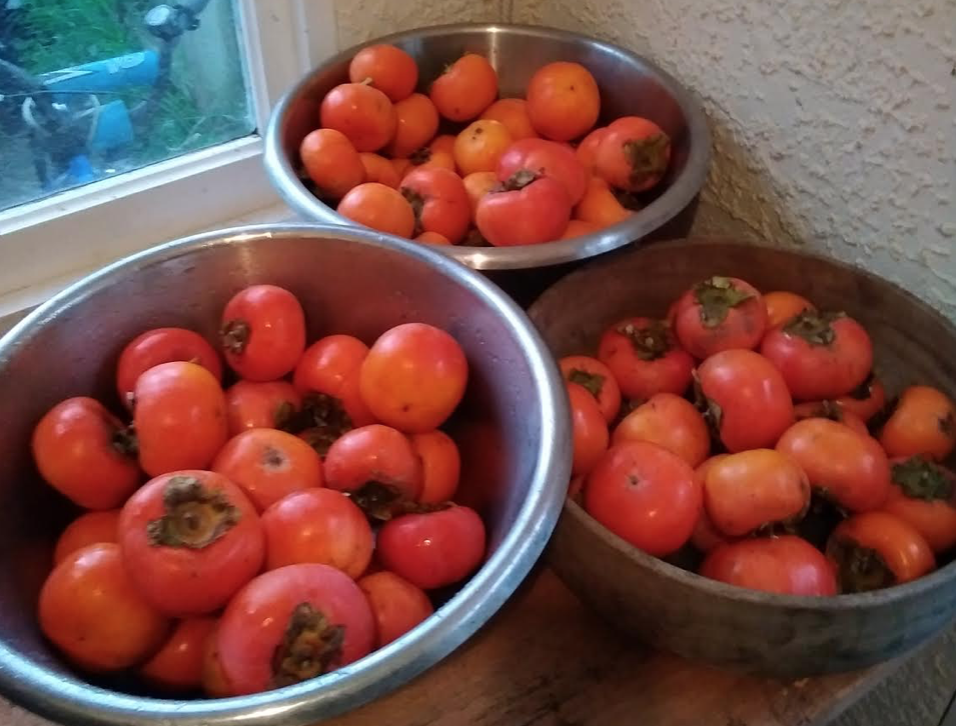
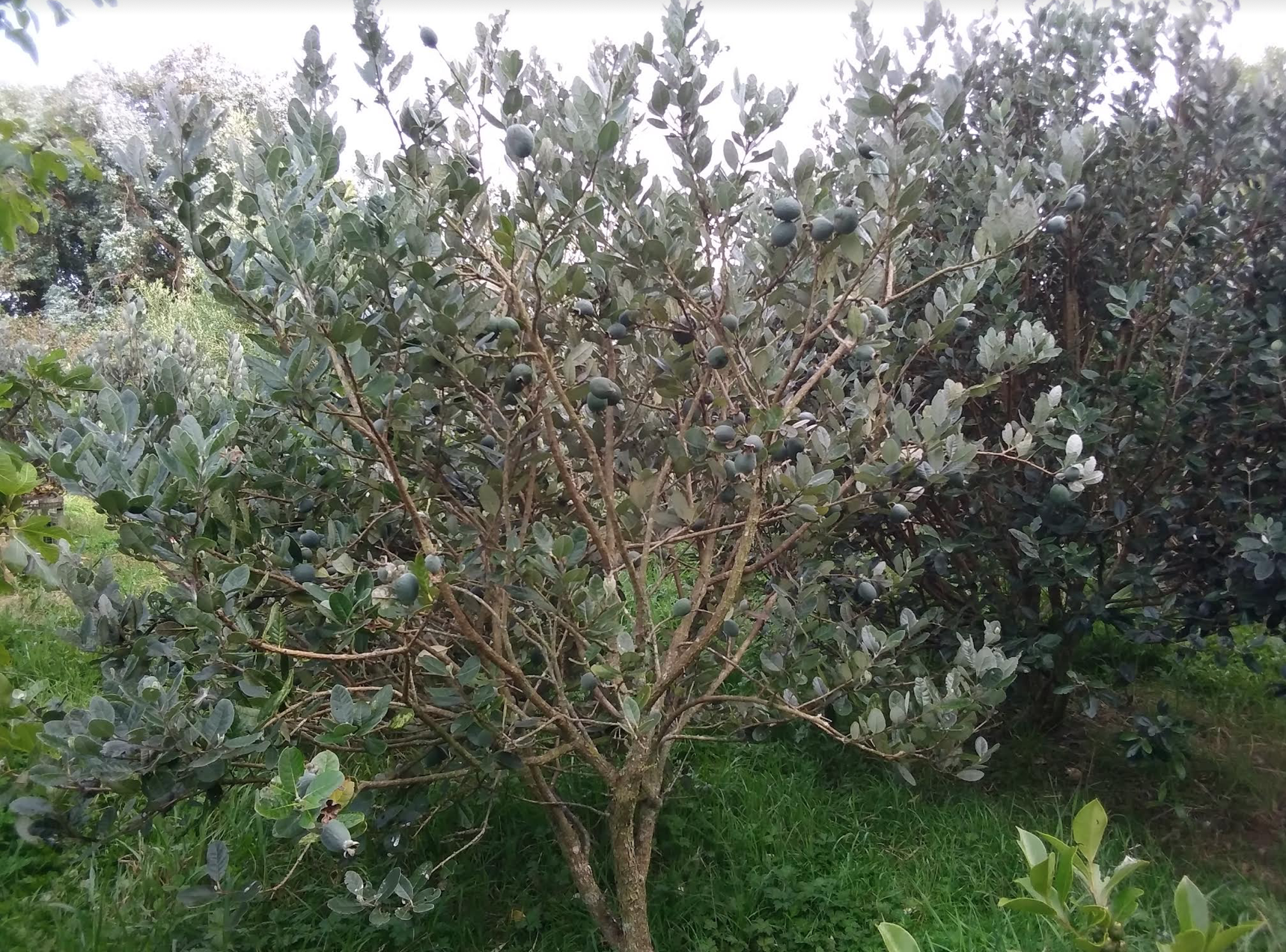
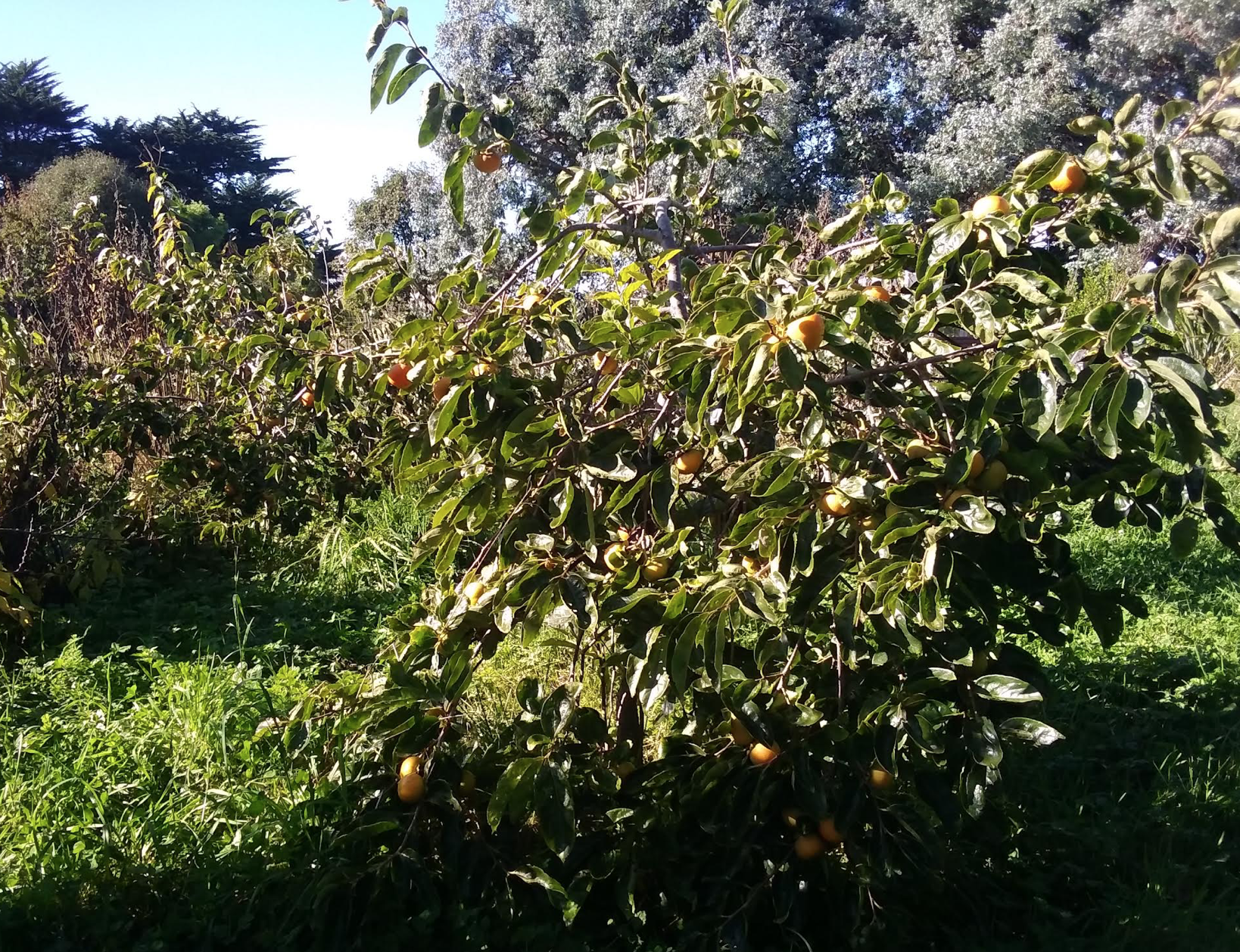
Feijoas will be the next crop and it looks like a massive one. Alongside them will be persimmons – YUM!
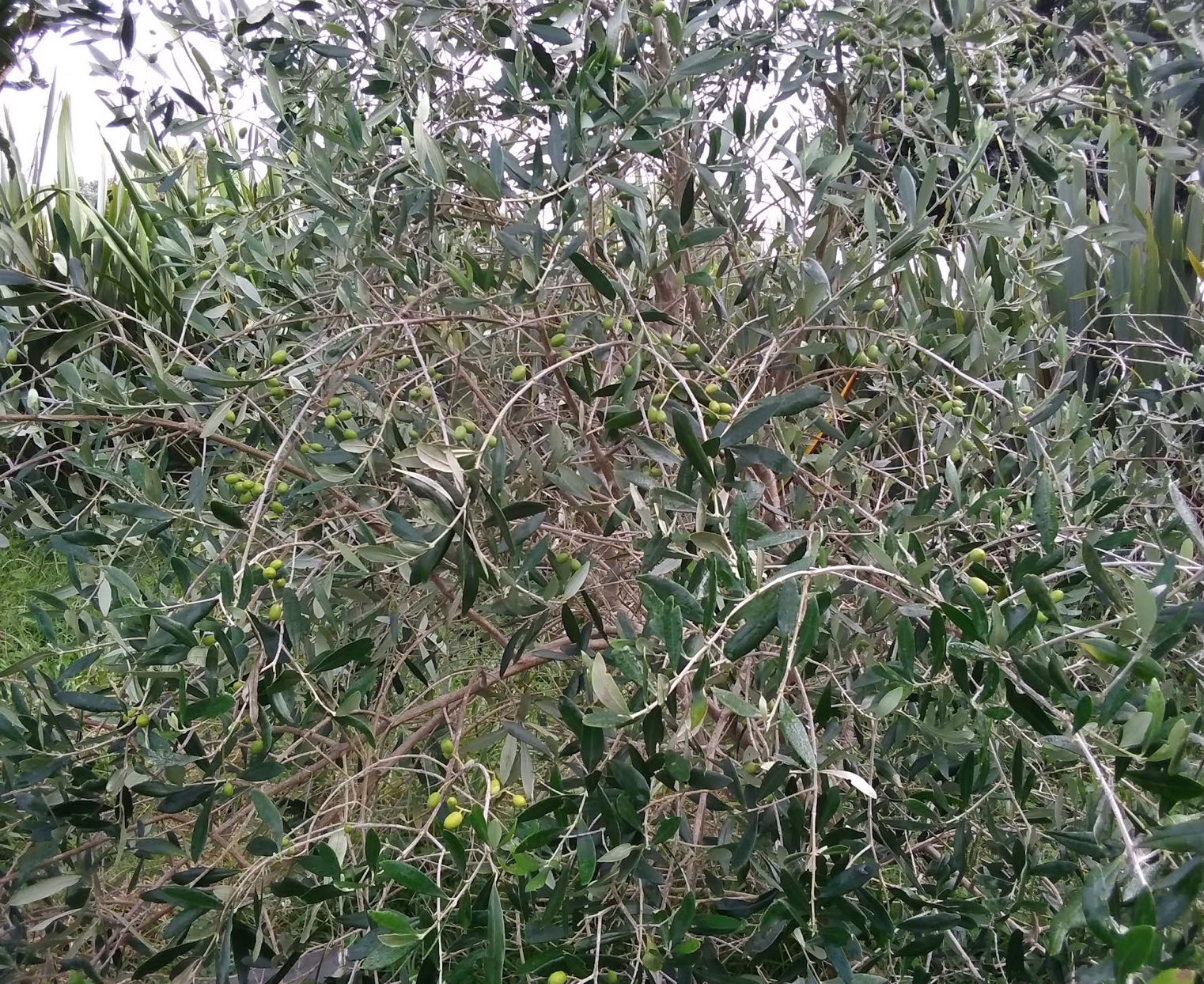
Olives will be ready in winter along with most of the citrus.
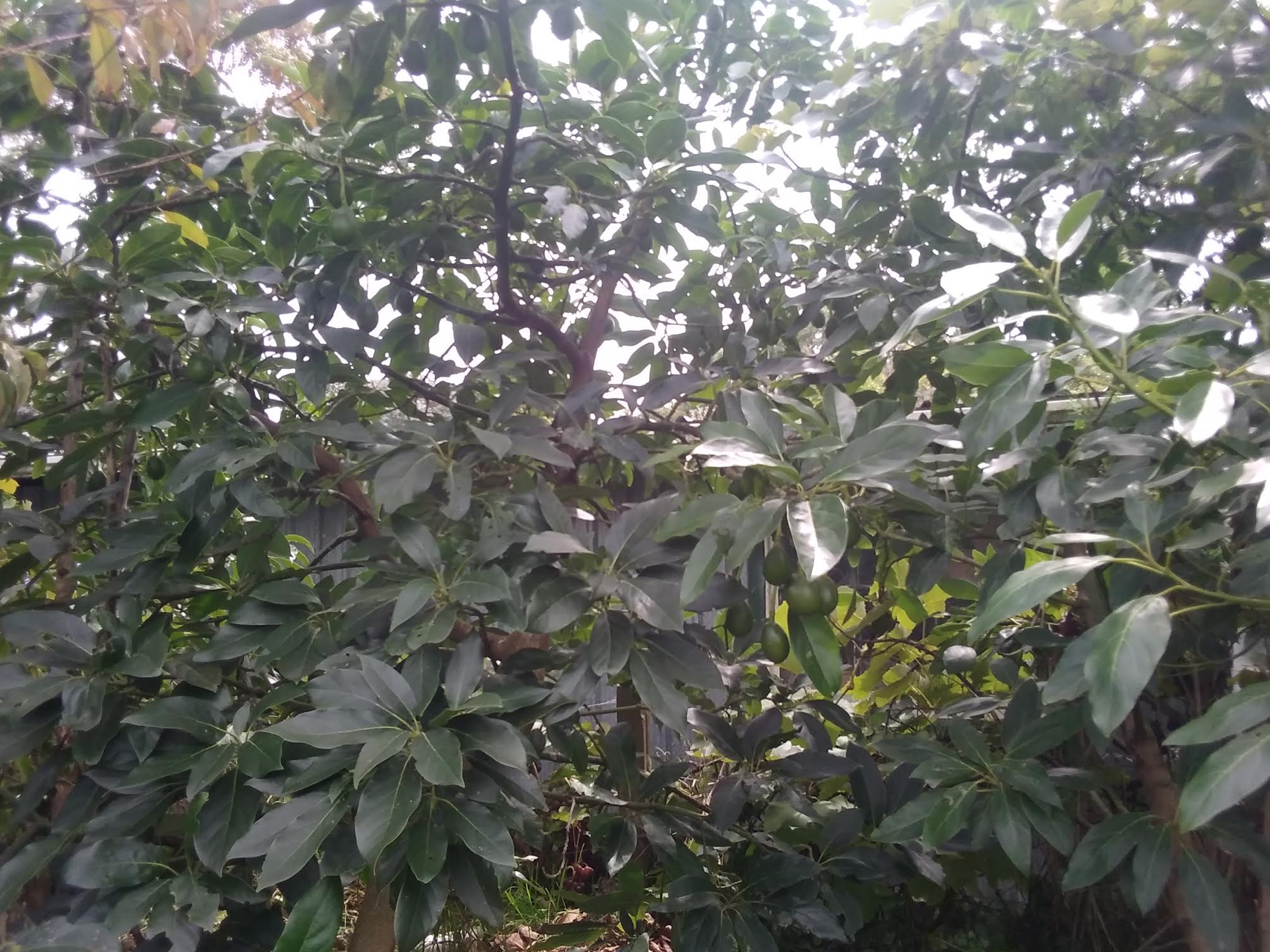
And avos will be ready in spring.
Update: Persimmons nearly ready at the end of April!
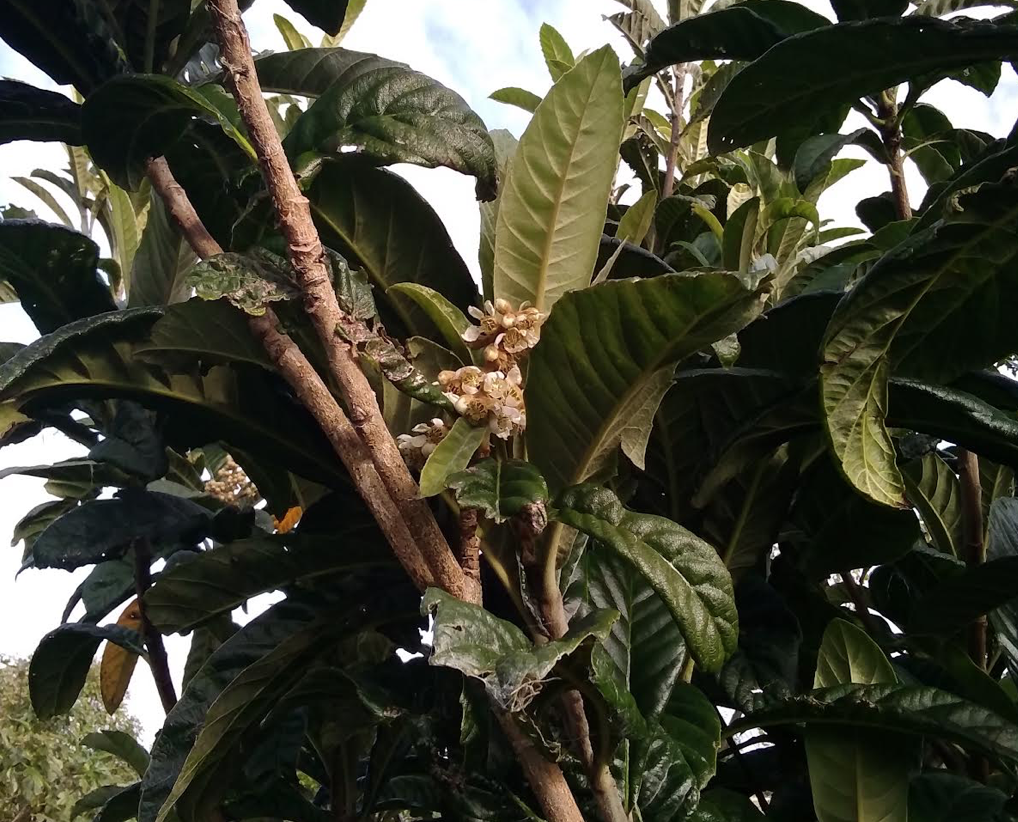
Update: Our loquats are flowering for the first time! Loquat is quite unusual in that it flowers in the autumn instead of in the spring. The fruits are usually ready in December.
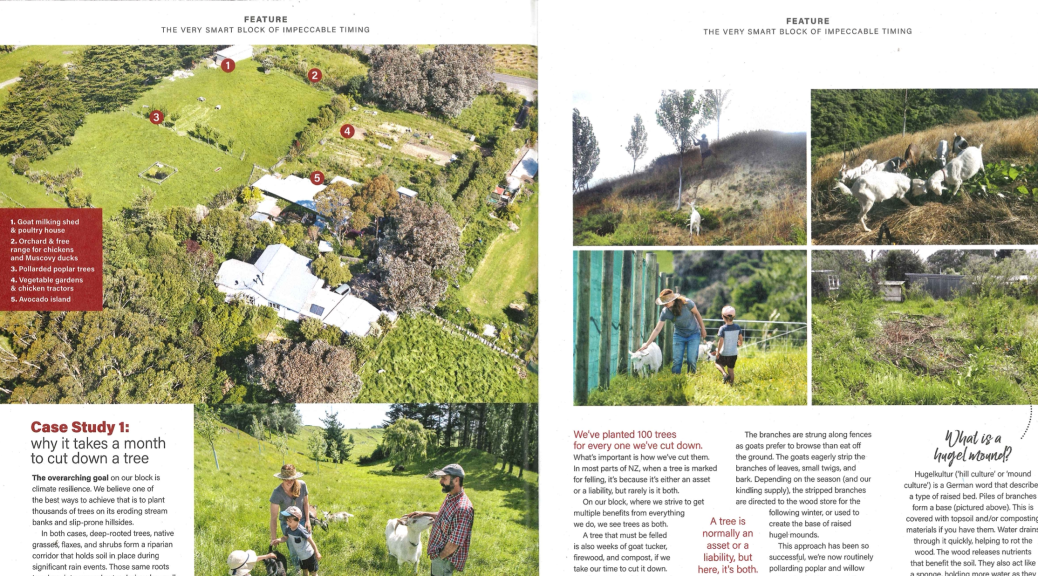
Practicing regenerative agriculture on the farm for the past seven years we’ve seen remarkable improvement in soil life, plants and animals. Biology is so powerful if we start by doing less harm than good. The key is working with nature instead of against it.
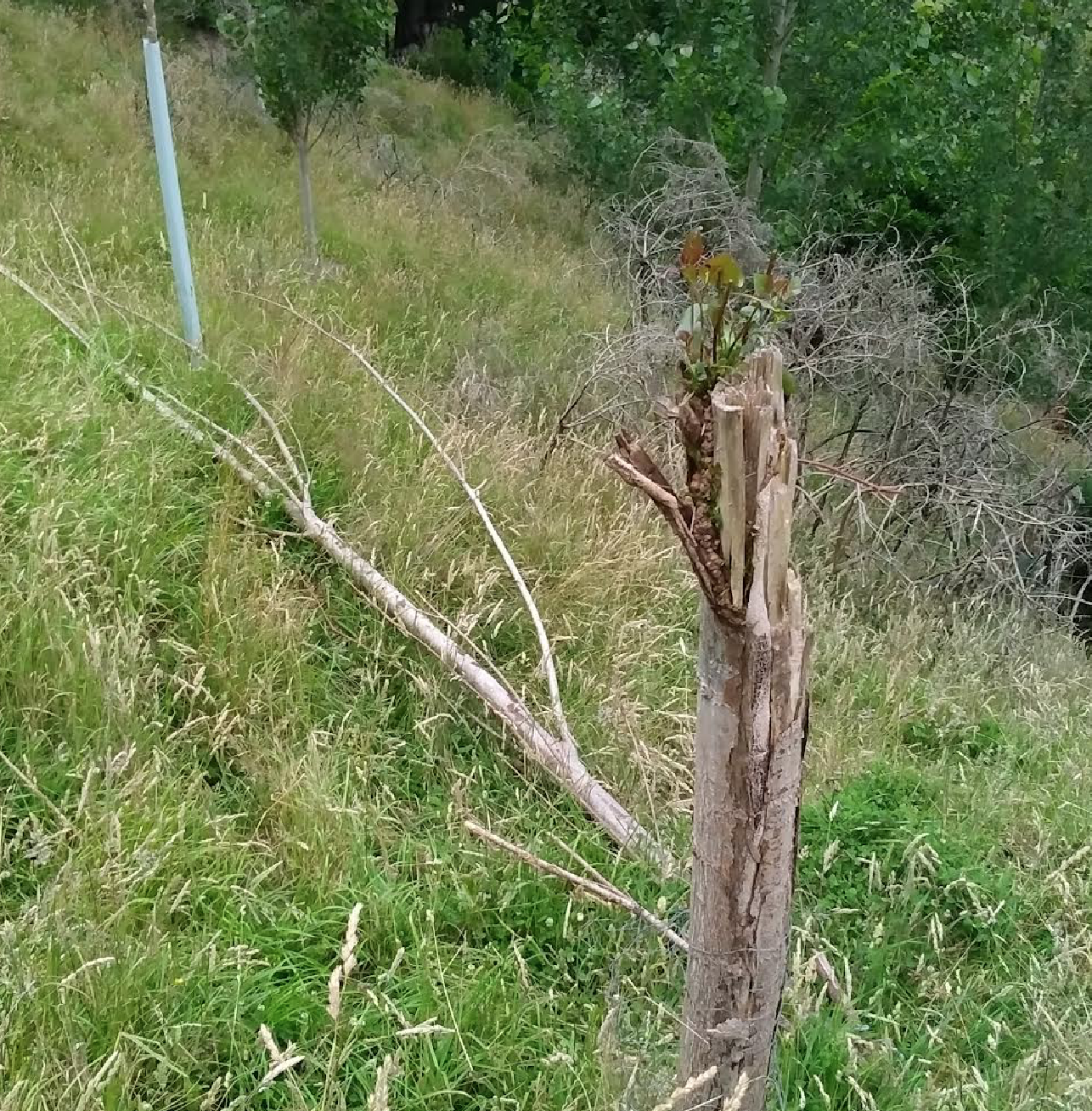
Here is a poplar that got blown over in the wind about two months ago. Instead of cutting the stump with a chainsaw I left it because I knew it would recover. It just started re-sprouting this week.
Re-sprouting poplar
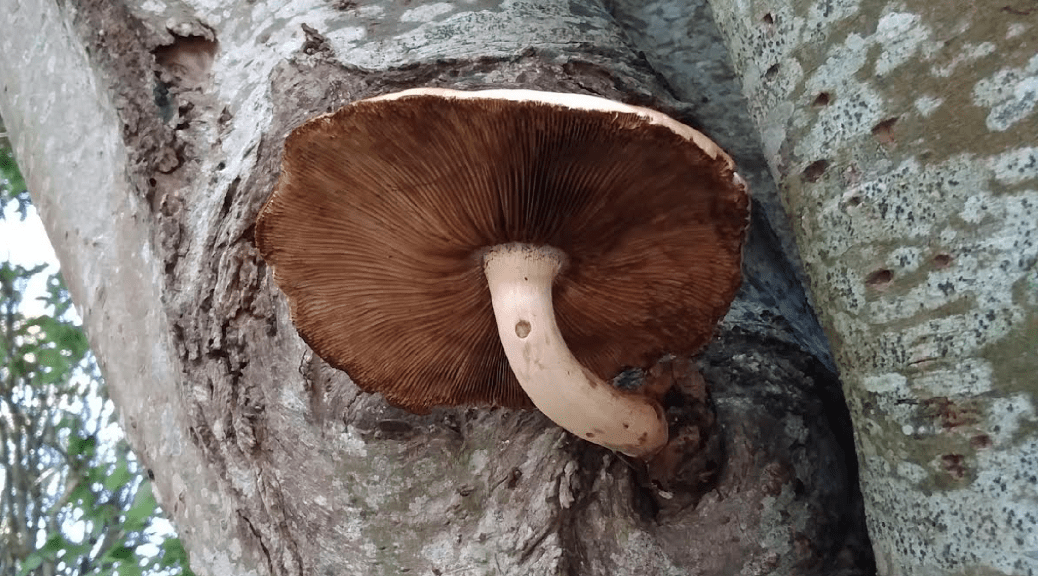
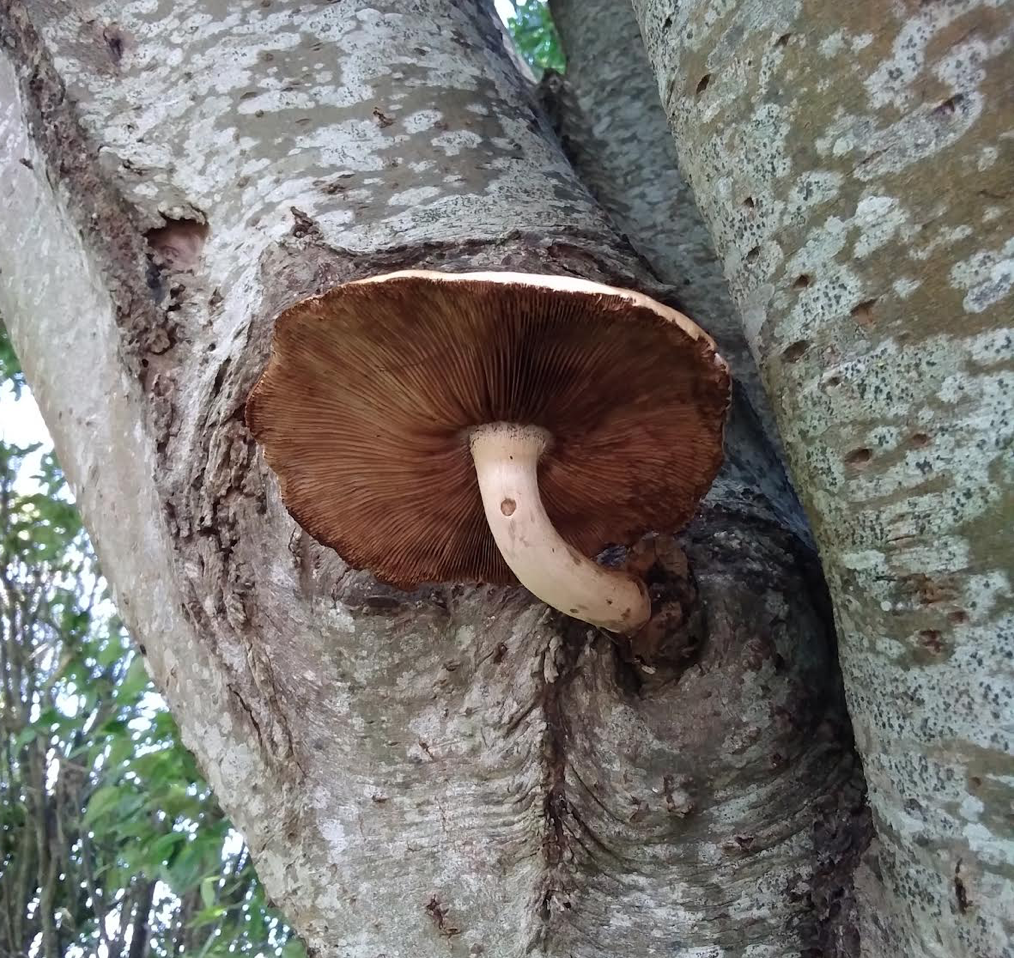
Here is a mushroom growing out of an old snapped limb of this birch tree.
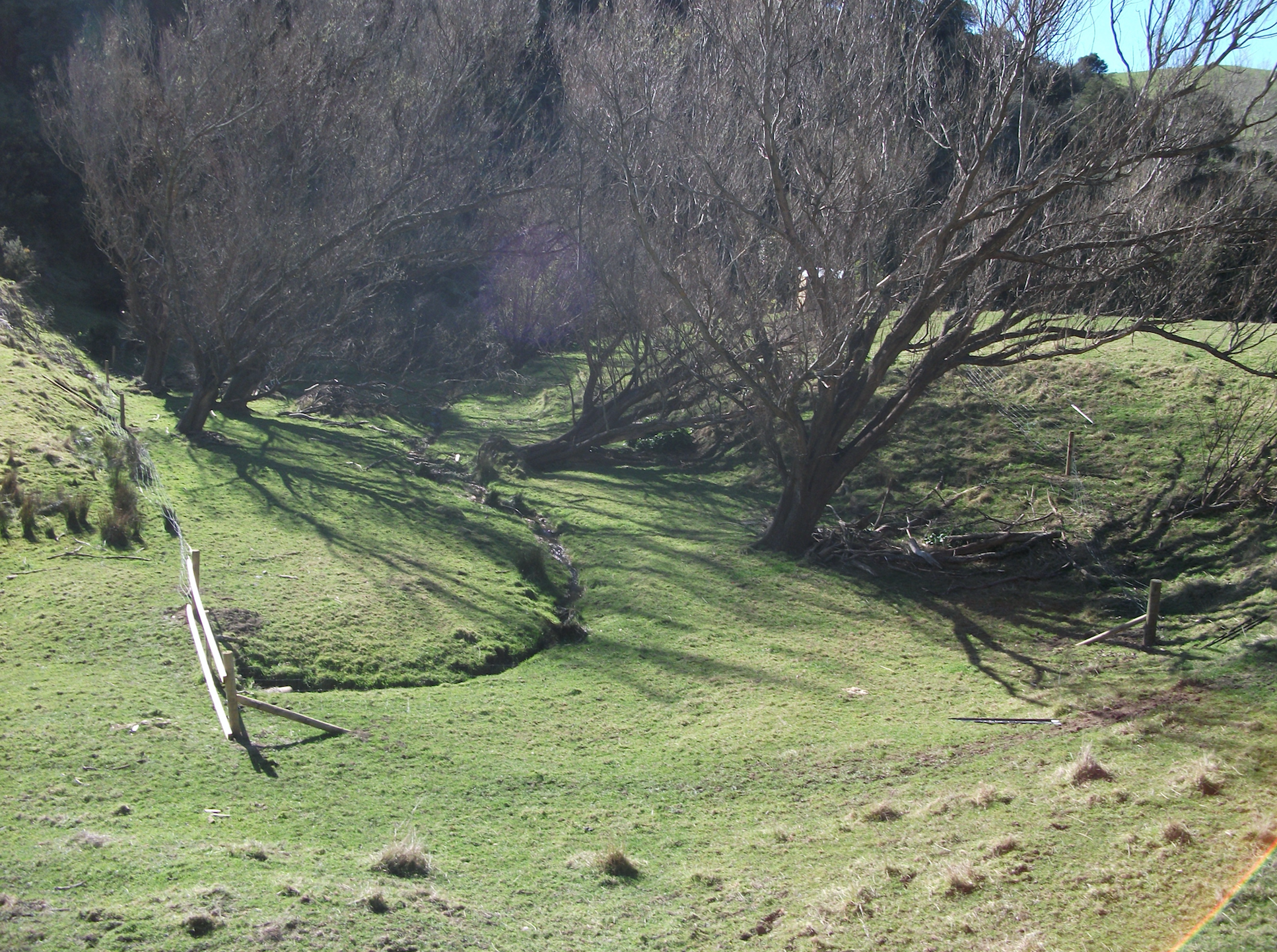
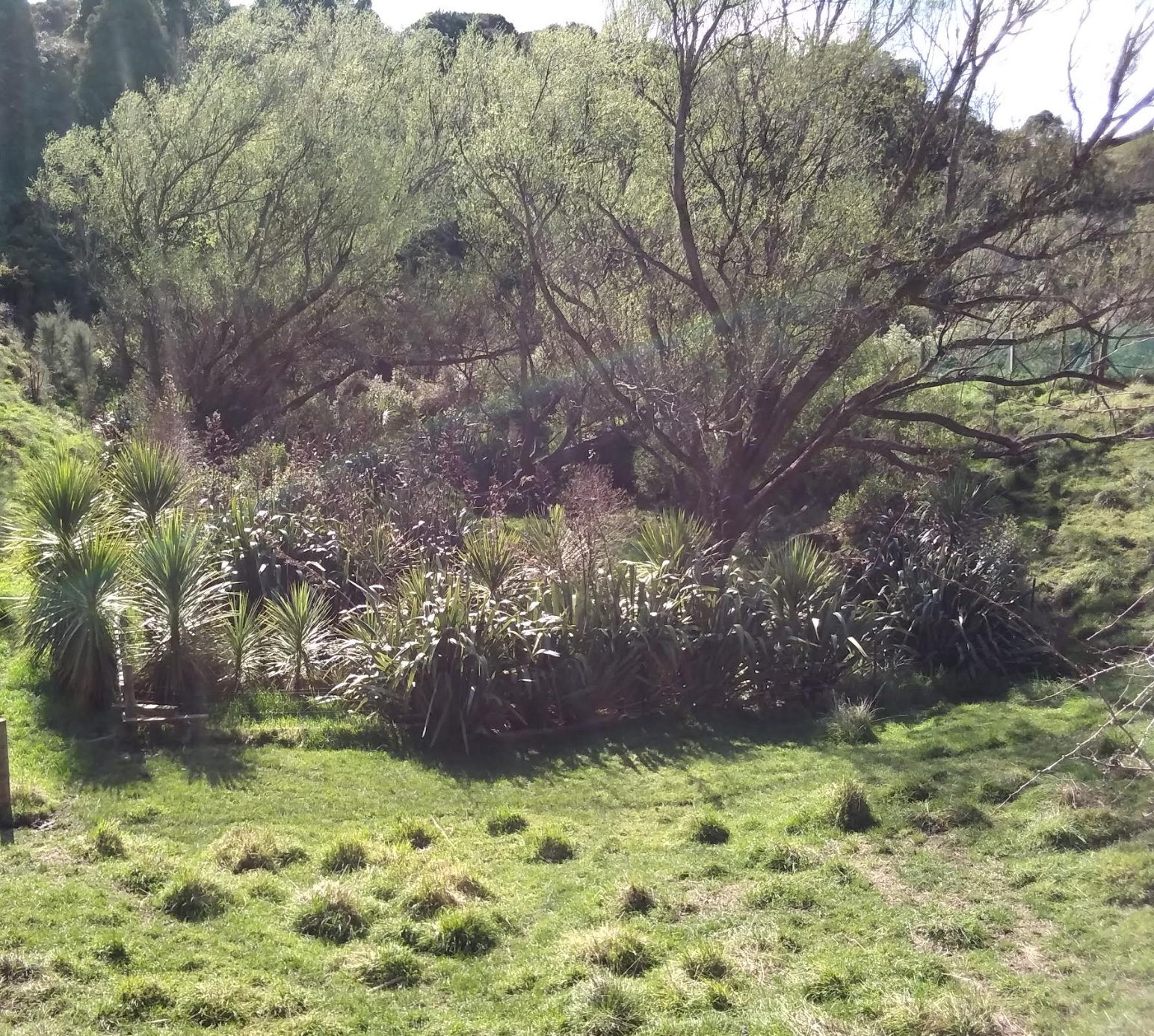
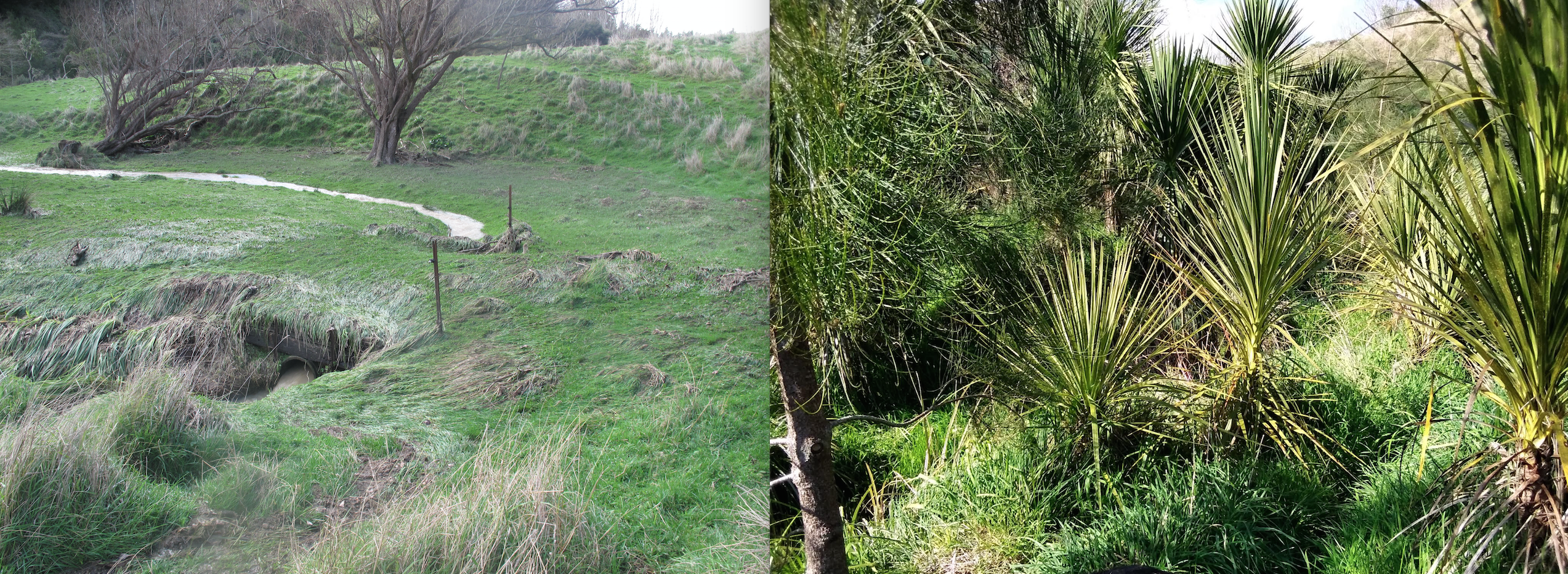
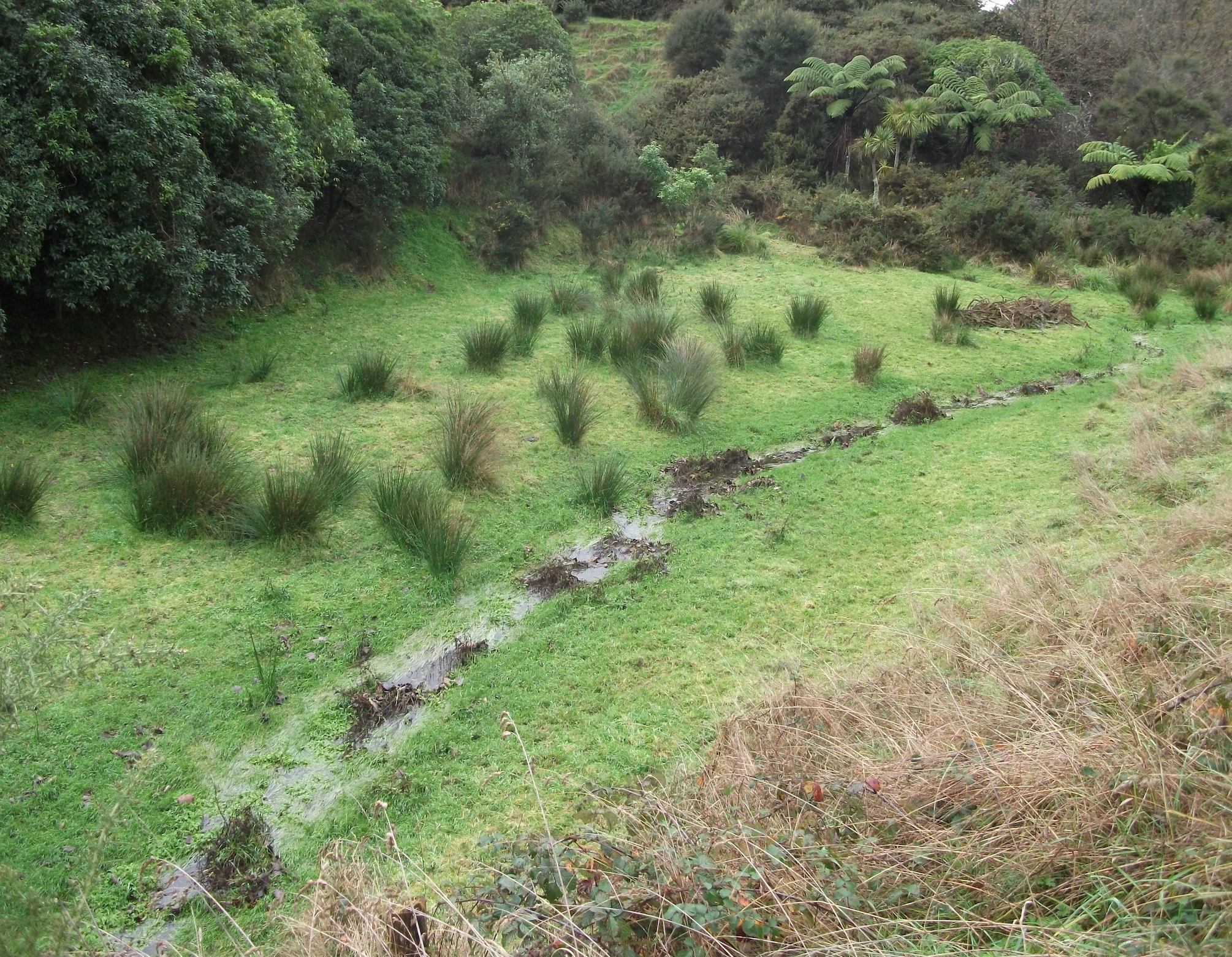
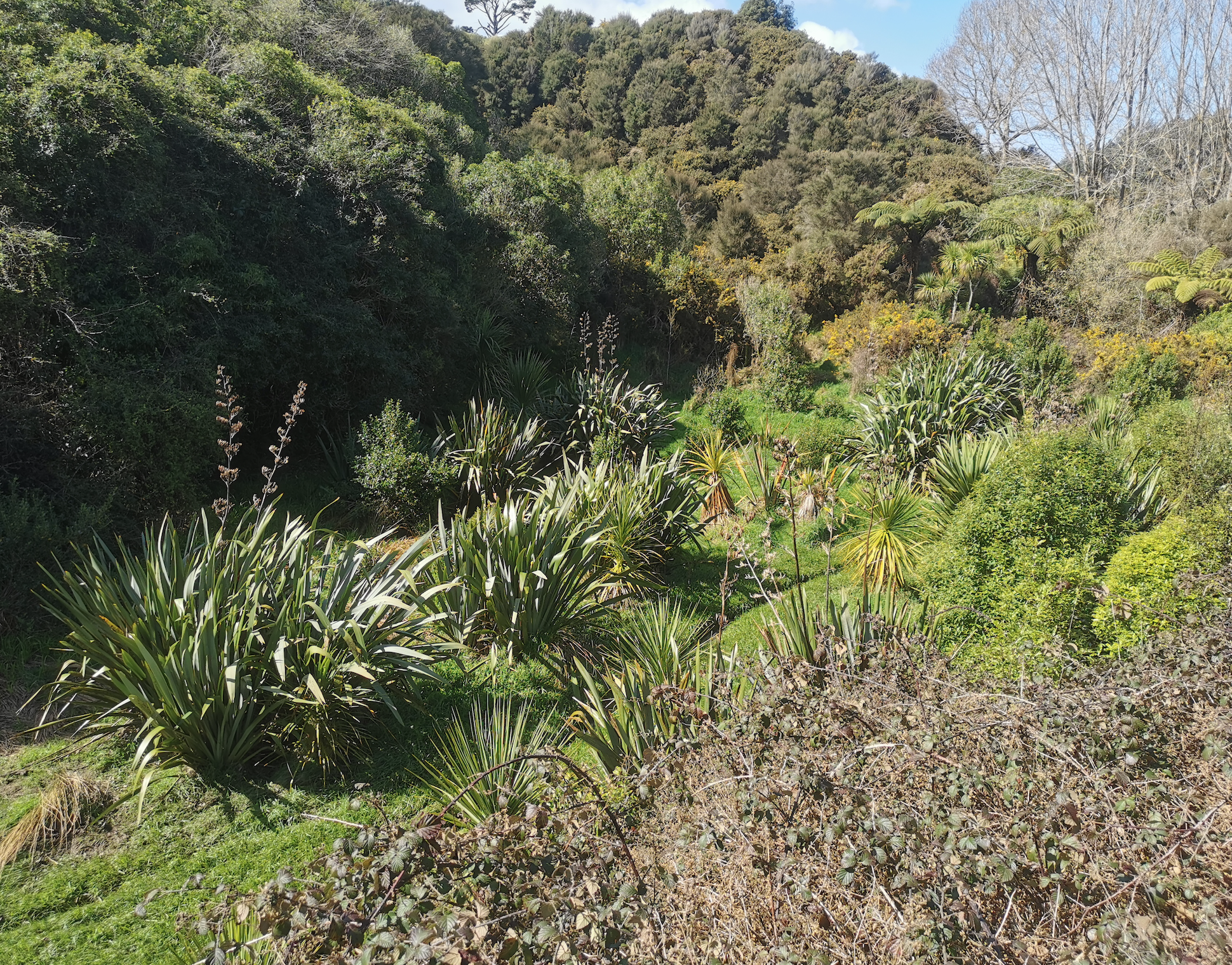
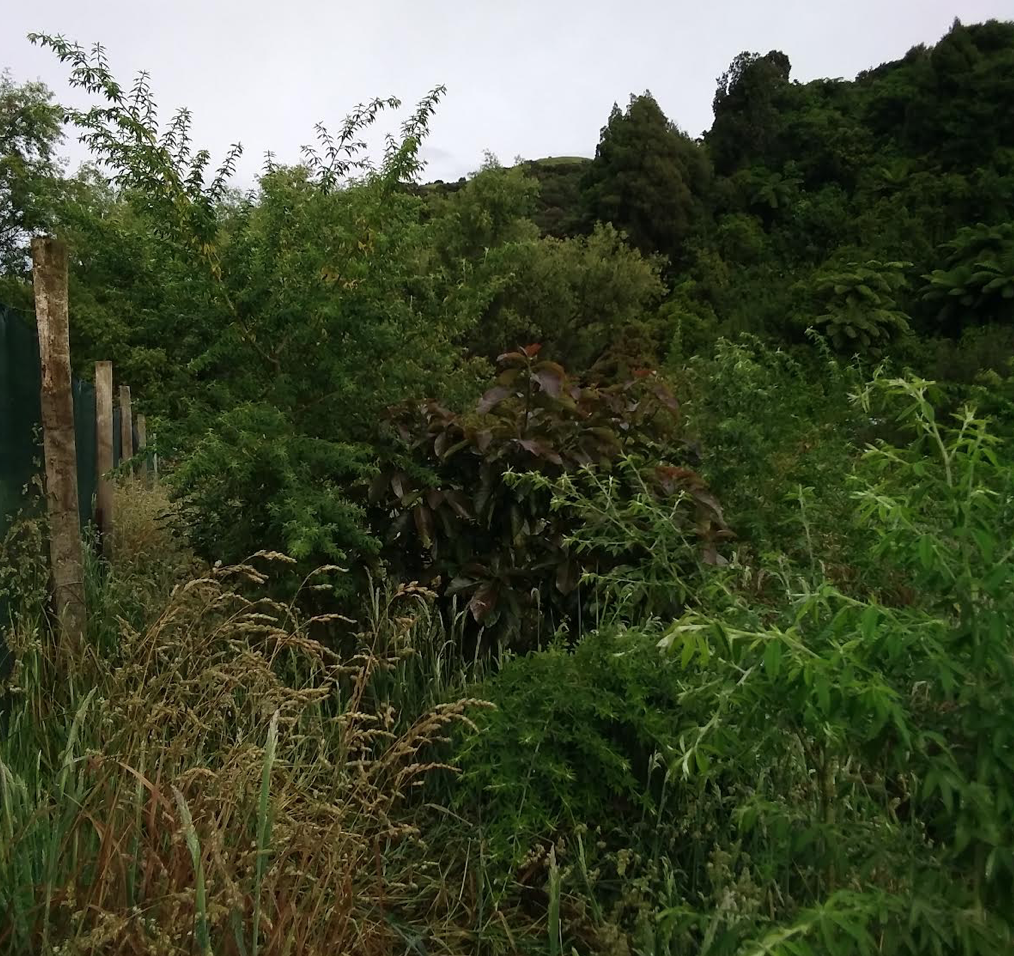
The wetlands and riparian corridor have made huge advances since we fenced out stock and planted 2,000 natives.
BeforeAfter
The culvert is a weak link along our stream so we’ve reinforced it with biology – much stronger than concrete and steel!
Before & After
Every morning it’s so exciting to get up and see what else is growing on the farm!
We believe in appropriate technology and sound advice. We offer items that help build resilient properties and communities.
The items we sell include the following:
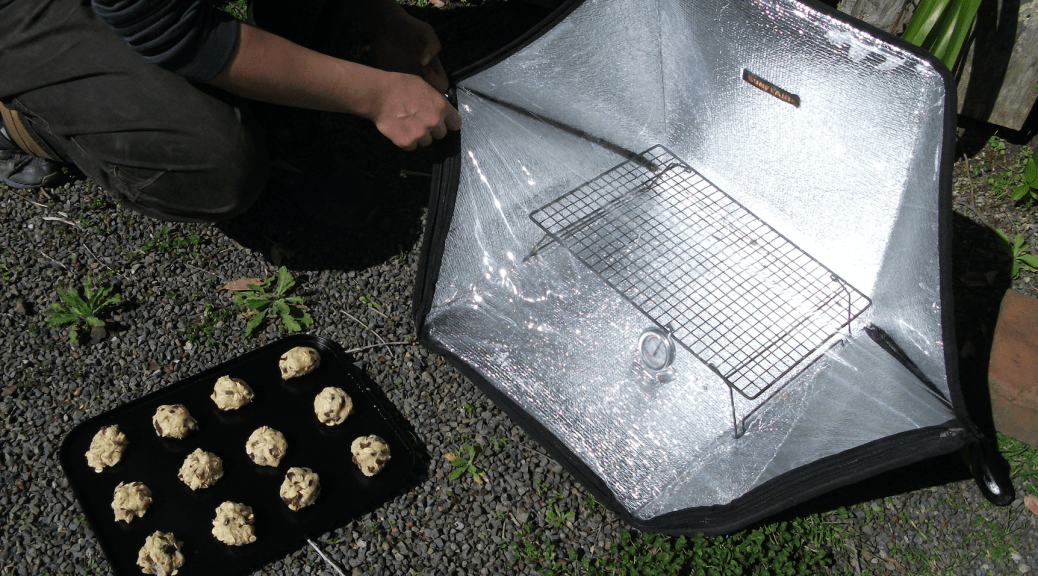
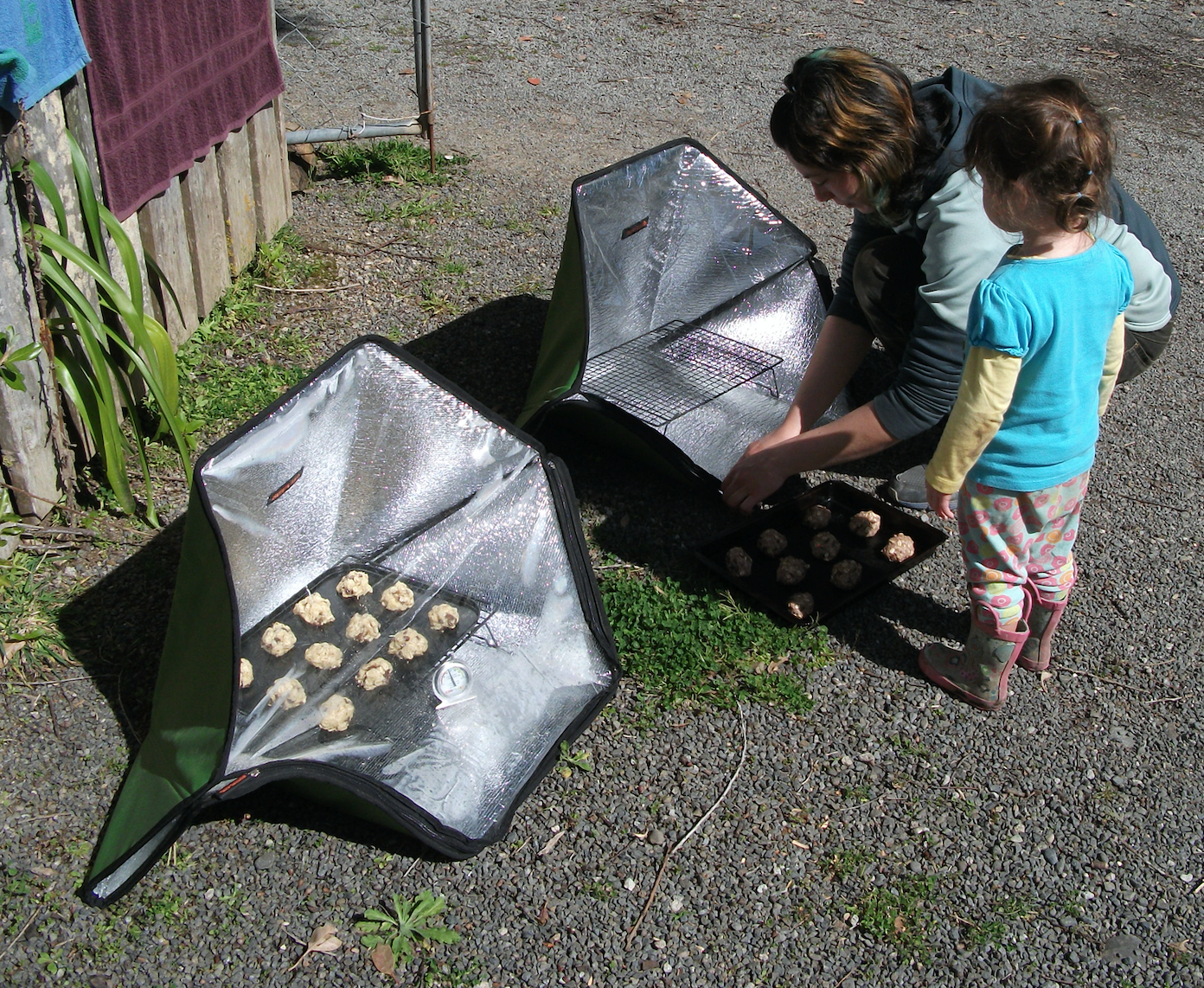
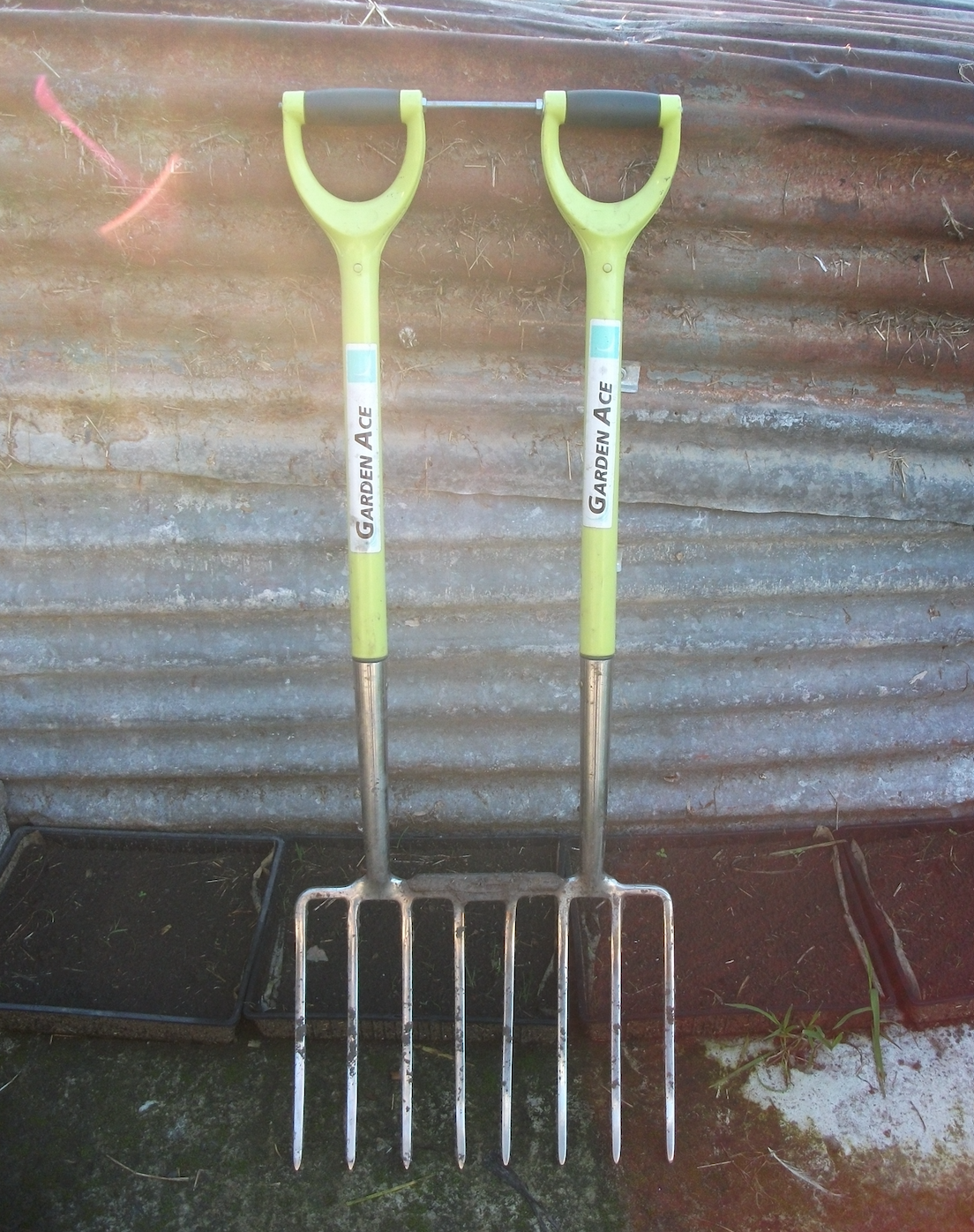
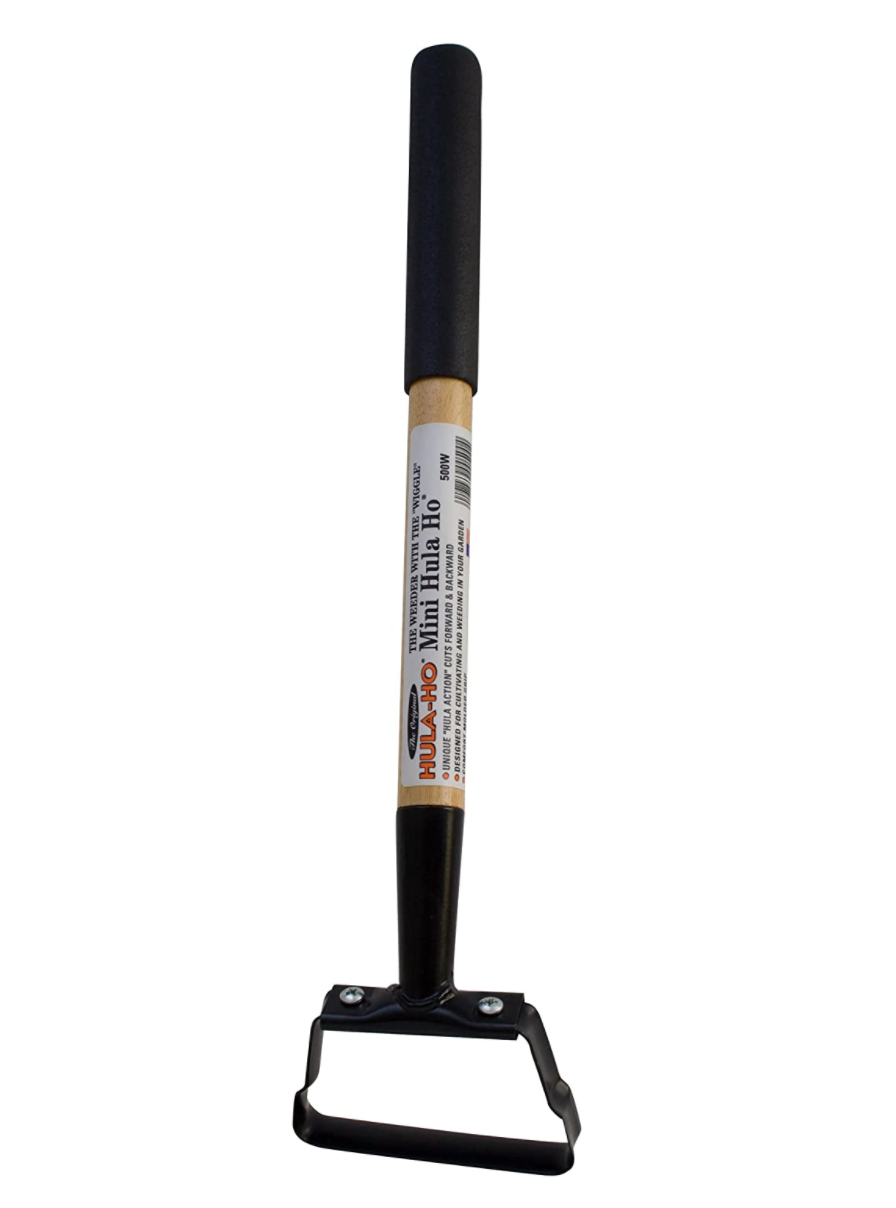
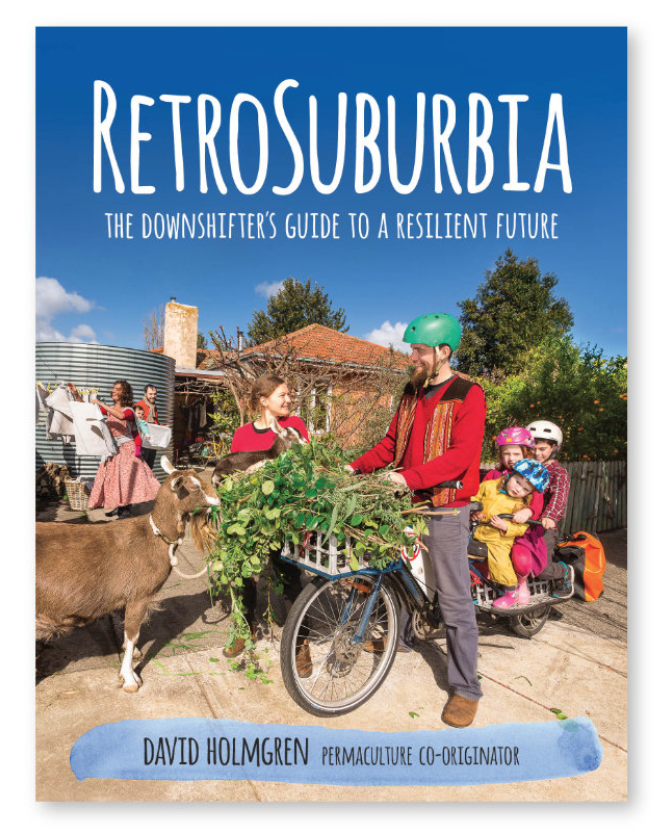
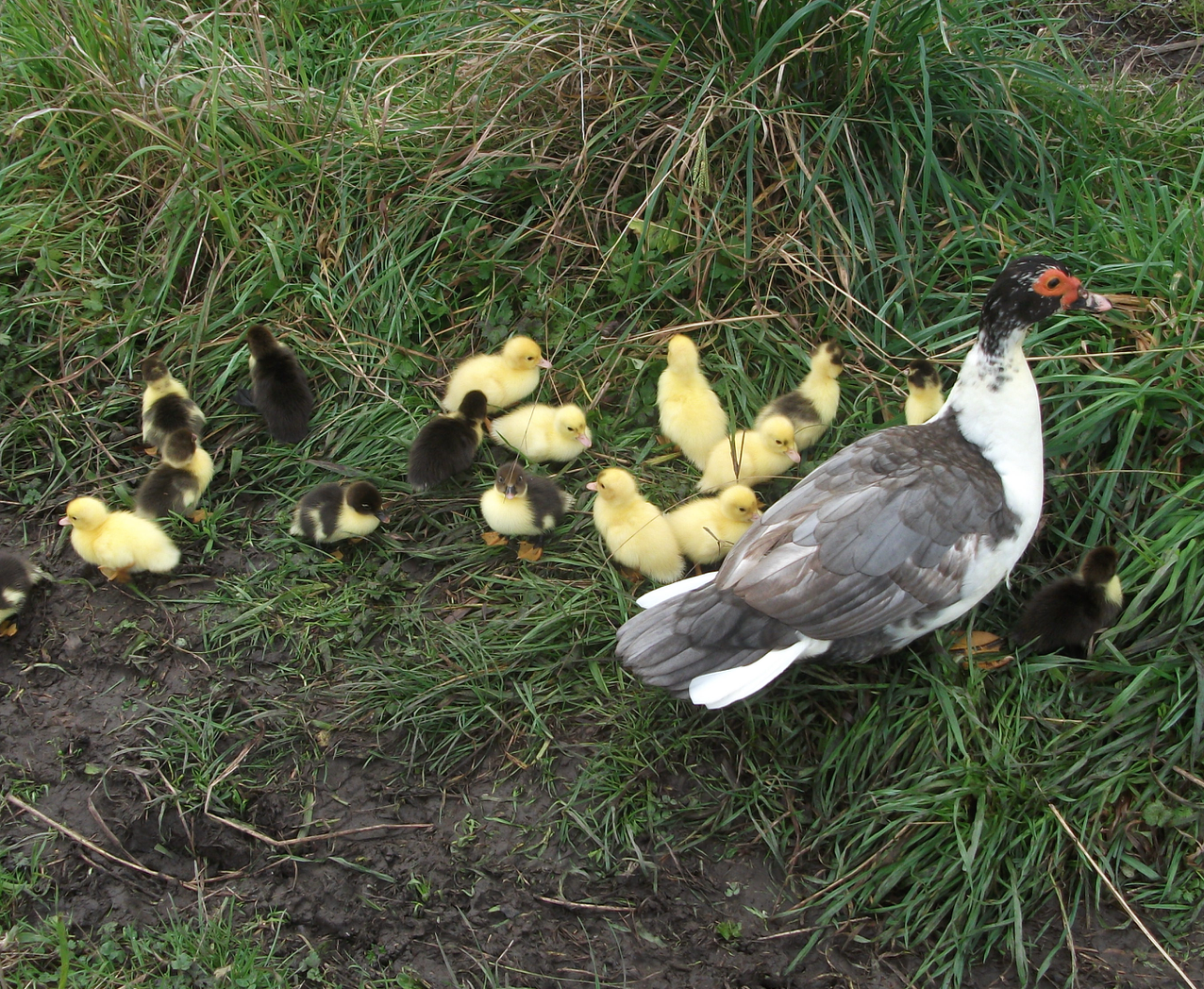
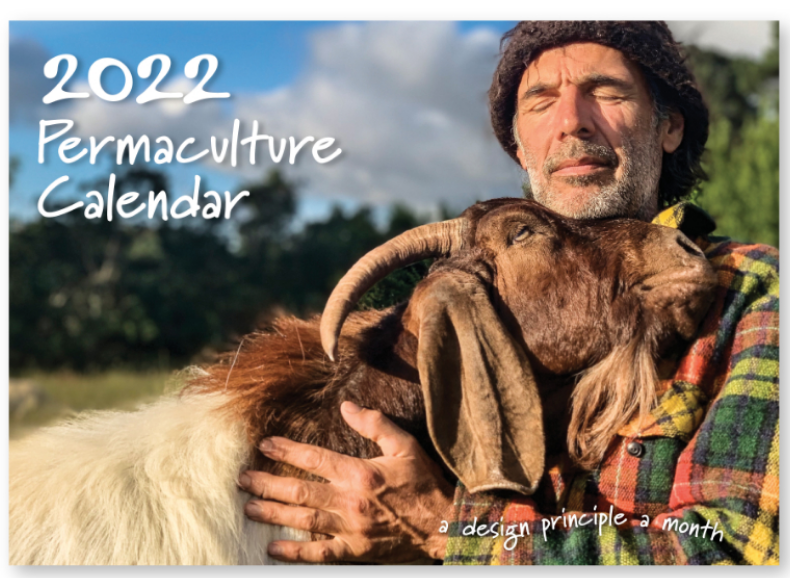
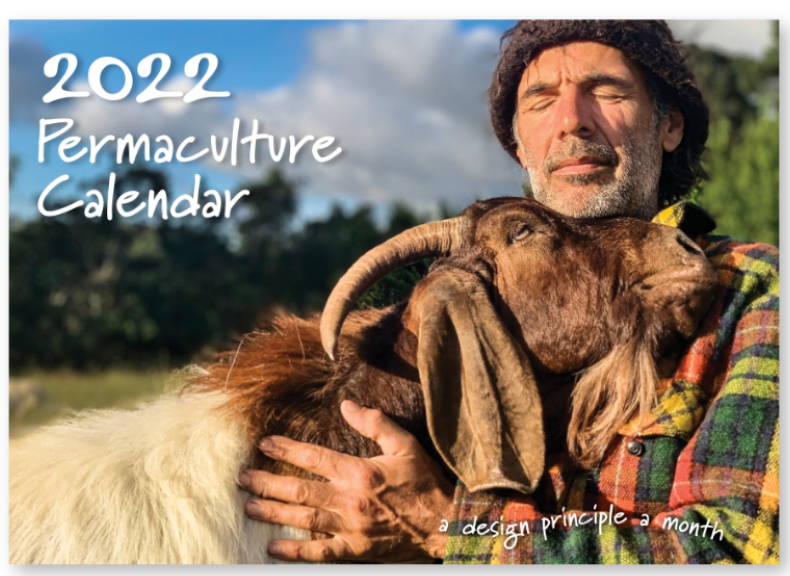
Solar Oven: $100 plus post ($10 North Island or $15 South Island) + $5 ruralStainless Steel Broad Fork: $190 Hula Hoe (Stirrup Hoe) – Hand-held: $30Retrosuburbia Book: $89 plus post: $9.80 + $5 if RuralMuscovy Ducklings: $10Permaculture Calendar: $18 or $30 for 2 post paid
Celebrating a decade as the region’s leader in sustainability and resilience programming.
Brown Bag – Green Home 27th July, 12-1. FREE Whanganui Learning Centre, 232 Wicksteed St. BYO lunch and learn about the best options for home retrofit and renovation. Funding provided by ACE Aotearoa
Pruning Fruit Trees 27th July, 1-2. FREE Whanganui Learning Centre, 232 Wicksteed St. Outdoor workshop pruning pip fruit and stone fruit. Funding provided by ACE Aotearoa
Hands-On with Poplar Poles& Tree Lucerne(Tagasaste)
August 14th, 2-4: pm. Funded by Horizons’ Pūtea Hapori Urapare Āhuarangi – Community Climate Response Fund
Poplars and tagasaste are the fastest and cheapest ways to get sizeable trees established on your land. Both are fast-growing, drought resistant and inexpensive to buy. Both respond well to pruning and make great stock fodder. This hands-on workshop includes planting poplar poles and propagating tree lucerne from seed.
Register: theecoschool@gmail.com
The Low-Carbon – High Efficiency – Affordable Home
September 18th, 2-4: pm. Funded by Horizons’ Pūtea Hapori Urapare Āhuarangi – Community Climate Response Fund
This workshop helps demystify the home-building process for climate resilience and affordability. Topics include passive solar design, super-insulation, high performance windows, and where to claw back cost savings.
Register: theecoschool@gmail.com
Kaitiaki Farm Weekend
October 15-16
Saturday afternoon 2 – 5 pm: Farm Tour of Gardens, Intensive Orchards, & Farm Buildings (Permaculture Zones 1-2). Includes integrating farm foul into fruit & veg production and what are the best tools to use for low-input/high performance systems.
Sunday morning 9:30 – 12:30: Farm Tour of Paddocks and Hillsides, Non-Intensive Orchards, Stream Restoration, Bush Restoration, and Browse Block (Permaculture Zones 3-5). Includes water management, preventing slips, managing gorse, integrating poplar and willow, managing goats and kunekune pigs.
Sunday afternoon 1:30 – 4:30: Eco Design/Build for Sleep Outs, Tiny Homes, Minor Dwellings. Includes passive solar design, ‘super-wall’, retrofit double-glazing, building code changes, wastewater compliance, compost toilets.
Choose any combination: $50 each or $130 for all. (Couples $240)
Meals and accommodation also available – please enquire.
Register: theecoschool@gmail.com
Climate Camp for Teens 29-30 October TBC Funded by Horizons’ Pūtea Hapori Urapare Āhuarangi – Community Climate Response Fund
Register: theecoschool@gmail.com
Family Climate Fair 12 November TBC Funded by Horizons’ Pūtea Hapori Urapare Āhuarangi – Community Climate Response Fund
Register: theecoschool@gmail.com
Permaculture Design Certificate
January, 2023, Dates TBD
Love Your Land Day February 16th, 10-4: pm. BYO Lunch. Funded by Horizons’ Pūtea Hapori Urapare Āhuarangi – Community Climate Response Fund Kaitiaki Farm is a thriving regenerative farm on the outskirts of Whanganui. The day will be split between a farm tour and presentations by Horizons officers along with specialists in other aspects of land management.
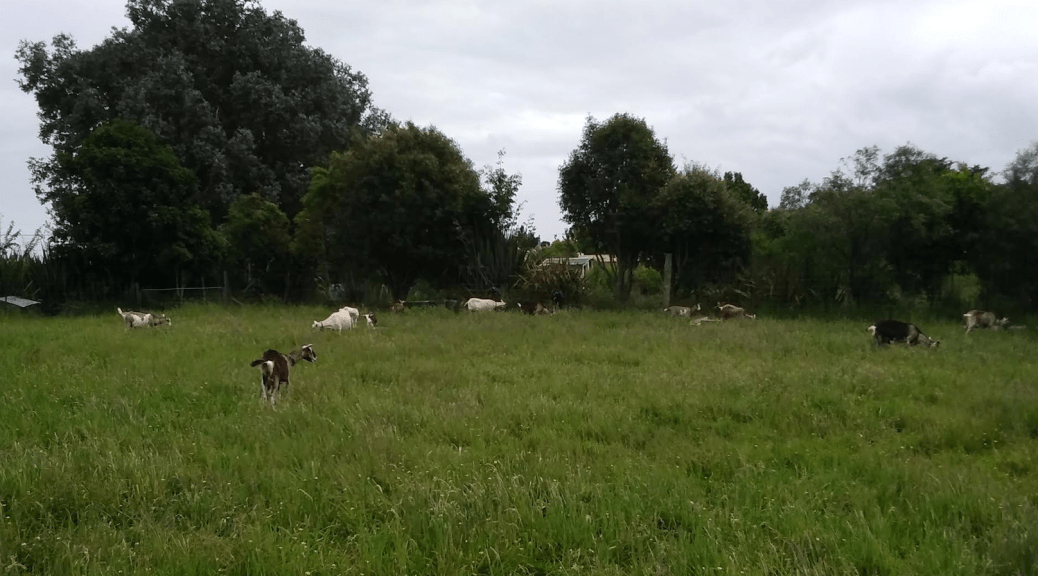
We are into a spectacular spring with the entire farm thriving: goats, pigs, garlic beds, vege gardens, the orchards, olives, avocados, native plantings, etc. A combination of rain in October and sun in November has set photosynthesis to full throttle. Below are some images of the thriving kai and landscapes here on Kaitiaki Farm.
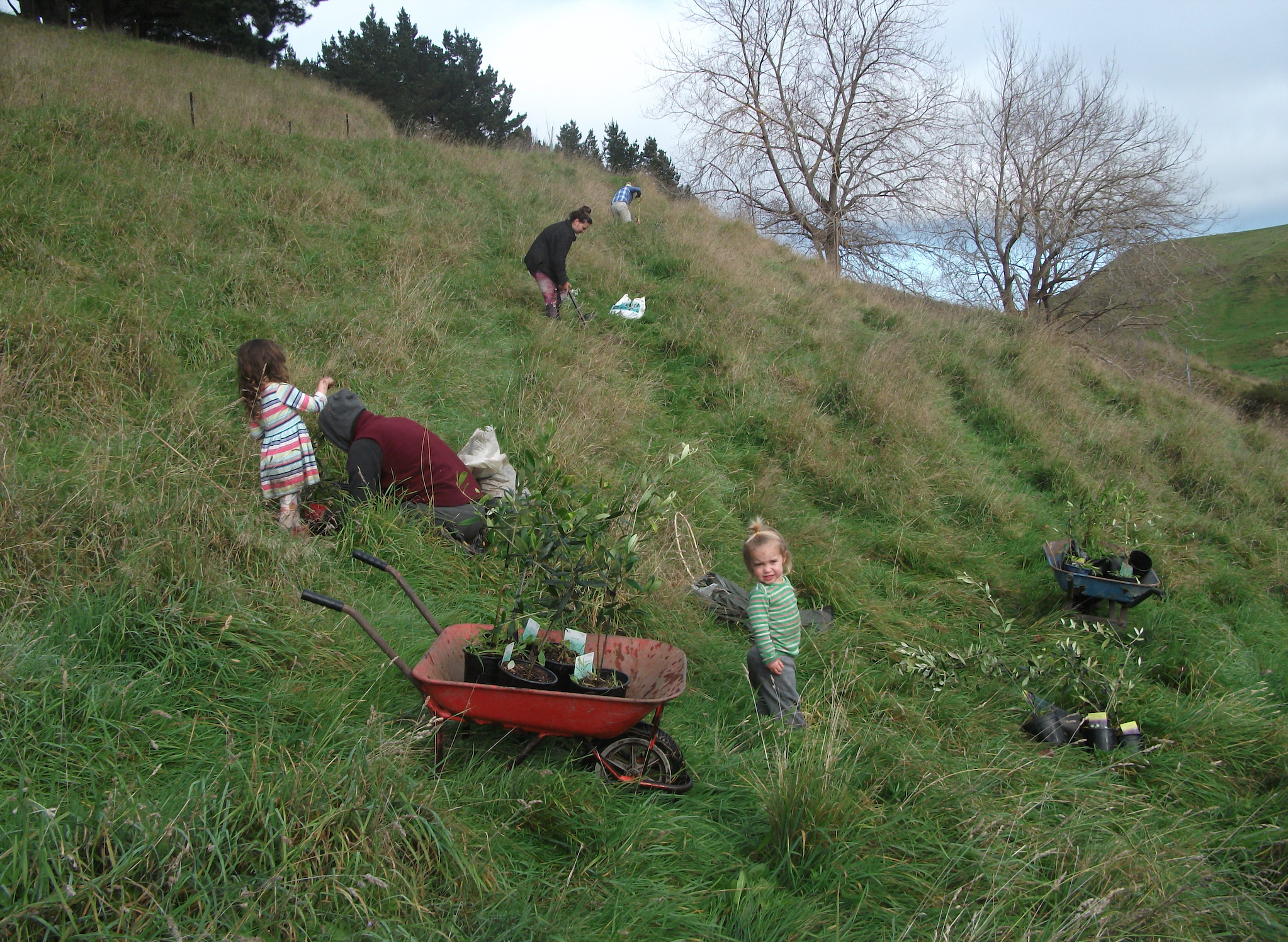
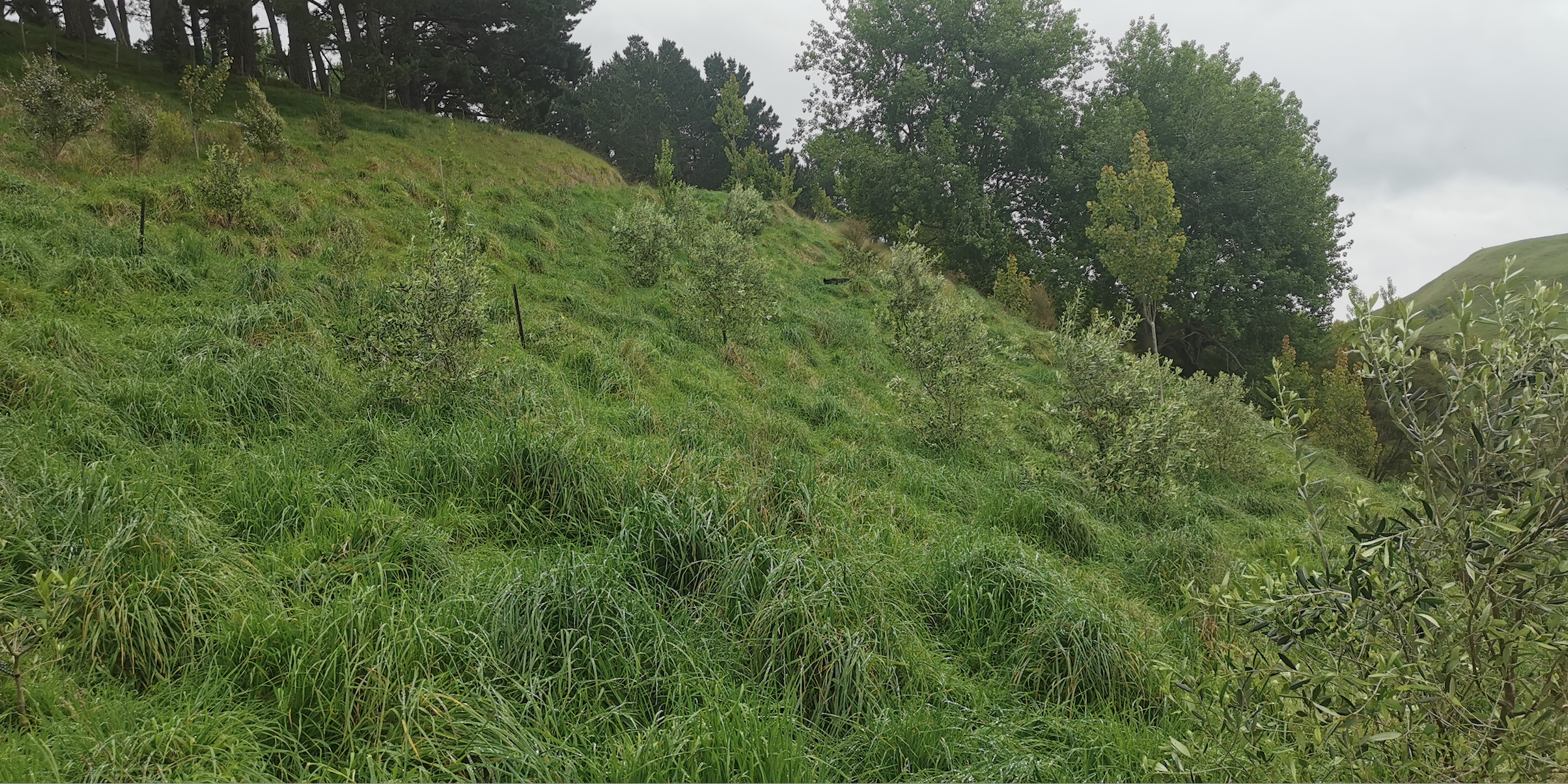
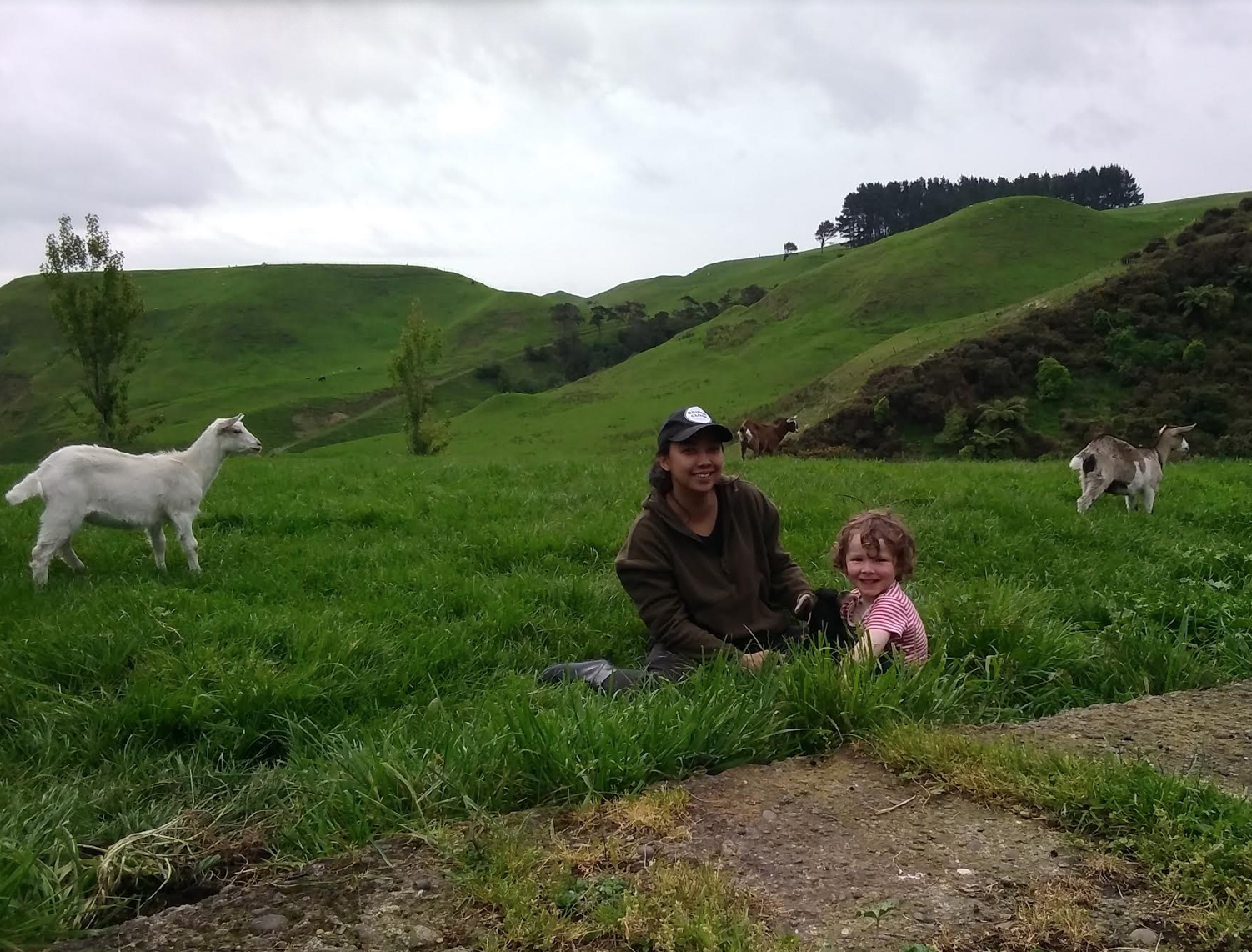
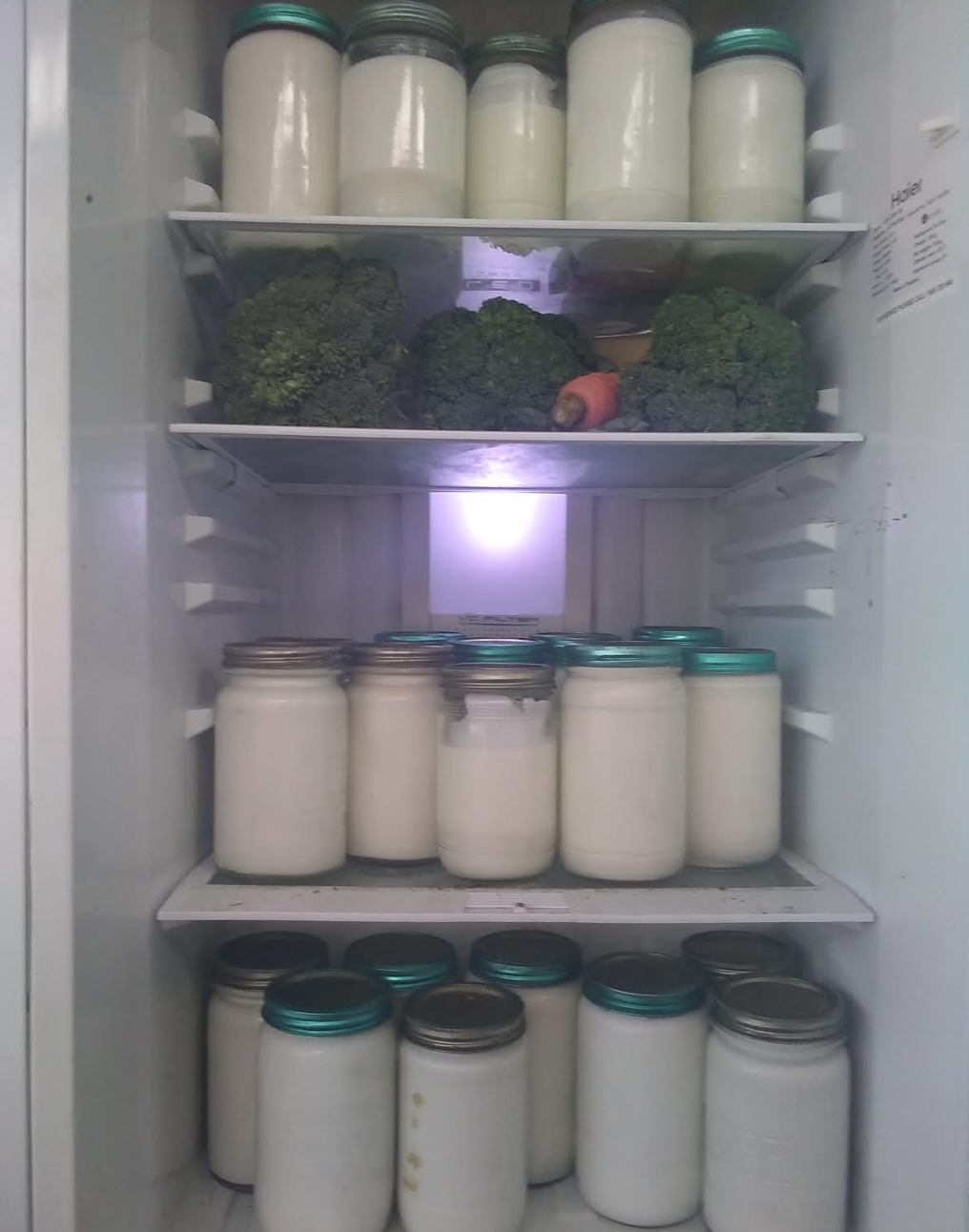
GarlicAvocadosPigletsPlanting Olives in 2017 (Before) Olive Trees in 2021 (After) Wetland in 2016 (Before)Wetland in 2021 (After) Cuddling a newborn goatGoat’s Milk
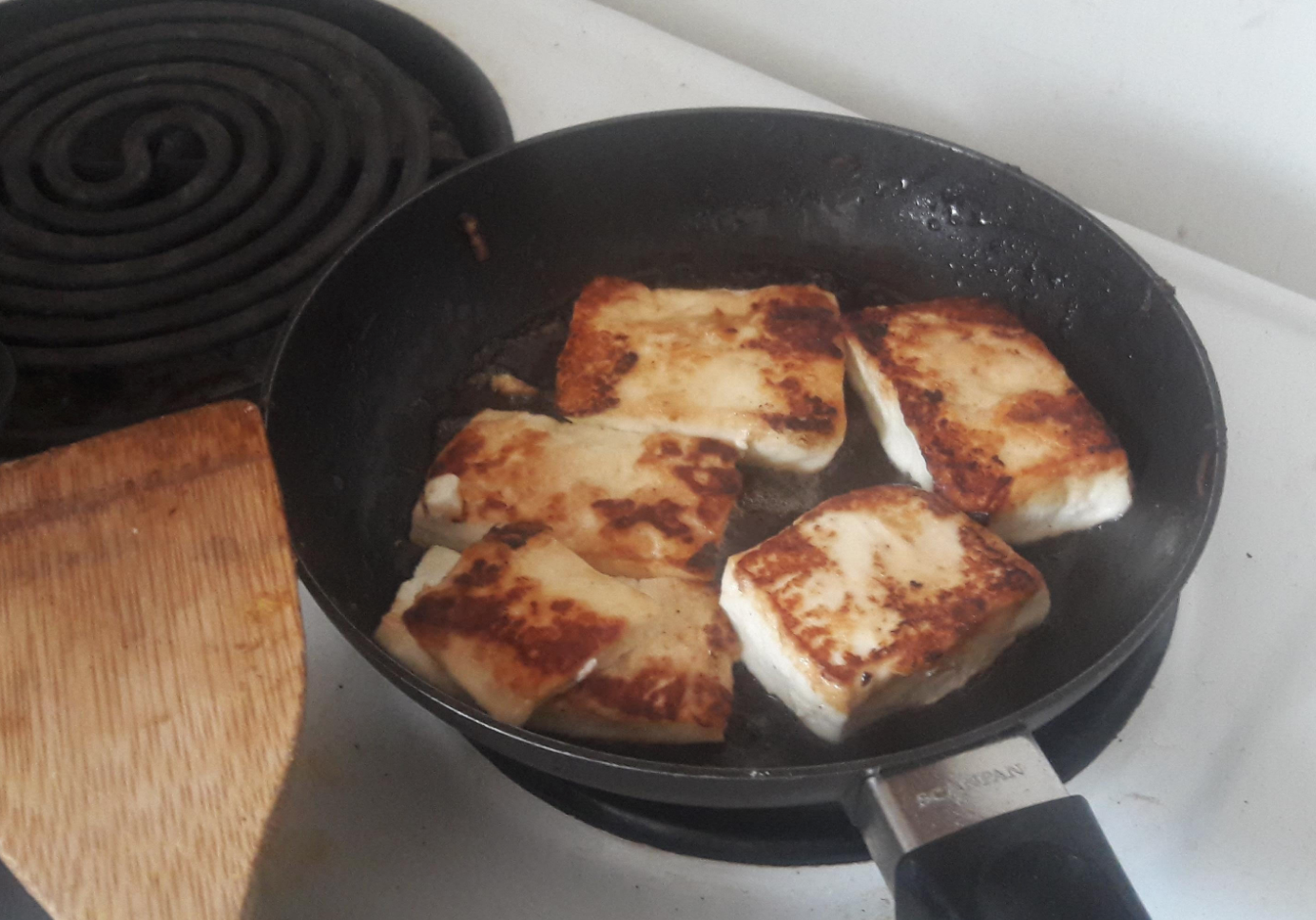
We can hardly keep up with the milking and cheese-making.
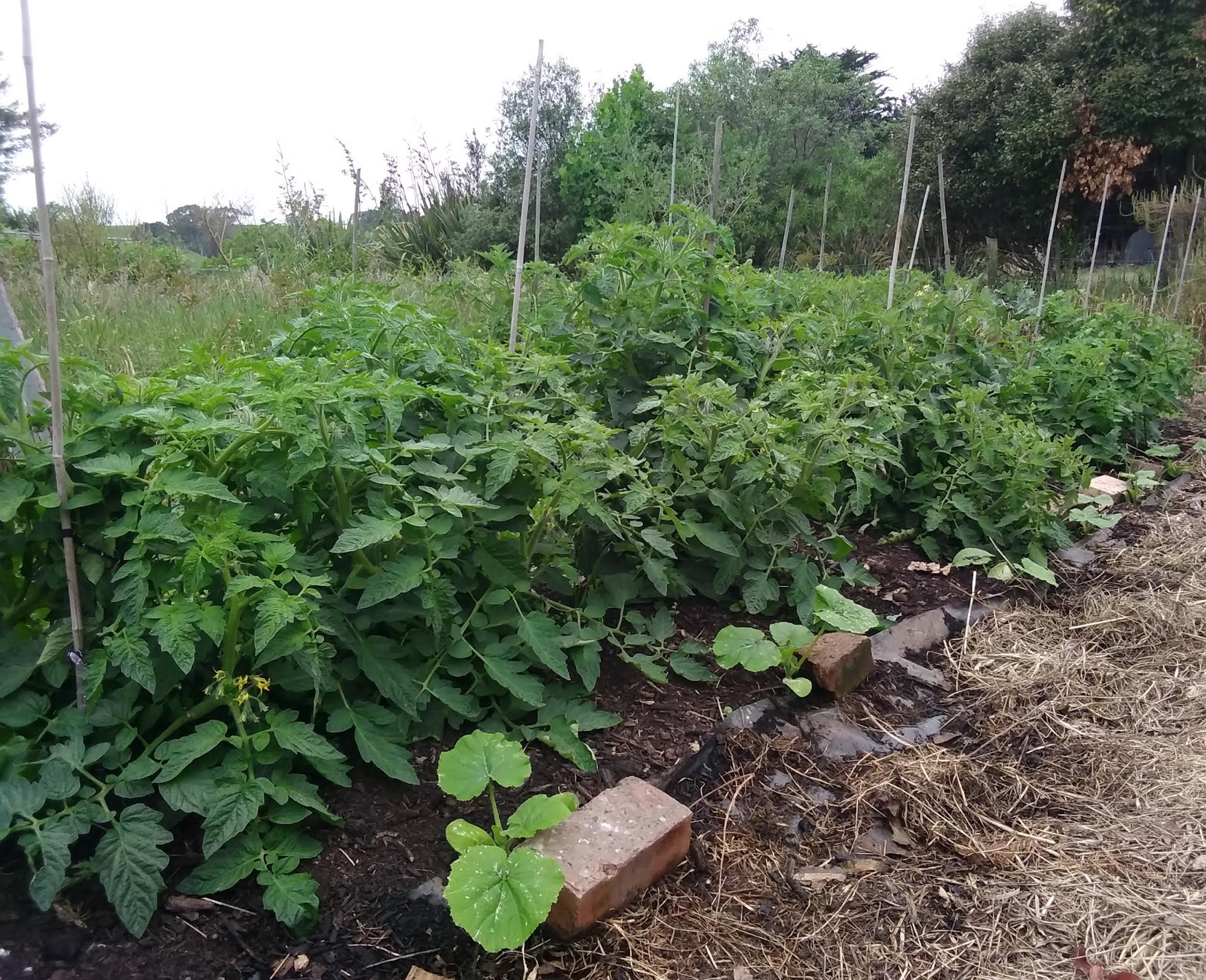
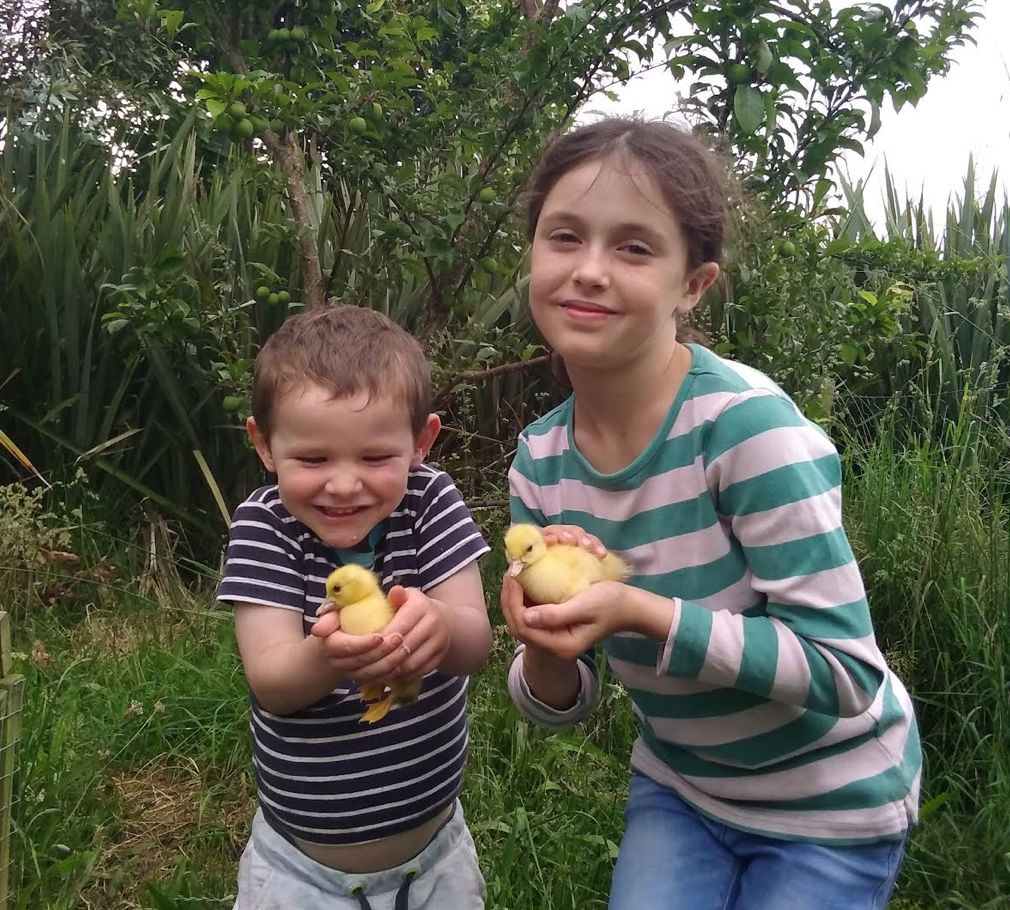
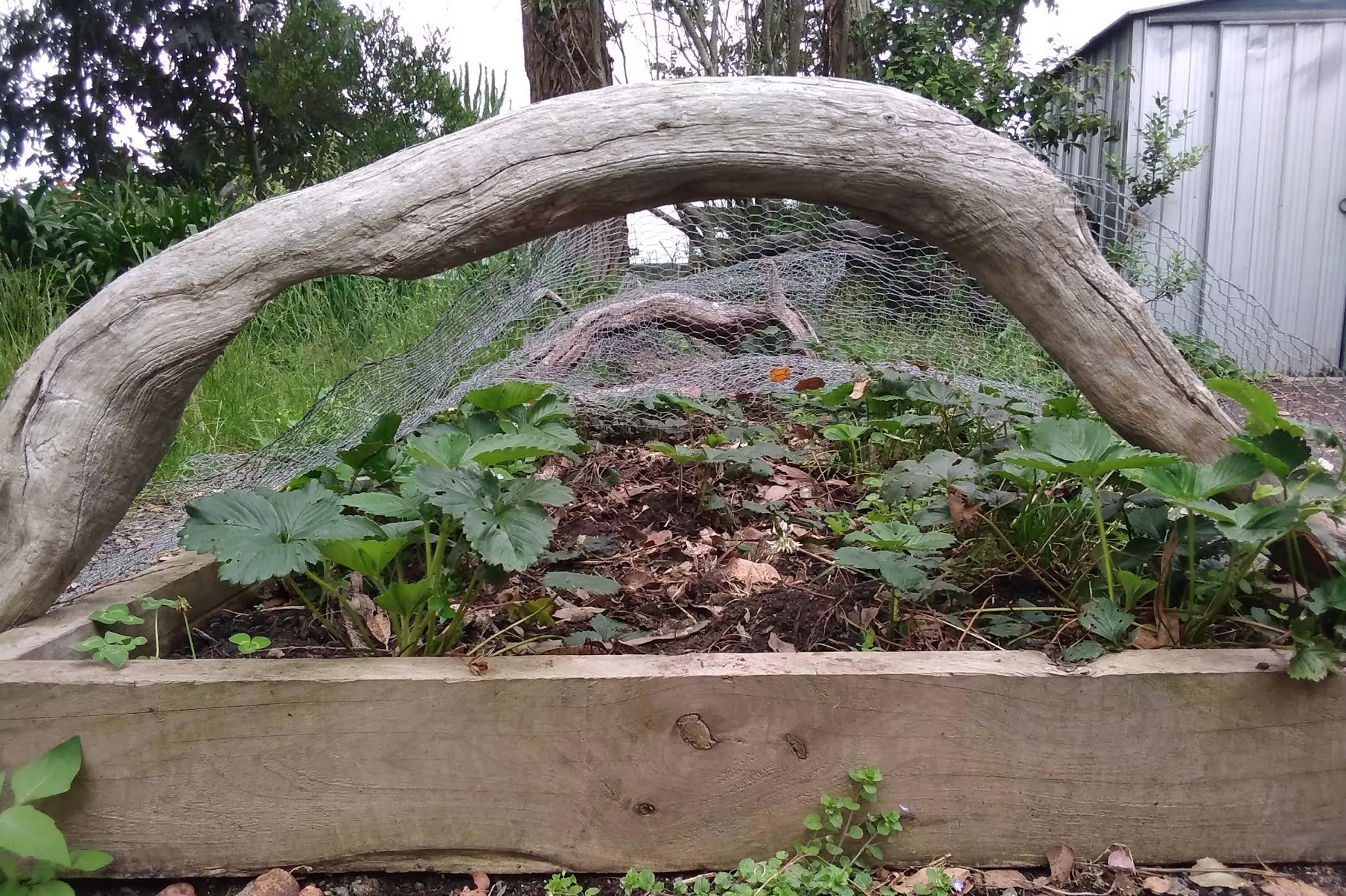
Fried HalloumiTomatoes and Corgettes in the GroundDuckling SeasonStrawberry BedFeijoas in FlowerAvocado Orchard with Tagasaste Nurse Trees
Amazing how working with nature instead of against it give such amazing results!
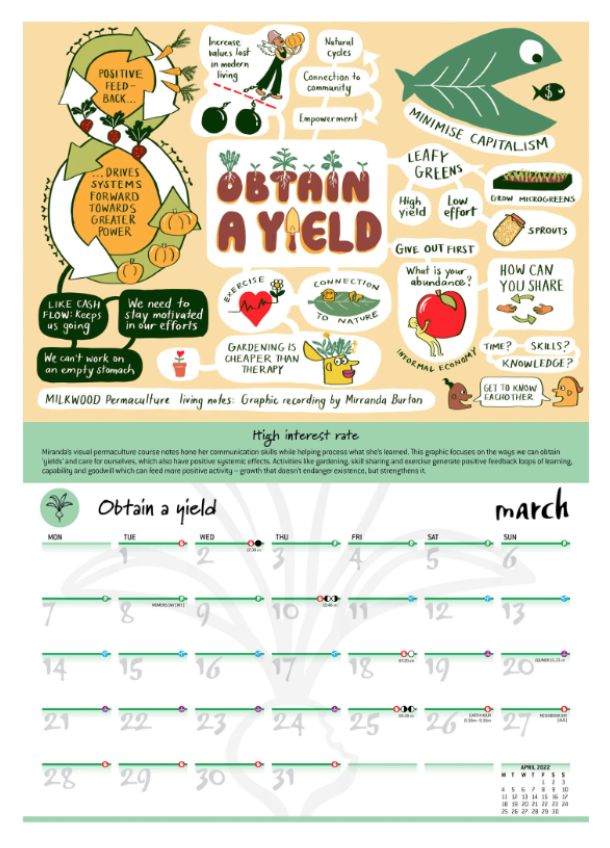
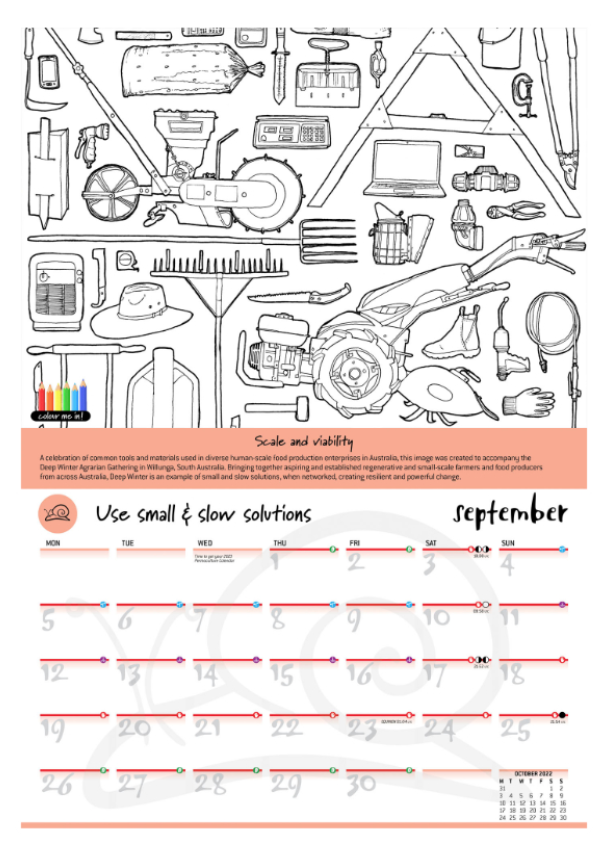
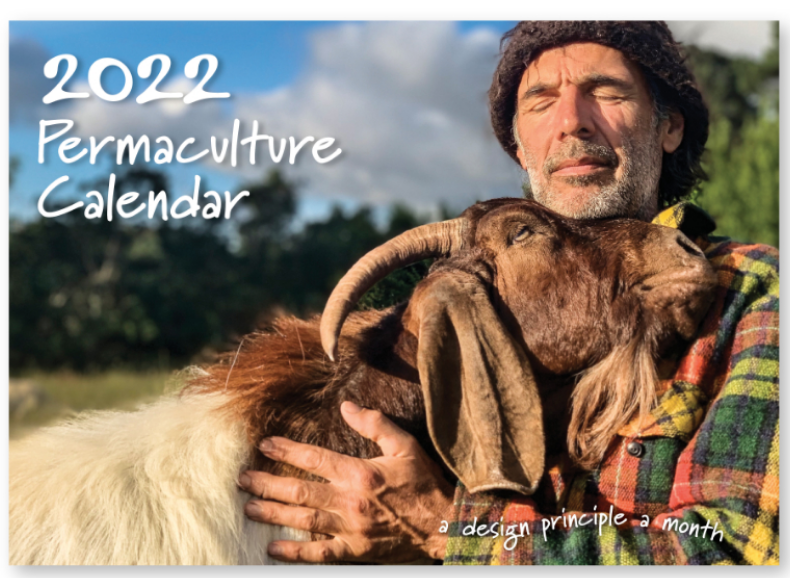
Filled with inspiring images that can change the way you see the world. Practical examples of each of the 12 permaculture design principles showcase photo contributions from the broader permaculture community.
Daily moon planting icons can help you get more organised by observing the rhythms and patterns of the lunar cycles, no matter where you are in the world, supporting regular planting routines.
Produced using vegetable based inks on post-consumer recycled paper. 100% of profits donated to permaculture projects internationally.