Extremes of climate put pressure on farmers and food production worldwide that is only expected to increase.
On Kaitiaki Farm we’ve spent the last six years developing strategies to ‘climate proof’ our farm against the extremes of both drought and flood. These include: protecting slopes; planting the riparian corridor; wetland restoration; soil improvement; multiple approaches to water management; diverse income streams; and more.
Because of a diversity of land forms, slope aspects and micro-climates Kaitiaki Farm is an ideal place to learn many different and holistic approaches to land management. It is a walk-through textbook in permaculture.
24th April, 1-5pm. $65
Registration essential: theecoschool@gmail.com
Kaitiaki Farm is a 5.1 hectare (13 acre) property located 4 km outside Whanganui, New Zealand. We operate as a mixed-use operation leveraging niche markets for annual crops, perennial crops, nursery trees and animals.
Our primary interests lie in holistic land management, regenerative agriculture, market gardening, appropriate technology, renewable energy and human-scale solutions, as well as home building and renovation.
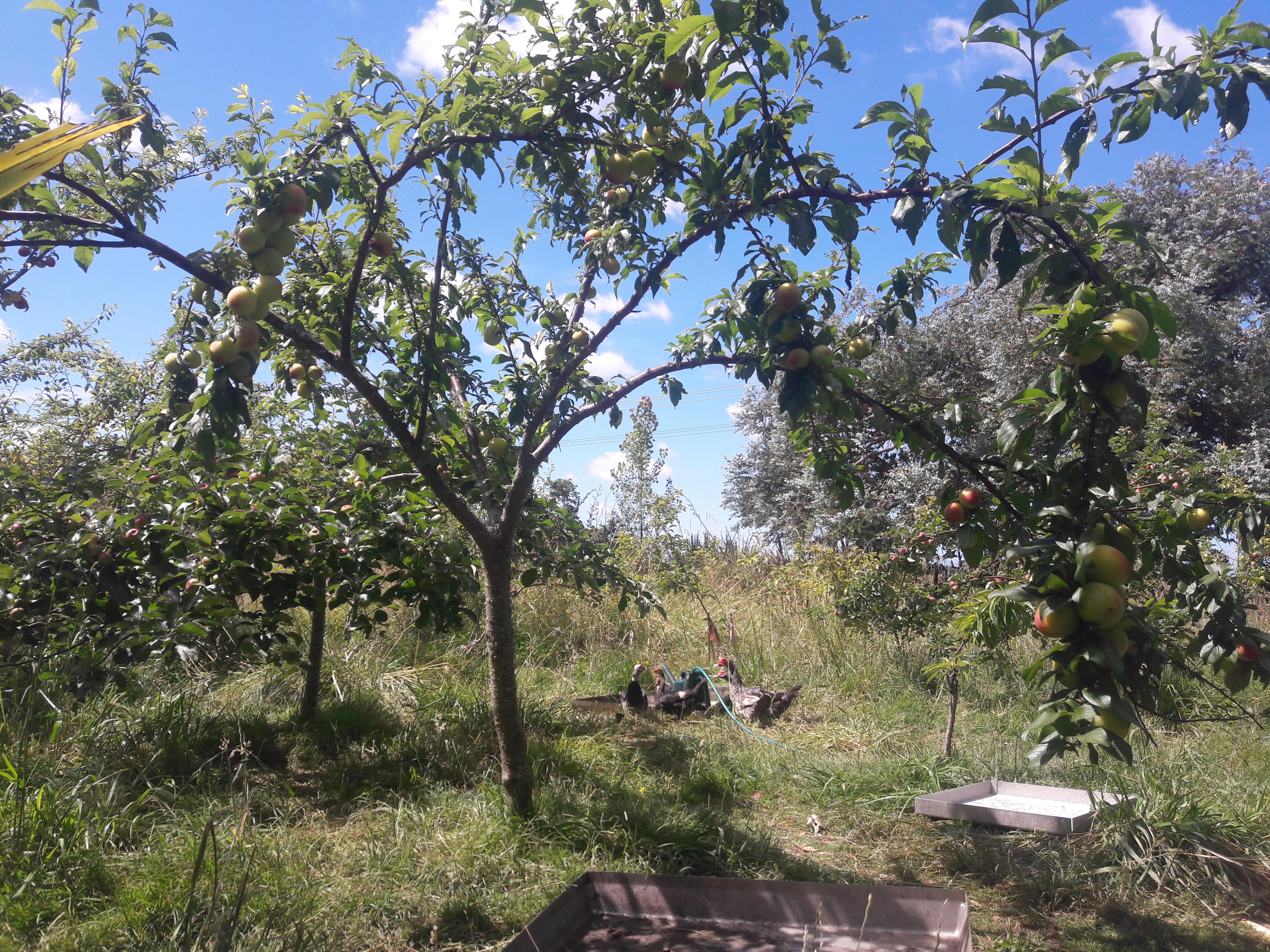
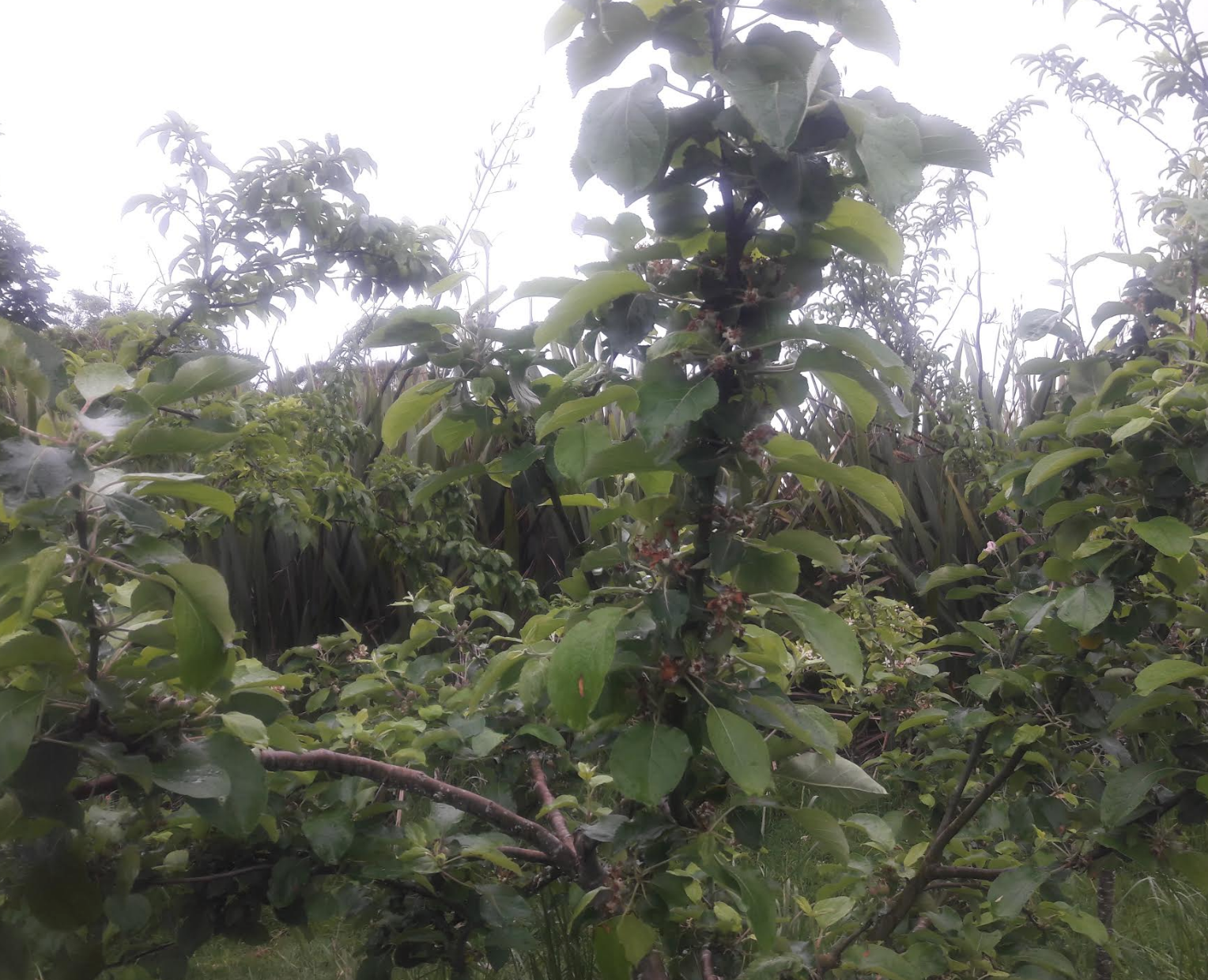
The 3,000+ trees we’ve planted have benefitted from recent summer rains, especially the stone and pip fruit orchard. Shown below are plums in the foreground and apples in the background.
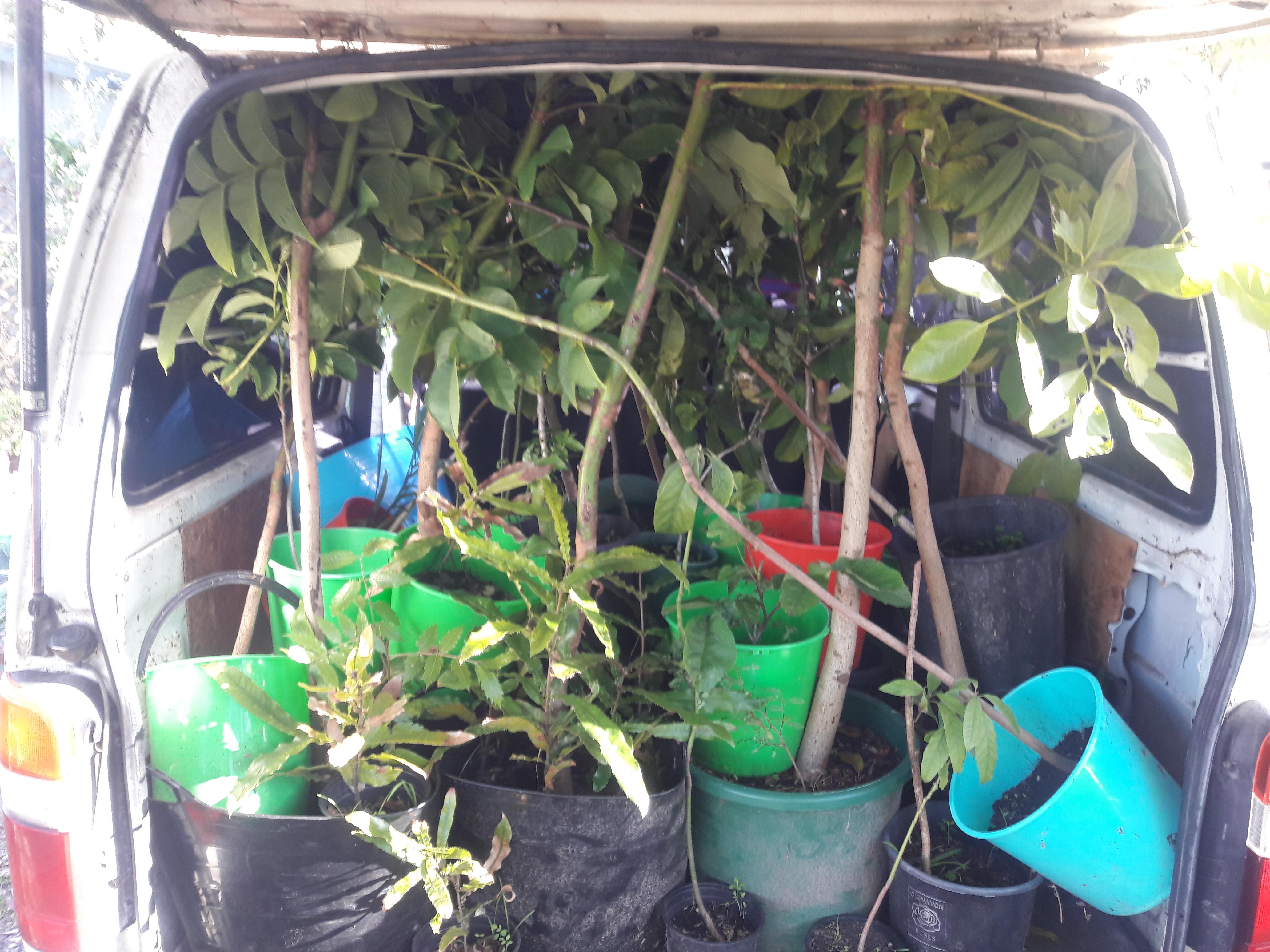
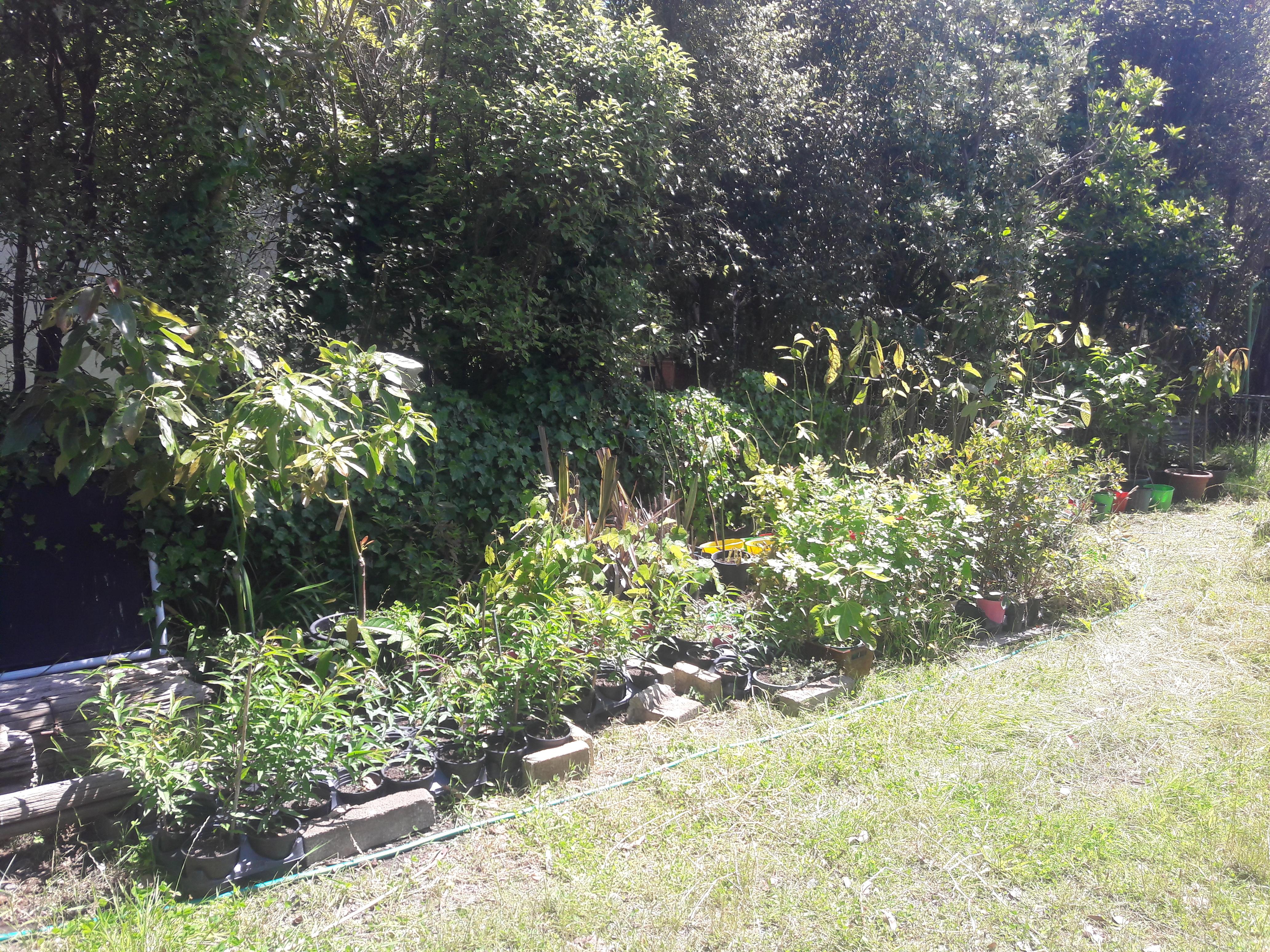
Earlier this week we were gifted about 80 avocado, walnut and macadamia trees. We borrowed a friend’s van and took a day trip to Waikanae to collect them.
They’ve been placed in the back of the nursery for some TLC before being planted out. They join peach, oak, guava, fig, and olive saplings along with grape vines.
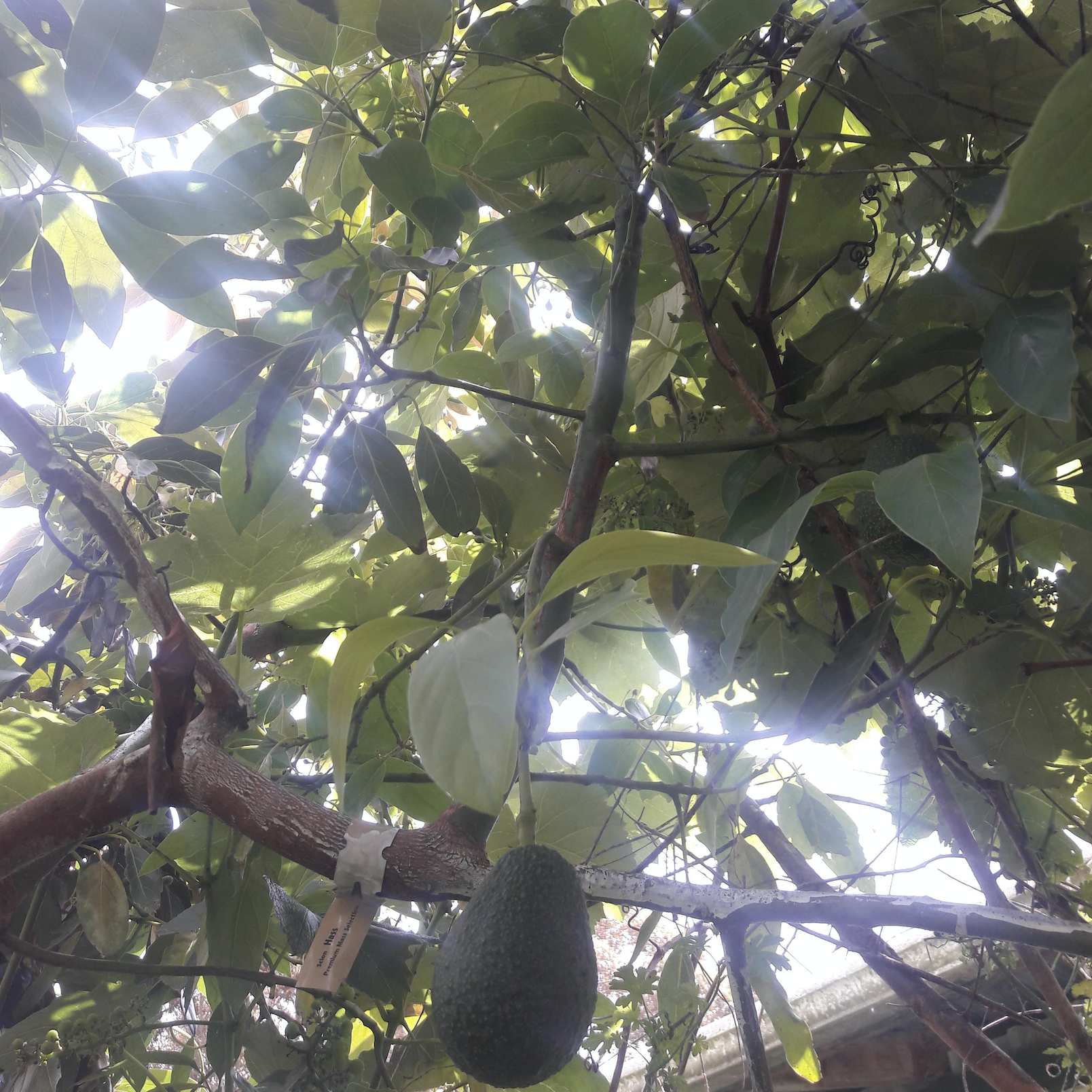
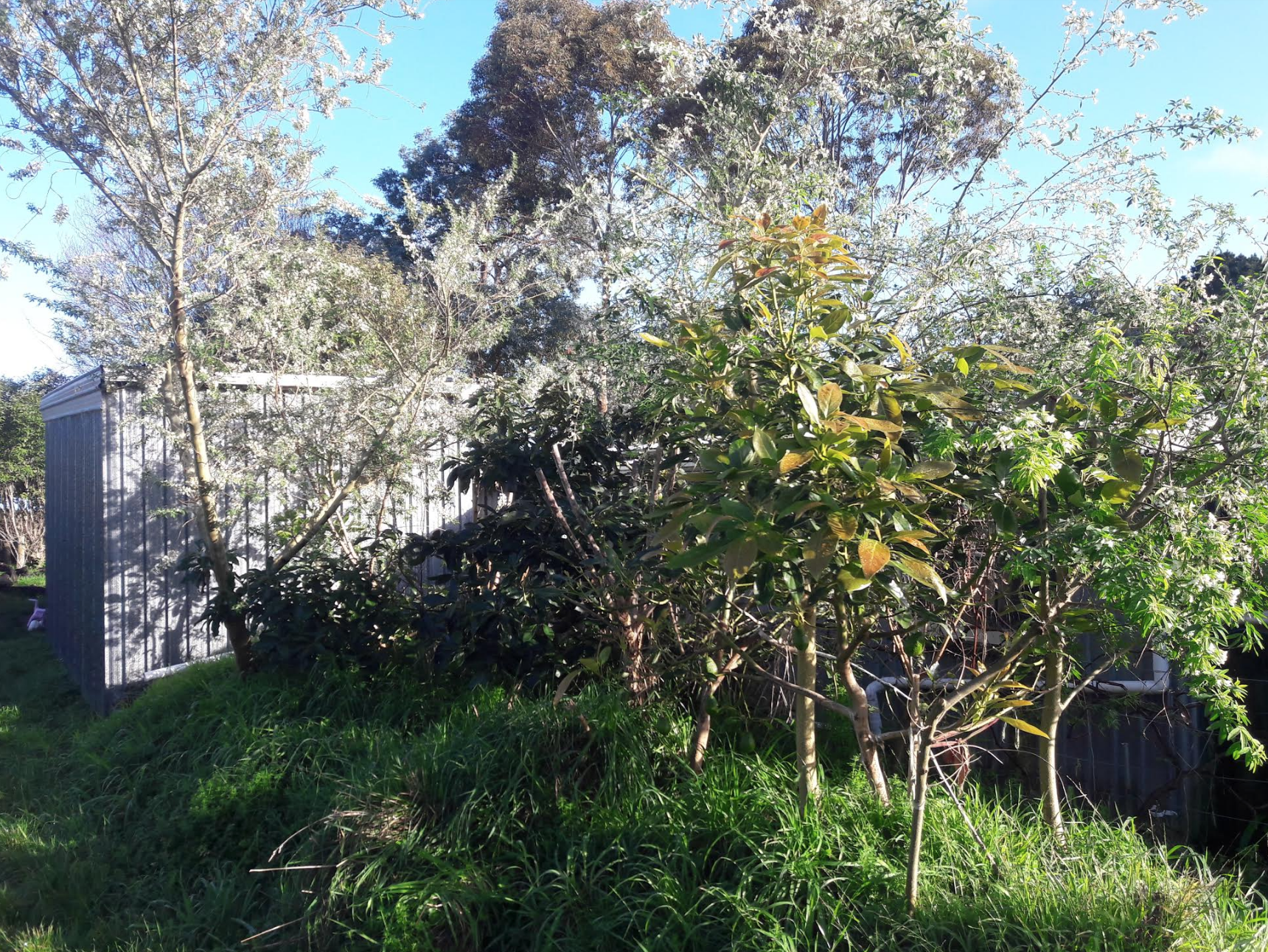
Meanwhile our avocado trees have set next season’s fruit while still hanging onto this season’s.
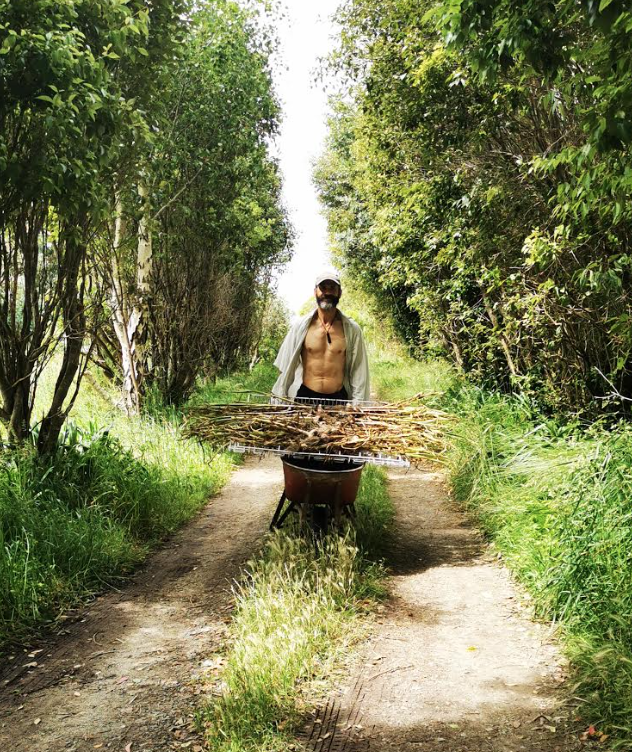
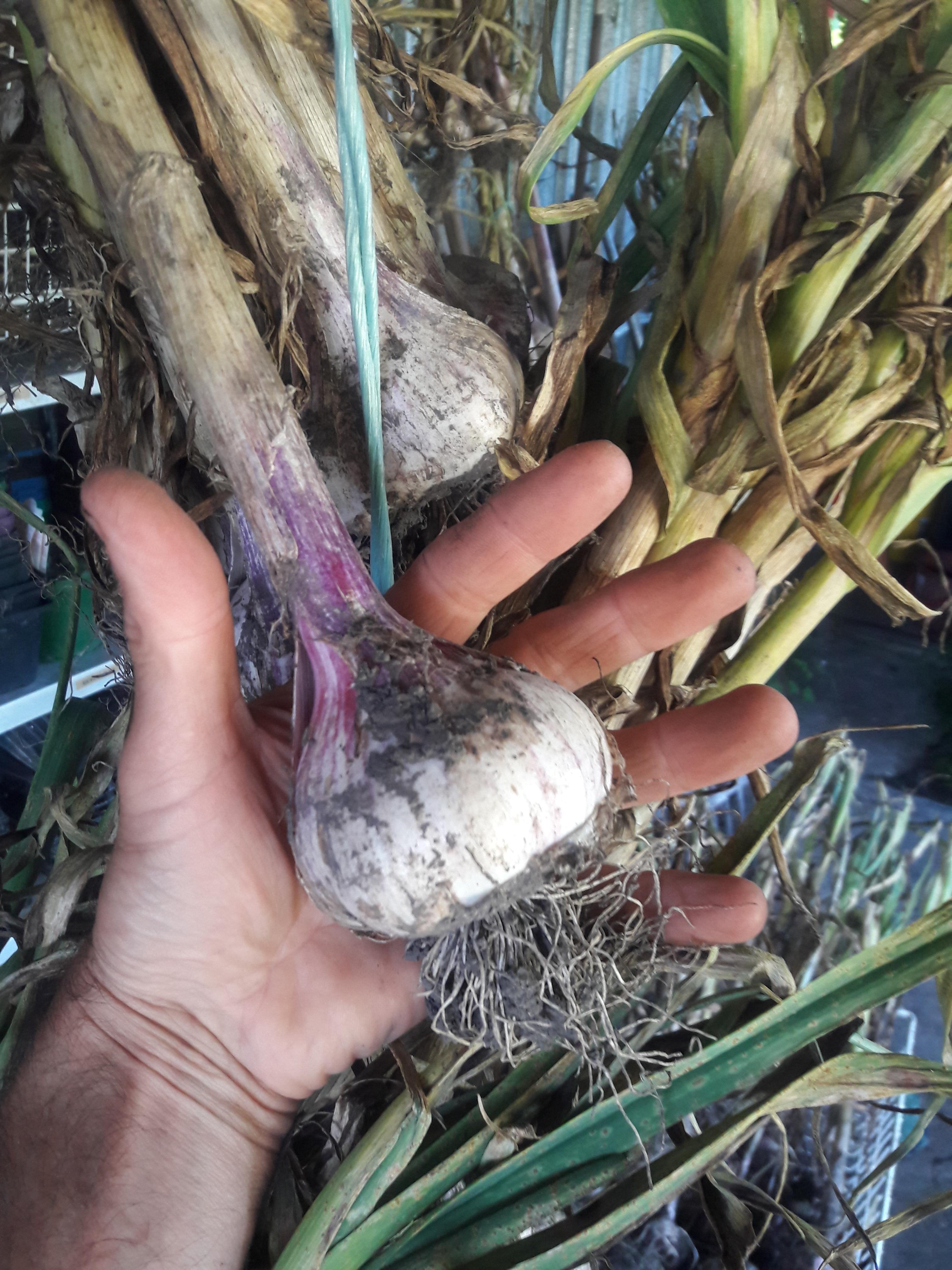
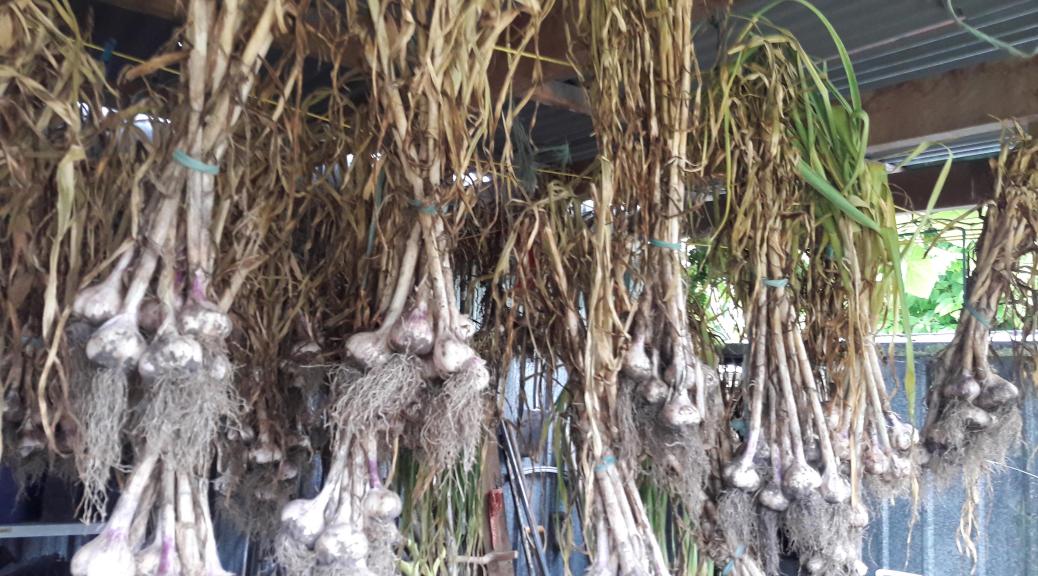
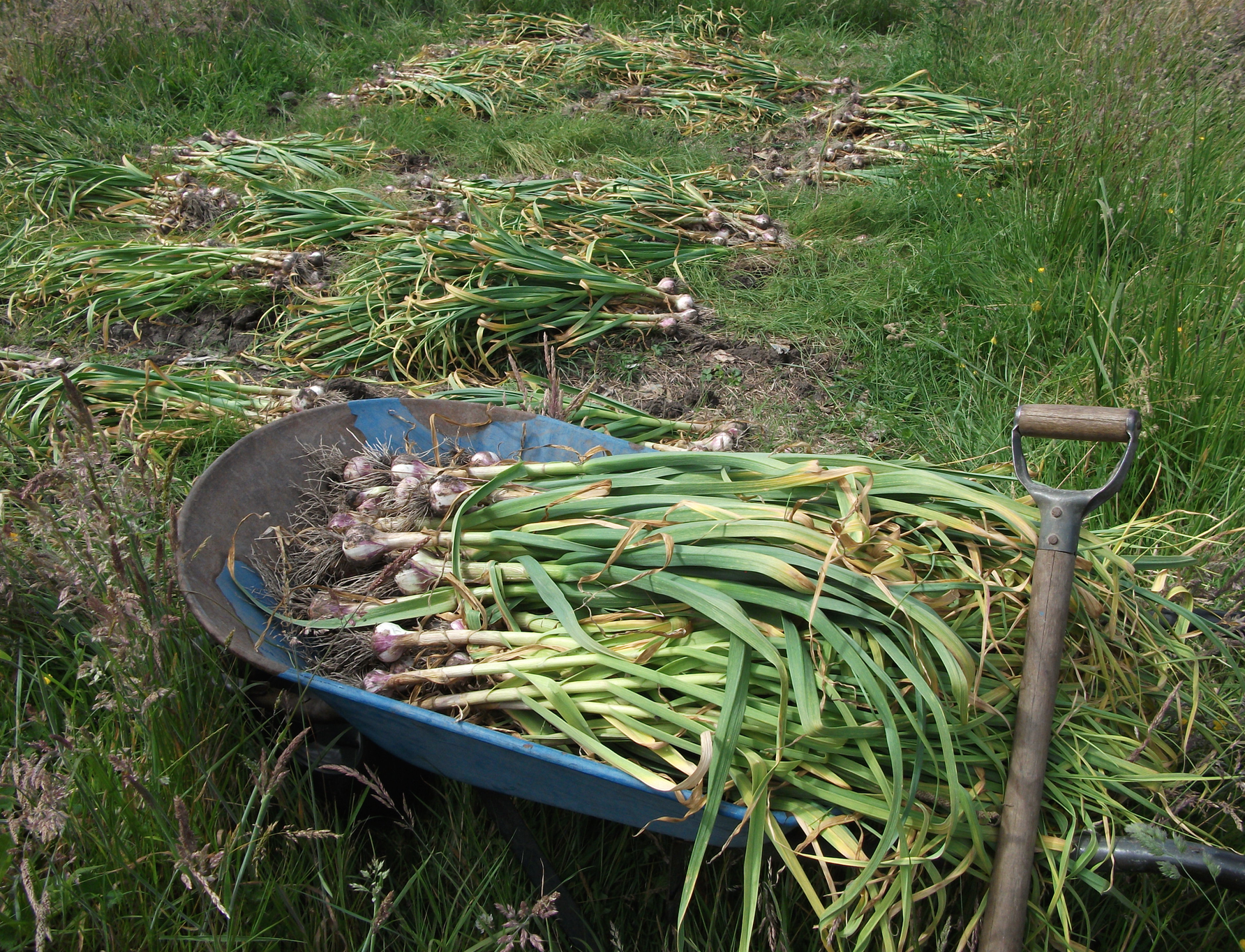
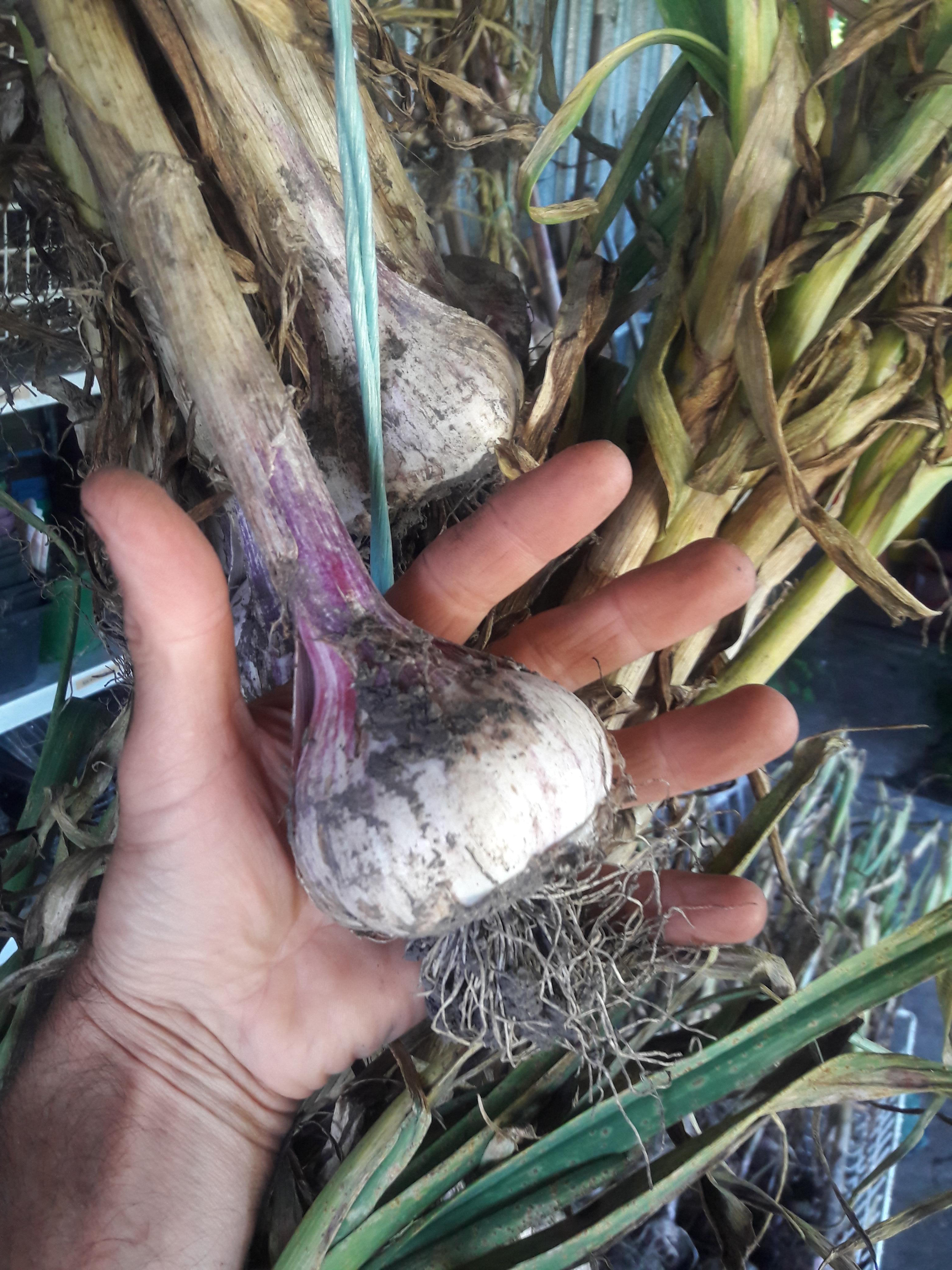
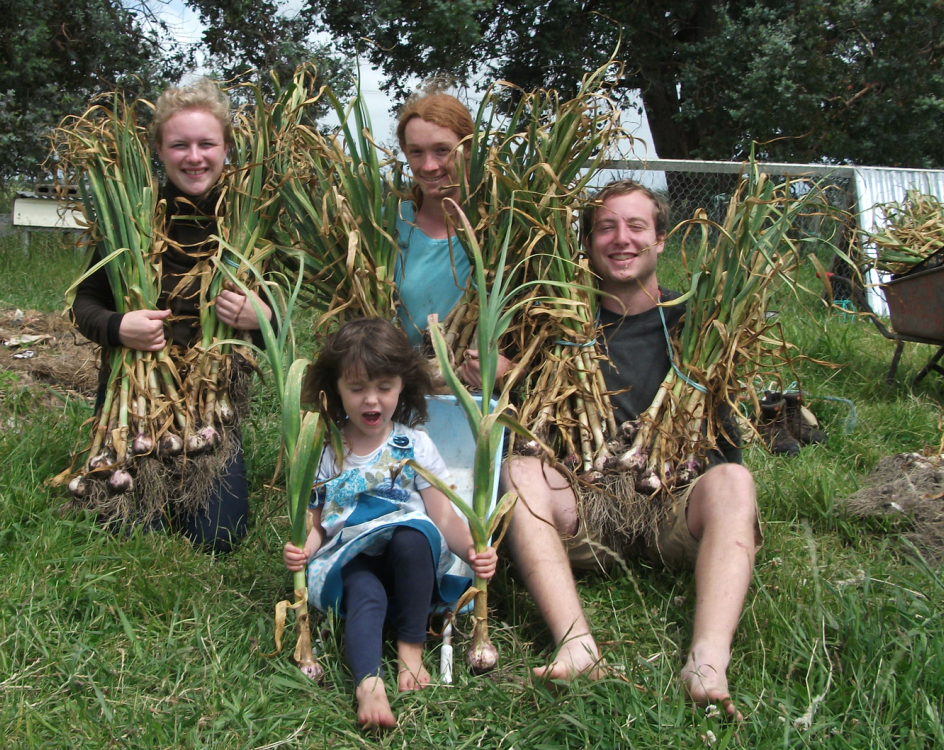
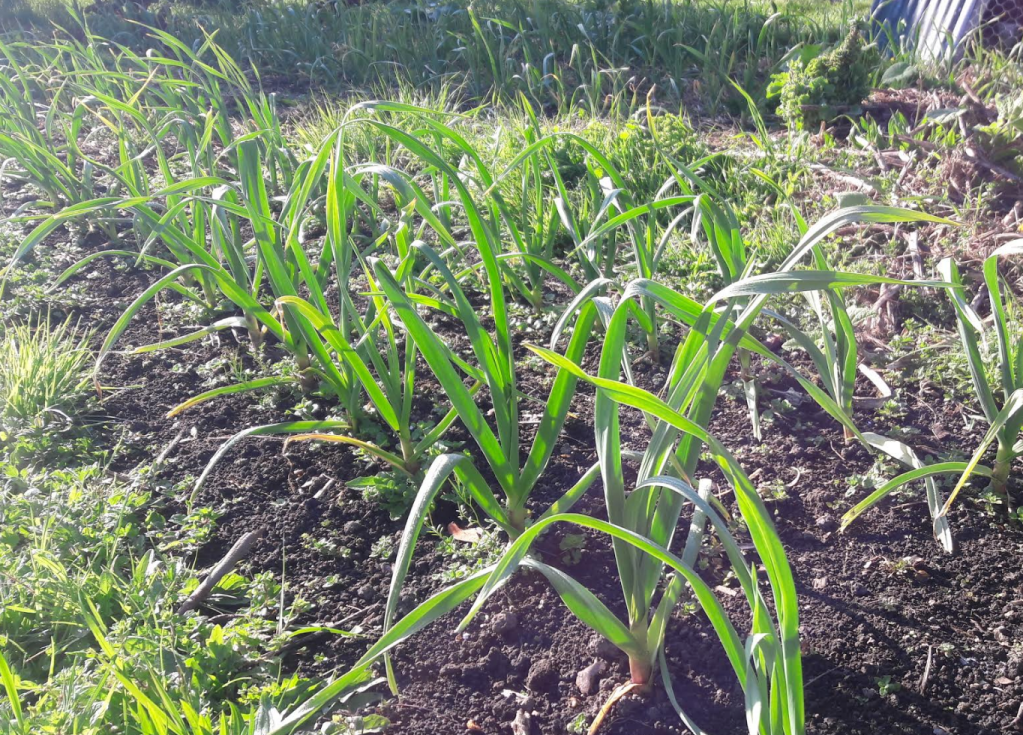
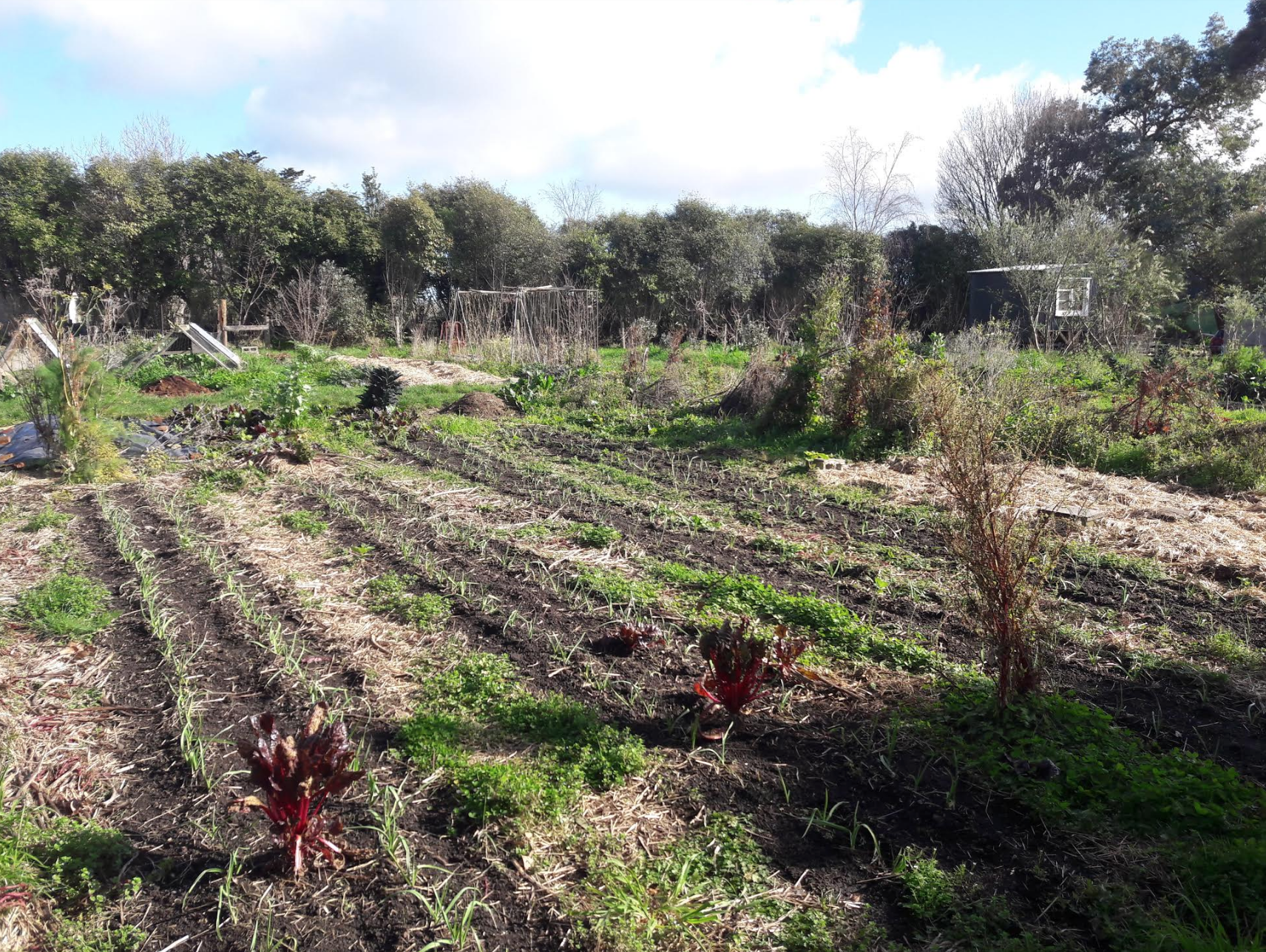
We’ve had an excellent garlic harvest this season and now it’s been hung to dry.
We’ll be selling organic seed garlic starting in April.
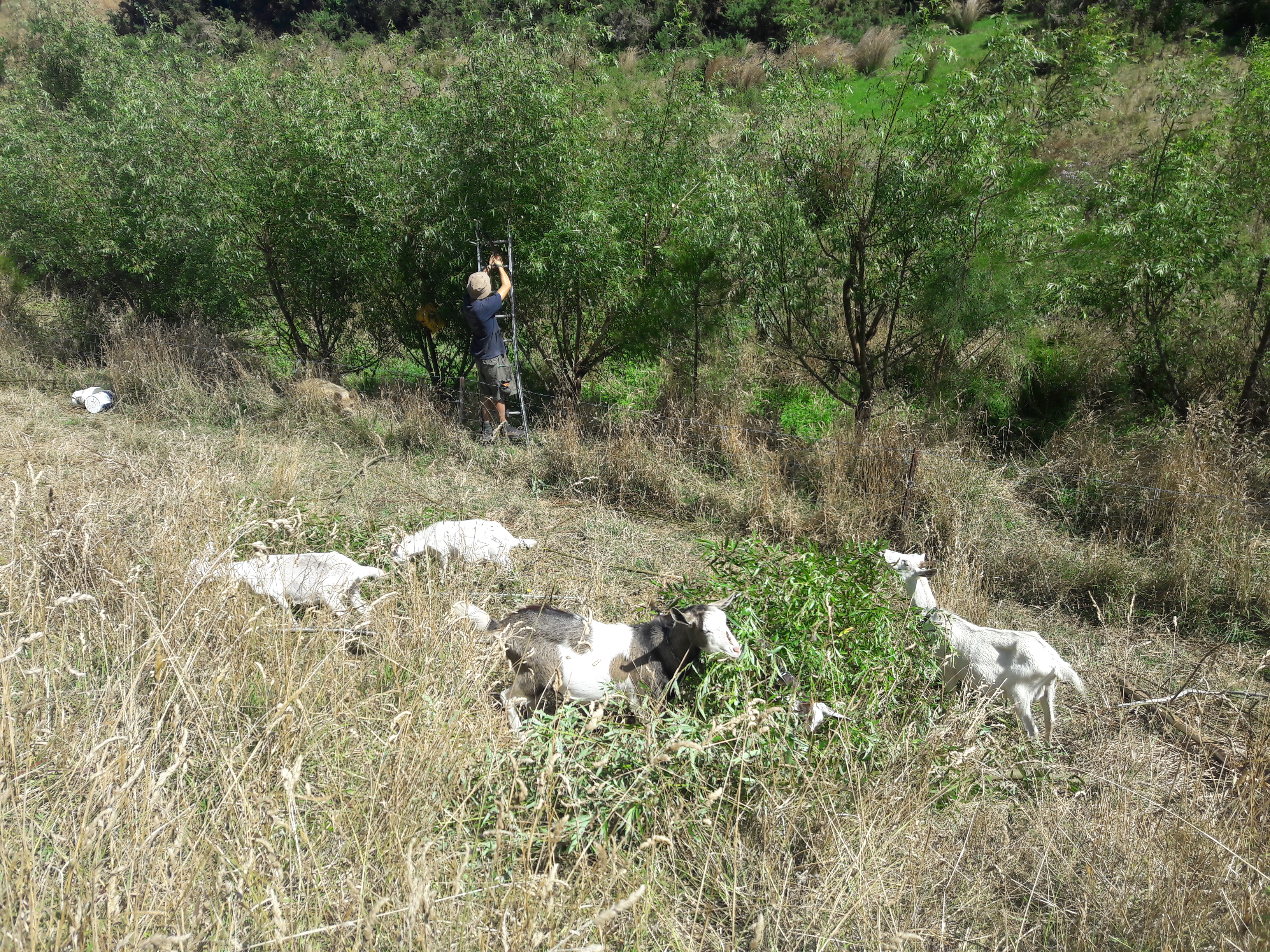
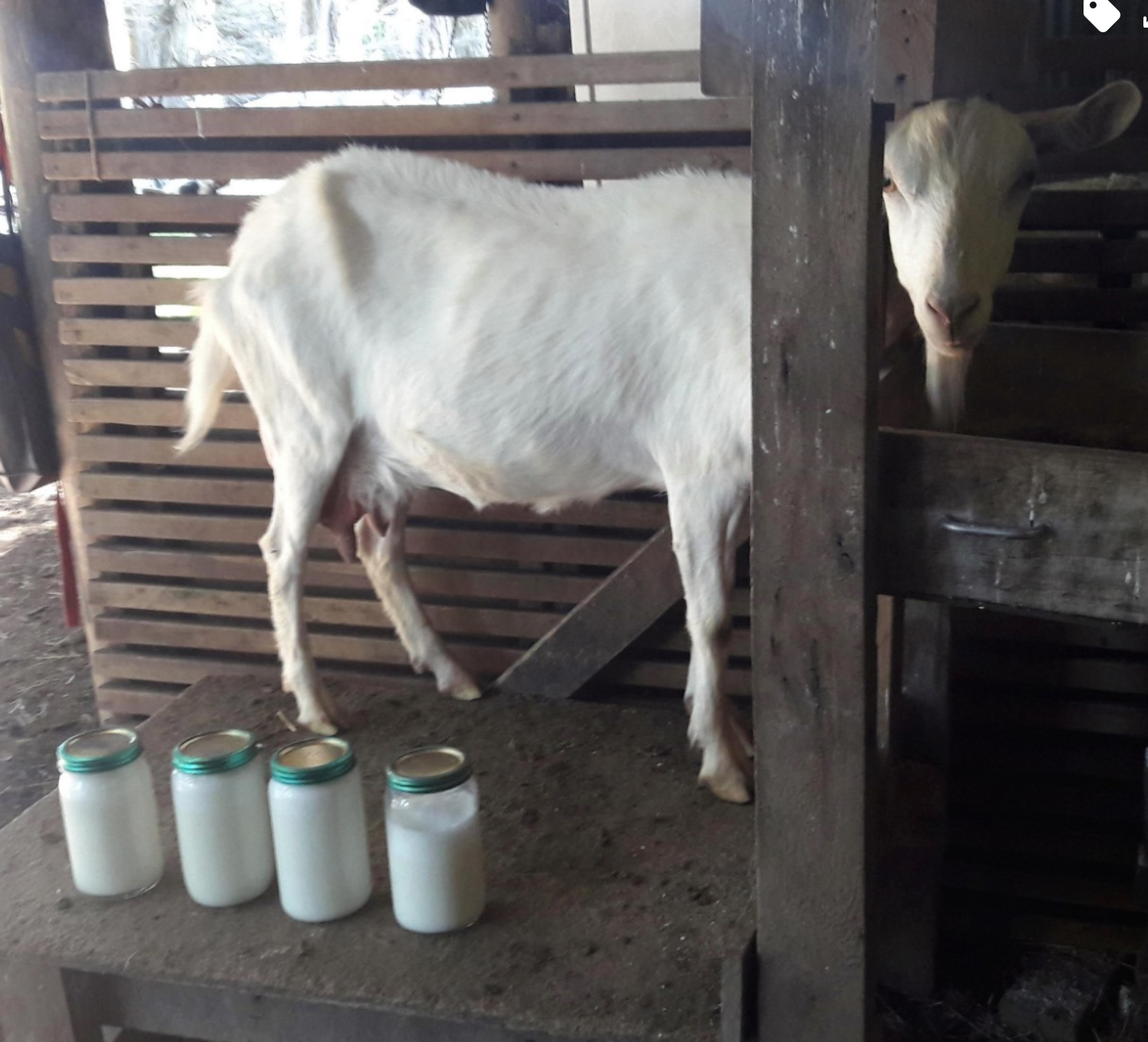
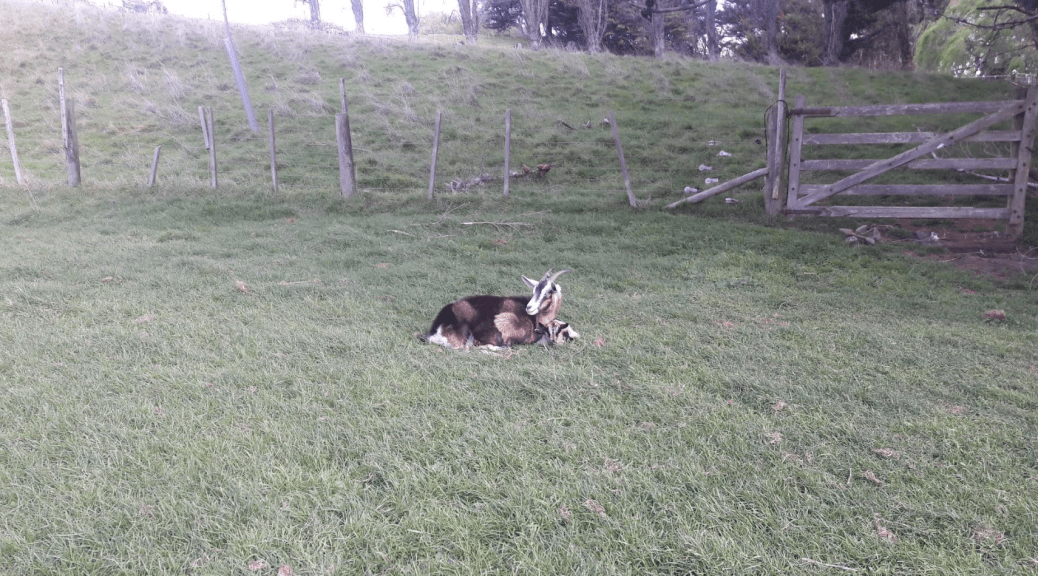
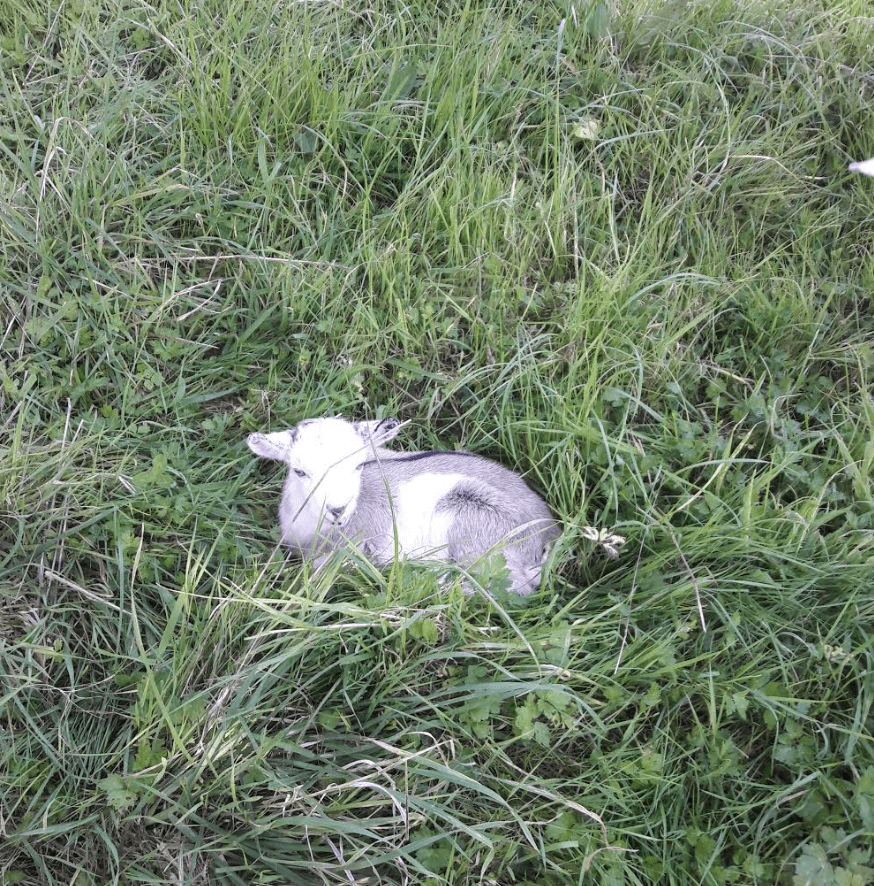
The goats are producing plenty of milk…
…and we’re making halloumi multiple times each week.
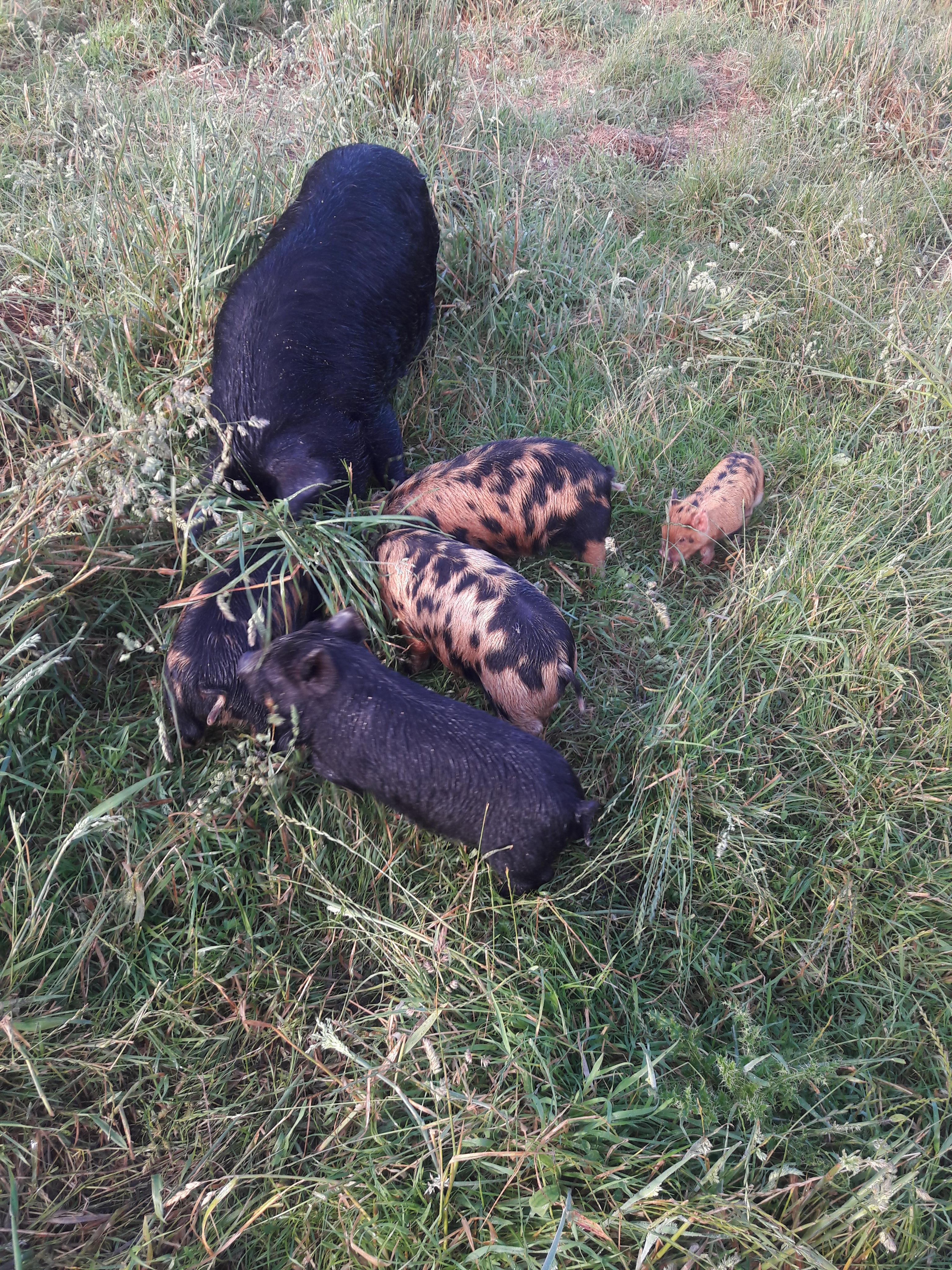
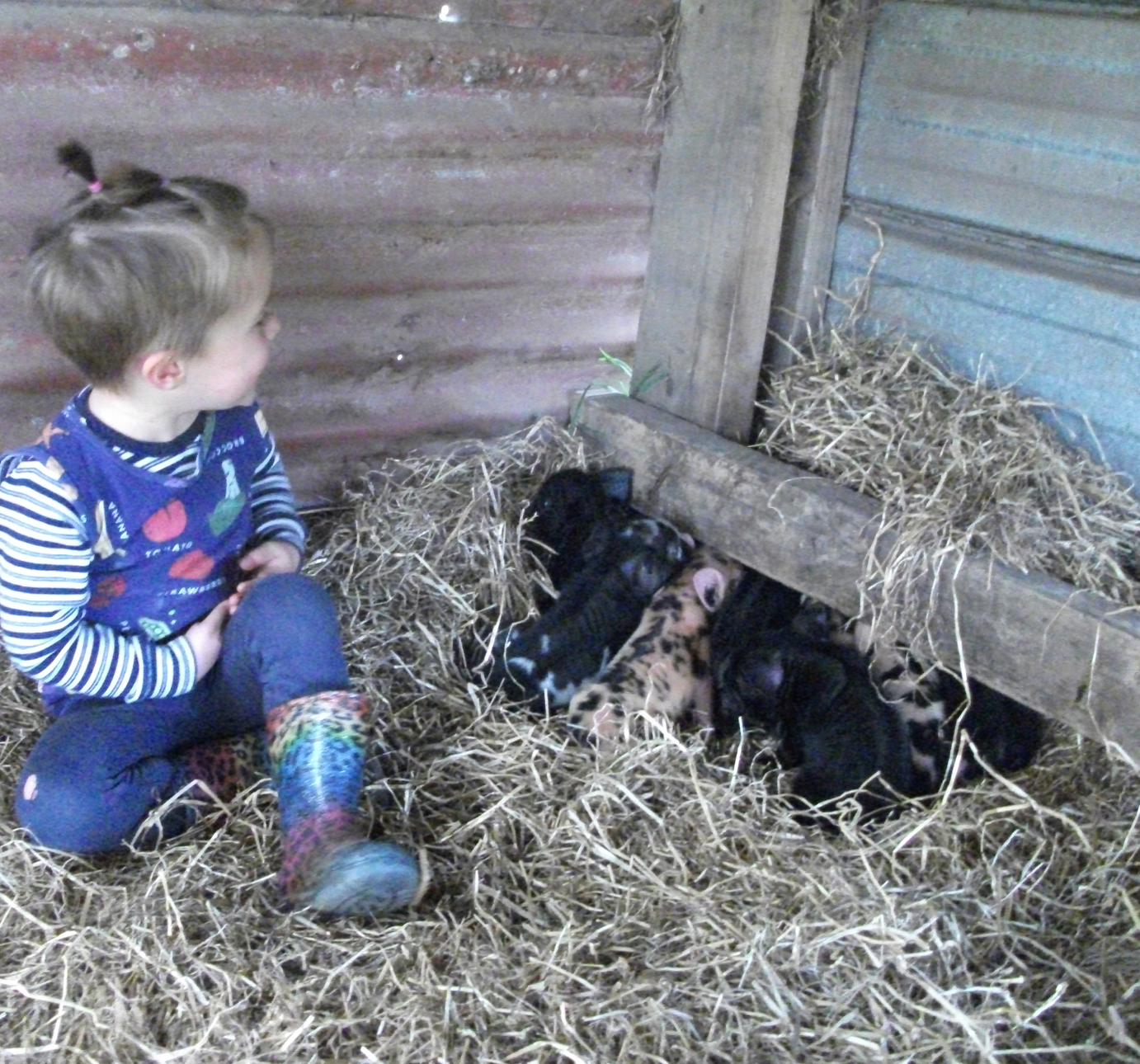
We’ve had two litters of piglets with another on the way.
Heaps of tomatoes, zucchinis, pumpkins and cucumbers in the ground but rabbits have eaten all of our beans and snap peas.
Lots more going on but to be honest I need to head out the door and get to work.
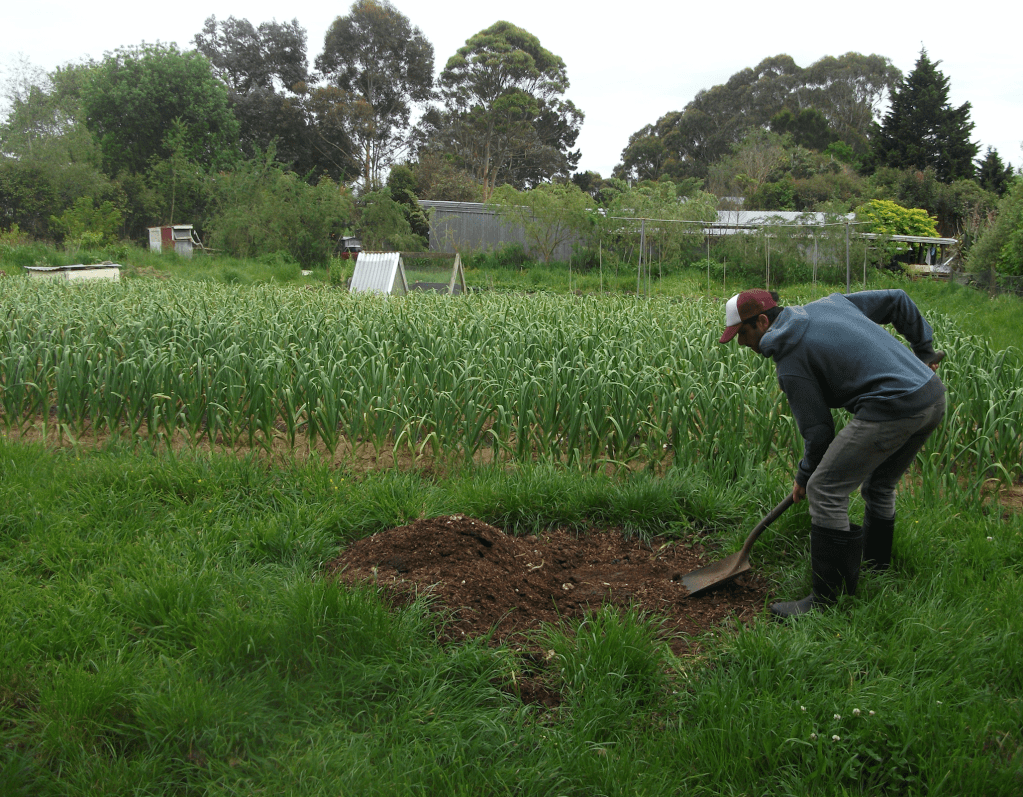
I’ve been growing garlic organically for two decades and this may have been the best harvest yet.
After a crop failure two years ago due to ‘rust’ I was considering giving up. But instead I made some alterations. Last years crop was small in quantity but huge in bulb size and amazing flavour.
This year was even better.
Here is a blog I wrote a number of years ago explaining some of my key strategies and techniques.
Join us for a relaxed walk through the farm ‘reading’ what the land is telling us about soil, water, life and past events. How can this knowledge help us make the most of land restoration efforts?
3-4:30 pm. Bring boots and appropriate clothing. $20
14th February: Goats 101
Goat curious? This hands-on workshop explains what we have learned about keeping goats and the land healthy and productive. Includes diet, trimming hooves, worm management and milking.
2:30-4:30 pm. Includes milking and clipping hooves. $30
21st March: The Affordable Eco Home
This workshop covers key aspects of designing and building a new home in an urban or rural location including: orientation; energy performance; ventilation; windows & doors; insulation; minimising construction waste; designing for expansion; self-build options; waste water and composting toilets.
1:30-5:30 pm. Includes afternoon tea. $70
18th April: Building Garden Beds & Hot Composting
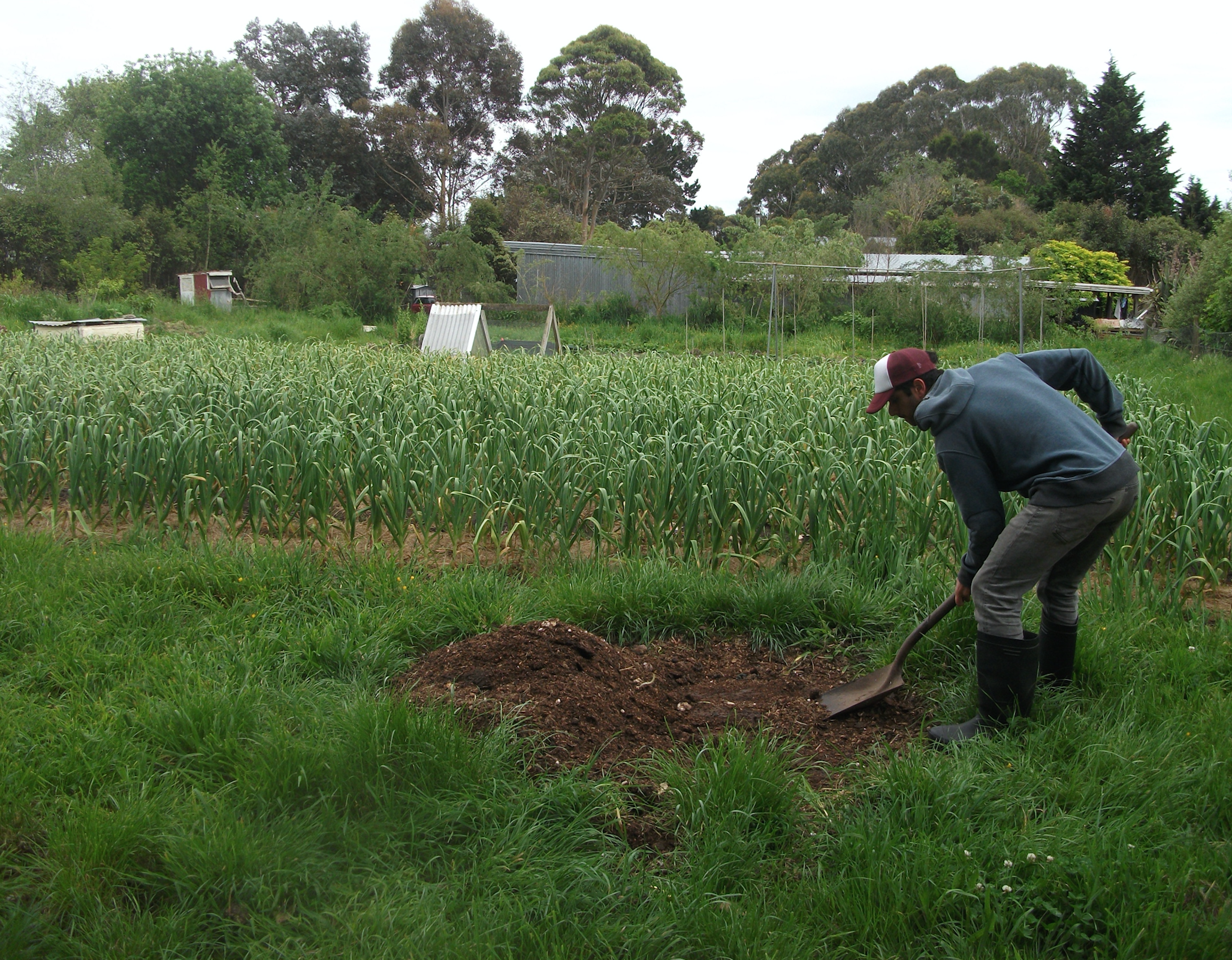
Less effort for a better result: this hands-on workshop explains how to build and manage low-maintenance vegetable beds, as well as a simple method for hot composting.
3-4:30 PM. Come prepared to get dirty. $20
24th April: The Resilient Farm Tour
Extremes of climate put pressure on farmers worldwide. This tour explains some steps we’ve taken to ‘climate proof’ our farm over the last seven years and the amazing results.
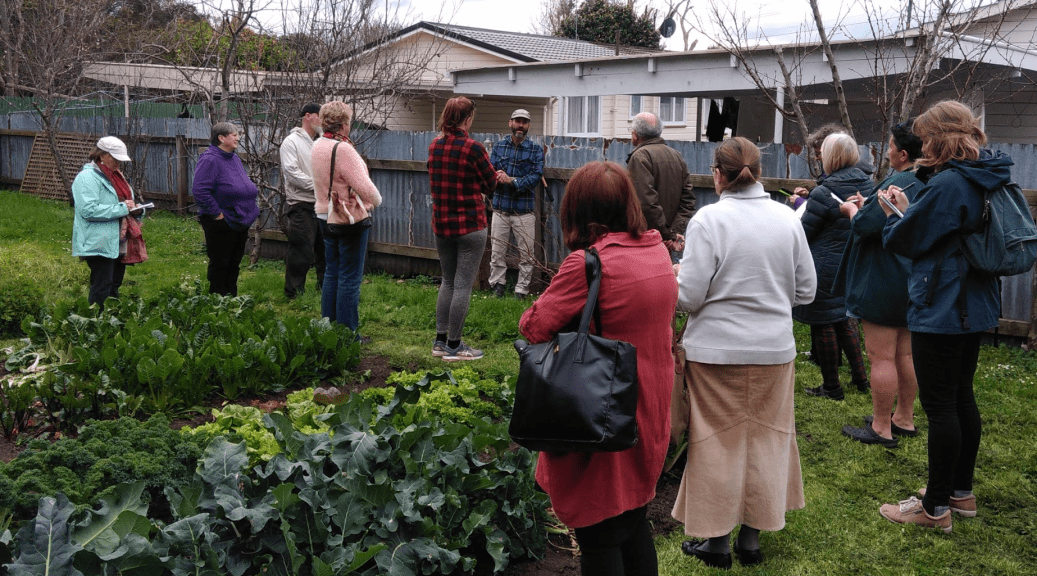
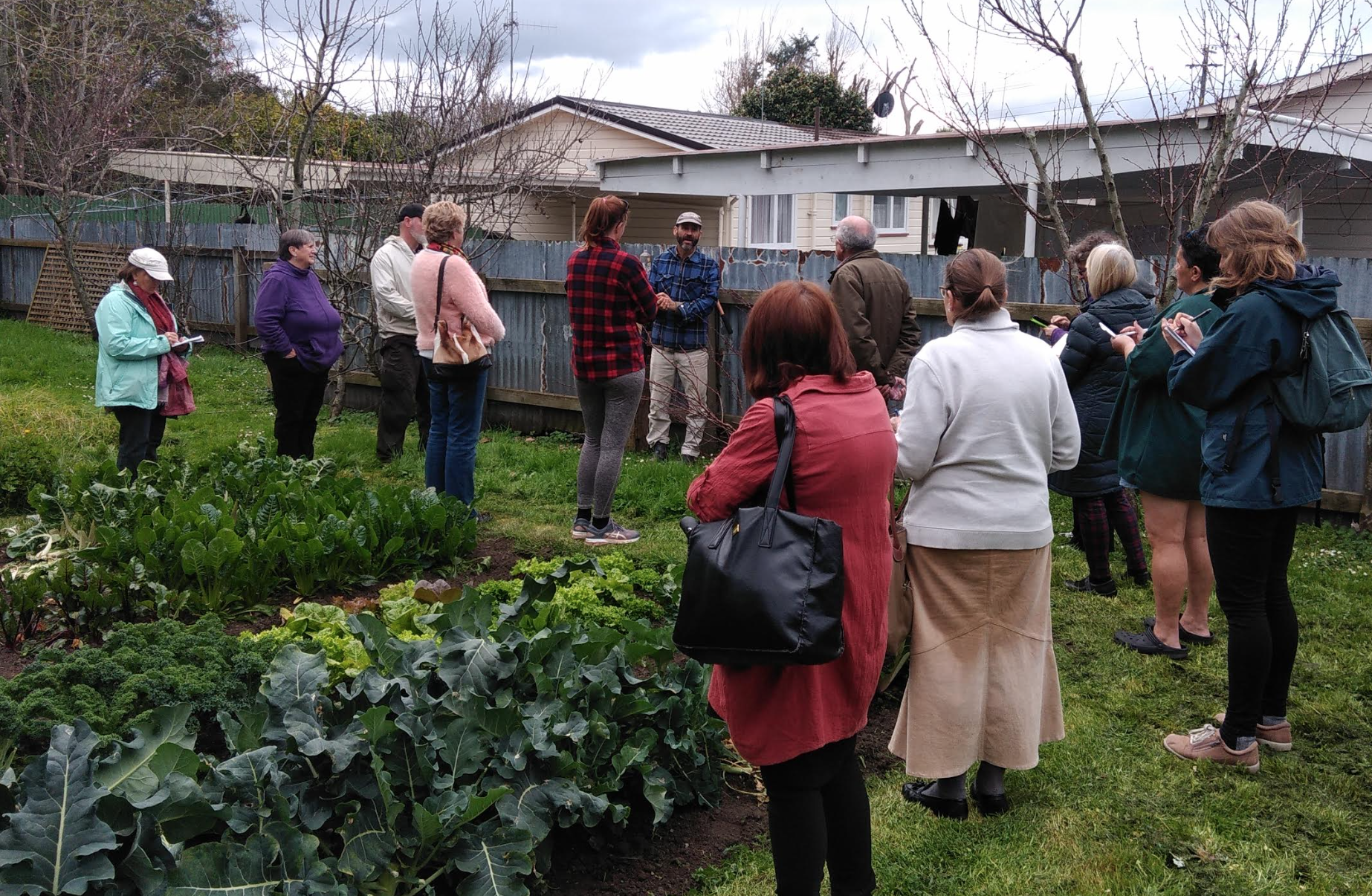
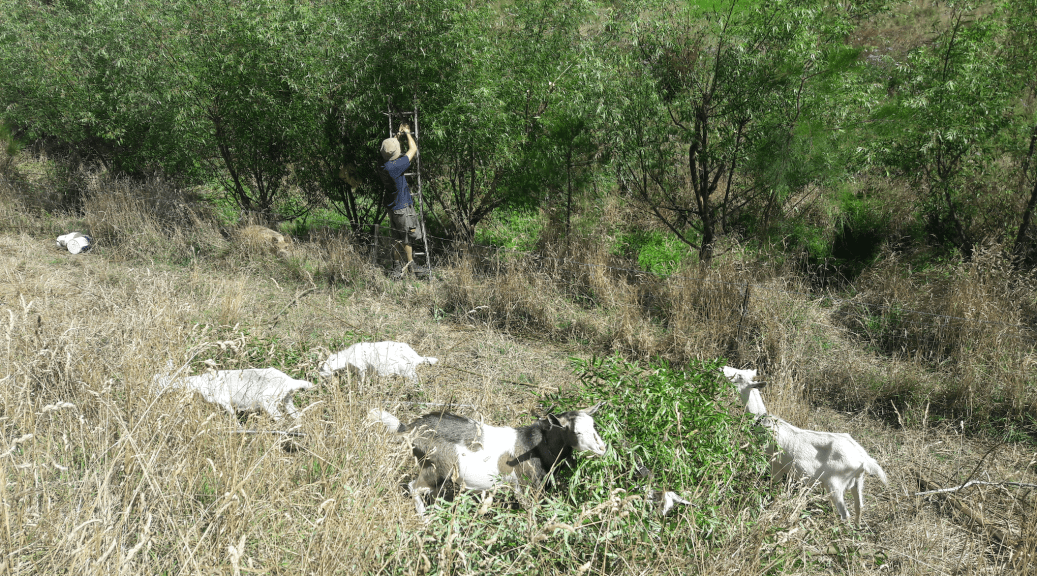
We’ve put together a list of some of the core components of a permaculture property and arranged a ‘Show & Tell’ walking tour. Topics include: no-dig gardening; potting bench and plant nursery; vertical growing & small spaces; preventing pests and diseases in fruit trees; best tools and how to use them (stirrup hoe; broad fork; scythe); hot composting; tree lucerne (Tagasaste); chicken tractors; browsing goats; creative reuse in building; outdoor kitchen including solar cooking, rocket stoves, and solar dehydrator. There will also be a discussion of our diverse income streams.
2-5 pm. $50
16th May: Two Gardening Workshops
Building Garden Beds
Less effort for a better result: this hands-on workshop explains how to build and manage low-maintenance vegetable beds.
2-3 pm. $10
Growing Great Garlic
We have been growing amazing organic garlic for two decades. This workshop explains how to ensure a great crop.
3-4:30 pm. With a free bulb of seed garlic and small bag of compost. $25
13th June: Sorting Through the Double Glazing Options
What are the pros and cons of each approach to double glazing and which is best for you? Don’t waste your money on the wrong options! This workshop is a must for anyone considering upgrading their windows and doors.
3-4:30 pm. $25
19th July: Eco-Thrifty Retrofit
What are the first and best investments to make to a home to improve comfort and health? This house tour identifies the ‘low-hanging fruit’ which provide the best return on investment as well as warn against wasting money on expensive marginally effective products.
5:30-7:30 pm. $40
August: TBD
6th-12th September: Festival of Adult Learning
Gardening, Fruit Tree Care, Composting, Bicycle Repair, and Healthy Home Workshops TBC
We’ve put together a list of some of the core components of a permaculture property and arranged a ‘Show & Tell’ walking tour. Topics include: no-dig gardening; potting bench and plant nursery; vertical growing & small spaces; preventing pests and diseases in fruit trees; best tools and how to use them (stirrup hoe; broad fork; scythe); hot composting; tree lucerne (Tagasaste); chicken tractors; browsing goats; creative reuse in building; outdoor kitchen including solar cooking, rocket stoves, and solar dehydrator. There will also be a discussion of our diverse income streams.
$50 or couples for $80.
RetroSuburbia: A Whanganui Case Study
What are the best strategies to renovate an old home and an old section? This workshop covers the do’s and don’ts for home renovations as well as edible ‘foodscaping’ on suburban sections.
$40 or couples for $70
Design & Build for High Performance Buildings.
This hands-on workshop will focus on the Five ‘Must Haves’ for building energy efficient new homes or cosy sleep-outs.
$40 or couples for $70
Minimum numbers required for workshops to run.
Registration and non-refundable deposit essential. theecoschool@gmail.com
Although I’ve seen fewer bees on the farm this spring than usual the fruit set has been excellent. The weather has been relatively good for stone fruit and pip fruit and we especially welcome the rains forecast for this week pre-summer.
Below are a selection of plums, peaches, apples, pears, quinces, blueberries, grapes and of course lemons.
The featured image is Manu next to his lock-down Birthday Strawberry Bed!
Our PDC Internship is on hold for the time being but we are still keen to welcome helpers on the farm.
Kaitiaki Farm is a 5.1 hectare (13 acre) property located 4 km outside Whanganui, New Zealand. We operate as a mixed-use operation leveraging niche markets for annual crops, perennial crops, nursery trees and animals.
We are looking for help with: annual gardening; plant propagation; tree planting; animal care; fencing/building; more.
Kai ora koutou! What beautiful spring weather we have had the past three days!
The sunshine and warmth following recent rains have created the perfect conditions for new growth. Some signs of spring on our farm include: our black boy peach trees in full bloom;
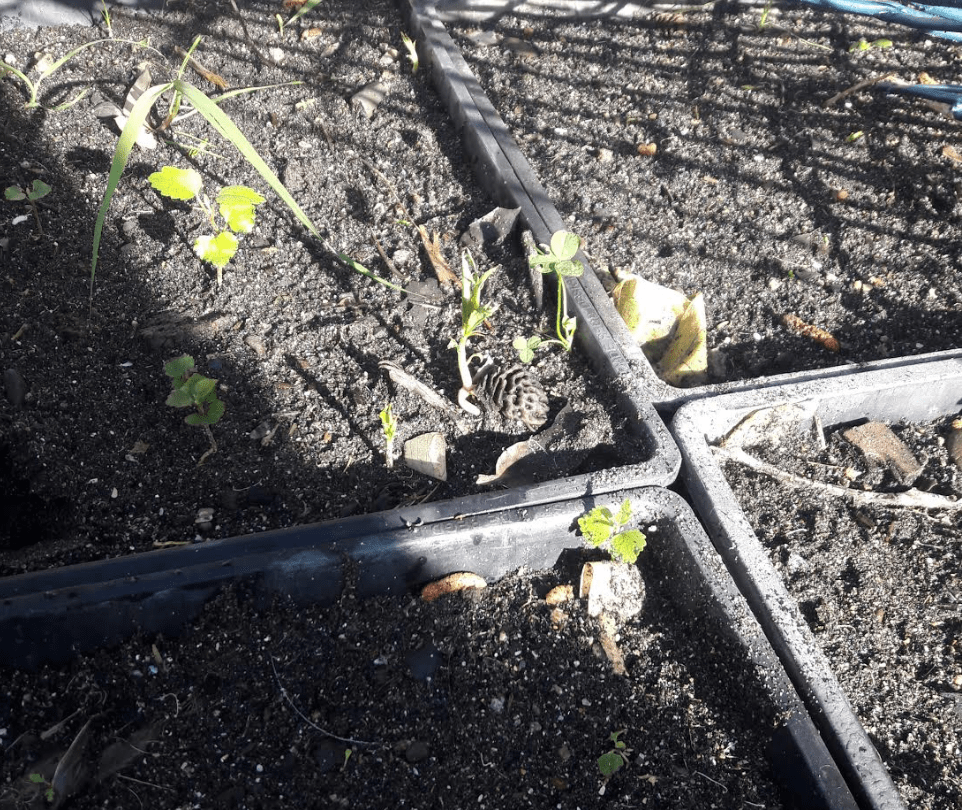
last years peach stones beginning to germinate;
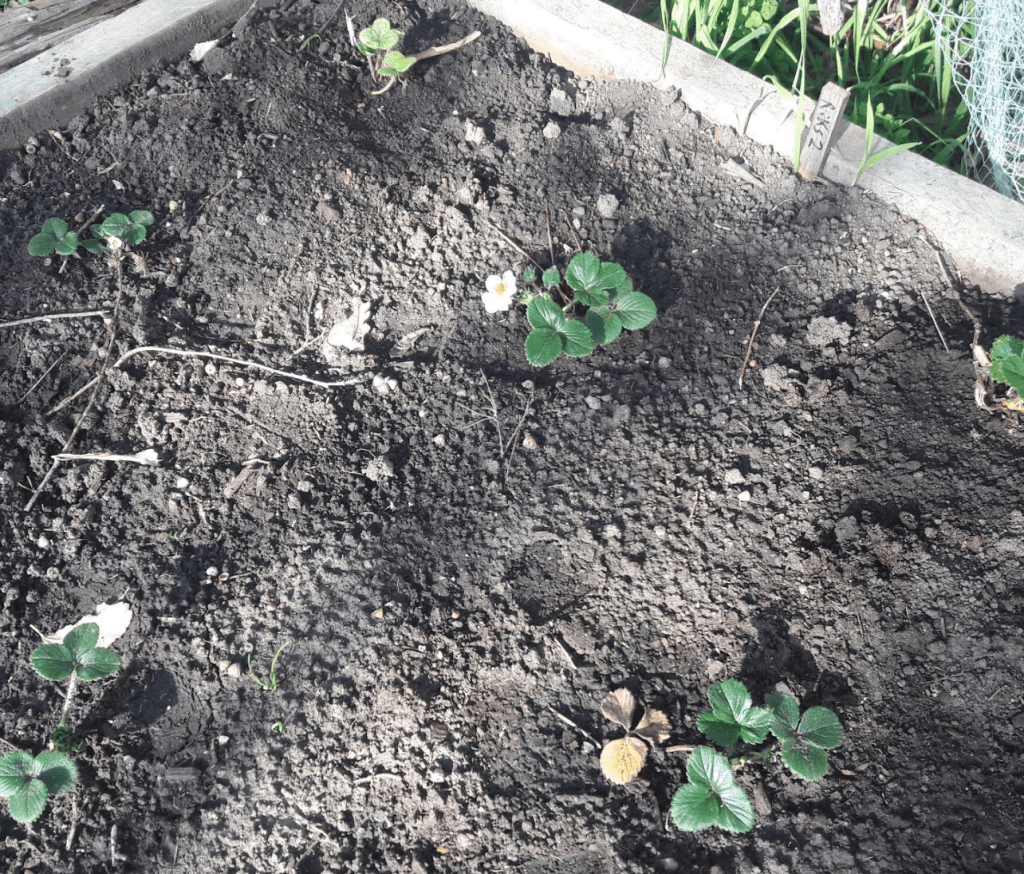
strawberries blossoming;
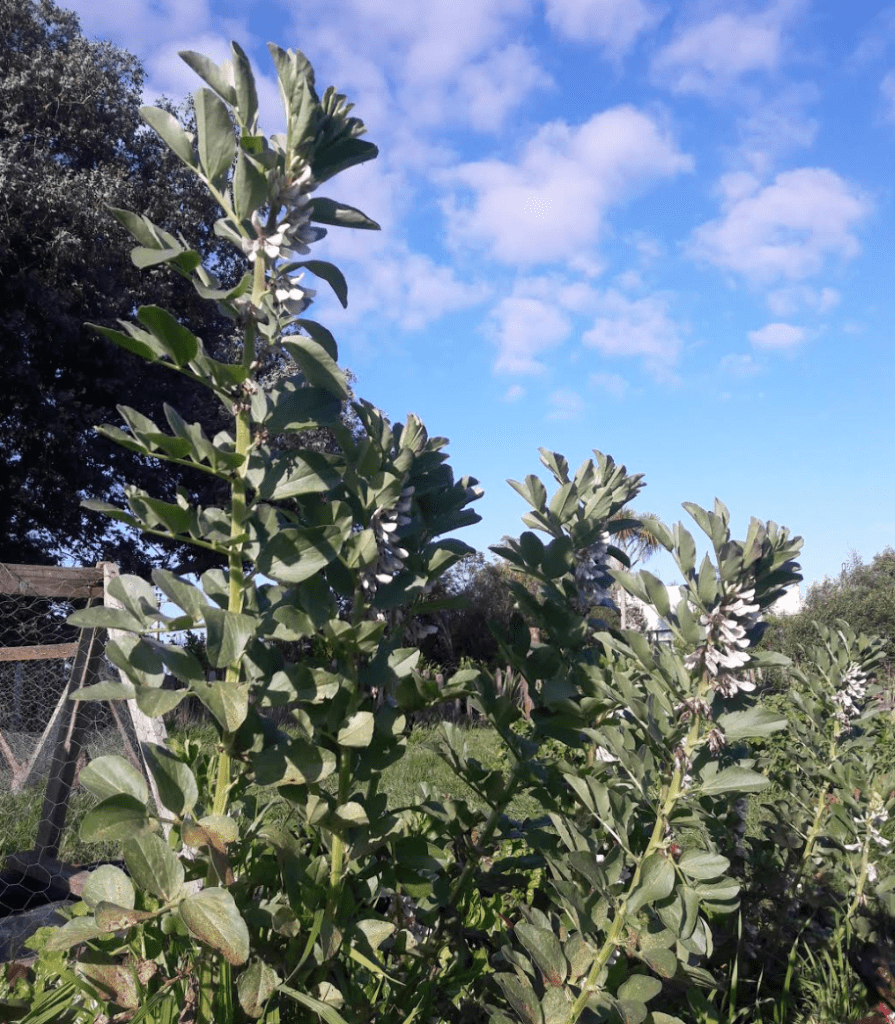
the broad beans not knocked over by the wind are flowering
After six years Kaitiaki Farm is thriving as a result of our regenerative practices . This is an opportunity to immerse yourself in holistic land management and eco design on one of New Zealand’s premier permaculture farms.
The weekend includes: farm tour; market gardening; fruit tree care; managing goats in a browse-based system; kune kune pigs in orchards; tractoring fowl in land management; climate-resilient farming; improving pasture health without heavy equipment or chemicals; stream corridor restoration; native plantings; water management; setting up a plant nursery; identifying niche markets; disease-resistant fruit trees; growing avocados in marginal conditions. Plus: solar cooking; rocket stoves; important considerations about grey water and compost toilets; Building-Code compliant sleep-outs and tiny homes.
Kaitiaki Farm is a 5.1 hectare (13 acre) property located 4 km outside Whanganui, New Zealand. We operate as a mixed-use operation leveraging niche markets for annual crops, perennial crops, nursery trees and animals.
Saturday 28th November, 1 pm – Sunday 29th November, 4 pm. Meals included. (We can help find accommodation.)
$170 per person with all meals included.
Individual sessions are also available below.
Draft Schedule:
Saturday 28th Afternoon: 1 – 5 pm ($60)
Farm tour; climate-resilient farming; improving pasture health without heavy equipment or chemicals; stream corridor restoration; native plantings; working with your Regional Council; water management; managing goats in a browse-based system;
Sunday 29th Morning: 9 – 12 ($50)
Market gardening; fruit tree care; kune kune pigs in orchards; tractoring fowl in land management; setting up a plant nursery; identifying niche markets; disease-resistant fruit trees; growing avocados in marginal conditions.
Sunday 29th Afternoon: 12:30 – 4 pm ($50) Includes Solar Lunch.
Solar cooking; rocket stoves; important considerations about grey water and compost toilets; Building-Code compliant sleep-outs and tiny homes.
Spaces are strictly limited. Registration essential. theecoschool@gmail.com
Is it possible for a home to be both affordable and high-performance? Yes!
This workshop covers key aspects of designing and building a new home or renovating an existing home in an urban or rural location including: orientation; materials; energy performance; ventilation; windows & doors; insulation; self-build options; reusing materials; waste water and composting toilets.
Tutor: Nelson Lebo is a leader in NZ’s Healthy Homes movement. He has been featured on all major NZ media platforms including TV, radio, newspapers, magazines, and the web.
Sunday 21st March. 1:30-5:30 pm. Includes afternoon tea. $70















 Eco Thrifty Living