Category Archives: Eco Thrifty Life

The Trump-Resistant Farm

In the process of developing one of the most resilient farms on the planet there was one factor we did not take into account: the Trump Factor.

So now, alongside resilience to climate change, resilience to energy price volatility, resilience to GMOs, resilience to earthquakes, and resilience to another potential global financial crisis, we need to design in resilience to Trump. Actually, all that means is that we need to double down on all of the above. Well, maybe not earthquakes.

Additionally, we should say that we love diversity within and among our interns. We would love interns of multiple faiths, genders and sexual orientations. Some of our very best interns so far have been gay, and we would have them come back again in a heartbeat.

Other than that, it’s business as usual at Kaitiaki Farm. Here is a late spring update.

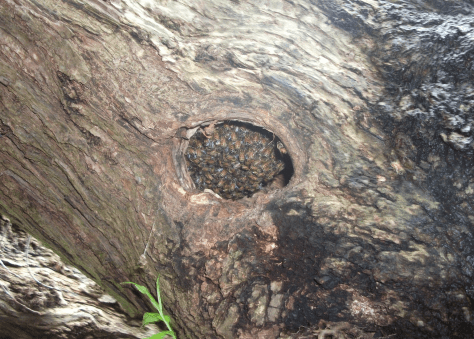
We’ve had two swarms lately. This one took up residence in a willow tree.

screen-shot-2016-11-14-at-7-02-23-am

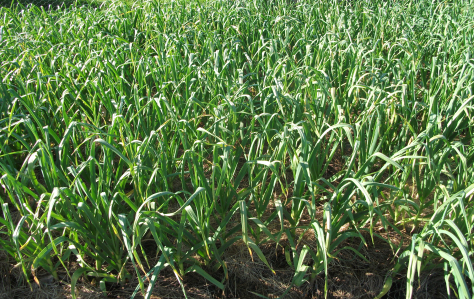
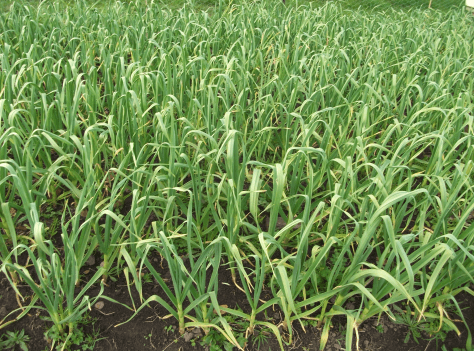
The World’s Best Garlic looks to be even better than last year’s record crop.

screen-shot-2016-11-15-at-6-40-09-am

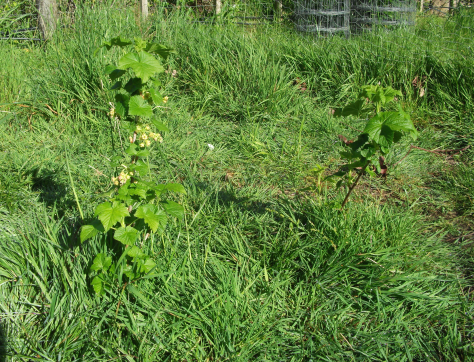
The new black currant plantings are already producing.

screen-shot-2016-11-15-at-6-40-24-am

Although some maintenance is required.

screen-shot-2016-11-15-at-6-40-57-am

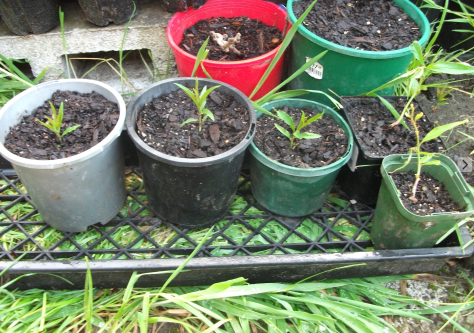
We’ve got lots of new arrivals.

screen-shot-2016-11-15-at-6-43-25-am

And soon-to-be arrivals

screen-shot-2016-11-15-at-6-43-09-am

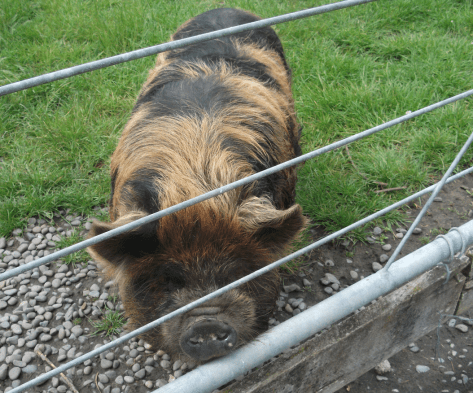
Hopefully our new boar will figure out the other two pigs are lovely ladies.

screen-shot-2016-11-15-at-6-42-33-am

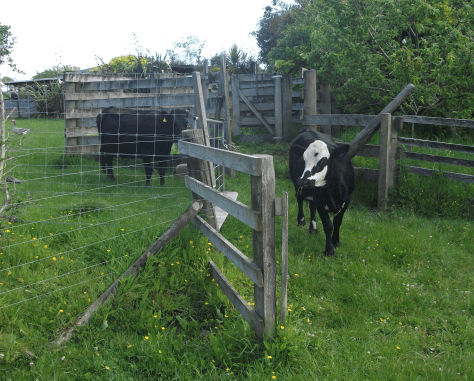
Our Dexter is due to calf in three weeks, and her yearling calf can smell the milk coming in. Gotta keep ’em separated.

screen-shot-2016-11-15-at-6-43-00-am

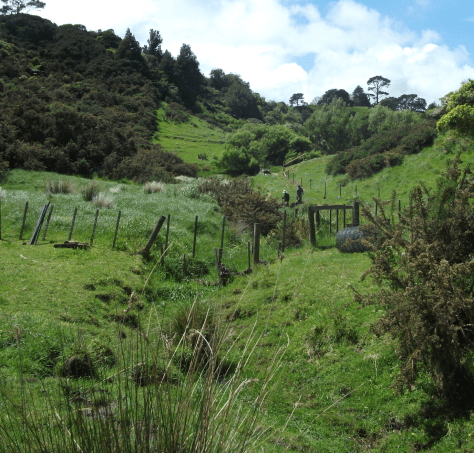
Our current interns, James and Oliver, have been hard at work helping to protect and restore our stream.

screen-shot-2016-11-15-at-6-46-32-am

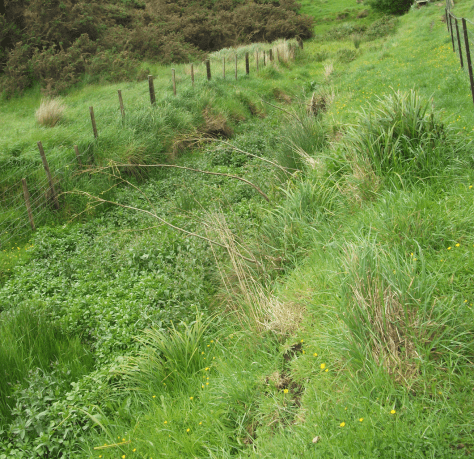
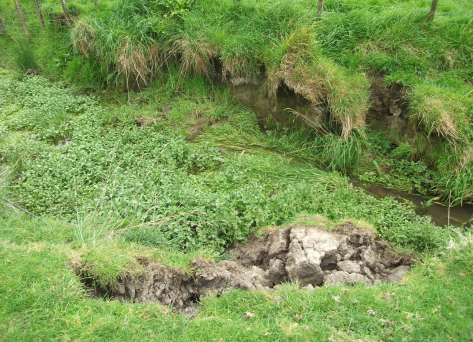
We put in some willow poles in the hope they will take even this late in the season and help stabilise this vulnerable bank.

screen-shot-2016-11-15-at-6-42-12-am

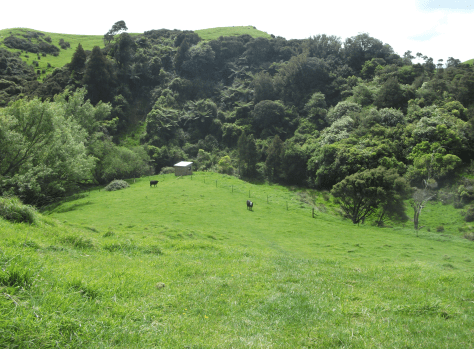
And there is even a new sleepout / getaway for those so inclined.

screen-shot-2016-11-15-at-6-39-50-am

Peace, Estwing

Doing Chores in my PJs

I’m told children benefit from routine in their lives. A farm provides that in spades. Patterns of each day and each season repeat with a regular rhythm.

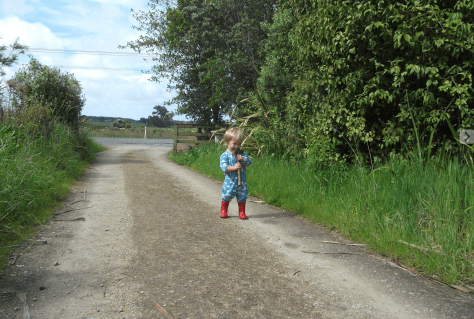
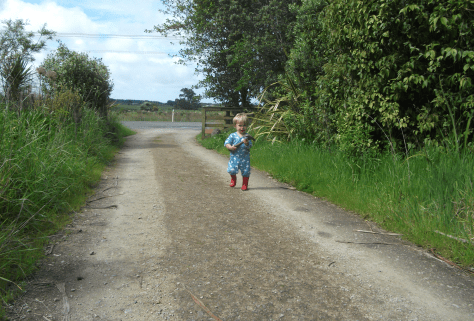
Manu is such a keen helper he does not bother getting dressed before morning chores. He is the official taster for the chook food.

screen-shot-2016-11-06-at-6-24-06-am

He also enjoys tasting hammers.

screen-shot-2016-11-06-at-6-25-02-am

But seriously, he loves helping in anyway possible, even if it is just carrying something.

screen-shot-2016-11-06-at-6-24-52-am

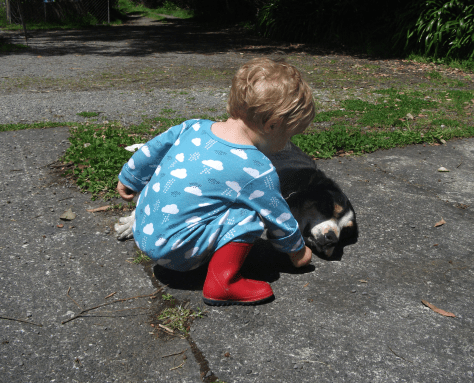
Or feeding the dog…apple slices. (Dog not enthused.)

screen-shot-2016-11-06-at-6-25-35-am

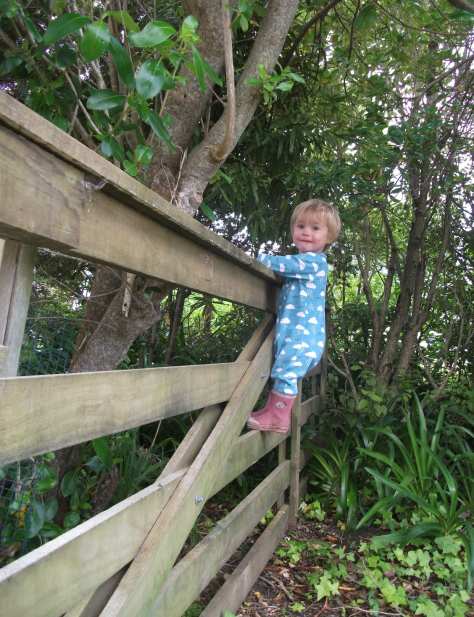
Children learn through play, and Manu treats work on the farm as play. For example, hanging a gate is just a different way of saying, “Let’s climb!”

screen-shot-2016-11-06-at-6-24-42-am

If he only had more horsepower in that thing we could get some serious work done.

screen-shot-2016-11-06-at-6-25-20-am


Peace, Estwing

Inch by Inch, Row by Row

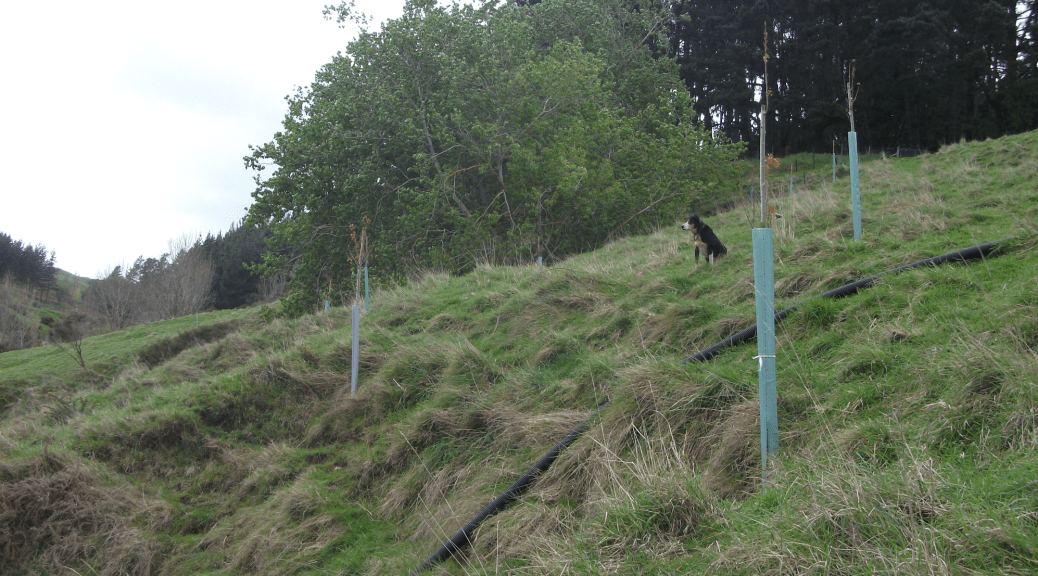
Following the flooding of last year most of our time, energy and money has gone into protecting our stream sides from further erosion, which appears to have accelerated since the flood. The process involves fencing off the streams from stock and planting lots and lots of trees, shrubs, flax and native grasses.

screen-shot-2016-10-27-at-12-23-22-pm

All of that work means I have spent hardly anytime in the annual gardens, except getting all of the garlic in before the end of July. We sold out last year and have about 2,000 in the ground this year. We are establishing new beds on an ongoing basis – converting an old horse property to annuals production is not easy.

screen-shot-2016-10-27-at-12-20-50-pm

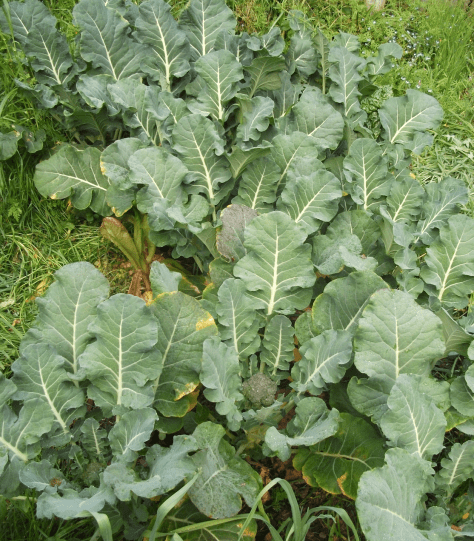
Somehow a few months ago I quickly put some broccoli and cauliflower in the ground. It has thrived in the cool weather with heaps of great compost. Now we are reaping the benefits. This is my favourite variety – Marathon.

screen-shot-2016-10-27-at-12-21-59-pm

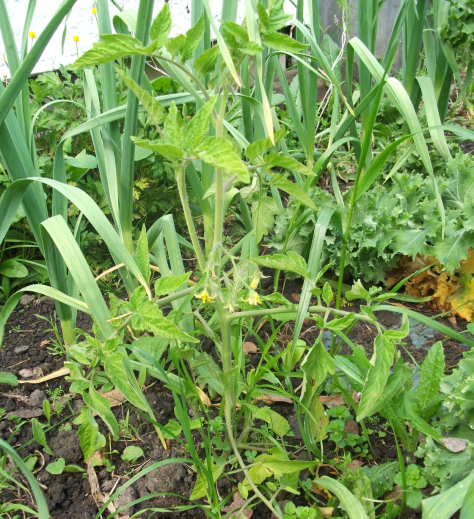
As per my tradition, I also planted Early Girl tomatoes on the 21 of September to ensure ripe tomatoes before Christmas. Can’t wait. These have been interplanted with garlic as a space-saving staggered planting technique.

screen-shot-2016-10-27-at-12-22-22-pm

Just this week the peach stones have started germinating. They have been in damp sand for about 4 months. We expect around 100 to germinate.

screen-shot-2016-10-27-at-12-21-34-pm

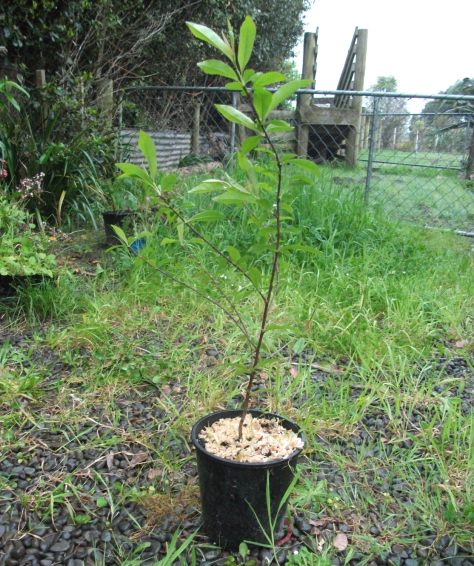
Here is an example of a yearling Black Boy peach trees, which are selling nicely at the moment. We sold out last year and expect to sell out again this year.

screen-shot-2016-10-27-at-12-20-24-pm

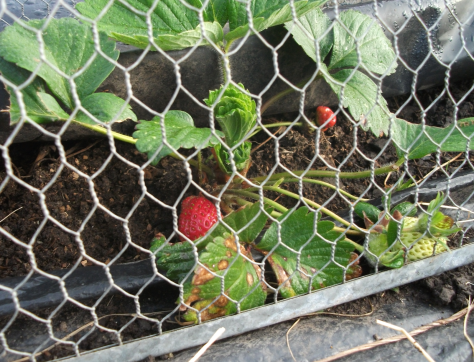
These were a great surprise this morning. In the years to come we hope to branch out into organic strawberries.

screen-shot-2016-10-27-at-12-21-25-pm

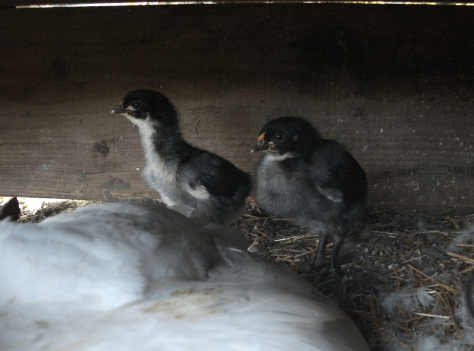
And these two arrived last week.

screen-shot-2016-10-27-at-12-20-35-pm

Never a dull moment and never a lack of jobs to do.

Peace, Estwing

Mid-Spring Permaculture Update: Part II

Last week I posted some images of what is going on here at Kaitiaki Farm. Since then I have taken another walk around the farm with my camera to catch some more of the happenings. These include:

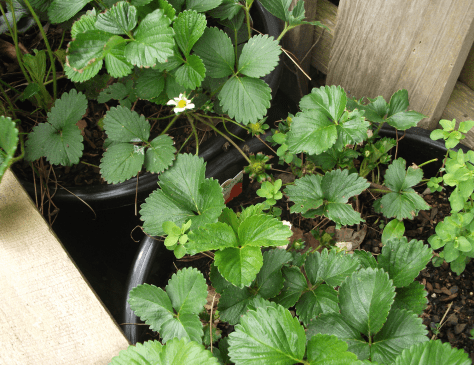
Strawberries forming. We should have ripe ones within a week.

screen-shot-2016-10-14-at-2-37-27-pm

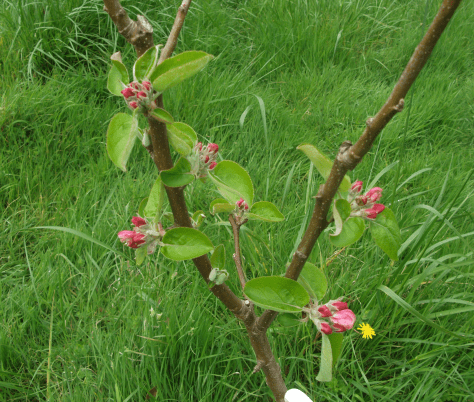
Apple blossoms.

screen-shot-2016-10-14-at-2-37-18-pm

These pomegranate are leafing out.

screen-shot-2016-10-14-at-2-37-07-pm

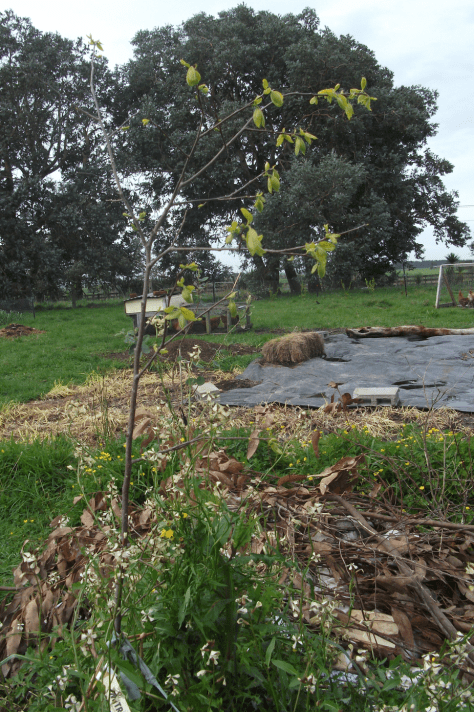
As is this persimmon.

screen-shot-2016-10-14-at-2-36-59-pm

And the hazelnuts.

screen-shot-2016-10-14-at-2-36-52-pm

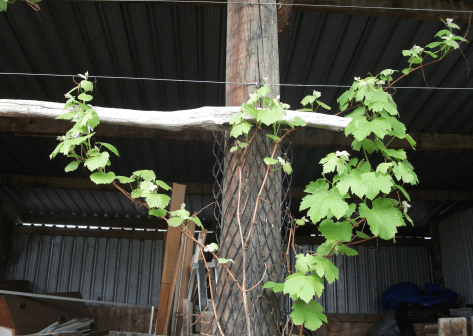
And grapes.

screen-shot-2016-10-14-at-2-36-13-pm

The black boy peach stones are germinating.

screen-shot-2016-10-14-at-2-36-06-pm

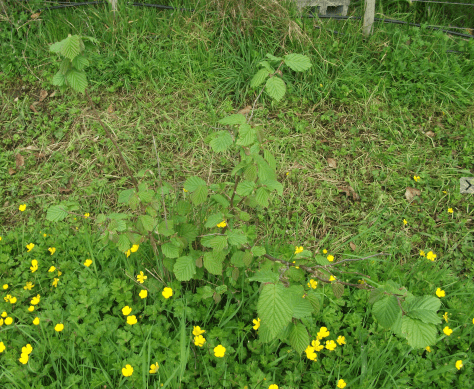
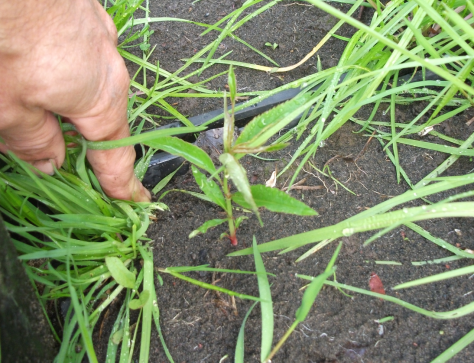
These blackberries are coming to life after being divided.

screen-shot-2016-10-14-at-2-35-55-pm

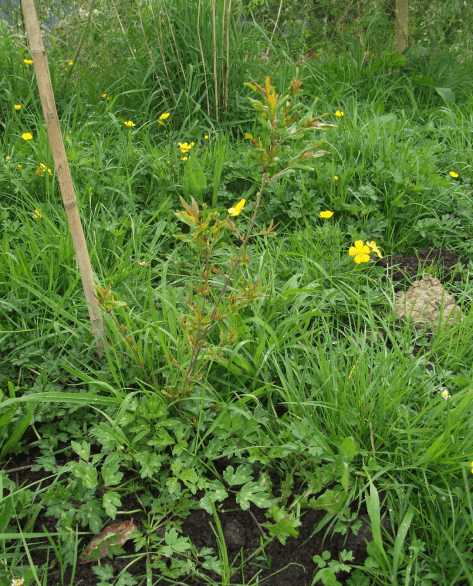
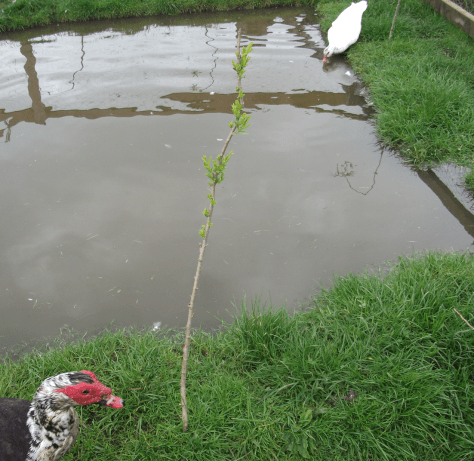
And the willow wands are happy in their pond side location.

screen-shot-2016-10-14-at-2-35-45-pm

Love the spring. So much happening.

Peace, Estwing

Before the Flood

Editor’s Note: This is an opinion piece for the Wanganui Chronicle.

Before the Flood is a double album featuring Bob Dylan and the Band recorded live in1974. Joining Dylan on stage during the American tour were Robbie Robertson, Rick Danko, Garth Hudson, Levon Helm and Richard Manuel. From New York to Los Angeles, the superstar line up rocked the States, and the album was eventually certified platinum.

Before the Flood is also a documentary film about climate change featuring Leonardo DiCaprio that debuted at the Toronto International Film Festival last month. The film opens in theaters the 21st of October and will be broadcast on the National Geographic Channel worldwide on the 31st of October.

With over a decade of experience on the front lines of the issue, Dicaprio has established himself as a global leader on climate change. He stays up to date on the issue, which is critical because scientists’ understanding of climate change changes constantly. One recent revelation in the United States is that flood maps used by the Federal Emergency Management Agency (FEMA) are no longer valid. In other words, major flooding is occurring in places it never occurred before and impacting on tens of thousands of homeowners without flood insurance.

Families and entire communities are being devastated by extreme weather events that come with larger and larger repair bills. Our region has experienced this and will continue to experience it going forward: higher repair bills leading to higher rates.

Horizons Regional Council reported that the 2015 floods caused $120 million in damage not including costs to the rural sector. There were over 2,000 slips on roads, which included 25 road closures. The next major rain event will cost more. In fact, the next flood in Whanganui will cost ratepayers far more than the wastewater treatment plant. The next mega-storm is already baked into the cake due to the persistence of carbon in the atmosphere.

The question for our community is: what will we do before the flood?

The answer, my friends is Blowin’ in the Wind, because All along the Watchtower you can see the waters risings Up on Cripple Creek after the Rainy Day Women #12 and 35. Like a Rolling Stone, The Weight of a huge slip closed Highway 61 Revisited. Don’t think twice, it’s (not) all right.

But seriously, the first thing we need to do is change our perspective. So far climate change has been framed as an environmental issue with ranting, finger pointing, denial, protests, and token gestures – all with little effect.

Taking a rigorous and holistic look at the impacts of climate change on our district makes it clear that for the next half century it will manifest as an economic and social issue. On the one hand drought and flood will disrupt economic activity, cost farmers dearly in production losses and repair bills, and make transport difficult or impossible in some areas. On the other hand, enormous repair bills will add to the rates burden and suppress local economic activity. Ratepayers with fewer dollars in their bank accounts will spend less in local shops and local business owners will lose profitability. Middle and lower income families will feel the burden most acutely.

If we’re able to shift our perspective on the issue, the next thing to do is take action. In theory this means holding water on the land during major rain events to take the peak off floods. In practice this means restoring wetlands, fencing and planting streams, and planting trees on hillsides. Ordinary citizens need to support the efforts in these areas being made by our councils.

If we are to seriously address climate change in our community we need approaches that are robust, holistic and inclusive. Gone are the days of talking and finger pointing. These are days for action.

Dr. Nelson Lebo has been studying climate change for 30 years.

Mid-Spring Permaculture Update

Over the last 10 weeks we have been busy planting poplar poles, fencing off our stream and planting natives. There has been little time left for anything else. I did manage to get some tomato plants in the ground and sell a cow and two ewes. That is about it.

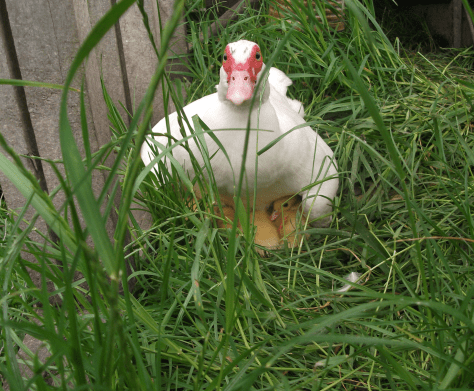
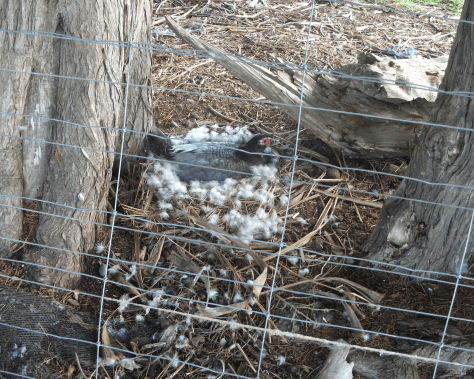
But when I went out for a walk yesterday with my camera I was reminded of a few other things happening on Kaitiaki Farm. For example, we have bantams and muscovies sitting on nests, and another pregnant cow. The poplar poles are budding and the peach and plum trees have flowered.Mike and Sophie and I ‘planted’ a living willow bridge a few weeks ago and it is keen-as to cooperate. In the autumn we will weave the suckers into a platform for the children to climb over.

We also had eight hives delivered a fortnight ago, and I noticed it is time to get onto the thistles before they go to seed. No rest for the weary.

And another 500 plants donated. Help!

Peace, Estwing

Join the Front Lines of Climate Change Action

An increasing incidence of extreme weather events.

That is the climate scientist way of saying, “More superstorms, more record floods, more record droughts.” Worldwide the repair costs will run into the trillions. Building more stop banks, levies, dykes and other flood protection will be expensive and ultimately ineffective.

Research shows the best way to mitigate severe flooding is to hold back water from large rivers during major rainfall events. This is done by taking a holistic approach to watershed (catchment) management, which includes these specific actions: replanting trees on steep overgrazed hillsides; restoring degraded wetlands; and, protecting riparian (stream-side) corridors. Other benefits of these actions include improved water quality and increased biological diversity.

A history of less-than-ideal farming and land management practices makes the Whanganui District and Whanganui city particularly vulnerable to extreme weather events such as last year’s flood, which caused thousands of slips district wide, severe erosion and record flooding. We will see more of the same and even worse in the decades to come, and the repair bills will cost rate payers hundreds of millions of dollars.

Ultimately it would be cheaper to take the steps described above than to do nothing and accept the devastation and massive costs of clean up and repair. It is a case of an ounce of prevention is worth a pound of cure.

screen-shot-2016-09-13-at-1-25-43-pm

Last year our tiny stream burst its banks and carried cubic meters of soil off into the Whanganui River and on to the Tasman Sea.

screen-shot-2016-09-13-at-1-24-14-pm

This historic wetland was nothing but a drainage channel during the floods.

flooded-valley

So we have decided to take direct action to address the effects of climate change in our community. We have initiated the Purua Stream Restoration Project to serve as a model of private-public-community partnership. The vision of the Project is to protect the entire stream by working with landowners, community members and Horizons Regional Council to fence it off and plant tens of thousands of native trees, grasses and wetland plants.

We have started the process on our property.

screen-shot-2016-09-13-at-12-56-05-pm

screen-shot-2016-09-13-at-12-57-35-pm

screen-shot-2016-09-13-at-12-57-05-pm

screen-shot-2016-09-13-at-1-21-04-pm

Stage One at Kaitiaki Farm has involved fencing off an acre of land and planting 800 – 1,000 natives. The entire bend in the stream in the photo below has been protected.

screen-shot-2016-08-21-at-4-15-26-pm

After spending six weekends to build a stock proof fence, two working bees have involved the Whanganui community, planting the stream sides…

screen-shot-2016-09-13-at-12-53-34-pm

…and the higher banks.

screen-shot-2016-09-13-at-12-54-08-pm

Horizons Regional Council has excellent programmes that help defer the costs of fencing and provide plants grown at the Kaitoke Prison nursery.

screen-shot-2016-09-13-at-12-55-25-pm

Additionally, we have had over 800 more plants donated so far.

screen-shot-2016-09-13-at-12-56-22-pm

Stage One is nearly complete and we’re keen to proceed with Stage Two, which will involve fencing off another 1 and 1/2 acres and planting 1,000 native plants.

Stage Three will involve working with landowners up and down the stream.

Stage Four will involve replicating this model of private-public-community partnership throughout the entire Whanganui catchment.

If you are concerned about the direct effects of climate change on our community and want to get involved, grab a spade, dig a post hole, plant a tree. We can make a difference here and now, and for the future.

screen-shot-2016-09-13-at-12-54-57-pm

Get involved today. Email: crew.whanganui at gmail dot com

Peace, Estwing

Whanganui Permaculture Weekend

4th Annual Whanganui Permaculture Weekend


Whanganui’s premier sustainability event is back for a forth year with a fantastic line up of events during the weekend of September 10th-11th.

The Whanganui Permaculture Weekend highlights innovative local projects, offers hands-on workshops, a seed swap, working bee, shared meal and movie night. Education is a highlight of this year’s programme, which includes highlights of teaching and learning at the secondary school level, the tertiary level, and adult learning.

Richard Pedley of Wanganui Collegiate will share the school’s new agriculture programme with a presentation and tour. The theme or Richard’s offering is permaculture education in schools. The school’s website describes the new programme as follows:

“At Wanganui Collegiate School we are offering an agriculture programme aiming to prepare students for a dynamic and fast changing future, with a growing awareness of sustainably produced, local, high quality food.”

Jake Schultz of Universal College of Learning (UCOL) will provide an overview of two new course offerings: Certificate in Apiculture (beekeeping); and, Sustainable Agriculture. Describing these courses, Jake says,

“Food and everything that surrounds it is the property that brings us all together, no matter what part of the planet you are from. Within that, the sustainability of our food systems and the future of it is key. Because without it, we lose everything.”

The Permaculture Weekend wraps up Adult Learners’ Week/He Tangata Mātauranga, which is brought to the River City by Adult and Community Education Aotearoa, the Whanganui Learning Centre, and The ECO School. On Saturday Nelson Lebo of the ECO School will offer two workshops on backyard food production: an introduction to organic gardening and fruit tree care, and an organic gardening master class.

When it comes to organic production, Nelson says, “It’s all about working smarter rather than working harder. My motto is tools, timing and technique: using the right tools at the right times in the right ways. That’s how you get 10 hours of work done in five hours.” Screen Shot 2016-09-03 at 6.22.08 am
Some events are offered on a donation basis while fees may apply to others. Some are free. The full schedule is below. Free if otherwise noted.


Saturday, 10th September

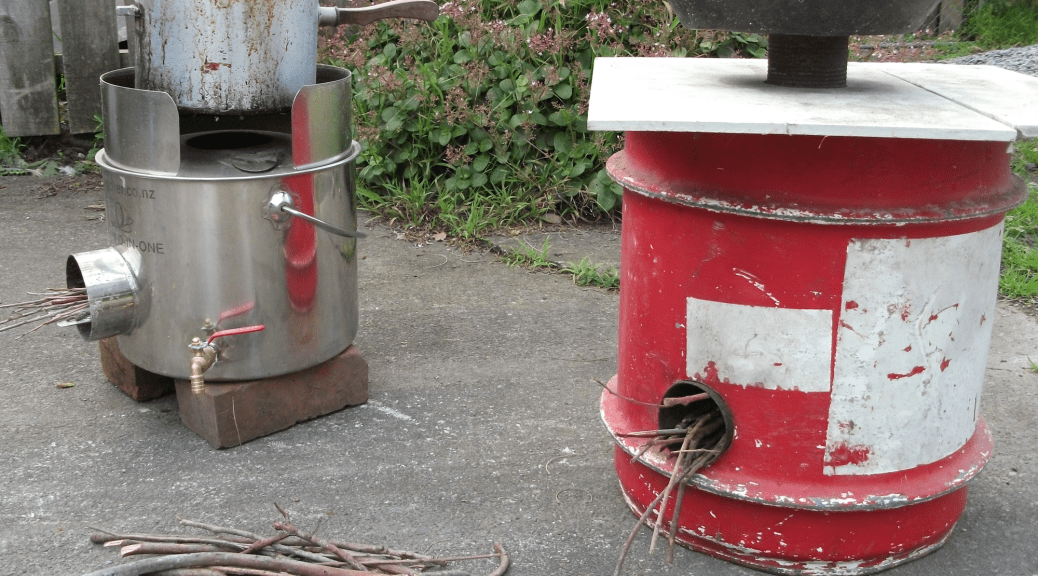
9-12 Tools for a Resilient Household: permaculture calendars, broad forks, solar ovens, rocket stoves, permaculture books, and stirrup hoes. REBS Stall, River Market

10-11 Introduction to organic gardening and fruit tree care, Nelson Lebo, Moutoa Gardens

11-1 Rope Making and Rourou Making, Tracey Young, River Market. Meet river side of i-site.

1-3 New UCOL Programmes: Bee Keeping and Organic Gardening. Jake Schultz. Room E-2-15, UCOL Complex, Taupo Quay

2-5 Organic Gardening Master Class. Nelson Lebo. Registration and fee: theecoschool@gmail.com

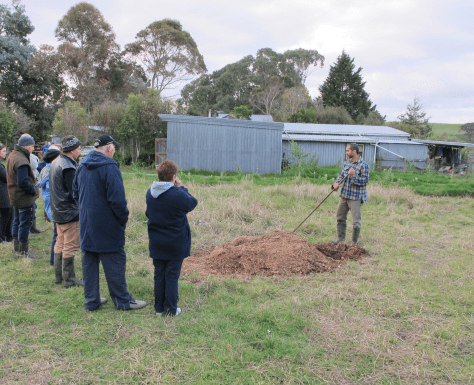
2.30-3.30 Composting workshops – Theory – Hadi Gurton, 83 Maria Place Extension

3.45-5 Composting workshop – Practical  – Rachel Rose, 77 Anzac Parade.


Sunday, 11th September

8:30-10 Permaculture in Schools. Richard Pedley, Wanganui Collegiate School

10-12 Matai Street Community Garden Tour and Working Bee. Phil Holden. Matai Street. By donation

12:30-2 DIY Weta Hotels for children. Dani Lebo, 223 No. 2 Line. Materials fee

2-4 Seed Swap. Whanganui Seed Savers. Quaker Meeting House, 256 Wicksteed St. By donation

3-5:30 Wetland Restoration Working Bee. 223 No. 2 Line

6-7:30 Shared Meal, 217 No. 2 Line

7:30-8:30 Film: Origin of the Apple, 217 No. 2 Line
Permaculture Weekend 2016

The 4th Annual Whanganui Permaculture Weekend is less than a month away. Here is the schedule.

Screen Shot 2016-08-23 at 9.16.31 am

Saturday, 10th September

9-12 Tools for a Resilient Household: permaculture calendars, broad forks, solar ovens, rocket stoves, permaculture books, and stirrup hoes. REBS Stall, River Market

10-11 Introduction to organic gardening and fruit tree care, Nelson Lebo, Moutoa Gardens

11-1 Rope Making and Rourou Making, Tracey Young, River Market. Meet river side of i-site.

1-3 New UCOL Programmes: Bee Keeping and Organic Gardening. Jake Schultz. Room E-2-15, UCOL Complex, Taupo Quay

2-5 Organic Gardening Master Class. Nelson Lebo. Registration and fee: theecoschool@gmail.com

2.30-3.30 Composting workshops – Theory – Hadi Gurton, 83 Maria Place Extensio

3.45-5 Composting workshop – Practical  – Rachel Rose, 77 Anzac Parade.


Sunday, 11th September

8:30-10 Permaculture in Schools. Richard Pedley, Wanganui Collegiate School

10-12 Matai Street Community Garden Tour and Working Bee. Phil Holden. Matai Street. By donation

12:30-2 DIY Weta Hotels for children. Dani Lebo, 223 No. 2 Line. Materials fee

2-4 Seed Swap. Whanganui Seed Savers. Quaker Meeting House, 256 Wicksteed St. By donation

3-5:30 Wetland Restoration Working Bee. 223 No. 2 Line

6-7:30 Shared Meal, 217 No. 2 Line
7:30-8:30 Film: Origin of the Apple, 217 No. 2 Line