Category Archives: Eco Thrifty Life

Support Stream Restoration

Filled with inspiring images that can change the way you see the world, with practical examples of each permaculture design principle over the course of a month. Daily icons are reminders for garden activities that take advantage of the lunar cycles, supporting regular planting routines. The annual rainfall chart is a handy way to keep a weather record or an eye on events over the year.

Ethically produced using post-consumer recycled paper printed with vegetable based inks. Internationally relevant and filled with thought provoking images that support and reinforce your values every day of the year.

100% of profits go to charitable permaculture projects

$16.90 Post paid / 2 for $30

Screen Shot 2019-08-15 at 5.57.44 am

Orders:  TheECOSchool@gmail.com

Water Quality: Designing for Win-Win-Win

A recent poll reveals water pollution is the top issue of concern in New Zealand. Climate change ranks not far behind.

Screen Shot 2019-09-16 at 6.48.54 am

Here are a pair of articles I have written for NZME (the Whanganui Chronicle) about how we can use good design to address both issues while building more resilient farms.

Screen Shot 2019-09-16 at 6.47.29 am

Published 2nd September, 2019.

Dr. Nelson Lebo

“All water has a perfect memory and is forever trying to get back to where it was.”

These words, attributed to Toni Morrison, have been echoing in my mind ever since I heard them in a recent tribute to the late poet. In one sentence she’s able to explain the hydrologic cycle, surface water runoff, groundwater movement, flooding, land drainage, waste water systems design, guttering and spouting, and even spilt milk.

The best I’ve come up with is “Water never lies.” That’s how I help our farm interns understand topographic landforms, overland flow paths, drainage and swales.

I’ve always been fascinated by the way water moves across the land – one of those kids forever playing on piles of soil with buckets of water. I had great difficulty learning to read at school but somehow could read the landscape effortlessly.

When introduced to topographic maps at age 15, I took to them easily as my classmates floundered with the concept. Contour lines sprang into three dimensions before my eyes while peers saw them only as so many squiggles. They scored A’s on spelling tests as I scored C’s.

For the next decade I spent a lot of time trekking and trip leading, and in one instance relied on my map reading and navigation to lead a group of students out of the Smoky Mountains during a freak spring snowstorm that dumped over a metre in 36 hours.

It was not long after that when my understanding of landforms took a leap forward one evening at a presentation by a local naturalist and university lecturer, Tom Wessels, who had just published a book: Reading the Forested Landscape: A Natural History of New England. Wessels helped me understand the role that life plays in helping shape the landscape and specifically the role of trees.

Not long after that I spent my life savings on a small farm in rural New Hampshire that consisted of steep slopes, glacial till, a 220 year-old farmhouse and pit toilet. It was exceptionally cheap, but served as an invaluable tutor over the next eight years as I floundered toward the good life.

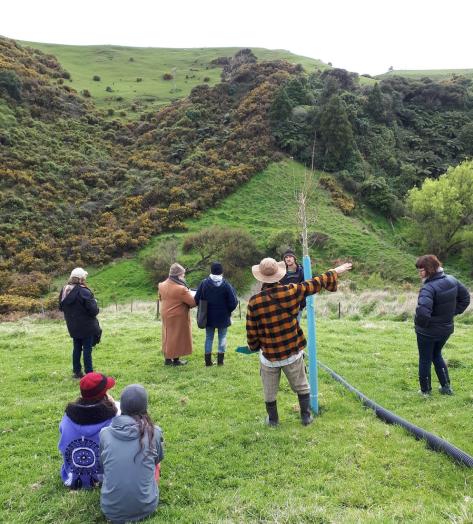
These are the memories that played across my mind last month while planting poplar poles on a hillside above Purua Stream in Okoia. Having already planted 125 on our land over the last four years, I was able to take my time and carefully choose exactly where to place these last 15.

Extreme weather events worsened by climate change were also on my mind. The overriding goal for our small farm is resilience to both heavy rainfall and drought. By planting more trees we address both, but this is only part of the equation. The other parts are shrinking our carbon footprint and sequestering CO2 from the atmosphere.

Along those lines we’re planning to build a super efficient dwelling along with an innovative wastewater treatment system. Passive solar home design is well recognised so I won’t address it here but instead will focus on water.

Much of rural New Zealand suffers from water pollution but it’s not just cows. Older septic systems are failing and because of the high cost of upgrading to modern standards many people choose not to. A friend recently told me how bad the situation is.

Regular Chronicle readers will know that I’ve been writing about eco-thrifty approaches to building and renovating since 2011, and this is no exception. Having studied rural wastewater systems intensively for the last year I’ve adapted a European design to local conditions that addresses not only treatment for health and environmental standards but also carbon capture from the atmosphere.

In most cases wastewater is considered a pollutant and disposal is all about mitigating negative effects. I take the opposite view: it’s a valuable resource that should be harnessed for positive effects. This perspective represents a shift from what designer William McDonough describes as moving from “eco-efficient” to “eco-effective.”

Eco-efficiency is about being less bad while eco-effectiveness is about being good. Which would you prefer?

Additionally, the wastewater design is more affordable to build and has a much lower carbon footprint than others. That is the type of win-win-win approach the world needs in these turbulent times, because water never forgets and nature bats last.

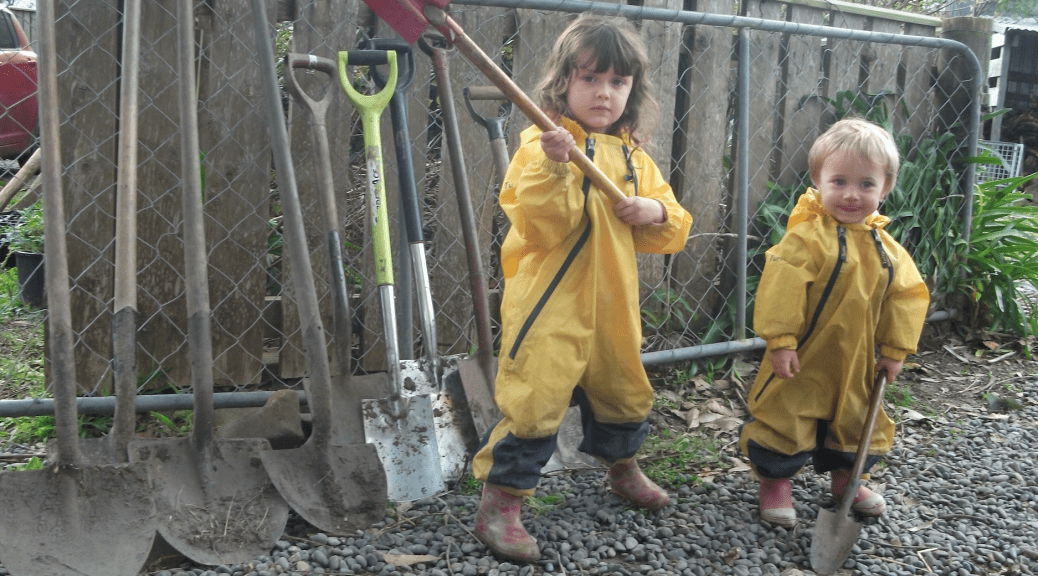
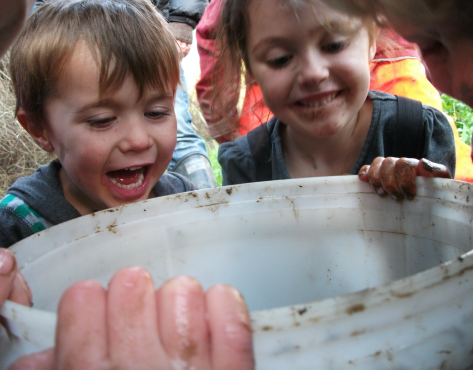
Byline: Nelson Lebo enjoys playing in the mud with his children.

Screen Shot 2019-09-16 at 6.47.20 am

Published 16th September, 2019

Dr. Nelson Lebo

The New South Wales government has announced it will spend $10 million to relocate native fish from the Lower Darling, which is experiencing low water levels and facing a long Australian summer with little rain forecast. Researchers indicate the causes are climate change and water extraction by irrigators upstream, resulting in an expensive “Noah’s Ark” type intervention funded by tax payers with no guarantee of success.

This is the type of lose-lose-lose situation humanity increasingly faces worldwide: environmental disruption accompanied by poor resource management resulting in an expensive Band Aid response.

Observations suggest these scenarios result from a failure to connect the dots or see The Big Picture. This is often called “reductionist thinking” or “tunnel vision.” It is the opposite of holistic thinking, and leads to a whole lot of costly mopping up afterwards. It’s a waste of time, resources and money. I hate waste!

The most effective way to address waste I have come across was popularized by William McDonough as Cradle-to-Cradle design in which his motto became “waste equals food.” A fortnight ago I introduced how McDonough designs with the goal of “eco-effectiveness” rather than “eco-efficiency,” or, in other words, being good rather than being less bad.

This approach to design requires a holistic perspective and a clear set of desired outcomes. When I design systems I seek to achieve the following: robustness, resilience, effectiveness, affordability, easy replication, and low resource input.

Take wastewater for example. In most cases it’s considered a pollutant and disposal focuses on mitigation. I take the opposite view: it’s a resource that can be harnessed for positive effects.

I’m in the finishing stages of designing a land application system from greywater that turns waste into food by using the effluent to ‘fertigate’ (fertilize and irrigate) willows* and other plants as part of a greater land management plan on our farm that involves growing food, sequestering carbon and building resilience to climate change. This approach to farming is called regenerative agriculture.

Screen Shot 2019-09-16 at 7.17.21 am

Central to our management plan is growing more trees and feeding them to goats while protecting slip prone hillsides and unstable stream banks. This is a win-win-win farm plan in and of itself, but the greywater design adds to the overall productivity and resilience of the land while offering affordable, effective replication on other properties as needed.

The system addresses environmental challenges in these ways:

1) By using coarse woodchips instead of mined aggregate as the bedding material, the carbon footprint of building the system is reduced through eliminating the need to mine and transport aggregate over potentially long distances. Woodchips, on the other hand, are a local resource everywhere in New Zealand and can be processed and transported using relatively little fuel. Additionally, aggregate is a non-renewable resource while woodchips are renewable.

2) While serving as an aerobic media for the biological treatment of greywater the woodchip bedding material is stored as a carbon sink.

3) Fast-growing willows sequester large amounts of carbon from the atmosphere while also taking up nitrates and phosphates from the wastewater.

4) The system is designed to be affordable and to encourage those living rurally to engage in a lower cost upgrade rather than continuing to use substandard systems or upgrading to an inadequate system. Redirecting greywater takes pressure off existing wastewater systems and extends their lives, thus reducing costs and dispersing wastewater over broader areas of land. (It’s possible this approach can also be used for stock effluent.)

5) Willow branches are fed to stock (in our case goats) which takes pressure off grazing during summer months and helps prevent the need for buying in feed during droughts.

In a nutshell, this land application system is easy and inexpensive to build; adaptable to different soil conditions; replicable and scalable; low in embodied carbon footprint; and, increases the productivity of farmland while sequestering atmospheric carbon. How many wins is that?

* Based on the work of Feidhlim Harty of FH Wetland Systems Ltd.

Byline: Nelson Lebo practices regenerative agriculture in Okoia.
Screen Shot 2019-09-16 at 6.47.37 am

Support efforts to protect Purua Stream: 100% of proceeds from the 2020 Permaculture Calendar go to permaculture projects, including protecting our local stream.

Peace, Estwing
Kaitiaki Farm Experience

Kaitiaki Farm Experience

7th-8th September, 2019

These events are part of Whanganui Permaculture Weekend.

Choose one, two or all of the events on offer. Register: theecoschool@gmail.com

Saturday, 7th Kaitiaki Farm, Whanganui

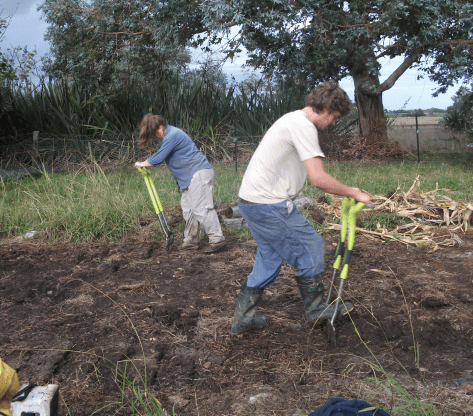
4:30 – 5:30 Building & Maintaining Weed-Free Garden Beds. $10

6:00 – 7:30 Shared Meal. Bring a plate to share.

Sunday, 8th Kaitiaki Farm, Whanganui

9:00 – 12:00 Farm Tour: Diversity and Complimentary Systems

On 5 hectare we integrate plants and animals to maximise benefits for land protection, food production and biodiversity. The property contains many distinct micro-climates within a relatively small area, and we have established all five permaculture zones in five years. $45 (Couples $75)

12:00-1:30 The Alternative Lunch

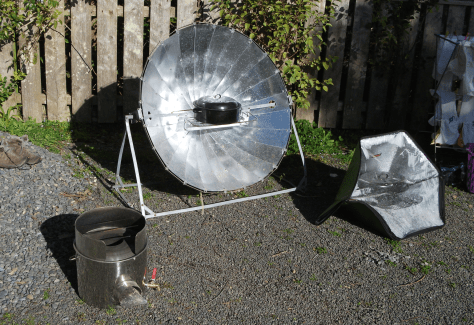
Learn about solar cookers and rocket stoves (and the world’s best solar dehydrator) while enjoying a delicious lunch. $20

Changing Climate

In the Southern Hemisphere, July is more or less the coldest month of the year. We might normally expect 2 or 3 frosts.

Here are some things I observed last month:

Tomatoes growing out of the compost heap.

Screen Shot 2019-08-05 at 12.55.48 pm

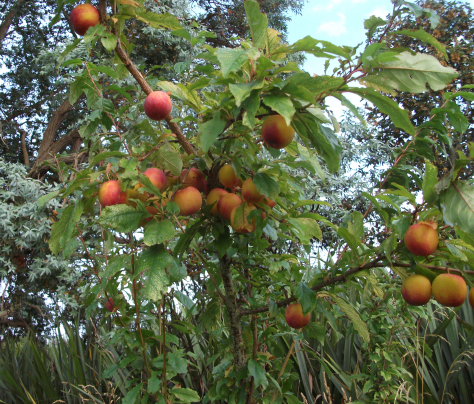
Plums budding out.

Screen Shot 2019-08-05 at 12.55.33 pm

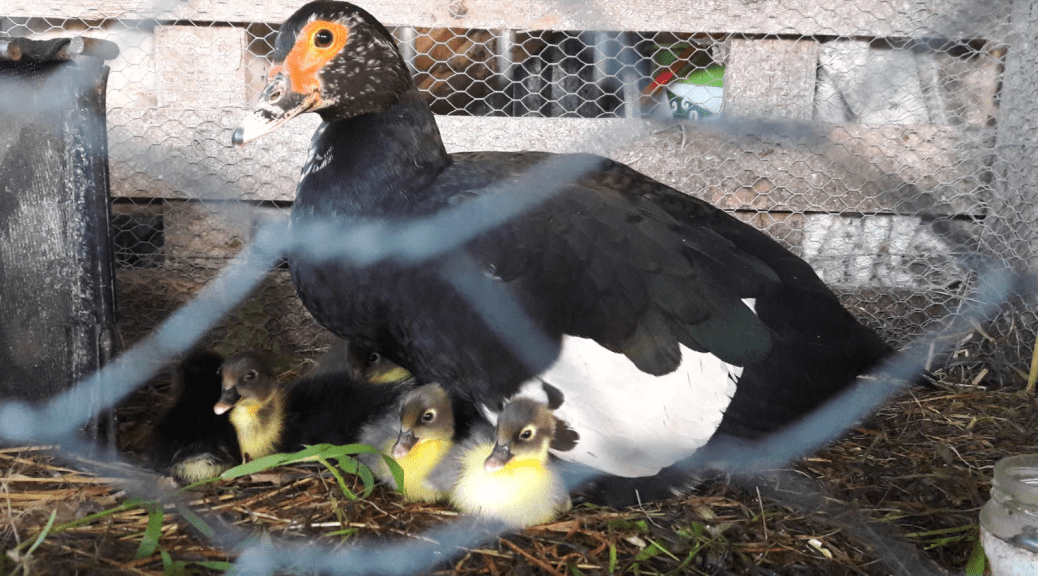
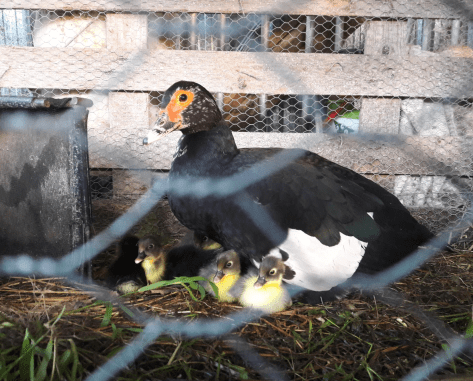
Ducklings hatching.

Screen Shot 2019-08-05 at 12.55.58 pm

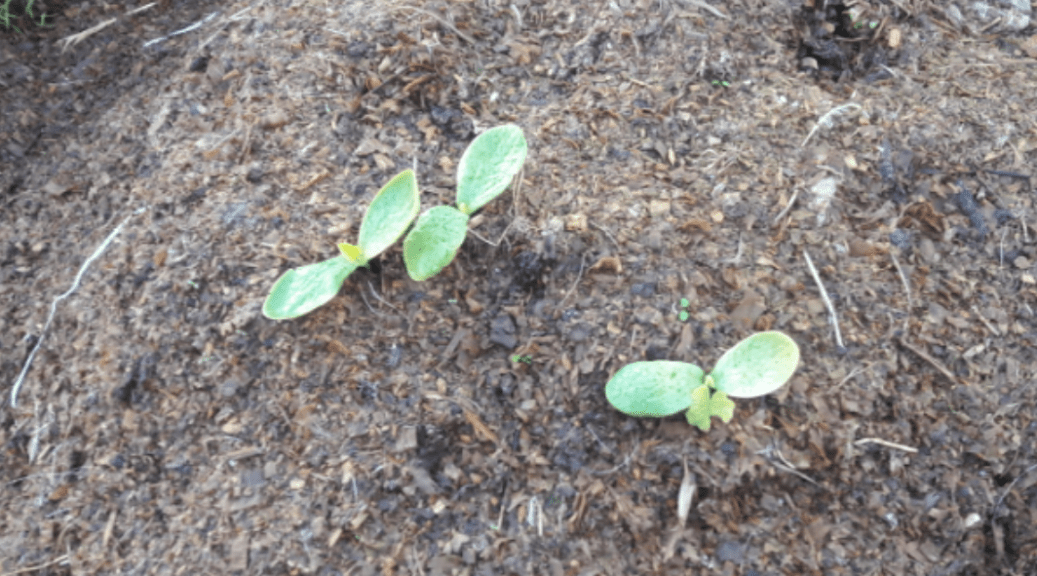
Pumpkin seeds germinating in another compost heap.

Screen Shot 2019-08-05 at 12.55.25 pm

Willows leafing out.

Screen Shot 2019-08-05 at 12.55.17 pm

In the context of all of this it’s hard not to think about climate change. In the heart of winter that is a lot of warm weather activity.

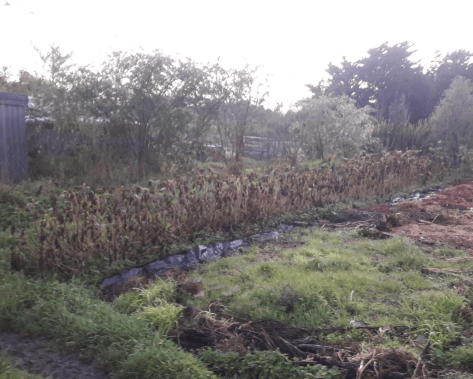
Additionally, I also noticed more erosion along the stream banks. Although we’ve planted hundreds of trees to help stabilise the banks it will take a number of years for the root systems to establish themselves enough to hold the soil. This makes it a race against time, but then again so is pretty much everything these days.

Screen Shot 2019-08-05 at 12.56.08 pm

Peace, Estwing


Mid-Winter Permaculture Update

Close to the shortest day of the year we’ve discovered a hatch of 11 ducklings walking across a paddock. We moved them to a protective pen to keep them safe from predators.

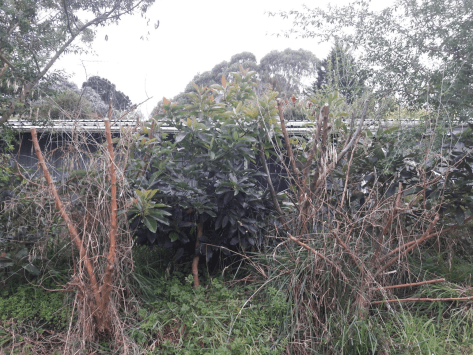
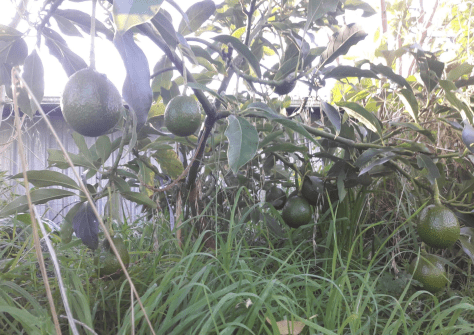
Earlier in the day I captured some images of other things happening on the farm, such as these young citrus trees.

Screen Shot 2019-07-11 at 5.06.46 pm

The garlic is starting to grow in the market gardens.

Screen Shot 2019-07-11 at 5.07.15 pm

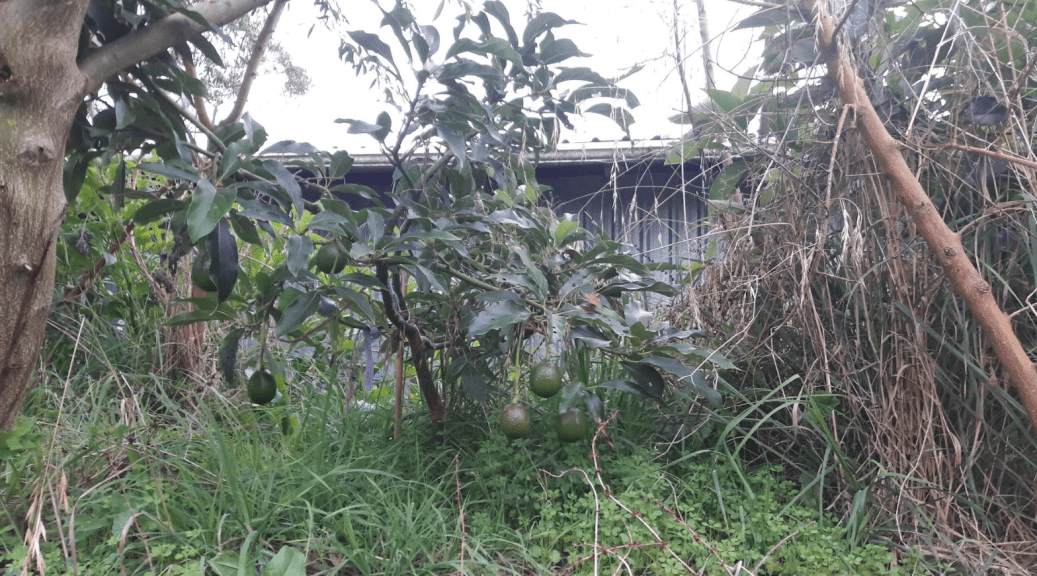
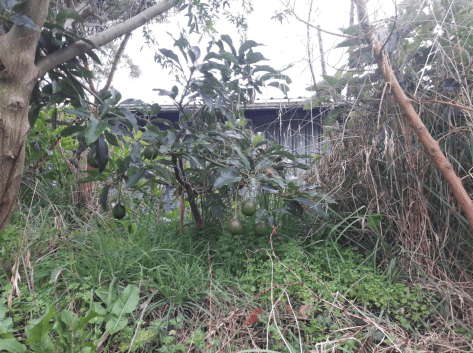
After four years we have our first avocado.

Screen Shot 2019-07-11 at 5.07.52 pm

The broad beans are thriving in the cool weather.

Screen Shot 2019-07-11 at 5.07.39 pm

Yakon is ready to harvest.

Screen Shot 2019-07-11 at 5.07.04 pm

Peace, Estwing

Screen Shot 2019-07-11 at 5.08.03 pm


New Crops

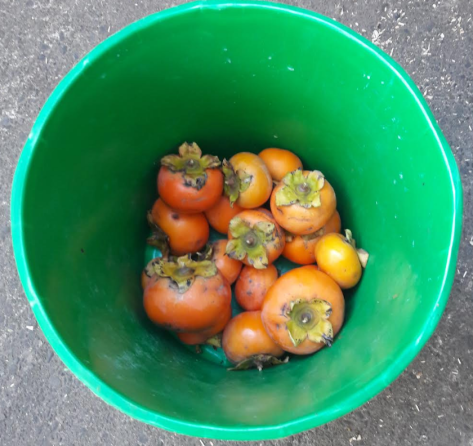
Growing up outside of Detroit in the 1970s I never heard about avocados or persimmons. I would have been over 20 before I encountered either. That makes growing them on our farm all the more exciting. We’ve got our first crop of each, however how small.

Screen Shot 2019-05-25 at 6.53.38 am

Avos nearly ready.

Screen Shot 2019-05-25 at 6.53.59 am

We also grew ‘yams’ (oxalis tuberosa) for the first time and dug some yesterday.

Screen Shot 2019-05-25 at 6.54.39 am

And celery – I had no idea what a long season crop this it!

Screen Shot 2019-05-25 at 6.54.16 am

Always exciting growing a new crop for the first time.


Peace, Estwing
Permaculture Internship: Paying-It-Forward

Interns come to Kaitiaki Farm for 8 weeks at a time to earn a Permaculture Design Certificate. That’s not long enough to grow anything from seed to plate except radishes or maybe salad greens depending on the time of year. As a result, we’ve developed a form of ‘paying-it-forward’ from one group to the next in the annual garden, or even from season to season by making and freezing pesto or broad bean falafal or sliced peaches, loquats and feijoas.

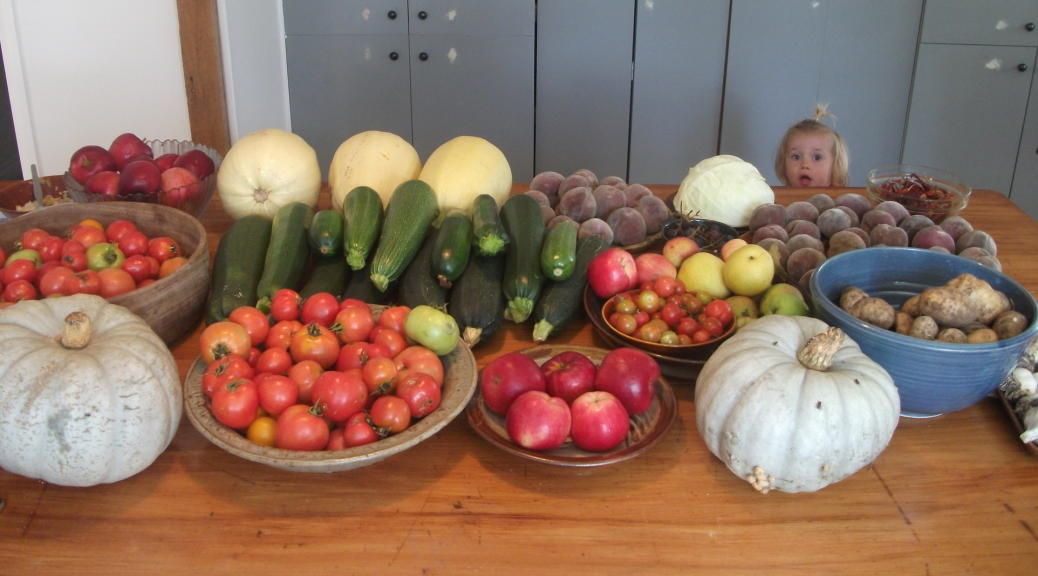
One group plants tomatoes that they will never eat, but enjoys crown pumpkin, spaghetti squash, dried chilis, and dehydrated apples grown and prepared by other interns months earlier.

The most recent group has been able to experience much of the best aspects of harvest season and their work in the annual gardens has been relatively light. But instead they’ve been planting natives along the stream, helping put up firewood, and transitioning the beds to winter crops such as broad beans, brassicas and garlic. They have even helped organise and run a Curtain Bank for the Whanganui community, to help low-income families keep their homes warmer during the coming winter months.

Previous groups have helped with drainage on the land, built animal shelters and chicken tractors, and planted poplar poles, avocados, olives, and around 2,000 native plants. Each group makes compost that will be used by future groups and raises ducklings or chicks that they won’t see as full grown.

Paying-it-forward on Kaitiaki Farm may serve as an example of what is sorely lacking in much of the rest of contemporary human society. Instead of paying-it-forward we see rampant stealing from future generations in terms of biodiversity, climate, and financial debt.

Even during an 8-week permaculture internship one can only learn so much. So instead of trying to ‘teach’ heaps of ‘stuff’ we take the approach of helping to develop a more holistic vision and four-dimensional design thinking skills. As our interns plant vegetable seeds in the gardens and native seeds in pots in the nursery, as instructors we’re planting seeds of the ethical approach to ecological design that is permaculture. Once interns leave the farm we rely on them to spread out across the planet and pay-it-forward in communities worldwide. We need to make sure they are well nourished for such a weighty job.

Peace, Estwing

Growing Avocados in Heavy Soils

Our climate suits avocados but not our soils, so we made modifications: in this case digging a drain, building a mound and planting tagasaste.

Screen Shot 2019-04-08 at 5.55.49 am

Here is how we went about that over the last four years: https://ecothriftylife.com/2017/01/01/permaculture-four-dimensional-design-case-study-creating-a-micro-ecosystem-for-avocados-in-a-marginal-location/

This is the mound two years on from the image above, as we actively prune out the tagasaste and allow the avocados to grow up through.

Screen Shot 2019-04-10 at 5.51.20 am

This is an example of using tagasaste as ‘nurse trees’: you can see them pruned out as the avo grows.

Screen Shot 2019-04-10 at 5.47.02 am

And here is that tree on planting day two years ago.

Screen Shot 2019-04-08 at 6.01.49 am

Here is our intern, Rikke, planting that tree in 2017.

Screen Shot 2019-04-08 at 5.55.20 am

Here is another intern, Oliver, planting another avocado that day.

Screen Shot 2019-04-08 at 5.55.27 am

And here it is today.

Screen Shot 2019-04-10 at 5.47.10 am

Yum! Can’t wait.

Peace, Estwing

Permaculture Weekend 2019: 7th-8th September

The 7th Annual Whanganui Permaculture Weekend is scheduled for 7th-8th September, following as usual the Festival of Adult Learning (formerly Adult Learner’s Week). Thanks to Adult and Community Education Aotearoa (ACE) we’re able to offer a full week of events for the community in addition to Permaculture Weekend.

Screen Shot 2019-02-02 at 6.56.35 am

Workshops, presentations and tours to include: Small backyard gardens; Basic care for fruit trees; Cheese Making; Reducing plastic waste at home; Renter’s rights and responsibilities; Ensuring a healthy rental property (for landlords); Permaculture Farm Tour; Heritage Seed Swap; Building weed-free garden beds; Forest schooling for children; and more events to be posted soon.


Saturday 7th September

9:00 – 1:00  River Traders Market: Whanganui’s Saturday Market

Whanganui’s Local Currency: The River Exchange and Barter System (REBS) has been operating in Whanganui for nearly 30 years and has had a stall at the Saturday market for over a decade. Come to the stall and learn more!


Flax Weaving with Tracey Young. Details Pending


1:00 – 3:00 Cheese Making: 30-Minute Mozzarella.

Learn to make 30 minute mozzarella cheese and then we’ll make a pizza with homemade sauce to enjoy the cheese. Recipe provided.
$20 per person

Bronwynne Dowson Anderson

Register: kiwibokslady@gmail.com


2:00 – 4:00 Caring for Fruit Trees

Learn the basic nutritional requirements of fruit trees, how to prune and train for healthier and more productive trees and basic tool use/maintenance. The workshop will culminate in pruning a tree together to put that theory into practice. $20

Sam Moore. 74A Wakefield Street, Whanganui East

Register: theconsiderategardener@gmail.com


4:30 – 5:30 Building & Maintaining Weed-Free Garden Beds

Kaitiaki Farm, Whanganui. $10.

Register: theecoschool@gmail.com

Screen Shot 2019-05-12 at 5.57.39 am

6:00 – 7:30 Shared Meal

Kaitiaki Farm, Whanganui. Bring a plate to share.


Sunday 8th September

Screen Shot 2018-09-14 at 9.26.04 am

9:00 – 12:00 Farm Tour: Diversity and Complimentary Systems

We manage a diverse 5 hectare farm integrating plants and animals to maximise benefits for land protection, food production and biodiversity. The property is unique in that it contains many distinct micro-climates within a relatively small area, and that we have been able to establish all five permaculture zones in less than half a decade. Kaitiaki is a model permaculture farm that serves as an outstanding learning place.

Kaitiaki Farm, Whanganui. $45. Couples $75.

Register: theecoschool@gmail.com

Screen Shot 2019-05-23 at 6.12.42 am

12:00-1:30 The Alternative Lunch

Learn about solar cookers and rocket stoves (and the world’s best solar dehydrator) while enjoying a delicious lunch using the ones we use regularly here on the farm. These tools are great for reducing energy use, saving money and resilience to power failures.

Kaitiaki Farm, Whanganui. $20.

Register: theecoschool@gmail.com


2-4 PM Annual Heirloom Seed Swap! 

This is a chance to meet other Whanganui gardeners and to swap surplus heirloom and open pollinated seed that you have bought or saved. It will be a relaxed, friendly gathering with a cup of tea to follow.  If you have seedlings or plants you would like to share please bring these along too. You don’t need to have seed to share in order to partake.

Bring:   Details of your seeds such as a description, variety, date saved/use by date and any other notes you would like to share.

A pen and envelopes to take seed home in.

By donation

Whanganui Heritage Seed Savers

Quaker Meeting House, 256 Wicksteed Street.  
Queries: nangethepange@hotmail.com

Farm Design: The BIG Picture:

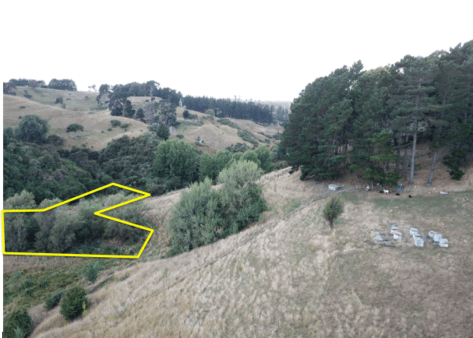
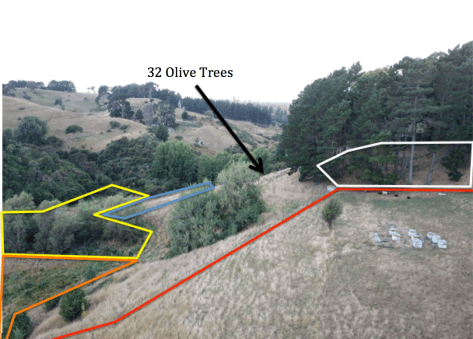
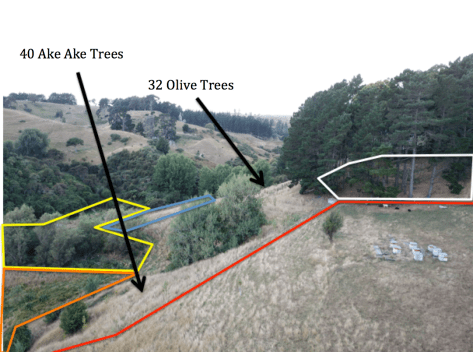
Thanks to a drone picture from our interns, I can explain a bit about our farm design from a different perspective. While this image only shows a small part of the farm it does capture an intersection of farm systems.

One of the first major changes we made on the farm was fence off a remnant wetland in 2016 and plant native grasses, flax, shrubs and trees. The aims are to improve water quality, control erosions, provide habitat, and increase biological diversity.

Screen Shot 2019-03-09 at 6.54.26 am

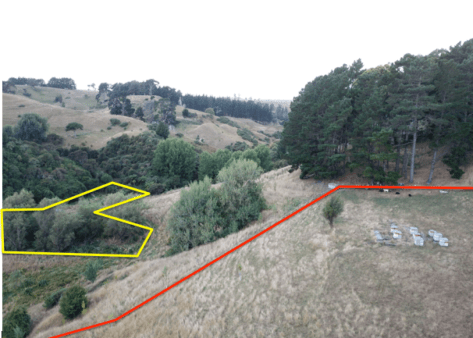
Next we bisected the valley with fencing and designated one side for goats and one side for kune kune pigs. On the goat side – where you can see the bee hives – we’ve planted around 50 poplar poles to stabilise the slopes. Each of these is protected by a heavy duty plastic sleeve to prevent the goats from stripping the bark.

On the pig side we have planted around 40 poplars, 32 olives, and 60 akeake trees, all of which are unprotected because the pigs eat grass but do not browse trees.

Screen Shot 2019-03-09 at 6.58.38 am

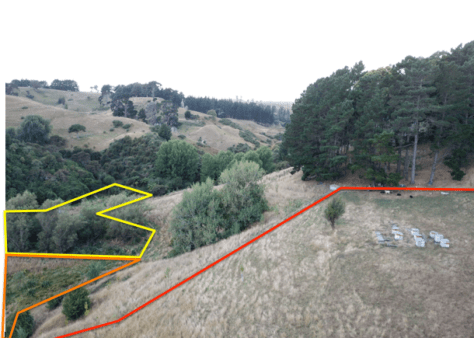
Next we fenced the rest of the stream, which goes far beyond the picture shown here. Along this stretch of stream we’ve planted primarily cabbage trees and Australian river oak (casuarina). Both are known to have fibrous root systems that are good at holding stream banks.

Part of this area contains a small hillside formerly covered in gorse and thistles, as well as another remnant wetland. We’ve planted more native trees, flax and willows there. This area can be used as an emergency browse block in case of severe drought.

Screen Shot 2019-03-09 at 7.00.45 am

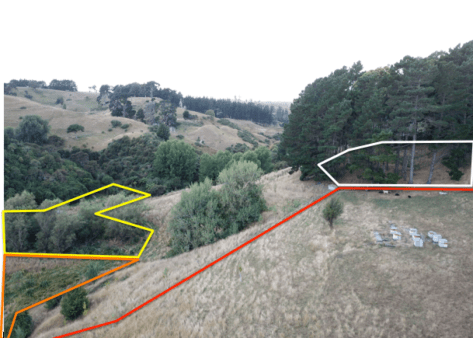
The area under the pines provides seasonal grazing as needed. We can rotate the goats or  pigs through this area to rest other paddocks.

Screen Shot 2019-03-09 at 7.03.29 am

Most of the farm has poor soil drainage that does not suit avocado trees. But there is a shelf of land above the stream that has better drainage that will host 30 to 40 trees. We’ve fenced this area temporarily to establish tagasaste (tree lucerne) as a companion to the avocados.

Screen Shot 2019-03-09 at 7.06.16 am

The olives are on the dry and windy hillside above the avocados.

Screen Shot 2019-03-09 at 7.08.56 am

We planted 40 ake ake on a dry hillside on one side of the large poplars seen in the middle of the image and another 20 on the other side of them. Ake ake are well adapted to dry conditions.

Screen Shot 2019-03-09 at 7.12.23 am

In the short term we are having to hand water many of these trees, but in the long term they will contribute to the resilience of the farm. Trees help build resilience to both drought and flood. We’ve planted over 2,000 in the last four years.

At present the bees are managed by a contractor who pays us an annual fee. We have a good diversity of flowering plants that provide more-or-less year-round bee fodder.

Peace, Estwing