The ECO School has partnered with the Whanganui Learning Centre and Horizons Regional Council to host a series of free workshops focusing on Household Resilience. Workshops cover growing healthy food and creating and maintaining a healthy home.
The workshops will be held at the Whanganui Learning Centre, in Wicksteed Street and Kaitiaki Farm.
22nd October, 5:00-6:00. Fruit Tree Care and Pruning. Whanganui Learning Centre
30th November, 10:30-12:00 Growing Great Garlic, Terrific Tomatoes and Perfect Pumpkins. Kaitiaki Farm
8th February, 10:30-12:00. Building Beautiful Garden Beds. Kaitiaki Farm
26th March, 5:30-7:00. The Best Strategies for Eco-Renovation and Retrofit. Whanganui Learning Centre
26th April, 10:00-12:00. Permaculture in Small Spaces, Medium Spaces and Large Spaces. Kaitiaki Farm
We’ve just had the driest summer anyone around here can remember. It’s been a challenge on the farm but our overall design and management strategy over the last ten years has been to manage for drought and flood. It’s paid off, but still requires a bit of work.
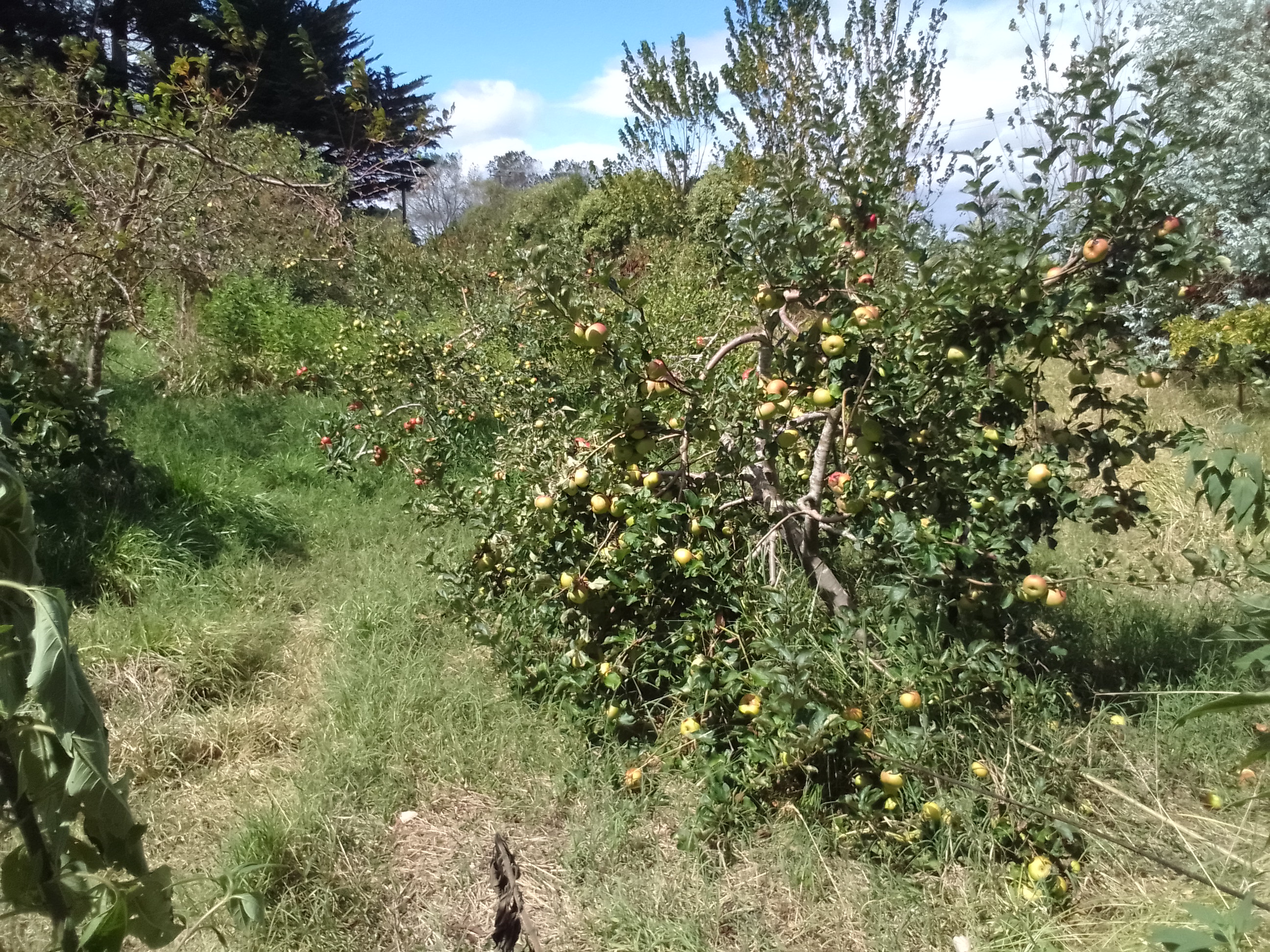
Our heavy soils turn into baked concrete in summer and this year was worse than any other. While most New Zealand native trees are used to these conditions, most fruit trees are not. We have irrigation in our two main orchards but had to run hoses to the two small orchards. The apple harvest is a good one but some apples got sunburned this year.
Exif_JPEG_420
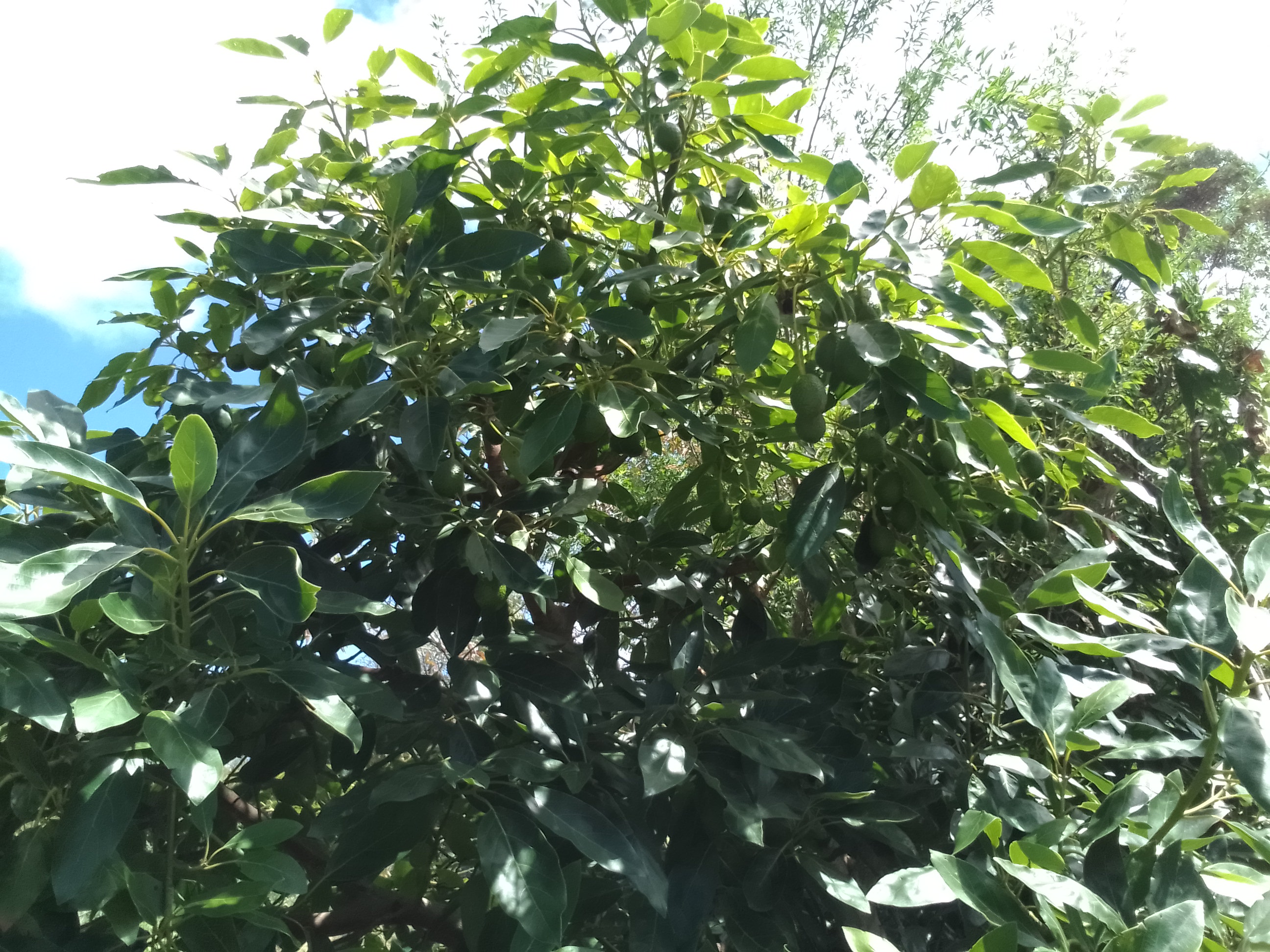
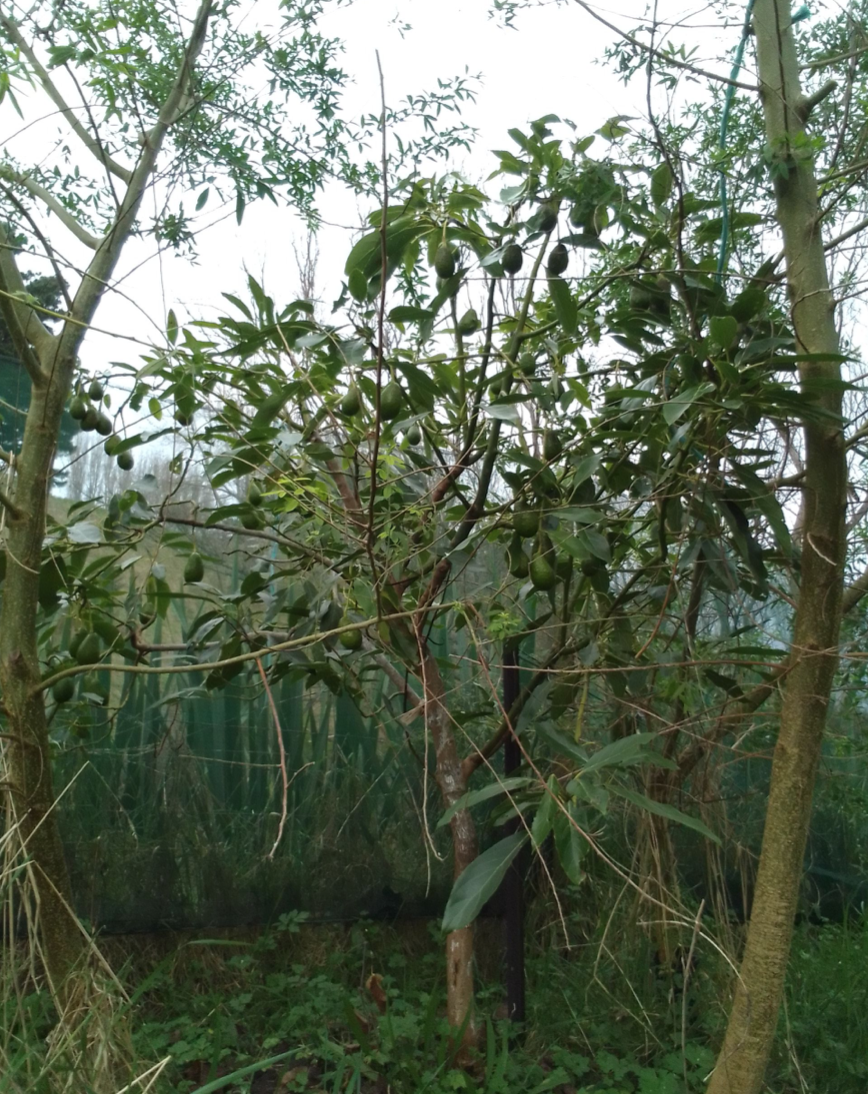
The avocados have drip irrigation and have loved the sunny weather.
Exif_JPEG_420
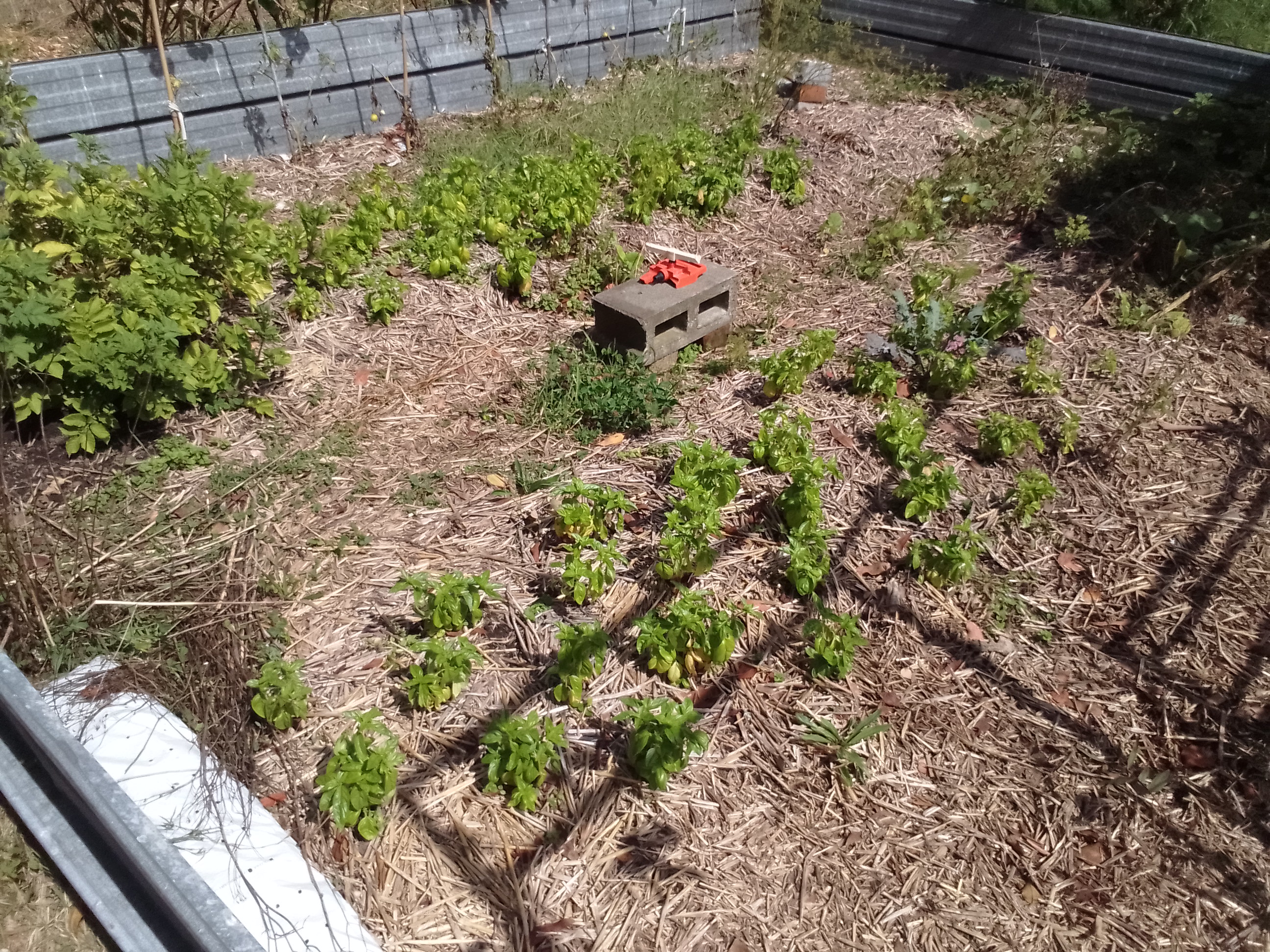
Other heat-loving crops like basil did well but still required lots of water.
Exif_JPEG_420
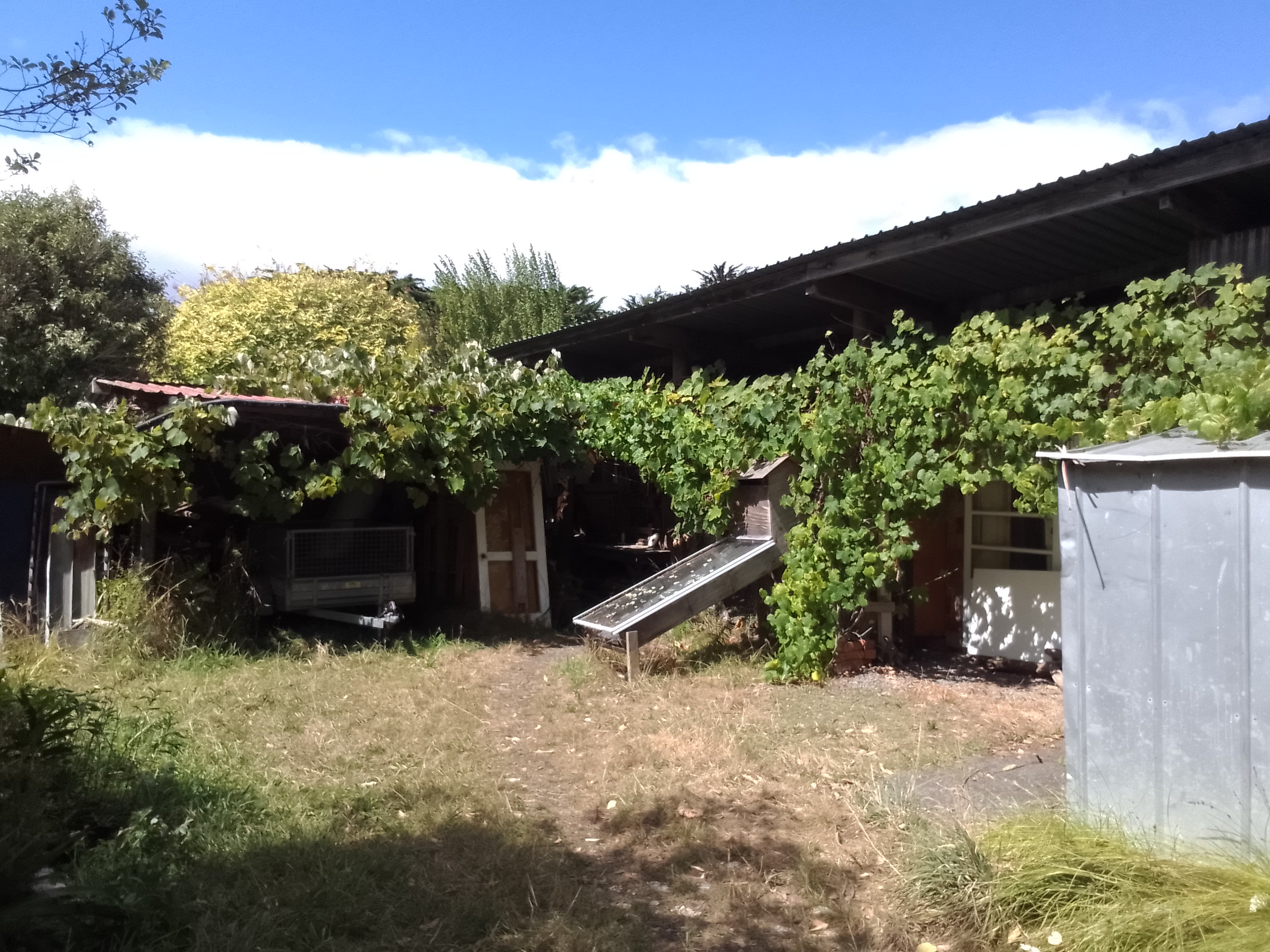
On the other hand, the grapes thrived with hardly any watering, although that watering was directly to the base of the vines.
Exif_JPEG_420
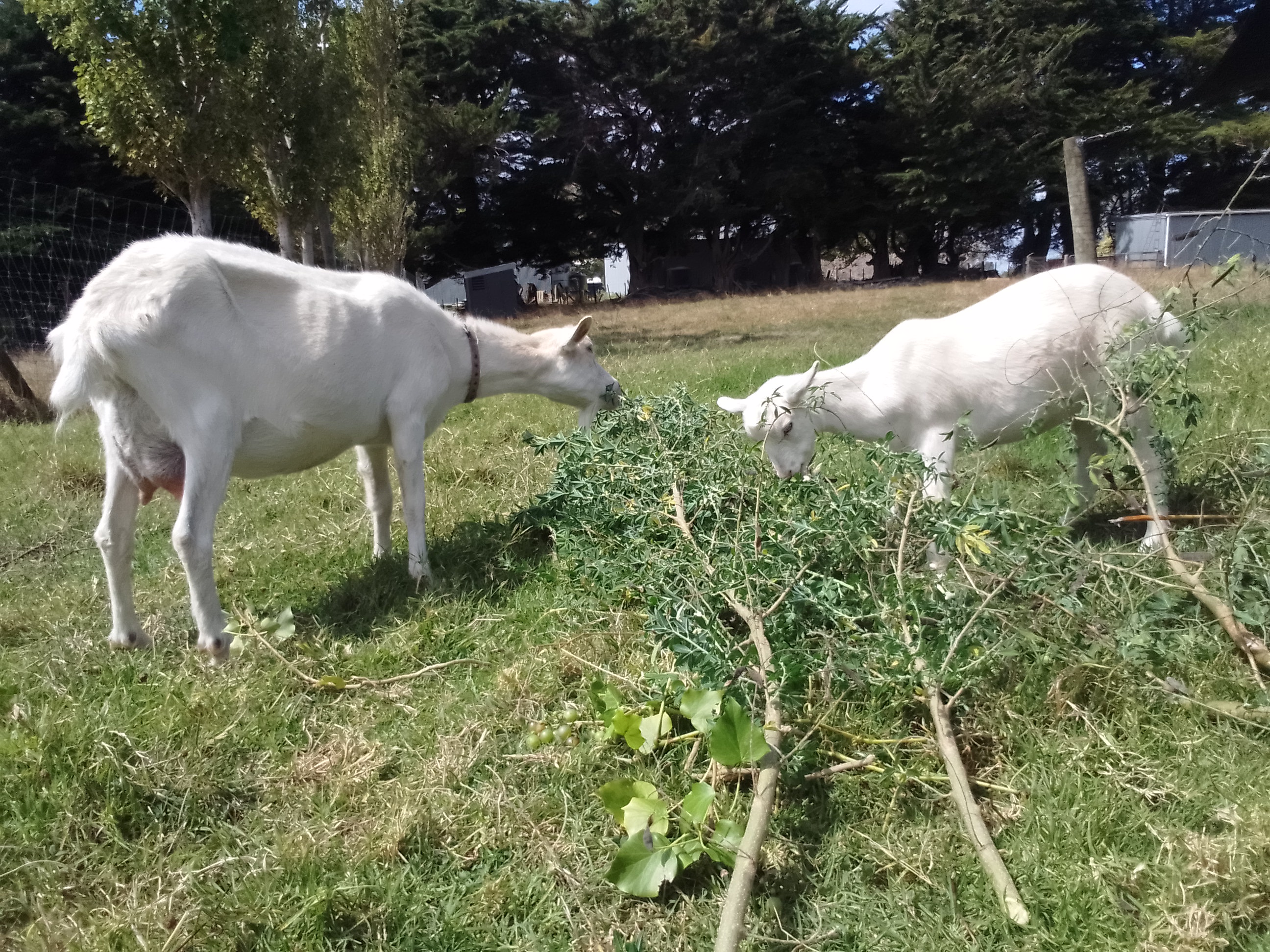
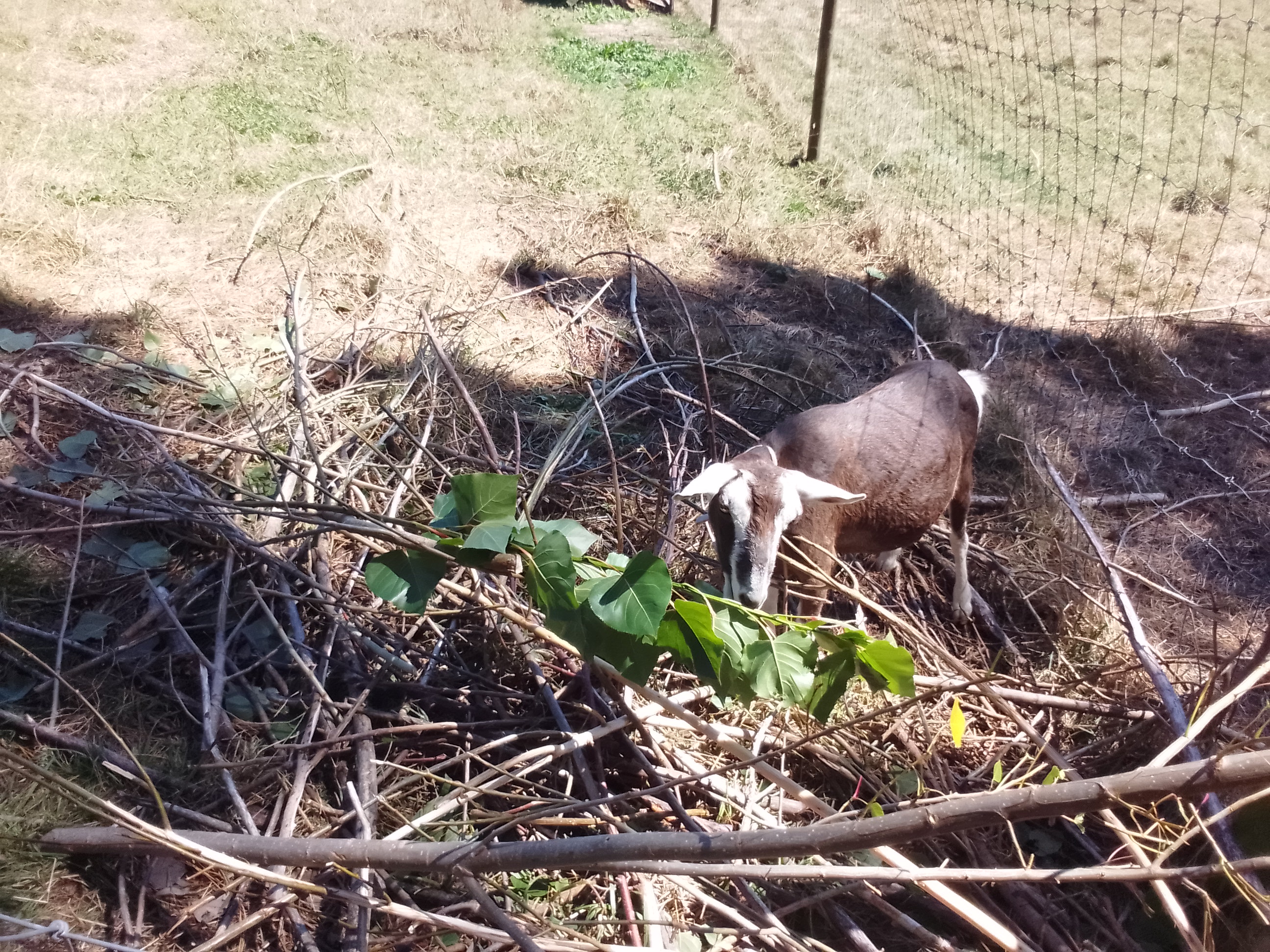
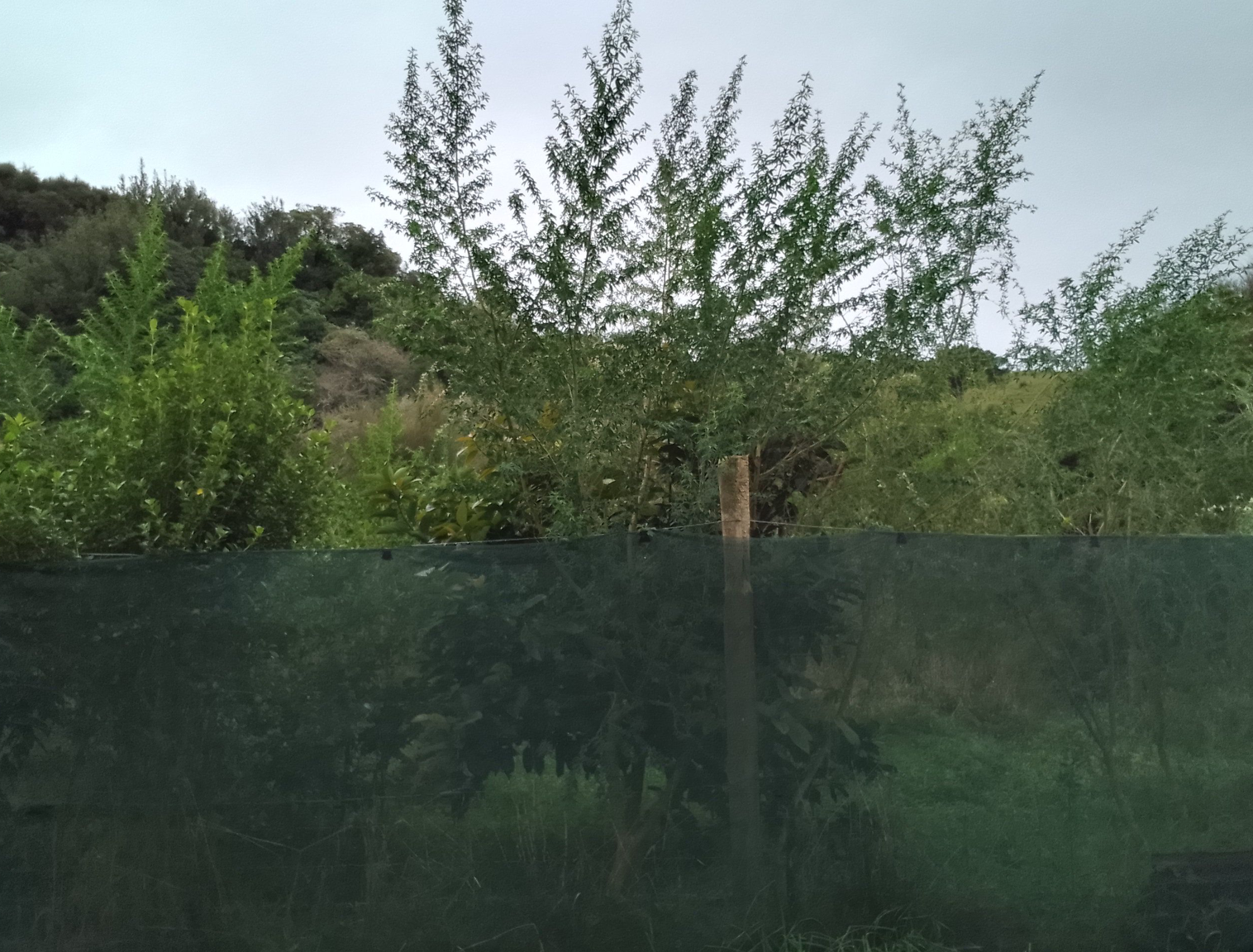
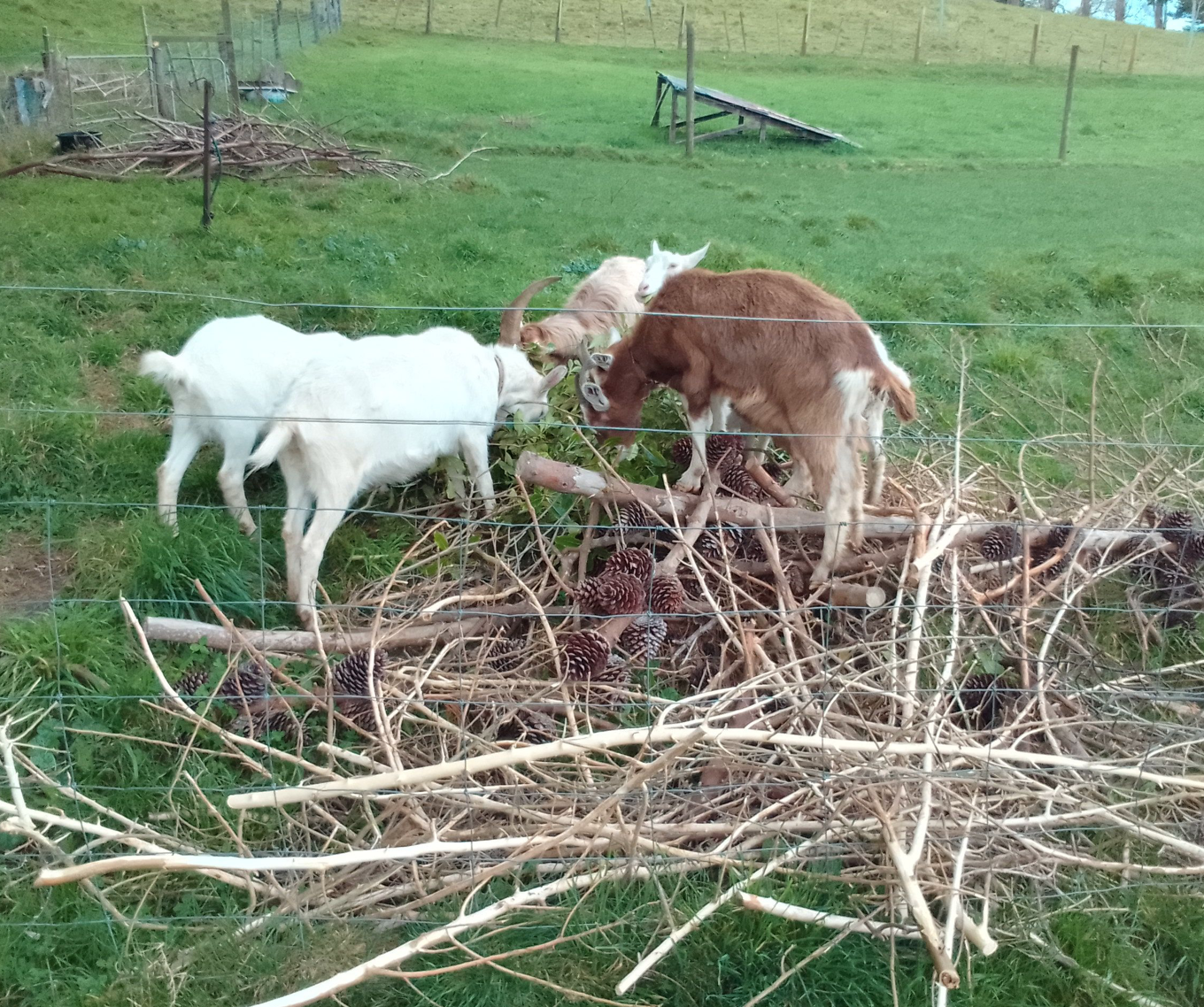
The lack of rain meant that the grass stopped growing, but we have plenty of trees to provide daily fodder for the goats. Their favourites are tagasaste…
Exif_JPEG_420
…and poplar.
Exif_JPEG_420
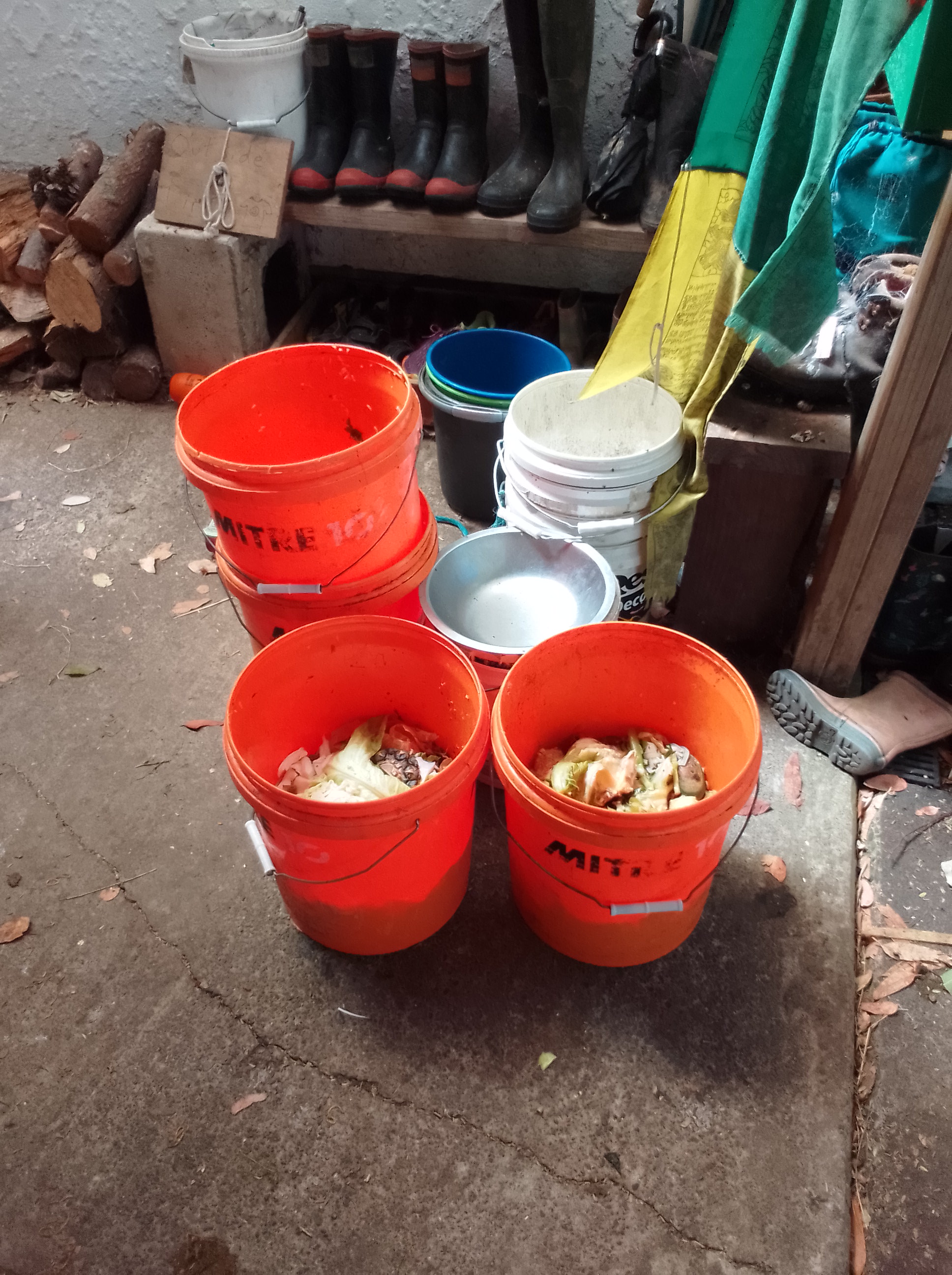
The kune kune pigs are good grazers, but did require a lot of supplemental feeding as well, mostly in the form of windfall fruit from the orchards and veggie scraps from local restaurants.
Exif_JPEG_420
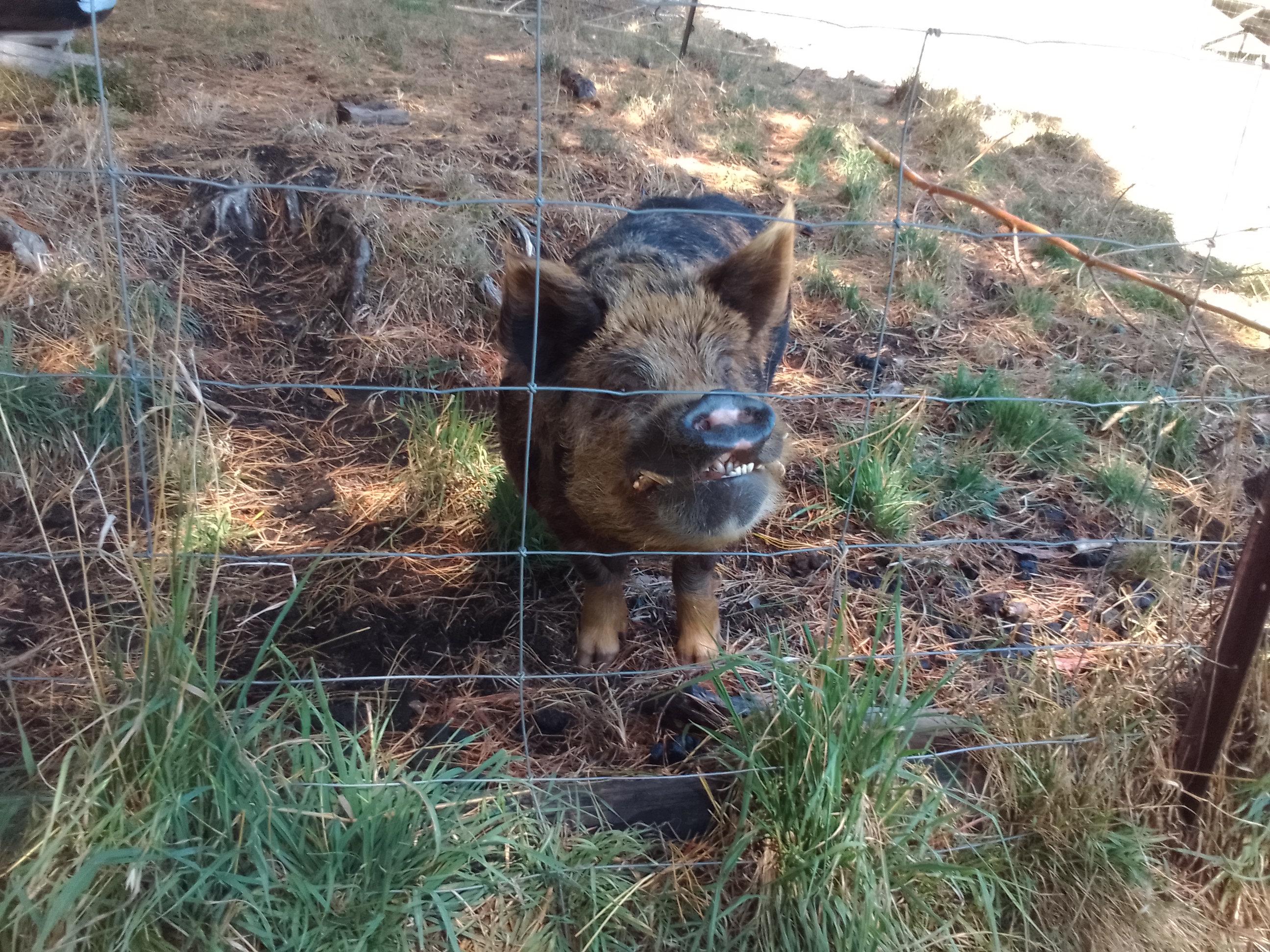
This fat and happy boar is waiting for a treat.
Exif_JPEG_420
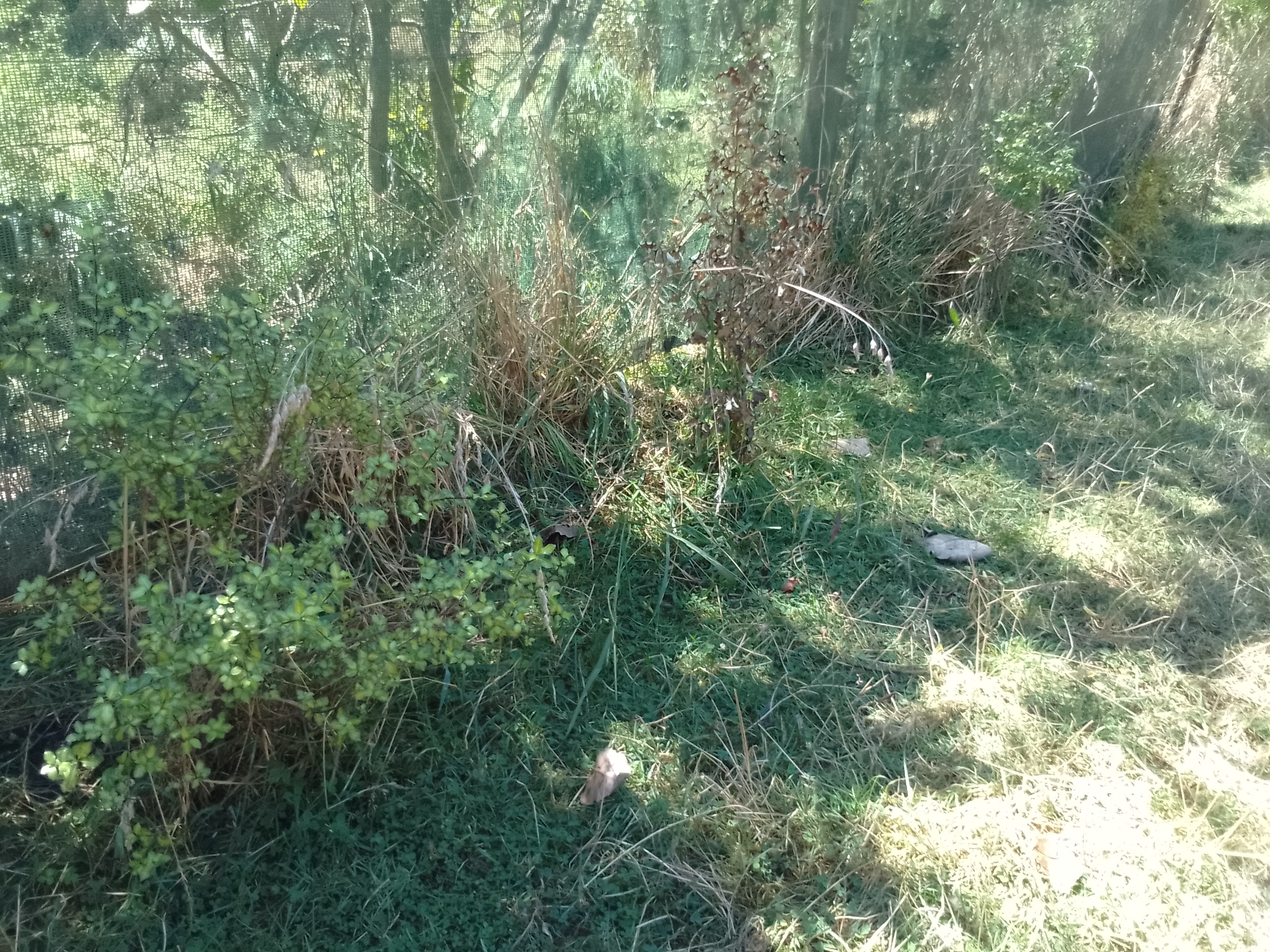
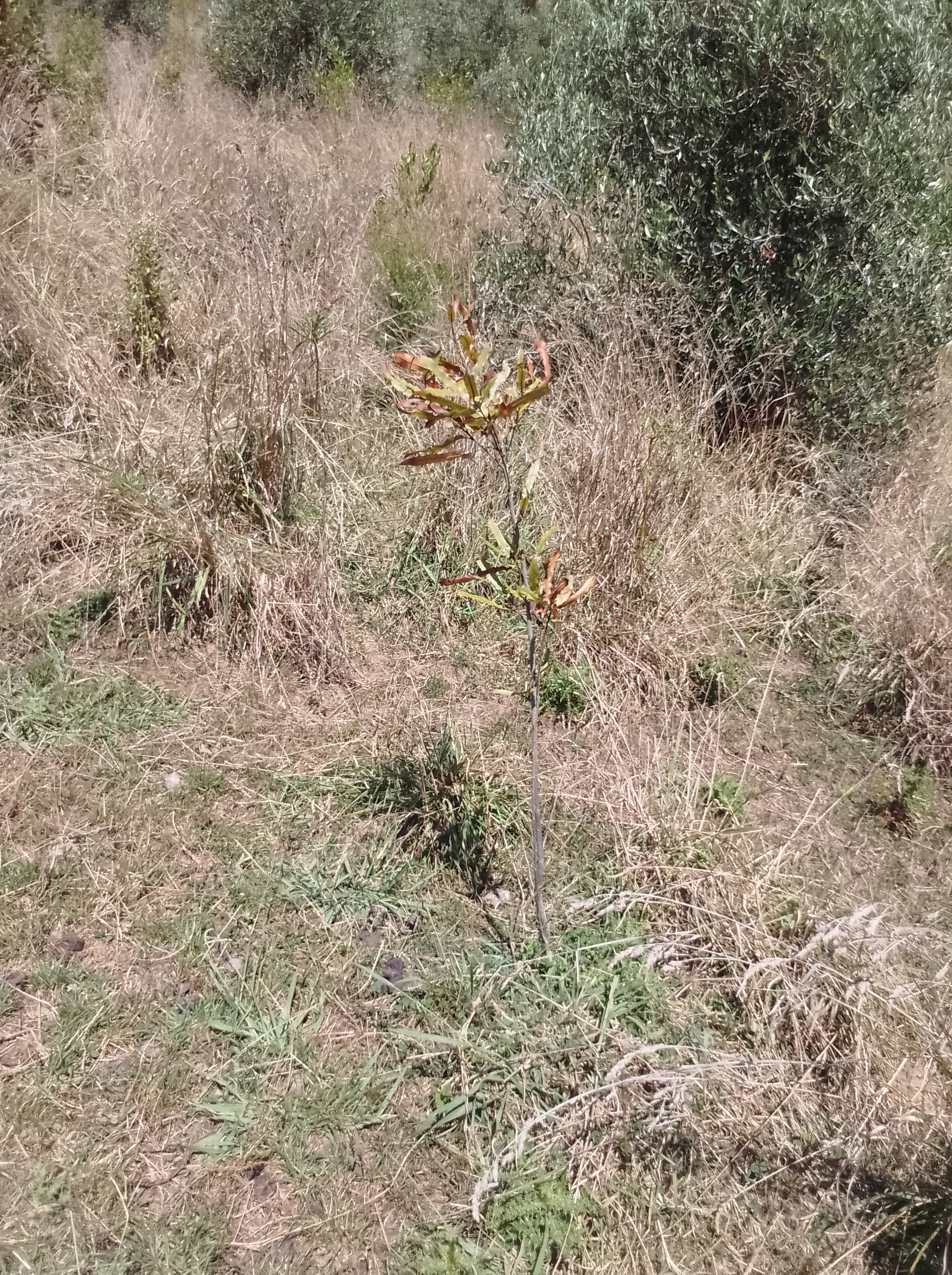
Probably the hardest aspect of the drought conditions has been looking after the 600+ native trees we planted last winter. Although they are hardy to New Zealand conditions, the first summer is critical to their survival. Last summer we had plenty of rain so no watering was required, and lost none of the 600 trees planted that year. This summer’s drought has had a handful of casualties but still only single digits.
Exif_JPEG_420
I was able to catch most trees before they died once they were showing signs of stress.
Exif_JPEG_420
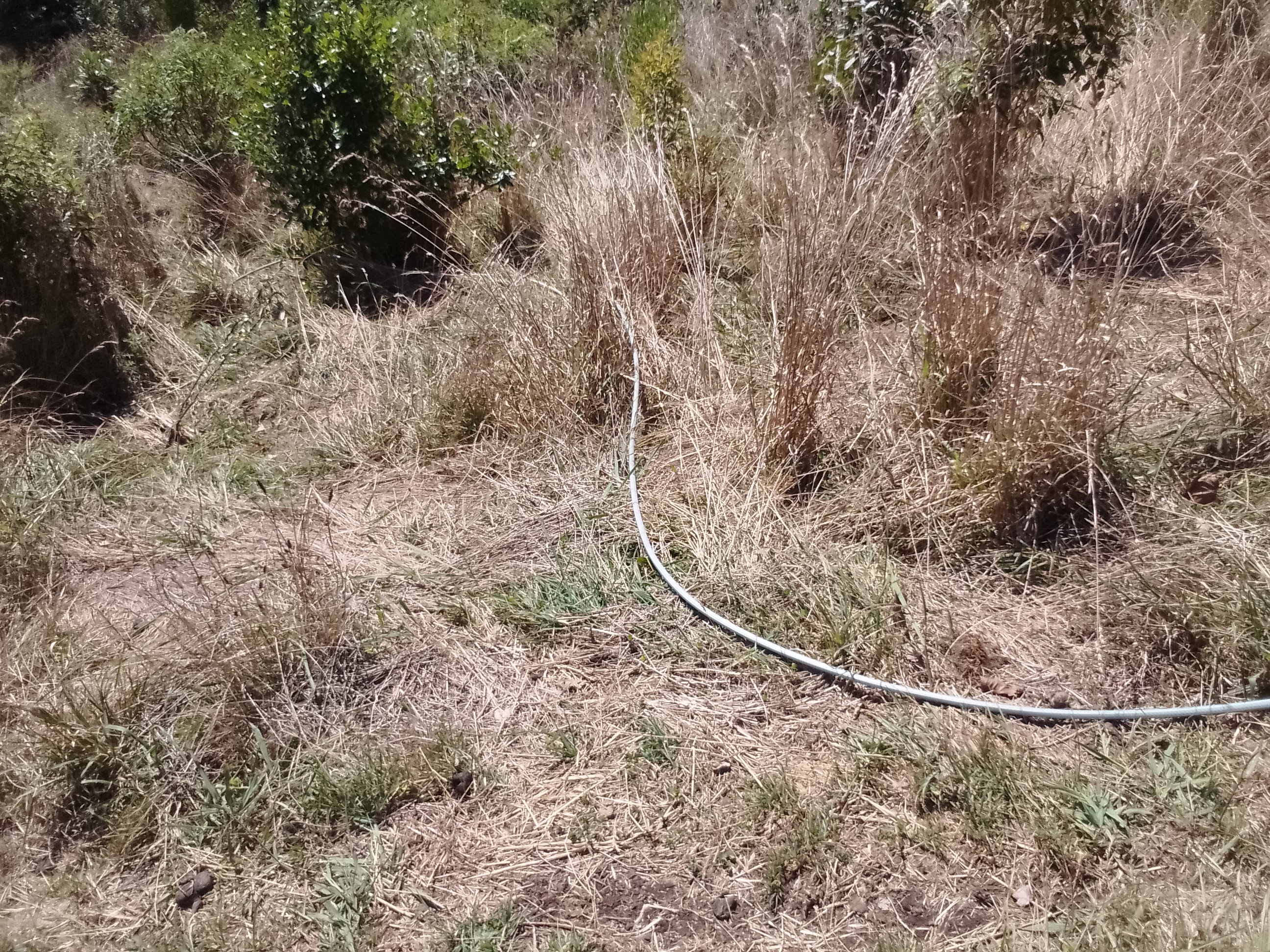
I ran hose lines to areas over the hillsides and then used buckets from there to water individual trees.
Exif_JPEG_420
We’re now up to 4,000 native trees planted over the last eight years and only have lost probably a dozen or two in all that time.
Exif_JPEG_420
We got just under 30 mm of rain earlier this week so that helped the situation while not breaking the drought. The rain brought lower temperatures with it and there is a crisp autumn nip in the air. We’re not home free yet but the real pressure is off for now.
Pretty soon I’ll be complaining about too much rain!
Trees make up a large part of our approach to land management on this challenging 5.1 hectare property. We plant trees to prevent erosion. We plant trees to protect stream banks. We plant trees for fruit. We plant trees for stock fodder. We plant nurse trees to protect other trees. We plant native trees for biodiversity. We plant trees for shade. We plant trees to bees.
In a nutshell, we love planting trees. Oh wait, we plant trees for nuts too!
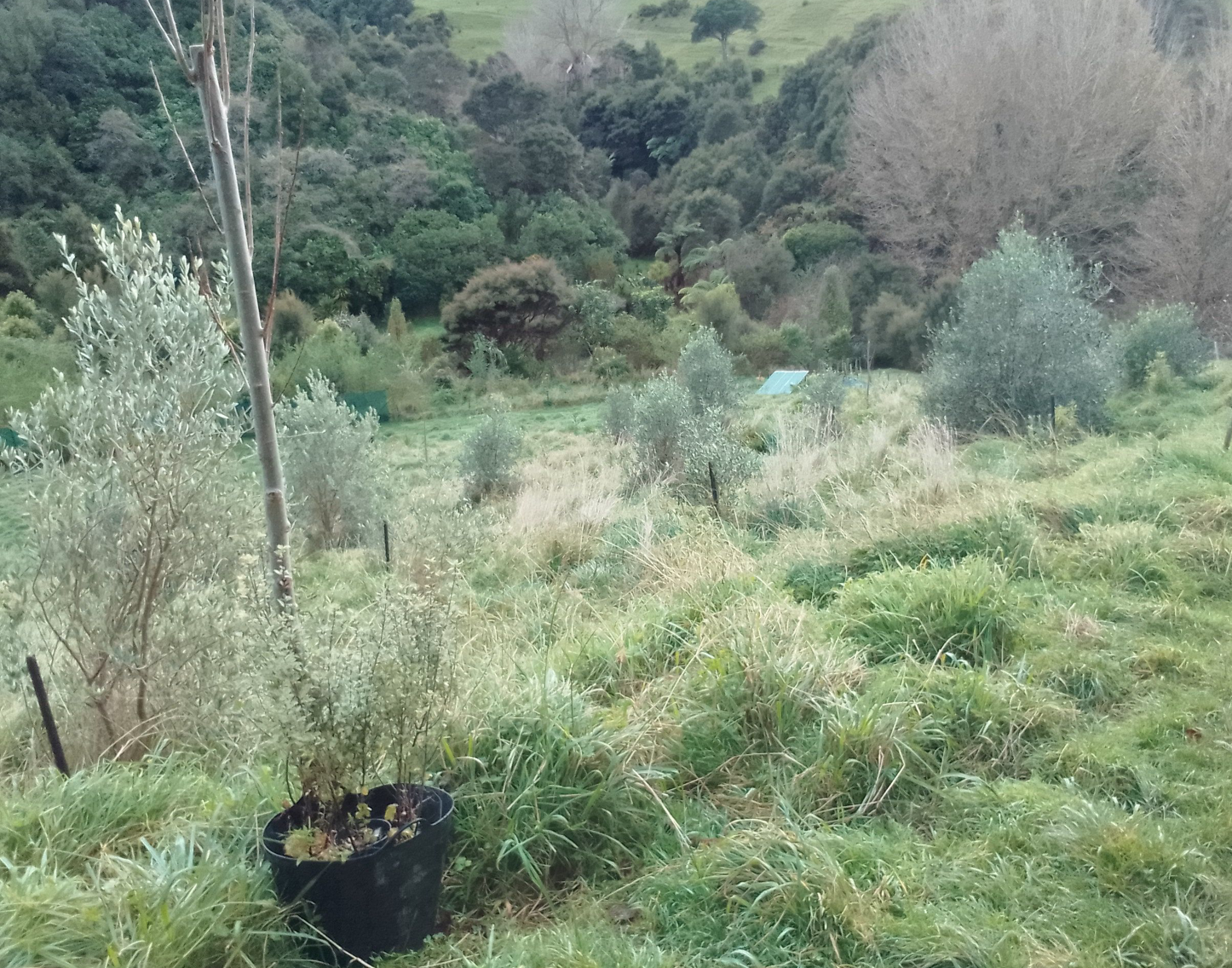
Winter is when we plant most of our trees and this year is no exception. We’ve been planting native trees on the valley sides above Purua Stream. Here is a bucket of trees ready to be planted.
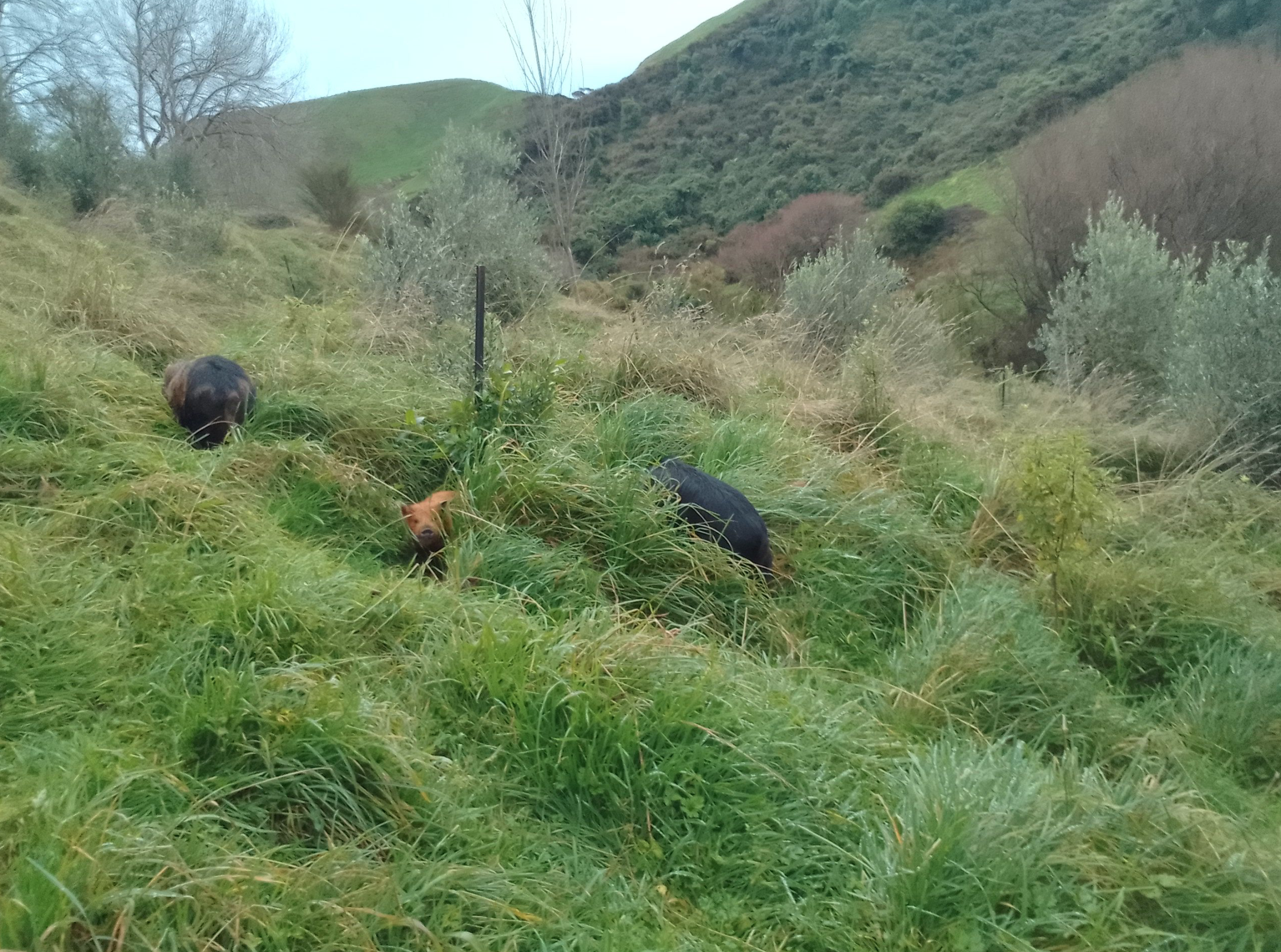
Of course I also brought along a little treat for my helpers. Our kune kune pigs eat much of the grass around the trees we plant so they won’t get covered by the fast growing grass come springtime.
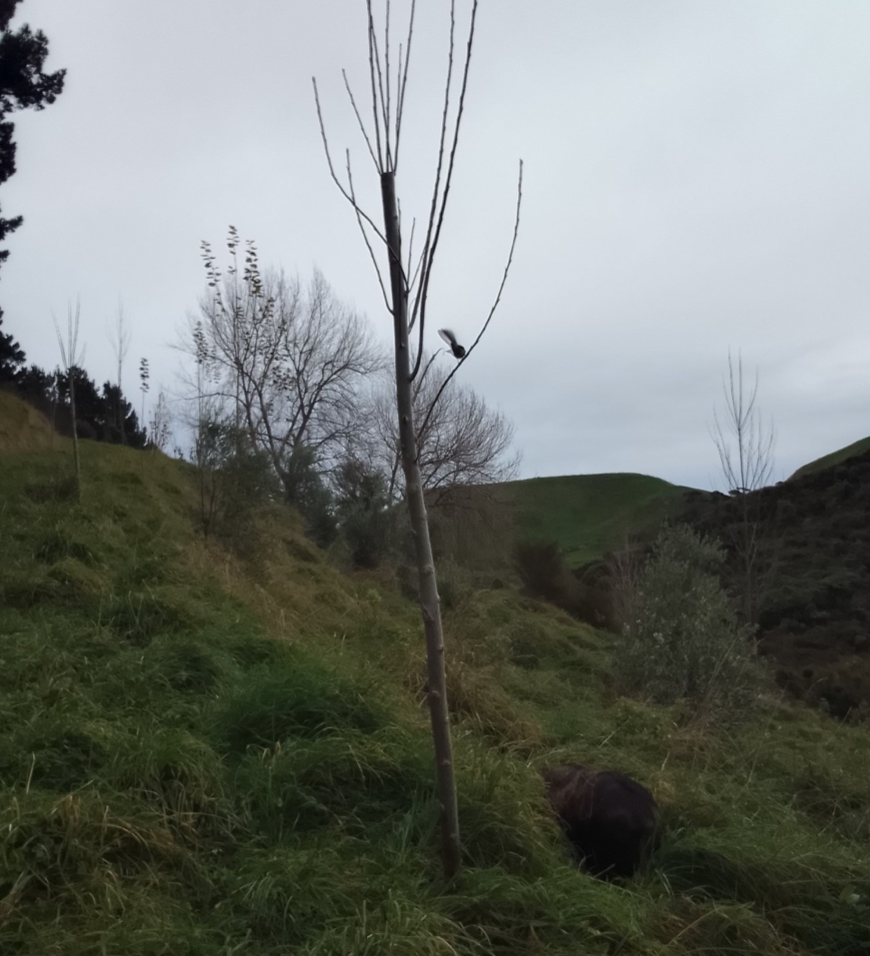
When the pigs came to find the scraps I had thrown for them a small flock of piwakawaka appeared. They eat flying insects that were disturbed by the pigs and I.
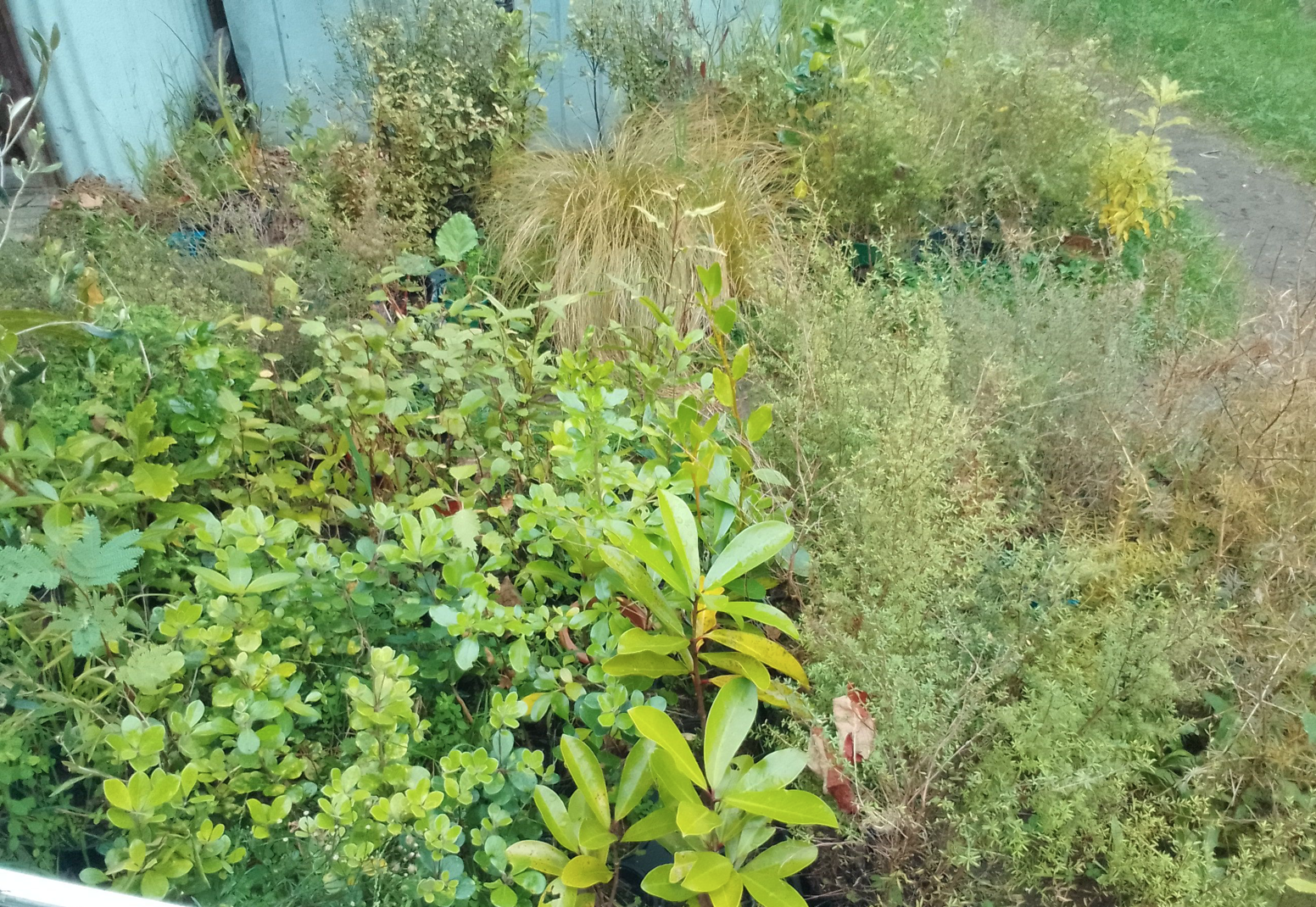
Here is an image for some trees in the nursery waiting to be planted out.
On a shelf above the stream I’ve planted a small avocado orchard where there is some well drained soil. When young the avos need protection from high winds, frosts and sunburn, so I planted tagasaste as nurse trees, which also add nitrogen to the soil.
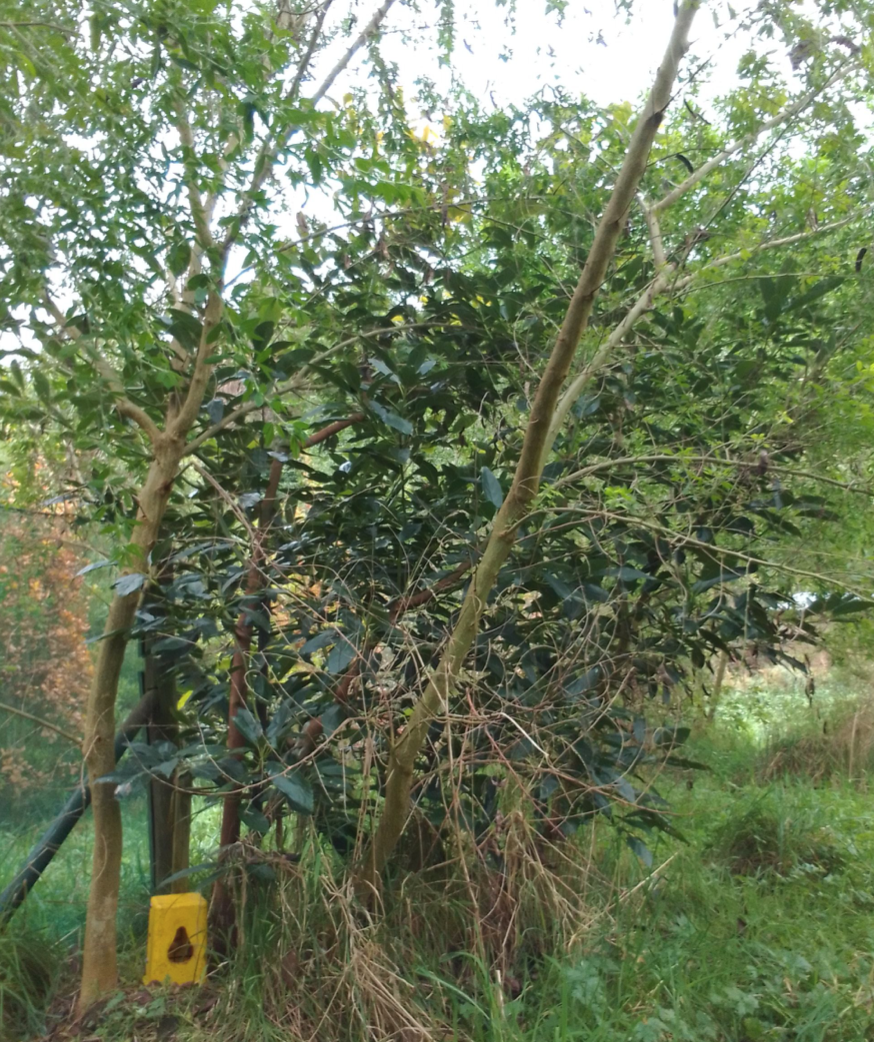
Here you can see a small avo tree under larger tagasastes.
We also need to protect the avocado trees from possums.
As the avocado trees get older they are more frost and sun tolerant. While they grow upward I can selectively prune tagasaste branches, which are taken in winter to the goats as a treat. They love it!
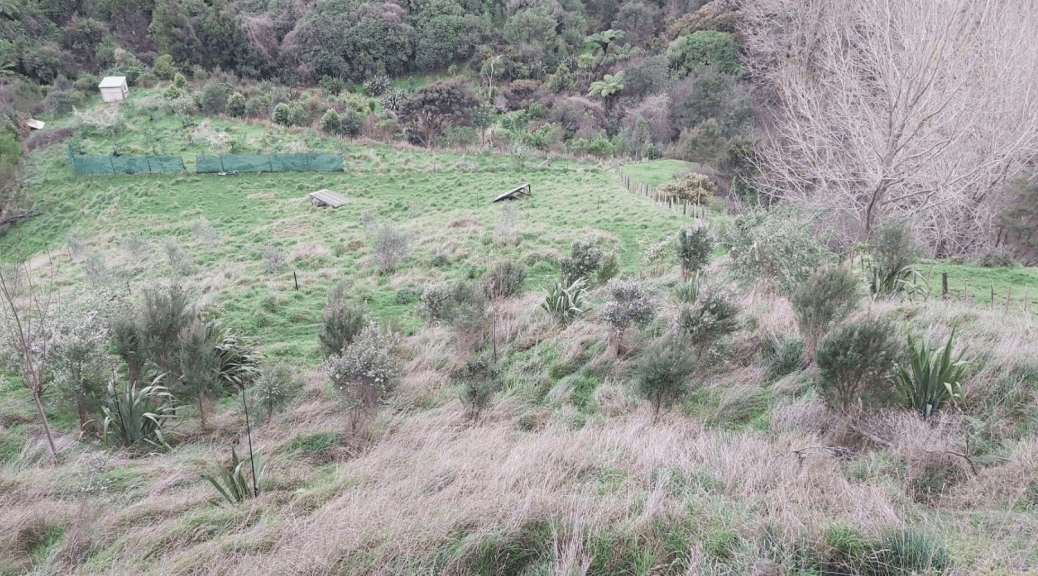
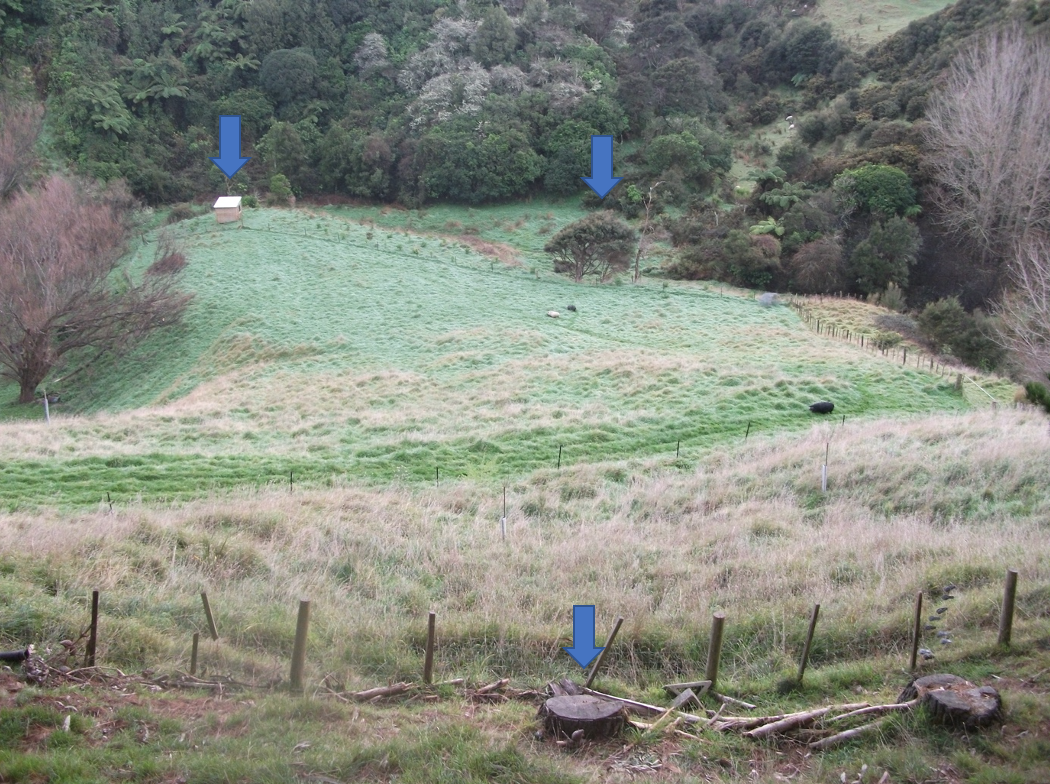
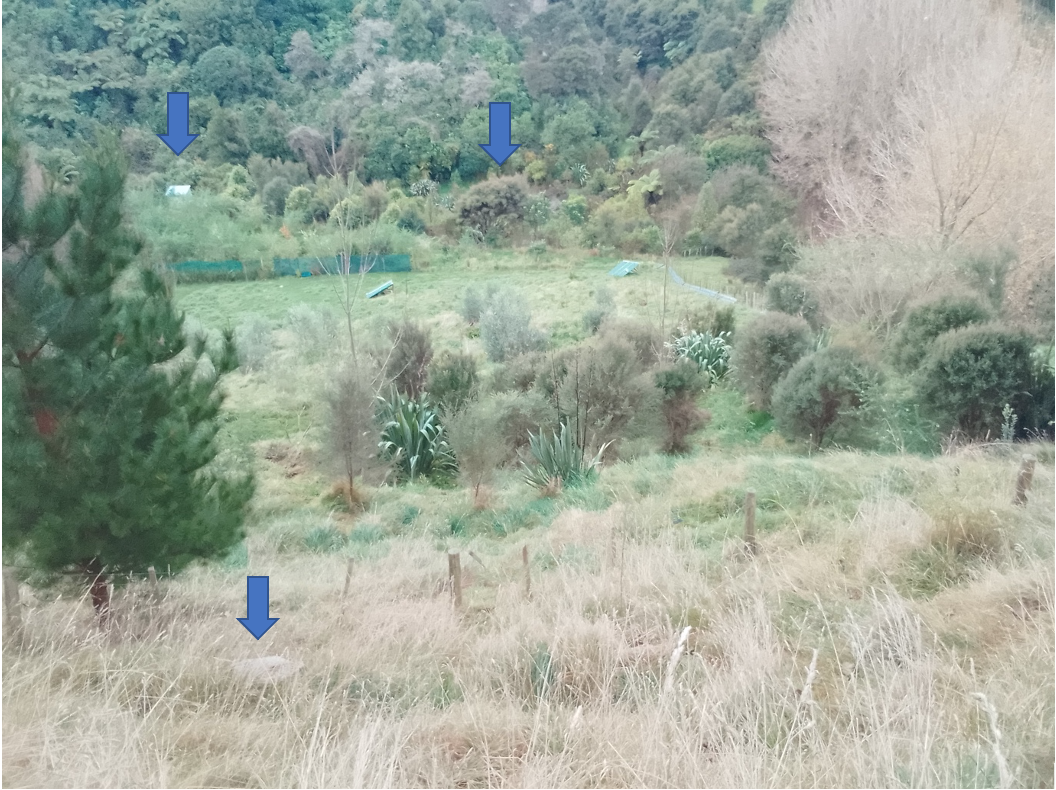
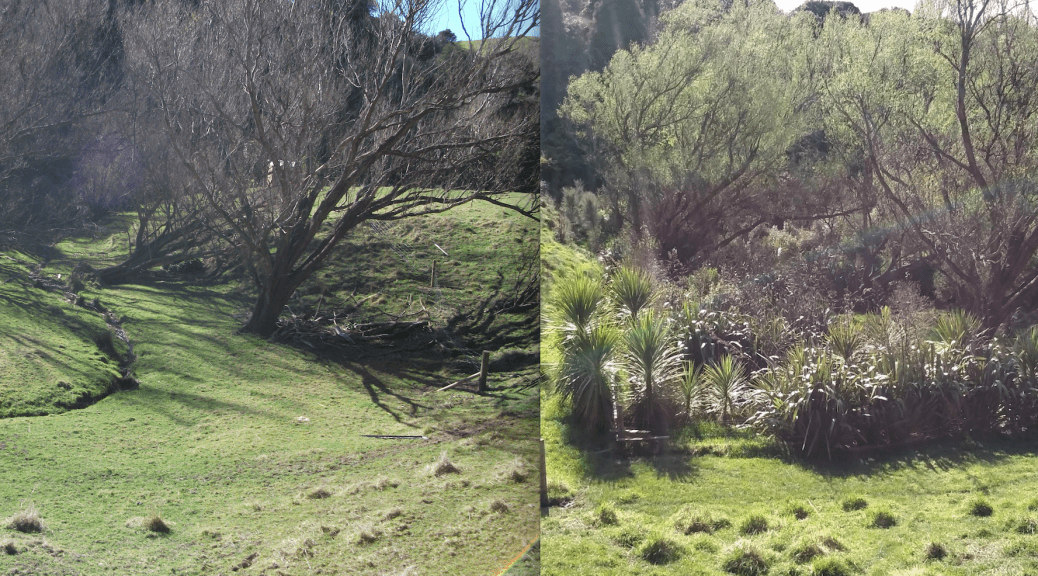
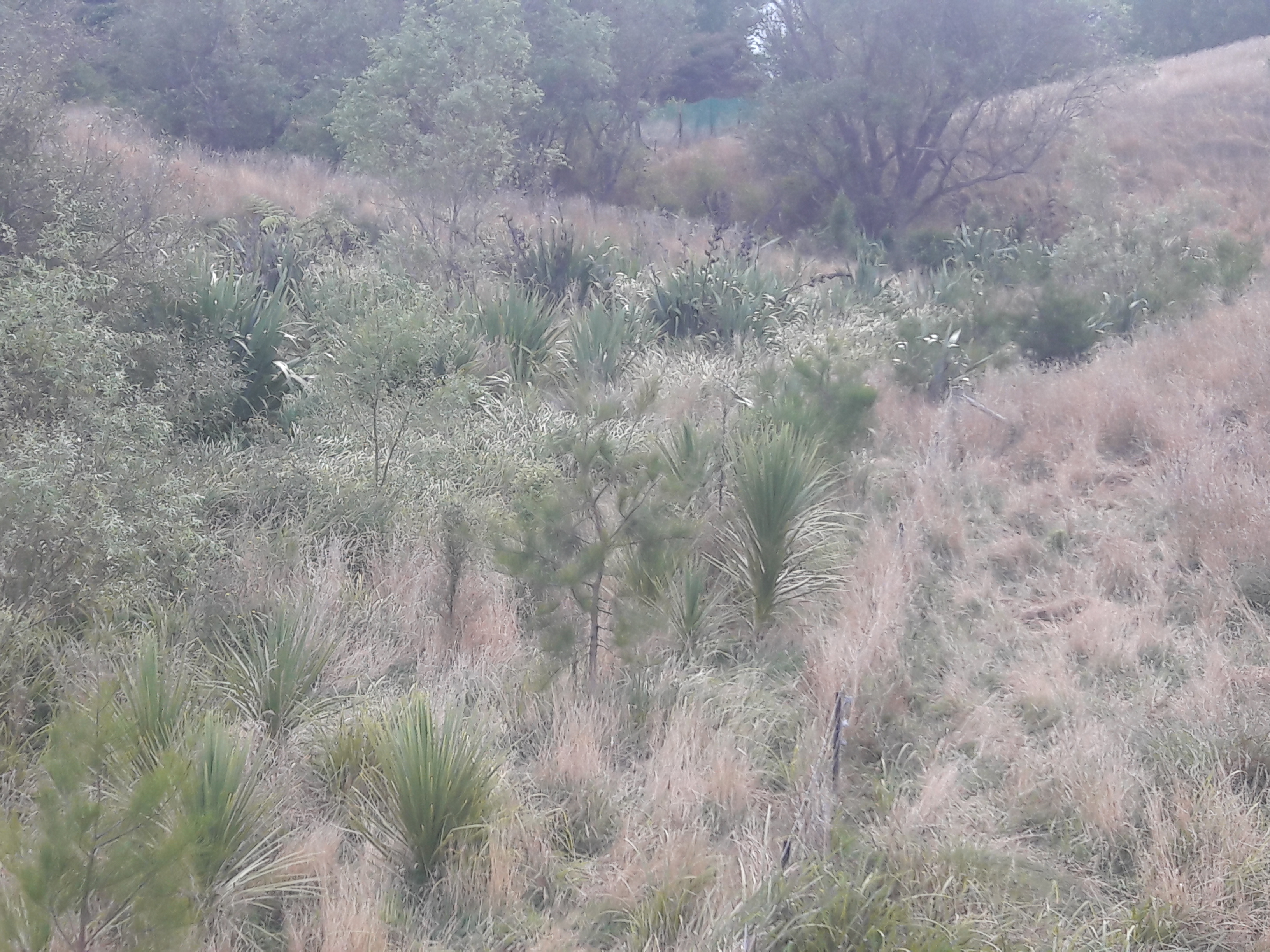
See below an image of the valley before we started our native and orchard plantings. Notice the shed on the left and the large manuka on the right, as well as the tree stump in the foreground.
I’ve marked those same landmarks in the image below so you can see the difference.
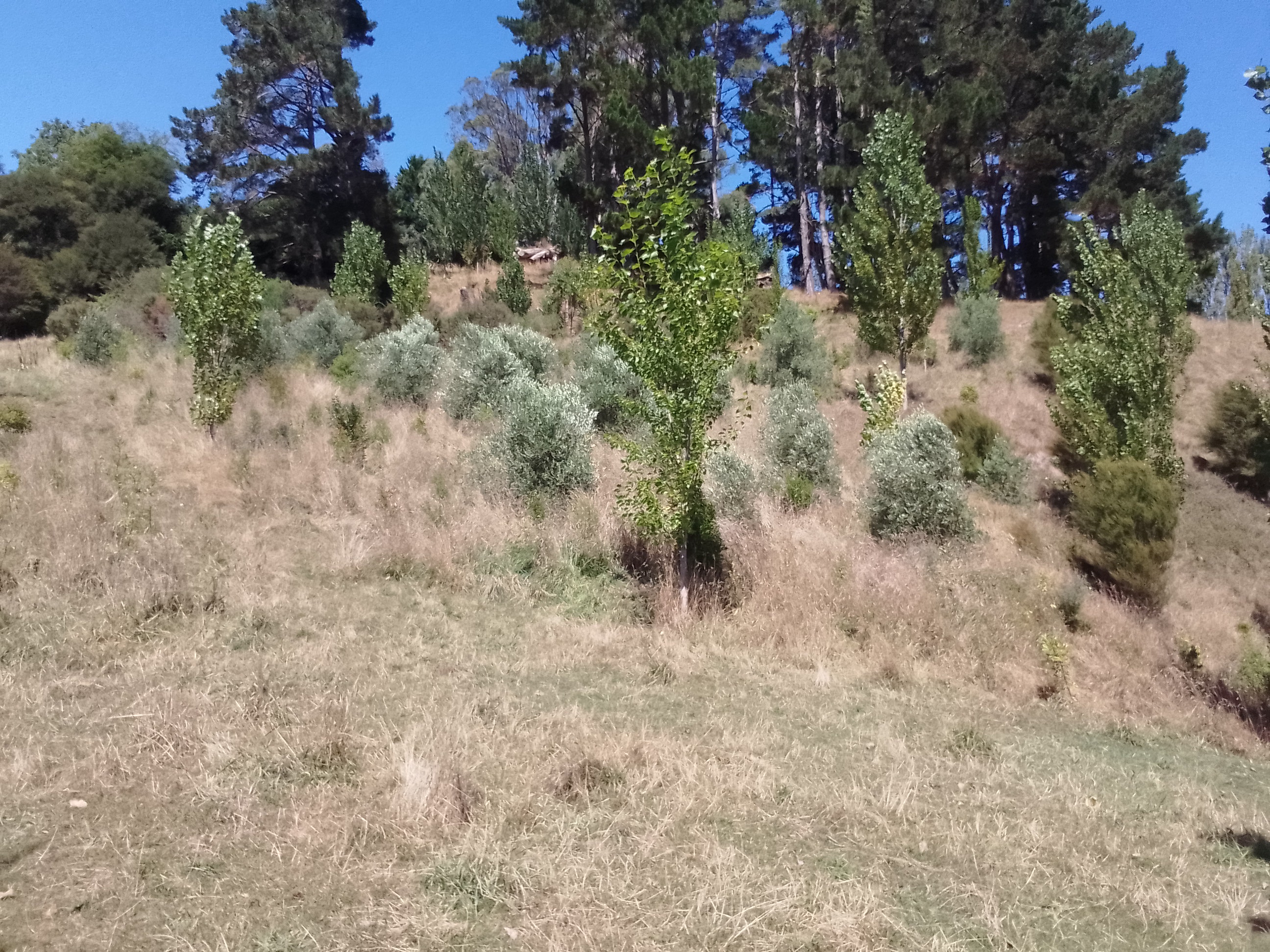
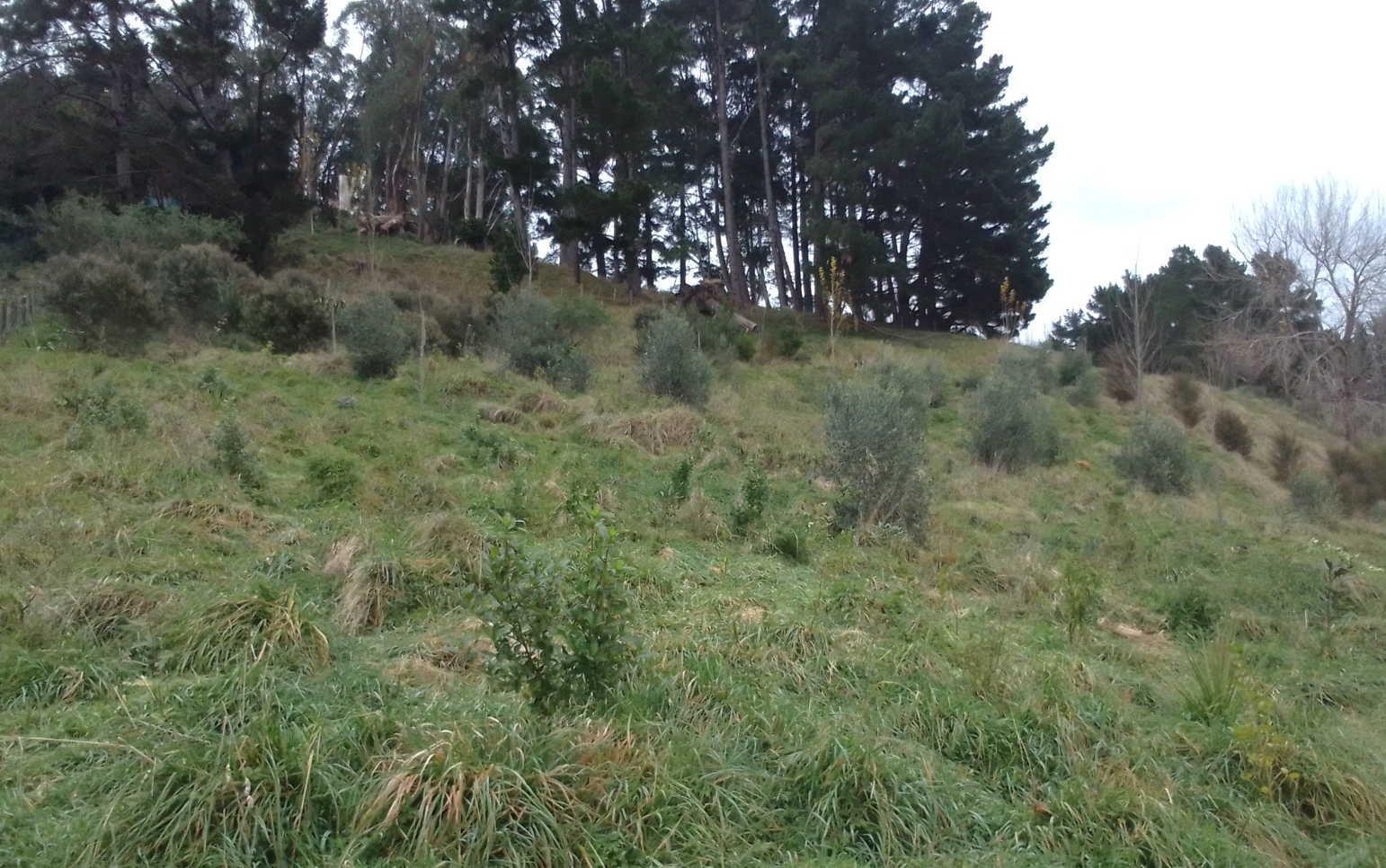
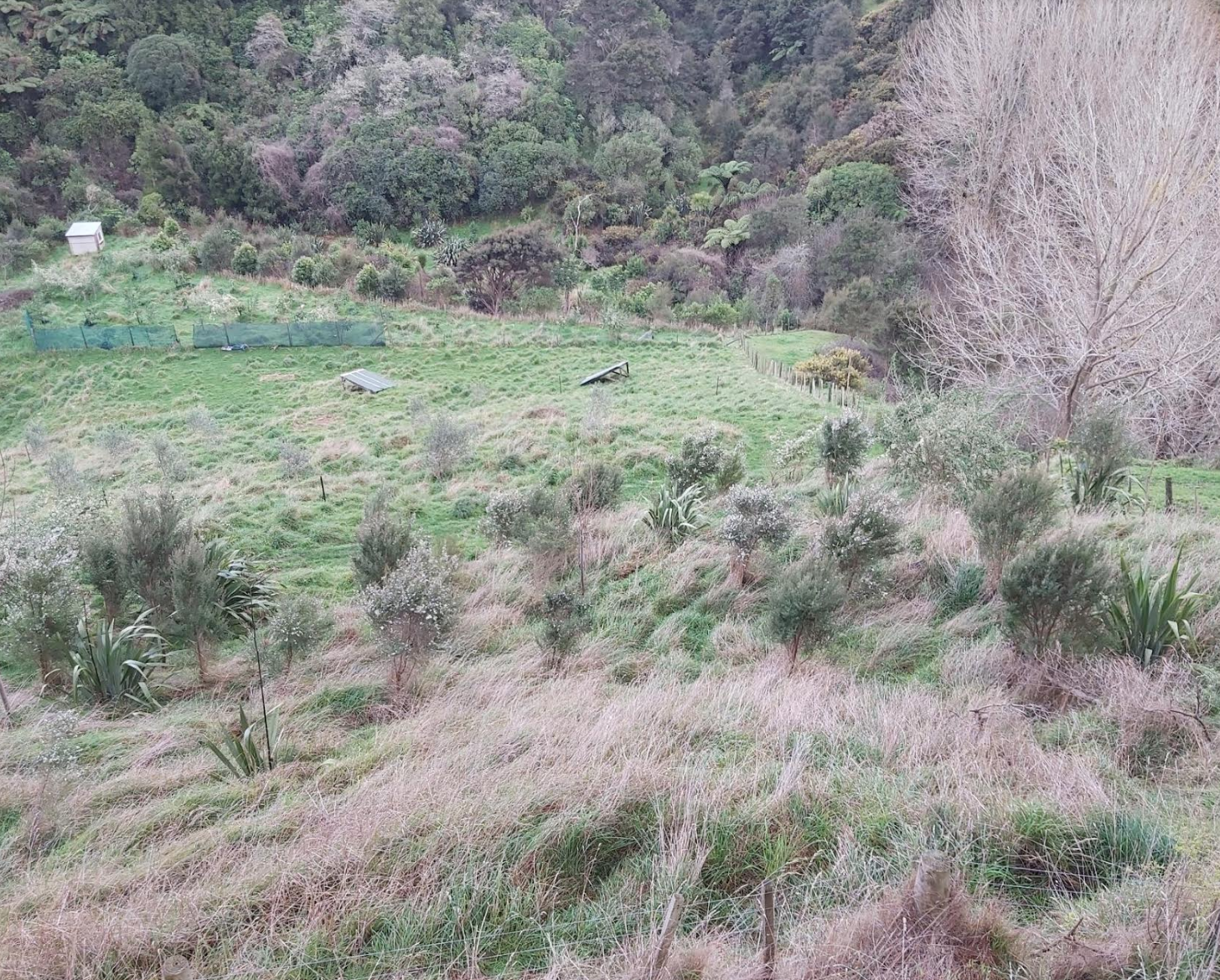
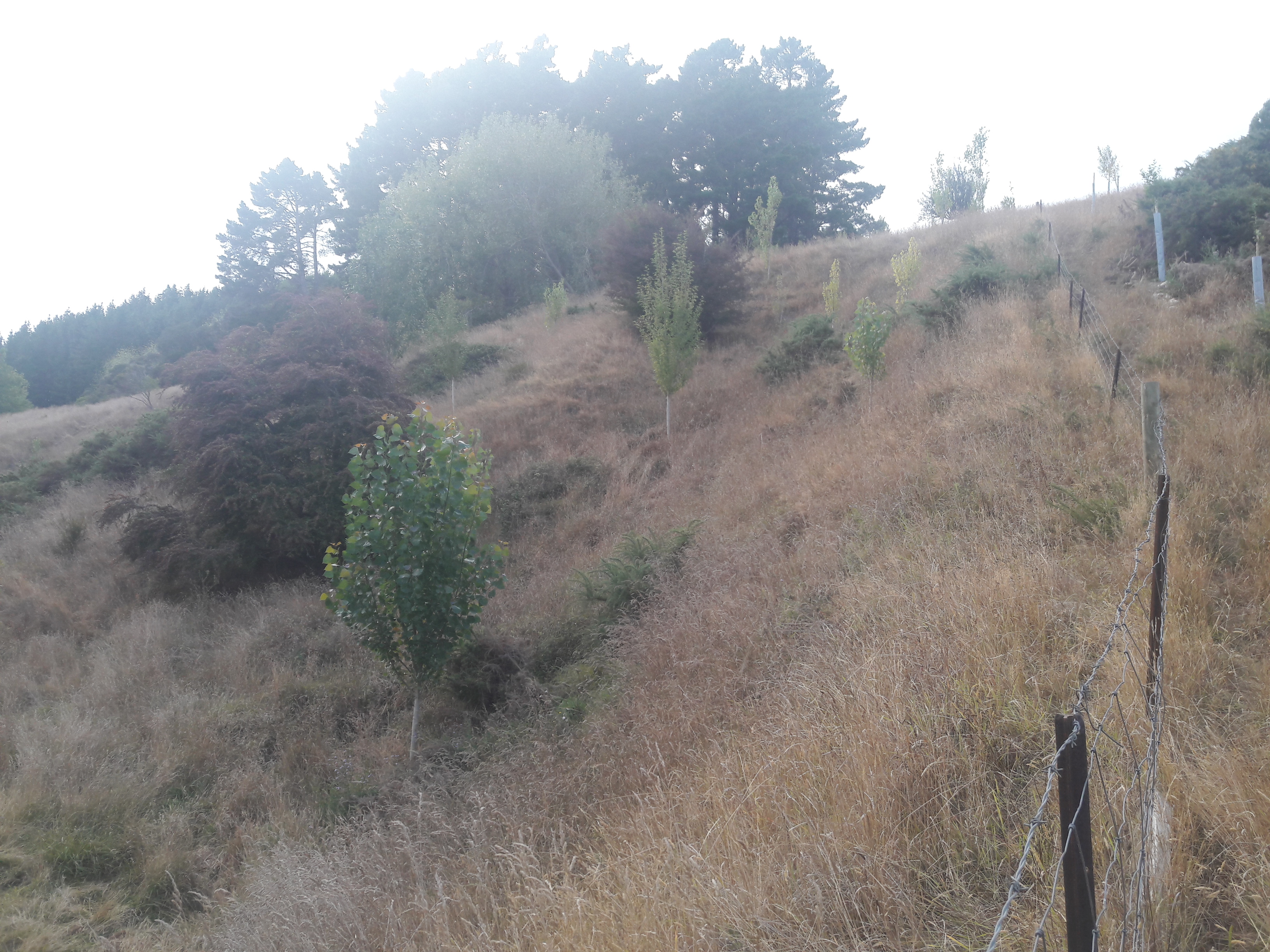
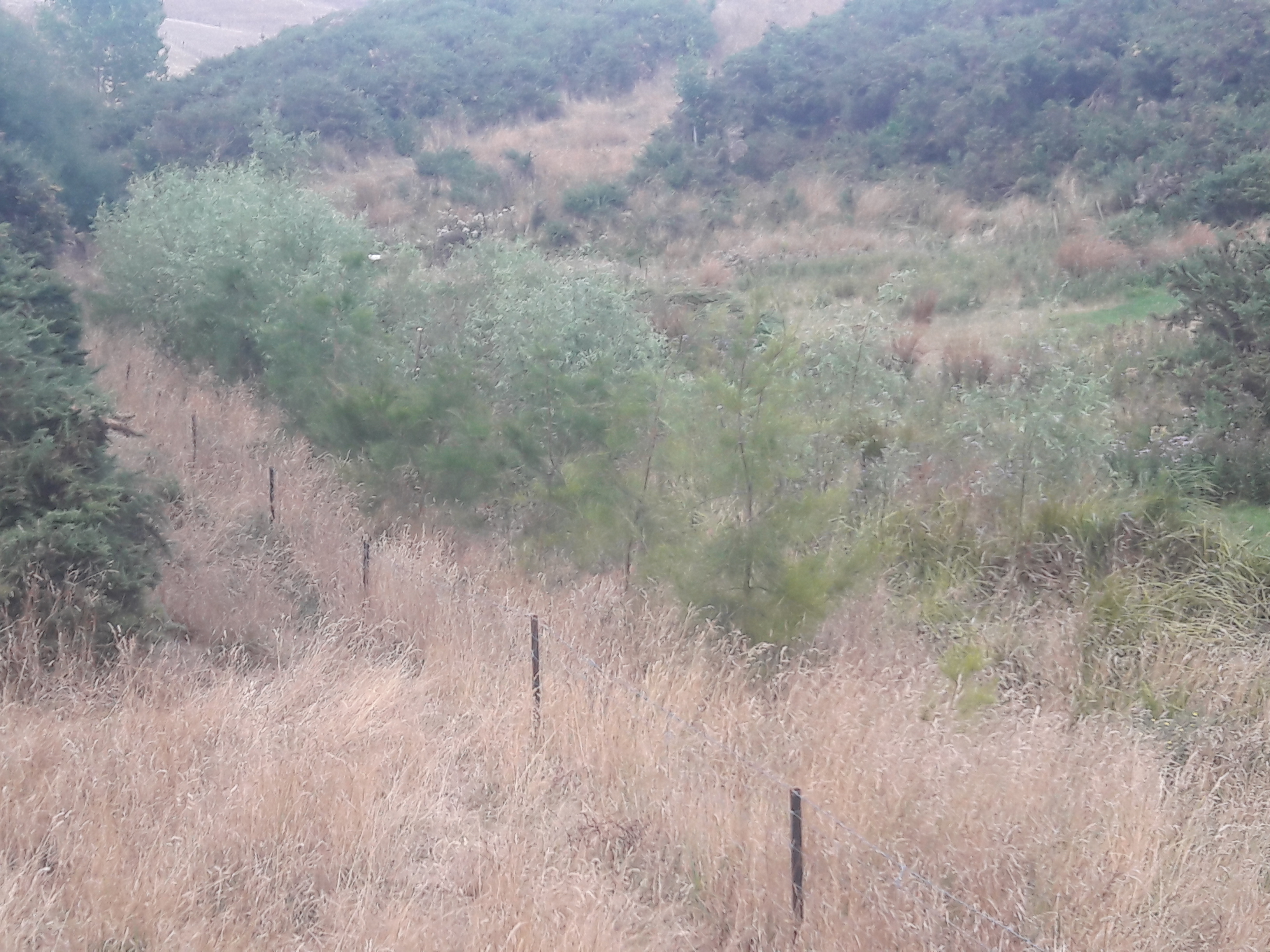
Here is a reverse angle looking back up the hillside. It may be hard to pic out the trees as most of them are small – and my camera is not very good.
We’ve planted a lot of trees over the nine years we’ve been on the farm and we seem to just keep planting more!
These events are free to attend. Partial funding comes from Whanganui District Council.
RetroSuburbia Property Tours An introduction to permaculture and how it can be used to improve the resilience of suburban properties. Saturday 25th March at 2:30 pm. 9 Tainui St. Castlecliff. Sandy and windy site. Monday 10th April 2:30 pm. 37 Downes Ave. Springvale. Large site Sunday 16th April at 10:30 am. 6 Plunket. Durie Hill. Clay soil and gully.
Earn a Permaculture Design Certificate on one of New Zealand’s best permaculture farms.
Our programme is unique in the world of permaculture in that it combines best practice teaching and learning along with best practice regenerative land management.
The programme balances content, process and reflection, while nurturing systems thinking skills. It’s about developing a way of thinking that recognizes the connections between diverse elements on the farm and how they interact, along with the hands-on skills required to work effectively with cultivated ecologies.
3RD JANUARY, 2023 – 8 WEEKS WITH A WEEK OFF IN THE MIDDLE. $850 CLIMATE RESILIENCE PDC IMMERSE YOURSELF IN ECO-DESIGN FOR CLIMATE RESILIENCE – WORKING WITH NATURE INSTEAD OF AGAINST IT. THIS PDC FOCUSES ON ECOLOGICAL LAND MANAGEMENT, REGENERATIVE FARMING, WATER MANAGEMENT, ECO HOUSING, APPROPRIATE TECHNOLOGY, HUMAN-SCALE APPROACHES,AND TRANSPORT ALONG WITH THE FULL PDC CURRICULUM.
7TH MARCH, 2023 – 8 WEEKS WITH A WEEK OFF IN THE MIDDLE. $850 ABUNDANCE PDC AUTUMN IS A GREAT TIME TO BE ON THE FARM WITH HEAPS OF FRESH KAI FROM THE ORCHARD, GARDENS AND ANIMALS. THIS PDC FOCUSES ON GROWING, PROCESSING AND PRESERVING KAI ALONG WITH ANIMAL CARE, BUSH RESTORATION, AND SOME ECO-BUILDING PROJECTS.
These events are free to attend. Partial funding comes from Horizons Regional Council, the Whanganui River Enhancement Trust, and Whanganui District Council. Register: theecoschool@gmail.com
RetroSuburbia Property Tours An introduction to permaculture and how it can be used to improve the resilience of suburban properties. Saturday 25th March at 2:30 pm. 9 Tainui St. Castlecliff. Sandy and windy site. Monday 10th April 2:30 pm. 37 Downes Ave. Springvale. Large site Sunday 16th April at 10:30 am. 6 Plunket. Durie Hill. Clay soil and gully.
Bike or Bus to the Market
22nd April, 11:00-12:30.
Let’s embrace active transport & public transport with our tamariki.
Come down to the market for some kai and a good play with others.
Small and Large Block Permaculture
23rd April. 1-3 Permaculture on a Small Block. 3-5 Permaculture on a Large Block
Family Planting Day
25th April, 1-3 pm. Join us for a fun family day on the farm exploring, playing and planting native trees to protect te whenua and Te Awa Tupua.
Healthy Homes for Healthcare & Social Workers 25th May Whanganui Regional Health Network This programme helps healthcare and social workers to empower families improve the health and comfort of their homes. Register with Angela Weekly at the Whanganui Regional Health Network.
Celebrating a decade as the region’s leader in sustainability and resilience programming.
Brown Bag – Green Home 27th July, 12-1. FREE Whanganui Learning Centre, 232 Wicksteed St. BYO lunch and learn about the best options for home retrofit and renovation. Funding provided by ACE Aotearoa
Pruning Fruit Trees 27th July, 1-2. FREE Whanganui Learning Centre, 232 Wicksteed St. Outdoor workshop pruning pip fruit and stone fruit. Funding provided by ACE Aotearoa
Hands-On with Poplar Poles& Tree Lucerne(Tagasaste)
August 14th, 2-4: pm. Funded by Horizons’ Pūtea Hapori Urapare Āhuarangi – Community Climate Response Fund
Poplars and tagasaste are the fastest and cheapest ways to get sizeable trees established on your land. Both are fast-growing, drought resistant and inexpensive to buy. Both respond well to pruning and make great stock fodder. This hands-on workshop includes planting poplar poles and propagating tree lucerne from seed.
Register: theecoschool@gmail.com
The Low-Carbon – High Efficiency – Affordable Home
September 18th, 2-4: pm. Funded by Horizons’ Pūtea Hapori Urapare Āhuarangi – Community Climate Response Fund
This workshop helps demystify the home-building process for climate resilience and affordability. Topics include passive solar design, super-insulation, high performance windows, and where to claw back cost savings.
Register: theecoschool@gmail.com
Kaitiaki Farm Weekend
October 15-16
Saturday afternoon 2 – 5 pm: Farm Tour of Gardens, Intensive Orchards, & Farm Buildings (Permaculture Zones 1-2). Includes integrating farm foul into fruit & veg production and what are the best tools to use for low-input/high performance systems.
Sunday morning 9:30 – 12:30: Farm Tour of Paddocks and Hillsides, Non-Intensive Orchards, Stream Restoration, Bush Restoration, and Browse Block (Permaculture Zones 3-5). Includes water management, preventing slips, managing gorse, integrating poplar and willow, managing goats and kunekune pigs.
Sunday afternoon 1:30 – 4:30: Eco Design/Build for Sleep Outs, Tiny Homes, Minor Dwellings. Includes passive solar design, ‘super-wall’, retrofit double-glazing, building code changes, wastewater compliance, compost toilets.
Choose any combination: $50 each or $130 for all. (Couples $240)
Meals and accommodation also available – please enquire.
Register: theecoschool@gmail.com
Climate Camp for Teens 29-30 October TBC Funded by Horizons’ Pūtea Hapori Urapare Āhuarangi – Community Climate Response Fund
Register: theecoschool@gmail.com
Family Climate Fair 12 November TBC Funded by Horizons’ Pūtea Hapori Urapare Āhuarangi – Community Climate Response Fund
Register: theecoschool@gmail.com
Permaculture Design Certificate
January, 2023, Dates TBD
Love Your Land Day February 16th, 10-4: pm. BYO Lunch. Funded by Horizons’ Pūtea Hapori Urapare Āhuarangi – Community Climate Response Fund Kaitiaki Farm is a thriving regenerative farm on the outskirts of Whanganui. The day will be split between a farm tour and presentations by Horizons officers along with specialists in other aspects of land management.
Immerse yourself in eco-design for climate resilience on a thriving permaculture farm outside of Whanganui. We take a systems approach to managing the farm holistically to maximise carbon sequestration and minimise carbon emissions.
This PDC focuses on ecological land management, regenerative agriculture, water management, eco-housing – both building and retrofit, appropriate technology, human-scale approaches and transport along with the full PDC curriculum.
5th January 2022 – 8 WEEKS WITH A WEEK OFF IN THE MIDDLE. ($700)
From a recent intern: “I’ve just completed my 2 month PDC at the Eco School and have had an absolutely sensational time. If you want to learn how to become a permaculture home-steader FOR REAL, skip the two weeks of PowerPoint presentations offered elsewhere, and come get fully immersed in the lifestyle. Dani and Nelson have got the art of sustainable living down pat, and both are an absolute gold-mine of knowledge to be tapped. I left knowing how to do everything from preparing and planting garden beds; to raising livestock; milking and cheese-making; harvesting and preserving; butchering, baking (no candle-stick making…); DIY and carpentry. Essentially, we covered in incredible depth the art and science of ecology and land regeneration, as well as all the principles of design and analysis vital to making permaculture work properly. It was like being back at uni, except this time I was learning something useful (and deeply fascinating).” – Harry
Turning liabilities into assets is a full-time job on our farm. The 2015 floods and land slips focused our attention and efforts on stabilising hillsides and stream banks for the last half decade at the expense of having a big vegetable garden and…surfing.
But that storm event also shaped our thinking about the holistic management of the farm and what plants and animals would best suit our conditions, and also work in coordination with each other for synergistic effects. The main goal has been to develop a climate resilient farm that withstands extremes of both wet and dry. This summer we’ve been tested.
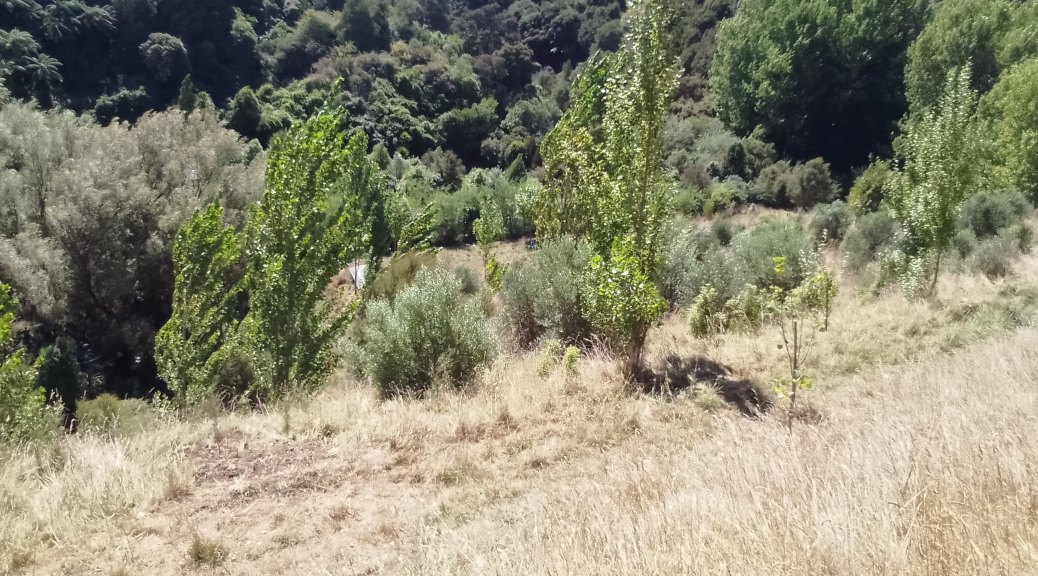
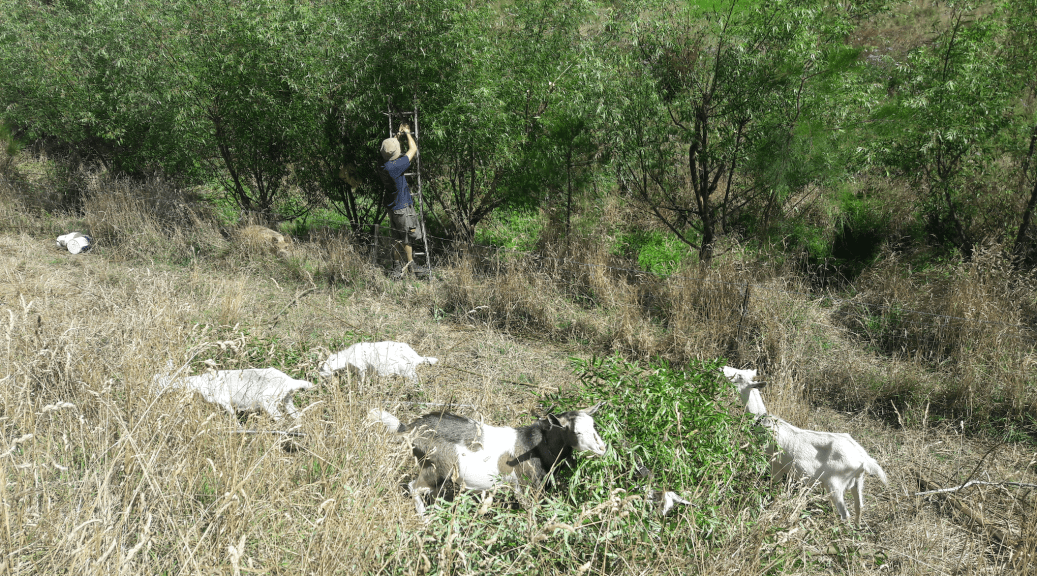
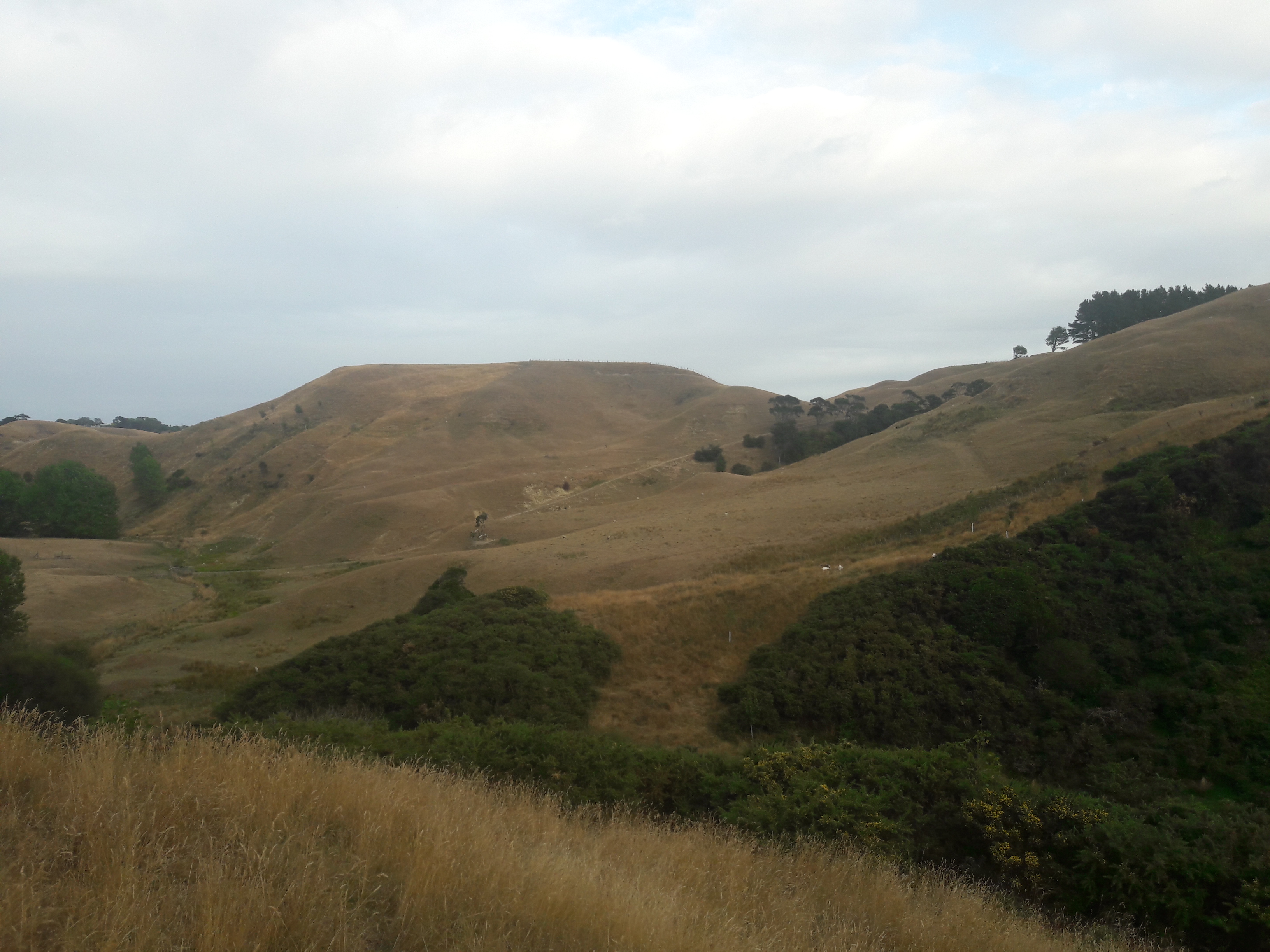
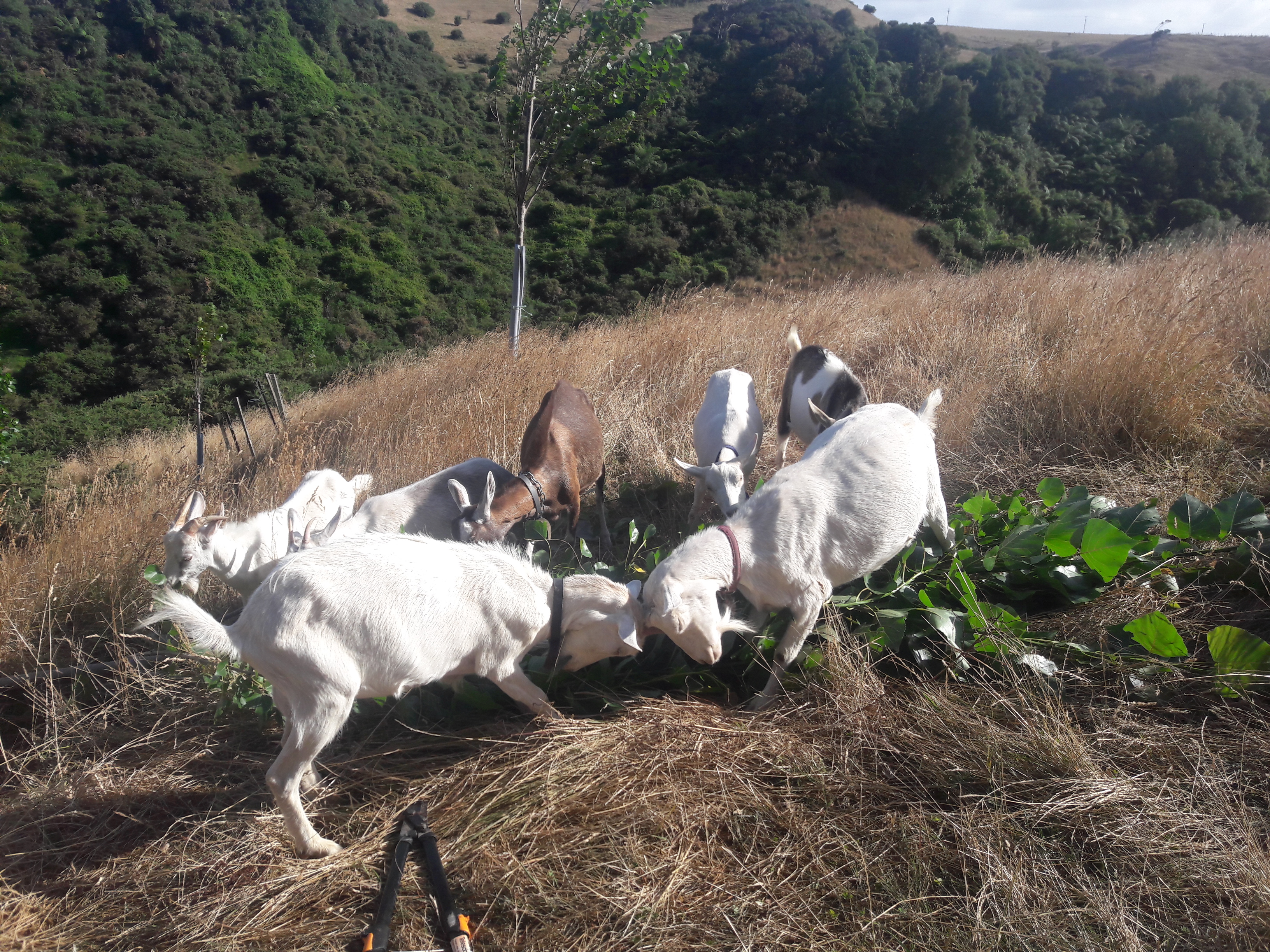
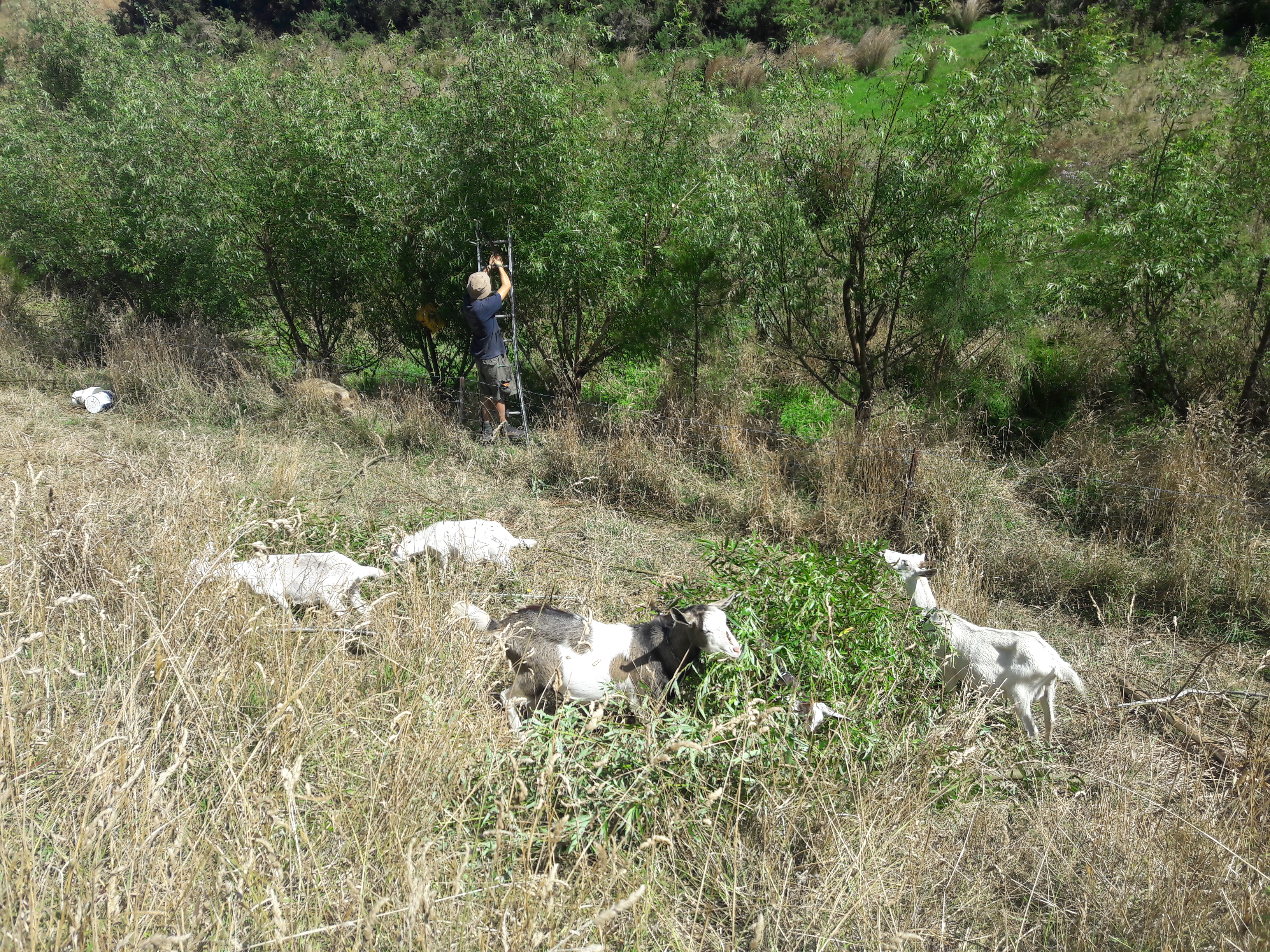
You can see in the image above how dry the hillsides are, although patches of gorse remain darker. You can just make out our white goats grazing a paddock with longer grass that we’ve just opened to them this week. But our main source of nutrition for them over the last month has been poplars on the hillsides and willows along the stream.
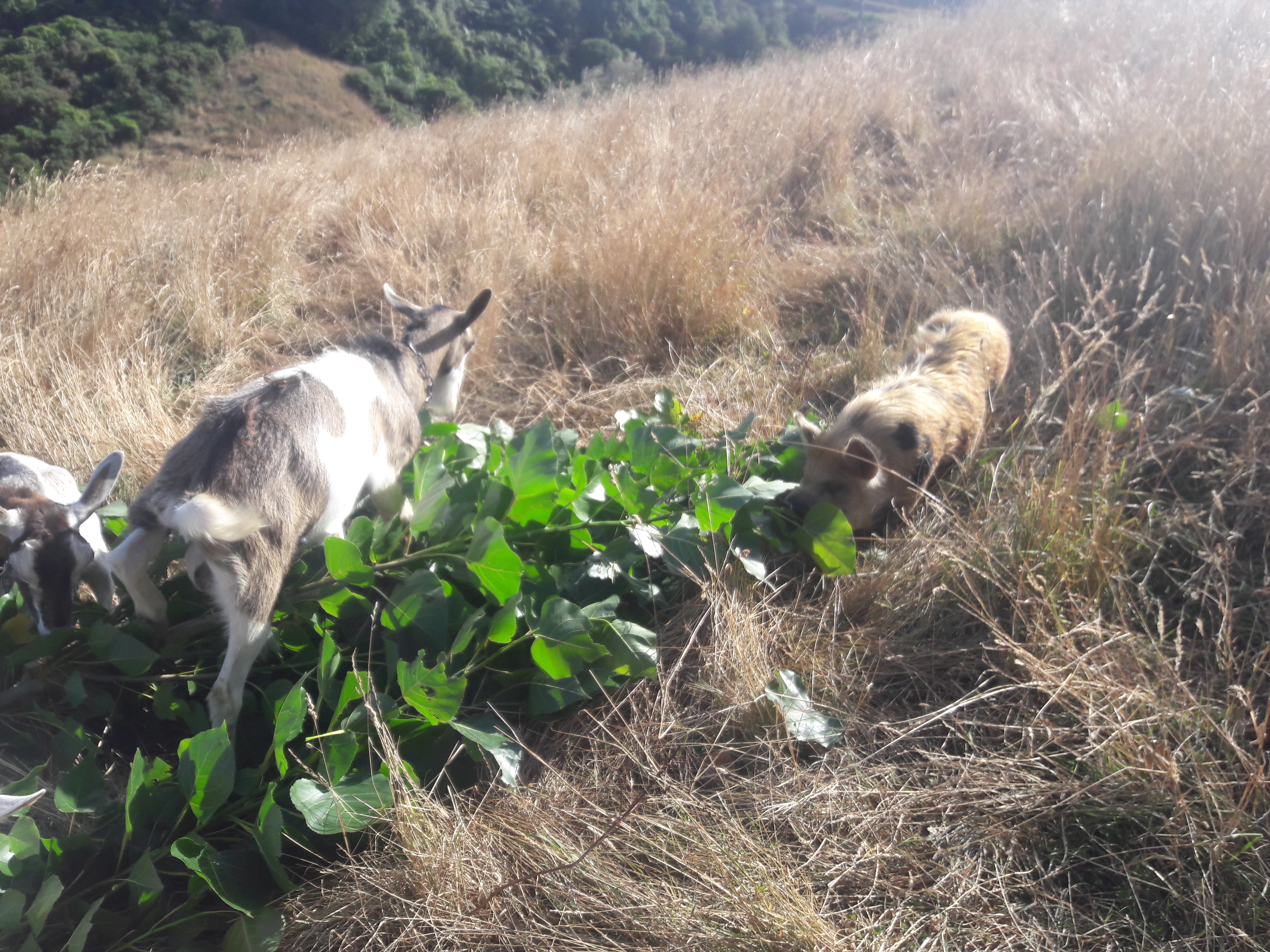
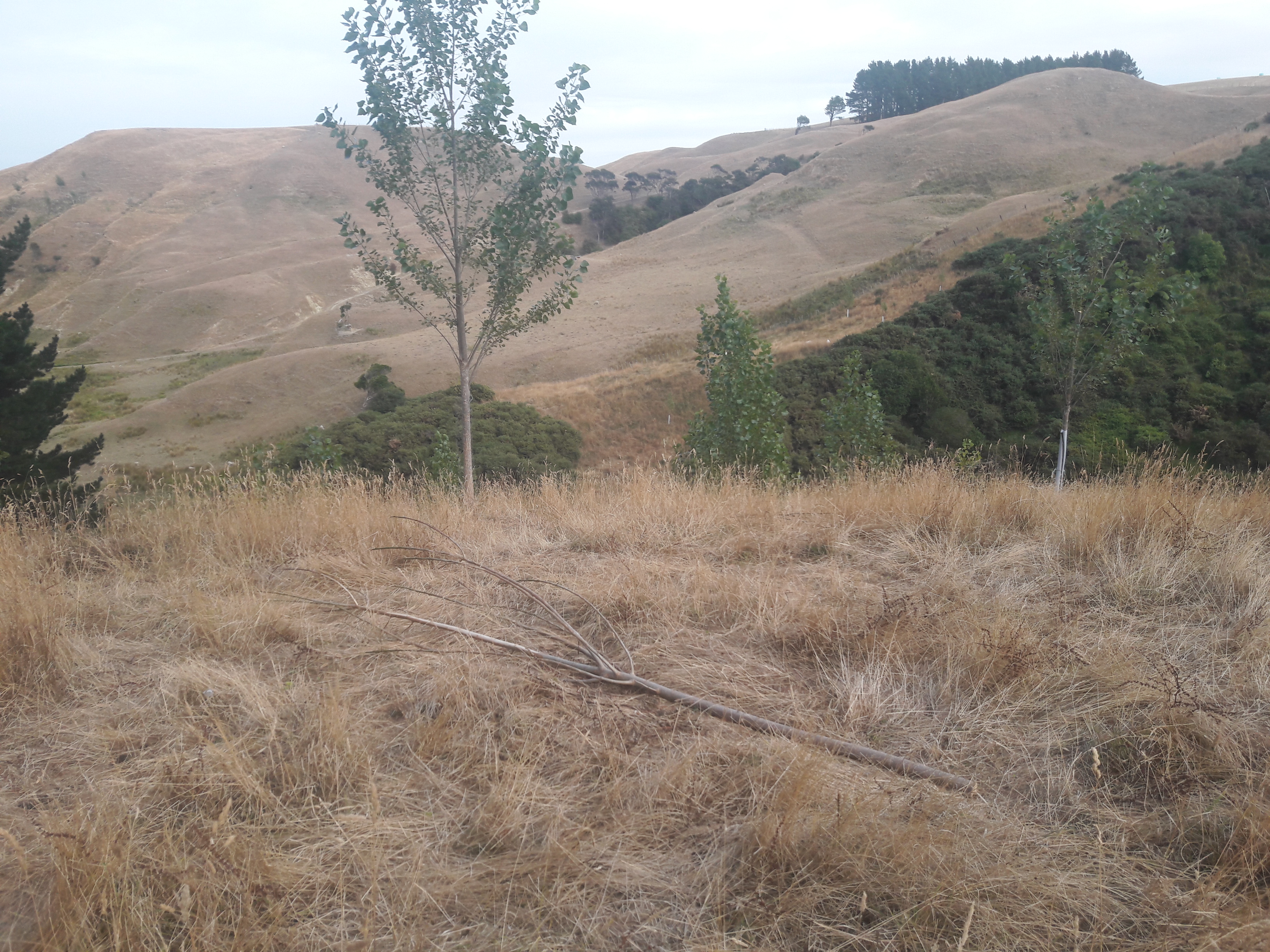
The kune kune pigs even nibbled away at the tender tips of the poplars.
They left the branches throughly stripped.
The willow below are the first ones we put in after the flood that took cubic metres of soil with it. We rammed them into the banks with the expectation that we would actively manage them as a chop and drop fodder system for the goats during late summer and early autumn so that they would not get overgrown.
And the results! It’s been so rewarding to watch our fat and healthy goats munching away happily in the middle of a drought.
In the previous two posts I wrote about the work we’ve put into restoring our riparian corridor and into stabilising our slopes. This final post is about work we’ve carried out on the plateau at the height of land to drought-proof and flood-proof our property simultaneously.
It’ll be impossible to explain everything we’re doing and why in a series of blog posts, but hopefully readers will get an idea of the intention behind our work: primarily slowing the flow of water during peak periods, storing water safely for later use; redirecting water away from vulnerable areas; planting trees that will hold the soil; planting drought-tolerant stock fodder; decompressing soils to improve their function; designing in seasonal change to our systems.
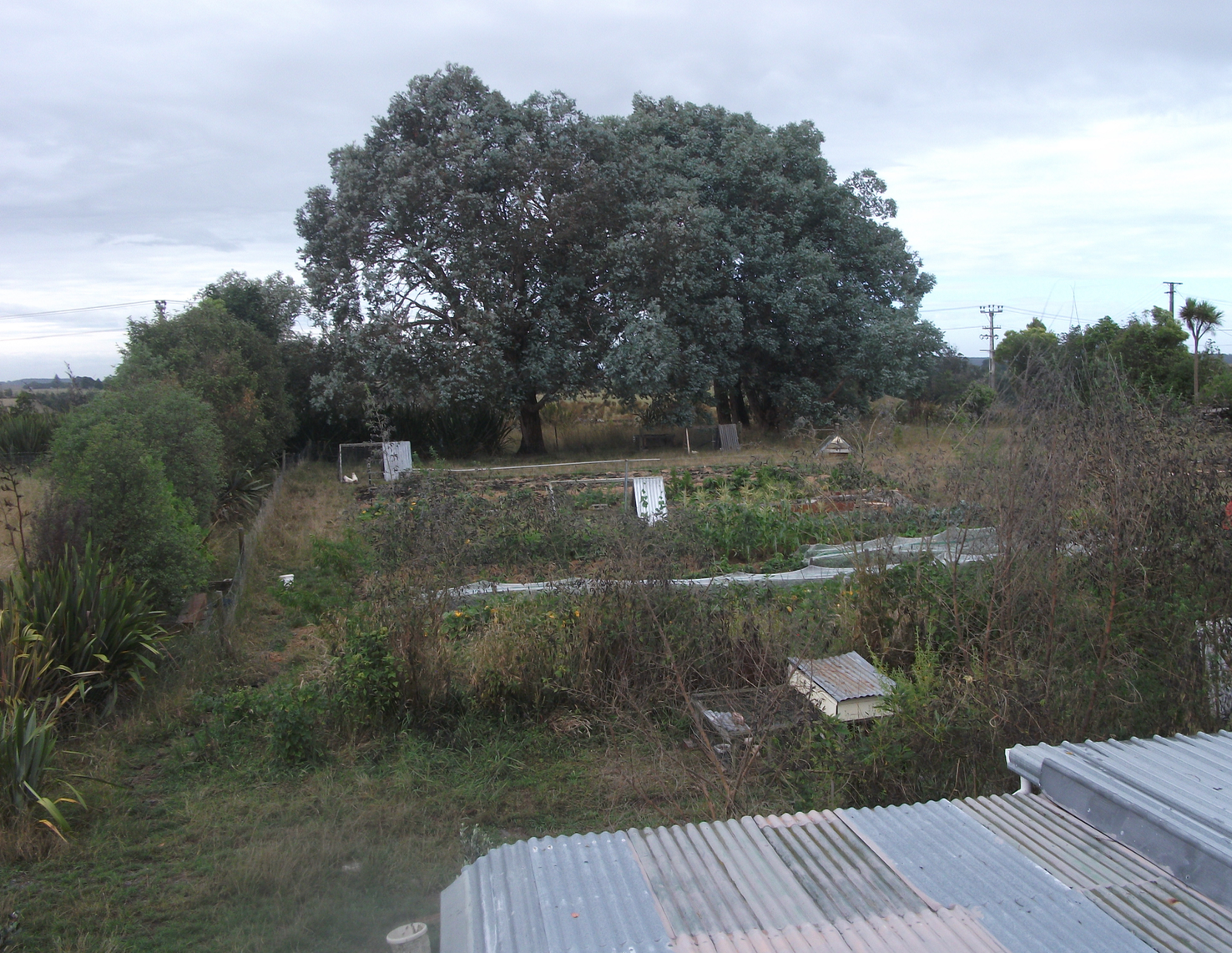
One way we slow flowing water high on our property is with a series of swales and a small pond. Most of the swales are in and around our market gardens.
The image below is when we just started putting in beds from the top after building the swale at the bottom.
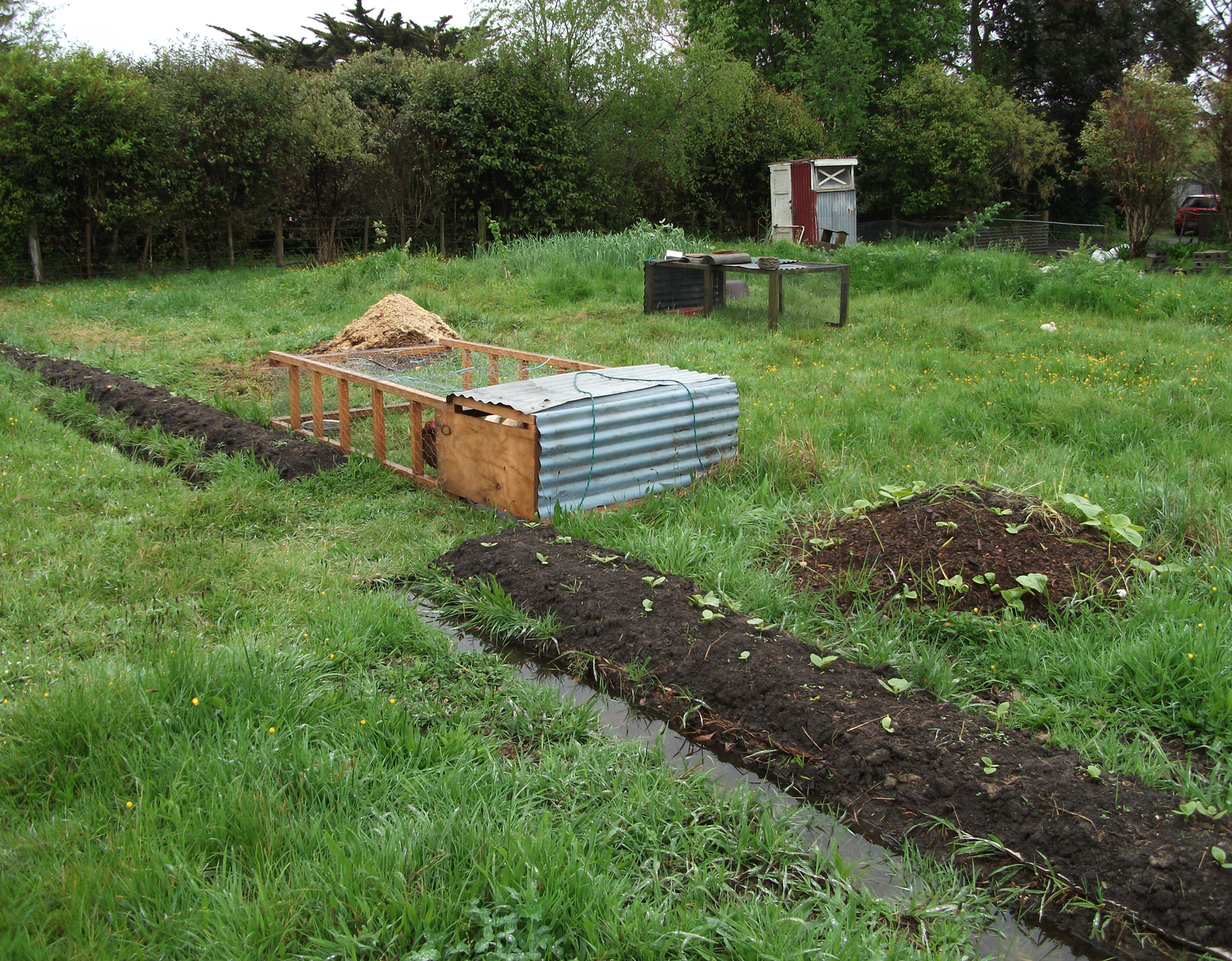
This photo was taken a long time ago but shows the water very clearly in the mid-slope swale.
This larger swale is at the bottom of the market gardens and is large enough to store significant amounts of water. In winter we have the option of using a submersible pump to direct water in a variety of directions depending on the forthcoming weather and other factors we may consider.
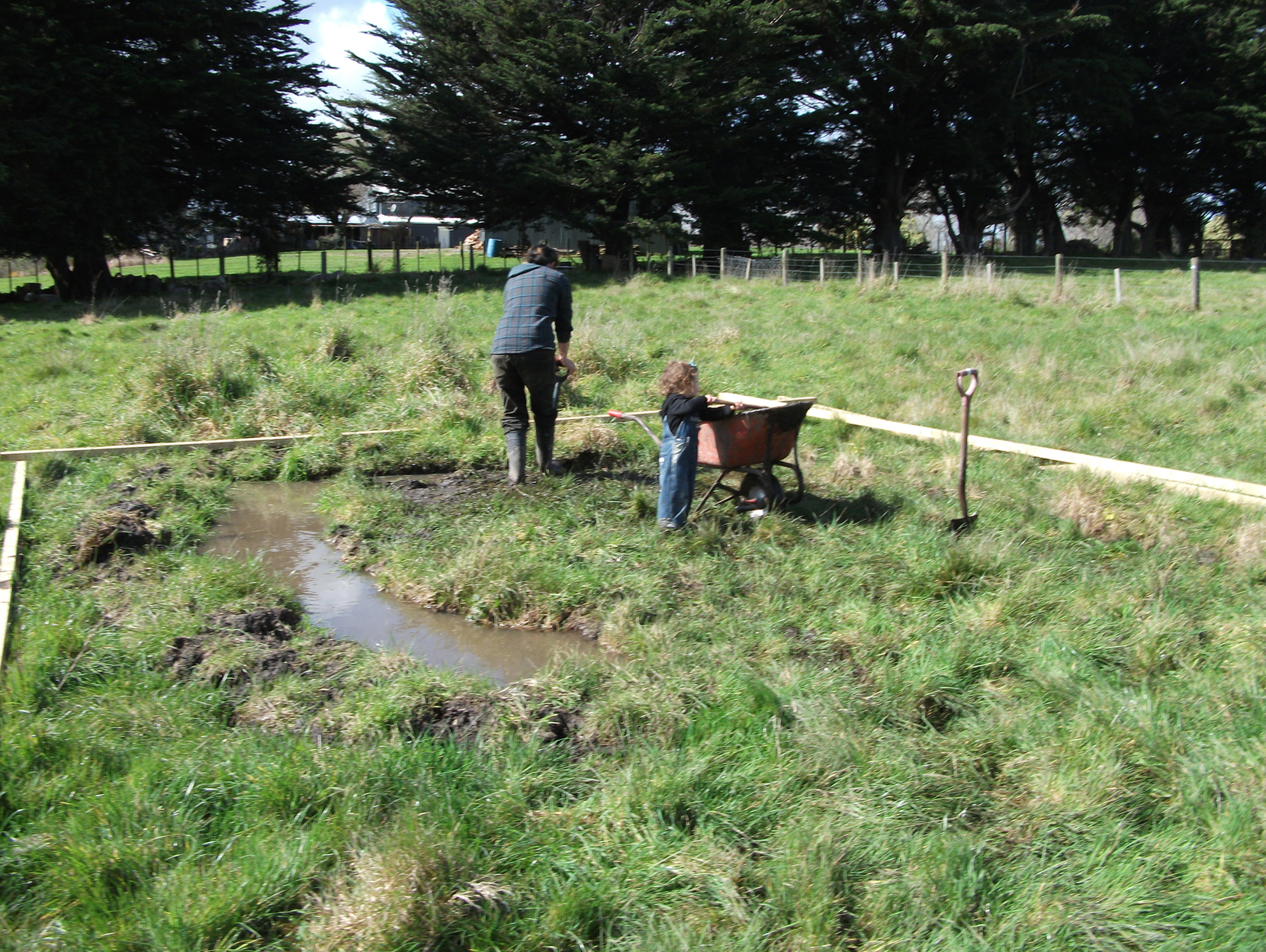
Again, this is a very old photo taken while we were digging the series of three basins connected by ditches on contour behind the earthen berm.
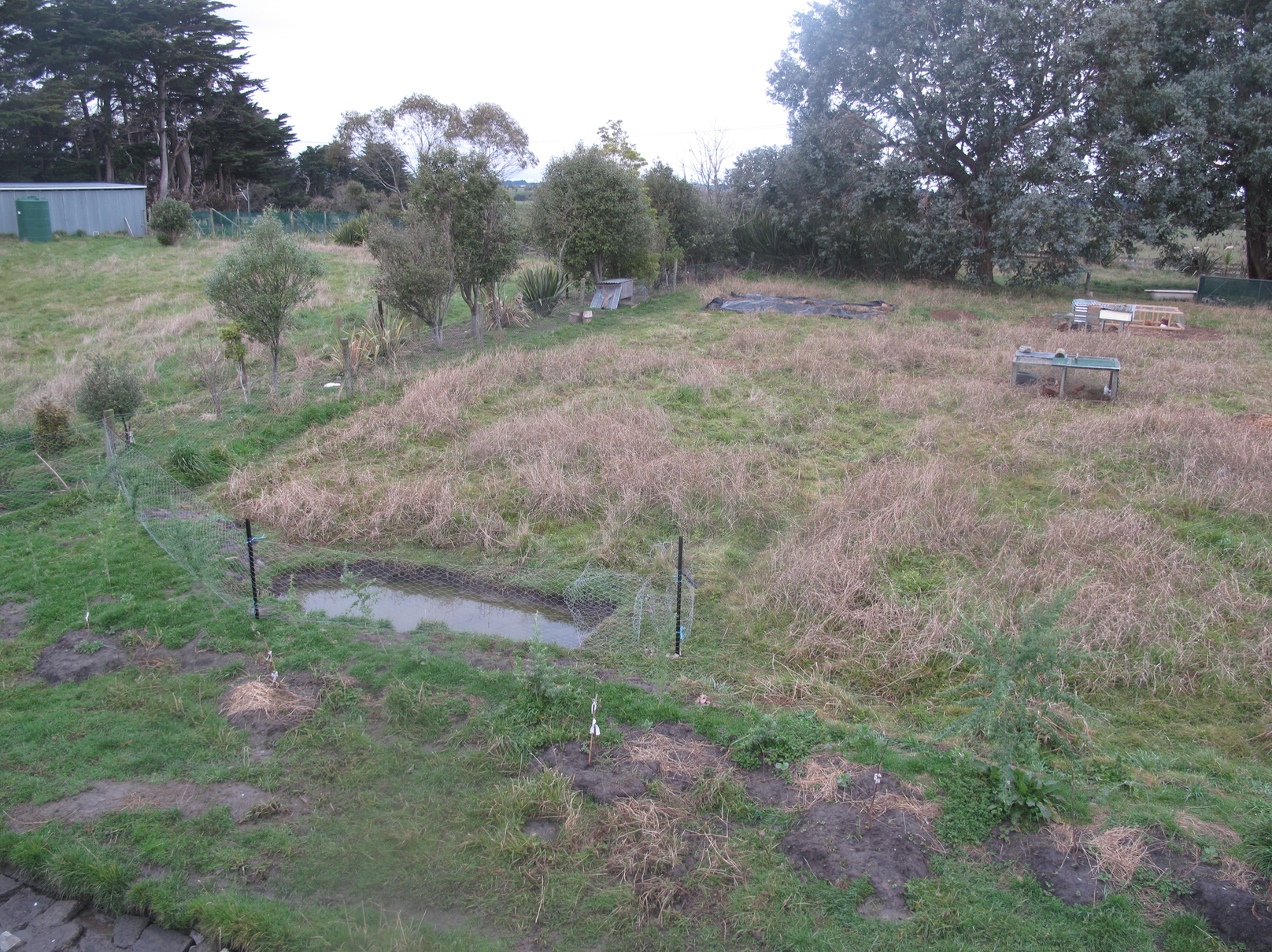
Like all of the swales, we also dug the pond by hand with our interns.
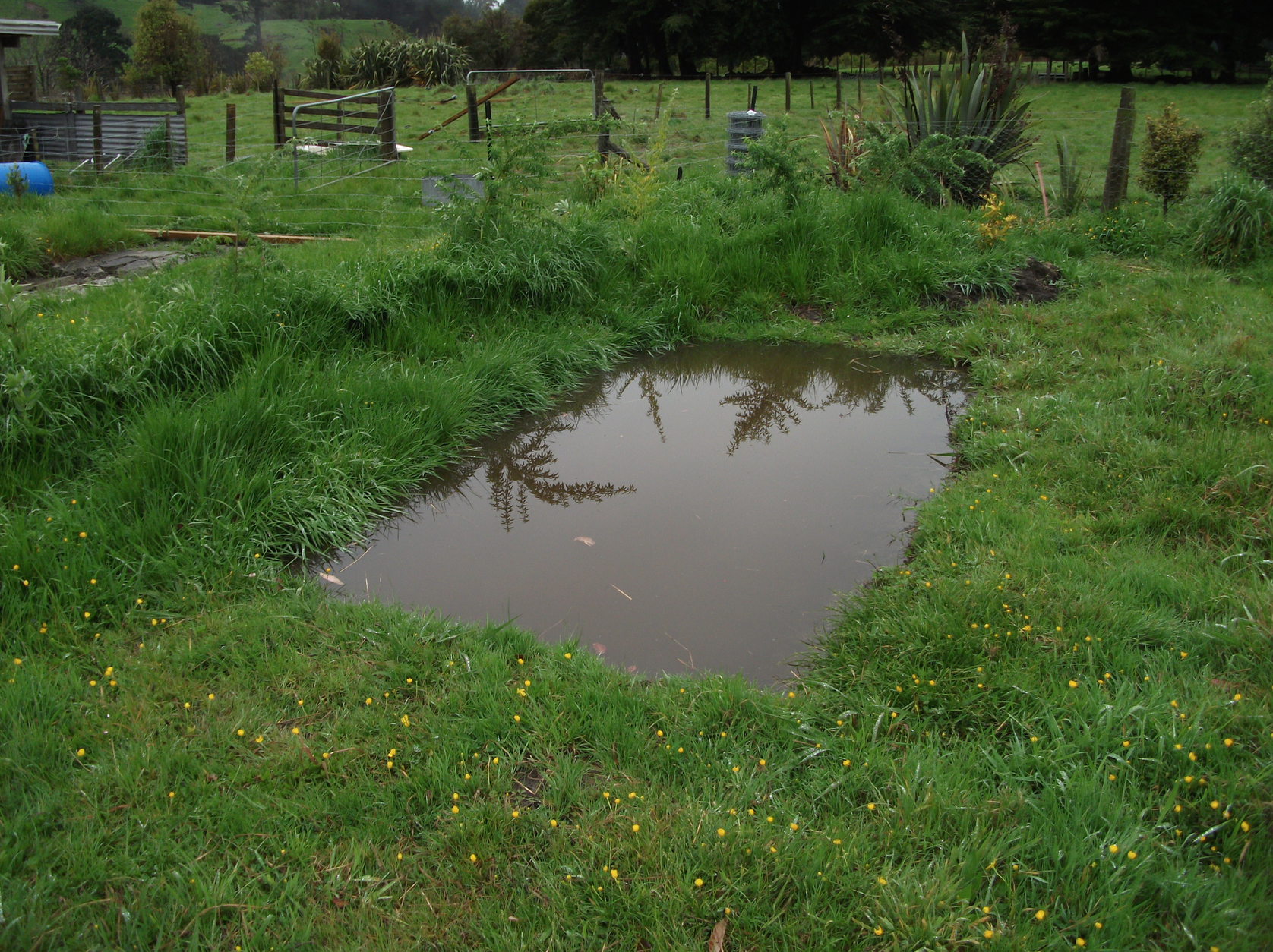
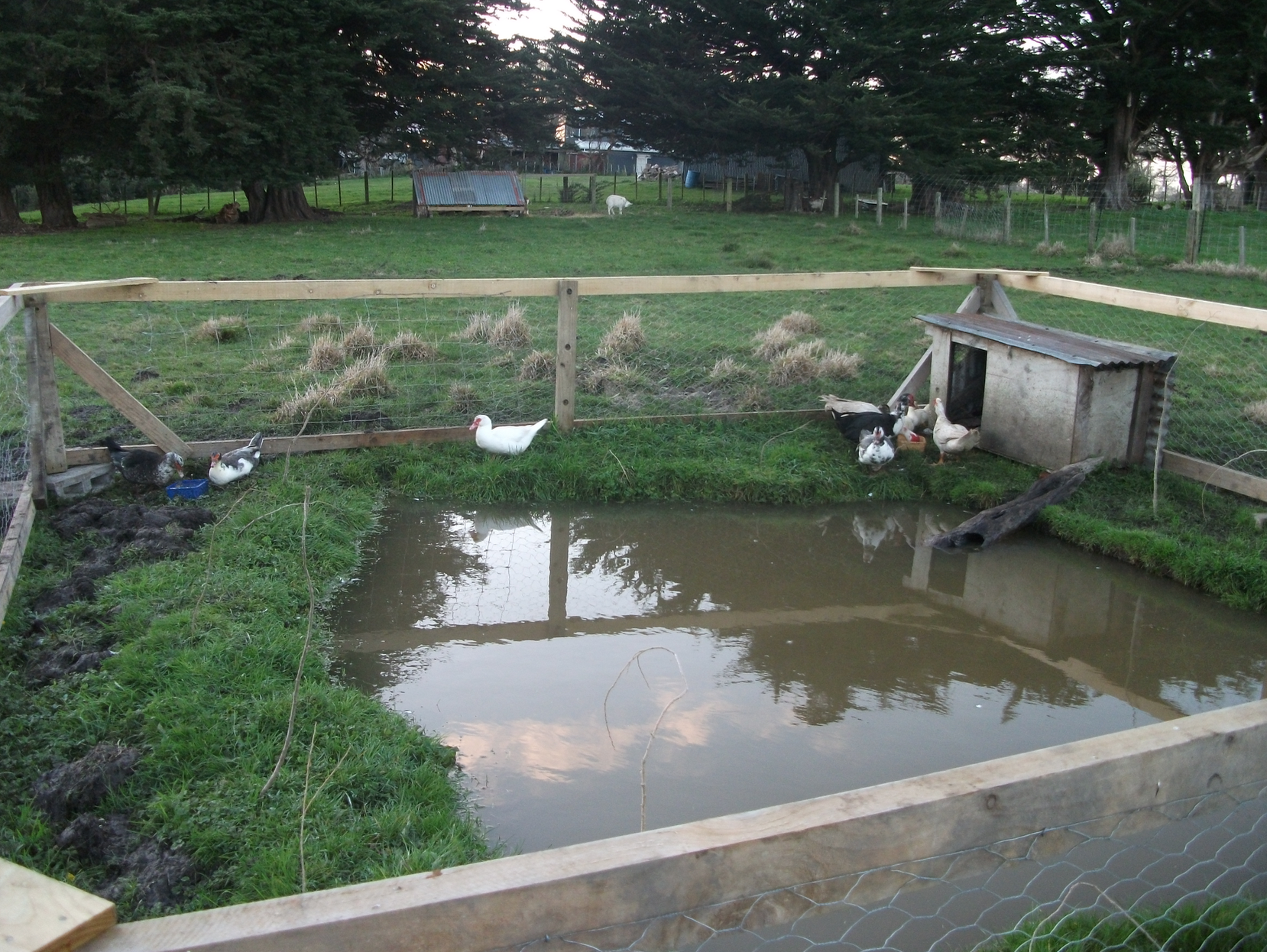
It currently holds 25,000 litres but each summer we dig it a little deeper. We’ve planted willow rods around it for goat fodder as needed.
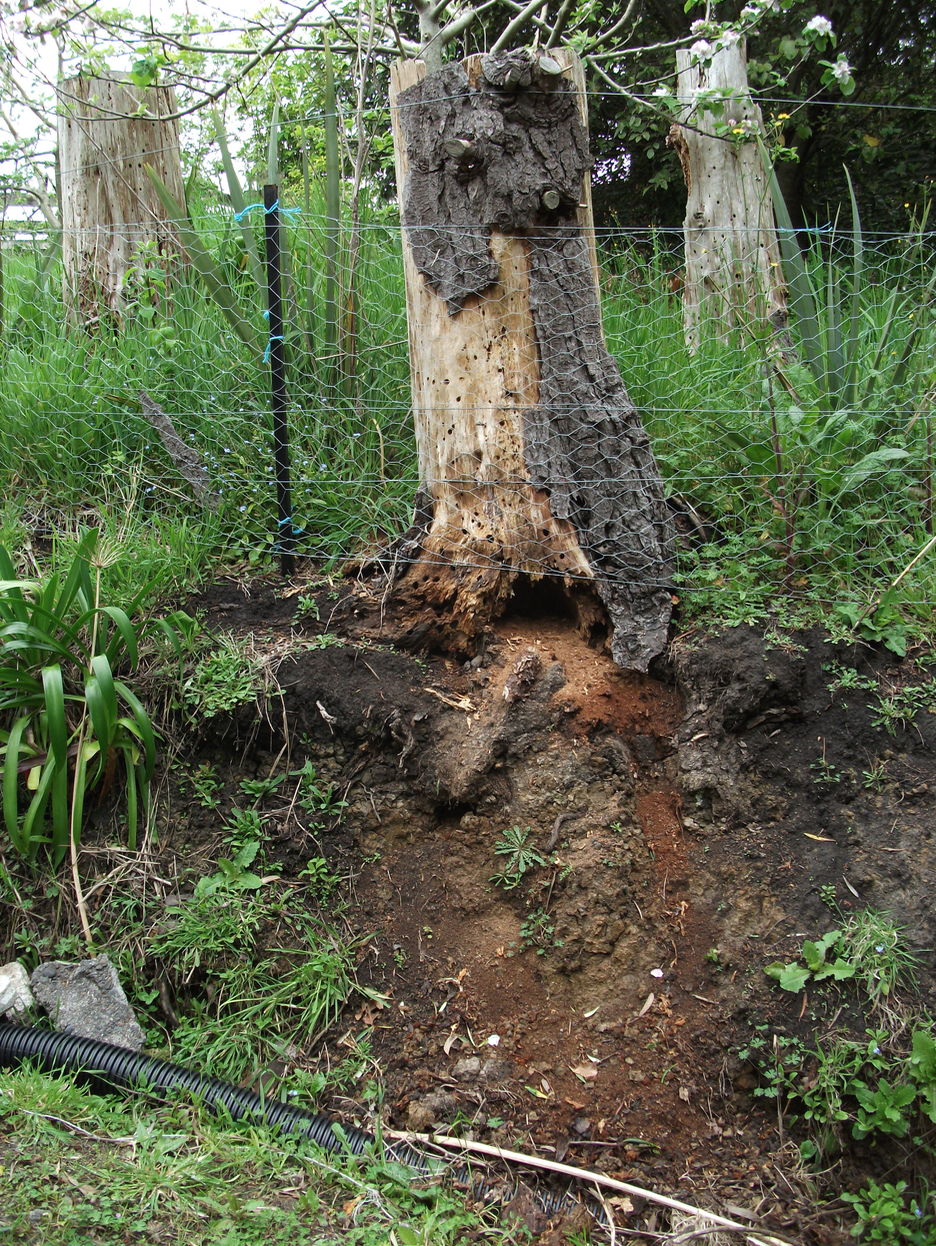
The clay soil that we dug out was shifted by wheelbarrow to stabilise a bank under some pines that were cut years ago. This is directly above a track which is vital to farm management. We buried the drain pipe and backfilled up to the base of the pine stumps.
A lot of this work was prompted by the 2015 Whanganui flooding (shown above), which left us with slips including one above this track and directly underneath our home.
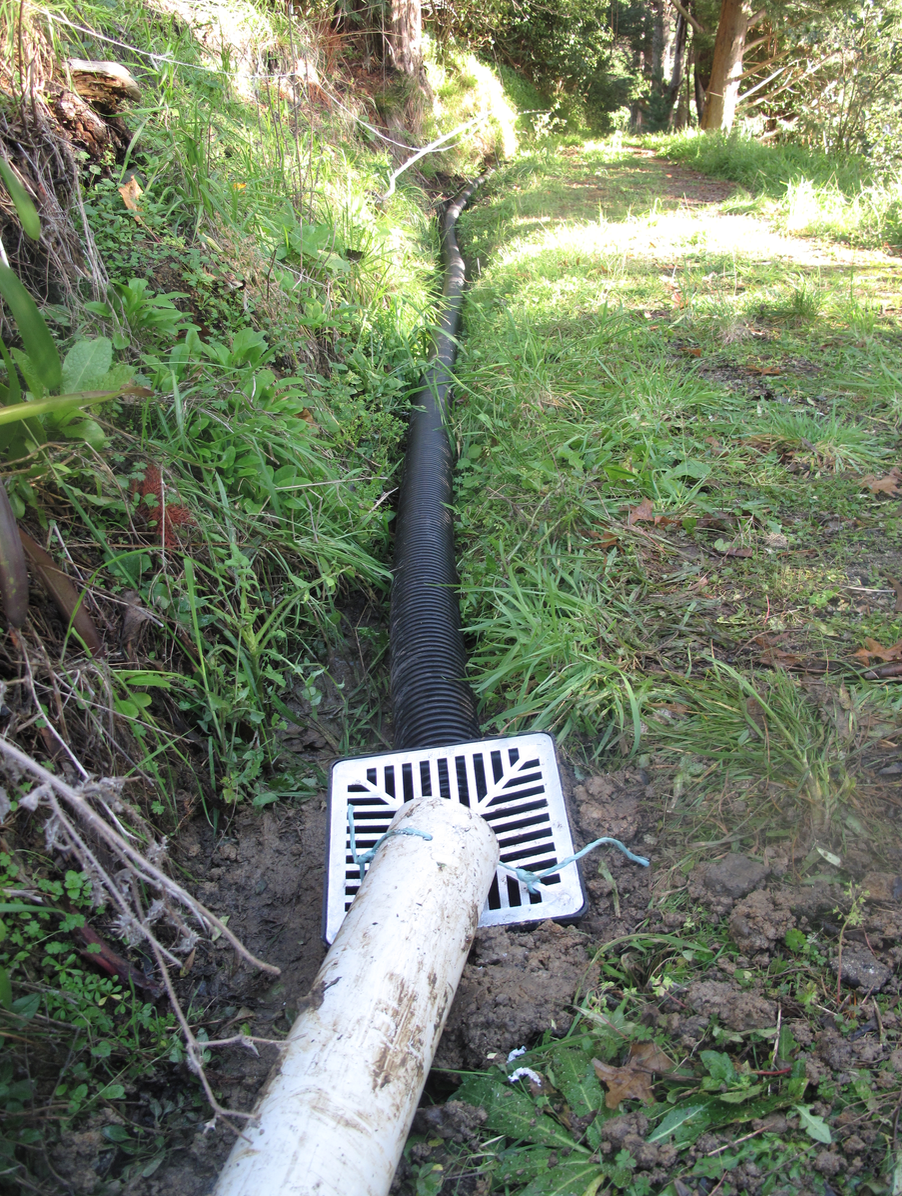
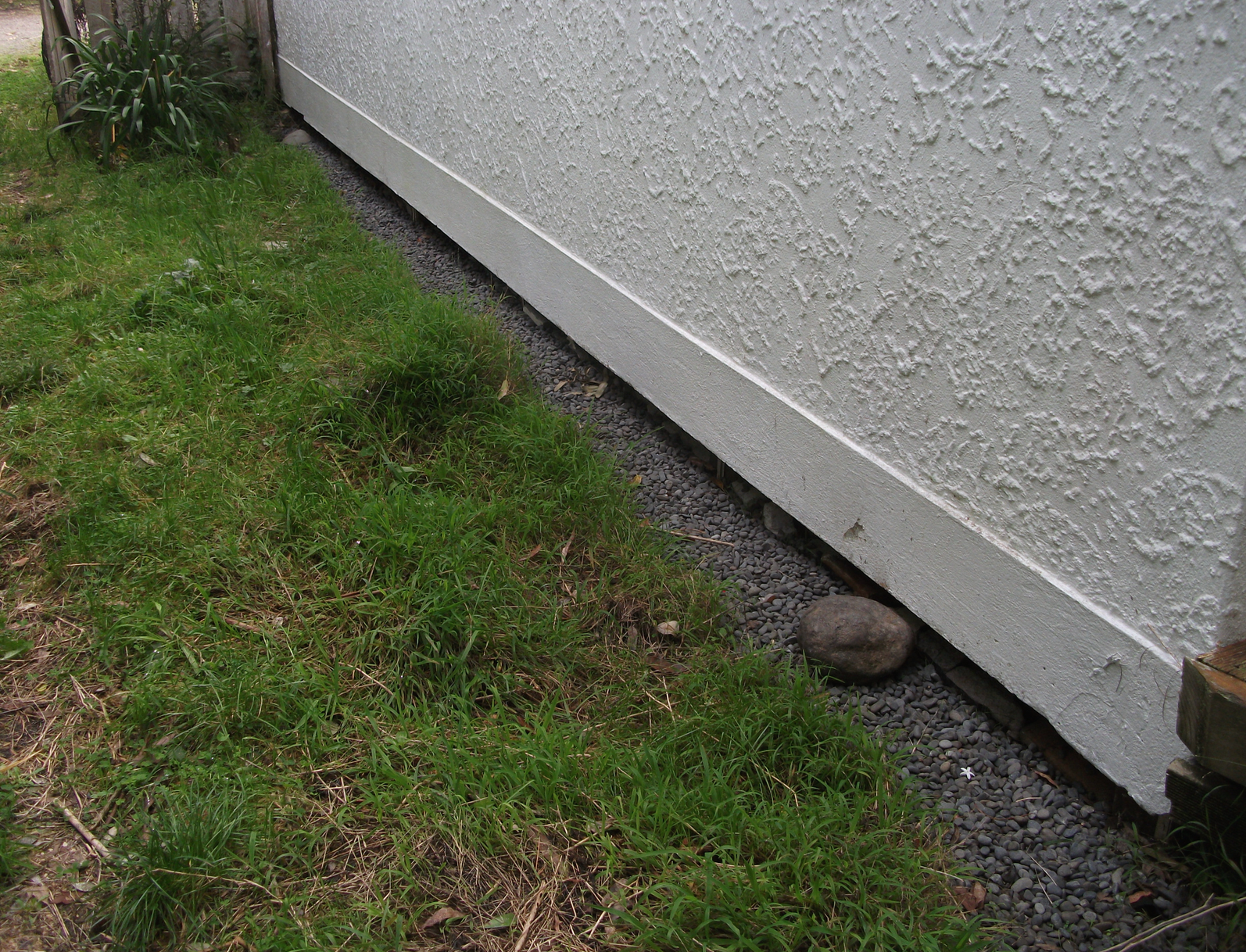
We always try to direct water away from buildings. I wrote about this French drain recently.
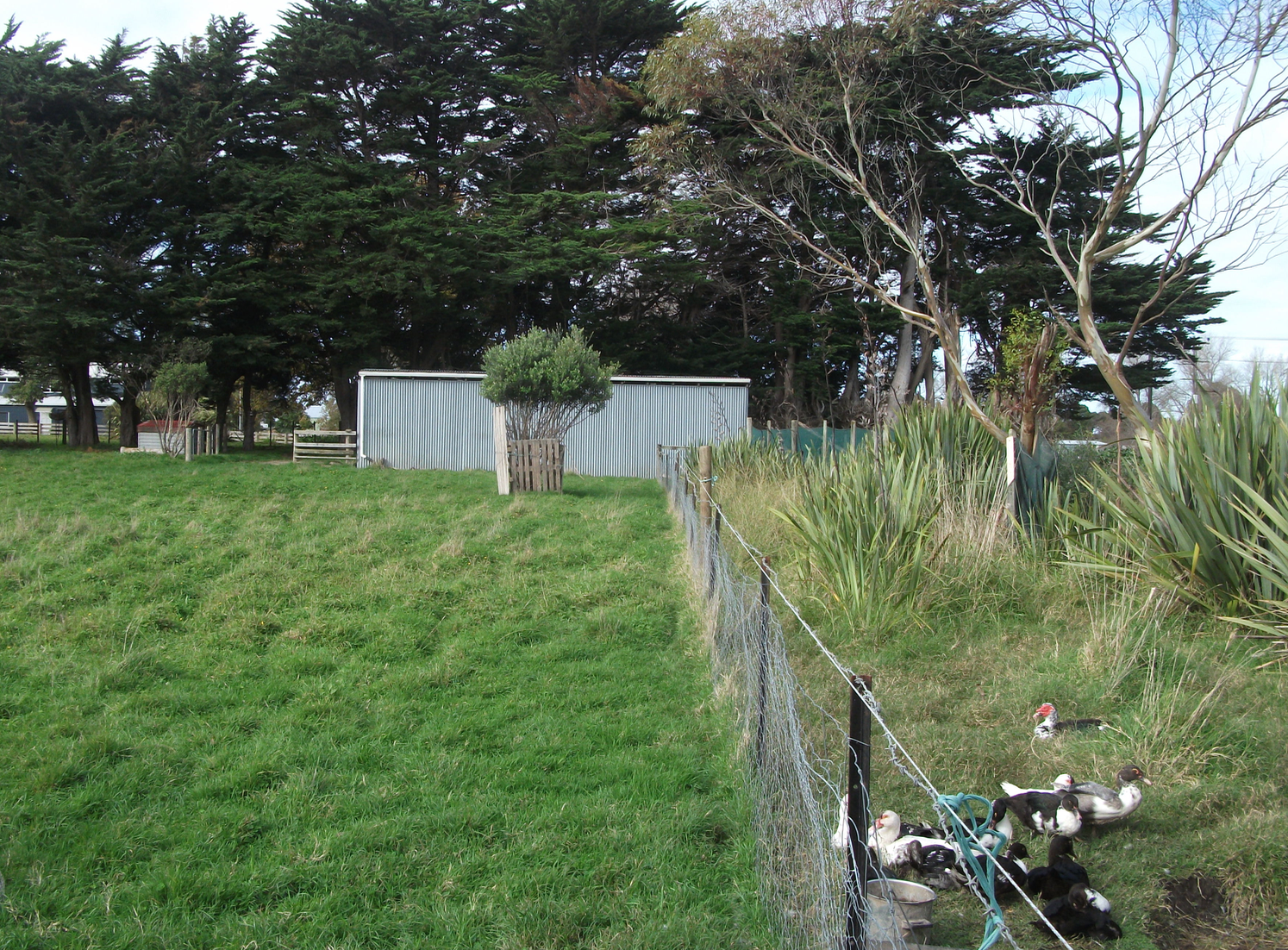
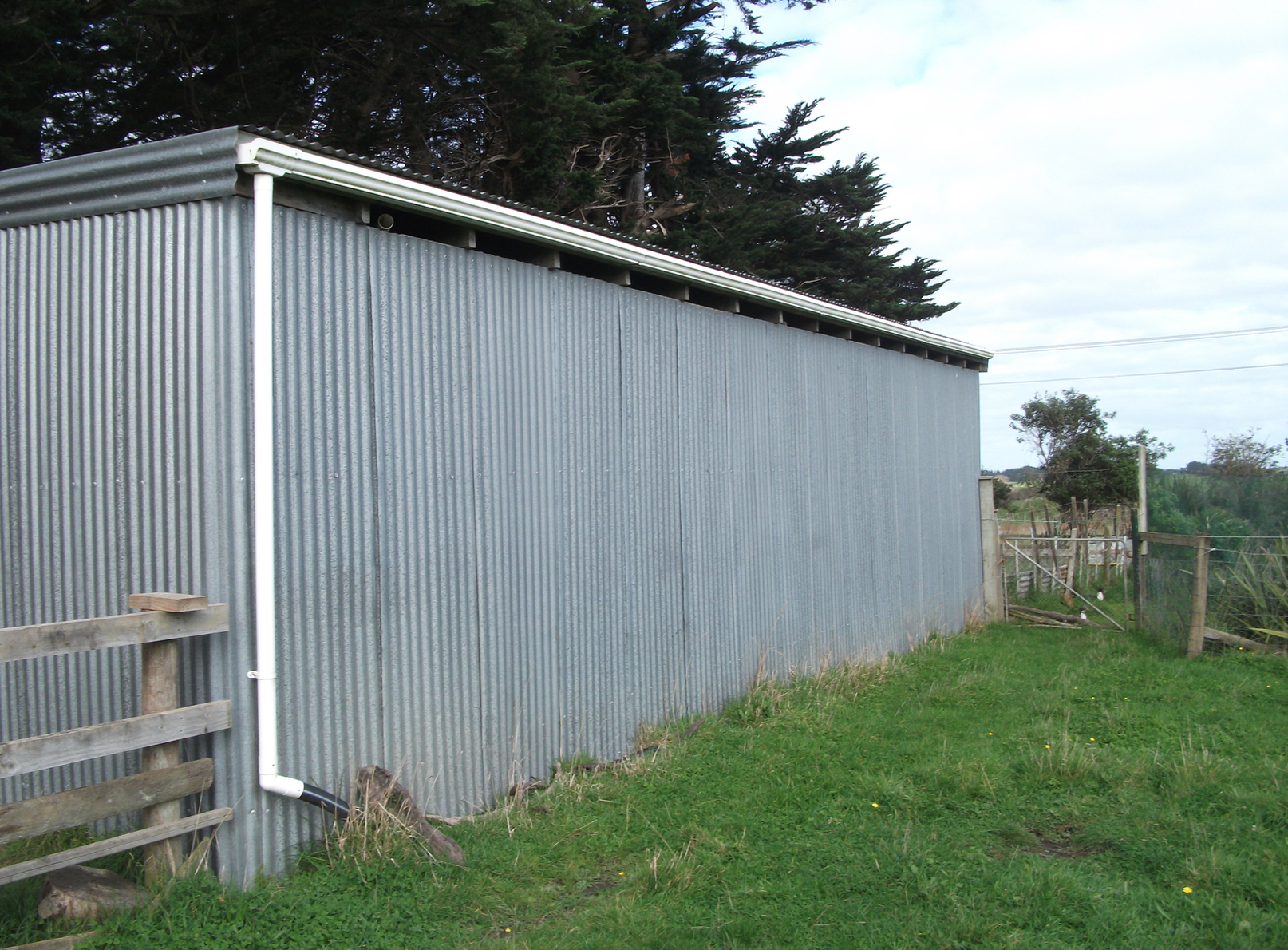
This former stable is at the height of land. When we arrived there was no guttering or spouting on the building and all the water was directed against the east side.
I put up the gutters about three years ago and now we have three options for directing the water: in winter we can run it straight into the huge storm drain along the road…
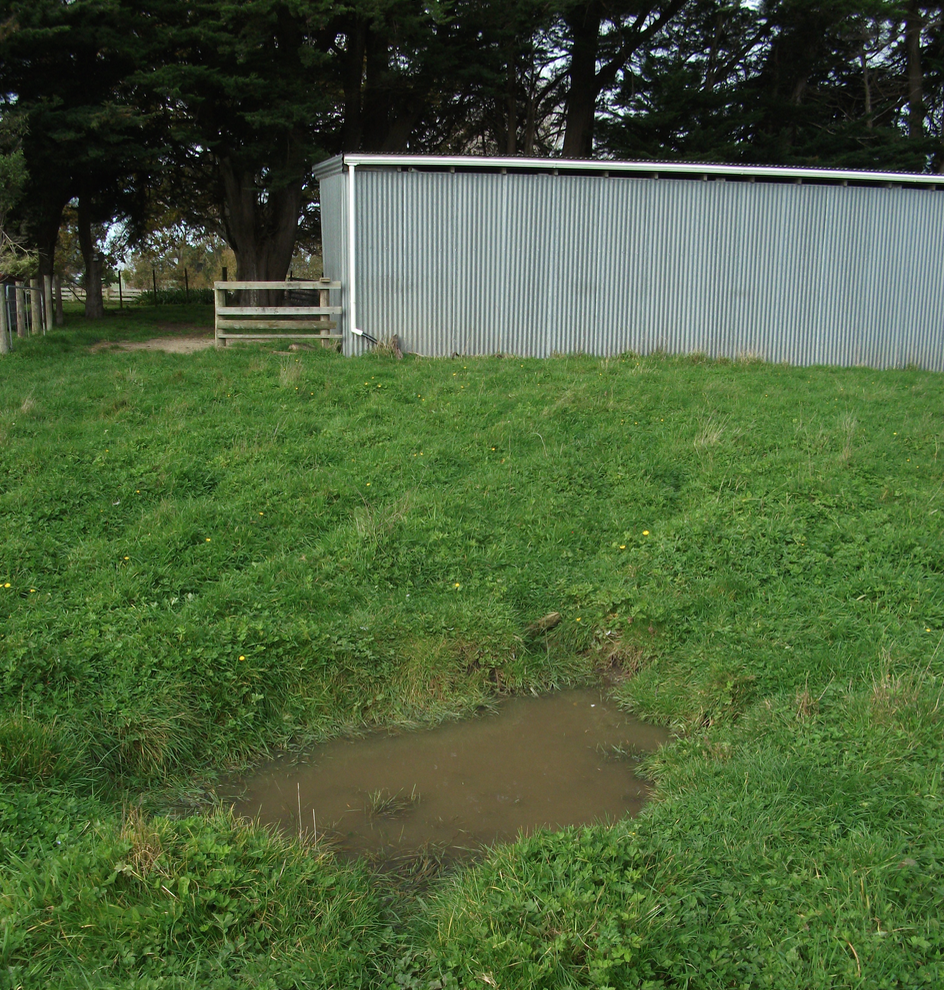
…in spring we can direct it into 15,000 litres worth of tanks inside the stable; and in summer we can pipe it out into the “mud pit” along the ridge but a good distance from the stables. This trickle feeds the paddock and orchard from the top in both directions.
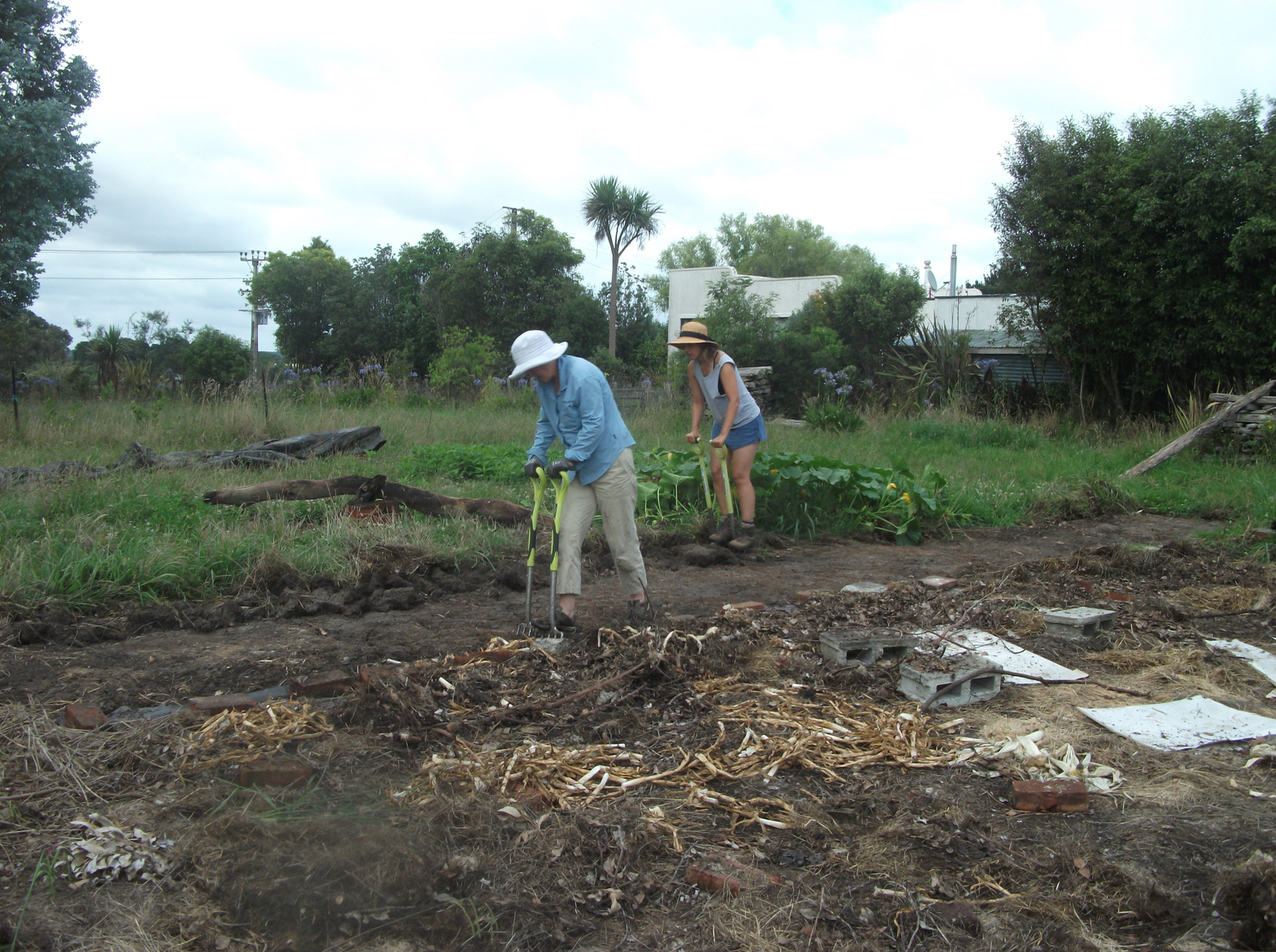
As an old horse property, the soils were compressed and sour when we arrived. We’ve spent a lot of time improving soil function, including liming and putting in the no till garden beds one by one.
We’ve nearly reached the 2,000 milestone for native trees, shrubs and grasses, so I’ve turned my attention to planting more tagasaste about the place for superior drought tolerant stock fodder and shelter.
All of these strategies work in conjunction in four dimensions. In total, it’s a great example of designing from patterns to detail, and is the primary lesson of our PDC Internship programme. Our interns may not go on to manage farms, but everyone of them will go on to live in a world of increasing extreme weather events.




 Eco Thrifty Living