Tag Archives: regenerative agriculture

Kaitiaki Farm in Winter

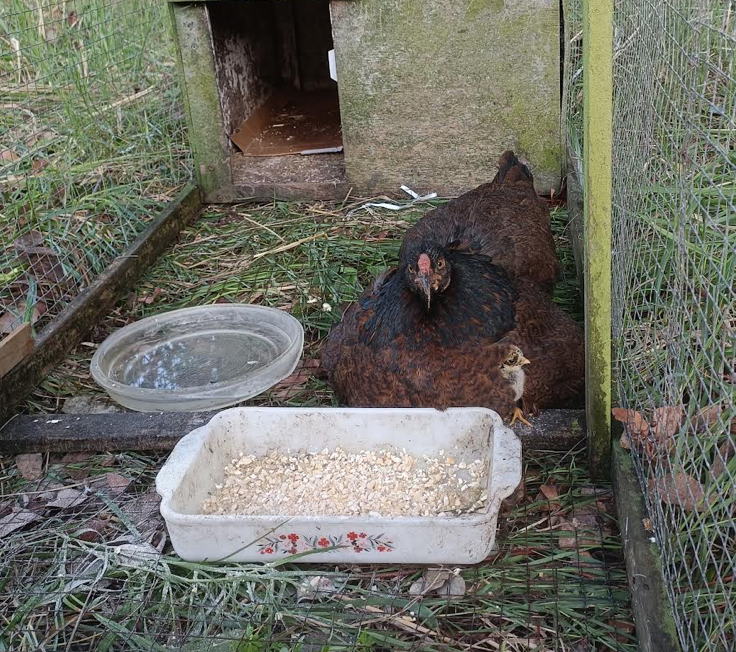
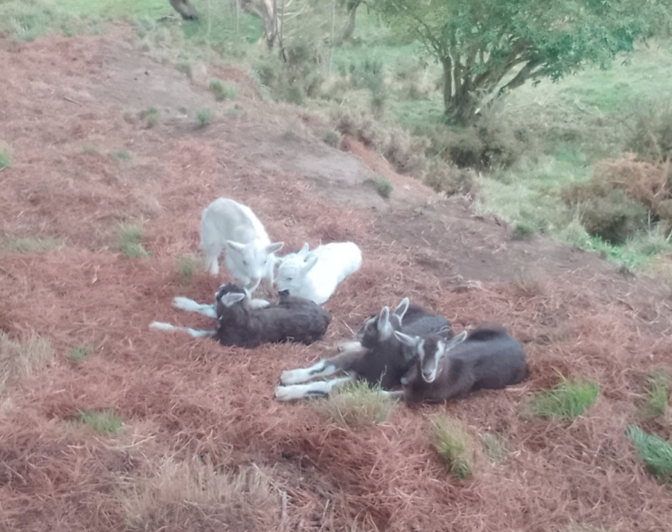
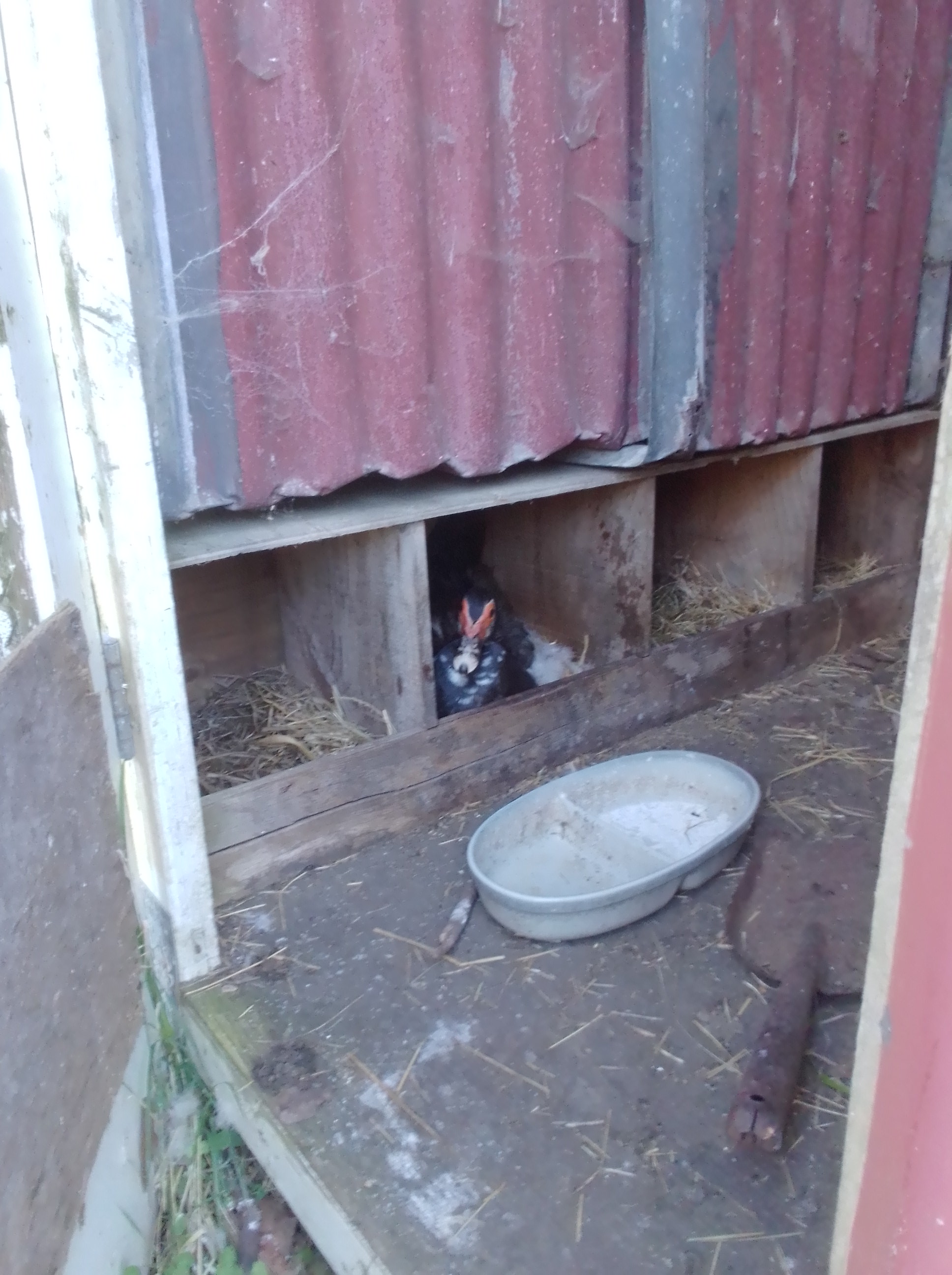
It seems I recall winter once being ‘down time’ on the farm, but these days we’re nearly as busy as other times of year. The goats kidded early this year and we’ve had surprise piglets and chicks as well. There are another dozen chicks tucked under this hen on a chilly morning.

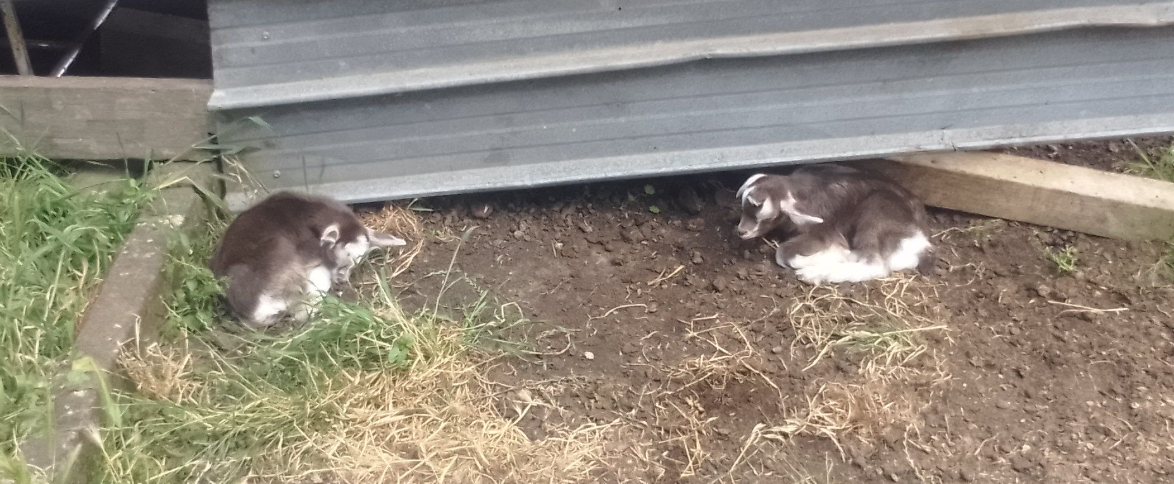
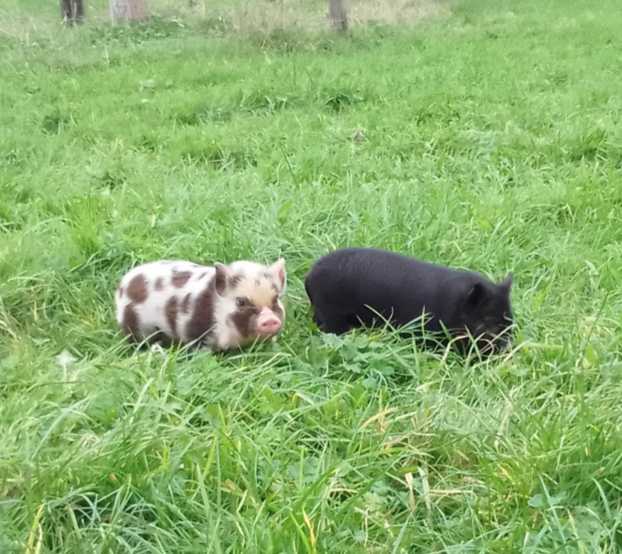
The piglets were born on a cold and rainy day. Unfortunately we lost three of the five, but these two are absolutely thriving.

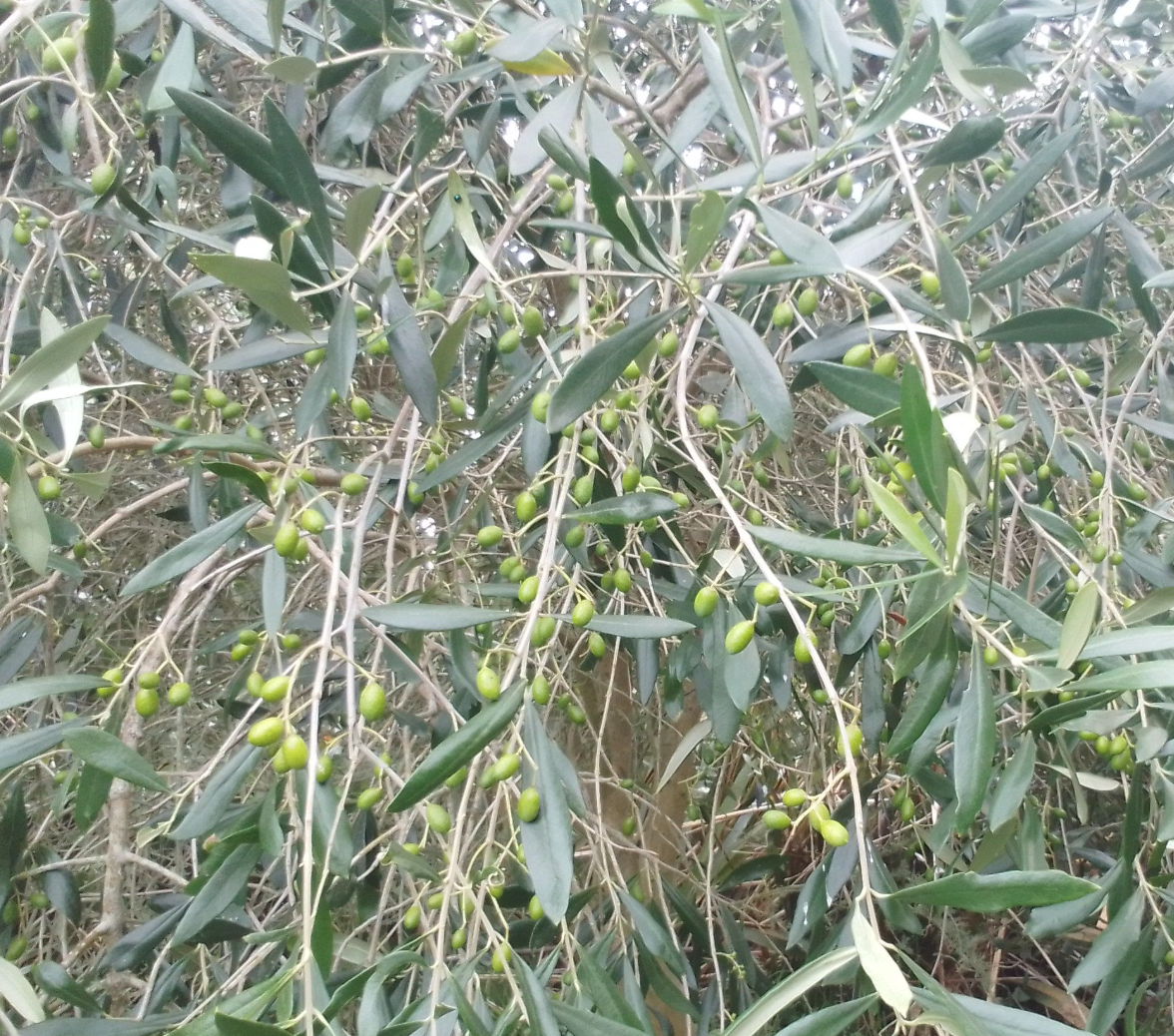
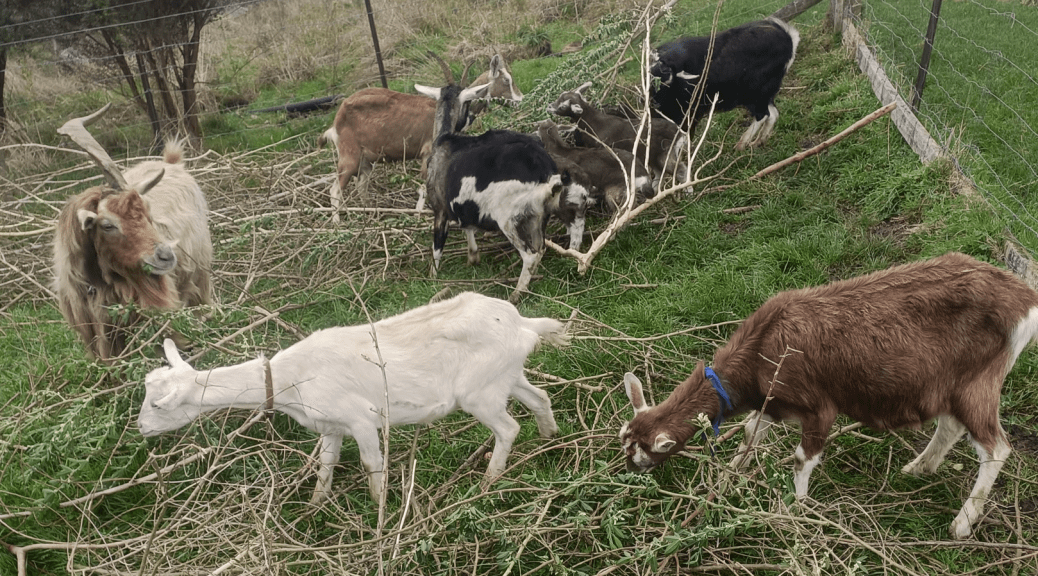
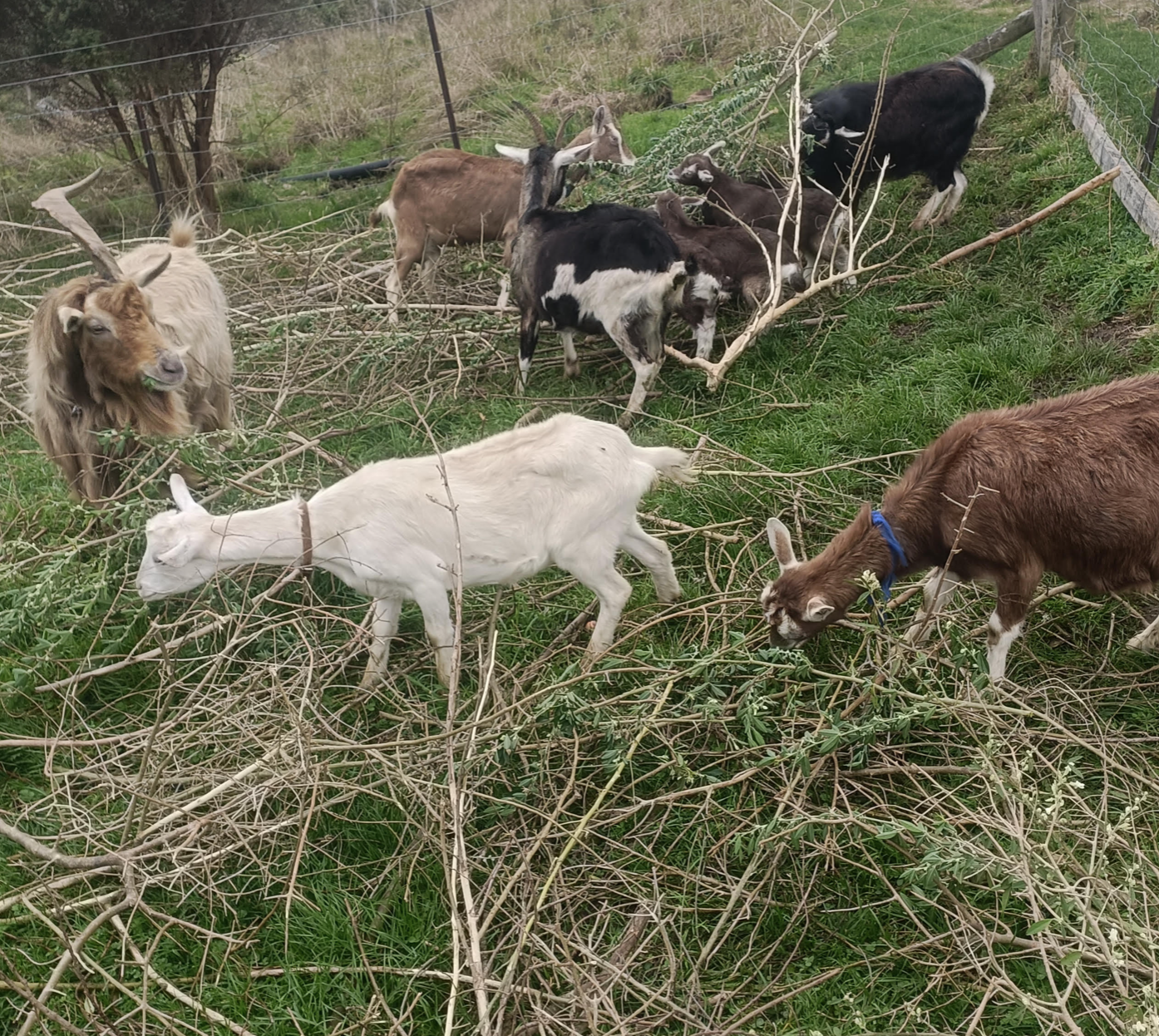
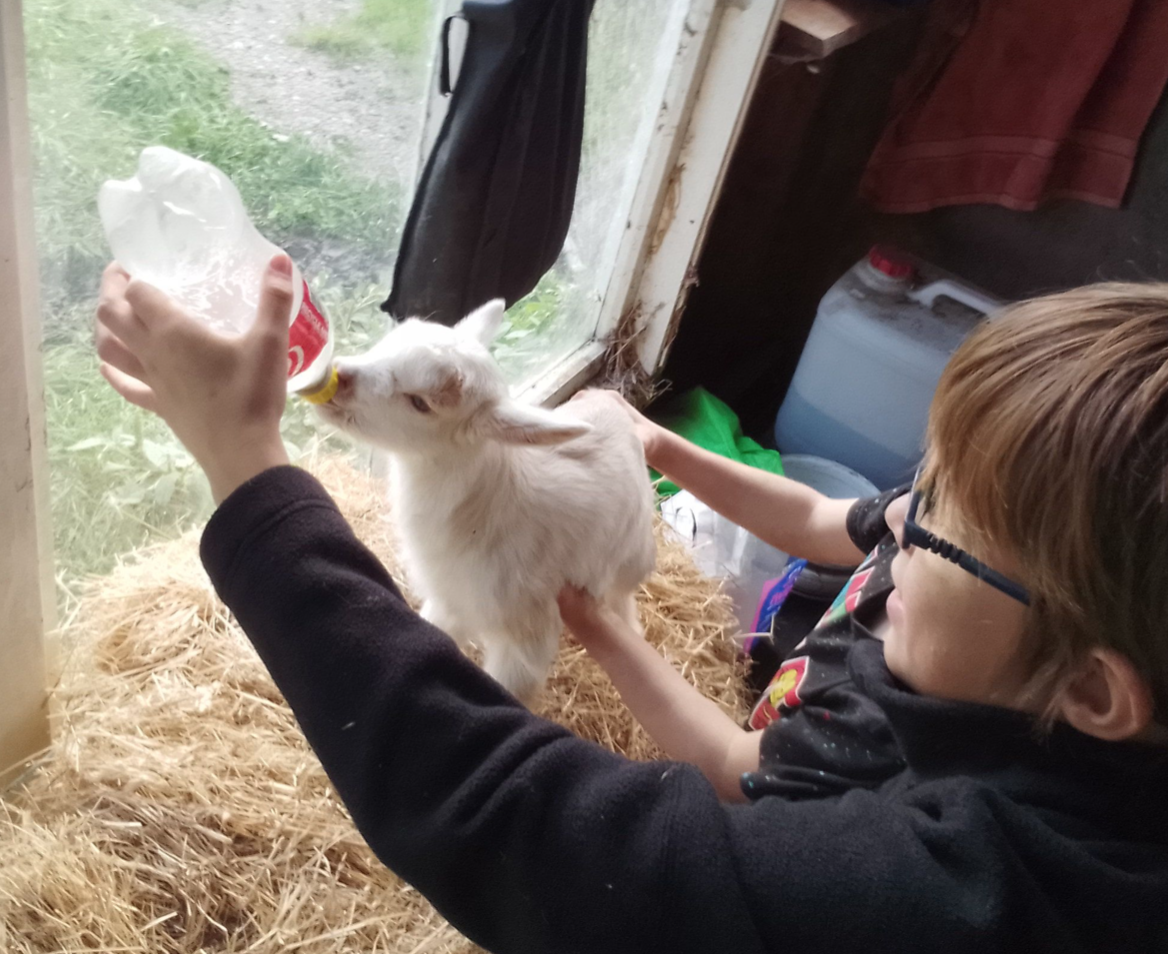
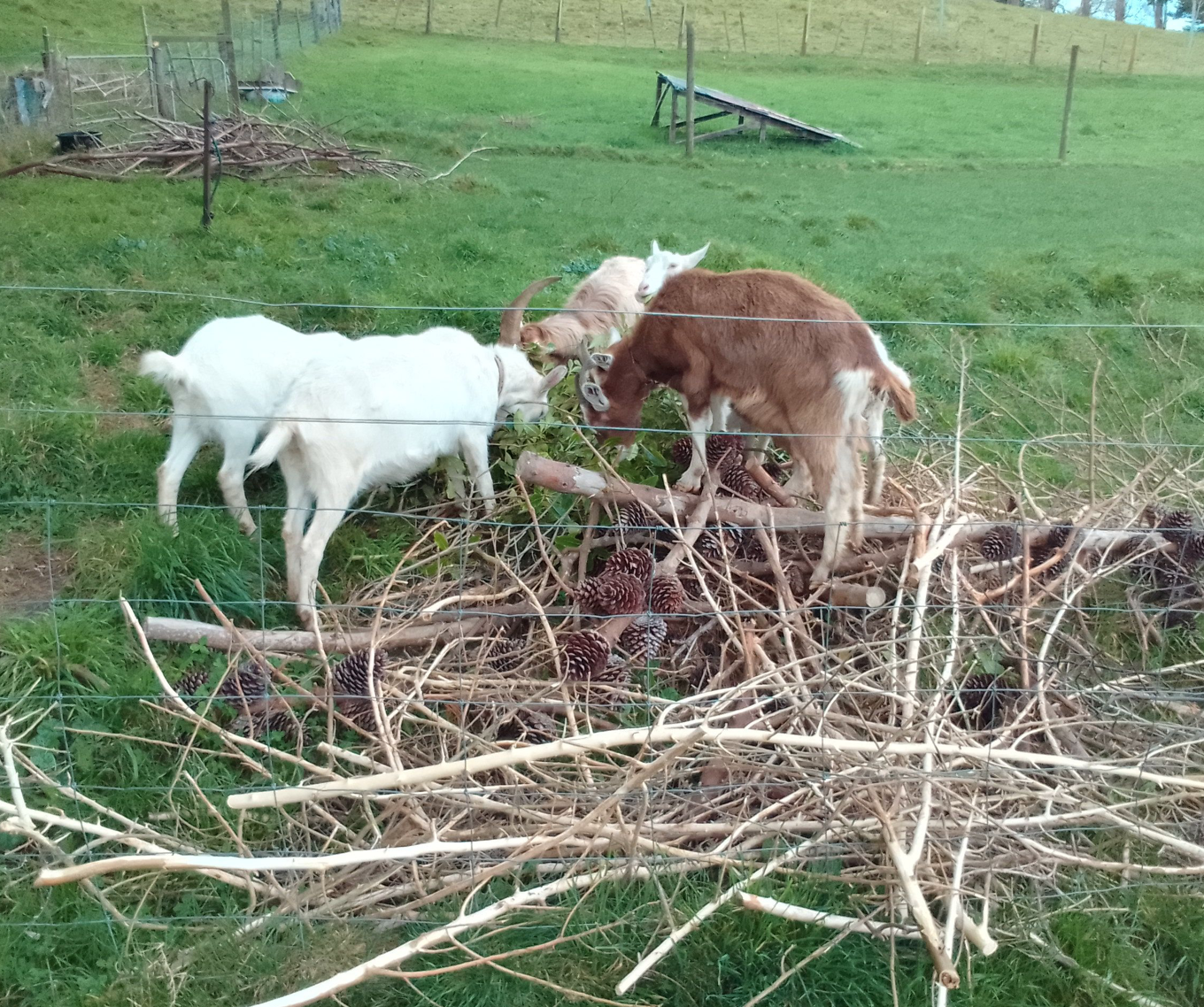
But by far the most time is spent on the goats. We bring them fresh browse everyday, and have had to bottle feed a few during their first days. We primarily feed out tagasaste (tree lucerne) this time of year, but also pruning from olives and various native trees from our bush restoration. They also will eat pine, redwood and macrocarpa.

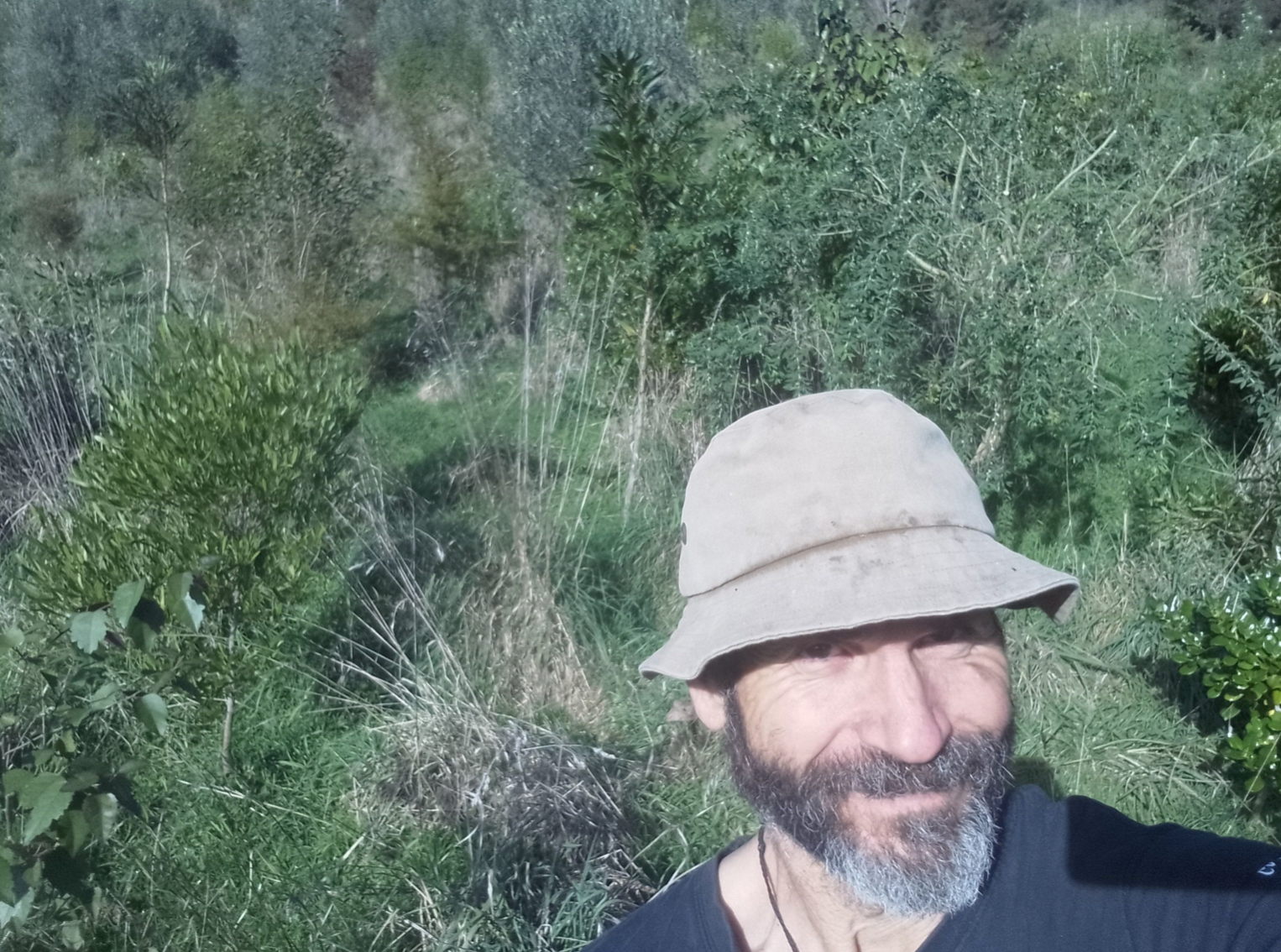
We’re also in the midst of planting 600+ native trees on some very steep terrain as part of our biodiversity project, bringing us close to 5,000 trees, shrubs and flakes planted in a decade. I’m not one for selfies, but I could not resist this week on a particularly beautiful day.

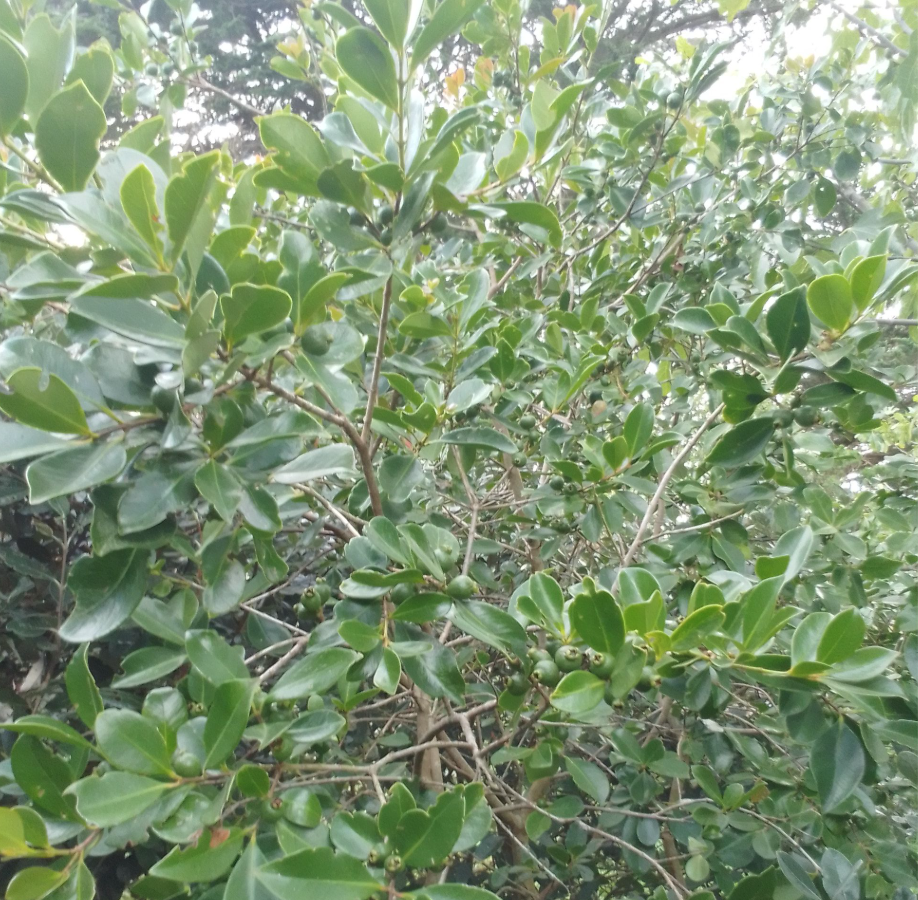
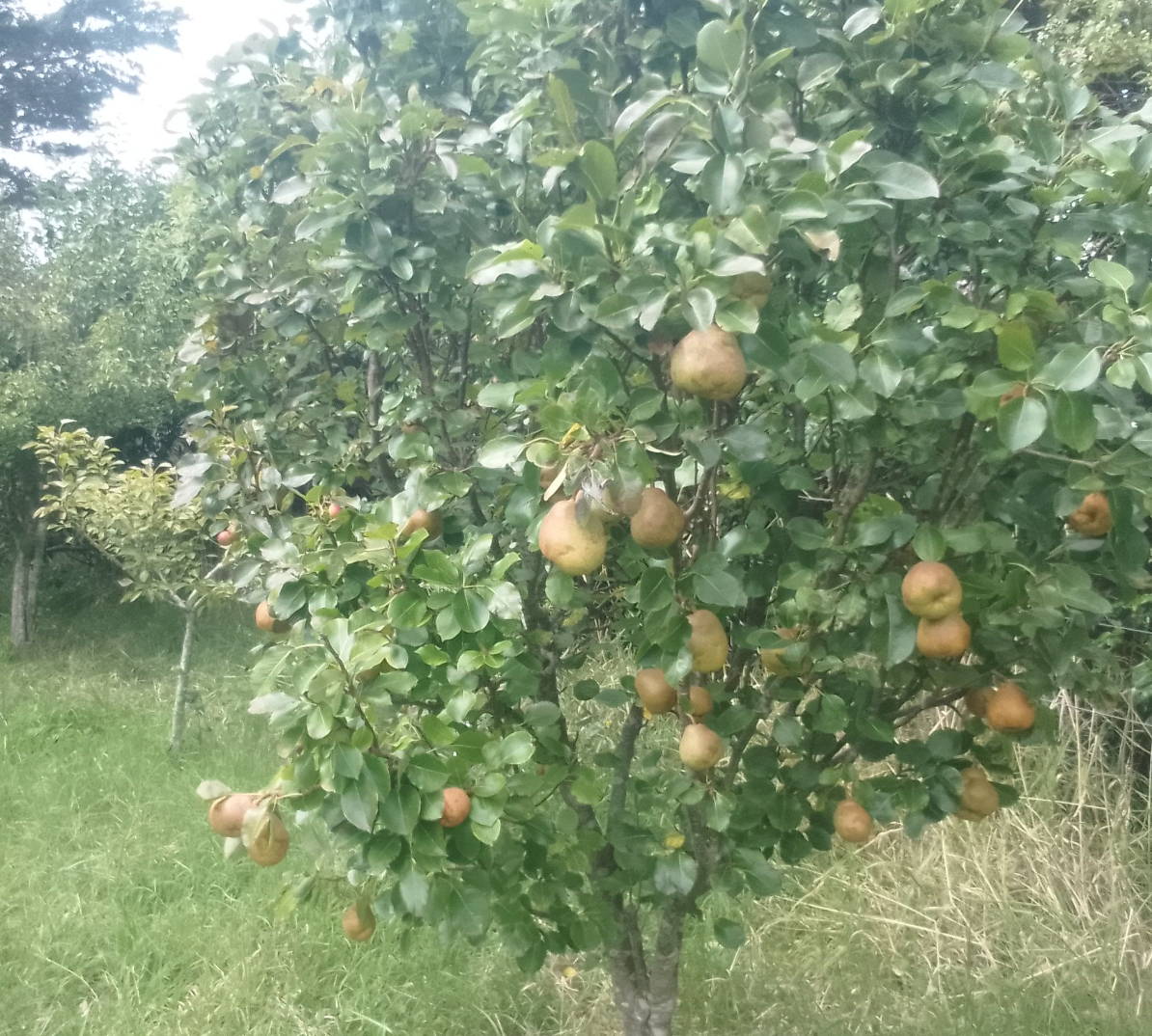
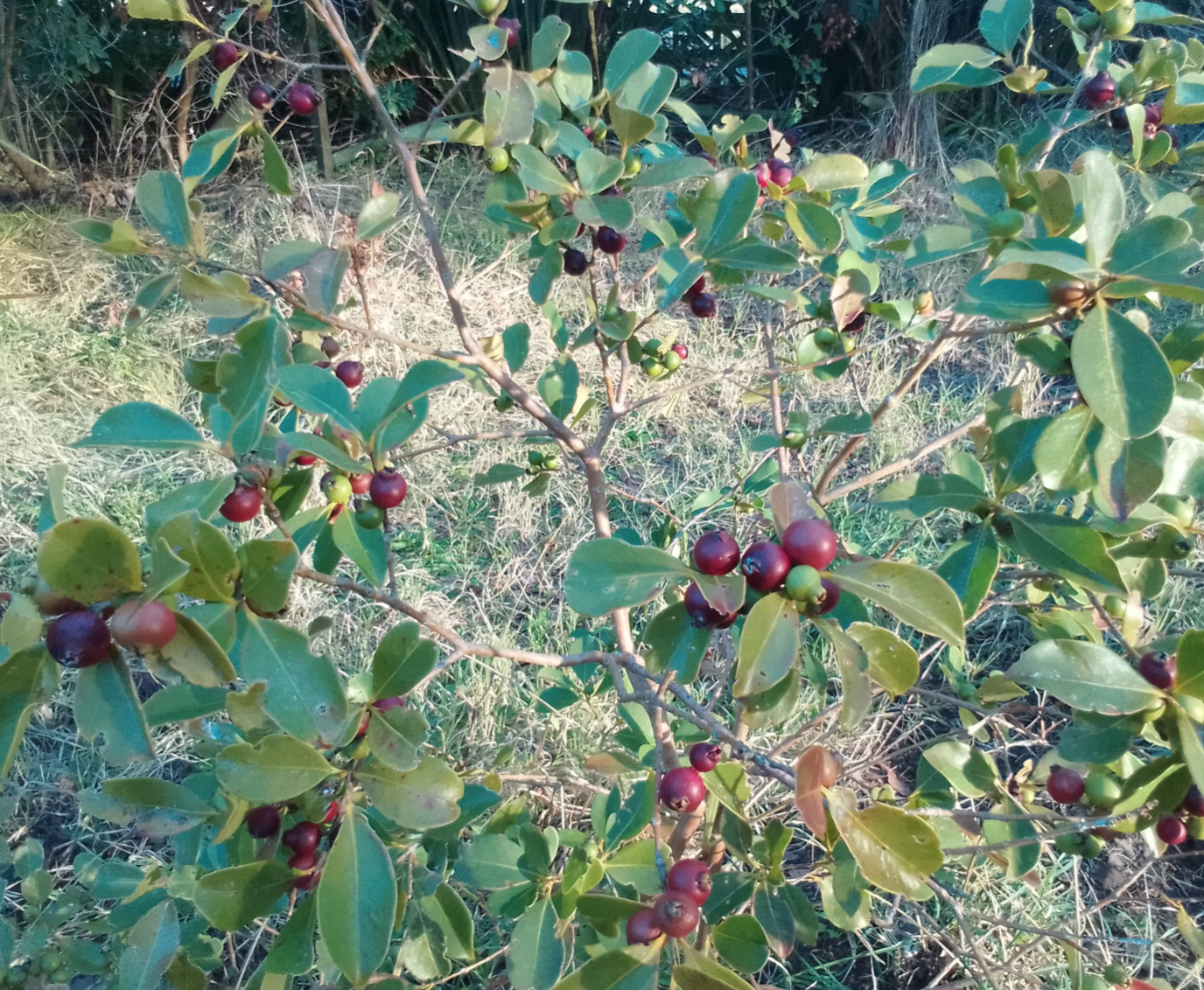
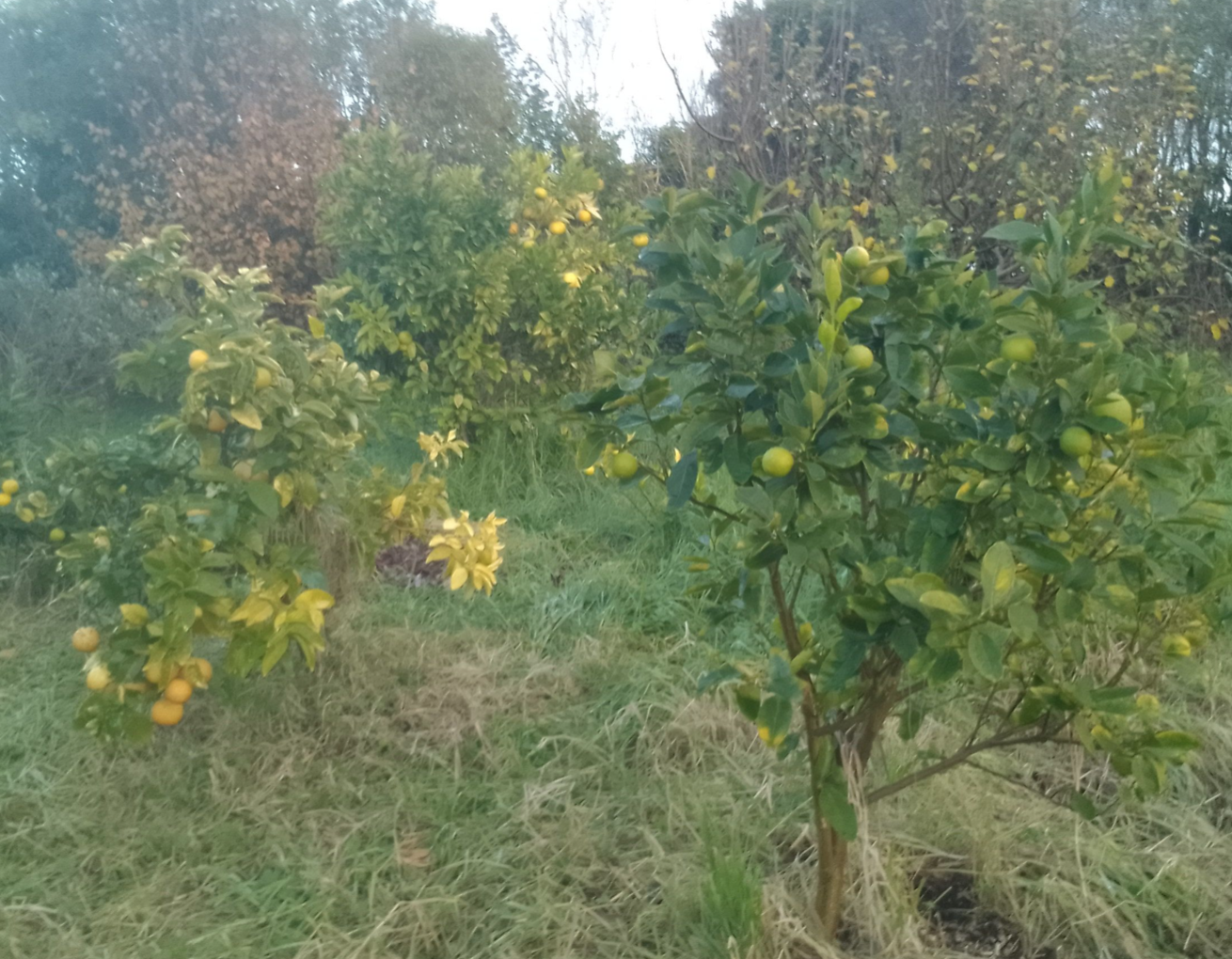
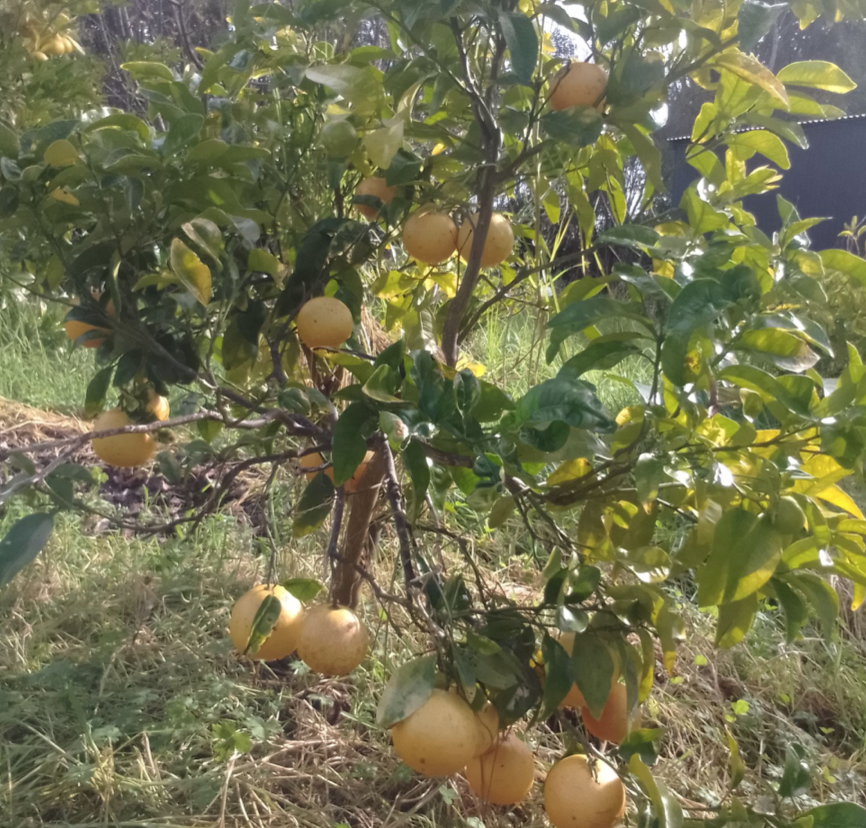
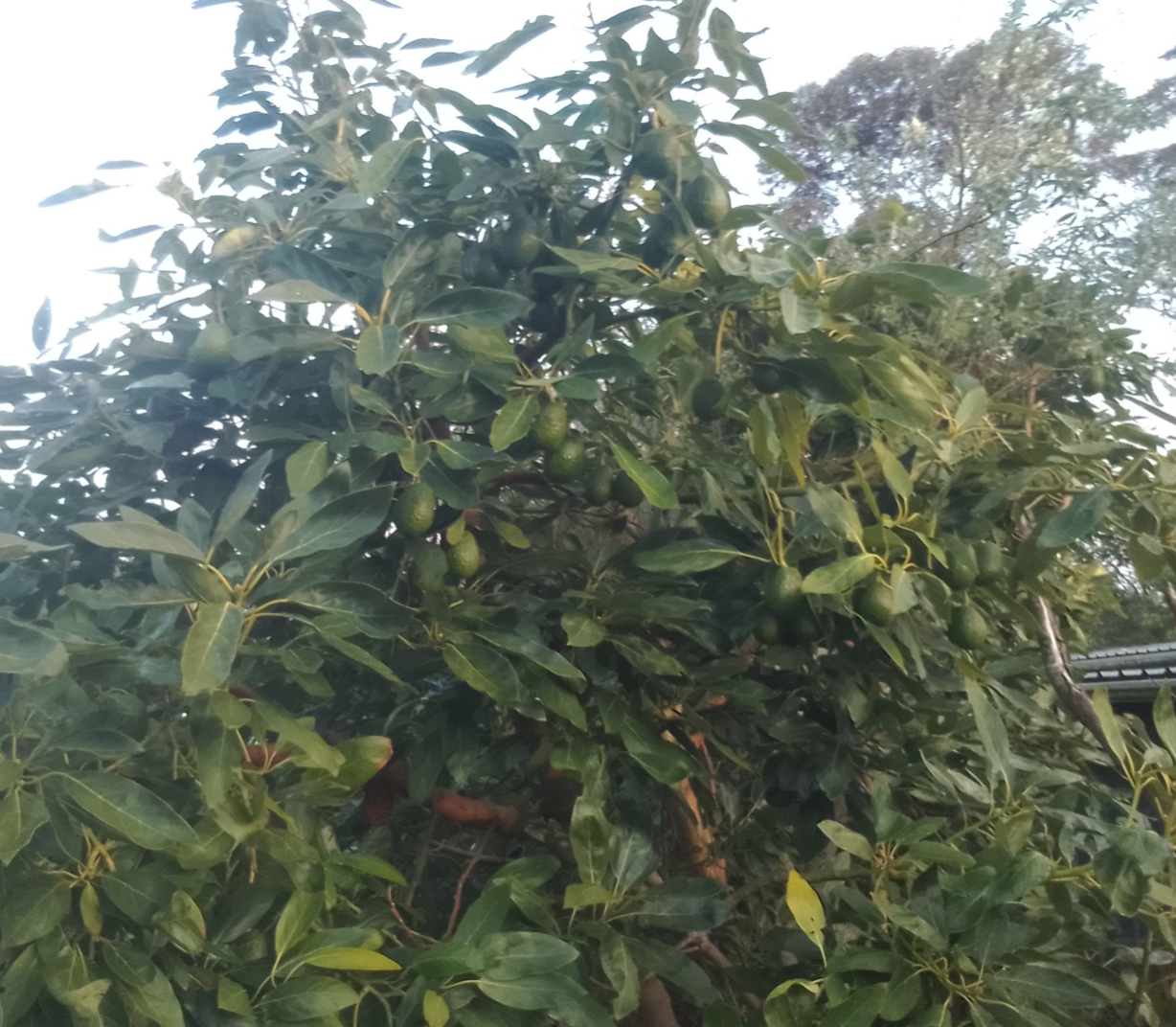
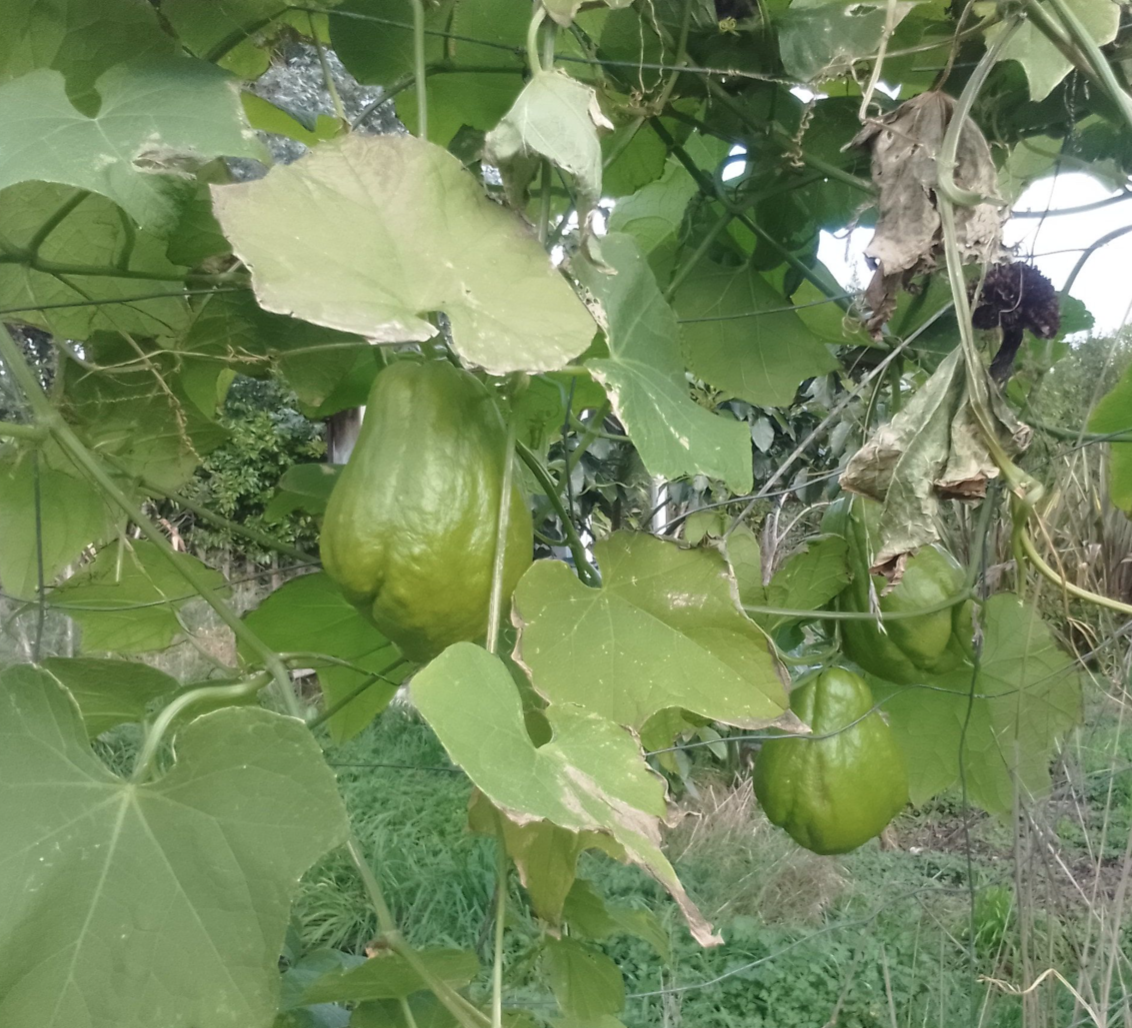
We’ve also got an abundance of fruits even though it’s the middle of winter. Guavas, oranges, grapefruit, mandarins, lemonades, avocados, chokos, etc.

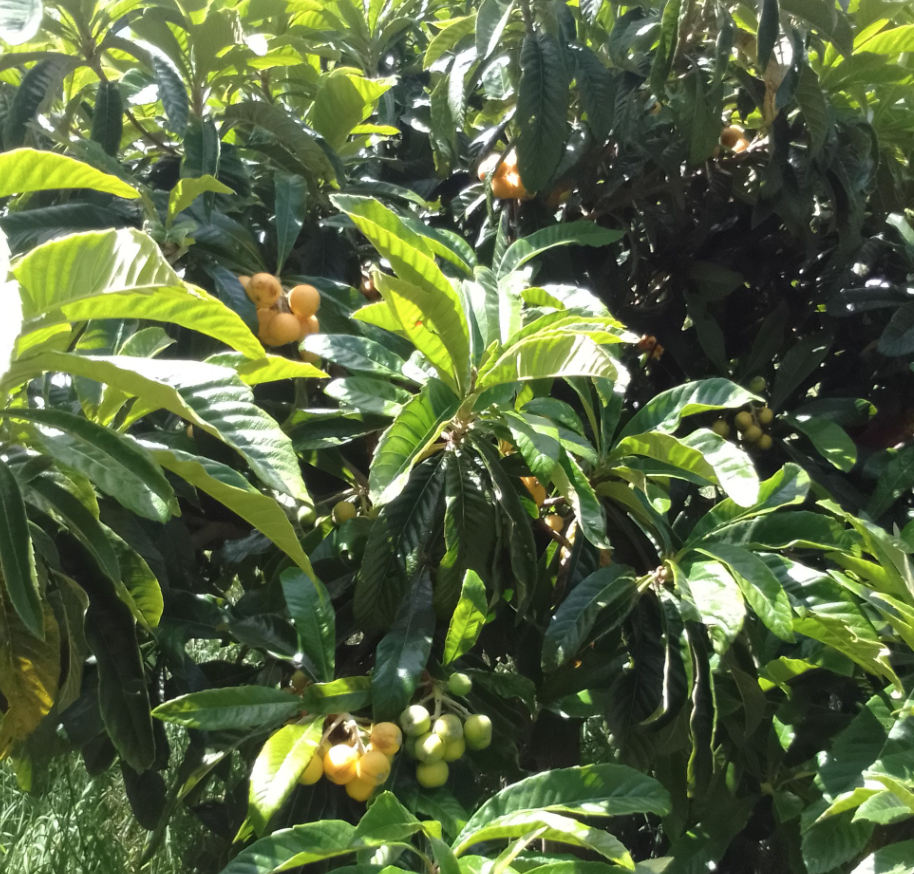
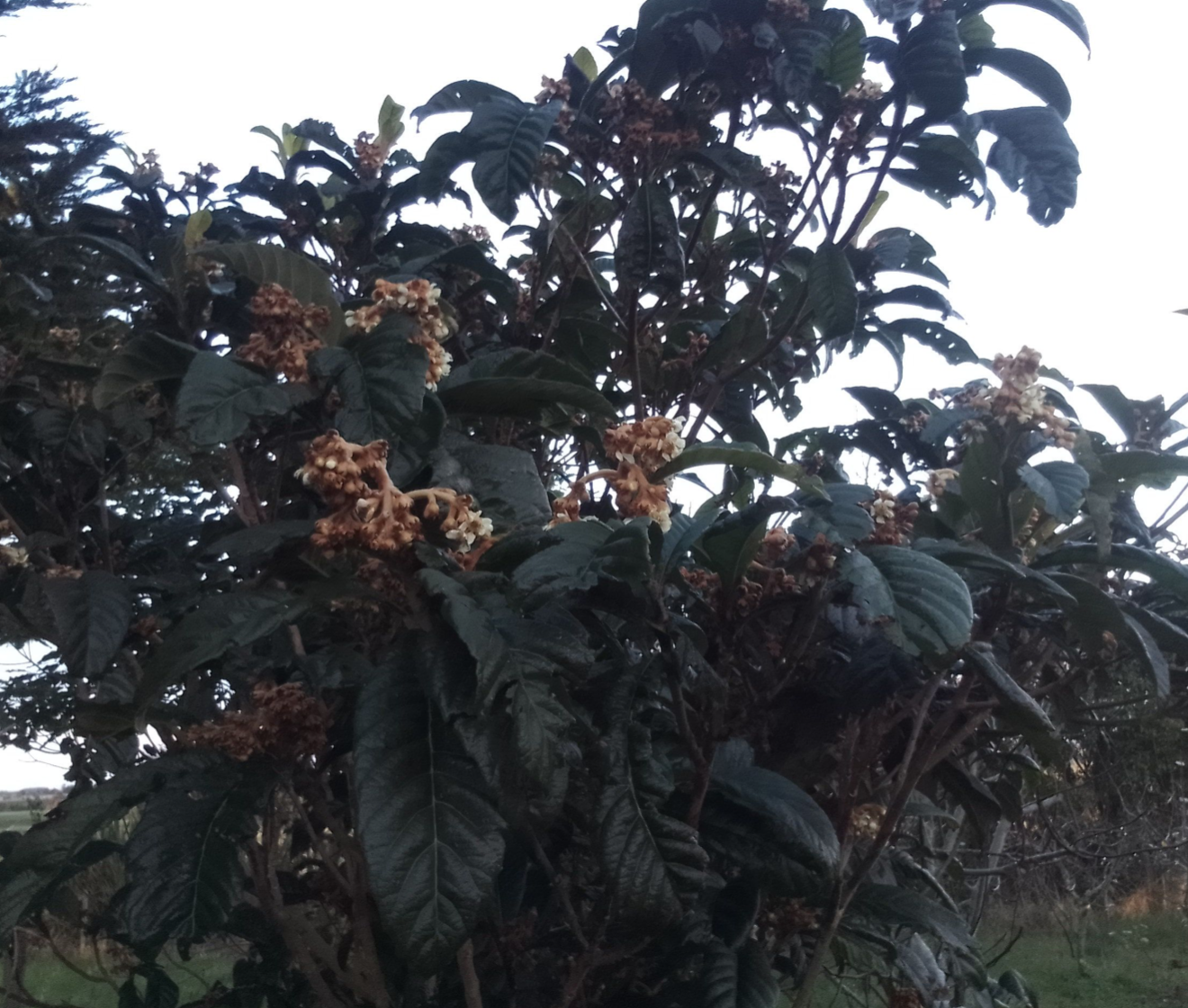
The loquats flowered in autumn with the fruits forming now.

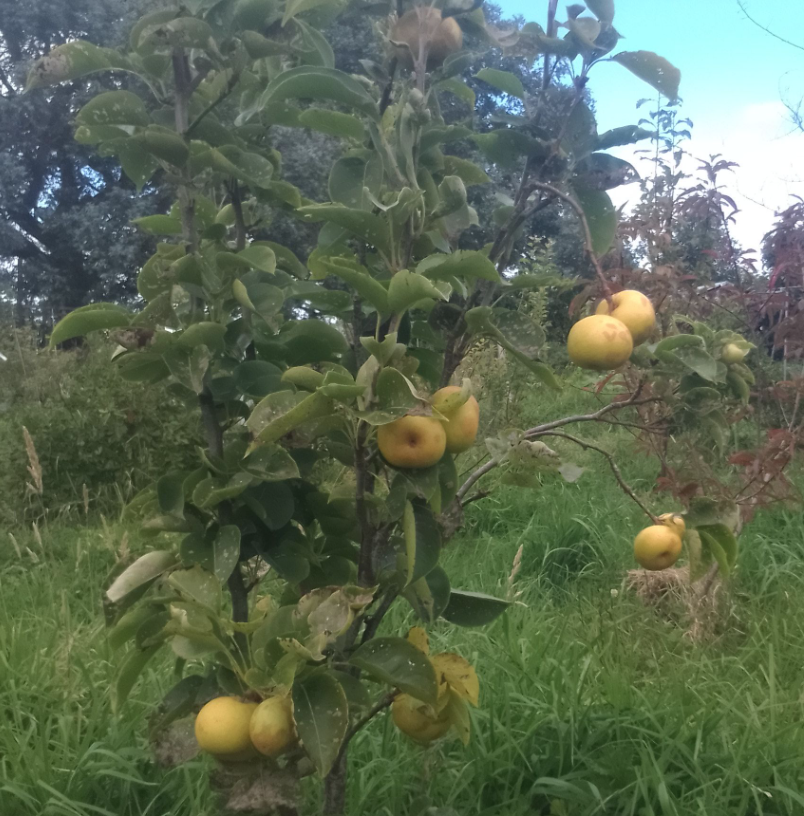
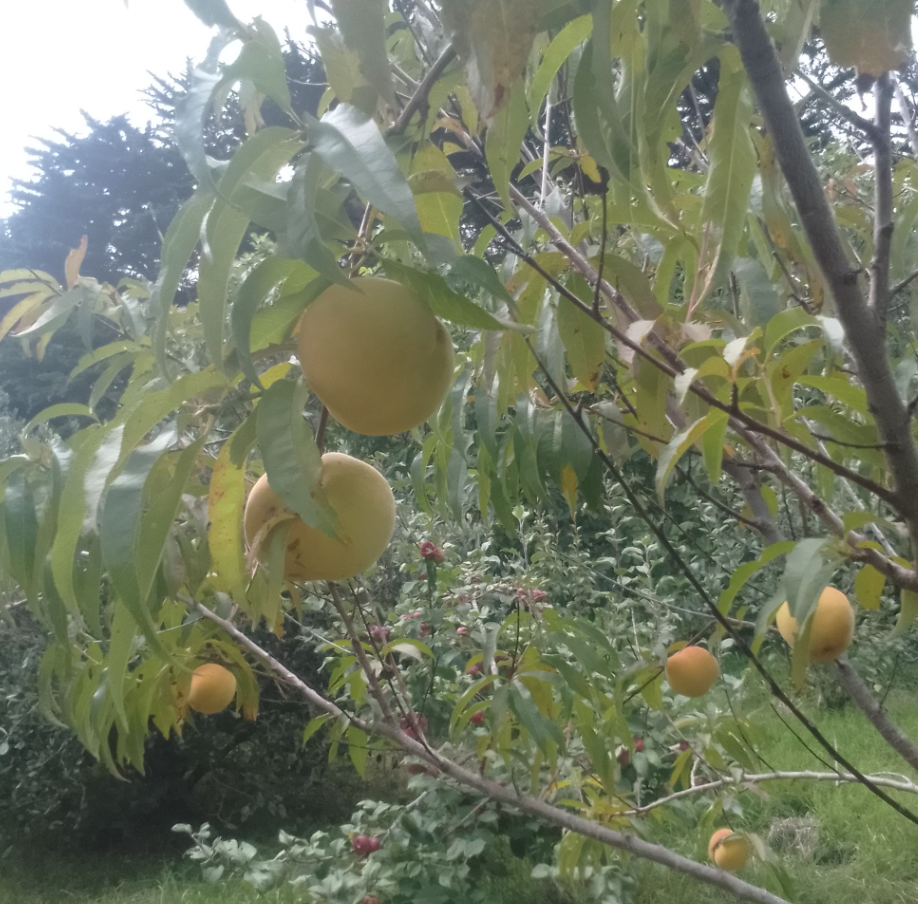
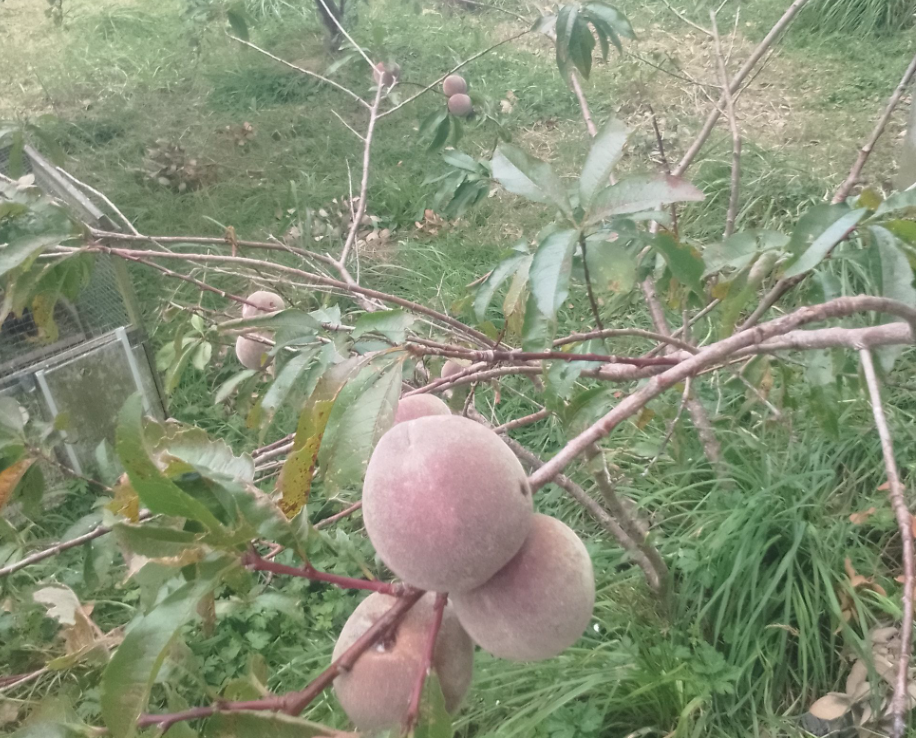
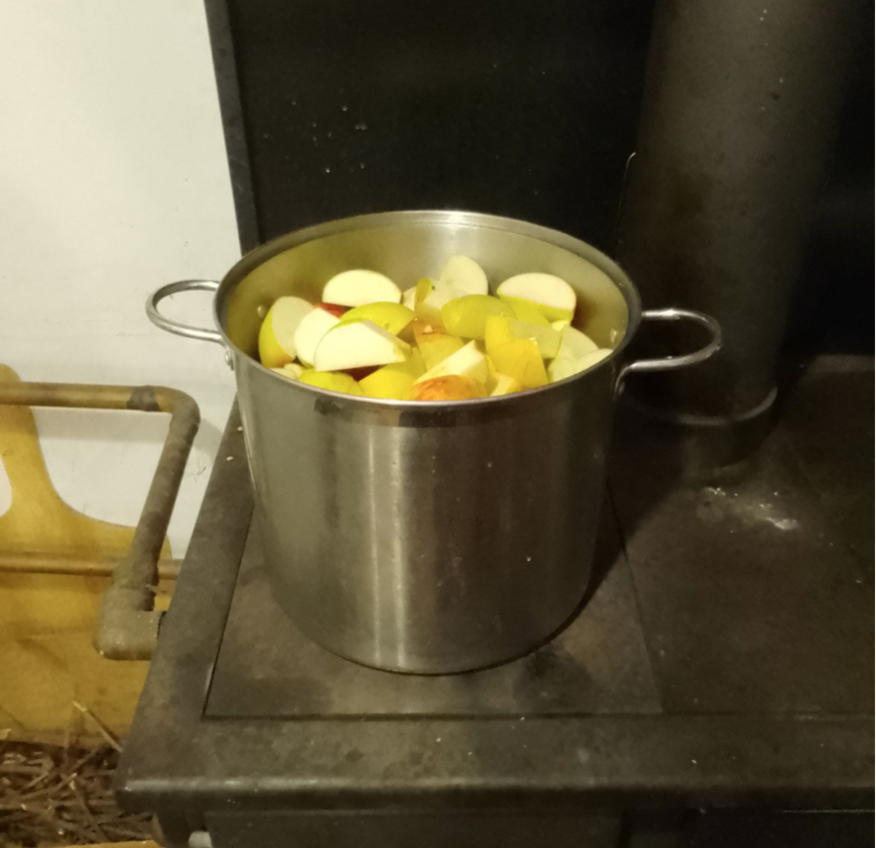
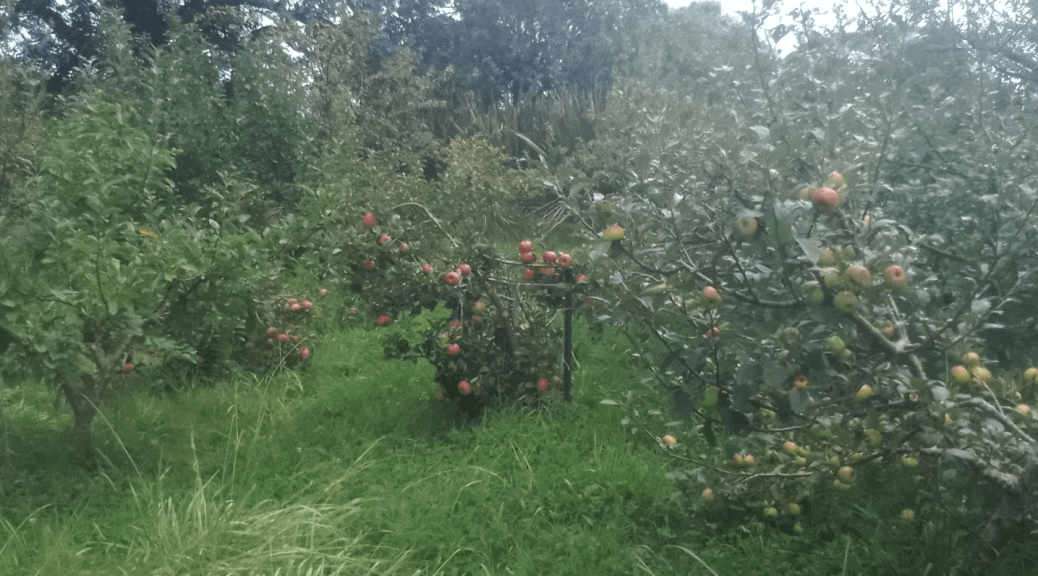
We’re slowly working our way through the mountain of apples – turning them into applesauce for the freezers…but the freezers are already full of plums, peaches, feijoas, halloumi, and pork!

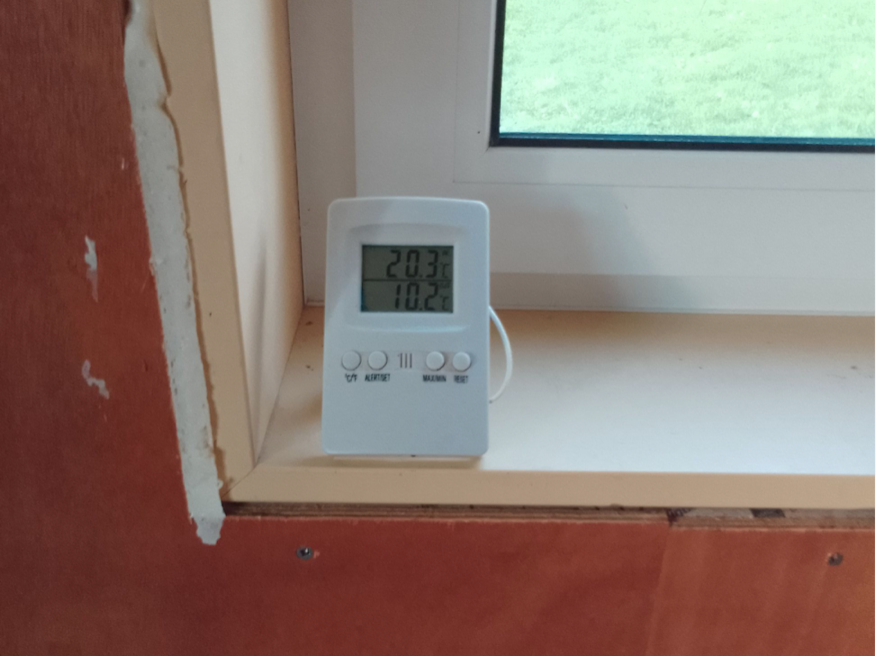
And when there is a spare moment or a rainy day, we’re putting the finishing touches on our new passive solar eco-classroom building. It is performing very well – heating itself with sunshine only on some very chilly days.

It’s constant work and sometime challenging, but wouldn’t trade it for anything!

Peace, Estwing

Permaculture Abundance

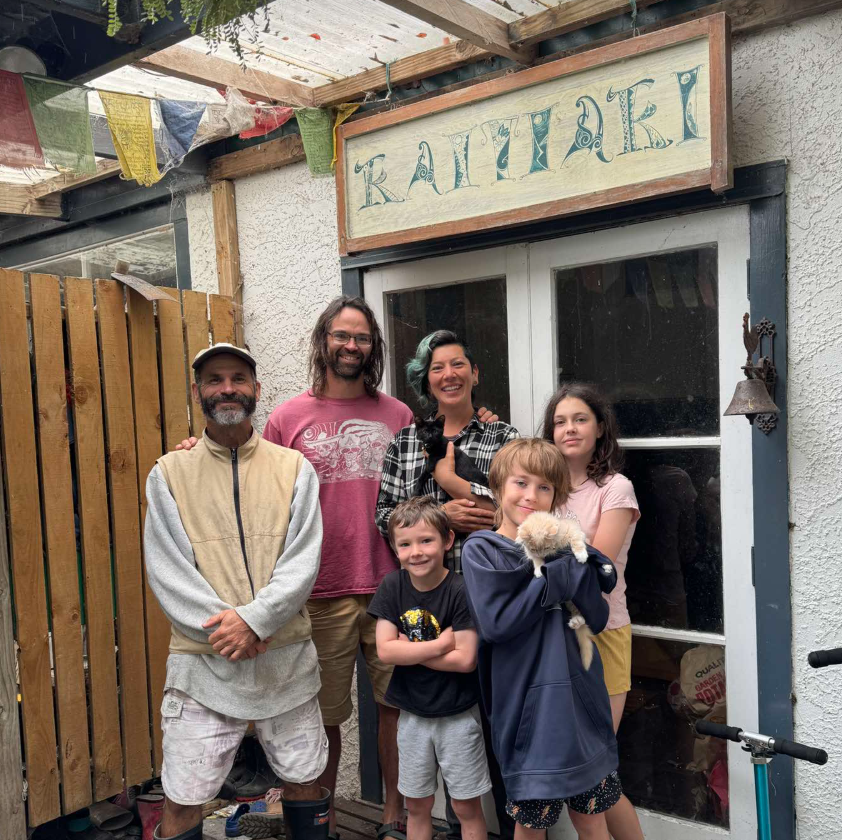
We’ve reached a decade on the farm and it is hard to recognise the place from when we started. Recently a couple of our first farm interns visited to check in on what progress we’ve made in 9 years. In fact, Patrick painted the amazing sign above our front door.

After leaving us, Patrick and Kelly went on to found Flat Tack Farm. They know much more than me about growing vegetables at this point!

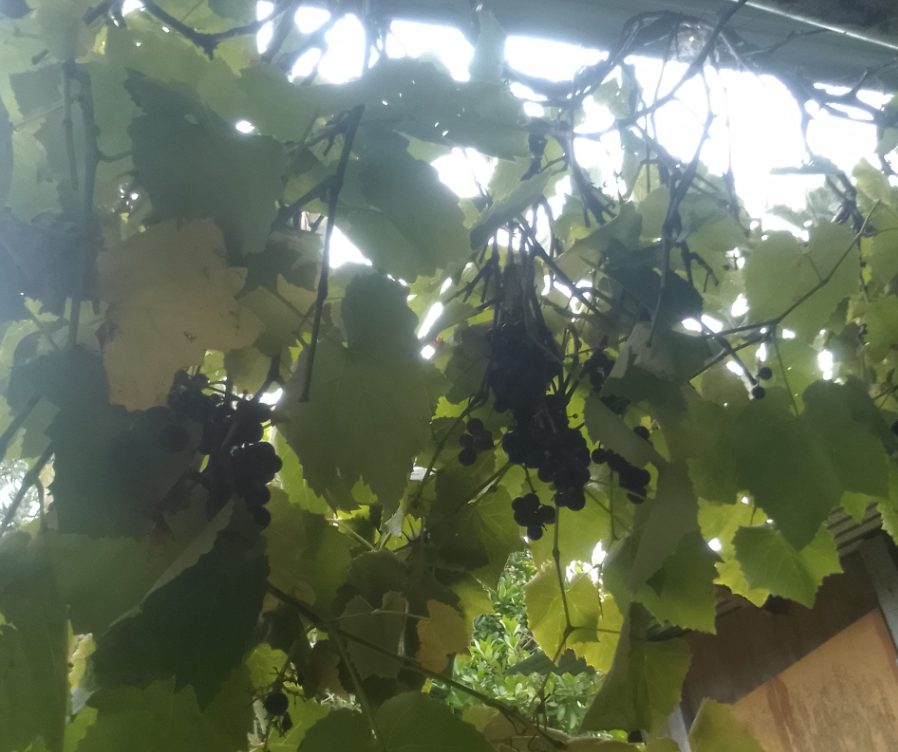
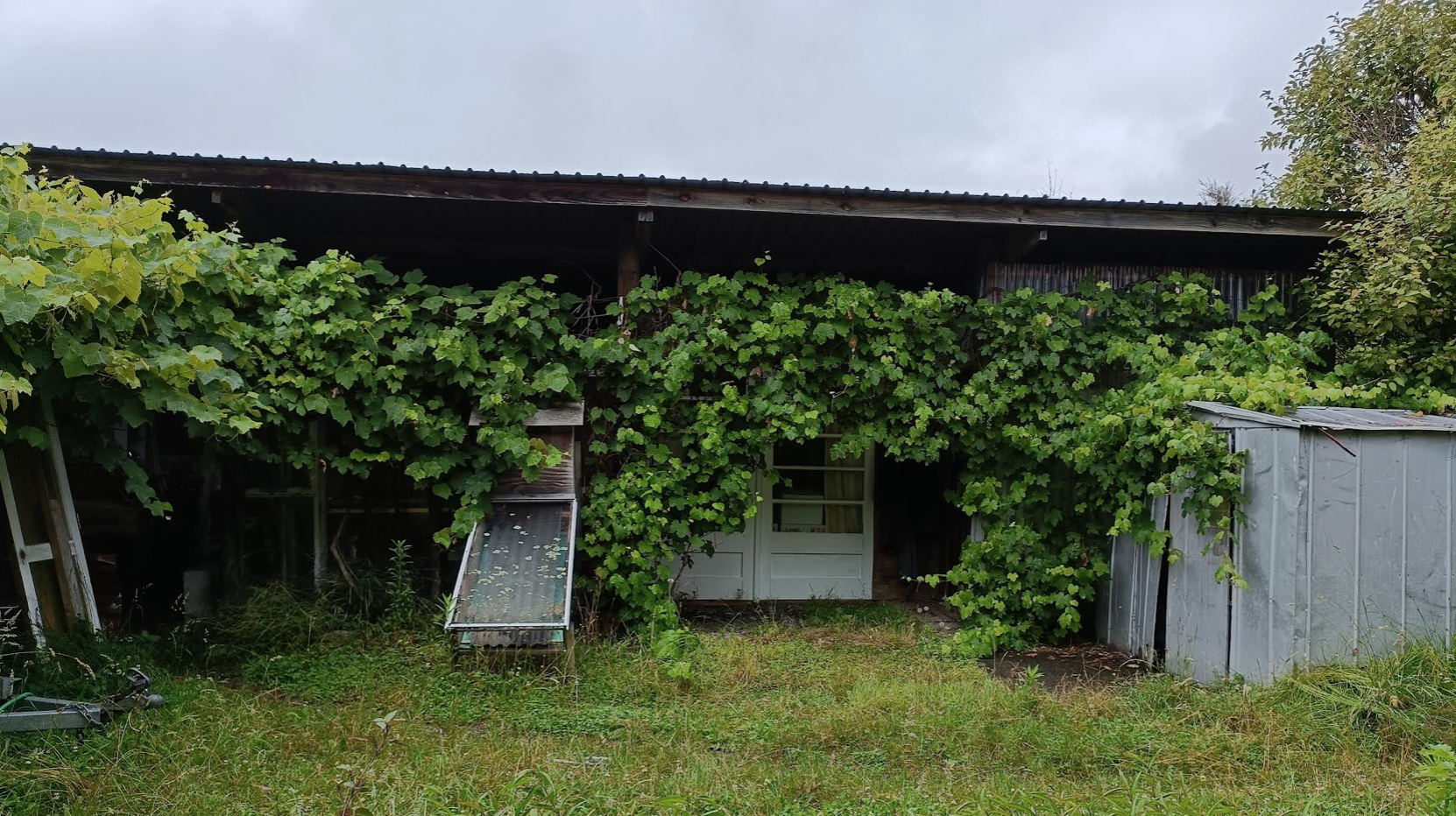
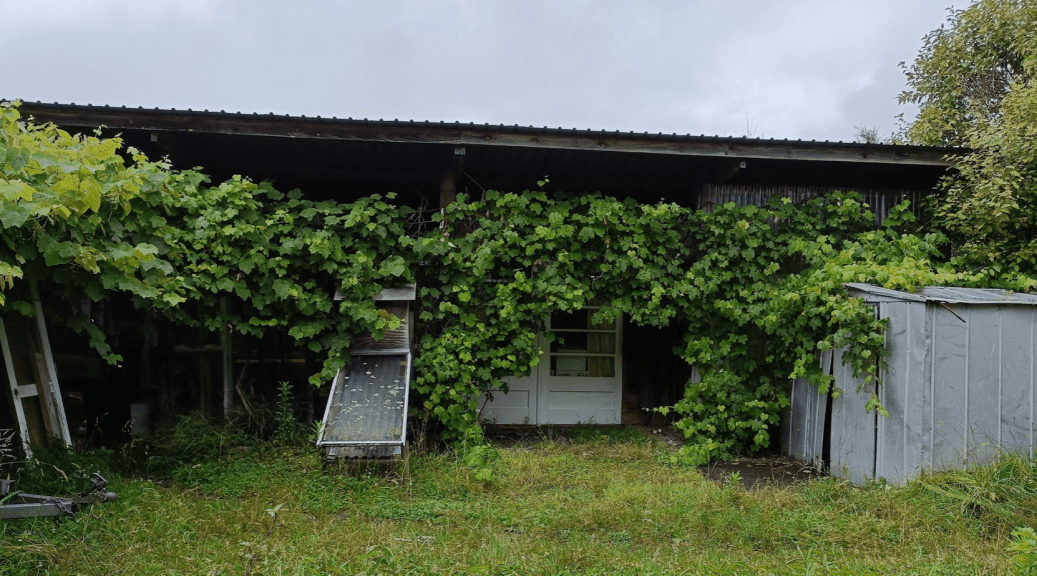
It was great to show them the abundance of our farm in early summer, anda good reminder for us of the progress we have made. One example of steady progress over the years is the advancement of the grape vines in front of the sheds. This photo does not even show half of their length growing out to the left and right.

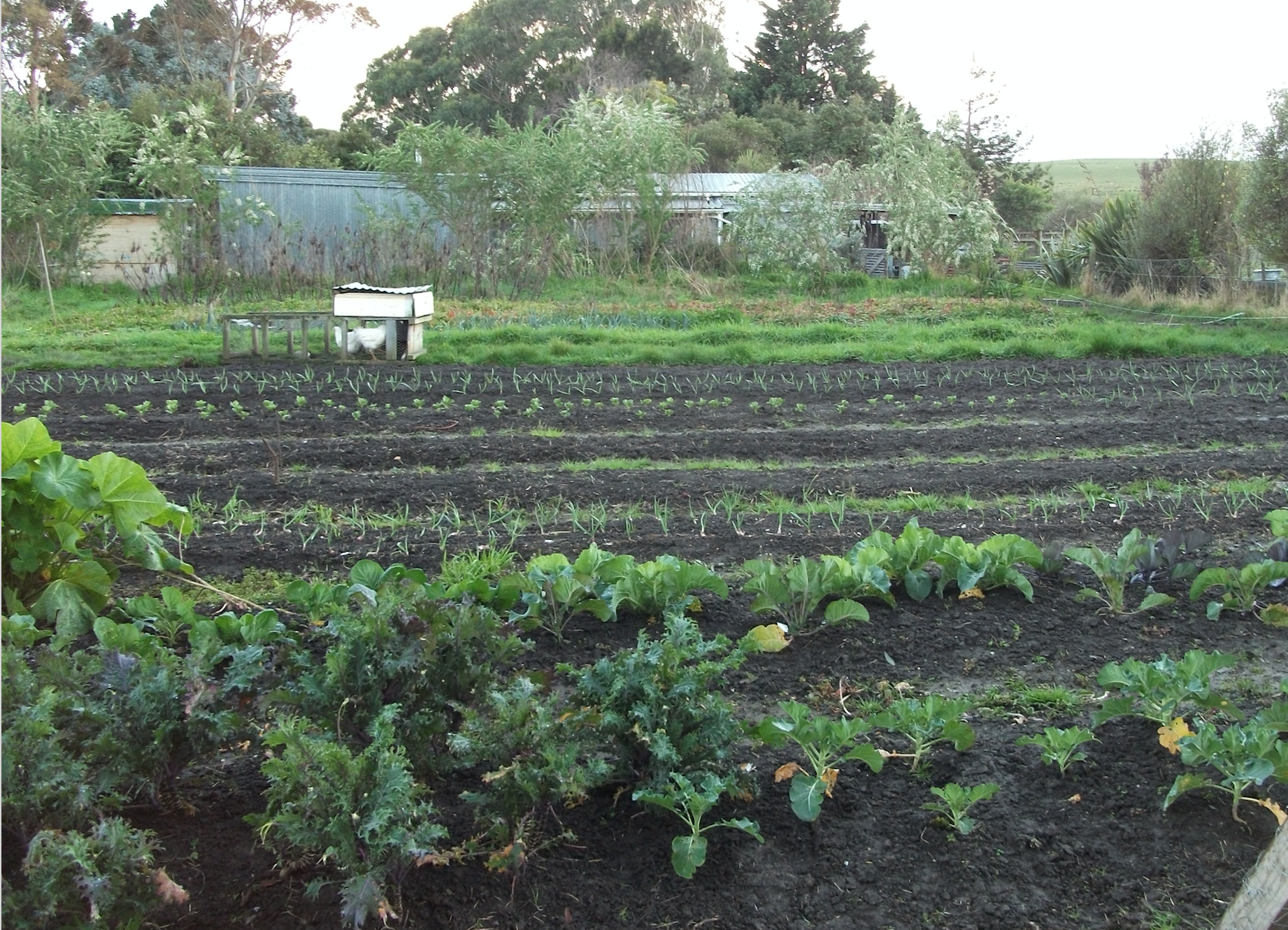
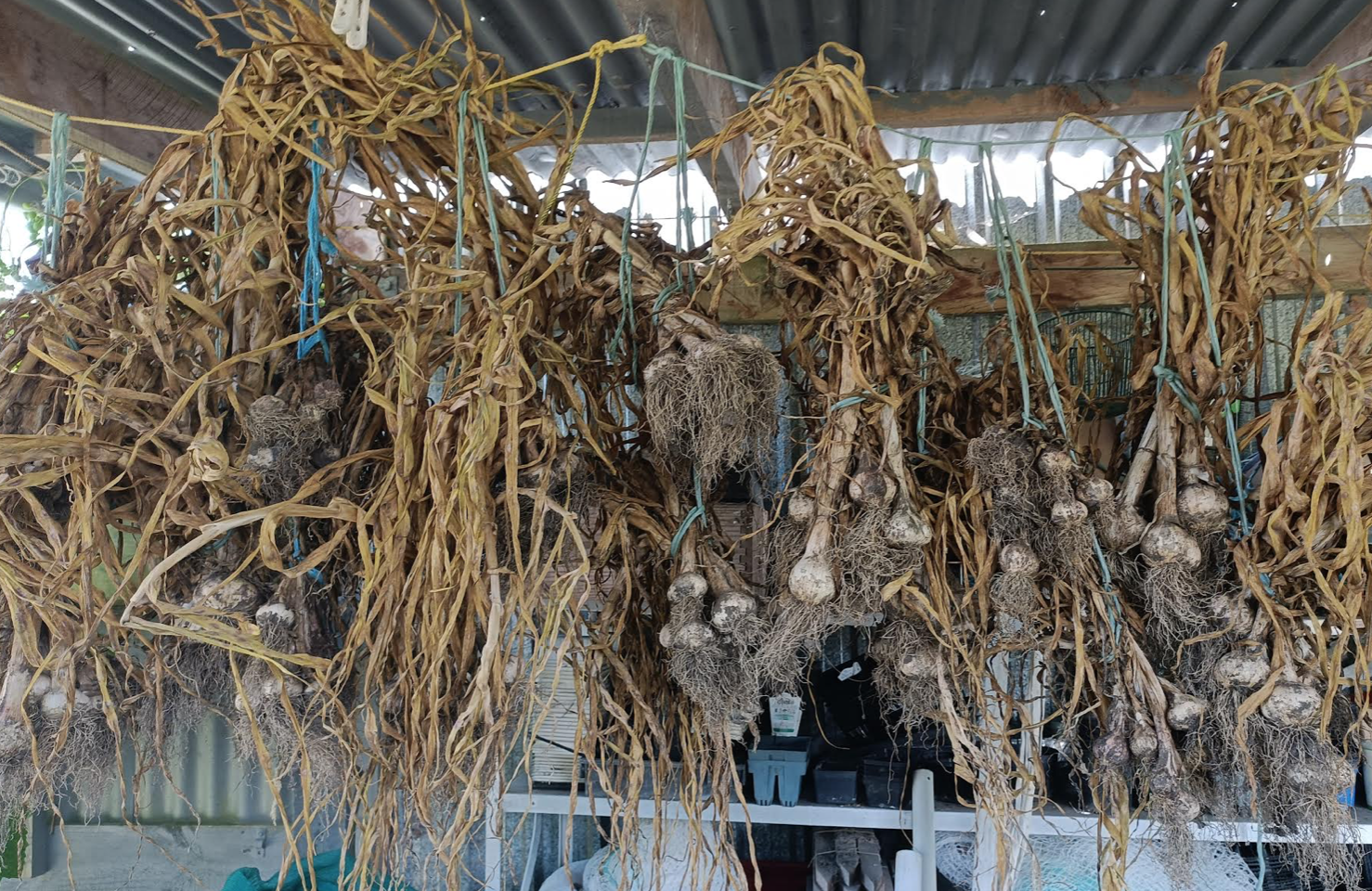
A steady crop on the farm every year has been garlic. This year we cut back on the quantity we grew but the size of most of the bulbs has been large enough to compensate.

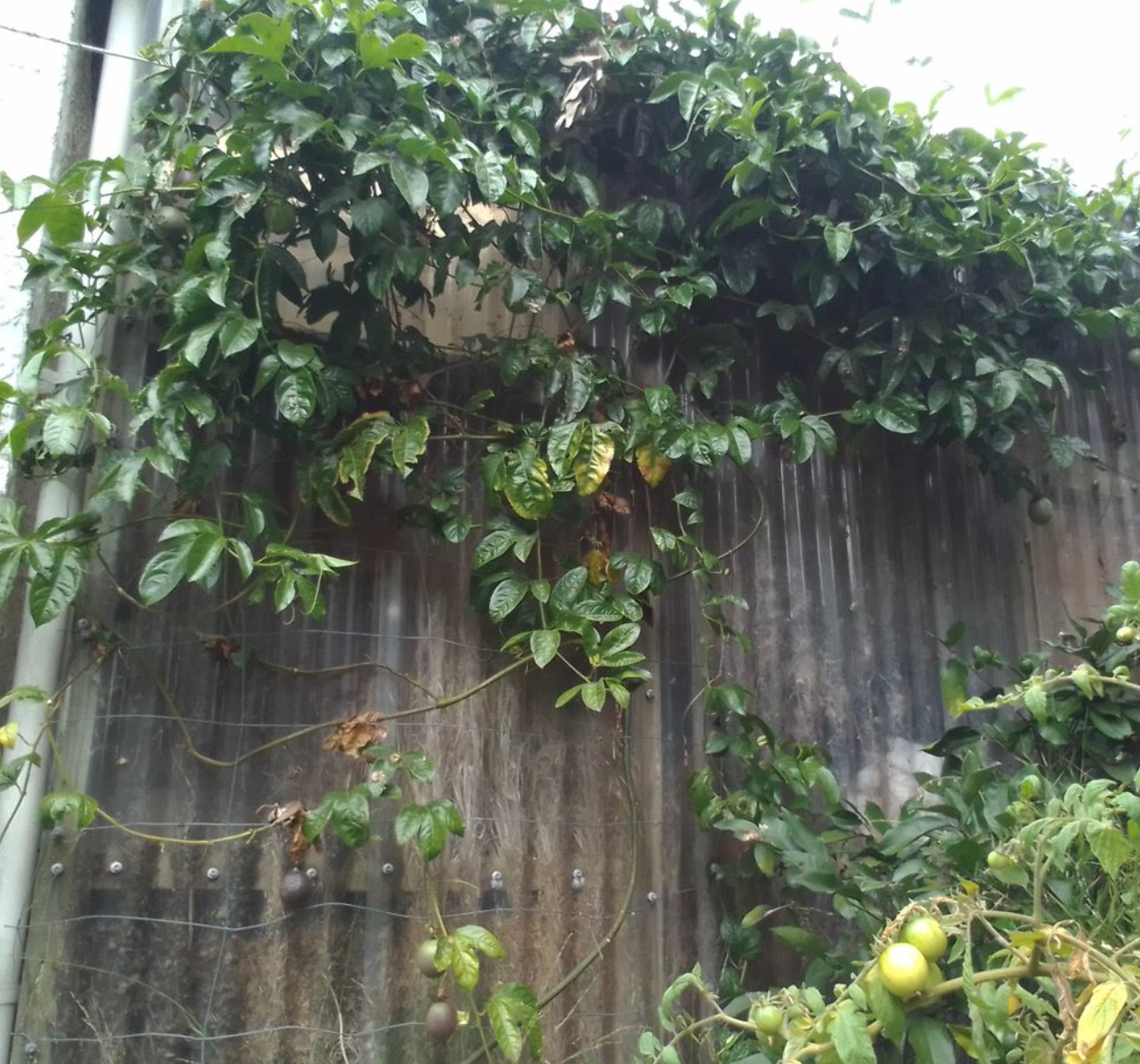
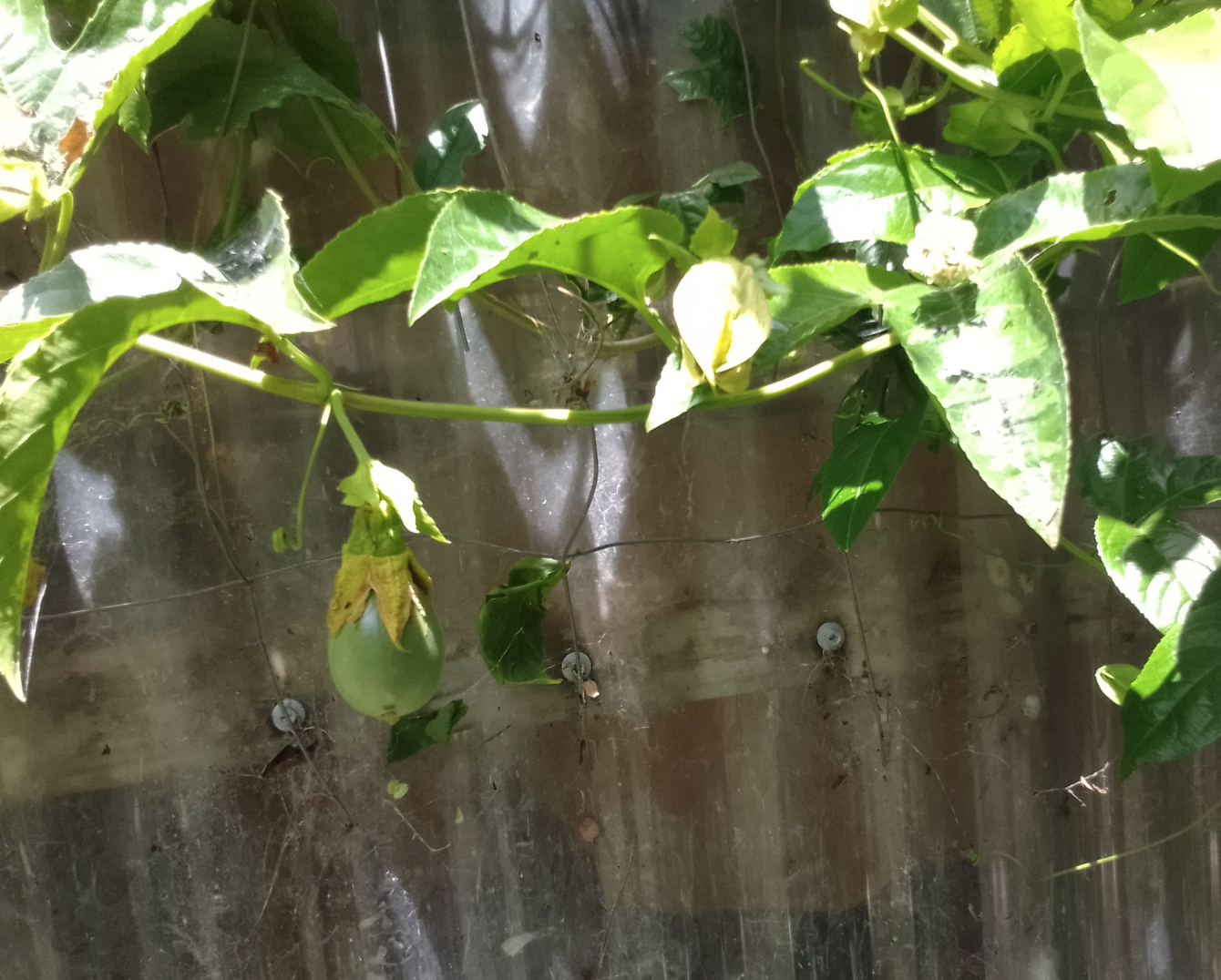
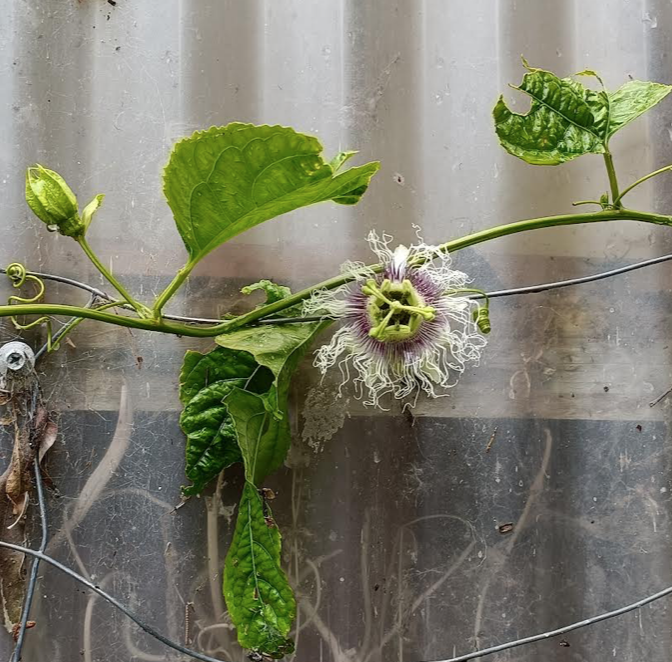
A newcomer is passionfruit. Here is the first blossom on the farm. Wow!

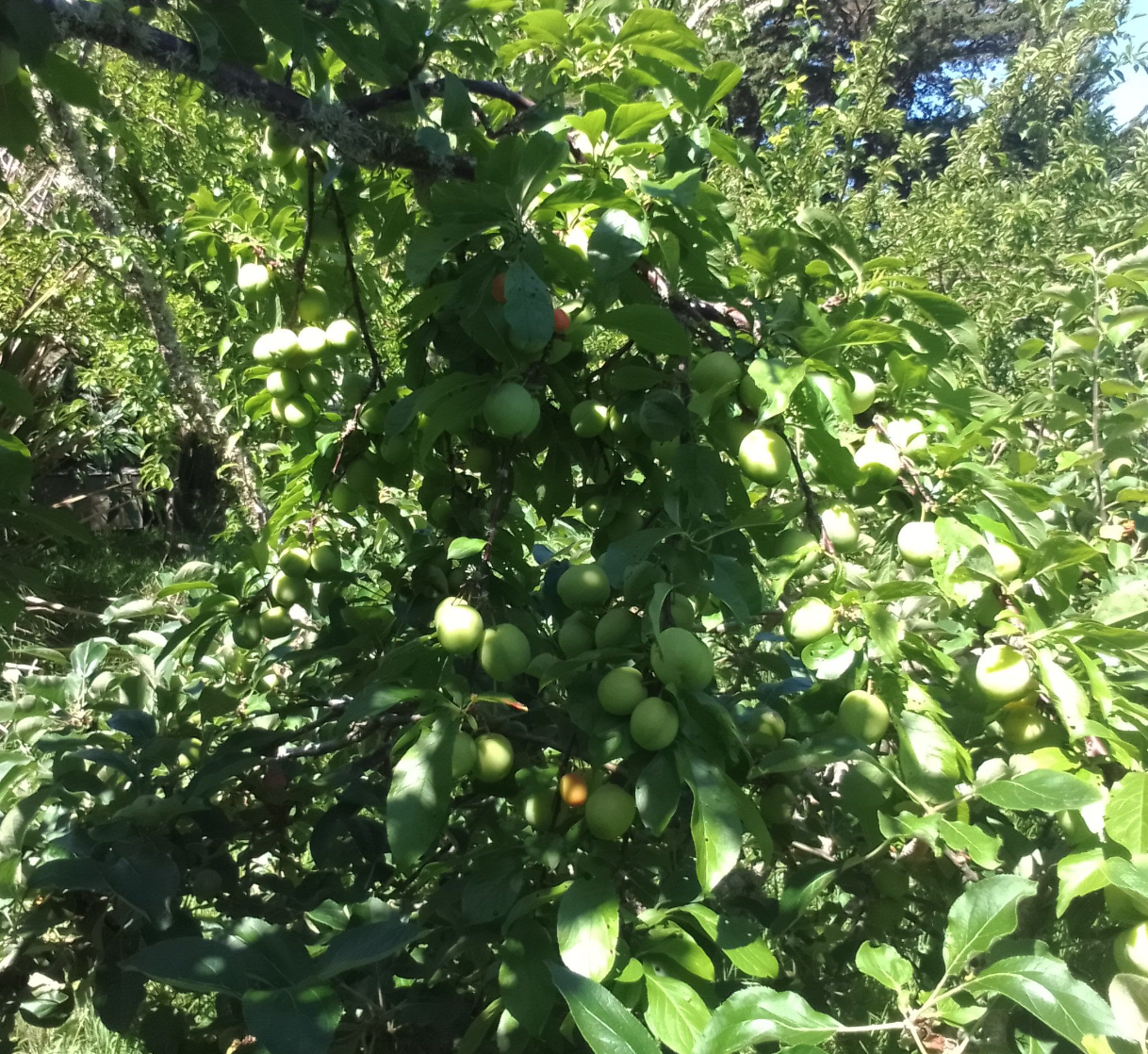
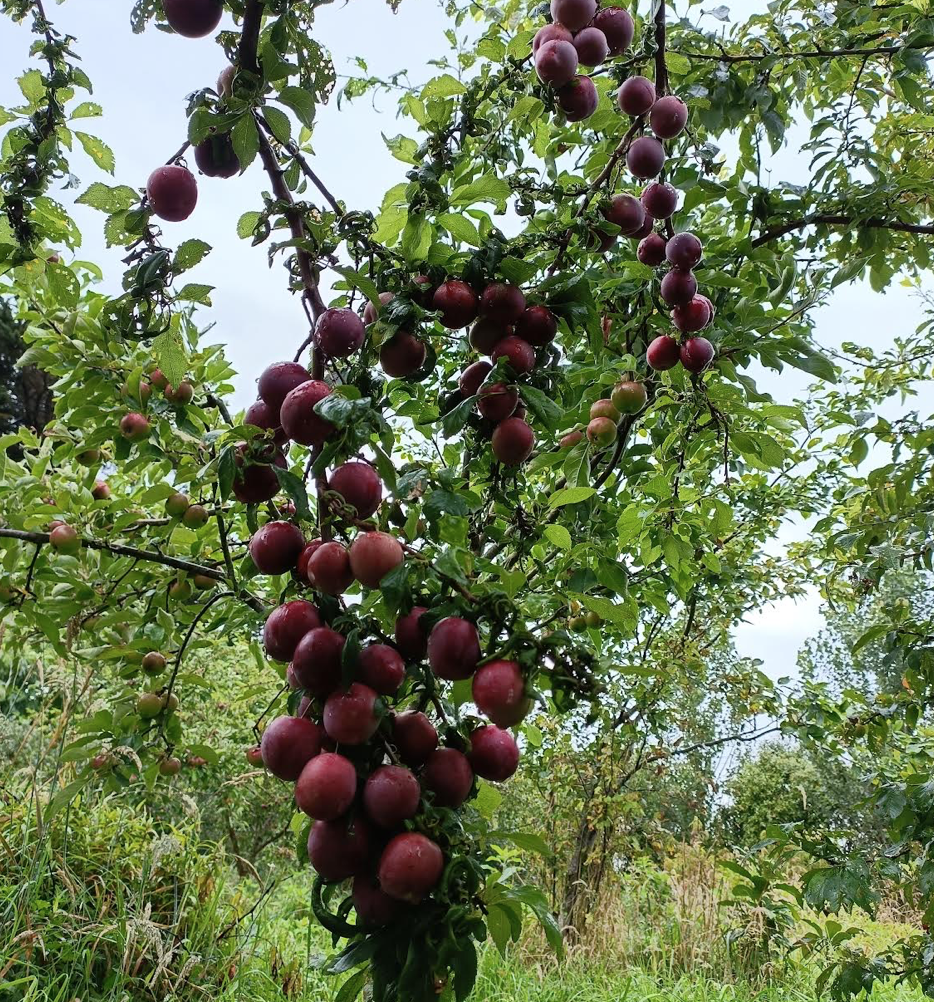
It is well and truly plum season! The challenge is to compete with the local birds!

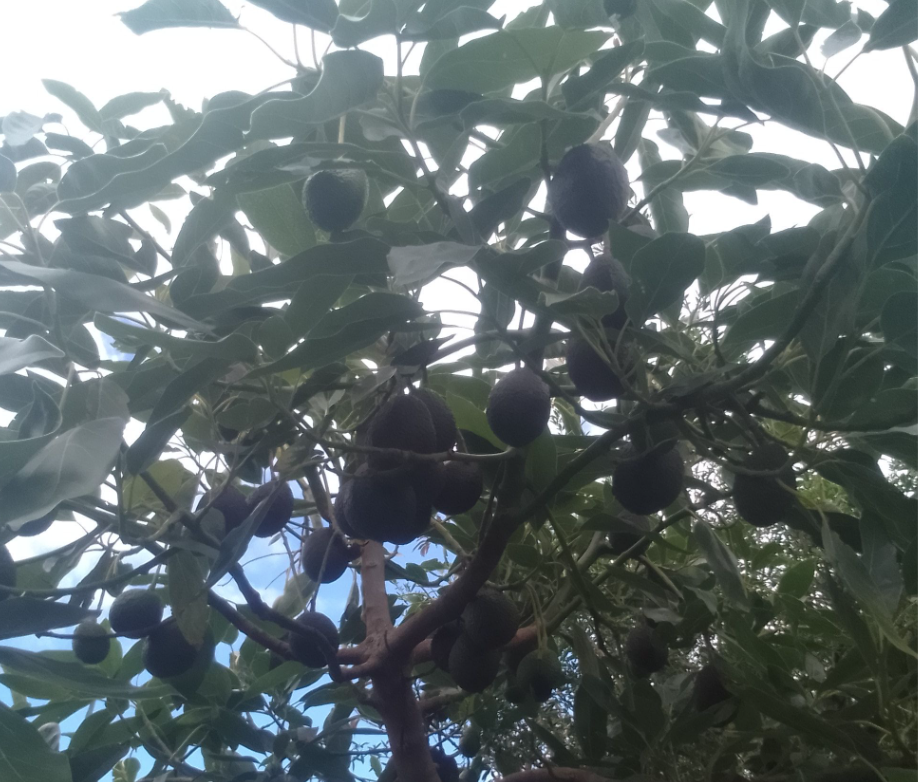
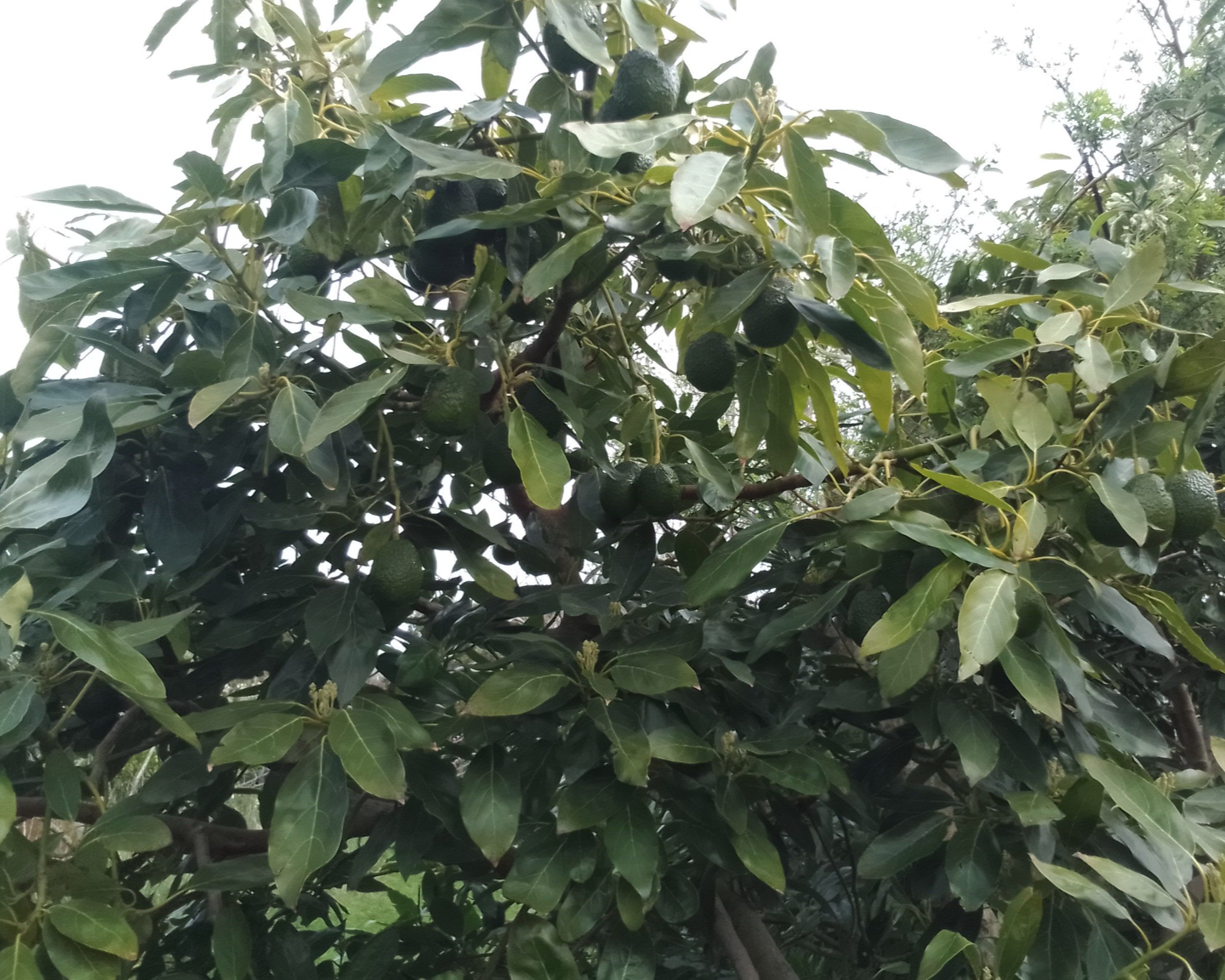
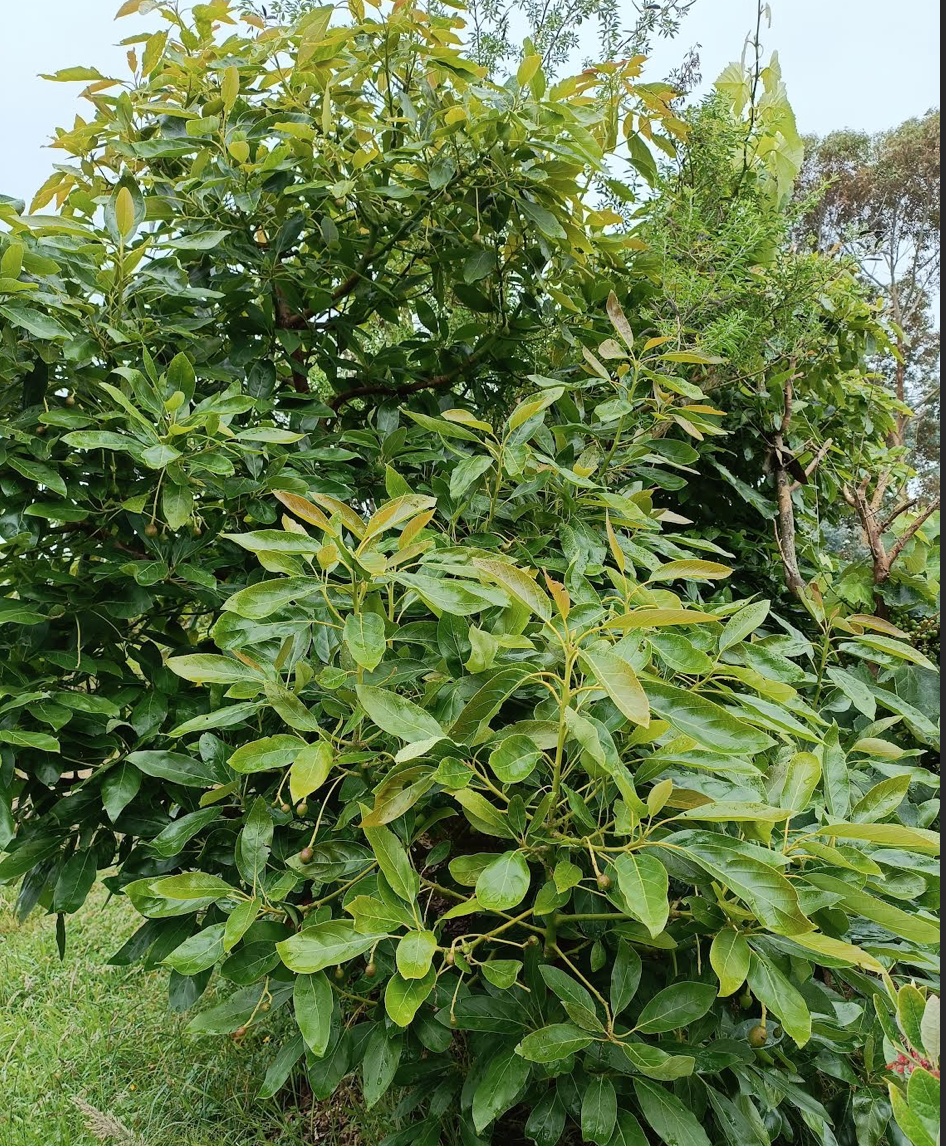
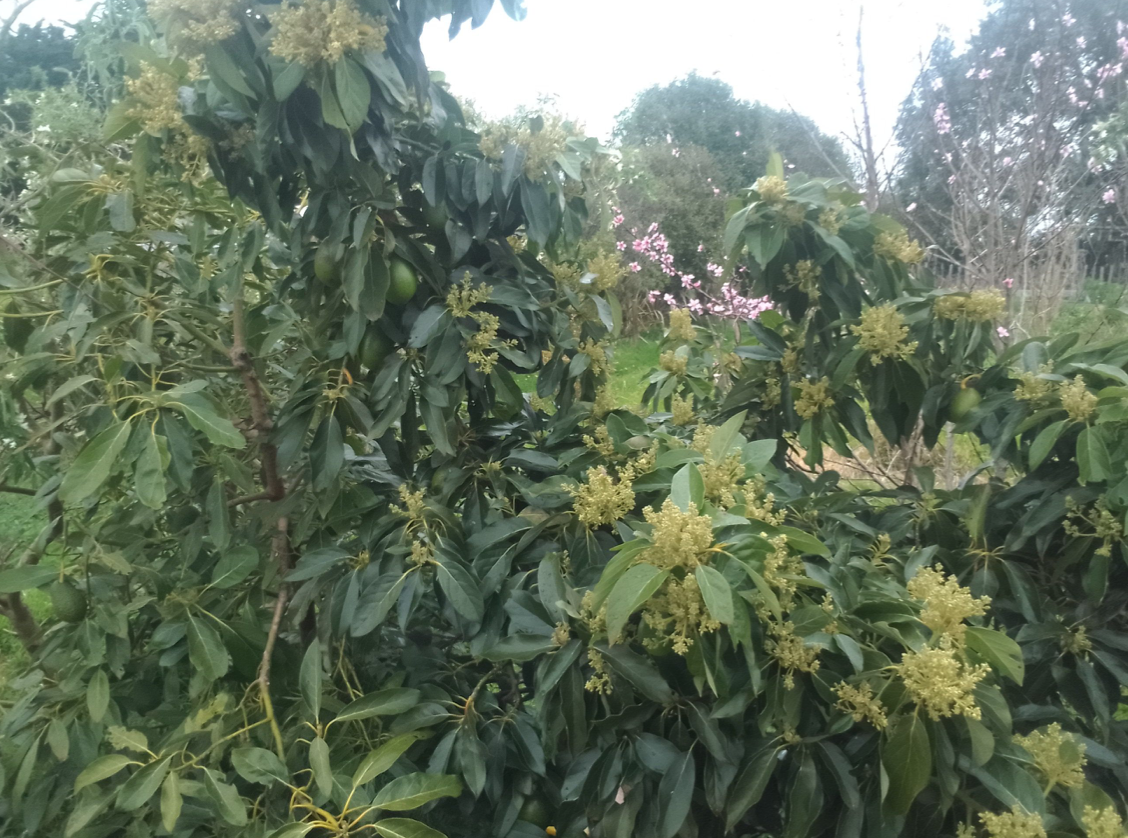
We’ve had an unusual occurrence this year that the avocado trees have set fruit twice about six months apart! Not complaining!

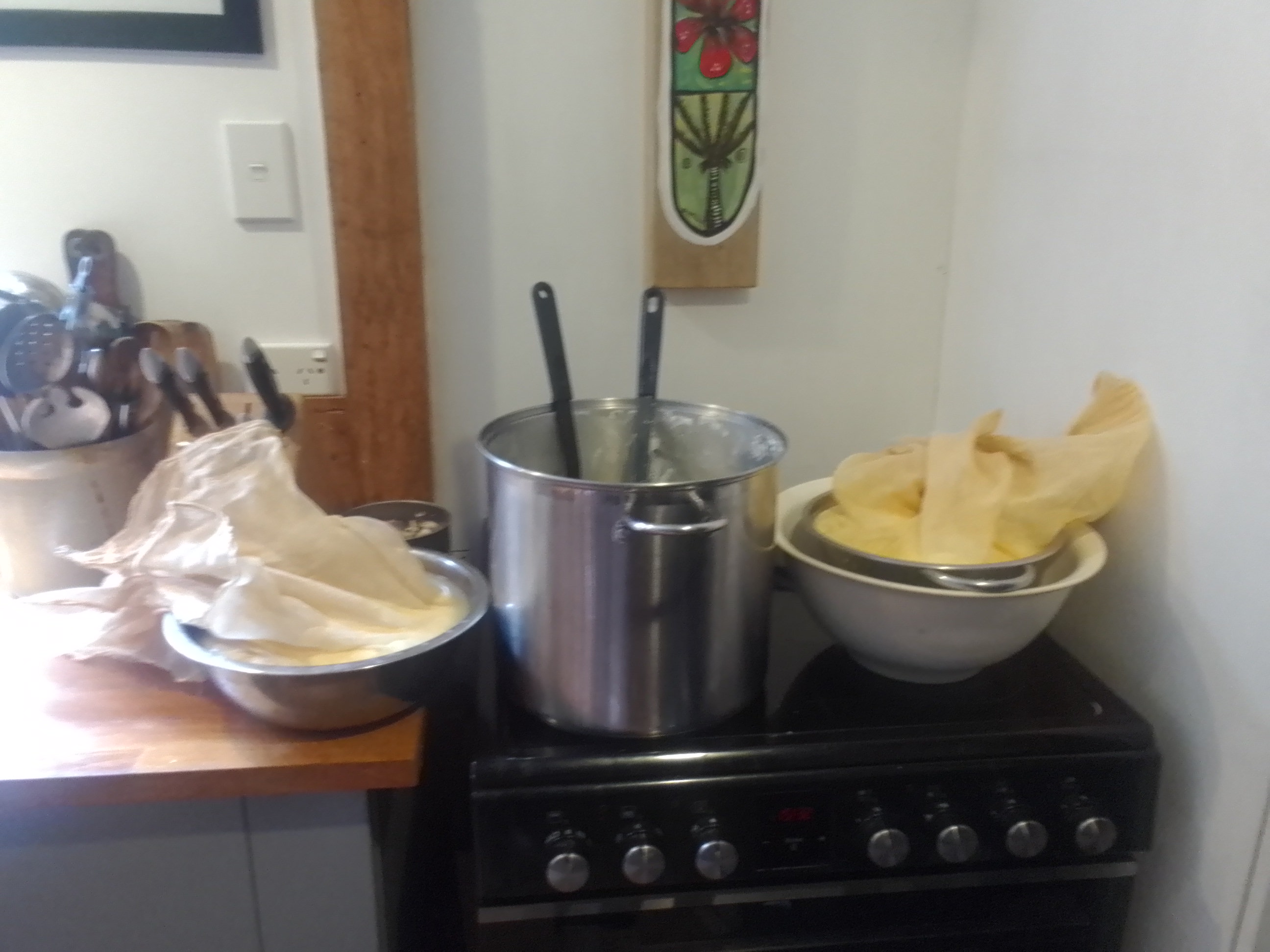
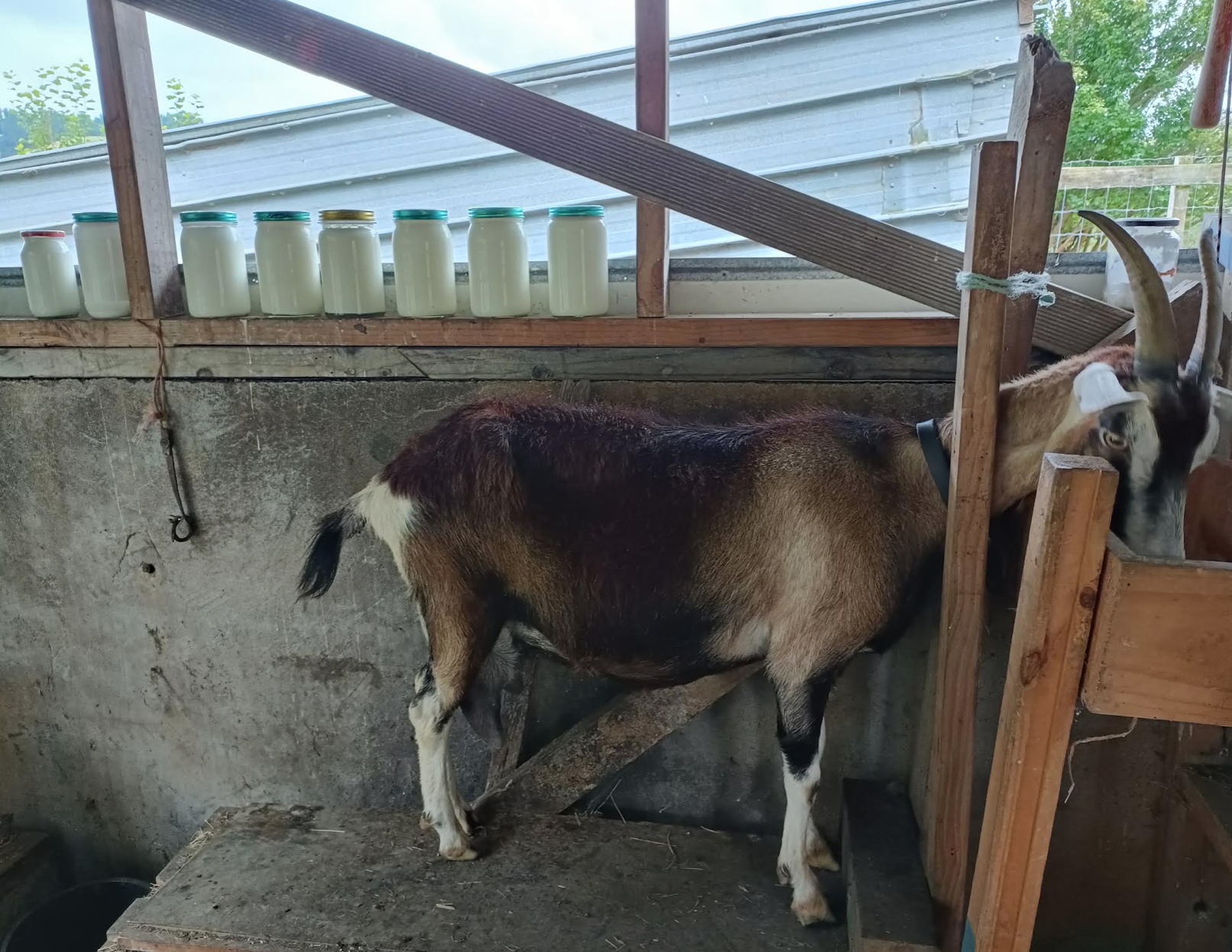
And goats milk! So much coming from these girls grazing very healthy pastures. We’ve been making halloumi cheese three days each week.

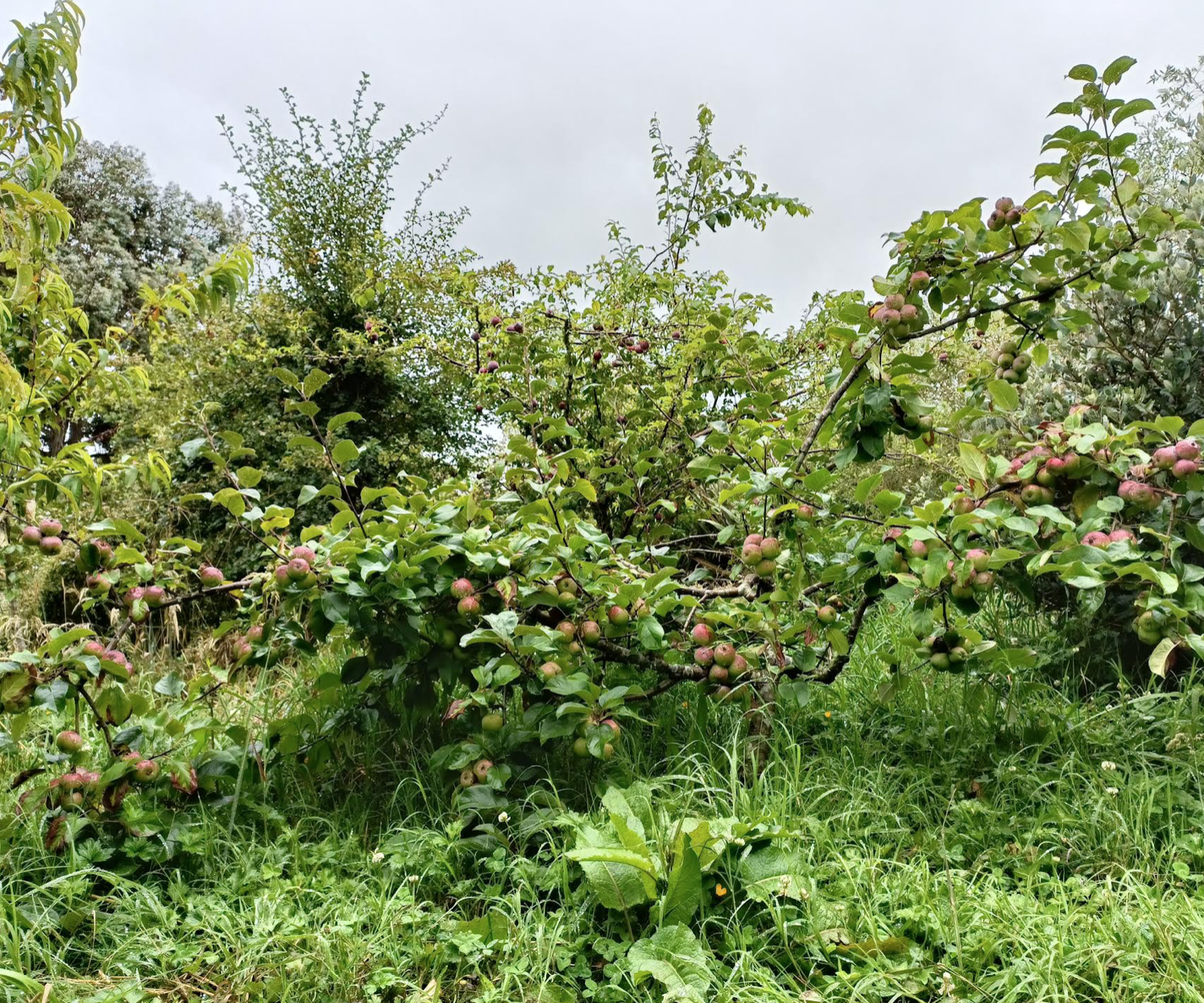
Looking forward to an abundant apple harvest in the autumn.

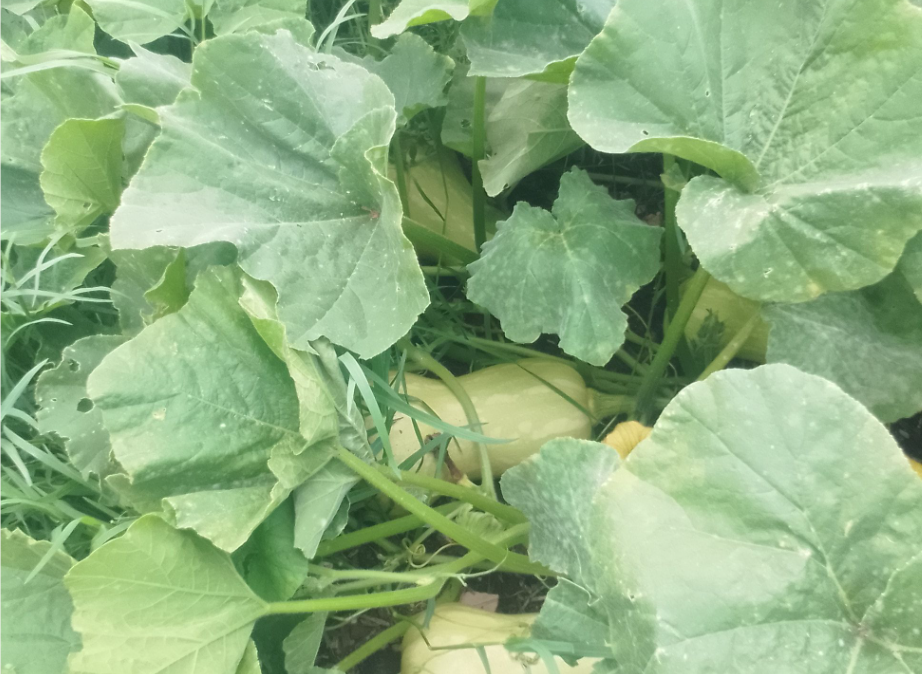
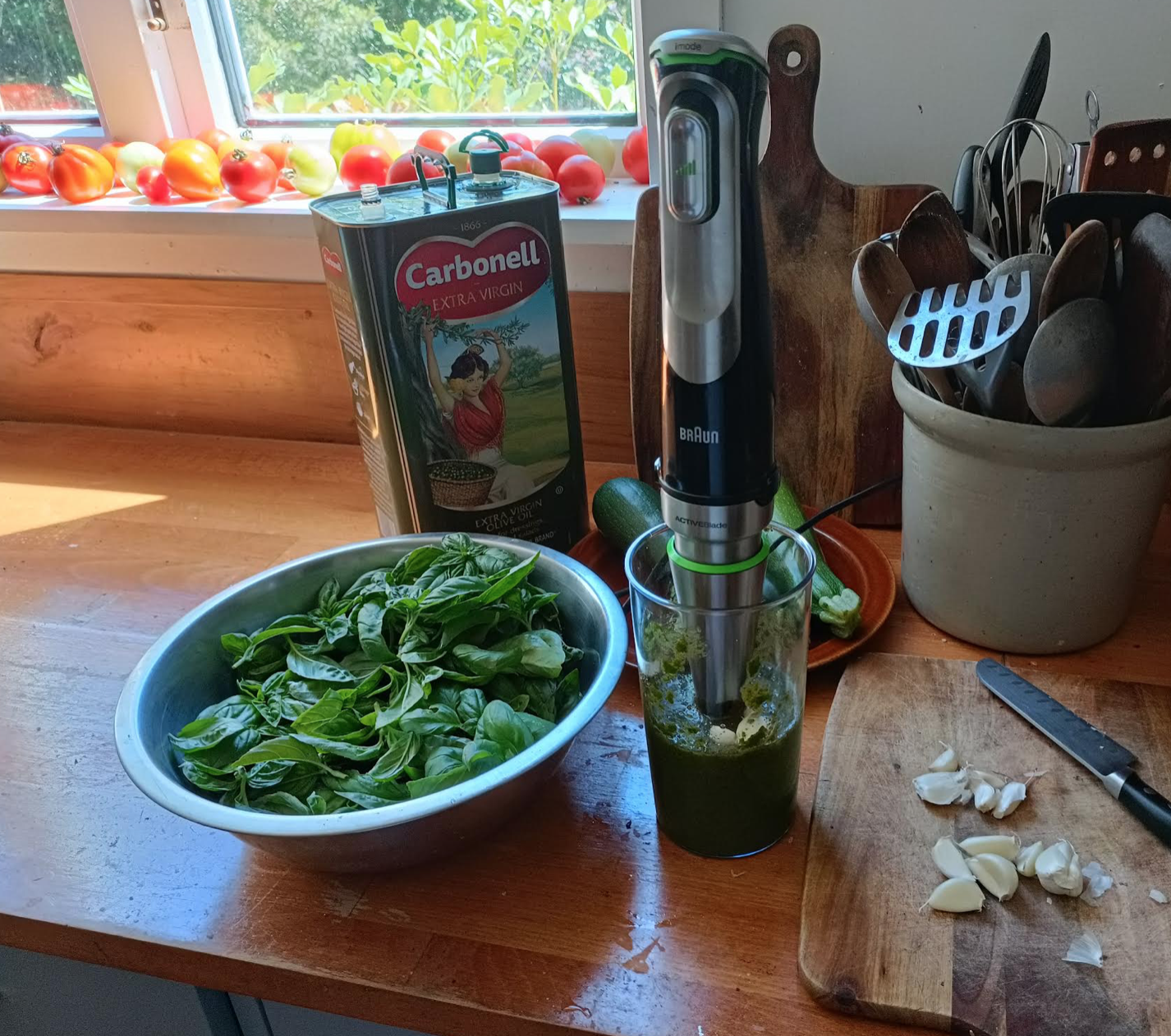
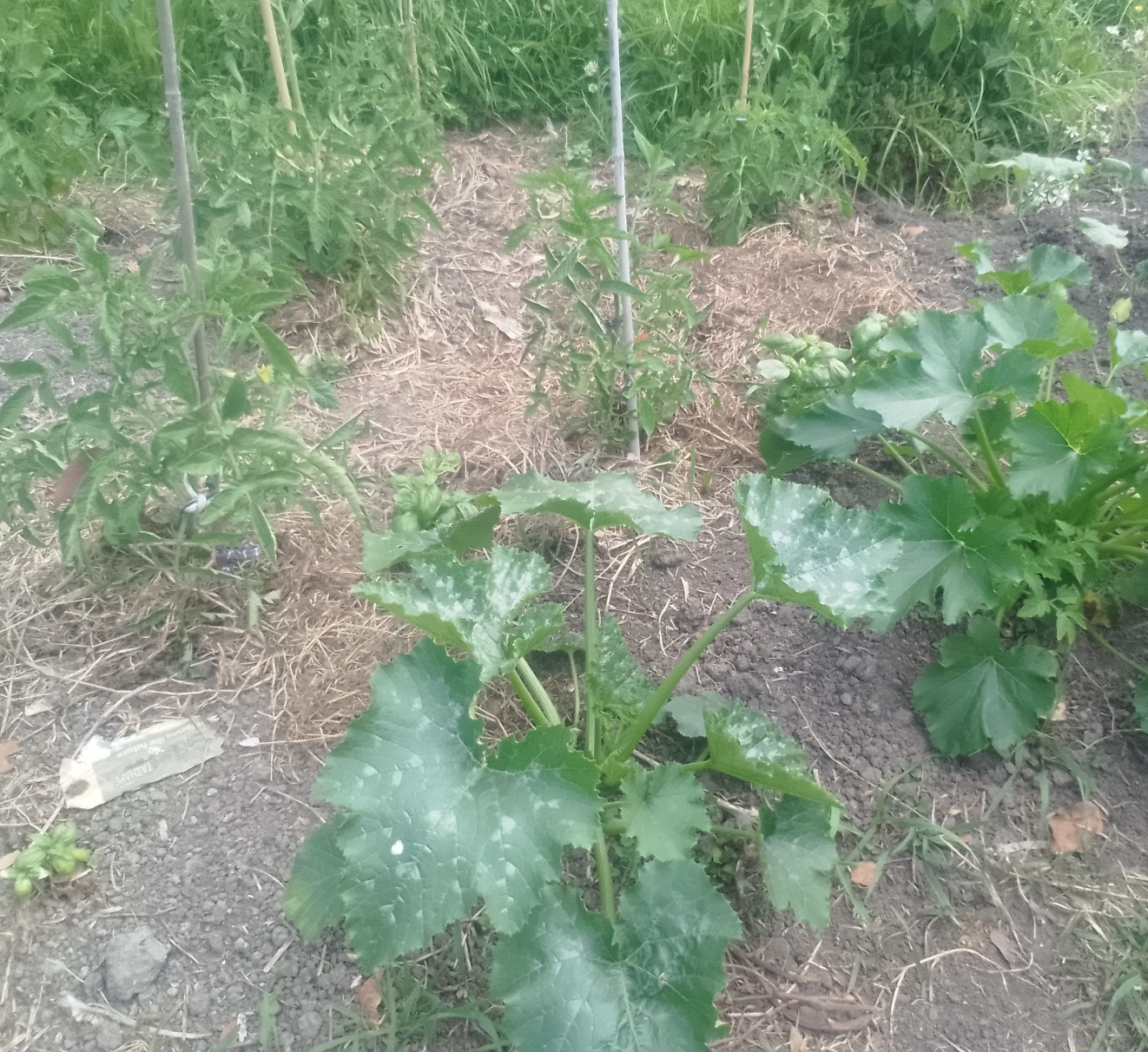
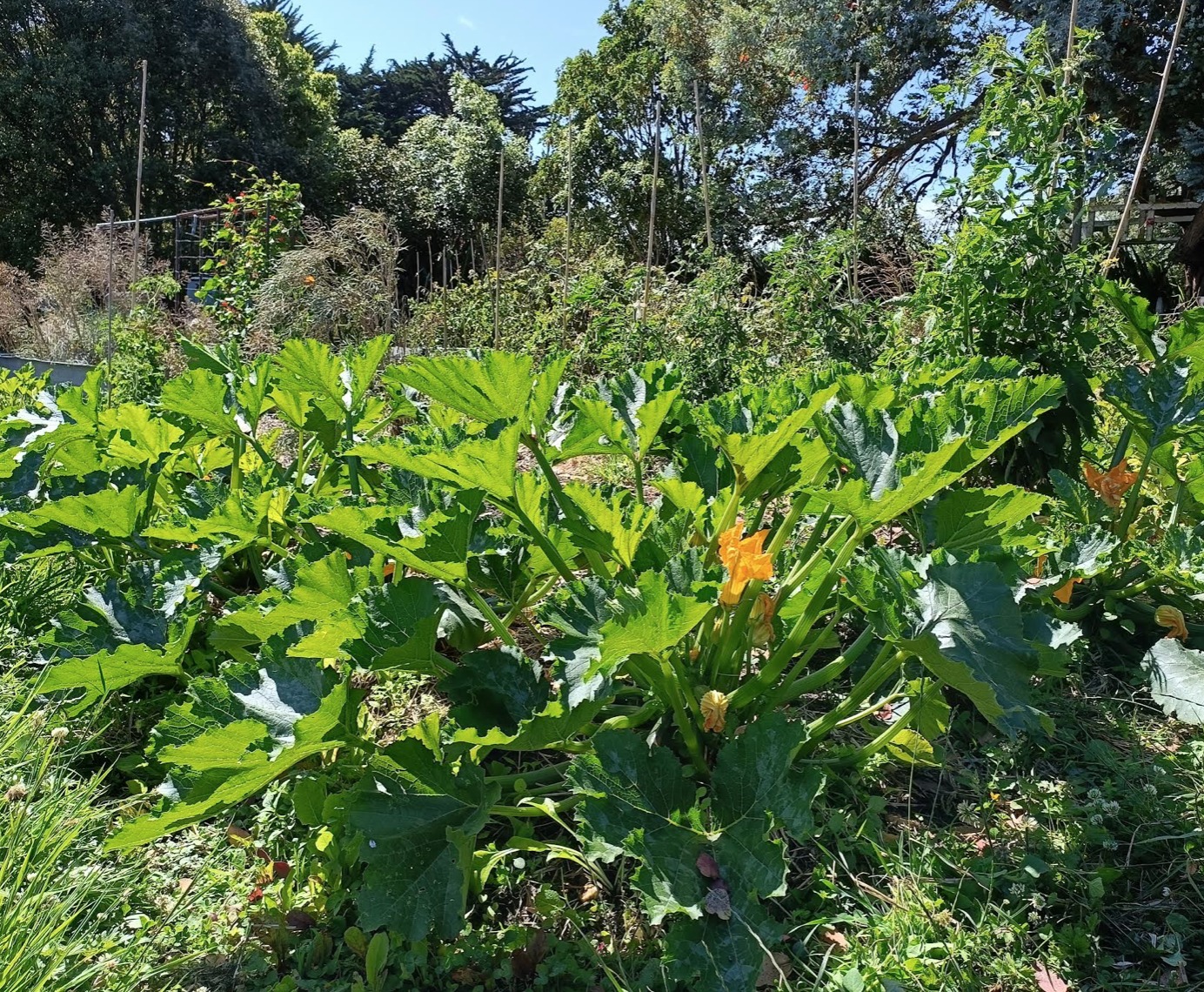
And last but not least, we enjoyed the first zucchini and tomatoes of the season with plenty of fresh basil and garlic. Delicious!

Kia kaha! Estwing
Spring Permaculture Update

Kia ora friends! It’s been a mild and wet winter, which has served our native tree plantings well. With over 500 natives in the ground this winter we are hoping for moist soils as far into summer as possible.

See the previous post for more on the plantings. https://ecothriftylife.com/2023/07/09/tree-mendous/

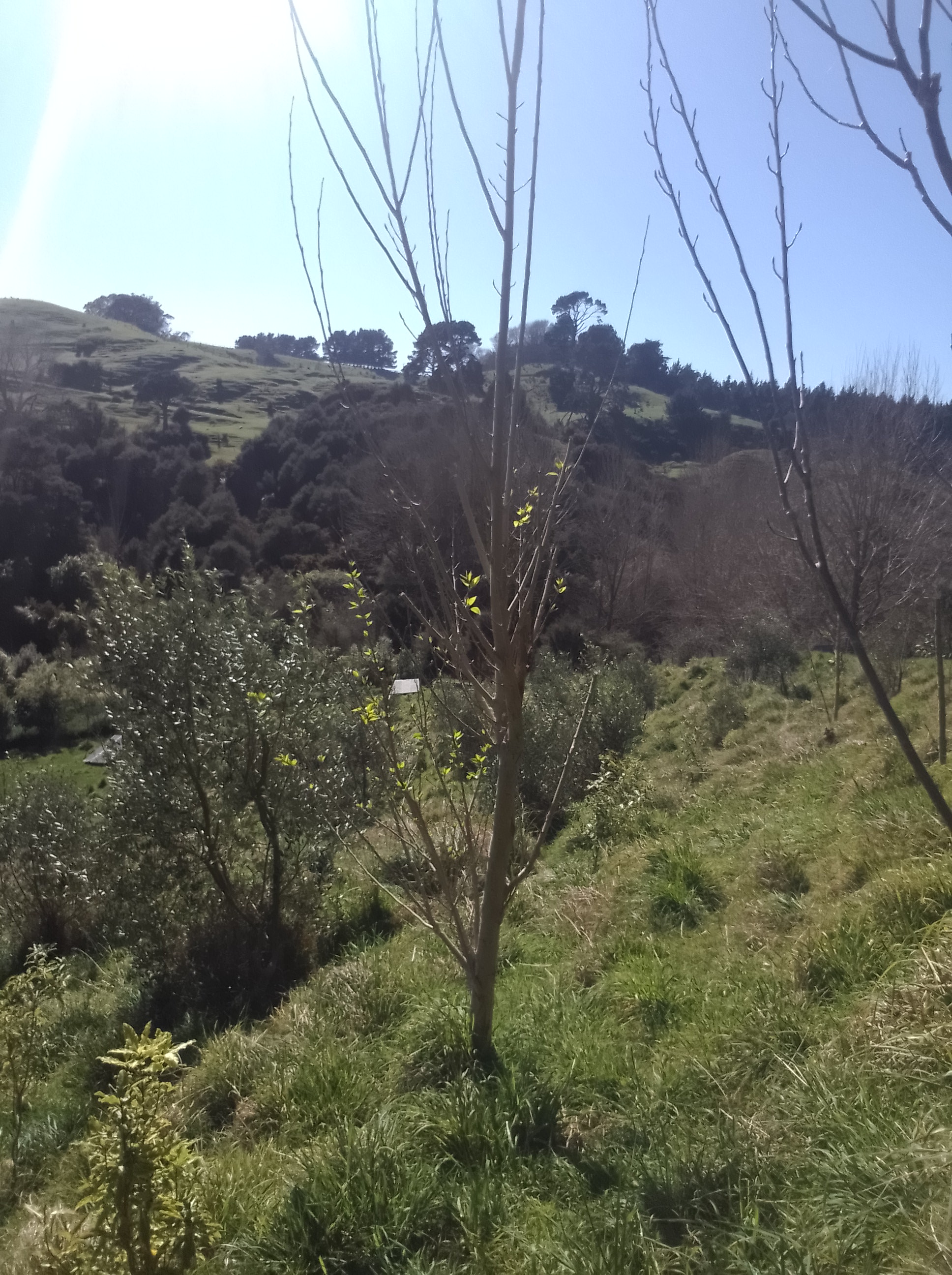
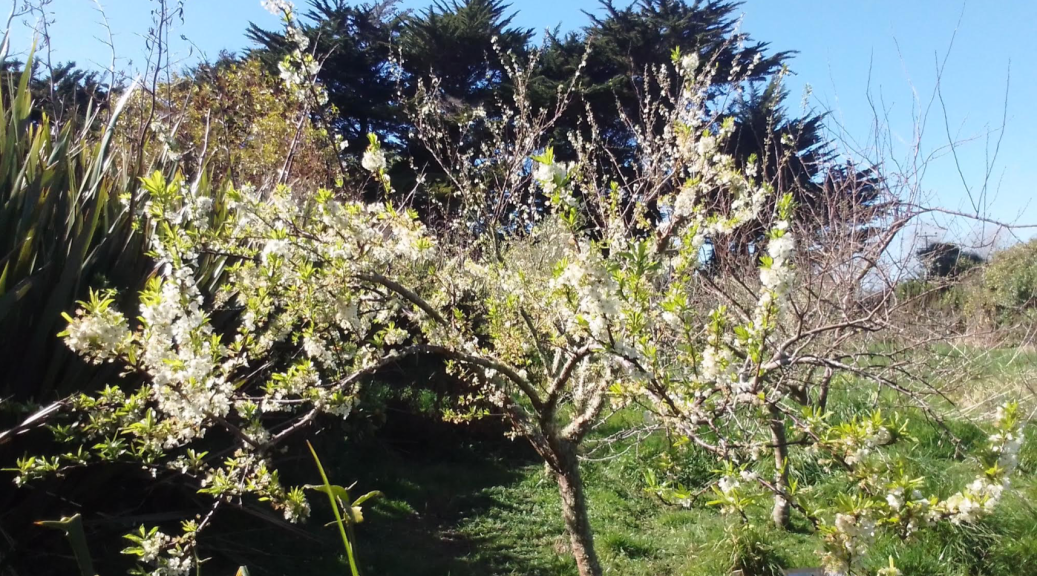
One of the first signs of spring are the plum trees in bloom as seen on the featured image. Another is the poplars leafing out.

Exif_JPEG_420

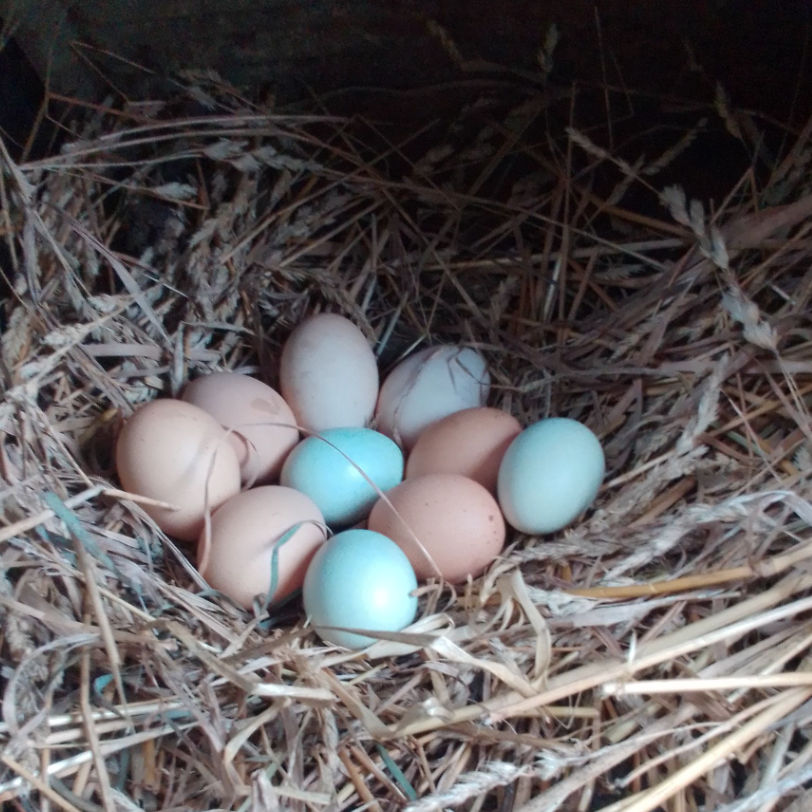
We also see the muscovies sitting on eggs.

Exif_JPEG_420

And avocados (and peaches) blossoming.

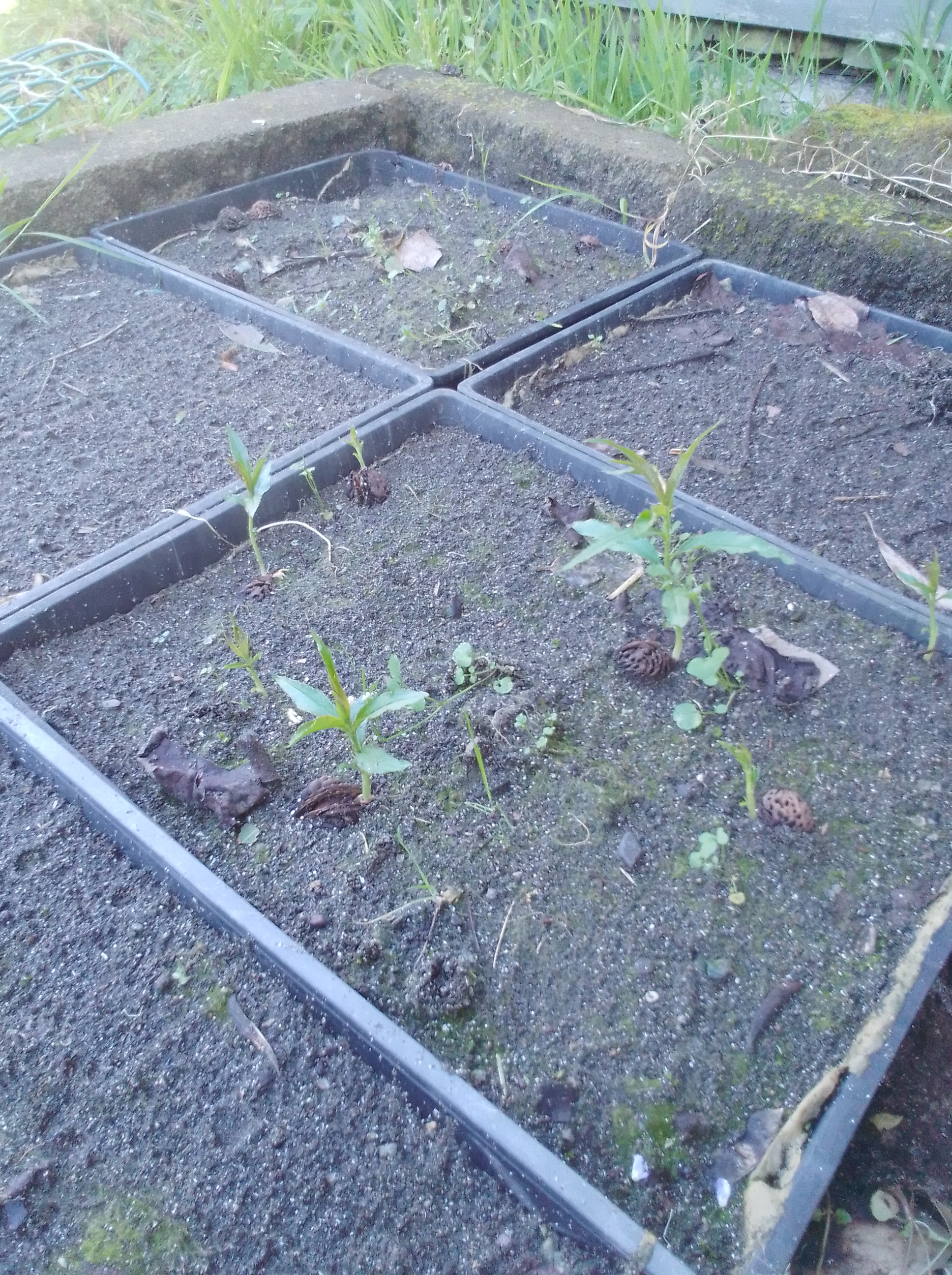
At the same time, the peach stones are germinating in their propagation beds – ready to prick out and pot up.

Exif_JPEG_420

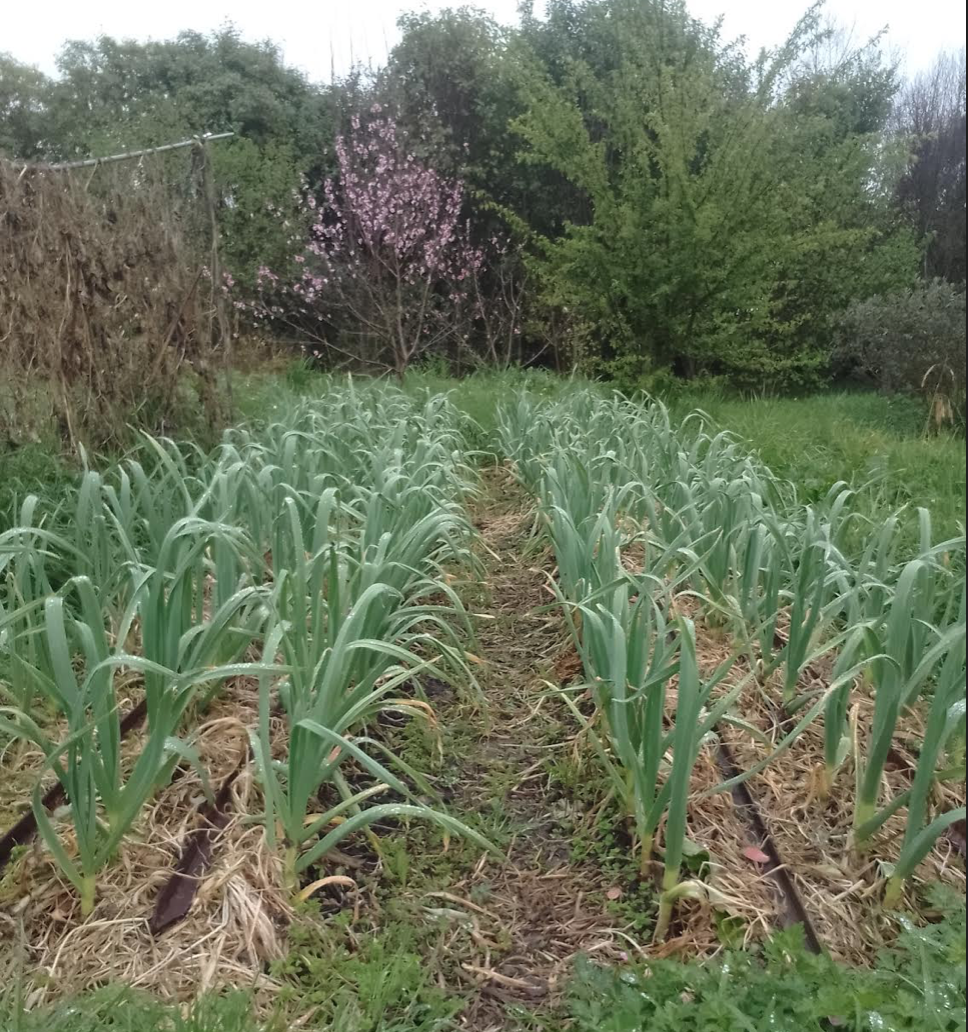
September marks about the halfway point of the growing season for garlic. We have just mulched ours but have had to put y-posts on top to keep the mulch from blowing away in these big winds!

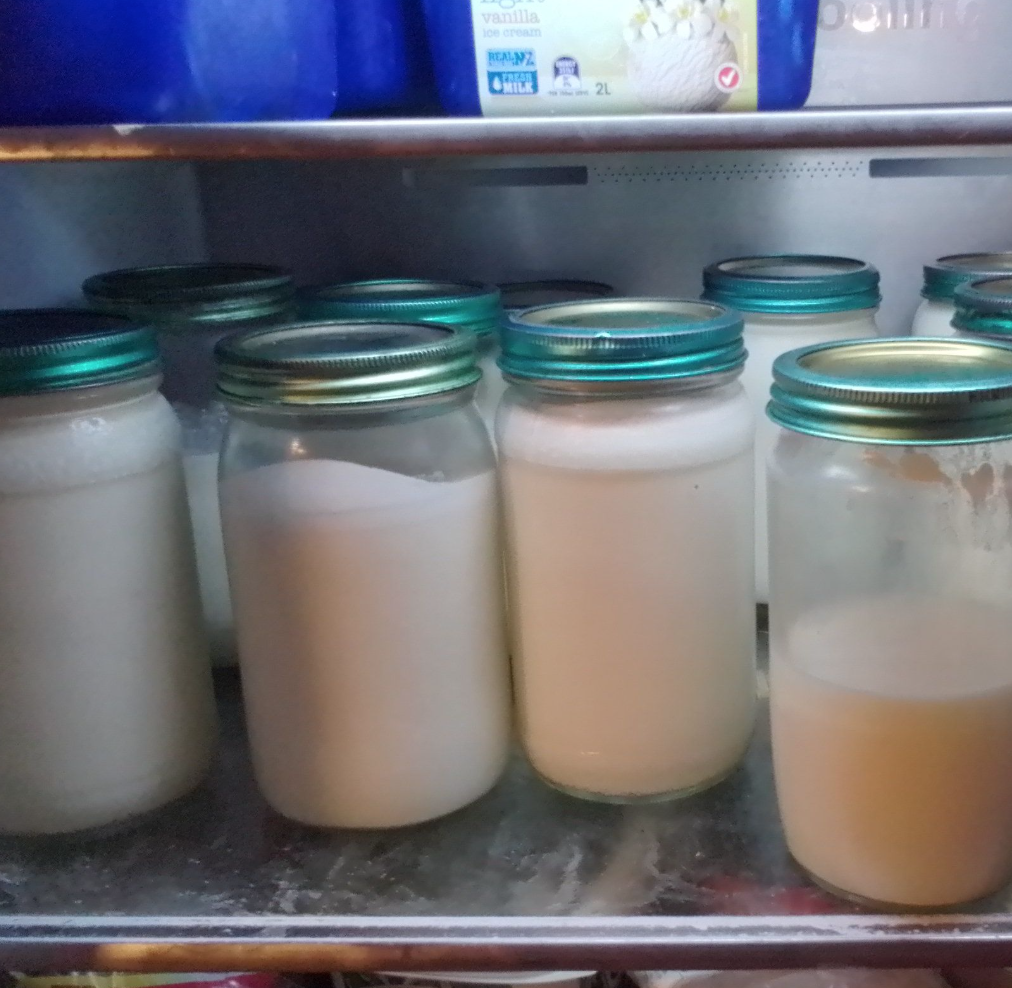
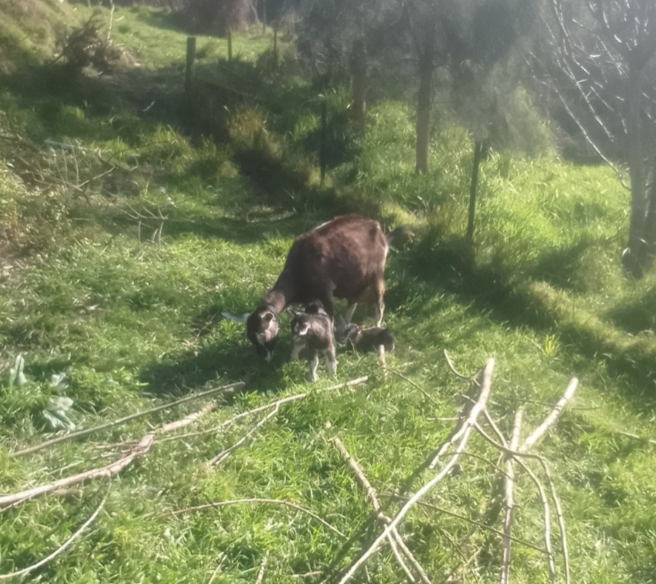
All the does have given birth so we’ve got a paddock full of kids and fridge full of milk.

And Cheese Season has kicked off with a massive double batch of halloumi.

Love this time of year and looking forward to the abundance of this growing season.

Peace, Estwing
Tree-mendous!

Trees make up a large part of our approach to land management on this challenging 5.1 hectare property. We plant trees to prevent erosion. We plant trees to protect stream banks. We plant trees for fruit. We plant trees for stock fodder. We plant nurse trees to protect other trees. We plant native trees for biodiversity. We plant trees for shade. We plant trees to bees.

In a nutshell, we love planting trees. Oh wait, we plant trees for nuts too!

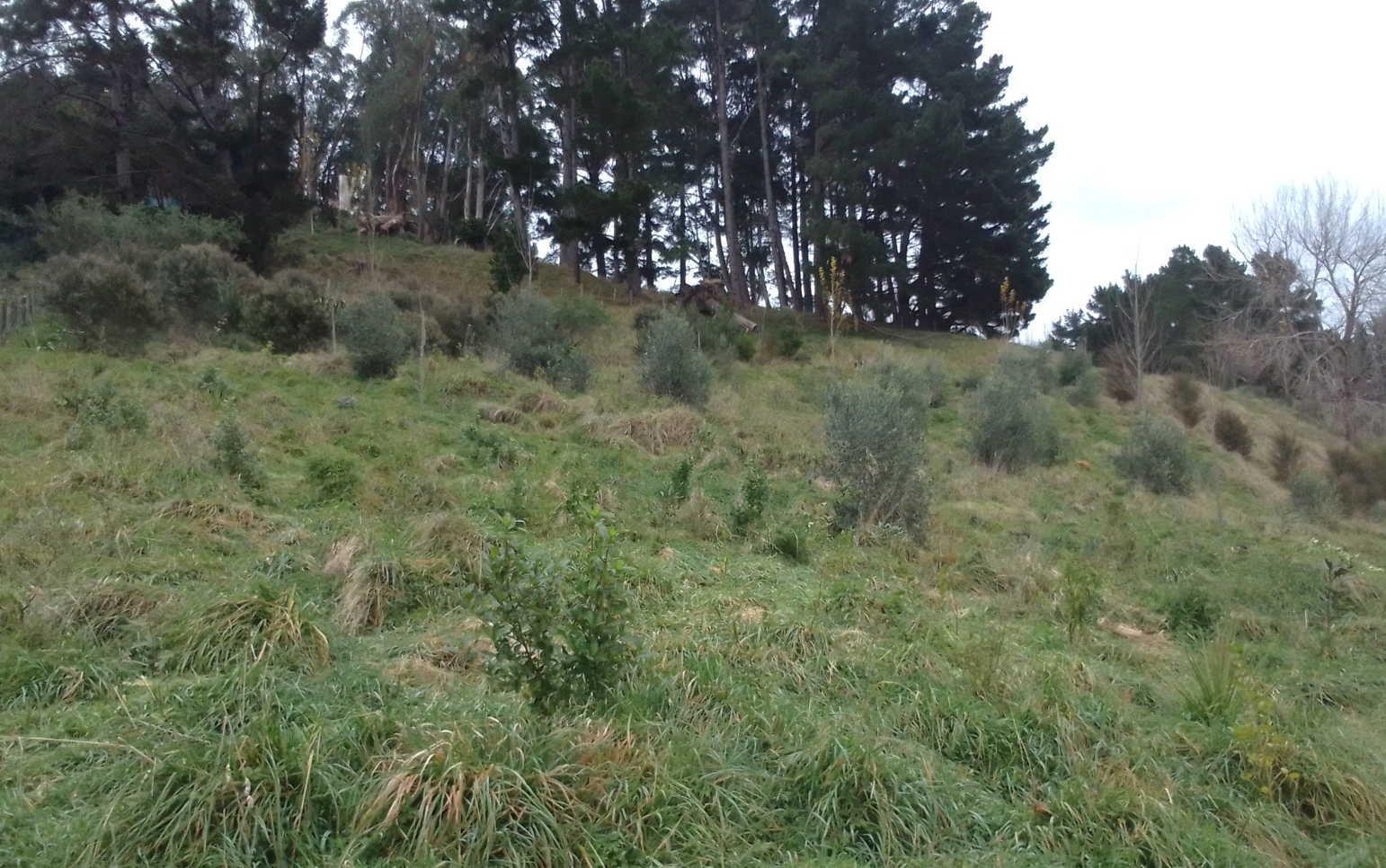
Winter is when we plant most of our trees and this year is no exception. We’ve been planting native trees on the valley sides above Purua Stream. Here is a bucket of trees ready to be planted.

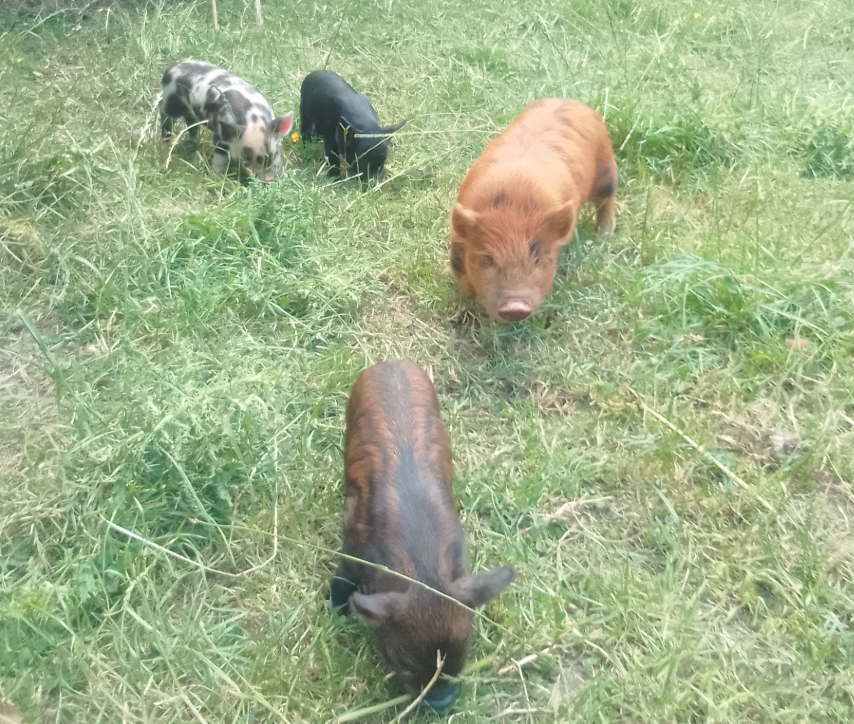
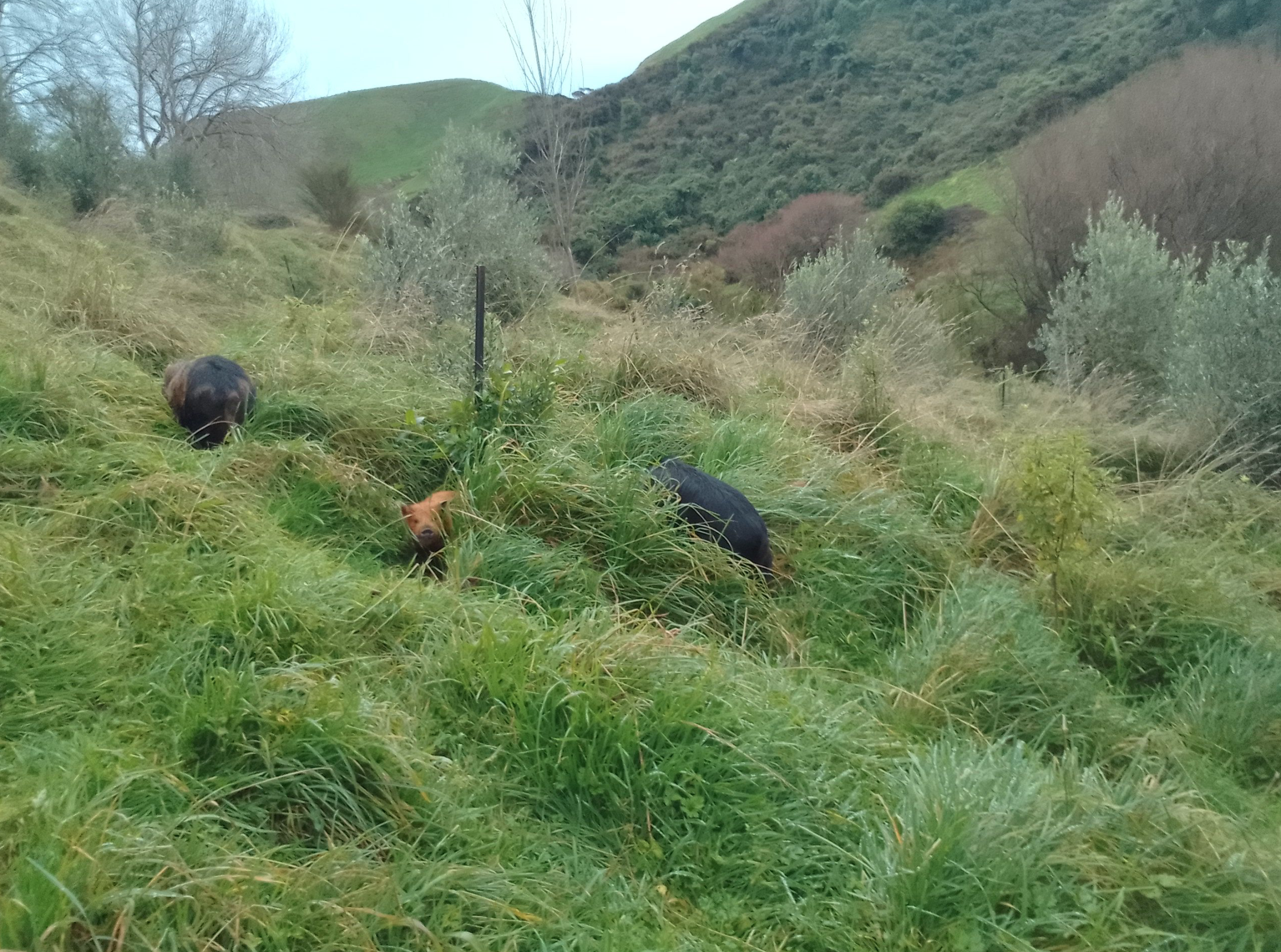
Of course I also brought along a little treat for my helpers. Our kune kune pigs eat much of the grass around the trees we plant so they won’t get covered by the fast growing grass come springtime.

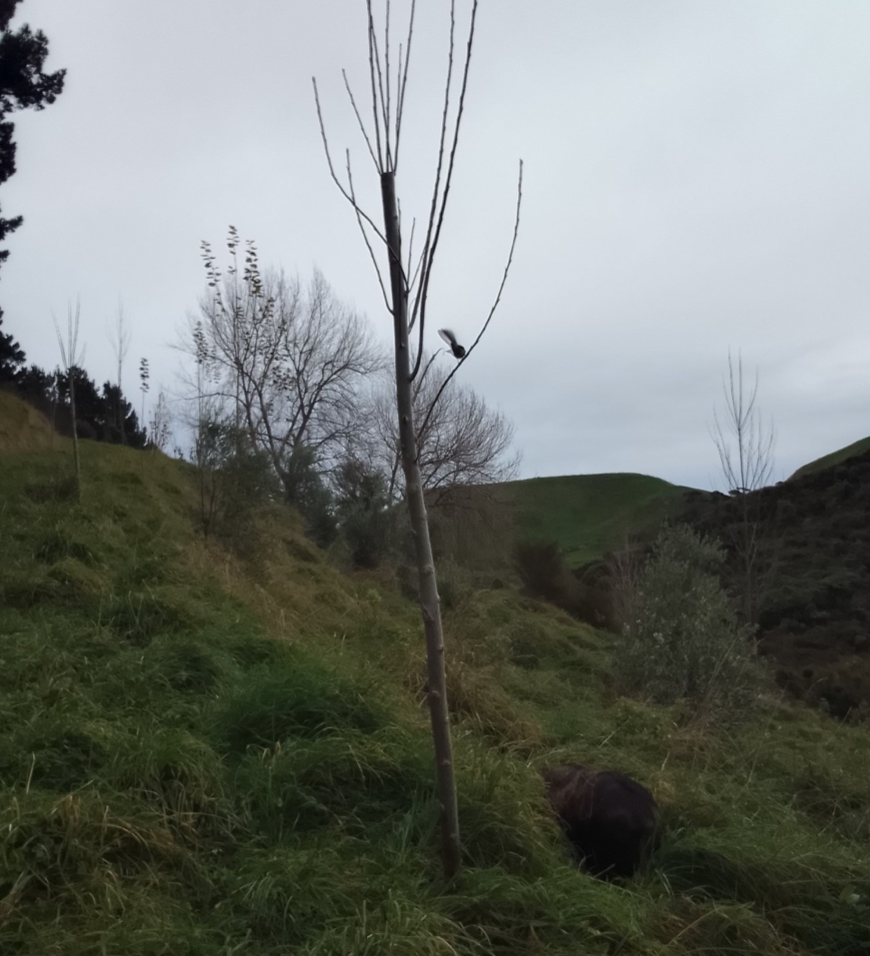
When the pigs came to find the scraps I had thrown for them a small flock of piwakawaka appeared. They eat flying insects that were disturbed by the pigs and I.

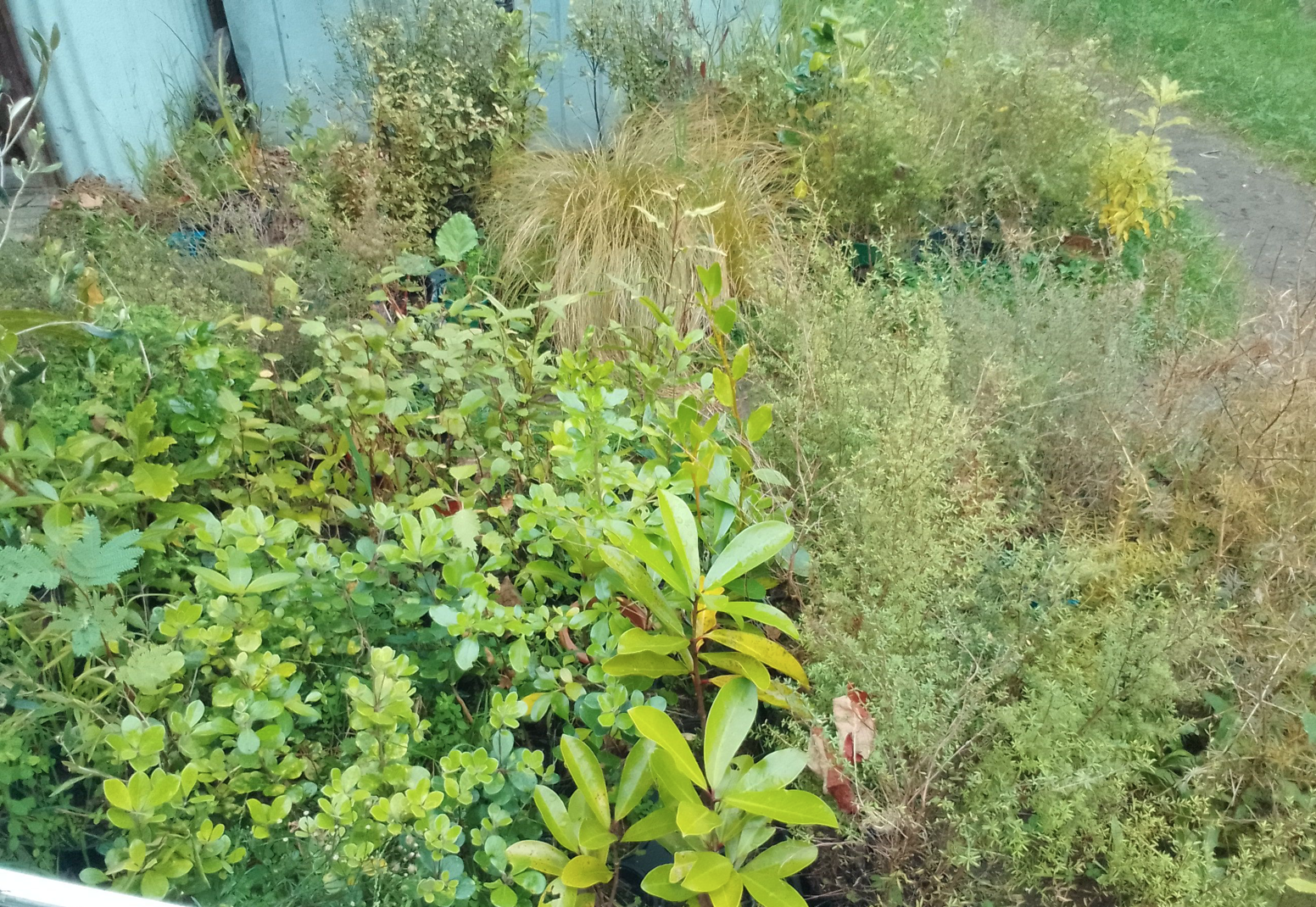
Here is an image for some trees in the nursery waiting to be planted out.

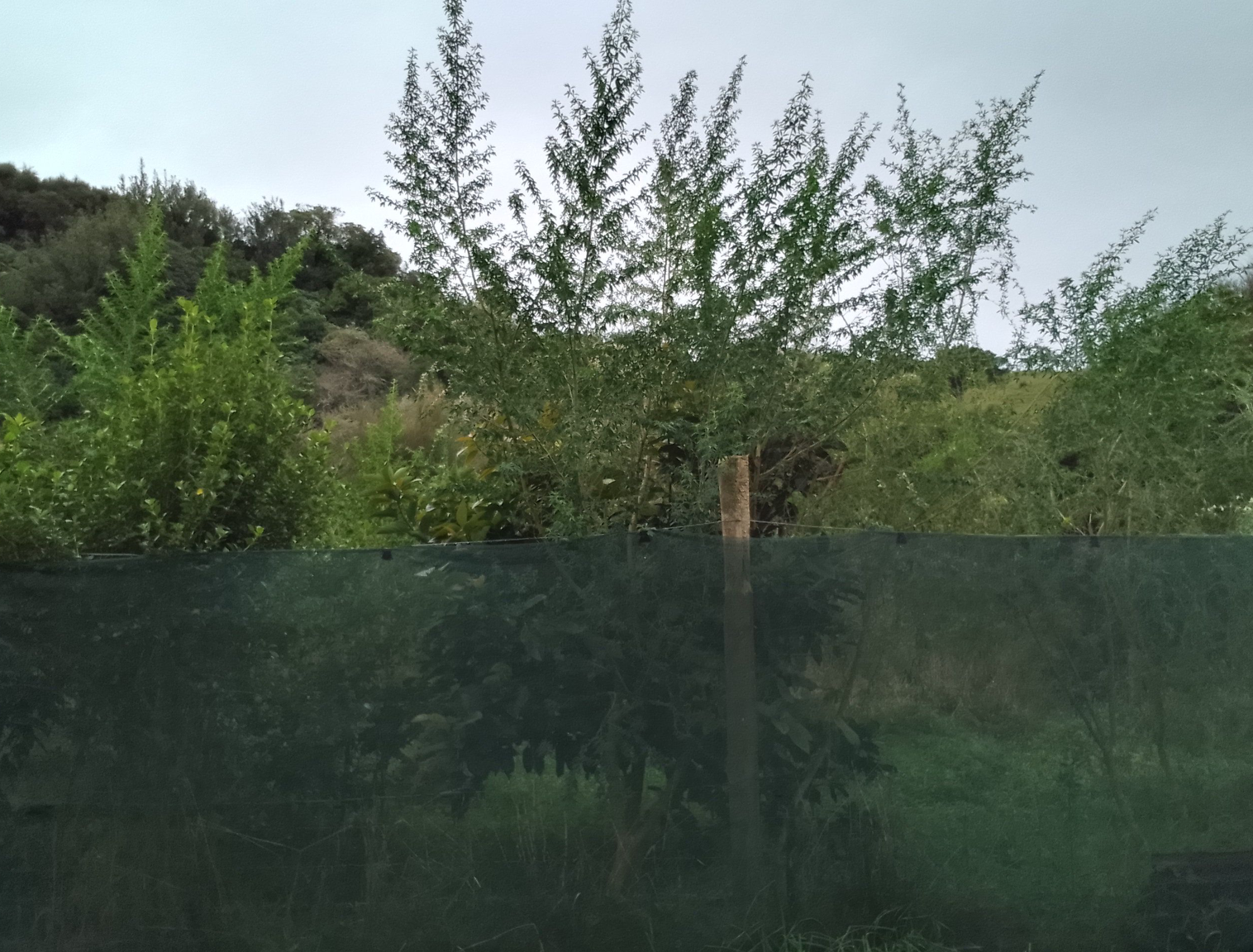
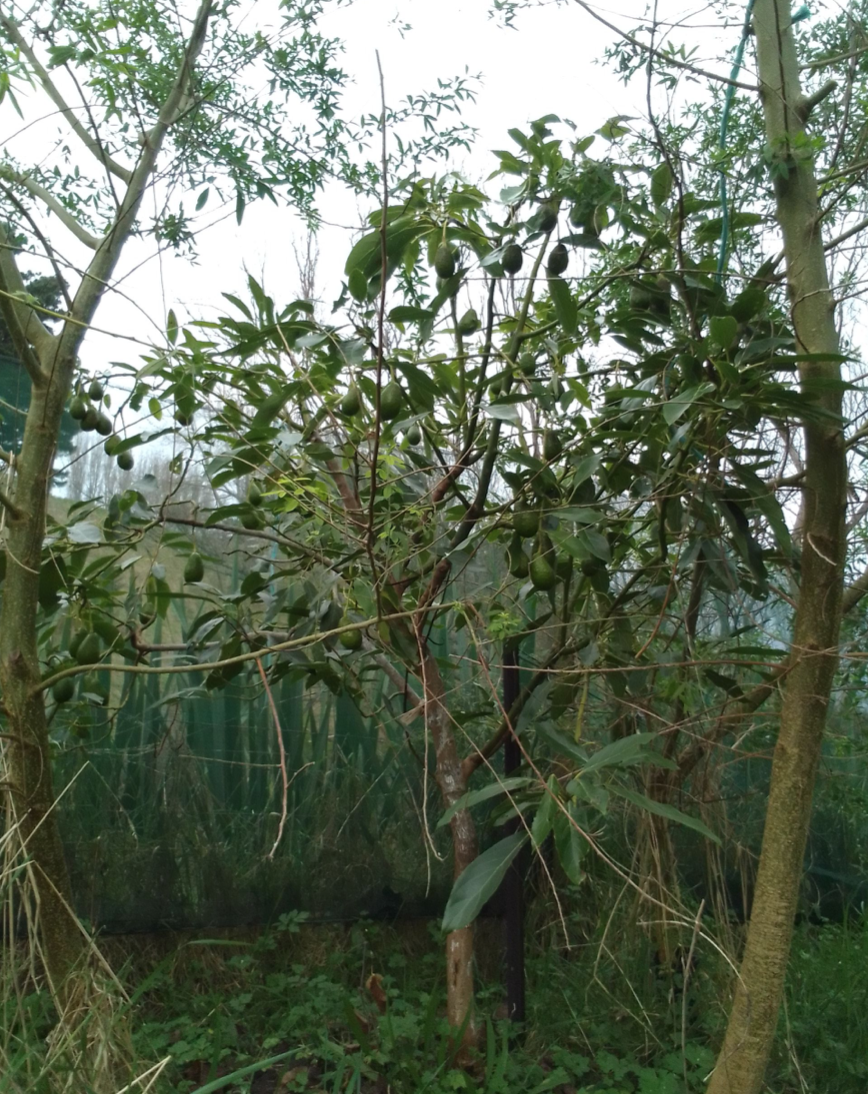
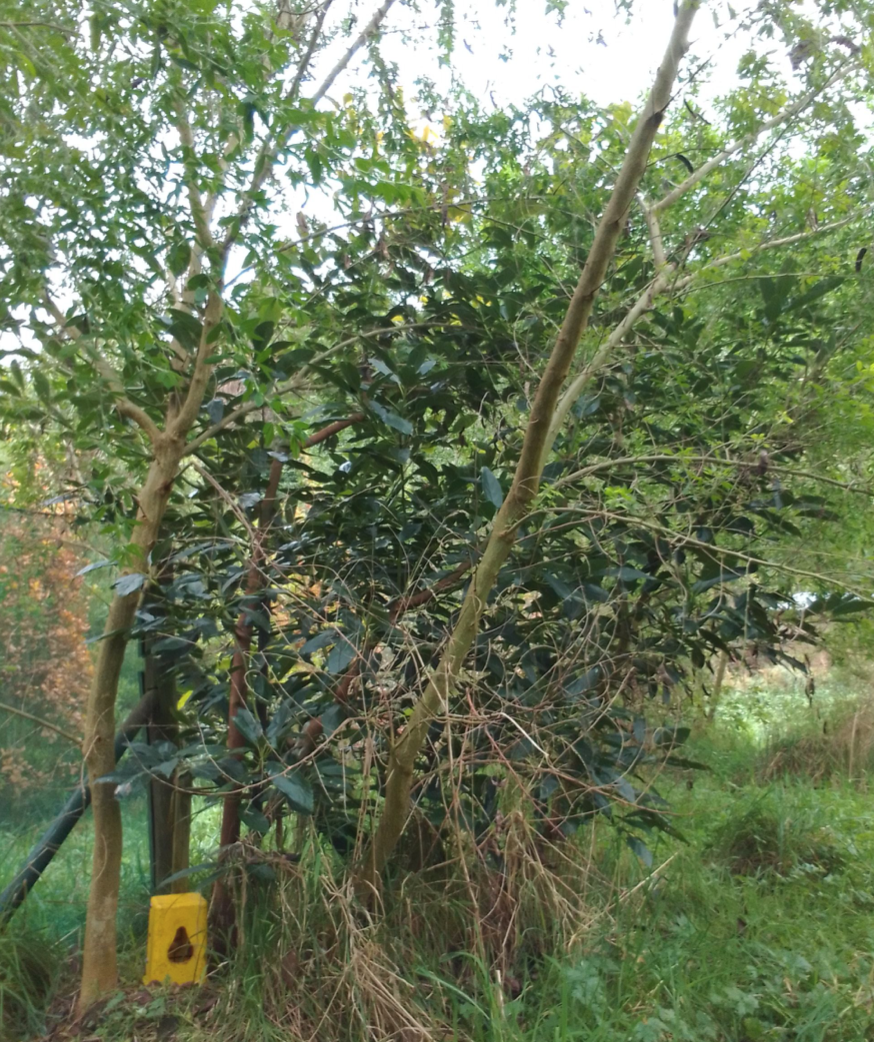
On a shelf above the stream I’ve planted a small avocado orchard where there is some well drained soil. When young the avos need protection from high winds, frosts and sunburn, so I planted tagasaste as nurse trees, which also add nitrogen to the soil.

Here you can see a small avo tree under larger tagasastes.

We also need to protect the avocado trees from possums.

As the avocado trees get older they are more frost and sun tolerant. While they grow upward I can selectively prune tagasaste branches, which are taken in winter to the goats as a treat. They love it!

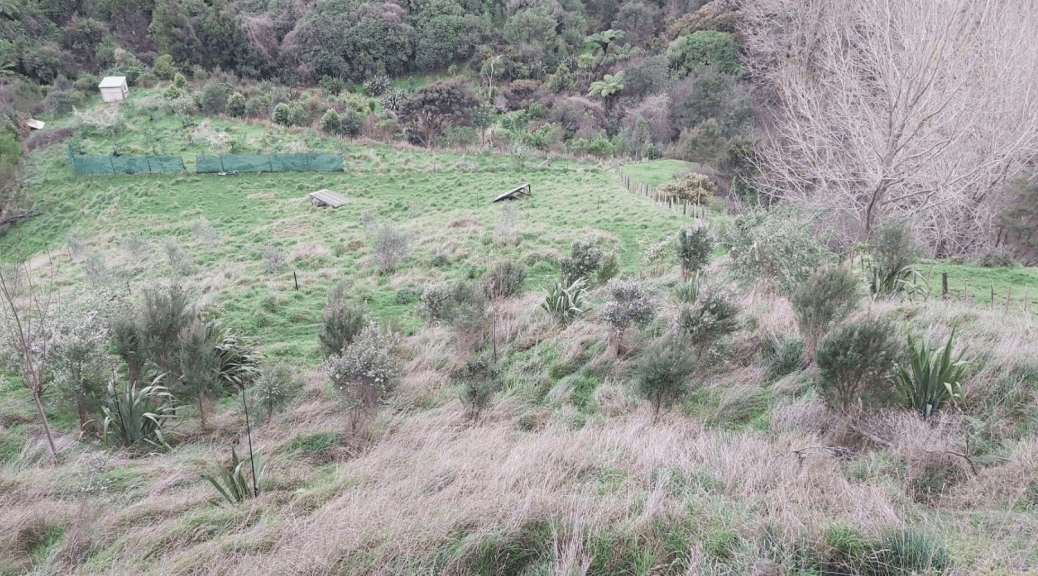
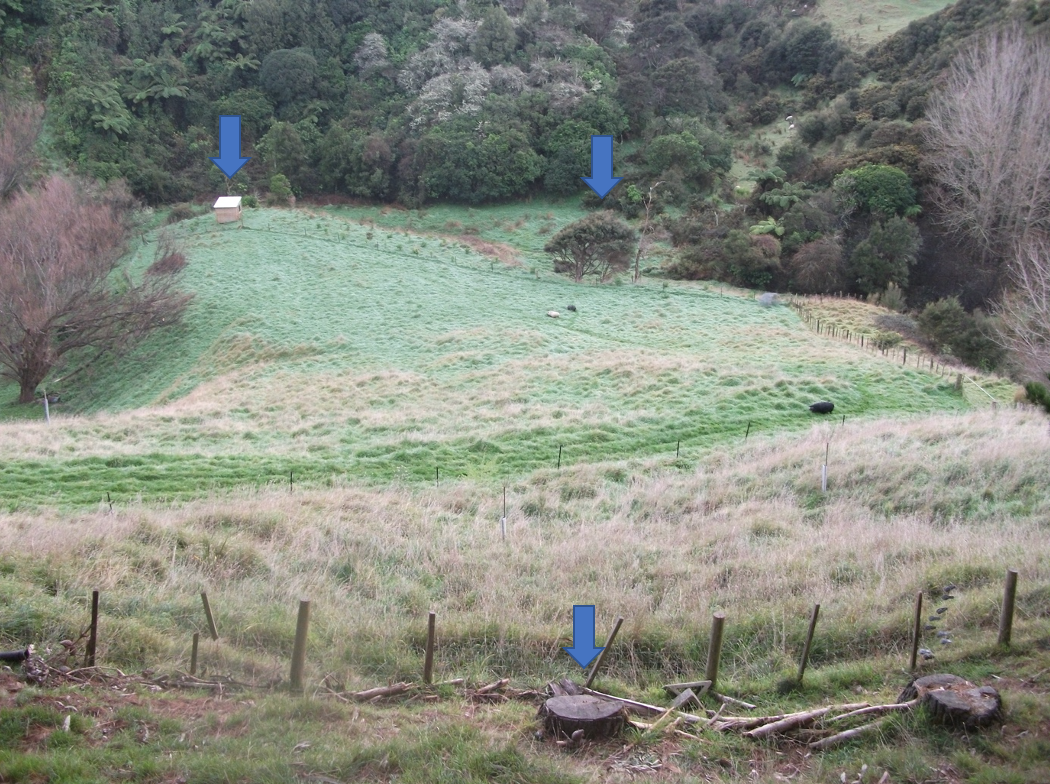
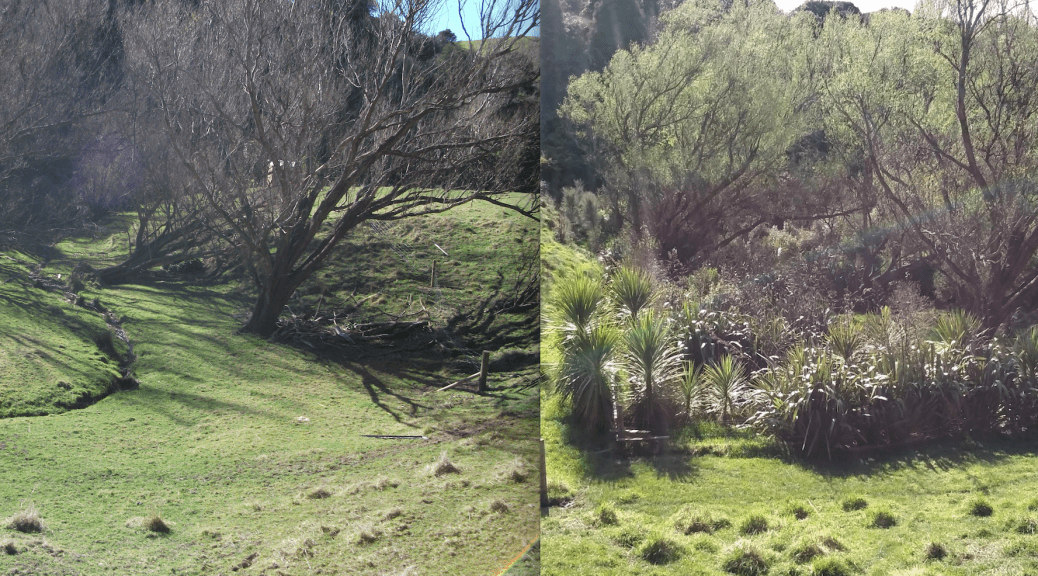
See below an image of the valley before we started our native and orchard plantings. Notice the shed on the left and the large manuka on the right, as well as the tree stump in the foreground.

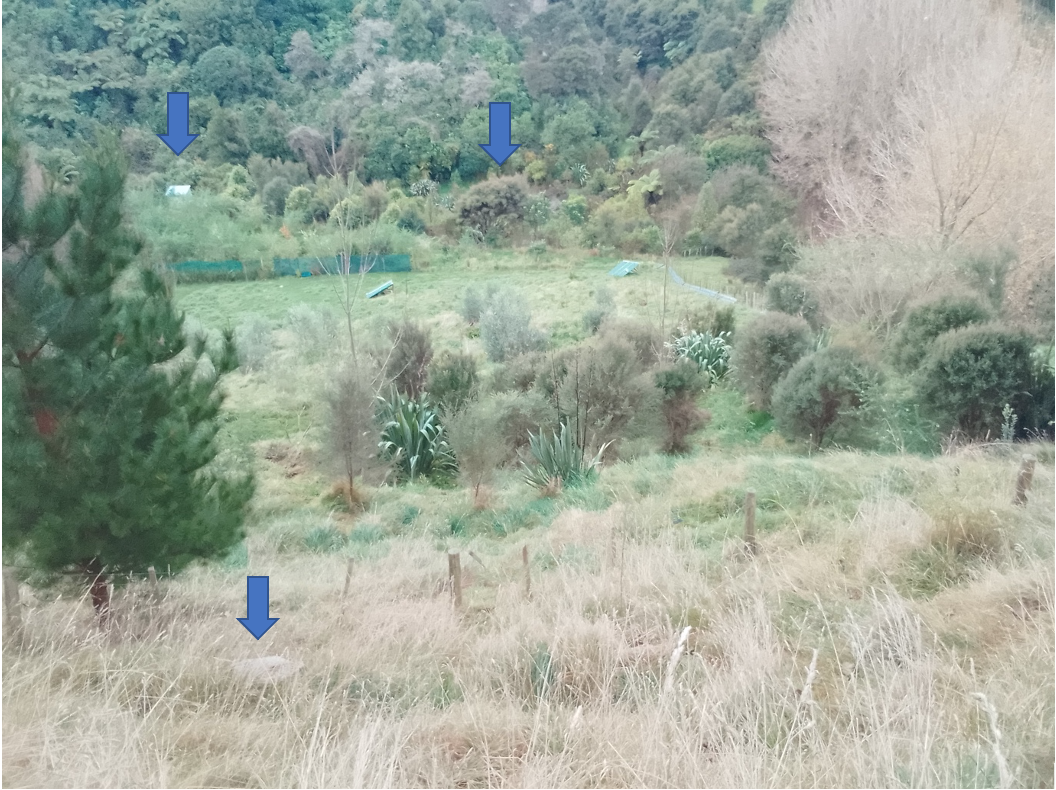
I’ve marked those same landmarks in the image below so you can see the difference.

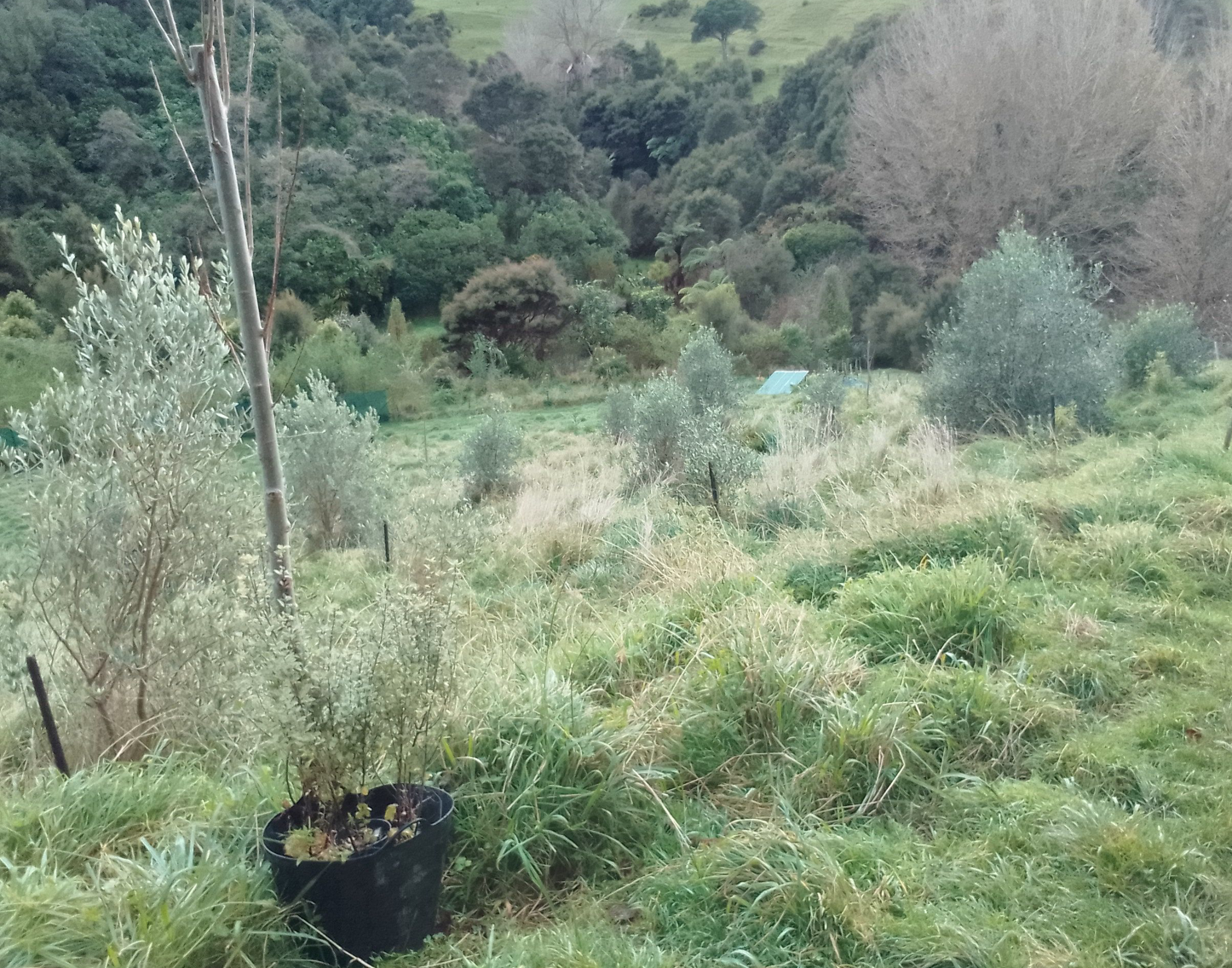
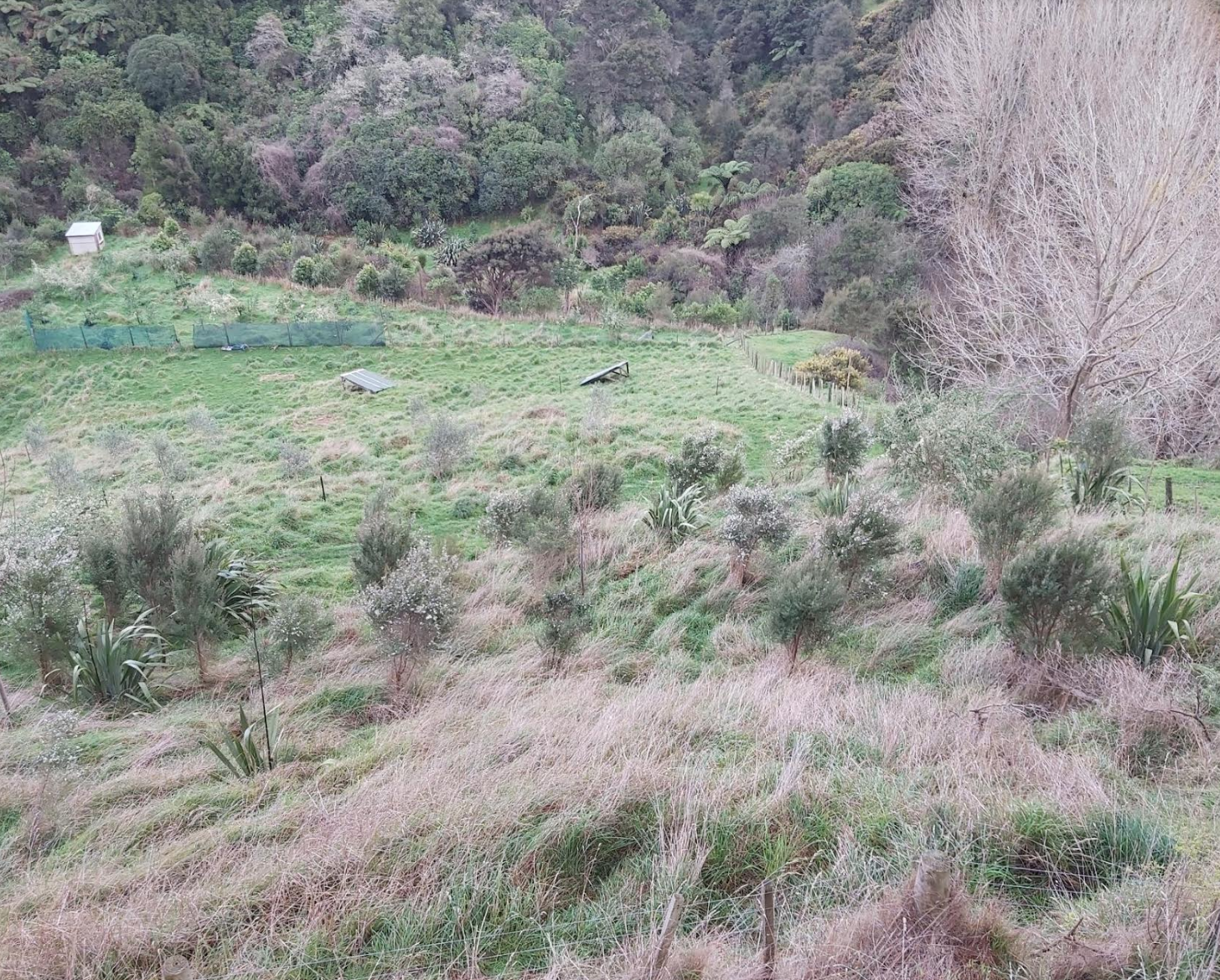
Here is a reverse angle looking back up the hillside. It may be hard to pic out the trees as most of them are small – and my camera is not very good.

We’ve planted a lot of trees over the nine years we’ve been on the farm and we seem to just keep planting more!

Kia Kaha!

Permaculture Farm Internship

Earn a Permaculture Design Certificate on one of New Zealand’s best permaculture farms.

Our programme is unique in the world of permaculture in that it combines best practice teaching and learning along with best practice regenerative land management.

The programme balances content, process and reflection, while nurturing systems thinking skills. It’s about developing a way of thinking that recognizes the connections between diverse elements on the farm and how they interact, along with the hands-on skills required to work effectively with cultivated ecologies.

3RD JANUARY, 2023 – 8 WEEKS WITH A WEEK OFF IN THE MIDDLE. $850
CLIMATE RESILIENCE PDC
IMMERSE YOURSELF IN ECO-DESIGN FOR CLIMATE RESILIENCE – WORKING WITH NATURE INSTEAD OF AGAINST IT. THIS PDC FOCUSES ON ECOLOGICAL LAND MANAGEMENT, REGENERATIVE FARMING, WATER MANAGEMENT, ECO HOUSING, APPROPRIATE TECHNOLOGY, HUMAN-SCALE APPROACHES,AND TRANSPORT ALONG WITH THE FULL PDC CURRICULUM. 

7TH MARCH, 2023 – 8 WEEKS WITH A WEEK OFF IN THE MIDDLE. $850 
ABUNDANCE PDC
AUTUMN IS A GREAT TIME TO BE ON THE FARM WITH HEAPS OF FRESH KAI FROM THE ORCHARD, GARDENS AND ANIMALS. THIS PDC FOCUSES ON GROWING, PROCESSING AND PRESERVING KAI ALONG WITH ANIMAL CARE, BUSH RESTORATION, AND SOME ECO-BUILDING PROJECTS. 

Free Programmes 2023

These events are free to attend.
Partial funding comes from Horizons Regional Council, the Whanganui River Enhancement Trust, and Whanganui District Council. 
Register: theecoschool@gmail.com

​RetroSuburbia Property Tours
An introduction to permaculture and how it can be used to improve the resilience of suburban properties.
Saturday 25th March at 2:30 pm. 9 Tainui St. Castlecliff. Sandy and windy site.
Monday 10th  April 2:30 pm. 37 Downes Ave. Springvale. Large site
Sunday 16th April at 10:30 am. 6 Plunket. Durie Hill. Clay soil and gully.

Bike or Bus to the Market

22nd April, 11:00-12:30.

Let’s embrace active transport & public transport with our tamariki.

Come down to the market for some kai and a good play with others.

Small and Large Block Permaculture

23rd April. 1-3 Permaculture on a Small Block. 3-5 Permaculture on a Large Block

Family Planting Day

25th April, 1-3 pm. Join us for a fun family day on the farm exploring, playing and planting native trees to protect te whenua and Te Awa Tupua.

Healthy Homes for Healthcare & Social Workers
25th May
Whanganui Regional Health Network
This programme helps  healthcare and social workers to empower families improve the health and comfort of their homes. 
Register with Angela Weekly at the Whanganui Regional Health Network.

Register: theecoschool@gmail.com
Kia Kaha!

Read All About It

Over the last few years I’ve been blogging less and writing for publication more. Below are some of those articles about our holistic approach for farming and home renovation that are available online:

https://www.buildmagazine.org.nz/articles/show/from-tent-to-toasty-home

Peace, Estwing
Climate Resilience PDC Internship

Immerse yourself in eco-design for climate resilience on a thriving permaculture farm outside of Whanganui. We take a systems approach to managing the farm holistically to maximise carbon sequestration and minimise carbon emissions.

This PDC focuses on ecological land management, regenerative agriculture, water management, eco-housing – both building and retrofit, appropriate technology, human-scale approaches and transport along with the full PDC curriculum.

5th January 2022 – 8 WEEKS WITH A WEEK OFF IN THE MIDDLE. ($700) 

From a recent intern: “I’ve just completed my 2 month PDC at the Eco School and have had an absolutely sensational time. If you want to learn how to become a permaculture home-steader FOR REAL, skip the two weeks of PowerPoint presentations offered elsewhere, and come get fully immersed in the lifestyle. Dani and Nelson have got the art of sustainable living down pat, and both are an absolute gold-mine of knowledge to be tapped. I left knowing how to do everything from preparing and planting garden beds; to raising livestock; milking and cheese-making; harvesting and preserving; butchering, baking (no candle-stick making…); DIY and carpentry. Essentially, we covered in incredible depth the art and science of ecology and land regeneration, as well as all the principles of design and analysis vital to making permaculture work properly. It was like being back at uni, except this time I was learning something useful (and deeply fascinating).”  – Harry

Fat Goats in a Drought

Turning liabilities into assets is a full-time job on our farm. The 2015 floods and land slips focused our attention and efforts on stabilising hillsides and stream banks for the last half decade at the expense of having a big vegetable garden and…surfing.

20200217_075943

20200217_075933

20200217_075923

But that storm event also shaped our thinking about the holistic management of the farm and what plants and animals would best suit our conditions, and also work in coordination with each other for synergistic effects. The main goal has been to develop a climate resilient farm that withstands extremes of both wet and dry. This summer we’ve been tested.

20200217_080311

You can see in the image above how dry the hillsides are, although patches of gorse remain darker. You can just make out our white goats grazing a paddock with longer grass that we’ve just opened to them this week. But our main source of nutrition for them over the last month has been poplars on the hillsides and willows along the stream.

20200205_092411

The kune kune pigs even nibbled away at the tender tips of the poplars.

20200205_092324

They left the branches throughly stripped.

20200217_080426

The willow below are the first ones we put in after the flood that took cubic metres of soil with it. We rammed them into the banks with the expectation that we would actively manage them as a chop and drop fodder system for the goats during late summer and early autumn so that they would not get overgrown.

20200212_113224

And the results! It’s been so rewarding to watch our fat and healthy goats munching away happily in the middle of a drought.

Peace, Estwing
Kaitiaki Farm Experience

Kaitiaki Farm Experience

7th-8th September, 2019

These events are part of Whanganui Permaculture Weekend.

Choose one, two or all of the events on offer. Register: theecoschool@gmail.com

Saturday, 7th Kaitiaki Farm, Whanganui

4:30 – 5:30 Building & Maintaining Weed-Free Garden Beds. $10
6:00 – 7:30 Shared Meal. Bring a plate to share.
Sunday, 8th Kaitiaki Farm, Whanganui

9:00 – 12:00 Farm Tour: Diversity and Complimentary Systems

On 5 hectare we integrate plants and animals to maximise benefits for land protection, food production and biodiversity. The property contains many distinct micro-climates within a relatively small area, and we have established all five permaculture zones in five years. $45 (Couples $75)

12:00-1:30 The Alternative Lunch

Learn about solar cookers and rocket stoves (and the world’s best solar dehydrator) while enjoying a delicious lunch. $20