Category Archives: Eco Thrifty Life

A Handmade Pond

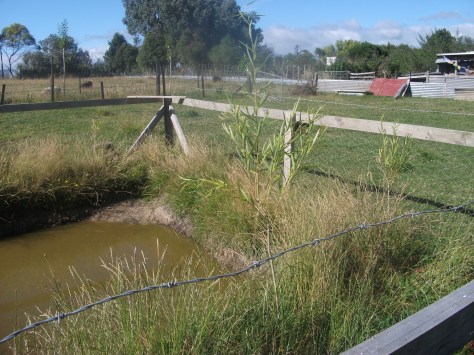
It took 10 months for us to dig a small pond on the farm.

DSCF0768

We started slowly – one wheelbarrow at a time.

DSCF0764

Deeper and deeper we dug.

DSCF2654

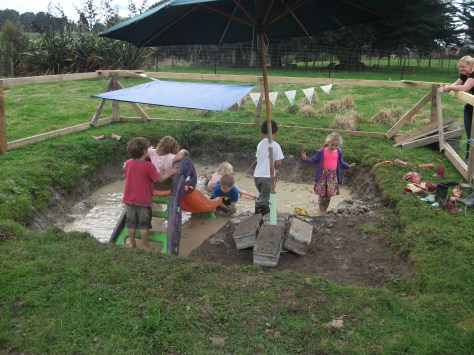
We took a break for a birthday party.

DSCF2686

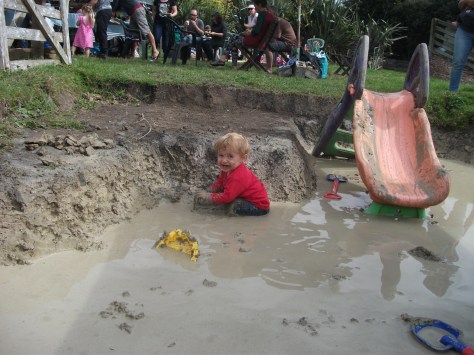
Fun was had by all.

DSCF2712

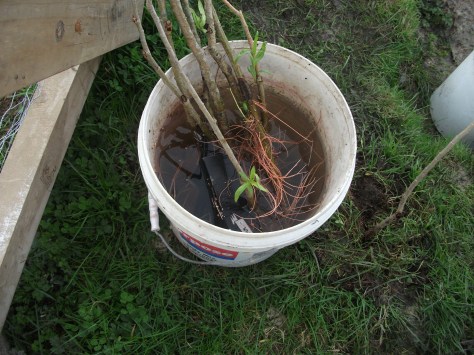
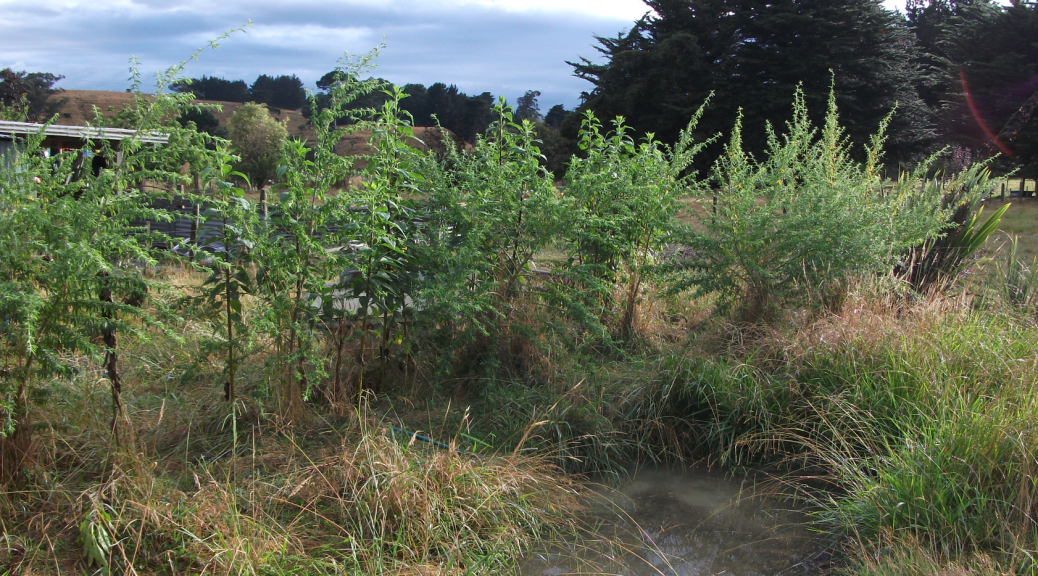
We soaked willow cuttings for  six weeks…

DSCF2942

…and then planted them around the pond.

DSCF2938

The supervisor made sure it was done properly.

DSCF2943

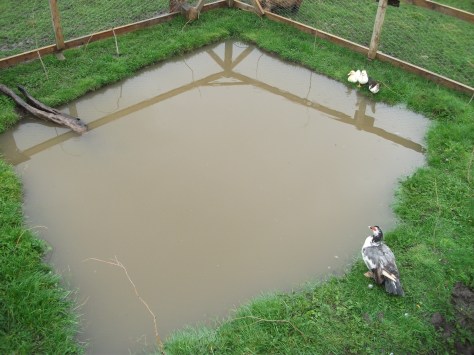
Then it rained.

DSCF3293

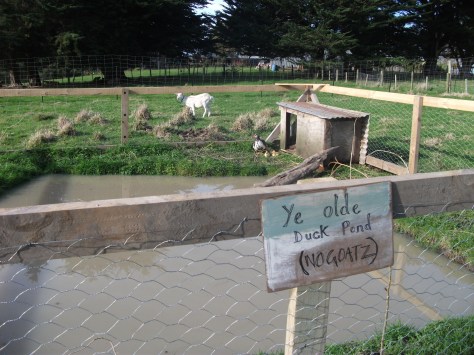
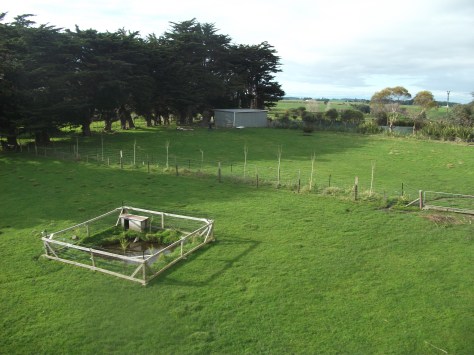
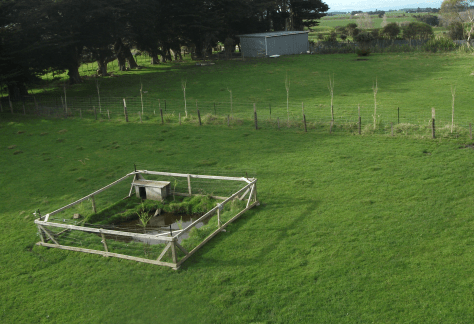
The goats were excluded so that the willows could grow.

DSCF3307

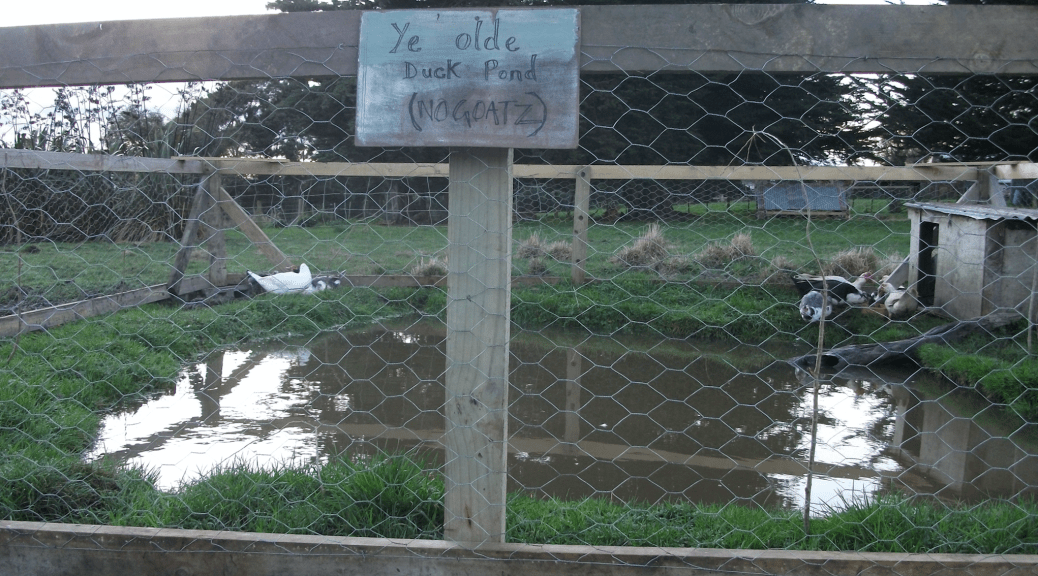
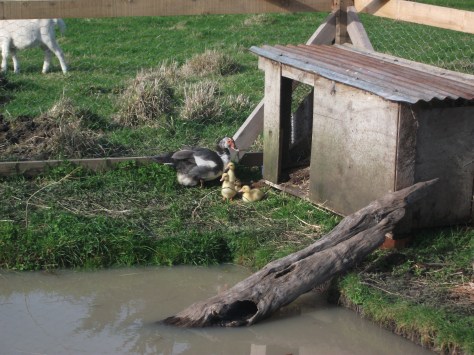
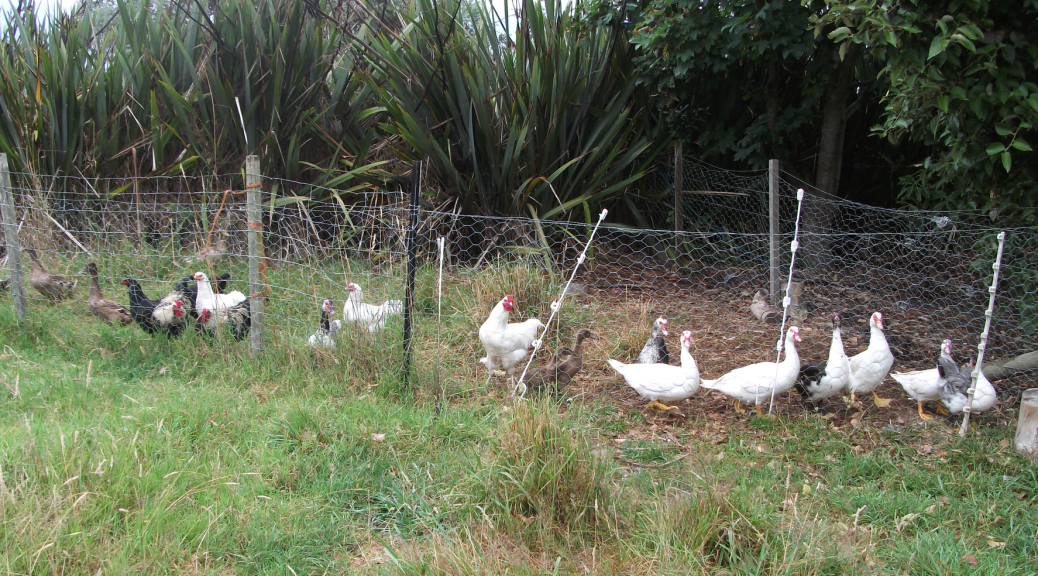
Muscovies took up residence.

DSCF3038

And raised a family.

DSCF3036

The willows grew.

DSCF5156

And the bare paddock became a more diverse ecosystem.

DSCF6402

Six of our interns were involved in digging the pond and transporting soil to other landforms nearby. It is one of many approaches to water management we use on the farm that simultaneously drought-proof the land and reduce runoff during heavy rain events, which reduces erosion and slips, and helps protect those living downstream from flooding. Ponds and swales slow water moving across the landscape.

For our interns, the process of making the pond was a lesson in slow learning. We encourage slow learning on our farm – it is at the heart of our PDC internship programme. It’s a place where theory and practice come together in best practice teaching and learning – one shovel-full at a time.

Peace, Estwing

2018 Permaculture Calendar

For the fifth year we are distributing the Permaculture Principles calendar in New Zealand. The calendar is published in Australia using David Holmgren’s 12 permaculture principles.

2018 Permaculture Calendar spread 2

Our ‘business model’ for the calendar is based on the permaculture ethics. We practice “Fair Share” by offering the calendar at the lowest price worldwide, and we practice “Earth Care” by using all ‘profits’ to restore a stream corridor on our farm.

Screen Shot 2017-09-16 at 6.16.22 am

Our strategy is not based on financial gain but on promoting permaculture through the informative and motivating calendar, and using the minor income to improve water quality and reduce storm damage in our region. It’s a win-win design.

2018 Permaculture Calendar Cover

The 2018 Permaculture Calendar, now in it’s 10th year, is ethically produced with the wholesome look and feel of post-consumer recycled paper printed with vegetable based inks. Internationally relevant and filled with inspirational and thought provoking images that support and reinforce your values every day of the year.

Learn each of the 12 design principles over the course of a month and be reminded of suitable garden activities with daily icons and phase times according to our moon planting guide. Includes a handy rainfall / temperature chart to keep track of the years events and moon icons for north and south hemispheres. Read more about the calendar here.

Produced in Australia on 100% recycled paper using vegetable based inks. Size: A4 (210mm x 297mm) opening to A3.

$16 postage paid/ $14 pick up

Twin Pack $29 postage paid


Order From:  TheECOSchool@gmail.com

Peace, Estwing

Guest Post — Holes and Poles or: How I Learned to Start Worrying and Read the Landscape

I grew up north of Chicago in the suburbs, far from the daily struggles and concerns that are encountered daily on the farm. At home I had been in the fortunate and privileged position of not worrying much about how much it rained or how little it didn’t, or where water was flowing or where it wasn’t.

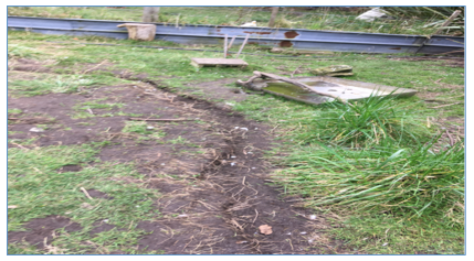
But these effects are devastatingly consequential on the farm. Waterlogged soil is devoid of too much oxygen, which causes the plant to die. Prolonged exposure to soggy soil can cause nasty infections and rot on the hoofs of most livestock. One of Nelson’s many tenants of is to be constantly observing what is happening around you with all your senses, and this is keenly important in order to keep the land running smoothly. For example after one particular rain heavy evening Nelson had noticed that the soil in one of the orchard had become too overly saturated, so we worked to dig drains that directed the excess water into swales on the lower parts of the soil. A small issue that could have caused much trouble later on was not only preemptively avoided, but that excess water via the swale would now be stored for future use. A liability was turned into an asset.

Screen Shot 2017-09-15 at 12.18.02 pm

                                       The drain we dug in the orchard

A few days later we also planted coprosma robusta into that same paddock as well as on a couple of other places on the property. Not only do these trees serve as windbreakers when they mature, but they act as another way of absorbing excess water in the soil.

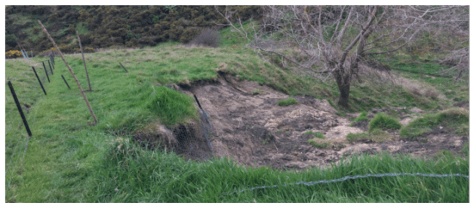
This is important concerning a much bigger incident and the project I have spent the most time on with Nelson during my time on the farm. Last April, a massive slip occurred on the hillside in the back of the property due to runoff water from a neighbor. For Nelson, who had noticed the influx before the slip and was worried about this issue occurring, this was a good lesson on diligently reading the landscape and taking preventive action. (He spoke to the neighbours about it but they refused to do anything to prevent their water from running onto the farm illegally.)

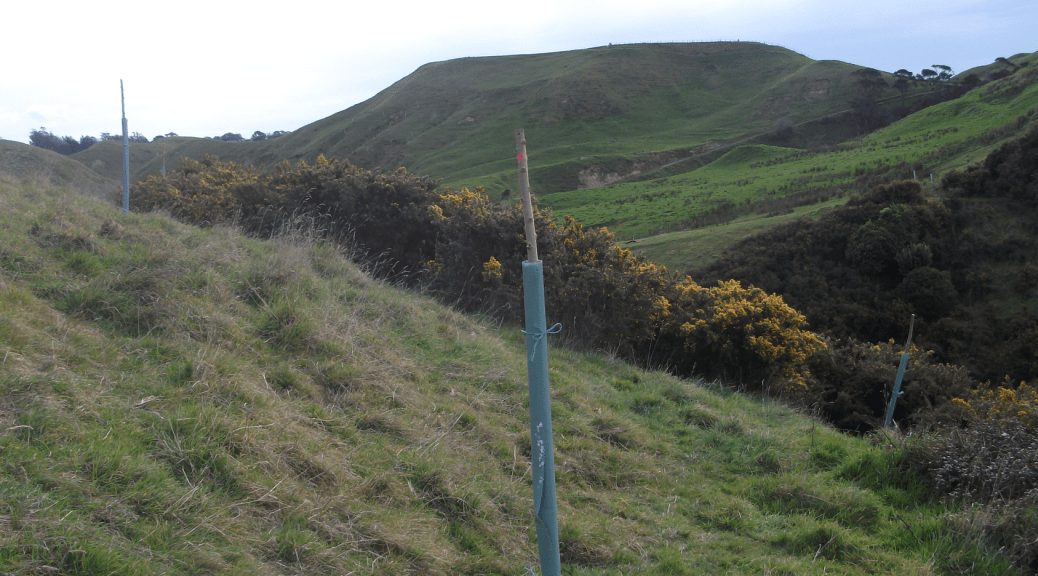
But since it did occur we have been working to prevent it from ever happening again. This is where poles and holes come in — poplar poles to be exact. Like the coprasma robusta that we planted in the paddock, the trees help to absorb excess water. But more importantly, poplar trees have an extensive and deep root system that dig into the hillside and effectively hold it to help prevent future slips.

Screen Shot 2017-09-15 at 12.18.12 pm

The slip as pictured here. You can see two poplar poles planted just off to the left.

            Planting the trees themselves is where the challenge comes in. First comes scouting the location to plant the tress — another important instance of being able to read the landscape. Depressions and low spots on the hillside are the areas where water is going to flow and pool, and hence likely to cause erosion, so that’s where the trees should be planted.

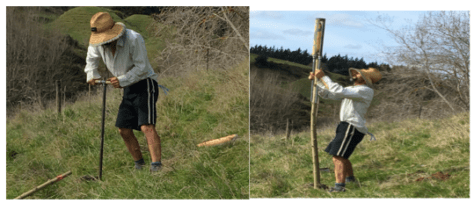
Once the spot to plant the trees is scouted its times to plant the trees themselves. A spade is used to initially create the hole, with the excess soil being placed above the hole. (Later the soil is going to be placed back in. So it is easily scooped back into the hole through keeping it above the hole.) Next we used a hand auger to create a hole with the size and depth we wanted. We dug the hole 70 to 80 centimetres deep, which was about halfway between the bottom tip of the auger and the top of the handle.

Screen Shot 2017-09-15 at 12.18.23 pm

Nelson digging the hole with auger and ramming the planted poplar pole into place

            Once the hole is dug in the pole are placed into the corner of the hole. The poles are then rammed into place from the top. We then spooned back a third of the dirt into the hole and used a tamper to pack it down, rinse and repeat until the hole was filled back up. Finally a protective sleeve went around the poles to prevent the livestock from eating them. And there you have it! But the poles take another 7 years to mature and effectively work to hold the hillside. So while they are an effective preventive long term measure, the best defense in the interim is to continuing to use our eyes and ears to protect the environment from further damage.


– Emily


Nature Play- Our weekly breath of fresh air

Hi.

I’m back.

After weeks, no months, wait… years?!? of not writing I am finally exiting out of baby-landia and getting back in the game. All of a sudden I have two actual kids, no more babies, and am finding that I actually have time to think about life. Time to contribute to something beyond the changing of bums and filling of mouths and “uppies mama”. So I thought I’d start by writing again.

I’ll start in with an easy post. What have I been doing for the past few years? You know aside from the whole diapering and feeding and holding. Which, believe me, is enough. Way more than enough. Enough to fill many a day and night.

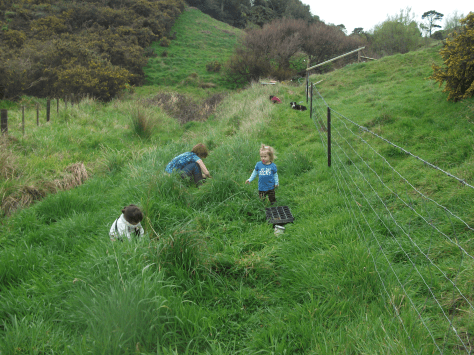
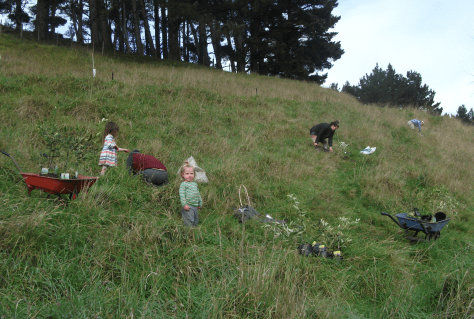
But, on the days when I did have some spare energy, I’ve been a part of a mini movement in Whanganui. A movement of committed and sometimes slightly looney parents who are revitalizing the lost art of playing outside. Yep. Just playing. Outside. It is awesome.


We started as a few of us just getting together, then we became a facebook group, and currently we meet up weekly as a play group. It is the best part of my week, hands down, every week.

There is a lot that goes into the philosophy behind Forest Kindergartens and Forest Schools, and I am sure I will go into it in more detail in later posts. It has become a bit of a passion for me now. But put most simply, I love our nature play days because they allow me, no force me, to stop and just be with my kids in nature.

We play. We run. We splash. It is really that simple.

I don’t spend as much time outside with my kids as I want to. And the time we do spend is often while I am doing a chore, or my mind is occupied thinking about what chores I could be doing. Nature play is a scheduled interruption from that cycle. It is a forced pause in our lives to spend time as our “Zone Five” selves.

No matter the weather, or adventure, or misadventure (i.e. massive steep hill climb with toddlers in tow only to find out you’re headed the wrong way) the results are always positive. Nature play = happy mama = happy kids.

Screen Shot 2017-09-12 at 8.12.10 pm

Permaculture Plants

All plants are created equal – some are just more equal than others.

Screen Shot 2017-09-10 at 6.18.45 am

For those who practice permaculture, certain plants are key elements for regenerative design, serving to: build soils; provide wind breaks as well as fodder for stock and bees; protect other plants from frost and excess sun; hold stream banks and hillsides; serve as firewood; and of course provide food.

Screen Shot 2017-09-10 at 6.16.59 am

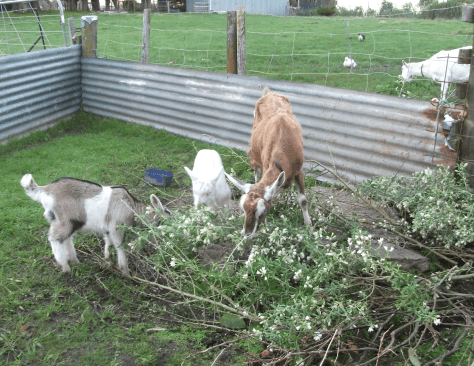
Tree lucerne (tagasaste) is a prime example of a permaculture plant. We use it on our farm to: fix nitrogen in the soil; protect young avocado trees from frost and sunburn; provide wind protection for the market gardens; feed bees and hungry mama goats.

Screen Shot 2017-09-10 at 6.05.59 am

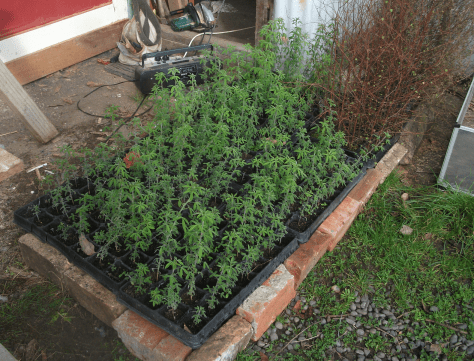
We plant hundreds each year so we propagate them ourselves on a regular basis.

Screen Shot 2017-08-25 at 12.24.50 pm

Another example that many farmers in our hilly region use is poplar in the form of 3 metre poles. They are used in slip-prone areas to stabilise slopes while stock is still present. Cows should be excluded for 3 to 4 years. The regional council subsidises the cost of them and offer free advice and which varieties to plant for different conditions.

Screen Shot 2017-08-25 at 12.22.56 pm

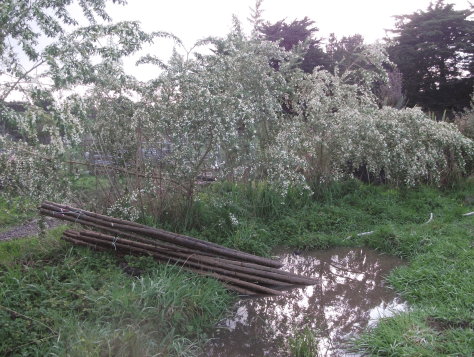
Poplars can also be used as wind breaks. We planted these just over a year ago between two paddocks. Those are willow wands planted around the duck pond.

Screen Shot 2017-09-10 at 6.16.00 am

Along our stream we are planting  sheoak (casaurina), also called river oak in Australia because of its extensive root system.

Screen Shot 2017-09-10 at 6.03.54 am

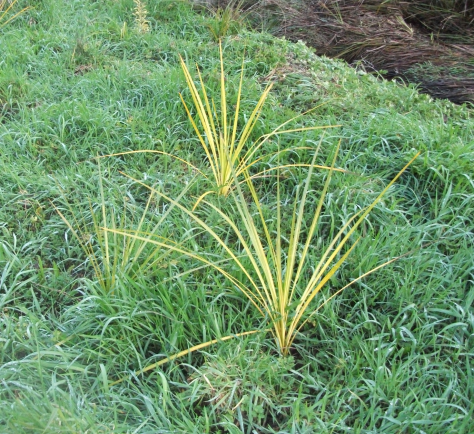
Cabbage trees are a NZ native that also help stabilise stream banks. We’ve planted hundreds over the last 18 months.

Screen Shot 2017-09-10 at 6.20.55 am

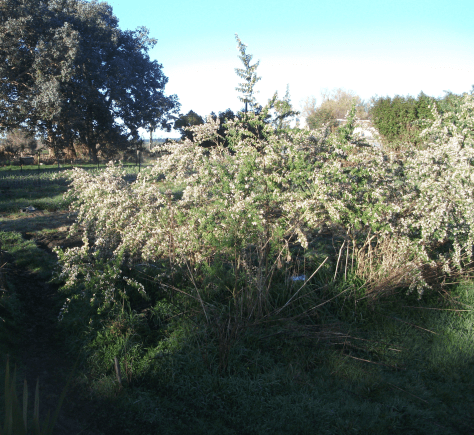
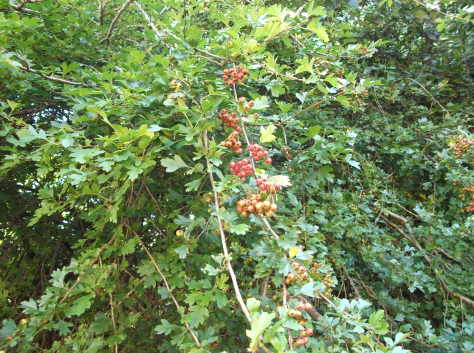
We have found hawthorn growing on our hillsides. It has a number of useful traits.

Screen Shot 2017-09-10 at 6.18.05 am

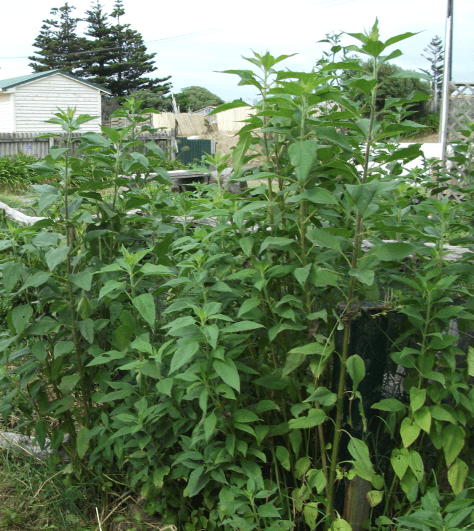
And finally, Jerusalem artichoke is another great permaculture plant. It’s an edible perennial that also produces a lot of organic matter above ground each year, which dies off in the winter. The tuber is the bit that’s eaten.

Screen Shot 2017-09-10 at 6.05.33 am

Favouring perennials over annuals is central to permaculture design. While we also have market gardens, I find it more fulfilling these days to be working with perennials.


Peace, Estwing

Boredom Punctuated by Terror

It does not matter what the weather is like 99.9 percent of the time. The other bit can destroy roads, homes, lives and cities. Extreme weather events have been on the rise for over three decades and seem to be picking up in force and frequency in the last five years. The news provides a steady stream of such catastrophes. Climate scientists often call this, “an increased incidence of extreme weather events.”

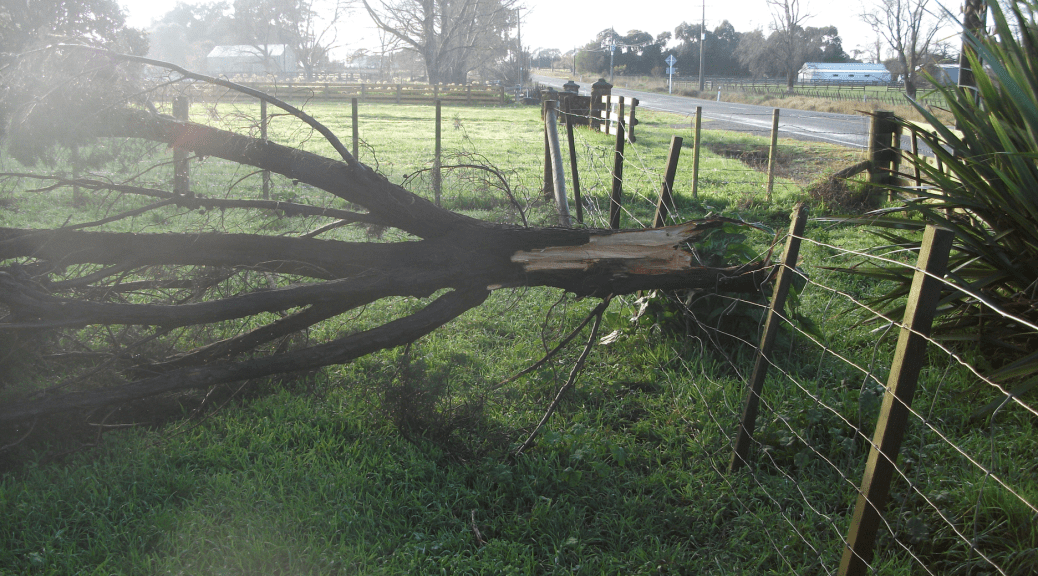
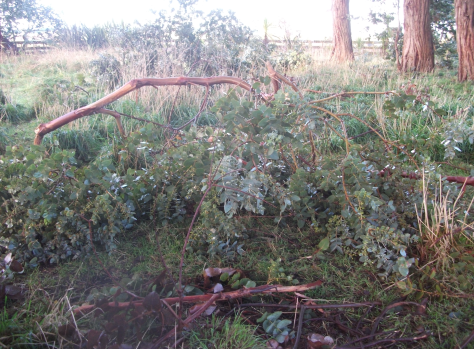
Two months ago we had a strong wind event that brought down lots of branches on our farm.

Screen Shot 2017-07-17 at 7.29.52 am

It only takes a few hours of high winds to do the damage.

Screen Shot 2017-07-17 at 7.08.18 am

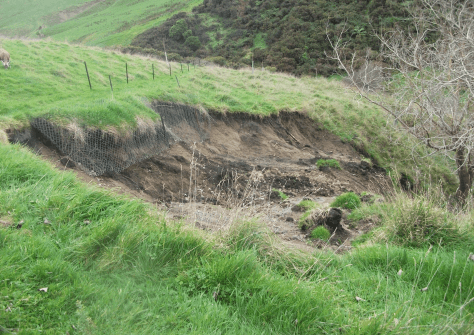
In April we had two rain events that caused a large slip – mostly due to a neighbour illegally dumping water onto our land.

Screen Shot 2017-07-17 at 7.27.20 am

A major challenge for permaculturists is to design for extreme weather events. It will be the greatest challenge of our time. We are developing a resilient farm that can best resist both droughts and floods by turning liabilities into assets and buffering shocks.

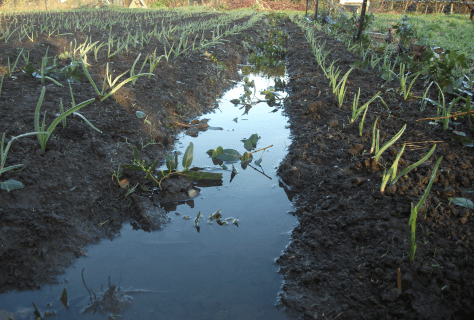
Our garlic is high and dry – by design. All of our growing beds are raised rows perpendicular to slope with drainage on the ends.

Screen Shot 2017-07-17 at 7.30.07 am

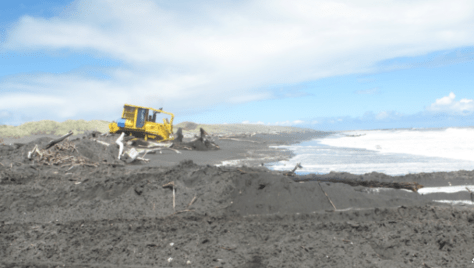
Meanwhile, this is how the Whanganui District Council responds – bulldozing wind- and wave-driven sand back into the Tasman Sea. Fighting climate change with diesel fuel! Good luck with that.

Screen Shot 2017-09-06 at 7.08.01 am


Peace, Estwing

Triage Permaculture: Healing the Land

Sustainability is not enough. We need regenerative approaches to taking on the challenges facing humanity and all life on earth. As with all of the permaculture principles, regenerative design thinking can be applied to every aspect of modern human existence. Bringing land back to health is just one example.

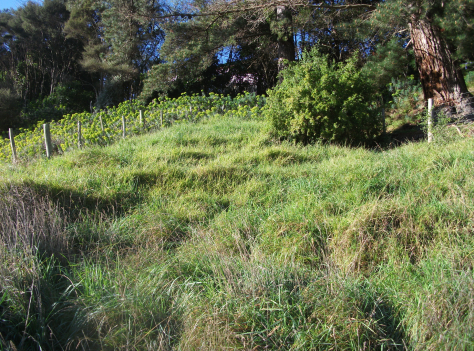
On Kaitiaki Farm we have been bringing a worn-out horse property back to health for the last three years. For the most part the results have been incredible so far. This area was mostly bare soil with a light covering of thistles three years ago. Now it has a complete blanket of grass and not a thistle in sight.

Screen Shot 2017-08-25 at 12.20.35 pm

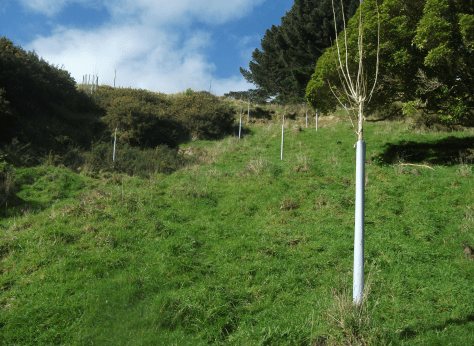
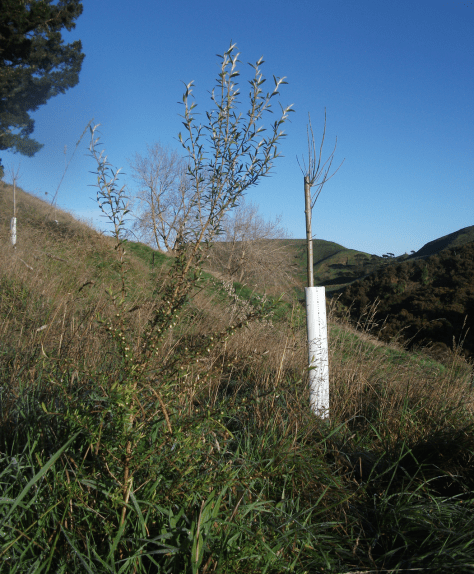
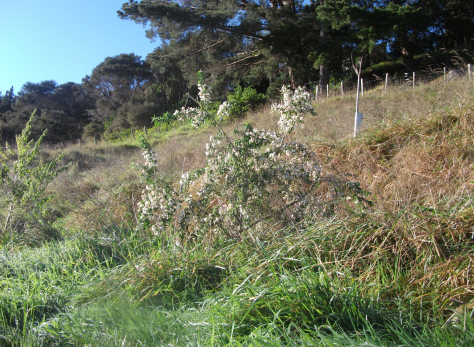
On the slope just below it we’ve planted manuka and poplars.

Screen Shot 2017-08-25 at 12.20.58 pm

Below that we planted tagasaste.

Screen Shot 2017-08-25 at 12.21.21 pm

And further down there are now olives and then avocados.

Screen Shot 2017-07-31 at 6.55.49 am

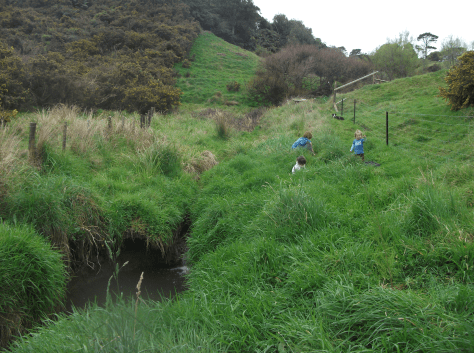
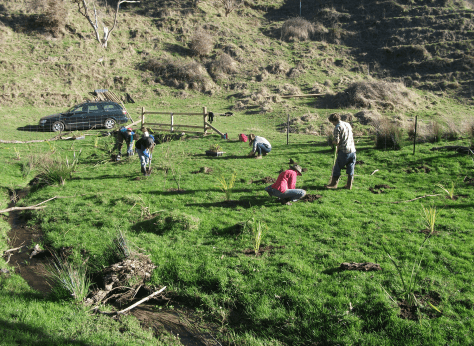
And finally – at the bottom of the valley – we’ve fenced the stream and planted 1,500 native trees, shrubs and grasses.

screen-shot-2017-02-01-at-6-35-00-am

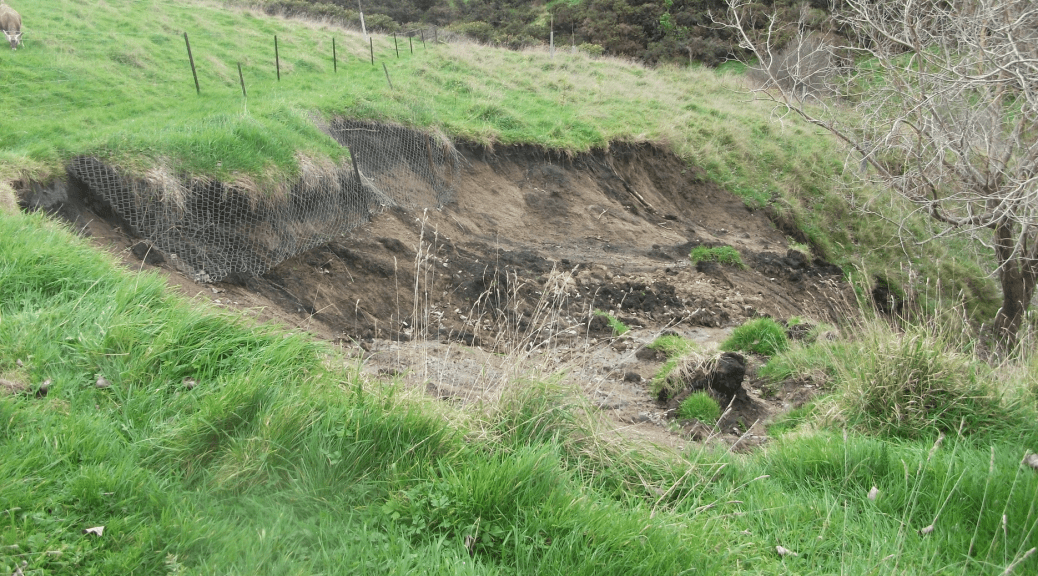
Elsewhere on the farm we’re also seeing great recovery. The slope below suffered a major slip during the floods of 2015. We have worked hard to protect and restore the hillside since then.

Screen Shot 2017-08-25 at 12.22.56 pm

All of this planting means lots of propagation. Here are 4 trays of tagasaste grown from seed.

Screen Shot 2017-08-25 at 12.24.50 pm

Additionally we buy in and have donated hundreds of native plants.

Screen Shot 2017-08-25 at 12.25.53 pm

On this farm we’re taking the long view. Investing in erosion control, soil health, and water management now will pay dividends in the future. I call this “triage permaculture.” Vegetable gardens can come later.


Peace, Estwing

Kaitiaki Farm Tour – 10th September

Kaitiaki Farm is among the most diverse permaculture farms in New Zealand. Our holistic approach to land management includes all of the 13 acres – taking advantage of micro-climates, soil types, and hydrology.

The farm is opened twice a year to the public: September and March.

“Wow, totally inspiring.” – Tour Participant

As part of the 5th Annual Whanganui Permaculture Weekend we are offering a walking farm tour on Sunday 10th September from 9:30-12:30. The tour will cover: organic market gardening; the best tools for farm and garden management; tractoring fowl; water management; building soil fertility; wind breaks; orchard planning; erosion control; slope stabilisation; stock rotation; wetland restoration; and, eco-building.

223 No. 2 Line. Please park on the road. $25 per person.

Stay-and-Learn B&B packages available for out-of-town guests.

theecoschool at gmail.com

Passive Solar Design: Free Heat in Winter

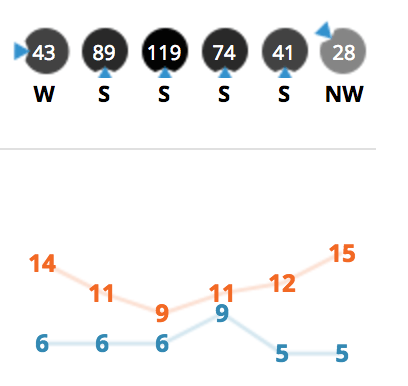
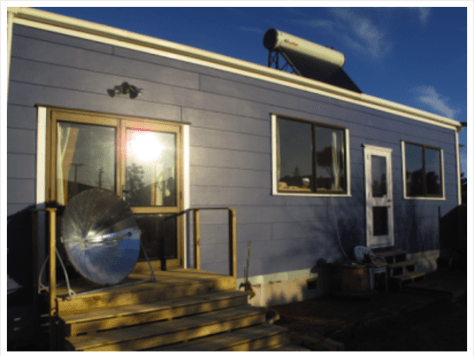
Six years ago New Zealand experienced the coldest week in recorded history, but our recently finished passive solar villa performed perfectly during the cold snap. Even with single-glazing in much of our home, it stayed warm during the frigid week without using any heat source other than the sun. (Of course the curtains and blinds did their job at night.)

Screen Shot 2017-08-16 at 7.17.46 am

Here is a blog post I wrote six years ago today that explains the great result:

http://ecothriftydoup.blogspot.co.nz/2011/08/power-of-sun.html

Here is a blog post written a month later that explains how and why the sun can be used to heat a home in winter for free.

http://ecothriftydoup.blogspot.co.nz/2011/10/sunrise-sunset.html


Peace, Estwing

5th Annual Permaculture Weekend

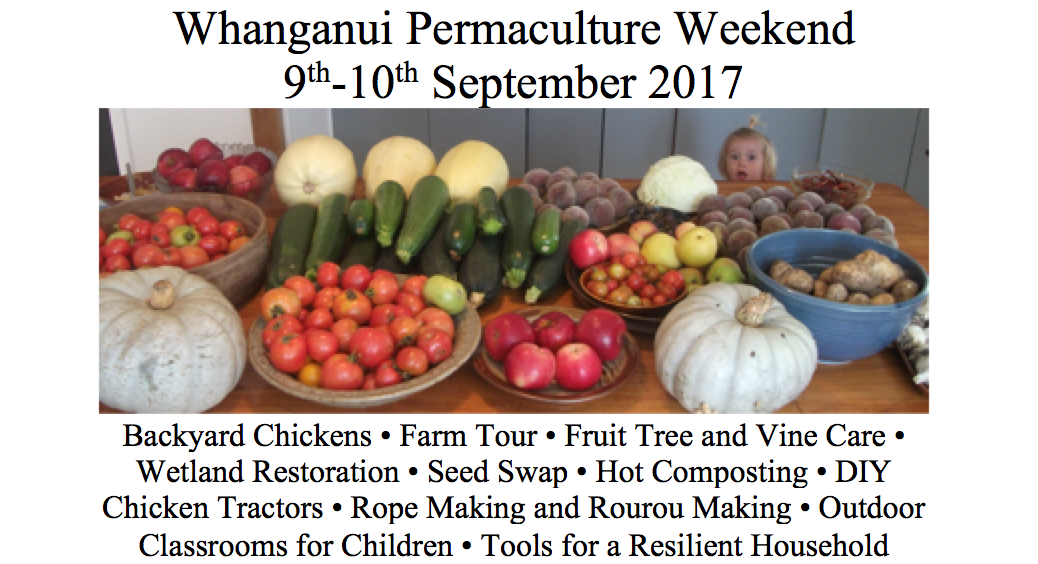
Whanganui Permaculture Weekend is a grass roots, dirt-under-your-fingernails, no nonsense event for anyone serious about realistic solutions for a troubled world. This is one place that Whanganui punches above it’s weight – with some of the best permaculturists and educators in the nation.
Screen Shot 2017-08-07 at 4.26.28 pm

The 5th annual event features at least four workshops by Whanganui locals who are the top of their field in New Zealand. Yet despite this expertise all the programmes are offered at affordable rates – most likely the best value weekend of learning anywhere in the country.

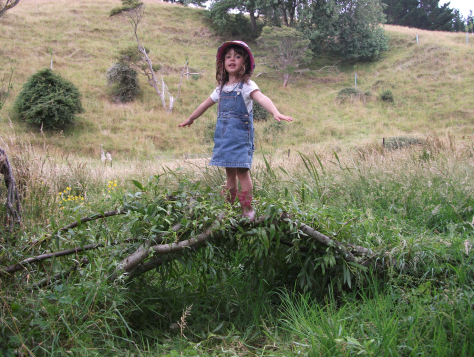
And we’re doing our best to make the event child-friendly this year, with a number of great workshops focused on children, including Rope Making and Rourou Making, Outdoor Classrooms, and an up-close-with-farm-animals BBQ on Saturday night.

See schedule below.
Screen Shot 2017-08-07 at 4.29.52 pm

Saturday, 9th Sept.

9-12 Tools for a Resilient Household: broad forks, solar ovens, rocket stoves, stirrup hoes, permaculture books, permaculture calendars. REBS Stall, River Market, Taupo Quay

9:30-11:00 Tour of wetland restoration and hillsides post slips. Mount St. Joseph. 14 Hillside Terrace. Noelene Landrigan

**CANCELLED DUE TO WEATHER** 11-1 Rope Making and Rourou Making, Tracey Young, River Market near i-site. Donation

11:30 – 12:30 UCOL Organic Agriculture Course & Online PDC. Richard Pedley. UCOL Complex main entrance, Taupo Quay. Free

1-3 “Intro to the Community Game” WRRC Education Room, 83 Maria Place. Laurence Boomert.

1:30-3:30 Suburban Permaculture Property Tour. 106 Matai St. Phil Holden. By Donation.

2-3 Backyard Chickens. Kaitiaki Farm, 223 No. 2 Line. Cyd Welsh & Nelson Lebo $10

3-4 DIY Chicken Tractors Kits. Flat packs for sale – $70

4-5 pm Hot Composting for Serious Gardeners. Kaitiaki Farm, 223 No. 2 Line. Nelson Lebo. Free

5:30-7:00 pm Shared Meal BBQ. Kaitiaki Farm, 223 No. 2 Line. CANCELED EXCEPT FOR OUT-OF-TOWN GUESTS.


Overnight accommodation available. (See Below.)


Sunday, 10th Sept.

9:30 – 12:30 Kaitiaki Farm Tour. 223 No. 2 Line. Nelson Lebo. $25

1-4 Fruit Tree and Vine Care. 126 Springvale Road. Murray Jones. $20

1:30-3:30 Outdoor Classrooms for Children. Kaitiaki Farm, 223 No. 2 Line. Dani Lebo. By Donation

2-4 Seed Swap. Whanganui Seed Savers. Quaker Meeting House, Wicksteed St. By Donation

3:30 – 5:00 Tree Planting. Kaitiaki Farm, 223 No. 2 Line. Free


B&B Packages include accommodation, dinner on Saturday, breakfast on Sunday and admission to all workshops.

Studio: Couple/family with en suite. $190. BOOKED

Private room/shared bathroom: $170/couple or $95 per person.

Valley Shelter Sleepout: $85 BOOKED

Camping: $75 per person. FULLY BOOKED